


Twins Video
When the Pohlad family confirmed that they will remain the principal owners of the Minnesota Twins, it didn’t just end speculation about the franchise’s sale. It also sent a strong signal about the immediate future of the team’s leadership structure—one that has been remarkably consistent, even during disappointing seasons.
In a letter to fans, the Pohlads explained that they explored “a wide range of potential investment and ownership opportunities” before deciding to retain control and add two significant limited partnership groups. That decision essentially secures the positions of the two most visible leaders in the organization: Derek Falvey and Rocco Baldelli.
Minimal Change Expected at the Top
Falvey, the president of baseball and business operations, has been the franchise’s top baseball executive since 2016. He stepped into one of baseball’s most powerful roles earlier this year, when Dave St. Peter retired. Under his watch, the Twins have won three division titles but have also endured multiple seasons wherein expectations far exceeded results—including the last two seasons, when the club was projected to finish first in the AL Central and will finish out of the playoff picture.
Still, the Pohlads have consistently valued stability over dramatic shakeups. Their decision to keep ownership in-house rather than hand the franchise to a new principal owner is a clear sign that a major front-office overhaul is unlikely.
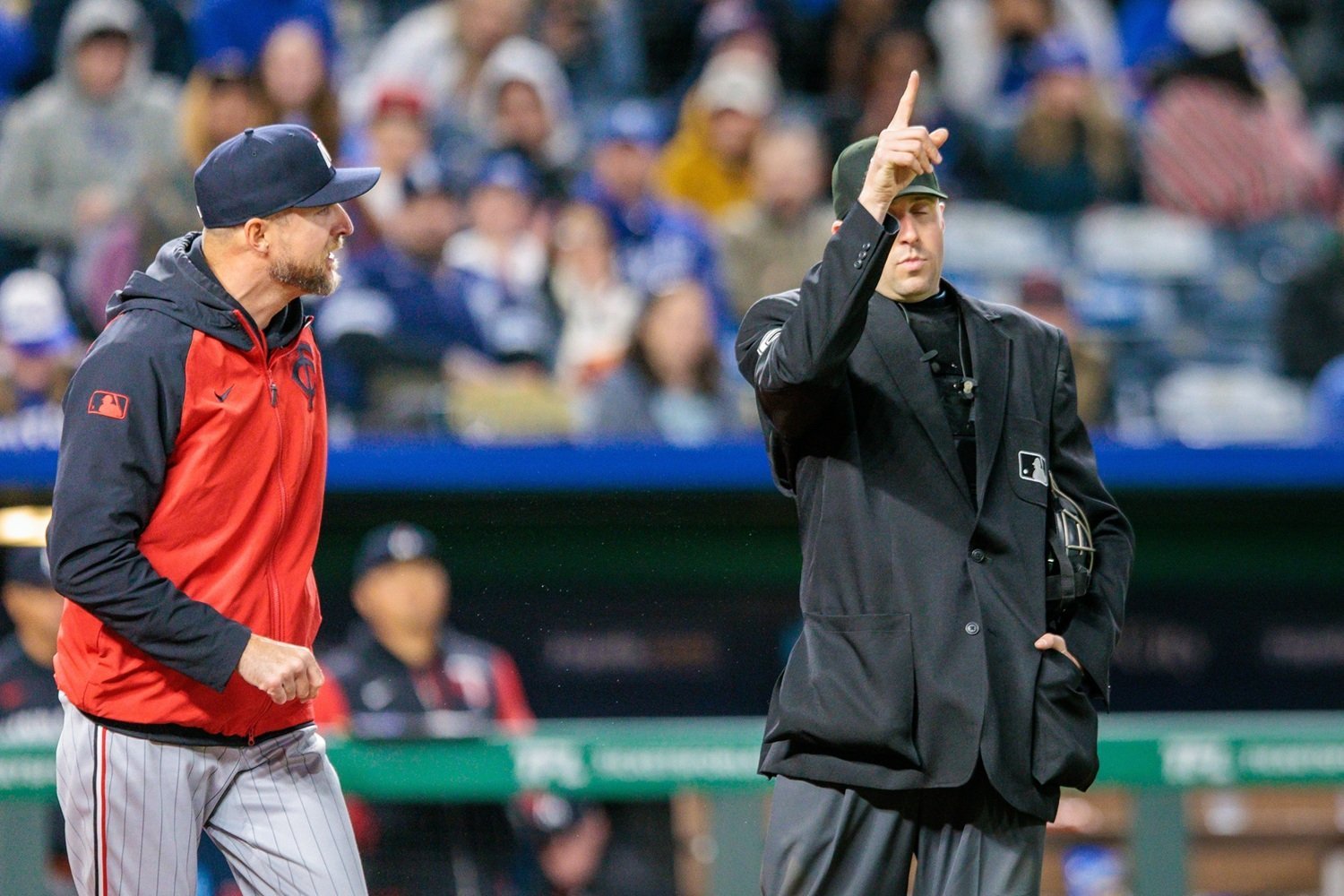
On the field, Baldelli appears just as safe. The team picked up his 2026 option earlier this season, a move that now looks even more significant. While some fan frustration has grown during this disappointing year, ownership’s history suggests they see continuity in the dugout as a strength, rather than a weakness.
Following Their Long-Term Playbook
In some ways, this approach mirrors the Pohlads’ broader philosophy. While other franchises in MLB have cycled through executives and managers in search of quick turnarounds, Minnesota has preferred to give its leadership groups extended time to execute their vision.
It’s a philosophy not without risk, especially in an era when playoff contention can be fleeting, but it aligns with the Pohlads’ public statements about valuing “long-term vision” and “shared family values.”
Lessons from Other Teams’ Sales
This stability-first mindset also stands in contrast to the uncertainty seen when other clubs explore sales. The Los Angeles Angels and Washington Nationals both tested the market in recent years, before deciding to keep their current owners in place. In those cases, lingering questions about leadership often slowed roster planning and created speculation about changes at the top.
The Twins, by contrast, seem intent on projecting a united and consistent vision moving forward. Billion-dollar sports franchises have a limited buyer pool, and the complexities of selling often extend far beyond price tags. By ending their sales process, the Pohlads have also eliminated the uncertainty that typically comes with a potential ownership change.
A Rarely Changing Guard
In the last four decades, the Twins have had just four full-time managers: Tom Kelly (1986-2001), Ron Gardenhire (2002–2014), Paul Molitor (2015–2018), and Rocco Baldelli (2019–present). On the front-office side, the team operated under general manager Terry Ryan for most of 1994–2016 (with a short Bill Smith tenure in between, with Ryan still in the organization) before hiring Falvey to run baseball operations, and eventually business operations, too.
By comparison, many MLB clubs have churned through eight or more managers and several top executives in that same stretch. Minnesota has also had some famously long-tenured people in less prominent roles in the front office, and it looks like Byron Buxton will be the third franchise icon in as many generations (following Kirby Puckett and Joe Mauer) to play his entire career with the team. The Twins’ slow turnover at the top reflects the Pohlads’ long-standing belief in patience over quick fixes.
The Message to Fans
The Pohlads closed their letter with a commitment to “building a winning team and culture for this region.” For now, that culture will continue to be shaped by the same leadership voices that have guided the team for nearly a decade.
The Twins’ results in 2025 haven’t matched expectations, but the franchise’s direction, from the front office to the manager’s office, appears locked in. For better or worse, stability remains the Pohlads’ game plan.
Should the Pohlads look to make changes to the front office or manager? Will the new limited partners push for different on-field results? Leave a comment and start the discussion.
Do you approve of the job Derek Shelton is doing as Twins manager?

Follow Twins Daily For Minnesota Twins News & Analysis



- Andy Brodie, h2oface, Schmoeman5 and 1 other
-
 2
2
-
 2
2



Recommended Comments
Create an account or sign in to comment
You need to be a member in order to leave a comment
Create an account
Sign up for a new account in our community. It's easy!
Register a new accountSign in
Already have an account? Sign in here.
Sign In Now