


Twins Video
As the offseason unfolds, national outlets are rolling out their early grades for teams based on winter transactions. For the Minnesota Twins, however, it’s hard to envision any scenario where the front office emerges with a passing grade. Ownership-imposed payroll limitations and the reality of subtracting value via free-agent departures and likely salary dumps (while gaining little in return) paint a bleak picture for the weeks leading to spring training.
The Twins are staring down a challenging decision-making process. Key players like Christian Vázquez, Chris Paddack, and Willi Castro are all on expiring, moderately expensive contracts. Minnesota’s current payroll projects are in the neighborhood of $140 million, and the ownership group would like that total to be closer to $130 million. Trading one or more of these players seems likely, but the return is expected to be underwhelming. None of these pieces are the kind of players who command top-tier prospects or impact talent in a deal. Yet, dealing them would weaken the team’s depth, which this front office highly values.
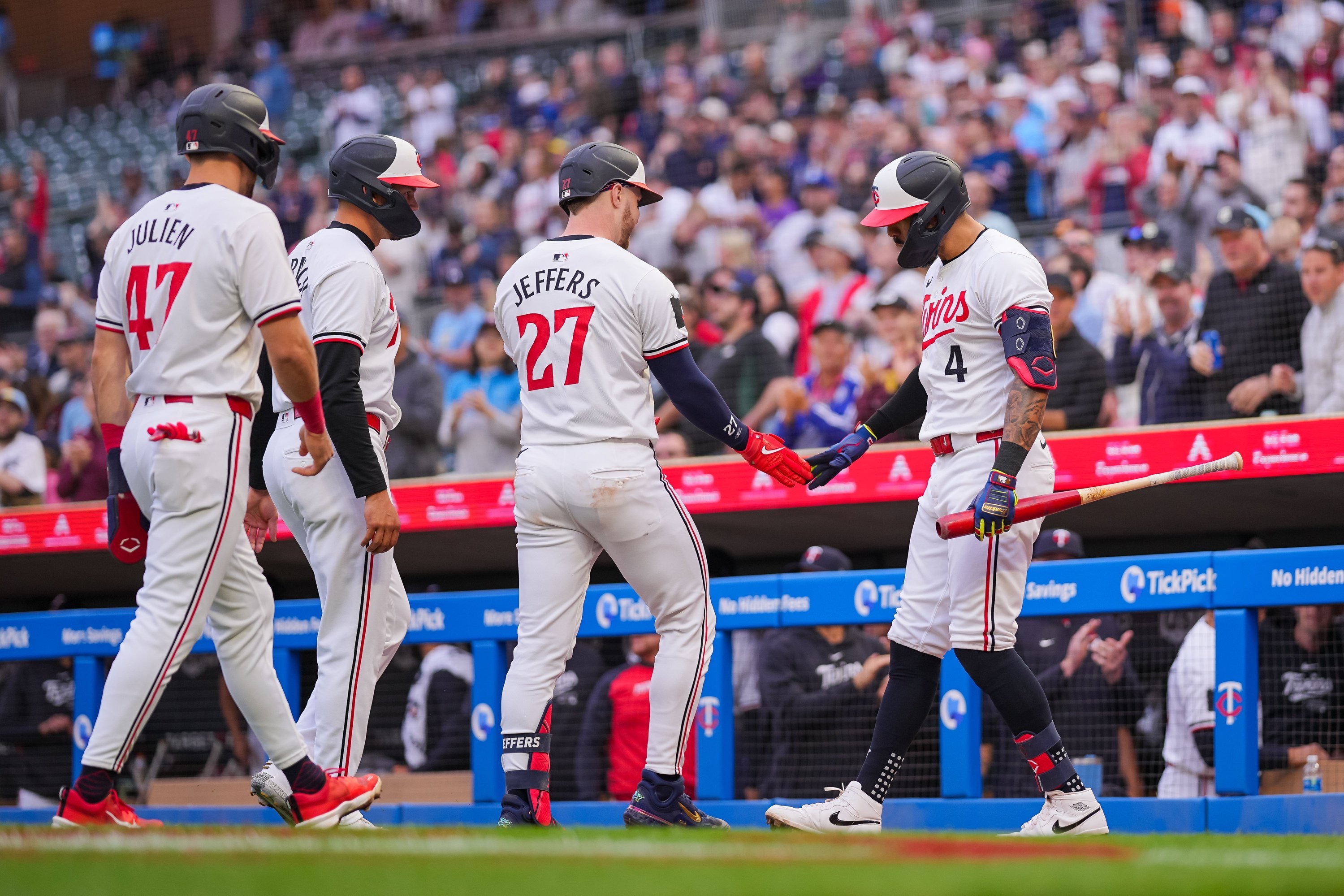
Take Vázquez, for example. The veteran catcher was brought in to stabilize the position and guide the pitching staff. Trading him would leave the Twins heavily reliant on Ryan Jeffers, who has struggled with consistency in the past. Minnesota has added some catching depth this winter by trading for Diego Cartaya. However, Minnesota has employed an even split of playing time behind the plate in recent seasons, and it's not clear that Cartaya would be a viable backstop for 75-plus games.
Similarly, trading Paddack or Castro removes insurance from an already injury-prone rotation and lineup. If Paddack is dealt, Simeon Woods Richardson or David Festa will slide into the fifth spot in the rotation, which might be an upgrade over Paddack—but would reduce their resiliency in case of an injury. Castro’s value comes from his defensive versatility, but the Twins might be able to use someone like Austin Martin or Michael Helman in a utility role. These are calculated risks, but they only make sense if the front office believes some other players on the roster can take a step forward.
Could Minnesota swing for a bigger deal to alter the trajectory of their offseason? The possibility exists, but it’s not without significant risk. Trading from the young core would be a gamble. The candidates for such a move—Royce Lewis, first and foremost—represent not only the future but also the present hope of sustainable success. The organization has one of baseball’s best farm systems, and prospects like Emmanuel Rodriguez or Marco Raya could be used as trade chips. However, depleting the pipeline has long-term consequences that the Twins have historically avoided.
It’s not as if this front office is incapable of pulling off a win-now move. The trade of Luis Arraez for Pablo López is a shining example from two years ago. That deal worked out as close to ideally as the front office could hope, with López anchoring the rotation and signed to a long-term deal with the club. But those kinds of trades are exceedingly rare. It would take another masterstroke for the Twins to escape this offseason unscathed.
On paper, Minnesota might already have the best roster in the AL Central, which some fans might find hard to believe after last year’s collapse. There are no glaring holes on the roster, and they have depth at multiple positions. Many of Minnesota’s top prospects finished last season at Double-A or higher, putting them on a path to debut in 2025. The challenge now is returning to 2023’s level of success, while working within financial constraints. This roster can compete if healthy, but health has been anything but a guarantee for this franchise.
The reality is that the Twins’ front office is operating in a nearly impossible situation. Any significant subtraction will hurt the team’s chances in 2024, while any addition seems unlikely to move the needle enough to justify the cost. Grading this offseason will be about context, but the final marks won't be kind, even understanding the challenges.
Derek Falvey and Jeremy Zoll must walk a tightrope in the weeks ahead. Their decisions will shape not only the 2025 season, but also the perception of this regime’s ability to build a contender under constraints. No matter what they do, it’s hard to see a path to a grade above a C for this offseason. The pieces don’t fit, the math doesn’t work, and the Twins are left in the unenviable position of trying to tread water while the rest of baseball races ahead.
What grade has the front office gotten for the offseason so far? Leave a comment and start the discussion.






Recommended Comments
Create an account or sign in to comment
You need to be a member in order to leave a comment
Create an account
Sign up for a new account in our community. It's easy!
Register a new accountSign in
Already have an account? Sign in here.
Sign In Now