


Twins Video
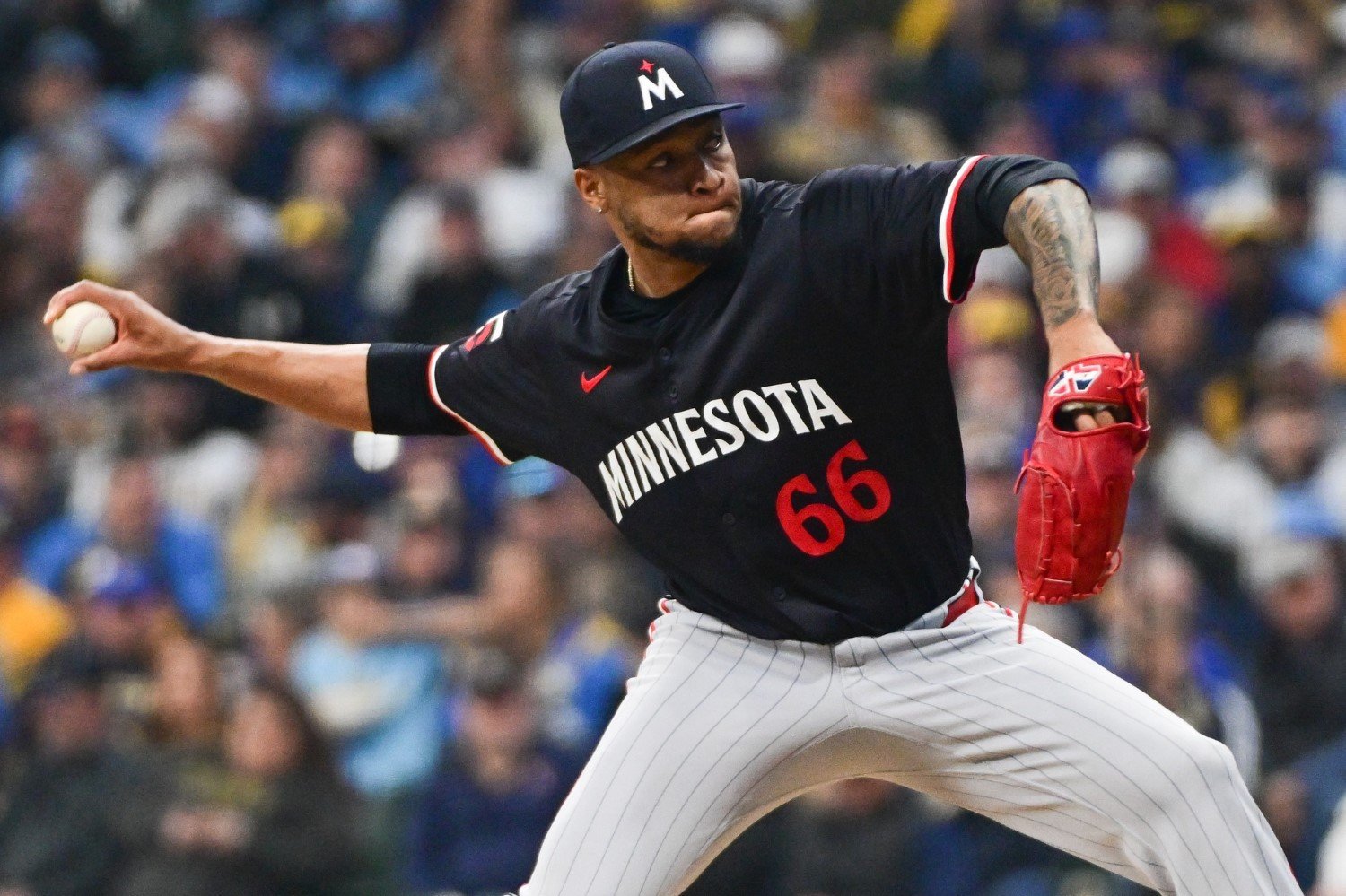
Jorge Alcalá had a chance to put the Twins in position to sweep a four-game series against the defending World Series champs. Instead, he had one of the worst relief outings of the season. What went wrong?
In baseball, relievers are often the unsung heroes of a team. Their job is to protect leads, keep games close, and put out fires. For many relievers, including Jorge Alcalá, most outings are routine—composed of high-pressure situations where they deliver a crucial out or escape a jam. But even the best can have a blow-up appearance where everything seems to go wrong. How does this happen?
The Nature of Relief Pitching
Relief pitchers like Alcalá operate under unique constraints. Unlike starting pitchers, who can settle into a game over multiple innings, relievers typically have to be sharp from their first pitch. They may only have a handful of pitches to make an impact, and the margin for error is incredibly slim.
Alcalá, a right-handed pitcher known for his electric fastball and sharp slider, has generally been effective for the Twins. His ability to mix power with movement makes him a tough assignment for hitters. But the same qualities that make him dominant can also contribute to a disastrous outing when things don't go as planned.
What Can Go Wrong?
1. Loss of Command: Command is the ability to locate pitches not just within the strike zone, but to specific areas where the batter is less likely to make strong contact. When Alcalá loses command, he may miss his spots, leaving pitches over the heart of the plate. In these situations, even average hitters can capitalize and punish him with extra-base hits or home runs. Lefties have been especially likely to do this throughout his career.
2. Mechanical Issues: Even small deviations in a pitcher’s mechanics can lead to a loss of velocity, movement, or control. Alcalá’s effectiveness is tied to his ability to repeat his delivery consistently. If his arm slot drops or his timing is off, his pitches might not break as sharply or arrive as quickly, making him more hittable.
3. Poor Pitch Selection: Pitch selection is a collaborative effort between the pitcher and catcher. If they choose the wrong pitch in a critical situation, it can lead to disaster. For instance, if Alcalá opts for a fastball when the hitter is sitting on it, or if he throws a slider that doesn’t break enough, it could result in hard contact or even a home run. The battery has to work together to intuit and respond not only to the batter's expectation, but to the trends they each perceive in the pitcher's feel for their offerings.
4. Bad Luck: Baseball is a sport where luck plays a significant role. A well-located pitch can still result in a hit due to a blooper or a well-placed ground ball that finds a hole in the infield. In some cases, Alcalá may execute his pitches perfectly, but a combination of bad luck and defensive misplays can lead to an inning spiraling out of control.
5. Situational Pressure: Relievers often enter games with runners on base and no margin for error. The pressure can amplify the difficulty of their task. If Alcalá allows runners to reach base, even a single mistake can turn into a multi-run inning. The pressure to be perfect can sometimes lead to overthrowing, resulting in a loss of command or mechanical breakdowns.
So, which of these characteristics played out in Sunday's implosion?
Batter 1: Leody Taveras gets a fastball low in the zone and puts a solid swing on it.

Batter 2: Marcus Semien sits on a fastball for a double, while nearly doubling Texas’s win probability.

Batter 3: Like Semien, Corey Seager is waiting on the first-pitch offering and smashes a run-scoring double to right field.

Batters 4 and 5: Josh Smith flew out on two fastballs from Alcalá, but Adolis García stepped in and crushed a game-tying two-run homer. Alcalá fell behind with two pitches below the zone before leaving a fastball up.

Batters 6 and 7: Alcalá struck out Nathaniel Lowe in a tough, six-pitch at-bat that saw him work the count full before swinging through a slider. Josh Jung sat on deck and saw Alcalá’s entire repertoire of pitches, before getting a fastball up in the zone.

Breakdown
It seems fair to say that a mixture of the factors listed above contributed to this rapid unraveling. Alcalá's location wasn't good enough, though not for any obvious mechanical reason. Against some tough hitters, he simply didn't execute well enough. The pitch selection was questionable in places, though trying the first-pitch changeup to the notoriously eager first-pitch swinger in Seager made sense. He just didn't command that offering well enough. In hindsight, ahead 1-2 on Jung, another slider was in order, but if the fastball had been a few inches higher, the ugly result probably would have turned into a happy one. For that matter, the fastball García hit out of the park was in an almost perfect spot, and in that way, bad luck also intruded on the outing.
The Ripple Effect of a Bad Outing
One bad outing can have ripple effects beyond the immediate game. For the team, it can mean a demoralizing loss, especially if they were in a position to win. For the reliever, it can shake confidence and lead to overcompensation in future outings, further impacting performance. Managers and pitching coaches must then work to rebuild that confidence, possibly giving the reliever a lower-leverage situation in the next appearance to regain their rhythm.
Alcalá, like any other good reliever, is not immune to having a blowup. While it can be frustrating for fans and painful for the team, it's essential to understand the various factors that can contribute to such an event. From mechanical issues and loss of command to bad luck and situational pressures, a myriad of elements can align to turn a typically dominant reliever's outing into a nightmare.
The true measure of a reliever like Alcalá isn’t just their ability to deliver in high-pressure situations, but also their capacity to bounce back from an occasion on which they fail to do so. In the end, these moments of adversity can help build resilience and, ultimately, make them better pitchers in the long run.







Recommended Comments
Create an account or sign in to comment
You need to be a member in order to leave a comment
Create an account
Sign up for a new account in our community. It's easy!
Register a new accountSign in
Already have an account? Sign in here.
Sign In Now