


Twins Video
The 2026 MLB trade deadline is shaping up to be another pivotal moment for the Minnesota Twins. Sitting in the thick of the American League Wild Card race at the All-Star break, the front office faces a familiar question: buy, sell, or stand pat After last year's franchise-altering selloff, however, the equation has changed dramatically. The Twins already cashed in many of their most valuable trade assets, replenishing one of baseball's top farm systems in the process. If they decide to sell again, there simply isn't enough remaining on the major-league roster to dramatically reshape the organization. That's not to say Minnesota has nothing to trade. It just means the return is unlikely to mirror the prospect haul the club received a year ago.
Joe Ryan is the Only Franchise-Altering Trade Chip
If there is one player capable of bringing back a transformational return, it's Ryan. A front-line starter with another season of club control would be one of the most coveted pitchers available—if, indeed, the Twins made him available. Diamond Centric currently ranks him as the second-most valuable trade candidate, behind Detroit’s Tarik Skubal. Any Ryan trade package would have to include multiple top prospects and/or a controllable big-leaguer.
The problem isn't finding interested teams. Every contender would line up for Ryan. The issue is whether trading him makes any sense. There have been no indications the Twins are interested in moving their ace, and doing so would effectively wave the white flag on a season that has exceeded expectations. Minnesota has remained in the playoff picture largely because of its clubhouse chemistry, resilient offense, and a belief that it can compete despite last year's roster turnover. Trading Ryan would send the opposite message. Even if the return looked fantastic on paper, it would tell the clubhouse that the organization is already looking toward 2027, instead of trying to capitalize on a legitimate postseason opportunity.
Ryan Jeffers Could Help a Contender
Jeffers is another of the more interesting trade candidates on the roster. He recently returned from a broken hamate bone and is scheduled to become a free agent after the season. Catching depth is always at a premium in July, and several contenders could use another bat behind the plate. Diamond Centric currently ranks him as the 29th-best trade candidate.
The Twins also learned they could survive without him. Victor Caratini and Alex Jackson handled the workload admirably during Jeffers's absence, giving Minnesota confidence that it has enough depth to finish the season if necessary. However, there's no guarantee that duo can continue to produce at that high of a level.
Still, Jeffers isn't likely to command an overwhelming return. A realistic package could include a borderline top-100 prospect, along with a lower-level lottery ticket. That's a respectable return for a pending free agent, but it doesn't dramatically elevate an already improved farm system. Considering Minnesota is unlikely to retain Jeffers this winter, moving him would be understandable from an asset-management perspective. It just wouldn't be the type of deal that changes the organization's long-term outlook.
Josh Bell's Value Doesn't Match His Production
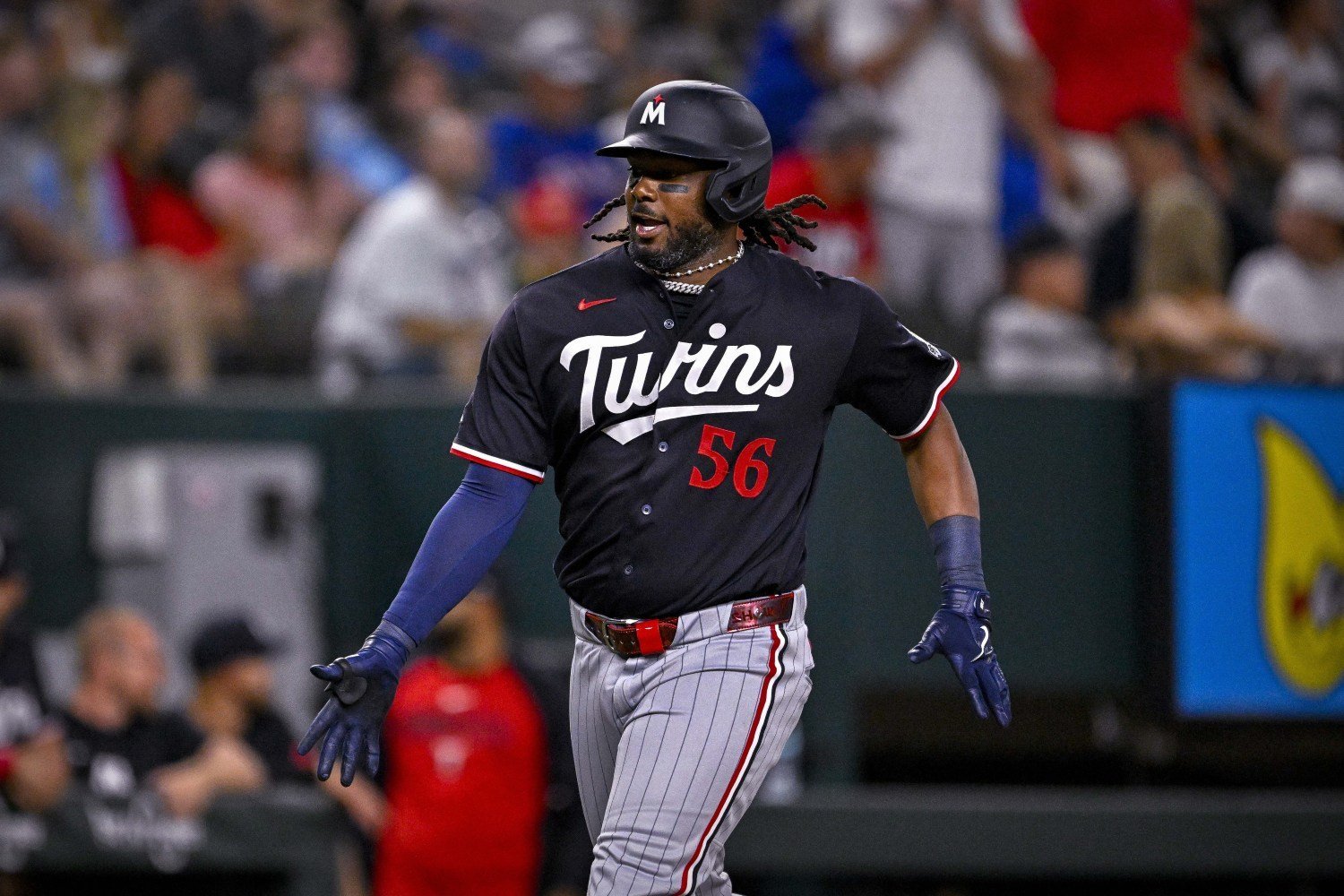
Throughout his career, Bell has been one of baseball's familiar deadline rentals. After another slow April, he has quietly turned into one of Minnesota's most productive hitters and played a significant role in the Twins leading the American League in runs scored. His bat certainly has value. The problem is that his defensive limitations negate it. Diamond Centric currently ranks him as the 41st-best trade deadline candidate.
Bell is essentially a designated hitter, and contenders rarely pay premium prospect prices for DH-only bats. Even if Minnesota found a willing trade partner, the return would likely consist of lower-tier prospects, rather than impact talent. Bell probably won't be back next season, making him a logical trade candidate on paper. In reality, his value to Minnesota's lineup may outweigh whatever modest return another club is willing to offer.
Trevor Larnach Has More Value in Minnesota
Larnach has surfaced in trade rumors before. The Twins have previously explored moving him, but either opposing clubs weren't interested, or Minnesota didn't receive an offer matching its valuation. Diamond Centric has Larnach ranked as the 48th-best trade candidate.
Now, Larnach is doing exactly what the Twins hoped he would. Alongside Bell, he has helped anchor one of the American League's best offenses, giving Minnesota another top-of-the-order threat as it chases a playoff berth. Could the Twins revisit trade discussions? Certainly. Would the return justify subtracting an everyday contributor who remains under team control through next season? Probably not.
Unlike Bell or Jeffers, Larnach still offers value beyond this season. Unless another organization significantly raises its offer compared to previous discussions, there's little incentive for Minnesota to move him. Even in the worst-case scenario where Larnach cools off and the team misses the postseason, they should be able to get at least a fringy prospect for him at the non-tender deadline this November.
Selling Again Would Send the Wrong Message
The Twins could trade Ryan, Jeffers, Bell, Larnach, or any combination of those players before the deadline. The bigger question is what those moves would accomplish. Outside of Ryan, none of those players are likely to return the type of impact prospect package that materially changes the farm system. Minnesota already completed that work during last year's deadline. What's left are complementary pieces whose value is greater to a club chasing a postseason berth than it is on the trade market.
More importantly, another selloff would send a clear message to the clubhouse. After fighting their way into contention and entering the All-Star break fueled by confidence and momentum, dealing away productive veterans would suggest the front office no longer believes this team is capable of making a run.
The Twins may not be aggressive buyers at this year's deadline, but they also don't have much reason to become sellers. The organization's biggest replenishment has already happened. Now, the focus should be on seeing just how far this surprising group can carry itself in October—or even on bolstering the team for that stretch run.
Does it make sense for the Twins to hold on to all these players? Leave a comment and start the discussion.
Are you optimistic about the Twins right now?

Follow Twins Daily For Minnesota Twins News & Analysis



- LewFordLives, glunn, DocBauer and 3 others
-
 6
6



Recommended Comments
Create an account or sign in to comment
You need to be a member in order to leave a comment
Create an account
Sign up for a new account in our community. It's easy!
Register a new accountSign in
Already have an account? Sign in here.
Sign In Now