


Twins Video
Even with games remaining on the schedule, the Twins' offseason roster decisions are beginning to take shape. Several players are approaching free agency, creating decisions about whether Minnesota wants to bring them back or let them test the open market. Others have struggled enough this season that offering them arbitration or committing another roster spot could be difficult to justify. Then there are players who haven't necessarily done anything wrong, but are watching younger players with more upside move past them on the organizational depth chart.
That combination could lead to significant turnover this winter. The Twins have spent much of 2026 evaluating what their next competitive roster should look like. As the season winds down, that makes the final games more than just a conclusion to a disappointing year. They are also an opportunity to look at which players might no longer have a place on the next version of this team.
So, with the offseason approaching, which Twins players could be playing their final games in Minnesota?
Ryan Jeffers
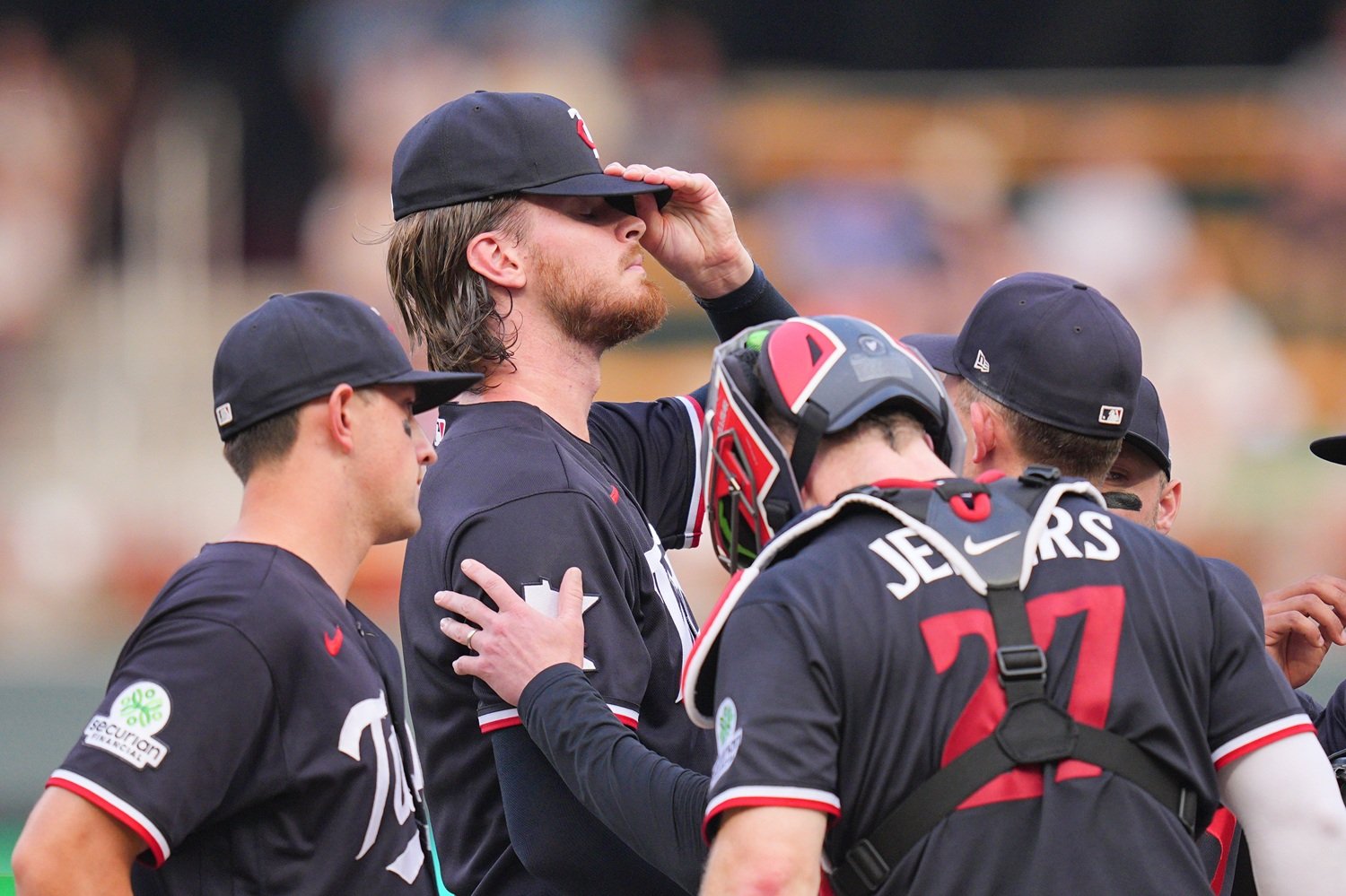
Jeffers is probably the most obvious player on this list from a contractual standpoint. The 29-year-old catcher is headed to free agency, which will offer the first opportunity to secure a multi-year deal. The Twins can make him a qualifying offer, but that's unlikely—and even if they did, Jeffers would probably turn it down, as he continues looking for guaranteed money and a longer commitment. Minnesota has a decision to make behind the plate, and Jeffers will have plenty of suitors when he reaches the open market.
Josh Bell
The Twins signed Bell hoping he could build on the improvements he showed during the second half of last season. That hasn't really happened. Bell has posted a 105 OPS+ this season, which sits 10 points below his career average. He doesn't provide defensive value, putting additional pressure on his bat to carry his roster spot. At this stage of his career, Father Time may be starting to catch up with Bell. The Twins could look for a younger option at first base and designated hitter this winter.
Taylor Rogers
Rogers wanted to finish his career where it started. He has accomplished another major milestone by reaching 10 years of MLB service time, which gives him the pension benefits associated with a decade in the majors. Now, retirement could be the next step. Rogers has had a remarkable career, including an All-Star appearance and years of being one of the game's more reliable left-handed relievers. This season, however, has been forgettable.
Bailey Ober
Ober's situation is more complicated, but there are legitimate questions about his future with the Twins. His fastball velocity hasn't returned to where it was earlier in his career, and the Twins have pushed his recent starts back multiple times. There have still been successful stretches, but starting pitching becomes much more difficult when a fastball consistently tops out in the high-80s. Ober has shown that he can pitch without overpowering stuff. It's less clear whether he can do it consistently enough to remain a rotation piece for a team trying to build its next contender.
Matt Wallner
Wallner has already played his final game for the Twins this season. He has been at Triple-A since May and has continued to produce at a high level, but the organizational depth chart has changed around him. Younger outfielders have moved ahead of him, and Wallner has publicly suggested that he doesn't expect to return. That makes him one of the more obvious offseason storylines. A player with his power could still attract interest elsewhere, especially after another productive season in St. Paul.
Dark Horse: Royce Lewis
This is where the exercise gets really interesting. Lewis has not produced at a high enough level (91 OPS+) to make his return to first base an automatic decision for 2027. The Twins have invested heavily in him over the years, but roster construction eventually has to be based on what a player is producing now rather than what everyone believes he can become. One possibility would be moving Lewis back to a platoon role at second base, pairing him with a left-handed hitter. But that creates another question: Is that actually a role in which Lewis can succeed?
That makes him the dark horse on this list. It would be surprising to see the Twins move on, but the organization has plenty of decisions to make before next season. The final games of the 2026 season won't mean much in the standings for Minnesota, but they could provide important clues about the organization's plans.
Free agents will make their own decisions. Veterans could retire. Younger players could force their way onto the roster. And the front office will have to determine which pieces still fit with the direction of the organization.
Will any of these players be back next season? Leave a comment and start the discussion.






Recommended Comments
Create an account or sign in to comment
You need to be a member in order to leave a comment
Create an account
Sign up for a new account in our community. It's easy!
Register a new accountSign in
Already have an account? Sign in here.
Sign In Now