


Twins Video
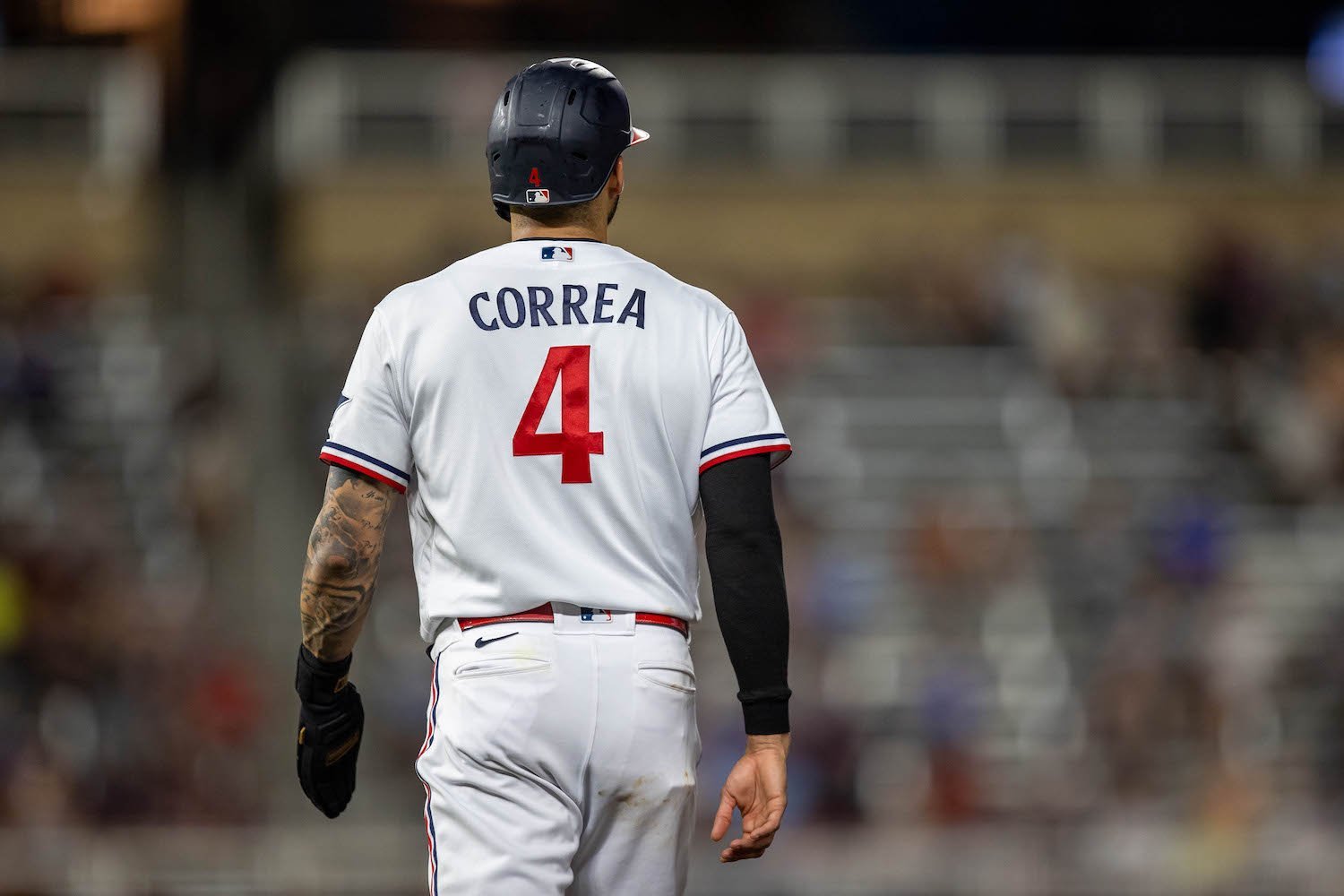
When the Minnesota Twins signed Carlos Correa to a six-year, $200 million contract before the 2023 season, it marked the largest free-agent deal in franchise history. For a team in a mid-market like Minnesota, making such a significant commitment was a bold statement of intent. Now, two years into the deal, it's fair to ask: does the front office have any regrets?
The Market for Shortstops
To evaluate Correa’s contract, it helps to compare it to recent deals signed by similar players. This winter, Willy Adames agreed to a seven-year, $182 million contract with the San Francisco Giants. Adames is one year younger than Correa, but his offensive and defensive profile fall short of Correa’s overall value. Adames has averaged a 108 OPS+ over the last three seasons, while Correa has a 124 OPS+ during that same period.
From this perspective, Correa’s deal looks better than ever. The Twins secured a player with a proven track record of postseason success, leadership qualities, and a balanced skill set at a premium position. Correa has a guaranteed $104.7 million remaining on the final four years of his deal. Even as contracts across MLB continue to escalate, Correa's $33.3 million average annual value (AAV) remains reasonable for a player of his caliber.
Trade Rumors and Scott Boras’s Reassurances
Despite the contract’s apparent value, trade rumors have swirled around Correa this winter. With Minnesota looking to trim payroll after a disappointing 2024 season, moving Correa’s $33.3 million AAV would create significant financial flexibility. However, such a trade is easier said than done. Correa’s full no-trade clause gives him complete control over his destination, and his agent, Scott Boras, has publicly stated that Correa is happy in Minnesota.
“The last time I talked to him, he told me the fishing was good,” Boras told reporters during the Winter Meetings. “So, yeah, he’s happy there.”
This loyalty is a double-edged sword. While it reinforces Correa’s dedication to the organization, it also complicates trade negotiations. If Correa were to waive his no-trade clause, it would likely require assurances that he’d land in a situation he views as favorable. That’s also assuming the Twins could find a partner willing to take on the remaining four years of his deal. It still seems more likely than not that Correa will remain in a Twins uniform for Opening Day 2025.
The Optics of a Trade
Trading Correa so soon after signing him would raise significant questions about the team’s ability to attract future free agents. A move like this could signal to top-tier players that Minnesota isn’t a stable long-term destination, making it harder for the Twins to secure premium talent in upcoming offseasons. Minnesota signed Josh Donaldson to a significant contract and traded him with multiple years remaining on the deal. The franchise already faces challenges competing with larger markets, and dealing Correa could exacerbate those issues.
The Twins have also positioned Correa as the face of the franchise. His on and off the field leadership has been praised, and he’s served as a mentor for the team’s younger players. Removing that presence could create a leadership void that would be difficult to fill.
The Case for Keeping Correa
While Correa’s performance has had its ups and downs, his 2024 season offered a glimpse of why the Twins made such a substantial investment. He was the team’s MVP for the first half of the year, posting one of the best stretches of his career before a late-season injury derailed his momentum. If healthy, Correa remains a player capable of anchoring the lineup and delivering elite defense at shortstop.
Furthermore, with Adames’ contract setting a new market baseline, Correa’s deal no longer feels like an overpay. As the Twins navigate a tricky financial situation, keeping Correa may actually represent stability in a volatile landscape.
While there are legitimate reasons for the Twins to explore trading Correa, the complications surrounding such a move outweigh the potential benefits. His full no-trade clause, leadership value, and market-relative contract make him a key piece of Minnesota’s roster, and he’d be challenging to replace. Moreover, trading Correa could harm the Twins’ reputation in future free-agent negotiations, which would be a steep price to pay for immediate payroll relief.
For now, the Twins appear committed to their decision from two years ago. And while there may be moments of second-guessing, Correa remains a cornerstone of the team’s plans. He is a bet they hope will pay off in the coming years.
Do the Twins regret the Correa signing? Leave a comment and start the discussion.







Recommended Comments
Create an account or sign in to comment
You need to be a member in order to leave a comment
Create an account
Sign up for a new account in our community. It's easy!
Register a new accountSign in
Already have an account? Sign in here.
Sign In Now