


Twins Video
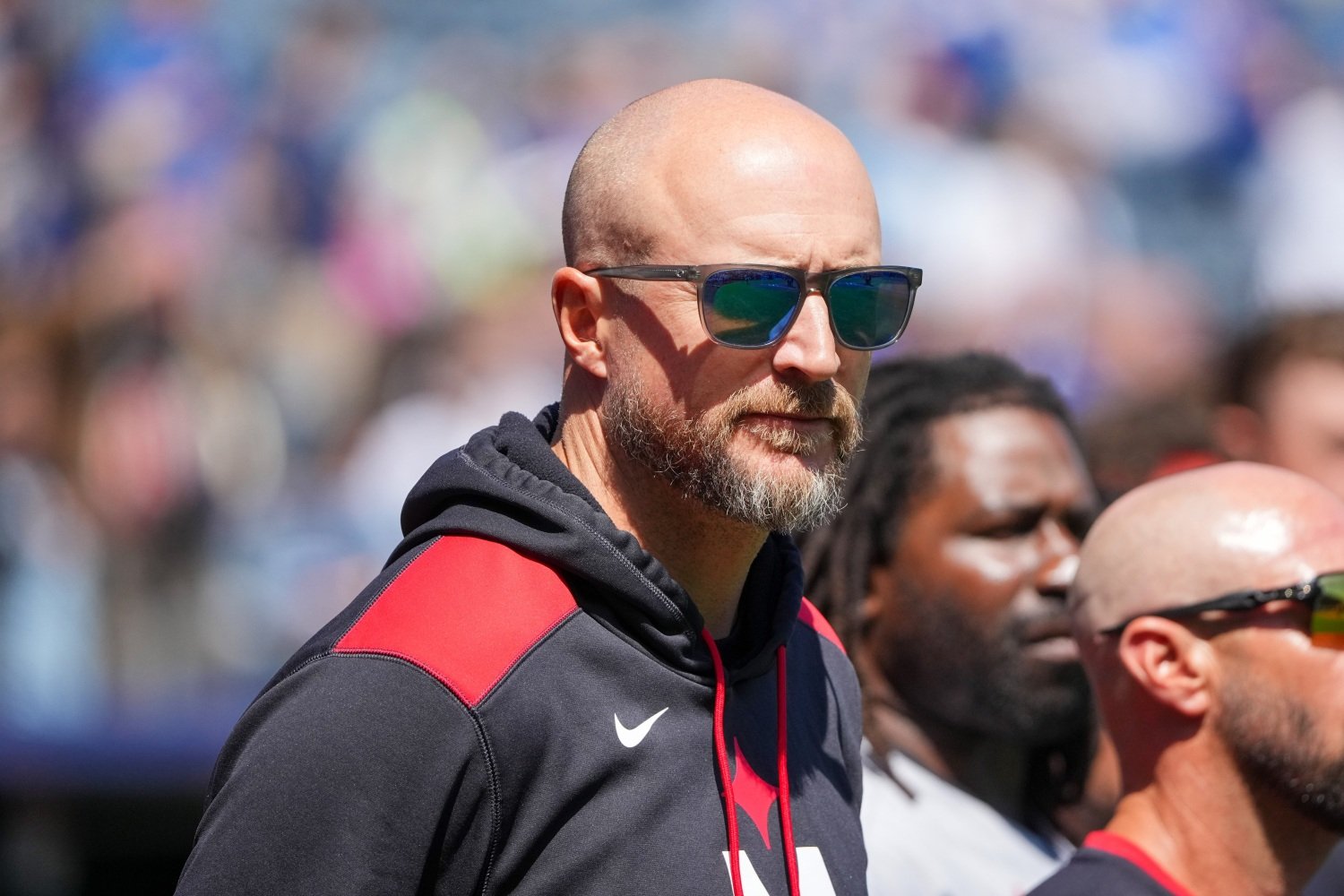
Thursday’s 3–2 loss to the Royals sparked frustration across Twins Territory—not just because of the result, but because of a decision that will be debated for some time: Rocco Baldelli pulling Bailey Ober with a low pitch count after six innings in a one-run game.
The move, followed immediately by a disastrous inning from reliever Cole Sands, raised eyebrows. Sands allowed a hit-by-pitch, back-to-back singles, and a sac fly after striking out the leadoff batter, giving Kansas City the lead for good. On its face, it looked like a manager outthinking himself. But let’s take a closer look at why Baldelli made the call he did.
Pitch Count vs. Times Through the Order
Ober's pitch count—just 73 after six innings—suggested he had plenty left in the tank. But in today’s game, managers weigh "times through the order" more heavily than raw pitch totals. It's no secret that hitters improve significantly the more they see a pitcher.
At the end of the sixth, Ober had just faced Royals' No. 6 hitter, Maikel García. That meant the seventh would begin with batters 7-8-9 for their third look at Ober—reasonable territory for a starter like him. But the real issue wasn’t the start of the inning—it was the potential end.
If Ober allowed even one baserunner, the top of the Royals' order—Jonathan India, Bobby Witt Jr., and Vinny Pasquantino—would be looming for a fourth look at Ober. That simply wasn't going to happen.
Velocity Dip and Stamina Questions
Times through the order wasn't the only reason for pulling Ober from the game, either. Performance and stamina were also a part of the decision, and Baldelli said as much in his postgame presser:
"His stuff as the game went on did tick down a little bit, and that was part of the conversation," Baldelli said.

The numbers back Baldelli up. Ober opened the game sitting around 91 mph on his fastball, but by the sixth inning, that had dropped to the 89 range. That’s not uncommon, especially considering Ober was still building back up from a spring illness that cost him nearly 10 pounds and probably should have pushed back his season debut. In fact, this was the first time in 2025 that he had completed more than four innings.
"In his last three outings, the most he's gone is four innings," Baldelli noted. "He wasn't going to go out there and get close to doubling that up."
Why Not Let Him Face the Bottom of the Order?
The main counterpoint fans bring up is that Ober could have started the seventh against the Royals’ weakest hitters. Maybe he gets through them cleanly. Maybe you steal two or three more outs.
But Baldelli didn’t want to risk having to bring in a reliever mid-inning, with traffic on the bases—especially not against the top of Kansas City’s lineup. Managers will always prefer giving relievers a clean slate. Bringing Cole Sands in at the start of the seventh meant pitting a fresh arm against the bottom of the order with no inherited runners and with some margin for error.
Sands has been one of Baldelli’s most trusted bullpen options since the middle of 2024. He owns a career 3.27 ERA as a reliever, and the plan to get him a clean inning against less threatening bats made plenty of sense—on paper.
Hindsight Is 20/20
Of course, it didn’t work out. Sands got tagged, the Royals took the lead, and the Twins couldn’t claw back. When a decision backfires, it’s always ripe for second-guessing.
But while we’ll never know how things might have gone had Ober stayed in to start the seventh, Baldelli’s choice was grounded in real data, recent performance, and a desire to avoid worst-case scenarios. You might not like the outcome, but the process had logic behind it.
What did you think of Rocco Baldelli’s decision to pull Ober? Should he have trusted his starter to go just a little bit further, or was it the right move with the wrong result?
Let’s hear your take in the comments below.





Recommended Comments
Create an account or sign in to comment
You need to be a member in order to leave a comment
Create an account
Sign up for a new account in our community. It's easy!
Register a new accountSign in
Already have an account? Sign in here.
Sign In Now