


Twins Video
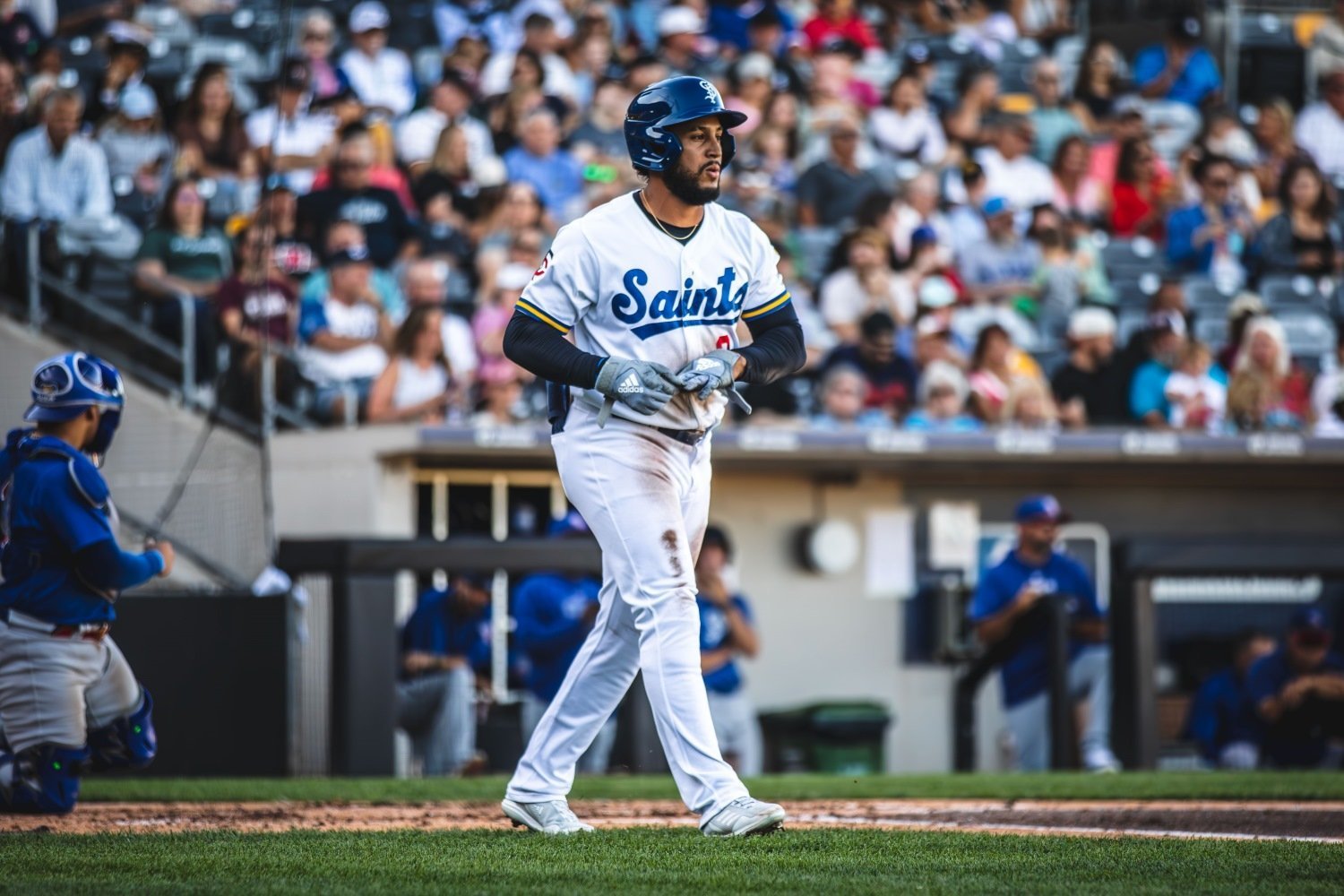
This strategy might make sense for the Minnesota Twins as they evaluate the future of potential cornerstone prospects like Walker Jenkins and Emmanuel Rodriguez. While this approach comes with risk, it also provides an opportunity for long-term cost control and stability for key pieces of a team’s future core.
Recent Precedents Around Baseball
Locking up players early in their careers is no longer revolutionary. Several teams have handed out lucrative contracts to prospects with little or no major-league experience. Most recently, the Tigers signed Colt Keith to a six-year, $28.6-million deal, securing a highly regarded young infielder before his debut. Last season, he was a global top-30 prospect and posted a 96 OPS+ in 148 games. Keith's contract reflects a growing willingness by teams to bet on their scouting and development systems to avoid escalating arbitration costs down the road.
Another high-profile example came from the Milwaukee Brewers, who signed Jackson Chourio, one of baseball's top outfield prospects, to an eight-year, $82 million deal. Chourio was entering his age-20 season and was considered one of baseball’s top prospects. In 2024, he hit .275/.327/.464 with a 117 OPS+, helping him finish in third place for the NL Rookie of the Year. For a small-market team like Milwaukee, his long-term deal provides some stability for a team that wants to stay competitive.
These signings follow earlier deals like the White Sox extending Luis Robert Jr. for six years and $50 million before his rookie season and the Astros’ infamous Jon Singleton contract, which netted him $10 million over five years despite limited production. While the Singleton deal remains a cautionary tale, some other contracts provide a model for teams like the Twins to consider extending their most promising talent.
The Twins’ Duo of Potential Future Stars
For Minnesota, the thought of extending one of their top prospects before a big-league debut starts with two names: Walker Jenkins and Emmanuel Rodriguez. Each player represents a potential building block for a team that must maximize its resources to compete in the AL Central for years.
Walker Jenkins: Following the Chourio Model
Jenkins, the Twins’ 2023 first-round pick, has perhaps the highest upside in the organization. As a left-handed hitting outfielder, he possesses a rare mix of power, athleticism, and makeup that has scouts dreaming of his five-tool talent. Jenkins finished last season at Double A, and his talent puts him in conversations with Chourio and other generational prospects. MLB Pipeline already ranks Jenkins as baseball’s No. 2 prospect, and that’s the same spot Chourio occupied last season.
The Twins could see Jenkins as the perfect candidate for a Chourio-style deal because his talent warrants early investment. In 2024, he missed time with a leg injury at the beginning of the season, but that was the only thing that slowed him down. In 82 games, he hit .282/.394/.439, with 32 extra-base hits and more walks (56) than strikeouts (47). Betting on his ceiling now would involve risk, but it could also solidify Jenkins as the centerpiece of the franchise without having to navigate escalating costs later.
Emmanuel Rodriguez: Following the Robert Jr. Model
Rodriguez would be the top prospect in a lot of other farm systems, and he might be the Twins’ most intriguing prospect. His raw tools are undeniable, with elite on-base skills, plus power, and solid defensive ability in center field. He’s gotten on base over 42% of the time during his professional career, and last season, he slashed .280/.459/.567 in 47 games. Injuries have slowed his ascent, but when healthy, he’s been one of baseball’s most exciting prospects.
Rodriguez’s profile resembles that of Luis Robert Jr. at a similar stage, with the enormous caveat that whereas Robert is one of baseball's most aggressive hitters, Rodriguez is one of its most passive. If the Twins believe in Rodriguez’s ability to remain healthy and develop into a top-tier outfielder, a pre-debut extension could provide tremendous value. Robert’s was a six-year, $50-million deal, with club options for two additional years at $20 million per season. With Rodriguez’s injury history, the Twins might be able to work out a similar deal with the budding outfielder, despite the plate discipline that sets his floor much higher.
Risks and Rewards for the Twins
For a mid-market team like Minnesota, cost certainty is everything. Signing a player like Rodriguez or Jenkins to a long-term deal before they debut may seem risky, but it allows the team to secure future stars at a fraction of what they might cost after breakout seasons. Early extensions also provide stability for the players, who receive life-changing money while forfeiting some financial upside.
Of course, extending players before they’ve proven themselves comes with its share of risks. Injuries, stalled development, or unexpected struggles could leave the team on the hook for millions of dollars. Singleton’s deal with Houston remains a prime example of how this strategy can backfire. Also, Keith’s deal in Detroit didn’t pay off in its first season. However, the Twins have shown confidence in their player development system under Derek Falvey and Jeremy Zoll. If they believe in the futures of Jenkins and Rodriguez, locking them up early might be worth the gamble.
The key variable in cases like these is always leverage, and there we find the separator between Jenkins and Rodriguez. Just 17 months ago, Jenkins was the fifth overall pick in the MLB Draft. The Twins shelled out a $7.14 million as a signing bonus, meaning that if has spent $5 every minute since he signed, he still has over $3.4 million in the bank. He is, although not generationally and ostentatiously so quite yet, very rich. Rodriguez, by contrast, got a bonus of $2.75 million from the Twins as a teenager, in 2019. That still makes a person rich, but unless he was very, very smart with that money, he's not anywhere near as comfortable as Jenkins. A long-term deal, with its guarantees and some upfront cash as a signing bonus, is likely to have more appeal to Rodriguez. That works out nicely, too, because he's the one positioned to contribute to the Twins almost right away.
Signing Jenkins or Rodriguez to a pre-debut extension would make headlines, while signaling the Twins’ belief in their young core and commitment to building a sustainable winner. While the risks are real, so are the rewards. If Minnesota plays its cards right, these deals could set the foundation for long-term success.
Which prospect makes the best extension candidate? Are the risks worth the reward? Leave a comment and start the discussion.
Which team do you dislike the most in the AL Central?
Interested in learning more about the Minnesota Twins' top prospects? Check out our comprehensive top prospects list that includes up-to-date stats, articles and videos about every prospect, scouting reports, and more!
View Twins Top Prospects





Recommended Comments
Create an account or sign in to comment
You need to be a member in order to leave a comment
Create an account
Sign up for a new account in our community. It's easy!
Register a new accountSign in
Already have an account? Sign in here.
Sign In Now