


Twins Video
When the MLB trade deadline rolls around each season, front offices around baseball are tasked with making high-stakes decisions in real time. Whether pushing chips in or recouping future value, the best organizations know when to capitalize on a player’s rising stock or spot overlooked talent in another system.
In recent years, the Minnesota Twins have done both. They sold high on one prospect whose value was peaking in 2022. A year earlier, they pulled off a shrewd acquisition by targeting a pitcher undervalued by his own organization. These two moves showcase how the Twins have blended scouting insight, data evaluation, and industry perception to shape their roster.
Selling High: Steer’s Breakout Opens Trade Window
At the 2022 deadline, the Twins were in buy mode. They needed starting pitching, and they needed it fast. But to get value, they had to give it up, and Spencer Steer was one of the hottest names in the organization.
Steer had taken a massive step forward that summer. After making adjustments at the plate, he began to show more power and versatility in the infield, rising quickly through the system. Internally, the Twins liked him a lot. But externally, teams were even more intrigued. Former Twins GM Thad Levine recently discussed the deal on Gleeman and The Geek, noting that while Minnesota believed in Steer’s future, the broader baseball industry was even more bullish on him.
The Twins ultimately packaged Steer with Christian Encarnacion-Strand and Steve Hajjar to acquire Tyler Mahle from the Reds. At the time, it appeared to be a fair deal. Minnesota was addressing an urgent need in the rotation, and Mahle had been a dependable mid-rotation starter in Cincinnati.
But Mahle would throw fewer than 45 innings for the Twins before elbow issues led to Tommy John surgery. Meanwhile, Steer has shown brief flashes, but failed to become a reliable everyday contributor for Cincinnati with a 94 OPS+ over the last two seasons. The Twins didn’t necessarily mis-evaluate Steer; they just chose to sell high when his value peaked.
That’s part of the deadline game: maximizing return on a player who might not fit your immediate plan, even if it means taking on risk in the process.
Buying Low: Joe Ryan’s Value Hidden in Plain Sight
Just a year earlier, the Twins were on the other side of the equation. Sitting outside the playoff picture in 2021, Minnesota dealt veteran slugger Nelson Cruz to the Tampa Bay Rays. In return, they landed a pitcher who wasn’t a top-100 prospect but had the attention of a critical voice in their front office.
That pitcher was Joe Ryan.
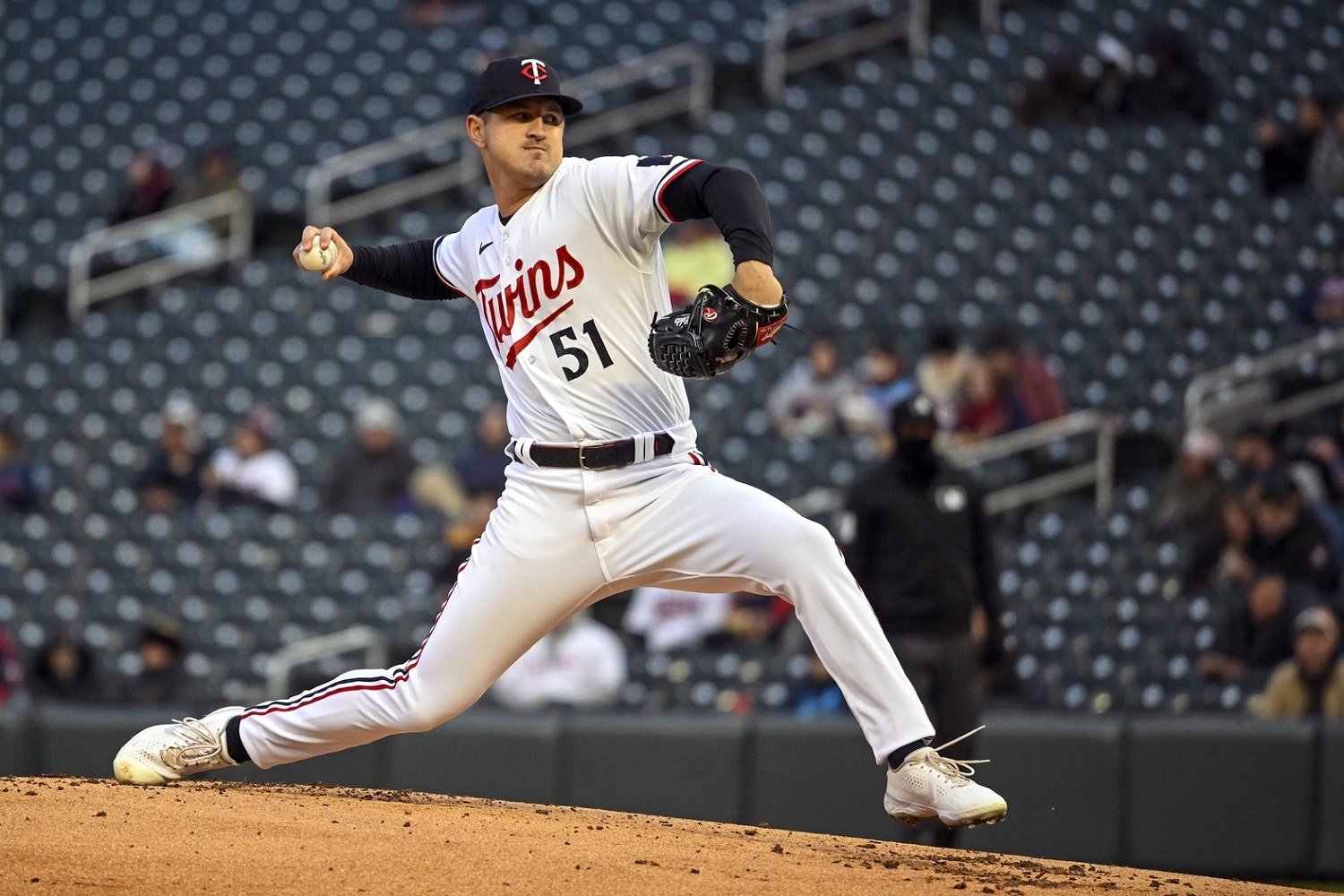
While many across the league viewed Ryan as a limited-upside arm (with a deceptive fastball but little else), Twins Vice President Josh Kalk a pitching guru saw something more. Kalk had worked in the Rays organization before joining Minnesota, and he believed Ryan’s fastball traits, including its unique carry and command, would translate to the major-league level. That internal conviction was a big reason the Twins targeted him.
The Rays, as savvy as they are, didn’t value Ryan as highly. In a rare twist, Minnesota may have out-Raysed the Rays. Since arriving in the organization, Ryan has quickly climbed the ladder, debuting late in 2021 and establishing himself as a mainstay in the Twins’ rotation. He’s still evolving as a pitcher, adding secondaries and refining sequencing. Still, his strike-throwing ability and mound presence have made him one of the better value acquisitions in recent Twins history.
It’s a textbook case of buying low. The Twins identified a player whose skill set and pitch characteristics aligned with their developmental strengths, and they pounced when the opportunity arose.
Deadline Lessons: Timing, Trust, and Targeting
In back-to-back deadlines, the Twins pulled off moves that showcased the delicate art of roster building. Selling high on Steer was a bet on immediate need, even if it came at the cost of long-term control. Buying low on Ryan was a projection-heavy play, driven by internal belief rather than external consensus.
Neither move came without risk. The Mahle trade didn’t work out for either side in hindsight. But Ryan’s emergence continues to provide value far beyond what many expected at the time of the Cruz deal.
As the 2025 trade deadline approaches, the Twins’ past deals remind us that success isn’t just about acquiring the biggest name. It’s about knowing when to strike, trusting internal evaluations, and understanding how others view the talent on your roster and theirs. The process of each deal was sound in its own way, but that doesn't mean either was certain to work out in any particular sense. It's important to understand local maxima and minima of player value, to time transactions well and make smart bets—but equally important to remember that those charted variations in evaluations and expectations can often be just plain wrong.
Can the Twins sell high on anyone in the organization in 2025? Leave a comment and start the speculation.








Recommended Comments
Create an account or sign in to comment
You need to be a member in order to leave a comment
Create an account
Sign up for a new account in our community. It's easy!
Register a new accountSign in
Already have an account? Sign in here.
Sign In Now