


Twins Video
Twins Daily writers and contributors recently received their annual end-of-September request to fill out awards ballots for the concluding campaign. As always, the first question: Who was the Twins MVP this year?
There have been times in the past where that question felt difficult to answer. This year presents an especially vexing conundrum.
Royce Lewis probably made the biggest impact while on the field. But he only played 58 games. Max Kepler was probably the single most instrumental player in the offense's second-half resurgence. But he was also downright horrible in the first half.
Edouard Julien, Ryan Jeffers and Willi Castro also have cases, but they are at best incomplete cases.
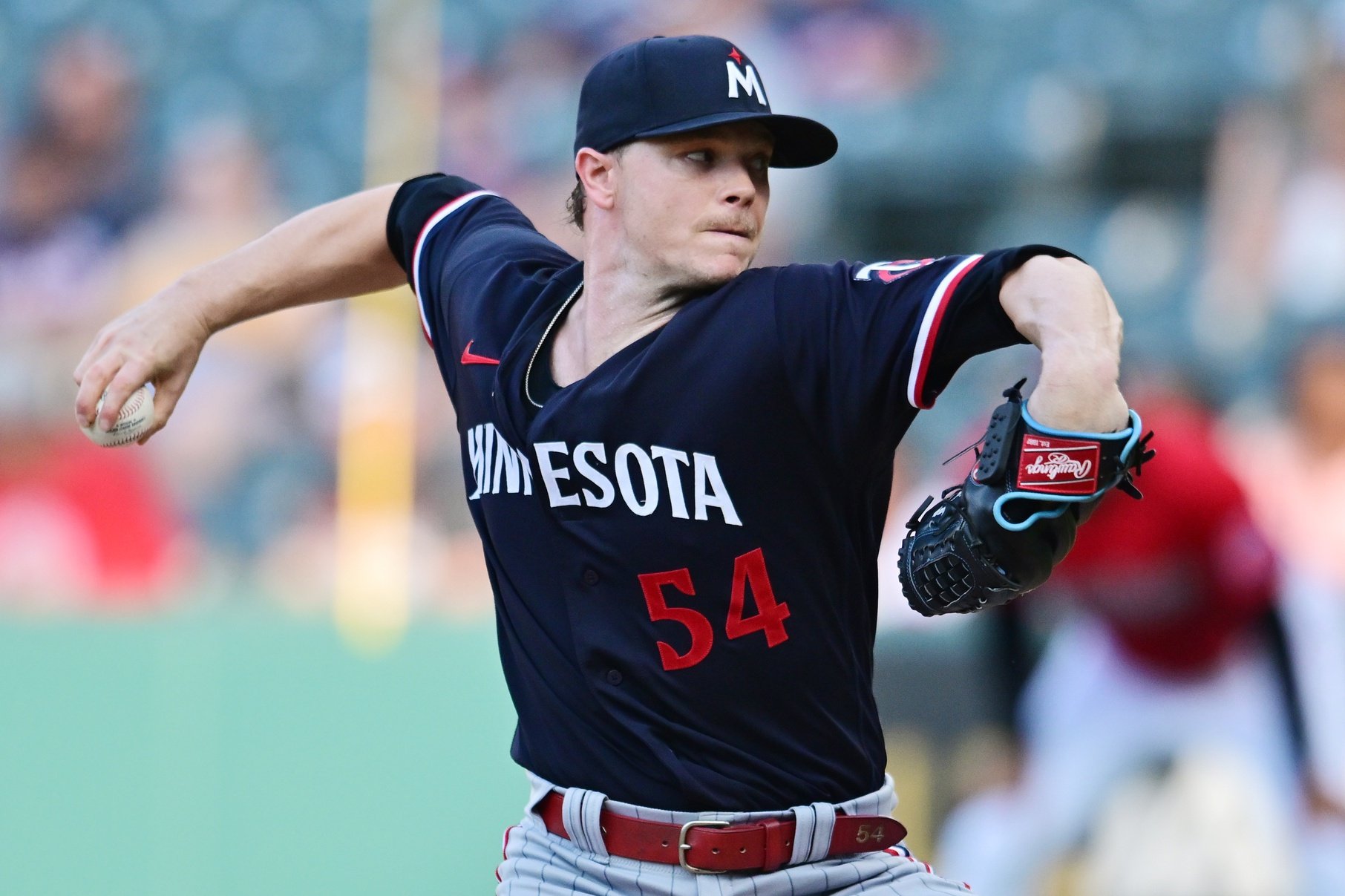
The most straightforward and obvious answer, when you take all the narratives out of it, is Sonny Gray. Spoiler alert – he was at the top of my ballot.
For me, it's as simple as this: Gray was the best performer on the team, and by a considerable margin. He easily led all Twins players in fWAR and bWAR, more than doubling any position player in either category. In fact, Gray ranked third in the major leagues according to both mainstream valuation metrics. His ERA is third-lowest in baseball, and he's been especially lights-out as the Twins have sewn it up down the stretch, with a 2.01 ERA and 2.72 FIP in 10 August/September starts.
A pretty open-and-shut case, until you start asking yourself what "valuable" means. Because here's the thing: Despite his brilliance, the Twins have gone just 14-17 in Gray's starts. That's a .452 winning percentage compared to .552 in games where he didn't appear.
Does that mean his performance was "less valuable"? Not at all, which is why I've never prescribed to this model of thinking in evaluating baseball's Most Valuable Player. The sport, by nature, limits the impact of individual contributions, making it all too easy for superlative performances to be offset and outweighed once the dust settles. Just ask Shohei Ohtani!
I'm not breaking any new ground here, but the subject feels highly relevant as we look ahead to the Twins hosting a best-of-three Wild Card Series at Target Field, as they did three years ago when we saw the very same example play out.
Facing a Houston Astros team that could very well be returning to Minneapolis next week, Kenta Maeda and Jose Berrios delivered the kinds of performances you almost ideally hope for from this year's stacked playoff rotation. They combined for 10 innings of one-run ball, doing all they could to set up the offense and bullpen for streak-shattering success.
It wasn't enough. Successive afternoons saw the same script play out, with Minnesota's sleepy offense leaving the door wide open for late rallies by the Astros against the Twins bullpen. 4-1, 3-1. Within barely 24 hours, the whole ride was over.
For that matter, it was the same story last time Target Field hosted a playoff game before that, one year earlier, when Jake Odorizzi tossed five solid innings against the Yankees in a 5-1 elimination loss.
If you don't score, it doesn't matter how well you pitch. This cold truth has haunted the Twins in October, with just five total runs scored in their last four postseason games hosted at Target Field.
Memories of such failure and futility were evoked on Saturday as the Twins, fresh off celebrating their clinched division title Friday night, wasted a stellar performance from Gray in a 1-0 loss. Under the circumstances it was nothing all that meaningful or worrisome, but given how many times we've seen a similar story play out with Gray this year – and with the Minnesota Twins in postseasons past – no one could be blamed for finding the experience a rather ominous follow-up to the climactic high point of the season.
Do you approve of Twins ownership?

Follow Twins Daily For Minnesota Twins News & Analysis



- ToddlerHarmon, LiamC, Clare and 9 others
-
 12
12


Recommended Comments
Create an account or sign in to comment
You need to be a member in order to leave a comment
Create an account
Sign up for a new account in our community. It's easy!
Register a new accountSign in
Already have an account? Sign in here.
Sign In Now