


Twins Video
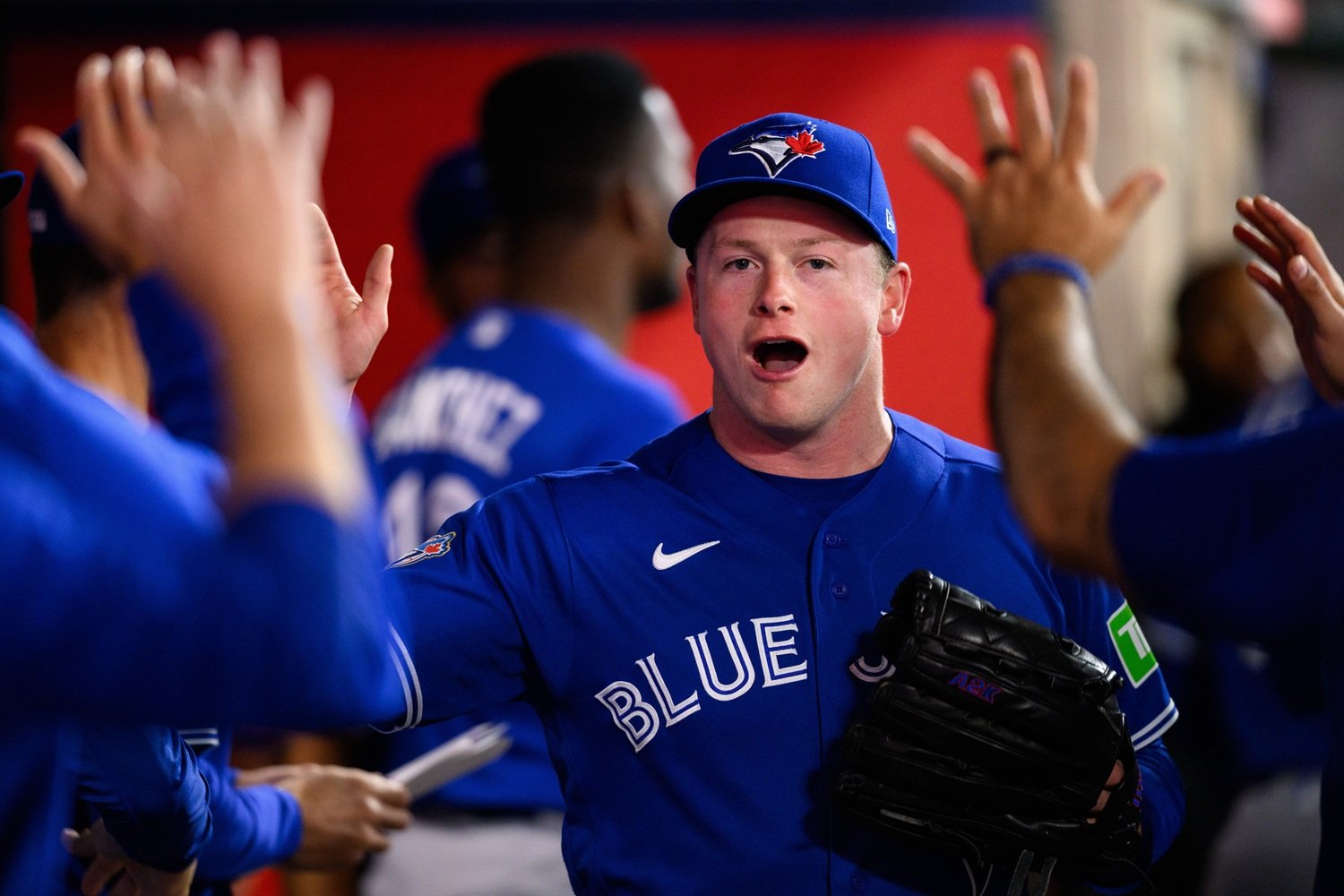
The Twins’ frenzy at last year’s trade deadline had plenty of understandable sell-offs, but by the end, it seemed that they leaned into their willingness to deal relievers a bit too far. Dumping Louis Varland at the last minute of the trade deadline felt like the front office was a bit too confident in themselves. Almost a year later, that deal doesn’t look any better.
The return for Varland was immediately worth questioning. The Twins cited Kendry Rojas as the main piece that pushed them over the edge. A borderline top 100 prospect, Rojas was coming off back-to-back seasons considerably shortened by injuries. That, paired with some flashes of control concerns, had already flagged him as a reliever risk. His high 90s fastball from the left side, paired with a plus slider, gave him upside, but the floor was difficult to ignore.
Rojas debuted with the Saints immediately after the trade and posted a 6.59 ERA in 8 starts. He surprisingly made his MLB debut this season, but it was interrupted by a triceps injury that cost him a month. In his 16 innings of big league action, his 18.3% walk rate has kept him from helping the Twins’ pitching-needy roster. He’s since been demoted back to Triple-A.
The other piece of the trade was even more of an eyebrow raiser. Perhaps the one position in the organization that could be considered a legitimate log jam was left-handed hitting outfielder. The Twins couldn’t help but feed their obsession with collecting this type of player, and acquired Alan Roden (bringing the total to three lefty corner outfielders acquired at the deadline). Unfortunately, he was injured immediately after being acquired and did not make the 2026 opening-day roster. He missed even more time with a shoulder injury this spring and hasn’t played at the MLB level this offseason despite a near 1.000 OPS as a 26-year-old in St. Paul because there’s simply no room for him.
The Twins went on to declare themselves contenders for the 2026 season, and that has arguably played out, given the American League's weakness and their high-scoring offense. Their biggest issue has been the bullpen, which they chose to almost completely ignore in the offseason after their bullpen fire sale.
Trading Varland always seemed like one step too far. It left the 2026 roster with absolutely nothing to turn to in the bullpen, and the team’s payroll and hubris regarding relievers have made the group a flammable mess that has undoubtedly cost the team countless games so far in 2026. While nobody expected Varland to be one of the best relievers in baseball this season, even if he performed at his 2025 level, he would have been the anchor of the Twins' bullpen.
There was no reason to trade Varland unless they were blown away by an offer. That offer turned out to be a position player they didn’t need and a high-variance pitching prospect who very well may be bullpen-bound before long himself. The organizational belief that relievers don’t matter was on full display with the Varland trade, and it has immediately cost them in a season where the rest of the league has allowed them to hang around in the wild card standings. Simply not having a bottom-five bullpen in baseball would have this team firmly positioned in a playoff spot.
Perhaps the Twins will trade away assets to bring in relief help, an ironic outcome that would further paint the Varland trade as a mistake. Maybe Rojas can stick as a starting pitcher long term and make the trade a net win in value for the Twins. That won’t change the fact that this deal was a major self-inflicted blow to their ability to compete in 2026, which was their self-stated goal.
If Rojas sticks as a starting pitcher over the course of his Twins career, the Twins can come out on the other side of this deal as winners down the line. They’ll still have taken an immediate hit in 2026, and what we’ve seen from Rojas so far doesn’t make this scenario look particularly likely. Perhaps Varland wouldn’t have been enough to hold this bullpen together. At the very least, his performance this year would have been worth more in trade if the Twins hadn’t decided they had no choice but to dump a controllable player at a position they needed for whatever they could get.
There’s no way around it: The Varland trade looks bad. There’s still a path for it to turn around if Rojas sticks in the rotation, but that was not a sure thing when he was required, and has only looked less likely since he came to the Twins. The Twins took things one step too far at the 2025 trade deadline, and an immediately unpopular trade has only looked worse since.
Too harsh? Fair? Share your reaction in the comments.
Do you approve of the job the Twins front office is doing?

Follow Twins Daily For Minnesota Twins News & Analysis



- CharlieDee, verninski, LewFordLives and 3 others
-
 6
6


Recommended Comments
Create an account or sign in to comment
You need to be a member in order to leave a comment
Create an account
Sign up for a new account in our community. It's easy!
Register a new accountSign in
Already have an account? Sign in here.
Sign In Now