



Cody Pirkl
-
Posts
1,326 -
Joined
-
Last visited
-
Days Won
4
3 Followers



Recent Profile Visitors
158,118 profile views






Cody Pirkl's Achievements






-
Image courtesy of Stephen Brashear-Imagn Images We do not need to revisit the trade that brought Kendry Rojas over at the 2025 trade deadline, but it’s fair to say it hasn’t worked out the way the Twins had hoped it would thus far. The young left-hander made his MLB debut in 2026 but was unable to make a notable impact on the pitching-starved roster. There are many questions left for Rojas to answer, but 2027 should provide a lot more clarity. Rojas came over to Minnesota with plenty of red flags already raised regarding his ability to stick as a starting pitcher. One of the main concerns was his ability to remain on the field, which is now a growing concern after another injury-riddled campaign in 2026. After barely surpassing 130 combined innings in 2024 and 2025, Rojas failed to build on those modest workloads in 2026. He missed the beginning of the season with a hamstring strain, missed almost a month midseason due to triceps problems, and then suffered an oblique strain at the end of August. He finished the season with just under 70 total innings across all levels. His 84 innings pitched in 2023 in A ball remain his career high. Rojas has also had spells of wildness in his minor league career, which escalated to a concerning level in 2026. The walks he allowed in the minor leagues weren’t terribly high, but the 16.9% walk rate he posted at the big-league level was a major reason Rojas couldn’t stick with the big-league club last season. Too often, he racked up pitch counts through inefficiency and walked a tightrope with so many free baserunners. Such extreme walk issues are completely untenable in any big-league role, but being a starter with so many free passes is out of the question. The first hurdle for Rojas to clear in 2027, of course, is his availability. If he can’t take a notable step up in workload, his path to a long-term rotation spot starts to narrow as we look to 2028 and beyond. At some point he has to take a step toward a starting pitcher's workload if that's his long-term role. If he can’t get the walks under control, performance becomes a concern, as despite his ERA and related indicators looking solid last season, it’s hard to expect that to continue with so many free base runners and such poor efficiency. Regardless of whether he’s in the middle to back end of the rotation or serving as a high-leverage bullpen arm, the Twins need Rojas to become a contributor to their big-league pitching staff. The return on the 2025 trade deadline sell-off does not look good thus far, and Rojas developing and staying healthy would make it look a lot better. More importantly, the Twins are lacking pitching depth throughout their system. They need some young arms to step up, and Rojas is at the top of the list after their choice to invest as much as they did in him. 2027 is a very important year for Kendry Rojas. He has the raw stuff and arm talent to be an impactful piece of the Twins’ pitching staff for years to come, but it’s time for him to show he’s up to the task. Can he do it? View full article
-
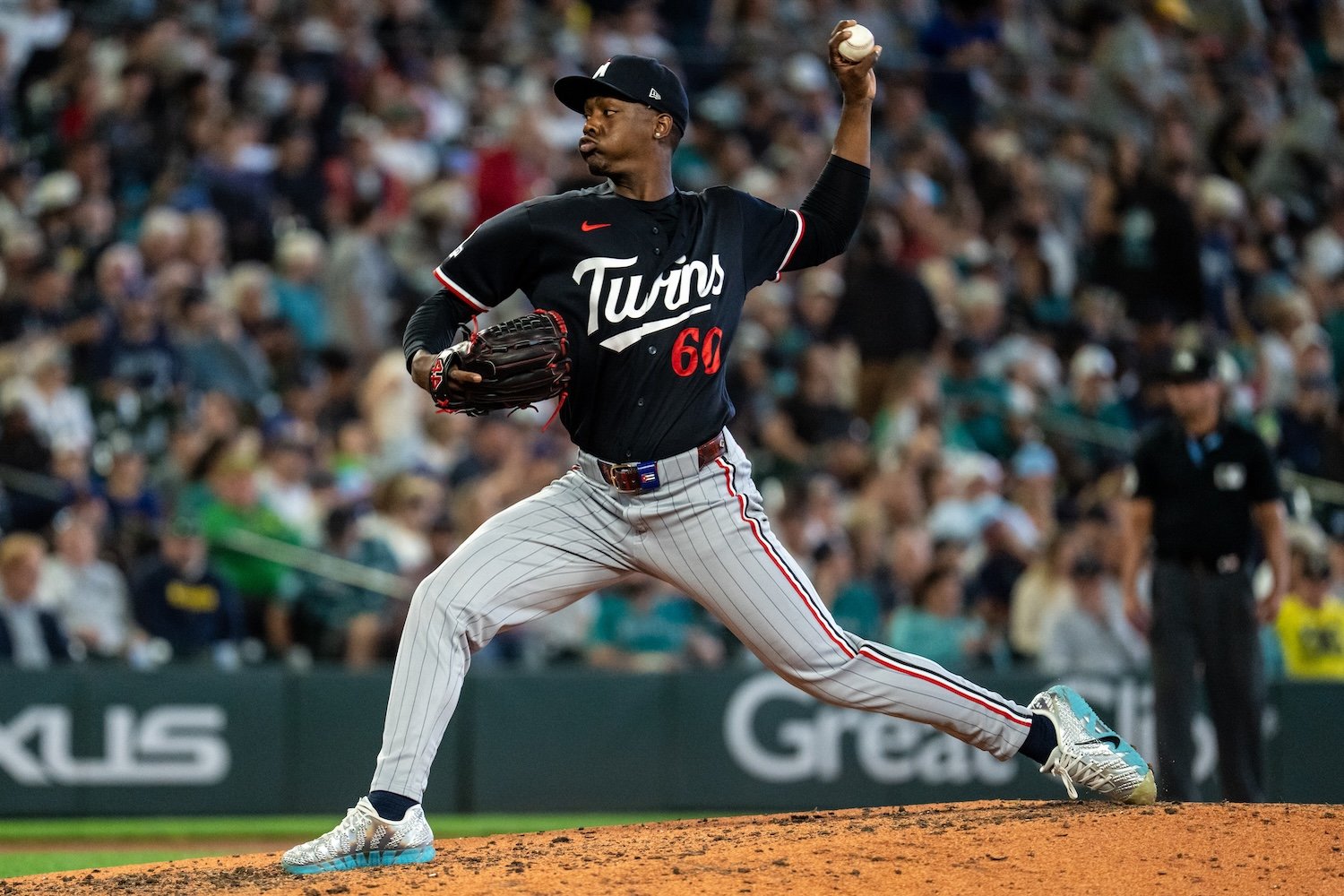 We do not need to revisit the trade that brought Kendry Rojas over at the 2025 trade deadline, but it’s fair to say it hasn’t worked out the way the Twins had hoped it would thus far. The young left-hander made his MLB debut in 2026 but was unable to make a notable impact on the pitching-starved roster. There are many questions left for Rojas to answer, but 2027 should provide a lot more clarity. Rojas came over to Minnesota with plenty of red flags already raised regarding his ability to stick as a starting pitcher. One of the main concerns was his ability to remain on the field, which is now a growing concern after another injury-riddled campaign in 2026. After barely surpassing 130 combined innings in 2024 and 2025, Rojas failed to build on those modest workloads in 2026. He missed the beginning of the season with a hamstring strain, missed almost a month midseason due to triceps problems, and then suffered an oblique strain at the end of August. He finished the season with just under 70 total innings across all levels. His 84 innings pitched in 2023 in A ball remain his career high. Rojas has also had spells of wildness in his minor league career, which escalated to a concerning level in 2026. The walks he allowed in the minor leagues weren’t terribly high, but the 16.9% walk rate he posted at the big-league level was a major reason Rojas couldn’t stick with the big-league club last season. Too often, he racked up pitch counts through inefficiency and walked a tightrope with so many free baserunners. Such extreme walk issues are completely untenable in any big-league role, but being a starter with so many free passes is out of the question. The first hurdle for Rojas to clear in 2027, of course, is his availability. If he can’t take a notable step up in workload, his path to a long-term rotation spot starts to narrow as we look to 2028 and beyond. At some point he has to take a step toward a starting pitcher's workload if that's his long-term role. If he can’t get the walks under control, performance becomes a concern, as despite his ERA and related indicators looking solid last season, it’s hard to expect that to continue with so many free base runners and such poor efficiency. Regardless of whether he’s in the middle to back end of the rotation or serving as a high-leverage bullpen arm, the Twins need Rojas to become a contributor to their big-league pitching staff. The return on the 2025 trade deadline sell-off does not look good thus far, and Rojas developing and staying healthy would make it look a lot better. More importantly, the Twins are lacking pitching depth throughout their system. They need some young arms to step up, and Rojas is at the top of the list after their choice to invest as much as they did in him. 2027 is a very important year for Kendry Rojas. He has the raw stuff and arm talent to be an impactful piece of the Twins’ pitching staff for years to come, but it’s time for him to show he’s up to the task. Can he do it?
 -
 Permanent Twins Fan reacted to an article:
Three Players We Wish We'd Seen More Of In 2026
Permanent Twins Fan reacted to an article:
Three Players We Wish We'd Seen More Of In 2026
-
Cory Engelhardt reacted to an article:
Three Players We Wish We'd Seen More Of In 2026
-
Patzky reacted to an article:
Three Players We Wish We'd Seen More Of In 2026
-
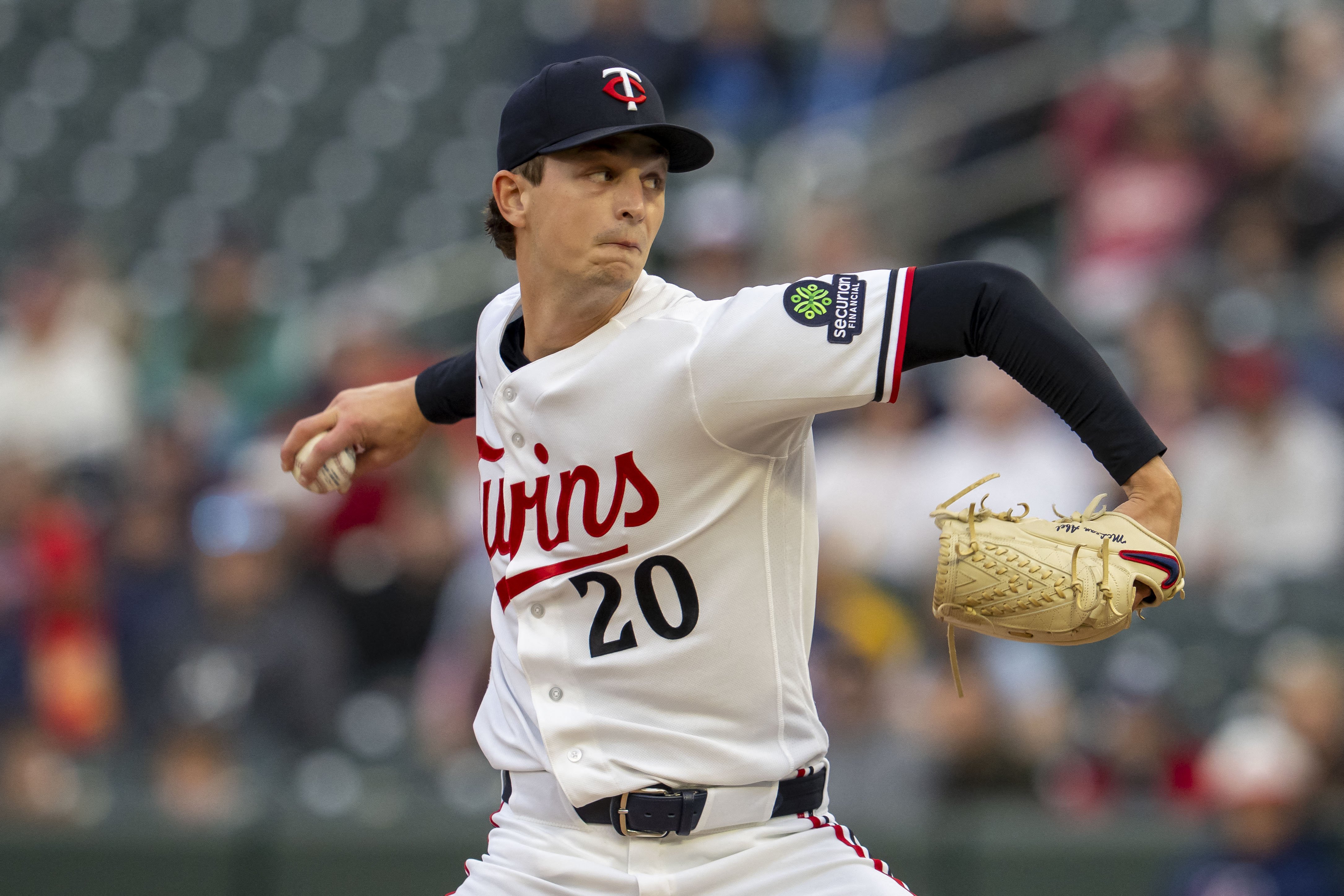 Despite hanging around in a historically bad AL Central for a good chunk of the season, much of 2026 felt as though the biggest goal was taking steps toward determining the next core of the Minnesota Twins' roster. While we saw steps toward this goal, it felt like we missed out on seeing the full potential of several players who could be a part of the next competitive Twins’ team. There are three players in particular we wish we’d seen more of in 2026. Mick Abel After surprisingly winning an opening-day roster spot, Mick Abel flashed his dominant stuff for a brief period before being shut down by an elbow injury for the remainder of the season. His last start on April 14 was seven shutout innings with 10 Ks against Boston. The Twins hoped Abel could be a future rotation piece, with his performance the biggest question mark. Now, health will be a factor moving forward as well. The good news is that Abel is on track to be fully healthy for the start of 2027, and he should have every opportunity to open the season in the rotation. If he can reach his ceiling of a playoff-caliber starting pitcher, the Twins' rotation would be the strength of the team next season. It would also make the Jhoan Durán trade look much better, considering former top prospect Eduardo Tait, with whom Abel was acquired, has had a very disappointing tenure so far in the Twins’ organization. Alan Roden It’s hard to say what Alan Roden’s role will be with the Twins moving forward, or even whether he’ll remain with the team through the offseason at all. After he was acquired at the 2025 trade deadline, the team seemed to believe in his on-base ability and defense in the corner outfield, but injuries may have disrupted their plans for him, and his left-handedness at the plate makes him an odd fit for the roster. Though he posted fewer than 100 plate appearances at the MLB level this season, his production was encouraging, and his skillset should be useful to the Twins if they can fit him on the roster. Alan Roden is barely more of a known commodity than much younger players like Emmanuel Rodriguez and Walker Jenkins. He has fewer than 250 MLB plate appearances as a soon-to-be 27-year-old, and he’ll be competing with several top prospects for playing time who play the same position and also hit left-handed. He has a history of playing first base, a position the team doesn’t have any immediate answers at. Still, his offensive profile doesn’t fit that of your typical corner infielder, and it’s unclear whether his bat can meet the higher standards of a position at the bottom of the defensive spectrum. It would be nice to have more data on Roden at the MLB level at this point in his career. Emmanuel Rodriguez We likely would have seen Rodriguez much earlier this season, but injuries once again prevented him from playing anything close to a full season. He has yet to appear in even 100 games in a single season and was healthy for just 71 between the minor and major leagues in 2026. His swing-and-miss profile is still a red flag at the MLB level, but his plate discipline and ability to impact the baseball showed up in his brief 13-game debut. Rodriguez is out of options in 2027, meaning he is essentially a lock to make the opening day roster. There’s no denying his talent, but consistency will be the big question in 2027, both in his ability to stay on the field and in making enough contact at the plate. It would be great to have a better idea of what to expect from Rodriguez next season, as giving him more time in St. Paul will not be an option. Instead, the Twins will have to count on Rodriguez to keep himself afloat, with little data to support their hopes. It would be nice if the Twins missing the playoffs yet again in 2026 came with more clarity on some of their potential future contributors. While we did see some positive developments and questions about the future answered, there were certainly a handful of players we’d have liked more answers on. Are there any other players you’d have liked to see more from in 2026? Let us know below!
- 32 comments
-
- 3
-
-
- mick abel
- alan roden
- (and 1 more)
-
Image courtesy of Jesse Johnson-Imagn Images Despite hanging around in a historically bad AL Central for a good chunk of the season, much of 2026 felt as though the biggest goal was taking steps toward determining the next core of the Minnesota Twins' roster. While we saw steps toward this goal, it felt like we missed out on seeing the full potential of several players who could be a part of the next competitive Twins’ team. There are three players in particular we wish we’d seen more of in 2026. Mick Abel After surprisingly winning an opening-day roster spot, Mick Abel flashed his dominant stuff for a brief period before being shut down by an elbow injury for the remainder of the season. His last start on April 14 was seven shutout innings with 10 Ks against Boston. The Twins hoped Abel could be a future rotation piece, with his performance the biggest question mark. Now, health will be a factor moving forward as well. The good news is that Abel is on track to be fully healthy for the start of 2027, and he should have every opportunity to open the season in the rotation. If he can reach his ceiling of a playoff-caliber starting pitcher, the Twins' rotation would be the strength of the team next season. It would also make the Jhoan Durán trade look much better, considering former top prospect Eduardo Tait, with whom Abel was acquired, has had a very disappointing tenure so far in the Twins’ organization. Alan Roden It’s hard to say what Alan Roden’s role will be with the Twins moving forward, or even whether he’ll remain with the team through the offseason at all. After he was acquired at the 2025 trade deadline, the team seemed to believe in his on-base ability and defense in the corner outfield, but injuries may have disrupted their plans for him, and his left-handedness at the plate makes him an odd fit for the roster. Though he posted fewer than 100 plate appearances at the MLB level this season, his production was encouraging, and his skillset should be useful to the Twins if they can fit him on the roster. Alan Roden is barely more of a known commodity than much younger players like Emmanuel Rodriguez and Walker Jenkins. He has fewer than 250 MLB plate appearances as a soon-to-be 27-year-old, and he’ll be competing with several top prospects for playing time who play the same position and also hit left-handed. He has a history of playing first base, a position the team doesn’t have any immediate answers at. Still, his offensive profile doesn’t fit that of your typical corner infielder, and it’s unclear whether his bat can meet the higher standards of a position at the bottom of the defensive spectrum. It would be nice to have more data on Roden at the MLB level at this point in his career. Emmanuel Rodriguez We likely would have seen Rodriguez much earlier this season, but injuries once again prevented him from playing anything close to a full season. He has yet to appear in even 100 games in a single season and was healthy for just 71 between the minor and major leagues in 2026. His swing-and-miss profile is still a red flag at the MLB level, but his plate discipline and ability to impact the baseball showed up in his brief 13-game debut. Rodriguez is out of options in 2027, meaning he is essentially a lock to make the opening day roster. There’s no denying his talent, but consistency will be the big question in 2027, both in his ability to stay on the field and in making enough contact at the plate. It would be great to have a better idea of what to expect from Rodriguez next season, as giving him more time in St. Paul will not be an option. Instead, the Twins will have to count on Rodriguez to keep himself afloat, with little data to support their hopes. It would be nice if the Twins missing the playoffs yet again in 2026 came with more clarity on some of their potential future contributors. While we did see some positive developments and questions about the future answered, there were certainly a handful of players we’d have liked more answers on. Are there any other players you’d have liked to see more from in 2026? Let us know below! View full article
-
D.C Twins reacted to an article:
Connor Prielipp Was Minnesota Twins' Best Story Of 2026
-
 nclahammer reacted to an article:
Connor Prielipp Was Minnesota Twins' Best Story Of 2026
nclahammer reacted to an article:
Connor Prielipp Was Minnesota Twins' Best Story Of 2026
-
DannySD reacted to an article:
Connor Prielipp Was Minnesota Twins' Best Story Of 2026
-
Patzky reacted to an article:
Connor Prielipp Was Minnesota Twins' Best Story Of 2026
-
Peter Gravett reacted to an article:
Connor Prielipp Was Minnesota Twins' Best Story Of 2026
-
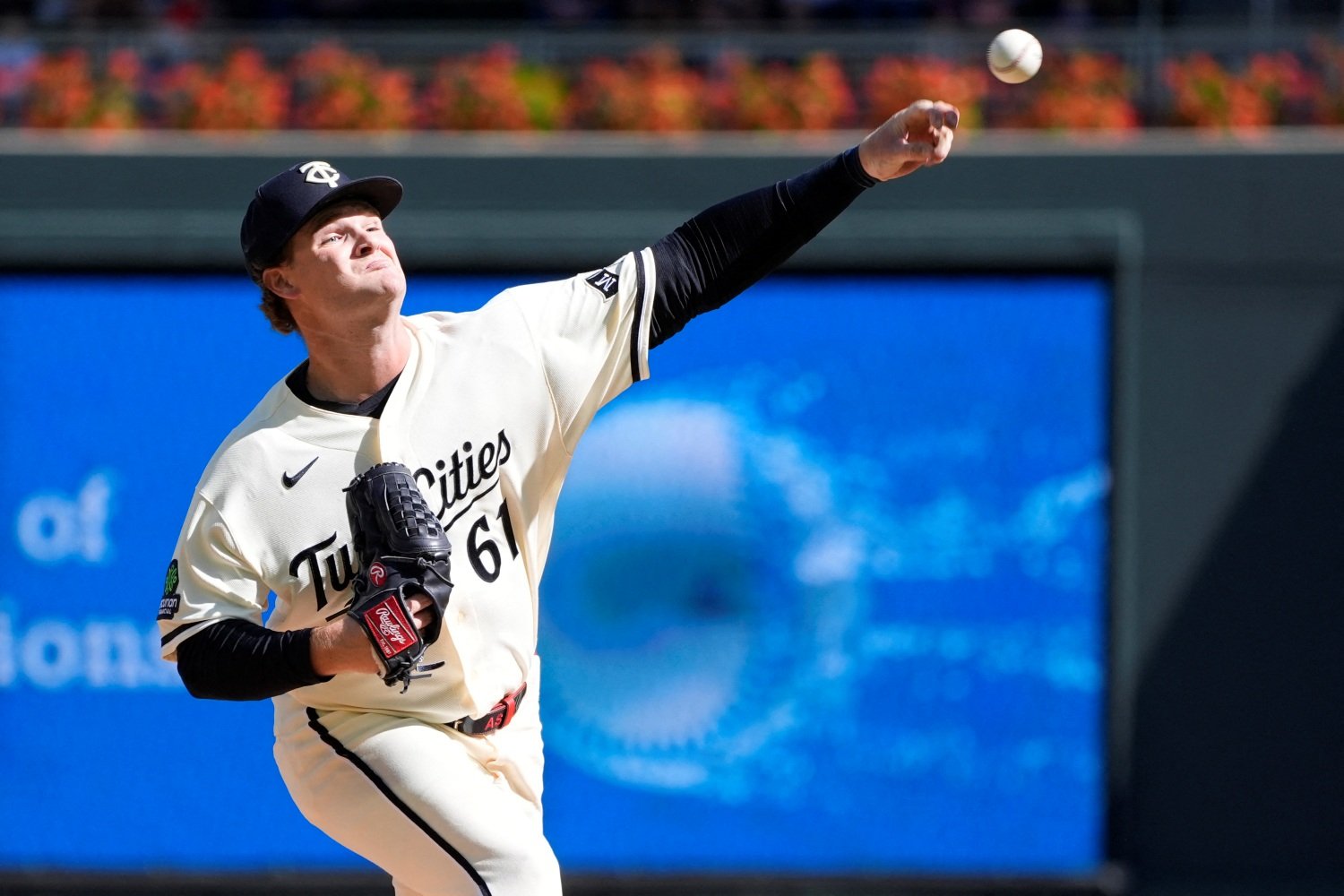 The Twins approached the 2026 season with a mess of a bullpen, and one of the big storylines in spring training was how they planned to reinforce the group internally as the season unfolded. It made sense, at the time, that Connor Prielipp (who maxed out at 82 innings in 2025 after an injury-riddled career and had elite raw stuff) would be a top candidate to move to the bullpen. That switch never happened. Some 162 games later, Prielipp has the Twins feeling thankful that they stuck with him in the starting rotation. Health was a major factor coming into 2026. The Twins took him in the second round of the 2022 MLB Draft (when he was coming off Tommy John surgery), and Prielipp was only able to post 30 innings between 2023 and 2024 due to elbow issues. His 82 innings in 2025 were encouraging, but nowhere near enough to make him feel reliable as a full-season starter. Prielipp finished 2026 with just under 145 innings pitched between Triple-A and the major leagues. His innings were managed carefully at times, and the Twins did sometimes give him extra days' rest and skip the occasional start. Still, he was available for an injury-ravaged MLB rotation all the way to the end of the season. Regardless of performance, Prielipp staying healthy is one of the most positive developments of the Twins’ 2026 season. Speaking of performance, there was plenty of reason to be excited for Prielipp’s future in the rotation. His 4.87 ERA may not be the most exciting, but his peripherals suggest room for regression to an ERA in the high 3s. If he can get a bit luckier stranding runners on base and improve a bit against hitters the third time through the order, his baseline numbers could improve significantly. Prielipp flashed his raw stuff plenty often in his debut season. His 23.9% strikeout rate was perfectly acceptable, driven by his slider and curveball, both of which posted whiff rates above 30%. The curveball, in particular, is something to watch in 2027, as he began increasing its usage to the point that it was his secondary weapon in September, and was absolutely dominant. Perhaps the most encouraging thing to tie Prielipp’s 2026 season together was how he finished. He looked to have hit his ceiling in August, as he blew past his career-high innings and posted an ERA over 7.00. Instead of shutting him down, the Twins sent him back out in September, and he posted a 2.36 ERA. He had a slight drop in fastball velocity, but was still averaging a strong 95.5 MPH on the heater at the end of the season. Connor Prielipp's 2026 season was a major win for the organization. His draft selection was always a gamble, and looked like a potential loss after his first few years. Now, he looks like a lock for the 2027 starting rotation, a major development for an organization lacking pitching depth and ravaged by pitching injuries. He has the stuff to be one of the best arms the Twins have developed in some time. After another disappointing Twins season, it’s important to note the positive developments the team came away with. Prielipp is at the very top of that list.
 -
Image courtesy of Bruce Kluckhohn-Imagn Images The Twins approached the 2026 season with a mess of a bullpen, and one of the big storylines in spring training was how they planned to reinforce the group internally as the season unfolded. It made sense, at the time, that Connor Prielipp (who maxed out at 82 innings in 2025 after an injury-riddled career and had elite raw stuff) would be a top candidate to move to the bullpen. That switch never happened. Some 162 games later, Prielipp has the Twins feeling thankful that they stuck with him in the starting rotation. Health was a major factor coming into 2026. The Twins took him in the second round of the 2022 MLB Draft (when he was coming off Tommy John surgery), and Prielipp was only able to post 30 innings between 2023 and 2024 due to elbow issues. His 82 innings in 2025 were encouraging, but nowhere near enough to make him feel reliable as a full-season starter. Prielipp finished 2026 with just under 145 innings pitched between Triple-A and the major leagues. His innings were managed carefully at times, and the Twins did sometimes give him extra days' rest and skip the occasional start. Still, he was available for an injury-ravaged MLB rotation all the way to the end of the season. Regardless of performance, Prielipp staying healthy is one of the most positive developments of the Twins’ 2026 season. Speaking of performance, there was plenty of reason to be excited for Prielipp’s future in the rotation. His 4.87 ERA may not be the most exciting, but his peripherals suggest room for regression to an ERA in the high 3s. If he can get a bit luckier stranding runners on base and improve a bit against hitters the third time through the order, his baseline numbers could improve significantly. Prielipp flashed his raw stuff plenty often in his debut season. His 23.9% strikeout rate was perfectly acceptable, driven by his slider and curveball, both of which posted whiff rates above 30%. The curveball, in particular, is something to watch in 2027, as he began increasing its usage to the point that it was his secondary weapon in September, and was absolutely dominant. Perhaps the most encouraging thing to tie Prielipp’s 2026 season together was how he finished. He looked to have hit his ceiling in August, as he blew past his career-high innings and posted an ERA over 7.00. Instead of shutting him down, the Twins sent him back out in September, and he posted a 2.36 ERA. He had a slight drop in fastball velocity, but was still averaging a strong 95.5 MPH on the heater at the end of the season. Connor Prielipp's 2026 season was a major win for the organization. His draft selection was always a gamble, and looked like a potential loss after his first few years. Now, he looks like a lock for the 2027 starting rotation, a major development for an organization lacking pitching depth and ravaged by pitching injuries. He has the stuff to be one of the best arms the Twins have developed in some time. After another disappointing Twins season, it’s important to note the positive developments the team came away with. Prielipp is at the very top of that list. View full article
-
tarheeltwinsfan reacted to an article:
3 Twins Players It's Time to Move On From This Offseason
-
gman reacted to an article:
3 Twins Players It's Time to Move On From This Offseason
-
Image courtesy of Matt Marton-Imagn Images The Twins are on pace to miss the playoffs for the fifth time in six seasons. They’re following their recent trend of playing particularly ugly baseball down the stretch, so it’s time to start considering some changes. After sticking with their current core for so long, it may be time to start dismantling it. A few players stand out as names the Twins should part ways with this offseason. Trevor Larnach With one last trip through arbitration on the docket, paying Larnach what he’ll be awarded in the process makes no sense for the Twins at this point. While he’s rewarded their decision to tender him a contract last offseason with a .768 OPS, he’s been a major reason the offense has taken a step back in the second half. His .594 in August did a number on the lineup, and renews concerns he seemed to have assuaged a couple months ago. It’s also time to give younger players with greater upside more playing time. Emmanuel Rodriguez, Walker Jenkins, and even Alan Roden deserve opportunities in 2027 and beyond. Larnach has no defensive value, requires platooning, and has let the Twins down once again down the stretch in 2026. It’s time for them to see what’s behind Door No. 2. Bailey Ober It’s difficult to watch what’s happened to Ober over the last few years. Still a smart and crafty pitcher, his stuff appears to be bordering on untenable at the big-league level, which is why it’s time for the Twins to move on. While he’s still able to get outs at a decent clip, Ober’s fastball has averaged just over 88 MPH this season, and when he doesn’t have pinpoint command, it’s a difficult watch. Due for his last trip through arbitration this offseason, Ober will likely make at least $7-8 million in 2027 if the Twins tender him a contract. It’s a fair price to pay for his overall body of work, but his upside is completely gone, and it feels like there’s a risk the Twins could come to regret that decision very early in the 2027 season. It may be a case where the Twins are wise to cut bait too early, rather than too late. Royce Lewis Lewis was in a tenuous spot earlier this season after being demoted to Triple-A. A blistering return to the lineup in June changed things, but he’s been pretty quiet since then. He’s a below-league-average hitter on the season and is slashing just .235/.293/.410 since the beginning of 2024, which is 5% below the league-average hitter in that timeframe. Now a utility man mostly playing first base, the bar to clear offensively is much higher; Lewis has fallen to the bottom of the defensive spectrum. He doesn’t hit left-handed pitching at an exceptional rate; doesn’t get on base very well; and his speed and athleticism appear long gone. His free-swinging ways still lead to the occasional hot streak, but the Twins may be best served finding a new home for Lewis this winter. The Twins made changes in the front office and in the manager's chair heading into the season, but kept much of the same core on the field. After another disappointing finish, it’s time to make some changes in the player department. It’s time to move on from a few pieces that have been at the core of their roster for the last few years and turn things over to a new group. View full article
-
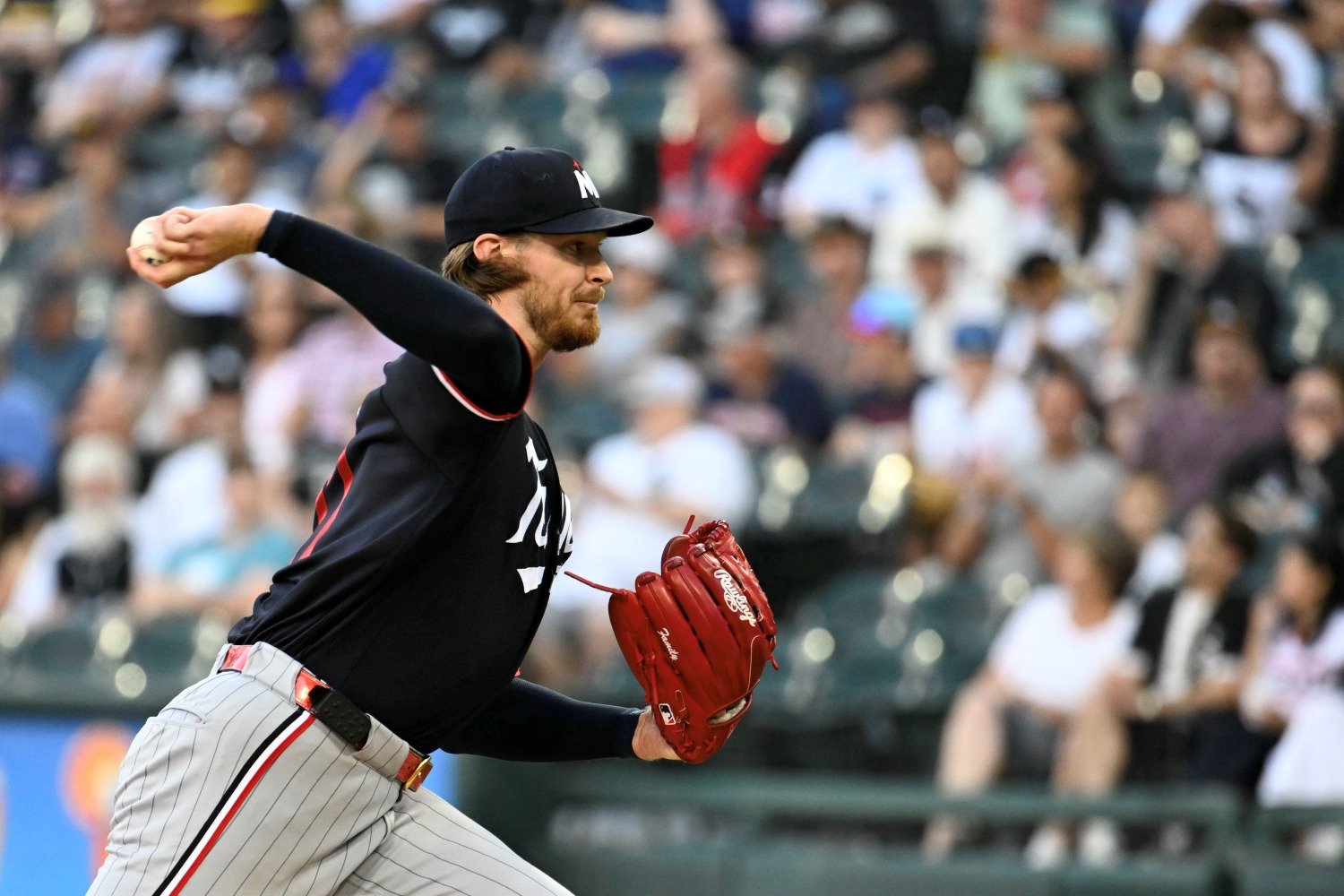 The Twins are on pace to miss the playoffs for the fifth time in six seasons. They’re following their recent trend of playing particularly ugly baseball down the stretch, so it’s time to start considering some changes. After sticking with their current core for so long, it may be time to start dismantling it. A few players stand out as names the Twins should part ways with this offseason. Trevor Larnach With one last trip through arbitration on the docket, paying Larnach what he’ll be awarded in the process makes no sense for the Twins at this point. While he’s rewarded their decision to tender him a contract last offseason with a .768 OPS, he’s been a major reason the offense has taken a step back in the second half. His .594 in August did a number on the lineup, and renews concerns he seemed to have assuaged a couple months ago. It’s also time to give younger players with greater upside more playing time. Emmanuel Rodriguez, Walker Jenkins, and even Alan Roden deserve opportunities in 2027 and beyond. Larnach has no defensive value, requires platooning, and has let the Twins down once again down the stretch in 2026. It’s time for them to see what’s behind Door No. 2. Bailey Ober It’s difficult to watch what’s happened to Ober over the last few years. Still a smart and crafty pitcher, his stuff appears to be bordering on untenable at the big-league level, which is why it’s time for the Twins to move on. While he’s still able to get outs at a decent clip, Ober’s fastball has averaged just over 88 MPH this season, and when he doesn’t have pinpoint command, it’s a difficult watch. Due for his last trip through arbitration this offseason, Ober will likely make at least $7-8 million in 2027 if the Twins tender him a contract. It’s a fair price to pay for his overall body of work, but his upside is completely gone, and it feels like there’s a risk the Twins could come to regret that decision very early in the 2027 season. It may be a case where the Twins are wise to cut bait too early, rather than too late. Royce Lewis Lewis was in a tenuous spot earlier this season after being demoted to Triple-A. A blistering return to the lineup in June changed things, but he’s been pretty quiet since then. He’s a below-league-average hitter on the season and is slashing just .235/.293/.410 since the beginning of 2024, which is 5% below the league-average hitter in that timeframe. Now a utility man mostly playing first base, the bar to clear offensively is much higher; Lewis has fallen to the bottom of the defensive spectrum. He doesn’t hit left-handed pitching at an exceptional rate; doesn’t get on base very well; and his speed and athleticism appear long gone. His free-swinging ways still lead to the occasional hot streak, but the Twins may be best served finding a new home for Lewis this winter. The Twins made changes in the front office and in the manager's chair heading into the season, but kept much of the same core on the field. After another disappointing finish, it’s time to make some changes in the player department. It’s time to move on from a few pieces that have been at the core of their roster for the last few years and turn things over to a new group.
- 134 comments
-
- 9
-
-
-
- royce lewis
- bailey ober
- (and 1 more)
-
Image courtesy of Bruce Kluckhohn-Imagn Images It seemed extremely likely that Trevor Larnach would be non-tendered last November, after another underwhelming season in which the Twins further added to their logjam of left-handed-hitting outfielders. Instead, he’s remained with the team and made their decision pay off—until recently, that is. We're starting to see some signs that the end of Larnach's Twins tenure may not be far off. Larnach was drafted as a bat-first slugger with defensive limitations. The slugging piece has never come to fruition, as evidenced by his career slugging percentage just a touch over .400. The lack of offensive development for a bat-first player made the club's decision to tender Larnach last winter eyebrow-raising. Still, he rewarded the team’s decision with an .812 OPS through July. We’ve seen flashes of strong production from him before, but 2026 has been the most sustained stretch of his career. As good as he’s been all season, though, it seems Larnach’s woeful August has the Twins pivoting in a hurry. He’s posted a .148/.207/.259 slash line in the month, and his playing time is drying up in favor of players like Alan Roden as the team falls further out of contention. The Twins aren’t out of it yet, but their willingness to scale back Larnach’s playing time may show their trust (or lack thereof) in his strong season thus far, and how they feel about him long-term. Larnach is arbitration-eligible for the last time this winter, and he will be due for a sizable raise from the $4.475 million he’s making this season. Many questioned whether the Twins would tender him last offseason because of his inconsistency and wealth of other left-handed-hitting outfielders. The salary increase, as well as a poor finish to the season, could result in a non-tender—not to mention the Twins having more young options for the corner outfield than ever. Roden has already begun eating into Larnach’s playing time. At the very least, Roden is a vastly superior defender in the corner outfield. His lack of offensive production so far can be partially explained by his lack of consistent playing time. Still, there’s a realistic world where he’s as productive as Larnach, if given the opportunity. Roden will be 27 years old in 2027, and if the Twins see enough from him down the stretch, that alone may be enough to find a better way to allocate Larnach’s projected salary. Walker Jenkins needs no introduction to Twins fans. He’s center field-capable if Byron Buxton isn’t healthy, but the Twins will find playing time for him one way or another in 2027. Jenkins is the Twins’ top prospect and one of the best in all of baseball, and if they can’t find him playing time with Larnach on the roster, it’s safe to say Larnach will be the one to go. Another underrated factor in Larnach’s future with the Twins is Emmanuel Rodriguez being back in the Saints’ lineup. A former top prospect derailed by injuries seemingly every season, Rodriguez is out of options next season, meaning he will have to make the Opening Day roster to stay with the organization. He’s not without question marks, but Rodriguez’s skillset is too tantalizing not to give him a prolonged chance to translate it to the big-league level. With all of these left-handed outfield options, it’s hard to make the math work for 2027 when it comes to getting all of them playing time with Larnach in the picture. None of these three names are proven commodities, but it could be argued that Larnach isn’t, either. The most interesting storyline for the rest of 2026 is whether Larnach earns any playing time back at all. If Roden performs or Jenkins comes up, he may lose his near-everyday role for good. If the team falls out of contention and plans to non-tender him, they have no reason to give him playing time. There may even be a world where they want to see Emmanuel Rodriguez down the stretch, at the expense of Larnach. They have plenty of options. It’s easy to see that Larnach has fallen out of favor with the Twins after just under a month of struggles. It once again feels like Larnach’s time with the Twins may be nearing the end. Will that feeling be proven correct this time? View full article
-
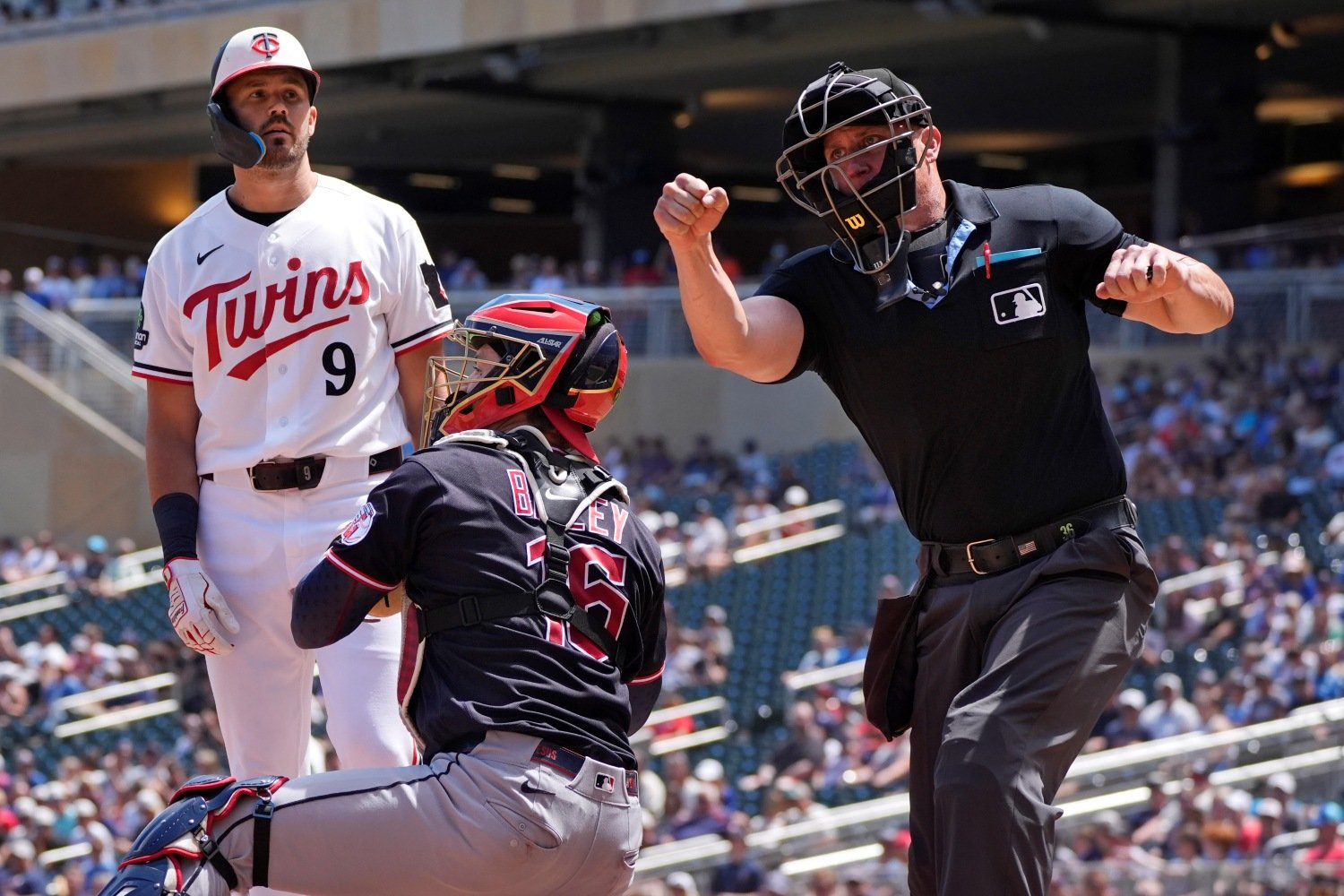 It seemed extremely likely that Trevor Larnach would be non-tendered last November, after another underwhelming season in which the Twins further added to their logjam of left-handed-hitting outfielders. Instead, he’s remained with the team and made their decision pay off—until recently, that is. We're starting to see some signs that the end of Larnach's Twins tenure may not be far off. Larnach was drafted as a bat-first slugger with defensive limitations. The slugging piece has never come to fruition, as evidenced by his career slugging percentage just a touch over .400. The lack of offensive development for a bat-first player made the club's decision to tender Larnach last winter eyebrow-raising. Still, he rewarded the team’s decision with an .812 OPS through July. We’ve seen flashes of strong production from him before, but 2026 has been the most sustained stretch of his career. As good as he’s been all season, though, it seems Larnach’s woeful August has the Twins pivoting in a hurry. He’s posted a .148/.207/.259 slash line in the month, and his playing time is drying up in favor of players like Alan Roden as the team falls further out of contention. The Twins aren’t out of it yet, but their willingness to scale back Larnach’s playing time may show their trust (or lack thereof) in his strong season thus far, and how they feel about him long-term. Larnach is arbitration-eligible for the last time this winter, and he will be due for a sizable raise from the $4.475 million he’s making this season. Many questioned whether the Twins would tender him last offseason because of his inconsistency and wealth of other left-handed-hitting outfielders. The salary increase, as well as a poor finish to the season, could result in a non-tender—not to mention the Twins having more young options for the corner outfield than ever. Roden has already begun eating into Larnach’s playing time. At the very least, Roden is a vastly superior defender in the corner outfield. His lack of offensive production so far can be partially explained by his lack of consistent playing time. Still, there’s a realistic world where he’s as productive as Larnach, if given the opportunity. Roden will be 27 years old in 2027, and if the Twins see enough from him down the stretch, that alone may be enough to find a better way to allocate Larnach’s projected salary. Walker Jenkins needs no introduction to Twins fans. He’s center field-capable if Byron Buxton isn’t healthy, but the Twins will find playing time for him one way or another in 2027. Jenkins is the Twins’ top prospect and one of the best in all of baseball, and if they can’t find him playing time with Larnach on the roster, it’s safe to say Larnach will be the one to go. Another underrated factor in Larnach’s future with the Twins is Emmanuel Rodriguez being back in the Saints’ lineup. A former top prospect derailed by injuries seemingly every season, Rodriguez is out of options next season, meaning he will have to make the Opening Day roster to stay with the organization. He’s not without question marks, but Rodriguez’s skillset is too tantalizing not to give him a prolonged chance to translate it to the big-league level. With all of these left-handed outfield options, it’s hard to make the math work for 2027 when it comes to getting all of them playing time with Larnach in the picture. None of these three names are proven commodities, but it could be argued that Larnach isn’t, either. The most interesting storyline for the rest of 2026 is whether Larnach earns any playing time back at all. If Roden performs or Jenkins comes up, he may lose his near-everyday role for good. If the team falls out of contention and plans to non-tender him, they have no reason to give him playing time. There may even be a world where they want to see Emmanuel Rodriguez down the stretch, at the expense of Larnach. They have plenty of options. It’s easy to see that Larnach has fallen out of favor with the Twins after just under a month of struggles. It once again feels like Larnach’s time with the Twins may be nearing the end. Will that feeling be proven correct this time?
- 29 comments
-
- 1
-
-
- trevor larnach
- alan roden
- (and 2 more)
-
Are the players we got back in that trade barred from ever being mentioned again? I think the fact that they got Roden back in that trade plays at least a small factor in them not simply allowing Jenkins to pass him over for playing time.
-
"You didn't talk about today's roster until the comments" The very first paragraph I mention how they can't or don't want to make room on the roster for Jenkins. I then discuss how the decisions they've made over the last year have led to their inflexibility and lack of opportinity for players like Roden in the currently constructed roster. I just wrote this yesterday, and the words are right above the comment section in case I forget, so not really sure what you're trying to accomplish by claiming that. If you disagree that the Twins have a logjam affecting the roster and keeping players from getting opportunities they need, that's fine. I don't think that's the common opinion though, and you're not going to make any meaningful argument opening your disagreement by calling it "pointless trash"
-
Cody Pirkl reacted to a post in a topic:
The Twins' Collection of Lefty Bats Has Reached the Breaking Point
-
My point on the LHHs they target goes beyond the MLB roster. I agree that they should target talent, but it's gotten to a point where LHH talent should situationally be worth less to them, as it should've been for some time. We saw how this works out with Roden. I have no doubt they were targeting talent when they acquired him. It was easy to question how he was ever going to find playing time though, and that's exactly how it's played out. They targeted a 25 year old, and he'll probably be 27 before they can potentially find regular playing time for him if he's on the roster at all in 2027. They could've called Jenkins up a long time ago, but they invested in Roden, who has been behind Wallner, Larnach, and Outman at various points throughout the season. So they had to get a look at Roden or risk getting nothing from him a year after trading for him. They aren't setting themselves up to successfully choose the best players for the future because they aren't building a top of the system that affords LHHs enough opportunity. Hendry Mendez started the season at Double-A despite him dominating there last season because there wasn't room in St. Paul for him. Just another example.
- 76 replies
-
- 3
-
-
-
- walker jenkins
- alan roden
- (and 2 more)
-
I thought that writing about a team having too many LHHs and being in the bottom 1/3 of the league against LHPs and being on no hitter watch whenever they face LHPs was relevant. Especially when everyone is clamoring for Walker Jenkins. My bad! You say the roster has been mostly sorted as the season has gone one. Go look at yesterday's lineup against a LHP and say that they've rounded into form. I don't get it. Also, I don't know why you read this as the whole piece coming down to complaining about the Varland trade. I mention the three LHHs they acquired at the deadline as well as other moves for LHHs they made after that were problems. Seems like a pretty disingenuous way to minimize an entire article in my opinion. If I wanted to write about how terrible that trade looks, I'd just do it, and it would probably be longer than this one!
-
I don't understand this takeaway at all. The Twins aren't "turning the platoon advantage on it's head". You say that like they've made some kind of unprecedented breakthrough. They're better against RHP because they can't fill out a lineup with capable RHHs against LHP. They haven't been able to all year because of how they built the roster. Their best hitters are RH so they play everyday. All of their switch hitters are worse against LHP. Most LHHs are much worst against LHP and they've chosen to overinvest in LHHs or switch hitters who are better left-handed.
