



Cody Pirkl
-
Posts
1,314 -
Joined
-
Last visited
-
Days Won
4
Content Type
Profiles
News
Minnesota Twins Videos
2026 Minnesota Twins Top Prospects Ranking
2022 Minnesota Twins Draft Picks
Minnesota Twins Free Agent & Trade Rumors, Notes, & Tidbits
Guides & Resources
2023 Minnesota Twins Draft Picks
The Minnesota Twins Players Project
2024 Minnesota Twins Draft Picks
2025 Minnesota Twins Draft Pick Tracker
2026 Minnesota Twins Draft Tracker: Picks & Bonuses
Forums
Blogs
Events
Store
Downloads
Gallery
Everything posted by Cody Pirkl
-
Image courtesy of Bruce Kluckhohn-Imagn Images The Twins approached the 2026 season with a mess of a bullpen, and one of the big storylines in spring training was how they planned to reinforce the group internally as the season unfolded. It made sense, at the time, that Connor Prielipp (who maxed out at 82 innings in 2025 after an injury-riddled career and had elite raw stuff) would be a top candidate to move to the bullpen. That switch never happened. Some 162 games later, Prielipp has the Twins feeling thankful that they stuck with him in the starting rotation. Health was a major factor coming into 2026. The Twins took him in the second round of the 2022 MLB Draft (when he was coming off Tommy John surgery), and Prielipp was only able to post 30 innings between 2023 and 2024 due to elbow issues. His 82 innings in 2025 were encouraging, but nowhere near enough to make him feel reliable as a full-season starter. Prielipp finished 2026 with just under 145 innings pitched between Triple-A and the major leagues. His innings were managed carefully at times, and the Twins did sometimes give him extra days' rest and skip the occasional start. Still, he was available for an injury-ravaged MLB rotation all the way to the end of the season. Regardless of performance, Prielipp staying healthy is one of the most positive developments of the Twins’ 2026 season. Speaking of performance, there was plenty of reason to be excited for Prielipp’s future in the rotation. His 4.87 ERA may not be the most exciting, but his peripherals suggest room for regression to an ERA in the high 3s. If he can get a bit luckier stranding runners on base and improve a bit against hitters the third time through the order, his baseline numbers could improve significantly. Prielipp flashed his raw stuff plenty often in his debut season. His 23.9% strikeout rate was perfectly acceptable, driven by his slider and curveball, both of which posted whiff rates above 30%. The curveball, in particular, is something to watch in 2027, as he began increasing its usage to the point that it was his secondary weapon in September, and was absolutely dominant. Perhaps the most encouraging thing to tie Prielipp’s 2026 season together was how he finished. He looked to have hit his ceiling in August, as he blew past his career-high innings and posted an ERA over 7.00. Instead of shutting him down, the Twins sent him back out in September, and he posted a 2.36 ERA. He had a slight drop in fastball velocity, but was still averaging a strong 95.5 MPH on the heater at the end of the season. Connor Prielipp's 2026 season was a major win for the organization. His draft selection was always a gamble, and looked like a potential loss after his first few years. Now, he looks like a lock for the 2027 starting rotation, a major development for an organization lacking pitching depth and ravaged by pitching injuries. He has the stuff to be one of the best arms the Twins have developed in some time. After another disappointing Twins season, it’s important to note the positive developments the team came away with. Prielipp is at the very top of that list. View full article
-
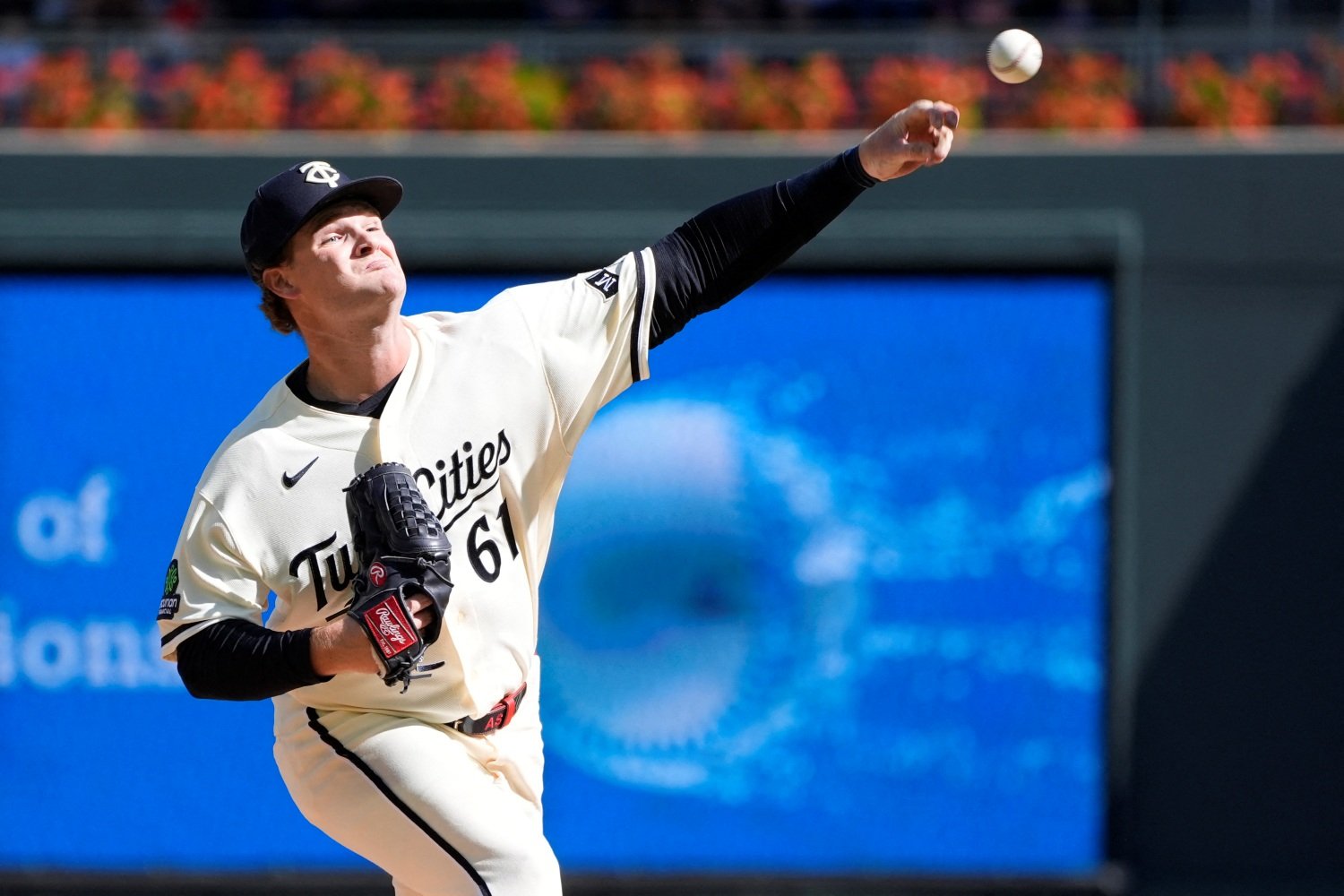 The Twins approached the 2026 season with a mess of a bullpen, and one of the big storylines in spring training was how they planned to reinforce the group internally as the season unfolded. It made sense, at the time, that Connor Prielipp (who maxed out at 82 innings in 2025 after an injury-riddled career and had elite raw stuff) would be a top candidate to move to the bullpen. That switch never happened. Some 162 games later, Prielipp has the Twins feeling thankful that they stuck with him in the starting rotation. Health was a major factor coming into 2026. The Twins took him in the second round of the 2022 MLB Draft (when he was coming off Tommy John surgery), and Prielipp was only able to post 30 innings between 2023 and 2024 due to elbow issues. His 82 innings in 2025 were encouraging, but nowhere near enough to make him feel reliable as a full-season starter. Prielipp finished 2026 with just under 145 innings pitched between Triple-A and the major leagues. His innings were managed carefully at times, and the Twins did sometimes give him extra days' rest and skip the occasional start. Still, he was available for an injury-ravaged MLB rotation all the way to the end of the season. Regardless of performance, Prielipp staying healthy is one of the most positive developments of the Twins’ 2026 season. Speaking of performance, there was plenty of reason to be excited for Prielipp’s future in the rotation. His 4.87 ERA may not be the most exciting, but his peripherals suggest room for regression to an ERA in the high 3s. If he can get a bit luckier stranding runners on base and improve a bit against hitters the third time through the order, his baseline numbers could improve significantly. Prielipp flashed his raw stuff plenty often in his debut season. His 23.9% strikeout rate was perfectly acceptable, driven by his slider and curveball, both of which posted whiff rates above 30%. The curveball, in particular, is something to watch in 2027, as he began increasing its usage to the point that it was his secondary weapon in September, and was absolutely dominant. Perhaps the most encouraging thing to tie Prielipp’s 2026 season together was how he finished. He looked to have hit his ceiling in August, as he blew past his career-high innings and posted an ERA over 7.00. Instead of shutting him down, the Twins sent him back out in September, and he posted a 2.36 ERA. He had a slight drop in fastball velocity, but was still averaging a strong 95.5 MPH on the heater at the end of the season. Connor Prielipp's 2026 season was a major win for the organization. His draft selection was always a gamble, and looked like a potential loss after his first few years. Now, he looks like a lock for the 2027 starting rotation, a major development for an organization lacking pitching depth and ravaged by pitching injuries. He has the stuff to be one of the best arms the Twins have developed in some time. After another disappointing Twins season, it’s important to note the positive developments the team came away with. Prielipp is at the very top of that list.
 -
Image courtesy of Matt Marton-Imagn Images The Twins are on pace to miss the playoffs for the fifth time in six seasons. They’re following their recent trend of playing particularly ugly baseball down the stretch, so it’s time to start considering some changes. After sticking with their current core for so long, it may be time to start dismantling it. A few players stand out as names the Twins should part ways with this offseason. Trevor Larnach With one last trip through arbitration on the docket, paying Larnach what he’ll be awarded in the process makes no sense for the Twins at this point. While he’s rewarded their decision to tender him a contract last offseason with a .768 OPS, he’s been a major reason the offense has taken a step back in the second half. His .594 in August did a number on the lineup, and renews concerns he seemed to have assuaged a couple months ago. It’s also time to give younger players with greater upside more playing time. Emmanuel Rodriguez, Walker Jenkins, and even Alan Roden deserve opportunities in 2027 and beyond. Larnach has no defensive value, requires platooning, and has let the Twins down once again down the stretch in 2026. It’s time for them to see what’s behind Door No. 2. Bailey Ober It’s difficult to watch what’s happened to Ober over the last few years. Still a smart and crafty pitcher, his stuff appears to be bordering on untenable at the big-league level, which is why it’s time for the Twins to move on. While he’s still able to get outs at a decent clip, Ober’s fastball has averaged just over 88 MPH this season, and when he doesn’t have pinpoint command, it’s a difficult watch. Due for his last trip through arbitration this offseason, Ober will likely make at least $7-8 million in 2027 if the Twins tender him a contract. It’s a fair price to pay for his overall body of work, but his upside is completely gone, and it feels like there’s a risk the Twins could come to regret that decision very early in the 2027 season. It may be a case where the Twins are wise to cut bait too early, rather than too late. Royce Lewis Lewis was in a tenuous spot earlier this season after being demoted to Triple-A. A blistering return to the lineup in June changed things, but he’s been pretty quiet since then. He’s a below-league-average hitter on the season and is slashing just .235/.293/.410 since the beginning of 2024, which is 5% below the league-average hitter in that timeframe. Now a utility man mostly playing first base, the bar to clear offensively is much higher; Lewis has fallen to the bottom of the defensive spectrum. He doesn’t hit left-handed pitching at an exceptional rate; doesn’t get on base very well; and his speed and athleticism appear long gone. His free-swinging ways still lead to the occasional hot streak, but the Twins may be best served finding a new home for Lewis this winter. The Twins made changes in the front office and in the manager's chair heading into the season, but kept much of the same core on the field. After another disappointing finish, it’s time to make some changes in the player department. It’s time to move on from a few pieces that have been at the core of their roster for the last few years and turn things over to a new group. View full article
-
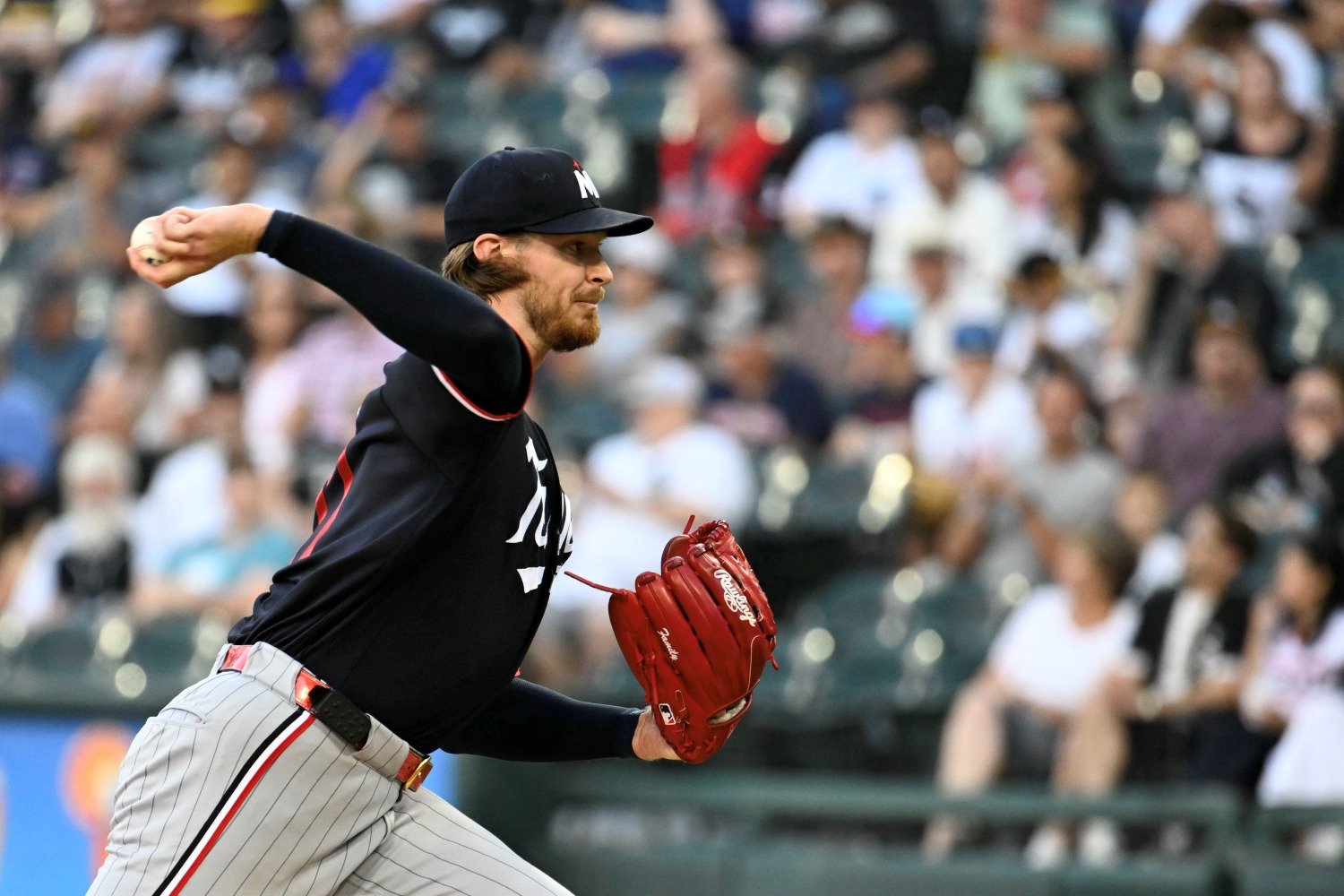 The Twins are on pace to miss the playoffs for the fifth time in six seasons. They’re following their recent trend of playing particularly ugly baseball down the stretch, so it’s time to start considering some changes. After sticking with their current core for so long, it may be time to start dismantling it. A few players stand out as names the Twins should part ways with this offseason. Trevor Larnach With one last trip through arbitration on the docket, paying Larnach what he’ll be awarded in the process makes no sense for the Twins at this point. While he’s rewarded their decision to tender him a contract last offseason with a .768 OPS, he’s been a major reason the offense has taken a step back in the second half. His .594 in August did a number on the lineup, and renews concerns he seemed to have assuaged a couple months ago. It’s also time to give younger players with greater upside more playing time. Emmanuel Rodriguez, Walker Jenkins, and even Alan Roden deserve opportunities in 2027 and beyond. Larnach has no defensive value, requires platooning, and has let the Twins down once again down the stretch in 2026. It’s time for them to see what’s behind Door No. 2. Bailey Ober It’s difficult to watch what’s happened to Ober over the last few years. Still a smart and crafty pitcher, his stuff appears to be bordering on untenable at the big-league level, which is why it’s time for the Twins to move on. While he’s still able to get outs at a decent clip, Ober’s fastball has averaged just over 88 MPH this season, and when he doesn’t have pinpoint command, it’s a difficult watch. Due for his last trip through arbitration this offseason, Ober will likely make at least $7-8 million in 2027 if the Twins tender him a contract. It’s a fair price to pay for his overall body of work, but his upside is completely gone, and it feels like there’s a risk the Twins could come to regret that decision very early in the 2027 season. It may be a case where the Twins are wise to cut bait too early, rather than too late. Royce Lewis Lewis was in a tenuous spot earlier this season after being demoted to Triple-A. A blistering return to the lineup in June changed things, but he’s been pretty quiet since then. He’s a below-league-average hitter on the season and is slashing just .235/.293/.410 since the beginning of 2024, which is 5% below the league-average hitter in that timeframe. Now a utility man mostly playing first base, the bar to clear offensively is much higher; Lewis has fallen to the bottom of the defensive spectrum. He doesn’t hit left-handed pitching at an exceptional rate; doesn’t get on base very well; and his speed and athleticism appear long gone. His free-swinging ways still lead to the occasional hot streak, but the Twins may be best served finding a new home for Lewis this winter. The Twins made changes in the front office and in the manager's chair heading into the season, but kept much of the same core on the field. After another disappointing finish, it’s time to make some changes in the player department. It’s time to move on from a few pieces that have been at the core of their roster for the last few years and turn things over to a new group.
- 134 comments
-
- 9
-

-

-
- royce lewis
- bailey ober
- (and 1 more)
-
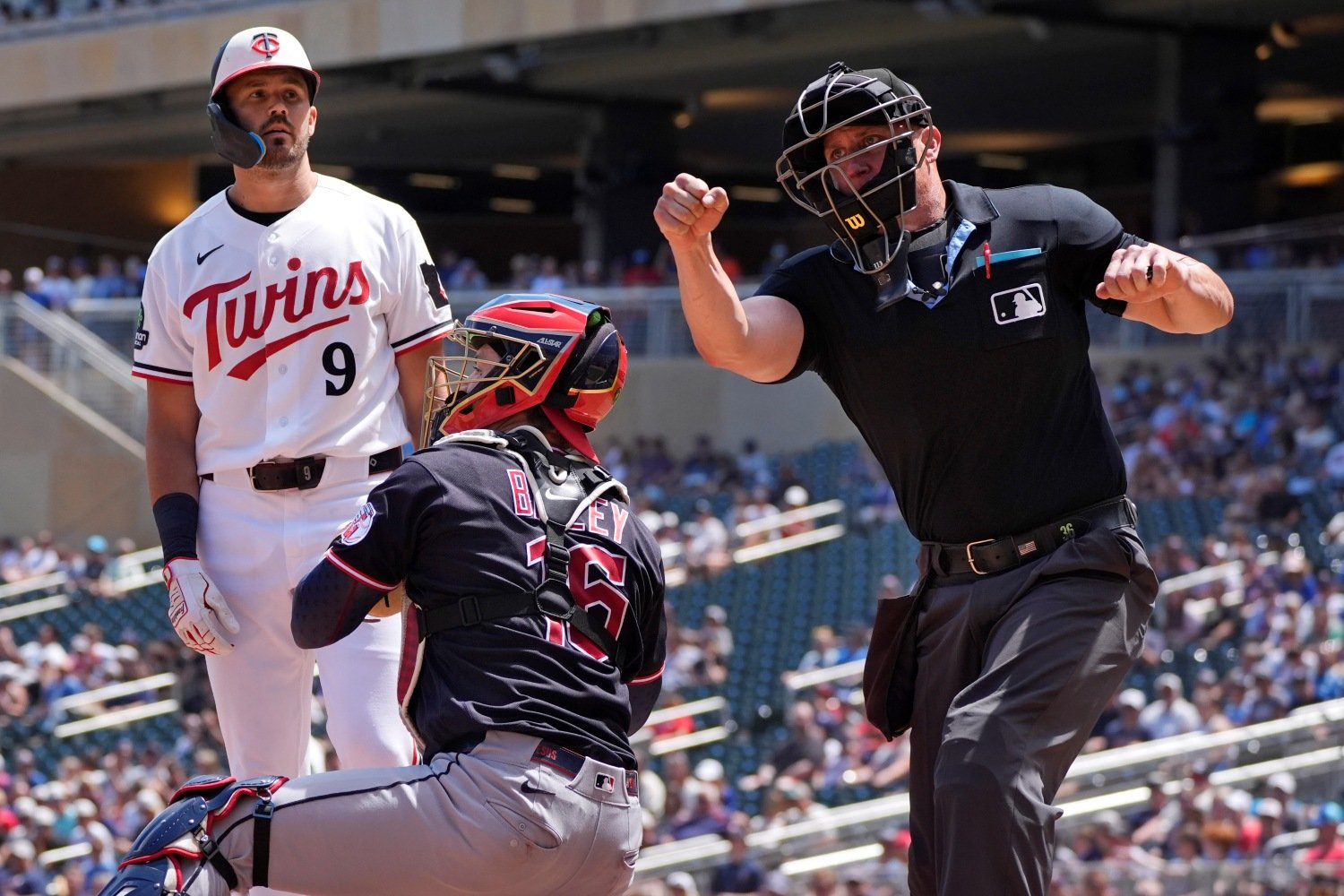 It seemed extremely likely that Trevor Larnach would be non-tendered last November, after another underwhelming season in which the Twins further added to their logjam of left-handed-hitting outfielders. Instead, he’s remained with the team and made their decision pay off—until recently, that is. We're starting to see some signs that the end of Larnach's Twins tenure may not be far off. Larnach was drafted as a bat-first slugger with defensive limitations. The slugging piece has never come to fruition, as evidenced by his career slugging percentage just a touch over .400. The lack of offensive development for a bat-first player made the club's decision to tender Larnach last winter eyebrow-raising. Still, he rewarded the team’s decision with an .812 OPS through July. We’ve seen flashes of strong production from him before, but 2026 has been the most sustained stretch of his career. As good as he’s been all season, though, it seems Larnach’s woeful August has the Twins pivoting in a hurry. He’s posted a .148/.207/.259 slash line in the month, and his playing time is drying up in favor of players like Alan Roden as the team falls further out of contention. The Twins aren’t out of it yet, but their willingness to scale back Larnach’s playing time may show their trust (or lack thereof) in his strong season thus far, and how they feel about him long-term. Larnach is arbitration-eligible for the last time this winter, and he will be due for a sizable raise from the $4.475 million he’s making this season. Many questioned whether the Twins would tender him last offseason because of his inconsistency and wealth of other left-handed-hitting outfielders. The salary increase, as well as a poor finish to the season, could result in a non-tender—not to mention the Twins having more young options for the corner outfield than ever. Roden has already begun eating into Larnach’s playing time. At the very least, Roden is a vastly superior defender in the corner outfield. His lack of offensive production so far can be partially explained by his lack of consistent playing time. Still, there’s a realistic world where he’s as productive as Larnach, if given the opportunity. Roden will be 27 years old in 2027, and if the Twins see enough from him down the stretch, that alone may be enough to find a better way to allocate Larnach’s projected salary. Walker Jenkins needs no introduction to Twins fans. He’s center field-capable if Byron Buxton isn’t healthy, but the Twins will find playing time for him one way or another in 2027. Jenkins is the Twins’ top prospect and one of the best in all of baseball, and if they can’t find him playing time with Larnach on the roster, it’s safe to say Larnach will be the one to go. Another underrated factor in Larnach’s future with the Twins is Emmanuel Rodriguez being back in the Saints’ lineup. A former top prospect derailed by injuries seemingly every season, Rodriguez is out of options next season, meaning he will have to make the Opening Day roster to stay with the organization. He’s not without question marks, but Rodriguez’s skillset is too tantalizing not to give him a prolonged chance to translate it to the big-league level. With all of these left-handed outfield options, it’s hard to make the math work for 2027 when it comes to getting all of them playing time with Larnach in the picture. None of these three names are proven commodities, but it could be argued that Larnach isn’t, either. The most interesting storyline for the rest of 2026 is whether Larnach earns any playing time back at all. If Roden performs or Jenkins comes up, he may lose his near-everyday role for good. If the team falls out of contention and plans to non-tender him, they have no reason to give him playing time. There may even be a world where they want to see Emmanuel Rodriguez down the stretch, at the expense of Larnach. They have plenty of options. It’s easy to see that Larnach has fallen out of favor with the Twins after just under a month of struggles. It once again feels like Larnach’s time with the Twins may be nearing the end. Will that feeling be proven correct this time?
- 29 comments
-
- 1
-
-
- trevor larnach
- alan roden
- (and 2 more)
-
Image courtesy of Bruce Kluckhohn-Imagn Images It seemed extremely likely that Trevor Larnach would be non-tendered last November, after another underwhelming season in which the Twins further added to their logjam of left-handed-hitting outfielders. Instead, he’s remained with the team and made their decision pay off—until recently, that is. We're starting to see some signs that the end of Larnach's Twins tenure may not be far off. Larnach was drafted as a bat-first slugger with defensive limitations. The slugging piece has never come to fruition, as evidenced by his career slugging percentage just a touch over .400. The lack of offensive development for a bat-first player made the club's decision to tender Larnach last winter eyebrow-raising. Still, he rewarded the team’s decision with an .812 OPS through July. We’ve seen flashes of strong production from him before, but 2026 has been the most sustained stretch of his career. As good as he’s been all season, though, it seems Larnach’s woeful August has the Twins pivoting in a hurry. He’s posted a .148/.207/.259 slash line in the month, and his playing time is drying up in favor of players like Alan Roden as the team falls further out of contention. The Twins aren’t out of it yet, but their willingness to scale back Larnach’s playing time may show their trust (or lack thereof) in his strong season thus far, and how they feel about him long-term. Larnach is arbitration-eligible for the last time this winter, and he will be due for a sizable raise from the $4.475 million he’s making this season. Many questioned whether the Twins would tender him last offseason because of his inconsistency and wealth of other left-handed-hitting outfielders. The salary increase, as well as a poor finish to the season, could result in a non-tender—not to mention the Twins having more young options for the corner outfield than ever. Roden has already begun eating into Larnach’s playing time. At the very least, Roden is a vastly superior defender in the corner outfield. His lack of offensive production so far can be partially explained by his lack of consistent playing time. Still, there’s a realistic world where he’s as productive as Larnach, if given the opportunity. Roden will be 27 years old in 2027, and if the Twins see enough from him down the stretch, that alone may be enough to find a better way to allocate Larnach’s projected salary. Walker Jenkins needs no introduction to Twins fans. He’s center field-capable if Byron Buxton isn’t healthy, but the Twins will find playing time for him one way or another in 2027. Jenkins is the Twins’ top prospect and one of the best in all of baseball, and if they can’t find him playing time with Larnach on the roster, it’s safe to say Larnach will be the one to go. Another underrated factor in Larnach’s future with the Twins is Emmanuel Rodriguez being back in the Saints’ lineup. A former top prospect derailed by injuries seemingly every season, Rodriguez is out of options next season, meaning he will have to make the Opening Day roster to stay with the organization. He’s not without question marks, but Rodriguez’s skillset is too tantalizing not to give him a prolonged chance to translate it to the big-league level. With all of these left-handed outfield options, it’s hard to make the math work for 2027 when it comes to getting all of them playing time with Larnach in the picture. None of these three names are proven commodities, but it could be argued that Larnach isn’t, either. The most interesting storyline for the rest of 2026 is whether Larnach earns any playing time back at all. If Roden performs or Jenkins comes up, he may lose his near-everyday role for good. If the team falls out of contention and plans to non-tender him, they have no reason to give him playing time. There may even be a world where they want to see Emmanuel Rodriguez down the stretch, at the expense of Larnach. They have plenty of options. It’s easy to see that Larnach has fallen out of favor with the Twins after just under a month of struggles. It once again feels like Larnach’s time with the Twins may be nearing the end. Will that feeling be proven correct this time? View full article
-
Are the players we got back in that trade barred from ever being mentioned again? I think the fact that they got Roden back in that trade plays at least a small factor in them not simply allowing Jenkins to pass him over for playing time.
-
"You didn't talk about today's roster until the comments" The very first paragraph I mention how they can't or don't want to make room on the roster for Jenkins. I then discuss how the decisions they've made over the last year have led to their inflexibility and lack of opportinity for players like Roden in the currently constructed roster. I just wrote this yesterday, and the words are right above the comment section in case I forget, so not really sure what you're trying to accomplish by claiming that. If you disagree that the Twins have a logjam affecting the roster and keeping players from getting opportunities they need, that's fine. I don't think that's the common opinion though, and you're not going to make any meaningful argument opening your disagreement by calling it "pointless trash"
-
My point on the LHHs they target goes beyond the MLB roster. I agree that they should target talent, but it's gotten to a point where LHH talent should situationally be worth less to them, as it should've been for some time. We saw how this works out with Roden. I have no doubt they were targeting talent when they acquired him. It was easy to question how he was ever going to find playing time though, and that's exactly how it's played out. They targeted a 25 year old, and he'll probably be 27 before they can potentially find regular playing time for him if he's on the roster at all in 2027. They could've called Jenkins up a long time ago, but they invested in Roden, who has been behind Wallner, Larnach, and Outman at various points throughout the season. So they had to get a look at Roden or risk getting nothing from him a year after trading for him. They aren't setting themselves up to successfully choose the best players for the future because they aren't building a top of the system that affords LHHs enough opportunity. Hendry Mendez started the season at Double-A despite him dominating there last season because there wasn't room in St. Paul for him. Just another example.
- 76 replies
-
- 3
-
-
-
- walker jenkins
- alan roden
- (and 2 more)
-
I thought that writing about a team having too many LHHs and being in the bottom 1/3 of the league against LHPs and being on no hitter watch whenever they face LHPs was relevant. Especially when everyone is clamoring for Walker Jenkins. My bad! You say the roster has been mostly sorted as the season has gone one. Go look at yesterday's lineup against a LHP and say that they've rounded into form. I don't get it. Also, I don't know why you read this as the whole piece coming down to complaining about the Varland trade. I mention the three LHHs they acquired at the deadline as well as other moves for LHHs they made after that were problems. Seems like a pretty disingenuous way to minimize an entire article in my opinion. If I wanted to write about how terrible that trade looks, I'd just do it, and it would probably be longer than this one!
-
I don't understand this takeaway at all. The Twins aren't "turning the platoon advantage on it's head". You say that like they've made some kind of unprecedented breakthrough. They're better against RHP because they can't fill out a lineup with capable RHHs against LHP. They haven't been able to all year because of how they built the roster. Their best hitters are RH so they play everyday. All of their switch hitters are worse against LHP. Most LHHs are much worst against LHP and they've chosen to overinvest in LHHs or switch hitters who are better left-handed.
-
Bell, Lee, and Caratini are all terrible RHHs, despite the fact that they can stand on that side of the battery's box.
- 76 replies
-
- 2
-
-
- walker jenkins
- alan roden
- (and 2 more)
-
So are you arguing that the rate at which they've targeted LHHs has been successful and that they should keep doing what they have been then?
- 76 replies
-
- 1
-
-
- walker jenkins
- alan roden
- (and 2 more)
-
Image courtesy of Denis Poroy-Imagn Images The Twins should be in the news with several other teams who are calling up top prospects for the playoff push. Instead, the Twins don’t have room—or at least, don’t want to make room—on the MLB roster for Walker Jenkins. Intentionally or not, the front office has spent over a year setting itself up for this exact scenario. The Twins' hoarding of left-handed hitting outfielders is not a new development. The team seems to be constantly searching for more players of this type. As a result, the big-league roster is poorly built, lacking right-handed hitting complements as the team tries to stuff as many left-handed hitters onto the active roster as they can. It's also led to a lack of opportunity for deserving players. Last season’s trade deadline made plenty of negative headlines, but an underrated decision worth criticism was the team’s decision to target three more left-handed-hitting outfielders as they conducted their fire sale. There was zero reason to add in this way, as the major and minor leagues were already oversaturated with these types of players. The team then chose to tender a contract to Trevor Larnach in the offseason and carry James Outman on the Opening Day roster, ensuring they were 10+ deep in that department. The first problem, in a day-to-day sense, is an obvious one: The roster is not equipped to hit left-handed pitching. Not only do they lack internal options to platoon, but they also didn’t target players in the offseason to address this problem. Josh Bell and Victor Caratini are switch-hitters who have historically been better from the left side. This roster-building choice is a big reason the Twins are in the bottom third of the league against southpaws, even with their season-long OPS in those matchups being inflated by uncharacteristic success in the first few weeks of the season. At the individual player level, targeting so many left-handed hitters has created a mess that the front office has to clean up this offseason. After Alan Roden made up half of the Louis Varland trade return, the team optioned him to Triple-A at 26 years old. Why? Because parting with James Outman, who hasn’t posted a .600 OPS since 2023, was out of the question. They couldn’t afford to let a left-handed hitting outfielder get away without seeing him perform as a below-replacement-level player for a third season in a row. Now that Roden is finally on the MLB roster, the way they’ve built it has left him with almost no opportunity. Starting two games per week or so, the Twins don’t even have consistent at-bats for him against right-handed pitching a year after acquiring him in his physical prime. As he struggles to capitalize on his few chances to perform, the team is weighing whether it’s time to swap him out for another left-handed hitter. It’s difficult to imagine calling up someone like Jenkins without completely pulling the plug on Roden, so he can play every day. The Twins are struggling to make this decision, and it’s understandable. A much-maligned trade to acquire Roden has only looked worse and worse over the last year. Demoting him may be the end of his time with the Twins, and they’re not going to recoup anything close to the value they invested in him. Trading away Varland and giving up on half of the return after just over 100 plate appearances would be a terrible look for the Twins’ decision-makers. Meanwhile in Triple-A, Jenkins continues to mash. A halfway functional roster would have made room for him some time ago, but not the Minnesota Twins. Emmanuel Rodriguez is another problem the Twins have to solve. After missing part of the season yet again, he’s healthy and performing, and is out of minor league options next season. This means he’ll have to make the Opening Day roster without taking a single at-bat at the MLB level. It will be yet another left-handed hitting outfielder for the Twins to split playing time between. Also worth noting, Matt Wallner would have likely earned one last shot on a normal MLB roster after posting a .928 OPS in St. Paul with 20+ homers and a reduced strikeout rate. Instead, there is quite literally no path for him back to the MLB roster this season. Hendry Mendez is another left-handed outfielder acquired at the trade deadline. He’s talented enough to carve out an MLB role for himself someday, but if he remains with the Twins, it may require four or five injuries for him to even have a chance. The Twins’ obsession with left-handed hitters has come back to bite them in a major way in 2026, and this is just the beginning. Their choices have limited the offense's ceiling all season and are now limiting their ability to call up top prospects to provide a jolt to the roster when they need it most. They won’t be able to stash four or five left-handed hitters in Triple-A in 2027, and the MLB roster will already be full with them even if they can somehow restrain themselves from acquiring even more over the offseason. For the betterment of the roster, and in the best interest of their individual players, the Twins need to figure out how to get their left-handed hitting logjam under control. Do you agree? View full article
-
The Twins' Collection of Lefty Bats Has Reached the Breaking Point
Cody Pirkl posted an article in Twins
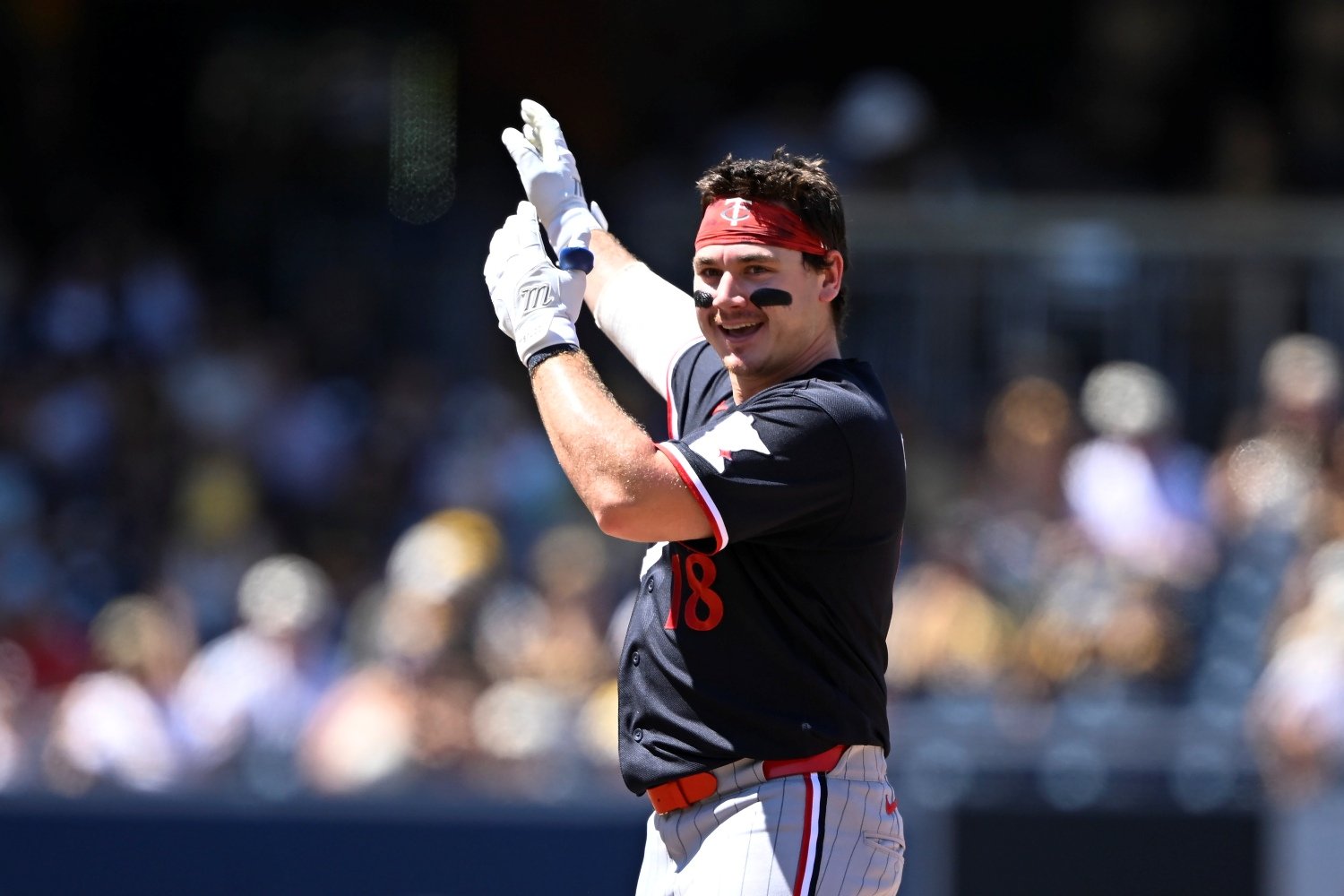 The Twins should be in the news with several other teams who are calling up top prospects for the playoff push. Instead, the Twins don’t have room—or at least, don’t want to make room—on the MLB roster for Walker Jenkins. Intentionally or not, the front office has spent over a year setting itself up for this exact scenario. The Twins' hoarding of left-handed hitting outfielders is not a new development. The team seems to be constantly searching for more players of this type. As a result, the big-league roster is poorly built, lacking right-handed hitting complements as the team tries to stuff as many left-handed hitters onto the active roster as they can. It's also led to a lack of opportunity for deserving players. Last season’s trade deadline made plenty of negative headlines, but an underrated decision worth criticism was the team’s decision to target three more left-handed-hitting outfielders as they conducted their fire sale. There was zero reason to add in this way, as the major and minor leagues were already oversaturated with these types of players. The team then chose to tender a contract to Trevor Larnach in the offseason and carry James Outman on the Opening Day roster, ensuring they were 10+ deep in that department. The first problem, in a day-to-day sense, is an obvious one: The roster is not equipped to hit left-handed pitching. Not only do they lack internal options to platoon, but they also didn’t target players in the offseason to address this problem. Josh Bell and Victor Caratini are switch-hitters who have historically been better from the left side. This roster-building choice is a big reason the Twins are in the bottom third of the league against southpaws, even with their season-long OPS in those matchups being inflated by uncharacteristic success in the first few weeks of the season. At the individual player level, targeting so many left-handed hitters has created a mess that the front office has to clean up this offseason. After Alan Roden made up half of the Louis Varland trade return, the team optioned him to Triple-A at 26 years old. Why? Because parting with James Outman, who hasn’t posted a .600 OPS since 2023, was out of the question. They couldn’t afford to let a left-handed hitting outfielder get away without seeing him perform as a below-replacement-level player for a third season in a row. Now that Roden is finally on the MLB roster, the way they’ve built it has left him with almost no opportunity. Starting two games per week or so, the Twins don’t even have consistent at-bats for him against right-handed pitching a year after acquiring him in his physical prime. As he struggles to capitalize on his few chances to perform, the team is weighing whether it’s time to swap him out for another left-handed hitter. It’s difficult to imagine calling up someone like Jenkins without completely pulling the plug on Roden, so he can play every day. The Twins are struggling to make this decision, and it’s understandable. A much-maligned trade to acquire Roden has only looked worse and worse over the last year. Demoting him may be the end of his time with the Twins, and they’re not going to recoup anything close to the value they invested in him. Trading away Varland and giving up on half of the return after just over 100 plate appearances would be a terrible look for the Twins’ decision-makers. Meanwhile in Triple-A, Jenkins continues to mash. A halfway functional roster would have made room for him some time ago, but not the Minnesota Twins. Emmanuel Rodriguez is another problem the Twins have to solve. After missing part of the season yet again, he’s healthy and performing, and is out of minor league options next season. This means he’ll have to make the Opening Day roster without taking a single at-bat at the MLB level. It will be yet another left-handed hitting outfielder for the Twins to split playing time between. Also worth noting, Matt Wallner would have likely earned one last shot on a normal MLB roster after posting a .928 OPS in St. Paul with 20+ homers and a reduced strikeout rate. Instead, there is quite literally no path for him back to the MLB roster this season. Hendry Mendez is another left-handed outfielder acquired at the trade deadline. He’s talented enough to carve out an MLB role for himself someday, but if he remains with the Twins, it may require four or five injuries for him to even have a chance. The Twins’ obsession with left-handed hitters has come back to bite them in a major way in 2026, and this is just the beginning. Their choices have limited the offense's ceiling all season and are now limiting their ability to call up top prospects to provide a jolt to the roster when they need it most. They won’t be able to stash four or five left-handed hitters in Triple-A in 2027, and the MLB roster will already be full with them even if they can somehow restrain themselves from acquiring even more over the offseason. For the betterment of the roster, and in the best interest of their individual players, the Twins need to figure out how to get their left-handed hitting logjam under control. Do you agree?
- 76 comments
-
- 7
-
-

-
-
- walker jenkins
- alan roden
- (and 2 more)
-
Image courtesy of Jesse Johnson, IMAGN IMAGES via Reuters Connect Trading Joe Ryan was certainly on the table last offseason after the trade deadline sell-off. The team chose to stay the course and aim for contention in 2026. It's worked; Ryan has been an anchor for the Twins so far as they’ve hung around in the wild card picture. But when the organization doubled down on setting their sights on the postseason, the annual questions about Ryan’s ability to help in the second half became impossible to ignore. The Twins have been put in a difficult spot. Ryan’s season took a complete 180 in his last three starts, allowing 16 earned runs in 15 ⅓ innings before heading to the injured list with a glute strain. This ostensibly minor injury could explain Ryan’s downturn, but the context of his historical struggles in the second half of the season is concerning. As the team continues to hang around in the playoff picture, they’re now without their ace, and even if his IL stay is short-lived, it’s fair to wonder what version of Ryan shows up whenever he is activated. The Twins had enough concerns in the rotation without Ryan’s notorious second-half splits showing up again. The team’s acquisition of Dean Kremer as rotation depth is now a necessity. Even with the innings Kremer will add to the rotation, it’s difficult to imagine the team making the postseason without Ryan returning to form. Ryan’s sample size of struggling in the second half has grown to such a point that it’s as much a part of his story as the back-to-back All-Star appearances. The team was fortunate to be in a reasonable spot to buy at the deadline, as Ryan allowing six homers to Cleveland on July 20th would have raised some eyebrows from potentially acquiring teams. That may be irrelevant now, but if Ryan either spends an extended amount of time on the IL or returns as a shell of his first-half self again, skepticism will only grow stronger. The Twins may very well have Ryan penciled into their 2027 plans, and there is a strong argument that they should. If that’s the case, they may need to give special consideration to making sure they have the starting pitching depth and talent to make it through the second half. Injuries in the pitching staff can happen anytime, but Ryan’s drop-offs late in the season are becoming something worth planning for. Even if he's in their plans, the Twins may be open to listening on calls regarding Ryan in the offseason in case another team wants to blow them away. It seems far less likely for that to happen than it has in past years. As the second-half struggles rear their ugly head again, teams are certain to question whether Ryan can be counted on during the most important stretch of the season. The Twins had previously asked for two top-100 prospects in return for Ryan, with some teams reportedly ready to meet that demand. It’s worth questioning whether the Twins would get anything close to that return at this point. The Twins are in a bad spot now as a contending team in need of their ace. They also likely don’t have nearly as much flexibility this offseason if they are open to trading him. Joe Ryan has been a massive addition to the rotation the last several years, but his pattern of second-half struggles threatens to put a real damper on the tail end of his Twins career. How should they move forward? What would you advise? Let us know in the comments. View full article
-
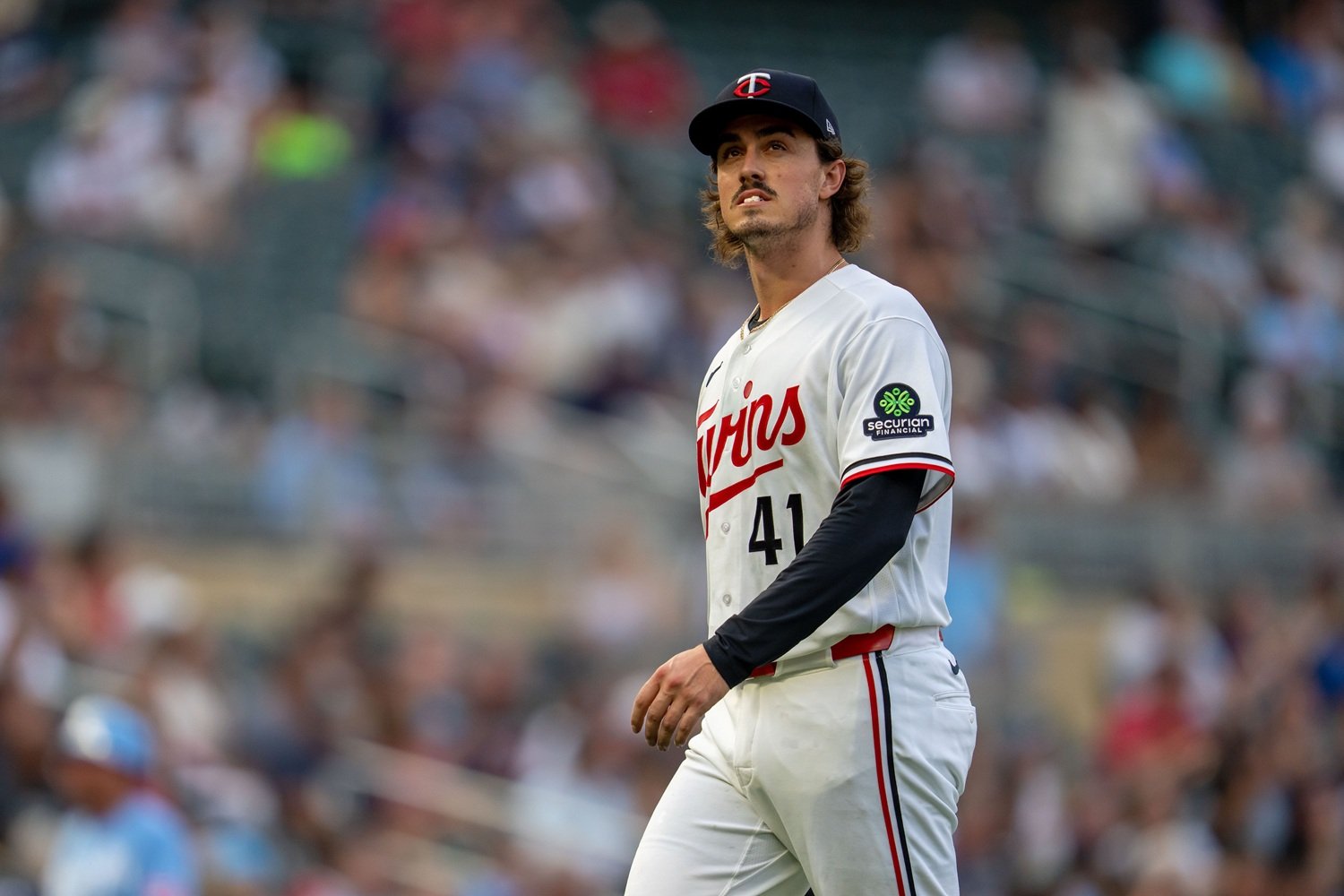 Trading Joe Ryan was certainly on the table last offseason after the trade deadline sell-off. The team chose to stay the course and aim for contention in 2026. It's worked; Ryan has been an anchor for the Twins so far as they’ve hung around in the wild card picture. But when the organization doubled down on setting their sights on the postseason, the annual questions about Ryan’s ability to help in the second half became impossible to ignore. The Twins have been put in a difficult spot. Ryan’s season took a complete 180 in his last three starts, allowing 16 earned runs in 15 ⅓ innings before heading to the injured list with a glute strain. This ostensibly minor injury could explain Ryan’s downturn, but the context of his historical struggles in the second half of the season is concerning. As the team continues to hang around in the playoff picture, they’re now without their ace, and even if his IL stay is short-lived, it’s fair to wonder what version of Ryan shows up whenever he is activated. The Twins had enough concerns in the rotation without Ryan’s notorious second-half splits showing up again. The team’s acquisition of Dean Kremer as rotation depth is now a necessity. Even with the innings Kremer will add to the rotation, it’s difficult to imagine the team making the postseason without Ryan returning to form. Ryan’s sample size of struggling in the second half has grown to such a point that it’s as much a part of his story as the back-to-back All-Star appearances. The team was fortunate to be in a reasonable spot to buy at the deadline, as Ryan allowing six homers to Cleveland on July 20th would have raised some eyebrows from potentially acquiring teams. That may be irrelevant now, but if Ryan either spends an extended amount of time on the IL or returns as a shell of his first-half self again, skepticism will only grow stronger. The Twins may very well have Ryan penciled into their 2027 plans, and there is a strong argument that they should. If that’s the case, they may need to give special consideration to making sure they have the starting pitching depth and talent to make it through the second half. Injuries in the pitching staff can happen anytime, but Ryan’s drop-offs late in the season are becoming something worth planning for. Even if he's in their plans, the Twins may be open to listening on calls regarding Ryan in the offseason in case another team wants to blow them away. It seems far less likely for that to happen than it has in past years. As the second-half struggles rear their ugly head again, teams are certain to question whether Ryan can be counted on during the most important stretch of the season. The Twins had previously asked for two top-100 prospects in return for Ryan, with some teams reportedly ready to meet that demand. It’s worth questioning whether the Twins would get anything close to that return at this point. The Twins are in a bad spot now as a contending team in need of their ace. They also likely don’t have nearly as much flexibility this offseason if they are open to trading him. Joe Ryan has been a massive addition to the rotation the last several years, but his pattern of second-half struggles threatens to put a real damper on the tail end of his Twins career. How should they move forward? What would you advise? Let us know in the comments.
 -
Image courtesy of Matt Blewett - IMAGN IMAGES via Reuters Connect (photo of Tommy Nance) We watched the Derek Falvey-led front office operate for years. We saw them work with the Pohlad family and came to understand what to expect. With Tom Pohlad taking over public-facing ownership duties, and Jeremy Zoll replacing Derek Falvey at the head of the front office, we may be seeing a change in the team’s philosophies. Three pieces of evidence in particular stand out from the deadline. Buying Early Between free agency and the trade deadline, patience has been key for Twins fans. The Falvey-led Twins preferred to wait out the market and see what's left at the end rather than targeting specific players. Ironically, it could be argued the Twins could have taken this path at this deadline. Names like A.J. Minter, Tommy Nance, and Dean Kremer weren't at the top of the trade target rankings. The way the Twins acquired them, however, is notable. It's likely the Twins paid a premium to acquire these three pitchers as early as they did. They could regret it down the road. That being said, for better or worse, they identified who they wanted, and they went out and got them. They didn't wait until right before the deadline hoping they'd still be there for a slight discount. Say what you want about the Falvey era Twins, aggressiveness is not a word you would use to describe any facet of their operations. The idea of seeing even just a little bit more of this decisiveness in the future is interesting. Spending Money The Twins took on a franchise record amount of money at this trade deadline. After years of no payroll flexibility, ownership was finally willing to invest at least a respectable amount in a roster that had plenty of needs and realistic playoff hopes. Though the Twins didn't catch the biggest headlines at the trade deadline, this is the most they've been willing to spend in some time. One could make a fair argument that the Twins should have sold at this deadline. They're still a flawed team with shaky playoff chances. They chose to buy, however, and they could have done so by including more prospect capital in the same moves and taken on less money. After Tom Pohlad identified the importance of investing in the roster earlier this season, the Twins showed a willingness to increase payroll for the first time in years. Hopefully this trend continues into free agency. Targeting Relievers The Twins have rarely invested in the bullpen since Falvey took over, and this has especially been the case in the last few years. Perhaps their bigger investments in names like Addison Reed, Alex Colomé, and Jorge Lopez jaded their view. They've been able to develop elite bullpen arms internally, but trading away the arms they did at the 2025 trade deadline without investing in any replacements during the offseason was a major mistake. The bullpen is finally starting to take shape, but rather than hoping that trend continues, the Twins made sure to invest in reinforcements. Even giving up middling prospects for Tommy Nance and A.J. Minter is noteworthy, but the investment in Jeff Hoffman should raise an eyebrow for Twins fans. The Twins made a financial investment in a reliever to a degree we haven't seen in years. They also took a risk in trading away a prospect package that included high upside lefty Dasan Hill. It feels a little ridiculous to be investing these resources in controllable relief help after trading so much of it away last year, which is exactly why it’s a sign that things are changing in the front office. Would Derek Falvey have ever invested these kinds of resources into a bullpen? It’s pretty safe to say no. The Twins operated like a completely different team at the trade deadline. We’ll have to see more, particularly in the offseason, before giving them too much credit, but some of the changes in philosophy are exciting to see. Are you buying into this trade deadline being the new normal when it comes to how the Twins operate? Let us know! View full article
-
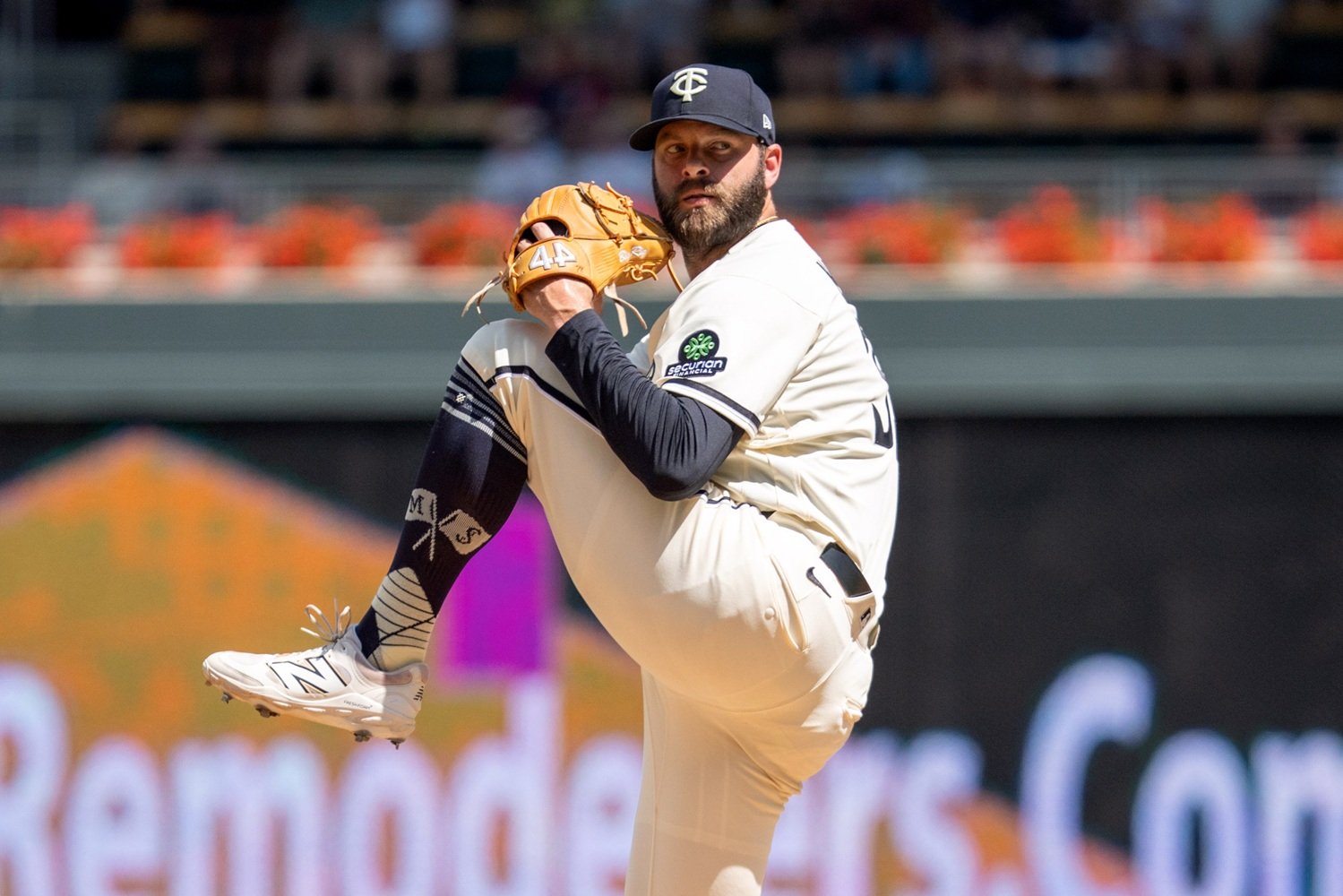 We watched the Derek Falvey-led front office operate for years. We saw them work with the Pohlad family and came to understand what to expect. With Tom Pohlad taking over public-facing ownership duties, and Jeremy Zoll replacing Derek Falvey at the head of the front office, we may be seeing a change in the team’s philosophies. Three pieces of evidence in particular stand out from the deadline. Buying Early Between free agency and the trade deadline, patience has been key for Twins fans. The Falvey-led Twins preferred to wait out the market and see what's left at the end rather than targeting specific players. Ironically, it could be argued the Twins could have taken this path at this deadline. Names like A.J. Minter, Tommy Nance, and Dean Kremer weren't at the top of the trade target rankings. The way the Twins acquired them, however, is notable. It's likely the Twins paid a premium to acquire these three pitchers as early as they did. They could regret it down the road. That being said, for better or worse, they identified who they wanted, and they went out and got them. They didn't wait until right before the deadline hoping they'd still be there for a slight discount. Say what you want about the Falvey era Twins, aggressiveness is not a word you would use to describe any facet of their operations. The idea of seeing even just a little bit more of this decisiveness in the future is interesting. Spending Money The Twins took on a franchise record amount of money at this trade deadline. After years of no payroll flexibility, ownership was finally willing to invest at least a respectable amount in a roster that had plenty of needs and realistic playoff hopes. Though the Twins didn't catch the biggest headlines at the trade deadline, this is the most they've been willing to spend in some time. One could make a fair argument that the Twins should have sold at this deadline. They're still a flawed team with shaky playoff chances. They chose to buy, however, and they could have done so by including more prospect capital in the same moves and taken on less money. After Tom Pohlad identified the importance of investing in the roster earlier this season, the Twins showed a willingness to increase payroll for the first time in years. Hopefully this trend continues into free agency. Targeting Relievers The Twins have rarely invested in the bullpen since Falvey took over, and this has especially been the case in the last few years. Perhaps their bigger investments in names like Addison Reed, Alex Colomé, and Jorge Lopez jaded their view. They've been able to develop elite bullpen arms internally, but trading away the arms they did at the 2025 trade deadline without investing in any replacements during the offseason was a major mistake. The bullpen is finally starting to take shape, but rather than hoping that trend continues, the Twins made sure to invest in reinforcements. Even giving up middling prospects for Tommy Nance and A.J. Minter is noteworthy, but the investment in Jeff Hoffman should raise an eyebrow for Twins fans. The Twins made a financial investment in a reliever to a degree we haven't seen in years. They also took a risk in trading away a prospect package that included high upside lefty Dasan Hill. It feels a little ridiculous to be investing these resources in controllable relief help after trading so much of it away last year, which is exactly why it’s a sign that things are changing in the front office. Would Derek Falvey have ever invested these kinds of resources into a bullpen? It’s pretty safe to say no. The Twins operated like a completely different team at the trade deadline. We’ll have to see more, particularly in the offseason, before giving them too much credit, but some of the changes in philosophy are exciting to see. Are you buying into this trade deadline being the new normal when it comes to how the Twins operate? Let us know!
- 7 comments
-
- 5
-
-
- jeff hoffman
- tommy nance
- (and 6 more)
-
Image courtesy of Denis Poroy, IMAGN IMAGES via Reuters Connect The Twins’ bullpen has been an obvious weak spot since before the season even began. Even a few weeks ago, the hope was that the team could stay in contention long enough to acquire several relievers at the trade deadline. While acquiring at least one more reliever may be wise, after acquiring left-handed reliever AJ Minter on Friday, it can be argued that it’s no longer the Twins' number one priority. The Twins prided themselves on their ability to find relievers internally or without spending much after trading away much of the controllable bullpen at last year’s trade deadline sell-off. It took some time, but we’re seeing some signs of this. Yoendrys Gomez has been a savior in the closer role after being claimed off waivers. Andrew Morris has been as good as any reliever in baseball over the last month. Recently acquired Tommy Nance has served as a setup man, and lower-level relievers such as Travis Adams and Jack Anderson have started to show flashes. Add in Minter, who is arguably now the third-best reliever in the bullpen, and things are starting to look up. The Twins are still in the bottom five in bullpen ERA in baseball, but things are trending in the right direction. If another deal like the one for Minter presents itself, they should jump at the opportunity. Perhaps that shouldn’t be the team’s number one priority, however. On the flip side of the bullpen, the starting rotation is suddenly riddled with enormous questions. Bailey Ober is struggling to hit 87 mph on his fastball in the middle innings of starts. Zebby Matthews does not look like the pitcher who shot through the minor leagues a few years ago and has been blow-up-prone lately. Connor Prielipp has already surpassed his career high in innings pitched in a season. Joe Ryan’s historical second-half struggles suddenly appear front and center. Perhaps the Twins’ number one priority should be starting pitching. The level of starter the Twins look to acquire can be flexible. If the market for playoff-caliber starters is too costly, even a back-end arm to ensure they have the innings covered the rest of the way could make all the difference. If they find a deal they like for a starting pitcher with multiple years of team control, they could certainly benefit from another rotation member beyond 2026 as well. There is no shortage of options when it comes to starting pitchers currently on the trade block. While even uninspiring options will cost more than a good reliever, there are plenty of realistic arms that can be brought in. Someone like Robbie Ray would be incredibly cheap if the Twins were willing to eat the remainder of his contract (approximately $8.3M for the rest of 2026) as they did with Minter. The same could be said for someone like Dustin May or Brady Singer if the Twins are concerned with filling innings. If they choose to pursue the more expensive route in search of arms that can help beyond 2026, several names should be available. The Twins have long been rumored to be interested in Angels LHP Reid Detmers. The Mariners have been telling teams Emerson Hancock is available amidst a breakout season. The prospect capital would be higher, but the Twins need MLB-ready rotation options both now and into 2027. Whatever path the Twins take, if they’re buying, they should strongly consider adding to their rotation that appears to be on the brink of the wheels completely falling off. Perhaps grab another reliever, but make sure the team has the starting pitching to turn the ball over to an improved bullpen with a chance to win. Do you agree? Got some other names the team should target? Let's hear them in the comments. View full article
-
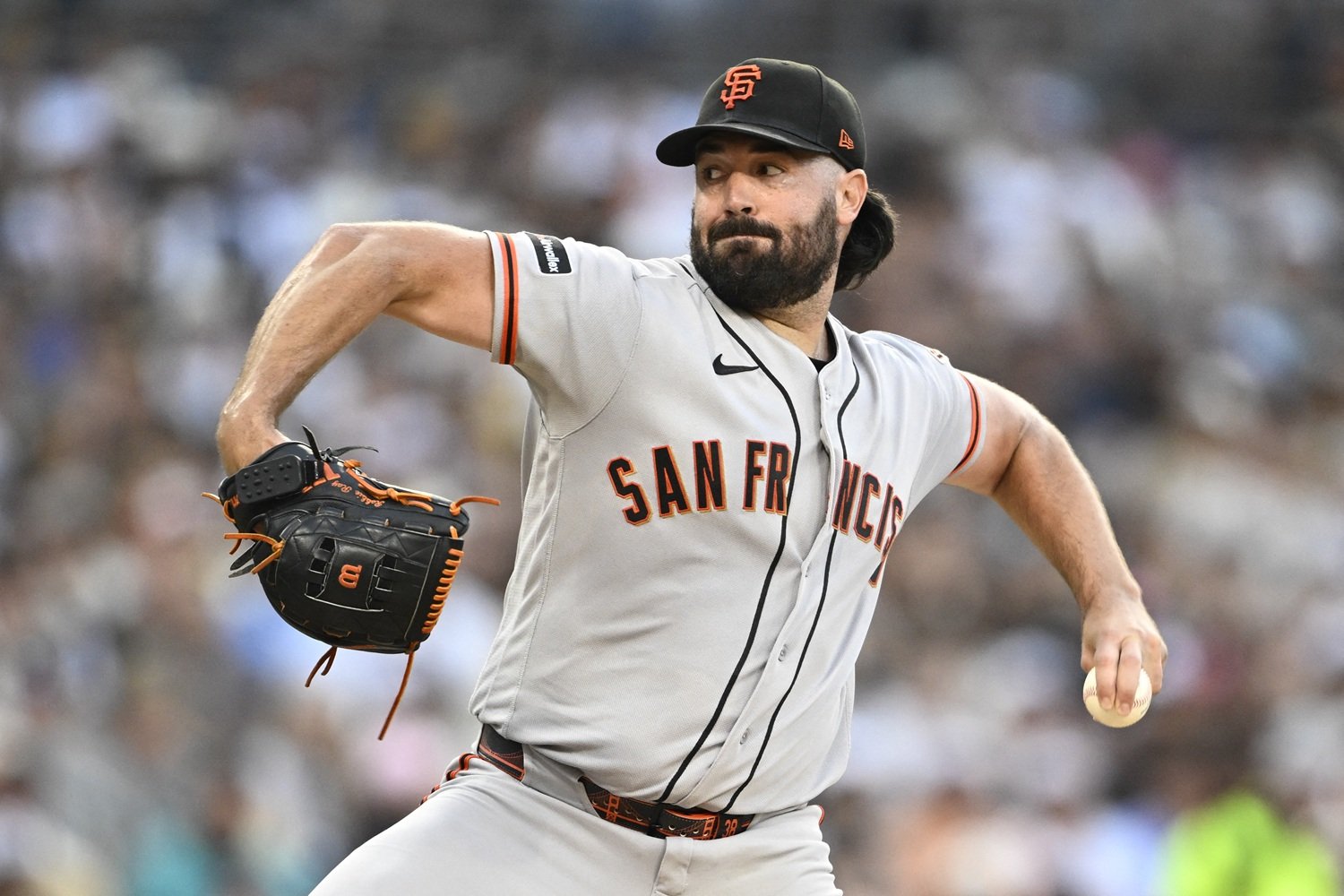 The Twins’ bullpen has been an obvious weak spot since before the season even began. Even a few weeks ago, the hope was that the team could stay in contention long enough to acquire several relievers at the trade deadline. While acquiring at least one more reliever may be wise, after acquiring left-handed reliever AJ Minter on Friday, it can be argued that it’s no longer the Twins' number one priority. The Twins prided themselves on their ability to find relievers internally or without spending much after trading away much of the controllable bullpen at last year’s trade deadline sell-off. It took some time, but we’re seeing some signs of this. Yoendrys Gomez has been a savior in the closer role after being claimed off waivers. Andrew Morris has been as good as any reliever in baseball over the last month. Recently acquired Tommy Nance has served as a setup man, and lower-level relievers such as Travis Adams and Jack Anderson have started to show flashes. Add in Minter, who is arguably now the third-best reliever in the bullpen, and things are starting to look up. The Twins are still in the bottom five in bullpen ERA in baseball, but things are trending in the right direction. If another deal like the one for Minter presents itself, they should jump at the opportunity. Perhaps that shouldn’t be the team’s number one priority, however. On the flip side of the bullpen, the starting rotation is suddenly riddled with enormous questions. Bailey Ober is struggling to hit 87 mph on his fastball in the middle innings of starts. Zebby Matthews does not look like the pitcher who shot through the minor leagues a few years ago and has been blow-up-prone lately. Connor Prielipp has already surpassed his career high in innings pitched in a season. Joe Ryan’s historical second-half struggles suddenly appear front and center. Perhaps the Twins’ number one priority should be starting pitching. The level of starter the Twins look to acquire can be flexible. If the market for playoff-caliber starters is too costly, even a back-end arm to ensure they have the innings covered the rest of the way could make all the difference. If they find a deal they like for a starting pitcher with multiple years of team control, they could certainly benefit from another rotation member beyond 2026 as well. There is no shortage of options when it comes to starting pitchers currently on the trade block. While even uninspiring options will cost more than a good reliever, there are plenty of realistic arms that can be brought in. Someone like Robbie Ray would be incredibly cheap if the Twins were willing to eat the remainder of his contract (approximately $8.3M for the rest of 2026) as they did with Minter. The same could be said for someone like Dustin May or Brady Singer if the Twins are concerned with filling innings. If they choose to pursue the more expensive route in search of arms that can help beyond 2026, several names should be available. The Twins have long been rumored to be interested in Angels LHP Reid Detmers. The Mariners have been telling teams Emerson Hancock is available amidst a breakout season. The prospect capital would be higher, but the Twins need MLB-ready rotation options both now and into 2027. Whatever path the Twins take, if they’re buying, they should strongly consider adding to their rotation that appears to be on the brink of the wheels completely falling off. Perhaps grab another reliever, but make sure the team has the starting pitching to turn the ball over to an improved bullpen with a chance to win. Do you agree? Got some other names the team should target? Let's hear them in the comments.
- 24 comments
-
- 11
-
-
- joe ryan
- zebby matthews
- (and 1 more)
-
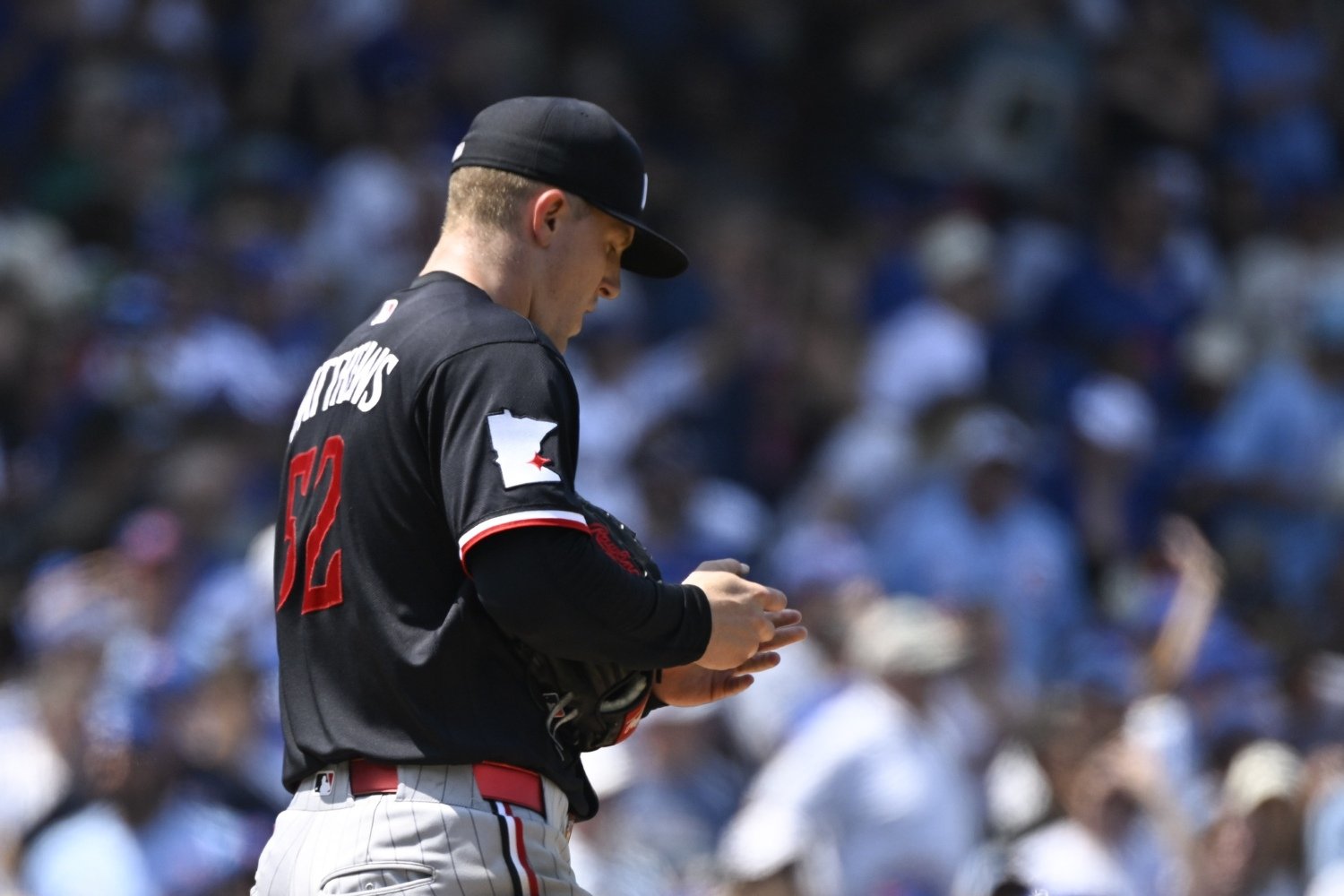 Zebby Matthews has been a win for the Twins' pitching development, even if his stock has dropped since his debut. After speeding through the minors on his way to his big-league debut in 2024, he's struggled with consistency. The Twins don't have other options in the rotation for the rest of 2026, but where will he be in 2027 and beyond? An 8th-round pick in 2022, Zebby Matthews is already a successful pick from that draft. He added velocity after the Twins took him, which he paired with impeccable control to dominate the minor leagues. His overall results at the big-league level so far leave plenty to be desired, with an ERA over 5.50 in just under 200 innings. There's always a chance he can improve, but there are signs that his best role long-term isn’t in the rotation. Matthews has a diverse arsenal, throwing five pitches at least 10% of the time in 2026. His best two offerings, by far, are his two breaking balls, an 89-MPH slider and an 87-MPH curveball. His fastball remains his most-used pitch and has been hit hard, with a .366 wOBA allowed while not drawing nearly enough swings and misses. His heater is also down to 95 MPH, from 96.2 last season. He throws a changeup and cutter as well, though neither has been particularly successful. Depending on the rotation depth the Twins have in 2027, they may have to ask themselves some difficult questions regarding Matthews. Can he improve enough to be a consistent starting pitcher? Can he transition to a relief role and become an impact reliever? As the sample size of innings in the rotation grows, these questions are starting to get louder. Matthews looked like a master of control and command in the minor leagues, but this hasn’t played out at the MLB level. His walk rate in the big leagues is still good, but it’s a far cry from the control he showed in the minors, where filling the strike zone didn’t lead to nearly as much punishment. What we’ve seen with Matthews is that while he’s capable of throwing plenty of strikes, he lacks the command to locate his pitches where they won’t be crushed. This is on full display when watching him while ahead in the count. Instead of putting hitters away by leveraging advantage counts, he far too often throws a hittable pitch, allowing opposing hitters to bail themselves out. He's flashed high-level stuff at points in his young career, but saw a slight decline in 2025 and then again in 2026, particularly with his fastball. It’s possible he lacks the command to be a consistently successful MLB pitcher with this diminished level of stuff. If it’s not going to come back in a starting role, it may be worth seeing if he can harness it out of the bullpen. The most recent example of a fringe starting pitcher turned impact reliever is Andrew Morris this season, but we've seen the Twins utilize this route plenty in recent years. A move to the bullpen would allow Matthews to trim his arsenal and utilize his best pitches more often in shorter stints. He shouldn't need to rely on his fastball as often as a reliever, but history tells us that there's a chance that he could reclaim the velocity he once flashed that approached triple digits. While starting pitchers of any type are valuable, Matthews reestablishing the stuff he flashed a few years ago could make him an impact reliever. While it would be great for Matthews to become even a back-end starting pitcher, there are other paths to him being an impact arm for the Minnesota Twins. Perhaps we need to see a bit more before committing to Zebby Matthews in the bullpen, but if he continues to struggle for the rest of 2026, the question may have to be asked. Is Zebby Matthews’ future in the Twins’ rotation?
 -
Is Zebby Matthews's Future in the Rotation?
Cody Pirkl posted a topic in Twins Daily Front Page News
Image courtesy of © Matt Marton-Imagn Images Zebby Matthews has been a win for the Twins' pitching development, even if his stock has dropped since his debut. After speeding through the minors on his way to his big-league debut in 2024, he's struggled with consistency. The Twins don't have other options in the rotation for the rest of 2026, but where will he be in 2027 and beyond? An 8th-round pick in 2022, Zebby Matthews is already a successful pick from that draft. He added velocity after the Twins took him, which he paired with impeccable control to dominate the minor leagues. His overall results at the big-league level so far leave plenty to be desired, with an ERA over 5.50 in just under 200 innings. There's always a chance he can improve, but there are signs that his best role long-term isn’t in the rotation. Matthews has a diverse arsenal, throwing five pitches at least 10% of the time in 2026. His best two offerings, by far, are his two breaking balls, an 89-MPH slider and an 87-MPH curveball. His fastball remains his most-used pitch and has been hit hard, with a .366 wOBA allowed while not drawing nearly enough swings and misses. His heater is also down to 95 MPH, from 96.2 last season. He throws a changeup and cutter as well, though neither has been particularly successful. Depending on the rotation depth the Twins have in 2027, they may have to ask themselves some difficult questions regarding Matthews. Can he improve enough to be a consistent starting pitcher? Can he transition to a relief role and become an impact reliever? As the sample size of innings in the rotation grows, these questions are starting to get louder. Matthews looked like a master of control and command in the minor leagues, but this hasn’t played out at the MLB level. His walk rate in the big leagues is still good, but it’s a far cry from the control he showed in the minors, where filling the strike zone didn’t lead to nearly as much punishment. What we’ve seen with Matthews is that while he’s capable of throwing plenty of strikes, he lacks the command to locate his pitches where they won’t be crushed. This is on full display when watching him while ahead in the count. Instead of putting hitters away by leveraging advantage counts, he far too often throws a hittable pitch, allowing opposing hitters to bail themselves out. He's flashed high-level stuff at points in his young career, but saw a slight decline in 2025 and then again in 2026, particularly with his fastball. It’s possible he lacks the command to be a consistently successful MLB pitcher with this diminished level of stuff. If it’s not going to come back in a starting role, it may be worth seeing if he can harness it out of the bullpen. The most recent example of a fringe starting pitcher turned impact reliever is Andrew Morris this season, but we've seen the Twins utilize this route plenty in recent years. A move to the bullpen would allow Matthews to trim his arsenal and utilize his best pitches more often in shorter stints. He shouldn't need to rely on his fastball as often as a reliever, but history tells us that there's a chance that he could reclaim the velocity he once flashed that approached triple digits. While starting pitchers of any type are valuable, Matthews reestablishing the stuff he flashed a few years ago could make him an impact reliever. While it would be great for Matthews to become even a back-end starting pitcher, there are other paths to him being an impact arm for the Minnesota Twins. Perhaps we need to see a bit more before committing to Zebby Matthews in the bullpen, but if he continues to struggle for the rest of 2026, the question may have to be asked. Is Zebby Matthews’ future in the Twins’ rotation? View full article -
Image courtesy of © Brad Penner-Imagn Images A surprisingly potent offense, paired with a weak American League as a whole, has the Twins positioned to make a run in the second half of the season. Perhaps it’s not the best team to invest significant prospect capital into trade assets, but that shouldn’t stop the team from making big improvements. Tom Pohlad has repeatedly expressed a willingness to invest in this roster if given a reason. The team has done its part, and if ownership is true to its word, there are some high-impact trade candidates the Twins can get for a reasonable price if they’re willing to spend some money. Sonny Gray A reunion with Sonny Gray could be in the cards if the Twins are serious about a playoff push. The teams’ lack of depth in the rotation is an underdiscussed red flag for the stretch run. Pablo Lopez isn’t coming back this season, and Mick Abel looks unlikely as well. Meanwhile, Connor Prielipp is about to surpass his career high in innings pitched, and Mike Paredes remains in the rotation. It’s hard to imagine this group holding up throughout the rest of the season. Gray has remained a playoff-caliber starting pitcher since leaving Minnesota and has posted a sub-3.00 ERA so far this season. He’ll have just under $15m left on his contract this year, with a $10m buyout on a $30m mutual option for 2027. It’s a high price to pay, and it's difficult to envision given the level of investment we’ve seen since 2023. The Red Sox have also reentered the playoff hunt in recent weeks. Things would have to come together perfectly, making Sonny Gray more of a dream target, but if it lines up perfectly for a Twins team that’s willing to spend, the prospect capital shouldn’t take a bite out of the team’s future. Kevin Gausman Should the Blue Jays sell, Kevin Gausman presents another option for the Twins to solidify their rotation depth. A free agent in 2027, Gausman has a bit over $10m left on his contract. Given the price of starting pitchers and the fact that his cost doesn’t reach into 2027, Gausman will still command a decent prospect package in return. Not every team can afford to take on his salary for just a few months, however. A few factors, such as stranded runner rate, HR/FB rate, and BABIP, have led to a rockier year than usual for Gausman. Overall, he still looks like the same playoff-caliber starter he’s been for years now. He would be a rock for the rotation for the remainder of the season, and would slot nicely into the number two spot of a playoff rotation if the Twins can find their way into the October mix. If the Twins ownership is willing to pay for the rest of Gausman’s deal, they’d be able to acquire him without including any top-tier prospects. Pete Fairbanks The bullpen is the obvious weak spot on the Twins roster, and relievers always carry an inflated price tag at the trade deadline as every contender could use an extra arm or two. There will likely be bidding wars on affordable names such as Luke Weaver, who’s posting a career year. The Twins should certainly be involved in any and all relief arms at the deadline, but if they’re willing to spend money gambling on the most volatile position in baseball, they could strike gold. Peter Fairbanks is still averaging 97.4 on his fastball at age 32, and while his peripherals are a bit inflated from years past, he’s looked like a much better pitcher than his ERA just under 7.00 indicates. An inflated BABIP and HR/FB rate have hurt him, but he’s striking out over 30% of opposing hitters. He’ll be due roughly $6m on the rest of his contract, an amount that even a competitive Marlins team may be happy to dump with little prospect capital in return. Fairbanks has plenty of setup and closing experience, and gambling on him at this cost could pay off in a big way. The Twins being big spenders at the deadline still seems like a pipe dream, but what if Tom Pohlad’s comments about investing in this team turn out to be sincere? The Twins have done a great job of hanging around in the playoff picture, but they need help to finish the job. Impact additions at the trade deadline can cost a ton, but if they’re willing to invest financially, they can hold onto their top prospects and maintain their future. Are there any expensive trade candidates you’d like to see them acquire? Let us know below! View full article
-
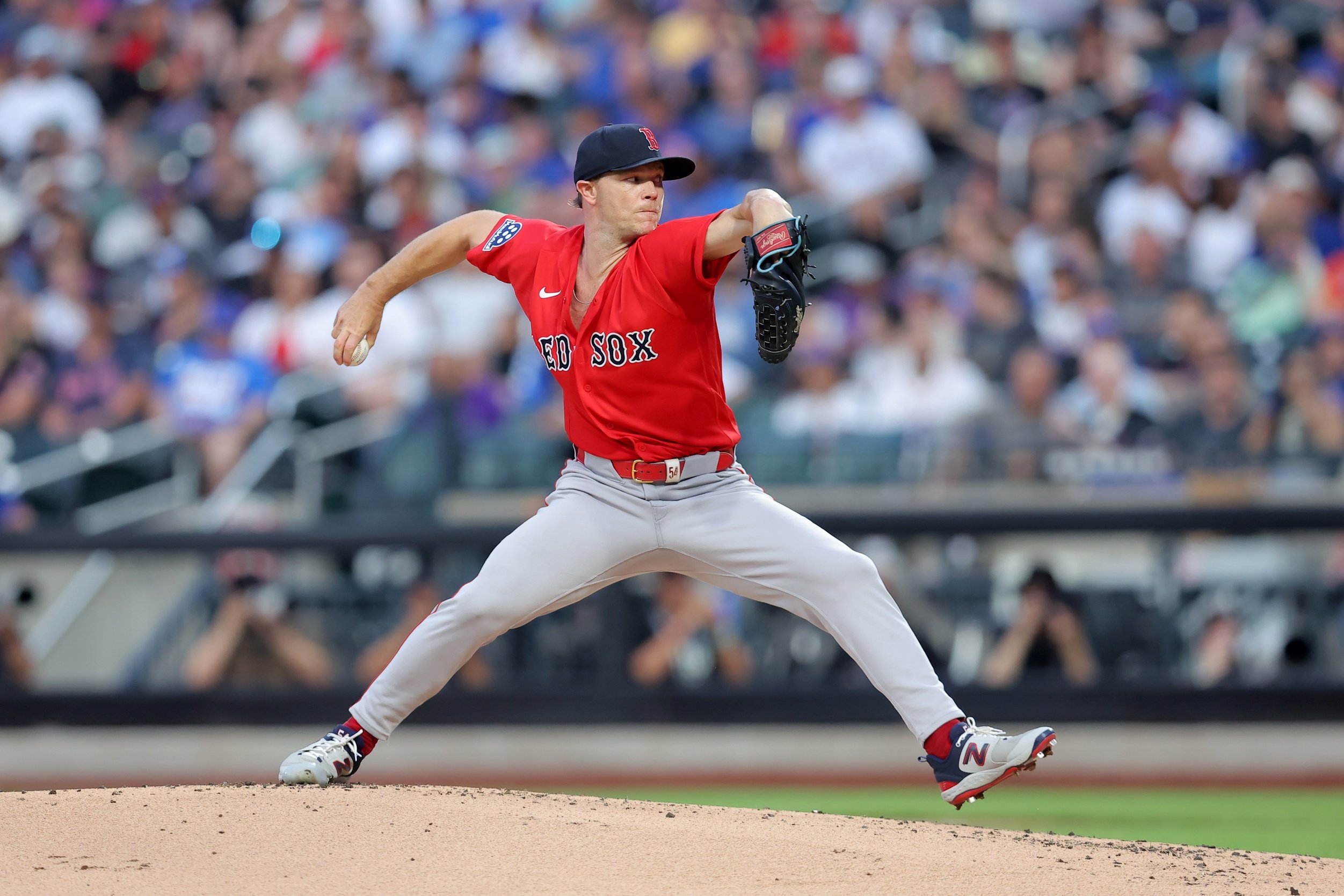 A surprisingly potent offense, paired with a weak American League as a whole, has the Twins positioned to make a run in the second half of the season. Perhaps it’s not the best team to invest significant prospect capital into trade assets, but that shouldn’t stop the team from making big improvements. Tom Pohlad has repeatedly expressed a willingness to invest in this roster if given a reason. The team has done its part, and if ownership is true to its word, there are some high-impact trade candidates the Twins can get for a reasonable price if they’re willing to spend some money. Sonny Gray A reunion with Sonny Gray could be in the cards if the Twins are serious about a playoff push. The teams’ lack of depth in the rotation is an underdiscussed red flag for the stretch run. Pablo Lopez isn’t coming back this season, and Mick Abel looks unlikely as well. Meanwhile, Connor Prielipp is about to surpass his career high in innings pitched, and Mike Paredes remains in the rotation. It’s hard to imagine this group holding up throughout the rest of the season. Gray has remained a playoff-caliber starting pitcher since leaving Minnesota and has posted a sub-3.00 ERA so far this season. He’ll have just under $15m left on his contract this year, with a $10m buyout on a $30m mutual option for 2027. It’s a high price to pay, and it's difficult to envision given the level of investment we’ve seen since 2023. The Red Sox have also reentered the playoff hunt in recent weeks. Things would have to come together perfectly, making Sonny Gray more of a dream target, but if it lines up perfectly for a Twins team that’s willing to spend, the prospect capital shouldn’t take a bite out of the team’s future. Kevin Gausman Should the Blue Jays sell, Kevin Gausman presents another option for the Twins to solidify their rotation depth. A free agent in 2027, Gausman has a bit over $10m left on his contract. Given the price of starting pitchers and the fact that his cost doesn’t reach into 2027, Gausman will still command a decent prospect package in return. Not every team can afford to take on his salary for just a few months, however. A few factors, such as stranded runner rate, HR/FB rate, and BABIP, have led to a rockier year than usual for Gausman. Overall, he still looks like the same playoff-caliber starter he’s been for years now. He would be a rock for the rotation for the remainder of the season, and would slot nicely into the number two spot of a playoff rotation if the Twins can find their way into the October mix. If the Twins ownership is willing to pay for the rest of Gausman’s deal, they’d be able to acquire him without including any top-tier prospects. Pete Fairbanks The bullpen is the obvious weak spot on the Twins roster, and relievers always carry an inflated price tag at the trade deadline as every contender could use an extra arm or two. There will likely be bidding wars on affordable names such as Luke Weaver, who’s posting a career year. The Twins should certainly be involved in any and all relief arms at the deadline, but if they’re willing to spend money gambling on the most volatile position in baseball, they could strike gold. Peter Fairbanks is still averaging 97.4 on his fastball at age 32, and while his peripherals are a bit inflated from years past, he’s looked like a much better pitcher than his ERA just under 7.00 indicates. An inflated BABIP and HR/FB rate have hurt him, but he’s striking out over 30% of opposing hitters. He’ll be due roughly $6m on the rest of his contract, an amount that even a competitive Marlins team may be happy to dump with little prospect capital in return. Fairbanks has plenty of setup and closing experience, and gambling on him at this cost could pay off in a big way. The Twins being big spenders at the deadline still seems like a pipe dream, but what if Tom Pohlad’s comments about investing in this team turn out to be sincere? The Twins have done a great job of hanging around in the playoff picture, but they need help to finish the job. Impact additions at the trade deadline can cost a ton, but if they’re willing to invest financially, they can hold onto their top prospects and maintain their future. Are there any expensive trade candidates you’d like to see them acquire? Let us know below!


