



Cody Pirkl
-
Posts
1,314 -
Joined
-
Last visited
-
Days Won
4
Content Type
Profiles
News
Minnesota Twins Videos
2026 Minnesota Twins Top Prospects Ranking
2022 Minnesota Twins Draft Picks
Minnesota Twins Free Agent & Trade Rumors, Notes, & Tidbits
Guides & Resources
2023 Minnesota Twins Draft Picks
The Minnesota Twins Players Project
2024 Minnesota Twins Draft Picks
2025 Minnesota Twins Draft Pick Tracker
2026 Minnesota Twins Draft Tracker: Picks & Bonuses
Forums
Blogs
Events
Store
Downloads
Gallery
Everything posted by Cody Pirkl
-
 The Twins' current front office, led by Derek Falvey, has been fixated on value since the day they took over. Getting the most out of your investment is a necessary skill in baseball, given the finite supply of resources—especially for the Twins in recent years. However, there comes a point at which value becomes the primary pursuit, at the cost of success. The Twins appear to have reached that point. Value can be subjective, and each team has its own definition, shaped by its beliefs and intentions. The best example of this came during the 2025 trade deadline. The Twins have been steadfast in their belief that relief pitchers are the least valuable position on the roster and are easily replaceable. As a result, they traded away years of controllable, high-level relief pitchers for what they believed to be better value. In this case, they saw more value in emptying the bullpen to bring in players who would add to several existing logjams on the roster, including starting pitching and left-handed corner outfielders. The case for the Twins making these moves is clear: Potential starting pitchers and regular position players almost always produce more value than relief pitchers. The problem is that, despite this truism, great relief pitchers are still a necessary part of a successful MLB roster. This decision to pursue value at last year’s trade deadline may have left the team in a situation where the payoff is irrelevant. Is it really a savvy move, if the result is a flawed and unsuccessful roster? The Twins could have set themselves up to turn the 2025 selloff into a nimble reallocation of resources, but it appears value is currently getting in their way again. Relief pitching can indeed be more easily replaced than many other positions. That being said, impactful relievers don’t grow on trees. After parting with the entire top of the bullpen hierarchy last season, it seemed they would need to bring in several high-leverage options to fill the void and give themselves a chance in 2026. The Twins clearly didn’t see the value in doing so. As the relief pitching market has steadily moved along, the Twins haven’t been involved at all. Despite their dire need for back-end relievers, they seem to be employing their typical strategy of waiting out the market to the very end, hoping to get a modest discount on players that 29 other teams aren’t interested in paying up for. These aren’t the actions of a team looking to win on the field, but rather one looking to win in the dollars per win department at season’s end. It’s incredibly disappointing. The path to fielding a successful bullpen in 2026 has narrowed significantly, as the Twins have sat on their hands throughout the offseason. It was a credit to them to hold onto core players such as Joe Ryan and Pablo López this winter, but their pursuit of value this offseason may have them weighing those aces' value at the 2026 trade deadline. The ownership and payroll situation has contributed, but the front office's philosophical rigidity is becoming more difficult to ignore. Getting the most out of every dollar is the top priority. Until the team shifts its priorities to fielding a winning roster, it seems we’re doomed to try to find solace in small wins on the margins of the roster rather than on the field.
 -
Image courtesy of © Bruce Kluckhohn-Imagn Images Steamer is one of the more widely used projection systems in baseball. They use a formula that weights recent seasons, along with attempts to predict regression for players based on several factors. Looking ahead to 2026, Steamer has a few interesting predictions for the Twins roster. Luke Keaschall Takes A Step Back... Offensively Luke Keaschall was one of the few bright spots in 2025, slashing .302/.382/.445 across 207 plate appearances, good for 34% better than league average. Not many players are capable of earning a projection anywhere near that performance, but Steamer predicts a step back across the board. Keaschall is projected for a .267/.350/.400 line. Steamer predicts a steep decline in batted-ball luck and power for him They still count on a solid 2.6 Wins Above Replacement, but interestingly enough, this is accounting for above-average defense from him. Anything is possible, but the defensive value is questionable, if Keaschall remains at second base. The Twins will be relying on Keaschall to repeat as a legitimately great player in 2026, and Steamer doesn’t quite see that happening. He did show some signs of regression, and it may be worth baking in a step back from his elite performance in 2025, given the small sample. Bailey Ober Is The #3 Starter, But Just Barely Joe Ryan and Pablo López project as the Twins' top two starting pitchers for 2026, and Bailey Ober still comes in third. After Ober, the rest of the rotation feels like a toss-up, with candidates such as Taj Bradley, Mick Abel, Zebby Matthews, David Festa, and Simeon Woods Richardson. Despite Ober having an ostensibly undisputed spot in the rotation, assuming he’s still on the team, his projected value is almost exactly the same as many of these other names competing for spots. Ober comes in at 2.0 WAR, with Bradley right behind at 1.9. Matthews and Woods Richardson project for 1.8 WAR. Ober’s lead on this group likely comes from the weight of his strong 2023 and 2024 seasons; his 2025 has only dragged his projections down. This will be a big season for Ober, after physical concerns and a lack of velocity plagued him in 2025. With so many options to replace him if he continues to struggle, his hold on a rotation spot is as weak as it has been since 2023. With the Twins in need of all the help they can get, they’ll need vintage Bailey Ober, or to be quick to move off of him if he looks like his 2025 self. The Bullpen is in Dire Straits It should be no surprise that the Twins' bullpen projects as a real problem, but Steamer outlines just how big a hole it is. With Cole Sands and Kody Funderburk tied with projections of 0.4 WAR apiece, the 2025 Twins’ roster included seven relievers who were more valuable. That included Sands himself and Justin Topa, who will both return, but the state of the bullpen is bleak. Steamer can only project based on the current roster, meaning the Twins can still drastically improve their outlook before the offseason is over by adding pieces. It’s also uncommon for Steamer to project potential relievers like John Klein, Marco Raya, Conner Prielipp, etc., for strong relief performances when they’ve been starters throughout the minor leagues and haven’t debuted yet. Nor should we ignore the possibility that one of Bradley, Matthews or Abel will move to the pen and have success. The Twins have talked internally about rebuilding the relief corps. That's one avenue they can use to beat their projections. That being said, given their starting point in the bullpen, it’s hard to imagine a respectable performance from the current group. They will likely still need several successful external additions (as well as many of these up-and-coming arms) to hit their 90th-percentile outcomes to come anywhere close to 2025’s bullpen. It’s worth noting that projection systems have been wrong about the Twins for several seasons now, typically predicting much more success than the team has actually achieved. Still, with some filling out of the roster still on the way, it’s interesting to look ahead and see what Steamer predicts for the Twins' 2026 roster. View full article
-
 Steamer is one of the more widely used projection systems in baseball. They use a formula that weights recent seasons, along with attempts to predict regression for players based on several factors. Looking ahead to 2026, Steamer has a few interesting predictions for the Twins roster. Luke Keaschall Takes A Step Back... Offensively Luke Keaschall was one of the few bright spots in 2025, slashing .302/.382/.445 across 207 plate appearances, good for 34% better than league average. Not many players are capable of earning a projection anywhere near that performance, but Steamer predicts a step back across the board. Keaschall is projected for a .267/.350/.400 line. Steamer predicts a steep decline in batted-ball luck and power for him They still count on a solid 2.6 Wins Above Replacement, but interestingly enough, this is accounting for above-average defense from him. Anything is possible, but the defensive value is questionable, if Keaschall remains at second base. The Twins will be relying on Keaschall to repeat as a legitimately great player in 2026, and Steamer doesn’t quite see that happening. He did show some signs of regression, and it may be worth baking in a step back from his elite performance in 2025, given the small sample. Bailey Ober Is The #3 Starter, But Just Barely Joe Ryan and Pablo López project as the Twins' top two starting pitchers for 2026, and Bailey Ober still comes in third. After Ober, the rest of the rotation feels like a toss-up, with candidates such as Taj Bradley, Mick Abel, Zebby Matthews, David Festa, and Simeon Woods Richardson. Despite Ober having an ostensibly undisputed spot in the rotation, assuming he’s still on the team, his projected value is almost exactly the same as many of these other names competing for spots. Ober comes in at 2.0 WAR, with Bradley right behind at 1.9. Matthews and Woods Richardson project for 1.8 WAR. Ober’s lead on this group likely comes from the weight of his strong 2023 and 2024 seasons; his 2025 has only dragged his projections down. This will be a big season for Ober, after physical concerns and a lack of velocity plagued him in 2025. With so many options to replace him if he continues to struggle, his hold on a rotation spot is as weak as it has been since 2023. With the Twins in need of all the help they can get, they’ll need vintage Bailey Ober, or to be quick to move off of him if he looks like his 2025 self. The Bullpen is in Dire Straits It should be no surprise that the Twins' bullpen projects as a real problem, but Steamer outlines just how big a hole it is. With Cole Sands and Kody Funderburk tied with projections of 0.4 WAR apiece, the 2025 Twins’ roster included seven relievers who were more valuable. That included Sands himself and Justin Topa, who will both return, but the state of the bullpen is bleak. Steamer can only project based on the current roster, meaning the Twins can still drastically improve their outlook before the offseason is over by adding pieces. It’s also uncommon for Steamer to project potential relievers like John Klein, Marco Raya, Conner Prielipp, etc., for strong relief performances when they’ve been starters throughout the minor leagues and haven’t debuted yet. Nor should we ignore the possibility that one of Bradley, Matthews or Abel will move to the pen and have success. The Twins have talked internally about rebuilding the relief corps. That's one avenue they can use to beat their projections. That being said, given their starting point in the bullpen, it’s hard to imagine a respectable performance from the current group. They will likely still need several successful external additions (as well as many of these up-and-coming arms) to hit their 90th-percentile outcomes to come anywhere close to 2025’s bullpen. It’s worth noting that projection systems have been wrong about the Twins for several seasons now, typically predicting much more success than the team has actually achieved. Still, with some filling out of the roster still on the way, it’s interesting to look ahead and see what Steamer predicts for the Twins' 2026 roster.
 -
There Is Still Plenty of Upside on the Free Agent Reliever Market
Cody Pirkl posted an article in Twins
.jpg.990715b586346223a3fa0ca8bd6ad679.jpg) The Twins have done very little to address their significant holes in the bullpen. The hope was that they would be able to bring in at least one proven relief arm from the high end of free agency. As we head into the new year, it appears unlikely that they will do so, as options are becoming scarce. It looks like they’re going to wait out the market once again and continue seeing just how little a team can value relief pitchers while still trying to compete. Luckily, the remaining free-agent pool is not without options capable of putting up elite seasons in the bullpen. Evan Phillips Phillips was a legitimate high-end reliever before Tommy John surgery cut his season short in May. At 31 years old, Phillips may not be quite ready to start the season, but he may match up well at the top of the Twins bullpen hierarchy as he looks to prove to the league that he’s healthy and deserving of a bigger deal in 2027. When last healthy in 2024, Phillips was solid, posting a 3.62 ERA in just under 55 innings. However, he was flat-out dominant during the 2022-2023 seasons, striking out around 30% of hitters and posting a sub-2.00 ERA across 124 innings in the Dodgers' bullpen. His velocity had dipped just a touch before injury, which begs the question as to whether he can once again average above 96 mph on the fastball now that the elbow is fixed. Evan Phillips would be a proven name to lead the Twins' bullpen, as he is inarguably better than any of their other options if healthy. His health will be the main question. At this point, we have no reason to believe there are any unforeseen concerns heading into 2026. If he’s willing to take a prove-it deal, Phillips and the Twins would be an excellent match for a mutually beneficial 2026 season. Seranthony Dominguez Though far from consistent in his career, Seranthony Dominguez has the big-time stuff the Twins bullpen is lacking, and 2025 was something of a breakout. The fact that he’s still available says the league may be skeptical. This may lead to a prime opportunity for the Twins to take a gamble. Dominguez had a few dominant seasons with the Phillies at the start of his career, then spent 2025 with the Orioles and later with the World Series runner-up Blue Jays. He posted a 3.16 ERA overall across 62 innings, with the second-best strikeout rate of his career. He developed a devastating splitter, which posted a near-50 % whiff rate, along with a dominant slider to match, as well as his usual high-90s fastball. It’s easy to see how Dominguez could dominate at the back end of games. The primary concern is the control, as his 13.8% walk rate was borderline untenable. It’s worth noting that this was the worst rate of his career, and was really the only red flag in his profile. Perhaps teams are wary of him for this reason, but for a team in need of upside, Dominguez is a terrific fit. The longer he stays available, the more likely their price points will match. Jose Leclerc Falling into a similar bucket to Evan Phillips, Lecerc suffered a lat strain early in the 2025 season, which required surgery. As a result, teams haven’t been quick to sign him despite his career stretches of success and strong raw stuff. For this reason, he’s another potential high-end reliever who could benefit from a one-year prove-it deal at the top of a needy bullpen. Leclerc has a solid 3.34 ERA across 370 innings with an exceptional 30.8% strikeout rate. Walks are the big concern for him, and at times, they have kept him out of the closer role with the Rangers. With a mid to high-90s fastball and a dominant slider, he’s shown the ability to overcome the walks, making him another option to likely slot in at the very top of the Twins’ bullpen depth chart. Teams are unlikely to overpay for Leclerc, given concerns about his control and his significant injury last season. Unlike Phillips, he also lacks a sustained stretch of high-end production at the MLB level. That being said, the Twins can’t be too picky. His stuff is good enough to make him a worthwhile gamble, and if he continues to hang around on the market, the Twins would be wise to check in. It’s easy to get panicked watching the high-end relief options fly off the board, but it’s important to note that there are plenty of legitimately good relievers still on the market. The Twins are still in need of at least two additions to the group, but time remains on their side. Do any of the listed options interest you? Are there any other free agent relievers you feel could be legitimately dominant options for 2026? Let us know below!
The Twins have done very little to address their significant holes in the bullpen. The hope was that they would be able to bring in at least one proven relief arm from the high end of free agency. As we head into the new year, it appears unlikely that they will do so, as options are becoming scarce. It looks like they’re going to wait out the market once again and continue seeing just how little a team can value relief pitchers while still trying to compete. Luckily, the remaining free-agent pool is not without options capable of putting up elite seasons in the bullpen. Evan Phillips Phillips was a legitimate high-end reliever before Tommy John surgery cut his season short in May. At 31 years old, Phillips may not be quite ready to start the season, but he may match up well at the top of the Twins bullpen hierarchy as he looks to prove to the league that he’s healthy and deserving of a bigger deal in 2027. When last healthy in 2024, Phillips was solid, posting a 3.62 ERA in just under 55 innings. However, he was flat-out dominant during the 2022-2023 seasons, striking out around 30% of hitters and posting a sub-2.00 ERA across 124 innings in the Dodgers' bullpen. His velocity had dipped just a touch before injury, which begs the question as to whether he can once again average above 96 mph on the fastball now that the elbow is fixed. Evan Phillips would be a proven name to lead the Twins' bullpen, as he is inarguably better than any of their other options if healthy. His health will be the main question. At this point, we have no reason to believe there are any unforeseen concerns heading into 2026. If he’s willing to take a prove-it deal, Phillips and the Twins would be an excellent match for a mutually beneficial 2026 season. Seranthony Dominguez Though far from consistent in his career, Seranthony Dominguez has the big-time stuff the Twins bullpen is lacking, and 2025 was something of a breakout. The fact that he’s still available says the league may be skeptical. This may lead to a prime opportunity for the Twins to take a gamble. Dominguez had a few dominant seasons with the Phillies at the start of his career, then spent 2025 with the Orioles and later with the World Series runner-up Blue Jays. He posted a 3.16 ERA overall across 62 innings, with the second-best strikeout rate of his career. He developed a devastating splitter, which posted a near-50 % whiff rate, along with a dominant slider to match, as well as his usual high-90s fastball. It’s easy to see how Dominguez could dominate at the back end of games. The primary concern is the control, as his 13.8% walk rate was borderline untenable. It’s worth noting that this was the worst rate of his career, and was really the only red flag in his profile. Perhaps teams are wary of him for this reason, but for a team in need of upside, Dominguez is a terrific fit. The longer he stays available, the more likely their price points will match. Jose Leclerc Falling into a similar bucket to Evan Phillips, Lecerc suffered a lat strain early in the 2025 season, which required surgery. As a result, teams haven’t been quick to sign him despite his career stretches of success and strong raw stuff. For this reason, he’s another potential high-end reliever who could benefit from a one-year prove-it deal at the top of a needy bullpen. Leclerc has a solid 3.34 ERA across 370 innings with an exceptional 30.8% strikeout rate. Walks are the big concern for him, and at times, they have kept him out of the closer role with the Rangers. With a mid to high-90s fastball and a dominant slider, he’s shown the ability to overcome the walks, making him another option to likely slot in at the very top of the Twins’ bullpen depth chart. Teams are unlikely to overpay for Leclerc, given concerns about his control and his significant injury last season. Unlike Phillips, he also lacks a sustained stretch of high-end production at the MLB level. That being said, the Twins can’t be too picky. His stuff is good enough to make him a worthwhile gamble, and if he continues to hang around on the market, the Twins would be wise to check in. It’s easy to get panicked watching the high-end relief options fly off the board, but it’s important to note that there are plenty of legitimately good relievers still on the market. The Twins are still in need of at least two additions to the group, but time remains on their side. Do any of the listed options interest you? Are there any other free agent relievers you feel could be legitimately dominant options for 2026? Let us know below! -
Image courtesy of © Denny Medley-Imagn Images The Twins' rotation is far from finalized, but with as good a one-two punch as any team and a wealth of options to fill out the final three spots, they should feel great about their rotation depth headed into 2026. Should they take advantage of this and use their depth to fill out the roster elsewhere? Despite being less than perfect, the rotation was far from the biggest reason the team struggled in 2025. A lack of performance and depth in the lineup plagued the Twins for much of last season, and those concerns remain heading into 2026. With starting pitching always in high demand and the Twins likely to once again reduce the payroll, dealing from their group of potential rotation pieces is a creative way to take some swings at improving the lineup. Bailey Ober stands out as perhaps the most puzzling member of the potentially tradable group of starting pitchers. This year was an abject disaster for him: After a strong start, Ober became untenable in the rotation and was eventually placed on the IL due to a hip injury. He would return and look a bit better down the stretch, but his reduced velocity stayed that way, and he would finish the season with a career-worst 5.10 ERA and 19.2% strikeout rate. On one hand, Ober has been a durable mid-rotation starter for years, and it may be worth writing off one bad season in hopes of a rebound. On the other hand, Ober has battled injuries throughout his career, and there’s a chance it may have caught up to him at age 30. His fastball averaged just a touch over 90 mph and often sank into the high 80s in the middle innings in 2025. A pitching-needy team may see a worthwhile gamble in Ober. He won’t bring a star in return, but one rough season shouldn't totally torpedo his value. He may be the best option to trade for an MLB-ready position player, if the Twins feel comfortable letting him go. Another starter the Twins could ship out is Simeon Woods Richardson. Now out of options, Woods Richardson has to be carried on the roster out of camp. This lack of flexibility could push the Twins in the direction of trading him to a team with fewer candidates to fill out the back end of their rotation. Like Ober, Woods Richardson would not bring back premium value, but the return would have to make sense. He’s cheap, team-controlled, and capable of taking another step at just 25 years old. He may have already shown signs of doing so last season, as his new splitter became a weapon for him down the stretch. He offers a higher floor than many of the younger rotation options and may not be as lacking in upside as we once thought. If the Twins can find a position player version of Woods Richardson, a swap may be hard to pass up. The Astros could be interested in a swap like that, and Woods Richardson is a Houston-area native. The Athletics could fit on a deal. So could the Rangers. The less established rotation options can be grouped together when making a case to trade them. The Twins likely have their favorites among Zebby Matthews, David Festa, Mick Abel, Taj Bradley, and Andrew Morris, and it would come down to matching up how they value these names in comparison to other pitching-needy teams. Perhaps the Twins would be less inclined to deal from this group, before seeing them put together a bigger sample size. If another team is in love with one of them and is willing to blow them away to get their guy, though, the Twins may be wise to take a chance and improve their roster while reducing the logjam they currently have in the rotation. As things stand, it’s hard to find immediate space for everyone between both the Triple-A and big-league rotations. Some of them may transition to the bullpen, but there simply aren’t enough spots for everyone on paper. It’s possible the Twins' convictions about competing in 2026 are not as strong as we’d like to think. If that’s the case, they may very well choose not to get creative in trading team-controlled assets until at least the trade deadline. If they’re serious about getting this roster in shape, though, dealing from the rotation may be the best way to do it. Should the Twins dig into the starting rotation depth to try to build a more competitive roster in 2026? Are some of these potential rotation pieces better trade candidates than others? Let us know below! View full article
-
 The Twins' rotation is far from finalized, but with as good a one-two punch as any team and a wealth of options to fill out the final three spots, they should feel great about their rotation depth headed into 2026. Should they take advantage of this and use their depth to fill out the roster elsewhere? Despite being less than perfect, the rotation was far from the biggest reason the team struggled in 2025. A lack of performance and depth in the lineup plagued the Twins for much of last season, and those concerns remain heading into 2026. With starting pitching always in high demand and the Twins likely to once again reduce the payroll, dealing from their group of potential rotation pieces is a creative way to take some swings at improving the lineup. Bailey Ober stands out as perhaps the most puzzling member of the potentially tradable group of starting pitchers. This year was an abject disaster for him: After a strong start, Ober became untenable in the rotation and was eventually placed on the IL due to a hip injury. He would return and look a bit better down the stretch, but his reduced velocity stayed that way, and he would finish the season with a career-worst 5.10 ERA and 19.2% strikeout rate. On one hand, Ober has been a durable mid-rotation starter for years, and it may be worth writing off one bad season in hopes of a rebound. On the other hand, Ober has battled injuries throughout his career, and there’s a chance it may have caught up to him at age 30. His fastball averaged just a touch over 90 mph and often sank into the high 80s in the middle innings in 2025. A pitching-needy team may see a worthwhile gamble in Ober. He won’t bring a star in return, but one rough season shouldn't totally torpedo his value. He may be the best option to trade for an MLB-ready position player, if the Twins feel comfortable letting him go. Another starter the Twins could ship out is Simeon Woods Richardson. Now out of options, Woods Richardson has to be carried on the roster out of camp. This lack of flexibility could push the Twins in the direction of trading him to a team with fewer candidates to fill out the back end of their rotation. Like Ober, Woods Richardson would not bring back premium value, but the return would have to make sense. He’s cheap, team-controlled, and capable of taking another step at just 25 years old. He may have already shown signs of doing so last season, as his new splitter became a weapon for him down the stretch. He offers a higher floor than many of the younger rotation options and may not be as lacking in upside as we once thought. If the Twins can find a position player version of Woods Richardson, a swap may be hard to pass up. The Astros could be interested in a swap like that, and Woods Richardson is a Houston-area native. The Athletics could fit on a deal. So could the Rangers. The less established rotation options can be grouped together when making a case to trade them. The Twins likely have their favorites among Zebby Matthews, David Festa, Mick Abel, Taj Bradley, and Andrew Morris, and it would come down to matching up how they value these names in comparison to other pitching-needy teams. Perhaps the Twins would be less inclined to deal from this group, before seeing them put together a bigger sample size. If another team is in love with one of them and is willing to blow them away to get their guy, though, the Twins may be wise to take a chance and improve their roster while reducing the logjam they currently have in the rotation. As things stand, it’s hard to find immediate space for everyone between both the Triple-A and big-league rotations. Some of them may transition to the bullpen, but there simply aren’t enough spots for everyone on paper. It’s possible the Twins' convictions about competing in 2026 are not as strong as we’d like to think. If that’s the case, they may very well choose not to get creative in trading team-controlled assets until at least the trade deadline. If they’re serious about getting this roster in shape, though, dealing from the rotation may be the best way to do it. Should the Twins dig into the starting rotation depth to try to build a more competitive roster in 2026? Are some of these potential rotation pieces better trade candidates than others? Let us know below!
 -
Image courtesy of © Kim Klement Neitzel-USA TODAY Sports Though it’s worth not getting too excited about words alone, some of Tom Pohlad’s remarks about the state of the organization on Wednesday were encouraging. Notably, he called for accountability and change when results don’t meet expectations. Could this mean trouble for the current front office? Derek Falvey and company have been at the helm for nearly a decade, and despite a strong regular-season track record, they have only a single postseason series win to show for it. Despite missing the playoffs in four of five seasons in the era of expanded playoffs, Falvey was actually promoted to run both the baseball and business sides of the organization following a 2024 collapse. His seat has never seemed particularly hot. Perhaps that’s about to change. Tom Pohlad’s opening message, which essentially criticizes repeating the same process over and over while expecting different results, seems to apply perfectly to Derek Falvey and the front office in recent years. They’ve chosen to run almost identical rosters back repeatedly despite disastrous results. Up until the trade deadline, they were holding strong to a vision that just wasn't working. The payroll has been scaled back, lending them a bit of slack, but this front office used to at least be creative in their roster-building. Trading a former first-round pick and top prospect for Sonny Gray, or fan favorite Luis Arraez, for Pablo Lopez seems like a lifetime ago. Though not always popular moves, the Twins used to at least take swings to shake up the roster. Instead, it’s been status quo with poor results for nearly three years. The current front office has been in charge long enough that every player, aside from Byron Buxton, has been drafted, signed, or acquired by them. Perhaps this has been part of why they’ve had such a difficult time shaking up the roster in recent seasons. They had a mess to clean up when they took over in 2016, when the organization had a reputation for being analytically outdated and unsuccessful for several years prior. It’s the last five years, however, that have been the least successful stretch of this regime’s time in charge aside from 2023’s brief playoff run. Fans questioned whether the team was entering a full-blown rebuild at the 2025 trade deadline, as the Twins' selloff included both rentals and team-controlled players. Just weeks ago, those concerns remained very real as the Twins seemed on the fence about trading star players such as Buxton. This was particularly interesting, as it was reasonable to wonder whether this front office has earned the right to oversee another rebuild. Now seemingly aiming to compete in 2026, Tom Pohlad’s comments raise the question of whether this might be the last shot for Derek Falvey and this front office. The biggest holes on the roster were created voluntarily when the Twins chose to go scorched-earth on a dominant, team-controlled bullpen at the deadline. Falvey and GM Jeremy Zoll have expressed their comfort with replacing these players and maintaining a competitive roster, and now their confidence will be tested next season. The Twins will also be relying on several rebound performances in the lineup for the second season in a row from many of the same players that failed to make good on those hopes in 2025. Throw in several top prospects set to debut at some point down the stretch, and the organization’s player development will have to take center stage in order for the lineup to return to a competitive level. "We're gonna develop young players," Derek Shelton proclaimed in his intro presser, channeling what appears to be an organizational mandate. But it's not really up to him. Tom Pohlad’s comments should put Derek Falvey and the front office on notice. Employing the same process over and over without success is the definition of what we’ve seen for years now. If another attempt to compete fails in 2026, with a roster fully developed by this front office, it’s time for some accountability. Do you agree? View full article
-
.jpg.fe1d80efdbfc5a7088449ff6ce5394e7.jpg) Though it’s worth not getting too excited about words alone, some of Tom Pohlad’s remarks about the state of the organization on Wednesday were encouraging. Notably, he called for accountability and change when results don’t meet expectations. Could this mean trouble for the current front office? Derek Falvey and company have been at the helm for nearly a decade, and despite a strong regular-season track record, they have only a single postseason series win to show for it. Despite missing the playoffs in four of five seasons in the era of expanded playoffs, Falvey was actually promoted to run both the baseball and business sides of the organization following a 2024 collapse. His seat has never seemed particularly hot. Perhaps that’s about to change. Tom Pohlad’s opening message, which essentially criticizes repeating the same process over and over while expecting different results, seems to apply perfectly to Derek Falvey and the front office in recent years. They’ve chosen to run almost identical rosters back repeatedly despite disastrous results. Up until the trade deadline, they were holding strong to a vision that just wasn't working. The payroll has been scaled back, lending them a bit of slack, but this front office used to at least be creative in their roster-building. Trading a former first-round pick and top prospect for Sonny Gray, or fan favorite Luis Arraez, for Pablo Lopez seems like a lifetime ago. Though not always popular moves, the Twins used to at least take swings to shake up the roster. Instead, it’s been status quo with poor results for nearly three years. The current front office has been in charge long enough that every player, aside from Byron Buxton, has been drafted, signed, or acquired by them. Perhaps this has been part of why they’ve had such a difficult time shaking up the roster in recent seasons. They had a mess to clean up when they took over in 2016, when the organization had a reputation for being analytically outdated and unsuccessful for several years prior. It’s the last five years, however, that have been the least successful stretch of this regime’s time in charge aside from 2023’s brief playoff run. Fans questioned whether the team was entering a full-blown rebuild at the 2025 trade deadline, as the Twins' selloff included both rentals and team-controlled players. Just weeks ago, those concerns remained very real as the Twins seemed on the fence about trading star players such as Buxton. This was particularly interesting, as it was reasonable to wonder whether this front office has earned the right to oversee another rebuild. Now seemingly aiming to compete in 2026, Tom Pohlad’s comments raise the question of whether this might be the last shot for Derek Falvey and this front office. The biggest holes on the roster were created voluntarily when the Twins chose to go scorched-earth on a dominant, team-controlled bullpen at the deadline. Falvey and GM Jeremy Zoll have expressed their comfort with replacing these players and maintaining a competitive roster, and now their confidence will be tested next season. The Twins will also be relying on several rebound performances in the lineup for the second season in a row from many of the same players that failed to make good on those hopes in 2025. Throw in several top prospects set to debut at some point down the stretch, and the organization’s player development will have to take center stage in order for the lineup to return to a competitive level. "We're gonna develop young players," Derek Shelton proclaimed in his intro presser, channeling what appears to be an organizational mandate. But it's not really up to him. Tom Pohlad’s comments should put Derek Falvey and the front office on notice. Employing the same process over and over without success is the definition of what we’ve seen for years now. If another attempt to compete fails in 2026, with a roster fully developed by this front office, it’s time for some accountability. Do you agree?
Though it’s worth not getting too excited about words alone, some of Tom Pohlad’s remarks about the state of the organization on Wednesday were encouraging. Notably, he called for accountability and change when results don’t meet expectations. Could this mean trouble for the current front office? Derek Falvey and company have been at the helm for nearly a decade, and despite a strong regular-season track record, they have only a single postseason series win to show for it. Despite missing the playoffs in four of five seasons in the era of expanded playoffs, Falvey was actually promoted to run both the baseball and business sides of the organization following a 2024 collapse. His seat has never seemed particularly hot. Perhaps that’s about to change. Tom Pohlad’s opening message, which essentially criticizes repeating the same process over and over while expecting different results, seems to apply perfectly to Derek Falvey and the front office in recent years. They’ve chosen to run almost identical rosters back repeatedly despite disastrous results. Up until the trade deadline, they were holding strong to a vision that just wasn't working. The payroll has been scaled back, lending them a bit of slack, but this front office used to at least be creative in their roster-building. Trading a former first-round pick and top prospect for Sonny Gray, or fan favorite Luis Arraez, for Pablo Lopez seems like a lifetime ago. Though not always popular moves, the Twins used to at least take swings to shake up the roster. Instead, it’s been status quo with poor results for nearly three years. The current front office has been in charge long enough that every player, aside from Byron Buxton, has been drafted, signed, or acquired by them. Perhaps this has been part of why they’ve had such a difficult time shaking up the roster in recent seasons. They had a mess to clean up when they took over in 2016, when the organization had a reputation for being analytically outdated and unsuccessful for several years prior. It’s the last five years, however, that have been the least successful stretch of this regime’s time in charge aside from 2023’s brief playoff run. Fans questioned whether the team was entering a full-blown rebuild at the 2025 trade deadline, as the Twins' selloff included both rentals and team-controlled players. Just weeks ago, those concerns remained very real as the Twins seemed on the fence about trading star players such as Buxton. This was particularly interesting, as it was reasonable to wonder whether this front office has earned the right to oversee another rebuild. Now seemingly aiming to compete in 2026, Tom Pohlad’s comments raise the question of whether this might be the last shot for Derek Falvey and this front office. The biggest holes on the roster were created voluntarily when the Twins chose to go scorched-earth on a dominant, team-controlled bullpen at the deadline. Falvey and GM Jeremy Zoll have expressed their comfort with replacing these players and maintaining a competitive roster, and now their confidence will be tested next season. The Twins will also be relying on several rebound performances in the lineup for the second season in a row from many of the same players that failed to make good on those hopes in 2025. Throw in several top prospects set to debut at some point down the stretch, and the organization’s player development will have to take center stage in order for the lineup to return to a competitive level. "We're gonna develop young players," Derek Shelton proclaimed in his intro presser, channeling what appears to be an organizational mandate. But it's not really up to him. Tom Pohlad’s comments should put Derek Falvey and the front office on notice. Employing the same process over and over without success is the definition of what we’ve seen for years now. If another attempt to compete fails in 2026, with a roster fully developed by this front office, it’s time for some accountability. Do you agree? -
Is "Building Around" The Current Roster Better Than A Rebuild?
Cody Pirkl posted an article in Twins
 As bits of news leaked about teams checking in on Joe Ryan and Byron Buxton being willing to waive his no-trade clause, the belief grew that the Twins were headed for a full-on rebuild. The development in the ownership situation has changed things, as Derek Falvey now says they intend to keep their star players and add to the roster. A sigh of relief would be a fair reaction to this news, but is it really worth celebrating? The Twins have been in a state of stasis for almost three calendar years, declining to invest in moderate-cost or multi-year free agents while keeping much of the roster core almost precisely the same. The results speak for themselves: the team missed the playoffs in both seasons since payroll was slashed heading into 2024. The team is at a crossroads: the current roster clearly isn’t good enough, and ownership hasn’t been willing to invest enough to change things. The news that the Twins were looking to build around their star players brought instant excitement. Their current estimated payroll of around $95 million has inspired little hope for next season, and further payroll shedding would put the final nail in the coffin of fan morale. To hear them frame their plans in this manner was a refreshing development. Unfortunately, it sounds like more corporate speak that Twins fans have grown so accustomed to. “Building around” the stars on the current roster likely means a payroll that won’t approach the $135 million the team allocated at the beginning of 2025, and $110 million is a plausible result, according to Dan Hayes of The Athletic. This number would place the Twins firmly in the bottom third of the league in spending and represent a decline in payroll for a third consecutive season. Such a low number would leave the team scouring the bargain bin for one-year deals once again, a tactic that has had mixed results for this regime, to put it kindly. The Twins could use impact players at multiple positions, but will likely once again have to settle for low-wattage deals with uninspiring names and hope to hit on a few of them. A $110 million payroll would represent a notable decline from the payroll of the 2025 roster, which lost 92 games. Within this number is $10 million being paid to Houston, who took Carlos Correa off their hands at the deadline. It would leave the bullpen without names such as Jhoan Duran, Griffin Jax, and Louis Varland, while also giving the team little chance to find adequate replacements. This raises the question: Is attempting to compete with a $110 million payroll actually better for the team than entering a full-blown rebuild? Fan morale may have received a shot in the arm when Falvey announced their desire to build around their star players, but this is sure to dissipate throughout another quiet offseason. It stands to fall back into apathy if the team gets off to another slow start with much of the same core. There’s no telling how badly morale declines if 2026 includes another deadline sell-off where the Twins wind up parting with the star players they claim to be “building around” anyway. That's assuming they’re healthy and performing well at the time. Twins Daily users voted on this subject over the past few days, and basically split the vote, with 138 in favor of a rebuild, and 140 against a rebuild: It would be difficult to frame a $110 million payroll as anything more than a disingenuous “attempt” to try to compete by Twins' leadership, but it’s not difficult to envision them trying to do so. They can repeat this talking point, hoping fans weigh their additions against their current 2026 payroll of around $95 million rather than comparing it to previous seasons, in which it is almost certain to decline for the third consecutive year. If things go off the rails for a second consecutive year, they can sell off their rentals and consider doing the same with names such as Byron Buxton and Pablo Lopez to lower their bottom-line costs for the 2026 season, just as they did in 2025. Unfortunately, this is a very real possibility. The Twins appear unlikely to emerge from their three-year hibernation when it comes to significant roster moves. Keeping their star players, such as Pablo Lopez and Joe Ryan, at least gives them a chance to compete in 2026 if things go perfectly and if much of the roster that has failed them for two straight years finally comes around. That chance may be enough. It does raise the question, though: Is reducing payroll even further and taking half measures to compete for the third straight season really better than entering a full-blown rebuild?
 -
Image courtesy of © Matt Krohn-Imagn Images As bits of news leaked about teams checking in on Joe Ryan and Byron Buxton being willing to waive his no-trade clause, the belief grew that the Twins were headed for a full-on rebuild. The development in the ownership situation has changed things, as Derek Falvey now says they intend to keep their star players and add to the roster. A sigh of relief would be a fair reaction to this news, but is it really worth celebrating? The Twins have been in a state of stasis for almost three calendar years, declining to invest in moderate-cost or multi-year free agents while keeping much of the roster core almost precisely the same. The results speak for themselves: the team missed the playoffs in both seasons since payroll was slashed heading into 2024. The team is at a crossroads: the current roster clearly isn’t good enough, and ownership hasn’t been willing to invest enough to change things. The news that the Twins were looking to build around their star players brought instant excitement. Their current estimated payroll of around $95 million has inspired little hope for next season, and further payroll shedding would put the final nail in the coffin of fan morale. To hear them frame their plans in this manner was a refreshing development. Unfortunately, it sounds like more corporate speak that Twins fans have grown so accustomed to. “Building around” the stars on the current roster likely means a payroll that won’t approach the $135 million the team allocated at the beginning of 2025, and $110 million is a plausible result, according to Dan Hayes of The Athletic. This number would place the Twins firmly in the bottom third of the league in spending and represent a decline in payroll for a third consecutive season. Such a low number would leave the team scouring the bargain bin for one-year deals once again, a tactic that has had mixed results for this regime, to put it kindly. The Twins could use impact players at multiple positions, but will likely once again have to settle for low-wattage deals with uninspiring names and hope to hit on a few of them. A $110 million payroll would represent a notable decline from the payroll of the 2025 roster, which lost 92 games. Within this number is $10 million being paid to Houston, who took Carlos Correa off their hands at the deadline. It would leave the bullpen without names such as Jhoan Duran, Griffin Jax, and Louis Varland, while also giving the team little chance to find adequate replacements. This raises the question: Is attempting to compete with a $110 million payroll actually better for the team than entering a full-blown rebuild? Fan morale may have received a shot in the arm when Falvey announced their desire to build around their star players, but this is sure to dissipate throughout another quiet offseason. It stands to fall back into apathy if the team gets off to another slow start with much of the same core. There’s no telling how badly morale declines if 2026 includes another deadline sell-off where the Twins wind up parting with the star players they claim to be “building around” anyway. That's assuming they’re healthy and performing well at the time. Twins Daily users voted on this subject over the past few days, and basically split the vote, with 138 in favor of a rebuild, and 140 against a rebuild: It would be difficult to frame a $110 million payroll as anything more than a disingenuous “attempt” to try to compete by Twins' leadership, but it’s not difficult to envision them trying to do so. They can repeat this talking point, hoping fans weigh their additions against their current 2026 payroll of around $95 million rather than comparing it to previous seasons, in which it is almost certain to decline for the third consecutive year. If things go off the rails for a second consecutive year, they can sell off their rentals and consider doing the same with names such as Byron Buxton and Pablo Lopez to lower their bottom-line costs for the 2026 season, just as they did in 2025. Unfortunately, this is a very real possibility. The Twins appear unlikely to emerge from their three-year hibernation when it comes to significant roster moves. Keeping their star players, such as Pablo Lopez and Joe Ryan, at least gives them a chance to compete in 2026 if things go perfectly and if much of the roster that has failed them for two straight years finally comes around. That chance may be enough. It does raise the question, though: Is reducing payroll even further and taking half measures to compete for the third straight season really better than entering a full-blown rebuild? View full article
-
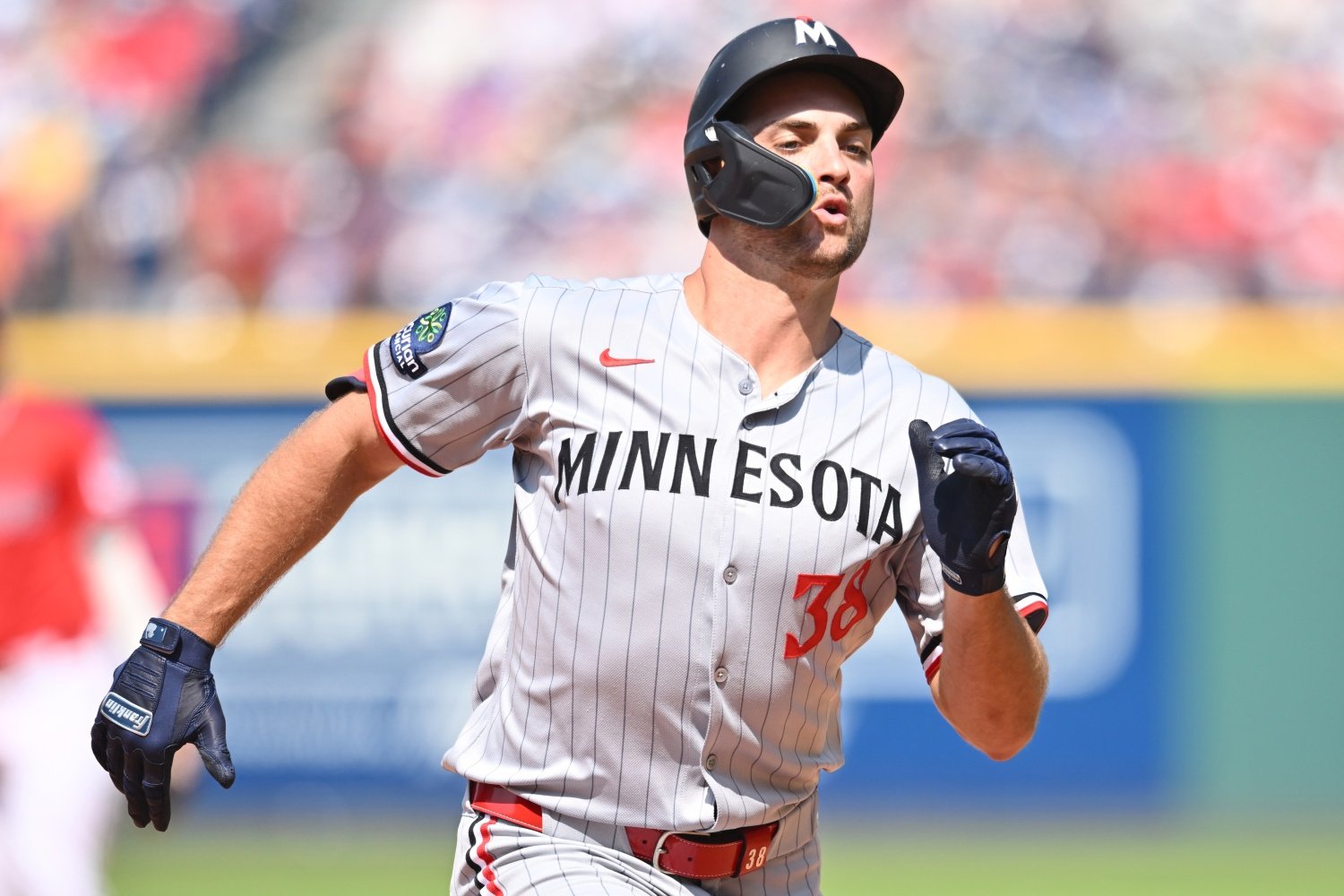 The Twins have had no shortage of left-handed hitting corner outfielders for years, but as they’ve continued to amass this style of player, their depth has turned into a logjam. With much of the roster in need of significant upgrades, it’s time to either look to deal from this depth chart or (at the very least) stop targeting left-handed corner outfielders with their limited resources. The Twins did not fully prioritize prospects during their historic trade-deadline selloff in 2025. Instead, they chose to focus on players who were at or near MLB-ready status. They seemed especially keen on starting pitching and left-handed-hitting outfielders. In terms of pitchers, there’s no such thing as too much depth. On the position player side, however, it made less sense. Despite having both current and future depth in the corner outfield, they acquired James Outman, Alan Roden, and Hendry Mendez, all left-handed-hitting outfielders who will likely spend most of their time in the corners. We will likely see all of them in 2026, as they filter into the majors and share playing time with fellow members of the brotherhood Matt Wallner, Trevor Larnach, Kody Clemens, Emmanuel Rodriguez, and Walker Jenkins. Despite the playing time being difficult to project, the Twins tendered a contract to Trevor Larnach this winter, though whether he remains on the roster heading into 2026 remains to be seen. A strange detail that has surfaced is that the Twins' hangup on trading Joe Ryan at the deadline to the Red Sox was reportedly Boston’s refusal to include an MLB-level outfielder in the deal. We can now assume this means either Jarren Duran or Wilyer Abreu—both of whom are left-handed-hitting corner outfielders whom Boston is currently open to dealing. It seems as though the Twins cannot help themselves when it comes to this type of player. Despite significant questions across the roster, they appear hyper-focused on maintaining (and even adding to) the corner outfield endlessly. Acquiring an established, borderline All-Star-level player would undoubtedly be an upgrade over the current group, but why spend limited resources on doing so? The current logjam includes plenty of players of all ages, with interesting skills that could translate into strong production. Wallner has shown everyday player upside in the past. They just targeted Roden, and clearly viewed him as a regular in left field. There will be no shortage of names who can at least rotate in and out, not to mention the top prospects set to debut at some point in 2026. Walker Jenkins and Emmanuel Rodriguez are in Triple-A St. Paul, and despite injury concerns in their past, they're likely a couple of good months away from kicking down the door to the majors. Though it’s always a risk to go into a season leaning on the production of players who have yet to debut, you still want the at-bats available to them when they’re ready. If Jenkins and Rodriguez are ready midseason, the Twins can likely find creative ways to get them in the lineup. Continuing to add MLB-level players to that depth chart would make things increasingly difficult. When it comes down to it, it’s a question of asset management. Of course, it’s difficult to say we don’t want to see the Twins add a good player at any position. Still, if they’re going to spend the kind of capital it would take for such a deal, why do it at arguably the deepest position in the organization? They could go into the season with the current group of left-handed corner outfielders with reasonably high expectations, even if two or three get injured throughout the year. Is that really the part of a 92-loss roster the front office should be hell bent on upgrading? Nor is this just about proactively adding to that group. Minnesota was (wrongly, it now seems) steadfast in their expectations when shopping Max Kepler in trades over the final few years of his tenure with the team. They surprised everyone by tendering a contract to Larnach. They believe this player type has a certain baseline value—a high offensive floor, especially because they take up the larger side of a theoretical platoon; middling but non-zero athleticism; and a chance to find power—that has led them to cleave too tightly to some of them in recent years. Regardless of the Twins' short and long-term plans, they should be content with their group of left-handed corner outfielders. They’ve drafted, signed, traded for, and developed a long list of names in this group. If they’re confident in their abilities, they should have more than enough options to cycle into this role for years to come. They have talent and upside across all ages, which is more than they can say for several other positions at the MLB level and in the organization as a whole. They should, indeed, be moving players like this out, rather than bringing any more in. It’s time for the Twins to stop throwing their limited assets at left-handed corner outfielders and take a look at the rest of the roster. Do you agree?
- 32 comments
-
- 9
-

-
- matt wallner
- walker jenkins
- (and 4 more)
-
Image courtesy of © Ken Blaze-Imagn Images The Twins have had no shortage of left-handed hitting corner outfielders for years, but as they’ve continued to amass this style of player, their depth has turned into a logjam. With much of the roster in need of significant upgrades, it’s time to either look to deal from this depth chart or (at the very least) stop targeting left-handed corner outfielders with their limited resources. The Twins did not fully prioritize prospects during their historic trade-deadline selloff in 2025. Instead, they chose to focus on players who were at or near MLB-ready status. They seemed especially keen on starting pitching and left-handed-hitting outfielders. In terms of pitchers, there’s no such thing as too much depth. On the position player side, however, it made less sense. Despite having both current and future depth in the corner outfield, they acquired James Outman, Alan Roden, and Hendry Mendez, all left-handed-hitting outfielders who will likely spend most of their time in the corners. We will likely see all of them in 2026, as they filter into the majors and share playing time with fellow members of the brotherhood Matt Wallner, Trevor Larnach, Kody Clemens, Emmanuel Rodriguez, and Walker Jenkins. Despite the playing time being difficult to project, the Twins tendered a contract to Trevor Larnach this winter, though whether he remains on the roster heading into 2026 remains to be seen. A strange detail that has surfaced is that the Twins' hangup on trading Joe Ryan at the deadline to the Red Sox was reportedly Boston’s refusal to include an MLB-level outfielder in the deal. We can now assume this means either Jarren Duran or Wilyer Abreu—both of whom are left-handed-hitting corner outfielders whom Boston is currently open to dealing. It seems as though the Twins cannot help themselves when it comes to this type of player. Despite significant questions across the roster, they appear hyper-focused on maintaining (and even adding to) the corner outfield endlessly. Acquiring an established, borderline All-Star-level player would undoubtedly be an upgrade over the current group, but why spend limited resources on doing so? The current logjam includes plenty of players of all ages, with interesting skills that could translate into strong production. Wallner has shown everyday player upside in the past. They just targeted Roden, and clearly viewed him as a regular in left field. There will be no shortage of names who can at least rotate in and out, not to mention the top prospects set to debut at some point in 2026. Walker Jenkins and Emmanuel Rodriguez are in Triple-A St. Paul, and despite injury concerns in their past, they're likely a couple of good months away from kicking down the door to the majors. Though it’s always a risk to go into a season leaning on the production of players who have yet to debut, you still want the at-bats available to them when they’re ready. If Jenkins and Rodriguez are ready midseason, the Twins can likely find creative ways to get them in the lineup. Continuing to add MLB-level players to that depth chart would make things increasingly difficult. When it comes down to it, it’s a question of asset management. Of course, it’s difficult to say we don’t want to see the Twins add a good player at any position. Still, if they’re going to spend the kind of capital it would take for such a deal, why do it at arguably the deepest position in the organization? They could go into the season with the current group of left-handed corner outfielders with reasonably high expectations, even if two or three get injured throughout the year. Is that really the part of a 92-loss roster the front office should be hell bent on upgrading? Nor is this just about proactively adding to that group. Minnesota was (wrongly, it now seems) steadfast in their expectations when shopping Max Kepler in trades over the final few years of his tenure with the team. They surprised everyone by tendering a contract to Larnach. They believe this player type has a certain baseline value—a high offensive floor, especially because they take up the larger side of a theoretical platoon; middling but non-zero athleticism; and a chance to find power—that has led them to cleave too tightly to some of them in recent years. Regardless of the Twins' short and long-term plans, they should be content with their group of left-handed corner outfielders. They’ve drafted, signed, traded for, and developed a long list of names in this group. If they’re confident in their abilities, they should have more than enough options to cycle into this role for years to come. They have talent and upside across all ages, which is more than they can say for several other positions at the MLB level and in the organization as a whole. They should, indeed, be moving players like this out, rather than bringing any more in. It’s time for the Twins to stop throwing their limited assets at left-handed corner outfielders and take a look at the rest of the roster. Do you agree? View full article
- 32 replies
-
- 1
-
-
- matt wallner
- walker jenkins
- (and 4 more)
-
3 Positions That Will Telegraph Minnesota Twins' Intentions in 2026
Cody Pirkl posted an article in Twins
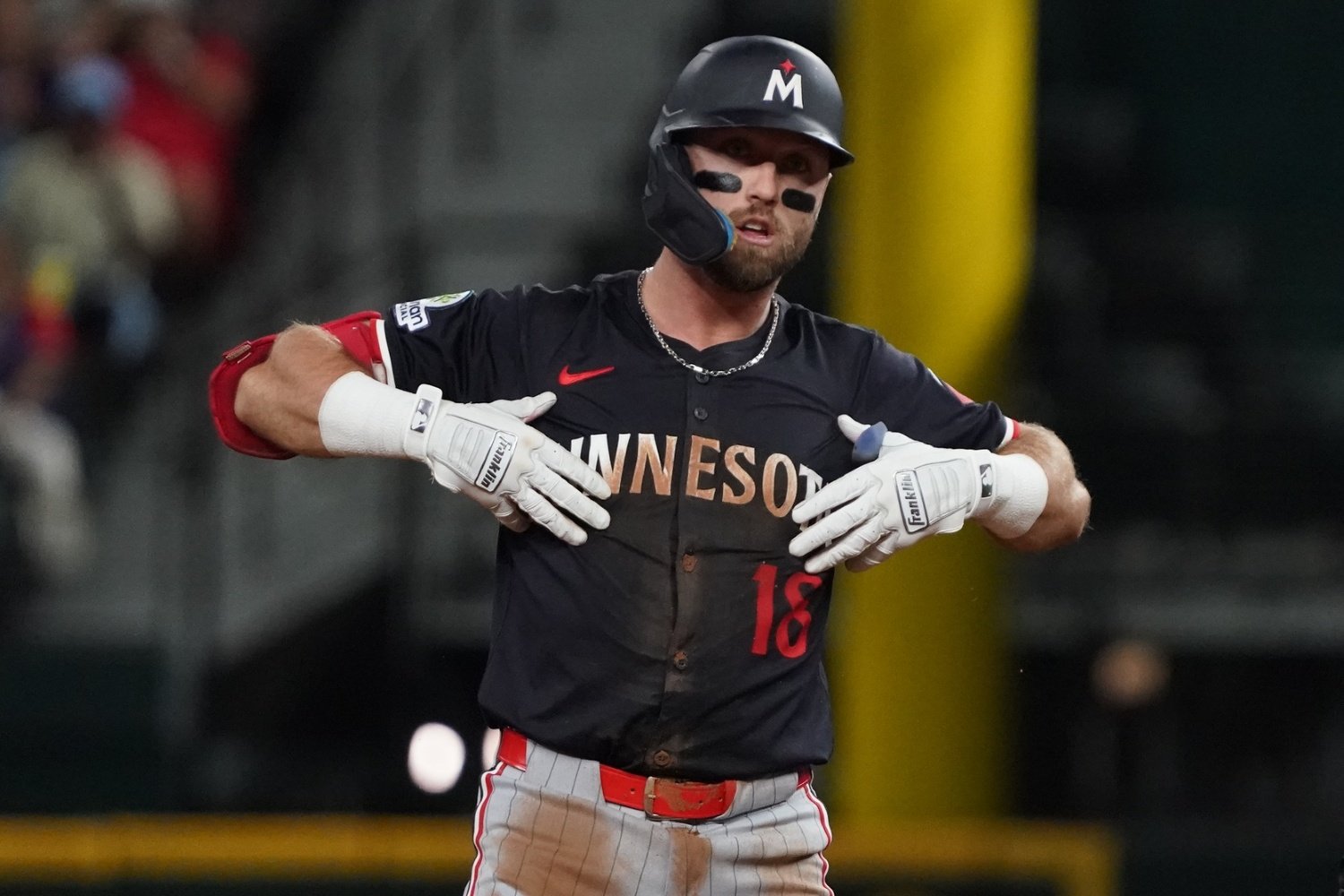 The Twins front office has expressed a desire to add to the current roster, but their ability to do so is likely to be limited by the impending partial sale of the team. Even when this is resolved, we've learned that getting a straight answer on anything from this regime is not going to happen. Regarding the team’s intentions to contend in 2026, fans will have to draw their own conclusions based on how the offseason goes. There are several spots on the roster to watch to gauge whether the Twins are trying to contend in 2026, but three stand out. First Base The Twins have been shuffling first basemen for the last few years, opting to fill the spot with cheap veterans who have had varying degrees of success. In 2025, it was one of the team’s weaker positions. Opening Day starter Ty France eventually lost his job to career journeyman Kody Clemens, who had some nice moments but wasn’t the kind of player a contending team wants to have in the lineup every day. First base is at the bottom of the defensive spectrum. Having a good defensive first baseman is nice, but offensive production is an absolute must. The 29-year-old Clemens is the incumbent, coming off a .715 OPS, which was below league average overall and well below average among first basemen. The Twins also have no legitimate prospects on their way to take the position over midseason. It’ll be worth watching whether they see value in upgrading the position, either in free agency or via trade. The team is in desperate need of a boost offensively, and adding a first baseman with more upside is one of the most cost-effective upgrades they can make. If they roll with what they have headed into 2026, it’s worth questioning how serious they are. The Bullpen The once-elite Twins bullpen is now one of the worst in baseball, following a shocking sell-off at the trade deadline. Falvey and company downplayed the effect of these moves, explaining that they had built the previous bullpen internally. While that's true, he failed to mention that assembling the previous group took years of trial and error. Pretending that the current group (along with a few waiver claims and minor-league signings) will be competitive in 2026 is unrealistic. This regime has shown that they don’t value relievers highly enough to spend much on them in free agency. They’ve rarely invested in them, and it’s gone quite poorly on the rare occasions when they have. Unfortunately, they’ve left themselves no choice but to do it this winter, if they’re serious about competing in 2026. The Twins could have a top-five rotation in 2026, yet they may miss the playoffs with their current bullpen. They need to hit on two or three legitimate arms to turn to at the back end of games, or the rest of the roster won’t matter. If they choose to stand pat, they likely aren’t especially worried about winning games in 2026. López and Ryan The most obvious tell for the Twins' intentions in 2026 will be what they do with Joe Ryan and Pablo López. Derek Falvey has expressed his desire to keep both players, but payroll may leave him no choice but to sell them off for parts. Regardless of what they bring back, trading one or both of them would be waving the white flag. The rotation is the lone bright spot of the Twins' roster. We can dream of a world where Taj Bradley, Mick Abel and others take a big step and fill the void left by trading away high-end starters, but that would be refusing to admit what’s right in front of us. López and Ryan each have multiple years of team control at prices below their market value. Teams looking to compete don’t trade these types of players when they’re in the situation the Twins are in. They do it to lower their payroll and try to sell the cheaper prospects they get in return, as a reason for the fanbase to have hope. If either López or Ryan is traded, the Twins are telling us 2026 doesn’t matter. The path to competing without one of these two at the front of the rotation becomes far too narrow. The team would be left with question marks across all departments, and it’s been years since this front office has given confidence that they can find answers. Local writers will undoubtedly continue to push for answers regarding the Twins' intentions for 2026, but there’s very little chance they will get them at any point this offseason. Actions speak louder than words, anyway, and watching their moves this offseason will give us all the answers we need. Will the Twins make a legitimate effort to improve in 2026, or will their stated goals of adding to the roster be undermined by the actions they take?
- 34 comments
-
- 6
-
-
- kody clemens
- joe ryan
- (and 1 more)
-
Image courtesy of © Raymond Carlin III-Imagn Images The Twins front office has expressed a desire to add to the current roster, but their ability to do so is likely to be limited by the impending partial sale of the team. Even when this is resolved, we've learned that getting a straight answer on anything from this regime is not going to happen. Regarding the team’s intentions to contend in 2026, fans will have to draw their own conclusions based on how the offseason goes. There are several spots on the roster to watch to gauge whether the Twins are trying to contend in 2026, but three stand out. First Base The Twins have been shuffling first basemen for the last few years, opting to fill the spot with cheap veterans who have had varying degrees of success. In 2025, it was one of the team’s weaker positions. Opening Day starter Ty France eventually lost his job to career journeyman Kody Clemens, who had some nice moments but wasn’t the kind of player a contending team wants to have in the lineup every day. First base is at the bottom of the defensive spectrum. Having a good defensive first baseman is nice, but offensive production is an absolute must. The 29-year-old Clemens is the incumbent, coming off a .715 OPS, which was below league average overall and well below average among first basemen. The Twins also have no legitimate prospects on their way to take the position over midseason. It’ll be worth watching whether they see value in upgrading the position, either in free agency or via trade. The team is in desperate need of a boost offensively, and adding a first baseman with more upside is one of the most cost-effective upgrades they can make. If they roll with what they have headed into 2026, it’s worth questioning how serious they are. The Bullpen The once-elite Twins bullpen is now one of the worst in baseball, following a shocking sell-off at the trade deadline. Falvey and company downplayed the effect of these moves, explaining that they had built the previous bullpen internally. While that's true, he failed to mention that assembling the previous group took years of trial and error. Pretending that the current group (along with a few waiver claims and minor-league signings) will be competitive in 2026 is unrealistic. This regime has shown that they don’t value relievers highly enough to spend much on them in free agency. They’ve rarely invested in them, and it’s gone quite poorly on the rare occasions when they have. Unfortunately, they’ve left themselves no choice but to do it this winter, if they’re serious about competing in 2026. The Twins could have a top-five rotation in 2026, yet they may miss the playoffs with their current bullpen. They need to hit on two or three legitimate arms to turn to at the back end of games, or the rest of the roster won’t matter. If they choose to stand pat, they likely aren’t especially worried about winning games in 2026. López and Ryan The most obvious tell for the Twins' intentions in 2026 will be what they do with Joe Ryan and Pablo López. Derek Falvey has expressed his desire to keep both players, but payroll may leave him no choice but to sell them off for parts. Regardless of what they bring back, trading one or both of them would be waving the white flag. The rotation is the lone bright spot of the Twins' roster. We can dream of a world where Taj Bradley, Mick Abel and others take a big step and fill the void left by trading away high-end starters, but that would be refusing to admit what’s right in front of us. López and Ryan each have multiple years of team control at prices below their market value. Teams looking to compete don’t trade these types of players when they’re in the situation the Twins are in. They do it to lower their payroll and try to sell the cheaper prospects they get in return, as a reason for the fanbase to have hope. If either López or Ryan is traded, the Twins are telling us 2026 doesn’t matter. The path to competing without one of these two at the front of the rotation becomes far too narrow. The team would be left with question marks across all departments, and it’s been years since this front office has given confidence that they can find answers. Local writers will undoubtedly continue to push for answers regarding the Twins' intentions for 2026, but there’s very little chance they will get them at any point this offseason. Actions speak louder than words, anyway, and watching their moves this offseason will give us all the answers we need. Will the Twins make a legitimate effort to improve in 2026, or will their stated goals of adding to the roster be undermined by the actions they take? View full article
- 34 replies
-
- 1
-

-
- kody clemens
- joe ryan
- (and 1 more)
-
Image courtesy of © Junfu Han / USA TODAY NETWORK via Imagn Images With the cutoff for Rule 5 protection on Tuesday night, plenty of teams had to designate players for assignment to make room for prospects on their 40-man roster. As a result, a handful of new players are now available to either claim off waivers or sign with a team when they inevitably become free agents. With the Twins on the lookout for roster upgrades, a few names may make some sense. Jason Foley Foley was a legitimate high-end reliever for the Tigers in 2023 and 2024, combining for 129 innings pitched with an ERA under 3.00. Previously an undrafted free agent, he beat the odds to become a durable and effective relief option for several seasons. A shoulder injury cost him all of 2025, and he's now in search of a new team at 30 years old. At his best, Foley is a power sinkerballer, comfortably sitting in the high 90s on his heater to pair with a dominant slider. Foley has high-leverage experience, which would be a welcome addition to an inexperienced Twins bullpen. Health is the big question mark, as his medicals are surely the reason the Tigers chose not to hold onto him. If Foley can take the mound in 2026, the Twins should be very interested. Nathaniel Lowe This was the worst season of Lowe's career, and it may drop him into the Twins' price range. He posted a .798 OPS from 2022-2024 before a miserable stint with Washington at the beginning of last season. After landing with the Red Sox for the stretch run, he posted a .790 OPS in 34 games. Lowe has been a starting-caliber first baseman for the better part of four years, and may be just what the Twins need at first base. Though left-handed (like the incumbent Kody Clemens), Lowe owns an above-average slash line in his career against southpaws, in addition to crushing righties. He doesn't need to be platooned and posts more respectable walk and strikeout rates than Clemens. His pricey arbitration number was likely the driving factor in the decision to cut him, which means he's likely to hit the open market and have plenty of interest at a lower price tag. If the Twins can make it happen, bringing Lowe in on a prove-it one-year deal makes a lot of sense. Dauri Moreta It was surprising to see the Pirates part with an interesting arm like Moreta, but another team could benefit by giving him a roster spot. The burly righthander is now out of options, so Pittsburgh decided to part ways rather than gamble on his dominant stuff without the ability to shuttle him to the minors. He posted a 31.8% strikeout rate while limiting homers in 2023, before missing 2024 after Tommy John surgery. He flashed that dominance in his return in 2025, and the hope is that he's at 100%, being another year removed from injury. Moreta throws a unique slider that typically draws a whiff rate of around 40%. Pairing it with a mid-90s fastball, he should continue to rack up strikeouts. Moreta looked like a rising star before his injury and still has three years of team control. He's just 29 years old. His raw stuff could immediately drop him into a high-leverage role in 2026, and he could become a premier reliever if everything clicks. Are there any other players in similar circumstances whom you would like to see the Twins claim? Let us know below! View full article
-
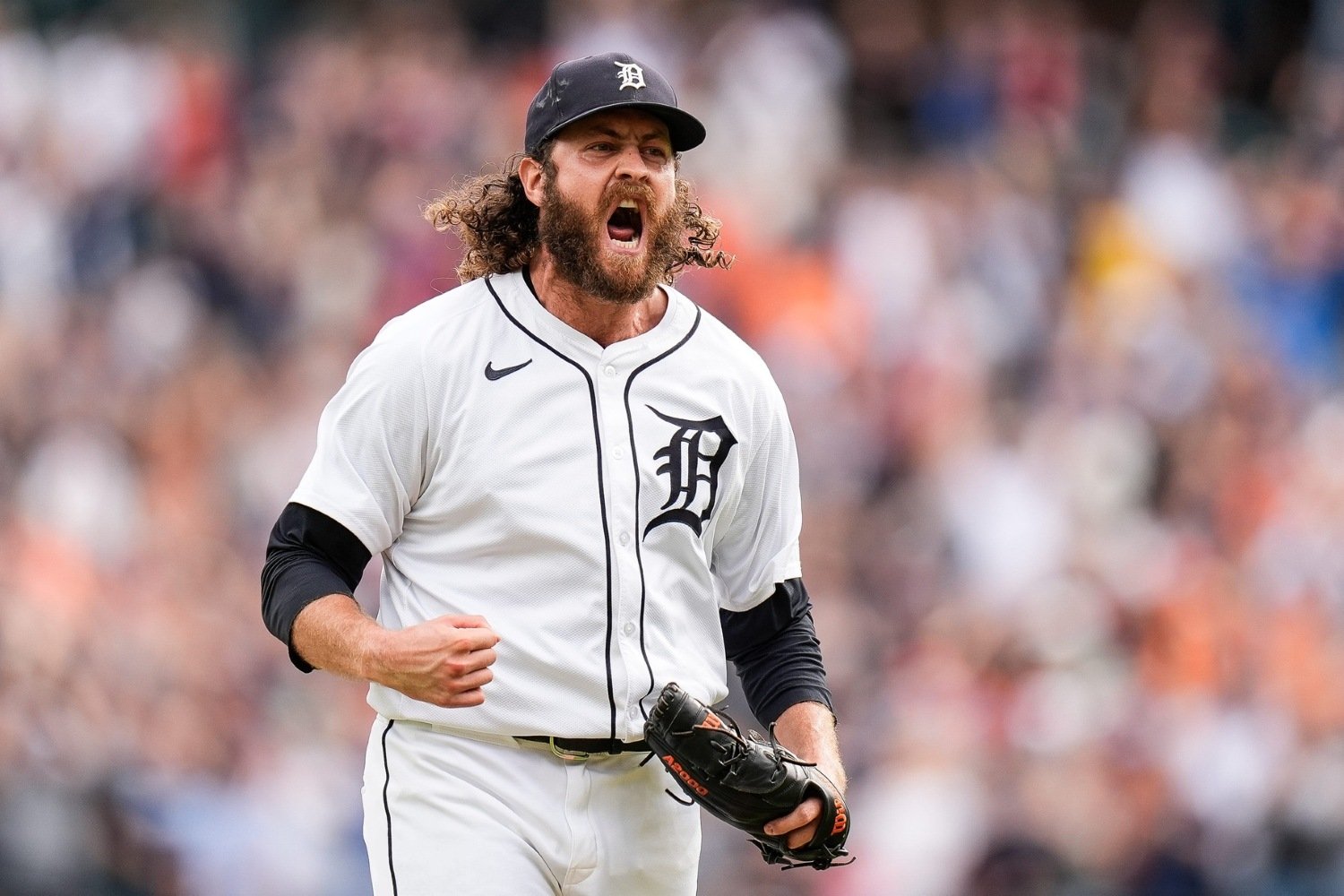 With the cutoff for Rule 5 protection on Tuesday night, plenty of teams had to designate players for assignment to make room for prospects on their 40-man roster. As a result, a handful of new players are now available to either claim off waivers or sign with a team when they inevitably become free agents. With the Twins on the lookout for roster upgrades, a few names may make some sense. Jason Foley Foley was a legitimate high-end reliever for the Tigers in 2023 and 2024, combining for 129 innings pitched with an ERA under 3.00. Previously an undrafted free agent, he beat the odds to become a durable and effective relief option for several seasons. A shoulder injury cost him all of 2025, and he's now in search of a new team at 30 years old. At his best, Foley is a power sinkerballer, comfortably sitting in the high 90s on his heater to pair with a dominant slider. Foley has high-leverage experience, which would be a welcome addition to an inexperienced Twins bullpen. Health is the big question mark, as his medicals are surely the reason the Tigers chose not to hold onto him. If Foley can take the mound in 2026, the Twins should be very interested. Nathaniel Lowe This was the worst season of Lowe's career, and it may drop him into the Twins' price range. He posted a .798 OPS from 2022-2024 before a miserable stint with Washington at the beginning of last season. After landing with the Red Sox for the stretch run, he posted a .790 OPS in 34 games. Lowe has been a starting-caliber first baseman for the better part of four years, and may be just what the Twins need at first base. Though left-handed (like the incumbent Kody Clemens), Lowe owns an above-average slash line in his career against southpaws, in addition to crushing righties. He doesn't need to be platooned and posts more respectable walk and strikeout rates than Clemens. His pricey arbitration number was likely the driving factor in the decision to cut him, which means he's likely to hit the open market and have plenty of interest at a lower price tag. If the Twins can make it happen, bringing Lowe in on a prove-it one-year deal makes a lot of sense. Dauri Moreta It was surprising to see the Pirates part with an interesting arm like Moreta, but another team could benefit by giving him a roster spot. The burly righthander is now out of options, so Pittsburgh decided to part ways rather than gamble on his dominant stuff without the ability to shuttle him to the minors. He posted a 31.8% strikeout rate while limiting homers in 2023, before missing 2024 after Tommy John surgery. He flashed that dominance in his return in 2025, and the hope is that he's at 100%, being another year removed from injury. Moreta throws a unique slider that typically draws a whiff rate of around 40%. Pairing it with a mid-90s fastball, he should continue to rack up strikeouts. Moreta looked like a rising star before his injury and still has three years of team control. He's just 29 years old. His raw stuff could immediately drop him into a high-leverage role in 2026, and he could become a premier reliever if everything clicks. Are there any other players in similar circumstances whom you would like to see the Twins claim? Let us know below!
- 50 comments
-
- 10
-
-
- dauri moreta
- jason foley
- (and 1 more)
-
Three Bargain Relievers for the Twins to Target in Free Agency
Cody Pirkl posted an article in Twins
 Assuming the Twins have their eyes set on competing in 2026, they're probably four or five relievers away from having a shot. It's a peculiar place for this regime to be, as their budget is likely limited and they've rarely invested in bullpen arms. The front office will be looking for affordable upside. Though they may not be shopping at the top of the free agent pile, plenty of names stand out as potential targets. Jordan Romano Romano is two seasons removed from being an effective reliever, but he's shown enough to earn another bounce-back opportunity in 2026. There's no sugarcoating his 6+ ERA in just under 60 innings pitched since 2023, but the Twins may be able to squint and see a path to Romano returning to his dominant ways. Romano's slider remains a dominant offering, and the pitch helped him maintain respectable strikeout and whiff rates. His fastball has been the problem: he's lost a tick of velocity, and his heater has been crushed. Being a two-pitch pitcher, Romano will either have to get that velocity back at age 33 or make a fundamental change in how he throws his fastball. The Twins could help him with this, and the two parties can match up on a mutually beneficial bounce-back deal. If it pays off, Romano may earn himself another contract, and the Twins can get a high-end reliever at a bargain price. Taylor Rogers A Taylor Rogers reunion makes too much sense. The Twins could use an experienced left-handed reliever, and Rogers could benefit from a return to his roots. Rogers has been solid since leaving Minnesota, but has lost some of the dominance we were accustomed to. He's lost two miles per hour in fastball velocity, which may cap his ceiling. The reliance on his sinker to combat this loss of velocity has led to fewer swings and misses, but Rogers has continued to get outs and avoid the longball. He’s thrown 226 innings since the Twins dealt him in 2022, posting a 3.61 ERA and supporting peripherals. At the right price, anything resembling those numbers would provide a massive boost. While the Twins need high-end relief help, Rogers doesn't necessarily need to fill that need in 2026. Adding him to fill the primary left-handed relief role would be valuable and likely affordable. He's still a plenty effective relief arm, and his experience and leadership may bring plenty of intangible value to a Twins bullpen that will likely require all the help they can get. Ryne Stanek The ship may have sailed on the 34-year-old Stanek making a much-needed adjustment to his pitch mix, but the Twins could give it a shot for minimal risk. His fastball still averaged 98.5 mph in 2025, but he appeared to have leaned on it too much, and that, paired with an ugly walk rate, led to an ERA over 5 with the Mets last season. Stanek has a dominant slider and an effective splitter in his repertoire, and it's worth wondering whether these secondary pitches should be his bread and butter, despite the velocity of his fastball. His pitch mix lends itself well to being able to retire hitters on both sides of the plate, and his raw stuff could be worth gambling on even after years of failing to break out fully. At the very least, it's easy to see a path to a secondary setup man role, which he's filled at times throughout his career. The names may not be exciting, but the Twins will likely have to shop in this tier of free agency to fill the many needs in their bullpen. Are there any under-the-radar relievers you'd like to see them target in free agency? Let us know below!
 -
Image courtesy of Katie Stratman-Imagn Images Assuming the Twins have their eyes set on competing in 2026, they're probably four or five relievers away from having a shot. It's a peculiar place for this regime to be, as their budget is likely limited and they've rarely invested in bullpen arms. The front office will be looking for affordable upside. Though they may not be shopping at the top of the free agent pile, plenty of names stand out as potential targets. Jordan Romano Romano is two seasons removed from being an effective reliever, but he's shown enough to earn another bounce-back opportunity in 2026. There's no sugarcoating his 6+ ERA in just under 60 innings pitched since 2023, but the Twins may be able to squint and see a path to Romano returning to his dominant ways. Romano's slider remains a dominant offering, and the pitch helped him maintain respectable strikeout and whiff rates. His fastball has been the problem: he's lost a tick of velocity, and his heater has been crushed. Being a two-pitch pitcher, Romano will either have to get that velocity back at age 33 or make a fundamental change in how he throws his fastball. The Twins could help him with this, and the two parties can match up on a mutually beneficial bounce-back deal. If it pays off, Romano may earn himself another contract, and the Twins can get a high-end reliever at a bargain price. Taylor Rogers A Taylor Rogers reunion makes too much sense. The Twins could use an experienced left-handed reliever, and Rogers could benefit from a return to his roots. Rogers has been solid since leaving Minnesota, but has lost some of the dominance we were accustomed to. He's lost two miles per hour in fastball velocity, which may cap his ceiling. The reliance on his sinker to combat this loss of velocity has led to fewer swings and misses, but Rogers has continued to get outs and avoid the longball. He’s thrown 226 innings since the Twins dealt him in 2022, posting a 3.61 ERA and supporting peripherals. At the right price, anything resembling those numbers would provide a massive boost. While the Twins need high-end relief help, Rogers doesn't necessarily need to fill that need in 2026. Adding him to fill the primary left-handed relief role would be valuable and likely affordable. He's still a plenty effective relief arm, and his experience and leadership may bring plenty of intangible value to a Twins bullpen that will likely require all the help they can get. Ryne Stanek The ship may have sailed on the 34-year-old Stanek making a much-needed adjustment to his pitch mix, but the Twins could give it a shot for minimal risk. His fastball still averaged 98.5 mph in 2025, but he appeared to have leaned on it too much, and that, paired with an ugly walk rate, led to an ERA over 5 with the Mets last season. Stanek has a dominant slider and an effective splitter in his repertoire, and it's worth wondering whether these secondary pitches should be his bread and butter, despite the velocity of his fastball. His pitch mix lends itself well to being able to retire hitters on both sides of the plate, and his raw stuff could be worth gambling on even after years of failing to break out fully. At the very least, it's easy to see a path to a secondary setup man role, which he's filled at times throughout his career. The names may not be exciting, but the Twins will likely have to shop in this tier of free agency to fill the many needs in their bullpen. Are there any under-the-radar relievers you'd like to see them target in free agency? Let us know below! View full article
-
Image courtesy of © Kim Klement Neitzel-Imagn Images The current Twins regime has had nearly a decade to show us how they prefer to operate, which types of players they value, and how they build their rosters, etc. After missing the playoffs for the fourth time in five years, massive changes are needed to turn things around. In hiring former bench coach Derek Shelton to replace Rocco Baldelli, it’s hard to have faith that those massive changes are coming. The Minnesota Twins organization has become increasingly comfortable with the status quo in recent years, regardless of results. While spending was cut back, that doesn’t justify the lack of creativity shown during the team’s recent downturn. Despite mixed results and popularity, this team was not afraid of big moves, such as trading Luis Arraez for Pablo Lopez or shipping out then-closer Taylor Rogers the day before Opening Day. In stark contrast, we found ourselves wondering at times why the team was unwilling to shake up its bench in 2025, as multiple players went weeks without a start and position players were rostered solely to pitch mop-up innings. This is why it was notable when Baldelli was fired despite being extended through 2026 earlier in the season. Though it’s hard to lay a majority of the blame at the manager’s feet, extended failures like the Twins have endured require a shake-up. The idea of a new manager brought hope of a new voice. While they may not fix the problems with development and player performance in this organization, perhaps a manager with a different perspective and style could be part of the solution. Among the list of candidates made public for the Twins managerial job, Shelton stood out as the most comfortable choice they could have made. A former bench coach for the organization, Shelton is close friends with Baldelli and even received many of the same criticisms as the former Twins’ skipper during his time in Pittsburgh. Shelton has a reputation as a player’s manager who was able to mostly keep the clubhouse under control while the Pirates were uncompetitive both on the field and in the payroll department for five-plus years. The fear is that the Twins may have tipped their hand in this hiring. Other candidates, such as Ryan Flaherty and James Rowson, come with plenty of unknowns in how they would operate as first-time managers. What’s known about Shelton is that he will likely manage very similarly to Baldelli and just showed he can soldier through a 5+ year stretch in which an organization did not attempt to spend or compete. Perhaps familiarity with the organization was the main selling point in hiring Shelton. Still, it’s at least worth wondering whether the organization’s plans for the next few years played a part in hiring someone with experience in such uninspiring circumstances. Change was needed at the end of 2025, but transitioning from Baldelli to Shelton could make one question whether the front office actually believed change was needed, or whether that change was made just for the sake of it. This offseason was always going to be worth watching closely. Not just to observe whether the payroll teardown would continue, but to see whether the remaining leadership is willing to change how they operate and take the risks required to turn this organization around in a hurry. In their first significant move of the offseason, it’s hard not to be disappointed. Do you agree? Join the best Twins discussion online and let us know in the comments below. View full article
-
Hiring Derek Shelton Suggests the Status Quo Isn't Going Anywhere
Cody Pirkl posted an article in Twins
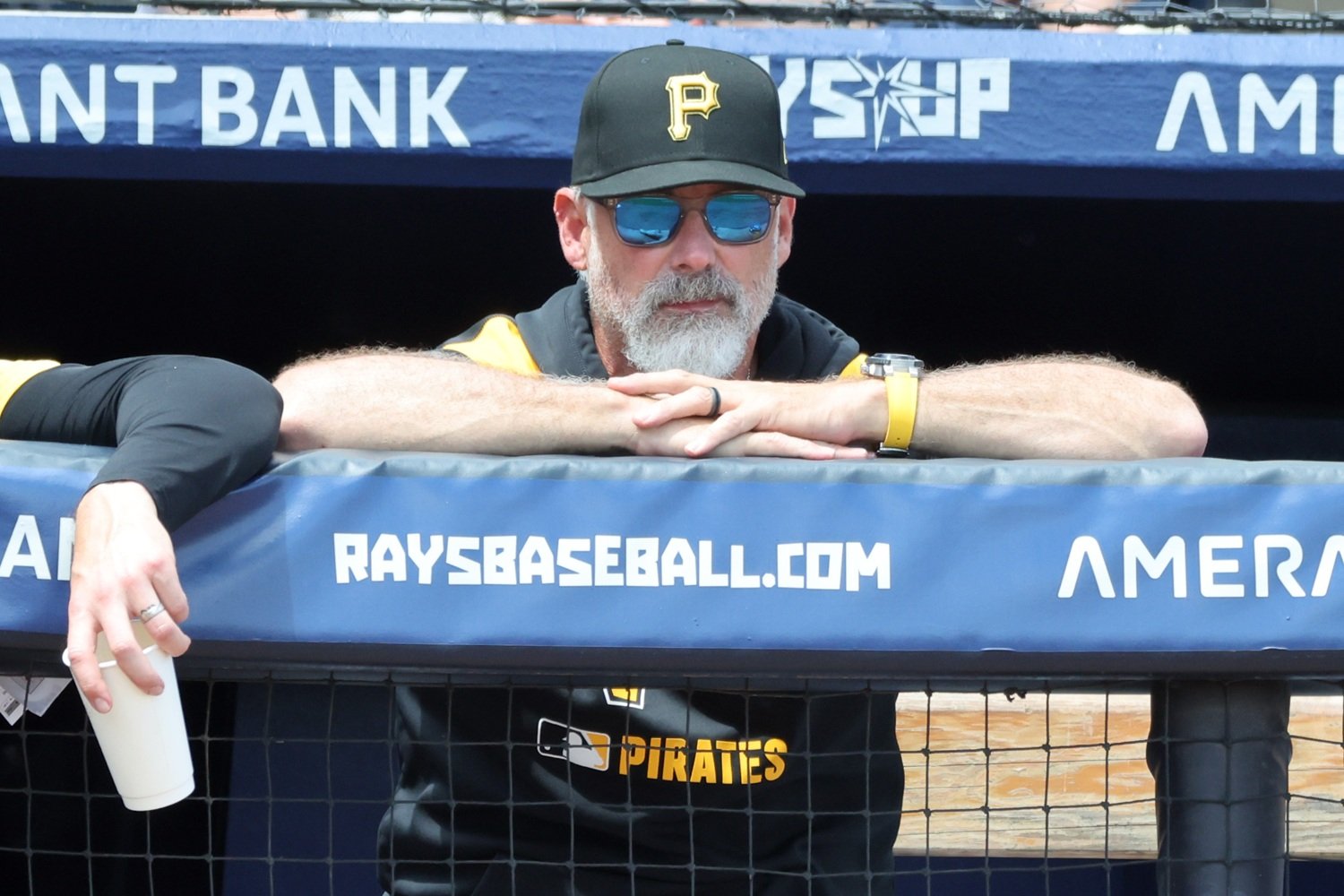 The current Twins regime has had nearly a decade to show us how they prefer to operate, which types of players they value, and how they build their rosters, etc. After missing the playoffs for the fourth time in five years, massive changes are needed to turn things around. In hiring former bench coach Derek Shelton to replace Rocco Baldelli, it’s hard to have faith that those massive changes are coming. The Minnesota Twins organization has become increasingly comfortable with the status quo in recent years, regardless of results. While spending was cut back, that doesn’t justify the lack of creativity shown during the team’s recent downturn. Despite mixed results and popularity, this team was not afraid of big moves, such as trading Luis Arraez for Pablo Lopez or shipping out then-closer Taylor Rogers the day before Opening Day. In stark contrast, we found ourselves wondering at times why the team was unwilling to shake up its bench in 2025, as multiple players went weeks without a start and position players were rostered solely to pitch mop-up innings. This is why it was notable when Baldelli was fired despite being extended through 2026 earlier in the season. Though it’s hard to lay a majority of the blame at the manager’s feet, extended failures like the Twins have endured require a shake-up. The idea of a new manager brought hope of a new voice. While they may not fix the problems with development and player performance in this organization, perhaps a manager with a different perspective and style could be part of the solution. Among the list of candidates made public for the Twins managerial job, Shelton stood out as the most comfortable choice they could have made. A former bench coach for the organization, Shelton is close friends with Baldelli and even received many of the same criticisms as the former Twins’ skipper during his time in Pittsburgh. Shelton has a reputation as a player’s manager who was able to mostly keep the clubhouse under control while the Pirates were uncompetitive both on the field and in the payroll department for five-plus years. The fear is that the Twins may have tipped their hand in this hiring. Other candidates, such as Ryan Flaherty and James Rowson, come with plenty of unknowns in how they would operate as first-time managers. What’s known about Shelton is that he will likely manage very similarly to Baldelli and just showed he can soldier through a 5+ year stretch in which an organization did not attempt to spend or compete. Perhaps familiarity with the organization was the main selling point in hiring Shelton. Still, it’s at least worth wondering whether the organization’s plans for the next few years played a part in hiring someone with experience in such uninspiring circumstances. Change was needed at the end of 2025, but transitioning from Baldelli to Shelton could make one question whether the front office actually believed change was needed, or whether that change was made just for the sake of it. This offseason was always going to be worth watching closely. Not just to observe whether the payroll teardown would continue, but to see whether the remaining leadership is willing to change how they operate and take the risks required to turn this organization around in a hurry. In their first significant move of the offseason, it’s hard not to be disappointed. Do you agree? Join the best Twins discussion online and let us know in the comments below.
 -
Image courtesy of © Junfu Han / USA TODAY NETWORK via Imagn Images Matt Wallner may have been the least of the Twins' issues in 2025, but the step back he took offensively didn’t help the floundering lineup. The offense needs a complete overhaul, with very few players locked into the plans moving forward. What do the decision-makers do with Matt Wallner? Wallner’s struggles in 2025 were frustrating to watch. After a strong season-plus to begin his career, showing that he’s more than an all-or-nothing slugger, he regressed to being more of a three-true-outcomes player last season. Despite a career-low strikeout rate, he hit .202 while slugging 22 homers. Though he still walked nearly 12% of the time, the contact he made was not very valuable, unless the ball was going over the fence. After two strong seasons of performing in the clutch, Wallner’s Win Probability Added went negative in 2025. He took a step back in his performance against fastballs. His hard-hit and barrel rates declined. After posting strong batting averages on balls in play throughout his professional career, his .228 mark in 2025 was well below average. A flatter swing led to both more ground balls and more high fly balls and pop-ups. The Twins clearly lost faith in him, as he was moved down in the lineup, and he never put together any consistent stretch at the plate. With the lineup in need of a complete overhaul, it’s hard to say what the Twins will do to try to turn things around in 2026. Trevor Larnach is an obvious candidate to be shipped out, because of his lack of development and higher price tag. The team also acquired James Outman and Alan Roden as fellow left-handed-hitting, MLB-ready outfielders. They acquired left-handed hitting corner outfielder Henry Mendez, who will be on the 40-man roster in 2026. Emmanuel Rodriguez and Walker Jenkins will begin the season in Triple-A St. Paul. The team’s logjam of this player type opens the door for several potential moves. A case can be made to trade Wallner. Defense has never been a strong suit for him, but especially with the number of outfielders on the way, he likely won’t be long for everyday playing time. He may be a long-term DH in the Twins’ eyes, and if another team views him as a usable outfielder, he may have enough value for the Twins to work out a deal. The team is also likely considering the possibility that Wallner has been found out by opposing teams. He was repeatedly overpowered at the plate in 2025, and if the Twins don’t think this is fixable, they may learn from past mistakes and decide to trade him before his value bottoms out, as it has for so many others in the organization in the last year. That being said, Wallner’s “down year” still included a .776 OPS, good for 14% above league average. The way he got there may have been unsightly, but for a team so devoid of offensive standouts, it seems counterproductive to trade away one of their few above-average hitters. Regarding his defense, they are also lacking a regular DH, meaning Wallner could fill this role regularly while still getting some time in the outfield. If he returns to his pre-2025 production, Wallner would be one of the best designated hitters in the American League. He’s also still making the league minimum (or some amount close to it) in 2026. It’s hard to see Wallner as an “off-limits” player this offseason, and if this front office can get what they consider good value in trade for just about any player, they’ve shown they’ll pull the trigger. While this process sounds good in theory, it’s worth questioning whether this regime can be trusted in evaluating talent at this point. For a Twins offense that largely sank the team in 2025, one could argue that they would be wiser to target another player in a situation like Wallner’s, rather than trade one away. After an .877 OPS in 2023 and .894 in 2024, his big step backward still left him as an above-average hitter. He’s not without red flags or question marks, but some of his struggles in 2025 were complete aberrations in the context of his track record. If he can return to form in 2026, he would be one of the best hitters in a lineup that desperately needs him. The team should be acquiring and holding onto offensive upside, not trading it away. This Twins front office has a history of being unpredictable, making it a real possibility this winter to trade away yet another productive local Minnesotan. The Twins may be right to consider doing so, but with the team’s lack of recent success both on the field and in evaluating their own roster, it’s hard to have faith in that decision if they decide to ship Wallner out this winter. What should the Twins do with Matt Wallner after a down season? Can they keep him and use him as a DH? Should they look to deal him before his declining stock hits zero? Let us know below! View full article
-
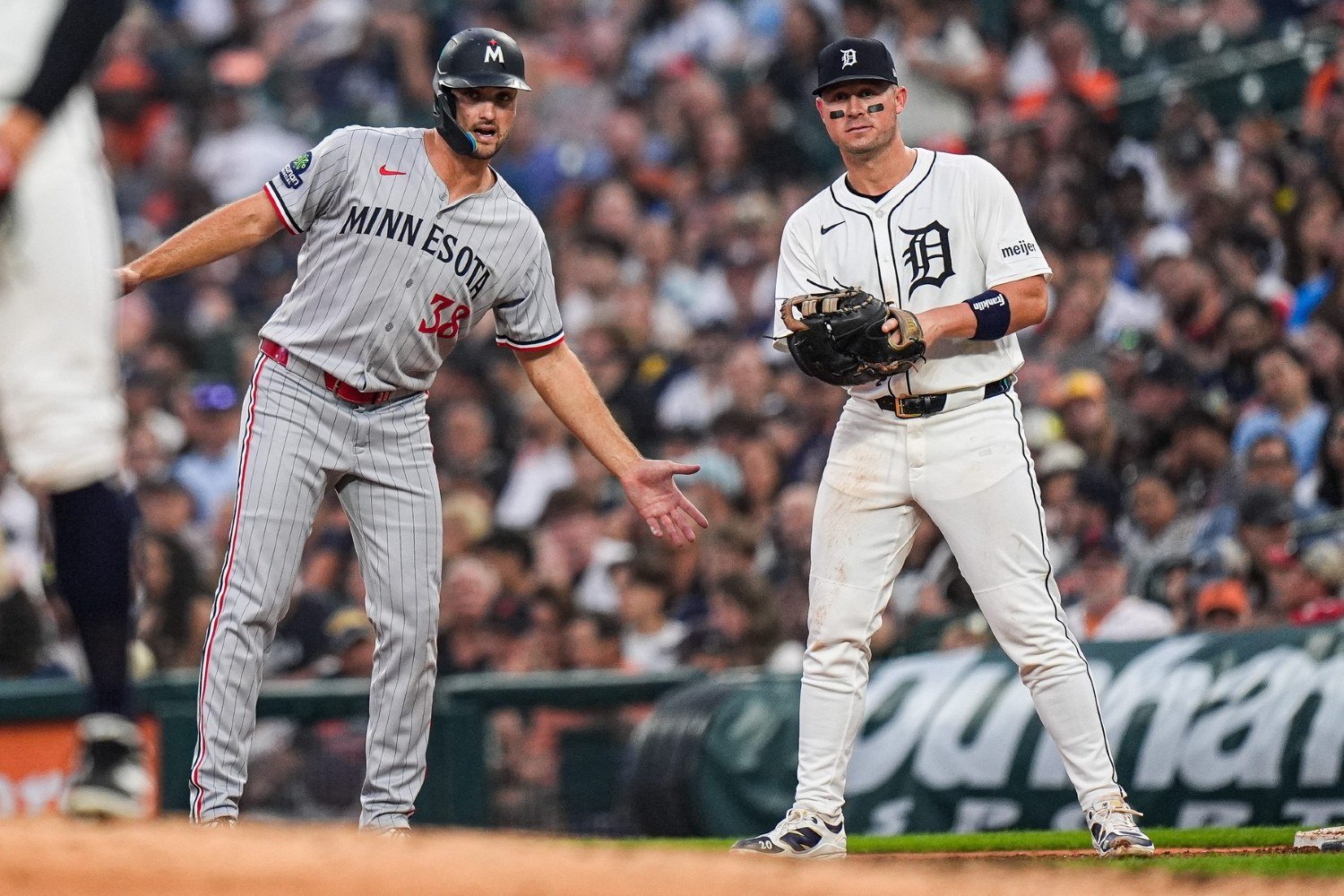 Matt Wallner may have been the least of the Twins' issues in 2025, but the step back he took offensively didn’t help the floundering lineup. The offense needs a complete overhaul, with very few players locked into the plans moving forward. What do the decision-makers do with Matt Wallner? Wallner’s struggles in 2025 were frustrating to watch. After a strong season-plus to begin his career, showing that he’s more than an all-or-nothing slugger, he regressed to being more of a three-true-outcomes player last season. Despite a career-low strikeout rate, he hit .202 while slugging 22 homers. Though he still walked nearly 12% of the time, the contact he made was not very valuable, unless the ball was going over the fence. After two strong seasons of performing in the clutch, Wallner’s Win Probability Added went negative in 2025. He took a step back in his performance against fastballs. His hard-hit and barrel rates declined. After posting strong batting averages on balls in play throughout his professional career, his .228 mark in 2025 was well below average. A flatter swing led to both more ground balls and more high fly balls and pop-ups. The Twins clearly lost faith in him, as he was moved down in the lineup, and he never put together any consistent stretch at the plate. With the lineup in need of a complete overhaul, it’s hard to say what the Twins will do to try to turn things around in 2026. Trevor Larnach is an obvious candidate to be shipped out, because of his lack of development and higher price tag. The team also acquired James Outman and Alan Roden as fellow left-handed-hitting, MLB-ready outfielders. They acquired left-handed hitting corner outfielder Henry Mendez, who will be on the 40-man roster in 2026. Emmanuel Rodriguez and Walker Jenkins will begin the season in Triple-A St. Paul. The team’s logjam of this player type opens the door for several potential moves. A case can be made to trade Wallner. Defense has never been a strong suit for him, but especially with the number of outfielders on the way, he likely won’t be long for everyday playing time. He may be a long-term DH in the Twins’ eyes, and if another team views him as a usable outfielder, he may have enough value for the Twins to work out a deal. The team is also likely considering the possibility that Wallner has been found out by opposing teams. He was repeatedly overpowered at the plate in 2025, and if the Twins don’t think this is fixable, they may learn from past mistakes and decide to trade him before his value bottoms out, as it has for so many others in the organization in the last year. That being said, Wallner’s “down year” still included a .776 OPS, good for 14% above league average. The way he got there may have been unsightly, but for a team so devoid of offensive standouts, it seems counterproductive to trade away one of their few above-average hitters. Regarding his defense, they are also lacking a regular DH, meaning Wallner could fill this role regularly while still getting some time in the outfield. If he returns to his pre-2025 production, Wallner would be one of the best designated hitters in the American League. He’s also still making the league minimum (or some amount close to it) in 2026. It’s hard to see Wallner as an “off-limits” player this offseason, and if this front office can get what they consider good value in trade for just about any player, they’ve shown they’ll pull the trigger. While this process sounds good in theory, it’s worth questioning whether this regime can be trusted in evaluating talent at this point. For a Twins offense that largely sank the team in 2025, one could argue that they would be wiser to target another player in a situation like Wallner’s, rather than trade one away. After an .877 OPS in 2023 and .894 in 2024, his big step backward still left him as an above-average hitter. He’s not without red flags or question marks, but some of his struggles in 2025 were complete aberrations in the context of his track record. If he can return to form in 2026, he would be one of the best hitters in a lineup that desperately needs him. The team should be acquiring and holding onto offensive upside, not trading it away. This Twins front office has a history of being unpredictable, making it a real possibility this winter to trade away yet another productive local Minnesotan. The Twins may be right to consider doing so, but with the team’s lack of recent success both on the field and in evaluating their own roster, it’s hard to have faith in that decision if they decide to ship Wallner out this winter. What should the Twins do with Matt Wallner after a down season? Can they keep him and use him as a DH? Should they look to deal him before his declining stock hits zero? Let us know below!
- 101 comments
-
- 7
-
-
- matt wallner
- trevor larnach
- (and 1 more)
-
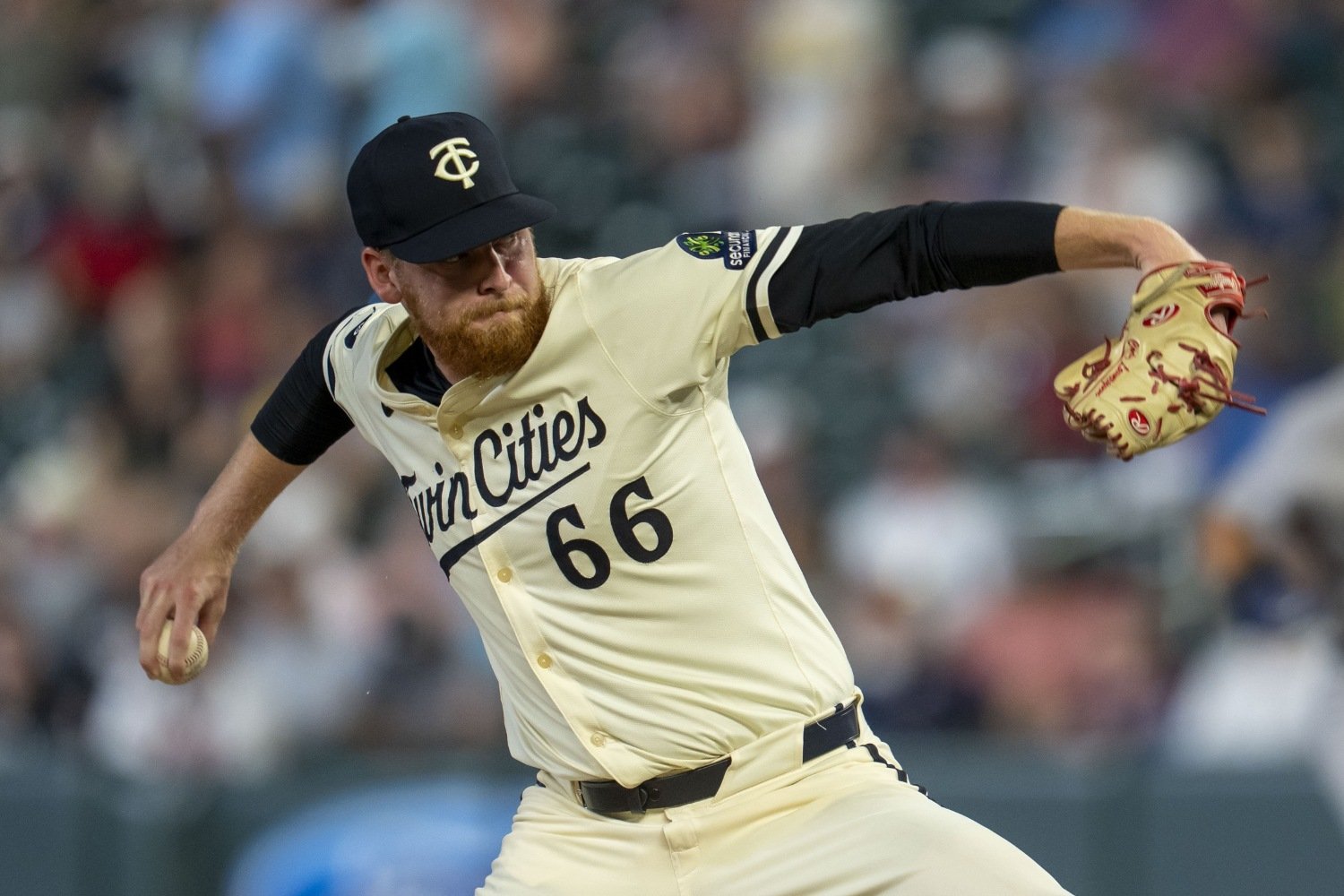 The Twins likely didn’t have plans of contending next season in mind when they shipped out the majority of their bullpen at the 2025 trade deadline. As a result, it’s hard to envision them allocating much money to bringing in replacements for 2026. Instead, they should turn these innings over to younger pieces with chances to break out and (at least) become usable relief arms. They have a few prime options who should be given this opportunity from the start of 2026. Cody Laweryson It’s fair to argue that Laweryson should have been given a shot to face MLB hitters earlier in 2025. While far from a high-end pitching prospect, he allowed just a single run in 7 2/3 innings in his first cup of big-league coffee. A former 14th-round pick by the Twins in 2019, it’s worth seeing whether the strong numbers he put up in a small sample at the end of 2025 can carry over to 2026. He’ll be cheaper than anyone they can find externally, and could become a great story from the late rounds of the draft. Laweryson.mp4 Laweryson lacks the velocity and raw stuff to take over as a high-leverage relief arm. Still, his command and ability to limit homers make him a strong candidate to at least fill out a middle relief role. With a wide-open depth chart, his brief success to end 2025 should be more than enough to earn him a look right away in 2026. Travis Adams Adams was added to the 40-man roster last offseason to serve as rotation depth. While he did wind up being used in that role eventually, he didn’t impress in it, and the Twins' rotation depth headed into 2026 makes him unlikely to serve in that capacity again. Adams made the transition to the bullpen in September, and it didn’t go well, but perhaps a full offseason of preparing for relief work can make a difference. Adams has a strong repertoire to transition into relief work. Unlike Laweryson, Adams can run his fastball into the mid- to high 90s. He also has a six-pitch mix that could easily be trimmed down to feature his changeup and slider, which were his best swing-and-miss offerings. Adams will have to perform much better than he did in 2025 to stick in any role, but it’s fair to wonder whether he has the upside to help fill the massive void left by the trade deadline. David Festa A former 13th-round pick, Festa developed into a legitimate starting pitching prospect before his stock came crashing down in 2025. Poor performance was eventually revealed to be injury-related, as repeated shoulder injuries held him down for much of the year. He struggled to maintain his stuff and consistency for multiple innings at a time. While injury may be the cause, it’s also worth questioning whether Festa’s significant boost in velocity since he was drafted can be maintained in a traditional starting pitching role. When it comes to stuff, Festa is near the top of the Twins organization at his best. His high-end velocity and pair of off-speed pitches make him a candidate to become a legitimately dominant back-end relief pitcher. Between his injury, the Twins’ need for bullpen help, and their starting pitching depth, a move to a relief role would make a lot of sense. It’s unlikely we see this transition from day one, as the team always likes to maintain rotation depth, but they shouldn’t be too slow to try Festa in a new role if 2026 doesn’t get out to an encouraging start for him. He’s more than capable of being one of the better relief pitchers on the roster by season’s end. Are there any other organizational relievers that should be given a chance to help rebuild the bullpen in 2026? Or some starting pitchers who the team should try in a relief role? Let us know below!
- 37 comments
-
- 7
-
-
-

-
- cody laweryson
- david festa
- (and 1 more)
-
Image courtesy of © Jesse Johnson-Imagn Images The Twins likely didn’t have plans of contending next season in mind when they shipped out the majority of their bullpen at the 2025 trade deadline. As a result, it’s hard to envision them allocating much money to bringing in replacements for 2026. Instead, they should turn these innings over to younger pieces with chances to break out and (at least) become usable relief arms. They have a few prime options who should be given this opportunity from the start of 2026. Cody Laweryson It’s fair to argue that Laweryson should have been given a shot to face MLB hitters earlier in 2025. While far from a high-end pitching prospect, he allowed just a single run in 7 2/3 innings in his first cup of big-league coffee. A former 14th-round pick by the Twins in 2019, it’s worth seeing whether the strong numbers he put up in a small sample at the end of 2025 can carry over to 2026. He’ll be cheaper than anyone they can find externally, and could become a great story from the late rounds of the draft. Laweryson.mp4 Laweryson lacks the velocity and raw stuff to take over as a high-leverage relief arm. Still, his command and ability to limit homers make him a strong candidate to at least fill out a middle relief role. With a wide-open depth chart, his brief success to end 2025 should be more than enough to earn him a look right away in 2026. Travis Adams Adams was added to the 40-man roster last offseason to serve as rotation depth. While he did wind up being used in that role eventually, he didn’t impress in it, and the Twins' rotation depth headed into 2026 makes him unlikely to serve in that capacity again. Adams made the transition to the bullpen in September, and it didn’t go well, but perhaps a full offseason of preparing for relief work can make a difference. Adams has a strong repertoire to transition into relief work. Unlike Laweryson, Adams can run his fastball into the mid- to high 90s. He also has a six-pitch mix that could easily be trimmed down to feature his changeup and slider, which were his best swing-and-miss offerings. Adams will have to perform much better than he did in 2025 to stick in any role, but it’s fair to wonder whether he has the upside to help fill the massive void left by the trade deadline. David Festa A former 13th-round pick, Festa developed into a legitimate starting pitching prospect before his stock came crashing down in 2025. Poor performance was eventually revealed to be injury-related, as repeated shoulder injuries held him down for much of the year. He struggled to maintain his stuff and consistency for multiple innings at a time. While injury may be the cause, it’s also worth questioning whether Festa’s significant boost in velocity since he was drafted can be maintained in a traditional starting pitching role. When it comes to stuff, Festa is near the top of the Twins organization at his best. His high-end velocity and pair of off-speed pitches make him a candidate to become a legitimately dominant back-end relief pitcher. Between his injury, the Twins’ need for bullpen help, and their starting pitching depth, a move to a relief role would make a lot of sense. It’s unlikely we see this transition from day one, as the team always likes to maintain rotation depth, but they shouldn’t be too slow to try Festa in a new role if 2026 doesn’t get out to an encouraging start for him. He’s more than capable of being one of the better relief pitchers on the roster by season’s end. Are there any other organizational relievers that should be given a chance to help rebuild the bullpen in 2026? Or some starting pitchers who the team should try in a relief role? Let us know below! View full article
-
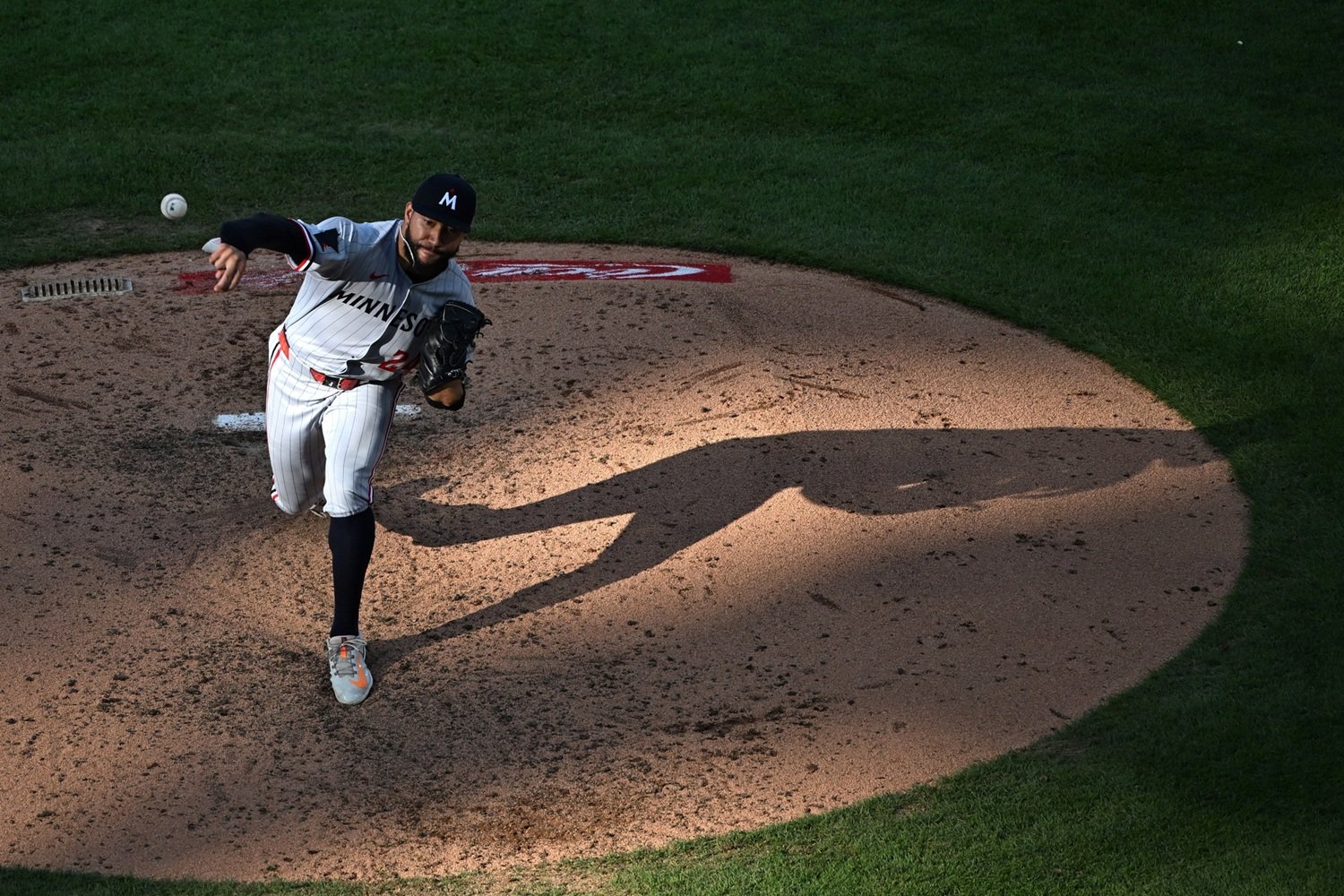 After the Twins sold at the deadline, all that was left to hope for was that some of the remaining players would make the best of the opportunity that had opened up and earn their way into the 2026 plans. While not everyone made good on this, a few players certainly look like they’ve earned themselves roles on next year's roster. Kody Clemens Clemens looked like a flash in the pan when he followed up his explosive first month in a Twins uniform with a .625 OPS in June. Being a well-traveled 29-year-old, there was always a chance that his performance was simply one good month and that he would return to the version of Kody Clemens that could never quite carve out a regular role on an MLB roster. Finishing as a comfortably above league-average hitter in two of the last three months of the season while playing regularly may have changed that in the Twins’ eyes. Clemens may not be a part of the long-term future, but he should fit quite well on the 2026 Twins roster. The organization lacks interesting options for first base, where Clemens filled in for much of the second half. He will also be plenty cheap for a roster that is likely to shed more payroll than add to it this offseason. Clemens can be an ideal stopgap at first base and second base in addition to filling in at both corner outfield spots. It may not be a massive development for the future, but Clemens at least gives the team one less roster spot to worry about. Austin Martin Making up one half of the trade return from dealing Jose Berrios to the Blue Jays, Martin looks to have finally made good on the Twins' acquisition of him in 2021. Martin has dealt with swing changes, injuries, and overall inconsistency in his Twins tenure. He’s no longer considered a serious option in the infield mix and remains extremely raw in center field. After receiving regular opportunities down the stretch, he settled into left field, where he showed positive defensive metrics and was one of the Twins’ better overall hitters in the final months of the season. Martin still lacks power, but his right-handed bat makes him a shoo-in for the Twins’ 2026 roster. Left-handed hitters dominate the outfield, and the team has lacked a quality option to spell them for several years. His speed and athleticism also complement the overall roster, making him a strong bench option at the very least. He may not be the player who was once selected fifth overall in the MLB draft, but Martin may finally be emerging as a valuable MLB player. Simeon Woods Richardson SWR has been a solid back-end starting pitcher for multiple seasons, although he’s lacked consistency at times, and the upside has seemed capped because of his repertoire. The end of his season has to have raised some eyebrows, as after returning from a stomach illness, Woods Richardson did enough to leave us questioning whether he just needed a little extra time to take that next step. Allowing two runs and striking out 23 in his last 17 innings, Woods Richardson looked like he had finally built back up after his illness. He ramped up the usage of his new splitter, which became arguably his best pitch after adding it to his mix partway through the season. After inconsistent usage throughout the year, SWR began to rely on this new offering, and it looks like the key to taking another step forward. With so many arms added at the deadline, Woods Richardson’s job looked to be a bit more in question heading into 2026. His flashes of brilliance to end the season, which coincided with a notable change in pitch mix, should earn him an Opening Day rotation spot for 2026. Were there any other players who made the most of a bad situation down the stretch? Was there anyone you wished would have done a better job of taking advantage of their opportunity? Let us know below!
- 33 comments
-
- 9
-
-
- austin martin
- simeon woods richardson
- (and 1 more)

.jpg.990715b586346223a3fa0ca8bd6ad679.jpg)
.jpg.fe1d80efdbfc5a7088449ff6ce5394e7.jpg)

