



Cody Pirkl
-
Posts
1,314 -
Joined
-
Last visited
-
Days Won
4
Content Type
Profiles
News
Minnesota Twins Videos
2026 Minnesota Twins Top Prospects Ranking
2022 Minnesota Twins Draft Picks
Minnesota Twins Free Agent & Trade Rumors, Notes, & Tidbits
Guides & Resources
2023 Minnesota Twins Draft Picks
The Minnesota Twins Players Project
2024 Minnesota Twins Draft Picks
2025 Minnesota Twins Draft Pick Tracker
2026 Minnesota Twins Draft Tracker: Picks & Bonuses
Forums
Blogs
Events
Store
Downloads
Gallery
Everything posted by Cody Pirkl
-
The Twins are likely to have some unexpected openings in their bullpen for Opening Day and, fortunately, have some options for how to fill them. Could a second lefty reliever earn himself a spot? Image courtesy of Matt Blewett - USA TODAY Sports Kody Funderburk worked his way up from Double A to MLB in 2023. After looking like a potential piece of the bullpen following that breakout season, however, injuries and ineffectiveness hampered him in 2024. Does Funderburk have a resurgence in store for 2025? Funderburk has had a strong spring performance thus far, allowing one run and striking out six in five innings pitched. While spring numbers can be taken with a grain of salt, it’s nice to see him back to the dominance he showed in 2023. In Funderburk’s case, his handful of innings in spring training are less about opening eyes within the organization and more about drawing them—showing an organization that wanted to trust him last year that he’s back to his old ways. Despite a fastball in the low 90s, Funderburk has shown he can be a strikeout machine, while also limiting hard contact and the home run ball. At his best, he can more than offset his spotty control, which has proven to be his most significant weakness as a pitcher. During his rise through the ranks in 2023, Funderburk struck out 35.6% of opposing minor-league hitters. When given an opportunity at the MLB level, he struck out 40.4% of opposing hitters and allowed one home run in 12 innings pitched. Despite a strong bullpen depth chart, the Twins had seen enough to award him a postseason roster spot. The Twins were believers in the performance. Now fully recovered from the oblique strain that cost Funderburk so much time in 2024, it’s worth wondering whether the Twins' past belief in him, paired with some popup injuries, could have Funderburk on the roster on day one. It sounds more doubtful that Michael Tonkin and Justin Topa will be immediate options, due to a pair of shoulder injuries. But is Funderburk the best fit? Louie Varland will likely receive the most significant opportunity boost in response to these injuries. A strong case can also be made for Rule 5 pick Eiberson Castellano to make the Opening Day roster, so as to keep him in the Twins organization. You would assume both have the upper hand against another left-handed reliever, but Funderburk isn’t a traditional southpaw. Funderburk has had long stretches of reverse splits in his professional career. His funky delivery helps neutralize the splits left-handed pitchers typically see against right-handed hitters. If the final bullpen spot comes down to a photo finish, handedness shouldn’t play a big part in the decision-making process. Funderburk’s significant disadvantage is his ability to be sent to St. Paul without repercussions. The Twins can send Varland down, but they likely see no reason to, given his raw stuff and already-strong résumé as a reliever. Breaking camp without Castellano would mean crossing his name off the organizational depth chart and potentially sending him back to the Phillies. A simple case can be made that Funderburk belongs in St. Paul after struggling there last season, to prove himself again and maintain as much depth as possible. Still, he’s likely giving the Twins something to think about. The Twins saw the peak of Funderburk’s abilities in 2023. Was that season enough to take his early spring performance as a sign that he belongs back in the big-league bullpen? Were his struggles in 2024 too much to overcome with just a few innings this spring? Let us know below! View full article
-
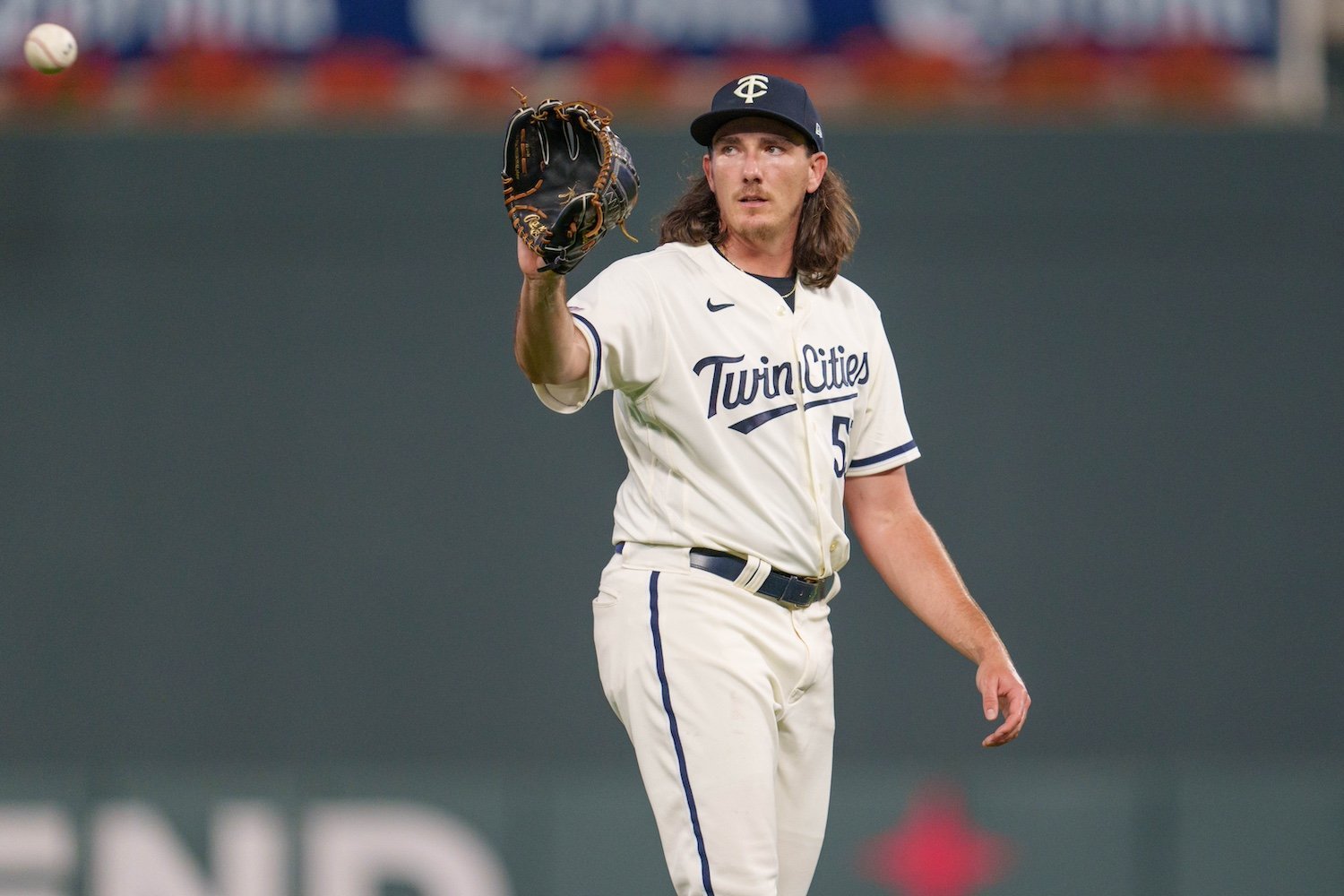 Kody Funderburk worked his way up from Double A to MLB in 2023. After looking like a potential piece of the bullpen following that breakout season, however, injuries and ineffectiveness hampered him in 2024. Does Funderburk have a resurgence in store for 2025? Funderburk has had a strong spring performance thus far, allowing one run and striking out six in five innings pitched. While spring numbers can be taken with a grain of salt, it’s nice to see him back to the dominance he showed in 2023. In Funderburk’s case, his handful of innings in spring training are less about opening eyes within the organization and more about drawing them—showing an organization that wanted to trust him last year that he’s back to his old ways. Despite a fastball in the low 90s, Funderburk has shown he can be a strikeout machine, while also limiting hard contact and the home run ball. At his best, he can more than offset his spotty control, which has proven to be his most significant weakness as a pitcher. During his rise through the ranks in 2023, Funderburk struck out 35.6% of opposing minor-league hitters. When given an opportunity at the MLB level, he struck out 40.4% of opposing hitters and allowed one home run in 12 innings pitched. Despite a strong bullpen depth chart, the Twins had seen enough to award him a postseason roster spot. The Twins were believers in the performance. Now fully recovered from the oblique strain that cost Funderburk so much time in 2024, it’s worth wondering whether the Twins' past belief in him, paired with some popup injuries, could have Funderburk on the roster on day one. It sounds more doubtful that Michael Tonkin and Justin Topa will be immediate options, due to a pair of shoulder injuries. But is Funderburk the best fit? Louie Varland will likely receive the most significant opportunity boost in response to these injuries. A strong case can also be made for Rule 5 pick Eiberson Castellano to make the Opening Day roster, so as to keep him in the Twins organization. You would assume both have the upper hand against another left-handed reliever, but Funderburk isn’t a traditional southpaw. Funderburk has had long stretches of reverse splits in his professional career. His funky delivery helps neutralize the splits left-handed pitchers typically see against right-handed hitters. If the final bullpen spot comes down to a photo finish, handedness shouldn’t play a big part in the decision-making process. Funderburk’s significant disadvantage is his ability to be sent to St. Paul without repercussions. The Twins can send Varland down, but they likely see no reason to, given his raw stuff and already-strong résumé as a reliever. Breaking camp without Castellano would mean crossing his name off the organizational depth chart and potentially sending him back to the Phillies. A simple case can be made that Funderburk belongs in St. Paul after struggling there last season, to prove himself again and maintain as much depth as possible. Still, he’s likely giving the Twins something to think about. The Twins saw the peak of Funderburk’s abilities in 2023. Was that season enough to take his early spring performance as a sign that he belongs back in the big-league bullpen? Were his struggles in 2024 too much to overcome with just a few innings this spring? Let us know below!
- 15 comments
-
- 8
-

-
- kody funderburk
- louis varland
- (and 2 more)
-
The Twins' bullpen has taken some hits in the last week, and some of the group's health concerns are already showing up. Who could we see stepping into more prominent roles? Image courtesy of © Chris Tilley-Imagn Images While the timelines are not yet clear, the Twins have lost two pieces of their potential bullpen puzzle in the last week. The relief corps was projected to be one of the best in baseball this season, but a few of their depth options will already be unexpectedly pushed into more playing time. Who could stand to benefit? Matt Canterino may not have slotted into an Opening Day role, but he was looked at as a potential impact addition to the bullpen sometime this season—if he could finally stay healthy. Instead, he’s been shut down again with shoulder issues, which caused him to miss all of 2024. While his status remains in question, it’s fair to wonder whether this early recurrence of his shoulder woes foreshadows another lost season. Indeed, Canterino's career itself might soon be in jeopardy. On the other hand, Justin Topa was fairly likely to make the Opening Day roster, after missing most of 2024 himself. A piece of the Jorge Polanco trade, Topa has yet to make an impact with the Twins after a fantastic season with the Mariners in 2023. On Wednesday, he left his outing early with shoulder discomfort, having shown diminished velocity in the handful of pitches he threw before departing. While it's good news that this isn't a recurrence of the knee trouble that shelved him for most of 2024, it’s unfortunate, and it could have him behind for Opening Day, at the very least. Luckily, the Twins were already in a spot with potential MLB-caliber relief options who may not break camp with the parent club. The rest of the spring could now be an open competition. Louis Varland already appeared to be competing for a spot in the bullpen. Though the Twins haven’t come right out and declared him a full-time reliever, their actions speak loud and clear. Varland has yet to make an appearance of more than a single inning this spring. Given how the Twins typically operate, if they saw any scenario in which Varland would contribute to the rotation early in the season, he would likely still be building up his workload. While Varland’s career has had its ups and downs, he’s shown he can be a high-impact high-leverage reliever. His streamlined repertoire plays well with his near-triple-digit fastball, and there’s certainly a world where he’s pitching high-leverage innings this season. His spot on the Opening Day roster wasn’t guaranteed, but it becomes quite likely that he’ll be in the Twins bullpen on Opening Day if Topa is unavailable. Perhaps the loss of a setup-caliber reliever doesn’t help Eiberson Castellano make the roster, but the numbers game does. The Rule 5 Draft pickup was the Philadelphia Phillies' Minor League Pitcher of the Year last season, and he must stay in MLB for the entirety of 2025 unless the Twins want to send him back. Because of this, we could see the Twins hide Castellano in long relief or mop-up duty, hoping they can reevaluate the talented right-hander’s role in 2026. Suppose the Twins feel comfortable with the upper tier of their bullpen, despite Topa’s absence. In that case, Castellano is the perfect pitcher to slot into a low-leverage role at the very bottom of the bullpen hierarchy. Despite the remaining starting pitcher ceiling, it’s also possible that Castellano can make a legitimate contribution to the Twins bullpen if he gets a shot. There's always a chance another reliever will put themselves on the radar this spring. Travis Adams could serve in a bulk role. Minor-league signings like Alex Speas or Huascar Ynoa could earn a spot. There could also be more openings than we currently believe. There's always the risk of more injuries, or that a veteran isn’t quite ready by the end of the spring. It’s also possible someone like 40-man roster recipient Michael Tonkin is in actual competition for a spot at the end of the bullpen. He’s undoubtedly struggled to begin the spring, and the Twins may choose to go a younger direction. It’s always a bummer to see injuries this early in the season, and the Twins pitching staff still has plenty of question marks to answer health-wise before the regular season starts. The relief corps remains strong for now, and the injuries sustained should result in more opportunities for young and exciting players. Are there other pitchers who could find themselves with more opportunities in 2025 because of these early injuries? Let us know below! View full article
-
 While the timelines are not yet clear, the Twins have lost two pieces of their potential bullpen puzzle in the last week. The relief corps was projected to be one of the best in baseball this season, but a few of their depth options will already be unexpectedly pushed into more playing time. Who could stand to benefit? Matt Canterino may not have slotted into an Opening Day role, but he was looked at as a potential impact addition to the bullpen sometime this season—if he could finally stay healthy. Instead, he’s been shut down again with shoulder issues, which caused him to miss all of 2024. While his status remains in question, it’s fair to wonder whether this early recurrence of his shoulder woes foreshadows another lost season. Indeed, Canterino's career itself might soon be in jeopardy. On the other hand, Justin Topa was fairly likely to make the Opening Day roster, after missing most of 2024 himself. A piece of the Jorge Polanco trade, Topa has yet to make an impact with the Twins after a fantastic season with the Mariners in 2023. On Wednesday, he left his outing early with shoulder discomfort, having shown diminished velocity in the handful of pitches he threw before departing. While it's good news that this isn't a recurrence of the knee trouble that shelved him for most of 2024, it’s unfortunate, and it could have him behind for Opening Day, at the very least. Luckily, the Twins were already in a spot with potential MLB-caliber relief options who may not break camp with the parent club. The rest of the spring could now be an open competition. Louis Varland already appeared to be competing for a spot in the bullpen. Though the Twins haven’t come right out and declared him a full-time reliever, their actions speak loud and clear. Varland has yet to make an appearance of more than a single inning this spring. Given how the Twins typically operate, if they saw any scenario in which Varland would contribute to the rotation early in the season, he would likely still be building up his workload. While Varland’s career has had its ups and downs, he’s shown he can be a high-impact high-leverage reliever. His streamlined repertoire plays well with his near-triple-digit fastball, and there’s certainly a world where he’s pitching high-leverage innings this season. His spot on the Opening Day roster wasn’t guaranteed, but it becomes quite likely that he’ll be in the Twins bullpen on Opening Day if Topa is unavailable. Perhaps the loss of a setup-caliber reliever doesn’t help Eiberson Castellano make the roster, but the numbers game does. The Rule 5 Draft pickup was the Philadelphia Phillies' Minor League Pitcher of the Year last season, and he must stay in MLB for the entirety of 2025 unless the Twins want to send him back. Because of this, we could see the Twins hide Castellano in long relief or mop-up duty, hoping they can reevaluate the talented right-hander’s role in 2026. Suppose the Twins feel comfortable with the upper tier of their bullpen, despite Topa’s absence. In that case, Castellano is the perfect pitcher to slot into a low-leverage role at the very bottom of the bullpen hierarchy. Despite the remaining starting pitcher ceiling, it’s also possible that Castellano can make a legitimate contribution to the Twins bullpen if he gets a shot. There's always a chance another reliever will put themselves on the radar this spring. Travis Adams could serve in a bulk role. Minor-league signings like Alex Speas or Huascar Ynoa could earn a spot. There could also be more openings than we currently believe. There's always the risk of more injuries, or that a veteran isn’t quite ready by the end of the spring. It’s also possible someone like 40-man roster recipient Michael Tonkin is in actual competition for a spot at the end of the bullpen. He’s undoubtedly struggled to begin the spring, and the Twins may choose to go a younger direction. It’s always a bummer to see injuries this early in the season, and the Twins pitching staff still has plenty of question marks to answer health-wise before the regular season starts. The relief corps remains strong for now, and the injuries sustained should result in more opportunities for young and exciting players. Are there other pitchers who could find themselves with more opportunities in 2025 because of these early injuries? Let us know below!
- 62 comments
-
- 5
-
-
- justin topa
- matt canterino
- (and 2 more)
-
What Does An Edouard Julien Bounceback Look Like?
Cody Pirkl replied to Cody Pirkl's topic in Twins Daily Front Page News
Us as fans may be "wishing" but I can assure you Julien and the Twins have been doing a lot more than that. It's not an easy problem to overcome, but the fact that we just saw Larnach, who's actually a very similar style hitter overcome it has to mean at least something. Larnach had the issue for years as well. -
What Does An Edouard Julien Bounceback Look Like?
Cody Pirkl replied to Cody Pirkl's topic in Twins Daily Front Page News
For what it's worth, 2B was actually Lee's best position by Outs Above Average last year in a small sample. I think everything comes down to the bat for Julien. His offensive skillset is much different than Lee's or Castro's, and if he can come anywhere near his rookie production, it's hard to see either of them out hitting him. Defense can often be a deal breaker with this Twins regime, but I think they're going to need offense this year. Vazquez stayed, and it sounds like France and Bader are going to play a ton. They may reach a point where their offense is struggling and they have no choice but to play Julien if he's hitting. -
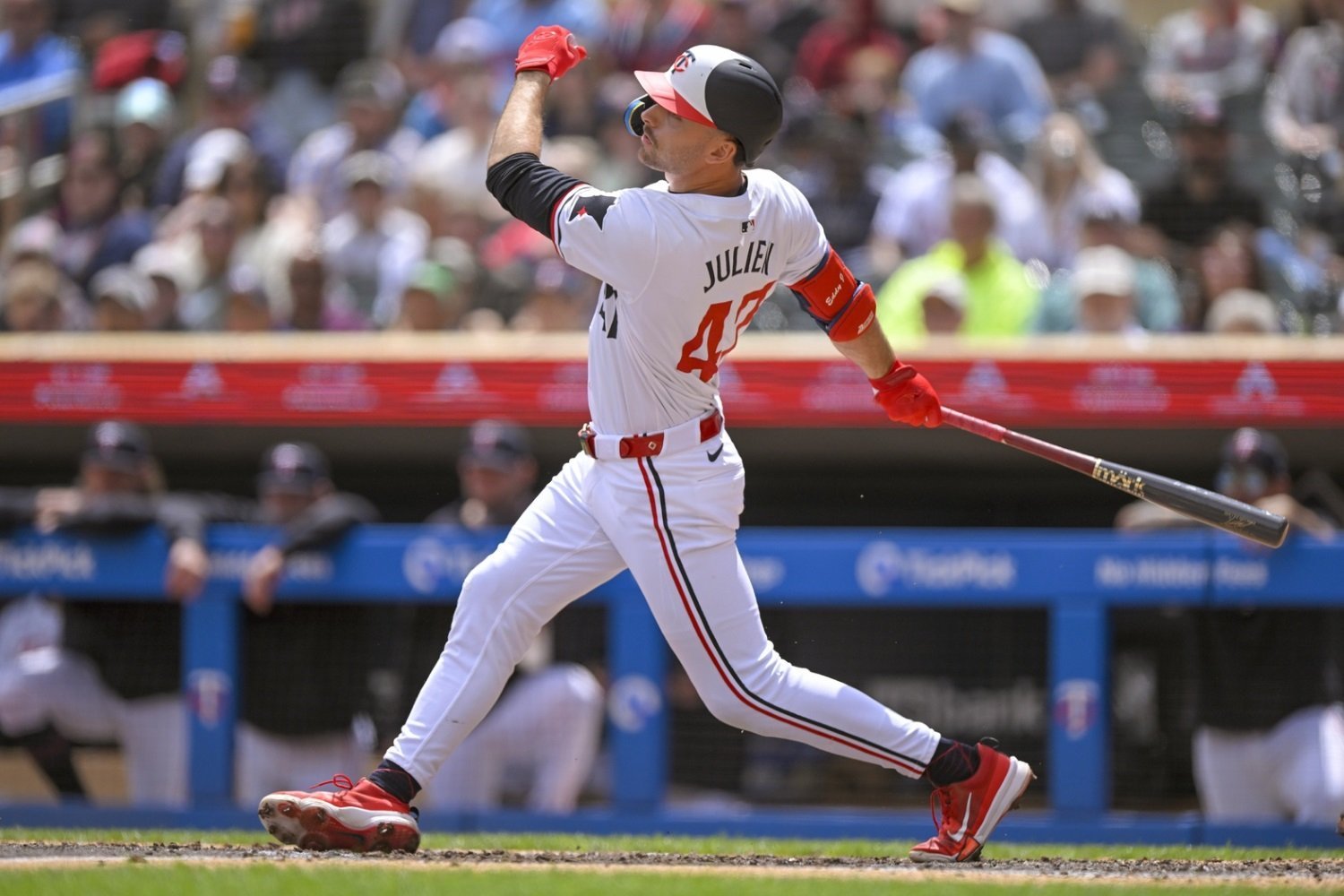 Edouard Julien came on strong in 2023, with his elite plate discipline and left-handed thump helping to propel the team down the stretch. Last season was a diametrically different story. It felt like opposing pitchers figured Julien out, and he could not adjust. This will be a pivotal campaign for Julien, coming off that nasty bout of regressionitis. Can he put himself back in the Twins’ plans? Plate discipline was Julien’s calling card during his 2023 breakout. He was a prime candidate to lead off against right-handed pitching (despite a strikeout rate of over 30%) due to his ability to get on base. His patient approach allowed him to work walks and get ahold of plenty of mistakes in favorable counts, resulting in a slash line 35% above league average. In 2024, that plate discipline crossed the line into being overly passive, as Julien led the league in looking strikeouts—despite spending a large chunk of the season in Triple-A. His OPS dropped from .839 to .616, as opposing pitchers seemed to realize they could fill up the zone to get to two strikes and catch Julien fishing when he was forced into swing mode. His walk rate declined from 15.7% to 11%, because pitchers have to fear you a bit to walk as much as he did in 2023, and in 2024, they ceased to do so. The obvious answer for Julien to opposing pitchers' adjustments is to become a touch more aggressive. The less obvious (but all too familiar) adjustment has more to do with handling breaking pitches. Julien didn’t manage an expected batting average of .200 or an expected slugging percentage of .300 against breaking balls or offspeed pitches in 2024. He swung and missed over 40% of the time at both categories of offering. This adjustment is easier said than done, but the Twins should have a blueprint for addressing it. Struggles against non-fastballs previously defined Trevor Larnach’s career, and we finally saw him make progress in 2024. From 2023 to 2024, Larnach dropped his whiff rate against breaking balls by over 15%. Larnach maintained a 10% walk rate, while cutting his strikeout rate from 34% to 22.3%. If Julien can come anywhere close to this level of adjustment, it would be nearly impossible to keep him out of the lineup. Another factor in Julien’s return to form with the Twins may be his defense. Despite flashing at times defensively and reports from the Twins that his defense had improved, Julien graded out worse in several defensive metrics in 2024 than he had in 2023. Brooks Lee, on the other hand, looks to be an elite defender at second base. For Julien to hold down the position, it will likely take at least average defense, to go with a significant offensive rebound. First base may also be an option should the need arise, but second base is likely his best immediate path onto the roster. Lee is coming off a tough debut in his own right, and the Twins likely don’t want to pencil super-utility man Willi Castro into an everyday second-base role. Julien can come out firing this spring and win the second base job when the team heads north for the season. Julien once looked like a core member of the Twins lineup, but a lot changed over the last season. Now, in an open competition to make the team out of spring training, he needs an enormous bounceback season. He has the skills for it, but consolidating those skills is a greater challenge than acquiring them.
- 33 comments
-
- 5
-
-
- edouard julien
- willi castro
- (and 1 more)
-
Edouard Julien went through a painful sophomore slump in 2024. He is now battling to make the opening-day roster against several other worthy candidates. What does an Edouard Julien bounceback look like? Image courtesy of Nick Wosika-USA TODAY Sports Edouard Julien came on strong in 2023 with his elite plate discipline and left-handed thump, helping to propel the team down the stretch. 2024 was a different story. It felt like opposing pitchers figured Julien out, and he could not adjust. 2025 is a make-or-break season for Julien. Can he put himself back in the Twins’ plans? Plate discipline was Julien’s calling card during his 2024 breakout. He was a prime candidate to lead off against right-handed pitching despite a strikeout rate of over 30% due to his ability to get on base. His patient approach allowed him to work walks and get ahold of plenty of mistakes in favorable counts, resulting in a slash line 35% above league average. In 2024, that plate discipline crossed the line into being overly passive, as Julien led the league in looking strikeouts despite spending a large chunk of the season in Triple-A. His OPS dropped from .839 to .616, as opposing pitchers seemed to realize they could fill up the zone to get to two strikes and catch Julien fishing when he was forced into swing mode. His walk rate declined from 15.7% to 11% The obvious answer for Julien to opposing pitchers' adjustments is to become a touch more aggressive. The less obvious but all too familiar adjustment has more to do with handling breaking pitches. Julien didn’t manage an expected batting average of .200 or an expected slugging percentage of .300 against breaking balls or offspeed pitches in 2024. He swung and missed at both over 40% of the time. This adjustment is easier said than done, but the Twins should have a blueprint for addressing it. Struggles against non-fastballs previously defined Trevor Larnach’s career, and we finally saw him make progress in 2024. From 2023 to 2024, Larnach dropped his whiff rate against breaking balls by over 15%. Larnach maintained a 10% walk rate while cutting his strikeout rate from 34% to 22.3%. If Edouard Julien can come anywhere close to this level of adjustment, it would be nearly impossible to keep him out of the lineup. Another factor in Julien’s return to form with the Twins may be his defense. Despite flashing at times defensively and reports from the Twins that his defense had improved, Julien graded out worse in several defensive metrics from his 2024 season. Brooks Lee, on the other hand, looks to be an elite defender at second base. For Julien to hold down the position, it will likely take at least average defense to go along with a significant offensive rebound. First base may also be an option should the need arise, but second base is likely his best immediate path onto the roster. Brooks Lee is coming off a tough debut in his own right, and the Twins likely don’t want to pencil superutility man Willi Castro into an everyday second base role. Edouard Julien can come out firing this spring and win the second base job when the team heads north for the season. Edouard Julien once looked like a core member of the Twins lineup, but a lot changed over the last season. Now, in an open competition to make the team out of spring training, he needs an enormous bounceback season. Can Eddie Julien adjust back? View full article
-
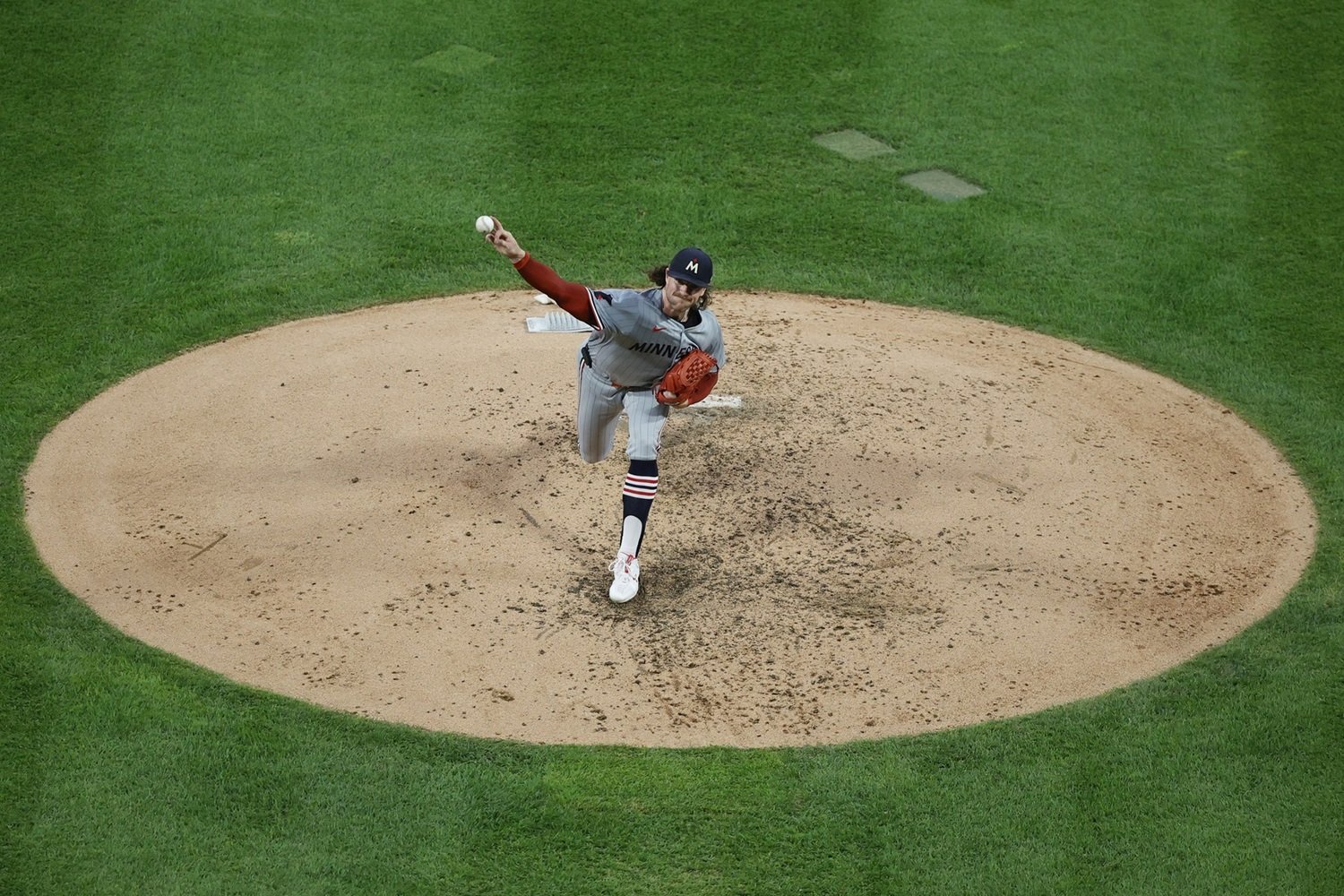 Chris Paddack’s future with the Twins seemed in question at the end of last season. His year was cut short by a forearm injury, and his reasonable price tag was an appealing possible way for the Twins front office to shed some salary. Paddack has made it through the offseason, though, and is set to make the Twins roster when the team heads north. His time with the Twins has been uneventful and underwhelming so far, but there’s reason to believe Paddack can make an impact with the Twins in 2025. For a team that’s usually so cautious regarding injuries, the Twins’ usage of Paddack in 2024 was surprising. He had no restrictions coming into the season, despite missing most of 2023 while recovering from his second Tommy John surgery. He showed plenty of upside at times, but looked to run out of gas on other occasions as his fastball velocity dipped. The average velocity of 93.3 mph on his fastball was the lowest of his career, and his year was cut short by a strained forearm from which he never made it back. Paddack being another year removed from Tommy John is the biggest reason to hope for a rebound. It often takes this long for pitchers to build back up entirely, and in Paddack’s case, it was his second go-round. While his 2024 season was inconsistent, he showed that he didn’t lose the raw talent in his arm. The Twins have a wealth of youthful depth pieces for the rotation, and there’s an argument to be made that someone like David Festa deserves a rotation spot from Day 1 over Paddack. However, Paddack is being paid $7.5 million and will be given every opportunity to hold a rotation spot. It’s a (potentially) mutually beneficial situation, as the Twins can get their money’s worth out of Paddack filling innings as even an average back-end starter, and Paddack can rebuild some value before hitting the free agent market for the first time in his career next winter. There’s a scenario where Paddack returns significant excess value on the Twins’ investment in him. Even last season, when his velocity was down and his typically dominant changeup underperformed, Paddack’s peripherals pointed to a deserved ERA in the mid-4s, even though it was closer to 5.00. Even without him building off last season, those would be respectable numbers for a back-end starting pitcher if he can throw even 130 innings. We’ve seen multiple occasions this offseason where back-end starters with similar numbers are getting $10-15 million. There’s also a scenario where Paddack becomes an option out of the Twins bullpen. The Twins' relief corps is likely full to begin this season, but the bullpen has no shortage of arms who may miss time with a legitimate injury or simply need a breather at points in the season. If Paddack struggles in the rotation, the Twins would certainly be incentivized to try him in the bullpen due to his salary, and 2023 gave them a glimpse of what he can be in short bursts. The number-one hope for Paddack in 2025 is, of course, health. We’ve seen the flashes of the talent he showed early in his career, and if he's able to take the mound regularly, Paddack is sure to contribute to the Twins’ pitching staff in some fashion. Do you believe in a Chris Paddack bounceback? Should Paddack be given a rotation spot to open the season, or should it be an open competition—or outright given to one of the younger options who shined down the stretch in 2024? Let us know below!
 -
The Sheriff is sticking on the Twins roster for the 2025 season, it seems, despite a winter of wondering whether he could get dealt elsewhere. Is this the season he puts it all together? Image courtesy of Tommy Gilligan-USA TODAY Sports Chris Paddack’s future with the Twins seemed in question at the end of last season. His year was cut short by a forearm injury, and his reasonable price tag was an appealing possible way for the Twins front office to shed some salary. Paddack has made it through the offseason, though, and is set to make the Twins roster when the team heads north. His time with the Twins has been uneventful and underwhelming so far, but there’s reason to believe Paddack can make an impact with the Twins in 2025. For a team that’s usually so cautious regarding injuries, the Twins’ usage of Paddack in 2024 was surprising. He had no restrictions coming into the season, despite missing most of 2023 while recovering from his second Tommy John surgery. He showed plenty of upside at times, but looked to run out of gas on other occasions as his fastball velocity dipped. The average velocity of 93.3 mph on his fastball was the lowest of his career, and his year was cut short by a strained forearm from which he never made it back. Paddack being another year removed from Tommy John is the biggest reason to hope for a rebound. It often takes this long for pitchers to build back up entirely, and in Paddack’s case, it was his second go-round. While his 2024 season was inconsistent, he showed that he didn’t lose the raw talent in his arm. The Twins have a wealth of youthful depth pieces for the rotation, and there’s an argument to be made that someone like David Festa deserves a rotation spot from Day 1 over Paddack. However, Paddack is being paid $7.5 million and will be given every opportunity to hold a rotation spot. It’s a (potentially) mutually beneficial situation, as the Twins can get their money’s worth out of Paddack filling innings as even an average back-end starter, and Paddack can rebuild some value before hitting the free agent market for the first time in his career next winter. There’s a scenario where Paddack returns significant excess value on the Twins’ investment in him. Even last season, when his velocity was down and his typically dominant changeup underperformed, Paddack’s peripherals pointed to a deserved ERA in the mid-4s, even though it was closer to 5.00. Even without him building off last season, those would be respectable numbers for a back-end starting pitcher if he can throw even 130 innings. We’ve seen multiple occasions this offseason where back-end starters with similar numbers are getting $10-15 million. There’s also a scenario where Paddack becomes an option out of the Twins bullpen. The Twins' relief corps is likely full to begin this season, but the bullpen has no shortage of arms who may miss time with a legitimate injury or simply need a breather at points in the season. If Paddack struggles in the rotation, the Twins would certainly be incentivized to try him in the bullpen due to his salary, and 2023 gave them a glimpse of what he can be in short bursts. The number-one hope for Paddack in 2025 is, of course, health. We’ve seen the flashes of the talent he showed early in his career, and if he's able to take the mound regularly, Paddack is sure to contribute to the Twins’ pitching staff in some fashion. Do you believe in a Chris Paddack bounceback? Should Paddack be given a rotation spot to open the season, or should it be an open competition—or outright given to one of the younger options who shined down the stretch in 2024? Let us know below! View full article
-
The Twins spent a meager $1 million to bring in a new first-base candidate, on a non-guaranteed deal. It feels like the investment of playing time and faith will be greater than that, though. Should we be concerned about how the Twins are handling first base? Image courtesy of © John E. Sokolowski-Imagn Images The last time Ty France put up a strong offensive stat line for a first baseman was in 2022. When the Twins signed him to a minuscule, non-guaranteed deal this week, it made good sense. At 30 years old, France could have a bounce-back performance, and the Twins needed some competition for José Miranda at first base. Now that more information is coming out, it seems as though the Twins are enormous fans of France. That could be a problem. It sounds like France’s non-guaranteed deal was only classified that way as a formality. After France couldn’t find a job all offseason and 29 other teams declined to guarantee him a deal, the Twins see him as a near-everyday player. It’s great that the Twins have high hopes for France, but him being a perceived veteran option could turn out to be a problem, based on the track record of the Derek Falvey regime. At this point, it’s safe to say that the Twins value veteran status exceptionally highly. Having strong leadership and a wealth of experience is undoubtedly valuable, but the Twins have taken it a bit too far at times. It seems that every season, there are at least a few veterans who receive opportunities beyond what they’ve earned through their performance. These occasions often come at the expense of younger players with more hypothetical upside, or just wind up feeling like poor uses of roster spots. To be clear, there’s nothing wrong with giving France an opportunity. The problem is in the Twins' history of handling these types of players. There is little evidence of this regime being able to have a quick hook when it comes to poor-performing veterans. In France’s case, it sounds like he’s already been awarded a significant role with the team, despite being two full seasons removed from being an impact player. Miranda, admittedly, doesn't have a wealth of experience playing first base. Still, many defensive metrics indicate that France is a worse defender. The Twins must turn a new leaf and be well prepared to make a difficult decision if France isn’t right to begin the season. His experience and the team’s lack of a well-prepared alternative would make it difficult for them. Getting poor offensive and defensive output at first base for a significant chunk of the season would simply be too damaging to a roster that didn’t have the capital to make major additions elsewhere this winter. We do have to wonder, too, whether this amounts to an important schism between Baldelli and the front office. There's no way for an executive to more clearly send the message that a player is fungible than by signing them to a rare, uniquely low-ceiling and team-friendly contract. For Baldelli to signal an expectation of plugging in such a player every day creates some unavoidable cognitive dissonance. How much of this problem, over the years, has been about the front office—and how much has been Baldelli cleaving too tightly to veterans, perhaps using his own influence to fight off Falvey's efforts to move out non-producers? Is this a source of real or potential friction between the skipper and his bosses? Hopefully, France will have a resurgent season, and the Twins' belief in him will be justified. If that isn’t the case, the team needs to do what they’ve struggled to do in the past and not let their miscalculation cost them too significantly. Whether that comes down to the manager or the front office, however, is hard to discern—and that makes it hard to feel much confidence that they'll break their pattern if things go poorly. View full article
-
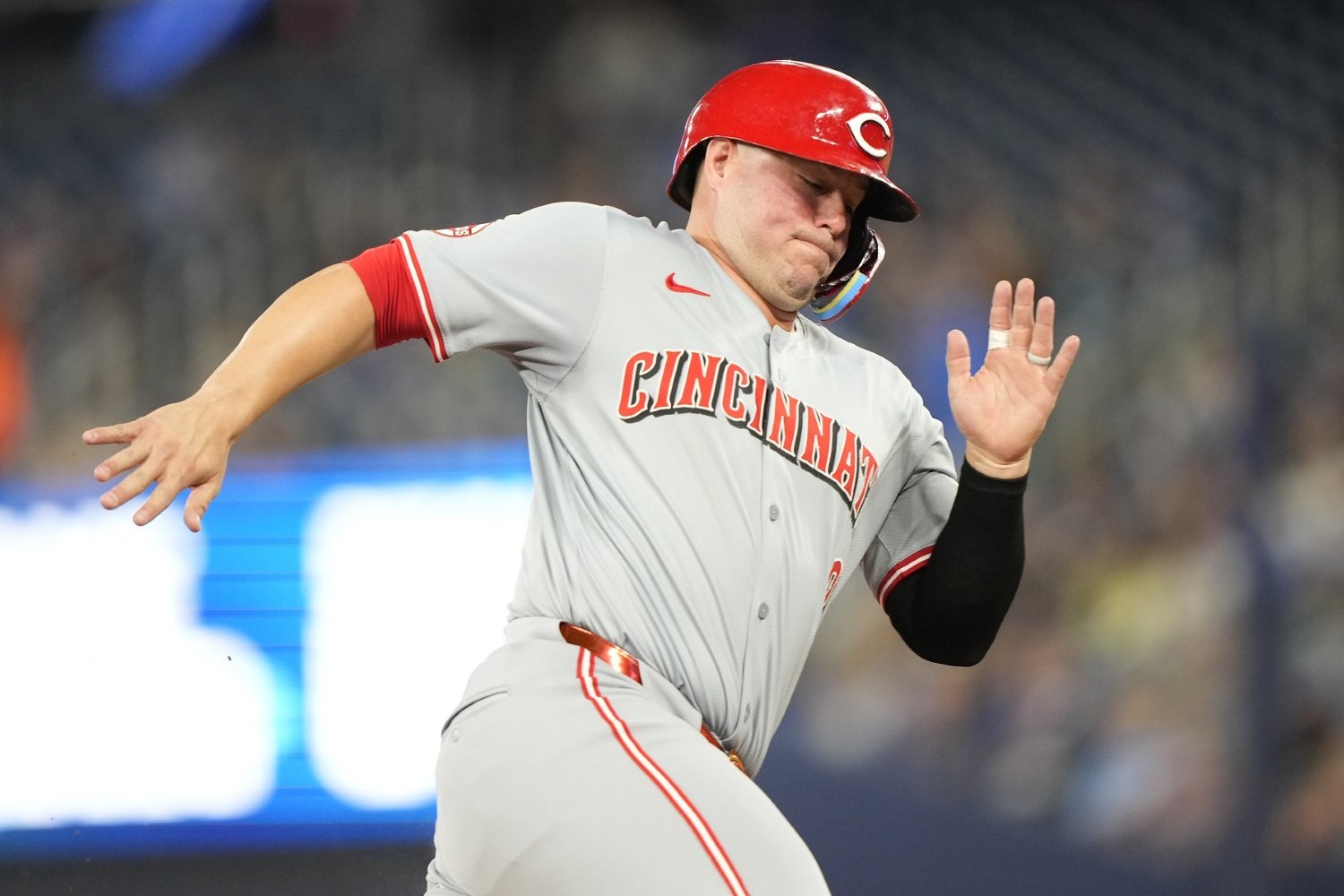 The last time Ty France put up a strong offensive stat line for a first baseman was in 2022. When the Twins signed him to a minuscule, non-guaranteed deal this week, it made good sense. At 30 years old, France could have a bounce-back performance, and the Twins needed some competition for José Miranda at first base. Now that more information is coming out, it seems as though the Twins are enormous fans of France. That could be a problem. It sounds like France’s non-guaranteed deal was only classified that way as a formality. After France couldn’t find a job all offseason and 29 other teams declined to guarantee him a deal, the Twins see him as a near-everyday player. It’s great that the Twins have high hopes for France, but him being a perceived veteran option could turn out to be a problem, based on the track record of the Derek Falvey regime. At this point, it’s safe to say that the Twins value veteran status exceptionally highly. Having strong leadership and a wealth of experience is undoubtedly valuable, but the Twins have taken it a bit too far at times. It seems that every season, there are at least a few veterans who receive opportunities beyond what they’ve earned through their performance. These occasions often come at the expense of younger players with more hypothetical upside, or just wind up feeling like poor uses of roster spots. To be clear, there’s nothing wrong with giving France an opportunity. The problem is in the Twins' history of handling these types of players. There is little evidence of this regime being able to have a quick hook when it comes to poor-performing veterans. In France’s case, it sounds like he’s already been awarded a significant role with the team, despite being two full seasons removed from being an impact player. Miranda, admittedly, doesn't have a wealth of experience playing first base. Still, many defensive metrics indicate that France is a worse defender. The Twins must turn a new leaf and be well prepared to make a difficult decision if France isn’t right to begin the season. His experience and the team’s lack of a well-prepared alternative would make it difficult for them. Getting poor offensive and defensive output at first base for a significant chunk of the season would simply be too damaging to a roster that didn’t have the capital to make major additions elsewhere this winter. We do have to wonder, too, whether this amounts to an important schism between Baldelli and the front office. There's no way for an executive to more clearly send the message that a player is fungible than by signing them to a rare, uniquely low-ceiling and team-friendly contract. For Baldelli to signal an expectation of plugging in such a player every day creates some unavoidable cognitive dissonance. How much of this problem, over the years, has been about the front office—and how much has been Baldelli cleaving too tightly to veterans, perhaps using his own influence to fight off Falvey's efforts to move out non-producers? Is this a source of real or potential friction between the skipper and his bosses? Hopefully, France will have a resurgent season, and the Twins' belief in him will be justified. If that isn’t the case, the team needs to do what they’ve struggled to do in the past and not let their miscalculation cost them too significantly. Whether that comes down to the manager or the front office, however, is hard to discern—and that makes it hard to feel much confidence that they'll break their pattern if things go poorly.
 -
Trades have been part of the process for what it's worth. I can't help but wonder if the FO just thinks their ability to find diamonds in the rough is better than it actually is.
- 131 replies
-
- 11
-
-

-
- ty france
- danny coulombe
- (and 1 more)
-
Is Emphasizing Depth Charges Like Ty France the Right Offseason Strategy?
Cody Pirkl posted an article in Twins
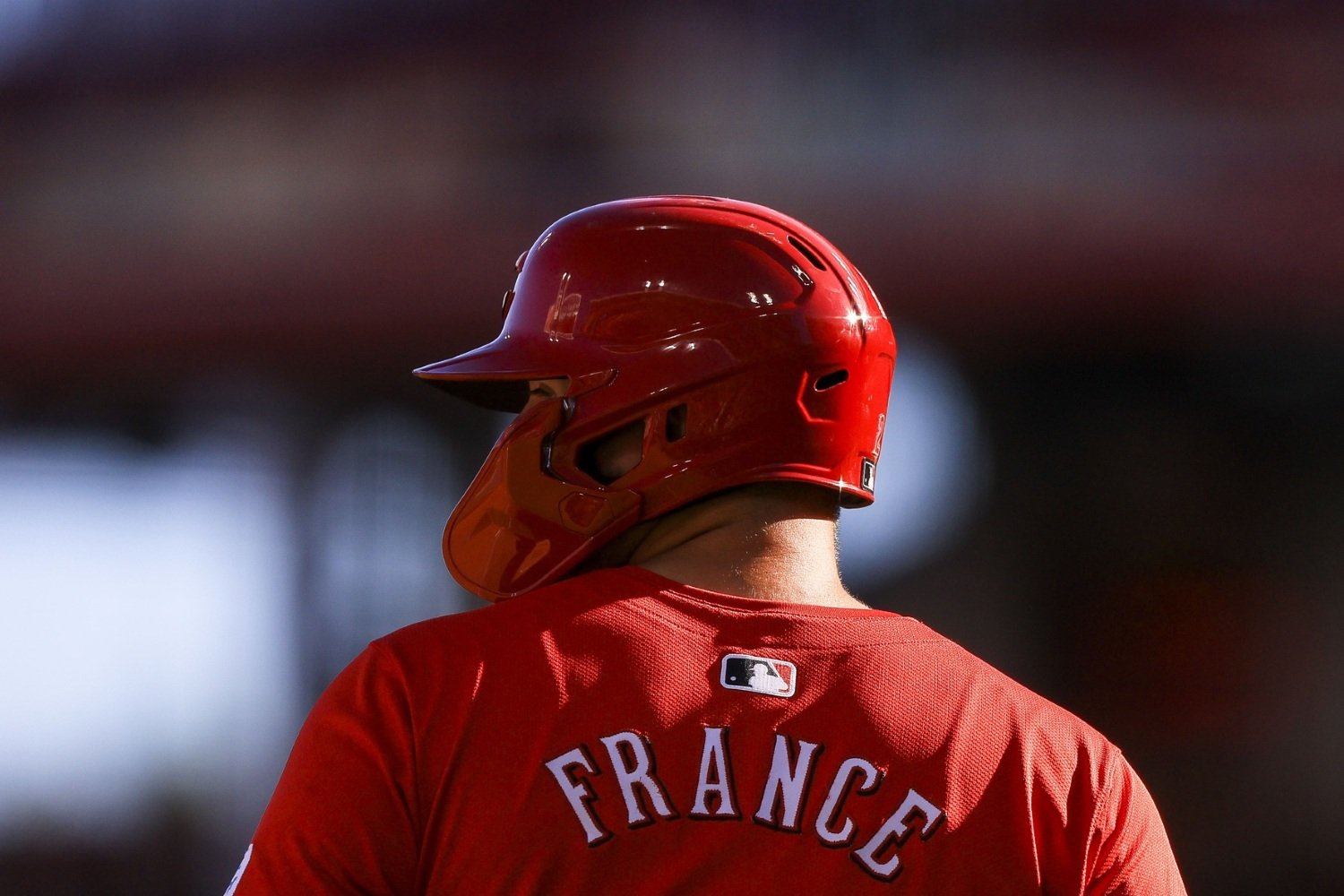 The Twins signed Ty France to a one-year big-league deal on Wednesday, and he’ll likely see quite a bit of time at first base to begin the season. France may have experience at first base, but he doesn't offer any more defensive competence, athleticism, or offensive upside than Jose Miranda, who was already on the roster. It’s another late-offseason addition by the front office, meant to fill out the roster's margins. Is this the process they should have used this winter? The Twins front office has repeatedly demonstrated a compulsion to set a floor at each key place on their roster in recent seasons. With a lineup of players bound to miss some time, fill-ins must be ready, should they be needed. Valuable players on the margins of the roster are a nice bonus. It’s a good process, in theory, but we’ve seen these types of moves make very little difference most years, and in 2024, they arguably did more harm than good. The Twins' class of 2024 floor joists was forgettable. Anthony DeSclefani, brought in to eat a few innings at the back end of the rotation, never threw a pitch. Manuel Margot, brought in to back up Byron Buxton in center field, had a nightmarish season while also playing semi-regularly, due to injuries. Kyle Farmer, whose option was picked up to back up Carlos Correa, wasn’t trusted at shortstop when he was needed and had a disastrous season at the plate. When it came time for the “floor players” to contribute to the team, they weren’t up to the task. This winter, the team lost everyday right fielder Max Kepler and first baseman Carlos Santana, who had sometimes helped carry the lineup. With a roster still consisting of several players who are likely to miss some time, the roster looks pretty scary when projecting what it may look like if they do. Players brought in to “raise the floor” of the roster typically come with a low floor (and low ceiling) themselves, which can be seen in all three Twins signings so far. Danny Coulombe is a 35-year-old soft-tossing lefty with the upside of becoming a secondary setup man. Harrison Bader’s upside is based almost solely on his defensive value, as it’s hard to plan on more than league-average offense at this point in his career. It’s been two years since Ty France has put up offensive stat lines that are acceptable for a primary first baseman. In small, well-crafted roles, these guys can be positive contributors, but the odds are that they will either be forced into larger, less well-crafted roles than expected or fall short of even their modest projected production. We don’t know the dynamics of the free-agent market, or even how the suddenly fluid payroll situation has evolved over the offseason. However, it’s still fair to wonder whether the money spent this winter could have been more effectively allocated elsewhere. Does this trio make the Twins a better team than, say, combining all of that money for Paul Goldschmidt and relying on internal options for backup outfield help and hoping to fall sideways into a left-handed reliever? Time is the only way to say for certain, but the Twins' current front office has shown us through the years that their ability to find impact in the lower tiers of free agency is extremely inconsistent. We should, at least, be happy with the Twins' surprising ability to make additions so far this winter. That being said, the bitter taste of 2024 is still fresh. With the payroll situation, it’s likely a waste to ask for more, but it would be hard to blame fans for asking for something different. Should the Twins have aimed for quality over quantity this offseason?
- 131 comments
-
- 11
-
-
-

-
- ty france
- danny coulombe
- (and 1 more)
-
The Twins have made a series of moves in the last few weeks, but each has been an incremental improvement on existing depth. The front office remains more interested in setting the floor of the roster than pursuing upside. Is that the right choice? Image courtesy of © Katie Stratman-Imagn Images The Twins signed Ty France to a one-year big-league deal on Wednesday, and he’ll likely see quite a bit of time at first base to begin the season. France may have experience at first base, but he doesn't offer any more defensive competence, athleticism, or offensive upside than Jose Miranda, who was already on the roster. It’s another late-offseason addition by the front office, meant to fill out the roster's margins. Is this the process they should have used this winter? The Twins front office has repeatedly demonstrated a compulsion to set a floor at each key place on their roster in recent seasons. With a lineup of players bound to miss some time, fill-ins must be ready, should they be needed. Valuable players on the margins of the roster are a nice bonus. It’s a good process, in theory, but we’ve seen these types of moves make very little difference most years, and in 2024, they arguably did more harm than good. The Twins' class of 2024 floor joists was forgettable. Anthony DeSclefani, brought in to eat a few innings at the back end of the rotation, never threw a pitch. Manuel Margot, brought in to back up Byron Buxton in center field, had a nightmarish season while also playing semi-regularly, due to injuries. Kyle Farmer, whose option was picked up to back up Carlos Correa, wasn’t trusted at shortstop when he was needed and had a disastrous season at the plate. When it came time for the “floor players” to contribute to the team, they weren’t up to the task. This winter, the team lost everyday right fielder Max Kepler and first baseman Carlos Santana, who had sometimes helped carry the lineup. With a roster still consisting of several players who are likely to miss some time, the roster looks pretty scary when projecting what it may look like if they do. Players brought in to “raise the floor” of the roster typically come with a low floor (and low ceiling) themselves, which can be seen in all three Twins signings so far. Danny Coulombe is a 35-year-old soft-tossing lefty with the upside of becoming a secondary setup man. Harrison Bader’s upside is based almost solely on his defensive value, as it’s hard to plan on more than league-average offense at this point in his career. It’s been two years since Ty France has put up offensive stat lines that are acceptable for a primary first baseman. In small, well-crafted roles, these guys can be positive contributors, but the odds are that they will either be forced into larger, less well-crafted roles than expected or fall short of even their modest projected production. We don’t know the dynamics of the free-agent market, or even how the suddenly fluid payroll situation has evolved over the offseason. However, it’s still fair to wonder whether the money spent this winter could have been more effectively allocated elsewhere. Does this trio make the Twins a better team than, say, combining all of that money for Paul Goldschmidt and relying on internal options for backup outfield help and hoping to fall sideways into a left-handed reliever? Time is the only way to say for certain, but the Twins' current front office has shown us through the years that their ability to find impact in the lower tiers of free agency is extremely inconsistent. We should, at least, be happy with the Twins' surprising ability to make additions so far this winter. That being said, the bitter taste of 2024 is still fresh. With the payroll situation, it’s likely a waste to ask for more, but it would be hard to blame fans for asking for something different. Should the Twins have aimed for quality over quantity this offseason? View full article
-
The Twins made another signing on Wednesday, and their payroll is well above what many would expect it to be as spring training nears. Has a surprising team emerged as a target to shed salary? Image courtesy of © D. Ross Cameron-Imagn Images It’s hard to imagine a world where the Twins stand pat with their roster after signing Harrison Bader on Wednesday, as they’re nearing $20 million over what ownership’s preferred payroll seemed to be. Even if they have a bit more than we previously believed in terms of flexibility, they need to trim somewhere. Meanwhile, the Miami Marlins have a minuscule payroll, and may want to add to their rotation. Is there a fit? Before things fell through, the Twins reportedly talked with the Padres to shed some salary by moving Christian Vázquez’s contract. After making several additions to the major-league roster recently, they may have to revisit their options to shed salary. The Vázquez ship has likely sailed, and now it may be time to look at options with Chris Paddack. Paddack had a disappointing season in 2024, his first full one after his second Tommy John surgery. Still, the going rate for a back-end starting pitcher in this landscape is much higher than the $7.25 million he’s owed. A bounce-back season could also be in the cards; we often see such things two years out from Tommy John. The Twins' rotation depth may make Paddack the easiest option to save some money on, and one team could be a fit. The Miami Marlins could be looking to add to their rotation. With a pitching staff decimated by injuries in recent seasons, they may simply be looking to add innings to make it through the season. In a marketplace where Alex Cobb and Matthew Boyd each get roughly $15 million per year, though, simply going out and signing a free agent may be more of an expense than the Marlins would like, considering they plan to finish in last place. They may, instead, turn to the trade market. In Paddack, the Marlins can get a rotation candidate to eat at least a few innings. He's shown substantial upside at times in his career, when healthy. Not only could he be acquired cheaply, but they would also have the ability to trade him at the deadline if he returns to form. The Fish would welcome a modest addition to their payroll, considering the MLB Players Association has begun to complain about the payrolls of teams like the Oakland A’s in years past. The Marlins currently project a payroll of just over $43 million, according to Spotrac, and are also already on the union's radar as potential violators of rules about how teams must use proceeds from competitive-balance tax payouts and revenue-sharing receipts. Will dumping Paddack’s salary make the Twins a better team? Not unless you expect arms like David Festa or Zebby Matthews to be better rotation fillers than Paddack. Unfortunately, it’s possible that the additions of Danny Coulombe and Harrison Bader always relied on the Twins' shedding salary. It’s a good bet to say a money-saving tactic is on the horizon. It's also perfectly plausible that both Festa and Matthews will be better than Paddack in 2025, even if that says as much about Paddack as about the young hurlers. Could the Twins and Marlins link again on a low-wattage, salary-dumping trade? Should the Twins even be prioritizing such a move? Let us know below! View full article
-
Are the Miami Marlins a Perfect Trade Partner for the Minnesota Twins?
Cody Pirkl posted an article in Twins
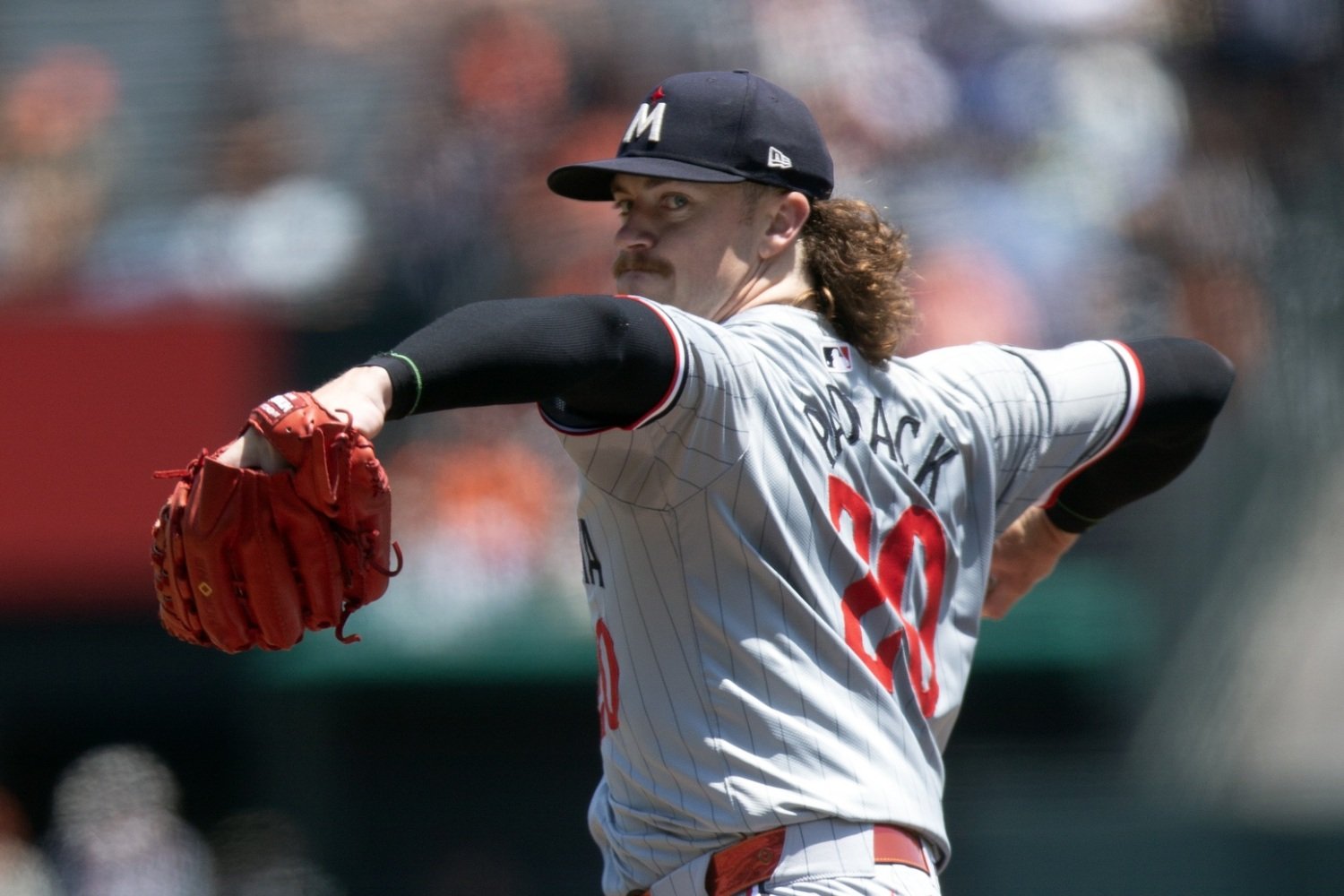 It’s hard to imagine a world where the Twins stand pat with their roster after signing Harrison Bader on Wednesday, as they’re nearing $20 million over what ownership’s preferred payroll seemed to be. Even if they have a bit more than we previously believed in terms of flexibility, they need to trim somewhere. Meanwhile, the Miami Marlins have a minuscule payroll, and may want to add to their rotation. Is there a fit? Before things fell through, the Twins reportedly talked with the Padres to shed some salary by moving Christian Vázquez’s contract. After making several additions to the major-league roster recently, they may have to revisit their options to shed salary. The Vázquez ship has likely sailed, and now it may be time to look at options with Chris Paddack. Paddack had a disappointing season in 2024, his first full one after his second Tommy John surgery. Still, the going rate for a back-end starting pitcher in this landscape is much higher than the $7.25 million he’s owed. A bounce-back season could also be in the cards; we often see such things two years out from Tommy John. The Twins' rotation depth may make Paddack the easiest option to save some money on, and one team could be a fit. The Miami Marlins could be looking to add to their rotation. With a pitching staff decimated by injuries in recent seasons, they may simply be looking to add innings to make it through the season. In a marketplace where Alex Cobb and Matthew Boyd each get roughly $15 million per year, though, simply going out and signing a free agent may be more of an expense than the Marlins would like, considering they plan to finish in last place. They may, instead, turn to the trade market. In Paddack, the Marlins can get a rotation candidate to eat at least a few innings. He's shown substantial upside at times in his career, when healthy. Not only could he be acquired cheaply, but they would also have the ability to trade him at the deadline if he returns to form. The Fish would welcome a modest addition to their payroll, considering the MLB Players Association has begun to complain about the payrolls of teams like the Oakland A’s in years past. The Marlins currently project a payroll of just over $43 million, according to Spotrac, and are also already on the union's radar as potential violators of rules about how teams must use proceeds from competitive-balance tax payouts and revenue-sharing receipts. Will dumping Paddack’s salary make the Twins a better team? Not unless you expect arms like David Festa or Zebby Matthews to be better rotation fillers than Paddack. Unfortunately, it’s possible that the additions of Danny Coulombe and Harrison Bader always relied on the Twins' shedding salary. It’s a good bet to say a money-saving tactic is on the horizon. It's also perfectly plausible that both Festa and Matthews will be better than Paddack in 2025, even if that says as much about Paddack as about the young hurlers. Could the Twins and Marlins link again on a low-wattage, salary-dumping trade? Should the Twins even be prioritizing such a move? Let us know below!
- 38 comments
-
- 4
-
-
- chris paddack
- christian vazquez
- (and 2 more)
-
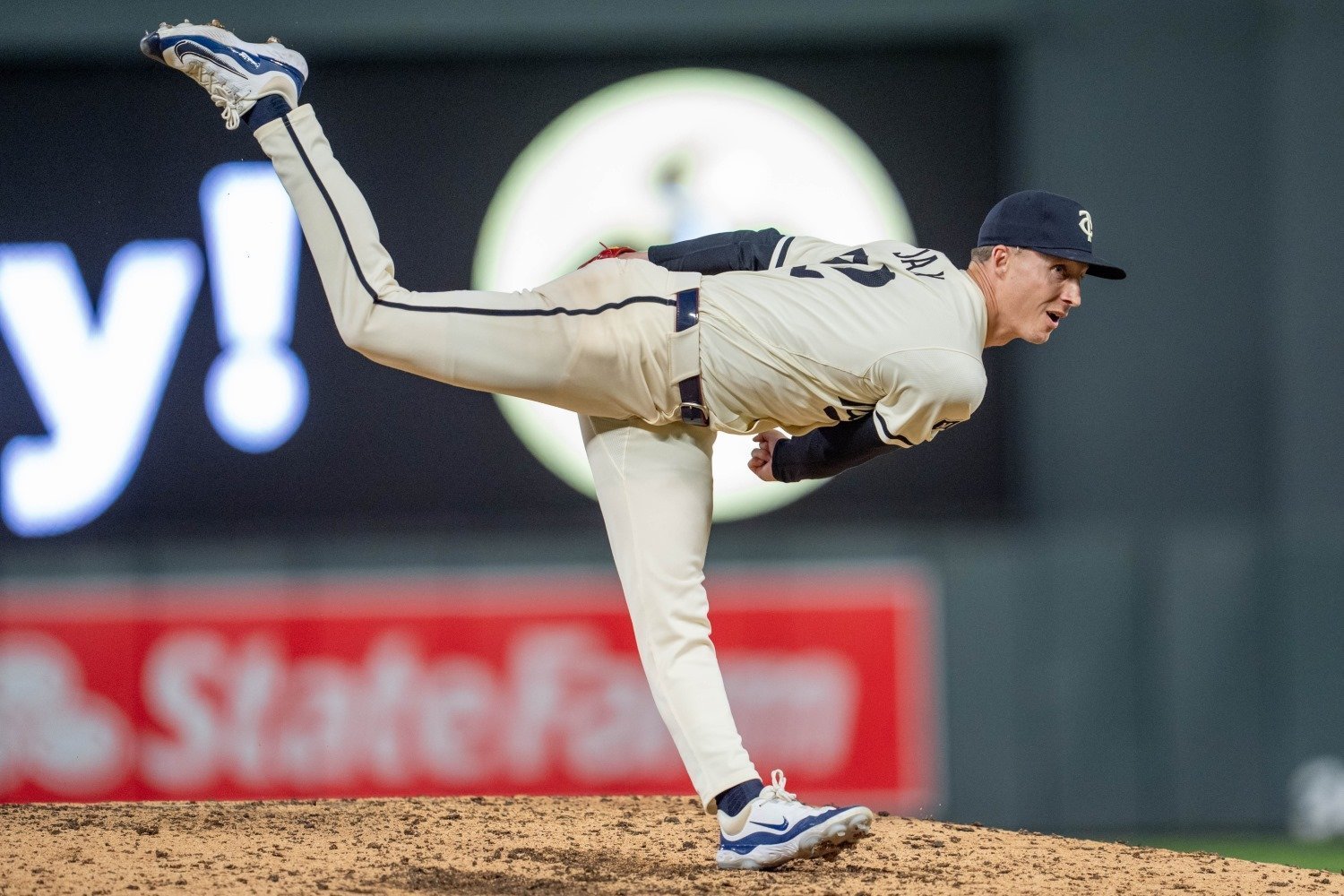 All three of the other competitors have made impact additions to their bullpens in the last few days after each finishing above the Twins in the 2024 standings. The Twins rarely add relief pitching and certainly weren’t expected to do so this winter with a limited payroll. As the former basement dwellers of the AL Central improve their bullpens, are the Twins justified in standing pat? The Royals and Tigers have built up to the point the Twins have been at for years now as hopeful division contenders. Unlike the Twins, both teams have taken some swings at free against over the last year or so and have begun adding to their bullpens after strong finishes to 2024. The Guardians have made a rare investment in their bullpen as well. It’s easy to feel like the Twins are being passed by, but there’s a case to be made that the bullpen isn’t the place for these AL Central teams to invest. The American League Central has long been among the lowest-spending divisions in baseball, and that hasn’t changed in recent years. For as much as Twins fans bemoan their limited spending, Minnesota leads the division in payroll. All five teams want to spend as little as possible while being competitive. This reality compels all of the front offices to prioritize where they want to spend strictly. The Twins have made their beliefs about the bullpen well known, while it looks like some of their competitors have a different mindset. The Twins may be taking it to the extreme, but it’s easy to argue that bullpen investments are some of the riskiest in baseball. Elite relievers collapse all the time for seemingly no reason, and impact arms always emerge out of nowhere. The Twins have seen plenty of this from Addison Reed and Jorge Lopez bottoming out immediately upon their acquisition. They also have success stories like those of Griffin Jax and Brock Stewart. Acquisitions are always fun and exciting, and Cleveland, Detroit, and Kansas City fans should be pleased with their signings of Paul Sewald, Tommy Kahnle, and Carlos Estévez, respectively. Each can be an impact addition, and the difference between a playoff berth and watching the playoffs on television come October. There’s also a scenario where any of them significantly disappoint for different reasons, mainly because of the position they play. The argument could be made that that money could have been better spent elsewhere for teams that still have a lot of variance and somewhat limited payroll. Signing relievers is not inherently bad, and an addition to the Twins bullpen would most certainly be welcome. The rest of the competitors are doing things right after making the playoffs last season. That said, the Twins still project to have one of the best bullpens in all of baseball for 2025, with Jhoan Duran as their highest-paid arm at just over $4m. In a perfect world, the Twins have the payroll space to make bullpen additions without concern. Unfortunately, we don’t live in that world, and it’s easy to argue that the front office having the bullpen at the bottom rung of the spending ladder is the right move. Certainly, nobody is expected to look at division rivals spending on bullpen help and think, “What a foolish move to spend money on relievers,” but it is worth considering whether the Twins are justified in the lack of doing the same given the foundation they already have, their payroll restraints, and the volatility of the position. Should the Twins be trying to keep up with the bullpen spending of teams like the Royals and Tigers? Is their philosophy on relief arms justified? Let us know below!
 -
The Twins have added very little to their bullpen again this winter and, in the last week, have watched division rivals make some potential impact additions to their relief corps. Are the Twins treating the bullpen the right way? Image courtesy of Matt Blewett-Imagn Images All three of the other competitors have made impact additions to their bullpens in the last few days after each finishing above the Twins in the 2024 standings. The Twins rarely add relief pitching and certainly weren’t expected to do so this winter with a limited payroll. As the former basement dwellers of the AL Central improve their bullpens, are the Twins justified in standing pat? The Royals and Tigers have built up to the point the Twins have been at for years now as hopeful division contenders. Unlike the Twins, both teams have taken some swings at free against over the last year or so and have begun adding to their bullpens after strong finishes to 2024. The Guardians have made a rare investment in their bullpen as well. It’s easy to feel like the Twins are being passed by, but there’s a case to be made that the bullpen isn’t the place for these AL Central teams to invest. The American League Central has long been among the lowest-spending divisions in baseball, and that hasn’t changed in recent years. For as much as Twins fans bemoan their limited spending, Minnesota leads the division in payroll. All five teams want to spend as little as possible while being competitive. This reality compels all of the front offices to prioritize where they want to spend strictly. The Twins have made their beliefs about the bullpen well known, while it looks like some of their competitors have a different mindset. The Twins may be taking it to the extreme, but it’s easy to argue that bullpen investments are some of the riskiest in baseball. Elite relievers collapse all the time for seemingly no reason, and impact arms always emerge out of nowhere. The Twins have seen plenty of this from Addison Reed and Jorge Lopez bottoming out immediately upon their acquisition. They also have success stories like those of Griffin Jax and Brock Stewart. Acquisitions are always fun and exciting, and Cleveland, Detroit, and Kansas City fans should be pleased with their signings of Paul Sewald, Tommy Kahnle, and Carlos Estévez, respectively. Each can be an impact addition, and the difference between a playoff berth and watching the playoffs on television come October. There’s also a scenario where any of them significantly disappoint for different reasons, mainly because of the position they play. The argument could be made that that money could have been better spent elsewhere for teams that still have a lot of variance and somewhat limited payroll. Signing relievers is not inherently bad, and an addition to the Twins bullpen would most certainly be welcome. The rest of the competitors are doing things right after making the playoffs last season. That said, the Twins still project to have one of the best bullpens in all of baseball for 2025, with Jhoan Duran as their highest-paid arm at just over $4m. In a perfect world, the Twins have the payroll space to make bullpen additions without concern. Unfortunately, we don’t live in that world, and it’s easy to argue that the front office having the bullpen at the bottom rung of the spending ladder is the right move. Certainly, nobody is expected to look at division rivals spending on bullpen help and think, “What a foolish move to spend money on relievers,” but it is worth considering whether the Twins are justified in the lack of doing the same given the foundation they already have, their payroll restraints, and the volatility of the position. Should the Twins be trying to keep up with the bullpen spending of teams like the Royals and Tigers? Is their philosophy on relief arms justified? Let us know below! View full article
-
After a quiet offseason, the Twins have been linked to a high-end starting pitcher in trade talks with the Padres. While such an addition would always be welcome, it’s worth questioning whether this is how the team should potentially spend resources. Image courtesy of © Bruce Kluckhohn-Imagn Images On Thursday night, Dan Hayes of The Athletic reported that not only were the Twins in talks with the Padres about Christian Vázquez but that they also had an interest in Dylan Cease, who was acquired by San Diego last spring and has one year of team control remaining. The news injected life into a dormant fanbase who watched their team collapse down the stretch in 2024 and hasn’t had a single rumor to get excited about to this point in the offseason. After pondering the logistics of such a deal, one could conclude that while exciting, making a significant splash in the rotation doesn’t seem like the move for the current Twins roster. The Twins rotation isn’t technically set currently, but it doesn’t lack reasonable options. Pablo Lopez, Joe Ryan, and Bailey Ober form a formidable trio at the top, with a mix of Simeon Woods Richardson, David Festa, and Chris Paddack likely in contention for the final two spots. St. Paul isn’t lacking in depth for the stretch run of 2025 either, as several top prospects await opportunity, including Marco Raya, Andrew Morris, and Zebby Matthews, who debuted at the end of 2024. Starting pitching may be the strength of this roster, and while you can never have enough of it, the Twins are set up as well as they have been in years. Meanwhile, the rest of the Twins roster is riddled with question marks. The bullpen fell apart in 2024, and plenty of the concerns we saw during that period remain, with no additions expected to be made. The lineup lost Carlos Santana who turned out to be one of their best hitters, and was painfully unproductive for the last month and a half of last season. Several holes remain on the positional depth chart, including first base and a right-handed hitter to at least platoon with Larnach and Wallner in the outfield. Many young players, such as Edouard Julien and Royce Lewis, lost some shine as their struggles ran parallel to those of the entire roster in the last month and a half of the season. It seems like a lot could go wrong on the position player side and sink the team’s chances in 2025, and it’s hard to envision all those holes being covered by adding a starting pitcher. The Twins only have so many bullets to use this offseason, and many likely come in the form of prospect capital given the payroll limitations. While it’s easy to argue that dangling prospects in trade to supplement the MLB roster would be wise, it would still have to be for the right deal. An addition of a pitcher, even one of Cease's pedigree, could be seen as odd, given what the rest of the roster looks like. The cost of doing business would surely be astronomical. Investing in the rotation would make a difference, but investing in an impact position player would significantly impact the team’s chances. Perhaps a deal exists where it makes perfect sense for the Twins to acquire a high-end starting pitcher like Dylan Cease, and it’s certainly understandable for the Twins to at least check-in. That being said, it’s hard to argue that such a deal should be a priority after watching how last season ended and what the current roster looks like. Should the Twins be looking to make significant additions to the rotation? Should they be spending their minimal capital elsewhere? Let us know below! View full article
-
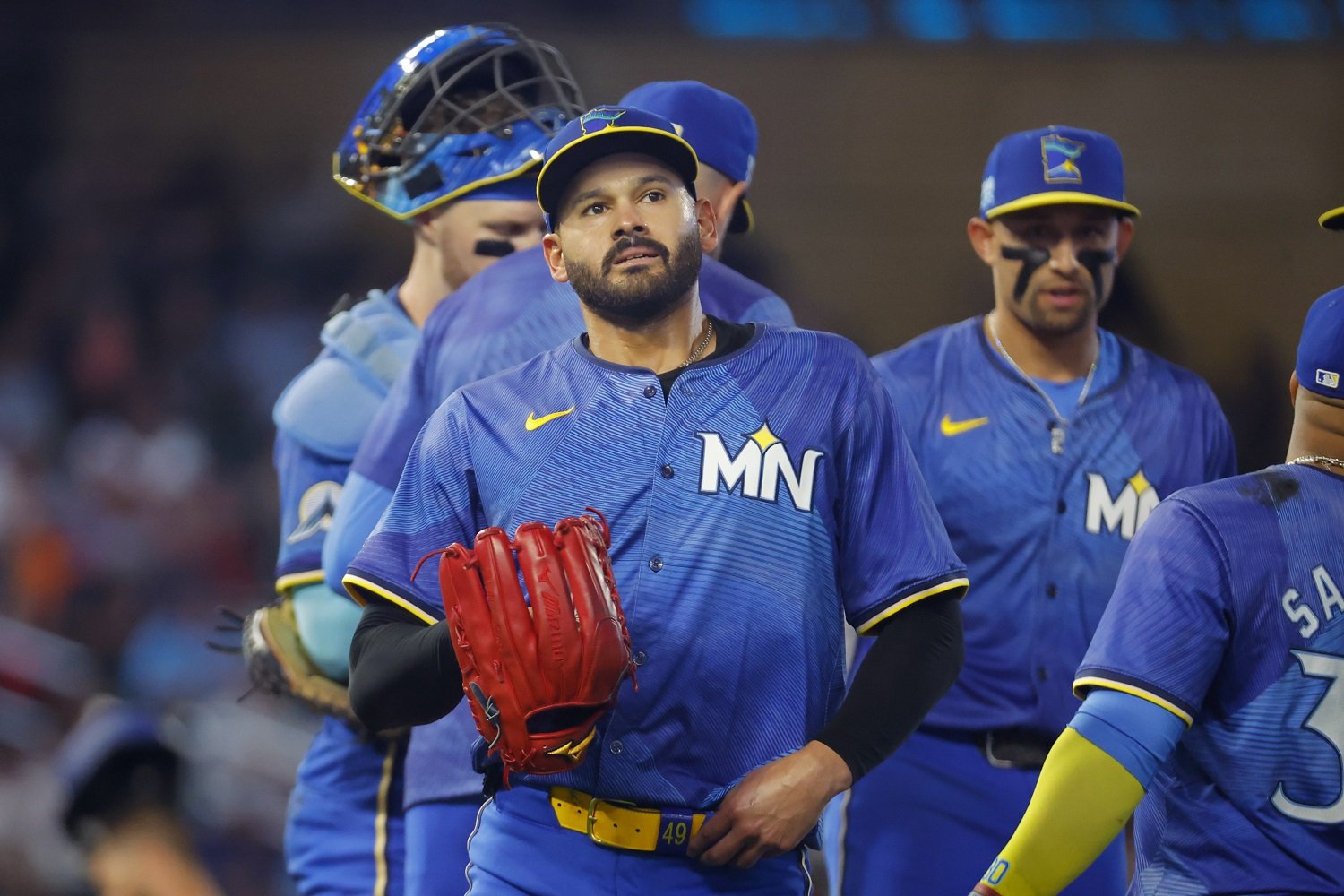 On Thursday night, Dan Hayes of The Athletic reported that not only were the Twins in talks with the Padres about Christian Vázquez but that they also had an interest in Dylan Cease, who was acquired by San Diego last spring and has one year of team control remaining. The news injected life into a dormant fanbase who watched their team collapse down the stretch in 2024 and hasn’t had a single rumor to get excited about to this point in the offseason. After pondering the logistics of such a deal, one could conclude that while exciting, making a significant splash in the rotation doesn’t seem like the move for the current Twins roster. The Twins rotation isn’t technically set currently, but it doesn’t lack reasonable options. Pablo Lopez, Joe Ryan, and Bailey Ober form a formidable trio at the top, with a mix of Simeon Woods Richardson, David Festa, and Chris Paddack likely in contention for the final two spots. St. Paul isn’t lacking in depth for the stretch run of 2025 either, as several top prospects await opportunity, including Marco Raya, Andrew Morris, and Zebby Matthews, who debuted at the end of 2024. Starting pitching may be the strength of this roster, and while you can never have enough of it, the Twins are set up as well as they have been in years. Meanwhile, the rest of the Twins roster is riddled with question marks. The bullpen fell apart in 2024, and plenty of the concerns we saw during that period remain, with no additions expected to be made. The lineup lost Carlos Santana who turned out to be one of their best hitters, and was painfully unproductive for the last month and a half of last season. Several holes remain on the positional depth chart, including first base and a right-handed hitter to at least platoon with Larnach and Wallner in the outfield. Many young players, such as Edouard Julien and Royce Lewis, lost some shine as their struggles ran parallel to those of the entire roster in the last month and a half of the season. It seems like a lot could go wrong on the position player side and sink the team’s chances in 2025, and it’s hard to envision all those holes being covered by adding a starting pitcher. The Twins only have so many bullets to use this offseason, and many likely come in the form of prospect capital given the payroll limitations. While it’s easy to argue that dangling prospects in trade to supplement the MLB roster would be wise, it would still have to be for the right deal. An addition of a pitcher, even one of Cease's pedigree, could be seen as odd, given what the rest of the roster looks like. The cost of doing business would surely be astronomical. Investing in the rotation would make a difference, but investing in an impact position player would significantly impact the team’s chances. Perhaps a deal exists where it makes perfect sense for the Twins to acquire a high-end starting pitcher like Dylan Cease, and it’s certainly understandable for the Twins to at least check-in. That being said, it’s hard to argue that such a deal should be a priority after watching how last season ended and what the current roster looks like. Should the Twins be looking to make significant additions to the rotation? Should they be spending their minimal capital elsewhere? Let us know below!
- 107 comments
-
- 3
-
-
- joe ryan
- pablo lopez
- (and 1 more)
-
Certainly fair! I'll admit to being more focused on the bat as that's the skill that made him a top prospect. He's a solid all around catcher by all accounts. There isn't much question that he'd be able to catch in the Major Leagues, but he lacks any particular skills that would stand out if not for his offense.
- 37 replies
-
- 3
-
-
- jair camargo
- ryan jeffers
- (and 1 more)
-
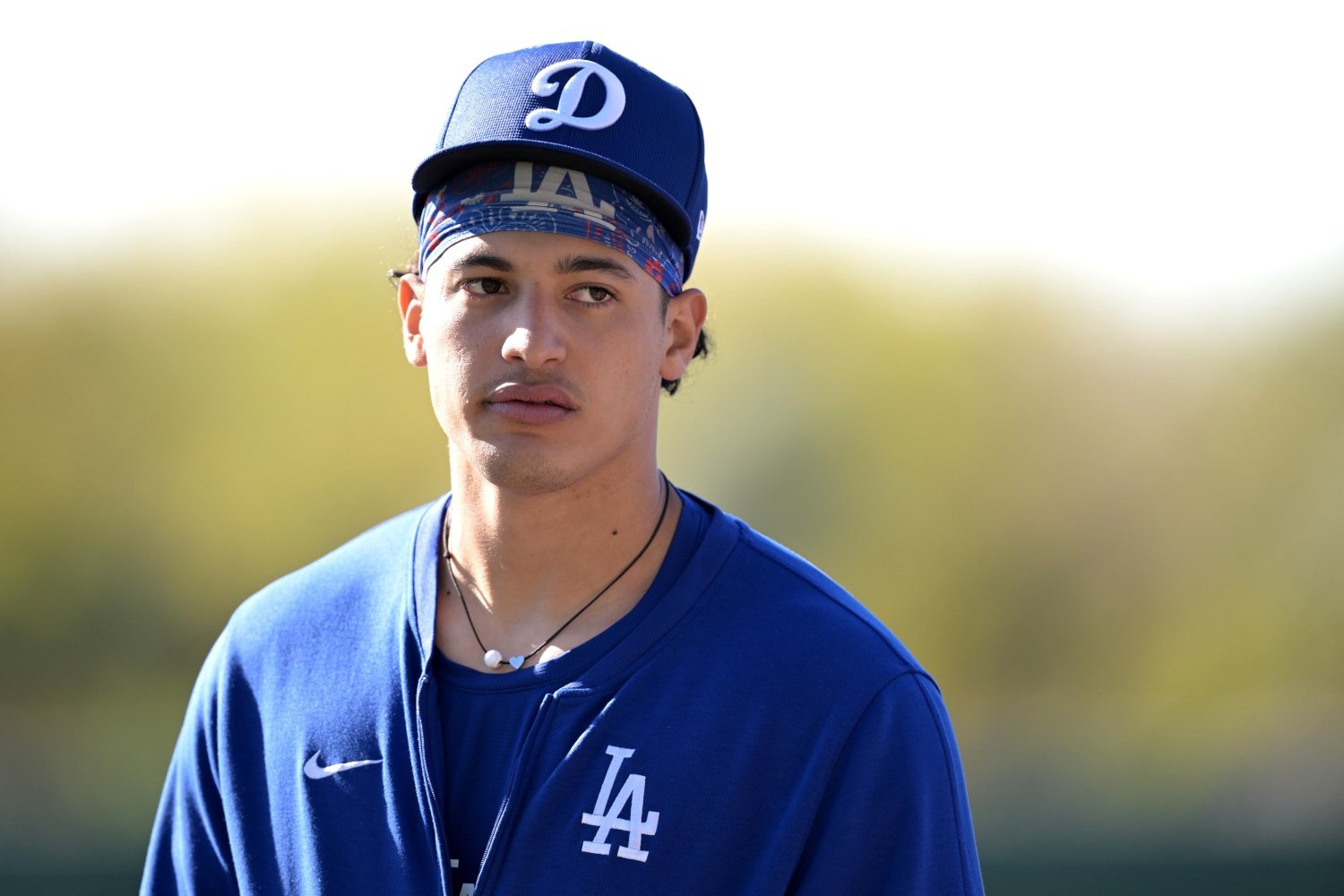 The Dodgers signed infielder Hyeseong Kim on Friday. To make room on their 40-man roster, they designated former top catching prospect Diego Cartaya for assignment, after a few rough seasons. Still just 22 years old, Cartaya will undoubtedly get a shot with another organization. With plenty of question marks at the catcher position, should the Twins be the ones to give him a chance? As recently as 2023, Cartaya ranked atop the Dodgers' prospects list and was in the upper portion of the global top 100 prospects. His 2024 season could be considered a bounce-back season, which speaks to how poor his 2023 season was, considering he slashed .221/.323/.363 between Double-A and Triple-A even in 2024. So why would a competing team like the Twins consider taking a flier? Cartaya’s former status as a top prospect was well-earned. In 2022, he slashed .254/.389/.503 with 22 homers, to build on an already-impressive résumé. His slash line was 39% better than the league average in that season, made all the more impressive because he did it at catcher, where any offensive contribution is a bonus. Cartaya simply hasn’t hit the last two seasons. Perhaps the duties of an everyday catcher became too much to maintain his offense as he rose through the minor leagues. It’s possible the book got out on him, and opposing pitchers found his weaknesses. Despite his poor performance, though, seeing the Dodgers cut bait on a 22-year-old former top prospect at a premium position was shocking. The decision was made easier for Los Angeles by being replaced at the top of the prospect rankings by fellow catcher Dalton Rushing. Even so, only for the league's most talent-laden team would Cartaya have been considered DFA fodder. Now, 29 other teams have a chance to let Cartaya reestablish himself. The Twins have plenty of catching depth at the moment, between Ryan Jeffers, Christian Vázquez, and Jair Camargo. However, it’s probably safe to say that group isn’t strong enough to keep the team from bringing in competition. With payroll restrictions in place, a salary dump of Vázquez is also a possibility this winter. Cartaya’s profile is not entirely dissimilar to Camargo’s, which is another question mark about acquiring him. Both are at risk of striking out too much, but carry enough pop in their bats to make them stand out offensively. It’s worth noting that despite the poor offensive performance from the two MLB catchers in 2024, Camargo got minimal opportunities—despite being on the 40 man roster. It’s possible the Twins saw Camargo as more of an emergency backup, in which case they would certainly be open to making an addition. Cartaya also has an option remaining, making the stakes much lower. If the Twins feel Cartaya would benefit from working with the hitting coaches in their organization, they could put it to the test in St. Paul, rather than guaranteeing him an Opening Day roster spot. If Vázquez is dealt away for salary relief, perhaps the Twins would trust Camargo more as the backup catcher in MLB, while they try to help Cartaya to a rebound season in Triple-A. Acquiring Cartaya would be such a low-risk, high-reward move that it makes too much sense for the Twins not to at least put in a waiver claim. In all likelihood, several teams ahead of them on the waiver priority will be thinking the same way, making a trade the likeliest scenario if they did acquire him. Even in that case, the cost would likely be a low-level prospect, making the possibility very real if the Twins decide to give Cartaya a shot. Should the Twins make a low-risk, high-reward bet on a former top-prospect catcher? If so, should they go the extra mile and try to trade for him, rather than leave it up to the waiver priority? Let us know below!
- 37 comments
-
- 4
-
-
- jair camargo
- ryan jeffers
- (and 1 more)
-
The Dodgers cut a former top prospect catcher last week. With the Twins potentially parting ways with a catcher at some point this offseason, should they take a flier? Image courtesy of © Jayne Kamin-Oncea-Imagn Images The Dodgers signed infielder Hyeseong Kim on Friday. To make room on their 40-man roster, they designated former top catching prospect Diego Cartaya for assignment, after a few rough seasons. Still just 22 years old, Cartaya will undoubtedly get a shot with another organization. With plenty of question marks at the catcher position, should the Twins be the ones to give him a chance? As recently as 2023, Cartaya ranked atop the Dodgers' prospects list and was in the upper portion of the global top 100 prospects. His 2024 season could be considered a bounce-back season, which speaks to how poor his 2023 season was, considering he slashed .221/.323/.363 between Double-A and Triple-A even in 2024. So why would a competing team like the Twins consider taking a flier? Cartaya’s former status as a top prospect was well-earned. In 2022, he slashed .254/.389/.503 with 22 homers, to build on an already-impressive résumé. His slash line was 39% better than the league average in that season, made all the more impressive because he did it at catcher, where any offensive contribution is a bonus. Cartaya simply hasn’t hit the last two seasons. Perhaps the duties of an everyday catcher became too much to maintain his offense as he rose through the minor leagues. It’s possible the book got out on him, and opposing pitchers found his weaknesses. Despite his poor performance, though, seeing the Dodgers cut bait on a 22-year-old former top prospect at a premium position was shocking. The decision was made easier for Los Angeles by being replaced at the top of the prospect rankings by fellow catcher Dalton Rushing. Even so, only for the league's most talent-laden team would Cartaya have been considered DFA fodder. Now, 29 other teams have a chance to let Cartaya reestablish himself. The Twins have plenty of catching depth at the moment, between Ryan Jeffers, Christian Vázquez, and Jair Camargo. However, it’s probably safe to say that group isn’t strong enough to keep the team from bringing in competition. With payroll restrictions in place, a salary dump of Vázquez is also a possibility this winter. Cartaya’s profile is not entirely dissimilar to Camargo’s, which is another question mark about acquiring him. Both are at risk of striking out too much, but carry enough pop in their bats to make them stand out offensively. It’s worth noting that despite the poor offensive performance from the two MLB catchers in 2024, Camargo got minimal opportunities—despite being on the 40 man roster. It’s possible the Twins saw Camargo as more of an emergency backup, in which case they would certainly be open to making an addition. Cartaya also has an option remaining, making the stakes much lower. If the Twins feel Cartaya would benefit from working with the hitting coaches in their organization, they could put it to the test in St. Paul, rather than guaranteeing him an Opening Day roster spot. If Vázquez is dealt away for salary relief, perhaps the Twins would trust Camargo more as the backup catcher in MLB, while they try to help Cartaya to a rebound season in Triple-A. Acquiring Cartaya would be such a low-risk, high-reward move that it makes too much sense for the Twins not to at least put in a waiver claim. In all likelihood, several teams ahead of them on the waiver priority will be thinking the same way, making a trade the likeliest scenario if they did acquire him. Even in that case, the cost would likely be a low-level prospect, making the possibility very real if the Twins decide to give Cartaya a shot. Should the Twins make a low-risk, high-reward bet on a former top-prospect catcher? If so, should they go the extra mile and try to trade for him, rather than leave it up to the waiver priority? Let us know below! View full article
- 37 replies
-
- 1
-
-
- jair camargo
- ryan jeffers
- (and 1 more)
-
Image courtesy of © David Frerker-Imagn Images, Kirby Lee-Imagn Image, Jerome Miron-Imagn Images The Twins have done very little to address their significant holes in the bullpen. The hope was that they would be able to bring in at least one proven relief arm from the high end of free agency. As we head into the new year, it appears unlikely that they will do so, as options are becoming scarce. It looks like they’re going to wait out the market once again and continue seeing just how little a team can value relief pitchers while still trying to compete. Luckily, the remaining free-agent pool is not without options capable of putting up elite seasons in the bullpen. Evan Phillips Phillips was a legitimate high-end reliever before Tommy John surgery cut his season short in May. At 31 years old, Phillips may not be quite ready to start the season, but he may match up well at the top of the Twins bullpen hierarchy as he looks to prove to the league that he’s healthy and deserving of a bigger deal in 2027. When last healthy in 2024, Phillips was solid, posting a 3.62 ERA in just under 55 innings. However, he was flat-out dominant during the 2022-2023 seasons, striking out around 30% of hitters and posting a sub-2.00 ERA across 124 innings in the Dodgers' bullpen. His velocity had dipped just a touch before injury, which begs the question as to whether he can once again average above 96 mph on the fastball now that the elbow is fixed. Evan Phillips would be a proven name to lead the Twins' bullpen, as he is inarguably better than any of their other options if healthy. His health will be the main question. At this point, we have no reason to believe there are any unforeseen concerns heading into 2026. If he’s willing to take a prove-it deal, Phillips and the Twins would be an excellent match for a mutually beneficial 2026 season. Seranthony Dominguez Though far from consistent in his career, Seranthony Dominguez has the big-time stuff the Twins bullpen is lacking, and 2025 was something of a breakout. The fact that he’s still available says the league may be skeptical. This may lead to a prime opportunity for the Twins to take a gamble. Dominguez had a few dominant seasons with the Phillies at the start of his career, then spent 2025 with the Orioles and later with the World Series runner-up Blue Jays. He posted a 3.16 ERA overall across 62 innings, with the second-best strikeout rate of his career. He developed a devastating splitter, which posted a near-50 % whiff rate, along with a dominant slider to match, as well as his usual high-90s fastball. It’s easy to see how Dominguez could dominate at the back end of games. The primary concern is the control, as his 13.8% walk rate was borderline untenable. It’s worth noting that this was the worst rate of his career, and was really the only red flag in his profile. Perhaps teams are wary of him for this reason, but for a team in need of upside, Dominguez is a terrific fit. The longer he stays available, the more likely their price points will match. Jose Leclerc Falling into a similar bucket to Evan Phillips, Lecerc suffered a lat strain early in the 2025 season, which required surgery. As a result, teams haven’t been quick to sign him despite his career stretches of success and strong raw stuff. For this reason, he’s another potential high-end reliever who could benefit from a one-year prove-it deal at the top of a needy bullpen. Leclerc has a solid 3.34 ERA across 370 innings with an exceptional 30.8% strikeout rate. Walks are the big concern for him, and at times, they have kept him out of the closer role with the Rangers. With a mid to high-90s fastball and a dominant slider, he’s shown the ability to overcome the walks, making him another option to likely slot in at the very top of the Twins’ bullpen depth chart. Teams are unlikely to overpay for Leclerc, given concerns about his control and his significant injury last season. Unlike Phillips, he also lacks a sustained stretch of high-end production at the MLB level. That being said, the Twins can’t be too picky. His stuff is good enough to make him a worthwhile gamble, and if he continues to hang around on the market, the Twins would be wise to check in. It’s easy to get panicked watching the high-end relief options fly off the board, but it’s important to note that there are plenty of legitimately good relievers still on the market. The Twins are still in need of at least two additions to the group, but time remains on their side. Do any of the listed options interest you? Are there any other free agent relievers you feel could be legitimately dominant options for 2026? Let us know below! View full article

