Cody Pirkl
-
Posts
1,314 -
Joined
-
Last visited
-
Days Won
4
Content Type
Profiles
News
Minnesota Twins Videos
2026 Minnesota Twins Top Prospects Ranking
2022 Minnesota Twins Draft Picks
Minnesota Twins Free Agent & Trade Rumors, Notes, & Tidbits
Guides & Resources
2023 Minnesota Twins Draft Picks
The Minnesota Twins Players Project
2024 Minnesota Twins Draft Picks
2025 Minnesota Twins Draft Pick Tracker
2026 Minnesota Twins Draft Tracker: Picks & Bonuses
Forums
Blogs
Events
Store
Downloads
Gallery
Everything posted by Cody Pirkl
-
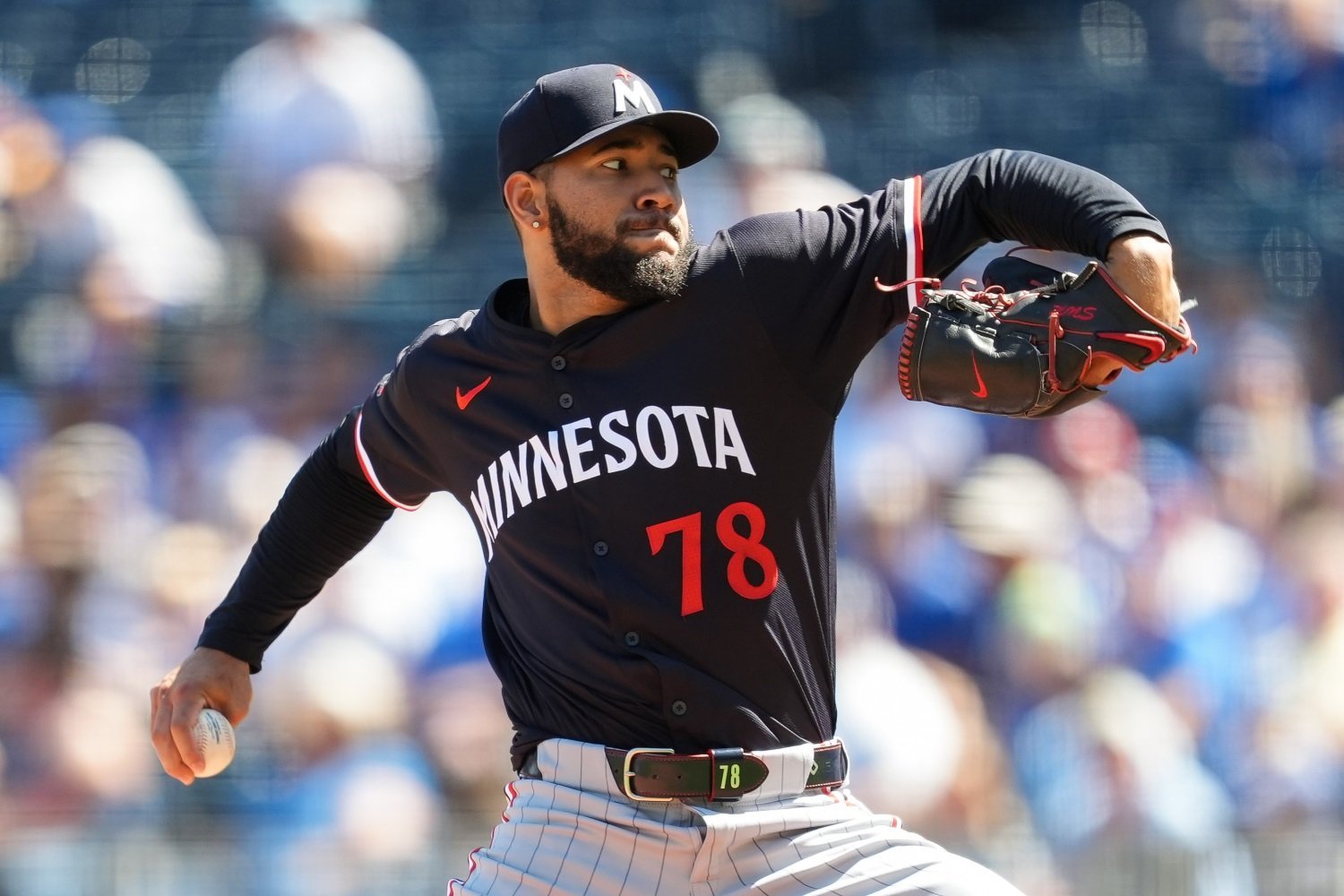 Simeon Woods Richardson’s season has been a massive success, and one of the more unexpected developments on the 2024 Twins. The team asked much more of him than anyone could have expected, resulting in a career-high innings count and noticeably diminished stuff down the stretch. How has Woods Richardson combated the fatigue? We heard some chatter of Woods Richardson having made some mechanical changes and increasing his velocity this spring. The hope was that, even if his days as a starter were numbered following a tremendously disappointing 2023 season, he could play up in a bullpen role. Instead, he took a starting rotation spot from Louie Varland four turns into the season and hasn’t let go. Woods Richardson’s fastball increased from under 91 mph in 2023, to over 93 in 2024. We even saw him run it up into the high 90s at times, in the peak of the summer. Unfortunately, this newfound velo and a heavy workload have led to a decline in stuff on the pitch down the stretch, and Woods Richardson has had to adjust. In August, Woods Richardson's heater reached a season-high of 93.5, but it has lost over a full tick in September, at 92.1. The pitch's effectiveness is reflected in the Stuff+ numbers, as his fastball has dropped from an already below-average 72 to an unplayable 62. An obvious adjustment would be to throw the pitch less often. After all, Woods Richardson has a slider in his repertoire, which has been his best pitch regarding opponent success and whiff rates. It would be fair to expect him to ramp up this usage as his fastball becomes less effective. That’s not what Woods Richardson decided on, though, Woods Richardson threw his slider 34% of the time in July, more than any other month. In August, he dropped the usage to 29.9%, and has held it there so far in September. He instead opted to increase the usage of his curveball, which had been a much less effective pitch in the early going. It seems he was onto something. The curveball has been Woods Richardson’s best pitch for the last two months. The pitch has spiked in whiff rate and has only allowed one hit--a ground-ball single--since Aug. 1. What gives? There are a few possible explanations. First, SWR’s slider may have become less effective as the fastball velocity has dipped. Perhaps with a slower heater, the curveball plays off of it better than the slider, which may be less deceptive as Woods Richardson has slowed down. The physical characteristics of the pitch haven't changed all that much, but starting in August, he has thrown the pitch a bit harder, just as his fastball has started coming in a bit slower. He's also landing it more in the strike zone, and specifically in the middle and upper portions thereof, including to the arm side. Before August, it was a pitch he targeted solely to the glove side, away from righty batters and in toward the back foot of lefties. Normally, it's not a great idea to live in the middle of the zone with your curveball, but when your curve is 15 or more miles per hour slower than the fastball, it can fool hitters and earn a lot of called strikes or hilarious, overcooked whiffs that way. Targeting the arm side of the plate more has also taken the horizontal wiggle out of the pitch, from the hitter's vantage point, making it harder to distinguish it early from the fastball. It's still a pitch with a really steep angle of entry into the hitting zone, coming from the lanky Richardson's fairly high release. Put all that together, and his Stuff+ on the curve has jumped from 100 through the end of August to 125 in September. It’s also worth noting that the spin rates on the curveball have dropped off a bit in recent months. It directly coincides with when the pitch became so dominant. While it’s possible that the spin rates have dropped off as he’s felt less fresh, it’s also possible a new grip or cue was found when throwing the pitch to reduce a bit of spin, and the results have been exciting. The latter option is obviously the one to hope for. For as good as Woods Richardson has been as a rookie, it’s felt like his upside has been capped because of his lack of strikeouts. His fastball had been serviceable, and his slider had been his go-to offspeed pitch. If he’s found another effective tool to add to his repertoire, it’s possible we’re looking at a different Simeon Woods Richardson in 2025. The curve might help him survive another fistful of crucial innings, if the team asks him to work in relief to save the season this weekend or if he's called upon for a playoff start next week. Failing that, though, it gives him one more way to adapt and thrive next year.
 -
 The Twins' inaction at the trade deadline was inexcusable. It’s impossible to ignore that, as we watch a severely understaffed roster find new ways to lose on a daily basis. There will be plenty of raw emotion directed at their fateful decision in July, and rightfully so. Still, it’s important to try to follow the circumstances that led to the decisions they made. We can’t talk about the 2024 trade deadline without acknowledging that it felt much different than previous ones. The expanded playoffs limited the pool of clear sellers, driving up the acquisition prices for even short-term, medium-impact players. The front office echoed this point following the quiet passing of the deadline. We saw several starters and relievers traded for strong returns, and even got word that acquiring a mid-rotation arm like Erick Fedde would have cost the Twins one of their top prospects, perhaps because of an intradivisional trade tax. Some rental relievers were traded for MLB-ready high-end prospects, something we haven't seen happen in a long time. The Twins decided to hold onto their highly regarded farm system, and live or die with what they had--aside from Trevor Richards, that is, who likely wound up being responsible for a loss or two all by himself before being designated for assignment a few weeks after being acquired. Unfortunately, financial restraints are also a consideration. While the exact details will never be public, the Twins certainly had very little space to add salary. There was some suggestion that doing so would have required trading away someone like Max Kepler to offset the cost. While the front office could have gotten creative, they had a tough needle to thread. The Twins' history at the trade deadline is also worth considering in tandem with both points. This front office's history of acquiring players via trade during competitive seasons is flat-out putrid. Sergio Romo is one of the only deadline acquisitions under this regime to come in and increase the team's odds of winning anything. Sam Dyson, Tyler Mahle, and Jorge López are a few examples of players acquired to bolster competitive rosters down the stretch, but who instead imploded spectacularly. After watching this play out so many times before, it’s possible that the Twins preferred to mirror their low-wattage but successful 2023 trade deadline, rather than pay up to make a huge, risky splash. This is where the devil’s advocate act ends, however. The Twins are in a death spiral, and a lack of meaningful additions to the team is directly to blame. Slashing payroll resulted in lower-tier additions this last offseason, and aside from Carlos Santana (who has been a glowing success), the team hasn’t added an external player to the roster who has contributed in a meaningful way in almost two years. Some may praise the front office for their frugalness in keeping all of their prospects this deadline, deeming the prices too expensive. The problem is that every other competitive team in baseball disagreed, because they felt that improving their current roster was priority number one. At a certain point, “too expensive” is simply the market price everyone else is paying. It can be argued that the Twins are set up better for 2025, but there are no guarantees with prospects. The history of baseball is riddled with trades involving exciting prospects who never even make it to the majors. The Royals overhauled their bullpen at the deadline, not only by acquiring Lucas Erceg but by adding Michael Lorenzen to their rotation, deepening their pen through salutary demotion. They then reinforced their outfield in August with waiver claims, paying the remaining salaries of Tommy Pham and Robbie Grossman to add them to their mix and snapping up Yuli Gurriel to replace the injured Vinnie Pasquantino. The Guardians only added Alex Cobb to their rotation, and his injury issues have persisted, but they also bolstered their outfield with Lane Thomas, who was atrocious in August but is hitting .294/.324/.603 for them in September. Those teams got better heading into the late summer, because they committed themselves to doing so. Competitive windows are unpredictable, even when an MLB roster looks so primed for future success with a robust farm system propping them up. Look no further than the Chicago White Sox, across the division, who were supposed to be in the middle of one right now. The Twins' season may look completely different if they had even one more decent reliever. Instead, they’re watching their playoff hopes come crashing down in September for the second time in three years, which would be an embarrassing outcome for a contending team in the era of expanded playoffs. We can’t say this was their last big chance to go on a run, as much of the team will be returning in 2025, but given how this season has unfolded, there are no guarantees. President of baseball operations Derek Falvey is not currently under contract beyond this season, as far as we or anyone else outside the organization knows. One must wonder if the payroll situation may affect his decision about whether to return. Speaking of the payroll, another reduction could be coming this winter, after attendance projections were not even close to being met in 2024. The team cut $30 million this last offseason, even after they received most of the payout they were accustomed to from their deal with Bally Sports. This will almost certainly not be the case in 2025. If the club misses out on the financial boost of making the playoffs, it will only increase ownership's urgency to save money. In addition to that lost revenue, attendance projections will see a sharp decline, as many fans will have likely been lost due to their inability to watch games on television and the overall state of the team. Competitive seasons are precious in baseball. Sometimes, magical things happen, and sometimes, they flame out. A team’s goal should be to improve its odds in this unpredictable game as much as possible. The Twins did not see the need to do so after their first playoff win in two decades, and it’s cost them dearly. The only question is whether the organization realizes to what degree yet.
 -
The Minnesota Twins had some obvious needs heading into the 2024 MLB trade deadline, but they neglected them. As the season circles the drain, it’s time to look back and analyze what the organization may have been thinking. Image courtesy of © Peter Aiken-Imagn Images The Twins' inaction at the trade deadline was inexcusable. It’s impossible to ignore that, as we watch a severely understaffed roster find new ways to lose on a daily basis. There will be plenty of raw emotion directed at their fateful decision in July, and rightfully so. Still, it’s important to try to follow the circumstances that led to the decisions they made. We can’t talk about the 2024 trade deadline without acknowledging that it felt much different than previous ones. The expanded playoffs limited the pool of clear sellers, driving up the acquisition prices for even short-term, medium-impact players. The front office echoed this point following the quiet passing of the deadline. We saw several starters and relievers traded for strong returns, and even got word that acquiring a mid-rotation arm like Erick Fedde would have cost the Twins one of their top prospects, perhaps because of an intradivisional trade tax. Some rental relievers were traded for MLB-ready high-end prospects, something we haven't seen happen in a long time. The Twins decided to hold onto their highly regarded farm system, and live or die with what they had--aside from Trevor Richards, that is, who likely wound up being responsible for a loss or two all by himself before being designated for assignment a few weeks after being acquired. Unfortunately, financial restraints are also a consideration. While the exact details will never be public, the Twins certainly had very little space to add salary. There was some suggestion that doing so would have required trading away someone like Max Kepler to offset the cost. While the front office could have gotten creative, they had a tough needle to thread. The Twins' history at the trade deadline is also worth considering in tandem with both points. This front office's history of acquiring players via trade during competitive seasons is flat-out putrid. Sergio Romo is one of the only deadline acquisitions under this regime to come in and increase the team's odds of winning anything. Sam Dyson, Tyler Mahle, and Jorge López are a few examples of players acquired to bolster competitive rosters down the stretch, but who instead imploded spectacularly. After watching this play out so many times before, it’s possible that the Twins preferred to mirror their low-wattage but successful 2023 trade deadline, rather than pay up to make a huge, risky splash. This is where the devil’s advocate act ends, however. The Twins are in a death spiral, and a lack of meaningful additions to the team is directly to blame. Slashing payroll resulted in lower-tier additions this last offseason, and aside from Carlos Santana (who has been a glowing success), the team hasn’t added an external player to the roster who has contributed in a meaningful way in almost two years. Some may praise the front office for their frugalness in keeping all of their prospects this deadline, deeming the prices too expensive. The problem is that every other competitive team in baseball disagreed, because they felt that improving their current roster was priority number one. At a certain point, “too expensive” is simply the market price everyone else is paying. It can be argued that the Twins are set up better for 2025, but there are no guarantees with prospects. The history of baseball is riddled with trades involving exciting prospects who never even make it to the majors. The Royals overhauled their bullpen at the deadline, not only by acquiring Lucas Erceg but by adding Michael Lorenzen to their rotation, deepening their pen through salutary demotion. They then reinforced their outfield in August with waiver claims, paying the remaining salaries of Tommy Pham and Robbie Grossman to add them to their mix and snapping up Yuli Gurriel to replace the injured Vinnie Pasquantino. The Guardians only added Alex Cobb to their rotation, and his injury issues have persisted, but they also bolstered their outfield with Lane Thomas, who was atrocious in August but is hitting .294/.324/.603 for them in September. Those teams got better heading into the late summer, because they committed themselves to doing so. Competitive windows are unpredictable, even when an MLB roster looks so primed for future success with a robust farm system propping them up. Look no further than the Chicago White Sox, across the division, who were supposed to be in the middle of one right now. The Twins' season may look completely different if they had even one more decent reliever. Instead, they’re watching their playoff hopes come crashing down in September for the second time in three years, which would be an embarrassing outcome for a contending team in the era of expanded playoffs. We can’t say this was their last big chance to go on a run, as much of the team will be returning in 2025, but given how this season has unfolded, there are no guarantees. President of baseball operations Derek Falvey is not currently under contract beyond this season, as far as we or anyone else outside the organization knows. One must wonder if the payroll situation may affect his decision about whether to return. Speaking of the payroll, another reduction could be coming this winter, after attendance projections were not even close to being met in 2024. The team cut $30 million this last offseason, even after they received most of the payout they were accustomed to from their deal with Bally Sports. This will almost certainly not be the case in 2025. If the club misses out on the financial boost of making the playoffs, it will only increase ownership's urgency to save money. In addition to that lost revenue, attendance projections will see a sharp decline, as many fans will have likely been lost due to their inability to watch games on television and the overall state of the team. Competitive seasons are precious in baseball. Sometimes, magical things happen, and sometimes, they flame out. A team’s goal should be to improve its odds in this unpredictable game as much as possible. The Twins did not see the need to do so after their first playoff win in two decades, and it’s cost them dearly. The only question is whether the organization realizes to what degree yet. View full article
-
Twins' Local Kid Making Good for Second Playoff Season in a Row
Cody Pirkl posted an article in Twins
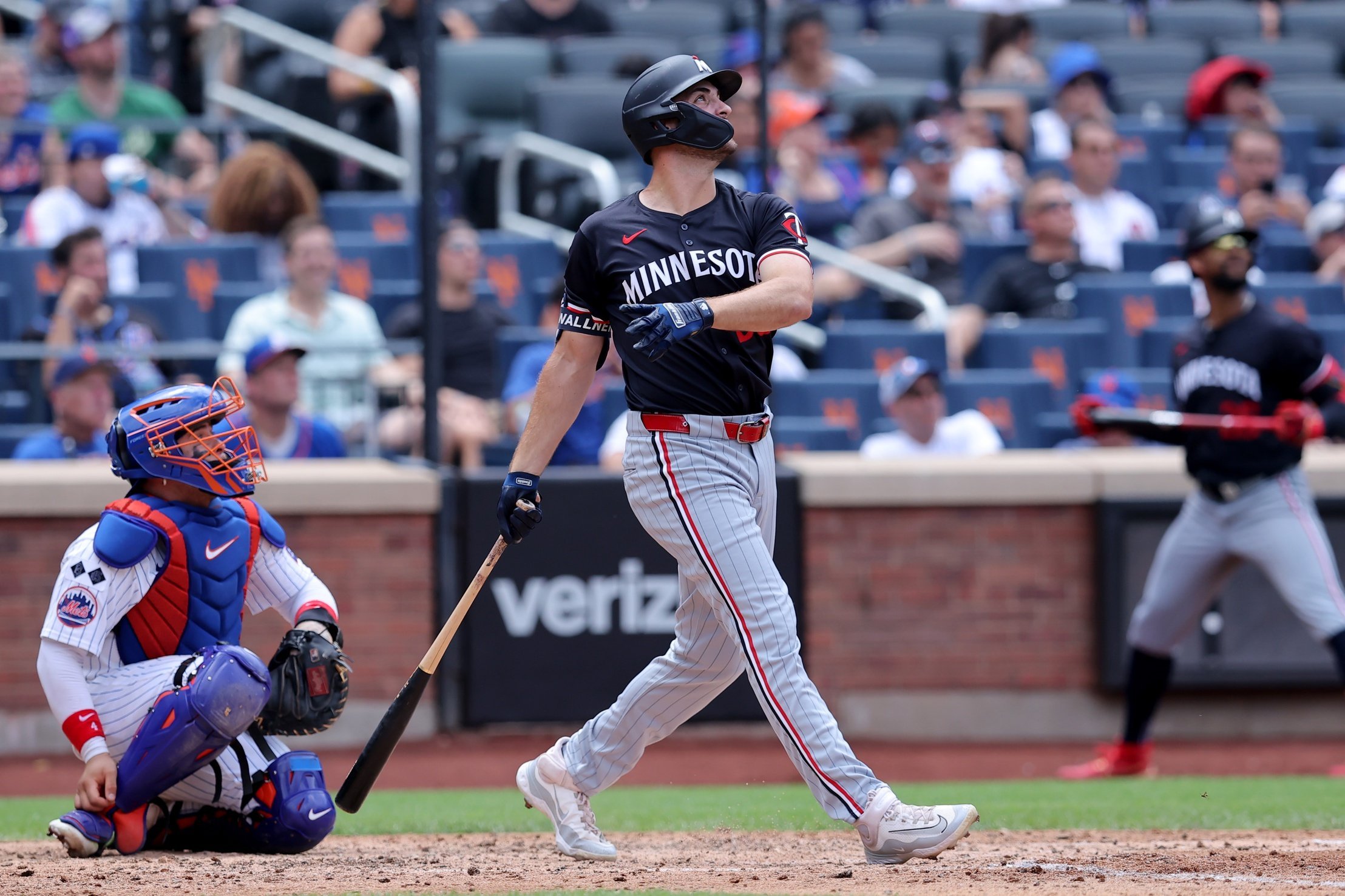 The one crippling hole in Matt Wallner’s game reared its head early in the season, when he posted a 51.5% strikeout rate across 33 plate appearances. Wallner spemt much of the first half in the minors, but he came back just before the All-Star break and has been white-hot ever since. While 2023 was worth plenty of praise, he’s been even better in 2024. Still, it doesn’t feel like he gets enough appreciation. Matt Wallner is approaching an entire season’s worth of plate appearances, spread over three years. After his 2022 debut, in which he posted a .709 OPS in a minimal sample, he emerged as part of the Twins' future in 2023 by posting an .877 OPS. Despite a horrid start to 2024, Wallner carries a .948 OPS so far. We’re left with a slash line of .251/.367/.518 across 158 games and 539 plate appearances. According to Weighted Runs Created Plus, that’s elite offensive output, 48% better than the average hitter over that period. The context of Wallner’s performance, particularly the last two seasons, is also essential. The Twins had a very unimpressive first half of the 2023 season, and Wallner played a massive part in turning the offense around. In 2024, he’s been one of the few bright spots in a lineup missing Byron Buxton and Carlos Correa for much of the second half, while several other expected contributors have struggled. It’s interesting to wonder where the Twins would be in either of the last two years, without Wallner. Defensively, Wallner has been perfectly fine in the corner outfield. He ranks below average in Outs Above Average, which measures the ground he can cover, but his 99th-percentile arm more than makes up the difference. His defense will never be his calling card, but it is still vital. Next season, with Kepler set to hit free agency, the Twins should have an adequate full-time replacement. What Wallner lacks in defensive metrics, he should more than make up for between his throwing arm and his bat. The Twins are preparing to slot Wallner right in to replace Kepler in 2025. Not only has Wallner been the one to slide over to right field in Kepler’s absence, but he’s also taken Kepler’s role as the left-handed hitter in the lineup to play every day, regardless of matchup. While he hasn’t fared particularly well against southpaws so far, it’s encouraging that the Twins appear to be preparing him for a full-time role in 2025. Wallner remains far from a perfect player. His strikeout rate still sits above 35%, but his performance is partially anchored to the start of the season. It’s unlikely that we ever see Wallner significantly cut down the strikeouts like we saw with Trevor Larnach this year, but we’re approaching the point where we have to accept that he’s capable of making it work anyway. He may not be the guy you want up to move a runner over, but his swing-and-miss, high-powered profile is much more of a complement to the current Twins lineup. Without multiple players like Miguel Sanó or Joey Gallo in the fold, the Twins can afford to have someone with Wallner’s profile playing every day. The perception of Wallner has probably skewed toward him being underrated. Strikeouts are frustrating, and Wallner is one of the few hitters left in the Twins lineup who commit the mortal sin of striking out over 30% of the time. Last offseason, some accused Wallner of having a fluky second half that was sure to come crashing down due to his strikeout issues. They were proven right early on in 2024, and for some, that handful of early plate appearances may still carry weight in their mind. Matt Wallner’s numbers in his career are elite. After helping save the Twins offense in 2023, he’s done it again in 2024. For those who detest strikeouts to the point that nothing else a hitter does matters, Wallner will continue to be doubted. For those watching the impact he makes in the lineup every day, they know they’re watching a star offensive player.
- 16 comments
-
- 3
-

-
- matt wallner
- max kepler
- (and 1 more)
-
It seems like a lifetime ago that Matt Wallner struggled to start the year and was demoted to St. Paul. He’s emerged to help save the Twins season, for a second year in a row. Image courtesy of Brad Penner-USA TODAY Sports The one crippling hole in Matt Wallner’s game reared its head early in the season, when he posted a 51.5% strikeout rate across 33 plate appearances. Wallner spemt much of the first half in the minors, but he came back just before the All-Star break and has been white-hot ever since. While 2023 was worth plenty of praise, he’s been even better in 2024. Still, it doesn’t feel like he gets enough appreciation. Matt Wallner is approaching an entire season’s worth of plate appearances, spread over three years. After his 2022 debut, in which he posted a .709 OPS in a minimal sample, he emerged as part of the Twins' future in 2023 by posting an .877 OPS. Despite a horrid start to 2024, Wallner carries a .948 OPS so far. We’re left with a slash line of .251/.367/.518 across 158 games and 539 plate appearances. According to Weighted Runs Created Plus, that’s elite offensive output, 48% better than the average hitter over that period. The context of Wallner’s performance, particularly the last two seasons, is also essential. The Twins had a very unimpressive first half of the 2023 season, and Wallner played a massive part in turning the offense around. In 2024, he’s been one of the few bright spots in a lineup missing Byron Buxton and Carlos Correa for much of the second half, while several other expected contributors have struggled. It’s interesting to wonder where the Twins would be in either of the last two years, without Wallner. Defensively, Wallner has been perfectly fine in the corner outfield. He ranks below average in Outs Above Average, which measures the ground he can cover, but his 99th-percentile arm more than makes up the difference. His defense will never be his calling card, but it is still vital. Next season, with Kepler set to hit free agency, the Twins should have an adequate full-time replacement. What Wallner lacks in defensive metrics, he should more than make up for between his throwing arm and his bat. The Twins are preparing to slot Wallner right in to replace Kepler in 2025. Not only has Wallner been the one to slide over to right field in Kepler’s absence, but he’s also taken Kepler’s role as the left-handed hitter in the lineup to play every day, regardless of matchup. While he hasn’t fared particularly well against southpaws so far, it’s encouraging that the Twins appear to be preparing him for a full-time role in 2025. Wallner remains far from a perfect player. His strikeout rate still sits above 35%, but his performance is partially anchored to the start of the season. It’s unlikely that we ever see Wallner significantly cut down the strikeouts like we saw with Trevor Larnach this year, but we’re approaching the point where we have to accept that he’s capable of making it work anyway. He may not be the guy you want up to move a runner over, but his swing-and-miss, high-powered profile is much more of a complement to the current Twins lineup. Without multiple players like Miguel Sanó or Joey Gallo in the fold, the Twins can afford to have someone with Wallner’s profile playing every day. The perception of Wallner has probably skewed toward him being underrated. Strikeouts are frustrating, and Wallner is one of the few hitters left in the Twins lineup who commit the mortal sin of striking out over 30% of the time. Last offseason, some accused Wallner of having a fluky second half that was sure to come crashing down due to his strikeout issues. They were proven right early on in 2024, and for some, that handful of early plate appearances may still carry weight in their mind. Matt Wallner’s numbers in his career are elite. After helping save the Twins offense in 2023, he’s done it again in 2024. For those who detest strikeouts to the point that nothing else a hitter does matters, Wallner will continue to be doubted. For those watching the impact he makes in the lineup every day, they know they’re watching a star offensive player. View full article
-
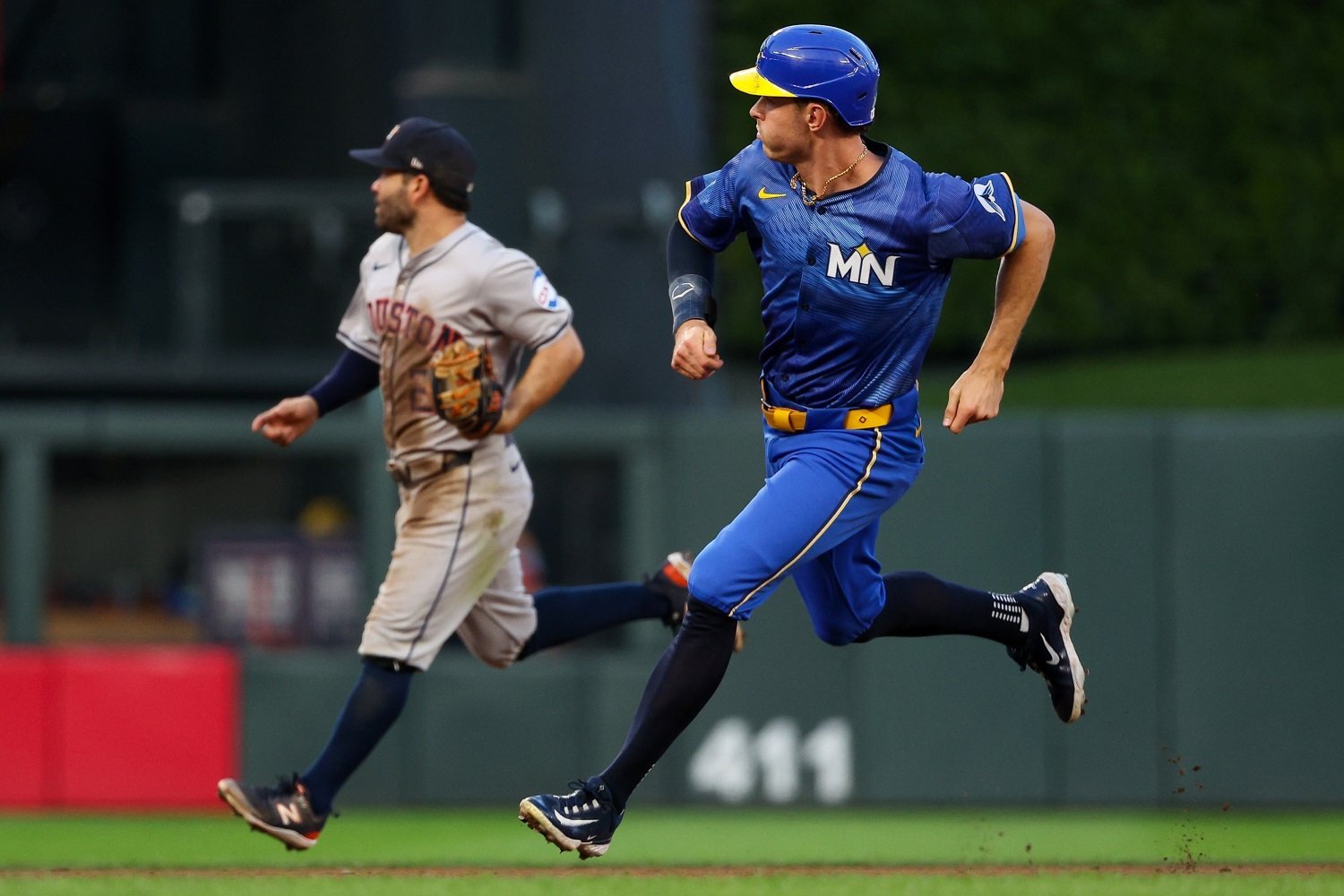 Max Kepler has had many ups and downs in his Twins career, but it’s impossible not to recognize his contributions to a decade of Twins baseball. His longevity has placed him on several leaderboards in Twins' history. Twins fans are well aware that Max Kepler isn’t without blemishes in his player profile, but there are several situations we’ve seen play out with Kepler that have hurt the Twins' chances at times. Not all are Kepler’s fault, but it’s fair to consider how different things could look in 2025 without him, in a good way. Playing Through Injury Kepler fouled a ball off his knee on opening day and has been dealing with after-effects since then. About two weeks ago, it was reported that Kepler’s knee was acting up, and he was scratched on Sunday, August 25. Naturally, the Twins put him on the IL to recover… eleven days later. He played in just three games during that span and was 100% off limits at times as the Twins had several opportunities arise for pinch hitters, runners, etc., and couldn’t make a move. We’ve seen this between the Twins and Max Kepler on what seems like a yearly basis. The team seems to hold out hope that he can return before the mandated 10 days should they officially place him on the Injured List. Perhaps this year they were extra desperate to not be without Kepler while also missing Buxton and Correa. Unfortunately, the Twins have been playing without "Max Kepler" for months, as he’s posted a .600ish OPS since June 1. One could argue that the reward of getting a hobbled Kepler back onto the field as soon as possible is outweighed by an already banged-up roster playing short for so long. The Twins would disagree. This gets into a theme that’s become hard to deny when it comes to Kepler. While he’s a fine player, the Twins look at him as much more of a contributor than his career numbers say he is. Every player takes the field at less than 100% during the grind of the MLB season, but the Twins have made a habit of delaying the inevitable on Max Kepler when he’s been downright injured. It has sometimes hurt the team, and the dip in production during those periods will likely affect Kepler’s market this winter. Platooning Returning to the theme of the Twins overvaluing Kepler, he’s become the default left-handed hitter to remain in the lineup against southpaws over names such as Matt Wallner and Trevor Larnach. While no left-handed hitter is likely to carve out a career-long sample of mashing same-handed pitching, Kepler has had enough data to draw from to conclude that he shouldn’t be hitting against left-handed pitchers. In almost 1100 career plate appearances against left-handed pitching, Kepler is slashing .221/.292/.363 (ironically, a better pace than his last 3 months of 2024). It’s doubtful he will figure things out in his 30s. It may be a case of the Twins deferring to his defense, which is fair considering that's a known advantage he has over several of the other options. His departure this offseason would open opportunities for other left-handed hitters or platoon players like Austin Martin or Michael Helman. There may not be any surefire option to replace him in those matchups, but the Twins have no shortage of candidates who could come through. Defensive Flexibility It’s become public knowledge that Kepler does not want to play center field. We’ve seen several occasions when Byron Buxton is out for long periods with no good options to replace him, and Kepler remains in right field despite his capability of at least filling in up the middle. The Twins made a point of insulating the position the last few years, knowing that Buxton would miss time and Kepler would not be an option to fill in. Fans certainly have their thoughts on Kepler’s preference, but looking at the situation objectively, it's a bit odd. The team has had a ton of innings up for grabs in center field over the last few years, but Kepler has remained in the corner despite his capability to slide over. Suppose the Twins could count on Kepler to fill in at center field. In that case, they’d have likely operated very differently the last few offseasons, not to mention the added flexibility it would add to the lineup on a day-to-day basis. Kepler’s offensive numbers would also be much more appealing coming from a premium defensive position rather than the corner outfield, where the bar to clear at the plate is typically higher. In 2025, the Twins can keep players like Willi Castro out of center field while keeping him in the everyday lineup with so much playing time opening. Perhaps if someone like DaShawn Keirsey Jr. makes the team, he'll be more open to shifting between outfield positions considering he's a plus defender at any of them. Being much less frigid with playing time in right field will open all kinds of opportunities. Logistically, it’s hard to envision a Max Kepler return in 2025. The team has several current and upcoming options to fill his playing time moving forward, and a left-handed corner outfielder will be the least of their needs next season. Bringing back a 32-year-old player coming off of the season he’s had with so many ready replacements would surely be a poor investment at any cost, given the budgetary restraints. Unless the Twins' affinity for Kepler outweighs several layers of teambuilding logic (don’t rule it out), what has been a successful Twins career for Max Kepler will end after this season. There would undoubtedly be a Max Kepler-sized hole on the Twins roster in 2025, but it won’t all be bad news. Do you agree?
- 26 comments
-
- 6
-
-
- max kepler
- trevor larnach
- (and 2 more)
-
Max Kepler has had a long and successful career with the Twins and is set to hit free agency in 2025. Change can be difficult, but there are several reasons to believe the Twins will benefit from Kepler’s likely departure this offseason. Image courtesy of Matt Krohn-USA TODAY Sports Max Kepler has had many ups and downs in his Twins career, but it’s impossible not to recognize his contributions to a decade of Twins baseball. His longevity has placed him on several leaderboards in Twins' history. Twins fans are well aware that Max Kepler isn’t without blemishes in his player profile, but there are several situations we’ve seen play out with Kepler that have hurt the Twins' chances at times. Not all are Kepler’s fault, but it’s fair to consider how different things could look in 2025 without him, in a good way. Playing Through Injury Kepler fouled a ball off his knee on opening day and has been dealing with after-effects since then. About two weeks ago, it was reported that Kepler’s knee was acting up, and he was scratched on Sunday, August 25. Naturally, the Twins put him on the IL to recover… eleven days later. He played in just three games during that span and was 100% off limits at times as the Twins had several opportunities arise for pinch hitters, runners, etc., and couldn’t make a move. We’ve seen this between the Twins and Max Kepler on what seems like a yearly basis. The team seems to hold out hope that he can return before the mandated 10 days should they officially place him on the Injured List. Perhaps this year they were extra desperate to not be without Kepler while also missing Buxton and Correa. Unfortunately, the Twins have been playing without "Max Kepler" for months, as he’s posted a .600ish OPS since June 1. One could argue that the reward of getting a hobbled Kepler back onto the field as soon as possible is outweighed by an already banged-up roster playing short for so long. The Twins would disagree. This gets into a theme that’s become hard to deny when it comes to Kepler. While he’s a fine player, the Twins look at him as much more of a contributor than his career numbers say he is. Every player takes the field at less than 100% during the grind of the MLB season, but the Twins have made a habit of delaying the inevitable on Max Kepler when he’s been downright injured. It has sometimes hurt the team, and the dip in production during those periods will likely affect Kepler’s market this winter. Platooning Returning to the theme of the Twins overvaluing Kepler, he’s become the default left-handed hitter to remain in the lineup against southpaws over names such as Matt Wallner and Trevor Larnach. While no left-handed hitter is likely to carve out a career-long sample of mashing same-handed pitching, Kepler has had enough data to draw from to conclude that he shouldn’t be hitting against left-handed pitchers. In almost 1100 career plate appearances against left-handed pitching, Kepler is slashing .221/.292/.363 (ironically, a better pace than his last 3 months of 2024). It’s doubtful he will figure things out in his 30s. It may be a case of the Twins deferring to his defense, which is fair considering that's a known advantage he has over several of the other options. His departure this offseason would open opportunities for other left-handed hitters or platoon players like Austin Martin or Michael Helman. There may not be any surefire option to replace him in those matchups, but the Twins have no shortage of candidates who could come through. Defensive Flexibility It’s become public knowledge that Kepler does not want to play center field. We’ve seen several occasions when Byron Buxton is out for long periods with no good options to replace him, and Kepler remains in right field despite his capability of at least filling in up the middle. The Twins made a point of insulating the position the last few years, knowing that Buxton would miss time and Kepler would not be an option to fill in. Fans certainly have their thoughts on Kepler’s preference, but looking at the situation objectively, it's a bit odd. The team has had a ton of innings up for grabs in center field over the last few years, but Kepler has remained in the corner despite his capability to slide over. Suppose the Twins could count on Kepler to fill in at center field. In that case, they’d have likely operated very differently the last few offseasons, not to mention the added flexibility it would add to the lineup on a day-to-day basis. Kepler’s offensive numbers would also be much more appealing coming from a premium defensive position rather than the corner outfield, where the bar to clear at the plate is typically higher. In 2025, the Twins can keep players like Willi Castro out of center field while keeping him in the everyday lineup with so much playing time opening. Perhaps if someone like DaShawn Keirsey Jr. makes the team, he'll be more open to shifting between outfield positions considering he's a plus defender at any of them. Being much less frigid with playing time in right field will open all kinds of opportunities. Logistically, it’s hard to envision a Max Kepler return in 2025. The team has several current and upcoming options to fill his playing time moving forward, and a left-handed corner outfielder will be the least of their needs next season. Bringing back a 32-year-old player coming off of the season he’s had with so many ready replacements would surely be a poor investment at any cost, given the budgetary restraints. Unless the Twins' affinity for Kepler outweighs several layers of teambuilding logic (don’t rule it out), what has been a successful Twins career for Max Kepler will end after this season. There would undoubtedly be a Max Kepler-sized hole on the Twins roster in 2025, but it won’t all be bad news. Do you agree? View full article
- 26 replies
-
- 2
-
-
- max kepler
- trevor larnach
- (and 2 more)
-
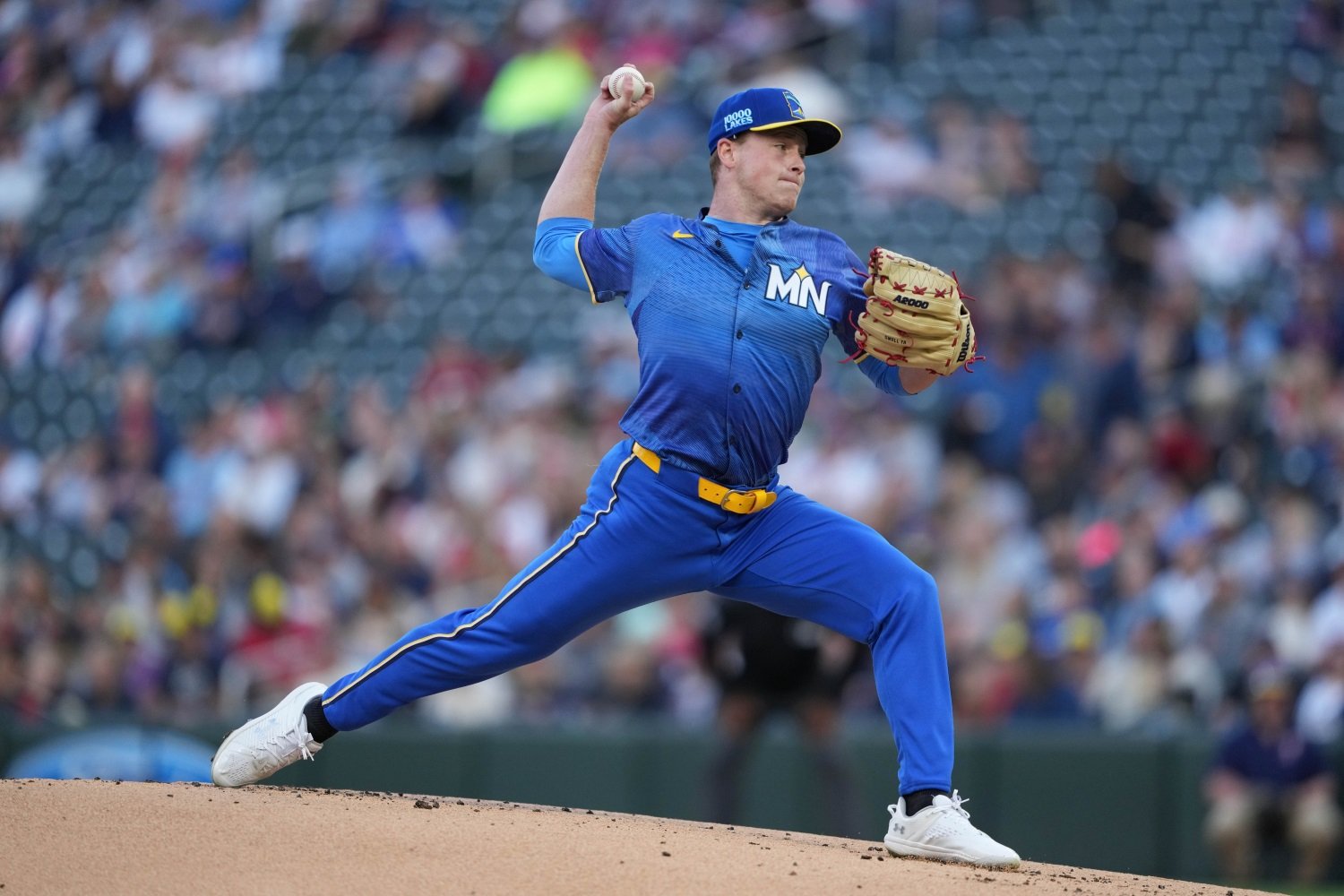 The Twins rightfully gave Louie Varland another chance to start this year, after an uneven season in 2023. Though he’s struggled mightily at times, Varland has been pitching much better lately, and is currently in St. Paul as their next man up, should another starter struggle or get injured. Unfortunately, the current rotation issues are hypothetical, whereas the current bullpen concerns are very real. It may be time for the Twins to sacrifice their rotation depth to keep the bullpen afloat, despite the obvious risks of that approach. It’s no secret that the Twins bullpen is coming apart at the seams. Just this week, they’ve turned two almost-certain wins into losses. First, Jorge Alcalá entered a 4-0 game against Texas on Sunday in the 7th inning and blew the lead in impressively little time. Then, Steven Okert entered a 5-3 game Tuesday against San Diego in the 8th inning and allowed four earned runs while recording one out. These losses--and the specter of more similar ones--give the Twins every reason to throw caution to the wind regarding future rotation depth and give Varland a chance to save the bullpen. The top issue with the Twins bullpen right now is obvious: They don’t have enough trustworthy options. The Twins chose to add to the pen only on the fringes this offseason, as they often do. It left them vulnerable to the situation they’ve currently found themselves in. High-end options with injury risks (like Brock Stewart) have had the worst-case scenario play out. Jhoan Durán has also taken a step back, after being the backbone of the bullpen for the last few seasons. Justin Topa, acquired for Jorge Polanco, likely will not throw a single pitch for the Twins this year. Caleb Thielbar has finally looked his age for much of the season, while several of the Twins' offseason acquisitions, such as Okert and Jay Jackson, turned out to do more harm to this roster than good. Rocco Baldelli manages in a minefield every night when he calls down to the bullpen. Varland would be an immediate facelift for this group. It’s also worth pondering the worst-case scenario should the Twins shift Varland into the bullpen and another injury occur in the starting rotation. Taking Varland out of the mix for the rotation would likely leave Randy Dobnak and Caleb Boushley as the next in line, should the need arise. While those are unexciting options, so is the starter version of Varland’. Having seen his struggles, the Twins will surely handle Varland in the rotation like they’d handle Dobnak or Boushley. It’s unlikely to see any of these names facing a lineup more than twice through. If any of these names are in a rotation spot, is the difference all that significant, when they’ll be handled so carefully and Varland has shown so little upside as a starter? The Twins wouldn’t ask for much more than filling a handful of innings out of that rotation spot. Rather than put Varland in such a low-wattage role, why not use him in a way that can make a much more significant impact on their chances of winning? The Twins were stingy in the offseason and, despite several green and yellow flags turning bright red, doubled down on their lack of impact additions at the trade deadline. The same patience that paid off for them so handsomely at the 2023 trade deadline has them headed for disaster in 2024. They’re wary to pull the last lever they have at their disposal, and they should be. Their pitching depth is dangerously low, but more so on the bullpen side. Rather than saving Varland for a “what if” scenario in the rotation, they need to recognize the situation that’s actively playing out now. The Twins need to stop the bleeding in the bullpen, and Louie Varland is the best (and maybe only) way to do it. Will we see them make the move soon?
- 71 comments
-
- 7
-
-

-
- louis varland
- jhoan duran
- (and 2 more)
-
The Twins have some concerns in the starting rotation, but it’s nowhere near as dire as the situation they’ve found themselves in with the bullpen. Is it time to roll the dice and move their young swingman back into a relief role? Image courtesy of © Jordan Johnson-USA TODAY Sports The Twins rightfully gave Louie Varland another chance to start this year, after an uneven season in 2023. Though he’s struggled mightily at times, Varland has been pitching much better lately, and is currently in St. Paul as their next man up, should another starter struggle or get injured. Unfortunately, the current rotation issues are hypothetical, whereas the current bullpen concerns are very real. It may be time for the Twins to sacrifice their rotation depth to keep the bullpen afloat, despite the obvious risks of that approach. It’s no secret that the Twins bullpen is coming apart at the seams. Just this week, they’ve turned two almost-certain wins into losses. First, Jorge Alcalá entered a 4-0 game against Texas on Sunday in the 7th inning and blew the lead in impressively little time. Then, Steven Okert entered a 5-3 game Tuesday against San Diego in the 8th inning and allowed four earned runs while recording one out. These losses--and the specter of more similar ones--give the Twins every reason to throw caution to the wind regarding future rotation depth and give Varland a chance to save the bullpen. The top issue with the Twins bullpen right now is obvious: They don’t have enough trustworthy options. The Twins chose to add to the pen only on the fringes this offseason, as they often do. It left them vulnerable to the situation they’ve currently found themselves in. High-end options with injury risks (like Brock Stewart) have had the worst-case scenario play out. Jhoan Durán has also taken a step back, after being the backbone of the bullpen for the last few seasons. Justin Topa, acquired for Jorge Polanco, likely will not throw a single pitch for the Twins this year. Caleb Thielbar has finally looked his age for much of the season, while several of the Twins' offseason acquisitions, such as Okert and Jay Jackson, turned out to do more harm to this roster than good. Rocco Baldelli manages in a minefield every night when he calls down to the bullpen. Varland would be an immediate facelift for this group. It’s also worth pondering the worst-case scenario should the Twins shift Varland into the bullpen and another injury occur in the starting rotation. Taking Varland out of the mix for the rotation would likely leave Randy Dobnak and Caleb Boushley as the next in line, should the need arise. While those are unexciting options, so is the starter version of Varland’. Having seen his struggles, the Twins will surely handle Varland in the rotation like they’d handle Dobnak or Boushley. It’s unlikely to see any of these names facing a lineup more than twice through. If any of these names are in a rotation spot, is the difference all that significant, when they’ll be handled so carefully and Varland has shown so little upside as a starter? The Twins wouldn’t ask for much more than filling a handful of innings out of that rotation spot. Rather than put Varland in such a low-wattage role, why not use him in a way that can make a much more significant impact on their chances of winning? The Twins were stingy in the offseason and, despite several green and yellow flags turning bright red, doubled down on their lack of impact additions at the trade deadline. The same patience that paid off for them so handsomely at the 2023 trade deadline has them headed for disaster in 2024. They’re wary to pull the last lever they have at their disposal, and they should be. Their pitching depth is dangerously low, but more so on the bullpen side. Rather than saving Varland for a “what if” scenario in the rotation, they need to recognize the situation that’s actively playing out now. The Twins need to stop the bleeding in the bullpen, and Louie Varland is the best (and maybe only) way to do it. Will we see them make the move soon? View full article
-
The Twins brought in Manny Margot to platoon and fill in at center field this spring. The cost wasn’t high, but has the juice been worth the gentle squeeze? Image courtesy of John Hefti-USA TODAY Sports The Twins decided to trade for Manuel Margot this spring, as Michael A. Taylor’s free-agency staredown dragged on. Instead of signing a platoon outfielder, the Twins swapped crowded-out assets with the Dodgers, sending Noah Miller to get Margot and minor-league infielder Rayne Doncon. Los Angeles also covered part of Margot’s salary. With such a low acquisition cost, has Margot been worth it? The Twins' main priority in adding Margot was obtaining a right-handed bat to patrol the outfield. Ideally, this hitter would also be able to fill in at center field, which is likely why the Twins looked at a Margot-type player, instead of a traditional bat-first corner outfield type. Margot has adequately filled the offensive need. He typically leads off against left-handed pitchers and has posted a .728 OPS in those matchups, about 6% above the league average. It’s nothing to write home about, but it is much better than taking any given left-handed hitter and putting them in those matchups. By definition, he's above replacement-level. Defensively, the Twins have been very fortunate with Byron Buxton’s health. It was apparent immediately that Margot was not an option to play frequently in center, once the Twins saw him in the outfield. He’s still played there occasionally, and is worth -1 Outs Above Average there. Unfortunately, Margot has been pretty brutal everywhere, with a -1 mark in right field and a -3 mark in left. By Outs Above Average, he's been worse than Matt Wallner, whose reputation as a hulking, slow defensive player is at least outweighed by his offensive ceiling. Worth noting in the acquisition cost is that the trade to acquire Margot has gone the Twins' way, regardless of his performance. Noah Miller looks like a tremendous defender at shortstop, but whether he can hit in MLB is still a concern. His .668 OPS in High-A this season is his best since his debut professional season, but it's still deeply unimpressive. Meanwhile, Doncon has been very successful since his arrival. An .838 OPS earned him a promotion to High-A, where his bat is still roughly 15% above league average. It’s possible the Twins would trade Miller for Doncon straight up today, if they magically had the chance to do it again. Has Margot been worth it himself, though? It depends on how you look at it. The actual cost was meager. The opportunity cost is the real question. As a competing team, the Twins are likely looking to win trades on the MLB side, rather than in the exchange of low minor-league players. Looking just at Margot, it’s hard to call it a success. His performance against left-handed pitching has met the bare minimum threshold of being positive, but it’s easy to argue that the defense has greatly outweighed his bat. A different player (such as Tommy Pham, with his .865 OPS against lefties) would have certainly fit the poor fielding corner outfield role much better. With Margot so thinly holding onto an above-average line against lefties, one could argue that an internal option could have filled that role just as well. The Twins' record likely doesn’t look much different without Margot. He’s certainly had a handful of big moments, but these haven’t entirely outweighed the negatives, as evidenced by his -0.1 Wins Above Replacement, according to Fangraphs. Margot is also well in the negatives for Win Probability Added, which is to be expected considering his being approximately 0 for 100 pinch-hitting. Under different financial circumstances, the Twins likely would have aimed higher in the offseason, or even added a replacement for Margot at the trade deadline. In this version of reality, though, the Twins bet on a bounceback from Margot this spring, and it’s not been particularly impactful, one way or the other. Was Margot a worthwhile addition to the Twins? Should they have added a Tommy Pham or rolled with someone like Michael Helman internally? Does the Doncon return make up for Margot’s production? Let us know below! View full article
-
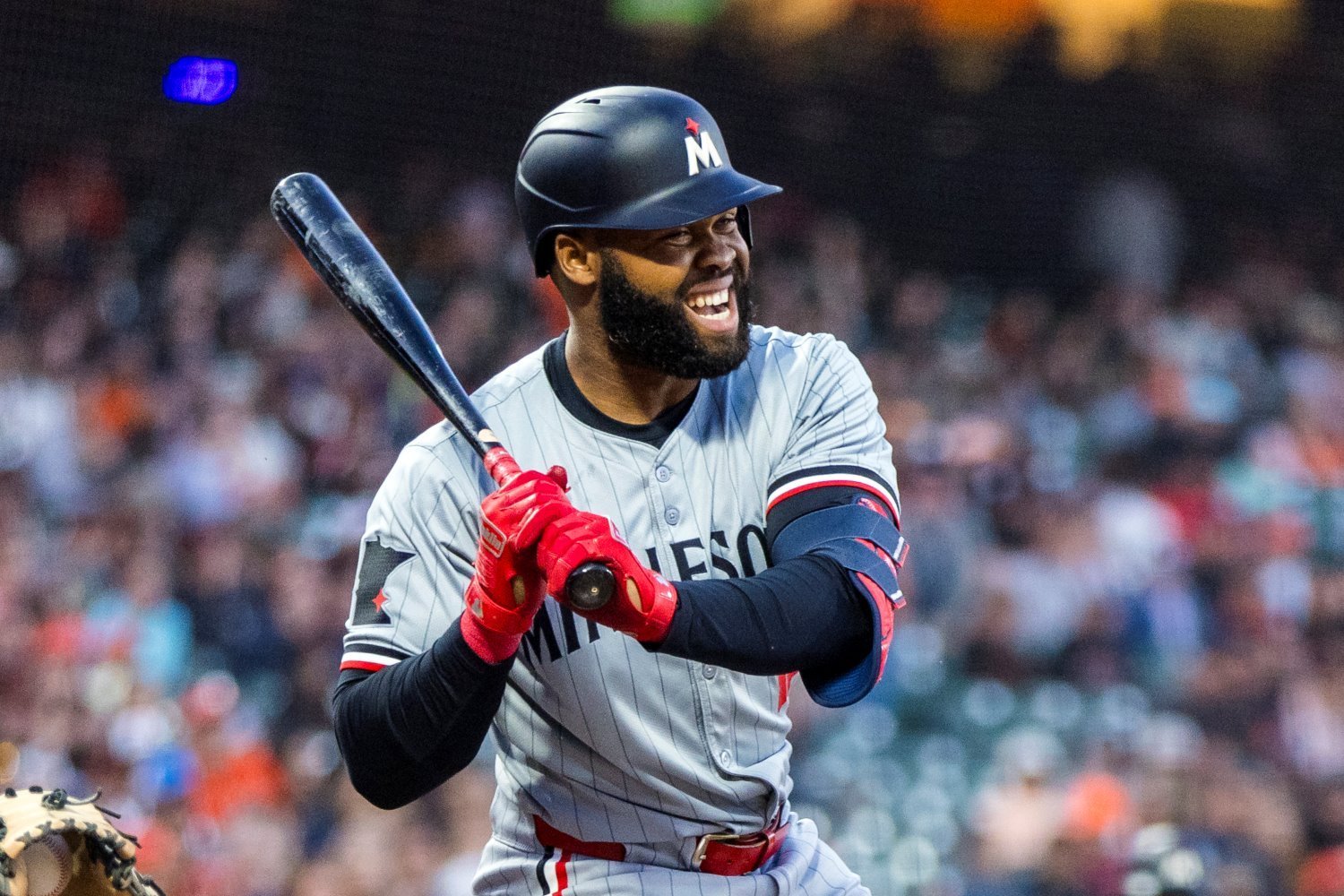 The Twins decided to trade for Manuel Margot this spring, as Michael A. Taylor’s free-agency staredown dragged on. Instead of signing a platoon outfielder, the Twins swapped crowded-out assets with the Dodgers, sending Noah Miller to get Margot and minor-league infielder Rayne Doncon. Los Angeles also covered part of Margot’s salary. With such a low acquisition cost, has Margot been worth it? The Twins' main priority in adding Margot was obtaining a right-handed bat to patrol the outfield. Ideally, this hitter would also be able to fill in at center field, which is likely why the Twins looked at a Margot-type player, instead of a traditional bat-first corner outfield type. Margot has adequately filled the offensive need. He typically leads off against left-handed pitchers and has posted a .728 OPS in those matchups, about 6% above the league average. It’s nothing to write home about, but it is much better than taking any given left-handed hitter and putting them in those matchups. By definition, he's above replacement-level. Defensively, the Twins have been very fortunate with Byron Buxton’s health. It was apparent immediately that Margot was not an option to play frequently in center, once the Twins saw him in the outfield. He’s still played there occasionally, and is worth -1 Outs Above Average there. Unfortunately, Margot has been pretty brutal everywhere, with a -1 mark in right field and a -3 mark in left. By Outs Above Average, he's been worse than Matt Wallner, whose reputation as a hulking, slow defensive player is at least outweighed by his offensive ceiling. Worth noting in the acquisition cost is that the trade to acquire Margot has gone the Twins' way, regardless of his performance. Noah Miller looks like a tremendous defender at shortstop, but whether he can hit in MLB is still a concern. His .668 OPS in High-A this season is his best since his debut professional season, but it's still deeply unimpressive. Meanwhile, Doncon has been very successful since his arrival. An .838 OPS earned him a promotion to High-A, where his bat is still roughly 15% above league average. It’s possible the Twins would trade Miller for Doncon straight up today, if they magically had the chance to do it again. Has Margot been worth it himself, though? It depends on how you look at it. The actual cost was meager. The opportunity cost is the real question. As a competing team, the Twins are likely looking to win trades on the MLB side, rather than in the exchange of low minor-league players. Looking just at Margot, it’s hard to call it a success. His performance against left-handed pitching has met the bare minimum threshold of being positive, but it’s easy to argue that the defense has greatly outweighed his bat. A different player (such as Tommy Pham, with his .865 OPS against lefties) would have certainly fit the poor fielding corner outfield role much better. With Margot so thinly holding onto an above-average line against lefties, one could argue that an internal option could have filled that role just as well. The Twins' record likely doesn’t look much different without Margot. He’s certainly had a handful of big moments, but these haven’t entirely outweighed the negatives, as evidenced by his -0.1 Wins Above Replacement, according to Fangraphs. Margot is also well in the negatives for Win Probability Added, which is to be expected considering his being approximately 0 for 100 pinch-hitting. Under different financial circumstances, the Twins likely would have aimed higher in the offseason, or even added a replacement for Margot at the trade deadline. In this version of reality, though, the Twins bet on a bounceback from Margot this spring, and it’s not been particularly impactful, one way or the other. Was Margot a worthwhile addition to the Twins? Should they have added a Tommy Pham or rolled with someone like Michael Helman internally? Does the Doncon return make up for Margot’s production? Let us know below!
- 37 comments
-
- 6
-
-
- manuel margot
- tommy pham
- (and 1 more)
-
Three Bullpen X Factors for the Stretch Run
Cody Pirkl posted a topic in Twins Daily Front Page News
The Twins followed up a low-wattage trade deadline with news that Brock Stewart is returning to the IL. With only internal options remaining to help the bullpen down the stretch, who could elevate their game to another level to make up the gap? Image courtesy of Kiyoshi Mio-USA TODAY Sports The Twins bullpen hasn’t been the strength we hoped it would be coming into the season, with some underperformance mixed with injuries. Now that the trade deadline has passed, they’re left with what they have. While filling a Brock Stewart-sized hole late in games may be impossible, several internal options could improve their game and help the Twins to the finish line. Caleb Thielbar Thielbar looked like he was on the edge of losing his roster spot at one point this season, as even in a bullpen devoid of left-handed options, he’s looked like age has caught up to him at times. For a roster desperate for a guy to use in left-handed matchups, at the very least, Thielbar stepping up would be huge. Hopefully, his recent stretch will be a sign of things to come. It may be hard to regain trust against the 37-year-old southpaw fully, but Thielbar wasn’t just a lefty specialist at his best. If he can continue to reign in his numbers against right-handed hitters, even just a bit, the Twins bullpen would be in a much better place. Cole Sands Sands has taken a significant step forward in 2024 and looks like a core piece of the bullpen for the next few years. He’s posted career bests in strikeout, walk, and home run rates, which is pretty much all you need to do to succeed as a pitcher. With such a great season already, how can Sands elevate the Twins bullpen even further? For Sands, it has less to do with improving his performance and more with how he’s used. While he’s filled a wide range of roles this season, we may see more of him in high leverage moving forward. He should slot in behind Alcala, Jax, and Duran and will find himself pitching some big innings down the stretch. If he can continue to build on the breakout season he’s already posted, the Twins can still have the dominant back end of the bullpen we envisioned heading into the season. Justin Topa It’s easy to forget about Justin Topa, who was part of the Jorge Polanco trade, which has been a disaster for both teams involved. At one point, it appeared Topa would join Anthony DeSclefani as pieces of the Polanco return who wouldn’t play in 2024. After rehabbing his problematic knee, Topa is now approaching his Twins debut. Topa is not a household name due to his limited action in the MLB, but he had a dominant 2023 with the Mariners. In 69 innings, he posted a 2.61 ERA as one of the better relievers in Seattle’s bullpen. At his best, he avoids walks and uses a heavy sinker to avoid hard contact, and it is a legitimate setup option if he is healthy. He’s shown he can be a dominant option late in games even though he lacks the gaudy strikeout numbers of someone like Brock Stewart, and he may be able to help fill his absence. It’s hard to count on getting much from Brock Stewart down the stretch this season, and the Twins have to make do with the roster they already have. Are these three the best options to help fill the void? Could we see Chris Paddack or Louie Varland make the switch? Is there another arm that could help hold the bullpen together? Let us know below! View full article -
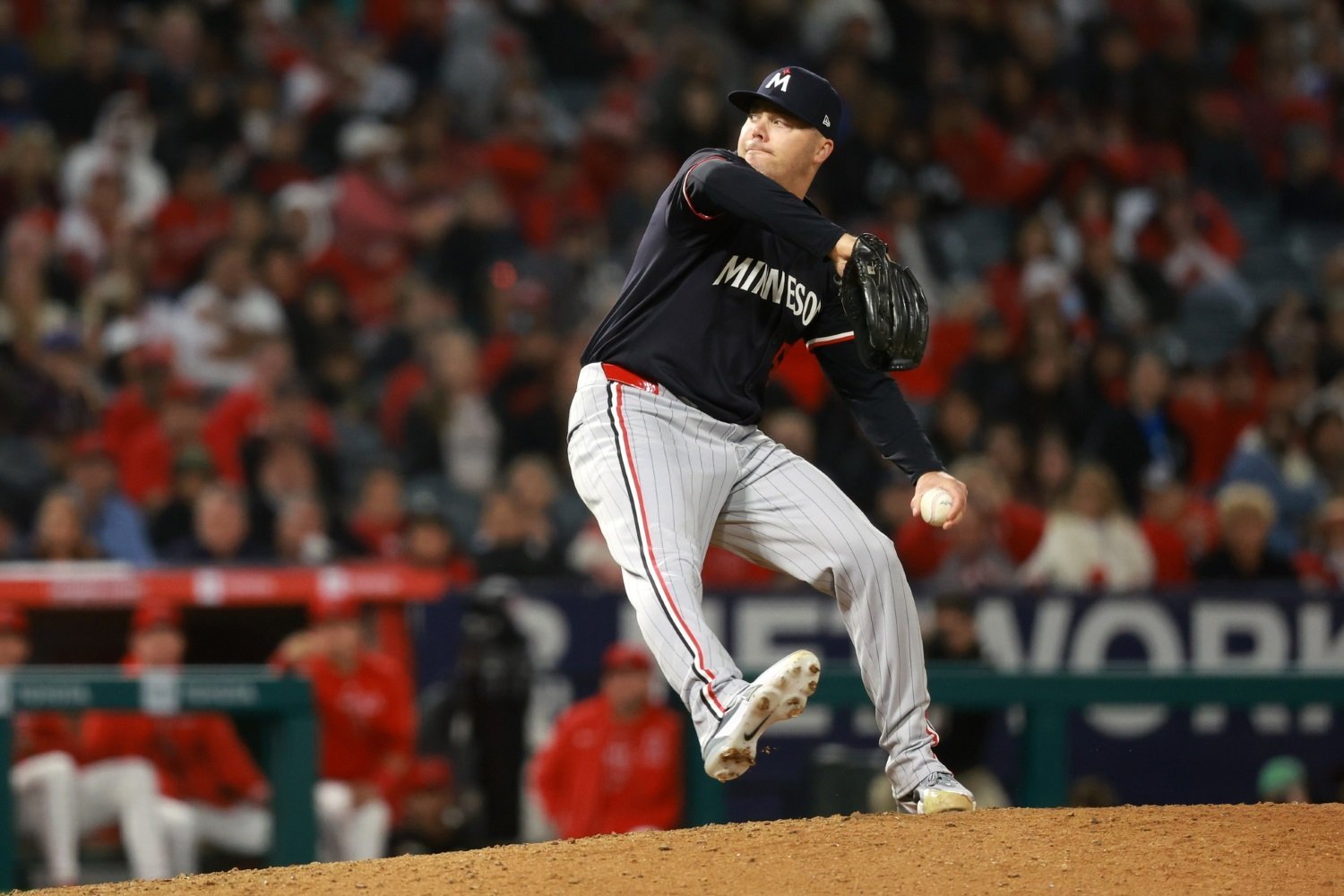 The Twins bullpen hasn’t been the strength we hoped it would be coming into the season, with some underperformance mixed with injuries. Now that the trade deadline has passed, they’re left with what they have. While filling a Brock Stewart-sized hole late in games may be impossible, several internal options could improve their game and help the Twins to the finish line. Caleb Thielbar Thielbar looked like he was on the edge of losing his roster spot at one point this season, as even in a bullpen devoid of left-handed options, he’s looked like age has caught up to him at times. For a roster desperate for a guy to use in left-handed matchups, at the very least, Thielbar stepping up would be huge. Hopefully, his recent stretch will be a sign of things to come. It may be hard to regain trust against the 37-year-old southpaw fully, but Thielbar wasn’t just a lefty specialist at his best. If he can continue to reign in his numbers against right-handed hitters, even just a bit, the Twins bullpen would be in a much better place. Cole Sands Sands has taken a significant step forward in 2024 and looks like a core piece of the bullpen for the next few years. He’s posted career bests in strikeout, walk, and home run rates, which is pretty much all you need to do to succeed as a pitcher. With such a great season already, how can Sands elevate the Twins bullpen even further? For Sands, it has less to do with improving his performance and more with how he’s used. While he’s filled a wide range of roles this season, we may see more of him in high leverage moving forward. He should slot in behind Alcala, Jax, and Duran and will find himself pitching some big innings down the stretch. If he can continue to build on the breakout season he’s already posted, the Twins can still have the dominant back end of the bullpen we envisioned heading into the season. Justin Topa It’s easy to forget about Justin Topa, who was part of the Jorge Polanco trade, which has been a disaster for both teams involved. At one point, it appeared Topa would join Anthony DeSclefani as pieces of the Polanco return who wouldn’t play in 2024. After rehabbing his problematic knee, Topa is now approaching his Twins debut. Topa is not a household name due to his limited action in the MLB, but he had a dominant 2023 with the Mariners. In 69 innings, he posted a 2.61 ERA as one of the better relievers in Seattle’s bullpen. At his best, he avoids walks and uses a heavy sinker to avoid hard contact, and it is a legitimate setup option if he is healthy. He’s shown he can be a dominant option late in games even though he lacks the gaudy strikeout numbers of someone like Brock Stewart, and he may be able to help fill his absence. It’s hard to count on getting much from Brock Stewart down the stretch this season, and the Twins have to make do with the roster they already have. Are these three the best options to help fill the void? Could we see Chris Paddack or Louie Varland make the switch? Is there another arm that could help hold the bullpen together? Let us know below!
- 17 comments
-
- 1
-
-
- caleb thielbar
- justin topa
- (and 1 more)
-
With the Twins likely to look for more pitching depth at this year’s trade deadline, the defending world champs seem like a great match. What arms could the Texas Rangers have to offer, in whom the Twins may be interested? Image courtesy of © Jayne Kamin-Oncea-USA TODAY Sports The Twins should certainly beef up their bullpen, and adding an impact starting pitcher could also be possible under the right circumstances. The Texas Rangers have options for either need, and they do appear to be in sell mode. Who would be the most impactful arms the teams could swap? David Robertson Robertson continues to resist any ill effects of aging, as he’s posting an ERA right around 3.00 at 39 years old. His strikeout rate is his best since 2017. His walk rate is his best since 2015. He’s limiting homers at his best rate since 2013. Robertson is having a remarkable season, and any team acquiring him would get a decorated, high-leverage option for the stretch run. Of course, Robertson’s performance will result in an inflated price tag, even with the right-hander set to become a free agent this offseason. It’s hard to say what types of players the Rangers would be looking for in return. They themselves notably acquired closer Aroldis Chapman at last year’s deadline for Cole Ragans, who is now one of the best starting pitchers in the AL Central. Does it cost the Twins one of their emerging arms dominating Double-A, such as Andrew Morris or Cory Lewis? It will likely be a bidding war for Robertson’s services, and the Twins may have to decide how much they’re willing to give up for an impact addition to the bullpen. Kirby Yates Yates is a decorated veteran in his own right, though most of his success before 2024 came as far back as 2019 with the Padres. Now 37 years old, Yates is striking out nearly 36% of opposing hitters and has yet to allow a homer, through 31 innings. His 0.86 ERA may not be sustainable, but all of his peripherals tell the story of a dominant reliever who can round out a shutdown bullpen. Yates likely won’t come cheaply, per se, but his struggles before this season should make him more affordable than Robertson. With Yates similarly set to become a free agent, perhaps this is a situation where the Twins can dangle a controllable bat with no path to MLB, such as Yunior Severino. Yates would be a trustworthy setup-caliber reliever in the same tier as Jorge Alcalá, if not slightly ahead of him in the pecking order. Nathan Eovaldi Eovaldi’s name hasn’t been directly stated as a possibility to be traded. Still, with the Rangers set to deal so many other pitchers, including starters such as Andrew Heaney, it’s fair to suspect they’d be willing to listen. Eovaldi continues to strike out about a batter per inning, with limited walks and homers. Even at age 34, his fastball sits just under 96 mph. In addition to potentially shoring up the regular-season rotation, Eovaldi has been a versatile force during the postseason. In almost 80 innings pitched, Eovaldi holds a 3.05 career ERA in the playoffs. He’s developed a reputation as a big game pitcher in October, pitching out of the rotation and the bullpen en route to two World Series rings. The question with Eovaldi will be the price. His contract includes a vesting player option if he throws a combined 300 innings between 2023 and 2024. After throwing 144 innings last season and 87 so far in 2024, reaching that mark is still possible. The uncertainty of 2025 for Eovaldi makes pricing a trade almost impossible, without context that the Twins will undoubtedly do some research on. Does Eovaldi want to test the market again, even if his $20-million player option kicks in? Does Twins ownership want to risk adding that much payroll in 2025 to a team they may be looking to shed even more from? Max Scherzer Set to be arguably the best rental pitcher on the market, Scherzer will likely be headed to a new team for the second trade deadline in a row, despite plenty of question marks in his age-39 season. Scherzer began the season on the IL with a nerve issue in his shoulder and neck, and hasn’t looked like the first-ballot Hall of Famer he is in his brief time back. A 92.6-mph average on the fastball is the lowest mark of his career, as is his 17.7% strikeout rate. Scherzer appears to be in the twilight of his career, but it’s hard to say a contender has no space for him. The Mets are still paying most of Scherzer’s contract, and an acquiring team would only be on the hook for a prorated share of $12.5 million. The bidding could explode if he shows a glimpse of his dominant self in the next few starts. It’s fair to wonder how much the Twins should give up for a pitcher who carries so much injury and performance risk, but it’s easy to argue that they should be involved in the bidding process. Are there any other Texas Rangers the Twins should have an eye on as the team begins to lean toward selling? What do you think of Heaney or Michael Lorenzen as alternatives to the above? Are all of these older arms too much of an injury risk? Let us know below! View full article
- 18 replies
-
- 1
-
-
- david robertson
- kirby yates
- (and 2 more)
-
Which of the Defending Champions' Available Pitchers Could Twins Trade For?
Cody Pirkl posted an article in Twins
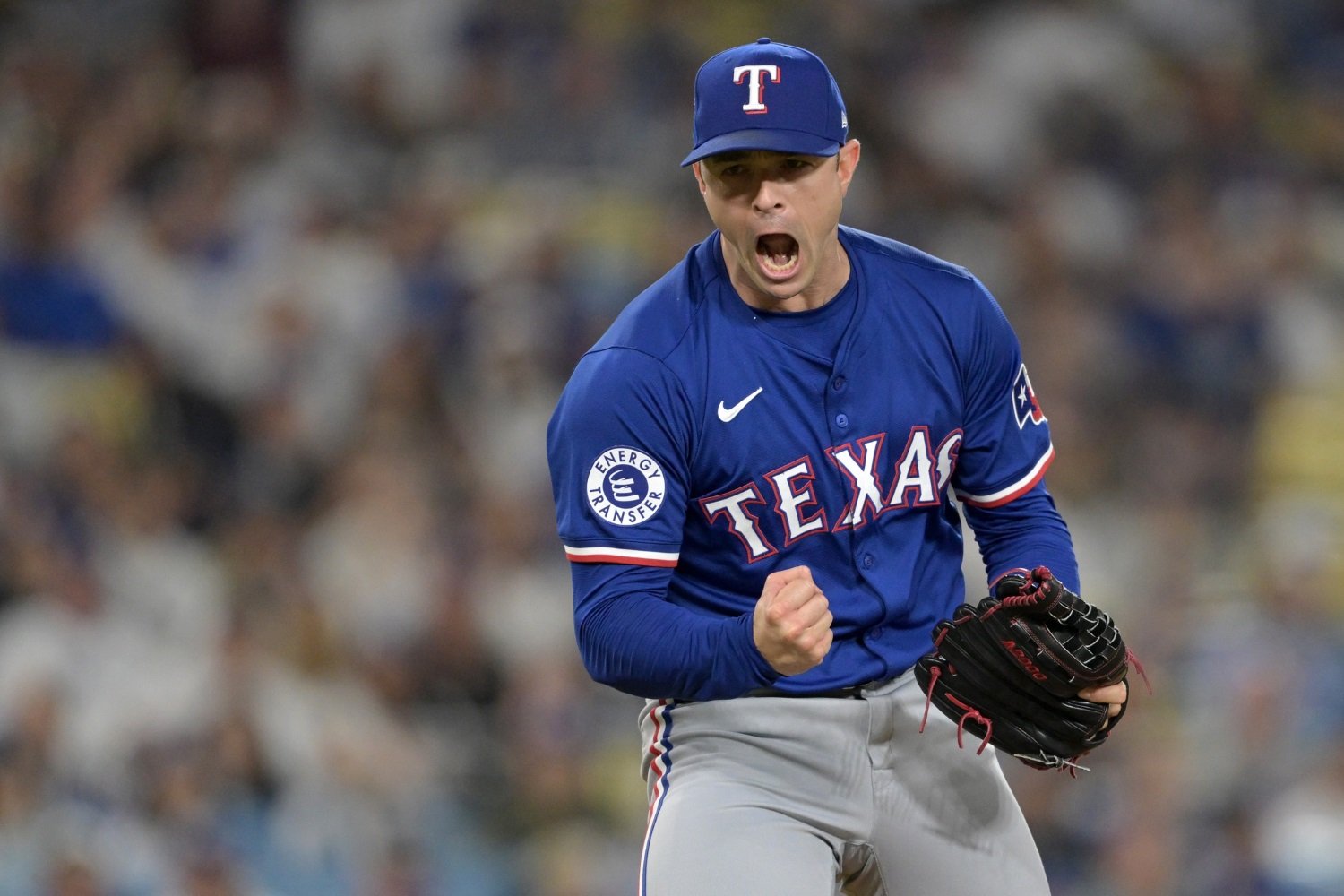 The Twins should certainly beef up their bullpen, and adding an impact starting pitcher could also be possible under the right circumstances. The Texas Rangers have options for either need, and they do appear to be in sell mode. Who would be the most impactful arms the teams could swap? David Robertson Robertson continues to resist any ill effects of aging, as he’s posting an ERA right around 3.00 at 39 years old. His strikeout rate is his best since 2017. His walk rate is his best since 2015. He’s limiting homers at his best rate since 2013. Robertson is having a remarkable season, and any team acquiring him would get a decorated, high-leverage option for the stretch run. Of course, Robertson’s performance will result in an inflated price tag, even with the right-hander set to become a free agent this offseason. It’s hard to say what types of players the Rangers would be looking for in return. They themselves notably acquired closer Aroldis Chapman at last year’s deadline for Cole Ragans, who is now one of the best starting pitchers in the AL Central. Does it cost the Twins one of their emerging arms dominating Double-A, such as Andrew Morris or Cory Lewis? It will likely be a bidding war for Robertson’s services, and the Twins may have to decide how much they’re willing to give up for an impact addition to the bullpen. Kirby Yates Yates is a decorated veteran in his own right, though most of his success before 2024 came as far back as 2019 with the Padres. Now 37 years old, Yates is striking out nearly 36% of opposing hitters and has yet to allow a homer, through 31 innings. His 0.86 ERA may not be sustainable, but all of his peripherals tell the story of a dominant reliever who can round out a shutdown bullpen. Yates likely won’t come cheaply, per se, but his struggles before this season should make him more affordable than Robertson. With Yates similarly set to become a free agent, perhaps this is a situation where the Twins can dangle a controllable bat with no path to MLB, such as Yunior Severino. Yates would be a trustworthy setup-caliber reliever in the same tier as Jorge Alcalá, if not slightly ahead of him in the pecking order. Nathan Eovaldi Eovaldi’s name hasn’t been directly stated as a possibility to be traded. Still, with the Rangers set to deal so many other pitchers, including starters such as Andrew Heaney, it’s fair to suspect they’d be willing to listen. Eovaldi continues to strike out about a batter per inning, with limited walks and homers. Even at age 34, his fastball sits just under 96 mph. In addition to potentially shoring up the regular-season rotation, Eovaldi has been a versatile force during the postseason. In almost 80 innings pitched, Eovaldi holds a 3.05 career ERA in the playoffs. He’s developed a reputation as a big game pitcher in October, pitching out of the rotation and the bullpen en route to two World Series rings. The question with Eovaldi will be the price. His contract includes a vesting player option if he throws a combined 300 innings between 2023 and 2024. After throwing 144 innings last season and 87 so far in 2024, reaching that mark is still possible. The uncertainty of 2025 for Eovaldi makes pricing a trade almost impossible, without context that the Twins will undoubtedly do some research on. Does Eovaldi want to test the market again, even if his $20-million player option kicks in? Does Twins ownership want to risk adding that much payroll in 2025 to a team they may be looking to shed even more from? Max Scherzer Set to be arguably the best rental pitcher on the market, Scherzer will likely be headed to a new team for the second trade deadline in a row, despite plenty of question marks in his age-39 season. Scherzer began the season on the IL with a nerve issue in his shoulder and neck, and hasn’t looked like the first-ballot Hall of Famer he is in his brief time back. A 92.6-mph average on the fastball is the lowest mark of his career, as is his 17.7% strikeout rate. Scherzer appears to be in the twilight of his career, but it’s hard to say a contender has no space for him. The Mets are still paying most of Scherzer’s contract, and an acquiring team would only be on the hook for a prorated share of $12.5 million. The bidding could explode if he shows a glimpse of his dominant self in the next few starts. It’s fair to wonder how much the Twins should give up for a pitcher who carries so much injury and performance risk, but it’s easy to argue that they should be involved in the bidding process. Are there any other Texas Rangers the Twins should have an eye on as the team begins to lean toward selling? What do you think of Heaney or Michael Lorenzen as alternatives to the above? Are all of these older arms too much of an injury risk? Let us know below!
- 18 comments
-
- 2
-
-
- david robertson
- kirby yates
- (and 2 more)
-
Additions to the lineup from St. Paul arguably saved the Twins in 2023. Even as the lineup rounds into form much earlier than last year, could we see the same in 2024? Image courtesy of © Bruce Kluckhohn-USA TODAY Sports The Twins have come a long way from the anemic offense they showed to begin the 2024 season. Still, the lineup isn’t perfect, and they could use an addition or two to bring them back to the elite level we saw them reach at the end of 2023. Three names who could be impact additions from St. Paul in the second half stand out. Matt Wallner We saw Wallner burst onto the scene and carry the lineup at times in 2023. As frustrating as it is to watch him at his worst, at its best, his bat is extremely valuable--as evidenced by the .877 OPS he posted in his rookie season. After a rough start to his 2024 season, he appears to have made some mechanical adjustments in St. Paul, and he’s kicking the door in to get another shot. For the first time in what feels like years, the Twins lineup has too many right-handed bats. With only four left-handed hitters on the active roster, the Twins could sure use some version of the Wallner they saw in 2023. It may take an injury or the Twins parting ways with a veteran role player, but if he keeps up his recent pace, Wallner can’t stay in St. Paul much longer. Brooks Lee By now, the refrain is familiar: If Lee hadn't had a back injury and been unavailable throughout April and May, the team's infield future would already have arrived. There’s no time like the present, as the Saints have been starting the switch-hitter at second base recently; the versatile Willi Castro has been stopping the gap there for the parent club since Edouard Julien's demotion. Lee has been on fire, and looks the part of a steady everyday player for years to come, especially with the signs he’s shown from the right side of the plate. His track record as a solid shortstop should make him a great defender at second, and could open up Castro to move elsewhere as needed. The great thing about having Castro on the roster is that an injury just about anywhere would open up playing time for a top prospect like Lee. Whether an infielder or outfielder, Castro can move off the position and find everyday playing time elsewhere for Lee to make his debut. We're likely see the start of what should be a great Twins career in the second half. Jaír Camargo In terms of health, the Twins have had incredible luck at the catcher position for the last season and a half. (That, or their unique dedication to alternating and time-sharing at the position has helped both Ryan Jeffers and Christian Vázquez avoid injuries.) It’s good news for them, but bad news for Camargo, whom the Twins officially believe in to some degree; they added him to the 40-man roster this winter. Their good health may continue, but Camargo will be a massive recipient of playing time should one of the catchers need some time off. The Twins should continue to split the time behind the plate 50/50, but Camargo has the tools to make an impact for however long he’s afforded an MLB roster spot. With solid defense and 20-homer power, Camargo may not be a top prospect, but he’s certainly capable of contributing as a role player. The only thing keeping him in St. Paul is the big-league crew's continued good fortune regarding health behind the plate at the MLB level. The Twins have plenty of bats in St. Paul, which we may see in the second half, but these three appear to be the closest to being inserted into the MLB lineup. Are there any other names you’re looking for down the stretch this season? Let us know below. View full article
-
Three Minor League Hitters Who Can Help The Twins In The Second Half
Cody Pirkl posted an article in Twins
 The Twins have come a long way from the anemic offense they showed to begin the 2024 season. Still, the lineup isn’t perfect, and they could use an addition or two to bring them back to the elite level we saw them reach at the end of 2023. Three names who could be impact additions from St. Paul in the second half stand out. Matt Wallner We saw Wallner burst onto the scene and carry the lineup at times in 2023. As frustrating as it is to watch him at his worst, at its best, his bat is extremely valuable--as evidenced by the .877 OPS he posted in his rookie season. After a rough start to his 2024 season, he appears to have made some mechanical adjustments in St. Paul, and he’s kicking the door in to get another shot. For the first time in what feels like years, the Twins lineup has too many right-handed bats. With only four left-handed hitters on the active roster, the Twins could sure use some version of the Wallner they saw in 2023. It may take an injury or the Twins parting ways with a veteran role player, but if he keeps up his recent pace, Wallner can’t stay in St. Paul much longer. Brooks Lee By now, the refrain is familiar: If Lee hadn't had a back injury and been unavailable throughout April and May, the team's infield future would already have arrived. There’s no time like the present, as the Saints have been starting the switch-hitter at second base recently; the versatile Willi Castro has been stopping the gap there for the parent club since Edouard Julien's demotion. Lee has been on fire, and looks the part of a steady everyday player for years to come, especially with the signs he’s shown from the right side of the plate. His track record as a solid shortstop should make him a great defender at second, and could open up Castro to move elsewhere as needed. The great thing about having Castro on the roster is that an injury just about anywhere would open up playing time for a top prospect like Lee. Whether an infielder or outfielder, Castro can move off the position and find everyday playing time elsewhere for Lee to make his debut. We're likely see the start of what should be a great Twins career in the second half. Jaír Camargo In terms of health, the Twins have had incredible luck at the catcher position for the last season and a half. (That, or their unique dedication to alternating and time-sharing at the position has helped both Ryan Jeffers and Christian Vázquez avoid injuries.) It’s good news for them, but bad news for Camargo, whom the Twins officially believe in to some degree; they added him to the 40-man roster this winter. Their good health may continue, but Camargo will be a massive recipient of playing time should one of the catchers need some time off. The Twins should continue to split the time behind the plate 50/50, but Camargo has the tools to make an impact for however long he’s afforded an MLB roster spot. With solid defense and 20-homer power, Camargo may not be a top prospect, but he’s certainly capable of contributing as a role player. The only thing keeping him in St. Paul is the big-league crew's continued good fortune regarding health behind the plate at the MLB level. The Twins have plenty of bats in St. Paul, which we may see in the second half, but these three appear to be the closest to being inserted into the MLB lineup. Are there any other names you’re looking for down the stretch this season? Let us know below.
- 44 comments
-
- 7
-
-

-
- matt wallner
- brooks lee
- (and 1 more)
-
As the Twins' lineup has rounded into form, the pitching staff has struggled. The trade deadline is one way to improve, but the Twins have some arms approaching in the minors. Who may be available to help? Image courtesy of Jesse Johnson-USA TODAY Sports The Twins have no shortage of bats waiting for their chance in the minor leagues, but right now, they may need more pitching help. We could see three pitchers make a significant difference on the MLB roster this season, even before the All-Star break. David Festa Festa has been not only the most effective pitcher in St. Paul, but also one of the most dominant starters in Triple-A. After shoring up some previous problems with walk rate, the 6-foot-6 righthander has the raw stuff to be a weapon at the big-league level. He got his feet wet with the Saints last year, making three starts, and holds a 3.77 ERA in 14 starts this season. His ERA has been inflated by the long ball so far in 2024, but this is an outlier in the context of his career. Festa’s dominant 35.1% strikeout rate makes one wonder whether he can be an immediate contributor to the MLB rotation, and he may be next up as Chris Paddack needs a breather. (The Twins placed Paddack on the injured list with arm fatigue Tuesday afternoon.) If the Twins hold off on promoting Festa, we could still see him down the stretch as a bullpen piece, where it’s hard to imagine him being anything less than dominant. Louie Varland After a brutal start to his season in the MLB rotation, Varland has spent much of his season in St. Paul. Varland hadn’t been particularly dominant against Triple-A pitching, and his ERA now sits at 7.33. Varland has looked good in his two appearances with the Twins recently, though, and perhaps he’s still No. 1 for call-up options. It would be hard to blame anyone for doubting Varland’s future in the MLB rotation. His issues with loud contact have carried over to the Triple-A level, and he still lacks a traditional slider or sweeper to neutralize same-handed hitters. Instead, Varland’s potential contributions may come in the bullpen. We saw him at his most effective in that role last season, and the Twins bullpen could use another arm given the struggles of Caleb Thielbar and Jhoan Durán. There is also still no timetable for Brock Stewart. We’ve seen what Varland can do in short stints, and if the Twins make that decision sooner rather than later, they may save themselves a prospect at the trade deadline. Matt Canterino While he's not actively pitching in the minor leagues at the moment, Canterino may have the best stuff among any arm in the Twins system. A shoulder injury knocked him on the IL to start the season, but Canterino is back to throwing bullpens, and we may be seeing him on a rehab assignment soon. Canterino owns an ERA well under 2.00 across the minor leagues in his career, while striking out over a third of the hitters he’s faced. Health has always been the question, and as he enters his late 20s, it’s probably time to stop testing whether he can hold up to a starting pitcher’s workload. With a high-90s fastball to pair with a devastating changeup/slider combination, it’s hard to envision Canterino struggling in a relief role. While a smaller workload may not keep him healthy, it’s probably time for the Twins to try something different. He’s already on the 40-man roster, and the clock is ticking. If Canterino can make a few appearances for St. Paul to show he’s healthy, he has the stuff to be fast-tracked to Target Field, where he should be able to dominate MLB hitters immediately. Much of the Twins' starting pitching depth lies at Double-A Wichita. Could they be so aggressive as to promote someone like Zebby Matthews, who has dominated the entire season? Are there any other arms in the minor leagues that could be a big help in the short term? Let us know below! View full article
-
Three Minor-League Pitchers Who Can Help The Twins in the Second Half
Cody Pirkl posted an article in Twins
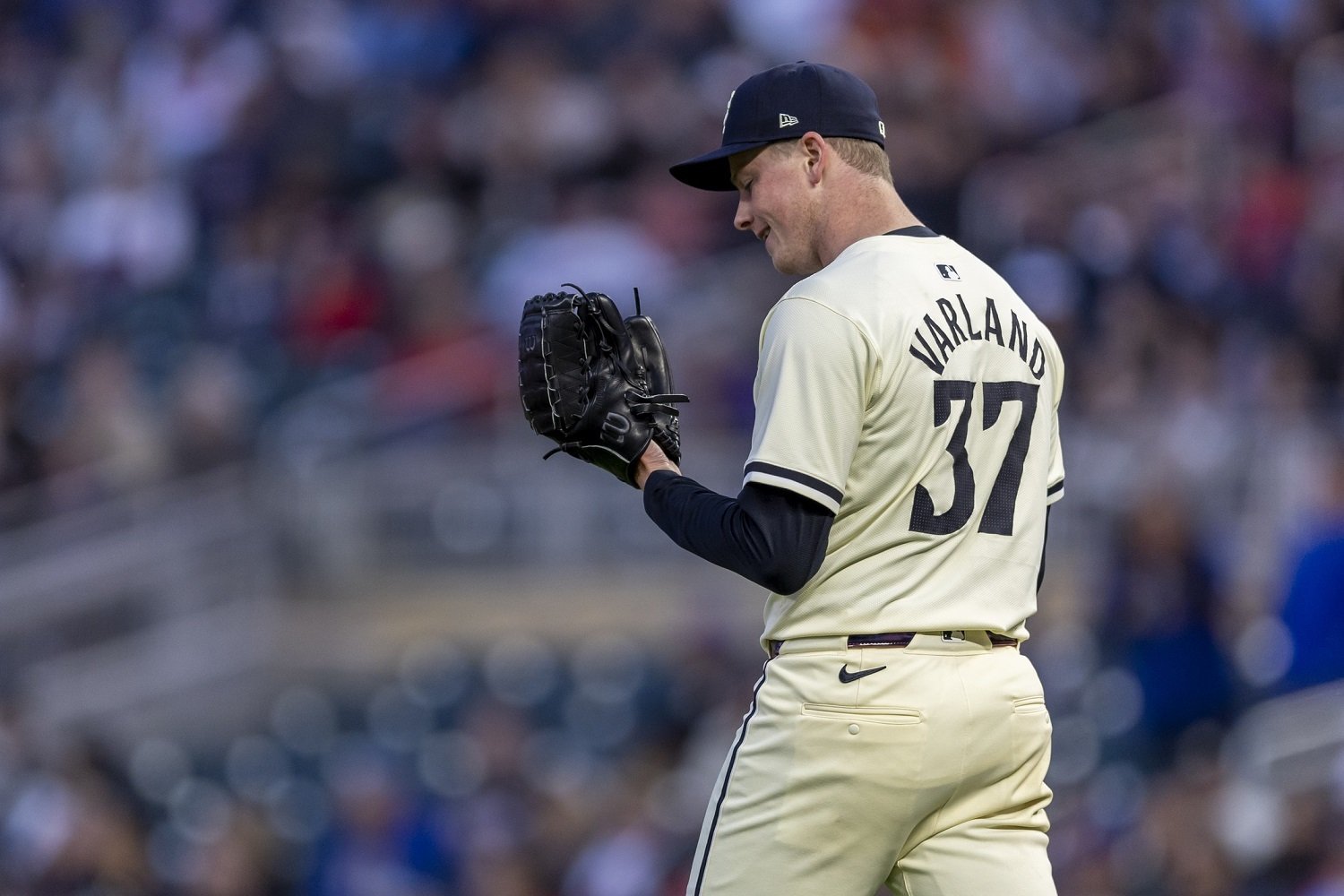 The Twins have no shortage of bats waiting for their chance in the minor leagues, but right now, they may need more pitching help. We could see three pitchers make a significant difference on the MLB roster this season, even before the All-Star break. David Festa Festa has been not only the most effective pitcher in St. Paul, but also one of the most dominant starters in Triple-A. After shoring up some previous problems with walk rate, the 6-foot-6 righthander has the raw stuff to be a weapon at the big-league level. He got his feet wet with the Saints last year, making three starts, and holds a 3.77 ERA in 14 starts this season. His ERA has been inflated by the long ball so far in 2024, but this is an outlier in the context of his career. Festa’s dominant 35.1% strikeout rate makes one wonder whether he can be an immediate contributor to the MLB rotation, and he may be next up as Chris Paddack needs a breather. (The Twins placed Paddack on the injured list with arm fatigue Tuesday afternoon.) If the Twins hold off on promoting Festa, we could still see him down the stretch as a bullpen piece, where it’s hard to imagine him being anything less than dominant. Louie Varland After a brutal start to his season in the MLB rotation, Varland has spent much of his season in St. Paul. Varland hadn’t been particularly dominant against Triple-A pitching, and his ERA now sits at 7.33. Varland has looked good in his two appearances with the Twins recently, though, and perhaps he’s still No. 1 for call-up options. It would be hard to blame anyone for doubting Varland’s future in the MLB rotation. His issues with loud contact have carried over to the Triple-A level, and he still lacks a traditional slider or sweeper to neutralize same-handed hitters. Instead, Varland’s potential contributions may come in the bullpen. We saw him at his most effective in that role last season, and the Twins bullpen could use another arm given the struggles of Caleb Thielbar and Jhoan Durán. There is also still no timetable for Brock Stewart. We’ve seen what Varland can do in short stints, and if the Twins make that decision sooner rather than later, they may save themselves a prospect at the trade deadline. Matt Canterino While he's not actively pitching in the minor leagues at the moment, Canterino may have the best stuff among any arm in the Twins system. A shoulder injury knocked him on the IL to start the season, but Canterino is back to throwing bullpens, and we may be seeing him on a rehab assignment soon. Canterino owns an ERA well under 2.00 across the minor leagues in his career, while striking out over a third of the hitters he’s faced. Health has always been the question, and as he enters his late 20s, it’s probably time to stop testing whether he can hold up to a starting pitcher’s workload. With a high-90s fastball to pair with a devastating changeup/slider combination, it’s hard to envision Canterino struggling in a relief role. While a smaller workload may not keep him healthy, it’s probably time for the Twins to try something different. He’s already on the 40-man roster, and the clock is ticking. If Canterino can make a few appearances for St. Paul to show he’s healthy, he has the stuff to be fast-tracked to Target Field, where he should be able to dominate MLB hitters immediately. Much of the Twins' starting pitching depth lies at Double-A Wichita. Could they be so aggressive as to promote someone like Zebby Matthews, who has dominated the entire season? Are there any other arms in the minor leagues that could be a big help in the short term? Let us know below!
- 18 comments
-
- 6
-
-
- david festa
- matt canterino
- (and 2 more)
-
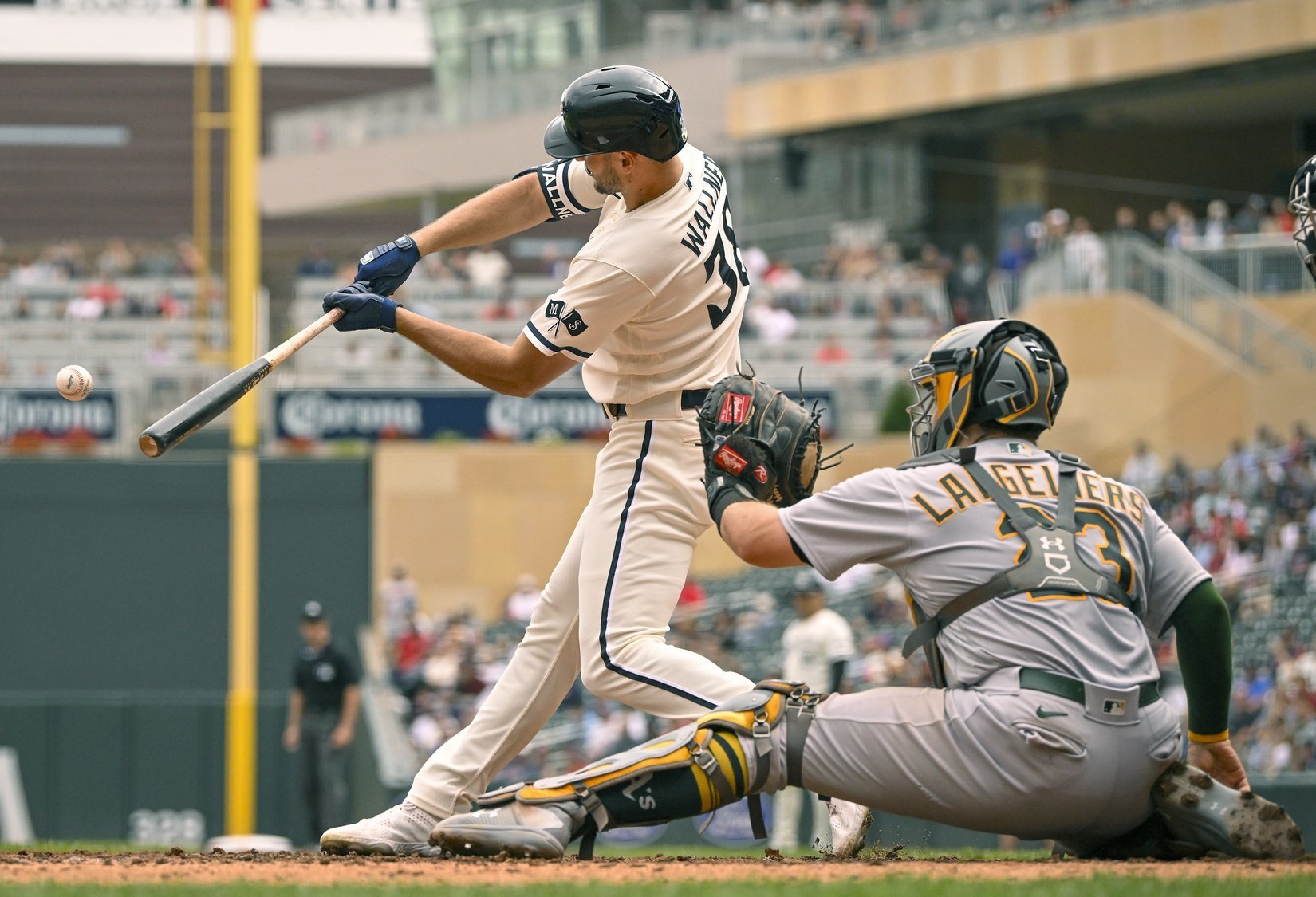 The Twins' current lineup consists of four left-handed options against right-handed pitchers: Trevor Larnach, Max Kepler, Willi Castro, and Carlos Santana. Their numbers for the year reflect this. While they’ve crushed southpaws, they’ve been below-average against right-handed pitching. The Twins have some pretty good options to try to fix it, but when and how do they go about it? Matt Wallner was the first young player whom the Twins demoted this season. After a rough spring training, he struck out in over half of his at-bats to begin the season, and was sent to Triple-A for a reset. After struggling for a month-plus in St. Paul, Wallner started to heat up around when it became clear that Alex Kirilloff needed a trip to the minor leagues. He was skipped over for the promotion for Austin Martin, but it’s become even more apparent since that decision that Wallner deserves a chance to help turn this offense around for a second year in a row. For a team struggling against right-handed pitching, it’s hard to justify keeping a left-handed former 32nd overall pick in the minor leagues, given how he’s performed recently. Because Wallner posted an .877 OPS in MLB last season and helped save the Twins' season, one could argue that it’s overdue to get him back on the roster. In recent weeks, we’ve seen exactly why the Twins have a below-average slash line against right-handed pitching. What was once a lineup with several underperforming left-handed bats now lacks lefty swingers altogether. Manuel Margot occasionally starts against same-handed pitching, despite a career .657 OPS in those matchups. Kyle Farmer has taken some of these matchups as well. It’s not a good situation for a lineup that includes Christian Vázquez half the time, for defensive reasons. The Twins have a reputation for holding onto veteran players long after it makes strategic sense to do so. As they near July, they may have to make a difficult decision earlier than they’d like. With a group of potential second base options (which includes Castro, Edouard Julien, and Brooks Lee) within the organization, the top choice for who to swap out is all too clear. Kyle Farmer was brought back to beat up left-handed pitching, which the Twins lineup has done despite him posting just a .633 OPS in those matchups. With just two fully left-handed hitters on the roster, the pinch-hit spots will be few and far between, even if Farmer was trusted to take those at-bats, which he has not been for some time now. He is also limited to second base, as the Twins don’t trust him at shortstop, and he has fallen behind Royce Lewis and José Miranda at third base. The Twins have a choice to make. They can let Wallner continue terrorizing Triple-A pitchers, possibly at the expense of the MLB lineup. They can ship out another player who’s either more productive or likely to be a long-term piece of the roster than Farmer. Or they can decide it’s time to value on-field production, which needs to be priority number one as they near the season's halfway point. Is it time to call Matt Wallner to help balance the Twin's platoon issues? Do you agree that Kyle Farmer is the best swap to make? Let us know below!
- 77 comments
-
- 7
-
-
- matt wallner
- kyle farmer
- (and 2 more)
-
In a mildly surprising move, the Twins promoted Austin Martin last week. While he was deserving, it’s left the team's roster too right-handed for their normally platoon-heavy ways. How long does the current iteration of the roster last? Image courtesy of Nick Wosika-USA TODAY Sports The Twins' current lineup consists of four left-handed options against right-handed pitchers: Trevor Larnach, Max Kepler, Willi Castro, and Carlos Santana. Their numbers for the year reflect this. While they’ve crushed southpaws, they’ve been below-average against right-handed pitching. The Twins have some pretty good options to try to fix it, but when and how do they go about it? Matt Wallner was the first young player whom the Twins demoted this season. After a rough spring training, he struck out in over half of his at-bats to begin the season, and was sent to Triple-A for a reset. After struggling for a month-plus in St. Paul, Wallner started to heat up around when it became clear that Alex Kirilloff needed a trip to the minor leagues. He was skipped over for the promotion for Austin Martin, but it’s become even more apparent since that decision that Wallner deserves a chance to help turn this offense around for a second year in a row. For a team struggling against right-handed pitching, it’s hard to justify keeping a left-handed former 32nd overall pick in the minor leagues, given how he’s performed recently. Because Wallner posted an .877 OPS in MLB last season and helped save the Twins' season, one could argue that it’s overdue to get him back on the roster. In recent weeks, we’ve seen exactly why the Twins have a below-average slash line against right-handed pitching. What was once a lineup with several underperforming left-handed bats now lacks lefty swingers altogether. Manuel Margot occasionally starts against same-handed pitching, despite a career .657 OPS in those matchups. Kyle Farmer has taken some of these matchups as well. It’s not a good situation for a lineup that includes Christian Vázquez half the time, for defensive reasons. The Twins have a reputation for holding onto veteran players long after it makes strategic sense to do so. As they near July, they may have to make a difficult decision earlier than they’d like. With a group of potential second base options (which includes Castro, Edouard Julien, and Brooks Lee) within the organization, the top choice for who to swap out is all too clear. Kyle Farmer was brought back to beat up left-handed pitching, which the Twins lineup has done despite him posting just a .633 OPS in those matchups. With just two fully left-handed hitters on the roster, the pinch-hit spots will be few and far between, even if Farmer was trusted to take those at-bats, which he has not been for some time now. He is also limited to second base, as the Twins don’t trust him at shortstop, and he has fallen behind Royce Lewis and José Miranda at third base. The Twins have a choice to make. They can let Wallner continue terrorizing Triple-A pitchers, possibly at the expense of the MLB lineup. They can ship out another player who’s either more productive or likely to be a long-term piece of the roster than Farmer. Or they can decide it’s time to value on-field production, which needs to be priority number one as they near the season's halfway point. Is it time to call Matt Wallner to help balance the Twin's platoon issues? Do you agree that Kyle Farmer is the best swap to make? Let us know below! View full article
- 77 replies
-
- 2
-
-
-
- matt wallner
- kyle farmer
- (and 2 more)
-
In general, pulling the ball can be a good thing, especially in the air. Selling out to try to do only that, while also having extremely poor plate discipline is not a good thing. Yes, Buxton has other issues like not catching up to fastballs this season, but his approach is very bad. Why would anyone give him something to pull over the fence when he's swinging whether the pitch is in the zone or not? His approach also relies on his hands remaining lightning quick to turn on pitches, which by the way, may already be waning on him at age 30 as evidenced by his inability to hit fastballs. Whether it was for injury reasons or to chase homers, he's made himself a one trick pony offensively in a way that's almost guaranteed to decline with age. It's very sad to see.
-
He will likely be worth the $15m base value of his contract based on defense alone. I don't think we have to worry about him hitting many incentives. As he tries to do do nothing but hit homers at the plate, he's probably never going to appear in another ASG or get MVP votes again. That's the trade off that was made.
-
Who in the world will be playing CF in the early innings?
-
He's at about 500 PAs between 2023 and 2024 and has actually been less productive this season when he's been mostly "healthy"