



Cody Pirkl
-
Posts
1,314 -
Joined
-
Last visited
-
Days Won
4
Content Type
Profiles
News
Minnesota Twins Videos
2026 Minnesota Twins Top Prospects Ranking
2022 Minnesota Twins Draft Picks
Minnesota Twins Free Agent & Trade Rumors, Notes, & Tidbits
Guides & Resources
2023 Minnesota Twins Draft Picks
The Minnesota Twins Players Project
2024 Minnesota Twins Draft Picks
2025 Minnesota Twins Draft Pick Tracker
2026 Minnesota Twins Draft Tracker: Picks & Bonuses
Forums
Blogs
Events
Store
Downloads
Gallery
Everything posted by Cody Pirkl
-
The Louis Varland Trade Keeps Looking Worse
Cody Pirkl replied to Cody Pirkl's topic in Minnesota Twins Talk
Pick any bottom of the barrel reliever they're thrown out there this year and replace them with Varland. Even if he was his 2025 self, he's the best pitcher in this bullpen. They have a bottom of the league bullpen ERA, which has knocked out plenty of save opportunities by games getting out of hand before they get to the later innings. There's no math needed to say that Varland at the top of the hierarchy would push everyone else down a peg and not only convert a higher percentage of saves, but create more save opportunities. Thats just common sense. And the thing about praising their plan to trade away all the relievers while hating that they did nothing to replace them is that completing step 1 but not step 2 makes it a bad plan. If I sold my car today for more than I paid for it, but don't buy another one to get to and from work everyday, the price I got for my car is pretty irrelevant. -
The Louis Varland Trade Keeps Looking Worse
Cody Pirkl replied to Cody Pirkl's topic in Minnesota Twins Talk
Except they'd be in a playoff spot right now with even just Varland still in the bullpen. I get that they have to be fluid and build internally, but they should have had to be blown away to punt on the 2026 season by completely gutting the bullpen. If they were, they may just not be very good at talent evaluation. They clearly think very little of Alan Roden and think far too much of Kendry Rojas if that offer was too good to refuse. I also find it extremely ironic that you point out that we aren't getting any younger while also downplaying the fact that they essentially punted on 2026 when keeping just one reliever at last year's deadline would have them in playoff position.- 50 replies
-
- 2
-

-
- louis varland
- alan roden
- (and 1 more)
-
The Louis Varland Trade Keeps Looking Worse
Cody Pirkl replied to Cody Pirkl's topic in Minnesota Twins Talk
As I mentioned, Varland doesn't have to pitch this well here if they kept him. If he were just his 2025 self he's their best reliever and a transformative piece of the bullpen mix. Maybe Roden can be useful, but its impossible to say because they don't see him worthy of MLB playing time so far. If Rojas becomes a starting pitcher then the Twins should win in terms of value. Thats not looking likely so far though, and the Twins needed help this year and aren't getting it from Rojas. Also theres no evidence of Varland wanting out, in fact theres quite a bit of evidence that he was devastated when he was shipped out. If he wanted an opportunity to start, that's also not going so well for him. -
The Louis Varland Trade Keeps Looking Worse
Cody Pirkl replied to Cody Pirkl's topic in Minnesota Twins Talk
The thing is a lot of the trade returns at the 2025 trade deadline were for players that were either fully or near MLB ready so they could help in 2026 when the team called themselves contenders. For the historic amount of trades the team made, Taj Bradley is the single player who has really made any impact at all in 2026. That includes 26 year old Alan Roden, who was half of the Varland trade and was a terrible return the second it was announced because of his age an position. My response to the "its too early to judge" take is that if Kendry Rojas, Alan Roden etc. were making an impact right now, people who hated this trade when it happened would be getting dunked on for their overly negative takes. Instead they've been proven absolutely correct so far and they're not supposed to comment on it at all for the next six years? Nah- 50 replies
-
- 5
-

-
-
- louis varland
- alan roden
- (and 1 more)
-
Image courtesy of © William Liang-Imagn Images The Twins’ frenzy at last year’s trade deadline had plenty of understandable sell-offs, but by the end, it seemed that they leaned into their willingness to deal relievers a bit too far. Dumping Louis Varland at the last minute of the trade deadline felt like the front office was a bit too confident in themselves. Almost a year later, that deal doesn’t look any better. The return for Varland was immediately worth questioning. The Twins cited Kendry Rojas as the main piece that pushed them over the edge. A borderline top 100 prospect, Rojas was coming off back-to-back seasons considerably shortened by injuries. That, paired with some flashes of control concerns, had already flagged him as a reliever risk. His high 90s fastball from the left side, paired with a plus slider, gave him upside, but the floor was difficult to ignore. Rojas debuted with the Saints immediately after the trade and posted a 6.59 ERA in 8 starts. He surprisingly made his MLB debut this season, but it was interrupted by a triceps injury that cost him a month. In his 16 innings of big league action, his 18.3% walk rate has kept him from helping the Twins’ pitching-needy roster. He’s since been demoted back to Triple-A. The other piece of the trade was even more of an eyebrow raiser. Perhaps the one position in the organization that could be considered a legitimate log jam was left-handed hitting outfielder. The Twins couldn’t help but feed their obsession with collecting this type of player, and acquired Alan Roden (bringing the total to three lefty corner outfielders acquired at the deadline). Unfortunately, he was injured immediately after being acquired and did not make the 2026 opening-day roster. He missed even more time with a shoulder injury this spring and hasn’t played at the MLB level this offseason despite a near 1.000 OPS as a 26-year-old in St. Paul because there’s simply no room for him. The Twins went on to declare themselves contenders for the 2026 season, and that has arguably played out, given the American League's weakness and their high-scoring offense. Their biggest issue has been the bullpen, which they chose to almost completely ignore in the offseason after their bullpen fire sale. Trading Varland always seemed like one step too far. It left the 2026 roster with absolutely nothing to turn to in the bullpen, and the team’s payroll and hubris regarding relievers have made the group a flammable mess that has undoubtedly cost the team countless games so far in 2026. While nobody expected Varland to be one of the best relievers in baseball this season, even if he performed at his 2025 level, he would have been the anchor of the Twins' bullpen. There was no reason to trade Varland unless they were blown away by an offer. That offer turned out to be a position player they didn’t need and a high-variance pitching prospect who very well may be bullpen-bound before long himself. The organizational belief that relievers don’t matter was on full display with the Varland trade, and it has immediately cost them in a season where the rest of the league has allowed them to hang around in the wild card standings. Simply not having a bottom-five bullpen in baseball would have this team firmly positioned in a playoff spot. Perhaps the Twins will trade away assets to bring in relief help, an ironic outcome that would further paint the Varland trade as a mistake. Maybe Rojas can stick as a starting pitcher long term and make the trade a net win in value for the Twins. That won’t change the fact that this deal was a major self-inflicted blow to their ability to compete in 2026, which was their self-stated goal. If Rojas sticks as a starting pitcher over the course of his Twins career, the Twins can come out on the other side of this deal as winners down the line. They’ll still have taken an immediate hit in 2026, and what we’ve seen from Rojas so far doesn’t make this scenario look particularly likely. Perhaps Varland wouldn’t have been enough to hold this bullpen together. At the very least, his performance this year would have been worth more in trade if the Twins hadn’t decided they had no choice but to dump a controllable player at a position they needed for whatever they could get. There’s no way around it: The Varland trade looks bad. There’s still a path for it to turn around if Rojas sticks in the rotation, but that was not a sure thing when he was required, and has only looked less likely since he came to the Twins. The Twins took things one step too far at the 2025 trade deadline, and an immediately unpopular trade has only looked worse since. Too harsh? Fair? Share your reaction in the comments. View full article
- 50 replies
-
- 2
-
-
-
- louis varland
- alan roden
- (and 1 more)
-
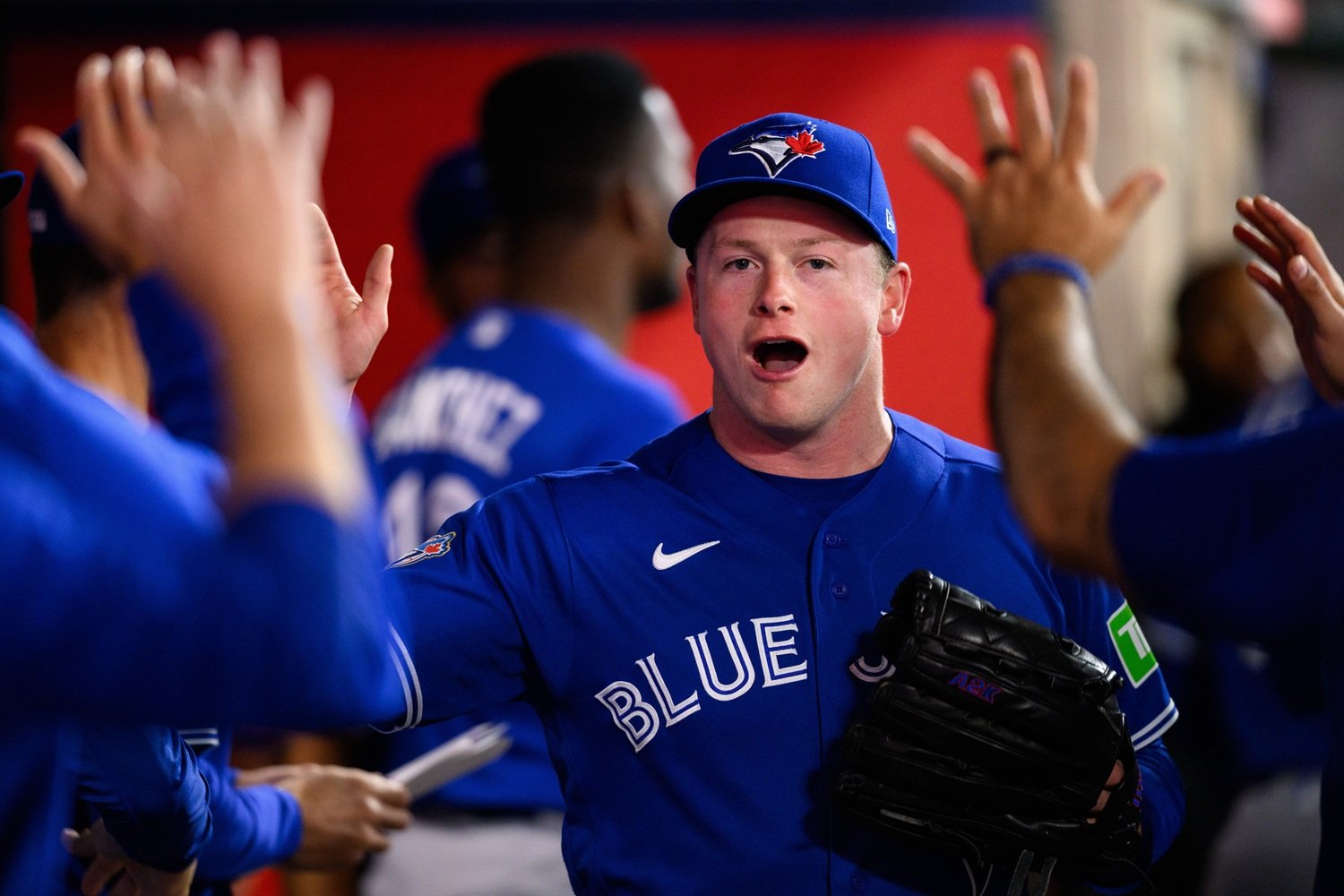 The Twins’ frenzy at last year’s trade deadline had plenty of understandable sell-offs, but by the end, it seemed that they leaned into their willingness to deal relievers a bit too far. Dumping Louis Varland at the last minute of the trade deadline felt like the front office was a bit too confident in themselves. Almost a year later, that deal doesn’t look any better. The return for Varland was immediately worth questioning. The Twins cited Kendry Rojas as the main piece that pushed them over the edge. A borderline top 100 prospect, Rojas was coming off back-to-back seasons considerably shortened by injuries. That, paired with some flashes of control concerns, had already flagged him as a reliever risk. His high 90s fastball from the left side, paired with a plus slider, gave him upside, but the floor was difficult to ignore. Rojas debuted with the Saints immediately after the trade and posted a 6.59 ERA in 8 starts. He surprisingly made his MLB debut this season, but it was interrupted by a triceps injury that cost him a month. In his 16 innings of big league action, his 18.3% walk rate has kept him from helping the Twins’ pitching-needy roster. He’s since been demoted back to Triple-A. The other piece of the trade was even more of an eyebrow raiser. Perhaps the one position in the organization that could be considered a legitimate log jam was left-handed hitting outfielder. The Twins couldn’t help but feed their obsession with collecting this type of player, and acquired Alan Roden (bringing the total to three lefty corner outfielders acquired at the deadline). Unfortunately, he was injured immediately after being acquired and did not make the 2026 opening-day roster. He missed even more time with a shoulder injury this spring and hasn’t played at the MLB level this offseason despite a near 1.000 OPS as a 26-year-old in St. Paul because there’s simply no room for him. The Twins went on to declare themselves contenders for the 2026 season, and that has arguably played out, given the American League's weakness and their high-scoring offense. Their biggest issue has been the bullpen, which they chose to almost completely ignore in the offseason after their bullpen fire sale. Trading Varland always seemed like one step too far. It left the 2026 roster with absolutely nothing to turn to in the bullpen, and the team’s payroll and hubris regarding relievers have made the group a flammable mess that has undoubtedly cost the team countless games so far in 2026. While nobody expected Varland to be one of the best relievers in baseball this season, even if he performed at his 2025 level, he would have been the anchor of the Twins' bullpen. There was no reason to trade Varland unless they were blown away by an offer. That offer turned out to be a position player they didn’t need and a high-variance pitching prospect who very well may be bullpen-bound before long himself. The organizational belief that relievers don’t matter was on full display with the Varland trade, and it has immediately cost them in a season where the rest of the league has allowed them to hang around in the wild card standings. Simply not having a bottom-five bullpen in baseball would have this team firmly positioned in a playoff spot. Perhaps the Twins will trade away assets to bring in relief help, an ironic outcome that would further paint the Varland trade as a mistake. Maybe Rojas can stick as a starting pitcher long term and make the trade a net win in value for the Twins. That won’t change the fact that this deal was a major self-inflicted blow to their ability to compete in 2026, which was their self-stated goal. If Rojas sticks as a starting pitcher over the course of his Twins career, the Twins can come out on the other side of this deal as winners down the line. They’ll still have taken an immediate hit in 2026, and what we’ve seen from Rojas so far doesn’t make this scenario look particularly likely. Perhaps Varland wouldn’t have been enough to hold this bullpen together. At the very least, his performance this year would have been worth more in trade if the Twins hadn’t decided they had no choice but to dump a controllable player at a position they needed for whatever they could get. There’s no way around it: The Varland trade looks bad. There’s still a path for it to turn around if Rojas sticks in the rotation, but that was not a sure thing when he was required, and has only looked less likely since he came to the Twins. The Twins took things one step too far at the 2025 trade deadline, and an immediately unpopular trade has only looked worse since. Too harsh? Fair? Share your reaction in the comments.
- 50 comments
-
- 6
-
-
- louis varland
- alan roden
- (and 1 more)
-
Image courtesy of © Jerome Miron-Imagn Images Perhaps in a different timeline, Andrew Morris is in the back end of the Twins’ rotation, filling in for their many starting pitching injuries. Instead, he was one of the first starting pitching prospects to pivot to a bullpen role, where the team has been desperate for help all season. As the sample size grows, he looks like he can be the next great internal reliever the Twins develop. Morris has posted an unimpressive ERA so far, just below 5.00. Taking a look under the hood, however, there's much more to like. From xERA to FIP to xFIP, he looks like a pitcher with a low-2s to mid-3s ERA in his first taste of bullpen action. An unfortunately high batting average on balls in play, as well as a below-average stranded runner rate, have held him back, but he’s still posted a solid performance with even more to like the deeper you dig. Morris still uses what would be considered a starting pitcher’s repertoire, with five pitches he throws at least 10% of the time. Each of these pitches has drawn a whiff rate of at least 20%, giving him the ability to turn to them in all counts. Only his sinker has been truly punished by opposing hitters, and we’ve already seen him decrease the usage from almost 15% in April to under 9% so far in June. The four-seamer remains his most used pitch, and we’ve seen him dial it up to 100 mph when he’s needed it. The most interesting development in his repertoire is the increase in cutter usage. So far in June, it’s Morris’s second-most-used pitch and has drawn a 30% whiff rate. When hitters do connect, an average launch angle of -12 degrees allowed has resulted in plenty of ground balls. If this pitch can continue getting the whiffs and weak contact, Morris has a legitimate plus offering to build the rest of his repertoire around. Once considered a low-ceiling starting pitching prospect, Morris is already flashing signs of being a true impact, late-inning reliever. Forming his pitch mix around his new role, drawing more whiffs than ever, and showing increased velocity, this is exactly what you hope for when you drop a starting pitcher in the bullpen. Time will tell whether Morris can become the next Taylor Rogers, Griffin Jax, Louis Varland, etc., but what he’s already shown has been plenty for this Twins team that quite simply had nothing in the way of upside relievers headed into 2026. There’s still a chance that the Twins chose to move him back to the rotation at some point, but as things currently stand, Morris can spend the rest of this season positioning himself as one of the Twins’ high-leverage relievers in 2027. It’s been a strong debut for Andrew Morris. He has an opportunity to position himself atop the Twins’ 2027 bullpen with more development down the stretch in 2026. Do you agree? View full article
-
Is Andrew Morris the Minnesota Twins' Next Relief Success Story?
Cody Pirkl posted an article in Twins
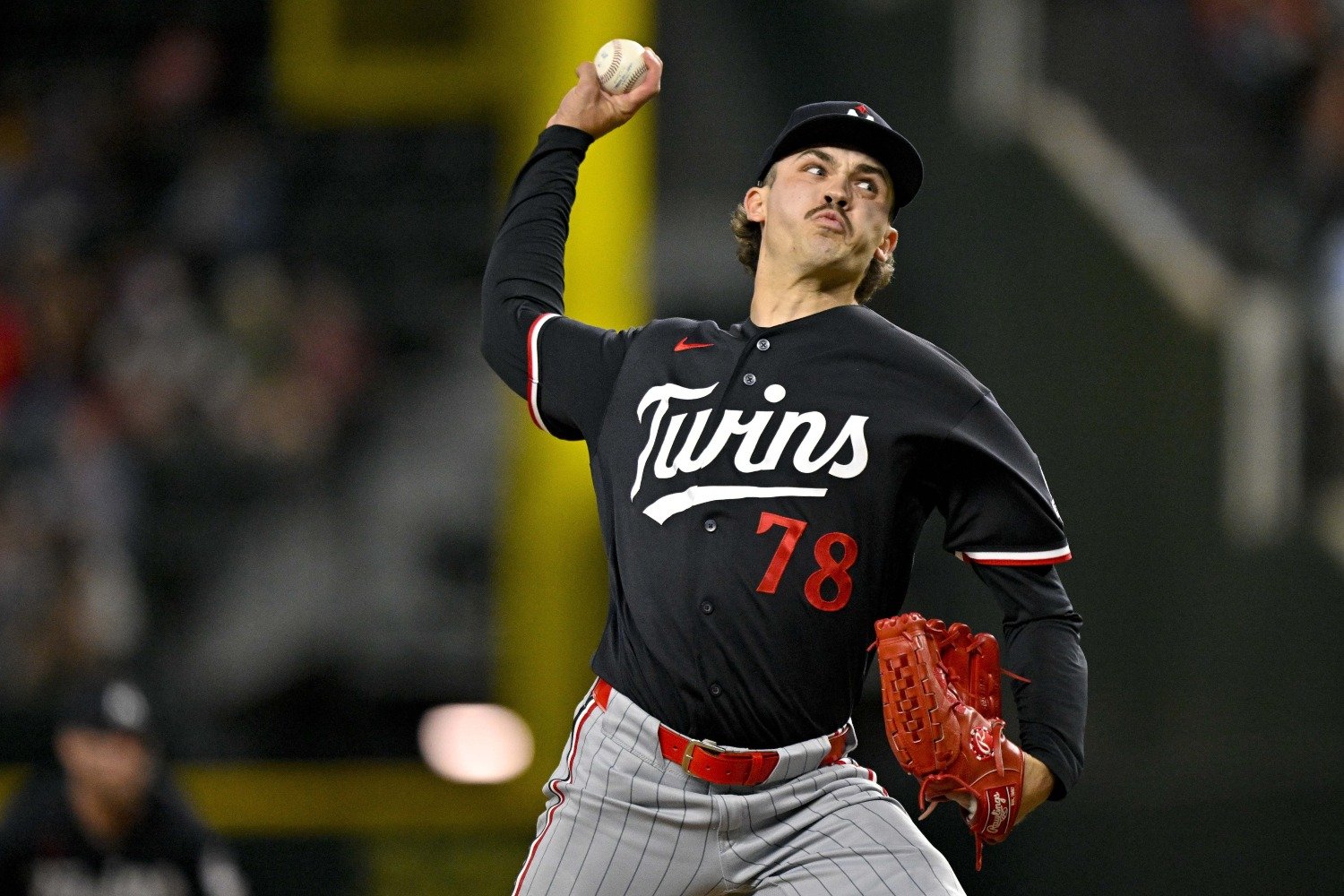 Perhaps in a different timeline, Andrew Morris is in the back end of the Twins’ rotation, filling in for their many starting pitching injuries. Instead, he was one of the first starting pitching prospects to pivot to a bullpen role, where the team has been desperate for help all season. As the sample size grows, he looks like he can be the next great internal reliever the Twins develop. Morris has posted an unimpressive ERA so far, just below 5.00. Taking a look under the hood, however, there's much more to like. From xERA to FIP to xFIP, he looks like a pitcher with a low-2s to mid-3s ERA in his first taste of bullpen action. An unfortunately high batting average on balls in play, as well as a below-average stranded runner rate, have held him back, but he’s still posted a solid performance with even more to like the deeper you dig. Morris still uses what would be considered a starting pitcher’s repertoire, with five pitches he throws at least 10% of the time. Each of these pitches has drawn a whiff rate of at least 20%, giving him the ability to turn to them in all counts. Only his sinker has been truly punished by opposing hitters, and we’ve already seen him decrease the usage from almost 15% in April to under 9% so far in June. The four-seamer remains his most used pitch, and we’ve seen him dial it up to 100 mph when he’s needed it. The most interesting development in his repertoire is the increase in cutter usage. So far in June, it’s Morris’s second-most-used pitch and has drawn a 30% whiff rate. When hitters do connect, an average launch angle of -12 degrees allowed has resulted in plenty of ground balls. If this pitch can continue getting the whiffs and weak contact, Morris has a legitimate plus offering to build the rest of his repertoire around. Once considered a low-ceiling starting pitching prospect, Morris is already flashing signs of being a true impact, late-inning reliever. Forming his pitch mix around his new role, drawing more whiffs than ever, and showing increased velocity, this is exactly what you hope for when you drop a starting pitcher in the bullpen. Time will tell whether Morris can become the next Taylor Rogers, Griffin Jax, Louis Varland, etc., but what he’s already shown has been plenty for this Twins team that quite simply had nothing in the way of upside relievers headed into 2026. There’s still a chance that the Twins chose to move him back to the rotation at some point, but as things currently stand, Morris can spend the rest of this season positioning himself as one of the Twins’ high-leverage relievers in 2027. It’s been a strong debut for Andrew Morris. He has an opportunity to position himself atop the Twins’ 2027 bullpen with more development down the stretch in 2026. Do you agree?
 -
Image courtesy of © Jeffrey Becker-Imagn Images The Twins currently have a revolving door at shortstop, with journeyman utility players they can’t keep for much longer—if for no other reason, then because none of them fit that role well enough to lock it down. Having one such player is understandable, but the Twins are currently rostering three. One is likely to go when Kaelen Culpepper debuts, and the Twins would be wise to get rid of at least one more at a later time to better utilize the 26-man roster. Who has the best chance of sticking around? Orlando Arcia An All-Star for Atlanta in 2023, Arcia has been a true super utilityman, playing all four infield spots in his brief time with the big-league club. He posted a .932 OPS for Saint Paul before his promotion, but has posted a sub-.700 OPS in a small sample, which is in line with his production over the last two seasons. While Arcia’s defensive flexibility is helpful, it’s worth wondering what else he has to provide at this stage in his career. At 31 years of age, it’s hard to envision him holding onto a role beyond 2026 with the Twins, making him especially expendable if the team continues to fall further under .500. He has also only been trusted a handful of times to start games at shortstop, and if the Twins put him behind Tristan Gray and Ryan Kreidler on the shortstop depth chart, his utility in 2026 is worth questioning. He may be the first to go when Culpepper gets the call. Tristan Gray After winning a bench job in spring training, Gray got off to a hot start in 2026 and has been an above-replacement-level player on the season. He started eating into Royce Lewis’s playing time at third base, where he played regularly until Brooks Lee shifted over full-time. His hot start and handful of clutch hits have carried him, but his slightly below-average .697 OPS is more than acceptable production for a bench player who can fill in at shortstop. The problem is that Gray doesn’t appear to be a trustworthy option now that he’s been exposed to more playing time up the middle. As bad as Lee was defensively at short, Gray has matched him, with -5 Outs Above Average in a fraction of the time. It’s looking more and more like Gray is not a viable option at shortstop, even as an emergency fill-in. He may get more time since the Twins liked him most out of spring training from this group, but his utility will come into question when the Twins get an everyday shortstop on the roster. He's also leading the majors in a rather dubious category: no one misses by more, on average, when they whiff on a swing. Ryan Kreidler Kreidler has been a pleasant surprise offensively, posting a .761 OPS and already clubbing a career-high 3 homers this season. Brought in as a glove-first utility player, the glove has actually been the disappointment so far. Before 2026, Kreidler was an average or better defender across several infield and outfield spots, including shortstop and center field. At 28 years of age, it’s hard to imagine that Kreidler has suddenly lost a step. It’s more likely that we see things even out for him defensively as the year goes on. Kreidler’s age and subsequent team control make him the most interesting option to keep on the roster moving forward. If his glove evens out, that alone may be enough to utilize some of his five remaining seasons of team control. If his bat can keep up this pace to any degree, he becomes a valuable player in the Willi Castro vein. This long-term upside, however remote reaching it may be, should be enough for Kreidler to be the last man standing if the Twins decide to purge their current veteran super-utility group and look toward the future. The Twins can’t continue to waste 26-man roster spots the way they have been, especially if they continue to fall further out of contention. Lewis himself is sliding into this role, too, further muddying the picture. If their sights turn toward 2027 and beyond, the current super-utility infielder group should be the first place to look when it comes to swapping younger players in. Which, if any, of these three names should stick around? View full article
-
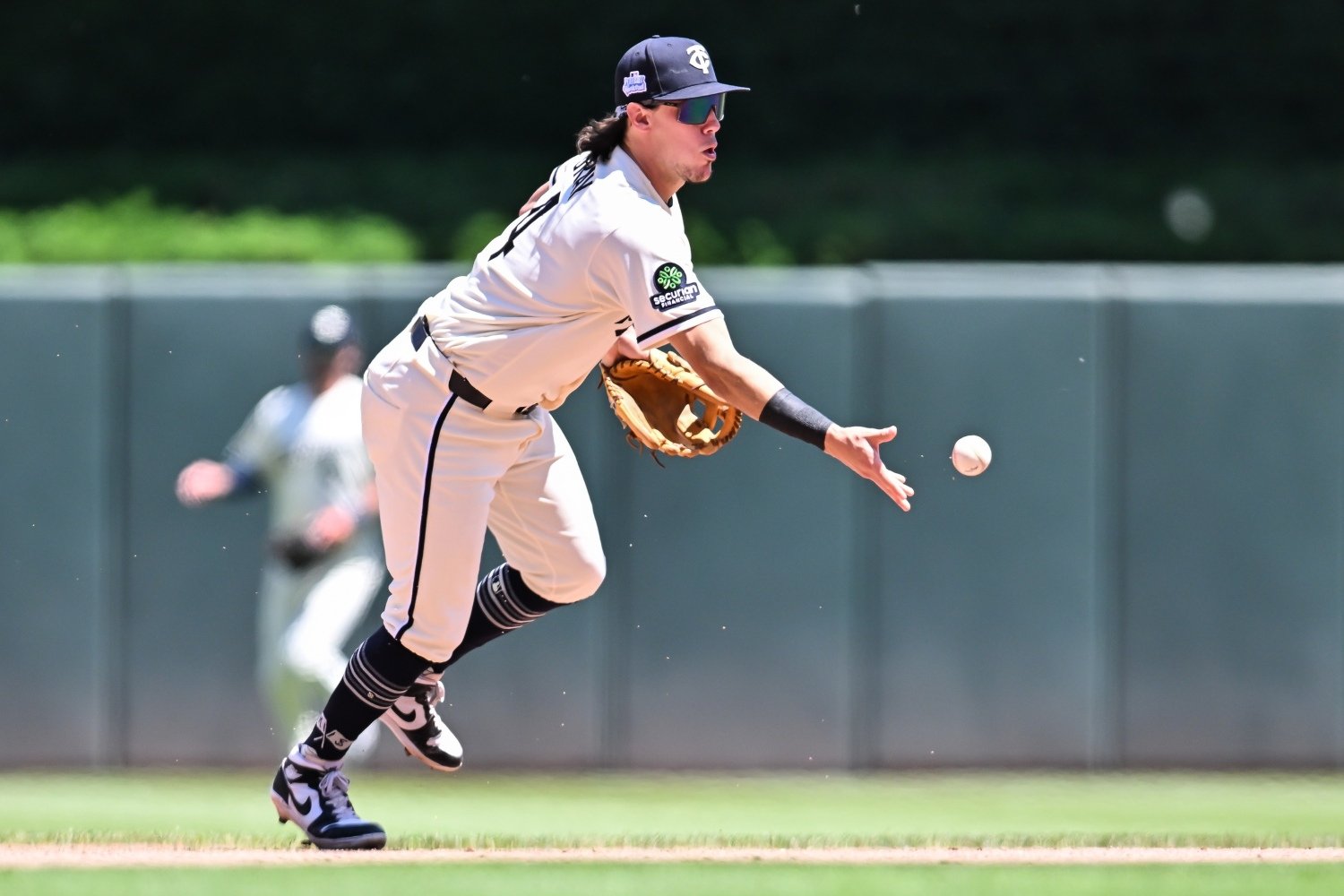 The Twins currently have a revolving door at shortstop, with journeyman utility players they can’t keep for much longer—if for no other reason, then because none of them fit that role well enough to lock it down. Having one such player is understandable, but the Twins are currently rostering three. One is likely to go when Kaelen Culpepper debuts, and the Twins would be wise to get rid of at least one more at a later time to better utilize the 26-man roster. Who has the best chance of sticking around? Orlando Arcia An All-Star for Atlanta in 2023, Arcia has been a true super utilityman, playing all four infield spots in his brief time with the big-league club. He posted a .932 OPS for Saint Paul before his promotion, but has posted a sub-.700 OPS in a small sample, which is in line with his production over the last two seasons. While Arcia’s defensive flexibility is helpful, it’s worth wondering what else he has to provide at this stage in his career. At 31 years of age, it’s hard to envision him holding onto a role beyond 2026 with the Twins, making him especially expendable if the team continues to fall further under .500. He has also only been trusted a handful of times to start games at shortstop, and if the Twins put him behind Tristan Gray and Ryan Kreidler on the shortstop depth chart, his utility in 2026 is worth questioning. He may be the first to go when Culpepper gets the call. Tristan Gray After winning a bench job in spring training, Gray got off to a hot start in 2026 and has been an above-replacement-level player on the season. He started eating into Royce Lewis’s playing time at third base, where he played regularly until Brooks Lee shifted over full-time. His hot start and handful of clutch hits have carried him, but his slightly below-average .697 OPS is more than acceptable production for a bench player who can fill in at shortstop. The problem is that Gray doesn’t appear to be a trustworthy option now that he’s been exposed to more playing time up the middle. As bad as Lee was defensively at short, Gray has matched him, with -5 Outs Above Average in a fraction of the time. It’s looking more and more like Gray is not a viable option at shortstop, even as an emergency fill-in. He may get more time since the Twins liked him most out of spring training from this group, but his utility will come into question when the Twins get an everyday shortstop on the roster. He's also leading the majors in a rather dubious category: no one misses by more, on average, when they whiff on a swing. Ryan Kreidler Kreidler has been a pleasant surprise offensively, posting a .761 OPS and already clubbing a career-high 3 homers this season. Brought in as a glove-first utility player, the glove has actually been the disappointment so far. Before 2026, Kreidler was an average or better defender across several infield and outfield spots, including shortstop and center field. At 28 years of age, it’s hard to imagine that Kreidler has suddenly lost a step. It’s more likely that we see things even out for him defensively as the year goes on. Kreidler’s age and subsequent team control make him the most interesting option to keep on the roster moving forward. If his glove evens out, that alone may be enough to utilize some of his five remaining seasons of team control. If his bat can keep up this pace to any degree, he becomes a valuable player in the Willi Castro vein. This long-term upside, however remote reaching it may be, should be enough for Kreidler to be the last man standing if the Twins decide to purge their current veteran super-utility group and look toward the future. The Twins can’t continue to waste 26-man roster spots the way they have been, especially if they continue to fall further out of contention. Lewis himself is sliding into this role, too, further muddying the picture. If their sights turn toward 2027 and beyond, the current super-utility infielder group should be the first place to look when it comes to swapping younger players in. Which, if any, of these three names should stick around?
- 44 comments
-
- 3
-
-
- ryan kreidler
- tristan gray
- (and 1 more)
-
Image courtesy of Rob Thompson, St. Paul Saints (photo of Matt Wallner) Matt Wallner had posted a slash line of .167/.259/.292 when he was sent to St. Paul last month. It was a deserved demotion and was immediately justified when he struggled to begin his time in Triple-A. More recently, he’s looked a lot more like the hitter he was expected to be, and it’s possible he finds himself back with the big-league club very soon. As recently as May 24th, Wallner was hitting .171/.250/.229. Then he had a 10-game hot streak during which he put up a .275/.383/.500 line with the Saints, and that was before crushing three homers on Thursday night. More encouraging was that he had posted a 21.3% K rate in that stretch, as the whiffs had become untenable at the big-league level. Even in the friendly confines of CHS Field, Wallner’s production has been noteworthy. Through Saturday, he's hit in each of his past seven games. In that stretch, he is 13-for-31 (.419) with a double and five home runs. The first five of those games were multi-hit games. Overall, he is hitting .275/.359/.538 (.897) with six doubles, five homers in 20 Saints games. It’s not the greatest feather in his cap that Matt Wallner has had to be sent down for a similar reset before, but it’s worth something that he’s done so in the past and returned to the big leagues able to carry over his production. Whether his adjustments can last is a real concern, but at 28 years old, there isn’t much reason for the Twins to keep him in Triple-A if he’s producing like this. Making matters easier for the Twins, the big-league roster hasn’t done much to keep Wallner stuck in St. Paul. Austin Martin’s production was cited as a driving factor in Wallner’s demotion. He’s backed up the Twins’ decision by going .149/.203/.230 since he became a full-time player on May 14. Martin may be best served as a short-side platoon player, and while Wallner’s struggles were widespread, his numbers were undoubtedly dragged down by facing lefties. The ideal scenario may be a straight platoon pairing these two players to bring out the best in each. Wallner’s defense has become a major problem this season, but there should be at-bats available in the DH spot now that Buxton is playing center field again. Josh Bell has posted a .635 OPS and has no chance of being a part of the Twins’ future. Either he turns things around and is traded, or the Twins cut bait at some point. Either way, there’s plenty of opportunity on the horizon for Wallner to get another shot. Matt Wallner has done his part by working in St. Paul and putting up encouraging numbers. The MLB roster is struggling, and other outfielders who were also in the minor leagues being injured have kept the door open for him. He’ll always be a streaky hitter, and both fans and the Twins themselves will likely look at him more questionably moving forward, but as for right now, he’s likely earning himself another opportunity. How long should Matt Wallner need to continue tearing up Triple-A before he earns another shot? Should the Twins give us one at all? Let us know below! View full article
-
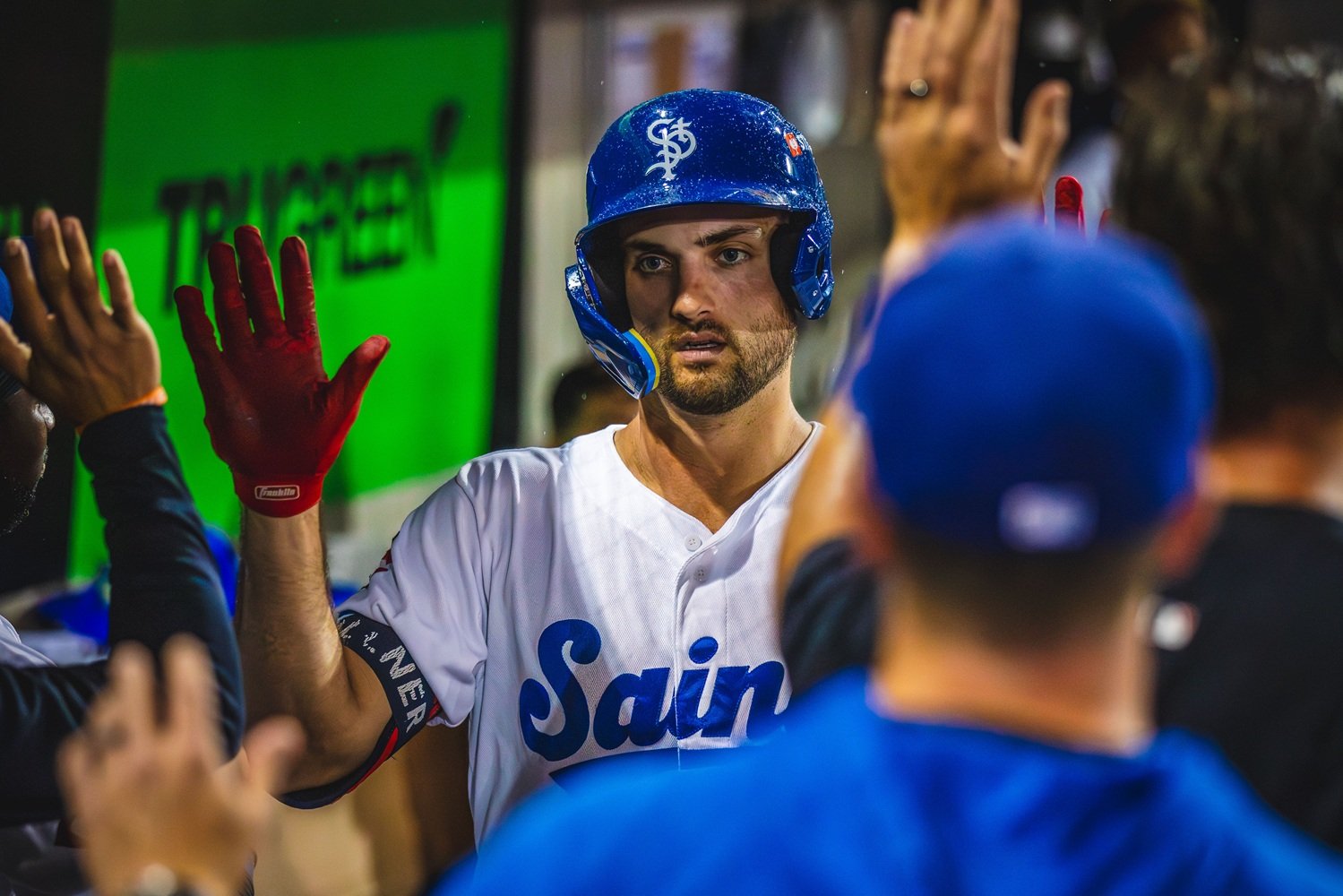 Matt Wallner had posted a slash line of .167/.259/.292 when he was sent to St. Paul last month. It was a deserved demotion and was immediately justified when he struggled to begin his time in Triple-A. More recently, he’s looked a lot more like the hitter he was expected to be, and it’s possible he finds himself back with the big-league club very soon. As recently as May 24th, Wallner was hitting .171/.250/.229. Then he had a 10-game hot streak during which he put up a .275/.383/.500 line with the Saints, and that was before crushing three homers on Thursday night. More encouraging was that he had posted a 21.3% K rate in that stretch, as the whiffs had become untenable at the big-league level. Even in the friendly confines of CHS Field, Wallner’s production has been noteworthy. Through Saturday, he's hit in each of his past seven games. In that stretch, he is 13-for-31 (.419) with a double and five home runs. The first five of those games were multi-hit games. Overall, he is hitting .275/.359/.538 (.897) with six doubles, five homers in 20 Saints games. It’s not the greatest feather in his cap that Matt Wallner has had to be sent down for a similar reset before, but it’s worth something that he’s done so in the past and returned to the big leagues able to carry over his production. Whether his adjustments can last is a real concern, but at 28 years old, there isn’t much reason for the Twins to keep him in Triple-A if he’s producing like this. Making matters easier for the Twins, the big-league roster hasn’t done much to keep Wallner stuck in St. Paul. Austin Martin’s production was cited as a driving factor in Wallner’s demotion. He’s backed up the Twins’ decision by going .149/.203/.230 since he became a full-time player on May 14. Martin may be best served as a short-side platoon player, and while Wallner’s struggles were widespread, his numbers were undoubtedly dragged down by facing lefties. The ideal scenario may be a straight platoon pairing these two players to bring out the best in each. Wallner’s defense has become a major problem this season, but there should be at-bats available in the DH spot now that Buxton is playing center field again. Josh Bell has posted a .635 OPS and has no chance of being a part of the Twins’ future. Either he turns things around and is traded, or the Twins cut bait at some point. Either way, there’s plenty of opportunity on the horizon for Wallner to get another shot. Matt Wallner has done his part by working in St. Paul and putting up encouraging numbers. The MLB roster is struggling, and other outfielders who were also in the minor leagues being injured have kept the door open for him. He’ll always be a streaky hitter, and both fans and the Twins themselves will likely look at him more questionably moving forward, but as for right now, he’s likely earning himself another opportunity. How long should Matt Wallner need to continue tearing up Triple-A before he earns another shot? Should the Twins give us one at all? Let us know below!
- 60 comments
-
- 3
-
-
- matt wallner
- austin martin
- (and 1 more)
-
Image courtesy of © Matt Blewett-Imagn Images Royce Lewis was in need of a total reset when the Twins demoted him to Triple-A. He’s mashed since he arrived for the Saints, but the Twins likely aren’t in a hurry to declare him fixed, despite his strong performance. They’ll have to make a decision over the next few weeks and months. What should they do with Lewis if he keeps dominating in the minor leagues? Back To Third Base Royce has strictly played third base and DH in the minor leagues this season. It’s made a lot of sense at this point, as the priority is for him to find his swing again, and the Twins likely don’t want to add more to his plate. It’s possible his long-term defensive fit remains unchanged, and that whenever the Twins determine he’s ready to return to MLB action, he immediately slots back in at the hot corner. The problem is that the Twins have overhauled the left side of the infield since Lewis’s demotion. It appears the Brooks Lee shortstop experiment is over, as he’s shifted to third base full-time in favor of Tristan Gray and Ryan Kreidler at shortstop. Lee struggled at third base defensively last season, but his skillset should make him a plus defender there, and the defense at shortstop from the two journeymen has been a massive upgrade. Were Lewis recalled and slotted in at third again, there would have to be another position switch afoot for Lee, instead. That feels unlikely. Lewis Plays a New Position The Twins could always shift Lewis to a different infield spot. Luke Keaschall is far from a lock at second base defensively at this point. Lewis could also move all the way down the defensive spectrum to first base, where the Twins lack a reliable right-handed option. The latter, in particular, could make some sense, especially if they give up on Josh Bell, which would open the DH spot to keep Lewis in the lineup even when Kody Clemens is in the field. If the Twins have this in mind, we’ll know pretty quickly, as Lewis will probably get his feet wet at a new position in Triple-A first. The problem here is obvious. Lewis might not be a big fan of changing positions. The Twins tried to add second base to his repertoire a few years ago, and he made it known publicly that he was not in support of this. Perhaps with time to get comfortable at a new spot in St. Paul, he would be more receptive, but it’s difficult to say how flexible Lewis is willing to be for this organization at this point in his career. Mutual Parting Of Ways If Lewis doesn’t fit in the Twins’ plans as they move forward—or if he doesn’t want to—there’s a world where the Twins find a trade partner to make everybody happy. While going on an offensive tear in Triple-A doesn’t have nearly the impact of showing he can still do it in MLB, it’s better than being demoted and struggling, which would wipe away all trade value. It’s not impossible that another team sees an adjustment Lewis can make and would make an offer that can help the Twins in some way, even if the value isn’t anywhere near what it was two years ago. This would be a disappointing end to Lewis’s tenure with the Twins, but it can’t be ruled out. Even if Lewis himself doesn’t want a fresh start elsewhere, the Twins are likely pondering whether they foresee him returning to the status of a potential core player for this team. If they’re uncertain about this belief, the continued quotes blaming the organization for his nearly two years of struggles likely aren’t helping the case for keeping him. Derek Falvey is gone, and the remaining front office is not the same one that drafted Lewis first overall in 2017. Anything could happen. Lewis has taken a big step back in status and priority level within the Twins' plans. The Twins have several options for moving forward with him should he continue to produce in Triple-A. Which option would you prefer they take? View full article
-
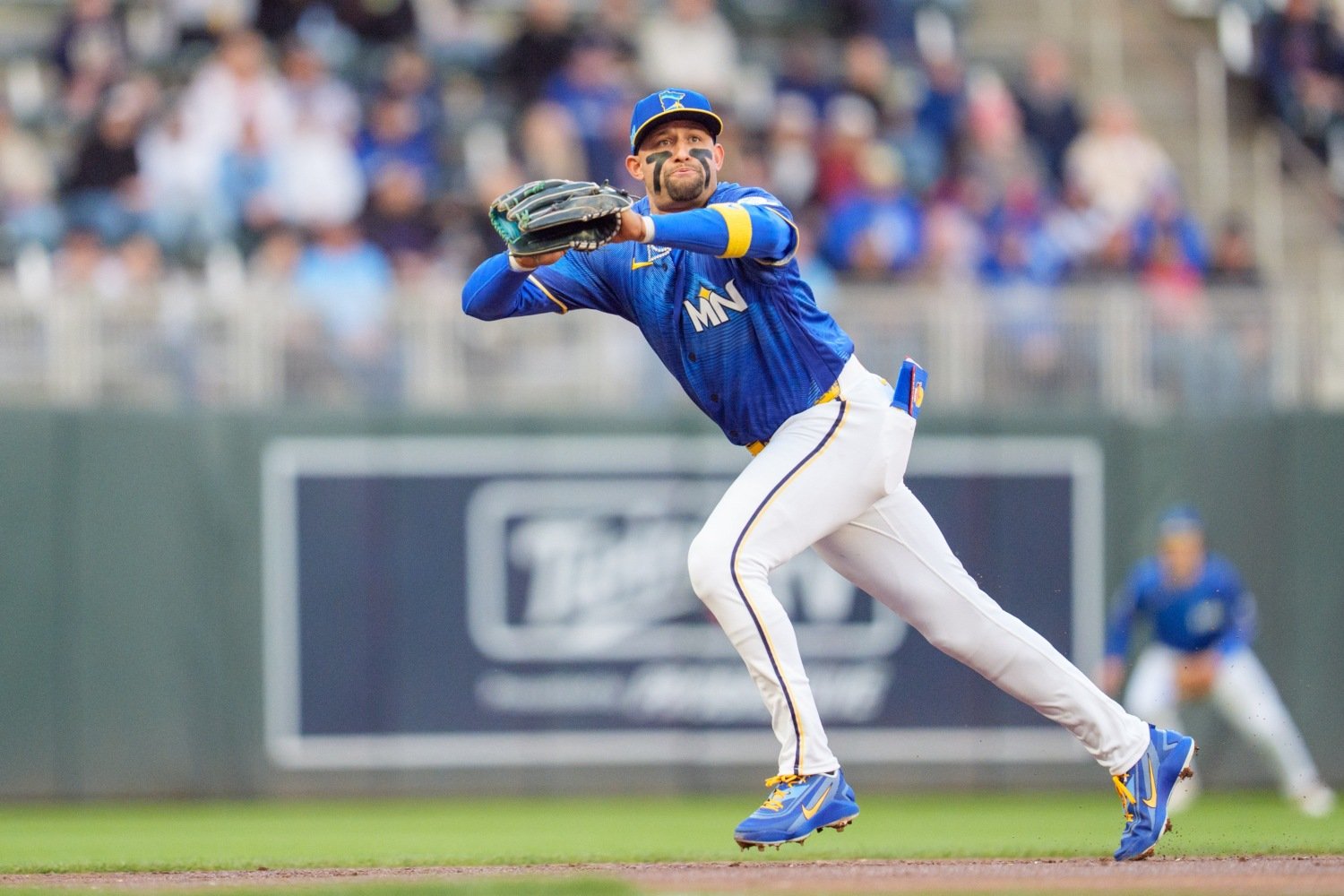 Royce Lewis was in need of a total reset when the Twins demoted him to Triple-A. He’s mashed since he arrived for the Saints, but the Twins likely aren’t in a hurry to declare him fixed, despite his strong performance. They’ll have to make a decision over the next few weeks and months. What should they do with Lewis if he keeps dominating in the minor leagues? Back To Third Base Royce has strictly played third base and DH in the minor leagues this season. It’s made a lot of sense at this point, as the priority is for him to find his swing again, and the Twins likely don’t want to add more to his plate. It’s possible his long-term defensive fit remains unchanged, and that whenever the Twins determine he’s ready to return to MLB action, he immediately slots back in at the hot corner. The problem is that the Twins have overhauled the left side of the infield since Lewis’s demotion. It appears the Brooks Lee shortstop experiment is over, as he’s shifted to third base full-time in favor of Tristan Gray and Ryan Kreidler at shortstop. Lee struggled at third base defensively last season, but his skillset should make him a plus defender there, and the defense at shortstop from the two journeymen has been a massive upgrade. Were Lewis recalled and slotted in at third again, there would have to be another position switch afoot for Lee, instead. That feels unlikely. Lewis Plays a New Position The Twins could always shift Lewis to a different infield spot. Luke Keaschall is far from a lock at second base defensively at this point. Lewis could also move all the way down the defensive spectrum to first base, where the Twins lack a reliable right-handed option. The latter, in particular, could make some sense, especially if they give up on Josh Bell, which would open the DH spot to keep Lewis in the lineup even when Kody Clemens is in the field. If the Twins have this in mind, we’ll know pretty quickly, as Lewis will probably get his feet wet at a new position in Triple-A first. The problem here is obvious. Lewis might not be a big fan of changing positions. The Twins tried to add second base to his repertoire a few years ago, and he made it known publicly that he was not in support of this. Perhaps with time to get comfortable at a new spot in St. Paul, he would be more receptive, but it’s difficult to say how flexible Lewis is willing to be for this organization at this point in his career. Mutual Parting Of Ways If Lewis doesn’t fit in the Twins’ plans as they move forward—or if he doesn’t want to—there’s a world where the Twins find a trade partner to make everybody happy. While going on an offensive tear in Triple-A doesn’t have nearly the impact of showing he can still do it in MLB, it’s better than being demoted and struggling, which would wipe away all trade value. It’s not impossible that another team sees an adjustment Lewis can make and would make an offer that can help the Twins in some way, even if the value isn’t anywhere near what it was two years ago. This would be a disappointing end to Lewis’s tenure with the Twins, but it can’t be ruled out. Even if Lewis himself doesn’t want a fresh start elsewhere, the Twins are likely pondering whether they foresee him returning to the status of a potential core player for this team. If they’re uncertain about this belief, the continued quotes blaming the organization for his nearly two years of struggles likely aren’t helping the case for keeping him. Derek Falvey is gone, and the remaining front office is not the same one that drafted Lewis first overall in 2017. Anything could happen. Lewis has taken a big step back in status and priority level within the Twins' plans. The Twins have several options for moving forward with him should he continue to produce in Triple-A. Which option would you prefer they take?
 -
Image courtesy of © Nathan Ray Seebeck-Imagn Images Plenty of damage has already been done by the bullpen, which is why the Twins need to stay diligent in cycling through arms in hopes that they can build a functional group as the season goes on. We’ve seen some debuts and roster claims, but it’s still very much a work in progress. Three names in the minor leagues could find themselves with the big league club in short order. John Klein We already saw Klein briefly, and it’s worth wondering exactly what the plan is for him. The Twins had him stuck in a bulk innings role, which neither prepared him to start games nor to serve as a traditional reliever, ultimately leading to his demotion last week, as he wouldn’t have been available for back-to-back outings. Upon his return to the minor leagues, the Twins stuck him in the same role. He wouldn’t be an option for the big league rotation, and if he were to get recalled any time soon, he would likely just serve as a mop-up reliever to be demoted the day after pitching again. If the Twins decide on a path for Klein that would actually be useful to an MLB roster, it’s easy to see him being an impact arm, especially in the bullpen. His mid to high-90s fastball, paired with a good-looking cutter and changeup combo, would play up in short stints and could help the Twins tremendously. If the Twins finally decide to go down this path with Klein, he could be up in short order. Marco Raya Drafted out of high school in 2020, Raya has disappointed thus far in his career, but his story is far from written. His days as a starting pitcher are over, and his body of work as a reliever is less than impressive, but if something clicks, Raya can still be an impact reliever out of the Twins’ pen. We may already be seeing signs. Raya’s stuff isn’t in question between his mid to high-90s fastball and devastating sweeper. Control and command are the bigger concerns, and have led to an ERA over 7.00 in St. Paul this season. Relievers are unpredictable, however, and in his last few outings, Raya has flashed his ability to be a dominant reliever. He’s already on the 40-man roster, so the Twins have no reason not to be quick to call him up if he’s showing signs of finally putting things together. C.J. Culpepper Injuries have derailed Culpepper’s hopes of sticking as a starting pitcher, but his stuff remains intact. After an injury-riddled 2025 season, the Twins saw this and fast-tracked him to St. Paul, immediately converting him to the bullpen upon his promotion. While they’ll surely give him time to get accustomed, Culpepper could find himself with the big league club in short order if he performs well in relief for the Saints. Some outlets had notched Culpepper in the Twins' top 10 prospects in the last few years. He had the stuff to navigate opposing lineups multiple times as a starter. Now that he’s settled into a bullpen role, he can focus on the best of his repertoire, which includes a cutter/sweeper combo. His fastball ticked down amid injuries, but he’s flashed 98 mph on the heater in the past. If he can stay healthy, Culpepper could find himself pitching out of the bullpen at Target Field later this summer. We’re approaching the point where the Twins should feel less concerned about what could go wrong with some of their younger arms should they be called up to the big league bullpen. As June approaches, it’s getting close to time to swap out some of the low upside, short-term veteran relievers and live with the results of whatever the younger arms have to offer. Do you disagree with any of the names listed? Are there any other minor leaguers that should be fast-tracked to the MLB bullpen? Let us know below! View full article
-
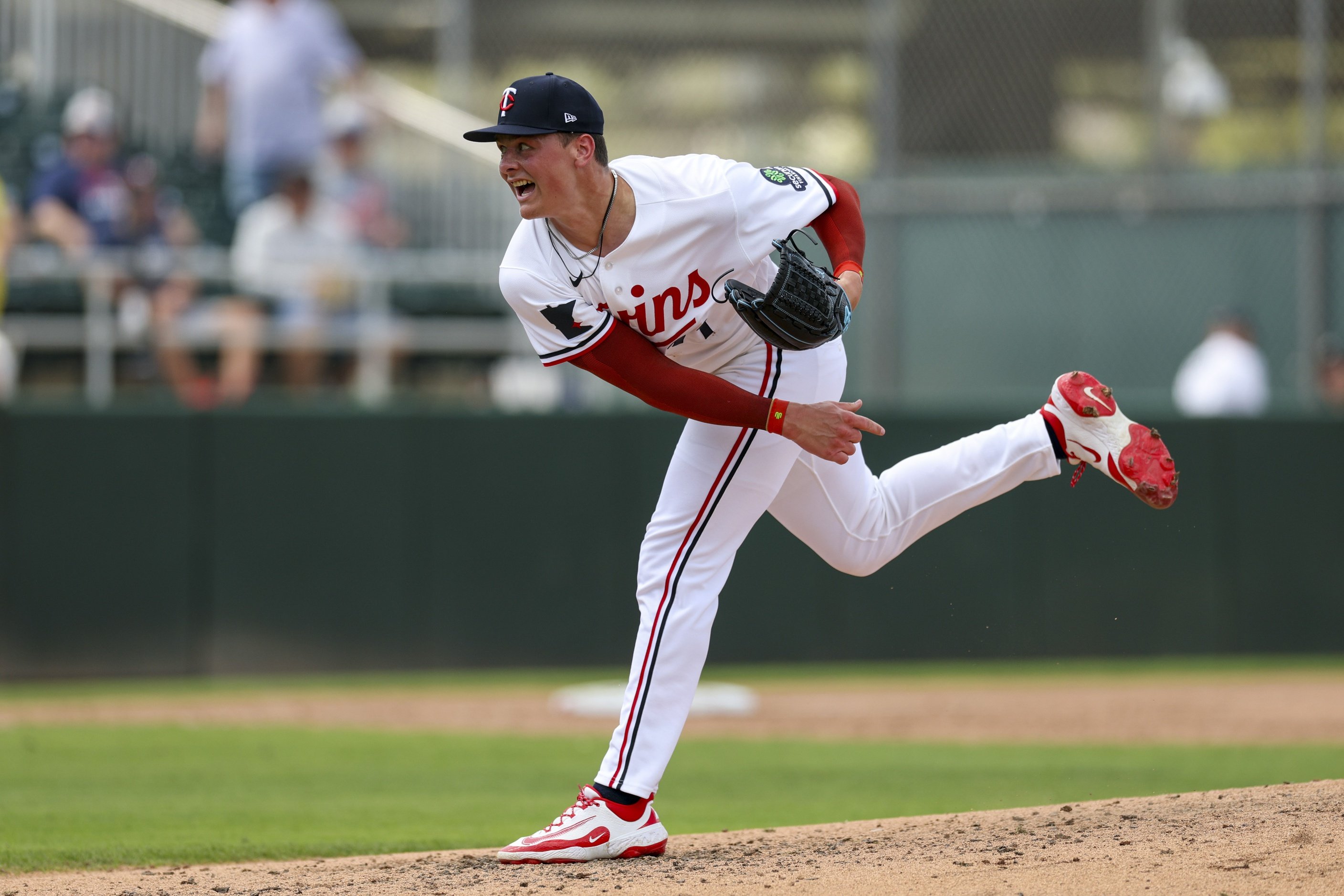 Plenty of damage has already been done by the bullpen, which is why the Twins need to stay diligent in cycling through arms in hopes that they can build a functional group as the season goes on. We’ve seen some debuts and roster claims, but it’s still very much a work in progress. Three names in the minor leagues could find themselves with the big league club in short order. John Klein We already saw Klein briefly, and it’s worth wondering exactly what the plan is for him. The Twins had him stuck in a bulk innings role, which neither prepared him to start games nor to serve as a traditional reliever, ultimately leading to his demotion last week, as he wouldn’t have been available for back-to-back outings. Upon his return to the minor leagues, the Twins stuck him in the same role. He wouldn’t be an option for the big league rotation, and if he were to get recalled any time soon, he would likely just serve as a mop-up reliever to be demoted the day after pitching again. If the Twins decide on a path for Klein that would actually be useful to an MLB roster, it’s easy to see him being an impact arm, especially in the bullpen. His mid to high-90s fastball, paired with a good-looking cutter and changeup combo, would play up in short stints and could help the Twins tremendously. If the Twins finally decide to go down this path with Klein, he could be up in short order. Marco Raya Drafted out of high school in 2020, Raya has disappointed thus far in his career, but his story is far from written. His days as a starting pitcher are over, and his body of work as a reliever is less than impressive, but if something clicks, Raya can still be an impact reliever out of the Twins’ pen. We may already be seeing signs. Raya’s stuff isn’t in question between his mid to high-90s fastball and devastating sweeper. Control and command are the bigger concerns, and have led to an ERA over 7.00 in St. Paul this season. Relievers are unpredictable, however, and in his last few outings, Raya has flashed his ability to be a dominant reliever. He’s already on the 40-man roster, so the Twins have no reason not to be quick to call him up if he’s showing signs of finally putting things together. C.J. Culpepper Injuries have derailed Culpepper’s hopes of sticking as a starting pitcher, but his stuff remains intact. After an injury-riddled 2025 season, the Twins saw this and fast-tracked him to St. Paul, immediately converting him to the bullpen upon his promotion. While they’ll surely give him time to get accustomed, Culpepper could find himself with the big league club in short order if he performs well in relief for the Saints. Some outlets had notched Culpepper in the Twins' top 10 prospects in the last few years. He had the stuff to navigate opposing lineups multiple times as a starter. Now that he’s settled into a bullpen role, he can focus on the best of his repertoire, which includes a cutter/sweeper combo. His fastball ticked down amid injuries, but he’s flashed 98 mph on the heater in the past. If he can stay healthy, Culpepper could find himself pitching out of the bullpen at Target Field later this summer. We’re approaching the point where the Twins should feel less concerned about what could go wrong with some of their younger arms should they be called up to the big league bullpen. As June approaches, it’s getting close to time to swap out some of the low upside, short-term veteran relievers and live with the results of whatever the younger arms have to offer. Do you disagree with any of the names listed? Are there any other minor leaguers that should be fast-tracked to the MLB bullpen? Let us know below!
- 20 comments
-
- 7
-
-
- cj culpepper
- marco raya
- (and 1 more)
-
Image courtesy of © Geoff Burke-Imagn Images Any time you unload three or four controllable, high-leverage relievers, it’s safe to assume that the bullpen being bad will transcend multiple seasons, as Twins fans did following last year’s trade deadline. Despite their choice to do so, the Twins insisted 2026 was a continued push to contend. We all know they didn’t do enough to address the bullpen in the offseason, but it’s the way they operated in-season following the deadline, and how they continue to operate, that is the real problem. When the Twins unloaded their controllable bullpen at the trade deadline, a big talking point from the front office was how many of the names they traded away had been developed internally, and how they would look to do so again. This was a fair point, as Jhoan Duran, Griffin Jax, and Louie Varland were all developed internally after coming up through the system as starting pitchers. This strategy became even more important when they invested less than $5M in the bullpen in the offseason. Unfortunately for all of their talk of rebuilding the bullpen internally, their actions haven’t backed it up. It was far from an infusion of youth following the trade deadline as many had hoped. The team looked like they were running out the clock on the season rather than using that valuable time to evaluate for the following year. Innings were allocated to pitchers like 35-year-old Erasmo Ramirez and Michael Tonkin. Waiver claims were made on players like 31-year-old Brooks Kriske. A few younger names, like Travis Adams, were called up, but many bullpen spots were dedicated to veterans who had no chance to stick on the roster for 2026. This, paired with a quiet winter, led to an underwhelming Opening Day bullpen, and they’ve performed as expected. As the team has continued to lose games on the backs of their relievers, they’ve made a few moves and call-ups to shake things up, but a lot of their behavior remains the same. Thursday, the Twins demoted John Klein to make room for waiver claim Yoendrys Gómez (who, to their credit, could have some multi-year upside at 26 years old). The right-hander may not have had a good season thus far, but at 24 years old with a mid to high 90s fastball and intriguing offspeed pitches, Klein is the exact type of arm the Twins should want around if they’re serious about internally rebuilding the bullpen. Instead, he was sent back to St. Paul, while several veterans who look like they have nothing to offer now or in the future remain on the roster. The Twins' continued deferral to veterans is one problem, but the way they’re preparing some of their arms in Triple-A is another. Klein was on the growingly common pitching plan of throwing around 65 pitches every four days in Triple-A, in a sort of hybrid bulk-inning role. In theory, this is meant to keep pitchers ready to pitch 3-4 innings if they are called upon to start, while also limiting exposure to opposing lineups. The problem is that this plan leaves many pitchers ill-prepared for whatever role they may be needed in if they get called up to the Twins. Klein is unable to pitch back-to-back days, just as Andrew Morris is after he was on a similar plan. As a result, the Twins can’t afford to hamstring themselves by carrying both after Klein pitched yesterday. It’s been difficult to foresee Klein finding himself in the MLB rotation for some time now, but because the Twins have kept him in the “just in case” role, he’s now headed back to St. Paul despite being one of the prime candidates to help them achieve their self-stated goal of internally rebuilding the bullpen. This hybrid plan makes sense in some cases, such as limiting innings and exposure for arms like Connor Prielipp. For pitchers like Klein or Travis Adams, who was one of the first in this role last season, it just doesn’t make much sense. Unless they’re called up to be a long reliever, they aren’t prepared to enter the rotation or serve as a traditional reliever. They’re essentially only prepared to be long relievers who are likely to be sent back down after they pitch. The result is that interesting arms like Klein can’t stick at the MLB level for an extended period because he can’t pitch on back-to-back days like someone such as Luis Garcia, even if the latter is allowing runs in both outings. If the Twins send Klein back to his hybrid role in Triple-A to keep him stretched out but unable to pitch on back-to-back days, they’re doing him and themselves a disservice. For high-pedigree arms such as Kendry Rojas, this role can be justified. For pitchers like Klein, who have little chance of being even a back-end starter, they’re simply failing to prepare him for any role at the MLB level other than fungible long reliever. It’ll keep interesting young arms in limbo while keeping veteran arms with no upside in the bullpen. It’s a lose-lose situation. The Twins have failed to back up their talk over the last year. It’s time to start doing so when it comes to internally rebuilding the bullpen. Give the young guys a shot so we don’t wind up with this situation again in 2027. View full article
- 47 replies
-
- 3
-

-
-
- john klein
- travis adams
- (and 1 more)
-
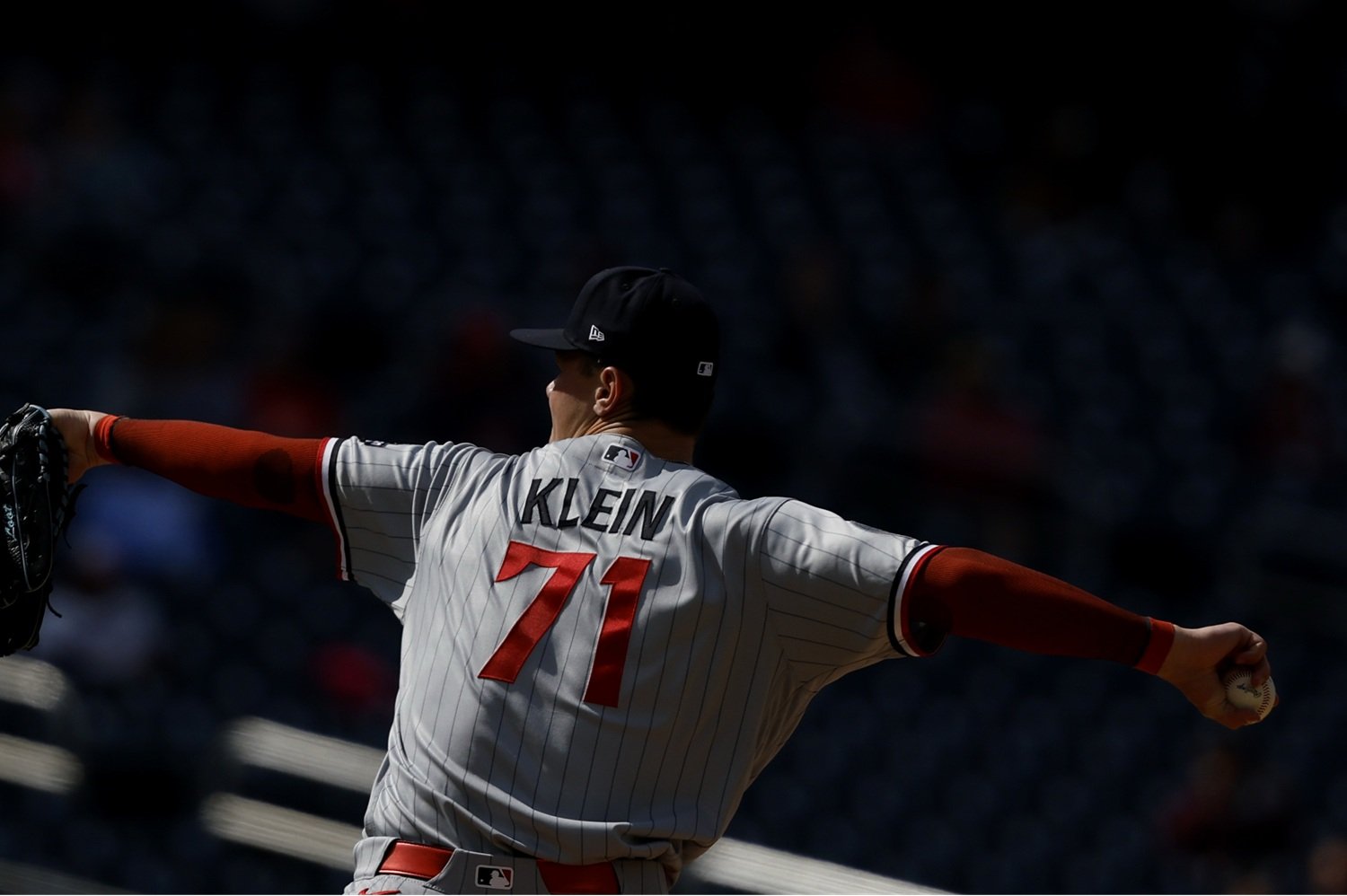 Any time you unload three or four controllable, high-leverage relievers, it’s safe to assume that the bullpen being bad will transcend multiple seasons, as Twins fans did following last year’s trade deadline. Despite their choice to do so, the Twins insisted 2026 was a continued push to contend. We all know they didn’t do enough to address the bullpen in the offseason, but it’s the way they operated in-season following the deadline, and how they continue to operate, that is the real problem. When the Twins unloaded their controllable bullpen at the trade deadline, a big talking point from the front office was how many of the names they traded away had been developed internally, and how they would look to do so again. This was a fair point, as Jhoan Duran, Griffin Jax, and Louie Varland were all developed internally after coming up through the system as starting pitchers. This strategy became even more important when they invested less than $5M in the bullpen in the offseason. Unfortunately for all of their talk of rebuilding the bullpen internally, their actions haven’t backed it up. It was far from an infusion of youth following the trade deadline as many had hoped. The team looked like they were running out the clock on the season rather than using that valuable time to evaluate for the following year. Innings were allocated to pitchers like 35-year-old Erasmo Ramirez and Michael Tonkin. Waiver claims were made on players like 31-year-old Brooks Kriske. A few younger names, like Travis Adams, were called up, but many bullpen spots were dedicated to veterans who had no chance to stick on the roster for 2026. This, paired with a quiet winter, led to an underwhelming Opening Day bullpen, and they’ve performed as expected. As the team has continued to lose games on the backs of their relievers, they’ve made a few moves and call-ups to shake things up, but a lot of their behavior remains the same. Thursday, the Twins demoted John Klein to make room for waiver claim Yoendrys Gómez (who, to their credit, could have some multi-year upside at 26 years old). The right-hander may not have had a good season thus far, but at 24 years old with a mid to high 90s fastball and intriguing offspeed pitches, Klein is the exact type of arm the Twins should want around if they’re serious about internally rebuilding the bullpen. Instead, he was sent back to St. Paul, while several veterans who look like they have nothing to offer now or in the future remain on the roster. The Twins' continued deferral to veterans is one problem, but the way they’re preparing some of their arms in Triple-A is another. Klein was on the growingly common pitching plan of throwing around 65 pitches every four days in Triple-A, in a sort of hybrid bulk-inning role. In theory, this is meant to keep pitchers ready to pitch 3-4 innings if they are called upon to start, while also limiting exposure to opposing lineups. The problem is that this plan leaves many pitchers ill-prepared for whatever role they may be needed in if they get called up to the Twins. Klein is unable to pitch back-to-back days, just as Andrew Morris is after he was on a similar plan. As a result, the Twins can’t afford to hamstring themselves by carrying both after Klein pitched yesterday. It’s been difficult to foresee Klein finding himself in the MLB rotation for some time now, but because the Twins have kept him in the “just in case” role, he’s now headed back to St. Paul despite being one of the prime candidates to help them achieve their self-stated goal of internally rebuilding the bullpen. This hybrid plan makes sense in some cases, such as limiting innings and exposure for arms like Connor Prielipp. For pitchers like Klein or Travis Adams, who was one of the first in this role last season, it just doesn’t make much sense. Unless they’re called up to be a long reliever, they aren’t prepared to enter the rotation or serve as a traditional reliever. They’re essentially only prepared to be long relievers who are likely to be sent back down after they pitch. The result is that interesting arms like Klein can’t stick at the MLB level for an extended period because he can’t pitch on back-to-back days like someone such as Luis Garcia, even if the latter is allowing runs in both outings. If the Twins send Klein back to his hybrid role in Triple-A to keep him stretched out but unable to pitch on back-to-back days, they’re doing him and themselves a disservice. For high-pedigree arms such as Kendry Rojas, this role can be justified. For pitchers like Klein, who have little chance of being even a back-end starter, they’re simply failing to prepare him for any role at the MLB level other than fungible long reliever. It’ll keep interesting young arms in limbo while keeping veteran arms with no upside in the bullpen. It’s a lose-lose situation. The Twins have failed to back up their talk over the last year. It’s time to start doing so when it comes to internally rebuilding the bullpen. Give the young guys a shot so we don’t wind up with this situation again in 2027.
- 47 comments
-
- 13
-
-
-
- john klein
- travis adams
- (and 1 more)
-
Image courtesy of © Matt Blewett-Imagn Images Royce Lewis is a different player than he was when he was drafted first overall in 2017. Injuries have changed his profile, but for a time, it appeared he still had a path to becoming an impactful regular at the highest level. As he nears 1,000 career plate appearances, however, his ability to remain a core piece of the Twins roster has come into question. Time is running out. Can he turn things around before it's too late? Injuries have cost Lewis his once well-rounded skill set, as he's settled into a corner infield role wherein his defensive value is limited and his primary offensive tool is his power. Plenty of hitters make careers out of this profile. The problem with Lewis's attempt to do so is that it's been a while since he's been consistently productive. With the sample size he's put together, it's time to worry whether his remaining tools are enough to keep him afloat. Lewis's production has consistently trended downward over the last four years. In between injuries, he's seen his wRC+ drop from 152 in 2023 to 106, then 85, and now just 65 so far in 2026, with 100 marking the league average. At a corner infield position, where the bar to clear offensively is higher, this lack of offensive production is even more detrimental. It's more than just surface-level production to worry about. This season, Lewis has a whiff rate of 36.5%, one of the worst in the league. His overall strikeout rate of 30.3% is by far the worst of his career. He looked like a much more patient hitter to begin the season, and his walk rate still looks much improved, but he's walked just once in 42 plate appearances since returning from the IL, while striking out about a third of the time. His approach at the plate is a complete mess. Defense has been an issue, as well, as he's posted -2 Defensive Runs Saved. The eye test has certainly matched. At this point, it's safe to say that Lewis is a below-average defender at third base. The Twins may not have a wealth of upcoming top prospects on the verge of filling out the infield, but they have options on the horizon. We're certain to see Kaelen Culpepper sometime this season; he's likely to push Brooks Lee off of shortstop. While Lee is stretched at shortstop, he should be an adequate defender at third base. Surprisingly, his bat has also looked much better suited for the position than Lewis’s so far this season. Culpepper's promotion alone may be enough to raise significant questions about Lewis's role. Lewis is arbitration-eligible in 2027 and has two options remaining. His team control and roster flexibility should be good news. For a player who has already expressed frustrations with the organization at multiple points in his career, however, it’s worth asking whether this team control and roster flexibility matter as much as they should. For such a high-profile player who has been so outspoken, it’s worth wondering how well things would go over if Lewis winds up being demoted to St. Paul or gets pushed out of a starting role long-term. It’s very possible that if the team’s plans move forward without Lewis playing a prominent role, his time in Minnesota comes to an end altogether. We may finally be approaching a point where significant turnover is on the horizon for the Minnesota Twins. The supposed core they’ve had in place since their last playoff run in 2023 has failed to live up to expectations, and with so much change across the organization, the roster is likely to follow suit with another disappointing season. Lewis once looked like a lasting piece of the Twins roster, regardless of how well the rest of the team performed. Things have changed significantly since the start of 2024. It feels like the clock is ticking on his time with the Twins, as his timeline of struggles has continued to drag on across multiple seasons. If he can’t turn things around soon, he may find himself out of their plans. View full article
-
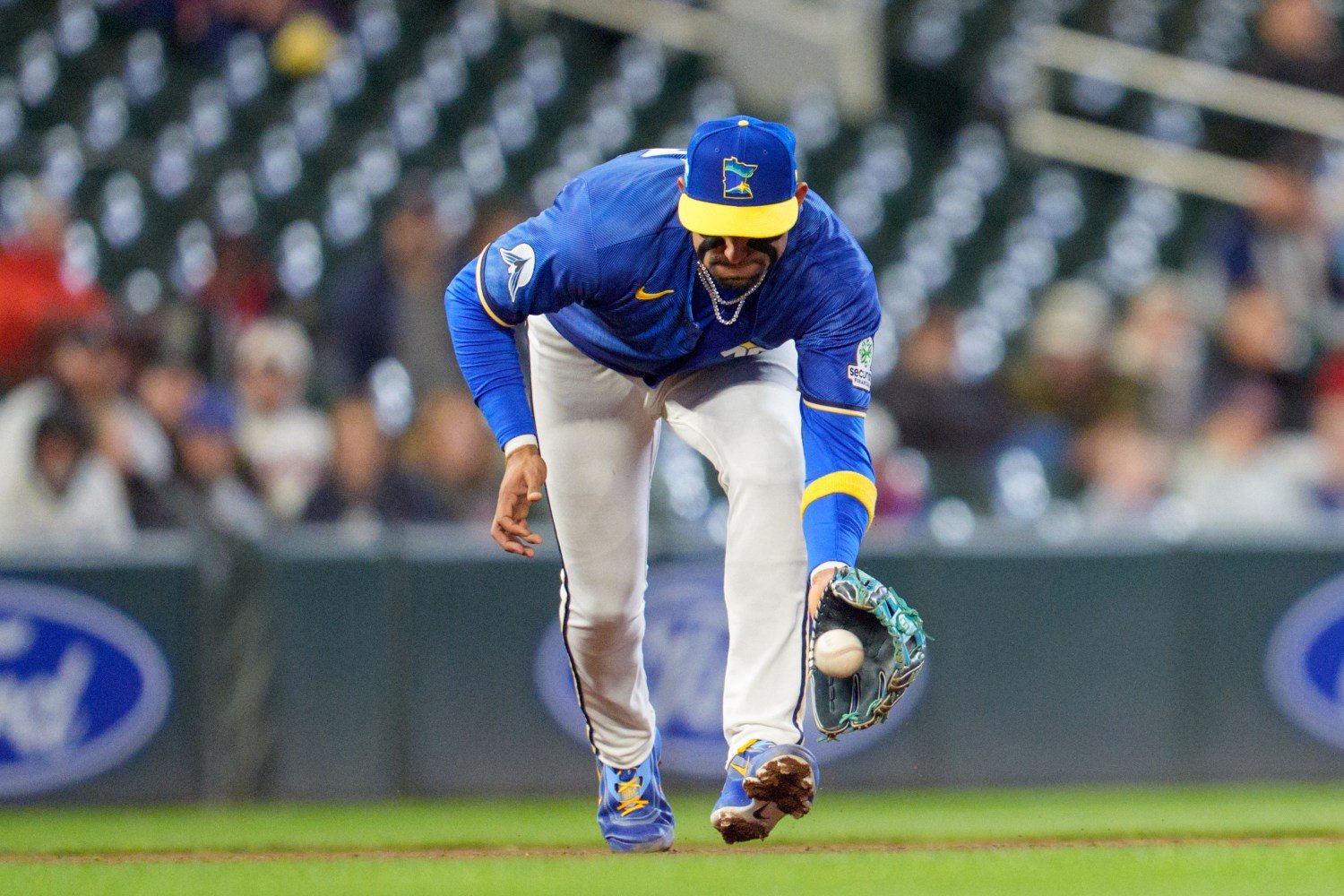 Royce Lewis is a different player than he was when he was drafted first overall in 2017. Injuries have changed his profile, but for a time, it appeared he still had a path to becoming an impactful regular at the highest level. As he nears 1,000 career plate appearances, however, his ability to remain a core piece of the Twins roster has come into question. Time is running out. Can he turn things around before it's too late? Injuries have cost Lewis his once well-rounded skill set, as he's settled into a corner infield role wherein his defensive value is limited and his primary offensive tool is his power. Plenty of hitters make careers out of this profile. The problem with Lewis's attempt to do so is that it's been a while since he's been consistently productive. With the sample size he's put together, it's time to worry whether his remaining tools are enough to keep him afloat. Lewis's production has consistently trended downward over the last four years. In between injuries, he's seen his wRC+ drop from 152 in 2023 to 106, then 85, and now just 65 so far in 2026, with 100 marking the league average. At a corner infield position, where the bar to clear offensively is higher, this lack of offensive production is even more detrimental. It's more than just surface-level production to worry about. This season, Lewis has a whiff rate of 36.5%, one of the worst in the league. His overall strikeout rate of 30.3% is by far the worst of his career. He looked like a much more patient hitter to begin the season, and his walk rate still looks much improved, but he's walked just once in 42 plate appearances since returning from the IL, while striking out about a third of the time. His approach at the plate is a complete mess. Defense has been an issue, as well, as he's posted -2 Defensive Runs Saved. The eye test has certainly matched. At this point, it's safe to say that Lewis is a below-average defender at third base. The Twins may not have a wealth of upcoming top prospects on the verge of filling out the infield, but they have options on the horizon. We're certain to see Kaelen Culpepper sometime this season; he's likely to push Brooks Lee off of shortstop. While Lee is stretched at shortstop, he should be an adequate defender at third base. Surprisingly, his bat has also looked much better suited for the position than Lewis’s so far this season. Culpepper's promotion alone may be enough to raise significant questions about Lewis's role. Lewis is arbitration-eligible in 2027 and has two options remaining. His team control and roster flexibility should be good news. For a player who has already expressed frustrations with the organization at multiple points in his career, however, it’s worth asking whether this team control and roster flexibility matter as much as they should. For such a high-profile player who has been so outspoken, it’s worth wondering how well things would go over if Lewis winds up being demoted to St. Paul or gets pushed out of a starting role long-term. It’s very possible that if the team’s plans move forward without Lewis playing a prominent role, his time in Minnesota comes to an end altogether. We may finally be approaching a point where significant turnover is on the horizon for the Minnesota Twins. The supposed core they’ve had in place since their last playoff run in 2023 has failed to live up to expectations, and with so much change across the organization, the roster is likely to follow suit with another disappointing season. Lewis once looked like a lasting piece of the Twins roster, regardless of how well the rest of the team performed. Things have changed significantly since the start of 2024. It feels like the clock is ticking on his time with the Twins, as his timeline of struggles has continued to drag on across multiple seasons. If he can’t turn things around soon, he may find himself out of their plans.
- 75 comments
-
- 12
-
-
- brooks lee
- royce lewis
- (and 1 more)
-
Image courtesy of © Wendell Cruz-Imagn Images Simeon Woods Richardson looked to have found a missing piece of the puzzle in 2025: a new splitter that looked like a legitimate plus offering to round out his repertoire. So far in 2026, however, he’s been the most disappointing member of the rotation results-wise. What’s holding him back? The Splitter Is Different Woods Richardson’s splitter looked like a weapon in 2025. It led all of his pitches with a 32.5% whiff rate and completely disarmed opposing hitters when they made contact. The pitch was a big proponent of the strong stretch to end the season, in which he posted a 2.33 ERA and struck out 36 of the 104 batters faced over his last five starts. After he integrated the pitch midseason, it had a slow buildup, and the splitter finished as his fourth-most-used pitch. With an offseason ahead of him, we expected to see him turn to his new weapon much more often in 2026. The splitter has been the second-most used pitch for him so far this season, but it’s not seeing the same success. He’s throwing it 27.7% of the time, as opposed to 10% in 2025. It’s down to a 22.6% whiff rate and is allowing an expected batting average of .285 and expected slugging of .519. He’s throwing the pitch about half a mile per hour faster, and it’s getting about an inch less of vertical and horizontal movement. If this is an active change Woods Richardson and the Twins made to this pitch that was so successful in 2025, it may be time to rethink things. It's more likely, though, that the pitch just isn't doing what he wants it to do. The Whiffs Are Gone The splitter may have been Woods Richardson’s best pitch in 2025, but he had other successful offerings to turn to. That has certainly not been the case in 2026. His slider has dropped from a whiff rate of 27.4% to 20% so far, and the xwOBA allowed has increased from .261 to a crippling .377. His fastball has been his only acceptable offering so far, but even with decent expected numbers with the heater, it’s dropped from a 21.8% whiff rate to 12.4% in 2026. This all culminates in an untenable 11.4% strikeout rate overall so far this season. A lack of swing and miss leaves Woods Richardson exposed to the Twins’ poor defense, and we’ve already seen that come back to bite him on multiple occasions. He’s not pitching well, but even when he coaxes batted balls that should help bail him out of his frequent jams, his defense hasn’t made the plays for him. Any pitcher would have trouble with this little swing and miss, but this problem is magnified even further by how bad the Twins' defense is. Some Bad Luck In addition to the poor defense, Woods Richardson has experienced some bad luck. His 66.7% strand rate of opposing baserunners is a notable change from his 75.9% mark in 2025 and 73.6% mark in 2024. He’s putting plenty of runners on base, and those runners are scoring at an unexpectedly high rate. His batting average on balls in play allowed is also a career high of .291, which is particularly painful given how many batted balls he’s allowing. His fastball has been his best pitch so far, and he’s gotten unlucky with it in several ways. The pitch has yielded a .284 batting average, which conflicts with an expected mark of .224. It’s allowed a .345 wOBA, compared to a strong .296 expected wOBA. To be fair, the rest of his pitches have actually gotten lucky in these metrics, but it doesn’t help that the one offering he can turn to has been unlucky in addition to everything else going on. The heater also isn't setting up the rest of the arsenal as well as it has in the past. In 2024, his fastball was in the upper third of the zone or above it over 46% of the time. Last year, that number fell to 40%. This season, it's 33%. With the fastball coming in lower, there's less space to let his splitter or slider separate from that pitch. It means fewer whiffs when the non-fastballs are close to or in the zone. To create the differential you want to achieve a whiff, now, he often has to throw the slider and the splitter in non-competitive locations. Batters chased 30.9% of his sliders and splitters outside the zone last year. So far, in 2026, it's 24.8%. There isn’t much going right for Woods Richardson right now. Either intentionally or unintentionally, changes were made to several of his pitches that were successful in 2025, and the results have been disastrous. His strikeout rate looks like something out of the 1990s, and he’s pitching in front of one of the worst defenses in the league to count on for turning contact into outs. Given the injuries in the rotation, Woods Richardson has some time to right the ship, but the clock is ticking, with the Twins showing a newfound aggressiveness in calling up pitching prospects. Woods Richardson has a ton to fix if he wants to hold onto his rotation spot for the entire 2026 season. Can he pull it off? View full article
-
A Lot Is Going Wrong For Simeon Woods Richardson. What's Fixable?
Cody Pirkl posted an article in Twins
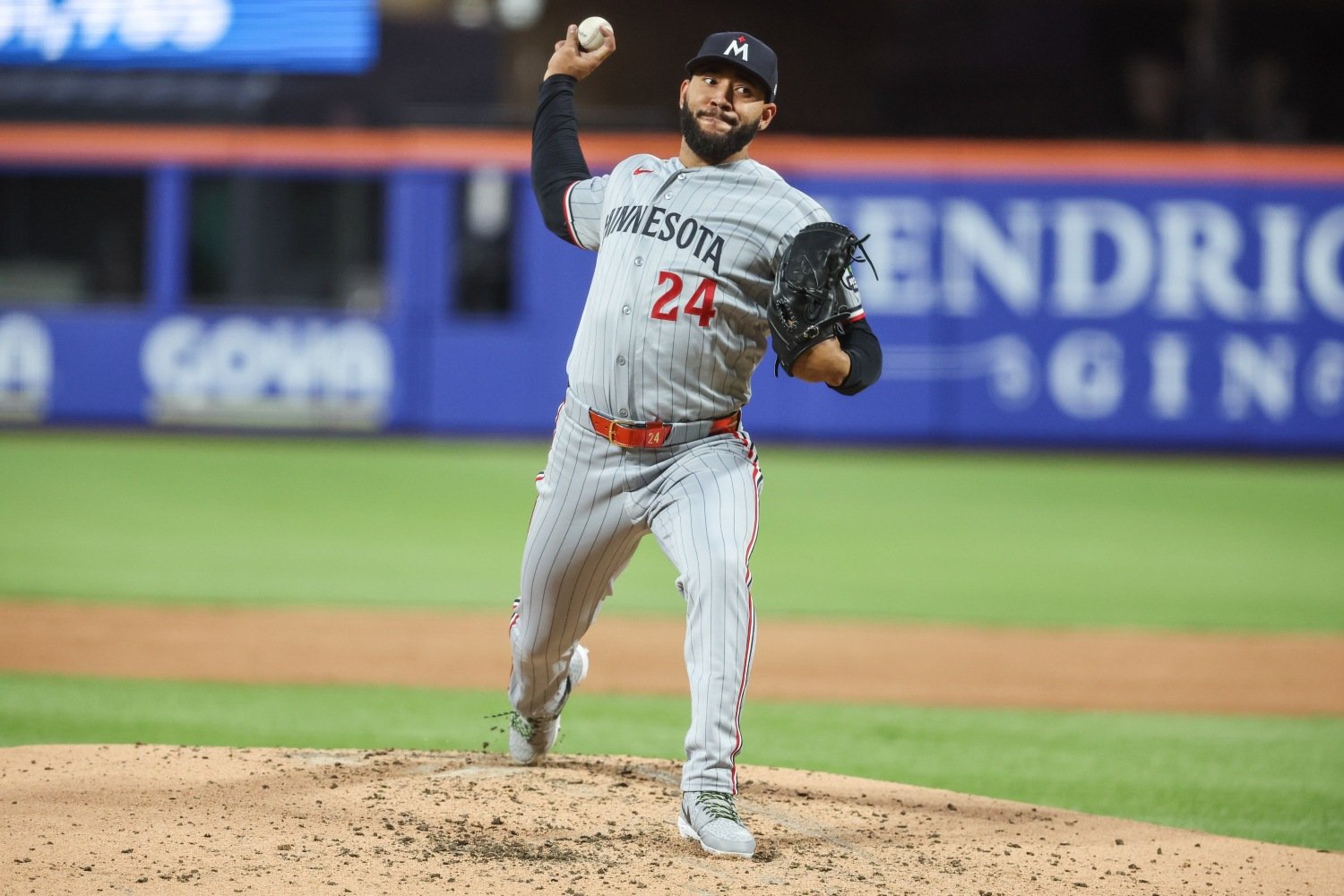 Simeon Woods Richardson looked to have found a missing piece of the puzzle in 2025: a new splitter that looked like a legitimate plus offering to round out his repertoire. So far in 2026, however, he’s been the most disappointing member of the rotation results-wise. What’s holding him back? The Splitter Is Different Woods Richardson’s splitter looked like a weapon in 2025. It led all of his pitches with a 32.5% whiff rate and completely disarmed opposing hitters when they made contact. The pitch was a big proponent of the strong stretch to end the season, in which he posted a 2.33 ERA and struck out 36 of the 104 batters faced over his last five starts. After he integrated the pitch midseason, it had a slow buildup, and the splitter finished as his fourth-most-used pitch. With an offseason ahead of him, we expected to see him turn to his new weapon much more often in 2026. The splitter has been the second-most used pitch for him so far this season, but it’s not seeing the same success. He’s throwing it 27.7% of the time, as opposed to 10% in 2025. It’s down to a 22.6% whiff rate and is allowing an expected batting average of .285 and expected slugging of .519. He’s throwing the pitch about half a mile per hour faster, and it’s getting about an inch less of vertical and horizontal movement. If this is an active change Woods Richardson and the Twins made to this pitch that was so successful in 2025, it may be time to rethink things. It's more likely, though, that the pitch just isn't doing what he wants it to do. The Whiffs Are Gone The splitter may have been Woods Richardson’s best pitch in 2025, but he had other successful offerings to turn to. That has certainly not been the case in 2026. His slider has dropped from a whiff rate of 27.4% to 20% so far, and the xwOBA allowed has increased from .261 to a crippling .377. His fastball has been his only acceptable offering so far, but even with decent expected numbers with the heater, it’s dropped from a 21.8% whiff rate to 12.4% in 2026. This all culminates in an untenable 11.4% strikeout rate overall so far this season. A lack of swing and miss leaves Woods Richardson exposed to the Twins’ poor defense, and we’ve already seen that come back to bite him on multiple occasions. He’s not pitching well, but even when he coaxes batted balls that should help bail him out of his frequent jams, his defense hasn’t made the plays for him. Any pitcher would have trouble with this little swing and miss, but this problem is magnified even further by how bad the Twins' defense is. Some Bad Luck In addition to the poor defense, Woods Richardson has experienced some bad luck. His 66.7% strand rate of opposing baserunners is a notable change from his 75.9% mark in 2025 and 73.6% mark in 2024. He’s putting plenty of runners on base, and those runners are scoring at an unexpectedly high rate. His batting average on balls in play allowed is also a career high of .291, which is particularly painful given how many batted balls he’s allowing. His fastball has been his best pitch so far, and he’s gotten unlucky with it in several ways. The pitch has yielded a .284 batting average, which conflicts with an expected mark of .224. It’s allowed a .345 wOBA, compared to a strong .296 expected wOBA. To be fair, the rest of his pitches have actually gotten lucky in these metrics, but it doesn’t help that the one offering he can turn to has been unlucky in addition to everything else going on. The heater also isn't setting up the rest of the arsenal as well as it has in the past. In 2024, his fastball was in the upper third of the zone or above it over 46% of the time. Last year, that number fell to 40%. This season, it's 33%. With the fastball coming in lower, there's less space to let his splitter or slider separate from that pitch. It means fewer whiffs when the non-fastballs are close to or in the zone. To create the differential you want to achieve a whiff, now, he often has to throw the slider and the splitter in non-competitive locations. Batters chased 30.9% of his sliders and splitters outside the zone last year. So far, in 2026, it's 24.8%. There isn’t much going right for Woods Richardson right now. Either intentionally or unintentionally, changes were made to several of his pitches that were successful in 2025, and the results have been disastrous. His strikeout rate looks like something out of the 1990s, and he’s pitching in front of one of the worst defenses in the league to count on for turning contact into outs. Given the injuries in the rotation, Woods Richardson has some time to right the ship, but the clock is ticking, with the Twins showing a newfound aggressiveness in calling up pitching prospects. Woods Richardson has a ton to fix if he wants to hold onto his rotation spot for the entire 2026 season. Can he pull it off?
 -
Image courtesy of © Jonah Hinebaugh/Naples Daily News/USA Today Network-Florida / USA TODAY NETWORK via Imagn Images Kyler Fedko had a performance for the ages on Sunday with the Saints. Three homers and a triple will draw plenty of headlines. Fedko is more than just a player who had one good day at Triple-A, however, and he's a strong candidate to help the Twins’ mismatched roster fit together better. Fedko wasn't having a banner year heading into Sunday. He had struck out in 33.3% of his at-bats and was hitting .107 in 11 games. His huge day could be seen as fun but inconsequential. Despite his struggles to begin the season, though, his 2025 performance should carry some weight. Fedko posted an .855 OPS for Wichita and St. Paul last season with 28 homers and 38 stolen bases. Sunday may be an outlier but his numbers in 2025 show that he's capable of consistent production. Beyond the stats, Fedko is a good fit for the Twins roster. He's capable of playing all three outfield spots. The Twins may not love him in center field, but for the small role of backing up Byron Buxton, he should be capable. He can also play first base, a spot currently platooned between Victor Caratini and Kody Clemens. Tying the fit together is Fedko being a right-handed hitter, which solves many problems with the lineup against left-handed pitching. If he can produce at all, the Twins’ lineup would get a boost. The odds of Fedko producing are uncertain, but the bar he'd need to clear to be useful is relatively low. The obvious way to open a roster spot to promote Fedko is to part ways with James Outman. The upside of keeping Outman on the roster has become difficult to see, and the downside is clear. He doesn't play much, but when he does, he looks completely overmatched. He's started the year 0-18 with 10 strikeouts. He won't get much opportunity with Buxton healthy, but it may be worth exploring other options in case the player in that role has to take on more playing time. At 26 years old, Fedko is not and has never been a top prospect. This isn't to say he's incapable of carving out a role for himself, but the Twins aren't paving him a path to playing time. This also means they shouldn't feel compelled to hold Fedko back in Triple-A until a more prominent role opens for him. Calling up Emmanuel Rodriguez to replace Outman would be hard to justify, as he wouldn't get everyday playing time to develop. With Fedko, they should be more willing to plant him into a specialized role, even if it risks disrupting his development. It's early in the season, but it already looks like the Twins should be open to trying something new in the backup center field role. Fedko is a good pivot from Outman, whom they gambled on at last year's trade deadline and who made the team out of spring training. Their investment in Outman is modest, and Fedko fits the roster as a stopgap until more playing opens up for a top prospect or 26-year-old Alan Roden. Fedko had a huge game on Sunday, but more than that one lightning strike of a day, his resume has earned him some consideration for a call-up. It's the perfect opportunity to see if he can translate any of his dynamic 2025 production to the MLB level. There's little to lose and (perhaps) much to gain for the Twins by giving Fedko a chance. View full article
-
 Kyler Fedko had a performance for the ages on Sunday with the Saints. Three homers and a triple will draw plenty of headlines. Fedko is more than just a player who had one good day at Triple-A, however, and he's a strong candidate to help the Twins’ mismatched roster fit together better. Fedko wasn't having a banner year heading into Sunday. He had struck out in 33.3% of his at-bats and was hitting .107 in 11 games. His huge day could be seen as fun but inconsequential. Despite his struggles to begin the season, though, his 2025 performance should carry some weight. Fedko posted an .855 OPS for Wichita and St. Paul last season with 28 homers and 38 stolen bases. Sunday may be an outlier but his numbers in 2025 show that he's capable of consistent production. Beyond the stats, Fedko is a good fit for the Twins roster. He's capable of playing all three outfield spots. The Twins may not love him in center field, but for the small role of backing up Byron Buxton, he should be capable. He can also play first base, a spot currently platooned between Victor Caratini and Kody Clemens. Tying the fit together is Fedko being a right-handed hitter, which solves many problems with the lineup against left-handed pitching. If he can produce at all, the Twins’ lineup would get a boost. The odds of Fedko producing are uncertain, but the bar he'd need to clear to be useful is relatively low. The obvious way to open a roster spot to promote Fedko is to part ways with James Outman. The upside of keeping Outman on the roster has become difficult to see, and the downside is clear. He doesn't play much, but when he does, he looks completely overmatched. He's started the year 0-18 with 10 strikeouts. He won't get much opportunity with Buxton healthy, but it may be worth exploring other options in case the player in that role has to take on more playing time. At 26 years old, Fedko is not and has never been a top prospect. This isn't to say he's incapable of carving out a role for himself, but the Twins aren't paving him a path to playing time. This also means they shouldn't feel compelled to hold Fedko back in Triple-A until a more prominent role opens for him. Calling up Emmanuel Rodriguez to replace Outman would be hard to justify, as he wouldn't get everyday playing time to develop. With Fedko, they should be more willing to plant him into a specialized role, even if it risks disrupting his development. It's early in the season, but it already looks like the Twins should be open to trying something new in the backup center field role. Fedko is a good pivot from Outman, whom they gambled on at last year's trade deadline and who made the team out of spring training. Their investment in Outman is modest, and Fedko fits the roster as a stopgap until more playing opens up for a top prospect or 26-year-old Alan Roden. Fedko had a huge game on Sunday, but more than that one lightning strike of a day, his resume has earned him some consideration for a call-up. It's the perfect opportunity to see if he can translate any of his dynamic 2025 production to the MLB level. There's little to lose and (perhaps) much to gain for the Twins by giving Fedko a chance.
- 33 comments
-
- 10
-
-
- kyler fedko
- byron buxton
- (and 1 more)
-
Image courtesy of © Bruce Kluckhohn-Imagn Images After being the 8th overall pick in the 2022 MLB Draft, Brooks Lee has failed to live up to his pedigree, struggling to sustain success in the majors so far. He hasn't shown enough improvement, and his weaknesses have been fully exposed. Opposing pitchers are taking advantage, and Lee's future with the Twins may depend on whether he can make a huge adjustment—quickly. Brooks Lee has a sub-.650 OPS so far in his career, as he nears 750 plate appearances. He fails to control the strike zone and work counts. He lacks consistent power, as evidenced by his .370 SLG in 2025, which tells a different story than the 16 homers he hit. There are plenty of reasons for concern with Lee's offense. Priority number one right now is simple: Lee can only hit fastballs, and the league has figured that out. If he can't respond by changing it, he's in big trouble. Struggling against non-fastballs isn't uncommon. Most hitters make a living out of simply surviving against the soft stuff and tearing up velocity. "The best way to hit the curveball," hitters have long said, "is to hit the fastball." The first issue is that Lee doesn't perform well enough against heaters to carry him, with a .340 xwOBA against them in 2025. The second is that Lee can't handle off-speed pitches at all. Lee posted .216 and .214 xwOBAs on breaking balls and off-speed pitches, respectively, in 2025. Pitchers took note and have adjusted accordingly. Lee's free-swinging ways are too easy to exploit with non-fastballs, and it looks like opposing pitchers are going to lean into that information until Lee gives them a reason not to. Lee has seen fastballs about one-third of the time in 2026, down about 15% from 2025. For reference, Byron Buxton and Luke Keaschall have seen about 50% fastballs. It's no secret what's going through the minds of opposing pitchers when Lee steps up to the plate. There's a real risk that this issue is too much for Lee to overcome. It requires a complete overhaul of his approach and (in a sense) his swing. He identified the need to make this adjustment last season, but hasn't shown improvement in the small sample of 2026 so far. He'll have to make the adjustment during the season, and quickly, which means changing what he looks for in the box and how he times his swing. With top prospect Kaelen Culpepper off to a hot start in St. Paul, the clock is ticking on Lee being the everyday starting shortstop at the other end of the Green Line. In addition to scuffling at the plate, he appears stretched defensively. When Culpepper gets the call, which could be any time in the next few months, Lee will be out of a job. He can roam several infield spots as needed, but if he's still posting a sub-.700 OPS, it won't be worth prioritizing him in the lineup every day. He could very well find himself back in Triple-A. The book on Lee's career hasn't been written yet, but what we've seen so far has been worrisome. We've watched how difficult it can be to make adjustments when the league finds a young hitter's weakness. Unlike players such as Edouard Julien, Jose Miranda, or Matt Wallner—hardly a murderer's row in its own right, as things turned out—Lee has yet to show signs of being an impactful part of the Twins’ future to this point in his career. His performance, paired with the turnover within the front office that drafted him, could put him at risk of being pushed aside quickly. Lee needs to figure out how to make opposing pitchers pay for attacking him with the soft stuff. It can be as simple as identifying and taking changeups off the plate, or driving an occasional hanger into the seats, but he has to show something. The clock is ticking, as other shortstop options close in on debuting this season. Brooks Lee needs to make an adjustment, and fast, and so far, he's only adjusted little by slowly in the major leagues. View full article

