


Twins Video
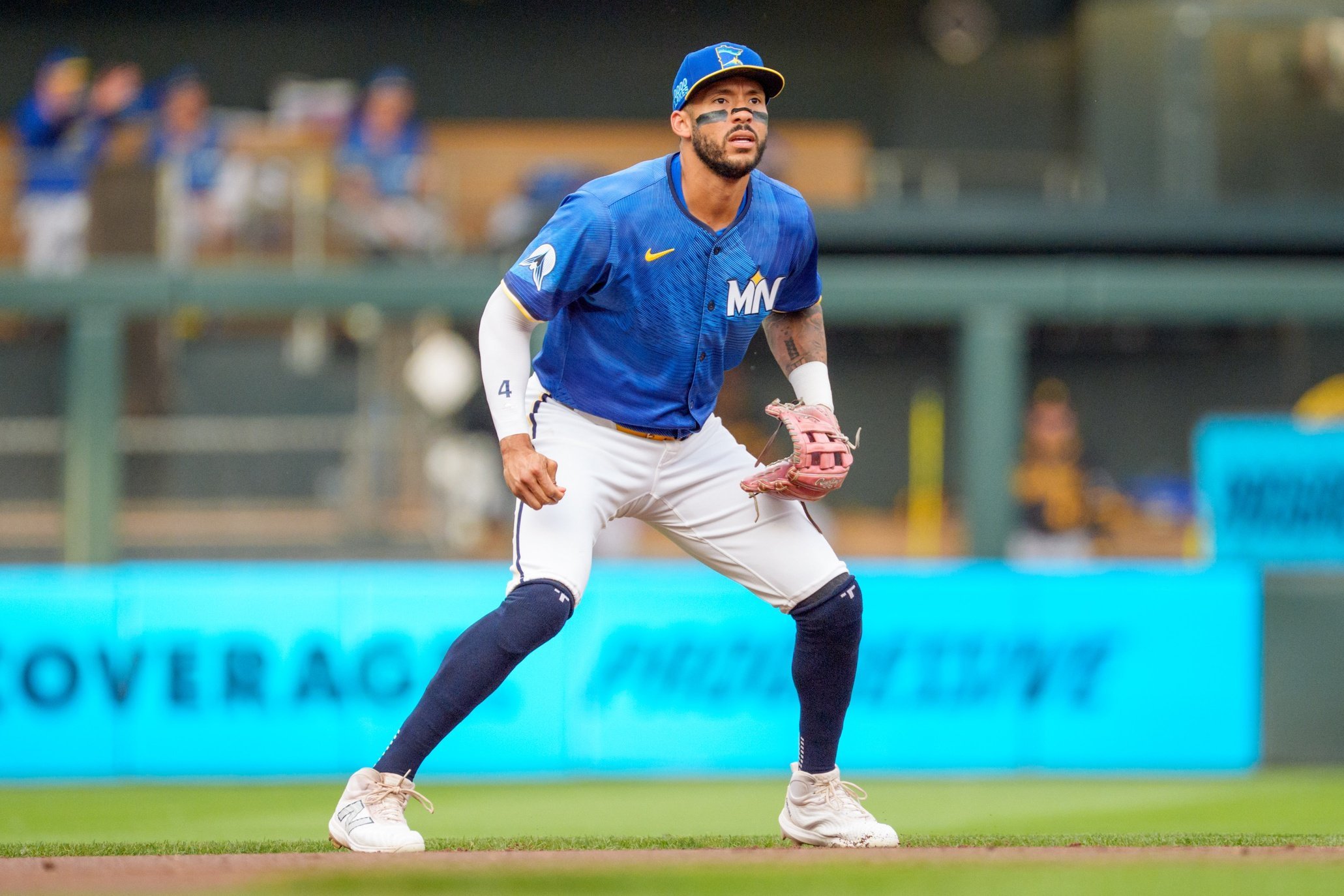
With hours until the trade deadline, rumors surrounding Carlos Correa’s potential return to Houston have picked up steam. Reports from multiple outlets confirmed that the Astros have reached out to the Twins to gauge interest in a deal. Correa reportedly would be willing to waive his no-trade clause to return to Houston, and the Twins believe that the Astros are perhaps the only club that could convince him to do so.
The talks, according to The Athletic’s Dan Hayes and Chandler Rome, are not close to reaching a resolution, and consummating a deal is less likely now that Houston has acquired third baseman Ramón Urías. But even the existence of the conversation raises significant questions for a franchise already fighting battles on multiple fronts. The Twins are trying to maintain credibility with their fanbase; relevance in a disappointing season; and respect from star players around the league. Trading Correa now might undermine all three.
Echoes of the Donaldson Deal
It is impossible not to see the parallels between Correa’s situation and Josh Donaldson’s exit a few years ago. The Twins signed Donaldson to the largest free-agent deal in franchise history at the time, only to trade him away before the contract ran its course. They were able to offload the deal to the Yankees and use the money saved to help bring Correa in as the face of the next competitive window.
But if Minnesota turns around and does the same thing again, it sends a message to future free agents: even if the Twins step up to sign a star, they might not be committed long-term. The front office can point to Donaldson's age or Correa’s drop in power, but the optics remain difficult. If the Twins move on from another marquee name before the contract fully vests, it could chill future negotiations with top-tier free agents.
Minnesota already has trouble luring top names to the Twin Cities. Geography, market size, and weather are often cited as reasons players look elsewhere. Stability and reputation matter when a player considers long-term deals. If the Twins develop a reputation as a revolving door for high-priced veterans, it will only compound the issue. It would also subvert another reputation they take pride in having, as one of the most accommodating and friendly teams in the league for players' families. Great family organizations don't make a habit of shipping out players in the middle of long-term deals.
Reading Between the Rumors
Correa has not had a monster season, but he has shown signs of returning to form. After a slow start, he has hit .300 over his last 274 plate appearances. His power numbers are down, due in part to a career-high ground ball rate, but his bat remains productive and his glove remains solid. At 30 years old, Correa still holds value, even with the large contract attached.
The Astros are reportedly serious in their pursuit. Injuries to Isaac Paredes and Jeremy Peña have left them with a need on the infield that Urías only partially satisfies, and Houston owner Jim Crane remains a fan of Correa’s, even years after his departure. Bringing him back would push the Astros over the luxury tax threshold, something Crane has resisted in the past, but sentiment and urgency might tip the balance.
Correa has three years remaining after this season on his six-year, $200 million contract, with vesting team options that could make the deal longer and even more expensive. To make a trade work, the Twins would almost certainly need to eat a portion of the money owed. That reality puts added pressure on the front office to decide if the savings (and whatever prospects might come in return) are worth the reputational hit.
The Bigger Picture
For Minnesota, the Correa decision comes at a moment of organizational uncertainty. The club is under .500, with little hope of making a playoff push. The Pohlad family is exploring a sale, with no clear deadline in sight. A new owner might want payroll flexibility, or they might want star power. Either way, trading away the team’s highest-paid player before the halfway point of a six-year deal sets a clear tone, whether the team intends it or not.
There is also the fan perspective to consider. Correa is one of the most recognizable players on the roster and has consistently praised the organization. Moving him while he is still a capable contributor could alienate a portion of the fanbase already frustrated with the team’s up-and-down results and budget-conscious decisions.
Walking the Line
The Twins are not wrong to consider every possibility at the deadline. This is a team that needs to be strategic, not sentimental. But there is a fine line between a smart baseball decision and one that damages the team’s standing with players and fans alike.
If the Twins trade Correa, they had better be sure of the return. Because if it echoes the Donaldson move without the benefit of a corresponding leap forward, the long-term cost could stretch well beyond the numbers on a payroll sheet.
Should the Twins consider trading Correa? What are the long-term ramifications of dumping his contract? Leave a comment and start the discussion.
Do you approve of the job Derek Shelton is doing as Twins manager?

Follow Twins Daily For Minnesota Twins News & Analysis



- nclahammer, thelanges5, Patzky and 4 others
-
 7
7


Recommended Comments
Create an account or sign in to comment
You need to be a member in order to leave a comment
Create an account
Sign up for a new account in our community. It's easy!
Register a new accountSign in
Already have an account? Sign in here.
Sign In Now