



Twins Video
With the current MLB Collective Bargaining Agreement (CBA) set to expire on December 1, there’s already a growing sense around the baseball world that the sport could be headed toward another lockout. That doesn't mean games will be lost—an offseason stoppage is almost guaranteed, but last time, they resolved it before Opening Day—but the risk of that is real.
A major reason why? The conversation surrounding a salary cap and salary floor. Right now, Major League Baseball technically has neither, though the players' union does have the right to pursue a grievance against any revenue-sharing receiving teams who don't spend more than a certain threshold, and even though the competitive-balance tax tiers act as progressively harder caps as payrolls get large. Spending across the league remains wildly uneven. Teams like the Dodgers, Yankees, and Mets are operating in an entirely different financial world than smaller-market organizations, while some clubs continue to spend at the absolute bottom of the league with little pressure to increase their payroll. That imbalance has created growing frustration on both sides—despite a relatively weak correlation between spending and actual wins.
Owners are far more likely to push for a salary cap, hoping to create cost certainty that can drive their franchise values even higher. Players, on the other hand, are much more likely to push for a salary floor, forcing lower-spending teams to invest more heavily in their rosters. Obviously, there will be both, if there is either, but whether to switch to such a system (the owners want it; the players don't) and where to set the top and bottom thresholds of one are hard questions on which to agree; hence the tough talk from both sides.
The last MLB lockout began at the start of December 2021 and lasted until March 10, 2022. Ultimately, the league still managed to play a full 162-game season, though Opening Day was pushed back roughly a week while the two sides finalized a new agreement. But there’s no guarantee the next one would be resolved that quickly. There's a possibility that the 2027 lockout could drag on longer, and if that happens, the major-league season would essentially be suspended until a new CBA is agreed upon.
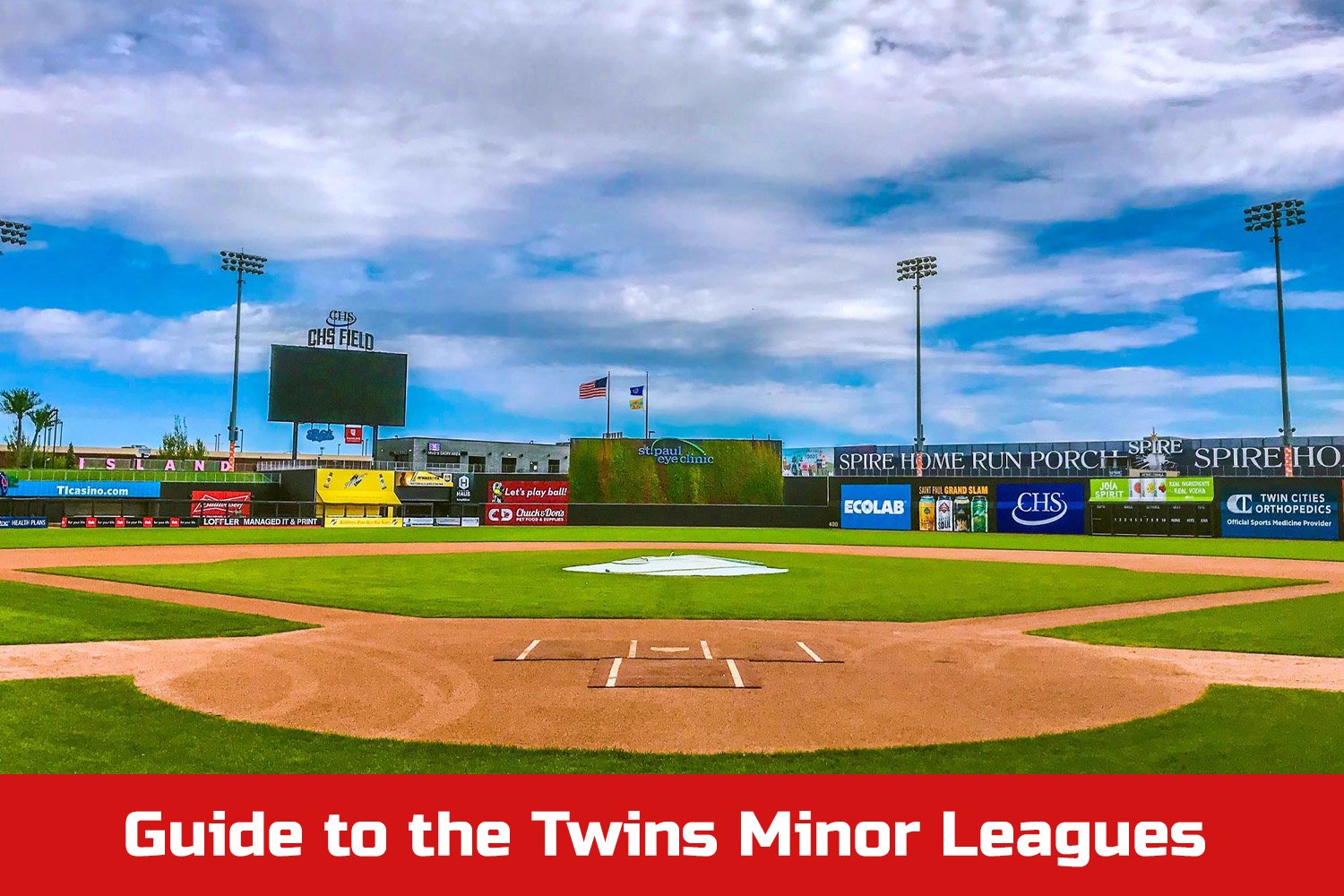
However—and this is where things get especially interesting for teams like the Twins—a major-league lockout would not impact the minors. Minor league baseball would continue as normal. That immediately raises an interesting question for Minnesota, moving forward: might the Twins choose to keep some of their top prospects in the minors, to avoid losing valuable development time during a potential lockout?
Their top-end talent is getting awfully close to the majors. Walker Jenkins, Kaelen Culpepper, and Emmanuel Rodriguez (the Twins’ top three prospects) are all nearing the point where they could realistically debut sometime this summer, health-permitting. Under normal circumstances, getting those players major-league reps during a season where the Twins (still) probably aren’t serious American League contenders would make a ton of sense. Let the young core learn at the highest level, and give them experience heading into a more competitive window down the road.
If Rodríguez can get healthy, it still makes sense to give him a look later this year. He's already on the 40-man roster, so he'll be affected by any lockout, anyway. Only players not on a 40-man MLB roster will be able to participate in minor-league spring training and/or games, if those get started before the big-league ones do next year. Several other could-be rookies—CJ Culpepper, Ty Langenberg, Ricardo Olivar and Aaron Sabato, to name a few—either are already eligible for the Rule 5 Draft or have to be added to the 40-man roster this fall to avoid that, so they also don't need to be held back. Even if a lockout comes, the deadline to add players to the 40-man and protect them from the Rule 5 Draft will come first, in mid-November, so the Twins have to decide on those guys before a work stoppage can enter the equation.
Jenkins, Kaelen Culpepper and pitching prospect Ryan Gallagher, however, belong to the class of players who won't need to be added to the 40-man roster until the fall of 2027 for Rule 5 purposes. If Jenkins could get and stay healthy, he would probably force his way to the majors, anyway, but he's likely to be sidelined several more weeks by the shoulder injury he sustained earlier this season. He, Culpepper and Gallagher are where this gets incredibly tricky for the Twins. Do you prioritize getting your top prospects exposure to the majors now? Or do you protect their ability to continue playing and developing next season in the event of a lengthy lockout?
For Minnesota specifically, there may not be an easy answer. Right now, the state of the infield could force the issue, sooner rather than later. With both Luke Keaschall and Royce Lewis struggling, and with Lewis currently back in the minors, Culpepper may simply become too difficult to keep down. If the Twins believe he’s clearly one of their best infield options, they may not have much choice but to bring him to the majors and worry about any disruptions to his development right along with those to the development of Keaschall, Austin Martin or any other young players. Good stretches from Tristan Gray and Ryan Kreidler or a return to the bigs by a rehabilitated Lewis would make keeping Culpepper down more feasible, which emphasizes the importance of those potential developments, even beyond winning games this year.
The outfield situation, though, is a bit different. With Trevor Larnach and Martin both playing well, the Twins may actually have the flexibility to slow-play some of their outfield prospects throughout the remainder of 2026. Rodríguez's thumb surgery will keep him on the shelf a while, but he could still debut this year. All things considered, it might make sense for Jenkins not to.
It’s honestly an unfortunate situation, all around. You’d love for organizations to simply call players up the moment they’re ready and allow them to develop naturally at the major-league level. But given the very real possibility of a lockout following the 2026 season, along with where the Twins currently sit as a franchise, Minnesota may have to think about this differently than most fans would initially expect. For both the futures of those players and the future of the organization itself, keeping some of their top prospects in the minors for all of 2026 may ultimately be the smartest long-term move.
Do you approve of Twins ownership?

Follow Twins Daily For Minnesota Twins News & Analysis



- Patzky, glunn, GopherTide and 1 other
-
 4
4


Recommended Comments
Create an account or sign in to comment
You need to be a member in order to leave a comment
Create an account
Sign up for a new account in our community. It's easy!
Register a new accountSign in
Already have an account? Sign in here.
Sign In Now