



Sam Caulder
-
Posts
595 -
Joined
-
Last visited
1 Follower

Recent Profile Visitors
21,196 profile views




Sam Caulder's Achievements






-
 mikelink45 reacted to an article:
Should Yoendrys Gómez Remain the Twins’ Closer in 2027?
mikelink45 reacted to an article:
Should Yoendrys Gómez Remain the Twins’ Closer in 2027?
-
thelanges5 reacted to an article:
Should Yoendrys Gómez Remain the Twins’ Closer in 2027?
-
Patzky reacted to an article:
Should Yoendrys Gómez Remain the Twins’ Closer in 2027?
-
Image courtesy of Denny Medley - IMAGN IMAGES via Reuters Connect Twins’ reliever Yoendrys Gómez has been one of the biggest positive storylines across the team's 2026 season. After being acquired from Tampa Bay for mere cash considerations back on May 6, Gómez quickly established himself as one of the most reliable arms in the Twins’ bullpen. In fact, you could make an argument that he’s been the team’s best reliever since arriving in Minnesota. Across 47 innings as a Twin, Gómez owns a 3.83 ERA and a 3.54 FIP. That kind of production quickly turned him into the Twins’ closer, and he has been extremely reliable in that role. He has gone 21-for-23 on save opportunities since arriving in Minnesota. If you looked at just that stat, you might be a little confused by the question I’m about to propose: Should Yoendrys Gómez remain the Twins’ closer in 2027? Despite his impressive reliability in the ninth inning this year, there are some reasons to be skeptical about whether this level of success is sustainable. The underlying data would indicate that there has been A LOT of luck involved in Gómez’s results this season. His expected ERA sits at 5.74, which is significantly higher than the 3.83 ERA he has posted since joining the Twins. Now, some of that inflated expected ERA comes from his struggles with the Rays earlier this season. But the majority of his season has come in Minnesota, so it’s not like the Twins can simply chalk all of those underlying numbers up to his time in Tampa Bay. One of the biggest reasons for that inflated expected ERA is the quality of contact he has allowed. His hard-hit rate of 44.9% ranks in just the fifth percentile among MLB pitchers. That’s concerning for any pitcher, but it’s especially alarming for someone like Gómez. His ground-ball rate ranks in the first percentile among major league pitchers. Hard contact on the ground is one thing. Hard-hit fly balls and line drives are a completely different story. That’s not exactly the profile you want from your closer. There’s also the command piece of the equation. Gómez has walked 29 batters over those 47 innings with the Twins, which comes out to a 13.5% walk rate. Yes, relievers generally have higher walk rates than starting pitchers, and there are plenty of successful bullpen arms who can survive with less-than-perfect command. But 13.5% is still an extremely high number. Put all of that together, and there are some pretty obvious red flags beneath Gómez’s impressive results. That brings us to the big question the Twins will have to ask themselves this offseason: Does any of that actually matter if he’s getting the job done? As mentioned, Gómez has blown just two saves since arriving in Minnesota. However, both have come in his two most recent outings on Wednesday and Saturday. Outside of that, he has been incredibly effective in the role. So, does it really make sense for the Twins to move off of him? In my opinion, Gómez should start the 2027 season as the Twins’ primary closer. But that leash better be TIGHT, and I'd prefer to see more of a closer-by-committee situation. There's enough in Gómez’s profile to believe that he can be a quality reliever moving forward. He generates a good amount of whiffs, and his Stuff+ rating sits at 113, with 100 being league average. That’s the kind of pitch profile you want from a closer. The problem is that good stuff can only get you so far if you aren’t consistently locating it and are allowing too much hard contact. If the loud contact and command issues start catching up to Gómez next season, the Twins are going to have to be willing to make a change. Luckily for them, they already have another potential option. The Twins acquired Jeff Hoffman from Toronto at the trade deadline, and he has plenty of experience pitching in the ninth inning himself. Hoffman is also going to be paid like a closer next season, which makes it even more important for the Twins to give themselves some flexibility with how they handle the back end of the bullpen. He's had some struggles of his own in a lot of the same areas Gómez has, but there have also been several stretches of utter dominance over the course of his major league career. And going into next year, Hoffman may have some extra buzz with Gómez's late-season struggles. Baseball is a funny sport sometimes. This is a guy who has gone 21-for-23 in save opportunities this year, and here I am talking about his job security heading into next season. But that’s what makes Gómez such an interesting case. The results, for the most part, have been outstanding, and (in my opinion) he has earned the opportunity to enter 2027 in a high-leverage role because of it. At the same time, there are enough warning signs beneath the surface to make it clear that the Twins can’t afford to ignore what the underlying data is telling them. Eventually, the deeper numbers are probably going to catch up to Gómez. And this week might have been the tip of the iceberg. View full article
-
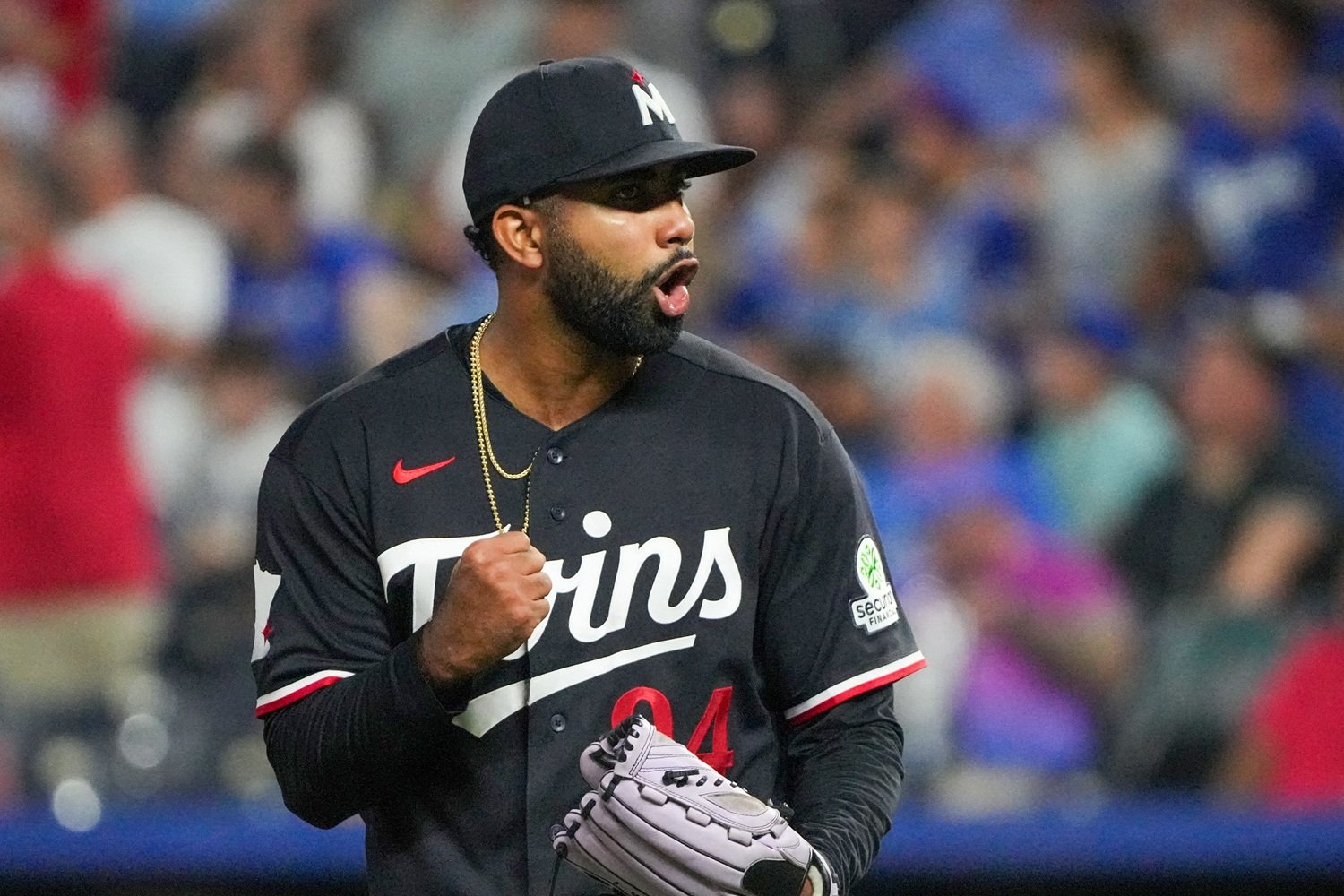 Twins’ reliever Yoendrys Gómez has been one of the biggest positive storylines across the team's 2026 season. After being acquired from Tampa Bay for mere cash considerations back on May 6, Gómez quickly established himself as one of the most reliable arms in the Twins’ bullpen. In fact, you could make an argument that he’s been the team’s best reliever since arriving in Minnesota. Across 47 innings as a Twin, Gómez owns a 3.83 ERA and a 3.54 FIP. That kind of production quickly turned him into the Twins’ closer, and he has been extremely reliable in that role. He has gone 21-for-23 on save opportunities since arriving in Minnesota. If you looked at just that stat, you might be a little confused by the question I’m about to propose: Should Yoendrys Gómez remain the Twins’ closer in 2027? Despite his impressive reliability in the ninth inning this year, there are some reasons to be skeptical about whether this level of success is sustainable. The underlying data would indicate that there has been A LOT of luck involved in Gómez’s results this season. His expected ERA sits at 5.74, which is significantly higher than the 3.83 ERA he has posted since joining the Twins. Now, some of that inflated expected ERA comes from his struggles with the Rays earlier this season. But the majority of his season has come in Minnesota, so it’s not like the Twins can simply chalk all of those underlying numbers up to his time in Tampa Bay. One of the biggest reasons for that inflated expected ERA is the quality of contact he has allowed. His hard-hit rate of 44.9% ranks in just the fifth percentile among MLB pitchers. That’s concerning for any pitcher, but it’s especially alarming for someone like Gómez. His ground-ball rate ranks in the first percentile among major league pitchers. Hard contact on the ground is one thing. Hard-hit fly balls and line drives are a completely different story. That’s not exactly the profile you want from your closer. There’s also the command piece of the equation. Gómez has walked 29 batters over those 47 innings with the Twins, which comes out to a 13.5% walk rate. Yes, relievers generally have higher walk rates than starting pitchers, and there are plenty of successful bullpen arms who can survive with less-than-perfect command. But 13.5% is still an extremely high number. Put all of that together, and there are some pretty obvious red flags beneath Gómez’s impressive results. That brings us to the big question the Twins will have to ask themselves this offseason: Does any of that actually matter if he’s getting the job done? As mentioned, Gómez has blown just two saves since arriving in Minnesota. However, both have come in his two most recent outings on Wednesday and Saturday. Outside of that, he has been incredibly effective in the role. So, does it really make sense for the Twins to move off of him? In my opinion, Gómez should start the 2027 season as the Twins’ primary closer. But that leash better be TIGHT, and I'd prefer to see more of a closer-by-committee situation. There's enough in Gómez’s profile to believe that he can be a quality reliever moving forward. He generates a good amount of whiffs, and his Stuff+ rating sits at 113, with 100 being league average. That’s the kind of pitch profile you want from a closer. The problem is that good stuff can only get you so far if you aren’t consistently locating it and are allowing too much hard contact. If the loud contact and command issues start catching up to Gómez next season, the Twins are going to have to be willing to make a change. Luckily for them, they already have another potential option. The Twins acquired Jeff Hoffman from Toronto at the trade deadline, and he has plenty of experience pitching in the ninth inning himself. Hoffman is also going to be paid like a closer next season, which makes it even more important for the Twins to give themselves some flexibility with how they handle the back end of the bullpen. He's had some struggles of his own in a lot of the same areas Gómez has, but there have also been several stretches of utter dominance over the course of his major league career. And going into next year, Hoffman may have some extra buzz with Gómez's late-season struggles. Baseball is a funny sport sometimes. This is a guy who has gone 21-for-23 in save opportunities this year, and here I am talking about his job security heading into next season. But that’s what makes Gómez such an interesting case. The results, for the most part, have been outstanding, and (in my opinion) he has earned the opportunity to enter 2027 in a high-leverage role because of it. At the same time, there are enough warning signs beneath the surface to make it clear that the Twins can’t afford to ignore what the underlying data is telling them. Eventually, the deeper numbers are probably going to catch up to Gómez. And this week might have been the tip of the iceberg.
 -
thelanges5 reacted to an article:
How Should the Twins Construct Their Lineup Down the Stretch?
-
Sam Caulder reacted to a post in a topic:
What's the Twins’ Long-Term Answer at First Base?
-
DannySD reacted to an article:
How Should the Twins Construct Their Lineup Down the Stretch?
-
GopherTide reacted to an article:
How Should the Twins Construct Their Lineup Down the Stretch?
-
Permanent Twins Fan reacted to an article:
How Should the Twins Construct Their Lineup Down the Stretch?
-
Image courtesy of Matt Blewett-Imagn Images At long last, Emmanuel Rodríguez is in the major leagues. After years of waiting to see one of the most talented offensive prospects in the Twins’ system reach Target Field, Rodríguez has arrived, and he's taken up a flexible role in what remains a shifting outfield picture for the team. With Rodríguez joining Walker Jenkins and Kaelen Culpepper, the Twins suddenly have a pretty clear glimpse at what their offense could look like next season (although Culpepper will spend at least the bulk of the remaining games on the injured list). The challenge is figuring out how to get all of those young players on the field. There’s essentially no way for the Twins to continue rolling out their traditional lineup with Rodríguez in the mix. In broad strokes, Rodríguez has taken over in left field against right-handed starters and in center field against southpaws, but there are plenty of other options the Twins could explore over the remainder of the season. The focus should be on the future. At this point, there’s no reason Rodríguez, Jenkins, and Luke Keaschall shouldn’t be the everyday outfielders. Keaschall already was one, and this is the perfect opportunity to get Rodríguez and Jenkins as many major-league reps as possible before they’re thrust into much more meaningful roles in 2027 and (hopefully) beyond. The Twins didn't finish the season the way they wanted, but that doesn’t mean the final week-plus has to be meaningless. In fact, these could be some of the most important games of the year. The future is now, and the top priority has to be getting those young players on the field. Of course, doing that is going to have a ripple effect throughout the rest of the roster. Trevor Larnach and Josh Bell could be the biggest casualties. Bell was already operating primarily as the team’s designated hitter. If he's healthy enough to take them, Larnach could start claiming some of those at-bats. The whole point of this exercise should be getting the best young players on the field and figuring out what this roster can look like moving forward. Moving players around simply to squeeze veterans into the lineup would defeat the purpose. Bell is the easiest player to push to the side. He’s a free agent after the season. Unless the Twins intend to bring him back, they need not prioritize his playing time over a player who could still be part of the organization’s long-term plans. Larnach is a little more interesting. Many expected him to be moved at the trade deadline to clear a path for players like Rodríguez and Jenkins. The Twins even had a deal in place to send him to Houston, before the Astros backed out at the last minute. Now, the writing is on the wall. Larnach probably isn’t part of the Twins’ future. If Jenkins, Rodríguez and Keaschall are all viewed as long-term pieces (and Byron Buxton is presumably going to remain in the outfield mix next season, as well), Larnach is redundant. I’d be pretty surprised if Larnach is still in Minnesota when the 2027 season begins. That’s also why the Twins’ lineups over these final few games will be so interesting. They have an opportunity to get creative, but they also have a chance to stop worrying so much about squeezing every possible veteran at-bat out of a lineup that isn’t going to the postseason. Instead, they can start figuring out what comes next. There will be no playoff baseball for the Twins this season, but that doesn’t mean there isn’t plenty to be excited about. Rodríguez’s arrival (combined with Jenkins, Keaschall, Culpepper, and the rest of the organization’s young talent) gives fans a reason to look forward to what’s coming. The Twins can afford to prioritize tomorrow over today. The future is now, and while that might mean some veterans see their playing time squeezed, I don’t think anyone in Twins Territory will complain. View full article
-
How Should the Twins Construct Their Lineup Down the Stretch?
Sam Caulder posted an article in Twins
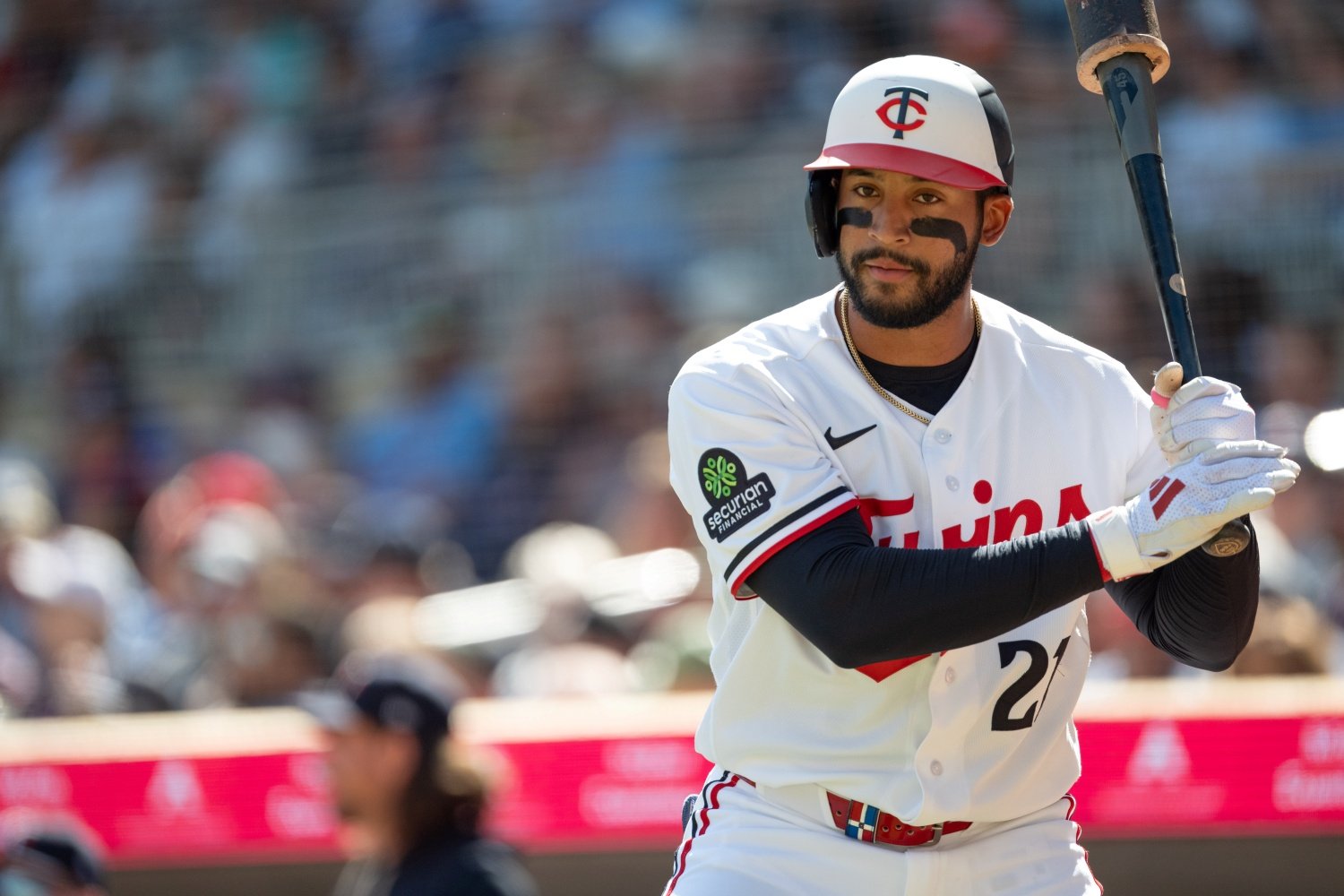 At long last, Emmanuel Rodríguez is in the major leagues. After years of waiting to see one of the most talented offensive prospects in the Twins’ system reach Target Field, Rodríguez has arrived, and he's taken up a flexible role in what remains a shifting outfield picture for the team. With Rodríguez joining Walker Jenkins and Kaelen Culpepper, the Twins suddenly have a pretty clear glimpse at what their offense could look like next season (although Culpepper will spend at least the bulk of the remaining games on the injured list). The challenge is figuring out how to get all of those young players on the field. There’s essentially no way for the Twins to continue rolling out their traditional lineup with Rodríguez in the mix. In broad strokes, Rodríguez has taken over in left field against right-handed starters and in center field against southpaws, but there are plenty of other options the Twins could explore over the remainder of the season. The focus should be on the future. At this point, there’s no reason Rodríguez, Jenkins, and Luke Keaschall shouldn’t be the everyday outfielders. Keaschall already was one, and this is the perfect opportunity to get Rodríguez and Jenkins as many major-league reps as possible before they’re thrust into much more meaningful roles in 2027 and (hopefully) beyond. The Twins didn't finish the season the way they wanted, but that doesn’t mean the final week-plus has to be meaningless. In fact, these could be some of the most important games of the year. The future is now, and the top priority has to be getting those young players on the field. Of course, doing that is going to have a ripple effect throughout the rest of the roster. Trevor Larnach and Josh Bell could be the biggest casualties. Bell was already operating primarily as the team’s designated hitter. If he's healthy enough to take them, Larnach could start claiming some of those at-bats. The whole point of this exercise should be getting the best young players on the field and figuring out what this roster can look like moving forward. Moving players around simply to squeeze veterans into the lineup would defeat the purpose. Bell is the easiest player to push to the side. He’s a free agent after the season. Unless the Twins intend to bring him back, they need not prioritize his playing time over a player who could still be part of the organization’s long-term plans. Larnach is a little more interesting. Many expected him to be moved at the trade deadline to clear a path for players like Rodríguez and Jenkins. The Twins even had a deal in place to send him to Houston, before the Astros backed out at the last minute. Now, the writing is on the wall. Larnach probably isn’t part of the Twins’ future. If Jenkins, Rodríguez and Keaschall are all viewed as long-term pieces (and Byron Buxton is presumably going to remain in the outfield mix next season, as well), Larnach is redundant. I’d be pretty surprised if Larnach is still in Minnesota when the 2027 season begins. That’s also why the Twins’ lineups over these final few games will be so interesting. They have an opportunity to get creative, but they also have a chance to stop worrying so much about squeezing every possible veteran at-bat out of a lineup that isn’t going to the postseason. Instead, they can start figuring out what comes next. There will be no playoff baseball for the Twins this season, but that doesn’t mean there isn’t plenty to be excited about. Rodríguez’s arrival (combined with Jenkins, Keaschall, Culpepper, and the rest of the organization’s young talent) gives fans a reason to look forward to what’s coming. The Twins can afford to prioritize tomorrow over today. The future is now, and while that might mean some veterans see their playing time squeezed, I don’t think anyone in Twins Territory will complain.
- 11 comments
-
- 4
-
-
- emmanuel rodriguez
- walker jenkins
- (and 1 more)
-
The results speak for themselves, but so do the underlying numbers. As the Twins look toward 2027, they’ll have to figure out how much they trust both sides of the Yoendrys Gómez equation. View full video
-
The results speak for themselves, but so do the underlying numbers. As the Twins look toward 2027, they’ll have to figure out how much they trust both sides of the Yoendrys Gómez equation.
-
thelanges5 reacted to an article:
Angels 5, Twins 4: Walker Jenkins's Big Moment Not Quite Enough
-
nclahammer reacted to an article:
What's the Twins’ Long-Term Answer at First Base?
-
Angels 5, Twins 4: Walker Jenkins's Big Moment Not Quite Enough
Sam Caulder posted an article in Minor Leagues
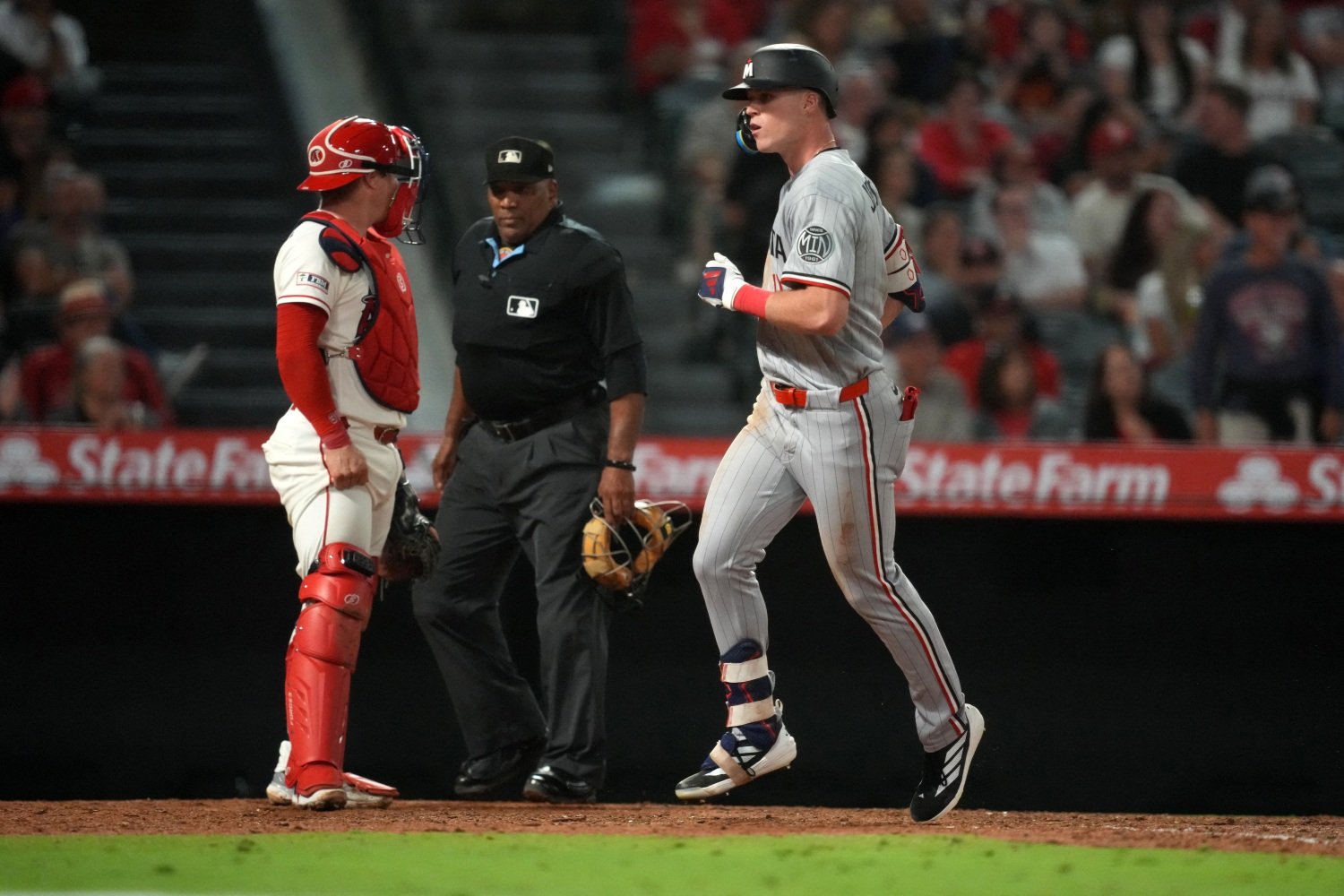 Box Score SP: Taj Bradley - 7 IP, 5 H, 3 R, 1 BB, 9 K (98 pitches, 65 strikes (66% strikes)) Home Runs: Walker Jenkins (2) Bottom 3 WPA: Yoendrys Gómez (-0.38), Kody Funderburk (-0.18), Josh Bell (-0.18) Win Probability Chart The Twins entered Thursday night's contest against the Angels looking to start their four-game set with a win. Instead, they found themselves in an early hole and spent most of the night trying to fight their way back. Los Angeles jumped on Taj Bradley for three runs in the first inning, but the right-hander settled in and completely shut the Angels down from there. Minnesota's offense, meanwhile, struggled to generate much of anything until the eighth inning, when a late rally finally gave them a chance. The Twins tied the game in the ninth on a massive Walker Jenkins homer, then took their first lead of the night in the 10th. Unfortunately, Los Angeles answered in the bottom half and walked it off, handing Minnesota a 5-4 loss and dropping the Twins to 71-82 on the season with just nine games remaining. TAJ BRADLEY TURNED THINGS AROUND AFTER A ROUGH FIRST Bradley couldn't have asked for a much worse start to Thursday night's game. After striking out Zach Neto on a curveball to begin the bottom of the first, Bradley walked Mike Trout and allowed Wade Meckler to single. That brought Moisés Ballesteros to the plate, and the Angels' catcher smoked a ball to center field to score Trout and give Los Angeles an early 1-0 lead. Things snowballed a bit from there. Denzer Guzman followed with another single to bring Meckler home before Oswald Peraza lined another ball into right field. Ballesteros scored on the play, and both Guzman and Peraza advanced on the throw to make it a 3-0 game. Bradley finally escaped the inning when José Siri struck out, but it took him 28 pitches to get through the first. After that, however, Bradley was outstanding. He retired the Angels in order in the second, getting Neto to swing through a curveball before Trout grounded out to Brooks Lee. He then worked another 1-2-3 inning in the third, retiring seven consecutive batters after the rough first. Bradley continued to cruise from there, striking out Neto for the third time in the fifth before retiring Trout and Meckler to end the inning. He then worked another quick 1-2-3 sixth and struck out Josh Lowe to end the seventh. After allowing three runs in the first, Bradley didn't allow another one. He finished his night with seven innings, three runs allowed and a staggering 20 whiffs on 98 pitches. Unfortunately, because the Twins' offense couldn't get anything going early, Bradley was still in line for the loss despite pitching seven dominant innings after the first. THE TWINS FINALLY FOUND SOME LIFE IN THE EIGHTH For most of the night, Minnesota's offense looked completely overmatched. The Twins managed just three hits through the first seven innings and couldn't put together a serious threat against Walbert Ureña. But that finally changed in the eighth. Walker Jenkins led off the inning with a single. Ben Ross ripped a double into left field. Suddenly, the Twins had runners on second and third with nobody out and their first real scoring opportunity of the night. Luke Keaschall couldn't capitalize, striking out looking, but Brooks Lee came through with a sacrifice fly to bring Jenkins home. That cut the deficit to 3-1. Kody Clemens then worked a walk to keep the inning alive, but Josh Bell struck out to strand two runners and end the threat. It wasn't quite the massive inning Minnesota needed, but it was enough to give the Twins some momentum heading into the ninth. And they would need every bit of it. WALKER JENKINS DELIVERED THE BIGGEST HIT OF HIS YOUNG CAREER The ninth inning provided the biggest moment of the night for the Twins. Ben Joyce came in looking to close out the game for Los Angeles, and he immediately showed why he's so difficult to hit. Emmanuel Rodriguez swung through a 102 MPH fastball for the first out before Royce Lewis got frozen by a 103 MPH heater on the outside corner. With the Twins down to their final out, Victor Caratini lined a single into center field to bring Jenkins to the plate as the tying run. He turned on a 101 MPH fastball and launched it out for a game-tying two-run homer, tying the game at three and giving him his third hit of the night on what was already the first multi-hit game of his major league career. It was a massive moment for the 22-year-old, especially considering how little the Twins' offense had been able to do throughout the first eight innings. Ross struck out to end the inning, but the damage had already been done. The Twins had come all the way back. And suddenly, extra innings were on the table. THE TWINS COULDN'T HOLD ON IN EXTRAS Minnesota finally took its first lead of the night in the top of the 10th. With Ben Ross starting the inning as the extra-inning runner, Keaschall opened the frame with a single through the left side. That kept Ross at third and put runners on the corners for Lee. Lee then smoked a 2-0 sinker into right field, bringing Ross home and giving the Twins their first lead of the night at 4-3. Clemens laid down a sacrifice bunt to move the runners up, but Bell popped out and the Angels intentionally walked Ryan Jeffers to load the bases for Lewis. Unfortunately, Lewis struck out to end the inning, leaving Minnesota with just a one-run lead to protect. Yoendrys Gómez got the ball in the bottom half and immediately found himself in trouble. Pinch-hitter Vaughn Grissom flew out to Austin Martin, but Siri tagged up and moved to third. Gómez then walked Neto, setting up a massive at-bat against Trout. Turns out, that's not the guy you want to face in a high-leverage spot. He lined a ball past Ross to score Siri and tie the game at four. That ended Gómez's night, with Kody Funderburk coming in to try to keep the game alive. Instead, the first pitch he threw was grounded into right field for a walk-off single. Just like that, the Twins went from finally taking their first lead of the night to walking off the field with a loss. Minnesota fought all the way back after trailing 3-0, tied the game in the ninth and took the lead in extras. But it wasn't enough. The Angels win 5-4. The Twins fall to 71-82, and with only nine games left in the season, Thursday's loss felt like another frustrating summary of how this season has gone for Minnesota. What’s Next? The Twins and Angels will continue their four-game series in Anaheim tomorrow night. Connor Prielipp is lined up to start for Minnesota, and he’s set to face off against right-hander Grayson Rodriguez. First pitch is set for 8:38 PM. Postgame Interviews Coming soon! Bullpen Availability Chart
- 57 comments
-
- 1
-
-
- game recap
- walker jenkins
- (and 1 more)
-
Image courtesy of Kirby Lee-Imagn Images Box Score SP: Taj Bradley - 7 IP, 5 H, 3 R, 1 BB, 9 K (98 pitches, 65 strikes (66% strikes)) Home Runs: Walker Jenkins (2) Bottom 3 WPA: Yoendrys Gómez (-0.38), Kody Funderburk (-0.18), Josh Bell (-0.18) Win Probability Chart The Twins entered Thursday night's contest against the Angels looking to start their four-game set with a win. Instead, they found themselves in an early hole and spent most of the night trying to fight their way back. Los Angeles jumped on Taj Bradley for three runs in the first inning, but the right-hander settled in and completely shut the Angels down from there. Minnesota's offense, meanwhile, struggled to generate much of anything until the eighth inning, when a late rally finally gave them a chance. The Twins tied the game in the ninth on a massive Walker Jenkins homer, then took their first lead of the night in the 10th. Unfortunately, Los Angeles answered in the bottom half and walked it off, handing Minnesota a 5-4 loss and dropping the Twins to 71-82 on the season with just nine games remaining. TAJ BRADLEY TURNED THINGS AROUND AFTER A ROUGH FIRST Bradley couldn't have asked for a much worse start to Thursday night's game. After striking out Zach Neto on a curveball to begin the bottom of the first, Bradley walked Mike Trout and allowed Wade Meckler to single. That brought Moisés Ballesteros to the plate, and the Angels' catcher smoked a ball to center field to score Trout and give Los Angeles an early 1-0 lead. Things snowballed a bit from there. Denzer Guzman followed with another single to bring Meckler home before Oswald Peraza lined another ball into right field. Ballesteros scored on the play, and both Guzman and Peraza advanced on the throw to make it a 3-0 game. Bradley finally escaped the inning when José Siri struck out, but it took him 28 pitches to get through the first. After that, however, Bradley was outstanding. He retired the Angels in order in the second, getting Neto to swing through a curveball before Trout grounded out to Brooks Lee. He then worked another 1-2-3 inning in the third, retiring seven consecutive batters after the rough first. Bradley continued to cruise from there, striking out Neto for the third time in the fifth before retiring Trout and Meckler to end the inning. He then worked another quick 1-2-3 sixth and struck out Josh Lowe to end the seventh. After allowing three runs in the first, Bradley didn't allow another one. He finished his night with seven innings, three runs allowed and a staggering 20 whiffs on 98 pitches. Unfortunately, because the Twins' offense couldn't get anything going early, Bradley was still in line for the loss despite pitching seven dominant innings after the first. THE TWINS FINALLY FOUND SOME LIFE IN THE EIGHTH For most of the night, Minnesota's offense looked completely overmatched. The Twins managed just three hits through the first seven innings and couldn't put together a serious threat against Walbert Ureña. But that finally changed in the eighth. Walker Jenkins led off the inning with a single. Ben Ross ripped a double into left field. Suddenly, the Twins had runners on second and third with nobody out and their first real scoring opportunity of the night. Luke Keaschall couldn't capitalize, striking out looking, but Brooks Lee came through with a sacrifice fly to bring Jenkins home. That cut the deficit to 3-1. Kody Clemens then worked a walk to keep the inning alive, but Josh Bell struck out to strand two runners and end the threat. It wasn't quite the massive inning Minnesota needed, but it was enough to give the Twins some momentum heading into the ninth. And they would need every bit of it. WALKER JENKINS DELIVERED THE BIGGEST HIT OF HIS YOUNG CAREER The ninth inning provided the biggest moment of the night for the Twins. Ben Joyce came in looking to close out the game for Los Angeles, and he immediately showed why he's so difficult to hit. Emmanuel Rodriguez swung through a 102 MPH fastball for the first out before Royce Lewis got frozen by a 103 MPH heater on the outside corner. With the Twins down to their final out, Victor Caratini lined a single into center field to bring Jenkins to the plate as the tying run. He turned on a 101 MPH fastball and launched it out for a game-tying two-run homer, tying the game at three and giving him his third hit of the night on what was already the first multi-hit game of his major league career. It was a massive moment for the 22-year-old, especially considering how little the Twins' offense had been able to do throughout the first eight innings. Ross struck out to end the inning, but the damage had already been done. The Twins had come all the way back. And suddenly, extra innings were on the table. THE TWINS COULDN'T HOLD ON IN EXTRAS Minnesota finally took its first lead of the night in the top of the 10th. With Ben Ross starting the inning as the extra-inning runner, Keaschall opened the frame with a single through the left side. That kept Ross at third and put runners on the corners for Lee. Lee then smoked a 2-0 sinker into right field, bringing Ross home and giving the Twins their first lead of the night at 4-3. Clemens laid down a sacrifice bunt to move the runners up, but Bell popped out and the Angels intentionally walked Ryan Jeffers to load the bases for Lewis. Unfortunately, Lewis struck out to end the inning, leaving Minnesota with just a one-run lead to protect. Yoendrys Gómez got the ball in the bottom half and immediately found himself in trouble. Pinch-hitter Vaughn Grissom flew out to Austin Martin, but Siri tagged up and moved to third. Gómez then walked Neto, setting up a massive at-bat against Trout. Turns out, that's not the guy you want to face in a high-leverage spot. He lined a ball past Ross to score Siri and tie the game at four. That ended Gómez's night, with Kody Funderburk coming in to try to keep the game alive. Instead, the first pitch he threw was grounded into right field for a walk-off single. Just like that, the Twins went from finally taking their first lead of the night to walking off the field with a loss. Minnesota fought all the way back after trailing 3-0, tied the game in the ninth and took the lead in extras. But it wasn't enough. The Angels win 5-4. The Twins fall to 71-82, and with only nine games left in the season, Thursday's loss felt like another frustrating summary of how this season has gone for Minnesota. What’s Next? The Twins and Angels will continue their four-game series in Anaheim tomorrow night. Connor Prielipp is lined up to start for Minnesota, and he’s set to face off against right-hander Grayson Rodriguez. First pitch is set for 8:38 PM. Postgame Interviews Coming soon! Bullpen Availability Chart View full article
-
gman reacted to an article:
Is There Still a Future for Marco Raya in Minnesota?
-
 Sam Caulder reacted to a post in a topic:
What's the Twins’ Long-Term Answer at First Base?
Sam Caulder reacted to a post in a topic:
What's the Twins’ Long-Term Answer at First Base?
-
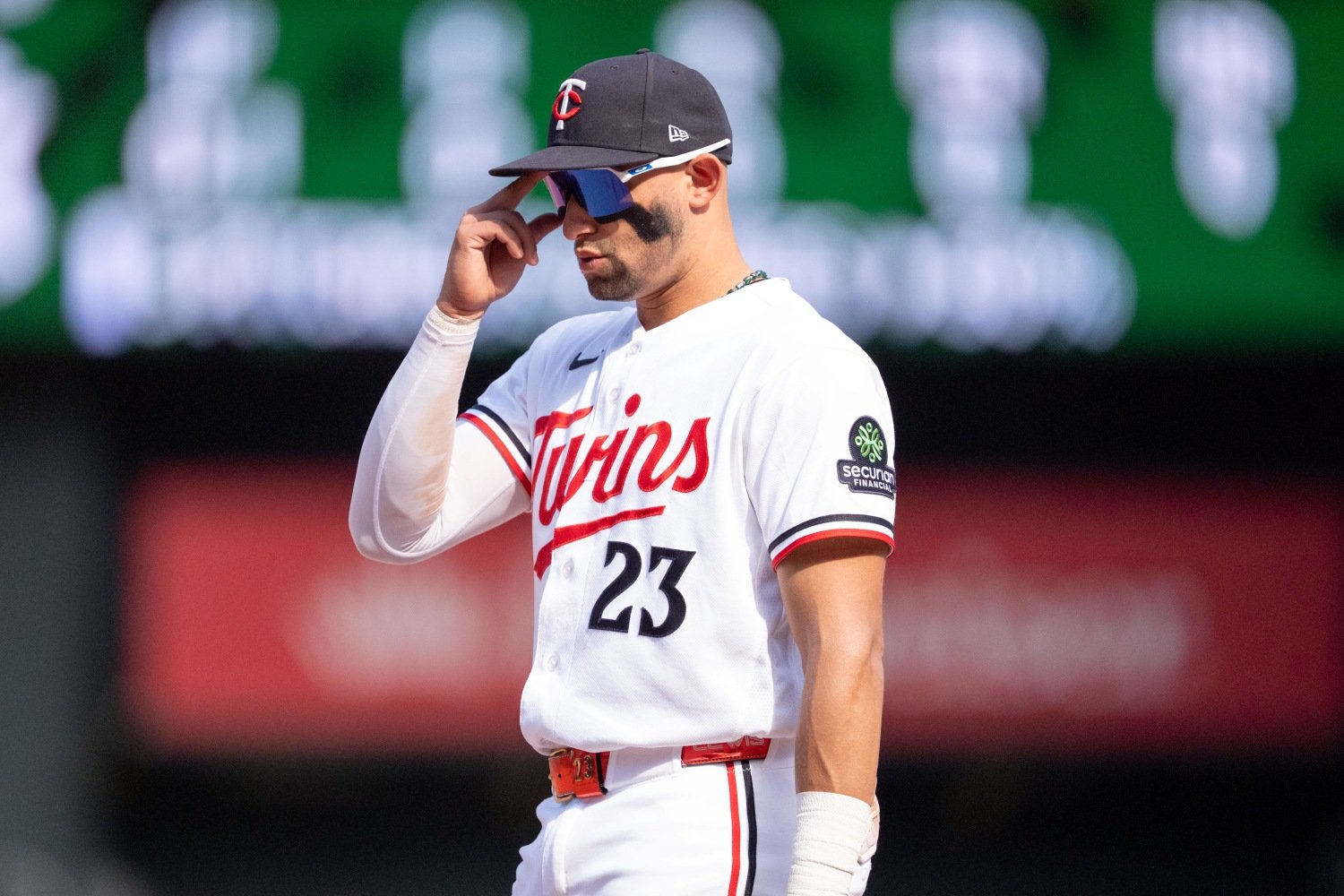 For a good portion of the 2026 season, the Minnesota Twins have had some pretty spotty defense at first base. Josh Bell, Victor Caratini and now Royce Lewis have all graded out as below-average defenders at the position this season. Bell is probably gone after this year, and Caratini could become the Twins’ primary catcher next season (if Ryan Jeffers leaves in free agency), anyway, There's a pretty obvious need for improvement at first base. That invites the question: Could the Twins already have their long-term answer somewhere in the organization? The most obvious candidate is, of course, Lewis. He's struggled a bit with the nuances of playmaking at his new position, but he's a plus receiver of throws, which makes up for some of the hiccups on grounders his way. The defensive numbers certainly aren’t encouraging. At the same time, Lewis is still a very good athlete who has shown flashes of brilliance at first. With an entire offseason to get more comfortable at the position, I don’t think it’s unreasonable to think he could become at least an average defender there. Less clear is whether Lewis’s bat can hold up at first base. First basemen need to be one of the most productive offensive players in a lineup, and Lewis currently owns a sub-.700 OPS. That obviously isn’t going to cut it long-term. Still, I think it’s too early to say with any certainty that Lewis has no future at first base. It's fairer to say that he can't be the whole plan at the spot next year; he'd have to be a platoon or utility option. The only other player in the upper levels of the Twins' system who has primarily played first base is Aaron Sabato. It’s been a rocky road for the Twins’ 2020 first-round pick, but as the saying goes, better late than never. Sabato has shown some legitimately encouraging signs this season, posting an .898 OPS at Triple-A St. Paul with 55 extra-base hits in 109 games. That’s the kind of offensive profile you’d expect from a quality first baseman, and perhaps more importantly, both his walk and strikeout rates have improved significantly. For a player whose plate discipline has been one of the biggest questions throughout his professional career, that’s a very promising sign. There are glaring weaknesses in his game, and there are still few scouts who think his success would translate to the big leagues, but if he stays in the organization this winter, it would signal that the Twins are at least keeping an open mind. Then there’s Gabriel Gonzalez, the least conventional of the plausible options. Gonzalez doesn’t have the traditional frame you’d expect from a first baseman, at just 5-foot-10, but sometimes, guys that size make it work at the spot. He's already made 42 starts at first base for St. Paul this season, and while some of that probably has to do with the sheer amount of outfield talent the Twins have had at Triple-A, they still chose him to get that work, rather than someone like Hendry Mendez. The Twins’ long-term outlook in the outfield leaves little space for Gonzalez, and it seems like the Twins realize that. Gonzalez doesn’t have the traditional offensive skill set of a first baseman, either. He’s more of a contact-oriented hitter than someone who’s going to provide huge amounts of power. But the fact that he has continued getting starts at first base even with Sabato on the same roster is worth paying attention to. If the Twins truly viewed Gonzalez as a long-term outfielder, it would be somewhat surprising to see them give him this many opportunities at first. Let's also consider Mendez. The Twins’ No. 7 prospect has spent basically all of his professional career playing the outfield corners, but that might not be his long-term home. Mendez went to the Arizona Fall League after the 2025 season, at least in part to get some reps at first base, and he also appeared there a couple of times at Double-A this year. Considering how many left-handed corner outfielders the Twins have in their system, someone is probably going to have to transition to another position eventually. That could be Gonzalez, but Mendez makes at least as much. He throws and bats left-handed. He's 6-foot-3. Like Gonzalez, he’s a contact-first hitter who can get on base, but Mendez has also shown an ability to consistently hit the ball hard, more so than Gonzalez. That combination gives him an offensive foundation that could work at first base if the Twins ultimately decide that’s his best path to the majors. Mendez could make his major-league debut in 2027, and it wouldn’t surprise me at all if that debut comes at first base. Of course, there’s always the possibility that the Twins look externally for their answer. First base is a position where they could find a veteran solution through free agency or a trade, and there’s no guarantee that any of these four players actually becomes the long-term answer. But I think Lewis, Sabato, Gonzalez and Mendez all have interesting (if speculative) cases for why they could be. The Twins don’t need to find their next first baseman this offseason. They might already have several options worth exploring.
 -
Image courtesy of Matt Blewett-Imagn Images For a good portion of the 2026 season, the Minnesota Twins have had some pretty spotty defense at first base. Josh Bell, Victor Caratini and now Royce Lewis have all graded out as below-average defenders at the position this season. Bell is probably gone after this year, and Caratini could become the Twins’ primary catcher next season (if Ryan Jeffers leaves in free agency), anyway, There's a pretty obvious need for improvement at first base. That invites the question: Could the Twins already have their long-term answer somewhere in the organization? The most obvious candidate is, of course, Lewis. He's struggled a bit with the nuances of playmaking at his new position, but he's a plus receiver of throws, which makes up for some of the hiccups on grounders his way. The defensive numbers certainly aren’t encouraging. At the same time, Lewis is still a very good athlete who has shown flashes of brilliance at first. With an entire offseason to get more comfortable at the position, I don’t think it’s unreasonable to think he could become at least an average defender there. Less clear is whether Lewis’s bat can hold up at first base. First basemen need to be one of the most productive offensive players in a lineup, and Lewis currently owns a sub-.700 OPS. That obviously isn’t going to cut it long-term. Still, I think it’s too early to say with any certainty that Lewis has no future at first base. It's fairer to say that he can't be the whole plan at the spot next year; he'd have to be a platoon or utility option. The only other player in the upper levels of the Twins' system who has primarily played first base is Aaron Sabato. It’s been a rocky road for the Twins’ 2020 first-round pick, but as the saying goes, better late than never. Sabato has shown some legitimately encouraging signs this season, posting an .898 OPS at Triple-A St. Paul with 55 extra-base hits in 109 games. That’s the kind of offensive profile you’d expect from a quality first baseman, and perhaps more importantly, both his walk and strikeout rates have improved significantly. For a player whose plate discipline has been one of the biggest questions throughout his professional career, that’s a very promising sign. There are glaring weaknesses in his game, and there are still few scouts who think his success would translate to the big leagues, but if he stays in the organization this winter, it would signal that the Twins are at least keeping an open mind. Then there’s Gabriel Gonzalez, the least conventional of the plausible options. Gonzalez doesn’t have the traditional frame you’d expect from a first baseman, at just 5-foot-10, but sometimes, guys that size make it work at the spot. He's already made 42 starts at first base for St. Paul this season, and while some of that probably has to do with the sheer amount of outfield talent the Twins have had at Triple-A, they still chose him to get that work, rather than someone like Hendry Mendez. The Twins’ long-term outlook in the outfield leaves little space for Gonzalez, and it seems like the Twins realize that. Gonzalez doesn’t have the traditional offensive skill set of a first baseman, either. He’s more of a contact-oriented hitter than someone who’s going to provide huge amounts of power. But the fact that he has continued getting starts at first base even with Sabato on the same roster is worth paying attention to. If the Twins truly viewed Gonzalez as a long-term outfielder, it would be somewhat surprising to see them give him this many opportunities at first. Let's also consider Mendez. The Twins’ No. 7 prospect has spent basically all of his professional career playing the outfield corners, but that might not be his long-term home. Mendez went to the Arizona Fall League after the 2025 season, at least in part to get some reps at first base, and he also appeared there a couple of times at Double-A this year. Considering how many left-handed corner outfielders the Twins have in their system, someone is probably going to have to transition to another position eventually. That could be Gonzalez, but Mendez makes at least as much. He throws and bats left-handed. He's 6-foot-3. Like Gonzalez, he’s a contact-first hitter who can get on base, but Mendez has also shown an ability to consistently hit the ball hard, more so than Gonzalez. That combination gives him an offensive foundation that could work at first base if the Twins ultimately decide that’s his best path to the majors. Mendez could make his major-league debut in 2027, and it wouldn’t surprise me at all if that debut comes at first base. Of course, there’s always the possibility that the Twins look externally for their answer. First base is a position where they could find a veteran solution through free agency or a trade, and there’s no guarantee that any of these four players actually becomes the long-term answer. But I think Lewis, Sabato, Gonzalez and Mendez all have interesting (if speculative) cases for why they could be. The Twins don’t need to find their next first baseman this offseason. They might already have several options worth exploring. View full article
-
Marco Raya once looked like one of the Twins’ most promising pitching prospects, but his development has taken a very different path over the last couple of years. Now working out of the bullpen, he still has the stuff to potentially carve out a role in Minnesota. View full video
-
Marco Raya once looked like one of the Twins’ most promising pitching prospects, but his development has taken a very different path over the last couple of years. Now working out of the bullpen, he still has the stuff to potentially carve out a role in Minnesota.
-
Not an argument, just curious why you feel that way. I wouldn't have pegged them as a 90-loss team next year
-
Image courtesy of Matt Blewett-Imagn Images At one point in time, it looked like Twins pitching prospect Marco Raya was on his way to becoming a key piece of the organization’s pitching staff. After being selected in the fourth round of the 2020 MLB Draft out of high school, he had to wait a little longer than expected to begin his professional career. A shoulder strain wiped out his entire 2021 season, but he came back in 2022 and showed why the Twins had been so intrigued by him. Raya posted a 3.05 ERA with 76 strikeouts over 65 innings in Low-A that season, giving him a strong foundation to build on. He followed that with another impressive year at High-A in 2023, which earned him a promotion to Double-A at just 20 years old. Just one year later, he was knocking on the door of Triple-A. He only made one start at that level in 2024, but it was an impressive one: he tossed five scoreless innings. At that point, it felt like the Twins had found a potential frontline starter who was flying through the organization. But from there, things started to unravel. Raya has been pretty much stuck in St. Paul for the last couple of years, and some of the issues that have plagued him have become increasingly difficult to overlook. Too many barrels have hurt him, and the Twins have now transitioned him into a relief role. Suddenly, the frontline starter upside that once made Raya one of the more intriguing arms in the system seems to have disappeared. But that doesn’t necessarily mean his future with the Twins has disappeared with it. Despite a couple of rough years in St. Paul, Raya finally made his major-league debut in 2026. He only appeared in three games before being optioned back to Triple-A, but he allowed just two earned runs over six innings. Obviously, six innings is nowhere near enough to draw any definitive conclusions. The underlying numbers from such a small sample need to be taken with a grain of salt, but there were still some encouraging signs. His secondary pitches generated whiffs; he did a good job limiting hard contact, and most importantly, the overall arsenal looked like something that can work at the major-league level. His fastball has been sitting around 96 miles per hour in St. Paul, giving him a solid foundation to build the rest of his arsenal around. Both his sweeper and curveball have strong movement profiles, and the sweeper generated plenty of whiffs during his brief time in the majors. The increased usage of that pitch has also been one of the more interesting developments for Raya this season. He has leaned on the sweeper substantially more than he did before, and he's also increased his usage of the changeup. That change is a little firmer than normal, coming in around 90 MPH, but it generates plenty of deception and plays well off his fastball. That combination could give Raya a pretty interesting mix in a bullpen role. He also has a cutter, although he really isn’t throwing it much anymore. In reality, the pitch looks more like a hard slider than a traditional cutter, which could explain why it has fallen out of his mix. Still, it could be a usable offering if the Twins decide they want him to bring it back more often. The biggest question is whether Raya can finally start turning all of that stuff into consistent results. His overall numbers at Triple-A this season are far from outstanding, and the home run problem in particular has continued to follow him. One out of every four hits he's allowed this year has left the ballpark, which has hurt his overall stat line and dents any confidence that he could be a valuable high-leverage arm. At the same time, there are some reasons to believe he's made progress. Compared to 2025, his walk and strikeout rates have both improved substantially. If he can clean up the long balls, there's still a world where he carves out a meaningful role in the Twins’ bullpen. It may not be the role anyone envisioned when he was flying through the organization as a 20-year-old. There was a point when it looked like Raya could eventually become a frontline starter, and that path has clearly taken a major turn. But a change in role doesn’t necessarily mean the end of the road. He's still only 24, and the Twins have already seen enough from his arsenal to know that there's something to work with. A 96-MPH fastball, a whiff-heavy sweeper and a changeup with plenty of movement give him the ingredients of a legitimate major-league pitcher. Now, it’s about finding the right way to put everything together. View full article
-
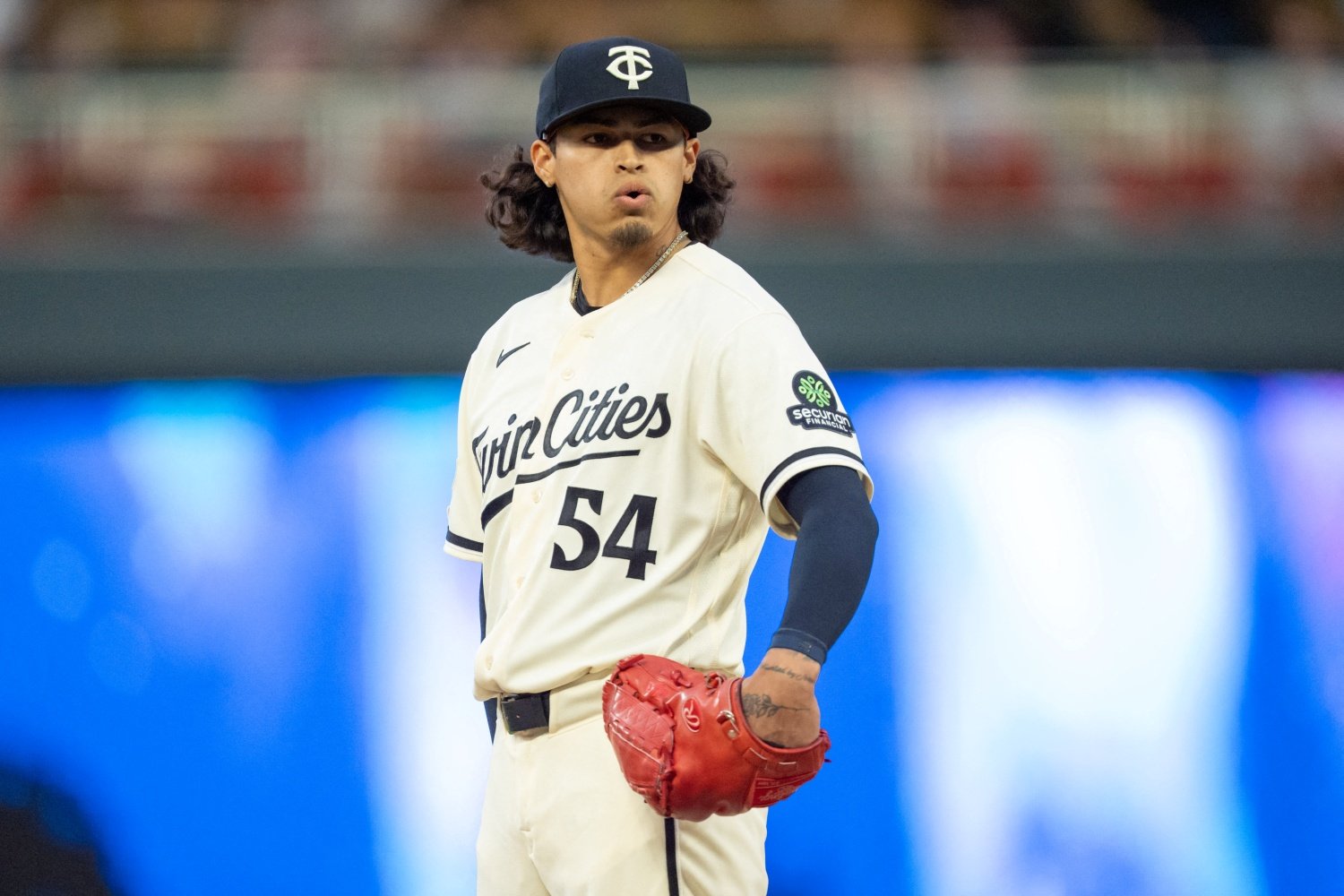 At one point in time, it looked like Twins pitching prospect Marco Raya was on his way to becoming a key piece of the organization’s pitching staff. After being selected in the fourth round of the 2020 MLB Draft out of high school, he had to wait a little longer than expected to begin his professional career. A shoulder strain wiped out his entire 2021 season, but he came back in 2022 and showed why the Twins had been so intrigued by him. Raya posted a 3.05 ERA with 76 strikeouts over 65 innings in Low-A that season, giving him a strong foundation to build on. He followed that with another impressive year at High-A in 2023, which earned him a promotion to Double-A at just 20 years old. Just one year later, he was knocking on the door of Triple-A. He only made one start at that level in 2024, but it was an impressive one: he tossed five scoreless innings. At that point, it felt like the Twins had found a potential frontline starter who was flying through the organization. But from there, things started to unravel. Raya has been pretty much stuck in St. Paul for the last couple of years, and some of the issues that have plagued him have become increasingly difficult to overlook. Too many barrels have hurt him, and the Twins have now transitioned him into a relief role. Suddenly, the frontline starter upside that once made Raya one of the more intriguing arms in the system seems to have disappeared. But that doesn’t necessarily mean his future with the Twins has disappeared with it. Despite a couple of rough years in St. Paul, Raya finally made his major-league debut in 2026. He only appeared in three games before being optioned back to Triple-A, but he allowed just two earned runs over six innings. Obviously, six innings is nowhere near enough to draw any definitive conclusions. The underlying numbers from such a small sample need to be taken with a grain of salt, but there were still some encouraging signs. His secondary pitches generated whiffs; he did a good job limiting hard contact, and most importantly, the overall arsenal looked like something that can work at the major-league level. His fastball has been sitting around 96 miles per hour in St. Paul, giving him a solid foundation to build the rest of his arsenal around. Both his sweeper and curveball have strong movement profiles, and the sweeper generated plenty of whiffs during his brief time in the majors. The increased usage of that pitch has also been one of the more interesting developments for Raya this season. He has leaned on the sweeper substantially more than he did before, and he's also increased his usage of the changeup. That change is a little firmer than normal, coming in around 90 MPH, but it generates plenty of deception and plays well off his fastball. That combination could give Raya a pretty interesting mix in a bullpen role. He also has a cutter, although he really isn’t throwing it much anymore. In reality, the pitch looks more like a hard slider than a traditional cutter, which could explain why it has fallen out of his mix. Still, it could be a usable offering if the Twins decide they want him to bring it back more often. The biggest question is whether Raya can finally start turning all of that stuff into consistent results. His overall numbers at Triple-A this season are far from outstanding, and the home run problem in particular has continued to follow him. One out of every four hits he's allowed this year has left the ballpark, which has hurt his overall stat line and dents any confidence that he could be a valuable high-leverage arm. At the same time, there are some reasons to believe he's made progress. Compared to 2025, his walk and strikeout rates have both improved substantially. If he can clean up the long balls, there's still a world where he carves out a meaningful role in the Twins’ bullpen. It may not be the role anyone envisioned when he was flying through the organization as a 20-year-old. There was a point when it looked like Raya could eventually become a frontline starter, and that path has clearly taken a major turn. But a change in role doesn’t necessarily mean the end of the road. He's still only 24, and the Twins have already seen enough from his arsenal to know that there's something to work with. A 96-MPH fastball, a whiff-heavy sweeper and a changeup with plenty of movement give him the ingredients of a legitimate major-league pitcher. Now, it’s about finding the right way to put everything together.
