



Sam Caulder
-
Posts
648 -
Joined
-
Last visited
Content Type
Profiles
News
Minnesota Twins Videos
2026 Minnesota Twins Top Prospects Ranking
2022 Minnesota Twins Draft Picks
Minnesota Twins Free Agent & Trade Rumors, Notes, & Tidbits
Guides & Resources
2023 Minnesota Twins Draft Picks
The Minnesota Twins Players Project
2024 Minnesota Twins Draft Picks
2025 Minnesota Twins Draft Pick Tracker
2026 Minnesota Twins Draft Tracker: Picks & Bonuses
Forums
Blogs
Events
Store
Downloads
Gallery
Everything posted by Sam Caulder
-
A mid-to-upper 90s fastball, two nasty breaking balls, and an impressive ability to miss bats? Adrian Bohorquez has the makings of an intriguing pitching prospect, even if he's not getting much attention yet. View full video
-
A mid-to-upper 90s fastball, two nasty breaking balls, and an impressive ability to miss bats? Adrian Bohorquez has the makings of an intriguing pitching prospect, even if he's not getting much attention yet.
-
Image courtesy of Lathe Cobb The Minnesota Twins might not have a top-100-caliber pitching prospect in their farm system right now, but that doesn't mean they lack useful young arms. Despite winning the organization's Minor League Player of the Year award, right-hander Adrian Bohorquez is flying a little under the radar. Bohorquez currently sits outside the Twins' top 20 organizational prospects, but he put together a strong season in the minors that deserves more attention. Between High-A and Double-A (with a brief rehab stint in the Florida Complex League mixed in), he posted a 3.02 ERA in 59 2/3 innings. He also struck out 69 batters, good for an impressive 27.3% strikeout rate. His workload was limited as the result of an April forearm strain that cost him about a month and a half, but when he was healthy, he showed flashes of a pitcher who could eventually contribute at the major-league level. The raw stuff is legit. The 21-year-old features a mid- to upper-90s four-seam fastball with impressive life when thrown up in the zone, giving hitters much to think about before they even get to his secondary offerings. He also has two quality breaking balls with plenty of movement, giving him multiple ways to keep hitters off balance. That mix provides a strong foundation for success. Opposing hitters had a difficult time making consistent contact against him. An impressive 13.3% of the pitches he threw resulted in swinging strikes. That's a strong number for a 21-year-old who reached Double-A, especially considering he still has plenty of time to refine his arsenal. Bohorquez also did a nice job limiting damage when hitters managed to put the ball in play. He surrendered just three home runs, continuing a trend he's maintained throughout his professional career. His ability to keep the ball in the park is valuable no matter what role he might take on as he matriculates to the majors. Between his pitch shapes, swing-and-miss ability and knack for limiting hard contact, Bohorquez looks like a prospect with a solid floor. He has the ingredients to make life difficult for opposing hitters, and he doesn't need to overhaul his arsenal to become a legitimate pitching prospect. However, like most young pitchers, there are still a few areas where he needs to improve. The biggest one is control. Bohorquez finished the season with a 12.6% walk rate, which looks ugly on the surface. His control improved as the year went on, but his early-season struggles at High-A played a significant role in that overall number. He posted a 14.3% walk rate at the level, more than double his 6.1% mark from 2025. That's a significant jump, and something he'll need to address as he continues climbing through the minors. His stuff is good enough to get hitters to swing and miss, but falling behind in counts and handing out free passes will make it more difficult to take full advantage of those weapons. The good news is that his command showed signs of improvement as the season progressed, giving the Twins something to build on heading into the offseason. I'd also like to see Bohorquez get the ball on the ground a little more frequently. His 41.1% ground-ball rate was an improvement over his 33.3% mark a year ago, but there's still room for growth. As he faces more advanced hitters, limiting airborne contact will become increasingly important, particularly if his walk rate remains elevated. One way he could improve in that area is by developing a more reliable changeup. He does have a changeup in his arsenal, but there's a reason it wasn't mentioned alongside his four-seam fastball and breaking balls. The pitch hasn't consistently shown the velocity separation or movement profile needed to make it an effective weapon. Given the quality of his other offerings, a dependable changeup could be the piece that brings everything together—something slower than his four-seamer, which runs away from lefties and dives late, would give him another way to disrupt hitters' timing while generating more ground balls. It could also help him navigate lineups multiple times as he advances through the upper levels of the minors. As he progresses, mistakes in the strike zone will become more costly, and he'll have to work harder to maintain the home-run suppression that's been a strength throughout his professional career. A more complete arsenal would give him another tool to keep hitters from doing damage when they make contact. The Twins might not have an obvious ace-in-the-making among their pitching prospects, but Bohorquez is a name worth keeping an eye on. He's already laid the foundation for a plus arsenal, and if he can continue improving his control while developing a more consistent changeup, there's room for him to take another meaningful step forward. He might not be one of the organization's most highly touted prospects right now, but Bohorquez has the potential to change that. With a little more refinement, the Twins could have another young arm capable of making an impact in the big leagues. View full article
-
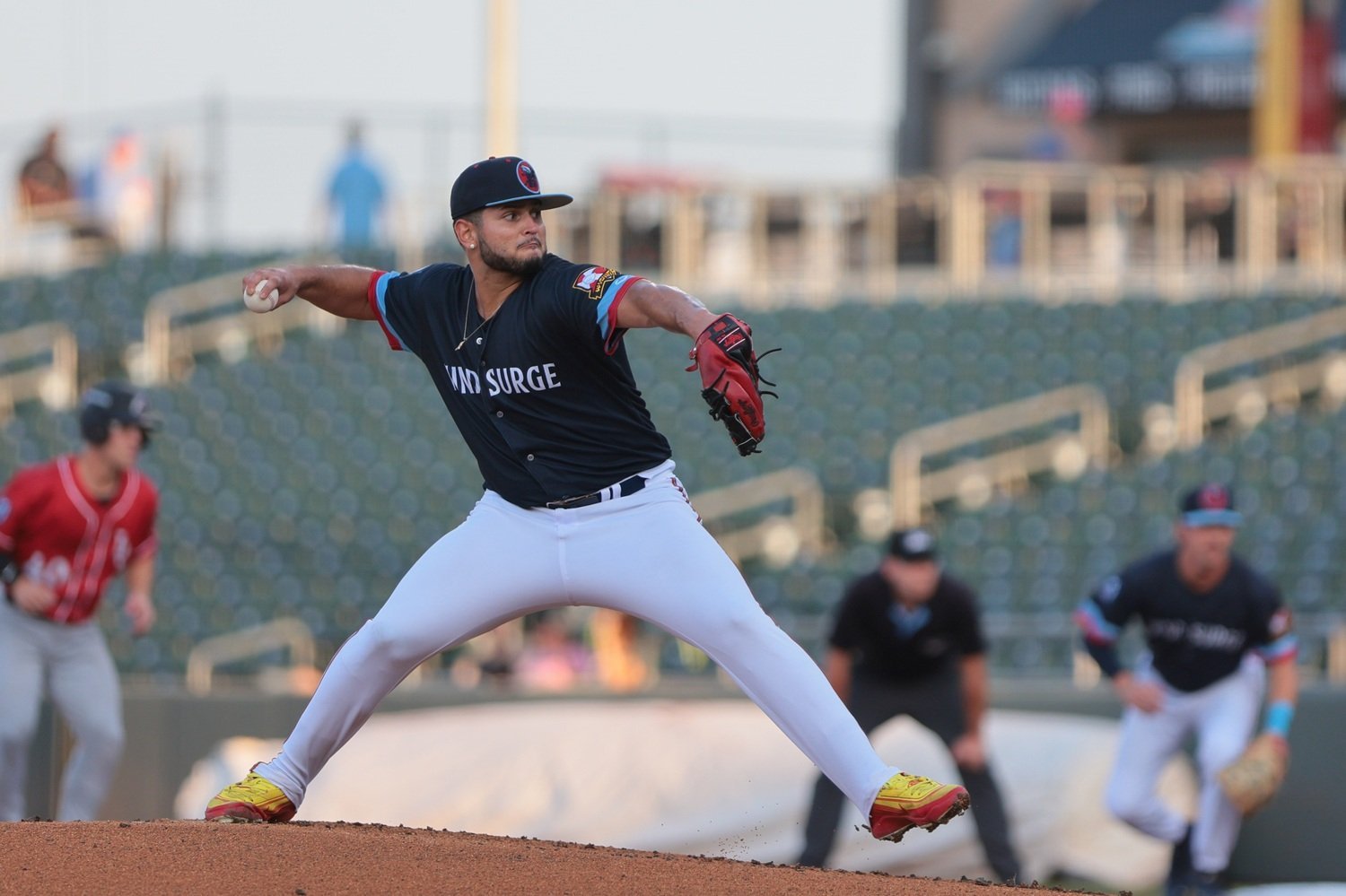 The Minnesota Twins might not have a top-100-caliber pitching prospect in their farm system right now, but that doesn't mean they lack useful young arms. Despite winning the organization's Minor League Player of the Year award, right-hander Adrian Bohorquez is flying a little under the radar. Bohorquez currently sits outside the Twins' top 20 organizational prospects, but he put together a strong season in the minors that deserves more attention. Between High-A and Double-A (with a brief rehab stint in the Florida Complex League mixed in), he posted a 3.02 ERA in 59 2/3 innings. He also struck out 69 batters, good for an impressive 27.3% strikeout rate. His workload was limited as the result of an April forearm strain that cost him about a month and a half, but when he was healthy, he showed flashes of a pitcher who could eventually contribute at the major-league level. The raw stuff is legit. The 21-year-old features a mid- to upper-90s four-seam fastball with impressive life when thrown up in the zone, giving hitters much to think about before they even get to his secondary offerings. He also has two quality breaking balls with plenty of movement, giving him multiple ways to keep hitters off balance. That mix provides a strong foundation for success. Opposing hitters had a difficult time making consistent contact against him. An impressive 13.3% of the pitches he threw resulted in swinging strikes. That's a strong number for a 21-year-old who reached Double-A, especially considering he still has plenty of time to refine his arsenal. Bohorquez also did a nice job limiting damage when hitters managed to put the ball in play. He surrendered just three home runs, continuing a trend he's maintained throughout his professional career. His ability to keep the ball in the park is valuable no matter what role he might take on as he matriculates to the majors. Between his pitch shapes, swing-and-miss ability and knack for limiting hard contact, Bohorquez looks like a prospect with a solid floor. He has the ingredients to make life difficult for opposing hitters, and he doesn't need to overhaul his arsenal to become a legitimate pitching prospect. However, like most young pitchers, there are still a few areas where he needs to improve. The biggest one is control. Bohorquez finished the season with a 12.6% walk rate, which looks ugly on the surface. His control improved as the year went on, but his early-season struggles at High-A played a significant role in that overall number. He posted a 14.3% walk rate at the level, more than double his 6.1% mark from 2025. That's a significant jump, and something he'll need to address as he continues climbing through the minors. His stuff is good enough to get hitters to swing and miss, but falling behind in counts and handing out free passes will make it more difficult to take full advantage of those weapons. The good news is that his command showed signs of improvement as the season progressed, giving the Twins something to build on heading into the offseason. I'd also like to see Bohorquez get the ball on the ground a little more frequently. His 41.1% ground-ball rate was an improvement over his 33.3% mark a year ago, but there's still room for growth. As he faces more advanced hitters, limiting airborne contact will become increasingly important, particularly if his walk rate remains elevated. One way he could improve in that area is by developing a more reliable changeup. He does have a changeup in his arsenal, but there's a reason it wasn't mentioned alongside his four-seam fastball and breaking balls. The pitch hasn't consistently shown the velocity separation or movement profile needed to make it an effective weapon. Given the quality of his other offerings, a dependable changeup could be the piece that brings everything together—something slower than his four-seamer, which runs away from lefties and dives late, would give him another way to disrupt hitters' timing while generating more ground balls. It could also help him navigate lineups multiple times as he advances through the upper levels of the minors. As he progresses, mistakes in the strike zone will become more costly, and he'll have to work harder to maintain the home-run suppression that's been a strength throughout his professional career. A more complete arsenal would give him another tool to keep hitters from doing damage when they make contact. The Twins might not have an obvious ace-in-the-making among their pitching prospects, but Bohorquez is a name worth keeping an eye on. He's already laid the foundation for a plus arsenal, and if he can continue improving his control while developing a more consistent changeup, there's room for him to take another meaningful step forward. He might not be one of the organization's most highly touted prospects right now, but Bohorquez has the potential to change that. With a little more refinement, the Twins could have another young arm capable of making an impact in the big leagues.
 -
Image courtesy of Rafael Suanes-Imagn Images The Twins had 32 different pitchers take the mound this season, along with a pair of position players in Alex Jackson and Orlando Arcia(!). There were some bright spots, including a few young pitchers who took important steps forward. But it was an injury-filled year for the Twins’ pitching staff, as only one hurler recorded more than 145 innings. However, the injuries also gave fans a chance to see some younger pitchers get their first taste of the majors. Minnesota also added a few arms via trade, including a couple who cracked (or nearly cracked) today’s top three. Let’s take a look at the best Twins pitchers of the 2026 season. Honorable Mentions Before getting into the top three, a couple of honorable mentions are worth recognizing. SP Connor Prielipp: 4.87 ERA, 1.29 WHIP, 23.9% K, 8.2% BB, 3.73 FIP, 125 2/3 IP (24 G, 22 GS) SP Dean Kremer: 3.48 ERA, 0.99 WHIP, 22.7% K, 8.5% BB, 3.82 FIP, 54 1/3 IP (10 G, 10 GS) #3: RP Yoendrys Gómez 2026 Stats: 21 SV, 3.62 ERA, 1.37 WHIP, 24.2% K, 13.5% BB, 3.40 FIP, 49 2/3 IP (56 G) Yoendrys Gómez was acquired from Tampa Bay on May 6 for cash considerations, and he turned out to be an extremely important piece of the Twins’ bullpen. He went 21-for-21 on save opportunities to begin his tenure as the Twins' (accidental) closer, before hitting a rough patch toward the end of the season. He still finished 21-for-23, giving Minnesota a reliable ninth-inning option. That was something the Twins desperately needed, after struggling to find a consistent answer at the back of the bullpen earlier in the year. Gómez’s sweeper proved to be a dominant pitch, generating a 40% whiff rate while allowing very little hard contact. Pair that with a quality four-seam fastball that sits around 96 miles per hour, and there's a strong foundation for a high-leverage reliever. There are still some things for Gómez to clean up, particularly his command. His 13.5% walk rate left plenty of room for improvement, and limiting the free passes could help him take another step forward. But he figures to remain a late-inning option for Derek Shelton next season. If he can build on what he accomplished in 2026 while improving his control, he could become one of the better relievers in the AL Central. #2: SP Joe Ryan 2026 Stats: 3.79 ERA, 1.16 WHIP, 25.9% K, 5.0% BB, 3.70 FIP, 144 2/3 IP (27 G, 27 GS) Joe Ryan won this award in 2025 and may have been able to repeat, had it not been for injuries. He looked like a legitimate Cy Young contender during the first half of the season, earning a spot on the American League All-Star roster in the process. He was comfortably the Twins’ best arm before the All-Star break, showing the swing-and-miss stuff and command that have made him such an important part of the rotation. He continued to pound the strike zone and miss bats at a high rate, while his 5.0% walk rate ranked among the best in baseball. Unfortunately, Ryan didn't look quite like the same pitcher after the All-Star break. He landed on the injured list in early August with a glute strain and missed about a month. Although he returned to the mound, the missed time limited him to 144 2/3 innings. When Ryan was healthy, he looked like an ace. His underlying numbers also suggest he may have slightly underperformed his results, giving Twins fans reason to believe he can bounce back next season. Barring an offseason trade, Ryan should continue to lead Minnesota's starting rotation in 2027. His ability to miss bats and limit walks gives him a strong foundation, and a healthy season could put him back in the conversation among the American League's best starters. However, when looking at the starting pitchers who made this list, including the honorable mentions, innings pitched mattered quite a bit. Ryan's season was impressive, but he simply didn't have the same workload as this year's winner. Minnesota Twins’ 2026 Pitcher of the Year: SP Taj Bradley 2026 Stats: 3.73 ERA, 1.22 WHIP, 27.4% K, 10.2% BB, 3.82 FIP, 178 1/3 IP (31 G, 31 GS) Taj Bradley entered the season with plenty of question marks after making a rough first impression with the Twins in 2025. After Minnesota acquired him from Tampa Bay, there were questions about whether he could develop into the frontline starter the organization hoped he would become. He answered a lot of those questions in 2026. He was one of just 13 pitchers to record 200 or more strikeouts this season, flashing the upside of a legitimate top-of-the-rotation starter. He made 31 starts, threw 178 1/3 innings and showed that he could handle a significant workload while missing bats at a high rate. Five of Bradley's 31 starts featured double-digit strikeout totals, and his 27.4% strikeout rate ranked in the 83rd percentile among major league pitchers. That ability to generate swings and misses gives him an important foundation to build on as he continues developing. In the span of a year, or technically about eight months, Bradley went from a pitcher who needed to prove himself to a leader of the Twins' pitching staff. He's still only 25 years old, which makes his 2026 performance even more exciting when considering what could be ahead. Of course, there are still areas where Bradley can improve. His 10.2% walk rate shows that his command isn't quite where it needs to be, and he occasionally struggled to get hitters to chase pitches outside the strike zone. If he can clean up those non-competitive misses and improve his command within the strike zone this offseason, there's reason to believe he could produce even better results next year. Bradley wasn't perfect, but he gave the Twins plenty to be excited about moving forward. After a season filled with injuries and uncertainty across the pitching staff, having a young starter take such a significant step forward is a major positive. The Twins will need more consistent production from their pitching staff in 2027, particularly if they hope to get back into postseason contention. Bradley's development, Ryan's health and the continued emergence of younger arms could go a long way toward determining how successful that effort will be. View full article
-
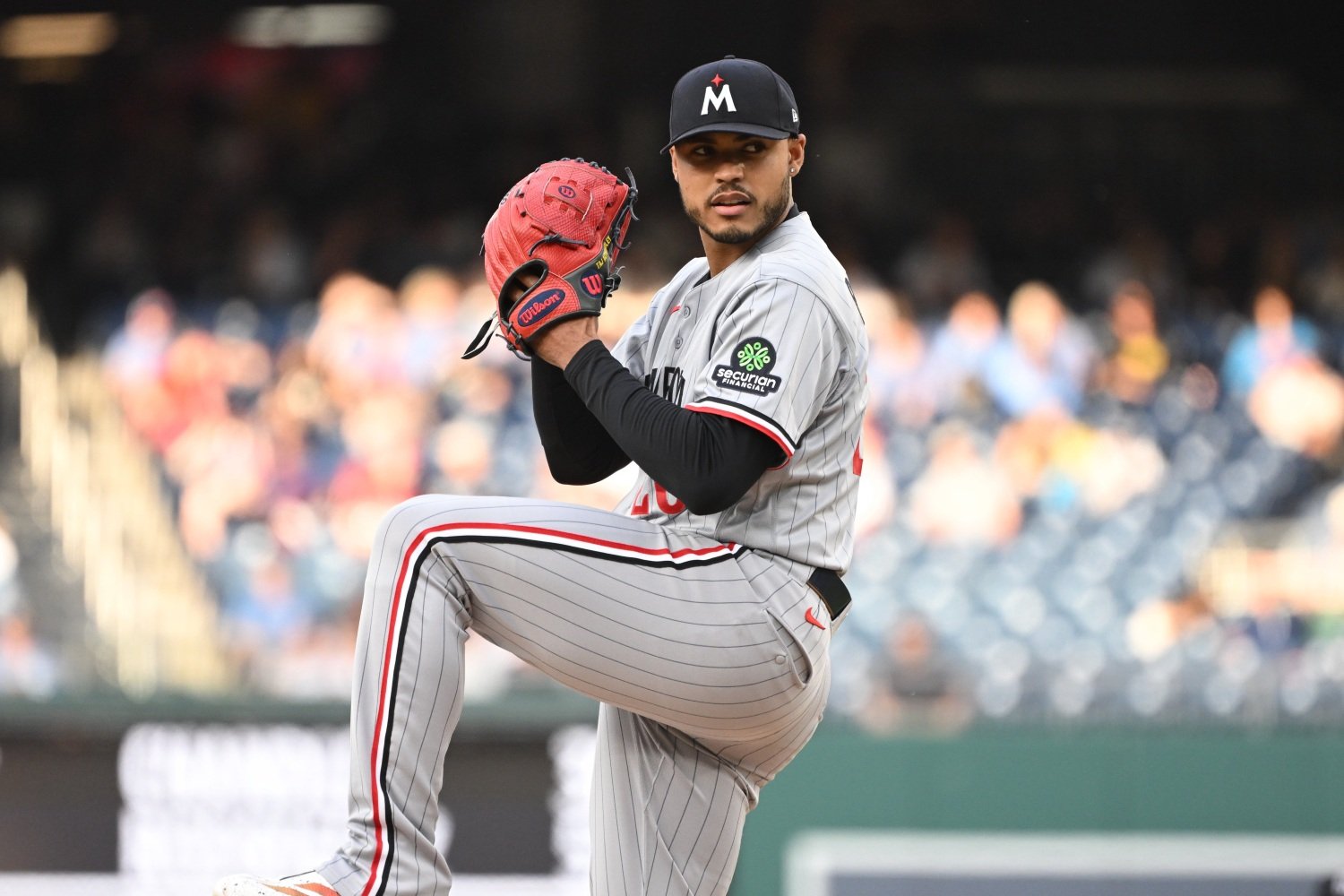 The Twins had 32 different pitchers take the mound this season, along with a pair of position players in Alex Jackson and Orlando Arcia(!). There were some bright spots, including a few young pitchers who took important steps forward. But it was an injury-filled year for the Twins’ pitching staff, as only one hurler recorded more than 145 innings. However, the injuries also gave fans a chance to see some younger pitchers get their first taste of the majors. Minnesota also added a few arms via trade, including a couple who cracked (or nearly cracked) today’s top three. Let’s take a look at the best Twins pitchers of the 2026 season. Honorable Mentions Before getting into the top three, a couple of honorable mentions are worth recognizing. SP Connor Prielipp: 4.87 ERA, 1.29 WHIP, 23.9% K, 8.2% BB, 3.73 FIP, 125 2/3 IP (24 G, 22 GS) SP Dean Kremer: 3.48 ERA, 0.99 WHIP, 22.7% K, 8.5% BB, 3.82 FIP, 54 1/3 IP (10 G, 10 GS) #3: RP Yoendrys Gómez 2026 Stats: 21 SV, 3.62 ERA, 1.37 WHIP, 24.2% K, 13.5% BB, 3.40 FIP, 49 2/3 IP (56 G) Yoendrys Gómez was acquired from Tampa Bay on May 6 for cash considerations, and he turned out to be an extremely important piece of the Twins’ bullpen. He went 21-for-21 on save opportunities to begin his tenure as the Twins' (accidental) closer, before hitting a rough patch toward the end of the season. He still finished 21-for-23, giving Minnesota a reliable ninth-inning option. That was something the Twins desperately needed, after struggling to find a consistent answer at the back of the bullpen earlier in the year. Gómez’s sweeper proved to be a dominant pitch, generating a 40% whiff rate while allowing very little hard contact. Pair that with a quality four-seam fastball that sits around 96 miles per hour, and there's a strong foundation for a high-leverage reliever. There are still some things for Gómez to clean up, particularly his command. His 13.5% walk rate left plenty of room for improvement, and limiting the free passes could help him take another step forward. But he figures to remain a late-inning option for Derek Shelton next season. If he can build on what he accomplished in 2026 while improving his control, he could become one of the better relievers in the AL Central. #2: SP Joe Ryan 2026 Stats: 3.79 ERA, 1.16 WHIP, 25.9% K, 5.0% BB, 3.70 FIP, 144 2/3 IP (27 G, 27 GS) Joe Ryan won this award in 2025 and may have been able to repeat, had it not been for injuries. He looked like a legitimate Cy Young contender during the first half of the season, earning a spot on the American League All-Star roster in the process. He was comfortably the Twins’ best arm before the All-Star break, showing the swing-and-miss stuff and command that have made him such an important part of the rotation. He continued to pound the strike zone and miss bats at a high rate, while his 5.0% walk rate ranked among the best in baseball. Unfortunately, Ryan didn't look quite like the same pitcher after the All-Star break. He landed on the injured list in early August with a glute strain and missed about a month. Although he returned to the mound, the missed time limited him to 144 2/3 innings. When Ryan was healthy, he looked like an ace. His underlying numbers also suggest he may have slightly underperformed his results, giving Twins fans reason to believe he can bounce back next season. Barring an offseason trade, Ryan should continue to lead Minnesota's starting rotation in 2027. His ability to miss bats and limit walks gives him a strong foundation, and a healthy season could put him back in the conversation among the American League's best starters. However, when looking at the starting pitchers who made this list, including the honorable mentions, innings pitched mattered quite a bit. Ryan's season was impressive, but he simply didn't have the same workload as this year's winner. Minnesota Twins’ 2026 Pitcher of the Year: SP Taj Bradley 2026 Stats: 3.73 ERA, 1.22 WHIP, 27.4% K, 10.2% BB, 3.82 FIP, 178 1/3 IP (31 G, 31 GS) Taj Bradley entered the season with plenty of question marks after making a rough first impression with the Twins in 2025. After Minnesota acquired him from Tampa Bay, there were questions about whether he could develop into the frontline starter the organization hoped he would become. He answered a lot of those questions in 2026. He was one of just 13 pitchers to record 200 or more strikeouts this season, flashing the upside of a legitimate top-of-the-rotation starter. He made 31 starts, threw 178 1/3 innings and showed that he could handle a significant workload while missing bats at a high rate. Five of Bradley's 31 starts featured double-digit strikeout totals, and his 27.4% strikeout rate ranked in the 83rd percentile among major league pitchers. That ability to generate swings and misses gives him an important foundation to build on as he continues developing. In the span of a year, or technically about eight months, Bradley went from a pitcher who needed to prove himself to a leader of the Twins' pitching staff. He's still only 25 years old, which makes his 2026 performance even more exciting when considering what could be ahead. Of course, there are still areas where Bradley can improve. His 10.2% walk rate shows that his command isn't quite where it needs to be, and he occasionally struggled to get hitters to chase pitches outside the strike zone. If he can clean up those non-competitive misses and improve his command within the strike zone this offseason, there's reason to believe he could produce even better results next year. Bradley wasn't perfect, but he gave the Twins plenty to be excited about moving forward. After a season filled with injuries and uncertainty across the pitching staff, having a young starter take such a significant step forward is a major positive. The Twins will need more consistent production from their pitching staff in 2027, particularly if they hope to get back into postseason contention. Bradley's development, Ryan's health and the continued emergence of younger arms could go a long way toward determining how successful that effort will be.
- 8 comments
-
- 2
-

-
- taj bradley
- joe ryan
- (and 1 more)
-
From an impressive slider to some concerning command numbers, Riley Quick’s first professional season had a little bit of everything. Here’s what he can take from 2026 as he prepares for his next step. View full video
-
From an impressive slider to some concerning command numbers, Riley Quick’s first professional season had a little bit of everything. Here’s what he can take from 2026 as he prepares for his next step.
-
Taj Bradley Is Just Scratching the Surface
Sam Caulder posted a topic in Twins Daily Front Page News
Image courtesy of Zach Boyden-Holmes/The Register / USA TODAY NETWORK via Imagn Images For as much grief as the Twins’ front office gets for the 2025 trade deadline and the firesale that followed, there have been some big wins to come out of it. And right now, none is bigger than Taj Bradley. Bradley came over from Tampa Bay in a one-for-one swap for Griffin Jax, a move that didn’t look particularly promising during the right-hander’s first few weeks in Minnesota. In his first 31 1/3 innings with Minnesota, he posted a 6.61 ERA and 4.73 FIP. With those numbers in mind, there was some speculation heading into 2026 about whether he was cut out to be a big league starter. As it turns out, it may have been a little premature to ask that question about a 24-year-old pitcher. Bradley exploded out of the gates this season, recording at least seven strikeouts and allowing one or fewer earned runs in three of his first four starts. While there were some inconsistencies scattered throughout the year, which is to be expected from a young pitcher, it was an impressive campaign for the right-hander. He finished the season with a 3.73 ERA across 178 1/3 innings, establishing himself as one of the more intriguing young arms in baseball. He was also one of just 13 pitchers to record 200 or more strikeouts this season, making it abundantly clear why the Twins wanted him in the first place. The guy’s filthy. Bradley’s 27.4% strikeout rate ranked in the 83rd percentile among big league pitchers, and he has the kind of raw stuff that gives him a chance to become a legitimate frontline starter. While he doesn’t have the deepest arsenal in the league, what he has works, and it can be incredibly difficult for opposing hitters to handle when he’s executing. Coming from a steep, over-the-top arm angle, Bradley’s four-seam fastball doesn’t feature a ton of horizontal movement, but it gets plenty of rise through the zone. That profile can be difficult for hitters to handle, particularly when the pitch is located properly and arrives at 97 mph. That fastball also provides an excellent foundation for his secondary offerings, allowing Bradley to keep hitters off balance and generate plenty of swings and misses. All three of his secondaries, the splitter, cutter and curveball, generated whiff rates north of 36% this season. Bradley’s underlying stuff metrics back that up, too. He finished the year with a 110 Stuff+ grade, with 100 representing league average. Among pitchers who threw at least 100 innings, that mark was tied for the 10th-highest in baseball. There’s a lot to like about that combination, and we saw the results throughout the season. Bradley has the ability to shut down an opposing lineup on any given night, and when his fastball is working alongside his secondaries, he can look every bit like the kind of starter teams want leading their rotations. The foundation for that kind of pitcher is very much there. Now, the next step is finding more consistency and polishing some of the finer details of his game. And that starts with his command. Over the course of the year, there were far too many times when it felt like Bradley had no idea where the ball was going. Whether it was a splitter that bounced five feet in front of home plate, a fastball to the backstop or a meatball right down the middle, his control was an issue at times. Some of that is reflected in the underlying numbers. Bradley’s hard-hit rate and average exit velocity against both ranked in just the third percentile among big league pitchers, while his walk rate ranked in the 27th percentile. Those numbers suggest there is still plenty of room for improvement, particularly when it comes to limiting damaging contact and putting himself in better counts. If Bradley is going to continue developing into the pitcher we saw flashes of this season, those areas need to improve. Fortunately, there are some relatively clear places for him to start. For one, Bradley needs to do a better job of consistently elevating his four-seam fastball. Hitters recorded an average exit velocity of 93 mph against that pitch, in large part because he left it over the heart of the plate far too often. Getting the four-seamer up in the zone more frequently, while allowing his secondary offerings to work below it, could make a significant difference. If Bradley can consistently execute that approach, he should be able to get more weak contact and swings and misses without needing to overhaul an arsenal that already works. It could also help him generate more chases outside the strike zone, an area where there’s room for growth. If Bradley can establish his fastball up in the zone while starting his splitter, cutter and curveball around the heart of the plate before getting them to dive below it, hitters will have a much tougher time distinguishing between pitches. That approach is particularly difficult to handle from Bradley’s over-the-top arm angle, which creates an uncomfortable look for hitters and helps his pitches play off one another. For as many swing-and-misses as he generated this season, opposing hitters didn’t expand the zone against him nearly as much as they could have. Getting hitters to chase is an important part of pitching at the highest level, and it could be one of the things that takes Bradley’s game to another level. With his stuff, he doesn’t necessarily need to make dramatic changes. He just needs to become more reliable with his execution and take advantage of the weapons he already has. Overall, it was a really promising year for Bradley. The Twins got to see the upside of what he can become, and with a little more consistency, he has a ton of potential. Considering the jump he made from 2025 to 2026, there’s plenty of reason to believe Bradley can take another meaningful step forward in 2027. He has the raw stuff to be a difference-maker, and another year of development could help him turn those flashes of dominance into something more routine. And if Bradley can take that next step alongside Pablo López and Joe Ryan, assuming both return healthy, the Twins could have a darn good top half of their rotation heading into next season. For a team that has plenty of questions to answer after another disappointing year, having a young starter like Bradley emerge as a legitimate rotation piece is a pretty significant win. The Jax trade may have drawn plenty of criticism at the time, but Bradley is quickly giving the Twins a reason to feel good about what they got in return. View full article -
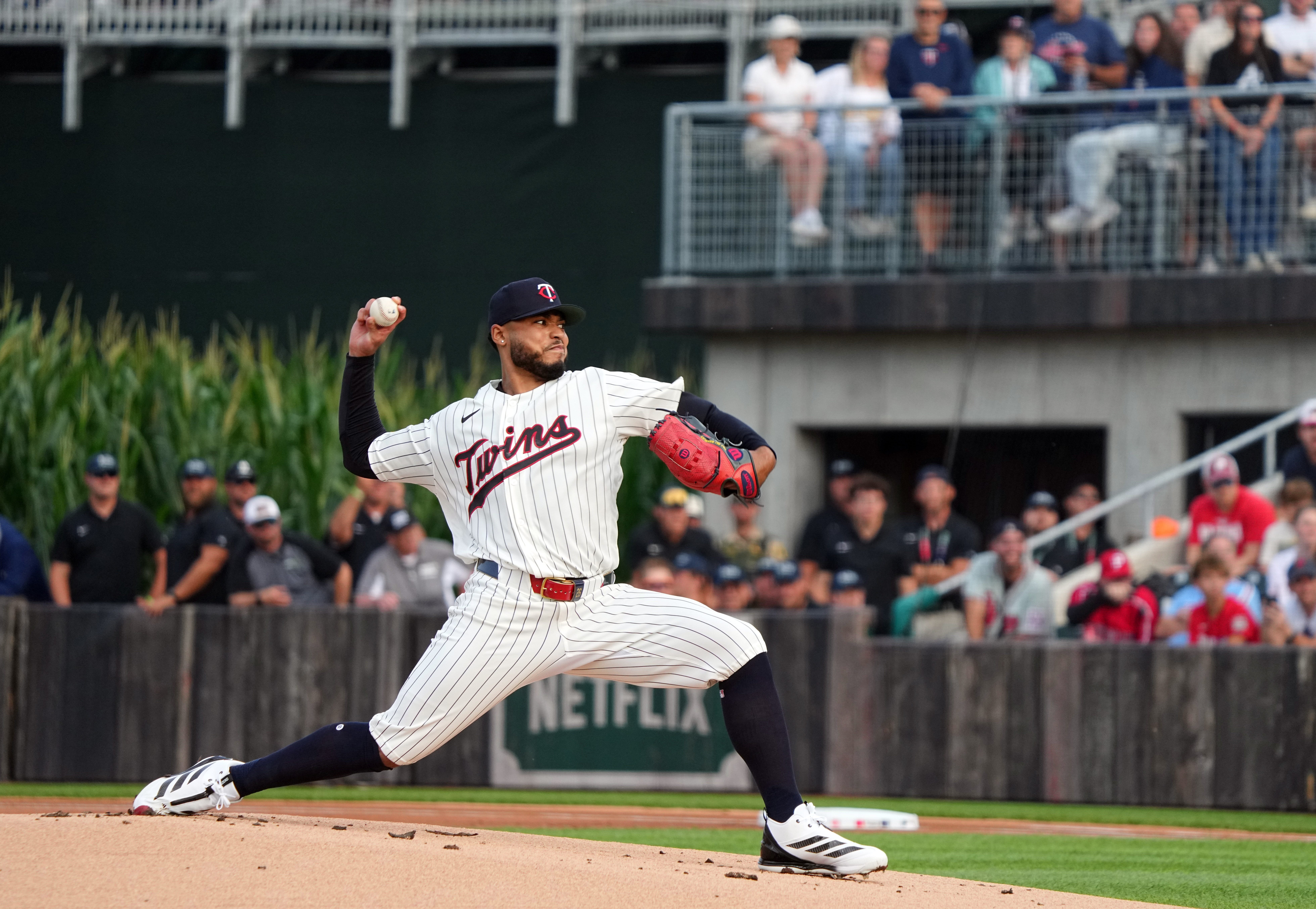 For as much grief as the Twins’ front office gets for the 2025 trade deadline and the firesale that followed, there have been some big wins to come out of it. And right now, none is bigger than Taj Bradley. Bradley came over from Tampa Bay in a one-for-one swap for Griffin Jax, a move that didn’t look particularly promising during the right-hander’s first few weeks in Minnesota. In his first 31 1/3 innings with Minnesota, he posted a 6.61 ERA and 4.73 FIP. With those numbers in mind, there was some speculation heading into 2026 about whether he was cut out to be a big league starter. As it turns out, it may have been a little premature to ask that question about a 24-year-old pitcher. Bradley exploded out of the gates this season, recording at least seven strikeouts and allowing one or fewer earned runs in three of his first four starts. While there were some inconsistencies scattered throughout the year, which is to be expected from a young pitcher, it was an impressive campaign for the right-hander. He finished the season with a 3.73 ERA across 178 1/3 innings, establishing himself as one of the more intriguing young arms in baseball. He was also one of just 13 pitchers to record 200 or more strikeouts this season, making it abundantly clear why the Twins wanted him in the first place. The guy’s filthy. Bradley’s 27.4% strikeout rate ranked in the 83rd percentile among big league pitchers, and he has the kind of raw stuff that gives him a chance to become a legitimate frontline starter. While he doesn’t have the deepest arsenal in the league, what he has works, and it can be incredibly difficult for opposing hitters to handle when he’s executing. Coming from a steep, over-the-top arm angle, Bradley’s four-seam fastball doesn’t feature a ton of horizontal movement, but it gets plenty of rise through the zone. That profile can be difficult for hitters to handle, particularly when the pitch is located properly and arrives at 97 mph. That fastball also provides an excellent foundation for his secondary offerings, allowing Bradley to keep hitters off balance and generate plenty of swings and misses. All three of his secondaries, the splitter, cutter and curveball, generated whiff rates north of 36% this season. Bradley’s underlying stuff metrics back that up, too. He finished the year with a 110 Stuff+ grade, with 100 representing league average. Among pitchers who threw at least 100 innings, that mark was tied for the 10th-highest in baseball. There’s a lot to like about that combination, and we saw the results throughout the season. Bradley has the ability to shut down an opposing lineup on any given night, and when his fastball is working alongside his secondaries, he can look every bit like the kind of starter teams want leading their rotations. The foundation for that kind of pitcher is very much there. Now, the next step is finding more consistency and polishing some of the finer details of his game. And that starts with his command. Over the course of the year, there were far too many times when it felt like Bradley had no idea where the ball was going. Whether it was a splitter that bounced five feet in front of home plate, a fastball to the backstop or a meatball right down the middle, his control was an issue at times. Some of that is reflected in the underlying numbers. Bradley’s hard-hit rate and average exit velocity against both ranked in just the third percentile among big league pitchers, while his walk rate ranked in the 27th percentile. Those numbers suggest there is still plenty of room for improvement, particularly when it comes to limiting damaging contact and putting himself in better counts. If Bradley is going to continue developing into the pitcher we saw flashes of this season, those areas need to improve. Fortunately, there are some relatively clear places for him to start. For one, Bradley needs to do a better job of consistently elevating his four-seam fastball. Hitters recorded an average exit velocity of 93 mph against that pitch, in large part because he left it over the heart of the plate far too often. Getting the four-seamer up in the zone more frequently, while allowing his secondary offerings to work below it, could make a significant difference. If Bradley can consistently execute that approach, he should be able to get more weak contact and swings and misses without needing to overhaul an arsenal that already works. It could also help him generate more chases outside the strike zone, an area where there’s room for growth. If Bradley can establish his fastball up in the zone while starting his splitter, cutter and curveball around the heart of the plate before getting them to dive below it, hitters will have a much tougher time distinguishing between pitches. That approach is particularly difficult to handle from Bradley’s over-the-top arm angle, which creates an uncomfortable look for hitters and helps his pitches play off one another. For as many swing-and-misses as he generated this season, opposing hitters didn’t expand the zone against him nearly as much as they could have. Getting hitters to chase is an important part of pitching at the highest level, and it could be one of the things that takes Bradley’s game to another level. With his stuff, he doesn’t necessarily need to make dramatic changes. He just needs to become more reliable with his execution and take advantage of the weapons he already has. Overall, it was a really promising year for Bradley. The Twins got to see the upside of what he can become, and with a little more consistency, he has a ton of potential. Considering the jump he made from 2025 to 2026, there’s plenty of reason to believe Bradley can take another meaningful step forward in 2027. He has the raw stuff to be a difference-maker, and another year of development could help him turn those flashes of dominance into something more routine. And if Bradley can take that next step alongside Pablo López and Joe Ryan, assuming both return healthy, the Twins could have a darn good top half of their rotation heading into next season. For a team that has plenty of questions to answer after another disappointing year, having a young starter like Bradley emerge as a legitimate rotation piece is a pretty significant win. The Jax trade may have drawn plenty of criticism at the time, but Bradley is quickly giving the Twins a reason to feel good about what they got in return.
 -
Image courtesy of William Parmeter Entering the 2026 season, there was some speculation around what we’d see from pitching prospect Riley Quick. Despite some concerns about the Tommy John surgery he underwent in college (which limited his career workload at the University of Alabama), the Twins selected him 36th overall in the 2025 MLB Draft. They clearly believed the talent outweighed the risk, and based on what we saw from Quick this year, it’s hard to blame them. Quick finished the year with a 4.74 ERA in 81 2/3 innings, split between Low-A, High-A and Double-A. He racked up 110 strikeouts, good for a 30.6% strikeout rate, and the swing-and-miss stuff that made him such a high-upside prospect in the first place was obvious. As a result, he earned Twins Daily’s minor league pitcher of the year honors and ends the season ranked within the top five organizational prospects. What did he do that made him so successful, and what areas does he need to work on this offseason? A Definite Out Pitch Let’s start with what made him so successful. As I mentioned, the swing-and-miss was his best friend. Quick finished the year with a very strong 14.6% swinging-strike rate, in large part thanks to his wicked slider. Over the course of the season, 37.3% of the pitches Quick threw outside of the strike zone generated a swing. That’s downright filthy, and opposing hitters only connected on a quarter of their chases. That slider was sliding, and it should continue to be a really strong pitch for him as he progresses through the Twins’ system. He also did a good job of keeping the ball on the ground. A whopping 52% of batted balls against him were grounders. Quick’s fastball is more of a sinker than a traditional four-seam fastball, and that pitch (along with his changeup) helped him consistently induce pitcher-friendly contact. When you combine that with his ability to miss bats, it gives him a really strong foundation moving forward. However, it obviously wasn’t all good. The Name of the Game: Throw Strikes The biggest problem was walks. Quick’s 13.4% walk rate is far too high, and if he’s going to be a front-line starter (or a starter at all) in the majors someday, that number is going to need to come down. It’s easy to just say “throw more strikes,” as if every pitcher who has ever struggled with command hasn’t thought of that already. The more important question is how Quick can achieve that. The best pitchers in baseball, guys like Tarik Skubal, Jacob Misiorowski and Paul Skenes, are throwing first-pitch strikes to roughly two-thirds of opposing hitters. Quick was just below half, at 49.9%, and the difference those first-pitch strikes make cannot be overstated. Aaron Judge, who’s arguably the best hitter in baseball when healthy, has a career .319 batting average when he gets ahead in the count 1-0. When he falls behind 0-1, that number drops to .239. Getting ahead gives pitchers a massive advantage, and Quick has incredible swing-and-miss stuff to take advantage of those favorable counts. If he can't fill up the zone, though, hitters will stop helping him out by swinging at pitches outside it. Quick did also struggle with the long ball a bit once he got to Double-A, but I’m not overly concerned about that part of his profile. Just under 30% of the fly balls he allowed with Wichita wound up leaving the yard. That’s an extremely high number, and it’s simply not sustainable over a larger sample. There’s always going to be some fluctuation in home-run rates, particularly when dealing with a relatively small sample size at one level. If Quick can continue doing a good job of keeping the ball on the ground while generating plenty of swings and misses, I’d expect that home-run rate to come down next season. There was a lot to like from his first year of professional baseball. He worked his way through three levels, struck out more than 30% of the hitters he faced, and showed off a slider that can make opposing hitters look silly. There are certainly things he needs to clean up, particularly when it comes to his command. But that’s also why I think there’s reason to be excited about what Quick could do in 2027. I expect a jump from Quick next season. And depending on just how big that jump is, I think there’s a possibility we see him at Target Field in 2027—maybe even by the All-Star break. View full article
-
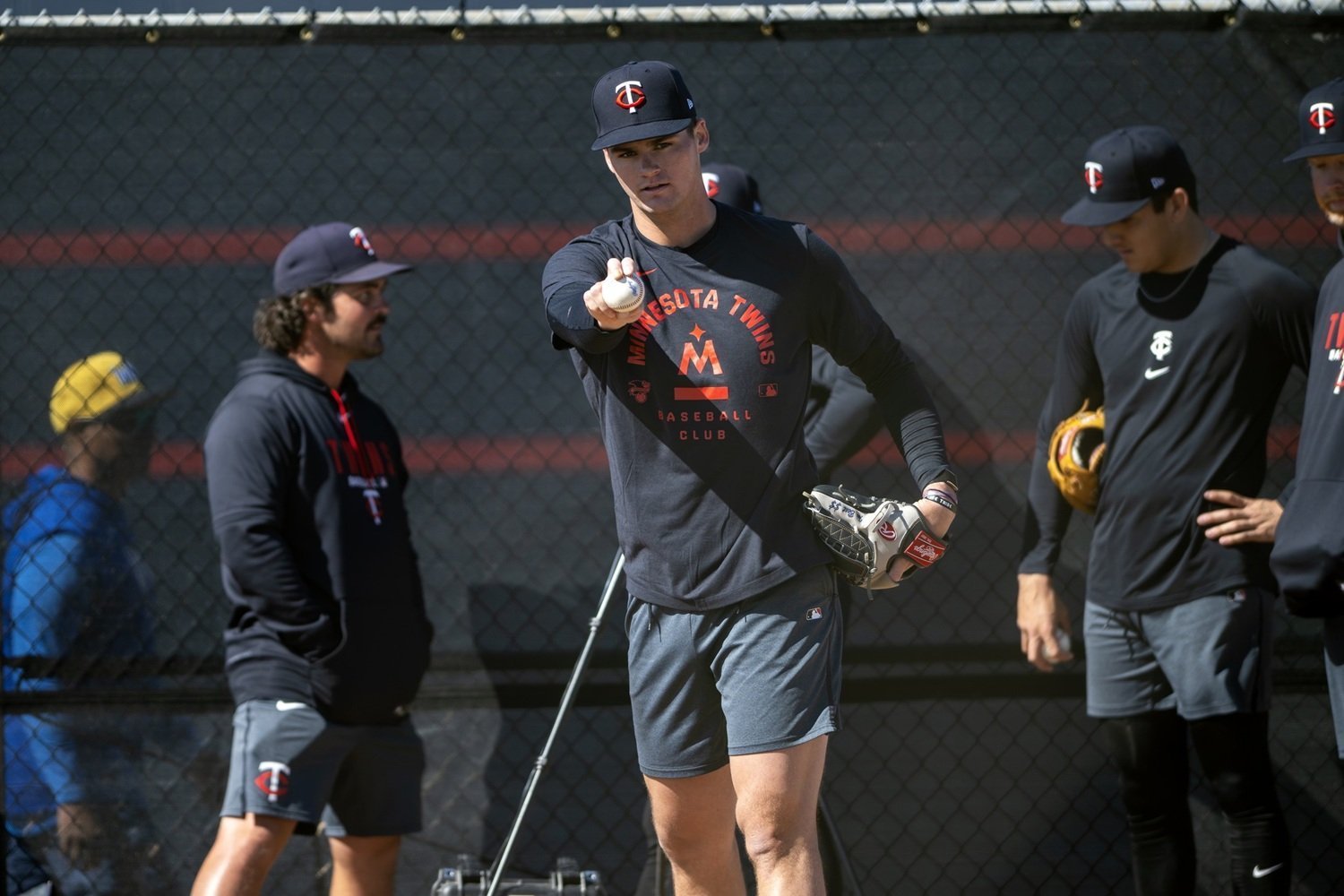 Entering the 2026 season, there was some speculation around what we’d see from pitching prospect Riley Quick. Despite some concerns about the Tommy John surgery he underwent in college (which limited his career workload at the University of Alabama), the Twins selected him 36th overall in the 2025 MLB Draft. They clearly believed the talent outweighed the risk, and based on what we saw from Quick this year, it’s hard to blame them. Quick finished the year with a 4.74 ERA in 81 2/3 innings, split between Low-A, High-A and Double-A. He racked up 110 strikeouts, good for a 30.6% strikeout rate, and the swing-and-miss stuff that made him such a high-upside prospect in the first place was obvious. As a result, he earned Twins Daily’s minor league pitcher of the year honors and ends the season ranked within the top five organizational prospects. What did he do that made him so successful, and what areas does he need to work on this offseason? A Definite Out Pitch Let’s start with what made him so successful. As I mentioned, the swing-and-miss was his best friend. Quick finished the year with a very strong 14.6% swinging-strike rate, in large part thanks to his wicked slider. Over the course of the season, 37.3% of the pitches Quick threw outside of the strike zone generated a swing. That’s downright filthy, and opposing hitters only connected on a quarter of their chases. That slider was sliding, and it should continue to be a really strong pitch for him as he progresses through the Twins’ system. He also did a good job of keeping the ball on the ground. A whopping 52% of batted balls against him were grounders. Quick’s fastball is more of a sinker than a traditional four-seam fastball, and that pitch (along with his changeup) helped him consistently induce pitcher-friendly contact. When you combine that with his ability to miss bats, it gives him a really strong foundation moving forward. However, it obviously wasn’t all good. The Name of the Game: Throw Strikes The biggest problem was walks. Quick’s 13.4% walk rate is far too high, and if he’s going to be a front-line starter (or a starter at all) in the majors someday, that number is going to need to come down. It’s easy to just say “throw more strikes,” as if every pitcher who has ever struggled with command hasn’t thought of that already. The more important question is how Quick can achieve that. The best pitchers in baseball, guys like Tarik Skubal, Jacob Misiorowski and Paul Skenes, are throwing first-pitch strikes to roughly two-thirds of opposing hitters. Quick was just below half, at 49.9%, and the difference those first-pitch strikes make cannot be overstated. Aaron Judge, who’s arguably the best hitter in baseball when healthy, has a career .319 batting average when he gets ahead in the count 1-0. When he falls behind 0-1, that number drops to .239. Getting ahead gives pitchers a massive advantage, and Quick has incredible swing-and-miss stuff to take advantage of those favorable counts. If he can't fill up the zone, though, hitters will stop helping him out by swinging at pitches outside it. Quick did also struggle with the long ball a bit once he got to Double-A, but I’m not overly concerned about that part of his profile. Just under 30% of the fly balls he allowed with Wichita wound up leaving the yard. That’s an extremely high number, and it’s simply not sustainable over a larger sample. There’s always going to be some fluctuation in home-run rates, particularly when dealing with a relatively small sample size at one level. If Quick can continue doing a good job of keeping the ball on the ground while generating plenty of swings and misses, I’d expect that home-run rate to come down next season. There was a lot to like from his first year of professional baseball. He worked his way through three levels, struck out more than 30% of the hitters he faced, and showed off a slider that can make opposing hitters look silly. There are certainly things he needs to clean up, particularly when it comes to his command. But that’s also why I think there’s reason to be excited about what Quick could do in 2027. I expect a jump from Quick next season. And depending on just how big that jump is, I think there’s a possibility we see him at Target Field in 2027—maybe even by the All-Star break.
 -
Image courtesy of Matt Marton-Imagn Images The Minnesota Twins saw several of their top prospects make their way to Target Field in 2026. One of those prospects (but the least-discussed, perhaps) is outfielder Gabriel Gonzalez. He ranks as the Twins’ No. 9 organizational prospect, after coming over from Seattle in 2024 as part of the Jorge Polanco trade. While he did make his big-league debut this year, the season as a whole wasn’t exactly what people were expecting from the young outfielder. Gonzalez appeared in just seven major-league games, logging only 11 plate appearances. His Triple-A numbers are probably more relevant when evaluating his development, and they weren’t particularly inspiring. With the St. Paul Saints, Gonzalez slashed .255/.324/.421. When you compare those numbers to what he did a year ago, it becomes a little more concerning. Although it came in a much smaller sample, Gonzalez slashed .316/.358/.504 in 2025. He was hitting the ball harder, getting on base more often and generally looking like the offensive player the Twins hoped they were getting when they acquired him. This year, that wasn't so. Interestingly, his overall batted-ball profile was nearly identical in 2026. The difference was that he simply wasn’t getting the same results, and his quality of contact didn’t take the step forward many were hoping to see. In fact, it trended in the wrong direction. It was a disappointing year for Gonzalez, considering where he stood in the organization entering the season. With guys like Walker Jenkins and Emmanuel Rodriguez getting more run than Gonzalez late in the season (along with Luke Keaschall beginning his transition to the outfield), things have gotten a little more complicated. What, then, does Gonzalez’s future with the Twins look like? It’s possible he does still have one. But if he’s going to remain with the Twins long-term, it’s unlikely to come as a full-time outfielder. Along with Jenkins, Rodriguez and Keaschall, Byron Buxton is obviously still in the mix for outfield playing time. Trevor Larnach could also be back next year (although there’s no guarantee of that). Austin Martin remains under team control, as well. Playing time in the outfield is going to be sparse, and it seems like the Twins are aware of that, too. Gonzalez made 44 starts at first base for the Saints this season, which could be an indication of where the organization sees his future. He doesn’t have typical first baseman size at just 5-foot-11. Nor does he have the typical power profile associated with the position. But with some uncertainty surrounding the Twins’ long-term outlook at first base, it’s entirely possible that Gonzalez could transition into more of a first baseman. He could also remain an option in the outfield against left-handed pitchers, giving the Twins some flexibility in how they use him. The most likely scenario is that Gonzalez doesn’t fit into the Twins’ long-term plans. The biggest concern is that he hasn’t shown an ability to consistently make hard contact. His average exit velocity in St. Paul this year was just 86.2 MPH, while his hard-hit rate was 30.6%. Those numbers make it difficult to envision him becoming an everyday offensive contributor, particularly if the Twins are asking him to play first base. He doesn’t have the speed or defensive prowess to make up for that lack of offensive production in the outfield corners. If he’s not providing much impact with the bat, there aren’t enough other tools to make up for it. That leaves the Twins with an interesting decision to make. If I’m Minnesota, I’d at least be seeing what I could get for Gonzalez on the trade market, either by himself or as part of a larger package. If there’s an opportunity to turn him into a bullpen arm or a catcher/first baseman who can help the team compete in 2027, that’s a move worth exploring. I was very much in on Gonzalez entering this season. I thought he was one of the safer young bats in the organization, and there was a legitimate reason to believe 2026 could be the year he started to establish himself as a future piece for the Twins. Instead, he took a step backward. That doesn’t mean Gonzalez can’t turn things around. He’s still young, and there’s plenty of time for him to develop into the player the Twins originally envisioned. But the organization also has to consider where the roster is headed and whether Gonzalez is still the best use of a roster spot. He might be more useful as a trade chip. At the end of the day, you have to do what’s best for the team. With the Twins trying to get back into contention in 2027, that might just mean getting what they can for Gonzalez before it’s too late. View full article
-
Gabriel Gonzalez’s Future with the Twins is Getting Complicated
Sam Caulder posted an article in Minor Leagues
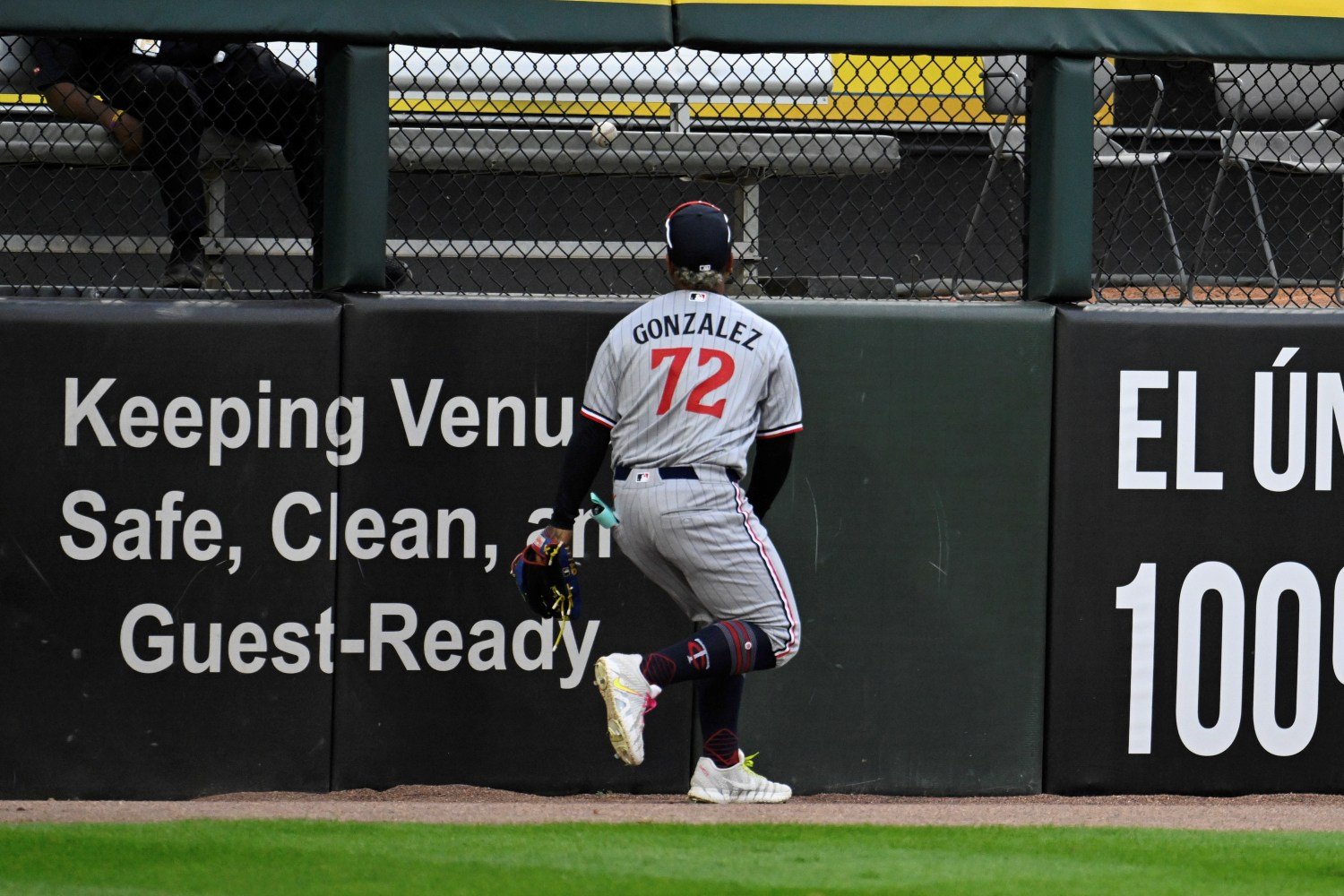 The Minnesota Twins saw several of their top prospects make their way to Target Field in 2026. One of those prospects (but the least-discussed, perhaps) is outfielder Gabriel Gonzalez. He ranks as the Twins’ No. 9 organizational prospect, after coming over from Seattle in 2024 as part of the Jorge Polanco trade. While he did make his big-league debut this year, the season as a whole wasn’t exactly what people were expecting from the young outfielder. Gonzalez appeared in just seven major-league games, logging only 11 plate appearances. His Triple-A numbers are probably more relevant when evaluating his development, and they weren’t particularly inspiring. With the St. Paul Saints, Gonzalez slashed .255/.324/.421. When you compare those numbers to what he did a year ago, it becomes a little more concerning. Although it came in a much smaller sample, Gonzalez slashed .316/.358/.504 in 2025. He was hitting the ball harder, getting on base more often and generally looking like the offensive player the Twins hoped they were getting when they acquired him. This year, that wasn't so. Interestingly, his overall batted-ball profile was nearly identical in 2026. The difference was that he simply wasn’t getting the same results, and his quality of contact didn’t take the step forward many were hoping to see. In fact, it trended in the wrong direction. It was a disappointing year for Gonzalez, considering where he stood in the organization entering the season. With guys like Walker Jenkins and Emmanuel Rodriguez getting more run than Gonzalez late in the season (along with Luke Keaschall beginning his transition to the outfield), things have gotten a little more complicated. What, then, does Gonzalez’s future with the Twins look like? It’s possible he does still have one. But if he’s going to remain with the Twins long-term, it’s unlikely to come as a full-time outfielder. Along with Jenkins, Rodriguez and Keaschall, Byron Buxton is obviously still in the mix for outfield playing time. Trevor Larnach could also be back next year (although there’s no guarantee of that). Austin Martin remains under team control, as well. Playing time in the outfield is going to be sparse, and it seems like the Twins are aware of that, too. Gonzalez made 44 starts at first base for the Saints this season, which could be an indication of where the organization sees his future. He doesn’t have typical first baseman size at just 5-foot-11. Nor does he have the typical power profile associated with the position. But with some uncertainty surrounding the Twins’ long-term outlook at first base, it’s entirely possible that Gonzalez could transition into more of a first baseman. He could also remain an option in the outfield against left-handed pitchers, giving the Twins some flexibility in how they use him. The most likely scenario is that Gonzalez doesn’t fit into the Twins’ long-term plans. The biggest concern is that he hasn’t shown an ability to consistently make hard contact. His average exit velocity in St. Paul this year was just 86.2 MPH, while his hard-hit rate was 30.6%. Those numbers make it difficult to envision him becoming an everyday offensive contributor, particularly if the Twins are asking him to play first base. He doesn’t have the speed or defensive prowess to make up for that lack of offensive production in the outfield corners. If he’s not providing much impact with the bat, there aren’t enough other tools to make up for it. That leaves the Twins with an interesting decision to make. If I’m Minnesota, I’d at least be seeing what I could get for Gonzalez on the trade market, either by himself or as part of a larger package. If there’s an opportunity to turn him into a bullpen arm or a catcher/first baseman who can help the team compete in 2027, that’s a move worth exploring. I was very much in on Gonzalez entering this season. I thought he was one of the safer young bats in the organization, and there was a legitimate reason to believe 2026 could be the year he started to establish himself as a future piece for the Twins. Instead, he took a step backward. That doesn’t mean Gonzalez can’t turn things around. He’s still young, and there’s plenty of time for him to develop into the player the Twins originally envisioned. But the organization also has to consider where the roster is headed and whether Gonzalez is still the best use of a roster spot. He might be more useful as a trade chip. At the end of the day, you have to do what’s best for the team. With the Twins trying to get back into contention in 2027, that might just mean getting what they can for Gonzalez before it’s too late.
 -
Image courtesy of Bruce Kluckhohn-Imagn Images The Minnesota Twins are officially in offseason mode, and that means it’s time to start making some decisions. One of those decisions will be about outfielder Trevor Larnach, who's coming off a career year offensively. A resurgent 2026 makes his future with the Twins an interesting question heading into the offseason. There are a few different factors that could play into Minnesota’s decision, and there’s certainly a case to be made for either keeping him or moving on. So, what should the Twins do? Let’s break it all down. Pros of Bringing Him Back As I noted, Larnach is coming off the best offensive season of his career. The 29-year-old slashed .269/.352/.436, setting career highs in all three departments of the slash line. For a Twins team that could certainly use some consistency in the lineup, it’s easy to see why keeping his bat around would be appealing. While he might not be the type of hitter who completely transforms a lineup, a player who can post an OPS approaching .800 certainly has value, particularly at a relatively affordable salary. This year, the Twins and Larnach avoided arbitration by agreeing to a one-year, $4.475-million contract. His salary for 2027 is projected to land around $6.3 million, which would be a noticeable increase but hardly an outrageous figure for a hitter coming off the season he just had. The Twins aren't in a position where they should be giving away productive major-league bats, and there's a legitimate argument for keeping him around if the financial commitment makes sense. From a pure ability standpoint, Larnach's bat is worthy of being in the lineup next season. The question is whether Minnesota can find a way to give him enough opportunities to make that investment worthwhile, without being overly reliant on him repeating what might be the best season he'll ever have. That's where things start to get a little more complicated. Cons of Bringing Him Back The biggest issue with bringing Larnach back is the Twins' current roster construction. Barring a shocking trade this winter, Minnesota figures to have Byron Buxton, Luke Keaschall, Walker Jenkins and Emmanuel Rodriguez in the mix for outfield playing time in 2027. Considering the organization will (presumably) want to give their young players opportunities to establish themselves at the major-league level, there might not be enough consistent playing time to go around. Even if Minnesota decided to move Keaschall back to the infield to open up some additional opportunities, that would create its own set of questions. There are only so many ways to shuffle the roster before another position becomes crowded, and bringing Larnach back would make those decisions even more difficult. Of course, the Twins could always use Larnach primarily as their designated hitter. That would allow his bat to remain in the lineup without requiring a regular spot in the outfield, but it would also limit the flexibility of the DH position and potentially take opportunities away from other players. It's worth remembering that Minnesota nearly traded Larnach during the 2026 season. The Twins reportedly had a deal in place with the Houston Astros that would have sent Larnach to Houston in exchange for reliever Bryan Abreu, but the trade fell through at the last minute. While there's no guarantee the Twins will revisit those discussions this winter, the situation certainly suggests they were willing to move him for the right return. It seems to reflect the roster crunch Minnesota is facing. If the organization decides someone needs to go to make room for younger players, Larnach is definitely a far more realistic candidate than Buxton or one of the prospects the Twins are hoping will become important pieces of their future. That doesn't mean the Twins should simply give him away. His offensive production has value, and if another team is interested, Minnesota should look to get something worthwhile in return. Still, the combination of a crowded outfield and a rising arbitration salary makes Larnach a logical trade candidate. Timeline So, what does the timeline for all of this look like? The first major decision point comes on November 20, when the Twins will have to decide whether to offer Larnach a contract for the 2027 season or non-tender him. If Minnesota is comfortable paying Larnach roughly $6.3 million, then this decision is pretty straightforward. Offer him a contract, and figure out how to fit him into the lineup consistently. If the Twins aren't comfortable with that salary, however, they'll need to figure out whether Larnach is viewed as an asset by other teams at that price. That means exploring the trade market. If Minnesota can find a team willing to take Larnach on at his projected salary while giving up something good in exchange, it might make the decision much easier. If the Twins can't find a meaningfully interested trade partner, though, they'll have to weigh a more tangled set of considerations. Do they offer Larnach a contract anyway, since ownership is (at least nominally) committed to expanding the payroll in 2027? Or do they decide the salary is too much for the role they expect him to have and non-tender him, making him a free agent? There's an added wrinkle here, because with the Collective Bargaining Agreement ending on December 1, a lockout is likely to begin just 10 days after the non-tender deadline. If that leads to an accelerated spring training or a shortened window to make roster moves, the Twins might not have much time to explore a trade later in the offseason if they decide they don't want Larnach after all. On balance, moving on from him seems the wiser course—but they might need to accept less than the absolute maximum possible trade value in order to get that done on a schedule that keeps their offseason on track. View full article
-
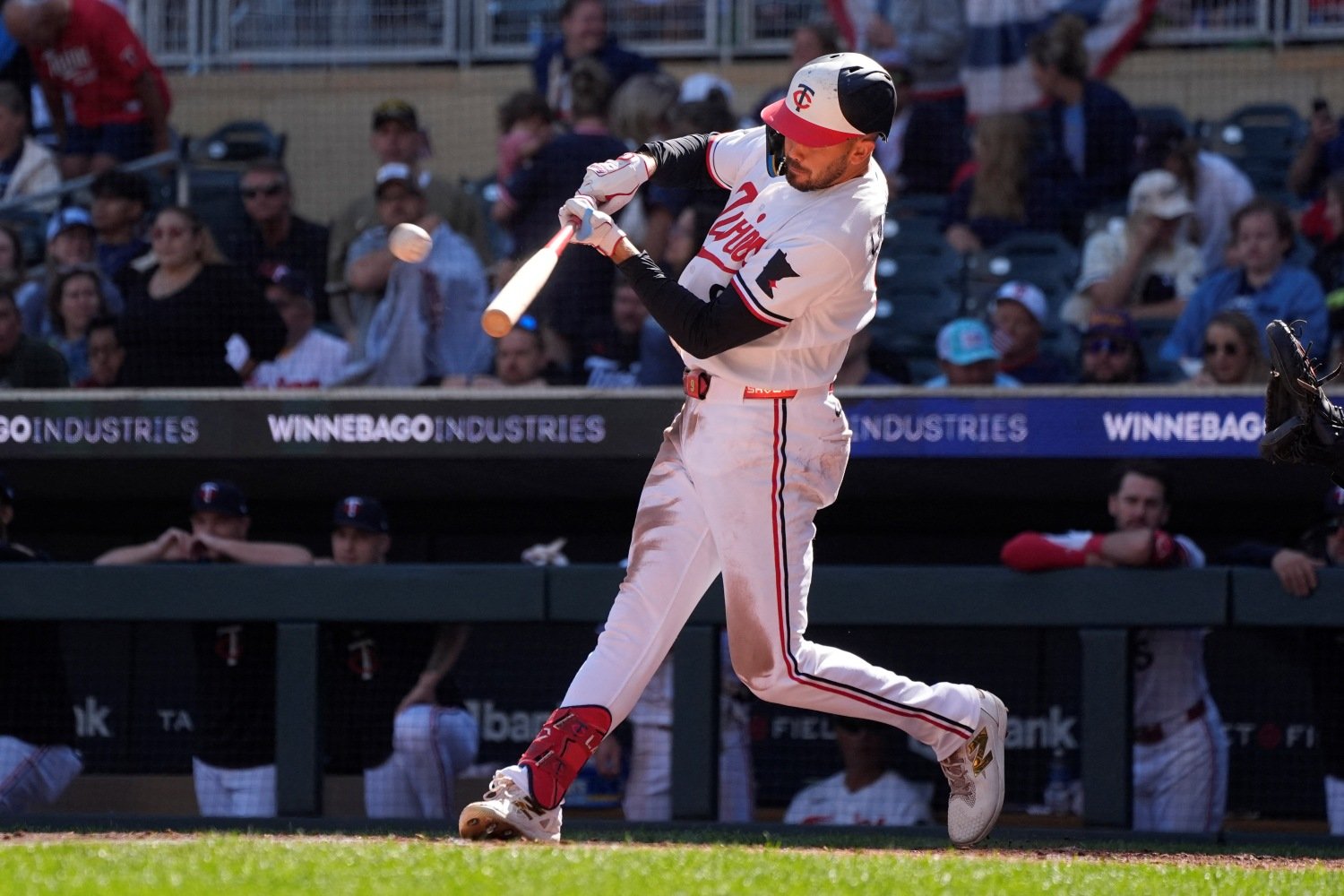 The Minnesota Twins are officially in offseason mode, and that means it’s time to start making some decisions. One of those decisions will be about outfielder Trevor Larnach, who's coming off a career year offensively. A resurgent 2026 makes his future with the Twins an interesting question heading into the offseason. There are a few different factors that could play into Minnesota’s decision, and there’s certainly a case to be made for either keeping him or moving on. So, what should the Twins do? Let’s break it all down. Pros of Bringing Him Back As I noted, Larnach is coming off the best offensive season of his career. The 29-year-old slashed .269/.352/.436, setting career highs in all three departments of the slash line. For a Twins team that could certainly use some consistency in the lineup, it’s easy to see why keeping his bat around would be appealing. While he might not be the type of hitter who completely transforms a lineup, a player who can post an OPS approaching .800 certainly has value, particularly at a relatively affordable salary. This year, the Twins and Larnach avoided arbitration by agreeing to a one-year, $4.475-million contract. His salary for 2027 is projected to land around $6.3 million, which would be a noticeable increase but hardly an outrageous figure for a hitter coming off the season he just had. The Twins aren't in a position where they should be giving away productive major-league bats, and there's a legitimate argument for keeping him around if the financial commitment makes sense. From a pure ability standpoint, Larnach's bat is worthy of being in the lineup next season. The question is whether Minnesota can find a way to give him enough opportunities to make that investment worthwhile, without being overly reliant on him repeating what might be the best season he'll ever have. That's where things start to get a little more complicated. Cons of Bringing Him Back The biggest issue with bringing Larnach back is the Twins' current roster construction. Barring a shocking trade this winter, Minnesota figures to have Byron Buxton, Luke Keaschall, Walker Jenkins and Emmanuel Rodriguez in the mix for outfield playing time in 2027. Considering the organization will (presumably) want to give their young players opportunities to establish themselves at the major-league level, there might not be enough consistent playing time to go around. Even if Minnesota decided to move Keaschall back to the infield to open up some additional opportunities, that would create its own set of questions. There are only so many ways to shuffle the roster before another position becomes crowded, and bringing Larnach back would make those decisions even more difficult. Of course, the Twins could always use Larnach primarily as their designated hitter. That would allow his bat to remain in the lineup without requiring a regular spot in the outfield, but it would also limit the flexibility of the DH position and potentially take opportunities away from other players. It's worth remembering that Minnesota nearly traded Larnach during the 2026 season. The Twins reportedly had a deal in place with the Houston Astros that would have sent Larnach to Houston in exchange for reliever Bryan Abreu, but the trade fell through at the last minute. While there's no guarantee the Twins will revisit those discussions this winter, the situation certainly suggests they were willing to move him for the right return. It seems to reflect the roster crunch Minnesota is facing. If the organization decides someone needs to go to make room for younger players, Larnach is definitely a far more realistic candidate than Buxton or one of the prospects the Twins are hoping will become important pieces of their future. That doesn't mean the Twins should simply give him away. His offensive production has value, and if another team is interested, Minnesota should look to get something worthwhile in return. Still, the combination of a crowded outfield and a rising arbitration salary makes Larnach a logical trade candidate. Timeline So, what does the timeline for all of this look like? The first major decision point comes on November 20, when the Twins will have to decide whether to offer Larnach a contract for the 2027 season or non-tender him. If Minnesota is comfortable paying Larnach roughly $6.3 million, then this decision is pretty straightforward. Offer him a contract, and figure out how to fit him into the lineup consistently. If the Twins aren't comfortable with that salary, however, they'll need to figure out whether Larnach is viewed as an asset by other teams at that price. That means exploring the trade market. If Minnesota can find a team willing to take Larnach on at his projected salary while giving up something good in exchange, it might make the decision much easier. If the Twins can't find a meaningfully interested trade partner, though, they'll have to weigh a more tangled set of considerations. Do they offer Larnach a contract anyway, since ownership is (at least nominally) committed to expanding the payroll in 2027? Or do they decide the salary is too much for the role they expect him to have and non-tender him, making him a free agent? There's an added wrinkle here, because with the Collective Bargaining Agreement ending on December 1, a lockout is likely to begin just 10 days after the non-tender deadline. If that leads to an accelerated spring training or a shortened window to make roster moves, the Twins might not have much time to explore a trade later in the offseason if they decide they don't want Larnach after all. On balance, moving on from him seems the wiser course—but they might need to accept less than the absolute maximum possible trade value in order to get that done on a schedule that keeps their offseason on track.
 -
The 2026 season was a big one for Hendry Mendez, Riley Quick, Eduardo Tait, and Marco Raya, but not necessarily for the same reasons. Here’s a look at the four biggest prospect risers and fallers in the Twins’ system. View full video
-
The 2026 season was a big one for Hendry Mendez, Riley Quick, Eduardo Tait, and Marco Raya, but not necessarily for the same reasons. Here’s a look at the four biggest prospect risers and fallers in the Twins’ system.
-
Image courtesy of Jordan Johnson - IMAGN IMAGES via Reuters Connect In case you hadn’t heard, the Twins’ bullpen was somewhat of a talking point this season. After the complete fire sale at the 2025 trade deadline, when the Twins shipped out a handful of bullpen arms including (but not limited to) Jhoan Duran, Louis Varland and Griffin Jax, there wasn’t much done to replace that talent last offseason. That approach clearly didn’t work. The Twins tried to piece together a bullpen on the fly this season, and while there were some success stories along the way, the group was far too inconsistent for a team that wanted to compete. Now, the Twins have another opportunity to address the problem. And this winter can, and should, be different. When Twins general manager Jeremy Zoll was asked about building the bullpen this offseason, he pointed toward the importance of involving the organization’s coaching staff in the acquisition process. “When an organization is operating healthily, your major-league staff is able to weigh in on acquisitions and profile strengths and weaknesses,” Zoll said. That’s an interesting wrinkle considering the Twins will have a new pitching coach and assistant pitching coach next season, with Pete Maki and Luis Ramirez both departing. Zoll also said he expects the new pitching coach group to be “integrated into the acquisitions process,” including when the Twins are looking at free agents and waiver claims. That makes sense. If the organization believes its coaches can identify certain traits or help unlock something in a pitcher, it makes sense to bring them into the process before the player is acquired rather than after. But Zoll’s comments don’t exactly scream that a major bullpen investment is coming, either. When discussing how the Twins will build the unit, Zoll said, “I think you have to be open to all different avenues to accomplish that.” He pointed to the number of success stories the Twins had while trying to build the bullpen on the fly, but acknowledged that “at the end of the day, the best moments were too short and there were too many times of inconsistency from that group.” That’s probably the most important part of the quote. Zoll openly acknowledged that the Twins “fell short” in trying to build the bullpen this way. But there was no indication that the solution is necessarily going to involve spending big money on an established late-inning arm. Indeed, their track record suggests the opposite. The biggest free agent reliever signing the Twins made last year was brining back Taylor Rogers for $2M - and their need last year was at least as big as it will be next year. Plus, there are certainly reasons to believe the Twins can improve without spending big money. Yoendrys Gómez was purchased from the Rays midseason and emerged as a legitimate late-inning option. Andrew Morris, a nominal starting pitcher prospect in 2025, moved to the bullpen and was dominant for most of the year. Left-handed reliever Kody Funderburk put together a strong second half after struggling earlier in the year. Those are meaningful developments, and Zoll is right to point toward them as foundational pieces. But they don’t change the fact that this unit needs more help. The question then becomes: how much are the Twins actually willing to invest in fixing it? On one hand, there’s a pretty compelling argument that they should spend fairly aggressively on the bullpen this offseason. With a salary floor very likely to be implemented, the Twins have a significant amount of ground to make up. The initial MLB proposal called for a $171.2 million floor, while Minnesota’s payroll this season was roughly $115 million. That means the Twins would have to spend money somewhere. Why not use some of that money to fix one of the biggest weaknesses on the roster? There should be quality arms available, too. Adrian Morejon and David Bednar are among the relievers currently lined up to reach free agency, while Andrés Muñoz could hit the market if his club option is declined. Aroldis Chapman has a mutual option, and Ryan Helsley has an opt-out that could put him back on the market as well. That doesn’t mean the Twins need to sign one of those specific players. There are plenty of different ways to improve a bullpen. But if they’re serious about becoming a legitimate contender again, this seems like a pretty obvious place to allocate some resources. The Twins already made one significant commitment to the bullpen at the trade deadline by acquiring Jeff Hoffman from Toronto. Hoffman is set to make $11 million next season, although the Blue Jays are covering $3.75 million of that, leaving Minnesota responsible for $7.25 million. And honestly, that should make adding another established late-inning arm even more reasonable. Hoffman can help stabilize the back end of the bullpen, while Gómez gives the Twins another intriguing option. But after watching so many late-inning leads disappear this season, I don’t think the answer should be hoping those two are enough. If Tom Pohlad is serious about turning this team into a championship-caliber club, as he has said he is, there’s no reason for the Twins to limit themselves to bargain-bin additions and internal improvements. Minnesota has already seen what happens when they try to build an entire bullpen on the fly. There were flashes of success, but there was also too much inconsistency, especially when the team needed outs most. They don’t need to abandon the development model that has produced plenty of successful relievers. They just need to supplement it. The Twins have an opportunity this offseason to rewrite the script. They have internal options, and they should have room to add payroll. The biggest question is whether they’ll actually use that flexibility. If the goal is to build a team capable of competing for a championship, the bullpen needs to be more than a collection of intriguing possibilities. It needs to be a strength. And that should start with the Twins thinking bigger this time around. View full article
-
Jeremy Zoll Admits the Bullpen Fell Short. Will the Twins Spend to Fix It?
Sam Caulder posted an article in Twins
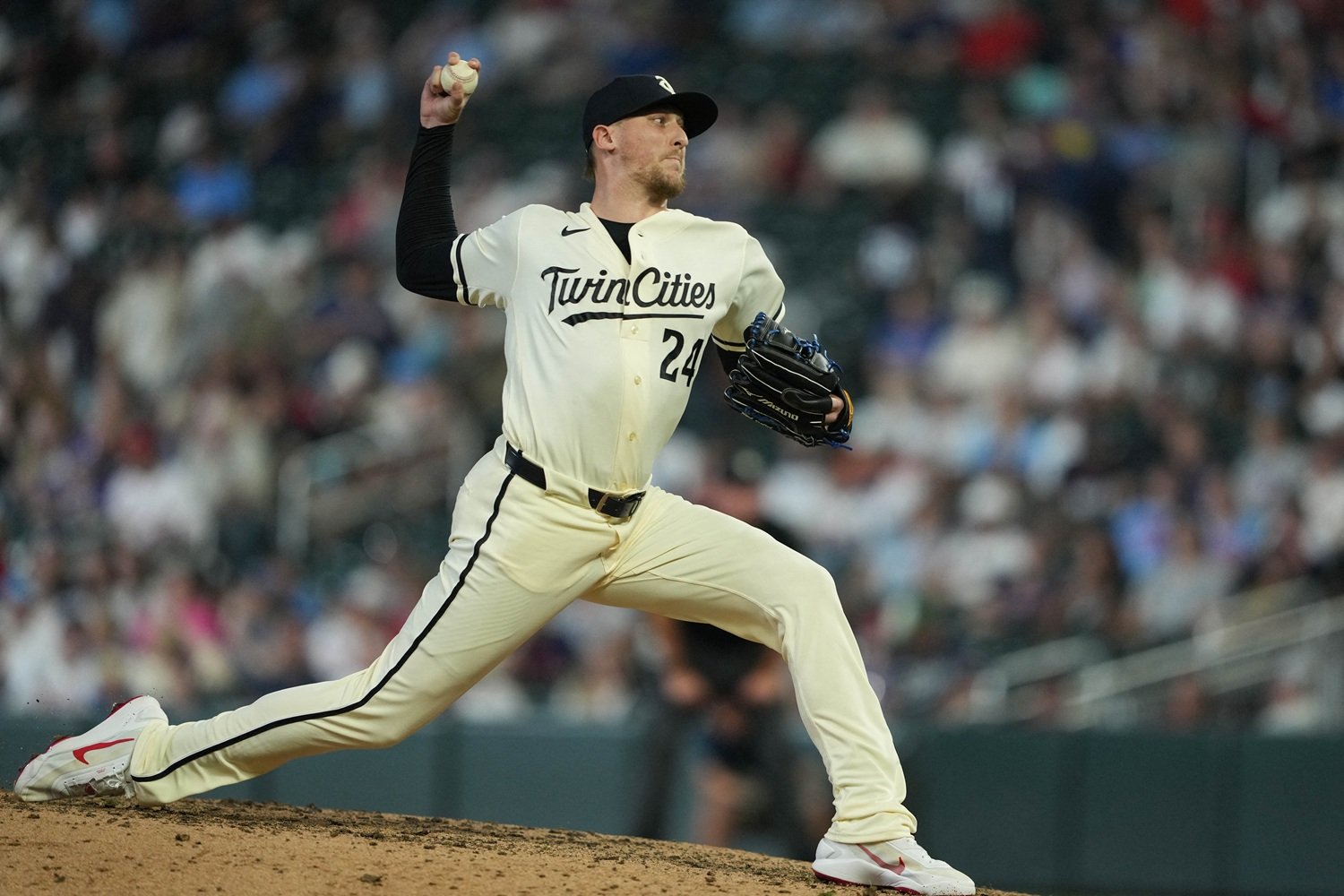 In case you hadn’t heard, the Twins’ bullpen was somewhat of a talking point this season. After the complete fire sale at the 2025 trade deadline, when the Twins shipped out a handful of bullpen arms including (but not limited to) Jhoan Duran, Louis Varland and Griffin Jax, there wasn’t much done to replace that talent last offseason. That approach clearly didn’t work. The Twins tried to piece together a bullpen on the fly this season, and while there were some success stories along the way, the group was far too inconsistent for a team that wanted to compete. Now, the Twins have another opportunity to address the problem. And this winter can, and should, be different. When Twins general manager Jeremy Zoll was asked about building the bullpen this offseason, he pointed toward the importance of involving the organization’s coaching staff in the acquisition process. “When an organization is operating healthily, your major-league staff is able to weigh in on acquisitions and profile strengths and weaknesses,” Zoll said. That’s an interesting wrinkle considering the Twins will have a new pitching coach and assistant pitching coach next season, with Pete Maki and Luis Ramirez both departing. Zoll also said he expects the new pitching coach group to be “integrated into the acquisitions process,” including when the Twins are looking at free agents and waiver claims. That makes sense. If the organization believes its coaches can identify certain traits or help unlock something in a pitcher, it makes sense to bring them into the process before the player is acquired rather than after. But Zoll’s comments don’t exactly scream that a major bullpen investment is coming, either. When discussing how the Twins will build the unit, Zoll said, “I think you have to be open to all different avenues to accomplish that.” He pointed to the number of success stories the Twins had while trying to build the bullpen on the fly, but acknowledged that “at the end of the day, the best moments were too short and there were too many times of inconsistency from that group.” That’s probably the most important part of the quote. Zoll openly acknowledged that the Twins “fell short” in trying to build the bullpen this way. But there was no indication that the solution is necessarily going to involve spending big money on an established late-inning arm. Indeed, their track record suggests the opposite. The biggest free agent reliever signing the Twins made last year was brining back Taylor Rogers for $2M - and their need last year was at least as big as it will be next year. Plus, there are certainly reasons to believe the Twins can improve without spending big money. Yoendrys Gómez was purchased from the Rays midseason and emerged as a legitimate late-inning option. Andrew Morris, a nominal starting pitcher prospect in 2025, moved to the bullpen and was dominant for most of the year. Left-handed reliever Kody Funderburk put together a strong second half after struggling earlier in the year. Those are meaningful developments, and Zoll is right to point toward them as foundational pieces. But they don’t change the fact that this unit needs more help. The question then becomes: how much are the Twins actually willing to invest in fixing it? On one hand, there’s a pretty compelling argument that they should spend fairly aggressively on the bullpen this offseason. With a salary floor very likely to be implemented, the Twins have a significant amount of ground to make up. The initial MLB proposal called for a $171.2 million floor, while Minnesota’s payroll this season was roughly $115 million. That means the Twins would have to spend money somewhere. Why not use some of that money to fix one of the biggest weaknesses on the roster? There should be quality arms available, too. Adrian Morejon and David Bednar are among the relievers currently lined up to reach free agency, while Andrés Muñoz could hit the market if his club option is declined. Aroldis Chapman has a mutual option, and Ryan Helsley has an opt-out that could put him back on the market as well. That doesn’t mean the Twins need to sign one of those specific players. There are plenty of different ways to improve a bullpen. But if they’re serious about becoming a legitimate contender again, this seems like a pretty obvious place to allocate some resources. The Twins already made one significant commitment to the bullpen at the trade deadline by acquiring Jeff Hoffman from Toronto. Hoffman is set to make $11 million next season, although the Blue Jays are covering $3.75 million of that, leaving Minnesota responsible for $7.25 million. And honestly, that should make adding another established late-inning arm even more reasonable. Hoffman can help stabilize the back end of the bullpen, while Gómez gives the Twins another intriguing option. But after watching so many late-inning leads disappear this season, I don’t think the answer should be hoping those two are enough. If Tom Pohlad is serious about turning this team into a championship-caliber club, as he has said he is, there’s no reason for the Twins to limit themselves to bargain-bin additions and internal improvements. Minnesota has already seen what happens when they try to build an entire bullpen on the fly. There were flashes of success, but there was also too much inconsistency, especially when the team needed outs most. They don’t need to abandon the development model that has produced plenty of successful relievers. They just need to supplement it. The Twins have an opportunity this offseason to rewrite the script. They have internal options, and they should have room to add payroll. The biggest question is whether they’ll actually use that flexibility. If the goal is to build a team capable of competing for a championship, the bullpen needs to be more than a collection of intriguing possibilities. It needs to be a strength. And that should start with the Twins thinking bigger this time around.
 -
There was a lot of focus on the Twins’ farm system this year, whether it was top prospects making their way to Target Field, young players taking meaningful steps forward in the minor leagues, or prospects being moved at the trade deadline. Let’s take a look at some of the biggest winners and losers from the Twins’ farm system in 2026, starting with the winners. Twins' Biggest Farm System Winners (2026) The first winner has to be Marek Houston. Houston entered the season as a top-10 prospect in the Twins’ organization, but he has climbed into the top five after putting together an impressive 2026 campaign. He began the year with High-A Cedar Rapids, where he slashed .326/.406/.461 across 56 games before earning a promotion to Double-A. And he didn’t stop there. He continued to hit with the Wichita Wind Surge, keeping his batting average north of .300 while posting a .379 on-base percentage and .450 slugging percentage across 60 games. On the season as a whole, he finished with 42 extra-base hits and an impressive 50 stolen bases. Not bad for a glove-first prospect. Houston has always had the defensive ability to make an impact, but the offensive strides he made this season are what really changed his outlook within the organization. When you combine that development with his defensive prowess, it wouldn’t be at all surprising to see Houston make his major league debut at some point next season. The other big winner is the Twins’ minor league catching depth. Coming into the season, Minnesota already had a trio of intriguing catching prospects in Eduardo Tait, Khadim Diaw, and Enrique Jimenez. That would have been a pretty solid group on its own, but the Twins added another pair of high-upside catchers in Vahn Lackey and Carson Tinney. According to Twins Daily, all five catchers currently rank within the Twins’ top 20 prospects. That’s a pretty remarkable amount of organizational depth at one position, especially considering how important catching is to the development of a young pitching staff. Not all five players are going to stick as catchers, or even reach the majors, of course. But having that many legitimate prospects gives the Twins plenty of options moving forward. The future of the position certainly appears to be very bright. Twins' Biggest Farm System Losers (2026) As for the losers, we’ll start with the Cedar Rapids Kernels. The Twins’ High-A affiliate had a disappointing first half of the year, going 31-33. That certainly wasn’t what the organization wanted, but it also wasn’t exactly a disaster. Then came the second half. The Kernels went just 17-49 across their final 63 games, turning an already mediocre season into a really ugly one. They finished the year with a 48-83 record, which is obviously not the kind of season anyone in the organization was hoping for. And it wasn’t for a lack of talent. Houston, Tait, Diaw, Riley Quick and several other notable prospects spent a significant portion of the season in Cedar Rapids. Some of those players eventually moved up the ladder, but the Kernels simply weren’t able to turn that talent into many wins. Obviously, winning isn’t the only thing that matters in the minor leagues. Player development is the priority, and some of the organization’s most important prospects made meaningful progress while wearing a Kernels uniform. Still, a 48-83 record is hard to overlook. The results simply weren’t there for Cedar Rapids this year, which puts the Kernels in the loser column. The other loser is the Wichita Wind Surge. Wichita wasn’t quite as bad as Cedar Rapids, but it still wasn’t a particularly good year for the Double-A affiliate. The Wind Surge went 25-42 during the first half before improving to 30-39 in the second half. That’s certainly a step in the right direction, but it still resulted in a 55-81 record for the season. And, just like Cedar Rapids, it wasn’t for a lack of talent. Houston, Diaw and Quick all spent a decent amount of time in Wichita, while other notable prospects such as Hendry Mendez, Brandon Winokur and Ryan Gallagher also saw significant action with the Wind Surge. There were plenty of interesting players on the roster, but the results simply weren’t there for Wichita this year. Both the Kernels and Wind Surge will be looking to rebound in 2027, and both should look considerably different by the time next season rolls around. That’s simply part of the nature of minor league baseball, where players are constantly moving between levels and organizations are continually bringing in new pieces. Still, when looking back at the Twins’ farm system in 2026, Cedar Rapids and Wichita certainly belong on the loser side of the ledger. View full article
-
Biggest Winners and Losers in the Twins' Farm System in 2026
Sam Caulder posted an article in Minor Leagues
 There was a lot of focus on the Twins’ farm system this year, whether it was top prospects making their way to Target Field, young players taking meaningful steps forward in the minor leagues, or prospects being moved at the trade deadline. Let’s take a look at some of the biggest winners and losers from the Twins’ farm system in 2026, starting with the winners. Twins' Biggest Farm System Winners (2026) The first winner has to be Marek Houston. Houston entered the season as a top-10 prospect in the Twins’ organization, but he has climbed into the top five after putting together an impressive 2026 campaign. He began the year with High-A Cedar Rapids, where he slashed .326/.406/.461 across 56 games before earning a promotion to Double-A. And he didn’t stop there. He continued to hit with the Wichita Wind Surge, keeping his batting average north of .300 while posting a .379 on-base percentage and .450 slugging percentage across 60 games. On the season as a whole, he finished with 42 extra-base hits and an impressive 50 stolen bases. Not bad for a glove-first prospect. Houston has always had the defensive ability to make an impact, but the offensive strides he made this season are what really changed his outlook within the organization. When you combine that development with his defensive prowess, it wouldn’t be at all surprising to see Houston make his major league debut at some point next season. The other big winner is the Twins’ minor league catching depth. Coming into the season, Minnesota already had a trio of intriguing catching prospects in Eduardo Tait, Khadim Diaw, and Enrique Jimenez. That would have been a pretty solid group on its own, but the Twins added another pair of high-upside catchers in Vahn Lackey and Carson Tinney. According to Twins Daily, all five catchers currently rank within the Twins’ top 20 prospects. That’s a pretty remarkable amount of organizational depth at one position, especially considering how important catching is to the development of a young pitching staff. Not all five players are going to stick as catchers, or even reach the majors, of course. But having that many legitimate prospects gives the Twins plenty of options moving forward. The future of the position certainly appears to be very bright. Twins' Biggest Farm System Losers (2026) As for the losers, we’ll start with the Cedar Rapids Kernels. The Twins’ High-A affiliate had a disappointing first half of the year, going 31-33. That certainly wasn’t what the organization wanted, but it also wasn’t exactly a disaster. Then came the second half. The Kernels went just 17-49 across their final 63 games, turning an already mediocre season into a really ugly one. They finished the year with a 48-83 record, which is obviously not the kind of season anyone in the organization was hoping for. And it wasn’t for a lack of talent. Houston, Tait, Diaw, Riley Quick and several other notable prospects spent a significant portion of the season in Cedar Rapids. Some of those players eventually moved up the ladder, but the Kernels simply weren’t able to turn that talent into many wins. Obviously, winning isn’t the only thing that matters in the minor leagues. Player development is the priority, and some of the organization’s most important prospects made meaningful progress while wearing a Kernels uniform. Still, a 48-83 record is hard to overlook. The results simply weren’t there for Cedar Rapids this year, which puts the Kernels in the loser column. The other loser is the Wichita Wind Surge. Wichita wasn’t quite as bad as Cedar Rapids, but it still wasn’t a particularly good year for the Double-A affiliate. The Wind Surge went 25-42 during the first half before improving to 30-39 in the second half. That’s certainly a step in the right direction, but it still resulted in a 55-81 record for the season. And, just like Cedar Rapids, it wasn’t for a lack of talent. Houston, Diaw and Quick all spent a decent amount of time in Wichita, while other notable prospects such as Hendry Mendez, Brandon Winokur and Ryan Gallagher also saw significant action with the Wind Surge. There were plenty of interesting players on the roster, but the results simply weren’t there for Wichita this year. Both the Kernels and Wind Surge will be looking to rebound in 2027, and both should look considerably different by the time next season rolls around. That’s simply part of the nature of minor league baseball, where players are constantly moving between levels and organizations are continually bringing in new pieces. Still, when looking back at the Twins’ farm system in 2026, Cedar Rapids and Wichita certainly belong on the loser side of the ledger.
 -
Image courtesy of Bruce Kluckhohn, IMAGN IMAGES via Reuters Connect The 2026 season didn’t go the way the Minnesota Twins wanted it to. That doesn’t mean it was all bad, though. There were plenty of highs and a lot of fun, exciting moments for this team over the course of the year, and just because the full season wasn’t great doesn’t mean those moments are any less valuable. So, before we completely turn the page to 2027, let’s take a look back at some of the best moments from the Twins’ 2026 season. Brooks Lee Comes Through in the Clutch Let’s start way back on April 9. The Twins were sitting at 6-6 and taking on the Detroit Tigers in what had been a relatively uneventful game. It was tied 1-1 heading into the bottom of the eighth, but Minnesota suddenly found itself with the bases loaded and two outs. That brought Brooks Lee to the plate. Lee had been off to an ice-cold start to the season and wasn’t even in the starting lineup that afternoon. He entered the game in the top of the eighth as a defensive replacement, and given the way things had gone for him at the plate early in the season, it seemed like a pretty good opportunity for the Tigers to escape the inning. Lee had other ideas. He worked the count full before getting a fastball at the top of the zone, grounding it through the right side for a two-run single. The usually laid-back and reserved Lee was extremely fired up as two runs crossed the plate, and the Twins held on for a 3-1 victory. That moment seemed to help flip the script for Lee. He went on to finish the year with career highs across the board offensively, turning what had been a brutal start into a season that made him look like a much safer bet to remain a long-term piece of the Twins’ infield. Bailey Ober’s 89-Pitch Masterpiece Fast-forward to mid-May, when the Miami Marlins came to town for a three-game series. Bailey Ober took the mound for Minnesota in the opener and put together the most dominant start of his career. Ober threw a complete-game shutout, and he needed just 89 pitches to do it. He allowed only two hits and no walks while striking out seven batters, completely overwhelming the Marlins from start to finish. An absurd 72% of his pitches were strikes, while just five of the 22 balls put in play against him were hit hard. He also generated 14 whiffs, meaning pretty much everything was working for the giant right-hander. It was the kind of start that made it pretty clear just how dominant Ober can be when everything is clicking. Despite having just an 88-MPH fastball, he's capable of shutting down opposing lineups, and it'll be interesting to see whether or not the Twins bring him back this offseason. Alan Roden Walks It Off in His Season Debut Alan Roden's path to the majors in 2026 was certainly not a straightforward one. For much of spring training, Roden looked like a safe bet to earn an Opening Day roster spot. Instead, he was left off the roster, and things got even worse when he tore the labrum in his throwing shoulder in April, sidelining him for roughly two months. That didn’t stop him, though. Roden returned to St. Paul, continued to produce, and eventually earned a call-up to the majors in early July. He wasted absolutely no time making an impression. In a tie game against the Cleveland Guardians, the Twins loaded the bases in the ninth inning. With two outs, Roden stepped to the plate and proceeded to work a nine-pitch at-bat before getting a center-cut fastball. He smoked it. The ball went off the wall in right-center field, bringing home the winning run and giving Roden a walk-off single in his season debut. At the time, the moment had some significance in the standings, too. The win moved Minnesota to just one game below .500 and one game behind Cleveland in the AL Central. It ultimately didn’t matter much in the grand scheme of things, but it was a heck of a moment for a guy who battled his butt off to get there. Kody Clemens’ Ultimate Grand Slam And last, but certainly not least, there was Kody Clemens ’ grand slam against the Kansas City Royals. Except this wasn’t just any grand slam. It was an ultimate grand slam. The Royals had absolutely dominated the Twins that night, with starting pitcher Noah Cameron carving Minnesota up for eight shutout innings at Target Field. The Twins had no answers for him and entered the bottom of the ninth trailing 3-0. Kansas City turned to Lucas Erceg out of the bullpen, and he quickly recorded the first two outs of the inning. Then everything changed. Ryan Jeffers was hit by a pitch, Royce Lewis singled, and Josh Bell walked to load the bases. Kansas City then turned to left-hander Matt Strahm to face Clemens. Bad move. Clemens fell behind 0-2, but he got a hanging slider and absolutely crushed it over the wall in right-center field. Game over. The Twins went from an out away from being shut out to walking off with a 4-3 victory, all on one swing. It was just the 35th ultimate grand slam in MLB history. Of the 15 to occur since 2000, it was also the first to come with the batter trailing 0-2 in the count. That’s a pretty incredible way to end a game. There were obviously plenty of other memorable moments throughout the 2026 season, and these are far from the only ones worth remembering. So, what was your favorite Twins moment from the season? View full article
-
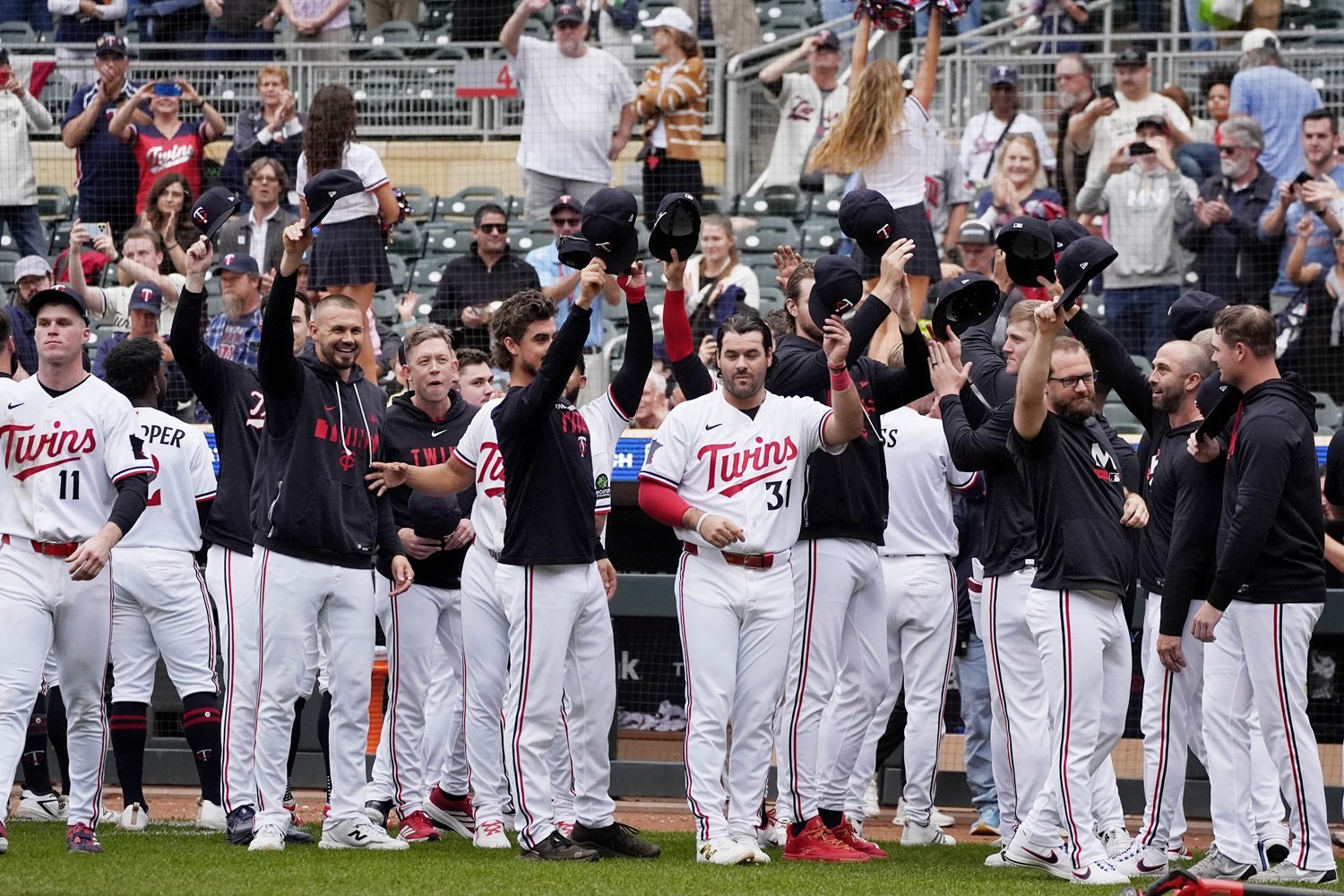 The 2026 season didn’t go the way the Minnesota Twins wanted it to. That doesn’t mean it was all bad, though. There were plenty of highs and a lot of fun, exciting moments for this team over the course of the year, and just because the full season wasn’t great doesn’t mean those moments are any less valuable. So, before we completely turn the page to 2027, let’s take a look back at some of the best moments from the Twins’ 2026 season. Brooks Lee Comes Through in the Clutch Let’s start way back on April 9. The Twins were sitting at 6-6 and taking on the Detroit Tigers in what had been a relatively uneventful game. It was tied 1-1 heading into the bottom of the eighth, but Minnesota suddenly found itself with the bases loaded and two outs. That brought Brooks Lee to the plate. Lee had been off to an ice-cold start to the season and wasn’t even in the starting lineup that afternoon. He entered the game in the top of the eighth as a defensive replacement, and given the way things had gone for him at the plate early in the season, it seemed like a pretty good opportunity for the Tigers to escape the inning. Lee had other ideas. He worked the count full before getting a fastball at the top of the zone, grounding it through the right side for a two-run single. The usually laid-back and reserved Lee was extremely fired up as two runs crossed the plate, and the Twins held on for a 3-1 victory. That moment seemed to help flip the script for Lee. He went on to finish the year with career highs across the board offensively, turning what had been a brutal start into a season that made him look like a much safer bet to remain a long-term piece of the Twins’ infield. Bailey Ober’s 89-Pitch Masterpiece Fast-forward to mid-May, when the Miami Marlins came to town for a three-game series. Bailey Ober took the mound for Minnesota in the opener and put together the most dominant start of his career. Ober threw a complete-game shutout, and he needed just 89 pitches to do it. He allowed only two hits and no walks while striking out seven batters, completely overwhelming the Marlins from start to finish. An absurd 72% of his pitches were strikes, while just five of the 22 balls put in play against him were hit hard. He also generated 14 whiffs, meaning pretty much everything was working for the giant right-hander. It was the kind of start that made it pretty clear just how dominant Ober can be when everything is clicking. Despite having just an 88-MPH fastball, he's capable of shutting down opposing lineups, and it'll be interesting to see whether or not the Twins bring him back this offseason. Alan Roden Walks It Off in His Season Debut Alan Roden's path to the majors in 2026 was certainly not a straightforward one. For much of spring training, Roden looked like a safe bet to earn an Opening Day roster spot. Instead, he was left off the roster, and things got even worse when he tore the labrum in his throwing shoulder in April, sidelining him for roughly two months. That didn’t stop him, though. Roden returned to St. Paul, continued to produce, and eventually earned a call-up to the majors in early July. He wasted absolutely no time making an impression. In a tie game against the Cleveland Guardians, the Twins loaded the bases in the ninth inning. With two outs, Roden stepped to the plate and proceeded to work a nine-pitch at-bat before getting a center-cut fastball. He smoked it. The ball went off the wall in right-center field, bringing home the winning run and giving Roden a walk-off single in his season debut. At the time, the moment had some significance in the standings, too. The win moved Minnesota to just one game below .500 and one game behind Cleveland in the AL Central. It ultimately didn’t matter much in the grand scheme of things, but it was a heck of a moment for a guy who battled his butt off to get there. Kody Clemens’ Ultimate Grand Slam And last, but certainly not least, there was Kody Clemens ’ grand slam against the Kansas City Royals. Except this wasn’t just any grand slam. It was an ultimate grand slam. The Royals had absolutely dominated the Twins that night, with starting pitcher Noah Cameron carving Minnesota up for eight shutout innings at Target Field. The Twins had no answers for him and entered the bottom of the ninth trailing 3-0. Kansas City turned to Lucas Erceg out of the bullpen, and he quickly recorded the first two outs of the inning. Then everything changed. Ryan Jeffers was hit by a pitch, Royce Lewis singled, and Josh Bell walked to load the bases. Kansas City then turned to left-hander Matt Strahm to face Clemens. Bad move. Clemens fell behind 0-2, but he got a hanging slider and absolutely crushed it over the wall in right-center field. Game over. The Twins went from an out away from being shut out to walking off with a 4-3 victory, all on one swing. It was just the 35th ultimate grand slam in MLB history. Of the 15 to occur since 2000, it was also the first to come with the batter trailing 0-2 in the count. That’s a pretty incredible way to end a game. There were obviously plenty of other memorable moments throughout the 2026 season, and these are far from the only ones worth remembering. So, what was your favorite Twins moment from the season?
- 12 comments
-
- 8
-
-

-
- brooks lee
- bailey ober
- (and 2 more)
-
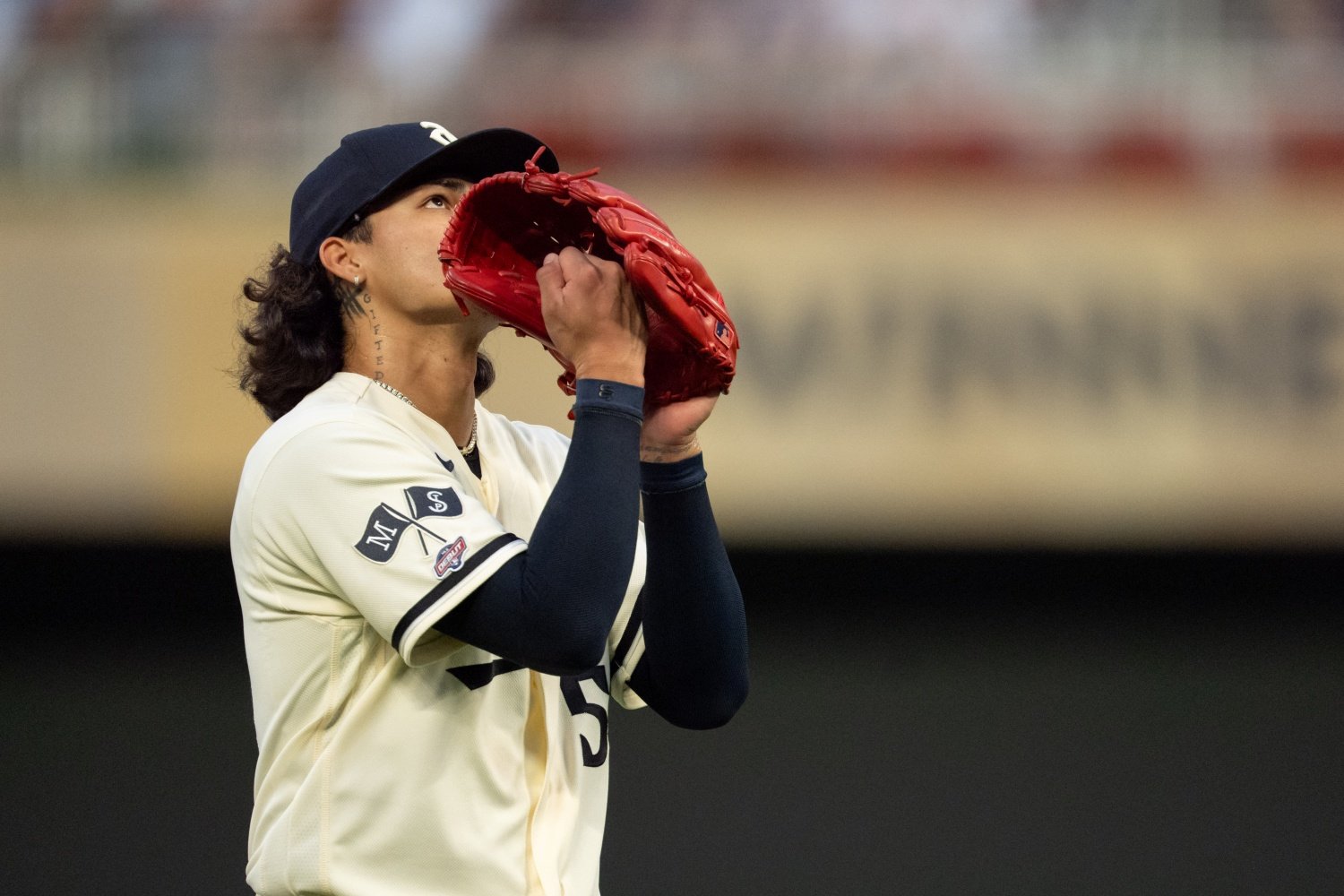 The Minnesota Twins’ farm system looked a lot different at the end of 2026 than it did at the beginning. A number of top prospects made their way to Target Field this season, with names like Walker Jenkins, Kaelen Culpepper, and Emmanuel Rodriguez all reaching the majors. There was also plenty of movement throughout the organization, as players climbed levels, battled through injuries, and either strengthened or weakened their standing within the system. With all that movement came changes in the Twins’ prospect rankings. Let’s take a look at a couple of the biggest risers and fallers in the organization over the course of the year, starting with the risers. Hendry Mendez Mendez entered the season ranked as Twins Daily’s No. 16 prospect, but he now sits all the way up at No. 7. It’s easy to see why. Across 102 games between Double-A Wichita and Triple-A St. Paul, Mendez slashed .281/.374/.430, good for an .804 OPS. While the power numbers don’t immediately jump off the page—he hit 12 home runs and recorded just 31 total extra-base hits—power has never really been the main selling point of his game. Instead, Mendez has built his profile around making consistent contact and controlling the strike zone, and those skills took a noticeable step forward this season. His 91.4% zone contact rate is excellent, and his 23% chase rate points to a hitter who understands the strike zone and rarely expands it. That combination is a strong foundation for offensive success, especially for a player who already puts plenty of balls in play. There’s a very good chance Mendez makes his major-league debut in 2027, and if those bat-to-ball skills translate the way the Twins hope they will, he could make an impact fairly quickly. Riley Quick Quick entered the year as the Twins’ No. 11 prospect and now finds himself firmly inside the top five. Considering the questions surrounding him entering the season, that’s a significant jump. The Twins selected Quick 36th overall in the 2025 draft, but there was understandable uncertainty due to his limited collegiate workload and previous Tommy John surgery. This year didn’t erase every concern, but it answered quite a few of them. Quick threw 81 2/3 innings across Low-A, High-A, and Double-A, striking out 110 hitters in the process. His 30.6% strikeout rate showcased exactly why the Twins were so intrigued by his upside in the first place. The swing-and-miss stuff was obvious. That said, there’s still work to do. Quick posted a 13.4% walk rate, and command remains the biggest hurdle standing between him and the major leagues. He also struggled after reaching Double-A, finishing with a 6.68 ERA at the level. Still, those concerns shouldn’t overshadow the overall picture. For a pitcher making his first full season of professional starts after Tommy John surgery, this was a successful year. And with a strong 2027 season, Quick could find himself pitching at Target Field sooner rather than later. It was an encouraging year for Mendez and Quick, but unfortunately, it wasn’t all good. Let’s take a look at a couple of fallers. Eduardo Tait Tait entered the season as Twins Daily’s No. 4 prospect, but he’ll finish the year at No. 8. That drop stands out even more when considering that Connor Prielipp, Dasan Hill, and Kendry Rojas — three of the four players ranked immediately behind him entering the year — all lost their prospect eligibility. Even with openings near the top of the rankings, Tait slid four spots. Over 116 games with High-A Cedar Rapids, Tait slashed .221/.281/.418, producing a .699 OPS. Those are underwhelming numbers for one of the organization’s top offensive prospects, but there’s also reason to believe the season wasn’t quite as disappointing as the stat line suggests. His strikeout rate improved slightly compared to 2025, and his walk rate moved in the right direction as well. Tait also finished with a .243 BABIP, which suggests he may have suffered from some poor batted-ball luck. With a few more balls finding grass, his season could have looked considerably different. Still, prospect rankings are heavily influenced by production, and Tait’s overall numbers simply weren’t strong enough to maintain his previous standing. Marco Raya Raya entered the season ranked as the Twins’ No. 15 prospect, but despite making his major league debut this year, he now sits outside the organization’s top 20. He did pitch well in his brief time with the Twins, allowing two earned runs over six innings, but his Triple-A season told a different story. Across 64 1/3 innings with St. Paul, Raya posted a 5.32 ERA while allowing 14 home runs. It marked the second straight season with an ERA north of five, and that's started to reshape what his future role looks like. That doesn’t mean there weren’t positives. Raya improved his strikeout rate from 22.6% in 2025 to 27.8% this year, and his walk rate dropped from 12.6% to 9.1%. Those are meaningful steps in the right direction. But keeping the ball in the park remains a major issue. At this point, it’s still very possible that Raya can carve out a role in the Twins’ bullpen, and there’s enough arm talent to believe he can contribute in the majors. However, the hope of him developing into a quality starting pitcher has faded considerably. That makes 2027 an important season for Raya, and in many ways, for several players throughout the system. Prospect rankings can change quickly. One strong season can send a player soaring up the board, while one disappointing year can create new questions. The Twins saw plenty of both in 2026, and the answers those players provide next season will go a long way toward shaping the future of the organization.
- 21 comments
-
- 6
-
-
- hendry mendez
- marco raya
- (and 2 more)
