Sam Caulder
-
Posts
648 -
Joined
-
Last visited
Content Type
Profiles
News
Minnesota Twins Videos
2026 Minnesota Twins Top Prospects Ranking
2022 Minnesota Twins Draft Picks
Minnesota Twins Free Agent & Trade Rumors, Notes, & Tidbits
Guides & Resources
2023 Minnesota Twins Draft Picks
The Minnesota Twins Players Project
2024 Minnesota Twins Draft Picks
2025 Minnesota Twins Draft Pick Tracker
2026 Minnesota Twins Draft Tracker: Picks & Bonuses
Forums
Blogs
Events
Store
Downloads
Gallery
Everything posted by Sam Caulder
-
Image courtesy of Matt Blewett-Imagn Images The Minnesota Twins’ farm system looked a lot different at the end of 2026 than it did at the beginning. A number of top prospects made their way to Target Field this season, with names like Walker Jenkins, Kaelen Culpepper, and Emmanuel Rodriguez all reaching the majors. There was also plenty of movement throughout the organization, as players climbed levels, battled through injuries, and either strengthened or weakened their standing within the system. With all that movement came changes in the Twins’ prospect rankings. Let’s take a look at a couple of the biggest risers and fallers in the organization over the course of the year, starting with the risers. Hendry Mendez Mendez entered the season ranked as Twins Daily’s No. 16 prospect, but he now sits all the way up at No. 7. It’s easy to see why. Across 102 games between Double-A Wichita and Triple-A St. Paul, Mendez slashed .281/.374/.430, good for an .804 OPS. While the power numbers don’t immediately jump off the page—he hit 12 home runs and recorded just 31 total extra-base hits—power has never really been the main selling point of his game. Instead, Mendez has built his profile around making consistent contact and controlling the strike zone, and those skills took a noticeable step forward this season. His 91.4% zone contact rate is excellent, and his 23% chase rate points to a hitter who understands the strike zone and rarely expands it. That combination is a strong foundation for offensive success, especially for a player who already puts plenty of balls in play. There’s a very good chance Mendez makes his major-league debut in 2027, and if those bat-to-ball skills translate the way the Twins hope they will, he could make an impact fairly quickly. Riley Quick Quick entered the year as the Twins’ No. 11 prospect and now finds himself firmly inside the top five. Considering the questions surrounding him entering the season, that’s a significant jump. The Twins selected Quick 36th overall in the 2025 draft, but there was understandable uncertainty due to his limited collegiate workload and previous Tommy John surgery. This year didn’t erase every concern, but it answered quite a few of them. Quick threw 81 2/3 innings across Low-A, High-A, and Double-A, striking out 110 hitters in the process. His 30.6% strikeout rate showcased exactly why the Twins were so intrigued by his upside in the first place. The swing-and-miss stuff was obvious. That said, there’s still work to do. Quick posted a 13.4% walk rate, and command remains the biggest hurdle standing between him and the major leagues. He also struggled after reaching Double-A, finishing with a 6.68 ERA at the level. Still, those concerns shouldn’t overshadow the overall picture. For a pitcher making his first full season of professional starts after Tommy John surgery, this was a successful year. And with a strong 2027 season, Quick could find himself pitching at Target Field sooner rather than later. It was an encouraging year for Mendez and Quick, but unfortunately, it wasn’t all good. Let’s take a look at a couple of fallers. Eduardo Tait Tait entered the season as Twins Daily’s No. 4 prospect, but he’ll finish the year at No. 8. That drop stands out even more when considering that Connor Prielipp, Dasan Hill, and Kendry Rojas — three of the four players ranked immediately behind him entering the year — all lost their prospect eligibility. Even with openings near the top of the rankings, Tait slid four spots. Over 116 games with High-A Cedar Rapids, Tait slashed .221/.281/.418, producing a .699 OPS. Those are underwhelming numbers for one of the organization’s top offensive prospects, but there’s also reason to believe the season wasn’t quite as disappointing as the stat line suggests. His strikeout rate improved slightly compared to 2025, and his walk rate moved in the right direction as well. Tait also finished with a .243 BABIP, which suggests he may have suffered from some poor batted-ball luck. With a few more balls finding grass, his season could have looked considerably different. Still, prospect rankings are heavily influenced by production, and Tait’s overall numbers simply weren’t strong enough to maintain his previous standing. Marco Raya Raya entered the season ranked as the Twins’ No. 15 prospect, but despite making his major league debut this year, he now sits outside the organization’s top 20. He did pitch well in his brief time with the Twins, allowing two earned runs over six innings, but his Triple-A season told a different story. Across 64 1/3 innings with St. Paul, Raya posted a 5.32 ERA while allowing 14 home runs. It marked the second straight season with an ERA north of five, and that's started to reshape what his future role looks like. That doesn’t mean there weren’t positives. Raya improved his strikeout rate from 22.6% in 2025 to 27.8% this year, and his walk rate dropped from 12.6% to 9.1%. Those are meaningful steps in the right direction. But keeping the ball in the park remains a major issue. At this point, it’s still very possible that Raya can carve out a role in the Twins’ bullpen, and there’s enough arm talent to believe he can contribute in the majors. However, the hope of him developing into a quality starting pitcher has faded considerably. That makes 2027 an important season for Raya, and in many ways, for several players throughout the system. Prospect rankings can change quickly. One strong season can send a player soaring up the board, while one disappointing year can create new questions. The Twins saw plenty of both in 2026, and the answers those players provide next season will go a long way toward shaping the future of the organization. View full article
-
Image courtesy of David Richard-Imagn Images The Twins are moving on from Pete Maki. After serving as Minnesota’s pitching coach since July 2022, Maki will not return to the coaching staff in 2027, the team announced Monday. Assistant pitching coach Luis Ramirez is also out, meaning the Twins will have a new set of voices overseeing their pitching staff next season. That decision is not particularly surprising, looking at the team's results this year. A Change Was Coming Since 2024, the Twins have finished 21st or worse in MLB in team ERA each season. They ranked 25th in 2026, and eventually, enough was enough. There have been plenty of individual bright spots along the way. Joe Ryan established himself as a legitimate frontline starter when healthy, while Pablo López has shown that same kind of upside during his time in Minnesota. But both pitchers have dealt with injuries, and the Twins have never quite been able to put everything together around them. That distinction is important. Pitchers get hurt; that's baseball. But there's also no denying that the Twins needed more from their pitching staff, particularly outside of their top arms, and that simply didn't happen consistently enough. Bailey Ober is perhaps the clearest example of that frustration. He entered the 2024 season as a dark horse Cy Young candidate after a breakout 2023 campaign, but that never materialized. Zebby Matthews has yet to establish himself as a reliable major-league starter, while the Simeon Woods Richardson experiment ultimately failed to produce the consistency Minnesota was hoping for. And that's really been the story of the middle and back of the Twins' rotation. Too much potential, not enough consistency. Too many "what-if" questions. It Wasn't All on the Coaches Still, I don't think it's fair to look at the Twins' pitching struggles and place all the blame on Maki and Ramirez. In fact, the bullpen had arguably been the biggest strength of Minnesota's roster not long ago. Jhoan Duran, Griffin Jax, Louis Varland and others had formed one of the better late-inning groups in baseball in 2025. Then, the organization blew it up. Minnesota traded away several key pieces at last year's deadline, leaving Maki and the rest of the pitching staff with a bullpen that was a shell of what it had been the year before. Had that group remained intact, it's entirely possible the Twins would still be playing baseball right now. But it didn't, and the team did very little last offseason to replace that lost talent. That raises a legitimate question about the decision to move on from the coaching staff: How much of the pitching staff's struggles were because of coaching, and how much were the result of the organization putting those coaches in a difficult position? There isn't a perfect answer to that question. There's also another possible factor. Maybe Maki and Ramirez simply weren't Derek Shelton's guys. New managers often want to put their own stamp on a coaching staff, and if Shelton believes a different voice or philosophy is needed, replacing the pitching coaches gives him an opportunity to do that. "Ultimately, as we assessed where things were at, we thought it was best-served to go with a new voice and restructure how our pitching coach department was gonna function," Jeremy Zoll told the press on Tuesday. "With each year that goes on, the game continues to evolve, and we're seeing an opportunity here to restructure things with some different skill sets and a fresh voice." Barring an exceptional season from the pitching staff, it's possible this was a move that was always going to happen, regardless of how much responsibility Maki and Ramirez deserved for the results. That's all speculation, though. Regardless of where the blame belongs, the fact remains that the Twins will have new pitching coaches in 2027. The more interesting question now is what Minnesota should be looking for. The Next Voice Needs to Unlock the Rotation Minnesota's search has to start with someone who can get more out of the back of the starting rotation. There just hasn't been enough consistency there. The Twins should have several options to work with next season in the middle-to-back end of their rotation, including Taj Bradley, Mick Abel, Connor Prielipp and Matthews. All of those pitchers have shown flashes of stuff that can make them legitimate major-league starters. What they haven't shown is that they can consistently turn that talent into production at the highest level. That's where the next pitching coach comes in. Minnesota doesn't need someone to completely reinvent the pitching staff. They need someone who can take the talent already in the organization and help turn more of it into reliable major-league production. "We think there's an opportunity to restructure things, to create a fresh voice and new message, and see real value in that and bring in a different set of strengths and weaknesses and how the team all functions," Zoll said. "I think we accomplished that this year on the hitting coach front ... But it's not to say that the people that we previously had in those roles—they've gone on to do really good things too. So, you're just trying to make it all fit for the group you have and the moment in time that you're at on that journey." A New Era for Twins Pitching The Twins' decision to move on from Maki and Ramirez isn't going to solve everything by itself. The organization still has to build a better pitching staff, keep its best arms healthy, and find answers for a rotation that has been far too inconsistent over the last several years. A pair of new pitching coaches should give Minnesota a chance to approach those problems differently. The team is likely to invest significantly in the pitching staff this winter; they need someone standing ready to make good on that investment. View full article
-
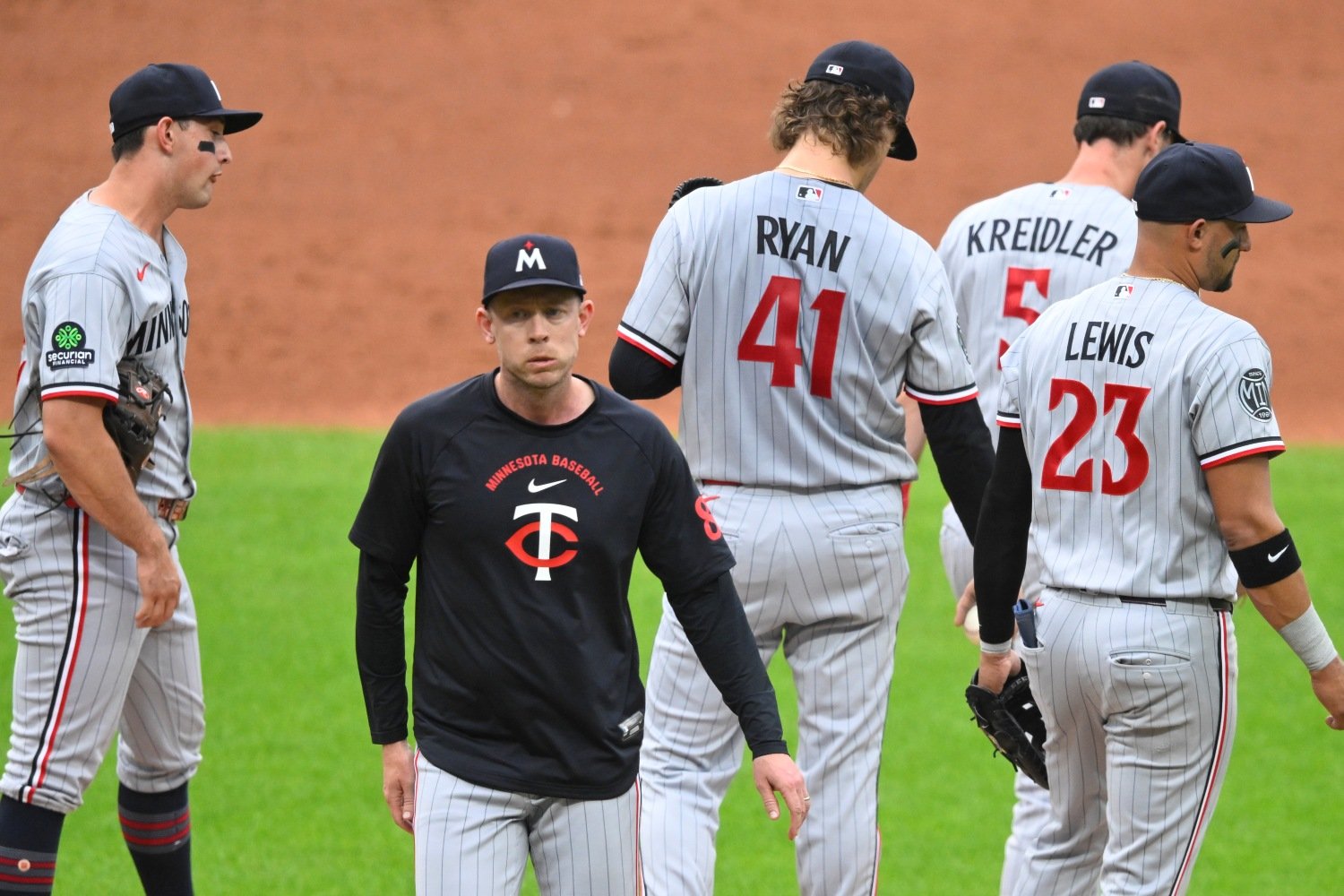 The Twins are moving on from Pete Maki. After serving as Minnesota’s pitching coach since July 2022, Maki will not return to the coaching staff in 2027, the team announced Monday. Assistant pitching coach Luis Ramirez is also out, meaning the Twins will have a new set of voices overseeing their pitching staff next season. That decision is not particularly surprising, looking at the team's results this year. A Change Was Coming Since 2024, the Twins have finished 21st or worse in MLB in team ERA each season. They ranked 25th in 2026, and eventually, enough was enough. There have been plenty of individual bright spots along the way. Joe Ryan established himself as a legitimate frontline starter when healthy, while Pablo López has shown that same kind of upside during his time in Minnesota. But both pitchers have dealt with injuries, and the Twins have never quite been able to put everything together around them. That distinction is important. Pitchers get hurt; that's baseball. But there's also no denying that the Twins needed more from their pitching staff, particularly outside of their top arms, and that simply didn't happen consistently enough. Bailey Ober is perhaps the clearest example of that frustration. He entered the 2024 season as a dark horse Cy Young candidate after a breakout 2023 campaign, but that never materialized. Zebby Matthews has yet to establish himself as a reliable major-league starter, while the Simeon Woods Richardson experiment ultimately failed to produce the consistency Minnesota was hoping for. And that's really been the story of the middle and back of the Twins' rotation. Too much potential, not enough consistency. Too many "what-if" questions. It Wasn't All on the Coaches Still, I don't think it's fair to look at the Twins' pitching struggles and place all the blame on Maki and Ramirez. In fact, the bullpen had arguably been the biggest strength of Minnesota's roster not long ago. Jhoan Duran, Griffin Jax, Louis Varland and others had formed one of the better late-inning groups in baseball in 2025. Then, the organization blew it up. Minnesota traded away several key pieces at last year's deadline, leaving Maki and the rest of the pitching staff with a bullpen that was a shell of what it had been the year before. Had that group remained intact, it's entirely possible the Twins would still be playing baseball right now. But it didn't, and the team did very little last offseason to replace that lost talent. That raises a legitimate question about the decision to move on from the coaching staff: How much of the pitching staff's struggles were because of coaching, and how much were the result of the organization putting those coaches in a difficult position? There isn't a perfect answer to that question. There's also another possible factor. Maybe Maki and Ramirez simply weren't Derek Shelton's guys. New managers often want to put their own stamp on a coaching staff, and if Shelton believes a different voice or philosophy is needed, replacing the pitching coaches gives him an opportunity to do that. "Ultimately, as we assessed where things were at, we thought it was best-served to go with a new voice and restructure how our pitching coach department was gonna function," Jeremy Zoll told the press on Tuesday. "With each year that goes on, the game continues to evolve, and we're seeing an opportunity here to restructure things with some different skill sets and a fresh voice." Barring an exceptional season from the pitching staff, it's possible this was a move that was always going to happen, regardless of how much responsibility Maki and Ramirez deserved for the results. That's all speculation, though. Regardless of where the blame belongs, the fact remains that the Twins will have new pitching coaches in 2027. The more interesting question now is what Minnesota should be looking for. The Next Voice Needs to Unlock the Rotation Minnesota's search has to start with someone who can get more out of the back of the starting rotation. There just hasn't been enough consistency there. The Twins should have several options to work with next season in the middle-to-back end of their rotation, including Taj Bradley, Mick Abel, Connor Prielipp and Matthews. All of those pitchers have shown flashes of stuff that can make them legitimate major-league starters. What they haven't shown is that they can consistently turn that talent into production at the highest level. That's where the next pitching coach comes in. Minnesota doesn't need someone to completely reinvent the pitching staff. They need someone who can take the talent already in the organization and help turn more of it into reliable major-league production. "We think there's an opportunity to restructure things, to create a fresh voice and new message, and see real value in that and bring in a different set of strengths and weaknesses and how the team all functions," Zoll said. "I think we accomplished that this year on the hitting coach front ... But it's not to say that the people that we previously had in those roles—they've gone on to do really good things too. So, you're just trying to make it all fit for the group you have and the moment in time that you're at on that journey." A New Era for Twins Pitching The Twins' decision to move on from Maki and Ramirez isn't going to solve everything by itself. The organization still has to build a better pitching staff, keep its best arms healthy, and find answers for a rotation that has been far too inconsistent over the last several years. A pair of new pitching coaches should give Minnesota a chance to approach those problems differently. The team is likely to invest significantly in the pitching staff this winter; they need someone standing ready to make good on that investment.
 -
Sorry for the late response on this. Fair point, but I think him letting it rip and playing up a MPH or two would help solve those issues. Impossible to know currently, but that's my two cents.
-
Minnesota’s 2026 season exposed plenty of weaknesses on the roster. Here are the three biggest areas the Twins need to address if they want to become a playoff contender next year.
-
Minnesota’s 2026 season exposed plenty of weaknesses on the roster. Here are the three biggest areas the Twins need to address if they want to become a playoff contender next year. View full video
-
Kody Clemens has put together the best offensive season of his career, but his defense at second base has been a different story. Could a position swap with Royce Lewis help the Twins get the most out of both players? View full video
-
Could A Position Swap Solve The Twins’ Infield?
Sam Caulder posted a video in Minnesota Twins Videos
Kody Clemens has put together the best offensive season of his career, but his defense at second base has been a different story. Could a position swap with Royce Lewis help the Twins get the most out of both players? -
Image courtesy of Bruce Kluckhohn, Kiyoshi Mio-Imagn Images As banged up and inconsistent as the Twins’ starting rotation was throughout the 2026 season, plenty of reasons remain for optimism as we turn the page toward 2027. Joe Ryan and Pablo López should both be back in the rotation next season, and assuming both are healthy, that gives the Twins a strong foundation at the top. Taj Bradley also just racked up 205 strikeouts this season, making him one of just 11 pitchers across Major League Baseball to reach that mark. He figures to be a very strong No. 3 option moving forward. Then there’s Mick Abel, Connor Prielipp and Zebby Matthews, all of whom have flashed at different points and could emerge as quality starting options during the 2027 season. Finally, there’s Dean Kremer and Bailey Ober. Or, perhaps more accurately, Dean Kremer or Bailey Ober. The two pitchers are in very similar positions heading into the offseason. Both will be in their final year of team control in 2027, and both figure to be back-end rotation options at similar prices. The two are scheduled to start the final two games of the season tonight and tomorrow. That leads to an interesting question: Which pitcher, if either, should the Twins keep around next season? While I think it’s entirely possible that neither pitcher is back in Minnesota next year, if I had to choose between the two, I’d keep Kremer and bid farewell to Ober. Let’s do a little side-by-side comparison, and we’ll start with the basics. It’s worth emphasizing that his sample is much smaller than Ober’s, as Kremer has thrown just 47 ⅓ innings in Minnesota compared to Ober’s 126. Still, the difference is notable across the board. Kremer currently has a 3.80 ERA and 3.81 FIP in his time with the Twins compared 4.21 and 4.52 for Ober. Kremer has given up hits and homers at a lower rate as a result of giving up less hard contact. Neither guy strikes out a ton of hitters, but Kremer is at least staying relatively close to one per inning whereas Ober has fallen far below that. Again, Kremer has done this over a much smaller sample, so there’s certainly some caution that needs to be exercised when looking at those numbers. But there’s another important piece of the puzzle here: The Twins have made some slight mechanical adjustments to Kremer, and so far, those tweaks appear to have worked. The biggest change has been raising his arm angle slightly. That's helped his fastball run up in the zone more consistently, while allowing his secondary pitches to dive down more effectively. That might sound like a relatively minor adjustment, but it's had a noticeable impact. Ober has one of the lowest strikeout rates in baseball. His ability to stay afloat in spite of this is impressive, but gives him a razor-thin margin for error. Kremer has been able to generate more chases out of the zone, and when hitters do chase, they’re making less contact. That gives his entire arsenal a better chance to play, because his fastball is doing a better job of setting up everything else. And while we all know and love Ober’s electric 88 MPH fastball, it just doesn’t set up the rest of his arsenal in quite the same way Kremer’s fastball does. That becomes especially evident when looking at the swing-and-miss numbers. Kremer is generating whiffs on 28.7% of all swings, which puts him in the top quarter of all major league pitchers. Ober, meanwhile, is getting whiffs on just 20% of swings, putting him in the bottom tenth of the league. That’s a significant difference for two pitchers who are likely competing for essentially the same role in the rotation. The one area where both pitchers have struggled is keeping the ball on the ground. Neither has been particularly effective at generating ground balls, but even there, Kremer holds a slight advantage. And that’s especially important when talking about Ober. It’s no secret that the long ball has been an issue for him throughout his career. His massive 6-foot-9 frame and more than seven feet of extension toward the plate make him one of the most unique pitchers in baseball, but those physical advantages haven’t been enough to consistently prevent opposing hitters from doing damage. And again, any small further loss of velo or stuff at age 31 could lead him into unusable territory. One thing Ober has going for him is a history of demonstrating greater upside. For multiple years, he was one of the Twins' best starters bordering on frontline caliber. Coming into the 2024 season, he was being talked about as a potential dark horse Cy Young candidate, combining his extension and command with an excellent changeup that made him incredibly difficult to square up. But sadly that version of Ober may be gone for good. At this point, the Twins have several young pitchers who could take over the back end of the rotation, and while Kremer isn't as exciting of a name as someone like Abel or Prielipp, he's shown enough since arriving in Minnesota to make me think there’s still something there. Maybe the Twins ultimately decide they don’t want either pitcher back in 2027. With both entering their final year of team control, it wouldn’t be surprising to see the organization explore other options. But if the choice comes down to Kremer or Ober, I’m keeping Kremer. The mechanical changes have already produced encouraging results, his underlying numbers have been better, and his fastball appears to be setting up the rest of his arsenal more effectively. Ober deserves credit for what he’s accomplished in Minnesota, and it’s a shame to see a pitcher who once looked like such an intriguing long-term piece reach this point. But sometimes a fresh start is best for both sides. If I’m the Twins, I’m keeping Dean Kremer and letting Bailey Ober start fresh with a new team next season. View full article
-
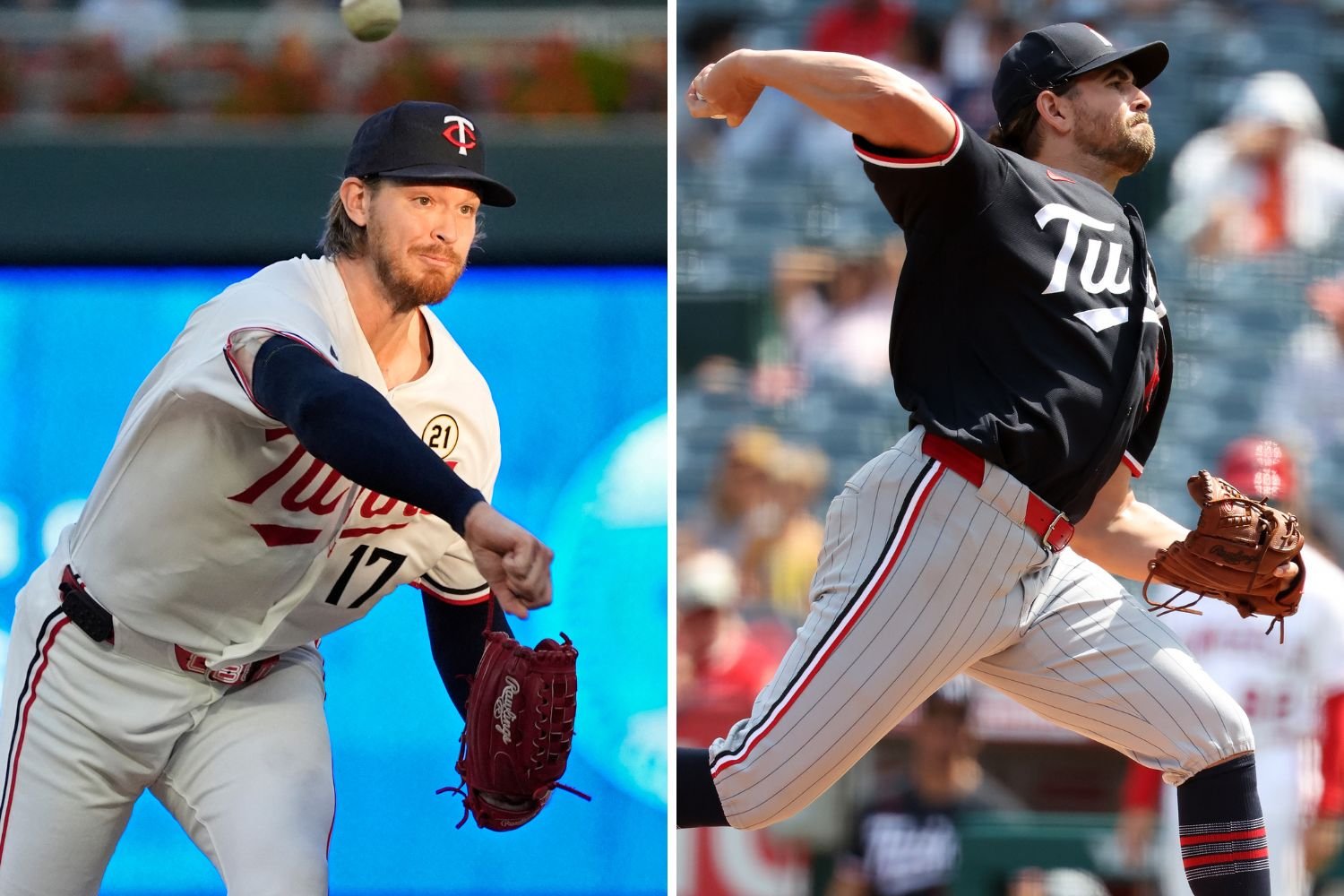 As banged up and inconsistent as the Twins’ starting rotation was throughout the 2026 season, plenty of reasons remain for optimism as we turn the page toward 2027. Joe Ryan and Pablo López should both be back in the rotation next season, and assuming both are healthy, that gives the Twins a strong foundation at the top. Taj Bradley also just racked up 205 strikeouts this season, making him one of just 11 pitchers across Major League Baseball to reach that mark. He figures to be a very strong No. 3 option moving forward. Then there’s Mick Abel, Connor Prielipp and Zebby Matthews, all of whom have flashed at different points and could emerge as quality starting options during the 2027 season. Finally, there’s Dean Kremer and Bailey Ober. Or, perhaps more accurately, Dean Kremer or Bailey Ober. The two pitchers are in very similar positions heading into the offseason. Both will be in their final year of team control in 2027, and both figure to be back-end rotation options at similar prices. The two are scheduled to start the final two games of the season tonight and tomorrow. That leads to an interesting question: Which pitcher, if either, should the Twins keep around next season? While I think it’s entirely possible that neither pitcher is back in Minnesota next year, if I had to choose between the two, I’d keep Kremer and bid farewell to Ober. Let’s do a little side-by-side comparison, and we’ll start with the basics. It’s worth emphasizing that his sample is much smaller than Ober’s, as Kremer has thrown just 47 ⅓ innings in Minnesota compared to Ober’s 126. Still, the difference is notable across the board. Kremer currently has a 3.80 ERA and 3.81 FIP in his time with the Twins compared 4.21 and 4.52 for Ober. Kremer has given up hits and homers at a lower rate as a result of giving up less hard contact. Neither guy strikes out a ton of hitters, but Kremer is at least staying relatively close to one per inning whereas Ober has fallen far below that. Again, Kremer has done this over a much smaller sample, so there’s certainly some caution that needs to be exercised when looking at those numbers. But there’s another important piece of the puzzle here: The Twins have made some slight mechanical adjustments to Kremer, and so far, those tweaks appear to have worked. The biggest change has been raising his arm angle slightly. That's helped his fastball run up in the zone more consistently, while allowing his secondary pitches to dive down more effectively. That might sound like a relatively minor adjustment, but it's had a noticeable impact. Ober has one of the lowest strikeout rates in baseball. His ability to stay afloat in spite of this is impressive, but gives him a razor-thin margin for error. Kremer has been able to generate more chases out of the zone, and when hitters do chase, they’re making less contact. That gives his entire arsenal a better chance to play, because his fastball is doing a better job of setting up everything else. And while we all know and love Ober’s electric 88 MPH fastball, it just doesn’t set up the rest of his arsenal in quite the same way Kremer’s fastball does. That becomes especially evident when looking at the swing-and-miss numbers. Kremer is generating whiffs on 28.7% of all swings, which puts him in the top quarter of all major league pitchers. Ober, meanwhile, is getting whiffs on just 20% of swings, putting him in the bottom tenth of the league. That’s a significant difference for two pitchers who are likely competing for essentially the same role in the rotation. The one area where both pitchers have struggled is keeping the ball on the ground. Neither has been particularly effective at generating ground balls, but even there, Kremer holds a slight advantage. And that’s especially important when talking about Ober. It’s no secret that the long ball has been an issue for him throughout his career. His massive 6-foot-9 frame and more than seven feet of extension toward the plate make him one of the most unique pitchers in baseball, but those physical advantages haven’t been enough to consistently prevent opposing hitters from doing damage. And again, any small further loss of velo or stuff at age 31 could lead him into unusable territory. One thing Ober has going for him is a history of demonstrating greater upside. For multiple years, he was one of the Twins' best starters bordering on frontline caliber. Coming into the 2024 season, he was being talked about as a potential dark horse Cy Young candidate, combining his extension and command with an excellent changeup that made him incredibly difficult to square up. But sadly that version of Ober may be gone for good. At this point, the Twins have several young pitchers who could take over the back end of the rotation, and while Kremer isn't as exciting of a name as someone like Abel or Prielipp, he's shown enough since arriving in Minnesota to make me think there’s still something there. Maybe the Twins ultimately decide they don’t want either pitcher back in 2027. With both entering their final year of team control, it wouldn’t be surprising to see the organization explore other options. But if the choice comes down to Kremer or Ober, I’m keeping Kremer. The mechanical changes have already produced encouraging results, his underlying numbers have been better, and his fastball appears to be setting up the rest of his arsenal more effectively. Ober deserves credit for what he’s accomplished in Minnesota, and it’s a shame to see a pitcher who once looked like such an intriguing long-term piece reach this point. But sometimes a fresh start is best for both sides. If I’m the Twins, I’m keeping Dean Kremer and letting Bailey Ober start fresh with a new team next season.
 -
This is a good idea; I think I might do something on this now. Thank you
- 54 replies
-
- 3
-

-

-
- ryan jeffers
- royce lewis
- (and 3 more)
-
Image courtesy of Bruce Kluckhohn-Imagn Images Though one final series remains, the Twins' season is effectively over. They enter the last three games 75-84, assured of a losing record but already better than they were in 2025. Now feels like a safe moment to look beyond a deflating finish to 2026 and toward 2027. Believe it or not, this roster is not perfect. There are several areas of need the Twins will have to address this offseason if they want to turn themselves into a playoff team next season. Which are the biggest, though? There are multiple positions you could make an argument for, but if I had to pick one, I’d say the biggest need is the bullpen. Coming into the season, it was glaringly obvious that the bullpen was going to be the weakest part of the Twins’ roster. Even after the team made some additions at the trade deadline, it wasn’t exactly a strength. That’s especially concerning heading into the offseason. A.J. Minter and Taylor Rogers are both free agents after this season, which could leave the Twins with an even bigger need for good left-handed relief help. While replacing those two would certainly be important, let’s be real here: this is a bullpen that would have needed improving even if we knew everyone was going to be back. The Twins failed to adequately address the bullpen coming into 2026; they can’t afford to make the same mistake again. If they want to compete for a playoff spot next season, adding legitimate major-league arms to the bullpen should be one of the first things on their offseason checklist. After the bullpen, the next-biggest need is catcher. That comes with an asterisk, because if Ryan Jeffers is back next season, the position will effectively be solved. That almost certainly will not happen, though, so the Twins need to start thinking about what comes next behind the plate. Right now, Victor Caratini is the only big-league catcher in the organization, and he didn't look like a viable regular this season. Ideally, he'd have a smaller role in 2027, not a larger one. Unfortunately, the free-agent market doesn’t offer an obvious solution. The best catcher available this winter will be Jeffers, and it’s not particularly close. If he does leave Minnesota, the Twins probably aren’t going to find a strong replacement in free agency. A trade could be the better way to address the position. Of course, that’s easier said than done. Catchers with legitimate major-league ability aren’t easy to find, and the Twins would have to give up something of value to acquire one. But until one of the organization’s catching prospects is ready to take over, they need to find an upgrade over Caratini. Finally, the team should be hunting for a first baseman. There are a few different ways they could approach this position, but none of them are ideal. Royce Lewis doesn't hit enough for that spot. Josh Bell is an impending free agent whom the team didn't trust to man the position, anyway. The Twins could move Kody Clemens or Luke Keaschall over there, but that would put real pressure on Clemens's bat and nullify his valuable versatility, and it would waste what few tools Keaschall has working for him on defense. Lewis might remain entrenched. With a full offseason to get acclimated to first base, he might take a significant step forward defensively, where he's already lookws like a plus receiver of throws and just needs to sand off some rough edges. The bigger question is whether he'll also hit enough next year to justify full-time play at any spot, let alone an offense-first one. Adding some legitimate help at first base would go a long way toward improving the Twins’ lineup. More importantly, it would allow Minnesota to keep players Clemens and Keaschall in more valuable defensive roles, instead of asking them to fill a position simply because there’s a hole there. If they're proactive about it, they can even leverage the arrival of a better player at that spot by non-tendering or trading Lewis, gaining roster and payroll flexibility. The Twins have plenty of work to do this offseason, but these three areas stand out. None of these problems are going to be particularly easy to solve. But after watching the weaknesses of this roster become increasingly obvious throughout 2026, the Twins can’t afford to simply hope they fix themselves in 2027. View full article
-
Twins’ Biggest Areas of Need Heading Into 2026-2027 Offseason
Sam Caulder posted an article in Twins
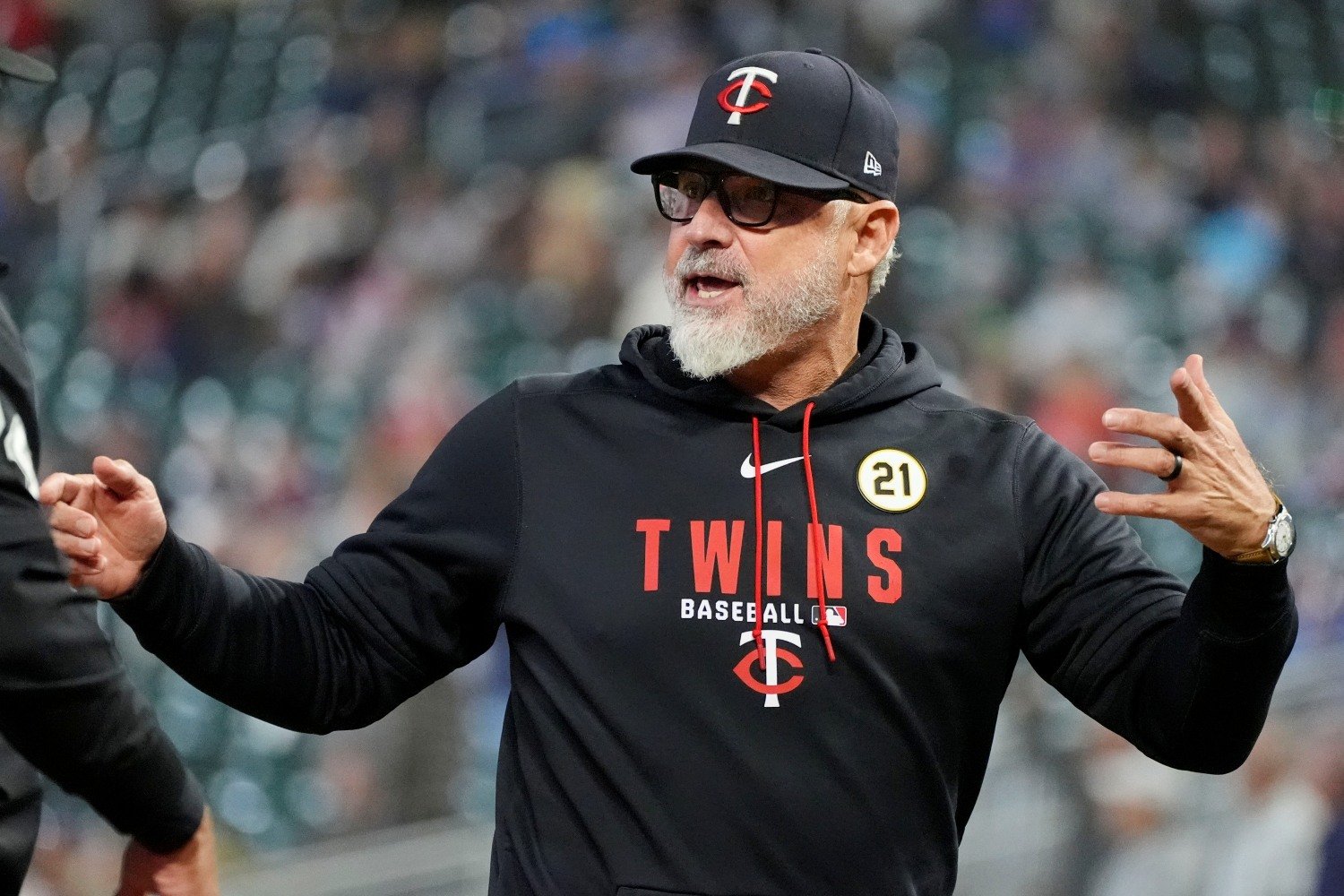 Though one final series remains, the Twins' season is effectively over. They enter the last three games 75-84, assured of a losing record but already better than they were in 2025. Now feels like a safe moment to look beyond a deflating finish to 2026 and toward 2027. Believe it or not, this roster is not perfect. There are several areas of need the Twins will have to address this offseason if they want to turn themselves into a playoff team next season. Which are the biggest, though? There are multiple positions you could make an argument for, but if I had to pick one, I’d say the biggest need is the bullpen. Coming into the season, it was glaringly obvious that the bullpen was going to be the weakest part of the Twins’ roster. Even after the team made some additions at the trade deadline, it wasn’t exactly a strength. That’s especially concerning heading into the offseason. A.J. Minter and Taylor Rogers are both free agents after this season, which could leave the Twins with an even bigger need for good left-handed relief help. While replacing those two would certainly be important, let’s be real here: this is a bullpen that would have needed improving even if we knew everyone was going to be back. The Twins failed to adequately address the bullpen coming into 2026; they can’t afford to make the same mistake again. If they want to compete for a playoff spot next season, adding legitimate major-league arms to the bullpen should be one of the first things on their offseason checklist. After the bullpen, the next-biggest need is catcher. That comes with an asterisk, because if Ryan Jeffers is back next season, the position will effectively be solved. That almost certainly will not happen, though, so the Twins need to start thinking about what comes next behind the plate. Right now, Victor Caratini is the only big-league catcher in the organization, and he didn't look like a viable regular this season. Ideally, he'd have a smaller role in 2027, not a larger one. Unfortunately, the free-agent market doesn’t offer an obvious solution. The best catcher available this winter will be Jeffers, and it’s not particularly close. If he does leave Minnesota, the Twins probably aren’t going to find a strong replacement in free agency. A trade could be the better way to address the position. Of course, that’s easier said than done. Catchers with legitimate major-league ability aren’t easy to find, and the Twins would have to give up something of value to acquire one. But until one of the organization’s catching prospects is ready to take over, they need to find an upgrade over Caratini. Finally, the team should be hunting for a first baseman. There are a few different ways they could approach this position, but none of them are ideal. Royce Lewis doesn't hit enough for that spot. Josh Bell is an impending free agent whom the team didn't trust to man the position, anyway. The Twins could move Kody Clemens or Luke Keaschall over there, but that would put real pressure on Clemens's bat and nullify his valuable versatility, and it would waste what few tools Keaschall has working for him on defense. Lewis might remain entrenched. With a full offseason to get acclimated to first base, he might take a significant step forward defensively, where he's already lookws like a plus receiver of throws and just needs to sand off some rough edges. The bigger question is whether he'll also hit enough next year to justify full-time play at any spot, let alone an offense-first one. Adding some legitimate help at first base would go a long way toward improving the Twins’ lineup. More importantly, it would allow Minnesota to keep players Clemens and Keaschall in more valuable defensive roles, instead of asking them to fill a position simply because there’s a hole there. If they're proactive about it, they can even leverage the arrival of a better player at that spot by non-tendering or trading Lewis, gaining roster and payroll flexibility. The Twins have plenty of work to do this offseason, but these three areas stand out. None of these problems are going to be particularly easy to solve. But after watching the weaknesses of this roster become increasingly obvious throughout 2026, the Twins can’t afford to simply hope they fix themselves in 2027.
- 54 comments
-
- 9
-
-
- ryan jeffers
- royce lewis
- (and 3 more)
-
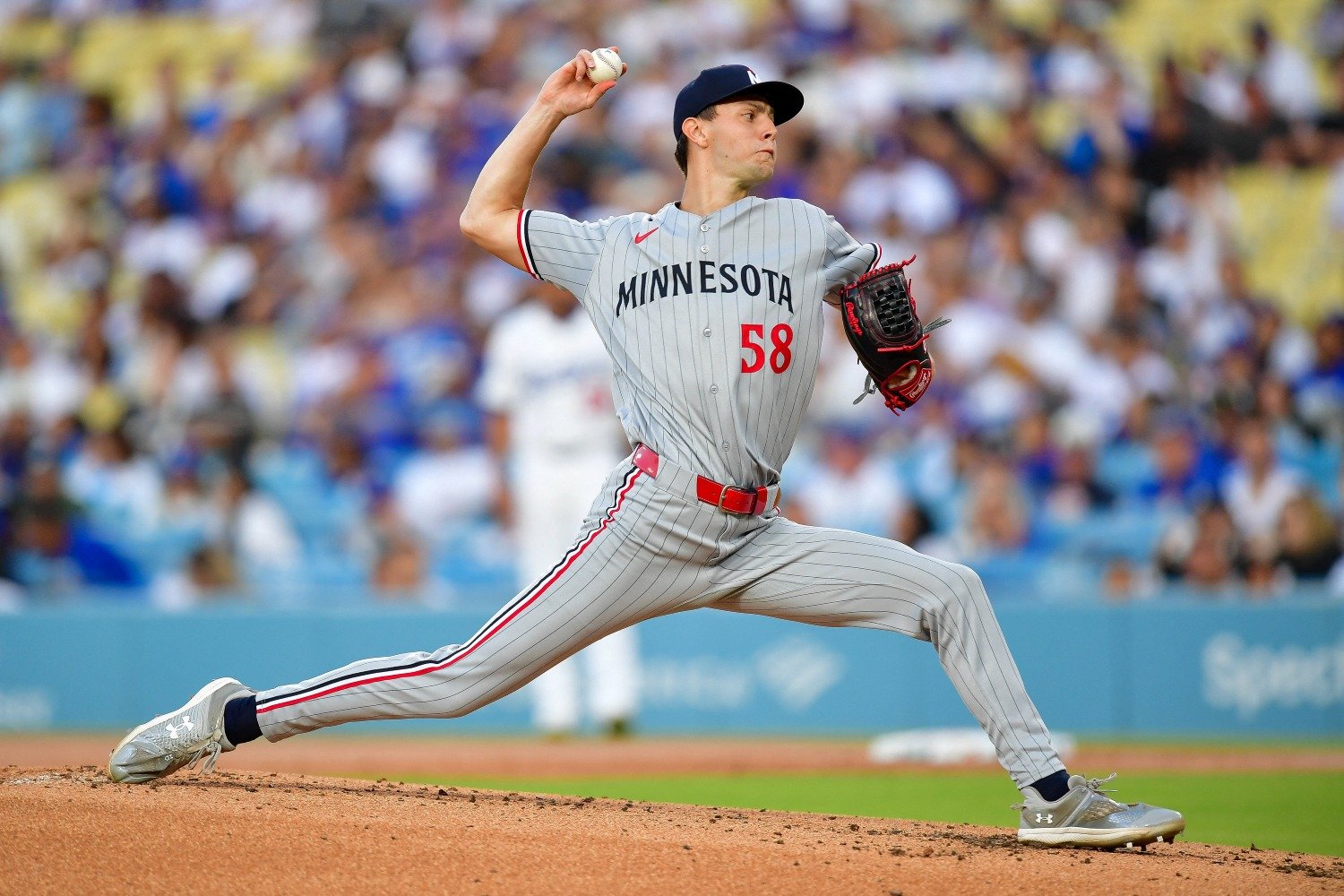 David Festa’s rise to the major leagues is a pretty cool story. After being drafted by the Minnesota Twins in the 13th round out of Seton Hall University back in 2021, Festa quickly established himself as one of the higher-upside pitching prospects in the organization. He dominated the minor leagues over the next two seasons, eventually earning a promotion to Triple-A St. Paul in 2024. And he certainly didn’t slow down once he got there. Festa struck out 89 batters in just 60 1/3 innings with the Saints in 2024, which helped earn him his major league debut later that year. He didn’t exactly burst onto the scene as an ace, posting a 5.12 ERA across 117 2/3 innings between the 2024 and 2025 seasons, while bouncing between the majors and Triple-A. But there were plenty of reasons to believe there was something there. Over those 117 2/3 innings, he logged 130 punchouts and struck out more than three batters for every walk he allowed. There were some issues with hard contact, but the swing-and-miss stuff was legitimate, and it seemed reasonable to believe that some of those other issues could be ironed out with more experience and development. Unfortunately, Festa hasn’t really had the opportunity to go through that development. Back in late July of 2025, Festa landed on the injured list with shoulder inflammation. He returned in late August and made one appearance with the Saints before being shut down after experiencing discomfort during a bullpen session following that outing. It turned out to be a little more serious than just discomfort. He was diagnosed with thoracic outlet syndrome, or TOS, which occurs when there is pressure placed on the nerves or blood vessels between the lower neck and shoulder. It sounds pretty awful, and unfortunately for Festa, it's turned into a much longer-term issue. He missed all of the 2026 season due to recurring shoulder problems, meaning it's now been about 13 months since we last saw him appear in a game. That obviously brings up a question: Does Festa still have a future with the Twins if/when he's finally able to get healthy? Maybe I’m just thinking positively here, but I’m going to say yes. Obviously, the biggest thing is going to be getting Festa back to full health. There’s no point in trying to project what his role could look like in 2027 if he isn’t able to consistently take the mound, and the recurring shoulder problems make that a legitimate question right now. But TOS, as frustrating as it has been for Festa, isn’t necessarily a career-ending diagnosis. Phillies starter Zack Wheeler was diagnosed with venous TOS in August of 2025 and returned early in the 2026 season. Festa’s case was neurogenic TOS, so the two situations aren’t exactly the same, but Wheeler’s return is still a good reminder that a TOS diagnosis doesn't automatically mean a pitcher’s career is over. Even if Festa’s fastball velocity takes a slight hit when he eventually returns, there’s still plenty to like about his arsenal. Wheeler’s fastball was down roughly a mile per hour in 2026 compared to 2025, and while it remains to be seen whether Festa experiences something similar, his fastball doesn’t necessarily need to be in the mid-90s to be effective. His four-seam fastball gets some pretty good run, and at 6-foot-6, he gets plenty of extension toward the plate. That extension can help a low-90s fastball play up a little bit more than the radar gun might suggest. Then there’s the fact that Festa has already shown an ability to miss bats at the major league level. His changeup and slider have both generated plenty of swing-and-miss, giving him a legitimate pair of secondary pitches to work with. If those pitches are still there when he returns, there’s a foundation for Festa to build on. The biggest thing for him would probably be command. His walk rate was just below league average during his time in the majors, so the issue wasn’t necessarily that he was constantly putting free runners on base. The bigger problem was his command within the strike zone. Too often, Festa would leave pitches over the heart of the plate, and major league hitters made him pay for it. He allowed 1.5 home runs per nine innings during his first two seasons, which is just below Zebby Matthews’ 1.7 home runs per nine. And with all due respect to Matthews, that's not exactly the company you want to be in when it comes to giving up home runs. If Festa can keep the fastball up in the zone while keeping his changeup and slider down, I firmly believe there's still a path for him to be a solid back-end starter. The more likely outcome, given the recurring shoulder problems and the uncertainty surrounding his ability to handle a starter’s workload, may ultimately be a move to the bullpen. And that could make plenty of sense. A healthy Festa with a lively fastball, a pair of quality secondary pitches, and the ability to attack hitters for an inning or two could be a pretty interesting bullpen piece for the Twins. But that’s all a discussion for later. For now, the Twins and Festa have to worry about one thing above everything else: getting him back on the mound. It's been a long road since we last saw him pitch, but the talent that made him a promising prospect in the first place hasn’t simply disappeared. If he can finally put the shoulder problems behind him, there’s still a path for the former 13th-round pick to have a meaningful role with the Twins.
 -
Image courtesy of Gary A. Vasquez-Imagn Images David Festa’s rise to the major leagues is a pretty cool story. After being drafted by the Minnesota Twins in the 13th round out of Seton Hall University back in 2021, Festa quickly established himself as one of the higher-upside pitching prospects in the organization. He dominated the minor leagues over the next two seasons, eventually earning a promotion to Triple-A St. Paul in 2024. And he certainly didn’t slow down once he got there. Festa struck out 89 batters in just 60 1/3 innings with the Saints in 2024, which helped earn him his major league debut later that year. He didn’t exactly burst onto the scene as an ace, posting a 5.12 ERA across 117 2/3 innings between the 2024 and 2025 seasons, while bouncing between the majors and Triple-A. But there were plenty of reasons to believe there was something there. Over those 117 2/3 innings, he logged 130 punchouts and struck out more than three batters for every walk he allowed. There were some issues with hard contact, but the swing-and-miss stuff was legitimate, and it seemed reasonable to believe that some of those other issues could be ironed out with more experience and development. Unfortunately, Festa hasn’t really had the opportunity to go through that development. Back in late July of 2025, Festa landed on the injured list with shoulder inflammation. He returned in late August and made one appearance with the Saints before being shut down after experiencing discomfort during a bullpen session following that outing. It turned out to be a little more serious than just discomfort. He was diagnosed with thoracic outlet syndrome, or TOS, which occurs when there is pressure placed on the nerves or blood vessels between the lower neck and shoulder. It sounds pretty awful, and unfortunately for Festa, it's turned into a much longer-term issue. He missed all of the 2026 season due to recurring shoulder problems, meaning it's now been about 13 months since we last saw him appear in a game. That obviously brings up a question: Does Festa still have a future with the Twins if/when he's finally able to get healthy? Maybe I’m just thinking positively here, but I’m going to say yes. Obviously, the biggest thing is going to be getting Festa back to full health. There’s no point in trying to project what his role could look like in 2027 if he isn’t able to consistently take the mound, and the recurring shoulder problems make that a legitimate question right now. But TOS, as frustrating as it has been for Festa, isn’t necessarily a career-ending diagnosis. Phillies starter Zack Wheeler was diagnosed with venous TOS in August of 2025 and returned early in the 2026 season. Festa’s case was neurogenic TOS, so the two situations aren’t exactly the same, but Wheeler’s return is still a good reminder that a TOS diagnosis doesn't automatically mean a pitcher’s career is over. Even if Festa’s fastball velocity takes a slight hit when he eventually returns, there’s still plenty to like about his arsenal. Wheeler’s fastball was down roughly a mile per hour in 2026 compared to 2025, and while it remains to be seen whether Festa experiences something similar, his fastball doesn’t necessarily need to be in the mid-90s to be effective. His four-seam fastball gets some pretty good run, and at 6-foot-6, he gets plenty of extension toward the plate. That extension can help a low-90s fastball play up a little bit more than the radar gun might suggest. Then there’s the fact that Festa has already shown an ability to miss bats at the major league level. His changeup and slider have both generated plenty of swing-and-miss, giving him a legitimate pair of secondary pitches to work with. If those pitches are still there when he returns, there’s a foundation for Festa to build on. The biggest thing for him would probably be command. His walk rate was just below league average during his time in the majors, so the issue wasn’t necessarily that he was constantly putting free runners on base. The bigger problem was his command within the strike zone. Too often, Festa would leave pitches over the heart of the plate, and major league hitters made him pay for it. He allowed 1.5 home runs per nine innings during his first two seasons, which is just below Zebby Matthews’ 1.7 home runs per nine. And with all due respect to Matthews, that's not exactly the company you want to be in when it comes to giving up home runs. If Festa can keep the fastball up in the zone while keeping his changeup and slider down, I firmly believe there's still a path for him to be a solid back-end starter. The more likely outcome, given the recurring shoulder problems and the uncertainty surrounding his ability to handle a starter’s workload, may ultimately be a move to the bullpen. And that could make plenty of sense. A healthy Festa with a lively fastball, a pair of quality secondary pitches, and the ability to attack hitters for an inning or two could be a pretty interesting bullpen piece for the Twins. But that’s all a discussion for later. For now, the Twins and Festa have to worry about one thing above everything else: getting him back on the mound. It's been a long road since we last saw him pitch, but the talent that made him a promising prospect in the first place hasn’t simply disappeared. If he can finally put the shoulder problems behind him, there’s still a path for the former 13th-round pick to have a meaningful role with the Twins. View full article
-
The Twins made four additions to their pitching staff at the trade deadline, bringing in Tommy Nance, A.J. Minter, Dean Kremer, and Jeff Hoffman. Here’s how each trade looks now that the season is nearly over. View full video
-
The Twins made four additions to their pitching staff at the trade deadline, bringing in Tommy Nance, A.J. Minter, Dean Kremer, and Jeff Hoffman. Here’s how each trade looks now that the season is nearly over.
-
Image courtesy of Brian Bradshaw Sevald-Imagn Images The 2026 season has been a career year for Kody Clemens. Offensively, he's set career highs across the board, including 26 home runs, seven triples and 76 RBIs. Among players who primarily play second base, only Brandon Lowe has more homers. Perhaps most notably, Clemens has finally established himself as an above-average hitter. His 109 OPS+ is the first time in his career that he's finished a season above league average, and his .753 OPS ranks fifth among second basemen. That's made him an extremely valuable piece for Derek Shelton to have at his disposal. Defensively, Clemens has spent meaningful time at five different positions this season, and for the most part, he's been a strong defender. There's one pretty significant exception, though. With Luke Keaschall making the transition to the outfield and Royce Lewis moving over to first base, Clemens has been locked in at second for most of the second half. Offensively, his production is more than good enough for the position. Defensively, however, there are some concerns the Twins may need to address this offseason. On the season Clemens has recorded 0 Outs Above Average and 2 Defensive Runs Saved. Those metrics measure defensive value in different ways, but they ultimately tell a similar story. He's been at least an average defender, and for the most part an above-average defender, everywhere he's played—except for second base. At second, Clemens has recorded -4 OAA and -4 DRS. Some of his struggles there have looked awfully familiar. Much like Keaschall earlier in the season, Clemens has struggled when trying to make plays on balls up the middle. He has impressive sprint speed, but there's a difference between being fast once you're moving and having the first-step burst necessary to consistently get to a ground ball. That appears to be the biggest issue for Clemens at second. So, what can the Twins do to minimize the problem? One option is to simply flip-flop Clemens and Lewis. Fellow Twins Daily writer Cody Christie recently wrote about where Lewis should play if the Twins keep him around for 2027, and he identified second base as a viable option, based in part on Lewis's defensive ability there. If Lewis profiles better at second base, why not put Clemens at first? Clemens has graded out as a strong defender at first base over the course of his career, while Lewis has really struggled there this year. In 75 starts at first, Lewis has recorded -3 OAA. To be fair, Lewis just transitioned to the position this season. It's entirely possible that a full offseason of reps at first base could help him become a better defender there. But the Twins don't have to wait and find out. The one position where Lewis has graded out positively defensively this year has been second base (albeit in so small a sample as to be basically meaningless). He doesn't have the same sprint speed as Clemens or Keaschall, but he does have the quick first step that Clemens has lacked at the position. That could make him a better fit for the types of plays that have given Clemens trouble. If Lewis and Clemens switched spots, I think both players could benefit. It isn't just a defensive argument, either. Their offensive skill sets might actually be better suited to those positions, as well. Lewis' production at the plate simply doesn't line up with what you typically want from a first baseman. That's an offense-first position, and while Lewis certainly has the talent to become a much better hitter than he was in 2026, his current production doesn't provide much margin for error at the position. Clemens, on the other hand, has power that comes much closer to what you want from a first baseman. There are obviously still plenty of questions the Twins need to answer before making that decision. Lewis would need to prove that his success at second can hold up over a larger sample, while Clemens would need to show that his offensive production can carry over if he's playing first base regularly. But the foundation is there. Clemens has already shown that he can be a productive offensive player. He's also shown that he can be a strong defender at first. Lewis, meanwhile, has at least shown some positive defensive value at second, while struggling at first. Ultimately, it might be that neither is in the team's plans for long, or that they become platoon partners at one of these spots or the other. If the team signs a slugging first baseman this winter, it would crowd Clemens and Lewis into second together. If they eschew that opportunity but are ready to promote Marek Houston by mid-summer 2027, Lewis and Clemens might be pushed to first, together. Until and in the absence of such moves, though, swapping Clemens back to first base and giving Lewis his first extended run at second makes some sense. View full article
-
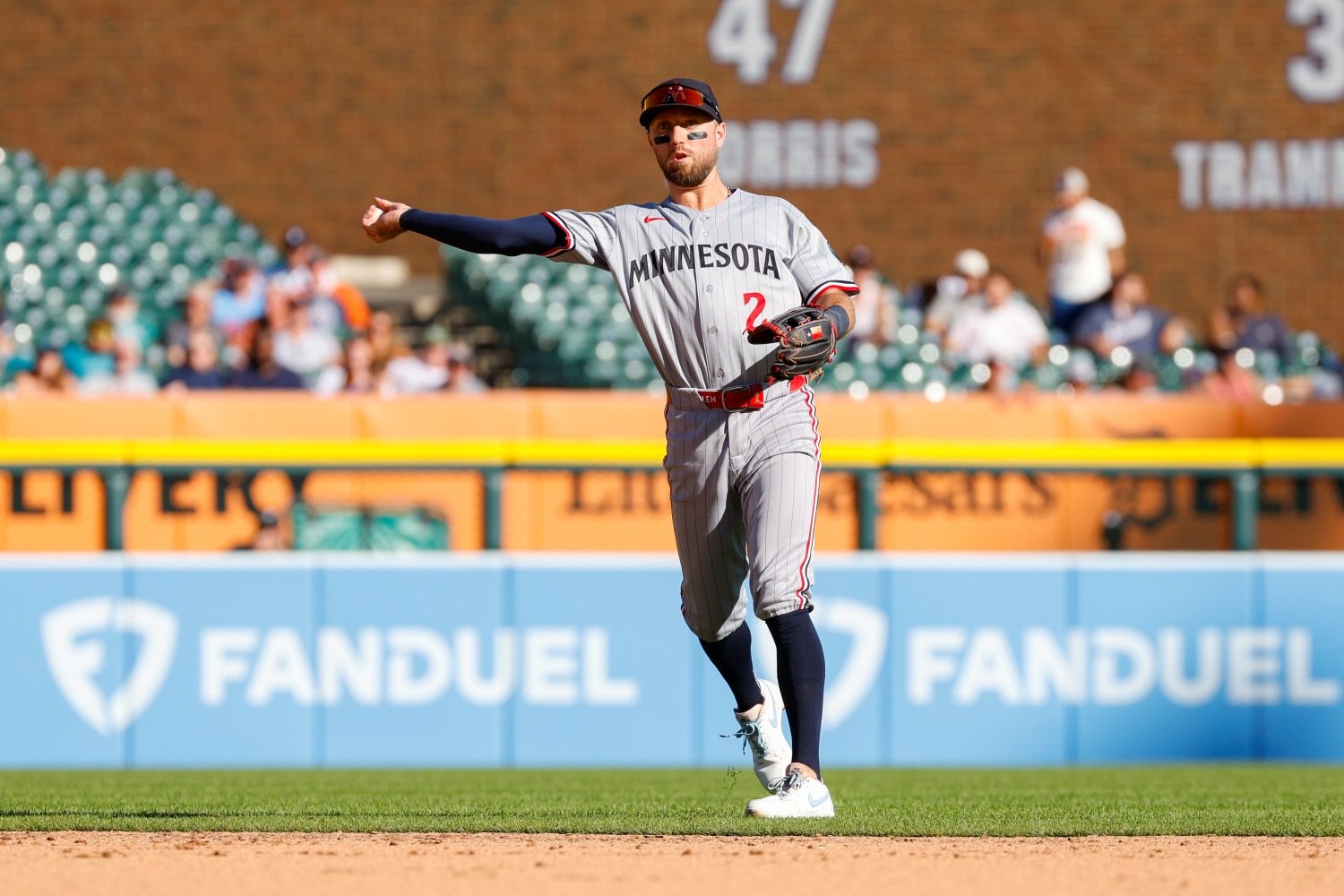 The 2026 season has been a career year for Kody Clemens. Offensively, he's set career highs across the board, including 26 home runs, seven triples and 76 RBIs. Among players who primarily play second base, only Brandon Lowe has more homers. Perhaps most notably, Clemens has finally established himself as an above-average hitter. His 109 OPS+ is the first time in his career that he's finished a season above league average, and his .753 OPS ranks fifth among second basemen. That's made him an extremely valuable piece for Derek Shelton to have at his disposal. Defensively, Clemens has spent meaningful time at five different positions this season, and for the most part, he's been a strong defender. There's one pretty significant exception, though. With Luke Keaschall making the transition to the outfield and Royce Lewis moving over to first base, Clemens has been locked in at second for most of the second half. Offensively, his production is more than good enough for the position. Defensively, however, there are some concerns the Twins may need to address this offseason. On the season Clemens has recorded 0 Outs Above Average and 2 Defensive Runs Saved. Those metrics measure defensive value in different ways, but they ultimately tell a similar story. He's been at least an average defender, and for the most part an above-average defender, everywhere he's played—except for second base. At second, Clemens has recorded -4 OAA and -4 DRS. Some of his struggles there have looked awfully familiar. Much like Keaschall earlier in the season, Clemens has struggled when trying to make plays on balls up the middle. He has impressive sprint speed, but there's a difference between being fast once you're moving and having the first-step burst necessary to consistently get to a ground ball. That appears to be the biggest issue for Clemens at second. So, what can the Twins do to minimize the problem? One option is to simply flip-flop Clemens and Lewis. Fellow Twins Daily writer Cody Christie recently wrote about where Lewis should play if the Twins keep him around for 2027, and he identified second base as a viable option, based in part on Lewis's defensive ability there. If Lewis profiles better at second base, why not put Clemens at first? Clemens has graded out as a strong defender at first base over the course of his career, while Lewis has really struggled there this year. In 75 starts at first, Lewis has recorded -3 OAA. To be fair, Lewis just transitioned to the position this season. It's entirely possible that a full offseason of reps at first base could help him become a better defender there. But the Twins don't have to wait and find out. The one position where Lewis has graded out positively defensively this year has been second base (albeit in so small a sample as to be basically meaningless). He doesn't have the same sprint speed as Clemens or Keaschall, but he does have the quick first step that Clemens has lacked at the position. That could make him a better fit for the types of plays that have given Clemens trouble. If Lewis and Clemens switched spots, I think both players could benefit. It isn't just a defensive argument, either. Their offensive skill sets might actually be better suited to those positions, as well. Lewis' production at the plate simply doesn't line up with what you typically want from a first baseman. That's an offense-first position, and while Lewis certainly has the talent to become a much better hitter than he was in 2026, his current production doesn't provide much margin for error at the position. Clemens, on the other hand, has power that comes much closer to what you want from a first baseman. There are obviously still plenty of questions the Twins need to answer before making that decision. Lewis would need to prove that his success at second can hold up over a larger sample, while Clemens would need to show that his offensive production can carry over if he's playing first base regularly. But the foundation is there. Clemens has already shown that he can be a productive offensive player. He's also shown that he can be a strong defender at first. Lewis, meanwhile, has at least shown some positive defensive value at second, while struggling at first. Ultimately, it might be that neither is in the team's plans for long, or that they become platoon partners at one of these spots or the other. If the team signs a slugging first baseman this winter, it would crowd Clemens and Lewis into second together. If they eschew that opportunity but are ready to promote Marek Houston by mid-summer 2027, Lewis and Clemens might be pushed to first, together. Until and in the absence of such moves, though, swapping Clemens back to first base and giving Lewis his first extended run at second makes some sense.
 -
Image courtesy of USA TODAY Network via Reuters Connect While the Twins’ 2026 season didn’t end the way they, or we as fans, wanted it to, it did offer us a glimpse into the future. Walker Jenkins, Kaelen Culpepper and Emmanuel Rodriguez, who entered the year as three of the top four prospects in the Twins’ system, all made their debuts and flashed their upside. We also got to see several other young players (including Connor Prielipp, Gabriel Gonzalez, Kendry Rojas and Andrew Morris) get their first tastes of the majors. Because there’s not going to be any playoff baseball in Minnesota this year, the focus now turns to 2027. With that comes a chance to take a way-too-early look at which of the Twins’ top prospects could make their major-league debuts next season. Vahn Lackey We’ll start with the highest-rated name on this list, and possibly the spiciest prediction: Vahn Lackey. Lackey ranks as the Twins’ No. 2 prospect and was just selected third overall in the 2026 MLB Draft. Well-rounded catchers are extremely difficult to find, but that’s exactly what he has the potential to be. We got to see that skill set on display during his first taste of professional baseball this summer. Lackey slashed .250/.435/.424 in 25 games between Low-A and High-A. He collected eight extra-base hits, went 13-for-15 on stolen base attempts and drew four more walks than he had strikeouts. We also got to see his impressive arm strength behind the plate. It’s hard not to be excited about his long-term outlook. The question is whether he’ll be ready next season. I think it’s entirely possible. With Ryan Jeffers headed out the door, there will be available playing time behind the plate for Lackey at some point in 2027. Of course, we’ll need to see him produce at the upper levels of the minors first. But if he makes quick work of that challenge, don’t be surprised if he gets to Target Field sooner than expected. Marek Houston Marek Houston is Minnesota’s No. 4 prospect and is widely regarded as the organization’s best defensive prospect. But while the glove has always been the calling card, his bat exploded in 2026. He hit .312 with a .392 on-base percentage and an .847 OPS in 116 games between High-A and Double-A. He logged 42 extra-base hits and stole an impressive 50 bases. So far, Houston is on a very similar track offensively to Culpepper, who made his debut this season. Defensively, the consensus is that Houston is the better, more polished infielder. That combination makes it pretty easy to see why a major-league debut could be in the cards next season. If Houston can keep swinging the bat the way he did in 2026, we should see him at some point in 2027. Riley Quick Hard-throwing mountain-of-a-man Riley Quick went just 20 picks after Houston last summer. Of the five names on this list, I’m the least confident that Quick will make his debut next year. That’s not because he doesn’t have the ability to do it, though. He struck out 110 batters over 81 2/3 innings this season between Low-A, High-A and Double-A, which comes out to a 30.6% strikeout rate. The swing-and-miss stuff is undoubtedly there, but more development is needed before Quick is ready to face major-league hitters. His walk rate this season was 13.4%, and he finished the year at Double-A with a 6.68 ERA. Those numbers obviously aren’t ideal, but they also aren’t necessarily representative of where Quick can be after another full offseason of development. With some time to fine-tune his command and overall approach, it’s fair to expect a jump forward next season. Depending on how big that jump is, Quick could find his way to Target Field in 2027. Hendry Mendez Hendry Mendez is the Twins’ No. 7 prospect, and his bat looks ready for a major-league opportunity. He slashed .281/.374/.430 between Double-A and Triple-A this year. Mendez is more of a hit-for-contact bat than a slugger, but he’s very capable of hitting the ball hard. The fact that he spent the majority of the season in Triple-A also puts him in a different position than some of the other names on this list. The bigger question is where he’ll play, defensively. He's developed as a corner outfielder, but if he has a future as a fielder in the big leagues, it's probably at first base. Regardless of where the Twins decide to use him, his offensive profile should give him a chance to compete for a major-league role. He’s already on the 40-man roster, which would make it considerably easier for the Twins to add him to the big-league club. Of these five players, Mendez feels like the safest bet to see the majors in 2027. Ryan Gallagher After coming over from the Cubs at the 2025 trade deadline in the Willi Castro deal, Ryan Gallagher has been good enough to ensconce himself in the Twins Daily Top 20 prospects list, at No. 15. Unlike Quick, he isn’t going to overpower hitters with an upper-90s fastball. He’s more reliant on deception and good secondary pitches, but he’s still shown the ability to generate plenty of swing-and-miss. His 6.44 ERA at Triple-A certainly doesn’t speak well for him, but the process was better than that number suggests. Both his expected ERA and FIP sat in the high-4.00s, giving us a little more context for his overall performance. Like Quick, Gallagher will need to clean up the walks if he wants to become a useful major-league pitcher. But the tools are there, and with more refinement, Gallagher could very easily earn a major-league callup at some point next season. There’s obviously a lot that can change between now and Opening Day. Some of these players could struggle, while others could force the Twins’ hand with dominant performances in the minors. But after watching several of the organization’s top prospects make their debuts in 2026, there’s plenty of reason to believe the next wave isn’t far behind. View full article
-
Which Top Twins Prospects Could Reach the Majors in 2027?
Sam Caulder posted an article in Minor Leagues
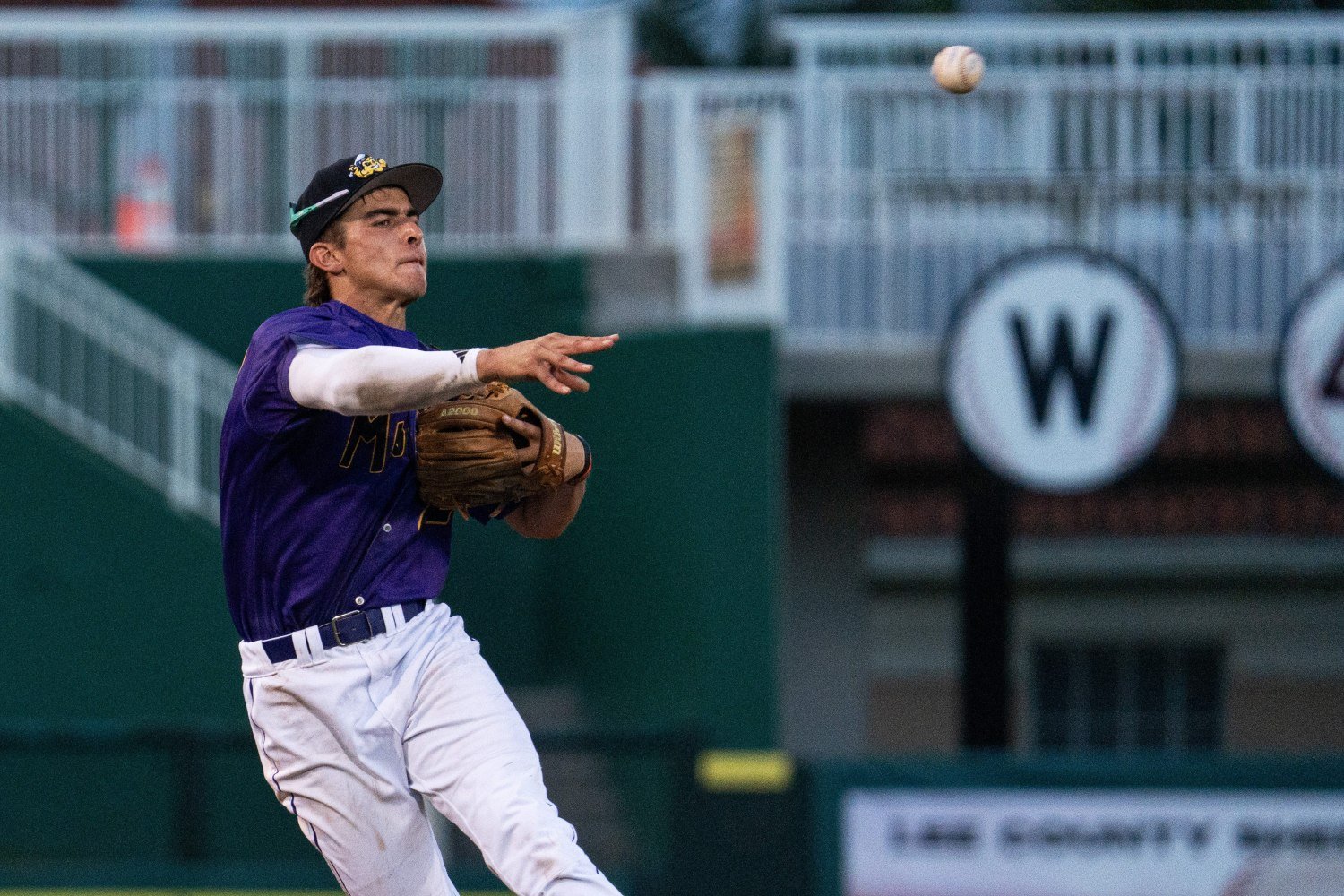 While the Twins’ 2026 season didn’t end the way they, or we as fans, wanted it to, it did offer us a glimpse into the future. Walker Jenkins, Kaelen Culpepper and Emmanuel Rodriguez, who entered the year as three of the top four prospects in the Twins’ system, all made their debuts and flashed their upside. We also got to see several other young players (including Connor Prielipp, Gabriel Gonzalez, Kendry Rojas and Andrew Morris) get their first tastes of the majors. Because there’s not going to be any playoff baseball in Minnesota this year, the focus now turns to 2027. With that comes a chance to take a way-too-early look at which of the Twins’ top prospects could make their major-league debuts next season. Vahn Lackey We’ll start with the highest-rated name on this list, and possibly the spiciest prediction: Vahn Lackey. Lackey ranks as the Twins’ No. 2 prospect and was just selected third overall in the 2026 MLB Draft. Well-rounded catchers are extremely difficult to find, but that’s exactly what he has the potential to be. We got to see that skill set on display during his first taste of professional baseball this summer. Lackey slashed .250/.435/.424 in 25 games between Low-A and High-A. He collected eight extra-base hits, went 13-for-15 on stolen base attempts and drew four more walks than he had strikeouts. We also got to see his impressive arm strength behind the plate. It’s hard not to be excited about his long-term outlook. The question is whether he’ll be ready next season. I think it’s entirely possible. With Ryan Jeffers headed out the door, there will be available playing time behind the plate for Lackey at some point in 2027. Of course, we’ll need to see him produce at the upper levels of the minors first. But if he makes quick work of that challenge, don’t be surprised if he gets to Target Field sooner than expected. Marek Houston Marek Houston is Minnesota’s No. 4 prospect and is widely regarded as the organization’s best defensive prospect. But while the glove has always been the calling card, his bat exploded in 2026. He hit .312 with a .392 on-base percentage and an .847 OPS in 116 games between High-A and Double-A. He logged 42 extra-base hits and stole an impressive 50 bases. So far, Houston is on a very similar track offensively to Culpepper, who made his debut this season. Defensively, the consensus is that Houston is the better, more polished infielder. That combination makes it pretty easy to see why a major-league debut could be in the cards next season. If Houston can keep swinging the bat the way he did in 2026, we should see him at some point in 2027. Riley Quick Hard-throwing mountain-of-a-man Riley Quick went just 20 picks after Houston last summer. Of the five names on this list, I’m the least confident that Quick will make his debut next year. That’s not because he doesn’t have the ability to do it, though. He struck out 110 batters over 81 2/3 innings this season between Low-A, High-A and Double-A, which comes out to a 30.6% strikeout rate. The swing-and-miss stuff is undoubtedly there, but more development is needed before Quick is ready to face major-league hitters. His walk rate this season was 13.4%, and he finished the year at Double-A with a 6.68 ERA. Those numbers obviously aren’t ideal, but they also aren’t necessarily representative of where Quick can be after another full offseason of development. With some time to fine-tune his command and overall approach, it’s fair to expect a jump forward next season. Depending on how big that jump is, Quick could find his way to Target Field in 2027. Hendry Mendez Hendry Mendez is the Twins’ No. 7 prospect, and his bat looks ready for a major-league opportunity. He slashed .281/.374/.430 between Double-A and Triple-A this year. Mendez is more of a hit-for-contact bat than a slugger, but he’s very capable of hitting the ball hard. The fact that he spent the majority of the season in Triple-A also puts him in a different position than some of the other names on this list. The bigger question is where he’ll play, defensively. He's developed as a corner outfielder, but if he has a future as a fielder in the big leagues, it's probably at first base. Regardless of where the Twins decide to use him, his offensive profile should give him a chance to compete for a major-league role. He’s already on the 40-man roster, which would make it considerably easier for the Twins to add him to the big-league club. Of these five players, Mendez feels like the safest bet to see the majors in 2027. Ryan Gallagher After coming over from the Cubs at the 2025 trade deadline in the Willi Castro deal, Ryan Gallagher has been good enough to ensconce himself in the Twins Daily Top 20 prospects list, at No. 15. Unlike Quick, he isn’t going to overpower hitters with an upper-90s fastball. He’s more reliant on deception and good secondary pitches, but he’s still shown the ability to generate plenty of swing-and-miss. His 6.44 ERA at Triple-A certainly doesn’t speak well for him, but the process was better than that number suggests. Both his expected ERA and FIP sat in the high-4.00s, giving us a little more context for his overall performance. Like Quick, Gallagher will need to clean up the walks if he wants to become a useful major-league pitcher. But the tools are there, and with more refinement, Gallagher could very easily earn a major-league callup at some point next season. There’s obviously a lot that can change between now and Opening Day. Some of these players could struggle, while others could force the Twins’ hand with dominant performances in the minors. But after watching several of the organization’s top prospects make their debuts in 2026, there’s plenty of reason to believe the next wave isn’t far behind.
- 48 comments
-
- 3
-
-
- marek houston
- vahn lackey
- (and 3 more)
-
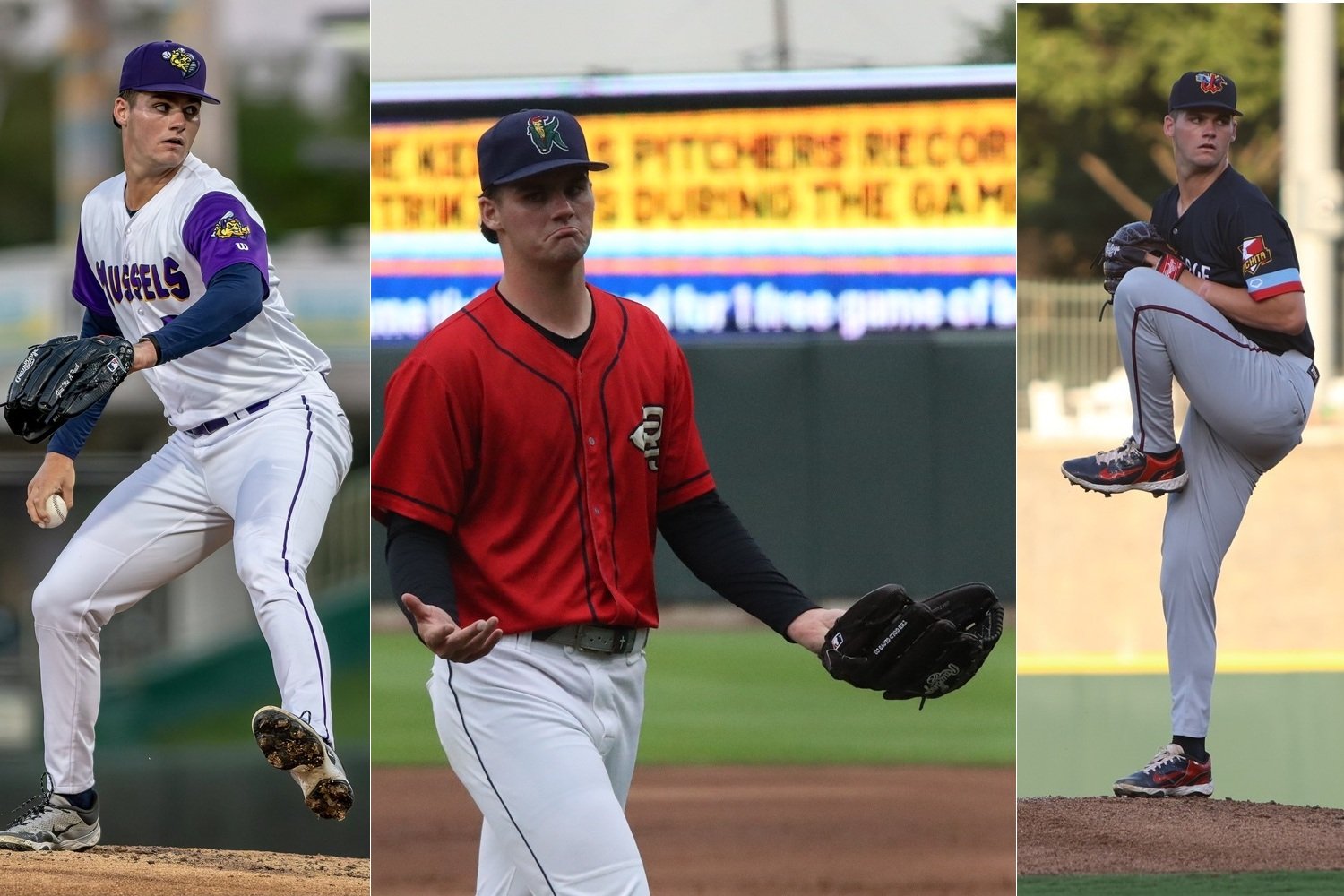 The Twins have continued to add some intriguing arms to their pitching pipeline, and 2026 featured several pitchers taking important steps forward. From young prospects making their professional debuts to older pitchers looking to establish themselves at the upper levels, there were plenty of candidates worth considering for this year's award. Before exploring this year’s top vote-getters, here’s a look back at Twins Daily’s recent winners of this award. 2025: Dasan Hill 2024: Zebby Matthews 2023: Cory Lewis 2022: Louie Varland 2021: Louie Varland 2019: Randy Dobnak 2018: Tyler Wells 2017: Stephen Gonsalves 2016: Stephen Gonsalves 2015: Jose Berrios 2014: Jose Berrios 2013: Taylor Rogers 2012: BJ Hermsen Let’s get into this year’s voting, starting with the honorable mentions and others receiving votes. Honorable Mentions SP Ty Langenberg: 4.29 ERA, 1.36 WHIP, 20.8% K, 8.2% BB, 4.35 FIP, 123 2/3 IP (33 G, 33 GS) SP Adrian Bohorquez: 3.02 ERA, 1.20 WHIP, 27.3% K, 12.6% BB, 3.92 FIP, 59 2/3 IP (19 G, 18 GS) RP Paulshawn Pasqualotto 3.73 ERA, 1.27 WHIP, 32.9% K, 9.0% BB, 3.62 FIP, 70 IP (42 G, 0 GS) 3. RHP/SP Merit Jones 2026 Stats: 4.17 ERA, 1.42 WHIP, 23.7% K, 8.7% BB, 4.54 FIP, 112 1/3 IP (15 GS, 29 G) Jones had an interesting first full season of professional baseball, serving as both a starter and a reliever while still taking on a workload that looked much more like that of a starting pitcher. The Twins' 2025 20th-round pick looked particularly sharp with Low-A Fort Myers early in the year, which earned him a promotion to High-A Cedar Rapids in early August. Things got a little tougher with the Kernels, but the promotion showed the organization believed Jones was ready for a tougher challenge. One of the biggest positives from his season was the ability to generate swings and misses. Despite never throwing more than five innings in any of his 15 starts, Jones recorded at least seven strikeouts in five of those outings. There is still plenty for Jones to work on as he continues moving through the system, but his first full professional season was a promising one. After handling both roles and more than 110 innings, he will look to carry that momentum into 2027. 2. RHP Preston Johnson 2026 Stats: 4.36 ERA, 1.20 WHIP, 29.0% K, 9.0% BB, 4.73 FIP, 88 2/3 IP (18 GS, 24 G) Johnson's path to a successful 2026 season was anything but conventional. After a rough 2025 campaign in the Orioles' system, he began this season in independent baseball before the Twins signed him in mid-May. Once he joined Minnesota's organization, though, Johnson looked pretty darn good. He spent the season with Double-A Wichita and racked up nearly 11 strikeouts per nine innings while showing solid command of the baseball. The biggest issue was the long ball. Johnson allowed 15 home runs, which did a lot of the damage against him despite the strong strikeout and walk numbers. If he can find a way to limit that extra-base contact, there is a chance he could turn into a really promising minor league arm in 2027. Age does factor into these votes, and that's a big part of why Johnson comes in at No. 2 rather than No. 1. Still, going from independent baseball to becoming one of the more productive pitchers in the Twins' system makes his 2026 season an impressive one. Twins' Minor League Pitcher of the Year: RHP Riley Quick 2026 Stats: 4.74 ERA, 1.40 WHIP, 30.6% K, 13.4% BB, 4.94 FIP, 81 2/3 IP (23 GS, 23 G) Quick, who's Twins Daily's No. 5 prospect and top pitching prospect, had an extremely promising first year as a professional. After being selected 36th overall by the Twins in the 2025 MLB Draft, Quick looked like a man among boys at Low-A Fort Myers, both literally and figuratively. He needed just three starts there before earning a promotion to High-A Cedar Rapids, where he continued to overpower hitters. That performance eventually led to another promotion, this time to Double-A in mid-July. Quick struggled a bit more once he reached Wichita, but considering how quickly he moved through the organization, there was plenty to like about his first professional season. The biggest concerns were his walks and hard contact. His 13.4% walk rate in particular is something that will need to improve if Quick is going to develop into a quality major league starter. But the stuff is clearly there. Quick struck out 30.6% of the hitters he faced this season, showing the kind of swing-and-miss ability that made him such an intriguing draft pick in the first place. When the command is there, he has the ability to overwhelm hitters, and that gives him a much higher ceiling than the ERA alone might suggest. He figures to begin 2027 at Double-A, where he did have some struggles after his promotion. With a full offseason to adjust to the level and continue developing his arsenal, though, there is plenty of reason to believe Quick can take another step forward next season. And if he does, it wouldn't be surprising to see him make his way to the major leagues at some point in 2027. Several Twins pitchers had strong seasons in 2026, but Quick's combination of prospect status, strikeout ability and rapid movement through the organization made him stand out from the rest. His first professional season wasn't perfect, but there was more than enough there to make him the Twins Daily Minor League Pitcher of the Year.
- 30 comments
-
- 1
-
-
- merit jones
- riley quick
- (and 5 more)
-
Image courtesy of Riley Quick photos from (William Parmeter - Mussels), (Malamut Photography - Kernels), (Ed Bailey - The Twins have continued to add some intriguing arms to their pitching pipeline, and 2026 featured several pitchers taking important steps forward. From young prospects making their professional debuts to older pitchers looking to establish themselves at the upper levels, there were plenty of candidates worth considering for this year's award. Before exploring this year’s top vote-getters, here’s a look back at Twins Daily’s recent winners of this award. 2025: Dasan Hill 2024: Zebby Matthews 2023: Cory Lewis 2022: Louie Varland 2021: Louie Varland 2019: Randy Dobnak 2018: Tyler Wells 2017: Stephen Gonsalves 2016: Stephen Gonsalves 2015: Jose Berrios 2014: Jose Berrios 2013: Taylor Rogers 2012: BJ Hermsen Let’s get into this year’s voting, starting with the honorable mentions and others receiving votes. Honorable Mentions SP Ty Langenberg: 4.29 ERA, 1.36 WHIP, 20.8% K, 8.2% BB, 4.35 FIP, 123 2/3 IP (33 G, 33 GS) SP Adrian Bohorquez: 3.02 ERA, 1.20 WHIP, 27.3% K, 12.6% BB, 3.92 FIP, 59 2/3 IP (19 G, 18 GS) RP Paulshawn Pasqualotto 3.73 ERA, 1.27 WHIP, 32.9% K, 9.0% BB, 3.62 FIP, 70 IP (42 G, 0 GS) 3. RHP/SP Merit Jones 2026 Stats: 4.17 ERA, 1.42 WHIP, 23.7% K, 8.7% BB, 4.54 FIP, 112 1/3 IP (15 GS, 29 G) Jones had an interesting first full season of professional baseball, serving as both a starter and a reliever while still taking on a workload that looked much more like that of a starting pitcher. The Twins' 2025 20th-round pick looked particularly sharp with Low-A Fort Myers early in the year, which earned him a promotion to High-A Cedar Rapids in early August. Things got a little tougher with the Kernels, but the promotion showed the organization believed Jones was ready for a tougher challenge. One of the biggest positives from his season was the ability to generate swings and misses. Despite never throwing more than five innings in any of his 15 starts, Jones recorded at least seven strikeouts in five of those outings. There is still plenty for Jones to work on as he continues moving through the system, but his first full professional season was a promising one. After handling both roles and more than 110 innings, he will look to carry that momentum into 2027. 2. RHP Preston Johnson 2026 Stats: 4.36 ERA, 1.20 WHIP, 29.0% K, 9.0% BB, 4.73 FIP, 88 2/3 IP (18 GS, 24 G) Johnson's path to a successful 2026 season was anything but conventional. After a rough 2025 campaign in the Orioles' system, he began this season in independent baseball before the Twins signed him in mid-May. Once he joined Minnesota's organization, though, Johnson looked pretty darn good. He spent the season with Double-A Wichita and racked up nearly 11 strikeouts per nine innings while showing solid command of the baseball. The biggest issue was the long ball. Johnson allowed 15 home runs, which did a lot of the damage against him despite the strong strikeout and walk numbers. If he can find a way to limit that extra-base contact, there is a chance he could turn into a really promising minor league arm in 2027. Age does factor into these votes, and that's a big part of why Johnson comes in at No. 2 rather than No. 1. Still, going from independent baseball to becoming one of the more productive pitchers in the Twins' system makes his 2026 season an impressive one. Twins' Minor League Pitcher of the Year: RHP Riley Quick 2026 Stats: 4.74 ERA, 1.40 WHIP, 30.6% K, 13.4% BB, 4.94 FIP, 81 2/3 IP (23 GS, 23 G) Quick, who's Twins Daily's No. 5 prospect and top pitching prospect, had an extremely promising first year as a professional. After being selected 36th overall by the Twins in the 2025 MLB Draft, Quick looked like a man among boys at Low-A Fort Myers, both literally and figuratively. He needed just three starts there before earning a promotion to High-A Cedar Rapids, where he continued to overpower hitters. That performance eventually led to another promotion, this time to Double-A in mid-July. Quick struggled a bit more once he reached Wichita, but considering how quickly he moved through the organization, there was plenty to like about his first professional season. The biggest concerns were his walks and hard contact. His 13.4% walk rate in particular is something that will need to improve if Quick is going to develop into a quality major league starter. But the stuff is clearly there. Quick struck out 30.6% of the hitters he faced this season, showing the kind of swing-and-miss ability that made him such an intriguing draft pick in the first place. When the command is there, he has the ability to overwhelm hitters, and that gives him a much higher ceiling than the ERA alone might suggest. He figures to begin 2027 at Double-A, where he did have some struggles after his promotion. With a full offseason to adjust to the level and continue developing his arsenal, though, there is plenty of reason to believe Quick can take another step forward next season. And if he does, it wouldn't be surprising to see him make his way to the major leagues at some point in 2027. Several Twins pitchers had strong seasons in 2026, but Quick's combination of prospect status, strikeout ability and rapid movement through the organization made him stand out from the rest. His first professional season wasn't perfect, but there was more than enough there to make him the Twins Daily Minor League Pitcher of the Year. View full article
-
2026 Twins Daily FCL Twins Pitcher of the Year
Sam Caulder posted a topic in Twins Minor League Talk
The Florida Complex League can be a particularly important proving ground for young pitchers. For many of the Twins' youngest arms, it is their first experience facing professional hitters on a regular basis, while also learning how to handle a professional workload and refine their pitches. That makes evaluating FCL pitchers a little different than simply looking at ERA or strikeout totals. Age, competition, command, workload, and how quickly a pitcher earns a promotion can all provide important context when determining which performances stood out the most. The Twins had a handful of young pitchers put together encouraging seasons in the FCL this summer. Some showed the ability to miss bats, others excelled at limiting damage, and a few did enough to earn a promotion to Low-A before the season came to an end. Before getting to the top three, the Twins Daily minor league writers also gave consideration to the following players. Honorable Mentions Halton Hardy: 10 G, 29.1 IP, 4.30 ERA, 1.09 WHIP, 34 K, 8 BB. Geremy Villoria: 6 G, 7 IP, 0.00 ERA, 1.14 WHIP, 5 K, 3 BB. 3. RP Brad Rudis 18 G, 26.1 IP, 3.42 ERA, 1.22 WHIP, 33 K, 16 BB. After going undrafted a year ago coming out of Texas A&M, Rudis put together a quality first season as a professional. His strikeout rate in the Florida Complex League finished at 30%, giving him a solid bat-missing foundation even as he continued to work through some command issues. Rudis also did a very good job of limiting hard contact. He allowed just three extra-base hits over his 26.1 innings, which helped him navigate the FCL despite walking 16 batters. Keeping the ball in the park was an important part of his success. Age was also a factor when evaluating these rankings. Rudis is 23 years old, which is certainly on the older side for an FCL pitcher. That doesn't take away from what he accomplished, but it does provide some additional context when comparing him to much younger pitchers. Still, the Twins clearly believed Rudis had done enough to warrant a tougher challenge. He earned a promotion to Low-A in early August, giving him an opportunity to test his stuff against more advanced competition. 2. RP Jake Covey 10 G, 25.2 IP, 2.81 ERA, 1.33 WHIP, 38 K, 19 BB. Covey is a pretty cool story. After going undrafted last year out of Concordia University Irvine, he retired from baseball with the thought that his playing career was over. That changed when the father of one of his college teammates called him and convinced him to keep playing. The Twins eventually signed Covey to a contract in early June, giving him an unexpected opportunity to begin his professional career. Covey looked pretty darn good once he got that opportunity. He struck out 33% of the batters he faced in the FCL, showing the ability to miss bats despite some command issues. The walks were a concern, but he consistently kept the ball in the park. In fact, Covey didn't allow a single home run over his 25.2 innings. That's particularly impressive for a pitcher who was making his professional debut and still working to refine his command. The Twins rewarded that performance with a promotion to Low-A at the end of the season. After going from retiring from baseball to getting signed in June and then reaching Low-A a few months later, Covey's 2026 season was certainly an interesting one. Hopefully, he can pick up where he left off in 2027. Twins FCL Pitcher of the Year: RP Hendry Chivilli 8 G, 25 IP, 2.52 ERA, 1.24 WHIP, 20 K, 13 BB. Chivilli didn't rack up gaudy strikeout numbers or showcase ridiculously impressive command, but for a 20-year-old pitcher, he looked pretty darn good. Age was once again an important factor in these rankings, and Chivilli was competing against significantly more experienced hitters throughout the season. This was also Chivilli's first full season as a pitcher only. Up until 2024, he was an infielder for the FCL Twins, and he threw just 14.1 innings a year ago. Making the transition from position player to full-time pitcher is no small adjustment, making his performance this season even more encouraging. Chivilli's 2.52 ERA was the best among the three pitchers at the top of these rankings, and he allowed just 25 hits over his 25 innings. The strikeout numbers weren't overwhelming, but he consistently gave the Twins quality innings while continuing to learn a position he is still relatively new to. His performance was good enough to earn a promotion to Low-A in late July, giving him a chance to see how his stuff would play against more advanced hitters. Considering how quickly he has progressed since becoming a full-time pitcher, that promotion was another encouraging sign. The best part might be Chivilli's age. He will still be just 21 years old next season, giving him plenty of time to continue developing both his stuff and his command. A strong start to the year could put him on the radar for more national recognition as he continues climbing through the Twins organization. For all three of the top pitchers, the FCL represented a different point in their development. Rudis was an older undrafted pitcher trying to establish himself after signing as a free agent. Covey was simply trying to restart a career he had already decided was over. Chivilli was learning how to pitch full-time after spending much of his career as an infielder. That context makes the performances of all three more interesting. Each pitcher took a different path to success, and all three ultimately earned promotions to Low-A after proving they could handle the FCL. Now, the challenge gets significantly tougher. The next step will be seeing whether the stuff and development that worked in Fort Myers can translate against more advanced hitters. For Chivilli in particular, the opportunity is especially intriguing given his age and limited experience on the mound. The FCL may only be the beginning of their professional careers, but each of these pitchers gave the Twins another reason to keep an eye on their development moving forward. View full article