Sam Caulder
-
Posts
649 -
Joined
-
Last visited
Content Type
Profiles
News
Minnesota Twins Videos
2026 Minnesota Twins Top Prospects Ranking
2022 Minnesota Twins Draft Picks
Minnesota Twins Free Agent & Trade Rumors, Notes, & Tidbits
Guides & Resources
2023 Minnesota Twins Draft Picks
The Minnesota Twins Players Project
2024 Minnesota Twins Draft Picks
2025 Minnesota Twins Draft Pick Tracker
2026 Minnesota Twins Draft Tracker: Picks & Bonuses
Forums
Blogs
Events
Store
Downloads
Gallery
Everything posted by Sam Caulder
-
Image courtesy of Rick Scuteri-Imagn Images With the odds of the Twins making the postseason shrinking by the day, we’re left with plenty of opportunities to reflect on the season that was and, more importantly, what could have been. Yet another season without playoff baseball makes it easy to look back at all of the things the Twins should’ve done differently. There are plenty of decisions that can be debated, from roster construction to the trade deadline, but in the Twins’ case specifically, I think there’s a pretty compelling argument that Derek Falvey missed an opportunity to reshape the organization. And two names immediately come to mind: Joe Ryan and Pablo López. Let’s go back to this past offseason. There was plenty of buzz that Falvey and the Twins could be forced into dealing one or both of their veteran starters as the organization looked to reshape the roster and potentially cut payroll. As it turns out, neither one was moved. Hindsight is always 20/20, of course, but I think Falvey missed out by not moving on from at least one of them before the season started. And that’s especially easy for me to say because I was of that belief at the time as well. I thought Ryan, in particular, was a pitcher the Twins should seriously consider moving while his value was at its highest. López was a little more complicated, but there was still a window to make something happen. Now, that window looks considerably smaller. The Pablo López Problem López’s situation is obviously a little different because he suffered a season-ending elbow injury in February, just before the season began. There’s no way the Twins could have known that was coming. But they still had November, December, and January to explore a potential trade. López was healthy at the time, and while his contract certainly limited the number of teams that could have been interested, he was still a proven starting pitcher who had been one of the better members of the Twins’ rotation. Instead, Falvey and the Twins held onto him, and now his trade value has taken a massive hit. López is coming off elbow surgery, missed the entire 2026 season and is entering a contract year in 2027. Even if he returns healthy and pitches well next season, there’s no guarantee he gets back to where he was pre-injury. That puts the organization in a somewhat awkward position. If the Twins genuinely believe they can make a run at the postseason next year, then you probably want López in your rotation. A healthy version of him could be a major part of a competitive pitching staff. But if the Twins don’t win with him in 2027, that’s going to be a pretty bad look. Falvey had an opportunity to move López when his value was much higher, chose not to, and now Jeremy Zoll’s front office could potentially be stuck with the consequences of that decision. There’s still a chance López comes back and proves to be an important piece, but the opportunity to maximize his value has almost certainly passed. Ryan Was Different I think the same general argument can be made for Joe Ryan, only with even more conviction. I was of the belief that the Twins should’ve traded Ryan before the season, and I felt even more strongly about it when the trade deadline rolled around. Unlike López, there would have been a very active market for Ryan. He was healthy, he was pitching at a high level, and, like López, he was under team control for multiple seasons. That combination is incredibly valuable in today’s game. Contenders are constantly searching for starting pitching, but controllable frontline starters are especially difficult to find. A team acquiring Ryan wouldn’t have just been getting a rental for the stretch run. They would have been getting a quality starter who could remain in the rotation for years. That should have put the Twins in an excellent position to demand a significant return. Instead, Falvey kept him. And again, hindsight is always 20/20. The Twins probably believed they could still make a postseason push. Maybe they believed Ryan was too important to the future of the organization to move. Maybe the offers simply weren’t good enough. But looking at where things stand now, it’s fair to ask what exactly the Twins gained by keeping him. They aren’t a playoff team WITH Ryan. If the goal was to compete this season, that plan clearly didn’t work. And if the goal was to build toward the future, it’s difficult to argue that keeping Ryan was the best way to maximize the organization’s long-term return. That’s ultimately what makes the decision, to me, extra frustrating. Ryan was the most valuable trade chip on the entire roster, and Falvey had multiple opportunities to cash in on him. He chose not to. The Pressure Is On There’s still a path where all of this works out for the Twins. If they believe they can make a serious run in the American League next season, having both Ryan and López in the rotation would obviously be a good thing. Quality starting pitching is difficult to find, and there’s no reason to pretend otherwise. But that puts an awful lot of pressure on 2027. Both pitchers are entering contract years, and both now have less trade value than they did when the Twins had the opportunity to move them. If the Twins make the playoffs next season and Ryan and López help lead the rotation there, nobody will care about the trades that weren’t made. If they fall short again, however, those decisions are going to be scrutinized heavily. And that’s where this ultimately becomes less about Ryan and López and more about Falvey. Maybe Ryan and López will ultimately prove that decision was the right one. But if the Twins fall short again in 2027, it’s going to be awfully difficult to look back at these past two seasons and say Falvey maximized the opportunities in front of him. Sometimes building for the future means knowing when to move on from the players who can bring the biggest return. The Twins had that opportunity, and they might not get another one. View full article
-
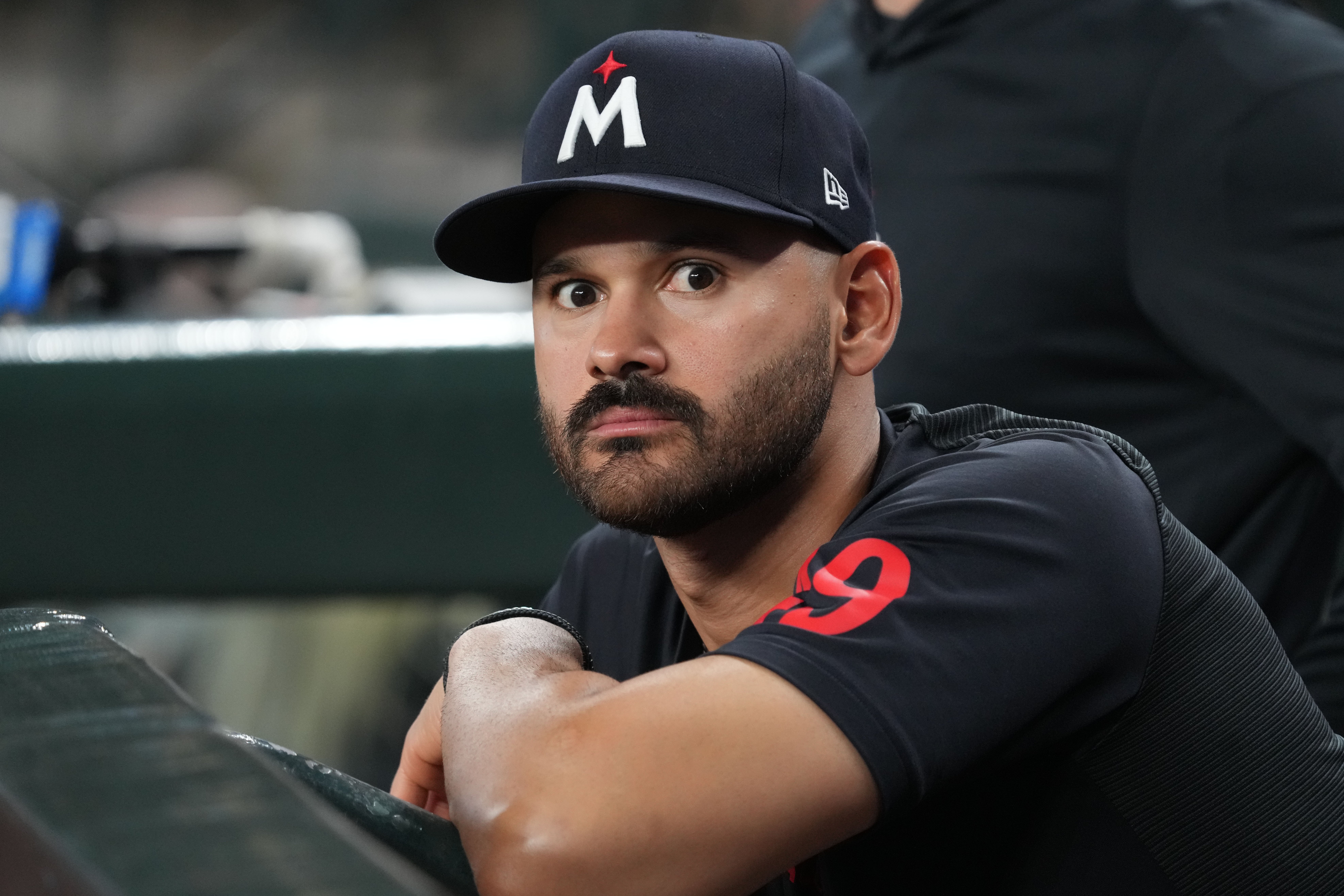 With the odds of the Twins making the postseason shrinking by the day, we’re left with plenty of opportunities to reflect on the season that was and, more importantly, what could have been. Yet another season without playoff baseball makes it easy to look back at all of the things the Twins should’ve done differently. There are plenty of decisions that can be debated, from roster construction to the trade deadline, but in the Twins’ case specifically, I think there’s a pretty compelling argument that Derek Falvey missed an opportunity to reshape the organization. And two names immediately come to mind: Joe Ryan and Pablo López. Let’s go back to this past offseason. There was plenty of buzz that Falvey and the Twins could be forced into dealing one or both of their veteran starters as the organization looked to reshape the roster and potentially cut payroll. As it turns out, neither one was moved. Hindsight is always 20/20, of course, but I think Falvey missed out by not moving on from at least one of them before the season started. And that’s especially easy for me to say because I was of that belief at the time as well. I thought Ryan, in particular, was a pitcher the Twins should seriously consider moving while his value was at its highest. López was a little more complicated, but there was still a window to make something happen. Now, that window looks considerably smaller. The Pablo López Problem López’s situation is obviously a little different because he suffered a season-ending elbow injury in February, just before the season began. There’s no way the Twins could have known that was coming. But they still had November, December, and January to explore a potential trade. López was healthy at the time, and while his contract certainly limited the number of teams that could have been interested, he was still a proven starting pitcher who had been one of the better members of the Twins’ rotation. Instead, Falvey and the Twins held onto him, and now his trade value has taken a massive hit. López is coming off elbow surgery, missed the entire 2026 season and is entering a contract year in 2027. Even if he returns healthy and pitches well next season, there’s no guarantee he gets back to where he was pre-injury. That puts the organization in a somewhat awkward position. If the Twins genuinely believe they can make a run at the postseason next year, then you probably want López in your rotation. A healthy version of him could be a major part of a competitive pitching staff. But if the Twins don’t win with him in 2027, that’s going to be a pretty bad look. Falvey had an opportunity to move López when his value was much higher, chose not to, and now Jeremy Zoll’s front office could potentially be stuck with the consequences of that decision. There’s still a chance López comes back and proves to be an important piece, but the opportunity to maximize his value has almost certainly passed. Ryan Was Different I think the same general argument can be made for Joe Ryan, only with even more conviction. I was of the belief that the Twins should’ve traded Ryan before the season, and I felt even more strongly about it when the trade deadline rolled around. Unlike López, there would have been a very active market for Ryan. He was healthy, he was pitching at a high level, and, like López, he was under team control for multiple seasons. That combination is incredibly valuable in today’s game. Contenders are constantly searching for starting pitching, but controllable frontline starters are especially difficult to find. A team acquiring Ryan wouldn’t have just been getting a rental for the stretch run. They would have been getting a quality starter who could remain in the rotation for years. That should have put the Twins in an excellent position to demand a significant return. Instead, Falvey kept him. And again, hindsight is always 20/20. The Twins probably believed they could still make a postseason push. Maybe they believed Ryan was too important to the future of the organization to move. Maybe the offers simply weren’t good enough. But looking at where things stand now, it’s fair to ask what exactly the Twins gained by keeping him. They aren’t a playoff team WITH Ryan. If the goal was to compete this season, that plan clearly didn’t work. And if the goal was to build toward the future, it’s difficult to argue that keeping Ryan was the best way to maximize the organization’s long-term return. That’s ultimately what makes the decision, to me, extra frustrating. Ryan was the most valuable trade chip on the entire roster, and Falvey had multiple opportunities to cash in on him. He chose not to. The Pressure Is On There’s still a path where all of this works out for the Twins. If they believe they can make a serious run in the American League next season, having both Ryan and López in the rotation would obviously be a good thing. Quality starting pitching is difficult to find, and there’s no reason to pretend otherwise. But that puts an awful lot of pressure on 2027. Both pitchers are entering contract years, and both now have less trade value than they did when the Twins had the opportunity to move them. If the Twins make the playoffs next season and Ryan and López help lead the rotation there, nobody will care about the trades that weren’t made. If they fall short again, however, those decisions are going to be scrutinized heavily. And that’s where this ultimately becomes less about Ryan and López and more about Falvey. Maybe Ryan and López will ultimately prove that decision was the right one. But if the Twins fall short again in 2027, it’s going to be awfully difficult to look back at these past two seasons and say Falvey maximized the opportunities in front of him. Sometimes building for the future means knowing when to move on from the players who can bring the biggest return. The Twins had that opportunity, and they might not get another one.
- 50 comments
-
- 3
-

-

-
- joe ryan
- pablo lopez
- (and 2 more)
-
Image courtesy of Matt Marton-Imagn Images Twins starting pitcher Zebby Matthews's outing on Wednesday in Detroit felt significant for all the wrong reasons. In just 2 1/3 innings, Matthews allowed two hits and four walks while giving up five earned runs. A couple of those runs scored after he was pulled, but when you exit the game with the bases loaded and only one out, that’s going to happen sometimes. Regardless of how you want to distribute the blame for those runs, it was another rough outing for a pitcher who hasn’t looked like himself for much of the 2026 season—or, rather, who has looked just like himself, which is the problem. Matthews owns an ERA just below 5.00 on the season, while his whiff and strikeout numbers are down considerably from where they were a year ago. He's also giving up too much hard contact. There's no key, fundamental pitching skill in which he's performed well lately. At some point, the Twins have to pivot. In Matthews’s case, that pivot might be a move to the bullpen—which isn’t necessarily a bad thing. Plenty of successful pitchers throughout MLB history moved from the rotation to the bullpen and found another level. Even guys like Mariano Rivera and Dennis Eckersley began their major-league careers as starting pitchers, with Eckersley eventually winning a Cy Young Award as a reliever. I’m certainly not suggesting Matthews is going to become one of the greatest bullpen arms in baseball history, but I do think there’s a legitimate argument that his skillset could play much better in a one- or two-inning role. For starters, there’s still a lot to like about Matthews from a pure stuff perspective. His fastball has averaged around 95 MPH, while his breaking balls have shown the ability to generate swings and misses. He also has a six-pitch arsenal, giving him plenty of different ways to attack hitters. That could be a particularly intriguing combination coming out of the bullpen. If Matthews only has to throw roughly 25 pitches in an outing instead of trying to stretch himself toward 100, there’s a pretty good chance that fastball could become a 97- or 98-MPH heater. He wouldn’t have to worry about conserving his arm for the fifth or sixth inning. He could just let it rip, and that could have a trickle-down effect on the rest of his arsenal. If hitters suddenly have to respect a harder fastball, Matthews’s breaking balls could become even more effective. He could streamline his arsenal, too. Maybe that means junking his four-seamer, which is string-straight, and leaning into his sinker. Maybe it means ditching his weak changeup. We’ve already seen some evidence that Matthews’s stuff plays better when he’s able to throw with a little more freedom. He threw his four-seamer a mile per hour harder on average last season, and the underlying numbers across his arsenal were considerably more favorable. It’s impossible to know exactly why that velocity has dipped, but it’s hard not to wonder if his workload has played a role. It wouldn’t necessarily be about fixing a broken pitcher. It could be about putting Matthews in a position where his best traits become more important and his biggest weaknesses become less damaging. A shorter outing would mean fewer times through the lineup, fewer pitches thrown and more opportunities to attack hitters with his best stuff. And frankly, the Twins may not have much choice when it comes to making changes to their rotation, anyway. Right now, Minnesota has six starters on their roster who have a legitimate case to be part of the 2027 rotation. Along with Matthews, that group includes Joe Ryan, Bailey Ober, Taj Bradley, Connor Prielipp and Dean Kremer. Unless the Twins make an offseason move, all six will be under contract for next season. Then there are Pablo López, Mick Abel and David Festa, all of whom are currently working their way back from injuries. Obviously, all nine pitchers aren’t going to be healthy for the entire season. Injuries happen, roles change and circumstances can shift quickly over the course of an offseason. But even with that uncertainty, there will be some difficult decisions to make. Someone will have to move. Matthews could be one of those players, and moving him to the bullpen might actually be the best outcome for everyone involved. As a starter, Matthews has been a disappointment. The Twins expected him to build on what he showed last season, and instead, he's taken a step backward in several important areas. But two things can be true at once. Matthews hasn’t been good enough as a starter this season, and moving him to the bullpen wouldn’t necessarily be a demotion. In fact, it could be the move that gets him back on track. The Twins don’t need Matthews to prove that he can throw six effective innings every fifth day if his arsenal is better suited to dominating hitters for 20 or 25 pitches at a time. They need to figure out how to get the most out of the talent they already have. That might mean letting him stop pacing himself and start letting it rip. There’s still plenty of talent here. Maybe the only way to unlock it is to stop asking him to be a starter. View full article
-
Zebby Matthews’s Future With Twins Needs to Be in the Bullpen
Sam Caulder posted an article in Twins
 Twins starting pitcher Zebby Matthews's outing on Wednesday in Detroit felt significant for all the wrong reasons. In just 2 1/3 innings, Matthews allowed two hits and four walks while giving up five earned runs. A couple of those runs scored after he was pulled, but when you exit the game with the bases loaded and only one out, that’s going to happen sometimes. Regardless of how you want to distribute the blame for those runs, it was another rough outing for a pitcher who hasn’t looked like himself for much of the 2026 season—or, rather, who has looked just like himself, which is the problem. Matthews owns an ERA just below 5.00 on the season, while his whiff and strikeout numbers are down considerably from where they were a year ago. He's also giving up too much hard contact. There's no key, fundamental pitching skill in which he's performed well lately. At some point, the Twins have to pivot. In Matthews’s case, that pivot might be a move to the bullpen—which isn’t necessarily a bad thing. Plenty of successful pitchers throughout MLB history moved from the rotation to the bullpen and found another level. Even guys like Mariano Rivera and Dennis Eckersley began their major-league careers as starting pitchers, with Eckersley eventually winning a Cy Young Award as a reliever. I’m certainly not suggesting Matthews is going to become one of the greatest bullpen arms in baseball history, but I do think there’s a legitimate argument that his skillset could play much better in a one- or two-inning role. For starters, there’s still a lot to like about Matthews from a pure stuff perspective. His fastball has averaged around 95 MPH, while his breaking balls have shown the ability to generate swings and misses. He also has a six-pitch arsenal, giving him plenty of different ways to attack hitters. That could be a particularly intriguing combination coming out of the bullpen. If Matthews only has to throw roughly 25 pitches in an outing instead of trying to stretch himself toward 100, there’s a pretty good chance that fastball could become a 97- or 98-MPH heater. He wouldn’t have to worry about conserving his arm for the fifth or sixth inning. He could just let it rip, and that could have a trickle-down effect on the rest of his arsenal. If hitters suddenly have to respect a harder fastball, Matthews’s breaking balls could become even more effective. He could streamline his arsenal, too. Maybe that means junking his four-seamer, which is string-straight, and leaning into his sinker. Maybe it means ditching his weak changeup. We’ve already seen some evidence that Matthews’s stuff plays better when he’s able to throw with a little more freedom. He threw his four-seamer a mile per hour harder on average last season, and the underlying numbers across his arsenal were considerably more favorable. It’s impossible to know exactly why that velocity has dipped, but it’s hard not to wonder if his workload has played a role. It wouldn’t necessarily be about fixing a broken pitcher. It could be about putting Matthews in a position where his best traits become more important and his biggest weaknesses become less damaging. A shorter outing would mean fewer times through the lineup, fewer pitches thrown and more opportunities to attack hitters with his best stuff. And frankly, the Twins may not have much choice when it comes to making changes to their rotation, anyway. Right now, Minnesota has six starters on their roster who have a legitimate case to be part of the 2027 rotation. Along with Matthews, that group includes Joe Ryan, Bailey Ober, Taj Bradley, Connor Prielipp and Dean Kremer. Unless the Twins make an offseason move, all six will be under contract for next season. Then there are Pablo López, Mick Abel and David Festa, all of whom are currently working their way back from injuries. Obviously, all nine pitchers aren’t going to be healthy for the entire season. Injuries happen, roles change and circumstances can shift quickly over the course of an offseason. But even with that uncertainty, there will be some difficult decisions to make. Someone will have to move. Matthews could be one of those players, and moving him to the bullpen might actually be the best outcome for everyone involved. As a starter, Matthews has been a disappointment. The Twins expected him to build on what he showed last season, and instead, he's taken a step backward in several important areas. But two things can be true at once. Matthews hasn’t been good enough as a starter this season, and moving him to the bullpen wouldn’t necessarily be a demotion. In fact, it could be the move that gets him back on track. The Twins don’t need Matthews to prove that he can throw six effective innings every fifth day if his arsenal is better suited to dominating hitters for 20 or 25 pitches at a time. They need to figure out how to get the most out of the talent they already have. That might mean letting him stop pacing himself and start letting it rip. There’s still plenty of talent here. Maybe the only way to unlock it is to stop asking him to be a starter.
 -
The Twins have a crowded outfield, a wave of talented young players, and only so much playing time to go around. Emmanuel Rodriguez may be finding out the hard way that being one of baseball’s top prospects doesn’t always guarantee a future with an organization. View full video
-
The Twins have a crowded outfield, a wave of talented young players, and only so much playing time to go around. Emmanuel Rodriguez may be finding out the hard way that being one of baseball’s top prospects doesn’t always guarantee a future with an organization.
-
I get where you're coming from, and I share that sentiment. But I don't know why he's still in the minors if the Twins plan on keeping him around. Doesn't make sense
-
Interesting thought. I just feel like his athleticism would be so much better in the outfield, but first would also probably keep him healthier. And agreed on the hitting aspect as well
-
Image courtesy of Mike Watters-Imagn Images For years now, Twins outfield prospect Emmanuel Rodriguez has been one of the biggest bright spots in the organization’s farm system. After signing as an international free agent in 2019, Rodriguez has produced at every stop in his professional career. His blend of power, patience, and athleticism quickly turned him into one of the most exciting young players in the system, earning him top-100 prospect recognition across baseball every year since 2023. When healthy this season, Rodriguez has looked pretty awesome, too. He owns a .916 OPS with Triple-A St. Paul; his strikeout numbers have come down considerably; and he's produced the two hardest-hit balls recorded by Statcast for Twins prospects. That’s an impressive combination of production and raw talent, and it’s exactly the kind of profile that should be able to help a major-league club. That makes what's happened over the last week or so pretty unusual. We’re well into September. Rosters have already expanded. Many people (myself included) expected Rodriguez to be the extra bat the Twins brought up, especially with Walker Jenkins already having made his way to the major leagues. But that didn’t happen. The Twins brought up Ben Ross on September 1, and when Byron Buxton landed on the shelf (opening another opportunity for Minnesota to bring Rodriguez up), they brought Gabriel Gonzalez back instead. That's not to suggest that Gonzalez didn’t deserve the opportunity. He’s another talented young player who could easily be part of the Twins’ future, but at some point, you have to wonder what Minnesota’s plans for Rodriguez actually are. He’s already on the 40-man roster and out of minor-league options after this season. If Rodriguez is part of the Twins’ long-term plans, it’s difficult to understand why he wouldn’t be getting an opportunity to show what he can do at the major-league level right now. The likeliest explanation might simply be a harsh reality: despite being one of the crown jewels of the Twins’ farm system for the last half-decade, the two sides may need to go their separate ways. The more you look at Minnesota’s outfield picture, the more that possibility makes sense. Obviously, Buxton is still here. The face of the franchise is under contract through 2028, and he isn’t going anywhere. The injury that derailed his season and will require offseason hip surgery has also tanked his trade value, and Buxton didn't want to be dealt, anyway. Then there’s Jenkins, who the Twins hope will eventually become that kind of player himself. He’s been the team’s top prospect since they drafted him in 2023 and has every opportunity to become the face of the franchise over the next several years. The Twins also have Trevor Larnach, Luke Keaschall and Kody Clemens on the major-league roster. Keaschall isn’t even a year older than Rodriguez and has already shown that he can be a great major-league hitter. Clemens has moved into an everyday infield role with Keaschall spending more time in the outfield. He's proved to be a quality defender at multiple places on the diamond, while also becoming one of the Twins’ best hitters. His versatility guarantees him playing time. Then there’s Larnach. He doesn’t offer much defensively, and it’s certainly possible that the Twins could move him this winter, but he could also remain with the organization and continue rotating between outfield and designated hitter duties next season. It doesn’t stop there. Along with Gonzalez, the Twins have another fast-rising outfield prospect in Hendry Mendez, who has done nothing but mash since arriving in Minnesota at last summer’s trade deadline and could very well be ready to contribute at some point next season—even if that's more likely to be at first base than in the grass. There’s also the handedness aspect of all this. Rodriguez, Jenkins, Larnach, Clemens and Mendez are all left-handed hitters, meaning Rodriguez would need to clearly stand out from that group to consistently force his way into the lineup. That’s becoming increasingly difficult. Rodriguez is no longer just competing with the players currently standing in front of him; the next wave of talented outfielders is already arriving. Considering he still hasn’t even been called up, it’s difficult to believe the Twins currently view him as the player who stands above the rest. That doesn’t mean Rodriguez isn’t talented. But potential can only carry a player so far. Rodriguez has dealt with injuries, and strikeouts have been an issue at different points throughout his career. While he has continued to flash the tools that made him such a highly-regarded prospect in the first place, he hasn’t been able to establish himself as the future star many expected him to become. Meanwhile, Minnesota has continued to add talented outfielders to the organization, making his path increasingly difficult. Even with expanded rosters and an opening created by Buxton’s absence, Rodriguez is still waiting for his opportunity. If the Twins truly saw him as a major part of their long-term plans, this felt like the perfect time to find out what they have. Instead, he remains in St. Paul. However you look at it, Rodriguez’s time as a Twin suddenly feels like it could be coming to an end. After spending years as one of the organization’s most exciting prospects, the crowded roster and lack of a September call-up point toward the same conclusion. This could be Rodriguez’s final stretch of baseball in Minnesota. It'll only go down that way if the front office gets an offer they like for him this winter, but that might be more likely than (say) them getting the offer they've waited years for on Larnach. View full article
-
 For years now, Twins outfield prospect Emmanuel Rodriguez has been one of the biggest bright spots in the organization’s farm system. After signing as an international free agent in 2019, Rodriguez has produced at every stop in his professional career. His blend of power, patience, and athleticism quickly turned him into one of the most exciting young players in the system, earning him top-100 prospect recognition across baseball every year since 2023. When healthy this season, Rodriguez has looked pretty awesome, too. He owns a .916 OPS with Triple-A St. Paul; his strikeout numbers have come down considerably; and he's produced the two hardest-hit balls recorded by Statcast for Twins prospects. That’s an impressive combination of production and raw talent, and it’s exactly the kind of profile that should be able to help a major-league club. That makes what's happened over the last week or so pretty unusual. We’re well into September. Rosters have already expanded. Many people (myself included) expected Rodriguez to be the extra bat the Twins brought up, especially with Walker Jenkins already having made his way to the major leagues. But that didn’t happen. The Twins brought up Ben Ross on September 1, and when Byron Buxton landed on the shelf (opening another opportunity for Minnesota to bring Rodriguez up), they brought Gabriel Gonzalez back instead. That's not to suggest that Gonzalez didn’t deserve the opportunity. He’s another talented young player who could easily be part of the Twins’ future, but at some point, you have to wonder what Minnesota’s plans for Rodriguez actually are. He’s already on the 40-man roster and out of minor-league options after this season. If Rodriguez is part of the Twins’ long-term plans, it’s difficult to understand why he wouldn’t be getting an opportunity to show what he can do at the major-league level right now. The likeliest explanation might simply be a harsh reality: despite being one of the crown jewels of the Twins’ farm system for the last half-decade, the two sides may need to go their separate ways. The more you look at Minnesota’s outfield picture, the more that possibility makes sense. Obviously, Buxton is still here. The face of the franchise is under contract through 2028, and he isn’t going anywhere. The injury that derailed his season and will require offseason hip surgery has also tanked his trade value, and Buxton didn't want to be dealt, anyway. Then there’s Jenkins, who the Twins hope will eventually become that kind of player himself. He’s been the team’s top prospect since they drafted him in 2023 and has every opportunity to become the face of the franchise over the next several years. The Twins also have Trevor Larnach, Luke Keaschall and Kody Clemens on the major-league roster. Keaschall isn’t even a year older than Rodriguez and has already shown that he can be a great major-league hitter. Clemens has moved into an everyday infield role with Keaschall spending more time in the outfield. He's proved to be a quality defender at multiple places on the diamond, while also becoming one of the Twins’ best hitters. His versatility guarantees him playing time. Then there’s Larnach. He doesn’t offer much defensively, and it’s certainly possible that the Twins could move him this winter, but he could also remain with the organization and continue rotating between outfield and designated hitter duties next season. It doesn’t stop there. Along with Gonzalez, the Twins have another fast-rising outfield prospect in Hendry Mendez, who has done nothing but mash since arriving in Minnesota at last summer’s trade deadline and could very well be ready to contribute at some point next season—even if that's more likely to be at first base than in the grass. There’s also the handedness aspect of all this. Rodriguez, Jenkins, Larnach, Clemens and Mendez are all left-handed hitters, meaning Rodriguez would need to clearly stand out from that group to consistently force his way into the lineup. That’s becoming increasingly difficult. Rodriguez is no longer just competing with the players currently standing in front of him; the next wave of talented outfielders is already arriving. Considering he still hasn’t even been called up, it’s difficult to believe the Twins currently view him as the player who stands above the rest. That doesn’t mean Rodriguez isn’t talented. But potential can only carry a player so far. Rodriguez has dealt with injuries, and strikeouts have been an issue at different points throughout his career. While he has continued to flash the tools that made him such a highly-regarded prospect in the first place, he hasn’t been able to establish himself as the future star many expected him to become. Meanwhile, Minnesota has continued to add talented outfielders to the organization, making his path increasingly difficult. Even with expanded rosters and an opening created by Buxton’s absence, Rodriguez is still waiting for his opportunity. If the Twins truly saw him as a major part of their long-term plans, this felt like the perfect time to find out what they have. Instead, he remains in St. Paul. However you look at it, Rodriguez’s time as a Twin suddenly feels like it could be coming to an end. After spending years as one of the organization’s most exciting prospects, the crowded roster and lack of a September call-up point toward the same conclusion. This could be Rodriguez’s final stretch of baseball in Minnesota. It'll only go down that way if the front office gets an offer they like for him this winter, but that might be more likely than (say) them getting the offer they've waited years for on Larnach.
 -
Well unless I'm missing something, the point of the site is to have discussion. I could've waited until March to write this, but like you said, what would the difference be? With the Twins collapsing again, a lot of writers on this site are starting to turn to 2027, myself included. Culpepper has looked good at short, and I stated my opinion that he should stick there long-term over Houston. That's all this is. Thanks for reading
-
With all due respect, Cris, how is this clickbait? I won't argue that it's maybe premature, but the title perfectly explains what's in the article. I don't say this to be rude, and I appreciate you reading. But I'm curious why you feel this is clickbait
-
Image courtesy of Rick Osentoski-Imagn Images The Twins could have an interesting decision to make in the middle infield over the next two seasons. On one side, they have Kaelen Culpepper, their first-round pick in the 2024 MLB Draft, who broke out offensively in his first full season with the organization. On the other, there’s Marek Houston, their 2025 first-round pick and a rapidly rising prospect who has established himself as the best defensive prospect in the Twins’ system. Both players have the athleticism and defensive ability to play shortstop, and both have the potential to become everyday major leaguers. With Houston continuing to climb through the minors and Culpepper already getting his first taste of the majors, who should actually play the position long-term? There’s a pretty strong case for either player. Houston’s defensive reputation is well-deserved. He has the range, athleticism, instincts and hands to become an elite defender at the major-league level, and his continued offensive development has made him one of the most intriguing prospects in the organization. Culpepper, meanwhile, has already shown that he can handle the position. The 21st overall pick has gotten off to a hot start in the majors, posting a .755 OPS in 111 plate appearances. That’s obviously a small sample, but it’s an encouraging start, particularly considering his offensive development over the past year. When the Twins drafted Culpepper out of Kansas State, his glove was further along than his bat. He had impressive range, a strong arm and plus speed, giving him the tools to stick at shortstop while his offense developed. That development has started to happen. Culpepper posted a 20/20 season in his first full year in the minors, showing legitimate power and speed potential. If that production carries over to the majors, he could offer something particularly valuable: an above-average offensive profile from the shortstop position. Given Houston's reputation as the better overall defender, the natural assumption would be to put him at shortstop and move Culpepper elsewhere. After all, shortstop is a premium defensive position, and you generally want your best defender playing there. But I don’t think it’s quite that simple. Culpepper has an important advantage in this particular comparison: his arm. He's looked like an above-league-average defender since reaching the majors, and his arm strength gives him a particularly good chance to remain at shortstop. If Culpepper and Houston ultimately have similar range and athleticism, I’d rather put the stronger arm at short. Throws from deep in the hole and across the diamond can be difficult even for major-league defenders, making arm strength one of the more important tools at the position. That doesn’t diminish Houston’s defensive ability. It simply means that his skillset could be just as valuable at second base, where his range and athleticism would allow him to cover plenty of ground without putting as much emphasis on his arm. Culpepper doesn’t have to move simply because Houston is coming. The Twins could keep Culpepper at shortstop and let Houston take over at second, allowing both players to maximize what they do best. Houston might ultimately be the better defender, and if he develops into the elite defender many expect him to become, there will be plenty of arguments for putting him at short. But Culpepper has already demonstrated that he can handle the position, and his stronger arm gives him a compelling case to stay there in the short term. When Houston first comes up, Brooks Lee is still likely to be the team's third baseman, but after just a year or two, it's likely that Lee will move on to another organization, and then Culpepper could slide to the hot corner, while Houston crosses the keystone. If he becomes an above-average hitter while remaining a capable defender at shortstop, the Twins would be getting a well-rounded player at a premium position. Houston could then bring his defensive ability to second base, where he could become one of the best defenders at the position. That combination could be special. Culpepper and Houston have the potential to become one of the best young middle-infield tandems in the league, particularly if both reach their respective ceilings. Rather than viewing Houston’s emergence as a reason to move Culpepper, the Twins could view it as an opportunity to put two talented players on the field together. Of course, there’s still plenty that needs to happen first. Culpepper has been in the majors for all of a month, while Houston still has to finish his development in the minors and prove that his defensive ability will translate against major-league hitters and baserunners. But based on the tools both players currently possess, I think the better fit is fairly clear. If their range and athleticism are similar, give Culpepper the shortstop job because of his stronger arm. Let Houston’s defensive ability shine at second base. The Twins could have two legitimate long-term middle infielders without either player having to sacrifice his strengths. And if everything breaks right, Culpepper at shortstop and Houston at second could give Minnesota one heck of a young middle infield. View full article
-
 The Twins could have an interesting decision to make in the middle infield over the next two seasons. On one side, they have Kaelen Culpepper, their first-round pick in the 2024 MLB Draft, who broke out offensively in his first full season with the organization. On the other, there’s Marek Houston, their 2025 first-round pick and a rapidly rising prospect who has established himself as the best defensive prospect in the Twins’ system. Both players have the athleticism and defensive ability to play shortstop, and both have the potential to become everyday major leaguers. With Houston continuing to climb through the minors and Culpepper already getting his first taste of the majors, who should actually play the position long-term? There’s a pretty strong case for either player. Houston’s defensive reputation is well-deserved. He has the range, athleticism, instincts and hands to become an elite defender at the major-league level, and his continued offensive development has made him one of the most intriguing prospects in the organization. Culpepper, meanwhile, has already shown that he can handle the position. The 21st overall pick has gotten off to a hot start in the majors, posting a .755 OPS in 111 plate appearances. That’s obviously a small sample, but it’s an encouraging start, particularly considering his offensive development over the past year. When the Twins drafted Culpepper out of Kansas State, his glove was further along than his bat. He had impressive range, a strong arm and plus speed, giving him the tools to stick at shortstop while his offense developed. That development has started to happen. Culpepper posted a 20/20 season in his first full year in the minors, showing legitimate power and speed potential. If that production carries over to the majors, he could offer something particularly valuable: an above-average offensive profile from the shortstop position. Given Houston's reputation as the better overall defender, the natural assumption would be to put him at shortstop and move Culpepper elsewhere. After all, shortstop is a premium defensive position, and you generally want your best defender playing there. But I don’t think it’s quite that simple. Culpepper has an important advantage in this particular comparison: his arm. He's looked like an above-league-average defender since reaching the majors, and his arm strength gives him a particularly good chance to remain at shortstop. If Culpepper and Houston ultimately have similar range and athleticism, I’d rather put the stronger arm at short. Throws from deep in the hole and across the diamond can be difficult even for major-league defenders, making arm strength one of the more important tools at the position. That doesn’t diminish Houston’s defensive ability. It simply means that his skillset could be just as valuable at second base, where his range and athleticism would allow him to cover plenty of ground without putting as much emphasis on his arm. Culpepper doesn’t have to move simply because Houston is coming. The Twins could keep Culpepper at shortstop and let Houston take over at second, allowing both players to maximize what they do best. Houston might ultimately be the better defender, and if he develops into the elite defender many expect him to become, there will be plenty of arguments for putting him at short. But Culpepper has already demonstrated that he can handle the position, and his stronger arm gives him a compelling case to stay there in the short term. When Houston first comes up, Brooks Lee is still likely to be the team's third baseman, but after just a year or two, it's likely that Lee will move on to another organization, and then Culpepper could slide to the hot corner, while Houston crosses the keystone. If he becomes an above-average hitter while remaining a capable defender at shortstop, the Twins would be getting a well-rounded player at a premium position. Houston could then bring his defensive ability to second base, where he could become one of the best defenders at the position. That combination could be special. Culpepper and Houston have the potential to become one of the best young middle-infield tandems in the league, particularly if both reach their respective ceilings. Rather than viewing Houston’s emergence as a reason to move Culpepper, the Twins could view it as an opportunity to put two talented players on the field together. Of course, there’s still plenty that needs to happen first. Culpepper has been in the majors for all of a month, while Houston still has to finish his development in the minors and prove that his defensive ability will translate against major-league hitters and baserunners. But based on the tools both players currently possess, I think the better fit is fairly clear. If their range and athleticism are similar, give Culpepper the shortstop job because of his stronger arm. Let Houston’s defensive ability shine at second base. The Twins could have two legitimate long-term middle infielders without either player having to sacrifice his strengths. And if everything breaks right, Culpepper at shortstop and Houston at second could give Minnesota one heck of a young middle infield.
 -
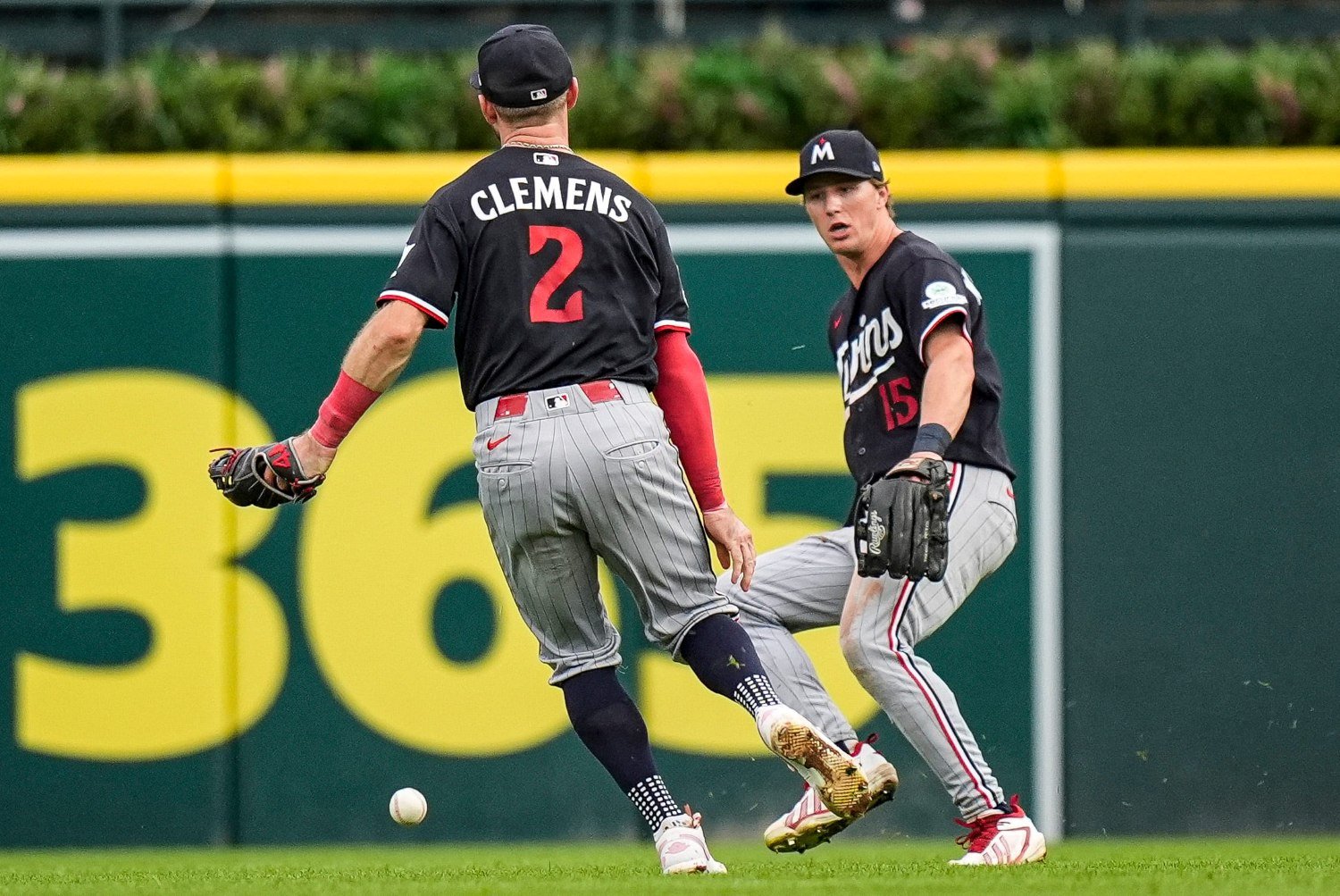 Box Score SP: Zebby Matthews - 2 1/3 IP, 2 H, 5 R, 4 BB, 2 K (58 pitches, 27 strikes (47% strikes)) Home Runs: Kody Clemens (26), Josh Bell (19) Bottom 3 WPA: Zebby Matthews (-0.24), Brooks Lee (-0.09), Kaelen Culpepper (-0.08) Win Probability Chart The Twins entered Wednesday afternoon's series finale against the Tigers looking to win the rubber match after splitting the first two games of the series. Unfortunately, they never really gave themselves much of a chance. Detroit jumped on Zebby Matthews early, scoring twice in the first before putting together a brutal three-run third inning. The Twins briefly made things interesting with back-to-back homers from Kody Clemens and Josh Bell, but Detroit answered and never really let Minnesota get back into the game. The Tigers went on to win 7-2, taking the series and dropping the Twins to 69-77 on the season. They have just 16 games remaining, and would need to win 12 to get to .500. ZEBBY MATTHEWS COULDN'T ESCAPE THE THIRD INNING Zebby Matthews's biggest problem this season has been the long ball, and that issue showed up immediately Wednesday afternoon. Colt Keith gave Detroit a 2-0 lead in the first inning when he hammered a changeup down and in out to right field. It was Matthews's 23rd homer allowed this season, with 17 of those coming on the road. After a rough first inning, Matthews bounced back nicely in the second. He retired the Tigers in order, getting Brett Callahan to pop out, Max Clark to strike out, and Ben Malgeri to ground out. It looked like he had a chance to settle in and keep the Twins within striking distance. Instead, the third inning completely unraveled. John Peck opened the frame with a walk. Kevin McGonigle doubled down the left-field line. Hao-Yu Lee then drew another four-pitch walk, loading the bases with nobody out and bringing Keith back to the plate. Matthews got the massive strikeout he needed against the hitter who had already homered off him, but the trouble didn't end there. He walked Riley Greene to force in another run, his third walk of the inning and fourth of the afternoon. That ended Matthews's day after just seven outs, with Travis Adams coming in to try to clean up the mess. Dillon Dingler added a sacrifice fly, though, and Callahan's ground-rule double brought another run home. By the time the inning finally ended, Detroit had taken a 5-0 lead. Matthews couldn't afford that kind of inning, especially against a Tigers team that had already taken advantage of him in the first. CLEMENS AND BELL GAVE THE TWINS A GLIMMER OF HOPE The Twins didn't waste much time trying to respond. After Detroit's five-run third inning, Minnesota came to the plate in the fourth with a massive deficit to overcome. It took just two batters to make things a little more interesting. Clemens jumped on a first-pitch fastball on the outside corner and drove it out to left field for his 26th homer of the season. That gave him the outright team lead in home runs. Then Josh Bell stepped in and did the exact same thing. Suddenly, the Twins had gone from trailing 5-0 to trailing 5-2, and there was at least a little life in the Minnesota dugout. But that was as close as they would get. The Twins couldn't string together another rally after the back-to-back homers. Detroit's Tyler Holton worked a scoreless fifth, and the Tigers' bullpen continued to keep Minnesota's offense in check throughout the afternoon. The two homers were a great response after falling into such a massive hole, but the Twins needed more than two swings to overcome what had happened in the third. Unfortunately, they never got it. This game wasn't completely devoid of opportunities for Minnesota after the fourth inning. The Twins had a chance to make things interesting in the seventh, when Trevor Larnach lined a two-strike curveball into right field for a one-out single. Victor Caratini followed with a two-out single, allowing Larnach to advance all the way to third. That brought Walker Jenkins to the plate with the tying run. Detroit went to left-hander Drew Sommers, and Jenkins had a chance to deliver the biggest hit of the afternoon. Instead, he swung through a fastball at the top of the zone to end the inning. That was Minnesota's last real opportunity. The Twins managed just one more baserunner after that, with Bell leading off the ninth with a single. Kaelen Culpepper immediately grounded into a double play, and Larnach flied out to end the game. Minnesota finished the afternoon with just six hits and couldn't put together the kind of sustained offensive pressure it needed after falling behind early. The Tigers, meanwhile, consistently made the Twins pay for their mistakes. After Tuesday's narrow victory gave the Twins a chance to win the series, Wednesday's game quickly turned into a reminder of how difficult things have been for Minnesota down the stretch. The Tigers scored early, capitalized on Matthews's struggles, and never surrendered control. With the regular season winding down, Minnesota's margin for error continues to get smaller. What’s Next? The Twins are off tomorrow before returning to Target Field to host the Guardians in a weekend set. Taj Bradley is lined up to start Friday night for Minnesota. Left-hander Parker Messick, who has allowed just two earned runs over two starts against the Twins this year, gets the ball for the Guards. First pitch is set for 7:10 PM. Postgame Interviews Coming soon! Bullpen Availability Chart
- 94 comments
-
- 2
-
-
- game recap
- zebby mattews
- (and 1 more)
-
Image courtesy of USA TODAY Network via Reuters Connect Box Score SP: Zebby Matthews - 2 1/3 IP, 2 H, 5 R, 4 BB, 2 K (58 pitches, 27 strikes (47% strikes)) Home Runs: Kody Clemens (26), Josh Bell (19) Bottom 3 WPA: Zebby Matthews (-0.24), Brooks Lee (-0.09), Kaelen Culpepper (-0.08) Win Probability Chart The Twins entered Wednesday afternoon's series finale against the Tigers looking to win the rubber match after splitting the first two games of the series. Unfortunately, they never really gave themselves much of a chance. Detroit jumped on Zebby Matthews early, scoring twice in the first before putting together a brutal three-run third inning. The Twins briefly made things interesting with back-to-back homers from Kody Clemens and Josh Bell, but Detroit answered and never really let Minnesota get back into the game. The Tigers went on to win 7-2, taking the series and dropping the Twins to 69-77 on the season. They have just 16 games remaining, and would need to win 12 to get to .500. ZEBBY MATTHEWS COULDN'T ESCAPE THE THIRD INNING Zebby Matthews's biggest problem this season has been the long ball, and that issue showed up immediately Wednesday afternoon. Colt Keith gave Detroit a 2-0 lead in the first inning when he hammered a changeup down and in out to right field. It was Matthews's 23rd homer allowed this season, with 17 of those coming on the road. After a rough first inning, Matthews bounced back nicely in the second. He retired the Tigers in order, getting Brett Callahan to pop out, Max Clark to strike out, and Ben Malgeri to ground out. It looked like he had a chance to settle in and keep the Twins within striking distance. Instead, the third inning completely unraveled. John Peck opened the frame with a walk. Kevin McGonigle doubled down the left-field line. Hao-Yu Lee then drew another four-pitch walk, loading the bases with nobody out and bringing Keith back to the plate. Matthews got the massive strikeout he needed against the hitter who had already homered off him, but the trouble didn't end there. He walked Riley Greene to force in another run, his third walk of the inning and fourth of the afternoon. That ended Matthews's day after just seven outs, with Travis Adams coming in to try to clean up the mess. Dillon Dingler added a sacrifice fly, though, and Callahan's ground-rule double brought another run home. By the time the inning finally ended, Detroit had taken a 5-0 lead. Matthews couldn't afford that kind of inning, especially against a Tigers team that had already taken advantage of him in the first. CLEMENS AND BELL GAVE THE TWINS A GLIMMER OF HOPE The Twins didn't waste much time trying to respond. After Detroit's five-run third inning, Minnesota came to the plate in the fourth with a massive deficit to overcome. It took just two batters to make things a little more interesting. Clemens jumped on a first-pitch fastball on the outside corner and drove it out to left field for his 26th homer of the season. That gave him the outright team lead in home runs. Then Josh Bell stepped in and did the exact same thing. Suddenly, the Twins had gone from trailing 5-0 to trailing 5-2, and there was at least a little life in the Minnesota dugout. But that was as close as they would get. The Twins couldn't string together another rally after the back-to-back homers. Detroit's Tyler Holton worked a scoreless fifth, and the Tigers' bullpen continued to keep Minnesota's offense in check throughout the afternoon. The two homers were a great response after falling into such a massive hole, but the Twins needed more than two swings to overcome what had happened in the third. Unfortunately, they never got it. This game wasn't completely devoid of opportunities for Minnesota after the fourth inning. The Twins had a chance to make things interesting in the seventh, when Trevor Larnach lined a two-strike curveball into right field for a one-out single. Victor Caratini followed with a two-out single, allowing Larnach to advance all the way to third. That brought Walker Jenkins to the plate with the tying run. Detroit went to left-hander Drew Sommers, and Jenkins had a chance to deliver the biggest hit of the afternoon. Instead, he swung through a fastball at the top of the zone to end the inning. That was Minnesota's last real opportunity. The Twins managed just one more baserunner after that, with Bell leading off the ninth with a single. Kaelen Culpepper immediately grounded into a double play, and Larnach flied out to end the game. Minnesota finished the afternoon with just six hits and couldn't put together the kind of sustained offensive pressure it needed after falling behind early. The Tigers, meanwhile, consistently made the Twins pay for their mistakes. After Tuesday's narrow victory gave the Twins a chance to win the series, Wednesday's game quickly turned into a reminder of how difficult things have been for Minnesota down the stretch. The Tigers scored early, capitalized on Matthews's struggles, and never surrendered control. With the regular season winding down, Minnesota's margin for error continues to get smaller. What’s Next? The Twins are off tomorrow before returning to Target Field to host the Guardians in a weekend set. Taj Bradley is lined up to start Friday night for Minnesota. Left-hander Parker Messick, who has allowed just two earned runs over two starts against the Twins this year, gets the ball for the Guards. First pitch is set for 7:10 PM. Postgame Interviews Coming soon! Bullpen Availability Chart View full article
-
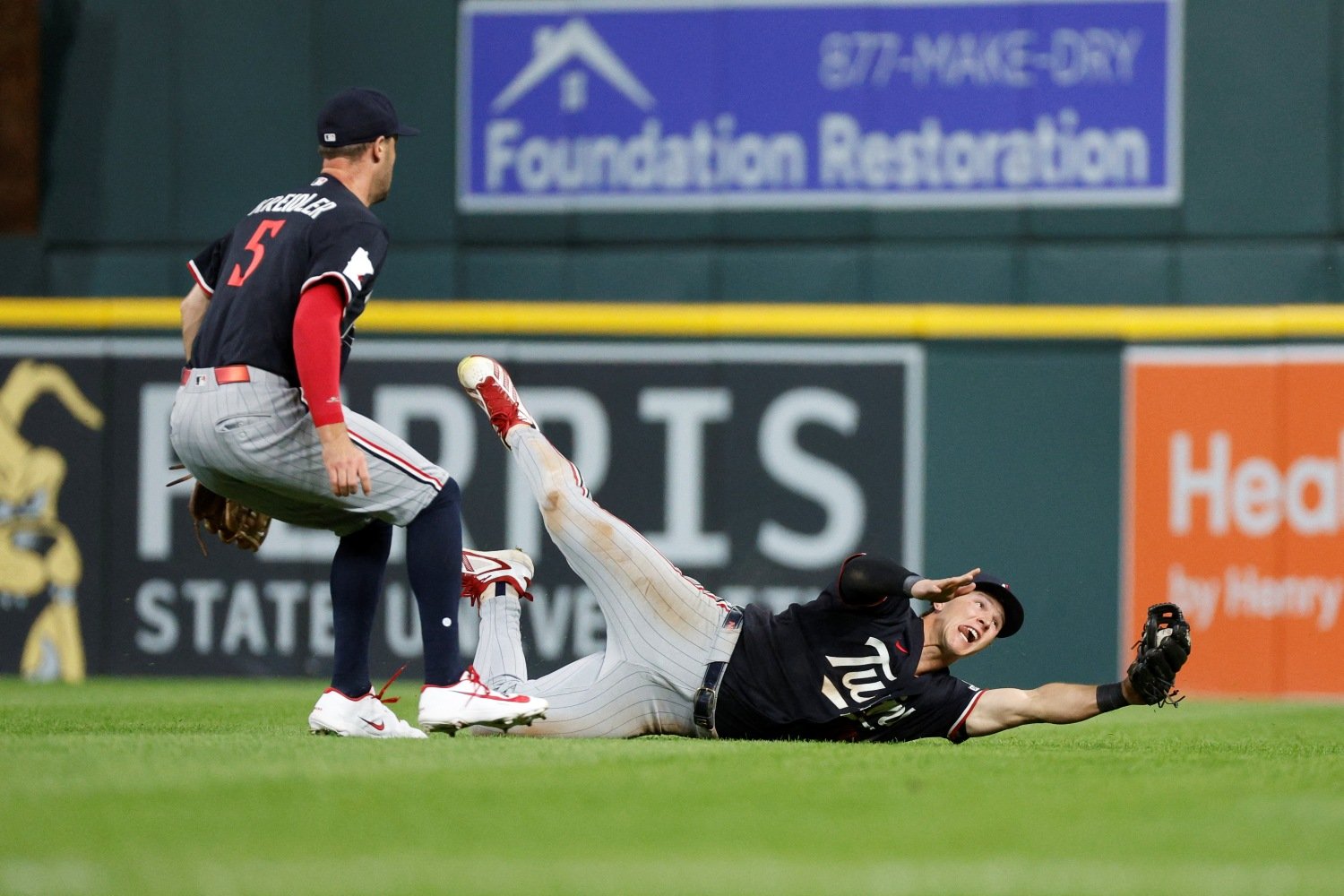 Box Score SP: Dean Kremer - 5 IP, 5 H, 2 R, 1 BB, 3 K (69 pitches, 46 strikes (67% strikes)) Home Runs: Kody Clemens (25) Top 3 WPA: Kody Clemens (0.29), Andrew Morris (0.21), Yoendrys Gómez (0.20) Win Probability Chart The Twins entered Tuesday night's matchup against the Tigers needing a win after dropping Monday's series opener and watching their already-slim playoff chances continue to slip away. They got exactly what they needed. Minnesota jumped out to an early lead, surrendered it on Kevin McGonigle's two-run homer, and then immediately responded with the biggest swing of the night. Kody Clemens crushed his 25th homer of the season in the sixth inning to give the Twins the lead back, and the bullpen did the rest. The Twins held on for a 3-2 victory, evening the series and moving to 69-76 on the year. It wasn't always pretty, and Minnesota had to escape a massive threat in the seventh inning, but after dropping the opener, the team found a way to respond when they absolutely needed to. DEAN KREMER BATTLED THROUGH ANOTHER SOLID START Dean Kremer didn't have the easiest first inning. McGonigle opened the game with a 10-pitch at-bat that ended with a single, and Gleyber Torres followed with another base hit. Suddenly, Detroit had two runners aboard with nobody out and the heart of its lineup coming up. But Royce Lewis helped Kremer escape. Colt Keith lined a ball toward first base. Lewis made a phenomenal leaping grab, before doubling McGonigle off second. Torres later moved into scoring position on a wild pitch, but Kremer got Riley Greene to swing through a splitter to end the inning. After throwing 20 pitches in the first, Kremer settled in nicely. He worked scoreless second and third innings before recording his first 1-2-3 frame of the night in the fourth. The right-hander needed just six pitches to get through that frame. The only real mistake came in the fifth. After Zach McKinstry reached with a two-out single, Kremer left a fastball over the middle of the plate. McGonigle didn't miss it, launching a two-run homer to left and giving Detroit a 2-1 lead. It wasn't a perfect outing, but Kremer once again gave the Twins a chance to win. And they did some damage immediately after Kremer's night ended. KODY CLEMENS GAVE THE TWINS THE LEAD RIGHT BACK The Twins did a nice job of making Drew Anderson work early. Brooks Lee doubled in the first inning before Clemens and Ryan Jeffers drew back-to-back walks to load the bases. Josh Bell then lifted a sacrifice fly to right, giving Minnesota an early 1-0 lead and putting Anderson at 28 pitches after just one inning. But after that, the Twins' offense went quiet. Anderson settled in and retired the side in order in the second, third, and fifth innings. Jeffers singled in the fourth, but Bell immediately grounded into a double play, and Minnesota was suddenly struggling to generate much of anything against a pitcher they had seen less than a week earlier. Then came the sixth. Luke Keaschall worked a leadoff walk, surviving two called third strikes that were successfully challenged. Lee struck out, but that brought Clemens to the plate with Keaschall aboard. And he didn't miss. Anderson left a fastball elevated, and Clemens turned on it, sending his 25th homer of the season into the seats in right-center field. Just like that, the Twins had erased Detroit's lead and moved back in front 3-2. The homer also tied Clemens with Byron Buxton for the team lead. More importantly, it gave Minnesota the lead for good. Clemens has been one of the Twins' most important offensive players this season, and Tuesday night gave him another massive moment. With the offense struggling to get anything going, one swing changed the entire game. ANDREW MORRIS ESCAPED THE BIGGEST THREAT OF THE NIGHT The seventh inning had all the makings of a complete disaster. A.J. Minter walked pinch-hitter Ben Malgeri to open the inning after getting ahead 1-2. Malgeri then stole second, and a throwing error from Jeffers allowed him to advance all the way to third. Suddenly, the tying run was 90 feet away with nobody out. Minter got Max Clark to ground to short, with Kaelen Culpepper holding Malgeri at third before recording the out. That brought Andrew Morris into the game with one down and the Twins desperately needing two more outs. He delivered. Morris got Hao Yu-Lee to swing through a cutter for a massive second out before Zach McKinstry lined a ball to left. The ball stayed in the air long enough for Minnesota to escape the inning completely unscathed. It was a huge moment. The Twins had put themselves in a difficult position, and after allowing Detroit to get the tying run to third with nobody out, they could have easily watched the game slip away. Instead, Morris came in and shut the door. Minter, Morris and Jeff Hoffman combined to get Minnesota through the sixth, seventh and eighth innings without allowing a run. That set the stage for Yoendrys Gómez to finish the job. THE TWINS' DEFENSE AND BULLPEN CLOSED IT OUT Minnesota's defense made several huge plays throughout the night. Lewis saved potentially multiple runs with his leaping double play in the first inning. Lee made a nice catch against the netting in the third, and McKinstry robbed Lee of a potential hit with a diving catch in the eighth. Then, fittingly, Keaschall made the final play. After Gómez struck out Greene and got Eduardo Valencia to line out, Malgeri lined a ball into right field that looked like it had a chance to drop. Keaschall came sliding in and made the catch, ending the game and securing the 3-2 victory. Gómez is now 22-for-22 in save opportunities this season. The Twins needed this one. Their playoff chances are continuing to fade, and after dropping Monday's opener, another loss would have made things even more difficult. Instead, Minnesota responded with timely pitching, strong defense and one massive swing from Clemens. They haven't fixed everything, and the Twins still have plenty of work to do over the final few weeks of the season if they're gonna make an improbable run. But for one night, they found a way. Now, the series is even, and Minnesota will have a chance to take the rubber match Wednesday afternoon. What’s Next? The Twins and Tigers wrap up their three-game set in Detroit tomorrow afternoon. Zebby Matthews is set to take the hill for Minnesota, and he’ll face off against right-hander Keider Montero. First pitch is set for 12:10 PM. Postgame Interviews Coming soon! Bullpen Availability Chart
- 32 comments
-
- 5
-
-
- game recap
- kody clemens
- (and 1 more)
-
Image courtesy of Brian Bradshaw Sevald-Imagn Images Box Score SP: Dean Kremer - 5 IP, 5 H, 2 R, 1 BB, 3 K (69 pitches, 46 strikes (67% strikes)) Home Runs: Kody Clemens (25) Top 3 WPA: Kody Clemens (0.29), Andrew Morris (0.21), Yoendrys Gómez (0.20) Win Probability Chart The Twins entered Tuesday night's matchup against the Tigers needing a win after dropping Monday's series opener and watching their already-slim playoff chances continue to slip away. They got exactly what they needed. Minnesota jumped out to an early lead, surrendered it on Kevin McGonigle's two-run homer, and then immediately responded with the biggest swing of the night. Kody Clemens crushed his 25th homer of the season in the sixth inning to give the Twins the lead back, and the bullpen did the rest. The Twins held on for a 3-2 victory, evening the series and moving to 69-76 on the year. It wasn't always pretty, and Minnesota had to escape a massive threat in the seventh inning, but after dropping the opener, the team found a way to respond when they absolutely needed to. DEAN KREMER BATTLED THROUGH ANOTHER SOLID START Dean Kremer didn't have the easiest first inning. McGonigle opened the game with a 10-pitch at-bat that ended with a single, and Gleyber Torres followed with another base hit. Suddenly, Detroit had two runners aboard with nobody out and the heart of its lineup coming up. But Royce Lewis helped Kremer escape. Colt Keith lined a ball toward first base. Lewis made a phenomenal leaping grab, before doubling McGonigle off second. Torres later moved into scoring position on a wild pitch, but Kremer got Riley Greene to swing through a splitter to end the inning. After throwing 20 pitches in the first, Kremer settled in nicely. He worked scoreless second and third innings before recording his first 1-2-3 frame of the night in the fourth. The right-hander needed just six pitches to get through that frame. The only real mistake came in the fifth. After Zach McKinstry reached with a two-out single, Kremer left a fastball over the middle of the plate. McGonigle didn't miss it, launching a two-run homer to left and giving Detroit a 2-1 lead. It wasn't a perfect outing, but Kremer once again gave the Twins a chance to win. And they did some damage immediately after Kremer's night ended. KODY CLEMENS GAVE THE TWINS THE LEAD RIGHT BACK The Twins did a nice job of making Drew Anderson work early. Brooks Lee doubled in the first inning before Clemens and Ryan Jeffers drew back-to-back walks to load the bases. Josh Bell then lifted a sacrifice fly to right, giving Minnesota an early 1-0 lead and putting Anderson at 28 pitches after just one inning. But after that, the Twins' offense went quiet. Anderson settled in and retired the side in order in the second, third, and fifth innings. Jeffers singled in the fourth, but Bell immediately grounded into a double play, and Minnesota was suddenly struggling to generate much of anything against a pitcher they had seen less than a week earlier. Then came the sixth. Luke Keaschall worked a leadoff walk, surviving two called third strikes that were successfully challenged. Lee struck out, but that brought Clemens to the plate with Keaschall aboard. And he didn't miss. Anderson left a fastball elevated, and Clemens turned on it, sending his 25th homer of the season into the seats in right-center field. Just like that, the Twins had erased Detroit's lead and moved back in front 3-2. The homer also tied Clemens with Byron Buxton for the team lead. More importantly, it gave Minnesota the lead for good. Clemens has been one of the Twins' most important offensive players this season, and Tuesday night gave him another massive moment. With the offense struggling to get anything going, one swing changed the entire game. ANDREW MORRIS ESCAPED THE BIGGEST THREAT OF THE NIGHT The seventh inning had all the makings of a complete disaster. A.J. Minter walked pinch-hitter Ben Malgeri to open the inning after getting ahead 1-2. Malgeri then stole second, and a throwing error from Jeffers allowed him to advance all the way to third. Suddenly, the tying run was 90 feet away with nobody out. Minter got Max Clark to ground to short, with Kaelen Culpepper holding Malgeri at third before recording the out. That brought Andrew Morris into the game with one down and the Twins desperately needing two more outs. He delivered. Morris got Hao Yu-Lee to swing through a cutter for a massive second out before Zach McKinstry lined a ball to left. The ball stayed in the air long enough for Minnesota to escape the inning completely unscathed. It was a huge moment. The Twins had put themselves in a difficult position, and after allowing Detroit to get the tying run to third with nobody out, they could have easily watched the game slip away. Instead, Morris came in and shut the door. Minter, Morris and Jeff Hoffman combined to get Minnesota through the sixth, seventh and eighth innings without allowing a run. That set the stage for Yoendrys Gómez to finish the job. THE TWINS' DEFENSE AND BULLPEN CLOSED IT OUT Minnesota's defense made several huge plays throughout the night. Lewis saved potentially multiple runs with his leaping double play in the first inning. Lee made a nice catch against the netting in the third, and McKinstry robbed Lee of a potential hit with a diving catch in the eighth. Then, fittingly, Keaschall made the final play. After Gómez struck out Greene and got Eduardo Valencia to line out, Malgeri lined a ball into right field that looked like it had a chance to drop. Keaschall came sliding in and made the catch, ending the game and securing the 3-2 victory. Gómez is now 22-for-22 in save opportunities this season. The Twins needed this one. Their playoff chances are continuing to fade, and after dropping Monday's opener, another loss would have made things even more difficult. Instead, Minnesota responded with timely pitching, strong defense and one massive swing from Clemens. They haven't fixed everything, and the Twins still have plenty of work to do over the final few weeks of the season if they're gonna make an improbable run. But for one night, they found a way. Now, the series is even, and Minnesota will have a chance to take the rubber match Wednesday afternoon. What’s Next? The Twins and Tigers wrap up their three-game set in Detroit tomorrow afternoon. Zebby Matthews is set to take the hill for Minnesota, and he’ll face off against right-hander Keider Montero. First pitch is set for 12:10 PM. Postgame Interviews Coming soon! Bullpen Availability Chart View full article
-
Image courtesy of Brian Bradshaw Sevald-Imagn Images For most of the season, Joe Ryan has looked like a legitimate ace. Before the All-Star break, Ryan posted a sparkling 2.85 ERA in 110 1/3 innings. He racked up 128 strikeouts, compared to just 25 walks. He made the All-Star team, and was on the fringes of Cy Young consideration. Then the second half began, and something looked different. Ryan made three starts after the All-Star break (before hitting the injured list); none went particularly well. He surrendered six home runs against Cleveland. He was comfortably out-dueled by former Twin Randy Dobnak in two consecutive outings. But perhaps the biggest concern wasn't even the results themselves. It was what was happening underneath them. Ryan's four-seam fastball, the foundation of his success, appeared to lose some of its usual life. His induced vertical break fell, and hitters began squaring the pitch up with much more authority. His arm angle trended downward, and something didn't look quite right. A skipped start didn't fix what was initially reported as arm fatigue; he hit the shelf with a glute strain. That made Monday's return especially important. Ryan didn't need to throw seven shutout innings to make his first start back from the IL a success. In many ways, the more important question was whether the stuff looked like it did before his struggles began. Based on the underlying numbers, there was plenty to like. His final stat line wasn't perfect: four innings, three hits, three runs allowed, two earned runs, one walk and seven strikeouts. The headline numbers certainly don't scream 'dominant,' and the Twins ultimately needed more than a solid four innings, as they continue slipping in the standings. But Ryan's start may have been significantly more encouraging than the final line suggests. The first thing that immediately stood out was his fastball. After watching the induced vertical break on his four-seamer decline before his trip to the injured list, Ryan's IVB was back up to 14 inches in his return. That's the number around which he's hovered over the course of his career. For Ryan, specifically, that one or two inches can make a significant difference. He doesn't possess overwhelming velocity. His fastball works because of its unique combination of shape, extension and deception. When hitters are swinging underneath it—popping it up or missing it altogether—it becomes one of the most effective fastballs in baseball, despite sitting in the low- to mid-90s. Before the IL stint, hitters were no longer having that problem. But on Monday, the shape was back. It wasn't just the vertical movement. Ryan was also generating significantly more horizontal movement with his pitches. His four-seamer and sweeper (the two pitches he used most often in that start) each generated roughly two additional inches of horizontal break compared to their season-long averages. That's a particularly interesting development, because Ryan's entire arsenal appeared to benefit. The increased IVB wasn't limited to his fastball, as the rest of his pitches also saw their vertical movement improve. Ryan's velocity was also up in his return, another encouraging indication that the time away may have allowed his body to recover from the glute strain. Pitching is a full-body motion, and even an injury that has nothing to do with the arm can affect a pitcher's delivery, release point, and how his pitches move. There was never a guarantee that his glute strain had anything to do with the declining movement on his pitches, but the timing made it difficult to completely ignore the possibility. Now, following time away from the mound, the movement is back up, the velocity is up, and Ryan allowed almost no hard contact. In fact, he surrendered just one hard-hit ball all afternoon: a solo home run by Kevin McGonigle in the bottom of the first inning. Beyond that, Ryan was remarkably difficult to square up. He also generated 12 whiffs on just 66 pitches, which is an extremely impressive rate of swing-and-miss. The one particularly interesting wrinkle? None of those 12 whiffs came on the four-seam fastball. That doesn't necessarily mean the fastball wasn't effective. If anything, the fact that Ryan's movement was back while the rest of his arsenal generated the swings and misses may be a promising sign for his next few starts. His fastball can still serve as the foundation that makes everything else work, even when it isn't directly producing the whiffs. While he was pulled after just 66 pitches, it's important to remember that this was his first start back from the injured list, and the Twins weren't going to ask him to immediately return to a full workload. The bigger goal was getting him back on the mound, making sure his stuff looked healthy and allowing him to build back toward a normal workload. From that perspective, Monday was difficult to view as anything other than encouraging. One start doesn't erase the three rough outings before his trip to the IL, and at this point in the season, making sure he's at 100% for 2027 should be the priority. But this was an important first step. The version of Ryan that took the mound Monday looked considerably more like the pitcher the Twins watched dominate during the first half of the season. His fastball had regained its usual vertical break. His arsenal was generating more movement across the board. His velocity was up. And, outside of one first-inning home run, hitters struggled to make hard contact. Monday wasn't the end of Ryan's return journey. It was more like the beginning. It was, however, an encouraging start. View full article
-
Joe Ryan Is Back From the IL, and His Stuff Appears to Be Back, Too
Sam Caulder posted an article in Twins
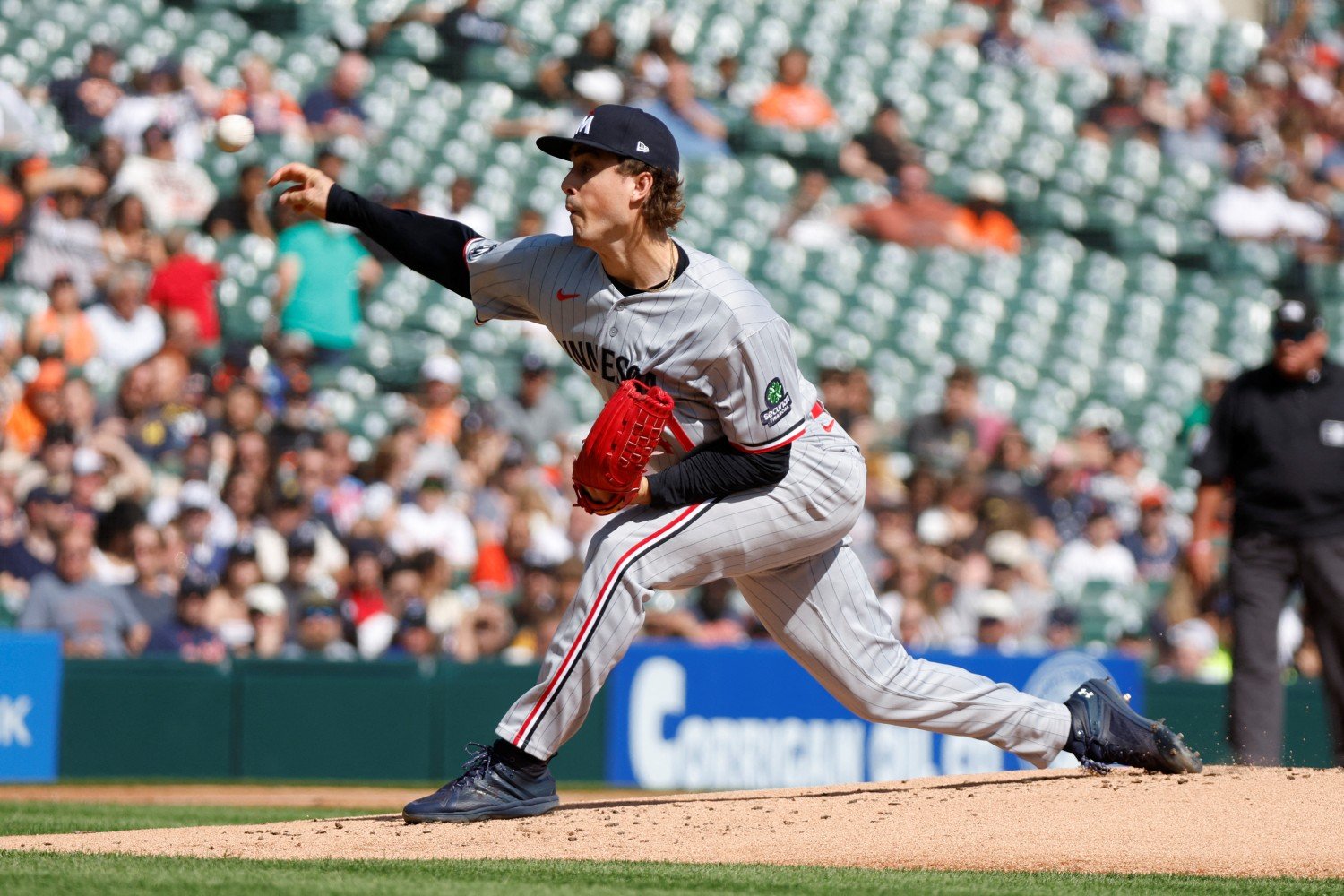 For most of the season, Joe Ryan has looked like a legitimate ace. Before the All-Star break, Ryan posted a sparkling 2.85 ERA in 110 1/3 innings. He racked up 128 strikeouts, compared to just 25 walks. He made the All-Star team, and was on the fringes of Cy Young consideration. Then the second half began, and something looked different. Ryan made three starts after the All-Star break (before hitting the injured list); none went particularly well. He surrendered six home runs against Cleveland. He was comfortably out-dueled by former Twin Randy Dobnak in two consecutive outings. But perhaps the biggest concern wasn't even the results themselves. It was what was happening underneath them. Ryan's four-seam fastball, the foundation of his success, appeared to lose some of its usual life. His induced vertical break fell, and hitters began squaring the pitch up with much more authority. His arm angle trended downward, and something didn't look quite right. A skipped start didn't fix what was initially reported as arm fatigue; he hit the shelf with a glute strain. That made Monday's return especially important. Ryan didn't need to throw seven shutout innings to make his first start back from the IL a success. In many ways, the more important question was whether the stuff looked like it did before his struggles began. Based on the underlying numbers, there was plenty to like. His final stat line wasn't perfect: four innings, three hits, three runs allowed, two earned runs, one walk and seven strikeouts. The headline numbers certainly don't scream 'dominant,' and the Twins ultimately needed more than a solid four innings, as they continue slipping in the standings. But Ryan's start may have been significantly more encouraging than the final line suggests. The first thing that immediately stood out was his fastball. After watching the induced vertical break on his four-seamer decline before his trip to the injured list, Ryan's IVB was back up to 14 inches in his return. That's the number around which he's hovered over the course of his career. For Ryan, specifically, that one or two inches can make a significant difference. He doesn't possess overwhelming velocity. His fastball works because of its unique combination of shape, extension and deception. When hitters are swinging underneath it—popping it up or missing it altogether—it becomes one of the most effective fastballs in baseball, despite sitting in the low- to mid-90s. Before the IL stint, hitters were no longer having that problem. But on Monday, the shape was back. It wasn't just the vertical movement. Ryan was also generating significantly more horizontal movement with his pitches. His four-seamer and sweeper (the two pitches he used most often in that start) each generated roughly two additional inches of horizontal break compared to their season-long averages. That's a particularly interesting development, because Ryan's entire arsenal appeared to benefit. The increased IVB wasn't limited to his fastball, as the rest of his pitches also saw their vertical movement improve. Ryan's velocity was also up in his return, another encouraging indication that the time away may have allowed his body to recover from the glute strain. Pitching is a full-body motion, and even an injury that has nothing to do with the arm can affect a pitcher's delivery, release point, and how his pitches move. There was never a guarantee that his glute strain had anything to do with the declining movement on his pitches, but the timing made it difficult to completely ignore the possibility. Now, following time away from the mound, the movement is back up, the velocity is up, and Ryan allowed almost no hard contact. In fact, he surrendered just one hard-hit ball all afternoon: a solo home run by Kevin McGonigle in the bottom of the first inning. Beyond that, Ryan was remarkably difficult to square up. He also generated 12 whiffs on just 66 pitches, which is an extremely impressive rate of swing-and-miss. The one particularly interesting wrinkle? None of those 12 whiffs came on the four-seam fastball. That doesn't necessarily mean the fastball wasn't effective. If anything, the fact that Ryan's movement was back while the rest of his arsenal generated the swings and misses may be a promising sign for his next few starts. His fastball can still serve as the foundation that makes everything else work, even when it isn't directly producing the whiffs. While he was pulled after just 66 pitches, it's important to remember that this was his first start back from the injured list, and the Twins weren't going to ask him to immediately return to a full workload. The bigger goal was getting him back on the mound, making sure his stuff looked healthy and allowing him to build back toward a normal workload. From that perspective, Monday was difficult to view as anything other than encouraging. One start doesn't erase the three rough outings before his trip to the IL, and at this point in the season, making sure he's at 100% for 2027 should be the priority. But this was an important first step. The version of Ryan that took the mound Monday looked considerably more like the pitcher the Twins watched dominate during the first half of the season. His fastball had regained its usual vertical break. His arsenal was generating more movement across the board. His velocity was up. And, outside of one first-inning home run, hitters struggled to make hard contact. Monday wasn't the end of Ryan's return journey. It was more like the beginning. It was, however, an encouraging start.
 -
The Twins may have found something special in Vahn Lackey, their first-round pick in the 2026 MLB Draft. Lackey's combination of plate discipline, athleticism, and offensive upside is already showing up early in his professional career. View full video
-
The Twins may have found something special in Vahn Lackey, their first-round pick in the 2026 MLB Draft. Lackey's combination of plate discipline, athleticism, and offensive upside is already showing up early in his professional career.
-
Image courtesy of © Jordan Johnson-Imagn Images Well-rounded catchers are extremely rare. It’s one thing to find a catcher who can hit; it’s another to find one who’s legit behind the plate. Finding a catcher who can do both at a high level is difficult, because the types of athleticism that each facet of the job requires don't overlap perfectly, and because of the immense amount of practice, development and preparation that each set of skills requires, independent of one another. That’s exactly what the Twins’ first-round draft pick, Vahn Lackey, has the chance to turn into, though. Since making his professional debut in late July, Lackey has done just about everything you could ask a 21-year-old catcher to do. It’s still extremely early, and he’s only played in the lower levels of the minor leagues, but Lackey is turning heads as a pro the same way he did late in his collegiate career. Across his first 103 professional plate appearances, Lackey is hitting just .224. That number doesn’t exactly jump off the page. But once you start digging deeper, it becomes pretty clear why there should be plenty of excitement surrounding what he’s doing. Despite the low batting average, Lackey owns an absurd .417 on-base percentage and a strong .435 slugging average. He’s already logged eight extra-base hits and seven stolen bases, showcasing the impressive athleticism that helped make him such an intriguing prospect. He also has already drawn 23 walks, compared to just 21 strikeouts. The patience and discipline he has shown have been remarkable. Making the jump from college baseball to professional baseball is difficult for just about every player. The pitching is better, and young hitters are forced to adjust quickly. It’s common to see a player's plate discipline lag behind early, as they get used to facing more advanced arms. But not Lackey. His chase rate is sitting at around 20%. If pitchers aren’t going to attack him—which they haven’t done much so far—he isn’t going to give them strikes. Obviously, there is still a long way to go. Lackey will need to continue proving that he can handle better competition as he climbs through the farm system. But based on what we’ve seen so far, it’s hard not to wonder just how quickly the Twins could move him. There’s a chance Vahn Lackey is the Twins’ everyday catcher at this time next year. That might sound a little aggressive. The Twins have been fairly deliberate with some of their top prospects this season, and Lackey has been in pro ball for a month. But there are a couple of reasons why this possibility isn’t completely crazy. For one, odds are pretty good that Ryan Jeffers is currently playing his final month as a Twin. Jeffers is set to become a free agent after this season, and considering the way he's performed, he’s going to get paid. It’s hard to imagine the Twins being the team willing to give him a huge salary over multiple seasons, given the way they approach the catcher spot. They could always give him the qualifying offer, which would be worth roughly $24 million, but it's unlikely. The only scenario where it would make sense is if the Twins knew for a fact that Jeffers was going to turn it down. In that case, Minnesota would receive a compensatory draft pick. If Jeffers leaves, the Twins would still have Victor Caratini and Alex Jackson around next season. That would give them a couple of experienced options behind the plate, but things can change quickly. Injuries and trades happen, and the Twins have also carried three catchers for a good portion of this season. There’s certainly a path for Lackey to force his way into the conversation. Unlike some of the other top prospects in the organization, Lackey could be fast-tracked. The Twins have slow-played some of their best prospects this season, but Lackey is a different profile than guys like Walker Jenkins and Kaelen Culpepper. Culpepper was a first-round pick himself, but he wasn’t selected third overall like Lackey. Historically, it’s fairly common to see players drafted that high out of college move through the minor leagues quickly and make their major-league debut the following season. Jenkins was also a top-five pick, but his situation was obviously different. He was drafted out of high school, so the Twins needed to give him more time to develop before throwing him into the major leagues. Even so, Jenkins is now in the majors at just 21 years old. Lackey will obviously have to continue producing at a high level if a major-league promotion is even going to be in the conversation next season. The Twins aren't going to rush him just because of where he was drafted. His production so far (in however small a sample size) makes the conversation worth having, though. He's already shown the ability to control the strike zone, get on base, hit for extra bases, and steal bases. He brings athleticism you don't see from many players at the position, and if his defensive tools continue developing the way the Twins believe they can, Minnesota could have something special on its hands. It might not be the likeliest outcome. Plenty of things would have to go right over the next year. But I absolutely think there is a world where Vahn Lackey is the Twins’ everyday catcher 12 months from now. After what we’ve seen from him so far, it’s becoming harder and harder not to get excited about that possibility. View full article
-
There’s a Real Path for Vahn Lackey to Reach the Twins Next Season
Sam Caulder posted an article in Minor Leagues
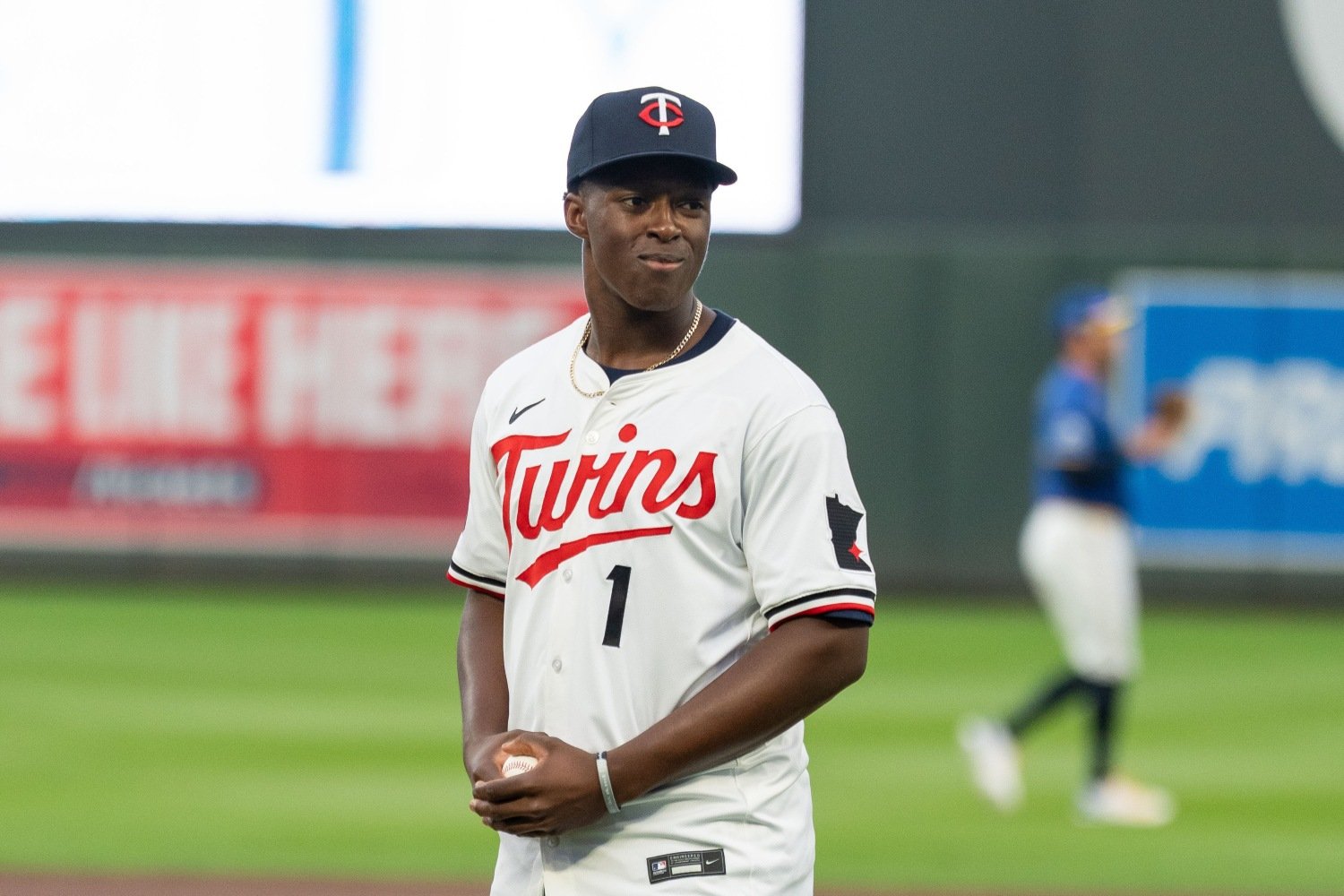 Well-rounded catchers are extremely rare. It’s one thing to find a catcher who can hit; it’s another to find one who’s legit behind the plate. Finding a catcher who can do both at a high level is difficult, because the types of athleticism that each facet of the job requires don't overlap perfectly, and because of the immense amount of practice, development and preparation that each set of skills requires, independent of one another. That’s exactly what the Twins’ first-round draft pick, Vahn Lackey, has the chance to turn into, though. Since making his professional debut in late July, Lackey has done just about everything you could ask a 21-year-old catcher to do. It’s still extremely early, and he’s only played in the lower levels of the minor leagues, but Lackey is turning heads as a pro the same way he did late in his collegiate career. Across his first 103 professional plate appearances, Lackey is hitting just .224. That number doesn’t exactly jump off the page. But once you start digging deeper, it becomes pretty clear why there should be plenty of excitement surrounding what he’s doing. Despite the low batting average, Lackey owns an absurd .417 on-base percentage and a strong .435 slugging average. He’s already logged eight extra-base hits and seven stolen bases, showcasing the impressive athleticism that helped make him such an intriguing prospect. He also has already drawn 23 walks, compared to just 21 strikeouts. The patience and discipline he has shown have been remarkable. Making the jump from college baseball to professional baseball is difficult for just about every player. The pitching is better, and young hitters are forced to adjust quickly. It’s common to see a player's plate discipline lag behind early, as they get used to facing more advanced arms. But not Lackey. His chase rate is sitting at around 20%. If pitchers aren’t going to attack him—which they haven’t done much so far—he isn’t going to give them strikes. Obviously, there is still a long way to go. Lackey will need to continue proving that he can handle better competition as he climbs through the farm system. But based on what we’ve seen so far, it’s hard not to wonder just how quickly the Twins could move him. There’s a chance Vahn Lackey is the Twins’ everyday catcher at this time next year. That might sound a little aggressive. The Twins have been fairly deliberate with some of their top prospects this season, and Lackey has been in pro ball for a month. But there are a couple of reasons why this possibility isn’t completely crazy. For one, odds are pretty good that Ryan Jeffers is currently playing his final month as a Twin. Jeffers is set to become a free agent after this season, and considering the way he's performed, he’s going to get paid. It’s hard to imagine the Twins being the team willing to give him a huge salary over multiple seasons, given the way they approach the catcher spot. They could always give him the qualifying offer, which would be worth roughly $24 million, but it's unlikely. The only scenario where it would make sense is if the Twins knew for a fact that Jeffers was going to turn it down. In that case, Minnesota would receive a compensatory draft pick. If Jeffers leaves, the Twins would still have Victor Caratini and Alex Jackson around next season. That would give them a couple of experienced options behind the plate, but things can change quickly. Injuries and trades happen, and the Twins have also carried three catchers for a good portion of this season. There’s certainly a path for Lackey to force his way into the conversation. Unlike some of the other top prospects in the organization, Lackey could be fast-tracked. The Twins have slow-played some of their best prospects this season, but Lackey is a different profile than guys like Walker Jenkins and Kaelen Culpepper. Culpepper was a first-round pick himself, but he wasn’t selected third overall like Lackey. Historically, it’s fairly common to see players drafted that high out of college move through the minor leagues quickly and make their major-league debut the following season. Jenkins was also a top-five pick, but his situation was obviously different. He was drafted out of high school, so the Twins needed to give him more time to develop before throwing him into the major leagues. Even so, Jenkins is now in the majors at just 21 years old. Lackey will obviously have to continue producing at a high level if a major-league promotion is even going to be in the conversation next season. The Twins aren't going to rush him just because of where he was drafted. His production so far (in however small a sample size) makes the conversation worth having, though. He's already shown the ability to control the strike zone, get on base, hit for extra bases, and steal bases. He brings athleticism you don't see from many players at the position, and if his defensive tools continue developing the way the Twins believe they can, Minnesota could have something special on its hands. It might not be the likeliest outcome. Plenty of things would have to go right over the next year. But I absolutely think there is a world where Vahn Lackey is the Twins’ everyday catcher 12 months from now. After what we’ve seen from him so far, it’s becoming harder and harder not to get excited about that possibility.
 -
Pablo López, Joe Ryan, Taj Bradley, Mick Abel, Connor Prielipp, and Zebby Matthews give the Twins an incredibly talented group of starting pitchers heading into 2027. If Minnesota can get healthy and its young arms keep developing, this rotation could be one of the best in baseball. View full video