



Sam Caulder
-
Posts
649 -
Joined
-
Last visited
Content Type
Profiles
News
Minnesota Twins Videos
2026 Minnesota Twins Top Prospects Ranking
2022 Minnesota Twins Draft Picks
Minnesota Twins Free Agent & Trade Rumors, Notes, & Tidbits
Guides & Resources
2023 Minnesota Twins Draft Picks
The Minnesota Twins Players Project
2024 Minnesota Twins Draft Picks
2025 Minnesota Twins Draft Pick Tracker
2026 Minnesota Twins Draft Tracker: Picks & Bonuses
Forums
Blogs
Events
Store
Downloads
Gallery
Everything posted by Sam Caulder
-
Image courtesy of David Frerker-Imagn Images As a rookie, Andrew Morris has turned into an anchor of the Twins’ bullpen. After entering the season as a starter with the St. Paul Saints, he transitioned to a relief role in the majors and quickly established himself as a reliable option. In 60 1/3 innings this season, Morris has posted a 3.43 ERA while putting together some extremely impressive contact-quality numbers. His barrel rate and average exit velocity both rank in the 91st percentile or better among major-league pitchers, while his hard-hit rate sits in the 85th percentile. As a result of that hard-contact suppression, his expected ERA is even better at 3.10. The underlying data suggests Morris has pitched better than his surface-level numbers indicate, and lately, that has become especially important. Morris has allowed at least three runs in two of his last three outings, with both appearances coming at particularly unfortunate times for the Twins. On August 16, he surrendered three earned runs in the eighth inning against the Phillies. Philadelphia entered the inning trailing by just one run and ultimately completed a sweep of the Twins. Then, on Saturday in San Diego, Morris allowed four runs in one inning and absorbed the 7-5 loss. Once again, his outing allowed the opposing team to take the lead, and once again, the Twins wound up being swept. It would be easy to look at those two performances and place the blame on Morris. After all, he was the pitcher on the mound when the games started slipping away. But not so fast! The amount of bad luck Morris has run into in those two outings is almost unbelievable. For starters, three of the four runs he allowed against the Padres were unearned. There was a catcher interference call and a fielding error involved in the inning. Otherwise, the Twins could well have escaped with the lead intact. Morris actually looked pretty good. Only two of the seven balls put in play against him were hard-hit, and he generated five whiffs on just 19 pitches. San Diego was aggressive at the plate, putting a number of softly-hit balls into places where the Twins weren't able to make plays and capitalizing on the defensive mistakes that ensued. Morris, meanwhile, pounded the strike zone and continued attacking hitters. The three-run inning against Philadelphia followed a similar pattern. All three of those runs were earned, so there isn't the same defensive caveat to make. But only one of the seven balls put in play against Morris was hard-hit. He did what he was supposed to do, filling up the zone and mixing his pitches, while avoiding the authoritative contact that typically leads to big innings. Instead, a handful of bloopers and ground balls found their way through the infield. That doesn't make the results any less frustrating for the Twins. Runs count the same regardless of how hard the ball was hit, and Morris was still responsible for getting out of those innings. But there is a meaningful difference between a pitcher getting knocked around and a pitcher giving up a series of softly hit balls that happen to find holes. Morris is much closer to the latter. Since his promotion to the majors, it seems like Morris has consistently pitched better than his results would indicate. The underlying metrics back that up, the eye test backs that up (at least MY eye test), and these two recent outings are further examples of what's been happening throughout his rookie season. The kind of contact he’s inducing is extremely impressive for a young pitcher who wasn't even expected to be a major-league reliever when the season began. His ability to limit hard contact has been one of the biggest reasons he's carved out a role in the Twins' bullpen, and there isn't much reason to believe that skill is suddenly going to disappear because of a couple of ugly box scores. Sometimes, baseball is just going to baseball. Balls are going to find holes, defensive mistakes are going to extend innings, and aggressive hitters are going to poke soft contact into places where nobody is standing. Right now, Morris is dealing with more of that than he probably deserves. Sooner or later, that batted-ball luck should turn in his favor. When it does, the results should start looking a lot more like the pitcher Morris has actually been than the numbers from a couple of frustrating outings might suggest. However, there's one crucial caveat to any praise of Morris: he's allowing those batted balls to happen in the first place. This is why high-leverage relievers usually run high whiff and strikeout rates. If you can't miss bats, you become more susceptible to bad defense and bad luck. Morris induces weak contact, but it would be better if he simply allowed less of it. Two tough outings don't invalidate a strong rookie season. Morris has to find a way to rack up strikeouts, though, or he'll never graduate to relief ace status. View full article
-
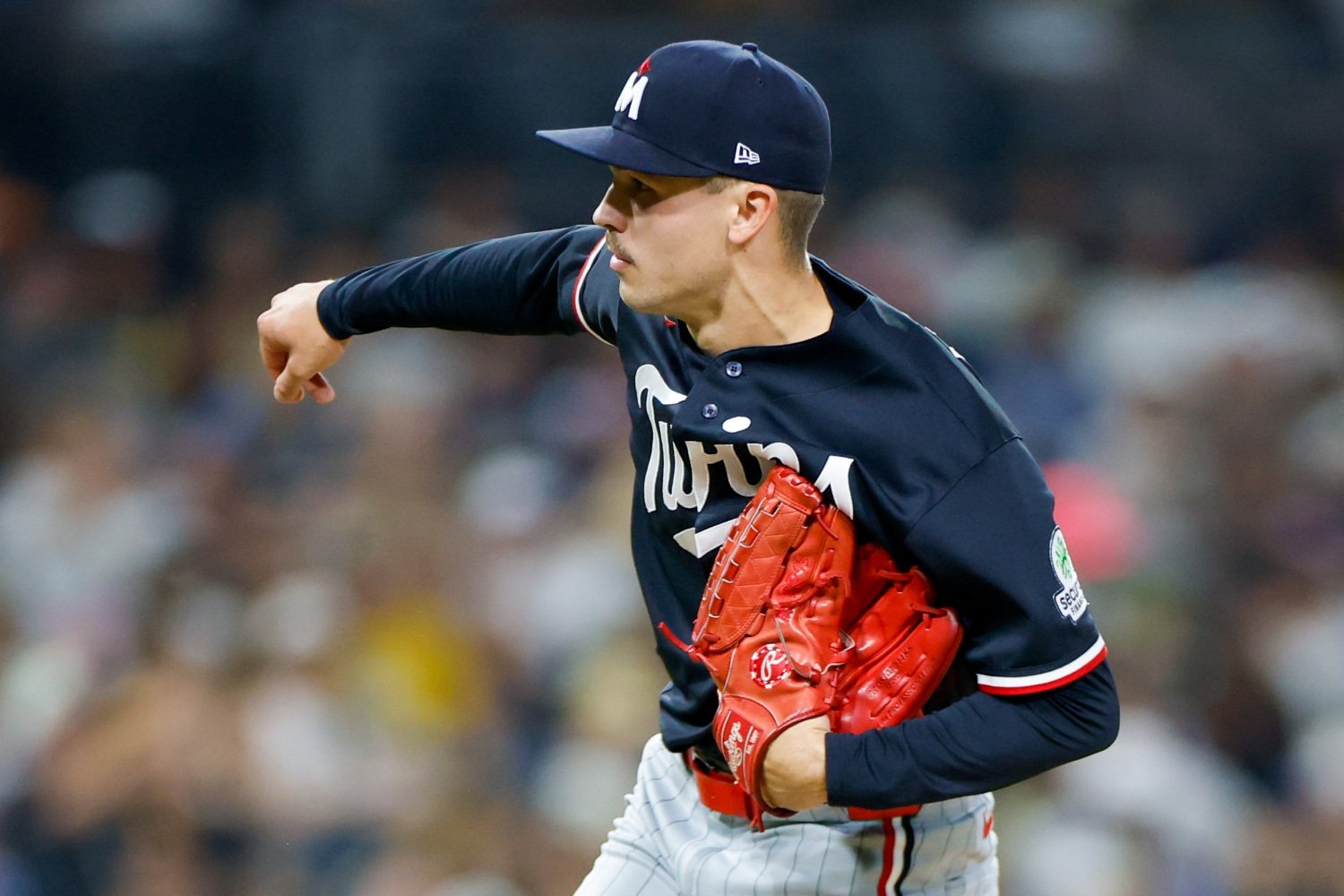 As a rookie, Andrew Morris has turned into an anchor of the Twins’ bullpen. After entering the season as a starter with the St. Paul Saints, he transitioned to a relief role in the majors and quickly established himself as a reliable option. In 60 1/3 innings this season, Morris has posted a 3.43 ERA while putting together some extremely impressive contact-quality numbers. His barrel rate and average exit velocity both rank in the 91st percentile or better among major-league pitchers, while his hard-hit rate sits in the 85th percentile. As a result of that hard-contact suppression, his expected ERA is even better at 3.10. The underlying data suggests Morris has pitched better than his surface-level numbers indicate, and lately, that has become especially important. Morris has allowed at least three runs in two of his last three outings, with both appearances coming at particularly unfortunate times for the Twins. On August 16, he surrendered three earned runs in the eighth inning against the Phillies. Philadelphia entered the inning trailing by just one run and ultimately completed a sweep of the Twins. Then, on Saturday in San Diego, Morris allowed four runs in one inning and absorbed the 7-5 loss. Once again, his outing allowed the opposing team to take the lead, and once again, the Twins wound up being swept. It would be easy to look at those two performances and place the blame on Morris. After all, he was the pitcher on the mound when the games started slipping away. But not so fast! The amount of bad luck Morris has run into in those two outings is almost unbelievable. For starters, three of the four runs he allowed against the Padres were unearned. There was a catcher interference call and a fielding error involved in the inning. Otherwise, the Twins could well have escaped with the lead intact. Morris actually looked pretty good. Only two of the seven balls put in play against him were hard-hit, and he generated five whiffs on just 19 pitches. San Diego was aggressive at the plate, putting a number of softly-hit balls into places where the Twins weren't able to make plays and capitalizing on the defensive mistakes that ensued. Morris, meanwhile, pounded the strike zone and continued attacking hitters. The three-run inning against Philadelphia followed a similar pattern. All three of those runs were earned, so there isn't the same defensive caveat to make. But only one of the seven balls put in play against Morris was hard-hit. He did what he was supposed to do, filling up the zone and mixing his pitches, while avoiding the authoritative contact that typically leads to big innings. Instead, a handful of bloopers and ground balls found their way through the infield. That doesn't make the results any less frustrating for the Twins. Runs count the same regardless of how hard the ball was hit, and Morris was still responsible for getting out of those innings. But there is a meaningful difference between a pitcher getting knocked around and a pitcher giving up a series of softly hit balls that happen to find holes. Morris is much closer to the latter. Since his promotion to the majors, it seems like Morris has consistently pitched better than his results would indicate. The underlying metrics back that up, the eye test backs that up (at least MY eye test), and these two recent outings are further examples of what's been happening throughout his rookie season. The kind of contact he’s inducing is extremely impressive for a young pitcher who wasn't even expected to be a major-league reliever when the season began. His ability to limit hard contact has been one of the biggest reasons he's carved out a role in the Twins' bullpen, and there isn't much reason to believe that skill is suddenly going to disappear because of a couple of ugly box scores. Sometimes, baseball is just going to baseball. Balls are going to find holes, defensive mistakes are going to extend innings, and aggressive hitters are going to poke soft contact into places where nobody is standing. Right now, Morris is dealing with more of that than he probably deserves. Sooner or later, that batted-ball luck should turn in his favor. When it does, the results should start looking a lot more like the pitcher Morris has actually been than the numbers from a couple of frustrating outings might suggest. However, there's one crucial caveat to any praise of Morris: he's allowing those batted balls to happen in the first place. This is why high-leverage relievers usually run high whiff and strikeout rates. If you can't miss bats, you become more susceptible to bad defense and bad luck. Morris induces weak contact, but it would be better if he simply allowed less of it. Two tough outings don't invalidate a strong rookie season. Morris has to find a way to rack up strikeouts, though, or he'll never graduate to relief ace status.
 -
Andrew Morris has allowed some ugly runs lately, but hitters aren't exactly teeing off against him. A combination of soft contact and defensive mistakes has made his results look much worse than his actual performance. View full video
-
Andrew Morris has allowed some ugly runs lately, but hitters aren't exactly teeing off against him. A combination of soft contact and defensive mistakes has made his results look much worse than his actual performance.
-
Image courtesy of Bruce Kluckhohn-Imagn Images For much of the year, the Twins’ bullpen has kept fans up at night. There have been plenty of blown leads and (perhaps most frustratingly) plenty of innings where it felt like no lead was truly safe. But since the trade deadline, that hasn’t really been the case. After adding Tommy Nance, A.J. Minter and Jeff Hoffman, the bullpen has looked stronger. By and large, later innings have been much cleaner and Derek Shelton has had more trustworthy options to turn to. As a result, Twins fans have had far fewer stressful innings to sit through—although this weekend was an ugly reminder that things are far from perfect. In the wake of that setback, there’s someone else who quietly had a productive stretch with the Twins earlier this season, and who could make a nice addition to the back end of the bullpen. Right-hander Garrett Acton has already shown that he can get major league hitters out. Acton was acquired from the Marlins all the way back on April 2, and while his time in the majors was brief, he made the most of it. In 6 2/3 innings, he allowed just two earned runs, while giving up four hits and three walks and striking out nine hitters. Unfortunately, Acton landed on the injured list later in April with a strain in his throwing shoulder, putting a halt to what had been a promising start. He ultimately missed about two and a half months, but after a rehab assignment that stretched across most of July, he was finally reinstated. With September right around the corner, this could be a great time for the Twins to bring him back to the majors. The biggest reason is pretty simple: Acton’s fastball can play at the major-league level. It sits around 94 MPH, which certainly isn’t overwhelming velocity, but the pitch gets a crazy amount of run up in the zone and has proven capable of missing bats. His slider, meanwhile, doesn’t stand out when it comes to its movement profile, but it gives hitters a dramatically different look. It comes in roughly 8 MPH slower than his four-seam fastball, and during Acton’s brief major-league stint, it generated whiffs on 41% of swings against it. That combination has allowed Acton to succeed with just two pitches. Obviously, it would be unwise to look too deeply into advanced metrics after just 20 outs in the majors, but his 2.59 expected ERA backs up the idea that his results weren’t fluky. There’s no reason to expect Acton to suddenly become one of Shelton’s primary high-leverage options, especially with the additions the Twins made at the trade deadline. Minter, Hoffman and Nance should all be ahead of him on the pecking order, and there’s no need to force Acton into a role he hasn’t earned. But that doesn’t mean he can’t help. At the very least, Acton gives the Twins another arm who can eat a couple of innings and keep the club in a game they trail by a run or two. If the swing-and-miss stuff he showed back in April is still there, he could turn into something more than that—and the timing might line up perfectly for him. On September 1, MLB teams will be able to expand their active rosters from 26 players to 28. That allows the Twins to add another player to their pitching staff, and considering where this team is in the standings, there’s a pretty obvious argument for using that spot on someone they already know can get major-league hitters out. The Twins are in the hunt for a playoff spot, and at this point of the season, they need their best arms available. That doesn’t mean every pitcher needs to be used in the seventh, eighth or ninth innings, but it does mean the organization should be looking for every possible way to strengthen its pitching depth. Acton deserves to be part of that conversation. It doesn’t need to be a high-leverage role. If Acton can come into a game in the middle innings, get a few outs and give Shelton another reliable option to bridge the gap to the more established relievers, that would be valuable. If the fastball is still moving the way it was earlier this season and the slider is still generating swings and misses, the Twins might have something even better. For a team trying to find every possible advantage down the stretch, there’s little reason not to find out. View full article
-
Garrett Acton Deserves Another Chance in the Twins’ Bullpen
Sam Caulder posted an article in Minor Leagues
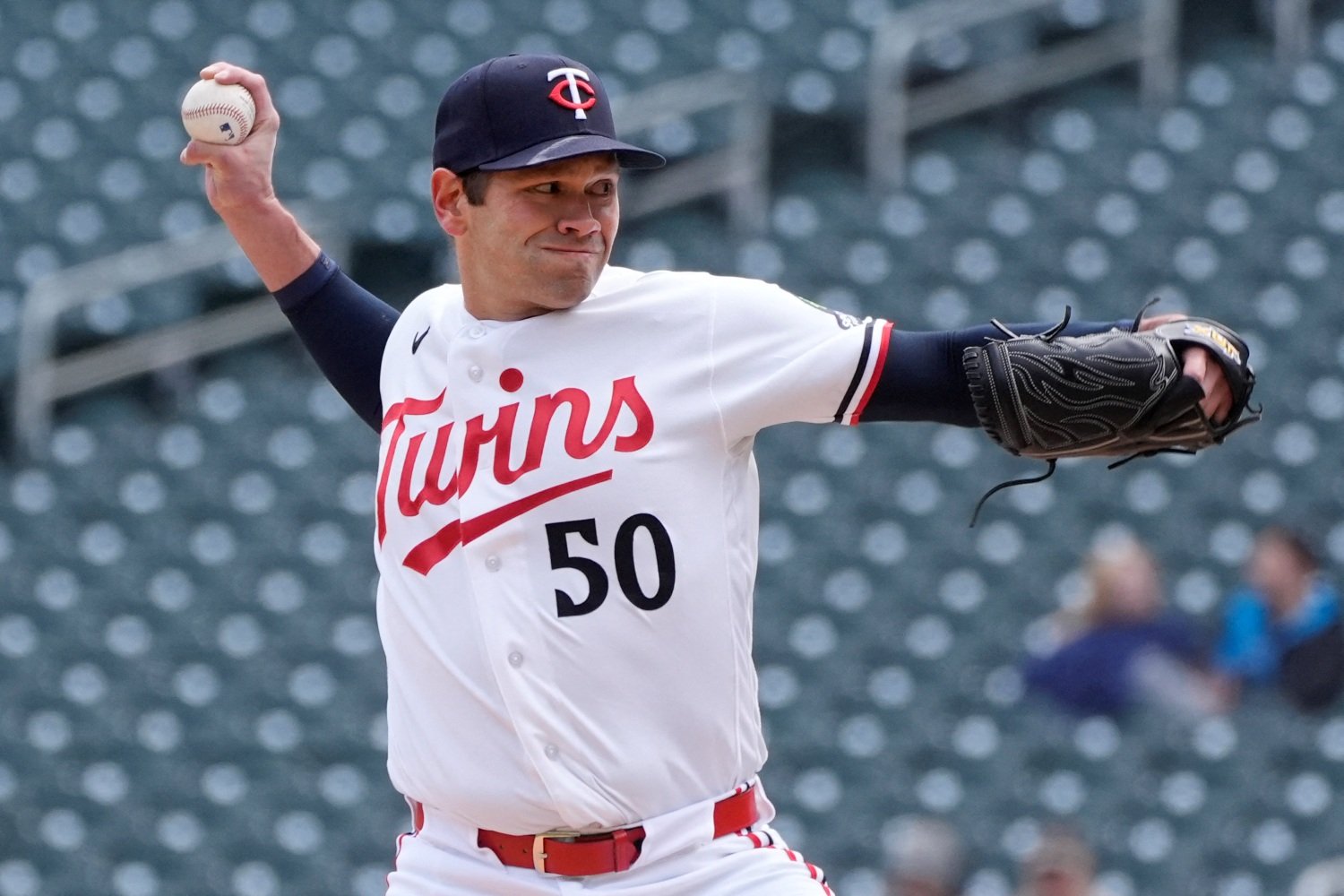 For much of the year, the Twins’ bullpen has kept fans up at night. There have been plenty of blown leads and (perhaps most frustratingly) plenty of innings where it felt like no lead was truly safe. But since the trade deadline, that hasn’t really been the case. After adding Tommy Nance, A.J. Minter and Jeff Hoffman, the bullpen has looked stronger. By and large, later innings have been much cleaner and Derek Shelton has had more trustworthy options to turn to. As a result, Twins fans have had far fewer stressful innings to sit through—although this weekend was an ugly reminder that things are far from perfect. In the wake of that setback, there’s someone else who quietly had a productive stretch with the Twins earlier this season, and who could make a nice addition to the back end of the bullpen. Right-hander Garrett Acton has already shown that he can get major league hitters out. Acton was acquired from the Marlins all the way back on April 2, and while his time in the majors was brief, he made the most of it. In 6 2/3 innings, he allowed just two earned runs, while giving up four hits and three walks and striking out nine hitters. Unfortunately, Acton landed on the injured list later in April with a strain in his throwing shoulder, putting a halt to what had been a promising start. He ultimately missed about two and a half months, but after a rehab assignment that stretched across most of July, he was finally reinstated. With September right around the corner, this could be a great time for the Twins to bring him back to the majors. The biggest reason is pretty simple: Acton’s fastball can play at the major-league level. It sits around 94 MPH, which certainly isn’t overwhelming velocity, but the pitch gets a crazy amount of run up in the zone and has proven capable of missing bats. His slider, meanwhile, doesn’t stand out when it comes to its movement profile, but it gives hitters a dramatically different look. It comes in roughly 8 MPH slower than his four-seam fastball, and during Acton’s brief major-league stint, it generated whiffs on 41% of swings against it. That combination has allowed Acton to succeed with just two pitches. Obviously, it would be unwise to look too deeply into advanced metrics after just 20 outs in the majors, but his 2.59 expected ERA backs up the idea that his results weren’t fluky. There’s no reason to expect Acton to suddenly become one of Shelton’s primary high-leverage options, especially with the additions the Twins made at the trade deadline. Minter, Hoffman and Nance should all be ahead of him on the pecking order, and there’s no need to force Acton into a role he hasn’t earned. But that doesn’t mean he can’t help. At the very least, Acton gives the Twins another arm who can eat a couple of innings and keep the club in a game they trail by a run or two. If the swing-and-miss stuff he showed back in April is still there, he could turn into something more than that—and the timing might line up perfectly for him. On September 1, MLB teams will be able to expand their active rosters from 26 players to 28. That allows the Twins to add another player to their pitching staff, and considering where this team is in the standings, there’s a pretty obvious argument for using that spot on someone they already know can get major-league hitters out. The Twins are in the hunt for a playoff spot, and at this point of the season, they need their best arms available. That doesn’t mean every pitcher needs to be used in the seventh, eighth or ninth innings, but it does mean the organization should be looking for every possible way to strengthen its pitching depth. Acton deserves to be part of that conversation. It doesn’t need to be a high-leverage role. If Acton can come into a game in the middle innings, get a few outs and give Shelton another reliable option to bridge the gap to the more established relievers, that would be valuable. If the fastball is still moving the way it was earlier this season and the slider is still generating swings and misses, the Twins might have something even better. For a team trying to find every possible advantage down the stretch, there’s little reason not to find out.
 -
Image courtesy of David Frerker-Imagn Images There are certain things, or positions, rather, that organizations can never have enough of. Starting pitching is one of those things, and the Twins have experienced firsthand this year just how important pitching depth can be. With injuries to guys like Pablo López, Mick Abel and, more recently, Joe Ryan, Minnesota’s starting rotation has been tested in ways that probably weren’t expected coming into the season. But seeing so much of the organization’s pitching depth has made me wonder something: Do the Twins have an organizational problem when it comes to developing homegrown starting pitchers? Obviously, there’s one clear outlier in that conversation. Ryan has spent most of his professional career in Minnesota, and the Twins have turned him into one of the better starting pitchers in the American League. He was acquired from Tampa Bay as part of the Nelson Cruz trade in 2021, developed into a legitimate major league starter and eventually became the kind of pitcher the Twins could confidently build a rotation around. But aside from Ryan — who himself was brought in from another organization — when was the last time the Twins turned a homegrown arm into a legitimate, quality starting pitcher? That’s where things get a little murky. I don’t think you can call anybody else currently in the organization a true quality starter. Guys like Zebby Matthews and Bailey Ober have each had flashes of becoming that kind of pitcher, and both were drafted and developed by the Twins. But ultimately, Ober has kind of stabilized as a back-end starter, and on a better team, you could even make the argument that his best role might be in the bullpen. Matthews, meanwhile, is starting to look like a pitcher whose future could eventually take him in that direction as well. Both guys have an ERA north of 4.60 this season, and given their respective track records, I’m not sure you can truly classify either one as a quality major league starter right now. That’s not to say either pitcher is a failure; far from it. The Twins have gotten major-league innings out of both, and Ober in particular has been a valuable part of the rotation for several years now. But there’s a difference between developing a serviceable starting pitcher and developing a legitimate impact arm. And that’s the part the Twins have struggled with. Connor Prielipp could eventually change that conversation. The 25-year-old left-hander has the kind of arsenal that makes you believe there’s something much bigger in there. A mid-to-upper 90s fastball paired with two filthy breaking balls is the profile of someone who could eventually develop into an ace, or at the very least a really good No. 2 or No. 3 starter. The problem is that we just haven’t seen enough consistency yet. Prielipp is still in his rookie season, and there’s obviously plenty of time for him to figure things out. But the fact that he represents one of the clearest candidates in the organization to become a legitimate frontline starter also says something about where the Twins are currently at from a pitching-development standpoint. Even when you look at the kind of pitchers Minnesota has drafted in recent years, there’s a lot of straightening out to do. Dasan Hill was moved at the trade deadline as part of the return for Jeff Hoffman. Riley Quick owns a 15.4% walk rate at Double-A, and Charlee Soto has struggled to stay on the field. It’s way too early to say what any of those guys ultimately will be, but that’s kind of the point. The Twins haven’t really had that future ace, top-100 type of pitching prospect emerge from their system in a long time. And I think a big part of that is because they haven’t been able to develop starting pitchers particularly well. Now, I didn’t mention Taj Bradley, Abel or Kendry Rojas. And that’s because all three did a significant amount of their development with their former organizations. Bradley threw 354 innings with Tampa Bay before coming to Minnesota. Abel made his MLB debut with Philadelphia last year, and Rojas only threw five innings beyond Double-A with Toronto before joining the Twins. You could certainly argue that Abel and Rojas (especially) are partially the products of Minnesota’s development system, especially considering how much of their recent development has happened with the Twins. But even still, they aren’t your traditional homegrown players, and in Rojas’ case, his current trajectory looks more like that of a potential relief pitcher than a future rotation anchor. That’s not necessarily an indictment of the Twins’ development system by itself. Teams acquire players from other organizations all the time, and the ability to take someone else’s prospect and maximize his talent is an important part of player development. But the Twins have also spent a significant amount of draft capital on pitching. In fact, nine of their top 11 picks in the most recent draft were pitchers. The Twins clearly believe they can figure this out. They’re betting heavily on their ability to identify arms, develop them and eventually turn them into major league contributors. Maybe guys like Quick, Prielipp and Abel will make me eat my words. Maybe one of them eventually becomes the kind of pitcher the Twins have been missing. But until that happens, I think the organization’s track record of developing major league starting pitchers is something worth addressing. Because teams can never have enough starting pitching, and right now, the Twins don’t seem to have enough of it coming from within. View full article
-
The Twins’ Homegrown Starting Pitching Has Been Few and Far Between
Sam Caulder posted an article in Twins
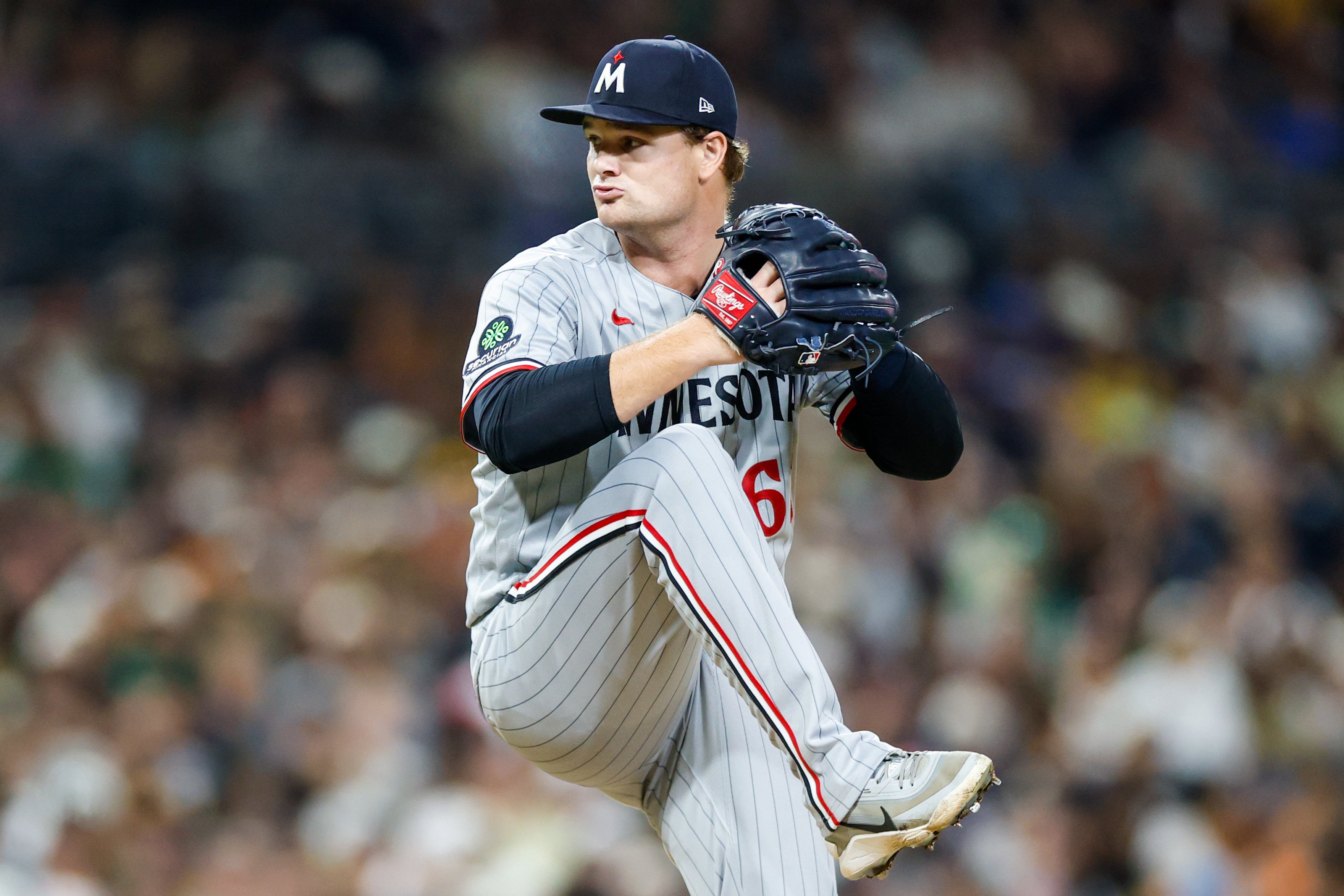 There are certain things, or positions, rather, that organizations can never have enough of. Starting pitching is one of those things, and the Twins have experienced firsthand this year just how important pitching depth can be. With injuries to guys like Pablo López, Mick Abel and, more recently, Joe Ryan, Minnesota’s starting rotation has been tested in ways that probably weren’t expected coming into the season. But seeing so much of the organization’s pitching depth has made me wonder something: Do the Twins have an organizational problem when it comes to developing homegrown starting pitchers? Obviously, there’s one clear outlier in that conversation. Ryan has spent most of his professional career in Minnesota, and the Twins have turned him into one of the better starting pitchers in the American League. He was acquired from Tampa Bay as part of the Nelson Cruz trade in 2021, developed into a legitimate major league starter and eventually became the kind of pitcher the Twins could confidently build a rotation around. But aside from Ryan — who himself was brought in from another organization — when was the last time the Twins turned a homegrown arm into a legitimate, quality starting pitcher? That’s where things get a little murky. I don’t think you can call anybody else currently in the organization a true quality starter. Guys like Zebby Matthews and Bailey Ober have each had flashes of becoming that kind of pitcher, and both were drafted and developed by the Twins. But ultimately, Ober has kind of stabilized as a back-end starter, and on a better team, you could even make the argument that his best role might be in the bullpen. Matthews, meanwhile, is starting to look like a pitcher whose future could eventually take him in that direction as well. Both guys have an ERA north of 4.60 this season, and given their respective track records, I’m not sure you can truly classify either one as a quality major league starter right now. That’s not to say either pitcher is a failure; far from it. The Twins have gotten major-league innings out of both, and Ober in particular has been a valuable part of the rotation for several years now. But there’s a difference between developing a serviceable starting pitcher and developing a legitimate impact arm. And that’s the part the Twins have struggled with. Connor Prielipp could eventually change that conversation. The 25-year-old left-hander has the kind of arsenal that makes you believe there’s something much bigger in there. A mid-to-upper 90s fastball paired with two filthy breaking balls is the profile of someone who could eventually develop into an ace, or at the very least a really good No. 2 or No. 3 starter. The problem is that we just haven’t seen enough consistency yet. Prielipp is still in his rookie season, and there’s obviously plenty of time for him to figure things out. But the fact that he represents one of the clearest candidates in the organization to become a legitimate frontline starter also says something about where the Twins are currently at from a pitching-development standpoint. Even when you look at the kind of pitchers Minnesota has drafted in recent years, there’s a lot of straightening out to do. Dasan Hill was moved at the trade deadline as part of the return for Jeff Hoffman. Riley Quick owns a 15.4% walk rate at Double-A, and Charlee Soto has struggled to stay on the field. It’s way too early to say what any of those guys ultimately will be, but that’s kind of the point. The Twins haven’t really had that future ace, top-100 type of pitching prospect emerge from their system in a long time. And I think a big part of that is because they haven’t been able to develop starting pitchers particularly well. Now, I didn’t mention Taj Bradley, Abel or Kendry Rojas. And that’s because all three did a significant amount of their development with their former organizations. Bradley threw 354 innings with Tampa Bay before coming to Minnesota. Abel made his MLB debut with Philadelphia last year, and Rojas only threw five innings beyond Double-A with Toronto before joining the Twins. You could certainly argue that Abel and Rojas (especially) are partially the products of Minnesota’s development system, especially considering how much of their recent development has happened with the Twins. But even still, they aren’t your traditional homegrown players, and in Rojas’ case, his current trajectory looks more like that of a potential relief pitcher than a future rotation anchor. That’s not necessarily an indictment of the Twins’ development system by itself. Teams acquire players from other organizations all the time, and the ability to take someone else’s prospect and maximize his talent is an important part of player development. But the Twins have also spent a significant amount of draft capital on pitching. In fact, nine of their top 11 picks in the most recent draft were pitchers. The Twins clearly believe they can figure this out. They’re betting heavily on their ability to identify arms, develop them and eventually turn them into major league contributors. Maybe guys like Quick, Prielipp and Abel will make me eat my words. Maybe one of them eventually becomes the kind of pitcher the Twins have been missing. But until that happens, I think the organization’s track record of developing major league starting pitchers is something worth addressing. Because teams can never have enough starting pitching, and right now, the Twins don’t seem to have enough of it coming from within.
 -
There’s plenty of development still ahead, but Vahn Lackey and Carson Tinney are already giving the Twins plenty to work with. View full video
-
There’s plenty of development still ahead, but Vahn Lackey and Carson Tinney are already giving the Twins plenty to work with.
-
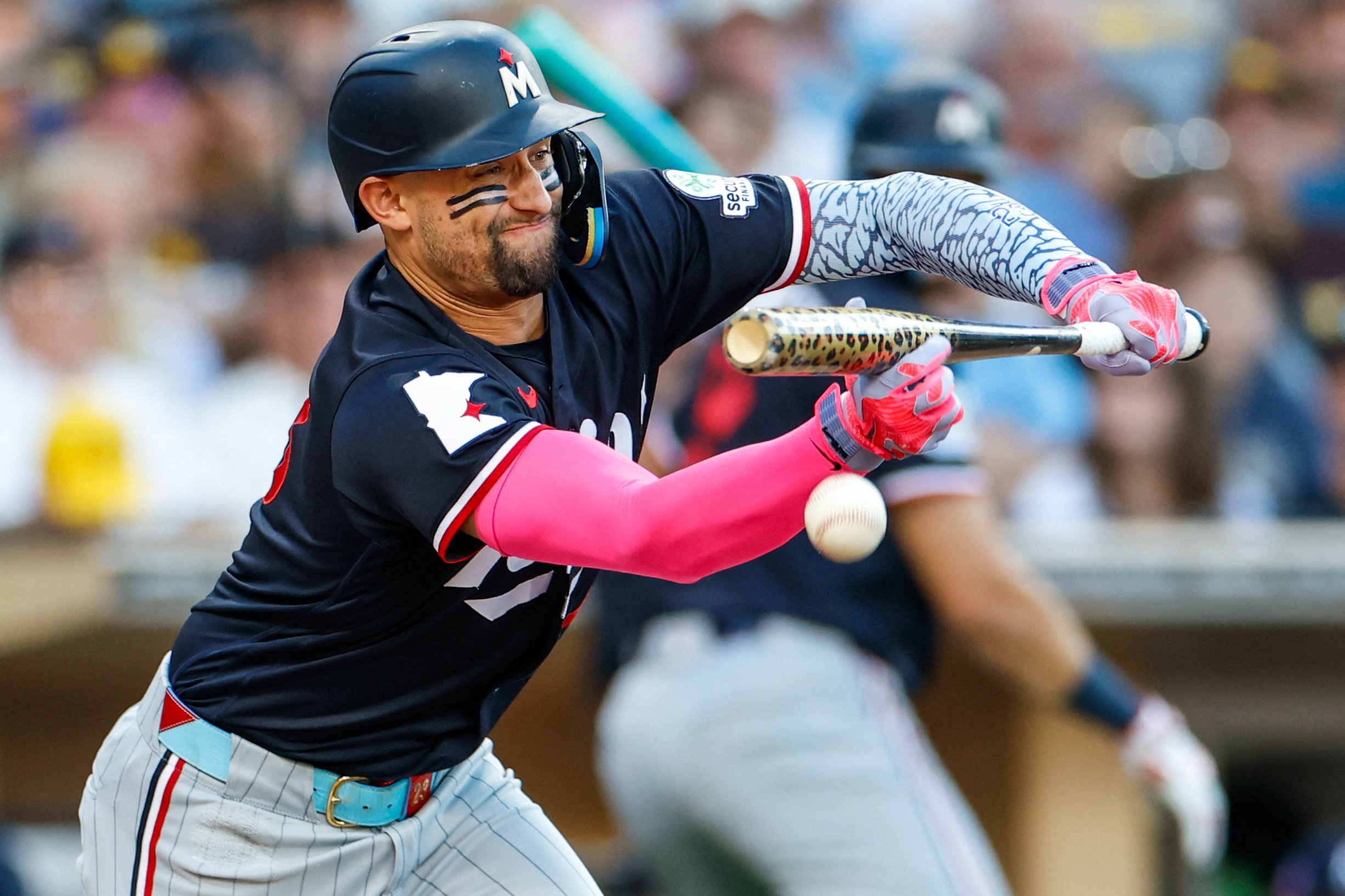 Box Score SP: Dean Kremer - 5 1/3 IP, 3 H, 2 R, 3 BB, 5 K (101 pitches, 59 strikes (58% strikes)) Home Runs: Luke Keaschall, Brooks Lee, Kaelen Culpepper Bottom 3 WPA: Andrew Morris (-0.64), Byron Buxton (-0.07), Tommy Nance (-0.06) Win Probability Chart The Twins entered Saturday night's matchup in San Diego looking to even the series after dropping Friday night's opener. For the first six innings, it looked like Minnesota was going to do exactly that, jumping out to an early lead while Dean Kremer kept the Padres' lineup mostly in check. Unfortunately, everything unraveled in the seventh. Luke Keaschall got the Twins on the board with a leadoff homer in the first before Brooks Lee and Kaelen Culpepper went back-to-back in the second. Kody Clemens added another RBI single in the third, and Keaschall drove in another run in the fourth to give Minnesota a 5-1 lead. Kremer worked five-plus strong innings before San Diego finally began chipping away in the sixth. The Padres then erupted for five runs in the seventh, turning a 5-2 deficit into a 6-5 lead before adding another insurance run in the eighth. The Twins couldn't mount a response against San Diego's bullpen, falling 7-5 and dropping to 63-67 on the season. THE TWINS COULDN'T HAVE ASKED FOR A BETTER START Minnesota wasted no time putting pressure on Casey Mize. Keaschall opened the game by jumping on a 2-1 slider that caught too much of the plate, sending it over the wall in left for his first homer of the night. It was the second time this season Keaschall had taken Mize deep, giving the Twins an immediate 1-0 lead. They would add to their advantage in the second. Lee took a fastball down and away and drove it out to left for his 19th homer of the season. Culpepper followed by jumping on the first pitch he saw from Mize, sending a heater over the wall for his second career major league homer and giving the Twins a 3-0 lead. It marked the sixth time this season Minnesota had hit back-to-back homers. The Twins weren't finished there. After Jeffers doubled in the third and Mize was removed from the game following a noticeable dip in velocity, Clemens lined an RBI single into center to make it 4-1. Keaschall then struck again in the fourth, singling home Lee and giving Minnesota a four-run advantage. For the first four innings, the Twins were doing just about everything right offensively. They were taking advantage of mistakes, getting runners on base and consistently putting pressure on San Diego's pitching staff. Unfortunately, they couldn't keep it going for the final five innings. DEAN KREMER GAVE THE TWINS EXACTLY WHAT THEY NEEDED Kremer's night was far from perfect, but the right-hander did a good job of limiting the damage and giving Minnesota a chance to win. After allowing a solo homer to Jackson Merrill in the second, Kremer settled into a strong rhythm. He worked around a pair of walks in the fourth, needing 27 pitches to escape the inning, but managed to strand both runners and keep San Diego off the board. He then worked a clean fifth on just 13 pitches, bringing his pitch count to 88 entering the bottom of the sixth. Kremer returned for the sixth and immediately ran into trouble. Cronenworth doubled to begin the inning before Machado worked a walk after Kremer had gotten him into an 0-2 count. After France lined out, Kremer's night came to an end at 101 pitches. Merrill followed with an RBI single to cut Minnesota's lead to 5-2, but Kremer had done his job. He finished with five-plus innings, allowing two runs while striking out five. Considering the Twins had acquired him at the trade deadline to provide stability in the rotation, this was another encouraging outing from Kremer. Unfortunately, the bullpen couldn't preserve the lead he handed over. THE SEVENTH INNING COMPLETELY CHANGED THE GAME This game looked like it belonged to Minnesota through six innings. Then everything fell apart in the seventh. Andrew Morris entered to begin the inning and quickly recorded the first out, but things spiraled from there. Freddy Fermin reached on catcher interference before Tatis singled to put two runners on, and Cronenworth followed with a double that scored both runners and cut the Twins' lead to 5-4. Suddenly, the Padres had all of the momentum. Machado then grounded a ball to short, and when Cronenworth tried to advance to third, Culpepper attempted to get the lead runner. The throw missed its mark, allowing Cronenworth to score the tying run while Machado advanced to second. It was a costly defensive mistake in an inning that was already getting away from Minnesota. France followed by dumping a ball into right field, scoring Machado and giving San Diego its first lead of the night at 6-5. Just like that, a game the Twins had controlled for six innings had completely flipped. Morris eventually escaped the inning, but the damage had been done. The Padres had scored four runs, taken the lead and forced Minnesota to play from behind for the first time all night. THE TWINS HAD AN OPPORTUNITY TO ADD ON Minnesota did have a chance to change the game's trajectory before San Diego ultimately pulled away. Lee led off the sixth with a single through the right side, putting him just a triple shy of the cycle. After Culpepper lined out, Keaschall was hit by a fastball before Buxton drew a walk to load the bases with one out. That gave Bell a chance to deliver a huge blow. Instead, he swung through a curveball for the second out, and Jeffers grounded out to short to end the inning. The Twins had put together a bases-loaded situation with a chance to extend their lead, but they walked away empty-handed. Given how the game eventually unfolded, that missed opportunity loomed even larger. Lee later struck out to begin the eighth, ending his attempt at the cycle. Culpepper and Keaschall followed with outs, and suddenly Minnesota was down to its final three outs. But by that point, the Padres had all of the momentum. SAN DIEGO ADDED THE INSURANCE RUN IT NEEDED The Padres weren't done after taking the lead in the seventh. Tommy Nance entered for the Twins in the eighth and immediately ran into trouble when a ball hit back to him kicked off his glove and was ruled a single. After Bogaerts struck out, Fermin singled to put two runners on for Tatis. The Padres' star then delivered another blow. Tatis grounded a ball up the middle, bringing home Fermin and extending San Diego's lead to 7-5. It was exactly the kind of insurance run the Padres needed with Mason Miller waiting in the bullpen. Cronenworth and Machado eventually struck out to end the inning, but the damage had been done. Minnesota entered the ninth needing two runs against one of the most dominant relievers in baseball. Buxton couldn't catch up to a 101-mph fastball for the first out, and Tatis then made a tremendous running catch along the right-field line to take a hit away from Bell. Jeffers grounded out to short for the final out, and just like that, the Twins had let one slip away. For six innings, Minnesota looked firmly in control. The offense jumped on Mize early, Kremer kept the Padres at arm's length, and the Twins carried a 5-2 lead into the bottom of the sixth. But the seventh inning changed everything. San Diego scored four runs, Minnesota couldn't answer, and the Padres eventually added another insurance run to secure the 7-5 victory. After controlling the game for most of the night, the Twins simply couldn't finish it. Minnesota now falls to 63-67 and will look to avoid the sweep Sunday in the series finale. What’s Next? The Twins and Padres will wrap up their weekend series in San Diego tomorrow. Bailey Ober will take the mound for the good guys, and he’ll face off against veteran right-hander Walker Buehler. First pitch is set for 3:10 PM. Postgame Interviews Bullpen Availability Chart
- 83 comments
-
- 3
-

-
- game recap
- brooks lee
- (and 3 more)
-
Image courtesy of David Frerker-Imagn Images Box Score SP: Dean Kremer - 5 1/3 IP, 3 H, 2 R, 3 BB, 5 K (101 pitches, 59 strikes (58% strikes)) Home Runs: Luke Keaschall, Brooks Lee, Kaelen Culpepper Bottom 3 WPA: Andrew Morris (-0.64), Byron Buxton (-0.07), Tommy Nance (-0.06) Win Probability Chart The Twins entered Saturday night's matchup in San Diego looking to even the series after dropping Friday night's opener. For the first six innings, it looked like Minnesota was going to do exactly that, jumping out to an early lead while Dean Kremer kept the Padres' lineup mostly in check. Unfortunately, everything unraveled in the seventh. Luke Keaschall got the Twins on the board with a leadoff homer in the first before Brooks Lee and Kaelen Culpepper went back-to-back in the second. Kody Clemens added another RBI single in the third, and Keaschall drove in another run in the fourth to give Minnesota a 5-1 lead. Kremer worked five-plus strong innings before San Diego finally began chipping away in the sixth. The Padres then erupted for five runs in the seventh, turning a 5-2 deficit into a 6-5 lead before adding another insurance run in the eighth. The Twins couldn't mount a response against San Diego's bullpen, falling 7-5 and dropping to 63-67 on the season. THE TWINS COULDN'T HAVE ASKED FOR A BETTER START Minnesota wasted no time putting pressure on Casey Mize. Keaschall opened the game by jumping on a 2-1 slider that caught too much of the plate, sending it over the wall in left for his first homer of the night. It was the second time this season Keaschall had taken Mize deep, giving the Twins an immediate 1-0 lead. They would add to their advantage in the second. Lee took a fastball down and away and drove it out to left for his 19th homer of the season. Culpepper followed by jumping on the first pitch he saw from Mize, sending a heater over the wall for his second career major league homer and giving the Twins a 3-0 lead. It marked the sixth time this season Minnesota had hit back-to-back homers. The Twins weren't finished there. After Jeffers doubled in the third and Mize was removed from the game following a noticeable dip in velocity, Clemens lined an RBI single into center to make it 4-1. Keaschall then struck again in the fourth, singling home Lee and giving Minnesota a four-run advantage. For the first four innings, the Twins were doing just about everything right offensively. They were taking advantage of mistakes, getting runners on base and consistently putting pressure on San Diego's pitching staff. Unfortunately, they couldn't keep it going for the final five innings. DEAN KREMER GAVE THE TWINS EXACTLY WHAT THEY NEEDED Kremer's night was far from perfect, but the right-hander did a good job of limiting the damage and giving Minnesota a chance to win. After allowing a solo homer to Jackson Merrill in the second, Kremer settled into a strong rhythm. He worked around a pair of walks in the fourth, needing 27 pitches to escape the inning, but managed to strand both runners and keep San Diego off the board. He then worked a clean fifth on just 13 pitches, bringing his pitch count to 88 entering the bottom of the sixth. Kremer returned for the sixth and immediately ran into trouble. Cronenworth doubled to begin the inning before Machado worked a walk after Kremer had gotten him into an 0-2 count. After France lined out, Kremer's night came to an end at 101 pitches. Merrill followed with an RBI single to cut Minnesota's lead to 5-2, but Kremer had done his job. He finished with five-plus innings, allowing two runs while striking out five. Considering the Twins had acquired him at the trade deadline to provide stability in the rotation, this was another encouraging outing from Kremer. Unfortunately, the bullpen couldn't preserve the lead he handed over. THE SEVENTH INNING COMPLETELY CHANGED THE GAME This game looked like it belonged to Minnesota through six innings. Then everything fell apart in the seventh. Andrew Morris entered to begin the inning and quickly recorded the first out, but things spiraled from there. Freddy Fermin reached on catcher interference before Tatis singled to put two runners on, and Cronenworth followed with a double that scored both runners and cut the Twins' lead to 5-4. Suddenly, the Padres had all of the momentum. Machado then grounded a ball to short, and when Cronenworth tried to advance to third, Culpepper attempted to get the lead runner. The throw missed its mark, allowing Cronenworth to score the tying run while Machado advanced to second. It was a costly defensive mistake in an inning that was already getting away from Minnesota. France followed by dumping a ball into right field, scoring Machado and giving San Diego its first lead of the night at 6-5. Just like that, a game the Twins had controlled for six innings had completely flipped. Morris eventually escaped the inning, but the damage had been done. The Padres had scored four runs, taken the lead and forced Minnesota to play from behind for the first time all night. THE TWINS HAD AN OPPORTUNITY TO ADD ON Minnesota did have a chance to change the game's trajectory before San Diego ultimately pulled away. Lee led off the sixth with a single through the right side, putting him just a triple shy of the cycle. After Culpepper lined out, Keaschall was hit by a fastball before Buxton drew a walk to load the bases with one out. That gave Bell a chance to deliver a huge blow. Instead, he swung through a curveball for the second out, and Jeffers grounded out to short to end the inning. The Twins had put together a bases-loaded situation with a chance to extend their lead, but they walked away empty-handed. Given how the game eventually unfolded, that missed opportunity loomed even larger. Lee later struck out to begin the eighth, ending his attempt at the cycle. Culpepper and Keaschall followed with outs, and suddenly Minnesota was down to its final three outs. But by that point, the Padres had all of the momentum. SAN DIEGO ADDED THE INSURANCE RUN IT NEEDED The Padres weren't done after taking the lead in the seventh. Tommy Nance entered for the Twins in the eighth and immediately ran into trouble when a ball hit back to him kicked off his glove and was ruled a single. After Bogaerts struck out, Fermin singled to put two runners on for Tatis. The Padres' star then delivered another blow. Tatis grounded a ball up the middle, bringing home Fermin and extending San Diego's lead to 7-5. It was exactly the kind of insurance run the Padres needed with Mason Miller waiting in the bullpen. Cronenworth and Machado eventually struck out to end the inning, but the damage had been done. Minnesota entered the ninth needing two runs against one of the most dominant relievers in baseball. Buxton couldn't catch up to a 101-mph fastball for the first out, and Tatis then made a tremendous running catch along the right-field line to take a hit away from Bell. Jeffers grounded out to short for the final out, and just like that, the Twins had let one slip away. For six innings, Minnesota looked firmly in control. The offense jumped on Mize early, Kremer kept the Padres at arm's length, and the Twins carried a 5-2 lead into the bottom of the sixth. But the seventh inning changed everything. San Diego scored four runs, Minnesota couldn't answer, and the Padres eventually added another insurance run to secure the 7-5 victory. After controlling the game for most of the night, the Twins simply couldn't finish it. Minnesota now falls to 63-67 and will look to avoid the sweep Sunday in the series finale. What’s Next? The Twins and Padres will wrap up their weekend series in San Diego tomorrow. Bailey Ober will take the mound for the good guys, and he’ll face off against veteran right-hander Walker Buehler. First pitch is set for 3:10 PM. Postgame Interviews Bullpen Availability Chart View full article
-
Image courtesy of Stephen Brashear-Imagn Images Trevor Larnach has been one of the most impactful bats in the Twins’ lineup this season. Through 380 plate appearances, Larnach is currently sporting career-high marks in batting average (.266), on-base percentage (.351) and OPS (.769). And while he had largely been a glorified strong-sided platoon bat for much of his career, he has taken his performance to another level in 2026. Through the first half, Larnach looked like a legitimate middle-of-the-order contributor rather than simply a player who needed to be shielded from certain matchups. Then came the trade deadline. A lot of people, myself included, believed Larnach would be traded to make room for the next wave of outfield talent within the Twins’ system. With players like Walker Jenkins, Emmanuel Rodriguez and Hendry Mendez looming, it made sense to wonder whether Larnach’s time in Minnesota was coming to an end. And for a minute, it looked like it was. The Twins and Astros reportedly had a deal lined up that would have sent Larnach to Houston in exchange for reliever Bryan Abreu. But Astros owner Jim Crane ultimately vetoed the trade because of his unwillingness to subtract talent from Houston’s major league roster during a playoff push. Just like that, Larnach was staying in Minnesota. And from that moment on — whether it was because of almost being traded or simply a coincidence — he hasn’t been the same player. Across 53 plate appearances in August, Larnach is hitting just .163. He’s striking out at a higher frequency, getting on base less often and, after serving as the Twins’ leadoff hitter against right-handed pitching for most of the summer, he’s now hitting in the bottom half of the lineup. On the surface, it looks like a player who has completely lost his way. But there’s a pretty important caveat to Larnach’s recent struggles: He might just be one of the unluckiest hitters in baseball right now. Larnach’s quality of contact in August has actually been some of the best contact he’s made all season. His average exit velocity is 89.3 MPH, comfortably above his season-long mark of 87.7 MPH. His 51.4% hard-hit rate is exceptionally high, especially for a player who is hitting .163. His overall offensive approach hasn’t drastically changed. The same types of batted balls that have helped Larnach find success throughout the season simply haven’t been finding holes in August. His BABIP sits at just .171 during the month, an extremely low mark for someone making contact at the quality Larnach has been. That doesn’t mean every part of his slump can be dismissed as bad luck. Strikeouts and an inability to get on base are still legitimate concerns, and eventually, poor results can point toward an underlying issue. But when a hitter is making harder contact than usual without seeing the results follow, it’s difficult to completely panic. Still, there is one notable change with Larnach that goes beyond his batted-ball profile. The pitch he has struggled with the most this season is the split-finger. He has whiffed on half of the swings he’s taken against splitters, and offspeed pitches in general have given him trouble in 2026. But the splitter, in particular, has been a problem. It would seem as though opposing pitchers have caught onto that, too. In August, Larnach is seeing splitters at more than double the rate he saw them during the rest of the season. Splitters have accounted for 13.3% of the pitches he has seen this month. From May through July, when Larnach was arguably at his best, that number was right around 4.5%. Even if Larnach’s contact quality remains strong, opposing pitchers have clearly identified a potential weakness in his profile. If a hitter has struggled to make contact against a particular pitch, there’s little reason for pitchers not to continue testing him with it. And that creates a different challenge for Larnach than simply waiting for his BABIP to normalize. If pitchers are going to throw him more splitters and offspeed pitches, Larnach has to prove he can adjust. That could mean laying off pitches below the zone, doing a better job of recognizing the splitter out of the pitcher’s hand or simply finding a way to make more consistent contact against it. Whatever the adjustment looks like, it will be an important one for a hitter who had seemingly figured things out for most of the season. Because despite the last few weeks, the foundation that made Larnach so successful remains intact. He’s still hitting the ball hard, his approach hasn’t fallen apart, and his season-long numbers remain far better than anything he has produced over a full season to this point in his career. That’s why it’s probably too early to look at his August numbers and assume Larnach has suddenly reverted to the player he was earlier in his career. There’s certainly some bad luck involved. But opposing pitchers also introduce a new wrinkle, and Larnach will have to show he can counter it. For a Twins team fighting for a postseason spot, getting Larnach back to his normal self could be a major development. The player who emerged as one of Minnesota’s most reliable offensive pieces earlier this season is still in there. Now, he just needs to prove he can adjust. View full article
-
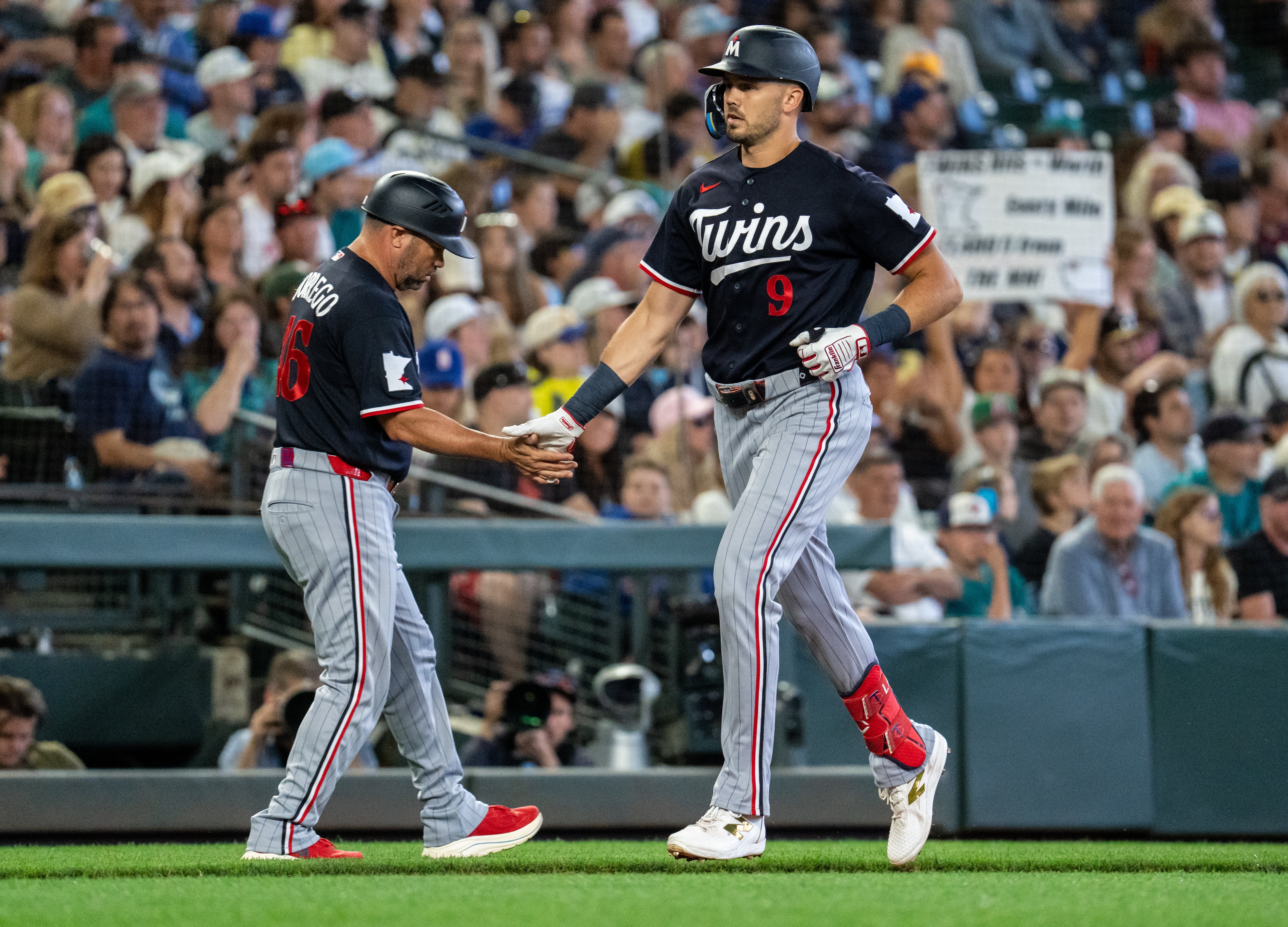 Trevor Larnach has been one of the most impactful bats in the Twins’ lineup this season. Through 380 plate appearances, Larnach is currently sporting career-high marks in batting average (.266), on-base percentage (.351) and OPS (.769). And while he had largely been a glorified strong-sided platoon bat for much of his career, he has taken his performance to another level in 2026. Through the first half, Larnach looked like a legitimate middle-of-the-order contributor rather than simply a player who needed to be shielded from certain matchups. Then came the trade deadline. A lot of people, myself included, believed Larnach would be traded to make room for the next wave of outfield talent within the Twins’ system. With players like Walker Jenkins, Emmanuel Rodriguez and Hendry Mendez looming, it made sense to wonder whether Larnach’s time in Minnesota was coming to an end. And for a minute, it looked like it was. The Twins and Astros reportedly had a deal lined up that would have sent Larnach to Houston in exchange for reliever Bryan Abreu. But Astros owner Jim Crane ultimately vetoed the trade because of his unwillingness to subtract talent from Houston’s major league roster during a playoff push. Just like that, Larnach was staying in Minnesota. And from that moment on — whether it was because of almost being traded or simply a coincidence — he hasn’t been the same player. Across 53 plate appearances in August, Larnach is hitting just .163. He’s striking out at a higher frequency, getting on base less often and, after serving as the Twins’ leadoff hitter against right-handed pitching for most of the summer, he’s now hitting in the bottom half of the lineup. On the surface, it looks like a player who has completely lost his way. But there’s a pretty important caveat to Larnach’s recent struggles: He might just be one of the unluckiest hitters in baseball right now. Larnach’s quality of contact in August has actually been some of the best contact he’s made all season. His average exit velocity is 89.3 MPH, comfortably above his season-long mark of 87.7 MPH. His 51.4% hard-hit rate is exceptionally high, especially for a player who is hitting .163. His overall offensive approach hasn’t drastically changed. The same types of batted balls that have helped Larnach find success throughout the season simply haven’t been finding holes in August. His BABIP sits at just .171 during the month, an extremely low mark for someone making contact at the quality Larnach has been. That doesn’t mean every part of his slump can be dismissed as bad luck. Strikeouts and an inability to get on base are still legitimate concerns, and eventually, poor results can point toward an underlying issue. But when a hitter is making harder contact than usual without seeing the results follow, it’s difficult to completely panic. Still, there is one notable change with Larnach that goes beyond his batted-ball profile. The pitch he has struggled with the most this season is the split-finger. He has whiffed on half of the swings he’s taken against splitters, and offspeed pitches in general have given him trouble in 2026. But the splitter, in particular, has been a problem. It would seem as though opposing pitchers have caught onto that, too. In August, Larnach is seeing splitters at more than double the rate he saw them during the rest of the season. Splitters have accounted for 13.3% of the pitches he has seen this month. From May through July, when Larnach was arguably at his best, that number was right around 4.5%. Even if Larnach’s contact quality remains strong, opposing pitchers have clearly identified a potential weakness in his profile. If a hitter has struggled to make contact against a particular pitch, there’s little reason for pitchers not to continue testing him with it. And that creates a different challenge for Larnach than simply waiting for his BABIP to normalize. If pitchers are going to throw him more splitters and offspeed pitches, Larnach has to prove he can adjust. That could mean laying off pitches below the zone, doing a better job of recognizing the splitter out of the pitcher’s hand or simply finding a way to make more consistent contact against it. Whatever the adjustment looks like, it will be an important one for a hitter who had seemingly figured things out for most of the season. Because despite the last few weeks, the foundation that made Larnach so successful remains intact. He’s still hitting the ball hard, his approach hasn’t fallen apart, and his season-long numbers remain far better than anything he has produced over a full season to this point in his career. That’s why it’s probably too early to look at his August numbers and assume Larnach has suddenly reverted to the player he was earlier in his career. There’s certainly some bad luck involved. But opposing pitchers also introduce a new wrinkle, and Larnach will have to show he can counter it. For a Twins team fighting for a postseason spot, getting Larnach back to his normal self could be a major development. The player who emerged as one of Minnesota’s most reliable offensive pieces earlier this season is still in there. Now, he just needs to prove he can adjust.
 -
Image courtesy of Matt Blewett-Imagn Images It’s been almost three weeks since the 2026 MLB trade deadline, and the Twins have already gotten plenty of production from the four pitchers they added in an effort to make a run at October baseball. Minnesota added three relievers (left-hander A.J. Minter and right-handers Tommy Nance and Jeff Hoffman), while also bringing in right-handed starter Dean Kremer. None of the four were household names, but all of them have made notable impacts since arriving in Minnesota. The pitching staff has looked sharp since the deadline, and that’s not a coincidence. Let's start with Kremer. Aside from his sixth inning against the Phillies, he’s been lights out. Over three starts with the Twins, Kremer is sporting a 3.12 ERA and a 0.81 WHIP across 17 1/3 innings. He’s allowed just nine hits and five walks, while striking out 15 batters. Of the six runs he’s given up as a Twin, four came in that sixth inning against Philadelphia on Sunday. Outside of that one frame, Kremer has been darn good, and arguably, he should have been out of there before some of the damage he absorbed. Part of that success can be attributed to a slight adjustment he’s made since joining the Twins. Kremer has raised his arm angle slightly, allowing him to get more ride on his fastball, and his splitter has been playing beautifully off of it. His cutter has also been effective. In Sunday’s start against Philadelphia, the pitch generated six whiffs on seven swings, giving Kremer multiple pitches that are playing at a high level. Considering the Twins were looking for another reliable starter to stabilize the rotation, they have to be pretty pleased with what they’ve gotten from Kremer so far. As for the bullpen additions, let’s start with the first of the trio: Nance. Nance was kind of the first move of the deadline, as the Twins acquired him on July 10, a little under a month ahead of time. Like Kremer, he’s performed extremely well since arriving in Minnesota. Over 13 1/3 innings as a Twin, Nance has allowed just two runs. He’s given up 12 hits and five walks, while punching out 16 batters. That strikeout production is particularly notable, because Nance’s strikeout rate has jumped nearly five percentage points compared to his time in Toronto. His slider, which has been his primary pitch both in terms of usage and in generating swing-and-miss, has played up since joining the Twins. In his most recent outing on Wednesday, Nance generated six whiffs on 16 pitches. He’s been a monster. In fact, I’d argue Nance has been better than his former (and now current, again) teammate, Hoffman. Hoffman has been good since arriving in Minnesota. He’s allowed just a pair of runs over seven innings, while striking out 10 batters. But some of the same issues he had in Toronto have followed him to Minnesota. Hoffman has issued six walks, an 18.2% walk rate. I think that’s a big part of the reason Derek Shelton has used him the way he has. Hoffman has primarily been a seventh-inning arm for the Twins since arriving in Minnesota. Because of his swing-and-miss ability, he’s someone you want to utilize late in games, but the consistency you crave from such a pitcher hasn’t been there. As far as pure stuff goes, the Twins don’t have anyone who can compare to Hoffman. His ability to miss bats is impressive, and when everything is working, he looks like a dominant late-inning reliever. But there’s a reason Louis Varland took over his closer role in Toronto, and there’s a reason Hoffman’s ERA and underlying data don’t always line up. Last but not least, there’s Minter. Minter had been extremely productive in New York before the deadline, and that hasn’t changed a bit since coming to Minnesota. Over 10 appearances with the Twins, Minter has allowed just one run in 8 2/3 innings. He’s given up only five hits and two walks while striking out five batters. While his strikeout rate is down, he’s made up for the lack of whiffs with extremely impressive contact quality. There have been 26 balls put in play against him. Minter’s opponents' average exit velocity is just 81.5 MPH. Only five of those balls have been hard-hit. The Twins didn’t trade for Minter to be a swing-and-miss machine. They traded for a consistent, reliable left-handed option. That’s exactly what he’s been. While none of the four pitchers the Twins acquired were flashy additions, they’ve all done their jobs. Fresh off a sweep of the Braves, Minnesota currently holds the final American League Wild Card spot. If the Twins are going to make a legitimate run at October baseball, they’ll need that pitching staff to continue performing at a high level. Based on what these four additions have done so far, there’s plenty of reason to believe they can. View full article
-
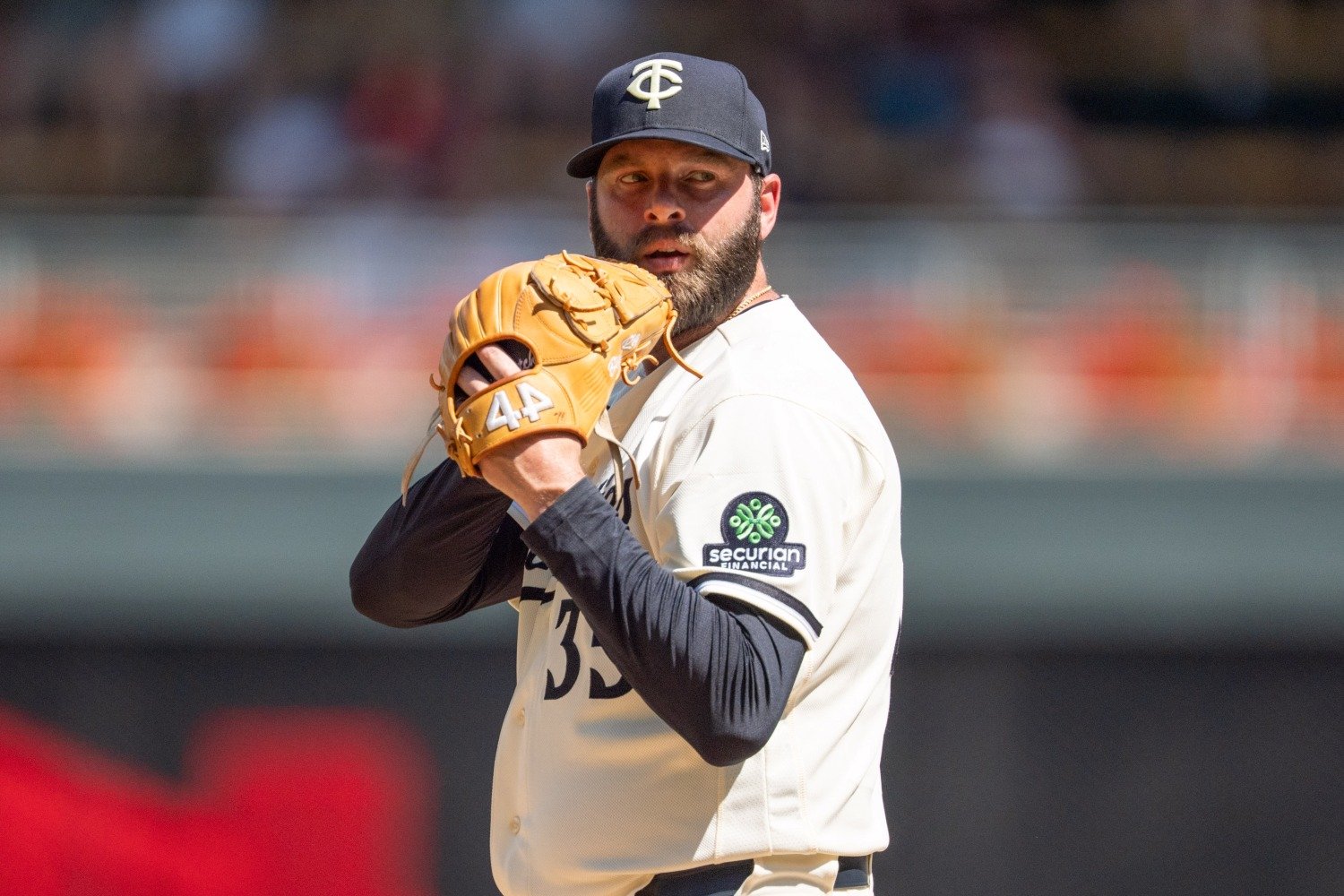 It’s been almost three weeks since the 2026 MLB trade deadline, and the Twins have already gotten plenty of production from the four pitchers they added in an effort to make a run at October baseball. Minnesota added three relievers (left-hander A.J. Minter and right-handers Tommy Nance and Jeff Hoffman), while also bringing in right-handed starter Dean Kremer. None of the four were household names, but all of them have made notable impacts since arriving in Minnesota. The pitching staff has looked sharp since the deadline, and that’s not a coincidence. Let's start with Kremer. Aside from his sixth inning against the Phillies, he’s been lights out. Over three starts with the Twins, Kremer is sporting a 3.12 ERA and a 0.81 WHIP across 17 1/3 innings. He’s allowed just nine hits and five walks, while striking out 15 batters. Of the six runs he’s given up as a Twin, four came in that sixth inning against Philadelphia on Sunday. Outside of that one frame, Kremer has been darn good, and arguably, he should have been out of there before some of the damage he absorbed. Part of that success can be attributed to a slight adjustment he’s made since joining the Twins. Kremer has raised his arm angle slightly, allowing him to get more ride on his fastball, and his splitter has been playing beautifully off of it. His cutter has also been effective. In Sunday’s start against Philadelphia, the pitch generated six whiffs on seven swings, giving Kremer multiple pitches that are playing at a high level. Considering the Twins were looking for another reliable starter to stabilize the rotation, they have to be pretty pleased with what they’ve gotten from Kremer so far. As for the bullpen additions, let’s start with the first of the trio: Nance. Nance was kind of the first move of the deadline, as the Twins acquired him on July 10, a little under a month ahead of time. Like Kremer, he’s performed extremely well since arriving in Minnesota. Over 13 1/3 innings as a Twin, Nance has allowed just two runs. He’s given up 12 hits and five walks, while punching out 16 batters. That strikeout production is particularly notable, because Nance’s strikeout rate has jumped nearly five percentage points compared to his time in Toronto. His slider, which has been his primary pitch both in terms of usage and in generating swing-and-miss, has played up since joining the Twins. In his most recent outing on Wednesday, Nance generated six whiffs on 16 pitches. He’s been a monster. In fact, I’d argue Nance has been better than his former (and now current, again) teammate, Hoffman. Hoffman has been good since arriving in Minnesota. He’s allowed just a pair of runs over seven innings, while striking out 10 batters. But some of the same issues he had in Toronto have followed him to Minnesota. Hoffman has issued six walks, an 18.2% walk rate. I think that’s a big part of the reason Derek Shelton has used him the way he has. Hoffman has primarily been a seventh-inning arm for the Twins since arriving in Minnesota. Because of his swing-and-miss ability, he’s someone you want to utilize late in games, but the consistency you crave from such a pitcher hasn’t been there. As far as pure stuff goes, the Twins don’t have anyone who can compare to Hoffman. His ability to miss bats is impressive, and when everything is working, he looks like a dominant late-inning reliever. But there’s a reason Louis Varland took over his closer role in Toronto, and there’s a reason Hoffman’s ERA and underlying data don’t always line up. Last but not least, there’s Minter. Minter had been extremely productive in New York before the deadline, and that hasn’t changed a bit since coming to Minnesota. Over 10 appearances with the Twins, Minter has allowed just one run in 8 2/3 innings. He’s given up only five hits and two walks while striking out five batters. While his strikeout rate is down, he’s made up for the lack of whiffs with extremely impressive contact quality. There have been 26 balls put in play against him. Minter’s opponents' average exit velocity is just 81.5 MPH. Only five of those balls have been hard-hit. The Twins didn’t trade for Minter to be a swing-and-miss machine. They traded for a consistent, reliable left-handed option. That’s exactly what he’s been. While none of the four pitchers the Twins acquired were flashy additions, they’ve all done their jobs. Fresh off a sweep of the Braves, Minnesota currently holds the final American League Wild Card spot. If the Twins are going to make a legitimate run at October baseball, they’ll need that pitching staff to continue performing at a high level. Based on what these four additions have done so far, there’s plenty of reason to believe they can.
- 17 comments
-
- 6
-
-

-
- tommy nance
- jeff hoffman
- (and 2 more)
-
Image courtesy of Jordan Johnson-Imagn Images It’s been a little over a month since the 2026 MLB Draft, and we’re already at the point where a lot of the top prospects in this year’s class are everyday players within their respective organizations. The Twins’ top two draft picks, catchers Vahn Lackey and Carson Tinney, are part of that group. The two have been doing essentially all of the catching for Low-A Fort Myers, and while neither Lackey nor Tinney has even 60 plate appearances under their belt yet, it’s easy to see the upside they both clearly possess. We’ll start with Lackey. He got drafted first, so that only seems fair. Across 44 at-bats, Lackey has logged nine hits, including a pair of doubles and a pair of triples. He’s driven in seven runs, scored nine times, and his impressive athleticism has already led to three stolen bases. He’s also walked nine times, which is an encouraging sign considering that he hasn’t exactly been tearing the cover off the baseball. The biggest issue thus far for Lackey has been strikeouts. That’s not particularly surprising, considering this is his first taste of professional pitching. He’s struck out in 15 of his 44 at-bats, but the underlying numbers are actually pretty encouraging. The impressive plate discipline Lackey showed at Georgia Tech has carried over to professional baseball. En route to those nine walks, Lackey is swinging at just 36.8% of the pitches he’s seeing. That’s a pretty low number; most hitters swing at just under half of the pitches they face. Rather than aggressively chasing out of the zone, Lackey is taking what opposing pitchers are giving him, and they aren’t giving him many hittable pitches. His quality of contact hasn’t been exceptional, and he's yet to hit his first professional home run, but that’s not a huge concern at this point. He’s a smart, pure hitter with plus athleticism for a catcher. He’s made consistent contact and shown an ability to get on base. We’ve also gotten to see his defense on full display. Lackey has thrown out six baserunners on 23 attempts, good for a 26% caught-stealing rate. That’s not awful, and that number was considerably higher earlier in the month. But teams have been running on him a lot, and his defense was just as prominent as his bat coming into the draft. Because of that, his development behind the plate will be just as important as his development at the plate. There’s a lot to like about what Lackey has shown over his first stretch of professional baseball. The same can be said for Tinney, although it’s interesting to note the similarities and differences between the two. Tinney was drafted as much more of a power-first bat out of the University of Texas, and we’ve already seen some of that power on display. He’s launched four home runs across his first 13 games, including one walk-off home run. His first professional homer came off the bat at 115 MPH, giving us a glimpse of the impact power the Twins believed he could bring to the organization. But Tinney also came into professional baseball with impressive discipline at the plate, while his bat-to-ball skills lagged behind. Both of those traits have been on display early. In 58 plate appearances, Tinney has walked 13 times and struck out 19 times. Though he’s hitting just .159, his on-base percentage is .362. Much like Lackey, Tinney has been extremely selective. His swing rate is even lower than Lackey’s, at 30.9%. You could argue that’s too low, especially considering that he’s swinging at fewer than half of the pitches he’s seeing in the strike zone. It seems like both catchers could help themselves by being a little more aggressive on pitches in the zone. That’s obviously easier said than done when opposing pitchers aren’t giving them many pitches to hit, but as they continue to develop and get more professional at-bats under their belts, I’d expect that to change. When Tinney does connect, good things have happened. His average exit velocity is 92 MPH, paired with a 90th-percentile exit velocity of 103.3 MPH. We’re talking about an extremely small sample size here, but it’s encouraging to see Tinney’s power translating early in his professional career. The other side of the equation, however, hasn’t been quite as encouraging. Tinney’s 60-grade arm was a significant part of his profile coming into the draft, but it really hasn’t translated yet. Opposing runners have seven successful stolen bases, and Tinney hasn't thrown out anyone. Though teams haven’t been running on Tinney quite as much, they’ve been successful when they do. That’s something to keep an eye on as his development continues. It’s important not to overreact to any of these numbers. We’re talking about two players who have barely begun their professional careers. There will be plenty of highs and lows as both adjust to the daily grind of professional baseball. Lackey and Tinney have both shown flashes of the upside the Twins saw. There are obvious areas for both players to improve, particularly when it comes to their aggressiveness at the plate and their defensive development. That’s what this part of the process is all about. For now, the most important thing is that both Lackey and Tinney are getting everyday opportunities to develop, and both have already given Twins fans plenty of reasons to be excited about what could come next. Hopefully, this is just the start of a couple of long, successful careers. View full article
-
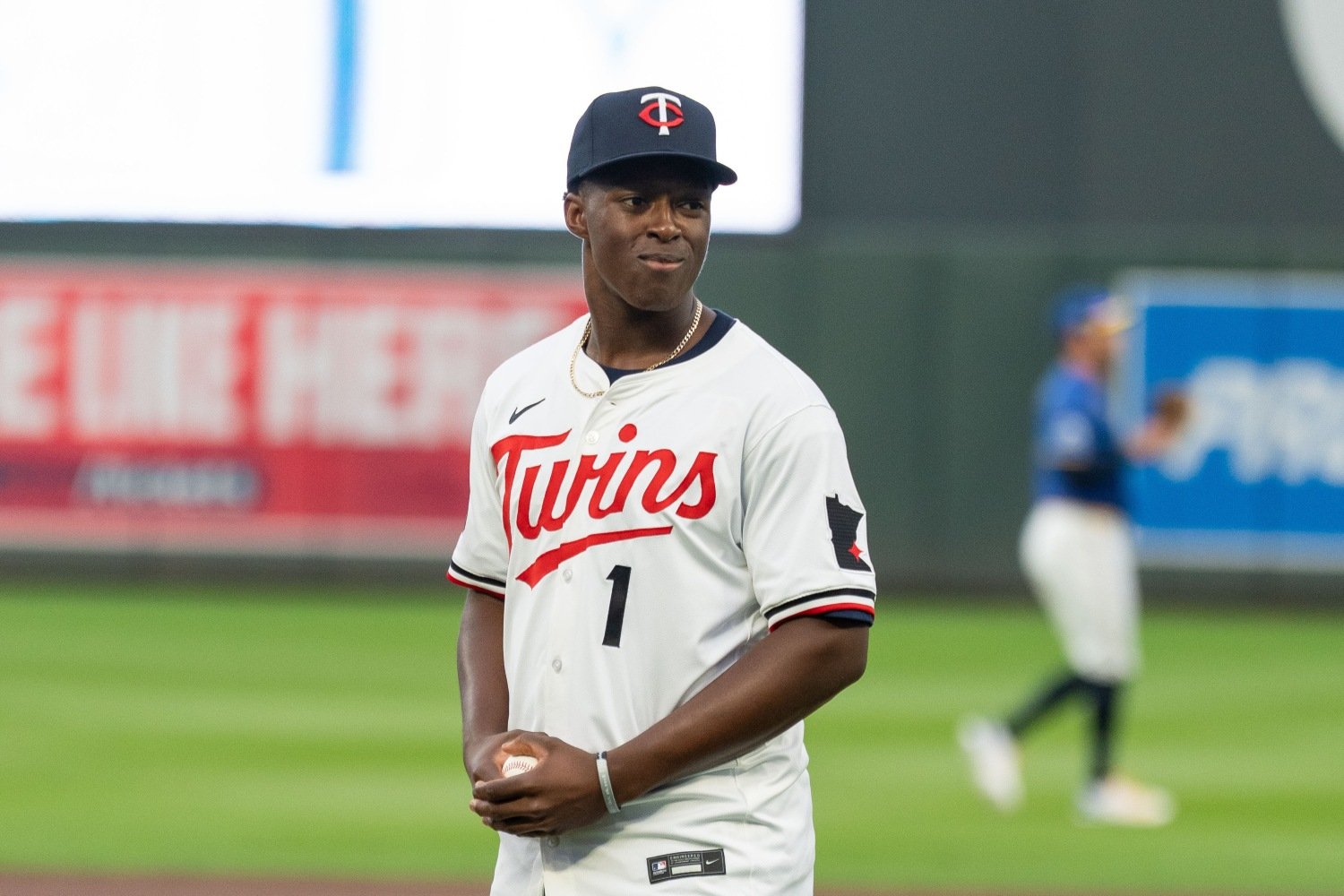 It’s been a little over a month since the 2026 MLB Draft, and we’re already at the point where a lot of the top prospects in this year’s class are everyday players within their respective organizations. The Twins’ top two draft picks, catchers Vahn Lackey and Carson Tinney, are part of that group. The two have been doing essentially all of the catching for Low-A Fort Myers, and while neither Lackey nor Tinney has even 60 plate appearances under their belt yet, it’s easy to see the upside they both clearly possess. We’ll start with Lackey. He got drafted first, so that only seems fair. Across 44 at-bats, Lackey has logged nine hits, including a pair of doubles and a pair of triples. He’s driven in seven runs, scored nine times, and his impressive athleticism has already led to three stolen bases. He’s also walked nine times, which is an encouraging sign considering that he hasn’t exactly been tearing the cover off the baseball. The biggest issue thus far for Lackey has been strikeouts. That’s not particularly surprising, considering this is his first taste of professional pitching. He’s struck out in 15 of his 44 at-bats, but the underlying numbers are actually pretty encouraging. The impressive plate discipline Lackey showed at Georgia Tech has carried over to professional baseball. En route to those nine walks, Lackey is swinging at just 36.8% of the pitches he’s seeing. That’s a pretty low number; most hitters swing at just under half of the pitches they face. Rather than aggressively chasing out of the zone, Lackey is taking what opposing pitchers are giving him, and they aren’t giving him many hittable pitches. His quality of contact hasn’t been exceptional, and he's yet to hit his first professional home run, but that’s not a huge concern at this point. He’s a smart, pure hitter with plus athleticism for a catcher. He’s made consistent contact and shown an ability to get on base. We’ve also gotten to see his defense on full display. Lackey has thrown out six baserunners on 23 attempts, good for a 26% caught-stealing rate. That’s not awful, and that number was considerably higher earlier in the month. But teams have been running on him a lot, and his defense was just as prominent as his bat coming into the draft. Because of that, his development behind the plate will be just as important as his development at the plate. There’s a lot to like about what Lackey has shown over his first stretch of professional baseball. The same can be said for Tinney, although it’s interesting to note the similarities and differences between the two. Tinney was drafted as much more of a power-first bat out of the University of Texas, and we’ve already seen some of that power on display. He’s launched four home runs across his first 13 games, including one walk-off home run. His first professional homer came off the bat at 115 MPH, giving us a glimpse of the impact power the Twins believed he could bring to the organization. But Tinney also came into professional baseball with impressive discipline at the plate, while his bat-to-ball skills lagged behind. Both of those traits have been on display early. In 58 plate appearances, Tinney has walked 13 times and struck out 19 times. Though he’s hitting just .159, his on-base percentage is .362. Much like Lackey, Tinney has been extremely selective. His swing rate is even lower than Lackey’s, at 30.9%. You could argue that’s too low, especially considering that he’s swinging at fewer than half of the pitches he’s seeing in the strike zone. It seems like both catchers could help themselves by being a little more aggressive on pitches in the zone. That’s obviously easier said than done when opposing pitchers aren’t giving them many pitches to hit, but as they continue to develop and get more professional at-bats under their belts, I’d expect that to change. When Tinney does connect, good things have happened. His average exit velocity is 92 MPH, paired with a 90th-percentile exit velocity of 103.3 MPH. We’re talking about an extremely small sample size here, but it’s encouraging to see Tinney’s power translating early in his professional career. The other side of the equation, however, hasn’t been quite as encouraging. Tinney’s 60-grade arm was a significant part of his profile coming into the draft, but it really hasn’t translated yet. Opposing runners have seven successful stolen bases, and Tinney hasn't thrown out anyone. Though teams haven’t been running on Tinney quite as much, they’ve been successful when they do. That’s something to keep an eye on as his development continues. It’s important not to overreact to any of these numbers. We’re talking about two players who have barely begun their professional careers. There will be plenty of highs and lows as both adjust to the daily grind of professional baseball. Lackey and Tinney have both shown flashes of the upside the Twins saw. There are obvious areas for both players to improve, particularly when it comes to their aggressiveness at the plate and their defensive development. That’s what this part of the process is all about. For now, the most important thing is that both Lackey and Tinney are getting everyday opportunities to develop, and both have already given Twins fans plenty of reasons to be excited about what could come next. Hopefully, this is just the start of a couple of long, successful careers.
 -
Brooks Lee has taken a step forward offensively, but his quality of contact has actually gone backward. So which version is the real one? View full video
-
Brooks Lee has taken a step forward offensively, but his quality of contact has actually gone backward. So which version is the real one?
-
Kody Clemens has already enjoyed a career year in 2026, but his bat has completely disappeared in August. Here’s what’s behind the sudden slump, and what needs to change. View full video
-
Kody Clemens has already enjoyed a career year in 2026, but his bat has completely disappeared in August. Here’s what’s behind the sudden slump, and what needs to change.
-
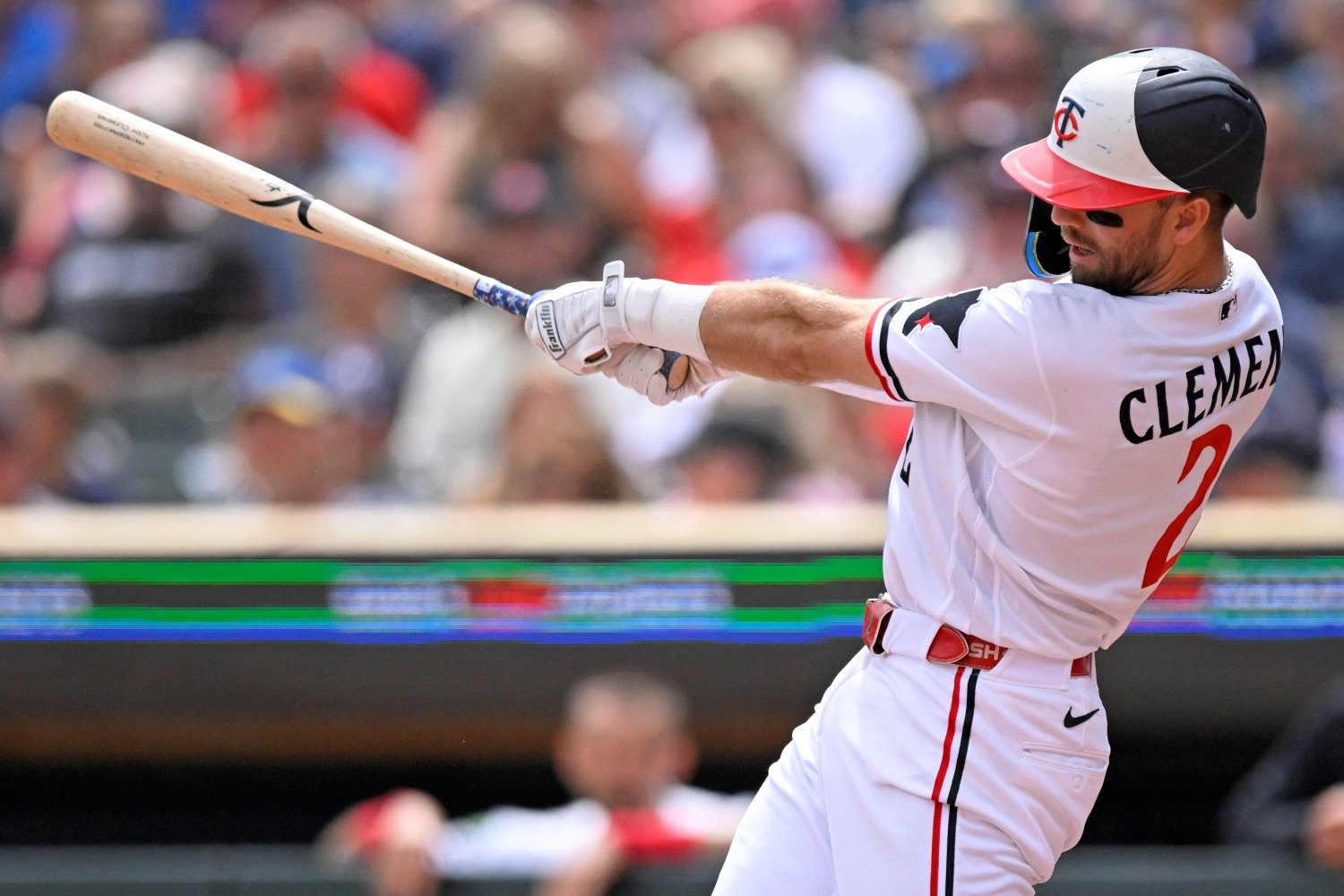 The 2026 campaign has been a career year for Kody Clemens, coming right on the heels of what looked like a career year in 2025. After being acquired from the Phillies last spring for cash considerations, Clemens has turned himself into a staple of the Twins’ lineup. He’s provided Minnesota with defensive versatility, while his bat has taken a significant step forward. In 445 plate appearances, Clemens is hitting .233 with a .291 on-base percentage. Those numbers certainly aren’t going to jump off the page, but his impressive power output has his OPS sitting north of .750. He’s already set career highs in doubles (20), triples (5), and home runs (21), giving the Twins some short-sequence offense on a team that often seems to be cobbling together runs too slowly. However, his bat has gone cold of late—and not cold like “a little chilly”. It's more like a Minnesotan winter. Since the start of August, Clemens is hitting just .185/.254/.296. After posting an impressive 115 wRC+ during the first half of the season, he's hitting .208/.257/.406 since the All-Star break. When he's not hitting in good luck, things can get very ugly; his aggressive approach rapidly makes him an out machine. It’s worth noting that Clemens has already shown that he can bounce back from a slump this season. He had a pretty rough first month of the year: .197/.296/.366 through the end of April, when the Twins had that strangely lefty-heavy stretch early in their schedule. He eventually found his rhythm, started making better contact, and became one of the more productive hitters in Minnesota’s lineup. So what’s actually going on with Clemens, and dare we hope for another recovery? For starters, a lot of his success this season has come from his ability to hit line drives. During the first half of the year, Clemens posted a 17.5% line-drive rate. Line drives are the most productive type of batted ball, and the more often a hitter produces them, the more opportunities he gives himself to do damage. That 17.5% clip isn’t an absurdly high number, but so far in August, Clemens’ line-drive rate has dropped to 8.6%. Instead, Clemens has been putting the ball on the ground quite a bit more, and he’s also not pulling the ball nearly as much as he was earlier in the season. For a lot of hitters, that might not necessarily be a bad thing. In Clemens’s case, though, it is. Of his 21 home runs this season, 19 have come to his pull side. Among his 46 extra-base hits, 36 have been hit to right field. Clemens has found a lot of his success by leaning into his pull-side power. When he’s able to get the ball into the air and turn on it, he can do some serious damage. That part of his game simply hasn’t been there in August, and the result has been considerably worse contact. Clemens’s 90.1 MPH average exit velocity this month isn’t bad on its own. There are plenty of hitters who would be more than happy with that number. But it’s well below where his season-long numbers sit, and it’s more than a mile per hour slower than the exit velocity he produced during his first slump back in April. His hard-hit rate is also 6.7 percentage points lower than his season-long mark, while he’s producing barrels at roughly half of his normal rate. Call it a blip, but don't call it a fluke. His batted-ball data and quality-of-contact numbers are lining up almost perfectly, and they’re telling the same story. Clemens isn’t hitting the baseball with nearly as much authority as he was earlier in the season. That doesn’t necessarily mean there’s some major issue that needs to be addressed. Slumps happen, especially over a small sample size like 59 plate appearances. Considering that Clemens has already demonstrated that he can make adjustments and work his way out of a slump this year, there’s reason to believe he can do it again. The Twins also don’t have much reason to take him out of the lineup. Clemens’s defensive ability and versatility provide Derek Shelton with plenty of flexibility, and his power gives Minnesota a legitimate threat in the middle of the lineup. Even with his recent struggles, the prior three months are a perfect example of just how valuable his bat can be when he’s right. Shelton has also made it clear in word and deed that he trusts Clemens more than Trevor Larnach against left-handed pitchers. But there’s no denying that his bat has run completely cold over the last few weeks. Clemens needs to start hitting the ball in the air more often, and perhaps more importantly, he needs to get back to pulling the baseball with authority. When he’s doing those things, he’s a dangerous hitter. In a way, though, those are results, just like hits are. The process—the input—that needs to change lies a layer deeper. He's at his best when achieving a fairly steep attack angle, which indicates that he's getting out and beating the ball to its spot with his barrel. Early in the season, he wasn't doing so. When he got hot, he was. Lately, he's back to catching the ball deeper and working uphill less at contact. That needs to change, and since nobody suddenly finds renewed bat speed during the peak of August's grind, it probably means starting a hair earlier in his swing. Teams have spotted the best way to attack Clemens. Since the start of July, over 60% of the pitches he's seen have been fastballs; he does most of his damage on mistake breaking and offspeed offerings. By speeding him up, pitchers are forcing him to hit deeper in his hitting zone and to flatten out his swing, which has robbed him of his ability to lift and pull for power. The best version of Clemens is the one who can foul off the fastball or lay off it when above the zone, and who obliterates secondary pitches. By giving him a steadier diet of heaters, pitchers have challenged Clemens to show he can be that guy even when timing himself to barrel the fastball. If the Twins are going to make a legitimate push for the playoffs, they’re going to need that version of Kody Clemens to show up again. He'll have to prepare in a way that allows him to anticipate more and attack the ball again, getting around and through it so he can hit it with more authority. That's much easier said than done, but it needs to be done if Clemens is to help the club down the stretch.
 -
Image courtesy of Nick Wosika-Imagn Images The 2026 campaign has been a career year for Kody Clemens, coming right on the heels of what looked like a career year in 2025. After being acquired from the Phillies last spring for cash considerations, Clemens has turned himself into a staple of the Twins’ lineup. He’s provided Minnesota with defensive versatility, while his bat has taken a significant step forward. In 445 plate appearances, Clemens is hitting .233 with a .291 on-base percentage. Those numbers certainly aren’t going to jump off the page, but his impressive power output has his OPS sitting north of .750. He’s already set career highs in doubles (20), triples (5), and home runs (21), giving the Twins some short-sequence offense on a team that often seems to be cobbling together runs too slowly. However, his bat has gone cold of late—and not cold like “a little chilly”. It's more like a Minnesotan winter. Since the start of August, Clemens is hitting just .185/.254/.296. After posting an impressive 115 wRC+ during the first half of the season, he's hitting .208/.257/.406 since the All-Star break. When he's not hitting in good luck, things can get very ugly; his aggressive approach rapidly makes him an out machine. It’s worth noting that Clemens has already shown that he can bounce back from a slump this season. He had a pretty rough first month of the year: .197/.296/.366 through the end of April, when the Twins had that strangely lefty-heavy stretch early in their schedule. He eventually found his rhythm, started making better contact, and became one of the more productive hitters in Minnesota’s lineup. So what’s actually going on with Clemens, and dare we hope for another recovery? For starters, a lot of his success this season has come from his ability to hit line drives. During the first half of the year, Clemens posted a 17.5% line-drive rate. Line drives are the most productive type of batted ball, and the more often a hitter produces them, the more opportunities he gives himself to do damage. That 17.5% clip isn’t an absurdly high number, but so far in August, Clemens’ line-drive rate has dropped to 8.6%. Instead, Clemens has been putting the ball on the ground quite a bit more, and he’s also not pulling the ball nearly as much as he was earlier in the season. For a lot of hitters, that might not necessarily be a bad thing. In Clemens’s case, though, it is. Of his 21 home runs this season, 19 have come to his pull side. Among his 46 extra-base hits, 36 have been hit to right field. Clemens has found a lot of his success by leaning into his pull-side power. When he’s able to get the ball into the air and turn on it, he can do some serious damage. That part of his game simply hasn’t been there in August, and the result has been considerably worse contact. Clemens’s 90.1 MPH average exit velocity this month isn’t bad on its own. There are plenty of hitters who would be more than happy with that number. But it’s well below where his season-long numbers sit, and it’s more than a mile per hour slower than the exit velocity he produced during his first slump back in April. His hard-hit rate is also 6.7 percentage points lower than his season-long mark, while he’s producing barrels at roughly half of his normal rate. Call it a blip, but don't call it a fluke. His batted-ball data and quality-of-contact numbers are lining up almost perfectly, and they’re telling the same story. Clemens isn’t hitting the baseball with nearly as much authority as he was earlier in the season. That doesn’t necessarily mean there’s some major issue that needs to be addressed. Slumps happen, especially over a small sample size like 59 plate appearances. Considering that Clemens has already demonstrated that he can make adjustments and work his way out of a slump this year, there’s reason to believe he can do it again. The Twins also don’t have much reason to take him out of the lineup. Clemens’s defensive ability and versatility provide Derek Shelton with plenty of flexibility, and his power gives Minnesota a legitimate threat in the middle of the lineup. Even with his recent struggles, the prior three months are a perfect example of just how valuable his bat can be when he’s right. Shelton has also made it clear in word and deed that he trusts Clemens more than Trevor Larnach against left-handed pitchers. But there’s no denying that his bat has run completely cold over the last few weeks. Clemens needs to start hitting the ball in the air more often, and perhaps more importantly, he needs to get back to pulling the baseball with authority. When he’s doing those things, he’s a dangerous hitter. In a way, though, those are results, just like hits are. The process—the input—that needs to change lies a layer deeper. He's at his best when achieving a fairly steep attack angle, which indicates that he's getting out and beating the ball to its spot with his barrel. Early in the season, he wasn't doing so. When he got hot, he was. Lately, he's back to catching the ball deeper and working uphill less at contact. That needs to change, and since nobody suddenly finds renewed bat speed during the peak of August's grind, it probably means starting a hair earlier in his swing. Teams have spotted the best way to attack Clemens. Since the start of July, over 60% of the pitches he's seen have been fastballs; he does most of his damage on mistake breaking and offspeed offerings. By speeding him up, pitchers are forcing him to hit deeper in his hitting zone and to flatten out his swing, which has robbed him of his ability to lift and pull for power. The best version of Clemens is the one who can foul off the fastball or lay off it when above the zone, and who obliterates secondary pitches. By giving him a steadier diet of heaters, pitchers have challenged Clemens to show he can be that guy even when timing himself to barrel the fastball. If the Twins are going to make a legitimate push for the playoffs, they’re going to need that version of Kody Clemens to show up again. He'll have to prepare in a way that allows him to anticipate more and attack the ball again, getting around and through it so he can hit it with more authority. That's much easier said than done, but it needs to be done if Clemens is to help the club down the stretch. View full article
-
Image courtesy of © Nathan Ray Seebeck-Imagn Images As we approach the final month of the major-league regular season, many teams bring up some of their top prospects for quick looks and for needed boosts in playoff races. September callups allow teams to add two more players to their rosters, going from 26 to 28 players, and a lot of the conversations around the Twins’ organization lately have been focused on two outfielders: Walker Jenkins and Emmanuel Rodriguez. They’re two of the best prospects in the organization. Both are right on the doorstep of the major leagues, and it feels like only a matter of time before the Twins give each of them an opportunity. But there’s another outfielder who doesn’t get mentioned nearly enough, in my opinion, and he’s in a very similar spot. It’s Hendry Mendez. The Harrison Bader trade at last summer’s trade deadline continues to look good. Mendez has done nothing but hit the ball since being acquired from the Phillies—so much so that he’s climbed directly behind Rodriguez in Twins Daily’s prospect rankings. Across 356 plate appearances between Double-A and Triple-A this year, Mendez is slashing .290/.383/.454. When you compare his Triple-A numbers specifically to those of Jenkins and Rodriguez, you might be surprised by just how well Mendez stacks up. His extra-base hit production isn’t quite as high, largely because of Mendez’s 52% ground-ball rate. He isn’t going to provide the same raw power that Rodriguez can, but that doesn’t mean there isn’t plenty to like about his offensive profile. Mendez is getting on base at a higher clip than Jenkins, and his hard-hit rate is also about four percentage points higher. The biggest difference, though, might be his ability to consistently put the bat on the baseball. Rodriguez’s overall contact rate is at just 65% (a major concern, but one for another time). Mendez’s contact rate is up at 82%. That gives Mendez a very different offensive profile from Rodriguez. He may not have the same ceiling in terms of power, but there is considerably less swing-and-miss in his game. That could be valuable for the Twins as they try to figure out what their outfield should look like over the next few seasons. Mendez is also already on the 40-man roster, meaning the Twins face no major friction if they decide to promote him. Even after making the jump from Double-A to Triple-A, he’s continued to produce and put good swings on the ball and post impressive numbers. There’s no reason Mendez has to be viewed as a direct alternative to Jenkins or Rodriguez. The Twins could theoretically bring up multiple young outfielders, especially if they want to use September as an opportunity to get a better look at the players who could be part of the playoff window they hope is opening this season. Each of the three prospects would bring very different things to the table. Jenkins offers the highest overall prospect pedigree, but isn’t on the 40-man and could be stuck in St. Paul for the rest of the year. Rodriguez brings some of the most impressive raw power in the organization, and Mendez brings a more contact-oriented approach with the ability to get on base and consistently make hard contact. That diversity could actually make Mendez an even more interesting piece of the puzzle. The Twins have many decisions to make in their outfield moving forward. Some veterans are likely to be moved, with a wave of prospects getting closer and closer to the major leagues. It's all but guaranteed the outfield will shift to a much younger group in the near future. Jenkins and Rodriguez will probably be at the center of those conversations, but Mendez should be part of them, too. I don’t think the Twins need to rush Mendez to the major leagues, and I wouldn’t argue that he needs to be prioritized over Jenkins or Rodriguez. But if the organization is looking for another young hitter to get a taste of the majors in September, there’s a compelling case to give Mendez a chance. View full article

