



Sam Caulder
-
Posts
649 -
Joined
-
Last visited
Content Type
Profiles
News
Minnesota Twins Videos
2026 Minnesota Twins Top Prospects Ranking
2022 Minnesota Twins Draft Picks
Minnesota Twins Free Agent & Trade Rumors, Notes, & Tidbits
Guides & Resources
2023 Minnesota Twins Draft Picks
The Minnesota Twins Players Project
2024 Minnesota Twins Draft Picks
2025 Minnesota Twins Draft Pick Tracker
2026 Minnesota Twins Draft Tracker: Picks & Bonuses
Forums
Blogs
Events
Store
Downloads
Gallery
Everything posted by Sam Caulder
-
Pablo López, Joe Ryan, Taj Bradley, Mick Abel, Connor Prielipp, and Zebby Matthews give the Twins an incredibly talented group of starting pitchers heading into 2027. If Minnesota can get healthy and its young arms keep developing, this rotation could be one of the best in baseball.
-
Image courtesy of Jesse Johnson-Imagn Images To some extent, the Twins’ starting rotation this year was doomed from the start—not in the sense that the rotation wasn’t good enough, or that Minnesota didn’t have enough solid options heading into the season, but in that they were already diminished and destined to lose even more top arms to injury. Before Pablo López could even throw a spring training inning, he went down with an elbow injury that would ultimately cost him the entire season. Just like that, the Twins lost the guy who had been their most established frontline starter and were forced to adjust. Then, in mid-April. Mick Abel was coming off of two scoreless outings and looked like he was beginning to establish himself as another legitimate option in the rotation when he was sidelined with inflammation. That would be the last we would see of Abel this season. You can add Joe Ryan to the list, as well. Ryan was not only healthy for most of the year, but pitching like one of the best starters in the American League through the All-Star break. Then, right in the middle of the Twins’ stretch run, a glute strain (literally) destabilized and (figuratively) derailed him. After a few brutal starts, it landed him on the injured list and put a damper on what had been a legitimately Cy Young-caliber half-season. You can't blame it all on bad luck. Durability has not been a strong suit for Ryan or Abel, and even Bailey Ober and López have long injury histories. Nor could anyone claim to be shocked when David Festa suffered one setback after another, leading to surgery that puts even his readiness for spring training in some doubt. Rather than calling this outcome bad luck, maybe we should say that the team needed a bit of good luck when it came to pitching health—but the baseball gods denied them that. While that has probably been extremely frustrating for the organization (and obviously for fans watching things unfold), there's another way to look at it. Assuming the guys currently recovering are able to get and stay healthy, the problems Minnesota experienced this season might set them up extremely well for next year. In a strange way, you can find more solace in the big, extremely costly individual injuries that sideline some pitchers for an entire season than in things like glute strains or 15-day stints on the shelf with soreness. For most pitchers, surgeries like the ones López and Abel each had this year offer some protection from the same kinds of issues in the short term. The long recovery time is no fun, but the risk of reinjury is very low, for a little bit. Therefore, when such injuries cluster together, you can be moderately hopeful of a compensating healthy campaign for those pitchers the following year—barring setbacks before they get back on the mound, which, of course, is a real worry. Healthy and humming, Ryan, López and Abel comprise a scary trio. And you can add a fourth pitcher to that conversation, in Taj Bradley. Bradley’s season hasn't exactly been consistent. He’ll put together three really good starts, and then seemingly follow them up with three that leave you wondering what happened. But even with those ups and downs, there's a lot to like about the direction in which he's heading. His ERA and expected ERA both sit in the 3.00s, while his strikeout rate is a robust 27.2%. In terms of pure stuff, there is legitimate frontline upside here. He's also gotten better at avoiding the full-fledged blowup outing. Last season, Bradley made 27 starts, and six of them saw him post a Game Score under 30. (Game Score is an old Bill James-built stat designed to evaluate a start at a glance; 50 is average and higher is better.) This season, he's already made 27 starts, and only two of them came in under 30. Twenty of them have had a Game Score of 50 or higher; only 15 of his 27 in 2025 were that good. Bradley took a big step forward in 2026, and another winter of development could allow him to take another step in 2027. López, Ryan, Bradley, and Abel lay the foundation for what might turn into one of the best rotations in the league next season. This season has also seen big progress from Zebby Matthews (whose ERA has come down by just over a run each year of his career, so far) and Connor Prielipp. Both guys have mid-rotation upside, and are sturdy options for the back end of the rotation even right now. Meanwhile, top starting prospect Riley Quick is not so far off on the horizon as not to have a hope of arriving in 2027. Obviously, not everyone is going to stay healthy. Injuries happen, trades will take place, and other moves are going to reshape the roster over the offseason. The team might well retain Ober and/or Dean Kremer, while trading Ryan. The cruel flipside to being hopeful because López and Abel might be sheltered from further injury is the knowledge that next season could be the one in which Bradley, Matthews or Prielipp breaks. There's also no guarantee that every young pitcher takes the developmental step Minnesota is hoping for. That’s just the reality of projecting a rotation this far in advance. But when you look at the talent currently in place, it’s difficult not to get excited. A healthy López, a healthy Ryan. Bradley continuing to develop, Abel returning and building on his upside, and both Prielipp and Matthews competing for opportunities and potentially providing legitimate depth—that's a lot of talent. After everything that went wrong for the Twins’ starting rotation this season, it would be pretty ironic if the injuries and setbacks ultimately created a situation where the group enters 2027 healthier, deeper, and more dangerous than it has been in quite some time. The Twins still have work to do this offseason, and plenty can change between now and Opening Day. But as things currently stand, Minnesota’s projected starting rotation entering the 2027 season looks like it could make good on the promise that never turned into sufficient production for the 2026 squad. View full article
-
The Twins Have the Pieces for a Dominant Starting Rotation in 2027
Sam Caulder posted an article in Twins
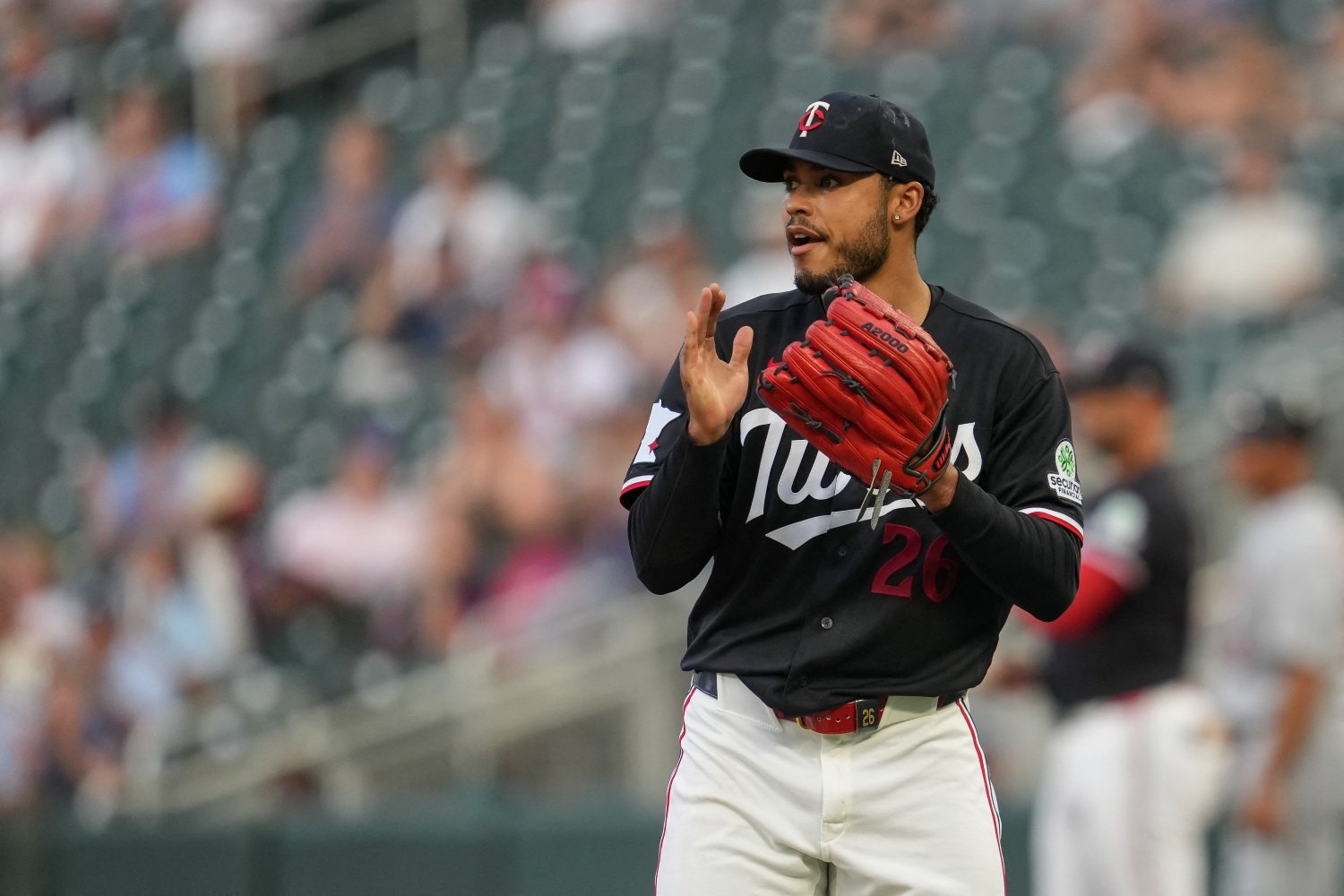 To some extent, the Twins’ starting rotation this year was doomed from the start—not in the sense that the rotation wasn’t good enough, or that Minnesota didn’t have enough solid options heading into the season, but in that they were already diminished and destined to lose even more top arms to injury. Before Pablo López could even throw a spring training inning, he went down with an elbow injury that would ultimately cost him the entire season. Just like that, the Twins lost the guy who had been their most established frontline starter and were forced to adjust. Then, in mid-April. Mick Abel was coming off of two scoreless outings and looked like he was beginning to establish himself as another legitimate option in the rotation when he was sidelined with inflammation. That would be the last we would see of Abel this season. You can add Joe Ryan to the list, as well. Ryan was not only healthy for most of the year, but pitching like one of the best starters in the American League through the All-Star break. Then, right in the middle of the Twins’ stretch run, a glute strain (literally) destabilized and (figuratively) derailed him. After a few brutal starts, it landed him on the injured list and put a damper on what had been a legitimately Cy Young-caliber half-season. You can't blame it all on bad luck. Durability has not been a strong suit for Ryan or Abel, and even Bailey Ober and López have long injury histories. Nor could anyone claim to be shocked when David Festa suffered one setback after another, leading to surgery that puts even his readiness for spring training in some doubt. Rather than calling this outcome bad luck, maybe we should say that the team needed a bit of good luck when it came to pitching health—but the baseball gods denied them that. While that has probably been extremely frustrating for the organization (and obviously for fans watching things unfold), there's another way to look at it. Assuming the guys currently recovering are able to get and stay healthy, the problems Minnesota experienced this season might set them up extremely well for next year. In a strange way, you can find more solace in the big, extremely costly individual injuries that sideline some pitchers for an entire season than in things like glute strains or 15-day stints on the shelf with soreness. For most pitchers, surgeries like the ones López and Abel each had this year offer some protection from the same kinds of issues in the short term. The long recovery time is no fun, but the risk of reinjury is very low, for a little bit. Therefore, when such injuries cluster together, you can be moderately hopeful of a compensating healthy campaign for those pitchers the following year—barring setbacks before they get back on the mound, which, of course, is a real worry. Healthy and humming, Ryan, López and Abel comprise a scary trio. And you can add a fourth pitcher to that conversation, in Taj Bradley. Bradley’s season hasn't exactly been consistent. He’ll put together three really good starts, and then seemingly follow them up with three that leave you wondering what happened. But even with those ups and downs, there's a lot to like about the direction in which he's heading. His ERA and expected ERA both sit in the 3.00s, while his strikeout rate is a robust 27.2%. In terms of pure stuff, there is legitimate frontline upside here. He's also gotten better at avoiding the full-fledged blowup outing. Last season, Bradley made 27 starts, and six of them saw him post a Game Score under 30. (Game Score is an old Bill James-built stat designed to evaluate a start at a glance; 50 is average and higher is better.) This season, he's already made 27 starts, and only two of them came in under 30. Twenty of them have had a Game Score of 50 or higher; only 15 of his 27 in 2025 were that good. Bradley took a big step forward in 2026, and another winter of development could allow him to take another step in 2027. López, Ryan, Bradley, and Abel lay the foundation for what might turn into one of the best rotations in the league next season. This season has also seen big progress from Zebby Matthews (whose ERA has come down by just over a run each year of his career, so far) and Connor Prielipp. Both guys have mid-rotation upside, and are sturdy options for the back end of the rotation even right now. Meanwhile, top starting prospect Riley Quick is not so far off on the horizon as not to have a hope of arriving in 2027. Obviously, not everyone is going to stay healthy. Injuries happen, trades will take place, and other moves are going to reshape the roster over the offseason. The team might well retain Ober and/or Dean Kremer, while trading Ryan. The cruel flipside to being hopeful because López and Abel might be sheltered from further injury is the knowledge that next season could be the one in which Bradley, Matthews or Prielipp breaks. There's also no guarantee that every young pitcher takes the developmental step Minnesota is hoping for. That’s just the reality of projecting a rotation this far in advance. But when you look at the talent currently in place, it’s difficult not to get excited. A healthy López, a healthy Ryan. Bradley continuing to develop, Abel returning and building on his upside, and both Prielipp and Matthews competing for opportunities and potentially providing legitimate depth—that's a lot of talent. After everything that went wrong for the Twins’ starting rotation this season, it would be pretty ironic if the injuries and setbacks ultimately created a situation where the group enters 2027 healthier, deeper, and more dangerous than it has been in quite some time. The Twins still have work to do this offseason, and plenty can change between now and Opening Day. But as things currently stand, Minnesota’s projected starting rotation entering the 2027 season looks like it could make good on the promise that never turned into sufficient production for the 2026 squad.
- 55 comments
-
- 13
-

-

-
Too many walks have put the Twins’ bullpen in difficult situations throughout the season. And with far too many leads slipping away, Minnesota has to figure out how to fix the problem heading into 2027.
-
Too many walks have put the Twins’ bullpen in difficult situations throughout the season. And with far too many leads slipping away, Minnesota has to figure out how to fix the problem heading into 2027. View full video
-
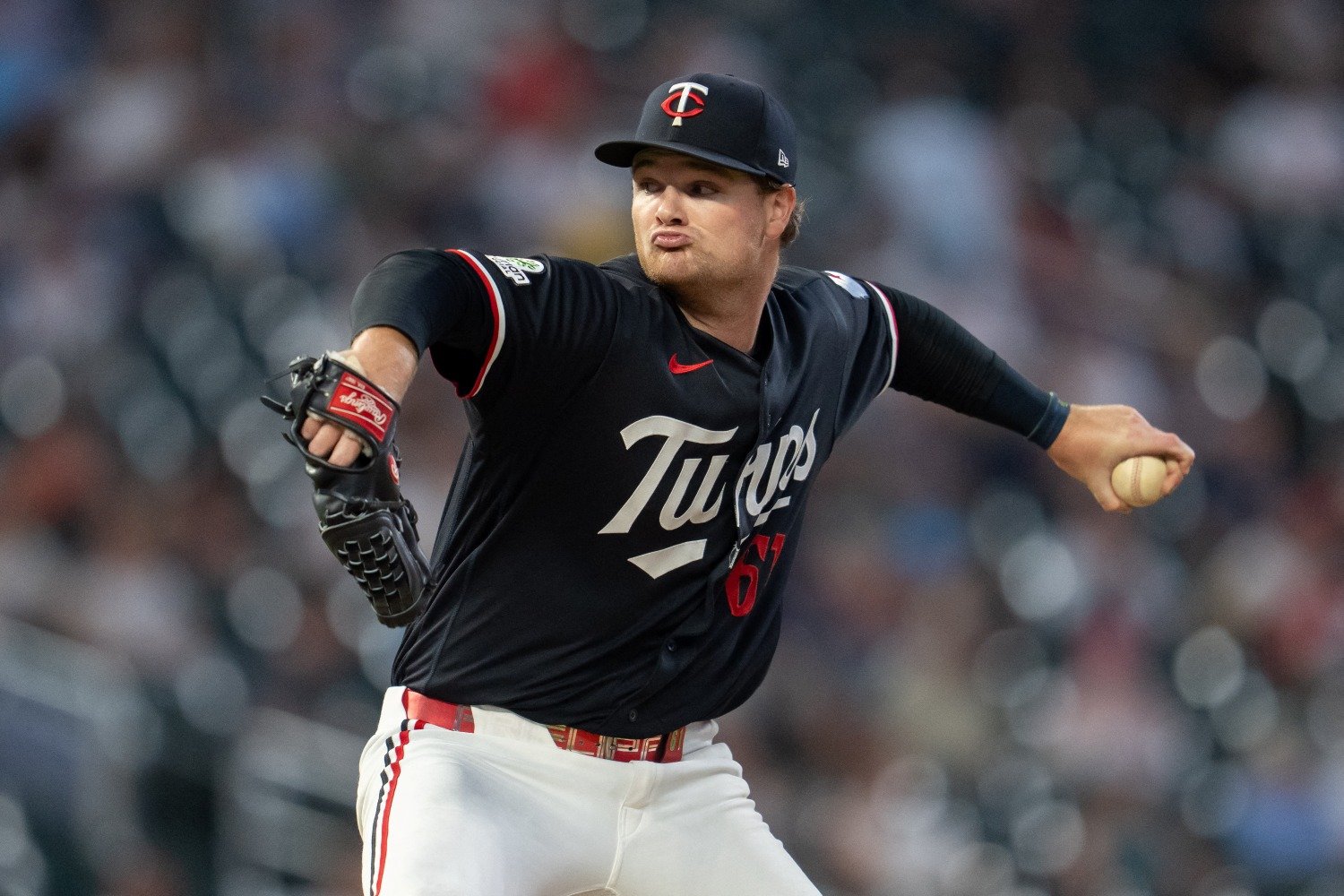 Box Score SP: Andrew Morris - 1 IP, 2 H, 1 R, 0 BB, 0 K (29 pitches, 19 strikes (66% strikes)) Home Runs: Kody Clemens, Royce Lewis, Ryan Jeffers Top 3 WPA: Connor Prielipp (0.28), Royce Lewis (0.18), Walker Jenkins (0.12) Win Probability Chart The Twins entered Tuesday night's matchup against the Tigers looking to secure a series victory, after demolishing Detroit in Monday's opener. They did exactly that—and somehow, they were even more dominant the second time around. Minnesota fell behind 1-0 in the first inning, but Kody Clemens immediately tied the game with a solo homer. The offense stayed quiet for a few innings, but once the Twins finally broke through in the fifth, the floodgates opened. Minnesota scored 14 runs between Tigers tallies and put together a massive 10-run sixth inning en route to a 15-2 victory. A Belated Beatdown of Troy Melton The Twins didn't have much success against Troy Melton early, despite the fact that they had hit four home runs against him when they faced him back in June. Outside of Clemens's first-inning homer, Minnesota struggled to create any offense through the first four innings. After Clemens tied the game with a 108-mph solo shot to right, Ryan Jeffers followed with a triple. Unfortunately, the Twins couldn't bring him home. Melton then retired 10 consecutive hitters as Minnesota's offense went quiet. That changed in the fifth. Trevor Larnach led off the inning with a walk. Royce Lewis smoked a first-pitch fastball (exit velocity: 108 MPH) to left for a double. With runners on second and third and nobody out, the Twins had their first real opportunity to break the game open. They took advantage of it. Kaelen Culpepper grounded out, but Walker Jenkins hit a fateful ground ball to short. Larnach broke for home and got caught in a rundown, but Dillon Dingler's throw sailed past third base. Both Larnach and Lewis scored on the error, giving the Twins a 3-1 lead. Luke Keaschall then added an RBI double to make it 4-1, and Minnesota had finally figured out a way to get to Melton. It was only the beginning of what turned into another massive offensive night. After Forcing a Crack, Twins Rush Through the Breach in 6th The Twins entered the sixth inning with a 4-1 lead, but it didn't take long for that advantage to become something much more comfortable. Josh Bell singled and Larnach was hit by a pitch, bringing Lewis to the plate with two runners aboard. The Tigers threw him a first-pitch slider over the heart of the plate, and Lewis didn't miss it. He sent it 427 feet to dead center field for his 14th homer of the season, turning a three-run lead into a 7-1 laugher. It was a great swing from a hitter who badly needed one. But the Twins weren't done. Culpepper followed with a double, Jenkins worked a walk, and Keaschall added another RBI hit. Brooks Lee then lifted a sacrifice fly to make it 9-1, before Clemens walked to bring Jeffers back to the plate. The veteran catcher put the game completely out of reach, jumping on a slider over the middle of the plate and smoking it off the left-field foul pole for a three-run homer. Suddenly, the Twins had scored eight runs in the inning and were leading 12-1. And they still weren't done. Bell and Larnach reached again, Lewis added an infield single and Culpepper ripped a 107-MPH single through the left side to drive in two more runs. By the time the inning was over, the Twins had scored 10 runs and taken a ridiculous 14-1 lead. For the second consecutive night, Detroit simply had no answer for Minnesota's offense. CONNOR PRIELIPP DID HIS JOB The Twins went with an opener Tuesday night, using Andrew Morris before turning the game over to Prielipp in the second inning. Morris allowed two singles and a sacrifice fly in the first, giving Detroit an early 1-0 lead. But after Prielipp entered, he settled things down quickly. The left-hander ran into some traffic in the second inning when Spencer Torkelson led off with a ground-rule double and Max Clark was hit by a pitch. But Prielipp responded by getting Javier Báez to ground into a double play and inducing a John Peck groundout. That would be the biggest threat Detroit had against him. Prielipp worked through five innings, allowing just three hits and one walk while striking out five. He wasn't perfect (he also committed a fielding error in the fifth), but he consistently made the pitches he needed to make and kept the Tigers from adding to their early lead. Considering the Twins were coming off a rough week and needed a strong performance from their pitching staff, Prielipp did exactly what Minnesota needed him to do. Once the offense finally broke the game open, the Twins were able to turn things over to their bullpen and coast to the finish line. Even Ben Ross got his first taste of the major leagues, entering at third base and stepping to the plate for his first major-league at-bat. Ross struck out, but the moment was still an important one for the September call-up. Minnesota also gave Garrett Acton his first appearance after being called up when rosters expanded, while Travis Adams worked a clean seventh inning. The Tigers managed one more run in the eighth, but by then, the outcome had been decided for a long time. The Twins have now won three consecutive games and have (for now) flipped the script after a frustrating stretch last week. They still have work to do if they're going to turn their late-season playoff hopes into something real, but this is exactly what Minnesota needed. Don't let them get hot. What’s Next? The Twins will look to sweep the Tigers at Target Field tomorrow night. Dean Kremer will take the mound for Minnesotal he’ll face off against right-hander Drew Anderson. First pitch is set for 6:40 PM. Postgame Interviews Coming soon! Bullpen Availability Chart
- 31 comments
-
- 5
-
-
- game recap
- connor prielipp
- (and 1 more)
-
Image courtesy of Jesse Johnson-Imagn Images Box Score SP: Andrew Morris - 1 IP, 2 H, 1 R, 0 BB, 0 K (29 pitches, 19 strikes (66% strikes)) Home Runs: Kody Clemens, Royce Lewis, Ryan Jeffers Top 3 WPA: Connor Prielipp (0.28), Royce Lewis (0.18), Walker Jenkins (0.12) Win Probability Chart The Twins entered Tuesday night's matchup against the Tigers looking to secure a series victory, after demolishing Detroit in Monday's opener. They did exactly that—and somehow, they were even more dominant the second time around. Minnesota fell behind 1-0 in the first inning, but Kody Clemens immediately tied the game with a solo homer. The offense stayed quiet for a few innings, but once the Twins finally broke through in the fifth, the floodgates opened. Minnesota scored 14 runs between Tigers tallies and put together a massive 10-run sixth inning en route to a 15-2 victory. A Belated Beatdown of Troy Melton The Twins didn't have much success against Troy Melton early, despite the fact that they had hit four home runs against him when they faced him back in June. Outside of Clemens's first-inning homer, Minnesota struggled to create any offense through the first four innings. After Clemens tied the game with a 108-mph solo shot to right, Ryan Jeffers followed with a triple. Unfortunately, the Twins couldn't bring him home. Melton then retired 10 consecutive hitters as Minnesota's offense went quiet. That changed in the fifth. Trevor Larnach led off the inning with a walk. Royce Lewis smoked a first-pitch fastball (exit velocity: 108 MPH) to left for a double. With runners on second and third and nobody out, the Twins had their first real opportunity to break the game open. They took advantage of it. Kaelen Culpepper grounded out, but Walker Jenkins hit a fateful ground ball to short. Larnach broke for home and got caught in a rundown, but Dillon Dingler's throw sailed past third base. Both Larnach and Lewis scored on the error, giving the Twins a 3-1 lead. Luke Keaschall then added an RBI double to make it 4-1, and Minnesota had finally figured out a way to get to Melton. It was only the beginning of what turned into another massive offensive night. After Forcing a Crack, Twins Rush Through the Breach in 6th The Twins entered the sixth inning with a 4-1 lead, but it didn't take long for that advantage to become something much more comfortable. Josh Bell singled and Larnach was hit by a pitch, bringing Lewis to the plate with two runners aboard. The Tigers threw him a first-pitch slider over the heart of the plate, and Lewis didn't miss it. He sent it 427 feet to dead center field for his 14th homer of the season, turning a three-run lead into a 7-1 laugher. It was a great swing from a hitter who badly needed one. But the Twins weren't done. Culpepper followed with a double, Jenkins worked a walk, and Keaschall added another RBI hit. Brooks Lee then lifted a sacrifice fly to make it 9-1, before Clemens walked to bring Jeffers back to the plate. The veteran catcher put the game completely out of reach, jumping on a slider over the middle of the plate and smoking it off the left-field foul pole for a three-run homer. Suddenly, the Twins had scored eight runs in the inning and were leading 12-1. And they still weren't done. Bell and Larnach reached again, Lewis added an infield single and Culpepper ripped a 107-MPH single through the left side to drive in two more runs. By the time the inning was over, the Twins had scored 10 runs and taken a ridiculous 14-1 lead. For the second consecutive night, Detroit simply had no answer for Minnesota's offense. CONNOR PRIELIPP DID HIS JOB The Twins went with an opener Tuesday night, using Andrew Morris before turning the game over to Prielipp in the second inning. Morris allowed two singles and a sacrifice fly in the first, giving Detroit an early 1-0 lead. But after Prielipp entered, he settled things down quickly. The left-hander ran into some traffic in the second inning when Spencer Torkelson led off with a ground-rule double and Max Clark was hit by a pitch. But Prielipp responded by getting Javier Báez to ground into a double play and inducing a John Peck groundout. That would be the biggest threat Detroit had against him. Prielipp worked through five innings, allowing just three hits and one walk while striking out five. He wasn't perfect (he also committed a fielding error in the fifth), but he consistently made the pitches he needed to make and kept the Tigers from adding to their early lead. Considering the Twins were coming off a rough week and needed a strong performance from their pitching staff, Prielipp did exactly what Minnesota needed him to do. Once the offense finally broke the game open, the Twins were able to turn things over to their bullpen and coast to the finish line. Even Ben Ross got his first taste of the major leagues, entering at third base and stepping to the plate for his first major-league at-bat. Ross struck out, but the moment was still an important one for the September call-up. Minnesota also gave Garrett Acton his first appearance after being called up when rosters expanded, while Travis Adams worked a clean seventh inning. The Tigers managed one more run in the eighth, but by then, the outcome had been decided for a long time. The Twins have now won three consecutive games and have (for now) flipped the script after a frustrating stretch last week. They still have work to do if they're going to turn their late-season playoff hopes into something real, but this is exactly what Minnesota needed. Don't let them get hot. What’s Next? The Twins will look to sweep the Tigers at Target Field tomorrow night. Dean Kremer will take the mound for Minnesotal he’ll face off against right-hander Drew Anderson. First pitch is set for 6:40 PM. Postgame Interviews Coming soon! Bullpen Availability Chart View full article
-
Image courtesy of Dennis Lee-Imagn Images The Twins’ pitching staff looks a lot different now than it did a month ago. Minnesota made four additions to its pitching staff around the trade deadline, giving the team a new-look unit as it attempted to make one final push toward the postseason. Unfortunately, those additions weren’t enough to turn the Twins’ season around. The Twins went just 10-17 in August, and after playing aggressive baseball early in the month, their playoff hopes have continued to dwindle. That certainly wasn’t all on the pitching staff, though. In fact, despite the team’s struggles, there were several awfully strong individual performances throughout August. So with that, here are your Twins Pitchers of the Month for August. #4: Taylor Rogers August Stats: 10 G, 10 IP, 3.60 ERA, 1.40 WHIP, 8 K, 6 BB, 4.88 FIP Taylor Rogers doesn’t strike out as many hitters as he used to, and he certainly isn’t throwing as hard as he once did. But in what was ultimately a down month for the Twins’ pitching staff as a whole, he was still a quality option late in games. Rogers’s August got off to a sour start, but he finished the month in much better shape. Six of his final seven appearances resulted in zero runs, giving Minnesota a reliable left-handed option as the bullpen continued to search for consistency. If the Twins still have any shot at making a run toward the postseason over the final month of the season, they’ll need Rogers to continue pitching at a high level. The margin for error is basically gone, meaning every quality inning from the bullpen is going to matter. #3: Zebby Matthews August Stats: 5 G, 31 IP, 2.90 ERA, 1.13 WHIP, 24 K, 6 BB, 3.47 FIP For the second straight month, there is just one starting pitcher on this list. Taj Bradley earned that distinction in July, and this month, it belongs to Zebby Matthews. Like Rogers, Matthews actually started August in a tough spot. He allowed seven earned runs across 10 innings over his first two starts of the month, continuing what had been a somewhat inconsistent season for the talented right-hander. But he completely flipped things around from there. Matthews allowed just three earned runs over his final three starts of August, which collectively spanned 21 innings. That stretch included his sensational 8 1/3-inning performance against the White Sox on Sunday, when he came within two outs of a complete-game shutout while helping the Twins snap a four-game losing streak. The six walks over 31 innings stand out as well. Matthews always could make hitters uncomfortable when he’s attacking the strike zone, and it’s crazy what can happen when he limits the free passes while also keeping the ball in the yard. It was a very strong month for the talented right-hander, and if the Twins can get more performances like his final three starts in September, their rotation suddenly looks a whole lot more capable. #2: Tommy Nance August Stats: 10 G, 10 1/3 IP, 1.74 ERA, 1.35 WHIP, 14 K, 2 BB, 0.96 FIP Tommy Nance was the Twins’ first addition at the trade deadline, and he has been sensational since arriving in Minnesota. In August, Nance was even better than his former—and now current again—teammate in Jeff Hoffman. His strikeout rate jumped significantly from where it was in July, and he struck out seven batters for every walk he allowed during the month. You really can’t ask for much more from a seventh-inning reliever. Nance came to Minnesota without the same level of attention as some of the Twins’ other deadline additions, but his performance has made him one of the more important additions to the bullpen. His ability to miss bats while limiting walks gives the Twins something they desperately need from the middle innings. And unlike some of the other relievers on this roster, Nance is around beyond this season. If the Twins can continue getting production anywhere close to what Nance gave them during the month, he could end up being an outstanding deadline addition for Minnesota. #1: A.J. Minter August Stats: 13 G, 11 2/3 IP, 0.77 ERA, 0.86 WHIP, 9 K, 4 BB, 3.68 FIP Minter’s August numbers feel fitting for exactly the kind of pitcher he is. He isn’t going to rack up the most gaudy strikeout numbers, and he isn’t necessarily going to be the flashiest reliever in the bullpen. But he is simply a quality, reliable reliever. When you allow just one run across 11 2/3 innings, it honestly doesn’t matter how you get there. Minter consistently gave the Twins a trustworthy option out of the bullpen throughout August, and he finished the month as the most effective pitcher on Minnesota’s staff. He's also on an expiring contract and could very well be entering his final—and second—month with the Twins. But just like Rogers, if Minnesota wants to have any chance at making a late push toward the postseason, it needs Minter to continue being a shutdown option late in games. The Twins might have made things considerably harder on themselves when it comes to the playoff picture, but August still featured some very strong individual pitching performances. Joe Ryan figures to be healthy again soon, the bullpen has several new faces, and there is still plenty of baseball left to be played. The Twins may be running out of time—but as September begins, you never know what can happen. View full article
-
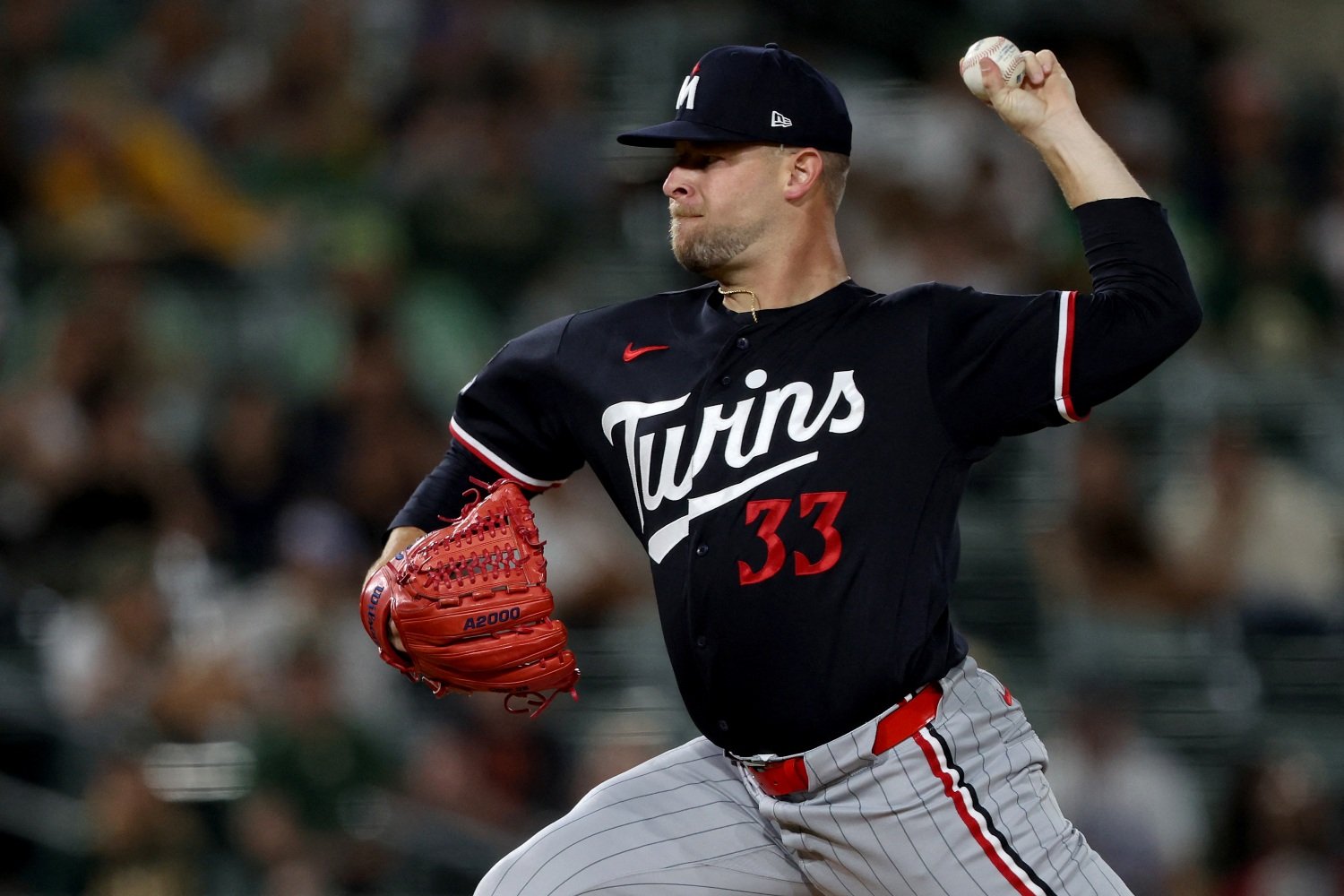 The Twins’ pitching staff looks a lot different now than it did a month ago. Minnesota made four additions to its pitching staff around the trade deadline, giving the team a new-look unit as it attempted to make one final push toward the postseason. Unfortunately, those additions weren’t enough to turn the Twins’ season around. The Twins went just 10-17 in August, and after playing aggressive baseball early in the month, their playoff hopes have continued to dwindle. That certainly wasn’t all on the pitching staff, though. In fact, despite the team’s struggles, there were several awfully strong individual performances throughout August. So with that, here are your Twins Pitchers of the Month for August. #4: Taylor Rogers August Stats: 10 G, 10 IP, 3.60 ERA, 1.40 WHIP, 8 K, 6 BB, 4.88 FIP Taylor Rogers doesn’t strike out as many hitters as he used to, and he certainly isn’t throwing as hard as he once did. But in what was ultimately a down month for the Twins’ pitching staff as a whole, he was still a quality option late in games. Rogers’s August got off to a sour start, but he finished the month in much better shape. Six of his final seven appearances resulted in zero runs, giving Minnesota a reliable left-handed option as the bullpen continued to search for consistency. If the Twins still have any shot at making a run toward the postseason over the final month of the season, they’ll need Rogers to continue pitching at a high level. The margin for error is basically gone, meaning every quality inning from the bullpen is going to matter. #3: Zebby Matthews August Stats: 5 G, 31 IP, 2.90 ERA, 1.13 WHIP, 24 K, 6 BB, 3.47 FIP For the second straight month, there is just one starting pitcher on this list. Taj Bradley earned that distinction in July, and this month, it belongs to Zebby Matthews. Like Rogers, Matthews actually started August in a tough spot. He allowed seven earned runs across 10 innings over his first two starts of the month, continuing what had been a somewhat inconsistent season for the talented right-hander. But he completely flipped things around from there. Matthews allowed just three earned runs over his final three starts of August, which collectively spanned 21 innings. That stretch included his sensational 8 1/3-inning performance against the White Sox on Sunday, when he came within two outs of a complete-game shutout while helping the Twins snap a four-game losing streak. The six walks over 31 innings stand out as well. Matthews always could make hitters uncomfortable when he’s attacking the strike zone, and it’s crazy what can happen when he limits the free passes while also keeping the ball in the yard. It was a very strong month for the talented right-hander, and if the Twins can get more performances like his final three starts in September, their rotation suddenly looks a whole lot more capable. #2: Tommy Nance August Stats: 10 G, 10 1/3 IP, 1.74 ERA, 1.35 WHIP, 14 K, 2 BB, 0.96 FIP Tommy Nance was the Twins’ first addition at the trade deadline, and he has been sensational since arriving in Minnesota. In August, Nance was even better than his former—and now current again—teammate in Jeff Hoffman. His strikeout rate jumped significantly from where it was in July, and he struck out seven batters for every walk he allowed during the month. You really can’t ask for much more from a seventh-inning reliever. Nance came to Minnesota without the same level of attention as some of the Twins’ other deadline additions, but his performance has made him one of the more important additions to the bullpen. His ability to miss bats while limiting walks gives the Twins something they desperately need from the middle innings. And unlike some of the other relievers on this roster, Nance is around beyond this season. If the Twins can continue getting production anywhere close to what Nance gave them during the month, he could end up being an outstanding deadline addition for Minnesota. #1: A.J. Minter August Stats: 13 G, 11 2/3 IP, 0.77 ERA, 0.86 WHIP, 9 K, 4 BB, 3.68 FIP Minter’s August numbers feel fitting for exactly the kind of pitcher he is. He isn’t going to rack up the most gaudy strikeout numbers, and he isn’t necessarily going to be the flashiest reliever in the bullpen. But he is simply a quality, reliable reliever. When you allow just one run across 11 2/3 innings, it honestly doesn’t matter how you get there. Minter consistently gave the Twins a trustworthy option out of the bullpen throughout August, and he finished the month as the most effective pitcher on Minnesota’s staff. He's also on an expiring contract and could very well be entering his final—and second—month with the Twins. But just like Rogers, if Minnesota wants to have any chance at making a late push toward the postseason, it needs Minter to continue being a shutdown option late in games. The Twins might have made things considerably harder on themselves when it comes to the playoff picture, but August still featured some very strong individual pitching performances. Joe Ryan figures to be healthy again soon, the bullpen has several new faces, and there is still plenty of baseball left to be played. The Twins may be running out of time—but as September begins, you never know what can happen.
- 9 comments
-
- 5
-
-
- aj minter
- tommy nance
- (and 2 more)
-
Image courtesy of Denis Poroy-Imagn Images Whether you’re a player, a coach, a fan, or a neutral observer, there are very few things more frustrating in baseball than watching your team miss the strike zone. Balls lead to walks, walks create traffic on the bases, and baserunners lead to extended innings. For the Twins, that has been a particularly frustrating cycle throughout the 2026 season. Minnesota has the 10th-highest walk rate in baseball, at 9.4%. By itself, that’s not a huge problem. The league-average walk rate is right around 9%; being 0.4 percentage points above that mark isn’t catastrophic. But what has happened following those walks has been a much bigger problem. There have been far too many instances throughout the year where the Twins have taken a lead into the later innings, only to watch that lead disappear because of poor command. A walk here, a hit there, another walk, and suddenly an inning that should have been over has turned into a serious threat. That was a big part of why the Twins were so aggressive at the trade deadline, adding three relievers to shore up what had been one of the biggest weaknesses on the roster. But at this point, it appears that those additions were too little, too late. The issues that plagued this bullpen for much of the season still haven’t completely gone away. The Twins’ bullpen has issued 238 free passes this season. That’s the fourth-most of any bullpen in baseball, and as a fan, I certainly wouldn’t fault you for being frustrated by that number. That the relief unit is a weakness is no surprise. Minnesota lost several important relievers at the deadline last summer and didn’t do nearly enough to replace them during the offseason. While I applaud the front office for recognizing the problem and trying to address it at the deadline, much of this frustration and inconsistency could have been avoided with more proactivity and earlier investment. Instead of aggressively replacing their offloaded relief arms during the offseason, Minnesota opted to piece the bullpen together. Taylor Rogers was brought back, while Eric Orze and Anthony Banda arrived via motivated sellers. Only Rogers is currently pitching for the Twins. Orze was eventually optioned to Triple-A, while Banda struggled before his season ended with a lat strain. Unsurprisingly, both of those pitchers had issues with walks. Even some of the relievers Minnesota added during the season came with command concerns. Jeff Hoffman and Yoendrys Gómez have both posted walk rates above 12% since joining the Twins. Both pitchers had also dealt with command issues at various points in their careers before coming to Minnesota, so the Twins knew what they were getting themselves into. A bullpen is a lot like air conditioning. You only really notice it when it isn’t working. When everything is going well, nobody’s talking about the relievers. A starter works six or seven innings, a couple of relievers come in and do their jobs, and the closer finishes things off. It’s not particularly exciting, but that’s exactly what you want from a bullpen. The problem is that the Twins haven’t been able to get that kind of consistency. There have been stretches where the bullpen has looked excellent. There have been individual relievers who have stepped up and performed well. But there have also been far too many nights where Minnesota’s relievers have struggled to find the strike zone, putting unnecessary pressure on themselves and the defense behind them. Too many walks, too many extended innings, too many blown leads. Eventually, those things add up. The deadline additions gave Minnesota a better group of options than it had earlier in the season, and the Twins should theoretically enter 2027 with a better bullpen than the one they started this season with. But that doesn’t mean the problem can be ignored once the offseason arrives. If this team genuinely wants to compete next season, it has to start with its late-game pitching. The Twins have invested heavily in high-upside position-player talent via the draft, as well as young starting pitching. But none of that matters much if they can’t protect leads once they get to the sixth, seventh and eighth innings. Walks are frustrating, because they’re often avoidable. When they consistently come from the bullpen, they become even more costly. Minnesota doesn’t need to build the best bullpen in baseball this offseason. They just need to build one that can consistently throw strikes, avoid putting unnecessary runners on base, and make a lead feel safe. After everything that happened in 2026, that should be one of the biggest priorities of the offseason. If the Twins want to be a competitive team in 2027, they can’t afford to keep walking their way out of games. View full article
- 9 replies
-
- 1
-
-
- jeff hoffman
- yoendrys gomez
- (and 1 more)
-
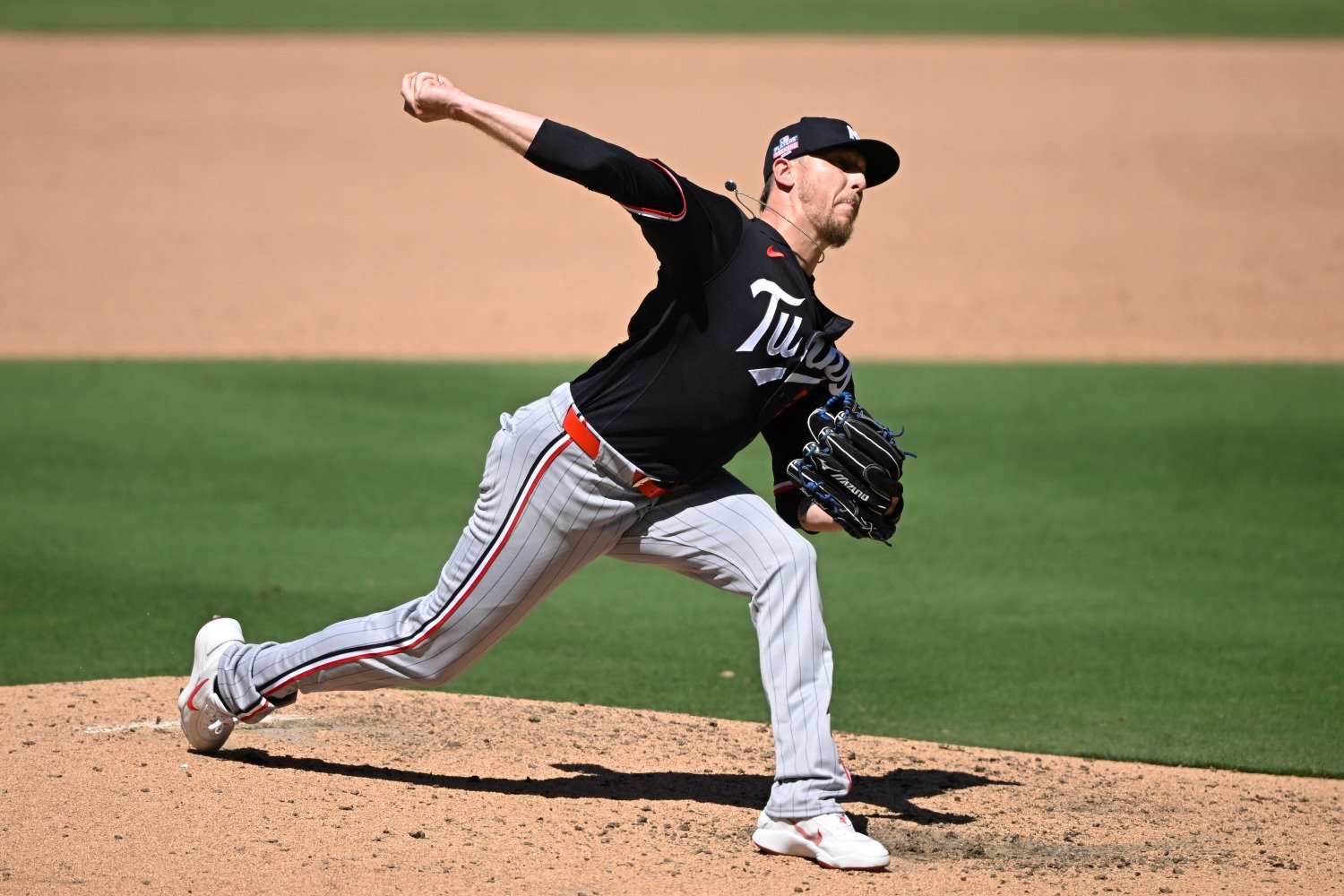 Whether you’re a player, a coach, a fan, or a neutral observer, there are very few things more frustrating in baseball than watching your team miss the strike zone. Balls lead to walks, walks create traffic on the bases, and baserunners lead to extended innings. For the Twins, that has been a particularly frustrating cycle throughout the 2026 season. Minnesota has the 10th-highest walk rate in baseball, at 9.4%. By itself, that’s not a huge problem. The league-average walk rate is right around 9%; being 0.4 percentage points above that mark isn’t catastrophic. But what has happened following those walks has been a much bigger problem. There have been far too many instances throughout the year where the Twins have taken a lead into the later innings, only to watch that lead disappear because of poor command. A walk here, a hit there, another walk, and suddenly an inning that should have been over has turned into a serious threat. That was a big part of why the Twins were so aggressive at the trade deadline, adding three relievers to shore up what had been one of the biggest weaknesses on the roster. But at this point, it appears that those additions were too little, too late. The issues that plagued this bullpen for much of the season still haven’t completely gone away. The Twins’ bullpen has issued 238 free passes this season. That’s the fourth-most of any bullpen in baseball, and as a fan, I certainly wouldn’t fault you for being frustrated by that number. That the relief unit is a weakness is no surprise. Minnesota lost several important relievers at the deadline last summer and didn’t do nearly enough to replace them during the offseason. While I applaud the front office for recognizing the problem and trying to address it at the deadline, much of this frustration and inconsistency could have been avoided with more proactivity and earlier investment. Instead of aggressively replacing their offloaded relief arms during the offseason, Minnesota opted to piece the bullpen together. Taylor Rogers was brought back, while Eric Orze and Anthony Banda arrived via motivated sellers. Only Rogers is currently pitching for the Twins. Orze was eventually optioned to Triple-A, while Banda struggled before his season ended with a lat strain. Unsurprisingly, both of those pitchers had issues with walks. Even some of the relievers Minnesota added during the season came with command concerns. Jeff Hoffman and Yoendrys Gómez have both posted walk rates above 12% since joining the Twins. Both pitchers had also dealt with command issues at various points in their careers before coming to Minnesota, so the Twins knew what they were getting themselves into. A bullpen is a lot like air conditioning. You only really notice it when it isn’t working. When everything is going well, nobody’s talking about the relievers. A starter works six or seven innings, a couple of relievers come in and do their jobs, and the closer finishes things off. It’s not particularly exciting, but that’s exactly what you want from a bullpen. The problem is that the Twins haven’t been able to get that kind of consistency. There have been stretches where the bullpen has looked excellent. There have been individual relievers who have stepped up and performed well. But there have also been far too many nights where Minnesota’s relievers have struggled to find the strike zone, putting unnecessary pressure on themselves and the defense behind them. Too many walks, too many extended innings, too many blown leads. Eventually, those things add up. The deadline additions gave Minnesota a better group of options than it had earlier in the season, and the Twins should theoretically enter 2027 with a better bullpen than the one they started this season with. But that doesn’t mean the problem can be ignored once the offseason arrives. If this team genuinely wants to compete next season, it has to start with its late-game pitching. The Twins have invested heavily in high-upside position-player talent via the draft, as well as young starting pitching. But none of that matters much if they can’t protect leads once they get to the sixth, seventh and eighth innings. Walks are frustrating, because they’re often avoidable. When they consistently come from the bullpen, they become even more costly. Minnesota doesn’t need to build the best bullpen in baseball this offseason. They just need to build one that can consistently throw strikes, avoid putting unnecessary runners on base, and make a lead feel safe. After everything that happened in 2026, that should be one of the biggest priorities of the offseason. If the Twins want to be a competitive team in 2027, they can’t afford to keep walking their way out of games.
- 9 comments
-
- 3
-
-
- jeff hoffman
- yoendrys gomez
- (and 1 more)
-
Walker Jenkins is officially a Twin, and he’s joining a group that could define Minnesota’s next era. With Kaelen Culpepper, Connor Prielipp, and Andrew Morris already making their mark, the future is arriving sooner than expected. View full video
-
Walker Jenkins is officially a Twin, and he’s joining a group that could define Minnesota’s next era. With Kaelen Culpepper, Connor Prielipp, and Andrew Morris already making their mark, the future is arriving sooner than expected.
-
Travis Adams’ struggles have put his spot in the Twins’ bullpen in serious jeopardy, especially with Jack Anderson, Garrett Acton, and Kendry Rojas waiting in the wings. With September call-ups approaching, Minnesota may have no reason to keep waiting for Adams to figure things out. View full video
-
Travis Adams’ struggles have put his spot in the Twins’ bullpen in serious jeopardy, especially with Jack Anderson, Garrett Acton, and Kendry Rojas waiting in the wings. With September call-ups approaching, Minnesota may have no reason to keep waiting for Adams to figure things out.
-
Image courtesy of Bruce Kluckhohn (photo of Culpepper) and Jesse Johnson (photo of Jenkins) - IMAGN IMAGES via Reuters Connect We’re officially a month away from the 2026 MLB regular season coming to an end. For the Twins, the year as a whole hasn’t been exactly what they hoped for. There have been some highs, but ultimately, Minnesota is currently seven games below .500 and tied for seventh in the American League Wild Card race. Still, regardless of how they got here, the general consensus around the Twins this season was that this would be the result. And for what it’s worth, it’s still not over. Minnesota kicks off a big stretch of divisional games tonight, and they could turn their season around quickly with a strong stretch. More importantly, though, they’ll get to do so with a big piece of their long-term core now on the roster. Walker Jenkins was just called up yesterday and made his major league debut last night with a right-hander on the mound. While the Twins might not be contenders this season, they’ve reached an exciting point in the organization’s timeline. The future is now. With Jenkins and fellow top prospect, shortstop Kaelen Culpepper, now in the majors and September callups right around the corner, this will be the first time we’re seeing some of the top young talents in the organization in the majors together. Jenkins and Culpepper entered the season as the top two prospects in Minnesota’s system, and now both are getting an opportunity to show what they can do at the highest level. Culpepper is already off to a blistering start, hitting .333 with a .907 OPS, and considering how Jenkins was swinging the bat in St. Paul recently, there’s reason to believe he could get off to a similar start himself. Obviously, nobody should expect either player to immediately become a superstar just because they’ve reached the majors. There will be adjustments, slumps and plenty of growing pains along the way, especially for Jenkins as he gets his first taste of big league pitching. But the important part is that both players are here, and the Twins are finally getting a look at what their future could look like. Additionally, we’ve already been able to see a lot of Connor Prielipp this year. Prielipp entered the season as the Twins’ top pitching prospect, and we’ve seen flashes of why throughout his time in the majors. His 5.55 ERA doesn’t exactly jump off the page, but his FIP and expected ERA would suggest that number should be closer to the high-3.00s or low-4.00s range. He’s also striking out more than a batter per inning, and health permitting, he should have an opportunity to become a major piece of the Twins’ rotation going forward. The organization has desperately needed young pitching to emerge, and Prielipp has shown enough to suggest he could eventually become one of the answers. Despite some recent struggles, Andrew Morris has been a really good story this year, too. Morris has turned into an anchor of the Twins’ bullpen, and because he’s only 24 years old, there’s still a lot of room left for him to grow. Every young pitcher is going to go through stretches where things don’t go their way, and I’m confident Morris will snap out of this rut and get back to being one of the best late-inning options Minnesota has. Culpepper, Prielipp and Morris have all made pretty notable impacts for the Twins this year, and hopefully, Jenkins is next in line. With September right around the corner, the Twins should also have an opportunity to bring up some other young, talented players and give them a chance to show what they can do. Beginning September 1, the Twins will have two additional roster spots, which means there will be opportunities for more names to make their way to Target Field. Someone like Emmanuel Rodriguez could be heading there in the very near future. Rodriguez is already on the 40-man roster and will be out of minor league options in 2027, and while he hasn’t been swinging the bat quite like Jenkins recently, he has been swinging a hot bat. If the Twins aren’t going to be playing meaningful postseason baseball in October, now would be a great opportunity to let Rodriguez get his feet wet and see how he handles the major leagues. Gabriel Gonzalez is another name worth watching. Gonzalez has already been up with the Twins this year, although he appeared in just one game before being sent back down. He could get another opportunity between now and the end of the season, especially if Minnesota wants to continue getting its younger players some major league experience. There’s also Kendry Rojas, who is currently dealing with an oblique injury. Rojas hasn’t made a huge impact in the majors so far, but he has flashed enough to show why the Twins are excited about his future. Once he’s healthy, there’s a chance he could return to the majors and get another opportunity to establish himself. It might not be where the Twins wanted to be at this point in the year, but this is an extremely important stretch of baseball for the organization. For the first time, Minnesota has a chance to see a large portion of its long-term core on a major league roster at the same time. Jenkins and Culpepper are finally here, Prielipp and Morris have already gotten their feet wet, and there are several other young players who could join them before the season is over. The individual performances over one month won’t tell us everything. Young players are going to have good games and bad games, and it would be unfair to make sweeping conclusions based on a few weeks of major league action. But it will still give the Twins a much better idea of where these players are in their development and what they could eventually become. After years of waiting on these prospects to climb through the organization, they’re finally getting their opportunity. One way or another, the future is now. View full article
- 67 replies
-
- 1
-
-
- kaelen culpepper
- walker jenkins
- (and 5 more)
-
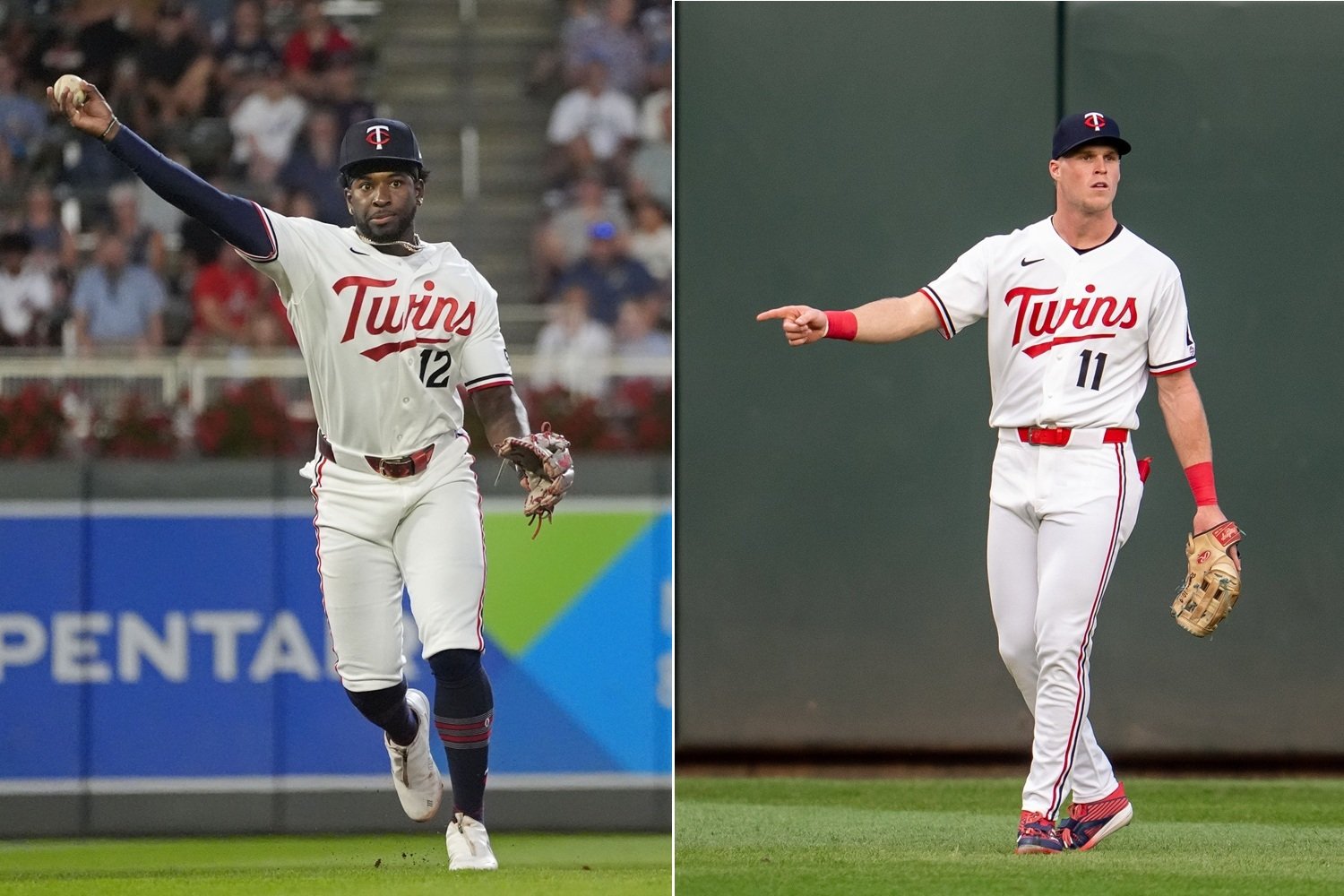 We’re officially a month away from the 2026 MLB regular season coming to an end. For the Twins, the year as a whole hasn’t been exactly what they hoped for. There have been some highs, but ultimately, Minnesota is currently seven games below .500 and tied for seventh in the American League Wild Card race. Still, regardless of how they got here, the general consensus around the Twins this season was that this would be the result. And for what it’s worth, it’s still not over. Minnesota kicks off a big stretch of divisional games tonight, and they could turn their season around quickly with a strong stretch. More importantly, though, they’ll get to do so with a big piece of their long-term core now on the roster. Walker Jenkins was just called up yesterday and made his major league debut last night with a right-hander on the mound. While the Twins might not be contenders this season, they’ve reached an exciting point in the organization’s timeline. The future is now. With Jenkins and fellow top prospect, shortstop Kaelen Culpepper, now in the majors and September callups right around the corner, this will be the first time we’re seeing some of the top young talents in the organization in the majors together. Jenkins and Culpepper entered the season as the top two prospects in Minnesota’s system, and now both are getting an opportunity to show what they can do at the highest level. Culpepper is already off to a blistering start, hitting .333 with a .907 OPS, and considering how Jenkins was swinging the bat in St. Paul recently, there’s reason to believe he could get off to a similar start himself. Obviously, nobody should expect either player to immediately become a superstar just because they’ve reached the majors. There will be adjustments, slumps and plenty of growing pains along the way, especially for Jenkins as he gets his first taste of big league pitching. But the important part is that both players are here, and the Twins are finally getting a look at what their future could look like. Additionally, we’ve already been able to see a lot of Connor Prielipp this year. Prielipp entered the season as the Twins’ top pitching prospect, and we’ve seen flashes of why throughout his time in the majors. His 5.55 ERA doesn’t exactly jump off the page, but his FIP and expected ERA would suggest that number should be closer to the high-3.00s or low-4.00s range. He’s also striking out more than a batter per inning, and health permitting, he should have an opportunity to become a major piece of the Twins’ rotation going forward. The organization has desperately needed young pitching to emerge, and Prielipp has shown enough to suggest he could eventually become one of the answers. Despite some recent struggles, Andrew Morris has been a really good story this year, too. Morris has turned into an anchor of the Twins’ bullpen, and because he’s only 24 years old, there’s still a lot of room left for him to grow. Every young pitcher is going to go through stretches where things don’t go their way, and I’m confident Morris will snap out of this rut and get back to being one of the best late-inning options Minnesota has. Culpepper, Prielipp and Morris have all made pretty notable impacts for the Twins this year, and hopefully, Jenkins is next in line. With September right around the corner, the Twins should also have an opportunity to bring up some other young, talented players and give them a chance to show what they can do. Beginning September 1, the Twins will have two additional roster spots, which means there will be opportunities for more names to make their way to Target Field. Someone like Emmanuel Rodriguez could be heading there in the very near future. Rodriguez is already on the 40-man roster and will be out of minor league options in 2027, and while he hasn’t been swinging the bat quite like Jenkins recently, he has been swinging a hot bat. If the Twins aren’t going to be playing meaningful postseason baseball in October, now would be a great opportunity to let Rodriguez get his feet wet and see how he handles the major leagues. Gabriel Gonzalez is another name worth watching. Gonzalez has already been up with the Twins this year, although he appeared in just one game before being sent back down. He could get another opportunity between now and the end of the season, especially if Minnesota wants to continue getting its younger players some major league experience. There’s also Kendry Rojas, who is currently dealing with an oblique injury. Rojas hasn’t made a huge impact in the majors so far, but he has flashed enough to show why the Twins are excited about his future. Once he’s healthy, there’s a chance he could return to the majors and get another opportunity to establish himself. It might not be where the Twins wanted to be at this point in the year, but this is an extremely important stretch of baseball for the organization. For the first time, Minnesota has a chance to see a large portion of its long-term core on a major league roster at the same time. Jenkins and Culpepper are finally here, Prielipp and Morris have already gotten their feet wet, and there are several other young players who could join them before the season is over. The individual performances over one month won’t tell us everything. Young players are going to have good games and bad games, and it would be unfair to make sweeping conclusions based on a few weeks of major league action. But it will still give the Twins a much better idea of where these players are in their development and what they could eventually become. After years of waiting on these prospects to climb through the organization, they’re finally getting their opportunity. One way or another, the future is now.
- 67 comments
-
- 7
-
-
- kaelen culpepper
- walker jenkins
- (and 5 more)
-
Image courtesy of © Mike Watters-Imagn Images It’s been a long time coming for Twins outfield prospect Emmanuel Rodriguez. He's been in the system since 2021 and has been a top-100 prospect across baseball since 2023. Had it not been for a litany of injuries throughout his professional career, there’s a good chance we would have already seen him make his major-league debut. Instead, he has appeared in just 339 games over his six years in the Twins organization, and because of that, there’s some prospect fatigue surrounding his name. But he’s currently healthy; he’s swinging an extremely hot bat; and, in my opinion, now is as good a time as any to give him his major-league promotion. Rodriguez got off to a slightly slow start after returning to the St. Paul Saints’ lineup, which was understandable, considering how much time he had missed. That slow start, however, has burned off like August dew, because he's looking like the hitter the Twins have been waiting to see for years. Of his last four games, Rodriguez has homered in three. He's drawn five walks compared to just four strikeouts during that stretch, while adding a stolen base for good measure. That recent production has pushed his season OPS in St. Paul to .910. As far as his individual performance is concerned, it certainly appears as though he’s ready for the next level. What makes that recent stretch particularly noteworthy is that Rodriguez has showcased everything that makes him such a high-profile prospect. His ability to work counts, draw walks and make an impact on the bases gives the Twins a more complete offensive profile than just another hitter who can run into a few home runs. If he can carry that approach into the majors, there’s a chance his bat could immediately give the Twins another dimension. There are a couple of other reasons why I think Rodriguez should be called up in the very near future. One of the biggest is his roster situation. Rodriguez is already on the Twins’ 40-man roster and will be out of minor-league options next spring. That means this isn’t a situation like that of Walker Jenkins, where the Twins can keep him in the minors to get playing time while things get sorted out. If the Twins plan on keeping him around beyond this season, he’s going to have to be a major leaguer. Given that reality, they might as well get him some major-league at-bats before the year comes to an end. Let him get his feet wet, give him a taste of what major-league pitching looks like, and allow him to spend the offseason adjusting to that level. That way, he isn’t being thrown directly into the fire when Opening Day 2027 rolls around. There’s also the roster construction side of this equation, especially with September call-ups right around the corner. Rodriguez could very easily be one of the two players the Twins add to their roster, and because he’s already on the 40-man, there wouldn’t be any additional roster maneuvering required to make it happen. That's assuming that Rodriguez isn't called up to replace Byron Buxton, who seems likely to land on the injured list Friday. The Twins may have already given themselves a little extra flexibility in the outfield, too. When Austin Martin was placed on the injured list, the Twins recalled Alex Jackson instead of replacing him with another outfielder. By doing so, they left themselves room to add another outfielder when rosters expand on September 1. Regardless of whether Martin is activated soon (he probably will be), his recent performance before the injury wasn’t exactly impressive. He shouldn't stand in Rodriguez's way. If I’m the Twins, calling up Rodriguez is a no-brainer. I know a lot of people want to see Walker Jenkins, but if Rodriguez is going to be part of the Twins’ plans beyond this season (a big "if", I grant you), getting his feet wet in the majors this year feels like a must. The Twins have spent years waiting to see what Rodriguez can do when he’s healthy, and right now, they are finally getting that opportunity. More importantly, Rodriguez is showing exactly why he has been so highly regarded for so long. He’s healthy, he’s producing, and he has plenty of experience in the minor leagues. At some point, there’s nothing left to prove in St. Paul, and with how Rodriguez is currently swinging the bat, the Twins might not just be calling up a long-awaited prospect. They could be adding an immediate difference-maker to their lineup. View full article
-
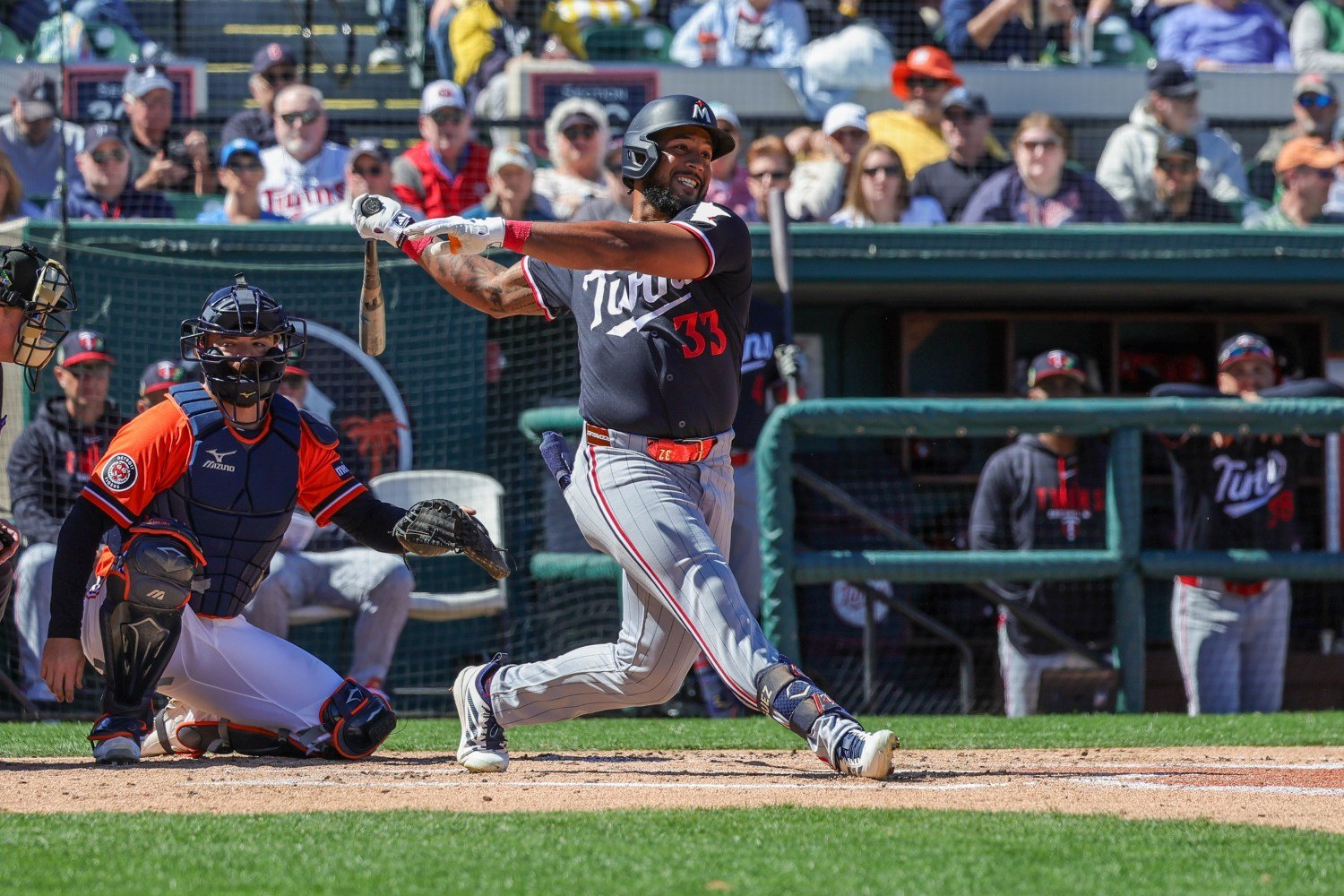 It’s been a long time coming for Twins outfield prospect Emmanuel Rodriguez. He's been in the system since 2021 and has been a top-100 prospect across baseball since 2023. Had it not been for a litany of injuries throughout his professional career, there’s a good chance we would have already seen him make his major-league debut. Instead, he has appeared in just 339 games over his six years in the Twins organization, and because of that, there’s some prospect fatigue surrounding his name. But he’s currently healthy; he’s swinging an extremely hot bat; and, in my opinion, now is as good a time as any to give him his major-league promotion. Rodriguez got off to a slightly slow start after returning to the St. Paul Saints’ lineup, which was understandable, considering how much time he had missed. That slow start, however, has burned off like August dew, because he's looking like the hitter the Twins have been waiting to see for years. Of his last four games, Rodriguez has homered in three. He's drawn five walks compared to just four strikeouts during that stretch, while adding a stolen base for good measure. That recent production has pushed his season OPS in St. Paul to .910. As far as his individual performance is concerned, it certainly appears as though he’s ready for the next level. What makes that recent stretch particularly noteworthy is that Rodriguez has showcased everything that makes him such a high-profile prospect. His ability to work counts, draw walks and make an impact on the bases gives the Twins a more complete offensive profile than just another hitter who can run into a few home runs. If he can carry that approach into the majors, there’s a chance his bat could immediately give the Twins another dimension. There are a couple of other reasons why I think Rodriguez should be called up in the very near future. One of the biggest is his roster situation. Rodriguez is already on the Twins’ 40-man roster and will be out of minor-league options next spring. That means this isn’t a situation like that of Walker Jenkins, where the Twins can keep him in the minors to get playing time while things get sorted out. If the Twins plan on keeping him around beyond this season, he’s going to have to be a major leaguer. Given that reality, they might as well get him some major-league at-bats before the year comes to an end. Let him get his feet wet, give him a taste of what major-league pitching looks like, and allow him to spend the offseason adjusting to that level. That way, he isn’t being thrown directly into the fire when Opening Day 2027 rolls around. There’s also the roster construction side of this equation, especially with September call-ups right around the corner. Rodriguez could very easily be one of the two players the Twins add to their roster, and because he’s already on the 40-man, there wouldn’t be any additional roster maneuvering required to make it happen. That's assuming that Rodriguez isn't called up to replace Byron Buxton, who seems likely to land on the injured list Friday. The Twins may have already given themselves a little extra flexibility in the outfield, too. When Austin Martin was placed on the injured list, the Twins recalled Alex Jackson instead of replacing him with another outfielder. By doing so, they left themselves room to add another outfielder when rosters expand on September 1. Regardless of whether Martin is activated soon (he probably will be), his recent performance before the injury wasn’t exactly impressive. He shouldn't stand in Rodriguez's way. If I’m the Twins, calling up Rodriguez is a no-brainer. I know a lot of people want to see Walker Jenkins, but if Rodriguez is going to be part of the Twins’ plans beyond this season (a big "if", I grant you), getting his feet wet in the majors this year feels like a must. The Twins have spent years waiting to see what Rodriguez can do when he’s healthy, and right now, they are finally getting that opportunity. More importantly, Rodriguez is showing exactly why he has been so highly regarded for so long. He’s healthy, he’s producing, and he has plenty of experience in the minor leagues. At some point, there’s nothing left to prove in St. Paul, and with how Rodriguez is currently swinging the bat, the Twins might not just be calling up a long-awaited prospect. They could be adding an immediate difference-maker to their lineup.
 -
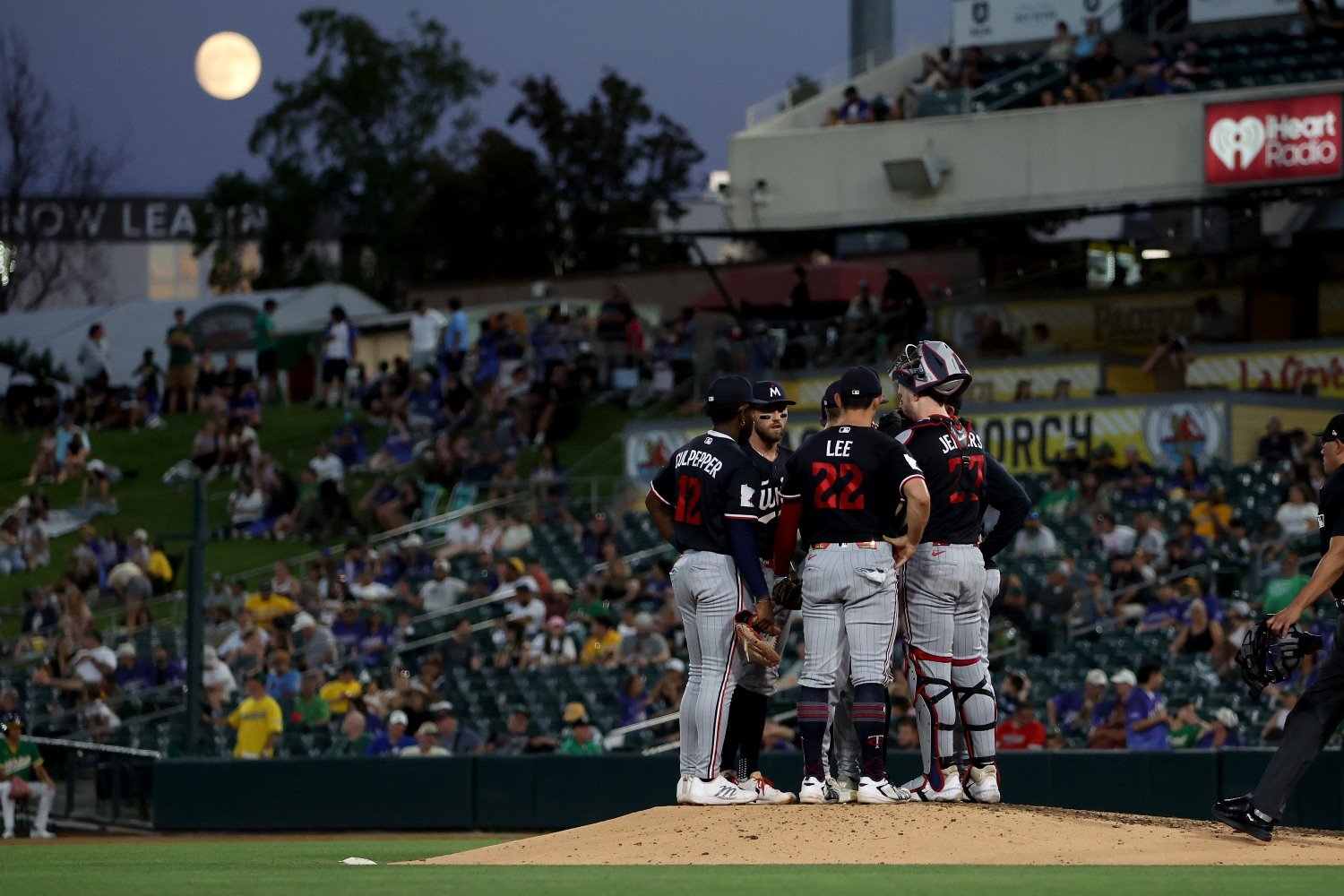 Box Score SP: Connor Prielipp - 5 1/3 IP, 6 H, 3 R, 1 BB, 5 K (78 pitches, 52 strikes (67% strikes)) Home Runs: Brooks Lee, Trevor Larnach, Kaelen Culpepper Bottom 3 WPA: Andrew Morris (-0.50), Luke Keaschall (-0.15), Kody Funderburk (-0.05) Win Probability Chart The Twins entered Wednesday night's series finale against the A's looking to secure a series victory after taking Monday night's opener. For most of the night, Minnesota looked in position to do exactly that, jumping out to an early 3-0 lead behind a trio of solo home runs and a strong performance from Connor Prielipp on the mound. Unfortunately, things unraveled in the sixth inning. The A's scored four runs to turn a two-run deficit into a 6-4 lead, then added another run in the seventh to put the game out of reach. The Twins had one final chance to make things interesting in the ninth, but they couldn't deliver the big hit they needed. Instead, Minnesota dropped a frustrating 7-4 decision and lost the series to the A's. Kaelen Culpepper Stays Red-Hot, and His Power is Burgeoning After struggling to generate much offense in Tuesday night's loss, the Twins wasted no time getting the bats going Wednesday. Brooks Lee opened the scoring in the first inning with a solo homer, jumping on a fastball at the top of the zone and sending it 105 MPH off the bat for his 21st homer of the season. Minnesota added two more runs in the second, and both also came on solo shots. Trevor Larnach absolutely crushed a 3-1 sinker from J.T. Ginn, sending a 110-MPH line drive over the wall in right field for his 11th homer of the season. Kaelen Culpepper then followed with a homer of his own, launching a two-strike sinker 428 feet to left field to make it 3-0. Culpepper has been swinging a hot bat throughout this series, and indeed, he's been exactly what the team must have hoped he would be since they called him up early this month. The offense wouldn't do much after that early outburst, though. Minnesota managed just one hit over the next three innings before finally putting together another rally in the sixth. Josh Bell, Ryan Jeffers and Kody Clemens opened the inning with three consecutive singles to load the bases with one out. Royce Lewis then lifted a sacrifice fly to bring home Bell and extend the lead to 4-2. That would be the final run the Twins scored. A Much-Needed Strong Start for Connor Prielipp While the Twins' offense came out hot, Prielipp did his part to keep the A's lineup quiet early. The left-hander needed just eight pitches to get through the first inning, then worked around a pair of singles in the second without allowing a run. He settled in from there, retiring the side in order in the third. The A's finally got to him in the fourth, when an unfortunate bounce turned what looked like a potential double play into a two-run inning. Prielipp walked Lawrence Butler to start the frame, before Tommy White hit a hard ground ball that took a crazy hop in front of Clemens at second. It was a hard one-hopper, and when that one hop is unreliable, the play becomes almost impossible. Clemens couldn't keep it on the infield, and instead of an out (or two), the result was runners at the corners with one out. Michael Stefanic followed with an RBI double into the left-field corner, and the A's got another run on a groundout by Brian Serven; the Twins played their infield back and traded the run for an out. Prielipp stopped the bleeding there and got through the fifth unscathed, though. He came back out for the sixth and retired Butler to start the inning, but a single from Jonah Heim ended his night. Unfortunately, the bullpen couldn't preserve that lead. The Same Sad Story: Andrew Morris Can't Miss Bats, Luke Keaschall Can't Catch Balls Andrew Morris entered to replace Prielipp and immediately allowed a fly-ball single to center by White, putting the tying run on base. Pinch-hitter Jeff McNeil then doubled down the left-field line, bringing White home and cutting the Twins' lead to one. Morris got a huge second out when Carlos Cortes swung through a sinker that would've been ball four, but the A's weren't finished. Alika Williams pounced on Morris's first pitch and hit a long fly ball to left-center field. Luke Keaschall neither read it well off the bat nor accelerated especially smoothly once he got moving. He came up just short, on a ball that absolutely has to be caught. Both runners scored, and suddenly, the A's had a 5-4 lead. Darell Hernaiz followed with another two-out RBI single to make it 6-4. Just like that, the Twins had gone from being in complete control to trailing by two. The bullpen collapse continued in the seventh. Kody Funderburk was brought in with one out to face Lawrence Butler, creating a left-on-left matchup. In a 1-2 count, though, Funderburk left a sweeper up and over the plate. Butler hammered it to left-center for a solo homer, extending the A's lead to 7-4. It was another frustrating sequence for a Twins team that has had far too many leads disappear late in games this season. Minnesota had one final opportunity to make things interesting in the ninth against Elvis Alvarado, who had recorded a save against the Twins the previous night. Lewis led off with a swinging bunt that was handled by Heim for an out—a frustrating result, considering he was ahead 2-0 in the count. Larnach followed with a single up the middle, and Culpepper then won an eight-pitch battle to draw a walk and bring the tying run to the plate. Alan Roden nearly delivered, but his fly ball to the warning track in center wasn't deep enough to score either runner. Both Larnach and Culpepper tagged and moved into scoring position, giving Keaschall a chance to extend the game. Instead, he couldn't hold up on a slider out of the zone, ending the game. Now, Minnesota will have to regroup after dropping two straight to the A's. And once again, the biggest question coming out of the game will be how the Twins can stop these late-inning collapses. What’s Next? The Twins are off tomorrow before returning home to kick off a 14-game stretch against divisional opponents. That stretch will start this weekend against the White Sox. Dean Kremer is lined up to throw for Minnesota, and he’ll face off against fellow trade deadline acquisition Luis Castillo. First pitch is set for 7:10 PM Friday. Postgame Interviews Coming soon! Bullpen Availability Chart
- 73 comments
-
- 4
-
-
- game recap
- connor prielipp
- (and 2 more)
-
Image courtesy of Dennis Lee-Imagn Images Box Score SP: Connor Prielipp - 5 1/3 IP, 6 H, 3 R, 1 BB, 5 K (78 pitches, 52 strikes (67% strikes)) Home Runs: Brooks Lee, Trevor Larnach, Kaelen Culpepper Bottom 3 WPA: Andrew Morris (-0.50), Luke Keaschall (-0.15), Kody Funderburk (-0.05) Win Probability Chart The Twins entered Wednesday night's series finale against the A's looking to secure a series victory after taking Monday night's opener. For most of the night, Minnesota looked in position to do exactly that, jumping out to an early 3-0 lead behind a trio of solo home runs and a strong performance from Connor Prielipp on the mound. Unfortunately, things unraveled in the sixth inning. The A's scored four runs to turn a two-run deficit into a 6-4 lead, then added another run in the seventh to put the game out of reach. The Twins had one final chance to make things interesting in the ninth, but they couldn't deliver the big hit they needed. Instead, Minnesota dropped a frustrating 7-4 decision and lost the series to the A's. Kaelen Culpepper Stays Red-Hot, and His Power is Burgeoning After struggling to generate much offense in Tuesday night's loss, the Twins wasted no time getting the bats going Wednesday. Brooks Lee opened the scoring in the first inning with a solo homer, jumping on a fastball at the top of the zone and sending it 105 MPH off the bat for his 21st homer of the season. Minnesota added two more runs in the second, and both also came on solo shots. Trevor Larnach absolutely crushed a 3-1 sinker from J.T. Ginn, sending a 110-MPH line drive over the wall in right field for his 11th homer of the season. Kaelen Culpepper then followed with a homer of his own, launching a two-strike sinker 428 feet to left field to make it 3-0. Culpepper has been swinging a hot bat throughout this series, and indeed, he's been exactly what the team must have hoped he would be since they called him up early this month. The offense wouldn't do much after that early outburst, though. Minnesota managed just one hit over the next three innings before finally putting together another rally in the sixth. Josh Bell, Ryan Jeffers and Kody Clemens opened the inning with three consecutive singles to load the bases with one out. Royce Lewis then lifted a sacrifice fly to bring home Bell and extend the lead to 4-2. That would be the final run the Twins scored. A Much-Needed Strong Start for Connor Prielipp While the Twins' offense came out hot, Prielipp did his part to keep the A's lineup quiet early. The left-hander needed just eight pitches to get through the first inning, then worked around a pair of singles in the second without allowing a run. He settled in from there, retiring the side in order in the third. The A's finally got to him in the fourth, when an unfortunate bounce turned what looked like a potential double play into a two-run inning. Prielipp walked Lawrence Butler to start the frame, before Tommy White hit a hard ground ball that took a crazy hop in front of Clemens at second. It was a hard one-hopper, and when that one hop is unreliable, the play becomes almost impossible. Clemens couldn't keep it on the infield, and instead of an out (or two), the result was runners at the corners with one out. Michael Stefanic followed with an RBI double into the left-field corner, and the A's got another run on a groundout by Brian Serven; the Twins played their infield back and traded the run for an out. Prielipp stopped the bleeding there and got through the fifth unscathed, though. He came back out for the sixth and retired Butler to start the inning, but a single from Jonah Heim ended his night. Unfortunately, the bullpen couldn't preserve that lead. The Same Sad Story: Andrew Morris Can't Miss Bats, Luke Keaschall Can't Catch Balls Andrew Morris entered to replace Prielipp and immediately allowed a fly-ball single to center by White, putting the tying run on base. Pinch-hitter Jeff McNeil then doubled down the left-field line, bringing White home and cutting the Twins' lead to one. Morris got a huge second out when Carlos Cortes swung through a sinker that would've been ball four, but the A's weren't finished. Alika Williams pounced on Morris's first pitch and hit a long fly ball to left-center field. Luke Keaschall neither read it well off the bat nor accelerated especially smoothly once he got moving. He came up just short, on a ball that absolutely has to be caught. Both runners scored, and suddenly, the A's had a 5-4 lead. Darell Hernaiz followed with another two-out RBI single to make it 6-4. Just like that, the Twins had gone from being in complete control to trailing by two. The bullpen collapse continued in the seventh. Kody Funderburk was brought in with one out to face Lawrence Butler, creating a left-on-left matchup. In a 1-2 count, though, Funderburk left a sweeper up and over the plate. Butler hammered it to left-center for a solo homer, extending the A's lead to 7-4. It was another frustrating sequence for a Twins team that has had far too many leads disappear late in games this season. Minnesota had one final opportunity to make things interesting in the ninth against Elvis Alvarado, who had recorded a save against the Twins the previous night. Lewis led off with a swinging bunt that was handled by Heim for an out—a frustrating result, considering he was ahead 2-0 in the count. Larnach followed with a single up the middle, and Culpepper then won an eight-pitch battle to draw a walk and bring the tying run to the plate. Alan Roden nearly delivered, but his fly ball to the warning track in center wasn't deep enough to score either runner. Both Larnach and Culpepper tagged and moved into scoring position, giving Keaschall a chance to extend the game. Instead, he couldn't hold up on a slider out of the zone, ending the game. Now, Minnesota will have to regroup after dropping two straight to the A's. And once again, the biggest question coming out of the game will be how the Twins can stop these late-inning collapses. What’s Next? The Twins are off tomorrow before returning home to kick off a 14-game stretch against divisional opponents. That stretch will start this weekend against the White Sox. Dean Kremer is lined up to throw for Minnesota, and he’ll face off against fellow trade deadline acquisition Luis Castillo. First pitch is set for 7:10 PM Friday. Postgame Interviews Coming soon! Bullpen Availability Chart View full article
-
Image courtesy of David Frerker-Imagn Images It’s no secret that pitching wins games in the postseason. The Twins got two sharp performances from Pablo López and Sonny Gray during the 2023 Wild Card Series, helping them secure their first playoff series victory in more than two decades. While what a team gets from its starting rotation obviously matters, the late-game pitching can be just as important once October rolls around, and clearly, the Twins realize that, too. Minnesota added a trio of relievers at the trade deadline, bringing in a pair of former Blue Jays in Tommy Nance and Jeff Hoffman, as well as A.J. Minter from the Mets. Outside of a rough performance in San Diego this past weekend, the bullpen has been pretty sharp since those additions were made, but that can’t be said for everyone individually. Right-hander Travis Adams, in particular, has really struggled. Since making his major-league debut last season, Adams owns a 6.54 ERA across 75 2/3 innings, with 79 strikeouts and 37 walks. Those numbers paint a pretty clear picture of a pitcher who simply hasn’t been able to find consistent success at the major league level, and at this point, it’s starting to feel like do-or-die for Adams. Across his last 10 appearances, which have totaled 11 1/3 innings, Adams has allowed 10 earned runs. He’s also given up 15 hits and six walks while recording 12 strikeouts, making it difficult for the Twins to justify continuing to give him opportunities simply in the hopes that something eventually clicks. That’s especially true given where Minnesota is in the season. The Twins are still within striking distance of the American League Wild Card race, meaning every game carries significantly more weight than it did earlier in the year. If Minnesota is going to make a legitimate run at October baseball, they need to know which pitchers they can trust when games get tight, and right now, Adams hasn’t given them much reason to believe that he’s one of those pitchers. They’ve largely used him in lower-pressure spots, which makes sense considering his struggles. But even in those situations, the results haven’t been there. That creates a difficult situation for Minnesota, because there’s only so much patience a team can afford to have at this point in the season. It also just so happens that September callups are right around the corner. The Twins will soon have another opportunity to add an arm to their pitching staff, and there’s more than one name who could potentially emerge as an option down the stretch. There are already a pair of right-handed options at Triple-A in Jack Anderson and Garrett Acton, who have shown flashes of success with the Twins this season, albeit in relatively small samples. Acton brings a fastball-slider combination that can generate plenty of whiffs and keep hitters off balance, while Anderson uses his fastball to set up the rest of his pitch mix. Neither has established himself as a major-league staple yet, but both were significantly more effective during their brief stints with Minnesota than Adams has been recently. That’s the part that makes Adams’s situation particularly interesting. The Twins don’t need to find some mystery pitcher who doesn’t exist, as they already have options in the organization who have shown they can get major league hitters out. They just have to decide when it’s time to give one of them another opportunity. That doesn’t mean the Twins need to completely give up on Adams. He has shown enough at times to suggest there is a major-league pitcher in there somewhere, and his strikeout numbers indicate that his stuff isn’t completely inadequate at this level. His slider misses bats against righties; his changeup misses bats against lefties. But at some point, results matter more than a promising stuff profile, especially for a team that is trying to make a postseason push. Adams cannot continue struggling this badly at this point in the season and expect to maintain his spot on a team trying to fight its way into the postseason. The Twins have spent much of the year trying to piece together a reliable pitching staff, and they’ve now added reinforcements to make the bullpen deeper for the stretch run. That leaves less room for pitchers who aren’t getting outs. The margin for error is shrinking by the day, and Adams is running out of opportunities to prove he belongs in the Twins’ plans for October. With September around the corner and multiple potential replacements waiting in the wings, Minnesota has every reason to keep its options open. If Adams can turn things around, great. The Twins would certainly rather have another reliable arm than have to find one elsewhere, but if these struggles continue, it’s becoming increasingly difficult to see how Adams remains in the majors for much longer. At this point, his leash is only getting shorter. View full article
-
 It’s no secret that pitching wins games in the postseason. The Twins got two sharp performances from Pablo López and Sonny Gray during the 2023 Wild Card Series, helping them secure their first playoff series victory in more than two decades. While what a team gets from its starting rotation obviously matters, the late-game pitching can be just as important once October rolls around, and clearly, the Twins realize that, too. Minnesota added a trio of relievers at the trade deadline, bringing in a pair of former Blue Jays in Tommy Nance and Jeff Hoffman, as well as A.J. Minter from the Mets. Outside of a rough performance in San Diego this past weekend, the bullpen has been pretty sharp since those additions were made, but that can’t be said for everyone individually. Right-hander Travis Adams, in particular, has really struggled. Since making his major-league debut last season, Adams owns a 6.54 ERA across 75 2/3 innings, with 79 strikeouts and 37 walks. Those numbers paint a pretty clear picture of a pitcher who simply hasn’t been able to find consistent success at the major league level, and at this point, it’s starting to feel like do-or-die for Adams. Across his last 10 appearances, which have totaled 11 1/3 innings, Adams has allowed 10 earned runs. He’s also given up 15 hits and six walks while recording 12 strikeouts, making it difficult for the Twins to justify continuing to give him opportunities simply in the hopes that something eventually clicks. That’s especially true given where Minnesota is in the season. The Twins are still within striking distance of the American League Wild Card race, meaning every game carries significantly more weight than it did earlier in the year. If Minnesota is going to make a legitimate run at October baseball, they need to know which pitchers they can trust when games get tight, and right now, Adams hasn’t given them much reason to believe that he’s one of those pitchers. They’ve largely used him in lower-pressure spots, which makes sense considering his struggles. But even in those situations, the results haven’t been there. That creates a difficult situation for Minnesota, because there’s only so much patience a team can afford to have at this point in the season. It also just so happens that September callups are right around the corner. The Twins will soon have another opportunity to add an arm to their pitching staff, and there’s more than one name who could potentially emerge as an option down the stretch. There are already a pair of right-handed options at Triple-A in Jack Anderson and Garrett Acton, who have shown flashes of success with the Twins this season, albeit in relatively small samples. Acton brings a fastball-slider combination that can generate plenty of whiffs and keep hitters off balance, while Anderson uses his fastball to set up the rest of his pitch mix. Neither has established himself as a major-league staple yet, but both were significantly more effective during their brief stints with Minnesota than Adams has been recently. That’s the part that makes Adams’s situation particularly interesting. The Twins don’t need to find some mystery pitcher who doesn’t exist, as they already have options in the organization who have shown they can get major league hitters out. They just have to decide when it’s time to give one of them another opportunity. That doesn’t mean the Twins need to completely give up on Adams. He has shown enough at times to suggest there is a major-league pitcher in there somewhere, and his strikeout numbers indicate that his stuff isn’t completely inadequate at this level. His slider misses bats against righties; his changeup misses bats against lefties. But at some point, results matter more than a promising stuff profile, especially for a team that is trying to make a postseason push. Adams cannot continue struggling this badly at this point in the season and expect to maintain his spot on a team trying to fight its way into the postseason. The Twins have spent much of the year trying to piece together a reliable pitching staff, and they’ve now added reinforcements to make the bullpen deeper for the stretch run. That leaves less room for pitchers who aren’t getting outs. The margin for error is shrinking by the day, and Adams is running out of opportunities to prove he belongs in the Twins’ plans for October. With September around the corner and multiple potential replacements waiting in the wings, Minnesota has every reason to keep its options open. If Adams can turn things around, great. The Twins would certainly rather have another reliable arm than have to find one elsewhere, but if these struggles continue, it’s becoming increasingly difficult to see how Adams remains in the majors for much longer. At this point, his leash is only getting shorter.
 -
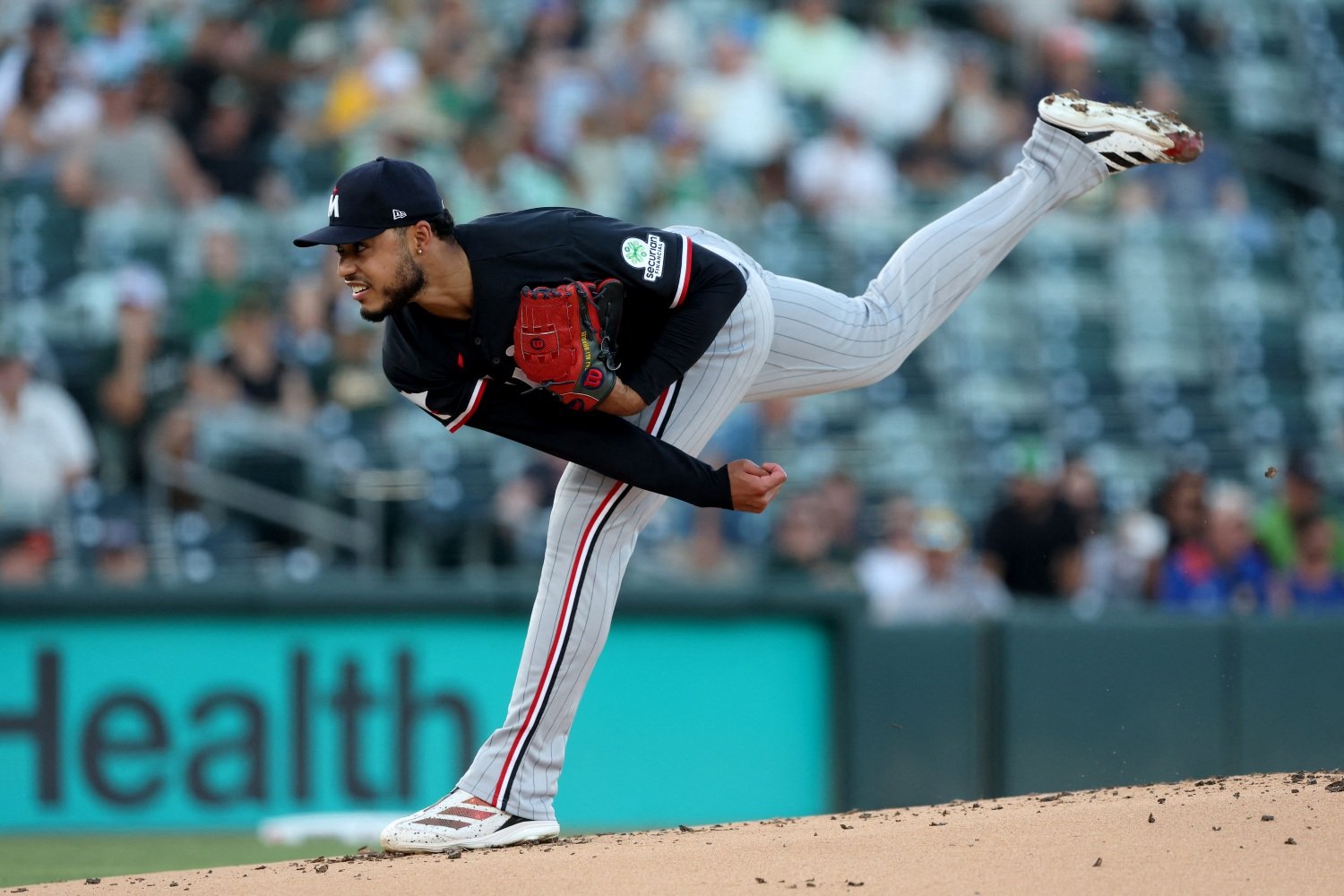 Box Score SP: Taj Bradley - 6 2/3 IP, 7 H, 4 R, 1 BB, 11 K (99 pitches, 72 strikes (73% strikes)) Home Runs: None Bottom 3 WPA: Kody Clemens (-0.12), Ryan Jeffers (-0.10), Byron Buxton (-0.09) Win Probability Chart The Twins entered Tuesday night's matchup against the A's looking to win the series after taking Monday night's opener. For most of the night, it looked like Minnesota had a chance to do exactly that, with Taj Bradley putting together a dominant performance on the mound—despite the A's repeatedly coming through with two-out hits. The Twins' offense struggled to generate much against Gage Jump early, managing just two hits through the first six innings. Minnesota finally broke through with two runs in the seventh, but they couldn't complete the comeback. To make matters worse, Byron Buxton left the game in the seventh after appearing to suffer another injury. He came up grabbing his side after a defensive play, adding another layer of concern to a night that already ended in a frustrating 4-2 loss. Taj Bradley's Immaculate Inning, Near-Immaculate Outing Bradley didn't have the easiest first inning, needing 20 pitches to work around a two-out walk and strike out Lawrence Butler to escape the frame. From there, though, the right-hander was nearly untouchable. He needed just 10 pitches to get through the third, then worked another clean fourth before putting together the highlight of his night in the fifth. After striking out Carlos Cortes and Brian Serven, Bradley froze Henry Bolte with a 100-mph fastball to complete an immaculate inning. It was the first immaculate inning in team history, and Bradley wasn't finished. He struck out Cortes and Serven again in the seventh, giving him 11 strikeouts on the night. Through six-plus innings, Bradley had allowed just three runs while piling up strikeouts at an incredible rate, but the A's ability to string together two-out hits ultimately proved to be his downfall. Bradley left the game with a runner on third after allowing another two-out hit in the seventh. He finished with 11 strikeouts on 81 pitches, and despite the final line, this was one of his better outings of the season. Unfortunately, the Twins couldn't give him enough offensive support. The A's offense wasn't exactly overwhelming Tuesday night; they just seemed to come alive whenever the Twins were one out away from getting out of an inning. Their first two runs came in the second after Alika Williams doubled with two outs and Carlos Cortes followed with a two-run homer. Bradley had retired the first two batters of the inning, but one mistake was all the A's needed to take the lead. The same thing happened again in the sixth. After Bradley retired Jeff McNeil and Zack Gelof, Butler singled to keep the inning alive. Tommy White then doubled off the wall in right-center, bringing Butler home and extending the A's lead to 3-0. Walton followed with another two-out single, and a throw home that missed the cutoff man allowed the A's to score another run and put a runner in scoring position. Just like that, the A's had turned three consecutive two-out hits into a three-run advantage. All four of their runs came with two outs. That's a brutal way to lose a game, especially when your starting pitcher is otherwise having such a strong night. Twins' 7th-Inning Rally Falls a Bit Short For most of the night, Minnesota's offense couldn't get anything going against Gage Jump. That changed in the seventh. Royce Lewis opened the inning with his second hit of the night, and after Kody Clemens reached on a fielder's choice, Kaelen Culpepper came through with a huge swing. He jumped on a first-pitch changeup, sat back on it and hammered it into right-center for an RBI double. After recording four hits Monday night, Culpepper followed it up with another big hit Tuesday, cutting the A's lead to 4-1. The Twins then got a fortunate break when Brooks Lee's pop-up down the first-base line bounced off Donovan Walton's glove and fell in for a double. That put two runners in scoring position with Victor Caratini at the plate representing the tying run. Caratini didn't get the hit, but he still brought Culpepper home after Zack Gelof made an excellent sliding stop at third. Suddenly, the Twins were within two. Kreidler then worked a walk to put the tying run on base, but Luke Keaschall went down looking to end the inning. Still, it was the first real sign of life from Minnesota's offense all night. After managing just two hits through the first six innings, the Twins had put together a four-hit inning and cut the A's lead in half. Unfortunately, it would be their final real threat of the night. Buxton Departs with Hip Trouble The seventh inning wasn't only significant because of Minnesota's attempted comeback. It also brought one of the most concerning moments of the night. Bolte lined a ball toward right-center field that got past Clemens, and Buxton attempted to make the play. The ball slipped underneath his glove, allowing Bolte to race all the way to third. More notably, Buxton immediately came up grabbing his side. The Twins' star center fielder has dealt with multiple IL stints because of hip issues over the last couple of months, so seeing him favor his side after the play was certainly unsettling. Trevor Larnach entered the game in his place, ending Buxton's night. There's no way to know the severity of the injury yet, and hopefully it's something minor. But considering Buxton's injury history and how late we are in the season, it's certainly something to keep an eye on. The play also ended Bradley's night, as Minter entered with Bolte standing on third. Minter got the final out of the inning when McNeil swung through a sinker that ran in on him, but somehow, an inning that didn't feature a run was still one of the most eventful frames of the game. Minnesota had one more chance to make things interesting in the eighth and ninth, but the A's bullpen shut the door. The Twins went down quietly in the eighth, with Larnach, Jeffers and Lewis all recording outs. That sent Minnesota to the ninth needing two runs to tie the game. Instead, Clemens struck out, Culpepper grounded out to third and Lee flew out to center to end the game. After struggling to produce anything offensively for the first six innings, the Twins finally put together a rally in the seventh, but it wasn't enough to overcome the A's early advantage. And once again, the biggest difference came down to two-out hitting. The A's scored all four of their runs with two outs, while Minnesota couldn't deliver the big hit when it needed one most. Bradley pitched well enough to win, striking out 11 and making history with the first immaculate inning in Twins history. Culpepper continued his strong stretch with another big offensive performance, and Minnesota briefly showed some life in the seventh. But the A's made their opportunities count. Now, the Twins will have to win Wednesday's series finale if they want to take the series. They'll also have to wait for more information on Buxton after a concerning exit that could potentially have much bigger implications for the remainder of the season. What’s Next? The Twins wrap up their series in Sacramento against the A’s tomorrow night. Left-hander Connor Prielipp will be on the mound for the Twins, and he’ll face off against righty J.T. Ginn. First pitch is set for 8:05 PM. Postgame Interviews Coming soon! Bullpen Availability Chart
- 37 comments
-
- 1
-
-
- game recap
- byron buxton
- (and 2 more)
-
Image courtesy of Dennis Lee-Imagn Images Box Score SP: Taj Bradley - 6 2/3 IP, 7 H, 4 R, 1 BB, 11 K (99 pitches, 72 strikes (73% strikes)) Home Runs: None Bottom 3 WPA: Kody Clemens (-0.12), Ryan Jeffers (-0.10), Byron Buxton (-0.09) Win Probability Chart The Twins entered Tuesday night's matchup against the A's looking to win the series after taking Monday night's opener. For most of the night, it looked like Minnesota had a chance to do exactly that, with Taj Bradley putting together a dominant performance on the mound—despite the A's repeatedly coming through with two-out hits. The Twins' offense struggled to generate much against Gage Jump early, managing just two hits through the first six innings. Minnesota finally broke through with two runs in the seventh, but they couldn't complete the comeback. To make matters worse, Byron Buxton left the game in the seventh after appearing to suffer another injury. He came up grabbing his side after a defensive play, adding another layer of concern to a night that already ended in a frustrating 4-2 loss. Taj Bradley's Immaculate Inning, Near-Immaculate Outing Bradley didn't have the easiest first inning, needing 20 pitches to work around a two-out walk and strike out Lawrence Butler to escape the frame. From there, though, the right-hander was nearly untouchable. He needed just 10 pitches to get through the third, then worked another clean fourth before putting together the highlight of his night in the fifth. After striking out Carlos Cortes and Brian Serven, Bradley froze Henry Bolte with a 100-mph fastball to complete an immaculate inning. It was the first immaculate inning in team history, and Bradley wasn't finished. He struck out Cortes and Serven again in the seventh, giving him 11 strikeouts on the night. Through six-plus innings, Bradley had allowed just three runs while piling up strikeouts at an incredible rate, but the A's ability to string together two-out hits ultimately proved to be his downfall. Bradley left the game with a runner on third after allowing another two-out hit in the seventh. He finished with 11 strikeouts on 81 pitches, and despite the final line, this was one of his better outings of the season. Unfortunately, the Twins couldn't give him enough offensive support. The A's offense wasn't exactly overwhelming Tuesday night; they just seemed to come alive whenever the Twins were one out away from getting out of an inning. Their first two runs came in the second after Alika Williams doubled with two outs and Carlos Cortes followed with a two-run homer. Bradley had retired the first two batters of the inning, but one mistake was all the A's needed to take the lead. The same thing happened again in the sixth. After Bradley retired Jeff McNeil and Zack Gelof, Butler singled to keep the inning alive. Tommy White then doubled off the wall in right-center, bringing Butler home and extending the A's lead to 3-0. Walton followed with another two-out single, and a throw home that missed the cutoff man allowed the A's to score another run and put a runner in scoring position. Just like that, the A's had turned three consecutive two-out hits into a three-run advantage. All four of their runs came with two outs. That's a brutal way to lose a game, especially when your starting pitcher is otherwise having such a strong night. Twins' 7th-Inning Rally Falls a Bit Short For most of the night, Minnesota's offense couldn't get anything going against Gage Jump. That changed in the seventh. Royce Lewis opened the inning with his second hit of the night, and after Kody Clemens reached on a fielder's choice, Kaelen Culpepper came through with a huge swing. He jumped on a first-pitch changeup, sat back on it and hammered it into right-center for an RBI double. After recording four hits Monday night, Culpepper followed it up with another big hit Tuesday, cutting the A's lead to 4-1. The Twins then got a fortunate break when Brooks Lee's pop-up down the first-base line bounced off Donovan Walton's glove and fell in for a double. That put two runners in scoring position with Victor Caratini at the plate representing the tying run. Caratini didn't get the hit, but he still brought Culpepper home after Zack Gelof made an excellent sliding stop at third. Suddenly, the Twins were within two. Kreidler then worked a walk to put the tying run on base, but Luke Keaschall went down looking to end the inning. Still, it was the first real sign of life from Minnesota's offense all night. After managing just two hits through the first six innings, the Twins had put together a four-hit inning and cut the A's lead in half. Unfortunately, it would be their final real threat of the night. Buxton Departs with Hip Trouble The seventh inning wasn't only significant because of Minnesota's attempted comeback. It also brought one of the most concerning moments of the night. Bolte lined a ball toward right-center field that got past Clemens, and Buxton attempted to make the play. The ball slipped underneath his glove, allowing Bolte to race all the way to third. More notably, Buxton immediately came up grabbing his side. The Twins' star center fielder has dealt with multiple IL stints because of hip issues over the last couple of months, so seeing him favor his side after the play was certainly unsettling. Trevor Larnach entered the game in his place, ending Buxton's night. There's no way to know the severity of the injury yet, and hopefully it's something minor. But considering Buxton's injury history and how late we are in the season, it's certainly something to keep an eye on. The play also ended Bradley's night, as Minter entered with Bolte standing on third. Minter got the final out of the inning when McNeil swung through a sinker that ran in on him, but somehow, an inning that didn't feature a run was still one of the most eventful frames of the game. Minnesota had one more chance to make things interesting in the eighth and ninth, but the A's bullpen shut the door. The Twins went down quietly in the eighth, with Larnach, Jeffers and Lewis all recording outs. That sent Minnesota to the ninth needing two runs to tie the game. Instead, Clemens struck out, Culpepper grounded out to third and Lee flew out to center to end the game. After struggling to produce anything offensively for the first six innings, the Twins finally put together a rally in the seventh, but it wasn't enough to overcome the A's early advantage. And once again, the biggest difference came down to two-out hitting. The A's scored all four of their runs with two outs, while Minnesota couldn't deliver the big hit when it needed one most. Bradley pitched well enough to win, striking out 11 and making history with the first immaculate inning in Twins history. Culpepper continued his strong stretch with another big offensive performance, and Minnesota briefly showed some life in the seventh. But the A's made their opportunities count. Now, the Twins will have to win Wednesday's series finale if they want to take the series. They'll also have to wait for more information on Buxton after a concerning exit that could potentially have much bigger implications for the remainder of the season. What’s Next? The Twins wrap up their series in Sacramento against the A’s tomorrow night. Left-hander Connor Prielipp will be on the mound for the Twins, and he’ll face off against righty J.T. Ginn. First pitch is set for 8:05 PM. Postgame Interviews Coming soon! Bullpen Availability Chart View full article
