


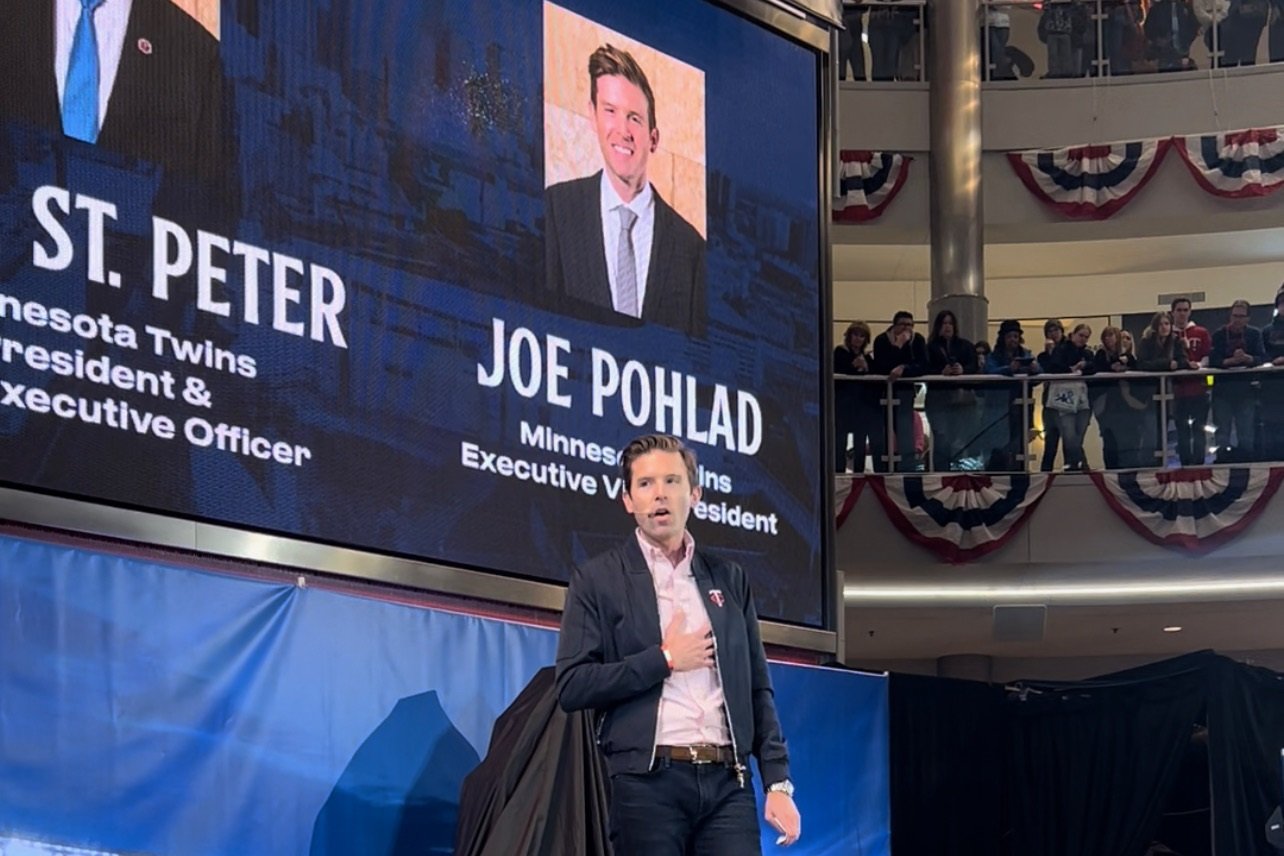
Twins Video
The Pohlad family’s tenure as the owners of the Minnesota Twins has spanned four decades, during which the team has experienced both very high highs and very low lows. Earlier this week, the Twins and the Pohlads announced that the team is exploring selling the team. While criticism is often levied against ownership for a lack of competitive spending, significant positives exist under the Pohlads' stewardship. Let’s examine five key contributions, highlighting how the family has shaped the franchise and the community.
1. Building Target Field
Perhaps the most enduring legacy of the Pohlad family is the construction of Target Field. Opening in 2010, the state-of-the-art ballpark was a game-changer for the Twins. Before its development, the Twins had spent nearly three decades in the Metrodome, a multi-purpose stadium that lacked the charm and intimacy of a hillside cave true baseball venue.
Target Field, which the Pohlads put up over one-third of the construction costs for ($195 million of the final $555 million price tag) stands as one of MLB’s most beautiful ballparks. It was designed to give fans a classic baseball experience, with stunning views of downtown Minneapolis, modern amenities, and a commitment to sustainability, including LEED certification. The Pohlad family has also invested money to continually improve the fan experience at the ballpark. Target Field has become not just a home for the Twins, but a centerpiece of the Minneapolis sports landscape, hosting events from MLB All-Star Game, college football, and outdoor hockey.
2. Community Impact and Philanthropy
Beyond the baseball diamond, the Pohlads have made substantial contributions to the Twin Cities community. The Pohlad Family Foundation, established by Carl Pohlad in 1993, has donated millions to initiatives to reduce poverty, support youth education, and provide housing stability. These efforts have had a lasting impact on thousands of local families.
In addition, the Twins have been involved in numerous charitable ventures under Pohlad ownership. The "Twins Community Fund" supports local youth baseball and softball programs, ensuring the sport is accessible to kids throughout the region. Earlier this week, the Twins were named one of five finalists for MLB’s 2024 Allan H. Selig Award for Philanthropic Excellence. The team has also been quick to respond in times of crisis, like their 2020 donation to local COVID-19 relief efforts. The Twins are very much a regional team, with fans scattered across the upper Midwest, so some of these efforts might have flown under the radar of those outside the Twin Cities.
3. Investing in Player Development and Scouting
While the Twins have rarely been at the top of MLB in terms of payroll, the Pohlad family has invested heavily in player development. The franchise is known for developing homegrown talent, an essential aspect of small- to mid-market success. Names like Joe Mauer, Justin Morneau, and Byron Buxton became household figures thanks to the Twins' well-established farm system. The current front office has rebuilt the farm system to the point where it ranks as one of the best in baseball. There is no guarantee of future success with prospects, but the Pohlads have helped to put the right people in place to make important decisions about the farm system.
In recent years, ownership has expanded its investment in scouting and analytics, helping the team remain competitive in an era where data is crucial to success. The establishment of the Twins’ Dominican Academy, which opened in 2015, further underscores the Pohlads’ commitment to scouting and developing international talent, which is critical for sustaining success.
4. Bringing Championship Success
The early years of the Pohlad family’s ownership saw two of the greatest moments in Minnesota Twins history, marking the franchise's golden era. Minnesota captured two World Series titles in just five years, a feat that continues to define the franchise. The 1987 championship was a landmark moment, as it brought the franchise its first-ever World Series win, solidifying a sense of hope and pride among fans in Minnesota. The team's resilience during that postseason, particularly with home-field advantage in the Metrodome, became part of their legacy.
However, the 1991 World Series is often regarded as one of the greatest Fall Classics in MLB history. The series went the full seven games, culminating in a dramatic 1-0 extra-innings win in Game 7 over the Atlanta Braves. Kirby Puckett’s iconic walk-off home run in Game 6 and Jack Morris’ legendary 10-inning shutout in Game 7 cemented their places in baseball lore. These moments, along with the contributions of other stars like Kent Hrbek, created a narrative of underdog triumph that still resonates strongly with fans.
Though playoff victories have been scarce in recent years, these two championship runs serve as a proud cornerstone of the Twins’ identity. Fans continue to draw on the legacy of those teams, with memories of the '87 and '91 squads frequently revived in celebrations and tributes. The Pohlad family, through Carl Pohlad's initial stewardship, helped position the Twins as a team that could rise to the top, and that legacy lives on decades later.
5. Stability
Owning a professional sports team for nearly 40 years is a testament to stability. The turmoil of the 1990s and early 2000s is not to be ignored, but overall, the Pohlads kept the team familiar and accessible to the fans for most of their years of stewardship. The construction of Target Field cemented that commitment. It wasn’t just a new home for the team, but a declaration that the Minnesota Twins were here to stay. The Pohlads have built a foundation that a new ownership group can build off of in future years.
The Pohlad family has also shown a propensity to keep people in high-ranking positions for an extended time. Since 1987, the Twins have employed only four managers (Tom Kelly, Ron Gardenhire, Paul Molitor, and Rocco Baldelli), and each has won the AL Manager of the Year award. Other members at the top of the front office have stayed in their positions for a significant amount of time to provide more stability. Some other examples include Terry Ryan in the general manager role, Mike Radcliff atop their scouting department, and Dave St. Peter in the president role.
While there are always areas for critique, the Pohlad family’s impact on the Twins and the community has seen multiple positives that will live on after they sell the team. From building one of MLB’s best ballparks to investing in player development and philanthropy, their ownership has left an enduring legacy that stretches beyond wins and losses. As the franchise looks toward the future, the Twins are set up for success beyond the current ownership group.
What other positives should be added to the list? Leave a COMMENT and start the discussion.







Recommended Comments
Create an account or sign in to comment
You need to be a member in order to leave a comment
Create an account
Sign up for a new account in our community. It's easy!
Register a new accountSign in
Already have an account? Sign in here.
Sign In Now