


Twins Video
Every major-league season has natural checkpoints that shape the decisions teams make. Opening Day creates expectations. Memorial Day offers the first meaningful look at the standings. July 4 marks the unofficial launch of trade deadline season. By the end of July, front offices must decide whether to buy, sell, or attempt to thread the needle somewhere in between.
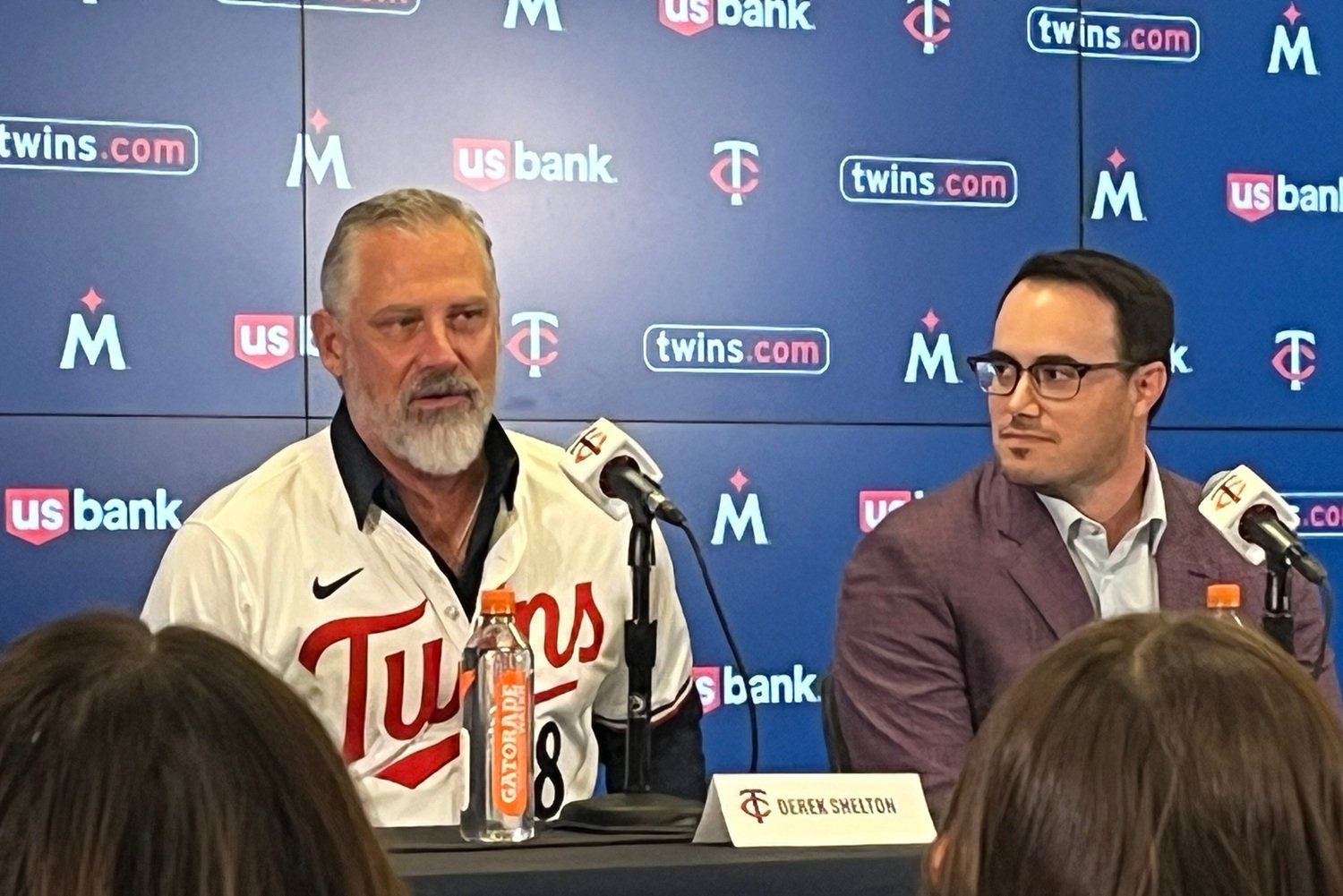
For the Minnesota Twins, those decisions carry even more intrigue this summer. This is Jeremy Zoll’s first season running baseball operations, and while he spent years helping shape the organization’s process behind the scenes, this will be his first opportunity to navigate a trade deadline from the lead decision-making chair. That creates plenty of unknowns for both fans and rival executives trying to predict Minnesota’s approach.
On a recent episode of Inside Twins, Zoll provided some insight into how teams across baseball are approaching the next few weeks and why the market remains unusually quiet.
The Early Trade Deadline Check-Ins
While many fans think trade deadline conversations begin in late July, front offices start laying the groundwork much earlier. According to Zoll, clubs have already started preliminary discussions.
“You start to get a preliminary set of check-in calls around what you’re thinking for team direction, trade deadline, things along those lines,” he said.
Those conversations establish relationships and gauge which teams may eventually become buyers or sellers. However, identifying those categories has proven difficult this season. In many years, several teams have effectively waved the white flag by mid-June. That has not happened in 2026.
The American League’s Crowded Race
The biggest factor impacting the market is the current state of the American League. Few teams have completely fallen out of contention, creating a league full of organizations still hoping a strong couple of weeks can change their fortunes. That uncertainty has slowed meaningful trade discussions.
“And I think the reality is with the state of, especially the state of the American League right now, a lot of teams don’t really have that answer," Zoll said. "So those calls haven’t really picked up.”
That reality affects everyone. Potential sellers are hesitant to move veterans because they remain within striking distance of a Wild Card spot. Potential buyers are reluctant to part with top prospects before they know exactly what they need. The result is a holding pattern throughout much of June.
Why The Next Few Weeks Matter So Much
The calendar is about to force decisions. Teams can spend weeks evaluating their rosters, but eventually the schedule catches up to them. The stretch between now and the All-Star break may be the most important period of the season for many front offices.
Zoll acknowledged that most organizations are still waiting for more information.
“We’re all generally keeping in touch with each other, but you hear a lot of like, 'I need to let this play out further'," he said. "So ultimately, [we] want to let the results on the field carry the day and see where we’re at.”
The timing becomes even more compressed once July arrives. Trade discussion used to pick up in earnest a bit sooner, but the draft moved from mid-June to mid-July in 2020, leaving teams focused on that process until the draft happens at the All-Star break.
“But right after July 4th weekend, you got a week of draft meetings, then you have the draft, it’s the All-Star break," Zoll said. "Coming out of the All-Star break, then you hunker down into trade deadline mode and figuring out where you’re at from there.”
That sequence creates one of the busiest stretches on the baseball calendar. Front offices are simultaneously preparing for the draft, evaluating major-league performance, monitoring injuries, and building trade scenarios. By the time the All-Star break ends, decisions arrive quickly.
The Twins’ Information Problem
Minnesota’s situation has become even more complicated because some of the organization’s most important young players have spent significant time on the injured list. The conversation turned to how the Twins expected to know much more about players such as Emmanuel Rodriguez and Walker Jenkins by this point in the season. Rodriguez appeared to be pushing toward the major leagues before suffering a thumb injury, while Jenkins has played only a limited number of games at Triple-A because of shoulder issues. That lack of information matters.
Young players can influence trade deadline decisions in multiple ways. They can strengthen a roster internally, provide depth in case of injuries, or become valuable trade chips in negotiations. Zoll acknowledged the uncertainty.
“Yeah, I think a host of things have probably made the water a little murky, and hopefully the rehab progressions for a bunch of those guys [clear things up],” he said.
The organization is still gathering information whenever possible.
“[It would] allow us to get all the information we can get. And also, we think a bunch of those guys can help us at different points along the way.”
For a front office trying to determine its options, every game played by a recovering prospect could provide valuable clarity.
The Focus Remains on Winning
Despite the uncertainty surrounding the deadline, Zoll made it clear that the Twins are not yet focused on selling pieces or planning for next season. The priority remains getting the current roster back on track.
“So first and foremost, we want to do everything we can to get the big league team rolling here, obviously," Zoll said. "This last stretch since around Memorial Day hasn’t been the best, but [we] still think there’s a lot of talent in that group.”
That belief explains why Minnesota remains in evaluation mode. The Twins know their roster has underperformed for stretches this summer, but they also know the American League standings remain crowded. A strong two-week run could dramatically change the organization’s outlook before the All-Star break. For the Twins, this year’s checkpoints may be more important than most.
Once the draft and All-Star break arrive, however, the waiting will end. The calendar will demand answers, and the Twins will have to decide exactly where they fit into the 2026 trade deadline landscape.
What should fans expect from Zoll in his first trade deadline? How will he be different from Derek Falvey? Leave a comment and start the discussion.







Recommended Comments
Create an account or sign in to comment
You need to be a member in order to leave a comment
Create an account
Sign up for a new account in our community. It's easy!
Register a new accountSign in
Already have an account? Sign in here.
Sign In Now