

Twins Video
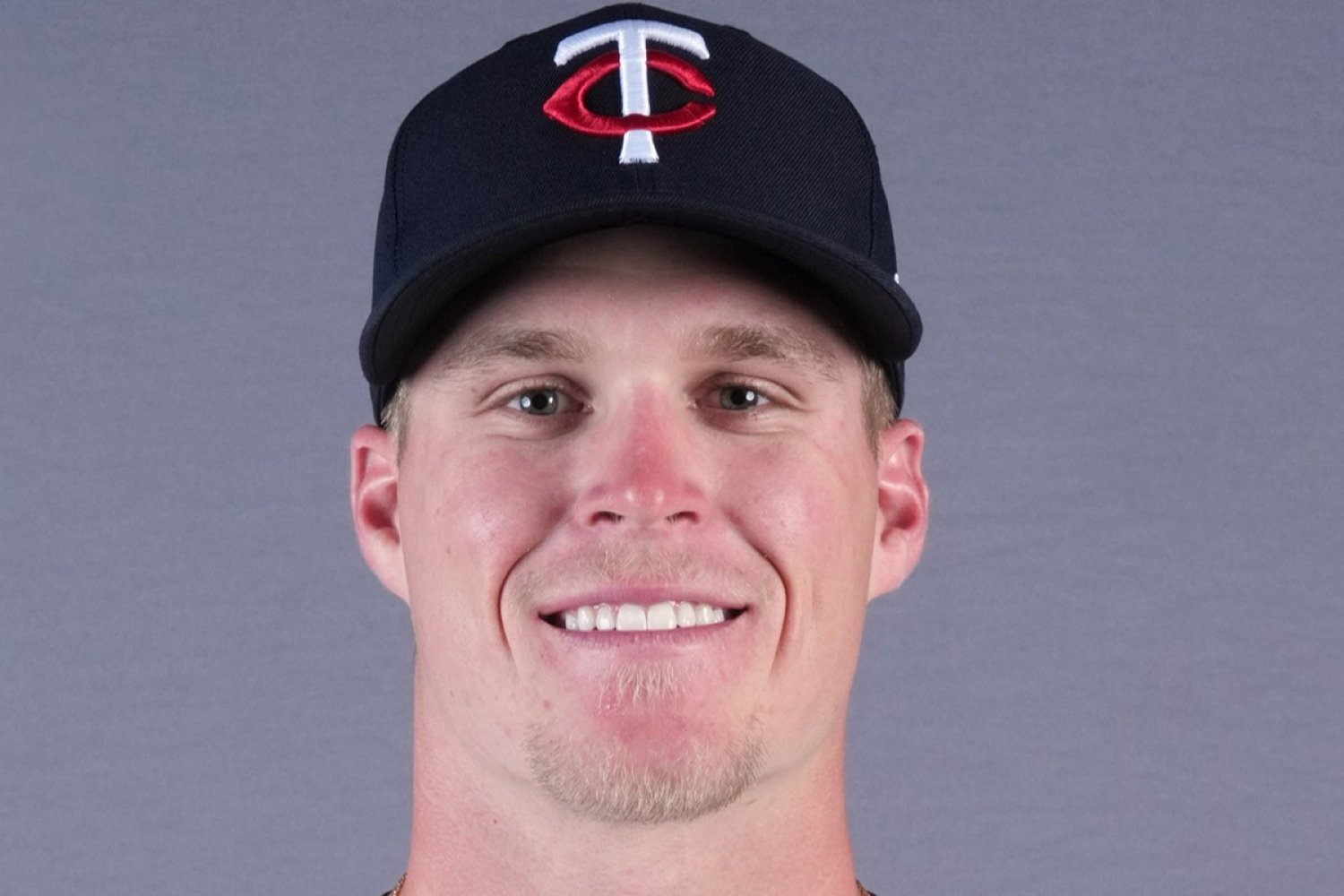
For weeks, Twins fans have been clamoring for the same thing: Call up Walker Jenkins. It is not hard to understand why. Jenkins, the Minnesota Twins' No. 1 prospect and a top-15 prospect in baseball, has been tearing through Triple-A since his promotion. Since July 15, Jenkins has posted a .934 OPS, continuing to show that he has very little left to prove in St. Paul. Meanwhile, the Twins could desperately use the offensive help. Since July 15, Minnesota ranks 21st in Major League Baseball in both OPS and runs scored, and this is a team fighting for a playoff spot with roughly six weeks remaining in the regular season.
Despite that, the Twins have held firm with Jenkins in Triple-A. The team has made plenty of other roster moves during that time, including promoting Tristan Gray and later Kaelen Culpepper, but Jenkins has remained in St. Paul. Maybe the Twins genuinely believe he needs more time in Triple-A—that there are still aspects of his game that need to be polished before he makes his major-league debut. I don't necessarily agree with that assessment, but at least it would make sense. If the Twins don't believe Jenkins is ready, there is a baseball reason for keeping him in the minors.
There is another possible explanation, however, and it has been speculated about quite a bit: MLB's Prospect Promotion Incentive (PPI). MLB and the MLB Players Association (MLBPA) introduced that incentive as part of the 2022 collective bargaining agreement, in an effort to discourage teams from manipulating the service time of top prospects. Under the PPI, a team can receive an extra draft pick after the first round if a preseason top-100 prospect is promoted early enough to gain a full year of service time and subsequently wins a major award such as Rookie of the Year. The key here is rookie eligibility. A player loses rookie status if they spend 45 active days on the major-league roster or collect 130 at-bats.
That has led to the theory that the Twins' plan with Jenkins could be to keep him in Triple-A until late August, call him up once he can no longer reach 130 ABs (the 45-day threshold passed on Friday), and preserve his rookie eligibility for 2027. If Jenkins then wins the Rookie of the Year award next season, the Twins could receive a compensation pick immediately after the first round of the 2028 Draft. If he were to win the MVP (or be a finalist for it) in any of 2027, 2028 or 2029, they'd get one, too.
We don't know if that's the reason the Twins have held Jenkins back. There is no way to know what's happening behind closed doors unless someone with the organization says so. But considering everything surrounding this situation, it certainly feels like it could be a major factor. And if it is, I don't think it is a good enough reason.
A pick immediately after the first round is certainly valuable. We're talking about a selection that could land somewhere in the mid-30s, and those picks can absolutely turn into quality major-league players. The Twins have also shown throughout their history that they can find talent in that portion of the draft. It's not as though the potential reward is meaningless.
The problem is that the Twins would be making a pretty significant bet to get it. First, Jenkins actually has to win Rookie of the Year or become one of the elite players in the league almost immediately after his rookie year; that's far from a guarantee. The 2027 Rookie of the Year race could be extremely competitive, with prospects such as Kade Anderson, Franklin Arias, Leo De Vries, Ryan Sloan and others potentially entering the season with legitimate cases to win the award. We all think highly of Jenkins, and he could absolutely be the best rookie in baseball next season, but an injury or slow start could derail his chances. Another rookie could simply have a better season. If either of those things happens, the Twins have sacrificed weeks of having Jenkins on their major-league roster for a draft pick that would never materialize. That would be a pretty poor trade-off.
That brings us to the bigger issue: the Twins aren't playing for 2027 right now. They're playing for 2026. With roughly six weeks remaining in the regular season, Minnesota is still in the playoff hunt. The third Wild Card is within reach, and the AL Central remains wide-open. Nobody knows where this team will be next year, but we do know where it is right now. It has a chance to make the playoffs.
If the Twins believe Jenkins can help them win games right now, they should be putting him on the roster and giving themselves the best possible chance to reach October. Instead, if the PPI is indeed a factor, they're sacrificing a meaningful portion of Jenkins' first major-league season in the hopes of acquiring a draft pick more than a year from now. That feels backwards.
The value of getting Jenkins onto the roster and helping the Twins make the playoffs is tangible. It could impact the organization immediately. It could change the trajectory of the 2026 season. The value of the PPI pick is entirely speculative. The Twins have to receive the pick. Then they have to select the right player with it. Then that player has to develop. There are a lot of steps between keeping Jenkins in Triple-A today and getting meaningful value from that draft pick years down the road.
If Jenkins is suddenly promoted in the coming days, it will only add more fuel to the speculation that the PPI was at least part of the reason he was held back in the first place. He has amassed 122 AB (137 PA) since returning to the St. Paul lineup on July 1, so yes, there's still a chance he would end up surpassing 130 in the majors if called up today. They can avoid that risk by keeping him in the minors even another two or three games. If that was the strategy, though, the Twins have already burned multiple weeks of potential Jenkins production just to position themselves for a potential draft pick. I would have a hard time defending that decision.
The Twins have a chance to make the playoffs right now. They have an offensive need right now. They have a prospect who has been performing extremely well at Triple-A. They should be thinking about what can help them win in 2026, not what might give them an extra draft pick in two years.
Nobody is going to complain about the Twins receiving an extra pick after the first round if Jenkins wins Rookie of the Year next season. That would be a fantastic bonus. But the bonus should be exactly that: a bonus. It shouldn't be something that influences the construction of the 2026 roster when the team is still in contention for the postseason.
What do you think? If the PPI is a significant reason the Twins have held Jenkins back, is that a defensible strategy, or should the Twins have prioritized getting their best prospect onto the Major League roster sooner?










Recommended Comments
Create an account or sign in to comment
You need to be a member in order to leave a comment
Create an account
Sign up for a new account in our community. It's easy!
Register a new accountSign in
Already have an account? Sign in here.
Sign In Now