


Twins Video
The Twins have spent most of the season floating in baseball purgatory. They haven’t looked like a legitimate contender, but they also haven’t played poorly enough to fade from the American League playoff race completely. Nearly every time the season feels ready to spiral, Minnesota responds with a strong series win or a timely stretch of baseball that keeps the club hovering near the Wild Card picture.
Part of the reason the Twins have stayed alive is that the American League has lacked separation. Outside of a handful of true contenders, the rest of the league has been filled with inconsistent clubs carrying obvious flaws. That reality has allowed Minnesota to remain within striking distance despite its own shortcomings.
For this team, the formula moving forward is straightforward. Keep winning series. Stay near the .500 mark. Let the standings sort themselves out. Whether that ultimately leads to meaningful September baseball remains to be seen, but the rest of the season should provide plenty of intrigue.
Here’s one bold prediction for every month left in the Twins’ season.
June: The Twins Stay Near .500 and Remain in the Wild Card Hunt
The Twins continue hovering around the .500 mark through the end of June, keeping themselves firmly planted in the middle of the Wild Card conversation.
That might not sound particularly impressive on the surface, but for a club that entered the year with limited expectations, remaining relevant into the summer would still represent an accomplishment. Injuries, offensive inconsistency, and a lack of overall roster depth have created plenty of opportunities for the season to collapse. Instead, Minnesota keeps finding ways to stabilize itself.
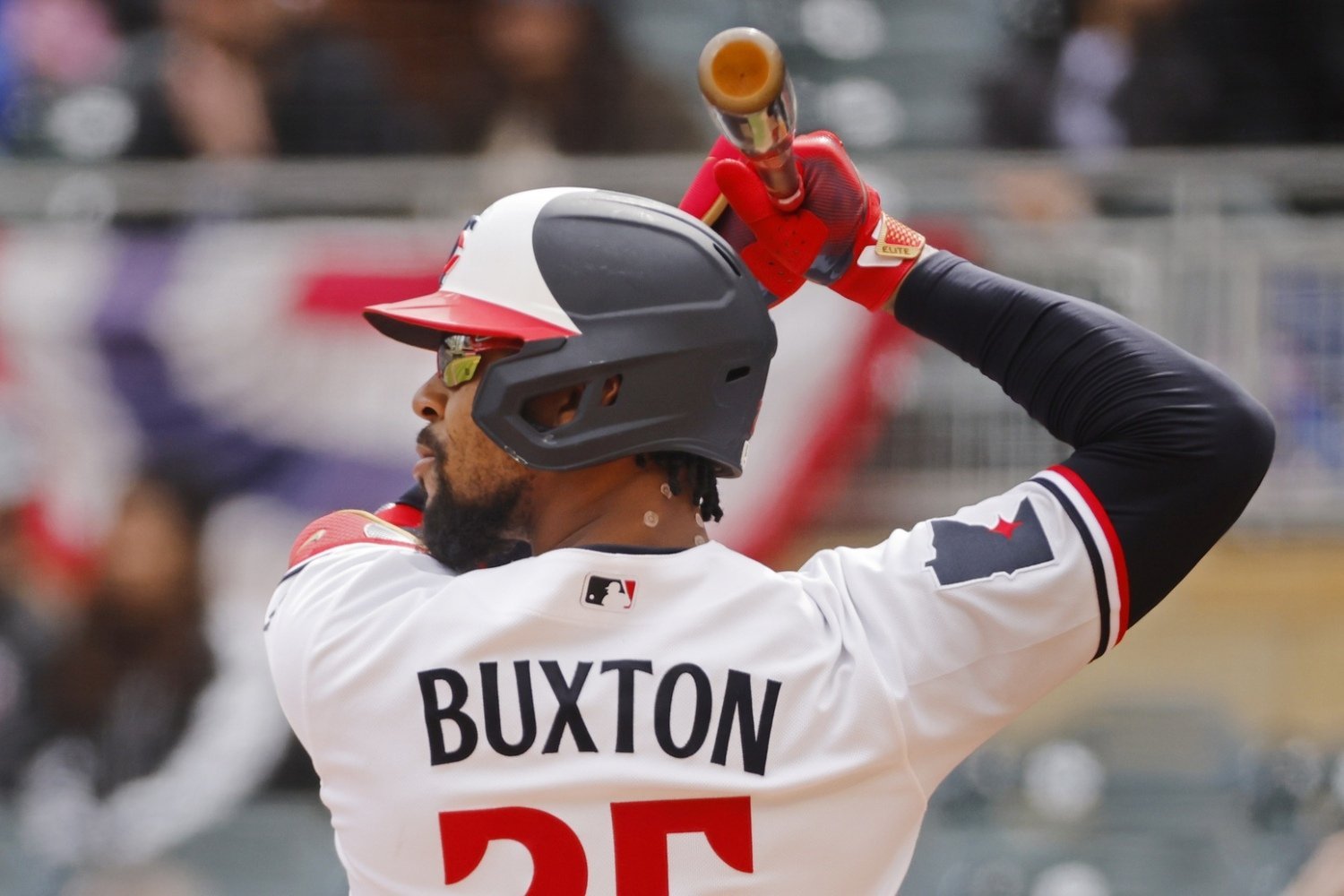
The rotation continues to carry much of the workload. Joe Ryan pitches like a frontline starter, Bailey Ober provides valuable innings, and the bullpen does just enough to protect late leads. Offensively, the lineup remains streaky, but Byron Buxton’s production helps prevent the club from falling into extended losing streaks.
The bigger factor may be the American League's weakness. There are very few dominant teams battling for the final playoff spots, which keeps the Twins firmly in the mix despite their flaws. June becomes less about separating from the pack and more about surviving long enough to stay relevant heading into July.
If Minnesota reaches the All-Star break within a few games of a playoff spot, the season suddenly feels much more interesting than many expected back in March.
July: The Twins Begin Preparing for Another Deadline Selloff
Even while remaining close to contention, the Twins quietly begin laying the groundwork for another trade deadline selloff.
Joe Ryan and Ryan Jeffers emerge as two of the organization’s most discussed names leading up to the deadline. Ryan would instantly become one of the top starting pitchers available on the market because of his production, affordability, and years of team control. Jeffers also draws plenty of attention from contenders seeking help behind the plate.
Meanwhile, Buxton’s name dominates rumor cycles throughout the month. Rival executives continue checking whether Minnesota would consider moving the face of the franchise. Ultimately, though, the Twins hold onto Buxton while deciding to capitalize on the value of Ryan and Jeffers.
The return package mirrors the organization’s recent strategy. Instead of targeting lower-level lottery ticket prospects, Minnesota prioritizes players who are close to major-league ready. The front office wants to remain competitive in the near future rather than commit to a lengthy rebuild.
Trading Ryan would be difficult for both the clubhouse and the fan base. He has developed into the reliable ace the Twins have desperately needed for years. Still, the organization understands that controllable starting pitching rarely carries more value than it does at the trade deadline. The Twins may not fully wave the white flag in July, but they begin making decisions with the future clearly in mind.
August: Walker Jenkins Finally Arrives in Minnesota
Walker Jenkins finally makes his long-anticipated major league debut before the end of August. His shoulder injury significantly delays the timeline. Instead of aggressively pushing him through the system, the Twins choose patience. Jenkins likely doesn’t return to Triple-A St. Paul until late June or early July, limiting the amount of time he has to force the issue before the second half.
Once he gets rolling, though, the talent becomes impossible to ignore. By late August, Minnesota rewards its top prospect with a promotion that instantly changes the energy around the organization. Jenkins arrives with massive expectations because of his advanced offensive approach, mature plate discipline, and ability to impact the baseball to all fields.
The youth movement may not stop there. Kaelen Culpepper, Emmanuel Rodriguez, and Gabriel Gonzalez could all factor into the second-half picture as the organization begins transitioning toward its next core. Suddenly, the Twins become one of the more fascinating teams in baseball despite lingering around the edges of contention.
That wave of young talent provides excitement for both the clubhouse and the fan base. Even if the playoff odds remain slim, the final weeks of August become must-watch baseball because of the organization’s future arriving in real time.
September: The Twins Fade from the Race, but Buxton Earns MVP Recognition
The Twins ultimately run out of steam during September and fall out of the playoff race. The combination of deadline trades, roster inconsistency, and limited depth eventually catches up to them. Minnesota remains competitive for much of the season, but the lack of established impact talent becomes too difficult to overcome over a full six-month grind.
Still, the season closes with one of the most rewarding individual performances of Buxton’s career. For the first time, Buxton finally finishes inside the top 10 of American League MVP voting.
The talent has always been worthy of that level of recognition. Health has prevented him from putting together a complete season before last year. He finished with the eleventh-highest vote total in last year’s voting cycle. This year will finally be different. Buxton is one of the only bright spots on the Twins, and he almost single-handedly keeps the club competitive.
The numbers could be spectacular. Forty home runs, elite defense in center field, baserunning impact, and highlight reel moments every week would force voters to recognize his value. Even on a team that misses the postseason, Buxton establishes himself as one of the American League’s most dynamic players.
The Twins are walking a difficult line between competing in the present and preparing for the future. That balancing act should define the remainder of the season.
There will likely be moments where the club looks capable of making a legitimate Wild Card push. There will also be stretches where another organizational reset feels inevitable. In many ways, that uncertainty perfectly reflects where the franchise currently stands.
Still, the rest of the season could provide something equally important as postseason baseball: clarity. If Jenkins arrives as expected, and if the next wave of prospects begins establishing itself at the major-league level, the Twins could leave 2026 with a much stronger vision for what comes next.
Even if October baseball ultimately slips away, the final four months may still shape the future of the organization for years to come.
What are other bold predictions for the coming months? Leave a comment and start the discussion.






Recommended Comments
Create an account or sign in to comment
You need to be a member in order to leave a comment
Create an account
Sign up for a new account in our community. It's easy!
Register a new accountSign in
Already have an account? Sign in here.
Sign In Now