


Twins Video
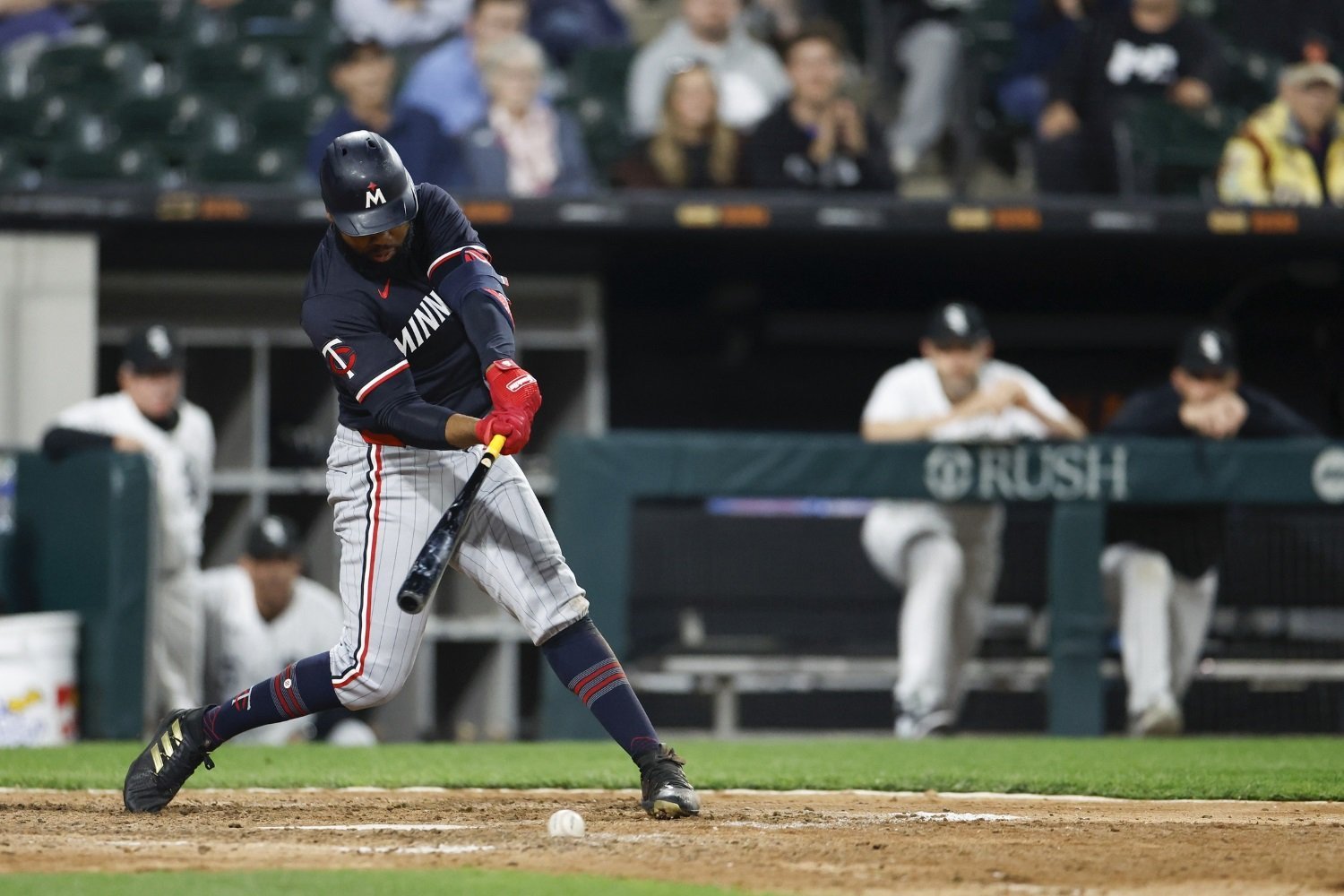
The Twins' trade for Manuel Margot was supposed to be a timely upgrade for the center-field picture. It was an insurance policy, in case Byron Buxton was injured, much like Michael A. Taylor had been in 2023. In hindsight, though, the deal was a classic case of “all that glitters isn’t gold” for Minnesota. The hope was that Margot, a player with potential in the eyes of the front office, would step in and provide coverage for the outfield, in terms of both offensive matchup play and defensive competence. Instead, it quickly became apparent that Margot was not the viable option that the team had envisioned.
In 2023, Taylor surprised many with his performance, as he popped 21 home runs and provided excellent defense in center. Entering 2024, the Twins front office attempted to find a similar player. Unfortunately, Margot’s performance was nowhere near that level of help. He managed a dismal -0.9 WAR and posted an OPS+ of just 76, both of which were career lows. Perhaps most damning of all was his performance as a pinch-hitter, as he set an MLB record by going 0-for-30 in those appearances. It was clear to Twins brass that Margot wasn’t the player they had hoped he’d be.
Thankfully for Minnesota, Buxton defied the odds by playing over 100 games for only the second time in his big-league career. Buxton’s durability meant that the insurance policy on center field, which many had counted on Margot to provide, ultimately became less critical. The Twins were spared the headache of scrambling for a replacement, as Buxton proved that he could be relied on to lead the charge in the outfield for (at least) one more season.
But the trade wasn’t all bad news for Minnesota. In the grand chess match of player acquisitions and prospect swaps, the deal for Margot was just a swap of low-minors infield prospects: Noah Miller for Rayne Doncon. And while Margot’s struggles are now etched in Twins lore, the performances of these two prospects have offered at least a glimmer of hope for the future.
Doncon has emerged as a promising prospect. Last season, before turning 21, Doncon showcased a level of maturity and production. Over 94 games at both Class A levels, he posted a respectable slash line of .254/.342/.431, while facing older pitchers in over 90% of his plate appearances. His ability was further highlighted by his 38 extra-base hits, a sign that he could provide real power potential as he continues to develop.
Currently, Doncon slots in as the 16th-best prospect in the Twins organization on Twins Daily’s updated top-20 list. His performance justified the Twins’ decision to take a chance on him, and hinted that the trade might eventually yield dividends for Minnesota in the long run.
Miller’s journey, while not as immediately eye-catching as Doncon’s, still warrants cautious optimism. The Twins selected him with the 36th overall pick in the 2021 MLB Draft. He’s been known for his strong defense at shortstop, but his offense has taken longer to develop. Last season, he played at High A and Double A, hitting .244/.318/.315 with 19 doubles and six homers. While his 2024 season might not have matched Doncon’s, his strong defense might be enough to make him a backup infielder at the big-league level.
What’s interesting about this trade is how it embodies the unpredictable nature of prospect acquisitions in today’s MLB. In many ways, the deal was a package that looked like it was designed to fill an immediate need that (thanks to Buxton’s availability) ultimately didn’t materialize. Yet, there's a silver lining to all the criticism tied to Margot's historically bad performance. Doncon has provided the kind of upside that helps add talent to a Twins system attempting to keep the franchise's winning window open.
Bigger-market teams can pay free agents to supplement the big-league roster, but that isn’t a luxury available to the Twins. Even when a deal doesn’t pan out as expected, there’s always the potential that the underlying assets will eventually pay dividends. The contrasting outcomes of Margot’s underwhelming stint and the promising signs from Doncon underscore the fine line that teams walk when trading for immediate help while also trying to invest in long-term talent.
In the end, while Margot’s tenure with the Twins will likely be remembered as one of the more regrettable moves in recent memory, the prospect involved in the deal might be the saving grace that tips the scales in favor of Minnesota.
Did the Twins win the Margot trade? Leave a comment and start the discussion.








Recommended Comments
Create an account or sign in to comment
You need to be a member in order to leave a comment
Create an account
Sign up for a new account in our community. It's easy!
Register a new accountSign in
Already have an account? Sign in here.
Sign In Now