


Twins Video
A subtle but noticeable shift has occurred across baseball in recent years. With the implementation of limitations on defensive shifts, many teams have begun prioritizing defense at second base. This position was known more for a blend of speed and occasional power.
So what has been the on-field result? Offensive production at second has dipped as teams put glove-first players on the field to shore up their infield defense. For the Minnesota Twins, finding the right balance at second base could significantly boost offensive production while keeping the defense sound. Last season, the Twins ranked 12th in the AL for WAR from second basemen, making it a clear area for improvement.
When MLB limited shifts, it fundamentally altered how teams could align their defenders. In the past, teams often stationed their worst defensive infielder at second base, compensating by shifting their best glove to cover the hole on the right side of the infield. Now, with fewer shifts to bail them out, second basemen need range, quickness, and precision. Teams have responded by moving better defenders to second, sacrificing some offensive production. This change has left a position that once boasted All-Star-level offensive threats with a new, defense-first identity.
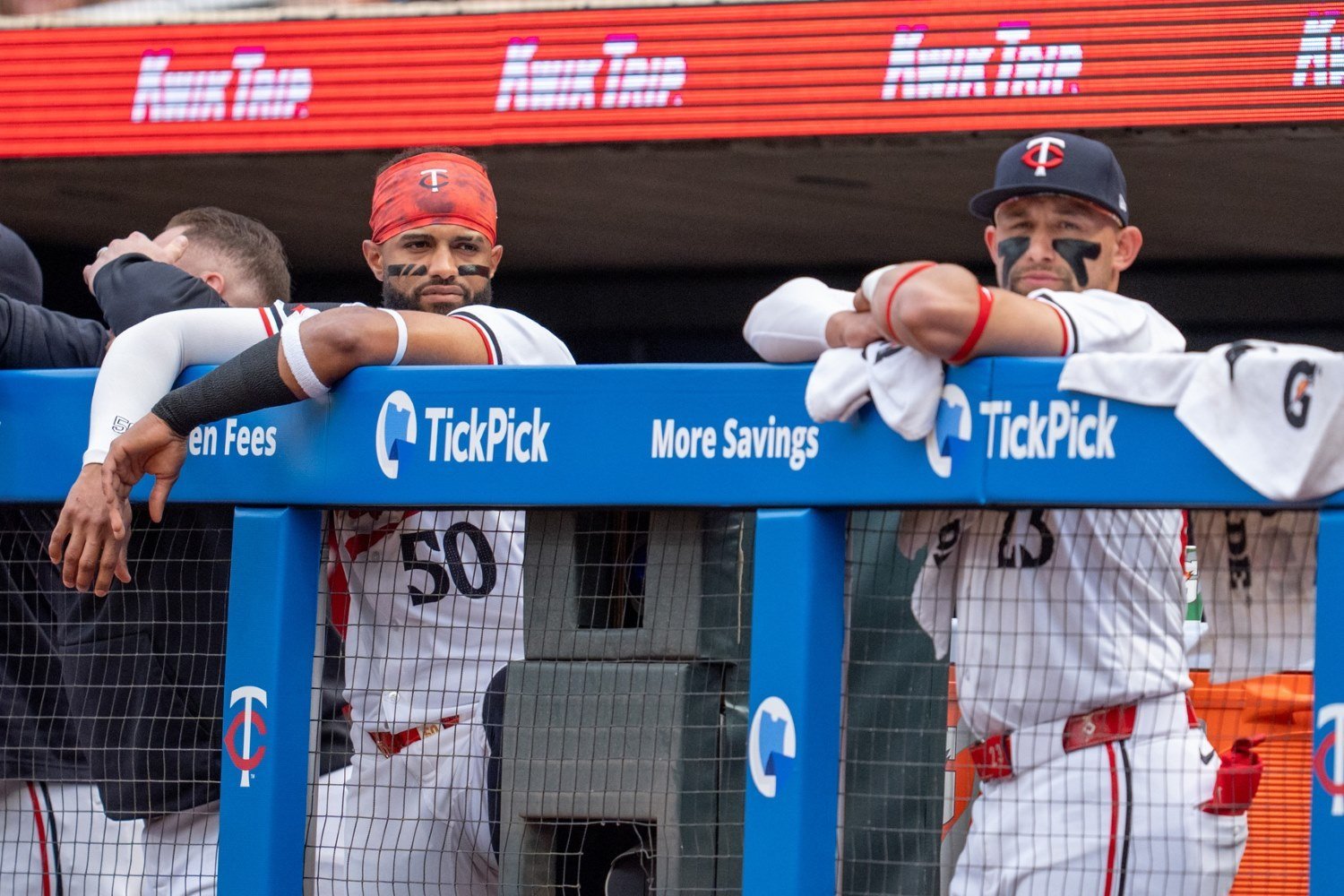
As the Twins look to assemble their 2025 infield, they have an exciting mix of players who bring both offensive upside and the potential for solid defense. Here’s a look at what each candidate offers and how they might fit into this shifting trend.
Brooks Lee: Avoiding the Sophomore Slump
Lee has a legitimate shot to be the face of the Twins’ infield for years to come. Drafted with high expectations, he has displayed offensive prowess and impressive plate discipline in the minors, quickly earning him top-prospect status. During his rookie season, he struggled with a 64 OPS+ in 50 games, but that lack of production could have been from him dealing with back issues. While he’s primarily developed as a shortstop, Lee’s bat may be the Twins’ ticket to bolstering their lineup at second base.
Defensively, Lee’s hands and instincts could transition smoothly to second base, giving the Twins a solid defensive presence without sacrificing offense. Though he has less range than a prototypical middle infielder, his strong arm and quick reactions might prove valuable, mainly if his bat develops as hoped. Adding Lee to second base allows the Twins to maximize his offensive potential while still getting decent defense, a combination that could keep second base from being a dead spot in the lineup.
Royce Lewis: The Reluctant Second Baseman
Lewis has dazzled Twins fans with flashes of superstar potential, showing an explosive bat and clutch performances. However, his injury history and the versatility he’s displayed make him an exciting option at second base. He struggled through the second half last season by posting a .620 OPS. Although he’s primarily seen as a third baseman or shortstop, Lewis’s athleticism could translate well to second, giving the Twins both a defensive upgrade and the potential for a true power threat in the infield. Minnesota attempted to move Lewis to second base during the 2024 campaign, but he was reluctant to make the move. It seems likely that the team will give him more reps at the position during spring training so he is more comfortable in the position.
Offensively, Lewis has the tools to bring the kind of production that’s increasingly rare at second. His power, speed, and offensive versatility make him a strong candidate for the position. While it’s tempting to slot him into other spots on the diamond, moving him to second could unlock the kind of offensive profile that teams increasingly sacrifice at this position. If Lewis stays healthy, he could bring an impact bat and athletic defense to a spot that’s usually seen as a defensive safety net.
Willi Castro: The Defensive Utility Solution
Castro has quietly become one of the Twins’ most reliable and versatile defenders. He was a Gold Glove finalist at the utility spot, but second base might be his best defensive spot. While he doesn’t bring the offensive fireworks that other options offer, Castro’s range, speed, and glove work make him an invaluable utility player. Castro has shown he can handle multiple positions, including second base, with competence and consistency.
Offensively, Castro’s numbers are more modest (102 OPS+), but his speed and occasional pop make him a valuable depth option. Like many Twins hitters, he struggled in the second half and posted a .627 OPS, 147 points lower than his first-half total. For a team looking to cover various defensive positions, Castro could be a defensive upgrade at second base, especially if injuries or matchups call for a glove-first player. Castro may not be the everyday answer, but as a bench piece or a matchup-driven starter, he’s an ideal option for adding flexibility and defense across the field.
The Verdict: Balancing Offense and Defense
Ultimately, the Twins face a difficult choice. The league-wide trend toward defense-first second basemen doesn’t mean the position has to be an offensive black hole. Lee and Lewis bring offensive potential with solid, albeit unproven, defense, making them strong candidates for an everyday role. Castro offers reliable versatility as a defensive utility option but likely won’t be the team’s everyday option at second base.
It’s clear that second base no longer fits the traditional offensive profile, but with the right combination of players, the Twins can buck the trend by building an infield that maintains its offensive production without sacrificing defense. This mix of options could allow Minnesota to adapt to changing roster needs throughout the season, and as we enter 2025, it will be interesting to see how they balance both sides of the ball at second base.
For Twins fans, the choices at second base offer more than just roster depth—they offer a glimpse into the future of infield strategy in the post-shift era. Will the Twins prioritize defense like many teams, or will they buck the trend and bring power back to second base? As we await those answers, one thing’s for sure: the options at second base are anything but boring.
What option is the best for the Twins at second base? Leave a COMMENT and start the discussion.
Which team do you dislike the most in the AL Central?
Follow Twins Daily For Minnesota Twins News & Analysis



- DannySD, Doctor Gast and Patzky
-
 3
3


Recommended Comments
Create an account or sign in to comment
You need to be a member in order to leave a comment
Create an account
Sign up for a new account in our community. It's easy!
Register a new accountSign in
Already have an account? Sign in here.
Sign In Now