



Cody Christie
-
Posts
7,820 -
Joined
-
Last visited
-
Days Won
5
Content Type
Profiles
News
Minnesota Twins Videos
2026 Minnesota Twins Top Prospects Ranking
2022 Minnesota Twins Draft Picks
Minnesota Twins Free Agent & Trade Rumors, Notes, & Tidbits
Guides & Resources
2023 Minnesota Twins Draft Picks
The Minnesota Twins Players Project
2024 Minnesota Twins Draft Picks
2025 Minnesota Twins Draft Pick Tracker
2026 Minnesota Twins Draft Tracker: Picks & Bonuses
Forums
Blogs
Events
Store
Downloads
Gallery
Everything posted by Cody Christie
-
 Over the last two seasons, fans have seen the best and the worst of Pablo López. Can the team’s ace find a way to avoid his early season struggles come 2025? Image courtesy of © Rick Osentoski-USA TODAY Sports Over the last two seasons, fans have seen the best and the worst of Pablo López. Can the team’s ace find a way to avoid his early season struggles come 2025? Pablo López has shown two very different sides over the past two seasons. During the first half, he’s struggled to find his rhythm, with inconsistencies impacting the Twins’ early record. But by the second half, it’s as if a switch flips, and he becomes one of the team’s most reliable arms, often showcasing ace-level performance. To maximize his impact across the entire season, here are some ways López might avoid the spring slumps that have defined his time in Minnesota so far. 1. Sweeping Struggles Under the Rug López’s sweeper has the potential to be one of his most dangerous pitches, but batters teed off on that pitch in 2024, with a slugging percentage over .500 in the first two months. One key to his success in the second half has been his ability to hit his spots with his secondary pitches. If López can start the season with that level of control, it will prevent him from getting into deep counts and forcing him to rely too much on his other pitches before settling into the game. Preseason bullpen work could be his best opportunity to refine his control. Working on using both edges of the plate more aggressively in spring training games and getting into a rhythm with his catching duo should set him up to control counts earlier and avoid those “giveaway” at-bats that seemed to haunt him in April. 2. Embracing Offseason Routine Adjustments Each offseason, pitchers work through a series of programs to build up strength and endurance, but some adjustments to his routine may give López an edge. Last winter, he went to Driveline Baseball shortly after the season ended to be assessed coming off a strong season. Emphasizing shorter, higher-intensity throwing sessions instead of simply focusing on endurance could help him avoid that feeling of “playing catch-up” in early April. A more intense approach to offseason training, with more precise workload management, could keep him from slipping into early season inconsistencies. In particular, López could lean into strategies that mimic game situations, whether simulating counts, pitch types, or specific in-game adjustments. By replicating high-leverage situations in his training regimen, he could build up confidence and muscle memory, making his second-half form the starting point for 2025. 3. Prioritizing the Changeup Early López’s changeup has been his calling card, especially as the season progresses. As the second half of both seasons has shown, his changeup becomes even more deceptive when he’s in peak form. Last season, batters posted a .281 batting average versus his changeup, the highest total of his career. Still, that pitch had a lower exit velocity, producing a slugging percentage over 50 points lower than in 2023. Implementing it more deliberately from the start could give him a stable foundation to rely on while he builds up his fastball confidence and other breaking pitches. His ability to generate soft contact and prevent hard-hit balls by leaning on the changeup early could prevent hitters from sitting on his fastball, which may keep him in better counts. Last season, he held batters to a .540 OPS when he was ahead in the count. If he deploys this weapon strategically in the early months, it could make his entire pitch mix more effective 4. Incorporating In-Game Adjustments Sooner López has struggled early in games, especially in the first inning. Last season, batters hit .244/.282/.480 against him in the first frame, including eight home runs, the most he allowed in any inning. From the 2nd through the 3rd inning, he allowed a slugging percentage of .397 or lower. There must be something too predictable about his pitch mix in the first inning that makes it easier for opponents to focus on one pitch or area of the zone and make hard contact. One of López’s biggest strengths is his adaptability, especially in the latter part of the season, where he’s shown he can pivot mid-game or mid-season. Learning to embrace those adjustments sooner might allow him to avoid prolonged slumps altogether. For example, López has often tinkered with his pitch sequencing as the season wears on; if he can fast-track this process, it may allow him to keep hitters off-balance earlier in the year. If López can hit the ground running and avoid those typical slow starts, he could elevate the Twins’ rotation to a new level. Avoiding the early-season slump will require physical and mental adjustments, but López has already proven he’s more than capable. The key for him may lie in getting out of his own way and letting his second-half ace mentality shine from the start. What’s the most significant issue keeping López from performing well in the season’s early months? Leave a COMMENT and start the discussion. View full article
 -
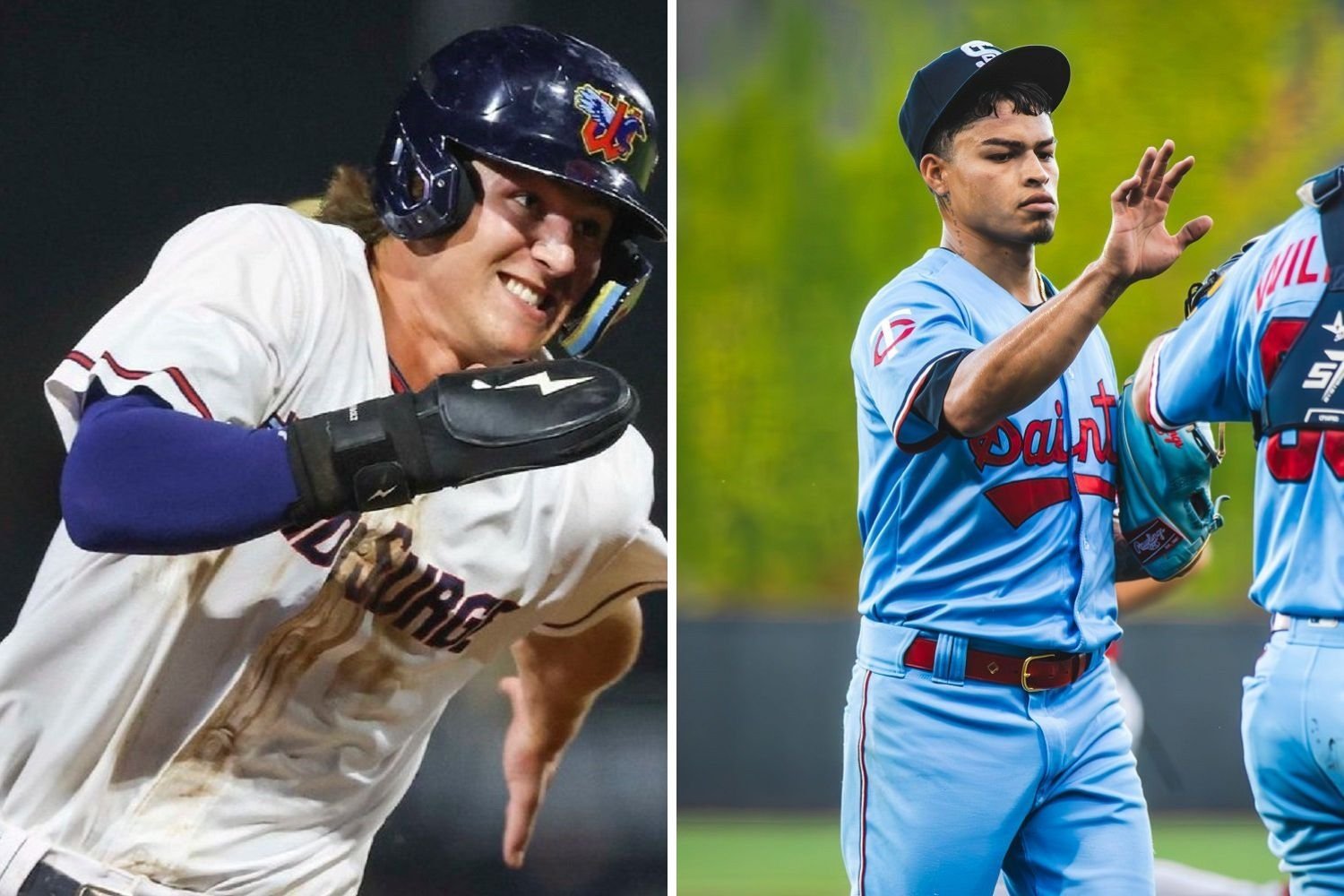 The Minnesota Twins have a history of producing impactful rookies, and the 2025 season promises to continue that trend. With the team's farm system brimming with talent, several prospects have the potential to make a significant splash in the majors next season. Last week, MLB.com's prospect team picked one player from each organization as candidates for Rookie of the Year. Twins Daily recently finished a reranking of the top prospects in the organization entering next season, and the players below are all featured prominently on that list. Here’s a look at the top Twins candidates for the 2025 AL Rookie of the Year Award, ranked by their potential impact, along with one sleeper pick to keep on your radar. 5. Cory Lewis: SP Current TD Rank: 9 Few prospects have taken as unconventional a path as Lewis, but his knuckleball-anchored repertoire has made believers out of scouts and coaches alike. The Twins have carefully managed his innings, and 2025 could be the year he transitions into a full-fledged big-league starter. In 2024, he posted a 2.51 ERA with a 1.32 WHIP and 10.5 K/9 in 79 minor-league innings. While his ceiling might not be as high as those of some of the team’s other top prospects, Lewis’s ability to keep hitters off balance could make him an impactful presence in the rotation. Don’t overlook his potential to surprise the league. 4. Marco Raya: SP Current TD Rank: 5 Raya has long been one of the most intriguing arms in the Twins system, and 2025 might finally be his time to shine. Despite his slight frame, his mid-90s fastball and devastating slider have kept him on the prospect radar since he was drafted by the team in 2020. In his final 38 2/3 innings this year, he posted a 2.09 ERA while holding opponents to a .579 OPS. If he can build on that performance in the high minors, Raya could break into the Twins’ rotation by midseason. His dynamic arsenal makes him an exciting dark horse candidate for Rookie of the Year honors. 3. Andrew Morris: SP Current TD Rank: 6 After steadily climbing the Twins’ pitching depth chart, Morris has positioned himself as one of the organization’s most MLB-ready arms. The righthander blends a low-90s fastball with a pair of advanced secondary offerings, making him a strong candidate for the Twins’ rotation in 2025. He finished last season at Triple-A while pitching a career-high 133 innings with 9.0 K/9. Morris will start the year in the minors but might be needed in a similar role to the one David Festa filled this past season. 2. Emmanuel Rodriguez: OF Current TD Rank: 2 Rodriguez's tools jump off the page, and that makes him one of the most exciting prospects in the Twins system. His 2024 season showed flashes of brilliance, but injuries and streaky performances limited his on-field production. The left-handed slugger could step into a starting role in the Twins’ outfield, particularly if Trevor Larnach or Matt Wallner struggle. He finished last season with a taste of Triple-A and should begin 2025 at that level. If Rodriguez can improve his strikeout rate (27.5 K% at Double-A) while maintaining his power, he can be a long-term building block for the Twins. 1. Luke Keaschall: INF Current TD Rank: 3 Keaschall's rise through the Twins' farm system has been meteoric. In 102 games last season, he hit .303/.420/.483, with 21 doubles and 15 home runs. He did all of this while playing through an elbow injury that eventually led to Tommy John surgery. He is expected to be fully healthy by spring training. Keaschall combines a smooth glove with an electric bat, making him a candidate to grab a starting infield role early in the season if injuries impact the big-league roster. His plus contact skills and surprising pop for his size could allow him to hit at the top of the lineup. Keaschall will give the team their best chance to end their ROY drought if he delivers on his potential. Sleeper Pick: Walker Jenkins Current TD Rank: 1 It’s rare for a player drafted out of high school to rise so quickly through the minors, but Jenkins is no ordinary prospect. He is already considered one of baseball’s top prospects, and that means he will get plenty of attention when he debuts. While Jenkins projects to start 2025 in the upper minors, a midseason promotion is very much in play, particularly if the Twins need a spark. His blend of power, athleticism, and defensive versatility makes him a potential game-changer. If he reaches the majors and finds his footing, Jenkins could turn the Rookie of the Year race on its head. With a mix of top-tier position players and dynamic pitchers, the Twins have plenty of candidates to watch in the 2025 Rookie of the Year race. Whether it’s Keaschall’s polish, Rodriguez’s power, or the rotation potential of Morris, Raya, and Lewis, the Twins' pipeline is poised to make a significant impact in the year ahead. And don’t forget about Jenkins, because he might surprise us all. Which prospect has the best chance to win the 2025 AL Rookie of the Year? Leave a COMMENT and start the discussion.
- 25 comments
-
- 4
-

-

-
- luke keaschall
- andrew morris
- (and 4 more)
-
The Twins have a plethora of top prospects knocking on the door to the big leagues. Which players have the best chance to end the team’s 30-year drought for the AL Rookie of the Year? Image courtesy of Ed Bailey, Wichita Wind Surge (Luke Keaschall) and Rob Thompson, St. Paul Saints (Marco Raya) The Twins have a plethora of top prospects knocking on the door to the big leagues. Which players have the best chance to end the team’s 30-year drought for the AL Rookie of the Year? The Minnesota Twins have a history of producing impactful rookies, and the 2025 season promises to continue that trend. With the team's farm system brimming with talent, several prospects have the potential to make a significant splash in the majors next season. Last week, MLB.com's prospect team picked one player from each organization as candidates for Rookie of the Year. Twins Daily recently finished a reranking of the top prospects in the organization entering next season, and the players below are all featured prominently on that list. Here’s a look at the top Twins candidates for the 2025 AL Rookie of the Year Award, ranked by their potential impact, along with one sleeper pick to keep on your radar. 5. Cory Lewis: SP Current TD Rank: 9 Few prospects have taken as unconventional a path as Lewis, but his knuckleball-anchored repertoire has made believers out of scouts and coaches alike. The Twins have carefully managed his innings, and 2025 could be the year he transitions into a full-fledged big-league starter. In 2024, he posted a 2.51 ERA with a 1.32 WHIP and 10.5 K/9 in 79 minor-league innings. While his ceiling might not be as high as those of some of the team’s other top prospects, Lewis’s ability to keep hitters off balance could make him an impactful presence in the rotation. Don’t overlook his potential to surprise the league. 4. Marco Raya: SP Current TD Rank: 5 Raya has long been one of the most intriguing arms in the Twins system, and 2025 might finally be his time to shine. Despite his slight frame, his mid-90s fastball and devastating slider have kept him on the prospect radar since he was drafted by the team in 2020. In his final 38 2/3 innings this year, he posted a 2.09 ERA while holding opponents to a .579 OPS. If he can build on that performance in the high minors, Raya could break into the Twins’ rotation by midseason. His dynamic arsenal makes him an exciting dark horse candidate for Rookie of the Year honors. 3. Andrew Morris: SP Current TD Rank: 6 After steadily climbing the Twins’ pitching depth chart, Morris has positioned himself as one of the organization’s most MLB-ready arms. The righthander blends a low-90s fastball with a pair of advanced secondary offerings, making him a strong candidate for the Twins’ rotation in 2025. He finished last season at Triple-A while pitching a career-high 133 innings with 9.0 K/9. Morris will start the year in the minors but might be needed in a similar role to the one David Festa filled this past season. 2. Emmanuel Rodriguez: OF Current TD Rank: 2 Rodriguez's tools jump off the page, and that makes him one of the most exciting prospects in the Twins system. His 2024 season showed flashes of brilliance, but injuries and streaky performances limited his on-field production. The left-handed slugger could step into a starting role in the Twins’ outfield, particularly if Trevor Larnach or Matt Wallner struggle. He finished last season with a taste of Triple-A and should begin 2025 at that level. If Rodriguez can improve his strikeout rate (27.5 K% at Double-A) while maintaining his power, he can be a long-term building block for the Twins. 1. Luke Keaschall: INF Current TD Rank: 3 Keaschall's rise through the Twins' farm system has been meteoric. In 102 games last season, he hit .303/.420/.483, with 21 doubles and 15 home runs. He did all of this while playing through an elbow injury that eventually led to Tommy John surgery. He is expected to be fully healthy by spring training. Keaschall combines a smooth glove with an electric bat, making him a candidate to grab a starting infield role early in the season if injuries impact the big-league roster. His plus contact skills and surprising pop for his size could allow him to hit at the top of the lineup. Keaschall will give the team their best chance to end their ROY drought if he delivers on his potential. Sleeper Pick: Walker Jenkins Current TD Rank: 1 It’s rare for a player drafted out of high school to rise so quickly through the minors, but Jenkins is no ordinary prospect. He is already considered one of baseball’s top prospects, and that means he will get plenty of attention when he debuts. While Jenkins projects to start 2025 in the upper minors, a midseason promotion is very much in play, particularly if the Twins need a spark. His blend of power, athleticism, and defensive versatility makes him a potential game-changer. If he reaches the majors and finds his footing, Jenkins could turn the Rookie of the Year race on its head. With a mix of top-tier position players and dynamic pitchers, the Twins have plenty of candidates to watch in the 2025 Rookie of the Year race. Whether it’s Keaschall’s polish, Rodriguez’s power, or the rotation potential of Morris, Raya, and Lewis, the Twins' pipeline is poised to make a significant impact in the year ahead. And don’t forget about Jenkins, because he might surprise us all. Which prospect has the best chance to win the 2025 AL Rookie of the Year? Leave a COMMENT and start the discussion. View full article
-
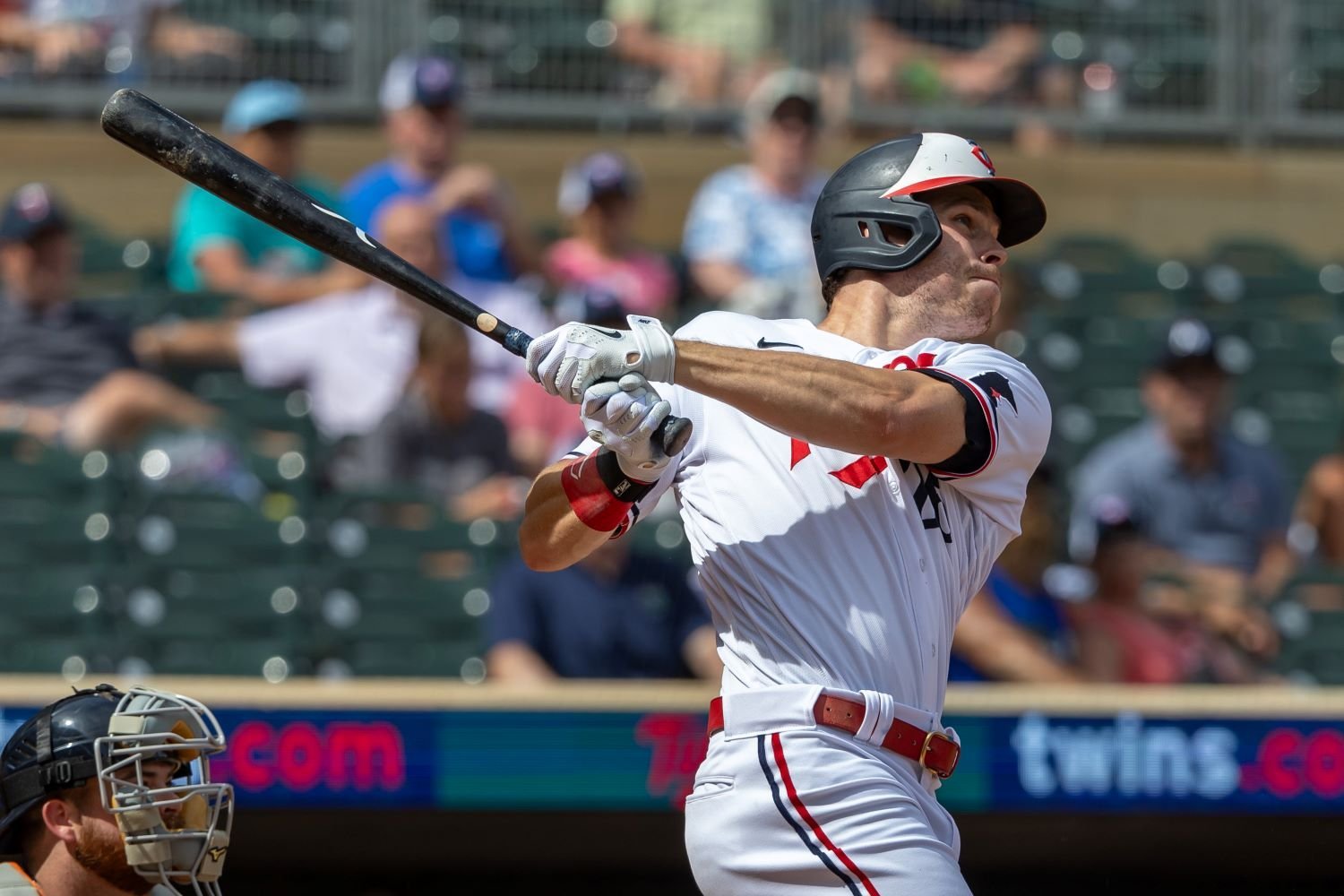 Max Kepler is navigating the uncharted waters of free agency for the first time in his career. The veteran has been a staple for the Minnesota Twins since his MLB debut in 2015, but the 2024 season was one he'd rather forget. Limited by injuries and struggles at the plate, Kepler enters the offseason with something to prove. Over the last three seasons, he has averaged a 102 OPS+ with 21 Defensive Runs Saved. Yet, MLB Trade Rumors projects the 31-year-old to land a one-year contract in the $6-10 million range, a significant drop from where he entered last offseason. While Kepler’s 2024 numbers may not jump off the page, his track record of solid defense, average offensive totals, and potential positional versatility make him an intriguing option for teams needing outfield depth. Here are some plausible landing spots for Kepler as he looks to rebuild his value: New York Mets Current Projected RF: Starling Marte The Mets are no strangers to reclamation projects, and Kepler could be a perfect fit for a team looking to make a deeper run into October. Their outfield situation remains in flux, with injuries and underperformance plaguing the roster. Kepler’s ability to play all three outfield positions would give manager Buck Showalter flexibility—if Kepler is willing to spend some time in center field. Seattle Mariners Current Projected RF: Victor Robles Seattle’s roster is built on pitching and defense, which aligns well with Kepler’s strengths. The Mariners are set in center field with Julio Rodríguez, but they could use a veteran presence to stabilize a corner spot. Kepler’s glove would shine in spacious T-Mobile Park, and his pull-heavy approach could benefit from the stadium's design. Toronto Blue Jays Current Projected RF: George Springer The Blue Jays need left-handed bats to counterbalance the right-handed hitters in their lineup, and Kepler checks that box. Toronto is in a tricky place when it comes to its winning window. The team disappointed in 2024, and some of its veteran players are close to free agency. Kepler would only be a stopgap in Toronto, but he could be a solid one. San Diego Padres Current Projected RF: Fernando Tatis Jr. After their payroll shrunk last winter, the Padres face an uncertain offseason, but Kepler could be a cost-effective addition. His ability to provide steady defense and occasional pop would help stabilize their lineup. Kepler would need to switch positions because the Padres aren't going to move Tatis Jr. from right field. Unless Jurickson Profar returns, though, left field is vacant. San Deigo must surround its core with affordable veterans, and Kepler fits the bill. Pittsburgh Pirates Current Projected RF: Joshua Palacios Pittsburgh is attempting to emerge from a rebuild, and adding a player like Kepler could bolster their young roster. He would bring veteran leadership to a team that showed flashes of promise in 2024. With PNC Park’s cavernous left field, Kepler’s defense could be a valuable asset. Plus, the Pirates have some payroll flexibility to take a flier on a player looking to re-establish himself. Colorado Rockies Current Projected RF: Sam Hilliard The Rockies remain perpetual wild cards in free agency, but their need for defensive upgrades could bring Kepler into the picture. Coors Field can amplify even modest power, and Kepler’s gap-to-gap approach could thrive in Denver. Additionally, his defensive instincts would help mitigate some of the challenges posed by the thin air in Colorado. A successful season with the Rockies could put him in a better position to hit free agency again next winter. Miami Marlins Current Projected RF: Griffin Conine The Marlins took a step back in 2024, so they are searching for consistent offensive production. Kepler’s left-handed bat could slot nicely into their lineup, and his defense would bolster their outfield behind a strong pitching staff. Miami was one of baseball’s worst teams last season, but whereas the team has historically seemed not to have a plan to get better in the long run, new president of baseball operations Peter Bendix has a vision for sustained success. Kepler’s market will depend largely on how teams view his injury-marred 2024 campaign. Is he a player in decline, or can he return to being the steady, versatile outfielder he was earlier in his career? A one-year deal with incentives seems like the most likely outcome, allowing Kepler to prove himself before testing free agency again in 2025. The teams mentioned above stand out as the best fits, but Kepler's track record ensures that multiple teams will be interested in giving him a fresh start. Where will Kepler play in 2025? Leave a COMMENT and start the discussion.
 -
Max Kepler has been a member of the Twins organization since he was a teenager. Now, he's testing free agency for the first time in his career. Here are seven teams that might be a fit for the veteran outfielder. Image courtesy of Jesse Johnson-USA TODAY Sports Max Kepler has been a member of the Twins organization since he was a teenager. Now, he's testing free agency for the first time in his career. Here are seven teams that might be a fit for the veteran outfielder. Max Kepler is navigating the uncharted waters of free agency for the first time in his career. The veteran has been a staple for the Minnesota Twins since his MLB debut in 2015, but the 2024 season was one he'd rather forget. Limited by injuries and struggles at the plate, Kepler enters the offseason with something to prove. Over the last three seasons, he has averaged a 102 OPS+ with 21 Defensive Runs Saved. Yet, MLB Trade Rumors projects the 31-year-old to land a one-year contract in the $6-10 million range, a significant drop from where he entered last offseason. While Kepler’s 2024 numbers may not jump off the page, his track record of solid defense, average offensive totals, and potential positional versatility make him an intriguing option for teams needing outfield depth. Here are some plausible landing spots for Kepler as he looks to rebuild his value: New York Mets Current Projected RF: Starling Marte The Mets are no strangers to reclamation projects, and Kepler could be a perfect fit for a team looking to make a deeper run into October. Their outfield situation remains in flux, with injuries and underperformance plaguing the roster. Kepler’s ability to play all three outfield positions would give manager Buck Showalter flexibility—if Kepler is willing to spend some time in center field. Seattle Mariners Current Projected RF: Victor Robles Seattle’s roster is built on pitching and defense, which aligns well with Kepler’s strengths. The Mariners are set in center field with Julio Rodríguez, but they could use a veteran presence to stabilize a corner spot. Kepler’s glove would shine in spacious T-Mobile Park, and his pull-heavy approach could benefit from the stadium's design. Toronto Blue Jays Current Projected RF: George Springer The Blue Jays need left-handed bats to counterbalance the right-handed hitters in their lineup, and Kepler checks that box. Toronto is in a tricky place when it comes to its winning window. The team disappointed in 2024, and some of its veteran players are close to free agency. Kepler would only be a stopgap in Toronto, but he could be a solid one. San Diego Padres Current Projected RF: Fernando Tatis Jr. After their payroll shrunk last winter, the Padres face an uncertain offseason, but Kepler could be a cost-effective addition. His ability to provide steady defense and occasional pop would help stabilize their lineup. Kepler would need to switch positions because the Padres aren't going to move Tatis Jr. from right field. Unless Jurickson Profar returns, though, left field is vacant. San Deigo must surround its core with affordable veterans, and Kepler fits the bill. Pittsburgh Pirates Current Projected RF: Joshua Palacios Pittsburgh is attempting to emerge from a rebuild, and adding a player like Kepler could bolster their young roster. He would bring veteran leadership to a team that showed flashes of promise in 2024. With PNC Park’s cavernous left field, Kepler’s defense could be a valuable asset. Plus, the Pirates have some payroll flexibility to take a flier on a player looking to re-establish himself. Colorado Rockies Current Projected RF: Sam Hilliard The Rockies remain perpetual wild cards in free agency, but their need for defensive upgrades could bring Kepler into the picture. Coors Field can amplify even modest power, and Kepler’s gap-to-gap approach could thrive in Denver. Additionally, his defensive instincts would help mitigate some of the challenges posed by the thin air in Colorado. A successful season with the Rockies could put him in a better position to hit free agency again next winter. Miami Marlins Current Projected RF: Griffin Conine The Marlins took a step back in 2024, so they are searching for consistent offensive production. Kepler’s left-handed bat could slot nicely into their lineup, and his defense would bolster their outfield behind a strong pitching staff. Miami was one of baseball’s worst teams last season, but whereas the team has historically seemed not to have a plan to get better in the long run, new president of baseball operations Peter Bendix has a vision for sustained success. Kepler’s market will depend largely on how teams view his injury-marred 2024 campaign. Is he a player in decline, or can he return to being the steady, versatile outfielder he was earlier in his career? A one-year deal with incentives seems like the most likely outcome, allowing Kepler to prove himself before testing free agency again in 2025. The teams mentioned above stand out as the best fits, but Kepler's track record ensures that multiple teams will be interested in giving him a fresh start. Where will Kepler play in 2025? Leave a COMMENT and start the discussion. View full article
-
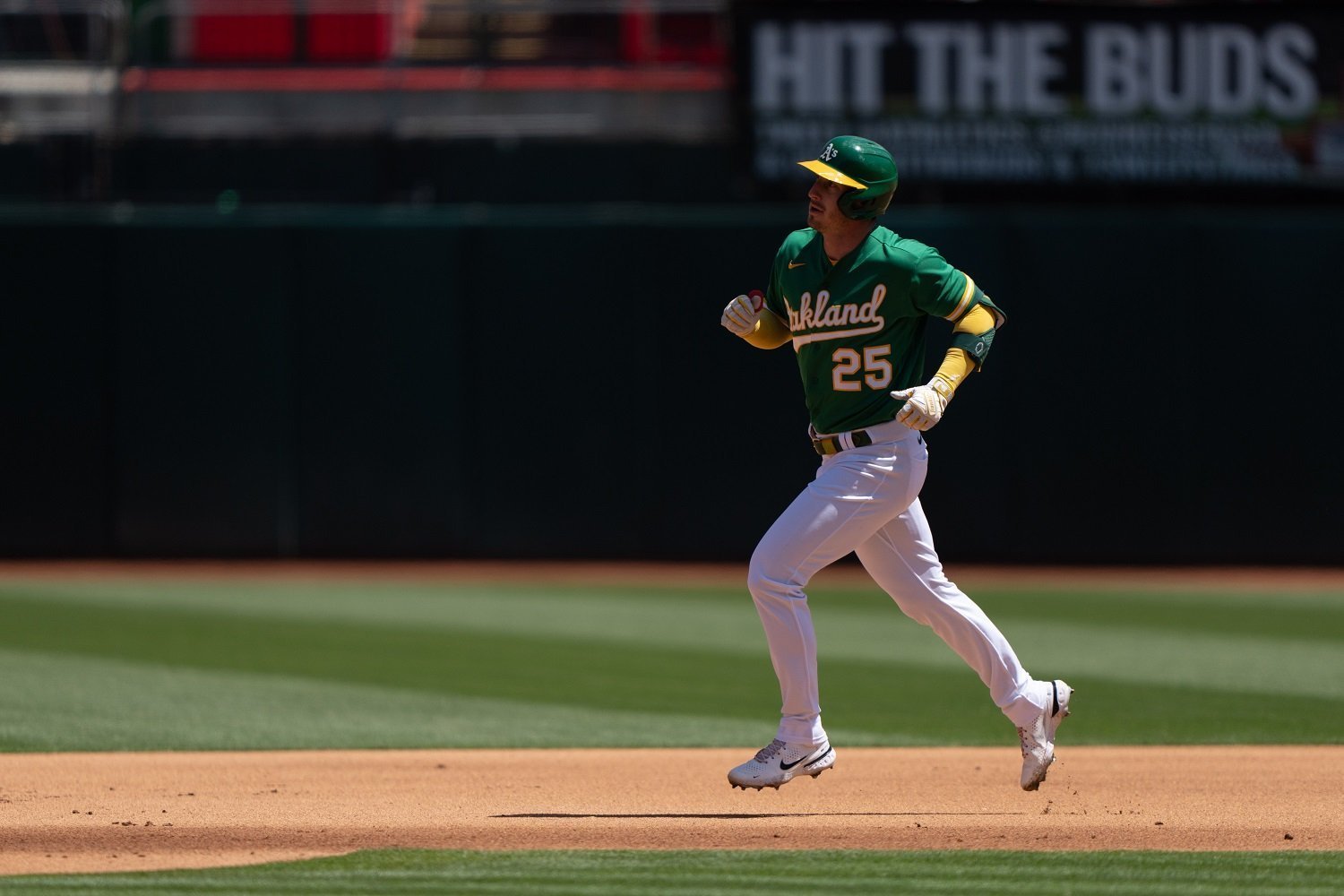 In April 2022, Opening Day for most MLB teams, the Minnesota Twins made a significant trade, sending All-Star closer Taylor Rogers and outfielder Brent Rooker to the San Diego Padres in exchange for Chris Paddack, Emilio Pagán, and a player to be named later (Brayan Medina). The deal was primarily framed around the acquisition of Paddack’s addition to the starting rotation and Pagán’s ability to slot into the bullpen. Rooker’s inclusion in the trade barely made headlines. Fast-forward to 2024, and Rooker just finished a season where he landed in the Top 10 of MVP voting, thanks to his breakout performance with the Oakland Athletics. For the Twins, his departure raises questions: Why did Rooker never find success in Minnesota, and what changed to allow him to flourish elsewhere? A Limited Opportunity in Minnesota Drafted 35th overall in 2016, Brent Rooker was always projected as a bat-first prospect with power to spare. His minor league numbers supported this profile as he slugged his way through the system. Baseball America ranked him among their top 100 prospects leading into 2018. Then in 2019, he destroyed Triple-A by hitting .281/.398/.535 (.933) with 16 doubles and 14 home runs in 65 games. However, breaking into the big-league lineup proved difficult. The Twins’ roster construction played a significant role in this. From 2019 to 2021, Nelson Cruz dominated the DH role, leaving Rooker limited to corner outfield opportunities, where his defensive limitations were apparent. Minnesota also boasted a deep lineup during those years, featuring sluggers like Miguel Sanó, Eddie Rosario, and Max Kepler, further complicating Rooker’s path to regular playing time. When Rooker did get chances in Minnesota, he struggled to gain traction. In 65 games across parts of two seasons, he posted a 96 OPS+ and struck out in over 32% of his plate appearances. While he showed flashes of his power potential, the strikeouts and a lack of defensive versatility likely pushed the Twins’ front office to view him as expendable. To be fair, other teams also came to view him this way. A Journey of Change Following the trade to San Diego, Rooker’s nomadic journey continued. The Padres sent him to Kansas City during the 2022 season, where he received minimal playing time before being designated for assignment. The Oakland Athletics selected him off waivers in November 2022, giving him a fresh start with a rebuilding club, and that’s where things began to click. With the A’s, Rooker finally got consistent at-bats, which allowed him to refine his approach at the plate. He reduced his strikeout rate (28.8% in 2024), improved his ability to hit breaking pitches (.540 SLG in 2024), and became one of the league’s premier sluggers. His 2024 season saw him mash 39 home runs while posting a 166 OPS+, numbers that earned him MVP votes despite playing on a below .500 team. He had the AL’s eighth-highest WAR total among position players while not providing any defensive value. So, why did it take so long for Rooker to unlock his potential? The answer lies in a mix of opportunity, adjustments, and time. Consistent Playing Time: Oakland’s lack of offensive depth gave Rooker an everyday role, something he never had in Minnesota. This consistent exposure allowed him to make adjustments and build confidence against big-league pitching. A Refined Approach: Reports from Oakland suggested that Rooker worked tirelessly to shorten his swing and focus on making contact earlier in counts. This evolution helped him reduce strikeouts while still tapping into his raw power. Defensive Flexibility Irrelevant: The A’s used Rooker almost exclusively as a DH, allowing him to focus entirely on his offensive game. While Minnesota might not have had room for another bat-only player during the Cruz era, Rooker thrived in the role when given the chance. The Twins’ Perspective Looking back, Rooker’s inclusion in the Paddack-Rogers trade feels like a misstep, but it’s essential to consider the context. At the time, Rooker was viewed as a fringe roster piece with limited upside. The Twins had a crowded outfield, and the DH spot was locked up. Trading him allowed the team to address areas of greater need. Still, his late-career breakout highlights the importance of opportunity and fit. The Twins’ inability to unlock Rooker’s potential is reminiscent of other cases, with David Ortiz’s departure to Boston being the most infamous example. For Minnesota, it’s a reminder that development isn’t always linear and that patience can sometimes pay off in unexpected ways. Rooker’s journey from trade throw-in to down-ballot MVP candidate is a testament to perseverance and finding the right situation. While the Twins likely regret letting him go for so little, his success also serves as a fascinating “what if” scenario. What could he have accomplished in Minnesota with the right opportunity? Ultimately, it’s a lesson for all teams: Sometimes, all a player needs is a chance. Should the Twins have hung on to Rooker? Leave a COMMENT and start the discussion.
 -
Multiple MLB relievers have switched back to a starting role in recent years. Griffin Jax is a candidate to do this for the Twins, but the potential move comes with inherent risks. Image courtesy of Nick Wosika-USA TODAY Sports Multiple MLB relievers have switched back to a starting role in recent years. Griffin Jax is a candidate to do this for the Twins, but the potential move comes with inherent risks. The Twins face an intriguing offseason decision regarding Griffin Jax. A bullpen mainstay in recent years, Jax is coming off a strong season as a late-inning arm. However, there’s been speculation about whether he deserves another opportunity in the starting rotation. While a transition like this could pay dividends, there are significant risks the Twins must consider before altering Jax's role. Mike Ferrin of MLB Network shared on social media that Twins bench coach Jace Tingler mentioned this on the network. While the Twins are open to the possibility, it's far from certain. Given Minnesota’s financial uncertainty due to declining television revenue and potential ownership changes, they likely won't have the flexibility to pursue big-name starting pitchers in free agency. If they are serious about upgrading the rotation, transitioning Jax into a starting role might be one of their few viable options for making a significant impact. "I think ultimately, it's going to come down to what is Griffin, deep down in his heart, what does he want to do? Does he want to continue to grow and be a dominant relief pitcher? Which I think he knows he can do. He's got a ton of confidence in that," Tingler said. "Or does he have it deep in his heart, like 'You know what? I've always been a starter and I think I can do this. This is a road I want to go down.' We, as an organization, feel very confident he can do either one." Derek Falvey has also been open to the possibility of Jax returning to a starting role. “We want to continue to have conversations with him about what he thinks he needs to do to prepare for it, how he would go through a season,” Falvey said. “We're trying to be as transparent with each other as possible about, what could this look like? And then ultimately, not rule out the possibility that a starting option is in play.” Here are three reasons why moving Jax to the rotation comes with risk. 1. Risk of Underperformance as a Starter For Jax to be considered a success in the rotation, he’d need to pitch over 150 innings with an ERA in the 3.70-3.85 range. That’s a high bar for a pitcher who hasn’t started a game since 2021. Starters must face opposing lineups multiple times, which often exposes weaknesses that a reliever can mask in shorter stints. Jax has a starter’s pitch mix, which has worked wonders in the bullpen but may not translate back to the rotation. The Twins took Jax in the third round of the 2016 MLB Draft, but he was never viewed as a top pitching prospect. In six minor league seasons, he posted a 3.24 ERA with a 1.19 WHIP. However, he struggled to strike out batters (6.8 K/9), and his inability to miss bats allowed for extra-base runners (8.7 H/9). Converting a reliever to a starter can lead to uneven results, so the Twins risk using a valuable roster spot on a pitcher who may not produce value. 2. Losing an Elite Bullpen Arm Jax has established himself as one of baseball’s elite relievers. In 2024, he posted a 2.03 ERA, 1.94 FIP, 0.87 WHIP, 95 strikeouts, and 15 walks in 71 innings. The Twins’ relief corps has relied heavily on him, especially in high-leverage moments. His knack for securing crucial late-inning outs has been vital, particularly when closer Jhoan Durán has required rest. Transitioning Jax to the rotation would leave a significant void in the bullpen. If he transitions to the rotation and fails, the Twins may be unable to reintegrate him back into the bullpen with the same level of effectiveness. This risk looms large, considering the team’s current roster makeup. The Twins have depth in the starting rotation, with young arms like David Festa, Zebby Matthews, and Marco Raya not projected to be in the team’s starting rotation to start the year. Meanwhile, the bullpen has been a sore spot, especially in the middle innings. Moving Jax could leave the bullpen even thinner, creating another hole for the front office to address this winter. 3. Increased Injury Risk Due to their workload, starting pitchers carry a greater injury risk. Jax has been conditioned as a reliever for the past three seasons and has shown the ability to handle short but intense outings. Transitioning to a starter’s workload (typically over 25-30 starts and 150+ innings) requires a completely different level of physical preparation. Entering his age-30 season, Jax’s body may not respond well to the rigors of starting pitching, especially since he hasn’t built up starter endurance since 2021. Additionally, high-leverage bullpen usage can leave lingering wear and tear. Asking him to shoulder a significantly larger workload could increase his susceptibility to injuries, risking his availability and the team’s depth. While the idea of giving Jax another shot as a starter is tempting, the risks may outweigh the rewards. His current role as a bullpen stalwart aligns with the Twins' roster needs, and the uncertainty surrounding his ability to handle a starter’s workload adds another layer of concern. Ultimately, the Twins must ask themselves: is the potential upside of Jax as a starter worth the possibility of losing a proven bullpen arm and increasing his injury risk? For a team with playoff aspirations, the safer bet might be keeping Jax right where he’s been most effective, and that’s in the bullpen. He anchors a unit that will need all the help it can get in 2025. Should the Twins still consider moving Jax to a starting role? Do the risks outweigh the rewards? Leave a COMMENT and start the discussion. View full article
-
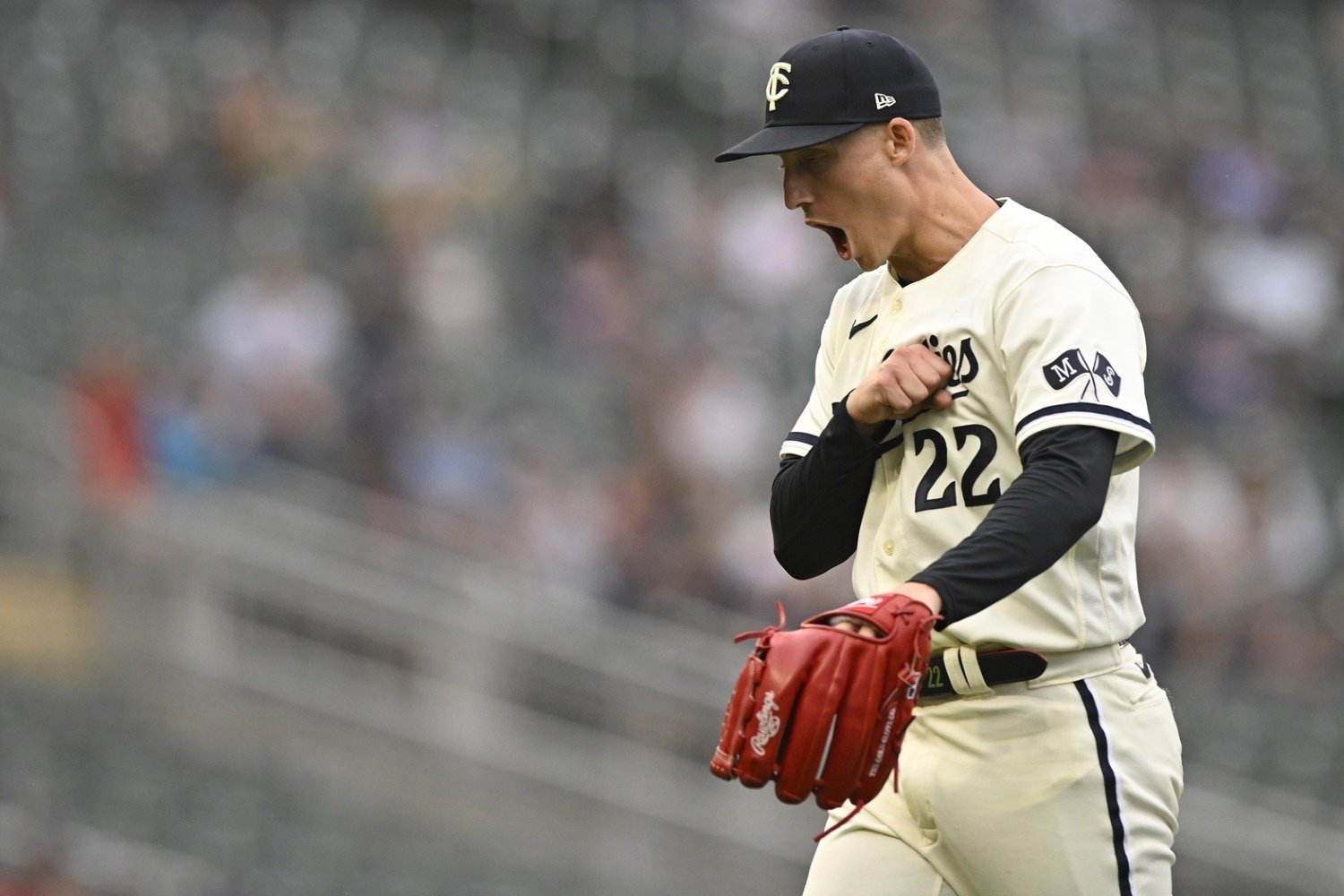 The Twins face an intriguing offseason decision regarding Griffin Jax. A bullpen mainstay in recent years, Jax is coming off a strong season as a late-inning arm. However, there’s been speculation about whether he deserves another opportunity in the starting rotation. While a transition like this could pay dividends, there are significant risks the Twins must consider before altering Jax's role. Mike Ferrin of MLB Network shared on social media that Twins bench coach Jace Tingler mentioned this on the network. While the Twins are open to the possibility, it's far from certain. Given Minnesota’s financial uncertainty due to declining television revenue and potential ownership changes, they likely won't have the flexibility to pursue big-name starting pitchers in free agency. If they are serious about upgrading the rotation, transitioning Jax into a starting role might be one of their few viable options for making a significant impact. "I think ultimately, it's going to come down to what is Griffin, deep down in his heart, what does he want to do? Does he want to continue to grow and be a dominant relief pitcher? Which I think he knows he can do. He's got a ton of confidence in that," Tingler said. "Or does he have it deep in his heart, like 'You know what? I've always been a starter and I think I can do this. This is a road I want to go down.' We, as an organization, feel very confident he can do either one." Derek Falvey has also been open to the possibility of Jax returning to a starting role. “We want to continue to have conversations with him about what he thinks he needs to do to prepare for it, how he would go through a season,” Falvey said. “We're trying to be as transparent with each other as possible about, what could this look like? And then ultimately, not rule out the possibility that a starting option is in play.” Here are three reasons why moving Jax to the rotation comes with risk. 1. Risk of Underperformance as a Starter For Jax to be considered a success in the rotation, he’d need to pitch over 150 innings with an ERA in the 3.70-3.85 range. That’s a high bar for a pitcher who hasn’t started a game since 2021. Starters must face opposing lineups multiple times, which often exposes weaknesses that a reliever can mask in shorter stints. Jax has a starter’s pitch mix, which has worked wonders in the bullpen but may not translate back to the rotation. The Twins took Jax in the third round of the 2016 MLB Draft, but he was never viewed as a top pitching prospect. In six minor league seasons, he posted a 3.24 ERA with a 1.19 WHIP. However, he struggled to strike out batters (6.8 K/9), and his inability to miss bats allowed for extra-base runners (8.7 H/9). Converting a reliever to a starter can lead to uneven results, so the Twins risk using a valuable roster spot on a pitcher who may not produce value. 2. Losing an Elite Bullpen Arm Jax has established himself as one of baseball’s elite relievers. In 2024, he posted a 2.03 ERA, 1.94 FIP, 0.87 WHIP, 95 strikeouts, and 15 walks in 71 innings. The Twins’ relief corps has relied heavily on him, especially in high-leverage moments. His knack for securing crucial late-inning outs has been vital, particularly when closer Jhoan Durán has required rest. Transitioning Jax to the rotation would leave a significant void in the bullpen. If he transitions to the rotation and fails, the Twins may be unable to reintegrate him back into the bullpen with the same level of effectiveness. This risk looms large, considering the team’s current roster makeup. The Twins have depth in the starting rotation, with young arms like David Festa, Zebby Matthews, and Marco Raya not projected to be in the team’s starting rotation to start the year. Meanwhile, the bullpen has been a sore spot, especially in the middle innings. Moving Jax could leave the bullpen even thinner, creating another hole for the front office to address this winter. 3. Increased Injury Risk Due to their workload, starting pitchers carry a greater injury risk. Jax has been conditioned as a reliever for the past three seasons and has shown the ability to handle short but intense outings. Transitioning to a starter’s workload (typically over 25-30 starts and 150+ innings) requires a completely different level of physical preparation. Entering his age-30 season, Jax’s body may not respond well to the rigors of starting pitching, especially since he hasn’t built up starter endurance since 2021. Additionally, high-leverage bullpen usage can leave lingering wear and tear. Asking him to shoulder a significantly larger workload could increase his susceptibility to injuries, risking his availability and the team’s depth. While the idea of giving Jax another shot as a starter is tempting, the risks may outweigh the rewards. His current role as a bullpen stalwart aligns with the Twins' roster needs, and the uncertainty surrounding his ability to handle a starter’s workload adds another layer of concern. Ultimately, the Twins must ask themselves: is the potential upside of Jax as a starter worth the possibility of losing a proven bullpen arm and increasing his injury risk? For a team with playoff aspirations, the safer bet might be keeping Jax right where he’s been most effective, and that’s in the bullpen. He anchors a unit that will need all the help it can get in 2025. Should the Twins still consider moving Jax to a starting role? Do the risks outweigh the rewards? Leave a COMMENT and start the discussion.
 -
In the Target Field era, the Twins have seen some of the best prospects developed in the team's farm system. Here, we finish rounding up the players who have climbed highest in national rankings, going back to the dawn of the prospect industry. Image courtesy of Jesse Johnson-USA TODAY Sports In the Target Field era, the Twins have seen some of the best prospects developed in the team's farm system. Here, we finish rounding up the players who have climbed highest in national rankings, going back to the dawn of the prospect industry. Over the years, the Minnesota Twins have developed an impressive list of prospects who arrived in the big leagues with sky-high expectations. From hometown heroes to international sensations, the hype around these players has shaped the franchise's identity and captured the hearts of Twins Territory. Baseball America was the first national outlet to rank prospects in 1990, and coverage of the minor leagues has expanded significantly since that time. Earlier this week, we recapped the sixth- through 10th-best prospects the team has had (according to those national rankings) in the decades since. Today, we'll finish the countdown with the top five. 5. Royce Lewis (2017 - 1st Overall Pick) Top-100 Peak: 5 Being selected first overall comes with lofty expectations, and Lewis lived up to the hype right away, with a solid .788 OPS in his professional debut. That made him a consensus top prospect. His stock rose even higher after an impressive 2018 season, wherein he posted an .803 OPS across Low-A and High-A. He struggled in 2019 (.661 OPS), however, before the 2020 minor-league season was canceled. Injuries threatened to derail his career, but he’s persevered, showing flashes of brilliance at the big-league level. Over the last three seasons, he has been limited to an average of fewer than 70 games per season. There are still high hopes for Lewis to put it all together at the big-league level and reach his lofty prospect projections. 4. Miguel Sanó (Signed in 2009 as an International Free Agent) Top-100 Peak: 4 Sanó may not have fully met expectations, but he undoubtedly ranks among the best prospects in Twins history. He appeared on national top-100 prospect lists for five straight offseasons, earning top-15 rankings multiple times. With his light-tower power and a .932 OPS in the minors, Sanó was a prospect who captured attention even before he signed with Minnesota. His MLB career was marked by inconsistency, but his raw power remains his defining asset. He currently ranks 12th in franchise history in home runs. His .491 slugging percentage is second only to Harmon Killebrew in team history. 3. Walker Jenkins (2023 - 5th Overall Pick) Top-100 Peak: 2 Jenkins is the latest in the Twins’ line of elite prospects, and the buzz around him is palpable. Scouts rave about his advanced hit tool, left-handed power, and all-around athleticism. In 2024, he hit .282/.394/.439, with 32 extra-base hits in 82 games while making it from Low-A to Double-A. The only thing to slow him down during the 2024 campaign was a leg injury after slamming into the wall in his first game of the season. It’s early, but Jenkins could develop into a cornerstone player, much like Joe Mauer and Byron Buxton before him. The Twins are betting big on his superstar ceiling. He will enter the 2025 season as a consensus top-5 prospect, with some lists ranking him as high as second with Washington’s Dylan Crews or Boston’s Roman Anthony being ahead of him. There is a chance that he debuts during the 2025 campaign, while only being 20 years old. 2. Byron Buxton (2012 - 2nd Overall Pick) Top-100 Peak: 1 Buxton's five-tool talent was evident early in his professional career, earning him the top spot on all three major national prospect rankings heading into the 2014 season. While some rankings later dropped him to second behind Chicago's Kris Bryant, Buxton competed for attention among a stacked group of prospects, including Carlos Correa, Francisco Lindor, Corey Seager, and Lucas Giolito. Buxton was billed as a five-tool superstar with game-changing speed and power. His minor-league highlights felt almost superhuman, earning comparisons to Mike Trout. Injuries have tempered his production in the majors, but his Gold Glove defense, electric baserunning, and 2022 All-Star campaign are testaments to his immense talent. Few prospects have generated as much excitement as Buxton. 1. Joe Mauer (2001 - 1st Overall Pick) Top-100 Peak: 1 When the Twins selected Mauer with the first overall pick in 2001, he quickly became regarded as one of baseball’s top prospects. Baseball America ranked him seventh heading into the 2002 season, and he later claimed the top spot in back-to-back offseasons. He is the only player in Twins history to achieve that distinction. Mauer went on to have a remarkable career and is widely considered one of the greatest players in franchise history. The quintessential hometown hero, Joe Mauer was the crown jewel of the 2001 MLB Draft. A St. Paul native, Mauer’s hitting ability was considered generational, and he fulfilled every ounce of his potential. He became a six-time All-Star, three-time batting champion, and 2009 AL MVP while redefining the catcher position. His combination of elite bat-to-ball skills, defensive prowess, and quiet leadership made him the gold standard for Twins prospects. The Twins’ farm system has produced an impressive legacy of players who have defined the franchise’s highs and lows. While some prospects fulfilled their potential, others fell short, but all of them carried the weight of expectations and hope for the future. Walker Jenkins could be the next player to write his chapter in this storied lineage of Twins prospects. What do you think of the rankings? Did your favorite prospect make the list? Leave a comment and start the discussion. View full article
-
Ranking the Top Prospects in Minnesota Twins History: 1-5
Cody Christie posted an article in History
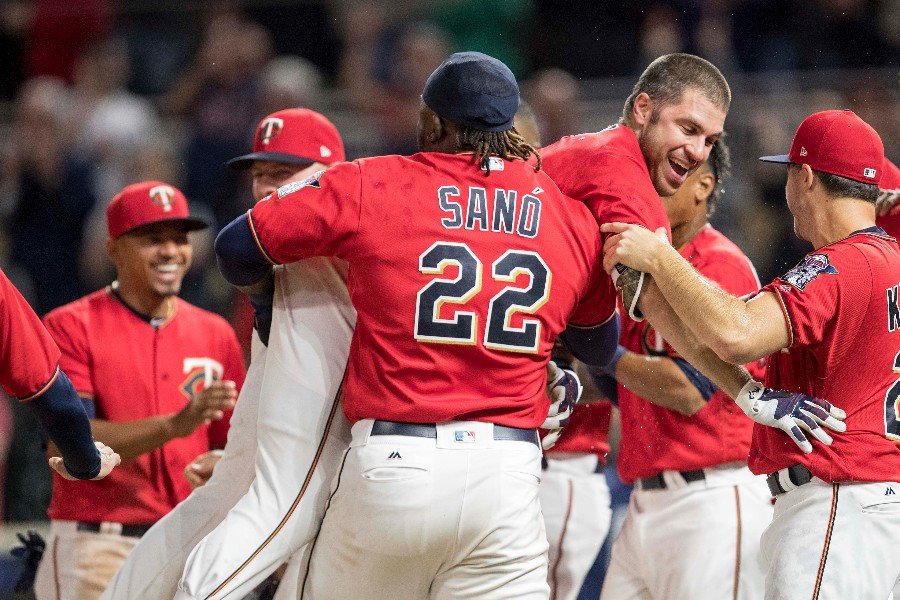 Over the years, the Minnesota Twins have developed an impressive list of prospects who arrived in the big leagues with sky-high expectations. From hometown heroes to international sensations, the hype around these players has shaped the franchise's identity and captured the hearts of Twins Territory. Baseball America was the first national outlet to rank prospects in 1990, and coverage of the minor leagues has expanded significantly since that time. Earlier this week, we recapped the sixth- through 10th-best prospects the team has had (according to those national rankings) in the decades since. Today, we'll finish the countdown with the top five. 5. Royce Lewis (2017 - 1st Overall Pick) Top-100 Peak: 5 Being selected first overall comes with lofty expectations, and Lewis lived up to the hype right away, with a solid .788 OPS in his professional debut. That made him a consensus top prospect. His stock rose even higher after an impressive 2018 season, wherein he posted an .803 OPS across Low-A and High-A. He struggled in 2019 (.661 OPS), however, before the 2020 minor-league season was canceled. Injuries threatened to derail his career, but he’s persevered, showing flashes of brilliance at the big-league level. Over the last three seasons, he has been limited to an average of fewer than 70 games per season. There are still high hopes for Lewis to put it all together at the big-league level and reach his lofty prospect projections. 4. Miguel Sanó (Signed in 2009 as an International Free Agent) Top-100 Peak: 4 Sanó may not have fully met expectations, but he undoubtedly ranks among the best prospects in Twins history. He appeared on national top-100 prospect lists for five straight offseasons, earning top-15 rankings multiple times. With his light-tower power and a .932 OPS in the minors, Sanó was a prospect who captured attention even before he signed with Minnesota. His MLB career was marked by inconsistency, but his raw power remains his defining asset. He currently ranks 12th in franchise history in home runs. His .491 slugging percentage is second only to Harmon Killebrew in team history. 3. Walker Jenkins (2023 - 5th Overall Pick) Top-100 Peak: 2 Jenkins is the latest in the Twins’ line of elite prospects, and the buzz around him is palpable. Scouts rave about his advanced hit tool, left-handed power, and all-around athleticism. In 2024, he hit .282/.394/.439, with 32 extra-base hits in 82 games while making it from Low-A to Double-A. The only thing to slow him down during the 2024 campaign was a leg injury after slamming into the wall in his first game of the season. It’s early, but Jenkins could develop into a cornerstone player, much like Joe Mauer and Byron Buxton before him. The Twins are betting big on his superstar ceiling. He will enter the 2025 season as a consensus top-5 prospect, with some lists ranking him as high as second with Washington’s Dylan Crews or Boston’s Roman Anthony being ahead of him. There is a chance that he debuts during the 2025 campaign, while only being 20 years old. 2. Byron Buxton (2012 - 2nd Overall Pick) Top-100 Peak: 1 Buxton's five-tool talent was evident early in his professional career, earning him the top spot on all three major national prospect rankings heading into the 2014 season. While some rankings later dropped him to second behind Chicago's Kris Bryant, Buxton competed for attention among a stacked group of prospects, including Carlos Correa, Francisco Lindor, Corey Seager, and Lucas Giolito. Buxton was billed as a five-tool superstar with game-changing speed and power. His minor-league highlights felt almost superhuman, earning comparisons to Mike Trout. Injuries have tempered his production in the majors, but his Gold Glove defense, electric baserunning, and 2022 All-Star campaign are testaments to his immense talent. Few prospects have generated as much excitement as Buxton. 1. Joe Mauer (2001 - 1st Overall Pick) Top-100 Peak: 1 When the Twins selected Mauer with the first overall pick in 2001, he quickly became regarded as one of baseball’s top prospects. Baseball America ranked him seventh heading into the 2002 season, and he later claimed the top spot in back-to-back offseasons. He is the only player in Twins history to achieve that distinction. Mauer went on to have a remarkable career and is widely considered one of the greatest players in franchise history. The quintessential hometown hero, Joe Mauer was the crown jewel of the 2001 MLB Draft. A St. Paul native, Mauer’s hitting ability was considered generational, and he fulfilled every ounce of his potential. He became a six-time All-Star, three-time batting champion, and 2009 AL MVP while redefining the catcher position. His combination of elite bat-to-ball skills, defensive prowess, and quiet leadership made him the gold standard for Twins prospects. The Twins’ farm system has produced an impressive legacy of players who have defined the franchise’s highs and lows. While some prospects fulfilled their potential, others fell short, but all of them carried the weight of expectations and hope for the future. Walker Jenkins could be the next player to write his chapter in this storied lineage of Twins prospects. What do you think of the rankings? Did your favorite prospect make the list? Leave a comment and start the discussion.
- 16 comments
-
- 4
-
-
- joe mauer
- byron buxton
- (and 3 more)
-
Minnesota’s starting rotation projects to be one of the team’s strengths, with a combination of established veterans and young pitchers with upside. Did their decisions at last week's tender deadline change any of that? Image courtesy of Matt Krohn and Jeffrey Becker–Imagn Images Minnesota’s starting rotation projects to be one of the team’s strengths, with a combination of established veterans and young pitchers with upside. Did their decisions at last week's tender deadline change any of that? The Minnesota Twins tendered contracts to all 11 arbitration-eligible players, solidifying the roster for the upcoming season. With those decisions in place, the focus shifts to shaping the 2025 starting rotation, a key element in the team's pursuit of postseason success. The Twins boast an intriguing mix of proven veterans and young arms, but questions remain about how the pieces will fall into place. Twins Projected Opening Day Rotation Pablo López and Bailey Ober sit atop the projected rotation, providing stability and differing skill sets. López has been the staff ace since arriving from Miami in the Luis Arraez trade. Last season, he struggled in the first half, but he had a 12-game stretch in the second half wherein he posted a 2.11 ERA, with opponents being held to a .638 OPS. The Twins need more of the second-half performance for López to live up to his salary jump this season ($21.75 million). Ober offers pinpoint control and an uncanny ability to suppress hard contact. Last season, he posted a 104 ERA+ with a career-high 9.6 K/9. In 2022, he posted a .464 xSLG, which ranked in the bottom 6% of the league. He’s made strides over the last two seasons, though, to the point where he had a career-best .371 xSLG. Workload management has become less of an issue in recent seasons after consecutive years of increased innings. Joe Ryan slots in as a strong mid-rotation option with the upside of being a playoff-caliber starter. After a season of refining his secondary pitches and improving his fastball velocity, Ryan looks poised to take another step forward in 2025. He ranked in the league’s top 9% in xwOBA, BB%, and xERA. An argument can be made that Ryan should throw his fastball more regularly with his jump in velocity and unique arm angle. His aggressive approach on the mound complements López and Ober's styles, giving the Twins a diverse top three. Simeon Woods Richardson projects as the fourth starter, with the former top prospect finally ready to solidify his role in the big leagues. He saved the Twins rotation last season after posting a 3.51 ERA with a 1.15 WHIP and .642 OPS allowed in the first half. He struggled more in the second half as he shot past his career high in innings pitched. While his 2024 campaign had its ups and downs, Woods Richardson is entering a season where he needs to solidify his long-term potential with the club. The fifth spot currently belongs to Chris Paddack, but there’s an asterisk attached. Paddack’s $7.5 million contract makes him a potential trade candidate, especially as the Twins look to allocate resources wisely. Last season, he posted an 83 ERA+ in 88 1/3 innings in his first year back from Tommy John surgery. If he remains, he provides veteran depth, but if moved, some of the other options below offer tantalizing upside as long-term rotational options. Beyond Opening Day: Upside and Flexibility David Festa, Zebby Matthews, Marco Raya, Travis Adams, and Matt Canterino are the other starting pitchers on the 40-man roster, though their roles could shift depending on team needs. Festa was the team’s top pitching prospect at this point last season and showed some positive signs during his rookie season. He ranked in the 82nd percentile or higher in value added via breaking balls; chase rate; and strikeout rate. Festa currently projects to start the year at Triple-A, but a Paddack trade could open a rotation spot. Matthews was the biggest riser in the Twins farm system last year, moving from High-A to the MLB level. He is a strike-throwing machine, with only seven walks in 97 minor-league innings. His numbers with the Twins were pedestrian (6.69 ERA, 1.65 WHIP), but he pitched more innings than in any other season and flew through the upper levels of the minors. The Twins will need Matthews at some point this season, but they would likely want him to establish himself at Triple-A before a call-up. Raya has some of the best stuff among Twins pitching prospects, but the team’s handling of him has been confusing. The Twins have moved him quickly through the system while limiting his workload. Last season, he pitched nearly the entire year at Double-A, where he was over three years younger than the average age of the competition. He only completed six innings in one appearance and was limited to five other appearances where he made it through the fifth inning. In June, I argued that it was time for the Twins to change their plan with Raya, and they allowed him to pitch later in games as the season ended. Adams and Canterino are still viewed as starters, but their best path to impacting the big-league roster could be in a bullpen role. Adams was a surprise addition to the team’s 40-man roster. His durable frame and ability to induce weak contact make him an ideal multi-inning option. Canterino, finally healthy after years of battling injuries, could be a late-inning weapon if his elite stuff plays up in shorter stints. The Twins have the luxury of depth, but that also positions them to be active in trade discussions. Paddack’s salary could free up valuable payroll space, and the front office might explore packaging a young arm like Matthews or Raya in a deal for offensive reinforcements. Regardless of potential moves, the Twins enter 2025 with a rotation brimming with potential. With López, Ober, and Ryan anchoring the staff and Woods Richardson and Festa providing upside, Minnesota appears well-equipped to contend in the AL Central. The team's ability to maximize its depth and make shrewd off-season moves will determine just how far this group can take them. What do you think about the Twins' current rotation? Should the team explore trading Paddack, or does his experience make him too valuable to let go? Leave a comment and start the discussion. View full article
-
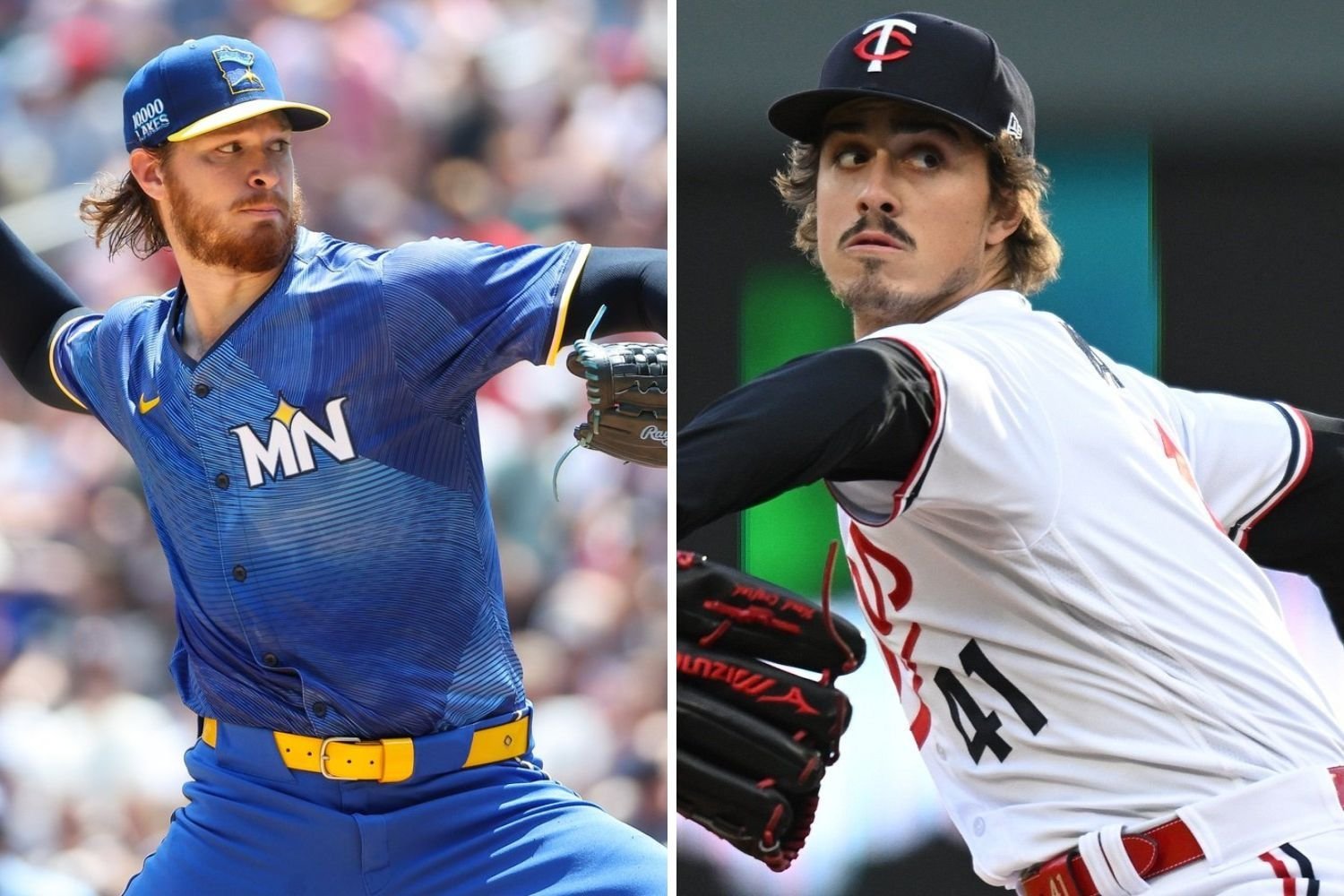 The Minnesota Twins tendered contracts to all 11 arbitration-eligible players, solidifying the roster for the upcoming season. With those decisions in place, the focus shifts to shaping the 2025 starting rotation, a key element in the team's pursuit of postseason success. The Twins boast an intriguing mix of proven veterans and young arms, but questions remain about how the pieces will fall into place. Twins Projected Opening Day Rotation Pablo López and Bailey Ober sit atop the projected rotation, providing stability and differing skill sets. López has been the staff ace since arriving from Miami in the Luis Arraez trade. Last season, he struggled in the first half, but he had a 12-game stretch in the second half wherein he posted a 2.11 ERA, with opponents being held to a .638 OPS. The Twins need more of the second-half performance for López to live up to his salary jump this season ($21.75 million). Ober offers pinpoint control and an uncanny ability to suppress hard contact. Last season, he posted a 104 ERA+ with a career-high 9.6 K/9. In 2022, he posted a .464 xSLG, which ranked in the bottom 6% of the league. He’s made strides over the last two seasons, though, to the point where he had a career-best .371 xSLG. Workload management has become less of an issue in recent seasons after consecutive years of increased innings. Joe Ryan slots in as a strong mid-rotation option with the upside of being a playoff-caliber starter. After a season of refining his secondary pitches and improving his fastball velocity, Ryan looks poised to take another step forward in 2025. He ranked in the league’s top 9% in xwOBA, BB%, and xERA. An argument can be made that Ryan should throw his fastball more regularly with his jump in velocity and unique arm angle. His aggressive approach on the mound complements López and Ober's styles, giving the Twins a diverse top three. Simeon Woods Richardson projects as the fourth starter, with the former top prospect finally ready to solidify his role in the big leagues. He saved the Twins rotation last season after posting a 3.51 ERA with a 1.15 WHIP and .642 OPS allowed in the first half. He struggled more in the second half as he shot past his career high in innings pitched. While his 2024 campaign had its ups and downs, Woods Richardson is entering a season where he needs to solidify his long-term potential with the club. The fifth spot currently belongs to Chris Paddack, but there’s an asterisk attached. Paddack’s $7.5 million contract makes him a potential trade candidate, especially as the Twins look to allocate resources wisely. Last season, he posted an 83 ERA+ in 88 1/3 innings in his first year back from Tommy John surgery. If he remains, he provides veteran depth, but if moved, some of the other options below offer tantalizing upside as long-term rotational options. Beyond Opening Day: Upside and Flexibility David Festa, Zebby Matthews, Marco Raya, Travis Adams, and Matt Canterino are the other starting pitchers on the 40-man roster, though their roles could shift depending on team needs. Festa was the team’s top pitching prospect at this point last season and showed some positive signs during his rookie season. He ranked in the 82nd percentile or higher in value added via breaking balls; chase rate; and strikeout rate. Festa currently projects to start the year at Triple-A, but a Paddack trade could open a rotation spot. Matthews was the biggest riser in the Twins farm system last year, moving from High-A to the MLB level. He is a strike-throwing machine, with only seven walks in 97 minor-league innings. His numbers with the Twins were pedestrian (6.69 ERA, 1.65 WHIP), but he pitched more innings than in any other season and flew through the upper levels of the minors. The Twins will need Matthews at some point this season, but they would likely want him to establish himself at Triple-A before a call-up. Raya has some of the best stuff among Twins pitching prospects, but the team’s handling of him has been confusing. The Twins have moved him quickly through the system while limiting his workload. Last season, he pitched nearly the entire year at Double-A, where he was over three years younger than the average age of the competition. He only completed six innings in one appearance and was limited to five other appearances where he made it through the fifth inning. In June, I argued that it was time for the Twins to change their plan with Raya, and they allowed him to pitch later in games as the season ended. Adams and Canterino are still viewed as starters, but their best path to impacting the big-league roster could be in a bullpen role. Adams was a surprise addition to the team’s 40-man roster. His durable frame and ability to induce weak contact make him an ideal multi-inning option. Canterino, finally healthy after years of battling injuries, could be a late-inning weapon if his elite stuff plays up in shorter stints. The Twins have the luxury of depth, but that also positions them to be active in trade discussions. Paddack’s salary could free up valuable payroll space, and the front office might explore packaging a young arm like Matthews or Raya in a deal for offensive reinforcements. Regardless of potential moves, the Twins enter 2025 with a rotation brimming with potential. With López, Ober, and Ryan anchoring the staff and Woods Richardson and Festa providing upside, Minnesota appears well-equipped to contend in the AL Central. The team's ability to maximize its depth and make shrewd off-season moves will determine just how far this group can take them. What do you think about the Twins' current rotation? Should the team explore trading Paddack, or does his experience make him too valuable to let go? Leave a comment and start the discussion.
- 58 comments
-
- 7
-
-
- pablo lopez
- bailey ober
- (and 5 more)
-
Prospect rankings have garnered more attention than ever in recent years, with more availability of data on top prospects. So, who have been the best prospects in Twins history? Image courtesy of © Jason Bridge-Imagn Images Prospect rankings have garnered more attention than ever in recent years, with more availability of data on top prospects. So, who have been the best prospects in Twins history? Over the years, the Minnesota Twins have developed an impressive list of prospects who arrived in the big leagues with sky-high expectations. From hometown heroes to international sensations, the hype around these players has shaped the franchise's identity and captured the hearts of Twins Territory. Baseball America was the first national outlet to authoritatively rank prospects in 1990, and coverage of the minor leagues has expanded significantly since that time. Here's a ranking of the top prospects in Twins history, factoring in their tools and potential at the time they were in the minor leagues. Honorable Mentions Jason Kubel: A sweet-swinging outfielder whose injuries curtailed what could have been a more impactful career as a five-tool talent. He peaked at number 17 on top-100 lists. Michael Cuddyer: Known for his versatility and leadership, Cuddyer blossomed into a key contributor for the Twins. He peaked at number 17 on top-100 lists. Aaron Hicks: A first-round pick with immense tools, Hicks flashed brilliance but didn’t fully realize his potential until leaving Minnesota. He peaked at number 19 on top-100 lists. 10. David McCarty (1991 - 3rd Overall Pick) Top-100 Peak: 16 After finishing in last place in 1990, the Twins selected McCarty with the third overall pick in the 1991 Draft. Minnesota fast-tracked him, starting his professional career at High-A and advancing him to Double-A by season's end. His collegiate experience at Stanford contributed to an impressive .907 OPS, earning him recognition as baseball's 22nd-best prospect by Baseball America heading into 1992. McCarty reached Triple-A the following year, posting a combined .284/.370/.448 slash line with 39 extra-base hits across 136 games. However, his major-league career fell short of expectations, ending with a .676 OPS and -2.1 WAR over 11 seasons. 9. Justin Morneau (1999 - 3rd Round) Top-100 Peak: 14 The Twins selected Morneau in the third round of the 1999 draft, but it took a few seasons for him to emerge as a standout prospect. His breakout came in 2001, when he posted an impressive .886 OPS across three minor-league levels, catching the attention of Baseball America. Over the next three offseasons, they ranked Morneau among their top 25 prospects: #21 heading into 2002, #14 in 2003, and #16 in 2004. During that time, he also showcased his talent by appearing in two Futures Games. Morneau went on to become one of the most pivotal players in Twins history, playing a key role in multiple division-winning teams. Since joining the television broadcast team, he has helped to bring a fresh perspective to viewers even after retiring. 8. Willie Banks (1987 - 3rd Overall Pick) Top-100 Peak: 13 Banks might be a lesser-known name to younger Twins fans, but Minnesota selected him with the third overall pick in the 1987 draft. His professional debut was rough, as he allowed 51 earned runs over 65 2/3 innings. However, he rebounded strongly the next season, posting a 3.72 ERA with 113 strikeouts in 125 2/3 innings. When Baseball America released its first-ever top-100 prospect list in 1990, Banks ranked 13th overall. He continued to improve in 1990, lowering his ERA by more than a full run and reducing his WHIP from 1.72 to 1.20 while splitting time between High-A and Double-A. Banks went on to pitch nine seasons in the majors, playing for seven different organizations. 7. Todd Walker (1994 - 8th Overall Pick) Top-100 Peak: 7 The Twins selected Todd Walker with the eighth overall pick in the 1994 MLB Draft out of LSU. He consistently ranked among baseball's top 40 prospects throughout his minor-league career, but his 1996 season was particularly remarkable. In 135 games at Triple-A, he posted an incredible .339/.400/.599 slash line, with 28 home runs, 41 doubles, and nine triples. Across his entire minor-league career, Walker maintained an impressive .905 OPS, though he couldn't quite replicate that success at the major-league level. Even so, he put together a solid 12-year MLB career, hitting .289/.348/.435 in an admittedly high-offense era. 6. Francisco Liriano (Acquired via Trade in 2003) Top-100 Peak: 6 Francisco Liriano joined the Twins as part of one of the most lopsided trades in franchise history. He was already a top-100 prospect heading into the 2003 season, but his 2005 minor-league performance cemented his status as a rising star. At just 21 years old, he dominated at Double-A and Triple-A, posting a 2.63 ERA, a 1.05 WHIP, and an impressive 11 strikeouts per nine innings. Liriano's early MLB career was electric, earning him an All-Star nod in 2006. Unfortunately, his momentum was derailed when he suffered an elbow injury that ended his 2006 season and sidelined him for all of 2007. Some argue that with Johan Santana and Liriano anchoring the rotation, the 2006 Twins could have made a serious push for a World Series title. Out of this group, Morneau went on to have the most accolades in his career, but they all got to the big leagues with hopes of an impactful career intact. Some players ran into injury issues, while others failed to find sustained success. Not every top prospect can turn into a superstar. Should one of the honorable mentions have made the top-10? What do you remember about the prospects above? Leave a COMMENT and start the discussion. View full article
-
Ranking the Top Prospects in Minnesota Twins History: 6-10
Cody Christie posted an article in Minor Leagues
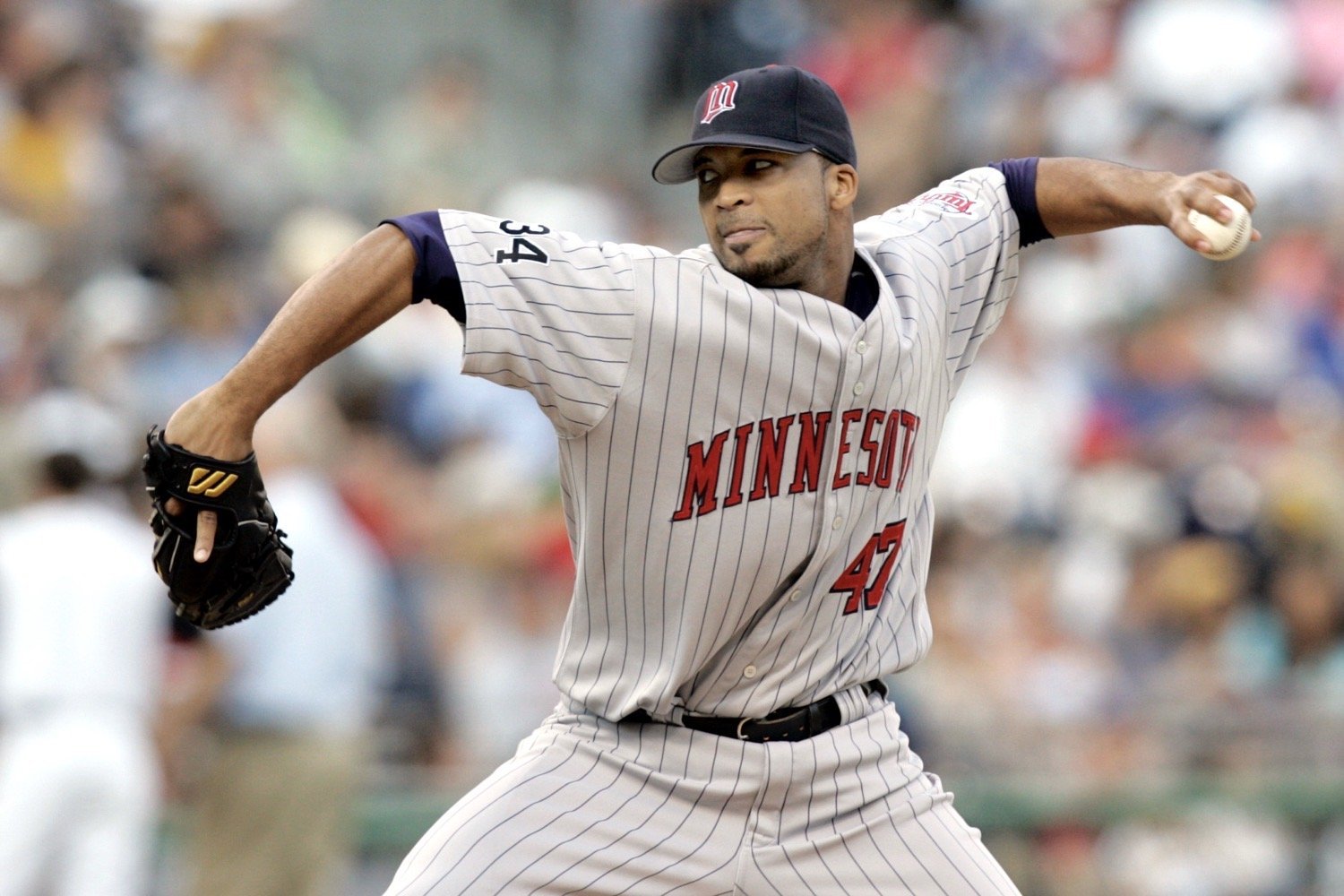 Over the years, the Minnesota Twins have developed an impressive list of prospects who arrived in the big leagues with sky-high expectations. From hometown heroes to international sensations, the hype around these players has shaped the franchise's identity and captured the hearts of Twins Territory. Baseball America was the first national outlet to authoritatively rank prospects in 1990, and coverage of the minor leagues has expanded significantly since that time. Here's a ranking of the top prospects in Twins history, factoring in their tools and potential at the time they were in the minor leagues. Honorable Mentions Jason Kubel: A sweet-swinging outfielder whose injuries curtailed what could have been a more impactful career as a five-tool talent. He peaked at number 17 on top-100 lists. Michael Cuddyer: Known for his versatility and leadership, Cuddyer blossomed into a key contributor for the Twins. He peaked at number 17 on top-100 lists. Aaron Hicks: A first-round pick with immense tools, Hicks flashed brilliance but didn’t fully realize his potential until leaving Minnesota. He peaked at number 19 on top-100 lists. 10. David McCarty (1991 - 3rd Overall Pick) Top-100 Peak: 16 After finishing in last place in 1990, the Twins selected McCarty with the third overall pick in the 1991 Draft. Minnesota fast-tracked him, starting his professional career at High-A and advancing him to Double-A by season's end. His collegiate experience at Stanford contributed to an impressive .907 OPS, earning him recognition as baseball's 22nd-best prospect by Baseball America heading into 1992. McCarty reached Triple-A the following year, posting a combined .284/.370/.448 slash line with 39 extra-base hits across 136 games. However, his major-league career fell short of expectations, ending with a .676 OPS and -2.1 WAR over 11 seasons. 9. Justin Morneau (1999 - 3rd Round) Top-100 Peak: 14 The Twins selected Morneau in the third round of the 1999 draft, but it took a few seasons for him to emerge as a standout prospect. His breakout came in 2001, when he posted an impressive .886 OPS across three minor-league levels, catching the attention of Baseball America. Over the next three offseasons, they ranked Morneau among their top 25 prospects: #21 heading into 2002, #14 in 2003, and #16 in 2004. During that time, he also showcased his talent by appearing in two Futures Games. Morneau went on to become one of the most pivotal players in Twins history, playing a key role in multiple division-winning teams. Since joining the television broadcast team, he has helped to bring a fresh perspective to viewers even after retiring. 8. Willie Banks (1987 - 3rd Overall Pick) Top-100 Peak: 13 Banks might be a lesser-known name to younger Twins fans, but Minnesota selected him with the third overall pick in the 1987 draft. His professional debut was rough, as he allowed 51 earned runs over 65 2/3 innings. However, he rebounded strongly the next season, posting a 3.72 ERA with 113 strikeouts in 125 2/3 innings. When Baseball America released its first-ever top-100 prospect list in 1990, Banks ranked 13th overall. He continued to improve in 1990, lowering his ERA by more than a full run and reducing his WHIP from 1.72 to 1.20 while splitting time between High-A and Double-A. Banks went on to pitch nine seasons in the majors, playing for seven different organizations. 7. Todd Walker (1994 - 8th Overall Pick) Top-100 Peak: 7 The Twins selected Todd Walker with the eighth overall pick in the 1994 MLB Draft out of LSU. He consistently ranked among baseball's top 40 prospects throughout his minor-league career, but his 1996 season was particularly remarkable. In 135 games at Triple-A, he posted an incredible .339/.400/.599 slash line, with 28 home runs, 41 doubles, and nine triples. Across his entire minor-league career, Walker maintained an impressive .905 OPS, though he couldn't quite replicate that success at the major-league level. Even so, he put together a solid 12-year MLB career, hitting .289/.348/.435 in an admittedly high-offense era. 6. Francisco Liriano (Acquired via Trade in 2003) Top-100 Peak: 6 Francisco Liriano joined the Twins as part of one of the most lopsided trades in franchise history. He was already a top-100 prospect heading into the 2003 season, but his 2005 minor-league performance cemented his status as a rising star. At just 21 years old, he dominated at Double-A and Triple-A, posting a 2.63 ERA, a 1.05 WHIP, and an impressive 11 strikeouts per nine innings. Liriano's early MLB career was electric, earning him an All-Star nod in 2006. Unfortunately, his momentum was derailed when he suffered an elbow injury that ended his 2006 season and sidelined him for all of 2007. Some argue that with Johan Santana and Liriano anchoring the rotation, the 2006 Twins could have made a serious push for a World Series title. Out of this group, Morneau went on to have the most accolades in his career, but they all got to the big leagues with hopes of an impactful career intact. Some players ran into injury issues, while others failed to find sustained success. Not every top prospect can turn into a superstar. Should one of the honorable mentions have made the top-10? What do you remember about the prospects above? Leave a COMMENT and start the discussion.
- 2 comments
-
- 4
-
-
- david mccarty
- justin morneau
- (and 3 more)
-
In recent seasons, Brent Rooker has been one of the AL’s most feared sluggers. Why didn’t he get a more extended look with the Twins? The answer is complicated. Image courtesy of Stan Szeto-USA TODAY Sports In recent seasons, Brent Rooker has been one of the AL’s most feared sluggers. Why didn’t he get a more extended look with the Twins? The answer is complicated. In April 2022, Opening Day for most MLB teams, the Minnesota Twins made a significant trade, sending All-Star closer Taylor Rogers and outfielder Brent Rooker to the San Diego Padres in exchange for Chris Paddack, Emilio Pagán, and a player to be named later (Brayan Medina). The deal was primarily framed around the acquisition of Paddack’s addition to the starting rotation and Pagán’s ability to slot into the bullpen. Rooker’s inclusion in the trade barely made headlines. Fast-forward to 2024, and Rooker just finished a season where he landed in the Top 10 of MVP voting, thanks to his breakout performance with the Oakland Athletics. For the Twins, his departure raises questions: Why did Rooker never find success in Minnesota, and what changed to allow him to flourish elsewhere? A Limited Opportunity in Minnesota Drafted 35th overall in 2016, Brent Rooker was always projected as a bat-first prospect with power to spare. His minor league numbers supported this profile as he slugged his way through the system. Baseball America ranked him among their top 100 prospects leading into 2018. Then in 2019, he destroyed Triple-A by hitting .281/.398/.535 (.933) with 16 doubles and 14 home runs in 65 games. However, breaking into the big-league lineup proved difficult. The Twins’ roster construction played a significant role in this. From 2019 to 2021, Nelson Cruz dominated the DH role, leaving Rooker limited to corner outfield opportunities, where his defensive limitations were apparent. Minnesota also boasted a deep lineup during those years, featuring sluggers like Miguel Sanó, Eddie Rosario, and Max Kepler, further complicating Rooker’s path to regular playing time. When Rooker did get chances in Minnesota, he struggled to gain traction. In 65 games across parts of two seasons, he posted a 96 OPS+ and struck out in over 32% of his plate appearances. While he showed flashes of his power potential, the strikeouts and a lack of defensive versatility likely pushed the Twins’ front office to view him as expendable. To be fair, other teams also came to view him this way. A Journey of Change Following the trade to San Diego, Rooker’s nomadic journey continued. The Padres sent him to Kansas City during the 2022 season, where he received minimal playing time before being designated for assignment. The Oakland Athletics selected him off waivers in November 2022, giving him a fresh start with a rebuilding club, and that’s where things began to click. With the A’s, Rooker finally got consistent at-bats, which allowed him to refine his approach at the plate. He reduced his strikeout rate (28.8% in 2024), improved his ability to hit breaking pitches (.540 SLG in 2024), and became one of the league’s premier sluggers. His 2024 season saw him mash 39 home runs while posting a 166 OPS+, numbers that earned him MVP votes despite playing on a below .500 team. He had the AL’s eighth-highest WAR total among position players while not providing any defensive value. So, why did it take so long for Rooker to unlock his potential? The answer lies in a mix of opportunity, adjustments, and time. Consistent Playing Time: Oakland’s lack of offensive depth gave Rooker an everyday role, something he never had in Minnesota. This consistent exposure allowed him to make adjustments and build confidence against big-league pitching. A Refined Approach: Reports from Oakland suggested that Rooker worked tirelessly to shorten his swing and focus on making contact earlier in counts. This evolution helped him reduce strikeouts while still tapping into his raw power. Defensive Flexibility Irrelevant: The A’s used Rooker almost exclusively as a DH, allowing him to focus entirely on his offensive game. While Minnesota might not have had room for another bat-only player during the Cruz era, Rooker thrived in the role when given the chance. The Twins’ Perspective Looking back, Rooker’s inclusion in the Paddack-Rogers trade feels like a misstep, but it’s essential to consider the context. At the time, Rooker was viewed as a fringe roster piece with limited upside. The Twins had a crowded outfield, and the DH spot was locked up. Trading him allowed the team to address areas of greater need. Still, his late-career breakout highlights the importance of opportunity and fit. The Twins’ inability to unlock Rooker’s potential is reminiscent of other cases, with David Ortiz’s departure to Boston being the most infamous example. For Minnesota, it’s a reminder that development isn’t always linear and that patience can sometimes pay off in unexpected ways. Rooker’s journey from trade throw-in to down-ballot MVP candidate is a testament to perseverance and finding the right situation. While the Twins likely regret letting him go for so little, his success also serves as a fascinating “what if” scenario. What could he have accomplished in Minnesota with the right opportunity? Ultimately, it’s a lesson for all teams: Sometimes, all a player needs is a chance. Should the Twins have hung on to Rooker? Leave a COMMENT and start the discussion. View full article
-
In a farm system with its share of ups and downs, Luke Keaschall emerged as one of the brightest surprises for the Minnesota Twins in 2024. Get to know more about his meteoric rise. Image courtesy of Ed Bailey, Wichita Wind Surge In a farm system with its share of ups and downs, Luke Keaschall emerged as one of the brightest surprises for the Minnesota Twins in 2024. Get to know more about his meteoric rise. Age: 22 (DOB: 8/15/2002) 2024 Stats (High-A, Double-A): 102 G, .303/.420/.483 (.903), 21 2B, 15 HR, 23 SB, 62 BB, 80 K ETA: 2026 2024 Ranking: 11 National Top 100 Rankings BA: 48 | MLB: 63 | ATH: NR | BP: NR What's to Like A 2023 second-round pick out of Arizona State, Luke Keaschall quickly climbed the organizational ranks with his blend of athleticism, defensive versatility, and offensive potential. There have been comparisons between Keaschall and former Red Sox star Dustin Pedroia, because they attended the same college and are both short. Defensively, he has been capable of playing multiple positions, but an elbow injury this season limited the way the organization could use him. Offensively, Keaschall made significant strides in 2024. Minnesota had Keaschall begin this season in Cedar Rapids, since he had limited at-bats at that level until the end of last season. He was a monster in the Kernels lineup, hitting .335/.457/.544 with 12 doubles and seven home runs in 44 games. At the end of May, the Twins promoted him to Double-A, where he was over three years younger than the average age of the competition. In 58 games, he posted a respectable .832 OPS with 18 extra-base hits and a 51-to-32 strikeout-to-walk ratio. In 2024, he only faced younger pitchers in 28 plate appearances. Against older pitchers, he hit .302/.424/.483 with 61 walks and 79 strikeouts. Although he's a right-handed hitter, he posted reverse splits, with his OPS being over 100 points higher against righties. He did all of this while knowing that he was going to need elbow surgery at some point. What's Left to Work On Like many young hitters, Keaschall still has work to do against advanced pitching. At times in Double-A, he struggled against high-quality off-speed offerings, leading to a slightly elevated strikeout rate. His swing mechanics are solid, but he could benefit from minor tweaks to better handle breaking balls on the outer half of the plate. He also needs to prove that his offensive improvements were legitimate, which can be challenging while recovering from surgery. “I work my tail off in the weight room,” Keaschall said during the season. “At the end of the day, I'm still growing, I'm still maturing, I'm still getting bigger and stronger and better at the game and refining my swing and mechanics. I think just over time, becoming a better baseball player, maturing a little bit more.” While Keaschall is an aggressive runner on the base paths, he could improve his success rate on stolen base attempts. MLB Pipeline and FanGraphs give him a 55 grade on his running ability, which is slightly above average on the 20-80 scouting scale. Refining his baserunning instincts will make his speed an even greater weapon. The most significant question mark is, of course, his recovery from Tommy John surgery. Although position players typically recover faster than pitchers, there’s always some uncertainty surrounding a player’s throwing mechanics and arm strength post-surgery. Last winter, he went to Driveline to work on his arm action from multiple defensive positions. The Twins will likely ease him back into defensive work during spring training. What's Next The Twins are optimistic that Keaschall will be ready for full participation in spring training. With his rapid ascent through the system, he is poised to start the season at Double-A, though a strong spring performance could accelerate his timeline. If Keaschall continues to refine his approach at the plate and shows no lingering effects from his surgery, he could be knocking on the door of a major-league debut by late 2025. His combination of defensive versatility and offensive potential gives him a real shot to be a pivotal contributor to the Twins’ roster in the near future. As one of the fastest risers in the system, Keaschall has already proven he belongs on the radar of Twins fans. Now, the next chapter of his journey hinges on how he bounces back from adversity, which his fiery playing style suggests he’ll handle easily. Do you agree with Keaschall’s ranking? What are your expectations for Keaschall in 2025? Leave a COMMENT and start the discussion. View full article
-
Twins Daily 2025 Top Prospects: #3 Luke Keaschall, INF
Cody Christie posted an article in Minor Leagues
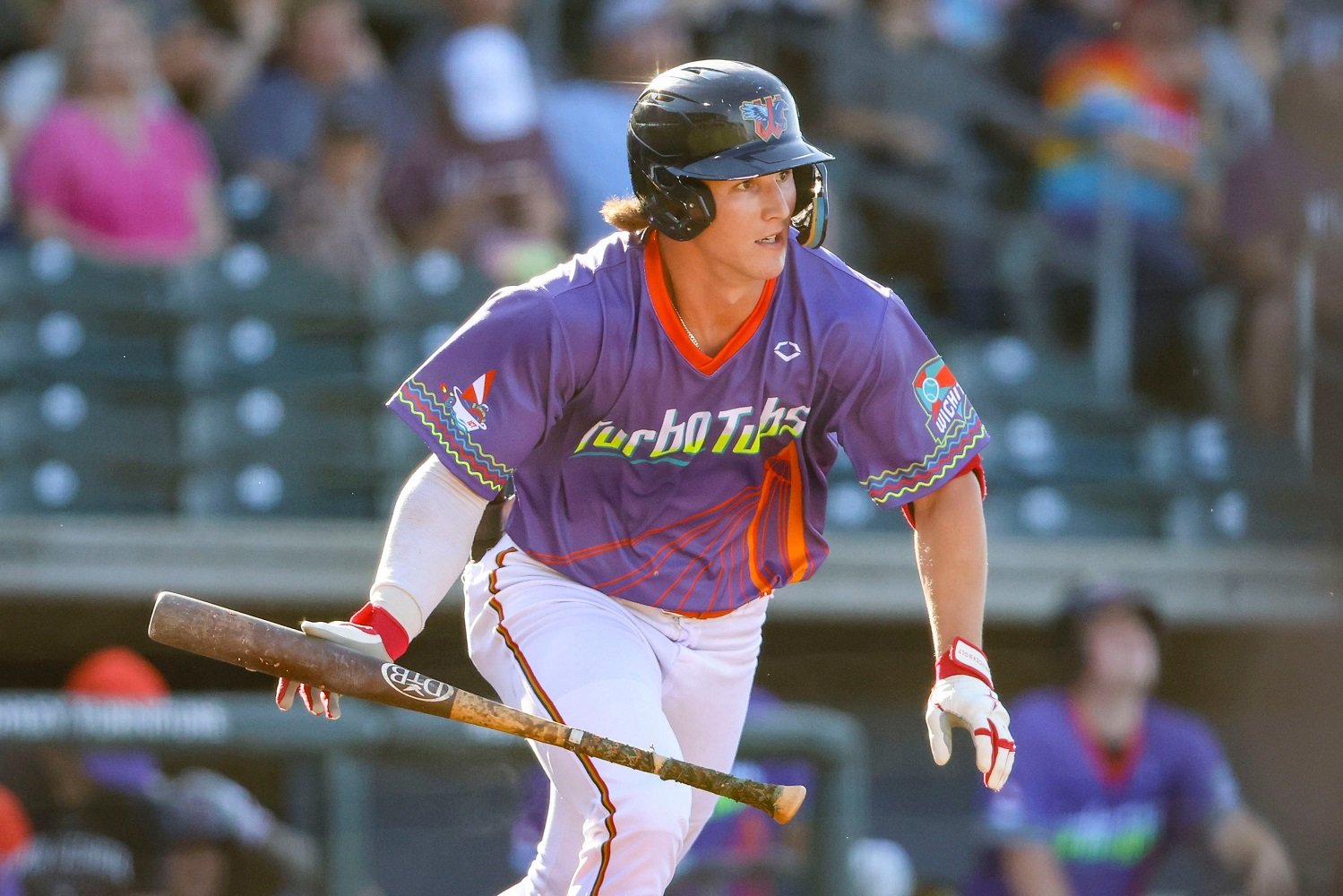 Age: 22 (DOB: 8/15/2002) 2024 Stats (High-A, Double-A): 102 G, .303/.420/.483 (.903), 21 2B, 15 HR, 23 SB, 62 BB, 80 K ETA: 2026 2024 Ranking: 11 National Top 100 Rankings BA: 48 | MLB: 63 | ATH: NR | BP: NR What's to Like A 2023 second-round pick out of Arizona State, Luke Keaschall quickly climbed the organizational ranks with his blend of athleticism, defensive versatility, and offensive potential. There have been comparisons between Keaschall and former Red Sox star Dustin Pedroia, because they attended the same college and are both short. Defensively, he has been capable of playing multiple positions, but an elbow injury this season limited the way the organization could use him. Offensively, Keaschall made significant strides in 2024. Minnesota had Keaschall begin this season in Cedar Rapids, since he had limited at-bats at that level until the end of last season. He was a monster in the Kernels lineup, hitting .335/.457/.544 with 12 doubles and seven home runs in 44 games. At the end of May, the Twins promoted him to Double-A, where he was over three years younger than the average age of the competition. In 58 games, he posted a respectable .832 OPS with 18 extra-base hits and a 51-to-32 strikeout-to-walk ratio. In 2024, he only faced younger pitchers in 28 plate appearances. Against older pitchers, he hit .302/.424/.483 with 61 walks and 79 strikeouts. Although he's a right-handed hitter, he posted reverse splits, with his OPS being over 100 points higher against righties. He did all of this while knowing that he was going to need elbow surgery at some point. What's Left to Work On Like many young hitters, Keaschall still has work to do against advanced pitching. At times in Double-A, he struggled against high-quality off-speed offerings, leading to a slightly elevated strikeout rate. His swing mechanics are solid, but he could benefit from minor tweaks to better handle breaking balls on the outer half of the plate. He also needs to prove that his offensive improvements were legitimate, which can be challenging while recovering from surgery. “I work my tail off in the weight room,” Keaschall said during the season. “At the end of the day, I'm still growing, I'm still maturing, I'm still getting bigger and stronger and better at the game and refining my swing and mechanics. I think just over time, becoming a better baseball player, maturing a little bit more.” While Keaschall is an aggressive runner on the base paths, he could improve his success rate on stolen base attempts. MLB Pipeline and FanGraphs give him a 55 grade on his running ability, which is slightly above average on the 20-80 scouting scale. Refining his baserunning instincts will make his speed an even greater weapon. The most significant question mark is, of course, his recovery from Tommy John surgery. Although position players typically recover faster than pitchers, there’s always some uncertainty surrounding a player’s throwing mechanics and arm strength post-surgery. Last winter, he went to Driveline to work on his arm action from multiple defensive positions. The Twins will likely ease him back into defensive work during spring training. What's Next The Twins are optimistic that Keaschall will be ready for full participation in spring training. With his rapid ascent through the system, he is poised to start the season at Double-A, though a strong spring performance could accelerate his timeline. If Keaschall continues to refine his approach at the plate and shows no lingering effects from his surgery, he could be knocking on the door of a major-league debut by late 2025. His combination of defensive versatility and offensive potential gives him a real shot to be a pivotal contributor to the Twins’ roster in the near future. As one of the fastest risers in the system, Keaschall has already proven he belongs on the radar of Twins fans. Now, the next chapter of his journey hinges on how he bounces back from adversity, which his fiery playing style suggests he’ll handle easily. Do you agree with Keaschall’s ranking? What are your expectations for Keaschall in 2025? Leave a COMMENT and start the discussion.
 -
Johan Santana and Joe Nathan were two of the best pitchers of their era. Now, they have a second chance at redemption with the potential to be enshrined in the National Baseball Hall of Fame. Image courtesy of Jeffrey Becker/Bruce Kluckhohn-USA TODAY Sports Johan Santana and Joe Nathan were two of the best pitchers of their era. Now, they have a second chance at redemption with the potential to be enshrined in the National Baseball Hall of Fame. Next December, two of the greatest Minnesota Twins players of the 21st century, Johan Santana and Joe Nathan, will once again be considered for baseball's ultimate honor, induction into the National Baseball Hall of Fame. Their names can appear on the ballot for the Contemporary Baseball Era Players Committee, which evaluates players whose primary contributions to the game occurred from 1980 to the present day. This process offers a new opportunity for players overlooked in their initial Hall of Fame eligibility window, giving fans and analysts a fresh reason to debate their legacies. The committee consists of 16 members, including Hall of Fame players, veteran media members, and baseball executives. These voters will evaluate Santana and Nathan's candidacies, weighing their statistical dominance, postseason impact, and overall contribution to the game. Here’s an in-depth look at their cases and what fans should watch for as this pivotal vote approaches. Johan Santana: The Case for Dominance Few pitchers in the 2000s were as dominant as Johan Santana during his peak. He won two Cy Young Awards (2004 and 2006), finished in the top five of Cy Young voting five times, and led the American League in ERA and strikeouts three times each. From 2004 to 2008, Santana's 1,189 strikeouts, 2.82 ERA, and 29.8 WAR led all qualified starters, solidifying his status as the best pitcher of his generation during that stretch. Santana's postseason resume is limited, but he delivered memorable performances, such as his seven shutout innings in the 2004 ALDS against the Yankees. Injuries cut short his career at age 33, leaving him with 139 career wins and 1,988 strikeouts. Unfortunately, those numbers pale in comparison to Hall of Fame standards but reflect his brilliance when healthy. Pros - Peak dominance rivaled any pitcher of his era. - Advanced metrics, such as ERA+ (136), paint him as a generational talent. - Historical comparisons to Sandy Koufax, who also had a short, brilliant career. Cons - Short career with no significant late-career accomplishments. - Lack of postseason longevity or a defining October moment. Joe Nathan: A Closer with Hall-Worthy Credentials? Joe Nathan was one of baseball’s most dominant closers during his career. His 377 saves rank tenth all-time, and he maintained a career ERA of 2.87 over 16 seasons. From 2004 to 2009, Nathan posted a 1.87 ERA with 246 saves, 518 strikeouts, and a 0.93 WHIP. This is one of the most dominant stretches in baseball history for a relief pitcher. Like many relievers, Nathan's postseason resume has highs and lows because of the small sample sizes involved. While his overall playoff numbers are not standout (9 ER in 10 IP), his regular-season dominance puts him in a class with other great closers like Trevor Hoffman and Billy Wagner. Nathan’s candidacy might be closely tied to how Wagner fares in his final year of eligibility with the Baseball Writers' Association of America (BBWAA) this winter. Wagner has a comparable resume: 422 saves, a 2.31 ERA, and a 0.99 WHIP. Wagner’s final year on the BBWAA ballot is this winter, where he has steadily gained support in recent years. As of 2024, he sits at 74.1% of the vote, just shy of the 75% threshold required for induction. If Wagner is elected, it could set a precedent for Nathan, whose stats are slightly below Wagner’s but within a comparable range. If Wagner is elected, Nathan’s case becomes stronger by association, as the Hall of Fame continues to evolve its standards for relievers. Pros - Dominant peak among the best closers in MLB history. - Consistency and longevity despite a role with high attrition. - Statistical comparability to Hall of Famers Hoffman and (potentially) Wagner. Cons - Relievers remain underrepresented in the Hall, with few gaining serious consideration. - Limited playoff success and lack of a signature October moment. What to Expect Santana and Nathan’s cases reflect two different paths to potential enshrinement. Santana relies on his short but brilliant peak, comparable to other pitchers with truncated careers, while Nathan’s resume hinges on a dominant run as a closer in an era where relievers are gaining more recognition. The vote by the Contemporary Baseball Era Players Committee could redefine how these players are remembered. While their cases have hurdles, both have compelling arguments that make them worthy of this second chance. For Twins fans, it’s an opportunity to celebrate two of the franchise's most iconic players and hope that Cooperstown will one day call their names. Does Santana or Nathan deserve to be enshrined in Cooperstown? Leave a COMMENT and start the discussion. View full article
-
Johan Santana and Joe Nathan: A Second Shot at Cooperstown in 2025
Cody Christie posted an article in Twins
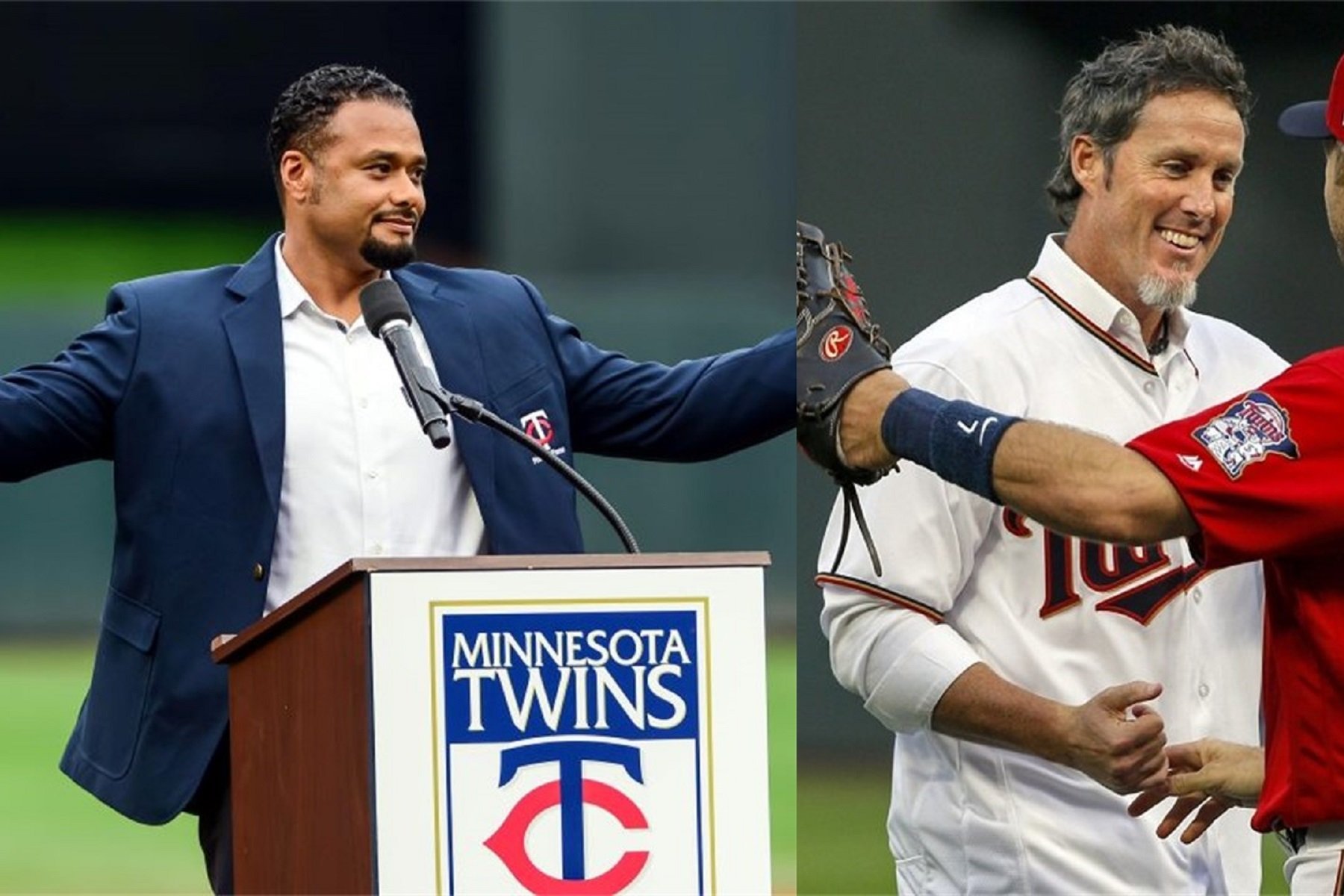 Next December, two of the greatest Minnesota Twins players of the 21st century, Johan Santana and Joe Nathan, will once again be considered for baseball's ultimate honor, induction into the National Baseball Hall of Fame. Their names can appear on the ballot for the Contemporary Baseball Era Players Committee, which evaluates players whose primary contributions to the game occurred from 1980 to the present day. This process offers a new opportunity for players overlooked in their initial Hall of Fame eligibility window, giving fans and analysts a fresh reason to debate their legacies. The committee consists of 16 members, including Hall of Fame players, veteran media members, and baseball executives. These voters will evaluate Santana and Nathan's candidacies, weighing their statistical dominance, postseason impact, and overall contribution to the game. Here’s an in-depth look at their cases and what fans should watch for as this pivotal vote approaches. Johan Santana: The Case for Dominance Few pitchers in the 2000s were as dominant as Johan Santana during his peak. He won two Cy Young Awards (2004 and 2006), finished in the top five of Cy Young voting five times, and led the American League in ERA and strikeouts three times each. From 2004 to 2008, Santana's 1,189 strikeouts, 2.82 ERA, and 29.8 WAR led all qualified starters, solidifying his status as the best pitcher of his generation during that stretch. Santana's postseason resume is limited, but he delivered memorable performances, such as his seven shutout innings in the 2004 ALDS against the Yankees. Injuries cut short his career at age 33, leaving him with 139 career wins and 1,988 strikeouts. Unfortunately, those numbers pale in comparison to Hall of Fame standards but reflect his brilliance when healthy. Pros - Peak dominance rivaled any pitcher of his era. - Advanced metrics, such as ERA+ (136), paint him as a generational talent. - Historical comparisons to Sandy Koufax, who also had a short, brilliant career. Cons - Short career with no significant late-career accomplishments. - Lack of postseason longevity or a defining October moment. Joe Nathan: A Closer with Hall-Worthy Credentials? Joe Nathan was one of baseball’s most dominant closers during his career. His 377 saves rank tenth all-time, and he maintained a career ERA of 2.87 over 16 seasons. From 2004 to 2009, Nathan posted a 1.87 ERA with 246 saves, 518 strikeouts, and a 0.93 WHIP. This is one of the most dominant stretches in baseball history for a relief pitcher. Like many relievers, Nathan's postseason resume has highs and lows because of the small sample sizes involved. While his overall playoff numbers are not standout (9 ER in 10 IP), his regular-season dominance puts him in a class with other great closers like Trevor Hoffman and Billy Wagner. Nathan’s candidacy might be closely tied to how Wagner fares in his final year of eligibility with the Baseball Writers' Association of America (BBWAA) this winter. Wagner has a comparable resume: 422 saves, a 2.31 ERA, and a 0.99 WHIP. Wagner’s final year on the BBWAA ballot is this winter, where he has steadily gained support in recent years. As of 2024, he sits at 74.1% of the vote, just shy of the 75% threshold required for induction. If Wagner is elected, it could set a precedent for Nathan, whose stats are slightly below Wagner’s but within a comparable range. If Wagner is elected, Nathan’s case becomes stronger by association, as the Hall of Fame continues to evolve its standards for relievers. Pros - Dominant peak among the best closers in MLB history. - Consistency and longevity despite a role with high attrition. - Statistical comparability to Hall of Famers Hoffman and (potentially) Wagner. Cons - Relievers remain underrepresented in the Hall, with few gaining serious consideration. - Limited playoff success and lack of a signature October moment. What to Expect Santana and Nathan’s cases reflect two different paths to potential enshrinement. Santana relies on his short but brilliant peak, comparable to other pitchers with truncated careers, while Nathan’s resume hinges on a dominant run as a closer in an era where relievers are gaining more recognition. The vote by the Contemporary Baseball Era Players Committee could redefine how these players are remembered. While their cases have hurdles, both have compelling arguments that make them worthy of this second chance. For Twins fans, it’s an opportunity to celebrate two of the franchise's most iconic players and hope that Cooperstown will one day call their names. Does Santana or Nathan deserve to be enshrined in Cooperstown? Leave a COMMENT and start the discussion.
 -
Lew Ford might be among the few baseball players who defeated Father Time. Unfortunately, his playing days might have finally come to an end despite playing baseball into his mid-40s. Image courtesy of Long Island Ducks Lew Ford might be among the few baseball players who defeated Father Time. Unfortunately, his playing days might have finally come to an end despite playing baseball into his mid-40s. For years, Lew Ford has been the embodiment of a baseball lifer. Once a staple in the Minnesota Twins' outfield during the mid-2000s, Ford carved out a niche as a player who could do a little bit of everything. He hit for average, provided speed on the bases, and flashed a reliable glove. However, while his days as a big-league regular ended in 2007, Ford’s passion for the game never did. Fast forward nearly two decades, and Ford, now 47 years old, might finally be hanging up his playing spikes. Since 2009, he has been a fixture for the Long Island Ducks of the Independent Atlantic League, transitioning into a player-coach role while still putting up numbers that defy logic. His 2023 campaign was no exception: a .340/.389/.460 slash line in 100 at-bats, complete with nine doubles and a home run. Those are remarkable totals for a player 17.6 years older than the average age of the competition in his league. Still, the 2024 season became the first since 1999 where he didn’t register one professional at-bat. After all, it’s not every day that a player in his mid-40s maintains such production while balancing the responsibilities of coaching. He was named the Ducks' manager last winter, which might have been the tipping point for his playing days to end. A Career of Resilience Ford’s MLB career might not jump off the page. He hit .268/.345/.399 (.744) across six seasons, with his best campaign coming in 2004 when he slashed .299/.381/.446 (.827) with 15 home runs and 20 steals. Still, his hustle and versatility made him a fan favorite in Minnesota, where he was affectionately dubbed “Lewww!” by the Metrodome faithful. When his time in the majors ended, Ford didn’t stop playing. Instead, he became a journeyman, suiting up for teams in Japan, Mexico, and Venezuela before landing with the Ducks. Over 14 seasons in Long Island, he became a cornerstone of the franchise, earning the Atlantic League Player of the Year award in 2014 and helping the team to multiple championships. He holds the team record for hits and is third all-time in the Atlantic League, ranking second in team history with a .318 batting average. Defying Father Time Ford’s ability to perform well into his 40s has been nothing short of remarkable. While many players struggle to stay productive into their early 30s, Ford adapted his game to stay relevant while providing his teammates with a positive role model. His 2023 numbers, albeit in a smaller sample size, reflect a player who still understands how to hit and, perhaps more importantly, still loves to hit. It’s not just his stats that stand out. Ford has been a mentor to younger players, many of whom use the Atlantic League as a springboard to return to affiliated ball. He helped Jordany Valdespin (2018) and Steve Lombardozzi (2021) earn Atlantic League Player of the Year honors. His dedication to teaching the next generation while remaining competitive on the field underscores his enduring love for the sport. What’s Next for Ford? If Ford does decide to step away as a player, his future in baseball seems secure. In his first season as manager, the Ducks fought for a playoff spot until the season’s final weekend and finished with a winning record for the ninth time in the last ten seasons. Long Island had ten players whose contracts had been purchased by Major League organizations or foreign professional leagues. The Twins signed two Ducks to contracts, outfielder Tyler Dearden and infielder Rixon Wingrove. Still, knowing Ford, there’s always a chance he could step back into the batter's box. After all, baseball has been his life for over 30 years, and the Atlantic League wouldn’t feel the same without him playing regularly. As fans, we can only marvel at what Ford has accomplished and appreciate the joy he’s brought to every field he’s graced. Whether 2023 was his final hurrah or just another chapter in a never-ending story, one thing is certain: Lew Ford’s legacy as baseball’s ageless wonder is secure. What’s your favorite memory of Ford? Leave a COMMENT and start the discussion. View full article
-
Lew Ford: Could This Be the End of Baseball's Ageless Wonder?
Cody Christie posted an article in Twins
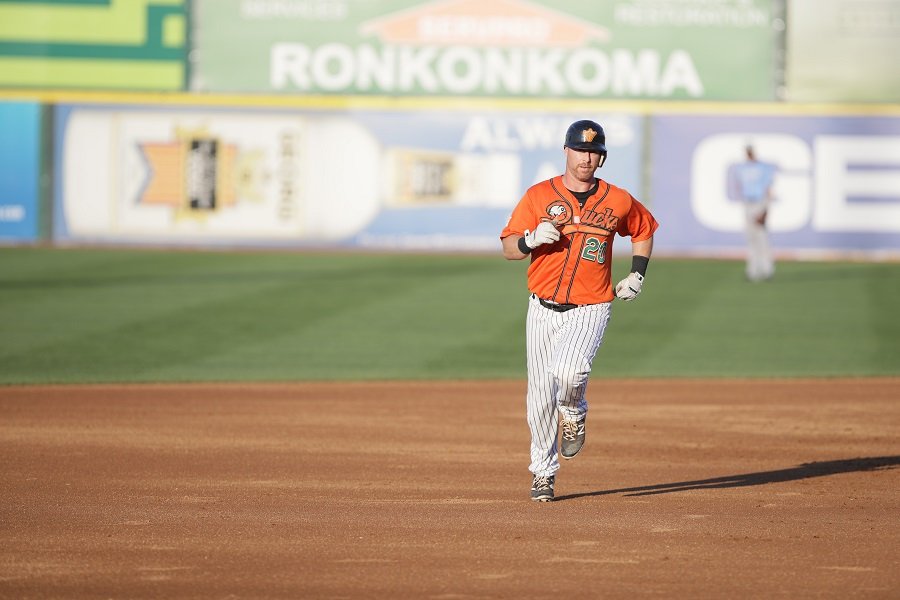 For years, Lew Ford has been the embodiment of a baseball lifer. Once a staple in the Minnesota Twins' outfield during the mid-2000s, Ford carved out a niche as a player who could do a little bit of everything. He hit for average, provided speed on the bases, and flashed a reliable glove. However, while his days as a big-league regular ended in 2007, Ford’s passion for the game never did. Fast forward nearly two decades, and Ford, now 47 years old, might finally be hanging up his playing spikes. Since 2009, he has been a fixture for the Long Island Ducks of the Independent Atlantic League, transitioning into a player-coach role while still putting up numbers that defy logic. His 2023 campaign was no exception: a .340/.389/.460 slash line in 100 at-bats, complete with nine doubles and a home run. Those are remarkable totals for a player 17.6 years older than the average age of the competition in his league. Still, the 2024 season became the first since 1999 where he didn’t register one professional at-bat. After all, it’s not every day that a player in his mid-40s maintains such production while balancing the responsibilities of coaching. He was named the Ducks' manager last winter, which might have been the tipping point for his playing days to end. A Career of Resilience Ford’s MLB career might not jump off the page. He hit .268/.345/.399 (.744) across six seasons, with his best campaign coming in 2004 when he slashed .299/.381/.446 (.827) with 15 home runs and 20 steals. Still, his hustle and versatility made him a fan favorite in Minnesota, where he was affectionately dubbed “Lewww!” by the Metrodome faithful. When his time in the majors ended, Ford didn’t stop playing. Instead, he became a journeyman, suiting up for teams in Japan, Mexico, and Venezuela before landing with the Ducks. Over 14 seasons in Long Island, he became a cornerstone of the franchise, earning the Atlantic League Player of the Year award in 2014 and helping the team to multiple championships. He holds the team record for hits and is third all-time in the Atlantic League, ranking second in team history with a .318 batting average. Defying Father Time Ford’s ability to perform well into his 40s has been nothing short of remarkable. While many players struggle to stay productive into their early 30s, Ford adapted his game to stay relevant while providing his teammates with a positive role model. His 2023 numbers, albeit in a smaller sample size, reflect a player who still understands how to hit and, perhaps more importantly, still loves to hit. It’s not just his stats that stand out. Ford has been a mentor to younger players, many of whom use the Atlantic League as a springboard to return to affiliated ball. He helped Jordany Valdespin (2018) and Steve Lombardozzi (2021) earn Atlantic League Player of the Year honors. His dedication to teaching the next generation while remaining competitive on the field underscores his enduring love for the sport. What’s Next for Ford? If Ford does decide to step away as a player, his future in baseball seems secure. In his first season as manager, the Ducks fought for a playoff spot until the season’s final weekend and finished with a winning record for the ninth time in the last ten seasons. Long Island had ten players whose contracts had been purchased by Major League organizations or foreign professional leagues. The Twins signed two Ducks to contracts, outfielder Tyler Dearden and infielder Rixon Wingrove. Still, knowing Ford, there’s always a chance he could step back into the batter's box. After all, baseball has been his life for over 30 years, and the Atlantic League wouldn’t feel the same without him playing regularly. As fans, we can only marvel at what Ford has accomplished and appreciate the joy he’s brought to every field he’s graced. Whether 2023 was his final hurrah or just another chapter in a never-ending story, one thing is certain: Lew Ford’s legacy as baseball’s ageless wonder is secure. What’s your favorite memory of Ford? Leave a COMMENT and start the discussion.
 -
Joe Ryan’s most significant flaw in the minors was his reliance on his fastball. Has he flipped the script, to the point where he should use his fastball more regularly at the big-league level? Image courtesy of © John Froschauer-USA TODAY Sports Joe Ryan’s most significant flaw in the minors was his reliance on his fastball. Has he flipped the script, to the point where he should use his fastball more regularly at the big-league level? Joe Ryan’s ascension to big-league success revolved around his fastball. It’s a pitch that baffled hitters in the minors, even as scouts questioned whether his heater-heavy approach could translate to the majors at a non-overpowering velocity. As he prepares for his fourth full season in the big leagues, Ryan faces a unique challenge: finding the right balance between increased velocity and pitch usage to maximize his effectiveness. The Fastball: A Foundation of Success When Ryan debuted with the Twins in 2021, his fastball averaged around 91-92 mph. Despite its modest velocity, the pitch played up thanks to Ryan’s exceptional command and the deceptive release angle generated by his unorthodox arm slot. In the minors, Ryan threw his fastball over 70% of the time, and scouts raised questions about how that mix would survive the escalating difficulty involved in going from even the high minors to facing big-leaguers. Their doubts seemed valid early on, as hitters posted a .461 xSLG during his debut season when facing his fastball, with a 20.3 Whiff%. In his first two seasons (2021-22), he threw his fastball over 60% of the time, and it didn’t generate as many swings and misses as in the minor leagues. He was going to need to adjust his approach to find more success. A Velocity Boost and Reduced Reliance Over the past three seasons, Ryan has added velocity to his fastball, which now sits around 94-95 mph and occasionally touches the upper 90s. The increased speed has made the pitch more formidable, but Ryan has paradoxically leaned on it less. In 2024, he threw his fastball just 48.5% of the time, a significant reduction compared to his minor-league days. He posted career-best totals in Put Away % (23.4), xBA (.191), and xSLG (.354) when throwing his four-seamer. The adjustment reflects Ryan’s effort to develop a more diverse arsenal, which now includes an improved slider and a sweeper he introduced in 2023. Last season, his sweeper had a 33.7 Whiff% and a .164 xBA, the best total of any of his pitches. However, Ryan might have unintentionally neutralized one of his greatest strengths by relying less on his signature pitch. The Path Forward: Using the Fastball More Ryan’s increased velocity raises the question: should he use his fastball more often? The data suggests he should. Even in 2024, his fastball generated a 27.5 Whiff% and a 23.4 Put Away%. That Put Away % was as high as his sweeper, despite the sweeper having a higher Whiff%. It’s possible that reintroducing a higher fastball usage rate could help him keep hitters off-balance, especially early in counts when they might be sitting on his secondary pitches. Additionally, Ryan’s fastball uniquely plays well in the upper part of the strike zone, where its “rising” effect can induce swings and misses. Big-league hitters can square up a straight fastball, but his is unique enough that it can still be a weapon. Incorporating more high fastballs into his game plan might also help him avoid the middle of the plate, where home runs have been an issue. For example, his splitter was used 22.2% of the time last season, but he allowed six home runs with that pitch in 122 plate appearances. In his current mode, Ryan sometimes doubles up with the splitter, or throws that pitch on the heels of his sweeper or slider. As you'd expect based on the action of the pitches in question, though, the splitter is most effective when it's playing off the fastball. Here are the splits for the pitch's performance last season based on the pitch type of the previous offering in the at-bat. Previous Pitch Type Whiff % Exit Vel. GB % HR % wOBA Fastballs 26.1 89.0 64.9 3.5 .206 Sweepers/Sliders 26.5 92.8 40.0 5.6 .466 Splitter 21.9 87.2 62.1 7.9 .251 It sounds hopelessly old-fashioned, but there might still be value in establishing the fastball and forcing hitters to hunt it, in order to get the most out of non-fastballs. A Balancing Act The challenge for Ryan heading into 2025 will be striking the right balance. While the development of his secondary pitches has been crucial to his growth as a pitcher, the fastball remains the backbone of his repertoire. If he can find a way to increase its usage without becoming overly reliant on it, Ryan could take another step toward being a true top-of-the-rotation arm. Rocco Baldelli and the Twins' coaching staff will undoubtedly help Ryan fine-tune his pitch mix. With the team looking to rebound from a disappointing 2024 season, Ryan’s ability to harness his improved fastball while maintaining a diverse arsenal could be a critical factor in their success. As he continues to evolve, leaning back into that strength while embracing his newfound tools can be the key to unlocking his full potential. Should Ryan use his fastball more regularly? Leave a comment and start the discussion. View full article
-
How Joe Ryan's Fastball Evolution Can Define His 2025 Season
Cody Christie posted an article in Twins
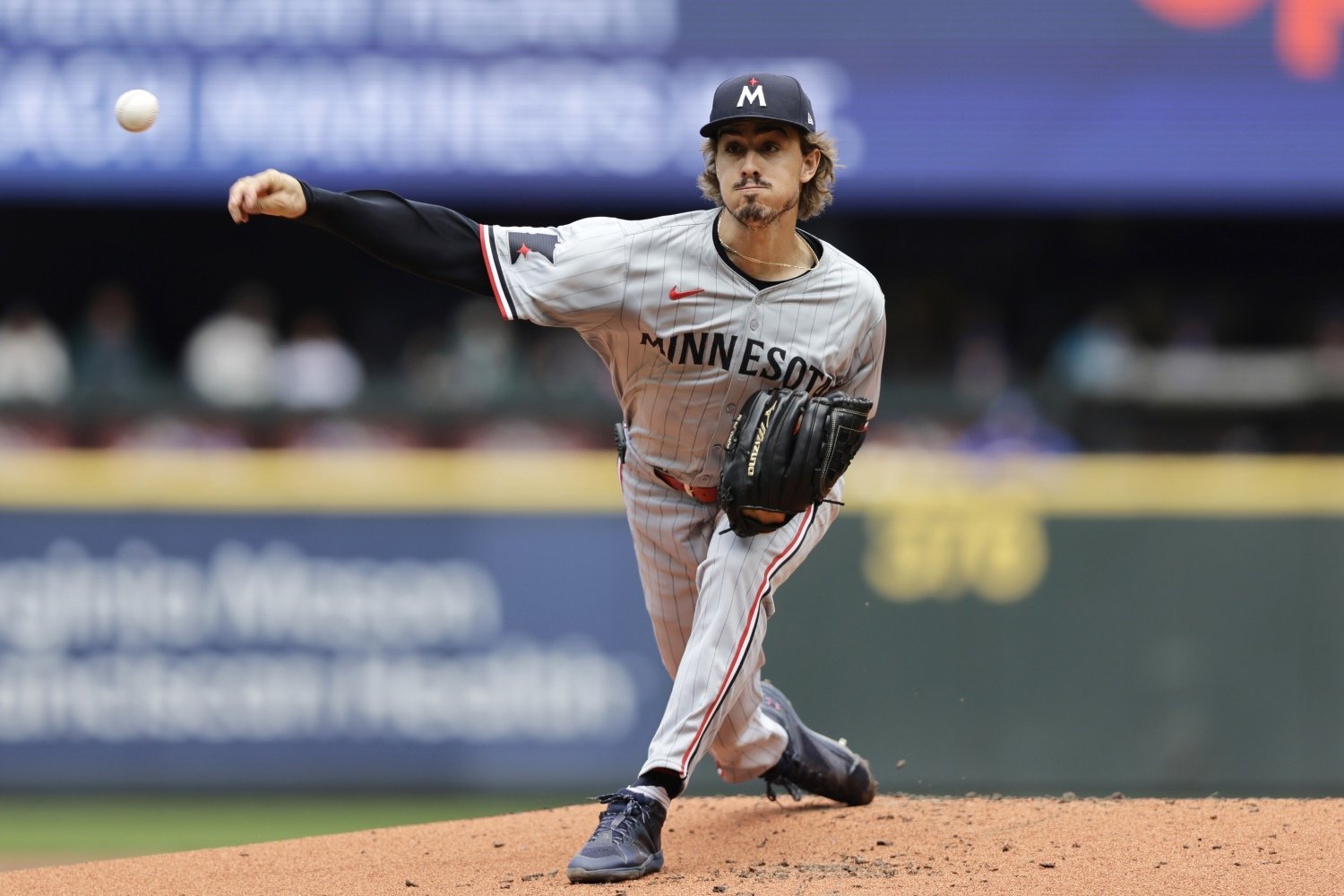 Joe Ryan’s ascension to big-league success revolved around his fastball. It’s a pitch that baffled hitters in the minors, even as scouts questioned whether his heater-heavy approach could translate to the majors at a non-overpowering velocity. As he prepares for his fourth full season in the big leagues, Ryan faces a unique challenge: finding the right balance between increased velocity and pitch usage to maximize his effectiveness. The Fastball: A Foundation of Success When Ryan debuted with the Twins in 2021, his fastball averaged around 91-92 mph. Despite its modest velocity, the pitch played up thanks to Ryan’s exceptional command and the deceptive release angle generated by his unorthodox arm slot. In the minors, Ryan threw his fastball over 70% of the time, and scouts raised questions about how that mix would survive the escalating difficulty involved in going from even the high minors to facing big-leaguers. Their doubts seemed valid early on, as hitters posted a .461 xSLG during his debut season when facing his fastball, with a 20.3 Whiff%. In his first two seasons (2021-22), he threw his fastball over 60% of the time, and it didn’t generate as many swings and misses as in the minor leagues. He was going to need to adjust his approach to find more success. A Velocity Boost and Reduced Reliance Over the past three seasons, Ryan has added velocity to his fastball, which now sits around 94-95 mph and occasionally touches the upper 90s. The increased speed has made the pitch more formidable, but Ryan has paradoxically leaned on it less. In 2024, he threw his fastball just 48.5% of the time, a significant reduction compared to his minor-league days. He posted career-best totals in Put Away % (23.4), xBA (.191), and xSLG (.354) when throwing his four-seamer. The adjustment reflects Ryan’s effort to develop a more diverse arsenal, which now includes an improved slider and a sweeper he introduced in 2023. Last season, his sweeper had a 33.7 Whiff% and a .164 xBA, the best total of any of his pitches. However, Ryan might have unintentionally neutralized one of his greatest strengths by relying less on his signature pitch. The Path Forward: Using the Fastball More Ryan’s increased velocity raises the question: should he use his fastball more often? The data suggests he should. Even in 2024, his fastball generated a 27.5 Whiff% and a 23.4 Put Away%. That Put Away % was as high as his sweeper, despite the sweeper having a higher Whiff%. It’s possible that reintroducing a higher fastball usage rate could help him keep hitters off-balance, especially early in counts when they might be sitting on his secondary pitches. Additionally, Ryan’s fastball uniquely plays well in the upper part of the strike zone, where its “rising” effect can induce swings and misses. Big-league hitters can square up a straight fastball, but his is unique enough that it can still be a weapon. Incorporating more high fastballs into his game plan might also help him avoid the middle of the plate, where home runs have been an issue. For example, his splitter was used 22.2% of the time last season, but he allowed six home runs with that pitch in 122 plate appearances. In his current mode, Ryan sometimes doubles up with the splitter, or throws that pitch on the heels of his sweeper or slider. As you'd expect based on the action of the pitches in question, though, the splitter is most effective when it's playing off the fastball. Here are the splits for the pitch's performance last season based on the pitch type of the previous offering in the at-bat. Previous Pitch Type Whiff % Exit Vel. GB % HR % wOBA Fastballs 26.1 89.0 64.9 3.5 .206 Sweepers/Sliders 26.5 92.8 40.0 5.6 .466 Splitter 21.9 87.2 62.1 7.9 .251 It sounds hopelessly old-fashioned, but there might still be value in establishing the fastball and forcing hitters to hunt it, in order to get the most out of non-fastballs. A Balancing Act The challenge for Ryan heading into 2025 will be striking the right balance. While the development of his secondary pitches has been crucial to his growth as a pitcher, the fastball remains the backbone of his repertoire. If he can find a way to increase its usage without becoming overly reliant on it, Ryan could take another step toward being a true top-of-the-rotation arm. Rocco Baldelli and the Twins' coaching staff will undoubtedly help Ryan fine-tune his pitch mix. With the team looking to rebound from a disappointing 2024 season, Ryan’s ability to harness his improved fastball while maintaining a diverse arsenal could be a critical factor in their success. As he continues to evolve, leaning back into that strength while embracing his newfound tools can be the key to unlocking his full potential. Should Ryan use his fastball more regularly? Leave a comment and start the discussion.
 -
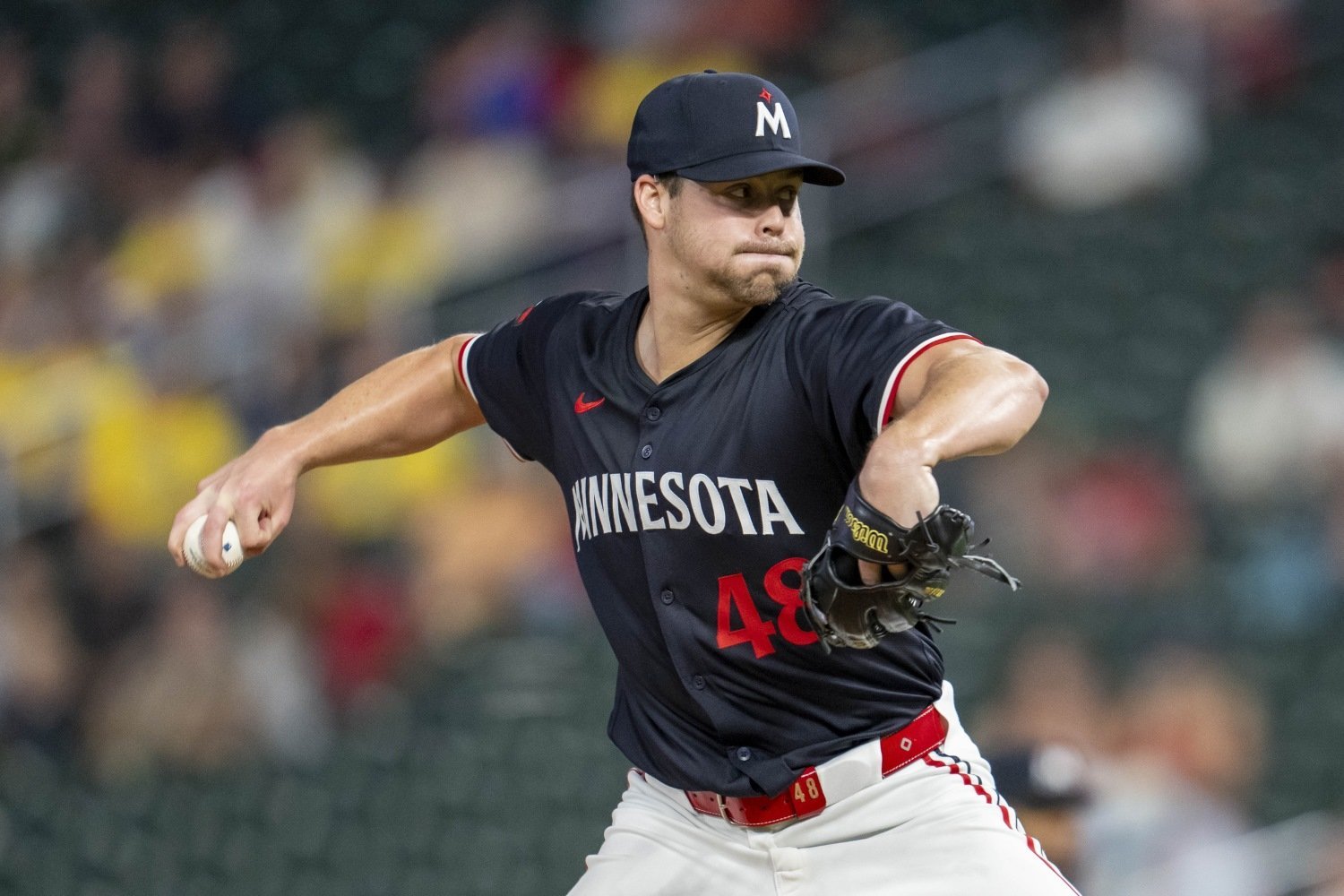 The Minnesota Twins face critical decisions ahead of Friday’s non-tender deadline. With an eye on maintaining flexibility while maximizing roster value, the front office must determine whether several borderline contributors warrant another season on the payroll. Let’s break down four potential non-tender candidates: Brent Headrick, Ronny Henriquez, Michael Tonkin, and Justin Topa. Brent Headrick, RP MLBTR Projected Contract: Not Arbitration Eligible Pros: Headrick flashed potential as a versatile left-hander capable of handling multi-inning relief or spot starts. His ability to miss bats with a slider-heavy repertoire makes him intriguing, particularly in a bullpen seeking reliability against left-handed hitters. Additionally, with controllable years remaining, Headrick could develop into a more prominent contributor if he refines his command. Cons: Headrick missed most of the 2024 season with a left forearm strain, so it’s hard to read too much into his numbers. He struggled with consistency at Triple-A in 2023, particularly with walks (3.1 BB/9) and keeping the ball in the yard (1.3 HR/9). With a WHIP hovering near 1.30 and a subpar strand rate, the Twins might view him as a replaceable option, especially if his pitch mix doesn’t evolve further. Given the Twins’ pitching depth, they may feel his role could be filled internally or via a minor-league signing. Why Keep Him? Left-handed relievers with strikeout upside don’t grow on trees. Headrick has shown enough to warrant a more extended look, particularly if the Twins believe in their development system’s ability to iron out his control issues. Why Pass? if Headrick can’t stick in a bullpen role and doesn’t show starter viability, his roster spot may be better allocated to someone with a more straightforward path to impact. Ronny Henriquez, RP MLBTR Projected Contract: Not Arbitration Eligible Pros: Henriquez offers intriguing upside as a young, high-velocity arm. He remains an interesting project at just 24 years old, particularly given his ability to work in both long relief and as a one-inning option. Last season, he posted a 130 ERA+ with a 1.29 WHIP in 19 1/3 innings with the Twins. He posted a 9.7 K/9 at Triple-A, so there have been signs of his strikeout potential. Cons: Henriquez has struggled with command issues, which continued to limit his effectiveness in 2024. His career 4.02 FIP is significantly higher than his 2.90 ERA, pointing to possible regression in the future. His 7.0 K/9 at the big-league level is too low to be a consistent threat out of the bullpen. He’s out of minor-league options, which makes it impossible to move him up and down from Triple-A. With more polished arms in the pipeline, Henriquez could be squeezed out of future plans. Why Keep Him? The Twins invested in Henriquez as part of the Mitch Garver trade, and his raw tools remain tantalizing. Moving on could result in another organization reaping the benefits of his potential breakout. Why Pass? His inability to control the strike zone and the lack of sustained success at the MLB level could make him a non-tender candidate, particularly if the Twins prioritize immediate contributors. Michael Tonkin, RP MLBTR Projected Contract: $1.5 million Pros: The 34-year-old Tonkin made a remarkable return to MLB in 2023 with a 4.28 ERA and a 1.09 WHIP in 80 innings for the Braves. He proved he could still contribute in a middle-relief role. Tonkin’s splitter remains an effective weapon (26.6 Whiff%). His veteran presence and ability to eat innings helped stabilize the bullpen in stretches where others faltered. Cons: At this stage of his career, Tonkin’s ceiling is limited, with him hitting the waiver wire multiple times in 2024. His inability to handle high-leverage situations or consistently generate strikeouts puts him firmly in the replacement-level category. Additionally, his declining velocity makes him expendable. The Twins front office also doesn’t spend much on the bullpen, and his price tag might be out of the team’s budget. Why Keep Him? Dependable veterans are valuable in a bullpen, and Tonkin’s leadership and willingness to fill any role make him a reliable depth piece. Why Pass? With younger, higher-upside relievers pushing for opportunities, the Twins may opt to allocate his roster spot to someone with more significant long-term potential. His projected contract is high for a waiver claim from last season. Justin Topa, RP MLBTR Projected Contract: $1.3 million Pros: Topa came to the Twins in the Jorge Polanco trade with the Twins hoping he could fill a high-leverage relief role. In 2023, he posted a 2.61 ERA with a 1.15 WHIP and a 61-to-18 strikeout-to-walk ratio. Minnesota needs more late-inning options, and Topa can provide veteran experience that was missing in 2024. Cons: Injuries have dogged Topa throughout his career, and his durability remains a question mark heading into 2025. He missed nearly the entire 2024 season with a knee injury. With arbitration raising his cost, the Twins may view him as a luxury they can’t afford amid other roster needs. Why Keep Him? Topa has proven he can succeed in high-leverage situations, and his ground-ball profile complements the Twins’ infield defense. If he stays healthy, he could be a valuable bridge to the late innings. Why Pass? Health concerns and escalating arbitration costs make Topa a risky bet, particularly if the Twins need payroll space for more pressing needs. The Twins’ decisions on these four players will hinge on their evaluation of upside versus immediate value. While keeping depth is essential, the front office must also balance budgetary constraints and developmental opportunities. Which of these players do you think should stay in a Twins uniform? Leave a COMMENT and start the discussion.
- 25 comments
-
- 3
-
-
- justin topa
- ronny henriquez
- (and 2 more)
-
Many MLB teams have tough decisions before Friday’s cutoff for clubs to tender contracts to arbitration-eligible players. Here are four names the Twins might consider non-tendering. Image courtesy of © Jesse Johnson-Imagn Images Many MLB teams have tough decisions before Friday’s cutoff for clubs to tender contracts to arbitration-eligible players. Here are four names the Twins might consider non-tendering. The Minnesota Twins face critical decisions ahead of Friday’s non-tender deadline. With an eye on maintaining flexibility while maximizing roster value, the front office must determine whether several borderline contributors warrant another season on the payroll. Let’s break down four potential non-tender candidates: Brent Headrick, Ronny Henriquez, Michael Tonkin, and Justin Topa. Brent Headrick, RP MLBTR Projected Contract: Not Arbitration Eligible Pros: Headrick flashed potential as a versatile left-hander capable of handling multi-inning relief or spot starts. His ability to miss bats with a slider-heavy repertoire makes him intriguing, particularly in a bullpen seeking reliability against left-handed hitters. Additionally, with controllable years remaining, Headrick could develop into a more prominent contributor if he refines his command. Cons: Headrick missed most of the 2024 season with a left forearm strain, so it’s hard to read too much into his numbers. He struggled with consistency at Triple-A in 2023, particularly with walks (3.1 BB/9) and keeping the ball in the yard (1.3 HR/9). With a WHIP hovering near 1.30 and a subpar strand rate, the Twins might view him as a replaceable option, especially if his pitch mix doesn’t evolve further. Given the Twins’ pitching depth, they may feel his role could be filled internally or via a minor-league signing. Why Keep Him? Left-handed relievers with strikeout upside don’t grow on trees. Headrick has shown enough to warrant a more extended look, particularly if the Twins believe in their development system’s ability to iron out his control issues. Why Pass? if Headrick can’t stick in a bullpen role and doesn’t show starter viability, his roster spot may be better allocated to someone with a more straightforward path to impact. Ronny Henriquez, RP MLBTR Projected Contract: Not Arbitration Eligible Pros: Henriquez offers intriguing upside as a young, high-velocity arm. He remains an interesting project at just 24 years old, particularly given his ability to work in both long relief and as a one-inning option. Last season, he posted a 130 ERA+ with a 1.29 WHIP in 19 1/3 innings with the Twins. He posted a 9.7 K/9 at Triple-A, so there have been signs of his strikeout potential. Cons: Henriquez has struggled with command issues, which continued to limit his effectiveness in 2024. His career 4.02 FIP is significantly higher than his 2.90 ERA, pointing to possible regression in the future. His 7.0 K/9 at the big-league level is too low to be a consistent threat out of the bullpen. He’s out of minor-league options, which makes it impossible to move him up and down from Triple-A. With more polished arms in the pipeline, Henriquez could be squeezed out of future plans. Why Keep Him? The Twins invested in Henriquez as part of the Mitch Garver trade, and his raw tools remain tantalizing. Moving on could result in another organization reaping the benefits of his potential breakout. Why Pass? His inability to control the strike zone and the lack of sustained success at the MLB level could make him a non-tender candidate, particularly if the Twins prioritize immediate contributors. Michael Tonkin, RP MLBTR Projected Contract: $1.5 million Pros: The 34-year-old Tonkin made a remarkable return to MLB in 2023 with a 4.28 ERA and a 1.09 WHIP in 80 innings for the Braves. He proved he could still contribute in a middle-relief role. Tonkin’s splitter remains an effective weapon (26.6 Whiff%). His veteran presence and ability to eat innings helped stabilize the bullpen in stretches where others faltered. Cons: At this stage of his career, Tonkin’s ceiling is limited, with him hitting the waiver wire multiple times in 2024. His inability to handle high-leverage situations or consistently generate strikeouts puts him firmly in the replacement-level category. Additionally, his declining velocity makes him expendable. The Twins front office also doesn’t spend much on the bullpen, and his price tag might be out of the team’s budget. Why Keep Him? Dependable veterans are valuable in a bullpen, and Tonkin’s leadership and willingness to fill any role make him a reliable depth piece. Why Pass? With younger, higher-upside relievers pushing for opportunities, the Twins may opt to allocate his roster spot to someone with more significant long-term potential. His projected contract is high for a waiver claim from last season. Justin Topa, RP MLBTR Projected Contract: $1.3 million Pros: Topa came to the Twins in the Jorge Polanco trade with the Twins hoping he could fill a high-leverage relief role. In 2023, he posted a 2.61 ERA with a 1.15 WHIP and a 61-to-18 strikeout-to-walk ratio. Minnesota needs more late-inning options, and Topa can provide veteran experience that was missing in 2024. Cons: Injuries have dogged Topa throughout his career, and his durability remains a question mark heading into 2025. He missed nearly the entire 2024 season with a knee injury. With arbitration raising his cost, the Twins may view him as a luxury they can’t afford amid other roster needs. Why Keep Him? Topa has proven he can succeed in high-leverage situations, and his ground-ball profile complements the Twins’ infield defense. If he stays healthy, he could be a valuable bridge to the late innings. Why Pass? Health concerns and escalating arbitration costs make Topa a risky bet, particularly if the Twins need payroll space for more pressing needs. The Twins’ decisions on these four players will hinge on their evaluation of upside versus immediate value. While keeping depth is essential, the front office must also balance budgetary constraints and developmental opportunities. Which of these players do you think should stay in a Twins uniform? Leave a COMMENT and start the discussion. View full article

