



Cody Christie
-
Posts
7,810 -
Joined
-
Last visited
-
Days Won
5
Content Type
Profiles
News
Minnesota Twins Videos
2026 Minnesota Twins Top Prospects Ranking
2022 Minnesota Twins Draft Picks
Minnesota Twins Free Agent & Trade Rumors, Notes, & Tidbits
Guides & Resources
2023 Minnesota Twins Draft Picks
The Minnesota Twins Players Project
2024 Minnesota Twins Draft Picks
2025 Minnesota Twins Draft Pick Tracker
2026 Minnesota Twins Draft Tracker: Picks & Bonuses
Forums
Blogs
Events
Store
Downloads
Gallery
Everything posted by Cody Christie
-
 Griffin Jax is staying in the Twins’ bullpen for 2025. However, the broader baseball community may not have noticed how valuable he has been in recent seasons. Image courtesy of © Matt Blewett-Imagn Images Griffin Jax is staying in the Twins’ bullpen for 2025. However, the broader baseball community may not have noticed how valuable he has been in recent seasons. This offseason has been filled with speculation about Griffin Jax’s role with the Minnesota Twins. Rumors swirled about possibly moving him back to the starting rotation, following examples set by pitchers like Reynaldo López and Seth Lugo. However, the Twins have put those rumors to rest, at least for now, with GM Jeremy Zoll confirming Jax will remain in the bullpen for the 2025 season. While this decision may have disappointed fans hoping to see Jax take on a more significant role, it’s a smart move that solidifies Minnesota’s bullpen and leverages Jax’s elite skill set in high-leverage situations. "It's something we've been working through heavily throughout the offseason with Griffin, his agent, his family, all those things," Zoll said on the Inside Twins show. "As we've worked through all that, our plan is to keep Griff in the bullpen for 2025." Jax's Exclusion from MLB’s Top-10 Relievers List Despite his stellar 2024 campaign, Jax was left off MLB.com’s recent list of the top-10 relievers in the game. This omission highlights how undervalued Jax remains in national discussions, even as his numbers speak for themselves. He had a 2.03 ERA, a 0.87 WHIP, and 95 strikeouts in 71 innings pitched in 2024. Jax finished with ten saves and allowed just four home runs all year. He was worth 2.8 WAR, tied for seventh-most among all MLB relief pitchers. The Twins clearly recognize his value, even if the broader baseball world hasn’t caught on yet. Rotation Depth vs. Bullpen Needs The argument for moving Jax to the rotation hinges on his background as a starter and the success other teams have had transitioning relievers into starting roles. However, Minnesota’s current roster construction doesn’t necessitate such a move. The Twins have a wealth of starting pitching depth in the upper minors <knock on wood>, with Simeon Woods Richardson, Zebby Matthews, David Festa, and Marco Raya all projected to begin 2025 at Triple-A St. Paul. This pipeline of young talent provides ample options for the rotation without disrupting the bullpen. Conversely, the bullpen is a more pressing area of need. While Jhoan Duran remains one of the game’s most electrifying relievers, the Twins lack proven depth behind him and Jax. Cole Sands emerged as another late-inning option last season, and other young arms could set into a more significant role. Keeping Jax in the bullpen ensures the Twins have two reliable late-inning arms to anchor a unit that is still developing consistency. "Obviously, he was tremendously valuable in 2024," Zoll said. "We feel like he's one of the best relievers in the game and feel really good about that role and plan for the upcoming year, and know Griff's excited about that as well." The Potential for a Trade One wrinkle in this story is the possibility of a trade involving either Jax or Duran. Both pitchers are entering arbitration and will become increasingly expensive in the coming years. Duran will earn $4.1 million in 2025 and Jax will earn $2.4 million. The Twins have not ruled out the idea of moving one of their top relievers if the right deal materializes, though Zoll’s comments suggest such a move is unlikely in the near term. If Jax continues to excel, he could become an attractive trade chip for a team looking to bolster its bullpen. For now, the Twins appear committed to maximizing his value as a reliever. Lessons from Around the League The Twins can learn from how other teams handle similar situations. The transition of pitchers like López and Lugo demonstrates the value of flexibility and highlights the risks of removing an elite reliever from their comfort zone. Minnesota hopes that Jax’s continued dominance will make such a transition unnecessary, allowing him to remain a cornerstone of their bullpen for years to come. "At the end of the day, through the different conversations in the offseason with Derek (Falvey) and Rocco (Baldelli) and Griff and the whole group, we feel like there's a lot of alignment for the upcoming year," Zoll said. "Everyone's in a really good spot with the decision. It's definitely something Griff has thought about and processed. At this point, he feels good about that decision and we're all on the same page for the upcoming year. Not ever ruling anything out for the future, but ultimately think this puts everyone in the best spot for success in 2025." As the 2025 season approaches, Griffin Jax’s role in the Twins’ bullpen seems firmly established. His ability to shut down opponents in critical situations makes him vital to Minnesota’s roster. While the debate about his long-term role may persist, the Twins’ decision to keep him in the bullpen is a testament to their confidence in his abilities and commitment to building a winning team. For now, Jax will continue to fly under the radar as one of baseball’s most valuable relievers, even if MLB.com’s top-10 list doesn’t reflect it. Should the Twins have moved Jax to the rotation? Is Jax one of baseball’s top-10 relievers? Leave a COMMENT and start the discussion. View full article
 -
What if? It’s a question that fans can ponder for decades after critical moments, seasons, and games. For the Twins, one player’s season stands out as the team’s biggest “What If” moment. Image courtesy of © Jerry Lai-USA TODAY Sports What if? It’s a question that fans can ponder for decades after critical moments, seasons, and games. For the Twins, one player’s season stands out as the team’s biggest “What If” moment. Throughout the Minnesota Twins’ long and storied history, countless “what if” moments have occurred. What if Tony Oliva hadn’t injured his knee? What if Kirby Puckett had remained healthy beyond 1995? What if Francisco Liriano's elbow had held up in 2006? Yet, no singular moment casts a longer shadow than July 7, 2010, when Justin Morneau’s career trajectory changed forever. Recently, MLB.com picked out some of the biggest “what if” seasons in recent history because Kyle Tucker had a tremendous start to 2024 before landing on the IL. For the article, the players on the list had to play fewer than 100 games and included names like Jacob DeGrom (2021), Troy Tulowitzki (2014), and Ivan Rodriguez (2000). Justin Morneau and his tremendous start to 2010 also make the list. From 2006-2009, Morneau was a cornerstone for the Twins and one of the most feared sluggers in the game. Over that span, the Canadian first baseman averaged 30 homers per season with a 132 OPS+. He collected the 2006 AL MVP award, was the runner-up two years later, earned two Silver Sluggers, and represented Minnesota in three All-Star Games. He was a symbol of consistent excellence and on a tremendous career path that could have put him among the all-time Twins greats. But in 2010, Morneau found another gear. He posted video game-like numbers through the season’s first half: a .343/.436/.620 (1.056) slash line. His 44 extra-base hits tied for third-most in the Majors, and his advanced metrics underscored his dominance. His wRC+ (weighted runs created plus) sat at an otherworldly 183, meaning he was 83% better than the league-average hitter. His 4.7 WAR was more than he accumulated in the 2006 or 2008 seasons when he was a top-2 MVP finisher. He wasn’t just on track for a second MVP award because he was rewriting his career peak. Then came Game 81. In the top of the eighth inning against the Blue Jays, Morneau slid into second base, attempting to break up a double play. His helmeted head collided with the knee of Toronto infielder John McDonald, and Morneau stayed on the ground momentarily before walking off under his own power. At the time, the severity of the injury wasn’t apparent, but it was soon revealed that Morneau had suffered a concussion. That slide ended his 2010 season and, in many ways, his days as one of baseball’s elite hitters. Without Morneau, the Twins forged ahead, clinching the AL Central title behind a deep roster and contributions from Joe Mauer, Jim Thome, Francisco Liriano, and others. But it was clear that the lineup wasn’t the same without their MVP-caliber first baseman. In the postseason, the Twins were swept by the Yankees, with their offense struggling to capitalize in key moments. It’s impossible not to wonder how a healthy Morneau might have changed that series and the Twins’ October fortunes. The aftereffects of Morneau’s concussion lingered far beyond 2010. He returned in 2011 but was a shadow of his former self, slashing .227/.285/.333 (.618) with a career-worst -1.1 WAR in 69 games as recurring symptoms derailed his season. Though he would enjoy moments of resurgence (including winning a batting title with the Rockies in 2014), Morneau never again approached the power numbers he posted in his prime. Over his final seven seasons, he never hit more than 19 home runs in a year. “It’s something that will always be with me," Morneau told ESPN.com's Jim Caple in the spring of 2015 while the Rockies. “I look at it like a pitcher who has had Tommy John surgery -- every time he throws or his elbow gets sore or something happens, you’re going to go back to that. I just needed time to build confidence on it. The further away you get from it, the better you feel. But it’s one of those things that will never ever be out of my mind or be completely gone. That’s the reality of the situation. But you know what? I feel good today and am able to go out and compete, and that’s all I can ever ask for." For Twins fans, the “what if” surrounding Morneau’s 2010 season is unavoidable. What if he had stayed healthy? What if he had continued his torrid pace into the second half and postseason? Could the Twins have finally exorcised their playoff demons? It’s not just about the awards and accolades that might have been. Morneau’s injury robbed him of a chance to solidify himself as one of the great hitters of his era. For fans, it represents a pivotal turning point in a franchise that, despite its successes, has always seemed to be one step away from ultimate glory. Morneau’s career remains one of resilience and class. His induction into the Twins Hall of Fame in 2021 was a fitting tribute to a player who gave everything to the organization. But for anyone who watched him in his prime, the memory of his 2010 season that was cut short just as it reached historic levels will always linger as the biggest “what if” in Minnesota Twins history. Are there other “what if” moments that should rank above Morneau’s 2010 season? Leave a comment and start the discussion. View full article
-
Justin Morneau’s 2010 Season: The Twins’ Biggest “What If”
Cody Christie posted an article in History
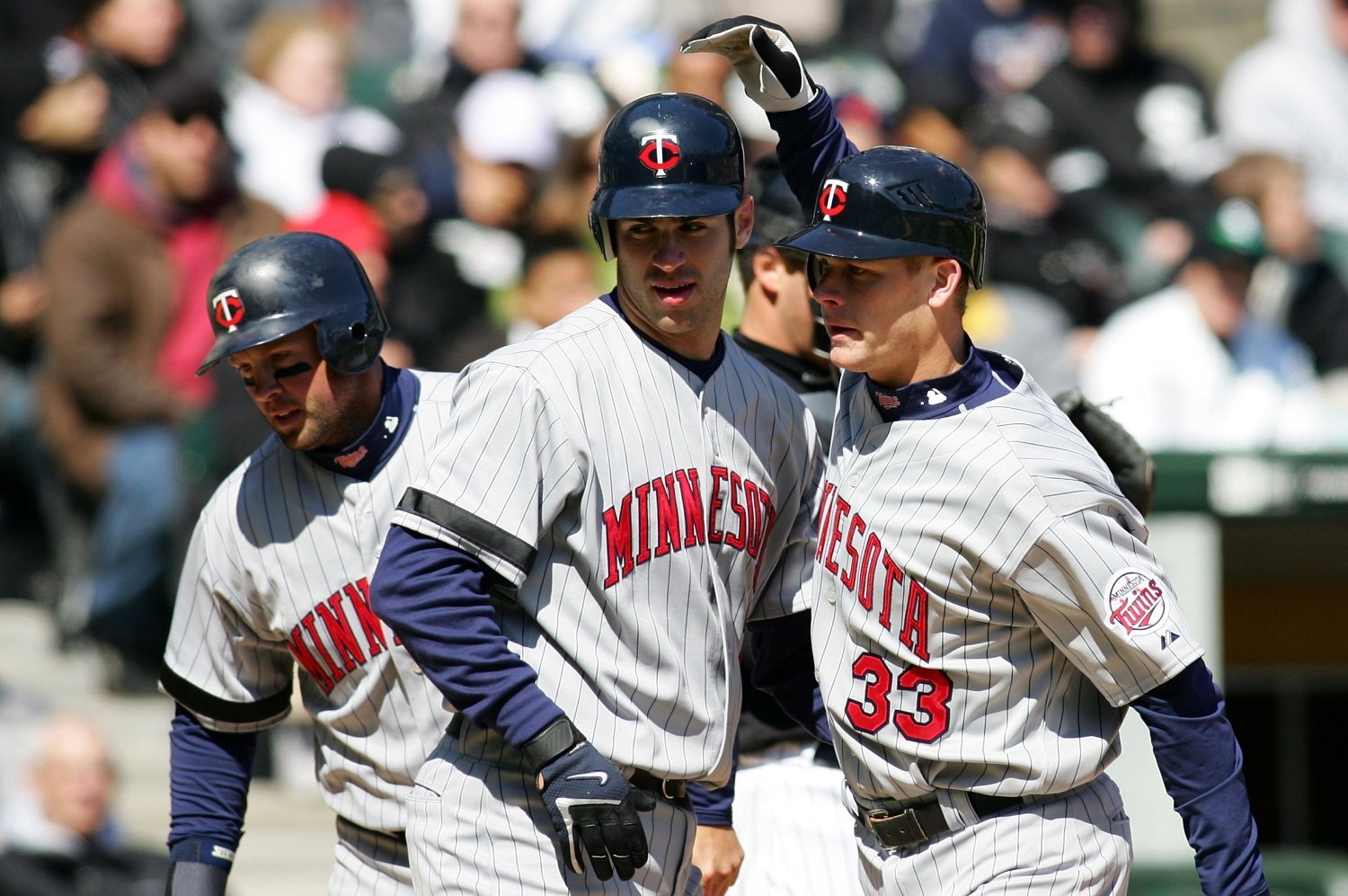 Throughout the Minnesota Twins’ long and storied history, countless “what if” moments have occurred. What if Tony Oliva hadn’t injured his knee? What if Kirby Puckett had remained healthy beyond 1995? What if Francisco Liriano's elbow had held up in 2006? Yet, no singular moment casts a longer shadow than July 7, 2010, when Justin Morneau’s career trajectory changed forever. Recently, MLB.com picked out some of the biggest “what if” seasons in recent history because Kyle Tucker had a tremendous start to 2024 before landing on the IL. For the article, the players on the list had to play fewer than 100 games and included names like Jacob DeGrom (2021), Troy Tulowitzki (2014), and Ivan Rodriguez (2000). Justin Morneau and his tremendous start to 2010 also make the list. From 2006-2009, Morneau was a cornerstone for the Twins and one of the most feared sluggers in the game. Over that span, the Canadian first baseman averaged 30 homers per season with a 132 OPS+. He collected the 2006 AL MVP award, was the runner-up two years later, earned two Silver Sluggers, and represented Minnesota in three All-Star Games. He was a symbol of consistent excellence and on a tremendous career path that could have put him among the all-time Twins greats. But in 2010, Morneau found another gear. He posted video game-like numbers through the season’s first half: a .343/.436/.620 (1.056) slash line. His 44 extra-base hits tied for third-most in the Majors, and his advanced metrics underscored his dominance. His wRC+ (weighted runs created plus) sat at an otherworldly 183, meaning he was 83% better than the league-average hitter. His 4.7 WAR was more than he accumulated in the 2006 or 2008 seasons when he was a top-2 MVP finisher. He wasn’t just on track for a second MVP award because he was rewriting his career peak. Then came Game 81. In the top of the eighth inning against the Blue Jays, Morneau slid into second base, attempting to break up a double play. His helmeted head collided with the knee of Toronto infielder John McDonald, and Morneau stayed on the ground momentarily before walking off under his own power. At the time, the severity of the injury wasn’t apparent, but it was soon revealed that Morneau had suffered a concussion. That slide ended his 2010 season and, in many ways, his days as one of baseball’s elite hitters. Without Morneau, the Twins forged ahead, clinching the AL Central title behind a deep roster and contributions from Joe Mauer, Jim Thome, Francisco Liriano, and others. But it was clear that the lineup wasn’t the same without their MVP-caliber first baseman. In the postseason, the Twins were swept by the Yankees, with their offense struggling to capitalize in key moments. It’s impossible not to wonder how a healthy Morneau might have changed that series and the Twins’ October fortunes. The aftereffects of Morneau’s concussion lingered far beyond 2010. He returned in 2011 but was a shadow of his former self, slashing .227/.285/.333 (.618) with a career-worst -1.1 WAR in 69 games as recurring symptoms derailed his season. Though he would enjoy moments of resurgence (including winning a batting title with the Rockies in 2014), Morneau never again approached the power numbers he posted in his prime. Over his final seven seasons, he never hit more than 19 home runs in a year. “It’s something that will always be with me," Morneau told ESPN.com's Jim Caple in the spring of 2015 while the Rockies. “I look at it like a pitcher who has had Tommy John surgery -- every time he throws or his elbow gets sore or something happens, you’re going to go back to that. I just needed time to build confidence on it. The further away you get from it, the better you feel. But it’s one of those things that will never ever be out of my mind or be completely gone. That’s the reality of the situation. But you know what? I feel good today and am able to go out and compete, and that’s all I can ever ask for." For Twins fans, the “what if” surrounding Morneau’s 2010 season is unavoidable. What if he had stayed healthy? What if he had continued his torrid pace into the second half and postseason? Could the Twins have finally exorcised their playoff demons? It’s not just about the awards and accolades that might have been. Morneau’s injury robbed him of a chance to solidify himself as one of the great hitters of his era. For fans, it represents a pivotal turning point in a franchise that, despite its successes, has always seemed to be one step away from ultimate glory. Morneau’s career remains one of resilience and class. His induction into the Twins Hall of Fame in 2021 was a fitting tribute to a player who gave everything to the organization. But for anyone who watched him in his prime, the memory of his 2010 season that was cut short just as it reached historic levels will always linger as the biggest “what if” in Minnesota Twins history. Are there other “what if” moments that should rank above Morneau’s 2010 season? Leave a comment and start the discussion.
 -
Developing into a regular big-league player is challenging, and some player’s skill sets are better suited to becoming above-average regulars. For two former Twins players, their story is one of stalled development. So, what went wrong? Image courtesy of © Jesse Johnson-Imagn Images Developing into a regular big-league player is challenging, and some player’s skill sets are better suited to becoming above-average regulars. For two former Twins players, their story is one of stalled development. So, what went wrong? The Minnesota Twins made headlines in 2009 when they signed a pair of international teenagers who quickly became cornerstones of their top-ranked farm system. Max Kepler, a lanky outfielder from Germany, and Miguel Sanó, a Dominican phenom with prodigious power, were tabbed as future stars destined to lead the Twins into a new era of success. As top prospects, their development was closely watched, and their MLB debuts brought with them waves of optimism. However, as their Twins tenures unfolded, neither player lived up to the lofty expectations set during their formative years. Instead, their careers tell the tale of unfulfilled potential and stalled development. Max Kepler: The Enigma of Consistency Kepler’s Twins tenure was a puzzle. From his debut in 2015, his athleticism and defensive acumen stood out. He became one of the league’s premier defenders in right field, routinely saving runs and earning high marks from advanced metrics. But his offense, despite flashes of brilliance, never found the consistency needed to make him a true star. The 2019 season appeared to be Kepler’s breakout campaign. He slugged 36 home runs, posted a .855 OPS, and finished with down-ballot MVP votes for the AL Central-winning Twins. However, context matters. That year saw baseballs flying out of ballparks at a historic rate, leading many to question whether Kepler’s power surge was sustainable. Unfortunately, the following seasons provided the answer: it wasn’t. A deep dive into Kepler’s offensive profile shows a player who never fully realized his potential at the plate. His career batting average on balls in play (BABIP) consistently hovered well below league average, fueling speculation that he might be plagued by bad luck. His career BABIP of .258 is 38 points below the MLB average. Yet, year after year, his BABIP stubbornly resisted normalization, suggesting that Kepler’s issues stemmed from something more intrinsic. A pull-heavy approach and frequent weak contact limited his ability to adjust when pitchers exploited his tendencies. Despite his elite defense and occasional power surges, Kepler’s offensive shortcomings turned him into a league-average hitter rather than the cornerstone the Twins envisioned. Being league average has value, but expectations were higher for Kepler. Miguel Sanó: A Tale of Power and Whiffs If Kepler’s career has been a story of steady mediocrity, Sanó’s has been one of extreme peaks and valleys. After finishing third in AL Rookie of the Year voting in 2015, Sanó appeared destined for stardom. His raw power was unmatched, and his ability to drive the ball to all fields made him a terrifying presence in the batter’s box. By 2017, he earned an All-Star nod and mashed 28 home runs in 114 games. But even then, cracks were beginning to show. Sanó’s strikeout rate was always a concern but ballooned to unsustainable levels in subsequent seasons. He struck out in 44% of his plate appearances in 2020 and has compiled a 36.5 K% in his big-league career. While he continued to hit mammoth home runs, his inability to make consistent contact prevented his power from translating into sustained offensive value. Opposing pitchers exploited his weaknesses, and Sanó’s approach at the plate offered little in the way of adjustments. Defensively, Sanó’s struggles compounded his offensive issues. Initially pegged as a third baseman, he was eventually moved across the diamond to first base, where his defensive shortcomings were less glaring but still noticeable. From 2020-22, he combined for a 101 OPS+ with 298 strikeouts in 808 PA with a 0.1 WAR. By the end of his tenure with the Twins, Sanó’s liabilities in the field and at the plate made it difficult to justify his place on the roster. Unfulfilled Promise Both Kepler and Sanó brought value to the Twins during their careers, but neither reached the ceiling once projected for them as teenage phenoms. Kepler’s defense and Sanó’s power were undeniable assets, but the inability to pair those strengths with consistent offensive production kept them from ascending to superstardom. The Twins’ decision to sign both players in 2009 represented a bold investment in international scouting and player development. That investment paid dividends to an extent, as both were key contributors to playoff teams. However, the careers of Kepler and Sanó stand as reminders of how difficult it is to translate potential into sustained success at the big-league level. As the Twins look toward the future, the lessons of Kepler and Sanó’s stalled development loom large. Prospect hype is tantalizing, but the path from teenage phenom to franchise cornerstone is fraught with challenges. For Kepler and Sanó, their journeys underscore the thin line between good and great in Major League Baseball. What stands out about the Twins tenures of Kepler and Sanó? How can the Twins avoid similar stalled development with current top prospects? Leave a comment and start the discussion. View full article
-
The Minnesota Twins farm system has plenty to get excited about during the upcoming season. Here are five prospect storylines to follow in 2025. Image courtesy of William Parmeter The Minnesota Twins farm system has plenty to get excited about during the upcoming season. Here are five prospect storylines to follow in 2025. With the 2025 season fast approaching, the Minnesota Twins farm system is buzzing with anticipation. Between elite talents on the cusp of the big leagues and under-the-radar players ready to break out, the season promises to be filled with intrigue. Here are five key prospect storylines to follow as the year unfolds. 1. Walker Jenkins’ March to the Majors Few players in the Twins’ system have generated as much excitement as Jenkins. The fifth overall pick in the 2023 MLB Draft has quickly cemented himself as one of baseball’s top prospects. He finished the year at Double A as a 19-year-old, while hitting .282/.394/.439 with 32 extra-base hits in 82 games. More impressively, he coaxed more walks (56) than strikeouts (47) while facing older pitchers in all but eight of his at-bats. After his performance in 2024, Jenkins enters 2025 knocking on the door of the major leagues. The Twins have a crowded outfield at the big-league level, but Jenkins’s combination of power, plate discipline, and defensive prowess could force the organization’s hand. If he continues to rake in the upper minors, it’s not a matter of if, but when he will debut. Twins fans should circle August as a potential timeline for his arrival. The real question: how impactful can he be once he arrives in Minnesota? 2. Other Top Prospects Poised to Debut While Jenkins is the headliner, he’s not the only prospect in the system ready to make an impact. Outfielder Emanuel Rodriguez could claim a regular role in the Twins’ outfield by mid-2025, since he finished last season at Triple-A St. Paul. In 47 games, he hit .280/.459/.567 with 25 extra-base hits and a 62-to-51 strikeout-to-walk ratio. In many other farm systems, Rodriguez would be the top-ranked prospect. Rodriguez’s advanced approach at the plate and defensive versatility make him a prime candidate to fill a need at any outfield position, depending on the Twins’ roster configuration. Outside of Rodriguez, the Twins have plenty of other depth in the system’s upper levels. Out of the current Twins Daily Top-20 Prospects, half finished last season at Double or Triple A. Luke Keaschall, Marco Raya, Andrew Morris, and Cory Lewis each rank among Twins Daily’s top-10 prospects and have a strong chance of debuting in 2025. 3. Who Will Be the Next Breakout Twins Starting Pitcher? The Twins have successfully developed homegrown pitchers in recent seasons, including Bailey Ober, David Festa, and Zebby Matthews. The 2025 season could see another arm take a leap. Marco Raya reached Triple A last season, a month after turning 22. The Twins limited him to fewer than 75 pitches in 98% of his first 55 appearances, but he ended the year by crossing the 75-pitch mark five times in seven starts. The right-handed pitcher utilizes a five-pitch mix, which should help him to get through lineups two or three times—if the Twins allow him to pitch over 100 innings for the first time in 2025. Another name to watch is C.J. Culpepper, whose combination of size and an improving five-pitch mix makes him an intriguing prospect. Last season, he reached Double A and posted a 3.55 ERA with a 1.13 WHIP and a 26.8% strikeout rate. With solid numbers in the upper minors, Culpepper could be a midseason call-up candidate if injuries or performance issues arise in the big-league rotation. 4. Who Will Be the Next Breakout Twins Hitter? Every year, a prospect seemingly comes out of nowhere to grab headlines. Last season, Keaschall played through a torn elbow ligament but played well enough to be considered the team’s number three prospect. In 2025, Kaelen Culpepper could be that player. Last year’s first-round pick boasts an enticing mix of speed and power; he posted a solid 90th-percentile exit velocity during his time at Fort Myers. He’s also considered a very patient hitter, with a mature understanding of the strike zone (11 walks in 112 PA) that will help him as he moves into the upper minors. Brandon Winokur, a power-hitting multi-position defender, is another candidate. Winokur’s impressive athleticism and raw power have drawn attention since his selection in the third round of the 2023 draft. In 2024, as a 19-year-old, he spent the full season at Low A, posting a .249/.327/.434 slash line across 94 games, including 36 extra-base hits. He showed notable improvement at the plate, reducing his strikeout rate by more than 4% and boosting his walk rate by 2.7% compared to his professional debut. 5. Potential Trade Packages With the Twins in the thick of contention, their prospect depth gives them ammunition to pursue upgrades at the trade deadline. However, the front office has hesitated to deal prospects away over the last two trade deadlines. This strategy may be based on the disastrous 2022 trade deadline, when Minnesota added Jorge López and Tyler Mahle. The front office could use a combination of young big-league players like José Miranda, Austin Martin, or Edouard Julien to address minor roster needs, but those players' value is low after poor 2024 seasons. If the Twins want to swing big, it will take one of their top prospects. For example, if the Twins seek a frontline starter, a package centered around a prospect like Rodriguez or Keaschall might be necessary. Conversely, more modest additions could involve mid-tier prospects, giving the team flexibility depending on their position in the standings. As the season unfolds, these prospect storylines will provide plenty of drama for Twins fans. Whether it’s the debut of future stars like Jenkins or the emergence of unexpected contributors, 2025 promises to be a pivotal year in shaping the franchise’s future. Buckle up, Twins Territory, because it’s going to be an exciting ride. Which storyline will you be following most closely? Leave a comment and start the discussion. View full article
-
5 Minnesota Twins Prospect Storylines to Follow in 2025
Cody Christie posted an article in Minor Leagues
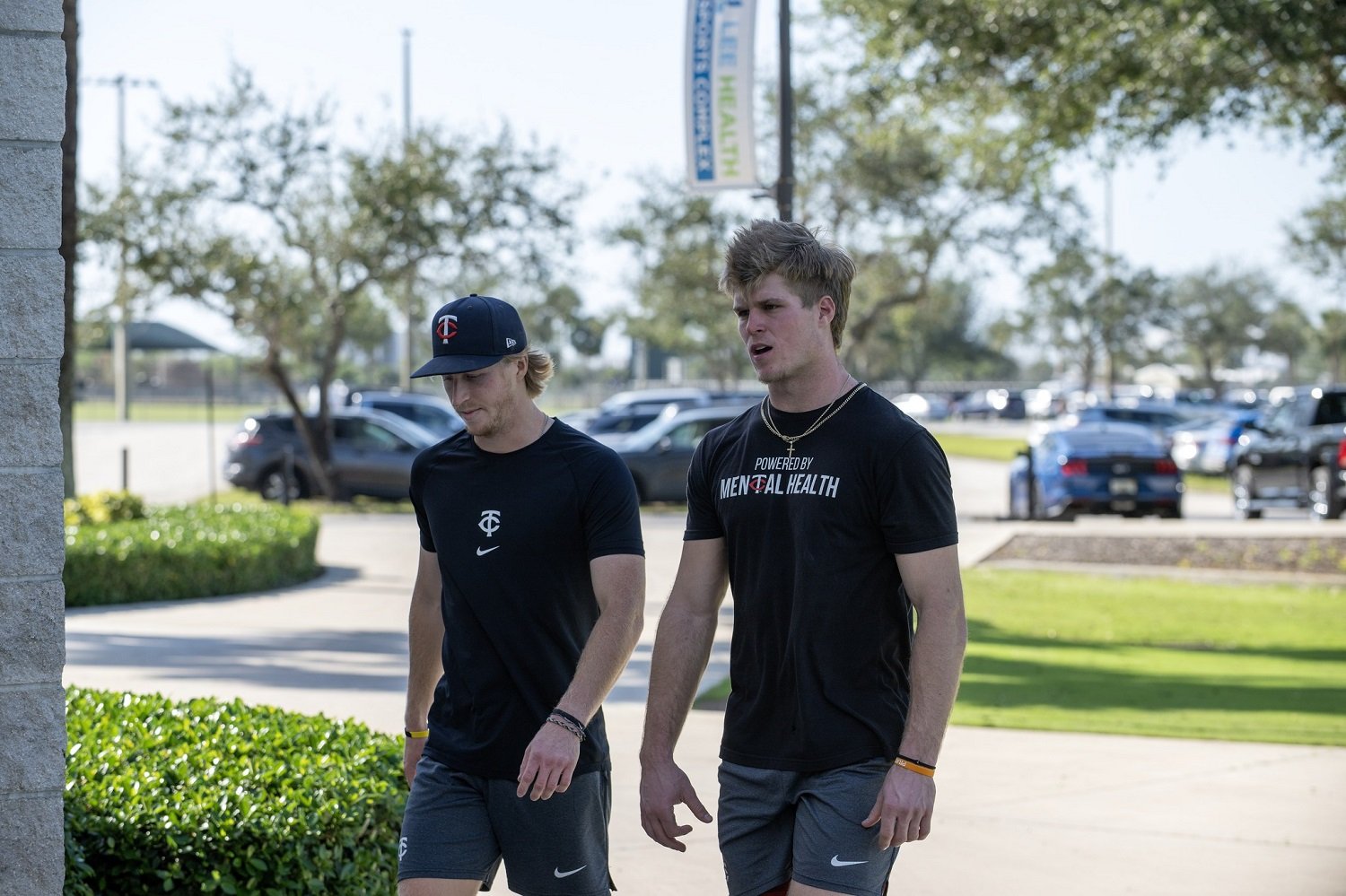 With the 2025 season fast approaching, the Minnesota Twins farm system is buzzing with anticipation. Between elite talents on the cusp of the big leagues and under-the-radar players ready to break out, the season promises to be filled with intrigue. Here are five key prospect storylines to follow as the year unfolds. 1. Walker Jenkins’ March to the Majors Few players in the Twins’ system have generated as much excitement as Jenkins. The fifth overall pick in the 2023 MLB Draft has quickly cemented himself as one of baseball’s top prospects. He finished the year at Double A as a 19-year-old, while hitting .282/.394/.439 with 32 extra-base hits in 82 games. More impressively, he coaxed more walks (56) than strikeouts (47) while facing older pitchers in all but eight of his at-bats. After his performance in 2024, Jenkins enters 2025 knocking on the door of the major leagues. The Twins have a crowded outfield at the big-league level, but Jenkins’s combination of power, plate discipline, and defensive prowess could force the organization’s hand. If he continues to rake in the upper minors, it’s not a matter of if, but when he will debut. Twins fans should circle August as a potential timeline for his arrival. The real question: how impactful can he be once he arrives in Minnesota? 2. Other Top Prospects Poised to Debut While Jenkins is the headliner, he’s not the only prospect in the system ready to make an impact. Outfielder Emanuel Rodriguez could claim a regular role in the Twins’ outfield by mid-2025, since he finished last season at Triple-A St. Paul. In 47 games, he hit .280/.459/.567 with 25 extra-base hits and a 62-to-51 strikeout-to-walk ratio. In many other farm systems, Rodriguez would be the top-ranked prospect. Rodriguez’s advanced approach at the plate and defensive versatility make him a prime candidate to fill a need at any outfield position, depending on the Twins’ roster configuration. Outside of Rodriguez, the Twins have plenty of other depth in the system’s upper levels. Out of the current Twins Daily Top-20 Prospects, half finished last season at Double or Triple A. Luke Keaschall, Marco Raya, Andrew Morris, and Cory Lewis each rank among Twins Daily’s top-10 prospects and have a strong chance of debuting in 2025. 3. Who Will Be the Next Breakout Twins Starting Pitcher? The Twins have successfully developed homegrown pitchers in recent seasons, including Bailey Ober, David Festa, and Zebby Matthews. The 2025 season could see another arm take a leap. Marco Raya reached Triple A last season, a month after turning 22. The Twins limited him to fewer than 75 pitches in 98% of his first 55 appearances, but he ended the year by crossing the 75-pitch mark five times in seven starts. The right-handed pitcher utilizes a five-pitch mix, which should help him to get through lineups two or three times—if the Twins allow him to pitch over 100 innings for the first time in 2025. Another name to watch is C.J. Culpepper, whose combination of size and an improving five-pitch mix makes him an intriguing prospect. Last season, he reached Double A and posted a 3.55 ERA with a 1.13 WHIP and a 26.8% strikeout rate. With solid numbers in the upper minors, Culpepper could be a midseason call-up candidate if injuries or performance issues arise in the big-league rotation. 4. Who Will Be the Next Breakout Twins Hitter? Every year, a prospect seemingly comes out of nowhere to grab headlines. Last season, Keaschall played through a torn elbow ligament but played well enough to be considered the team’s number three prospect. In 2025, Kaelen Culpepper could be that player. Last year’s first-round pick boasts an enticing mix of speed and power; he posted a solid 90th-percentile exit velocity during his time at Fort Myers. He’s also considered a very patient hitter, with a mature understanding of the strike zone (11 walks in 112 PA) that will help him as he moves into the upper minors. Brandon Winokur, a power-hitting multi-position defender, is another candidate. Winokur’s impressive athleticism and raw power have drawn attention since his selection in the third round of the 2023 draft. In 2024, as a 19-year-old, he spent the full season at Low A, posting a .249/.327/.434 slash line across 94 games, including 36 extra-base hits. He showed notable improvement at the plate, reducing his strikeout rate by more than 4% and boosting his walk rate by 2.7% compared to his professional debut. 5. Potential Trade Packages With the Twins in the thick of contention, their prospect depth gives them ammunition to pursue upgrades at the trade deadline. However, the front office has hesitated to deal prospects away over the last two trade deadlines. This strategy may be based on the disastrous 2022 trade deadline, when Minnesota added Jorge López and Tyler Mahle. The front office could use a combination of young big-league players like José Miranda, Austin Martin, or Edouard Julien to address minor roster needs, but those players' value is low after poor 2024 seasons. If the Twins want to swing big, it will take one of their top prospects. For example, if the Twins seek a frontline starter, a package centered around a prospect like Rodriguez or Keaschall might be necessary. Conversely, more modest additions could involve mid-tier prospects, giving the team flexibility depending on their position in the standings. As the season unfolds, these prospect storylines will provide plenty of drama for Twins fans. Whether it’s the debut of future stars like Jenkins or the emergence of unexpected contributors, 2025 promises to be a pivotal year in shaping the franchise’s future. Buckle up, Twins Territory, because it’s going to be an exciting ride. Which storyline will you be following most closely? Leave a comment and start the discussion.
- 31 comments
-
- 12
-

-

-
- walker jenkins
- cj culpepper
- (and 4 more)
-
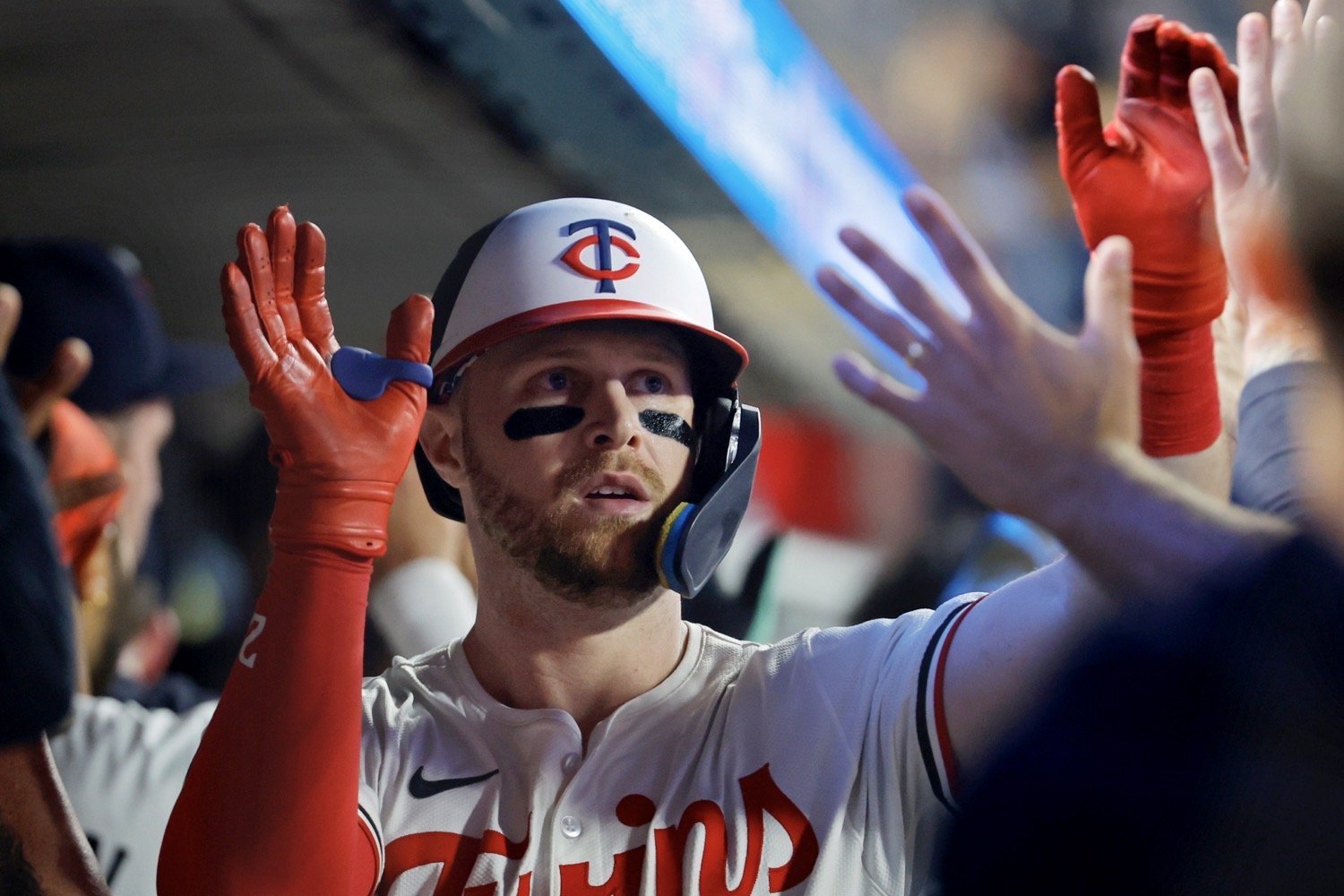 Few front offices are as aggressive or creative regarding trades as AJ Preller's San Diego Padres. After an offseason filled with bold moves and big contracts, the Padres are now in a peculiar spot. They need to shed payroll while addressing glaring roster needs, with catcher sitting near the top of that list. While Christian Vázquez has been a popular name linked to San Diego, another Twins catcher checks all the Preller boxes: Ryan Jeffers. Jeffers is young, cost-controlled, and still carries significant upside. In many ways, he’s an ideal target for a Padres team trying to remain competitive while managing its finances. An argument can also be made for Minnesota to try to extend him. The Twins must find some wiggle room in their payroll to make additions, particularly if they can address a bullpen need or bolster their farm system in the process. Here are two trade scenarios that could make sense for both sides. Proposal 1: A Cash-Neutral Swap for Wandy Peralta The Padres have made it clear they’re looking to trim payroll (currently projected at over $200 million), but they can’t do so at the expense of roster functionality. Wandy Peralta is a veteran lefty who landed in San Diego before last season via free agency. He signed a four-year, $16.5-million contract, but each year is a player option for over $4 million per season. The Twins’ front office tends to avoid spending money on the bullpen, but Peralta’s track record might change their opinion. Peralta is a reliable bullpen arm with a knack for generating ground balls and neutralizing left-handed hitters (.649 career OPS vs. LHH). Still, he is a potential candidate to be moved if the Padres can find value in a different position. Last season, Peralta posted a 3.99 ERA with a 1.20 WHIP in 46 appearances. His most significant issue in recent seasons has been his propensity to allow home runs. Peralta’s home run rate has surged from 0.3 per nine innings in 2022 to 1.2 in 2023 to 1.4 in 2024. Perhaps the Twins can find a way for him to get back to his previous levels. In this scenario, the Twins send Jeffers straight-up to the Padres, for Peralta. The deal is cash-neutral, since Jeffers is projected to make $4.7 million in arbitration this year, but it provides both teams with something they need. The Padres get a youngish, controllable catcher, while the Twins add a dependable lefty to their bullpen, something the club is missing. From Minnesota’s perspective, this deal may seem light in terms of return for Jeffers, but the Twins are in win-now mode, and acquiring a proven bullpen arm could pay immediate dividends. Meanwhile, the Padres shore up their catching situation without adding to their payroll, a win-win for Preller’s front office. Proposal 2: A Multi-Team Deal with Salary Relief and Young Talent If the Padres want to make a bigger splash, a three-team deal could be the answer. Let’s say the Padres want Jeffers and need to offload a chunk of their salary to stay under their own budget limit. Enter a third team, perhaps the Reds or Athletics, willing to absorb a contract like that of Luis Arraez or Dylan Cease in exchange for prospects. The Padres receive Jeffers and cash relief in this scenario, by moving a mid-level salary. The Twins, meanwhile, could target one of the Padres’ intriguing young arms, like Henry Baez, Isaiah Lowe, or Victor Lizarraga. The third team gets involved by taking on salary, while picking up a low-level prospect or two from the Padres. This trade offers long-term upside for the Twins by adding controllable pitching talent, while San Diego upgrades at catcher and clears some breathing room on the payroll. It’s the kind of outside-the-box maneuvering that Preller is known for, and could satisfy all parties involved. Why Jeffers is a Fit for San Diego Jeffers represents everything the Padres covet: youth, affordability, and potential. He’s coming off a season in which he posted a .791 OPS while playing in a career-high 122 games. Over the last two seasons, he has been worth -15 runs defensively, but he performed better in CS Above Average and Pop Time last season. While Vázquez might be the more obvious trade choice given his expiring contract, Jeffers’s age (27) and contract status make him an appealing medium-term piece. Multiple contending teams would likely want to add Jeffers, but the Padres are a natural fit. Whether it’s a straight swap for immediate help (like Peralta) or a more complex deal involving multiple teams, there are paths to making this work. Twins fans, stay tuned: this could get interesting. Which trade proposal makes the most sense for the Twins? Should the front office attempt to trade Jeffers? Leave a comment and start the discussion.
- 57 comments
-
- 3
-

-
-
- ryan jeffers
- wandy peralta
- (and 1 more)
-
Ryan Jeffers seems like a player who is part of the Twins' long-term plans, but sometimes, the front office must shake up the team’s core. Here are two trade proposals for sending Jeffers to the San Diego Padres. Image courtesy of © Bruce Kluckhohn-Imagn Images Ryan Jeffers seems like a player who is part of the Twins' long-term plans, but sometimes, the front office must shake up the team’s core. Here are two trade proposals for sending Jeffers to the San Diego Padres. Few front offices are as aggressive or creative regarding trades as AJ Preller's San Diego Padres. After an offseason filled with bold moves and big contracts, the Padres are now in a peculiar spot. They need to shed payroll while addressing glaring roster needs, with catcher sitting near the top of that list. While Christian Vázquez has been a popular name linked to San Diego, another Twins catcher checks all the Preller boxes: Ryan Jeffers. Jeffers is young, cost-controlled, and still carries significant upside. In many ways, he’s an ideal target for a Padres team trying to remain competitive while managing its finances. An argument can also be made for Minnesota to try to extend him. The Twins must find some wiggle room in their payroll to make additions, particularly if they can address a bullpen need or bolster their farm system in the process. Here are two trade scenarios that could make sense for both sides. Proposal 1: A Cash-Neutral Swap for Wandy Peralta The Padres have made it clear they’re looking to trim payroll (currently projected at over $200 million), but they can’t do so at the expense of roster functionality. Wandy Peralta is a veteran lefty who landed in San Diego before last season via free agency. He signed a four-year, $16.5-million contract, but each year is a player option for over $4 million per season. The Twins’ front office tends to avoid spending money on the bullpen, but Peralta’s track record might change their opinion. Peralta is a reliable bullpen arm with a knack for generating ground balls and neutralizing left-handed hitters (.649 career OPS vs. LHH). Still, he is a potential candidate to be moved if the Padres can find value in a different position. Last season, Peralta posted a 3.99 ERA with a 1.20 WHIP in 46 appearances. His most significant issue in recent seasons has been his propensity to allow home runs. Peralta’s home run rate has surged from 0.3 per nine innings in 2022 to 1.2 in 2023 to 1.4 in 2024. Perhaps the Twins can find a way for him to get back to his previous levels. In this scenario, the Twins send Jeffers straight-up to the Padres, for Peralta. The deal is cash-neutral, since Jeffers is projected to make $4.7 million in arbitration this year, but it provides both teams with something they need. The Padres get a youngish, controllable catcher, while the Twins add a dependable lefty to their bullpen, something the club is missing. From Minnesota’s perspective, this deal may seem light in terms of return for Jeffers, but the Twins are in win-now mode, and acquiring a proven bullpen arm could pay immediate dividends. Meanwhile, the Padres shore up their catching situation without adding to their payroll, a win-win for Preller’s front office. Proposal 2: A Multi-Team Deal with Salary Relief and Young Talent If the Padres want to make a bigger splash, a three-team deal could be the answer. Let’s say the Padres want Jeffers and need to offload a chunk of their salary to stay under their own budget limit. Enter a third team, perhaps the Reds or Athletics, willing to absorb a contract like that of Luis Arraez or Dylan Cease in exchange for prospects. The Padres receive Jeffers and cash relief in this scenario, by moving a mid-level salary. The Twins, meanwhile, could target one of the Padres’ intriguing young arms, like Henry Baez, Isaiah Lowe, or Victor Lizarraga. The third team gets involved by taking on salary, while picking up a low-level prospect or two from the Padres. This trade offers long-term upside for the Twins by adding controllable pitching talent, while San Diego upgrades at catcher and clears some breathing room on the payroll. It’s the kind of outside-the-box maneuvering that Preller is known for, and could satisfy all parties involved. Why Jeffers is a Fit for San Diego Jeffers represents everything the Padres covet: youth, affordability, and potential. He’s coming off a season in which he posted a .791 OPS while playing in a career-high 122 games. Over the last two seasons, he has been worth -15 runs defensively, but he performed better in CS Above Average and Pop Time last season. While Vázquez might be the more obvious trade choice given his expiring contract, Jeffers’s age (27) and contract status make him an appealing medium-term piece. Multiple contending teams would likely want to add Jeffers, but the Padres are a natural fit. Whether it’s a straight swap for immediate help (like Peralta) or a more complex deal involving multiple teams, there are paths to making this work. Twins fans, stay tuned: this could get interesting. Which trade proposal makes the most sense for the Twins? Should the front office attempt to trade Jeffers? Leave a comment and start the discussion. View full article
-
How Does ZiPS View the Twins’ Long-Term Value in the José Berríos Trade?
Cody Christie posted an article in Twins
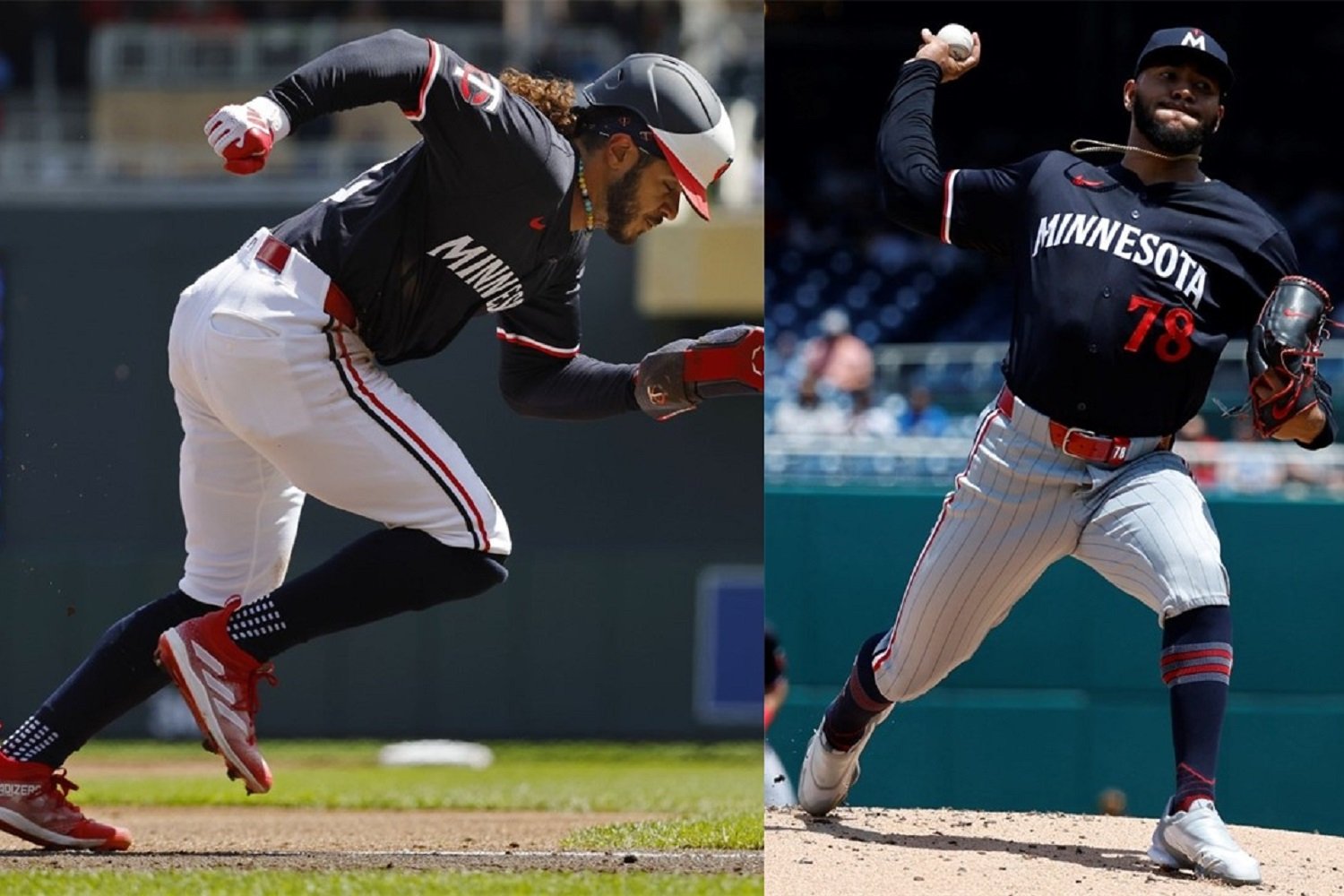 The Minnesota Twins made a bold move at the 2021 trade deadline, sending homegrown ace José Berríos to the Toronto Blue Jays in exchange for top prospects Austin Martin and Simeon Woods Richardson. Over three years later, the trade remains pivotal in both franchises' trajectories. With another season in the books, let's evaluate the trade's current and future impact, focusing on the contributions of Martin and Woods Richardson in 2024 and the broader context of Berríos's value to Toronto. The Berríos Side of the Trade Berríos was an anchor in the Twins' rotation, making two All-Star appearances and consistently providing innings and durability. After the trade, Toronto locked him up with a seven-year, $131-million extension. Following the trade deadline in 2021, he was outstanding, providing Toronto with a 3.58 ERA and a 1.10 WHIP in 70 1/3 innings. He compiled 1.7 fWAR in two months' worth of starts, which was one of the better stretches of his career. Berríos struggled in 2022 during his first full season in Toronto, as something was off for a pitcher who had been one of the AL’s most consistent starters. In 172 innings, he combined for a 5.23 ERA with a 1.42 WHIP and -0.3 fWAR. He led all AL pitchers in hits allowed and total earned runs. The end of 2021 and the entire 2022 season were the years of team control Minnesota was trading away with Berríos, so he combined for 1.4 fWAR before he'd have otherwise become a free agent. Trading Berríos was a tough but necessary decision from the Twins' perspective. He wanted to be paid like a front-line starter, but that wouldn’t happen with the Twins. With the team out of contention in 2021, flipping him for controllable young talent fitted their long-term goals. However, the deal’s ultimate success hinges on the development and contributions of Martin and Woods Richardson. Austin Martin’s 2024 Contributions and Future Outlook Martin’s journey since the trade has been anything but linear. Once viewed as a high-floor, contact-oriented hitter with defensive versatility, he's been slowed by injuries and swing mechanics issues. Last season, Martin began impacting the big-league roster, despite some growing pains. In 93 games, he hit .253/.318/.352 with 20 extra-base hits and seven stolen bases. Looking ahead, Martin’s ability to carve out a consistent role will be critical. The Twins value his versatility, and with further development, he could be a key piece as a utility player in their lineup for years. His chase rate, launch-angle sweet-spot rate, and Squared Up% were in the 85th percentile or higher, even though he didn’t qualify for the leaderboard. Questions remain about his ability to add power and sustain his offensive production, but his 2024 season showed he can make solid contact and get on base regularly. FanGraphs’s Dan Szymborski used ZiPS to project Martin’s performance during his remaining years of team control. Martin is seen as a slightly below-average hitter with an OPS+ in the low 90s, while providing minimal WAR per season. If ZiPS holds true, Martin would combine for 3.3 fWAR (plus -0.2 fWAR from 2024, for a total of 3.1 fWAR). He would likely become modestly expensive late in his arc of team control; the Twins may non-tender him if his offensive performance doesn’t improve. Simeon Woods Richardson’s Contributions and Future Value Woods Richardson also took significant strides in 2024 as he arguably saved the Twins’ starting rotation in the first half. In 16 first-half starts, he posted a 3.51 ERA, with a 1.15 WHIP and 2.96 strikeout-to-walk ratio. His second half saw a dip in his performance, though, as he ended the year with a 4.17 ERA and 1.29 WHIP over 133 2/3 innings, showcasing a refined slider that generated a 24% whiff rate. His ability to adjust to the big-league level made him a valuable asset in a pitching staff with multiple injuries. The Twins envision Woods Richardson as a back-end starter, but he showed flashes of his potential upside. His fastball velocity ticked up last season, from sitting in the low 90s during his early career to over 93 mph last season. His uptick in velocity helped him rely less on his four-seamer, because his other pitches also had more velocity. His contributions in 2024 demonstrated why the Twins were willing to gamble on his upside. Long-term, ZiPS views Woods Richardson as a league-average starter with over 120 innings pitched per season. That player type is valuable in a back-of-the-rotation role. SWR is projected to 9.4 fWAR from 2025-2030, to go with the 1.8 fWAR from 2024 to reach 11.2 fWAR. He was seen as the lesser prospect at the time of the trade, but he has developed to the point where he might produce the most long-term value. Trade Verdict and Long-Term Impact Evaluating the trade nearly three years later, both teams have reasons to be satisfied. Toronto received a reliable starter in Berríos, whose extension ensured the trade wasn’t a short-term rental. Meanwhile, the Twins bolstered their system with two promising players who contributed at the MLB level in 2024. The trade's ultimate verdict will depend on Martin and Woods Richardson’s continued development. If Martin can become a versatile utility player and Woods Richardson solidifies himself as a rotation fixture, the Twins could declare the deal a win. Conversely, if their growth stalls, the Blue Jays' decision to bet on Berríos’s stability might look wiser in hindsight. As it stands, the trade underscores the high-risk, high-reward nature of deadline deals. For the Twins, the hope is that Martin and Woods Richardson represent key contributors to their next competitive window. For now, 2024 offered a glimpse of what could be a bright future and a reminder of why trading an established starter like Berríos can be worth the gamble. How should the Twins view the Berríos trade? Can either club be declared the winner of the trade? Leave a comment and start the discussion.
- 40 comments
-
- 4
-
-
- jose berrios
- austin martin
- (and 1 more)
-
Louie Varland is destined for a bullpen role in 2025. How will his pitch mix change with that shift, and how can he attack hitters? Image courtesy of © Jordan Johnson-Imagn Images Louie Varland is destined for a bullpen role in 2025. How will his pitch mix change with that shift, and how can he attack hitters? The Minnesota Twins have a long history of developing starting pitchers who eventually find their calling in the bullpen. Jhoan Durán, Griffin Jax, and Taylor Rogers are recent examples of former starters finding a late-inning role in the bullpen. As Louie Varland transitions to a relief role in 2025, the Twins have an opportunity to maximize his unique skill set. With Varland’s five-pitch arsenal and improved sinker performance in 2024, the question now becomes: what does the best version of Varland (the reliever) look like? The Five-Pitch Foundation In 2024, Varland leaned on a four-seam fastball/cutter combination, while modestly incorporating a sinker, curveball, and changeup. His fastball sat in the mid-90s, touching 97-98 mph in short stints, and his slider-ish cutter remained a reliable weapon. Meanwhile, the sinker emerged as a viable option, and his curve and changeup added depth to his repertoire. Typically, relievers cut back on the number of pitches they utilize when shifting from starter to reliever. However, the Twins have seen Jax succeed using a five-pitch mix, a model that Varland can follow in his transition. Here’s how he can optimize his pitch mix against righties and lefties. Against Right-Handed Hitters Primary Weapon: Four-Seam Fastball (45%) Varland’s four-seam fastball is his bread and butter, especially in relief. It’s a pitch that plays well up in the zone, due to its rising action and increased velocity in shorter outings. In 2024, his four-seamer generated a 29.9 Whiff% and a 23.9 Put Away%. It was a pitch that he worked on extensively in St. Paul last year, as he focused on locating it in the upper third of the zone. Against righties, Varland should focus on elevating it to generate swings and misses or weak contact. Secondary Weapon: Slider/Cutter (40%) The cutter remains Varland’s most trusted secondary pitch. It’s a pitch he can throw early in counts for weak contact or use to fool hitters who try to cheat on his four-seam fastball. Last season, he threw this pitch 36% of the time against righties, so there can be an expectation that he will increase the usage of the pitch in a relief role. The issue with it is, it doesn't miss bats quite the way you'd like to see from a breaking ball-shaped cutter. Its velocity is too close to that of his four-seamer to do that, but when he works as a starter, it also isn't hard enough to bully hitters the way a power cutter sometimes can. With an extra two ticks on it in relief, we have seen the offering play up nicely. Situational Weapon: Curveball/Knuckle curve (10-15%) The knuckle curve gives Varland a weapon to induce soft contact. Last season against righties, it was a pitch with a 42.3 Whiff%, a .176 opponent SLG and a -3° launch angle. It’s a good weapon to keep in his back pocket, especially since it is over 12 mph slower than his four-seamer. His sinker and changeup were used sparingly against right-handed hitters last season (45 pitches), so he will likely focus on his better pitches in a relief role. Pitchers don’t need as full a repertoire out of the bullpen because they won’t face a lineup multiple times. Varland can throw his best pitches with a higher velocity. Against Left-Handed Hitters Primary Weapon: Four Seamer (45-50%) His four-seamer has been a significant part of his arsenal, and Varland uses it even more regularly against lefties than righties. Last season, he held batters to a .254 xBA with a 20.0 Whiff% on the pitch. Elevated fastballs can effectively change eye levels, especially after a steady diet of his secondary offerings. The question here is whether he can get more consistent in his location of the heat. Too often, so far, his high-aimed fastballs end up in the middle of the zone instead. Against righties, he can mitigate that problem by using the sinker a bit more, but sinkers to opposite-handed batters are nitro balls. Thus, barring the development of a truer, higher-riding cutter, he needs to hit his spots on the top rail of the zone with the fastball. Secondary Weapon: Slider/Cutter (25-30%) Although the slider isn’t traditionally a lefty-killer, Varland’s ability to backfoot the pitch makes it a useful situational weapon. It’s not a primary offering, but can be mixed in when needed. Lefties destroyed this pitch last season with a .800 SLG, but his xSLG was over 200 points lower, so there is room for improvement. Most importantly, those numbers came while working as a starter; the pitch can ramp up and be much more potent if he's working in short bursts. Out of his secondary pitches, his slider/cutter had the highest Whiff% and Put Away% versus lefty batsmen. Situational Weapon: Curveball/Knuckle Curve (15-20%) Varland’s curveball is the pitch that keeps lefties honest. It showed flashes of effectiveness in 2024, with a 21.3 Whiff% to help neutralize left-handed power. He should focus on throwing it down and in to draw swings over the top. He throws it in the same location in the zone as his cutter, but the 6-mph difference in the pitches can lead to more swings and misses. Last season, Varland used his changeup nearly 17% of the time against lefties, but the pitch was ineffective at generating swings and misses. He had a 6.7 Whiff% and a 6.3 Put Away% with his changeup. Varland can use the pitch sparingly against lefties, but the rest of his repertoire will hold up better when he needs strikeouts in a relief role. Why This Mix Works Moving to the bullpen is about leveraging Varland’s strengths while simplifying his approach. The four-seam fastball and cutter remain his bread-and-butter pitches against righties and lefties, while the curveball can keep batters off-balance. He seems likely to ditch some of his less-used pitches (perhaps the sinker, if the four-seam fastball command comes along as hoped), while keeping his changeup to use sparingly. By focusing on matchups and situations, Varland can become a versatile, high-leverage weapon for the Twins. Combined with a well-thought-out pitch mix, the added velocity in relief could transform Varland into a dominant late-inning option. If the Twins can hone this approach, they might unlock the best version of Varland yet: a bullpen ace with the tools to dominate any hitter in any situation. What pitch mix makes the most sense for Varland? How should he approach righties and lefties? Leave a comment and start the discussion. View full article
-
The Best Version of Louie Varland: Pitch By Pitch and Matchup By Matchup
Cody Christie posted an article in Twins
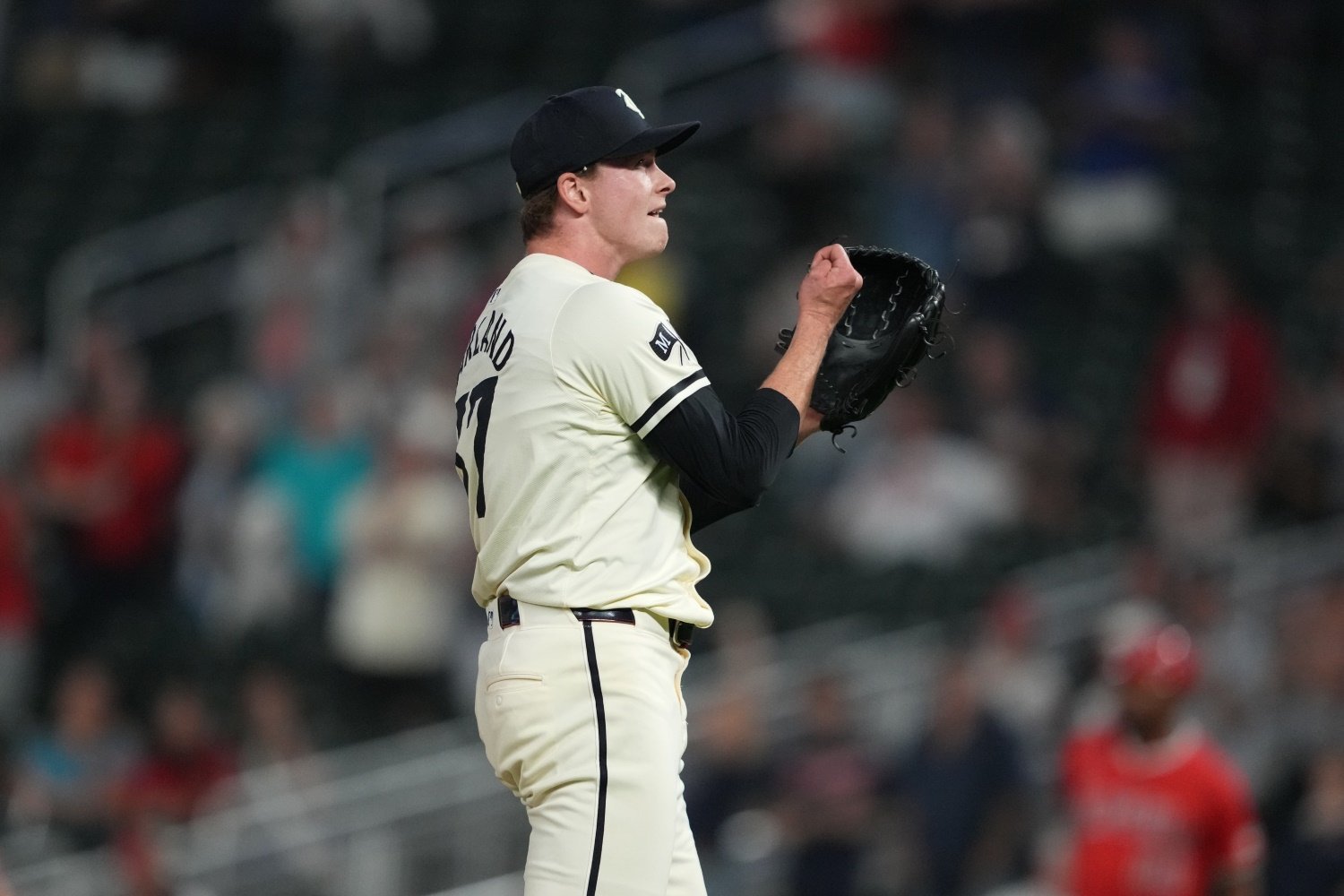 The Minnesota Twins have a long history of developing starting pitchers who eventually find their calling in the bullpen. Jhoan Durán, Griffin Jax, and Taylor Rogers are recent examples of former starters finding a late-inning role in the bullpen. As Louie Varland transitions to a relief role in 2025, the Twins have an opportunity to maximize his unique skill set. With Varland’s five-pitch arsenal and improved sinker performance in 2024, the question now becomes: what does the best version of Varland (the reliever) look like? The Five-Pitch Foundation In 2024, Varland leaned on a four-seam fastball/cutter combination, while modestly incorporating a sinker, curveball, and changeup. His fastball sat in the mid-90s, touching 97-98 mph in short stints, and his slider-ish cutter remained a reliable weapon. Meanwhile, the sinker emerged as a viable option, and his curve and changeup added depth to his repertoire. Typically, relievers cut back on the number of pitches they utilize when shifting from starter to reliever. However, the Twins have seen Jax succeed using a five-pitch mix, a model that Varland can follow in his transition. Here’s how he can optimize his pitch mix against righties and lefties. Against Right-Handed Hitters Primary Weapon: Four-Seam Fastball (45%) Varland’s four-seam fastball is his bread and butter, especially in relief. It’s a pitch that plays well up in the zone, due to its rising action and increased velocity in shorter outings. In 2024, his four-seamer generated a 29.9 Whiff% and a 23.9 Put Away%. It was a pitch that he worked on extensively in St. Paul last year, as he focused on locating it in the upper third of the zone. Against righties, Varland should focus on elevating it to generate swings and misses or weak contact. Secondary Weapon: Slider/Cutter (40%) The cutter remains Varland’s most trusted secondary pitch. It’s a pitch he can throw early in counts for weak contact or use to fool hitters who try to cheat on his four-seam fastball. Last season, he threw this pitch 36% of the time against righties, so there can be an expectation that he will increase the usage of the pitch in a relief role. The issue with it is, it doesn't miss bats quite the way you'd like to see from a breaking ball-shaped cutter. Its velocity is too close to that of his four-seamer to do that, but when he works as a starter, it also isn't hard enough to bully hitters the way a power cutter sometimes can. With an extra two ticks on it in relief, we have seen the offering play up nicely. Situational Weapon: Curveball/Knuckle curve (10-15%) The knuckle curve gives Varland a weapon to induce soft contact. Last season against righties, it was a pitch with a 42.3 Whiff%, a .176 opponent SLG and a -3° launch angle. It’s a good weapon to keep in his back pocket, especially since it is over 12 mph slower than his four-seamer. His sinker and changeup were used sparingly against right-handed hitters last season (45 pitches), so he will likely focus on his better pitches in a relief role. Pitchers don’t need as full a repertoire out of the bullpen because they won’t face a lineup multiple times. Varland can throw his best pitches with a higher velocity. Against Left-Handed Hitters Primary Weapon: Four Seamer (45-50%) His four-seamer has been a significant part of his arsenal, and Varland uses it even more regularly against lefties than righties. Last season, he held batters to a .254 xBA with a 20.0 Whiff% on the pitch. Elevated fastballs can effectively change eye levels, especially after a steady diet of his secondary offerings. The question here is whether he can get more consistent in his location of the heat. Too often, so far, his high-aimed fastballs end up in the middle of the zone instead. Against righties, he can mitigate that problem by using the sinker a bit more, but sinkers to opposite-handed batters are nitro balls. Thus, barring the development of a truer, higher-riding cutter, he needs to hit his spots on the top rail of the zone with the fastball. Secondary Weapon: Slider/Cutter (25-30%) Although the slider isn’t traditionally a lefty-killer, Varland’s ability to backfoot the pitch makes it a useful situational weapon. It’s not a primary offering, but can be mixed in when needed. Lefties destroyed this pitch last season with a .800 SLG, but his xSLG was over 200 points lower, so there is room for improvement. Most importantly, those numbers came while working as a starter; the pitch can ramp up and be much more potent if he's working in short bursts. Out of his secondary pitches, his slider/cutter had the highest Whiff% and Put Away% versus lefty batsmen. Situational Weapon: Curveball/Knuckle Curve (15-20%) Varland’s curveball is the pitch that keeps lefties honest. It showed flashes of effectiveness in 2024, with a 21.3 Whiff% to help neutralize left-handed power. He should focus on throwing it down and in to draw swings over the top. He throws it in the same location in the zone as his cutter, but the 6-mph difference in the pitches can lead to more swings and misses. Last season, Varland used his changeup nearly 17% of the time against lefties, but the pitch was ineffective at generating swings and misses. He had a 6.7 Whiff% and a 6.3 Put Away% with his changeup. Varland can use the pitch sparingly against lefties, but the rest of his repertoire will hold up better when he needs strikeouts in a relief role. Why This Mix Works Moving to the bullpen is about leveraging Varland’s strengths while simplifying his approach. The four-seam fastball and cutter remain his bread-and-butter pitches against righties and lefties, while the curveball can keep batters off-balance. He seems likely to ditch some of his less-used pitches (perhaps the sinker, if the four-seam fastball command comes along as hoped), while keeping his changeup to use sparingly. By focusing on matchups and situations, Varland can become a versatile, high-leverage weapon for the Twins. Combined with a well-thought-out pitch mix, the added velocity in relief could transform Varland into a dominant late-inning option. If the Twins can hone this approach, they might unlock the best version of Varland yet: a bullpen ace with the tools to dominate any hitter in any situation. What pitch mix makes the most sense for Varland? How should he approach righties and lefties? Leave a comment and start the discussion.
 -
The Twins began seeing some value on their side of the José Berríos trade during the 2024 season. But what does ZiPS project for Austin Martin and Simeon Woods Richardson in the coming years? Image courtesy of © Bruce Kluckhohn, Geoff Burke-USA TODAY Sports The Twins began seeing some value on their side of the José Berríos trade during the 2024 season. But what does ZiPS project for Austin Martin and Simeon Woods Richardson in the coming years? The Minnesota Twins made a bold move at the 2021 trade deadline, sending homegrown ace José Berríos to the Toronto Blue Jays in exchange for top prospects Austin Martin and Simeon Woods Richardson. Over three years later, the trade remains pivotal in both franchises' trajectories. With another season in the books, let's evaluate the trade's current and future impact, focusing on the contributions of Martin and Woods Richardson in 2024 and the broader context of Berríos's value to Toronto. The Berríos Side of the Trade Berríos was an anchor in the Twins' rotation, making two All-Star appearances and consistently providing innings and durability. After the trade, Toronto locked him up with a seven-year, $131-million extension. Following the trade deadline in 2021, he was outstanding, providing Toronto with a 3.58 ERA and a 1.10 WHIP in 70 1/3 innings. He compiled 1.7 fWAR in two months' worth of starts, which was one of the better stretches of his career. Berríos struggled in 2022 during his first full season in Toronto, as something was off for a pitcher who had been one of the AL’s most consistent starters. In 172 innings, he combined for a 5.23 ERA with a 1.42 WHIP and -0.3 fWAR. He led all AL pitchers in hits allowed and total earned runs. The end of 2021 and the entire 2022 season were the years of team control Minnesota was trading away with Berríos, so he combined for 1.4 fWAR before he'd have otherwise become a free agent. Trading Berríos was a tough but necessary decision from the Twins' perspective. He wanted to be paid like a front-line starter, but that wouldn’t happen with the Twins. With the team out of contention in 2021, flipping him for controllable young talent fitted their long-term goals. However, the deal’s ultimate success hinges on the development and contributions of Martin and Woods Richardson. Austin Martin’s 2024 Contributions and Future Outlook Martin’s journey since the trade has been anything but linear. Once viewed as a high-floor, contact-oriented hitter with defensive versatility, he's been slowed by injuries and swing mechanics issues. Last season, Martin began impacting the big-league roster, despite some growing pains. In 93 games, he hit .253/.318/.352 with 20 extra-base hits and seven stolen bases. Looking ahead, Martin’s ability to carve out a consistent role will be critical. The Twins value his versatility, and with further development, he could be a key piece as a utility player in their lineup for years. His chase rate, launch-angle sweet-spot rate, and Squared Up% were in the 85th percentile or higher, even though he didn’t qualify for the leaderboard. Questions remain about his ability to add power and sustain his offensive production, but his 2024 season showed he can make solid contact and get on base regularly. FanGraphs’s Dan Szymborski used ZiPS to project Martin’s performance during his remaining years of team control. Martin is seen as a slightly below-average hitter with an OPS+ in the low 90s, while providing minimal WAR per season. If ZiPS holds true, Martin would combine for 3.3 fWAR (plus -0.2 fWAR from 2024, for a total of 3.1 fWAR). He would likely become modestly expensive late in his arc of team control; the Twins may non-tender him if his offensive performance doesn’t improve. Simeon Woods Richardson’s Contributions and Future Value Woods Richardson also took significant strides in 2024 as he arguably saved the Twins’ starting rotation in the first half. In 16 first-half starts, he posted a 3.51 ERA, with a 1.15 WHIP and 2.96 strikeout-to-walk ratio. His second half saw a dip in his performance, though, as he ended the year with a 4.17 ERA and 1.29 WHIP over 133 2/3 innings, showcasing a refined slider that generated a 24% whiff rate. His ability to adjust to the big-league level made him a valuable asset in a pitching staff with multiple injuries. The Twins envision Woods Richardson as a back-end starter, but he showed flashes of his potential upside. His fastball velocity ticked up last season, from sitting in the low 90s during his early career to over 93 mph last season. His uptick in velocity helped him rely less on his four-seamer, because his other pitches also had more velocity. His contributions in 2024 demonstrated why the Twins were willing to gamble on his upside. Long-term, ZiPS views Woods Richardson as a league-average starter with over 120 innings pitched per season. That player type is valuable in a back-of-the-rotation role. SWR is projected to 9.4 fWAR from 2025-2030, to go with the 1.8 fWAR from 2024 to reach 11.2 fWAR. He was seen as the lesser prospect at the time of the trade, but he has developed to the point where he might produce the most long-term value. Trade Verdict and Long-Term Impact Evaluating the trade nearly three years later, both teams have reasons to be satisfied. Toronto received a reliable starter in Berríos, whose extension ensured the trade wasn’t a short-term rental. Meanwhile, the Twins bolstered their system with two promising players who contributed at the MLB level in 2024. The trade's ultimate verdict will depend on Martin and Woods Richardson’s continued development. If Martin can become a versatile utility player and Woods Richardson solidifies himself as a rotation fixture, the Twins could declare the deal a win. Conversely, if their growth stalls, the Blue Jays' decision to bet on Berríos’s stability might look wiser in hindsight. As it stands, the trade underscores the high-risk, high-reward nature of deadline deals. For the Twins, the hope is that Martin and Woods Richardson represent key contributors to their next competitive window. For now, 2024 offered a glimpse of what could be a bright future and a reminder of why trading an established starter like Berríos can be worth the gamble. How should the Twins view the Berríos trade? Can either club be declared the winner of the trade? Leave a comment and start the discussion. View full article
-
The Minnesota Twins: The Biggest Losers of the 2020 MLB Draft?
Cody Christie posted an article in Twins
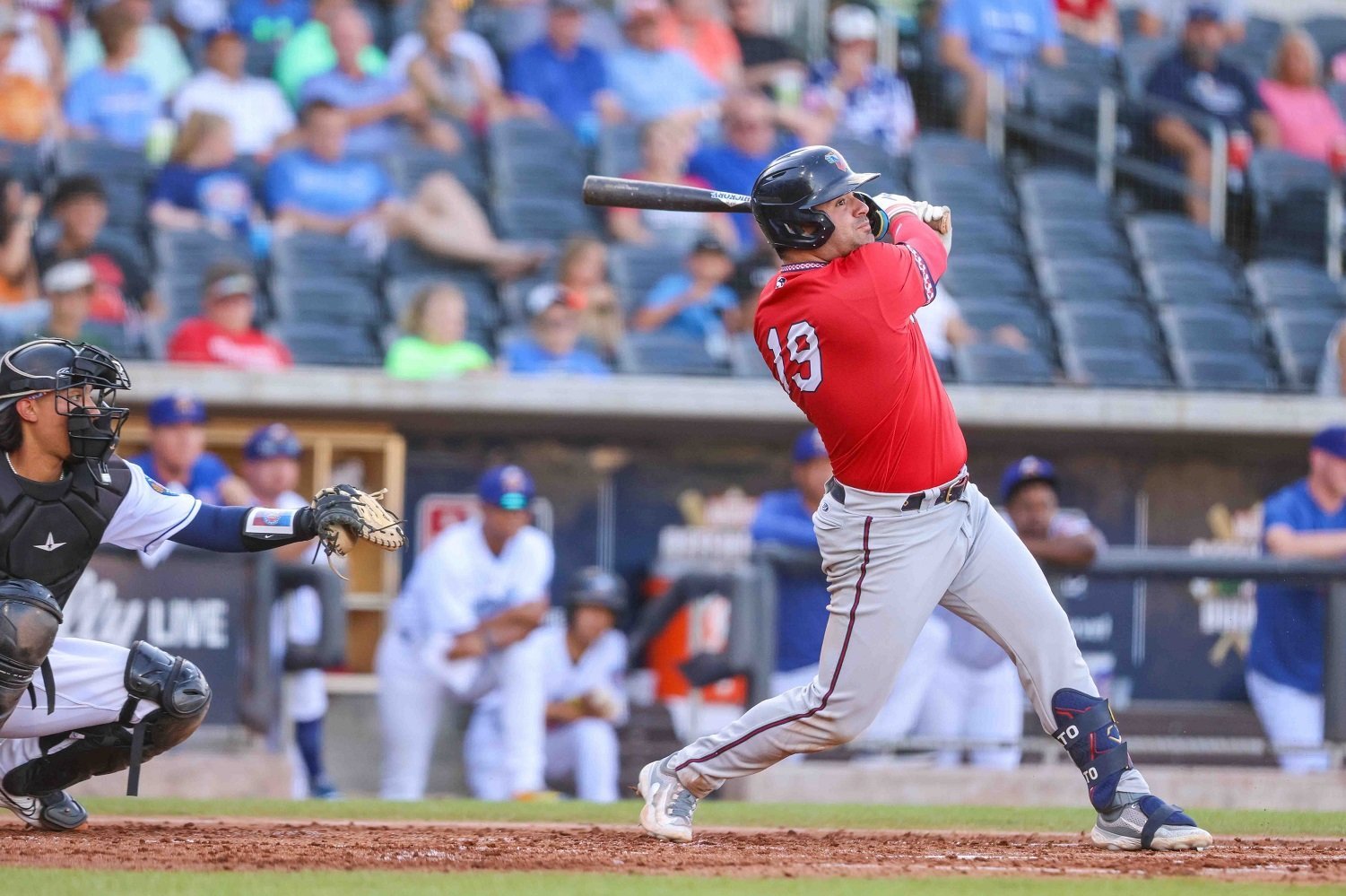 The 2020 MLB Draft posed unprecedented challenges for front offices across baseball. The COVID-19 pandemic shut down high school and college seasons, forcing teams to lean heavily on previous scouting reports, data analysis, and virtual interviews. While some organizations struck gold in this shortened five-round draft, the Minnesota Twins are now widely regarded as one of the biggest losers, as Baseball America’s five-year review casts a harsh light on their decisions. Contextual Challenges Revisiting the draft’s circumstances is essential to understand Minnesota's struggles fully. The pandemic forced scouts off the road, canceled in-person workouts, and left teams relying on incomplete information. For the Twins, this meant entering the draft with limited insight while trying to bolster a system that was trying to improve from what the previous regime had left behind. Additionally, the Twins forfeited their third-round pick to sign free agent Josh Donaldson, and they dealt their compensation-round pick to the Dodgers in the Kenta Maeda trade. These moves left the team with only three selections, putting extra pressure on their top picks to succeed. A Swing and a Miss: Aaron Sabato With the 27th overall pick, the Twins selected first baseman Aaron Sabato, a slugger from the University of North Carolina. At the time, Sabato’s raw power and plate discipline drew comparisons to MLB standouts like Pete Alonso. However, Sabato’s professional career has been riddled with inconsistency five years later. At the time, the Twins liked him for his offensive profile and signed him to an above-slot deal. Injuries and strikeout issues have plagued Sabato, and while he’s shown flashes of power in the minors, his inability to adjust to high-level pitching has kept him from reaching the big leagues. As of the 2024 season, he remains in Double-A with little indication of breaking through. Last season, he hit .199/.308/.336 (.645) while being older than the average age of players in the Texas League. Meanwhile, other picks taken shortly after him have already accumulated positive WAR. Austin Wells (28th overall) has 2.6 WAR in 134 games, while Jordan Westburg (30th overall) has 3.7 WAR in 175 games. Sabato would always need to hit at a high level to impact the big-league roster, but that has yet to happen. Alerick Soularie: A Risk That Didn’t Pay Off The Twins’ second-round pick, Alerick Soularie, was a versatile outfielder from the University of Tennessee known for his athleticism and offensive upside. Unfortunately, Soularie struggled to find his footing in pro ball. He’s battled injuries and inconsistent performance, and his defensive versatility hasn’t been enough to offset his lack of production at the plate. Here’s what the Twins said at the time. Minnesota released Soularie in May 2024 after he posted a .598 OPS in 33 games. He signed with the Giants organization and played 24 games before heading to an independent league to end last season. The Twins gambled on his potential in a year when scouting was limited, but that risk did not pay off. Marco Raya: A Rare Bright Spot The lone bright spot in Minnesota’s 2020 draft class is fourth-round pick Marco Raya, a high school pitcher from Texas. Raya has displayed a promising mix of velocity and secondary pitches, rising through the system as a potential middle-of-the-rotation arm. He remains one of the team’s top pitching prospects and could still salvage some value from this otherwise underwhelming draft haul. Last season, he finished the year at Triple-A at only 21 years old. In 25 starts, he posted a 4.05 ERA with a 1.36 WHIP and 9.5 K/9. Raya faced older batters in over 90% of his plate appearances because the Twins have been confident in moving him up the organizational ladder. Minnesota has limited his workload in recent seasons, so the 2025 campaign is crucial for him to prove he can throw over 100 innings in a season. Kala’i Rosario: Another Chance for Late-Round Value Besides Raya, the Twins have also given Rosario every opportunity to succeed in the organization. Minnesota selected him out of high school in Hawaii, and he has consistently moved up the ladder, including being sent to the Arizona Fall League the last two seasons. The Twins left him unprotected from the Rule 5 Draft this winter, but no teams selected him. Now, he must prove his worth to the organization and put himself back on the prospect map. Last season, Rosario reached Double-A and hit .235/.321/.405 (.726) with 30 extra-base hits in 69 games. He missed a good chunk of time due to an elbow injury. He’s combined for over 30 K% in his professional career, so there has been plenty of swing-and-miss with his power totals. He was the Midwest League MVP in 2023, pointing to his long-term potential upside. The Cost of Missed Opportunities To be fair, the Twins weren’t the only team hamstrung by the challenges of the 2020 draft. However, the combination of limited scouting, forfeited picks, and questionable selections has left Minnesota with one of the weakest draft classes from that year. The Sabato pick, in particular, looms large as a missed opportunity, especially considering the elite talent still available in other rounds. Draft misses are inevitable in baseball, but the 2020 MLB Draft will likely serve as a cautionary tale for the Twins. With the team now facing increased pressure to develop homegrown talent, the lack of impact players from this class is a glaring hole in their long-term plans. As Baseball America’s review suggests, the 2020 draft may be remembered as pivotal in the Twins’ struggles to build a sustainable contender. For Minnesota, the hope is that players like Raya and Rosario can eventually make an impact, but five years later, it’s clear the team’s early-round picks were a missed opportunity in an already challenging year. Were the Twins the biggest losers of the 2020 MLB Draft? Leave a comment and start the discussion.
- 17 comments
-
- 3
-
-
- aaron sabato
- marco raya
- (and 3 more)
-
Every MLB Draft comes with teams who make surprising picks while trying to find extra value. The 2020 MLB Draft will be talked about forever, and the Twins might have been the draft's biggest loser. Image courtesy of Ed Bailey, Wichita Wind Surge Every MLB Draft comes with teams who make surprising picks while trying to find extra value. The 2020 MLB Draft will be talked about forever, and the Twins might have been the draft's biggest loser. The 2020 MLB Draft posed unprecedented challenges for front offices across baseball. The COVID-19 pandemic shut down high school and college seasons, forcing teams to lean heavily on previous scouting reports, data analysis, and virtual interviews. While some organizations struck gold in this shortened five-round draft, the Minnesota Twins are now widely regarded as one of the biggest losers, as Baseball America’s five-year review casts a harsh light on their decisions. Contextual Challenges Revisiting the draft’s circumstances is essential to understand Minnesota's struggles fully. The pandemic forced scouts off the road, canceled in-person workouts, and left teams relying on incomplete information. For the Twins, this meant entering the draft with limited insight while trying to bolster a system that was trying to improve from what the previous regime had left behind. Additionally, the Twins forfeited their third-round pick to sign free agent Josh Donaldson, and they dealt their compensation-round pick to the Dodgers in the Kenta Maeda trade. These moves left the team with only three selections, putting extra pressure on their top picks to succeed. A Swing and a Miss: Aaron Sabato With the 27th overall pick, the Twins selected first baseman Aaron Sabato, a slugger from the University of North Carolina. At the time, Sabato’s raw power and plate discipline drew comparisons to MLB standouts like Pete Alonso. However, Sabato’s professional career has been riddled with inconsistency five years later. At the time, the Twins liked him for his offensive profile and signed him to an above-slot deal. Injuries and strikeout issues have plagued Sabato, and while he’s shown flashes of power in the minors, his inability to adjust to high-level pitching has kept him from reaching the big leagues. As of the 2024 season, he remains in Double-A with little indication of breaking through. Last season, he hit .199/.308/.336 (.645) while being older than the average age of players in the Texas League. Meanwhile, other picks taken shortly after him have already accumulated positive WAR. Austin Wells (28th overall) has 2.6 WAR in 134 games, while Jordan Westburg (30th overall) has 3.7 WAR in 175 games. Sabato would always need to hit at a high level to impact the big-league roster, but that has yet to happen. Alerick Soularie: A Risk That Didn’t Pay Off The Twins’ second-round pick, Alerick Soularie, was a versatile outfielder from the University of Tennessee known for his athleticism and offensive upside. Unfortunately, Soularie struggled to find his footing in pro ball. He’s battled injuries and inconsistent performance, and his defensive versatility hasn’t been enough to offset his lack of production at the plate. Here’s what the Twins said at the time. Minnesota released Soularie in May 2024 after he posted a .598 OPS in 33 games. He signed with the Giants organization and played 24 games before heading to an independent league to end last season. The Twins gambled on his potential in a year when scouting was limited, but that risk did not pay off. Marco Raya: A Rare Bright Spot The lone bright spot in Minnesota’s 2020 draft class is fourth-round pick Marco Raya, a high school pitcher from Texas. Raya has displayed a promising mix of velocity and secondary pitches, rising through the system as a potential middle-of-the-rotation arm. He remains one of the team’s top pitching prospects and could still salvage some value from this otherwise underwhelming draft haul. Last season, he finished the year at Triple-A at only 21 years old. In 25 starts, he posted a 4.05 ERA with a 1.36 WHIP and 9.5 K/9. Raya faced older batters in over 90% of his plate appearances because the Twins have been confident in moving him up the organizational ladder. Minnesota has limited his workload in recent seasons, so the 2025 campaign is crucial for him to prove he can throw over 100 innings in a season. Kala’i Rosario: Another Chance for Late-Round Value Besides Raya, the Twins have also given Rosario every opportunity to succeed in the organization. Minnesota selected him out of high school in Hawaii, and he has consistently moved up the ladder, including being sent to the Arizona Fall League the last two seasons. The Twins left him unprotected from the Rule 5 Draft this winter, but no teams selected him. Now, he must prove his worth to the organization and put himself back on the prospect map. Last season, Rosario reached Double-A and hit .235/.321/.405 (.726) with 30 extra-base hits in 69 games. He missed a good chunk of time due to an elbow injury. He’s combined for over 30 K% in his professional career, so there has been plenty of swing-and-miss with his power totals. He was the Midwest League MVP in 2023, pointing to his long-term potential upside. The Cost of Missed Opportunities To be fair, the Twins weren’t the only team hamstrung by the challenges of the 2020 draft. However, the combination of limited scouting, forfeited picks, and questionable selections has left Minnesota with one of the weakest draft classes from that year. The Sabato pick, in particular, looms large as a missed opportunity, especially considering the elite talent still available in other rounds. Draft misses are inevitable in baseball, but the 2020 MLB Draft will likely serve as a cautionary tale for the Twins. With the team now facing increased pressure to develop homegrown talent, the lack of impact players from this class is a glaring hole in their long-term plans. As Baseball America’s review suggests, the 2020 draft may be remembered as pivotal in the Twins’ struggles to build a sustainable contender. For Minnesota, the hope is that players like Raya and Rosario can eventually make an impact, but five years later, it’s clear the team’s early-round picks were a missed opportunity in an already challenging year. Were the Twins the biggest losers of the 2020 MLB Draft? Leave a comment and start the discussion. View full article
-
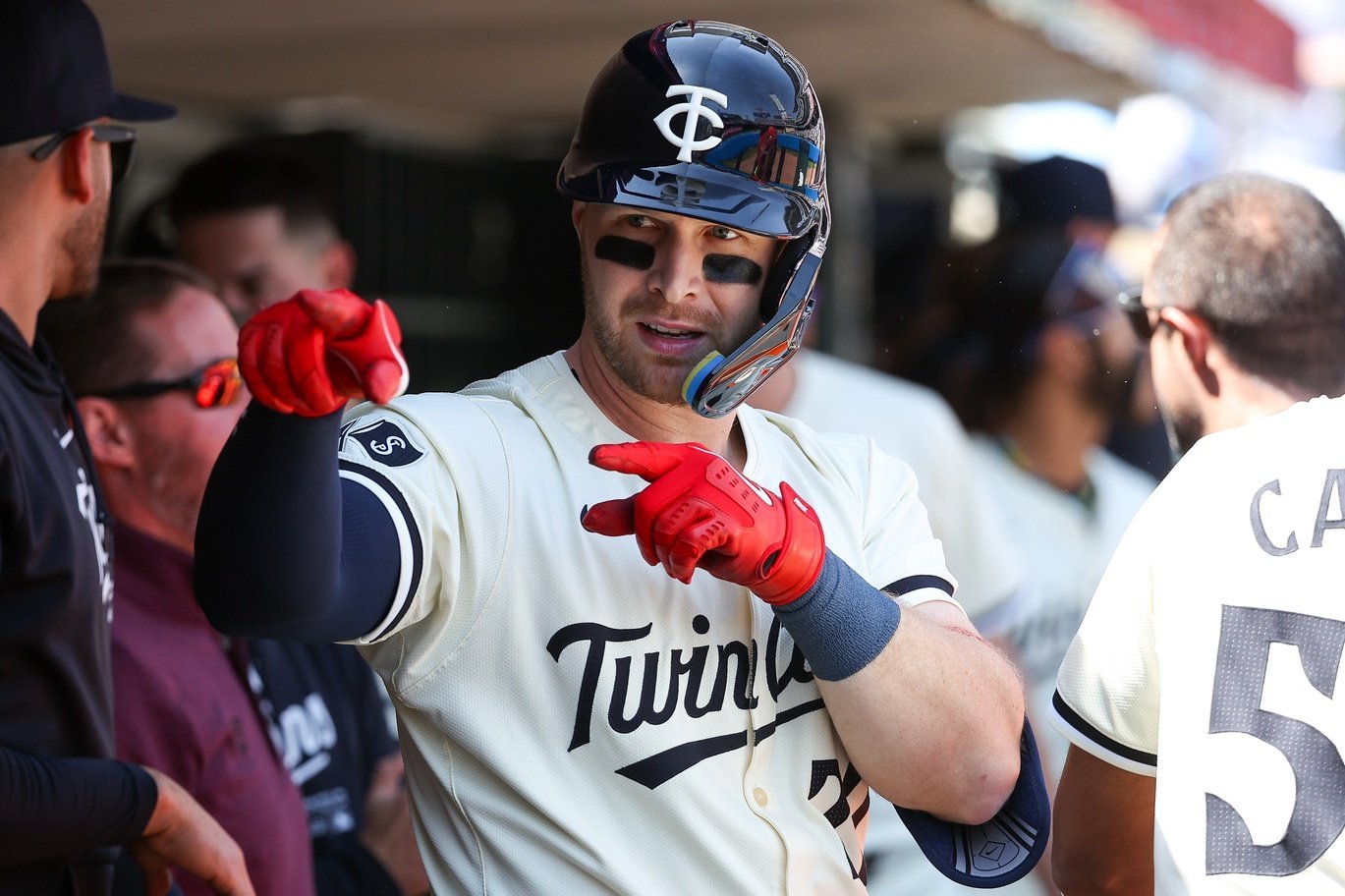 The Minnesota Twins head into the 2025 season with several decisions to make regarding their long-term roster construction. One name that has quietly emerged in this conversation is Ryan Jeffers. The 27-year-old catcher has shown promising potential in recent seasons but has yet to solidify his role as the team's primary backstop. With an organizational void in catching depth looming behind him, should the Twins consider signing Jeffers to a contract extension? The Case for an Extension Jeffers took significant strides backward offensively and defensively last season, but the Twins might believe in his long-term value and potential performance. He played in a career-high 122 games and had a .791 OPS in the first half. Over the last two seasons, he has been worth -15 runs defensively, but he performed better in CS Above Average and Pop Time last season. Catchers who can provide league-average or better offensive production alongside solid defense are rare commodities, and Jeffers’ age makes him an even more intriguing candidate for an extension. The Twins also face a barren organizational landscape for catching depth. Beyond Jeffers, the farm system lacks a clear heir apparent or even a reliable backup option. Jair Camargo is on the 40-man roster but the Twins showed little faith in him playing behind the plate at the big-league level last season. Ricardo Olivar and Noah Cardenas have shown some promise in the minors, but remain a few years away from being MLB-ready. This gap puts added pressure on the Twins to retain Jeffers, especially given how critical a reliable catcher is to a pitching staff’s success. Signing Jeffers to an extension now could also provide financial benefits. The Twins could lock him into a team-friendly deal that offers cost certainty during his final two arbitration years while potentially buying out a year or two of free agency. A back-loaded extension that saves the team $1-2 million in the immediate term could free up resources for other offseason needs, such as bullpen help or additional offensive depth. The Case Against an Extension Despite his improvements, Jeffers is not without limitations. In 2023, he hit .276/.369/.490 (.858) with 31 extra-base hits and a 133 OPS+ in 96 games. His offensive breakout in 2023 was impressive, but his track record suggests it could be an outlier. Last season, he set career highs in home runs (21) and doubles (22) but saw his OPS+ drop by 30 points compared to 2023. If Jeffers regresses at the plate, the Twins could find themselves overcommitted to a player who’s a liability on both sides of the ball. There’s also the inherent risk of signing any catcher to a long-term deal. The position’s physical demands often lead to injuries and shortened careers, making multi-year contracts for backstops particularly precarious. Minnesota has preferred to use a two-catcher rotation, which has helped keep Jeffers and Christian Vázquez healthy. The Twins targeted Vázquez in free agency and have seen the poor side of his long-term deal. Would a Jeffers extension tie up valuable payroll space that could be better allocated elsewhere? Is a Back Loaded Deal a Perfect Contract? A back-loaded extension might seem like a savvy way to manage the payroll, but it’s not without its pitfalls. By pushing the financial burden into future seasons, the Twins could compromise their flexibility down the road, particularly if Jeffers doesn’t return to his 2023 performance. It’s a calculated gamble that hinges on the front office’s confidence in his ability to sustain or build upon his previous production. That said, a well-structured extension (one with performance-based incentives or manageable buyouts) could mitigate some of this risk. It would signal the team’s commitment to stability behind the plate while preserving financial flexibility for other areas of need. Minnesota's new ownership group may also be willing to invest more in the team's payroll so his contract will be less of a burden in future years. The Twins are at a crossroads with Jeffers. On one hand, the lack of internal catching depth makes him an appealing candidate for an extension. On the other hand, his uneven track record and the inherent risks of long-term deals for catchers give pause. Ultimately, the decision may come down to how much the Twins believe in Jeffers. If the front office can structure a deal that balances immediate savings with long-term flexibility, an extension could be a galaxy-brain move. But if there’s any doubt about his staying power, overcommitting to a limited player could prove costly in more ways than one. Should the Twins approach Jeffers about a long-term extension? Does the team’s lack of long-term catching depth impact the front office’s decision? Leave a comment and start the discussion.
 -
When he was drafted, Ryan Jeffers wasn’t supposed to be the team’s long-term answer at catcher. However, he has developed into a solid big-league regular. Has he done enough to warrant a long-term extension? Image courtesy of Matt Krohn-USA TODAY Sports When he was drafted, Ryan Jeffers wasn’t supposed to be the team’s long-term answer at catcher. However, he has developed into a solid big-league regular. Has he done enough to warrant a long-term extension? The Minnesota Twins head into the 2025 season with several decisions to make regarding their long-term roster construction. One name that has quietly emerged in this conversation is Ryan Jeffers. The 27-year-old catcher has shown promising potential in recent seasons but has yet to solidify his role as the team's primary backstop. With an organizational void in catching depth looming behind him, should the Twins consider signing Jeffers to a contract extension? The Case for an Extension Jeffers took significant strides backward offensively and defensively last season, but the Twins might believe in his long-term value and potential performance. He played in a career-high 122 games and had a .791 OPS in the first half. Over the last two seasons, he has been worth -15 runs defensively, but he performed better in CS Above Average and Pop Time last season. Catchers who can provide league-average or better offensive production alongside solid defense are rare commodities, and Jeffers’ age makes him an even more intriguing candidate for an extension. The Twins also face a barren organizational landscape for catching depth. Beyond Jeffers, the farm system lacks a clear heir apparent or even a reliable backup option. Jair Camargo is on the 40-man roster but the Twins showed little faith in him playing behind the plate at the big-league level last season. Ricardo Olivar and Noah Cardenas have shown some promise in the minors, but remain a few years away from being MLB-ready. This gap puts added pressure on the Twins to retain Jeffers, especially given how critical a reliable catcher is to a pitching staff’s success. Signing Jeffers to an extension now could also provide financial benefits. The Twins could lock him into a team-friendly deal that offers cost certainty during his final two arbitration years while potentially buying out a year or two of free agency. A back-loaded extension that saves the team $1-2 million in the immediate term could free up resources for other offseason needs, such as bullpen help or additional offensive depth. The Case Against an Extension Despite his improvements, Jeffers is not without limitations. In 2023, he hit .276/.369/.490 (.858) with 31 extra-base hits and a 133 OPS+ in 96 games. His offensive breakout in 2023 was impressive, but his track record suggests it could be an outlier. Last season, he set career highs in home runs (21) and doubles (22) but saw his OPS+ drop by 30 points compared to 2023. If Jeffers regresses at the plate, the Twins could find themselves overcommitted to a player who’s a liability on both sides of the ball. There’s also the inherent risk of signing any catcher to a long-term deal. The position’s physical demands often lead to injuries and shortened careers, making multi-year contracts for backstops particularly precarious. Minnesota has preferred to use a two-catcher rotation, which has helped keep Jeffers and Christian Vázquez healthy. The Twins targeted Vázquez in free agency and have seen the poor side of his long-term deal. Would a Jeffers extension tie up valuable payroll space that could be better allocated elsewhere? Is a Back Loaded Deal a Perfect Contract? A back-loaded extension might seem like a savvy way to manage the payroll, but it’s not without its pitfalls. By pushing the financial burden into future seasons, the Twins could compromise their flexibility down the road, particularly if Jeffers doesn’t return to his 2023 performance. It’s a calculated gamble that hinges on the front office’s confidence in his ability to sustain or build upon his previous production. That said, a well-structured extension (one with performance-based incentives or manageable buyouts) could mitigate some of this risk. It would signal the team’s commitment to stability behind the plate while preserving financial flexibility for other areas of need. Minnesota's new ownership group may also be willing to invest more in the team's payroll so his contract will be less of a burden in future years. The Twins are at a crossroads with Jeffers. On one hand, the lack of internal catching depth makes him an appealing candidate for an extension. On the other hand, his uneven track record and the inherent risks of long-term deals for catchers give pause. Ultimately, the decision may come down to how much the Twins believe in Jeffers. If the front office can structure a deal that balances immediate savings with long-term flexibility, an extension could be a galaxy-brain move. But if there’s any doubt about his staying power, overcommitting to a limited player could prove costly in more ways than one. Should the Twins approach Jeffers about a long-term extension? Does the team’s lack of long-term catching depth impact the front office’s decision? Leave a comment and start the discussion. View full article
-
How Much Did the Minnesota Twins’ Farm System Improve in 2024?
Cody Christie posted an article in Minor Leagues
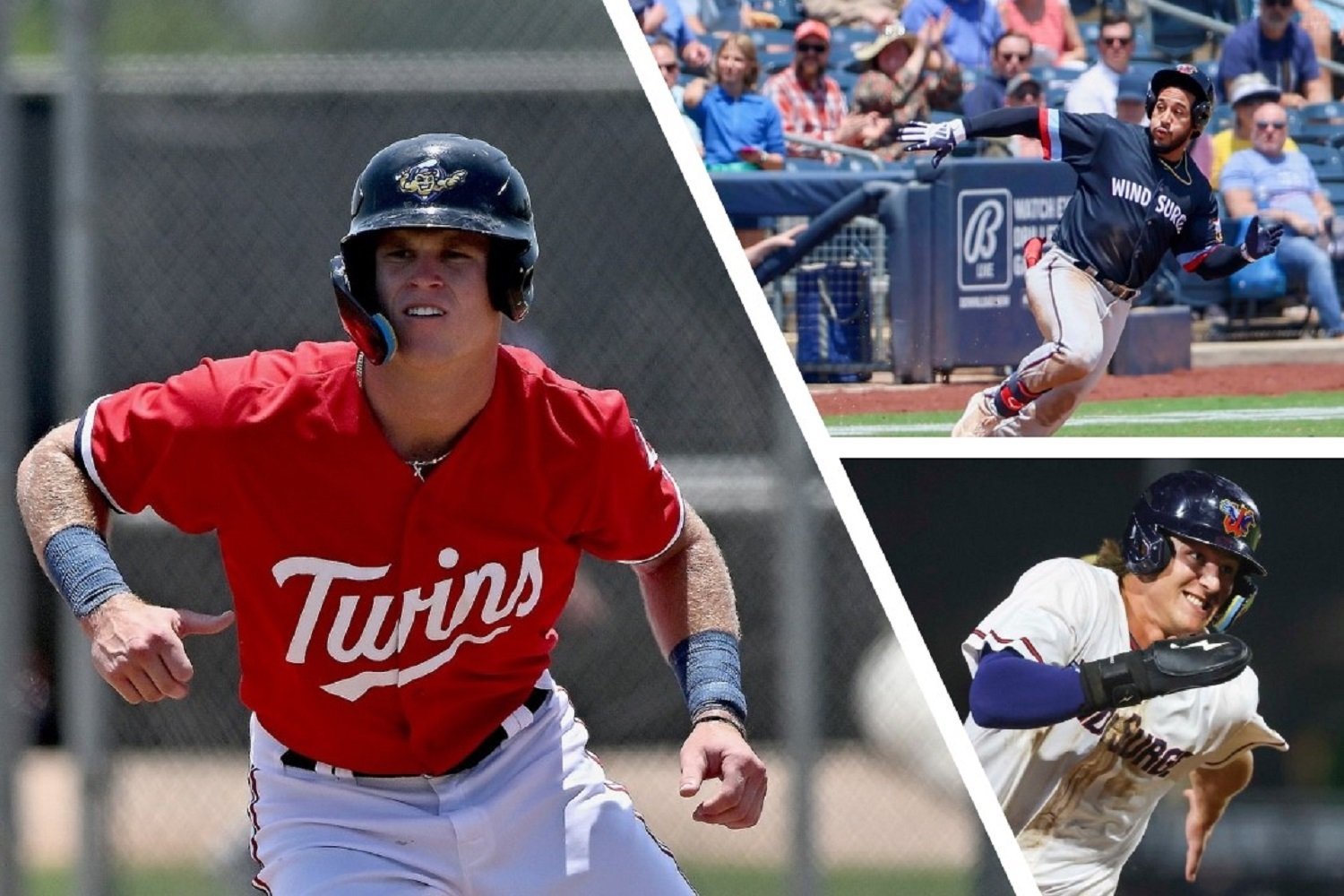 The Minnesota Twins’ 2024 campaign may have ended in disappointment, but it was a banner year for the farm system. While the big-league club stumbled to a second-half collapse, the organization’s minor-league pipeline soared to new heights, offering hope for the franchise’s future. Minnesota’s front office prioritized the long game, opting to hold onto their top prospects rather than cash them in at the trade deadline. Though costly in the short term, this decision has positioned the Twins for sustained success. Walker Jenkins: The Star of the System When the Twins selected Jenkins as the fifth overall pick in the 2023 draft, they knew they were getting exceptional talent. Despite an early-season hamstring strain that briefly slowed his ascent, Jenkins showed why he was considered one of the best pure hitters in his draft class. He finished the year at Double-A as a 19-year-old while hitting .282/.394/.439 (.833) with 32 extra-base hits in 82 games. More impressively, he coaxed more walks (56) than strikeouts (47) while facing older pitchers in all but eight of his at-bats. Jenkins showcased an advanced approach at the plate, combining power and plate discipline to solidify his status as one of the game’s premier hitting prospects. Jenkins gives the Twins a potential cornerstone player at the top of their farm system, a left-handed slugger with superstar potential. His ability to hit for both average and power, coupled with his defensive skills in the outfield, has drawn comparisons to some of the game’s elite. As the team looks to rebound in 2025, Jenkins’ progression will be a critical storyline. Jenkins Improvement: Entered the 2024 season as a top-20 global prospect and finished the season as a top-5 prospect. Breakout Performances Bolster the Depth Behind Jenkins, several prospects enjoyed breakout seasons in 2024. Luke Keaschall, despite an early end to his campaign due to Tommy John surgery, displayed offensive versatility and defensive aptitude across multiple positions. Ending 2024 at Double-A, he hit .303/.420/.493 with 37 extra-base hits in 102 games. His emergence as a rising star solidified his place among the system’s top prospects. Keaschall Improvement: Entered the 2024 season as Twins Daily’s number 11 ranked prospect and will enter next season as a top-100 global prospect. David Festa and Zebby Matthews also made significant strides, pushing their way onto Top 100 lists before graduating to the big leagues. Festa’s electric fastball and Matthews’ pinpoint control gave the Twins’ pitching depth a much-needed boost, with both arms expected to play key roles at the major league level in 2025. Festa’s Improvement: Entered last season as arguably the team’s top pitching prospect and improved by pitching well in the high minors and at the big-league level. Matthews’ Improvement: Entered last season as Twins Daily’s 20th-ranked prospect before a meteoric rise to the big leagues. Marco Raya’s career-high 97 2/3 innings added another feather to the organization’s cap. Once limited by durability concerns, the right-hander displayed improved stamina and consistency. In his final 38 2/3 innings this year, he posted a 2.09 ERA while holding opponents to a .579 OPS. If he can build on that performance in the high minors, Raya could break into the Twins’ rotation by midseason. Raya’s Improvement: Entered last season as a borderline top-100 prospect and pitched well while continuing to be pushed aggressively up the organizational ladder. Emmanuel Rodriguez finished the 2024 season at Triple-A despite being limited to 37 games at Double-A because of a thumb injury that led to offseason surgery. He continues to be electric when he is on the field, with an extremely patient approach at the plate and strong defensive ability at multiple outfield positions. In 47 games, he hit .280/.459/.567 with 25 extra-base hits and a 62-to-51 strikeout-to-walk ratio. In many other farm systems, Rodriguez would be the top-ranked prospect. Rodriguez’s Improvement: Entered last season as one of the team’s best prospects and will begin the 2025 season on the cusp of the big leagues after another strong season. Raya’s development and Rodriguez’s dynamic tools in the outfield ensure the Twins have a strong foundation of talent to build upon. Both players are projected to start the 2025 campaign at Triple-A but should debut at some point next season. Farm System Rankings Reflect Growth Many national outlets release midseason farm system rankings, and the Twins boasted as many as six of the Top 100 prospects. MLB Pipeline had the Twins ranked as baseball’s second-best system. This was a remarkable achievement for an organization that had steadily climbed the rankings under Derek Falvey’s leadership. While the graduations of Festa and Matthews will likely cause a slight slip in the rankings, the presence of Jenkins and Rodriguez at the top ensures the Twins remain among the game’s most well-stocked systems. The Twins also saw growth from other prospects outside their top-5. Andrew Morris and Cory Lewis pitched their way to Triple-A and are on the cusp of the big leagues. Brandon Winokur is an exciting young prospect with power potential that front offices dream about. Kaelen Culpepper was drafted last season and has a chance to establish himself as one of the team’s top prospects during his first full season in 2025. The list could go on and on. Reviewing the Trade Deadline Decision The 2024 trade deadline gave the Twins a choice: trade from their prospect depth to bolster a playoff push or stay the course. The front office chose the latter, which drew criticism as the team collapsed in the second half. However, with the benefit of hindsight, it’s clear that holding onto players like Jenkins, Rodriguez, and Raya was the right move for the franchise's long-term health. As the Twins prepare for the 2025 season, the challenge will be balancing their current roster needs with the continued development of their young core. While the short-term results were disappointing, the farm system’s growth in 2024 provides a silver lining and a glimpse of a brighter future. The Minnesota Twins’ farm system may not be able to single-handedly erase the sting of 2024, but it has given fans a reason to be optimistic. With Jenkins leading the way and a wave of talent behind him, the organization is well-positioned for success in the future. The front office’s patience and commitment to developing homegrown stars could pay dividends, ensuring that the Twins remain competitive in an increasingly challenging AL Central. How much did the Twins’ farm system improve in 2024? Leave a comment and start the discussion.
- 27 comments
-
- 9
-
-
- walker jenkins
- emmanuel rodriguez
- (and 5 more)
-
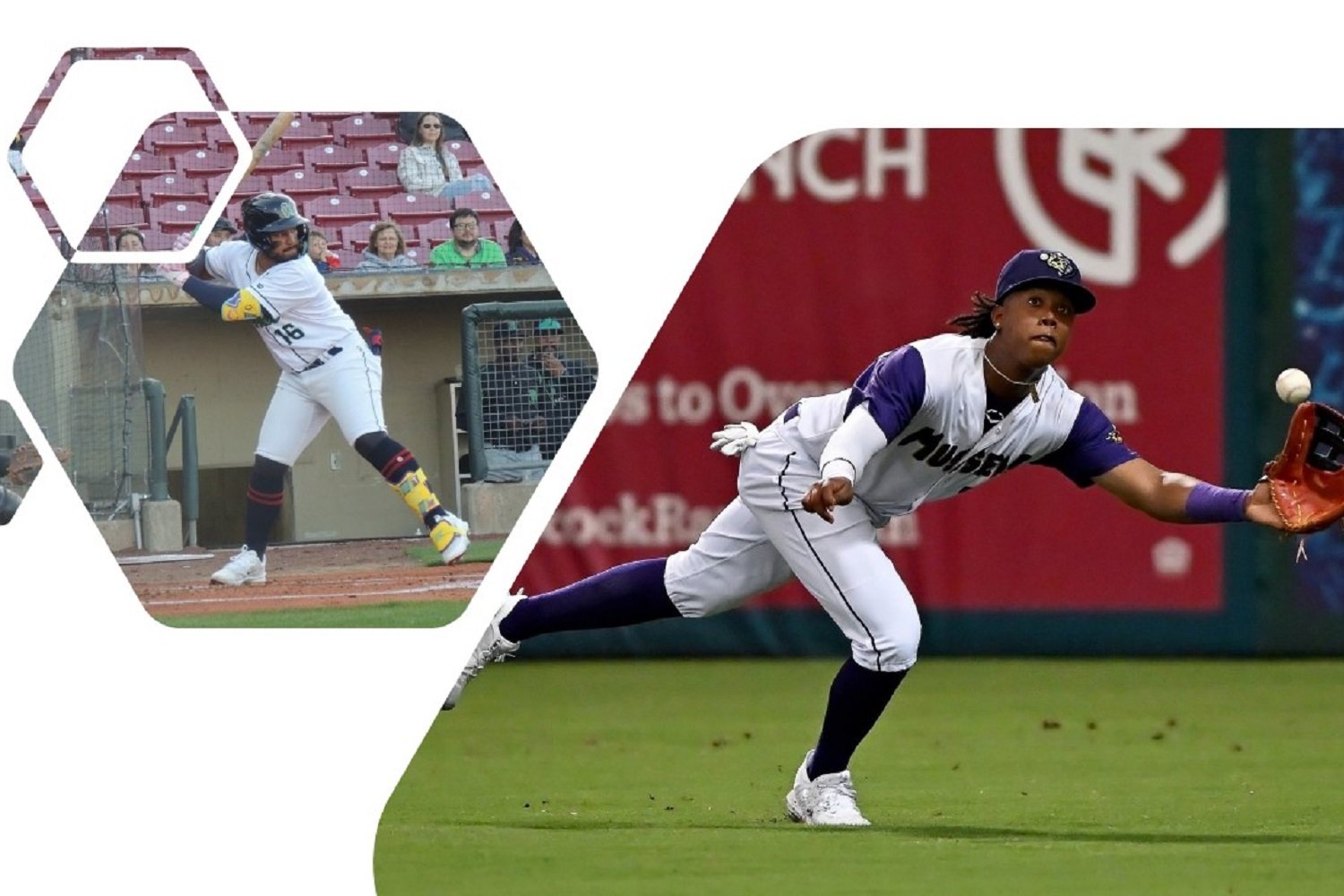 The Minnesota Twins have plenty of exciting young talent in their system, and two names to watch closely in 2025 are Gabriel Gonzalez and Yasser Mercedes. Gonzalez arrived in Minnesota as part of the Jorge Polanco trade last season, while Mercedes has been steadily rising since signing as an international free agent. Both players have intriguing potential, but their development hinges on addressing specific areas of improvement. Here's a closer look at how they can raise their prospect profiles in the year ahead. Gabriel Gonzalez: Unlocking Power and Refining His Game In his first season with the Twins organization, Gonzalez put together a respectable slash line of .255/.326/.381 (.707) over 81 games. While his 19 doubles, two triples, and five home runs suggest some gap power, his ability to drive the ball with authority is an area ripe for improvement. His defense can continue to be refined in a corner outfield spot, and he can become a better situational base runner as he matures. Last season, Twins Daily ranked him as high as the organization’s third-best prospect, but he dropped to 10th overall this winter. Increasing Power Production To take the next step, Gonzalez must focus on consistently elevating the ball and adding strength to his frame. He has been known for his ability to make contact with a 16.6 K% in 2023, which he lowered to 15.6% last season. Developing a more aggressive approach to pull-side power could boost his home run totals and make him a more complete hitter. He combined for 18 home runs in 2023, so he has previously shown power potential. A concerted effort to refine his swing mechanics and improve his bat speed will be critical as he faces higher-level pitching that isn’t afraid to attack him in the zone. Improved Defense in a Corner Outfield Role Defensively, Gonzalez profiles best as a corner outfielder, but his performance in the field left room for growth in 2024. Players his age tend to continue to add muscle to their frame, impacting their speed and athleticism. His arm is his best tool with MLB Pipeline giving him a 65 grade. Improved reads, routes and reaction times will be essential to maximizing his value. With consistent work on his footwork and throwing accuracy, Gonzalez could evolve into a reliable defender capable of complementing his offensive contributions. Refining Base Running Gonzalez went just 5-for-9 on stolen base attempts last season, underscoring the need to improve his base-running instincts. MLB Pipeline and FanGraphs gave him a 45 grade for his running/speed, with a chance that it decreases as he adds muscle to his frame. Better anticipation and a deeper understanding of pitcher tendencies could help him capitalize on his speed more effectively. While stealing bases may not become a centerpiece of his game, improved efficiency on the basepaths will add another layer to his skill set. Yasser Mercedes: Building on a Strong Foundation Mercedes showcased a more well-rounded skill set in 2024, slashing .292/.391/.488 (.879) across 61 games. His 19 doubles, two triples, and six home runs hint at untapped power potential, especially considering his six-foot-two frame and physical maturity yet to come. He dropped from 14th to 16th in the most recent Twins Daily prospect rankings. Developing More Power As Mercedes enters his 20s, he has the physical tools to develop into a legitimate power threat. FanGraphs gives him a current grade of 20 for his Game Power and a 45 for his Raw Power. Focused strength training and refining his swing to generate more loft could unlock a significant uptick in home run production. Last season, he faced older pitchers in nearly 60% of his plate appearances and posted a .899 OPS. Maintaining his impressive ability to make consistent contact will be key as he incorporates a more power-oriented approach. Finding a Defensive Home Mercedes primarily played center field last season, but there’s a possibility he could shift to a corner outfield spot as he continues to mature physically. Last season, he played over 200 innings in center and over 120 innings in right field. MLB Pipeline gives him a 50 fielding grade, while Fangraphs rates him as a 30 with the potential to reach a 60. Committing to a defensive position and excelling in that role will be vital for his long-term outlook. Whether he sticks in center or transitions to a corner, improving his defensive instincts and arm strength will ensure he remains an asset in the field. Maximizing Base-Running Potential Mercedes stole 21 bases in just 61 games, demonstrating his ability to be a weapon on the bases. FanGraphs and MLB Pipeline give him a 55 grade for his running, pointing to him already being above average. To maintain and enhance this aspect of his game, he must focus on base-stealing technique and game awareness. His natural speed gives him an edge, but fine-tuning his jumps and slide techniques could make him one of the organization’s premier base stealers. Outlook for 2025 For Gonzalez and Mercedes, the 2025 season represents a chance to solidify themselves as key pieces of the Twins’ future. Both players must build on their strong foundation by developing more power, finding a defensive home, and maximizing their base-running abilities. They have the talent to make significant strides, and a strong 2025 campaign could position them as breakout prospects in the Twins’ system. Which prospect has the most to prove in 2025? Leave a comment and start the discussion.
 -
Multiple Twins prospects improved their stock in 2024, but player development is rarely linear. The 2025 season offers two prospects an opportunity to boost their prospect stock after dropping on the team's rankings. Image courtesy of William Parmeter, Seth Stohs Multiple Twins prospects improved their stock in 2024, but player development is rarely linear. The 2025 season offers two prospects an opportunity to boost their prospect stock after dropping on the team's rankings. The Minnesota Twins have plenty of exciting young talent in their system, and two names to watch closely in 2025 are Gabriel Gonzalez and Yasser Mercedes. Gonzalez arrived in Minnesota as part of the Jorge Polanco trade last season, while Mercedes has been steadily rising since signing as an international free agent. Both players have intriguing potential, but their development hinges on addressing specific areas of improvement. Here's a closer look at how they can raise their prospect profiles in the year ahead. Gabriel Gonzalez: Unlocking Power and Refining His Game In his first season with the Twins organization, Gonzalez put together a respectable slash line of .255/.326/.381 (.707) over 81 games. While his 19 doubles, two triples, and five home runs suggest some gap power, his ability to drive the ball with authority is an area ripe for improvement. His defense can continue to be refined in a corner outfield spot, and he can become a better situational base runner as he matures. Last season, Twins Daily ranked him as high as the organization’s third-best prospect, but he dropped to 10th overall this winter. Increasing Power Production To take the next step, Gonzalez must focus on consistently elevating the ball and adding strength to his frame. He has been known for his ability to make contact with a 16.6 K% in 2023, which he lowered to 15.6% last season. Developing a more aggressive approach to pull-side power could boost his home run totals and make him a more complete hitter. He combined for 18 home runs in 2023, so he has previously shown power potential. A concerted effort to refine his swing mechanics and improve his bat speed will be critical as he faces higher-level pitching that isn’t afraid to attack him in the zone. Improved Defense in a Corner Outfield Role Defensively, Gonzalez profiles best as a corner outfielder, but his performance in the field left room for growth in 2024. Players his age tend to continue to add muscle to their frame, impacting their speed and athleticism. His arm is his best tool with MLB Pipeline giving him a 65 grade. Improved reads, routes and reaction times will be essential to maximizing his value. With consistent work on his footwork and throwing accuracy, Gonzalez could evolve into a reliable defender capable of complementing his offensive contributions. Refining Base Running Gonzalez went just 5-for-9 on stolen base attempts last season, underscoring the need to improve his base-running instincts. MLB Pipeline and FanGraphs gave him a 45 grade for his running/speed, with a chance that it decreases as he adds muscle to his frame. Better anticipation and a deeper understanding of pitcher tendencies could help him capitalize on his speed more effectively. While stealing bases may not become a centerpiece of his game, improved efficiency on the basepaths will add another layer to his skill set. Yasser Mercedes: Building on a Strong Foundation Mercedes showcased a more well-rounded skill set in 2024, slashing .292/.391/.488 (.879) across 61 games. His 19 doubles, two triples, and six home runs hint at untapped power potential, especially considering his six-foot-two frame and physical maturity yet to come. He dropped from 14th to 16th in the most recent Twins Daily prospect rankings. Developing More Power As Mercedes enters his 20s, he has the physical tools to develop into a legitimate power threat. FanGraphs gives him a current grade of 20 for his Game Power and a 45 for his Raw Power. Focused strength training and refining his swing to generate more loft could unlock a significant uptick in home run production. Last season, he faced older pitchers in nearly 60% of his plate appearances and posted a .899 OPS. Maintaining his impressive ability to make consistent contact will be key as he incorporates a more power-oriented approach. Finding a Defensive Home Mercedes primarily played center field last season, but there’s a possibility he could shift to a corner outfield spot as he continues to mature physically. Last season, he played over 200 innings in center and over 120 innings in right field. MLB Pipeline gives him a 50 fielding grade, while Fangraphs rates him as a 30 with the potential to reach a 60. Committing to a defensive position and excelling in that role will be vital for his long-term outlook. Whether he sticks in center or transitions to a corner, improving his defensive instincts and arm strength will ensure he remains an asset in the field. Maximizing Base-Running Potential Mercedes stole 21 bases in just 61 games, demonstrating his ability to be a weapon on the bases. FanGraphs and MLB Pipeline give him a 55 grade for his running, pointing to him already being above average. To maintain and enhance this aspect of his game, he must focus on base-stealing technique and game awareness. His natural speed gives him an edge, but fine-tuning his jumps and slide techniques could make him one of the organization’s premier base stealers. Outlook for 2025 For Gonzalez and Mercedes, the 2025 season represents a chance to solidify themselves as key pieces of the Twins’ future. Both players must build on their strong foundation by developing more power, finding a defensive home, and maximizing their base-running abilities. They have the talent to make significant strides, and a strong 2025 campaign could position them as breakout prospects in the Twins’ system. Which prospect has the most to prove in 2025? Leave a comment and start the discussion. View full article
-
The Twins boast one of baseball’s best farm systems. Let’s look back on the 2024 campaign to see how much the organization has improved. Image courtesy of Ed Bailey (Wichita Wind Surge), William Parmeter The Twins boast one of baseball’s best farm systems. Let’s look back on the 2024 campaign to see how much the organization has improved. The Minnesota Twins’ 2024 campaign may have ended in disappointment, but it was a banner year for the farm system. While the big-league club stumbled to a second-half collapse, the organization’s minor-league pipeline soared to new heights, offering hope for the franchise’s future. Minnesota’s front office prioritized the long game, opting to hold onto their top prospects rather than cash them in at the trade deadline. Though costly in the short term, this decision has positioned the Twins for sustained success. Walker Jenkins: The Star of the System When the Twins selected Jenkins as the fifth overall pick in the 2023 draft, they knew they were getting exceptional talent. Despite an early-season hamstring strain that briefly slowed his ascent, Jenkins showed why he was considered one of the best pure hitters in his draft class. He finished the year at Double-A as a 19-year-old while hitting .282/.394/.439 (.833) with 32 extra-base hits in 82 games. More impressively, he coaxed more walks (56) than strikeouts (47) while facing older pitchers in all but eight of his at-bats. Jenkins showcased an advanced approach at the plate, combining power and plate discipline to solidify his status as one of the game’s premier hitting prospects. Jenkins gives the Twins a potential cornerstone player at the top of their farm system, a left-handed slugger with superstar potential. His ability to hit for both average and power, coupled with his defensive skills in the outfield, has drawn comparisons to some of the game’s elite. As the team looks to rebound in 2025, Jenkins’ progression will be a critical storyline. Jenkins Improvement: Entered the 2024 season as a top-20 global prospect and finished the season as a top-5 prospect. Breakout Performances Bolster the Depth Behind Jenkins, several prospects enjoyed breakout seasons in 2024. Luke Keaschall, despite an early end to his campaign due to Tommy John surgery, displayed offensive versatility and defensive aptitude across multiple positions. Ending 2024 at Double-A, he hit .303/.420/.493 with 37 extra-base hits in 102 games. His emergence as a rising star solidified his place among the system’s top prospects. Keaschall Improvement: Entered the 2024 season as Twins Daily’s number 11 ranked prospect and will enter next season as a top-100 global prospect. David Festa and Zebby Matthews also made significant strides, pushing their way onto Top 100 lists before graduating to the big leagues. Festa’s electric fastball and Matthews’ pinpoint control gave the Twins’ pitching depth a much-needed boost, with both arms expected to play key roles at the major league level in 2025. Festa’s Improvement: Entered last season as arguably the team’s top pitching prospect and improved by pitching well in the high minors and at the big-league level. Matthews’ Improvement: Entered last season as Twins Daily’s 20th-ranked prospect before a meteoric rise to the big leagues. Marco Raya’s career-high 97 2/3 innings added another feather to the organization’s cap. Once limited by durability concerns, the right-hander displayed improved stamina and consistency. In his final 38 2/3 innings this year, he posted a 2.09 ERA while holding opponents to a .579 OPS. If he can build on that performance in the high minors, Raya could break into the Twins’ rotation by midseason. Raya’s Improvement: Entered last season as a borderline top-100 prospect and pitched well while continuing to be pushed aggressively up the organizational ladder. Emmanuel Rodriguez finished the 2024 season at Triple-A despite being limited to 37 games at Double-A because of a thumb injury that led to offseason surgery. He continues to be electric when he is on the field, with an extremely patient approach at the plate and strong defensive ability at multiple outfield positions. In 47 games, he hit .280/.459/.567 with 25 extra-base hits and a 62-to-51 strikeout-to-walk ratio. In many other farm systems, Rodriguez would be the top-ranked prospect. Rodriguez’s Improvement: Entered last season as one of the team’s best prospects and will begin the 2025 season on the cusp of the big leagues after another strong season. Raya’s development and Rodriguez’s dynamic tools in the outfield ensure the Twins have a strong foundation of talent to build upon. Both players are projected to start the 2025 campaign at Triple-A but should debut at some point next season. Farm System Rankings Reflect Growth Many national outlets release midseason farm system rankings, and the Twins boasted as many as six of the Top 100 prospects. MLB Pipeline had the Twins ranked as baseball’s second-best system. This was a remarkable achievement for an organization that had steadily climbed the rankings under Derek Falvey’s leadership. While the graduations of Festa and Matthews will likely cause a slight slip in the rankings, the presence of Jenkins and Rodriguez at the top ensures the Twins remain among the game’s most well-stocked systems. The Twins also saw growth from other prospects outside their top-5. Andrew Morris and Cory Lewis pitched their way to Triple-A and are on the cusp of the big leagues. Brandon Winokur is an exciting young prospect with power potential that front offices dream about. Kaelen Culpepper was drafted last season and has a chance to establish himself as one of the team’s top prospects during his first full season in 2025. The list could go on and on. Reviewing the Trade Deadline Decision The 2024 trade deadline gave the Twins a choice: trade from their prospect depth to bolster a playoff push or stay the course. The front office chose the latter, which drew criticism as the team collapsed in the second half. However, with the benefit of hindsight, it’s clear that holding onto players like Jenkins, Rodriguez, and Raya was the right move for the franchise's long-term health. As the Twins prepare for the 2025 season, the challenge will be balancing their current roster needs with the continued development of their young core. While the short-term results were disappointing, the farm system’s growth in 2024 provides a silver lining and a glimpse of a brighter future. The Minnesota Twins’ farm system may not be able to single-handedly erase the sting of 2024, but it has given fans a reason to be optimistic. With Jenkins leading the way and a wave of talent behind him, the organization is well-positioned for success in the future. The front office’s patience and commitment to developing homegrown stars could pay dividends, ensuring that the Twins remain competitive in an increasingly challenging AL Central. How much did the Twins’ farm system improve in 2024? Leave a comment and start the discussion. View full article
-
 MLB’s offseason is well underway, but many of the biggest questions remain unanswered, especially for the Twins. While some fans might be growing impatient, it’s worth remembering that the team still has appealing options. With key decisions looming, here’s a look at the Twins' most significant questions and what fans might expect in the coming weeks. Can the Twins Win the Roki Sasaki Recruiting Battle? Japanese starting pitcher Roki Sasaki is the crown jewel of this offseason. His talent is undeniable, and signing him would instantly elevate the Twins’ rotation to one of the best in baseball. Over the past four seasons, Sasaki posted a 2.10 ERA with 505 strikeouts, and just 88 walks in 394 2/3 innings, with a triple-digit fastball and a devastating slider. The competition will be fierce, with big-market teams like the Dodgers, Mets, and Yankees all in the mix. However, the Twins have shown a willingness to invest in international talent, and their ability to improve pitching talent could play in their favor (e.g. Pablo López, Joe Ryan, etc.). Because of rules about players who come over from Japan at any age below 25 years old, Sasaki can't be paid anywhere near the market value of his services. That pushes other considerations to the forefront. "He doesn't seem to look at it in the typical way that other players do," agent Joel Wolfe said. "He has a more long-term, global view of things. I believe Roki is also very interested in the pitching development and how a team is going to help him get better, both in the near future and over the course of his career. He didn't seem overly concerned about whether a team had Japanese players on their team or not, which, in the past, when I represented Japanese players, that was sometimes an issue. That was never a topic of discussion." Sasaki’s decision will hinge on more than just money. Teams that can present a clear path to winning and an environment conducive to his transition to MLB life will have an edge. While the odds might not favor a smaller-market team like Minnesota, the Twins are making a serious push. Fans should temper expectations, but remain hopeful that Sasaki could call Target Field home in 2025. Which Veterans Will Be Traded? Three names stand out as important trade candidates: Chris Paddack, Christian Vázquez, and Willi Castro. Chris Paddack: Paddack returned from Tommy John surgery last season and posted a 4.99 ERA with a 1.39 WHIP. The Twins have young starting pitching depth, so Paddack and his $7.5 million salary are considered expendable. Moving him and his salary might even be an imperative. Starting pitching has been a premium in free agency this season, making Paddack a more attractive trade candidate. Christian Vázquez: Trading Vázquez would clear $10 million in payroll space, but it’s a risky move. His leadership and ability to manage a pitching staff are invaluable, especially with a young rotation. If the Twins move Vázquez, they’ll need a clear plan for his replacement, which will likely require signing another veteran catcher. Willi Castro: Castro’s versatility makes him a valuable trade chip, particularly for teams needing a utility player. Last season, he was a first-time All-Star with a .774 OPS in the first half. He struggled in the second half with a .627 OPS. He is expected to earn more than $6 million in arbitration, but the Twins might be hesitant to part ways unless they receive impact players in 2025. After Carlos Santana's Departure, Who's On First? The Twins have a glaring hole at first base, now that Carlos Santana has signed a one-year, $12-million deal with Cleveland. Several internal and external options are being considered: Internal Options: Edouard Julien and José Miranda could slide over to first base. Julien’s bat struggled in 2024, but there are signs that he's set to bounce back in 2025. If the Twins move him to first, it could mitigate some of his defensive struggles at second base. Miranda, meanwhile, offers versatility and a solid bat—when he can stay healthy. He hit .326/.366/.522 (.888) in the first half, before collapsing with a .543 OPS in the second half. First basemen are expected to produce at a high level, so both players must return to their previous offensive profiles. Free Agent Market: Pete Alonso is the biggest name among free-agent first basemen, but is out of the Twins’ owner-imposed payroll range. Minnesota signed Mike Ford to a minor-league deal Thursday, and he has some potential upside. Veteran players like Justin Turner, Donovan Solano, and Connor Joe produced more than 2.0 WAR last season. However, they might not offer as much upside as Minnesota’s internal options. What Can Fans Expect in the Coming Weeks? The Twins’ front office has generally been quiet in December, before ramping up in January. Both times the team signed Carlos Correa and previous big moves like Josh Donaldson’s signing highlight their tendency to make a splash after the holiday season. The front office waits for the more prominent free agents to sign so that teams are more open to trades, which is where the Twins can make their biggest splash this winter. They acquired López in the second half of January two years ago, for instance. Bullpen Moves: Minnesota already traded Jovani Morán, but that won’t be the offseason headline. The Twins will look to add depth to a bullpen that struggled with inconsistency in 2024. There has been some discussion about the team trading Jhoan Durán or Griffin Jax, but the front office would need to be overwhelmed in a return for either player. Impact Bat: Mickey Gasper was the player the Twins acquired for Morán, but he’s hardly the answer to the Twins’ lineup needs. Adding a power bat remains a priority, be it through trade or free agency. A right-handed platoon power hitter could add an element lacking in recent seasons. Roster Shuffling: Several smaller moves to address depth and flexibility, including potentially trading from their surplus of young pitching, could happen before pitchers and catchers report. The Twins’ offseason is far from over, and big moves are likely on the horizon. Whether it’s the potential acquisition of Roki Sasaki, the resolution of trade rumors involving veterans, or the search for a new first baseman, fans should expect an active and impactful January. The front office’s track record suggests that while the current quiet might be frustrating, the coming weeks will bring answers to these pressing questions. What moves should fans expect from the front office? Leave a comment and start the discussion.
- 58 comments
-
- 4
-
-
- roki sasaki
- christian vazquez
- (and 4 more)
-
The MLB offseason has been moving rapidly, but the Twins have yet to get involved. Derek Falvey's front office made significant moves in previous winters when the calendar turned to January, and they face big questions and opportunities this year. Image courtesy of © Sam Navarro-Imagn Images The MLB offseason has been moving rapidly, but the Twins have yet to get involved. Derek Falvey's front office made significant moves in previous winters when the calendar turned to January, and they face big questions and opportunities this year. MLB’s offseason is well underway, but many of the biggest questions remain unanswered, especially for the Twins. While some fans might be growing impatient, it’s worth remembering that the team still has appealing options. With key decisions looming, here’s a look at the Twins' most significant questions and what fans might expect in the coming weeks. Can the Twins Win the Roki Sasaki Recruiting Battle? Japanese starting pitcher Roki Sasaki is the crown jewel of this offseason. His talent is undeniable, and signing him would instantly elevate the Twins’ rotation to one of the best in baseball. Over the past four seasons, Sasaki posted a 2.10 ERA with 505 strikeouts, and just 88 walks in 394 2/3 innings, with a triple-digit fastball and a devastating slider. The competition will be fierce, with big-market teams like the Dodgers, Mets, and Yankees all in the mix. However, the Twins have shown a willingness to invest in international talent, and their ability to improve pitching talent could play in their favor (e.g. Pablo López, Joe Ryan, etc.). Because of rules about players who come over from Japan at any age below 25 years old, Sasaki can't be paid anywhere near the market value of his services. That pushes other considerations to the forefront. "He doesn't seem to look at it in the typical way that other players do," agent Joel Wolfe said. "He has a more long-term, global view of things. I believe Roki is also very interested in the pitching development and how a team is going to help him get better, both in the near future and over the course of his career. He didn't seem overly concerned about whether a team had Japanese players on their team or not, which, in the past, when I represented Japanese players, that was sometimes an issue. That was never a topic of discussion." Sasaki’s decision will hinge on more than just money. Teams that can present a clear path to winning and an environment conducive to his transition to MLB life will have an edge. While the odds might not favor a smaller-market team like Minnesota, the Twins are making a serious push. Fans should temper expectations, but remain hopeful that Sasaki could call Target Field home in 2025. Which Veterans Will Be Traded? Three names stand out as important trade candidates: Chris Paddack, Christian Vázquez, and Willi Castro. Chris Paddack: Paddack returned from Tommy John surgery last season and posted a 4.99 ERA with a 1.39 WHIP. The Twins have young starting pitching depth, so Paddack and his $7.5 million salary are considered expendable. Moving him and his salary might even be an imperative. Starting pitching has been a premium in free agency this season, making Paddack a more attractive trade candidate. Christian Vázquez: Trading Vázquez would clear $10 million in payroll space, but it’s a risky move. His leadership and ability to manage a pitching staff are invaluable, especially with a young rotation. If the Twins move Vázquez, they’ll need a clear plan for his replacement, which will likely require signing another veteran catcher. Willi Castro: Castro’s versatility makes him a valuable trade chip, particularly for teams needing a utility player. Last season, he was a first-time All-Star with a .774 OPS in the first half. He struggled in the second half with a .627 OPS. He is expected to earn more than $6 million in arbitration, but the Twins might be hesitant to part ways unless they receive impact players in 2025. After Carlos Santana's Departure, Who's On First? The Twins have a glaring hole at first base, now that Carlos Santana has signed a one-year, $12-million deal with Cleveland. Several internal and external options are being considered: Internal Options: Edouard Julien and José Miranda could slide over to first base. Julien’s bat struggled in 2024, but there are signs that he's set to bounce back in 2025. If the Twins move him to first, it could mitigate some of his defensive struggles at second base. Miranda, meanwhile, offers versatility and a solid bat—when he can stay healthy. He hit .326/.366/.522 (.888) in the first half, before collapsing with a .543 OPS in the second half. First basemen are expected to produce at a high level, so both players must return to their previous offensive profiles. Free Agent Market: Pete Alonso is the biggest name among free-agent first basemen, but is out of the Twins’ owner-imposed payroll range. Minnesota signed Mike Ford to a minor-league deal Thursday, and he has some potential upside. Veteran players like Justin Turner, Donovan Solano, and Connor Joe produced more than 2.0 WAR last season. However, they might not offer as much upside as Minnesota’s internal options. What Can Fans Expect in the Coming Weeks? The Twins’ front office has generally been quiet in December, before ramping up in January. Both times the team signed Carlos Correa and previous big moves like Josh Donaldson’s signing highlight their tendency to make a splash after the holiday season. The front office waits for the more prominent free agents to sign so that teams are more open to trades, which is where the Twins can make their biggest splash this winter. They acquired López in the second half of January two years ago, for instance. Bullpen Moves: Minnesota already traded Jovani Morán, but that won’t be the offseason headline. The Twins will look to add depth to a bullpen that struggled with inconsistency in 2024. There has been some discussion about the team trading Jhoan Durán or Griffin Jax, but the front office would need to be overwhelmed in a return for either player. Impact Bat: Mickey Gasper was the player the Twins acquired for Morán, but he’s hardly the answer to the Twins’ lineup needs. Adding a power bat remains a priority, be it through trade or free agency. A right-handed platoon power hitter could add an element lacking in recent seasons. Roster Shuffling: Several smaller moves to address depth and flexibility, including potentially trading from their surplus of young pitching, could happen before pitchers and catchers report. The Twins’ offseason is far from over, and big moves are likely on the horizon. Whether it’s the potential acquisition of Roki Sasaki, the resolution of trade rumors involving veterans, or the search for a new first baseman, fans should expect an active and impactful January. The front office’s track record suggests that while the current quiet might be frustrating, the coming weeks will bring answers to these pressing questions. What moves should fans expect from the front office? Leave a comment and start the discussion. View full article
-
Caleb Thielbar: A Minnesota Boy Living an Unexpected Baseball Dream
Cody Christie posted an article in Twins
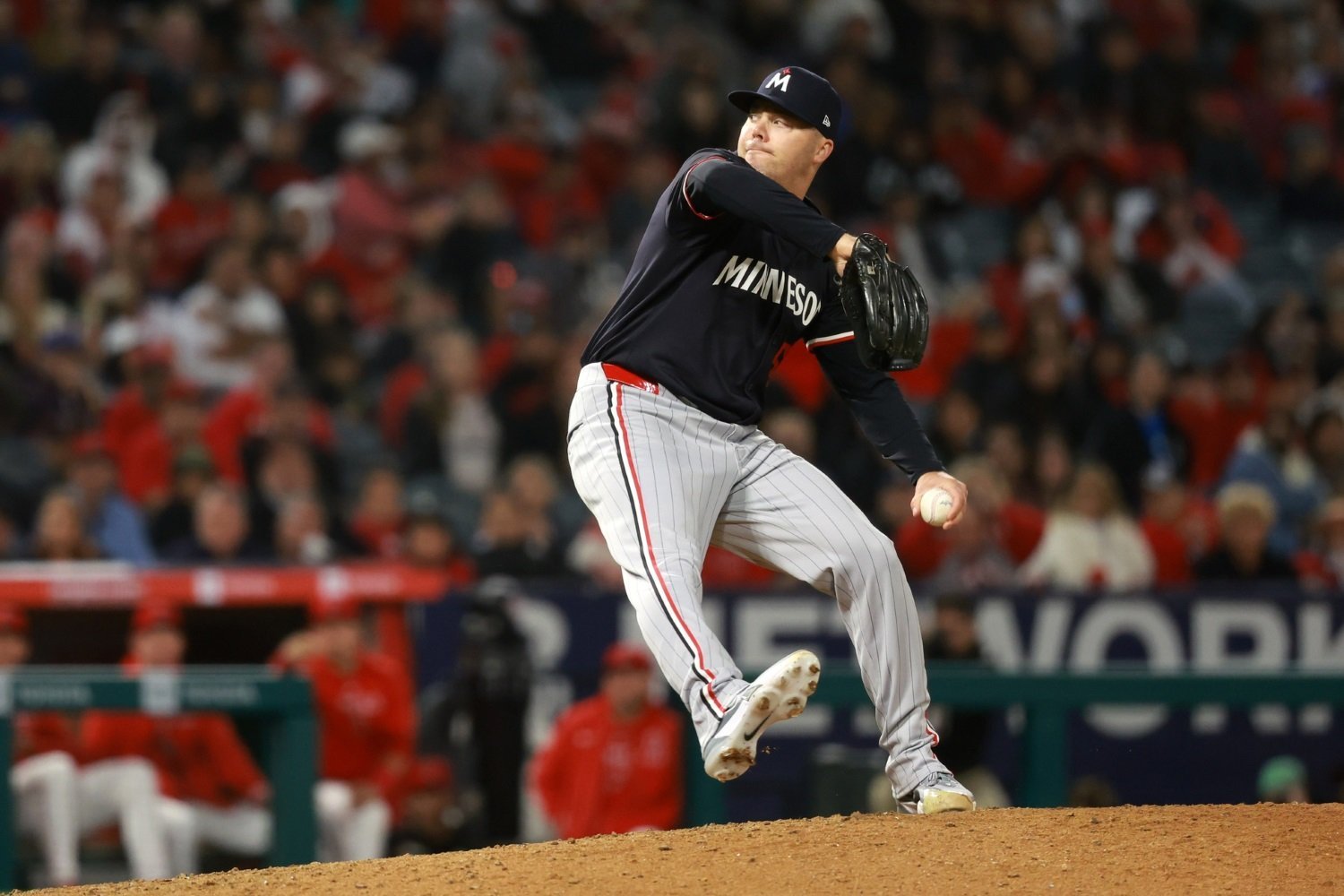 Caleb Thielbar wasn’t supposed to be here. A tall boy from small-town Minnesota rarely gets an opportunity at the big-league level, and Thielbar has been granted more than one chance to be an essential part of the contending team’s bullpens. His journey with the Twins spanned two different eras, with a near retirement in the middle. Now, he heads to Chicago’s North Side, where he will play his first big-league games without wearing the colors of his hometown team. A Journey Through Two Eras Thielbar’s career with the Twins is a tale of perseverance and second chances. Originally signed by the Milwaukee Brewers in 2009, the left-handed reliever from Randolph, Minn. flamed out in that organization and headed to the St. Paul Saints, an independent team at the time. The Twins took notice of him and signed him near the end of the 2011 campaign. Two years later, he made his big-league debut in 2013, becoming a reliable bullpen piece through 2015. Thielbar showcased a deceptive delivery and an uncanny ability to keep hitters off balance during that first stint. He posted a 2.74 ERA (147 ERA+) and a 1.12 WHIP over 109 appearances. The final season of that stint saw an apparent decline, though, and the Twins designated him for assignment in 2015. He was claimed by the Padres, but never appeared for them in the majors. However, baseball careers are rarely linear. Thielbar found himself out of the majors after the 2015 season. The following years included stints in independent leagues and a growing sense that his time in affiliated ball might be over. By 2019, he was ready to hang up his cleats and shift his focus to coaching at Augustana University in South Dakota. A Second Chance, Thanks to the Twins Then, the call came. The Twins and Brad Steil saw an opportunity to give Thielbar another chance. At 32 years old, most players might have been considered past their prime, but Thielbar wasn’t just any player. Minnesota saw the opportunity to refine his pitch mix and reestablish him as a strong late-inning option for a team with playoff aspirations. Thielbar’s return in 2020 was nothing short of remarkable. He became a mainstay in the bullpen, providing stability and leadership during a period when the Twins contended for division titles. Over his second stint (2020-2024), he appeared in 238 games, posting a 3.12 ERA while striking out nearly 11 batters per nine innings. His ability to neutralize left-handed hitters and navigate high-leverage situations made him an indispensable part of the team. Thielbar’s resurgence would not have been possible without the guidance of Twins pro scouting director Brad Steil, a longtime member of the Twins on the minor-league side. Multiple teams were interested in bringing Thielbar to spring training for the 2020 season, but he was set on moving to the college coaching ranks. However, Steil saw the alterations made by Thielbar at Driveline and convinced the lefty to give it one more shot at living out his big-league dream. A Minnesota Legacy Many players from Minnesota have impacted the Twins, but Thielbar should be remembered for embodying the Midwestern work ethic and taking pride in belonging to his hometown team. His journey from an independent league player to a consistent big-league reliever is a testament to his perseverance and the potency of the technology that informs and augments modern player development. One of his most significant moments came in the 2023 playoffs, as he helped his hometown team end a 20-year playoff losing streak. He pitched in both games of the series and didn’t allow a run. Thielbar may be donning a Cubs uniform in 2025, but his legacy in Minnesota is secure. He leaves as one of the most reliable and respected relievers in recent Twins history, embodying resilience and determination every step of the way. For Twins fans, Thielbar will always be part of the Minnesota baseball family. What will you remember most about Thielbar’s time in Minnesota? Leave a comment and start the discussion.
 -
For Caleb Thielbar, the Minnesota Twins have always been more than just a team; they have been home. As he now prepares to join the Chicago Cubs for the next chapter of his career, it’s the perfect time to reflect on his unique journey. Image courtesy of © Kiyoshi Mio-USA TODAY Sports For Caleb Thielbar, the Minnesota Twins have always been more than just a team; they have been home. As he now prepares to join the Chicago Cubs for the next chapter of his career, it’s the perfect time to reflect on his unique journey. Caleb Thielbar wasn’t supposed to be here. A tall boy from small-town Minnesota rarely gets an opportunity at the big-league level, and Thielbar has been granted more than one chance to be an essential part of the contending team’s bullpens. His journey with the Twins spanned two different eras, with a near retirement in the middle. Now, he heads to Chicago’s North Side, where he will play his first big-league games without wearing the colors of his hometown team. A Journey Through Two Eras Thielbar’s career with the Twins is a tale of perseverance and second chances. Originally signed by the Milwaukee Brewers in 2009, the left-handed reliever from Randolph, Minn. flamed out in that organization and headed to the St. Paul Saints, an independent team at the time. The Twins took notice of him and signed him near the end of the 2011 campaign. Two years later, he made his big-league debut in 2013, becoming a reliable bullpen piece through 2015. Thielbar showcased a deceptive delivery and an uncanny ability to keep hitters off balance during that first stint. He posted a 2.74 ERA (147 ERA+) and a 1.12 WHIP over 109 appearances. The final season of that stint saw an apparent decline, though, and the Twins designated him for assignment in 2015. He was claimed by the Padres, but never appeared for them in the majors. However, baseball careers are rarely linear. Thielbar found himself out of the majors after the 2015 season. The following years included stints in independent leagues and a growing sense that his time in affiliated ball might be over. By 2019, he was ready to hang up his cleats and shift his focus to coaching at Augustana University in South Dakota. A Second Chance, Thanks to the Twins Then, the call came. The Twins and Brad Steil saw an opportunity to give Thielbar another chance. At 32 years old, most players might have been considered past their prime, but Thielbar wasn’t just any player. Minnesota saw the opportunity to refine his pitch mix and reestablish him as a strong late-inning option for a team with playoff aspirations. Thielbar’s return in 2020 was nothing short of remarkable. He became a mainstay in the bullpen, providing stability and leadership during a period when the Twins contended for division titles. Over his second stint (2020-2024), he appeared in 238 games, posting a 3.12 ERA while striking out nearly 11 batters per nine innings. His ability to neutralize left-handed hitters and navigate high-leverage situations made him an indispensable part of the team. Thielbar’s resurgence would not have been possible without the guidance of Twins pro scouting director Brad Steil, a longtime member of the Twins on the minor-league side. Multiple teams were interested in bringing Thielbar to spring training for the 2020 season, but he was set on moving to the college coaching ranks. However, Steil saw the alterations made by Thielbar at Driveline and convinced the lefty to give it one more shot at living out his big-league dream. A Minnesota Legacy Many players from Minnesota have impacted the Twins, but Thielbar should be remembered for embodying the Midwestern work ethic and taking pride in belonging to his hometown team. His journey from an independent league player to a consistent big-league reliever is a testament to his perseverance and the potency of the technology that informs and augments modern player development. One of his most significant moments came in the 2023 playoffs, as he helped his hometown team end a 20-year playoff losing streak. He pitched in both games of the series and didn’t allow a run. Thielbar may be donning a Cubs uniform in 2025, but his legacy in Minnesota is secure. He leaves as one of the most reliable and respected relievers in recent Twins history, embodying resilience and determination every step of the way. For Twins fans, Thielbar will always be part of the Minnesota baseball family. What will you remember most about Thielbar’s time in Minnesota? Leave a comment and start the discussion. View full article
-
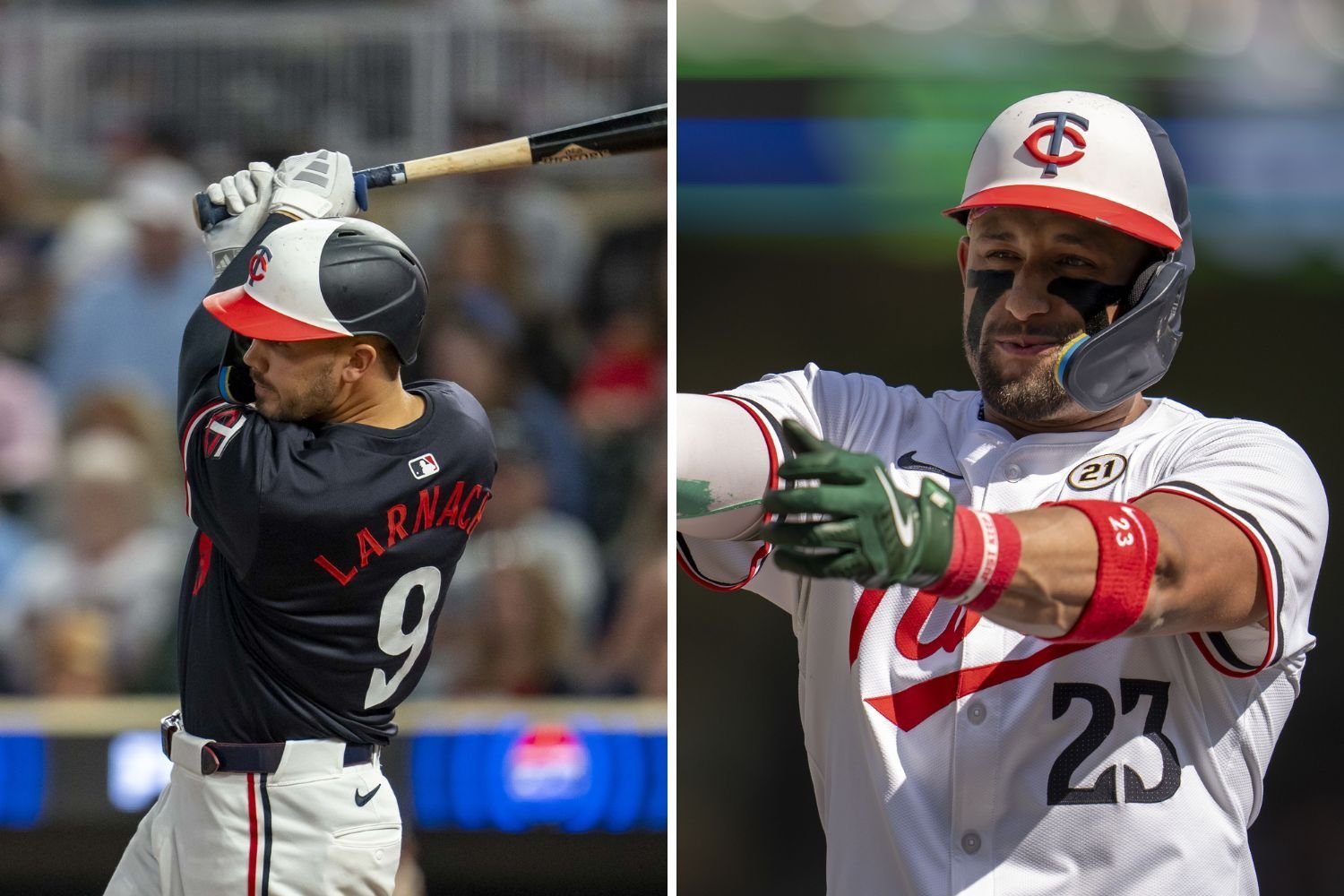 As the Minnesota Twins head into the 2025 season, the team faces critical decisions about its roster construction and game-day strategies. Platooning has been a cornerstone of Rocco Baldelli’s managerial approach. However, with the departures of Kyle Farmer, Carlos Santana, and Max Kepler in free agency, the team’s personnel may demand a reassessment of this strategy. During the Winter Meetings, Derek Falvey offered insight into the organization’s perspective on platooning: With that in mind, let’s dive into the pros and cons of platooning and how it could shape the Twins’ success in the upcoming season. The Pros of Platooning 1. Maximizing Matchups: Platooning allows managers to exploit favorable matchups by using hitters who excel against specific handedness. For example, Kyle Farmer thrived against left-handed pitching, providing balance in the lineup. His .751 OPS versus lefties last season was over 200 points higher than he hit against righties. Farmer’s role will likely be filled by an internal option for next season, so Baldelli must find the best right-handed fit. By leveraging these strengths, the Twins could optimize offensive production without requiring every player to be a five-tool contributor. 2. Managing Player Workloads: The grind of a 162-game season takes its toll, especially on veteran players. Platooning offers built-in rest days for players, keeping them fresh and reducing injury risk. Players like Carlos Correa and Byron Buxton bring immense value to the Twins, but injuries have sidelined them for parts of the last two seasons. Veteran players need rest days to avoid extended IL trips, and sitting the team’s stars against tough right-handed pitchers could help them manage their workload. 3. Building Depth: Platooning necessitates a deep bench of versatile players, which can strengthen a team throughout the season. Players like Willi Castro and Austin Martin, who offer positional flexibility, could thrive in a system designed around platooning. The Twins also have Triple-A players, like Michael Helman and DaShawn Kiersey Jr., who will be trying to earn more permanent roles at the big-league level. These options also provide insurance against injuries or slumps. The Cons of Platooning 1. Inconsistent Roles: While some players adapt well to platooning, others struggle with inconsistent playing time. Younger players, in particular, may find it challenging to develop rhythm and confidence if they’re not playing every day. Matt Wallner and Trevor Larnach are projected to be the team’s corner outfielders and can serve as the strong side of the platoon with their powerful left-handed swings. Last season, Wallner had a .611 OPS versus lefties, while Larnach finished with a .579 OPS. There could be some concern that platooning could hinder their development as they play more regularly at the big-league level. 2. Limited Roster Spots: Carrying a platoon-heavy roster can constrain roster flexibility. The need for multiple players at the same position limits the ability to carry extra pitchers or specialists. For multiple years, the Twins have seemed to need a right-handed hitting corner outfielder to platoon with the team’s young lefty sluggers. However, that hasn’t been a priority for the front office. With MLB’s 13-pitcher roster cap, every bench spot is valuable. 3. Vulnerability to Opponent Adjustments: Savvy opposing managers can exploit a platooning strategy by deploying reverse split pitchers or making mid-game adjustments. Teams have used an opener to get the opposing manager to load his lineup with one-handedness of batters before removing the starter after one or two innings. This strategy can force the manager to burn his bench before the middle innings. If the Twins rely too heavily on platooning, they risk being outmaneuvered late in games when matchup options become limited. What’s Next for the Twins? With Farmer, Santana, and Kepler gone, the Twins must reassess how they deploy their roster. Larnach and Wallner are penciled in as corner outfield starters, but both hit left-handed, creating a potential need for a right-handed complement. Randal Grichuk, who posted a .914 OPS against lefties in 2024, could be an ideal fit or the team could target another right-handed hitting outfielder. In the infield, Castro, Martin, and Helman’s versatility might provide the flexibility required for match-up-based usage. Ultimately, the success of platooning depends on the personnel available and the willingness of players to buy into the system. Falvey’s comments clarify that these decisions fall squarely on Baldelli’s shoulders. As the Twins look to rebound from a disappointing 2024 season, finding the right balance between platooning and stability could be a key factor in their return to contention. Platooning has its merits, but it’s not a one-size-fits-all solution. As Falvey noted, “It depends on the personnel.” For the Twins, the departure of key veterans means the team must carefully evaluate whether a platoon-heavy approach aligns with their 2025 roster. With young players eager for opportunities and veterans seeking consistent roles, Baldelli’s ability to navigate these dynamics will be crucial to the team’s success. Should the Twins reassess how much they platoon? Leave a comment and start the discussion.
- 85 comments
-
- 1
-
-
- kyle farmer
- trevor larnach
- (and 5 more)


