



Cody Christie
-
Posts
7,813 -
Joined
-
Last visited
-
Days Won
5
Content Type
Profiles
News
Minnesota Twins Videos
2026 Minnesota Twins Top Prospects Ranking
2022 Minnesota Twins Draft Picks
Minnesota Twins Free Agent & Trade Rumors, Notes, & Tidbits
Guides & Resources
2023 Minnesota Twins Draft Picks
The Minnesota Twins Players Project
2024 Minnesota Twins Draft Picks
2025 Minnesota Twins Draft Pick Tracker
2026 Minnesota Twins Draft Tracker: Picks & Bonuses
Forums
Blogs
Events
Store
Downloads
Gallery
Everything posted by Cody Christie
-
 Rumors began to swirl last week that the Twins might be interested in trading for Dylan Cease. It will take quite a package of players to acquire him, so here are three ways the Twins can make it happen. Image courtesy of © Ron Chenoy-Imagn Images Rumors began to swirl last week that the Twins might be interested in trading for Dylan Cease. It will take quite a package of players to acquire him, so here are three ways the Twins can make it happen. As the offseason churns forward, the Minnesota Twins are actively looking for ways to bolster their roster for another playoff push in 2025. One potential avenue for improvement lies in acquiring Dylan Cease, the San Diego Padres ace and a proven frontline starter. Dan Hayes and Dennis Lin of The Athletic reported that the Twins and Padres have discussed multiple big-league trade opportunities, including Cease. Cease has finished in the top 5 for Cy Young voting in two seasons and could provide the Twins with the rotation anchor they need to contend deeper into October. However, landing Cease won’t come cheap and he’s on an expiring contract, which is something this front office hasn’t targeted before. Below are three potential trade scenarios the Twins could propose to pry Cease away from the Padres. Trade Scenario 1: A Prospect-Laden Package Twins Receive: SP Dylan Cease Padres Receive: IF Luke Keaschall, SP C.J. Culpepper, OF Yasser Mercedes This deal focuses on the future of the Padres, as they would receive three high-upside prospects in exchange for their ace. Keaschall, the Twins' second-round pick in 2023, projects as a versatile infielder with excellent bat-to-ball skills and defensive versatility. His stock is at a high point after a breakout campaign in 2024, where he posted a .903 OPS between High- and Double-A. Culpepper is a polished pitching prospect who has impressed in the lower minors with his control and strikeout potential. Meanwhile, Mercedes offers dynamic tools in the outfield, including speed and raw power, making him a potential high-impact player down the line. For the Twins, the appeal is clear. Cease would slot in as the team’s ace, giving them a formidable 1-2 punch with Pablo López. It would be tough for any AL team to match this duo when it comes to matching up in the playoffs. By parting with this package of prospects, Minnesota would avoid sacrificing immediate big-league contributors while focusing on their contention window. Trade Scenario 2: Big League Depth with Salary Offset Twins Receive: SP Dylan Cease Padres Receive: OF Trevor Larnach, SP Chris Paddack, SP Andrew Morris, UTL Austin Martin In this scenario, the Padres acquire a blend of major league-ready talent and minor-league depth. Larnach, a former first-round pick, has shown flashes of his potential but hasn’t cemented himself as a regular in the Twins’ lineup. A change of scenery could unlock his offensive upside. Paddack is very familiar to Padres fans as he comes with some risk but could provide innings for San Diego if healthy while offsetting part of Cease’s salary. Morris, a rising pitching prospect, adds depth to the Padres’ farm system, and Martin’s versatility could make him a useful piece in their roster construction. San Diego has some holes in their roster’s backup roles, and this adds three players who can immediately join their 26-man roster for Opening Day. For the Twins, this deal is about maximizing their rotation’s potential without gutting their farm system entirely. Moving Paddack’s salary helps facilitate the trade, and Cease would immediately elevate the Twins’ pitching staff. Though Larnach and Martin have value, neither has a locked-in role with the team moving forward. Trade Scenario 3: Starters and Salary Swap Twins Receive: SP Dylan Cease Padres Receive: IF José Miranda, C Christian Vázquez, SP Zebby Matthews, IF Edouard Julien This proposal pairs controllable young players with a veteran to help offset Cease’s salary. Miranda has shown flashes of his potential, but injuries have impacted his overall production. He offers the Padres a controllable bat who could thrive with a fresh start. Vázquez’s inclusion provides a veteran presence and helps San Diego’s catching depth. There have been rumors that the Padres are interested in acquiring Vázquez. Matthews, a rising pitching prospect, adds to San Diego’s farm system, and Julien brings another big-league-ready left-handed bat with exceptional on-base skills and positional flexibility. For Minnesota, acquiring Cease would justify moving multiple young, controllable pieces. The Twins would also lean on Ryan Jeffers to increase his time behind the plate, which would be a change in philosophy for a team that has relied on a catching duo. This deal demonstrates an evident “win-now” mentality while giving the Padres a mix of current contributors and long-term assets. Cease represents a rare opportunity for the Twins to acquire a true ace without entering the free-agent frenzy. The Twins also expected to have a new owner during the 2025 season, which could allow Minnesota to approach Cease with a long-term contract extension. While the cost of any trade will be steep, Minnesota’s front office has the pieces to construct a deal that works for both sides. Whether it’s a prospect-heavy package, a blend of big-league contributors and salary relief, or a mix of young stars and veterans, the Twins have multiple paths to land Cease and fortify their rotation for 2024 and beyond. The question is whether the Padres are willing to deal their star pitcher and if the Twins are ready to make a bold move to win the offseason. Which trade works best for both teams? Would the Twins need to include more in a trade? Leave a comment and start the discussion. View full article
 -
Everything You Need to Know About the New Twins TV Setup in 2025
Cody Christie posted an article in Twins
 Major League Baseball will take on the production and distribution of local Twins games for the upcoming season. This approach mirrors what the Arizona Diamondbacks, Colorado Rockies, and San Diego Padres utilized during the 2024 season. According to MLB, the Twins’ reach in 2024 was just over one million homes, but under this new model, they project to hit 4.4 million homes (an impressive 307% increase). Below are answers to some key questions about this updated TV setup. Author's Note: Portions of this article were updated on Friday, January 24, 2025, after the Twins released more details in conjunction with TwinsFest weekend. How Can I Watch the Twins in 2025? The team’s new network, Twins.TV will be available through cable, satellite, and streaming on the MLB.TV platform. These options aim to make watching Twins baseball easier than ever. On cable or satellite, Twins.TV will have a dedicated channel that exclusively airs games, along with pre- and post-game shows. As in previous years, exclusive national broadcasts will remain on platforms like ESPN, Fox, Roku, or AppleTV. In 2024, the Twins had 159 games aired on Bally Sports North, with two games on AppleTV and one on Fox. A similar distribution can be expected for the 2025 season, with the finalized TV schedule set to be released later this winter. Also, the Twins announced that they expect 150-plus games to be part of their 2025 Twins.TV package. Will There Be Blackouts? For the first time, fans within Twins Territory will not face blackout restrictions, except for games broadcast nationally on platforms like ESPN or Fox. This switch is a significant change for fans in Minnesota, North Dakota, South Dakota, western Wisconsin, and northern Iowa. With a Twins.TV subscription, fans can stream all locally distributed broadcasts. Similarly, those with cable or satellite packages that include Twins.TV will have full access to broadcasts without blackout limitations. “This means that for the first time ever, there will be no streaming blackouts for Twins.TV in Minnesota, no blackouts in North Dakota, no blackouts in South Dakota, no blackouts in Western Wisconsin, and no blackouts in the entire state of Iowa,” Twins president Dave St. Peter said. at the media luncheon during TwinsFest weekend. How Much Will It Cost to Watch the Twins? On Friday, the Twins released more details regarding the pricing structure for watching Twins.TV. There are multiple options for fans who want to subscribe to the team's new streaming option. One way is to pay an annual fee of $99.99, or fans can pay $19.99 monthly. It pays to be a Twins season ticket holder for fans looking for a discount. The Twins are offering a 50 percent discount on Twins.TV to fans who purchase choice or reserved season tickets through the club’s new MyTwins Membership program. Fans with a starter season ticket package will receive a 20 percent discount on the team’s digital streaming deal. For cable subscribers, Major League Baseball is in discussions with providers to ensure Twins.TV broadcasts will be available on a package similar to the one including FanDuel Sports Network. Other Minnesota professional sports teams like the Wild, Timberwolves, and Lynx are currently on FanDuel. FDSN previously broadcast Twins games under its former name, Bally Sports North. Last season, cable subscribers paid an additional $20 per month for the premium sports tier that included FDSN. When Will Packages Be Available? Fans can begin purchasing their Twins.TV package on Tuesday, February 11th. If fans are unsure about wanting to purchase a package, the Twins will offer a free preview of five of their broadcast during spring training. Who Will Be the Announcers and On-Air Talent? The Twins recently revealed the broadcast team for Twins.TV’s inaugural season. Cory Provus returns as the lead play-by-play announcer for his second season in the television booth after transitioning from radio in 2024. Entering his 14th year with the Twins, Provus quickly adapted to the nuances of calling games on TV, offering fans a fresh and engaging broadcast experience. There are undoubtedly different nuances to calling games on TV versus radio, and Provus was a natural in his new role. Fans are lucky to have Provus calling games, and more eyes will be able to see him in 2025. Joining Provus will be former AL MVP Justin Morneau as the primary analyst, marking his eighth season in the booth and fifth in this lead role. Additional analysts include former Twins players LaTroy Hawkins, Glen Perkins, Trevor Plouffe, and Denard Span. Katie Storm and Tim Laudner will return as pre- and post-game hosts, while Audra Martin will continue as the roving reporter. This lineup remains consistent with last season’s broadcasts. “With Twins fans now able to watch our games where, when and how they choose, we are thrilled to deliver an incredibly talented broadcast team that is among the very best in baseball,” said Twins President & CEO Dave St. Peter. “This group’s collective storytelling skill, analytic insight, and relatability will continue entertaining fans and elevating our overall production as we enter an exciting and unprecedented era of Twins broadcast coverage.” Notably absent from the lineup is Roy Smalley, who announced his retirement from broadcasting on X/Twitter. A key figure in Twins broadcasts for 25 years, Smalley brought insights from his playing days during two stints with the club. While his voice will be missed, we wish him all the best in retirement. What’s Next? Later this offseason, MLB and the Twins are expected to announce the packages and pricing for cable and satellite providers that will be carrying Twins.TV. Additionally, announcements regarding spring training and regular season broadcast schedules should be coming soon. Stay tuned for updates as more information becomes available. What questions do you have about the team’s new television options? Leave a comment and join the discussion!
- 92 comments
-
- 11
-

-

-
- dave st peter
- cory provus
- (and 3 more)
-
Luke Keaschall is already considered one of the best prospects in a strong Twins farm system. Here’s why he’s starting to get recognized on the national level. Image courtesy of Ed Bailey, Wichita Wind Surge Luke Keaschall is already considered one of the best prospects in a strong Twins farm system. Here’s why he’s starting to get recognized on the national level. MLB Pipeline recently unveiled its rankings of the top second base prospects in baseball, and a familiar name for Twins fans has cracked the top three: Luke Keaschall. He finished behind Boston’s Kristian Campbell and Cleveland’s Travis Bazzana. His inclusion at number three solidifies his status as one of the brightest young talents in the game. Let’s examine why the Twins’ rising star has drawn national attention and what makes him such an exceptional prospect. An Offensive Force Keaschall’s bat is what separates him from most of his peers. After being drafted in the second round of the 2023 MLB Draft, the 22-year-old wasted little time proving his offensive prowess. In his first full professional season, he slashed an eye-popping .335/.457/.544 (1.001) over 44 games with High-A Cedar Rapids. His ability to control the strike zone, paired with a keen eye at the plate, translated into an impressive on-base percentage that showcased his advanced approach. Add 23 stolen bases to his resume, and Keaschall’s offensive game already appeared well-rounded. Keaschall continued to impress after his promotion to Double-A Wichita, where he faced more challenging competition. In Wichita, he hit .281/.393/.439 (.832) with nine doubles and eight home runs in 58 games. Though he was limited to designated hitter duties after tearing his UCL, Keaschall still performed admirably at the plate. The injury, which led to Tommy John surgery in August, may have slowed his momentum but hasn’t diminished the optimism surrounding his future. The Twins expect him to be healthy and ready for the 2025 season. Keaschall’s tools speak for themselves. MLB Pipeline gives him a 60-grade hit tool and 55-grade run tool, placing him in elite company among minor league hitters. His ability to make consistent, high-quality contact, combined with his knack for working counts, gives him one of the highest offensive ceilings of any prospect in the game. Twins Daily ranked him as the organization's third best prospect entering the 2025 season. Some scouts have called him one of the best pure hitters in the minors, a distinction that carries significant weight. Defensive Versatility: Second Base and Beyond? While Keaschall’s bat is his calling card, questions remain about his long-term defensive home. Many view him as a second baseman, but some evaluators believe he has the athleticism and instincts to handle center field or left field if needed. His 55-grade run tool and solid baseball IQ suggest he could transition to the outfield without much trouble, providing the Twins with additional roster flexibility. Minnesota likes players to be able to move around the diamond because it gives manager Rocco Baldelli more options with the line-up. However, the Twins will likely give him every opportunity to stick at an infield position. He has experience with first and third base, but second base might be the optimal spot for his player type. His quickness, soft hands, and reliable footwork make him a strong defender at the position, even if he doesn’t project as elite. In an era where versatility is valued more than ever, Keaschall’s ability to play multiple positions only adds to his allure as a prospect. What’s Next for Keaschall? Tommy John surgery may have temporarily sidelined Keaschall, but it hasn’t dampened his outlook. With a full offseason to recover and prepare, he’ll enter 2025 ready to build on his stellar 2024 campaign. If he can replicate his offensive success at higher levels while continuing to refine his defense, he could force his way into the Twins’ big-league plans sooner rather than later. As MLB Pipeline continues to rank the game’s best young talent, Keaschall’s placement among the top second-base prospects is a testament to his skill and potential. Twins fans should be excited about what’s to come for one of the organization’s most promising future stars. Keep an eye on Keaschall because he is likely to impact the Twins’ big-league roster in 2025. Is Keaschall one of baseball’s best second-base prospects? What will be his long-term defensive position? Leave a comment and start the discussion. View full article
-
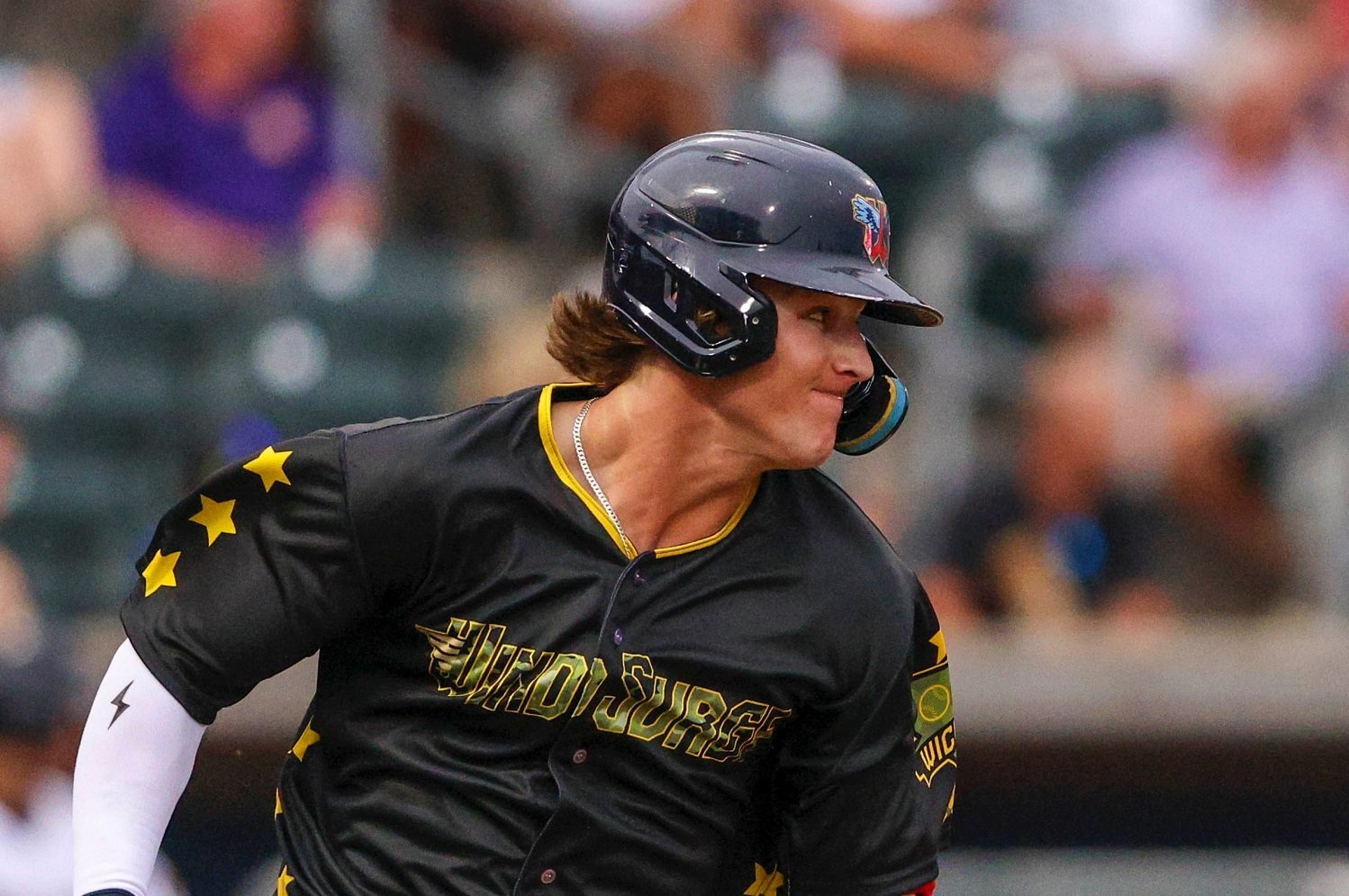 MLB Pipeline recently unveiled its rankings of the top second base prospects in baseball, and a familiar name for Twins fans has cracked the top three: Luke Keaschall. He finished behind Boston’s Kristian Campbell and Cleveland’s Travis Bazzana. His inclusion at number three solidifies his status as one of the brightest young talents in the game. Let’s examine why the Twins’ rising star has drawn national attention and what makes him such an exceptional prospect. An Offensive Force Keaschall’s bat is what separates him from most of his peers. After being drafted in the second round of the 2023 MLB Draft, the 22-year-old wasted little time proving his offensive prowess. In his first full professional season, he slashed an eye-popping .335/.457/.544 (1.001) over 44 games with High-A Cedar Rapids. His ability to control the strike zone, paired with a keen eye at the plate, translated into an impressive on-base percentage that showcased his advanced approach. Add 23 stolen bases to his resume, and Keaschall’s offensive game already appeared well-rounded. Keaschall continued to impress after his promotion to Double-A Wichita, where he faced more challenging competition. In Wichita, he hit .281/.393/.439 (.832) with nine doubles and eight home runs in 58 games. Though he was limited to designated hitter duties after tearing his UCL, Keaschall still performed admirably at the plate. The injury, which led to Tommy John surgery in August, may have slowed his momentum but hasn’t diminished the optimism surrounding his future. The Twins expect him to be healthy and ready for the 2025 season. Keaschall’s tools speak for themselves. MLB Pipeline gives him a 60-grade hit tool and 55-grade run tool, placing him in elite company among minor league hitters. His ability to make consistent, high-quality contact, combined with his knack for working counts, gives him one of the highest offensive ceilings of any prospect in the game. Twins Daily ranked him as the organization's third best prospect entering the 2025 season. Some scouts have called him one of the best pure hitters in the minors, a distinction that carries significant weight. Defensive Versatility: Second Base and Beyond? While Keaschall’s bat is his calling card, questions remain about his long-term defensive home. Many view him as a second baseman, but some evaluators believe he has the athleticism and instincts to handle center field or left field if needed. His 55-grade run tool and solid baseball IQ suggest he could transition to the outfield without much trouble, providing the Twins with additional roster flexibility. Minnesota likes players to be able to move around the diamond because it gives manager Rocco Baldelli more options with the line-up. However, the Twins will likely give him every opportunity to stick at an infield position. He has experience with first and third base, but second base might be the optimal spot for his player type. His quickness, soft hands, and reliable footwork make him a strong defender at the position, even if he doesn’t project as elite. In an era where versatility is valued more than ever, Keaschall’s ability to play multiple positions only adds to his allure as a prospect. What’s Next for Keaschall? Tommy John surgery may have temporarily sidelined Keaschall, but it hasn’t dampened his outlook. With a full offseason to recover and prepare, he’ll enter 2025 ready to build on his stellar 2024 campaign. If he can replicate his offensive success at higher levels while continuing to refine his defense, he could force his way into the Twins’ big-league plans sooner rather than later. As MLB Pipeline continues to rank the game’s best young talent, Keaschall’s placement among the top second-base prospects is a testament to his skill and potential. Twins fans should be excited about what’s to come for one of the organization’s most promising future stars. Keep an eye on Keaschall because he is likely to impact the Twins’ big-league roster in 2025. Is Keaschall one of baseball’s best second-base prospects? What will be his long-term defensive position? Leave a comment and start the discussion.
 -
Are Signs Pointing to Justin Ishbia Emerging as the Next Twins Owner?
Cody Christie posted an article in Twins
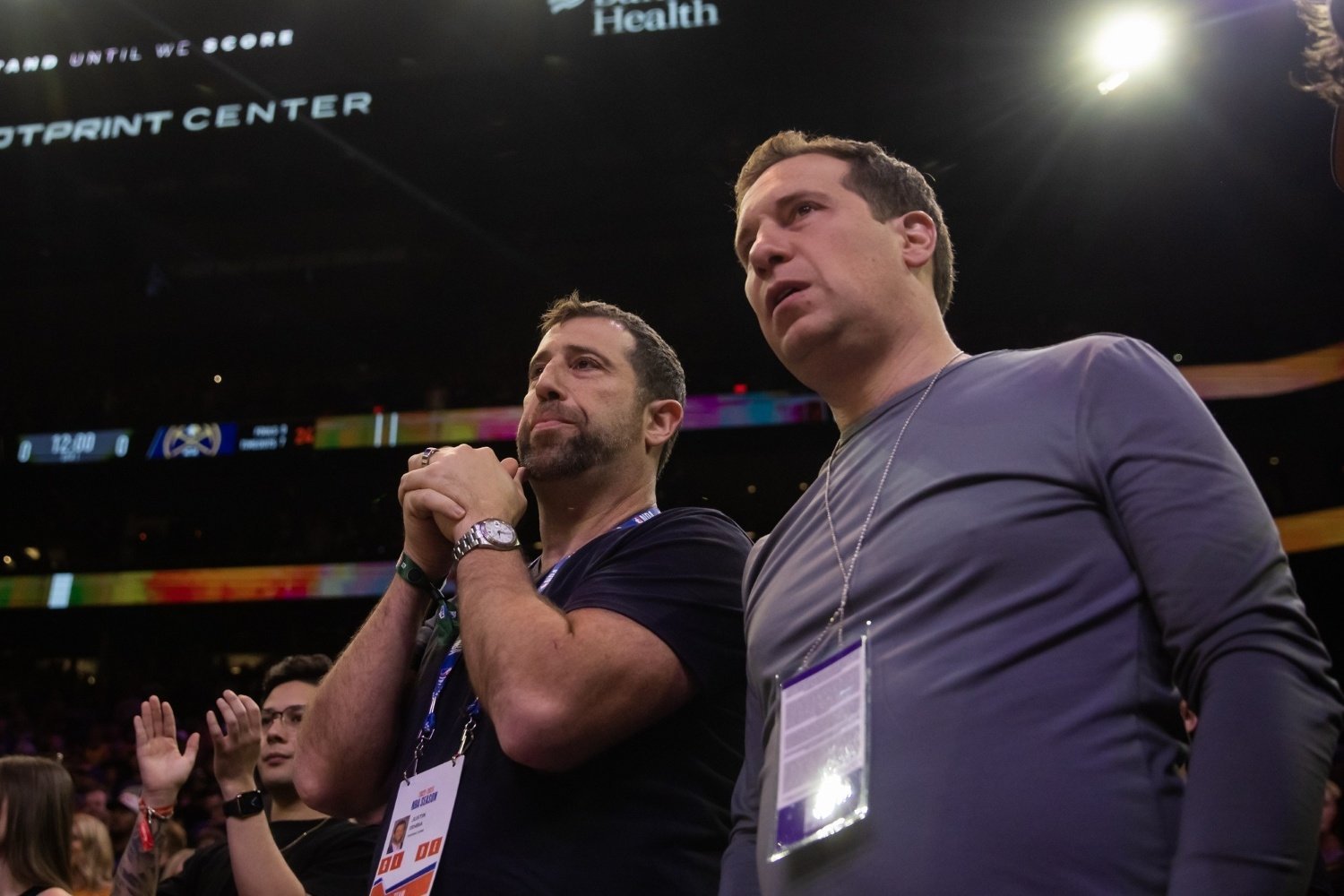 The Minnesota Twins will have new ownership sometime during the 2025 season. Multiple reports in recent weeks point to an agreement coming in the season’s first half. One of those reports came from Dan Hayes of The Athletic. Justin Ishbia, a billionaire entrepreneur, has emerged as a frontrunner in the race to purchase the team, estimated to be worth between $1.5 billion and $1.7 billion. Hayes writes that a league source has described Ishbia as “very, very serious” about acquiring the Twins. He also said, "The process could be expedited if a prospective owner elevated themselves above a ‘robust’ group of interested parties.” Further, MLB’s vetting process has already included a "deeper dive" into Ishbia’s financial standing and overall suitability as a prospective owner. He is currently a minority owner of the Chicago White Sox. For a franchise rooted in community and stability, this could signal a significant shift if Ishbia solidifies his bid. According to Forbes, Ishbia’s net worth is estimated at $5.4 billion. Much of his wealth stems from his role as chairman of United Wholesale Mortgage (UWM), a company that has become a juggernaut in the mortgage lending space. Ishbia’s financial resources certainly place him in elite company, capable of navigating the high-stakes world of MLB ownership. However, many billionaires have a bad history regarding how they make their money. Beyond the numbers, league insiders believe Ishbia’s aggressive approach and enthusiasm for the process position him well among the "robust" group of potential buyers described above. It’s not uncommon for a top bidder to emerge in high-profile sales, but what’s striking here is the confidence level behind Ishbia’s pursuit. While the Twins’ current ownership group (led by the Pohlad family) has not indicated an immediate timeline for a sale, Hayes’s reporting suggests the process could accelerate if a buyer like Ishbia makes a strong enough offer. The Pohlad family has long been at the helm of the Minnesota Twins, shaping the franchise's direction both on and off the field. When the time comes to consider passing the baton of ownership, their decision will likely hinge on multiple factors. A local group or an ownership candidate with a clear vision for maintaining the Twins as a cornerstone of Minnesota sports might sway the family, even if it means a little extra work to develop a competitive offer. For fans, the idea of new ownership naturally raises questions. Will Ishbia invest heavily in the on-field product? How will he engage with the local community? Can he enhance the Twins’ standing within MLB? With his significant financial resources, Ishbia could inject new energy and vision into the franchise. The Pohlad family has overseen periods of both success and stagnation during their tenure, so a fresh perspective may resonate with fans eager for the team to take another step forward. Of course, it’s essential to read between the lines. Hayes’s report could also reflect some strategic maneuvering. If Ishbia truly has the inside track, this could be an attempt to finalize negotiations by leveraging public perception. Pushing the narrative of so much steam might spur other bidders to up their offers, driving up the franchise’s value. Still, the fact that Ishbia’s name keeps surfacing (and with such confidence) is hard to ignore. MLB’s willingness to dig deeper into his background hints at serious momentum. While other suitors may exist, Ishbia appears to be separating himself from the pack. Twins fans will undoubtedly keep a close eye on developments as the process unfolds. Ownership changes can redefine a franchise in terms of finances, culture, and priorities. If Ishbia emerges as the new owner, it could mark a transformative era for the Minnesota Twins. For now, though, the story remains one of potential, promise (and a lot of steam). Will Ishbia become the new Twins owner? What changes would you like to see under a new ownership group? Leave a comment and start the discussion.
 -
Twins fans are waiting patiently for a new ownership group to emerge. All signs point to Justin Ishbia as the clear frontrunner, with a sale inching closer to completion. Image courtesy of © Mark J. Rebilas-Imagn Images Twins fans are waiting patiently for a new ownership group to emerge. All signs point to Justin Ishbia as the clear frontrunner, with a sale inching closer to completion. The Minnesota Twins will have new ownership sometime during the 2025 season. Multiple reports in recent weeks point to an agreement coming in the season’s first half. One of those reports came from Dan Hayes of The Athletic. Justin Ishbia, a billionaire entrepreneur, has emerged as a frontrunner in the race to purchase the team, estimated to be worth between $1.5 billion and $1.7 billion. Hayes writes that a league source has described Ishbia as “very, very serious” about acquiring the Twins. He also said, "The process could be expedited if a prospective owner elevated themselves above a ‘robust’ group of interested parties.” Further, MLB’s vetting process has already included a "deeper dive" into Ishbia’s financial standing and overall suitability as a prospective owner. He is currently a minority owner of the Chicago White Sox. For a franchise rooted in community and stability, this could signal a significant shift if Ishbia solidifies his bid. According to Forbes, Ishbia’s net worth is estimated at $5.4 billion. Much of his wealth stems from his role as chairman of United Wholesale Mortgage (UWM), a company that has become a juggernaut in the mortgage lending space. Ishbia’s financial resources certainly place him in elite company, capable of navigating the high-stakes world of MLB ownership. However, many billionaires have a bad history regarding how they make their money. Beyond the numbers, league insiders believe Ishbia’s aggressive approach and enthusiasm for the process position him well among the "robust" group of potential buyers described above. It’s not uncommon for a top bidder to emerge in high-profile sales, but what’s striking here is the confidence level behind Ishbia’s pursuit. While the Twins’ current ownership group (led by the Pohlad family) has not indicated an immediate timeline for a sale, Hayes’s reporting suggests the process could accelerate if a buyer like Ishbia makes a strong enough offer. The Pohlad family has long been at the helm of the Minnesota Twins, shaping the franchise's direction both on and off the field. When the time comes to consider passing the baton of ownership, their decision will likely hinge on multiple factors. A local group or an ownership candidate with a clear vision for maintaining the Twins as a cornerstone of Minnesota sports might sway the family, even if it means a little extra work to develop a competitive offer. For fans, the idea of new ownership naturally raises questions. Will Ishbia invest heavily in the on-field product? How will he engage with the local community? Can he enhance the Twins’ standing within MLB? With his significant financial resources, Ishbia could inject new energy and vision into the franchise. The Pohlad family has overseen periods of both success and stagnation during their tenure, so a fresh perspective may resonate with fans eager for the team to take another step forward. Of course, it’s essential to read between the lines. Hayes’s report could also reflect some strategic maneuvering. If Ishbia truly has the inside track, this could be an attempt to finalize negotiations by leveraging public perception. Pushing the narrative of so much steam might spur other bidders to up their offers, driving up the franchise’s value. Still, the fact that Ishbia’s name keeps surfacing (and with such confidence) is hard to ignore. MLB’s willingness to dig deeper into his background hints at serious momentum. While other suitors may exist, Ishbia appears to be separating himself from the pack. Twins fans will undoubtedly keep a close eye on developments as the process unfolds. Ownership changes can redefine a franchise in terms of finances, culture, and priorities. If Ishbia emerges as the new owner, it could mark a transformative era for the Minnesota Twins. For now, though, the story remains one of potential, promise (and a lot of steam). Will Ishbia become the new Twins owner? What changes would you like to see under a new ownership group? Leave a comment and start the discussion. View full article
-
Pablo López has shown flashes of being one of the AL’s best pitchers, including a top-10 finish for the AL Cy Young in 2023. To regain that form for the 2025 season, however, he must make some changes. Image courtesy of Matt Krohn-Imagn Images Pablo López has shown flashes of being one of the AL’s best pitchers, including a top-10 finish for the AL Cy Young in 2023. To regain that form for the 2025 season, however, he must make some changes. The Minnesota Twins acquired Pablo López in the hope that he could be a cornerstone of their rotation for years to come. The early returns were promising, with an All-Star appearance and flashes of dominance, but maintaining Cy Young-caliber form proved difficult. As López looks to build on his first two seasons in Minnesota, the Twins must focus on specific areas to help him reach the elite level he can sustain over a full campaign. Avoiding the Long Ball Home runs were one of López’s most significant challenges during the 2024 season. He posted career-worst marks with a 37.5% hard-hit rate, 35.9% launch-angle sweet spot rate, and 3.4% home-run rate by opposing batters. He sometimes struggled to keep the ball in the yard, derailing otherwise strong outings. This issue isn’t new for López, but limiting home runs is critical. Part of the solution lies in pitch sequencing and location. López’s four-seam fastball is effective when he elevates it, but it becomes hittable when he misses over the plate. Combining his elevated fastball with better execution of his sweeper could help keep hitters off balance and generate more ground balls. Additionally, targeting the bottom of the zone with his secondary pitches (particularly the changeup) could help him induce weak contact, rather than leaving pitches in the launch zone. Letting It Rip with the Sweeper The sweeper emerged as one of López’s most dynamic offerings during his first season in Minnesota. Last season, the pitch was less effective, but sometimes he seemed tentative when throwing it. He must embrace it even more. In an era where breaking balls dominate, López’s sweeper has elite movement that confounds hitters when deployed effectively. Increasing its usage, particularly in two-strike counts, could turn it into his signature weapon. The Twins could also encourage López to throw the sweeper earlier in counts, to set up other pitches. In 2023, he held batters to a .287 SLG against his sweeper with a 36.6% whiff rate. Last season, opponents posted a .436 SLG, with an exit velocity over 4 miles per hour faster than his first season with the Twins. He had a slightly better spin on the pitch in 2023, so that should be his focus. If the sweeper becomes a pitch hitters anticipate but cannot barrel, López could find himself climbing the strikeout leaderboard again in 2024. Rediscovering His Changeup López’s changeup has long been one of his most effective pitches, but there have been inconsistencies since joining the Twins. When that offering is on, it tunnels perfectly off his fastball and generates swings and misses, especially against left-handed hitters. However, its effectiveness waned in stretches, as hitters began to lay off it. He allowed a career-high .410 SLG and saw opponents' whiff rates drop by over 5% when throwing his changeup in 2023. Last season, his whiff rate dropped to a career-worst 24.9%, and batters hit .281 against his changeup. The Twins need to help López regain confidence in his changeup, be that by focusing on grip adjustments or release mechanics to ensure consistent fade and depth. Using the pitch with his fastball and sweeper will make it harder for hitters to pick up. The changeup doesn’t need to be his primary weapon, but it’s a critical part of his arsenal that makes everything else work. The Path Back to Dominance López has all the tools to be one of the best pitchers in baseball. His 2024 season provided glimpses of brilliance, including a second-half stretch wherein he posted a 2.11 ERA and a 71-to-15 strikeout-to-walk ratio in 12 starts (76 2/3 innings). For him, consistency will be the key moving forward. By limiting home runs, leaning into his sweeper, and rediscovering his changeup, López can take the next step and become the ace the Twins envisioned when they extended him. With a strong offseason of preparation and the guidance of the Twins’ coaching staff, there’s no reason López can’t contend for a Cy Young Award in 2025. The talent is there, and the Twins and López must unlock it. What do you think? Can López take his game to the next level this season? Leave a comment and start the discussion. View full article
-
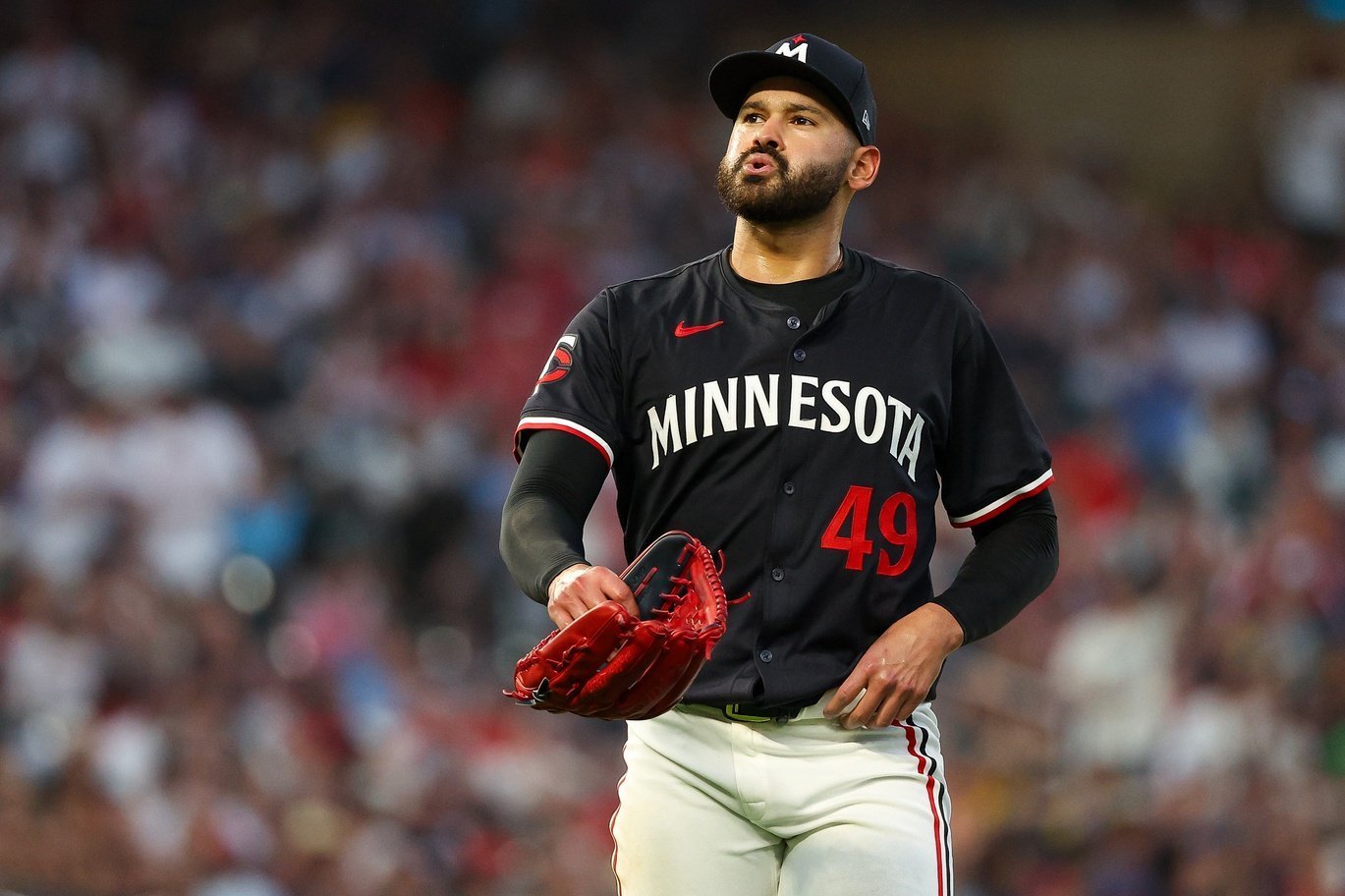 The Minnesota Twins acquired Pablo López in the hope that he could be a cornerstone of their rotation for years to come. The early returns were promising, with an All-Star appearance and flashes of dominance, but maintaining Cy Young-caliber form proved difficult. As López looks to build on his first two seasons in Minnesota, the Twins must focus on specific areas to help him reach the elite level he can sustain over a full campaign. Avoiding the Long Ball Home runs were one of López’s most significant challenges during the 2024 season. He posted career-worst marks with a 37.5% hard-hit rate, 35.9% launch-angle sweet spot rate, and 3.4% home-run rate by opposing batters. He sometimes struggled to keep the ball in the yard, derailing otherwise strong outings. This issue isn’t new for López, but limiting home runs is critical. Part of the solution lies in pitch sequencing and location. López’s four-seam fastball is effective when he elevates it, but it becomes hittable when he misses over the plate. Combining his elevated fastball with better execution of his sweeper could help keep hitters off balance and generate more ground balls. Additionally, targeting the bottom of the zone with his secondary pitches (particularly the changeup) could help him induce weak contact, rather than leaving pitches in the launch zone. Letting It Rip with the Sweeper The sweeper emerged as one of López’s most dynamic offerings during his first season in Minnesota. Last season, the pitch was less effective, but sometimes he seemed tentative when throwing it. He must embrace it even more. In an era where breaking balls dominate, López’s sweeper has elite movement that confounds hitters when deployed effectively. Increasing its usage, particularly in two-strike counts, could turn it into his signature weapon. The Twins could also encourage López to throw the sweeper earlier in counts, to set up other pitches. In 2023, he held batters to a .287 SLG against his sweeper with a 36.6% whiff rate. Last season, opponents posted a .436 SLG, with an exit velocity over 4 miles per hour faster than his first season with the Twins. He had a slightly better spin on the pitch in 2023, so that should be his focus. If the sweeper becomes a pitch hitters anticipate but cannot barrel, López could find himself climbing the strikeout leaderboard again in 2024. Rediscovering His Changeup López’s changeup has long been one of his most effective pitches, but there have been inconsistencies since joining the Twins. When that offering is on, it tunnels perfectly off his fastball and generates swings and misses, especially against left-handed hitters. However, its effectiveness waned in stretches, as hitters began to lay off it. He allowed a career-high .410 SLG and saw opponents' whiff rates drop by over 5% when throwing his changeup in 2023. Last season, his whiff rate dropped to a career-worst 24.9%, and batters hit .281 against his changeup. The Twins need to help López regain confidence in his changeup, be that by focusing on grip adjustments or release mechanics to ensure consistent fade and depth. Using the pitch with his fastball and sweeper will make it harder for hitters to pick up. The changeup doesn’t need to be his primary weapon, but it’s a critical part of his arsenal that makes everything else work. The Path Back to Dominance López has all the tools to be one of the best pitchers in baseball. His 2024 season provided glimpses of brilliance, including a second-half stretch wherein he posted a 2.11 ERA and a 71-to-15 strikeout-to-walk ratio in 12 starts (76 2/3 innings). For him, consistency will be the key moving forward. By limiting home runs, leaning into his sweeper, and rediscovering his changeup, López can take the next step and become the ace the Twins envisioned when they extended him. With a strong offseason of preparation and the guidance of the Twins’ coaching staff, there’s no reason López can’t contend for a Cy Young Award in 2025. The talent is there, and the Twins and López must unlock it. What do you think? Can López take his game to the next level this season? Leave a comment and start the discussion.
 -
It’s closing in on the point during the offseason when the Twins’ front office tends to get active. The Twins are considering trading veteran players, and the righty starter is at the top of the list. Image courtesy of © Tommy Gilligan-USA TODAY Sports It’s closing in on the point during the offseason when the Twins’ front office tends to get active. The Twins are considering trading veteran players, and the righty starter is at the top of the list. With the start of spring training on the horizon, the Minnesota Twins find themselves in a position to retool their roster. According to Dan Hayes of The Athletic, trade talks involving Twins pitcher Chris Paddack are gaining traction. Paddack’s injury history and salary implications make a deal logical, especially with promising arms like David Festa, Zebby Matthews, and Marco Raya rising through the pipeline. According to Hayes, Twins utilityman Willi Castro and Paddack have been discussed in a potential deal. In the article, president of baseball operations Derek Falvey confirmed that the talks around both players have picked up, with spring training only weeks away. Some teams have missed out on free-agent targets, so they turn to trades to supplement their roster. "You don't know where things are going to land," Falvey said. "But I can tell you we've had more active conversations in the last couple of weeks than we've had prior. Hopefully, it's a signal of the same thing that we have some traction on a few different ideas and concepts especially as teams start to turn. Some to the trade market, some to the free-agent market... I'm hopeful there's still some opportunity there." Here are three potential trade scenarios that could make sense for the Twins as they try to maximize Paddack’s trade value. 1. Chris Paddack to the Miami Marlins for Bullpen Depth The Twins have made moves with the Marlins in recent seasons, so it makes sense for the two clubs to discuss another potential trade. Trading Paddack to Miami could give the Twins a solid reliever to bolster their late-inning options. One intriguing name is left-hander Andrew Nardi, a high-strikeout lefty who could add another dimension to the Twins' bullpen. Last season, he posted a 33.3 K% in 49 2/3 innings. He ended last season on the injured list with a left elbow muscle injury but is expected to be ready for 2025. For the Marlins, a healthy Paddack would fit nicely into their rotation or as a swingman. Shedding Paddack’s $7.5 million salary would provide the Twins financial flexibility, while addressing their bullpen depth issues. However, there is no guarantee that Miami is looking to add big-league-caliber players after a 100-loss season in 2024. 2. Chris Paddack and Willi Castro to the Cincinnati Reds for Prospect Capital According to Hayes, Castro’s name has also been floated in trade discussions, which opens the door for a multi-player deal. The Reds are a young team hoping to reemerge as contenders, and could use a veteran starter like Paddack to eat innings while mentoring younger pitchers. Pairing him with Castro, a versatile utilityman, would give Cincinnati depth and flexibility at multiple positions. The Twins have made multiple trades with the Reds under the current front-office regime, so the two sides are very familiar with each other. In return, the Twins could target a prospect like infielder Edwin Arroyo or catcher Alfredo Duno. Both players fit the Twins' long-term plans, with Arroyo providing middle-infield depth and Duno offering a long-term catching prospect. This trade would align with the Twins’ goal of balancing present competitiveness with future sustainability. With Arroyo or Duno as the headliner, the Twins would likely need other prospects added to the deal to surrender Castro and Paddack. Cincinnati has a chance to compete in the NL Central, and both players help to upgrade their roster for 2025. 3. Chris Paddack to the San Diego Padres for a Catcher Could a reunion with the Padres be in the cards for Paddack? San Diego’s aggressive pursuit of pitching depth each offseason makes them a logical trade partner. The Twins could explore a swap involving one of San Diego’s catchers, such as Brandon Valenzuela. The young backstop has shown flashes of offensive potential but remains blocked by other catching prospects ahead of him in their system. Last season, he hit .232/.312/.352 (.664) with 19 doubles and nine home runs in 111 games between Double- and Triple-A. The Twins’ catching depth is lacking in the minor leagues, and it has been a focus for the front office this winter. Minnesota already has five potential catchers on the 40-man roster. Adding Valenzuela would give the Twins another young, controllable piece at a premium position, while the Padres gamble on Paddack’s upside for their rotation. Trading Paddack would be a calculated move for the Twins. While his injury history (including two Tommy John surgeries) creates risk for any suitor, his upside as a starter or bulk reliever could make him an intriguing target. By moving on from Paddack, the Twins would save $7.5 million, which could be redirected toward addressing other roster needs. Additionally, Festa and Matthews already impacted the big-league roster last season, so Minnesota’s future rotation looks bright. As Falvey indicated, the market is heating up, and the Twins appear to be in a strong position to make a deal. Whether it’s bullpen help, prospect capital, or catching depth, trading Paddack could allow the Twins to strengthen their roster for 2025 and beyond. Which deal makes the most sense for the Twins? Leave a comment and start the discussion. View full article
-
3 Potential Chris Paddack Trades the Minnesota Twins Could Consider
Cody Christie posted an article in Twins
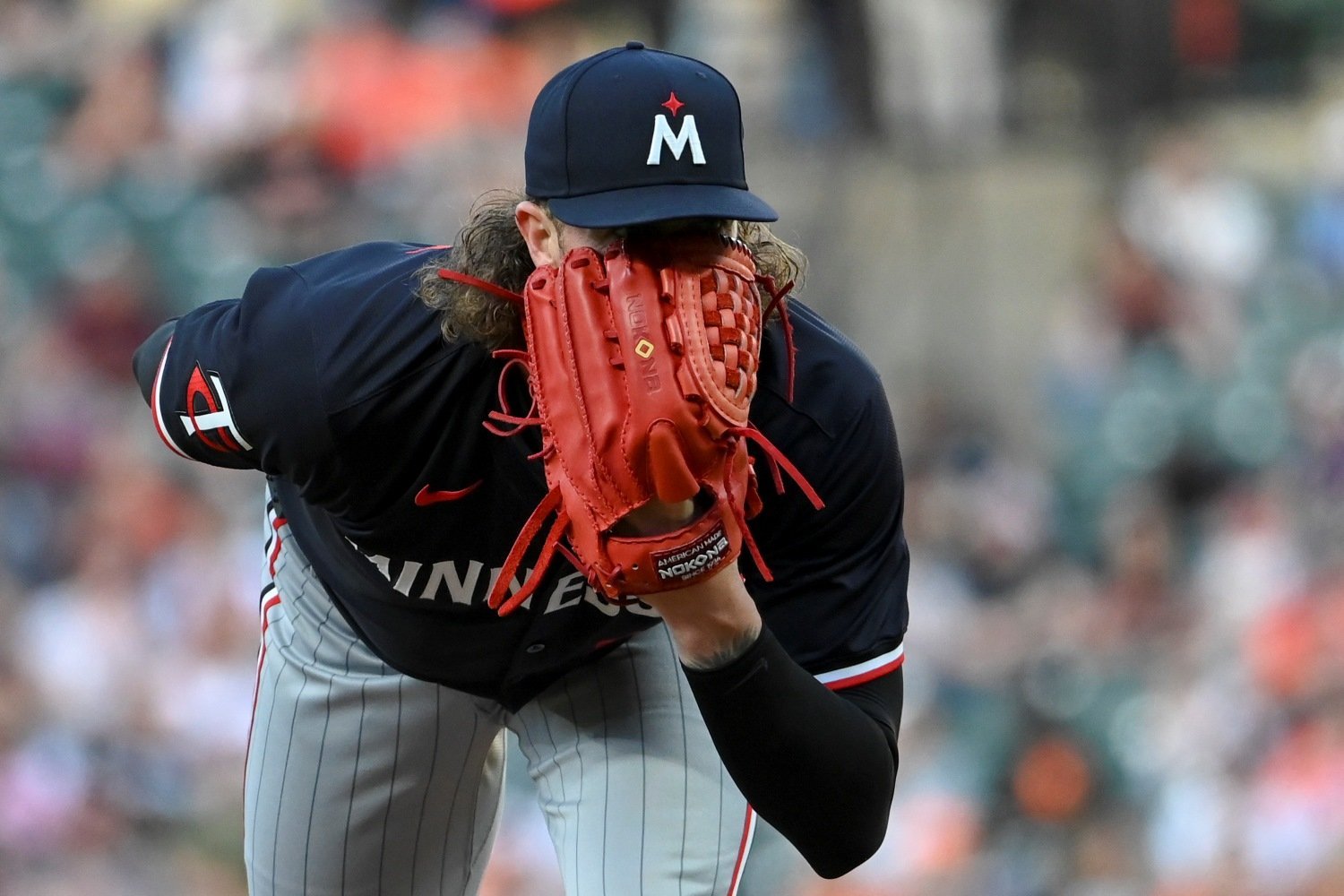 With the start of spring training on the horizon, the Minnesota Twins find themselves in a position to retool their roster. According to Dan Hayes of The Athletic, trade talks involving Twins pitcher Chris Paddack are gaining traction. Paddack’s injury history and salary implications make a deal logical, especially with promising arms like David Festa, Zebby Matthews, and Marco Raya rising through the pipeline. According to Hayes, Twins utilityman Willi Castro and Paddack have been discussed in a potential deal. In the article, president of baseball operations Derek Falvey confirmed that the talks around both players have picked up, with spring training only weeks away. Some teams have missed out on free-agent targets, so they turn to trades to supplement their roster. "You don't know where things are going to land," Falvey said. "But I can tell you we've had more active conversations in the last couple of weeks than we've had prior. Hopefully, it's a signal of the same thing that we have some traction on a few different ideas and concepts especially as teams start to turn. Some to the trade market, some to the free-agent market... I'm hopeful there's still some opportunity there." Here are three potential trade scenarios that could make sense for the Twins as they try to maximize Paddack’s trade value. 1. Chris Paddack to the Miami Marlins for Bullpen Depth The Twins have made moves with the Marlins in recent seasons, so it makes sense for the two clubs to discuss another potential trade. Trading Paddack to Miami could give the Twins a solid reliever to bolster their late-inning options. One intriguing name is left-hander Andrew Nardi, a high-strikeout lefty who could add another dimension to the Twins' bullpen. Last season, he posted a 33.3 K% in 49 2/3 innings. He ended last season on the injured list with a left elbow muscle injury but is expected to be ready for 2025. For the Marlins, a healthy Paddack would fit nicely into their rotation or as a swingman. Shedding Paddack’s $7.5 million salary would provide the Twins financial flexibility, while addressing their bullpen depth issues. However, there is no guarantee that Miami is looking to add big-league-caliber players after a 100-loss season in 2024. 2. Chris Paddack and Willi Castro to the Cincinnati Reds for Prospect Capital According to Hayes, Castro’s name has also been floated in trade discussions, which opens the door for a multi-player deal. The Reds are a young team hoping to reemerge as contenders, and could use a veteran starter like Paddack to eat innings while mentoring younger pitchers. Pairing him with Castro, a versatile utilityman, would give Cincinnati depth and flexibility at multiple positions. The Twins have made multiple trades with the Reds under the current front-office regime, so the two sides are very familiar with each other. In return, the Twins could target a prospect like infielder Edwin Arroyo or catcher Alfredo Duno. Both players fit the Twins' long-term plans, with Arroyo providing middle-infield depth and Duno offering a long-term catching prospect. This trade would align with the Twins’ goal of balancing present competitiveness with future sustainability. With Arroyo or Duno as the headliner, the Twins would likely need other prospects added to the deal to surrender Castro and Paddack. Cincinnati has a chance to compete in the NL Central, and both players help to upgrade their roster for 2025. 3. Chris Paddack to the San Diego Padres for a Catcher Could a reunion with the Padres be in the cards for Paddack? San Diego’s aggressive pursuit of pitching depth each offseason makes them a logical trade partner. The Twins could explore a swap involving one of San Diego’s catchers, such as Brandon Valenzuela. The young backstop has shown flashes of offensive potential but remains blocked by other catching prospects ahead of him in their system. Last season, he hit .232/.312/.352 (.664) with 19 doubles and nine home runs in 111 games between Double- and Triple-A. The Twins’ catching depth is lacking in the minor leagues, and it has been a focus for the front office this winter. Minnesota already has five potential catchers on the 40-man roster. Adding Valenzuela would give the Twins another young, controllable piece at a premium position, while the Padres gamble on Paddack’s upside for their rotation. Trading Paddack would be a calculated move for the Twins. While his injury history (including two Tommy John surgeries) creates risk for any suitor, his upside as a starter or bulk reliever could make him an intriguing target. By moving on from Paddack, the Twins would save $7.5 million, which could be redirected toward addressing other roster needs. Additionally, Festa and Matthews already impacted the big-league roster last season, so Minnesota’s future rotation looks bright. As Falvey indicated, the market is heating up, and the Twins appear to be in a strong position to make a deal. Whether it’s bullpen help, prospect capital, or catching depth, trading Paddack could allow the Twins to strengthen their roster for 2025 and beyond. Which deal makes the most sense for the Twins? Leave a comment and start the discussion.
 -
Why the First Half of 2025 is the Most Pivotal Point in Twins History
Cody Christie posted an article in Twins
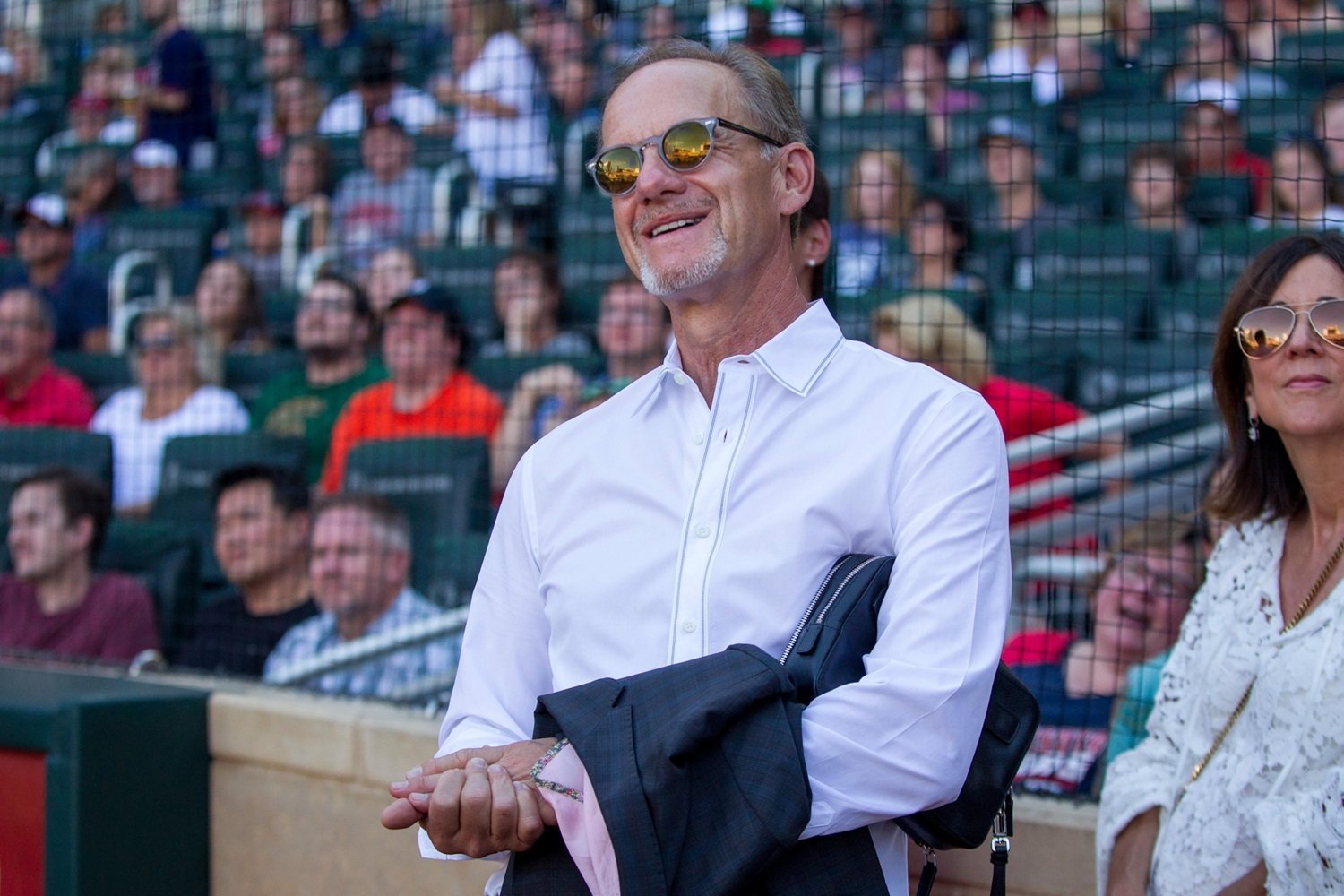 The Minnesota Twins are approaching a crossroads. As pitchers and catchers prepare to report to spring training, the looming 2025 season is shaping up to be one of the most consequential in franchise history. It’s not just about the wins and losses on the field, because big decisions are also happening off of it. The potential arrival of new ownership, coupled with the scars of a 2024 collapse and the pivotal midseason trade deadline, makes the first half of this season a defining moment for the Twins. The Ownership Domino For months, the speculation has been swirling. The Twins’ ownership situation is poised for a seismic shift. Rumors have pointed to the Ishbia brothers as frontrunners to take over the franchise, but they are not the only suitors vying to purchase the team. Whoever ends up in control will not only shape the organization's financial future, but set the tone for its competitive aspirations. If the sale is finalized early in the season, as many expect, the new ownership group will have its first opportunity to make a splash at the trade deadline. Traditionally, the Twins have operated with a relatively conservative budget, but new owners could alter that dynamic overnight. Will they open the purse strings for a blockbuster addition? Will they green-light trading top prospects to improve the current roster? These are questions that the team’s first-half performance will heavily influence. Exorcising the Ghosts of 2024 The Twins’ collapse in the second half of the 2024 season still lingers like a dark cloud over Target Field. On Sept. 5, FanGraohs playoff odds gave the Twins a 95.4% chance of making the playoffs. The team went 6-16 the rest of the way, and ultimately missed the postseason. Compounding the disappointment was the team’s slow start to the 2024 campaign, which made their midseason surge feel like an uphill battle. The club lost 13 of their first 20 games, while Cleveland jumped out to a hot start. Minnesota couldn’t track them down. The Twins can’t afford to fall into that trap this year. A strong first half would position them for playoff contention and erase the sour taste of last season’s meltdown. Players like Pablo López, who struggled early in 2024 before finding his groove, need to set the tone from Day 1. López is critical to the Twins avoiding the early-season pitfalls that plagued them a year ago. The Trade Deadline X-Factor If the Twins find themselves in contention by July, the trade deadline will serve as a litmus test for the organization’s ambitions. For years, the Twins have walked a tightrope, balancing the desire to build a sustainable talent pipeline with the need to make bold moves to compete in the present. Last season, the Twins stood pat at the deadline, and one has to wonder if that contributed to the team’s second-half collapse. New ownership could tip the scales. Imagine the possibilities: With the proper support from ownership, the front office could pursue impact players who would ordinarily be out of their price range. Adding a marquee bat to the middle of the lineup or a frontline starting pitcher to pair with López could vault the Twins from fringe contenders to legitimate threats in the American League. But those moves only make sense if the team positions itself well in the first half. Falling out of contention early could lead to a vastly different approach at the deadline, with the team focused on selling off veteran pieces rather than adding talent. The Twins have multiple veterans on expiring contracts, including Chris Paddack, Christian Vázquez, and Willi Castro. If Minnesota is out of contention, the trio will likely be in different uniforms in August. A Franchise-Defining Stretch The 2025 season’s first half is not only about winning games. It’s about redefining what it means to be a Minnesota Twin. The convergence of new ownership, a pivotal trade deadline, and the need to bounce back from 2024’s failures creates a sense of urgency, unlike anything the franchise has faced in decades. For fans, this is a moment to rally behind a team on the brink of transformation. For players, it’s a chance to prove that last year’s collapse was an anomaly. And for the front office, it’s an opportunity to seize the moment and show the potential of a team with the proper backing. With spring training on the horizon, the stakes have never been higher. The Twins’ future isn’t just about what happens on the field, because what happens off the field is just as important. And it all starts with the most critical first half in franchise history. How important is the first half of 2025? Is it one of the most pivotal points in franchise history? Leave a comment and start the discussion.
- 26 comments
-
- 2
-
-
- jim pohlad
- joe pohlad
- (and 5 more)
-
There’s no question about it. The first half of the 2025 season is the most critical opportunity in the Twins' history. Here’s why. Image courtesy of © Bruce Kluckhohn-Imagn Images There’s no question about it. The first half of the 2025 season is the most critical opportunity in the Twins' history. Here’s why. The Minnesota Twins are approaching a crossroads. As pitchers and catchers prepare to report to spring training, the looming 2025 season is shaping up to be one of the most consequential in franchise history. It’s not just about the wins and losses on the field, because big decisions are also happening off of it. The potential arrival of new ownership, coupled with the scars of a 2024 collapse and the pivotal midseason trade deadline, makes the first half of this season a defining moment for the Twins. The Ownership Domino For months, the speculation has been swirling. The Twins’ ownership situation is poised for a seismic shift. Rumors have pointed to the Ishbia brothers as frontrunners to take over the franchise, but they are not the only suitors vying to purchase the team. Whoever ends up in control will not only shape the organization's financial future, but set the tone for its competitive aspirations. If the sale is finalized early in the season, as many expect, the new ownership group will have its first opportunity to make a splash at the trade deadline. Traditionally, the Twins have operated with a relatively conservative budget, but new owners could alter that dynamic overnight. Will they open the purse strings for a blockbuster addition? Will they green-light trading top prospects to improve the current roster? These are questions that the team’s first-half performance will heavily influence. Exorcising the Ghosts of 2024 The Twins’ collapse in the second half of the 2024 season still lingers like a dark cloud over Target Field. On Sept. 5, FanGraohs playoff odds gave the Twins a 95.4% chance of making the playoffs. The team went 6-16 the rest of the way, and ultimately missed the postseason. Compounding the disappointment was the team’s slow start to the 2024 campaign, which made their midseason surge feel like an uphill battle. The club lost 13 of their first 20 games, while Cleveland jumped out to a hot start. Minnesota couldn’t track them down. The Twins can’t afford to fall into that trap this year. A strong first half would position them for playoff contention and erase the sour taste of last season’s meltdown. Players like Pablo López, who struggled early in 2024 before finding his groove, need to set the tone from Day 1. López is critical to the Twins avoiding the early-season pitfalls that plagued them a year ago. The Trade Deadline X-Factor If the Twins find themselves in contention by July, the trade deadline will serve as a litmus test for the organization’s ambitions. For years, the Twins have walked a tightrope, balancing the desire to build a sustainable talent pipeline with the need to make bold moves to compete in the present. Last season, the Twins stood pat at the deadline, and one has to wonder if that contributed to the team’s second-half collapse. New ownership could tip the scales. Imagine the possibilities: With the proper support from ownership, the front office could pursue impact players who would ordinarily be out of their price range. Adding a marquee bat to the middle of the lineup or a frontline starting pitcher to pair with López could vault the Twins from fringe contenders to legitimate threats in the American League. But those moves only make sense if the team positions itself well in the first half. Falling out of contention early could lead to a vastly different approach at the deadline, with the team focused on selling off veteran pieces rather than adding talent. The Twins have multiple veterans on expiring contracts, including Chris Paddack, Christian Vázquez, and Willi Castro. If Minnesota is out of contention, the trio will likely be in different uniforms in August. A Franchise-Defining Stretch The 2025 season’s first half is not only about winning games. It’s about redefining what it means to be a Minnesota Twin. The convergence of new ownership, a pivotal trade deadline, and the need to bounce back from 2024’s failures creates a sense of urgency, unlike anything the franchise has faced in decades. For fans, this is a moment to rally behind a team on the brink of transformation. For players, it’s a chance to prove that last year’s collapse was an anomaly. And for the front office, it’s an opportunity to seize the moment and show the potential of a team with the proper backing. With spring training on the horizon, the stakes have never been higher. The Twins’ future isn’t just about what happens on the field, because what happens off the field is just as important. And it all starts with the most critical first half in franchise history. How important is the first half of 2025? Is it one of the most pivotal points in franchise history? Leave a comment and start the discussion. View full article
-
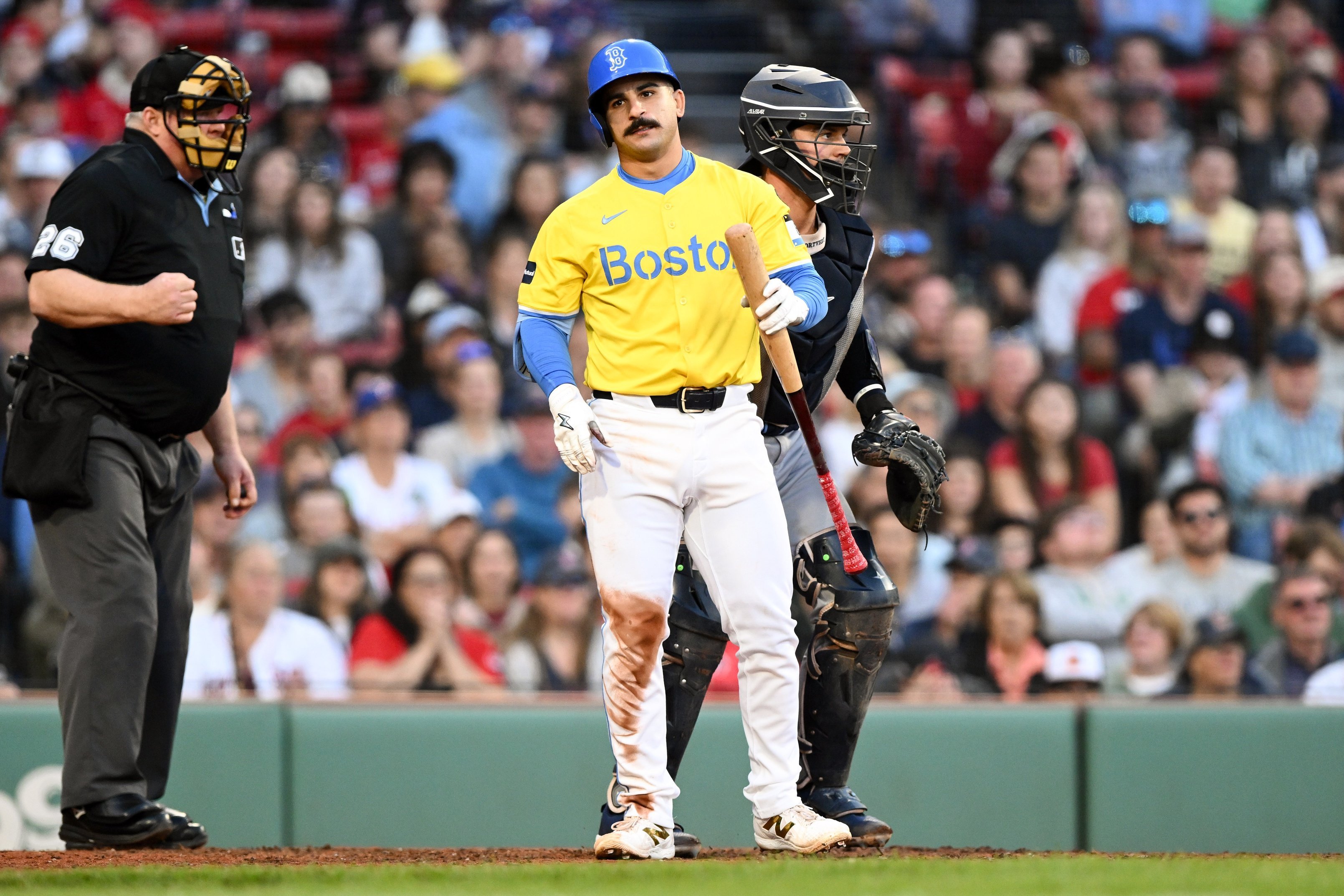 As they prepare for the upcoming season, the Minnesota Twins face an intriguing challenge. With Ryan Jeffers and Christian Vázquez splitting catching duties in 2023 and 2024, the team had one of the more stable backstop duos in the league. However, the offseason has brought rumors that the Twins could look to trade one of their veteran catchers, creating a void behind the plate. If such a trade comes to fruition, the Twins may need to get creative, potentially adopting a three-catcher rotation to maximize their depth while covering defensive deficiencies. The Current Landscape If Jeffers or Vázquez were dealt, the Twins would be left with intriguing but unpolished catching options. Diego Cartaya is a former top prospect from the Dodgers who offers offensive upside but still needs refinement on both sides of the game. Last season, he hit .221/.323/.363 (.686) with 16 doubles and 11 home runs in 95 games between Double- and Triple-A. He started 69 games as a catcher, with his other appearances coming as DH. In a three-catcher rotation, he would become the backup catcher. Jair Camargo showed flashes of potential in 2024, but may not yet be ready for a full-time role. In 2024, he played 74 games at Triple-A and slashed .212/.290/.403 (.693) with 16 doubles and 12 home runs. Mickey Gasper is another wild card, but his versatility makes him an intriguing utility option. He played first base and catcher last season and has played some second base in the Puerto Rican Winter League. Gasper hit .328/.440/.531 (.970) with 27 doubles and 12 home runs at Double- and Triple-A. He hasn’t proven he can handle an extended big-league workload behind the plate, though, and scouts are skeptical he ever will. In such a scenario, the Twins might adopt a three-man catcher rotation, with playing time split roughly as follows: Starter: 90 games (Vázquez, if retained, or Jeffers in this role) Cartaya: 45 games Camargo: 10 games Gasper: Remaining games in a utility/third catcher capacity This structure could allow the Twins to balance experience with development, while maintaining flexibility in their lineup. But is it realistic to expect this group to hold up over a 162-game season? The Twins have long emphasized defense behind the plate, which was a key reason for signing Vázquez to a multi-year deal. Among the remaining options, however, there are significant defensive questions. Jeffers ranked in the 14th percentile or lower in Fielding Run Value, Blocks Above Average, and Framing, but improved to the 73rd percentile or higher in Caught Stealing Above Average and Pop Time. Cartaya has the tools to develop into a reliable defender, but is still working on pitch framing and game management. Camargo has a strong arm, as he threw out 30% of runners at Triple-A, but he struggles with some of the other nuances behind the plate. Gasper is versatile but may not provide the defensive reliability typically expected from a catcher. A Utility Role for Gasper Gasper’s ability to play multiple positions could make him a valuable part of a three-catcher system. He could serve as a backup at first base or in the corner outfield while providing depth behind the plate. This kind of versatility might help the Twins keep their roster flexible, especially if injuries arise or if they want to give regular rest to their starters. However, Gasper’s limited MLB experience leaves questions about whether he can handle sporadic playing time effectively. The Twins might not believe he is a big-league catcher, but he could fill the role in an emergency situation. For the three-catcher rotation to work, the Twins would need to trust Gasper in this hybrid role, while ensuring he gets enough reps to stay sharp. Should the Twins Make the Switch? The idea of a three-catcher rotation isn’t without precedent, but it does come with risks. Balancing playing time while maintaining defensive and offensive production can be a delicate task. If the Twins trade Jeffers or Vázquez, they’ll need to assess whether the remaining group can handle the position's responsibilities. A trade would likely indicate that the Twins are confident in their young catchers’ development. Still, the team may need a veteran depth piece to serve as an insurance policy. Otherwise, they’ll be betting on Cartaya’s development getting back on track after years of detour; Camargo’s continued growth; and Gasper’s ability to thrive in a utility role. The Twins’ catching situation could undergo a dramatic shift this offseason, and a three-catcher rotation might be the best way to maximize the potential of their roster. However, it’s far from a perfect solution. If the team decides to trade one of their veteran catchers, they’ll need to carefully manage playing time and development to ensure the position doesn’t become a weakness in 2025. Would this approach be successful? Do the Twins have enough catching depth? Leave a comment and start the discussion.
 -
The Twins have relied exclusively on a two-man catching rotation over the last two seasons. With recent roster moves, will using a three-man rotation in 2025 make more sense? Image courtesy of © Brian Fluharty-Imagn Images The Twins have relied exclusively on a two-man catching rotation over the last two seasons. With recent roster moves, will using a three-man rotation in 2025 make more sense? As they prepare for the upcoming season, the Minnesota Twins face an intriguing challenge. With Ryan Jeffers and Christian Vázquez splitting catching duties in 2023 and 2024, the team had one of the more stable backstop duos in the league. However, the offseason has brought rumors that the Twins could look to trade one of their veteran catchers, creating a void behind the plate. If such a trade comes to fruition, the Twins may need to get creative, potentially adopting a three-catcher rotation to maximize their depth while covering defensive deficiencies. The Current Landscape If Jeffers or Vázquez were dealt, the Twins would be left with intriguing but unpolished catching options. Diego Cartaya is a former top prospect from the Dodgers who offers offensive upside but still needs refinement on both sides of the game. Last season, he hit .221/.323/.363 (.686) with 16 doubles and 11 home runs in 95 games between Double- and Triple-A. He started 69 games as a catcher, with his other appearances coming as DH. In a three-catcher rotation, he would become the backup catcher. Jair Camargo showed flashes of potential in 2024, but may not yet be ready for a full-time role. In 2024, he played 74 games at Triple-A and slashed .212/.290/.403 (.693) with 16 doubles and 12 home runs. Mickey Gasper is another wild card, but his versatility makes him an intriguing utility option. He played first base and catcher last season and has played some second base in the Puerto Rican Winter League. Gasper hit .328/.440/.531 (.970) with 27 doubles and 12 home runs at Double- and Triple-A. He hasn’t proven he can handle an extended big-league workload behind the plate, though, and scouts are skeptical he ever will. In such a scenario, the Twins might adopt a three-man catcher rotation, with playing time split roughly as follows: Starter: 90 games (Vázquez, if retained, or Jeffers in this role) Cartaya: 45 games Camargo: 10 games Gasper: Remaining games in a utility/third catcher capacity This structure could allow the Twins to balance experience with development, while maintaining flexibility in their lineup. But is it realistic to expect this group to hold up over a 162-game season? The Twins have long emphasized defense behind the plate, which was a key reason for signing Vázquez to a multi-year deal. Among the remaining options, however, there are significant defensive questions. Jeffers ranked in the 14th percentile or lower in Fielding Run Value, Blocks Above Average, and Framing, but improved to the 73rd percentile or higher in Caught Stealing Above Average and Pop Time. Cartaya has the tools to develop into a reliable defender, but is still working on pitch framing and game management. Camargo has a strong arm, as he threw out 30% of runners at Triple-A, but he struggles with some of the other nuances behind the plate. Gasper is versatile but may not provide the defensive reliability typically expected from a catcher. A Utility Role for Gasper Gasper’s ability to play multiple positions could make him a valuable part of a three-catcher system. He could serve as a backup at first base or in the corner outfield while providing depth behind the plate. This kind of versatility might help the Twins keep their roster flexible, especially if injuries arise or if they want to give regular rest to their starters. However, Gasper’s limited MLB experience leaves questions about whether he can handle sporadic playing time effectively. The Twins might not believe he is a big-league catcher, but he could fill the role in an emergency situation. For the three-catcher rotation to work, the Twins would need to trust Gasper in this hybrid role, while ensuring he gets enough reps to stay sharp. Should the Twins Make the Switch? The idea of a three-catcher rotation isn’t without precedent, but it does come with risks. Balancing playing time while maintaining defensive and offensive production can be a delicate task. If the Twins trade Jeffers or Vázquez, they’ll need to assess whether the remaining group can handle the position's responsibilities. A trade would likely indicate that the Twins are confident in their young catchers’ development. Still, the team may need a veteran depth piece to serve as an insurance policy. Otherwise, they’ll be betting on Cartaya’s development getting back on track after years of detour; Camargo’s continued growth; and Gasper’s ability to thrive in a utility role. The Twins’ catching situation could undergo a dramatic shift this offseason, and a three-catcher rotation might be the best way to maximize the potential of their roster. However, it’s far from a perfect solution. If the team decides to trade one of their veteran catchers, they’ll need to carefully manage playing time and development to ensure the position doesn’t become a weakness in 2025. Would this approach be successful? Do the Twins have enough catching depth? Leave a comment and start the discussion. View full article
-
After years of uncertainty surrounding how fans could watch the Twins, the 2025 season promises a more stable and accessible television arrangement. Here’s a detailed breakdown of the new TV setup for the Minnesota Twins in 2025. After years of uncertainty surrounding how fans could watch the Twins, the 2025 season promises a more stable and accessible television arrangement. Here’s a detailed breakdown of the new TV setup for the Minnesota Twins in 2025. Major League Baseball will take on the production and distribution of local Twins games for the upcoming season. This approach mirrors what the Arizona Diamondbacks, Colorado Rockies, and San Diego Padres utilized during the 2024 season. According to MLB, the Twins’ reach in 2024 was just over one million homes, but under this new model, they project to hit 4.4 million homes (an impressive 307% increase). Below are answers to some key questions about this updated TV setup. Author's Note: Portions of this article were updated on Friday, January 24, 2025, after the Twins released more details in conjunction with TwinsFest weekend. How Can I Watch the Twins in 2025? The team’s new network, Twins.TV will be available through cable, satellite, and streaming on the MLB.TV platform. These options aim to make watching Twins baseball easier than ever. On cable or satellite, Twins.TV will have a dedicated channel that exclusively airs games, along with pre- and post-game shows. As in previous years, exclusive national broadcasts will remain on platforms like ESPN, Fox, Roku, or AppleTV. In 2024, the Twins had 159 games aired on Bally Sports North, with two games on AppleTV and one on Fox. A similar distribution can be expected for the 2025 season, with the finalized TV schedule set to be released later this winter. Also, the Twins announced that they expect 150-plus games to be part of their 2025 Twins.TV package. Will There Be Blackouts? For the first time, fans within Twins Territory will not face blackout restrictions, except for games broadcast nationally on platforms like ESPN or Fox. This switch is a significant change for fans in Minnesota, North Dakota, South Dakota, western Wisconsin, and northern Iowa. With a Twins.TV subscription, fans can stream all locally distributed broadcasts. Similarly, those with cable or satellite packages that include Twins.TV will have full access to broadcasts without blackout limitations. “This means that for the first time ever, there will be no streaming blackouts for Twins.TV in Minnesota, no blackouts in North Dakota, no blackouts in South Dakota, no blackouts in Western Wisconsin, and no blackouts in the entire state of Iowa,” Twins president Dave St. Peter said. at the media luncheon during TwinsFest weekend. How Much Will It Cost to Watch the Twins? On Friday, the Twins released more details regarding the pricing structure for watching Twins.TV. There are multiple options for fans who want to subscribe to the team's new streaming option. One way is to pay an annual fee of $99.99, or fans can pay $19.99 monthly. It pays to be a Twins season ticket holder for fans looking for a discount. The Twins are offering a 50 percent discount on Twins.TV to fans who purchase choice or reserved season tickets through the club’s new MyTwins Membership program. Fans with a starter season ticket package will receive a 20 percent discount on the team’s digital streaming deal. For cable subscribers, Major League Baseball is in discussions with providers to ensure Twins.TV broadcasts will be available on a package similar to the one including FanDuel Sports Network. Other Minnesota professional sports teams like the Wild, Timberwolves, and Lynx are currently on FanDuel. FDSN previously broadcast Twins games under its former name, Bally Sports North. Last season, cable subscribers paid an additional $20 per month for the premium sports tier that included FDSN. When Will Packages Be Available? Fans can begin purchasing their Twins.TV package on Tuesday, February 11th. If fans are unsure about wanting to purchase a package, the Twins will offer a free preview of five of their broadcast during spring training. Who Will Be the Announcers and On-Air Talent? The Twins recently revealed the broadcast team for Twins.TV’s inaugural season. Cory Provus returns as the lead play-by-play announcer for his second season in the television booth after transitioning from radio in 2024. Entering his 14th year with the Twins, Provus quickly adapted to the nuances of calling games on TV, offering fans a fresh and engaging broadcast experience. There are undoubtedly different nuances to calling games on TV versus radio, and Provus was a natural in his new role. Fans are lucky to have Provus calling games, and more eyes will be able to see him in 2025. Joining Provus will be former AL MVP Justin Morneau as the primary analyst, marking his eighth season in the booth and fifth in this lead role. Additional analysts include former Twins players LaTroy Hawkins, Glen Perkins, Trevor Plouffe, and Denard Span. Katie Storm and Tim Laudner will return as pre- and post-game hosts, while Audra Martin will continue as the roving reporter. This lineup remains consistent with last season’s broadcasts. “With Twins fans now able to watch our games where, when and how they choose, we are thrilled to deliver an incredibly talented broadcast team that is among the very best in baseball,” said Twins President & CEO Dave St. Peter. “This group’s collective storytelling skill, analytic insight, and relatability will continue entertaining fans and elevating our overall production as we enter an exciting and unprecedented era of Twins broadcast coverage.” Notably absent from the lineup is Roy Smalley, who announced his retirement from broadcasting on X/Twitter. A key figure in Twins broadcasts for 25 years, Smalley brought insights from his playing days during two stints with the club. While his voice will be missed, we wish him all the best in retirement. What’s Next? Later this offseason, MLB and the Twins are expected to announce the packages and pricing for cable and satellite providers that will be carrying Twins.TV. Additionally, announcements regarding spring training and regular season broadcast schedules should be coming soon. Stay tuned for updates as more information becomes available. What questions do you have about the team’s new television options? Leave a comment and join the discussion! View full article
- 92 replies
-
- 1
-
-
- dave st peter
- cory provus
- (and 3 more)
-
 The Minnesota Twins face a crucial offseason decision regarding utilityman Willi Castro. Arbitration projects him to earn $6.4 million in 2025, which impacts the team’s payroll flexibility. Despite his impending free agency, Castro’s value remains high. According to FanGraphs, he was worth $19.8 million in 2023 and $24.8 million in 2024, underscoring his ability to impact the game in various ways. If the Twins decide to move on, trading Castro could bring back assets to bolster the current and future roster. Let’s examine two hypothetical (but plausible) trade scenarios. Trade Scenario #1: Partnering with the Milwaukee Brewers The Proposal: Twins Receive: LHP Bryan Hudson Brewers Receive: UTL Willi Castro The Brewers, known for maximizing versatility and emphasizing defense, would be a natural fit for Castro. He could slot in as their starting second baseman, pushing Brice Turang to shortstop and solidifying the middle infield. His speed, switch-hitting ability, and defensive flexibility align well with Milwaukee’s needs and preferences. Last season, Castro became the first MLB player to make at least 25 appearances at five or more defensive positions in a season. H also e hit .247/.331/.385 (.717) with 31 doubles, five triples, and 12 home runs in 158 games. Over the last two seasons, he has averaged 2.15 WAR per season. In exchange, the Twins target Milwaukee’s surplus of left-handed relievers. Bryan Hudson is coming off a breakout season and would be a massive upgrade to Minnesota’s already strong bullpen. Last season, he posted a 1.73 ERA with a 0.72 WHIP with 9.0 K/9 and 2.5 WAR. He was among the NL’s best left-handed relievers, and the Twins clearly need a dominant lefty. He is still pre-arbitration eligible and under team control through the 2029 season. The Twins may have to include another piece in this trade or send some money to Milwaukee to balance the deal. Trade Scenario #2: Sending Castro to the Seattle Mariners The Proposal: Twins Receive: LHP Tayler Saucedo and INF Tai Peete Mariners Receive: UTL Willi Castro The Mariners have had disappointing finishes in the last two seasons, and adding a player like Castro could help them address offensive inconsistencies while providing depth across multiple positions. Currently, Seattle has Dylan Moore (2B) and Donovan Solano (3B) at the top of their depth chart. Castro’s versatility would help them at multiple defensive positions, and his 158 games played would have led the team. With sights set on a postseason push, Seattle may see Castro as a cost-effective upgrade who brings a unique skill set to complement their core players. For the Twins, this deal helps the club address their lack of left-handed relievers while adding a prospect. Tayler Saucedo posted a 3.49 ERA with a 1.37 WHIP and an 8.8 K/9. He is first-year arbitration eligible and is under team control through the 2027 season. Tai Peete is a versatile defender with a solid offensive profile and would add another layer of depth to the organization’s farm system. The 18-year-old played at Low-A last season and slashed .269/.343/.408 (.751) with 42 extra-base hits in 115 games. He has high upside but is a long way from the big leagues. Weighing the Options Both scenarios offer intriguing possibilities for the Twins. Trading Castro would be a tough pill to swallow, given his contributions to the team over the past two seasons. However, leveraging his value on an expiring contract could yield meaningful returns, while carving more than $6 million off Minnesota's tight budget. A deal with the Brewers addresses bullpen needs while offering immediate relief depth, while a trade with the Mariners delivers a left-handed reliever and more depth for an already strong farm system. Ultimately, the Twins’ decision will depend on their evaluation of Castro’s future role and ability to navigate financial constraints. It seems unlikely that the Twins will retain Castro after this season, so now might be the optimal time to trade him. Moving him now could free up payroll and position the team for long-term success, but only if the return meets the organization’s lofty standards. Which trade makes the most sense for the Twins? Leave a comment and start the discussion.
 -
Six-man rotations and extra days of rest are becoming a trend across baseball. Could the Twins embrace this approach because of their starting pitching depth? Image courtesy of Left: © Matt Krohn-Imagn Images; Right: © David Banks-Imagn Images; Six-man rotations and extra days of rest are becoming a trend across baseball. Could the Twins embrace this approach because of their starting pitching depth? With spring training on the horizon, the Minnesota Twins enter 2025 with intriguing questions surrounding their starting pitching unit. Could they join the growing trend among MLB teams utilizing a six-man rotation? It’s a conversation worth having, especially considering recent changes across the league and the organization’s pitching depth. The Six-Man Trend In 2025, teams like the Dodgers, Red Sox, and Mets are expected to implement six-man rotations, mainly due to pitchers returning from injuries. The benefits of this approach are becoming increasingly evident. For the first time in MLB history, more starts occurred on exactly five days of rest than four in 2021. This trend has continued, with the gap widening in 2023 and 2024. As of last season, 42% of starts came on five days of rest compared to 32% on four. There are multiple theories on why teams are embracing this change. Some suggest that extra rest helps keep pitchers healthier, while others believe it enhances individual performances. A six-man rotation can also lighten the bullpen’s workload or be a way to accommodate a surplus of capable starters. Whatever the reason, teams are increasingly experimenting with more rest between starts. The Twins’ Rotation Options Minnesota’s projected starting five for 2025 consists of Pablo López, Joe Ryan, Bailey Ober, Simeon Woods Richardson, and Chris Paddack. Each brings unique strengths, but questions remain about their durability. For example, Ober has faced durability concerns earlier in his career, Paddack returned from Tommy John surgery last season, totaling less than 100 innings, and Ryan missed extensive time with a right shoulder strain. Injuries are part of the game, but starters only have so many pitches per season and each additional one thrown adds a little bit to the risk. Spreading out their starts is one strategy to attempt to keep pitchers healthy. The Twins also have notable depth at Triple-A, with promising arms like David Festa, Zebby Matthews, and Marco Raya waiting in the wings. This depth makes a six-man rotation a viable consideration, as it would allow Minnesota to ease the workload on their core starters while providing valuable MLB experience for their younger pitchers. This trio of young pitchers reached career highs in innings last season, so they will need to continue to build off those totals in 2025. The Pros and Cons of a Six-Man Rotation Research and anecdotal evidence suggest that giving pitchers additional rest can have long-term benefits. Fewer days between starts could reduce injury risk, especially for pitchers like Ryan, who are coming off a season-ending injury. Additionally, Festa and Matthews — and especially someone like Raya — have yet to prove they can handle the rigors of a full MLB season without additional support. A six-man rotation could help these pitchers stay healthy and effective over the grind of 162 games. Moreover, extra rest could optimize performance. While not universally proven, some pitchers thrive with an additional day between starts, showing improved velocity and command. These incremental gains could be crucial for a Twins team aiming to reclaim their AL Central crown. Of course, a six-man rotation isn’t without drawbacks. It reduces the number of starts for the team’s top pitchers, potentially limiting the impact of Minnesota’s top 3 pitchers: López, Ober, and Ryan. Many projection models view those three pitchers among the AL’s best for next season, and taking innings away from them can result in lost value. Additionally, carrying an extra starter can strain roster construction, forcing tough decisions about bullpen arms or position players. The Twins would also need buy-in from their pitchers. Some thrive on routine and may struggle with the adjustment to a different schedule. The pitcher may also need to be sold on why the Twins are moving to this model. For a six-man rotation to work, the team must communicate clearly and manage workloads effectively. A Balanced Approach? The Twins could consider a hybrid model rather than committing fully to a six-man rotation. This approach might involve using six starters during stretches with heavy workloads, such as long road trips or weeks without off days while reverting to a traditional five-man rotation during lighter periods. Such flexibility would allow the team to reap the benefits of additional rest without losing too many starts from their top arms. As the 2025 season approaches, the Twins’ depth and the evolving landscape of pitcher usage make a six-man rotation an intriguing possibility. While not without challenges, the potential health and performance benefits could outweigh the risks. With pitchers like Festa, Matthews, and Raya ready to contribute, Minnesota has the depth to experiment with this progressive strategy. The six-man rotation is no longer a radical idea, as some of baseball’s top organizations are embracing the idea. It’s becoming a viable option for teams seeking a competitive edge. For the Twins, it might just be the key to navigating the marathon of a season while keeping their pitching staff fresh for October. Should the Twins switch to a six-man rotation for 2025? Would the hybrid approach work for the team? Leave a comment and start the discussion. View full article
-
Could the Minnesota Twins Embrace a Six-Man Rotation in 2025?
Cody Christie posted an article in Twins
 With spring training on the horizon, the Minnesota Twins enter 2025 with intriguing questions surrounding their starting pitching unit. Could they join the growing trend among MLB teams utilizing a six-man rotation? It’s a conversation worth having, especially considering recent changes across the league and the organization’s pitching depth. The Six-Man Trend In 2025, teams like the Dodgers, Red Sox, and Mets are expected to implement six-man rotations, mainly due to pitchers returning from injuries. The benefits of this approach are becoming increasingly evident. For the first time in MLB history, more starts occurred on exactly five days of rest than four in 2021. This trend has continued, with the gap widening in 2023 and 2024. As of last season, 42% of starts came on five days of rest compared to 32% on four. There are multiple theories on why teams are embracing this change. Some suggest that extra rest helps keep pitchers healthier, while others believe it enhances individual performances. A six-man rotation can also lighten the bullpen’s workload or be a way to accommodate a surplus of capable starters. Whatever the reason, teams are increasingly experimenting with more rest between starts. The Twins’ Rotation Options Minnesota’s projected starting five for 2025 consists of Pablo López, Joe Ryan, Bailey Ober, Simeon Woods Richardson, and Chris Paddack. Each brings unique strengths, but questions remain about their durability. For example, Ober has faced durability concerns earlier in his career, Paddack returned from Tommy John surgery last season, totaling less than 100 innings, and Ryan missed extensive time with a right shoulder strain. Injuries are part of the game, but starters only have so many pitches per season and each additional one thrown adds a little bit to the risk. Spreading out their starts is one strategy to attempt to keep pitchers healthy. The Twins also have notable depth at Triple-A, with promising arms like David Festa, Zebby Matthews, and Marco Raya waiting in the wings. This depth makes a six-man rotation a viable consideration, as it would allow Minnesota to ease the workload on their core starters while providing valuable MLB experience for their younger pitchers. This trio of young pitchers reached career highs in innings last season, so they will need to continue to build off those totals in 2025. The Pros and Cons of a Six-Man Rotation Research and anecdotal evidence suggest that giving pitchers additional rest can have long-term benefits. Fewer days between starts could reduce injury risk, especially for pitchers like Ryan, who are coming off a season-ending injury. Additionally, Festa and Matthews — and especially someone like Raya — have yet to prove they can handle the rigors of a full MLB season without additional support. A six-man rotation could help these pitchers stay healthy and effective over the grind of 162 games. Moreover, extra rest could optimize performance. While not universally proven, some pitchers thrive with an additional day between starts, showing improved velocity and command. These incremental gains could be crucial for a Twins team aiming to reclaim their AL Central crown. Of course, a six-man rotation isn’t without drawbacks. It reduces the number of starts for the team’s top pitchers, potentially limiting the impact of Minnesota’s top 3 pitchers: López, Ober, and Ryan. Many projection models view those three pitchers among the AL’s best for next season, and taking innings away from them can result in lost value. Additionally, carrying an extra starter can strain roster construction, forcing tough decisions about bullpen arms or position players. The Twins would also need buy-in from their pitchers. Some thrive on routine and may struggle with the adjustment to a different schedule. The pitcher may also need to be sold on why the Twins are moving to this model. For a six-man rotation to work, the team must communicate clearly and manage workloads effectively. A Balanced Approach? The Twins could consider a hybrid model rather than committing fully to a six-man rotation. This approach might involve using six starters during stretches with heavy workloads, such as long road trips or weeks without off days while reverting to a traditional five-man rotation during lighter periods. Such flexibility would allow the team to reap the benefits of additional rest without losing too many starts from their top arms. As the 2025 season approaches, the Twins’ depth and the evolving landscape of pitcher usage make a six-man rotation an intriguing possibility. While not without challenges, the potential health and performance benefits could outweigh the risks. With pitchers like Festa, Matthews, and Raya ready to contribute, Minnesota has the depth to experiment with this progressive strategy. The six-man rotation is no longer a radical idea, as some of baseball’s top organizations are embracing the idea. It’s becoming a viable option for teams seeking a competitive edge. For the Twins, it might just be the key to navigating the marathon of a season while keeping their pitching staff fresh for October. Should the Twins switch to a six-man rotation for 2025? Would the hybrid approach work for the team? Leave a comment and start the discussion.
- 47 comments
-
- 4
-
-

-
- pablo lopez
- chris paddack
- (and 5 more)
-
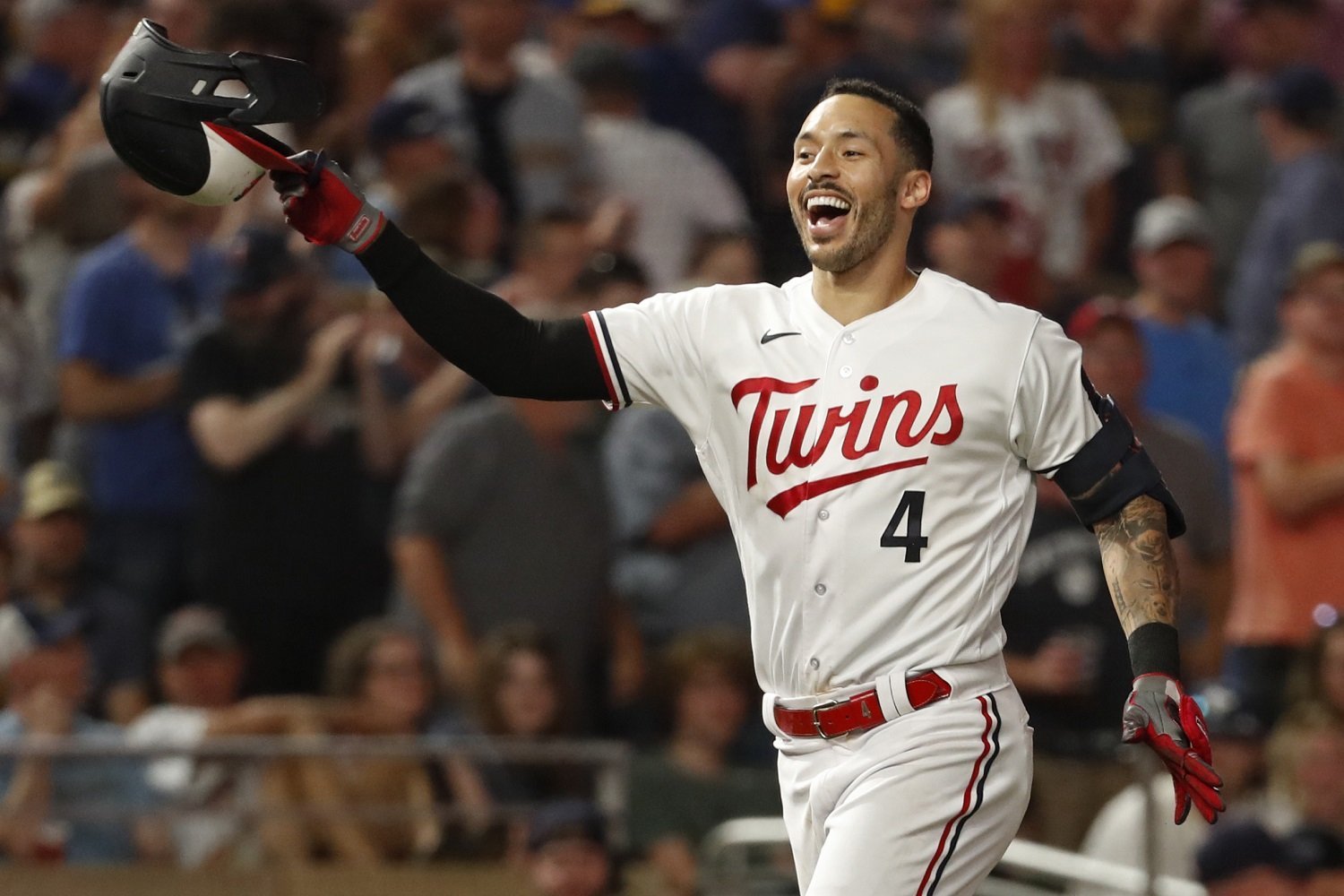 The year 2031 may seem like a distant horizon, but for the Minnesota Twins, it represents an opportunity to cement their place in baseball history. MLB.com recently projected the Twins to fall to the Mets in the 2031 World Series, a tantalizing but ultimately heartbreaking scenario for fans in Twins Territory. The Twins need a carefully crafted blueprint to flip that script and bring a championship back to Minnesota. Here’s how they can turn that prediction into a triumph. Develop Young Stars into Cornerstones Any championship contender needs homegrown talent, and the Twins are rich in promising prospects who could be pivotal by 2031. Outfielder Walker Jenkins, the team’s 2023 first-round pick, has the tools to be a franchise cornerstone. By 2031, Jenkins should be in his prime, boasting power, patience, and Gold Glove-caliber defense. He has the potential to be a regular MVP contender, and the Twins will need that level of performance for the team to be in contention. For Jenkins, the key will be refining his swing to maximize his power potential and maintaining plate discipline as he faces more advanced pitching. Another exciting outfield prospect, Emmanuel Rodriguez, could form a dynamic tandem with Jenkins. Minnesota fans always dreamed of the duo of Joe Mauer and Justin Morneau leading the team to postseason glory but that never came to fruition. Rodriguez’s elite on-base skills and emerging power make him a candidate to be a top-tier leadoff hitter. Over the next seven seasons, his development hinges on staying healthy and continuing to improve his contact rates against high-velocity arms. On the pitching side, the Twins have continued to see the development of top-tier pitching prospects, including David Festa and Zebby Matthews. For 2031, it’s essential to look into the minor leagues to see who could impact the big-league roster. Marco Raya has some of the makings of a front-line starter, but the 2025 season will go a long way for his development. Charlee Soto might be the team’s best chance at developing a front-line ace, and he should be well-established with the Twins over the next five seasons. By 2031, Soto and Raya could anchor the Twins' rotation alongside other young arms who emerge from the system or are acquired via trades. Build a Balanced and Deep Roster The Twins’ front office must continue its trend of blending high-upside prospects with savvy free-agent signings and impactful trades. Teams that reach the World Series and win it often boast depth in both their lineup and pitching staff. The Twins must ensure their farm system remains robust, replenishing talent as players graduate to the majors. Minnesota also has the hope of a new ownership group that might be willing to invest more into the team’s payroll. Currently, the Twins’ front office has little room to make impact moves, but fans can hope that isn’t the story by 2031. Pitching wins championships, and the Twins must continue to emphasize pitcher development. Beyond Raya and Soto, names like Connor Prielipp and Dasan Hill could play significant roles in the rotation or bullpen. By 2031, the Twins need a rotation that can match up with the best in baseball. This means grooming their young arms and being aggressive in pursuing proven pitchers when the time is right. Additionally, the bullpen cannot be an afterthought. The Twins’ 2020 postseason woes highlighted the importance of reliable relief pitching. By 2031, they must build a bullpen stocked with power arms and versatile relievers capable of handling high-leverage situations. Investment and Culture Winning the World Series often requires financial investment, but spending wisely is just as important. Over the next seven years, the Twins must balance long-term extensions for their young stars with opportunistic free-agent acquisitions. Jenkins and Rodriguez could start getting expensive through the arbitration process, so Minnesota’s new ownership must prove it will invest in star-level players. Maintaining financial flexibility allows them to add key pieces to the roster when on the brink of contention. Beyond talent, intangibles like leadership and culture play a crucial role in winning a championship. The Twins must foster an environment where players thrive under pressure and embrace postseason expectations. The organization can create a cohesive approach that players buy into by promoting continuity within the coaching staff and front office. The 2031 season marks the final option year on Carlos Correa’s contract, and while he likely won’t be manning shortstop by then, he could still be an essential piece of the roster. A transition to third base or designated hitter would allow Correa to continue providing value late into his 30s. His strong arm and instincts would make him a natural fit at the hot corner, while his leadership and postseason experience would be invaluable for a team aiming to go the distance. The Road to Glory The path to winning the 2031 World Series will not be linear. It will require patience, development, and bold moves from the front office. However, the foundation is already in place. Suppose players like Jenkins, Rodriguez, Raya, and Soto reach their potential, and the organization surrounds them with the right supporting cast. In that case, there’s no reason the Twins can’t bring a World Series trophy back to Minnesota. MLB.com’s prediction may have the Twins falling short in 2031, but the team has seven years to prove them wrong. With the proper blueprint, the Minnesota Twins can not only contend but reign supreme in October. Can the Twins win the World Series over the next decade? What needs to be added to the blueprint? Leave a comment and start the discussion.
 -
Every fan base wants their hometown nine to walk away with the World Series trophy. Here’s how the Twins can win the World Series (in seven years). Image courtesy of Bruce Kluckhohn-USA TODAY Sports Every fan base wants their hometown nine to walk away with the World Series trophy. Here’s how the Twins can win the World Series (in seven years). The year 2031 may seem like a distant horizon, but for the Minnesota Twins, it represents an opportunity to cement their place in baseball history. MLB.com recently projected the Twins to fall to the Mets in the 2031 World Series, a tantalizing but ultimately heartbreaking scenario for fans in Twins Territory. The Twins need a carefully crafted blueprint to flip that script and bring a championship back to Minnesota. Here’s how they can turn that prediction into a triumph. Develop Young Stars into Cornerstones Any championship contender needs homegrown talent, and the Twins are rich in promising prospects who could be pivotal by 2031. Outfielder Walker Jenkins, the team’s 2023 first-round pick, has the tools to be a franchise cornerstone. By 2031, Jenkins should be in his prime, boasting power, patience, and Gold Glove-caliber defense. He has the potential to be a regular MVP contender, and the Twins will need that level of performance for the team to be in contention. For Jenkins, the key will be refining his swing to maximize his power potential and maintaining plate discipline as he faces more advanced pitching. Another exciting outfield prospect, Emmanuel Rodriguez, could form a dynamic tandem with Jenkins. Minnesota fans always dreamed of the duo of Joe Mauer and Justin Morneau leading the team to postseason glory but that never came to fruition. Rodriguez’s elite on-base skills and emerging power make him a candidate to be a top-tier leadoff hitter. Over the next seven seasons, his development hinges on staying healthy and continuing to improve his contact rates against high-velocity arms. On the pitching side, the Twins have continued to see the development of top-tier pitching prospects, including David Festa and Zebby Matthews. For 2031, it’s essential to look into the minor leagues to see who could impact the big-league roster. Marco Raya has some of the makings of a front-line starter, but the 2025 season will go a long way for his development. Charlee Soto might be the team’s best chance at developing a front-line ace, and he should be well-established with the Twins over the next five seasons. By 2031, Soto and Raya could anchor the Twins' rotation alongside other young arms who emerge from the system or are acquired via trades. Build a Balanced and Deep Roster The Twins’ front office must continue its trend of blending high-upside prospects with savvy free-agent signings and impactful trades. Teams that reach the World Series and win it often boast depth in both their lineup and pitching staff. The Twins must ensure their farm system remains robust, replenishing talent as players graduate to the majors. Minnesota also has the hope of a new ownership group that might be willing to invest more into the team’s payroll. Currently, the Twins’ front office has little room to make impact moves, but fans can hope that isn’t the story by 2031. Pitching wins championships, and the Twins must continue to emphasize pitcher development. Beyond Raya and Soto, names like Connor Prielipp and Dasan Hill could play significant roles in the rotation or bullpen. By 2031, the Twins need a rotation that can match up with the best in baseball. This means grooming their young arms and being aggressive in pursuing proven pitchers when the time is right. Additionally, the bullpen cannot be an afterthought. The Twins’ 2020 postseason woes highlighted the importance of reliable relief pitching. By 2031, they must build a bullpen stocked with power arms and versatile relievers capable of handling high-leverage situations. Investment and Culture Winning the World Series often requires financial investment, but spending wisely is just as important. Over the next seven years, the Twins must balance long-term extensions for their young stars with opportunistic free-agent acquisitions. Jenkins and Rodriguez could start getting expensive through the arbitration process, so Minnesota’s new ownership must prove it will invest in star-level players. Maintaining financial flexibility allows them to add key pieces to the roster when on the brink of contention. Beyond talent, intangibles like leadership and culture play a crucial role in winning a championship. The Twins must foster an environment where players thrive under pressure and embrace postseason expectations. The organization can create a cohesive approach that players buy into by promoting continuity within the coaching staff and front office. The 2031 season marks the final option year on Carlos Correa’s contract, and while he likely won’t be manning shortstop by then, he could still be an essential piece of the roster. A transition to third base or designated hitter would allow Correa to continue providing value late into his 30s. His strong arm and instincts would make him a natural fit at the hot corner, while his leadership and postseason experience would be invaluable for a team aiming to go the distance. The Road to Glory The path to winning the 2031 World Series will not be linear. It will require patience, development, and bold moves from the front office. However, the foundation is already in place. Suppose players like Jenkins, Rodriguez, Raya, and Soto reach their potential, and the organization surrounds them with the right supporting cast. In that case, there’s no reason the Twins can’t bring a World Series trophy back to Minnesota. MLB.com’s prediction may have the Twins falling short in 2031, but the team has seven years to prove them wrong. With the proper blueprint, the Minnesota Twins can not only contend but reign supreme in October. Can the Twins win the World Series over the next decade? What needs to be added to the blueprint? Leave a comment and start the discussion. View full article
- 28 replies
-
- 1
-

-
- walker jenkins
- carlos correa
- (and 3 more)
-
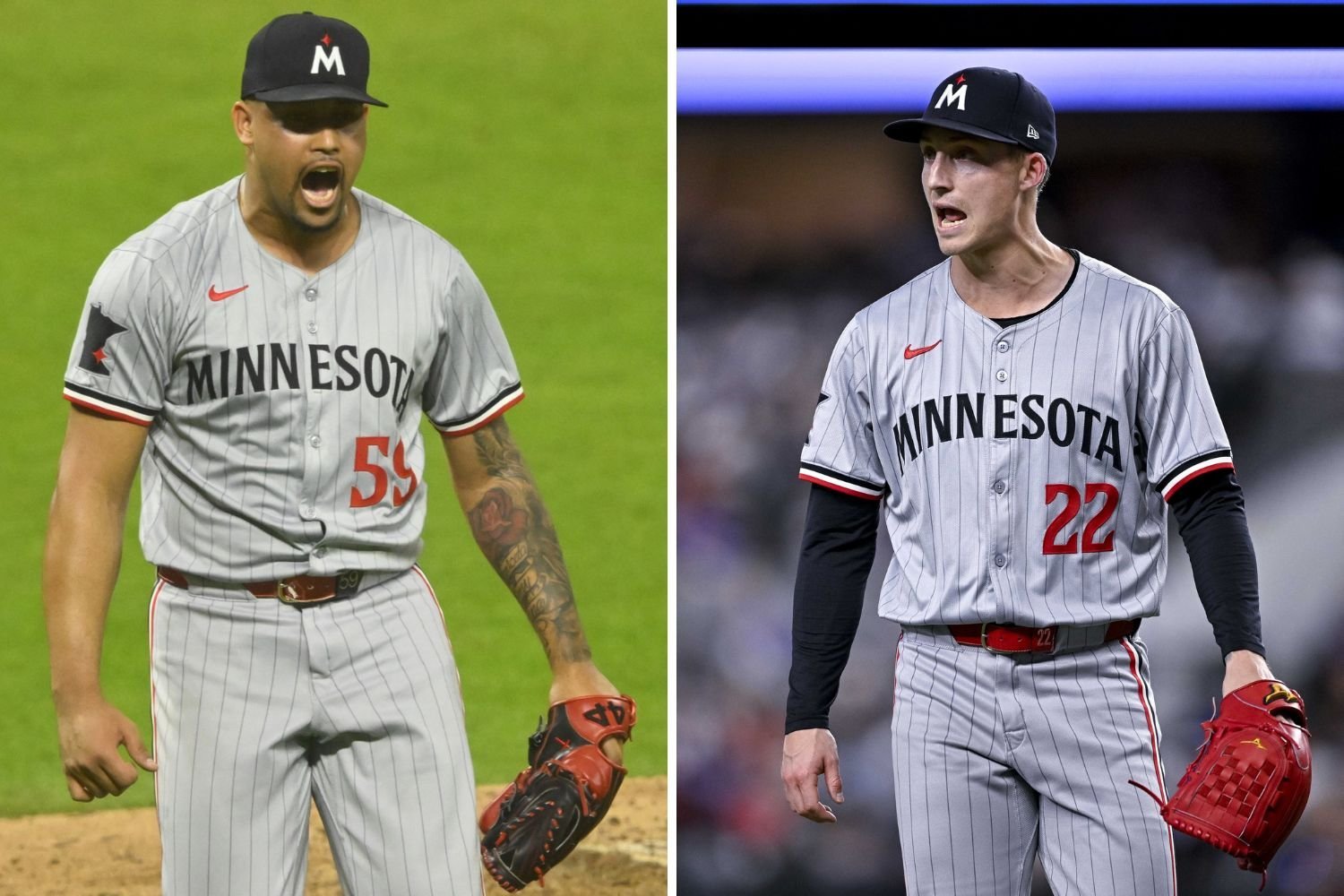 Pitchers and catchers report to spring training next month, which leaves many fans looking toward the upcoming season. How will the hometown nine perform? Where can the team still improve before Opening Day? What players are set to take on a more critical role? Projection systems like Dan Szymborski’s ZiPS help to set a baseline for what to expect in the upcoming season. Last week, FanGraphs released the team’s ZiPS projections, and the bullpen stood out from the other roster segments. Teams still have room to add pieces to their roster before the season begins, but Minnesota’s bullpen might not need any upgrades. According to Szymborski, “Though it’s certainly not an official projection yet, ZiPS believes at this moment that the Twins have the best bullpen in baseball.” What’s behind this high praise, and how can the team solidify this position as the season approaches? Let’s dive into what’s changed, how the group can improve, and what pieces might still be missing. What’s Changed from 2024 to 2025? The 2024 Twins bullpen was a solid unit, with the second-highest fWAR in the American League. However, every bullpen has its flaws. Injuries and inconsistency plagued the group, leaving questions about its overall reliability. However, several key developments over the offseason and player growth have led to this promising 2025 projection. First, Griffin Jax emerged as one of the most dominant relievers in baseball. He had a 2.03 ERA, a 0.87 WHIP, and 95 strikeouts in 71 innings pitched in 2024. Jax finished with 10 saves and allowed just four home runs all year. He was worth 2.8 WAR, tied for seventh-most among all MLB relief pitchers. MLB Network recently unveiled its top-10 relievers and Jax was notably left off the list. Entering last year, he was projected to be a solid reliever, but no one could have imagined the elite pitcher he would be in 2024. Secondly, Jhoan Durán has been one of the most dominant relievers in baseball, but he showed some chinks in his armor last season. Durán’s combination of triple-digit velocity and devastating off-speed pitches makes him a nightmare for opposing hitters. He saw a decrease in velocity last season, so the team must keep an eye on his performance this year. In 58 appearances, he posted a 3.64 ERA with a 1.16 WHIP and 10.9 K/9. There may be room for him to adjust his pitch usage to be effective even at his lower velocity. Jax and Durán have the potential to be a dominant late-inning duo. Lastly, the front office has made calculated decisions to retain key contributors while avoiding overspending on free agents. Their strategy of maximizing value from in-house options has helped build a bullpen rich in both talent and cost-effectiveness. Overall, the team kept strong performers from 2024 and dropped the underperforming players. How Can This Group Improve? While the ZiPS projections are encouraging, there’s always room for growth, and several key factors could elevate the Twins’ bullpen to even greater heights in 2025. Louie Varland in a Relief Role: Varland struggled as a starter last season, so moving to the bullpen could unlock his full potential. His fastball and cutter have the makings of elite relief weapons. Focusing on shorter outings should allow him to add velocity and sharpen his command, which the Twins saw in 2023 when he was used as a reliever for the team’s postseason run. Varland could be a pivotal piece in the late innings, if he embraces this role. A Full Season of Cole Sands: Sands quietly emerged as a dependable option in 2024, and the Twins are counting on him to take another step forward in 2025. In 62 games, he posted a 3.28 ERA with a 0.99 WHIP and 10.7 K/9. For the first time in his career, he used his cutter more than his four-seamer and increased its velocity from 88.5 MPH to 90.8 MPH. His four-seamer (31.2%), cutter (29.7%), and curveball (29.4%) each saw a significant jump in Whiff% in a bullpen role. There is a chance he can improve as he gets another full season in the bullpen. Brock Stewart’s Return: Stewart’s 2024 season was cut short by another shoulder injury, but his electric stuff was evident when healthy. If he can return to form, Stewart offers another dynamic arm capable of handling high-leverage situations. In 2023, the Twins saw Stewart post a 0.65 ERA with a 1.08 WHIP and 12.7 K/9. His recovery could be a significant X-factor in the bullpen’s success, but it seems likely that the Twins will limit his workload to keep him healthy for the season’s second half. What Pieces Are Missing? Despite the promising projection, there are still ways the Twins can enhance their bullpen’s performance. Specifically, the team lacks a proven high-leverage left-handed reliever. Caleb Thielbar’s departure leaves a middle-inning role. Kody Funderburk and Brent Headrick are the only lefties on the 40-man roster, so the Twins could be in the market for a more reliable lefty. There is hope this duo could improve and step into the vacated high-leverage lefty role. Free agency or trades could address this need, but the Twins’ front office is reluctant to invest heavily in relief pitching. Historically, they’ve preferred to allocate resources elsewhere, relying on development and minor-league signings to build their bullpen. If they stick with this approach, the team may need to identify a breakout candidate or use creative roster moves to fill this gap. The Minnesota Twins’ bullpen is poised for a breakout season in 2025, with a mix of established stars and rising talents ready to lead the charge. Louie Varland’s transition, a healthy Brock Stewart, and a full season of Cole Sands could take the group to the next level. However, addressing the lack of a high-leverage lefty could be the final puzzle piece. Whether through internal development or an external addition, the Twins have an opportunity to solidify their bullpen as the best in baseball and make a deep postseason run. If the projections hold, 2025 could be a banner year for pitching in Minnesota. What stands out about the team’s ZiPS projections for the bullpen? Leave a comment and start the discussion.
- 66 comments
-
- 2
-
-
- griffin jax
- jhoan duran
- (and 5 more)
-
Minnesota had one of baseball’s best bullpens last season, and the core of that group remains strong. Here’s why the Twins are projected to have MLB’s best bullpen next season, even though they've yet to hit their collective ceiling. Image courtesy of David Richard and Jerome Miron-Imagn Images Minnesota had one of baseball’s best bullpens last season, and the core of that group remains strong. Here’s why the Twins are projected to have MLB’s best bullpen next season, even though they've yet to hit their collective ceiling. Pitchers and catchers report to spring training next month, which leaves many fans looking toward the upcoming season. How will the hometown nine perform? Where can the team still improve before Opening Day? What players are set to take on a more critical role? Projection systems like Dan Szymborski’s ZiPS help to set a baseline for what to expect in the upcoming season. Last week, FanGraphs released the team’s ZiPS projections, and the bullpen stood out from the other roster segments. Teams still have room to add pieces to their roster before the season begins, but Minnesota’s bullpen might not need any upgrades. According to Szymborski, “Though it’s certainly not an official projection yet, ZiPS believes at this moment that the Twins have the best bullpen in baseball.” What’s behind this high praise, and how can the team solidify this position as the season approaches? Let’s dive into what’s changed, how the group can improve, and what pieces might still be missing. What’s Changed from 2024 to 2025? The 2024 Twins bullpen was a solid unit, with the second-highest fWAR in the American League. However, every bullpen has its flaws. Injuries and inconsistency plagued the group, leaving questions about its overall reliability. However, several key developments over the offseason and player growth have led to this promising 2025 projection. First, Griffin Jax emerged as one of the most dominant relievers in baseball. He had a 2.03 ERA, a 0.87 WHIP, and 95 strikeouts in 71 innings pitched in 2024. Jax finished with 10 saves and allowed just four home runs all year. He was worth 2.8 WAR, tied for seventh-most among all MLB relief pitchers. MLB Network recently unveiled its top-10 relievers and Jax was notably left off the list. Entering last year, he was projected to be a solid reliever, but no one could have imagined the elite pitcher he would be in 2024. Secondly, Jhoan Durán has been one of the most dominant relievers in baseball, but he showed some chinks in his armor last season. Durán’s combination of triple-digit velocity and devastating off-speed pitches makes him a nightmare for opposing hitters. He saw a decrease in velocity last season, so the team must keep an eye on his performance this year. In 58 appearances, he posted a 3.64 ERA with a 1.16 WHIP and 10.9 K/9. There may be room for him to adjust his pitch usage to be effective even at his lower velocity. Jax and Durán have the potential to be a dominant late-inning duo. Lastly, the front office has made calculated decisions to retain key contributors while avoiding overspending on free agents. Their strategy of maximizing value from in-house options has helped build a bullpen rich in both talent and cost-effectiveness. Overall, the team kept strong performers from 2024 and dropped the underperforming players. How Can This Group Improve? While the ZiPS projections are encouraging, there’s always room for growth, and several key factors could elevate the Twins’ bullpen to even greater heights in 2025. Louie Varland in a Relief Role: Varland struggled as a starter last season, so moving to the bullpen could unlock his full potential. His fastball and cutter have the makings of elite relief weapons. Focusing on shorter outings should allow him to add velocity and sharpen his command, which the Twins saw in 2023 when he was used as a reliever for the team’s postseason run. Varland could be a pivotal piece in the late innings, if he embraces this role. A Full Season of Cole Sands: Sands quietly emerged as a dependable option in 2024, and the Twins are counting on him to take another step forward in 2025. In 62 games, he posted a 3.28 ERA with a 0.99 WHIP and 10.7 K/9. For the first time in his career, he used his cutter more than his four-seamer and increased its velocity from 88.5 MPH to 90.8 MPH. His four-seamer (31.2%), cutter (29.7%), and curveball (29.4%) each saw a significant jump in Whiff% in a bullpen role. There is a chance he can improve as he gets another full season in the bullpen. Brock Stewart’s Return: Stewart’s 2024 season was cut short by another shoulder injury, but his electric stuff was evident when healthy. If he can return to form, Stewart offers another dynamic arm capable of handling high-leverage situations. In 2023, the Twins saw Stewart post a 0.65 ERA with a 1.08 WHIP and 12.7 K/9. His recovery could be a significant X-factor in the bullpen’s success, but it seems likely that the Twins will limit his workload to keep him healthy for the season’s second half. What Pieces Are Missing? Despite the promising projection, there are still ways the Twins can enhance their bullpen’s performance. Specifically, the team lacks a proven high-leverage left-handed reliever. Caleb Thielbar’s departure leaves a middle-inning role. Kody Funderburk and Brent Headrick are the only lefties on the 40-man roster, so the Twins could be in the market for a more reliable lefty. There is hope this duo could improve and step into the vacated high-leverage lefty role. Free agency or trades could address this need, but the Twins’ front office is reluctant to invest heavily in relief pitching. Historically, they’ve preferred to allocate resources elsewhere, relying on development and minor-league signings to build their bullpen. If they stick with this approach, the team may need to identify a breakout candidate or use creative roster moves to fill this gap. The Minnesota Twins’ bullpen is poised for a breakout season in 2025, with a mix of established stars and rising talents ready to lead the charge. Louie Varland’s transition, a healthy Brock Stewart, and a full season of Cole Sands could take the group to the next level. However, addressing the lack of a high-leverage lefty could be the final puzzle piece. Whether through internal development or an external addition, the Twins have an opportunity to solidify their bullpen as the best in baseball and make a deep postseason run. If the projections hold, 2025 could be a banner year for pitching in Minnesota. What stands out about the team’s ZiPS projections for the bullpen? Leave a comment and start the discussion. View full article
-
Willi Castro has been a breakout star for the Twins over the last two seasons. Would Minnesota move on from Castro before he becomes a free agent at season’s end? Image courtesy of Matt Blewett-Imagn Images Willi Castro has been a breakout star for the Twins over the last two seasons. Would Minnesota move on from Castro before he becomes a free agent at season’s end? The Minnesota Twins face a crucial offseason decision regarding utilityman Willi Castro. Arbitration projects him to earn $6.4 million in 2025, which impacts the team’s payroll flexibility. Despite his impending free agency, Castro’s value remains high. According to FanGraphs, he was worth $19.8 million in 2023 and $24.8 million in 2024, underscoring his ability to impact the game in various ways. If the Twins decide to move on, trading Castro could bring back assets to bolster the current and future roster. Let’s examine two hypothetical (but plausible) trade scenarios. Trade Scenario #1: Partnering with the Milwaukee Brewers The Proposal: Twins Receive: LHP Bryan Hudson Brewers Receive: UTL Willi Castro The Brewers, known for maximizing versatility and emphasizing defense, would be a natural fit for Castro. He could slot in as their starting second baseman, pushing Brice Turang to shortstop and solidifying the middle infield. His speed, switch-hitting ability, and defensive flexibility align well with Milwaukee’s needs and preferences. Last season, Castro became the first MLB player to make at least 25 appearances at five or more defensive positions in a season. H also e hit .247/.331/.385 (.717) with 31 doubles, five triples, and 12 home runs in 158 games. Over the last two seasons, he has averaged 2.15 WAR per season. In exchange, the Twins target Milwaukee’s surplus of left-handed relievers. Bryan Hudson is coming off a breakout season and would be a massive upgrade to Minnesota’s already strong bullpen. Last season, he posted a 1.73 ERA with a 0.72 WHIP with 9.0 K/9 and 2.5 WAR. He was among the NL’s best left-handed relievers, and the Twins clearly need a dominant lefty. He is still pre-arbitration eligible and under team control through the 2029 season. The Twins may have to include another piece in this trade or send some money to Milwaukee to balance the deal. Trade Scenario #2: Sending Castro to the Seattle Mariners The Proposal: Twins Receive: LHP Tayler Saucedo and INF Tai Peete Mariners Receive: UTL Willi Castro The Mariners have had disappointing finishes in the last two seasons, and adding a player like Castro could help them address offensive inconsistencies while providing depth across multiple positions. Currently, Seattle has Dylan Moore (2B) and Donovan Solano (3B) at the top of their depth chart. Castro’s versatility would help them at multiple defensive positions, and his 158 games played would have led the team. With sights set on a postseason push, Seattle may see Castro as a cost-effective upgrade who brings a unique skill set to complement their core players. For the Twins, this deal helps the club address their lack of left-handed relievers while adding a prospect. Tayler Saucedo posted a 3.49 ERA with a 1.37 WHIP and an 8.8 K/9. He is first-year arbitration eligible and is under team control through the 2027 season. Tai Peete is a versatile defender with a solid offensive profile and would add another layer of depth to the organization’s farm system. The 18-year-old played at Low-A last season and slashed .269/.343/.408 (.751) with 42 extra-base hits in 115 games. He has high upside but is a long way from the big leagues. Weighing the Options Both scenarios offer intriguing possibilities for the Twins. Trading Castro would be a tough pill to swallow, given his contributions to the team over the past two seasons. However, leveraging his value on an expiring contract could yield meaningful returns, while carving more than $6 million off Minnesota's tight budget. A deal with the Brewers addresses bullpen needs while offering immediate relief depth, while a trade with the Mariners delivers a left-handed reliever and more depth for an already strong farm system. Ultimately, the Twins’ decision will depend on their evaluation of Castro’s future role and ability to navigate financial constraints. It seems unlikely that the Twins will retain Castro after this season, so now might be the optimal time to trade him. Moving him now could free up payroll and position the team for long-term success, but only if the return meets the organization’s lofty standards. Which trade makes the most sense for the Twins? Leave a comment and start the discussion. View full article
-
There's No Path to a Passing Grade for Twins' Offseason Moves
Cody Christie posted an article in Twins
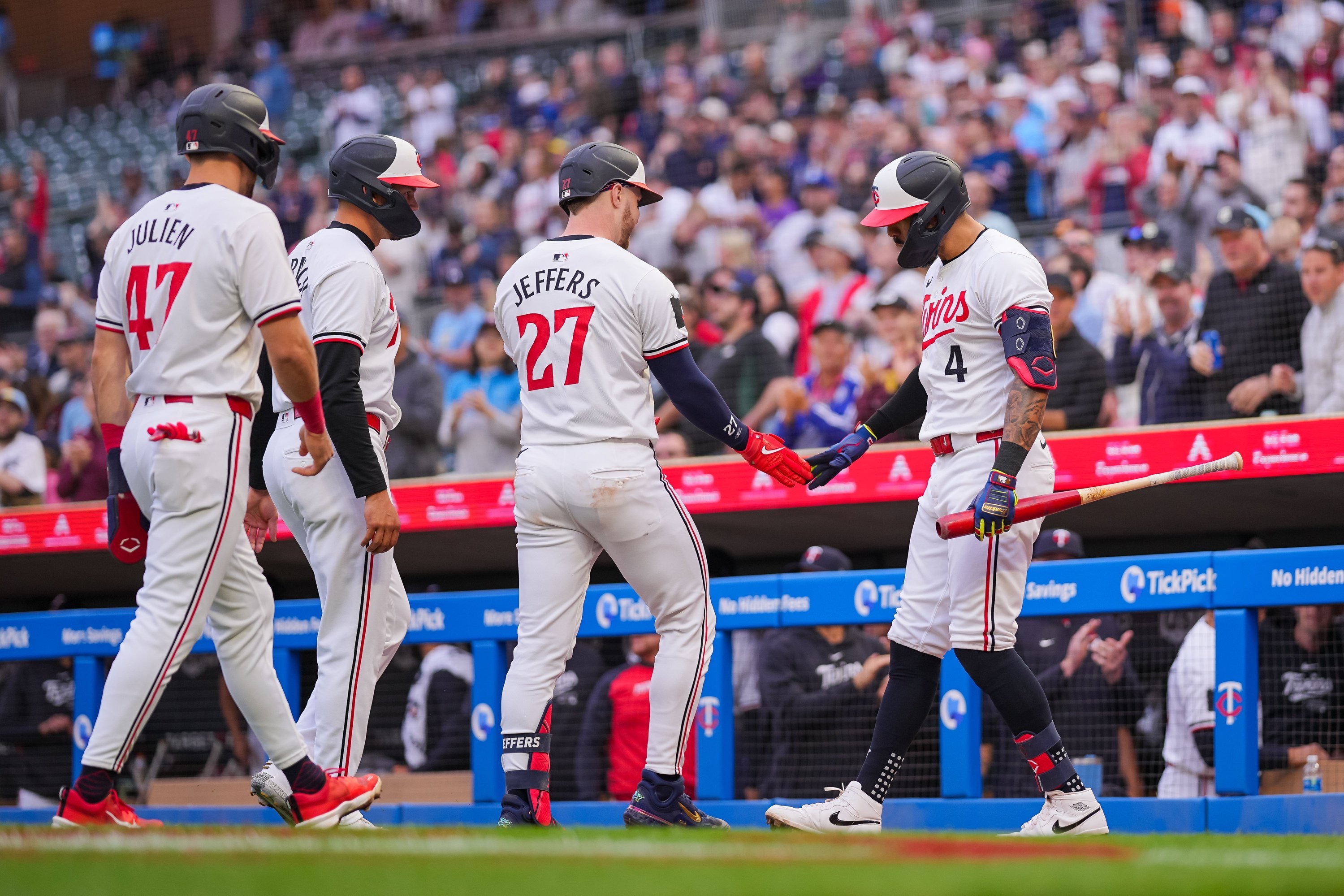 As the offseason unfolds, national outlets are rolling out their early grades for teams based on winter transactions. For the Minnesota Twins, however, it’s hard to envision any scenario where the front office emerges with a passing grade. Ownership-imposed payroll limitations and the reality of subtracting value via free-agent departures and likely salary dumps (while gaining little in return) paint a bleak picture for the weeks leading to spring training. The Twins are staring down a challenging decision-making process. Key players like Christian Vázquez, Chris Paddack, and Willi Castro are all on expiring, moderately expensive contracts. Minnesota’s current payroll projects are in the neighborhood of $140 million, and the ownership group would like that total to be closer to $130 million. Trading one or more of these players seems likely, but the return is expected to be underwhelming. None of these pieces are the kind of players who command top-tier prospects or impact talent in a deal. Yet, dealing them would weaken the team’s depth, which this front office highly values. Take Vázquez, for example. The veteran catcher was brought in to stabilize the position and guide the pitching staff. Trading him would leave the Twins heavily reliant on Ryan Jeffers, who has struggled with consistency in the past. Minnesota has added some catching depth this winter by trading for Diego Cartaya. However, Minnesota has employed an even split of playing time behind the plate in recent seasons, and it's not clear that Cartaya would be a viable backstop for 75-plus games. Similarly, trading Paddack or Castro removes insurance from an already injury-prone rotation and lineup. If Paddack is dealt, Simeon Woods Richardson or David Festa will slide into the fifth spot in the rotation, which might be an upgrade over Paddack—but would reduce their resiliency in case of an injury. Castro’s value comes from his defensive versatility, but the Twins might be able to use someone like Austin Martin or Michael Helman in a utility role. These are calculated risks, but they only make sense if the front office believes some other players on the roster can take a step forward. Could Minnesota swing for a bigger deal to alter the trajectory of their offseason? The possibility exists, but it’s not without significant risk. Trading from the young core would be a gamble. The candidates for such a move—Royce Lewis, first and foremost—represent not only the future but also the present hope of sustainable success. The organization has one of baseball’s best farm systems, and prospects like Emmanuel Rodriguez or Marco Raya could be used as trade chips. However, depleting the pipeline has long-term consequences that the Twins have historically avoided. It’s not as if this front office is incapable of pulling off a win-now move. The trade of Luis Arraez for Pablo López is a shining example from two years ago. That deal worked out as close to ideally as the front office could hope, with López anchoring the rotation and signed to a long-term deal with the club. But those kinds of trades are exceedingly rare. It would take another masterstroke for the Twins to escape this offseason unscathed. On paper, Minnesota might already have the best roster in the AL Central, which some fans might find hard to believe after last year’s collapse. There are no glaring holes on the roster, and they have depth at multiple positions. Many of Minnesota’s top prospects finished last season at Double-A or higher, putting them on a path to debut in 2025. The challenge now is returning to 2023’s level of success, while working within financial constraints. This roster can compete if healthy, but health has been anything but a guarantee for this franchise. The reality is that the Twins’ front office is operating in a nearly impossible situation. Any significant subtraction will hurt the team’s chances in 2024, while any addition seems unlikely to move the needle enough to justify the cost. Grading this offseason will be about context, but the final marks won't be kind, even understanding the challenges. Derek Falvey and Jeremy Zoll must walk a tightrope in the weeks ahead. Their decisions will shape not only the 2025 season, but also the perception of this regime’s ability to build a contender under constraints. No matter what they do, it’s hard to see a path to a grade above a C for this offseason. The pieces don’t fit, the math doesn’t work, and the Twins are left in the unenviable position of trying to tread water while the rest of baseball races ahead. What grade has the front office gotten for the offseason so far? Leave a comment and start the discussion.
- 63 comments
-
- 1
-
-
- christian vazquez
- chris paddack
- (and 5 more)
-
Some front offices have been very active this winter, while the Twins’ front office has sat on the sidelines and let the market play out. Looking ahead, there is no path to a passing grade for the Twins’ offseason moves. Image courtesy of Brad Rempel-USA TODAY Sports Some front offices have been very active this winter, while the Twins’ front office has sat on the sidelines and let the market play out. Looking ahead, there is no path to a passing grade for the Twins’ offseason moves. As the offseason unfolds, national outlets are rolling out their early grades for teams based on winter transactions. For the Minnesota Twins, however, it’s hard to envision any scenario where the front office emerges with a passing grade. Ownership-imposed payroll limitations and the reality of subtracting value via free-agent departures and likely salary dumps (while gaining little in return) paint a bleak picture for the weeks leading to spring training. The Twins are staring down a challenging decision-making process. Key players like Christian Vázquez, Chris Paddack, and Willi Castro are all on expiring, moderately expensive contracts. Minnesota’s current payroll projects are in the neighborhood of $140 million, and the ownership group would like that total to be closer to $130 million. Trading one or more of these players seems likely, but the return is expected to be underwhelming. None of these pieces are the kind of players who command top-tier prospects or impact talent in a deal. Yet, dealing them would weaken the team’s depth, which this front office highly values. Take Vázquez, for example. The veteran catcher was brought in to stabilize the position and guide the pitching staff. Trading him would leave the Twins heavily reliant on Ryan Jeffers, who has struggled with consistency in the past. Minnesota has added some catching depth this winter by trading for Diego Cartaya. However, Minnesota has employed an even split of playing time behind the plate in recent seasons, and it's not clear that Cartaya would be a viable backstop for 75-plus games. Similarly, trading Paddack or Castro removes insurance from an already injury-prone rotation and lineup. If Paddack is dealt, Simeon Woods Richardson or David Festa will slide into the fifth spot in the rotation, which might be an upgrade over Paddack—but would reduce their resiliency in case of an injury. Castro’s value comes from his defensive versatility, but the Twins might be able to use someone like Austin Martin or Michael Helman in a utility role. These are calculated risks, but they only make sense if the front office believes some other players on the roster can take a step forward. Could Minnesota swing for a bigger deal to alter the trajectory of their offseason? The possibility exists, but it’s not without significant risk. Trading from the young core would be a gamble. The candidates for such a move—Royce Lewis, first and foremost—represent not only the future but also the present hope of sustainable success. The organization has one of baseball’s best farm systems, and prospects like Emmanuel Rodriguez or Marco Raya could be used as trade chips. However, depleting the pipeline has long-term consequences that the Twins have historically avoided. It’s not as if this front office is incapable of pulling off a win-now move. The trade of Luis Arraez for Pablo López is a shining example from two years ago. That deal worked out as close to ideally as the front office could hope, with López anchoring the rotation and signed to a long-term deal with the club. But those kinds of trades are exceedingly rare. It would take another masterstroke for the Twins to escape this offseason unscathed. On paper, Minnesota might already have the best roster in the AL Central, which some fans might find hard to believe after last year’s collapse. There are no glaring holes on the roster, and they have depth at multiple positions. Many of Minnesota’s top prospects finished last season at Double-A or higher, putting them on a path to debut in 2025. The challenge now is returning to 2023’s level of success, while working within financial constraints. This roster can compete if healthy, but health has been anything but a guarantee for this franchise. The reality is that the Twins’ front office is operating in a nearly impossible situation. Any significant subtraction will hurt the team’s chances in 2024, while any addition seems unlikely to move the needle enough to justify the cost. Grading this offseason will be about context, but the final marks won't be kind, even understanding the challenges. Derek Falvey and Jeremy Zoll must walk a tightrope in the weeks ahead. Their decisions will shape not only the 2025 season, but also the perception of this regime’s ability to build a contender under constraints. No matter what they do, it’s hard to see a path to a grade above a C for this offseason. The pieces don’t fit, the math doesn’t work, and the Twins are left in the unenviable position of trying to tread water while the rest of baseball races ahead. What grade has the front office gotten for the offseason so far? Leave a comment and start the discussion. View full article
- 63 replies
-
- 1
-
-
- christian vazquez
- chris paddack
- (and 5 more)

