



Cody Christie
-
Posts
7,791 -
Joined
-
Last visited
-
Days Won
5
Content Type
Profiles
News
Minnesota Twins Videos
2026 Minnesota Twins Top Prospects Ranking
2022 Minnesota Twins Draft Picks
Minnesota Twins Free Agent & Trade Rumors, Notes, & Tidbits
Guides & Resources
2023 Minnesota Twins Draft Picks
The Minnesota Twins Players Project
2024 Minnesota Twins Draft Picks
2025 Minnesota Twins Draft Pick Tracker
2026 Minnesota Twins Draft Tracker: Picks & Bonuses
Forums
Blogs
Events
Store
Downloads
Gallery
Everything posted by Cody Christie
-
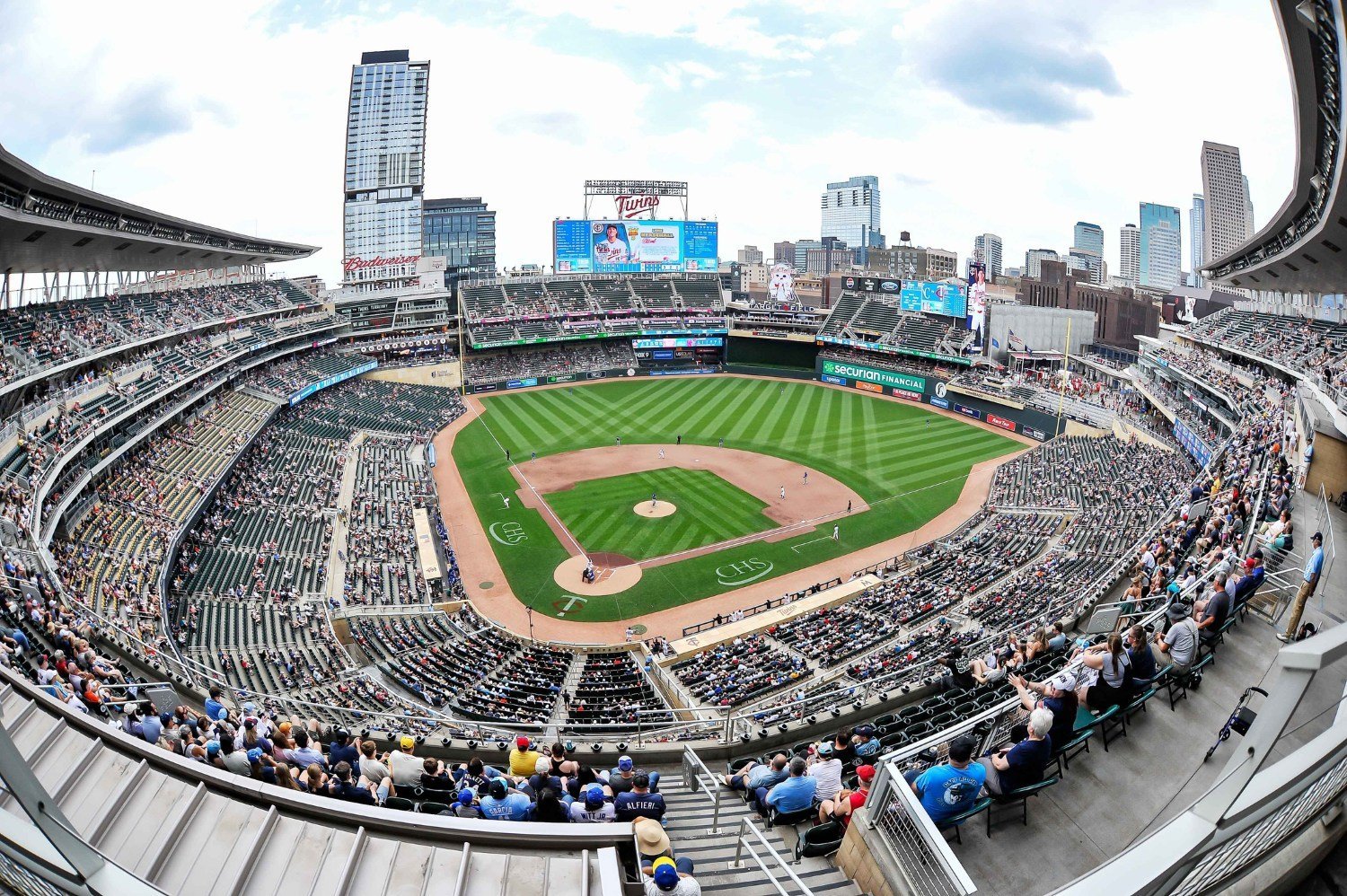 The Twins have plenty of areas to address this offseason. After reducing payroll and moving on from several key figures in baseball operations, the organization needs to find ways to improve its roster without spending like baseball's biggest-market teams. One potential area for improvement might not involve signing a single player. Analytics departments have become an increasingly important part of modern baseball operations. Teams use their staffs to evaluate players, develop pitching strategies, improve player performance, and help make decisions throughout the organization. The best departments combine traditional baseball knowledge with data analysis, engineering, research and development, and quantitative sports science. A recent look at MLB analytics staffing shows a notable trend among the teams remaining in the postseason. Several clubs have invested heavily in these departments, while Minnesota sits below the league average. The Twins cannot expect to solve every problem by hiring more analysts, but this is an area where additional investment could help the organization make up ground. The Postseason Teams Invest in Analytics The Milwaukee Brewers have built one of baseball's largest analytics departments, with 46 employees. That total ranks second in MLB, trailing only the Philadelphia Phillies, who lead the league with 51. The Tampa Bay Rays have 39 employees, while the Cleveland Guardians have 30. All four organizations sit above the league average of 28.5 analytics employees. These departments include more than employees whose job titles contain the word analyst. Baseball analytics and research-and-development personnel work alongside engineers, department leaders, embedded analysts, and quantitative sports scientists. Each role can contribute to a team's ability to evaluate information and translate it into practical decisions on the field. The staffing numbers do not prove that a team will win more games simply because it employs more analysts. For instance, the Blue Jays, Tigers, and Mets all rank among MLB’s top-10 in analytics staff, but that trio all missed the playoffs. A larger department can still make mistakes, and a smaller department can be effective when its personnel are talented and its processes are sound. Still, the numbers show that several successful organizations have made analytics a significant part of their baseball operations infrastructure. Minnesota currently has 27 employees in its analytics department, ranking 17th in baseball. That puts the Twins below the league average of 28.5. The final three teams remaining in the postseason average 38.3 analytics employees, a difference of more than 11 employees per organization. That gap is worth examining. Minnesota does not necessarily need to match the Phillies' 51 employees, but the Twins should consider whether their current staffing level gives them the resources needed to compete with organizations that have made analytics a major priority. Minnesota Has Cut Back in Other Areas The analytics discussion comes at a time when the Twins have made difficult decisions about spending across baseball operations. Minnesota has operated with a reduced payroll compared with recent seasons, and its approach to roster construction has increasingly emphasized finding value rather than paying for established talent. Those financial decisions affect more than the players on the field. Baseball operations departments need the resources to evaluate trade targets, identify undervalued free agents, develop prospects, improve player performance, and make decisions about the roster's long-term direction. When an organization reduces spending, it needs to be careful not to weaken the infrastructure that helps it spend wisely. The Twins have experienced significant changes in their baseball operations leadership, including the departure of Derek Falvey and a transition to a new decision-making structure. When he was hired, Falvey was tasked with building Minnesota’s analytics department. Leadership changes can create opportunities to rethink how the organization operates, but they also make it important to maintain the people and processes that help turn information into better decisions. Analytics cannot replace good scouting, strong player development, or experienced baseball leadership. It should complement those areas. A larger analytics department could give Minnesota more capacity to investigate questions that currently compete for limited staff time, work more closely with coaches and players, and build better systems for evaluating talent. That last point matters for a team operating with financial constraints. The Twins need to find players who outperform their contracts, identify weaknesses before they become expensive problems, and develop internal options rather than relying on the free-agent market to fill every roster hole. An effective analytics department can help with all three tasks. It cannot guarantee that every acquisition works or every prospect develops, but it can give the organization more information and better tools when making decisions. A More Affordable Way to Close the Gap One of the most compelling arguments for investing in analytics is the relative cost. Adding several analytics employees would cost money, but it would not necessarily require the same financial commitment as improving the major-league roster through free agency. Consider the cost of adding a middle reliever. Even a modest free-agent contract can cost a team several million dollars for one season. That player might provide valuable innings, but there is no guarantee he will perform as expected. A few additional analytics employees could cost less than that single roster addition, depending on their roles and experience, while contributing to decisions that affect multiple players and potentially several seasons. The value is not simply about finding the next inexpensive reliever. An expanded department could help the Twins evaluate bullpen options, identify pitchers whose underlying numbers suggest untapped potential, and develop more individualized approaches to pitch selection and workload management. Those same resources could help the organization evaluate hitters, improve defensive positioning, and support player development throughout the minor leagues. Analytics staff members also do not need to produce an immediate return in the form of wins. Their work can influence decisions across the organization, from amateur scouting and international acquisitions to major-league roster construction. That creates the potential for a broader return than spending a similar amount on one player. Of course, hiring additional employees does not automatically make an organization smarter. Minnesota would need to identify the areas where its current department lacks capacity, recruit people with the right expertise, and make sure its analysts work closely with scouts, coaches, and players. Adding staff without a clear plan would simply increase expenses. The Twins should also avoid treating analytics headcount as a competition in which the team with the most employees automatically wins. The quality of the staff, the information available to it, and the organization's willingness to act on its findings matter more than the raw total. Still, a department with 27 employees operating below the league average may have opportunities to expand its capabilities. Minnesota does not need to double its staff overnight. Targeted additions in research and development, engineering, or quantitative sports science could address specific needs without creating an enormous new expense. Like payroll, analytics staffing is one input in a much larger equation. Coaching, scouting, player development, front-office leadership, and the players themselves still matter more collectively than any single department's headcount. A well-funded analytics operation cannot overcome poor decisions across the rest of the organization. But the opposite is also true. A team with a limited payroll needs every advantage it can find. If Minnesota intends to compete with organizations that consistently identify undervalued players and maximize their existing talent, it should make sure its own baseball operations staff has the resources to do that work. The Brewers, Rays, and Guardians offer useful examples of organizations that have invested in analytics while operating under different financial circumstances than baseball's wealthiest clubs. Their staffing numbers do not explain their entire success, but they reinforce the idea that teams can invest in their infrastructure even when they cannot spend without limits on the major-league roster. The Twins have ground to make up. Their 27 analytics employees put them below the league average, while the final three postseason teams average 38.3. Closing that gap would not guarantee Minnesota a postseason run, but it could improve the organization's ability to make better decisions with the resources it has. If the Twins are serious about building a sustainable contender, expanding their analytics department deserves a place in the offseason conversation. Spending millions on one more reliever might help solve a single roster problem. Investing in the right people behind the scenes could help the organization solve problems across the entire roster. For a team looking to maximize every dollar, that is an opportunity worth exploring. Should the Twins invest more in their analytics department? Leave a comment and start the discussion.
 -
 Image courtesy of © Jeffrey Becker-Imagn Images The Twins have plenty of areas to address this offseason. After reducing payroll and moving on from several key figures in baseball operations, the organization needs to find ways to improve its roster without spending like baseball's biggest-market teams. One potential area for improvement might not involve signing a single player. Analytics departments have become an increasingly important part of modern baseball operations. Teams use their staffs to evaluate players, develop pitching strategies, improve player performance, and help make decisions throughout the organization. The best departments combine traditional baseball knowledge with data analysis, engineering, research and development, and quantitative sports science. A recent look at MLB analytics staffing shows a notable trend among the teams remaining in the postseason. Several clubs have invested heavily in these departments, while Minnesota sits below the league average. The Twins cannot expect to solve every problem by hiring more analysts, but this is an area where additional investment could help the organization make up ground. The Postseason Teams Invest in Analytics The Milwaukee Brewers have built one of baseball's largest analytics departments, with 46 employees. That total ranks second in MLB, trailing only the Philadelphia Phillies, who lead the league with 51. The Tampa Bay Rays have 39 employees, while the Cleveland Guardians have 30. All four organizations sit above the league average of 28.5 analytics employees. These departments include more than employees whose job titles contain the word analyst. Baseball analytics and research-and-development personnel work alongside engineers, department leaders, embedded analysts, and quantitative sports scientists. Each role can contribute to a team's ability to evaluate information and translate it into practical decisions on the field. The staffing numbers do not prove that a team will win more games simply because it employs more analysts. For instance, the Blue Jays, Tigers, and Mets all rank among MLB’s top-10 in analytics staff, but that trio all missed the playoffs. A larger department can still make mistakes, and a smaller department can be effective when its personnel are talented and its processes are sound. Still, the numbers show that several successful organizations have made analytics a significant part of their baseball operations infrastructure. Minnesota currently has 27 employees in its analytics department, ranking 17th in baseball. That puts the Twins below the league average of 28.5. The final three teams remaining in the postseason average 38.3 analytics employees, a difference of more than 11 employees per organization. That gap is worth examining. Minnesota does not necessarily need to match the Phillies' 51 employees, but the Twins should consider whether their current staffing level gives them the resources needed to compete with organizations that have made analytics a major priority. Minnesota Has Cut Back in Other Areas The analytics discussion comes at a time when the Twins have made difficult decisions about spending across baseball operations. Minnesota has operated with a reduced payroll compared with recent seasons, and its approach to roster construction has increasingly emphasized finding value rather than paying for established talent. Those financial decisions affect more than the players on the field. Baseball operations departments need the resources to evaluate trade targets, identify undervalued free agents, develop prospects, improve player performance, and make decisions about the roster's long-term direction. When an organization reduces spending, it needs to be careful not to weaken the infrastructure that helps it spend wisely. The Twins have experienced significant changes in their baseball operations leadership, including the departure of Derek Falvey and a transition to a new decision-making structure. When he was hired, Falvey was tasked with building Minnesota’s analytics department. Leadership changes can create opportunities to rethink how the organization operates, but they also make it important to maintain the people and processes that help turn information into better decisions. Analytics cannot replace good scouting, strong player development, or experienced baseball leadership. It should complement those areas. A larger analytics department could give Minnesota more capacity to investigate questions that currently compete for limited staff time, work more closely with coaches and players, and build better systems for evaluating talent. That last point matters for a team operating with financial constraints. The Twins need to find players who outperform their contracts, identify weaknesses before they become expensive problems, and develop internal options rather than relying on the free-agent market to fill every roster hole. An effective analytics department can help with all three tasks. It cannot guarantee that every acquisition works or every prospect develops, but it can give the organization more information and better tools when making decisions. A More Affordable Way to Close the Gap One of the most compelling arguments for investing in analytics is the relative cost. Adding several analytics employees would cost money, but it would not necessarily require the same financial commitment as improving the major-league roster through free agency. Consider the cost of adding a middle reliever. Even a modest free-agent contract can cost a team several million dollars for one season. That player might provide valuable innings, but there is no guarantee he will perform as expected. A few additional analytics employees could cost less than that single roster addition, depending on their roles and experience, while contributing to decisions that affect multiple players and potentially several seasons. The value is not simply about finding the next inexpensive reliever. An expanded department could help the Twins evaluate bullpen options, identify pitchers whose underlying numbers suggest untapped potential, and develop more individualized approaches to pitch selection and workload management. Those same resources could help the organization evaluate hitters, improve defensive positioning, and support player development throughout the minor leagues. Analytics staff members also do not need to produce an immediate return in the form of wins. Their work can influence decisions across the organization, from amateur scouting and international acquisitions to major-league roster construction. That creates the potential for a broader return than spending a similar amount on one player. Of course, hiring additional employees does not automatically make an organization smarter. Minnesota would need to identify the areas where its current department lacks capacity, recruit people with the right expertise, and make sure its analysts work closely with scouts, coaches, and players. Adding staff without a clear plan would simply increase expenses. The Twins should also avoid treating analytics headcount as a competition in which the team with the most employees automatically wins. The quality of the staff, the information available to it, and the organization's willingness to act on its findings matter more than the raw total. Still, a department with 27 employees operating below the league average may have opportunities to expand its capabilities. Minnesota does not need to double its staff overnight. Targeted additions in research and development, engineering, or quantitative sports science could address specific needs without creating an enormous new expense. Like payroll, analytics staffing is one input in a much larger equation. Coaching, scouting, player development, front-office leadership, and the players themselves still matter more collectively than any single department's headcount. A well-funded analytics operation cannot overcome poor decisions across the rest of the organization. But the opposite is also true. A team with a limited payroll needs every advantage it can find. If Minnesota intends to compete with organizations that consistently identify undervalued players and maximize their existing talent, it should make sure its own baseball operations staff has the resources to do that work. The Brewers, Rays, and Guardians offer useful examples of organizations that have invested in analytics while operating under different financial circumstances than baseball's wealthiest clubs. Their staffing numbers do not explain their entire success, but they reinforce the idea that teams can invest in their infrastructure even when they cannot spend without limits on the major-league roster. The Twins have ground to make up. Their 27 analytics employees put them below the league average, while the final three postseason teams average 38.3. Closing that gap would not guarantee Minnesota a postseason run, but it could improve the organization's ability to make better decisions with the resources it has. If the Twins are serious about building a sustainable contender, expanding their analytics department deserves a place in the offseason conversation. Spending millions on one more reliever might help solve a single roster problem. Investing in the right people behind the scenes could help the organization solve problems across the entire roster. For a team looking to maximize every dollar, that is an opportunity worth exploring. Should the Twins invest more in their analytics department? Leave a comment and start the discussion. View full article
 -
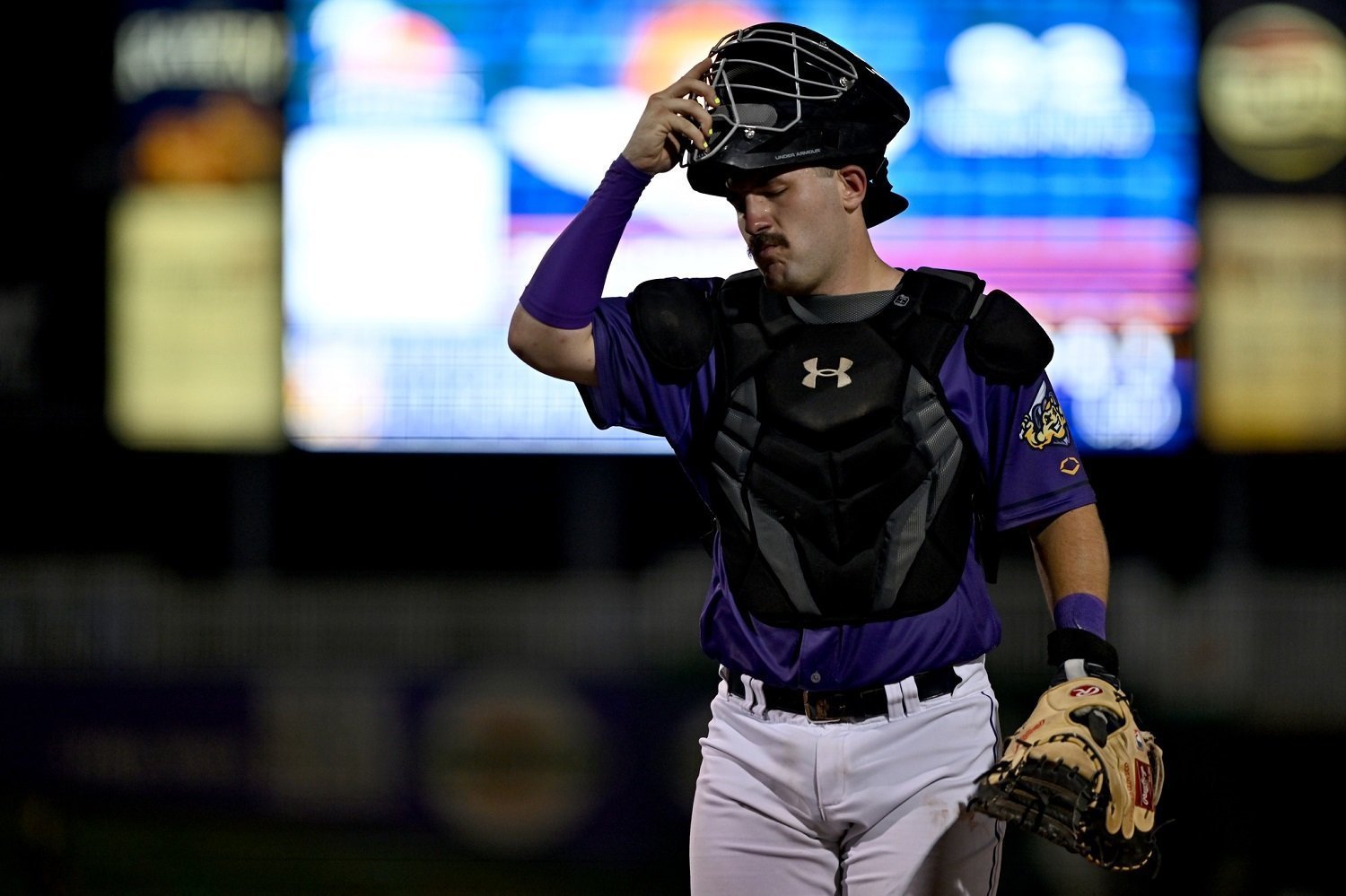 The Twins have experienced their share of unusual prospect stories, but few have been as complicated as Derek Bender's departure. The former sixth-round pick went from a promising college hitter to one of baseball's most controversial minor league players in a matter of months. Allegations that he tipped pitches to opposing hitters led to his release in September 2024 and a season-long suspension from affiliated baseball. That suspension has ended, and Bender has continued playing professionally while attempting to revive his career. He spent the 2025 and 2026 seasons with the Brockton Rox of the independent Frontier League, putting together increasingly impressive offensive numbers. However, his return to affiliated baseball remains an open question. A Promising Prospect's Time in Minnesota Ends The Twins selected Bender with the 188th overall pick in the sixth round of the 2024 MLB Draft. The catcher attended Coastal Carolina University, where he hit .326/.408/.570 with 32 home runs over three seasons. Bender made his professional debut with the Fort Myers Mighty Mussels, Minnesota's Single A affiliate. In 19 games, he hit .200/.273/.333 with two home runs and eight RBI across 60 at bats. His professional career took an unexpected turn during a Florida State League doubleheader against the Lakeland Flying Tigers on September 6, 2024. Reports alleged that Bender told opposing hitters which pitches his teammate, pitcher Ross Dunn, was preparing to throw. The allegations raised questions about Bender's intentions and his relationship with teammates. The Twins released him later that month, ending his time with the organization only a few months after selecting him in the draft. Bender Denies the Allegations In a February 2025 interview with The Athletic, Bender challenged the central accusation against him. Asked directly whether he had given pitches away to opposing hitters, he responded, “No.” He reinforced his position, saying, “And I’ll live with this until the day I die. I never gave pitches away. I never tried to give the opposing team an advantage against my own team.” Bender also acknowledged the physical and mental exhaustion he experienced near the end of the season. He described conversations with teammates about mistakes and the grind of a long season, including the shared feeling that “everybody’s ready to go home.” His comments offered insight into his mindset, but they did not resolve the disagreement over what happened during the doubleheader. Bender maintained that he never intentionally helped opposing hitters, while MLB ultimately disciplined him. MLB's Investigation and Suspension Bender missed the entire 2025 affiliated season after MLB suspended him for his “conduct.” The league did not publicly identify the specific violation that led to the punishment. A league source told The Athletic that MLB had examined a potential violation of Rule 21(a), which covers intentionally losing games. A confirmed violation could have resulted in a lifetime ban. Instead, the league and the MLB Players Association reached an agreement that allowed Bender to return to affiliated baseball after serving a season-long suspension. Investigators also found no evidence of gambling involvement. Because MLB did not publicly announce a formal finding establishing the precise violation, questions remained about the details of the case. The consequences, however, were significant. Bender lost his opportunity to play in an affiliated organization throughout 2025 and needed another place to continue his career. Finding Success in Independent Baseball Bender joined the Brockton Rox of the Frontier League, allowing him to keep playing while serving his suspension from affiliated baseball. He appeared in 92 games during the 2025 season, hitting .282 with 11 home runs and 54 RBI. He improved considerably in 2026, batting .322/.403/.528 with 21 home runs and 17 doubles in 101 games. His .930 OPS represented a significant step forward. Independent league statistics do not guarantee success in affiliated baseball, but Bender has established a larger body of recent work than he had when his time with Minnesota ended. After struggling in a small sample during his professional debut, he has become a productive offensive player in Brockton. An Opportunity to Return In December 2025, MLB confirmed that Bender had completed his discipline and was eligible to sign with any affiliated organization. He also issued an apology through the MLB Players Association, acknowledging the impact of the situation without directly addressing whether he had tipped pitches. “After further reflection, I would like to apologize to the Minnesota Twins organization, my former teammates and coaches, and the fans, for my actions at the conclusion of the 2024 season,” Bender said. He also addressed the personal challenges he had faced, explaining, “Over the past year, I have been working hard, both on and off the field, to become the best player and teammate I can be.” The statement offered a different tone from his earlier comments. Bender continued to deny intentionally giving away pitches while expressing regret about how the end of his Twins tenure unfolded. His reinstatement removed one major obstacle, but it did not guarantee another organization would offer him a contract. Teams must weigh his offensive production against the circumstances surrounding his release and suspension. As a catcher, rebuilding trust with pitchers and teammates would be an important consideration. Bender has expressed a renewed commitment to continuing his career. “This whole situation made me fall out of love with baseball,” he said. “But I realized that I want to win more baseball games in my career. I love baseball. I love winning. I love being a part of a team.” His future now depends on whether an affiliated organization is willing to give him another opportunity. His performance in Brockton has demonstrated offensive potential, but his next step remains uncertain. For the Twins, Bender's story is a reminder of how quickly a promising draft selection can become a complicated organizational decision. Minnesota selected him based on his college production, only to see his tenure end before he had a meaningful opportunity to establish himself in the minor leagues. The allegations were serious, Bender denied them, and MLB imposed a season long suspension without publicly announcing a specific violation. Now eligible to return, Bender has a chance to move forward. Whether a team will give him that opportunity remains to be seen. Will another affiliated organization give Bender a second-chance? Leave a comment and start the discussion.
 -
Image courtesy of William Parmeter The Twins have experienced their share of unusual prospect stories, but few have been as complicated as Derek Bender's departure. The former sixth-round pick went from a promising college hitter to one of baseball's most controversial minor league players in a matter of months. Allegations that he tipped pitches to opposing hitters led to his release in September 2024 and a season-long suspension from affiliated baseball. That suspension has ended, and Bender has continued playing professionally while attempting to revive his career. He spent the 2025 and 2026 seasons with the Brockton Rox of the independent Frontier League, putting together increasingly impressive offensive numbers. However, his return to affiliated baseball remains an open question. A Promising Prospect's Time in Minnesota Ends The Twins selected Bender with the 188th overall pick in the sixth round of the 2024 MLB Draft. The catcher attended Coastal Carolina University, where he hit .326/.408/.570 with 32 home runs over three seasons. Bender made his professional debut with the Fort Myers Mighty Mussels, Minnesota's Single A affiliate. In 19 games, he hit .200/.273/.333 with two home runs and eight RBI across 60 at bats. His professional career took an unexpected turn during a Florida State League doubleheader against the Lakeland Flying Tigers on September 6, 2024. Reports alleged that Bender told opposing hitters which pitches his teammate, pitcher Ross Dunn, was preparing to throw. The allegations raised questions about Bender's intentions and his relationship with teammates. The Twins released him later that month, ending his time with the organization only a few months after selecting him in the draft. Bender Denies the Allegations In a February 2025 interview with The Athletic, Bender challenged the central accusation against him. Asked directly whether he had given pitches away to opposing hitters, he responded, “No.” He reinforced his position, saying, “And I’ll live with this until the day I die. I never gave pitches away. I never tried to give the opposing team an advantage against my own team.” Bender also acknowledged the physical and mental exhaustion he experienced near the end of the season. He described conversations with teammates about mistakes and the grind of a long season, including the shared feeling that “everybody’s ready to go home.” His comments offered insight into his mindset, but they did not resolve the disagreement over what happened during the doubleheader. Bender maintained that he never intentionally helped opposing hitters, while MLB ultimately disciplined him. MLB's Investigation and Suspension Bender missed the entire 2025 affiliated season after MLB suspended him for his “conduct.” The league did not publicly identify the specific violation that led to the punishment. A league source told The Athletic that MLB had examined a potential violation of Rule 21(a), which covers intentionally losing games. A confirmed violation could have resulted in a lifetime ban. Instead, the league and the MLB Players Association reached an agreement that allowed Bender to return to affiliated baseball after serving a season-long suspension. Investigators also found no evidence of gambling involvement. Because MLB did not publicly announce a formal finding establishing the precise violation, questions remained about the details of the case. The consequences, however, were significant. Bender lost his opportunity to play in an affiliated organization throughout 2025 and needed another place to continue his career. Finding Success in Independent Baseball Bender joined the Brockton Rox of the Frontier League, allowing him to keep playing while serving his suspension from affiliated baseball. He appeared in 92 games during the 2025 season, hitting .282 with 11 home runs and 54 RBI. He improved considerably in 2026, batting .322/.403/.528 with 21 home runs and 17 doubles in 101 games. His .930 OPS represented a significant step forward. Independent league statistics do not guarantee success in affiliated baseball, but Bender has established a larger body of recent work than he had when his time with Minnesota ended. After struggling in a small sample during his professional debut, he has become a productive offensive player in Brockton. An Opportunity to Return In December 2025, MLB confirmed that Bender had completed his discipline and was eligible to sign with any affiliated organization. He also issued an apology through the MLB Players Association, acknowledging the impact of the situation without directly addressing whether he had tipped pitches. “After further reflection, I would like to apologize to the Minnesota Twins organization, my former teammates and coaches, and the fans, for my actions at the conclusion of the 2024 season,” Bender said. He also addressed the personal challenges he had faced, explaining, “Over the past year, I have been working hard, both on and off the field, to become the best player and teammate I can be.” The statement offered a different tone from his earlier comments. Bender continued to deny intentionally giving away pitches while expressing regret about how the end of his Twins tenure unfolded. His reinstatement removed one major obstacle, but it did not guarantee another organization would offer him a contract. Teams must weigh his offensive production against the circumstances surrounding his release and suspension. As a catcher, rebuilding trust with pitchers and teammates would be an important consideration. Bender has expressed a renewed commitment to continuing his career. “This whole situation made me fall out of love with baseball,” he said. “But I realized that I want to win more baseball games in my career. I love baseball. I love winning. I love being a part of a team.” His future now depends on whether an affiliated organization is willing to give him another opportunity. His performance in Brockton has demonstrated offensive potential, but his next step remains uncertain. For the Twins, Bender's story is a reminder of how quickly a promising draft selection can become a complicated organizational decision. Minnesota selected him based on his college production, only to see his tenure end before he had a meaningful opportunity to establish himself in the minor leagues. The allegations were serious, Bender denied them, and MLB imposed a season long suspension without publicly announcing a specific violation. Now eligible to return, Bender has a chance to move forward. Whether a team will give him that opportunity remains to be seen. Will another affiliated organization give Bender a second-chance? Leave a comment and start the discussion. View full article
-
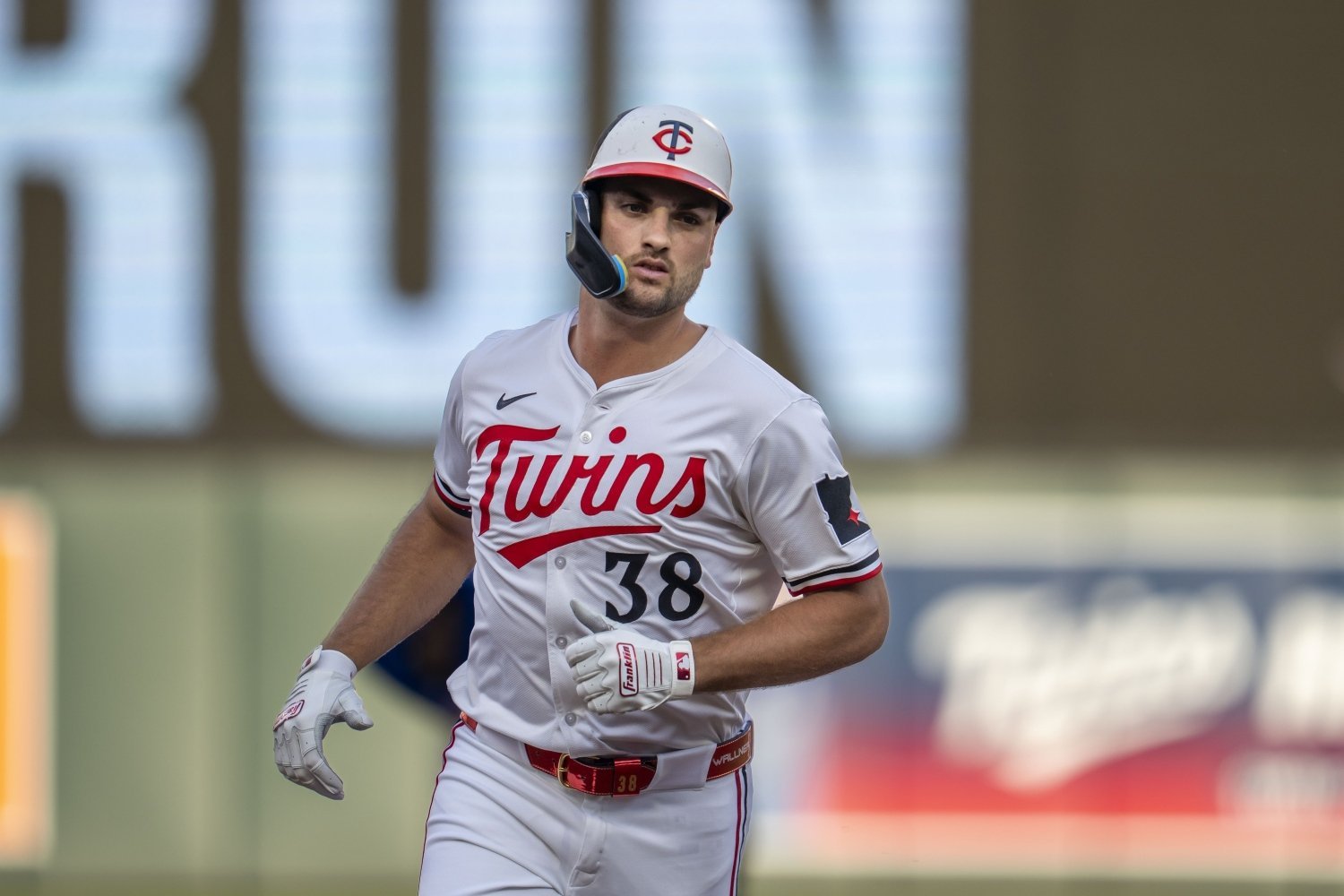 Every big-league team faces an important roster challenge at the end of the season. Clubs must prepare for free agency, evaluate their organizational depth, and determine which players deserve a spot on the 40-man roster heading into the winter. For the Minnesota Twins, this process will require several decisions that could shape the team's roster heading into the 2027 season. The Twins currently have 46 players on their 40-man roster, including six pitchers on the 60-day injured list. Those injured players must be accounted for, because at the end of the World Series, they'll have to be placed back on the 40-man list. Minnesota also has several players who finished the season on the roster but might not fit into the organization's long-term plans. With four players eligible for free agency and several others facing uncertain futures, the Twins have plenty of work ahead. Some decisions will be straightforward, while others could involve moving on from players who have contributed at the major-league level. Pending Free Agents Josh Bell, Ryan Jeffers, A.J. Minter, and Taylor Rogers headline Minnesota's group of pending free agents. Each player presents a different dilemma, as the Twins determine how to allocate their offseason resources. Jeffers is arguably the most significant decision point. Minnesota could extend him a qualifying offer and see whether he accepts a one-year contract worth approximately $23 million. That would give the Twins a chance to retain an established catcher, without committing to a multi-year deal. However, Jeffers could have a strong market as a free agent, making a multi-year contract with another organization a realistic possibility. Bell was a useful offensive presence during his time with Minnesota, leading the team in runs batted in. However, his lack of defensive value limits his versatility. The Twins could look for a more robust bat this offseason while rotating players through the designated hitter spot. Part of their reason for signing him last winter was that Derek Shelton respected and valued his clubhouse gravitas, but that consideration now needs to take a back seat. Bringing Bell back would make sense only if the organization believes his production justifies the roster spot and financial commitment. Minter was a solid addition at the trade deadline. The Twins should look to add a reliever of his caliber this winter, whether that means negotiating a new deal with Minter or finding a comparable arm elsewhere. Bullpen depth is important, but Minnesota must balance that need against its available payroll. Rogers has indicated that he wants to continue pitching in 2027. However, a return to Minnesota seems unlikely. The Twins need to aim higher; there's little left in Rogers's tank. Injured Players Returning to the Roster Mick Abel, Anthony Banda, Pablo López, David Festa, Mike Paredes, and Cole Sands are the pitchers who must be accounted for as Minnesota clears its 60-day injured list spots; that list doesn't exist during the offseason. Several of these decisions should be relatively easy. López remains a key part of the rotation, while Abel and Paredes are pitching options the organization will want to evaluate. However, Banda, Sands, and Festa are more complicated cases. Banda is not expected to return to the field until July and is projected to earn approximately $2.3 million through arbitration. That creates a difficult calculation for a team that needs bullpen help, but might not receive much immediate value from the left-hander. Minnesota could decide that his experience and potential contributions later in the season justify the cost. Alternatively, the front office could use that roster spot and salary on a healthier option. Sands is projected to earn approximately $1.3 million through arbitration. He broke out in 2024, establishing himself as a useful bullpen arm, but his performance has declined since then due to injuries. The Twins must decide whether they believe he can rediscover that form, or whether his recent struggles suggest it's time to move on. Unless he's willing to sign for something closer to the league minimum, he's unlikely to return—but such deals are relatively common, in situations like this. Festa's case is different because he remains pre-arbitration eligible. His salary is not the primary concern, but injuries have limited his availability over the past two seasons. Minnesota must determine whether he can still develop into a dependable major-league starter or whether another pitcher deserves the opportunity. Other Pitchers the Twins Could Drop Garrett Acton, Jack Anderson, Eric Orze, and Marco Raya are additional candidates to lose their roster spots. The Twins need to maintain a deep collection of pitchers throughout the organization, but not every arm needs to occupy a 40-man roster spot. Minnesota can continue developing players in the minor leagues without protecting all of them from the Rule 5 Draft. Acton, Anderson, and Orze have opportunities to make their cases, but they are competing for limited space. The front office must determine whether their potential contributions justify protecting them over other pitchers who might be available through trades, waivers, or free agency. Raya presents the most interesting decision among this group. He's been one of Minnesota's more prominent pitching prospects for multiple seasons, but has yet to put everything together in the upper levels of the minor leagues. His development has not followed the trajectory the organization once hoped for, and there are questions about his performance since shifting to the bullpen. The Twins could give Raya another opportunity to develop, especially if they believe his raw ability remains worth protecting. However, moving him into a relief role is not necessarily a simple solution. If Minnesota doesn't believe he can succeed in a relief role at the major-league level, they could decide to open his roster spot for someone with a clearer path to contributing. These decisions are particularly important, because the Twins will need multiple bullpen options in 2027. The goal should be to retain pitchers who have a realistic chance of helping the major-league club, as well as being optionable and affordable. Other Position Players the Twins Could Drop Ben Ross, Aaron Sabato, Matt Wallner, Trevor Larnach, Royce Lewis, and Austin Martin round out the group of players who could be considered for removal. Ross and Sabato received opportunities with the major-league club late in the season, but those promotions felt more like courtesy call-ups than the beginning of a long-term role. Ross could still compete for a backup infield job next season, particularly if the Twins value his defensive versatility. Sabato appears to be the easiest decision among this group. He's spent years in the organization trying to establish himself as a viable option, but his path to a regular role remains unclear. Wallner's future is another situation worth watching. After struggling with the Twins, he spent the remainder of the season at Triple-A. His offensive potential has been evident, but he has not consistently translated that ability into major-league production. The writing is on the wall with this one; consider it an open spot. Larnach, Lewis, and Martin are more complicated decisions, because each has a different combination of experience, potential, and contractual considerations. Larnach remains under team control through arbitration, giving Minnesota a chance to retain him without making a long-term commitment. His skill set feels redundant, though. Other players who fit his profile are more important to the franchise. Lewis is the most recognizable name in this group, but he hasn't been a consistently productive big-leaguers since the middle of 2024. He's more headache than headliner, but getting rid of a headache often requires swallowing a bitter pill. Martin has yet to reach arbitration, making him an inexpensive option. He has a sufficiently patient approach to maintain a high floor for offensive value, but his ceiling is very low—and, try as he might, he's still not looking like a plus defender, even in left field. The Twins appear to have several players with higher ceilings or who are better fits for the roles these six players might occupy. A couple of them could survive the autumn reaping, but most of the group will slough off before December. The Twins Need to Make Room for the Future Clearing roster spots is only the first step. The organization must also decide how those spots will be used. Retaining too many fringe players could limit the team's flexibility when opportunities emerge through free agency, trades, or the waiver wire. Some decisions will be difficult, because Wallner, Lewis, and Raya still have intriguing potential. Others (including Sabato and some of the fringe pitching options) might be easier to move on from. The injured pitchers pose financial and developmental questions that the front office must weigh carefully. If Minnesota wants to build a more competitive roster in 2027, it must be willing to move on from players who no longer fit its plans and use that flexibility to pursue better options. The 40-man roster cleanup is an early but important part of that process. The decisions made this winter could determine how much flexibility the Twins have when the more significant opportunities of the offseason arrive. Who would you remove from the 40-man roster? Leave a comment and start the discussion.
- 40 comments
-
- 5
-

-
- matt wallner
- marco raya
- (and 6 more)
-
Image courtesy of © Jesse Johnson-Imagn Images Every big-league team faces an important roster challenge at the end of the season. Clubs must prepare for free agency, evaluate their organizational depth, and determine which players deserve a spot on the 40-man roster heading into the winter. For the Minnesota Twins, this process will require several decisions that could shape the team's roster heading into the 2027 season. The Twins currently have 46 players on their 40-man roster, including six pitchers on the 60-day injured list. Those injured players must be accounted for, because at the end of the World Series, they'll have to be placed back on the 40-man list. Minnesota also has several players who finished the season on the roster but might not fit into the organization's long-term plans. With four players eligible for free agency and several others facing uncertain futures, the Twins have plenty of work ahead. Some decisions will be straightforward, while others could involve moving on from players who have contributed at the major-league level. Pending Free Agents Josh Bell, Ryan Jeffers, A.J. Minter, and Taylor Rogers headline Minnesota's group of pending free agents. Each player presents a different dilemma, as the Twins determine how to allocate their offseason resources. Jeffers is arguably the most significant decision point. Minnesota could extend him a qualifying offer and see whether he accepts a one-year contract worth approximately $23 million. That would give the Twins a chance to retain an established catcher, without committing to a multi-year deal. However, Jeffers could have a strong market as a free agent, making a multi-year contract with another organization a realistic possibility. Bell was a useful offensive presence during his time with Minnesota, leading the team in runs batted in. However, his lack of defensive value limits his versatility. The Twins could look for a more robust bat this offseason while rotating players through the designated hitter spot. Part of their reason for signing him last winter was that Derek Shelton respected and valued his clubhouse gravitas, but that consideration now needs to take a back seat. Bringing Bell back would make sense only if the organization believes his production justifies the roster spot and financial commitment. Minter was a solid addition at the trade deadline. The Twins should look to add a reliever of his caliber this winter, whether that means negotiating a new deal with Minter or finding a comparable arm elsewhere. Bullpen depth is important, but Minnesota must balance that need against its available payroll. Rogers has indicated that he wants to continue pitching in 2027. However, a return to Minnesota seems unlikely. The Twins need to aim higher; there's little left in Rogers's tank. Injured Players Returning to the Roster Mick Abel, Anthony Banda, Pablo López, David Festa, Mike Paredes, and Cole Sands are the pitchers who must be accounted for as Minnesota clears its 60-day injured list spots; that list doesn't exist during the offseason. Several of these decisions should be relatively easy. López remains a key part of the rotation, while Abel and Paredes are pitching options the organization will want to evaluate. However, Banda, Sands, and Festa are more complicated cases. Banda is not expected to return to the field until July and is projected to earn approximately $2.3 million through arbitration. That creates a difficult calculation for a team that needs bullpen help, but might not receive much immediate value from the left-hander. Minnesota could decide that his experience and potential contributions later in the season justify the cost. Alternatively, the front office could use that roster spot and salary on a healthier option. Sands is projected to earn approximately $1.3 million through arbitration. He broke out in 2024, establishing himself as a useful bullpen arm, but his performance has declined since then due to injuries. The Twins must decide whether they believe he can rediscover that form, or whether his recent struggles suggest it's time to move on. Unless he's willing to sign for something closer to the league minimum, he's unlikely to return—but such deals are relatively common, in situations like this. Festa's case is different because he remains pre-arbitration eligible. His salary is not the primary concern, but injuries have limited his availability over the past two seasons. Minnesota must determine whether he can still develop into a dependable major-league starter or whether another pitcher deserves the opportunity. Other Pitchers the Twins Could Drop Garrett Acton, Jack Anderson, Eric Orze, and Marco Raya are additional candidates to lose their roster spots. The Twins need to maintain a deep collection of pitchers throughout the organization, but not every arm needs to occupy a 40-man roster spot. Minnesota can continue developing players in the minor leagues without protecting all of them from the Rule 5 Draft. Acton, Anderson, and Orze have opportunities to make their cases, but they are competing for limited space. The front office must determine whether their potential contributions justify protecting them over other pitchers who might be available through trades, waivers, or free agency. Raya presents the most interesting decision among this group. He's been one of Minnesota's more prominent pitching prospects for multiple seasons, but has yet to put everything together in the upper levels of the minor leagues. His development has not followed the trajectory the organization once hoped for, and there are questions about his performance since shifting to the bullpen. The Twins could give Raya another opportunity to develop, especially if they believe his raw ability remains worth protecting. However, moving him into a relief role is not necessarily a simple solution. If Minnesota doesn't believe he can succeed in a relief role at the major-league level, they could decide to open his roster spot for someone with a clearer path to contributing. These decisions are particularly important, because the Twins will need multiple bullpen options in 2027. The goal should be to retain pitchers who have a realistic chance of helping the major-league club, as well as being optionable and affordable. Other Position Players the Twins Could Drop Ben Ross, Aaron Sabato, Matt Wallner, Trevor Larnach, Royce Lewis, and Austin Martin round out the group of players who could be considered for removal. Ross and Sabato received opportunities with the major-league club late in the season, but those promotions felt more like courtesy call-ups than the beginning of a long-term role. Ross could still compete for a backup infield job next season, particularly if the Twins value his defensive versatility. Sabato appears to be the easiest decision among this group. He's spent years in the organization trying to establish himself as a viable option, but his path to a regular role remains unclear. Wallner's future is another situation worth watching. After struggling with the Twins, he spent the remainder of the season at Triple-A. His offensive potential has been evident, but he has not consistently translated that ability into major-league production. The writing is on the wall with this one; consider it an open spot. Larnach, Lewis, and Martin are more complicated decisions, because each has a different combination of experience, potential, and contractual considerations. Larnach remains under team control through arbitration, giving Minnesota a chance to retain him without making a long-term commitment. His skill set feels redundant, though. Other players who fit his profile are more important to the franchise. Lewis is the most recognizable name in this group, but he hasn't been a consistently productive big-leaguers since the middle of 2024. He's more headache than headliner, but getting rid of a headache often requires swallowing a bitter pill. Martin has yet to reach arbitration, making him an inexpensive option. He has a sufficiently patient approach to maintain a high floor for offensive value, but his ceiling is very low—and, try as he might, he's still not looking like a plus defender, even in left field. The Twins appear to have several players with higher ceilings or who are better fits for the roles these six players might occupy. A couple of them could survive the autumn reaping, but most of the group will slough off before December. The Twins Need to Make Room for the Future Clearing roster spots is only the first step. The organization must also decide how those spots will be used. Retaining too many fringe players could limit the team's flexibility when opportunities emerge through free agency, trades, or the waiver wire. Some decisions will be difficult, because Wallner, Lewis, and Raya still have intriguing potential. Others (including Sabato and some of the fringe pitching options) might be easier to move on from. The injured pitchers pose financial and developmental questions that the front office must weigh carefully. If Minnesota wants to build a more competitive roster in 2027, it must be willing to move on from players who no longer fit its plans and use that flexibility to pursue better options. The 40-man roster cleanup is an early but important part of that process. The decisions made this winter could determine how much flexibility the Twins have when the more significant opportunities of the offseason arrive. Who would you remove from the 40-man roster? Leave a comment and start the discussion. View full article
-
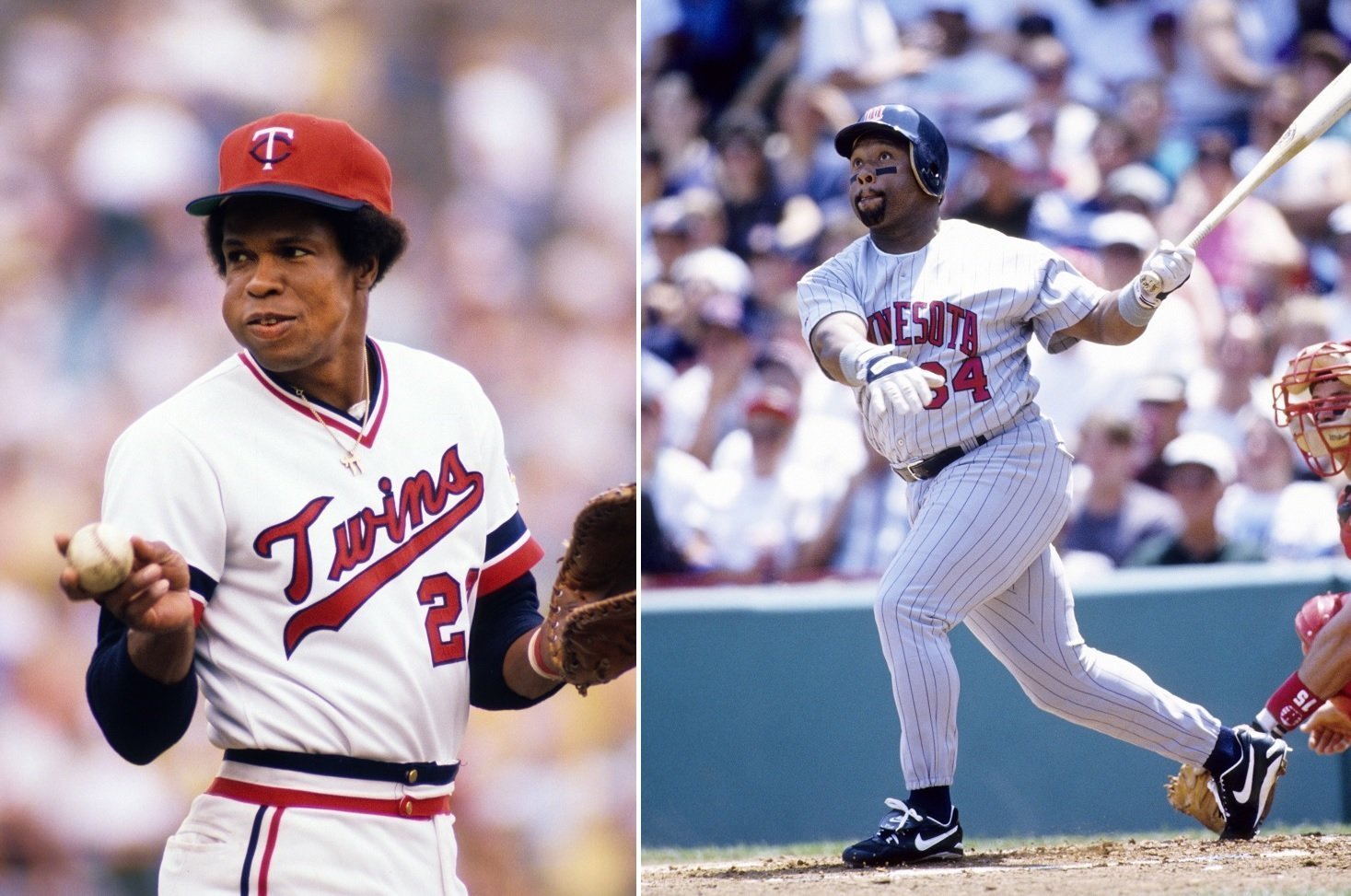 The debate over baseball’s greatest players usually begins with a familiar question: Who belongs at the top of the list? The Sporting News is taking a different approach to that discussion, examining 140 of the greatest players in baseball history and organizing them into 14 position-less groups, or “rooms,” that represent different forms of greatness. The project considers more than traditional rankings. The Sporting News evaluated more than 500 candidates, accounting for modern statistics, newly available Negro Leagues data, changing demographics and the evolution of the game. Rather than force players from different eras into a single ranking, the publication created categories that recognize the different ways players have shaped baseball history. As The Sporting News explained, “Our ‘rooms’ serve not only to honor the game’s greatest players, but to contextualize their standing in baseball history — for better or worse.” From a Minnesota Twins perspective, the concept offers an opportunity to revisit the franchise's greatest players and consider how their accomplishments fit into baseball's broader history. Some Twins legends earned national recognition for their statistical achievements, while others built their reputations through memorable moments and lasting connections with fans. This series will identifty two Twins players that fit into each of The Sporting News' 14 rooms. These are Minnesota-focused selections, not necessarily the same groupings the national publication will use for its own list. The goal is to recognize the different ways Twins legends have made their mark on the game. We begin with two categories that represent the highest levels of accomplishment and legacy: Inner Circle and Immortals. Inner Circle: Rod Carew and Harmon Killebrew The Sporting News describes the Inner Circle as a collection of “the greatest baseball players who ever lived.” It is the ultimate category, reserved for players whose accomplishments place them among the most exceptional talents in baseball history. Minnesota has no shortage of candidates for such recognition, but Rod Carew and Harmon Killebrew offer two very different examples of what greatness can look like. Rod Carew Carew's greatness was rooted in his extraordinary ability to hit a baseball. He spent 12 seasons with the Twins, winning seven American League batting titles and establishing himself as one of the most consistent hitters of his era. He finished his major league career with a .328 batting average and 3,053 hits, eventually earning first-ballot induction into the National Baseball Hall of Fame in 1991. His 1977 season remains one of the defining individual performances in franchise history. Carew captured the American League Most Valuable Player Award after hitting .388, collecting 239 hits and leading the league in runs scored and triples. He was not simply a player who could hit for a high average. He controlled at-bats, put pressure on defenses and consistently found ways to reach base. Carew's seven batting titles with Minnesota reflect a level of sustained excellence that few players have matched. He hit .300 or better in 15 consecutive major league seasons, demonstrating that his success was not limited to a brief peak. For a franchise that has produced numerous memorable power hitters, Carew represents a different kind of dominance. His ability to make consistent contact and produce at an elite level made him one of baseball's premier offensive players. In a category reserved for the game's greatest talents, Carew deserves serious consideration. Harmon Killebrew Where Carew mastered the art of getting on base, Killebrew made his mark by sending baseballs into the stands. One of the premier power hitters of his generation, Killebrew finished his career with 573 home runs, including 475 with the Twins franchise. That total remains a Minnesota franchise record. Killebrew's power was at its peak during the late 1960s, when he became one of the American League's most feared hitters. In 1969, he hit 49 home runs, drove in 140 runs and drew 145 walks on his way to winning the American League MVP Award. His 49 home runs remain the Twins' single-season franchise record. His career also illustrates how the greatest players can define an organization for generations. Killebrew started his career with the Washington Senators before following the franchise to Minnesota in 1961. He became a cornerstone of the early Twins teams and helped establish a tradition of star power that continued in the decades that followed. Killebrew's combination of longevity, power and offensive production places him among the defining sluggers of his era. He was elected to the Hall of Fame in 1984, cementing his place among baseball's all-time greats. Carew and Killebrew reached greatness in different ways, but both helped establish the Twins as a franchise capable of producing elite individual talent. Their accomplishments give Minnesota a compelling case for representation in the Inner Circle conversation. Immortals: Kirby Puckett and Joe Mauer The Sporting News defines the Immortals as players who “shattered barriers. They broke records. They captivated nations. They inspired millions. Their imprint endures.” This category extends beyond statistics, recognizing the players whose accomplishments and influence continue to resonate long after their careers end. For Twins fans, Kirby Puckett and Joe Mauer represent two different generations of that enduring connection. Kirby Puckett Puckett's major league career lasted only 12 seasons, but few players have left a more powerful imprint on Minnesota baseball. He collected 2,304 hits, batted .318 for his career and earned 10 All-Star selections, six Gold Glove Awards and five Silver Slugger Awards. He also helped the Twins capture World Series championships in 1987 and 1991. His postseason performances helped turn him into a franchise icon. The defining moment came in Game 6 of the 1991 World Series, when Puckett delivered a walk-off home run in the 11th inning against the Atlanta Braves. Earlier in the game, he made a spectacular catch to rob Ron Gant of an extra-base hit. His performance helped force a decisive Game 7, which Minnesota won to claim its second championship. Puckett's legacy is about more than one October night. His energetic personality, infectious enthusiasm and consistent production made him a fan favorite throughout his career. He became the face of the franchise during a period when the Twins delivered two of the most memorable championship runs in baseball history. His career ended abruptly when glaucoma caused irreversible damage to the retina in his right eye, forcing his retirement in 1996. He was elected to the Hall of Fame on the first ballot in 2001. The Immortals category captures what makes Puckett so special to Minnesota. His playing career was relatively short, but his most memorable moments have become permanent parts of the franchise's identity. Joe Mauer Mauer's legacy began long before he reached the major leagues. The St. Paul native was the first overall selection in the 2001 MLB Draft, and expectations followed him from his high school days through his 15-year career with Minnesota. He ultimately delivered a career that exceeded even ambitious expectations. Mauer won three American League batting titles, earned six All-Star selections and claimed the 2009 AL MVP Award. Perhaps most remarkably, he became the only catcher in American League history to win three batting titles. He was also a three-time Gold Glove winner behind the plate. Mauer's 2009 campaign stands among the finest offensive seasons ever produced by a catcher. He hit .365 with a .444 on-base percentage and a .587 slugging percentage, leading the American League in all three categories. His ability to combine elite contact hitting with the physical demands of catching made him a unique player. His career eventually shifted to first base following a concussion in 2013, but his impact on the franchise remained significant. Mauer spent his entire major league career with Minnesota, becoming one of the most recognizable players in the team's history. His combination of local roots, on-field excellence and longevity made him a natural representative of the Twins organization. Mauer's legacy reached another milestone in 2024, when he was elected to the National Baseball Hall of Fame on the first ballot. His place in Minnesota baseball history was already secure, but Cooperstown confirmed his standing among the game's elite. Puckett and Mauer illustrate the two sides of immortality in sports. Puckett is remembered for championship moments and a personality that captivated fans. Mauer is celebrated for a historic statistical profile and a career that connected a hometown star with the team he grew up watching. Both left legacies that extend beyond their numbers. For Twins fans, their names remain inseparable from some of the franchise's most meaningful memories. Two Rooms, Four Twins Legends The Inner Circle and Immortals categories provide two ways to think about baseball greatness. Carew and Killebrew built their cases through extraordinary production, while Puckett and Mauer created lasting legacies through a combination of performance, personality and connection with Minnesota fans. All four belong in conversations about the greatest players to wear a Twins uniform. Whether the discussion focuses on career statistics, peak performance, championships or cultural impact, each player offers a different reason to celebrate the franchise's history. The Sporting News project invites baseball fans to consider greatness from multiple perspectives. For the Twins, these four legends are an excellent place to start. Would you add other players to these two rooms? Leave a comment and start the discussion.
- 9 comments
-
- 1
-
-
- rod carew
- harmon killebrew
- (and 2 more)
-
Image courtesy of Tommy Tomsic (1977 photo of Carew), RVR Photos (photo of Puckett) The debate over baseball’s greatest players usually begins with a familiar question: Who belongs at the top of the list? The Sporting News is taking a different approach to that discussion, examining 140 of the greatest players in baseball history and organizing them into 14 position-less groups, or “rooms,” that represent different forms of greatness. The project considers more than traditional rankings. The Sporting News evaluated more than 500 candidates, accounting for modern statistics, newly available Negro Leagues data, changing demographics and the evolution of the game. Rather than force players from different eras into a single ranking, the publication created categories that recognize the different ways players have shaped baseball history. As The Sporting News explained, “Our ‘rooms’ serve not only to honor the game’s greatest players, but to contextualize their standing in baseball history — for better or worse.” From a Minnesota Twins perspective, the concept offers an opportunity to revisit the franchise's greatest players and consider how their accomplishments fit into baseball's broader history. Some Twins legends earned national recognition for their statistical achievements, while others built their reputations through memorable moments and lasting connections with fans. This series will identifty two Twins players that fit into each of The Sporting News' 14 rooms. These are Minnesota-focused selections, not necessarily the same groupings the national publication will use for its own list. The goal is to recognize the different ways Twins legends have made their mark on the game. We begin with two categories that represent the highest levels of accomplishment and legacy: Inner Circle and Immortals. Inner Circle: Rod Carew and Harmon Killebrew The Sporting News describes the Inner Circle as a collection of “the greatest baseball players who ever lived.” It is the ultimate category, reserved for players whose accomplishments place them among the most exceptional talents in baseball history. Minnesota has no shortage of candidates for such recognition, but Rod Carew and Harmon Killebrew offer two very different examples of what greatness can look like. Rod Carew Carew's greatness was rooted in his extraordinary ability to hit a baseball. He spent 12 seasons with the Twins, winning seven American League batting titles and establishing himself as one of the most consistent hitters of his era. He finished his major league career with a .328 batting average and 3,053 hits, eventually earning first-ballot induction into the National Baseball Hall of Fame in 1991. His 1977 season remains one of the defining individual performances in franchise history. Carew captured the American League Most Valuable Player Award after hitting .388, collecting 239 hits and leading the league in runs scored and triples. He was not simply a player who could hit for a high average. He controlled at-bats, put pressure on defenses and consistently found ways to reach base. Carew's seven batting titles with Minnesota reflect a level of sustained excellence that few players have matched. He hit .300 or better in 15 consecutive major league seasons, demonstrating that his success was not limited to a brief peak. For a franchise that has produced numerous memorable power hitters, Carew represents a different kind of dominance. His ability to make consistent contact and produce at an elite level made him one of baseball's premier offensive players. In a category reserved for the game's greatest talents, Carew deserves serious consideration. Harmon Killebrew Where Carew mastered the art of getting on base, Killebrew made his mark by sending baseballs into the stands. One of the premier power hitters of his generation, Killebrew finished his career with 573 home runs, including 475 with the Twins franchise. That total remains a Minnesota franchise record. Killebrew's power was at its peak during the late 1960s, when he became one of the American League's most feared hitters. In 1969, he hit 49 home runs, drove in 140 runs and drew 145 walks on his way to winning the American League MVP Award. His 49 home runs remain the Twins' single-season franchise record. His career also illustrates how the greatest players can define an organization for generations. Killebrew started his career with the Washington Senators before following the franchise to Minnesota in 1961. He became a cornerstone of the early Twins teams and helped establish a tradition of star power that continued in the decades that followed. Killebrew's combination of longevity, power and offensive production places him among the defining sluggers of his era. He was elected to the Hall of Fame in 1984, cementing his place among baseball's all-time greats. Carew and Killebrew reached greatness in different ways, but both helped establish the Twins as a franchise capable of producing elite individual talent. Their accomplishments give Minnesota a compelling case for representation in the Inner Circle conversation. Immortals: Kirby Puckett and Joe Mauer The Sporting News defines the Immortals as players who “shattered barriers. They broke records. They captivated nations. They inspired millions. Their imprint endures.” This category extends beyond statistics, recognizing the players whose accomplishments and influence continue to resonate long after their careers end. For Twins fans, Kirby Puckett and Joe Mauer represent two different generations of that enduring connection. Kirby Puckett Puckett's major league career lasted only 12 seasons, but few players have left a more powerful imprint on Minnesota baseball. He collected 2,304 hits, batted .318 for his career and earned 10 All-Star selections, six Gold Glove Awards and five Silver Slugger Awards. He also helped the Twins capture World Series championships in 1987 and 1991. His postseason performances helped turn him into a franchise icon. The defining moment came in Game 6 of the 1991 World Series, when Puckett delivered a walk-off home run in the 11th inning against the Atlanta Braves. Earlier in the game, he made a spectacular catch to rob Ron Gant of an extra-base hit. His performance helped force a decisive Game 7, which Minnesota won to claim its second championship. Puckett's legacy is about more than one October night. His energetic personality, infectious enthusiasm and consistent production made him a fan favorite throughout his career. He became the face of the franchise during a period when the Twins delivered two of the most memorable championship runs in baseball history. His career ended abruptly when glaucoma caused irreversible damage to the retina in his right eye, forcing his retirement in 1996. He was elected to the Hall of Fame on the first ballot in 2001. The Immortals category captures what makes Puckett so special to Minnesota. His playing career was relatively short, but his most memorable moments have become permanent parts of the franchise's identity. Joe Mauer Mauer's legacy began long before he reached the major leagues. The St. Paul native was the first overall selection in the 2001 MLB Draft, and expectations followed him from his high school days through his 15-year career with Minnesota. He ultimately delivered a career that exceeded even ambitious expectations. Mauer won three American League batting titles, earned six All-Star selections and claimed the 2009 AL MVP Award. Perhaps most remarkably, he became the only catcher in American League history to win three batting titles. He was also a three-time Gold Glove winner behind the plate. Mauer's 2009 campaign stands among the finest offensive seasons ever produced by a catcher. He hit .365 with a .444 on-base percentage and a .587 slugging percentage, leading the American League in all three categories. His ability to combine elite contact hitting with the physical demands of catching made him a unique player. His career eventually shifted to first base following a concussion in 2013, but his impact on the franchise remained significant. Mauer spent his entire major league career with Minnesota, becoming one of the most recognizable players in the team's history. His combination of local roots, on-field excellence and longevity made him a natural representative of the Twins organization. Mauer's legacy reached another milestone in 2024, when he was elected to the National Baseball Hall of Fame on the first ballot. His place in Minnesota baseball history was already secure, but Cooperstown confirmed his standing among the game's elite. Puckett and Mauer illustrate the two sides of immortality in sports. Puckett is remembered for championship moments and a personality that captivated fans. Mauer is celebrated for a historic statistical profile and a career that connected a hometown star with the team he grew up watching. Both left legacies that extend beyond their numbers. For Twins fans, their names remain inseparable from some of the franchise's most meaningful memories. Two Rooms, Four Twins Legends The Inner Circle and Immortals categories provide two ways to think about baseball greatness. Carew and Killebrew built their cases through extraordinary production, while Puckett and Mauer created lasting legacies through a combination of performance, personality and connection with Minnesota fans. All four belong in conversations about the greatest players to wear a Twins uniform. Whether the discussion focuses on career statistics, peak performance, championships or cultural impact, each player offers a different reason to celebrate the franchise's history. The Sporting News project invites baseball fans to consider greatness from multiple perspectives. For the Twins, these four legends are an excellent place to start. Would you add other players to these two rooms? Leave a comment and start the discussion. View full article
-
Image courtesy of © Jerry Lai-USA TODAY Sports (Santana), Minnesota Twins (Kaat) The Sporting News has been celebrating its 140th anniversary by examining the greatest baseball players of all time. Rather than simply ranking 140 players from first to last, the publication divided them into 14 position-less rooms, with each group representing a different form of greatness. The project considers more than 500 candidates and attempts to account for different eras, changes in the game, modern statistics, and the history of the Negro Leagues. According to The Sporting News, “Our ‘rooms’ serve not only to honor the game’s greatest players, but to contextualize their standing in baseball history — for better or worse.” These categories provide an interesting framework for examining Minnesota Twins history. Some players are remembered for their longevity, while others are defined by a handful of spectacular seasons. A player's place in Twins history might also differ from how national audiences view his overall career. This series will take two players from Twins history and place them into each of The Sporting News' 14 categories. The goal is not necessarily to duplicate the publication's selections, but to explore how these different forms of greatness have shaped the franchise. Two veteran pitchers headline the Juggernauts, while a pair of award winning stars represent the Supernovas. Juggernauts: Jim Kaat and Bert Blyleven The Sporting News describes its Juggernauts as players who “delivered season after season, authoring some of the game’s most storied chapters.” Their prolonged excellence distinguishes them from players whose greatness was concentrated in a smaller window. For the Twins, Jim Kaat and Bert Blyleven provide excellent examples of that sustained success. Both built lengthy careers, accumulated impressive statistics, and left a lasting mark on Minnesota baseball. Jim Kaat Kaat's career stretched across 25 major league seasons, making him one of the most durable pitchers of his generation. His career began with the Washington Senators before the franchise moved to Minnesota, and he remained a fixture in the team's rotation for more than a decade. Kaat was not merely collecting innings while hanging around the league. He consistently gave his teams quality starts and developed into one of baseball's best defensive pitchers. His 16 consecutive Gold Glove Awards from 1962 through 1977 remain an extraordinary accomplishment. The first 12 came with the Twins. Kaat's place in the franchise record book further demonstrates his importance. He remains the franchise leader in wins with 189, starts with 422, and innings pitched with 2,959 1/3. He also ranks among the organization's leaders in complete games and strikeouts. His time in Minnesota featured some memorable individual seasons. Kaat went 18 and 11 during the Twins' 1965 American League pennant winning campaign, helping the franchise reach its first World Series after moving to Minnesota. He started three games against the Los Angeles Dodgers, including a complete game victory over Sandy Koufax in Game 2. The following season, Kaat delivered arguably the best statistical year of his career. He finished 25 and 13 in 1966, leading the American League with 19 complete games while throwing 304 2/3 innings. He finished fifth in the league's Most Valuable Player voting. Those accomplishments help explain why Kaat belongs in the Juggernauts discussion. His career was about far more than one outstanding season. He combined durability, regular production, defensive excellence, and the ability to remain valuable through changing stages of his career. Kaat eventually earned induction into the National Baseball Hall of Fame in 2022. His Cooperstown recognition added another achievement to a career that already placed him among the most important pitchers in franchise history. Bert Blyleven Blyleven offers another example of sustained pitching excellence, although his career followed a different path. Blyleven spent 11 of his 22 major league seasons with the Twins, pitching for Minnesota from 1970 through 1976 before returning from 1985 through 1988. His devastating curveball became one of the defining pitches of his era, and he consistently demonstrated the ability to miss bats over a lengthy career. Blyleven finished with 287 victories, 3,701 strikeouts, and 4,970 innings pitched. He ranks fifth in major league history in strikeouts, a remarkable accomplishment for a pitcher who was not always surrounded by championship caliber teams. His contributions to Minnesota were equally significant. Blyleven recorded 149 victories with the Twins, second in franchise history, and his 2,035 strikeouts remain the organization's career record. His two Minnesota stints also connected different eras of Twins baseball. The first came when the club was establishing itself as an American League contender. His return helped the organization build toward its 1987 championship, giving Blyleven a World Series title with Minnesota after previously winning one with Pittsburgh in 1979. Blyleven's career was not defined by one brief stretch of dominance. Instead, he sustained his effectiveness across two decades, building a résumé that ultimately earned him election to the Hall of Fame in 2011. Kaat and Blyleven reached greatness through durability and consistency. They remained relevant across multiple seasons and left behind statistical records that still define the Twins' pitching history. Those qualities make them fitting representatives of the Juggernauts. Supernovas: Johan Santana and Zoilo Versalles The Supernovas represent a different kind of baseball greatness. The Sporting News describes this group as players who “reached the game’s highest level, if only briefly,” with their legacies defined by extraordinary peaks rather than career longevity. These players showed what was possible when everything came together. Whether their prime was shortened by injuries, circumstances, or an inability to maintain their previous production, their best seasons placed them alongside the game's elite. Johan Santana and Zoilo Versalles fit that description from a Twins perspective. Their career paths were different, but both produced performances that remain among the franchise's most remarkable individual achievements. Johan Santana Santana's rise from Rule 5 Draft selection to dominant ace remains one of the best player development stories in Twins history. Minnesota acquired him through a trade involving the Florida Marlins and Houston Astros, and he eventually developed into one of the most effective starting pitchers in baseball. Santana's peak from 2003 through 2007 was exceptional. During that five season stretch, he went 82 and 35 with a 2.92 ERA and 1,152 strikeouts across 1,070 2/3 innings. He combined overpowering stuff with pinpoint command and an excellent changeup. The individual seasons were just as impressive. In 2004, Santana finished 20 and 6 with a 2.61 ERA and 265 strikeouts. He led the American League in ERA and strikeouts while winning his first Cy Young Award unanimously. Two years later, he reached another level. Santana went 19 and 6 with a 2.77 ERA and 245 strikeouts in 2006, leading the American League in all three categories and capturing another unanimous Cy Young Award. Those two awards placed Santana among the best pitchers of his generation. He also finished in the top five of Cy Young voting in 2003, 2005, and 2007, showing that his dominance extended beyond his two award winning campaigns. Santana's overall major league career did not last as long as those of Kaat or Blyleven, but that is precisely what makes the Supernovas category so appropriate. His best seasons were so dominant that they remain the standard against which Minnesota's modern starting pitchers are measured. Zoilo Versalles Versalles reached a similarly remarkable height during the 1965 season. The Cuban born shortstop put together one of the greatest all around campaigns in Twins history, earning American League Most Valuable Player honors while helping Minnesota capture the pennant. Versalles hit .273/.319/.462 with 19 home runs, 77 RBIs, and 27 stolen bases. He also scored 126 runs, collected 45 doubles, and hit 12 triples. Those totals led the American League in runs, doubles, triples, and total bases. His offensive production was especially impressive considering his position. Shortstops were expected to provide defensive value, but Versalles contributed at the plate, on the bases, and in the field. He earned a Gold Glove Award to go with his MVP trophy, completing an outstanding season. Versalles received 19 of the 20 first place votes for MVP, edging teammate Tony Oliva for the award. His 7.2 Wins Above Replacement, according to Baseball Reference, further illustrates how much value he provided during that pennant winning season. The performance was difficult to sustain. Versalles remained a major league player for several more years, but he never again approached the level he reached in 1965. His WAR dropped to 1.3 in 1966, underscoring the dramatic difference between his career defining season and the years that followed. That does not diminish what he accomplished. The Twins needed a complete team effort to reach the World Series, and Versalles became one of the central figures in the franchise's breakthrough season. His MVP award remains part of the organization's history, and his 1965 campaign stands alongside the best individual seasons produced by a Minnesota shortstop. Versalles fits the Supernovas because his greatest season was extraordinary. He demonstrated how a player could reach the sport's highest level for a concentrated period and leave behind a legacy that outlasted his prime. Different Paths to Greatness The Juggernauts and Supernovas illustrate two distinct ways players become legends. Kaat and Blyleven built their reputations through longevity, consistency, and production across many seasons. Their careers show how sustained excellence can create a lasting place in baseball history. Santana and Versalles reached greatness through particularly dominant peaks. Santana gave the Twins some of the best pitching seasons of the modern era, while Versalles delivered an MVP campaign that helped bring a pennant to Minnesota. All four players made a lasting contribution to the franchise, even though their career paths looked very different. That is the appeal of The Sporting News' room concept. Baseball greatness cannot always be measured by one statistic or a single ranking. Sometimes it is about how long a player excels, and sometimes it is about how spectacularly he performs when everything comes together. Who else should be included in the above categories? Leave a comment and start the discussion. View full article
-
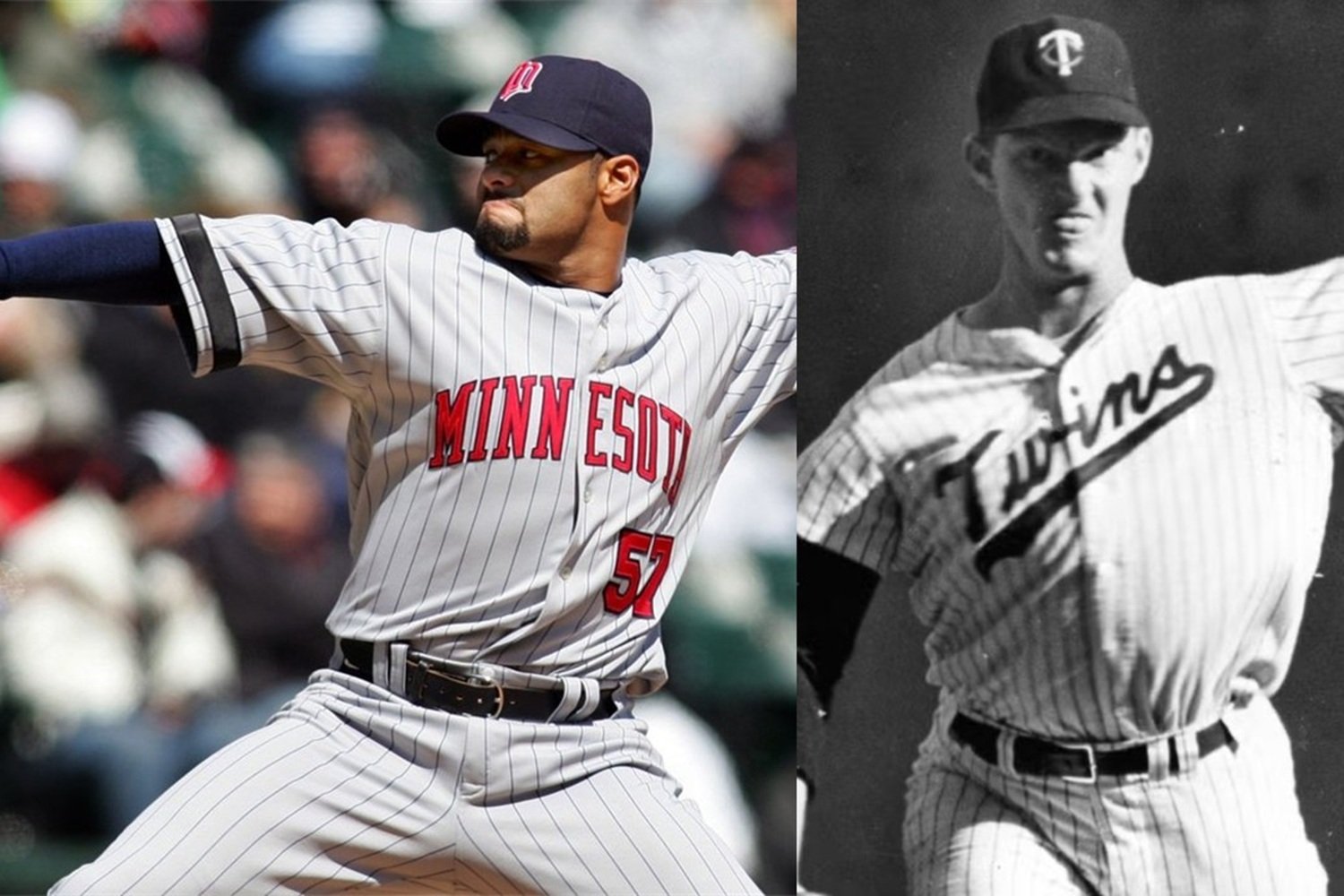 The Sporting News has been celebrating its 140th anniversary by examining the greatest baseball players of all time. Rather than simply ranking 140 players from first to last, the publication divided them into 14 position-less rooms, with each group representing a different form of greatness. The project considers more than 500 candidates and attempts to account for different eras, changes in the game, modern statistics, and the history of the Negro Leagues. According to The Sporting News, “Our ‘rooms’ serve not only to honor the game’s greatest players, but to contextualize their standing in baseball history — for better or worse.” These categories provide an interesting framework for examining Minnesota Twins history. Some players are remembered for their longevity, while others are defined by a handful of spectacular seasons. A player's place in Twins history might also differ from how national audiences view his overall career. This series will take two players from Twins history and place them into each of The Sporting News' 14 categories. The goal is not necessarily to duplicate the publication's selections, but to explore how these different forms of greatness have shaped the franchise. Two veteran pitchers headline the Juggernauts, while a pair of award winning stars represent the Supernovas. Juggernauts: Jim Kaat and Bert Blyleven The Sporting News describes its Juggernauts as players who “delivered season after season, authoring some of the game’s most storied chapters.” Their prolonged excellence distinguishes them from players whose greatness was concentrated in a smaller window. For the Twins, Jim Kaat and Bert Blyleven provide excellent examples of that sustained success. Both built lengthy careers, accumulated impressive statistics, and left a lasting mark on Minnesota baseball. Jim Kaat Kaat's career stretched across 25 major league seasons, making him one of the most durable pitchers of his generation. His career began with the Washington Senators before the franchise moved to Minnesota, and he remained a fixture in the team's rotation for more than a decade. Kaat was not merely collecting innings while hanging around the league. He consistently gave his teams quality starts and developed into one of baseball's best defensive pitchers. His 16 consecutive Gold Glove Awards from 1962 through 1977 remain an extraordinary accomplishment. The first 12 came with the Twins. Kaat's place in the franchise record book further demonstrates his importance. He remains the franchise leader in wins with 189, starts with 422, and innings pitched with 2,959 1/3. He also ranks among the organization's leaders in complete games and strikeouts. His time in Minnesota featured some memorable individual seasons. Kaat went 18 and 11 during the Twins' 1965 American League pennant winning campaign, helping the franchise reach its first World Series after moving to Minnesota. He started three games against the Los Angeles Dodgers, including a complete game victory over Sandy Koufax in Game 2. The following season, Kaat delivered arguably the best statistical year of his career. He finished 25 and 13 in 1966, leading the American League with 19 complete games while throwing 304 2/3 innings. He finished fifth in the league's Most Valuable Player voting. Those accomplishments help explain why Kaat belongs in the Juggernauts discussion. His career was about far more than one outstanding season. He combined durability, regular production, defensive excellence, and the ability to remain valuable through changing stages of his career. Kaat eventually earned induction into the National Baseball Hall of Fame in 2022. His Cooperstown recognition added another achievement to a career that already placed him among the most important pitchers in franchise history. Bert Blyleven Blyleven offers another example of sustained pitching excellence, although his career followed a different path. Blyleven spent 11 of his 22 major league seasons with the Twins, pitching for Minnesota from 1970 through 1976 before returning from 1985 through 1988. His devastating curveball became one of the defining pitches of his era, and he consistently demonstrated the ability to miss bats over a lengthy career. Blyleven finished with 287 victories, 3,701 strikeouts, and 4,970 innings pitched. He ranks fifth in major league history in strikeouts, a remarkable accomplishment for a pitcher who was not always surrounded by championship caliber teams. His contributions to Minnesota were equally significant. Blyleven recorded 149 victories with the Twins, second in franchise history, and his 2,035 strikeouts remain the organization's career record. His two Minnesota stints also connected different eras of Twins baseball. The first came when the club was establishing itself as an American League contender. His return helped the organization build toward its 1987 championship, giving Blyleven a World Series title with Minnesota after previously winning one with Pittsburgh in 1979. Blyleven's career was not defined by one brief stretch of dominance. Instead, he sustained his effectiveness across two decades, building a résumé that ultimately earned him election to the Hall of Fame in 2011. Kaat and Blyleven reached greatness through durability and consistency. They remained relevant across multiple seasons and left behind statistical records that still define the Twins' pitching history. Those qualities make them fitting representatives of the Juggernauts. Supernovas: Johan Santana and Zoilo Versalles The Supernovas represent a different kind of baseball greatness. The Sporting News describes this group as players who “reached the game’s highest level, if only briefly,” with their legacies defined by extraordinary peaks rather than career longevity. These players showed what was possible when everything came together. Whether their prime was shortened by injuries, circumstances, or an inability to maintain their previous production, their best seasons placed them alongside the game's elite. Johan Santana and Zoilo Versalles fit that description from a Twins perspective. Their career paths were different, but both produced performances that remain among the franchise's most remarkable individual achievements. Johan Santana Santana's rise from Rule 5 Draft selection to dominant ace remains one of the best player development stories in Twins history. Minnesota acquired him through a trade involving the Florida Marlins and Houston Astros, and he eventually developed into one of the most effective starting pitchers in baseball. Santana's peak from 2003 through 2007 was exceptional. During that five season stretch, he went 82 and 35 with a 2.92 ERA and 1,152 strikeouts across 1,070 2/3 innings. He combined overpowering stuff with pinpoint command and an excellent changeup. The individual seasons were just as impressive. In 2004, Santana finished 20 and 6 with a 2.61 ERA and 265 strikeouts. He led the American League in ERA and strikeouts while winning his first Cy Young Award unanimously. Two years later, he reached another level. Santana went 19 and 6 with a 2.77 ERA and 245 strikeouts in 2006, leading the American League in all three categories and capturing another unanimous Cy Young Award. Those two awards placed Santana among the best pitchers of his generation. He also finished in the top five of Cy Young voting in 2003, 2005, and 2007, showing that his dominance extended beyond his two award winning campaigns. Santana's overall major league career did not last as long as those of Kaat or Blyleven, but that is precisely what makes the Supernovas category so appropriate. His best seasons were so dominant that they remain the standard against which Minnesota's modern starting pitchers are measured. Zoilo Versalles Versalles reached a similarly remarkable height during the 1965 season. The Cuban born shortstop put together one of the greatest all around campaigns in Twins history, earning American League Most Valuable Player honors while helping Minnesota capture the pennant. Versalles hit .273/.319/.462 with 19 home runs, 77 RBIs, and 27 stolen bases. He also scored 126 runs, collected 45 doubles, and hit 12 triples. Those totals led the American League in runs, doubles, triples, and total bases. His offensive production was especially impressive considering his position. Shortstops were expected to provide defensive value, but Versalles contributed at the plate, on the bases, and in the field. He earned a Gold Glove Award to go with his MVP trophy, completing an outstanding season. Versalles received 19 of the 20 first place votes for MVP, edging teammate Tony Oliva for the award. His 7.2 Wins Above Replacement, according to Baseball Reference, further illustrates how much value he provided during that pennant winning season. The performance was difficult to sustain. Versalles remained a major league player for several more years, but he never again approached the level he reached in 1965. His WAR dropped to 1.3 in 1966, underscoring the dramatic difference between his career defining season and the years that followed. That does not diminish what he accomplished. The Twins needed a complete team effort to reach the World Series, and Versalles became one of the central figures in the franchise's breakthrough season. His MVP award remains part of the organization's history, and his 1965 campaign stands alongside the best individual seasons produced by a Minnesota shortstop. Versalles fits the Supernovas because his greatest season was extraordinary. He demonstrated how a player could reach the sport's highest level for a concentrated period and leave behind a legacy that outlasted his prime. Different Paths to Greatness The Juggernauts and Supernovas illustrate two distinct ways players become legends. Kaat and Blyleven built their reputations through longevity, consistency, and production across many seasons. Their careers show how sustained excellence can create a lasting place in baseball history. Santana and Versalles reached greatness through particularly dominant peaks. Santana gave the Twins some of the best pitching seasons of the modern era, while Versalles delivered an MVP campaign that helped bring a pennant to Minnesota. All four players made a lasting contribution to the franchise, even though their career paths looked very different. That is the appeal of The Sporting News' room concept. Baseball greatness cannot always be measured by one statistic or a single ranking. Sometimes it is about how long a player excels, and sometimes it is about how spectacularly he performs when everything comes together. Who else should be included in the above categories? Leave a comment and start the discussion.
- 8 comments
-
- 1
-
-
- jim kaat
- bert blyleven
- (and 2 more)
-
The Twins Have a Tough Rule 5 Decision with Yasser Mercedes
Cody Christie posted an article in Minor Leagues
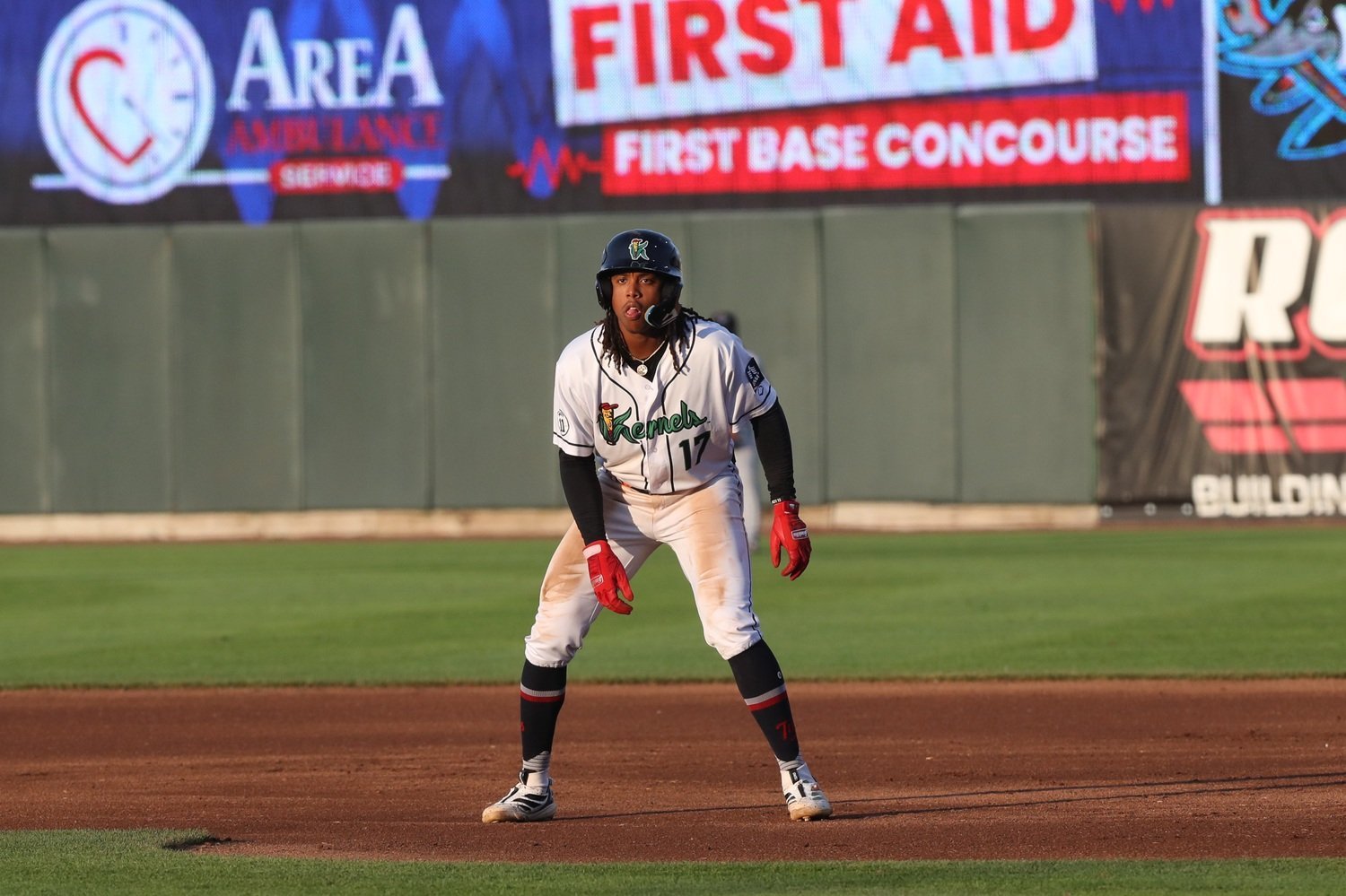 The Arizona Fall League gives prospects another opportunity to develop after the minor league regular season ends. For some players, it is a chance to make up for lost time because of injuries. For others, it provides a final opportunity to impress their organization before an important offseason decision. The Minnesota Twins have several prospects playing for the Salt River Rafters this fall, but Yasser Mercedes stands out as the group's most intriguing name. The 21-year-old outfielder is the highest-ranked Twins prospect participating in the league (currently 19th on Twins Daily’s rankings), and his combination of power and speed makes him an interesting player to watch. He also has a decision approaching that could shape his future with the organization. Minnesota must evaluate its eligible prospects before the November 17 deadline to add players to the 40-man roster. Players left unprotected can become available to other organizations in the Rule 5 Draft, assuming the major league phase takes place as scheduled. During the last lockout, the Rule 5 Draft was cancelled, but it could be rescheduled as part of the new Collective Bargaining Agreement. Mercedes presents a difficult case for the Twins. His performance in 2026 offered encouraging signs of progress, but questions remain about his ability to consistently handle better pitching. Should Minnesota use a valuable 40-man roster spot to protect his potential, or should the organization give him another season to develop? Who Is Yasser Mercedes? The Twins signed Mercedes for $1.7 million in January 2022, making him one of the more notable outfielders in that year's international signing class. The right-handed hitter arrived with intriguing offensive tools, particularly his ability to generate bat speed and produce power. However, turning those raw abilities into consistent production has taken time. Mercedes immediately made an impression in the Dominican Summer League, batting .355/.420/.555 (.975) with a 154 wRC+. His transition to the United States proved more challenging. He struggled during his first season in the Florida Complex League (63 wRC+) before showing improvement in 2024 (168 wRC+). Even so, his move to full-season baseball brought another set of challenges, and injuries interrupted parts of his development. The 2026 campaign finally provided some momentum. Mercedes opened the season with Fort Myers in the Florida State League and hit .321/.439/.642 with a 176 wRC+ across his first 21 games. His six home runs during that stretch helped earn him a promotion to High-A Cedar Rapids in May. The adjustment to the Midwest League was more difficult. Across 88 games with the Kernels, Mercedes recorded a .232/.320/.409 slash line, with 12 home runs and 116 strikeouts against 39 walks. He finished the season with career highs of 18 home runs and 52 stolen bases, hitting .249/.343/.453 in 109 games between the two levels. His final 30 games at Cedar Rapids also provided some encouragement as he began to show more consistent production (.727 OPS). Those numbers help explain why the Twins remain interested in his future. Mercedes has demonstrated that he can impact a game in multiple ways, even when his hitting becomes inconsistent. His physical tools are a significant part of the appeal. Mercedes generates impressive bat speed and has the potential to drive the ball with authority, particularly when he stays within his approach instead of trying to do too much. His speed also remains an asset, and he finished the season with more stolen bases than any other player in the Twins organization. Defensively, Mercedes continues to receive opportunities in center field while also getting work in right field. His athleticism gives him a chance to remain in the middle of the outfield, while his strong arm could be particularly useful in a corner position. Why the Twins Should Add Him The strongest argument for protecting Mercedes is the difficulty of finding players with his combination of tools. Home runs and stolen bases do not always come together in the same prospect, and Mercedes demonstrated that he can produce both over a full season. MLB Pipeline analyst Jim Callis has pointed to that combination as a reason to remain interested in Mercedes. On the traditional 20-to-80 scouting scale, Callis sees the potential for above-average raw power and speed, both of which could make Mercedes an intriguing player if his offensive approach continues to develop. Those tools are difficult to ignore. If Mercedes learns to turn his raw power into more consistent production while maintaining his ability to reach base and steal bags, he could become a valuable outfielder. Minnesota has invested significant resources in his development, and his age leaves room for improvement. There is also a practical consideration. Leaving Mercedes unprotected creates an opportunity for another organization to take a chance on him. A rebuilding team or an organization with an open roster spot might be willing to gamble on his physical abilities, particularly if its scouts believe his offensive struggles are correctable. The Rule 5 Draft does impose an important restriction on any team selecting him. A player chosen in the major league phase generally must remain on the selecting club's active roster for the entire season, subject to the applicable injured-list provisions, or be offered back to his original organization. That requirement makes Mercedes a risky selection, but it does not eliminate the possibility that a team could be tempted by his upside. Adding Mercedes to the 40-man roster would protect him from that outcome without requiring Minnesota to put him on its Opening Day roster. He could continue developing in the minors while remaining part of the organization. If the organization believes Mercedes is beginning to put everything together, using a roster spot now could be a worthwhile investment in his future. Why the Twins Might Wait The argument against protecting Mercedes is just as compelling. While his final numbers show progress, much of his production came during his dominant opening month at Fort Myers. His results became less impressive after he reached High-A, where pitchers exposed some of the weaknesses that have followed him throughout his development. The strikeout numbers are particularly concerning. Mercedes had a 27.8 K% with Cedar Rapids, compared to a 9.9 BB%. That is a substantial amount of swing-and-miss for a player who has yet to establish himself above High-A. His power is real, but power alone does not guarantee success. Mercedes needs to demonstrate that he can recognize pitches, make consistent contact and use his offensive tools against more advanced pitching. Until those improvements become more reliable, projecting him as a future major leaguer remains a bet on potential rather than a conclusion supported by sustained production. The distance between Mercedes and the major leagues is an important consideration. The outfielder has not played above High-A, and his results at that level have not yet established him as a prospect who is close to contributing in the majors. That creates a difficult situation for any club considering a Rule 5 selection. A team would have to carry Mercedes on its major league roster rather than send him to the minors for additional development. Asking a 21-year-old with his strikeout concerns to make that jump would be a significant gamble. The Complicated Decision Mercedes is exactly the type of prospect who makes Rule 5 decisions challenging. His 18 home runs and 52 stolen bases demonstrate the impact he can have when his tools translate into production. His early-season dominance and strong finish at Cedar Rapids also provide reasons to believe he is making progress. However, the Twins still need to see more consistency before treating Mercedes as a near-term major league option. The strikeouts, uneven High-A performance and distance from the majors make protecting him a difficult proposition when 40-man roster spots are limited. It seems more likely for the Twins to leave Mercedes unprotected for now, accepting the risk that another organization could take a chance on his tools. That approach would give Minnesota more time to determine whether his 2026 season represents a meaningful step forward. The decision is not without danger. Another team could see the same power and speed and decide Mercedes is worth the gamble. If the Twins believe his offensive development is further along than the numbers suggest, protecting him would be defensible. Ultimately, the organization must decide how much weight to place on what Mercedes could become compared with what he has accomplished so far. His potential makes him worth watching, but the next step in his development may be more important than the decision made this November. Should the Twins protect Mercedes? Leave a comment and start the discussion.
 -
Image courtesy of Malamut Photography (photo of Yasser Mercedes) The Arizona Fall League gives prospects another opportunity to develop after the minor league regular season ends. For some players, it is a chance to make up for lost time because of injuries. For others, it provides a final opportunity to impress their organization before an important offseason decision. The Minnesota Twins have several prospects playing for the Salt River Rafters this fall, but Yasser Mercedes stands out as the group's most intriguing name. The 21-year-old outfielder is the highest-ranked Twins prospect participating in the league (currently 19th on Twins Daily’s rankings), and his combination of power and speed makes him an interesting player to watch. He also has a decision approaching that could shape his future with the organization. Minnesota must evaluate its eligible prospects before the November 17 deadline to add players to the 40-man roster. Players left unprotected can become available to other organizations in the Rule 5 Draft, assuming the major league phase takes place as scheduled. During the last lockout, the Rule 5 Draft was cancelled, but it could be rescheduled as part of the new Collective Bargaining Agreement. Mercedes presents a difficult case for the Twins. His performance in 2026 offered encouraging signs of progress, but questions remain about his ability to consistently handle better pitching. Should Minnesota use a valuable 40-man roster spot to protect his potential, or should the organization give him another season to develop? Who Is Yasser Mercedes? The Twins signed Mercedes for $1.7 million in January 2022, making him one of the more notable outfielders in that year's international signing class. The right-handed hitter arrived with intriguing offensive tools, particularly his ability to generate bat speed and produce power. However, turning those raw abilities into consistent production has taken time. Mercedes immediately made an impression in the Dominican Summer League, batting .355/.420/.555 (.975) with a 154 wRC+. His transition to the United States proved more challenging. He struggled during his first season in the Florida Complex League (63 wRC+) before showing improvement in 2024 (168 wRC+). Even so, his move to full-season baseball brought another set of challenges, and injuries interrupted parts of his development. The 2026 campaign finally provided some momentum. Mercedes opened the season with Fort Myers in the Florida State League and hit .321/.439/.642 with a 176 wRC+ across his first 21 games. His six home runs during that stretch helped earn him a promotion to High-A Cedar Rapids in May. The adjustment to the Midwest League was more difficult. Across 88 games with the Kernels, Mercedes recorded a .232/.320/.409 slash line, with 12 home runs and 116 strikeouts against 39 walks. He finished the season with career highs of 18 home runs and 52 stolen bases, hitting .249/.343/.453 in 109 games between the two levels. His final 30 games at Cedar Rapids also provided some encouragement as he began to show more consistent production (.727 OPS). Those numbers help explain why the Twins remain interested in his future. Mercedes has demonstrated that he can impact a game in multiple ways, even when his hitting becomes inconsistent. His physical tools are a significant part of the appeal. Mercedes generates impressive bat speed and has the potential to drive the ball with authority, particularly when he stays within his approach instead of trying to do too much. His speed also remains an asset, and he finished the season with more stolen bases than any other player in the Twins organization. Defensively, Mercedes continues to receive opportunities in center field while also getting work in right field. His athleticism gives him a chance to remain in the middle of the outfield, while his strong arm could be particularly useful in a corner position. Why the Twins Should Add Him The strongest argument for protecting Mercedes is the difficulty of finding players with his combination of tools. Home runs and stolen bases do not always come together in the same prospect, and Mercedes demonstrated that he can produce both over a full season. MLB Pipeline analyst Jim Callis has pointed to that combination as a reason to remain interested in Mercedes. On the traditional 20-to-80 scouting scale, Callis sees the potential for above-average raw power and speed, both of which could make Mercedes an intriguing player if his offensive approach continues to develop. Those tools are difficult to ignore. If Mercedes learns to turn his raw power into more consistent production while maintaining his ability to reach base and steal bags, he could become a valuable outfielder. Minnesota has invested significant resources in his development, and his age leaves room for improvement. There is also a practical consideration. Leaving Mercedes unprotected creates an opportunity for another organization to take a chance on him. A rebuilding team or an organization with an open roster spot might be willing to gamble on his physical abilities, particularly if its scouts believe his offensive struggles are correctable. The Rule 5 Draft does impose an important restriction on any team selecting him. A player chosen in the major league phase generally must remain on the selecting club's active roster for the entire season, subject to the applicable injured-list provisions, or be offered back to his original organization. That requirement makes Mercedes a risky selection, but it does not eliminate the possibility that a team could be tempted by his upside. Adding Mercedes to the 40-man roster would protect him from that outcome without requiring Minnesota to put him on its Opening Day roster. He could continue developing in the minors while remaining part of the organization. If the organization believes Mercedes is beginning to put everything together, using a roster spot now could be a worthwhile investment in his future. Why the Twins Might Wait The argument against protecting Mercedes is just as compelling. While his final numbers show progress, much of his production came during his dominant opening month at Fort Myers. His results became less impressive after he reached High-A, where pitchers exposed some of the weaknesses that have followed him throughout his development. The strikeout numbers are particularly concerning. Mercedes had a 27.8 K% with Cedar Rapids, compared to a 9.9 BB%. That is a substantial amount of swing-and-miss for a player who has yet to establish himself above High-A. His power is real, but power alone does not guarantee success. Mercedes needs to demonstrate that he can recognize pitches, make consistent contact and use his offensive tools against more advanced pitching. Until those improvements become more reliable, projecting him as a future major leaguer remains a bet on potential rather than a conclusion supported by sustained production. The distance between Mercedes and the major leagues is an important consideration. The outfielder has not played above High-A, and his results at that level have not yet established him as a prospect who is close to contributing in the majors. That creates a difficult situation for any club considering a Rule 5 selection. A team would have to carry Mercedes on its major league roster rather than send him to the minors for additional development. Asking a 21-year-old with his strikeout concerns to make that jump would be a significant gamble. The Complicated Decision Mercedes is exactly the type of prospect who makes Rule 5 decisions challenging. His 18 home runs and 52 stolen bases demonstrate the impact he can have when his tools translate into production. His early-season dominance and strong finish at Cedar Rapids also provide reasons to believe he is making progress. However, the Twins still need to see more consistency before treating Mercedes as a near-term major league option. The strikeouts, uneven High-A performance and distance from the majors make protecting him a difficult proposition when 40-man roster spots are limited. It seems more likely for the Twins to leave Mercedes unprotected for now, accepting the risk that another organization could take a chance on his tools. That approach would give Minnesota more time to determine whether his 2026 season represents a meaningful step forward. The decision is not without danger. Another team could see the same power and speed and decide Mercedes is worth the gamble. If the Twins believe his offensive development is further along than the numbers suggest, protecting him would be defensible. Ultimately, the organization must decide how much weight to place on what Mercedes could become compared with what he has accomplished so far. His potential makes him worth watching, but the next step in his development may be more important than the decision made this November. Should the Twins protect Mercedes? Leave a comment and start the discussion. View full article
-
Image courtesy of William Parmeter Prospect development rarely follows a straight line. Some pitchers move quickly through the minor leagues, while others encounter injuries, command issues, and setbacks that threaten to derail their careers. Jose Olivares has experienced plenty of the latter. Once viewed as one of the Minnesota Twins' top 40 prospects, Olivares has seen his stock decline after several inconsistent seasons. His 2026 campaign was particularly difficult, as control problems and offseason elbow surgery limited his effectiveness at Double-A. Still, there are reasons not to give up on the 23-year-old right-hander. He spent nearly the entire 2026 season at Double-A and possesses a fastball that can reach the upper 90s, along with secondary pitches capable of generating swings and misses. The question is whether he can rediscover his command and turn his raw ability into consistent results. An Intriguing Arm From Venezuela The Twins signed Olivares out of Venezuela for a $100,000 bonus in January 2021 during the delayed 2020-21 international signing period. He began his professional career in the Dominican Summer League in 2022 before moving to the Florida Complex League in 2023. His first exposure to full-season baseball proved challenging, as he posted a 6.22 ERA and a 1.47 WHIP in 2023. The following season offered more encouragement. After returning to Fort Myers, Olivares recorded a 3.33 ERA and a 1.33 WHIP despite dealing with a shoulder issue and a hip impingement. At his best, Olivares offers an intriguing combination of size, velocity, and pitch movement. The 6-foot-1 right-hander saw his average fastball velocity climb from approximately 93 mph early in his professional career to 95 mph, with the pitch reaching 97 mph. Its riding action and arm-side run give hitters a difficult combination when he locates it effectively. His secondary arsenal includes a gyro-style slider around 87 mph, a curveball around 80 mph, and a changeup in the 86-87 mph range. The slider has shown improved depth and swing-and-miss potential, while the curveball and changeup provide additional options. That four-pitch mix helped elevate Olivares among Minnesota's prospects. However, possessing a deep arsenal and consistently executing it against professional hitters are two very different things. Progress at High-A, Followed by More Questions Olivares entered 2025 with some momentum after his improved performance in Fort Myers. He spent the season at High-A Cedar Rapids, finishing with a 4.11 ERA across 96 1/3 innings. He recorded 111 strikeouts against 59 walks, demonstrating that his stuff could still generate missed bats against more experienced hitters. His 27.6 K% was encouraging, but his 14.7 BB% illustrated the other side of his profile. Olivares could overpower hitters at times, yet he struggled to get ahead in counts and finish at-bats efficiently. He also had difficulty consistently landing his curveball and changeup in the strike zone. The Twins faced a roster decision after the season. Olivares was not added to Minnesota's 40-man roster and went unselected in the Rule 5 Draft. That outcome reflected the uncertainty surrounding his development, but it allowed him to continue working within the organization without another club committing a roster spot to him. Elbow Surgery Complicates His 2026 Season Olivares faced another obstacle heading into 2026. He underwent surgery in early October 2025 to remove a bone spur from his elbow, forcing him to begin the following season on the minor-league injured list. When he returned, his results at Double-A Wichita were difficult to overlook. Olivares posted a 7.41 ERA and a 2.02 WHIP across 37 2/3 innings, striking out 29 hitters while issuing 30 walks. Opponents collected 46 hits against him. The numbers represented a significant step backward. His strikeout-to-walk ratio was particularly concerning, as he nearly matched his strikeout total with free passes. A pitcher with his velocity and secondary offerings should have opportunities to miss bats, but those advantages become less meaningful when he struggles to consistently locate the ball. The surgery is an important part of the evaluation, but it cannot explain away every issue. Olivares needs to prove that he can throw strikes and execute his pitches against advanced hitters. There is still value in the experience he gained at Double-A. He reached that level at 23 and now has a clearer picture of what he must improve. His next opportunity will be about demonstrating that his command issues are correctable rather than permanent limitations. Should the Twins Consider a Bullpen Role? Minnesota eventually must determine whether Olivares should remain a starter or transition to the bullpen. Both options have merit. Keeping him in the rotation would give him more opportunities to develop his four-pitch mix, improve his command, and build the durability needed for a major-league workload. Given his injury history, another healthy offseason and a full spring training could help him regain consistency. A move to the bullpen would offer a different path. Olivares could focus on his fastball and slider while throwing at maximum effort over shorter outings. His mid-90s velocity and swing-and-miss potential might play better in relief, where he would not need to navigate a lineup multiple times. However, a bullpen conversion would not automatically solve his biggest problem. A pitcher who struggles to locate the strike zone as a starter can carry those same issues into relief appearances. The Twins would need to see improved command before confidently projecting him as a late-inning option. For now, Minnesota has reason to give Olivares another opportunity to start. His development has been interrupted by multiple injuries, and his 2026 season offered limited evidence of what he can do when fully healthy. If the control problems persist, a move to relief could become more appealing. Olivares Still Has Time to Change His Trajectory Olivares is no longer the prospect he appeared to be after his promising 2024 campaign. His recent results have pushed him down the organizational pecking order, and his career minor-league ERA sits above 5.00. Yet a disappointing season does not necessarily end a pitcher's prospect status. Olivares still has a fastball with above-average potential, a slider that can miss bats, and additional offerings that could become useful with better execution. His next season will be critical. Rather than focusing exclusively on his ERA, the Twins should look for signs that he is throwing more strikes, reducing his walks, and consistently getting ahead of hitters. Better command would give his secondary pitches more opportunities to succeed and help him make better use of his fastball. Minnesota does not need to decide immediately whether Olivares will become a starter or reliever. The organization first needs to see whether his stuff can translate into better results when he is healthy. If he regains his command, he could still climb back into the prospect conversation. His path to the majors is considerably less certain than it was a few years ago. However, at 23, he has not run out of time. The next step is straightforward, even if it is not easy: throw strikes, make hitters earn their way on base, and show the Twins that his best pitching is still ahead of him. What stands out about Olivares? Is he a candidate who should move to the bullpen? Leave a comment and start the discussion. View full article
-
Jose Olivares Can Still Put Himself Back on the Prospect Map
Cody Christie posted an article in Minor Leagues
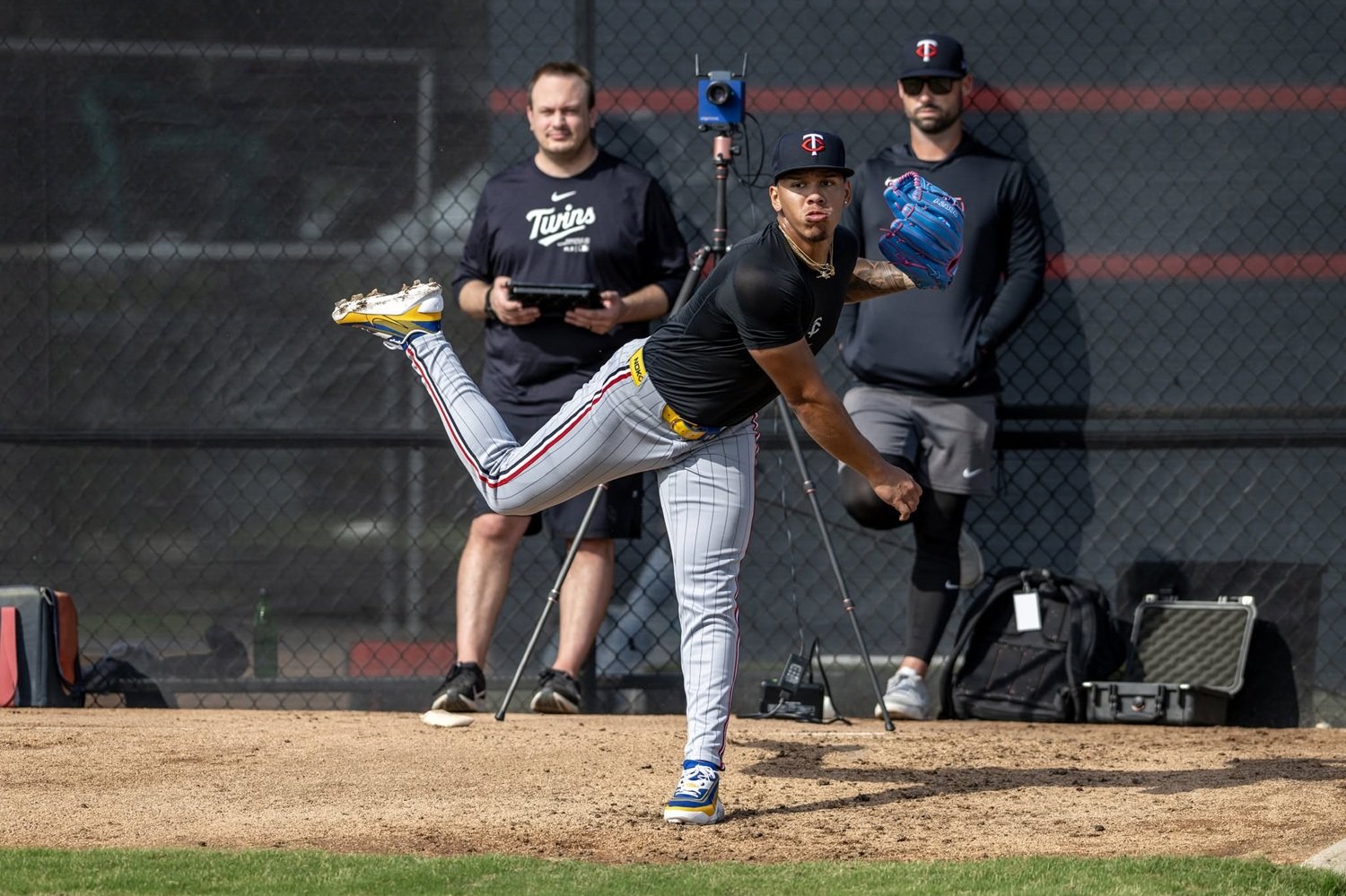 Prospect development rarely follows a straight line. Some pitchers move quickly through the minor leagues, while others encounter injuries, command issues, and setbacks that threaten to derail their careers. Jose Olivares has experienced plenty of the latter. Once viewed as one of the Minnesota Twins' top 40 prospects, Olivares has seen his stock decline after several inconsistent seasons. His 2026 campaign was particularly difficult, as control problems and offseason elbow surgery limited his effectiveness at Double-A. Still, there are reasons not to give up on the 23-year-old right-hander. He spent nearly the entire 2026 season at Double-A and possesses a fastball that can reach the upper 90s, along with secondary pitches capable of generating swings and misses. The question is whether he can rediscover his command and turn his raw ability into consistent results. An Intriguing Arm From Venezuela The Twins signed Olivares out of Venezuela for a $100,000 bonus in January 2021 during the delayed 2020-21 international signing period. He began his professional career in the Dominican Summer League in 2022 before moving to the Florida Complex League in 2023. His first exposure to full-season baseball proved challenging, as he posted a 6.22 ERA and a 1.47 WHIP in 2023. The following season offered more encouragement. After returning to Fort Myers, Olivares recorded a 3.33 ERA and a 1.33 WHIP despite dealing with a shoulder issue and a hip impingement. At his best, Olivares offers an intriguing combination of size, velocity, and pitch movement. The 6-foot-1 right-hander saw his average fastball velocity climb from approximately 93 mph early in his professional career to 95 mph, with the pitch reaching 97 mph. Its riding action and arm-side run give hitters a difficult combination when he locates it effectively. His secondary arsenal includes a gyro-style slider around 87 mph, a curveball around 80 mph, and a changeup in the 86-87 mph range. The slider has shown improved depth and swing-and-miss potential, while the curveball and changeup provide additional options. That four-pitch mix helped elevate Olivares among Minnesota's prospects. However, possessing a deep arsenal and consistently executing it against professional hitters are two very different things. Progress at High-A, Followed by More Questions Olivares entered 2025 with some momentum after his improved performance in Fort Myers. He spent the season at High-A Cedar Rapids, finishing with a 4.11 ERA across 96 1/3 innings. He recorded 111 strikeouts against 59 walks, demonstrating that his stuff could still generate missed bats against more experienced hitters. His 27.6 K% was encouraging, but his 14.7 BB% illustrated the other side of his profile. Olivares could overpower hitters at times, yet he struggled to get ahead in counts and finish at-bats efficiently. He also had difficulty consistently landing his curveball and changeup in the strike zone. The Twins faced a roster decision after the season. Olivares was not added to Minnesota's 40-man roster and went unselected in the Rule 5 Draft. That outcome reflected the uncertainty surrounding his development, but it allowed him to continue working within the organization without another club committing a roster spot to him. Elbow Surgery Complicates His 2026 Season Olivares faced another obstacle heading into 2026. He underwent surgery in early October 2025 to remove a bone spur from his elbow, forcing him to begin the following season on the minor-league injured list. When he returned, his results at Double-A Wichita were difficult to overlook. Olivares posted a 7.41 ERA and a 2.02 WHIP across 37 2/3 innings, striking out 29 hitters while issuing 30 walks. Opponents collected 46 hits against him. The numbers represented a significant step backward. His strikeout-to-walk ratio was particularly concerning, as he nearly matched his strikeout total with free passes. A pitcher with his velocity and secondary offerings should have opportunities to miss bats, but those advantages become less meaningful when he struggles to consistently locate the ball. The surgery is an important part of the evaluation, but it cannot explain away every issue. Olivares needs to prove that he can throw strikes and execute his pitches against advanced hitters. There is still value in the experience he gained at Double-A. He reached that level at 23 and now has a clearer picture of what he must improve. His next opportunity will be about demonstrating that his command issues are correctable rather than permanent limitations. Should the Twins Consider a Bullpen Role? Minnesota eventually must determine whether Olivares should remain a starter or transition to the bullpen. Both options have merit. Keeping him in the rotation would give him more opportunities to develop his four-pitch mix, improve his command, and build the durability needed for a major-league workload. Given his injury history, another healthy offseason and a full spring training could help him regain consistency. A move to the bullpen would offer a different path. Olivares could focus on his fastball and slider while throwing at maximum effort over shorter outings. His mid-90s velocity and swing-and-miss potential might play better in relief, where he would not need to navigate a lineup multiple times. However, a bullpen conversion would not automatically solve his biggest problem. A pitcher who struggles to locate the strike zone as a starter can carry those same issues into relief appearances. The Twins would need to see improved command before confidently projecting him as a late-inning option. For now, Minnesota has reason to give Olivares another opportunity to start. His development has been interrupted by multiple injuries, and his 2026 season offered limited evidence of what he can do when fully healthy. If the control problems persist, a move to relief could become more appealing. Olivares Still Has Time to Change His Trajectory Olivares is no longer the prospect he appeared to be after his promising 2024 campaign. His recent results have pushed him down the organizational pecking order, and his career minor-league ERA sits above 5.00. Yet a disappointing season does not necessarily end a pitcher's prospect status. Olivares still has a fastball with above-average potential, a slider that can miss bats, and additional offerings that could become useful with better execution. His next season will be critical. Rather than focusing exclusively on his ERA, the Twins should look for signs that he is throwing more strikes, reducing his walks, and consistently getting ahead of hitters. Better command would give his secondary pitches more opportunities to succeed and help him make better use of his fastball. Minnesota does not need to decide immediately whether Olivares will become a starter or reliever. The organization first needs to see whether his stuff can translate into better results when he is healthy. If he regains his command, he could still climb back into the prospect conversation. His path to the majors is considerably less certain than it was a few years ago. However, at 23, he has not run out of time. The next step is straightforward, even if it is not easy: throw strikes, make hitters earn their way on base, and show the Twins that his best pitching is still ahead of him. What stands out about Olivares? Is he a candidate who should move to the bullpen? Leave a comment and start the discussion.
 -
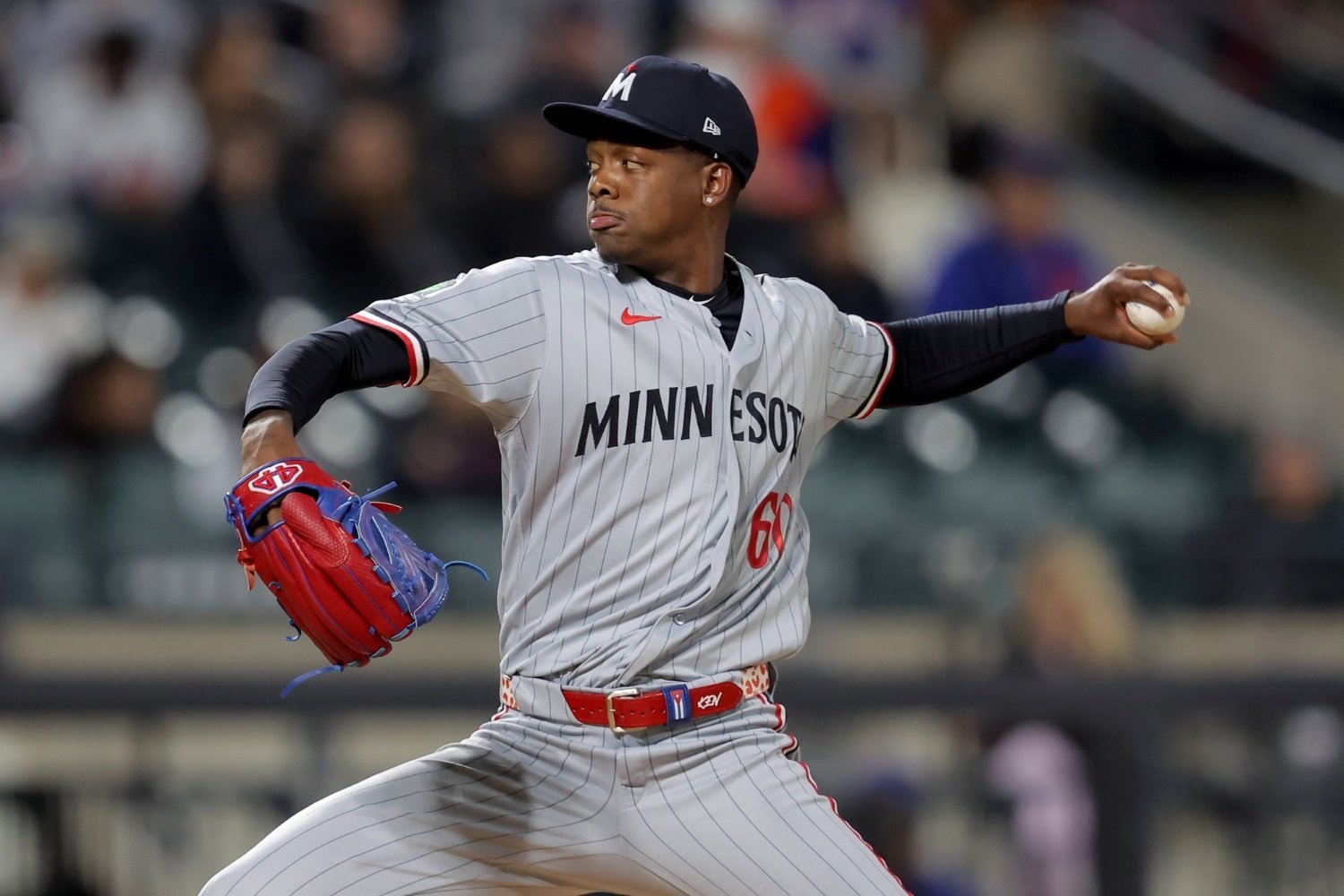 The Minnesota Twins have plenty of questions to answer about their starting rotation heading into the 2027 season. However, looking one year further into the future reveals an even bigger challenge. Minnesota could lose four of its current starting pitchers to free agency after the 2027 campaign, leaving significant holes to fill in the rotation. Pablo López is under contract through next season. Joe Ryan, Bailey Ober, and Dean Kremer will all be arbitration-eligible for the final time in 2027. Unless the Twins extend any of those pitchers or bring them back on new contracts, the organization could be looking at a dramatically different rotation in 2028. Minnesota has several young pitchers who could step into those openings. However, potential is not the same as proven production, and injuries have already complicated the development of multiple arms in the organization. Let's examine the options who could shape the Twins' starting rotation in 2028 and beyond. Taj Bradley Bradley is the easiest name to pencil into Minnesota's future rotation. After arriving from Tampa Bay, he emerged as the Twins' best starting pitcher in 2026 and gave the organization a potential frontline arm to build around. Bradley finished the season with a 3.73 ERA, 113 ERA+, 4.4 rWAR and 205 strikeouts across 178 1/3 innings. He also made 31 starts, providing the kind of workload Minnesota needs from a dependable rotation anchor. His strikeout total ranked fifth among the American League's starters, demonstrating the swing-and-miss ability that made him an intriguing acquisition. Bradley is entering his first year of arbitration, giving Minnesota three more seasons of team control after 2026. That timeline makes him particularly important as the organization evaluates its long-term pitching plans. The Twins should explore a contract extension this winter. Bradley is young enough to remain a core piece of the rotation for several seasons, and securing him now could provide cost certainty while allowing the club to build around an established starter. Minnesota has other pitching questions to answer, but Bradley should be part of the solution rather than another uncertainty. Connor Prielipp Prielipp represents another opportunity for Minnesota to develop a long-term rotation piece. He stayed healthy throughout the 2026 season, an encouraging development for a pitcher whose career has been complicated by injuries. He recorded a 4.87 ERA, 3.73 FIP, with 128 strikeouts over 125 2/3 innings, making 22 starts. Those numbers leave room for improvement, but getting through a season with a substantial workload was an important step in his development. Prielipp will not reach arbitration until 2029 and is scheduled to become a free agent after the 2032 season. He should still be in his prime when that opportunity arrives, making him a potentially valuable piece of Minnesota's future. The concern is whether he can continue staying healthy. His injury history makes it difficult to assume that one relatively healthy season guarantees long-term durability. If Prielipp can build on his 2026 performance and establish greater consistency, he could become a dependable member of the rotation. The Twins will need to see more before treating him as a sure thing. Zebby Matthews Matthews showed flashes of being a dependable starter in 2026, particularly during August, when he looked like one of Minnesota's better rotation options. However, he struggled down the stretch, raising questions about his ability to maintain that performance over a full season. He finished with a 4.90 ERA, 4.70 FIP, and 116 strikeouts across 130 1/3 innings. His 39 walks were a manageable number, but he also surrendered 24 home runs. Limiting damage when hitters make contact will be an important area for improvement. There is a possibility Matthews could eventually find more success in the bullpen, where his stuff might play up in shorter appearances. Still, Minnesota should continue giving him opportunities to start. The organization needs to determine whether he can consistently work through a lineup multiple times before making a permanent decision about his role. Matthews is scheduled to reach arbitration in 2028 and free agency in 2031. That gives the Twins time to evaluate his development, but his next couple of seasons will be important in determining whether he becomes a rotation fixture or a potential bullpen option. Mick Abel Abel is another young pitcher who could factor into Minnesota's plans, but his recovery from elbow surgery will play a significant role in determining his future. The right-hander underwent successful arthroscopic surgery on his right elbow on July 1, 2026. Before the procedure, Abel made four appearances, including three starts, and posted a 3.98 ERA with 23 strikeouts in 20 1/3 innings. That was a small sample, but it offered some encouraging signs about his potential. Abel is not scheduled to reach arbitration until 2029 and can remain under team control through the 2031 season before reaching free agency in 2032. That timeline gives the Twins several seasons to evaluate him, provided he can return to the mound and stay healthy. Minnesota will need to see how Abel looks after his recovery before making any long-term assumptions. His ability to regain his previous form, build up his workload, and consistently get through starts will determine whether he can help fill one of the rotation's potential openings. Kendry Rojas Rojas had an interesting developmental season in 2026. The young left-hander showed enough promise to remain in the conversation for a future pitching role, but Minnesota used him in a relatively limited capacity. He never threw more than four innings or 65 pitches in a single appearance. That workload makes it difficult to determine whether he can handle the demands of a major-league starting rotation. Rojas recorded a 3.34 ERA with 34 strikeouts in 29 2/3 innings in the majors. However, he also issued 22 walks, highlighting an area that needs improvement as he continues to develop. The Twins should use the 2027 season to determine whether Rojas is a legitimate starting option or whether his future might be better suited to the bullpen. His limited workload could have been part of a deliberate development plan, but the organization eventually needs to see how he performs with a more traditional starter's workload. Ryan Gallagher Gallagher is another organizational arm who could work his way into the rotation conversation, although he has more development ahead of him than Minnesota's major-league options. The 23-year-old right-hander pitched across two minor-league levels in 2026, totaling 113 innings. He finished with a 5.89 ERA, allowing 117 hits and recording 120 strikeouts while issuing 53 walks. Those numbers illustrate both his potential and the work still required. Gallagher showed an ability to miss bats, but his run prevention and command will need to improve if he is going to emerge as a viable major-league starter. The Twins have time to evaluate his progress, and Gallagher does not need to be ready for a major-league rotation immediately. A stronger 2027 season could help establish whether he belongs in the organization's longer-term plans or is better suited to a depth role. Riley Quick Quick is a younger pitching prospect who could become more relevant to the rotation picture as he advances through the minor leagues. The 22-year-old spent time across three minor-league levels in 2026, accumulating 77 2/3 innings. He posted a 4.29 ERA and struck out 108 hitters while allowing 57 hits. His 46 walks, however, show that command remains an important part of his development. Quick's strikeout ability is an encouraging starting point. Missing bats is an important trait for any prospective major-league starter, but he will need to pair that ability with improved control and greater consistency. The Twins should continue developing Quick as a starter until his performance suggests otherwise. His 2027 assignments will help determine whether he can handle a larger workload and continue advancing toward the upper levels of the organization. He is not an immediate solution to the potential 2028 rotation openings, but a strong developmental season could put him on the radar. Adrian Bohorquez Bohorquez is another prospect worth monitoring as Minnesota looks beyond its current group of major-league starters. The 21-year-old right-hander pitched across three minor-league levels in 2026, recording a 3.29 ERA over 54 2/3 innings. He allowed 39 hits and struck out 65 batters, demonstrating an ability to limit contact while generating strikeouts. His workload was considerably smaller than those of Gallagher and some of the organization's other starting prospects. That makes it difficult to project him into a major-league rotation just yet, but his results provide a foundation to build on. Bohorquez will need to demonstrate that he can handle more innings, maintain his effectiveness against more advanced hitters, and develop the consistency required of a starting pitcher. His next steps through the minor leagues should provide a clearer picture of his ceiling. Like Quick and Gallagher, Bohorquez remains a developmental possibility rather than a guaranteed rotation option. The Twins need several prospects to take meaningful steps forward if they want to build a sustainable rotation internally. How Will the Twins Fill the Rotation in 2028? The Twins have time to address their long-term rotation concerns, but they cannot assume every young pitcher will develop as hoped. Bradley looks like the clearest building block, while Prielipp, Matthews, Abel, and Rojas each have opportunities to establish themselves in different ways. Gallagher, Quick, and Bohorquez offer additional possibilities, although they still need to prove they can handle the demands of higher-level competition. Minnesota should also recognize that developing a rotation entirely from within is difficult. Injuries, inconsistent performance, and stalled development can quickly turn apparent organizational depth into a shortage of reliable starters. Extending Bradley would be a logical first step. The Twins should also continue evaluating their younger arms while remaining open to acquiring starting pitching through trades or free agency. The 2027 season will be important for identifying which pitchers belong in the long-term picture. By the time 2028 arrives, Minnesota could have several young starters ready to take on larger roles. However, the organization will need more than potential to replace the experience and production that could depart. The question is not simply who will start games for the Twins in 2028. It is whether Minnesota can develop enough reliable pitching to avoid rebuilding its rotation from scratch. Who will be part of Minnesota’s 2028 rotation? Leave a comment and start the discussion.
- 81 comments
-
- 9
-
-

-
- taj bradley
- connor prielipp
- (and 6 more)
-
Image courtesy of © Brad Penner-Imagn Images The Minnesota Twins have plenty of questions to answer about their starting rotation heading into the 2027 season. However, looking one year further into the future reveals an even bigger challenge. Minnesota could lose four of its current starting pitchers to free agency after the 2027 campaign, leaving significant holes to fill in the rotation. Pablo López is under contract through next season. Joe Ryan, Bailey Ober, and Dean Kremer will all be arbitration-eligible for the final time in 2027. Unless the Twins extend any of those pitchers or bring them back on new contracts, the organization could be looking at a dramatically different rotation in 2028. Minnesota has several young pitchers who could step into those openings. However, potential is not the same as proven production, and injuries have already complicated the development of multiple arms in the organization. Let's examine the options who could shape the Twins' starting rotation in 2028 and beyond. Taj Bradley Bradley is the easiest name to pencil into Minnesota's future rotation. After arriving from Tampa Bay, he emerged as the Twins' best starting pitcher in 2026 and gave the organization a potential frontline arm to build around. Bradley finished the season with a 3.73 ERA, 113 ERA+, 4.4 rWAR and 205 strikeouts across 178 1/3 innings. He also made 31 starts, providing the kind of workload Minnesota needs from a dependable rotation anchor. His strikeout total ranked fifth among the American League's starters, demonstrating the swing-and-miss ability that made him an intriguing acquisition. Bradley is entering his first year of arbitration, giving Minnesota three more seasons of team control after 2026. That timeline makes him particularly important as the organization evaluates its long-term pitching plans. The Twins should explore a contract extension this winter. Bradley is young enough to remain a core piece of the rotation for several seasons, and securing him now could provide cost certainty while allowing the club to build around an established starter. Minnesota has other pitching questions to answer, but Bradley should be part of the solution rather than another uncertainty. Connor Prielipp Prielipp represents another opportunity for Minnesota to develop a long-term rotation piece. He stayed healthy throughout the 2026 season, an encouraging development for a pitcher whose career has been complicated by injuries. He recorded a 4.87 ERA, 3.73 FIP, with 128 strikeouts over 125 2/3 innings, making 22 starts. Those numbers leave room for improvement, but getting through a season with a substantial workload was an important step in his development. Prielipp will not reach arbitration until 2029 and is scheduled to become a free agent after the 2032 season. He should still be in his prime when that opportunity arrives, making him a potentially valuable piece of Minnesota's future. The concern is whether he can continue staying healthy. His injury history makes it difficult to assume that one relatively healthy season guarantees long-term durability. If Prielipp can build on his 2026 performance and establish greater consistency, he could become a dependable member of the rotation. The Twins will need to see more before treating him as a sure thing. Zebby Matthews Matthews showed flashes of being a dependable starter in 2026, particularly during August, when he looked like one of Minnesota's better rotation options. However, he struggled down the stretch, raising questions about his ability to maintain that performance over a full season. He finished with a 4.90 ERA, 4.70 FIP, and 116 strikeouts across 130 1/3 innings. His 39 walks were a manageable number, but he also surrendered 24 home runs. Limiting damage when hitters make contact will be an important area for improvement. There is a possibility Matthews could eventually find more success in the bullpen, where his stuff might play up in shorter appearances. Still, Minnesota should continue giving him opportunities to start. The organization needs to determine whether he can consistently work through a lineup multiple times before making a permanent decision about his role. Matthews is scheduled to reach arbitration in 2028 and free agency in 2031. That gives the Twins time to evaluate his development, but his next couple of seasons will be important in determining whether he becomes a rotation fixture or a potential bullpen option. Mick Abel Abel is another young pitcher who could factor into Minnesota's plans, but his recovery from elbow surgery will play a significant role in determining his future. The right-hander underwent successful arthroscopic surgery on his right elbow on July 1, 2026. Before the procedure, Abel made four appearances, including three starts, and posted a 3.98 ERA with 23 strikeouts in 20 1/3 innings. That was a small sample, but it offered some encouraging signs about his potential. Abel is not scheduled to reach arbitration until 2029 and can remain under team control through the 2031 season before reaching free agency in 2032. That timeline gives the Twins several seasons to evaluate him, provided he can return to the mound and stay healthy. Minnesota will need to see how Abel looks after his recovery before making any long-term assumptions. His ability to regain his previous form, build up his workload, and consistently get through starts will determine whether he can help fill one of the rotation's potential openings. Kendry Rojas Rojas had an interesting developmental season in 2026. The young left-hander showed enough promise to remain in the conversation for a future pitching role, but Minnesota used him in a relatively limited capacity. He never threw more than four innings or 65 pitches in a single appearance. That workload makes it difficult to determine whether he can handle the demands of a major-league starting rotation. Rojas recorded a 3.34 ERA with 34 strikeouts in 29 2/3 innings in the majors. However, he also issued 22 walks, highlighting an area that needs improvement as he continues to develop. The Twins should use the 2027 season to determine whether Rojas is a legitimate starting option or whether his future might be better suited to the bullpen. His limited workload could have been part of a deliberate development plan, but the organization eventually needs to see how he performs with a more traditional starter's workload. Ryan Gallagher Gallagher is another organizational arm who could work his way into the rotation conversation, although he has more development ahead of him than Minnesota's major-league options. The 23-year-old right-hander pitched across two minor-league levels in 2026, totaling 113 innings. He finished with a 5.89 ERA, allowing 117 hits and recording 120 strikeouts while issuing 53 walks. Those numbers illustrate both his potential and the work still required. Gallagher showed an ability to miss bats, but his run prevention and command will need to improve if he is going to emerge as a viable major-league starter. The Twins have time to evaluate his progress, and Gallagher does not need to be ready for a major-league rotation immediately. A stronger 2027 season could help establish whether he belongs in the organization's longer-term plans or is better suited to a depth role. Riley Quick Quick is a younger pitching prospect who could become more relevant to the rotation picture as he advances through the minor leagues. The 22-year-old spent time across three minor-league levels in 2026, accumulating 77 2/3 innings. He posted a 4.29 ERA and struck out 108 hitters while allowing 57 hits. His 46 walks, however, show that command remains an important part of his development. Quick's strikeout ability is an encouraging starting point. Missing bats is an important trait for any prospective major-league starter, but he will need to pair that ability with improved control and greater consistency. The Twins should continue developing Quick as a starter until his performance suggests otherwise. His 2027 assignments will help determine whether he can handle a larger workload and continue advancing toward the upper levels of the organization. He is not an immediate solution to the potential 2028 rotation openings, but a strong developmental season could put him on the radar. Adrian Bohorquez Bohorquez is another prospect worth monitoring as Minnesota looks beyond its current group of major-league starters. The 21-year-old right-hander pitched across three minor-league levels in 2026, recording a 3.29 ERA over 54 2/3 innings. He allowed 39 hits and struck out 65 batters, demonstrating an ability to limit contact while generating strikeouts. His workload was considerably smaller than those of Gallagher and some of the organization's other starting prospects. That makes it difficult to project him into a major-league rotation just yet, but his results provide a foundation to build on. Bohorquez will need to demonstrate that he can handle more innings, maintain his effectiveness against more advanced hitters, and develop the consistency required of a starting pitcher. His next steps through the minor leagues should provide a clearer picture of his ceiling. Like Quick and Gallagher, Bohorquez remains a developmental possibility rather than a guaranteed rotation option. The Twins need several prospects to take meaningful steps forward if they want to build a sustainable rotation internally. How Will the Twins Fill the Rotation in 2028? The Twins have time to address their long-term rotation concerns, but they cannot assume every young pitcher will develop as hoped. Bradley looks like the clearest building block, while Prielipp, Matthews, Abel, and Rojas each have opportunities to establish themselves in different ways. Gallagher, Quick, and Bohorquez offer additional possibilities, although they still need to prove they can handle the demands of higher-level competition. Minnesota should also recognize that developing a rotation entirely from within is difficult. Injuries, inconsistent performance, and stalled development can quickly turn apparent organizational depth into a shortage of reliable starters. Extending Bradley would be a logical first step. The Twins should also continue evaluating their younger arms while remaining open to acquiring starting pitching through trades or free agency. The 2027 season will be important for identifying which pitchers belong in the long-term picture. By the time 2028 arrives, Minnesota could have several young starters ready to take on larger roles. However, the organization will need more than potential to replace the experience and production that could depart. The question is not simply who will start games for the Twins in 2028. It is whether Minnesota can develop enough reliable pitching to avoid rebuilding its rotation from scratch. Who will be part of Minnesota’s 2028 rotation? Leave a comment and start the discussion. View full article
-
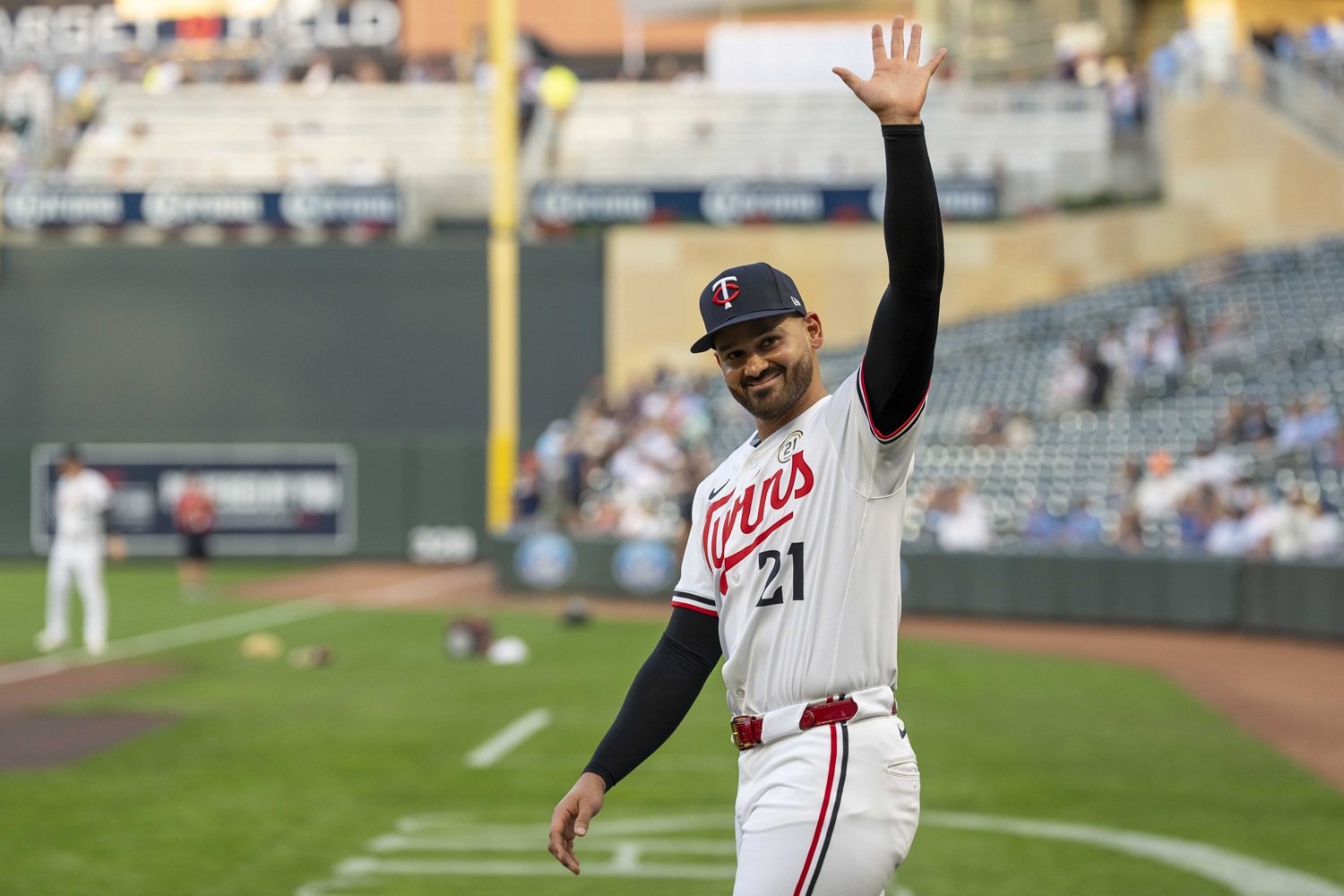 Pablo López did not take the mound for the Minnesota Twins in 2026, but his impact on the organization and its community continues to earn recognition. The right-hander has received another significant honor, this time as a finalist for one of the Major League Baseball Players Association’s most meaningful awards. The nomination adds to a growing list of honors for López during a season in which he was unable to contribute on the field. Last month, the Twins selected him as their nominee for the Roberto Clemente Award, recognizing his commitment to community service and charitable work. It marked the third consecutive season Minnesota nominated López for the award and the fourth time overall the organization recognized him for his community contributions. On Wednesday, the MLBPA announced the finalists for its annual Players Choice Awards. López was named one of three finalists for the Marvin Miller Man of the Year Award, joining Chris Bassitt and Nico Hoerner. The award recognizes the influence players can have through leadership, service, and their ability to inspire others. Recognizing Leadership The Marvin Miller Man of the Year Award is presented to the player “whose leadership most inspires others to higher levels of achievement.” Named after the MLBPA’s first full-time executive director, the award honors a legacy of leadership and advocacy for major league players. Miller served as executive director from 1966 to 1982 and played a central role in transforming the relationship between players and team ownership. His influence extended well beyond the baseball field, making the award particularly fitting for players who use their positions to make a difference in their communities and within the game. Miller was inducted into the National Baseball Hall of Fame in 2021. Unlike awards determined by media members or front-office personnel, the Players Choice Awards are voted on by the players themselves. First presented in 1992, the awards recognize excellence both on and off the field, including individual performance, leadership, perseverance, and community impact. That peer-driven selection process makes López’s nomination especially noteworthy. Being recognized by fellow major leaguers reflects the respect he has earned from people who understand the demands of the sport and the responsibilities that come with playing at its highest level. A Meaningful Season Away From the Field For Minnesota, López’s 2026 season has been defined by his absence from the rotation. However, an injury preventing him from pitching has not erased his standing within the organization or diminished the attention surrounding his off-field contributions. The Twins have repeatedly highlighted López’s community involvement through their Roberto Clemente Award nominations. His latest recognition from the MLBPA reinforces that his value to the organization extends beyond his work as a starting pitcher. López has established himself as an important voice in Minnesota’s clubhouse, and leadership can take on added significance during a season when a player cannot contribute between the lines. His nomination places him alongside Bassitt and Hoerner, two players also recognized for their leadership. The winners of this year’s Players Choice Awards are scheduled to be announced during the week of October 26. The Twins will eventually need López back on the mound to help lead their pitching staff. In the meantime, his continued recognition is a reminder that a player's influence is not measured solely by innings pitched, strikeouts, or wins. Even in a season without an on-field role, López remains a prominent representative of the organization.
 -
Pablo López did not take the mound for the Minnesota Twins in 2026, but his impact on the organization and its community continues to earn recognition. The right-hander has received another significant honor, this time as a finalist for one of the Major League Baseball Players Association’s most meaningful awards. The nomination adds to a growing list of honors for López during a season in which he was unable to contribute on the field. Last month, the Twins selected him as their nominee for the Roberto Clemente Award, recognizing his commitment to community service and charitable work. It marked the third consecutive season Minnesota nominated López for the award and the fourth time overall the organization recognized him for his community contributions. On Wednesday, the MLBPA announced the finalists for its annual Players Choice Awards. López was named one of three finalists for the Marvin Miller Man of the Year Award, joining Chris Bassitt and Nico Hoerner. The award recognizes the influence players can have through leadership, service, and their ability to inspire others. Recognizing Leadership The Marvin Miller Man of the Year Award is presented to the player “whose leadership most inspires others to higher levels of achievement.” Named after the MLBPA’s first full-time executive director, the award honors a legacy of leadership and advocacy for major league players. Miller served as executive director from 1966 to 1982 and played a central role in transforming the relationship between players and team ownership. His influence extended well beyond the baseball field, making the award particularly fitting for players who use their positions to make a difference in their communities and within the game. Miller was inducted into the National Baseball Hall of Fame in 2021. Unlike awards determined by media members or front-office personnel, the Players Choice Awards are voted on by the players themselves. First presented in 1992, the awards recognize excellence both on and off the field, including individual performance, leadership, perseverance, and community impact. That peer-driven selection process makes López’s nomination especially noteworthy. Being recognized by fellow major leaguers reflects the respect he has earned from people who understand the demands of the sport and the responsibilities that come with playing at its highest level. A Meaningful Season Away From the Field For Minnesota, López’s 2026 season has been defined by his absence from the rotation. However, an injury preventing him from pitching has not erased his standing within the organization or diminished the attention surrounding his off-field contributions. The Twins have repeatedly highlighted López’s community involvement through their Roberto Clemente Award nominations. His latest recognition from the MLBPA reinforces that his value to the organization extends beyond his work as a starting pitcher. López has established himself as an important voice in Minnesota’s clubhouse, and leadership can take on added significance during a season when a player cannot contribute between the lines. His nomination places him alongside Bassitt and Hoerner, two players also recognized for their leadership. The winners of this year’s Players Choice Awards are scheduled to be announced during the week of October 26. The Twins will eventually need López back on the mound to help lead their pitching staff. In the meantime, his continued recognition is a reminder that a player's influence is not measured solely by innings pitched, strikeouts, or wins. Even in a season without an on-field role, López remains a prominent representative of the organization. View full rumor
-
Can Free Agent-to-Be Alec Bohm Fit at First Base for the Twins?
Cody Christie posted an article in Twins
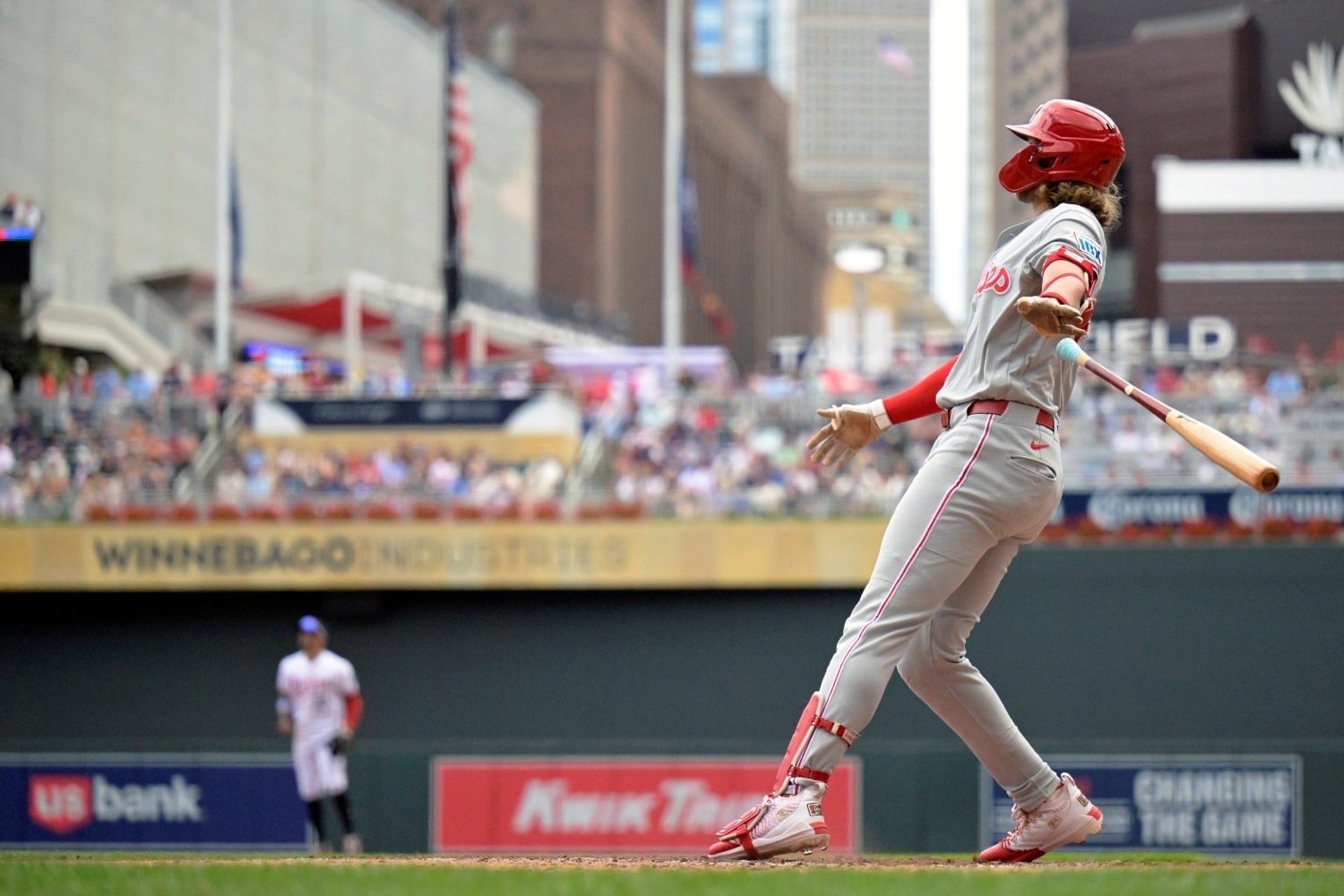 The Minnesota Twins need to earmark some money for free-agent spending on offensive upgrades this winter, especially with pending free agents Ryan Jeffers and Josh Bell heading out the door. First base could be a low-friction place to find some help, as the club weighs its future with Royce Lewis. Alec Bohm could be an intriguing option. MLB.com’s Mark Feinsand recently identified the Twins as a potential landing spot for the veteran infielder, who is entering free agency after spending his career with the Philadelphia Phillies. Bohm offers a right-handed bat, experience at first and third base, and a track record of driving in runs. However, his uneven 2026 performance makes it difficult to determine whether he would represent a significant upgrade over Lewis. Bohm's Up-and-Down 2026 Season The Phillies selected Bohm in the first round of the 2018 MLB Draft, and he developed into a regular contributor for a Philadelphia team that reached the postseason for a fifth straight time in 2026. His season, however, featured some significant highs and lows. Bohm appeared in 155 games, hitting .249/.315/.383 with 15 home runs, 88 RBIs, and 58 runs scored. His .698 OPS translated to an 87 OPS+, while his 0.2 fWAR indicated that his overall contributions were limited. Those numbers don't tell the entire story of his season. Bohm struggled badly out of the gate, batting .159/.227/.206 with one home run and 15 RBIs through his first 35 games. A .171 batting average on balls in play contributed to his difficult start, although his overall production was undeniably disappointing. There was personal turmoil hanging over him, as he battled his own parents over a financial dispute that eventually led to a lawsuit. The 30-year-old began turning things around on May 9. Over his final 120 games, Bohm hit .274/.340/.433 with 14 home runs and 73 RBIs. He also delivered a go-ahead home run in Game 2 of the Wild Card Series, extending the Phillies' season before they were eliminated by Atlanta in Game 3. There is a reason to believe Bohm can be a productive major-league hitter. He's been an above-average hitter in four of the last five campaigns, and if you take out those early struggles in 2026, he was above-average this year, too. Still, his disappointing overall numbers in 2026 leave questions about how much offensive value he would bring to his next team. Why Bohm Could Fit in Minnesota First base is an obvious position for the Twins to evaluate as they begin planning for 2027. Lewis handled approximately half of the team's at-bats at the position last season, but his future with Minnesota is uncertain. He finished 2026 hitting .227 with a .287 on-base percentage and a .667 OPS across 463 at-bats. He added 15 home runs and 57 RBIs, numbers that fell short of what the Twins needed from one of their potential middle-of-the-order hitters. His injury history also complicates the decision. Lewis has endured two torn ACLs during his career, and although he appeared in 125 games in 2026, Minnesota must consider whether it can count on him to remain available over a full season. According to MLB Trade Rumors' arbitration projections, Lewis is expected to earn approximately $5.1 million in 2027. The Twins could decide that money is better allocated elsewhere, particularly if they believe a different player would provide greater availability and a more reliable offensive contribution. Bohm could fill that role. He boasts a much stronger track record of staying in the lineup. His ability to handle both corners of the infield would also provide manager Derek Shelton with additional lineup flexibility. Perhaps his most appealing trait is his performance against left-handed pitching. Bohm posted an .816 OPS against lefties in 2026, giving Minnesota a right-handed hitter who could address a potential weakness in its lineup. The Twins need players who can improve specific areas of the roster without limiting their financial flexibility. If Bohm is willing to accept a one-year contract to rebuild his value, Minnesota could take a relatively short-term chance on a player who has demonstrated an ability to produce runs. He's likely to cost more than Lewis, but he's also likely to be a better player. Would Bohm Make Sense for the Twins? Bohm deserves consideration, but the terms of a potential contract would determine whether he makes sense for Minnesota. The Twins could use a right-handed hitter who performs well against left-handed pitching. Bohm's experience at first and third base would give the team some flexibility, in case of an injury to Brooks Lee. However, Minnesota should not view Bohm as an automatic upgrade simply because he's coming off a more productive season than Lewis. Bohm's overall offensive performance was modest, and his limited power could be a concern if the Twins are seeking a clear improvement at first base. A one-year contract would make the most sense. It would give Bohm an opportunity to reestablish his value, while allowing Minnesota to avoid a long-term commitment to a player coming off an inconsistent season. Ultimately, the Twins need to determine whether Bohm's second-half turnaround represents the production they can expect moving forward. If his asking price remains reasonable, he could be a useful addition. If the bidding becomes expensive, Minnesota would be better served looking for a first baseman who offers more offensive upside. The Twins have several ways to address first base this winter. Bohm could be one of them, but the decision should come down to whether his expected production justifies the investment. Should the Twins target Bohm? Leave a comment and start the discussion.
 -
Image courtesy of Nick Wosika- Imagn Images The Minnesota Twins need to earmark some money for free-agent spending on offensive upgrades this winter, especially with pending free agents Ryan Jeffers and Josh Bell heading out the door. First base could be a low-friction place to find some help, as the club weighs its future with Royce Lewis. Alec Bohm could be an intriguing option. MLB.com’s Mark Feinsand recently identified the Twins as a potential landing spot for the veteran infielder, who is entering free agency after spending his career with the Philadelphia Phillies. Bohm offers a right-handed bat, experience at first and third base, and a track record of driving in runs. However, his uneven 2026 performance makes it difficult to determine whether he would represent a significant upgrade over Lewis. Bohm's Up-and-Down 2026 Season The Phillies selected Bohm in the first round of the 2018 MLB Draft, and he developed into a regular contributor for a Philadelphia team that reached the postseason for a fifth straight time in 2026. His season, however, featured some significant highs and lows. Bohm appeared in 155 games, hitting .249/.315/.383 with 15 home runs, 88 RBIs, and 58 runs scored. His .698 OPS translated to an 87 OPS+, while his 0.2 fWAR indicated that his overall contributions were limited. Those numbers don't tell the entire story of his season. Bohm struggled badly out of the gate, batting .159/.227/.206 with one home run and 15 RBIs through his first 35 games. A .171 batting average on balls in play contributed to his difficult start, although his overall production was undeniably disappointing. There was personal turmoil hanging over him, as he battled his own parents over a financial dispute that eventually led to a lawsuit. The 30-year-old began turning things around on May 9. Over his final 120 games, Bohm hit .274/.340/.433 with 14 home runs and 73 RBIs. He also delivered a go-ahead home run in Game 2 of the Wild Card Series, extending the Phillies' season before they were eliminated by Atlanta in Game 3. There is a reason to believe Bohm can be a productive major-league hitter. He's been an above-average hitter in four of the last five campaigns, and if you take out those early struggles in 2026, he was above-average this year, too. Still, his disappointing overall numbers in 2026 leave questions about how much offensive value he would bring to his next team. Why Bohm Could Fit in Minnesota First base is an obvious position for the Twins to evaluate as they begin planning for 2027. Lewis handled approximately half of the team's at-bats at the position last season, but his future with Minnesota is uncertain. He finished 2026 hitting .227 with a .287 on-base percentage and a .667 OPS across 463 at-bats. He added 15 home runs and 57 RBIs, numbers that fell short of what the Twins needed from one of their potential middle-of-the-order hitters. His injury history also complicates the decision. Lewis has endured two torn ACLs during his career, and although he appeared in 125 games in 2026, Minnesota must consider whether it can count on him to remain available over a full season. According to MLB Trade Rumors' arbitration projections, Lewis is expected to earn approximately $5.1 million in 2027. The Twins could decide that money is better allocated elsewhere, particularly if they believe a different player would provide greater availability and a more reliable offensive contribution. Bohm could fill that role. He boasts a much stronger track record of staying in the lineup. His ability to handle both corners of the infield would also provide manager Derek Shelton with additional lineup flexibility. Perhaps his most appealing trait is his performance against left-handed pitching. Bohm posted an .816 OPS against lefties in 2026, giving Minnesota a right-handed hitter who could address a potential weakness in its lineup. The Twins need players who can improve specific areas of the roster without limiting their financial flexibility. If Bohm is willing to accept a one-year contract to rebuild his value, Minnesota could take a relatively short-term chance on a player who has demonstrated an ability to produce runs. He's likely to cost more than Lewis, but he's also likely to be a better player. Would Bohm Make Sense for the Twins? Bohm deserves consideration, but the terms of a potential contract would determine whether he makes sense for Minnesota. The Twins could use a right-handed hitter who performs well against left-handed pitching. Bohm's experience at first and third base would give the team some flexibility, in case of an injury to Brooks Lee. However, Minnesota should not view Bohm as an automatic upgrade simply because he's coming off a more productive season than Lewis. Bohm's overall offensive performance was modest, and his limited power could be a concern if the Twins are seeking a clear improvement at first base. A one-year contract would make the most sense. It would give Bohm an opportunity to reestablish his value, while allowing Minnesota to avoid a long-term commitment to a player coming off an inconsistent season. Ultimately, the Twins need to determine whether Bohm's second-half turnaround represents the production they can expect moving forward. If his asking price remains reasonable, he could be a useful addition. If the bidding becomes expensive, Minnesota would be better served looking for a first baseman who offers more offensive upside. The Twins have several ways to address first base this winter. Bohm could be one of them, but the decision should come down to whether his expected production justifies the investment. Should the Twins target Bohm? Leave a comment and start the discussion. View full article
-
How the Twins Turned ABS Challenges Into a Competitive Advantage
Cody Christie posted an article in Twins
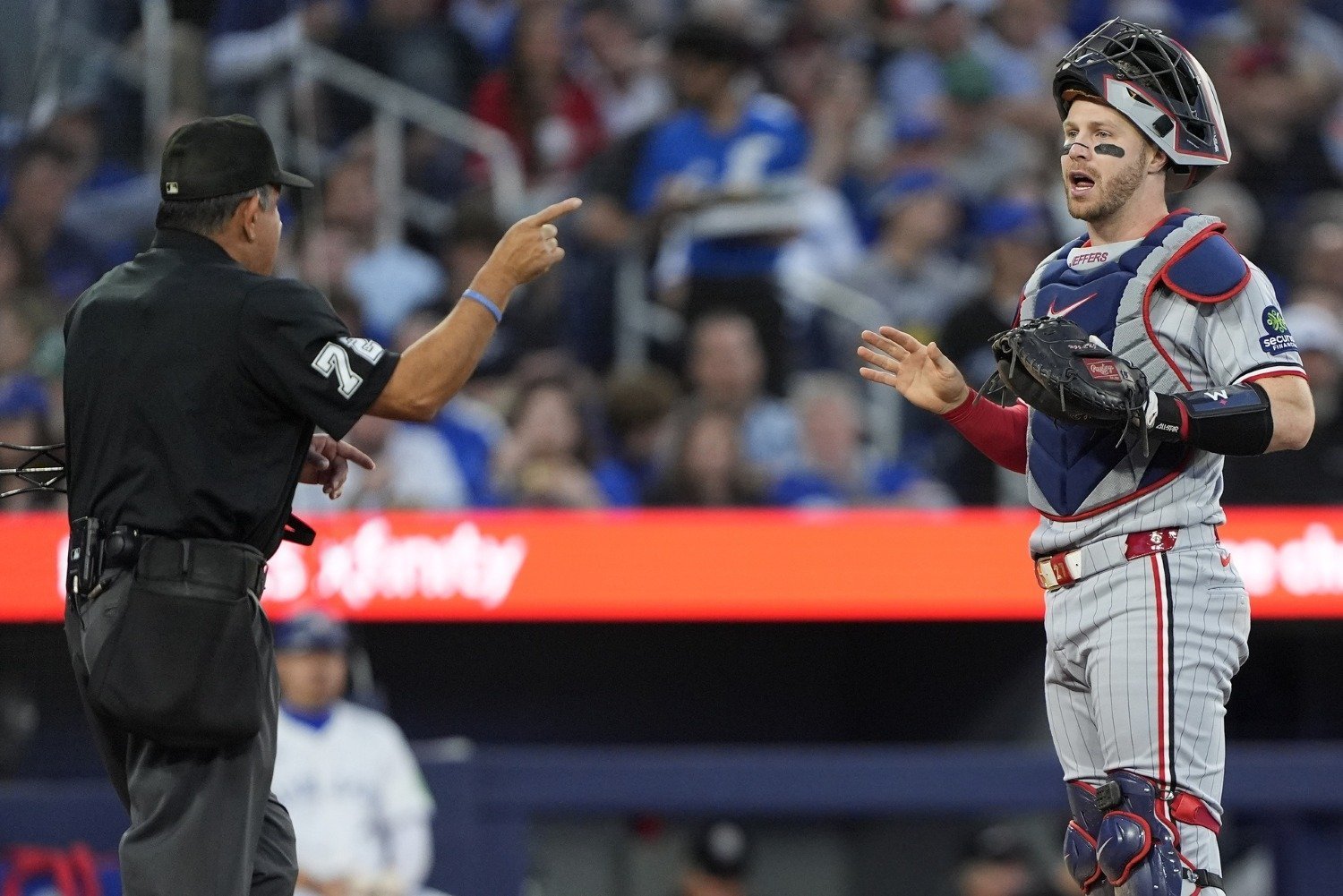 The Minnesota Twins found plenty of success with one of Major League Baseball’s biggest rule changes in 2026. In the first regular season to feature the automated ball-strike (ABS) challenge system, Minnesota led all 30 teams in overturned calls and ranked among the league’s best in several important statistical categories. The Twins recorded 246 successful challenges, giving them the most overturned calls in baseball. Their ability to recognize borderline pitches and make timely challenges helped create advantages for both hitters and pitchers throughout the season. Minnesota’s Hitters Made Their Challenges Count The Twins’ offensive contributions stood out across the league. According to Statcast, Minnesota’s successful batter challenges generated a league-best 3.8 runs above average. Those challenges also had a direct impact on plate appearances. Twins hitters successfully challenged calls that would have resulted in 20 strikeouts, while gaining an MLB-leading 22 walks. In a sport where individual plate appearances can influence the outcome of a game, those extra opportunities provided tangible value. Luke Keaschall and Austin Martin were particularly effective at using the system to their advantage. Keaschall finished with an 18-15 record on his challenges, but his overall success rate only tells part of the story. He erased a league-high eight strikeouts and earned five walks through successful challenges, with the latter total also leading MLB. His willingness to challenge questionable calls helped him turn potential outs into opportunities to reach base. Martin posted an 11-9 record on his challenges. While his overall numbers were not as eye-catching as Keaschall’s, Martin frequently used the system in high-leverage situations. The timing of a challenge can be just as important as the final success rate, particularly when a single pitch can change the direction of an inning. Twins Catchers Excelled Behind the Plate Minnesota's success was not limited to its hitters. Ryan Jeffers and Victor Caratini established themselves as two of the league's most effective catchers when it came to challenging ball-strike decisions. The Twins ranked second in MLB by generating 4.8 runs above average through catcher-initiated challenges. Those successful challenges resulted in 52 additional strikeouts for Minnesota pitchers while eliminating 21 walks for opposing hitters. Jeffers recorded a 61% success rate across 108 challenges. He ranked sixth among MLB catchers by turning 23 at-bats that could have continued into strikeouts. He also tied for second among catchers by taking away 10 walks through successful challenges. Caratini was even more active, making 127 challenges while posting a 59% success rate. His challenge total reflected a willingness to contest borderline pitches, giving Minnesota additional opportunities to reverse decisions that favored opposing hitters. Like Jeffers, Caratini turned 23 at-bats into strikeouts through successful challenges. He also eliminated seven walks, contributing to the Twins’ strong overall performance behind the plate. Together, the two catchers demonstrated how the ABS system could become an important defensive tool. Catchers had to identify questionable calls quickly, decide whether a challenge was worthwhile, and make that decision before the opportunity disappeared. Minnesota's results suggest Jeffers and Caratini handled those responsibilities effectively. Not Every Challenge Worked in Minnesota’s Favor Although the Twins excelled overall, their players did not enjoy the same success when challenging pitches as hitters. Jeffers finished 8-for-13 on his challenges at the plate, producing -0.5 runs above average. Caratini went 3-for-7, resulting in -0.4 runs above average. Those figures created an interesting contrast. Both catchers were highly effective at challenging calls from behind the plate, but neither generated positive value when challenging pitches as a batter. Their results also highlight an important distinction in evaluating the system. A player’s ability to recognize a questionable call while catching does not necessarily translate into the same success when standing in the batter’s box. What MLB Learned From Year One Across the league, 54% of challenges resulted in successful overturned calls during ABS’s inaugural regular season. Batters won 49% of their challenges, while fielders, primarily catchers, were successful 58% of the time. The difference between those percentages suggests that catchers had an early advantage in identifying calls worth challenging. However, the system's first season also provided hitters with a new way to contest decisions that previously would have stood without review. For Minnesota, the results were especially encouraging. The Twins led MLB with 246 overturned calls, generated 3.8 runs above average through batter challenges, and ranked second with 4.8 runs above average through catcher challenges. The challenge system was only one part of a long baseball season, but the Twins showed how effectively a team could use it to gain an edge. With Keaschall and Martin contributing at the plate and Jeffers and Caratini excelling behind it, Minnesota made ABS an important part of its on-field approach in the system's first year. What stood out in the MLB’s first year of ABS? Can Minnesota continue to find a tactical advantage next season? Leave a comment and start the discussion.
- 2 comments
-
- 1
-
-
- ryan jeffers
- victor caratini
- (and 2 more)
-
Image courtesy of © John E. Sokolowski-Imagn Images The Minnesota Twins found plenty of success with one of Major League Baseball’s biggest rule changes in 2026. In the first regular season to feature the automated ball-strike (ABS) challenge system, Minnesota led all 30 teams in overturned calls and ranked among the league’s best in several important statistical categories. The Twins recorded 246 successful challenges, giving them the most overturned calls in baseball. Their ability to recognize borderline pitches and make timely challenges helped create advantages for both hitters and pitchers throughout the season. Minnesota’s Hitters Made Their Challenges Count The Twins’ offensive contributions stood out across the league. According to Statcast, Minnesota’s successful batter challenges generated a league-best 3.8 runs above average. Those challenges also had a direct impact on plate appearances. Twins hitters successfully challenged calls that would have resulted in 20 strikeouts, while gaining an MLB-leading 22 walks. In a sport where individual plate appearances can influence the outcome of a game, those extra opportunities provided tangible value. Luke Keaschall and Austin Martin were particularly effective at using the system to their advantage. Keaschall finished with an 18-15 record on his challenges, but his overall success rate only tells part of the story. He erased a league-high eight strikeouts and earned five walks through successful challenges, with the latter total also leading MLB. His willingness to challenge questionable calls helped him turn potential outs into opportunities to reach base. Martin posted an 11-9 record on his challenges. While his overall numbers were not as eye-catching as Keaschall’s, Martin frequently used the system in high-leverage situations. The timing of a challenge can be just as important as the final success rate, particularly when a single pitch can change the direction of an inning. Twins Catchers Excelled Behind the Plate Minnesota's success was not limited to its hitters. Ryan Jeffers and Victor Caratini established themselves as two of the league's most effective catchers when it came to challenging ball-strike decisions. The Twins ranked second in MLB by generating 4.8 runs above average through catcher-initiated challenges. Those successful challenges resulted in 52 additional strikeouts for Minnesota pitchers while eliminating 21 walks for opposing hitters. Jeffers recorded a 61% success rate across 108 challenges. He ranked sixth among MLB catchers by turning 23 at-bats that could have continued into strikeouts. He also tied for second among catchers by taking away 10 walks through successful challenges. Caratini was even more active, making 127 challenges while posting a 59% success rate. His challenge total reflected a willingness to contest borderline pitches, giving Minnesota additional opportunities to reverse decisions that favored opposing hitters. Like Jeffers, Caratini turned 23 at-bats into strikeouts through successful challenges. He also eliminated seven walks, contributing to the Twins’ strong overall performance behind the plate. Together, the two catchers demonstrated how the ABS system could become an important defensive tool. Catchers had to identify questionable calls quickly, decide whether a challenge was worthwhile, and make that decision before the opportunity disappeared. Minnesota's results suggest Jeffers and Caratini handled those responsibilities effectively. Not Every Challenge Worked in Minnesota’s Favor Although the Twins excelled overall, their players did not enjoy the same success when challenging pitches as hitters. Jeffers finished 8-for-13 on his challenges at the plate, producing -0.5 runs above average. Caratini went 3-for-7, resulting in -0.4 runs above average. Those figures created an interesting contrast. Both catchers were highly effective at challenging calls from behind the plate, but neither generated positive value when challenging pitches as a batter. Their results also highlight an important distinction in evaluating the system. A player’s ability to recognize a questionable call while catching does not necessarily translate into the same success when standing in the batter’s box. What MLB Learned From Year One Across the league, 54% of challenges resulted in successful overturned calls during ABS’s inaugural regular season. Batters won 49% of their challenges, while fielders, primarily catchers, were successful 58% of the time. The difference between those percentages suggests that catchers had an early advantage in identifying calls worth challenging. However, the system's first season also provided hitters with a new way to contest decisions that previously would have stood without review. For Minnesota, the results were especially encouraging. The Twins led MLB with 246 overturned calls, generated 3.8 runs above average through batter challenges, and ranked second with 4.8 runs above average through catcher challenges. The challenge system was only one part of a long baseball season, but the Twins showed how effectively a team could use it to gain an edge. With Keaschall and Martin contributing at the plate and Jeffers and Caratini excelling behind it, Minnesota made ABS an important part of its on-field approach in the system's first year. What stood out in the MLB’s first year of ABS? Can Minnesota continue to find a tactical advantage next season? Leave a comment and start the discussion. View full article
-
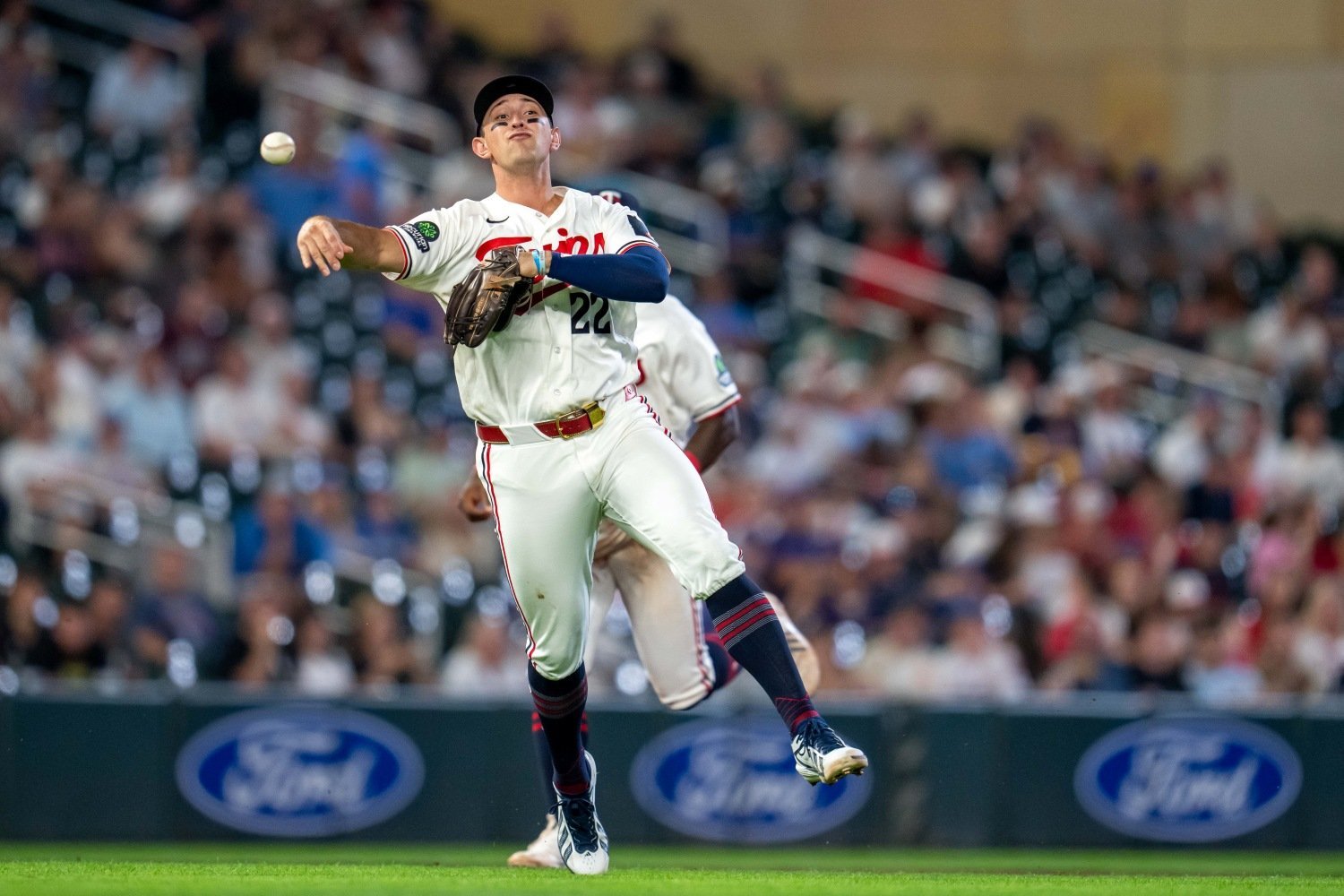 Brooks Lee has earned a spot among the American League’s best defensive players. The Minnesota Twins infielder was named one of three finalists for the 2026 Rawlings Gold Glove Award at third base on Wednesday. Lee is joined by Boston Red Sox infielder Caleb Durbin and Kansas City Royals infielder Nick Loftin. The winners will be announced on ESPN on Sunday, November 1. Lee's nomination is particularly impressive considering how his defensive season began. After spending most of his first two big-league seasons at shortstop, he struggled at the position again in 2026. A move across the infield helped change his season, turning a potential defensive liability into a player receiving recognition for his work with the glove. A Position Change Makes a Difference Lee entered professional baseball as a shortstop and continued to receive opportunities at the position after reaching the majors. However, the early returns were not encouraging. He finished both 2024 and 2025 with a minus-3 Fielding Run Value (FRV), a Statcast metric that measures a defender's contribution compared with an average player. The struggles continued into 2026. Lee posted -6 Outs Above Average (OAA) in limited action at shortstop, making it difficult for the Twins to justify keeping him there as his primary position. The club needed to find a better defensive fit for the young infielder. Third base provided that opportunity. Lee excelled after moving to the hot corner, recording +6 OAA during the 2026 season. The improvement was substantial, especially when compared with his previous results at shortstop. The position change also gave the Twins a clearer picture of Lee's potential moving forward. His defensive performance at third base suggests he could become a long-term option at the position, provided he continues to build on the progress he made this season. A Difficult Competition Lee's Gold Glove candidacy comes with some formidable competition. Durbin appears to be the favorite after an impressive defensive campaign with Boston. At the most recent SABR Defensive Index update, Durbin posted an 8.8 SDI, nearly three times Loftin's mark in second place. Durbin also recorded plus-6 FRV and plus-6 OAA at third base. Those numbers give him a compelling case to take home the award. Loftin is another worthy finalist, making this a competitive group. Lee's nomination, however, represents an important milestone in his development. After entering the season with questions about his defense, he established himself as a credible candidate for one of baseball's most recognized individual defensive awards. Twins manager Derek Shelton has expressed confidence that Lee can become a Gold Glove winner at third base. This season's finalist selection offers evidence that such an outcome is realistic. The next step could be giving Lee a full season at third base in 2027. A consistent role would allow him to continue developing his instincts, improve his familiarity with the position, and demonstrate that his defensive success can be sustained over an entire campaign. Lee might not win his first Gold Glove this year, particularly with Durbin's strong credentials. Still, becoming a finalist is a significant achievement for a player whose season began with defensive concerns.
 -
Brooks Lee has earned a spot among the American League’s best defensive players. The Minnesota Twins infielder was named one of three finalists for the 2026 Rawlings Gold Glove Award at third base on Wednesday. Lee is joined by Boston Red Sox infielder Caleb Durbin and Kansas City Royals infielder Nick Loftin. The winners will be announced on ESPN on Sunday, November 1. Lee's nomination is particularly impressive considering how his defensive season began. After spending most of his first two big-league seasons at shortstop, he struggled at the position again in 2026. A move across the infield helped change his season, turning a potential defensive liability into a player receiving recognition for his work with the glove. A Position Change Makes a Difference Lee entered professional baseball as a shortstop and continued to receive opportunities at the position after reaching the majors. However, the early returns were not encouraging. He finished both 2024 and 2025 with a minus-3 Fielding Run Value (FRV), a Statcast metric that measures a defender's contribution compared with an average player. The struggles continued into 2026. Lee posted -6 Outs Above Average (OAA) in limited action at shortstop, making it difficult for the Twins to justify keeping him there as his primary position. The club needed to find a better defensive fit for the young infielder. Third base provided that opportunity. Lee excelled after moving to the hot corner, recording +6 OAA during the 2026 season. The improvement was substantial, especially when compared with his previous results at shortstop. The position change also gave the Twins a clearer picture of Lee's potential moving forward. His defensive performance at third base suggests he could become a long-term option at the position, provided he continues to build on the progress he made this season. A Difficult Competition Lee's Gold Glove candidacy comes with some formidable competition. Durbin appears to be the favorite after an impressive defensive campaign with Boston. At the most recent SABR Defensive Index update, Durbin posted an 8.8 SDI, nearly three times Loftin's mark in second place. Durbin also recorded plus-6 FRV and plus-6 OAA at third base. Those numbers give him a compelling case to take home the award. Loftin is another worthy finalist, making this a competitive group. Lee's nomination, however, represents an important milestone in his development. After entering the season with questions about his defense, he established himself as a credible candidate for one of baseball's most recognized individual defensive awards. Twins manager Derek Shelton has expressed confidence that Lee can become a Gold Glove winner at third base. This season's finalist selection offers evidence that such an outcome is realistic. The next step could be giving Lee a full season at third base in 2027. A consistent role would allow him to continue developing his instincts, improve his familiarity with the position, and demonstrate that his defensive success can be sustained over an entire campaign. Lee might not win his first Gold Glove this year, particularly with Durbin's strong credentials. Still, becoming a finalist is a significant achievement for a player whose season began with defensive concerns. View full rumor
-
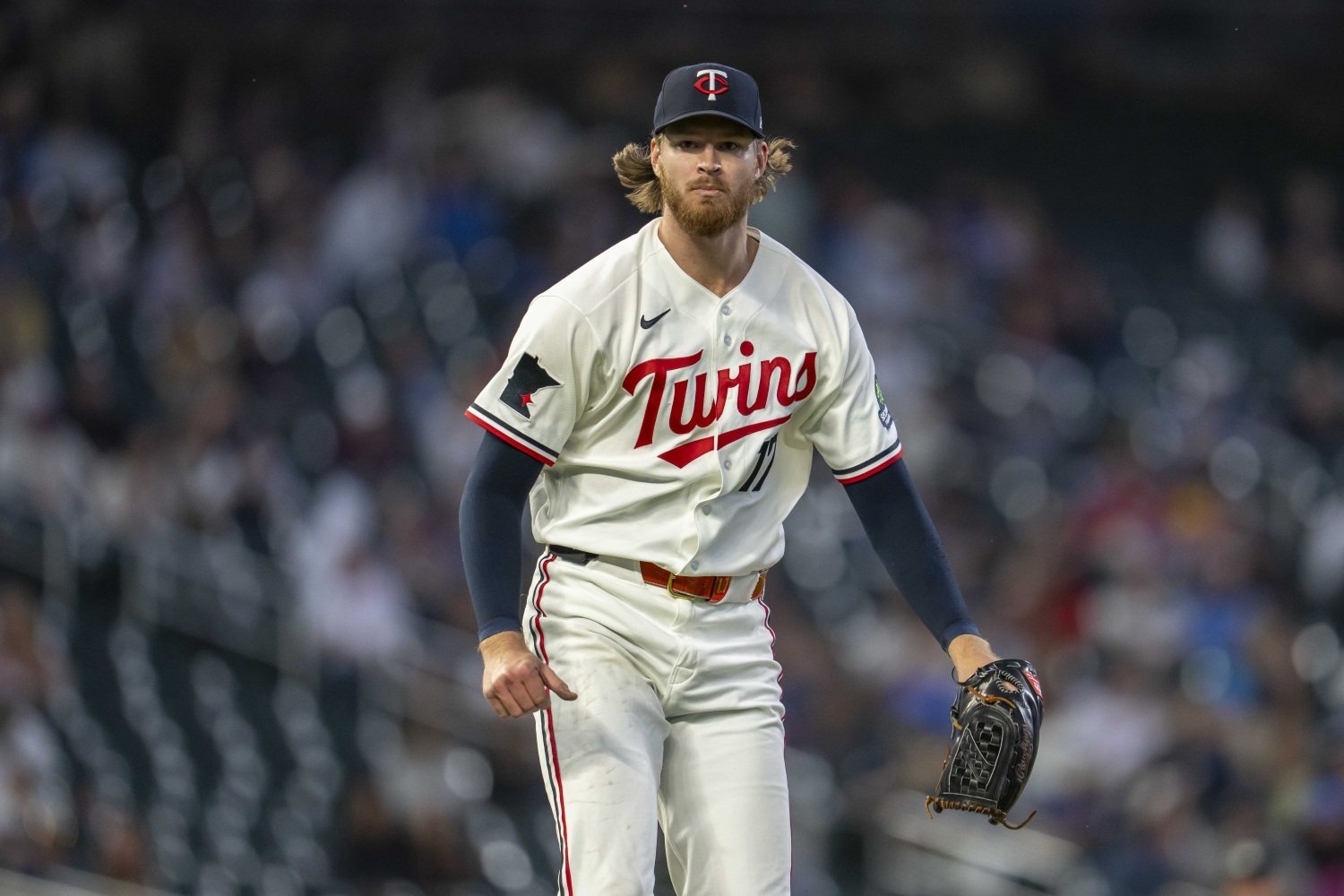 The Minnesota Twins have spent years trying to figure out how to make pitchers throw harder. This offseason, they are apparently going in the opposite direction. Bailey Ober has already established himself as one of baseball's most unusual starting pitchers. His fastball velocity has fallen into the high-80s, making him the slowest-throwing starting pitcher in Major League Baseball. His strikeout rate has followed the same trajectory, dropping from 26.9% in 2024 to 19.2% in 2025 and 17.1% this season. Most organizations would look at those numbers and start asking how to get the velocity back. The Twins are asking a different question. What if they make him throw even slower? "We've seen what happens when Bailey throws 88," Twins general manager Jeremy Zoll said. "Now we're interested in finding out what happens at 82." "And 80." "Potentially 76." Zoll stressed that the organization isn't necessarily trying to make Ober worse. It's trying to make him different. "Pitching is about evolution," Zoll said. "We've seen velocity continue to increase. We've seen pitchers change shapes, grips, arm slots and usage patterns. We're constantly looking for the next competitive advantage." The Twins believe they may have found it somewhere between a Division II college pitcher and a position player asked to throw an inning in a 12-2 game. There is a theory behind this. At 98 mph, hitters know they need to react immediately. At 88 mph, hitters have slightly more time. At 82 mph, they may have enough time to wonder why the baseball is taking so long to arrive. At 78 mph, perhaps they simply stop swinging. "We don't know where the floor is," one Twins front office member said. "That's what the offseason is for." The organization reportedly has a series of experiments planned for Ober's offseason program. The first bullpen will focus on 87 mph. The second will target 85. The third will be conducted with a radar gun turned off because the Twins don't want anyone to become psychologically attached to the number. Eventually, the organization hopes to discover the exact velocity at which a hitter becomes so confused that the pitch qualifies as a breaking ball simply because of how long it takes to reach the plate. Ober, for his part, is willing to try anything. "I want to pitch," Ober said. "Whatever gives me the best chance to stay in the big leagues, I'm open to it." "What if the fastball is slower than the changeup?" he was asked. Ober paused. "Then I guess we have a new problem." The Twins aren't necessarily concerned about that problem yet. They're excited about the possibilities. Ober finished 2026 with a 4.47 ERA and 96 strikeouts in 131 innings. His 17.1% strikeout rate was well below league average, but his career has already demonstrated that he can succeed without premium velocity. The question is whether he can succeed with even less. "Everyone wants to talk about velocity," another member of the front office said. "We want to talk about deception." "What happens if the pitch is so slow that the hitter loses interest halfway to the plate? That's deception." The Twins are also reportedly studying whether Ober's 6-foot-9 frame can create additional psychological confusion. A hitter sees a giant man on the mound. He prepares for something coming quickly. Then the pitch arrives at approximately the speed of a moderately ambitious lawn mower. "We think there's something there," the front office member said. There is, however, one person who may be even more excited about the Ober experiment than Zoll. Tom Pohlad. The Twins chairman has spent much of the year answering questions about payroll and the organization's plans to increase spending. Pohlad recently reiterated that Minnesota intends to meaningfully invest in the roster in 2027 after finishing the 2026 season with a payroll around $100 million. The organization would apparently prefer to discuss something else. "We've been thinking about the fans," Pohlad said. "We've been thinking about the media. We've been thinking about what we can do to create some positive offseason conversation." Then came the real plan. "If we can get Bailey Ober down to 79 miles per hour, Aaron Gleeman could spend four hours explaining why it doesn't make any sense," Pohlad said. "That's four hours where he isn't talking about our payroll." At that point, the Twins' analytics department reportedly began calculating the exact relationship between Ober's velocity and the amount of time Gleeman could spend discussing it. The early projections are encouraging. The Twins don't seem worried. They've already started preparing for the next phase. The goal isn't to make Ober throw harder. It isn't even to make him throw better. The goal is to make him throw so slowly that nobody has any idea what they're watching. And if that keeps the conversation away from payroll for a few hours? The Twins may have finally discovered their offseason ace.
- 8 comments
-
- 1
-

-
- bailey ober
- tom pohlad
- (and 1 more)


