



Cody Christie
-
Posts
7,794 -
Joined
-
Last visited
-
Days Won
5
Content Type
Profiles
News
Minnesota Twins Videos
2026 Minnesota Twins Top Prospects Ranking
2022 Minnesota Twins Draft Picks
Minnesota Twins Free Agent & Trade Rumors, Notes, & Tidbits
Guides & Resources
2023 Minnesota Twins Draft Picks
The Minnesota Twins Players Project
2024 Minnesota Twins Draft Picks
2025 Minnesota Twins Draft Pick Tracker
2026 Minnesota Twins Draft Tracker: Picks & Bonuses
Forums
Blogs
Events
Store
Downloads
Gallery
Everything posted by Cody Christie
-
 Image courtesy of Brad Rempel-Imagn Images There are certain relationships in baseball that never truly go away. A former executive can leave an organization. A player can fall out of favor. An entire fan base can move on. But apparently, Jeremy Zoll was not going to let Derek Falvey get too far down the hallway at Citi Field before reminding him about some of his favorite Twins. According to sources, Zoll immediately called Falvey after the Mets hired him and presented a trade proposal. Royce Lewis. Trevor Larnach. Matt Wallner. All three players have experienced varying degrees of uncertainty in Minnesota. All three have also shown enough talent to make another organization believe there is something worth unlocking. And if there is one thing Falvey knows, it is these players. “Jeremy called me pretty quickly,” Falvey said. “I didn't even have my Mets email set up yet. I thought it was David Stearns calling me about onboarding.” Instead, it was Zoll. “Derek,” Zoll allegedly said, “how do you feel about bringing a few old friends to New York?” One Man's Trash... To be clear, calling these three players “trash” would be wildly unfair. Lewis has tremendous upside, even if his career has taken a series of frustrating turns. Larnach has shown stretches of being a legitimate middle-of-the-order bat. Wallner has demonstrated the kind of power that makes you wonder why every team doesn't simply give him 600 plate appearances and see what happens. That last part is particularly important. Because what better place to rediscover your confidence than New York? Nothing says “career reset” quite like joining a Mets organization that has spent the last several years providing baseball fans with an annual reminder that having the highest payroll does not necessarily guarantee having the highest win total. Falvey, naturally, sees the opportunity. “I know those guys,” the fictional Falvey said. “I know what they can do. I know what they can't do. I know what their strengths are. I know what their weaknesses are. And I know exactly how many times each of them has made me think, 'We should probably give him another chance.'” The Mets' Side of the Deal The Mets, meanwhile, apparently have no idea what they are getting themselves into. But that has never stopped them before. One Mets executive was reportedly intrigued by the package. “We asked Derek if he had any players he really believed in,” the anonymous Mets executive said. “He gave us three names. We asked if they were available. He said, 'Well, technically.' So here we are.” There is also the matter of cost. The Twins would presumably want something in return, although sources could not confirm whether the Mets would be sending prospects, cash considerations, a player to be named later, or a strongly worded letter explaining why New York should not have to pay for the players. One Mets source suggested the front office was comfortable with the risk. “We've had worse ideas,” the source said. When asked for an example, the source declined to comment. A Fresh Start for Everyone There is something poetic about the potential reunion. Falvey gets three players he knows. Lewis gets a new organization. Larnach gets a new organization. Wallner gets a new organization. And the Twins get to see whether their former president of baseball operations can somehow make all three players productive somewhere else. That final part is perhaps the most important. Because if Lewis goes to New York and becomes an All-Star, Larnach settles into the middle of the order, and Wallner becomes a 40-homer cult hero, Twins fans will have approximately 11 minutes before someone asks why Minnesota didn't simply keep all three. If they struggle, meanwhile, Minnesota will have successfully traded three players nobody wanted for the privilege of watching Falvey struggle with three players everybody once wanted. That's the beauty of baseball. Nobody is ever actually wrong. They just haven't waited long enough. As for Zoll, he apparently remains confident the deal makes sense. “I think Derek would appreciate what we're doing here,” Zoll said. “We're giving him three players he knows, three players he believes in and three players he can now be blamed for.” The Mets are reportedly still reviewing the paperwork. Mostly because nobody in New York can figure out whether Minnesota actually included Wallner's bat or simply the rights to discuss how good he could be. There is also some disagreement over whether Lewis, Larnach and Wallner are being acquired as players or as part of a larger Derek Falvey nostalgia package. Either way, the Mets are excited. After all, if there is one thing New York has proven over the years, it is that nothing fixes a roster quite like acquiring a few talented players who just need a change of scenery. And if that doesn't work? Well, there is always next July. At which point Zoll can call Falvey again. View full article
 -
Image courtesy of Bruce Kluckhohn-Imagn Images The Minnesota Twins aren't for sale. At least, that's what Tom Pohlad wants everyone to believe. After spending roughly 10 months exploring a sale of the franchise, the Pohlad family pulled the Twins off the market in August 2025. Rather than finding a new controlling owner, the family brought in several limited partners to help address the organization's significant debt while maintaining majority control. That decision eventually led to Tom Pohlad taking over as the team's controlling owner. At the end of the 2025 season, he made it clear that the family had no plans to reopen the sale process. “I can’t say that my enjoyment in the role is the sole reason for how long we intend to be owners, but I can tell you that we’re long-term oriented,” Pohlad said. “We’ve got big goals and a lot of work to do, and it’s going to take some time. We are in this for the long haul.” Pohlad doubled down on that sentiment. “We are reenergized, for sure,” he added. “After a trying two years and that sale process, I’m frankly surprised at how energized we are, to be honest with you.” That sounds pretty definitive. Then came a report from Pioneer Press columnist Charley Walters. “A sale of the Twins to the New York-based global investment firm Varde Partners, which has an office in Minneapolis and in 2025 became a Twins limited partner to help the franchise out of $500 million in debt, is said to be heating up. Varde Partners reportedly manages $15 billion in assets.” Suddenly, the question isn't whether the Twins are for sale. It's whether the groundwork for another sale has already been laid. Värde Is Already Inside the Building There is an important distinction between what the Pohlad family did in 2025 and what Walters is now reporting. The family didn't simply abandon the sale process and walk away. It brought investors into the ownership group. Värde Partners co-founder George Hicks became one of those limited partners. The ownership restructuring also included Glick Family Investments and Minnesota Wild owner Craig Leipold. The group took minority positions while the Pohlads retained control. Reports indicated the transaction valued the Twins at approximately $1.75 billion and helped eliminate a significant portion of the franchise's roughly $400 million to $500 million debt. That was presented as a way for the Pohlads to remain owners while putting the franchise on stronger financial footing. And, to be fair, that's exactly what it could have been. But there is another way to look at it. Värde already has a financial interest in the franchise. Its co-founder is already part of the ownership group. The company understands the team's finances. It has relationships with the Pohlads. It knows Target Field. It knows the Minnesota market. If Värde eventually wanted to increase its investment and acquire control, it wouldn't be starting from scratch. That's a pretty significant advantage. It also makes the timing of a potential sale particularly interesting. The Twins Are Suddenly Worth a Lot More When the Pohlads explored selling the Twins, the reported asking price was $1.75 billion. That number doesn't look nearly as impressive today. The San Diego Padres were sold in 2026 for a reported $3.9 billion valuation. The Los Angeles Angels then surpassed that figure, with Stan Kroenke agreeing to purchase the franchise for an MLB-record $4 billion valuation. Obviously, every franchise is different. Los Angeles has a massive market, while San Diego offers its own unique advantages. The Twins aren't suddenly a $4 billion franchise simply because two other teams changed hands. But MLB franchise valuations are clearly moving upward. And that's where the timing gets fascinating. If the Pohlads really wanted to sell, waiting until the market demonstrated that buyers were willing to spend $3.9 billion and $4 billion for MLB teams would be a pretty good strategy. The family's previous sale attempt was complicated by the Twins' debt, declining local media revenue and questions about the organization's financial outlook. The limited-partner investment helped address some of those concerns. Now the franchise could potentially be presented to buyers with less debt, a new ownership structure and an MLB market that has established dramatically higher valuations. That's a much different sales pitch. The Labor Fight Could Change Everything There is another piece of this puzzle that could make a potential sale even more intriguing: baseball's economic system. MLB owners are scheduled to lock out players on December 1 if the two sides fail to reach a new collective bargaining agreement. The biggest sticking point is the league's push for a salary cap, something the MLB Players Association has repeatedly opposed. MLB has also proposed a salary floor as part of its economic system. That could have a major impact on the Twins. A salary cap would limit the spending advantages of the richest organizations. But a salary floor would force teams near the bottom of the payroll rankings to spend considerably more. For a franchise that has spent recent years operating with one of the league's lower payrolls, that could result in more spending on the roster. It could also make the Twins more attractive to prospective buyers. If the new economic system guarantees a minimum level of spending across the league while providing greater cost certainty from revenue sharing, buyers could view MLB franchises as even more valuable assets. And if the Pohlads were able to sell the Twins for substantially more than the $1.75 billion they reportedly sought previously, the financial incentive would be enormous. Especially after the family has already reduced the franchise's debt burden through minority investment. So, Are the Pohlads Selling? There isn't enough evidence to say that the Pohlads are secretly selling the Twins. In fact, the public evidence currently points the other direction. Tom Pohlad has repeatedly talked about being committed to the organization. The family retained control when it could have sold. Tom took over as controlling owner. And the addition of minority partners was specifically structured to allow the Pohlads to remain in charge. But Walters' report is difficult to ignore. If Värde is seriously discussing purchasing the Twins, the most important question isn't necessarily whether the Pohlads have secretly changed their minds. It is whether the family has discovered that owning the Twins might be worth considerably more than it was when they first decided to explore a sale. The Angels just sold for $4 billion. The Padres just sold for $3.9 billion. The Pohlads were previously looking for $1.75 billion. Those numbers make the decision to sell look very different than it did two years ago. Maybe the Pohlads really are in this for the long haul. Maybe Tom Pohlad genuinely is reenergized and wants to lead the Twins toward another championship. Or maybe the family has simply put itself in a much better position to sell the franchise whenever the right offer comes along. And if Värde is already sitting at the table, that offer might not have to travel very far. Will the Pohlads sell the Twins? Leave a comment and start the discussion. View full article
-
Royce Lewis, Trevor Larnach, and the Two-Step Arbitration Shuffle
Cody Christie posted an article in Twins
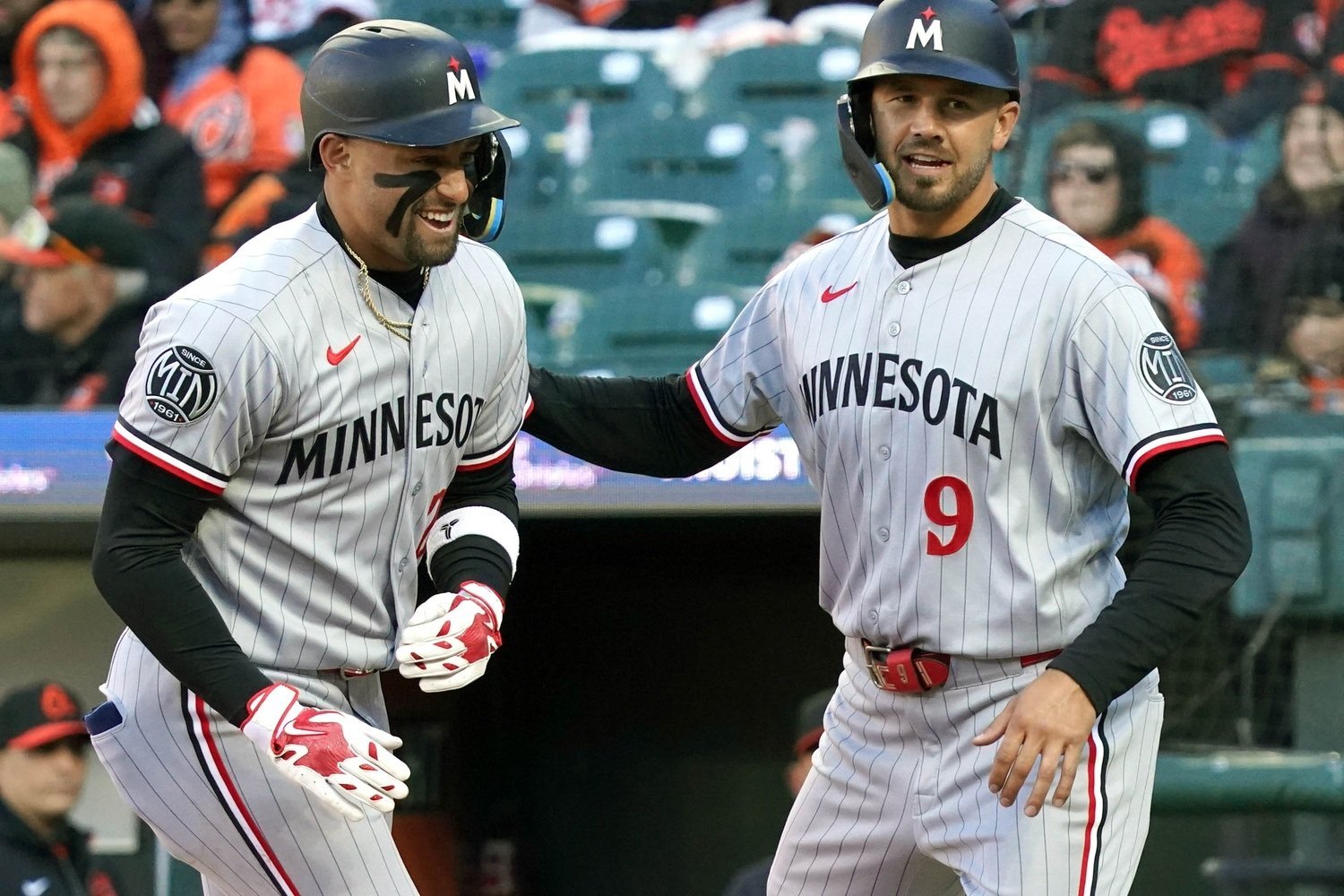 The Minnesota Twins are entering another important offseason with plenty of questions surrounding the roster, but some of the first decisions will come down to simple arithmetic. MLB Trade Rumors recently released its annual arbitration projections, giving the public an early estimate of what arbitration-eligible players could earn for the upcoming season. Two names stand out for the Twins, not because of the projected salaries, but because of what those salaries could mean for the team's offseason plans. Trevor Larnach is projected to earn $6.3 million in 2027. Royce Lewis is projected at $5.1 million. Neither number is outrageous. In fact, both could be reasonable salaries if the players perform at or near their previous levels. That's exactly what makes these decisions interesting. The Twins have to determine whether those players (at the projected salaries) represent useful assets, roster complications, or both. Trevor Larnach Larnach's projected $6.3-million salary feels relatively modest when compared to his potential production. FanGraphs valued Larnach at $17.9 million during the 2026 season, making the projected arbitration salary roughly one-third of the value he provided. That doesn't mean the Twins should automatically keep him, but it certainly gives the organization a reason to avoid giving away the asset simply because it doesn't have a perfect spot for him. The bigger question is playing time. Larnach appeared in 122 games in 2026 and hit .269/.352/.436 with 13 home runs, 23 doubles and a 121 OPS+, while being shielded from facing left-handed pitchers. Those aren't numbers a team should casually remove from its lineup. But the Twins also have to figure out where Larnach fits. If the organization believes it can improve at first base, add another outfielder or give more opportunities to younger players, Larnach could become part of an increasingly crowded roster. His arbitration salary is affordable enough that Minnesota doesn't have to make a decision before the arbitration deadline. Last offseason, the Twins offered Larnach arbitration with the hope that a trade would eventually materialize. It didn't. Instead, the team went into spring training with a player it had seemingly hoped to move. They also tried to move him at the trade deadline before Houston’s owner nixed the deal. The Twins don't want to repeat that cycle. They do, however, have value on their hands, and they need to decide on a way to optimize it. Royce Lewis Lewis presents a similar question, but with significantly more upside and considerably more uncertainty. His projected $5.1-million salary is higher than the $4.3-million value FanGraphs assigned to his 2026 season. On the surface, that isn't a great return. But looking only at 2026 would be a mistake. Lewis provided substantially more value from 2023 through 2025, and he continues to have upside, if he can put it all together. The problem is that the Twins have spent enough time dealing with injuries and inconsistency. His future role is no longer obvious. That creates the potential for a very familiar offseason scenario. The Twins could offer him arbitration, because $5.1 million is a manageable number and because they believe there is a trade market for a talented player. However, if they try that, they might discover that moving him isn't as easy as anticipated. Suddenly, Lewis is occupying a roster spot—and not just any roster spot. He could affect how the Twins approach first base. He could affect how they distribute playing time around the infield. He could influence whether the club believes it has room for another veteran bat. This is where arbitration decisions become more complicated than simply asking whether a player is worth his projected salary. The question is whether the player is worth the opportunity cost attached to that salary and roster spot; Lewis probably isn't. Holding an Asset The Twins have used arbitration in this manner before. The basic strategy is understandable. Rather than non-tendering a player or allowing him to walk away for nothing, the team offers arbitration, retains the player's rights, and tries to find a trade that makes sense. In theory, it gives the front office leverage. The player has value. The contract is known. Other teams have an opportunity to acquire him. Minnesota doesn't have to sell low simply because it's decided the player isn't part of its long-term plans. The problem comes when the trade doesn't happen. One example is Kyle Farmer in 2024. The Twins had a veteran infielder under contract who could provide useful depth, but his presence also complicated the organization's efforts to create opportunities for younger players. Larnach became another example last offseason. Minnesota apparently saw enough value in retaining him to go through the arbitration process, but no trade that met the organization's expectations materialized. There's a roster inertia enforced by arbitration. The abstract fear of losing a player "for nothing" can lead a team to hold onto someone they should part with. Once a contract has been tendered, though, moving the player sometimes yields less value than expected—which can lead a club not to move said player at all, locking in a mediocre option. For a team with a deep roster and limited payroll flexibility, that can become especially problematic. A $5-million or $6-million player isn't expensive in a vacuum, by baseball standards. But if that player prevents the organization from adding someone it believes is a better fit, the real cost is much higher. That's why the Lewis and Larnach decision could be particularly important. The Two-Step Shuffle There's nothing wrong with offering arbitration to a player the Twins would prefer to trade. In fact, it can be smart roster management. The mistake would be assuming that the trade will eventually happen. The Twins need to enter the offseason with clear priorities. If Lewis is part of those plans, keep him and build around him. If Larnach is part of those plans, give him a defined role. If either player is viewed primarily as a trade asset, though, the Twins need to understand what happens if the market doesn't cooperate. That final question is perhaps the most important. The Twins can't afford to make an arbitration decision in November and then make their roster decisions in February, as though the first decision never happened. Both Larnach and Lewis have enough talent to be useful pieces of a competitive team. Their projected salaries make them relatively affordable. But affordable players can still create expensive roster decisions. The two-step shuffle only works if the Twins know where they want to end up. Will both Lewis and Larnach be on the 2026 Twins? Does their relatively low arbitration estimate change the team’s view of the players? Leave a comment and start the discussion.
- 62 comments
-
- 2
-

-
- royce lewis
- trevor larnach
- (and 1 more)
-
Image courtesy of © Mitch Stringer-Imagn Images The Minnesota Twins are entering another important offseason with plenty of questions surrounding the roster, but some of the first decisions will come down to simple arithmetic. MLB Trade Rumors recently released its annual arbitration projections, giving the public an early estimate of what arbitration-eligible players could earn for the upcoming season. Two names stand out for the Twins, not because of the projected salaries, but because of what those salaries could mean for the team's offseason plans. Trevor Larnach is projected to earn $6.3 million in 2027. Royce Lewis is projected at $5.1 million. Neither number is outrageous. In fact, both could be reasonable salaries if the players perform at or near their previous levels. That's exactly what makes these decisions interesting. The Twins have to determine whether those players (at the projected salaries) represent useful assets, roster complications, or both. Trevor Larnach Larnach's projected $6.3-million salary feels relatively modest when compared to his potential production. FanGraphs valued Larnach at $17.9 million during the 2026 season, making the projected arbitration salary roughly one-third of the value he provided. That doesn't mean the Twins should automatically keep him, but it certainly gives the organization a reason to avoid giving away the asset simply because it doesn't have a perfect spot for him. The bigger question is playing time. Larnach appeared in 122 games in 2026 and hit .269/.352/.436 with 13 home runs, 23 doubles and a 121 OPS+, while being shielded from facing left-handed pitchers. Those aren't numbers a team should casually remove from its lineup. But the Twins also have to figure out where Larnach fits. If the organization believes it can improve at first base, add another outfielder or give more opportunities to younger players, Larnach could become part of an increasingly crowded roster. His arbitration salary is affordable enough that Minnesota doesn't have to make a decision before the arbitration deadline. Last offseason, the Twins offered Larnach arbitration with the hope that a trade would eventually materialize. It didn't. Instead, the team went into spring training with a player it had seemingly hoped to move. They also tried to move him at the trade deadline before Houston’s owner nixed the deal. The Twins don't want to repeat that cycle. They do, however, have value on their hands, and they need to decide on a way to optimize it. Royce Lewis Lewis presents a similar question, but with significantly more upside and considerably more uncertainty. His projected $5.1-million salary is higher than the $4.3-million value FanGraphs assigned to his 2026 season. On the surface, that isn't a great return. But looking only at 2026 would be a mistake. Lewis provided substantially more value from 2023 through 2025, and he continues to have upside, if he can put it all together. The problem is that the Twins have spent enough time dealing with injuries and inconsistency. His future role is no longer obvious. That creates the potential for a very familiar offseason scenario. The Twins could offer him arbitration, because $5.1 million is a manageable number and because they believe there is a trade market for a talented player. However, if they try that, they might discover that moving him isn't as easy as anticipated. Suddenly, Lewis is occupying a roster spot—and not just any roster spot. He could affect how the Twins approach first base. He could affect how they distribute playing time around the infield. He could influence whether the club believes it has room for another veteran bat. This is where arbitration decisions become more complicated than simply asking whether a player is worth his projected salary. The question is whether the player is worth the opportunity cost attached to that salary and roster spot; Lewis probably isn't. Holding an Asset The Twins have used arbitration in this manner before. The basic strategy is understandable. Rather than non-tendering a player or allowing him to walk away for nothing, the team offers arbitration, retains the player's rights, and tries to find a trade that makes sense. In theory, it gives the front office leverage. The player has value. The contract is known. Other teams have an opportunity to acquire him. Minnesota doesn't have to sell low simply because it's decided the player isn't part of its long-term plans. The problem comes when the trade doesn't happen. One example is Kyle Farmer in 2024. The Twins had a veteran infielder under contract who could provide useful depth, but his presence also complicated the organization's efforts to create opportunities for younger players. Larnach became another example last offseason. Minnesota apparently saw enough value in retaining him to go through the arbitration process, but no trade that met the organization's expectations materialized. There's a roster inertia enforced by arbitration. The abstract fear of losing a player "for nothing" can lead a team to hold onto someone they should part with. Once a contract has been tendered, though, moving the player sometimes yields less value than expected—which can lead a club not to move said player at all, locking in a mediocre option. For a team with a deep roster and limited payroll flexibility, that can become especially problematic. A $5-million or $6-million player isn't expensive in a vacuum, by baseball standards. But if that player prevents the organization from adding someone it believes is a better fit, the real cost is much higher. That's why the Lewis and Larnach decision could be particularly important. The Two-Step Shuffle There's nothing wrong with offering arbitration to a player the Twins would prefer to trade. In fact, it can be smart roster management. The mistake would be assuming that the trade will eventually happen. The Twins need to enter the offseason with clear priorities. If Lewis is part of those plans, keep him and build around him. If Larnach is part of those plans, give him a defined role. If either player is viewed primarily as a trade asset, though, the Twins need to understand what happens if the market doesn't cooperate. That final question is perhaps the most important. The Twins can't afford to make an arbitration decision in November and then make their roster decisions in February, as though the first decision never happened. Both Larnach and Lewis have enough talent to be useful pieces of a competitive team. Their projected salaries make them relatively affordable. But affordable players can still create expensive roster decisions. The two-step shuffle only works if the Twins know where they want to end up. Will both Lewis and Larnach be on the 2026 Twins? Does their relatively low arbitration estimate change the team’s view of the players? Leave a comment and start the discussion. View full article
-
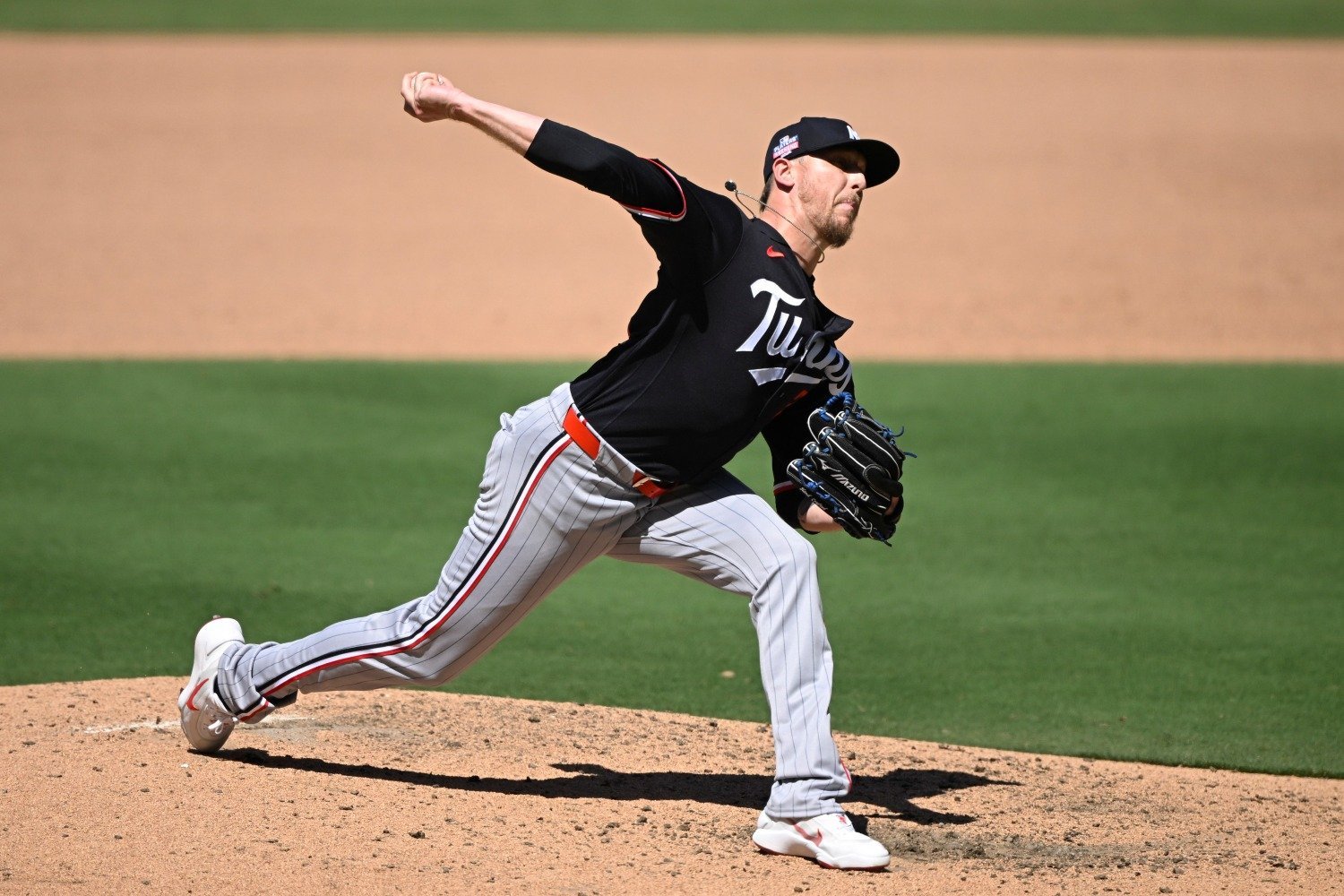 The Minnesota Twins have traditionally been hesitant to spend significant money on bullpen help. Taylor Rogers, Eric Orze and Anthony Banda were their idea of a relief boost over the winter. They eventually tried to correct course at this year's trade deadline, adding Jeff Hoffman, A.J. Minter, and Tommy Nance to a bullpen that needed reinforcements. Those improvements gave the team more options, but the results were unsatisfying. The Twins struggled down the stretch, leaving questions about whether the organization needs to take a more aggressive approach to building its bullpen. That puts a decision in front of new general manager Jeremy Zoll. Will he follow the strategy used by his predecessor, Derek Falvey, or will the Twins finally make a meaningful financial investment in their bullpen? Let's break it down. The Pros of Adding a Big Bullpen Arm The biggest benefit of adding a proven reliever would be improving the team from the beginning of the season. The Twins' bullpen was a mess during the first few months of last season, with a -2.08 WPA through April 30. Waiting until the trade deadline meant Minnesota had to spend prospect capital to address a problem that had already cost the team valuable games. Adding a major bullpen piece during the winter would allow the organization to enter spring training with a more established group. The Twins also have a better baseline heading into this offseason. Hoffman, Andrew Morris, and Yoendrys Gomez give Minnesota some options toward the back end. However, Morris and Gomez clearly tired during the team’s second-half collapse. If Hoffman remains healthy and performs the way he did after joining the Twins, the team already has one significant piece in place. Still, the bullpen needs another quality left-handed option. Minter showed how valuable that type of arm can be. Finding someone of his caliber could give the Twins a much-needed weapon against opposing left-handed hitters while also providing another high-leverage option. There's another benefit to acting during the winter: it costs money rather than prospects. The Twins learned at the trade deadline that quality relievers can require significant prospect capital. Signing a reliever in free agency means giving up financial resources, but it doesn't require sending one of the organization's young players to another team. For a club trying to build around a younger core, that distinction matters. The Cons of Adding a Big Bullpen Arm The problem is that bullpen arms are fickle. Relievers can burn brightly for a few seasons before their performance suddenly fades. Others can have one outstanding season and struggle to replicate it. Because relievers generally work in smaller sample sizes, a handful of poor outings can dramatically change the perception of an entire season. That makes spending big money on a reliever a risky proposition. The Twins won't have unlimited financial flexibility this winter. If the organization commits a significant portion of its available payroll to a reliever, that player needs to perform. There isn't much room for Minnesota to absorb an expensive bullpen contract that doesn't work. And that's the biggest issue with trying to find a surefire bullpen option. There isn't one. Even the best relievers carry some level of risk. Injuries happen. Velocity changes. Command disappears. A pitch that was nearly unhittable one season can become much easier to square up the next. The Twins could also explore an internal solution. Instead of spending heavily on another reliever, Minnesota could move one of its current starting pitching options into the bullpen. Zebby Matthews, David Festa, or Kendry Rojas could potentially provide another option if the organization believes their best path to helping the team is in shorter outings. That approach would save money, but it also comes with its own uncertainty. What Would the Timeline Look Like? Timing could be a major factor in Minnesota's decision. The Twins will have roughly a month between the end of the World Series and the beginning of the December 1 lockout. That creates a relatively small window for teams to make significant moves before negotiations between MLB and the players potentially bring the offseason to a halt. The last time baseball dealt with a lockout, five years ago, free-agent activity accelerated before the deadline. Teams and players had an incentive to get deals completed rather than risk entering an uncertain period without contracts in place. The same thing could happen this winter. If the Twins decide they want to add a significant bullpen piece, they may not be able to wait for the market to develop over several months. The best options could be off the board before December arrives. Otherwise, Minnesota could find itself scrambling after the lockout ends to sign the remaining free agents and get them into camp on time. There is no guarantee the lockout will be short. If it stretches into spring training, teams could have even less time to prepare for the season. That makes early offseason planning particularly important. The Verdict The Twins probably don't need to make the biggest bullpen splash on the market, but they should be open to making a meaningful investment. Their bullpen was too unreliable for too much of last season, and waiting until the trade deadline proved expensive in terms of prospect capital. Minnesota enters this offseason with a better foundation than it had a year ago, but adding another proven high-leverage arm, particularly a left-hander, could make a significant difference. The challenge is finding the right player at the right price. Zoll doesn't need to recreate the bullpen with one signing. He needs to identify whether there is a reliever worth committing real money to and determine whether that investment gives the Twins a better chance to win in April, May, and June rather than waiting for another deadline correction. After years of taking a relatively conservative approach to bullpen spending, this could be one of the clearest opportunities for Zoll to establish a different philosophy. The question is whether the Twins are willing to pay for it. Should the Twins invest in the bullpen this winter? Leave a comment and start the discussion.
- 22 comments
-
- 2
-
-
- jeff hoffman
- andrew morris
- (and 3 more)
-
Image courtesy of Denis Poroy-Imagn Images The Minnesota Twins have traditionally been hesitant to spend significant money on bullpen help. Taylor Rogers, Eric Orze and Anthony Banda were their idea of a relief boost over the winter. They eventually tried to correct course at this year's trade deadline, adding Jeff Hoffman, A.J. Minter, and Tommy Nance to a bullpen that needed reinforcements. Those improvements gave the team more options, but the results were unsatisfying. The Twins struggled down the stretch, leaving questions about whether the organization needs to take a more aggressive approach to building its bullpen. That puts a decision in front of new general manager Jeremy Zoll. Will he follow the strategy used by his predecessor, Derek Falvey, or will the Twins finally make a meaningful financial investment in their bullpen? Let's break it down. The Pros of Adding a Big Bullpen Arm The biggest benefit of adding a proven reliever would be improving the team from the beginning of the season. The Twins' bullpen was a mess during the first few months of last season, with a -2.08 WPA through April 30. Waiting until the trade deadline meant Minnesota had to spend prospect capital to address a problem that had already cost the team valuable games. Adding a major bullpen piece during the winter would allow the organization to enter spring training with a more established group. The Twins also have a better baseline heading into this offseason. Hoffman, Andrew Morris, and Yoendrys Gomez give Minnesota some options toward the back end. However, Morris and Gomez clearly tired during the team’s second-half collapse. If Hoffman remains healthy and performs the way he did after joining the Twins, the team already has one significant piece in place. Still, the bullpen needs another quality left-handed option. Minter showed how valuable that type of arm can be. Finding someone of his caliber could give the Twins a much-needed weapon against opposing left-handed hitters while also providing another high-leverage option. There's another benefit to acting during the winter: it costs money rather than prospects. The Twins learned at the trade deadline that quality relievers can require significant prospect capital. Signing a reliever in free agency means giving up financial resources, but it doesn't require sending one of the organization's young players to another team. For a club trying to build around a younger core, that distinction matters. The Cons of Adding a Big Bullpen Arm The problem is that bullpen arms are fickle. Relievers can burn brightly for a few seasons before their performance suddenly fades. Others can have one outstanding season and struggle to replicate it. Because relievers generally work in smaller sample sizes, a handful of poor outings can dramatically change the perception of an entire season. That makes spending big money on a reliever a risky proposition. The Twins won't have unlimited financial flexibility this winter. If the organization commits a significant portion of its available payroll to a reliever, that player needs to perform. There isn't much room for Minnesota to absorb an expensive bullpen contract that doesn't work. And that's the biggest issue with trying to find a surefire bullpen option. There isn't one. Even the best relievers carry some level of risk. Injuries happen. Velocity changes. Command disappears. A pitch that was nearly unhittable one season can become much easier to square up the next. The Twins could also explore an internal solution. Instead of spending heavily on another reliever, Minnesota could move one of its current starting pitching options into the bullpen. Zebby Matthews, David Festa, or Kendry Rojas could potentially provide another option if the organization believes their best path to helping the team is in shorter outings. That approach would save money, but it also comes with its own uncertainty. What Would the Timeline Look Like? Timing could be a major factor in Minnesota's decision. The Twins will have roughly a month between the end of the World Series and the beginning of the December 1 lockout. That creates a relatively small window for teams to make significant moves before negotiations between MLB and the players potentially bring the offseason to a halt. The last time baseball dealt with a lockout, five years ago, free-agent activity accelerated before the deadline. Teams and players had an incentive to get deals completed rather than risk entering an uncertain period without contracts in place. The same thing could happen this winter. If the Twins decide they want to add a significant bullpen piece, they may not be able to wait for the market to develop over several months. The best options could be off the board before December arrives. Otherwise, Minnesota could find itself scrambling after the lockout ends to sign the remaining free agents and get them into camp on time. There is no guarantee the lockout will be short. If it stretches into spring training, teams could have even less time to prepare for the season. That makes early offseason planning particularly important. The Verdict The Twins probably don't need to make the biggest bullpen splash on the market, but they should be open to making a meaningful investment. Their bullpen was too unreliable for too much of last season, and waiting until the trade deadline proved expensive in terms of prospect capital. Minnesota enters this offseason with a better foundation than it had a year ago, but adding another proven high-leverage arm, particularly a left-hander, could make a significant difference. The challenge is finding the right player at the right price. Zoll doesn't need to recreate the bullpen with one signing. He needs to identify whether there is a reliever worth committing real money to and determine whether that investment gives the Twins a better chance to win in April, May, and June rather than waiting for another deadline correction. After years of taking a relatively conservative approach to bullpen spending, this could be one of the clearest opportunities for Zoll to establish a different philosophy. The question is whether the Twins are willing to pay for it. Should the Twins invest in the bullpen this winter? Leave a comment and start the discussion. View full article
-
Image courtesy of Brian Bradshaw Sevald-Imagn Images The Minnesota Twins have spent the last few years making payroll decisions that require a calculator, a spreadsheet, and (probably) a small support group. The next one is right around the corner, as Joe Ryan presents an interesting problem for Jeremy Zoll and the front office this winter. MLB Trade Rumors projects Ryan to earn approximately $9.6 million through arbitration for the 2027 season. That's a significant raise from the $6.2 million he earned in 2025, but in the current starting pitching market, it might also qualify as something Twins fans haven't seen enough of lately: a bargain. The question is whether that bargain makes Ryan more valuable to the Twins or more attractive to other teams. It should do both, of course, but will it do one more than the other? And if so, what action will that prompt from the team? Ryan Might Be One of the Best Starters on the Market The 2026-27 free-agent starting pitching class isn't exactly overflowing with top-of-the-rotation options. The current top five starting pitchers on the market are probably: LHP Tarik Skubal LHP Trevor Rogers RHP Freddy Peralta RHP Michael King RHP Kevin Gausman Ryan isn't part of that free-agent group, because he's under team control through arbitration. But if he were available alongside those pitchers, there's a reasonable argument that he'd rank second on the entire market. At worst, he would be difficult to place lower than fifth. That's important, because the pitchers ahead of him are going to cost significantly more than $10 million. Skubal will land a massive multi-year contract; it could be more than $400 million. Peralta, King, Rogers and Gausman will have plenty of teams interested in their services, and although only Rogers is likely to sniff a nine-figure deal, any of the four might earn $20 million per year or more. Ryan doesn't come with such a burdensome price tag. A team could acquire him and pay roughly $10 million for one season, without committing to four, five or six years on a free-agent contract. If a trade suitor believes Ryan is one of the best starting pitchers available this winter, paying him $9.6 million for 2027 could look remarkably inexpensive. One way or another, Zoll's phone will buzz. The Twins Would Be Selling a Valuable Asset This is where the Ryan conversation becomes complicated. The Twins don't need to trade Ryan. They might actually have a very good reason to keep him. Minnesota's rotation faces plenty of questions heading into 2027. There are young arms who could emerge, but there are also durability questions, guys who are more project than prospect, and plenty of uncertainty. Ryan is the known commodity. He's been one of the organization's most reliable starters, and his ability to miss bats isn't easily replaced internally. FanGraphs pegs his value at more than $17 million in every big-league season since his rookie year, and his strikeout skills are a huge part of that. The Twins can't simply trade Ryan because another team is willing to offer a couple of prospects. He's a linchpin of their rotation. Unless they see trouble under the hood, they should only deal him if they get back a package that bolsters them in the present, as well as the future. As argued previously, that kind of value might just not be there. His second-half performances have been a problem, which is a reason for the Twins to consider moving him but also a drag on the value teams might give up to get him. Again, though, the money matters—and it works in the team's favor, either way. The $9.6 Million Question Imagine you're a team that needs starting pitching. You can sign one of the top free agents and give that pitcher a multi-year contract worth anywhere from $19 million to $35 million per season. Then, you have to keep your fingers crossed that he stays healthy and performs at a high level for the life of the contract. Alternatively, you can trade prospects for Ryan and pay him less than $10 million for 2027. The latter option suddenly looks pretty appealing. Ryan's projected arbitration salary doesn't make him cheap in a vacuum. But baseball contracts don't exist in a vacuum. They exist in comparison to the alternatives, and the alternatives are expensive. Ryan's second halves are worrisome, but many of the other top starters available come with some yellow flags of their own. Most teams would rather have a guy who wears down every summer and battles nagging leg issues than one who's already wearing two elbow scars or has shoulder soreness all over his medical history. So, Should the Twins Trade Him? This is where things get uncomfortable. If the Twins are serious about competing in 2027, keeping Ryan makes a lot of sense. If they're more interested in continuing to reshape the roster around a younger core, Ryan might be one of the best players to cash in. The projected $9.6 million salary makes that decision harder, not easier. If Ryan were projected to make $20 million, teams might be less aggressive in trade talks. If the free-agent market were loaded with comparable starters, his trade value might also be lower. Instead, Minnesota has a starting pitcher who could arguably rank near the top of the free-agent class and cost less than half what some comparable hurlers will. That's a pretty attractive asset. The Twins have to determine whether that asset is more valuable on the mound or as a piece to acquire others—which comes down to what those other pieces turn out to be. Does Ryan’s projected arbitration salary make him a more attractive trade candidate? Leave a comment and start the discussion. View full article
-
How Joe Ryan’s Projected Arbitration Salary Changes His Trade Market
Cody Christie posted an article in Twins
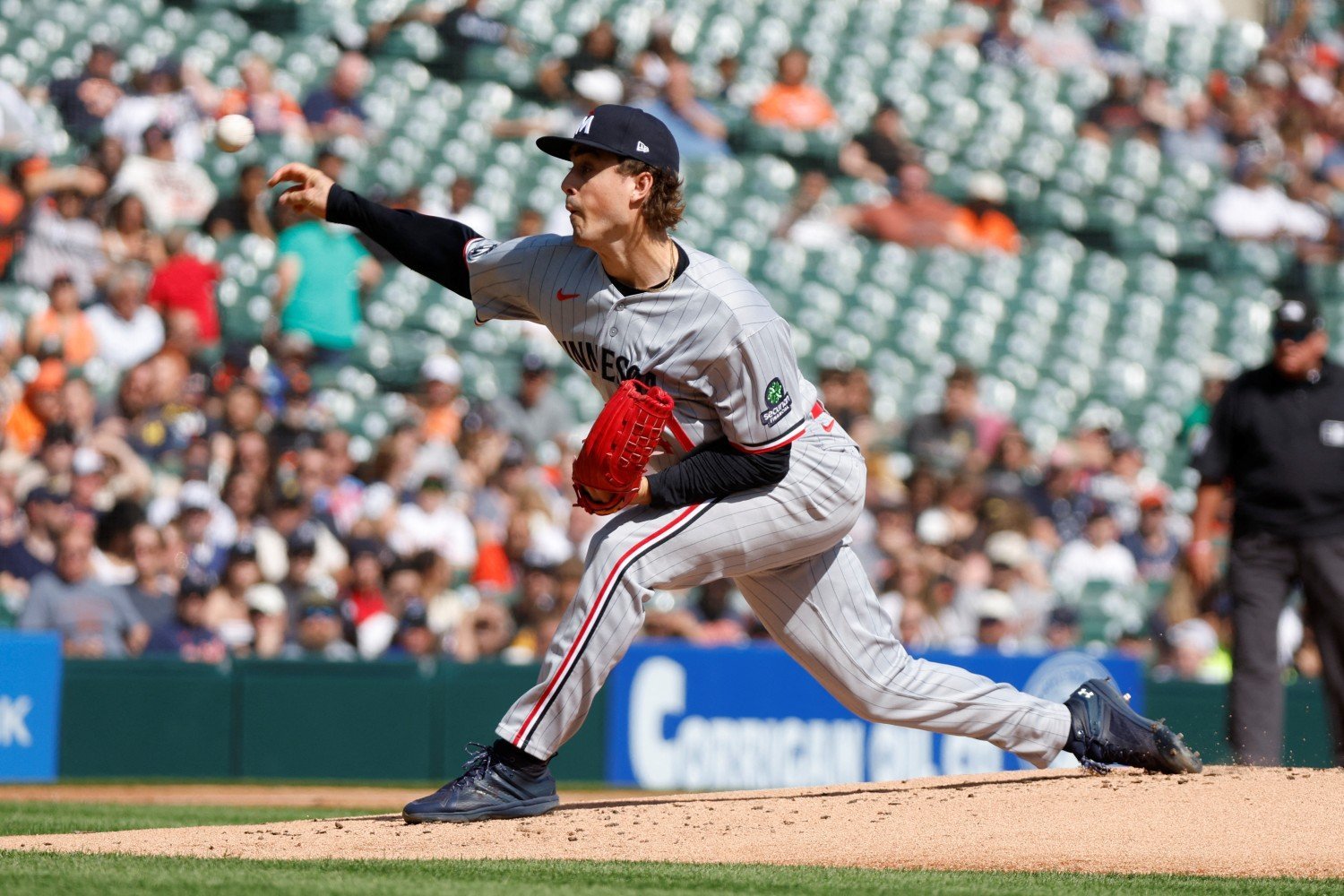 The Minnesota Twins have spent the last few years making payroll decisions that require a calculator, a spreadsheet, and (probably) a small support group. The next one is right around the corner, as Joe Ryan presents an interesting problem for Jeremy Zoll and the front office this winter. MLB Trade Rumors projects Ryan to earn approximately $9.6 million through arbitration for the 2027 season. That's a significant raise from the $6.2 million he earned in 2025, but in the current starting pitching market, it might also qualify as something Twins fans haven't seen enough of lately: a bargain. The question is whether that bargain makes Ryan more valuable to the Twins or more attractive to other teams. It should do both, of course, but will it do one more than the other? And if so, what action will that prompt from the team? Ryan Might Be One of the Best Starters on the Market The 2026-27 free-agent starting pitching class isn't exactly overflowing with top-of-the-rotation options. The current top five starting pitchers on the market are probably: LHP Tarik Skubal LHP Trevor Rogers RHP Freddy Peralta RHP Michael King RHP Kevin Gausman Ryan isn't part of that free-agent group, because he's under team control through arbitration. But if he were available alongside those pitchers, there's a reasonable argument that he'd rank second on the entire market. At worst, he would be difficult to place lower than fifth. That's important, because the pitchers ahead of him are going to cost significantly more than $10 million. Skubal will land a massive multi-year contract; it could be more than $400 million. Peralta, King, Rogers and Gausman will have plenty of teams interested in their services, and although only Rogers is likely to sniff a nine-figure deal, any of the four might earn $20 million per year or more. Ryan doesn't come with such a burdensome price tag. A team could acquire him and pay roughly $10 million for one season, without committing to four, five or six years on a free-agent contract. If a trade suitor believes Ryan is one of the best starting pitchers available this winter, paying him $9.6 million for 2027 could look remarkably inexpensive. One way or another, Zoll's phone will buzz. The Twins Would Be Selling a Valuable Asset This is where the Ryan conversation becomes complicated. The Twins don't need to trade Ryan. They might actually have a very good reason to keep him. Minnesota's rotation faces plenty of questions heading into 2027. There are young arms who could emerge, but there are also durability questions, guys who are more project than prospect, and plenty of uncertainty. Ryan is the known commodity. He's been one of the organization's most reliable starters, and his ability to miss bats isn't easily replaced internally. FanGraphs pegs his value at more than $17 million in every big-league season since his rookie year, and his strikeout skills are a huge part of that. The Twins can't simply trade Ryan because another team is willing to offer a couple of prospects. He's a linchpin of their rotation. Unless they see trouble under the hood, they should only deal him if they get back a package that bolsters them in the present, as well as the future. As argued previously, that kind of value might just not be there. His second-half performances have been a problem, which is a reason for the Twins to consider moving him but also a drag on the value teams might give up to get him. Again, though, the money matters—and it works in the team's favor, either way. The $9.6 Million Question Imagine you're a team that needs starting pitching. You can sign one of the top free agents and give that pitcher a multi-year contract worth anywhere from $19 million to $35 million per season. Then, you have to keep your fingers crossed that he stays healthy and performs at a high level for the life of the contract. Alternatively, you can trade prospects for Ryan and pay him less than $10 million for 2027. The latter option suddenly looks pretty appealing. Ryan's projected arbitration salary doesn't make him cheap in a vacuum. But baseball contracts don't exist in a vacuum. They exist in comparison to the alternatives, and the alternatives are expensive. Ryan's second halves are worrisome, but many of the other top starters available come with some yellow flags of their own. Most teams would rather have a guy who wears down every summer and battles nagging leg issues than one who's already wearing two elbow scars or has shoulder soreness all over his medical history. So, Should the Twins Trade Him? This is where things get uncomfortable. If the Twins are serious about competing in 2027, keeping Ryan makes a lot of sense. If they're more interested in continuing to reshape the roster around a younger core, Ryan might be one of the best players to cash in. The projected $9.6 million salary makes that decision harder, not easier. If Ryan were projected to make $20 million, teams might be less aggressive in trade talks. If the free-agent market were loaded with comparable starters, his trade value might also be lower. Instead, Minnesota has a starting pitcher who could arguably rank near the top of the free-agent class and cost less than half what some comparable hurlers will. That's a pretty attractive asset. The Twins have to determine whether that asset is more valuable on the mound or as a piece to acquire others—which comes down to what those other pieces turn out to be. Does Ryan’s projected arbitration salary make him a more attractive trade candidate? Leave a comment and start the discussion.
 -
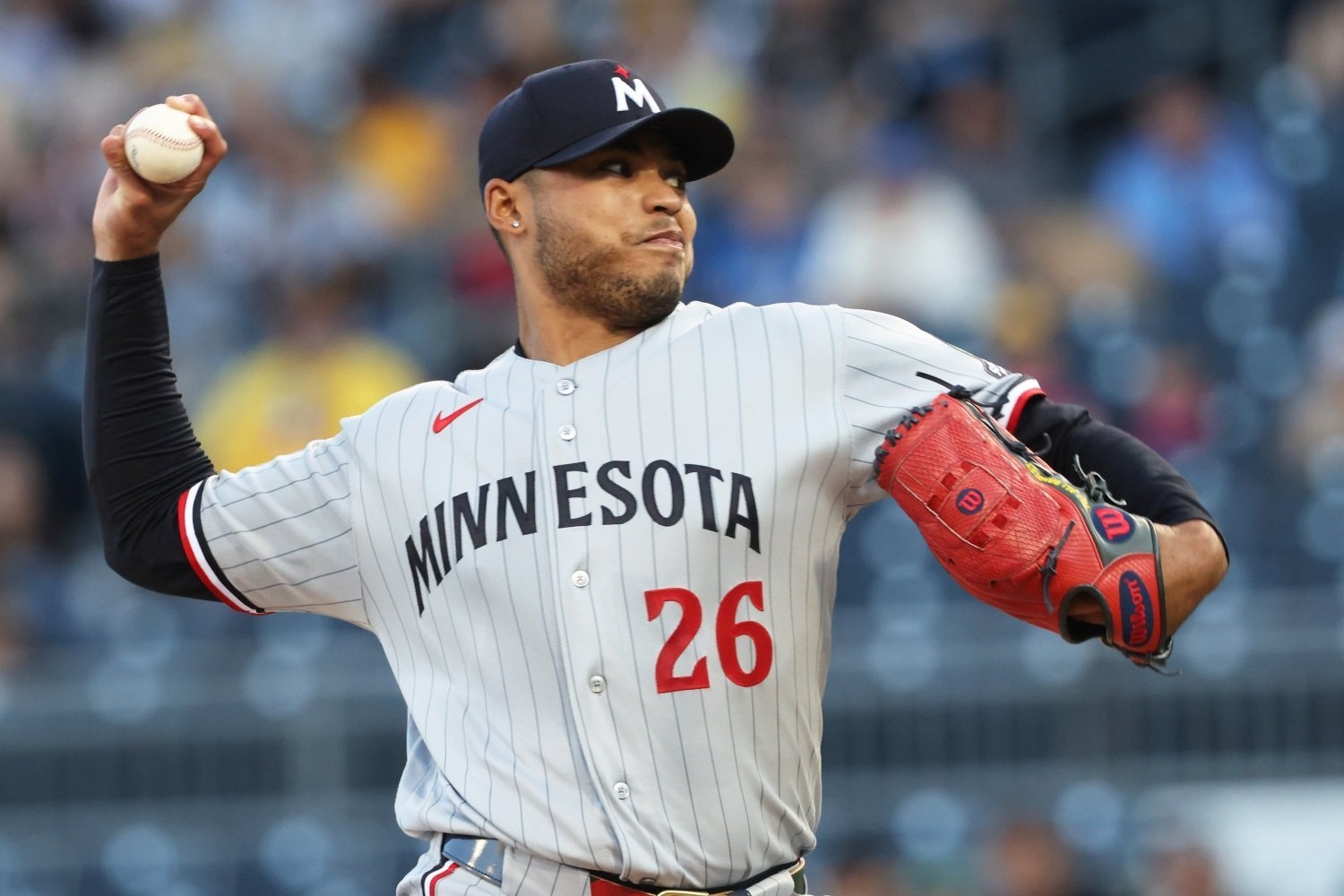 The 2026 season did not end where the Minnesota Twins wanted it to, but the organization still has five players receiving recognition from Major League Baseball as All-MLB Team nominees. Kody Clemens, Brooks Lee, Ryan Jeffers, Byron Buxton, and Taj Bradley are all on the ballot. Fans can vote once per day at MLB.com through Friday, October 9, giving Twins fans an opportunity to make their voices heard and reward several players who made significant contributions during the season. Clemens was one of the year's biggest surprises. He appeared in 145 games and provided a power boost that few could have predicted, launching 27 home runs and driving in 81 runs. His ability to move around the diamond also made him a valuable piece of the roster. Lee supplied plenty of power of his own. The young infielder hit 24 home runs with 83 RBI while batting .253 over 156 games. He spent 110 games at third base, continuing to establish himself as an important part of Minnesota's future. Bradley arguably has the strongest case among the five nominees. Acquired from the Tampa Bay Rays at the 2025 trade deadline, he took another step forward in his first full season with Minnesota. Bradley went 12-6 with a 3.73 ERA and 205 strikeouts across 178 1/3 innings in 31 starts. He also established personal bests in several categories while becoming a dependable piece of the Twins' rotation. Jeffers and Buxton were two of Minnesota's most valuable players when healthy. Jeffers hit .256 with a .353 on-base percentage, 14 home runs and 56 RBI in just 92 games. His season was interrupted by a broken left hamate bone that kept him on the injured list from May 19 until July 10, making his production even more impressive. Buxton hit 25 home runs and posted an .830 OPS in 93 games. Unfortunately, his season ended prematurely because of a right hip impingement, and he has not played since late August. How the Voting Works The All-MLB Team includes a first team and second team, with each featuring a catcher, every infield position, three outfielders, a designated hitter, five starting pitchers and two relief pitchers. Selections are made without regard to league. Fans and a panel consisting of media members, broadcasters, former players and other officials each have an equal say in the final results. The winners will be announced November 11 at the MLB Awards in Las Vegas.
- 6 comments
-
- 1
-
-
- taj bradley
- bryon buxton
- (and 3 more)
-
The 2026 season did not end where the Minnesota Twins wanted it to, but the organization still has five players receiving recognition from Major League Baseball as All-MLB Team nominees. Kody Clemens, Brooks Lee, Ryan Jeffers, Byron Buxton, and Taj Bradley are all on the ballot. Fans can vote once per day at MLB.com through Friday, October 9, giving Twins fans an opportunity to make their voices heard and reward several players who made significant contributions during the season. Clemens was one of the year's biggest surprises. He appeared in 145 games and provided a power boost that few could have predicted, launching 27 home runs and driving in 81 runs. His ability to move around the diamond also made him a valuable piece of the roster. Lee supplied plenty of power of his own. The young infielder hit 24 home runs with 83 RBI while batting .253 over 156 games. He spent 110 games at third base, continuing to establish himself as an important part of Minnesota's future. Bradley arguably has the strongest case among the five nominees. Acquired from the Tampa Bay Rays at the 2025 trade deadline, he took another step forward in his first full season with Minnesota. Bradley went 12-6 with a 3.73 ERA and 205 strikeouts across 178 1/3 innings in 31 starts. He also established personal bests in several categories while becoming a dependable piece of the Twins' rotation. Jeffers and Buxton were two of Minnesota's most valuable players when healthy. Jeffers hit .256 with a .353 on-base percentage, 14 home runs and 56 RBI in just 92 games. His season was interrupted by a broken left hamate bone that kept him on the injured list from May 19 until July 10, making his production even more impressive. Buxton hit 25 home runs and posted an .830 OPS in 93 games. Unfortunately, his season ended prematurely because of a right hip impingement, and he has not played since late August. How the Voting Works The All-MLB Team includes a first team and second team, with each featuring a catcher, every infield position, three outfielders, a designated hitter, five starting pitchers and two relief pitchers. Selections are made without regard to league. Fans and a panel consisting of media members, broadcasters, former players and other officials each have an equal say in the final results. The winners will be announced November 11 at the MLB Awards in Las Vegas. View full rumor
-
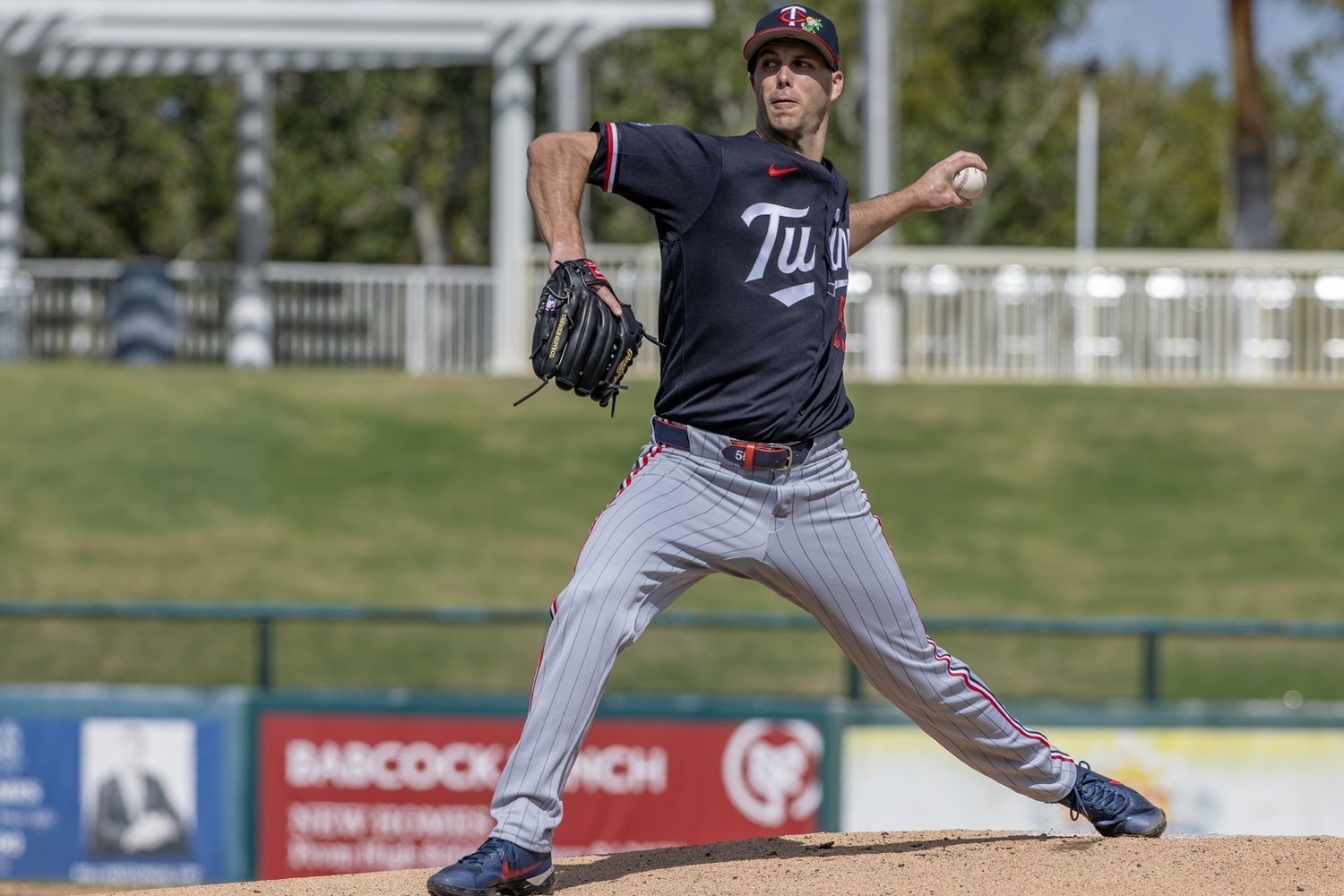 Taylor Rogers has already experienced just about everything a reliever can encounter during an 11-year major league career. He has been an All-Star, changed teams multiple times, and, most recently, returned to Minnesota as a veteran presence in a young bullpen. Apparently, he isn't ready to call it quits. Rogers plans to continue pitching in 2027, which would be his age-36 season. According to the Minnesota Star Tribune's Bobby Nightengale, Rogers would prefer to remain with the Twins if the opportunity is there. His other preferred destination would be Toronto, where he could reunite with his twin brother, Tyler, in the Blue Jays' bullpen. That gives Minnesota something worth considering this offseason. Rogers signed a one-year, $2 million contract with the Twins last winter after spending four seasons bouncing between five different organizations. His return didn't produce the dominant results he had during his first stint in Minnesota, but he remained a useful piece for a club that desperately needed veteran stability in its bullpen. The results were fairly ordinary. Rogers posted a 4.33 ERA across 60 1/3 innings while striking out just 19.6% of opposing hitters and walking 11.2%. Both his strikeout rate and 34.6% ground-ball rate were career lows. There were some encouraging numbers hidden underneath those results, though. Rogers allowed hard contact at an exceptionally low rate. His 28% hard-hit rate was the best mark of his career and ranked in the 98th percentile among MLB pitchers. He also surrendered only five home runs, producing the lowest home-run rate of his career. He was better suited for lower-leverage work rather than the late-inning role he once occupied. That doesn't necessarily make him expendable. Rogers also became one of the veteran voices in Minnesota's bullpen. LaTroy Hawkins specifically praised his mentorship of younger pitchers, and Rogers even helped Hawkins during the former All-Star's first season as a major league coach. There is also a familiarity factor. Rogers knows the organization, has a relationship with manager Derek Shelton and clearly remains comfortable in Minnesota. If the Twins can bring him back for something close to his previous $2 million salary, it could work for both the team and the player. Rogers may not be the dominant closer he once was, but experienced left-handed depth, clubhouse leadership and a low-cost contract could all be useful for a bullpen that needs reinforcements. Sometimes the easiest offseason decision is simply keeping someone who already knows where everything is.
 -
Taylor Rogers has already experienced just about everything a reliever can encounter during an 11-year major league career. He has been an All-Star, changed teams multiple times, and, most recently, returned to Minnesota as a veteran presence in a young bullpen. Apparently, he isn't ready to call it quits. Rogers plans to continue pitching in 2027, which would be his age-36 season. According to the Minnesota Star Tribune's Bobby Nightengale, Rogers would prefer to remain with the Twins if the opportunity is there. His other preferred destination would be Toronto, where he could reunite with his twin brother, Tyler, in the Blue Jays' bullpen. That gives Minnesota something worth considering this offseason. Rogers signed a one-year, $2 million contract with the Twins last winter after spending four seasons bouncing between five different organizations. His return didn't produce the dominant results he had during his first stint in Minnesota, but he remained a useful piece for a club that desperately needed veteran stability in its bullpen. The results were fairly ordinary. Rogers posted a 4.33 ERA across 60 1/3 innings while striking out just 19.6% of opposing hitters and walking 11.2%. Both his strikeout rate and 34.6% ground-ball rate were career lows. There were some encouraging numbers hidden underneath those results, though. Rogers allowed hard contact at an exceptionally low rate. His 28% hard-hit rate was the best mark of his career and ranked in the 98th percentile among MLB pitchers. He also surrendered only five home runs, producing the lowest home-run rate of his career. He was better suited for lower-leverage work rather than the late-inning role he once occupied. That doesn't necessarily make him expendable. Rogers also became one of the veteran voices in Minnesota's bullpen. LaTroy Hawkins specifically praised his mentorship of younger pitchers, and Rogers even helped Hawkins during the former All-Star's first season as a major league coach. There is also a familiarity factor. Rogers knows the organization, has a relationship with manager Derek Shelton and clearly remains comfortable in Minnesota. If the Twins can bring him back for something close to his previous $2 million salary, it could work for both the team and the player. Rogers may not be the dominant closer he once was, but experienced left-handed depth, clubhouse leadership and a low-cost contract could all be useful for a bullpen that needs reinforcements. Sometimes the easiest offseason decision is simply keeping someone who already knows where everything is. View full rumor
-
The 7 Biggest Decisions for the Twins’ Offseason: Does Royce Lewis Fit?
Cody Christie posted an article in Twins
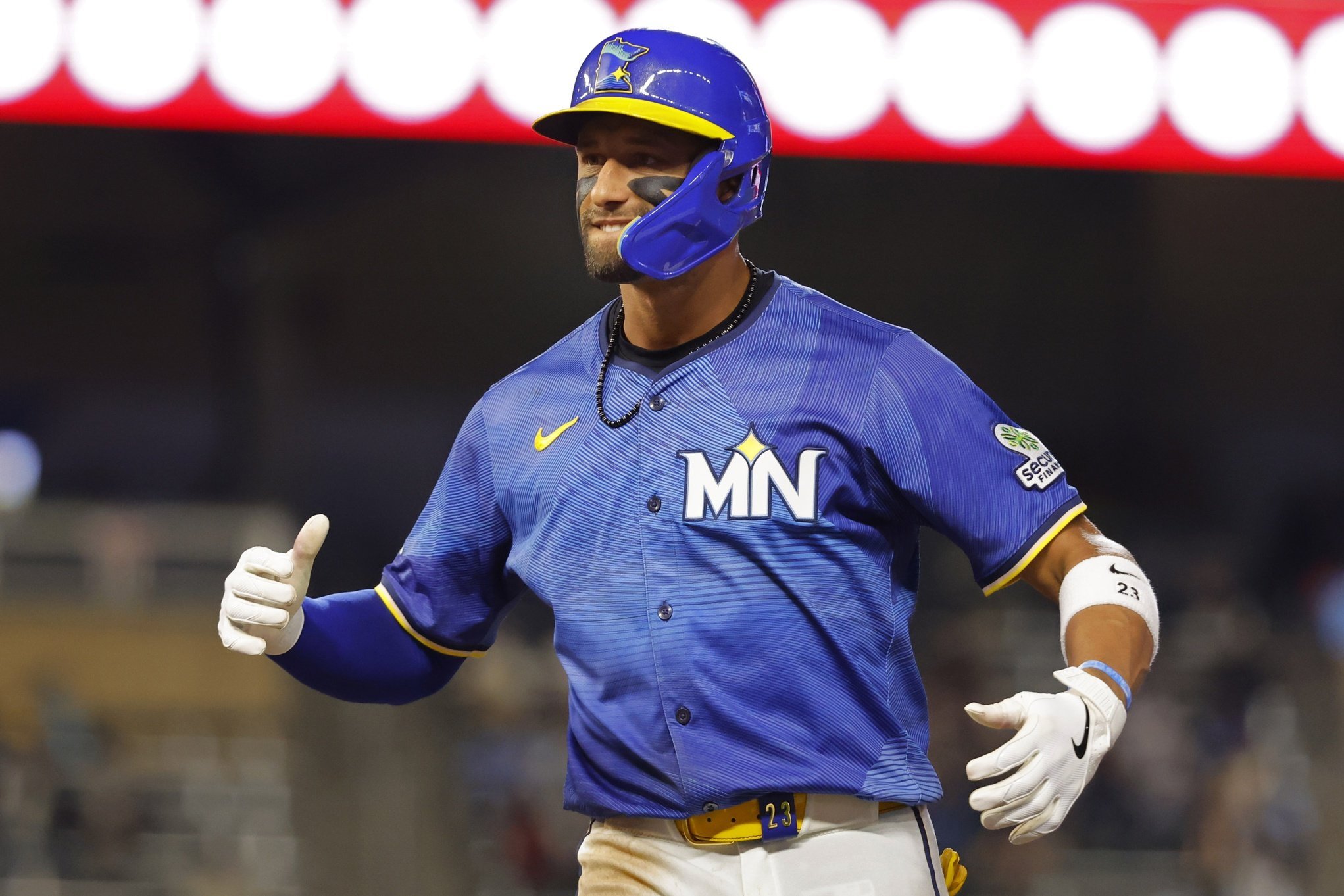 The Minnesota Twins entered the 2026 season hoping Royce Lewis could finally put together the kind of consistent campaign that his talent has always suggested was possible. Instead, the former No. 1 overall pick enters the offseason facing perhaps the biggest question of his career: Does he still fit into the organization's plans? There is plenty of history tying Lewis to the Twins. Minnesota selected him first overall in the 2017 MLB Draft, and the organization has continued to invest opportunities in him despite injuries and inconsistent stretches at the plate. When Derek Shelton took over as manager last October, Lewis was the first player he visited for a one-on-one meeting. Now, the relationship has reached a crossroads. Lewis stayed healthier in 2026, spending only 10 days on the injured list, but his offensive performance remained a significant concern. He finished the season hitting .227/.287/.380 with 15 home runs, 24 doubles and an 86 OPS+. Twins general manager Jeremy Zoll acknowledged the progress in Lewis' availability but made it clear that the next step has to come at the plate. “His performance on the field, obviously, had ups and downs,” Zoll said in the organization’s end-of-season press conference. “For Royce that success just comes down to being more consistent over longer stretches. We’d love to find a way to figure that out and to have him become the impact player that he’s shown at various points along the way.” That leaves Minnesota with another major offseason decision. The Pros of Keeping Lewis The easiest argument for keeping Lewis is that the Twins have already seen what he can become. His 2023 season provided a glimpse of the player Minnesota envisioned when it selected him first overall. Lewis hit .309/.372/.548 with 15 home runs in only 58 games that season. He followed that up with a memorable postseason in which he hit four home runs in six playoff games. Those flashes haven't completely disappeared. The problem has been finding them consistently enough. Lewis also stayed relatively healthy in 2026 compared to previous seasons. He appeared in 125 games, easily surpassing his previous career high of 106 games. That matters for a player whose availability has been one of the biggest concerns throughout his career. There is also some potential defensive value in moving him around the diamond. Lewis has experience at third base, shortstop, second base and first base. Minnesota used him periodically at second base during the season, where he showed some positive defensive metrics in a relatively small sample. If the Twins believe the offensive player they saw in 2023 is still in there, keeping Lewis gives them another opportunity to find that version of him. There is also a financial element. Lewis remains under team control through 2028, although he is entering his third offseason of arbitration eligibility. MLB Trade Rumors estimates he'll make about $5.1 million in arbitration next year. The Twins don't have to make a long-term commitment to find out whether he can rebound. They can simply give him another opportunity. The Cons of Keeping Lewis The biggest problem is that the evidence is becoming increasingly difficult to ignore. Lewis' recent offensive production has been well below what the Twins need from a player who was once viewed as a foundational piece. Since the 2024 All-Star break, he has hit .226/.282/.376 with an 82 wRC+, which places him well below league average over a substantial sample. That creates a difficult roster-building question. If Lewis is going to remain in Minnesota, the Twins could move him into more of a platoon role at second base. That would allow the organization to pursue a better offensive player at first base, where the offensive expectations are considerably higher. That could be an important distinction. First base is one of the easiest positions on the diamond to upgrade offensively through free agency or a trade. If the Twins believe Lewis can provide adequate defense and enough offense at second, they can use their resources to find a legitimate run producer at first. But if Lewis can't hit enough to hold down second base, the entire plan becomes much more complicated. The Twins have already spent several seasons waiting for Lewis' bat to stabilize. At some point, the organization has to determine whether another opportunity is development or simply repetition. What Would the Timeline Look Like? The first major deadline comes in November. Lewis was arbitration eligible for the first time last winter and earned $2.85 million. Minnesota must decide whether to tender him a contract for 2027 by the league's tender deadline, which typically falls on the Friday before Thanksgiving. A non-tender would make Lewis a free agent. A trade could happen before that deadline, although the Twins don't have to rush into a decision. Minnesota can continue evaluating Lewis' market while also exploring other options at second base and first base. But if they do offer arbitration and can't find a trade partner, they're on the hook for roughly a $5M salary in 2027. If the Twins tender Lewis, they could negotiate a one-year arbitration contract or potentially explore a longer-term arrangement. The organization has used both approaches with arbitration-eligible players, although it has generally preferred to settle before arbitration hearings. The timing of a potential trade could be particularly interesting. Minnesota could attempt to move Lewis before the tender deadline, when another team would be acquiring a player with multiple years of control remaining. Or the Twins could keep him through the winter, determine how their roster comes together and make a decision later. The biggest question is what they believe Lewis' trade value looks like compared to his potential value in Minnesota. There isn't an easy answer with Lewis. The Twins have legitimate reasons to keep him. He's still relatively young, has multiple years of team control remaining and has demonstrated the ability to be an impact player at the major-league level. His improved availability in 2026 also removes one of the biggest concerns surrounding his future. But the offensive decline cannot be ignored. Minnesota needs to build a more productive offense, and Lewis has now produced below-average offensive numbers for a significant stretch. If the Twins keep him, they need a clear plan rather than simply hoping another season produces a different result. That could mean moving him to second base, giving him a defined role and using first base as an opportunity to add offense elsewhere. Or it could mean deciding that the best way forward for both sides is a trade and a change of scenery for Lewis. The Twins don't have to give up on Lewis this offseason. But they do have to decide what they believe he can become, where he fits, and how much longer they are willing to wait for that player to emerge. Will the Twins keep Lewis this winter? What could his role look like on the 2027 Twins? Leave a comment and start the discussion.
 -
Image courtesy of Bruce Kluckhohn-Imagn Images The Minnesota Twins entered the 2026 season hoping Royce Lewis could finally put together the kind of consistent campaign that his talent has always suggested was possible. Instead, the former No. 1 overall pick enters the offseason facing perhaps the biggest question of his career: Does he still fit into the organization's plans? There is plenty of history tying Lewis to the Twins. Minnesota selected him first overall in the 2017 MLB Draft, and the organization has continued to invest opportunities in him despite injuries and inconsistent stretches at the plate. When Derek Shelton took over as manager last October, Lewis was the first player he visited for a one-on-one meeting. Now, the relationship has reached a crossroads. Lewis stayed healthier in 2026, spending only 10 days on the injured list, but his offensive performance remained a significant concern. He finished the season hitting .227/.287/.380 with 15 home runs, 24 doubles and an 86 OPS+. Twins general manager Jeremy Zoll acknowledged the progress in Lewis' availability but made it clear that the next step has to come at the plate. “His performance on the field, obviously, had ups and downs,” Zoll said in the organization’s end-of-season press conference. “For Royce that success just comes down to being more consistent over longer stretches. We’d love to find a way to figure that out and to have him become the impact player that he’s shown at various points along the way.” That leaves Minnesota with another major offseason decision. The Pros of Keeping Lewis The easiest argument for keeping Lewis is that the Twins have already seen what he can become. His 2023 season provided a glimpse of the player Minnesota envisioned when it selected him first overall. Lewis hit .309/.372/.548 with 15 home runs in only 58 games that season. He followed that up with a memorable postseason in which he hit four home runs in six playoff games. Those flashes haven't completely disappeared. The problem has been finding them consistently enough. Lewis also stayed relatively healthy in 2026 compared to previous seasons. He appeared in 125 games, easily surpassing his previous career high of 106 games. That matters for a player whose availability has been one of the biggest concerns throughout his career. There is also some potential defensive value in moving him around the diamond. Lewis has experience at third base, shortstop, second base and first base. Minnesota used him periodically at second base during the season, where he showed some positive defensive metrics in a relatively small sample. If the Twins believe the offensive player they saw in 2023 is still in there, keeping Lewis gives them another opportunity to find that version of him. There is also a financial element. Lewis remains under team control through 2028, although he is entering his third offseason of arbitration eligibility. MLB Trade Rumors estimates he'll make about $5.1 million in arbitration next year. The Twins don't have to make a long-term commitment to find out whether he can rebound. They can simply give him another opportunity. The Cons of Keeping Lewis The biggest problem is that the evidence is becoming increasingly difficult to ignore. Lewis' recent offensive production has been well below what the Twins need from a player who was once viewed as a foundational piece. Since the 2024 All-Star break, he has hit .226/.282/.376 with an 82 wRC+, which places him well below league average over a substantial sample. That creates a difficult roster-building question. If Lewis is going to remain in Minnesota, the Twins could move him into more of a platoon role at second base. That would allow the organization to pursue a better offensive player at first base, where the offensive expectations are considerably higher. That could be an important distinction. First base is one of the easiest positions on the diamond to upgrade offensively through free agency or a trade. If the Twins believe Lewis can provide adequate defense and enough offense at second, they can use their resources to find a legitimate run producer at first. But if Lewis can't hit enough to hold down second base, the entire plan becomes much more complicated. The Twins have already spent several seasons waiting for Lewis' bat to stabilize. At some point, the organization has to determine whether another opportunity is development or simply repetition. What Would the Timeline Look Like? The first major deadline comes in November. Lewis was arbitration eligible for the first time last winter and earned $2.85 million. Minnesota must decide whether to tender him a contract for 2027 by the league's tender deadline, which typically falls on the Friday before Thanksgiving. A non-tender would make Lewis a free agent. A trade could happen before that deadline, although the Twins don't have to rush into a decision. Minnesota can continue evaluating Lewis' market while also exploring other options at second base and first base. But if they do offer arbitration and can't find a trade partner, they're on the hook for roughly a $5M salary in 2027. If the Twins tender Lewis, they could negotiate a one-year arbitration contract or potentially explore a longer-term arrangement. The organization has used both approaches with arbitration-eligible players, although it has generally preferred to settle before arbitration hearings. The timing of a potential trade could be particularly interesting. Minnesota could attempt to move Lewis before the tender deadline, when another team would be acquiring a player with multiple years of control remaining. Or the Twins could keep him through the winter, determine how their roster comes together and make a decision later. The biggest question is what they believe Lewis' trade value looks like compared to his potential value in Minnesota. There isn't an easy answer with Lewis. The Twins have legitimate reasons to keep him. He's still relatively young, has multiple years of team control remaining and has demonstrated the ability to be an impact player at the major-league level. His improved availability in 2026 also removes one of the biggest concerns surrounding his future. But the offensive decline cannot be ignored. Minnesota needs to build a more productive offense, and Lewis has now produced below-average offensive numbers for a significant stretch. If the Twins keep him, they need a clear plan rather than simply hoping another season produces a different result. That could mean moving him to second base, giving him a defined role and using first base as an opportunity to add offense elsewhere. Or it could mean deciding that the best way forward for both sides is a trade and a change of scenery for Lewis. The Twins don't have to give up on Lewis this offseason. But they do have to decide what they believe he can become, where he fits, and how much longer they are willing to wait for that player to emerge. Will the Twins keep Lewis this winter? What could his role look like on the 2027 Twins? Leave a comment and start the discussion. View full article
-
Image courtesy of Rick Osentoski-Imagn Images Kaelen Culpepper's first taste of the big leagues provided plenty for Twins fans to evaluate. The 2023 first-round pick spent most of the season at Triple-A before making his MLB debut, and while his time in Minnesota was limited to 33 games, he showed several tools that could make him an important part of the organization's future. Culpepper's debut was not perfect. There were some obvious holes in his offensive game, particularly against breaking pitches, but there were also signs that his physical tools can translate to the highest level. Here are three things that stood out in a positive way and three areas Culpepper will need to improve. Up 1: Legit Arm Strength Culpepper's arm strength was touted dating back to his college days, but Twins fans got to see that tool on full display this season. He posted an 88.5 mph average arm strength, placing him in the 77th percentile among MLB players. That's an important tool for a player who could potentially move around the infield during his career. If Culpepper eventually has to move to third base, his arm could help make that transition much easier. Shortstop is still the most natural fit for him, but having legitimate arm strength gives the Twins additional flexibility as they determine where he fits best long term. Up 2: Bat Speed Culpepper's bat speed was another tool that immediately stood out during his debut. He averaged 73.7 mph of bat speed, a figure that would have ranked in the top 30% of MLB had he accumulated enough plate appearances to qualify. That's an encouraging sign for a young hitter who was not afraid to attack pitches during his first exposure to big-league pitching. Culpepper's aggressive approach can lead to some swing-and-miss, but the underlying bat speed gives him the ability to do damage when he squares up a pitch. The next step will be turning that raw bat speed into more consistent quality contact. Up 3: Base Running The Twins need more athleticism throughout their roster, and Culpepper represents part of a younger wave of players who can provide it. Even with only 33 games under his belt, Culpepper produced a positive Baserunning Run Value. That came despite having a 60th percentile sprint speed, showing that effective baserunning isn't simply about having elite straight-line speed. Good instincts, aggressiveness and taking advantage of opportunities can create value on the bases. Culpepper showed signs of doing that during his brief stint in the majors. Down 1: Hard-Hit Percentage Culpepper's aggressive swing can produce hard contact, but his Triple-A performance did not carry over completely to the majors. At Triple-A, he posted a 45.5% Hard-Hit rate. That number dropped to 31.1% during his big-league debut. Had he qualified, that figure would have fallen below the league average. There is plenty of reason to believe the number can improve. Culpepper has the bat speed and physical strength to hit the ball hard. The challenge will be making more consistent contact against MLB pitching while maintaining the aggression that makes his swing dangerous. Down 2: Walk Rate Culpepper showed a much better ability to draw walks in the minors than he did during his first taste of the majors. He posted an 11.4% walk rate at Triple-A this season. That number nearly disappeared in Minnesota, where he walked only six times in 128 plate appearances for a 4.7% walk rate. Culpepper is never likely to be a hitter who piles up walks, and the Twins don't need him to become one. However, he needs to find a middle ground between being aggressive and expanding the strike zone. A higher walk rate would give him more opportunities to utilize his speed and athleticism while also helping offset some of the swing-and-miss that comes with his aggressive approach. Down 3: Breaking Down Breaking pitches were one of the biggest trouble spots for Culpepper during his debut. He did not record an extra-base hit against breaking pitches and posted a .223 expected batting average and .274 expected slugging percentage against them. Those numbers point to an area that opposing pitchers are likely to continue attacking until Culpepper proves he can handle it. Adjusting to breaking stuff is one of the biggest challenges young hitters face when they reach the majors. Culpepper's bat speed gives him a foundation to make that adjustment, but recognizing spin and staying disciplined against breaking pitches will be critical to his development. The Bigger Picture There is a lot to like about Culpepper's first taste of the majors, but there is also plenty of work remaining. His arm strength, bat speed and baserunning ability give him several legitimate tools. At the same time, the drop in hard-hit rate, lack of walks and struggles against breaking pitches demonstrate why the Twins should continue giving him opportunities to develop rather than expecting him to arrive as a finished product. The most important part of Culpepper's 2026 season may be that he got his first extended look at what major-league pitching is going to throw at him. Now the Twins will get to see how he responds. Culpepper has the tools to be an important piece of Minnesota's next winning roster. The question is how quickly the offensive adjustments come. The physical tools are evident. His arm strength can play at multiple infield positions, his bat speed gives him offensive upside and his athleticism can add another dimension to the Twins' lineup. The next step is turning those tools into consistent production. What stands out most about Culpepper's debut season? Should the Twins be comfortable with him being the Opening Day shortstop? Leave a comment and start the discussion. View full article
-
Image courtesy of Kiyoshi Mio-Imagn Images Emmanuel Rodriguez finally got his opportunity to show Twins fans what he could do at the highest level. The former top prospect had spent years climbing through the organization's minor-league system, building a reputation as one of the more dangerous power hitters in the organization. His first taste of the big leagues was brief, with only 48 plate appearances, but Rodriguez managed to provide plenty of reasons for excitement. There were hard-hit balls, impressive defensive plays and moments where his raw power was obvious. There were also some familiar concerns. Rodriguez's strikeout rate remained high, and his walk rate dropped considerably from what he had produced in the minors. Like most young hitters, there will be adjustments ahead. Here are three things that stood out in a positive way and three areas Rodriguez will need to improve. Up 1: Hot Start Rodriguez wasted little time showing why he had been considered a top-100 prospect since signing with the Twins. Through his first four games, Rodriguez went 5-for-15 (.333) with a .733 slugging percentage. That production included a home run, a triple and a double, giving fans an early glimpse of the power and extra-base ability that has followed him throughout his professional career. It was only four games, but the start provided an encouraging introduction. Rodriguez looked comfortable enough to attack big-league pitching and immediately make an impact. The challenge will be sustaining that production over a much larger sample. Up 2: Barrel King Rodriguez only accumulated 48 plate appearances during his first taste of the big leagues, so it is important not to draw sweeping conclusions from the numbers. That said, his underlying metrics were extremely encouraging. Rodriguez posted a 20.7% Barrel rate, a .534 expected slugging percentage and a 44.8% Sweet-Spot rate. Had he qualified for the league leaderboards, those numbers would have ranked near the top of baseball. Those numbers will almost certainly regress as Rodriguez sees more major-league pitching. Pitchers will make adjustments, and Rodriguez will have to make adjustments of his own. Still, the underlying skills are difficult to ignore. Rodriguez has the tools to develop into an elite power hitter, and his first exposure to the majors provided plenty of evidence to support that belief. Up 3: New Energy Rodriguez also brought something else to the Twins: energy. That was particularly noticeable when he hit a bases-clearing triple against the Yankees. Rodriguez's excitement was obvious, and it provided one of those moments that can inject life into a team. He showed that same emotion on defense against the Texas Rangers. Rodriguez made a spectacular leaping catch at the left-field wall to rob Danny Jansen of extra bases. After completing the play, Rodriguez was understandably fired up. That kind of enthusiasm can be contagious. The Twins have lacked that type of youthful energy at times in recent seasons. Rodriguez is still learning how to handle the major leagues, but his willingness to show emotion and enjoy the moment gives the roster another personality. Down 1: Cold Finish Rodriguez's strong beginning was followed by a difficult finish. Over his final nine games, he went 3-for-30 (.100) with two extra-base hits. He also posted a 12-to-3 strikeout-to-walk ratio during that stretch. It is not difficult to see the adjustment period taking place. Major-league pitchers were able to exploit some of Rodriguez's weaknesses, and he struggled to make the necessary adjustments before the season ended. The good news is that Rodriguez has an entire offseason to study what happened. Twins fans saw Walker Jenkins go through a similar slump during his first taste of the big leagues. Young players are going to have difficult stretches, and it is better for Rodriguez to experience those challenges now and learn from them before heading into 2027. Down 2: Strikeout Issues Strikeouts have followed Rodriguez throughout his professional career. Part of that comes from the same approach that makes him dangerous. Rodriguez is a patient hitter who is willing to work deep counts, but that patience can also lead to situations where he has two strikes and must protect against a wide variety of pitches. There is also legitimate swing-and-miss in his game. At Triple-A this season, Rodriguez posted a 26.4% strikeout rate. That number climbed to 33.3% during his brief stint in the majors. The Twins don't need Rodriguez to become a low-strikeout hitter, but there needs to be a balance. His power makes the strikeouts more acceptable, but a three-true-outcomes approach comes with risks, especially if the walks and power aren't consistently there. Rodriguez's challenge will be maintaining patience and power while finding ways to put more balls in play. Down 3: Missing the Walks One of Rodriguez's greatest strengths throughout his professional career has been his ability to control the strike zone. At Triple-A in 2026, he posted an impressive 19.1% walk rate. That was down from his 20.6% mark in 2025, but it still demonstrated an elite ability to reach base via the walk. That skill disappeared during his first taste of the majors. Rodriguez walked only three times in 48 plate appearances, producing a 6.3% walk rate. That is a significant drop from what he had established in the minor leagues. MLB pitchers can throw strikes consistently, and Rodriguez will have to be ready to attack those pitches. At the same time, he cannot abandon the strike-zone discipline that made him such an intriguing prospect in the first place. Finding that balance will be one of the most important parts of his development heading into 2027. The Bigger Picture Rodriguez's debut offered a pretty good snapshot of both his upside and the work still ahead. The power is real. His 20.7% Barrel rate, .534 expected slugging percentage and 44.8% Sweet-Spot rate point to a hitter capable of doing significant damage when he squares up the baseball. His energy also stood out, giving the Twins another young player who isn't afraid to show some emotion. But the strikeouts and lack of walks cannot be ignored. His 33.3% strikeout rate and 6.3% walk rate were significant departures from his Triple-A numbers. That makes 2027 an important season for Rodriguez. The Twins don't need him to eliminate the swing-and-miss or become the same hitter he was in the minors. They need to see him make adjustments while preserving the power and plate discipline that made him such an intriguing prospect. After 48 plate appearances, there is still plenty left to learn about Rodriguez. But there is also plenty of reason to believe the Twins have an impact bat on their hands. What else stood out about Rodriguez in his first taste of the big leagues? Leave a comment and start the discussion. View full article
-
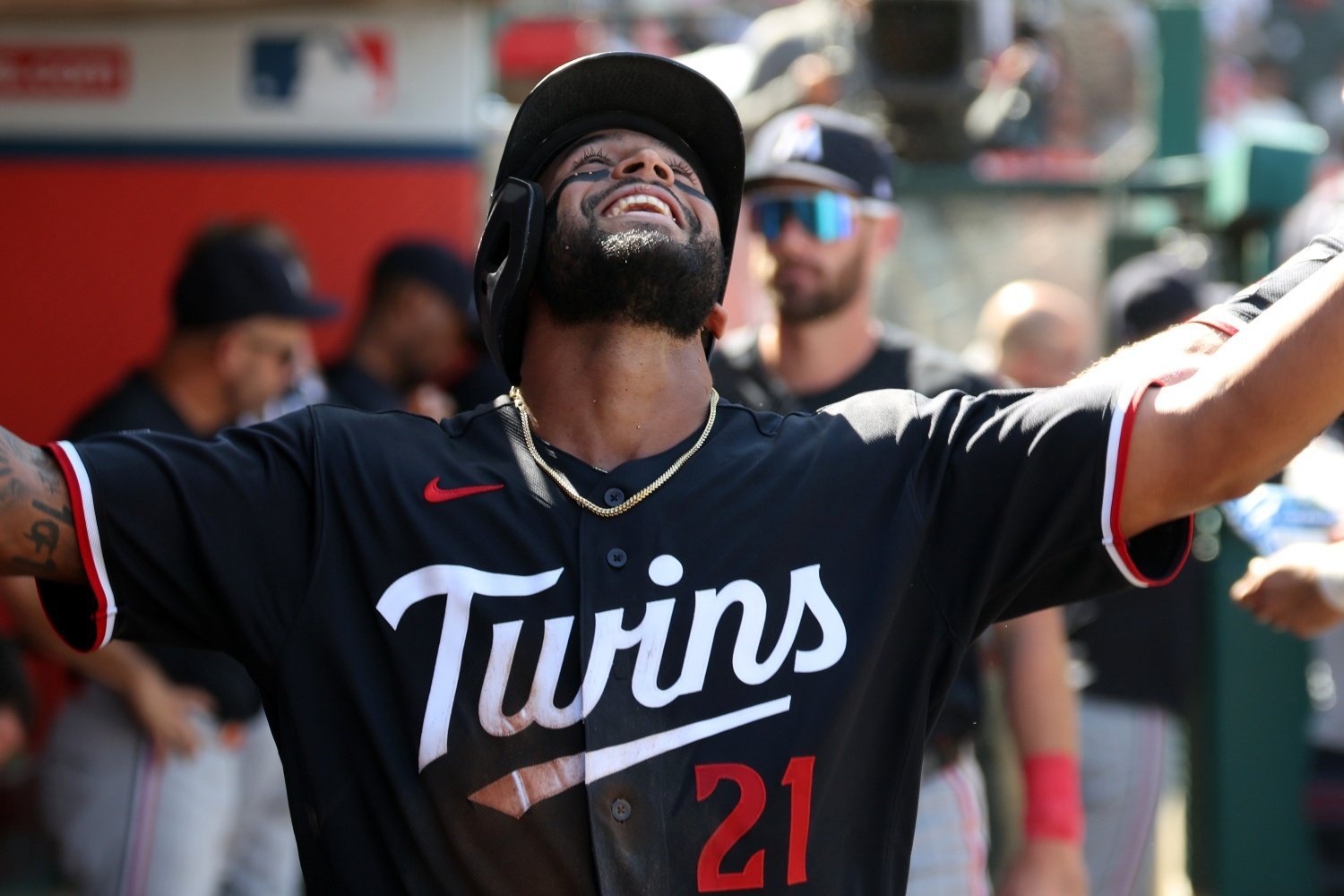 Emmanuel Rodriguez finally got his opportunity to show Twins fans what he could do at the highest level. The former top prospect had spent years climbing through the organization's minor-league system, building a reputation as one of the more dangerous power hitters in the organization. His first taste of the big leagues was brief, with only 48 plate appearances, but Rodriguez managed to provide plenty of reasons for excitement. There were hard-hit balls, impressive defensive plays and moments where his raw power was obvious. There were also some familiar concerns. Rodriguez's strikeout rate remained high, and his walk rate dropped considerably from what he had produced in the minors. Like most young hitters, there will be adjustments ahead. Here are three things that stood out in a positive way and three areas Rodriguez will need to improve. Up 1: Hot Start Rodriguez wasted little time showing why he had been considered a top-100 prospect since signing with the Twins. Through his first four games, Rodriguez went 5-for-15 (.333) with a .733 slugging percentage. That production included a home run, a triple and a double, giving fans an early glimpse of the power and extra-base ability that has followed him throughout his professional career. It was only four games, but the start provided an encouraging introduction. Rodriguez looked comfortable enough to attack big-league pitching and immediately make an impact. The challenge will be sustaining that production over a much larger sample. Up 2: Barrel King Rodriguez only accumulated 48 plate appearances during his first taste of the big leagues, so it is important not to draw sweeping conclusions from the numbers. That said, his underlying metrics were extremely encouraging. Rodriguez posted a 20.7% Barrel rate, a .534 expected slugging percentage and a 44.8% Sweet-Spot rate. Had he qualified for the league leaderboards, those numbers would have ranked near the top of baseball. Those numbers will almost certainly regress as Rodriguez sees more major-league pitching. Pitchers will make adjustments, and Rodriguez will have to make adjustments of his own. Still, the underlying skills are difficult to ignore. Rodriguez has the tools to develop into an elite power hitter, and his first exposure to the majors provided plenty of evidence to support that belief. Up 3: New Energy Rodriguez also brought something else to the Twins: energy. That was particularly noticeable when he hit a bases-clearing triple against the Yankees. Rodriguez's excitement was obvious, and it provided one of those moments that can inject life into a team. He showed that same emotion on defense against the Texas Rangers. Rodriguez made a spectacular leaping catch at the left-field wall to rob Danny Jansen of extra bases. After completing the play, Rodriguez was understandably fired up. That kind of enthusiasm can be contagious. The Twins have lacked that type of youthful energy at times in recent seasons. Rodriguez is still learning how to handle the major leagues, but his willingness to show emotion and enjoy the moment gives the roster another personality. Down 1: Cold Finish Rodriguez's strong beginning was followed by a difficult finish. Over his final nine games, he went 3-for-30 (.100) with two extra-base hits. He also posted a 12-to-3 strikeout-to-walk ratio during that stretch. It is not difficult to see the adjustment period taking place. Major-league pitchers were able to exploit some of Rodriguez's weaknesses, and he struggled to make the necessary adjustments before the season ended. The good news is that Rodriguez has an entire offseason to study what happened. Twins fans saw Walker Jenkins go through a similar slump during his first taste of the big leagues. Young players are going to have difficult stretches, and it is better for Rodriguez to experience those challenges now and learn from them before heading into 2027. Down 2: Strikeout Issues Strikeouts have followed Rodriguez throughout his professional career. Part of that comes from the same approach that makes him dangerous. Rodriguez is a patient hitter who is willing to work deep counts, but that patience can also lead to situations where he has two strikes and must protect against a wide variety of pitches. There is also legitimate swing-and-miss in his game. At Triple-A this season, Rodriguez posted a 26.4% strikeout rate. That number climbed to 33.3% during his brief stint in the majors. The Twins don't need Rodriguez to become a low-strikeout hitter, but there needs to be a balance. His power makes the strikeouts more acceptable, but a three-true-outcomes approach comes with risks, especially if the walks and power aren't consistently there. Rodriguez's challenge will be maintaining patience and power while finding ways to put more balls in play. Down 3: Missing the Walks One of Rodriguez's greatest strengths throughout his professional career has been his ability to control the strike zone. At Triple-A in 2026, he posted an impressive 19.1% walk rate. That was down from his 20.6% mark in 2025, but it still demonstrated an elite ability to reach base via the walk. That skill disappeared during his first taste of the majors. Rodriguez walked only three times in 48 plate appearances, producing a 6.3% walk rate. That is a significant drop from what he had established in the minor leagues. MLB pitchers can throw strikes consistently, and Rodriguez will have to be ready to attack those pitches. At the same time, he cannot abandon the strike-zone discipline that made him such an intriguing prospect in the first place. Finding that balance will be one of the most important parts of his development heading into 2027. The Bigger Picture Rodriguez's debut offered a pretty good snapshot of both his upside and the work still ahead. The power is real. His 20.7% Barrel rate, .534 expected slugging percentage and 44.8% Sweet-Spot rate point to a hitter capable of doing significant damage when he squares up the baseball. His energy also stood out, giving the Twins another young player who isn't afraid to show some emotion. But the strikeouts and lack of walks cannot be ignored. His 33.3% strikeout rate and 6.3% walk rate were significant departures from his Triple-A numbers. That makes 2027 an important season for Rodriguez. The Twins don't need him to eliminate the swing-and-miss or become the same hitter he was in the minors. They need to see him make adjustments while preserving the power and plate discipline that made him such an intriguing prospect. After 48 plate appearances, there is still plenty left to learn about Rodriguez. But there is also plenty of reason to believe the Twins have an impact bat on their hands. What else stood out about Rodriguez in his first taste of the big leagues? Leave a comment and start the discussion.
 -
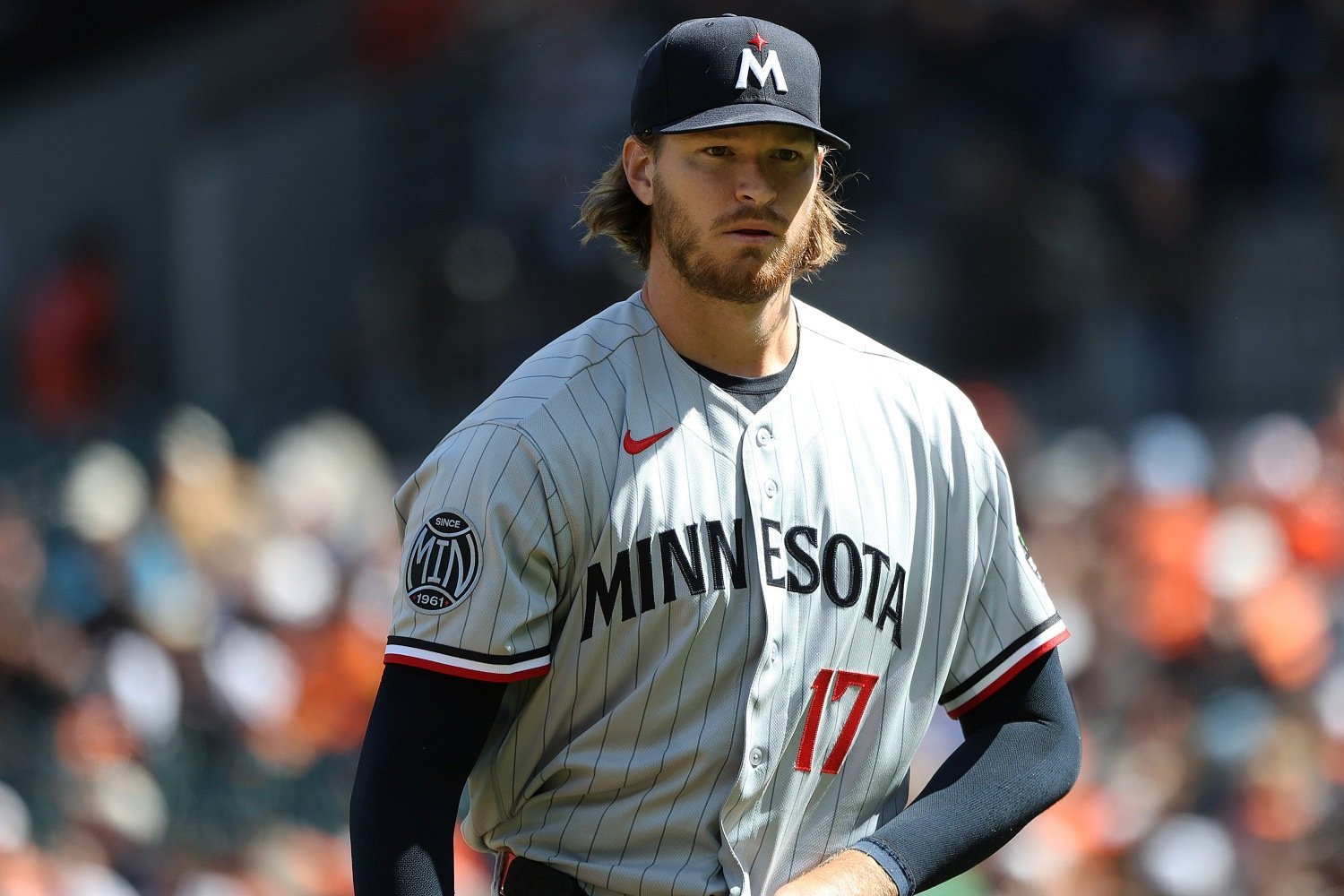 The Minnesota Twins have a lot of questions to answer this offseason. The starting rotation is one of them. There is plenty of uncertainty surrounding the group heading into 2027. Pablo López is working his way back from elbow surgery. Joe Ryan could be a trade candidate. Younger pitchers like Connor Prielipp and Zebby Matthews are trying to establish themselves as long-term rotation pieces. Then there is Bailey Ober. Ober entered the 2026 season looking to rebound from the worst season of his career. He struggled through velocity concerns and inconsistency in 2025, posting a 5.10 ERA across 146 1/3 innings. His 2026 campaign was better, but it still didn't resemble the version of Ober who looked like a dependable mid-rotation starter in previous seasons. Ober finished 2026 with a 4.47 ERA over 25 games and 131 innings. He struck out 96 hitters while posting a 1.30 WHIP. Now the Twins have to determine whether to tender Ober a contract for 2027. Technically, this is a non-tender decision rather than simply "offering arbitration." Ober remains under team control and is entering his third and final year of arbitration eligibility. He made $5.2 million in 2026 and would become a free agent after the 2027 season. That makes this a fascinating decision for Jeremy Zoll and the Twins. The Pros of Tendering Bailey Ober The biggest reason to keep Ober is simple: He has already demonstrated that he can be a quality major-league starter even with his diminished velocity. The 2026 season wasn't great, but it was an improvement over 2025. More importantly, Ober's track record includes a 2024 season in which he made 31 starts, threw 178 2/3 innings and struck out 191 hitters. He posted a 3.98 ERA and a 1.00 WHIP that season. Ober also finished 2026 healthy enough to make 25 appearances, despite missing time earlier in the year with right elbow inflammation. The Twins shut him down in May, but an MRI showed that the UCL graft from his previous Tommy John surgery remained intact. There is also the matter of the current rotation depth. Even with López expected back and several young arms in the major league mix, the Twins can't assume every pitcher will remain healthy or take the expected developmental step. Ober gives Minnesota another experienced option. His 2027 salary is likely to be higher than the $5.2 million he made this season, but the organization should have a pretty good idea of the range before making its decision. MLB Trade Rumors estimates he will receive around $6.9M. That's far from exact - last year they estimated he would make $4.6M and he ended up making $5.2M - but it's in the ballpark. That makes the potential cost increase worth considering, especially for a pitcher who has already provided nearly 750 major-league innings in his career. The Cons of Tendering Bailey Ober There is a legitimate argument for moving on. Ober has now experienced two consecutive seasons that fell well short of his early career performance. His 5.10 ERA in 2025 was a career high, and his 4.47 ERA in 2026 still left him well above the level he established from 2022 through 2024. The underlying concern goes beyond his ERA. Ober's strikeout rate dropped considerably as his velocity declined. His fastball averaged 91.7 mph in 2024 and had greater deception due to his elite arm extension (97th percentile). His fastball only averaged 88.0 mph this year, and that isn’t sustainable for a big-league pitcher. He went from 26.9 K% in 2024 to 19.2 K% in 2025, and only 17.1 K% in 2026. His strikeout rate fell to 6.60 per nine innings this year, compared with 9.62 in 2024. That is a significant change. Then there is the way the Twins used him late in the season. After returning from the injured list, Ober made 11 starts, but six came with at least six days of rest. He also made the first relief appearance of his career and was placed on relatively short leashes during his final stretch of starts. This unusual usage could indicate that his future with Minnesota is uncertain. The financial side matters, too. Ober is entering his final arbitration year, meaning Minnesota would be paying a raise for a pitcher who could leave as a free agent after 2027. The Twins could decide that the money is better spent elsewhere, particularly if they believe their younger pitchers can fill Ober's innings. That doesn't mean Ober has no value. It means the Twins have to determine how much that value is worth in a season where every dollar may matter. What Would the Timeline Look Like? The Twins don't have to make this decision immediately. Ober's contract decision will come during the early portion of the offseason, when Minnesota has a chance to evaluate its entire pitching situation. The club can look at the health of López, the potential for a Ryan trade, the development of its younger starters and the rest of the free-agent pitching market before making its final determination. The key deadline is the non-tender date. Under the current collective bargaining agreement, clubs must tender contracts to arbitration-eligible players by the last Friday before Thanksgiving, which is November 20th. A player who isn't tendered becomes a free agent. This offseason comes with an additional wrinkle. The current collective bargaining agreement expires on December 1, 2026, which could affect the offseason calendar. That makes the period leading up to the tender deadline even more important. The Twins could also explore a trade before deciding to non-tender Ober. An arbitration-eligible starting pitcher with a history of major-league success could have more value on the trade market than he would simply being released. Minnesota could find a club willing to take on Ober's arbitration salary while getting something back. That would give the Twins another option besides keeping him or cutting him loose. Ober's situation isn't nearly as straightforward as it appeared a couple seasons ago. At one point, Ober looked like one of the safest starters in the Twins' rotation. His 2022-24 seasons provided plenty of evidence that he could handle a substantial workload while missing bats and limiting baserunners. The last two seasons have changed the conversation. Ober struggled badly in 2025, improved in 2026 and still finished the year with questions surrounding his role. The elbow inflammation adds another consideration, though the Twins received encouraging news when his UCL graft was found intact. Now Minnesota has to put a price tag on the next chapter. Tender Ober, and the Twins get another opportunity to see whether he can rediscover the pitcher he was as recently as 2024. Non-tender him, and the organization creates another opening in a rotation that already has plenty of uncertainty. There is also a third path: tender Ober and explore the trade market. That might be particularly interesting if another organization believes it can get more out of him than Minnesota did during the past two seasons. The Twins don't need to decide whether Ober is the pitcher he was in 2024 or the pitcher he has been over the last two seasons. They need to decide whether they believe the pitcher capable of producing those 2024 results is still worth paying for one more season. That will be one of the more interesting calls of the Twins' offseason. Should the Twins non-tender Ober? Can he help the rotation in 2027? Leave a comment and start the discussion.
 -
Image courtesy of © Daniel Kucin Jr.-Imagn Images The Minnesota Twins have a lot of questions to answer this offseason. The starting rotation is one of them. There is plenty of uncertainty surrounding the group heading into 2027. Pablo López is working his way back from elbow surgery. Joe Ryan could be a trade candidate. Younger pitchers like Connor Prielipp and Zebby Matthews are trying to establish themselves as long-term rotation pieces. Then there is Bailey Ober. Ober entered the 2026 season looking to rebound from the worst season of his career. He struggled through velocity concerns and inconsistency in 2025, posting a 5.10 ERA across 146 1/3 innings. His 2026 campaign was better, but it still didn't resemble the version of Ober who looked like a dependable mid-rotation starter in previous seasons. Ober finished 2026 with a 4.47 ERA over 25 games and 131 innings. He struck out 96 hitters while posting a 1.30 WHIP. Now the Twins have to determine whether to tender Ober a contract for 2027. Technically, this is a non-tender decision rather than simply "offering arbitration." Ober remains under team control and is entering his third and final year of arbitration eligibility. He made $5.2 million in 2026 and would become a free agent after the 2027 season. That makes this a fascinating decision for Jeremy Zoll and the Twins. The Pros of Tendering Bailey Ober The biggest reason to keep Ober is simple: He has already demonstrated that he can be a quality major-league starter even with his diminished velocity. The 2026 season wasn't great, but it was an improvement over 2025. More importantly, Ober's track record includes a 2024 season in which he made 31 starts, threw 178 2/3 innings and struck out 191 hitters. He posted a 3.98 ERA and a 1.00 WHIP that season. Ober also finished 2026 healthy enough to make 25 appearances, despite missing time earlier in the year with right elbow inflammation. The Twins shut him down in May, but an MRI showed that the UCL graft from his previous Tommy John surgery remained intact. There is also the matter of the current rotation depth. Even with López expected back and several young arms in the major league mix, the Twins can't assume every pitcher will remain healthy or take the expected developmental step. Ober gives Minnesota another experienced option. His 2027 salary is likely to be higher than the $5.2 million he made this season, but the organization should have a pretty good idea of the range before making its decision. MLB Trade Rumors estimates he will receive around $6.9M. That's far from exact - last year they estimated he would make $4.6M and he ended up making $5.2M - but it's in the ballpark. That makes the potential cost increase worth considering, especially for a pitcher who has already provided nearly 750 major-league innings in his career. The Cons of Tendering Bailey Ober There is a legitimate argument for moving on. Ober has now experienced two consecutive seasons that fell well short of his early career performance. His 5.10 ERA in 2025 was a career high, and his 4.47 ERA in 2026 still left him well above the level he established from 2022 through 2024. The underlying concern goes beyond his ERA. Ober's strikeout rate dropped considerably as his velocity declined. His fastball averaged 91.7 mph in 2024 and had greater deception due to his elite arm extension (97th percentile). His fastball only averaged 88.0 mph this year, and that isn’t sustainable for a big-league pitcher. He went from 26.9 K% in 2024 to 19.2 K% in 2025, and only 17.1 K% in 2026. His strikeout rate fell to 6.60 per nine innings this year, compared with 9.62 in 2024. That is a significant change. Then there is the way the Twins used him late in the season. After returning from the injured list, Ober made 11 starts, but six came with at least six days of rest. He also made the first relief appearance of his career and was placed on relatively short leashes during his final stretch of starts. This unusual usage could indicate that his future with Minnesota is uncertain. The financial side matters, too. Ober is entering his final arbitration year, meaning Minnesota would be paying a raise for a pitcher who could leave as a free agent after 2027. The Twins could decide that the money is better spent elsewhere, particularly if they believe their younger pitchers can fill Ober's innings. That doesn't mean Ober has no value. It means the Twins have to determine how much that value is worth in a season where every dollar may matter. What Would the Timeline Look Like? The Twins don't have to make this decision immediately. Ober's contract decision will come during the early portion of the offseason, when Minnesota has a chance to evaluate its entire pitching situation. The club can look at the health of López, the potential for a Ryan trade, the development of its younger starters and the rest of the free-agent pitching market before making its final determination. The key deadline is the non-tender date. Under the current collective bargaining agreement, clubs must tender contracts to arbitration-eligible players by the last Friday before Thanksgiving, which is November 20th. A player who isn't tendered becomes a free agent. This offseason comes with an additional wrinkle. The current collective bargaining agreement expires on December 1, 2026, which could affect the offseason calendar. That makes the period leading up to the tender deadline even more important. The Twins could also explore a trade before deciding to non-tender Ober. An arbitration-eligible starting pitcher with a history of major-league success could have more value on the trade market than he would simply being released. Minnesota could find a club willing to take on Ober's arbitration salary while getting something back. That would give the Twins another option besides keeping him or cutting him loose. Ober's situation isn't nearly as straightforward as it appeared a couple seasons ago. At one point, Ober looked like one of the safest starters in the Twins' rotation. His 2022-24 seasons provided plenty of evidence that he could handle a substantial workload while missing bats and limiting baserunners. The last two seasons have changed the conversation. Ober struggled badly in 2025, improved in 2026 and still finished the year with questions surrounding his role. The elbow inflammation adds another consideration, though the Twins received encouraging news when his UCL graft was found intact. Now Minnesota has to put a price tag on the next chapter. Tender Ober, and the Twins get another opportunity to see whether he can rediscover the pitcher he was as recently as 2024. Non-tender him, and the organization creates another opening in a rotation that already has plenty of uncertainty. There is also a third path: tender Ober and explore the trade market. That might be particularly interesting if another organization believes it can get more out of him than Minnesota did during the past two seasons. The Twins don't need to decide whether Ober is the pitcher he was in 2024 or the pitcher he has been over the last two seasons. They need to decide whether they believe the pitcher capable of producing those 2024 results is still worth paying for one more season. That will be one of the more interesting calls of the Twins' offseason. Should the Twins non-tender Ober? Can he help the rotation in 2027? Leave a comment and start the discussion. View full article
-
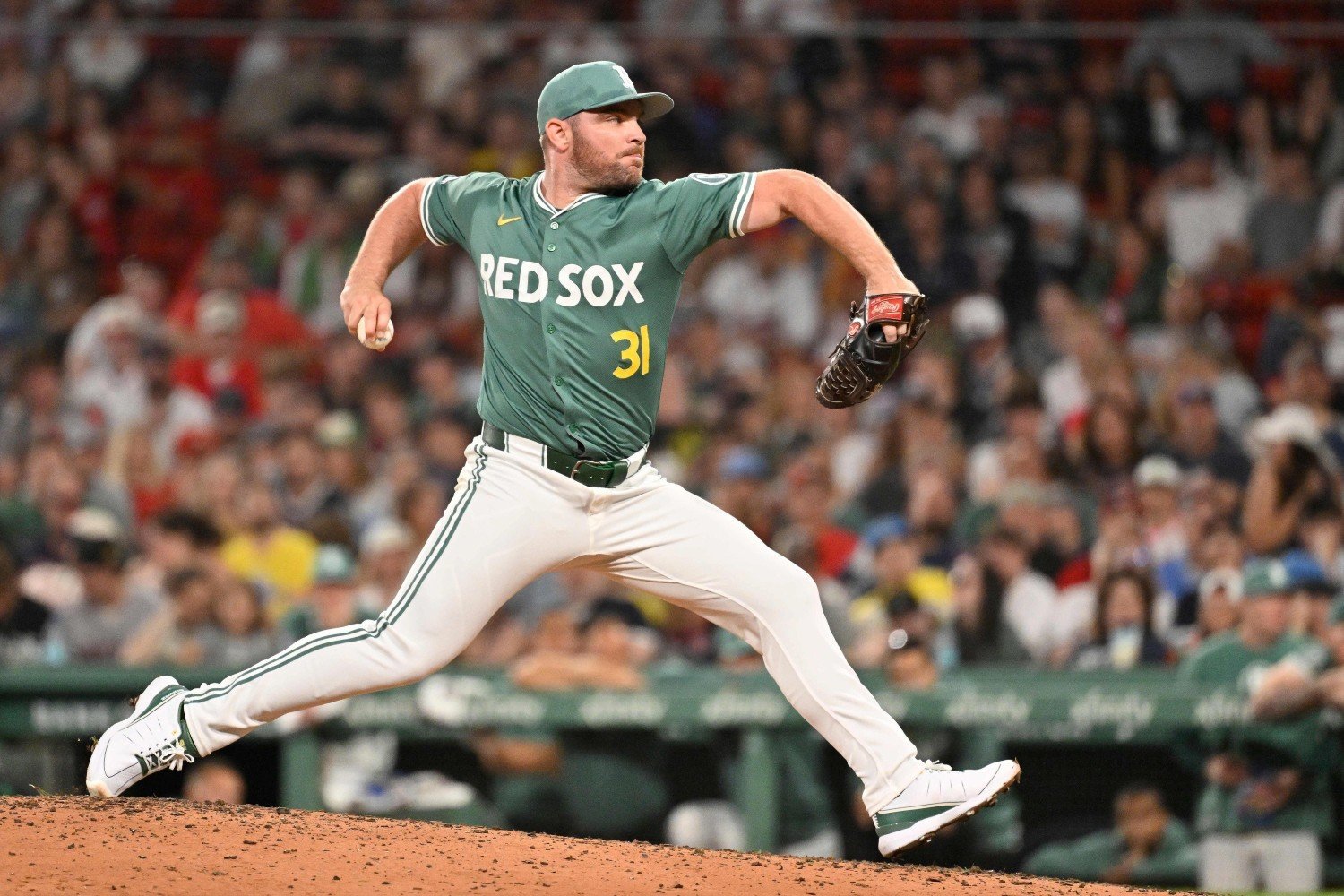 Liam Hendriks announced his retirement this week after a 14-year Major League career that included three All-Star selections, back-to-back AL Reliever of the Year awards, and a remarkable comeback from cancer. For the Minnesota Twins, however, Hendriks’ retirement also offers a reminder of what might have been. The Twins signed Hendriks as an international free agent in 2007, and the Australian right-hander eventually reached the majors with Minnesota in 2011. Unfortunately, the version of Hendriks the Twins saw was not the one who would eventually become one of baseball’s best relievers. From 2011 through 2014, Hendriks bounced between the Twins, Royals, and Blue Jays while making 39 appearances, including 34 starts. Across 188 2/3 innings, he posted a 5.92 ERA. Minnesota eventually moved on, and Hendriks continued searching for a role that would unlock his considerable talent. That answer came in Toronto. In 2015, the Blue Jays moved Hendriks into the bullpen full-time. The results were immediate. He posted a 2.92 ERA with a 27.2% strikeout rate and a 4.2% walk rate across 64 2/3 innings. Suddenly, the pitcher who had struggled to establish himself as a starter looked like a legitimate weapon coming out of the bullpen. The Blue Jays traded him to Oakland that offseason, and Hendriks eventually developed into one of the premier closers in the sport. From 2019-20, he posted a 1.79 ERA with a 38% strikeout rate and a 5.7% walk rate over 110 1/3 innings. That success earned Hendriks a three-year, $54 million contract with the White Sox before the 2021 season. He rewarded Chicago by becoming an elite closer and earning consecutive All-Star selections. He would make three All-Star teams overall and win AL Reliever of the Year honors in both 2020 and 2021. Of course, Hendriks' career became about much more than baseball. He battled non-Hodgkin's lymphoma in 2023, returned to the mound later that season, and won AL Comeback Player of the Year. Tommy John surgery and additional elbow problems eventually limited his ability to continue his career. Hendriks finishes with a 3.88 career ERA, a 26.7% strikeout rate and 6.0% walk rate over 663 2/3 innings. As a reliever, he posted a 3.16 ERA. For the Twins, there is an obvious what-if attached to Hendriks' career. Minnesota had the pitcher first. What it never found was the role that allowed him to thrive. Hendriks needed a move to the bullpen to become the pitcher he was always capable of being. The Twins never gave him that opportunity before moving on, leaving them to watch from afar as their former international signing developed into an All-Star closer. His career ultimately became a remarkable story of perseverance, reinvention and resilience. For Minnesota, it also remains a reminder that sometimes the biggest challenge isn't finding talent. It's figuring out where that talent belongs.
 -
Liam Hendriks announced his retirement this week after a 14-year Major League career that included three All-Star selections, back-to-back AL Reliever of the Year awards, and a remarkable comeback from cancer. For the Minnesota Twins, however, Hendriks’ retirement also offers a reminder of what might have been. The Twins signed Hendriks as an international free agent in 2007, and the Australian right-hander eventually reached the majors with Minnesota in 2011. Unfortunately, the version of Hendriks the Twins saw was not the one who would eventually become one of baseball’s best relievers. From 2011 through 2014, Hendriks bounced between the Twins, Royals, and Blue Jays while making 39 appearances, including 34 starts. Across 188 2/3 innings, he posted a 5.92 ERA. Minnesota eventually moved on, and Hendriks continued searching for a role that would unlock his considerable talent. That answer came in Toronto. In 2015, the Blue Jays moved Hendriks into the bullpen full-time. The results were immediate. He posted a 2.92 ERA with a 27.2% strikeout rate and a 4.2% walk rate across 64 2/3 innings. Suddenly, the pitcher who had struggled to establish himself as a starter looked like a legitimate weapon coming out of the bullpen. The Blue Jays traded him to Oakland that offseason, and Hendriks eventually developed into one of the premier closers in the sport. From 2019-20, he posted a 1.79 ERA with a 38% strikeout rate and a 5.7% walk rate over 110 1/3 innings. That success earned Hendriks a three-year, $54 million contract with the White Sox before the 2021 season. He rewarded Chicago by becoming an elite closer and earning consecutive All-Star selections. He would make three All-Star teams overall and win AL Reliever of the Year honors in both 2020 and 2021. Of course, Hendriks' career became about much more than baseball. He battled non-Hodgkin's lymphoma in 2023, returned to the mound later that season, and won AL Comeback Player of the Year. Tommy John surgery and additional elbow problems eventually limited his ability to continue his career. Hendriks finishes with a 3.88 career ERA, a 26.7% strikeout rate and 6.0% walk rate over 663 2/3 innings. As a reliever, he posted a 3.16 ERA. For the Twins, there is an obvious what-if attached to Hendriks' career. Minnesota had the pitcher first. What it never found was the role that allowed him to thrive. Hendriks needed a move to the bullpen to become the pitcher he was always capable of being. The Twins never gave him that opportunity before moving on, leaving them to watch from afar as their former international signing developed into an All-Star closer. His career ultimately became a remarkable story of perseverance, reinvention and resilience. For Minnesota, it also remains a reminder that sometimes the biggest challenge isn't finding talent. It's figuring out where that talent belongs. View full rumor
-
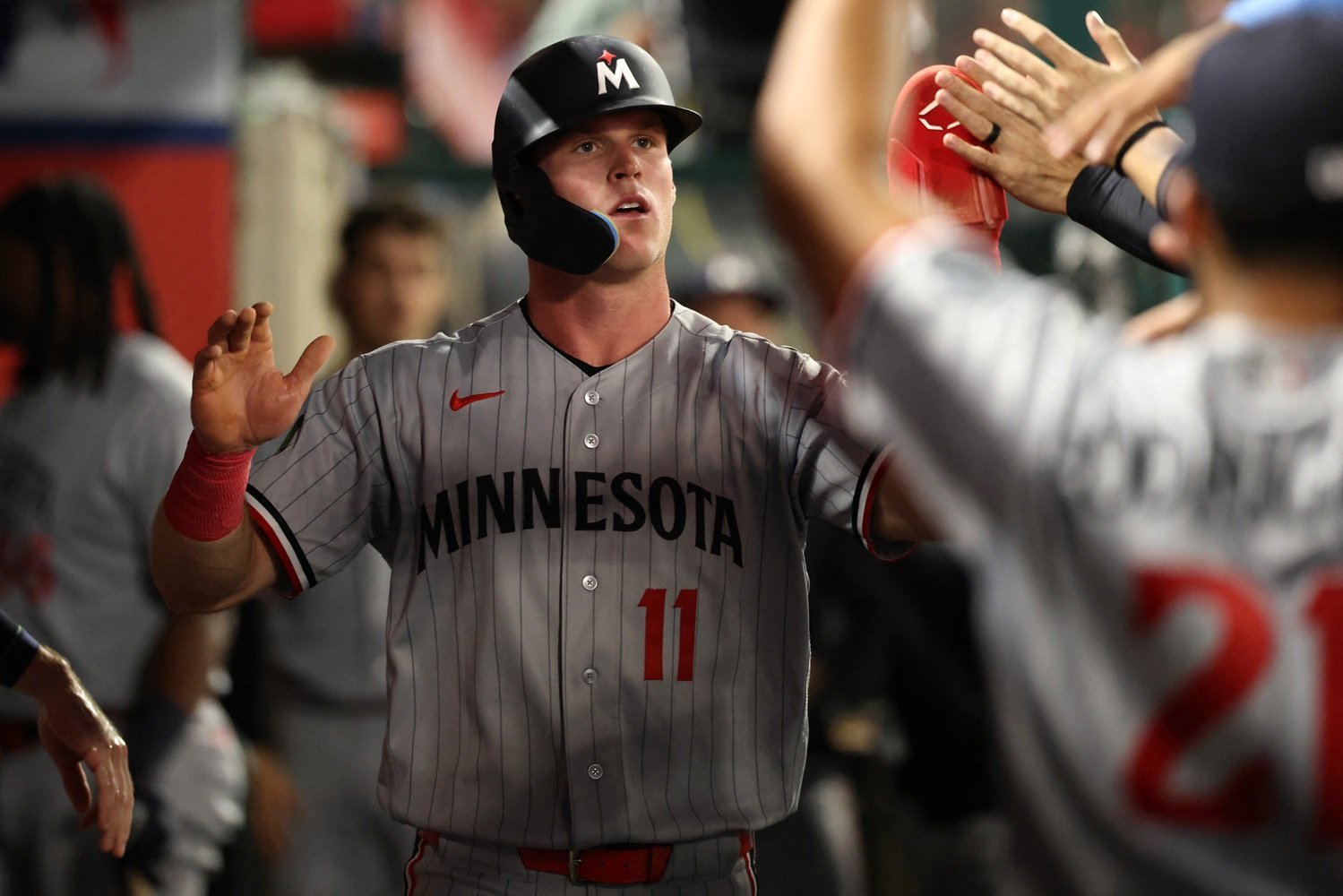 Major League Baseball has increasingly become a league where teams are willing to bet on young players before the players have had much opportunity to cash in on their potential. That trend has accelerated in recent years. Teams have handed out long-term contracts to players with very little service time, and some have even made commitments before a player reaches the majors. In 2026 alone, Colt Emerson, Cooper Pratt and Luis Lara signed extensions before making their MLB debuts, while several other highly regarded young players received significant guarantees almost immediately after reaching the majors. The strategy is relatively simple. A team gives a young player financial security early, while potentially buying out arbitration seasons and some free-agent years at a lower cost than the player might command after establishing himself as a star. The Minnesota Twins have watched that trend from the outside. This winter, they could finally decide to participate. General manager Jeremy Zoll said the organization plans to explore contract extensions with some of its young players during the offseason. Zoll also explained why he prefers to have those discussions away from the regular season. “As it pertains to extension conversations, that’s definitely something we’re going to explore this offseason and going forward,” said Zoll. “I know there have been in-season extensions around the league. Personally, I don’t think it serves anyone particularly well to potentially create a distraction for players during the season on those fronts. So those will be things we’ll engage in this offseason and we’ll see how that all shakes out.” That leaves a fascinating question for the Twins. Who exactly should they be talking to? The Twins Have Seen Both Sides of This Equation There is an obvious appeal to getting ahead of the market. If a player becomes a star, the price is going to increase dramatically. If the Twins can identify that player early enough, they could potentially secure several years of production at a manageable cost. But the organization also has plenty of evidence for why patience can be valuable. As explored earlier this year, the Twins had opportunities to make long-term commitments to players such as Royce Lewis, Jose Miranda and Matt Wallner when their perceived values were significantly higher. Lewis looked like an obvious extension candidate following his spectacular 2023 campaign. He hit .309/.372/.548 with 15 home runs and a 149 OPS+ in 58 games before starring in the postseason. Today, Lewis is coming off a disappointing 2026 season in which he hit .227/.287/.380 with a 86 OPS+ and 0.9 WAR. Miranda provides another cautionary tale. After posting a 114 OPS+ as a rookie in 2022, his production collapsed in 2023 (55 OPS+) before rebounding in 2024 (112 OPS+). There were flashes of his strong bat-to-ball skills, but he never put it all together at the big-league level. He was eventually out of the organization and played the entire season in the minors this year. Wallner provides another example of the uncertainty surrounding young players. His power looked like something the Twins could build around, but injuries and strikeouts have prevented him from establishing himself as a consistent everyday player. In 2026, he hit just .167/.259/.292 with a 55 OPS+ in 34 games before being demoted to Triple-A for the remainder of the season. The lesson isn't that extensions are bad. It is that the Twins need to be extremely selective about which players receive them. That brings us to this winter's potential candidates. Taj Bradley The case for an extension: Bradley might have the strongest argument among Minnesota's young pitchers. The 25-year-old right-hander made 31 starts and threw 178 1/3 innings in 2026, posting a 3.73 ERA, 3.82 FIP and 205 strikeouts. He produced 4.4 WAR while becoming one of the most important pieces of Minnesota's rotation. There is also a reason to believe the best is still ahead as he is only 25-years old. Bradley has already demonstrated the ability to miss bats while carrying a starter's workload, and he has three years remaining before free agency. The case against an extension: Pitching is inherently risky, particularly when discussing a multi-year commitment. Bradley has only one season at this level of workload and production. His 1.22 WHIP and 76 walks also show there is still room for improvement. The Twins would be buying into both his 2026 breakout and the expectation that he can sustain it. Luke Keaschall The case for an extension: Keaschall looks like exactly the type of player teams target with early extensions because he is under team control through 2031. At 23, he followed his impressive 2025 debut with a full 2026 season in which he hit .282/.374/.407 with 10 home runs, 20 stolen bases and 2.2 WAR. His 120 OPS+ shows his offensive production was comfortably above league average. More importantly, Keaschall's game isn't dependent on one tool. He provides on-base ability, speed while still having room to develop more power. The Twins can plug him into the top of the lineup for the foreseeable future. The case against an extension: His power profile is still somewhat uncertain. Ten home runs in 620 plate appearances isn't overwhelming, and his .407 slugging percentage leaves some questions about his long-term offensive upside. His defensive metrics also weren't particularly strong across his various positions in 2026. An extension would be betting that Keaschall's overall offensive profile continues to develop. Walker Jenkins The case for an extension: Jenkins may have the highest offensive ceiling of anyone on this list. The fifth overall pick in 2023 entered 2026 as one of baseball's top prospects and ultimately reached the majors at age 21. Before his promotion, Jenkins produced a .323/.417/.559 line with 14 home runs, 17 stolen bases and a 151 wRC+ across 73 minor-league games. His major-league debut was much more modest, as he hit .226/.293/.393 with a 91 OPS+ in 93 plate appearances. But that small sample doesn't erase the larger body of work. Jenkins remains one of the organization's most intriguing long-term building blocks. The case against an extension: This is precisely where the Lewis lesson comes into play. Jenkins has barely begun his major-league career. The Twins would be committing significant money based primarily on prospect pedigree and minor-league performance rather than established MLB production. There is also the Scott Boras factor. Jenkins' representation could make an early deal more difficult to negotiate, particularly if the player believes his eventual earning power could be enormous. Connor Prielipp The case for an extension: Prielipp's underlying numbers provide more optimism than his ERA. The left-hander finished 2026 with a 4.87 ERA but a 3.73 FIP over 125 2/3 innings. He struck out 128 hitters while allowing only 14 home runs. Considering his lengthy injury history, simply completing a full season while establishing himself as a major-league starter represents an important step forward. If the Twins believe his FIP is more representative of his future performance, there could be an opportunity to buy low before his results catch up with his underlying skills. The case against an extension: This is a much larger projection than Bradley. Prielipp still hasn't demonstrated sustained major-league success, and his 1.29 WHIP and 4.87 ERA leave plenty of uncertainty. He also has a history of significant injuries, which makes a long-term pitching commitment particularly complicated. There is a reasonable argument for simply letting Prielipp prove more before committing. Kaelen Culpepper The case for an extension: Culpepper's 2026 season provided two encouraging data points. First, he dominated Triple-A, hitting .271/.367/.478 with 14 home runs and 17 stolen bases in 74 games. Then he reached Minnesota and held his own, hitting .274/.328/.393 with a 102 OPS+ over 33 games. The combination of shortstop defense, athleticism and offensive upside makes Culpepper an intriguing long-term piece. The case against an extension: He has only 128 major-league plate appearances. That's not enough information to know whether his offensive production will translate over a full season. His 28 strikeouts against just six walks in 128 plate appearances also highlight areas that need improvement. Culpepper may be a player the Twins should monitor closely rather than rush to sign. Emmanuel Rodriguez The case for an extension: Rodriguez remains one of the organization's highest-upside offensive players. He reached the majors in September after another productive minor-league season (140 wRC+) and made his debut at 23. His combination of power, plate discipline and athleticism has made him one of the more intriguing prospects in the system for several years. The Twins would be buying before Rodriguez has had a chance to establish himself as a major-league hitter. That's exactly what makes an early extension potentially valuable. The case against an extension: There simply isn't enough MLB evidence yet. Rodriguez went 8-for-45 with two home runs and a .178/.229/.400 line during his brief major-league debut. That obviously isn't enough to make a judgment about his future, but it demonstrates how much uncertainty remains. There are also questions about whether his long-term defensive home will maximize his value. The offensive upside is exciting, but the Twins would be paying for potential. Where Should the Twins Start? There is no reason for Minnesota to hand out extensions simply because other teams are doing it. The purpose of an early extension is to identify a player before the market catches up and create cost certainty before arbitration and free agency become expensive. But the Lewis, Wallner, and Miranda examples demonstrate how quickly that calculation can change. Bradley has the strongest major-league track record of this group. Keaschall has the largest body of MLB work among the position players. Jenkins has perhaps the greatest long-term ceiling. Prielipp represents an intriguing buy-low opportunity, while Culpepper and Rodriguez remain higher-risk bets on potential. The Twins don't need to pick just one. But they also don't need to force the issue with all six. Zoll has made it clear that extensions will be part of the offseason conversation. Now the difficult part begins: deciding which young players have shown enough to justify turning potential future value into guaranteed money today. For a franchise trying to build its next competitive window, those decisions could be among the most important of the winter. What player or players should the Twins approach for contract extensions this winter? Leave a comment and start the discussion.
- 83 comments
-
- 3
-
-
- taj bradley
- walker jenkins
- (and 4 more)
-
Image courtesy of Kiyoshi Mio - IMAGN IMAGES via Reuters Connect Major League Baseball has increasingly become a league where teams are willing to bet on young players before the players have had much opportunity to cash in on their potential. That trend has accelerated in recent years. Teams have handed out long-term contracts to players with very little service time, and some have even made commitments before a player reaches the majors. In 2026 alone, Colt Emerson, Cooper Pratt and Luis Lara signed extensions before making their MLB debuts, while several other highly regarded young players received significant guarantees almost immediately after reaching the majors. The strategy is relatively simple. A team gives a young player financial security early, while potentially buying out arbitration seasons and some free-agent years at a lower cost than the player might command after establishing himself as a star. The Minnesota Twins have watched that trend from the outside. This winter, they could finally decide to participate. General manager Jeremy Zoll said the organization plans to explore contract extensions with some of its young players during the offseason. Zoll also explained why he prefers to have those discussions away from the regular season. “As it pertains to extension conversations, that’s definitely something we’re going to explore this offseason and going forward,” said Zoll. “I know there have been in-season extensions around the league. Personally, I don’t think it serves anyone particularly well to potentially create a distraction for players during the season on those fronts. So those will be things we’ll engage in this offseason and we’ll see how that all shakes out.” That leaves a fascinating question for the Twins. Who exactly should they be talking to? The Twins Have Seen Both Sides of This Equation There is an obvious appeal to getting ahead of the market. If a player becomes a star, the price is going to increase dramatically. If the Twins can identify that player early enough, they could potentially secure several years of production at a manageable cost. But the organization also has plenty of evidence for why patience can be valuable. As explored earlier this year, the Twins had opportunities to make long-term commitments to players such as Royce Lewis, Jose Miranda and Matt Wallner when their perceived values were significantly higher. Lewis looked like an obvious extension candidate following his spectacular 2023 campaign. He hit .309/.372/.548 with 15 home runs and a 149 OPS+ in 58 games before starring in the postseason. Today, Lewis is coming off a disappointing 2026 season in which he hit .227/.287/.380 with a 86 OPS+ and 0.9 WAR. Miranda provides another cautionary tale. After posting a 114 OPS+ as a rookie in 2022, his production collapsed in 2023 (55 OPS+) before rebounding in 2024 (112 OPS+). There were flashes of his strong bat-to-ball skills, but he never put it all together at the big-league level. He was eventually out of the organization and played the entire season in the minors this year. Wallner provides another example of the uncertainty surrounding young players. His power looked like something the Twins could build around, but injuries and strikeouts have prevented him from establishing himself as a consistent everyday player. In 2026, he hit just .167/.259/.292 with a 55 OPS+ in 34 games before being demoted to Triple-A for the remainder of the season. The lesson isn't that extensions are bad. It is that the Twins need to be extremely selective about which players receive them. That brings us to this winter's potential candidates. Taj Bradley The case for an extension: Bradley might have the strongest argument among Minnesota's young pitchers. The 25-year-old right-hander made 31 starts and threw 178 1/3 innings in 2026, posting a 3.73 ERA, 3.82 FIP and 205 strikeouts. He produced 4.4 WAR while becoming one of the most important pieces of Minnesota's rotation. There is also a reason to believe the best is still ahead as he is only 25-years old. Bradley has already demonstrated the ability to miss bats while carrying a starter's workload, and he has three years remaining before free agency. The case against an extension: Pitching is inherently risky, particularly when discussing a multi-year commitment. Bradley has only one season at this level of workload and production. His 1.22 WHIP and 76 walks also show there is still room for improvement. The Twins would be buying into both his 2026 breakout and the expectation that he can sustain it. Luke Keaschall The case for an extension: Keaschall looks like exactly the type of player teams target with early extensions because he is under team control through 2031. At 23, he followed his impressive 2025 debut with a full 2026 season in which he hit .282/.374/.407 with 10 home runs, 20 stolen bases and 2.2 WAR. His 120 OPS+ shows his offensive production was comfortably above league average. More importantly, Keaschall's game isn't dependent on one tool. He provides on-base ability, speed while still having room to develop more power. The Twins can plug him into the top of the lineup for the foreseeable future. The case against an extension: His power profile is still somewhat uncertain. Ten home runs in 620 plate appearances isn't overwhelming, and his .407 slugging percentage leaves some questions about his long-term offensive upside. His defensive metrics also weren't particularly strong across his various positions in 2026. An extension would be betting that Keaschall's overall offensive profile continues to develop. Walker Jenkins The case for an extension: Jenkins may have the highest offensive ceiling of anyone on this list. The fifth overall pick in 2023 entered 2026 as one of baseball's top prospects and ultimately reached the majors at age 21. Before his promotion, Jenkins produced a .323/.417/.559 line with 14 home runs, 17 stolen bases and a 151 wRC+ across 73 minor-league games. His major-league debut was much more modest, as he hit .226/.293/.393 with a 91 OPS+ in 93 plate appearances. But that small sample doesn't erase the larger body of work. Jenkins remains one of the organization's most intriguing long-term building blocks. The case against an extension: This is precisely where the Lewis lesson comes into play. Jenkins has barely begun his major-league career. The Twins would be committing significant money based primarily on prospect pedigree and minor-league performance rather than established MLB production. There is also the Scott Boras factor. Jenkins' representation could make an early deal more difficult to negotiate, particularly if the player believes his eventual earning power could be enormous. Connor Prielipp The case for an extension: Prielipp's underlying numbers provide more optimism than his ERA. The left-hander finished 2026 with a 4.87 ERA but a 3.73 FIP over 125 2/3 innings. He struck out 128 hitters while allowing only 14 home runs. Considering his lengthy injury history, simply completing a full season while establishing himself as a major-league starter represents an important step forward. If the Twins believe his FIP is more representative of his future performance, there could be an opportunity to buy low before his results catch up with his underlying skills. The case against an extension: This is a much larger projection than Bradley. Prielipp still hasn't demonstrated sustained major-league success, and his 1.29 WHIP and 4.87 ERA leave plenty of uncertainty. He also has a history of significant injuries, which makes a long-term pitching commitment particularly complicated. There is a reasonable argument for simply letting Prielipp prove more before committing. Kaelen Culpepper The case for an extension: Culpepper's 2026 season provided two encouraging data points. First, he dominated Triple-A, hitting .271/.367/.478 with 14 home runs and 17 stolen bases in 74 games. Then he reached Minnesota and held his own, hitting .274/.328/.393 with a 102 OPS+ over 33 games. The combination of shortstop defense, athleticism and offensive upside makes Culpepper an intriguing long-term piece. The case against an extension: He has only 128 major-league plate appearances. That's not enough information to know whether his offensive production will translate over a full season. His 28 strikeouts against just six walks in 128 plate appearances also highlight areas that need improvement. Culpepper may be a player the Twins should monitor closely rather than rush to sign. Emmanuel Rodriguez The case for an extension: Rodriguez remains one of the organization's highest-upside offensive players. He reached the majors in September after another productive minor-league season (140 wRC+) and made his debut at 23. His combination of power, plate discipline and athleticism has made him one of the more intriguing prospects in the system for several years. The Twins would be buying before Rodriguez has had a chance to establish himself as a major-league hitter. That's exactly what makes an early extension potentially valuable. The case against an extension: There simply isn't enough MLB evidence yet. Rodriguez went 8-for-45 with two home runs and a .178/.229/.400 line during his brief major-league debut. That obviously isn't enough to make a judgment about his future, but it demonstrates how much uncertainty remains. There are also questions about whether his long-term defensive home will maximize his value. The offensive upside is exciting, but the Twins would be paying for potential. Where Should the Twins Start? There is no reason for Minnesota to hand out extensions simply because other teams are doing it. The purpose of an early extension is to identify a player before the market catches up and create cost certainty before arbitration and free agency become expensive. But the Lewis, Wallner, and Miranda examples demonstrate how quickly that calculation can change. Bradley has the strongest major-league track record of this group. Keaschall has the largest body of MLB work among the position players. Jenkins has perhaps the greatest long-term ceiling. Prielipp represents an intriguing buy-low opportunity, while Culpepper and Rodriguez remain higher-risk bets on potential. The Twins don't need to pick just one. But they also don't need to force the issue with all six. Zoll has made it clear that extensions will be part of the offseason conversation. Now the difficult part begins: deciding which young players have shown enough to justify turning potential future value into guaranteed money today. For a franchise trying to build its next competitive window, those decisions could be among the most important of the winter. What player or players should the Twins approach for contract extensions this winter? Leave a comment and start the discussion. View full article
-
Image courtesy of © Matt Blewett-Imagn Images The Minnesota Twins entered the 2026 season expecting Joe Ryan to anchor their starting rotation. He was coming off his first All-Star season, had established himself as one of the American League’s top starters, and remained under team control through 2027. Things didn't go according to plan. Ryan battled injuries and struggled during the second half of the season. He finished the year after missing time with a left glute strain. For the season, he posted a 3.79 ERA (112 ERA+) with 159 strikeouts and 31 walks over 144 2/3 innings. Now the Twins have a decision to make. Minnesota is open to trading one of its starting pitchers this offseason, with Ryan, Bailey Ober, Pablo López and Dean Kremer all entering the final year of their current team-control windows. General manager Jeremy Zoll specifically discussed the possibility of turning pitching depth into help elsewhere on the roster. That makes Ryan one of the seven biggest decisions facing the Twins this winter. The Pros of Trading Joe Ryan The biggest argument for trading Ryan is that the Twins need help in other areas. Minnesota has a considerable amount of starting pitching depth. Ryan, Ober, López, Kremer, Taj Bradley, Connor Prielipp, Zebby Matthews and Mick Abel all could factor into the rotation next season. That doesn't mean all eight will be healthy or effective, but it does give Zoll something the organization desperately needs: options. If another team values Ryan more highly than Minnesota does, the Twins could turn one starting pitcher into multiple pieces for a roster with other holes. Ryan also has significant trade appeal because of his track record. He’s been an All-Star (or borderline All-Star) for multiple seasons while averaging a 111 ERA+, 3.81 FIP, and 2.6 rWAR since 2022. Even after his difficult second half, opposing teams would have plenty of reasons to believe in a rebound. The Twins could also be selling before Ryan reaches free agency after the 2027 season. If Minnesota believes Ryan's value is unlikely to increase significantly over the next year, this could be the opportunity to maximize his trade value. The Cons of Trading Joe Ryan The obvious problem is that good starting pitching is difficult to find. Trading Ryan would remove a pitcher who has already demonstrated that he can be a quality major-league starter. Even if his 2026 season wasn't what anyone wanted, there is still a strong argument that the Twins should bet on a bounce-back campaign rather than sell low. There is also risk in assuming that the current depth will remain intact. López and Abel are returning from elbow surgery. Prielipp has battled injuries throughout his professional career. Matthews has yet to establish himself as a consistent major-league starter. Ober continues to struggle with velocity. Suddenly, that impressive depth chart can look much thinner. There is another consideration: Ryan's value may not be particularly high right now. I recently noted that injuries and his second-half struggles complicated what had once been a straightforward trade decision. Trading him simply because the Twins have too many pitchers would make little sense if the return doesn't address a significant need. The organization also needs to determine whether it is trying to compete in 2027. If the answer is yes, removing an established starter creates another problem that Zoll must solve. What Would the Timeline Look Like? The Twins shouldn't feel pressure to trade Ryan simply for the sake of making a move. The best opportunity could come early in the offseason, particularly if another club loses a starter in free agency or decides it needs rotation help. Minnesota can listen to offers before the market fully develops and determine whether Ryan's value is strong enough to justify a trade. The timing of this offseason could be particularly important because the collective bargaining agreement is set to expire December 1, creating the possibility of a lockout. Zoll has already indicated that Minnesota doesn't intend to sit around waiting for the offseason to develop. That makes the weeks before the potential lockout especially important. If the Twins receive a significant offer, they could move Ryan before December 1. If the offers aren't compelling, there is little reason to force the issue. Minnesota could also revisit the situation after the lockout or closer to spring training. A team could lose a starter to injury, miss out on a free agent, or decide it needs another rotation arm. Those developments could change Ryan's market. The key is patience. Trading Joe Ryan would be one of the biggest moves Jeremy Zoll could make during his first full offseason running the Twins' baseball operations department. There are legitimate reasons to consider it. Minnesota has starting-pitching depth, Ryan has only one potential season of control remaining after 2026, and the Twins need to improve other areas of the roster. But there are equally legitimate reasons to keep him. Ryan is only 29 years old, has already shown the ability to pitch at an All-Star level, and could be poised for a bounce-back season. Trading him after a difficult second half could also mean selling at a less-than-ideal moment. The question isn't simply whether the Twins should trade Ryan. The bigger question is what another team would be willing to give up for him. If the return can address one of Minnesota's biggest weaknesses while maintaining the organization's ability to compete in 2027, Zoll will have a fascinating decision to make. If not, keeping Ryan and betting on a rebound might be the better path for a team that still needs quality starting pitching. Either way, Ryan's name belongs near the top of the Twins' offseason decision list. Will the Twins trade Ryan this winter? Leave a comment and start the discussion. View full article
-
The 7 Biggest Decisions for the Twins’ Offseason: Trading Joe Ryan
Cody Christie posted an article in Twins
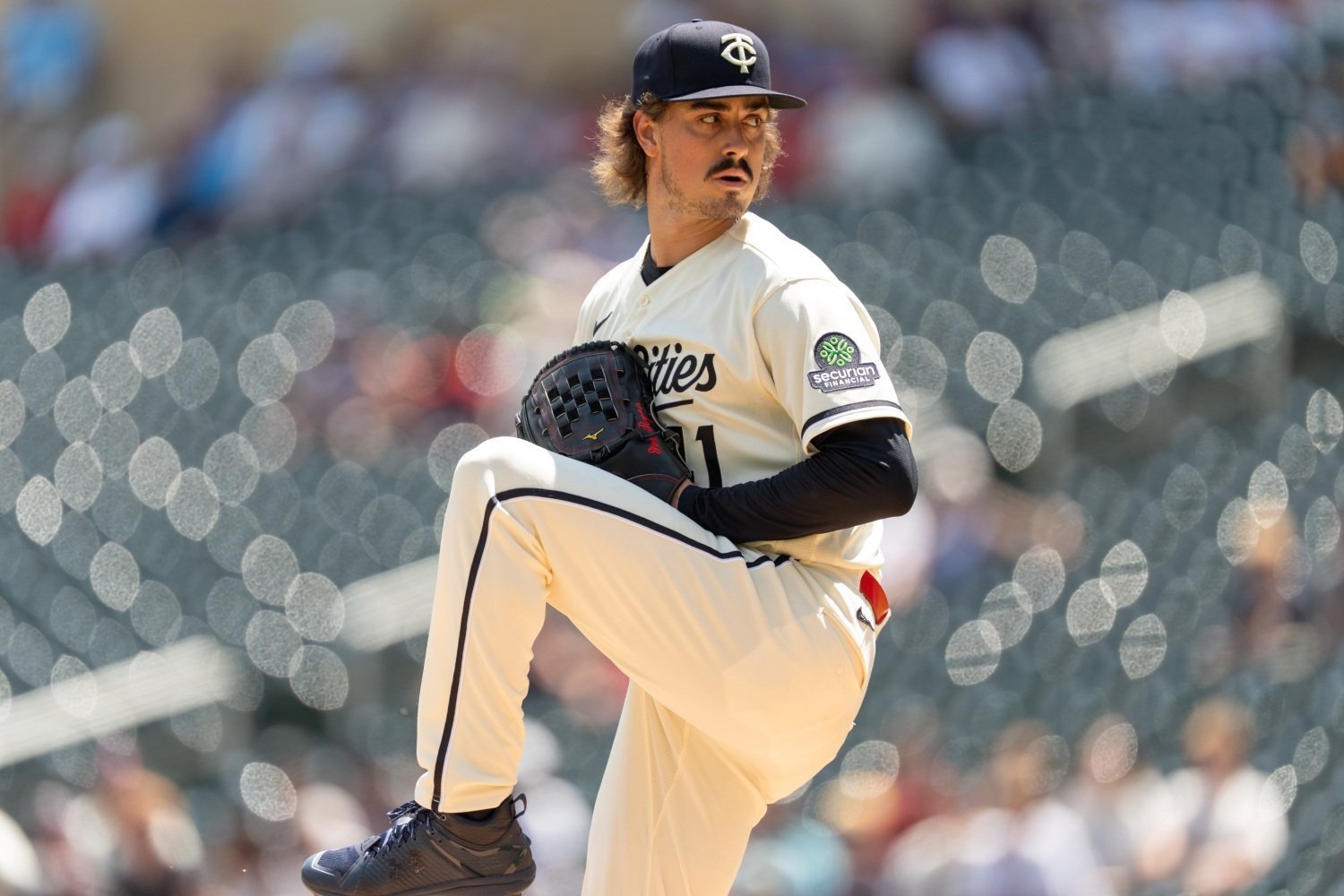 The Minnesota Twins entered the 2026 season expecting Joe Ryan to anchor their starting rotation. He was coming off his first All-Star season, had established himself as one of the American League’s top starters, and remained under team control through 2027. Things didn't go according to plan. Ryan battled injuries and struggled during the second half of the season. He finished the year after missing time with a left glute strain. For the season, he posted a 3.79 ERA (112 ERA+) with 159 strikeouts and 31 walks over 144 2/3 innings. Now the Twins have a decision to make. Minnesota is open to trading one of its starting pitchers this offseason, with Ryan, Bailey Ober, Pablo López and Dean Kremer all entering the final year of their current team-control windows. General manager Jeremy Zoll specifically discussed the possibility of turning pitching depth into help elsewhere on the roster. That makes Ryan one of the seven biggest decisions facing the Twins this winter. The Pros of Trading Joe Ryan The biggest argument for trading Ryan is that the Twins need help in other areas. Minnesota has a considerable amount of starting pitching depth. Ryan, Ober, López, Kremer, Taj Bradley, Connor Prielipp, Zebby Matthews and Mick Abel all could factor into the rotation next season. That doesn't mean all eight will be healthy or effective, but it does give Zoll something the organization desperately needs: options. If another team values Ryan more highly than Minnesota does, the Twins could turn one starting pitcher into multiple pieces for a roster with other holes. Ryan also has significant trade appeal because of his track record. He’s been an All-Star (or borderline All-Star) for multiple seasons while averaging a 111 ERA+, 3.81 FIP, and 2.6 rWAR since 2022. Even after his difficult second half, opposing teams would have plenty of reasons to believe in a rebound. The Twins could also be selling before Ryan reaches free agency after the 2027 season. If Minnesota believes Ryan's value is unlikely to increase significantly over the next year, this could be the opportunity to maximize his trade value. The Cons of Trading Joe Ryan The obvious problem is that good starting pitching is difficult to find. Trading Ryan would remove a pitcher who has already demonstrated that he can be a quality major-league starter. Even if his 2026 season wasn't what anyone wanted, there is still a strong argument that the Twins should bet on a bounce-back campaign rather than sell low. There is also risk in assuming that the current depth will remain intact. López and Abel are returning from elbow surgery. Prielipp has battled injuries throughout his professional career. Matthews has yet to establish himself as a consistent major-league starter. Ober continues to struggle with velocity. Suddenly, that impressive depth chart can look much thinner. There is another consideration: Ryan's value may not be particularly high right now. I recently noted that injuries and his second-half struggles complicated what had once been a straightforward trade decision. Trading him simply because the Twins have too many pitchers would make little sense if the return doesn't address a significant need. The organization also needs to determine whether it is trying to compete in 2027. If the answer is yes, removing an established starter creates another problem that Zoll must solve. What Would the Timeline Look Like? The Twins shouldn't feel pressure to trade Ryan simply for the sake of making a move. The best opportunity could come early in the offseason, particularly if another club loses a starter in free agency or decides it needs rotation help. Minnesota can listen to offers before the market fully develops and determine whether Ryan's value is strong enough to justify a trade. The timing of this offseason could be particularly important because the collective bargaining agreement is set to expire December 1, creating the possibility of a lockout. Zoll has already indicated that Minnesota doesn't intend to sit around waiting for the offseason to develop. That makes the weeks before the potential lockout especially important. If the Twins receive a significant offer, they could move Ryan before December 1. If the offers aren't compelling, there is little reason to force the issue. Minnesota could also revisit the situation after the lockout or closer to spring training. A team could lose a starter to injury, miss out on a free agent, or decide it needs another rotation arm. Those developments could change Ryan's market. The key is patience. Trading Joe Ryan would be one of the biggest moves Jeremy Zoll could make during his first full offseason running the Twins' baseball operations department. There are legitimate reasons to consider it. Minnesota has starting-pitching depth, Ryan has only one potential season of control remaining after 2026, and the Twins need to improve other areas of the roster. But there are equally legitimate reasons to keep him. Ryan is only 29 years old, has already shown the ability to pitch at an All-Star level, and could be poised for a bounce-back season. Trading him after a difficult second half could also mean selling at a less-than-ideal moment. The question isn't simply whether the Twins should trade Ryan. The bigger question is what another team would be willing to give up for him. If the return can address one of Minnesota's biggest weaknesses while maintaining the organization's ability to compete in 2027, Zoll will have a fascinating decision to make. If not, keeping Ryan and betting on a rebound might be the better path for a team that still needs quality starting pitching. Either way, Ryan's name belongs near the top of the Twins' offseason decision list. Will the Twins trade Ryan this winter? Leave a comment and start the discussion.
