



Cody Christie
-
Posts
7,791 -
Joined
-
Last visited
-
Days Won
5
Content Type
Profiles
News
Minnesota Twins Videos
2026 Minnesota Twins Top Prospects Ranking
2022 Minnesota Twins Draft Picks
Minnesota Twins Free Agent & Trade Rumors, Notes, & Tidbits
Guides & Resources
2023 Minnesota Twins Draft Picks
The Minnesota Twins Players Project
2024 Minnesota Twins Draft Picks
2025 Minnesota Twins Draft Pick Tracker
2026 Minnesota Twins Draft Tracker: Picks & Bonuses
Forums
Blogs
Events
Store
Downloads
Gallery
Everything posted by Cody Christie
-
 The Twins have spent much of September trying to keep their lineup intact, but another injury concern surfaced Tuesday night. Kaelen Culpepper was forced to leave Minnesota’s game after the sixth inning because of left hamstring tightness. The timing is particularly frustrating for a young player who had just returned to the lineup after missing two games because of a hit-by-pitch. Culpepper appeared to feel the issue while trying to beat out a potential double-play ball. After being ruled out at first base, he reached toward the back of his left leg before eventually leaving the game. Ryan Kreidler took over at shortstop for the seventh inning. Manager Derek Shelton said after the game that Culpepper noticed the problem almost immediately. “What he told me was that he felt it the first move out of the box,” said Shelton. “So we’ll get an MRI in the morning and see where he’s at. Honestly, it sucks. Just because of the fact that we’re late in the schedule and how well he’s played and what he’s done.” The Twins should have a better idea of the severity after Culpepper undergoes an MRI. Until then, the team will have to wait to determine whether this is something that could cost him additional time or simply require some rest. This is another frustrating development for Culpepper, who has been an important part of Minnesota’s lineup during the second half. The former first-round pick has been given an extended opportunity at the major-league level, and his recent performance has helped strengthen his case for being the club’s Opening Day shortstop next season. Culpepper is hitting .275/.333/.404 (.737) with five doubles, three home runs, and a 107 OPS+. Defensively, he’s also been an upgrade over other options for the Twins. He has a 1 OAA and his 88.2 mph arm strength ranks in the 75th percentile. The injury also comes at an unfortunate time for the Twins. With only a little more than a week remaining in the regular season, there isn't much calendar left for injured players to work their way back. Culpepper already spent time recovering from Saturday’s hit-by-pitch against Cleveland. Now, Minnesota will hope Tuesday’s hamstring issue is a short-term setback rather than another extended absence. View full rumor
 -
Image courtesy of © Vincent Carchietta-USA TODAY Sports There are plenty of ways the Minnesota Twins have contributed to the history of the New York Yankees. Unfortunately for Twins fans, most of them involve postseason heartbreak, blown leads, devastating home runs and the general feeling that October baseball would be more enjoyable if New York simply stopped showing up. That history continued Monday night. The Yankees defeated the Twins 8-3 at Target Field, clinching a postseason berth in the process. Aaron Judge provided the knockout blow with a three-run homer in the eighth inning, turning what had been a competitive game into another familiar Minnesota loss. It was his first home run since May. Of course, there is an important distinction this year. The Twins won't be losing to the Yankees in the playoffs. They won't be in the playoffs. Instead, Minnesota has found a new and perhaps even more meaningful role in the annual Yankees postseason machine: providing the emotional fuel necessary for New York to make a deep October run. Think of the Twins as a charitable organization. They aren't necessarily winning games, but they are doing their part to make sure the Yankees feel really good about themselves heading into October. "It's something we're proud of," Twins manager Derek Shelton said. "We wanted to make sure the Yankees felt confident going into the postseason. If that means giving up a three-run homer in the eighth inning, that's the kind of sacrifice we're willing to make." The timing could not have been better for New York. Judge entered Monday's game still trying to shake off some rust after returning from a fractured rib. Then, against the Twins, he launched a three-run homer in the eighth inning that helped turn a 2-1 deficit into a 7-2 Yankees lead. It was his first home run since returning from the injured list. "Honestly, we were looking for a little confidence boost," Judge said. "Then we realized we were playing the Twins. That usually does the trick." There is a long history supporting this theory. The Twins have spent decades providing the Yankees with memorable postseason moments. Minnesota has been swept by New York. Minnesota has lost heartbreaking playoff games to New York. Minnesota has watched Yankees hitters celebrate at its expense. Now, apparently, Minnesota is helping the Yankees get ready for another postseason run before the playoffs even begin. Bailey Ober has embraced the responsibility. "There's a lot of pride in knowing you can help another team achieve its goals," Ober said. "We couldn't make the playoffs ourselves, so we're trying to make sure somebody has a really good October." That's team-first baseball. It also helps that Ober was scheduled to throw batting practice fastballs to the Yankees lineup on Tuesday night. The Twins' post-trade-deadline collapse has certainly made the arrangement easier. Minnesota bought at the trade deadline with hopes of remaining in the American League playoff race, only to stumble badly afterward. A.J. Minter, one of Minnesota's trade deadline acquis itions, did his best to give away the game on Monday. So perhaps this was the plan all along. Minnesota wasn't buying at the deadline to make the playoffs. It was buying to acquire the exact pieces necessary to provide New York with meaningful September competition. It was a long-term strategy. And judging by Monday night, it worked. The Twins still have two more games against the Yankees this week, giving Minnesota an opportunity to continue its important role as New York's unofficial postseason tune-up opponent. For Twins fans, it may not be the September baseball they wanted. But after years of losing to the Yankees in October, Minnesota has finally found a way to contribute without actually having to qualify. That's progress. View full article
-
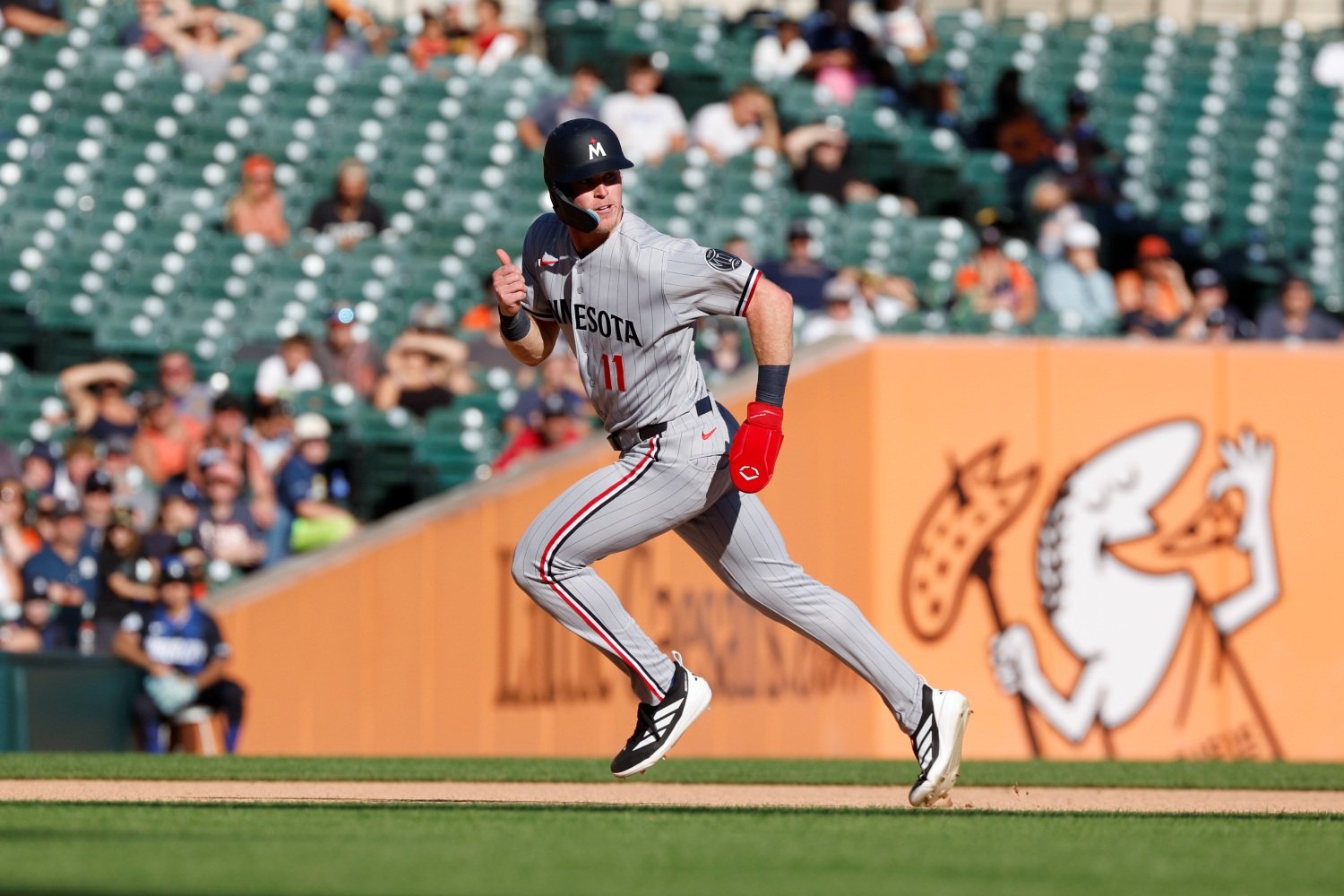 The Minnesota Twins have spent much of the 2026 season falling slowly out of the American League playoff picture. Now, one prominent national analyst has offered an assessment that could be even more concerning for the organization’s future. ESPN’s Kiley McDaniel recently ranked every team in Major League Baseball based on its current core. The exercise looks at which players are under contract or team control for the next two full seasons, attempting to measure how much talent each organization has around which to build. McDaniel breaks players into three categories. “To make it easier to see which team has more talent, I split players into three tiers: elite (5ish WAR talent, or perennial All-Stars with MVP chances), plus (3-5ish WAR types) and solid (1.5-3ish WAR, or lower-end starters and valuable role players).” By that measure, the Twins have one of the worst cores in baseball. Minnesota ranks 29th, ahead of only the Colorado Rockies. Colorado has finished last in McDaniel's rankings for five consecutive seasons. That makes this year's ranking particularly difficult to swallow. The Twins ranked 18th in 2025, 11th in 2024, 19th in 2023 and 17th in 2022. There's been some fluctuation, but the organization has generally been viewed as having a middle-of-the-pack core. Now, it's nearly at the bottom—at least by this reckoning. There's No Elite Talent The most glaring part of McDaniel's assessment is what the Twins don't have. There isn't a single player in Minnesota's current core who qualifies as an elite player. Byron Buxton is the lone player in the Plus category. McDaniel views him as a player capable of providing roughly 3-5 WAR value, but the Twins don't have anyone in the elite tier. The Solid category is much more crowded. That group includes Taj Bradley, Walker Jenkins, Vahn Lackey, Kaelen Culpepper, Luke Keaschall, Brooks Lee, Kody Clemens, Marek Houston, Connor Prielipp, Emmanuel Rodriguez, Royce Lewis, Riley Quick, Hendry Mendez, Khadim Diaw, Zebby Matthews, Andrew Morris, Mick Abel and Kendry Rojas. There's certainly talent there. The problem is that most of it is projection. Jenkins, Culpepper and Keaschall haven't had enough time in the majors to establish themselves as impact players. Lackey, Houston, Quick, Mendez and Diaw are still prospects. Bradley has shown flashes of being a major-league starter, but he has yet to establish himself as a consistent top-of-the-rotation arm. That's a very different situation than having multiple established stars anchoring an organization. And there's another important omission. Pablo López and Joe Ryan don't qualify, because they're only under team control through 2027. That feels like an important distinction when evaluating the Twins. Both pitchers could be major contributors in the short run, but McDaniel's methodology doesn't allow them to boost Minnesota's ranking beyond that window. McDaniel does leave some room for optimism. He notes that some players at the top of the Solid tier could move into the Plus category next season. The Twins also could potentially add talent in trades involving López and/or Ryan, giving them an opportunity to reshape the core, rather than simply watching it deteriorate. Still, 29th is 29th. How I See the Twins' Next Two Seasons If I were ranking the current Twins based strictly on the value I expect them to provide over the next two seasons, my top five would look like this: 1. Byron Buxton Buxton is past his peak, but that doesn't mean he's incapable of being an All-Star-caliber contributor. When healthy, Buxton can impact a game as profoundly and in as many ways as anyone else in the organization. His power, speed and defensive ability give him a ceiling that remains higher than almost anyone else in the organization. The obvious question is whether he can stay on the field. That's also the biggest reason why he isn't considered an elite player in McDaniel's ranking—although age is becoming part of that equation, too. 2. Taj Bradley Bradley is the player I would bet on making the biggest jump over the next two seasons. He has the ingredients to become a borderline All-Star starting pitcher. If his development continues on its current trajectory, he could move from the Solid tier into the Plus category relatively quickly. For a Twins organization desperately searching for foundational pitching, that would be a massive development. 3. Walker Jenkins The beginning of Jenkins's major-league career hasn't gone exactly as anyone hoped. That's not particularly concerning (yet), though. Jenkins is still very young, and the talent that made him one of baseball's top prospects hasn't disappeared because of a difficult introduction to the majors. There will be adjustments, struggles and growing pains. Eventually, those adjustments should start working in his favor. If Jenkins reaches anything close to his expected ceiling, he could become one of the most important players in Minnesota. 4. Kaelen Culpepper Culpepper already looks like he belongs at the major-league level. There are prospects who need significant development before they can become everyday players. Culpepper has already shown enough to make it reasonable to expect him to be part of the Twins' long-term plans. His ability to provide value in multiple areas makes him an especially intriguing piece moving forward. 5. Luke Keaschall Keaschall's path might be a little less conventional. He should settle into a corner outfield spot, where his offensive ability can become the primary driver of his value. If he continues to develop, he should provide above-average production over the next two seasons. He's another player who could force his way from the Solid tier into Plus territory. The Twins need that to happen. The Problem With a Core Built on Potential There's nothing inherently wrong with having a young core. In fact, that's exactly what rebuilding organizations are supposed to do. The problem comes when the young players are being asked to carry the organization's future, because there aren't established stars around them. That's where the Twins currently find themselves. Buxton is the lone established Plus player in McDaniel's evaluation. After that, the organization is banking heavily on a collection of young players reaching their potential. Maybe they will. Jenkins could become a star. Culpepper could become an above-average everyday player. Keaschall could turn into a dangerous offensive weapon. Bradley could emerge as a frontline starter. Rodriguez, Lee, Prielipp, Houston and the other young players could also develop into significant contributors. But there's a massive difference between having a group of players who could become stars and having a core that has already demonstrated it can produce at that level, or near it. The Twins' previous rankings reflected a healthier balance between established talent and promising young players. The 2026 ranking suggests that balance has disappeared. And that should concern Twins fans. Where Does Minnesota Go From Here? The good news is that 29th doesn't mean the Twins are doomed—far from it. This is a young organization with several players who could make significant jumps over the next 12 to 24 months. McDaniel himself points out that some of Minnesota's top Solid players could move into the Plus category next season. That is the path forward. The Twins need Bradley, Jenkins, Culpepper and Keaschall to outperform their current projections. They need players like Rodriguez and Abel to stay healthy and reach their potential. They need prospects such as Lackey, Houston and Rojas to develop into legitimate major-league pieces. They need to make smart decisions with the established talent they still have. López and Ryan could provide tremendous value in 2027. They could also become trade chips if the organization decides its best path forward is to continue rebuilding. That is where the front office has an opportunity to change the perception of this core. A 29th-ranked core today doesn't have to be a 29th-ranked core two years from now. But the Twins need their young players to develop into more than solid contributors. They need stars. Right now, the biggest problem with Minnesota's core isn't that it lacks talent. It's that almost all of its best talent still comes with a question mark. And after years of watching the Twins hover around the middle of baseball's organizational rankings, dropping to 29th is a pretty clear warning sign. The Twins have some promising pieces. They just don't have enough proven ones. How should fans feel about the Twins' current core? Who will be the top five contributors to the Twins over the next two seasons? Leave a comment and start the discussion.
- 69 comments
-
- 5
-

-
- byron buxton
- walker jenkins
- (and 3 more)
-
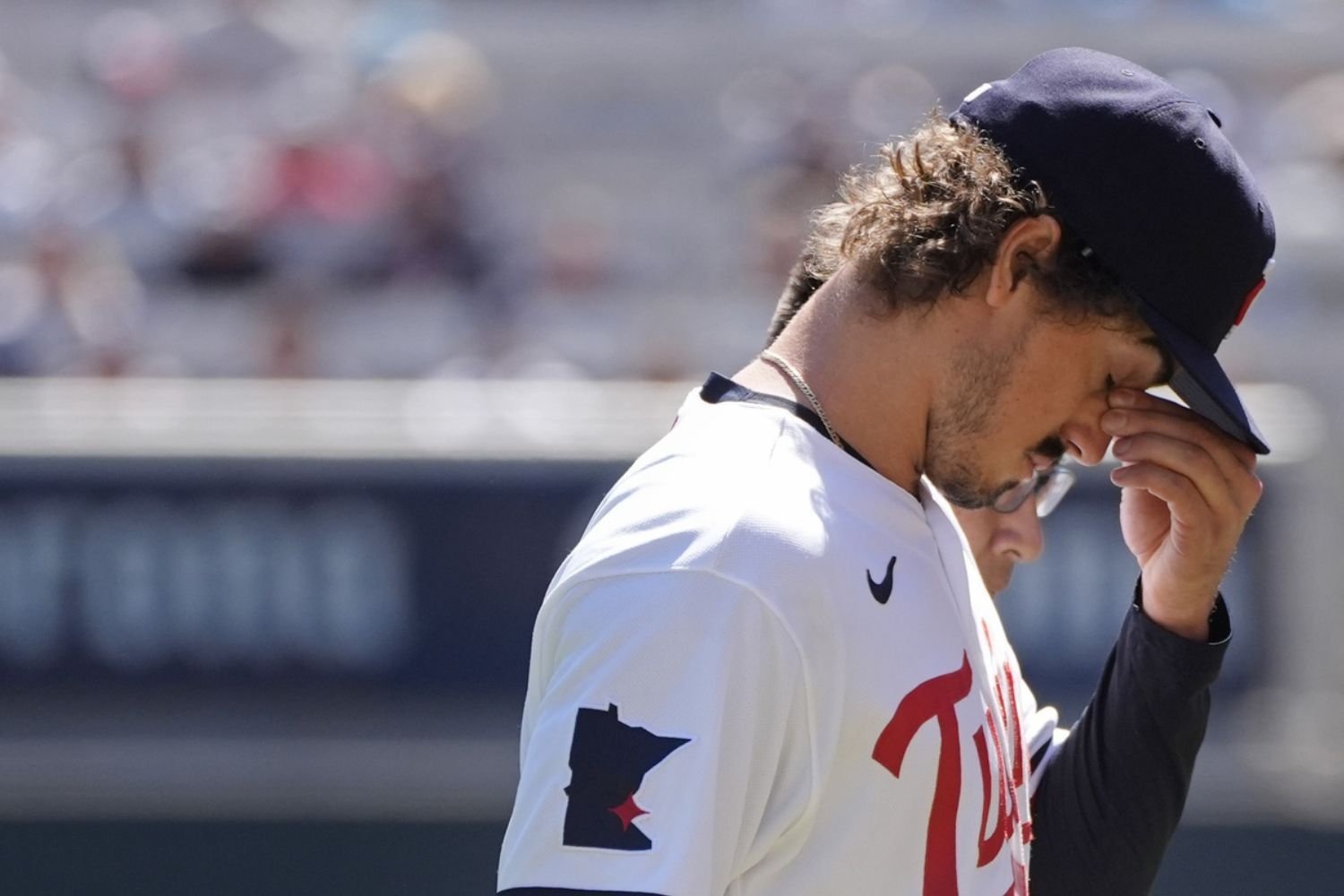 There is still baseball left to play, but the 2026 Minnesota Twins are already in the process of becoming a massive what-if. The Twins entered the season believing they could contend. Last winter, they held onto Joe Ryan, Byron Buxton and Pablo López after plenty of offseason speculation about the direction of the franchise. They added pieces at the trade deadline rather than immediately tearing things apart, hoping their veteran core could keep them in the postseason race. Instead, Minnesota has watched its season unravel. Some of that was predictable. Some of it was self-inflicted. And some of it came down to circumstances nobody could have completely controlled. The Twins currently find themselves looking toward 2027 rather than October. That makes it worth looking back at the biggest turning points of the season. There are plenty of individual moments that could have changed Minnesota's fortunes, but these five what-ifs stand above the rest. 1. What if Pablo López stayed healthy? This one is impossible to ignore. López was supposed to be one of the anchors of Minnesota's rotation. Instead, an elbow injury ended his 2026 season before spring training had barely started. The timing was particularly painful because Minnesota entered the season with questions about whether some starters would need to move to bullpen roles. Joe Ryan and Lopez were supposed to lead the group. Without López, the Twins were forced to ask younger and less proven arms to take on larger roles. That changed the entire complexion of the rotation. A healthy López would not have solved every problem, but he would have given Derek Shelton another legitimate frontline starter. It could have reduced the workload on the younger pitchers, provided more stability during stretches when the rotation struggled and potentially changed the Twins' decision-making at the deadline. There is also a larger question here. Would Minnesota have been in a different position entering August if López had been healthy all season? That is one of the biggest unanswered questions of 2026. 2. What if Joe Ryan avoided his second-half struggles? Ryan's first half made the Twins' decision to remain competitive much easier. He established himself as an All-Star-caliber starter and was one of the most important reasons Minnesota remained within striking distance of the postseason picture. That made the idea of trading him at the deadline difficult, even as his name continued to appear in trade speculation. Then the second half happened. Ryan's struggles have been well documented, and they came at precisely the wrong time for a team that needed its best starting pitcher to consistently deliver. Even when Minnesota's offense showed signs of life, the rotation needed Ryan to provide length and stability. Instead, the Twins have spent much of the second half searching for that version of Ryan. What if he had continued pitching like the pitcher Twins fans saw earlier in the year? Maybe Minnesota never falls out of contention. Maybe the additions of A.J. Minter, Dean Kremer and Jeff Hoffman become pieces of a legitimate postseason push rather than additions to a team that eventually faded. Ryan's second half doesn't explain the entire collapse, but it certainly belongs on the list. 3. What if Byron Buxton stayed healthy? This is the easiest what-if to understand. When Buxton is healthy, he changes the Twins. He changes the lineup. He changes the defense. He changes the way opposing pitchers approach Minnesota. Most importantly, he gives the team a superstar capable of carrying an offense for stretches. Buxton was having another productive season before injuries once again interrupted his year. He hit .254 with 25 home runs and 46 RBIs in 93 games before a right hip injury ended his season and sent him toward surgery. That means Minnesota received fewer than 100 games from one of its most important players. It is difficult to build a playoff-caliber roster around constant uncertainty at the top of the lineup. Buxton's production is important, but so is simply having him available. What if Buxton played 110 games? The Twins would have had another middle-of-the-order threat for the entire season. They would have had their best defensive center fielder available more often. And they would have had one of the most dangerous players in the American League putting pressure on opposing teams every night. There is no guarantee that changes the season. But it certainly changes the possibilities. 4. What if the Twins added to the bullpen last winter? This might be the biggest organizational what-if. Minnesota knew it had bullpen questions entering 2026. The previous year's deadline sell-off had stripped away several established relief options, and rebuilding that group should have been one of the team's biggest priorities. Instead, the bullpen remained a major concern throughout the season. That doesn't mean every reliever needed to be an expensive free-agent signing. The Twins could have added depth, competition and another proven late-inning arm. Instead, they eventually had to address the problem during the season. The Twins added Minter and Hoffman at the deadline, but by then the margin for error was much smaller. The bullpen was being asked to hold together games in a playoff race rather than enter the season as a strength. If Minnesota had entered April with a deeper and more reliable bullpen, perhaps some of those early close losses become wins. Perhaps the team enters July with a better record. Perhaps the front office has more flexibility at the deadline. A few extra bullpen wins can completely change the trajectory of a season. 5. What if the Twins had sold at the deadline? This is the biggest philosophical what-if. Minnesota had every reason to sell. The organization had already demonstrated that it was willing to prioritize the future after last year's deadline sell-off. The Twins were not a clear postseason team entering this year's deadline, and there were legitimate questions about whether their roster was good enough to make a sustained run. Instead, they bought. That decision wasn't necessarily unreasonable at the time. The Twins were close enough to the playoff picture (roughly 30% playoff odds) to justify taking a shot, and the additions of Minter, Kremer and Hoffman were designed to improve the roster immediately. But what if they had gone the other direction? Ryan Jeffers, Josh Bell and other veterans could have generated significant interest. Minnesota could have added more prospects to an organization that already needs to balance its current major-league roster with its next competitive window. The biggest benefit would have been clarity. Rather than spending August and September wondering whether the team could make one more push, the Twins could have fully committed to 2027 and beyond. Of course, selling would have come with its own risks. It would have meant admitting that the 2026 season was over while the team was still technically within reach of a playoff spot. That is exactly why this is a fascinating what-if. A Not So Unrealistic Fantasy The frustrating part about the 2026 Twins is that none of these scenarios require an unrealistic fantasy. A healthy López was possible. A strong second half from Ryan was possible. A healthy Buxton was possible. A better bullpen entering the season was possible. And selling at the deadline was certainly possible. None of those things guarantees the Twins would be playing postseason baseball. But the combination of them paints a dramatically different picture of the season. That is ultimately what makes 2026 so frustrating. Minnesota didn't need everything to go perfectly to make the playoffs. It simply needed more things to go right than actually did. Now the organization has to figure out which lessons from this season actually matter. The Twins can't change what happened in 2026. They can, however, make sure the same what-ifs aren't still defining this team a year from now. Would you add other "what ifs" to the list? Leave a comment and start the discussion.
- 19 comments
-
- 3
-
-

-
- byron buxton
- pablo lopez
- (and 4 more)
-
Image courtesy of Bruce Kluckhohn-Imagn Images There is still baseball left to play, but the 2026 Minnesota Twins are already in the process of becoming a massive what-if. The Twins entered the season believing they could contend. Last winter, they held onto Joe Ryan, Byron Buxton and Pablo López after plenty of offseason speculation about the direction of the franchise. They added pieces at the trade deadline rather than immediately tearing things apart, hoping their veteran core could keep them in the postseason race. Instead, Minnesota has watched its season unravel. Some of that was predictable. Some of it was self-inflicted. And some of it came down to circumstances nobody could have completely controlled. The Twins currently find themselves looking toward 2027 rather than October. That makes it worth looking back at the biggest turning points of the season. There are plenty of individual moments that could have changed Minnesota's fortunes, but these five what-ifs stand above the rest. 1. What if Pablo López stayed healthy? This one is impossible to ignore. López was supposed to be one of the anchors of Minnesota's rotation. Instead, an elbow injury ended his 2026 season before spring training had barely started. The timing was particularly painful because Minnesota entered the season with questions about whether some starters would need to move to bullpen roles. Joe Ryan and Lopez were supposed to lead the group. Without López, the Twins were forced to ask younger and less proven arms to take on larger roles. That changed the entire complexion of the rotation. A healthy López would not have solved every problem, but he would have given Derek Shelton another legitimate frontline starter. It could have reduced the workload on the younger pitchers, provided more stability during stretches when the rotation struggled and potentially changed the Twins' decision-making at the deadline. There is also a larger question here. Would Minnesota have been in a different position entering August if López had been healthy all season? That is one of the biggest unanswered questions of 2026. 2. What if Joe Ryan avoided his second-half struggles? Ryan's first half made the Twins' decision to remain competitive much easier. He established himself as an All-Star-caliber starter and was one of the most important reasons Minnesota remained within striking distance of the postseason picture. That made the idea of trading him at the deadline difficult, even as his name continued to appear in trade speculation. Then the second half happened. Ryan's struggles have been well documented, and they came at precisely the wrong time for a team that needed its best starting pitcher to consistently deliver. Even when Minnesota's offense showed signs of life, the rotation needed Ryan to provide length and stability. Instead, the Twins have spent much of the second half searching for that version of Ryan. What if he had continued pitching like the pitcher Twins fans saw earlier in the year? Maybe Minnesota never falls out of contention. Maybe the additions of A.J. Minter, Dean Kremer and Jeff Hoffman become pieces of a legitimate postseason push rather than additions to a team that eventually faded. Ryan's second half doesn't explain the entire collapse, but it certainly belongs on the list. 3. What if Byron Buxton stayed healthy? This is the easiest what-if to understand. When Buxton is healthy, he changes the Twins. He changes the lineup. He changes the defense. He changes the way opposing pitchers approach Minnesota. Most importantly, he gives the team a superstar capable of carrying an offense for stretches. Buxton was having another productive season before injuries once again interrupted his year. He hit .254 with 25 home runs and 46 RBIs in 93 games before a right hip injury ended his season and sent him toward surgery. That means Minnesota received fewer than 100 games from one of its most important players. It is difficult to build a playoff-caliber roster around constant uncertainty at the top of the lineup. Buxton's production is important, but so is simply having him available. What if Buxton played 110 games? The Twins would have had another middle-of-the-order threat for the entire season. They would have had their best defensive center fielder available more often. And they would have had one of the most dangerous players in the American League putting pressure on opposing teams every night. There is no guarantee that changes the season. But it certainly changes the possibilities. 4. What if the Twins added to the bullpen last winter? This might be the biggest organizational what-if. Minnesota knew it had bullpen questions entering 2026. The previous year's deadline sell-off had stripped away several established relief options, and rebuilding that group should have been one of the team's biggest priorities. Instead, the bullpen remained a major concern throughout the season. That doesn't mean every reliever needed to be an expensive free-agent signing. The Twins could have added depth, competition and another proven late-inning arm. Instead, they eventually had to address the problem during the season. The Twins added Minter and Hoffman at the deadline, but by then the margin for error was much smaller. The bullpen was being asked to hold together games in a playoff race rather than enter the season as a strength. If Minnesota had entered April with a deeper and more reliable bullpen, perhaps some of those early close losses become wins. Perhaps the team enters July with a better record. Perhaps the front office has more flexibility at the deadline. A few extra bullpen wins can completely change the trajectory of a season. 5. What if the Twins had sold at the deadline? This is the biggest philosophical what-if. Minnesota had every reason to sell. The organization had already demonstrated that it was willing to prioritize the future after last year's deadline sell-off. The Twins were not a clear postseason team entering this year's deadline, and there were legitimate questions about whether their roster was good enough to make a sustained run. Instead, they bought. That decision wasn't necessarily unreasonable at the time. The Twins were close enough to the playoff picture (roughly 30% playoff odds) to justify taking a shot, and the additions of Minter, Kremer and Hoffman were designed to improve the roster immediately. But what if they had gone the other direction? Ryan Jeffers, Josh Bell and other veterans could have generated significant interest. Minnesota could have added more prospects to an organization that already needs to balance its current major-league roster with its next competitive window. The biggest benefit would have been clarity. Rather than spending August and September wondering whether the team could make one more push, the Twins could have fully committed to 2027 and beyond. Of course, selling would have come with its own risks. It would have meant admitting that the 2026 season was over while the team was still technically within reach of a playoff spot. That is exactly why this is a fascinating what-if. A Not So Unrealistic Fantasy The frustrating part about the 2026 Twins is that none of these scenarios require an unrealistic fantasy. A healthy López was possible. A strong second half from Ryan was possible. A healthy Buxton was possible. A better bullpen entering the season was possible. And selling at the deadline was certainly possible. None of those things guarantees the Twins would be playing postseason baseball. But the combination of them paints a dramatically different picture of the season. That is ultimately what makes 2026 so frustrating. Minnesota didn't need everything to go perfectly to make the playoffs. It simply needed more things to go right than actually did. Now the organization has to figure out which lessons from this season actually matter. The Twins can't change what happened in 2026. They can, however, make sure the same what-ifs aren't still defining this team a year from now. Would you add other "what ifs" to the list? Leave a comment and start the discussion. View full article
-
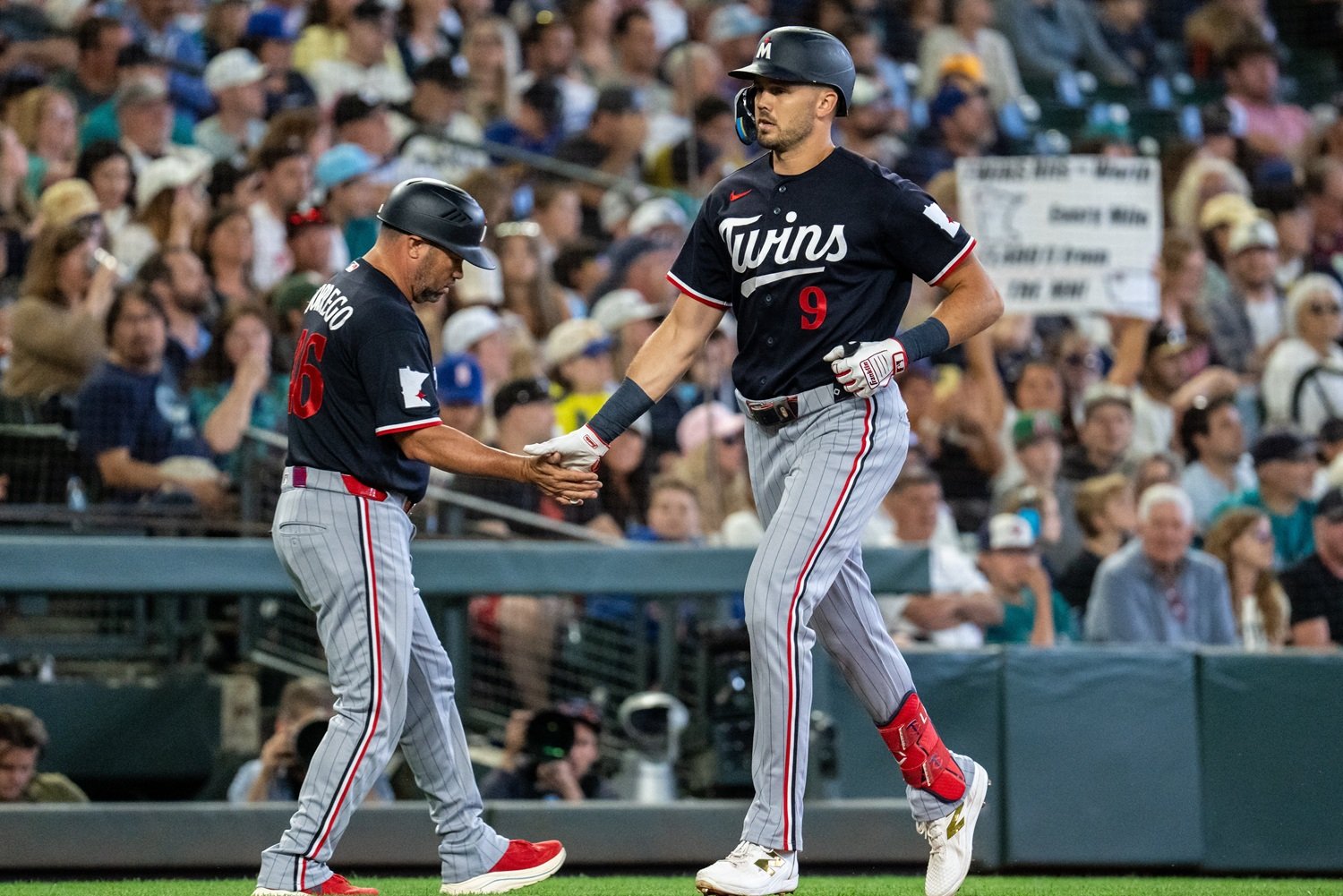 The Minnesota Twins entered Monday’s series opener against the New York Yankees with an increasingly thin lineup. With roughly two weeks left in the regular season, Kaelen Culpepper, Royce Lewis, and Trevor Larnach were all unavailable, leaving Minnesota without several regular contributors. Larnach’s absence could be the most concerning of the group. The outfielder underwent an MRI on his left wrist Monday after dealing with soreness for several days, leaving his availability for the remainder of the series uncertain. Manager Derek Shelton explained that Larnach’s wrist became more problematic after a slide during Sunday’s game. “He’s dealing with some left wrist soreness,” Shelton said, “so we sent him for an MRI. He has felt it for a few days, and then he felt it sliding yesterday. And then when he came in today, tried to go through his routine and just didn’t go kind of the way he wanted it to. So we’re just going to get it looked at.” The Twins turned to Emmanuel Rodriguez in left field for Monday’s game. If Larnach needs to miss significant time, Rodriguez would appear to be one of Minnesota’s best options for taking on additional opportunities down the stretch. That would be an important development for Rodriguez, who is out of minor league options for next season. More consistent playing time could give the young outfielder an opportunity to establish himself heading into the offseason. Larnach, meanwhile, has put together one of his strongest seasons since reaching the majors. The 29-year-old entered Monday hitting .269/.352/.436 while serving as a regular presence in left field. His 2.2 fWAR and 123 wRC+ are both career bests. For a Twins team already dealing with multiple injuries and limited lineup depth, losing Larnach for an extended period would be another difficult blow. The MRI should provide a clearer picture of the injury and how Minnesota will have to manage his workload over the final two weeks of the season.
 -
The Minnesota Twins entered Monday’s series opener against the New York Yankees with an increasingly thin lineup. With roughly two weeks left in the regular season, Kaelen Culpepper, Royce Lewis, and Trevor Larnach were all unavailable, leaving Minnesota without several regular contributors. Larnach’s absence could be the most concerning of the group. The outfielder underwent an MRI on his left wrist Monday after dealing with soreness for several days, leaving his availability for the remainder of the series uncertain. Manager Derek Shelton explained that Larnach’s wrist became more problematic after a slide during Sunday’s game. “He’s dealing with some left wrist soreness,” Shelton said, “so we sent him for an MRI. He has felt it for a few days, and then he felt it sliding yesterday. And then when he came in today, tried to go through his routine and just didn’t go kind of the way he wanted it to. So we’re just going to get it looked at.” The Twins turned to Emmanuel Rodriguez in left field for Monday’s game. If Larnach needs to miss significant time, Rodriguez would appear to be one of Minnesota’s best options for taking on additional opportunities down the stretch. That would be an important development for Rodriguez, who is out of minor league options for next season. More consistent playing time could give the young outfielder an opportunity to establish himself heading into the offseason. Larnach, meanwhile, has put together one of his strongest seasons since reaching the majors. The 29-year-old entered Monday hitting .269/.352/.436 while serving as a regular presence in left field. His 2.2 fWAR and 123 wRC+ are both career bests. For a Twins team already dealing with multiple injuries and limited lineup depth, losing Larnach for an extended period would be another difficult blow. The MRI should provide a clearer picture of the injury and how Minnesota will have to manage his workload over the final two weeks of the season. View full rumor
-
Image courtesy of © Jordan Johnson-Imagn Images When players hear their names called during the MLB Draft, the dream is obvious. Everyone wants to reach the major leagues, but the reality is that only a small percentage of players from any draft class eventually make it to the highest level. Zebby Matthews remembers being reminded of that reality shortly after the Minnesota Twins selected him in the eighth round of the 2022 MLB Draft out of Western Carolina. “I don't know the numbers on how many guys in a draft class each year make it to the big leagues, but they told us there was a slim chance that a lot of us would make it, which I think kind of scared some of us,” Matthews said. “Some were like, ‘It's going to be me.’” Four years later, that draft class has done considerably better than those odds might have suggested. The Twins have had five members of their 2022 draft class on the big-league roster in recent weeks, with Ben Ross being demoted to Triple-A St. Paul to make room for Emmanuel Rodriguez. That puts an impressive number of players from one draft class together at the major-league level. Each player took a different path to get there, but they now share something that few draft classes get to experience. They get to work alongside teammates who went through the same draft process and spent the last four years trying to reach the same destination. 3B Brooks Lee– First Round Lee was the Twins’ first selection in the 2022 draft, going No. 8 overall out of Cal Poly. He was viewed as one of the more advanced college hitters in the class, and his progression through the organization reflected that reputation. Unlike several of his fellow 2022 draftees, Lee did not spend much time playing alongside them in the lower levels of the system. He began his first full professional season with Double-A Wichita and continued moving quickly through the organization. Lee reached the majors during the 2024 season and has since become part of Minnesota’s long-term plans in the infield. His path was different from many members of the class, but he now finds himself sharing a big-league clubhouse with players who were selected several rounds after him. LHP Connor Prielipp– Second Round Prielipp was one of the most talented pitchers available when Minnesota selected him in the second round. His path to the majors, however, was slowed by injuries. Those setbacks limited him to only 30 combined innings during the 2023 and 2024 seasons. For a young pitcher trying to establish himself in professional baseball, losing that much development time could have been a major obstacle. The players from his draft class never seemed particularly concerned about whether Prielipp would eventually make it. His talent was obvious, and once he was healthy, there was an expectation that he would not need an extended stay in the minor leagues. That belief became reality when Prielipp finally reached Minnesota this season. RHP Andrew Morris– Fourth Round Morris was selected in the fourth round out of Texas Tech, and his professional development included plenty of time alongside other members of the 2022 class. He and Matthews were teammates at High-A Cedar Rapids during the 2023 Midwest League playoffs. That Kernels team went on to win the league championship, giving the two pitchers an early shared accomplishment in their professional careers. Now they have another shared experience: pitching for the Twins. “What was cool is I got called up and then a couple days later [Prielipp] got called up,” Morris said. “He was my roommate after the draft. It's just cool to think about how far we've come. Getting to be up here and getting to go to work with him every day is pretty cool.” Morris' journey has seen him shift from starter to reliever, but it has put him in position to contribute to Minnesota's pitching staff at the biggest level. UTL Ben Ross– Fifth Round Ross was Minnesota's fifth-round selection in 2022 out of Notre Dame. He developed into a versatile infield option while working his way through the organization. His path has included stops alongside several other members of this draft class, eventually leading to his major-league debut. Ross recently found himself sharing the big-league clubhouse with four other players from his draft class. His latest stint with Minnesota ended when the Twins needed to make room for Rodriguez, sending Ross back to Triple-A. Still, his arrival at the major-league level is another indication of the depth produced by Minnesota's 2022 draft. RHP Zebby Matthews– Eighth Round Matthews might have had the longest odds of the group. An eighth-round pick from Western Carolina, he was not one of the players expected to reach the majors quickly. Instead, he steadily worked his way through the Twins' system and became one of the organization's more intriguing pitching prospects. Matthews shared the field with Morris at Cedar Rapids during the 2023 championship run. Now, the two are teammates in Minnesota. His story also gives additional meaning to the comment he heard shortly after being drafted. Someone had warned the group that only a small percentage would ultimately reach the majors. Matthews proved to be one of those players who did. A Class That Took Different Paths One of the most interesting aspects of Minnesota's 2022 draft class is how differently its members reached the majors. Lee was already playing at Double-A during his first full professional season. Prielipp's development was interrupted by injuries. Morris and Matthews developed together at Cedar Rapids. Ross steadily climbed through the organization before earning his opportunity. There was no single blueprint. There was, however, a common destination. Morris, Matthews and Prielipp all spent significant portions of their development together, while Lee and Ross took different routes through the system. The result is an unusually large group of players from one draft class now getting an opportunity to contribute at the major-league level. The 2022 class isn't finished producing players, either. Tanner Schobel and C.J. Culpepper are among the members of the class currently at Triple-A St. Paul who could potentially contribute to Minnesota's roster in 2027. That makes it possible that the Twins could eventually have even more members of the class together at the highest level. The MLB Draft is always a numbers game. Hundreds of players are selected each year, but only a fraction reach the majors, and an even smaller percentage establish themselves as meaningful contributors. Minnesota's 2022 class has already beaten those odds. Lee, Prielipp, Morris, Ross and Matthews have taken vastly different routes, but all have reached the major leagues within four years of being drafted. More importantly, several remain candidates to play meaningful roles for the Twins beyond this season. For the players who made it to Minnesota, there is something special about looking across the clubhouse and seeing familiar faces from that first summer in professional baseball. They remember the warning. They remember the uncertainty. And now they get to experience something that seemed like a distant possibility when they were drafted: going to work together in the major leagues. The Twins' 2022 draft class may not have arrived at the same time, but it has arrived together. What stands out about this specific draft class? What can the Twins expect from this group in the future? Leave a comment and start the discussion. View full article
-
Twins’ 2022 Draft Class Is Becoming a Big-League Success Story
Cody Christie posted an article in Twins
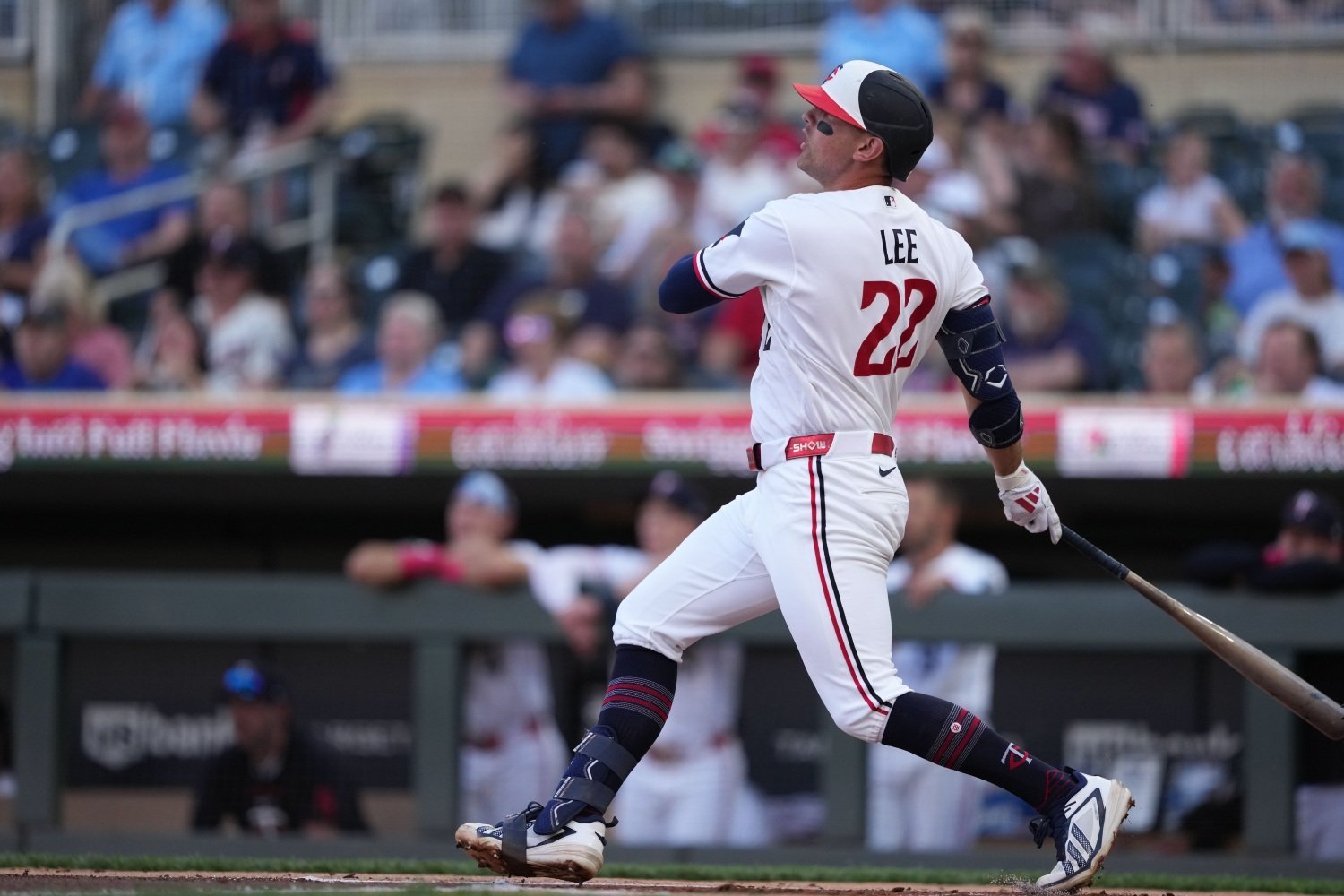 When players hear their names called during the MLB Draft, the dream is obvious. Everyone wants to reach the major leagues, but the reality is that only a small percentage of players from any draft class eventually make it to the highest level. Zebby Matthews remembers being reminded of that reality shortly after the Minnesota Twins selected him in the eighth round of the 2022 MLB Draft out of Western Carolina. “I don't know the numbers on how many guys in a draft class each year make it to the big leagues, but they told us there was a slim chance that a lot of us would make it, which I think kind of scared some of us,” Matthews said. “Some were like, ‘It's going to be me.’” Four years later, that draft class has done considerably better than those odds might have suggested. The Twins have had five members of their 2022 draft class on the big-league roster in recent weeks, with Ben Ross being demoted to Triple-A St. Paul to make room for Emmanuel Rodriguez. That puts an impressive number of players from one draft class together at the major-league level. Each player took a different path to get there, but they now share something that few draft classes get to experience. They get to work alongside teammates who went through the same draft process and spent the last four years trying to reach the same destination. 3B Brooks Lee– First Round Lee was the Twins’ first selection in the 2022 draft, going No. 8 overall out of Cal Poly. He was viewed as one of the more advanced college hitters in the class, and his progression through the organization reflected that reputation. Unlike several of his fellow 2022 draftees, Lee did not spend much time playing alongside them in the lower levels of the system. He began his first full professional season with Double-A Wichita and continued moving quickly through the organization. Lee reached the majors during the 2024 season and has since become part of Minnesota’s long-term plans in the infield. His path was different from many members of the class, but he now finds himself sharing a big-league clubhouse with players who were selected several rounds after him. LHP Connor Prielipp– Second Round Prielipp was one of the most talented pitchers available when Minnesota selected him in the second round. His path to the majors, however, was slowed by injuries. Those setbacks limited him to only 30 combined innings during the 2023 and 2024 seasons. For a young pitcher trying to establish himself in professional baseball, losing that much development time could have been a major obstacle. The players from his draft class never seemed particularly concerned about whether Prielipp would eventually make it. His talent was obvious, and once he was healthy, there was an expectation that he would not need an extended stay in the minor leagues. That belief became reality when Prielipp finally reached Minnesota this season. RHP Andrew Morris– Fourth Round Morris was selected in the fourth round out of Texas Tech, and his professional development included plenty of time alongside other members of the 2022 class. He and Matthews were teammates at High-A Cedar Rapids during the 2023 Midwest League playoffs. That Kernels team went on to win the league championship, giving the two pitchers an early shared accomplishment in their professional careers. Now they have another shared experience: pitching for the Twins. “What was cool is I got called up and then a couple days later [Prielipp] got called up,” Morris said. “He was my roommate after the draft. It's just cool to think about how far we've come. Getting to be up here and getting to go to work with him every day is pretty cool.” Morris' journey has seen him shift from starter to reliever, but it has put him in position to contribute to Minnesota's pitching staff at the biggest level. UTL Ben Ross– Fifth Round Ross was Minnesota's fifth-round selection in 2022 out of Notre Dame. He developed into a versatile infield option while working his way through the organization. His path has included stops alongside several other members of this draft class, eventually leading to his major-league debut. Ross recently found himself sharing the big-league clubhouse with four other players from his draft class. His latest stint with Minnesota ended when the Twins needed to make room for Rodriguez, sending Ross back to Triple-A. Still, his arrival at the major-league level is another indication of the depth produced by Minnesota's 2022 draft. RHP Zebby Matthews– Eighth Round Matthews might have had the longest odds of the group. An eighth-round pick from Western Carolina, he was not one of the players expected to reach the majors quickly. Instead, he steadily worked his way through the Twins' system and became one of the organization's more intriguing pitching prospects. Matthews shared the field with Morris at Cedar Rapids during the 2023 championship run. Now, the two are teammates in Minnesota. His story also gives additional meaning to the comment he heard shortly after being drafted. Someone had warned the group that only a small percentage would ultimately reach the majors. Matthews proved to be one of those players who did. A Class That Took Different Paths One of the most interesting aspects of Minnesota's 2022 draft class is how differently its members reached the majors. Lee was already playing at Double-A during his first full professional season. Prielipp's development was interrupted by injuries. Morris and Matthews developed together at Cedar Rapids. Ross steadily climbed through the organization before earning his opportunity. There was no single blueprint. There was, however, a common destination. Morris, Matthews and Prielipp all spent significant portions of their development together, while Lee and Ross took different routes through the system. The result is an unusually large group of players from one draft class now getting an opportunity to contribute at the major-league level. The 2022 class isn't finished producing players, either. Tanner Schobel and C.J. Culpepper are among the members of the class currently at Triple-A St. Paul who could potentially contribute to Minnesota's roster in 2027. That makes it possible that the Twins could eventually have even more members of the class together at the highest level. The MLB Draft is always a numbers game. Hundreds of players are selected each year, but only a fraction reach the majors, and an even smaller percentage establish themselves as meaningful contributors. Minnesota's 2022 class has already beaten those odds. Lee, Prielipp, Morris, Ross and Matthews have taken vastly different routes, but all have reached the major leagues within four years of being drafted. More importantly, several remain candidates to play meaningful roles for the Twins beyond this season. For the players who made it to Minnesota, there is something special about looking across the clubhouse and seeing familiar faces from that first summer in professional baseball. They remember the warning. They remember the uncertainty. And now they get to experience something that seemed like a distant possibility when they were drafted: going to work together in the major leagues. The Twins' 2022 draft class may not have arrived at the same time, but it has arrived together. What stands out about this specific draft class? What can the Twins expect from this group in the future? Leave a comment and start the discussion.
- 20 comments
-
- 8
-
-
- brooks lee
- connor prielipp
- (and 3 more)
-
Image courtesy of Lathe Cobb (photo of Adrian Bohorquez) The minor-league regular season ends over the next week, bringing another year of development across the Twins' four full-season affiliates to a close. While the final games are being played, Minnesota has already accomplished something no organization had done before. The Twins became the first organization in professional baseball history to hit 700 or more home runs across their full-season affiliates, including Triple-A, Double-A, High-A, and Low-A. There have been plenty of impressive individual performances along the way, but the final weeks of the season is also an opportunity to recognize players who have made significant strides throughout the year. This week's Hot Sheet features three players from Double-A Wichita who have made strong cases for continued attention heading into the offseason. RHP Adrian Bohorquez– Wichita Wind Surge How He Got Here: When a player signs for just $10,000 as an 18-year-old international free agent, there aren't exactly sky-high expectations attached. That's where Bohorquez started. After a lackluster debut in the Dominican Summer League in 2023, the right-hander began showing that he might be able to provide a significant return on the Twins' modest investment with a solid first season in the United States in 2024. Bohorquez entered 2025 with relatively low expectations, and his performance suffered early in the season. As the calendar progressed, however, so did the results. Beginning July 1, he posted a 2.47 ERA while holding opponents to a .185 batting average. That performance earned Bohorquez a late promotion to High-A Cedar Rapids and gave the Twins another reason to keep an eye on the young right-hander. He has continued building on that momentum this season, making his name increasingly difficult to overlook when discussing the organization's top pitching performances. Hitting the Hot Button: Bohorquez started on the mound for the Wind Surge and immediately attacked the top of the Frisco order. He faced the minimum in the first inning while striking out two hitters. The right-hander continued to keep Frisco's offense quiet, finishing his outing after five scoreless innings. He allowed just one hit while striking out four. Since his promotion to Double-A, Bohorquez has posted a 1.06 ERA and 0.94 WHIP, along with a 26.1% strikeout rate and 10.1% walk rate across four starts. For a player who entered the organization with a $10,000 signing bonus and modest expectations, Bohorquez has come a long way. His late-season performance has also put him firmly into the conversation for the Twins' Pitcher of the Year honors. OF Graham Brown– Wichita Wind Surge How He Got Here: Brown played parts of three collegiate seasons at Coastal Carolina, where he hit .310/.408/.571 with a .980 OPS. Those are strong offensive numbers, but they weren't enough to catch an organization's attention during the draft. Brown went undrafted and spent the 2025 season and the beginning of the 2026 campaign playing in the independent leagues. The Rockville, Maryland, native was eventually signed by the Twins as a minor league free agent in May 2026. Minnesota has moved him aggressively, using him at all four levels from Low-A through Triple-A this season. At Wichita, however, Brown appears to have found a home. Hitting the Hot Button: Brown played in six games for the Wind Surge this week, going 9-for-20 (.450) with two doubles, two home runs, seven RBI and three walks. He also posted a .522 on-base percentage and a 1.372 OPS. The production isn't limited to one hot week. In 28 games at Double-A, Brown has an .855 OPS and a 119 wRC+. There is some context to those numbers. At 24 years old, Brown has been older than the average competition at every level he has played this season except for his lone game in St. Paul. Still, the Twins have continued moving him around the organization, and he has consistently taken advantage of his opportunities. After beginning the year in independent baseball, simply reaching Triple-A represents a significant accomplishment. His production at Wichita makes him an intriguing player to follow into the offseason. RHP Ty Langenberg– Wichita Wind Surge How He Got Here: Langenberg, a native of Urbandale, Iowa, was selected by the Twins in the 11th round of the 2023 MLB Draft out of the University of Iowa. In three collegiate seasons, he posted a 4.04 ERA and 1.43 WHIP. After signing, Langenberg made five relief appearances at the end of the 2023 season, totaling just 7 1/3 innings. The 2024 campaign represented his first full professional season, and he posted a 3.67 ERA with a 25.4% strikeout rate and 6.6% walk rate between Low-A and High-A. Langenberg returned to Cedar Rapids for the entire 2025 season, posting a 4.87 ERA with a 21.1% strikeout rate and 10.1% walk rate. The Twins have continued experimenting with his role this season, using him both as a starter and reliever at the upper levels. Hitting the Hot Button: Langenberg, 24, made the start Thursday against Frisco and delivered another strong performance. He allowed one run on six hits over six innings, walking nobody and striking out four. His ability to handle different roles has been valuable as he has moved between Double-A and Triple-A. With Wichita this season, Langenberg has a 3.65 ERA and 1.21 WHIP, along with a 21.2% strikeout rate and 7.6% walk rate over 86 1/3 innings. The strikeout numbers aren't overwhelming, but the improved control stands out. After walking 10.1% of hitters at Cedar Rapids last season, Langenberg has cut that number significantly this year while handling a heavier workload. His versatility could give the Twins another option to monitor as they build their upper-level pitching depth heading into 2027. The minor league season is almost officially in the books, but the development work continues well beyond Sunday's final games. For Bohorquez, Brown and Langenberg, the final week provided another opportunity to show why they deserve to remain part of the organization's plans. Bohorquez is the biggest standout of the group. His progression has been particularly impressive considering where he started, and his dominant run since reaching Double-A has turned him from an intriguing organizational arm into a legitimate pitching prospect to watch. Brown's story is different, but equally interesting. An undrafted college player who spent time in independent baseball has worked his way through four levels of the Twins system in one season. Langenberg, meanwhile, continues to demonstrate the value of versatility while improving his control and effectiveness. The Twins have plenty of questions to answer this offseason, but developing internal pitching depth will remain an important part of the organization's future. These three players have given Minnesota another reason to keep watching the upper levels of the farm system. What stands out about this trio? Leave a comment and start the discussion. View full article
-
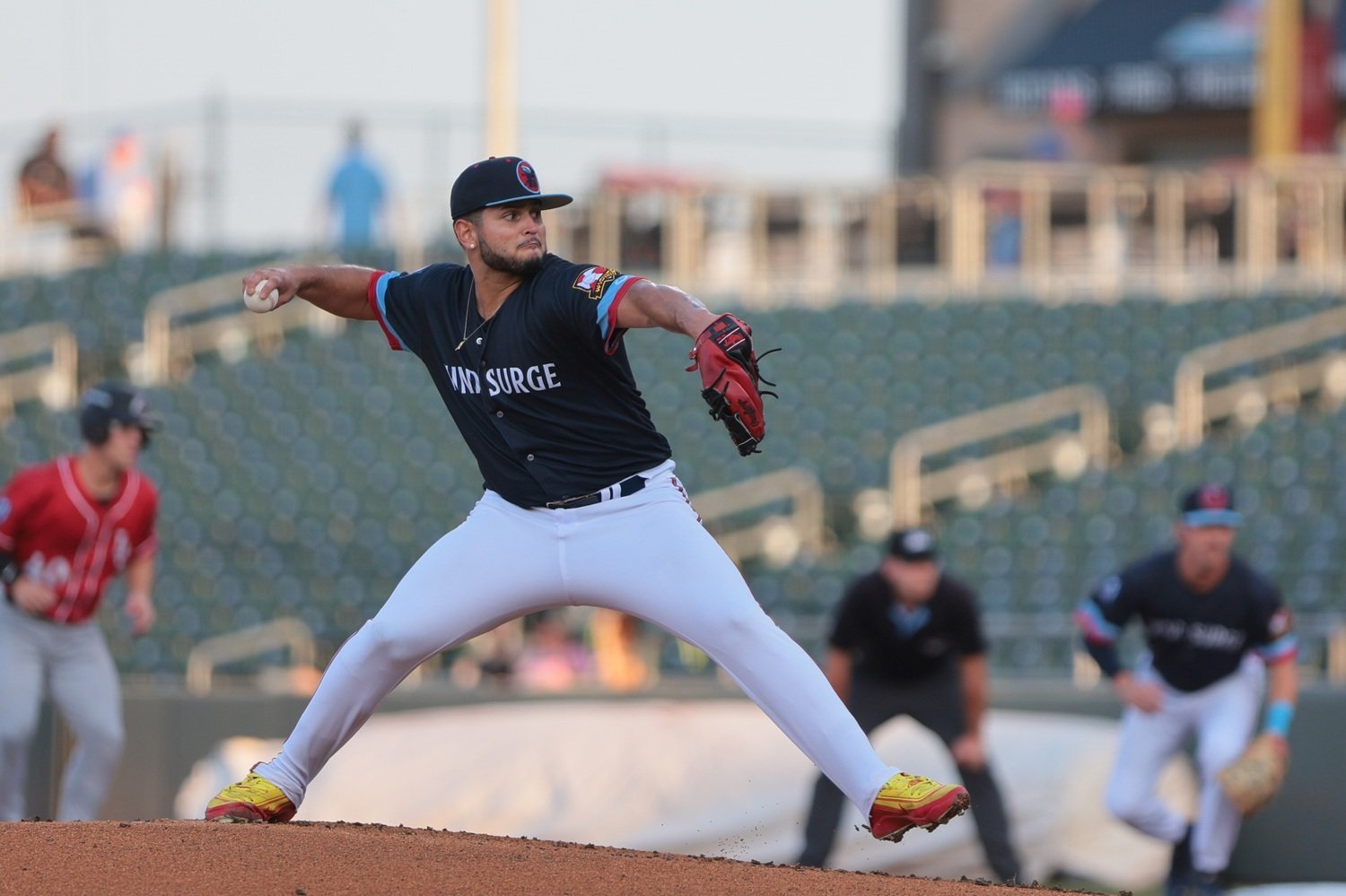 The minor-league regular season ends over the next week, bringing another year of development across the Twins' four full-season affiliates to a close. While the final games are being played, Minnesota has already accomplished something no organization had done before. The Twins became the first organization in professional baseball history to hit 700 or more home runs across their full-season affiliates, including Triple-A, Double-A, High-A, and Low-A. There have been plenty of impressive individual performances along the way, but the final weeks of the season is also an opportunity to recognize players who have made significant strides throughout the year. This week's Hot Sheet features three players from Double-A Wichita who have made strong cases for continued attention heading into the offseason. RHP Adrian Bohorquez– Wichita Wind Surge How He Got Here: When a player signs for just $10,000 as an 18-year-old international free agent, there aren't exactly sky-high expectations attached. That's where Bohorquez started. After a lackluster debut in the Dominican Summer League in 2023, the right-hander began showing that he might be able to provide a significant return on the Twins' modest investment with a solid first season in the United States in 2024. Bohorquez entered 2025 with relatively low expectations, and his performance suffered early in the season. As the calendar progressed, however, so did the results. Beginning July 1, he posted a 2.47 ERA while holding opponents to a .185 batting average. That performance earned Bohorquez a late promotion to High-A Cedar Rapids and gave the Twins another reason to keep an eye on the young right-hander. He has continued building on that momentum this season, making his name increasingly difficult to overlook when discussing the organization's top pitching performances. Hitting the Hot Button: Bohorquez started on the mound for the Wind Surge and immediately attacked the top of the Frisco order. He faced the minimum in the first inning while striking out two hitters. The right-hander continued to keep Frisco's offense quiet, finishing his outing after five scoreless innings. He allowed just one hit while striking out four. Since his promotion to Double-A, Bohorquez has posted a 1.06 ERA and 0.94 WHIP, along with a 26.1% strikeout rate and 10.1% walk rate across four starts. For a player who entered the organization with a $10,000 signing bonus and modest expectations, Bohorquez has come a long way. His late-season performance has also put him firmly into the conversation for the Twins' Pitcher of the Year honors. OF Graham Brown– Wichita Wind Surge How He Got Here: Brown played parts of three collegiate seasons at Coastal Carolina, where he hit .310/.408/.571 with a .980 OPS. Those are strong offensive numbers, but they weren't enough to catch an organization's attention during the draft. Brown went undrafted and spent the 2025 season and the beginning of the 2026 campaign playing in the independent leagues. The Rockville, Maryland, native was eventually signed by the Twins as a minor league free agent in May 2026. Minnesota has moved him aggressively, using him at all four levels from Low-A through Triple-A this season. At Wichita, however, Brown appears to have found a home. Hitting the Hot Button: Brown played in six games for the Wind Surge this week, going 9-for-20 (.450) with two doubles, two home runs, seven RBI and three walks. He also posted a .522 on-base percentage and a 1.372 OPS. The production isn't limited to one hot week. In 28 games at Double-A, Brown has an .855 OPS and a 119 wRC+. There is some context to those numbers. At 24 years old, Brown has been older than the average competition at every level he has played this season except for his lone game in St. Paul. Still, the Twins have continued moving him around the organization, and he has consistently taken advantage of his opportunities. After beginning the year in independent baseball, simply reaching Triple-A represents a significant accomplishment. His production at Wichita makes him an intriguing player to follow into the offseason. RHP Ty Langenberg– Wichita Wind Surge How He Got Here: Langenberg, a native of Urbandale, Iowa, was selected by the Twins in the 11th round of the 2023 MLB Draft out of the University of Iowa. In three collegiate seasons, he posted a 4.04 ERA and 1.43 WHIP. After signing, Langenberg made five relief appearances at the end of the 2023 season, totaling just 7 1/3 innings. The 2024 campaign represented his first full professional season, and he posted a 3.67 ERA with a 25.4% strikeout rate and 6.6% walk rate between Low-A and High-A. Langenberg returned to Cedar Rapids for the entire 2025 season, posting a 4.87 ERA with a 21.1% strikeout rate and 10.1% walk rate. The Twins have continued experimenting with his role this season, using him both as a starter and reliever at the upper levels. Hitting the Hot Button: Langenberg, 24, made the start Thursday against Frisco and delivered another strong performance. He allowed one run on six hits over six innings, walking nobody and striking out four. His ability to handle different roles has been valuable as he has moved between Double-A and Triple-A. With Wichita this season, Langenberg has a 3.65 ERA and 1.21 WHIP, along with a 21.2% strikeout rate and 7.6% walk rate over 86 1/3 innings. The strikeout numbers aren't overwhelming, but the improved control stands out. After walking 10.1% of hitters at Cedar Rapids last season, Langenberg has cut that number significantly this year while handling a heavier workload. His versatility could give the Twins another option to monitor as they build their upper-level pitching depth heading into 2027. The minor league season is almost officially in the books, but the development work continues well beyond Sunday's final games. For Bohorquez, Brown and Langenberg, the final week provided another opportunity to show why they deserve to remain part of the organization's plans. Bohorquez is the biggest standout of the group. His progression has been particularly impressive considering where he started, and his dominant run since reaching Double-A has turned him from an intriguing organizational arm into a legitimate pitching prospect to watch. Brown's story is different, but equally interesting. An undrafted college player who spent time in independent baseball has worked his way through four levels of the Twins system in one season. Langenberg, meanwhile, continues to demonstrate the value of versatility while improving his control and effectiveness. The Twins have plenty of questions to answer this offseason, but developing internal pitching depth will remain an important part of the organization's future. These three players have given Minnesota another reason to keep watching the upper levels of the farm system. What stands out about this trio? Leave a comment and start the discussion.
- 5 comments
-
- 5
-
-
- adrian bohorquez
- graham brown
- (and 1 more)
-
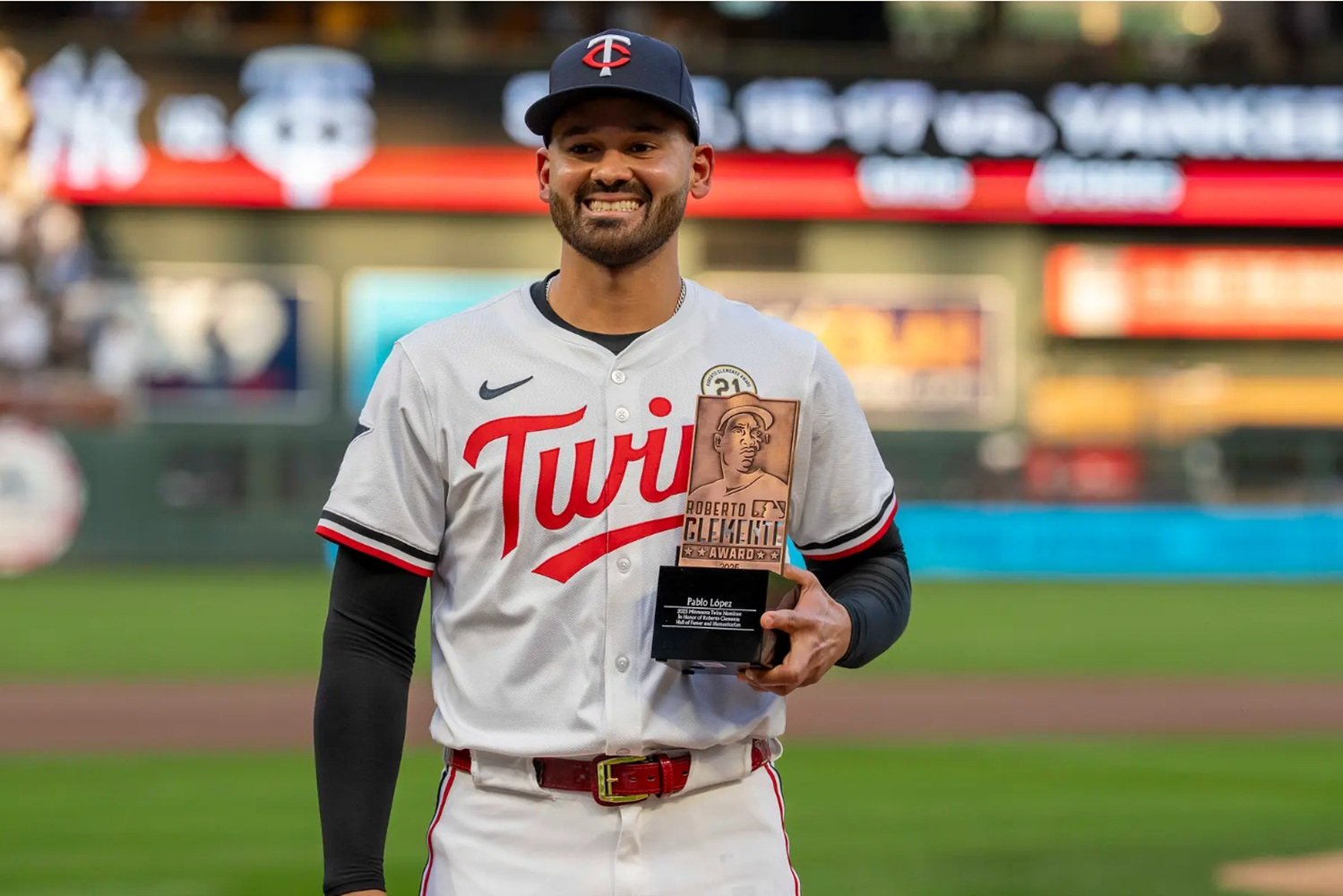 The Minnesota Twins are once again putting Pablo López forward for one of Major League Baseball's most prestigious honors. The club announced Monday morning that López has been selected as Minnesota's nominee for the Roberto Clemente Award. It marks the third consecutive season the Twins have nominated López for the award and the fourth time overall that he has been recognized by the organization for his work in the community. López has not been able to contribute on the mound for Minnesota this season, but his absence from the rotation has not kept him from making an impact elsewhere. His work with teammates, children and families throughout the Twin Cities has continued despite spending the year rehabbing from injury. "Like Roberto Clemente before him, Pablo López exemplifies humanity, compassion, and the best of our game," Twins General Manager Jeremy Zoll said in a statement. "Even in a year when injury prevented him from pitching, Pablo's commitment to others, from teammates to those less fortunate, never wavered. His integrity, generosity, and leadership make our clubhouse, our organization, and our communities better every day." The Roberto Clemente Award is given annually to the player who best represents the game through community involvement, philanthropy and character both on and off the field. Each of MLB's 30 clubs selects one nominee, with the league's winner announced during the World Series. The Twins have a recent history of having their nominees recognized, with Nelson Cruz winning the award in 2021. For López, much of his community work has centered around children. His connection to children's hospitals has a particularly personal meaning because both of his parents were doctors before their passing. Each September, López continues a tradition of visiting patients at Children's Minnesota and M Health Fairview as part of Childhood Cancer Awareness Month. His work with young patients has remained a priority even during a season in which he has been unable to pitch. López has also continued working with the Twins Community Fund and its youth programs. He has participated in the Twins High School Leadership Academy, speaking with students about leadership and his experiences. He has also helped put baseball equipment into the hands of Minneapolis children and participated in clinics for young athletes. His community work extends beyond the Twin Cities as well. López has remained closely connected to his Venezuelan heritage and has used his platform to support causes important to his home country. Earlier this year, López participated in a recess takeover at a Minneapolis elementary school, connecting with Venezuelan students while celebrating Día del Niño. After devastating earthquakes struck Venezuela in June, he used his social media presence to raise awareness and funds for relief efforts. He also directed his Twins Community Fund charitable giving toward three organizations assisting with recovery efforts. That work helps explain why López continues to be recognized for the Roberto Clemente Award despite not throwing a single pitch for the Twins this season. The right-hander's 2026 season has been defined by rehabilitation rather than starts, but his presence around the organization has remained significant. López has continued to lead by example, support his teammates and give his time to people throughout the community. Now, Twins fans have an opportunity to help recognize that work. Voting for the Roberto Clemente Award is open through September 27 at 11:59 p.m. Fans can cast their votes for López through MLB's website, with the eventual winner set to receive the award during the World Series.
 -
The Minnesota Twins are once again putting Pablo López forward for one of Major League Baseball's most prestigious honors. The club announced Monday morning that López has been selected as Minnesota's nominee for the Roberto Clemente Award. It marks the third consecutive season the Twins have nominated López for the award and the fourth time overall that he has been recognized by the organization for his work in the community. López has not been able to contribute on the mound for Minnesota this season, but his absence from the rotation has not kept him from making an impact elsewhere. His work with teammates, children and families throughout the Twin Cities has continued despite spending the year rehabbing from injury. "Like Roberto Clemente before him, Pablo López exemplifies humanity, compassion, and the best of our game," Twins General Manager Jeremy Zoll said in a statement. "Even in a year when injury prevented him from pitching, Pablo's commitment to others, from teammates to those less fortunate, never wavered. His integrity, generosity, and leadership make our clubhouse, our organization, and our communities better every day." The Roberto Clemente Award is given annually to the player who best represents the game through community involvement, philanthropy and character both on and off the field. Each of MLB's 30 clubs selects one nominee, with the league's winner announced during the World Series. The Twins have a recent history of having their nominees recognized, with Nelson Cruz winning the award in 2021. For López, much of his community work has centered around children. His connection to children's hospitals has a particularly personal meaning because both of his parents were doctors before their passing. Each September, López continues a tradition of visiting patients at Children's Minnesota and M Health Fairview as part of Childhood Cancer Awareness Month. His work with young patients has remained a priority even during a season in which he has been unable to pitch. López has also continued working with the Twins Community Fund and its youth programs. He has participated in the Twins High School Leadership Academy, speaking with students about leadership and his experiences. He has also helped put baseball equipment into the hands of Minneapolis children and participated in clinics for young athletes. His community work extends beyond the Twin Cities as well. López has remained closely connected to his Venezuelan heritage and has used his platform to support causes important to his home country. Earlier this year, López participated in a recess takeover at a Minneapolis elementary school, connecting with Venezuelan students while celebrating Día del Niño. After devastating earthquakes struck Venezuela in June, he used his social media presence to raise awareness and funds for relief efforts. He also directed his Twins Community Fund charitable giving toward three organizations assisting with recovery efforts. That work helps explain why López continues to be recognized for the Roberto Clemente Award despite not throwing a single pitch for the Twins this season. The right-hander's 2026 season has been defined by rehabilitation rather than starts, but his presence around the organization has remained significant. López has continued to lead by example, support his teammates and give his time to people throughout the community. Now, Twins fans have an opportunity to help recognize that work. Voting for the Roberto Clemente Award is open through September 27 at 11:59 p.m. Fans can cast their votes for López through MLB's website, with the eventual winner set to receive the award during the World Series. View full rumor
- 3 replies
-
- 2
-

-
- pablo lopez
- roberto clemente
- (and 1 more)
-
Image courtesy of © Matt Krohn-Imagn Images There were plenty of changes coming to the Minnesota Twins last winter. The front office changed. The manager changed. Much of the coaching staff changed. The organization entered the 2026 season determined to take a different direction after consecutive second-half collapses. One of the few members of the major-league coaching staff who survived that purge was pitching coach Pete Maki. That decision made sense. Maki has been with the organization since 2017, initially working as the minor-league pitching coordinator before joining the major-league staff as bullpen coach in 2021. When Wes Johnson left during the 2022 season, Maki took over as pitching coach. But as the Twins' 2026 season has unfolded, it's fair to ask whether Maki should survive another organizational reset. That isn't an indictment of one person. Pitching coaches don't determine the talent available to them. They don't control injuries. They don't decide which pitchers are acquired, developed, promoted, or designated for assignment. Eventually, though, results have to dictate decisions. Unfavorable Circumstances Maki entered this season with one enormous problem before Opening Day even arrived. Pablo López was lost to Tommy John surgery, removing the Twins' most established starting pitcher from the equation. Suddenly, Maki was tasked with helping several young pitchers navigate major league rotations while simultaneously trying to construct a bullpen without an established closer or proven setup man. That is a difficult assignment for any pitching coach. The Twins cycled through young starters, reclamation projects and inexperienced relievers. Injuries created additional complications with players like Mick Abel, David Festa, Cole Sands, and Anthony Banda. The organization also asked pitchers who had spent relatively little time in the majors to take on increasingly important roles. There were going to be growing pains. Still, there have been some legitimate successes. Positive Signs Taj Bradley is probably the clearest example. Bradley leads the Twins' pitching staff in rWAR and owns the highest strikeout rate among the team's starting pitchers. Considering the number of young arms Minnesota has relied upon, watching Bradley establish himself as the staff's most valuable pitcher is an important development. Then there is Yoendrys Gómez. The Twins made relatively small adjustments to Gómez's release and pitch mix, and the results were significant enough to turn him into one of the team's most important bullpen pieces during the first half. Gómez essentially became the pitcher the Twins needed when there wasn't an obvious answer for the ninth inning. His ability to absorb important innings kept the bullpen together for stretches of the season. Those developments deserve credit. Inconsistent Results Other pitchers provide a more complicated picture. Connor Prielipp took on a significantly larger workload than he had previously handled, reaching a career high in innings. That is an important developmental milestone for a young pitcher. But the results weren't particularly good. For the season, Prielipp has a -0.3 rWAR, an 80 ERA+, and a -1.70 WPA, illustrating just how much his innings hurt the Twins. Andrew Morris offers another example. For a while, Morris looked like he had the potential to become a dominant setup option. The Twins appeared to have found another important bullpen piece. Then things unraveled down the stretch with his second-half OPS allowed rising by over 150 points. Morris ultimately sits with a -1.14 WPA, turning what looked like a potential success story into another question mark. And then there is Simeon Woods Richardson. Woods Richardson was once viewed as one of the organization's promising young starting pitchers. Instead, he became effectively unplayable (-1.3 rWAR) and eventually was lost on waivers. That is a particularly difficult development for a coaching and development staff to explain. Numbers are Difficult to Ignore The bigger concern isn't necessarily one pitcher. It is the overall trend. Since 2024, Twins pitchers rank 25th in MLB in WPA and 25th in ERA. They rank 26th in Barrel% and 20th in home runs allowed per nine innings. Those aren't numbers that can simply be dismissed as a bad month or an unfortunate stretch. There is certainly a personnel component. A pitching coach can only work with the pitchers the organization gives him. If the front office doesn't provide enough major league-caliber arms, no pitching coach is going to turn a collection of replacement-level pitchers into an elite staff. The Twins have also dealt with significant injuries. López missed most of 2026. Other pitchers have cycled in and out of the rotation. The bullpen has lacked stability. All of that matters. But the results have been bad, and they have continued to be bad. At some point, the organization has to determine whether the problem is primarily personnel or whether its pitching development and coaching processes aren't producing enough improvement. Not Everything Shows Up in the Numbers There is another side of this discussion that shouldn't be ignored. Being a pitching coach is about much more than ERA, strikeout rate or WPA. Maki is responsible for building relationships with pitchers, preparing them for starts, helping relievers prepare for unpredictable workloads, communicating with the manager and front office, identifying mechanical issues, studying opposing hitters and helping pitchers make adjustments. Some of the most important work happens behind closed doors. A pitcher might credit a coach for helping him make a mechanical adjustment that doesn't immediately show up in his statistics. A young player might develop confidence because of the relationship he has built with his coach. A struggling pitcher might avoid a complete collapse because someone on the staff knows how to reach him. None of that appears on a leaderboard. It would be unfair to evaluate Maki exclusively through the team's pitching statistics. It would also be unfair to ignore those statistics entirely. Is Maki the Fall Guy? The Twins don't need to make Maki the scapegoat for their pitching problems. But they do need to evaluate him honestly. Maki has been the organization's major league pitching coach since 2022. He has now had multiple seasons to establish his system, work with the organization's pitchers and help shape the development of young arms. There have been successes. There have also been too many failures. If the Twins believe the problem is simply a lack of talent, then the solution should be improving the talent around Maki. If they believe the pitching infrastructure is working but injuries and roster construction have undermined it, then Maki deserves another opportunity. If, however, the organization believes its pitchers aren't improving enough under the current system, then changing the pitching coach should be part of the conversation. That doesn't mean Maki is a bad coach. It means the Twins need to decide whether he is the right coach for what comes next. The organization is already facing plenty of difficult questions this offseason. The pitching staff will be one of the biggest. Pete Maki should be one of them. Should Maki be on the hot seat this winter? Leave a comment and start the discussion. View full article
-
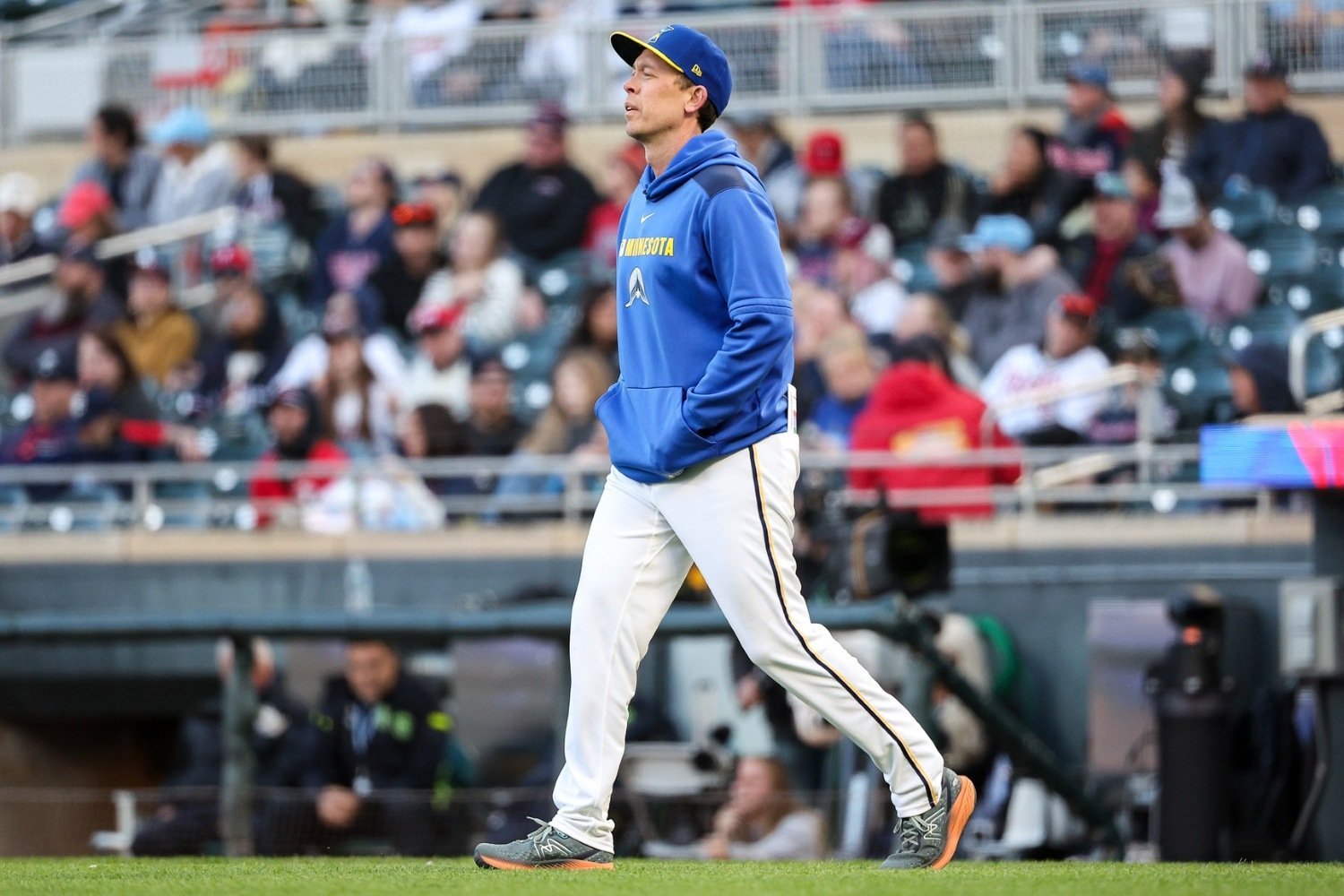 There were plenty of changes coming to the Minnesota Twins last winter. The front office changed. The manager changed. Much of the coaching staff changed. The organization entered the 2026 season determined to take a different direction after consecutive second-half collapses. One of the few members of the major-league coaching staff who survived that purge was pitching coach Pete Maki. That decision made sense. Maki has been with the organization since 2017, initially working as the minor-league pitching coordinator before joining the major-league staff as bullpen coach in 2021. When Wes Johnson left during the 2022 season, Maki took over as pitching coach. But as the Twins' 2026 season has unfolded, it's fair to ask whether Maki should survive another organizational reset. That isn't an indictment of one person. Pitching coaches don't determine the talent available to them. They don't control injuries. They don't decide which pitchers are acquired, developed, promoted, or designated for assignment. Eventually, though, results have to dictate decisions. Unfavorable Circumstances Maki entered this season with one enormous problem before Opening Day even arrived. Pablo López was lost to Tommy John surgery, removing the Twins' most established starting pitcher from the equation. Suddenly, Maki was tasked with helping several young pitchers navigate major league rotations while simultaneously trying to construct a bullpen without an established closer or proven setup man. That is a difficult assignment for any pitching coach. The Twins cycled through young starters, reclamation projects and inexperienced relievers. Injuries created additional complications with players like Mick Abel, David Festa, Cole Sands, and Anthony Banda. The organization also asked pitchers who had spent relatively little time in the majors to take on increasingly important roles. There were going to be growing pains. Still, there have been some legitimate successes. Positive Signs Taj Bradley is probably the clearest example. Bradley leads the Twins' pitching staff in rWAR and owns the highest strikeout rate among the team's starting pitchers. Considering the number of young arms Minnesota has relied upon, watching Bradley establish himself as the staff's most valuable pitcher is an important development. Then there is Yoendrys Gómez. The Twins made relatively small adjustments to Gómez's release and pitch mix, and the results were significant enough to turn him into one of the team's most important bullpen pieces during the first half. Gómez essentially became the pitcher the Twins needed when there wasn't an obvious answer for the ninth inning. His ability to absorb important innings kept the bullpen together for stretches of the season. Those developments deserve credit. Inconsistent Results Other pitchers provide a more complicated picture. Connor Prielipp took on a significantly larger workload than he had previously handled, reaching a career high in innings. That is an important developmental milestone for a young pitcher. But the results weren't particularly good. For the season, Prielipp has a -0.3 rWAR, an 80 ERA+, and a -1.70 WPA, illustrating just how much his innings hurt the Twins. Andrew Morris offers another example. For a while, Morris looked like he had the potential to become a dominant setup option. The Twins appeared to have found another important bullpen piece. Then things unraveled down the stretch with his second-half OPS allowed rising by over 150 points. Morris ultimately sits with a -1.14 WPA, turning what looked like a potential success story into another question mark. And then there is Simeon Woods Richardson. Woods Richardson was once viewed as one of the organization's promising young starting pitchers. Instead, he became effectively unplayable (-1.3 rWAR) and eventually was lost on waivers. That is a particularly difficult development for a coaching and development staff to explain. Numbers are Difficult to Ignore The bigger concern isn't necessarily one pitcher. It is the overall trend. Since 2024, Twins pitchers rank 25th in MLB in WPA and 25th in ERA. They rank 26th in Barrel% and 20th in home runs allowed per nine innings. Those aren't numbers that can simply be dismissed as a bad month or an unfortunate stretch. There is certainly a personnel component. A pitching coach can only work with the pitchers the organization gives him. If the front office doesn't provide enough major league-caliber arms, no pitching coach is going to turn a collection of replacement-level pitchers into an elite staff. The Twins have also dealt with significant injuries. López missed most of 2026. Other pitchers have cycled in and out of the rotation. The bullpen has lacked stability. All of that matters. But the results have been bad, and they have continued to be bad. At some point, the organization has to determine whether the problem is primarily personnel or whether its pitching development and coaching processes aren't producing enough improvement. Not Everything Shows Up in the Numbers There is another side of this discussion that shouldn't be ignored. Being a pitching coach is about much more than ERA, strikeout rate or WPA. Maki is responsible for building relationships with pitchers, preparing them for starts, helping relievers prepare for unpredictable workloads, communicating with the manager and front office, identifying mechanical issues, studying opposing hitters and helping pitchers make adjustments. Some of the most important work happens behind closed doors. A pitcher might credit a coach for helping him make a mechanical adjustment that doesn't immediately show up in his statistics. A young player might develop confidence because of the relationship he has built with his coach. A struggling pitcher might avoid a complete collapse because someone on the staff knows how to reach him. None of that appears on a leaderboard. It would be unfair to evaluate Maki exclusively through the team's pitching statistics. It would also be unfair to ignore those statistics entirely. Is Maki the Fall Guy? The Twins don't need to make Maki the scapegoat for their pitching problems. But they do need to evaluate him honestly. Maki has been the organization's major league pitching coach since 2022. He has now had multiple seasons to establish his system, work with the organization's pitchers and help shape the development of young arms. There have been successes. There have also been too many failures. If the Twins believe the problem is simply a lack of talent, then the solution should be improving the talent around Maki. If they believe the pitching infrastructure is working but injuries and roster construction have undermined it, then Maki deserves another opportunity. If, however, the organization believes its pitchers aren't improving enough under the current system, then changing the pitching coach should be part of the conversation. That doesn't mean Maki is a bad coach. It means the Twins need to decide whether he is the right coach for what comes next. The organization is already facing plenty of difficult questions this offseason. The pitching staff will be one of the biggest. Pete Maki should be one of them. Should Maki be on the hot seat this winter? Leave a comment and start the discussion.
 -
Image courtesy of © Matt Blewett-Imagn Images Joe Ryan's name has been tied to trade rumors for more than a year. Those rumors really picked up steam after the Minnesota Twins began their trade deadline firesale in 2025, when it became clear that the organization was willing to move established players in exchange for future assets. At one point last summer, the speculation even got out of hand. One national outlet posted on social media that Ryan had been traded to the Boston Red Sox. That report turned out to be false, and Ryan remained in Minnesota. Now, Ryan is headed to the final year of team control in 2027. That's only going to put his name back into the national trade conversation this winter. A starting pitcher with Ryan's track record should generate plenty of interest around baseball. However, there are three major reasons why the Twins are unlikely to trade him this offseason. 1. His Second-Half Performance is a Problem Ryan has pitched like an All-Star during the first halves of seasons throughout his career. The problem has been keeping that level of performance going once the calendar flips to the second half. Before All-Star breaks, Ryan owns a 3.17 ERA and 1.01 WHIP, while holding opposing hitters to a .632 OPS. Those are excellent numbers for a starting pitcher. His second-half numbers tell a very different story. Ryan has a 4.99 ERA and 1.22 WHIP after the All-Star break, with opponents posting a .780 OPS against him. There are legitimate explanations for some of that difference. Ryan has dealt with injuries and has tried to pitch through some of them, which has undoubtedly affected his performance. Still, the results matter. If the Twins were trying to trade Ryan at the height of his value, they would want to point toward his first-half dominance. Unfortunately, opposing teams are going to look at the entire body of work, including the recurring second-half struggles. That makes it harder for Minnesota to get the kind of return it would need to justify trading him. 2. His Injury Diagnosis is Still Unclear Ryan's health creates another problem for the Twins. After struggling through multiple starts coming out of the All-Star break, initial reports indicated that Ryan was dealing with a dead-arm issue. Minnesota eventually placed him on the injured list with (officially) a glute injury. There's an obvious disconnect here. Either Ryan's maladies were more generalized at first, or the glute issue that eventually sidelined him was separate from an arm problem that has gone unmentioned since. That doesn't mean Ryan wasn't legitimately dealing with an injury. It does, however, create uncertainty about exactly what has been affecting his performance and whether there is something more going on physically. That type of uncertainty dings a player's trade value. Teams considering trading significant prospects for Ryan will want confidence that they are acquiring the pitcher who dominated opposing hitters during the first half of the season. If there are questions about his health, his mechanics, or why his performance has declined so dramatically in the second half, those questions will be reflected in trade offers. The Twins aren't going to get maximum value for Ryan while those questions remain unanswered. 3. The Looming Lockout Could Apply a Pinch The current Collective Bargaining Agreement expires on December 1. If the two sides fail to reach a new agreement, another lockout could begin. That creates an interesting dynamic for the offseason. The last time baseball faced a lockout following the 2021 season, there was a flurry of activity before the deadline. Free agents signed contracts, teams completed major trades, and front offices tried to get as much business done as possible before the transaction freeze began. There could be another rush this winter. That might seem like a reason for the Twins to move Ryan quickly. If teams know a lockout is coming, they could be more aggressive about completing trades before December 1. But that doesn't necessarily mean Ryan's value will be at its peak. In fact, all of the other factors could work against Minnesota. Teams know Ryan is entering his final year of team control. They know about his second-half struggles. The Twins might receive plenty of calls about Ryan. That doesn't mean they'll receive an offer worth accepting. There's a major difference between having a market for a player and getting the type of return you need to trade him. Ryan's Trade Value Is Probably at a Low Point Put all three factors together, and Ryan's trade value is probably at a low point. He remains a talented starting pitcher with a proven track record, and there's no question that other teams will be interested. But Minnesota isn't going to trade him simply because another team is interested. The Twins need a significant return if they're going to give up one of their best starting pitchers. This winter probably isn't the time to make that move. Instead, the more likely scenario is that Minnesota holds onto Ryan and gives him another opportunity to prove himself. If he puts together another dominant first half in 2027, his trade value could look dramatically different at next year's trade deadline. The Twins have already shown that they're willing to make difficult trades when the return makes sense. But Ryan's current combination of inconsistent second-half performance, injury uncertainty and an approaching CBA deadline doesn't create an ideal selling opportunity. His name will almost certainly appear in trade rumors all winter. That doesn't mean the Twins will actually trade him. Will the Twins trade Ryan this winter? Leave a comment and start the discussion. View full article
-
3 Reasons There’s No Way the Twins Trade Joe Ryan This Winter
Cody Christie posted an article in Twins
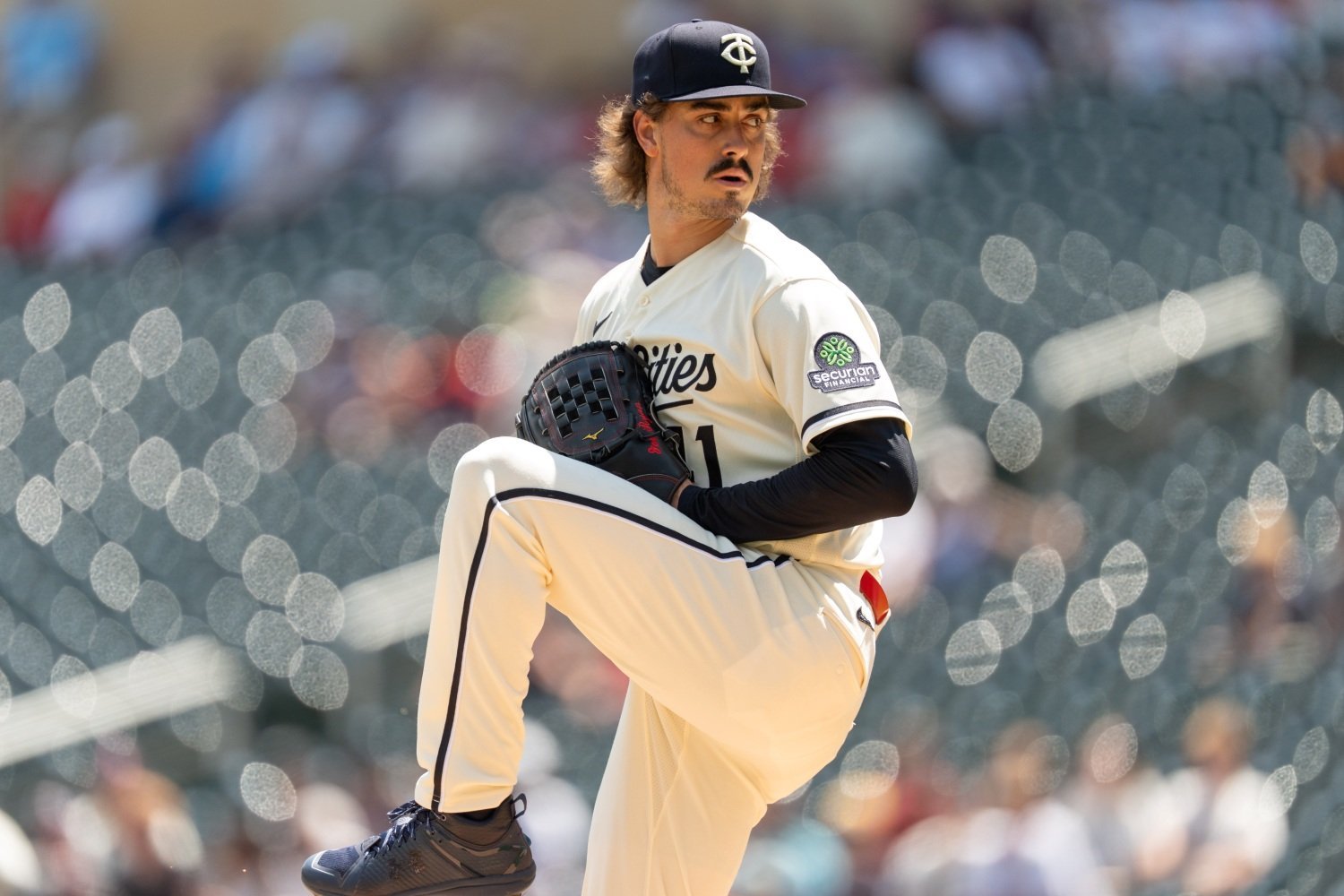 Joe Ryan's name has been tied to trade rumors for more than a year. Those rumors really picked up steam after the Minnesota Twins began their trade deadline firesale in 2025, when it became clear that the organization was willing to move established players in exchange for future assets. At one point last summer, the speculation even got out of hand. One national outlet posted on social media that Ryan had been traded to the Boston Red Sox. That report turned out to be false, and Ryan remained in Minnesota. Now, Ryan is headed to the final year of team control in 2027. That's only going to put his name back into the national trade conversation this winter. A starting pitcher with Ryan's track record should generate plenty of interest around baseball. However, there are three major reasons why the Twins are unlikely to trade him this offseason. 1. His Second-Half Performance is a Problem Ryan has pitched like an All-Star during the first halves of seasons throughout his career. The problem has been keeping that level of performance going once the calendar flips to the second half. Before All-Star breaks, Ryan owns a 3.17 ERA and 1.01 WHIP, while holding opposing hitters to a .632 OPS. Those are excellent numbers for a starting pitcher. His second-half numbers tell a very different story. Ryan has a 4.99 ERA and 1.22 WHIP after the All-Star break, with opponents posting a .780 OPS against him. There are legitimate explanations for some of that difference. Ryan has dealt with injuries and has tried to pitch through some of them, which has undoubtedly affected his performance. Still, the results matter. If the Twins were trying to trade Ryan at the height of his value, they would want to point toward his first-half dominance. Unfortunately, opposing teams are going to look at the entire body of work, including the recurring second-half struggles. That makes it harder for Minnesota to get the kind of return it would need to justify trading him. 2. His Injury Diagnosis is Still Unclear Ryan's health creates another problem for the Twins. After struggling through multiple starts coming out of the All-Star break, initial reports indicated that Ryan was dealing with a dead-arm issue. Minnesota eventually placed him on the injured list with (officially) a glute injury. There's an obvious disconnect here. Either Ryan's maladies were more generalized at first, or the glute issue that eventually sidelined him was separate from an arm problem that has gone unmentioned since. That doesn't mean Ryan wasn't legitimately dealing with an injury. It does, however, create uncertainty about exactly what has been affecting his performance and whether there is something more going on physically. That type of uncertainty dings a player's trade value. Teams considering trading significant prospects for Ryan will want confidence that they are acquiring the pitcher who dominated opposing hitters during the first half of the season. If there are questions about his health, his mechanics, or why his performance has declined so dramatically in the second half, those questions will be reflected in trade offers. The Twins aren't going to get maximum value for Ryan while those questions remain unanswered. 3. The Looming Lockout Could Apply a Pinch The current Collective Bargaining Agreement expires on December 1. If the two sides fail to reach a new agreement, another lockout could begin. That creates an interesting dynamic for the offseason. The last time baseball faced a lockout following the 2021 season, there was a flurry of activity before the deadline. Free agents signed contracts, teams completed major trades, and front offices tried to get as much business done as possible before the transaction freeze began. There could be another rush this winter. That might seem like a reason for the Twins to move Ryan quickly. If teams know a lockout is coming, they could be more aggressive about completing trades before December 1. But that doesn't necessarily mean Ryan's value will be at its peak. In fact, all of the other factors could work against Minnesota. Teams know Ryan is entering his final year of team control. They know about his second-half struggles. The Twins might receive plenty of calls about Ryan. That doesn't mean they'll receive an offer worth accepting. There's a major difference between having a market for a player and getting the type of return you need to trade him. Ryan's Trade Value Is Probably at a Low Point Put all three factors together, and Ryan's trade value is probably at a low point. He remains a talented starting pitcher with a proven track record, and there's no question that other teams will be interested. But Minnesota isn't going to trade him simply because another team is interested. The Twins need a significant return if they're going to give up one of their best starting pitchers. This winter probably isn't the time to make that move. Instead, the more likely scenario is that Minnesota holds onto Ryan and gives him another opportunity to prove himself. If he puts together another dominant first half in 2027, his trade value could look dramatically different at next year's trade deadline. The Twins have already shown that they're willing to make difficult trades when the return makes sense. But Ryan's current combination of inconsistent second-half performance, injury uncertainty and an approaching CBA deadline doesn't create an ideal selling opportunity. His name will almost certainly appear in trade rumors all winter. That doesn't mean the Twins will actually trade him. Will the Twins trade Ryan this winter? Leave a comment and start the discussion.
 -
The Minnesota Twins have spent much of the 2026 season falling out of the American League playoff picture. Now, one prominent national analyst has offered an assessment that could be even more concerning for the organization’s future. ESPN’s Kiley McDaniel recently ranked every team in Major League Baseball based on its current core. The exercise looks at which players are under contract or team control for the next two full seasons, attempting to measure how much talent each organization has working toward the near future. McDaniel breaks players into three categories. “To make it easier to see which team has more talent, I split players into three tiers: elite (5ish WAR talent, or perennial All-Stars with MVP chances), plus (3-5ish WAR types) and solid (1.5-3ish WAR, or lower-end starters and valuable role players).” By that measure, the Twins have one of the worst cores in baseball. Minnesota ranks 29th, ahead of only the Colorado Rockies. Colorado has finished last in McDaniel's rankings for five consecutive seasons. That makes this year's ranking particularly difficult to swallow. The Twins ranked 18th in 2025, 11th in 2024, 19th in 2023 and 17th in 2022. There has been some fluctuation, but the organization has generally been viewed as having a middle-of-the-pack core. Now it is nearly at the bottom. There Is No Elite Talent The most glaring part of McDaniel's assessment is what the Twins don't have. There isn't a single player on Minnesota's current core who qualifies as an elite player. Byron Buxton is the lone player in the Plus category. McDaniel views him as a player capable of providing roughly 3-5 WAR value, but the Twins don't have anyone in the elite tier. The Solid category is much more crowded. That group includes Taj Bradley, Walker Jenkins, Vahn Lackey, Kaelen Culpepper, Luke Keaschall, Brooks Lee, Kody Clemens, Marek Houston, Connor Prielipp, Emmanuel Rodriguez, Royce Lewis, Riley Quick, Hendry Mendez, Khadim Diaw, Zebby Matthews, Andrew Morris, Mick Abel and Kendry Rojas. There is certainly talent there. The problem is that most of it is projection. Jenkins, Culpepper and Keaschall haven't had enough time in the majors to establish themselves as impact players. Lackey, Houston, Quick, Mendez and Diaw are still prospects. Bradley has shown flashes of being a major-league starter, but he has yet to establish himself as a consistent top-of-the-rotation arm. That's a very different situation than having multiple established stars anchoring an organization. And there is another important omission. Pablo López and Joe Ryan don't qualify because they are only under team control through 2027. That feels like an important distinction when evaluating the Twins. Both pitchers could be major contributors to the next two seasons, but McDaniel's methodology doesn't allow them to boost Minnesota's ranking beyond that window. McDaniel does leave some room for optimism. He notes that some players at the top of the Solid tier could move into the Plus category next season. The Twins also could potentially add talent in trades involving López or Ryan, giving them an opportunity to reshape the core rather than simply watching it deteriorate. Still, 29th is 29th. How I See the Twins' Next Two Seasons If I were ranking the current Twins based strictly on the value I expect them to provide over the next two seasons, my top five would look like this: 1. Byron Buxton Buxton is past his peak, but that doesn't mean he isn't still capable of being an All-Star caliber contributor. When healthy, there are few players on Minnesota's roster who can impact a game in as many ways. His power, speed and defensive ability give him a ceiling that remains higher than almost anyone else in the organization. The obvious question is whether he can stay on the field. That's also the biggest reason he isn't considered an elite player in McDaniel's ranking. 2. Taj Bradley Bradley is the player I would bet on making the biggest jump over the next two seasons. He has the ingredients to become a borderline All-Star starting pitcher. If his development continues on its current trajectory, he could move from the Solid tier into the Plus category relatively quickly. For a Twins organization desperately searching for foundational pitching, that would be a massive development. 3. Walker Jenkins The beginning of Jenkins' major-league career hasn't gone exactly as anyone hoped. That's not particularly concerning. Jenkins is still incredibly young, and the talent that made him one of baseball's top prospects hasn't disappeared because of a difficult introduction to the majors. There will be adjustments, struggles and growing pains. Eventually, those adjustments should start working in his favor. If Jenkins reaches anything close to his expected ceiling, he could quickly become one of the most important players in Minnesota. 4. Kaelen Culpepper Culpepper already looks like he belongs at the major-league level. There are prospects who need significant development before they can become everyday players. Culpepper has already shown enough to make it reasonable to expect him to be part of the Twins' long-term plans. His ability to provide value in multiple areas makes him an especially intriguing piece moving forward. 5. Luke Keaschall Keaschall's path might be a little less conventional. He should settle into a corner outfield spot, where his offensive ability can become the primary driver of his value. If he continues to develop, he should provide above-average production over the next two seasons. He is another player who could force his way from the Solid tier into Plus territory. And that is ultimately what the Twins need. The Problem With a Core Built on Potential There is nothing inherently wrong with having a young core. In fact, that's exactly what rebuilding organizations are supposed to do. The problem is when the young players are being asked to carry the organization's future because there aren't established stars around them. That's where the Twins currently find themselves. Buxton is the lone established Plus player in McDaniel's evaluation. After that, the organization is banking heavily on a collection of young players reaching their potential. Maybe they will. Jenkins could become a star. Culpepper could become an impact everyday player. Keaschall could turn into a dangerous offensive weapon. Bradley could emerge as a frontline starter. Rodriguez, Lee, Prielipp, Houston and the other young players could also develop into significant contributors. But there is a massive difference between having a group of players who could become stars and having a core that has already demonstrated it can produce at that level. The Twins' previous rankings reflected a healthier balance between established talent and promising young players. The 2026 ranking suggests that balance has disappeared. And that should concern Twins fans. Where Does Minnesota Go From Here? The good news is that 29th doesn't mean the Twins are doomed. Far from it. This is a young organization with several players who could make significant jumps over the next 12 to 24 months. McDaniel himself points out that some of Minnesota's top Solid players could move into the Plus category next season. That is the path forward. The Twins need Bradley, Jenkins, Culpepper and Keaschall to outperform their current projections. They need players like Rodriguez and Abel to stay healthy and reach their potential. They need prospects such as Lackey, Houston and Rojas to develop into legitimate major-league pieces. And they need to make smart decisions with the established talent they still have. López and Ryan could provide tremendous value in 2027. They could also become trade chips if the organization decides its best path forward is to continue rebuilding. That is where the front office has an opportunity to change the perception of this core. A 29th-ranked core today doesn't have to be a 29th-ranked core two years from now. But the Twins need their young players to develop into more than solid contributors. They need stars. Because right now, the biggest problem with Minnesota's core isn't that it lacks talent. It's that almost all of its best talent still comes with a question mark. And after years of watching the Twins hover around the middle of baseball's organizational rankings, dropping to 29th is a pretty clear warning sign. The Twins have some promising pieces. They just don't have enough proven ones. How should fans feel about the Twins' current core? Who will be the top five contributors to the Twins over the next two seasons? Leave a comment and start the discussion. View full article
-
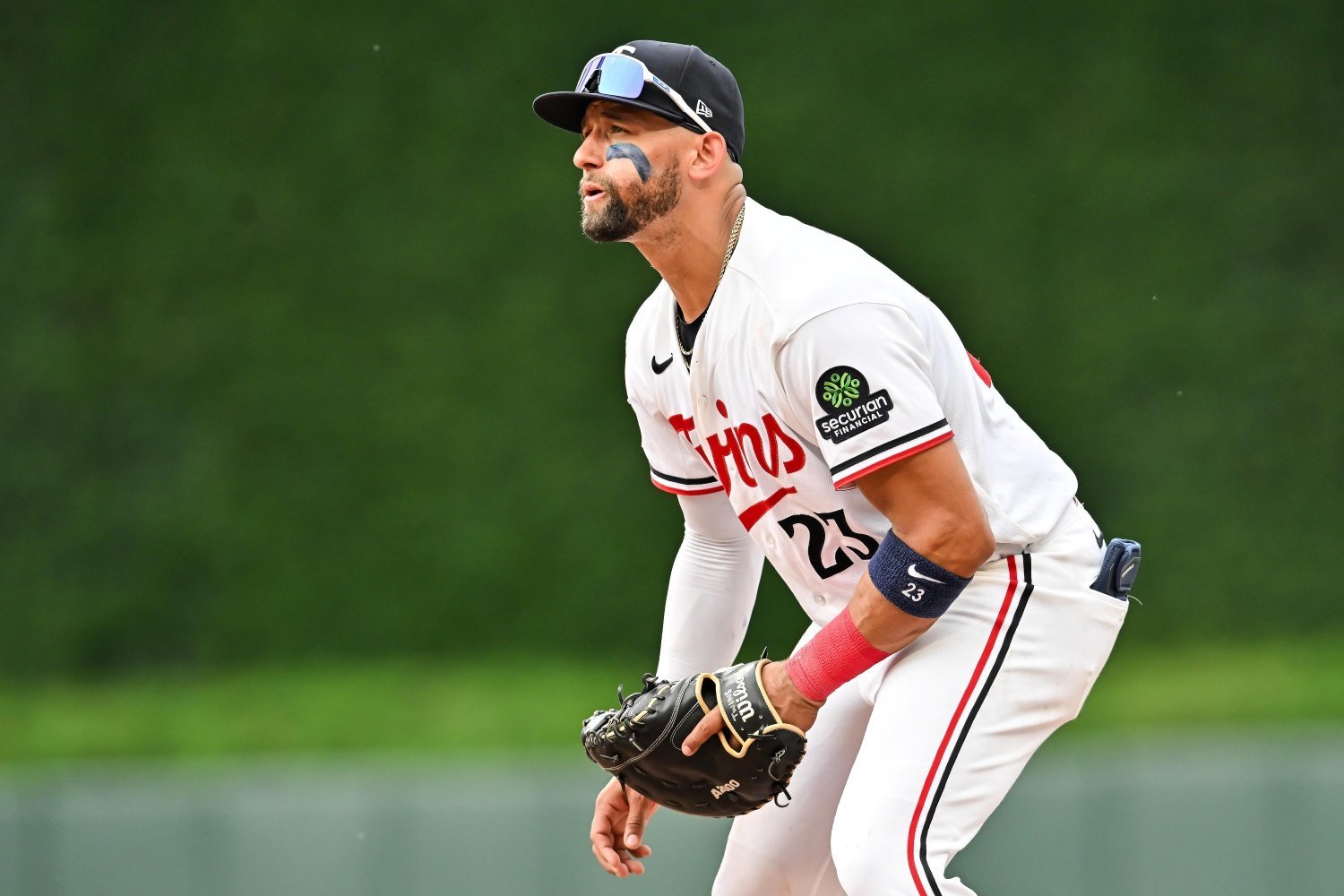 Royce Lewis’ difficult 2026 season took another frustrating turn on Sunday. The Minnesota Twins announced that Lewis exited Sunday’s 9-2 loss to the Cleveland Guardians after five innings because of left shoulder soreness. Lewis made a diving play to record the final out of the fourth inning at first base, and it appears that play caused the issue to flare up again. Lewis remained in the game for the bottom of the fourth, where he flew out to right field in his final at-bat. Victor Caratini replaced Lewis at first base to begin the sixth inning. Following the game, Twins manager Derek Shelton said Lewis aggravated the soreness during the defensive play that ended the fourth inning. “Two pitches before he had the F9, I think he kind of tweaked it a little bit again,” Shelton said. “He’s day to day, and we’ll kind of see how he is tomorrow.” The injury is another concern for a player who has struggled to find consistency throughout the 2026 season. Lewis has appeared in 114 games for Minnesota, hitting .230/.297/.391 (.6880 with 14 home runs and 53 RBI. It has been a particularly challenging year for Lewis after the Twins gave him a reset in the minor leagues earlier this season. Minnesota sent Lewis to Triple-A in an effort to get him regular at-bats and allow him to work through some of the issues that had plagued him at the major-league level. The reset provided some reason for optimism, but Lewis has struggled to maintain any momentum since returning to Minnesota. His recent stretch has been especially difficult. Lewis has hit just one home run since August 7, and over his last 131 plate appearances, he has slashed .228/.267/.317 for a .584 OPS. He has struck out 34 times during that span while drawing only seven walks. Those numbers help put Sunday's injury into a larger context. Lewis was already trying to find his footing at the plate, and now the Twins will have to wait and see whether his shoulder soreness forces him to miss additional time. For a player Minnesota once viewed as a potential cornerstone of its lineup, the 2026 season has been filled with more questions than answers. The Twins will hope Sunday's issue is minor and that Lewis can get back on the field quickly. For now, though, Lewis is officially day-to-day.
 -
Royce Lewis’ difficult 2026 season took another frustrating turn on Sunday. The Minnesota Twins announced that Lewis exited Sunday’s 9-2 loss to the Cleveland Guardians after five innings because of left shoulder soreness. Lewis made a diving play to record the final out of the fourth inning at first base, and it appears that play caused the issue to flare up again. Lewis remained in the game for the bottom of the fourth, where he flew out to right field in his final at-bat. Victor Caratini replaced Lewis at first base to begin the sixth inning. Following the game, Twins manager Derek Shelton said Lewis aggravated the soreness during the defensive play that ended the fourth inning. “Two pitches before he had the F9, I think he kind of tweaked it a little bit again,” Shelton said. “He’s day to day, and we’ll kind of see how he is tomorrow.” The injury is another concern for a player who has struggled to find consistency throughout the 2026 season. Lewis has appeared in 114 games for Minnesota, hitting .230/.297/.391 (.6880 with 14 home runs and 53 RBI. It has been a particularly challenging year for Lewis after the Twins gave him a reset in the minor leagues earlier this season. Minnesota sent Lewis to Triple-A in an effort to get him regular at-bats and allow him to work through some of the issues that had plagued him at the major-league level. The reset provided some reason for optimism, but Lewis has struggled to maintain any momentum since returning to Minnesota. His recent stretch has been especially difficult. Lewis has hit just one home run since August 7, and over his last 131 plate appearances, he has slashed .228/.267/.317 for a .584 OPS. He has struck out 34 times during that span while drawing only seven walks. Those numbers help put Sunday's injury into a larger context. Lewis was already trying to find his footing at the plate, and now the Twins will have to wait and see whether his shoulder soreness forces him to miss additional time. For a player Minnesota once viewed as a potential cornerstone of its lineup, the 2026 season has been filled with more questions than answers. The Twins will hope Sunday's issue is minor and that Lewis can get back on the field quickly. For now, though, Lewis is officially day-to-day. View full rumor
-
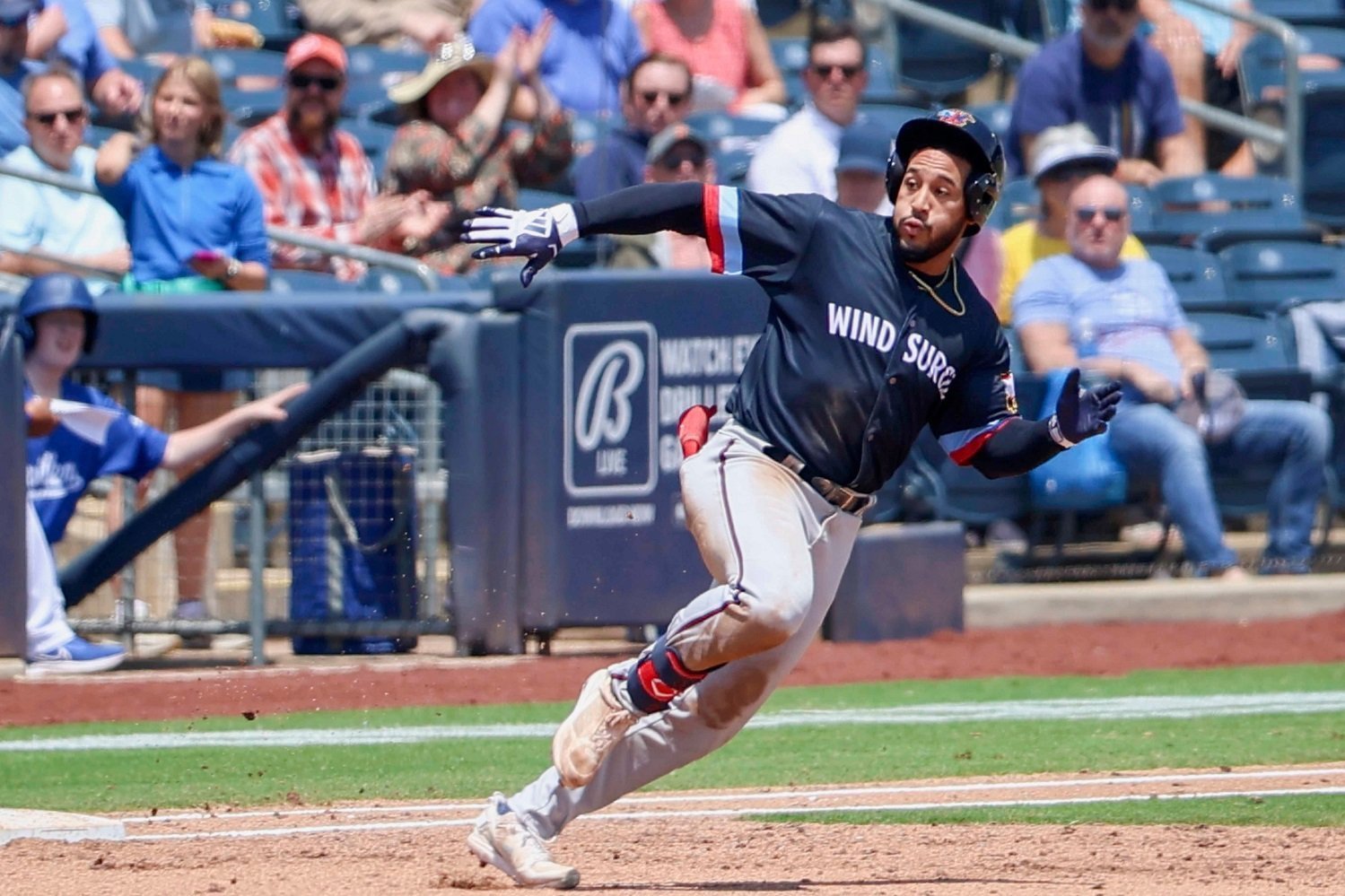 The Minnesota Twins have finally seen the payoff from one of their biggest international investments of the past decade. Emmanuel Rodriguez signed with the Twins on July 2, 2019, receiving a $2.5 million signing bonus as one of the organization's top targets in that year's international class. More than seven years later, Rodriguez finally reached the major leagues, making his debut Saturday against Cleveland and launching a 420-foot home run in his first career plate appearance. That debut was the culmination of a developmental journey filled with impressive offensive performances, significant injuries and plenty of patience. Here is how Rodriguez's career has unfolded, season by season. 2021: Professional Debut Following the lost 2020 season, Rodriguez finally took the field in 2021 with the Florida Complex League Twins. The 18-year-old played 37 games and hit .214/.346/.524 (.870) with 10 home runs, 23 RBI and nine stolen bases. His .870 OPS and 132 wRC+ showed why the Twins were so excited about his offensive potential. There was also an obvious concern. Rodriguez struck out 36.6% of the time. That number was significant, but it was difficult to ignore the combination of power and patience. He walked 23 times in 153 plate appearances (15.5 BB%) while hitting 10 home runs in only 37 games. The Twins had their first real glimpse of the player Rodriguez could become. 2022: The Breakout This was the season when Rodriguez went from an interesting prospect to a legitimate organizational star. At just 19 years old, Rodriguez dominated Single-A Fort Myers. In 47 games, he hit .272/.492/.551 with a 1.043 OPS. He hit nine home runs, drove in 25 runs and stole 11 bases. The most impressive number might have been his walk rate. Rodriguez walked 28.6% of the time. His 197 wRC+ was extraordinary, especially for a teenager playing full-season professional baseball. His combination of power and plate discipline suddenly made him one of the most exciting hitters in the Twins system. Unfortunately, the season ended prematurely. Rodriguez suffered a torn meniscus in his left knee in June and was eventually placed on the 60-day injured list. The injury prevented him from building on his breakout season, but it did not erase what he accomplished. 2023: Patience and Power at Cedar Rapids Rodriguez moved to High-A Cedar Rapids in 2023 and played the most games of his professional career to that point. He appeared in 99 games, hitting .240/.400/.463 (.863) with 16 home runs, 55 RBI and 20 stolen bases. He also walked 92 times. That walk total was the most in the Twins organization. Rodriguez's batting average wasn't particularly impressive, but the overall offensive package remained extremely valuable. His .400 on-base percentage demonstrated the elite plate discipline that had become one of his defining traits. The Twins also saw more of his athleticism. He stole 20 bases and continued to receive praise for his ability to cover ground in center field. The organization was beginning to see a potential everyday major league outfielder, assuming Rodriguez could stay healthy. 2024: The Lost Opportunity If there is one season that illustrates the frustrating side of Rodriguez's development, it is 2024. He opened the season with Double-A Wichita and immediately showed why the Twins were so high on him. In 37 games with the Wind Surge, Rodriguez hit .298/.479/.621 with eight home runs, 20 RBI and nine stolen bases. His 1.100 OPS was impossible to ignore. The Twins promoted him to Triple-A St. Paul, where he played seven games before another injury interrupted his season. Overall, Rodriguez hit .280/.459/.567 with a 1.026 OPS. He hit nine home runs, drove in 27 runs and stole nine bases despite appearing in only 47 games. The biggest problem was his right thumb. Rodriguez dealt with multiple setbacks involving the thumb throughout the summer. He eventually returned to the field, but another flare-up ended his season in September. There was a very real possibility Rodriguez could have reached the majors during the second half of 2024 if he had remained healthy. Instead, the season became another example of what made evaluating him so difficult. The talent was obvious. Keeping him on the field was the challenge. 2025: More Injuries, More Production Rodriguez entered 2025 on the doorstep of the majors and ranked as a top-20 overall prospect by Baseball America and Baseball Prospectus. He opened the year at Triple-A St. Paul, but injuries once again limited his availability. He appeared in 52 games for the Saints and hit .258/.429/.423 (.853) with six home runs, 27 RBI and nine stolen bases. His .852 OPS was solid, but the more important number was his .429 on-base percentage. It wasn't the type of season expected from a prospect with his pedigree, but there were still plenty of reasons for optimism. His plate discipline remained exceptional, and his ability to reach base continued to separate him from many of the other young hitters in the organization. By this point, injuries had become as important to Rodriguez's prospect story as his statistics. 2026: Finally, Target Field Rodriguez began 2026 back at Triple-A St. Paul, and he missed roughly three months because of a torn UCL in his left thumb. When he returned, he quickly reminded everyone why the Twins had continued to believe in him. With the Saints, Rodriguez hit .262/.414/.500 (.914) in 49 games, hitting 11 home runs, driving in 33 runs and stealing seven bases. He also hit for the cycle on September 1. Since August 12, he had hit .289 with a .928 OPS while drawing 18 walks. That late-season surge finally forced the Twins' hand. After years of injuries, rehab assignments, prospect rankings and questions about whether he could ever stay healthy long enough to reach the majors, Rodriguez finally arrived. The Bigger Picture Rodriguez's minor league career is difficult to summarize with one statistic. There have been seasons when the batting average was underwhelming. There have been enormous strikeout totals. There have also been extraordinary walk rates, massive raw power, strong on-base percentages and impressive production against increasingly advanced competition. Most importantly, there has been consistency in one area. When Rodriguez has been healthy, he has generally produced. Now, after signing with the Twins in 2019, losing the 2020 season, making his debut in 2021, breaking out in 2022, battling through injuries in 2023, 2024 and 2025, and finally putting together another strong run in 2026, Rodriguez has reached the destination. The next chapter is no longer about projecting what Rodriguez might become. It is about finding out what he can become in the major leagues. What stands out about his performance in the minors? Leave a comment and start the discussion.
 -
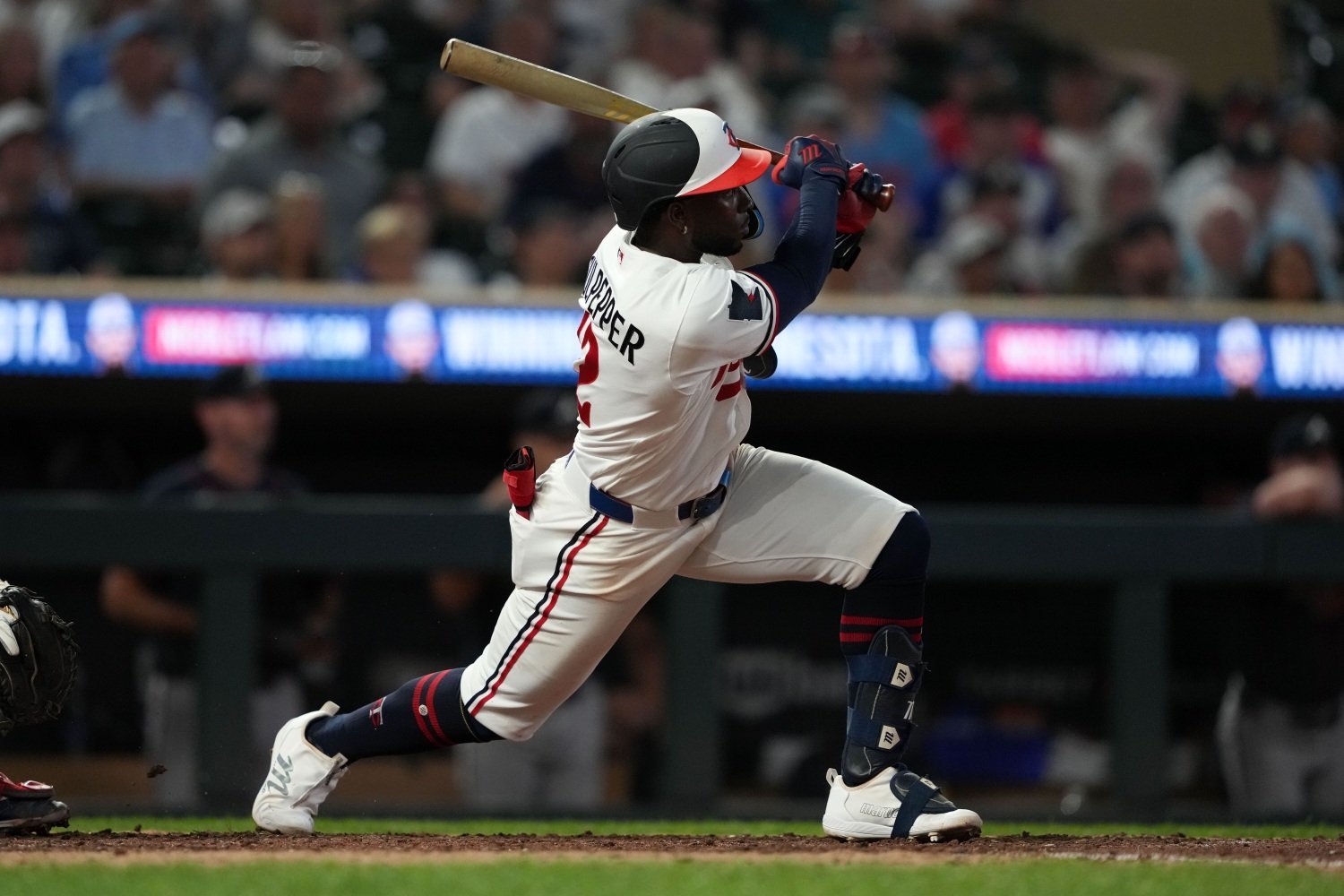 Kaelen Culpepper had a scary moment in what was an exciting inning for young Twins players. Emmanuel Rodriguez had homered in his first big-league at-bat earlier in the frame. Then Culpepper was hit by a pitch. Guardians reliever Franco Aleman fired a 95.3 mph fastball that struck Culpepper in the upper back and shoulder area. The right-handed hitter immediately went to the ground in pain, creating an understandably concerning scene for the Twins. Culpepper eventually got back to his feet and began making his way toward first base under his own power. He made it roughly halfway down the line before stopping. The Twins training staff attended to him before the club removed him from the game. Ryan Kreidler entered as a pinch-runner for Culpepper and took over at shortstop. Fortunately, the initial testing provided some good news. The Twins announced that Culpepper suffered a right shoulder contusion. X-rays were negative for a fracture, and the rookie is considered day to day. That designation should provide some relief, especially considering the timing of the injury. Culpepper was also hit by a pitch during Friday’s loss to Cleveland, making Saturday’s incident his second consecutive game taking a pitch. Culpepper has quickly established himself as an important part of the Twins’ future since making his Major League debut on August 7. He is hitting .286 across his first 30 games and has provided the club with another young player capable of handling a premium defensive position. The Twins have spent recent weeks of this season looking toward the future, and Culpepper represents an important part of that future. His development over the final weeks of the season can help Minnesota determine how he fits into the organization’s plans moving forward. For now, though, the biggest concern is simply making sure Culpepper is healthy. The initial diagnosis is encouraging. A shoulder contusion can still require some time away, particularly for a player who needs to throw across the diamond every day, but the absence of a fracture is the news everyone in Twins Territory wanted to hear. After the excitement surrounding Rodriguez’s first career homer, the Twins quickly went from celebration to concern. Thankfully, Saturday’s scare appears to be just that: a scare.
 -
Kaelen Culpepper had a scary moment in what was an exciting inning for young Twins players. Emmanuel Rodriguez had homered in his first big-league at-bat earlier in the frame. Then Culpepper was hit by a pitch. Guardians reliever Franco Aleman fired a 95.3 mph fastball that struck Culpepper in the upper back and shoulder area. The right-handed hitter immediately went to the ground in pain, creating an understandably concerning scene for the Twins. Culpepper eventually got back to his feet and began making his way toward first base under his own power. He made it roughly halfway down the line before stopping. The Twins training staff attended to him before the club removed him from the game. Ryan Kreidler entered as a pinch-runner for Culpepper and took over at shortstop. Fortunately, the initial testing provided some good news. The Twins announced that Culpepper suffered a right shoulder contusion. X-rays were negative for a fracture, and the rookie is considered day to day. That designation should provide some relief, especially considering the timing of the injury. Culpepper was also hit by a pitch during Friday’s loss to Cleveland, making Saturday’s incident his second consecutive game taking a pitch. Culpepper has quickly established himself as an important part of the Twins’ future since making his Major League debut on August 7. He is hitting .286 across his first 30 games and has provided the club with another young player capable of handling a premium defensive position. The Twins have spent recent weeks of this season looking toward the future, and Culpepper represents an important part of that future. His development over the final weeks of the season can help Minnesota determine how he fits into the organization’s plans moving forward. For now, though, the biggest concern is simply making sure Culpepper is healthy. The initial diagnosis is encouraging. A shoulder contusion can still require some time away, particularly for a player who needs to throw across the diamond every day, but the absence of a fracture is the news everyone in Twins Territory wanted to hear. After the excitement surrounding Rodriguez’s first career homer, the Twins quickly went from celebration to concern. Thankfully, Saturday’s scare appears to be just that: a scare. View full rumor
-
Byron Buxton Has Been More Valuable Than You Think to the Twins
Cody Christie posted an article in Twins
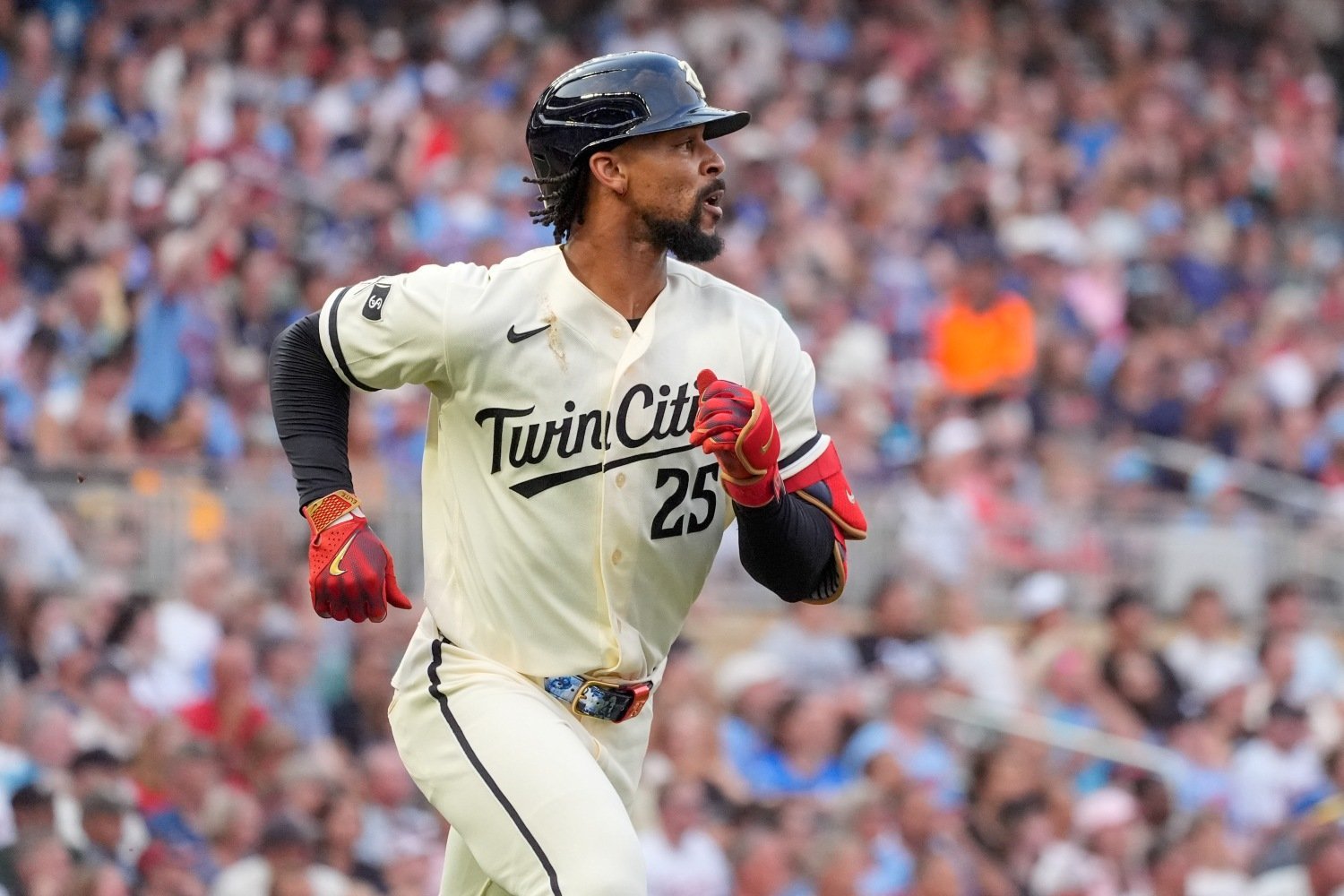 Byron Buxton is once again on the injured list. This time, the issue is his hip, and the injury is serious enough that he will require offseason surgery. The Twins have not yet revealed exactly what procedure Buxton will undergo or what the recovery timeline might look like. Naturally, the injury has led to plenty of familiar conversations among Twins fans. How much longer can the team count on Buxton? Is he being paid too much? Would Minnesota be better off moving on? Those are fair questions. Buxton's injury history is extensive, and the Twins can't simply pretend that availability doesn't matter. But there's another side to the conversation that deserves more attention. Buxton has been an incredibly valuable player when he takes the field. And despite the injuries, his current contract has worked out very well for the Twins. 2026 Has Been a Tale of Two Seasons Buxton was having arguably the best first half of his career in 2026. He launched 25 home runs, posted a .904 OPS and earned a starting spot in the All-Star Game through fan voting. For a player who has spent much of his career fighting to stay healthy, Buxton looked like he was finally putting everything together over a prolonged stretch. Then things started going sideways around the All-Star break. Buxton has appeared in only 18 games during the second half, and his production has fallen dramatically. He owns a .477 OPS during that stretch, and the hip issue ultimately sent him back to the injured list. That's the frustrating part of Buxton. The Twins aren't paying for a player who provides average production when healthy. They're paying for one of the most impactful players in the game when he's on the field. Even with the limited second half, FanGraphs estimates Buxton's 2026 value at $20.9 million. The Twins are paying him $15 million. So, once again, Buxton has provided more value than his salary would suggest. That can be difficult to reconcile when looking at his injury history, but that's exactly what makes his career so interesting. The Contract Has Worked When Minnesota signed Buxton to a seven-year, $100 million extension before the 2022 season, there was obvious risk involved. The Twins weren't betting on Buxton staying perfectly healthy. Nobody could reasonably make that assumption. Instead, they were betting that the production he could provide during his healthy stretches would make the contract worthwhile. So far, that bet has paid off. Buxton made his first All-Star team in 2022 and posted a 133 OPS+ in 92 games. FanGraphs valued that season at $27.3 million. His 2023 season was the clear low point of the contract. Buxton played in just 85 games, struggled offensively with a 97 OPS+ and was limited to DH duties. FanGraphs valued his season at only $4.2 million. Then he bounced back in 2024. Buxton played more than 100 games for only the second time in his career and posted a 137 OPS+. FanGraphs valued his production at $29.6 million. And then came 2025. Buxton produced arguably the best overall season of his career, posting a 138 OPS+, 4.9 rWAR and tremendous value on both sides of the ball. FanGraphs valued his season at $40.5 million. Add it all together, and the numbers are pretty remarkable. The Twins have paid Buxton roughly $70 million through the first five seasons of the contract. FanGraphs estimates that he has provided approximately $122.5 million in value over that same span. That's more than $50 million in surplus value. Obviously, those calculations don't erase the games he has missed. They don't make the injuries less frustrating. They don't guarantee anything about the future. But they do provide some important context. The Twins haven't been overpaying Byron Buxton. In fact, they've gotten a significant discount when he's been healthy enough to play. The Twins Should Be Thinking Beyond 2028 Buxton is currently under contract for two more seasons. That means the Twins have some time to figure out what comes next, but they shouldn't necessarily wait until the end of his current deal to have that conversation. Buxton has been clear about his desire to finish his career in Minnesota. That's something the Twins should take seriously. “We’re just really lucky that a player of his talent is that committed to this team, particularly when in recent years, I don’t know that we’ve fully earned that level of loyalty and commitment,” Twins owner Tom Pohlad said. “We’re gonna show him the same level of loyalty and commitment going forward. … You could say that no player is not tradeable, but that’s about as close as it gets. When you have that kind of relationship, some things have got to be bigger than other things. Buxton’s in that category.” By the time his current contract expires, Buxton will be entering his age-35 season. That's obviously where the risk becomes even greater. The injuries aren't going to magically disappear because he gets older, and Minnesota shouldn't hand him a massive contract simply because of what he has accomplished in the past. But that doesn't mean an extension should be off the table. What if the Twins offered Buxton something like $20 million per season with additional performance and award incentives? Adding three or four years could potentially keep him in Minnesota through the remainder of his 30s while protecting the team against some of the risk associated with his availability. The structure could be particularly important. Instead of simply guaranteeing a massive salary regardless of how often Buxton plays, the Twins could build incentives around games played, plate appearances, awards and performance. That's similar to the framework that has already worked with his current contract. There are no guarantees with Buxton's body. There aren't supposed to be. The goal isn't to eliminate the risk. It's to structure the contract so the Twins are appropriately compensated if that risk becomes reality. Let Buxton Finish What He Started There will always be a segment of the fan base that sees Buxton's injury history and believes the Twins should move on. That's understandable. But there's another question worth asking. What would Minnesota look like without Byron Buxton? When healthy, he is still capable of changing games with his bat, his defense and his speed. Few players on the roster can impact a game in as many ways. And while his availability has been inconsistent, the financial results of his current contract tell a different story than the injury list does. Buxton has already provided the Twins with more value than they have paid for. Now Minnesota has an opportunity to make sure he finishes his career where it began. The Twins shouldn't blindly give Buxton another four-year contract. They shouldn't ignore the injury risk. They shouldn't pretend his age won't matter. But they also shouldn't allow the perfect to become the enemy of the good. If Buxton wants to finish his career in Minnesota, the Twins should explore a creative extension that makes sense for both sides. Because when Buxton is healthy, he's still one of the most valuable players the Twins have. And if the Twins can find the right way to manage the risk, there is no reason his final chapter can't be written in Minnesota. Should the Twins approach Buxton about an extension? Has he lived up to his contract? Leave a comment and start the discussion.
 -
Image courtesy of Ed Bailey, Wichita Wind Surge The Minnesota Twins have finally seen the payoff from one of their biggest international investments of the past decade. Emmanuel Rodriguez signed with the Twins on July 2, 2019, receiving a $2.5 million signing bonus as one of the organization's top targets in that year's international class. More than seven years later, Rodriguez finally reached the major leagues, making his debut Saturday against Cleveland and launching a 420-foot home run in his first career plate appearance. That debut was the culmination of a developmental journey filled with impressive offensive performances, significant injuries and plenty of patience. Here is how Rodriguez's career has unfolded, season by season. 2021: Professional Debut Following the lost 2020 season, Rodriguez finally took the field in 2021 with the Florida Complex League Twins. The 18-year-old played 37 games and hit .214/.346/.524 (.870) with 10 home runs, 23 RBI and nine stolen bases. His .870 OPS and 132 wRC+ showed why the Twins were so excited about his offensive potential. There was also an obvious concern. Rodriguez struck out 36.6% of the time. That number was significant, but it was difficult to ignore the combination of power and patience. He walked 23 times in 153 plate appearances (15.5 BB%) while hitting 10 home runs in only 37 games. The Twins had their first real glimpse of the player Rodriguez could become. 2022: The Breakout This was the season when Rodriguez went from an interesting prospect to a legitimate organizational star. At just 19 years old, Rodriguez dominated Single-A Fort Myers. In 47 games, he hit .272/.492/.551 with a 1.043 OPS. He hit nine home runs, drove in 25 runs and stole 11 bases. The most impressive number might have been his walk rate. Rodriguez walked 28.6% of the time. His 197 wRC+ was extraordinary, especially for a teenager playing full-season professional baseball. His combination of power and plate discipline suddenly made him one of the most exciting hitters in the Twins system. Unfortunately, the season ended prematurely. Rodriguez suffered a torn meniscus in his left knee in June and was eventually placed on the 60-day injured list. The injury prevented him from building on his breakout season, but it did not erase what he accomplished. 2023: Patience and Power at Cedar Rapids Rodriguez moved to High-A Cedar Rapids in 2023 and played the most games of his professional career to that point. He appeared in 99 games, hitting .240/.400/.463 (.863) with 16 home runs, 55 RBI and 20 stolen bases. He also walked 92 times. That walk total was the most in the Twins organization. Rodriguez's batting average wasn't particularly impressive, but the overall offensive package remained extremely valuable. His .400 on-base percentage demonstrated the elite plate discipline that had become one of his defining traits. The Twins also saw more of his athleticism. He stole 20 bases and continued to receive praise for his ability to cover ground in center field. The organization was beginning to see a potential everyday major league outfielder, assuming Rodriguez could stay healthy. 2024: The Lost Opportunity If there is one season that illustrates the frustrating side of Rodriguez's development, it is 2024. He opened the season with Double-A Wichita and immediately showed why the Twins were so high on him. In 37 games with the Wind Surge, Rodriguez hit .298/.479/.621 with eight home runs, 20 RBI and nine stolen bases. His 1.100 OPS was impossible to ignore. The Twins promoted him to Triple-A St. Paul, where he played seven games before another injury interrupted his season. Overall, Rodriguez hit .280/.459/.567 with a 1.026 OPS. He hit nine home runs, drove in 27 runs and stole nine bases despite appearing in only 47 games. The biggest problem was his right thumb. Rodriguez dealt with multiple setbacks involving the thumb throughout the summer. He eventually returned to the field, but another flare-up ended his season in September. There was a very real possibility Rodriguez could have reached the majors during the second half of 2024 if he had remained healthy. Instead, the season became another example of what made evaluating him so difficult. The talent was obvious. Keeping him on the field was the challenge. 2025: More Injuries, More Production Rodriguez entered 2025 on the doorstep of the majors and ranked as a top-20 overall prospect by Baseball America and Baseball Prospectus. He opened the year at Triple-A St. Paul, but injuries once again limited his availability. He appeared in 52 games for the Saints and hit .258/.429/.423 (.853) with six home runs, 27 RBI and nine stolen bases. His .852 OPS was solid, but the more important number was his .429 on-base percentage. It wasn't the type of season expected from a prospect with his pedigree, but there were still plenty of reasons for optimism. His plate discipline remained exceptional, and his ability to reach base continued to separate him from many of the other young hitters in the organization. By this point, injuries had become as important to Rodriguez's prospect story as his statistics. 2026: Finally, Target Field Rodriguez began 2026 back at Triple-A St. Paul, and he missed roughly three months because of a torn UCL in his left thumb. When he returned, he quickly reminded everyone why the Twins had continued to believe in him. With the Saints, Rodriguez hit .262/.414/.500 (.914) in 49 games, hitting 11 home runs, driving in 33 runs and stealing seven bases. He also hit for the cycle on September 1. Since August 12, he had hit .289 with a .928 OPS while drawing 18 walks. That late-season surge finally forced the Twins' hand. After years of injuries, rehab assignments, prospect rankings and questions about whether he could ever stay healthy long enough to reach the majors, Rodriguez finally arrived. The Bigger Picture Rodriguez's minor league career is difficult to summarize with one statistic. There have been seasons when the batting average was underwhelming. There have been enormous strikeout totals. There have also been extraordinary walk rates, massive raw power, strong on-base percentages and impressive production against increasingly advanced competition. Most importantly, there has been consistency in one area. When Rodriguez has been healthy, he has generally produced. Now, after signing with the Twins in 2019, losing the 2020 season, making his debut in 2021, breaking out in 2022, battling through injuries in 2023, 2024 and 2025, and finally putting together another strong run in 2026, Rodriguez has reached the destination. The next chapter is no longer about projecting what Rodriguez might become. It is about finding out what he can become in the major leagues. What stands out about his performance in the minors? Leave a comment and start the discussion. View full article

