



Cody Christie
-
Posts
7,791 -
Joined
-
Last visited
-
Days Won
5
Content Type
Profiles
News
Minnesota Twins Videos
2026 Minnesota Twins Top Prospects Ranking
2022 Minnesota Twins Draft Picks
Minnesota Twins Free Agent & Trade Rumors, Notes, & Tidbits
Guides & Resources
2023 Minnesota Twins Draft Picks
The Minnesota Twins Players Project
2024 Minnesota Twins Draft Picks
2025 Minnesota Twins Draft Pick Tracker
2026 Minnesota Twins Draft Tracker: Picks & Bonuses
Forums
Blogs
Events
Store
Downloads
Gallery
Everything posted by Cody Christie
-
 Image courtesy of John Bonnes, Twins Daily The Minnesota Twins are running out of time to save their season. With the calendar flipping to September, the team's playoff hopes are slipping away. Every loss makes the postseason picture a little more difficult to see, and Minnesota's recent stretch of poor play has put the team in a position where it might be time to look at the standings through a different lens. Instead of asking how the Twins can get back into the playoff race, it might be worth asking where they could land in the 2027 MLB Draft. After Sunday's win, Minnesota has the 10th-worst record in MLB. That's not quite enough to put the Twins in position for one of the highest picks, but their draft lottery odds are already more favorable than their spot in the standings might suggest. Minnesota currently has the ninth-best odds of landing the No. 1 overall pick, at 2.1%. The Rockies, Angels, and Athletics are in a tier of their own. Each has a 19.25% chance of landing the top pick, and they're locked into the bottom three spots in the standings unless they make a surprising September run. Behind them, things get much more interesting. The Race for Lottery Picks in the 2027 MLB Draft The Mets and Royals currently occupy the fourth and fifth spots in the reverse standings. Minnesota sits in a large group of teams "competing" for the next few positions. Detroit, Seattle, and Washington are separated by just 1.5 games in the reverse standings. That small gap makes every September game meaningful, and puts many fan bases in strange positions—hoping for wins to cling to the fringes of the Wild Card race, but taking solace in losses that bolster their draft lottery odds. Detroit currently has a 52% chance of landing a top-six pick and a 6.42% chance of getting the No. 1 selection. Minnesota's numbers are much different, despite how close the clubs are in the standings. The Twins enter Monday with just a 20.3% chance of landing in the top six and a 2.1% chance of picking first. The standings may make Detroit and Minnesota look like neighbors, but the draft odds show just how quickly things can change. A handful of games in September could dramatically alter the order. For Minnesota, moving from a projected top-10 selection into the top six won't be easy—and, of course, it's not really what they most want. Twins' Remaining Schedule Leaves Door Open for Wild Card Push One of the biggest problems for the Twins' draft positioning is no problem at all, in the grand scheme: it's an opportunity. Minnesota has the fifth-easiest remaining strength of schedule in baseball. There are certainly some difficult series remaining, including matchups against the Yankees, White Sox, and Cleveland. But the schedule also includes plenty of opportunities to win. The Twins still have games against the Angels, Giants, Tigers, and Rangers. If Minnesota continues playing competitive baseball, those matchups could push the team back up the standings and further away from the highest draft picks, but they wouldn't mind that at all; it would put them back into a relevant playoff position. Among the teams currently ahead of Minnesota in the reverse standings, only Seattle has an easier schedule. The Mariners have the easiest remaining schedule in baseball, with their remaining opponents carrying a combined .424 winning percentage. Detroit ranks 24th in remaining strength of schedule, while Washington ranks 14th. The Twins still have an open lane to the playoffs, should they get hot. If they don't, though, the teams to whom they lose will move above them in the standings and become less likely to pick ahead of them next summer. Not Every Bad MLB Team Is Eligible for a Lottery Pick There's another wrinkle to the draft standings that makes Minnesota's position even more interesting. The Giants have a worse record than the Twins, but San Francisco cannot participate in the draft lottery this year. Pittsburgh is also ineligible. MLB's draft lottery rules are designed to prevent teams from intentionally losing for multiple seasons in a row. Because San Francisco is a large-market team, it cannot participate in the lottery in consecutive years. Pittsburgh, meanwhile, cannot participate in the lottery in three consecutive seasons. Those restrictions have already impacted the draft order. In the 2026 MLB Draft, the Rockies, Nationals, and Angels were not eligible for the lottery. That means Minnesota's position in the actual draft order could be better than its record suggests because some teams with worse records are not competing for lottery positioning. There is an additional consideration for the Twins. If Minnesota wins a top-six pick in the 2027 MLB Draft, the club would fall into the same general category as Pittsburgh for the 2028 draft. That would limit the Twins' ability to return to the lottery again the following year. That's something the organization will have to weigh if its season continues to spiral. There is a lot to like about the potential top of the 2027 MLB Draft, although it's far too early to start locking players into specific draft slots. The prep class includes several intriguing names, including shortstop Dylan Seward, left-hander Connor Salerno, shortstop/right-hander Chase Fuller, and shortstop Carter Hadnot. The college ranks feature another interesting group that is more well established. Shortstop Brendan Lawson of Florida, left-hander Tomas Valincius of Mississippi State, outfielder Landon Hairston of Arizona State, right-hander Dax Whitney of Oregon State, and catcher/second baseman Gavin Kelly of West Virginia are among the names to watch. Of course, the draft landscape will change significantly over the next year. That's one of the most important things to remember when discussing draft positioning this early. At this point last season, few people would have expected Vahn Lackey to become the No. 3 overall pick in the 2026 MLB Draft. The Twins ultimately selected the Georgia Tech catcher with the third pick, giving the organization one of its highest draft selections in recent history. A similar development could happen in 2027. Players will break out. Others will struggle. Prep prospects will rise. College players will establish themselves as potential top picks. Injuries and performance will reshape the board. A Different Kind of September The Twins aren't going to enter September hoping to lose games. Players and coaches are still trying to win, and the organization isn't going to openly embrace a tanking strategy. If Minnesota's playoff hopes disappear, however, the reverse standings become one of the more important things to watch during the final month of the season. The Twins are already trending toward a top-10 selection. The question is whether they can climb higher. Getting into the top six would require Minnesota to fall several spots in the standings while teams around them win enough games to separate themselves. The remaining schedule makes that unlikely (and it would certainly be unwelcome), but the American League has been a jumble all season. Minnesota already has a top-three pick in its recent history with Lackey. Another high selection could provide an important addition to a farm system that will continue changing as prospects graduate to the majors. The Twins may not have the postseason race they envisioned entering September. But if the playoffs are no longer realistic, there is still something meaningful at stake. The final month could determine whether Minnesota enters the 2027 MLB Draft with another top-10 pick—or whether a few more losses turn that selection into something much more valuable. What stands out about Minnesota’s odds in the MLB Draft Lottery? How high can the team climb (or fall) in September? Leave a comment and start the discussion. View full article
 -
Image courtesy of Jesse Johnson - IMAGN IMAGES via Reuters Connect Not every prospect can live up to the hype. That has always been true in baseball, but it feels even more relevant in the modern game. Today, every at-bat can be watched, every swing can be dissected and nearly every performance can be tracked in real time. A prospect can go from an unknown name to a household name in a matter of months. The Minnesota Twins have had their share of highly touted prospects in the Target Field era over the past decade and a half. Some became stars. Others became solid big leaguers. Some never came close to reaching the expectations placed upon them. For this list, I'm looking at the Twins' top prospects as they were viewed at the time rather than how their careers ultimately unfolded. This isn't a ranking of the best big-league players. It is an attempt to put each prospect's hype into historical context. The rankings below are based primarily on each player's peak standing on major prospect lists. Honorable Mentions OF Trevor Larnach: Larnach was one of the organization's premier prospects after being selected 20th overall in 2018. His combination of power and patience made him one of the more intriguing bats in the system, but injuries and inconsistency prevented him from reaching the same prospect heights as those on this list. SS Nick Gordon: The fifth overall pick in 2014, Gordon immediately became one of the more recognizable names in the Twins' system. His prospect stock fluctuated as he moved through the minors, but his draft pedigree and shortstop potential earned him consideration. RHP Kyle Gibson: Gibson was one of the Twins' top pitching prospects after being selected in the first round of the 2009 draft. Much of his prospect hype came during the early part of the following decade as he moved quickly through the Minnesota farm system. 10. OF Max Kepler Peak Ranking: #30 by Baseball America (2016) Kepler doesn't immediately jump off the page when discussing the Twins' all-time prospect rankings, but his placement here is a testament to how much depth Minnesota has had in its farm system. The German outfielder was an international signing who steadily climbed through the organization. By 2016, Baseball America viewed him as the No. 30 prospect in baseball. Kepler's combination of size, athleticism, defensive ability and emerging power made him one of the more intriguing young players in the organization. He jumped up national rankings after posting a .947 OPS at Double-A as a 22 year old. He wasn't viewed as a future superstar on the level of some players higher on this list, but he was considered a legitimate top-30 prospect in the sport. 9. OF Aaron Hicks Peak Ranking: #19 by Baseball America (2010) Hicks was one of the first Twins prospects of this era to generate significant national attention. Selected 14th overall in the 2008 draft, Hicks developed a reputation as an athletic center fielder with impressive tools. His speed, defensive ability and switch-hitting potential gave scouts plenty to dream on. By 2010, Baseball America ranked him No. 19 overall. That ranking reflected the belief that Hicks could become an impact two-way center fielder. He eventually reached the majors with Minnesota before finding his best success later in his career with the Yankees. 8. SS Austin Martin Peak Ranking: #19 by Baseball America (2021) Martin arrived in Minnesota with plenty of prospect pedigree. The Twins acquired him from Toronto as part of the return for José Berríos at the 2021 trade deadline. He had been selected fifth overall by the Blue Jays in 2020 and entered the Twins' organization as a player with a strong offensive reputation based on his college experience. Baseball America ranked Martin as the No. 19 prospect in baseball in 2021. The former Vanderbilt standout's combination of contact ability, plate discipline and athleticism made him an intriguing prospect, even as questions about his ultimate defensive home remained. 7. OF Emmanuel Rodriguez Peak Ranking: #17 by Baseball Prospectus (2025) Rodriguez represents one of the more recent additions to this list. The Twins signed him as an international free agent in 2019, and his offensive potential quickly made him one of the organization's most exciting prospects. His combination of raw power, plate discipline and athleticism allowed him to climb national prospect rankings despite some questions about his long-term defensive home. By 2025, Baseball Prospectus ranked Rodriguez No. 17 overall. There was legitimate belief that Rodriguez possessed some of the best offensive upside in the Twins' system. However injuries have slowed his development and he has yet to debut. 6. RHP José Berríos Peak Ranking: #17 by Baseball Prospectus (2016) Berríos was one of the most highly regarded pitching prospects in the Twins system during the early 2010s. Minnesota selected him 32nd overall in 2012, and he quickly began climbing prospect rankings. His fastball, breaking ball and athletic delivery gave scouts the ingredients of a potential frontline starter. By 2016, Baseball Prospectus ranked Berríos No. 17 overall. Unlike some names on this list, Berríos ultimately came relatively close to meeting his prospect expectations. He became a durable major-league starter and earned multiple All-Star selections after establishing himself in Minnesota. 5. OF Alex Kirilloff Peak Ranking: #9 by MLB Pipeline (2019) Kirilloff was viewed as one of the best pure hitters in the minor leagues. The Twins selected him 15th overall in 2016, and he immediately began making a name for himself. After missing significant time with an elbow injury, Kirilloff returned to the field and quickly reminded everyone why Minnesota had been so excited about his offensive potential with a .970 OPS in 2018. By 2019, MLB Pipeline ranked him ninth overall. Kirilloff's combination of hitting ability, power and offensive polish made him look like a potential middle-of-the-order cornerstone. He was one of the rare Twins prospects who entered the top 10 nationally before reaching the majors. Unfortunately, injuries forced him to retire early. 4. SS Royce Lewis Peak Ranking: #5 by MLB Pipeline (2019) The Twins selected Lewis first overall in 2017, and the expectations were enormous from the beginning. His athleticism immediately stood out. Lewis had plus speed, impressive defensive tools and the potential to develop into a dynamic offensive player. As he moved through the minors, his tools continued to make him one of the most exciting prospects in baseball. MLB Pipeline ranked Lewis No. 5 overall in 2019. At that point, the Twins had a potential franchise shortstop developing in their system. Injuries would dramatically alter his development path, but that doesn't change how highly he was regarded before reaching the majors. 3. 3B Miguel Sanó Peak Ranking: #4 by MLB Pipeline (2014) Few Twins prospects generated as much excitement as Sanó. Signed out of the Dominican Republic, Sanó quickly became known for his enormous raw power. His physical tools were impossible to ignore, and scouts believed he had the potential to become one of baseball's most dangerous power hitters. MLB Pipeline ranked him No. 4 overall in 2014. There were questions about his strikeout rate and defensive home, but the offensive upside was so significant that those concerns didn't prevent Sanó from reaching the top tier of the prospect rankings. For a period of time, Sanó looked like the potential centerpiece of the next great Twins lineup. 2. OF Walker Jenkins Peak Ranking: #3 by MLB Pipeline (2025) Jenkins doesn't have the longest track record on this list, but his prospect pedigree is undeniable. The Twins selected Jenkins fifth overall in 2023, and he immediately began showing why Minnesota believed he could become a cornerstone player. His combination of hitting ability, power, athleticism and defensive potential gave him one of the highest ceilings in the organization. By 2025, MLB Pipeline ranked Jenkins No. 3 overall. More importantly, it wasn't based on one loud tool. Jenkins' profile was remarkably well-rounded, giving evaluators confidence that he could become an impact major-league player. The hype surrounding Jenkins has been enormous, and it puts him in rare company in Twins history. 1. OF Byron Buxton Peak Ranking: #1 by Baseball America, Baseball Prospectus and MLB Pipeline (2014) There is really only one choice for the top spot. Buxton wasn't simply one of the best prospects in Twins history. He was considered the best prospect in all of baseball. The Twins selected him second overall in 2012, and his combination of elite speed, center-field defense, athleticism and emerging offensive ability quickly pushed him toward the top of every prospect ranking. In 2014, all three major prospect publications agreed: Baseball America, Baseball Prospectus and MLB Pipeline ranked Buxton No. 1 overall. That's an extraordinary level of consensus. Prospect rankings can vary significantly from one publication to another. One evaluator might love a player's power while another questions the hit tool. Buxton didn't have that problem. Across the industry, there was widespread belief that he possessed the tools to become a franchise-changing player. He eventually became an All-Star and one of the most dynamic players in the sport, even if injuries prevented him from reaching the consistent superstar production many envisioned. And that is ultimately what makes this exercise interesting. The question isn't who had the best Twins career. It's who generated the most excitement before their career had been written. By that standard, Buxton’s unanimous No. 1 ranking remains the benchmark. Walker Jenkins came close to reaching that level before his major-league debut, and he will still be considered a prospect this winter. There’s a chance he could move up this list before next season, but it’s already difficult to ignore what he has accomplished throughout his professional career. How would you rank the prospects of the Target Field era? Leave a comment and start the discussion. View full article
-
How the Twins Found Their Leadoff Hitter, Now and for the Future
Cody Christie posted an article in Twins
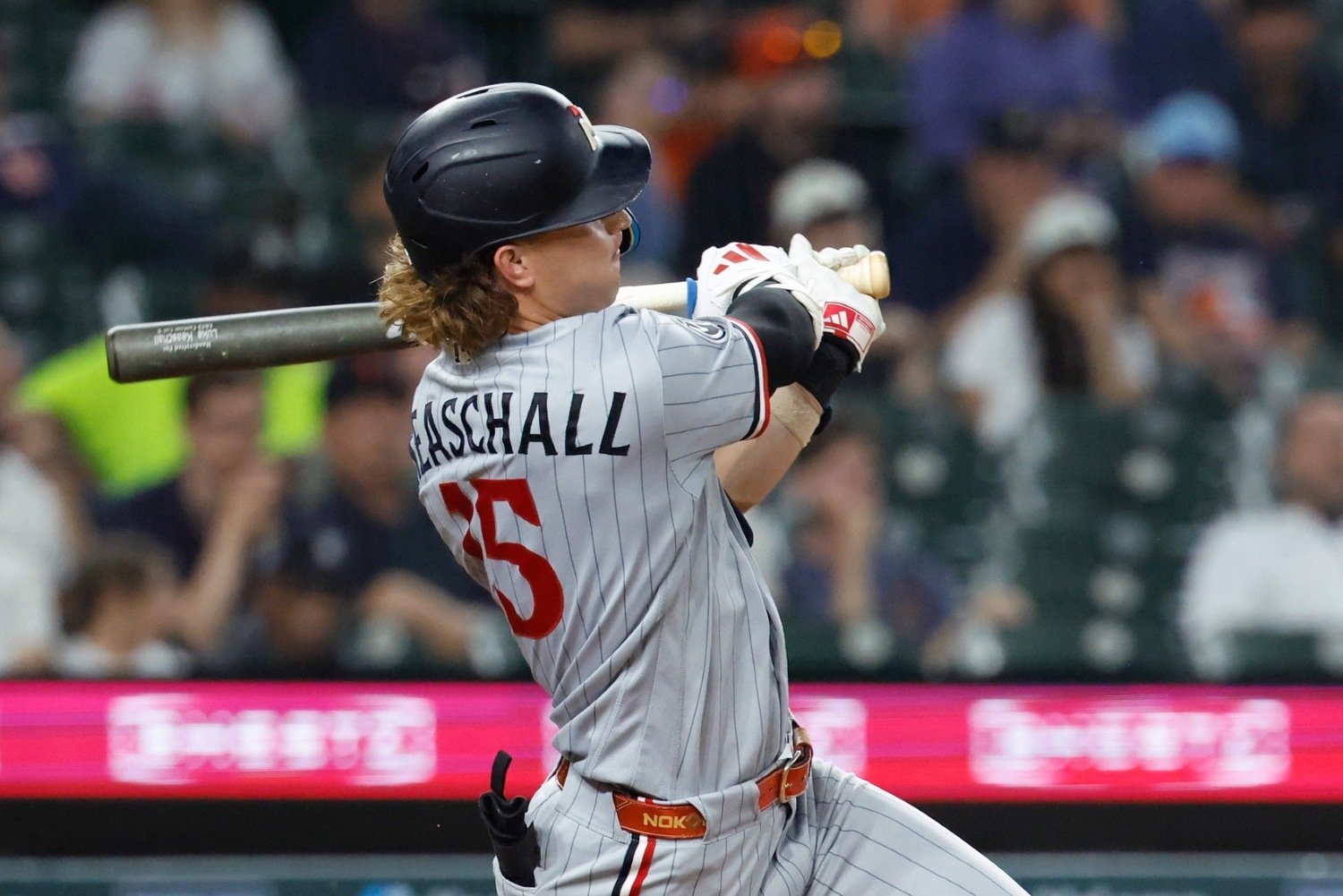 There was a time when the leadoff hitter had a very specific job description. Get on base. Run. Put pressure on the defense. Speed was often the defining characteristic. If a player could hit .280, steal 30 bases and create havoc on the basepaths, he was a natural fit for the top of the lineup. Then the game changed. On-base percentage became more important. Teams wanted their leadoff hitters to grind out at-bats, take walks and consistently put themselves in scoring position. Eventually, another philosophy emerged: Why not put one of your best hitters at the top? More plate appearances meant more opportunities for the best offensive player on the roster. The Minnesota Twins appear to have found someone who can fit that final description. Luke Keaschall should be the Twins' leadoff hitter. Not just for the rest of 2026, but for years to come. It wasn't a surprise that Keaschall entered the 2026 season as a candidate for the leadoff role. His rookie season gave the Twins plenty of reasons to believe he could handle it. In 42 games, Keaschall posted a 130 OPS+ while stealing 14 bases. He showed the ability to impact a game with his bat and legs, but perhaps more importantly, he demonstrated the kind of all-around offensive game that fits naturally at the top of a lineup. There was no obvious reason he couldn't be the player responsible for starting Minnesota's offensive machine. Then the season began. And things went sideways. Keaschall hit just .217/.267/.275 (.542) over his first 131 plate appearances, striking out 21 times. The Twins eventually moved him down in the batting order, allowing him to work through his struggles without the added pressure that comes with being the first hitter in the lineup. That decision made sense at the time. But what has happened since then has made the original idea look pretty good. Keaschall's season can't be evaluated solely by those ugly early-season numbers. Since July 1, he's been one of the better offensive players in the American League. Over 43 games, Keaschall is hitting .326/.426/.514 with a .940 OPS. He's collected 47 hits, scored 20 runs, driven in 16 runs and been hit by a pitch 11 times. His strikeout rate has also remained manageable at 15.3%, while his walk rate sits at 9.6%. That isn't simply a hot stretch built around batting average. Keaschall is getting on base. He's limiting strikeouts. He's hitting for power. He's doing the things teams want their best hitters to do. The result is an offensive profile that looks increasingly difficult to keep anywhere other than the top of the lineup. The most interesting part of Keaschall's resurgence might be how it compares to the rest of the American League. Since the beginning of July, among qualified American League hitters, Keaschall ranks: .326 batting average — fifth .426 OBP — second .940 OPS — third .415 wOBA — fifth 166 wRC+ — fourth 11 HBP — first Those numbers put him in some impressive company. The American League leaders in these categories include players such as Yordan Alvarez, Pete Alonso, and Steven Kwan. Keaschall belongs in the conversation. And that matters when considering his spot in the batting order. If a player is producing at that level, there is a pretty simple argument for giving him as many plate appearances as possible. Put him at the top. Let him hit. The Twins finally put Keaschall back in the leadoff spot on August 17. The results have been exactly what Minnesota hoped to see. Since being inserted into the No. 1 spot, Keaschall has gone 12-for-35 and has reached base safely in all seven games. That's a .343 batting average, but the more important part might be the consistency. The Twins aren't asking Keaschall to simply collect hits. They're asking him to begin games by giving the offense an opportunity. He's doing that. And unlike some traditional leadoff hitters, Keaschall doesn't need to rely on his speed to make the position valuable. He can beat teams with his bat. He can work counts. He can get hit by pitches. He can draw walks. He can hit for extra bases. And, yes, he can run. The most exciting part of Keaschall's recent production isn't necessarily what it means for the final month of 2026. It's what it could mean for the next five years. The Twins have spent considerable time trying to determine what their next competitive roster will look like. Young players are going to play increasingly important roles, and the organization needs some of those players to establish themselves as foundational pieces. Keaschall has an opportunity to become one of them. A player who can hit near the top of the lineup, get on base at a high rate, provide some power and steal bases is incredibly valuable. And he's doing it at an age when there should still be considerable room for growth. The early-season struggles were real. So is the turnaround. Keaschall didn't simply avoid the problem. He made adjustments, continued working and has turned himself into one of Minnesota's most productive hitters over the past two months. There will always be debates about lineup construction. Should the best hitter bat first? Should the fastest player bat first? Should a team's highest-OBP player lead off? There isn't one universal answer. But Keaschall checks enough boxes to make the decision pretty easy. And, perhaps most importantly, he is currently producing like one of the American League's best offensive players. Can Keaschall stick in the leadoff spot for the next three to five years? Leave a comment and start the discussion.
 -
Image courtesy of © Rick Osentoski-Imagn Images There was a time when the leadoff hitter had a very specific job description. Get on base. Run. Put pressure on the defense. Speed was often the defining characteristic. If a player could hit .280, steal 30 bases and create havoc on the basepaths, he was a natural fit for the top of the lineup. Then the game changed. On-base percentage became more important. Teams wanted their leadoff hitters to grind out at-bats, take walks and consistently put themselves in scoring position. Eventually, another philosophy emerged: Why not put one of your best hitters at the top? More plate appearances meant more opportunities for the best offensive player on the roster. The Minnesota Twins appear to have found someone who can fit that final description. Luke Keaschall should be the Twins' leadoff hitter. Not just for the rest of 2026, but for years to come. The Candidate Was Always There It wasn't a surprise that Keaschall entered the 2026 season as a candidate for the leadoff role. His rookie season gave the Twins plenty of reasons to believe he could handle it. In 42 games, Keaschall posted a 130 OPS+ while stealing 14 bases. He showed the ability to impact a game with his bat and legs, but perhaps more importantly, he demonstrated the kind of all-around offensive game that fits naturally at the top of a lineup. There was no obvious reason he couldn't be the player responsible for starting Minnesota's offensive machine. Then the season began. And things went sideways. Keaschall hit just .217/.267/.275 (.542) over his first 131 plate appearances, striking out 21 times. The Twins eventually moved him down in the batting order, allowing him to work through his struggles without the added pressure that comes with being the first hitter in the lineup. That decision made sense at the time. But what has happened since then has made the original idea look pretty good. The Turnaround Is Hard to Ignore Keaschall's season can't be evaluated solely by those ugly early-season numbers. Since July 1, he's been one of the better offensive players in the American League. Over 43 games, Keaschall is hitting .326/.426/.514 with a .940 OPS. He's collected 47 hits, scored 20 runs, driven in 16 runs and been hit by a pitch 11 times. His strikeout rate has also remained manageable at 15.3%, while his walk rate sits at 9.6%. That isn't simply a hot stretch built around batting average. Keaschall is getting on base. He's limiting strikeouts. He's hitting for power. He's doing the things teams want their best hitters to do. The result is an offensive profile that looks increasingly difficult to keep anywhere other than the top of the lineup. The American League Numbers Tell the Story The most interesting part of Keaschall's resurgence might be how it compares to the rest of the American League. Since the beginning of July, among qualified American League hitters, Keaschall ranks: .326 batting average — fifth .426 OBP — second .940 OPS — third .415 wOBA — fifth 166 wRC+ — fourth 11 HBP — first Those numbers put him in some impressive company. The American League leaders in these categories include players such as Yordan Alvarez, Pete Alonso, and Steven Kwan. Keaschall belongs in the conversation. And that matters when considering his spot in the batting order. If a player is producing at that level, there is a pretty simple argument for giving him as many plate appearances as possible. Put him at the top. Let him hit. He's Already Showing He Can Handle the Spot The Twins finally put Keaschall back in the leadoff spot on August 17. The results have been exactly what Minnesota hoped to see. Since being inserted into the No. 1 spot, Keaschall has gone 12-for-35 and has reached base safely in all seven games. That's a .343 batting average, but the more important part might be the consistency. The Twins aren't asking Keaschall to simply collect hits. They're asking him to begin games by giving the offense an opportunity. He's doing that. And unlike some traditional leadoff hitters, Keaschall doesn't need to rely on his speed to make the position valuable. He can beat teams with his bat. He can work counts. He can get hit by pitches. He can draw walks. He can hit for extra bases. And, yes, he can run. This Could Be the Beginning of Something Bigger The most exciting part of Keaschall's recent production isn't necessarily what it means for the final month of 2026. It's what it could mean for the next five years. The Twins have spent considerable time trying to determine what their next competitive roster will look like. Young players are going to play increasingly important roles, and the organization needs some of those players to establish themselves as foundational pieces. Keaschall has an opportunity to become one of them. A player who can hit near the top of the lineup, get on base at a high rate, provide some power and steal bases is incredibly valuable. And he's doing it at an age when there should still be considerable room for growth. The early-season struggles were real. So is the turnaround. Keaschall didn't simply avoid the problem. He made adjustments, continued working and has turned himself into one of Minnesota's most productive hitters over the past two months. There will always be debates about lineup construction. Should the best hitter bat first? Should the fastest player bat first? Should a team's highest-OBP player lead off? There isn't one universal answer. But Keaschall checks enough boxes to make the decision pretty easy. And, perhaps most importantly, he is currently producing like one of the American League's best offensive players. Can Keaschall stick in the leadoff spot for the next three to five years? Leave a comment and start the discussion. View full article
-
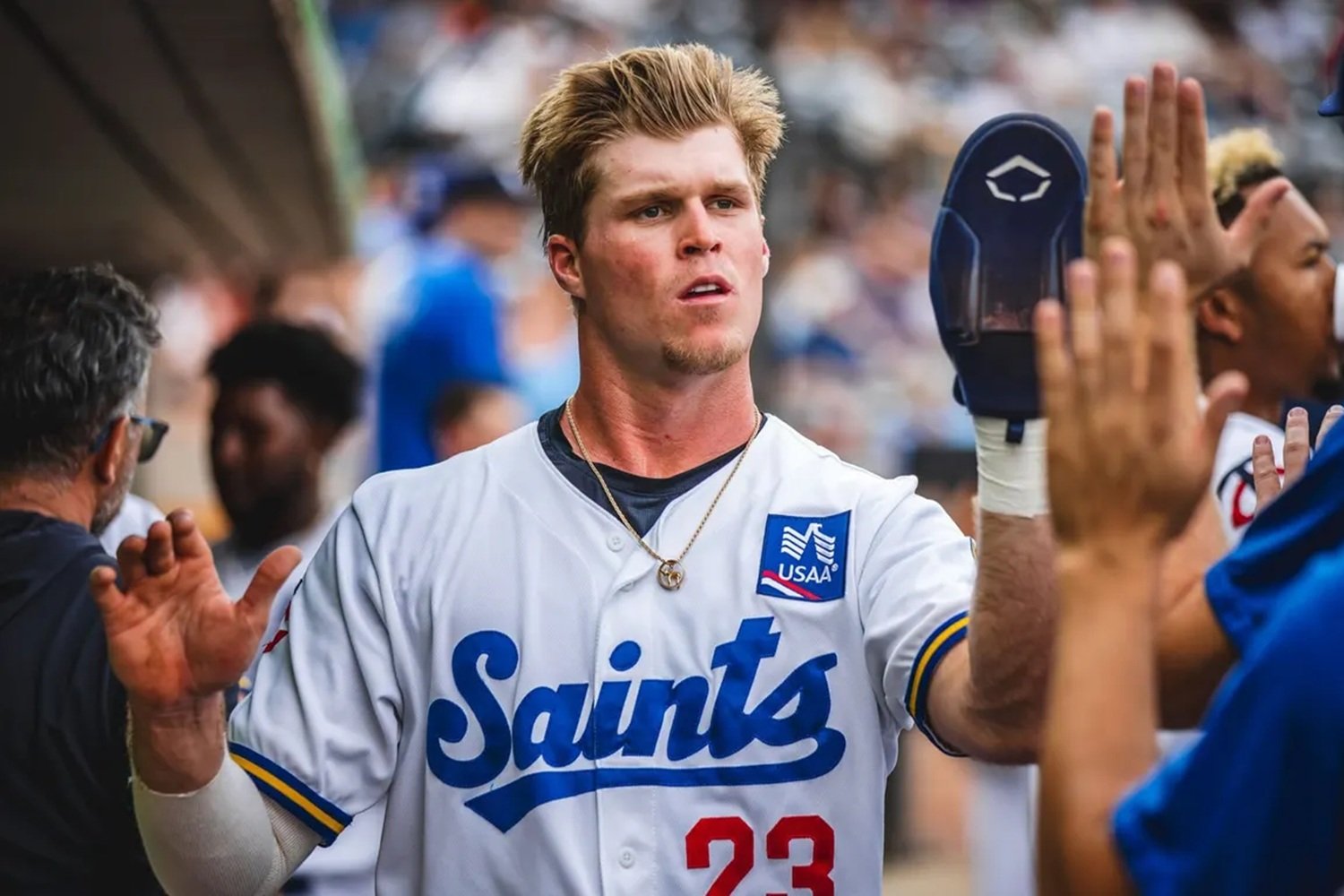 There is no way to know whether Walker Jenkins would have changed the Minnesota Twins' season. That is the uncomfortable part of this conversation. Maybe he would have arrived at Target Field and struggled. Maybe the transition to the majors would have exposed areas of his game that haven't been tested at Triple-A. Maybe he would have needed a few weeks to adjust before becoming the impact hitter everyone expects him to be. Or maybe he would have helped the Twins win just enough games to change the shape of their season. At this point, that possibility is becoming increasingly difficult to ignore. The Twins entered Thursday 64-70, four games behind the Cleveland Guardians for the American League's final Wild Card spot. Their playoff odds have fallen to roughly 10 percent after Minnesota was swept by San Diego and dropped two of three games to the Athletics. And while there are plenty of reasons for the collapse, the Twins' decision to leave Jenkins in Triple-A is one that deserves another look. Not because Jenkins was guaranteed to be a superstar immediately. Because Minnesota had a glaring need for an impact bat, and its best option happened to be putting together one of the best offensive stretches in the organization. The Situation Changed When Jeremy Zoll explained earlier this month why Jenkins had not been promoted, his reasoning was understandable. The Twins wanted to make sure there was a legitimate opportunity for Jenkins to play every day. Calling up a top prospect only to have him sit on the bench isn't particularly beneficial for his development. Zoll also pointed to Kaelen Culpepper's promotion as an example of how opportunity matters when deciding when to move a prospect to the majors. That is a reasonable philosophy. But baseball seasons don't stay static. The situation changed. By the middle of August, Byron Buxton was dealing with another hip issue. The outfield mix became less stable. Minnesota needed offense, and suddenly the theoretical opportunity for Jenkins was sitting right in front of the organization. At the same time, Jenkins was making the decision harder with virtually every game he played. In the first 16 August games, he hit .415/.493/.800 with a 1.293 OPS, seven home runs and six stolen bases. He followed that by continuing to produce during the final week of the month, including another home run on Thursday. At some point, keeping a player in Triple-A stops being about whether he has something left to prove. Jenkins reached that point. Development Matters, But So Does Winning The Twins deserve credit for being deliberate with Jenkins. He missed a significant portion of the season after suffering a shoulder injury, and rushing him back would have been irresponsible. Player development should never be dictated solely by public pressure. But there is a difference between rushing a player and recognizing when a player has become ready. Jenkins' performance suggests he reached that stage. He had already been performing at Triple-A for months, and his August production was not simply a small sample fueled by a few fortunate games. He was showing power, plate discipline, speed and the ability to impact games in multiple ways. The Twins also weren't operating as a rebuilding team. They bought at the trade deadline. They added Jeff Hoffman, Dean Kremer and A.J. Minter because they believed this team had a chance to play meaningful baseball in September. They promoted Culpepper because they believed he could help them win now. That makes the decision to keep Jenkins in Triple-A more difficult to reconcile. You can't spend the final week of July and the first week of August behaving like a team trying to make the playoffs, then suddenly become entirely focused on preserving a prospect's developmental timeline when the roster needs help. Did Jenkins Cost the Twins a Playoff Spot? This is where the argument needs some restraint. Saying Jenkins definitely cost Minnesota a playoff berth would be impossible to prove. The Twins have lost games for countless reasons. Their pitching has been inconsistent. Their best players have dealt with injuries. The schedule hasn't always been kind. And Minnesota has simply played poor baseball for stretches. Jenkins alone cannot fix that. But the question isn't whether Jenkins would have single-handedly carried Minnesota into October. The question is whether he could have provided enough value over the weeks leading into this collapse to make a difference. That's a much more reasonable question. The Twins were sitting in the Wild Card picture just over a week ago. Now they are four games back, with their postseason odds falling from nearly 40 percent to roughly 10 percent in just over a week. When the margin is that thin, one or two wins can completely change the conversation. Maybe Jenkins gives them one extra hit. Maybe he makes one catch. Maybe he takes one extra-base hit away from an opposing pitcher. Maybe he doesn't do any of those things. But Minnesota had an elite prospect producing at a ridiculous level in Triple-A while its major-league outfield was dealing with injuries and inconsistency. At some point, the risk of calling him up becomes smaller than the risk of leaving him there. The Bigger Lesson The Twins shouldn't regret being careful with Jenkins. They should regret not recognizing when the circumstances changed. There is a difference between protecting a prospect and protecting yourself from making a difficult decision. Jenkins' long-term future is far more important than the final 30-plus games of the 2026 season. But the organization also spent much of the summer telling everyone through its actions that it believed this team could contend. That meant maximizing the roster. And Jenkins was becoming increasingly difficult to leave off it. Maybe the Twins eventually call him up and he struggles. Maybe they call him up next week and his arrival comes too late to matter. That's baseball. But when Minnesota looks back at a season that could end just short of the playoffs, Jenkins' time in Triple-A will be one of the obvious "what if?" questions. The answer may never be known. Still, watching the Twins stumble through an injury-plagued August while Jenkins tears apart Triple-A pitching makes one thing increasingly clear: The Twins probably didn't need Walker Jenkins to become a star this summer. They simply needed to find out whether he could help them win. And they may have waited too long to find out. Did the Twins wait too long to call up Jenkins? Leave a comment and start the discussion.
 -
Twins Prospect Profile: JP Smith Is Starting to Find His Swing
Cody Christie posted an article in Minor Leagues
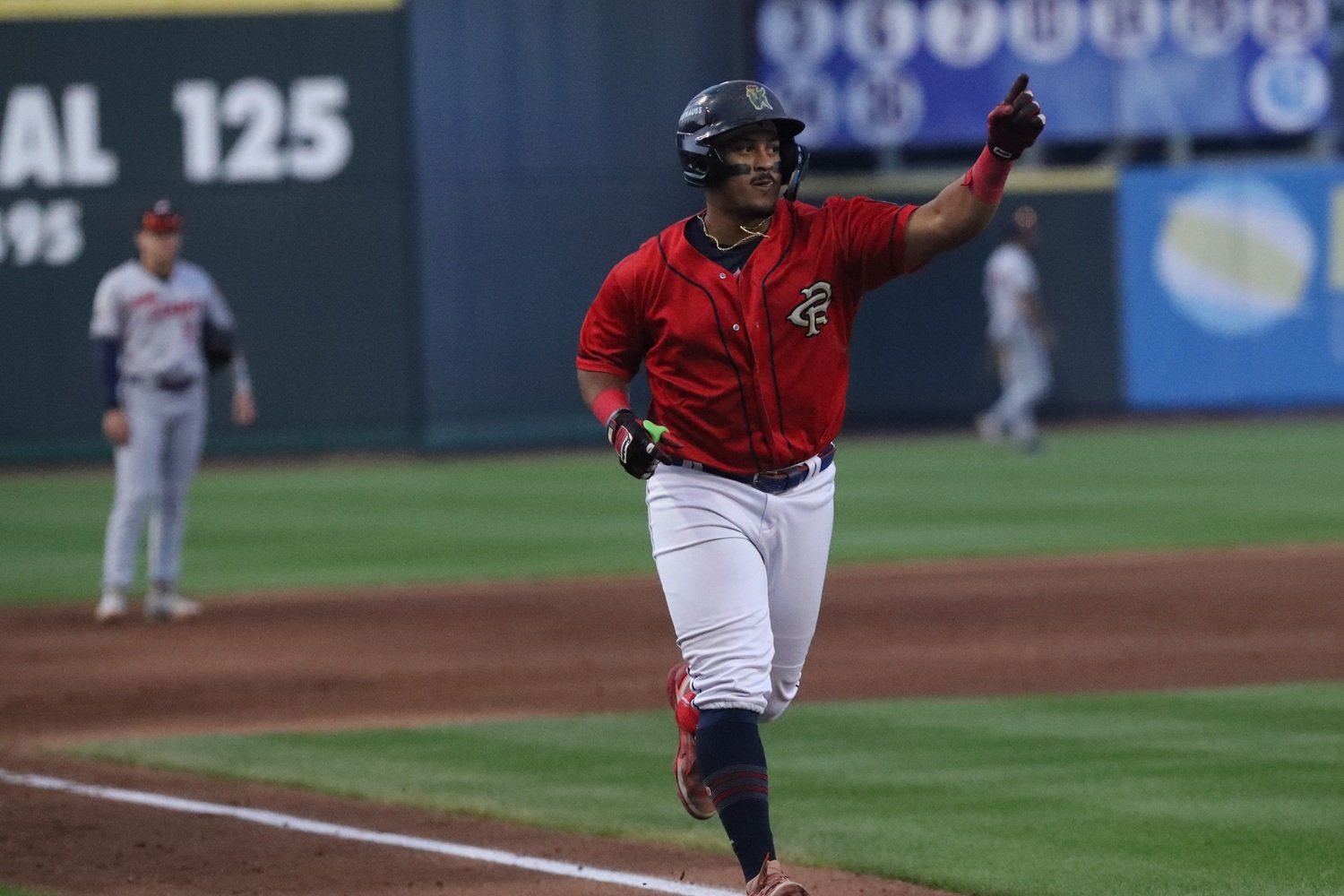 There is a simple reality for prospects who are limited defensively to first base: they have to hit. First base is one of the positions where offensive production carries an especially high burden. A player doesn't necessarily need to be a Gold Glove-caliber defender, but he needs to provide enough at the plate to justify putting his name in the lineup every day. The Minnesota Twins have seen this dynamic play out with former first-round pick Aaron Sabato. Sabato has worked his way to Triple-A, but his offensive production hasn't developed to the point where he looks like part of Minnesota's long-term plans. That brings us to JP Smith. Smith doesn't have Sabato's draft pedigree, but the Twins saw enough offensive potential to select him in the 17th round of the 2025 MLB Draft out of California State University, Sacramento. His professional career got off to a relatively quiet start, but there are signs that Smith is beginning to figure things out. And that's exactly what the Twins need to see from a first-base prospect. MLB Draft and Professional Debut Smith spent three seasons at Sacramento State, where he hit .298/.372/.581 with a .953 OPS. His production was consistently strong during his first two seasons, with a wRC+ above 120 in each year. His final collegiate season wasn't quite as productive. Smith's wRC+ dipped to 105, which may have contributed to him remaining on the board until the 17th round. Still, Minnesota saw enough in the right-handed hitter to give him an opportunity. The Twins sent Smith to Fort Myers after he signed, allowing him to make his professional debut in the Florida State League. He appeared in 24 games and hit .237/.297/.344 with five extra-base hits, a 24.8% strikeout rate, a 6.9% walk rate and an 84 wRC+. Those aren't particularly eye-catching numbers. There was, however, one stretch that offered a glimpse of what Smith could become. At the beginning of August, he was named FSL Player of the Week after going 11-for-23 (.478) over a five-game stretch with five extra-base hits. His overall debut remained unspectacular, but there are some understandable challenges for college players transitioning into professional baseball. Smith had played a full collegiate season, stopped playing during the draft process and then had to ramp back up for his professional debut. A Better Approach Smith struggled out of the gate. Over his first 36 games, he hit .212/.319/.356 with nine extra-base hits. His .675 OPS wasn't what Minnesota wanted to see from a player whose future is tied heavily to his bat. Something started to click over his next 36 games. During that stretch, Smith raised his on-base percentage to .365 and his slugging percentage to .500. More importantly, he hit 10 home runs and four doubles. The power was beginning to show up. But one of the most encouraging developments wasn't necessarily found in his batting average or home-run total. It was his approach. During his professional debut, Smith posted a 34.1% O-Swing rate, meaning he swung at more than one-third of the pitches he saw outside the strike zone. In 2026, that number dropped to 24.3%. Smith was becoming more selective about which pitches he attacked. For a hitter whose value is going to be tied so closely to his offensive production, that development matters. The improved approach helped earn Smith a promotion to Cedar Rapids. Hitting the Next Level Smith hasn't exactly slowed down since arriving in High-A. Through his first 20 games with the Kernels, he's hitting .309/.435/.559 for a .994 OPS. His 145 wRC+ demonstrates just how productive he's been relative to the league. The plate-discipline improvements have continued as well. His walk rate has climbed from 14.7% in his time with Fort Myers to 17.8% in Cedar Rapids, while his strikeout rate has dropped from 20.1% to 15.6%. That's the kind of combination Minnesota wants to see. On August 25, Smith put those skills on display. He went 4-for-6 with a home run and four RBI, providing another reminder that the offensive tools that made him an intriguing draft pick are starting to translate. There is another interesting element to his success this season. Smith has faced older pitchers in more than 70% of his plate appearances, and he's posted a .929 OPS against them. That doesn't mean he's finished developing, but it provides some additional context for his production. He's not simply beating up on pitchers his own age. There is, however, one area where Smith needs to improve. Smith is a right-handed hitter, but left-handed pitching has given him some trouble. In 81 plate appearances against lefties this season, he's hitting .219/.346/.438 with four home runs and two doubles. The .783 OPS isn't terrible, particularly with the power production, but it's noticeably below his overall performance. That will be something to monitor as he continues moving through the Twins system. If Smith wants to become a regular first baseman at the major-league level, he needs to show that he can punish left-handed pitching. For Smith, that makes the progress he's made with his approach particularly important. What Comes Next? It's still far too early to make any definitive predictions about Smith's future. He's played just 20 games at High-A, and there are plenty of challenges ahead. Double-A will provide another significant test. Pitchers will attack his weaknesses more aggressively. His performance against left-handed pitching will be worth watching. The Twins will also want to see whether his improved plate discipline remains consistent as Smith faces better competition. But there is something different about Smith's profile now than there was a year ago. The 17th-round pick isn't just putting up better numbers. He's showing development in areas that can help make those numbers sustainable. He's chasing fewer pitches outside the strike zone. He's walking more. He's striking out less. He's producing power. And he's holding his own against older pitchers. That's a good foundation. Smith's path is also a reminder that prospect development doesn't always happen in a straight line. His first professional season didn't immediately scream future big-leaguer. His first 36 games in 2026 weren't particularly impressive, either. But he kept making adjustments. Smith will need to continue producing as he moves up the organizational ladder, and he'll need to find more success against left-handed pitching. The margin for error will become smaller at every level. Eventually, the Twins will need to determine whether his offensive ceiling is high enough to overcome the limitations of his defensive profile. For now, though, Smith is giving the organization reasons to keep watching. For a player whose future will almost certainly be determined by his bat, that's exactly the kind of progress the Twins want to see. What stands out about JP Smith so far in his career? Leave a comment and start the discussion. The photo of JP Smith at the top of this article is from Dee Malamut of Malamut Photography, specifically last night's Kernels game in Cedar Rapids. You will see Dee at most Kernels home games, and we are lucky enough to be able to use some of his great photos. And, if you're planning on going to Cedar Rapids, or maybe at Twins Fest, you can order some photos from Dee himself. Check out the home page and find links to the 2026 games (and further back). You can also use the search functionality and type in names of current or past Kernels players and find their photos. The current Kernels roster has Top 20 prospects like Vahn Lackey, Eduardo Tait, and Yasser Mercedes. Marek Houston, Riley Quick, Khadim Diaw, Enrique Jimenez, Brandon Winokur are Top 20 prospect who were with the Kernels earlier this year. Caden Kendle and Adrian Bohorquez were in Cedar Rapids until recently. Want to see more Cedar Rapids Kernels photos, check out Friday's Kernels game photos.
 -
Image courtesy of Malamut Photography (photo of JP Smith) There is a simple reality for prospects who are limited defensively to first base: they have to hit. First base is one of the positions where offensive production carries an especially high burden. A player doesn't necessarily need to be a Gold Glove-caliber defender, but he needs to provide enough at the plate to justify putting his name in the lineup every day. The Minnesota Twins have seen this dynamic play out with former first-round pick Aaron Sabato. Sabato has worked his way to Triple-A, but his offensive production hasn't developed to the point where he looks like part of Minnesota's long-term plans. That brings us to JP Smith. Smith doesn't have Sabato's draft pedigree, but the Twins saw enough offensive potential to select him in the 17th round of the 2025 MLB Draft out of California State University, Sacramento. His professional career got off to a relatively quiet start, but there are signs that Smith is beginning to figure things out. And that's exactly what the Twins need to see from a first-base prospect. MLB Draft and Professional Debut Smith spent three seasons at Sacramento State, where he hit .298/.372/.581 with a .953 OPS. His production was consistently strong during his first two seasons, with a wRC+ above 120 in each year. His final collegiate season wasn't quite as productive. Smith's wRC+ dipped to 105, which may have contributed to him remaining on the board until the 17th round. Still, Minnesota saw enough in the right-handed hitter to give him an opportunity. The Twins sent Smith to Fort Myers after he signed, allowing him to make his professional debut in the Florida State League. He appeared in 24 games and hit .237/.297/.344 with five extra-base hits, a 24.8% strikeout rate, a 6.9% walk rate and an 84 wRC+. Those aren't particularly eye-catching numbers. There was, however, one stretch that offered a glimpse of what Smith could become. At the beginning of August, he was named FSL Player of the Week after going 11-for-23 (.478) over a five-game stretch with five extra-base hits. His overall debut remained unspectacular, but there are some understandable challenges for college players transitioning into professional baseball. Smith had played a full collegiate season, stopped playing during the draft process and then had to ramp back up for his professional debut. A Better Approach Smith struggled out of the gate. Over his first 36 games, he hit .212/.319/.356 with nine extra-base hits. His .675 OPS wasn't what Minnesota wanted to see from a player whose future is tied heavily to his bat. Something started to click over his next 36 games. During that stretch, Smith raised his on-base percentage to .365 and his slugging percentage to .500. More importantly, he hit 10 home runs and four doubles. The power was beginning to show up. But one of the most encouraging developments wasn't necessarily found in his batting average or home-run total. It was his approach. During his professional debut, Smith posted a 34.1% O-Swing rate, meaning he swung at more than one-third of the pitches he saw outside the strike zone. In 2026, that number dropped to 24.3%. Smith was becoming more selective about which pitches he attacked. For a hitter whose value is going to be tied so closely to his offensive production, that development matters. The improved approach helped earn Smith a promotion to Cedar Rapids. Hitting the Next Level Smith hasn't exactly slowed down since arriving in High-A. Through his first 20 games with the Kernels, he's hitting .309/.435/.559 for a .994 OPS. His 145 wRC+ demonstrates just how productive he's been relative to the league. The plate-discipline improvements have continued as well. His walk rate has climbed from 14.7% in his time with Fort Myers to 17.8% in Cedar Rapids, while his strikeout rate has dropped from 20.1% to 15.6%. That's the kind of combination Minnesota wants to see. On August 25, Smith put those skills on display. He went 4-for-6 with a home run and four RBI, providing another reminder that the offensive tools that made him an intriguing draft pick are starting to translate. There is another interesting element to his success this season. Smith has faced older pitchers in more than 70% of his plate appearances, and he's posted a .929 OPS against them. That doesn't mean he's finished developing, but it provides some additional context for his production. He's not simply beating up on pitchers his own age. There is, however, one area where Smith needs to improve. Smith is a right-handed hitter, but left-handed pitching has given him some trouble. In 81 plate appearances against lefties this season, he's hitting .219/.346/.438 with four home runs and two doubles. The .783 OPS isn't terrible, particularly with the power production, but it's noticeably below his overall performance. That will be something to monitor as he continues moving through the Twins system. If Smith wants to become a regular first baseman at the major-league level, he needs to show that he can punish left-handed pitching. For Smith, that makes the progress he's made with his approach particularly important. What Comes Next? It's still far too early to make any definitive predictions about Smith's future. He's played just 20 games at High-A, and there are plenty of challenges ahead. Double-A will provide another significant test. Pitchers will attack his weaknesses more aggressively. His performance against left-handed pitching will be worth watching. The Twins will also want to see whether his improved plate discipline remains consistent as Smith faces better competition. But there is something different about Smith's profile now than there was a year ago. The 17th-round pick isn't just putting up better numbers. He's showing development in areas that can help make those numbers sustainable. He's chasing fewer pitches outside the strike zone. He's walking more. He's striking out less. He's producing power. And he's holding his own against older pitchers. That's a good foundation. Smith's path is also a reminder that prospect development doesn't always happen in a straight line. His first professional season didn't immediately scream future big-leaguer. His first 36 games in 2026 weren't particularly impressive, either. But he kept making adjustments. Smith will need to continue producing as he moves up the organizational ladder, and he'll need to find more success against left-handed pitching. The margin for error will become smaller at every level. Eventually, the Twins will need to determine whether his offensive ceiling is high enough to overcome the limitations of his defensive profile. For now, though, Smith is giving the organization reasons to keep watching. For a player whose future will almost certainly be determined by his bat, that's exactly the kind of progress the Twins want to see. What stands out about JP Smith so far in his career? Leave a comment and start the discussion. The photo of JP Smith at the top of this article is from Dee Malamut of Malamut Photography, specifically last night's Kernels game in Cedar Rapids. You will see Dee at most Kernels home games, and we are lucky enough to be able to use some of his great photos. And, if you're planning on going to Cedar Rapids, or maybe at Twins Fest, you can order some photos from Dee himself. Check out the home page and find links to the 2026 games (and further back). You can also use the search functionality and type in names of current or past Kernels players and find their photos. The current Kernels roster has Top 20 prospects like Vahn Lackey, Eduardo Tait, and Yasser Mercedes. Marek Houston, Riley Quick, Khadim Diaw, Enrique Jimenez, Brandon Winokur are Top 20 prospect who were with the Kernels earlier this year. Caden Kendle and Adrian Bohorquez were in Cedar Rapids until recently. Want to see more Cedar Rapids Kernels photos, check out Friday's Kernels game photos. View full article
-
Image courtesy of Rob Thompson, St. Paul Saints There is no way to know whether Walker Jenkins would have changed the Minnesota Twins' season. That is the uncomfortable part of this conversation. Maybe he would have arrived at Target Field and struggled. Maybe the transition to the majors would have exposed areas of his game that haven't been tested at Triple-A. Maybe he would have needed a few weeks to adjust before becoming the impact hitter everyone expects him to be. Or maybe he would have helped the Twins win just enough games to change the shape of their season. At this point, that possibility is becoming increasingly difficult to ignore. The Twins entered Thursday 64-70, four games behind the Cleveland Guardians for the American League's final Wild Card spot. Their playoff odds have fallen to roughly 10 percent after Minnesota was swept by San Diego and dropped two of three games to the Athletics. And while there are plenty of reasons for the collapse, the Twins' decision to leave Jenkins in Triple-A is one that deserves another look. Not because Jenkins was guaranteed to be a superstar immediately. Because Minnesota had a glaring need for an impact bat, and its best option happened to be putting together one of the best offensive stretches in the organization. The Situation Changed When Jeremy Zoll explained earlier this month why Jenkins had not been promoted, his reasoning was understandable. The Twins wanted to make sure there was a legitimate opportunity for Jenkins to play every day. Calling up a top prospect only to have him sit on the bench isn't particularly beneficial for his development. Zoll also pointed to Kaelen Culpepper's promotion as an example of how opportunity matters when deciding when to move a prospect to the majors. That is a reasonable philosophy. But baseball seasons don't stay static. The situation changed. By the middle of August, Byron Buxton was dealing with another hip issue. The outfield mix became less stable. Minnesota needed offense, and suddenly the theoretical opportunity for Jenkins was sitting right in front of the organization. At the same time, Jenkins was making the decision harder with virtually every game he played. In the first 16 August games, he hit .415/.493/.800 with a 1.293 OPS, seven home runs and six stolen bases. He followed that by continuing to produce during the final week of the month, including another home run on Thursday. At some point, keeping a player in Triple-A stops being about whether he has something left to prove. Jenkins reached that point. Development Matters, But So Does Winning The Twins deserve credit for being deliberate with Jenkins. He missed a significant portion of the season after suffering a shoulder injury, and rushing him back would have been irresponsible. Player development should never be dictated solely by public pressure. But there is a difference between rushing a player and recognizing when a player has become ready. Jenkins' performance suggests he reached that stage. He had already been performing at Triple-A for months, and his August production was not simply a small sample fueled by a few fortunate games. He was showing power, plate discipline, speed and the ability to impact games in multiple ways. The Twins also weren't operating as a rebuilding team. They bought at the trade deadline. They added Jeff Hoffman, Dean Kremer and A.J. Minter because they believed this team had a chance to play meaningful baseball in September. They promoted Culpepper because they believed he could help them win now. That makes the decision to keep Jenkins in Triple-A more difficult to reconcile. You can't spend the final week of July and the first week of August behaving like a team trying to make the playoffs, then suddenly become entirely focused on preserving a prospect's developmental timeline when the roster needs help. Did Jenkins Cost the Twins a Playoff Spot? This is where the argument needs some restraint. Saying Jenkins definitely cost Minnesota a playoff berth would be impossible to prove. The Twins have lost games for countless reasons. Their pitching has been inconsistent. Their best players have dealt with injuries. The schedule hasn't always been kind. And Minnesota has simply played poor baseball for stretches. Jenkins alone cannot fix that. But the question isn't whether Jenkins would have single-handedly carried Minnesota into October. The question is whether he could have provided enough value over the weeks leading into this collapse to make a difference. That's a much more reasonable question. The Twins were sitting in the Wild Card picture just over a week ago. Now they are four games back, with their postseason odds falling from nearly 40 percent to roughly 10 percent in just over a week. When the margin is that thin, one or two wins can completely change the conversation. Maybe Jenkins gives them one extra hit. Maybe he makes one catch. Maybe he takes one extra-base hit away from an opposing pitcher. Maybe he doesn't do any of those things. But Minnesota had an elite prospect producing at a ridiculous level in Triple-A while its major-league outfield was dealing with injuries and inconsistency. At some point, the risk of calling him up becomes smaller than the risk of leaving him there. The Bigger Lesson The Twins shouldn't regret being careful with Jenkins. They should regret not recognizing when the circumstances changed. There is a difference between protecting a prospect and protecting yourself from making a difficult decision. Jenkins' long-term future is far more important than the final 30-plus games of the 2026 season. But the organization also spent much of the summer telling everyone through its actions that it believed this team could contend. That meant maximizing the roster. And Jenkins was becoming increasingly difficult to leave off it. Maybe the Twins eventually call him up and he struggles. Maybe they call him up next week and his arrival comes too late to matter. That's baseball. But when Minnesota looks back at a season that could end just short of the playoffs, Jenkins' time in Triple-A will be one of the obvious "what if?" questions. The answer may never be known. Still, watching the Twins stumble through an injury-plagued August while Jenkins tears apart Triple-A pitching makes one thing increasingly clear: The Twins probably didn't need Walker Jenkins to become a star this summer. They simply needed to find out whether he could help them win. And they may have waited too long to find out. Did the Twins wait too long to call up Jenkins? Leave a comment and start the discussion. View full article
-
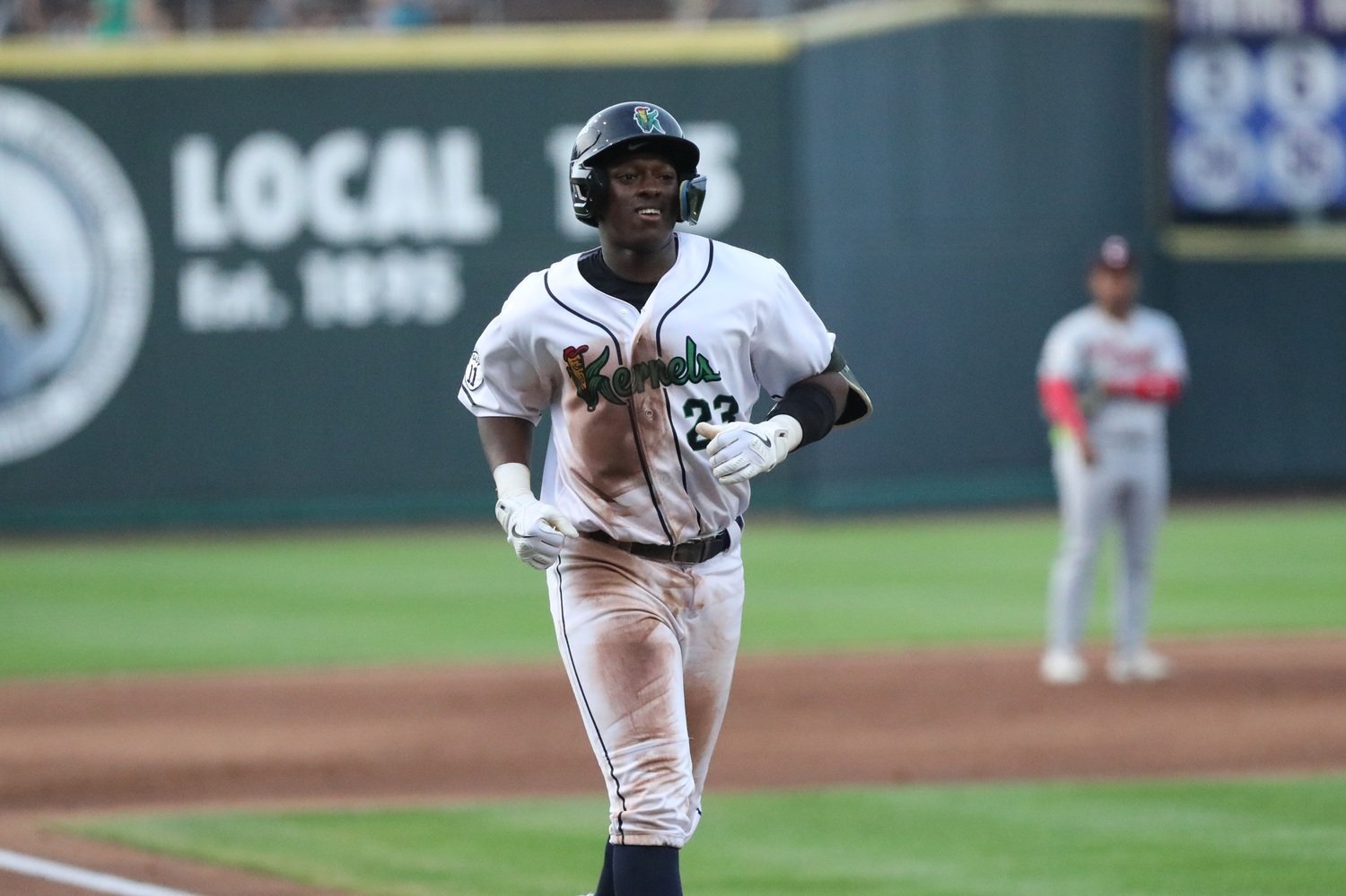 The Minnesota Twins have spent plenty of time searching for answers at catcher over the years. Now, the organization appears to have collected intriguing options throughout the farm system. MLB Pipeline recently ranked the Twins as the top organization in baseball when it comes to catching prospects, a reflection of just how much talent Minnesota has accumulated behind the plate. The Twins have four legitimate prospects who give the organization reason to believe it can find a long-term answer at catcher. That group became even more impressive during the 2026 MLB Draft. Minnesota selected Georgia Tech catcher Vahn Lackey with the third overall pick before returning to the position in the second round to select Texas catcher Carson Tinney. Suddenly, the Twins had added two more high-upside catchers to a pipeline that already featured Eduardo Tait and Khadim Diaw. It is a remarkable collection of talent at one position. Lackey is the headliner. The third overall pick is about as well-rounded as any catching prospect in the minor leagues. MLB Pipeline has given him above-average-to-plus grades for his hit, power, arm and fielding tools, making him the type of player who doesn't have an obvious weakness. That combination helped Lackey jump immediately onto national prospect lists following the draft. Twins Daily currently ranks him as the organization's No. 2 prospect, behind only Walker Jenkins. Lackey has already moved quickly through his first professional season and was recently promoted to High-A Cedar Rapids. There is still plenty of development ahead, but the early returns have only strengthened the belief that Lackey could eventually become Minnesota's catcher of the future. And he isn't the only option. Tinney brings a different offensive profile to the organization. He is more slugging-forward than Lackey and currently ranks No. 11 on the Twins Daily prospect list, giving Minnesota another potentially impactful bat at a premium position. Then there is Tait. At just 19 years old, Tait remains the youngest member of this group and arguably the most difficult player to evaluate. He fell out of some national top-100 rankings this season because of concerns surrounding his contact ability and below-average defensive work behind the plate. That doesn't mean his prospect status has disappeared. Tait still possesses legitimate power potential, and the upside that made him one of the more intriguing pieces of Minnesota's 2025 trade deadline haul remains. At his age, there is plenty of time for the Twins to work through the questions surrounding his offensive approach and defensive development. Diaw provides yet another interesting option. The 22-year-old is hitting .302/.420/.439 across 95 games between High-A and Double-A this season. His athleticism also gives Minnesota some flexibility, as he has received opportunities in center field. Twins Daily currently ranks Diaw No. 13 in the organization. That depth matters. Lackey is expected to be the player who eventually takes over as Minnesota's long-term catcher. The Twins didn't use the third overall pick on him expecting him to become anything less than a cornerstone player. But prospects don't always follow the script. That is what makes this group so valuable. If Lackey develops into the catcher Minnesota believes he can become, the organization will have found its answer at a position that has been difficult to solve consistently. If he doesn't, the Twins aren't starting from scratch. Tinney, Tait and Diaw provide three more possibilities, each with a different set of strengths and developmental timelines. For an organization recently recognized by MLB Pipeline as having baseball's best catching prospect system, that is the biggest takeaway. Minnesota doesn't have to find one catcher. It has multiple chances to get it right.
- 17 comments
-
- 6
-

-
- vahn lackey
- carson tinney
- (and 2 more)
-
The Minnesota Twins have spent plenty of time searching for answers at catcher over the years. Now, the organization appears to have collected intriguing options throughout the farm system. MLB Pipeline recently ranked the Twins as the top organization in baseball when it comes to catching prospects, a reflection of just how much talent Minnesota has accumulated behind the plate. The Twins have four legitimate prospects who give the organization reason to believe it can find a long-term answer at catcher. That group became even more impressive during the 2026 MLB Draft. Minnesota selected Georgia Tech catcher Vahn Lackey with the third overall pick before returning to the position in the second round to select Texas catcher Carson Tinney. Suddenly, the Twins had added two more high-upside catchers to a pipeline that already featured Eduardo Tait and Khadim Diaw. It is a remarkable collection of talent at one position. Lackey is the headliner. The third overall pick is about as well-rounded as any catching prospect in the minor leagues. MLB Pipeline has given him above-average-to-plus grades for his hit, power, arm and fielding tools, making him the type of player who doesn't have an obvious weakness. That combination helped Lackey jump immediately onto national prospect lists following the draft. Twins Daily currently ranks him as the organization's No. 2 prospect, behind only Walker Jenkins. Lackey has already moved quickly through his first professional season and was recently promoted to High-A Cedar Rapids. There is still plenty of development ahead, but the early returns have only strengthened the belief that Lackey could eventually become Minnesota's catcher of the future. And he isn't the only option. Tinney brings a different offensive profile to the organization. He is more slugging-forward than Lackey and currently ranks No. 11 on the Twins Daily prospect list, giving Minnesota another potentially impactful bat at a premium position. Then there is Tait. At just 19 years old, Tait remains the youngest member of this group and arguably the most difficult player to evaluate. He fell out of some national top-100 rankings this season because of concerns surrounding his contact ability and below-average defensive work behind the plate. That doesn't mean his prospect status has disappeared. Tait still possesses legitimate power potential, and the upside that made him one of the more intriguing pieces of Minnesota's 2025 trade deadline haul remains. At his age, there is plenty of time for the Twins to work through the questions surrounding his offensive approach and defensive development. Diaw provides yet another interesting option. The 22-year-old is hitting .302/.420/.439 across 95 games between High-A and Double-A this season. His athleticism also gives Minnesota some flexibility, as he has received opportunities in center field. Twins Daily currently ranks Diaw No. 13 in the organization. That depth matters. Lackey is expected to be the player who eventually takes over as Minnesota's long-term catcher. The Twins didn't use the third overall pick on him expecting him to become anything less than a cornerstone player. But prospects don't always follow the script. That is what makes this group so valuable. If Lackey develops into the catcher Minnesota believes he can become, the organization will have found its answer at a position that has been difficult to solve consistently. If he doesn't, the Twins aren't starting from scratch. Tinney, Tait and Diaw provide three more possibilities, each with a different set of strengths and developmental timelines. For an organization recently recognized by MLB Pipeline as having baseball's best catching prospect system, that is the biggest takeaway. Minnesota doesn't have to find one catcher. It has multiple chances to get it right. View full rumor
- 17 replies
-
- 1
-
-
- vahn lackey
- carson tinney
- (and 2 more)
-
The Minnesota Twins made it official Friday, selecting the contract of outfielder Walker Jenkins and bringing one of the organization’s most anticipated prospects to the major leagues. The move was reported Thursday, but Minnesota officially announced the promotion Friday. To make room for Jenkins on the active roster, the Twins optioned outfielder Alan Roden to Triple-A St. Paul. Minnesota also needed to clear a spot on its 40-man roster, designating right-handed pitcher Woo-Suk Go for assignment. For the Twins, the move marks the arrival of a player who has been viewed as a cornerstone of the organization since he was selected fifth overall in the 2023 MLB Draft. Jenkins has continued to establish himself as one of baseball’s top prospects throughout his professional career. Across multiple minor-league levels, he has compiled a .303/.404/.490 batting line. His plate discipline has been particularly impressive. Jenkins has posted a 13.4% walk rate while striking out just 15.9% of the time. His 144 wRC+ shows just how productive he has been offensively, as he has performed 44% better than league average. The 21-year-old also brings plenty of ability beyond the batter’s box. Jenkins has good speed and a strong throwing arm and is considered a capable defender at all three outfield positions. That versatility could give the Twins multiple options for how they use him during the final weeks of the season. Jenkins’ promotion comes as Minnesota attempts to remain in the American League playoff race. The Twins have struggled to find consistency throughout the season, but the arrival of one of their best young players gives the club another option as it navigates the final month. There will naturally be an adjustment period for Jenkins as he faces major-league pitching for the first time. However, his minor-league track record gives the Twins plenty of reason to believe he can contribute immediately. For Roden, the move provides an opportunity to get regular playing time in St. Paul. The Twins acquired Roden as part of last year's trade involving Louis Varland, and he has remained part of the organization's plans despite struggling to establish himself offensively in Minnesota. He has received limited playing time in recent weeks, making just 10 starts in August. Roden is hitting .254/.333/.313 this season, producing a .647 OPS and an 84 OPS+. Sending him to Triple-A should allow Roden to get consistent at-bats and continue developing rather than spending extended periods on the major-league bench. The Twins' 40-man roster move ends Go’s brief run with the organization, at least for now. Minnesota took a chance on the 28-year-old right-hander earlier this season after he opted out of his contract with the Detroit Tigers organization. Go joined the Twins hoping to provide another option for a bullpen that has undergone significant changes throughout the season. Go appeared in four games for Minnesota in July, allowing four runs. He posted a 3.91 ERA between Triple-A Toledo and St. Paul this season, although his numbers were much different between the two stops. Go struggled significantly in Toledo, posting a 12.54 ERA, before pitching better after joining the Saints. His time in St. Paul also included a 10-game suspension after he was found to have an illegal substance on his glove. Now, Go will head to the waiver wire following Minnesota’s decision to designate him for assignment. Those roster moves, however, are secondary to the biggest news of the day for the Twins. After more than three years of development, Jenkins has officially reached the major leagues. The former fifth overall pick is at Target Field, giving the organization an opportunity to see one of its most important young players against major-league competition. The next chapter of Jenkins’ career begins now. View full rumor
- 43 replies
-
- 1
-
-
- walker jenkins
- alan roden
- (and 1 more)
-
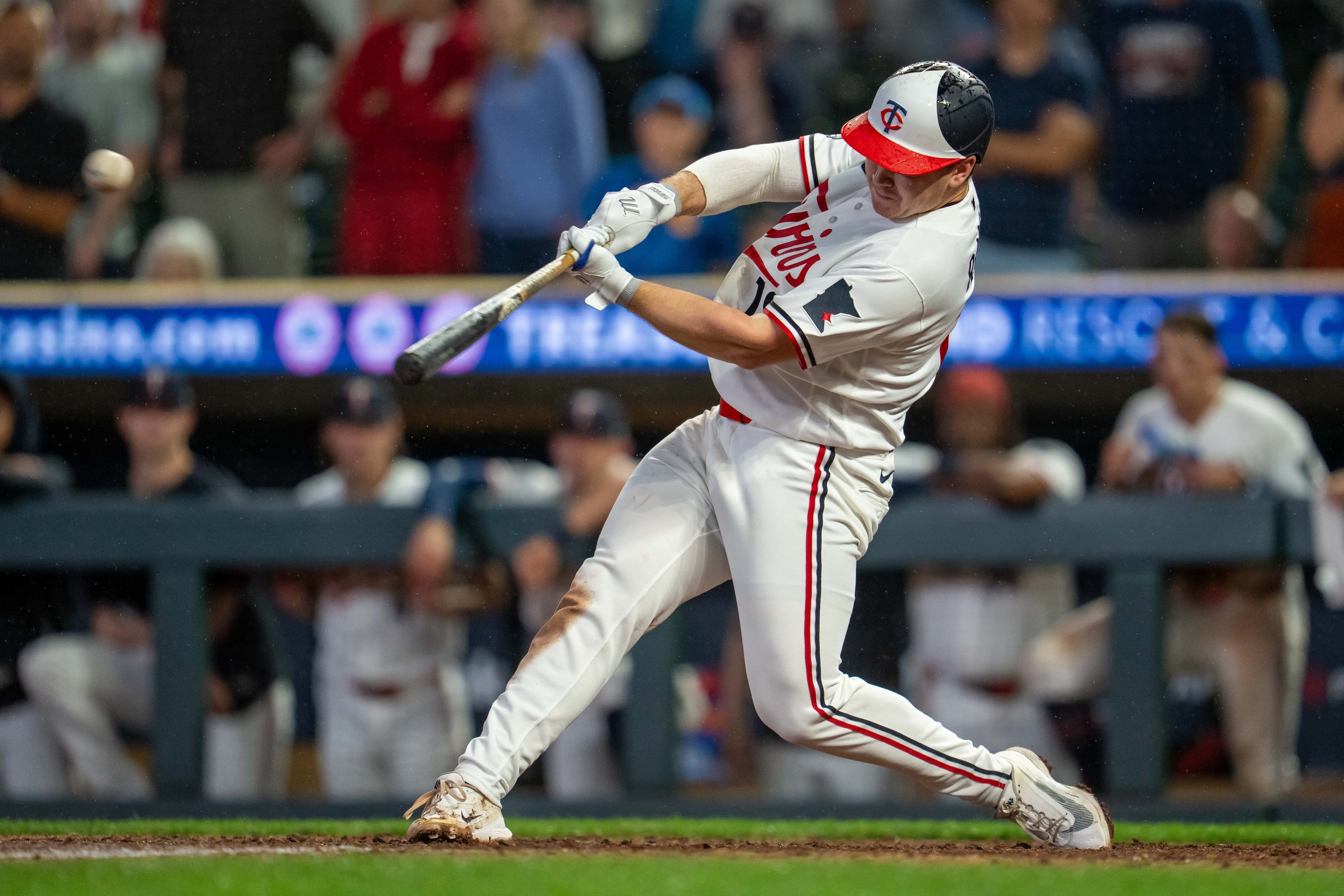 The Minnesota Twins made it official Friday, selecting the contract of outfielder Walker Jenkins and bringing one of the organization’s most anticipated prospects to the major leagues. The move was reported Thursday, but Minnesota officially announced the promotion Friday. To make room for Jenkins on the active roster, the Twins optioned outfielder Alan Roden to Triple-A St. Paul. Minnesota also needed to clear a spot on its 40-man roster, designating right-handed pitcher Woo-Suk Go for assignment. For the Twins, the move marks the arrival of a player who has been viewed as a cornerstone of the organization since he was selected fifth overall in the 2023 MLB Draft. Jenkins has continued to establish himself as one of baseball’s top prospects throughout his professional career. Across multiple minor-league levels, he has compiled a .303/.404/.490 batting line. His plate discipline has been particularly impressive. Jenkins has posted a 13.4% walk rate while striking out just 15.9% of the time. His 144 wRC+ shows just how productive he has been offensively, as he has performed 44% better than league average. The 21-year-old also brings plenty of ability beyond the batter’s box. Jenkins has good speed and a strong throwing arm and is considered a capable defender at all three outfield positions. That versatility could give the Twins multiple options for how they use him during the final weeks of the season. Jenkins’ promotion comes as Minnesota attempts to remain in the American League playoff race. The Twins have struggled to find consistency throughout the season, but the arrival of one of their best young players gives the club another option as it navigates the final month. There will naturally be an adjustment period for Jenkins as he faces major-league pitching for the first time. However, his minor-league track record gives the Twins plenty of reason to believe he can contribute immediately. For Roden, the move provides an opportunity to get regular playing time in St. Paul. The Twins acquired Roden as part of last year's trade involving Louis Varland, and he has remained part of the organization's plans despite struggling to establish himself offensively in Minnesota. He has received limited playing time in recent weeks, making just 10 starts in August. Roden is hitting .254/.333/.313 this season, producing a .647 OPS and an 84 OPS+. Sending him to Triple-A should allow Roden to get consistent at-bats and continue developing rather than spending extended periods on the major-league bench. The Twins' 40-man roster move ends Go’s brief run with the organization, at least for now. Minnesota took a chance on the 28-year-old right-hander earlier this season after he opted out of his contract with the Detroit Tigers organization. Go joined the Twins hoping to provide another option for a bullpen that has undergone significant changes throughout the season. Go appeared in four games for Minnesota in July, allowing four runs. He posted a 3.91 ERA between Triple-A Toledo and St. Paul this season, although his numbers were much different between the two stops. Go struggled significantly in Toledo, posting a 12.54 ERA, before pitching better after joining the Saints. His time in St. Paul also included a 10-game suspension after he was found to have an illegal substance on his glove. Now, Go will head to the waiver wire following Minnesota’s decision to designate him for assignment. Those roster moves, however, are secondary to the biggest news of the day for the Twins. After more than three years of development, Jenkins has officially reached the major leagues. The former fifth overall pick is at Target Field, giving the organization an opportunity to see one of its most important young players against major-league competition. The next chapter of Jenkins’ career begins now.
- 43 comments
-
- 3
-
-
- walker jenkins
- alan roden
- (and 1 more)
-
Minnesota Twins Prospect Retrospective: Walker Jenkins
Cody Christie posted an article in Minor Leagues
 Sometimes, getting the right player comes down to scouting. Sometimes, it comes down to development. And sometimes, a little bit of luck helps. For the Minnesota Twins, Walker Jenkins was a combination of all three. The Twins entered the first-ever MLB Draft Lottery with the 13th-best odds of landing the No. 1 overall pick. They were poised to pick 13th. Instead, they jumped all the way to No. 5. That stroke of luck gave Minnesota a chance to select one of the most talented high school hitters in the 2023 draft class. Jenkins wasn't simply viewed as a good prospect. He was considered one of roughly five players with legitimate No. 1 overall talent. Now, just over three years after selecting him fifth overall, Jenkins is set to make his major-league debut. The road hasn't been completely smooth. Injuries have repeatedly interrupted his development, limiting him to fewer than 85 games in each of the last two seasons. But whenever Jenkins has been healthy, he has looked remarkably similar to the player Minnesota thought it was getting on draft night. Now, the Twins are finally ready to see what all of that looks like at Target Field. Jenkins was widely regarded as the best high school hitter to come out of North Carolina since Josh Hamilton went first overall in 1999. Entering the 2023 draft, he was considered one of a handful of players who could reasonably be selected with the No. 1 pick. When Jenkins was still available, the Twins pounced, signing him for the full slot value of $7.14 million. Jenkins immediately showed why Minnesota was so excited. He played 26 games in his professional debut and posted a combined .988 OPS, quickly forcing his way into full-season baseball. For a player fresh out of high school, the transition was remarkably smooth. That performance immediately put him on the national prospect map and gave the Twins something they desperately wanted: a potential impact bat at the top of their system. Walker Jenkins's First Full Professional Season Jenkins's first full professional season in 2024 was a reminder that prospect development is rarely a straight line. The talent was obvious, but the outfielder couldn't stay on the field. A quad strain slowed him early in the season, and a hamstring injury later cost him roughly six weeks. Those injuries prevented Jenkins from accumulating the number of at-bats normally expected from a first full season. In 82 games, he posted a 141 wRC+ with an .833 OPS. Still, he accomplished something significant. He played his way to Double-A. Jenkins was just 19 years old for much of the season, yet he continued advancing through an organization filled with older, more experienced players. The injuries interrupted his momentum, but they didn't change the underlying evaluation. Every time Jenkins returned, he looked like the same hitter. His swing remained smooth and repeatable. He consistently found the barrel. He showed the ability to draw walks (15.2 BB%) without allowing his strikeout rate to spiral (12.8 K%). The Twins weren't simply hoping Jenkins would eventually become a good hitter. They were seeing evidence that he could become a really good one. An Aggressive Promotion In 2025, Minnesota aggressively pushed its top prospect toward the highest levels of the minor leagues during his age-20 season. That decision said plenty about how the organization viewed him. Jenkins had already demonstrated that he could hit. Now the Twins wanted to challenge him against more advanced pitching and see how quickly he could adapt. There were obvious risks. Jenkins had already missed significant time because of injuries, and he was still extremely young. But the Twins believed he was ready. For the most part, Jenkins proved them right. Even with the missed development time, Jenkins finished third in the organization among players with at least 350 plate appearances with a 135 wRC+. For a 20-year-old facing older pitchers at the upper levels of the minor leagues, it was another reminder of just how advanced his bat could be. There were still areas to refine, particularly when it came to tapping into his power more consistently (10 HR in 371 PA). But the foundation was there. And the Twins kept pushing. Another Injury, Another Comeback The biggest question surrounding Jenkins has never been his talent. It's been his availability. That theme continued into 2026. After Minnesota sent him back to Triple-A, Jenkins got off to a somewhat tepid start before suffering another setback. He crashed into an outfield wall and injured his left shoulder, suffering a shoulder joint sprain that forced him to miss more than a month. After returning, Jenkins went on an absolute tear. Over his final 18-games at Triple-A, the 21-year-old hit .411/.488/.795 with eight home runs. That was Jenkins reminding everyone why the Twins have been so patient with him and why prospect evaluators have continued to place him among baseball's elite young talents. The power was suddenly everywhere. The walks were there. The hard contact was there. And the hit tool that has always been Jenkins' calling card was fully on display. After another injury interruption, he looked like a player making up for lost time. Jenkins's prospect journey has been anything but typical. He has been extraordinarily young for nearly every level he's reached. He's been challenged aggressively. He's played his way up the organizational ladder. And he's repeatedly been forced to pause because of injuries. Through all of it, the production has remained. Now, the wait is over. Jenkins is finally coming to Minnesota. And after everything it took to get here, it's time to find out just how good he can be. What stands out about his time in the minors? Leave a comment and start the discussion.
 -
Image courtesy of Ed Bailey, Wichita Wind Surge (Photo of Walker Jenkins) Sometimes, getting the right player comes down to scouting. Sometimes, it comes down to development. And sometimes, a little bit of luck helps. For the Minnesota Twins, Walker Jenkins was a combination of all three. The Twins entered the first-ever MLB Draft Lottery with the 13th-best odds of landing the No. 1 overall pick. They were poised to pick 13th. Instead, they jumped all the way to No. 5. That stroke of luck gave Minnesota a chance to select one of the most talented high school hitters in the 2023 draft class. Jenkins wasn't simply viewed as a good prospect. He was considered one of roughly five players with legitimate No. 1 overall talent. Now, just over three years after selecting him fifth overall, Jenkins is set to make his major-league debut. The road hasn't been completely smooth. Injuries have repeatedly interrupted his development, limiting him to fewer than 85 games in each of the last two seasons. But whenever Jenkins has been healthy, he has looked remarkably similar to the player Minnesota thought it was getting on draft night. Now, the Twins are finally ready to see what all of that looks like at Target Field. Jenkins was widely regarded as the best high school hitter to come out of North Carolina since Josh Hamilton went first overall in 1999. Entering the 2023 draft, he was considered one of a handful of players who could reasonably be selected with the No. 1 pick. When Jenkins was still available, the Twins pounced, signing him for the full slot value of $7.14 million. Jenkins immediately showed why Minnesota was so excited. He played 26 games in his professional debut and posted a combined .988 OPS, quickly forcing his way into full-season baseball. For a player fresh out of high school, the transition was remarkably smooth. That performance immediately put him on the national prospect map and gave the Twins something they desperately wanted: a potential impact bat at the top of their system. Walker Jenkins's First Full Professional Season Jenkins's first full professional season in 2024 was a reminder that prospect development is rarely a straight line. The talent was obvious, but the outfielder couldn't stay on the field. A quad strain slowed him early in the season, and a hamstring injury later cost him roughly six weeks. Those injuries prevented Jenkins from accumulating the number of at-bats normally expected from a first full season. In 82 games, he posted a 141 wRC+ with an .833 OPS. Still, he accomplished something significant. He played his way to Double-A. Jenkins was just 19 years old for much of the season, yet he continued advancing through an organization filled with older, more experienced players. The injuries interrupted his momentum, but they didn't change the underlying evaluation. Every time Jenkins returned, he looked like the same hitter. His swing remained smooth and repeatable. He consistently found the barrel. He showed the ability to draw walks (15.2 BB%) without allowing his strikeout rate to spiral (12.8 K%). The Twins weren't simply hoping Jenkins would eventually become a good hitter. They were seeing evidence that he could become a really good one. An Aggressive Promotion In 2025, Minnesota aggressively pushed its top prospect toward the highest levels of the minor leagues during his age-20 season. That decision said plenty about how the organization viewed him. Jenkins had already demonstrated that he could hit. Now the Twins wanted to challenge him against more advanced pitching and see how quickly he could adapt. There were obvious risks. Jenkins had already missed significant time because of injuries, and he was still extremely young. But the Twins believed he was ready. For the most part, Jenkins proved them right. Even with the missed development time, Jenkins finished third in the organization among players with at least 350 plate appearances with a 135 wRC+. For a 20-year-old facing older pitchers at the upper levels of the minor leagues, it was another reminder of just how advanced his bat could be. There were still areas to refine, particularly when it came to tapping into his power more consistently (10 HR in 371 PA). But the foundation was there. And the Twins kept pushing. Another Injury, Another Comeback The biggest question surrounding Jenkins has never been his talent. It's been his availability. That theme continued into 2026. After Minnesota sent him back to Triple-A, Jenkins got off to a somewhat tepid start before suffering another setback. He crashed into an outfield wall and injured his left shoulder, suffering a shoulder joint sprain that forced him to miss more than a month. After returning, Jenkins went on an absolute tear. Over his final 18-games at Triple-A, the 21-year-old hit .411/.488/.795 with eight home runs. That was Jenkins reminding everyone why the Twins have been so patient with him and why prospect evaluators have continued to place him among baseball's elite young talents. The power was suddenly everywhere. The walks were there. The hard contact was there. And the hit tool that has always been Jenkins' calling card was fully on display. After another injury interruption, he looked like a player making up for lost time. Jenkins's prospect journey has been anything but typical. He has been extraordinarily young for nearly every level he's reached. He's been challenged aggressively. He's played his way up the organizational ladder. And he's repeatedly been forced to pause because of injuries. Through all of it, the production has remained. Now, the wait is over. Jenkins is finally coming to Minnesota. And after everything it took to get here, it's time to find out just how good he can be. What stands out about his time in the minors? Leave a comment and start the discussion. View full article
-
Have the 2026 Twins Overachieved, Underachieved, or Somewhere In Between?
Cody Christie posted an article in Twins
 For most of the 2026 season, the Minnesota Twins have been difficult to categorize. They aren't rebuilding in the traditional sense, but they also haven't played like a team expected to seriously contend for the American League pennant. Instead, they have bounced between those descriptions, showing flashes of a team capable of making noise while also reminding everyone why expectations were modest entering the season. Have they overachieved? In some areas, absolutely. Have they simply performed about where they were expected to? That's probably the most accurate description of their overall record. And have certain players and areas of the roster underachieved? Without question. With the final month approaching, it's worth taking a step back and looking at the big picture. The Twins Have Overachieved in Some Important Areas The easiest way to argue that the Twins have overachieved is to remember where this team started. Pablo López was supposed to anchor the rotation. Instead, he suffered an injury during spring training, forcing Minnesota to adjust its plans before the season even began. Losing a pitcher of López's caliber could have sent the rotation into a tailspin. Taj Bradley deserves credit for helping stabilize things. There were plenty of questions about what the Twins would get from him, but Bradley has looked better than many anticipated. He hasn't needed to replace López, but his performance has helped a rotation that entered the year with plenty of uncertainty. There have been pleasant surprises on the position-player side, too. Kody Clemens and Brooks Lee have both reached the 20-home-run mark, providing considerably more power than many expected. The offense as a whole deserves credit. For much of the first half, Minnesota sat near the top of the American League in runs scored, thanks in large part to its success with runners in scoring position. That was certainly not expected entering the season. Then there was the bullpen. For much of the first half, Minnesota's relief corps was one of the team's biggest weaknesses. Yet the Twins continued finding ways to stay competitive while trying to patch together innings late in games. The front office eventually addressed that weakness rather than accepting it as an organizational limitation. Minnesota has dealt with injuries, inconsistent pitching, bullpen issues and offensive slumps. They haven't always responded perfectly, but they have continued finding ways to remain relevant. Here's where the preseason projections become important. The Twins are on pace to finish with a win total in the mid-to-high 70s, roughly where many projection systems expected them to land. That provides important context for evaluating the season. The reason some people believe Minnesota has overachieved isn't necessarily because the team has dramatically exceeded its preseason projections. It's because expectations changed after the 2025 trade deadline. The Twins' fire sale last summer fundamentally altered the perception of the organization. Minnesota moved established major-league talent and appeared to be positioning itself for a longer rebuild. It was easy to look at the 2026 roster and assume the team would struggle significantly. Instead, the Twins have spent most of the season hanging around the American League playoff picture. That's the part that feels like an overachievement. The actual win total? Probably not. Minnesota has taken a roundabout path to get there. There have been stretches when the Twins looked like one of the better teams in the league and others when they looked like exactly what preseason projections predicted: a flawed team with significant holes and an uncertain future. That's probably the most honest description of this season. The Twins have achieved what they were projected to accomplish, but they've done it in a way that has been more interesting than expected. A 78-win team buried in the standings feels very different from a 78-win team fighting for a playoff spot in September. The latter gives the organization something to build upon. Where the 2026 Twins Have Underachieved There are also legitimate reasons to believe the Twins could have been better. Matt Wallner and Royce Lewis are the most obvious examples. Both entered the season as important pieces of Minnesota's offensive core, but both scuffled badly enough to be sent to Triple-A. Lewis has returned to the majors and played well, which changes the outlook considerably. Still, his struggles and time in the minors are significant when evaluating the season. The same is true of Wallner. The Twins needed production from both players and expected them to become reliable middle-of-the-order contributors. Instead, Minnesota had to find production elsewhere while they worked through their struggles. The rotation has also fallen short of expectations. López's injury changed the equation, and he was joined on the injured list by Mick Abel, David Festa and even Joe Ryan. Minnesota has spent the year searching for consistency behind its healthier arms. There have been good individual performances, but the group hasn't always provided the dependable innings a playoff team needs. The bullpen is another obvious example. The fact that Minnesota eventually improved that unit doesn't erase how much of a problem it was for much of the season. Too many games were put in jeopardy because the Twins couldn't consistently turn a lead over to reliable relief pitching. There has also been an uneven development curve among some of the younger players. Lee has provided inconsistent offensive production, while Luke Keaschall has struggled defensively. That's part of the deal with inexperienced players, but those growing pains become more noticeable when a team is competing for a playoff spot. It's one thing to watch a young player struggle on a 65-win team. It's another when those struggles could be the difference between playing in October and watching the postseason from home. Ultimately, the Twins' 2026 season doesn't fit neatly into one category. They have overachieved relative to the expectations created by last year's trade deadline. They have achieved relative to many of their preseason projections. And they have underachieved in several areas where individual players were expected to take significant steps forward. All three things can be true. The most important development is that Minnesota has given itself a reason to care about September. That wasn't necessarily guaranteed when the calendar flipped to 2026. The Twins now have a better idea of which young players are ready to be part of the next competitive roster, which veterans can help them get there and which weaknesses still need to be addressed. Maybe that's the biggest accomplishment of all. The Twins haven't been perfect. They haven't been dominant. They haven't even been consistently good. But they have been competitive. And after where this organization stood a year ago, that's a pretty important place to start. Have the Twins overachieved, underachieved, or landed somewhere in the middle? Leave a comment and start the discussion.
- 41 comments
-
- 3
-
-
- pablo lopez
- taj bradley
- (and 2 more)
-
Image courtesy of Mark J. Rebilas-Imagn Images For most of the 2026 season, the Minnesota Twins have been difficult to categorize. They aren't rebuilding in the traditional sense, but they also haven't played like a team expected to seriously contend for the American League pennant. Instead, they have bounced between those descriptions, showing flashes of a team capable of making noise while also reminding everyone why expectations were modest entering the season. Have they overachieved? In some areas, absolutely. Have they simply performed about where they were expected to? That's probably the most accurate description of their overall record. And have certain players and areas of the roster underachieved? Without question. With the final month approaching, it's worth taking a step back and looking at the big picture. The Twins Have Overachieved in Some Important Areas The easiest way to argue that the Twins have overachieved is to remember where this team started. Pablo López was supposed to anchor the rotation. Instead, he suffered an injury during spring training, forcing Minnesota to adjust its plans before the season even began. Losing a pitcher of López's caliber could have sent the rotation into a tailspin. Taj Bradley deserves credit for helping stabilize things. There were plenty of questions about what the Twins would get from him, but Bradley has looked better than many anticipated. He hasn't needed to replace López, but his performance has helped a rotation that entered the year with plenty of uncertainty. There have been pleasant surprises on the position-player side, too. Kody Clemens and Brooks Lee have both reached the 20-home-run mark, providing considerably more power than many expected. The offense as a whole deserves credit. For much of the first half, Minnesota sat near the top of the American League in runs scored, thanks in large part to its success with runners in scoring position. That was certainly not expected entering the season. Then there was the bullpen. For much of the first half, Minnesota's relief corps was one of the team's biggest weaknesses. Yet the Twins continued finding ways to stay competitive while trying to patch together innings late in games. The front office eventually addressed that weakness rather than accepting it as an organizational limitation. Minnesota has dealt with injuries, inconsistent pitching, bullpen issues and offensive slumps. They haven't always responded perfectly, but they have continued finding ways to remain relevant. For the Most Part, the Twins Have Achieved Here's where the preseason projections become important. The Twins are on pace to finish with a win total in the mid-to-high 70s, roughly where many projection systems expected them to land. That provides important context for evaluating the season. The reason some people believe Minnesota has overachieved isn't necessarily because the team has dramatically exceeded its preseason projections. It's because expectations changed after the 2025 trade deadline. The Twins' fire sale last summer fundamentally altered the perception of the organization. Minnesota moved established major-league talent and appeared to be positioning itself for a longer rebuild. It was easy to look at the 2026 roster and assume the team would struggle significantly. Instead, the Twins have spent most of the season hanging around the American League playoff picture. That's the part that feels like an overachievement. The actual win total? Probably not. Minnesota has taken a roundabout path to get there. There have been stretches when the Twins looked like one of the better teams in the league and others when they looked like exactly what preseason projections predicted: a flawed team with significant holes and an uncertain future. That's probably the most honest description of this season. The Twins have achieved what they were projected to accomplish, but they've done it in a way that has been more interesting than expected. A 78-win team buried in the standings feels very different from a 78-win team fighting for a playoff spot in September. The latter gives the organization something to build upon. The Twins Have Underachieved in Some Key Areas There are also legitimate reasons to believe the Twins could have been better. Matt Wallner and Royce Lewis are the most obvious examples. Both entered the season as important pieces of Minnesota's offensive core, but both scuffled badly enough to be sent to Triple-A. Lewis has returned to the majors and played well, which changes the outlook considerably. Still, his struggles and time in the minors are significant when evaluating the season. The same is true of Wallner. The Twins needed production from both players and expected them to become reliable middle-of-the-order contributors. Instead, Minnesota had to find production elsewhere while they worked through their struggles. The rotation has also fallen short of expectations. López's injury changed the equation, and he was joined on the injured list by Mick Abel, David Festa and even Joe Ryan. Minnesota has spent the year searching for consistency behind its healthier arms. There have been good individual performances, but the group hasn't always provided the dependable innings a playoff team needs. The bullpen is another obvious example. The fact that Minnesota eventually improved that unit doesn't erase how much of a problem it was for much of the season. Too many games were put in jeopardy because the Twins couldn't consistently turn a lead over to reliable relief pitching. There has also been an uneven development curve among some of the younger players. Lee has provided inconsistent offensive production, while Luke Keaschall has struggled defensively. That's part of the deal with inexperienced players, but those growing pains become more noticeable when a team is competing for a playoff spot. It's one thing to watch a young player struggle on a 65-win team. It's another when those struggles could be the difference between playing in October and watching the postseason from home. The (Not So) Final Verdict Ultimately, the Twins' 2026 season doesn't fit neatly into one category. They have overachieved relative to the expectations created by last year's trade deadline. They have achieved relative to many of their preseason projections. And they have underachieved in several areas where individual players were expected to take significant steps forward. All three things can be true. The most important development is that Minnesota has given itself a reason to care about September. That wasn't necessarily guaranteed when the calendar flipped to 2026. The Twins now have a better idea of which young players are ready to be part of the next competitive roster, which veterans can help them get there and which weaknesses still need to be addressed. Maybe that's the biggest accomplishment of all. The Twins haven't been perfect. They haven't been dominant. They haven't even been consistently good. But they have been competitive. And after where this organization stood a year ago, that's a pretty important place to start. Have the Twins overachieved, underachieved, or landed somewhere in the middle? Leave a comment and start the discussion. View full article
-
 Johan Santana. Bert Blyleven. Brad Radke. Jim Kaat. The Minnesota Twins have had legendary pitchers throughout their history. From dominant strikeout artists to workhorse starters, the franchise has produced plenty of memorable performances on the mound. Yet, somehow, there were still a few boxes left unchecked. Taj Bradley checked one of them Tuesday night. In the Twins' 4-2 loss to the Athletics, Bradley became the first pitcher in franchise history to throw an immaculate inning. It was an odd distinction to achieve in a losing effort, but it was also a moment that deserves to be noted, in the context of what has been a breakout season for Bradley. An immaculate inning requires a pitcher to strike out three consecutive hitters on nine pitches, with every pitch resulting in a strike. Bradley did exactly that in the bottom of the fifth inning. And he did it in style. Facing the bottom of Oakland's lineup, Bradley opened the inning against Carlos Cortes. After getting ahead 0-2 on a pair of fastballs, he dropped a 92.3-MPH splitter below the zone. Cortes chased, giving Bradley his seventh strikeout of the night. Brian Serven was next. Bradley quickly got ahead 0-2 with two swinging strikes on a cutter and a 98-MPH fastball. Ahead in the count, Bradley got Serven to chase a curveball in the dirt. Six pitches into the inning, Bradley had two strikeouts and was one plate appearance away from making Twins history. Henry Bolte stepped into the box. That's when catcher Victor Caratini recognized what was happening. There was no reason to get cute. “On the last pitch, that's why I called a fastball, because I was like, '[Forget] it, best pitch,'” Caratini said. “He threw, like, 100 [MPH] and the batter was frozen. That's pretty nice.” Pretty nice might be underselling it. Bradley painted a 99.8-MPH four-seam fastball at the very bottom of the strike zone. Bolte didn't swing. The umpire called strike three. Nine pitches. Nine strikes. Three strikeouts. Immaculate. For a franchise that has existed in Minnesota since 1961, it's remarkable that nobody had done it before—at least, as far as we know. Santana never did it. Radke never did it. Blyleven, Kaat, Frank Viola and many others pitched parts or all of their careers before official pitch-by-pitch data, which stretches back only to 1988. Just to take one obvious example, Viola struck out the first six batters he faced in his first start of 1987. The official play-by-play data does not include pitch-by-pitch breakdowns. One of those innings might well have been immaculate. An inning thrown by Dean Chance or Luis Tiant, somewhere in the dim annals of the club, might have been immaculate, but unremarked-upon. This wasn't a well-tracked phenomenon until much too late for anyone to be rule out immaculate frames for years before the late 1980s. Still, officially, no other hurler in Twins history accomplished the feat. Bradley did. And considering how rare an immaculate inning is, it's fitting that the sequence showcased one of the biggest strengths of Bradley's game: his ability to overpower hitters with a varied arsenal. An Immaculate Inning, but a Very Maculate Night The immaculate inning wasn't the only impressive part of Bradley's performance. He finished with 11 strikeouts, matching his career high. Entering Tuesday, the 25-year-old had already established himself as one of Minnesota's most dependable starters. For the season, he has a 3.97 ERA, 169 strikeouts in 147 1/3 innings and 3.3 WAR, leading the Twins' rotation in that category. His overall line against Oakland wasn't nearly as clean as the fifth inning. That's what made the loss so frustrating. Bradley was dominant for most of the evening, but two brief stretches ultimately decided the game. In the second inning, he surrendered a two-out double followed by a home run. Then, in the sixth, another two-out rally produced two more runs. The Twins have been playing baseball in Minnesota for more than six decades. Generations of pitchers have taken the mound wearing a Twins uniform. Some became franchise icons. Others put together seasons worthy of the Hall of Fame. None can say definitively that they mowed down the opposition without even a blip of resistance in an inning, though, except Bradley. Now, he can turn his attention to producing more scoreless innings—less impressive each time they're accomplished, but far more important when strung and clumped together. What stood out about Bradley’s immaculate inning? Leave a comment and start the discussion.
 -
Johan Santana. Bert Blyleven. Brad Radke. Jim Kaat. The Minnesota Twins have had legendary pitchers throughout their history. From dominant strikeout artists to workhorse starters, the franchise has produced plenty of memorable performances on the mound. Yet somehow, there were still a few boxes left unchecked. Taj Bradley checked one of them Tuesday night. In the Twins' 4-2 loss to the Athletics, Bradley became the first pitcher in franchise history to throw an immaculate inning. It was an odd distinction to achieve in a losing effort, but it was also a moment that deserves to be remembered long after the final score is forgotten. An immaculate inning requires a pitcher to strike out three consecutive hitters on nine pitches, with every pitch resulting in a strike. Bradley did exactly that in the bottom of the fifth inning. And he did it in style. Facing the bottom of Oakland's lineup, Bradley opened the inning against Carlos Cortes. After getting ahead 0-2 on a pair of fastballs, he dropped a 92.3 mph splitter below the zone. Cortes chased, giving Bradley his seventh strikeout of the night. Brian Serven was next. Bradley quickly got ahead 0-2 with two swinging strikes on a cutter and a 98 mph fastball. Ahead in the count, Bradley got Serven to chase a curveball in the dirt. Six pitches into the inning, Bradley had two strikeouts and was one pitch away from making Twins history. Henry Bolte stepped into the box. That's when catcher Victor Caratini recognized what was happening. There was no reason to get cute. “On the last pitch, that's why I called a fastball, because I was like, '[Expletive] it, best pitch,'” Caratini said. “He threw, like, 100 [mph] and the batter was frozen. That's pretty nice.” Pretty nice might be underselling it. Bradley painted a 99.8 mph four-seam fastball at the very bottom of the strike zone. Bolte didn't swing. The umpire called strike three. Nine pitches. Nine strikes. Three strikeouts. Immaculate. For a franchise that has existed in Minnesota since 1961, it is remarkable that nobody had done it before. Santana never did it. Blyleven never did it. Radke never did it. Kaat never did it. Bradley did. And considering how rare an immaculate inning is, it is fitting that the sequence showcased one of the biggest strengths of Bradley's game: his ability to overpower hitters with a deep arsenal. The final pitch was particularly impressive. After using a splitter and curveball to get the first two strikeouts, Bradley went perfectly located a 100 mph fastball while locating it at the bottom of the zone. That combination left Bolte frozen. It also put Bradley's name in the franchise record book. A Historic Moment in an Otherwise Frustrating Night The immaculate inning wasn't the only impressive part of Bradley's performance. He finished the night with 11 strikeouts, matching his career high. The seventh, eighth and ninth strikeouts came as part of the immaculate inning, but Bradley had been generating swings and misses throughout the evening. Entering Tuesday, the 25-year-old had already established himself as one of Minnesota's most dependable starters. For the season, he has a 3.97 ERA, 169 strikeouts in 147 1/3 innings and a 3.3 WAR, leading the Twins' rotation in that category. His overall line against Oakland wasn't nearly as clean as the fifth inning. That's what made the loss so frustrating. Bradley was dominant for most of the evening, but two brief stretches ultimately decided the game. In the second inning, he surrendered a two-out double followed by a home run. Then, in the sixth, another two-out rally produced two more runs. Four runs allowed. A historic inning in between. And a 4-2 loss. Baseball can be cruel that way. Still, the result shouldn't overshadow what Bradley accomplished. The Twins have been playing baseball in Minnesota for more than six decades. Generations of pitchers have taken the mound wearing a Twins uniform. Some became franchise icons. Others put together seasons worthy of the Hall of Fame. None of them had thrown an immaculate inning. Until Tuesday. That makes Bradley's accomplishment more than just another impressive stretch in an otherwise strong season. It gives him a permanent place in Twins history. Nine pitches. Three strikeouts. One immaculate inning. And, for the first time in Twins history, Bradley’s name is attached to it. What stood out about Bradley’s immaculate inning? Leave a comment and start the discussion. View full article
-
4 Triple-A Players Not Named Walker Jenkins Who Can Help the Twins
Cody Christie posted an article in Minor Leagues
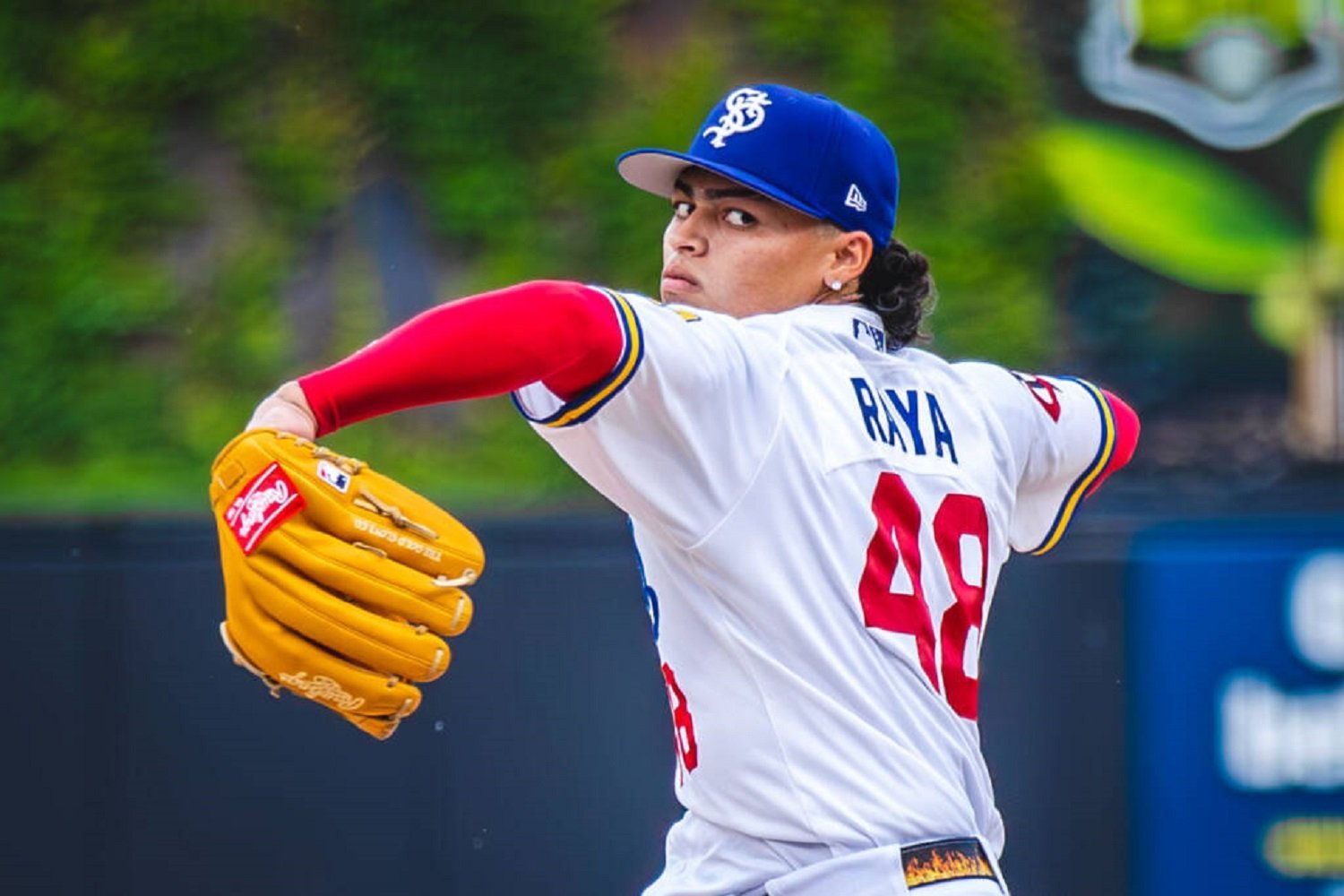 The Minnesota Twins have plenty of questions to answer as they navigate the final weeks of the regular season. Some of those will be answered by players already on the major-league roster. Others could be answered by someone currently playing for the St. Paul Saints. Walker Jenkins is the obvious name to watch. The top prospect has continued to make his case at Triple-A, and there's plenty of interest in when the Twins might decide he is ready for the next step. But Jenkins isn't the only player in Triple-A who could potentially help Minnesota during the stretch run. Whether it's an injury, a matchup, a need for defensive versatility or simply a desire to add another option, the Twins have several players in St. Paul who could get the call. Here are four names worth watching. OF Matt Wallner Truthfully, it feels like Wallner's place in the organization's long-term plans has evaporated. That doesn't mean the Twins can't find a use for him this season. Wallner recently set a new single-season home run record (23 homers, 135 wRC+) for the Saints, continuing to show the type of power that made him such an intriguing prospect in the first place. His ability to change a game with one swing remains valuable, even if his path to consistent playing time in Minnesota isn't particularly clear. The Twins don't necessarily need another left-handed bat right now. That's one of the biggest obstacles standing in Wallner's way. Still, injuries have a way of changing roster needs quickly. If an outfielder or another left-handed hitter goes down, Wallner becomes an easy name to consider. He's already on the 40-man roster, which eliminates another potential hurdle. Perhaps the Twins want to give Wallner one more opportunity to show that he can translate his power into consistent major-league production. OF/1B Gabriel Gonzalez Gonzalez's stock has taken a hit this season after he enjoyed a breakout 2025 campaign and was named Twins Daily's Minor League Hitter of the Year. His overall numbers haven't matched last year's production, but there are reasons to keep watching. Gonzalez owns a .753 OPS at Triple-A this season, which isn't overwhelming. However, his August performance has been much more encouraging. Through his first 12 games of the month, Gonzalez has posted a 1.054 OPS with four home runs. Perhaps even more encouraging, he's walked six times compared to only three strikeouts during that stretch. The Twins could eventually need another right-handed bench option, and Gonzalez has the offensive upside to make that role interesting. The August numbers don't erase the struggles from earlier in the season, but they do provide a reminder of why Gonzalez was once viewed as one of the organization's more promising young hitters. If he continues to produce, Minnesota could have an interesting decision to make. UTL Ben Ross Ross offers something the Twins could find particularly useful during a playoff push: defensive versatility. Like Gonzalez, Ross is a right-handed hitter. Unlike Gonzalez, however, Ross can provide the type of defensive flexibility that could allow the Twins to move him around the field and find favorable matchups. And he's not simply surviving offensively. Ross has posted a .917 OPS for the season, making him one of the more productive hitters in the Saints' lineup. He's been particularly effective against left-handed pitching, where he owns a 1.003 OPS. That combination could make Ross an intriguing bench option. A player who can cover multiple positions while providing a legitimate offensive threat against certain matchups can be extremely useful over the final month of a season. The Twins don't necessarily need another everyday player. They could need someone who makes the roster more flexible. Ross has a chance to be that player. RHP Marco Raya The bullpen has been much better for Minnesota in recent weeks, but that doesn't mean the Twins can stop looking for reinforcements. At some point, every team needs to dip into its minor-league depth. Raya's first season as a full-time reliever has been consistently inconsistent. There have been flashes of the pitcher who made him one of the organization's more interesting pitching prospects (25.6 K%), but the results haven't always been there (5.88 FIP). He's also been less effective when asked to work multiple innings. That could actually help define his potential role if the Twins decide to call him up. Rather than asking Raya to be a multi-inning weapon, Minnesota could look to simplify his assignment. One inning. One appearance. Attack hitters. Let him use his stuff in shorter bursts. That doesn't guarantee success, but the role could give Raya a better opportunity to succeed at the major-league level. And with the number of innings a bullpen has to absorb over the final weeks of a playoff race, another arm could become necessary sooner than expected. Who Gets the Call? The Twins don't have to make a move with any of these four players. That's part of what makes the situation interesting. They have options in Triple-A, and each player offers something different. Wallner brings power and familiarity with the organization. Gonzalez has started to show signs of rediscovering his offensive stroke. Ross offers right-handed production and defensive flexibility. Raya could provide another arm if the bullpen needs reinforcements. Then there's Jenkins, whose situation will continue to draw the most attention. The stretch run isn't just about the players currently on the roster. It's also about knowing which minor-league options can help when circumstances change. The Twins have several of those options in St. Paul. Will any of these players be added to the roster? Who else could help the Twins down the stretch? Leave a comment and start the discussion.
- 30 comments
-
- 4
-
-
- matt wallner
- ben ross
- (and 2 more)
-
Image courtesy of © Jesse Johnson-Imagn Images For most of the 2026 season, the Minnesota Twins have lived in an uncomfortable middle ground. They aren't rebuilding in the traditional sense, but they also aren't loaded with enough established talent to be considered a clear contender. Instead, they've spent much of the year hovering around the American League playoff picture while trying to figure out exactly what this roster can become. That uncertainty was understandable. The Twins entered 2026 coming off a massive organizational reset with a new general manager in Jeremy Zoll. Plenty of young players needed opportunities, veterans needed to prove they belonged in the next competitive version of the roster, and ownership faced questions about how aggressively it was willing to invest. Then something interesting happened. The Twins started winning enough games to make the postseason a realistic possibility. With the final month of the season approaching, Minnesota remains within striking distance of the American League playoff field. And that changes the conversation. A playoff appearance wouldn't simply give the Twins a few extra games in October. It would change the expectations surrounding the organization entering the offseason. The Twins Have Already Changed Their 2027 Expectations There is a temptation to view 2027 as another year of development. That was reasonable earlier this season. The Twins could have used 2026 to evaluate their young core, determine which prospects were ready to graduate and continue building toward a better team down the road. Even their trade deadline approach reflected that balance. Minnesota added A.J. Minter, Dean Kremer and Jeff Hoffman without surrendering its top prospect capital, preserving a farm system that remains one of the organization's biggest advantages. But the Twins also spent money. More than $8 million in prorated salary was added for the remainder of 2026, while Hoffman and Kremer created financial commitments for 2027. Hoffman is owed $11 million next season, with the Blue Jays paying a portion of that amount, while Kremer is positioned for an arbitration raise after making $5.75 million this year. That isn't the behavior of an organization preparing to spend another year simply waiting for its prospects to arrive. More importantly, Tom Pohlad has already made the organization's 2027 intentions clear. “I’m not hoping -- it will be higher,” Pohlad said when discussing whether the Twins' payroll would increase next season. He added that if the organization wants to become a consistently competitive postseason team, it has to invest in the roster. That statement came before the season was decided. If the Twins actually reach the playoffs, it becomes even more important. A Playoff Berth Changes the Free-Agent Conversation There is a big difference between telling free agents, "We think we're going to be good someday," and being able to say, "We just made the playoffs." The Twins won't suddenly become a premier free-agent destination because they win a Wild Card Series. Minnesota will still deal with the realities of playing in a smaller market, and there will always be financial limitations compared to baseball's biggest spenders. But a playoff appearance provides evidence. It gives Zoll something tangible to sell. It allows the front office to point to a young core that already competed against established clubs. It gives ownership an opportunity to argue that additional investment isn't about buying hope. It's about supporting a team that has already demonstrated it can win. That should make the free-agent market more interesting for Minnesota. The Twins don't need to chase every expensive name on the market. They shouldn't. Their best opportunity may be using payroll flexibility to target specific weaknesses while allowing their young players to continue taking larger roles. But there is a difference between making one or two modest additions and actually trying to build a roster capable of winning a postseason series. A playoff berth should push Minnesota toward the second option. The Twins have spent years building organizational depth, and they're finally beginning to see some of that investment reach the major leagues. Walker Jenkins is the obvious example. Vahn Lackey is another important piece of the long-term picture. Kaelen Culpepper has already reached the majors, while Luke Keaschall is part of the organization's young core. There are still plenty of prospects behind them. That creates an interesting problem for Zoll, and it's a good problem to have. The Twins don't need to buy an entirely new roster. They need to determine which positions require established major-league help around the young talent already in place. That's a much different offseason. A team that finishes outside the playoffs can rationalize another year of patience. A team that reaches October has a much harder time explaining why it shouldn't push the roster forward. The prospects don't become less valuable because the Twins make the playoffs. In fact, they become even more valuable because Minnesota can use those players to fill some positions while spending money elsewhere. That could be the organization's sweet spot: Develop internally, spend externally where necessary and don't be afraid to move an asset if doing so clearly improves the major-league roster. This might be the biggest consequence of all. The Pohlads have faced plenty of criticism about payroll since 2023. Some of it came from declining spending, while some stemmed from the perception that the organization wasn't willing to invest aggressively enough when opportunities presented themselves. Tom Pohlad's comments about increasing the 2027 payroll are an important starting point, but fans will ultimately judge the organization by what happens when the offseason arrives. That's where a playoff appearance could matter. If Minnesota reaches October and then enters the offseason with essentially the same financial approach it has used in recent years, the questions will come quickly. Why not add another starter? Why not improve the bullpen? Why not address the positions that have been obvious weaknesses? Why not take advantage of a young, relatively inexpensive core? A playoff team creates expectations. Once those expectations exist, it becomes much harder to sell patience for patience's sake. What Happens If They Miss? This is where things get complicated. Even if Minnesota misses the playoffs, the 2026 season could still be viewed as a success if the young core takes meaningful steps forward and the team proves it can compete. But missing the postseason after spending much of the year in the race would make the offseason decisions more nuanced. The front office could reasonably argue that another year of development is necessary. The other argument would be that the team got close enough that a few targeted additions could have made the difference. If the Twins finish two games out, lose a handful of winnable games in September and watch the bullpen implode down the stretch, the offseason conversation will be very different than it would have been after a 65-win season. Context matters. So does momentum. And the Twins are building both. That's why the final weeks of 2026 matter beyond the standings. Every win isn't just another step toward October. It's another piece of evidence that the Twins are ready for a different kind of offseason. For the first time in several years, Minnesota may enter the winter with more than hope. It may enter with expectations. How will the team's offseason be impacted by making or missing the playoffs? Leave a comment and start the discussion. View full article
-
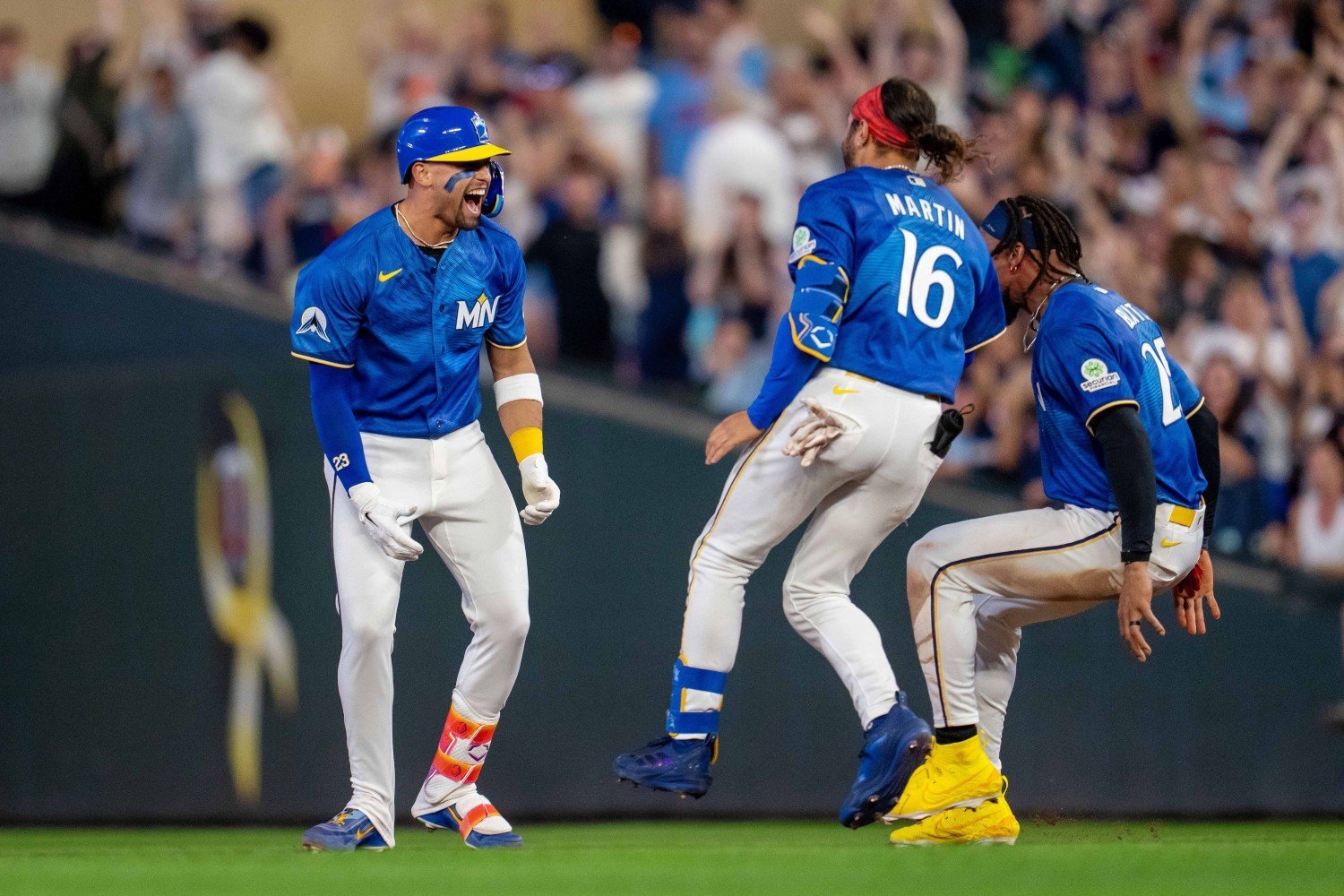 For most of the 2026 season, the Minnesota Twins have lived in an uncomfortable middle ground. They aren't rebuilding in the traditional sense, but they also aren't loaded with enough established talent to be considered a clear contender. Instead, they've spent much of the year hovering around the American League playoff picture while trying to figure out exactly what this roster can become. That uncertainty was understandable. The Twins entered 2026 coming off a massive organizational reset with a new general manager in Jeremy Zoll. Plenty of young players needed opportunities, veterans needed to prove they belonged in the next competitive version of the roster, and ownership faced questions about how aggressively it was willing to invest. Then something interesting happened. The Twins started winning enough games to make the postseason a realistic possibility. With the final month of the season approaching, Minnesota remains within striking distance of the American League playoff field. And that changes the conversation. A playoff appearance wouldn't simply give the Twins a few extra games in October. It would change the expectations surrounding the organization entering the offseason. The Twins Have Already Changed Their 2027 Expectations There is a temptation to view 2027 as another year of development. That was reasonable earlier this season. The Twins could have used 2026 to evaluate their young core, determine which prospects were ready to graduate and continue building toward a better team down the road. Even their trade deadline approach reflected that balance. Minnesota added A.J. Minter, Dean Kremer and Jeff Hoffman without surrendering its top prospect capital, preserving a farm system that remains one of the organization's biggest advantages. But the Twins also spent money. More than $8 million in prorated salary was added for the remainder of 2026, while Hoffman and Kremer created financial commitments for 2027. Hoffman is owed $11 million next season, with the Blue Jays paying a portion of that amount, while Kremer is positioned for an arbitration raise after making $5.75 million this year. That isn't the behavior of an organization preparing to spend another year simply waiting for its prospects to arrive. More importantly, Tom Pohlad has already made the organization's 2027 intentions clear. “I’m not hoping -- it will be higher,” Pohlad said when discussing whether the Twins' payroll would increase next season. He added that if the organization wants to become a consistently competitive postseason team, it has to invest in the roster. That statement came before the season was decided. If the Twins actually reach the playoffs, it becomes even more important. A Playoff Berth Changes the Free-Agent Conversation There is a big difference between telling free agents, "We think we're going to be good someday," and being able to say, "We just made the playoffs." The Twins won't suddenly become a premier free-agent destination because they win a Wild Card Series. Minnesota will still deal with the realities of playing in a smaller market, and there will always be financial limitations compared to baseball's biggest spenders. But a playoff appearance provides evidence. It gives Zoll something tangible to sell. It allows the front office to point to a young core that already competed against established clubs. It gives ownership an opportunity to argue that additional investment isn't about buying hope. It's about supporting a team that has already demonstrated it can win. That should make the free-agent market more interesting for Minnesota. The Twins don't need to chase every expensive name on the market. They shouldn't. Their best opportunity may be using payroll flexibility to target specific weaknesses while allowing their young players to continue taking larger roles. But there is a difference between making one or two modest additions and actually trying to build a roster capable of winning a postseason series. A playoff berth should push Minnesota toward the second option. The Twins have spent years building organizational depth, and they're finally beginning to see some of that investment reach the major leagues. Walker Jenkins is the obvious example. Vahn Lackey is another important piece of the long-term picture. Kaelen Culpepper has already reached the majors, while Luke Keaschall is part of the organization's young core. There are still plenty of prospects behind them. That creates an interesting problem for Zoll, and it's a good problem to have. The Twins don't need to buy an entirely new roster. They need to determine which positions require established major-league help around the young talent already in place. That's a much different offseason. A team that finishes outside the playoffs can rationalize another year of patience. A team that reaches October has a much harder time explaining why it shouldn't push the roster forward. The prospects don't become less valuable because the Twins make the playoffs. In fact, they become even more valuable because Minnesota can use those players to fill some positions while spending money elsewhere. That could be the organization's sweet spot: Develop internally, spend externally where necessary and don't be afraid to move an asset if doing so clearly improves the major-league roster. This might be the biggest consequence of all. The Pohlads have faced plenty of criticism about payroll since 2023. Some of it came from declining spending, while some stemmed from the perception that the organization wasn't willing to invest aggressively enough when opportunities presented themselves. Tom Pohlad's comments about increasing the 2027 payroll are an important starting point, but fans will ultimately judge the organization by what happens when the offseason arrives. That's where a playoff appearance could matter. If Minnesota reaches October and then enters the offseason with essentially the same financial approach it has used in recent years, the questions will come quickly. Why not add another starter? Why not improve the bullpen? Why not address the positions that have been obvious weaknesses? Why not take advantage of a young, relatively inexpensive core? A playoff team creates expectations. Once those expectations exist, it becomes much harder to sell patience for patience's sake. What Happens If They Miss? This is where things get complicated. Even if Minnesota misses the playoffs, the 2026 season could still be viewed as a success if the young core takes meaningful steps forward and the team proves it can compete. But missing the postseason after spending much of the year in the race would make the offseason decisions more nuanced. The front office could reasonably argue that another year of development is necessary. The other argument would be that the team got close enough that a few targeted additions could have made the difference. If the Twins finish two games out, lose a handful of winnable games in September and watch the bullpen implode down the stretch, the offseason conversation will be very different than it would have been after a 65-win season. Context matters. So does momentum. And the Twins are building both. That's why the final weeks of 2026 matter beyond the standings. Every win isn't just another step toward October. It's another piece of evidence that the Twins are ready for a different kind of offseason. For the first time in several years, Minnesota may enter the winter with more than hope. It may enter with expectations. How will the team's offseason be impacted by making or missing the playoffs? Leave a comment and start the discussion.
- 43 comments
-
- 5
-

-
-

-
- kaelen culpepper
- walker jenkins
- (and 2 more)
-
Twins Ride One-Game Winning Streak Back Into Playoff Picture
Cody Christie posted an article in Just For Fun
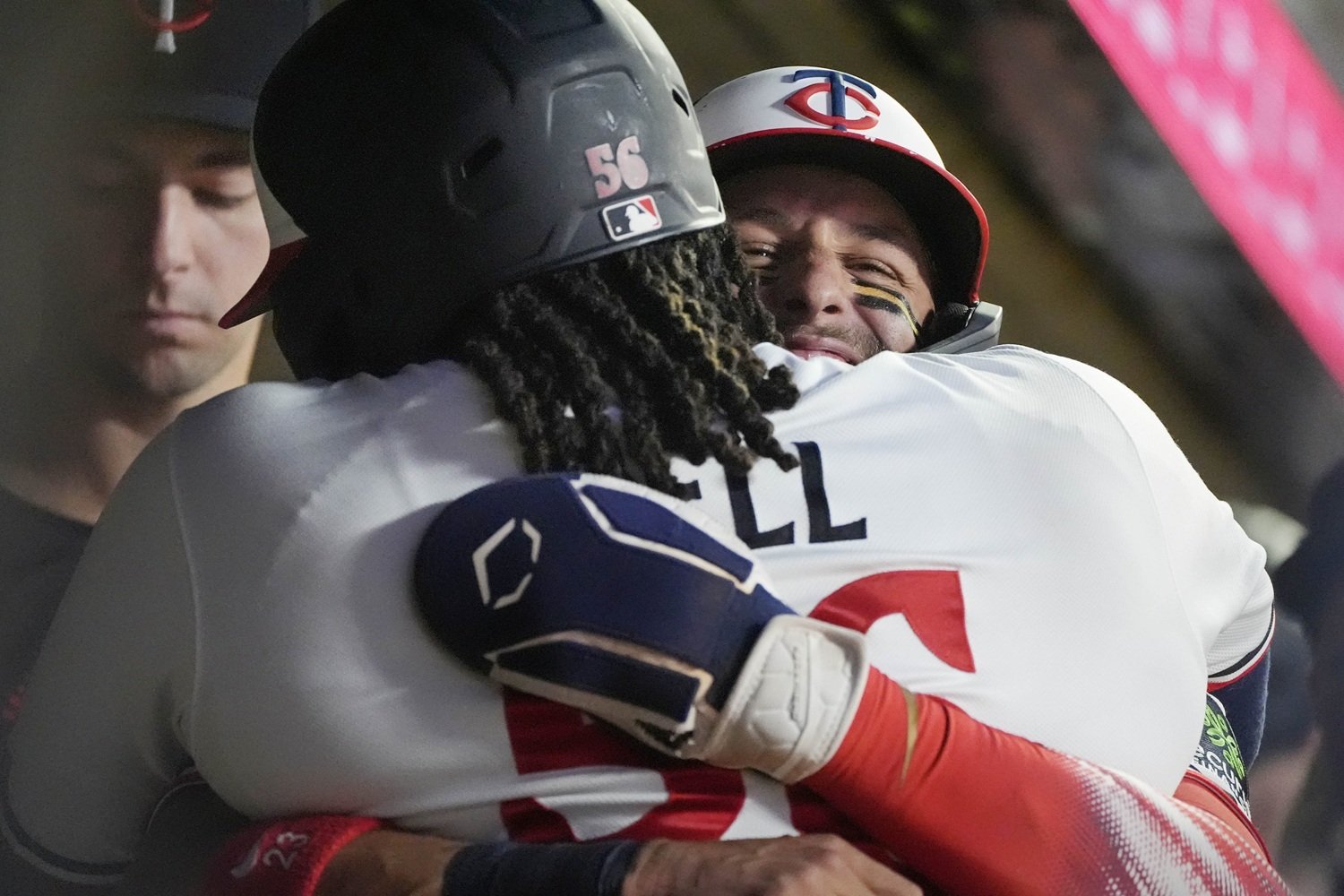 There are few things more beautiful in baseball than a long winning streak. Three games. Five games. Seven games. Maybe even one of those ridiculous 10-game streaks that makes everyone start using phrases like “October baseball” and “playing their best baseball at the right time.” The Minnesota Twins have decided to try something different. One. Just one game. And somehow, it worked. After spending the better part of the second-half reminding everyone why consistency is important, the Twins won one game and thrust the club right back into the American League playoff picture. Because this is the 2026 American League, where apparently nobody wants to win enough games to make the postseason race comfortable. The Twins can lose three straight, get swept by a contending team, blow a five-run lead, and generally make their fans question every life decision that led them to spend three hours watching baseball. Then they win one game. Suddenly, everyone needs to check the standings. Again. And again. And again. Wait, We're in Second? There is a particular moment every Twins fan has experienced this season. You open the standings expecting to see something unpleasant. Instead, you see Minnesota in second place. You refresh. Still second. You check another website. Still second. You begin wondering if the website is broken. It isn't. The American League has been that chaotic. Minnesota’s sub-.500 record is more than good enough to stay in the Wild Card race. The Twins have gone from looking like a team that might be better off thinking about 2027 to a team that is apparently allowed to have meaningful games in August because several other American League clubs have collectively decided that winning baseball games is optional. Jeremy Zoll has spent much of the season preaching patience and resilience. “We’ve been really consistent in our inconsistency,” Zoll said. “There have been some stretches where we’ve played good baseball, some stretches where we’ve played bad baseball, and then there have been stretches where we’ve looked at the standings and realized none of it apparently matters. To be sitting in second place after winning one game is a credit to the entire organization. We’re really proud of that.” But one win? Bounce back. That is the official terminology. Byron Buxton Is Back, Therefore Everything Is Fine Byron Buxton returned from the injured list, giving the Twins one of their most important players back for the stretch run. This is another important part of the Minnesota mathematical formula. Step 1: Get Buxton back. Step 2: Win one game. Step 3: Look at the standings. Step 4: Become irrationally optimistic. Step 5: Repeat. And, naturally, this is where someone will say something about momentum. Momentum is a fascinating concept in baseball. It apparently lasts exactly 24 hours. Derek Shelton Has Seen This Movie Before Manager Derek Shelton has spent his first season in Minnesota trying to navigate a roster that has provided roughly the same amount of stability as a folding chair on a frozen lake. At one point, the Twins look like legitimate contenders. Then they lose several games. Then the offense disappears. Then the bullpen implodes. Then they win twice. Then everyone checks the standings. “We’re not looking at the standings,” Shelton said. “Someone told me we’re in second place, but I assumed they were talking about the second-place team in the International League. If we’re actually in the American League playoff picture after playing the way we’ve played lately, I’d prefer nobody investigate how that happened. We’ll just keep winning every once in a while and see where that takes us.” That is the most ridiculous part of all of this. The Twins have played some genuinely bad baseball recently. They have looked inconsistent. They have struggled to string together quality performances. They are still below .500. And yet, here they are. Within striking distance. Still alive. The American League has created the perfect environment for a team like Minnesota. There are enough flawed clubs, enough mediocre records and enough nightly chaos that a team can spend two weeks playing poorly and still emerge from the other side with a legitimate postseason argument. All Minnesota had to do was win a couple of games. Apparently, that's enough. The Twins don't need a 10-game winning streak. They don't need to suddenly look like the 1998 Yankees. They don't even necessarily need to look good. They just need to keep winning one game at a time while waiting for everyone else to make sure the playoff door remains slightly open. So, congratulations, Twins fans. The team is back in the playoff picture. The winning streak is alive. The standings are confusing. Second place is within sight. And optimism has officially returned. At least until the next game.
 -
Image courtesy of Rob Thompson, St. Paul Saints The Minnesota Twins have plenty of questions to answer as they navigate the final weeks of the regular season. Some of those questions will be answered by players already on the major-league roster. Others could be answered by someone currently playing for the St. Paul Saints. Walker Jenkins is the obvious name to watch. The top prospect has continued to make his case at Triple-A, and there is plenty of interest in when the Twins might decide he is ready for the next step. But Jenkins isn't the only player in Triple-A who could potentially help Minnesota during the stretch run. Whether it's an injury, a matchup, a need for defensive versatility or simply a desire to add another option, the Twins have several players in St. Paul who could get the call. Here are four names worth watching. OF Matt Wallner Truthfully, it feels like Wallner's place in the organization's long-term plans has all but evaporated. That doesn't mean the Twins can't find a use for him this season. Wallner recently set a new single-season home run record (23 homers, 135 wRC+) for the Saints, continuing to show the type of power that made him such an intriguing prospect in the first place. His ability to change a game with one swing remains valuable, even if his path to consistent playing time in Minnesota isn't particularly clear. The Twins don't necessarily need another left-handed bat right now. That's one of the biggest obstacles standing in Wallner's way. Still, injuries have a way of changing roster needs quickly. If an outfielder or another left-handed hitter goes down, Wallner becomes an easy name to consider. He's already on the 40-man roster, which eliminates another potential hurdle. Perhaps the Twins want to give Wallner one more opportunity to show that he can translate his power into consistent major-league production. OF/1B Gabriel Gonzalez Gonzalez's stock has taken a hit this season after he enjoyed a breakout 2025 campaign and was named Twins Daily's Minor League Hitter of the Year. His overall numbers haven't matched last year's production, but there are reasons to keep watching. Gonzalez owns a .753 OPS at Triple-A this season, which isn't overwhelming. However, his August performance has been much more encouraging. Through his first 12 games of the month, Gonzalez has posted a 1.054 OPS with four home runs. Perhaps even more encouraging, he's walked six times compared to only three strikeouts during that stretch. The Twins could eventually need another right-handed bench option, and Gonzalez has the offensive upside to make that role interesting. The August numbers don't erase the struggles from earlier in the season, but they do provide a reminder of why Gonzalez was once viewed as one of the organization's more promising young hitters. If he continues to produce, Minnesota could have an interesting decision to make. UTL Ben Ross Ross offers something the Twins could find particularly useful during a playoff push: defensive versatility. Like Gonzalez, Ross is a right-handed hitter. Unlike Gonzalez, however, Ross can provide the type of defensive flexibility that could allow the Twins to move him around the field and find favorable matchups. And he's not simply surviving offensively. Ross has posted a .917 OPS for the season, making him one of the more productive hitters in the Saints' lineup. He's been particularly effective against left-handed pitching, where he owns a 1.003 OPS. That combination could make Ross an intriguing bench option. A player who can cover multiple positions while providing a legitimate offensive threat against certain matchups can be extremely useful over the final month of a season. The Twins don't necessarily need another everyday player. They could need someone who makes the roster more flexible. Ross has a chance to be that player. RHP Marco Raya The bullpen has been much better for Minnesota in recent weeks, but that doesn't mean the Twins can stop looking for reinforcements. At some point, every team needs to dip into its minor-league depth. Raya's first season as a full-time reliever has been consistently inconsistent. There have been flashes of the pitcher who made him one of the organization's more interesting pitching prospects (25.6 K%), but the results haven't always been there (5.88 FIP). He's also been less effective when asked to work multiple innings. That could actually help define his potential role if the Twins decide to call him up. Rather than asking Raya to be a multi-inning weapon, Minnesota could look to simplify his assignment. One inning. One appearance. Attack hitters. Let him use his stuff in shorter bursts. That doesn't guarantee success, but the role could give Raya a better opportunity to succeed at the major-league level. And with the number of innings a bullpen has to absorb over the final weeks of a playoff race, another arm could become necessary sooner than expected. Who Gets the Call? The Twins don't have to make a move with any of these four players. That's part of what makes the situation interesting. They have options in Triple-A, and each player offers something different. Wallner brings power and familiarity with the organization. Gonzalez has started to show signs of rediscovering his offensive stroke. Ross offers right-handed production and defensive flexibility. Raya could provide another arm if the bullpen needs reinforcements. Then there's Jenkins, whose situation will continue to draw the most attention. The stretch run isn't just about the players currently on the roster. It's also about knowing which minor-league options can help when circumstances change. The Twins have several of those options in St. Paul. Will any of these players be added to the roster? Who else could help the Twins down the stretch? Leave a comment and start the discussion. View full article
-
Image courtesy of © Bruce Kluckhohn-Imagn Images There are few things more beautiful in baseball than a long winning streak. Three games. Five games. Seven games. Maybe even one of those ridiculous 10-game streaks that makes everyone start using phrases like “October baseball” and “playing their best baseball at the right time.” The Minnesota Twins have decided to try something different. One. Just one game. And somehow, it worked. After spending the better part of the second-half reminding everyone why consistency is important, the Twins won one game and thrust the club right back into the American League playoff picture. Because this is the 2026 American League, where apparently nobody wants to win enough games to make the postseason race comfortable. The Twins can lose three straight, get swept by a contending team, blow a five-run lead, and generally make their fans question every life decision that led them to spend three hours watching baseball. Then they win one game. Suddenly, everyone needs to check the standings. Again. And again. And again. Wait, We're in Second? There is a particular moment every Twins fan has experienced this season. You open the standings expecting to see something unpleasant. Instead, you see Minnesota in second place. You refresh. Still second. You check another website. Still second. You begin wondering if the website is broken. It isn't. The American League has been that chaotic. Minnesota’s sub-.500 record is more than good enough to stay in the Wild Card race. The Twins have gone from looking like a team that might be better off thinking about 2027 to a team that is apparently allowed to have meaningful games in August because several other American League clubs have collectively decided that winning baseball games is optional. Jeremy Zoll has spent much of the season preaching patience and resilience. “We’ve been really consistent in our inconsistency,” Zoll said. “There have been some stretches where we’ve played good baseball, some stretches where we’ve played bad baseball, and then there have been stretches where we’ve looked at the standings and realized none of it apparently matters. To be sitting in second place after winning one game is a credit to the entire organization. We’re really proud of that.” But one win? Bounce back. That is the official terminology. Byron Buxton Is Back, Therefore Everything Is Fine Byron Buxton returned from the injured list, giving the Twins one of their most important players back for the stretch run. This is another important part of the Minnesota mathematical formula. Step 1: Get Buxton back. Step 2: Win one game. Step 3: Look at the standings. Step 4: Become irrationally optimistic. Step 5: Repeat. And, naturally, this is where someone will say something about momentum. Momentum is a fascinating concept in baseball. It apparently lasts exactly 24 hours. Derek Shelton Has Seen This Movie Before Manager Derek Shelton has spent his first season in Minnesota trying to navigate a roster that has provided roughly the same amount of stability as a folding chair on a frozen lake. At one point, the Twins look like legitimate contenders. Then they lose several games. Then the offense disappears. Then the bullpen implodes. Then they win twice. Then everyone checks the standings. “We’re not looking at the standings,” Shelton said. “Someone told me we’re in second place, but I assumed they were talking about the second-place team in the International League. If we’re actually in the American League playoff picture after playing the way we’ve played lately, I’d prefer nobody investigate how that happened. We’ll just keep winning every once in a while and see where that takes us.” That is the most ridiculous part of all of this. The Twins have played some genuinely bad baseball recently. They have looked inconsistent. They have struggled to string together quality performances. They are still below .500. And yet, here they are. Within striking distance. Still alive. The American League has created the perfect environment for a team like Minnesota. There are enough flawed clubs, enough mediocre records and enough nightly chaos that a team can spend two weeks playing poorly and still emerge from the other side with a legitimate postseason argument. All Minnesota had to do was win a couple of games. Apparently, that's enough. The Twins don't need a 10-game winning streak. They don't need to suddenly look like the 1998 Yankees. They don't even necessarily need to look good. They just need to keep winning one game at a time while waiting for everyone else to make sure the playoff door remains slightly open. So, congratulations, Twins fans. The team is back in the playoff picture. The winning streak is alive. The standings are confusing. Second place is within sight. And optimism has officially returned. At least until the next game. View full article
-
Baseball America has Jenkins on their Prospect Hot Sheet with the updated data below.

