



Cody Christie
-
Posts
7,791 -
Joined
-
Last visited
-
Days Won
5
Content Type
Profiles
News
Minnesota Twins Videos
2026 Minnesota Twins Top Prospects Ranking
2022 Minnesota Twins Draft Picks
Minnesota Twins Free Agent & Trade Rumors, Notes, & Tidbits
Guides & Resources
2023 Minnesota Twins Draft Picks
The Minnesota Twins Players Project
2024 Minnesota Twins Draft Picks
2025 Minnesota Twins Draft Pick Tracker
2026 Minnesota Twins Draft Tracker: Picks & Bonuses
Forums
Blogs
Events
Store
Downloads
Gallery
Everything posted by Cody Christie
-
 Image courtesy of William Parmeter The Florida Complex League is where many of the youngest players in the Twins organization begin their professional journey. For international signees and recent draft picks, it can be their first opportunity to face professional competition on American soil. The short season also gives players a chance to make an early impression and quickly change the perception surrounding their prospect stock. Success in the FCL isn't guaranteed, though. The limited schedule leaves little room for extended slumps, and some players don't have enough opportunities to turn a difficult start around. Others make the level look too easy, giving the organization a reason to challenge them with a promotion before the season comes to an end. Several Twins hitters made their mark in Fort Myers this summer. Before getting to the top three, the Twins Daily minor league writers also gave consideration to the following players. Honorable Mentions Darwin Almanzar (45 G): .254/.482/.342 (.824), 6 2B, 2 3B, 139 wRC+, 27.7 BB%, 18.7 K%, 7 SB. Miguel Caraballo (43 G): .229/.366/.412 (.778), 9 2B, 5 HR, 102 wRC+, 15.1 BB%, 29.5 K%, 15 SB. Yilber Herrera (41 G): .240/.452/.333 (.785), 2 2B, 2 3B, 1 HR, 126 wRC+, 27.4 BB%, 25.2 K%, 14 SB. 3. OF Teilon Serrano 51 G, .211/.446/.398 (.844), 8 2B, 4 3B, 3 HR, 132 wRC+, 27.3 BB%, 30.4 K%, 14 SB Serrano's first season stateside came with some noticeable peaks and valleys. He opened and closed the season slowly, posting an OPS below .800 in both May and July. The middle portion of his season provided a much different picture. Serrano was outstanding in June, hitting .256/.515/.488 for a 1.003 OPS. He collected seven extra-base hits while drawing 23 walks compared to only 16 strikeouts. The ability to consistently reach base helped him remain productive even when the batting average wasn't particularly high. Age was also an important factor when evaluating Serrano's performance. He was one of the younger players in the league and faced older pitchers in all but two of his plate appearances. Those two trips to the plate against younger competition both ended in walks. Defensively, Serrano continued to provide versatility. He saw time at all three outfield positions, with more than half of his starts coming in left field. His overall numbers provide an intriguing combination of plate discipline, power, and speed for a young outfielder making his first trip through the organization. 2. OF Jhomnardo Reyes 49 G, .296/.409/.541 (.950), 12 2B, 3 3B, 7 HR, 138 wRC+, 14.0 BB%, 22.8 K%, 14 SB. Reyes quickly established himself as one of the more intriguing breakout prospects in the Twins system during the first part of the season. His production in May was particularly impressive, as he hit .378/.511/.892 for a 1.403 OPS across 13 games. Nine of Reyes' extra-base hits came during that remarkable month, giving him an early combination of contact ability and power that was difficult to ignore. While he didn't maintain that same level of slugging throughout the rest of the season, his ability to reach base remained a constant part of his offensive profile. Reyes reached base more than 36% of the time for the remainder of his FCL season. That consistency helped him remain productive even as the power numbers came back toward earth. The Twins promoted Reyes to Low-A on July 24, giving him an opportunity to test himself against tougher competition. That proved to be his final stop in the organization. Minnesota traded Reyes to the Baltimore Orioles at the trade deadline for starting pitcher Dean Kremer. His time in the Twins system ended with a strong FCL performance and a promotion that reflected the organization's belief that he was ready for a bigger challenge. Twins FCL Hitter of the Year: OF Yovanny Duran 52 G, .317/.458/.485 (.943), 8 2B, 4 3B, 4 HR, 118 wRC+, 18.5 BB%, 23.6 K%, 36 SB. Duran was the most consistent offensive player in the FCL Twins lineup, and his season became more impressive as the summer progressed. Rather than relying on one dominant stretch, he steadily improved from month to month before earning a promotion to Low-A. Duran opened the season by hitting .295/.371/.508 for an .880 OPS with six extra-base hits in 17 games. His on-base percentage took a significant jump in June, when he raised his batting average to .306 and reached base 47.6% of the time. Then came July. Duran hit .364/.532/.614 for a 1.146 OPS during the month, collecting seven extra-base hits in just 15 games. His ability to combine contact, plate discipline, and increasing power made him one of the FCL's most difficult hitters to contain. The Twins rewarded that production with a promotion to Low-A at the beginning of August. His speed was another major part of his offensive impact. Duran led the FCL Twins with 36 stolen bases, successfully converting 36 of his 47 attempts. Caraballo finished a distant second on the team with 15 steals. Duran also showed he could produce regardless of the pitcher standing in the batter's box. As a switch-hitter, he posted an OPS above .800 against both right-handed and left-handed pitchers. Even more impressively, 89.2% of his plate appearances came against older pitchers, and he posted an .818 OPS against that competition. There are always questions surrounding young hitters in the FCL. The competition is inconsistent, the sample sizes are small, and players are often facing opponents with significant differences in age and experience. Duran answered those questions by producing throughout the summer. He hit for average, consistently reached base, showed emerging power, and impacted games with his speed. Most importantly, his production improved as the season progressed. That combination made him the most complete offensive performer among the Twins' FCL hitters in 2026. The FCL is designed to be an introduction to professional baseball, but it can also serve as an important first checkpoint for a prospect's development. For the Twins, this year's group provided several encouraging performances. Serrano demonstrated an impressive ability to reach base despite facing older competition. Reyes turned a dominant opening month into a promotion and eventually became part of the return for an established major-league pitcher. Duran put together the most consistent season of the group while adding speed and continued improvement to his offensive profile. The next step will be seeing how these young hitters handle more advanced competition. The FCL numbers alone won't determine their futures, but each player gave the Twins a reason to keep watching closely as they move through the organization. What stands out about this group of players? Leave a comment and start the discussion. View full article
 -
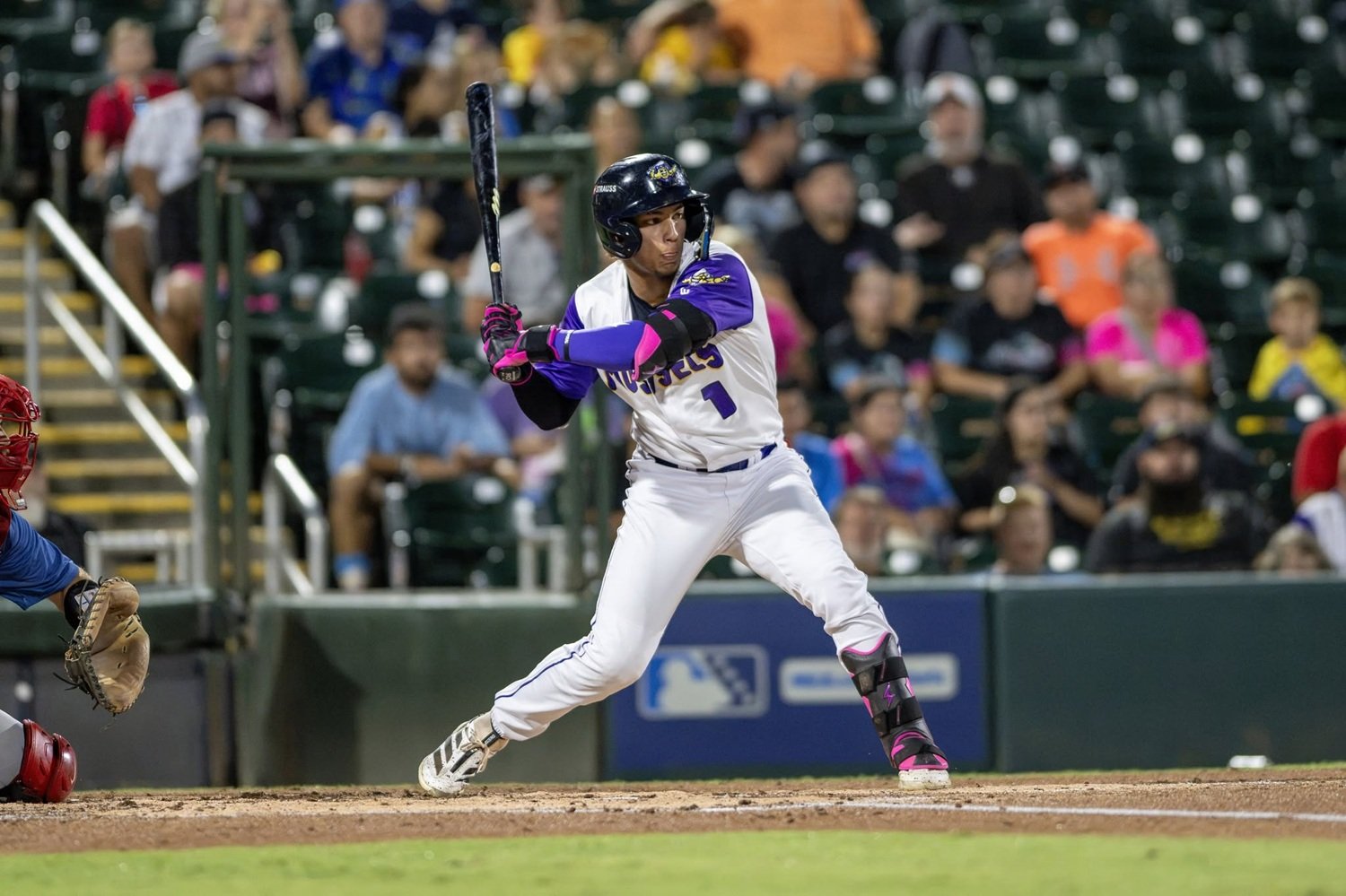 The Florida Complex League is where many of the youngest players in the Twins organization begin their professional journey. For international signees and recent draft picks, it can be their first opportunity to face professional competition on American soil. The short season also gives players a chance to make an early impression and quickly change the perception surrounding their prospect stock. Success in the FCL isn't guaranteed, though. The limited schedule leaves little room for extended slumps, and some players don't have enough opportunities to turn a difficult start around. Others make the level look too easy, giving the organization a reason to challenge them with a promotion before the season comes to an end. Several Twins hitters made their mark in Fort Myers this summer. Before getting to the top three, the Twins Daily minor league writers also gave consideration to the following players. Honorable Mentions Darwin Almanzar (45 G): .254/.482/.342 (.824), 6 2B, 2 3B, 139 wRC+, 27.7 BB%, 18.7 K%, 7 SB. Miguel Caraballo (43 G): .229/.366/.412 (.778), 9 2B, 5 HR, 102 wRC+, 15.1 BB%, 29.5 K%, 15 SB. Yilber Herrera (41 G): .240/.452/.333 (.785), 2 2B, 2 3B, 1 HR, 126 wRC+, 27.4 BB%, 25.2 K%, 14 SB. 3. OF Teilon Serrano 51 G, .211/.446/.398 (.844), 8 2B, 4 3B, 3 HR, 132 wRC+, 27.3 BB%, 30.4 K%, 14 SB Serrano's first season stateside came with some noticeable peaks and valleys. He opened and closed the season slowly, posting an OPS below .800 in both May and July. The middle portion of his season provided a much different picture. Serrano was outstanding in June, hitting .256/.515/.488 for a 1.003 OPS. He collected seven extra-base hits while drawing 23 walks compared to only 16 strikeouts. The ability to consistently reach base helped him remain productive even when the batting average wasn't particularly high. Age was also an important factor when evaluating Serrano's performance. He was one of the younger players in the league and faced older pitchers in all but two of his plate appearances. Those two trips to the plate against younger competition both ended in walks. Defensively, Serrano continued to provide versatility. He saw time at all three outfield positions, with more than half of his starts coming in left field. His overall numbers provide an intriguing combination of plate discipline, power, and speed for a young outfielder making his first trip through the organization. 2. OF Jhomnardo Reyes 49 G, .296/.409/.541 (.950), 12 2B, 3 3B, 7 HR, 138 wRC+, 14.0 BB%, 22.8 K%, 14 SB. Reyes quickly established himself as one of the more intriguing breakout prospects in the Twins system during the first part of the season. His production in May was particularly impressive, as he hit .378/.511/.892 for a 1.403 OPS across 13 games. Nine of Reyes' extra-base hits came during that remarkable month, giving him an early combination of contact ability and power that was difficult to ignore. While he didn't maintain that same level of slugging throughout the rest of the season, his ability to reach base remained a constant part of his offensive profile. Reyes reached base more than 36% of the time for the remainder of his FCL season. That consistency helped him remain productive even as the power numbers came back toward earth. The Twins promoted Reyes to Low-A on July 24, giving him an opportunity to test himself against tougher competition. That proved to be his final stop in the organization. Minnesota traded Reyes to the Baltimore Orioles at the trade deadline for starting pitcher Dean Kremer. His time in the Twins system ended with a strong FCL performance and a promotion that reflected the organization's belief that he was ready for a bigger challenge. Twins FCL Hitter of the Year: OF Yovanny Duran 52 G, .317/.458/.485 (.943), 8 2B, 4 3B, 4 HR, 118 wRC+, 18.5 BB%, 23.6 K%, 36 SB. Duran was the most consistent offensive player in the FCL Twins lineup, and his season became more impressive as the summer progressed. Rather than relying on one dominant stretch, he steadily improved from month to month before earning a promotion to Low-A. Duran opened the season by hitting .295/.371/.508 for an .880 OPS with six extra-base hits in 17 games. His on-base percentage took a significant jump in June, when he raised his batting average to .306 and reached base 47.6% of the time. Then came July. Duran hit .364/.532/.614 for a 1.146 OPS during the month, collecting seven extra-base hits in just 15 games. His ability to combine contact, plate discipline, and increasing power made him one of the FCL's most difficult hitters to contain. The Twins rewarded that production with a promotion to Low-A at the beginning of August. His speed was another major part of his offensive impact. Duran led the FCL Twins with 36 stolen bases, successfully converting 36 of his 47 attempts. Caraballo finished a distant second on the team with 15 steals. Duran also showed he could produce regardless of the pitcher standing in the batter's box. As a switch-hitter, he posted an OPS above .800 against both right-handed and left-handed pitchers. Even more impressively, 89.2% of his plate appearances came against older pitchers, and he posted an .818 OPS against that competition. There are always questions surrounding young hitters in the FCL. The competition is inconsistent, the sample sizes are small, and players are often facing opponents with significant differences in age and experience. Duran answered those questions by producing throughout the summer. He hit for average, consistently reached base, showed emerging power, and impacted games with his speed. Most importantly, his production improved as the season progressed. That combination made him the most complete offensive performer among the Twins' FCL hitters in 2026. The FCL is designed to be an introduction to professional baseball, but it can also serve as an important first checkpoint for a prospect's development. For the Twins, this year's group provided several encouraging performances. Serrano demonstrated an impressive ability to reach base despite facing older competition. Reyes turned a dominant opening month into a promotion and eventually became part of the return for an established major-league pitcher. Duran put together the most consistent season of the group while adding speed and continued improvement to his offensive profile. The next step will be seeing how these young hitters handle more advanced competition. The FCL numbers alone won't determine their futures, but each player gave the Twins a reason to keep watching closely as they move through the organization. What stands out about this group of players? Leave a comment and start the discussion.
- 2 comments
-
- 3
-

-
- yovanny duran
- jhomnardo reyes
- (and 1 more)
-
Image courtesy of Rob Thompson, St. Paul Saints It's been a long journey for Aaron Sabato. There were probably plenty of moments over the last six years when the former first-round pick wondered if this day would ever come. Now, after grinding through the minor leagues and putting together the best season of his professional career, Sabato is finally getting the call. The Minnesota Twins are calling up Sabato, giving the 27th overall pick from the 2020 MLB Draft his first opportunity to play in the big leagues. Sabato's journey began during the strangest draft in baseball history. The event was shortened to just five rounds because of the COVID-19 pandemic, and the Twins used their first selection on a massive first baseman from the University of North Carolina. There was never much mystery about Sabato's calling card. It was his bat—and, specifically, his power. He entered professional baseball with significant raw power and a strong offensive track record. As a freshman at UNC, Sabato hit .343/.453/.696, with 18 home runs and 25 doubles in 64 games. The Twins believed his offensive ceiling could make him a middle-of-the-order threat. There was a catch. Sabato was always going to have to hit at a high level. He was primarily a first baseman and didn't have the defensive versatility that would have provided another avenue to playing time. The equation was relatively simple: The bat needed to carry the profile. For years, that equation didn't quite balance. Sabato eventually reached Triple-A, but his progression was slower than many expected from a first-round selection. The power was still there, but the overall offensive production wasn't consistent enough to force his way into the Twins' plans. His prospect stock didn't fade; it cratered. He fell off the radar of all but the most indomitable Twins fans. Then came 2026. Sabato turned his best tools into his best professional season. He established a new St. Paul Saints Triple-A franchise record with 25 home runs, while adding 25 doubles. Earlier this week, the Saints named him their 2026 Most Valuable Player. He finished his season with a .273/.349/.528 slash line, good for an .877 OPS and a 121 wRC+. Sabato also posted an 8.7% walk rate and a 25.3% strikeout rate over 113 games. Those numbers don't erase the questions that followed him throughout his professional career. They do, however, show why the Twins continued to give him opportunities. The power is legitimate, and that power could give Minnesota something it has been searching for. A Right-Handed Power Bat The Twins have needed more right-handed power for quite some time. That makes Sabato's opportunity particularly interesting. Minnesota doesn't need him to suddenly become the next superstar. He doesn't need to carry the offense. The Twins just need to determine whether the bat that made him a first-round pick can play against big-league pitching. The challenge will be making enough contact and controlling the strike zone against more formidable opponents. His strikeout rate shows there's still some swing-and-miss in his game. That's nothing new for a player whose offensive value is built around doing damage. But the Twins will get a chance to see whether his improved overall production can carry over. The timing makes sense. At this point in the season, the Twins have an opportunity to evaluate players who could factor into their future plans. Sabato has already spent years in the organization. There isn't much left for him to prove in Triple-A. He probably doesn't factor into the team's future, either, but bringing him to the majors is a feel-good story that also serves as an audition. For a former first-round pick who has spent most of his professional career waiting for this opportunity, that's more than enough. Sabato is finally a big leaguer. The long journey is over. Now the real test begins. What can the Twins expect from Sabato? Can he be a piece of the 2027 Twins? Leave a comment and start the discussion. View full article
-
Breaking: Twins Calling Up Former First-Round Pick Aaron Sabato
Cody Christie posted an article in Twins
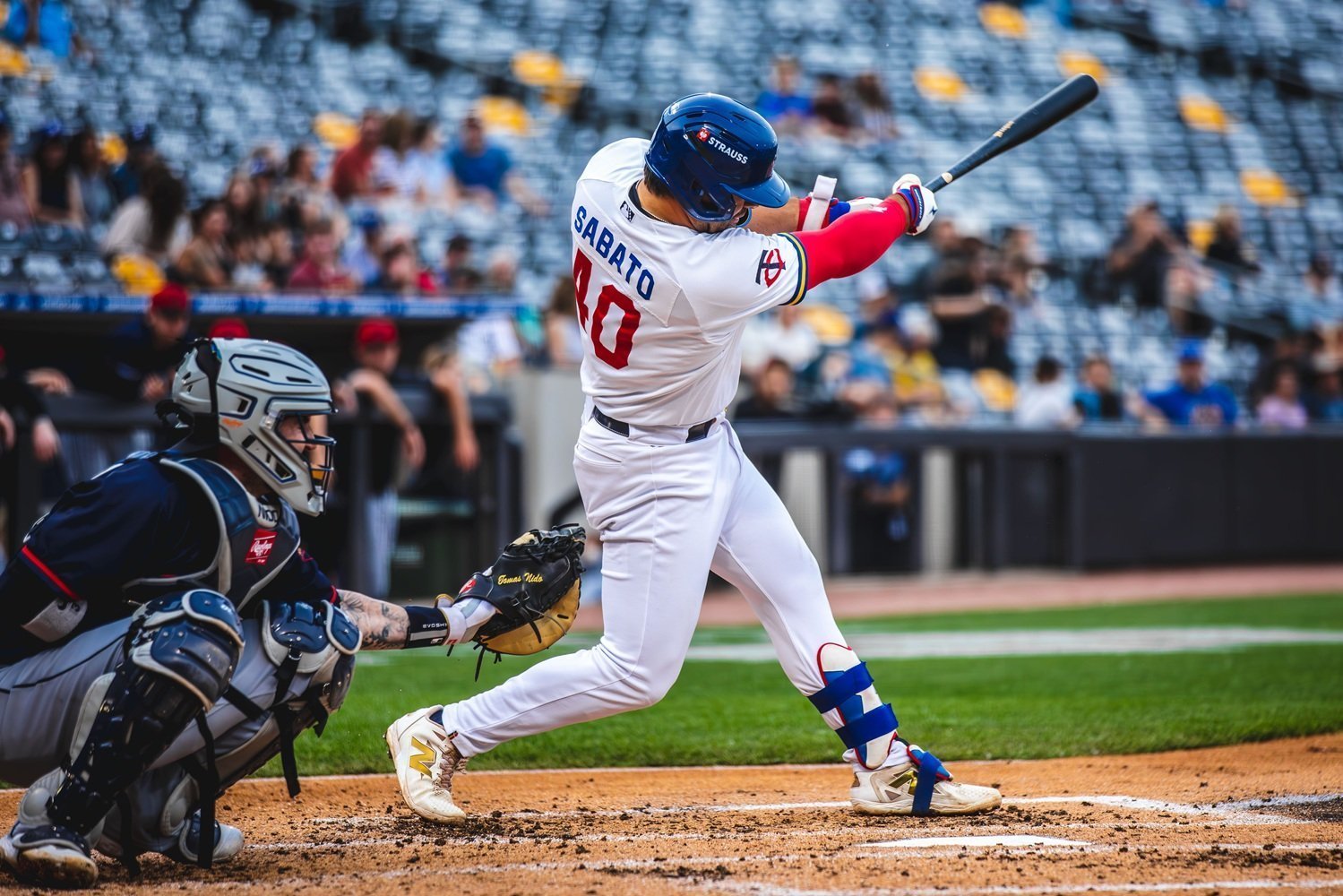 It's been a long journey for Aaron Sabato. There were probably plenty of moments over the last six years when the former first-round pick wondered if this day would ever come. Now, after grinding through the minor leagues and putting together the best season of his professional career, Sabato is finally getting the call. The Minnesota Twins are calling up Sabato, giving the 27th overall pick from the 2020 MLB Draft his first opportunity to play in the big leagues. Sabato's journey began during the strangest draft in baseball history. The event was shortened to just five rounds because of the COVID-19 pandemic, and the Twins used their first selection on a massive first baseman from the University of North Carolina. There was never much mystery about Sabato's calling card. It was his bat—and, specifically, his power. He entered professional baseball with significant raw power and a strong offensive track record. As a freshman at UNC, Sabato hit .343/.453/.696, with 18 home runs and 25 doubles in 64 games. The Twins believed his offensive ceiling could make him a middle-of-the-order threat. There was a catch. Sabato was always going to have to hit at a high level. He was primarily a first baseman and didn't have the defensive versatility that would have provided another avenue to playing time. The equation was relatively simple: The bat needed to carry the profile. For years, that equation didn't quite balance. Sabato eventually reached Triple-A, but his progression was slower than many expected from a first-round selection. The power was still there, but the overall offensive production wasn't consistent enough to force his way into the Twins' plans. His prospect stock didn't fade; it cratered. He fell off the radar of all but the most indomitable Twins fans. Then came 2026. Sabato turned his best tools into his best professional season. He established a new St. Paul Saints Triple-A franchise record with 25 home runs, while adding 25 doubles. Earlier this week, the Saints named him their 2026 Most Valuable Player. He finished his season with a .273/.349/.528 slash line, good for an .877 OPS and a 121 wRC+. Sabato also posted an 8.7% walk rate and a 25.3% strikeout rate over 113 games. Those numbers don't erase the questions that followed him throughout his professional career. They do, however, show why the Twins continued to give him opportunities. The power is legitimate, and that power could give Minnesota something it has been searching for. A Right-Handed Power Bat The Twins have needed more right-handed power for quite some time. That makes Sabato's opportunity particularly interesting. Minnesota doesn't need him to suddenly become the next superstar. He doesn't need to carry the offense. The Twins just need to determine whether the bat that made him a first-round pick can play against big-league pitching. The challenge will be making enough contact and controlling the strike zone against more formidable opponents. His strikeout rate shows there's still some swing-and-miss in his game. That's nothing new for a player whose offensive value is built around doing damage. But the Twins will get a chance to see whether his improved overall production can carry over. The timing makes sense. At this point in the season, the Twins have an opportunity to evaluate players who could factor into their future plans. Sabato has already spent years in the organization. There isn't much left for him to prove in Triple-A. He probably doesn't factor into the team's future, either, but bringing him to the majors is a feel-good story that also serves as an audition. For a former first-round pick who has spent most of his professional career waiting for this opportunity, that's more than enough. Sabato is finally a big leaguer. The long journey is over. Now the real test begins. What can the Twins expect from Sabato? Can he be a piece of the 2027 Twins? Leave a comment and start the discussion.
 -
Image courtesy of Rob Thompson, St. Paul Saints The minor-league regular season is over, which means there are only a few more opportunities for prospects to make an impression before heading into the offseason. For some players, these final games are about building momentum. For others, they offer one last chance to show the organization where they might fit into the long-term plan. This week's Hot Sheet features a prospect making an interesting transition on the mound, a power hitter making his case for a 40-man roster spot, and a versatile infielder looking to finish his season on a positive note. OF Kala'i Rosario, St. Paul Saints How He Got Here: Rosario entered the 2020 MLB Draft as the top prospect in Hawaii, but the shortened five-round format forced him to wait until the fifth round before the Twins selected him. Rosario has provided plenty of reasons for optimism throughout his professional career. He won Midwest League MVP honors and later tied for the Arizona Fall League (AFL) lead in home runs in 2023, raising expectations heading into the following season. An elbow injury cost him roughly two months in 2024 and slowed his momentum. Rosario made up for some of that lost development time with another trip to the AFL. Last season, he spent the entire year at Double-A and continued to showcase his offensive potential, posting an .844 OPS and 131 wRC+ over 130 games. Hitting the Hot Button: Rosario appeared in five games for the Saints this week, going 5-for-21 with a double, two home runs, four RBIs, one walk and three runs scored. He posted an .844 OPS during that stretch. The bigger picture is even more encouraging. Since being promoted to Triple-A near the beginning of August, Rosario has posted a .604 slugging percentage and .923 OPS while hitting 10 home runs in 30 games. That recent production comes at an important time for Rosario. The Twins must add him to their 40-man roster this offseason to protect him from the Rule 5 Draft. A strong finish in St. Paul gives the organization another reason to make room for him. LHP Kendry Rojas, St. Paul Saints How He Got Here: Rojas steadily moved through the Toronto Blue Jays system after signing in 2021. Minnesota acquired him in last season's trade for Louis Varland, believing he had the upside to eventually become a starting pitcher. The transition was not especially smooth. Rojas struggled during his first exposure to Triple-A, but he was just 22 years old while facing some of the best hitters of his professional career. Minnesota returned Rojas to Triple-A for the 2026 season, and he found more success while also getting an opportunity to help the Twins in a multi-inning role. Hitting the Hot Button: Rojas made 12 appearances for Minnesota earlier this season, including four starts. Now, the organization appears to be assessing how his stuff might play in shorter outings. He started two games for the Saints this week, but neither appearance lasted particularly long. Rojas combined for four scoreless innings while allowing one hit and two walks and striking out four. The shorter outings were part of his build back from an oblique injury. There's a chance Minnesota gives him another look at the big-league level before the season ends—one that seemed to rise when, on Sunday, the team brought Bailey Ober in to close out a win over the Angels, signaling that all the traditional strictures on usage will be dispensed with for the final fistful of games. Even with the bullpen work, though, the Twins still view Rojas as a potential starter for the long term. Rojas can continue developing as a starter while gaining valuable experience attacking hitters in shorter, higher-leverage appearances. 2B/SS Kyle DeBarge, Wichita Wind Surge How He Got Here: Minnesota selected DeBarge with the 33rd overall pick in the 2024 MLB Draft out of the University of Louisiana at Lafayette. DeBarge experienced the highs and lows that come with a full season at Double-A. The 2024 first-round pick still put together an intriguing statistical line, hitting 12 home runs, scoring 73 runs and stealing 41 bases while playing four different positions. Overall, he hit .221 with a .325 on-base percentage and .677 OPS. The batting average does not immediately jump off the page, but DeBarge's versatility remains one of his biggest selling points. He spent most of his time at second base while also seeing action at shortstop and other positions, giving the organization another athletic and flexible option. Hitting the Hot Button: DeBarge finished his Double-A season by extending his on-base streak to nine games. He also recorded his 27th multi-hit game of the season. The overall offensive numbers remain a work in progress. DeBarge finished the season with a 76 wRC+, which was 30 points lower than his mark at High-A last season. Still, the Twins are not giving up on the former first-round selection. DeBarge is one of the more recognizable prospects Minnesota is sending to the Arizona Fall League, giving him another opportunity to work on different parts of his game. The Fall League could be particularly important for DeBarge. His defensive versatility and speed give him valuable tools, but the organization needs to see more consistent offensive production as he moves closer to the upper levels of the system. The minor-league season is over, but the Twins still have plenty to evaluate. Rosario is making a strong argument for a spot on the 40-man roster, while Rojas is showing that his future could include more than one role on the pitching staff. DeBarge represents a different kind of evaluation. His versatility and athleticism remain intriguing, but the offensive numbers need to improve as he moves toward the upper levels of the organization. The Arizona Fall League will provide one more opportunity for several of these prospects to make an impression. By the time spring training arrives, the Twins should have a much clearer picture of which players are ready to take the next step and which ones still need more development. What stands out about this trio and their recent performance? Leave a comment and star the discussion. View full article
-
Twins Prospect Hot Sheet: Kendry Rojas Preps for Bullpen Role
Cody Christie posted an article in Minor Leagues
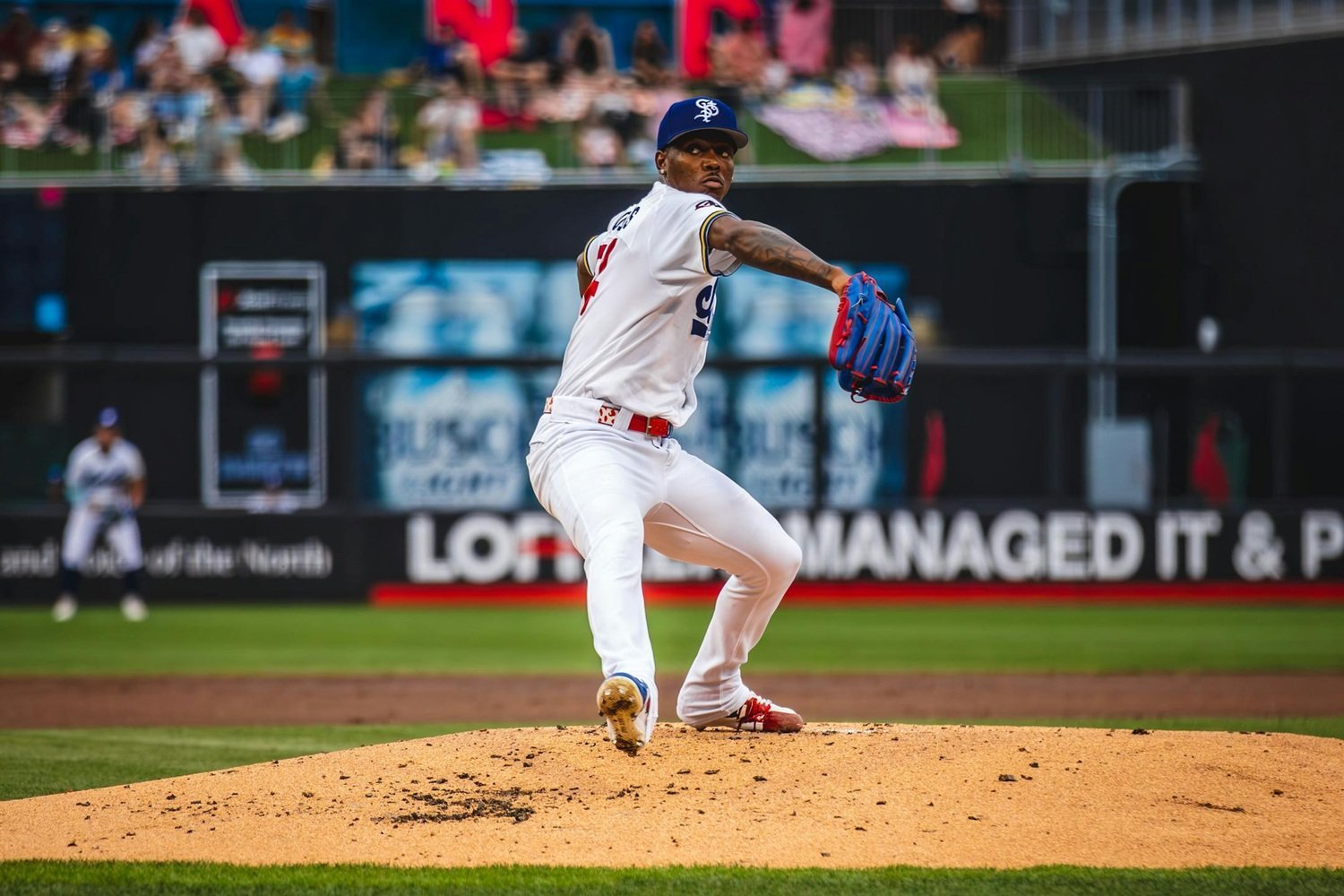 The minor-league regular season is over, which means there are only a few more opportunities for prospects to make an impression before heading into the offseason. For some players, these final games are about building momentum. For others, they offer one last chance to show the organization where they might fit into the long-term plan. This week's Hot Sheet features a prospect making an interesting transition on the mound, a power hitter making his case for a 40-man roster spot, and a versatile infielder looking to finish his season on a positive note. OF Kala'i Rosario, St. Paul Saints How He Got Here: Rosario entered the 2020 MLB Draft as the top prospect in Hawaii, but the shortened five-round format forced him to wait until the fifth round before the Twins selected him. Rosario has provided plenty of reasons for optimism throughout his professional career. He won Midwest League MVP honors and later tied for the Arizona Fall League (AFL) lead in home runs in 2023, raising expectations heading into the following season. An elbow injury cost him roughly two months in 2024 and slowed his momentum. Rosario made up for some of that lost development time with another trip to the AFL. Last season, he spent the entire year at Double-A and continued to showcase his offensive potential, posting an .844 OPS and 131 wRC+ over 130 games. Hitting the Hot Button: Rosario appeared in five games for the Saints this week, going 5-for-21 with a double, two home runs, four RBIs, one walk and three runs scored. He posted an .844 OPS during that stretch. The bigger picture is even more encouraging. Since being promoted to Triple-A near the beginning of August, Rosario has posted a .604 slugging percentage and .923 OPS while hitting 10 home runs in 30 games. That recent production comes at an important time for Rosario. The Twins must add him to their 40-man roster this offseason to protect him from the Rule 5 Draft. A strong finish in St. Paul gives the organization another reason to make room for him. LHP Kendry Rojas, St. Paul Saints How He Got Here: Rojas steadily moved through the Toronto Blue Jays system after signing in 2021. Minnesota acquired him in last season's trade for Louis Varland, believing he had the upside to eventually become a starting pitcher. The transition was not especially smooth. Rojas struggled during his first exposure to Triple-A, but he was just 22 years old while facing some of the best hitters of his professional career. Minnesota returned Rojas to Triple-A for the 2026 season, and he found more success while also getting an opportunity to help the Twins in a multi-inning role. Hitting the Hot Button: Rojas made 12 appearances for Minnesota earlier this season, including four starts. Now, the organization appears to be assessing how his stuff might play in shorter outings. He started two games for the Saints this week, but neither appearance lasted particularly long. Rojas combined for four scoreless innings while allowing one hit and two walks and striking out four. The shorter outings were part of his build back from an oblique injury. There's a chance Minnesota gives him another look at the big-league level before the season ends—one that seemed to rise when, on Sunday, the team brought Bailey Ober in to close out a win over the Angels, signaling that all the traditional strictures on usage will be dispensed with for the final fistful of games. Even with the bullpen work, though, the Twins still view Rojas as a potential starter for the long term. Rojas can continue developing as a starter while gaining valuable experience attacking hitters in shorter, higher-leverage appearances. 2B/SS Kyle DeBarge, Wichita Wind Surge How He Got Here: Minnesota selected DeBarge with the 33rd overall pick in the 2024 MLB Draft out of the University of Louisiana at Lafayette. DeBarge experienced the highs and lows that come with a full season at Double-A. The 2024 first-round pick still put together an intriguing statistical line, hitting 12 home runs, scoring 73 runs and stealing 41 bases while playing four different positions. Overall, he hit .221 with a .325 on-base percentage and .677 OPS. The batting average does not immediately jump off the page, but DeBarge's versatility remains one of his biggest selling points. He spent most of his time at second base while also seeing action at shortstop and other positions, giving the organization another athletic and flexible option. Hitting the Hot Button: DeBarge finished his Double-A season by extending his on-base streak to nine games. He also recorded his 27th multi-hit game of the season. The overall offensive numbers remain a work in progress. DeBarge finished the season with a 76 wRC+, which was 30 points lower than his mark at High-A last season. Still, the Twins are not giving up on the former first-round selection. DeBarge is one of the more recognizable prospects Minnesota is sending to the Arizona Fall League, giving him another opportunity to work on different parts of his game. The Fall League could be particularly important for DeBarge. His defensive versatility and speed give him valuable tools, but the organization needs to see more consistent offensive production as he moves closer to the upper levels of the system. The minor-league season is over, but the Twins still have plenty to evaluate. Rosario is making a strong argument for a spot on the 40-man roster, while Rojas is showing that his future could include more than one role on the pitching staff. DeBarge represents a different kind of evaluation. His versatility and athleticism remain intriguing, but the offensive numbers need to improve as he moves toward the upper levels of the organization. The Arizona Fall League will provide one more opportunity for several of these prospects to make an impression. By the time spring training arrives, the Twins should have a much clearer picture of which players are ready to take the next step and which ones still need more development. What stands out about this trio and their recent performance? Leave a comment and star the discussion.
- 14 comments
-
- 2
-
-
- kendry rojas
- kalai rosario
- (and 1 more)
-
Image courtesy of © Jordan Johnson-Imagn Images There are plenty of ways for a baseball team to prepare for the 2027 season. The Minnesota Twins have apparently found a new one: hoping theres less of one. With the 2026 season limping toward its conclusion, the Twins have watched another year of injuries, rehab assignments, mysterious soreness and players disappearing from the lineup at inconvenient times. At this point, the organization may be looking at the looming collective bargaining negotiations and thinking there's a silver lining. Maybe the lockout will shorten the season. Why play 162 games when 120 might do? "We've been studying the data," one anonymous Twins executive said. "Every time we play a baseball game, theres a chance someone gets hurt. Therefore, fewer baseball games means fewer opportunities for injuries. We're really excited about this innovative strategy." It's difficult to argue with the math. Byron Buxton's 2026 season is ending in familiar fashion. Injured. The Twins' longtime superstar has dealt with injuries throughout his career, and another abbreviated season has once again raised questions about how much Minnesota can realistically expect from him over a full schedule. Maybe the answer is simple. Don't have a full schedule. "If Byron only had to play 100 games, we'd expect him to play 100 games," the anonymous executive said. "If he had to play 80, we'd expect him to play 80. We're currently exploring whether baseball would allow us to schedule him for approximately 47 games and call that a season." Buxton's availability has become one of the biggest variables surrounding the Twins. A shortened season wouldn't magically eliminate injuries, but it could reduce the physical toll associated with playing nearly every day for six months. The Twins could even introduce a revolutionary new concept: rest. "That's a bold proposal," the executive said. "We're still running it through baseball operations." One Half of Baseball Might Be Perfect for Joe Ryan. He's also provided Minnesota with an interesting annual puzzle. When Ryan is rolling, he looks like a top-of-the-rotation starter. Unfortunately, his recent track record has included a noticeable difference between the first half and second half. This year is no exception. So perhaps the Twins have found the solution. Only play one half. "Joe has demonstrated that he can be extremely effective for half a season," a Twins pitching coach said. "We've decided to stop asking him to pitch the other half. It's really more of a workload-management decision than anything else." Imagine the possibilities. Opening Day arrives. Ryan dominates. He takes the mound every fifth day. He continues pitching well. The great thing is that the lockout means there really is only one half of baseball. "Joe finished with a 3.17 ERA in the first half," the coach said. "We don't see any reason to complicate things by introducing a second half." The proposal could also eliminate the dreaded September collapse. There would be September baseball, but Ryan would feel like it's only July. Problem solved. Earlier this year, a source said, the Twins considered not telling Ryan about the All-Star break and hoping he wouldn't notice it was happening, since the break seems to trigger his annual collapse. That became unworkable once he was selected to pitch in the exhibition. A truncated season without an All-Star Game would solve the problem for them. The Twins also have another reason to embrace a shortened schedule. Their young players keep getting hurt. Walker Jenkins and Emmanuel Rodriguez represent two of the organization's most important young offensive pieces. Both have dealt with significant injuries during their development, creating understandable concerns about how their bodies will hold up over a full major-league schedule. A shorter season could limit some of that exposure. Rodriguez wouldn't have as many opportunities to injure his thumb. Jenkins wouldn't have as many opportunities to sprint into an outfield wall. "There's a lot of strategy involved," another anonymous executive said. "If Walker plays 100 games, there are 62 fewer games in which he can collide with something." That is the kind of forward thinking the Twins need. The organization could even install fewer walls. "We've discussed removing the outfield walls entirely," the executive said. "But MLB has some concerns." There is, unfortunately, one major flaw in this master plan. The Twins don't actually control whether the 2027 season gets shortened. The collective bargaining agreement expires after the 2026 season, meaning labor negotiations will determine whether baseball experiences another lockout and whether games are ultimately missed. But that isn't stopping Minnesota from dreaming. "We've reviewed every possible scenario," the anonymous executive said. "A normal 162-game season is obviously the most challenging. A 154-game season would be manageable. A 140-game season would be better. At 120, we're talking about a really exciting competitive window." At 100 games, the Twins reportedly believe their injury situation could become "elite." At 81 games, Minnesota would only have to survive one half of baseball. At 60 games, Buxton might actually be available for most of them. And at 30 games? Well, nobody knows what happens then. But the Twins would probably have a very healthy roster. "Thirty games sounds fantastic," the executive said. "We'd probably still have six starting pitchers." Obviously, a shortened 2027 season would create enormous problems for the sport. Players would lose games and salary opportunities, fans would lose baseball, and the competitive balance of the season would be dramatically altered. "We're not saying we want a lockout," the anonymous executive said. "We're simply saying that if baseball happened to lose a few months, we'd be prepared to make the most of the situation." And if the Twins eventually decide they need to shorten the season even further, there's always one final option. Just don't play. "We're still evaluating it," the executive said. View full article
-
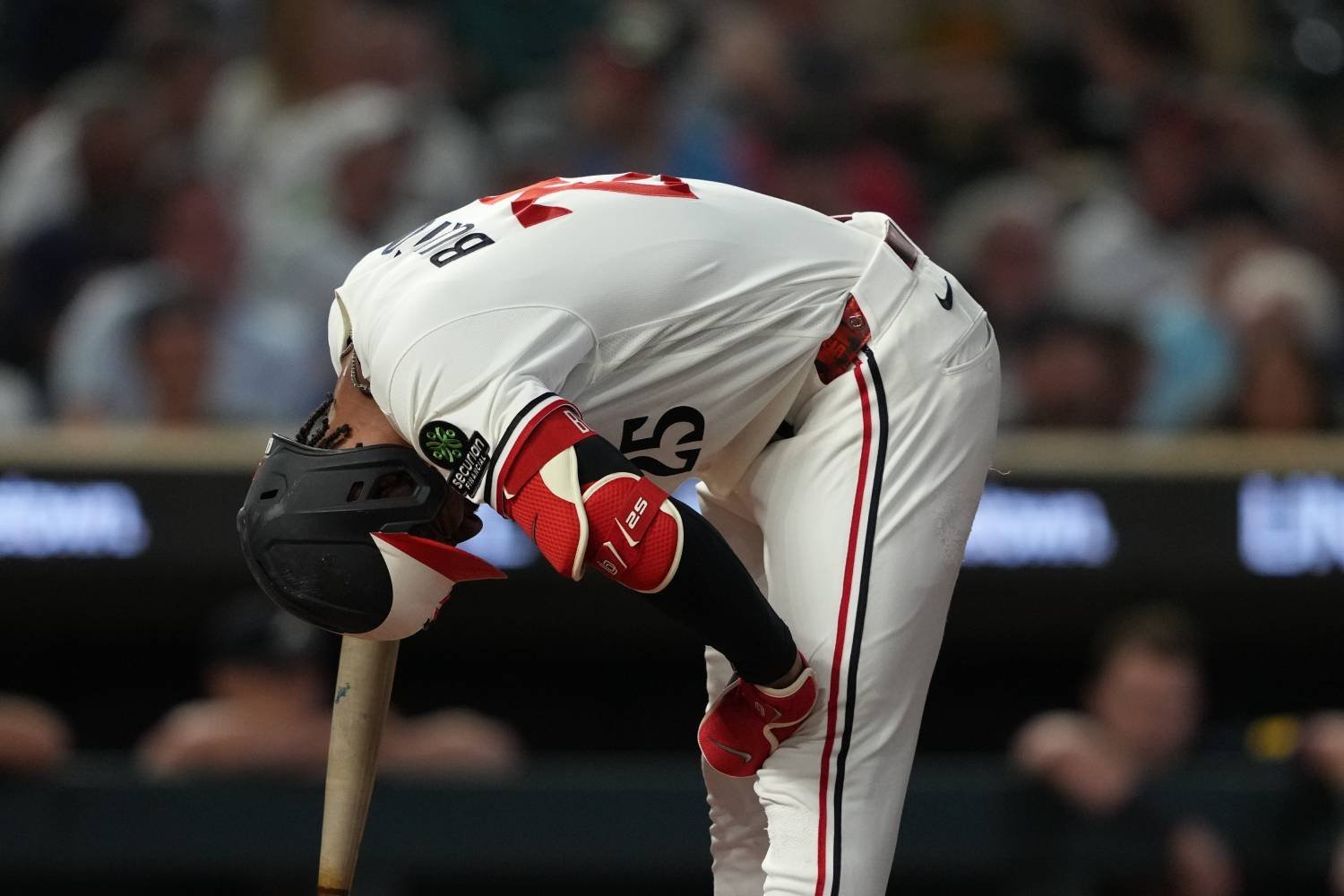 There are plenty of ways for a baseball team to prepare for the 2027 season. The Minnesota Twins have apparently found a new one: hoping theres less of one. With the 2026 season limping toward its conclusion, the Twins have watched another year of injuries, rehab assignments, mysterious soreness and players disappearing from the lineup at inconvenient times. At this point, the organization may be looking at the looming collective bargaining negotiations and thinking there's a silver lining. Maybe the lockout will shorten the season. Why play 162 games when 120 might do? "We've been studying the data," one anonymous Twins executive said. "Every time we play a baseball game, theres a chance someone gets hurt. Therefore, fewer baseball games means fewer opportunities for injuries. We're really excited about this innovative strategy." It's difficult to argue with the math. Byron Buxton's 2026 season is ending in familiar fashion. Injured. The Twins' longtime superstar has dealt with injuries throughout his career, and another abbreviated season has once again raised questions about how much Minnesota can realistically expect from him over a full schedule. Maybe the answer is simple. Don't have a full schedule. "If Byron only had to play 100 games, we'd expect him to play 100 games," the anonymous executive said. "If he had to play 80, we'd expect him to play 80. We're currently exploring whether baseball would allow us to schedule him for approximately 47 games and call that a season." Buxton's availability has become one of the biggest variables surrounding the Twins. A shortened season wouldn't magically eliminate injuries, but it could reduce the physical toll associated with playing nearly every day for six months. The Twins could even introduce a revolutionary new concept: rest. "That's a bold proposal," the executive said. "We're still running it through baseball operations." One Half of Baseball Might Be Perfect for Joe Ryan. He's also provided Minnesota with an interesting annual puzzle. When Ryan is rolling, he looks like a top-of-the-rotation starter. Unfortunately, his recent track record has included a noticeable difference between the first half and second half. This year is no exception. So perhaps the Twins have found the solution. Only play one half. "Joe has demonstrated that he can be extremely effective for half a season," a Twins pitching coach said. "We've decided to stop asking him to pitch the other half. It's really more of a workload-management decision than anything else." Imagine the possibilities. Opening Day arrives. Ryan dominates. He takes the mound every fifth day. He continues pitching well. The great thing is that the lockout means there really is only one half of baseball. "Joe finished with a 3.17 ERA in the first half," the coach said. "We don't see any reason to complicate things by introducing a second half." The proposal could also eliminate the dreaded September collapse. There would be September baseball, but Ryan would feel like it's only July. Problem solved. Earlier this year, a source said, the Twins considered not telling Ryan about the All-Star break and hoping he wouldn't notice it was happening, since the break seems to trigger his annual collapse. That became unworkable once he was selected to pitch in the exhibition. A truncated season without an All-Star Game would solve the problem for them. The Twins also have another reason to embrace a shortened schedule. Their young players keep getting hurt. Walker Jenkins and Emmanuel Rodriguez represent two of the organization's most important young offensive pieces. Both have dealt with significant injuries during their development, creating understandable concerns about how their bodies will hold up over a full major-league schedule. A shorter season could limit some of that exposure. Rodriguez wouldn't have as many opportunities to injure his thumb. Jenkins wouldn't have as many opportunities to sprint into an outfield wall. "There's a lot of strategy involved," another anonymous executive said. "If Walker plays 100 games, there are 62 fewer games in which he can collide with something." That is the kind of forward thinking the Twins need. The organization could even install fewer walls. "We've discussed removing the outfield walls entirely," the executive said. "But MLB has some concerns." There is, unfortunately, one major flaw in this master plan. The Twins don't actually control whether the 2027 season gets shortened. The collective bargaining agreement expires after the 2026 season, meaning labor negotiations will determine whether baseball experiences another lockout and whether games are ultimately missed. But that isn't stopping Minnesota from dreaming. "We've reviewed every possible scenario," the anonymous executive said. "A normal 162-game season is obviously the most challenging. A 154-game season would be manageable. A 140-game season would be better. At 120, we're talking about a really exciting competitive window." At 100 games, the Twins reportedly believe their injury situation could become "elite." At 81 games, Minnesota would only have to survive one half of baseball. At 60 games, Buxton might actually be available for most of them. And at 30 games? Well, nobody knows what happens then. But the Twins would probably have a very healthy roster. "Thirty games sounds fantastic," the executive said. "We'd probably still have six starting pitchers." Obviously, a shortened 2027 season would create enormous problems for the sport. Players would lose games and salary opportunities, fans would lose baseball, and the competitive balance of the season would be dramatically altered. "We're not saying we want a lockout," the anonymous executive said. "We're simply saying that if baseball happened to lose a few months, we'd be prepared to make the most of the situation." And if the Twins eventually decide they need to shorten the season even further, there's always one final option. Just don't play. "We're still evaluating it," the executive said.
 -
Image courtesy of Reese Strickland - IMAGN IMAGES via Reuters Connect Entering the 2026 season, I ranked the Minnesota Twins’ post-hype prospects based on several factors. The list considered each player’s previous prospect pedigree, where they stood in their development, their expected role with the Twins, their potential impact on this year’s roster, and how important they could be to the organization’s long-term plans. Now, as the 2026 season winds to a close, it is becoming increasingly clear that this group does not look quite as much like the foundation of the Twins’ next competitive team. Some players have taken meaningful steps forward, while others have seen their stock fall considerably. With that in mind, here is a reranking of the eight players featured in the preseason article. 8. SP Simeon Woods Richardson Preseason Rank: 6 Woods Richardson’s 2026 season could hardly have gone worse. The right-hander pitched poorly enough to finish with -1.3 rWAR, eventually getting dropped from the Twins’ 40-man roster and claimed off waivers by the Toronto Blue Jays. A player who once looked like one of Minnesota’s more dependable young starting pitchers is now with his third organization of the season. There was plenty of reason to believe Woods Richardson could settle into the middle of Minnesota’s rotation entering the season. Instead, everything fell apart in 2026. That makes him an easy choice for the bottom of this list. 7. OF Matt Wallner Preseason Rank: 2 Wallner was one of the biggest disappointments among the group. After entering the season with the potential to become a legitimate 30-home-run threat, Wallner stumbled out of the gate. In 34 games, he posted -1.3 rWAR and a 55 OPS+. The Twins eventually demoted him to Triple-A in the middle of May. Wallner has gotten much closer to that 30-homer mark as the season progressed, but most of that production has come in a St. Paul Saints uniform. At this point, it is difficult to see where Wallner fits into Minnesota’s long-term plans. His power remains intriguing, but the overall offensive profile and defensive limitations have made it increasingly difficult for the Twins to give him a consistent role. 6. OF Trevor Larnach Preseason Rank: 8 Larnach moves up the rankings, but there is an important caveat. This is largely a product of the players above him falling out of favor rather than Larnach suddenly establishing himself as a cornerstone player. He has posted a 116 OPS+ this season, which is better than his 105 OPS+ for his career. That is certainly respectable production, but there still needs to be more from a left-handed corner outfielder who is protected from facing left-handed pitching and provides little defensive value. The Twins have plenty of decisions to make with their outfield this winter, and it is difficult to see Larnach having a clear path to significant playing time in 2027. 5. OF Austin Martin Preseason Rank: 7 Martin also climbs the rankings, although much like Larnach, the move has more to do with what happened to the players around him. In 112 games, Martin has posted a 93 OPS+. His second half has been particularly underwhelming, as he is hitting .190/.314/.328 (.642) with six extra-base hits in 28 games. There is at least one intriguing piece of the puzzle. Martin has posted a .799 OPS against left-handed pitching, giving the Twins a potential platoon option. That could be enough to earn him a backup outfield role next season. It is not the outcome many envisioned when Martin arrived in Minnesota, but it would at least give him a path to remaining on the roster. 4. IF Royce Lewis Preseason Rank: 1 I bought into the Royce Lewis hype. The Twins spent the winter talking up Lewis, and I naively bought into the messaging. Unfortunately, his performance early in the season did little to justify that optimism. Like Wallner, Lewis struggled enough that Minnesota eventually sent him to Triple-A. He responded by going on a tear in St. Paul, earning his way back to the big leagues. The results since his return have been better, but not nearly good enough for the role the Twins need him to fill. In 82 games since returning, Lewis is hitting .254/.311/.431 (.742). That might be acceptable for some positions, but it is not enough production from a first baseman. The Twins will have a significant decision to make with Lewis this winter. His talent is becoming less evident, but the organization needs to determine whether there is enough remaining upside to justify giving him another opportunity. 3. SP Zebby Matthews Preseason Rank: 3 Matthews is probably the most interesting player on this list heading into the offseason. There was a stretch in August when he looked like one of the best young pitchers in the American League. He posted a 2.90 ERA and 1.13 WHIP while holding opponents to a .633 OPS. There was a legitimate argument for Matthews to win the American League’s Pitcher of the Month award. He went 5-0 during August, and the Twins won just 10 games during the entire month. That is a remarkable run for a young pitcher trying to establish himself. Matthews has run out of gas in September, much like the rest of Minnesota’s roster. Still, August demonstrated why the Twins remain interested in his future. The biggest question heading into the offseason could be whether Matthews belongs in the rotation or whether his skill set would be better utilized in the bullpen. 2. IF Brooks Lee Preseason Rank: 4 Many fans will remember Lee’s first half for his struggles at shortstop. He finished with -6 Outs Above Average at the position, creating plenty of questions about where he would ultimately fit defensively. The second half of the equation has been much more encouraging. Lee has hit 20-plus home runs for the first time in his career, and his move to third base has been a revelation. He has posted 5 OAA at the hot corner, giving Minnesota a much clearer picture of where he belongs defensively. Offensively, Lee remains one of the streakier hitters in the organization. His splits as a switch-hitter are particularly interesting, as he has struggled considerably more from the right side. His OPS from that side is 212 points lower. Still, there is enough here to believe Lee has a future with the Twins. Assuming nothing changes this winter, it looks like Lee will be penciled into the starting third-base job for 2027. 1. SP Taj Bradley Preseason Rank: 5 Bradley has been the biggest surprise of this group. He is having a tremendous season and should win the Twins’ Pitcher of the Year award. Through 29 starts, Bradley has posted a 3.81 ERA, 110 ERA+, 27.3 K% and 10.3 BB%. There were flashes of this pitcher during his time with Tampa Bay, but Bradley never consistently put everything together with the Rays. He has done that in Minnesota. Bradley has accumulated 3.8 rWAR for the Twins this season, while Griffin Jax has posted -0.1 rWAR with Tampa Bay. Obviously, there is plenty of time remaining on both players’ careers, but at this point, the Twins are the clear winners of that trade. More importantly, Bradley has established himself as one of the most important pieces of Minnesota’s pitching staff moving forward. That makes him the clear No. 1 on this year’s post-hype prospect rankings. The biggest takeaway from this reranking is just how much the picture has changed in one season. Lewis went from No. 1 to No. 4. Wallner dropped from No. 2 to No. 7. Meanwhile, Bradley jumped from No. 5 all the way to No. 1, while Lee and Matthews have both strengthened their cases to remain part of the organization’s future. That is ultimately what makes post-hype prospects so fascinating. Their prospect status may have faded, but they still have an opportunity to rewrite the story once they reach the major leagues. For some members of this group, 2026 was the year they finally established themselves. For others, it may have been the season that ended their time as legitimate pieces of the Twins’ future. How do you view the re-rankings? How would you rank this group? Leave a comment and start the discussion. View full article
- 32 replies
-
- 1
-
-
- taj bradley
- brooks lee
- (and 6 more)
-
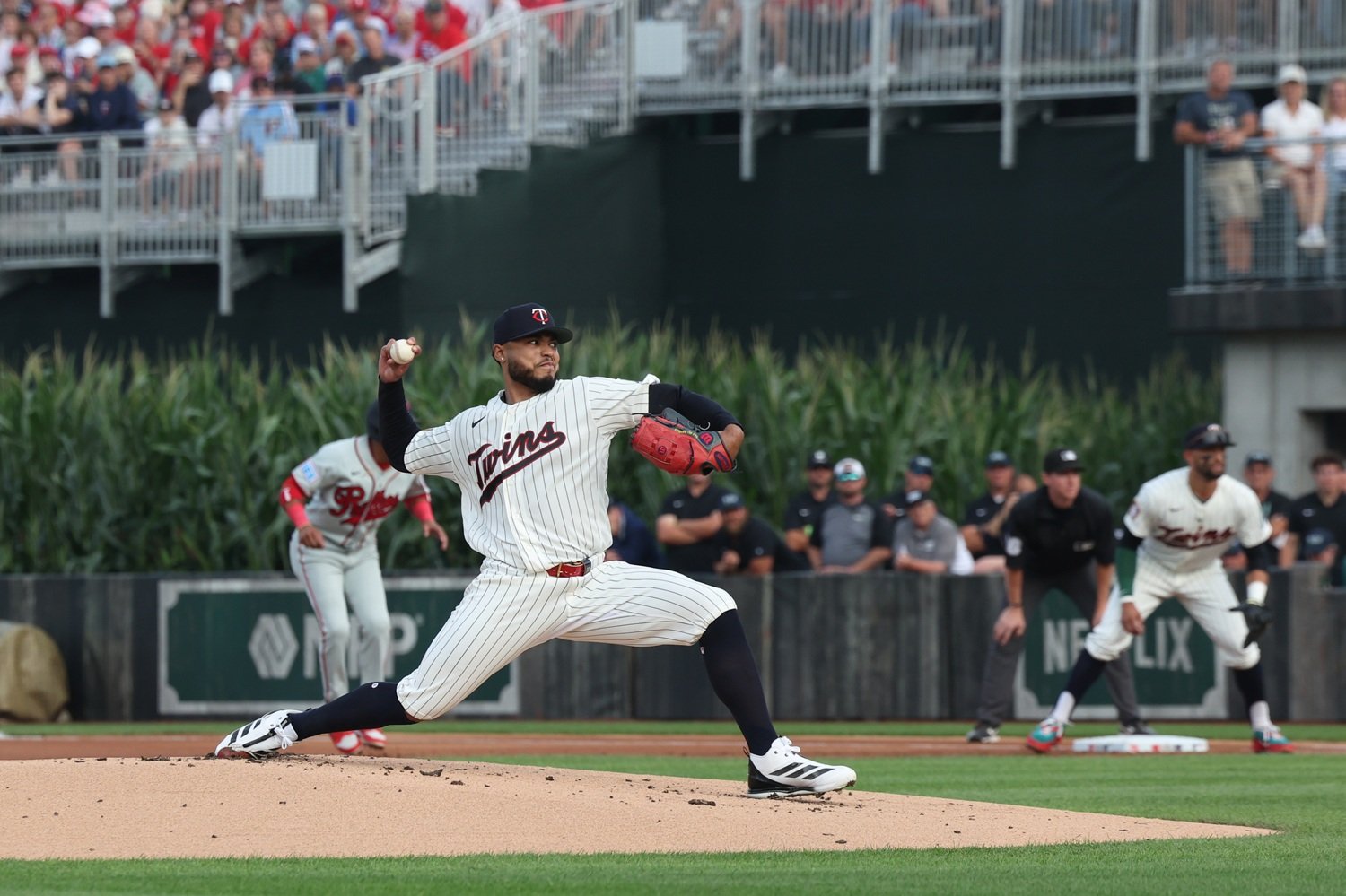 Entering the 2026 season, I ranked the Minnesota Twins’ post-hype prospects based on several factors. The list considered each player’s previous prospect pedigree, where they stood in their development, their expected role with the Twins, their potential impact on this year’s roster, and how important they could be to the organization’s long-term plans. Now, as the 2026 season winds to a close, it is becoming increasingly clear that this group does not look quite as much like the foundation of the Twins’ next competitive team. Some players have taken meaningful steps forward, while others have seen their stock fall considerably. With that in mind, here is a reranking of the eight players featured in the preseason article. 8. SP Simeon Woods Richardson Preseason Rank: 6 Woods Richardson’s 2026 season could hardly have gone worse. The right-hander pitched poorly enough to finish with -1.3 rWAR, eventually getting dropped from the Twins’ 40-man roster and claimed off waivers by the Toronto Blue Jays. A player who once looked like one of Minnesota’s more dependable young starting pitchers is now with his third organization of the season. There was plenty of reason to believe Woods Richardson could settle into the middle of Minnesota’s rotation entering the season. Instead, everything fell apart in 2026. That makes him an easy choice for the bottom of this list. 7. OF Matt Wallner Preseason Rank: 2 Wallner was one of the biggest disappointments among the group. After entering the season with the potential to become a legitimate 30-home-run threat, Wallner stumbled out of the gate. In 34 games, he posted -1.3 rWAR and a 55 OPS+. The Twins eventually demoted him to Triple-A in the middle of May. Wallner has gotten much closer to that 30-homer mark as the season progressed, but most of that production has come in a St. Paul Saints uniform. At this point, it is difficult to see where Wallner fits into Minnesota’s long-term plans. His power remains intriguing, but the overall offensive profile and defensive limitations have made it increasingly difficult for the Twins to give him a consistent role. 6. OF Trevor Larnach Preseason Rank: 8 Larnach moves up the rankings, but there is an important caveat. This is largely a product of the players above him falling out of favor rather than Larnach suddenly establishing himself as a cornerstone player. He has posted a 116 OPS+ this season, which is better than his 105 OPS+ for his career. That is certainly respectable production, but there still needs to be more from a left-handed corner outfielder who is protected from facing left-handed pitching and provides little defensive value. The Twins have plenty of decisions to make with their outfield this winter, and it is difficult to see Larnach having a clear path to significant playing time in 2027. 5. OF Austin Martin Preseason Rank: 7 Martin also climbs the rankings, although much like Larnach, the move has more to do with what happened to the players around him. In 112 games, Martin has posted a 93 OPS+. His second half has been particularly underwhelming, as he is hitting .190/.314/.328 (.642) with six extra-base hits in 28 games. There is at least one intriguing piece of the puzzle. Martin has posted a .799 OPS against left-handed pitching, giving the Twins a potential platoon option. That could be enough to earn him a backup outfield role next season. It is not the outcome many envisioned when Martin arrived in Minnesota, but it would at least give him a path to remaining on the roster. 4. IF Royce Lewis Preseason Rank: 1 I bought into the Royce Lewis hype. The Twins spent the winter talking up Lewis, and I naively bought into the messaging. Unfortunately, his performance early in the season did little to justify that optimism. Like Wallner, Lewis struggled enough that Minnesota eventually sent him to Triple-A. He responded by going on a tear in St. Paul, earning his way back to the big leagues. The results since his return have been better, but not nearly good enough for the role the Twins need him to fill. In 82 games since returning, Lewis is hitting .254/.311/.431 (.742). That might be acceptable for some positions, but it is not enough production from a first baseman. The Twins will have a significant decision to make with Lewis this winter. His talent is becoming less evident, but the organization needs to determine whether there is enough remaining upside to justify giving him another opportunity. 3. SP Zebby Matthews Preseason Rank: 3 Matthews is probably the most interesting player on this list heading into the offseason. There was a stretch in August when he looked like one of the best young pitchers in the American League. He posted a 2.90 ERA and 1.13 WHIP while holding opponents to a .633 OPS. There was a legitimate argument for Matthews to win the American League’s Pitcher of the Month award. He went 5-0 during August, and the Twins won just 10 games during the entire month. That is a remarkable run for a young pitcher trying to establish himself. Matthews has run out of gas in September, much like the rest of Minnesota’s roster. Still, August demonstrated why the Twins remain interested in his future. The biggest question heading into the offseason could be whether Matthews belongs in the rotation or whether his skill set would be better utilized in the bullpen. 2. IF Brooks Lee Preseason Rank: 4 Many fans will remember Lee’s first half for his struggles at shortstop. He finished with -6 Outs Above Average at the position, creating plenty of questions about where he would ultimately fit defensively. The second half of the equation has been much more encouraging. Lee has hit 20-plus home runs for the first time in his career, and his move to third base has been a revelation. He has posted 5 OAA at the hot corner, giving Minnesota a much clearer picture of where he belongs defensively. Offensively, Lee remains one of the streakier hitters in the organization. His splits as a switch-hitter are particularly interesting, as he has struggled considerably more from the right side. His OPS from that side is 212 points lower. Still, there is enough here to believe Lee has a future with the Twins. Assuming nothing changes this winter, it looks like Lee will be penciled into the starting third-base job for 2027. 1. SP Taj Bradley Preseason Rank: 5 Bradley has been the biggest surprise of this group. He is having a tremendous season and should win the Twins’ Pitcher of the Year award. Through 29 starts, Bradley has posted a 3.81 ERA, 110 ERA+, 27.3 K% and 10.3 BB%. There were flashes of this pitcher during his time with Tampa Bay, but Bradley never consistently put everything together with the Rays. He has done that in Minnesota. Bradley has accumulated 3.8 rWAR for the Twins this season, while Griffin Jax has posted -0.1 rWAR with Tampa Bay. Obviously, there is plenty of time remaining on both players’ careers, but at this point, the Twins are the clear winners of that trade. More importantly, Bradley has established himself as one of the most important pieces of Minnesota’s pitching staff moving forward. That makes him the clear No. 1 on this year’s post-hype prospect rankings. The biggest takeaway from this reranking is just how much the picture has changed in one season. Lewis went from No. 1 to No. 4. Wallner dropped from No. 2 to No. 7. Meanwhile, Bradley jumped from No. 5 all the way to No. 1, while Lee and Matthews have both strengthened their cases to remain part of the organization’s future. That is ultimately what makes post-hype prospects so fascinating. Their prospect status may have faded, but they still have an opportunity to rewrite the story once they reach the major leagues. For some members of this group, 2026 was the year they finally established themselves. For others, it may have been the season that ended their time as legitimate pieces of the Twins’ future. How do you view the re-rankings? How would you rank this group? Leave a comment and start the discussion.
- 32 comments
-
- 5
-
-
- taj bradley
- brooks lee
- (and 6 more)
-
Image courtesy of Bruce Kluckhohn-Imagn Images Emmanuel Rodriguez and Miguel Sano don't exactly look like the same type of baseball player. Sano stood 6-foot-4 and weighed more than 260 pounds during his time with the Twins. Rodriguez is listed at 5-foot-11 and 210 pounds. Their physical builds, positions, and paths through the organization are different. But there is one important similarity between the two. Both developed into what can be described as three true outcomes prospects. That isn't necessarily a bad thing. In fact, both players demonstrated the ability to produce tremendous offensive numbers because of their power and patience. But there is a danger when too many plate appearances end without the ball ever being put into play. And the Twins have already seen how that story can play out. What Are the Three True Outcomes? MLB defines a three true outcome hitter as a player whose plate appearances end almost exclusively in a home run, walk, or strikeout. These are considered "true" outcomes because defensive players aren't involved in determining the result. The pitcher and batter decide the outcome themselves. That profile has become increasingly common in modern baseball. Hitters are encouraged to hunt pitches they can drive, accept walks when pitchers won't give them something to hit, and live with strikeouts in exchange for power. The problem is that there can be a fine line between maximizing those strengths and becoming overly dependent on them. Rodriguez and Sano both walked that line as prospects. Comparing Rodriguez and Sano Sano and Rodriguez were both consensus Top 100 prospects as they moved through the Twins' farm system. Their minor-league numbers are remarkably similar in some ways, while also highlighting one major difference. Sano hit .280/.375/.559 for a .934 OPS in the minors. He struck out in 26.3% of his plate appearances while walking 12.3% of the time. Rodriguez hit .257/.424/.489 for a .912 OPS. His strikeout rate was considerably higher at 29.7%, but his walk rate was an incredible 21.2%. There are obvious differences. Sano hit for a much higher average and generated more power. Rodriguez, meanwhile, showed an extraordinary ability to get on base without putting the ball in play. That patience is one of Rodriguez's greatest strengths. It can also contribute to one of his biggest concerns. Patience Can Come with a Cost There is an important relationship between walks and strikeouts that can sometimes get overlooked. A patient hitter doesn't have to swing at a pitch simply because it is close to the strike zone. He can wait for something he believes he can drive. That approach can produce more walks, but it can also lead to deeper counts. And deeper counts create more opportunities for strikeouts. A hitter who regularly takes pitches can find himself in two-strike counts. Once that happens, the pitcher has more freedom to expand the strike zone, and the hitter has fewer opportunities to make an aggressive swing. Rodriguez's 21.2% minor-league walk rate is elite. But his 29.7% strikeout rate shows the other side of that approach. The goal isn't necessarily to eliminate strikeouts. Every hitter strikes out. The question is whether Rodriguez can maintain his exceptional plate discipline while putting enough balls in play to keep his offensive production from becoming overly dependent on walks and home runs. Sano never completely solved that problem. Sano's Major-League Warning Sano played parts of nine seasons in the majors, experiencing plenty of highs and lows along the way. His final major-league line was .233/.325/.477 for an .801 OPS. His 36.5% strikeout rate was dramatically higher than the 26.3% mark he posted in the minors, while his 11.6% walk rate remained relatively strong. The batting average dropped. The strikeouts climbed. The power, however, remained impressive. Sano had three seasons with at least 28 home runs, demonstrating exactly why the three true outcomes can be so appealing. A hitter doesn't necessarily need to hit for a high average if he can consistently get on base and punish mistakes. But Sano's career also demonstrated the downside. When the walks weren't enough to offset the strikeouts and the home runs weren't coming, there wasn't much else left to carry the offensive production. A player who rarely puts the ball in play has fewer opportunities to collect singles, doubles, productive outs, or hits that come from defensive mistakes. That is the concern with Rodriguez. What to Watch for With Rodriguez Rodriguez's profile is not identical to Sano's, and that distinction matters. His elite walk rate gives him an offensive skill that Sano never possessed at the same level. Rodriguez has also demonstrated impressive power and has been one of the more intriguing offensive prospects in the Twins system for years. But his minor-league batting average was lower than Sano's, while his strikeout rate was higher. That's the combination worth watching as Rodriguez establishes himself at the major-league level. The first thing to monitor is his contact rate. If major-league pitchers can consistently get Rodriguez into two-strike counts, his strikeout rate could climb even higher. The second is whether his walk rate holds up. A 21.2% walk rate is difficult to maintain against big-league pitching. If pitchers discover they can attack him in the strike zone without giving him pitches he can punish, Rodriguez could see fewer free passes. Finally, there is the power. The three true outcomes work best when the home run portion is significant enough to offset the strikeouts. Rodriguez doesn't need to become a .300 hitter to be productive, but he does need to turn enough of those favorable counts into hard contact and extra-base damage. That's where the comparison to Sano becomes particularly interesting. Three Outcomes, But More Than Three Possibilities There is nothing inherently wrong with being a three true outcomes hitter. Baseball has changed, and walks and home runs are valuable. A hitter who combines patience with power can be an incredibly dangerous offensive weapon. But there is a point where the balance becomes problematic. If Rodriguez walks 20% of the time and hits enough home runs to make the strikeouts manageable, the profile could work extremely well. If the walks fall, the strikeouts rise, and the power doesn't fully translate, the margin for error becomes much smaller. Sano's career provides a useful example of that risk without being a prediction of Rodriguez's future. The two players look completely different standing next to each other. One was a massive slugger who seemed built to hit baseballs into the upper deck. The other is a smaller, more compact outfielder whose calling card has been an extraordinary combination of patience and power. Yet their paths through the Twins' farm system produced a similar question. Can a hitter who lives on the edges of the strike zone generate enough damage when he does swing to compensate for all the times he doesn't put the ball in play? For Rodriguez, that's one of the biggest questions facing his transition to the majors. The three true outcomes can produce a superstar. They can also produce a hitter whose offensive floor is lower than the prospect pedigree suggests. Rodriguez has plenty of time to prove which path he will take. Should fans be worried about Rodriguez following Sano’s path? Leave a comment and start the discussion. View full article
-
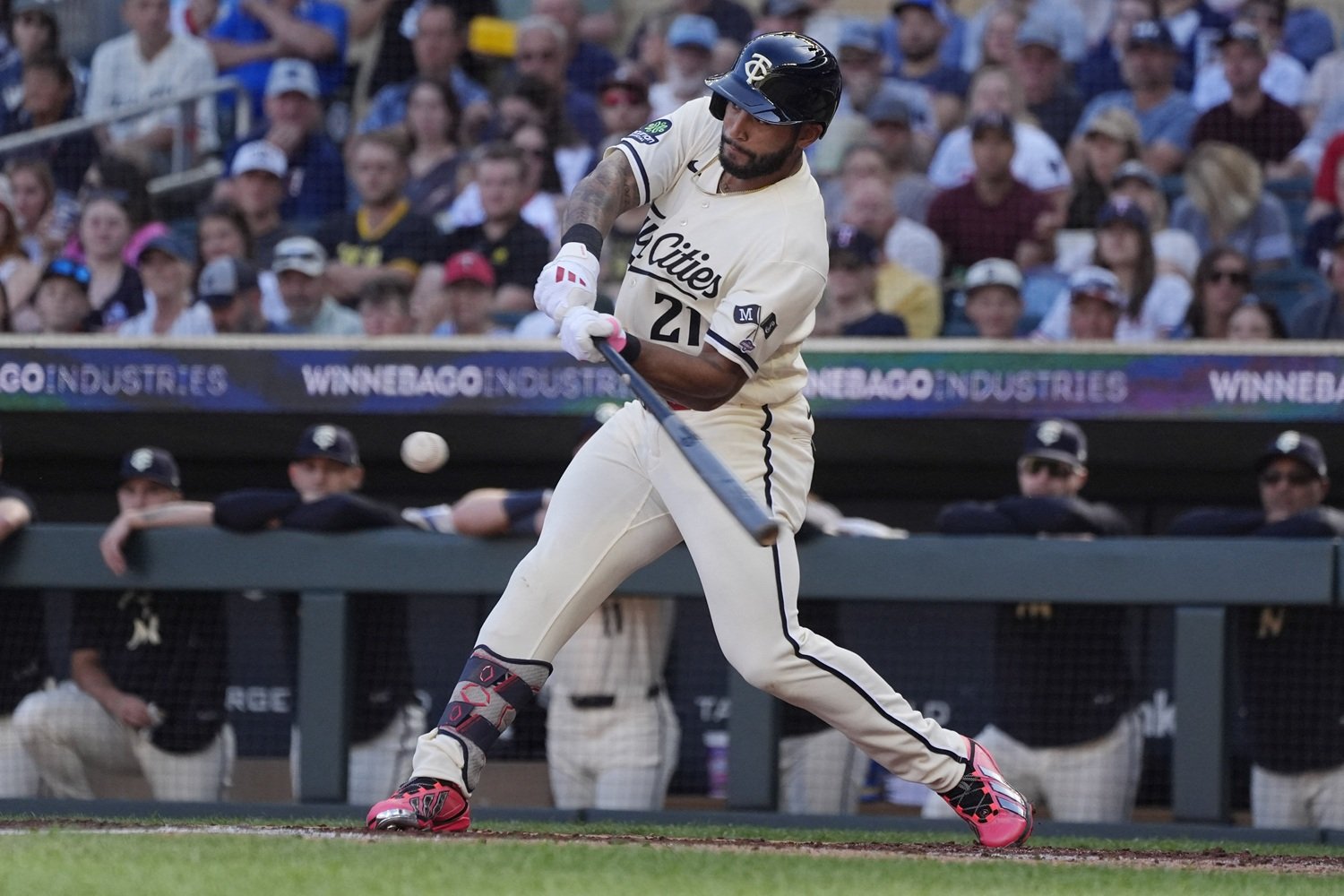 Emmanuel Rodriguez and Miguel Sano don't exactly look like the same type of baseball player. Sano stood 6-foot-4 and weighed more than 260 pounds during his time with the Twins. Rodriguez is listed at 5-foot-11 and 210 pounds. Their physical builds, positions, and paths through the organization are different. But there is one important similarity between the two. Both developed into what can be described as three true outcomes prospects. That isn't necessarily a bad thing. In fact, both players demonstrated the ability to produce tremendous offensive numbers because of their power and patience. But there is a danger when too many plate appearances end without the ball ever being put into play. And the Twins have already seen how that story can play out. What Are the Three True Outcomes? MLB defines a three true outcome hitter as a player whose plate appearances end almost exclusively in a home run, walk, or strikeout. These are considered "true" outcomes because defensive players aren't involved in determining the result. The pitcher and batter decide the outcome themselves. That profile has become increasingly common in modern baseball. Hitters are encouraged to hunt pitches they can drive, accept walks when pitchers won't give them something to hit, and live with strikeouts in exchange for power. The problem is that there can be a fine line between maximizing those strengths and becoming overly dependent on them. Rodriguez and Sano both walked that line as prospects. Comparing Rodriguez and Sano Sano and Rodriguez were both consensus Top 100 prospects as they moved through the Twins' farm system. Their minor-league numbers are remarkably similar in some ways, while also highlighting one major difference. Sano hit .280/.375/.559 for a .934 OPS in the minors. He struck out in 26.3% of his plate appearances while walking 12.3% of the time. Rodriguez hit .257/.424/.489 for a .912 OPS. His strikeout rate was considerably higher at 29.7%, but his walk rate was an incredible 21.2%. There are obvious differences. Sano hit for a much higher average and generated more power. Rodriguez, meanwhile, showed an extraordinary ability to get on base without putting the ball in play. That patience is one of Rodriguez's greatest strengths. It can also contribute to one of his biggest concerns. Patience Can Come with a Cost There is an important relationship between walks and strikeouts that can sometimes get overlooked. A patient hitter doesn't have to swing at a pitch simply because it is close to the strike zone. He can wait for something he believes he can drive. That approach can produce more walks, but it can also lead to deeper counts. And deeper counts create more opportunities for strikeouts. A hitter who regularly takes pitches can find himself in two-strike counts. Once that happens, the pitcher has more freedom to expand the strike zone, and the hitter has fewer opportunities to make an aggressive swing. Rodriguez's 21.2% minor-league walk rate is elite. But his 29.7% strikeout rate shows the other side of that approach. The goal isn't necessarily to eliminate strikeouts. Every hitter strikes out. The question is whether Rodriguez can maintain his exceptional plate discipline while putting enough balls in play to keep his offensive production from becoming overly dependent on walks and home runs. Sano never completely solved that problem. Sano's Major-League Warning Sano played parts of nine seasons in the majors, experiencing plenty of highs and lows along the way. His final major-league line was .233/.325/.477 for an .801 OPS. His 36.5% strikeout rate was dramatically higher than the 26.3% mark he posted in the minors, while his 11.6% walk rate remained relatively strong. The batting average dropped. The strikeouts climbed. The power, however, remained impressive. Sano had three seasons with at least 28 home runs, demonstrating exactly why the three true outcomes can be so appealing. A hitter doesn't necessarily need to hit for a high average if he can consistently get on base and punish mistakes. But Sano's career also demonstrated the downside. When the walks weren't enough to offset the strikeouts and the home runs weren't coming, there wasn't much else left to carry the offensive production. A player who rarely puts the ball in play has fewer opportunities to collect singles, doubles, productive outs, or hits that come from defensive mistakes. That is the concern with Rodriguez. What to Watch for With Rodriguez Rodriguez's profile is not identical to Sano's, and that distinction matters. His elite walk rate gives him an offensive skill that Sano never possessed at the same level. Rodriguez has also demonstrated impressive power and has been one of the more intriguing offensive prospects in the Twins system for years. But his minor-league batting average was lower than Sano's, while his strikeout rate was higher. That's the combination worth watching as Rodriguez establishes himself at the major-league level. The first thing to monitor is his contact rate. If major-league pitchers can consistently get Rodriguez into two-strike counts, his strikeout rate could climb even higher. The second is whether his walk rate holds up. A 21.2% walk rate is difficult to maintain against big-league pitching. If pitchers discover they can attack him in the strike zone without giving him pitches he can punish, Rodriguez could see fewer free passes. Finally, there is the power. The three true outcomes work best when the home run portion is significant enough to offset the strikeouts. Rodriguez doesn't need to become a .300 hitter to be productive, but he does need to turn enough of those favorable counts into hard contact and extra-base damage. That's where the comparison to Sano becomes particularly interesting. Three Outcomes, But More Than Three Possibilities There is nothing inherently wrong with being a three true outcomes hitter. Baseball has changed, and walks and home runs are valuable. A hitter who combines patience with power can be an incredibly dangerous offensive weapon. But there is a point where the balance becomes problematic. If Rodriguez walks 20% of the time and hits enough home runs to make the strikeouts manageable, the profile could work extremely well. If the walks fall, the strikeouts rise, and the power doesn't fully translate, the margin for error becomes much smaller. Sano's career provides a useful example of that risk without being a prediction of Rodriguez's future. The two players look completely different standing next to each other. One was a massive slugger who seemed built to hit baseballs into the upper deck. The other is a smaller, more compact outfielder whose calling card has been an extraordinary combination of patience and power. Yet their paths through the Twins' farm system produced a similar question. Can a hitter who lives on the edges of the strike zone generate enough damage when he does swing to compensate for all the times he doesn't put the ball in play? For Rodriguez, that's one of the biggest questions facing his transition to the majors. The three true outcomes can produce a superstar. They can also produce a hitter whose offensive floor is lower than the prospect pedigree suggests. Rodriguez has plenty of time to prove which path he will take. Should fans be worried about Rodriguez following Sano’s path? Leave a comment and start the discussion.
 -
 The Minnesota Twins are running out the final days of their 2026 season, and Trevor Larnach likely won't be part of them. Minnesota placed Larnach on the 10-day injured list Friday with a left wrist sprain. The move was made retroactive to September 15. To take his place on the roster, the Twins recalled outfielder Alan Roden from Triple-A St. Paul. Technically, Larnach could return for Minnesota's final series against the Texas Rangers at Target Field. Realistically, there isn't much reason to rush him back. The Twins are out of the playoff picture, and Larnach would be better served using the final days of the season to allow his wrist to recover rather than potentially making the injury worse. Larnach appeared in 122 games this season, hitting .269/.352/.436 (.788) with 13 home runs, 23 doubles, and a 121 OPS+. His opportunities were heavily tilted toward right-handed pitching, with all but 55 of his plate appearances coming against righties. That split could be an important consideration heading into the offseason. Larnach posted an .819 OPS against right-handed pitchers but just a .572 OPS against lefties. The Twins also have an offseason decision to make. Larnach is under team control through arbitration next season and is in line for a raise from his $4.475 million salary. At the same time, Minnesota has several younger outfielders who could make his roster spot less secure. Luke Keaschall, Walker Jenkins, and Emmanuel Rodriguez could all factor into the team's plans. That makes these final days particularly important for Roden. The 26-year-old has 79 big-league plate appearances this season, hitting .254/.333/.313 (.647) with four doubles. His Triple-A season was interrupted by a small labrum tear in his right shoulder, but he has produced when healthy. In 48 games with the Saints, Roden has posted an .853 OPS with nine home runs and nine doubles. Now, he'll have a handful of games to remind the Twins why he belongs in their plans. Larnach's injury isn't necessarily a reflection of where he stands with the organization, but the timing gives Minnesota another opportunity to evaluate its crowded outfield. The Twins have several decisions coming this winter, and every at-bat from Roden could matter when those decisions arrive.
 -
The Minnesota Twins are running out the final days of their 2026 season, and Trevor Larnach likely won't be part of them. Minnesota placed Larnach on the 10-day injured list Friday with a left wrist sprain. The move was made retroactive to September 15. To take his place on the roster, the Twins recalled outfielder Alan Roden from Triple-A St. Paul. Technically, Larnach could return for Minnesota's final series against the Texas Rangers at Target Field. Realistically, there isn't much reason to rush him back. The Twins are out of the playoff picture, and Larnach would be better served using the final days of the season to allow his wrist to recover rather than potentially making the injury worse. Larnach appeared in 122 games this season, hitting .269/.352/.436 (.788) with 13 home runs, 23 doubles, and a 121 OPS+. His opportunities were heavily tilted toward right-handed pitching, with all but 55 of his plate appearances coming against righties. That split could be an important consideration heading into the offseason. Larnach posted an .819 OPS against right-handed pitchers but just a .572 OPS against lefties. The Twins also have an offseason decision to make. Larnach is under team control through arbitration next season and is in line for a raise from his $4.475 million salary. At the same time, Minnesota has several younger outfielders who could make his roster spot less secure. Luke Keaschall, Walker Jenkins, and Emmanuel Rodriguez could all factor into the team's plans. That makes these final days particularly important for Roden. The 26-year-old has 79 big-league plate appearances this season, hitting .254/.333/.313 (.647) with four doubles. His Triple-A season was interrupted by a small labrum tear in his right shoulder, but he has produced when healthy. In 48 games with the Saints, Roden has posted an .853 OPS with nine home runs and nine doubles. Now, he'll have a handful of games to remind the Twins why he belongs in their plans. Larnach's injury isn't necessarily a reflection of where he stands with the organization, but the timing gives Minnesota another opportunity to evaluate its crowded outfield. The Twins have several decisions coming this winter, and every at-bat from Roden could matter when those decisions arrive. View full rumor
-
Image courtesy of William Parmeter There isn't much left for the 2026 Minnesota Twins to accomplish. The postseason is no longer a realistic possibility, and the final days of the season are increasingly about evaluating young players, making decisions for 2027, and figuring out which pieces might still fit into the organization's next chapter. There is, however, one thing the Twins could do that would make these final games a little more meaningful: Give Taylor Rogers the baseball in the ninth inning. Rogers has mostly worked in lower-leverage situations since returning to Minnesota this season, and there have been some bumps along the way. That isn't particularly surprising. He's a 10-year veteran who is no longer the dominant reliever he was during his first stint with the organization. But this season was never really about Rogers returning to Minnesota and becoming the bullpen's next great closer. It was about coming home. Rogers is nearing the end of his playing career. His return to the Twins gave him an opportunity to reach 10 years of service time and (potentially) finish his career with the organization that drafted him. If that is, indeed, where this story is heading, Minnesota should give him a proper sendoff. There's a pretty simple way to do it. Let Rogers close games for the rest of the season. From Kentucky to Minnesota The Twins selected Rogers in the 11th round of the 2012 MLB Draft out of the University of Kentucky. At the time, he wasn't a bullpen prospect. Rogers worked his way through the Twins' minor-league system as a starting pitcher, posting a 3.33 ERA and 1.28 WHIP across parts of five seasons. Eventually, however, it became apparent that his future was in the bullpen. The move changed his career. Rogers made his major-league debut in 2016 and initially worked in lower-leverage situations. Over the next few seasons, he gradually climbed the bullpen hierarchy, becoming one of the most reliable left-handed relievers in baseball. From 2017 through 2019, Rogers posted a 2.75 ERA, 161 ERA+, and 1.07 WHIP. He averaged nearly 2.0 rWAR per season during that stretch. Then came 2019. The Bomba Squad won 101 games, and Rogers was an important part of the team's bullpen. He converted 30 saves, establishing himself as a legitimate ninth-inning option while helping Minnesota reach the postseason. The following two seasons weren't quite as dominant, but Rogers remained an effective reliever. From 2020 through 2021, he posted a 3.58 ERA, 120 ERA+, 1.26 WHIP, and 12.4 strikeouts per nine innings. In 2021, Rogers made the only All-Star team of his career. That offseason, everything changed. The Trade that Changed Everything Rogers entered the spring of 2022 as Minnesota's presumed closer. Then, on the eve of Opening Day, the Twins traded him to San Diego. Minnesota sent Rogers and Brent Rooker to the Padres in exchange for Chris Paddack, Emilio Pagán, and Brayan Medina. It was a trade that came back to bite the Twins in more than one way. Rogers's first chapter with the Twins was over. The next four years took him all over baseball. He spent time with the Padres, Brewers, Giants, Reds, and Cubs. He was traded twice at the MLB trade deadline during that stretch. There was even a unique chapter in San Francisco, where he got the opportunity to play alongside his twin brother, Tyler Rogers. Rogers also earned a significant payday during his time away from Minnesota. He's made more than $55 million during his career, with the largest portion coming from the three-year, $33-million contract he signed with the Giants. Eventually, though, Rogers found his way back to where it all started. One (or Two) More Saves Rogers currently has 52 saves as a member of the Twins. That puts him two saves away from tying Mike Marshall for 10th place on the franchise's all-time saves list. There's no guarantee Minnesota will even have two more save opportunities before the season ends. That's the unfortunate reality of asking a team with little left to play for to manufacture opportunities for a veteran reliever. But it would make for a pretty fitting ending. The Twins are scheduled to face the Angels three more times this weekend and head to San Francisco after that, before returning home next weekend for a series against the Texas Rangers. Give Rogers a chance to pick up No. 53 against the Angels. Then, if the opportunity presents itself, let him take the mound for one final save at Target Field against Texas. It doesn't have to be elaborate. It doesn't have to be a retirement ceremony. It doesn't even have to be particularly dramatic. Just give Rogers the ninth inning. Of course, the Twins still have to win the games. If Rogers is struggling, there's no reason to put a game in jeopardy simply to manufacture a milestone. But when the situation calls for a traditional closer, Rogers should be the guy. There is value in giving younger relievers opportunities, and Minnesota should absolutely continue evaluating its bullpen for next season. But there are also moments when baseball is about something other than the next transaction or projection. This is one of those moments. Rogers spent the first half of his career becoming a legitimate late-inning weapon in Minnesota. He helped anchor a 101-win team. He made an All-Star team. He left, traveled around the league, played alongside his brother, earned a life-changing contract, and eventually came back home. Now, his career may be coming full circle. The Twins don't know exactly how many games Rogers has left. They don't know if this will actually be his final season. They don't know whether another organization will offer him an opportunity in 2027. But they do know what he has meant to the organization. And they know exactly how to give him one more moment. Give Rogers the ninth inning. Even if it's only one more game. Should Rogers be Minnesota’s closer over the final week? Leave a comment and start the discussion. View full article
-
Taylor Rogers Should Be Twins’ Closer for Remainder of Season
Cody Christie posted an article in Twins
 There isn't much left for the 2026 Minnesota Twins to accomplish. The postseason is no longer a realistic possibility, and the final days of the season are increasingly about evaluating young players, making decisions for 2027, and figuring out which pieces might still fit into the organization's next chapter. There is, however, one thing the Twins could do that would make these final games a little more meaningful: Give Taylor Rogers the baseball in the ninth inning. Rogers has mostly worked in lower-leverage situations since returning to Minnesota this season, and there have been some bumps along the way. That isn't particularly surprising. He's a 10-year veteran who is no longer the dominant reliever he was during his first stint with the organization. But this season was never really about Rogers returning to Minnesota and becoming the bullpen's next great closer. It was about coming home. Rogers is nearing the end of his playing career. His return to the Twins gave him an opportunity to reach 10 years of service time and (potentially) finish his career with the organization that drafted him. If that is, indeed, where this story is heading, Minnesota should give him a proper sendoff. There's a pretty simple way to do it. Let Rogers close games for the rest of the season. From Kentucky to Minnesota The Twins selected Rogers in the 11th round of the 2012 MLB Draft out of the University of Kentucky. At the time, he wasn't a bullpen prospect. Rogers worked his way through the Twins' minor-league system as a starting pitcher, posting a 3.33 ERA and 1.28 WHIP across parts of five seasons. Eventually, however, it became apparent that his future was in the bullpen. The move changed his career. Rogers made his major-league debut in 2016 and initially worked in lower-leverage situations. Over the next few seasons, he gradually climbed the bullpen hierarchy, becoming one of the most reliable left-handed relievers in baseball. From 2017 through 2019, Rogers posted a 2.75 ERA, 161 ERA+, and 1.07 WHIP. He averaged nearly 2.0 rWAR per season during that stretch. Then came 2019. The Bomba Squad won 101 games, and Rogers was an important part of the team's bullpen. He converted 30 saves, establishing himself as a legitimate ninth-inning option while helping Minnesota reach the postseason. The following two seasons weren't quite as dominant, but Rogers remained an effective reliever. From 2020 through 2021, he posted a 3.58 ERA, 120 ERA+, 1.26 WHIP, and 12.4 strikeouts per nine innings. In 2021, Rogers made the only All-Star team of his career. That offseason, everything changed. The Trade that Changed Everything Rogers entered the spring of 2022 as Minnesota's presumed closer. Then, on the eve of Opening Day, the Twins traded him to San Diego. Minnesota sent Rogers and Brent Rooker to the Padres in exchange for Chris Paddack, Emilio Pagán, and Brayan Medina. It was a trade that came back to bite the Twins in more than one way. Rogers's first chapter with the Twins was over. The next four years took him all over baseball. He spent time with the Padres, Brewers, Giants, Reds, and Cubs. He was traded twice at the MLB trade deadline during that stretch. There was even a unique chapter in San Francisco, where he got the opportunity to play alongside his twin brother, Tyler Rogers. Rogers also earned a significant payday during his time away from Minnesota. He's made more than $55 million during his career, with the largest portion coming from the three-year, $33-million contract he signed with the Giants. Eventually, though, Rogers found his way back to where it all started. One (or Two) More Saves Rogers currently has 52 saves as a member of the Twins. That puts him two saves away from tying Mike Marshall for 10th place on the franchise's all-time saves list. There's no guarantee Minnesota will even have two more save opportunities before the season ends. That's the unfortunate reality of asking a team with little left to play for to manufacture opportunities for a veteran reliever. But it would make for a pretty fitting ending. The Twins are scheduled to face the Angels three more times this weekend and head to San Francisco after that, before returning home next weekend for a series against the Texas Rangers. Give Rogers a chance to pick up No. 53 against the Angels. Then, if the opportunity presents itself, let him take the mound for one final save at Target Field against Texas. It doesn't have to be elaborate. It doesn't have to be a retirement ceremony. It doesn't even have to be particularly dramatic. Just give Rogers the ninth inning. Of course, the Twins still have to win the games. If Rogers is struggling, there's no reason to put a game in jeopardy simply to manufacture a milestone. But when the situation calls for a traditional closer, Rogers should be the guy. There is value in giving younger relievers opportunities, and Minnesota should absolutely continue evaluating its bullpen for next season. But there are also moments when baseball is about something other than the next transaction or projection. This is one of those moments. Rogers spent the first half of his career becoming a legitimate late-inning weapon in Minnesota. He helped anchor a 101-win team. He made an All-Star team. He left, traveled around the league, played alongside his brother, earned a life-changing contract, and eventually came back home. Now, his career may be coming full circle. The Twins don't know exactly how many games Rogers has left. They don't know if this will actually be his final season. They don't know whether another organization will offer him an opportunity in 2027. But they do know what he has meant to the organization. And they know exactly how to give him one more moment. Give Rogers the ninth inning. Even if it's only one more game. Should Rogers be Minnesota’s closer over the final week? Leave a comment and start the discussion.
 -
Image courtesy of © Charles LeClaire-Imagn Images The Minnesota Twins had a clear plan when they entered last winter’s free-agent market. Christian Vázquez was leaving after an underwhelming three-year run in Minnesota, and the team needed someone capable of bridging the gap behind the plate. They landed on Victor Caratini. (Maybe the Twins should just stay away from veteran catchers from Houston.) Vázquez combined for just 0.1 rWAR and a 60 OPS+ across three seasons with Minnesota. Caratini was supposed to provide a more competent offensive option, while also giving the Twins some flexibility. The Twins signed Caratini to a two-year contract, knowing Ryan Jeffers was entering the final season of his team control. The idea was straightforward. Caratini could handle some of the workload, Jeffers would become more like a full-time starter, and Minnesota would have a veteran catcher under contract heading into 2027. Things haven't worked out quite that cleanly. Caratini struggled out of the gate, posting a .538 OPS through the end of May. Then, almost overnight, he became one of the best hitters in the Twins lineup. Jeffers landed on the injured list, forcing Caratini into an everyday role. He responded with one of the best offensive stretches of any Twins hitter this season. In 20 games during June, Caratini hit .338/.429/.631 for a 1.059 OPS, with five home runs and four doubles. That stretch made the decision for 2027 look a little easier. Then July arrived. Caratini has posted just a .494 OPS since July 1. His last extra-base hit came on July 20. The offensive production that made him look like a potential solution has largely disappeared. That's a problem, because Minnesota's catching depth chart for 2027 gets pretty thin if Caratini isn't able to rediscover the hitter he was in June. Organizational Catching Depth Behind him is Alex Jackson, who has been a serviceable backup. Jackson can provide some defensive stability and occasional offense, but asking him to become a primary catcher would be a significant gamble. The Twins don't have an obvious answer waiting at Triple-A, either. Ricardo Olivar, Noah Cardenas, and David Banuelos represent the organization's primary depth at the position. Olivar had a 131 wRC+ at Triple-A before suffering an injury, giving him the most intriguing offensive profile of the group. Cardenas has posted a 93 wRC+, while Banuelos has struggled to a 53 wRC+. There is still time for those players to change the conversation, but expecting any of the three to walk into Minnesota next season and become a reliable big-league catcher would be asking a lot. Could the Twins Bring Back Jeffers? That brings the conversation back to Jeffers. The Twins could make Jeffers a qualifying offer, which would put him in position to return on a one-year contract worth more than $24 million. That's a lot of money for a catcher, particularly for a team that has dramatically reduced its payroll over the last few seasons. At the same time, Jeffers would likely prefer the security of a multi-year contract. If he declines the qualifying offer and signs elsewhere, the team acquiring him would also have to surrender a draft pick. That could complicate his market, but it wouldn't necessarily prevent him from landing a significant deal. For the Twins, the question becomes whether Jeffers is worth the investment. And if Minnesota doesn't bring him back, the free-agent market doesn't exactly offer inexpensive alternatives. Free-Agent Catching Options There are several recognizable names who could be available, including Carson Kelly, Tyler Stephenson, Travis d'Arnaud, Kyle Higashioka, Gary Sánchez, and Jonah Heim. Some of those players have mutual options that could keep them off the market, but there should still be catching talent available. The problem is that good catching usually isn't cheap. The Twins have spent the last year trying to figure out how much they can get from their current roster, while keeping payroll under control. Catcher could force them to make a difficult decision. They could spend significantly to bring Jeffers back, pursue another veteran, or take a chance on their internal options. None of those choices is particularly comfortable. Caratini's contract gives the Twins one catcher for 2027, but it doesn't give them a definitive answer. Jackson is a backup. The Triple-A options remain unproven. Jeffers is almost sure to sign elsewhere, leaving a real void that must be filled somehow. The Twins spent last winter trying to bridge the gap at catcher. Now, they need to figure out how to build the position back up. If Caratini's June performance proves to be a last burp of effectiveness from a declining player, Minnesota could enter the offseason with one of the biggest holes on the entire roster sitting directly behind home plate. What should the Twins do at catcher? Leave a comment and start the discussion. View full article
-
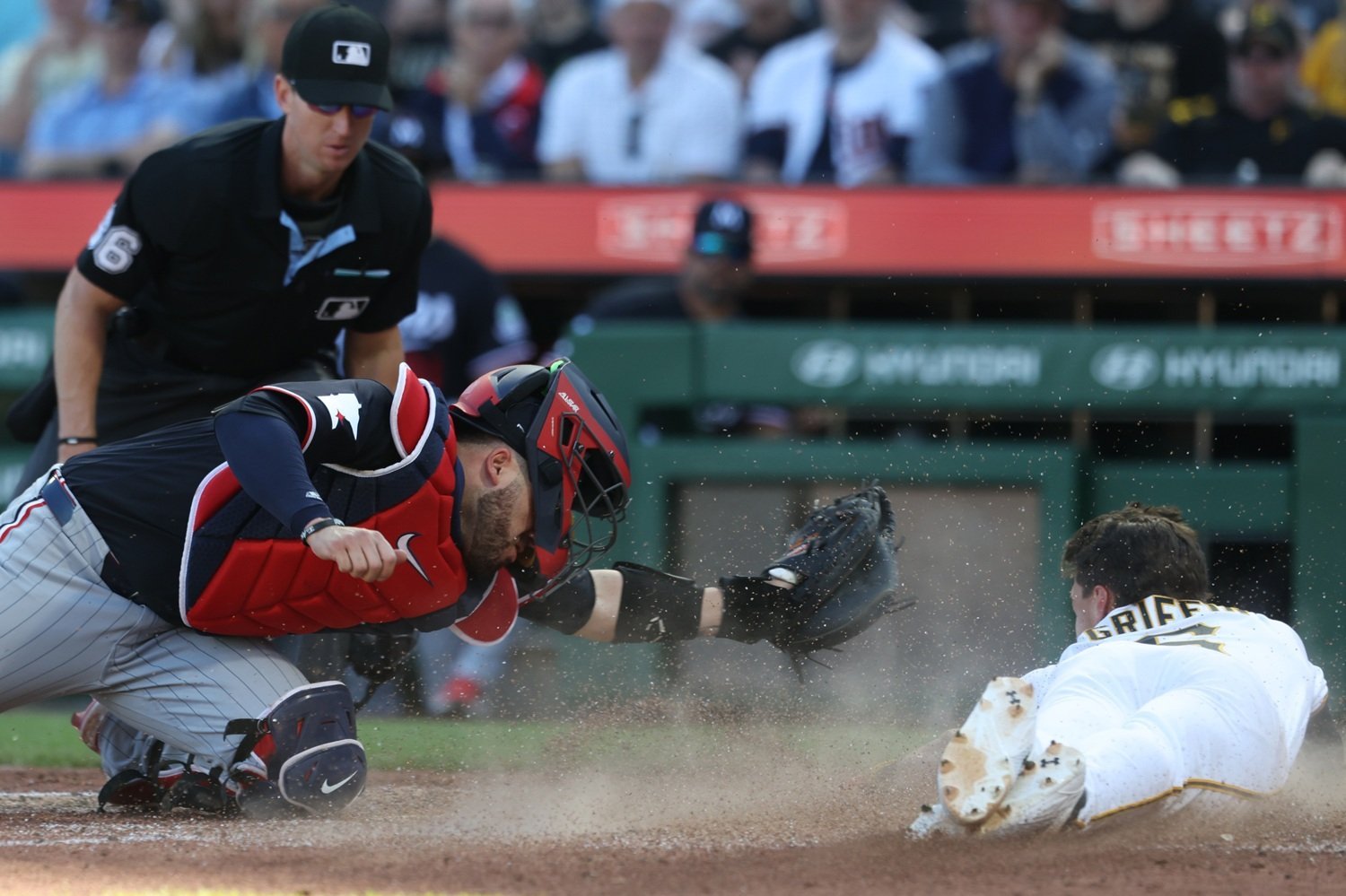 The Minnesota Twins had a clear plan when they entered last winter’s free-agent market. Christian Vázquez was leaving after an underwhelming three-year run in Minnesota, and the team needed someone capable of bridging the gap behind the plate. They landed on Victor Caratini. (Maybe the Twins should just stay away from veteran catchers from Houston.) Vázquez combined for just 0.1 rWAR and a 60 OPS+ across three seasons with Minnesota. Caratini was supposed to provide a more competent offensive option, while also giving the Twins some flexibility. The Twins signed Caratini to a two-year contract, knowing Ryan Jeffers was entering the final season of his team control. The idea was straightforward. Caratini could handle some of the workload, Jeffers would become more like a full-time starter, and Minnesota would have a veteran catcher under contract heading into 2027. Things haven't worked out quite that cleanly. Caratini struggled out of the gate, posting a .538 OPS through the end of May. Then, almost overnight, he became one of the best hitters in the Twins lineup. Jeffers landed on the injured list, forcing Caratini into an everyday role. He responded with one of the best offensive stretches of any Twins hitter this season. In 20 games during June, Caratini hit .338/.429/.631 for a 1.059 OPS, with five home runs and four doubles. That stretch made the decision for 2027 look a little easier. Then July arrived. Caratini has posted just a .494 OPS since July 1. His last extra-base hit came on July 20. The offensive production that made him look like a potential solution has largely disappeared. That's a problem, because Minnesota's catching depth chart for 2027 gets pretty thin if Caratini isn't able to rediscover the hitter he was in June. Organizational Catching Depth Behind him is Alex Jackson, who has been a serviceable backup. Jackson can provide some defensive stability and occasional offense, but asking him to become a primary catcher would be a significant gamble. The Twins don't have an obvious answer waiting at Triple-A, either. Ricardo Olivar, Noah Cardenas, and David Banuelos represent the organization's primary depth at the position. Olivar had a 131 wRC+ at Triple-A before suffering an injury, giving him the most intriguing offensive profile of the group. Cardenas has posted a 93 wRC+, while Banuelos has struggled to a 53 wRC+. There is still time for those players to change the conversation, but expecting any of the three to walk into Minnesota next season and become a reliable big-league catcher would be asking a lot. Could the Twins Bring Back Jeffers? That brings the conversation back to Jeffers. The Twins could make Jeffers a qualifying offer, which would put him in position to return on a one-year contract worth more than $24 million. That's a lot of money for a catcher, particularly for a team that has dramatically reduced its payroll over the last few seasons. At the same time, Jeffers would likely prefer the security of a multi-year contract. If he declines the qualifying offer and signs elsewhere, the team acquiring him would also have to surrender a draft pick. That could complicate his market, but it wouldn't necessarily prevent him from landing a significant deal. For the Twins, the question becomes whether Jeffers is worth the investment. And if Minnesota doesn't bring him back, the free-agent market doesn't exactly offer inexpensive alternatives. Free-Agent Catching Options There are several recognizable names who could be available, including Carson Kelly, Tyler Stephenson, Travis d'Arnaud, Kyle Higashioka, Gary Sánchez, and Jonah Heim. Some of those players have mutual options that could keep them off the market, but there should still be catching talent available. The problem is that good catching usually isn't cheap. The Twins have spent the last year trying to figure out how much they can get from their current roster, while keeping payroll under control. Catcher could force them to make a difficult decision. They could spend significantly to bring Jeffers back, pursue another veteran, or take a chance on their internal options. None of those choices is particularly comfortable. Caratini's contract gives the Twins one catcher for 2027, but it doesn't give them a definitive answer. Jackson is a backup. The Triple-A options remain unproven. Jeffers is almost sure to sign elsewhere, leaving a real void that must be filled somehow. The Twins spent last winter trying to bridge the gap at catcher. Now, they need to figure out how to build the position back up. If Caratini's June performance proves to be a last burp of effectiveness from a declining player, Minnesota could enter the offseason with one of the biggest holes on the entire roster sitting directly behind home plate. What should the Twins do at catcher? Leave a comment and start the discussion.
- 67 comments
-
- 2
-
-
- victor caratini
- ryan jeffer
- (and 5 more)
-
Image courtesy of Nick Wosika-Imagn Images After a third straight second-half collapse, there's a temptation to look at the 2026 Minnesota Twins and assume the organization needs to tear everything down. The record certainly makes that argument easier. Minnesota entered the final stretch of the season out of the playoff picture after buying at the trade deadline, and the club has spent much of the second half looking more like a team searching for answers than one preparing for October. But a bad season does not automatically create the need for a full rebuild. The Twins aren't starting from zero. In fact, the organization has some things that many rebuilding teams would love to have: young players already contributing at the major-league level, premium prospects moving toward the big leagues, established stars under team control, and a pitching staff that could look considerably different with better health. So, what's missing? There Is a Foundation Luke Keaschall, Taj Bradley, Brooks Lee, and Connor Prielipp have all given the Twins reasons to believe they can be meaningful pieces of the next competitive team. None of those players should be treated as a guaranteed star. That's not how young player development works, and Major League success is never guaranteed. But Minnesota has multiple young players who have already reached the big leagues and have room to develop. Then there is the next wave. Walker Jenkins remains one of the organization's premier prospects. Kaelen Culpepper has already seen early success in the majors. Emmanuel Rodriguez represents another high-upside player who could become an important part of the lineup. And the Twins still have two established players who can serve as the centerpieces of a competitive roster in Joe Ryan and Byron Buxton. Ryan's second half has complicated the picture, but his first-half performance showed why the Twins have viewed him as a potential top-of-the-rotation arm. Buxton's health is always going to be part of the conversation, but when healthy, he remains one of the most impactful players Minnesota can put on the field. The Twins don't need to find an entire core. They need to determine what they are doing with the core they already have. The Rotation Could Have Real Depth Pitching health has been one of the biggest variables surrounding this organization. Pablo López is expected to return from Tommy John surgery. Mick Abel should also be part of the pitching picture after recovering from arthroscopic surgery on his right elbow. Those additions could significantly change the depth chart. A theoretical 2027 rotation picture could include Ryan, Bradley, López, Dean Kremer, and Prielipp, with Zebby Matthews, Abel, Kendry Rojas, David Festa, Mike Paredes, Ryan Gallagher, Riley Quick, and Adrian Bohorquez providing additional options. That's a lot of names, but the Twins saw how quickly that depth can evaporate in one season. Obviously, not all of them will become reliable Major League starters. Some could end up in the bullpen. Others could struggle with injuries or development. A few may never establish themselves in the majors. But that's the point. The Twins have pitching depth to work with. They don't have to manufacture an entire rotation from scratch. They need to figure out which pitchers belong in the rotation, which belong in the bullpen, and where the organization needs to spend money to stabilize the group. The Bullpen Doesn't Need to Be Rebuilt Either The bullpen is another area where the Twins should be in better shape entering next season. Yoendrys Gómez, Jeff Hoffman, and Andrew Morris could form the foundation of the late-inning group. Kody Funderburk and Tommy Nance can fill middle-inning roles. That doesn't mean Minnesota should simply declare the bullpen finished. It should add a couple of veteran pieces if the opportunity presents itself. Relievers are volatile, and having too many legitimate options is rarely a problem. But this is a much different starting point than the beginning of 2026. The Twins entered this season with a bullpen that was one of baseball's worst and actively cost the team games. The organization eventually had to spend resources fixing a problem that should have been addressed before the season. Minnesota shouldn't repeat that mistake. The Real Question Is the Direction This is where everything gets complicated. The Twins can build a competitive roster in 2027. That doesn't mean they will. There is a massive difference between having enough talent to compete and operating like an organization that intends to compete. If Minnesota wants to win next season, the path is relatively straightforward. Keep the young core together. Get López and the other injured pitchers healthy. Give the young players legitimate opportunities. Add veteran pitching. Improve the bullpen. Address the holes in the lineup. Spend enough money to turn the roster's potential into actual Major League production. It won't guarantee a playoff berth. But it would represent a coherent plan. The alternative is another year of half-measures. If the Twins aren't going to meaningfully increase payroll, they need to acknowledge that reality. If they are going to prioritize development, they need to make difficult decisions about veterans blocking younger players. If they believe this group can compete, they need to actually invest in making that happen. What cannot happen again is building a roster that is simultaneously too expensive to be a developmental team and not good enough to be a legitimate contender. That is how organizations get stuck. Minnesota Doesn't Need to Start Over The easiest thing to do after a disappointing season is to declare everything broken. The Twins aren't there. They have young Major League players. They have premium prospects. They have established stars. They have pitching depth. They have a bullpen that should be more functional. They have players returning from significant injuries. There are legitimate questions throughout the roster, but every organization has those questions. The biggest question isn't whether Minnesota has enough talent to build something. It is whether the people making the decisions believe this group is worth building around. If the answer is yes, then 2027 needs to look like it. That means spending money, filling holes, protecting the young talent, and making decisions with the goal of winning games rather than simply maintaining flexibility. If the answer is no, then the Twins need to be honest about that, too. A rebuild is a strategy. So is contention. What Minnesota cannot afford is another season without choosing a direction. Do the Twins need a full rebuild? How can the Twins contend next season? Leave a comment and start the discussion. View full article
-
The Twins Don't Need a Full Rebuild. They Need a Direction.
Cody Christie posted an article in Twins
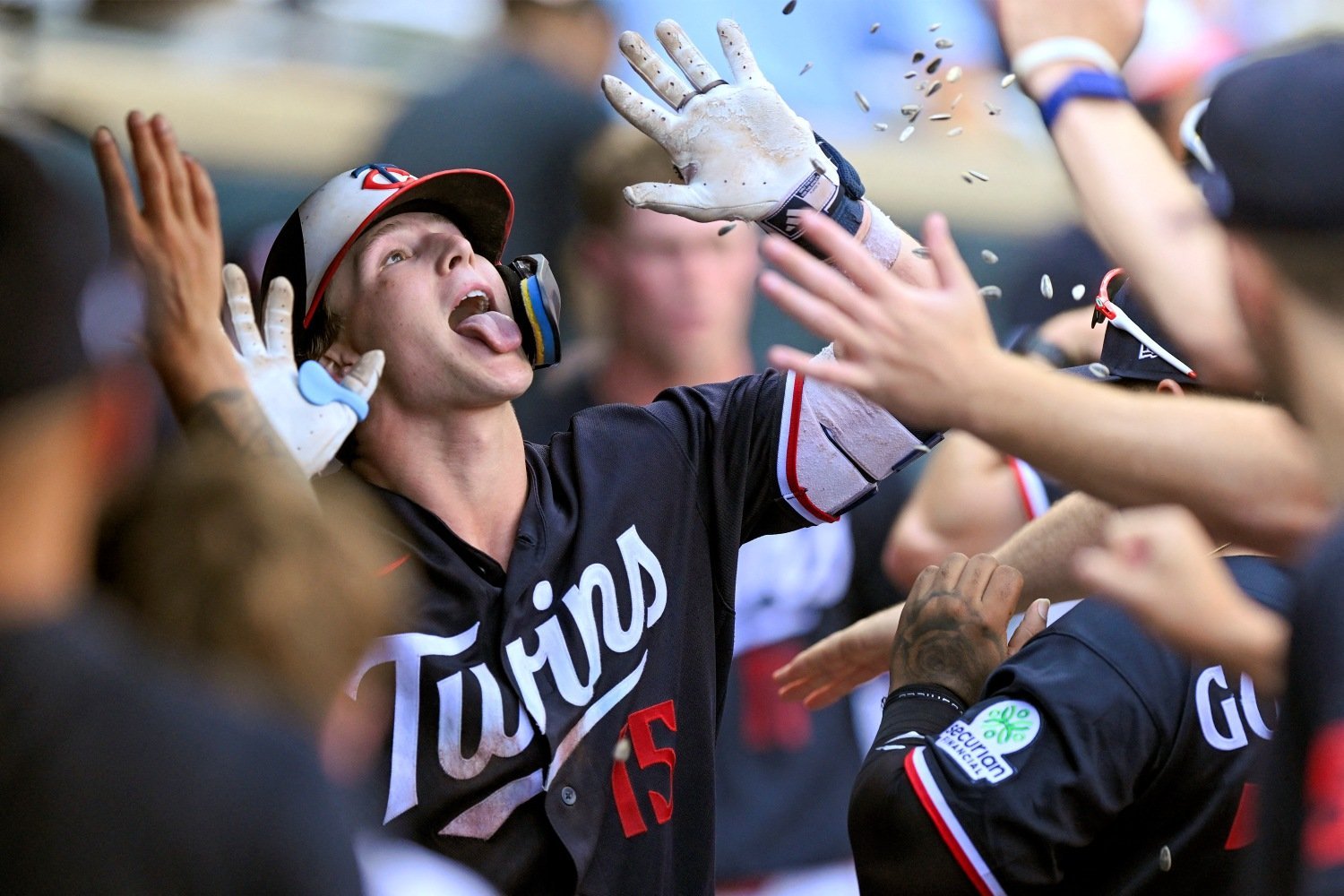 After a third straight second-half collapse, there's a temptation to look at the 2026 Minnesota Twins and assume the organization needs to tear everything down. The record certainly makes that argument easier. Minnesota entered the final stretch of the season out of the playoff picture after buying at the trade deadline, and the club has spent much of the second half looking more like a team searching for answers than one preparing for October. But a bad season does not automatically create the need for a full rebuild. The Twins aren't starting from zero. In fact, the organization has some things that many rebuilding teams would love to have: young players already contributing at the major-league level, premium prospects moving toward the big leagues, established stars under team control, and a pitching staff that could look considerably different with better health. So, what's missing? There Is a Foundation Luke Keaschall, Taj Bradley, Brooks Lee, and Connor Prielipp have all given the Twins reasons to believe they can be meaningful pieces of the next competitive team. None of those players should be treated as a guaranteed star. That's not how young player development works, and Major League success is never guaranteed. But Minnesota has multiple young players who have already reached the big leagues and have room to develop. Then there is the next wave. Walker Jenkins remains one of the organization's premier prospects. Kaelen Culpepper has already seen early success in the majors. Emmanuel Rodriguez represents another high-upside player who could become an important part of the lineup. And the Twins still have two established players who can serve as the centerpieces of a competitive roster in Joe Ryan and Byron Buxton. Ryan's second half has complicated the picture, but his first-half performance showed why the Twins have viewed him as a potential top-of-the-rotation arm. Buxton's health is always going to be part of the conversation, but when healthy, he remains one of the most impactful players Minnesota can put on the field. The Twins don't need to find an entire core. They need to determine what they are doing with the core they already have. The Rotation Could Have Real Depth Pitching health has been one of the biggest variables surrounding this organization. Pablo López is expected to return from Tommy John surgery. Mick Abel should also be part of the pitching picture after recovering from arthroscopic surgery on his right elbow. Those additions could significantly change the depth chart. A theoretical 2027 rotation picture could include Ryan, Bradley, López, Dean Kremer, and Prielipp, with Zebby Matthews, Abel, Kendry Rojas, David Festa, Mike Paredes, Ryan Gallagher, Riley Quick, and Adrian Bohorquez providing additional options. That's a lot of names, but the Twins saw how quickly that depth can evaporate in one season. Obviously, not all of them will become reliable Major League starters. Some could end up in the bullpen. Others could struggle with injuries or development. A few may never establish themselves in the majors. But that's the point. The Twins have pitching depth to work with. They don't have to manufacture an entire rotation from scratch. They need to figure out which pitchers belong in the rotation, which belong in the bullpen, and where the organization needs to spend money to stabilize the group. The Bullpen Doesn't Need to Be Rebuilt Either The bullpen is another area where the Twins should be in better shape entering next season. Yoendrys Gómez, Jeff Hoffman, and Andrew Morris could form the foundation of the late-inning group. Kody Funderburk and Tommy Nance can fill middle-inning roles. That doesn't mean Minnesota should simply declare the bullpen finished. It should add a couple of veteran pieces if the opportunity presents itself. Relievers are volatile, and having too many legitimate options is rarely a problem. But this is a much different starting point than the beginning of 2026. The Twins entered this season with a bullpen that was one of baseball's worst and actively cost the team games. The organization eventually had to spend resources fixing a problem that should have been addressed before the season. Minnesota shouldn't repeat that mistake. The Real Question Is the Direction This is where everything gets complicated. The Twins can build a competitive roster in 2027. That doesn't mean they will. There is a massive difference between having enough talent to compete and operating like an organization that intends to compete. If Minnesota wants to win next season, the path is relatively straightforward. Keep the young core together. Get López and the other injured pitchers healthy. Give the young players legitimate opportunities. Add veteran pitching. Improve the bullpen. Address the holes in the lineup. Spend enough money to turn the roster's potential into actual Major League production. It won't guarantee a playoff berth. But it would represent a coherent plan. The alternative is another year of half-measures. If the Twins aren't going to meaningfully increase payroll, they need to acknowledge that reality. If they are going to prioritize development, they need to make difficult decisions about veterans blocking younger players. If they believe this group can compete, they need to actually invest in making that happen. What cannot happen again is building a roster that is simultaneously too expensive to be a developmental team and not good enough to be a legitimate contender. That is how organizations get stuck. Minnesota Doesn't Need to Start Over The easiest thing to do after a disappointing season is to declare everything broken. The Twins aren't there. They have young Major League players. They have premium prospects. They have established stars. They have pitching depth. They have a bullpen that should be more functional. They have players returning from significant injuries. There are legitimate questions throughout the roster, but every organization has those questions. The biggest question isn't whether Minnesota has enough talent to build something. It is whether the people making the decisions believe this group is worth building around. If the answer is yes, then 2027 needs to look like it. That means spending money, filling holes, protecting the young talent, and making decisions with the goal of winning games rather than simply maintaining flexibility. If the answer is no, then the Twins need to be honest about that, too. A rebuild is a strategy. So is contention. What Minnesota cannot afford is another season without choosing a direction. Do the Twins need a full rebuild? How can the Twins contend next season? Leave a comment and start the discussion.
- 138 comments
-
- 6
-
-

-
- byron buxton
- joe ryan
- (and 5 more)
-
Image courtesy of © Brad Rempel-Imagn Images Even with games remaining on the schedule, the Twins' offseason roster decisions are beginning to take shape. Several players are approaching free agency, creating decisions about whether Minnesota wants to bring them back or let them test the open market. Others have struggled enough this season that offering them arbitration or committing another roster spot could be difficult to justify. Then there are players who haven't necessarily done anything wrong, but are watching younger players with more upside move past them on the organizational depth chart. That combination could lead to significant turnover this winter. The Twins have spent much of 2026 evaluating what their next competitive roster should look like. As the season winds down, that makes the final games more than just a conclusion to a disappointing year. They are also an opportunity to look at which players might no longer have a place on the next version of this team. So, with the offseason approaching, which Twins players could be playing their final games in Minnesota? Ryan Jeffers Jeffers is probably the most obvious player on this list from a contractual standpoint. The 29-year-old catcher is headed to free agency, which will offer the first opportunity to secure a multi-year deal. The Twins can make him a qualifying offer, but that's unlikely—and even if they did, Jeffers would probably turn it down, as he continues looking for guaranteed money and a longer commitment. Minnesota has a decision to make behind the plate, and Jeffers will have plenty of suitors when he reaches the open market. Josh Bell The Twins signed Bell hoping he could build on the improvements he showed during the second half of last season. That hasn't really happened. Bell has posted a 105 OPS+ this season, which sits 10 points below his career average. He doesn't provide defensive value, putting additional pressure on his bat to carry his roster spot. At this stage of his career, Father Time may be starting to catch up with Bell. The Twins could look for a younger option at first base and designated hitter this winter. Taylor Rogers Rogers wanted to finish his career where it started. He has accomplished another major milestone by reaching 10 years of MLB service time, which gives him the pension benefits associated with a decade in the majors. Now, retirement could be the next step. Rogers has had a remarkable career, including an All-Star appearance and years of being one of the game's more reliable left-handed relievers. This season, however, has been forgettable. Bailey Ober Ober's situation is more complicated, but there are legitimate questions about his future with the Twins. His fastball velocity hasn't returned to where it was earlier in his career, and the Twins have pushed his recent starts back multiple times. There have still been successful stretches, but starting pitching becomes much more difficult when a fastball consistently tops out in the high-80s. Ober has shown that he can pitch without overpowering stuff. It's less clear whether he can do it consistently enough to remain a rotation piece for a team trying to build its next contender. Matt Wallner Wallner has already played his final game for the Twins this season. He has been at Triple-A since May and has continued to produce at a high level, but the organizational depth chart has changed around him. Younger outfielders have moved ahead of him, and Wallner has publicly suggested that he doesn't expect to return. That makes him one of the more obvious offseason storylines. A player with his power could still attract interest elsewhere, especially after another productive season in St. Paul. Dark Horse: Royce Lewis This is where the exercise gets really interesting. Lewis has not produced at a high enough level (91 OPS+) to make his return to first base an automatic decision for 2027. The Twins have invested heavily in him over the years, but roster construction eventually has to be based on what a player is producing now rather than what everyone believes he can become. One possibility would be moving Lewis back to a platoon role at second base, pairing him with a left-handed hitter. But that creates another question: Is that actually a role in which Lewis can succeed? That makes him the dark horse on this list. It would be surprising to see the Twins move on, but the organization has plenty of decisions to make before next season. The final games of the 2026 season won't mean much in the standings for Minnesota, but they could provide important clues about the organization's plans. Free agents will make their own decisions. Veterans could retire. Younger players could force their way onto the roster. And the front office will have to determine which pieces still fit with the direction of the organization. Will any of these players be back next season? Leave a comment and start the discussion. View full article
-
Which Twins Players Are Playing Their Last Games in Minnesota?
Cody Christie posted an article in Twins
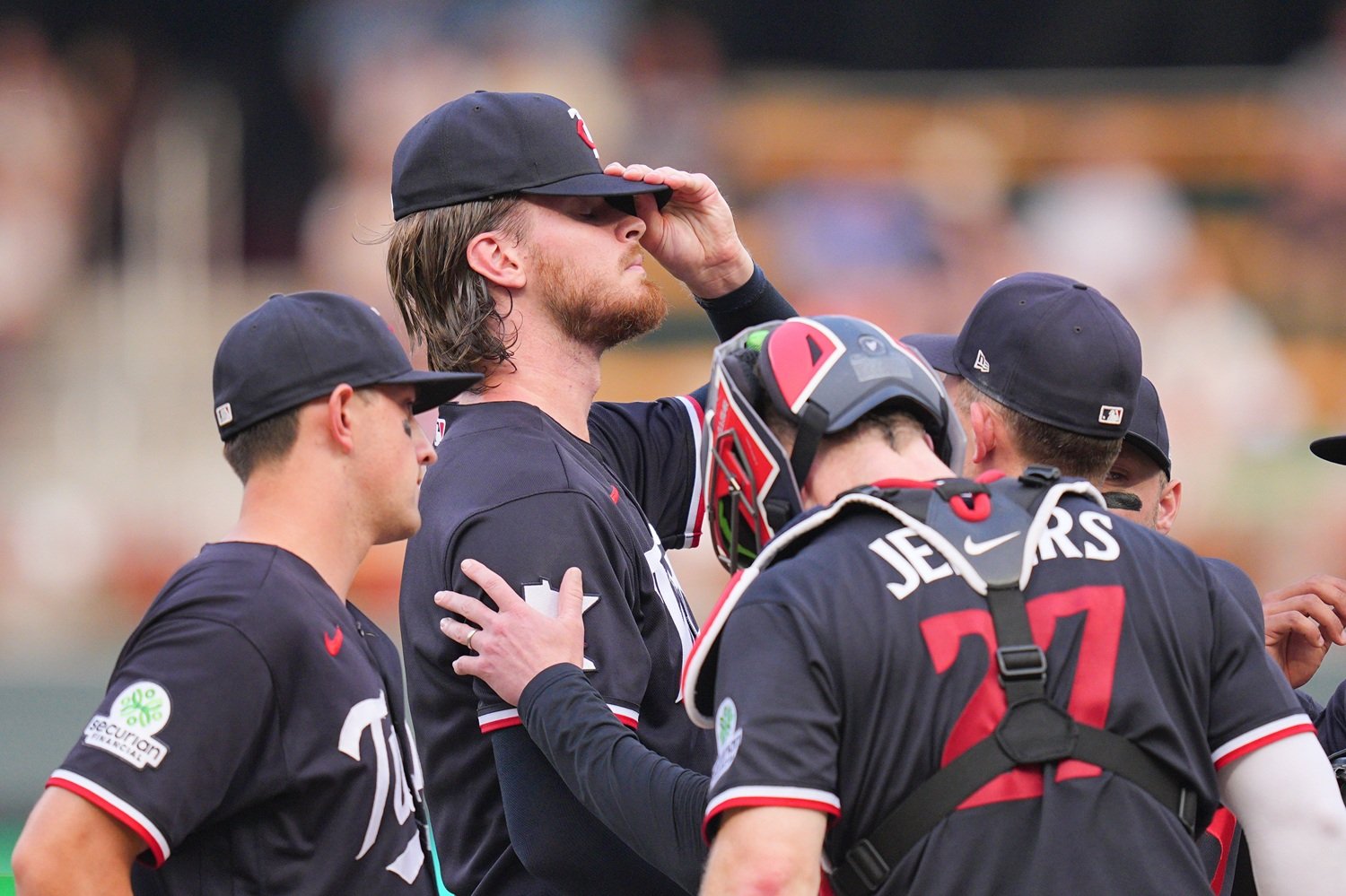 Even with games remaining on the schedule, the Twins' offseason roster decisions are beginning to take shape. Several players are approaching free agency, creating decisions about whether Minnesota wants to bring them back or let them test the open market. Others have struggled enough this season that offering them arbitration or committing another roster spot could be difficult to justify. Then there are players who haven't necessarily done anything wrong, but are watching younger players with more upside move past them on the organizational depth chart. That combination could lead to significant turnover this winter. The Twins have spent much of 2026 evaluating what their next competitive roster should look like. As the season winds down, that makes the final games more than just a conclusion to a disappointing year. They are also an opportunity to look at which players might no longer have a place on the next version of this team. So, with the offseason approaching, which Twins players could be playing their final games in Minnesota? Ryan Jeffers Jeffers is probably the most obvious player on this list from a contractual standpoint. The 29-year-old catcher is headed to free agency, which will offer the first opportunity to secure a multi-year deal. The Twins can make him a qualifying offer, but that's unlikely—and even if they did, Jeffers would probably turn it down, as he continues looking for guaranteed money and a longer commitment. Minnesota has a decision to make behind the plate, and Jeffers will have plenty of suitors when he reaches the open market. Josh Bell The Twins signed Bell hoping he could build on the improvements he showed during the second half of last season. That hasn't really happened. Bell has posted a 105 OPS+ this season, which sits 10 points below his career average. He doesn't provide defensive value, putting additional pressure on his bat to carry his roster spot. At this stage of his career, Father Time may be starting to catch up with Bell. The Twins could look for a younger option at first base and designated hitter this winter. Taylor Rogers Rogers wanted to finish his career where it started. He has accomplished another major milestone by reaching 10 years of MLB service time, which gives him the pension benefits associated with a decade in the majors. Now, retirement could be the next step. Rogers has had a remarkable career, including an All-Star appearance and years of being one of the game's more reliable left-handed relievers. This season, however, has been forgettable. Bailey Ober Ober's situation is more complicated, but there are legitimate questions about his future with the Twins. His fastball velocity hasn't returned to where it was earlier in his career, and the Twins have pushed his recent starts back multiple times. There have still been successful stretches, but starting pitching becomes much more difficult when a fastball consistently tops out in the high-80s. Ober has shown that he can pitch without overpowering stuff. It's less clear whether he can do it consistently enough to remain a rotation piece for a team trying to build its next contender. Matt Wallner Wallner has already played his final game for the Twins this season. He has been at Triple-A since May and has continued to produce at a high level, but the organizational depth chart has changed around him. Younger outfielders have moved ahead of him, and Wallner has publicly suggested that he doesn't expect to return. That makes him one of the more obvious offseason storylines. A player with his power could still attract interest elsewhere, especially after another productive season in St. Paul. Dark Horse: Royce Lewis This is where the exercise gets really interesting. Lewis has not produced at a high enough level (91 OPS+) to make his return to first base an automatic decision for 2027. The Twins have invested heavily in him over the years, but roster construction eventually has to be based on what a player is producing now rather than what everyone believes he can become. One possibility would be moving Lewis back to a platoon role at second base, pairing him with a left-handed hitter. But that creates another question: Is that actually a role in which Lewis can succeed? That makes him the dark horse on this list. It would be surprising to see the Twins move on, but the organization has plenty of decisions to make before next season. The final games of the 2026 season won't mean much in the standings for Minnesota, but they could provide important clues about the organization's plans. Free agents will make their own decisions. Veterans could retire. Younger players could force their way onto the roster. And the front office will have to determine which pieces still fit with the direction of the organization. Will any of these players be back next season? Leave a comment and start the discussion.
- 81 comments
-
- 6
-
-
- ryan jeffers
- matt wallner
- (and 4 more)
-
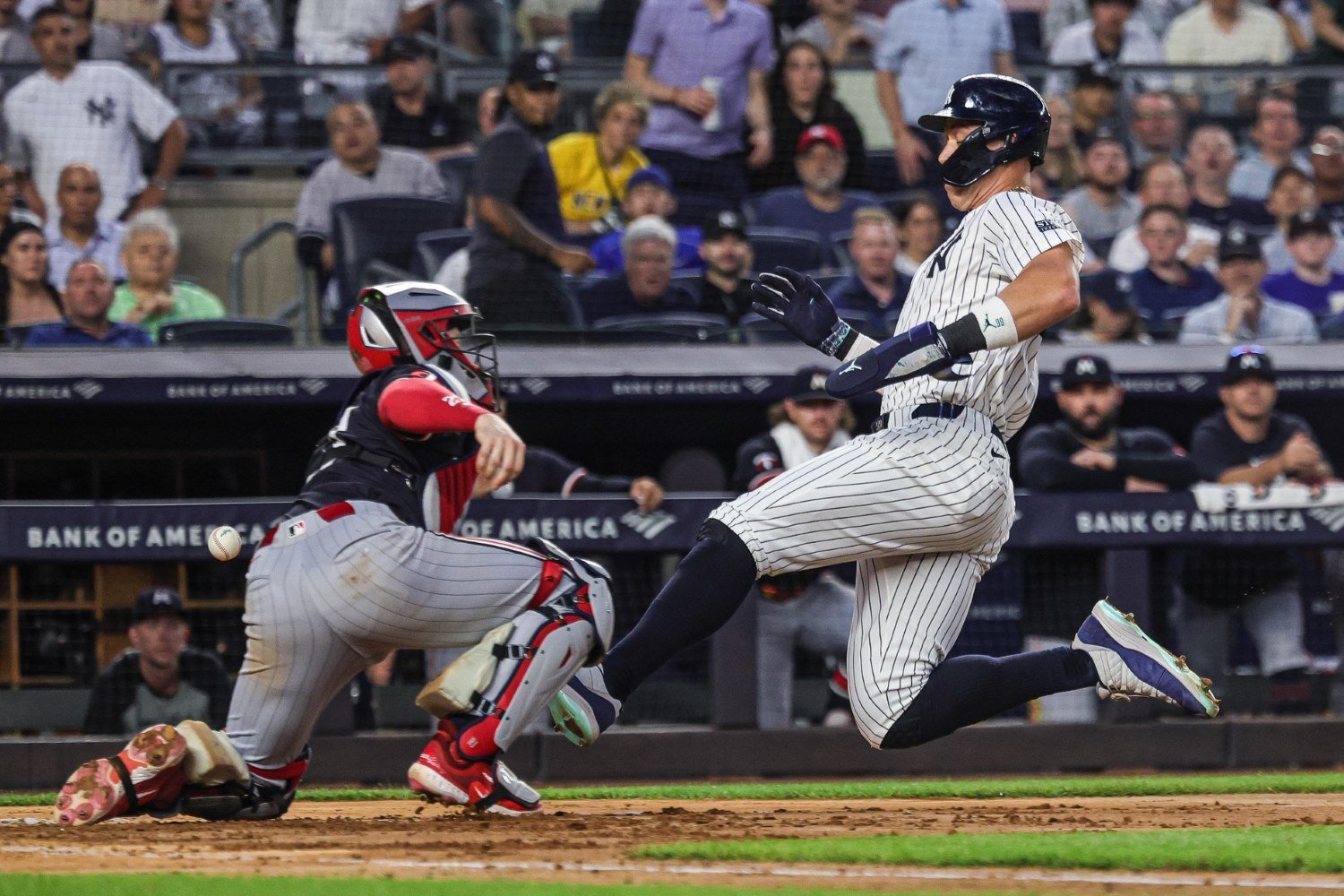 There are plenty of ways the Minnesota Twins have contributed to the history of the New York Yankees. Unfortunately for Twins fans, most of them involve postseason heartbreak, blown leads, devastating home runs and the general feeling that October baseball would be more enjoyable if New York simply stopped showing up. That history continued Monday night. The Yankees defeated the Twins 8-3 at Target Field, clinching a postseason berth in the process. Aaron Judge provided the knockout blow with a three-run homer in the eighth inning, turning what had been a competitive game into another familiar Minnesota loss. It was his first home run since May. Of course, there is an important distinction this year. The Twins won't be losing to the Yankees in the playoffs. They won't be in the playoffs. Instead, Minnesota has found a new and perhaps even more meaningful role in the annual Yankees postseason machine: providing the emotional fuel necessary for New York to make a deep October run. Think of the Twins as a charitable organization. They aren't necessarily winning games, but they are doing their part to make sure the Yankees feel really good about themselves heading into October. "It's something we're proud of," Twins manager Derek Shelton said. "We wanted to make sure the Yankees felt confident going into the postseason. If that means giving up a three-run homer in the eighth inning, that's the kind of sacrifice we're willing to make." The timing could not have been better for New York. Judge entered Monday's game still trying to shake off some rust after returning from a fractured rib. Then, against the Twins, he launched a three-run homer in the eighth inning that helped turn a 2-1 deficit into a 7-2 Yankees lead. It was his first home run since returning from the injured list. "Honestly, we were looking for a little confidence boost," Judge said. "Then we realized we were playing the Twins. That usually does the trick." There is a long history supporting this theory. The Twins have spent decades providing the Yankees with memorable postseason moments. Minnesota has been swept by New York. Minnesota has lost heartbreaking playoff games to New York. Minnesota has watched Yankees hitters celebrate at its expense. Now, apparently, Minnesota is helping the Yankees get ready for another postseason run before the playoffs even begin. Bailey Ober has embraced the responsibility. "There's a lot of pride in knowing you can help another team achieve its goals," Ober said. "We couldn't make the playoffs ourselves, so we're trying to make sure somebody has a really good October." That's team-first baseball. It also helps that Ober was scheduled to throw batting practice fastballs to the Yankees lineup on Tuesday night. The Twins' post-trade-deadline collapse has certainly made the arrangement easier. Minnesota bought at the trade deadline with hopes of remaining in the American League playoff race, only to stumble badly afterward. A.J. Minter, one of Minnesota's trade deadline acquis itions, did his best to give away the game on Monday. So perhaps this was the plan all along. Minnesota wasn't buying at the deadline to make the playoffs. It was buying to acquire the exact pieces necessary to provide New York with meaningful September competition. It was a long-term strategy. And judging by Monday night, it worked. The Twins still have two more games against the Yankees this week, giving Minnesota an opportunity to continue its important role as New York's unofficial postseason tune-up opponent. For Twins fans, it may not be the September baseball they wanted. But after years of losing to the Yankees in October, Minnesota has finally found a way to contribute without actually having to qualify. That's progress.
 -
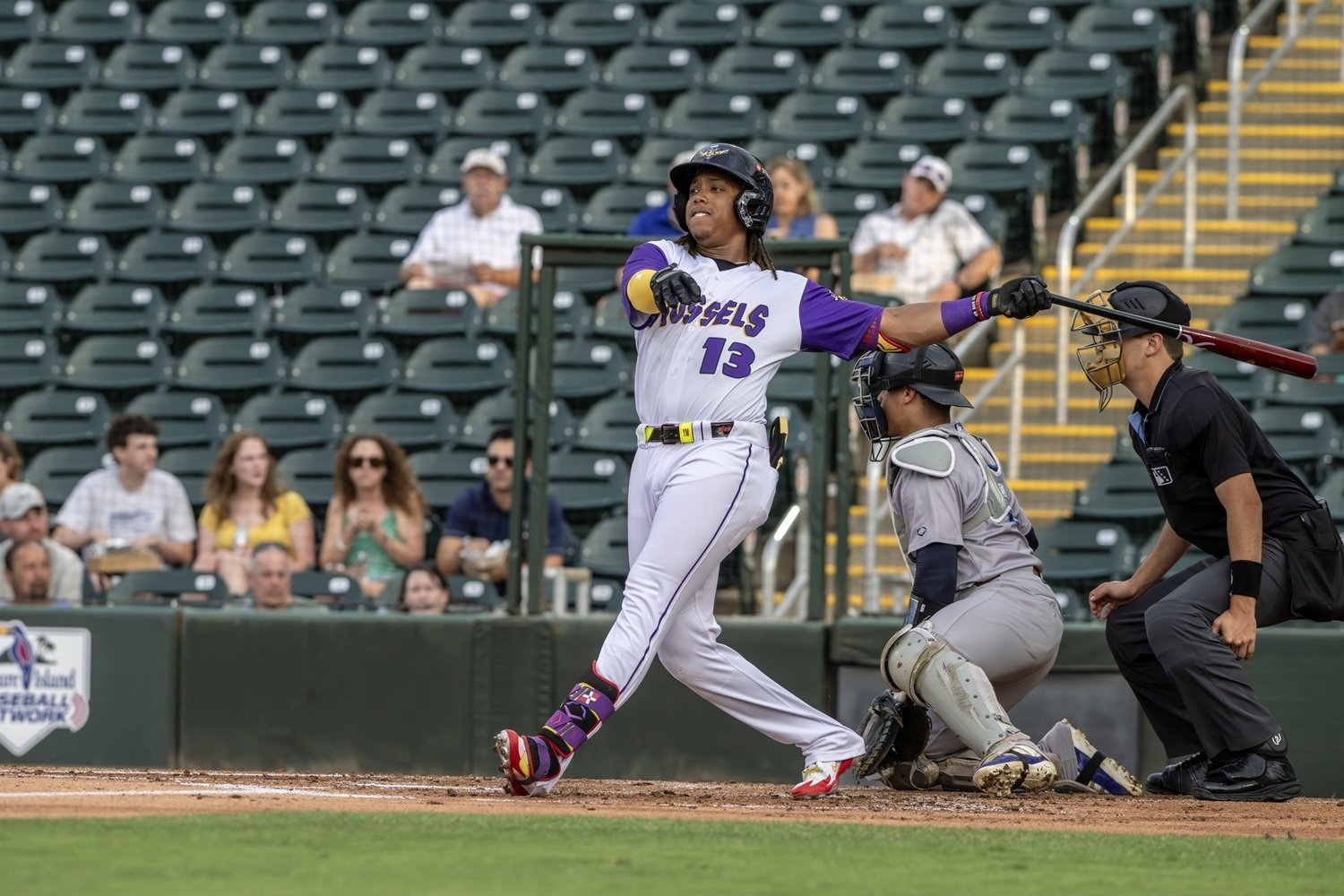 The Arizona Fall League is one of the last flurries of activity on the minor-league calendar, and it can serve several different purposes for a prospect. Some players use the opportunity to face advanced competition after a breakthrough season. Others get extra at-bats, additional innings, or a chance to work on an area of their game before heading into the offseason. The Twins will have eight players on the Salt River Rafters roster this fall, with a group that includes position players who took noticeable steps forward and pitchers looking to turn limited 2026 action into something more meaningful. The 2026 AFL season begins October 3 and runs through November 14. Here is a look at each of Minnesota's representatives. Yasser Mercedes, OF Mercedes is the biggest name on this list, as he currently ranks as Twins Daily’s number 19 prospect. He spent two summers in the Florida Complex League and parts of three years in the Single-A Florida State League. The former $1.7 million international signing earned a promotion to High-A Cedar Rapids after destroying the Florida State League, slashing .321/.439/.642 with six home runs in 21 games. His production was more modest with the Kernels, where he hit .232/.320/.409 in 88 games, but there were still plenty of encouraging signs. Mercedes finished with 18 home runs and 52 stolen bases across the two levels. More importantly, he appeared to find another gear late in the season. He posted a .874 OPS over his final 30 games with Cedar Rapids, showing why the Twins remain intrigued by the combination of power and speed. The Fall League should give Mercedes another chance to prove that his long-awaited breakout is becoming something sustainable rather than simply a collection of hot stretches. Kyle DeBarge, 2B/SS DeBarge experienced the highs and lows of a full season at Double-A, but the 2024 first-round pick still put together an intriguing statistical line. He hit 12 home runs, scored 73 runs and stole 41 bases while playing four different positions. Overall, he hit .221 with a .325 on-base percentage and a .677 OPS. The batting average will not jump off the page, but DeBarge's versatility remains one of his biggest selling points. He spent most of his time at second base while also seeing action at shortstop and other spots, giving the organization another athletic, flexible option. The AFL gives DeBarge a chance to finish the year on a stronger note and show that his offensive game can catch up with the rest of his skill set. Ross Dunn, LHP Dunn's 2026 season was anything but normal. The left-hander opened the year on the injured list and did not make his first appearance until July, eventually working his way back through rehabilitation assignments in the Florida Complex League and Fort Myers before returning to Cedar Rapids. He logged only 23 2/3 minor league innings across three levels, posting a 4.18 ERA with 25 strikeouts and a 1.27 WHIP. Most of that work came in Cedar Rapids, where he had a 4.86 ERA in 12 appearances. Dunn's AFL assignment is much more about getting innings. He missed significant time, and the Fall League gives him another month of competition to rebuild his workload and regain the form that made him an interesting pitching prospect after being selected in the 10th round of the 2023 draft. Cesar Lares, LHP Lares had one of the more difficult seasons among Minnesota's Fall League selections. After missing most of 2025 because of Tommy John surgery, he returned to competition in 2026 and made 12 starts for Cedar Rapids. The results were rough, with a 10.27 ERA and 1.85 WHIP across 44 1/3 innings. He did, however, strike out 51 hitters. That strikeout total is the reason this assignment remains interesting. Lares clearly wasn't sharp following his long layoff, and his command was a major issue, but there was still enough swing-and-miss ability to keep the door open. An AFL stint could be valuable for him simply because it provides more competitive innings after a season in which he was still trying to find his footing following major elbow surgery. Cleiber Maldonado, LHP Maldonado's road back from injury was even more limited. He opened the year on the 60-day injured list after undergoing elbow surgery, then made a brief rehabilitation appearance in the Florida Complex League before returning to Cedar Rapids. He ultimately appeared in 14 games and recorded 15 innings, allowing 21 runs while striking out 23 batters. Those numbers are obviously not representative of what Maldonado has done over his career. Prior to 2026, he had posted a 3.65 ERA with 104 strikeouts in 98 2/3 innings. The Fall League could therefore be a particularly important developmental opportunity. Rather than judging him on three appearances after surgery, Minnesota can use the AFL to see how his stuff looks once he has more regular repetitions. Jake Murray, LHP Murray took a much different path to the Fall League. The 2025 minor league signing spent the 2026 season with Fort Myers, working primarily out of the bullpen. He posted a 6.23 ERA in 30 1/3 innings while striking out 45 hitters, showing the ability to miss bats even when the overall results were inconsistent. Murray's 30.4 strikeout rate and 0.30 HR/9 are difficult to ignore. His 1.71 WHIP shows why there is still work to do, but the swing-and-miss ability gives him something to build around. He landed on the injured list in August, so another key objective in Arizona will be getting healthy and finishing the year with a stretch of uninterrupted work. Jacob McCombs, OF ith Minnesota as the organization's seventh-round pick in 2025, he moved into a full-season role with Cedar Rapids and quickly looked comfortable against High-A pitching. McCombs hit .276 with a .388 on-base percentage, six home runs, 33 RBI and 14 stolen bases. His 2026 season included an especially strong July, when he slashed .327/.471/.582 with a 1.053 OPS while striking out just seven times in 16 games. The combination of plate discipline, contact ability, power and speed gives McCombs an intriguing offensive profile. The AFL will provide his first opportunity to face a larger collection of upper-level pitching, and a strong showing could put him firmly in the Double-A conversation heading into 2027. Brian Zeldin, RHP Zeldin took an unconventional path to this roster after signing with Minnesota as a minor league free agent in February. He moved from Fort Myers to Cedar Rapids, working exclusively as a reliever. In 35 appearances, Zeldin posted a 6.93 ERA, 70 strikeouts and a 1.80 WHIP across 49 1/3 innings. He also picked up three saves. The numbers are not perfect, but the 29.0% strikeout rate stands out. Zeldin's experience at Georgia and his debut in the organization make him one of the more interesting under-the-radar arms in this group. The AFL will give him a chance to prove that his 2026 performance was more than a small-sample curiosity. One Last Opportunity This is not the most heralded group of Twins prospects to head to Arizona, but there are plenty of reasons to pay attention. Mercedes and DeBarge are looking to turn intriguing tools into more consistent production. McCombs is trying to establish himself as one of the organization's rising bats. Meanwhile, Dunn, Lares and Maldonado all have something to prove after spending significant time recovering from injuries. The AFL is often described as a finishing school for prospects. For these eight Twins, it could also be a proving ground, a reset button or simply one more chance to make a strong impression before everyone heads into the offseason. What stands out about this group? Leave a comment and start the discussion.
- 15 comments
-
- 5
-
-
-
- yasser mercedes
- kyle debarge
- (and 6 more)
-
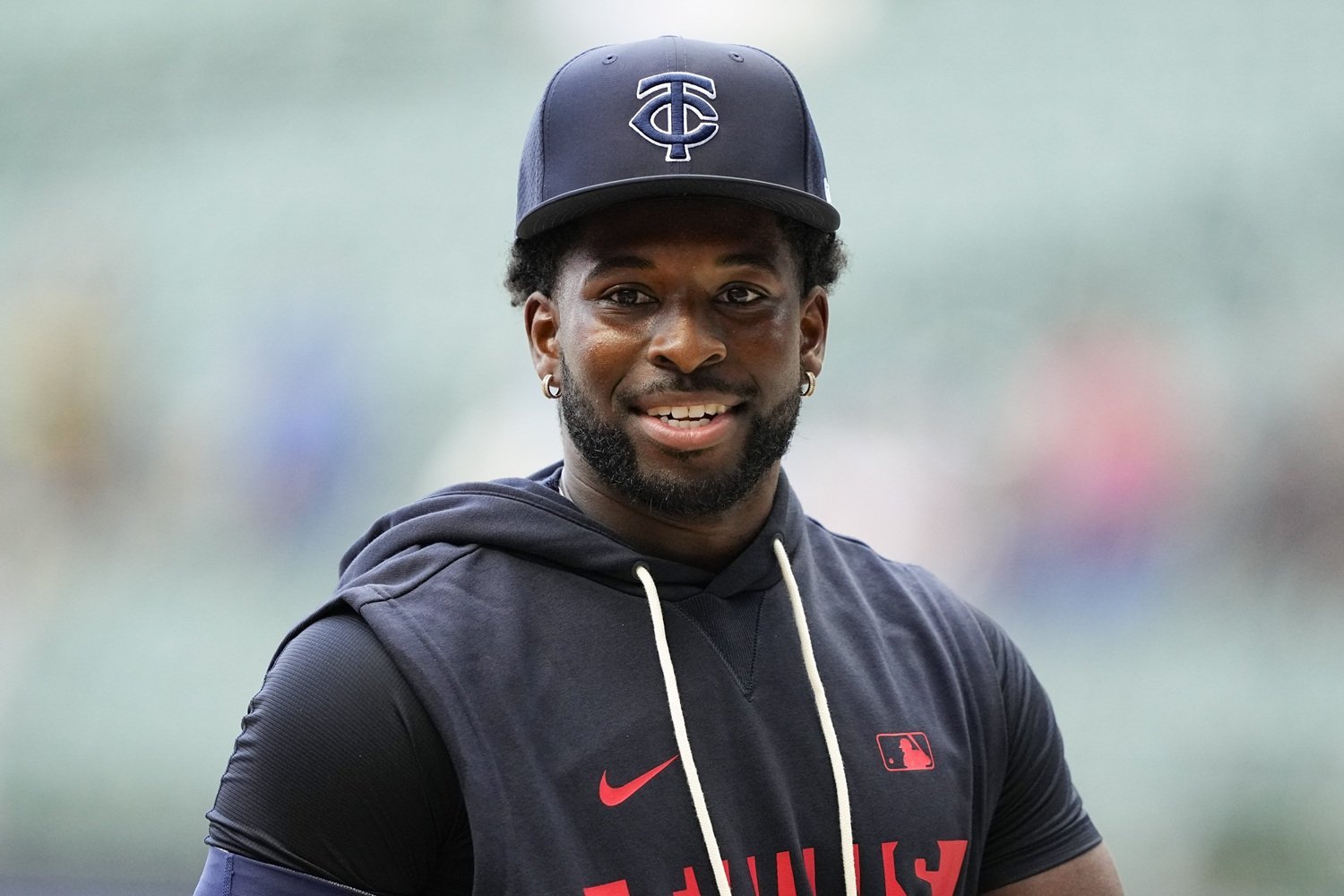 The Twins have spent much of September trying to keep their lineup intact, but another injury concern surfaced Tuesday night. Kaelen Culpepper was forced to leave Minnesota’s game after the sixth inning because of left hamstring tightness. The timing is particularly frustrating for a young player who had just returned to the lineup after missing two games because of a hit-by-pitch. Culpepper appeared to feel the issue while trying to beat out a potential double-play ball. After being ruled out at first base, he reached toward the back of his left leg before eventually leaving the game. Ryan Kreidler took over at shortstop for the seventh inning. Manager Derek Shelton said after the game that Culpepper noticed the problem almost immediately. “What he told me was that he felt it the first move out of the box,” said Shelton. “So we’ll get an MRI in the morning and see where he’s at. Honestly, it sucks. Just because of the fact that we’re late in the schedule and how well he’s played and what he’s done.” The Twins should have a better idea of the severity after Culpepper undergoes an MRI. Until then, the team will have to wait to determine whether this is something that could cost him additional time or simply require some rest. This is another frustrating development for Culpepper, who has been an important part of Minnesota’s lineup during the second half. The former first-round pick has been given an extended opportunity at the major-league level, and his recent performance has helped strengthen his case for being the club’s Opening Day shortstop next season. Culpepper is hitting .275/.333/.404 (.737) with five doubles, three home runs, and a 107 OPS+. Defensively, he’s also been an upgrade over other options for the Twins. He has a 1 OAA and his 88.2 mph arm strength ranks in the 75th percentile. The injury also comes at an unfortunate time for the Twins. With only a little more than a week remaining in the regular season, there isn't much calendar left for injured players to work their way back. Culpepper already spent time recovering from Saturday’s hit-by-pitch against Cleveland. Now, Minnesota will hope Tuesday’s hamstring issue is a short-term setback rather than another extended absence.
