



Cody Christie
-
Posts
7,794 -
Joined
-
Last visited
-
Days Won
5
Content Type
Profiles
News
Minnesota Twins Videos
2026 Minnesota Twins Top Prospects Ranking
2022 Minnesota Twins Draft Picks
Minnesota Twins Free Agent & Trade Rumors, Notes, & Tidbits
Guides & Resources
2023 Minnesota Twins Draft Picks
The Minnesota Twins Players Project
2024 Minnesota Twins Draft Picks
2025 Minnesota Twins Draft Pick Tracker
2026 Minnesota Twins Draft Tracker: Picks & Bonuses
Forums
Blogs
Events
Store
Downloads
Gallery
Everything posted by Cody Christie
-
Brooks Lee has earned a spot among the American League’s best defensive players. The Minnesota Twins infielder was named one of three finalists for the 2026 Rawlings Gold Glove Award at third base on Wednesday. Lee is joined by Boston Red Sox infielder Caleb Durbin and Kansas City Royals infielder Nick Loftin. The winners will be announced on ESPN on Sunday, November 1. Lee's nomination is particularly impressive considering how his defensive season began. After spending most of his first two big-league seasons at shortstop, he struggled at the position again in 2026. A move across the infield helped change his season, turning a potential defensive liability into a player receiving recognition for his work with the glove. A Position Change Makes a Difference Lee entered professional baseball as a shortstop and continued to receive opportunities at the position after reaching the majors. However, the early returns were not encouraging. He finished both 2024 and 2025 with a minus-3 Fielding Run Value (FRV), a Statcast metric that measures a defender's contribution compared with an average player. The struggles continued into 2026. Lee posted -6 Outs Above Average (OAA) in limited action at shortstop, making it difficult for the Twins to justify keeping him there as his primary position. The club needed to find a better defensive fit for the young infielder. Third base provided that opportunity. Lee excelled after moving to the hot corner, recording +6 OAA during the 2026 season. The improvement was substantial, especially when compared with his previous results at shortstop. The position change also gave the Twins a clearer picture of Lee's potential moving forward. His defensive performance at third base suggests he could become a long-term option at the position, provided he continues to build on the progress he made this season. A Difficult Competition Lee's Gold Glove candidacy comes with some formidable competition. Durbin appears to be the favorite after an impressive defensive campaign with Boston. At the most recent SABR Defensive Index update, Durbin posted an 8.8 SDI, nearly three times Loftin's mark in second place. Durbin also recorded plus-6 FRV and plus-6 OAA at third base. Those numbers give him a compelling case to take home the award. Loftin is another worthy finalist, making this a competitive group. Lee's nomination, however, represents an important milestone in his development. After entering the season with questions about his defense, he established himself as a credible candidate for one of baseball's most recognized individual defensive awards. Twins manager Derek Shelton has expressed confidence that Lee can become a Gold Glove winner at third base. This season's finalist selection offers evidence that such an outcome is realistic. The next step could be giving Lee a full season at third base in 2027. A consistent role would allow him to continue developing his instincts, improve his familiarity with the position, and demonstrate that his defensive success can be sustained over an entire campaign. Lee might not win his first Gold Glove this year, particularly with Durbin's strong credentials. Still, becoming a finalist is a significant achievement for a player whose season began with defensive concerns. View full rumor
-

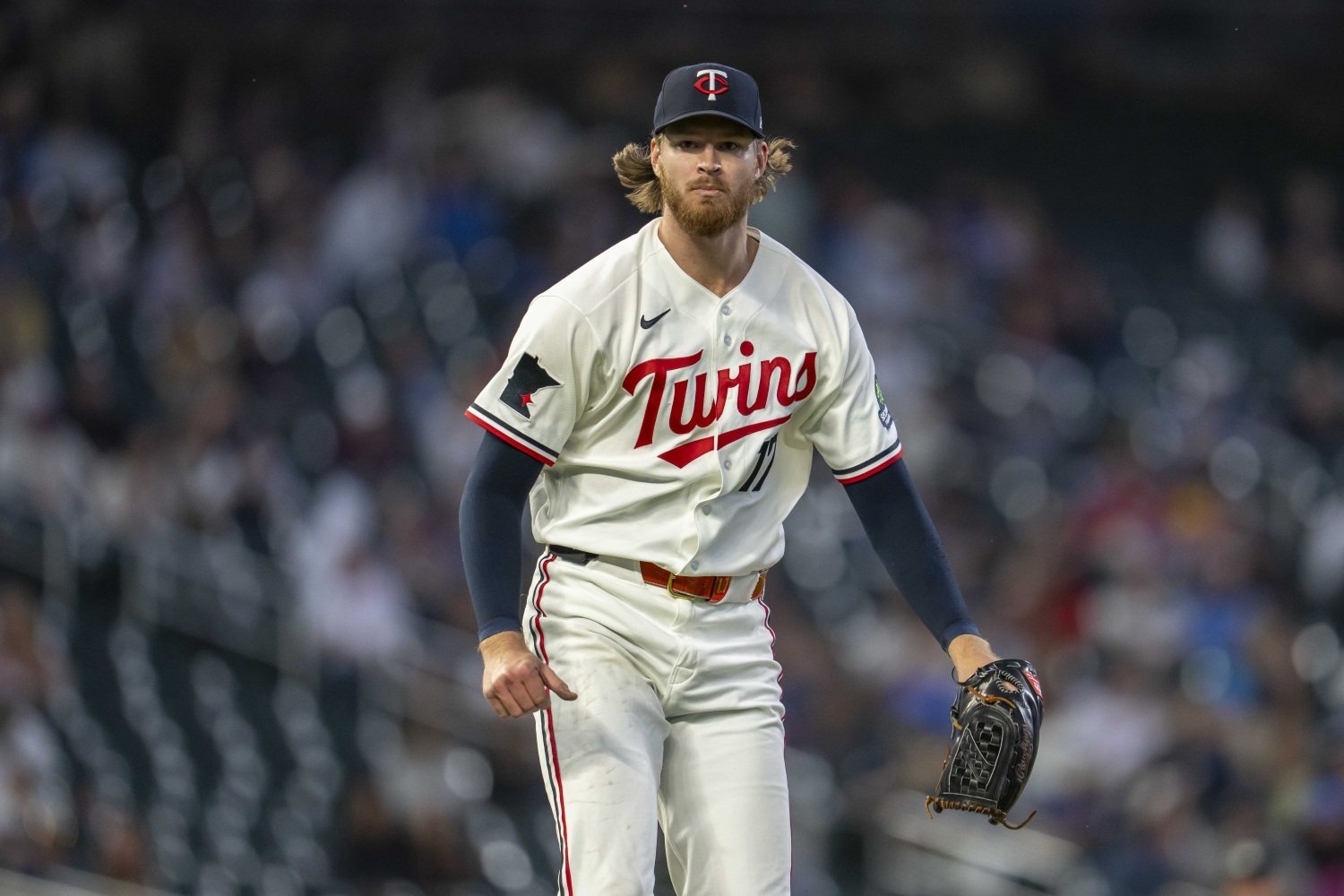 The Minnesota Twins have spent years trying to figure out how to make pitchers throw harder. This offseason, they are apparently going in the opposite direction. Bailey Ober has already established himself as one of baseball's most unusual starting pitchers. His fastball velocity has fallen into the high-80s, making him the slowest-throwing starting pitcher in Major League Baseball. His strikeout rate has followed the same trajectory, dropping from 26.9% in 2024 to 19.2% in 2025 and 17.1% this season. Most organizations would look at those numbers and start asking how to get the velocity back. The Twins are asking a different question. What if they make him throw even slower? "We've seen what happens when Bailey throws 88," Twins general manager Jeremy Zoll said. "Now we're interested in finding out what happens at 82." "And 80." "Potentially 76." Zoll stressed that the organization isn't necessarily trying to make Ober worse. It's trying to make him different. "Pitching is about evolution," Zoll said. "We've seen velocity continue to increase. We've seen pitchers change shapes, grips, arm slots and usage patterns. We're constantly looking for the next competitive advantage." The Twins believe they may have found it somewhere between a Division II college pitcher and a position player asked to throw an inning in a 12-2 game. There is a theory behind this. At 98 mph, hitters know they need to react immediately. At 88 mph, hitters have slightly more time. At 82 mph, they may have enough time to wonder why the baseball is taking so long to arrive. At 78 mph, perhaps they simply stop swinging. "We don't know where the floor is," one Twins front office member said. "That's what the offseason is for." The organization reportedly has a series of experiments planned for Ober's offseason program. The first bullpen will focus on 87 mph. The second will target 85. The third will be conducted with a radar gun turned off because the Twins don't want anyone to become psychologically attached to the number. Eventually, the organization hopes to discover the exact velocity at which a hitter becomes so confused that the pitch qualifies as a breaking ball simply because of how long it takes to reach the plate. Ober, for his part, is willing to try anything. "I want to pitch," Ober said. "Whatever gives me the best chance to stay in the big leagues, I'm open to it." "What if the fastball is slower than the changeup?" he was asked. Ober paused. "Then I guess we have a new problem." The Twins aren't necessarily concerned about that problem yet. They're excited about the possibilities. Ober finished 2026 with a 4.47 ERA and 96 strikeouts in 131 innings. His 17.1% strikeout rate was well below league average, but his career has already demonstrated that he can succeed without premium velocity. The question is whether he can succeed with even less. "Everyone wants to talk about velocity," another member of the front office said. "We want to talk about deception." "What happens if the pitch is so slow that the hitter loses interest halfway to the plate? That's deception." The Twins are also reportedly studying whether Ober's 6-foot-9 frame can create additional psychological confusion. A hitter sees a giant man on the mound. He prepares for something coming quickly. Then the pitch arrives at approximately the speed of a moderately ambitious lawn mower. "We think there's something there," the front office member said. There is, however, one person who may be even more excited about the Ober experiment than Zoll. Tom Pohlad. The Twins chairman has spent much of the year answering questions about payroll and the organization's plans to increase spending. Pohlad recently reiterated that Minnesota intends to meaningfully invest in the roster in 2027 after finishing the 2026 season with a payroll around $100 million. The organization would apparently prefer to discuss something else. "We've been thinking about the fans," Pohlad said. "We've been thinking about the media. We've been thinking about what we can do to create some positive offseason conversation." Then came the real plan. "If we can get Bailey Ober down to 79 miles per hour, Aaron Gleeman could spend four hours explaining why it doesn't make any sense," Pohlad said. "That's four hours where he isn't talking about our payroll." At that point, the Twins' analytics department reportedly began calculating the exact relationship between Ober's velocity and the amount of time Gleeman could spend discussing it. The early projections are encouraging. The Twins don't seem worried. They've already started preparing for the next phase. The goal isn't to make Ober throw harder. It isn't even to make him throw better. The goal is to make him throw so slowly that nobody has any idea what they're watching. And if that keeps the conversation away from payroll for a few hours? The Twins may have finally discovered their offseason ace.
- 8 comments
-
- 1
-

-
- bailey ober
- tom pohlad
- (and 1 more)
-
Image courtesy of © Jesse Johnson-Imagn Images The Minnesota Twins have spent years trying to figure out how to make pitchers throw harder. This offseason, they are apparently going in the opposite direction. Bailey Ober has already established himself as one of baseball's most unusual starting pitchers. His fastball velocity has fallen into the high-80s, making him the slowest-throwing starting pitcher in Major League Baseball. His strikeout rate has followed the same trajectory, dropping from 26.9% in 2024 to 19.2% in 2025 and 17.1% this season. Most organizations would look at those numbers and start asking how to get the velocity back. The Twins are asking a different question. What if they make him throw even slower? "We've seen what happens when Bailey throws 88," Twins general manager Jeremy Zoll said. "Now we're interested in finding out what happens at 82." "And 80." "Potentially 76." Zoll stressed that the organization isn't necessarily trying to make Ober worse. It's trying to make him different. "Pitching is about evolution," Zoll said. "We've seen velocity continue to increase. We've seen pitchers change shapes, grips, arm slots and usage patterns. We're constantly looking for the next competitive advantage." The Twins believe they may have found it somewhere between a Division II college pitcher and a position player asked to throw an inning in a 12-2 game. There is a theory behind this. At 98 mph, hitters know they need to react immediately. At 88 mph, hitters have slightly more time. At 82 mph, they may have enough time to wonder why the baseball is taking so long to arrive. At 78 mph, perhaps they simply stop swinging. "We don't know where the floor is," one Twins front office member said. "That's what the offseason is for." The organization reportedly has a series of experiments planned for Ober's offseason program. The first bullpen will focus on 87 mph. The second will target 85. The third will be conducted with a radar gun turned off because the Twins don't want anyone to become psychologically attached to the number. Eventually, the organization hopes to discover the exact velocity at which a hitter becomes so confused that the pitch qualifies as a breaking ball simply because of how long it takes to reach the plate. Ober, for his part, is willing to try anything. "I want to pitch," Ober said. "Whatever gives me the best chance to stay in the big leagues, I'm open to it." "What if the fastball is slower than the changeup?" he was asked. Ober paused. "Then I guess we have a new problem." The Twins aren't necessarily concerned about that problem yet. They're excited about the possibilities. Ober finished 2026 with a 4.47 ERA and 96 strikeouts in 131 innings. His 17.1% strikeout rate was well below league average, but his career has already demonstrated that he can succeed without premium velocity. The question is whether he can succeed with even less. "Everyone wants to talk about velocity," another member of the front office said. "We want to talk about deception." "What happens if the pitch is so slow that the hitter loses interest halfway to the plate? That's deception." The Twins are also reportedly studying whether Ober's 6-foot-9 frame can create additional psychological confusion. A hitter sees a giant man on the mound. He prepares for something coming quickly. Then the pitch arrives at approximately the speed of a moderately ambitious lawn mower. "We think there's something there," the front office member said. There is, however, one person who may be even more excited about the Ober experiment than Zoll. Tom Pohlad. The Twins chairman has spent much of the year answering questions about payroll and the organization's plans to increase spending. Pohlad recently reiterated that Minnesota intends to meaningfully invest in the roster in 2027 after finishing the 2026 season with a payroll around $100 million. The organization would apparently prefer to discuss something else. "We've been thinking about the fans," Pohlad said. "We've been thinking about the media. We've been thinking about what we can do to create some positive offseason conversation." Then came the real plan. "If we can get Bailey Ober down to 79 miles per hour, Aaron Gleeman could spend four hours explaining why it doesn't make any sense," Pohlad said. "That's four hours where he isn't talking about our payroll." At that point, the Twins' analytics department reportedly began calculating the exact relationship between Ober's velocity and the amount of time Gleeman could spend discussing it. The early projections are encouraging. The Twins don't seem worried. They've already started preparing for the next phase. The goal isn't to make Ober throw harder. It isn't even to make him throw better. The goal is to make him throw so slowly that nobody has any idea what they're watching. And if that keeps the conversation away from payroll for a few hours? The Twins may have finally discovered their offseason ace. View full article
-
How Two Hall of Fame Voters View Johan Santana’s Cooperstown Resume
Cody Christie posted an article in History
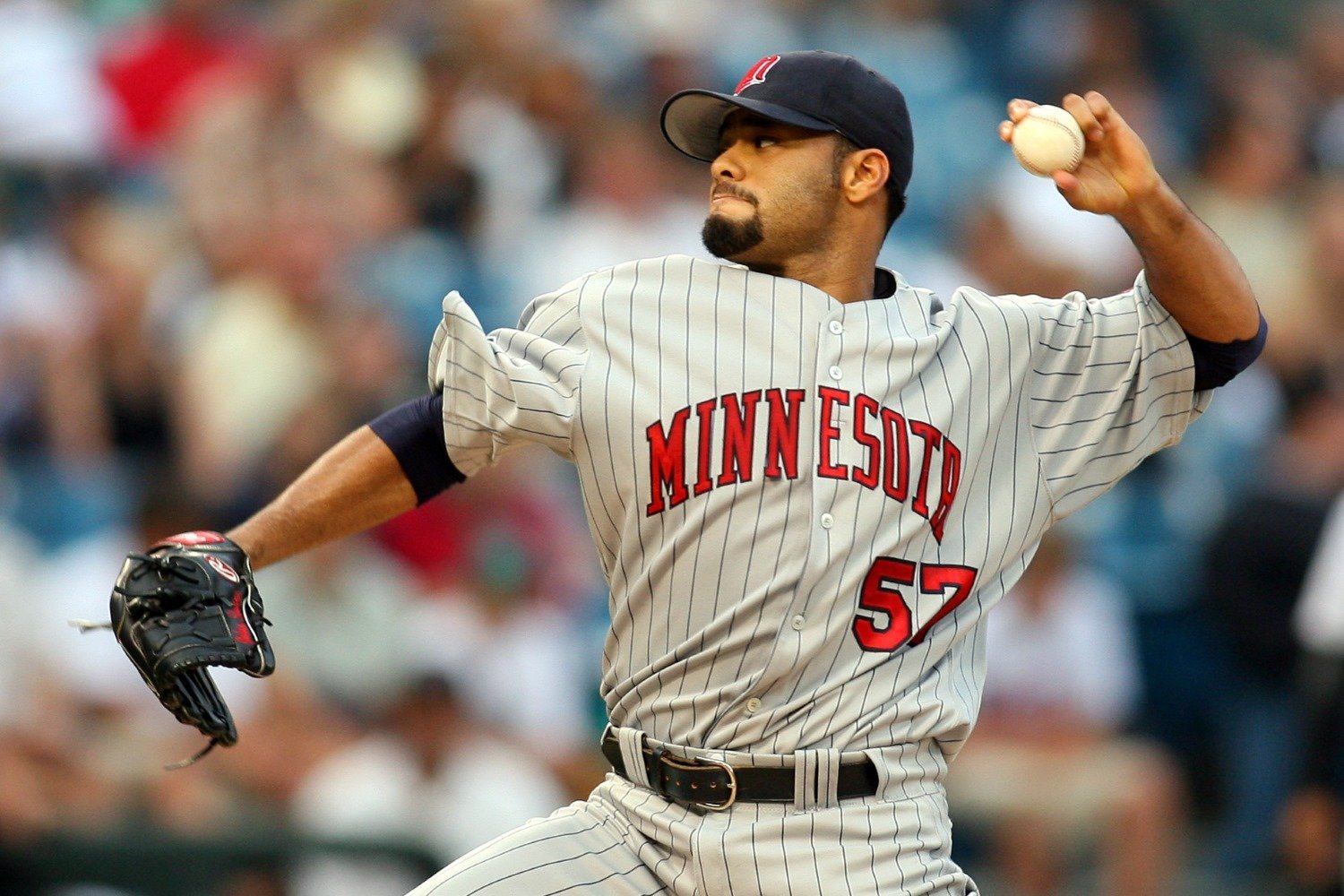 Johan Santana was one of the most dominant pitchers in baseball during his prime, collecting two American League Cy Young Awards and helping define an era of Twins baseball. Despite those accomplishments, his path to the National Baseball Hall of Fame came to an abrupt end after he received too little support in his first year on the Baseball Writers' Association of America ballot. Santana's career presents an interesting Hall of Fame debate. His peak performance stacks up favorably against many pitchers already enshrined in Cooperstown, but injuries limited his career longevity and overall statistical totals. Those factors have left voters divided over how to evaluate his place in baseball history. To get a better understanding of Santana's candidacy, I reached out to current Hall of Fame voters Dave Brown, an MLB reporter with Pitchers List, and Dan Szymborski, a senior writer for FanGraphs. Both writers offered perspectives on Santana's Hall of Fame case, including the accomplishments that make him worthy of consideration and the obstacles that ultimately kept him off the ballot beyond his first year. Twins Daily (TD): If Johan Santana were eligible for the Hall of Fame ballot today, would you vote for him? Why or why not? Dave Brown (DB): This is a great question, and I'm not sure you want me to answer it. Because as a ballplayer, he deserves it. I give a lot of consideration to the sexual assault allegation made against him in 2010. For me, it's disqualifying (even though men are, can be and will be, falsely accused). I need to know more about the story, and more about Santana, before I can give a definitive answer. I never had a chance to vote for him, so I never dived into it thoroughly. Here's an example of how this kind of thing has influenced my voting for other players. Andruw Jones was credibly accused, and arrested, for assaulting his wife on Christmas one year. I never voted for Jones. People who are credibly accused of acts like that—I won't celebrate them. Dan Szymborski (DS): Absolutely. I occasionally rant about writers not voting for him on social media. Basically, he's 90% of [Sandy Koufax] with the same type of peak. I don't accept that being 10% less than Koufax is the difference between a no-doubter and someone who gets five-and-outed. TD: Knowing what you know about Santana's career today, do you think the 2.4% of the vote he received in 2018 accurately reflected his Hall of Fame case? DB: Big-time fumble by the voters. Sort of like a pitching version of Kenny Lofton. Maybe his comparison isn't apt. I'm not saying Santana was as good as Koufax, but the deference given to Koufax for having a shortened career should be applied to other players. I do it all of the time. I have voted for David Wright for basically this reason. The longer we go in time, the better Santana's HOF case will look, because starting pitchers are going to have fewer and fewer career innings by comparison. Santana clearly was one of the best pitchers of his generation, and he got hurt. If another voter wants to DQ him for that, OK, but Koufax is an important precedent to me. DS: No, I think he had a very strong case, and while I concede it's not an absolute slam dunk, it really annoyed me how little he was even discussed. A little like Lance Berkman, in a sense. TD: Has your opinion of Santana's Hall of Fame candidacy changed since 2018? If so, what changed your thinking? DB: See my answer for [the previous question]. Our expectations for pitchers have changed. They need to change for the HOF too. DS: Not really, since I felt about the same eight years ago! If anything, I'm even stronger on him, as we've seen innings continue to go down in baseball. Guys like Felix Hernandez are getting looked at more for their peaks. TD: Has the way you evaluate starting pitchers for the Hall of Fame changed over the past decade? DB: I definitely give more credit to just pitching innings. It's just so valuable. Strikeout percentage is a great way to evaluate pitchers in the present, but for a long career it's harder to look at strikeout totals because pitchers aren't pitching as much—and strikeouts are also much more common in general. What do you do with these paradoxes? DS: Not really, simply because I've always been on the "we have to evaluate players in the context of the time they played" bandwagon. Now, I'm surprised just how quickly win totals have dropped. I thought 200-win pitchers would be a regular thing for a while, but they're really not going to be. The ZiPS projections at least don't have a single player who doesn't already have 200 wins as being at least 50% to hit 200 wins. I wrote a piece about this with Chris Sale last year, and I'm on record that my intention is to vote for Jacob deGrom. TD: How do you balance peak performance against career longevity when evaluating a starting pitcher for Cooperstown? DB: That's the thing with all of these evaluations, isn't it?. There is something to be said for being a valuable player over a long period of time, and deserving of HOF consideration—even if you're not elite. For example, Mark Buehrle is a low-end Hall of Fame person to me, because he was above average for a long time, like Jim Kaat or Tommy John. Buehrle also had a perfect game and a no-hitter, and he helped the Sox win a World Series. I give Buehrle and Kaat credit for longevity, but I don't take it from Santana. Could be tortured logic. I just don't judge Santana the same way. The great part of his career is most of what I give him credit for, and his longevity (such as it was) is a smaller consideration. His WAR and length are weak because he pitched two years in his 30s. Not because he was a bad pitcher all of a sudden, but because he was hurt and wasn't on the field. DS: Basically, his peak is his case. I don't understand why writers stray so far from peak arguments. Take Miguel Cabrera. He only had passed the 400 HR mark and 2,500 hits as of 2016. His case is no better with 511 HR and 3,174 hits, because he was an awful player after 2016. How does being a bad player enhance someone's greatness? Going back to Santana, add Jordan Lyles's career to his numbers. He now has 3,500 innings, 210 wins and a 113 ERA+. He almost certainly wouldn't have been one-and-out with those numbers back then. But if you slap on 1,500 bad innings, are you actually making Santana greater? TD: What is the single strongest argument for Johan Santana being in the Hall of Fame, and what is the single strongest argument against him? DB: For: He was the best pitcher in the league from 2004-2010, and second to Halladay from 2002-2010. Three-time ERA champ, three-time strikeout champ. Cooperstown credentials. Against: Other than what happened on the golf course [where the sexual assault allegedly took place]? Santana didn't perform for long enough, no matter the reason. The Bottom Line Santana's Hall of Fame candidacy remains a fascinating debate about peak performance versus career longevity. His two Cy Young Awards, dominance during his best seasons, and place among the defining pitchers of the 2000s make a compelling case. However, his injury-shortened career and traditional counting statistics created obstacles for voters evaluating his overall resume. When Santana appeared on the ballot in 2018, he received just 2.4% of the vote, falling short of the 5% threshold required to remain eligible for future BBWAA consideration. That result closed one door, but it did not necessarily end the discussion. The perspectives of Brown and Szymborski offer an opportunity to revisit the arguments surrounding Santana's candidacy and consider how voters should weigh a pitcher's best seasons against the length of his career. For Twins fans who watched Santana dominate the American League, the question is about more than statistics. It is about how baseball remembers one of the franchise's greatest pitchers and whether his peak deserves a place among the game's all-time greats. Santana's case may not have an easy answer, but it remains worth discussing. Should a pitcher who reached such extraordinary heights during his prime receive another look for Cooperstown? How do you view Santana’s Hall of Fame credentials? Leave a comment and start the discussion.
- 22 comments
-
- 4
-

-
- johan santana
- chris sale
- (and 3 more)
-
Image courtesy of © Jerry Lai-USA TODAY Sports Johan Santana was one of the most dominant pitchers in baseball during his prime, collecting two American League Cy Young Awards and helping define an era of Twins baseball. Despite those accomplishments, his path to the National Baseball Hall of Fame came to an abrupt end after he received too little support in his first year on the Baseball Writers' Association of America ballot. Santana's career presents an interesting Hall of Fame debate. His peak performance stacks up favorably against many pitchers already enshrined in Cooperstown, but injuries limited his career longevity and overall statistical totals. Those factors have left voters divided over how to evaluate his place in baseball history. To get a better understanding of Santana's candidacy, I reached out to current Hall of Fame voters Dave Brown, an MLB reporter with Pitchers List, and Dan Szymborski, a senior writer for FanGraphs. Both writers offered perspectives on Santana's Hall of Fame case, including the accomplishments that make him worthy of consideration and the obstacles that ultimately kept him off the ballot beyond his first year. Twins Daily (TD): If Johan Santana were eligible for the Hall of Fame ballot today, would you vote for him? Why or why not? Dave Brown (DB): This is a great question, and I'm not sure you want me to answer it. Because as a ballplayer, he deserves it. I give a lot of consideration to the sexual assault allegation made against him in 2010. For me, it's disqualifying (even though men are, can be and will be, falsely accused). I need to know more about the story, and more about Santana, before I can give a definitive answer. I never had a chance to vote for him, so I never dived into it thoroughly. Here's an example of how this kind of thing has influenced my voting for other players. Andruw Jones was credibly accused, and arrested, for assaulting his wife on Christmas one year. I never voted for Jones. People who are credibly accused of acts like that—I won't celebrate them. Dan Szymborski (DS): Absolutely. I occasionally rant about writers not voting for him on social media. Basically, he's 90% of [Sandy Koufax] with the same type of peak. I don't accept that being 10% less than Koufax is the difference between a no-doubter and someone who gets five-and-outed. TD: Knowing what you know about Santana's career today, do you think the 2.4% of the vote he received in 2018 accurately reflected his Hall of Fame case? DB: Big-time fumble by the voters. Sort of like a pitching version of Kenny Lofton. Maybe his comparison isn't apt. I'm not saying Santana was as good as Koufax, but the deference given to Koufax for having a shortened career should be applied to other players. I do it all of the time. I have voted for David Wright for basically this reason. The longer we go in time, the better Santana's HOF case will look, because starting pitchers are going to have fewer and fewer career innings by comparison. Santana clearly was one of the best pitchers of his generation, and he got hurt. If another voter wants to DQ him for that, OK, but Koufax is an important precedent to me. DS: No, I think he had a very strong case, and while I concede it's not an absolute slam dunk, it really annoyed me how little he was even discussed. A little like Lance Berkman, in a sense. TD: Has your opinion of Santana's Hall of Fame candidacy changed since 2018? If so, what changed your thinking? DB: See my answer for [the previous question]. Our expectations for pitchers have changed. They need to change for the HOF too. DS: Not really, since I felt about the same eight years ago! If anything, I'm even stronger on him, as we've seen innings continue to go down in baseball. Guys like Felix Hernandez are getting looked at more for their peaks. TD: Has the way you evaluate starting pitchers for the Hall of Fame changed over the past decade? DB: I definitely give more credit to just pitching innings. It's just so valuable. Strikeout percentage is a great way to evaluate pitchers in the present, but for a long career it's harder to look at strikeout totals because pitchers aren't pitching as much—and strikeouts are also much more common in general. What do you do with these paradoxes? DS: Not really, simply because I've always been on the "we have to evaluate players in the context of the time they played" bandwagon. Now, I'm surprised just how quickly win totals have dropped. I thought 200-win pitchers would be a regular thing for a while, but they're really not going to be. The ZiPS projections at least don't have a single player who doesn't already have 200 wins as being at least 50% to hit 200 wins. I wrote a piece about this with Chris Sale last year, and I'm on record that my intention is to vote for Jacob deGrom. TD: How do you balance peak performance against career longevity when evaluating a starting pitcher for Cooperstown? DB: That's the thing with all of these evaluations, isn't it?. There is something to be said for being a valuable player over a long period of time, and deserving of HOF consideration—even if you're not elite. For example, Mark Buehrle is a low-end Hall of Fame person to me, because he was above average for a long time, like Jim Kaat or Tommy John. Buehrle also had a perfect game and a no-hitter, and he helped the Sox win a World Series. I give Buehrle and Kaat credit for longevity, but I don't take it from Santana. Could be tortured logic. I just don't judge Santana the same way. The great part of his career is most of what I give him credit for, and his longevity (such as it was) is a smaller consideration. His WAR and length are weak because he pitched two years in his 30s. Not because he was a bad pitcher all of a sudden, but because he was hurt and wasn't on the field. DS: Basically, his peak is his case. I don't understand why writers stray so far from peak arguments. Take Miguel Cabrera. He only had passed the 400 HR mark and 2,500 hits as of 2016. His case is no better with 511 HR and 3,174 hits, because he was an awful player after 2016. How does being a bad player enhance someone's greatness? Going back to Santana, add Jordan Lyles's career to his numbers. He now has 3,500 innings, 210 wins and a 113 ERA+. He almost certainly wouldn't have been one-and-out with those numbers back then. But if you slap on 1,500 bad innings, are you actually making Santana greater? TD: What is the single strongest argument for Johan Santana being in the Hall of Fame, and what is the single strongest argument against him? DB: For: He was the best pitcher in the league from 2004-2010, and second to Halladay from 2002-2010. Three-time ERA champ, three-time strikeout champ. Cooperstown credentials. Against: Other than what happened on the golf course [where the sexual assault allegedly took place]? Santana didn't perform for long enough, no matter the reason. The Bottom Line Santana's Hall of Fame candidacy remains a fascinating debate about peak performance versus career longevity. His two Cy Young Awards, dominance during his best seasons, and place among the defining pitchers of the 2000s make a compelling case. However, his injury-shortened career and traditional counting statistics created obstacles for voters evaluating his overall resume. When Santana appeared on the ballot in 2018, he received just 2.4% of the vote, falling short of the 5% threshold required to remain eligible for future BBWAA consideration. That result closed one door, but it did not necessarily end the discussion. The perspectives of Brown and Szymborski offer an opportunity to revisit the arguments surrounding Santana's candidacy and consider how voters should weigh a pitcher's best seasons against the length of his career. For Twins fans who watched Santana dominate the American League, the question is about more than statistics. It is about how baseball remembers one of the franchise's greatest pitchers and whether his peak deserves a place among the game's all-time greats. Santana's case may not have an easy answer, but it remains worth discussing. Should a pitcher who reached such extraordinary heights during his prime receive another look for Cooperstown? How do you view Santana’s Hall of Fame credentials? Leave a comment and start the discussion. View full article
-
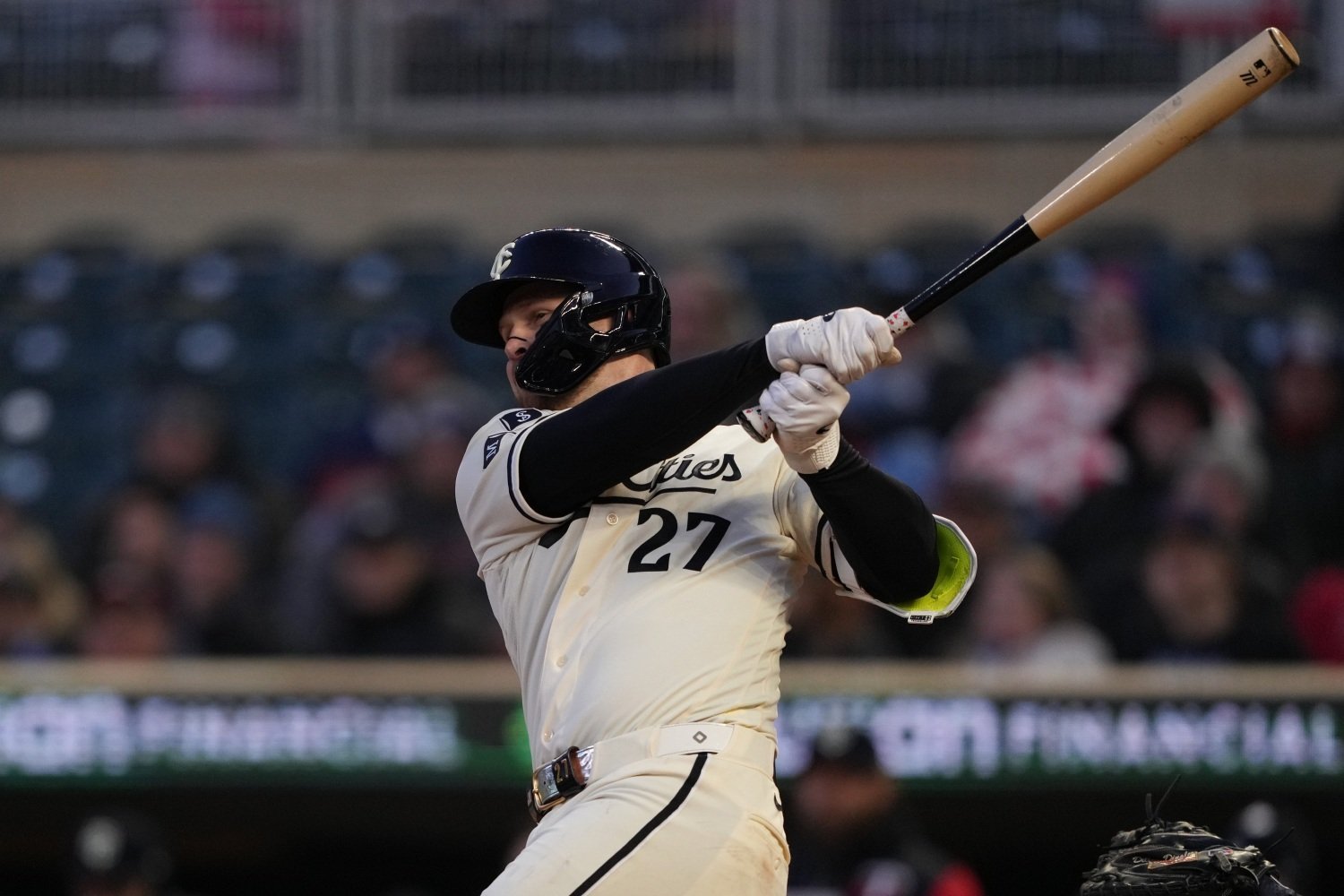 The Twins have several important decisions to make as they prepare for the 2027 season. Payroll expectations, roster construction, and the future of several key players will shape the offseason. However, another factor could influence how the front office approaches free agency: Major League Baseball’s qualifying offer system. The qualifying offer can affect a team’s draft position, a free agent’s contract negotiations, and the cost of signing players from other organizations. For the Twins, Ryan Jeffers represents the most significant question on the qualifying offer front. Depending on how that situation unfolds, Minnesota could also have opportunities to use the system to its advantage when pursuing outside talent. There is another wrinkle this winter. MLB’s current collective bargaining agreement expires on December 1, potentially making this the final offseason in which the qualifying offer system operates under its current rules. With a potential lockout looming, both teams and players must weigh some additional uncertainty. How MLB’s Qualifying Offer System Works The qualifying offer process begins shortly after the World Series concludes. Teams have five days after the end of the Fall Classic to extend a one-year contract to eligible free agents. This winter’s qualifying offer is worth $23.15 million. To qualify, a player must have spent the entire 2026 season with his current team and cannot have received a qualifying offer previously. Players who receive an offer must decide whether to accept the one-year contract or decline it and pursue free agency. Accepting the offer guarantees the player a substantial salary for the upcoming season while keeping him with his current organization. Rejecting it allows the player to negotiate with other teams, but it also means his former club could receive draft-pick compensation if he signs elsewhere. That compensation depends on the financial circumstances of the team losing the player and the guaranteed value of the contract he signs. Teams that sign qualifying-offer free agents must also surrender a draft selection, with the specific penalty determined by their status under MLB's rules. The timing of this year's process adds another layer of uncertainty. The collective bargaining agreement expires on December 1, and a lockout could disrupt the offseason. A player concerned about an uncertain free-agent market or a prolonged labor stoppage might view a qualifying offer more favorably than usual. Conversely, teams could hesitate before extending an offer to a player whose market value is difficult to predict. Those factors could make the qualifying offer decisions more complicated for Minnesota and the rest of MLB. Ryan Jeffers and the Twins' Qualifying Offer Decision Ryan Jeffers is the most obvious player to watch as Minnesota considers its qualifying offer options. The Twins reportedly turned away significant trade interest in Jeffers before the 2026 trade deadline. That decision appeared to signal a commitment to keeping him through the end of the season and potentially extending him a qualifying offer before he enters free agency. However, Minnesota has not officially committed to making that move. At the team’s end of season press conference, Twins general manager Jeremy Zoll said the organization had not made a final decision on Jeffers but indicated that he had no doubt ownership would give the front office the necessary clearance if extending the offer proved to be the right baseball decision. A qualifying offer worth approximately $23.1 million would be a substantial investment in a catcher for one season, even if it ultimately proved to be a short-term arrangement. Jeffers could accept the offer and return to Minnesota on a one-year deal. That would give the Twins another season with an established catcher while postponing the question of his long-term future. Alternatively, Jeffers could reject the offer and explore a market that could be especially favorable to him. He figures to be one of the more sought-after catchers available, and Minnesota would receive draft-pick compensation if he signed elsewhere. The likelihood of the Twins retaining Jeffers through a traditional free-agent contract appears considerably lower. He could command a multiyear deal, and it would be surprising to see Minnesota outbid the rest of the market to sign a 30-year-old catcher to a sizable long-term contract. The qualifying offer provides a middle ground. Minnesota could make a competitive one-year offer without committing to several seasons, while also protecting the organization if Jeffers decides to pursue a larger contract elsewhere. Still, the decision comes down to whether the Twins believe the possibility of Jeffers accepting the offer is worth the financial commitment. If the front office expects him to decline, the offer could become a relatively straightforward way to secure compensation for his departure. What Happens If the Twins Lose a Qualifying Free Agent? If Minnesota extends a qualifying offer to Jeffers and he declines it before signing elsewhere, the Twins would receive a compensatory draft pick. As a revenue-sharing recipient, Minnesota benefits from a more favorable compensation structure than clubs that do not receive revenue-sharing funds. The exact location of that selection depends on the value of the contract Jeffers signs. If a qualifying-offer free agent signs elsewhere for more than $50 million in guaranteed money, a revenue-sharing recipient receives compensation after the first round of the following year's draft. That could be a valuable selection for Minnesota if Jeffers attracts the type of contract many expect. There is a recent example of how this system can work. During the 2024-25 offseason, Baltimore received the 30th and 31st overall selections in the 2025 draft after Corbin Burnes and Anthony Santander each signed contracts worth more than $50 million in guaranteed money with new teams. If Jeffers signs a contract worth less than $50 million in guaranteed money, Minnesota's compensatory selection would fall between Competitive Balance Round B and the beginning of the third round. That selection would generally land around the 70th to 75th overall pick. Either outcome would give the Twins additional draft capital as they work to replenish their farm system and develop the next wave of major league talent. Could the Twins Sign a Qualifying-Offer Free Agent? The qualifying offer system could also influence Minnesota's pursuit of outside talent. Teams that sign a free agent who rejected a qualifying offer must surrender a draft selection. For revenue-sharing recipients such as the Twins, that penalty is generally the club's third-highest selection in the upcoming draft. That does not necessarily mean Minnesota would automatically forfeit its third-round pick. Teams that participate in the Competitive Balance bonus rounds have additional selections that factor into their draft order, and the exact selection surrendered can depend on the club's draft position and whether it has traded eligible picks. Competitive Balance selections are the only MLB draft picks that can be traded. In the 2026 draft, six selections across the two Competitive Balance rounds were made by teams that had acquired those picks in trades before draft day. For a team like Minnesota, the qualifying-offer penalty creates another consideration when evaluating free agents. A player might fit the club's roster needs and financial plans, but the cost of acquiring him would include both his contract and the loss of draft capital. The Twins are planning to contend in 2027, which could make them more willing to accept those costs. If ownership gives Zoll additional payroll flexibility, Minnesota might be willing to surrender a draft selection to land a player who can help the club compete immediately. The potential Jeffers situation could make that calculation more appealing. If Minnesota extends a qualifying offer and Jeffers declines it before signing elsewhere, the Twins would receive a compensatory selection. That additional pick could help offset the selection lost by signing another qualifying-offer free agent. The two transactions would not necessarily cancel each other out perfectly, since the selections could fall in different parts of the draft. However, the added draft capital could soften the impact of signing a player who carries compensation penalties. This approach would also depend on the available free-agent market. The Twins would need to identify a player whose projected production justified the salary and draft cost. If the front office believes a qualified free agent could help stabilize the rotation, improve the lineup, or strengthen the bullpen, the qualifying offer penalty might not be enough to keep Minnesota away. The Qualifying Offer Could Shape Minnesota's Offseason The qualifying offer system is more than a procedural step in the MLB offseason. It can influence contract negotiations, determine where teams select in the draft, and affect which free agents organizations pursue. For the Twins, Jeffers is the central piece of the puzzle. Extending him a qualifying offer could provide Minnesota with another season of his services or compensation if he leaves. Either outcome has value, although the financial commitment would be significant if he accepts. The system could also create opportunities for the Twins to pursue players who received qualifying offers from other teams. If Minnesota receives additional draft capital from Jeffers' departure, the front office may have more flexibility to absorb the cost of signing a qualified free agent. With the Twins hoping to return to contention in 2027, every offseason decision will matter. Payroll flexibility and roster needs will remain the primary considerations, but draft compensation could become another tool for building a competitive team. The upcoming labor uncertainty makes the process even more interesting. Whether this is the final offseason under the current qualifying offer rules or simply the last before a new collective bargaining agreement, Minnesota must decide how aggressively to use the system. The first major question is whether Jeffers receives the offer. The next is whether the Twins can turn the outcome into an advantage as they build their roster for 2027. How will MLB’s qualifying offer system impact the Twins this winter? Leave a comment and start the discussion.
 -
Image courtesy of © Jordan Johnson-Imagn Images The Twins have several important decisions to make as they prepare for the 2027 season. Payroll expectations, roster construction, and the future of several key players will shape the offseason. However, another factor could influence how the front office approaches free agency: Major League Baseball’s qualifying offer system. The qualifying offer can affect a team’s draft position, a free agent’s contract negotiations, and the cost of signing players from other organizations. For the Twins, Ryan Jeffers represents the most significant question on the qualifying offer front. Depending on how that situation unfolds, Minnesota could also have opportunities to use the system to its advantage when pursuing outside talent. There is another wrinkle this winter. MLB’s current collective bargaining agreement expires on December 1, potentially making this the final offseason in which the qualifying offer system operates under its current rules. With a potential lockout looming, both teams and players must weigh some additional uncertainty. How MLB’s Qualifying Offer System Works The qualifying offer process begins shortly after the World Series concludes. Teams have five days after the end of the Fall Classic to extend a one-year contract to eligible free agents. This winter’s qualifying offer is worth $23.15 million. To qualify, a player must have spent the entire 2026 season with his current team and cannot have received a qualifying offer previously. Players who receive an offer must decide whether to accept the one-year contract or decline it and pursue free agency. Accepting the offer guarantees the player a substantial salary for the upcoming season while keeping him with his current organization. Rejecting it allows the player to negotiate with other teams, but it also means his former club could receive draft-pick compensation if he signs elsewhere. That compensation depends on the financial circumstances of the team losing the player and the guaranteed value of the contract he signs. Teams that sign qualifying-offer free agents must also surrender a draft selection, with the specific penalty determined by their status under MLB's rules. The timing of this year's process adds another layer of uncertainty. The collective bargaining agreement expires on December 1, and a lockout could disrupt the offseason. A player concerned about an uncertain free-agent market or a prolonged labor stoppage might view a qualifying offer more favorably than usual. Conversely, teams could hesitate before extending an offer to a player whose market value is difficult to predict. Those factors could make the qualifying offer decisions more complicated for Minnesota and the rest of MLB. Ryan Jeffers and the Twins' Qualifying Offer Decision Ryan Jeffers is the most obvious player to watch as Minnesota considers its qualifying offer options. The Twins reportedly turned away significant trade interest in Jeffers before the 2026 trade deadline. That decision appeared to signal a commitment to keeping him through the end of the season and potentially extending him a qualifying offer before he enters free agency. However, Minnesota has not officially committed to making that move. At the team’s end of season press conference, Twins general manager Jeremy Zoll said the organization had not made a final decision on Jeffers but indicated that he had no doubt ownership would give the front office the necessary clearance if extending the offer proved to be the right baseball decision. A qualifying offer worth approximately $23.1 million would be a substantial investment in a catcher for one season, even if it ultimately proved to be a short-term arrangement. Jeffers could accept the offer and return to Minnesota on a one-year deal. That would give the Twins another season with an established catcher while postponing the question of his long-term future. Alternatively, Jeffers could reject the offer and explore a market that could be especially favorable to him. He figures to be one of the more sought-after catchers available, and Minnesota would receive draft-pick compensation if he signed elsewhere. The likelihood of the Twins retaining Jeffers through a traditional free-agent contract appears considerably lower. He could command a multiyear deal, and it would be surprising to see Minnesota outbid the rest of the market to sign a 30-year-old catcher to a sizable long-term contract. The qualifying offer provides a middle ground. Minnesota could make a competitive one-year offer without committing to several seasons, while also protecting the organization if Jeffers decides to pursue a larger contract elsewhere. Still, the decision comes down to whether the Twins believe the possibility of Jeffers accepting the offer is worth the financial commitment. If the front office expects him to decline, the offer could become a relatively straightforward way to secure compensation for his departure. What Happens If the Twins Lose a Qualifying Free Agent? If Minnesota extends a qualifying offer to Jeffers and he declines it before signing elsewhere, the Twins would receive a compensatory draft pick. As a revenue-sharing recipient, Minnesota benefits from a more favorable compensation structure than clubs that do not receive revenue-sharing funds. The exact location of that selection depends on the value of the contract Jeffers signs. If a qualifying-offer free agent signs elsewhere for more than $50 million in guaranteed money, a revenue-sharing recipient receives compensation after the first round of the following year's draft. That could be a valuable selection for Minnesota if Jeffers attracts the type of contract many expect. There is a recent example of how this system can work. During the 2024-25 offseason, Baltimore received the 30th and 31st overall selections in the 2025 draft after Corbin Burnes and Anthony Santander each signed contracts worth more than $50 million in guaranteed money with new teams. If Jeffers signs a contract worth less than $50 million in guaranteed money, Minnesota's compensatory selection would fall between Competitive Balance Round B and the beginning of the third round. That selection would generally land around the 70th to 75th overall pick. Either outcome would give the Twins additional draft capital as they work to replenish their farm system and develop the next wave of major league talent. Could the Twins Sign a Qualifying-Offer Free Agent? The qualifying offer system could also influence Minnesota's pursuit of outside talent. Teams that sign a free agent who rejected a qualifying offer must surrender a draft selection. For revenue-sharing recipients such as the Twins, that penalty is generally the club's third-highest selection in the upcoming draft. That does not necessarily mean Minnesota would automatically forfeit its third-round pick. Teams that participate in the Competitive Balance bonus rounds have additional selections that factor into their draft order, and the exact selection surrendered can depend on the club's draft position and whether it has traded eligible picks. Competitive Balance selections are the only MLB draft picks that can be traded. In the 2026 draft, six selections across the two Competitive Balance rounds were made by teams that had acquired those picks in trades before draft day. For a team like Minnesota, the qualifying-offer penalty creates another consideration when evaluating free agents. A player might fit the club's roster needs and financial plans, but the cost of acquiring him would include both his contract and the loss of draft capital. The Twins are planning to contend in 2027, which could make them more willing to accept those costs. If ownership gives Zoll additional payroll flexibility, Minnesota might be willing to surrender a draft selection to land a player who can help the club compete immediately. The potential Jeffers situation could make that calculation more appealing. If Minnesota extends a qualifying offer and Jeffers declines it before signing elsewhere, the Twins would receive a compensatory selection. That additional pick could help offset the selection lost by signing another qualifying-offer free agent. The two transactions would not necessarily cancel each other out perfectly, since the selections could fall in different parts of the draft. However, the added draft capital could soften the impact of signing a player who carries compensation penalties. This approach would also depend on the available free-agent market. The Twins would need to identify a player whose projected production justified the salary and draft cost. If the front office believes a qualified free agent could help stabilize the rotation, improve the lineup, or strengthen the bullpen, the qualifying offer penalty might not be enough to keep Minnesota away. The Qualifying Offer Could Shape Minnesota's Offseason The qualifying offer system is more than a procedural step in the MLB offseason. It can influence contract negotiations, determine where teams select in the draft, and affect which free agents organizations pursue. For the Twins, Jeffers is the central piece of the puzzle. Extending him a qualifying offer could provide Minnesota with another season of his services or compensation if he leaves. Either outcome has value, although the financial commitment would be significant if he accepts. The system could also create opportunities for the Twins to pursue players who received qualifying offers from other teams. If Minnesota receives additional draft capital from Jeffers' departure, the front office may have more flexibility to absorb the cost of signing a qualified free agent. With the Twins hoping to return to contention in 2027, every offseason decision will matter. Payroll flexibility and roster needs will remain the primary considerations, but draft compensation could become another tool for building a competitive team. The upcoming labor uncertainty makes the process even more interesting. Whether this is the final offseason under the current qualifying offer rules or simply the last before a new collective bargaining agreement, Minnesota must decide how aggressively to use the system. The first major question is whether Jeffers receives the offer. The next is whether the Twins can turn the outcome into an advantage as they build their roster for 2027. How will MLB’s qualifying offer system impact the Twins this winter? Leave a comment and start the discussion. View full article
-
Grading Jeremy Zoll After One Season as Twins General Manager
Cody Christie posted an article in Twins
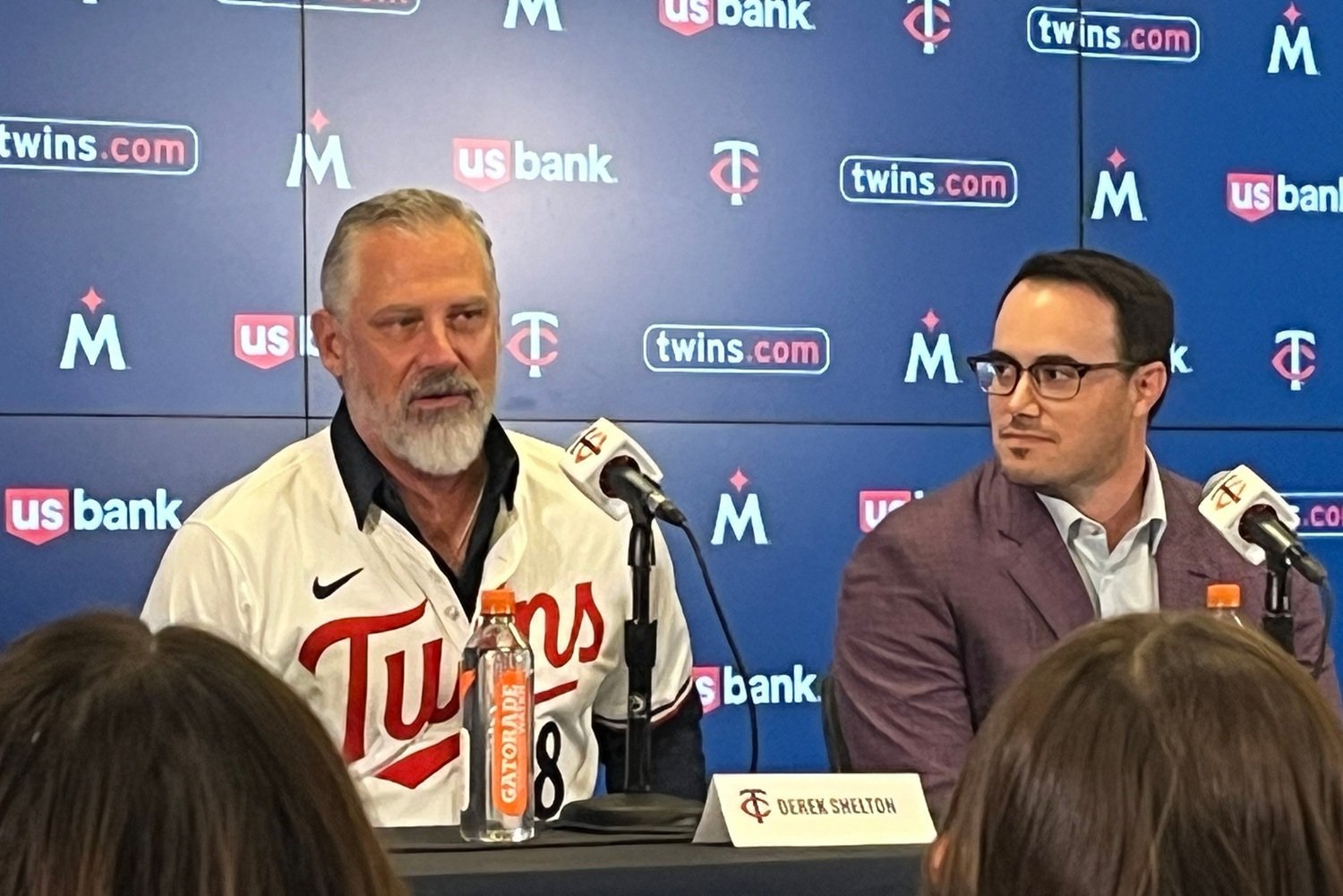 Jeremy Zoll's first season as the Twins' general manager offered a few glimpses of what the organization might look like under his leadership, but plenty of questions remain. His trade deadline decisions provided an encouraging starting point, and early indications suggest he could take a more aggressive approach than his predecessor, Derek Falvey. However, one season isn't enough to determine whether Zoll can consistently build a competitive roster. With his first full offseason approaching, Zoll faces several decisions that could shape the Twins' direction for years to come. How he handles those challenges, works with ownership, and balances short-term competitiveness with the organization's young core will provide a much clearer picture of the general manager he hopes to become. With that in mind, what grade should Zoll receive after his first season running the Twins? The Unexpected Promotion Timing matters when evaluating a new general manager, and Zoll's situation was unusual. He took over for Falvey approximately two weeks before spring training. By then, many of the offseason's top free agents had signed, and the opportunity to reshape the roster was limited. General managers typically spend months identifying weaknesses, exploring trades, and negotiating with free agents. Zoll inherited a situation in which much of that work had already been completed. Much of Minnesota's roster reflected decisions made during Falvey's tenure. Zoll had limited time to determine which players fit his vision and pursue meaningful additions before the team reported to camp. It would be unfair to judge him too harshly for the roster's shortcomings or assume every decision during his first season represents his philosophy. He inherited the situation, and his ability to change it was limited. His first season should be viewed as a transition period, rather than a complete representation of his vision for the Twins. Becoming a Buyer Zoll's first substantial opportunity to differentiate himself came at the August 3 trade deadline. Minnesota decided to buy, acquiring Jeff Hoffman, Dean Kremer, A.J. Minter, and Tommy Nance to address needs in its pitching staff. Overall, Zoll generally did well with these moves. Hoffman provided stability to the bullpen’s late innings, Kremer added rotation depth, and Minter and Nance added relief depth. Just as importantly, the Twins made these additions without surrendering their best prospects. Minnesota improved its immediate roster without dramatically compromising its future. The team's deadline approach can be viewed through multiple lenses, but the front office followed through on its pledge to buy. Rather than moving veterans for future assets, the Twins invested in their existing roster. The long-term value of these moves will depend on player performance, but Zoll addressed multiple needs without paying an excessive prospect cost. Four acquisitions aren't enough to establish whether he consistently identifies undervalued talent or negotiates favorable trades. Still, the deadline provided an encouraging early indicator. Zoll showed that he was willing to make moves while preserving the organization's most valuable young talent. It's hardly enough to form a firm opinion about his competency in the big chair, but it's something. Is Zoll More Aggressive Than Falvey? There is some early evidence suggesting Zoll might be slightly more aggressive than his predecessor. Minnesota's deadline approach provided one indication, while reporting from Aaron Gleeman suggested that people in other front offices who have dealt with the Twins viewed Zoll as more aggressive than Falvey. However, it's important to consider the circumstances in which each executive operated. Falvey's tenure included a division title and the development of important young players. It also coincided with ownership decisions that complicated the team's ability to maintain a competitive payroll. Following the 2023 division championship, Minnesota reduced payroll, limiting its ability to retain players and pursue established free agents. A general manager can identify a player who would improve the team, but that doesn't mean ownership will approve the necessary financial commitment. Falvey often operated under circumstances that made aggressive roster construction more difficult. Zoll may have a different environment under Tom Pohlad, whose willingness to support the front office will help determine how aggressively the Twins pursue improvements. That doesn't automatically make Zoll a better executive than Falvey. It means he could have different opportunities. The coming offseason should provide a better indication of how his approach and ownership's financial commitment work together. The Offseason Will Tell Us Much More Zoll's first full offseason will provide his best opportunity yet to shape the roster. Several decisions could reveal his priorities. One possibility is pursuing long-term extensions with members of Minnesota's young core. Extensions can provide players financial security while helping the organization retain important contributors. The challenge is determining which players warrant those commitments and whether ownership will make the necessary investment. The bullpen is another area to watch. Minnesota has frequently relied on developing relievers and finding inexpensive options rather than consistently committing significant money to established arms. A meaningful investment would demonstrate a willingness to address a persistent roster need. The Twins could also pursue a power hitter at first base. An established bat would add another run producer, although the organization must weigh the player's cost and contract length against other priorities. Finally, Zoll could make difficult decisions about remnants of the previous core, including Royce Lewis and Trevor Larnach. Both players are reaching the point in arbitration where it is clear if the club will keep them around. It may be time to move on from both. Neither player should be moved simply to create change. However, Zoll must be willing to reconsider previous plans if a trade would improve the roster or create opportunities elsewhere. Whether the Twins retain these players or move on, the decisions should reflect Zoll's evaluation of the team's competitive timeline. At this point, Zoll's grade is incomplete. He inherited the general manager's responsibilities approximately two weeks before spring training, leaving limited opportunities to reshape the roster. His trade deadline performance offered encouraging signs, but one group of acquisitions isn't enough to determine whether he can consistently build a competitive team. Ownership's role will be equally important. Tom Pohlad must demonstrate whether the organization intends to support a more aggressive approach. The Twins don't need to spend recklessly, but they need a coherent plan connecting payroll, player development, and major-league additions. For now, Zoll deserves credit for navigating an unusual transition and making reasonable moves at the deadline. However, it would be premature to label him a success (or failure) after a season in which he had so little time to establish his own direction. The early returns are encouraging, but Zoll's grade remains incomplete. His first full offseason will provide the best opportunity to evaluate his priorities, his relationship with ownership, and his ability to build a competitive roster. The potential lockout may complicate that process, but the most important evidence is still to come. What grade would you give Zoll for 2026? Leave a comment and start the discussion.
 -
Image courtesy of Twins Daily Jeremy Zoll's first season as the Twins' general manager offered a few glimpses of what the organization might look like under his leadership, but plenty of questions remain. His trade deadline decisions provided an encouraging starting point, and early indications suggest he could take a more aggressive approach than his predecessor, Derek Falvey. However, one season isn't enough to determine whether Zoll can consistently build a competitive roster. With his first full offseason approaching, Zoll faces several decisions that could shape the Twins' direction for years to come. How he handles those challenges, works with ownership, and balances short-term competitiveness with the organization's young core will provide a much clearer picture of the general manager he hopes to become. With that in mind, what grade should Zoll receive after his first season running the Twins? The Unexpected Promotion Timing matters when evaluating a new general manager, and Zoll's situation was unusual. He took over for Falvey approximately two weeks before spring training. By then, many of the offseason's top free agents had signed, and the opportunity to reshape the roster was limited. General managers typically spend months identifying weaknesses, exploring trades, and negotiating with free agents. Zoll inherited a situation in which much of that work had already been completed. Much of Minnesota's roster reflected decisions made during Falvey's tenure. Zoll had limited time to determine which players fit his vision and pursue meaningful additions before the team reported to camp. It would be unfair to judge him too harshly for the roster's shortcomings or assume every decision during his first season represents his philosophy. He inherited the situation, and his ability to change it was limited. His first season should be viewed as a transition period, rather than a complete representation of his vision for the Twins. Becoming a Buyer Zoll's first substantial opportunity to differentiate himself came at the August 3 trade deadline. Minnesota decided to buy, acquiring Jeff Hoffman, Dean Kremer, A.J. Minter, and Tommy Nance to address needs in its pitching staff. Overall, Zoll generally did well with these moves. Hoffman provided stability to the bullpen’s late innings, Kremer added rotation depth, and Minter and Nance added relief depth. Just as importantly, the Twins made these additions without surrendering their best prospects. Minnesota improved its immediate roster without dramatically compromising its future. The team's deadline approach can be viewed through multiple lenses, but the front office followed through on its pledge to buy. Rather than moving veterans for future assets, the Twins invested in their existing roster. The long-term value of these moves will depend on player performance, but Zoll addressed multiple needs without paying an excessive prospect cost. Four acquisitions aren't enough to establish whether he consistently identifies undervalued talent or negotiates favorable trades. Still, the deadline provided an encouraging early indicator. Zoll showed that he was willing to make moves while preserving the organization's most valuable young talent. It's hardly enough to form a firm opinion about his competency in the big chair, but it's something. Is Zoll More Aggressive Than Falvey? There is some early evidence suggesting Zoll might be slightly more aggressive than his predecessor. Minnesota's deadline approach provided one indication, while reporting from Aaron Gleeman suggested that people in other front offices who have dealt with the Twins viewed Zoll as more aggressive than Falvey. However, it's important to consider the circumstances in which each executive operated. Falvey's tenure included a division title and the development of important young players. It also coincided with ownership decisions that complicated the team's ability to maintain a competitive payroll. Following the 2023 division championship, Minnesota reduced payroll, limiting its ability to retain players and pursue established free agents. A general manager can identify a player who would improve the team, but that doesn't mean ownership will approve the necessary financial commitment. Falvey often operated under circumstances that made aggressive roster construction more difficult. Zoll may have a different environment under Tom Pohlad, whose willingness to support the front office will help determine how aggressively the Twins pursue improvements. That doesn't automatically make Zoll a better executive than Falvey. It means he could have different opportunities. The coming offseason should provide a better indication of how his approach and ownership's financial commitment work together. The Offseason Will Tell Us Much More Zoll's first full offseason will provide his best opportunity yet to shape the roster. Several decisions could reveal his priorities. One possibility is pursuing long-term extensions with members of Minnesota's young core. Extensions can provide players financial security while helping the organization retain important contributors. The challenge is determining which players warrant those commitments and whether ownership will make the necessary investment. The bullpen is another area to watch. Minnesota has frequently relied on developing relievers and finding inexpensive options rather than consistently committing significant money to established arms. A meaningful investment would demonstrate a willingness to address a persistent roster need. The Twins could also pursue a power hitter at first base. An established bat would add another run producer, although the organization must weigh the player's cost and contract length against other priorities. Finally, Zoll could make difficult decisions about remnants of the previous core, including Royce Lewis and Trevor Larnach. Both players are reaching the point in arbitration where it is clear if the club will keep them around. It may be time to move on from both. Neither player should be moved simply to create change. However, Zoll must be willing to reconsider previous plans if a trade would improve the roster or create opportunities elsewhere. Whether the Twins retain these players or move on, the decisions should reflect Zoll's evaluation of the team's competitive timeline. At this point, Zoll's grade is incomplete. He inherited the general manager's responsibilities approximately two weeks before spring training, leaving limited opportunities to reshape the roster. His trade deadline performance offered encouraging signs, but one group of acquisitions isn't enough to determine whether he can consistently build a competitive team. Ownership's role will be equally important. Tom Pohlad must demonstrate whether the organization intends to support a more aggressive approach. The Twins don't need to spend recklessly, but they need a coherent plan connecting payroll, player development, and major-league additions. For now, Zoll deserves credit for navigating an unusual transition and making reasonable moves at the deadline. However, it would be premature to label him a success (or failure) after a season in which he had so little time to establish his own direction. The early returns are encouraging, but Zoll's grade remains incomplete. His first full offseason will provide the best opportunity to evaluate his priorities, his relationship with ownership, and his ability to build a competitive roster. The potential lockout may complicate that process, but the most important evidence is still to come. What grade would you give Zoll for 2026? Leave a comment and start the discussion. View full article
-
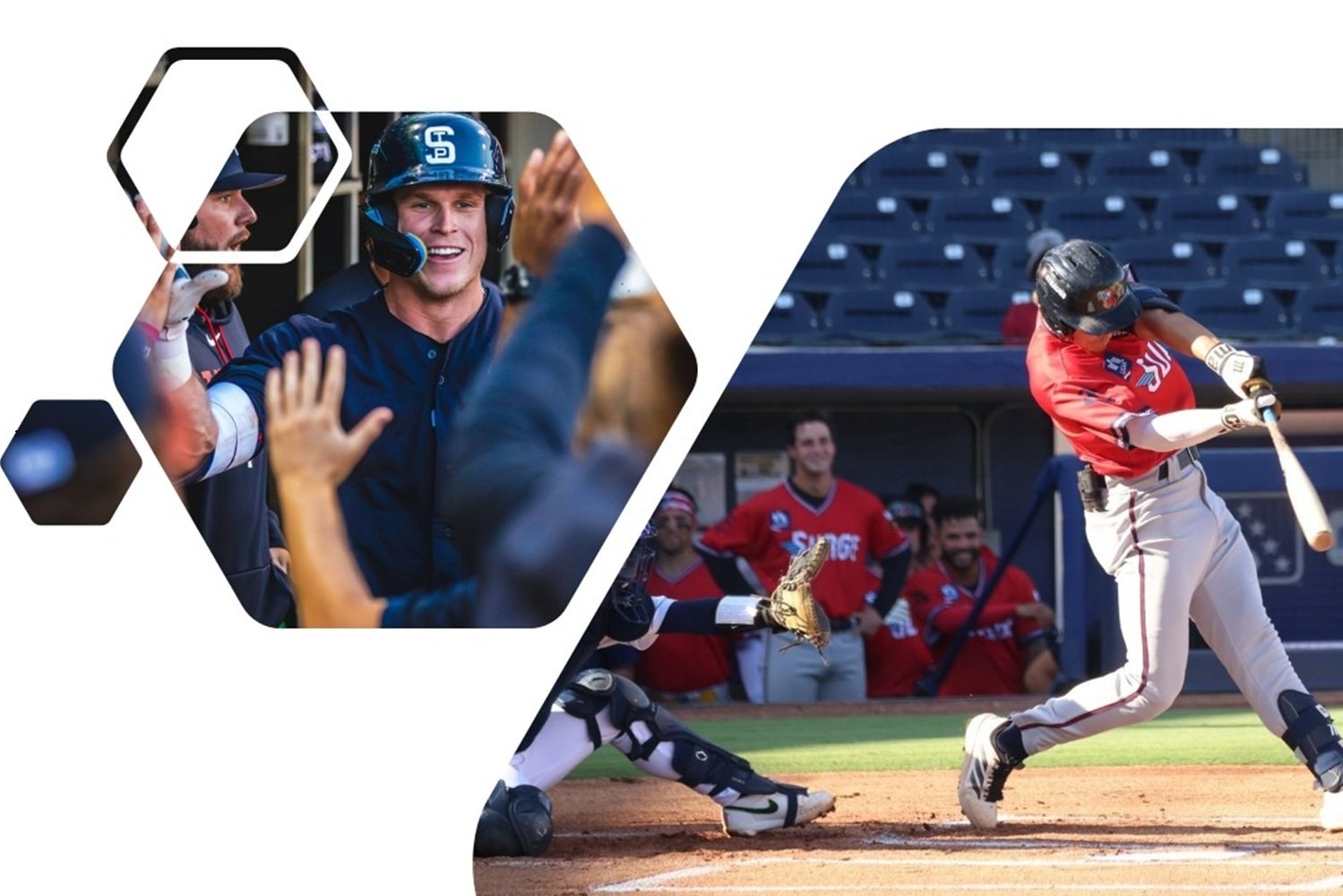 The Minnesota Twins have plenty of reasons to be excited about their farm system, and two of their most promising young players gave fans plenty to discuss throughout the 2026 season. Shortstop Marek Houston and outfielder Walker Jenkins took different paths this year, but both strengthened their cases as important pieces of the organization's future. Houston entered his first professional season with questions about his offensive potential. The Twins selected him in the first round of the 2025 MLB Draft, largely because of his defensive ability at shortstop. His glove was expected to be his calling card, but he quickly demonstrated that he could contribute much more with the bat. Jenkins arrived at the season with a different reputation. The fifth overall pick in the 2023 draft had already established himself as one of baseball's top prospects. His combination of hitting ability, power potential, athleticism, and plate discipline made him a potential cornerstone for Minnesota. The biggest question was whether he could stay healthy long enough to put together a full season. Both players had impressive moments, but their performances created an interesting debate when it came time to name the organization's top prospect of the year. The recognition was split among several groups. Baseball America selected Houston as the Twins' Minor League Player of the Year, and MLB Pipeline also chose Houston as its organizational hitting prospect of the year. The Twins organization and Twins Daily, meanwhile, selected Jenkins for their respective honors. There is no wrong answer here. Houston delivered an impressive all-around season and exceeded expectations. Jenkins continued to demonstrate why he is one of the most talented players in the Twins system, even with time lost to injury. So, which player deserves the title of Twins Prospect of the Year? Let's look at the arguments on both sides. Why Marek Houston Should Be the Twins Prospect of the Year Houston's biggest accomplishment was exceeding expectations. When Minnesota drafted him, evaluators saw a potential everyday shortstop whose defensive ability could carry him to the major leagues. His offensive development was less certain. In 2026, he showed that his bat could become a meaningful part of his overall profile. Houston finished the season hitting .312/.392/.455 (.847) with 12 home runs, 28 doubles, and 50 stolen bases in 116 games. That combination of contact, extra-base production, and speed is impressive for any prospect, especially one who was playing his first full professional season. His ability to reach base consistently helped fuel the season. Houston put together a 31-game on-base streak at Double-A, demonstrating that his production was not limited to a brief hot stretch earlier in the year. His direct swing and improved bat speed helped him produce line drives to all fields, while his approach allowed him to take advantage of his athleticism. Houston's 50 stolen bases also deserve attention. Speed can be an important weapon for a player who makes consistent contact and puts pressure on opposing defenses. When paired with his ability to play shortstop, that skill gives him several ways to contribute at the highest level. His defense remains the foundation of his profile. The Twins already viewed Houston as one of the organization's best defensive shortstops, and his first professional season only reinforced that belief. He has the range, hands, and arm strength to remain at the position, giving the organization a potential long-term solution at one of baseball's most demanding defensive spots. There is also something to be said for the difficulty of Houston's season. He began his season with High-A Cedar Rapids before earning a promotion to Double-A Wichita. He handled that advancement while continuing to produce across multiple offensive categories. Houston did more than meet expectations. He changed the conversation about what kind of player he could become. That is a strong argument for making him the Twins' Prospect of the Year. Why Houston Shouldn't Be the Twins Prospect of the Year Houston's season was impressive, but there are reasons to favor Jenkins. The first is that Houston's overall production was not quite as overwhelming as his batting average and stolen-base total might suggest. His .455 slugging percentage was solid, but he was not dominating opposing pitchers with power. There is still work to do before he can be viewed as a consistent middle-of-the-order threat. His numbers also need to be considered alongside Jenkins' production. Houston had more opportunities to accumulate statistics, and some of his offensive totals were less impressive than Jenkins' rate-based production. Playing in 116 games is a significant advantage when comparing counting statistics, but it also gives Houston a stronger claim based on durability and consistency. The transition to Double-A was another challenge. Houston continued to show flashes after his promotion, including his extended on-base streak, but his offensive production cooled as he adjusted to more advanced pitching. That is not unusual for a young player moving up a level, and it should not overshadow his season. Still, it shows that he has more adjustments to make before he is ready to handle major-league pitching. Houston's season was arguably the biggest surprise among Twins prospects. Whether that makes it the best season is a different question. Jenkins' production, even in fewer games, gives him a legitimate argument for the award. Why Walker Jenkins Should Be the Twins Prospect of the Year Jenkins’ 2026 season offered another reminder of his offensive potential. He slashed .323/.417/.559 (.976) with 14 homers, three triples, 18 doubles, and 17 steals in 73 games. Even more impressive was the fact that he was over five years younger than the average age of the competition at Triple-A. Jenkins also brings a different offensive profile to the table. His left-handed swing, ability to recognize pitches, and willingness to work counts give him a foundation for success against advanced pitching. He can drive the ball into the gaps, use the whole field, and potentially develop into a middle-of-the-order run producer as he matures. The Twins have also challenged Jenkins with aggressive assignments. He reached Triple-A before his 21st birthday, demonstrating how highly the organization views his abilities. That progression matters because the competition becomes more difficult with every promotion. Jenkins has repeatedly shown that he can compete against older, more experienced players. There is a difference between recognizing the best statistical season and identifying the most impressive overall prospect performance. Jenkins has a higher offensive ceiling, has already handled upper-level pitching, and continues to show why he remains at the top of the Twins' prospect rankings. The fact that the Twins organization and Twins Daily selected Jenkins is not surprising. His ability to produce at an advanced level, even with interruptions to his season, makes him a worthy candidate for the honor. Why Jenkins Shouldn't Be the Twins Prospect of the Year The biggest argument against Jenkins is availability. He missed significant time with a shoulder injury, limiting his opportunities to build momentum and produce over a full season. He has also dealt with injuries in multiple professional seasons, making durability an ongoing consideration in his development. Jenkins still has questions to answer about translating his power potential into consistent home run production. While his hitting ability and plate discipline remain strengths, the Twins need to see him stay healthy and produce over a longer stretch. Jenkins might have the higher ceiling, but Prospect of the Year should recognize what a player accomplished in 2026. Houston appeared in 116 games, stole 50 bases, and reached Double-A in his first full professional season. His combination of production, defense, and durability makes a compelling case that he had the better season. Who Deserves to Be the Twins Prospect of the Year? The debate comes down to what matters most when evaluating a prospect's season. Houston exceeded expectations, hitting .312 with 50 stolen bases while advancing to Double-A in his first full professional season. Jenkins showcased his offensive potential and continued to demonstrate why he remains one of the organization's most exciting prospects, despite missing time with a shoulder injury. Baseball America and MLB Pipeline selected Houston, while the Twins organization and Twins Daily chose Jenkins. Both players have compelling cases, but their different strengths make this a difficult comparison. Houston offers defensive value, speed, and impressive development. Jenkins brings a higher offensive ceiling and the potential to become an impact hitter in Minnesota's lineup. Both have bright futures, but which player had the better 2026 season? Who gets your vote for Twins Prospect of the Year: Houston or Jenkins? Leave a comment and start the discussion.
 -
Image courtesy of Rob Thompson, St. Paul Saints (Jenkins), Conor Lacefield, Midland RockHounds (Houston) The Minnesota Twins have plenty of reasons to be excited about their farm system, and two of their most promising young players gave fans plenty to discuss throughout the 2026 season. Shortstop Marek Houston and outfielder Walker Jenkins took different paths this year, but both strengthened their cases as important pieces of the organization's future. Houston entered his first professional season with questions about his offensive potential. The Twins selected him in the first round of the 2025 MLB Draft, largely because of his defensive ability at shortstop. His glove was expected to be his calling card, but he quickly demonstrated that he could contribute much more with the bat. Jenkins arrived at the season with a different reputation. The fifth overall pick in the 2023 draft had already established himself as one of baseball's top prospects. His combination of hitting ability, power potential, athleticism, and plate discipline made him a potential cornerstone for Minnesota. The biggest question was whether he could stay healthy long enough to put together a full season. Both players had impressive moments, but their performances created an interesting debate when it came time to name the organization's top prospect of the year. The recognition was split among several groups. Baseball America selected Houston as the Twins' Minor League Player of the Year, and MLB Pipeline also chose Houston as its organizational hitting prospect of the year. The Twins organization and Twins Daily, meanwhile, selected Jenkins for their respective honors. There is no wrong answer here. Houston delivered an impressive all-around season and exceeded expectations. Jenkins continued to demonstrate why he is one of the most talented players in the Twins system, even with time lost to injury. So, which player deserves the title of Twins Prospect of the Year? Let's look at the arguments on both sides. Why Marek Houston Should Be the Twins Prospect of the Year Houston's biggest accomplishment was exceeding expectations. When Minnesota drafted him, evaluators saw a potential everyday shortstop whose defensive ability could carry him to the major leagues. His offensive development was less certain. In 2026, he showed that his bat could become a meaningful part of his overall profile. Houston finished the season hitting .312/.392/.455 (.847) with 12 home runs, 28 doubles, and 50 stolen bases in 116 games. That combination of contact, extra-base production, and speed is impressive for any prospect, especially one who was playing his first full professional season. His ability to reach base consistently helped fuel the season. Houston put together a 31-game on-base streak at Double-A, demonstrating that his production was not limited to a brief hot stretch earlier in the year. His direct swing and improved bat speed helped him produce line drives to all fields, while his approach allowed him to take advantage of his athleticism. Houston's 50 stolen bases also deserve attention. Speed can be an important weapon for a player who makes consistent contact and puts pressure on opposing defenses. When paired with his ability to play shortstop, that skill gives him several ways to contribute at the highest level. His defense remains the foundation of his profile. The Twins already viewed Houston as one of the organization's best defensive shortstops, and his first professional season only reinforced that belief. He has the range, hands, and arm strength to remain at the position, giving the organization a potential long-term solution at one of baseball's most demanding defensive spots. There is also something to be said for the difficulty of Houston's season. He began his season with High-A Cedar Rapids before earning a promotion to Double-A Wichita. He handled that advancement while continuing to produce across multiple offensive categories. Houston did more than meet expectations. He changed the conversation about what kind of player he could become. That is a strong argument for making him the Twins' Prospect of the Year. Why Houston Shouldn't Be the Twins Prospect of the Year Houston's season was impressive, but there are reasons to favor Jenkins. The first is that Houston's overall production was not quite as overwhelming as his batting average and stolen-base total might suggest. His .455 slugging percentage was solid, but he was not dominating opposing pitchers with power. There is still work to do before he can be viewed as a consistent middle-of-the-order threat. His numbers also need to be considered alongside Jenkins' production. Houston had more opportunities to accumulate statistics, and some of his offensive totals were less impressive than Jenkins' rate-based production. Playing in 116 games is a significant advantage when comparing counting statistics, but it also gives Houston a stronger claim based on durability and consistency. The transition to Double-A was another challenge. Houston continued to show flashes after his promotion, including his extended on-base streak, but his offensive production cooled as he adjusted to more advanced pitching. That is not unusual for a young player moving up a level, and it should not overshadow his season. Still, it shows that he has more adjustments to make before he is ready to handle major-league pitching. Houston's season was arguably the biggest surprise among Twins prospects. Whether that makes it the best season is a different question. Jenkins' production, even in fewer games, gives him a legitimate argument for the award. Why Walker Jenkins Should Be the Twins Prospect of the Year Jenkins’ 2026 season offered another reminder of his offensive potential. He slashed .323/.417/.559 (.976) with 14 homers, three triples, 18 doubles, and 17 steals in 73 games. Even more impressive was the fact that he was over five years younger than the average age of the competition at Triple-A. Jenkins also brings a different offensive profile to the table. His left-handed swing, ability to recognize pitches, and willingness to work counts give him a foundation for success against advanced pitching. He can drive the ball into the gaps, use the whole field, and potentially develop into a middle-of-the-order run producer as he matures. The Twins have also challenged Jenkins with aggressive assignments. He reached Triple-A before his 21st birthday, demonstrating how highly the organization views his abilities. That progression matters because the competition becomes more difficult with every promotion. Jenkins has repeatedly shown that he can compete against older, more experienced players. There is a difference between recognizing the best statistical season and identifying the most impressive overall prospect performance. Jenkins has a higher offensive ceiling, has already handled upper-level pitching, and continues to show why he remains at the top of the Twins' prospect rankings. The fact that the Twins organization and Twins Daily selected Jenkins is not surprising. His ability to produce at an advanced level, even with interruptions to his season, makes him a worthy candidate for the honor. Why Jenkins Shouldn't Be the Twins Prospect of the Year The biggest argument against Jenkins is availability. He missed significant time with a shoulder injury, limiting his opportunities to build momentum and produce over a full season. He has also dealt with injuries in multiple professional seasons, making durability an ongoing consideration in his development. Jenkins still has questions to answer about translating his power potential into consistent home run production. While his hitting ability and plate discipline remain strengths, the Twins need to see him stay healthy and produce over a longer stretch. Jenkins might have the higher ceiling, but Prospect of the Year should recognize what a player accomplished in 2026. Houston appeared in 116 games, stole 50 bases, and reached Double-A in his first full professional season. His combination of production, defense, and durability makes a compelling case that he had the better season. Who Deserves to Be the Twins Prospect of the Year? The debate comes down to what matters most when evaluating a prospect's season. Houston exceeded expectations, hitting .312 with 50 stolen bases while advancing to Double-A in his first full professional season. Jenkins showcased his offensive potential and continued to demonstrate why he remains one of the organization's most exciting prospects, despite missing time with a shoulder injury. Baseball America and MLB Pipeline selected Houston, while the Twins organization and Twins Daily chose Jenkins. Both players have compelling cases, but their different strengths make this a difficult comparison. Houston offers defensive value, speed, and impressive development. Jenkins brings a higher offensive ceiling and the potential to become an impact hitter in Minnesota's lineup. Both have bright futures, but which player had the better 2026 season? Who gets your vote for Twins Prospect of the Year: Houston or Jenkins? Leave a comment and start the discussion. View full article
-
Image courtesy of Bruce Kluckhohn-Imagn Images Tom Pohlad has spent much of 2026 talking about the need for the Twins to invest more heavily in the roster. That message became even clearer at the end of the season, when Pohlad said the organization intends to “meaningfully invest” in the team and that a roughly $100-million payroll is not enough to consistently compete for the postseason. That's an important change in tone from the previous two offseasons. It also creates an important question. How much is “meaningfully”? The answer will determine whether Jeremy Zoll can pursue multiple upgrades or whether the Twins will have to choose carefully where to allocate their resources. Minnesota has obvious needs at catcher, first base and in the bullpen, while the organization would also benefit from adding depth elsewhere. There is room for improvement. There is not, however, an unlimited amount of room. FanGraphs's RosterResource currently puts the Twins' early 2027 payroll projection around $124 million. It includes many of the team's projected commitments, arbitration salaries, younger players and other roster costs that need to be accounted for. They can create quite a bit more flexibility by non-tendering or trading certain players, but if they held to the status quo, that would be their starting point. A $140-million payroll would provide roughly $16 million beyond that baseline. A $150-million payroll would create approximately $26 million. Getting all the way back to the neighborhood of the Twins' 2023 payroll, around $158 million, would provide significantly more flexibility. None of those figures has been announced by the organization. That's why this is one of the seven biggest decisions of the offseason. Before the Twins can decide who to sign, they need to know how much they are willing to spend—roughly, at least. One interesting takeaway from the team's end-of-season press conference was that whereas the Pohlads had often held the baseball operations department to a strict figure in the past, they might not have an ironclad budget, going forward. Instead, Zoll might be able to pitch expansions of the payroll to meet either a pressing need or an enticing opportunity. The Pros of Spending Big The most obvious benefit of an increased payroll is also the easiest one for fans to understand. The Twins need better players and more depth. Minnesota finished 2026 at 77-85 and missed the postseason for the third consecutive season. The organization believes there is a young core worth building around, including Walker Jenkins, Luke Keaschall, Emmanuel Rodriguez and Brooks Lee. Adding significant outside talent would capitalize on those players being paid very low salaries at this early juncture of their careers, by making the team less dependent on them. Pohlad has repeatedly said that being merely competitive is no longer the standard. The goal is to build a team capable of consistently reaching the postseason and (eventually) competing for a championship. That requires resources. The 2026 trade deadline provided a preview of what that could look like. Minnesota took on additional salary to acquire A.J. Minter, Dean Kremer and Jeff Hoffman. A larger payroll gives Zoll more options. The Twins don't have to solve every problem through free agency. They could use money to retain Ryan Jeffers, and knowing there's some room in the budget makes it easier to envision giving him a qualifying offer. Trades for major contributors also get easier when you can absorb the salary attached to them. More financial flexibility means the front office can take more chances and explore more broadly. The Cons of Spending Big Spending more money is not automatically the same thing as building a better roster. That's the difficult part of this equation. The Twins already have significant money committed to the 2027 roster. Pablo López is set to make $21.75 million. Byron Buxton is owed $15 million. Hoffman will make $11 million, though the Twins are only on the hook for $7.25 million of that. Victor Caratini is owed $6.5 million. The Twins also pay $10 million to Houston again, as part of the Carlos Correa trade. Then come the arbitration cases. Ten players are currently projected to earn a combined $47.3 million through arbitration. Joe Ryan is projected at $9.6 million, followed by Bailey Ober at $6.9 million, Kremer at $6.5 million and Trevor Larnach at $6.3 million. Ober and Larnach, in particular, feel likely to be moved unless they can be signed for less than those projections, but as the winter begins, they're part of the budgetary picture. When pressed about the possibility of signing a star to fit into the firmament the team has built, however, Zoll struck a balanced note. He emphasized that the team also has to think about the future when weighing possible moves, rather than focusing solely on getting back to the postseason as soon as possible. That's a reminder that even in an organization committed to spending more, spending big carries risks that must be considered. The Bottom Line The Twins have spent the past two seasons showing what happens when the payroll leaves little margin for error. Now, Tom Pohlad is promising something different. That's encouraging, but the next step is putting a number behind the words. A projected baseline around $124 million means the Twins aren't starting with a completely empty payroll ledger. But it also means that a $140-million payroll wouldn't suddenly turn Minnesota into a contender. Much of that money would already be committed to players the organization expects to have on the roster. The difference between $140 million and $160 million could determine the type of offseason Zoll can have. That makes the payroll decision about much more than money. It will tell us how serious the Twins are about changing the direction of the organization. Pohlad has said the goal is no longer simply to be competitive. He wants the postseason to become an expectation. The Twins need to show what that expectation is worth. What are your expectations for Minnesota’s spending this winter? Leave a comment and start the discussion. View full article
-
The 7 Biggest Decisions for the Twins’ Offseason: What’s the Payroll?
Cody Christie posted an article in Twins
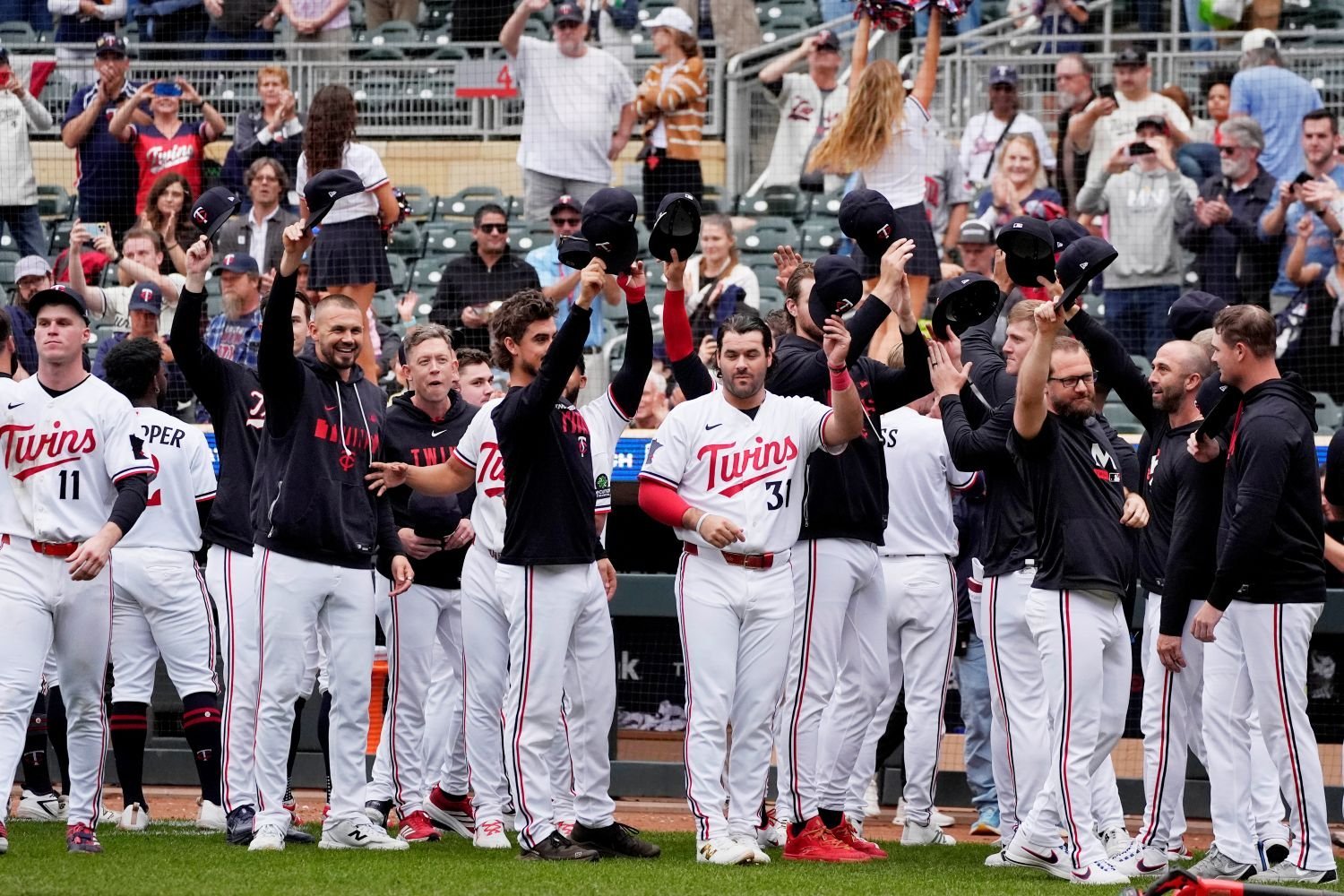 Tom Pohlad has spent much of 2026 talking about the need for the Twins to invest more heavily in the roster. That message became even clearer at the end of the season, when Pohlad said the organization intends to “meaningfully invest” in the team and that a roughly $100-million payroll is not enough to consistently compete for the postseason. That's an important change in tone from the previous two offseasons. It also creates an important question. How much is “meaningfully”? The answer will determine whether Jeremy Zoll can pursue multiple upgrades or whether the Twins will have to choose carefully where to allocate their resources. Minnesota has obvious needs at catcher, first base and in the bullpen, while the organization would also benefit from adding depth elsewhere. There is room for improvement. There is not, however, an unlimited amount of room. FanGraphs's RosterResource currently puts the Twins' early 2027 payroll projection around $124 million. It includes many of the team's projected commitments, arbitration salaries, younger players and other roster costs that need to be accounted for. They can create quite a bit more flexibility by non-tendering or trading certain players, but if they held to the status quo, that would be their starting point. A $140-million payroll would provide roughly $16 million beyond that baseline. A $150-million payroll would create approximately $26 million. Getting all the way back to the neighborhood of the Twins' 2023 payroll, around $158 million, would provide significantly more flexibility. None of those figures has been announced by the organization. That's why this is one of the seven biggest decisions of the offseason. Before the Twins can decide who to sign, they need to know how much they are willing to spend—roughly, at least. One interesting takeaway from the team's end-of-season press conference was that whereas the Pohlads had often held the baseball operations department to a strict figure in the past, they might not have an ironclad budget, going forward. Instead, Zoll might be able to pitch expansions of the payroll to meet either a pressing need or an enticing opportunity. The Pros of Spending Big The most obvious benefit of an increased payroll is also the easiest one for fans to understand. The Twins need better players and more depth. Minnesota finished 2026 at 77-85 and missed the postseason for the third consecutive season. The organization believes there is a young core worth building around, including Walker Jenkins, Luke Keaschall, Emmanuel Rodriguez and Brooks Lee. Adding significant outside talent would capitalize on those players being paid very low salaries at this early juncture of their careers, by making the team less dependent on them. Pohlad has repeatedly said that being merely competitive is no longer the standard. The goal is to build a team capable of consistently reaching the postseason and (eventually) competing for a championship. That requires resources. The 2026 trade deadline provided a preview of what that could look like. Minnesota took on additional salary to acquire A.J. Minter, Dean Kremer and Jeff Hoffman. A larger payroll gives Zoll more options. The Twins don't have to solve every problem through free agency. They could use money to retain Ryan Jeffers, and knowing there's some room in the budget makes it easier to envision giving him a qualifying offer. Trades for major contributors also get easier when you can absorb the salary attached to them. More financial flexibility means the front office can take more chances and explore more broadly. The Cons of Spending Big Spending more money is not automatically the same thing as building a better roster. That's the difficult part of this equation. The Twins already have significant money committed to the 2027 roster. Pablo López is set to make $21.75 million. Byron Buxton is owed $15 million. Hoffman will make $11 million, though the Twins are only on the hook for $7.25 million of that. Victor Caratini is owed $6.5 million. The Twins also pay $10 million to Houston again, as part of the Carlos Correa trade. Then come the arbitration cases. Ten players are currently projected to earn a combined $47.3 million through arbitration. Joe Ryan is projected at $9.6 million, followed by Bailey Ober at $6.9 million, Kremer at $6.5 million and Trevor Larnach at $6.3 million. Ober and Larnach, in particular, feel likely to be moved unless they can be signed for less than those projections, but as the winter begins, they're part of the budgetary picture. When pressed about the possibility of signing a star to fit into the firmament the team has built, however, Zoll struck a balanced note. He emphasized that the team also has to think about the future when weighing possible moves, rather than focusing solely on getting back to the postseason as soon as possible. That's a reminder that even in an organization committed to spending more, spending big carries risks that must be considered. The Bottom Line The Twins have spent the past two seasons showing what happens when the payroll leaves little margin for error. Now, Tom Pohlad is promising something different. That's encouraging, but the next step is putting a number behind the words. A projected baseline around $124 million means the Twins aren't starting with a completely empty payroll ledger. But it also means that a $140-million payroll wouldn't suddenly turn Minnesota into a contender. Much of that money would already be committed to players the organization expects to have on the roster. The difference between $140 million and $160 million could determine the type of offseason Zoll can have. That makes the payroll decision about much more than money. It will tell us how serious the Twins are about changing the direction of the organization. Pohlad has said the goal is no longer simply to be competitive. He wants the postseason to become an expectation. The Twins need to show what that expectation is worth. What are your expectations for Minnesota’s spending this winter? Leave a comment and start the discussion.
 -
Twins Waste No Time Offering Derek Falvey His Favorite Players Back
Cody Christie posted an article in Just For Fun
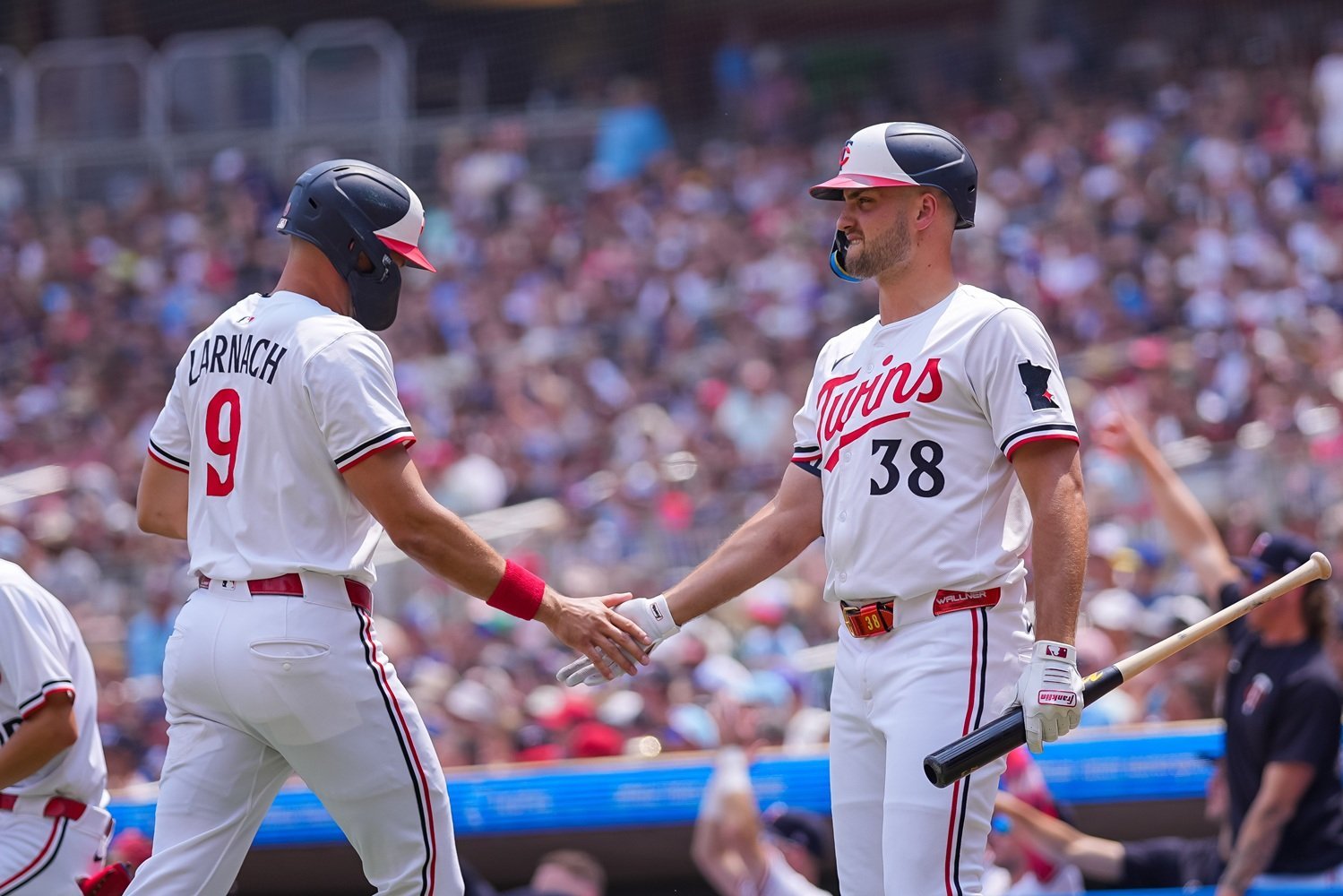 There are certain relationships in baseball that never truly go away. A former executive can leave an organization. A player can fall out of favor. An entire fan base can move on. But apparently, Jeremy Zoll was not going to let Derek Falvey get too far down the hallway at Citi Field before reminding him about some of his favorite Twins. According to sources, Zoll immediately called Falvey after the Mets hired him and presented a trade proposal. Royce Lewis. Trevor Larnach. Matt Wallner. All three players have experienced varying degrees of uncertainty in Minnesota. All three have also shown enough talent to make another organization believe there is something worth unlocking. And if there is one thing Falvey knows, it is these players. “Jeremy called me pretty quickly,” Falvey said. “I didn't even have my Mets email set up yet. I thought it was David Stearns calling me about onboarding.” Instead, it was Zoll. “Derek,” Zoll allegedly said, “how do you feel about bringing a few old friends to New York?” One Man's Trash... To be clear, calling these three players “trash” would be wildly unfair. Lewis has tremendous upside, even if his career has taken a series of frustrating turns. Larnach has shown stretches of being a legitimate middle-of-the-order bat. Wallner has demonstrated the kind of power that makes you wonder why every team doesn't simply give him 600 plate appearances and see what happens. That last part is particularly important. Because what better place to rediscover your confidence than New York? Nothing says “career reset” quite like joining a Mets organization that has spent the last several years providing baseball fans with an annual reminder that having the highest payroll does not necessarily guarantee having the highest win total. Falvey, naturally, sees the opportunity. “I know those guys,” the fictional Falvey said. “I know what they can do. I know what they can't do. I know what their strengths are. I know what their weaknesses are. And I know exactly how many times each of them has made me think, 'We should probably give him another chance.'” The Mets' Side of the Deal The Mets, meanwhile, apparently have no idea what they are getting themselves into. But that has never stopped them before. One Mets executive was reportedly intrigued by the package. “We asked Derek if he had any players he really believed in,” the anonymous Mets executive said. “He gave us three names. We asked if they were available. He said, 'Well, technically.' So here we are.” There is also the matter of cost. The Twins would presumably want something in return, although sources could not confirm whether the Mets would be sending prospects, cash considerations, a player to be named later, or a strongly worded letter explaining why New York should not have to pay for the players. One Mets source suggested the front office was comfortable with the risk. “We've had worse ideas,” the source said. When asked for an example, the source declined to comment. A Fresh Start for Everyone There is something poetic about the potential reunion. Falvey gets three players he knows. Lewis gets a new organization. Larnach gets a new organization. Wallner gets a new organization. And the Twins get to see whether their former president of baseball operations can somehow make all three players productive somewhere else. That final part is perhaps the most important. Because if Lewis goes to New York and becomes an All-Star, Larnach settles into the middle of the order, and Wallner becomes a 40-homer cult hero, Twins fans will have approximately 11 minutes before someone asks why Minnesota didn't simply keep all three. If they struggle, meanwhile, Minnesota will have successfully traded three players nobody wanted for the privilege of watching Falvey struggle with three players everybody once wanted. That's the beauty of baseball. Nobody is ever actually wrong. They just haven't waited long enough. As for Zoll, he apparently remains confident the deal makes sense. “I think Derek would appreciate what we're doing here,” Zoll said. “We're giving him three players he knows, three players he believes in and three players he can now be blamed for.” The Mets are reportedly still reviewing the paperwork. Mostly because nobody in New York can figure out whether Minnesota actually included Wallner's bat or simply the rights to discuss how good he could be. There is also some disagreement over whether Lewis, Larnach and Wallner are being acquired as players or as part of a larger Derek Falvey nostalgia package. Either way, the Mets are excited. After all, if there is one thing New York has proven over the years, it is that nothing fixes a roster quite like acquiring a few talented players who just need a change of scenery. And if that doesn't work? Well, there is always next July. At which point Zoll can call Falvey again.
- 7 comments
-
- 1
-

-
- jeremy zoll
- derek falvey
- (and 3 more)
-
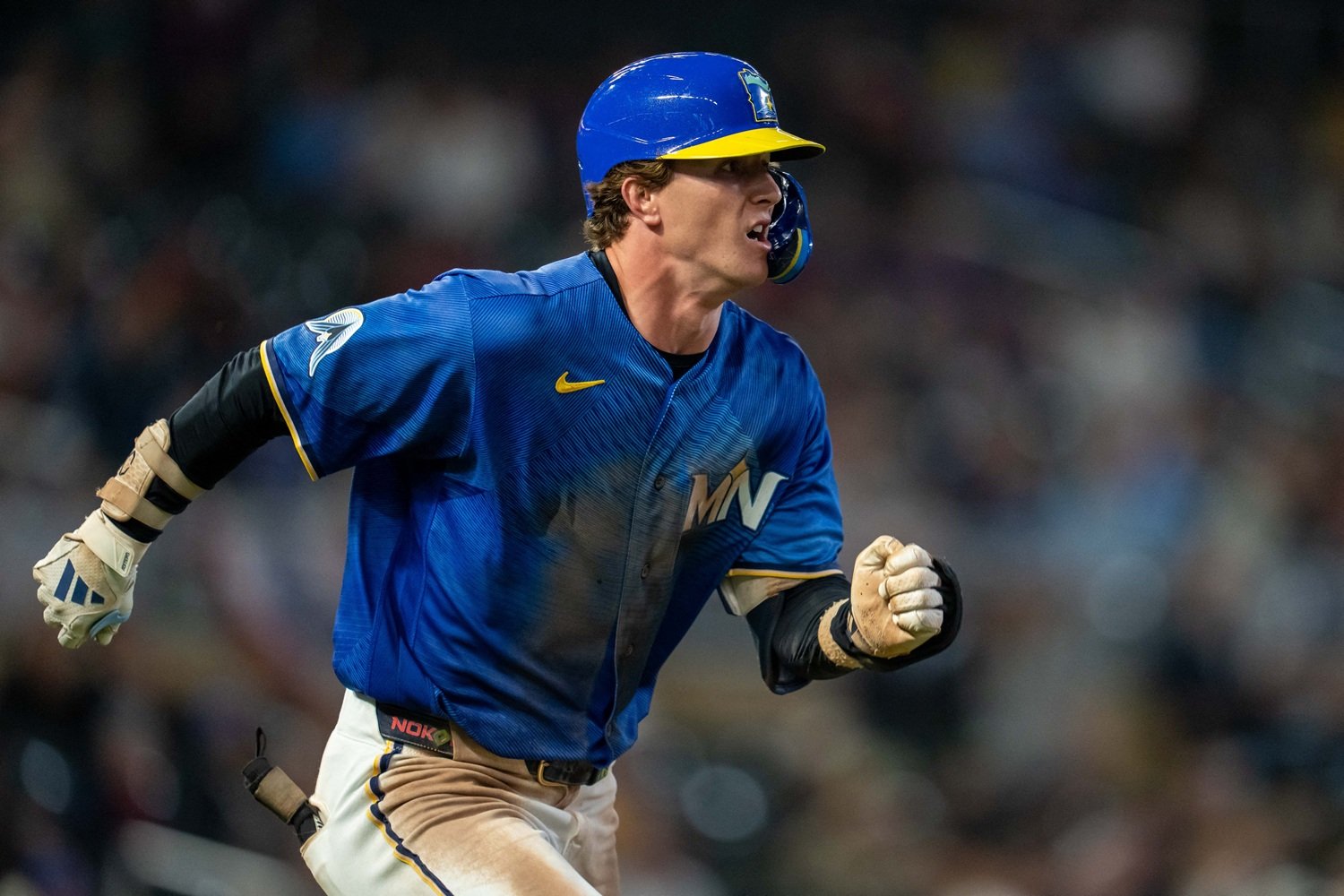 The Minnesota Twins were the final team in Major League Baseball to introduce their first City Connect uniforms. That debut came in June 2024, giving Minnesota a chance to showcase a different side of its identity through a uniform designed to stand apart from the team's traditional navy, red, and white color scheme. MLB's City Connect program gives teams an opportunity to experiment with designs that connect their franchises to the communities they represent. These uniforms typically have a three-year lifespan in a team's on-field rotation before becoming eligible for retirement or replacement. With Minnesota's original design approaching that window, the organization could soon have an opportunity to start fresh. The Twins have plenty of options. They could lean into Minnesota's musical history, embrace the state's famously cold winters, celebrate the region's brewing traditions, or build a design around the relationship between Minneapolis and St. Paul. Whatever direction the organization chooses, the next version should offer something distinctive. The first uniform already told a story about Minnesota's lakes. What other parts of the state's identity could inspire the next chapter? Looking Back at the Twins' First City Connect Uniform The Twins officially introduced their Nike MLB City Connect uniforms on June 10, 2024, becoming the final MLB team to unveil an initial design. Rather than focusing exclusively on Minneapolis and St. Paul, Minnesota's design celebrated the state's identity as the Land of 10,000 Lakes. The uniform featured an azure-blue multidimensional ripple pattern with black striations, creating a visual connection to the water that defines so much of Minnesota's landscape. Yellow, pink, and white piping provided sunset-inspired accents, while additional gold and yellow details helped the design stand apart from the team's traditional uniforms. The chest featured a wave-like "MN" script with a North Star, while a common loon appeared on the sleeve. The bird's design incorporated a North Star into its head and beak, adding another Minnesota-specific detail. The cap featured a state-shaped insignia, and the underside of the brim included northern lights imagery and a Lake Minnetonka topographical map. The uniform's original look included blue pants when it debuted in 2024. Minnesota made a change for the 2025 season, switching to white pants with yellow and navy piping. The design provided a different look for the franchise while connecting the team's identity to the natural beauty of the state. Still, a replacement would give Minnesota an opportunity to explore a different theme rather than simply adjusting the existing ripple pattern. So, what could the Twins do next? A Prince-Themed Uniform Minnesota has a strong connection to one of the most influential musicians in American history. Prince was born in Minneapolis, built his career in the Twin Cities, and remains a major part of the region's cultural identity. The Minnesota Timberwolves have already demonstrated how a professional sports team can incorporate Prince's legacy into a special uniform. Their purple-themed City Edition jerseys offered a recognizable tribute to the legendary performer, using a color closely associated with his image. The Twins could take a similar approach. A deep purple base could immediately separate the new uniform from the team's traditional colors. Black accents, subtle purple-on-purple patterns, and carefully placed gold details could create a distinctive look without making the jersey feel overly complicated. The design could also incorporate Minneapolis references connected to Prince's career. Minnesota has hosted Prince-themed nights at Target Field, so the concept would not come out of nowhere. The organization already recognizes the connection between the musician and the community. A Prince-inspired uniform could also give the Twins a recognizable identity beyond baseball. Music is an important part of Minnesota's cultural history, and few artists are more closely associated with the state. The challenge would be balancing the tribute with the team's own identity. A successful design would honor Prince without simply copying the Timberwolves' approach. Purple could be the starting point, but the Twins would need distinctive lettering and details to make the uniform their own. An Iced-Out Minnesota Design Minnesota winters are a defining part of life in the state. Snow, freezing temperatures, and icy conditions are familiar experiences for residents, making a cold-weather theme another possible direction. The Buffalo Bills offered an example of this concept with their icy "Cold Front" Nike Rivalries uniform for 2025. An all-white design can communicate a winter theme immediately, and Minnesota could draw inspiration from a similar visual approach. Imagine the Twins wearing a primarily white uniform with icy blue accents, silver details, and subtle snowflake or frozen-water patterns. A frosted version of the team's lettering could add texture without overwhelming the overall design. There is an obvious connection between Minnesota and winter, and the uniform could become an easy way to celebrate that part of the state's identity. The Twins could also incorporate northern lights imagery, connecting the frozen landscape to another recognizable Minnesota feature. There is one potential drawback: baseball is played primarily during the warmer months. A winter-inspired uniform might feel less connected to the experience of attending a game in July than a design built around the state's lakes or summer traditions. Still, a winter theme would provide a dramatic visual departure from the original City Connect uniform. The Twins would not need to make the design look cold from head to toe, either. A white base with icy blue accents could strike the right balance between a distinctive theme and a uniform that looks appropriate on a baseball field. A Vintage Grain Belt and Neon Retro Look Minnesota's identity is not limited to lakes and winter weather. The Twin Cities also have a rich history of breweries, neighborhood gathering places, and distinctive neon signage. A vintage-inspired City Connect uniform could celebrate that history with a cream or malt-colored base, retro lettering, and carefully selected colors drawn from historic brewery signs. The result could feel like a throwback to mid-20th-century Minneapolis and St. Paul without simply reproducing one of the Twins' previous uniforms. Grain Belt's recognizable brewing history could serve as a visual starting point. Rather than turning the jersey into a direct advertisement for a beer brand, the Twins could draw inspiration from the era's typography, neon colors, and graphic design. Picture a cream-colored jersey with navy and red details, a retro script across the chest, and subtle neon-inspired accents along the sleeves. A vintage-style Minnesota or Twin Cities emblem could complete the look. This approach would connect the team to the region's history while offering something different from the nature-focused original. It could also appeal to fans who enjoy the intersection of sports, local history, and retro design. The key would be avoiding a uniform that looks too much like a historical costume. A modern cut and a restrained color palette could make the concept feel contemporary while still honoring the past. Of the potential directions, a vintage Grain Belt-inspired design could offer one of the most natural connections to the Twin Cities' history. It would be rooted in local culture without relying on the same imagery used in the first City Connect release. The Twin Cities Bridge and River Theme The Twins' name creates an opportunity that few other franchises have. Minneapolis and St. Paul are separate cities with distinct identities, but together they form the region that supports the organization. The original City Connect uniform focused on Minnesota as a whole. A new version could narrow its attention to the Twin Cities and the Mississippi River that runs through the region. A powder-blue base could represent the river, while navy sleeves could provide a backdrop for stylized Minneapolis and St. Paul skylines. An arched "The Cities" script could draw inspiration from historic local bridges, tying the design to the architecture that connects the region. This concept would give the Twins a chance to celebrate both cities rather than emphasizing only one. It could also create a uniform with a clear visual identity that differs from the team's traditional designs. The details would be important. The Minneapolis skyline has recognizable modern features, while St. Paul offers a different architectural character and a historic downtown feel. A design incorporating both could communicate the relationship between the cities without overcrowding the jersey. The Mississippi River could serve as the central visual element, linking the two skylines and providing a natural connection to the original uniform's water theme. However, the overall design should feel like a new concept rather than a minor variation on the ripple pattern. A powder-blue jersey with navy sleeves, a unique script, and subtle bridge-inspired details could accomplish that goal. It would be a uniform built specifically around the region the Twins call home. Which Direction Should the Twins Choose? The Twins have several ways to approach their next City Connect uniform, and each offers a different connection to Minnesota. A Prince-themed design would celebrate one of the state's most influential cultural figures. An iced-out uniform would embrace Minnesota's winter identity. A vintage Grain Belt-inspired look would connect the team to the region's history, while a Twin Cities bridge and river design would focus directly on the two communities that share the franchise. The original City Connect uniform established a clear connection to Minnesota's lakes. A replacement should build on that success by telling a different story, not simply recycling the same imagery with a few updated colors. The three-year rotation window gives the organization a natural opportunity to reconsider its approach. If the Twins decide to introduce a new design, the best option will be one that feels unmistakably Minnesota while offering fans something they cannot get from the team's regular uniforms. What direction should the Twins take with their next City Connect uniform? Would you prefer a Prince tribute, an icy winter design, a vintage neon look, or a uniform celebrating Minneapolis and St. Paul? Leave a comment and start the discussion.
 -
Image courtesy of Jesse Johnson-Imagn Images The Minnesota Twins were the final team in Major League Baseball to introduce their first City Connect uniforms. That debut came in June 2024, giving Minnesota a chance to showcase a different side of its identity through a uniform designed to stand apart from the team's traditional navy, red, and white color scheme. MLB's City Connect program gives teams an opportunity to experiment with designs that connect their franchises to the communities they represent. These uniforms typically have a three-year lifespan in a team's on-field rotation before becoming eligible for retirement or replacement. With Minnesota's original design approaching that window, the organization could soon have an opportunity to start fresh. The Twins have plenty of options. They could lean into Minnesota's musical history, embrace the state's famously cold winters, celebrate the region's brewing traditions, or build a design around the relationship between Minneapolis and St. Paul. Whatever direction the organization chooses, the next version should offer something distinctive. The first uniform already told a story about Minnesota's lakes. What other parts of the state's identity could inspire the next chapter? Looking Back at the Twins' First City Connect Uniform The Twins officially introduced their Nike MLB City Connect uniforms on June 10, 2024, becoming the final MLB team to unveil an initial design. Rather than focusing exclusively on Minneapolis and St. Paul, Minnesota's design celebrated the state's identity as the Land of 10,000 Lakes. The uniform featured an azure-blue multidimensional ripple pattern with black striations, creating a visual connection to the water that defines so much of Minnesota's landscape. Yellow, pink, and white piping provided sunset-inspired accents, while additional gold and yellow details helped the design stand apart from the team's traditional uniforms. The chest featured a wave-like "MN" script with a North Star, while a common loon appeared on the sleeve. The bird's design incorporated a North Star into its head and beak, adding another Minnesota-specific detail. The cap featured a state-shaped insignia, and the underside of the brim included northern lights imagery and a Lake Minnetonka topographical map. The uniform's original look included blue pants when it debuted in 2024. Minnesota made a change for the 2025 season, switching to white pants with yellow and navy piping. The design provided a different look for the franchise while connecting the team's identity to the natural beauty of the state. Still, a replacement would give Minnesota an opportunity to explore a different theme rather than simply adjusting the existing ripple pattern. So, what could the Twins do next? A Prince-Themed Uniform Minnesota has a strong connection to one of the most influential musicians in American history. Prince was born in Minneapolis, built his career in the Twin Cities, and remains a major part of the region's cultural identity. The Minnesota Timberwolves have already demonstrated how a professional sports team can incorporate Prince's legacy into a special uniform. Their purple-themed City Edition jerseys offered a recognizable tribute to the legendary performer, using a color closely associated with his image. The Twins could take a similar approach. A deep purple base could immediately separate the new uniform from the team's traditional colors. Black accents, subtle purple-on-purple patterns, and carefully placed gold details could create a distinctive look without making the jersey feel overly complicated. The design could also incorporate Minneapolis references connected to Prince's career. Minnesota has hosted Prince-themed nights at Target Field, so the concept would not come out of nowhere. The organization already recognizes the connection between the musician and the community. A Prince-inspired uniform could also give the Twins a recognizable identity beyond baseball. Music is an important part of Minnesota's cultural history, and few artists are more closely associated with the state. The challenge would be balancing the tribute with the team's own identity. A successful design would honor Prince without simply copying the Timberwolves' approach. Purple could be the starting point, but the Twins would need distinctive lettering and details to make the uniform their own. An Iced-Out Minnesota Design Minnesota winters are a defining part of life in the state. Snow, freezing temperatures, and icy conditions are familiar experiences for residents, making a cold-weather theme another possible direction. The Buffalo Bills offered an example of this concept with their icy "Cold Front" Nike Rivalries uniform for 2025. An all-white design can communicate a winter theme immediately, and Minnesota could draw inspiration from a similar visual approach. Imagine the Twins wearing a primarily white uniform with icy blue accents, silver details, and subtle snowflake or frozen-water patterns. A frosted version of the team's lettering could add texture without overwhelming the overall design. There is an obvious connection between Minnesota and winter, and the uniform could become an easy way to celebrate that part of the state's identity. The Twins could also incorporate northern lights imagery, connecting the frozen landscape to another recognizable Minnesota feature. There is one potential drawback: baseball is played primarily during the warmer months. A winter-inspired uniform might feel less connected to the experience of attending a game in July than a design built around the state's lakes or summer traditions. Still, a winter theme would provide a dramatic visual departure from the original City Connect uniform. The Twins would not need to make the design look cold from head to toe, either. A white base with icy blue accents could strike the right balance between a distinctive theme and a uniform that looks appropriate on a baseball field. A Vintage Grain Belt and Neon Retro Look Minnesota's identity is not limited to lakes and winter weather. The Twin Cities also have a rich history of breweries, neighborhood gathering places, and distinctive neon signage. A vintage-inspired City Connect uniform could celebrate that history with a cream or malt-colored base, retro lettering, and carefully selected colors drawn from historic brewery signs. The result could feel like a throwback to mid-20th-century Minneapolis and St. Paul without simply reproducing one of the Twins' previous uniforms. Grain Belt's recognizable brewing history could serve as a visual starting point. Rather than turning the jersey into a direct advertisement for a beer brand, the Twins could draw inspiration from the era's typography, neon colors, and graphic design. Picture a cream-colored jersey with navy and red details, a retro script across the chest, and subtle neon-inspired accents along the sleeves. A vintage-style Minnesota or Twin Cities emblem could complete the look. This approach would connect the team to the region's history while offering something different from the nature-focused original. It could also appeal to fans who enjoy the intersection of sports, local history, and retro design. The key would be avoiding a uniform that looks too much like a historical costume. A modern cut and a restrained color palette could make the concept feel contemporary while still honoring the past. Of the potential directions, a vintage Grain Belt-inspired design could offer one of the most natural connections to the Twin Cities' history. It would be rooted in local culture without relying on the same imagery used in the first City Connect release. The Twin Cities Bridge and River Theme The Twins' name creates an opportunity that few other franchises have. Minneapolis and St. Paul are separate cities with distinct identities, but together they form the region that supports the organization. The original City Connect uniform focused on Minnesota as a whole. A new version could narrow its attention to the Twin Cities and the Mississippi River that runs through the region. A powder-blue base could represent the river, while navy sleeves could provide a backdrop for stylized Minneapolis and St. Paul skylines. An arched "The Cities" script could draw inspiration from historic local bridges, tying the design to the architecture that connects the region. This concept would give the Twins a chance to celebrate both cities rather than emphasizing only one. It could also create a uniform with a clear visual identity that differs from the team's traditional designs. The details would be important. The Minneapolis skyline has recognizable modern features, while St. Paul offers a different architectural character and a historic downtown feel. A design incorporating both could communicate the relationship between the cities without overcrowding the jersey. The Mississippi River could serve as the central visual element, linking the two skylines and providing a natural connection to the original uniform's water theme. However, the overall design should feel like a new concept rather than a minor variation on the ripple pattern. A powder-blue jersey with navy sleeves, a unique script, and subtle bridge-inspired details could accomplish that goal. It would be a uniform built specifically around the region the Twins call home. Which Direction Should the Twins Choose? The Twins have several ways to approach their next City Connect uniform, and each offers a different connection to Minnesota. A Prince-themed design would celebrate one of the state's most influential cultural figures. An iced-out uniform would embrace Minnesota's winter identity. A vintage Grain Belt-inspired look would connect the team to the region's history, while a Twin Cities bridge and river design would focus directly on the two communities that share the franchise. The original City Connect uniform established a clear connection to Minnesota's lakes. A replacement should build on that success by telling a different story, not simply recycling the same imagery with a few updated colors. The three-year rotation window gives the organization a natural opportunity to reconsider its approach. If the Twins decide to introduce a new design, the best option will be one that feels unmistakably Minnesota while offering fans something they cannot get from the team's regular uniforms. What direction should the Twins take with their next City Connect uniform? Would you prefer a Prince tribute, an icy winter design, a vintage neon look, or a uniform celebrating Minneapolis and St. Paul? Leave a comment and start the discussion. View full article
-
Image courtesy of Malamut Photography (photo of Eduardo Tait) Eduardo Tait entered the 2026 season with plenty of momentum. The catcher was one of the key pieces the Minnesota Twins acquired in the July 2025 trade that sent Jhoan Duran to the Philadelphia Phillies, and evaluators quickly recognized the upside that made him one of the more intriguing prospects in the deal. Both MLB Pipeline and Baseball Prospectus ranked Tait among their top 100 prospects entering the 2026 season. That distinction is unlikely to carry over into the offseason after a disappointing first full campaign with the Twins organization. That does not mean Tait's prospect stock is finished. Tait still has considerable upside and comes in at No. 8 on the current Twins Daily Top 20 prospects. He also won't turn 20 until next season. There is plenty of time for him to get back on the prospect map, but his 2027 season will be important. So, what went wrong in 2026, and what does Tait need to do to get back into the Top 100? The Good and Bad of Tait's Bat Tait spent all of his first full season in his new organization with High-A Cedar Rapids. He did so at just 19 years old, more than three years younger than the average hitter in the Midwest League. Tait still managed to finish sixth in the league with 22 home runs. The power that made him an attractive prospect remains very real, particularly when he gets the barrel out in front and turns on a pitch to his pull side. Unfortunately, the rest of his offensive profile took a step backward. Tait has always been an aggressive hitter. Earlier in his career, that aggressiveness could be viewed as both a blessing and a curse. He chased too often, but he also made enough contact to keep his strikeout totals under control. There was optimism that his approach would continue to mature as he gained experience against better pitching. That didn't happen in 2026. Tait continued to chase at a high rate, around 35 percent, while his strikeout rate increased and his walk rate declined. Neither change was catastrophic on its own, but the combination worked against him throughout the season. He finished with 119 strikeouts compared to just 35 walks. That translated into a .221 batting average, a .699 OPS and a 74 wRC+. For a player whose offensive value will need to carry a significant portion of his prospect profile, those numbers are difficult to overlook. The power is the reason to remain optimistic. The approach is the reason to remain cautious. The Defensive Question There are also questions on the other side of the ball. Tait's receiving remains an area that needs improvement, and that adds another layer to the evaluation. His offensive struggles would be easier to overlook if he were clearly establishing himself as a long-term catcher. Instead, there are still questions about whether he can develop into a reliable defender behind the plate. That is particularly important because catcher is one of the most difficult positions for a young player to master. Catchers aren't simply learning how to hit professional pitching while developing their defensive skills. They're also learning how to manage a pitching staff, call games, receive pitches, control the running game and handle the physical demands of catching on a regular basis. That development can take time. Tait's age gives the Twins plenty of reasons to be patient. But patience doesn't eliminate the need for progress. At some point, Tait needs to demonstrate that he can handle the defensive responsibilities of the position while producing enough offensively to justify keeping him there. Otherwise, his future becomes much more complicated. The Catcher Question This is ultimately the biggest question surrounding Tait's prospect status. If he can remain a catcher, the offensive potential becomes much more exciting. A 20-year-old catcher with legitimate 20-plus homer power still has a path toward becoming an impact player, even if there are significant flaws in his approach. If he has to move to first base or designated hitter, the standard becomes much higher. A first baseman or DH needs to hit. There is no way around it. The defensive value associated with playing catcher can help offset some offensive inconsistency. That same luxury doesn't exist at first base or designated hitter. If Tait eventually moves away from catching, his offensive production will need to take a significant step forward for him to remain a high-end prospect. That's why the Twins need to continue giving him opportunities behind the plate while working with him on the receiving and game-calling aspects of the position. There is no reason to make a decision on his long-term defensive home at age 19. Plenty of Time, But Work to Do Tait's 2026 season was a reminder that prospect development isn't always linear. He entered the year as a Top-100 prospect and finished it with legitimate questions surrounding both his offensive approach and defensive future. Still, the ingredients that made him an intriguing prospect haven't disappeared. He's young. He has legitimate power. He plays a premium defensive position. And he has another full offseason to work on the weaknesses exposed during his first year in the Twins organization. The path back to the Top 100 is fairly straightforward, even if executing it won't be easy. The Twins don't need Tait to be a finished product in 2027. They need to see progress. At 20 years old, there is still plenty of time for him to provide it. Can Tait be back in the top-100 prospect conversation by the end of 2027? What will be the biggest key for him next season? Leave a comment and start the discussion. View full article
-
How Can Eduardo Tait Regain Top-100 Prospect Status?
Cody Christie posted an article in Minor Leagues
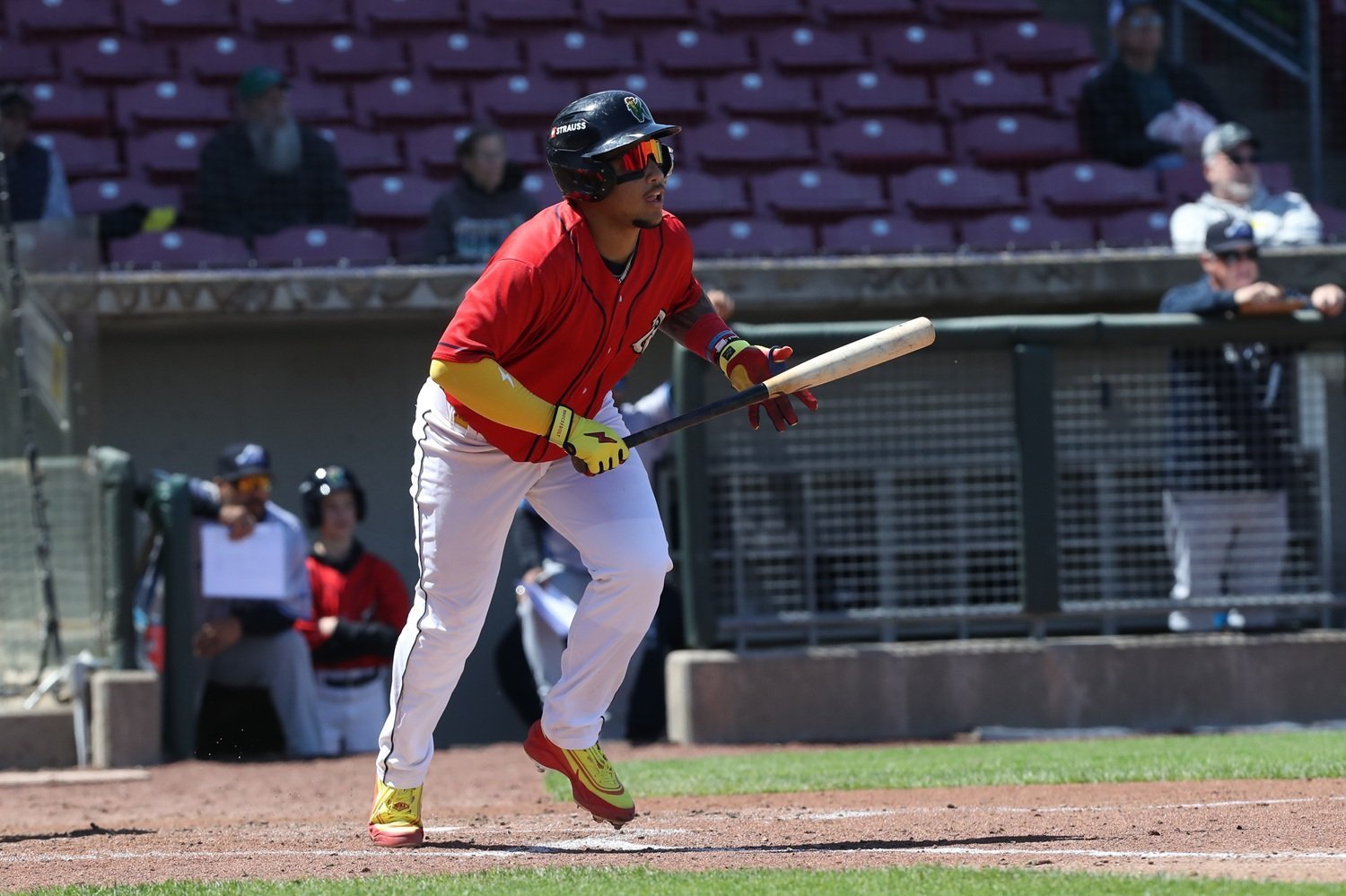 Eduardo Tait entered the 2026 season with plenty of momentum. The catcher was one of the key pieces the Minnesota Twins acquired in the July 2025 trade that sent Jhoan Duran to the Philadelphia Phillies, and evaluators quickly recognized the upside that made him one of the more intriguing prospects in the deal. Both MLB Pipeline and Baseball Prospectus ranked Tait among their top 100 prospects entering the 2026 season. That distinction is unlikely to carry over into the offseason after a disappointing first full campaign with the Twins organization. That does not mean Tait's prospect stock is finished. Tait still has considerable upside and comes in at No. 8 on the current Twins Daily Top 20 prospects. He also won't turn 20 until next season. There is plenty of time for him to get back on the prospect map, but his 2027 season will be important. So, what went wrong in 2026, and what does Tait need to do to get back into the Top 100? The Good and Bad of Tait's Bat Tait spent all of his first full season in his new organization with High-A Cedar Rapids. He did so at just 19 years old, more than three years younger than the average hitter in the Midwest League. Tait still managed to finish sixth in the league with 22 home runs. The power that made him an attractive prospect remains very real, particularly when he gets the barrel out in front and turns on a pitch to his pull side. Unfortunately, the rest of his offensive profile took a step backward. Tait has always been an aggressive hitter. Earlier in his career, that aggressiveness could be viewed as both a blessing and a curse. He chased too often, but he also made enough contact to keep his strikeout totals under control. There was optimism that his approach would continue to mature as he gained experience against better pitching. That didn't happen in 2026. Tait continued to chase at a high rate, around 35 percent, while his strikeout rate increased and his walk rate declined. Neither change was catastrophic on its own, but the combination worked against him throughout the season. He finished with 119 strikeouts compared to just 35 walks. That translated into a .221 batting average, a .699 OPS and a 74 wRC+. For a player whose offensive value will need to carry a significant portion of his prospect profile, those numbers are difficult to overlook. The power is the reason to remain optimistic. The approach is the reason to remain cautious. The Defensive Question There are also questions on the other side of the ball. Tait's receiving remains an area that needs improvement, and that adds another layer to the evaluation. His offensive struggles would be easier to overlook if he were clearly establishing himself as a long-term catcher. Instead, there are still questions about whether he can develop into a reliable defender behind the plate. That is particularly important because catcher is one of the most difficult positions for a young player to master. Catchers aren't simply learning how to hit professional pitching while developing their defensive skills. They're also learning how to manage a pitching staff, call games, receive pitches, control the running game and handle the physical demands of catching on a regular basis. That development can take time. Tait's age gives the Twins plenty of reasons to be patient. But patience doesn't eliminate the need for progress. At some point, Tait needs to demonstrate that he can handle the defensive responsibilities of the position while producing enough offensively to justify keeping him there. Otherwise, his future becomes much more complicated. The Catcher Question This is ultimately the biggest question surrounding Tait's prospect status. If he can remain a catcher, the offensive potential becomes much more exciting. A 20-year-old catcher with legitimate 20-plus homer power still has a path toward becoming an impact player, even if there are significant flaws in his approach. If he has to move to first base or designated hitter, the standard becomes much higher. A first baseman or DH needs to hit. There is no way around it. The defensive value associated with playing catcher can help offset some offensive inconsistency. That same luxury doesn't exist at first base or designated hitter. If Tait eventually moves away from catching, his offensive production will need to take a significant step forward for him to remain a high-end prospect. That's why the Twins need to continue giving him opportunities behind the plate while working with him on the receiving and game-calling aspects of the position. There is no reason to make a decision on his long-term defensive home at age 19. Plenty of Time, But Work to Do Tait's 2026 season was a reminder that prospect development isn't always linear. He entered the year as a Top-100 prospect and finished it with legitimate questions surrounding both his offensive approach and defensive future. Still, the ingredients that made him an intriguing prospect haven't disappeared. He's young. He has legitimate power. He plays a premium defensive position. And he has another full offseason to work on the weaknesses exposed during his first year in the Twins organization. The path back to the Top 100 is fairly straightforward, even if executing it won't be easy. The Twins don't need Tait to be a finished product in 2027. They need to see progress. At 20 years old, there is still plenty of time for him to provide it. Can Tait be back in the top-100 prospect conversation by the end of 2027? What will be the biggest key for him next season? Leave a comment and start the discussion.
 -
Are the Pohlads Secretly Selling the Twins?
Cody Christie replied to Cody Christie's topic in Twins Daily Front Page News
-
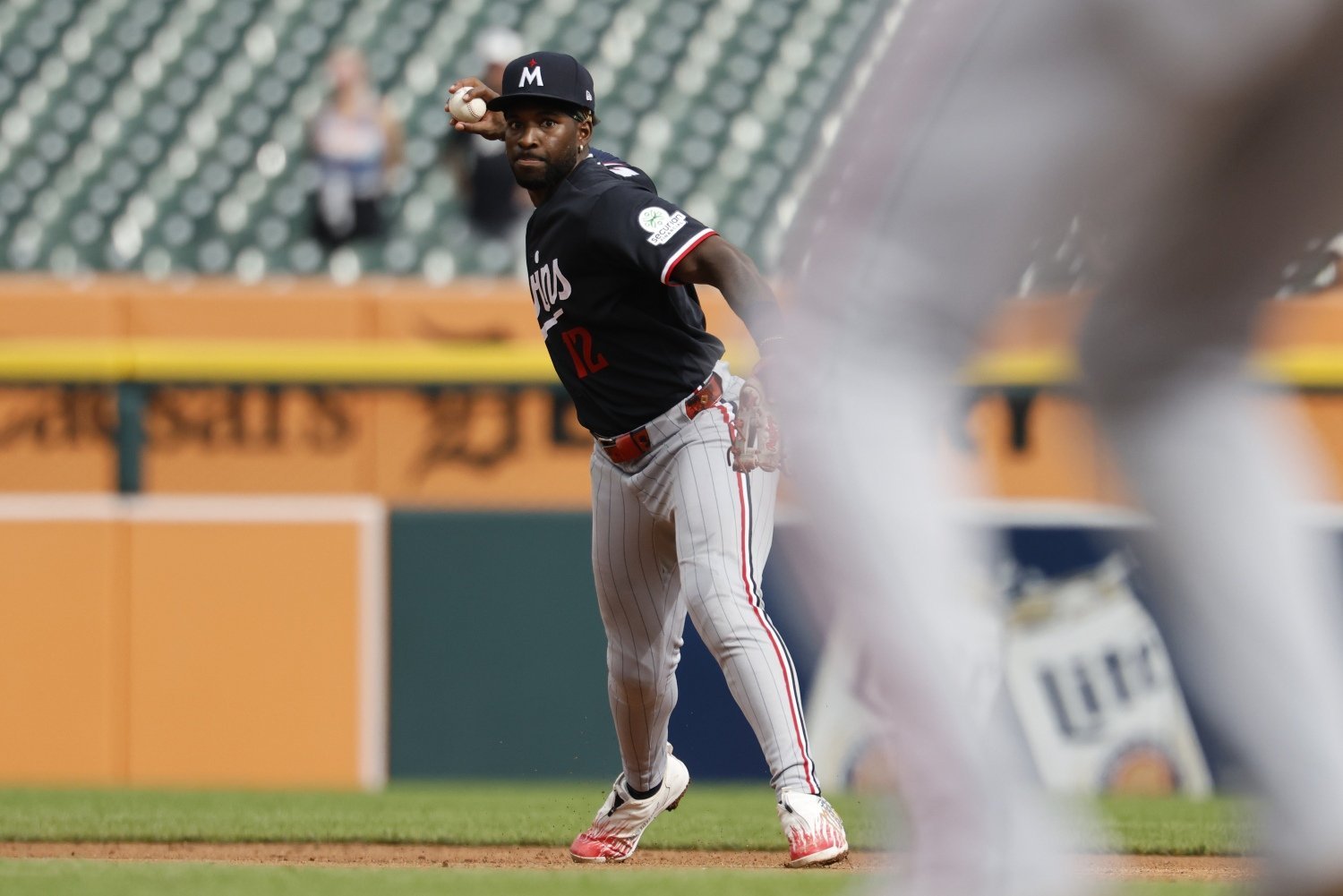 Kaelen Culpepper's first taste of the big leagues provided plenty for Twins fans to evaluate. The 2024 first-round pick spent most of the season at Triple-A before making his MLB debut, and while his time in Minnesota was limited to 33 games, he showed several tools that could make him an important part of the organization's future. Culpepper's debut was not perfect. There were some obvious holes in his offensive game, particularly against breaking pitches, but there were also signs that his physical tools can translate to the highest level. Here are three things that stood out in a positive way—and three areas Culpepper will need to improve. Up 1: Legit Arm Strength Culpepper's arm strength was touted dating back to his college days, but Twins fans got to see that tool on full display this season. He posted an 88.5-MPH average arm strength, placing him in the 77th percentile among MLB infielders. That's an important tool for a player who could potentially move around the infield during his career, but its significance is particularly obvious while he's playing the most demanding spot on the dirt. If Culpepper eventually has to move to third base, his arm could help make that transition much easier. Shortstop is still the most natural fit for him, but having legitimate arm strength gives the Twins additional flexibility as they determine where he fits best long term. Up 2: Bat Speed Culpepper's bat speed was another tool that immediately stood out during his debut. He averaged 73.7 MPH of bat speed, a figure that would have ranked in the top 30% of big-leaguers had he accumulated enough plate appearances to qualify. That's an encouraging sign for a young hitter who was not afraid to attack pitches during his first exposure to big-league pitching. Culpepper's aggressive approach can lead to some swing-and-miss, but the underlying bat speed gives him the ability to do damage when he squares up a pitch. The next step will be turning that raw bat speed into more consistent quality contact. Up 3: Baserunning The Twins need more athleticism throughout their roster, and Culpepper is part of a young wave of players who can provide it. Even with only 33 games under his belt, Culpepper produced a positive Baserunning Run Value. That came despite having a 60th-percentile sprint speed, showing that effective baserunning isn't simply about having elite straight-line speed. Good instincts and aggressiveness can create value on the bases. Culpepper showed signs of doing that during his brief stint in the majors. Down 1: Hard-Hit Percentage Culpepper's aggressive swing can produce hard contact, but his Triple-A performance did not carry over completely to the majors. At Triple-A, he posted a 45.5% Hard-Hit rate. That number dropped to 31.1% during his big-league debut. Had he qualified, that figure would have fallen below the league average. There's plenty of reason to believe the number can improve. Culpepper has the bat speed and physical strength to hit the ball hard. The challenge will be making more consistent contact against top-level pitching, while maintaining the aggression that makes his swing dangerous. Down 2: Walk Rate Culpepper showed a much better ability to draw walks in the minors than he did against pitchers who could throw strikes at a big-league rate. He posted an 11.4% walk rate at Triple-A this season. That number nearly disappeared in Minnesota, where he walked only six times in 128 plate appearances for a 4.7% walk rate. Culpepper is never likely to be a hitter who piles up walks, and the Twins don't need him to become one. However, he needs to find a middle ground between being aggressive and expanding the strike zone. A higher walk rate would give him more opportunities to utilize his speed and athleticism, while also offsetting some of the swing-and-miss that comes with his aggressive approach. Down 3: Breaking Down Breaking pitches were one of the biggest trouble spots for Culpepper during his debut. He did not record an extra-base hit against breaking pitches and posted a .223 expected batting average and .274 expected slugging percentage against them. Those numbers point to an area that opposing pitchers are likely to continue attacking until Culpepper proves he can handle it. Adjusting to breaking stuff is one of the biggest challenges young hitters face when they reach the majors. Culpepper's bat speed gives him a foundation to make that adjustment, but recognizing spin and staying disciplined against breaking pitches will be critical to his development. The Bigger Picture The most important part of Culpepper's 2026 season may be that he got his first extended look at what major-league pitching is going to throw at him. Now, the Twins will get to see how he responds. The physical tools are evident. His arm strength can play at multiple infield positions, his bat speed gives him offensive upside, and his athleticism can add another dimension to the Twins' lineup. The next step is turning those tools into consistent production. What stands out most about Culpepper's debut season? Should the Twins be comfortable with him being the Opening Day shortstop? Leave a comment and start the discussion.
 -
Image courtesy of Jesse Johnson-Imagn Images When the Twins traded Louis Varland to the Toronto Blue Jays at the 2025 trade deadline, the biggest piece coming back to Minnesota was Kendry Rojas. However, Alan Roden was an important part of the return, as well. Roden was viewed as a big-league-ready player who could improve the Twins' lineup immediately. That made him an intriguing addition to the trade, especially for a team looking for ways to bolster its offense without sacrificing too much of its future. Alas, Roden's role has become increasingly difficult to identify. He's continued to perform well in the minor leagues. He has shown flashes of that same production in Minnesota. He also has enough defensive versatility to find a role somewhere on the roster, if his bat can keep up as his playing time increases. However, the Twins have a crowded group of young position players competing for playing time, and Roden's path to regular at-bats appears to be disappearing. That creates one of the more interesting roster decisions of the offseason. The Pros of Keeping Alan Roden The biggest argument for keeping Roden is pretty simple: He can hit. Roden has consistently produced at Triple-A over the last couple of seasons (133 wRC+ in 2026, 122 wRC+ in 2025), giving the Twins plenty of evidence that his offensive production isn't simply the product of a small sample size. He also performed well during his limited opportunities with Minnesota this season. In 32 games, he posted a 120 wRC+. Roden didn't receive enough playing time to establish himself as an everyday player, but he showed why the Twins were interested in acquiring him in the first place. The Twins don't have to wonder whether Roden can handle Triple-A pitching. He's already answered that question. The more difficult one is whether Minnesota can give him enough major-league playing time to determine whether his offensive production translates over a larger sample. Roden has experience playing all three outfield positions, although the Twins haven't appeared particularly comfortable using him in center field. That limits his versatility to some degree, but it doesn't eliminate it entirely. First base could also become an option. Roden hasn't regularly played first base since college, so moving him there would represent something of an experiment. Still, the Twins could view first base as another way to get his bat into the lineup, if they don't believe he can be trusted as an everyday outfielder—or just don't want to put him there at the expense of higher-profile prospects. There's value in having a player who can move around the diamond while providing quality at-bats. Roden gives the Twins another left-handed option who has already demonstrated an ability to produce at Triple-A. If injuries strike or another young player struggles, having Roden available could prevent Minnesota from needing to make a more significant roster move. The Cons of Keeping Alan Roden Because Roden was a collegiate draft pick in 2022, he will already be 27 years old next season. That doesn't make him old, by any means, but it does change the calculus surrounding his development. The Twins can't treat Roden like a 22-year-old prospect who needs another year or two to figure things out. He needs to play. That creates an awkward situation. Roden still has a minor league option remaining. The Twins could theoretically send him back to Triple-A and keep him as organizational depth. But what, exactly, would Roden be proving there? He's already performed well at that level. Sending a 27-year-old back to Triple-A after he has demonstrated that he can handle the competition would feel like treading water, rather than developing a player. The larger issue is opportunity. Minnesota has several younger players who need playing time, including players the organization may view as having a higher long-term ceiling, including Walker Jenkins, Emmanuel Rodriguez, and Luke Keaschall. If Roden isn't going to receive consistent at-bats, keeping him on the 26-man roster could mean taking a roster spot away from someone who needs to play. They shouldn't do that, so if they do keep him, they have to be willing to stash him in the minors most of the time—understanding, all the while, that that's not the best thing for the player. What Would the Timeline Look Like? The Twins won't have to make just one decision on Roden. They have several options available. Roden isn't arbitration-eligible until 2029, so it seems unlikely they'll simply cut him loose. He's minimum-salaried for multiple seasons, and he still comes with roster flexibility. They could, however, trade him. Roden's age, Triple-A track record and remaining minor-league option could make him an interesting target for another organization looking for a potential major-league contributor without giving up a premium prospect. Minnesota could keep him on the roster and give him an opportunity to compete for a larger role in spring training. That would allow the organization to see whether he can force his way into the lineup. If Roden is going to be part of the 2027 Twins, Minnesota needs to find a way to give him opportunities. Maybe that means more time in the outfield. Maybe it means experimenting with him at first base. Maybe it means finding another roster fit. What doesn't make much sense is simply sending a productive 27-year-old back to Triple-A because the Twins don't know what else to do with him. The organization acquired Roden because it believed he was ready for the majors. Now, the Twins have to decide whether they still believe that. What will the Twins decide with Roden? Leave a comment and start the discussion. View full article
-
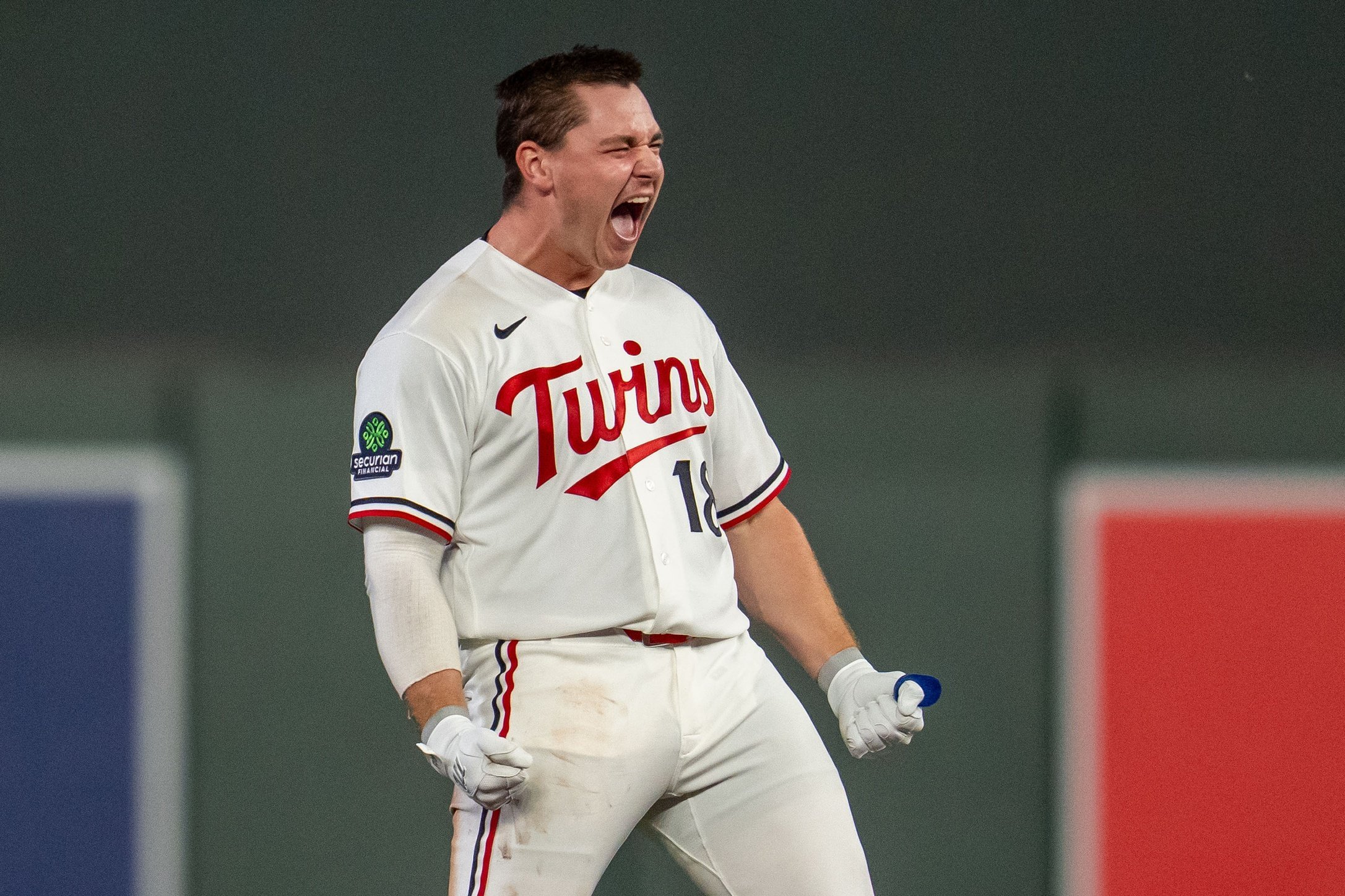 When the Twins traded Louis Varland to the Toronto Blue Jays at the 2025 trade deadline, the biggest piece coming back to Minnesota was Kendry Rojas. However, Alan Roden was an important part of the return, as well. Roden was viewed as a big-league-ready player who could improve the Twins' lineup immediately. That made him an intriguing addition to the trade, especially for a team looking for ways to bolster its offense without sacrificing too much of its future. Alas, Roden's role has become increasingly difficult to identify. He's continued to perform well in the minor leagues. He has shown flashes of that same production in Minnesota. He also has enough defensive versatility to find a role somewhere on the roster, if his bat can keep up as his playing time increases. However, the Twins have a crowded group of young position players competing for playing time, and Roden's path to regular at-bats appears to be disappearing. That creates one of the more interesting roster decisions of the offseason. The Pros of Keeping Alan Roden The biggest argument for keeping Roden is pretty simple: He can hit. Roden has consistently produced at Triple-A over the last couple of seasons (133 wRC+ in 2026, 122 wRC+ in 2025), giving the Twins plenty of evidence that his offensive production isn't simply the product of a small sample size. He also performed well during his limited opportunities with Minnesota this season. In 32 games, he posted a 120 wRC+. Roden didn't receive enough playing time to establish himself as an everyday player, but he showed why the Twins were interested in acquiring him in the first place. The Twins don't have to wonder whether Roden can handle Triple-A pitching. He's already answered that question. The more difficult one is whether Minnesota can give him enough major-league playing time to determine whether his offensive production translates over a larger sample. Roden has experience playing all three outfield positions, although the Twins haven't appeared particularly comfortable using him in center field. That limits his versatility to some degree, but it doesn't eliminate it entirely. First base could also become an option. Roden hasn't regularly played first base since college, so moving him there would represent something of an experiment. Still, the Twins could view first base as another way to get his bat into the lineup, if they don't believe he can be trusted as an everyday outfielder—or just don't want to put him there at the expense of higher-profile prospects. There's value in having a player who can move around the diamond while providing quality at-bats. Roden gives the Twins another left-handed option who has already demonstrated an ability to produce at Triple-A. If injuries strike or another young player struggles, having Roden available could prevent Minnesota from needing to make a more significant roster move. The Cons of Keeping Alan Roden Because Roden was a collegiate draft pick in 2022, he will already be 27 years old next season. That doesn't make him old, by any means, but it does change the calculus surrounding his development. The Twins can't treat Roden like a 22-year-old prospect who needs another year or two to figure things out. He needs to play. That creates an awkward situation. Roden still has a minor league option remaining. The Twins could theoretically send him back to Triple-A and keep him as organizational depth. But what, exactly, would Roden be proving there? He's already performed well at that level. Sending a 27-year-old back to Triple-A after he has demonstrated that he can handle the competition would feel like treading water, rather than developing a player. The larger issue is opportunity. Minnesota has several younger players who need playing time, including players the organization may view as having a higher long-term ceiling, including Walker Jenkins, Emmanuel Rodriguez, and Luke Keaschall. If Roden isn't going to receive consistent at-bats, keeping him on the 26-man roster could mean taking a roster spot away from someone who needs to play. They shouldn't do that, so if they do keep him, they have to be willing to stash him in the minors most of the time—understanding, all the while, that that's not the best thing for the player. What Would the Timeline Look Like? The Twins won't have to make just one decision on Roden. They have several options available. Roden isn't arbitration-eligible until 2029, so it seems unlikely they'll simply cut him loose. He's minimum-salaried for multiple seasons, and he still comes with roster flexibility. They could, however, trade him. Roden's age, Triple-A track record and remaining minor-league option could make him an interesting target for another organization looking for a potential major-league contributor without giving up a premium prospect. Minnesota could keep him on the roster and give him an opportunity to compete for a larger role in spring training. That would allow the organization to see whether he can force his way into the lineup. If Roden is going to be part of the 2027 Twins, Minnesota needs to find a way to give him opportunities. Maybe that means more time in the outfield. Maybe it means experimenting with him at first base. Maybe it means finding another roster fit. What doesn't make much sense is simply sending a productive 27-year-old back to Triple-A because the Twins don't know what else to do with him. The organization acquired Roden because it believed he was ready for the majors. Now, the Twins have to decide whether they still believe that. What will the Twins decide with Roden? Leave a comment and start the discussion.
 -
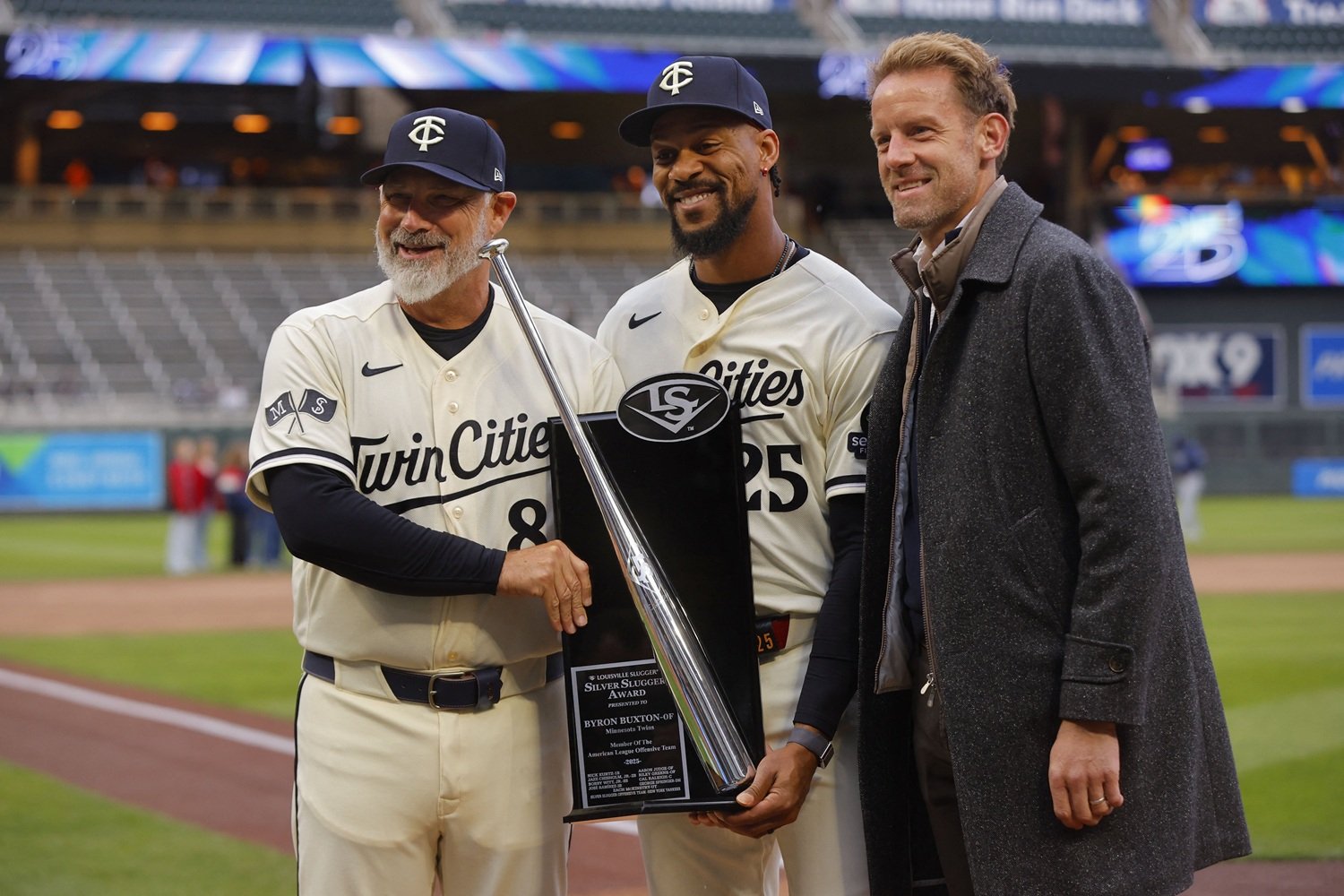 The Minnesota Twins aren't for sale. At least, that's what Tom Pohlad wants everyone to believe. After spending roughly 10 months exploring a sale of the franchise, the Pohlad family pulled the Twins off the market in August 2025. Rather than finding a new controlling owner, the family brought in several limited partners to address the organization's significant debt while maintaining majority control. That decision eventually led to Tom Pohlad taking over as the team's chairman. At the end of the 2026 season, he made it clear that the family had no plans to reopen the sale process. “I can’t say that my enjoyment in the role is the sole reason for how long we intend to be owners, but I can tell you that we’re long-term oriented,” Pohlad said. “We’ve got big goals and a lot of work to do, and it’s going to take some time. We are in this for the long haul.” Pohlad doubled down on that sentiment. “We are reenergized, for sure,” he added. “After a trying two years and that sale process, I’m frankly surprised at how energized we are, to be honest with you.” That sounds pretty definitive. Then came a report from Pioneer Press columnist Charley Walters. “A sale of the Twins to the New York-based global investment firm Varde Partners, which has an office in Minneapolis and in 2025 became a Twins limited partner to help the franchise out of $500 million in debt, is said to be heating up. Varde Partners reportedly manages $15 billion in assets.” Things might not be so clear-cut, then, after all. Värde Is Already Inside the Building There is an important distinction between what the Pohlad family did in 2025 and what Walters is now reporting. The family didn't simply abandon the sale process and walk away. It brought investors into the ownership group. Värde Partners co-founder George Hicks became one of those limited partners. The ownership restructuring also included Glick Family Investments and Minnesota Wild owner Craig Leipold. The group took minority positions, while the Pohlads retained control. Reports indicated the transaction valued the Twins at approximately $1.75 billion and eliminated a significant portion of the franchise's roughly $500-million debt. That was presented as a way for the Pohlads to remain owners while putting the franchise on stronger financial footing. And, to be fair, that's exactly what it could have been. But there is another way to look at it. Värde already has a financial interest in the franchise. Its co-founder is already part of the ownership group. The company understands the team's finances. It has relationships with the Pohlads. It knows Target Field. It knows the Minnesota market. If Värde eventually wanted to increase its investment and acquire control, it wouldn't be starting from scratch. That's a pretty significant advantage. It also makes the timing of a potential sale particularly interesting. The Twins Are Suddenly Worth a Lot More When the Pohlads explored selling the Twins, the reported asking price was $1.8 billion. That number doesn't look nearly as impressive today. The San Diego Padres were sold in 2026 for a reported $3.9 billion valuation. The Los Angeles Angels then surpassed that figure, with Stan Kroenke agreeing to purchase the franchise for an MLB-record $4 billion valuation. Obviously, every franchise is different. Los Angeles has a massive market, while San Diego offers its own unique advantages. The Twins aren't suddenly a $4-billion franchise simply because two other teams changed hands. But MLB franchise valuations are clearly moving upward. And that's where the timing gets fascinating. If the Pohlads really wanted to sell, waiting until the market demonstrated that buyers were willing to spend $3.9 billion and $4 billion for MLB teams would be a pretty good strategy. The family's previous sale attempt was complicated by the Twins' debt, declining local media revenue, and questions about the organization's financial outlook. The limited-partner investment addressed some of those concerns. Now, the franchise could be presented to buyers with less debt, a new ownership structure and an MLB market that has established dramatically higher valuations. That's a much different sales pitch. The Labor Fight Could Change Everything There is another piece of this puzzle that could make a potential sale even more intriguing: baseball's economic system. MLB owners are scheduled to lock out players on December 1 if the two sides fail to reach a new collective bargaining agreement. The biggest sticking point is the league's push for a salary cap, something the MLB Players Association has repeatedly opposed. MLB has also proposed a salary floor as part of its economic system. That could have a major impact on the Twins. A salary cap would limit the spending advantages of the richest organizations. But a salary floor would force teams near the bottom of the payroll rankings to spend considerably more. For a franchise that has spent recent years operating with one of the league's lower payrolls, that could result in more spending on the roster. It could also make the Twins more attractive to prospective buyers. If the new economic system guarantees a minimum level of spending across the league while providing greater cost certainty from revenue sharing, buyers could view MLB franchises as even more valuable assets. If the Pohlads were able to sell the Twins for upwards of $2 billion (not long after failing to get $1.8 billion), the financial incentive would be enormous—especially after the family reduced the franchise's debt burden through minority investment. So, Are the Pohlads Selling? There isn't enough evidence to say that the Pohlads are secretly selling the Twins. In fact, the public evidence currently points the other direction. Tom Pohlad has repeatedly talked about being committed to the organization. The family retained control when it could have sold. Tom took over as controlling owner. The addition of minority partners was specifically structured to allow the Pohlads to remain in charge. But Walters's report is difficult to ignore, particularly because Pohlad's vows to stick around for the long haul were a bit vague. If Värde is seriously discussing purchasing the Twins, the most important question isn't necessarily whether the Pohlads have secretly changed their minds. It's whether the family has discovered that owning the Twins might be worth considerably more than it was when they first decided to explore a sale. Maybe the Pohlads really are in this for the long haul. Maybe Tom Pohlad genuinely is reenergized and wants to lead the Twins toward another championship. Or maybe the family has simply put itself in a much better position to sell the franchise whenever the right offer comes along. If Värde is already sitting at the table, that offer might not have to travel very far. Will the Pohlads sell the Twins? Leave a comment and start the discussion.
 -
Image courtesy of Conor Lacefield, Midland RockHounds (photo of Marek Houston) Prospect rankings are constantly changing, but some jumps are more meaningful than others. MLB Pipeline recently completed its final Top 100 update of the 2026 calendar year. Those rankings can provide plenty of entertainment for fans, but they also have practical value for organizations trying to determine which prospects could be moved in trades to strengthen a big-league roster. For the Minnesota Twins, one of the biggest risers on the list was shortstop Marek Houston. Houston jumped from No. 71 to No. 54, tied for the second-largest rise among all prospects in the latest update. That movement is even more impressive when considering where Houston started the year. He wasn't even included in MLB Pipeline's Top 100 entering the 2026 season. So, what changed? Quite a bit. Houston's Bat Took a Significant Step Forward Houston entered professional baseball with a reputation for being an outstanding defensive shortstop who could hit enough to become an everyday player. The question was whether his offensive game would develop enough to raise his overall ceiling. His 2026 season provided an encouraging answer. Houston spent the entire year between High-A Cedar Rapids and Double-A Wichita, producing a .312/.392/.455 slash line with 12 home runs, 28 doubles, 50 stolen bases and a 120 wRC+ over 116 games. The production remained relatively consistent after his promotion to Double-A. At Cedar Rapids, Houston hit .325/.406/.461 with an .867 OPS. He posted a .301/.379/.450 line with an .829 OPS at Wichita. His wRC+ remained above league average at both stops, a particularly encouraging development for a player who was viewed more as a glove-first prospect coming out of college. Houston's offensive profile isn't built around one overwhelming tool. Instead, it is becoming a combination of contact ability, plate discipline, speed and enough emerging power to make pitchers pay for mistakes. There was a brief period late in the summer when it looked like the grind of his first full professional season might be catching up with him. Houston struggled during August (.580 OPS), but he quickly found his stroke again. He finished the season on a 10-game hitting streak, batting .405 with eight strikeouts and seven walks across 50 plate appearances. He had a .941 OPS in September, which was higher than his season average. That type of finish matters. Houston didn't simply survive his first full season. He responded to his first significant slump and finished the year looking like the player who had forced the Twins to challenge him with a Double-A assignment. The Glove Gives Houston a High Floor Even if Houston's offensive development had been slower, there would still be plenty to like about his long-term outlook because of his defense. Houston was regarded as one of the best defensive shortstops in the 2025 draft class, and that reputation has carried into professional baseball. His actions are smooth, his range allows him to make plays on both sides of the bag, and he has more than enough arm strength for the position. That combination is important. There are plenty of prospects who can hit their way into a Top 100 ranking. Houston's defensive ability gives him a much stronger floor because he doesn't need to become an elite offensive player to provide value. He has a chance to be a plus defender at shortstop at the major-league level, with the range and arm strength to remain at the position. That gives the Twins an extremely valuable combination: a player who can potentially provide Gold Glove-caliber defense while also contributing offensively. It's also one reason Houston could move relatively quickly through the organization. Speed is another major part of the profile. Houston's speed is easy to overlook when discussing his development, because his defensive ability and improving bat receive so much attention. It shouldn't be overlooked, though, if only because it augments and facilitates both of those tools. He stole 27 bases during his three-year Wake Forest career, including 19 steals in 2025. He was successful on 19 of 21 attempts during his junior season, helping establish the speed that would become an even bigger part of his professional game. Houston took that part of his game to another level in 2026. He stole 50 bases between Cedar Rapids and Wichita, giving him 57 stolen bases in his first two professional seasons. That is more than just a nice statistical addition. His speed complements the rest of his offensive profile. A player who gets on base at a solid clip, puts the ball in play and can immediately turn a single or walk into scoring position becomes much more dangerous when he also plays a premium defensive position. Houston doesn't need to become a 20-home-run hitter to have an impact. His ability to get on base and create pressure with his legs gives the offensive profile another dimension. Where Can Houston Still Improve? The biggest question is consistency at the plate. Houston has already made significant strides, but there is still room for the offensive profile to become more complete. The easiest path toward a Top 50 ranking would be adding a little more power without sacrificing the skills that have made him successful. Houston will probably always be more of a hit-and-on-base player than a pure power hitter. That's not a bad thing. But he can continue adjusting his swing to create more loft and generate harder contact in the air. That was an area of focus throughout the 2026 season. Houston has continued working with the Twins on his swing path since joining the organization, and the results have been encouraging. The goal hasn't been to sell out for power. Instead, he has worked to find better line-drive angles and barrel the baseball more consistently. Adding strength and muscle has also helped address some of the questions surrounding his future impact at the plate. If Houston can turn some of those line drives into extra-base hits without losing his contact skills, patience or speed, his offensive ceiling will continue to rise. Houston's jump from No. 71 to No. 54 on MLB Pipeline's Top 100 isn't simply the result of a strong batting average or a prospect evaluator falling in love with a hot streak. It's the result of a player improving in multiple areas at once. The defense was already a major strength. The speed was already evident. What Houston needed to show was that his bat could hold up against professional pitching and eventually against more advanced competition. He did that. Houston went from being outside the Top 100 entering the season to becoming a Top 55 prospect after completing his first full professional campaign. He reached Double-A, stole 50 bases, posted a 120 wRC+ and demonstrated that his offensive game has more upside than originally expected. There is still work to do. More power would make his profile considerably more dangerous and could eventually push him into the Top 50. But that's the exciting part for the Twins. Houston doesn't need to completely reinvent himself to become a legitimate major-league shortstop. He already has the glove, speed and contact ability. If the offensive adjustments he's making continue to produce better quality of contact, his prospect stock could keep climbing in 2027. And considering where he started this year, it would be foolish to assume No. 54 is anywhere close to his final destination. How high will Houston rise on other national top-100 lists? Leave a comment and start the discussion. View full article
-
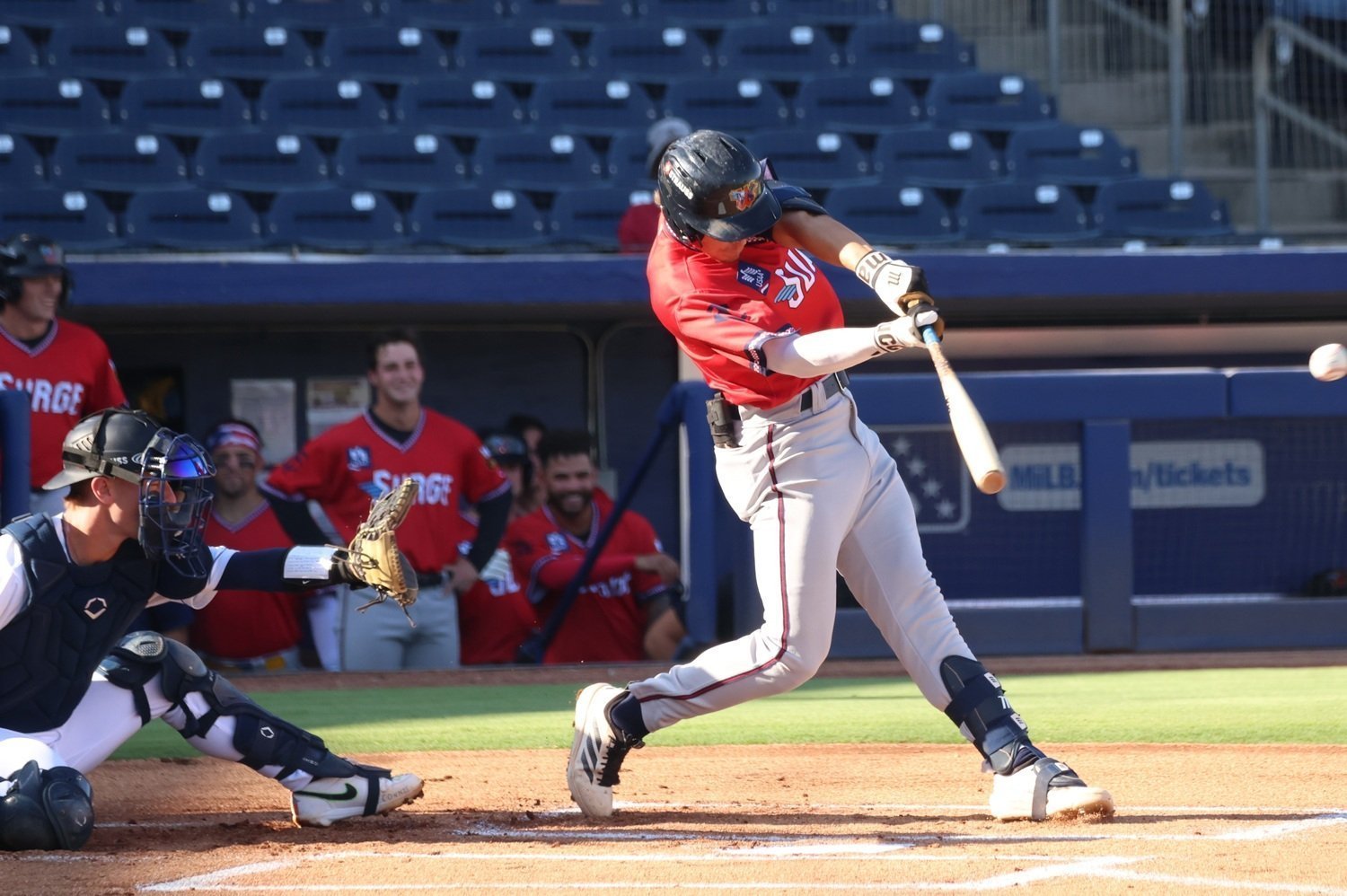 Prospect rankings are constantly changing, but some jumps are more meaningful than others. MLB Pipeline recently completed its final Top 100 update of the 2026 calendar year. Those rankings can provide plenty of entertainment for fans, but they also have practical value for organizations trying to determine which prospects could be moved in trades to strengthen a big-league roster. For the Minnesota Twins, one of the biggest risers on the list was shortstop Marek Houston. Houston jumped from No. 71 to No. 54, tied for the second-largest rise among all prospects in the latest update. That movement is even more impressive when considering where Houston started the year. He wasn't even included in MLB Pipeline's Top 100 entering the 2026 season. So, what changed? Quite a bit. Houston's Bat Took a Significant Step Forward Houston entered professional baseball with a reputation for being an outstanding defensive shortstop who could hit enough to become an everyday player. The question was whether his offensive game would develop enough to raise his overall ceiling. His 2026 season provided an encouraging answer. Houston spent the entire year between High-A Cedar Rapids and Double-A Wichita, producing a .312/.392/.455 slash line with 12 home runs, 28 doubles, 50 stolen bases and a 120 wRC+ over 116 games. The production remained relatively consistent after his promotion to Double-A. At Cedar Rapids, Houston hit .325/.406/.461 with an .867 OPS. He posted a .301/.379/.450 line with an .829 OPS at Wichita. His wRC+ remained above league average at both stops, a particularly encouraging development for a player who was viewed more as a glove-first prospect coming out of college. Houston's offensive profile isn't built around one overwhelming tool. Instead, it is becoming a combination of contact ability, plate discipline, speed and enough emerging power to make pitchers pay for mistakes. There was a brief period late in the summer when it looked like the grind of his first full professional season might be catching up with him. Houston struggled during August (.580 OPS), but he quickly found his stroke again. He finished the season on a 10-game hitting streak, batting .405 with eight strikeouts and seven walks across 50 plate appearances. He had a .941 OPS in September, which was higher than his season average. That type of finish matters. Houston didn't simply survive his first full season. He responded to his first significant slump and finished the year looking like the player who had forced the Twins to challenge him with a Double-A assignment. The Glove Gives Houston a High Floor Even if Houston's offensive development had been slower, there would still be plenty to like about his long-term outlook because of his defense. Houston was regarded as one of the best defensive shortstops in the 2025 draft class, and that reputation has carried into professional baseball. His actions are smooth, his range allows him to make plays on both sides of the bag, and he has more than enough arm strength for the position. That combination is important. There are plenty of prospects who can hit their way into a Top 100 ranking. Houston's defensive ability gives him a much stronger floor because he doesn't need to become an elite offensive player to provide value. He has a chance to be a plus defender at shortstop at the major-league level, with the range and arm strength to remain at the position. That gives the Twins an extremely valuable combination: a player who can potentially provide Gold Glove-caliber defense while also contributing offensively. It's also one reason Houston could move relatively quickly through the organization. Speed is another major part of the profile. Houston's speed is easy to overlook when discussing his development, because his defensive ability and improving bat receive so much attention. It shouldn't be overlooked, though, if only because it augments and facilitates both of those tools. He stole 27 bases during his three-year Wake Forest career, including 19 steals in 2025. He was successful on 19 of 21 attempts during his junior season, helping establish the speed that would become an even bigger part of his professional game. Houston took that part of his game to another level in 2026. He stole 50 bases between Cedar Rapids and Wichita, giving him 57 stolen bases in his first two professional seasons. That is more than just a nice statistical addition. His speed complements the rest of his offensive profile. A player who gets on base at a solid clip, puts the ball in play and can immediately turn a single or walk into scoring position becomes much more dangerous when he also plays a premium defensive position. Houston doesn't need to become a 20-home-run hitter to have an impact. His ability to get on base and create pressure with his legs gives the offensive profile another dimension. Where Can Houston Still Improve? The biggest question is consistency at the plate. Houston has already made significant strides, but there is still room for the offensive profile to become more complete. The easiest path toward a Top 50 ranking would be adding a little more power without sacrificing the skills that have made him successful. Houston will probably always be more of a hit-and-on-base player than a pure power hitter. That's not a bad thing. But he can continue adjusting his swing to create more loft and generate harder contact in the air. That was an area of focus throughout the 2026 season. Houston has continued working with the Twins on his swing path since joining the organization, and the results have been encouraging. The goal hasn't been to sell out for power. Instead, he has worked to find better line-drive angles and barrel the baseball more consistently. Adding strength and muscle has also helped address some of the questions surrounding his future impact at the plate. If Houston can turn some of those line drives into extra-base hits without losing his contact skills, patience or speed, his offensive ceiling will continue to rise. Houston's jump from No. 71 to No. 54 on MLB Pipeline's Top 100 isn't simply the result of a strong batting average or a prospect evaluator falling in love with a hot streak. It's the result of a player improving in multiple areas at once. The defense was already a major strength. The speed was already evident. What Houston needed to show was that his bat could hold up against professional pitching and eventually against more advanced competition. He did that. Houston went from being outside the Top 100 entering the season to becoming a Top 55 prospect after completing his first full professional campaign. He reached Double-A, stole 50 bases, posted a 120 wRC+ and demonstrated that his offensive game has more upside than originally expected. There is still work to do. More power would make his profile considerably more dangerous and could eventually push him into the Top 50. But that's the exciting part for the Twins. Houston doesn't need to completely reinvent himself to become a legitimate major-league shortstop. He already has the glove, speed and contact ability. If the offensive adjustments he's making continue to produce better quality of contact, his prospect stock could keep climbing in 2027. And considering where he started this year, it would be foolish to assume No. 54 is anywhere close to his final destination. How high will Houston rise on other national top-100 lists? Leave a comment and start the discussion.

