



Cody Christie
-
Posts
7,817 -
Joined
-
Last visited
-
Days Won
5
Content Type
Profiles
News
Minnesota Twins Videos
2026 Minnesota Twins Top Prospects Ranking
2022 Minnesota Twins Draft Picks
Minnesota Twins Free Agent & Trade Rumors, Notes, & Tidbits
Guides & Resources
2023 Minnesota Twins Draft Picks
The Minnesota Twins Players Project
2024 Minnesota Twins Draft Picks
2025 Minnesota Twins Draft Pick Tracker
2026 Minnesota Twins Draft Tracker: Picks & Bonuses
Forums
Blogs
Events
Store
Downloads
Gallery
Everything posted by Cody Christie
-

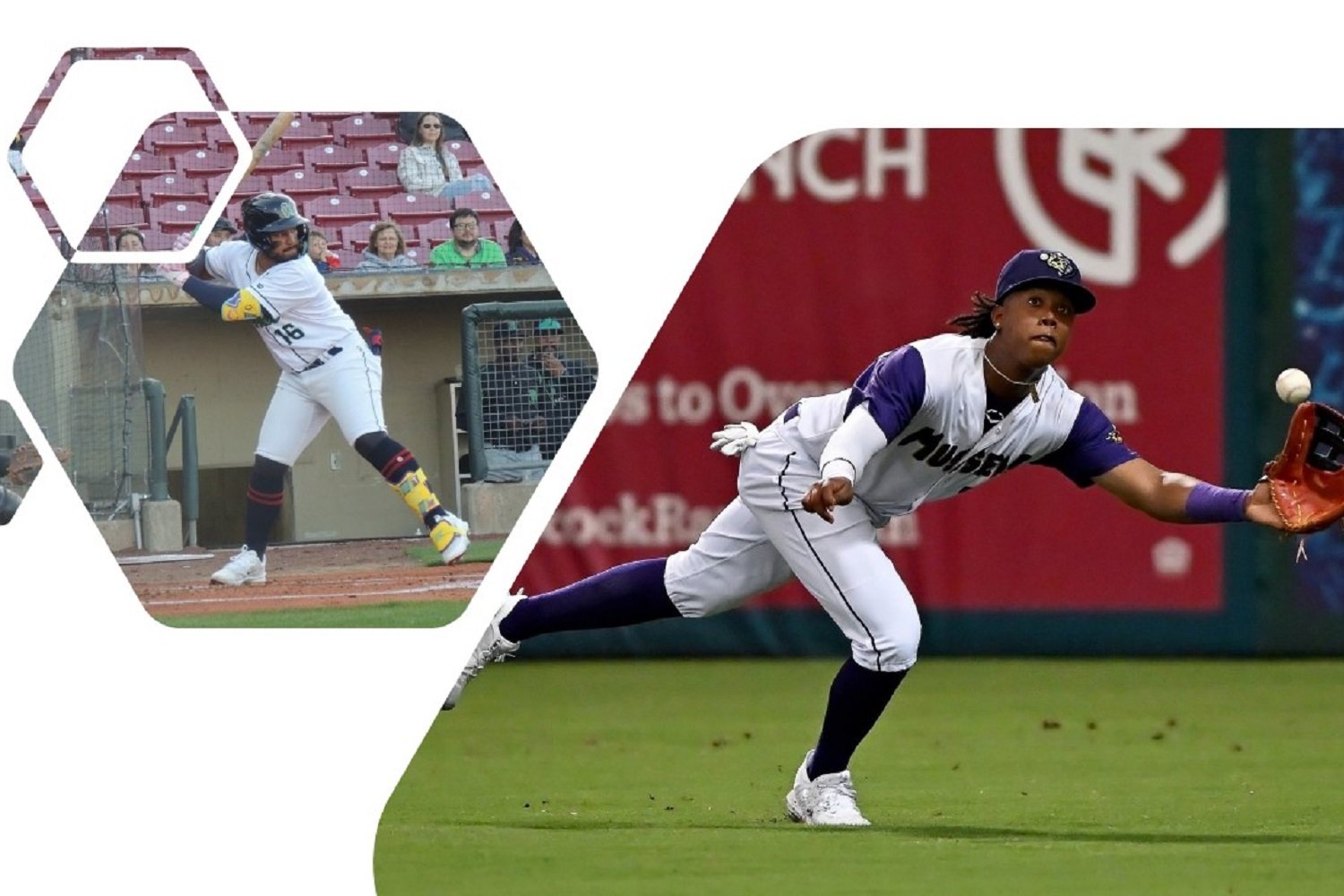 The Minnesota Twins have plenty of exciting young talent in their system, and two names to watch closely in 2025 are Gabriel Gonzalez and Yasser Mercedes. Gonzalez arrived in Minnesota as part of the Jorge Polanco trade last season, while Mercedes has been steadily rising since signing as an international free agent. Both players have intriguing potential, but their development hinges on addressing specific areas of improvement. Here's a closer look at how they can raise their prospect profiles in the year ahead. Gabriel Gonzalez: Unlocking Power and Refining His Game In his first season with the Twins organization, Gonzalez put together a respectable slash line of .255/.326/.381 (.707) over 81 games. While his 19 doubles, two triples, and five home runs suggest some gap power, his ability to drive the ball with authority is an area ripe for improvement. His defense can continue to be refined in a corner outfield spot, and he can become a better situational base runner as he matures. Last season, Twins Daily ranked him as high as the organization’s third-best prospect, but he dropped to 10th overall this winter. Increasing Power Production To take the next step, Gonzalez must focus on consistently elevating the ball and adding strength to his frame. He has been known for his ability to make contact with a 16.6 K% in 2023, which he lowered to 15.6% last season. Developing a more aggressive approach to pull-side power could boost his home run totals and make him a more complete hitter. He combined for 18 home runs in 2023, so he has previously shown power potential. A concerted effort to refine his swing mechanics and improve his bat speed will be critical as he faces higher-level pitching that isn’t afraid to attack him in the zone. Improved Defense in a Corner Outfield Role Defensively, Gonzalez profiles best as a corner outfielder, but his performance in the field left room for growth in 2024. Players his age tend to continue to add muscle to their frame, impacting their speed and athleticism. His arm is his best tool with MLB Pipeline giving him a 65 grade. Improved reads, routes and reaction times will be essential to maximizing his value. With consistent work on his footwork and throwing accuracy, Gonzalez could evolve into a reliable defender capable of complementing his offensive contributions. Refining Base Running Gonzalez went just 5-for-9 on stolen base attempts last season, underscoring the need to improve his base-running instincts. MLB Pipeline and FanGraphs gave him a 45 grade for his running/speed, with a chance that it decreases as he adds muscle to his frame. Better anticipation and a deeper understanding of pitcher tendencies could help him capitalize on his speed more effectively. While stealing bases may not become a centerpiece of his game, improved efficiency on the basepaths will add another layer to his skill set. Yasser Mercedes: Building on a Strong Foundation Mercedes showcased a more well-rounded skill set in 2024, slashing .292/.391/.488 (.879) across 61 games. His 19 doubles, two triples, and six home runs hint at untapped power potential, especially considering his six-foot-two frame and physical maturity yet to come. He dropped from 14th to 16th in the most recent Twins Daily prospect rankings. Developing More Power As Mercedes enters his 20s, he has the physical tools to develop into a legitimate power threat. FanGraphs gives him a current grade of 20 for his Game Power and a 45 for his Raw Power. Focused strength training and refining his swing to generate more loft could unlock a significant uptick in home run production. Last season, he faced older pitchers in nearly 60% of his plate appearances and posted a .899 OPS. Maintaining his impressive ability to make consistent contact will be key as he incorporates a more power-oriented approach. Finding a Defensive Home Mercedes primarily played center field last season, but there’s a possibility he could shift to a corner outfield spot as he continues to mature physically. Last season, he played over 200 innings in center and over 120 innings in right field. MLB Pipeline gives him a 50 fielding grade, while Fangraphs rates him as a 30 with the potential to reach a 60. Committing to a defensive position and excelling in that role will be vital for his long-term outlook. Whether he sticks in center or transitions to a corner, improving his defensive instincts and arm strength will ensure he remains an asset in the field. Maximizing Base-Running Potential Mercedes stole 21 bases in just 61 games, demonstrating his ability to be a weapon on the bases. FanGraphs and MLB Pipeline give him a 55 grade for his running, pointing to him already being above average. To maintain and enhance this aspect of his game, he must focus on base-stealing technique and game awareness. His natural speed gives him an edge, but fine-tuning his jumps and slide techniques could make him one of the organization’s premier base stealers. Outlook for 2025 For Gonzalez and Mercedes, the 2025 season represents a chance to solidify themselves as key pieces of the Twins’ future. Both players must build on their strong foundation by developing more power, finding a defensive home, and maximizing their base-running abilities. They have the talent to make significant strides, and a strong 2025 campaign could position them as breakout prospects in the Twins’ system. Which prospect has the most to prove in 2025? Leave a comment and start the discussion.
 -
Multiple Twins prospects improved their stock in 2024, but player development is rarely linear. The 2025 season offers two prospects an opportunity to boost their prospect stock after dropping on the team's rankings. Image courtesy of William Parmeter, Seth Stohs Multiple Twins prospects improved their stock in 2024, but player development is rarely linear. The 2025 season offers two prospects an opportunity to boost their prospect stock after dropping on the team's rankings. The Minnesota Twins have plenty of exciting young talent in their system, and two names to watch closely in 2025 are Gabriel Gonzalez and Yasser Mercedes. Gonzalez arrived in Minnesota as part of the Jorge Polanco trade last season, while Mercedes has been steadily rising since signing as an international free agent. Both players have intriguing potential, but their development hinges on addressing specific areas of improvement. Here's a closer look at how they can raise their prospect profiles in the year ahead. Gabriel Gonzalez: Unlocking Power and Refining His Game In his first season with the Twins organization, Gonzalez put together a respectable slash line of .255/.326/.381 (.707) over 81 games. While his 19 doubles, two triples, and five home runs suggest some gap power, his ability to drive the ball with authority is an area ripe for improvement. His defense can continue to be refined in a corner outfield spot, and he can become a better situational base runner as he matures. Last season, Twins Daily ranked him as high as the organization’s third-best prospect, but he dropped to 10th overall this winter. Increasing Power Production To take the next step, Gonzalez must focus on consistently elevating the ball and adding strength to his frame. He has been known for his ability to make contact with a 16.6 K% in 2023, which he lowered to 15.6% last season. Developing a more aggressive approach to pull-side power could boost his home run totals and make him a more complete hitter. He combined for 18 home runs in 2023, so he has previously shown power potential. A concerted effort to refine his swing mechanics and improve his bat speed will be critical as he faces higher-level pitching that isn’t afraid to attack him in the zone. Improved Defense in a Corner Outfield Role Defensively, Gonzalez profiles best as a corner outfielder, but his performance in the field left room for growth in 2024. Players his age tend to continue to add muscle to their frame, impacting their speed and athleticism. His arm is his best tool with MLB Pipeline giving him a 65 grade. Improved reads, routes and reaction times will be essential to maximizing his value. With consistent work on his footwork and throwing accuracy, Gonzalez could evolve into a reliable defender capable of complementing his offensive contributions. Refining Base Running Gonzalez went just 5-for-9 on stolen base attempts last season, underscoring the need to improve his base-running instincts. MLB Pipeline and FanGraphs gave him a 45 grade for his running/speed, with a chance that it decreases as he adds muscle to his frame. Better anticipation and a deeper understanding of pitcher tendencies could help him capitalize on his speed more effectively. While stealing bases may not become a centerpiece of his game, improved efficiency on the basepaths will add another layer to his skill set. Yasser Mercedes: Building on a Strong Foundation Mercedes showcased a more well-rounded skill set in 2024, slashing .292/.391/.488 (.879) across 61 games. His 19 doubles, two triples, and six home runs hint at untapped power potential, especially considering his six-foot-two frame and physical maturity yet to come. He dropped from 14th to 16th in the most recent Twins Daily prospect rankings. Developing More Power As Mercedes enters his 20s, he has the physical tools to develop into a legitimate power threat. FanGraphs gives him a current grade of 20 for his Game Power and a 45 for his Raw Power. Focused strength training and refining his swing to generate more loft could unlock a significant uptick in home run production. Last season, he faced older pitchers in nearly 60% of his plate appearances and posted a .899 OPS. Maintaining his impressive ability to make consistent contact will be key as he incorporates a more power-oriented approach. Finding a Defensive Home Mercedes primarily played center field last season, but there’s a possibility he could shift to a corner outfield spot as he continues to mature physically. Last season, he played over 200 innings in center and over 120 innings in right field. MLB Pipeline gives him a 50 fielding grade, while Fangraphs rates him as a 30 with the potential to reach a 60. Committing to a defensive position and excelling in that role will be vital for his long-term outlook. Whether he sticks in center or transitions to a corner, improving his defensive instincts and arm strength will ensure he remains an asset in the field. Maximizing Base-Running Potential Mercedes stole 21 bases in just 61 games, demonstrating his ability to be a weapon on the bases. FanGraphs and MLB Pipeline give him a 55 grade for his running, pointing to him already being above average. To maintain and enhance this aspect of his game, he must focus on base-stealing technique and game awareness. His natural speed gives him an edge, but fine-tuning his jumps and slide techniques could make him one of the organization’s premier base stealers. Outlook for 2025 For Gonzalez and Mercedes, the 2025 season represents a chance to solidify themselves as key pieces of the Twins’ future. Both players must build on their strong foundation by developing more power, finding a defensive home, and maximizing their base-running abilities. They have the talent to make significant strides, and a strong 2025 campaign could position them as breakout prospects in the Twins’ system. Which prospect has the most to prove in 2025? Leave a comment and start the discussion. View full article
-
The Twins boast one of baseball’s best farm systems. Let’s look back on the 2024 campaign to see how much the organization has improved. Image courtesy of Ed Bailey (Wichita Wind Surge), William Parmeter The Twins boast one of baseball’s best farm systems. Let’s look back on the 2024 campaign to see how much the organization has improved. The Minnesota Twins’ 2024 campaign may have ended in disappointment, but it was a banner year for the farm system. While the big-league club stumbled to a second-half collapse, the organization’s minor-league pipeline soared to new heights, offering hope for the franchise’s future. Minnesota’s front office prioritized the long game, opting to hold onto their top prospects rather than cash them in at the trade deadline. Though costly in the short term, this decision has positioned the Twins for sustained success. Walker Jenkins: The Star of the System When the Twins selected Jenkins as the fifth overall pick in the 2023 draft, they knew they were getting exceptional talent. Despite an early-season hamstring strain that briefly slowed his ascent, Jenkins showed why he was considered one of the best pure hitters in his draft class. He finished the year at Double-A as a 19-year-old while hitting .282/.394/.439 (.833) with 32 extra-base hits in 82 games. More impressively, he coaxed more walks (56) than strikeouts (47) while facing older pitchers in all but eight of his at-bats. Jenkins showcased an advanced approach at the plate, combining power and plate discipline to solidify his status as one of the game’s premier hitting prospects. Jenkins gives the Twins a potential cornerstone player at the top of their farm system, a left-handed slugger with superstar potential. His ability to hit for both average and power, coupled with his defensive skills in the outfield, has drawn comparisons to some of the game’s elite. As the team looks to rebound in 2025, Jenkins’ progression will be a critical storyline. Jenkins Improvement: Entered the 2024 season as a top-20 global prospect and finished the season as a top-5 prospect. Breakout Performances Bolster the Depth Behind Jenkins, several prospects enjoyed breakout seasons in 2024. Luke Keaschall, despite an early end to his campaign due to Tommy John surgery, displayed offensive versatility and defensive aptitude across multiple positions. Ending 2024 at Double-A, he hit .303/.420/.493 with 37 extra-base hits in 102 games. His emergence as a rising star solidified his place among the system’s top prospects. Keaschall Improvement: Entered the 2024 season as Twins Daily’s number 11 ranked prospect and will enter next season as a top-100 global prospect. David Festa and Zebby Matthews also made significant strides, pushing their way onto Top 100 lists before graduating to the big leagues. Festa’s electric fastball and Matthews’ pinpoint control gave the Twins’ pitching depth a much-needed boost, with both arms expected to play key roles at the major league level in 2025. Festa’s Improvement: Entered last season as arguably the team’s top pitching prospect and improved by pitching well in the high minors and at the big-league level. Matthews’ Improvement: Entered last season as Twins Daily’s 20th-ranked prospect before a meteoric rise to the big leagues. Marco Raya’s career-high 97 2/3 innings added another feather to the organization’s cap. Once limited by durability concerns, the right-hander displayed improved stamina and consistency. In his final 38 2/3 innings this year, he posted a 2.09 ERA while holding opponents to a .579 OPS. If he can build on that performance in the high minors, Raya could break into the Twins’ rotation by midseason. Raya’s Improvement: Entered last season as a borderline top-100 prospect and pitched well while continuing to be pushed aggressively up the organizational ladder. Emmanuel Rodriguez finished the 2024 season at Triple-A despite being limited to 37 games at Double-A because of a thumb injury that led to offseason surgery. He continues to be electric when he is on the field, with an extremely patient approach at the plate and strong defensive ability at multiple outfield positions. In 47 games, he hit .280/.459/.567 with 25 extra-base hits and a 62-to-51 strikeout-to-walk ratio. In many other farm systems, Rodriguez would be the top-ranked prospect. Rodriguez’s Improvement: Entered last season as one of the team’s best prospects and will begin the 2025 season on the cusp of the big leagues after another strong season. Raya’s development and Rodriguez’s dynamic tools in the outfield ensure the Twins have a strong foundation of talent to build upon. Both players are projected to start the 2025 campaign at Triple-A but should debut at some point next season. Farm System Rankings Reflect Growth Many national outlets release midseason farm system rankings, and the Twins boasted as many as six of the Top 100 prospects. MLB Pipeline had the Twins ranked as baseball’s second-best system. This was a remarkable achievement for an organization that had steadily climbed the rankings under Derek Falvey’s leadership. While the graduations of Festa and Matthews will likely cause a slight slip in the rankings, the presence of Jenkins and Rodriguez at the top ensures the Twins remain among the game’s most well-stocked systems. The Twins also saw growth from other prospects outside their top-5. Andrew Morris and Cory Lewis pitched their way to Triple-A and are on the cusp of the big leagues. Brandon Winokur is an exciting young prospect with power potential that front offices dream about. Kaelen Culpepper was drafted last season and has a chance to establish himself as one of the team’s top prospects during his first full season in 2025. The list could go on and on. Reviewing the Trade Deadline Decision The 2024 trade deadline gave the Twins a choice: trade from their prospect depth to bolster a playoff push or stay the course. The front office chose the latter, which drew criticism as the team collapsed in the second half. However, with the benefit of hindsight, it’s clear that holding onto players like Jenkins, Rodriguez, and Raya was the right move for the franchise's long-term health. As the Twins prepare for the 2025 season, the challenge will be balancing their current roster needs with the continued development of their young core. While the short-term results were disappointing, the farm system’s growth in 2024 provides a silver lining and a glimpse of a brighter future. The Minnesota Twins’ farm system may not be able to single-handedly erase the sting of 2024, but it has given fans a reason to be optimistic. With Jenkins leading the way and a wave of talent behind him, the organization is well-positioned for success in the future. The front office’s patience and commitment to developing homegrown stars could pay dividends, ensuring that the Twins remain competitive in an increasingly challenging AL Central. How much did the Twins’ farm system improve in 2024? Leave a comment and start the discussion. View full article
-
 MLB’s offseason is well underway, but many of the biggest questions remain unanswered, especially for the Twins. While some fans might be growing impatient, it’s worth remembering that the team still has appealing options. With key decisions looming, here’s a look at the Twins' most significant questions and what fans might expect in the coming weeks. Can the Twins Win the Roki Sasaki Recruiting Battle? Japanese starting pitcher Roki Sasaki is the crown jewel of this offseason. His talent is undeniable, and signing him would instantly elevate the Twins’ rotation to one of the best in baseball. Over the past four seasons, Sasaki posted a 2.10 ERA with 505 strikeouts, and just 88 walks in 394 2/3 innings, with a triple-digit fastball and a devastating slider. The competition will be fierce, with big-market teams like the Dodgers, Mets, and Yankees all in the mix. However, the Twins have shown a willingness to invest in international talent, and their ability to improve pitching talent could play in their favor (e.g. Pablo López, Joe Ryan, etc.). Because of rules about players who come over from Japan at any age below 25 years old, Sasaki can't be paid anywhere near the market value of his services. That pushes other considerations to the forefront. "He doesn't seem to look at it in the typical way that other players do," agent Joel Wolfe said. "He has a more long-term, global view of things. I believe Roki is also very interested in the pitching development and how a team is going to help him get better, both in the near future and over the course of his career. He didn't seem overly concerned about whether a team had Japanese players on their team or not, which, in the past, when I represented Japanese players, that was sometimes an issue. That was never a topic of discussion." Sasaki’s decision will hinge on more than just money. Teams that can present a clear path to winning and an environment conducive to his transition to MLB life will have an edge. While the odds might not favor a smaller-market team like Minnesota, the Twins are making a serious push. Fans should temper expectations, but remain hopeful that Sasaki could call Target Field home in 2025. Which Veterans Will Be Traded? Three names stand out as important trade candidates: Chris Paddack, Christian Vázquez, and Willi Castro. Chris Paddack: Paddack returned from Tommy John surgery last season and posted a 4.99 ERA with a 1.39 WHIP. The Twins have young starting pitching depth, so Paddack and his $7.5 million salary are considered expendable. Moving him and his salary might even be an imperative. Starting pitching has been a premium in free agency this season, making Paddack a more attractive trade candidate. Christian Vázquez: Trading Vázquez would clear $10 million in payroll space, but it’s a risky move. His leadership and ability to manage a pitching staff are invaluable, especially with a young rotation. If the Twins move Vázquez, they’ll need a clear plan for his replacement, which will likely require signing another veteran catcher. Willi Castro: Castro’s versatility makes him a valuable trade chip, particularly for teams needing a utility player. Last season, he was a first-time All-Star with a .774 OPS in the first half. He struggled in the second half with a .627 OPS. He is expected to earn more than $6 million in arbitration, but the Twins might be hesitant to part ways unless they receive impact players in 2025. After Carlos Santana's Departure, Who's On First? The Twins have a glaring hole at first base, now that Carlos Santana has signed a one-year, $12-million deal with Cleveland. Several internal and external options are being considered: Internal Options: Edouard Julien and José Miranda could slide over to first base. Julien’s bat struggled in 2024, but there are signs that he's set to bounce back in 2025. If the Twins move him to first, it could mitigate some of his defensive struggles at second base. Miranda, meanwhile, offers versatility and a solid bat—when he can stay healthy. He hit .326/.366/.522 (.888) in the first half, before collapsing with a .543 OPS in the second half. First basemen are expected to produce at a high level, so both players must return to their previous offensive profiles. Free Agent Market: Pete Alonso is the biggest name among free-agent first basemen, but is out of the Twins’ owner-imposed payroll range. Minnesota signed Mike Ford to a minor-league deal Thursday, and he has some potential upside. Veteran players like Justin Turner, Donovan Solano, and Connor Joe produced more than 2.0 WAR last season. However, they might not offer as much upside as Minnesota’s internal options. What Can Fans Expect in the Coming Weeks? The Twins’ front office has generally been quiet in December, before ramping up in January. Both times the team signed Carlos Correa and previous big moves like Josh Donaldson’s signing highlight their tendency to make a splash after the holiday season. The front office waits for the more prominent free agents to sign so that teams are more open to trades, which is where the Twins can make their biggest splash this winter. They acquired López in the second half of January two years ago, for instance. Bullpen Moves: Minnesota already traded Jovani Morán, but that won’t be the offseason headline. The Twins will look to add depth to a bullpen that struggled with inconsistency in 2024. There has been some discussion about the team trading Jhoan Durán or Griffin Jax, but the front office would need to be overwhelmed in a return for either player. Impact Bat: Mickey Gasper was the player the Twins acquired for Morán, but he’s hardly the answer to the Twins’ lineup needs. Adding a power bat remains a priority, be it through trade or free agency. A right-handed platoon power hitter could add an element lacking in recent seasons. Roster Shuffling: Several smaller moves to address depth and flexibility, including potentially trading from their surplus of young pitching, could happen before pitchers and catchers report. The Twins’ offseason is far from over, and big moves are likely on the horizon. Whether it’s the potential acquisition of Roki Sasaki, the resolution of trade rumors involving veterans, or the search for a new first baseman, fans should expect an active and impactful January. The front office’s track record suggests that while the current quiet might be frustrating, the coming weeks will bring answers to these pressing questions. What moves should fans expect from the front office? Leave a comment and start the discussion.
- 58 comments
-
- 4
-

-
- roki sasaki
- christian vazquez
- (and 4 more)
-
The MLB offseason has been moving rapidly, but the Twins have yet to get involved. Derek Falvey's front office made significant moves in previous winters when the calendar turned to January, and they face big questions and opportunities this year. Image courtesy of © Sam Navarro-Imagn Images The MLB offseason has been moving rapidly, but the Twins have yet to get involved. Derek Falvey's front office made significant moves in previous winters when the calendar turned to January, and they face big questions and opportunities this year. MLB’s offseason is well underway, but many of the biggest questions remain unanswered, especially for the Twins. While some fans might be growing impatient, it’s worth remembering that the team still has appealing options. With key decisions looming, here’s a look at the Twins' most significant questions and what fans might expect in the coming weeks. Can the Twins Win the Roki Sasaki Recruiting Battle? Japanese starting pitcher Roki Sasaki is the crown jewel of this offseason. His talent is undeniable, and signing him would instantly elevate the Twins’ rotation to one of the best in baseball. Over the past four seasons, Sasaki posted a 2.10 ERA with 505 strikeouts, and just 88 walks in 394 2/3 innings, with a triple-digit fastball and a devastating slider. The competition will be fierce, with big-market teams like the Dodgers, Mets, and Yankees all in the mix. However, the Twins have shown a willingness to invest in international talent, and their ability to improve pitching talent could play in their favor (e.g. Pablo López, Joe Ryan, etc.). Because of rules about players who come over from Japan at any age below 25 years old, Sasaki can't be paid anywhere near the market value of his services. That pushes other considerations to the forefront. "He doesn't seem to look at it in the typical way that other players do," agent Joel Wolfe said. "He has a more long-term, global view of things. I believe Roki is also very interested in the pitching development and how a team is going to help him get better, both in the near future and over the course of his career. He didn't seem overly concerned about whether a team had Japanese players on their team or not, which, in the past, when I represented Japanese players, that was sometimes an issue. That was never a topic of discussion." Sasaki’s decision will hinge on more than just money. Teams that can present a clear path to winning and an environment conducive to his transition to MLB life will have an edge. While the odds might not favor a smaller-market team like Minnesota, the Twins are making a serious push. Fans should temper expectations, but remain hopeful that Sasaki could call Target Field home in 2025. Which Veterans Will Be Traded? Three names stand out as important trade candidates: Chris Paddack, Christian Vázquez, and Willi Castro. Chris Paddack: Paddack returned from Tommy John surgery last season and posted a 4.99 ERA with a 1.39 WHIP. The Twins have young starting pitching depth, so Paddack and his $7.5 million salary are considered expendable. Moving him and his salary might even be an imperative. Starting pitching has been a premium in free agency this season, making Paddack a more attractive trade candidate. Christian Vázquez: Trading Vázquez would clear $10 million in payroll space, but it’s a risky move. His leadership and ability to manage a pitching staff are invaluable, especially with a young rotation. If the Twins move Vázquez, they’ll need a clear plan for his replacement, which will likely require signing another veteran catcher. Willi Castro: Castro’s versatility makes him a valuable trade chip, particularly for teams needing a utility player. Last season, he was a first-time All-Star with a .774 OPS in the first half. He struggled in the second half with a .627 OPS. He is expected to earn more than $6 million in arbitration, but the Twins might be hesitant to part ways unless they receive impact players in 2025. After Carlos Santana's Departure, Who's On First? The Twins have a glaring hole at first base, now that Carlos Santana has signed a one-year, $12-million deal with Cleveland. Several internal and external options are being considered: Internal Options: Edouard Julien and José Miranda could slide over to first base. Julien’s bat struggled in 2024, but there are signs that he's set to bounce back in 2025. If the Twins move him to first, it could mitigate some of his defensive struggles at second base. Miranda, meanwhile, offers versatility and a solid bat—when he can stay healthy. He hit .326/.366/.522 (.888) in the first half, before collapsing with a .543 OPS in the second half. First basemen are expected to produce at a high level, so both players must return to their previous offensive profiles. Free Agent Market: Pete Alonso is the biggest name among free-agent first basemen, but is out of the Twins’ owner-imposed payroll range. Minnesota signed Mike Ford to a minor-league deal Thursday, and he has some potential upside. Veteran players like Justin Turner, Donovan Solano, and Connor Joe produced more than 2.0 WAR last season. However, they might not offer as much upside as Minnesota’s internal options. What Can Fans Expect in the Coming Weeks? The Twins’ front office has generally been quiet in December, before ramping up in January. Both times the team signed Carlos Correa and previous big moves like Josh Donaldson’s signing highlight their tendency to make a splash after the holiday season. The front office waits for the more prominent free agents to sign so that teams are more open to trades, which is where the Twins can make their biggest splash this winter. They acquired López in the second half of January two years ago, for instance. Bullpen Moves: Minnesota already traded Jovani Morán, but that won’t be the offseason headline. The Twins will look to add depth to a bullpen that struggled with inconsistency in 2024. There has been some discussion about the team trading Jhoan Durán or Griffin Jax, but the front office would need to be overwhelmed in a return for either player. Impact Bat: Mickey Gasper was the player the Twins acquired for Morán, but he’s hardly the answer to the Twins’ lineup needs. Adding a power bat remains a priority, be it through trade or free agency. A right-handed platoon power hitter could add an element lacking in recent seasons. Roster Shuffling: Several smaller moves to address depth and flexibility, including potentially trading from their surplus of young pitching, could happen before pitchers and catchers report. The Twins’ offseason is far from over, and big moves are likely on the horizon. Whether it’s the potential acquisition of Roki Sasaki, the resolution of trade rumors involving veterans, or the search for a new first baseman, fans should expect an active and impactful January. The front office’s track record suggests that while the current quiet might be frustrating, the coming weeks will bring answers to these pressing questions. What moves should fans expect from the front office? Leave a comment and start the discussion. View full article
-
Caleb Thielbar: A Minnesota Boy Living an Unexpected Baseball Dream
Cody Christie posted an article in Twins
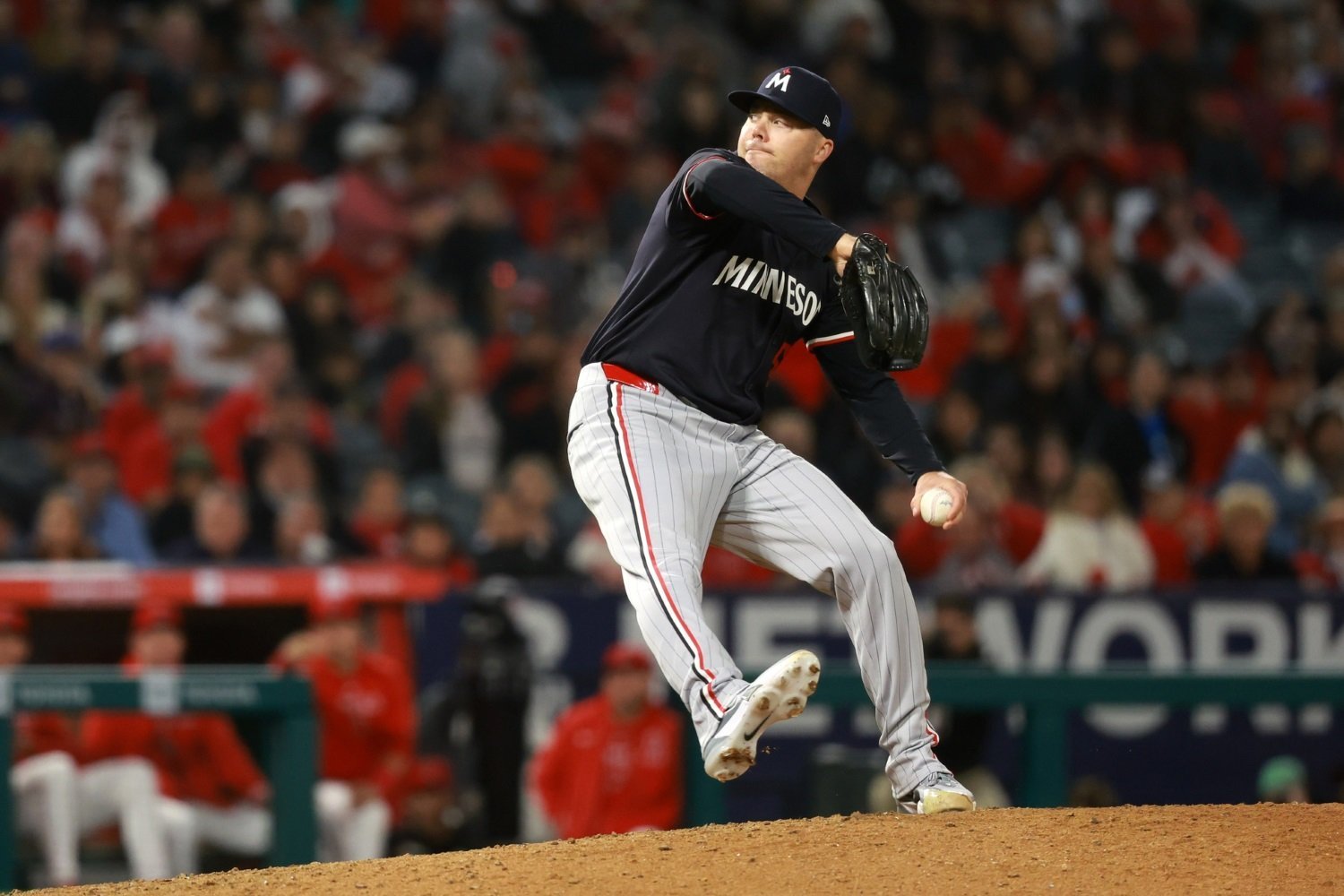 Caleb Thielbar wasn’t supposed to be here. A tall boy from small-town Minnesota rarely gets an opportunity at the big-league level, and Thielbar has been granted more than one chance to be an essential part of the contending team’s bullpens. His journey with the Twins spanned two different eras, with a near retirement in the middle. Now, he heads to Chicago’s North Side, where he will play his first big-league games without wearing the colors of his hometown team. A Journey Through Two Eras Thielbar’s career with the Twins is a tale of perseverance and second chances. Originally signed by the Milwaukee Brewers in 2009, the left-handed reliever from Randolph, Minn. flamed out in that organization and headed to the St. Paul Saints, an independent team at the time. The Twins took notice of him and signed him near the end of the 2011 campaign. Two years later, he made his big-league debut in 2013, becoming a reliable bullpen piece through 2015. Thielbar showcased a deceptive delivery and an uncanny ability to keep hitters off balance during that first stint. He posted a 2.74 ERA (147 ERA+) and a 1.12 WHIP over 109 appearances. The final season of that stint saw an apparent decline, though, and the Twins designated him for assignment in 2015. He was claimed by the Padres, but never appeared for them in the majors. However, baseball careers are rarely linear. Thielbar found himself out of the majors after the 2015 season. The following years included stints in independent leagues and a growing sense that his time in affiliated ball might be over. By 2019, he was ready to hang up his cleats and shift his focus to coaching at Augustana University in South Dakota. A Second Chance, Thanks to the Twins Then, the call came. The Twins and Brad Steil saw an opportunity to give Thielbar another chance. At 32 years old, most players might have been considered past their prime, but Thielbar wasn’t just any player. Minnesota saw the opportunity to refine his pitch mix and reestablish him as a strong late-inning option for a team with playoff aspirations. Thielbar’s return in 2020 was nothing short of remarkable. He became a mainstay in the bullpen, providing stability and leadership during a period when the Twins contended for division titles. Over his second stint (2020-2024), he appeared in 238 games, posting a 3.12 ERA while striking out nearly 11 batters per nine innings. His ability to neutralize left-handed hitters and navigate high-leverage situations made him an indispensable part of the team. Thielbar’s resurgence would not have been possible without the guidance of Twins pro scouting director Brad Steil, a longtime member of the Twins on the minor-league side. Multiple teams were interested in bringing Thielbar to spring training for the 2020 season, but he was set on moving to the college coaching ranks. However, Steil saw the alterations made by Thielbar at Driveline and convinced the lefty to give it one more shot at living out his big-league dream. A Minnesota Legacy Many players from Minnesota have impacted the Twins, but Thielbar should be remembered for embodying the Midwestern work ethic and taking pride in belonging to his hometown team. His journey from an independent league player to a consistent big-league reliever is a testament to his perseverance and the potency of the technology that informs and augments modern player development. One of his most significant moments came in the 2023 playoffs, as he helped his hometown team end a 20-year playoff losing streak. He pitched in both games of the series and didn’t allow a run. Thielbar may be donning a Cubs uniform in 2025, but his legacy in Minnesota is secure. He leaves as one of the most reliable and respected relievers in recent Twins history, embodying resilience and determination every step of the way. For Twins fans, Thielbar will always be part of the Minnesota baseball family. What will you remember most about Thielbar’s time in Minnesota? Leave a comment and start the discussion.
 -
For Caleb Thielbar, the Minnesota Twins have always been more than just a team; they have been home. As he now prepares to join the Chicago Cubs for the next chapter of his career, it’s the perfect time to reflect on his unique journey. Image courtesy of © Kiyoshi Mio-USA TODAY Sports For Caleb Thielbar, the Minnesota Twins have always been more than just a team; they have been home. As he now prepares to join the Chicago Cubs for the next chapter of his career, it’s the perfect time to reflect on his unique journey. Caleb Thielbar wasn’t supposed to be here. A tall boy from small-town Minnesota rarely gets an opportunity at the big-league level, and Thielbar has been granted more than one chance to be an essential part of the contending team’s bullpens. His journey with the Twins spanned two different eras, with a near retirement in the middle. Now, he heads to Chicago’s North Side, where he will play his first big-league games without wearing the colors of his hometown team. A Journey Through Two Eras Thielbar’s career with the Twins is a tale of perseverance and second chances. Originally signed by the Milwaukee Brewers in 2009, the left-handed reliever from Randolph, Minn. flamed out in that organization and headed to the St. Paul Saints, an independent team at the time. The Twins took notice of him and signed him near the end of the 2011 campaign. Two years later, he made his big-league debut in 2013, becoming a reliable bullpen piece through 2015. Thielbar showcased a deceptive delivery and an uncanny ability to keep hitters off balance during that first stint. He posted a 2.74 ERA (147 ERA+) and a 1.12 WHIP over 109 appearances. The final season of that stint saw an apparent decline, though, and the Twins designated him for assignment in 2015. He was claimed by the Padres, but never appeared for them in the majors. However, baseball careers are rarely linear. Thielbar found himself out of the majors after the 2015 season. The following years included stints in independent leagues and a growing sense that his time in affiliated ball might be over. By 2019, he was ready to hang up his cleats and shift his focus to coaching at Augustana University in South Dakota. A Second Chance, Thanks to the Twins Then, the call came. The Twins and Brad Steil saw an opportunity to give Thielbar another chance. At 32 years old, most players might have been considered past their prime, but Thielbar wasn’t just any player. Minnesota saw the opportunity to refine his pitch mix and reestablish him as a strong late-inning option for a team with playoff aspirations. Thielbar’s return in 2020 was nothing short of remarkable. He became a mainstay in the bullpen, providing stability and leadership during a period when the Twins contended for division titles. Over his second stint (2020-2024), he appeared in 238 games, posting a 3.12 ERA while striking out nearly 11 batters per nine innings. His ability to neutralize left-handed hitters and navigate high-leverage situations made him an indispensable part of the team. Thielbar’s resurgence would not have been possible without the guidance of Twins pro scouting director Brad Steil, a longtime member of the Twins on the minor-league side. Multiple teams were interested in bringing Thielbar to spring training for the 2020 season, but he was set on moving to the college coaching ranks. However, Steil saw the alterations made by Thielbar at Driveline and convinced the lefty to give it one more shot at living out his big-league dream. A Minnesota Legacy Many players from Minnesota have impacted the Twins, but Thielbar should be remembered for embodying the Midwestern work ethic and taking pride in belonging to his hometown team. His journey from an independent league player to a consistent big-league reliever is a testament to his perseverance and the potency of the technology that informs and augments modern player development. One of his most significant moments came in the 2023 playoffs, as he helped his hometown team end a 20-year playoff losing streak. He pitched in both games of the series and didn’t allow a run. Thielbar may be donning a Cubs uniform in 2025, but his legacy in Minnesota is secure. He leaves as one of the most reliable and respected relievers in recent Twins history, embodying resilience and determination every step of the way. For Twins fans, Thielbar will always be part of the Minnesota baseball family. What will you remember most about Thielbar’s time in Minnesota? Leave a comment and start the discussion. View full article
-
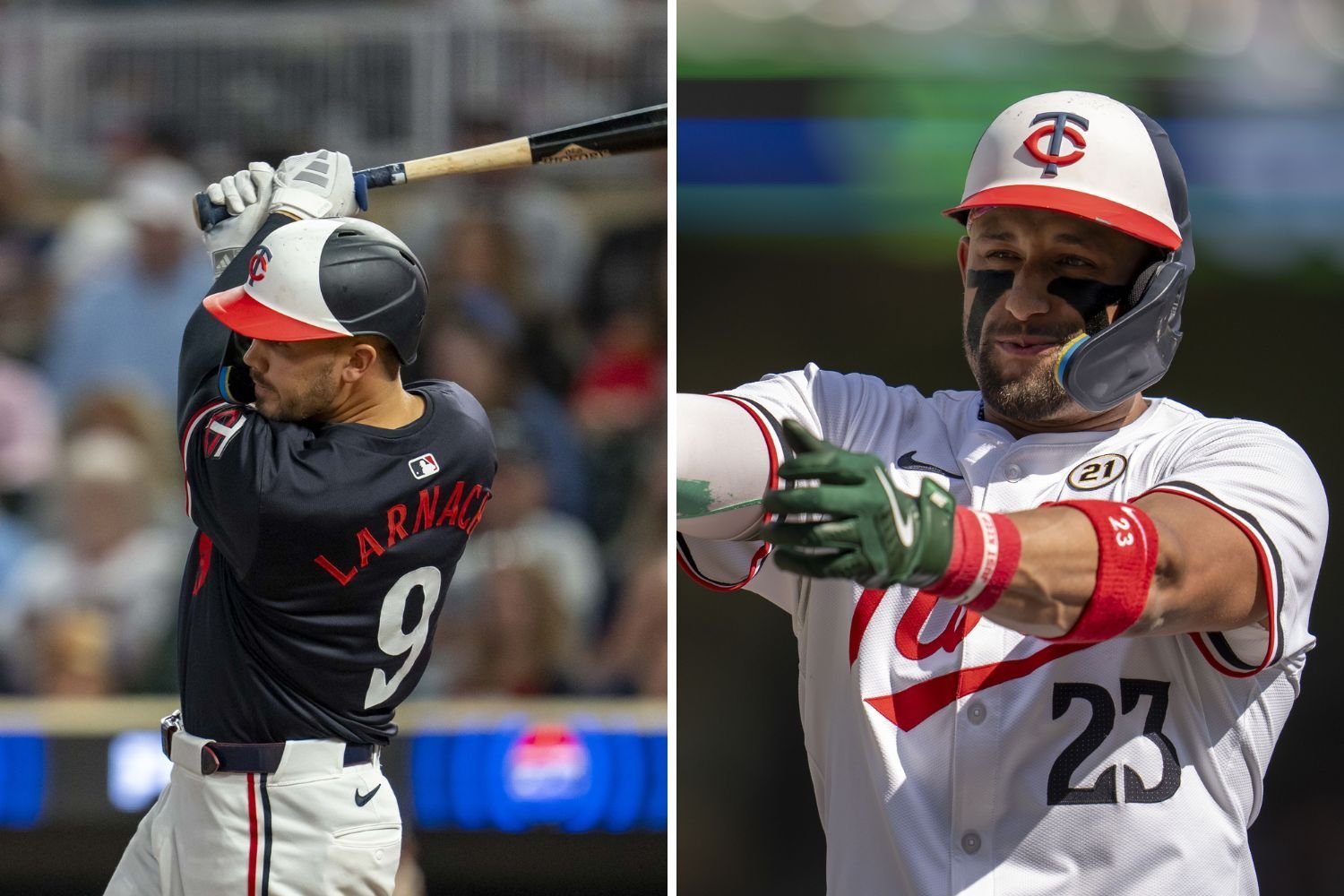 As the Minnesota Twins head into the 2025 season, the team faces critical decisions about its roster construction and game-day strategies. Platooning has been a cornerstone of Rocco Baldelli’s managerial approach. However, with the departures of Kyle Farmer, Carlos Santana, and Max Kepler in free agency, the team’s personnel may demand a reassessment of this strategy. During the Winter Meetings, Derek Falvey offered insight into the organization’s perspective on platooning: With that in mind, let’s dive into the pros and cons of platooning and how it could shape the Twins’ success in the upcoming season. The Pros of Platooning 1. Maximizing Matchups: Platooning allows managers to exploit favorable matchups by using hitters who excel against specific handedness. For example, Kyle Farmer thrived against left-handed pitching, providing balance in the lineup. His .751 OPS versus lefties last season was over 200 points higher than he hit against righties. Farmer’s role will likely be filled by an internal option for next season, so Baldelli must find the best right-handed fit. By leveraging these strengths, the Twins could optimize offensive production without requiring every player to be a five-tool contributor. 2. Managing Player Workloads: The grind of a 162-game season takes its toll, especially on veteran players. Platooning offers built-in rest days for players, keeping them fresh and reducing injury risk. Players like Carlos Correa and Byron Buxton bring immense value to the Twins, but injuries have sidelined them for parts of the last two seasons. Veteran players need rest days to avoid extended IL trips, and sitting the team’s stars against tough right-handed pitchers could help them manage their workload. 3. Building Depth: Platooning necessitates a deep bench of versatile players, which can strengthen a team throughout the season. Players like Willi Castro and Austin Martin, who offer positional flexibility, could thrive in a system designed around platooning. The Twins also have Triple-A players, like Michael Helman and DaShawn Kiersey Jr., who will be trying to earn more permanent roles at the big-league level. These options also provide insurance against injuries or slumps. The Cons of Platooning 1. Inconsistent Roles: While some players adapt well to platooning, others struggle with inconsistent playing time. Younger players, in particular, may find it challenging to develop rhythm and confidence if they’re not playing every day. Matt Wallner and Trevor Larnach are projected to be the team’s corner outfielders and can serve as the strong side of the platoon with their powerful left-handed swings. Last season, Wallner had a .611 OPS versus lefties, while Larnach finished with a .579 OPS. There could be some concern that platooning could hinder their development as they play more regularly at the big-league level. 2. Limited Roster Spots: Carrying a platoon-heavy roster can constrain roster flexibility. The need for multiple players at the same position limits the ability to carry extra pitchers or specialists. For multiple years, the Twins have seemed to need a right-handed hitting corner outfielder to platoon with the team’s young lefty sluggers. However, that hasn’t been a priority for the front office. With MLB’s 13-pitcher roster cap, every bench spot is valuable. 3. Vulnerability to Opponent Adjustments: Savvy opposing managers can exploit a platooning strategy by deploying reverse split pitchers or making mid-game adjustments. Teams have used an opener to get the opposing manager to load his lineup with one-handedness of batters before removing the starter after one or two innings. This strategy can force the manager to burn his bench before the middle innings. If the Twins rely too heavily on platooning, they risk being outmaneuvered late in games when matchup options become limited. What’s Next for the Twins? With Farmer, Santana, and Kepler gone, the Twins must reassess how they deploy their roster. Larnach and Wallner are penciled in as corner outfield starters, but both hit left-handed, creating a potential need for a right-handed complement. Randal Grichuk, who posted a .914 OPS against lefties in 2024, could be an ideal fit or the team could target another right-handed hitting outfielder. In the infield, Castro, Martin, and Helman’s versatility might provide the flexibility required for match-up-based usage. Ultimately, the success of platooning depends on the personnel available and the willingness of players to buy into the system. Falvey’s comments clarify that these decisions fall squarely on Baldelli’s shoulders. As the Twins look to rebound from a disappointing 2024 season, finding the right balance between platooning and stability could be a key factor in their return to contention. Platooning has its merits, but it’s not a one-size-fits-all solution. As Falvey noted, “It depends on the personnel.” For the Twins, the departure of key veterans means the team must carefully evaluate whether a platoon-heavy approach aligns with their 2025 roster. With young players eager for opportunities and veterans seeking consistent roles, Baldelli’s ability to navigate these dynamics will be crucial to the team’s success. Should the Twins reassess how much they platoon? Leave a comment and start the discussion.
- 85 comments
-
- 1
-
-
- kyle farmer
- trevor larnach
- (and 5 more)
-
Rocco Baldelli has consistently used platooning throughout his time as Twins manager. Is it time for the team to reassess the amount of platooning they do? Image courtesy of Jesse Johnson-Imagn Images Rocco Baldelli has consistently used platooning throughout his time as Twins manager. Is it time for the team to reassess the amount of platooning they do? As the Minnesota Twins head into the 2025 season, the team faces critical decisions about its roster construction and game-day strategies. Platooning has been a cornerstone of Rocco Baldelli’s managerial approach. However, with the departures of Kyle Farmer, Carlos Santana, and Max Kepler in free agency, the team’s personnel may demand a reassessment of this strategy. During the Winter Meetings, Derek Falvey offered insight into the organization’s perspective on platooning: With that in mind, let’s dive into the pros and cons of platooning and how it could shape the Twins’ success in the upcoming season. The Pros of Platooning 1. Maximizing Matchups: Platooning allows managers to exploit favorable matchups by using hitters who excel against specific handedness. For example, Kyle Farmer thrived against left-handed pitching, providing balance in the lineup. His .751 OPS versus lefties last season was over 200 points higher than he hit against righties. Farmer’s role will likely be filled by an internal option for next season, so Baldelli must find the best right-handed fit. By leveraging these strengths, the Twins could optimize offensive production without requiring every player to be a five-tool contributor. 2. Managing Player Workloads: The grind of a 162-game season takes its toll, especially on veteran players. Platooning offers built-in rest days for players, keeping them fresh and reducing injury risk. Players like Carlos Correa and Byron Buxton bring immense value to the Twins, but injuries have sidelined them for parts of the last two seasons. Veteran players need rest days to avoid extended IL trips, and sitting the team’s stars against tough right-handed pitchers could help them manage their workload. 3. Building Depth: Platooning necessitates a deep bench of versatile players, which can strengthen a team throughout the season. Players like Willi Castro and Austin Martin, who offer positional flexibility, could thrive in a system designed around platooning. The Twins also have Triple-A players, like Michael Helman and DaShawn Kiersey Jr., who will be trying to earn more permanent roles at the big-league level. These options also provide insurance against injuries or slumps. The Cons of Platooning 1. Inconsistent Roles: While some players adapt well to platooning, others struggle with inconsistent playing time. Younger players, in particular, may find it challenging to develop rhythm and confidence if they’re not playing every day. Matt Wallner and Trevor Larnach are projected to be the team’s corner outfielders and can serve as the strong side of the platoon with their powerful left-handed swings. Last season, Wallner had a .611 OPS versus lefties, while Larnach finished with a .579 OPS. There could be some concern that platooning could hinder their development as they play more regularly at the big-league level. 2. Limited Roster Spots: Carrying a platoon-heavy roster can constrain roster flexibility. The need for multiple players at the same position limits the ability to carry extra pitchers or specialists. For multiple years, the Twins have seemed to need a right-handed hitting corner outfielder to platoon with the team’s young lefty sluggers. However, that hasn’t been a priority for the front office. With MLB’s 13-pitcher roster cap, every bench spot is valuable. 3. Vulnerability to Opponent Adjustments: Savvy opposing managers can exploit a platooning strategy by deploying reverse split pitchers or making mid-game adjustments. Teams have used an opener to get the opposing manager to load his lineup with one-handedness of batters before removing the starter after one or two innings. This strategy can force the manager to burn his bench before the middle innings. If the Twins rely too heavily on platooning, they risk being outmaneuvered late in games when matchup options become limited. What’s Next for the Twins? With Farmer, Santana, and Kepler gone, the Twins must reassess how they deploy their roster. Larnach and Wallner are penciled in as corner outfield starters, but both hit left-handed, creating a potential need for a right-handed complement. Randal Grichuk, who posted a .914 OPS against lefties in 2024, could be an ideal fit or the team could target another right-handed hitting outfielder. In the infield, Castro, Martin, and Helman’s versatility might provide the flexibility required for match-up-based usage. Ultimately, the success of platooning depends on the personnel available and the willingness of players to buy into the system. Falvey’s comments clarify that these decisions fall squarely on Baldelli’s shoulders. As the Twins look to rebound from a disappointing 2024 season, finding the right balance between platooning and stability could be a key factor in their return to contention. Platooning has its merits, but it’s not a one-size-fits-all solution. As Falvey noted, “It depends on the personnel.” For the Twins, the departure of key veterans means the team must carefully evaluate whether a platoon-heavy approach aligns with their 2025 roster. With young players eager for opportunities and veterans seeking consistent roles, Baldelli’s ability to navigate these dynamics will be crucial to the team’s success. Should the Twins reassess how much they platoon? Leave a comment and start the discussion. View full article
-
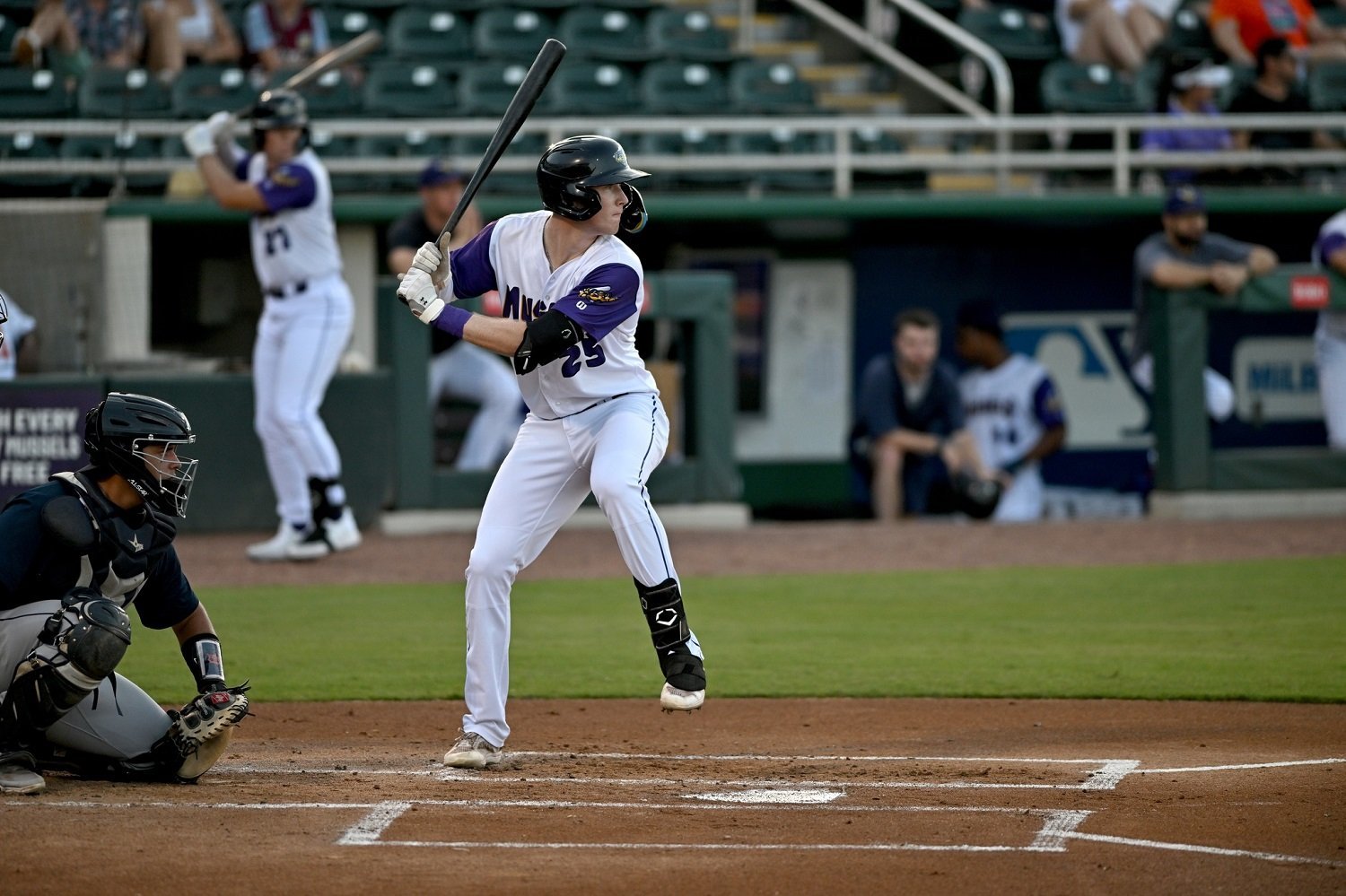 The Minnesota Twins farm system continues to evolve, and looking ahead to 2025, it’s time to highlight the future stars who could top the organization’s prospect rankings. Some of the team’s top prospects are expected to graduate from prospect lists next season such as Emmanuel Rodriguez, Luke Keaschall, and Andrew Morris. Let’s count down from No. 5 to No. 1 to see who will be at the top of the farm system’s rankings one year from now. 5. Marco Raya, RHP Raya’s electric arm has kept him on the radar despite the organization being aggressive and cautious with him simultaneously. By the end of 2024, the Twins pushed him all the way to Triple-A, where he was six years younger than the average age of the competition. However, the Twins continue to limit his innings, with him only pitching more than five innings in one appearance last season. His fastball, which sits in the mid-90s, pairs well with a devastating slider. In 2024, he improved his strikeout rate at the Double-A level from 8.1 in 2024 to 9.6 K/9. If he can continue to refine his command and stay healthy, Raya has the potential to develop into a mid-rotation starter or even an elite bullpen weapon if the Twins decide to go that route. Now that he’s close to the big leagues, the Twins must allow Raya to pitch deeper into games and prove his stuff can handle a starter's workload. 2025 Prediction: Raya will pitch the majority of 2025 at Triple-A while pitching a career-high in innings. 4. Brandon Winokur, SS/3B/OF Winokur’s raw athleticism and power have been turning heads since he was drafted in the third round in 2023. In 2024, he played the entire season at Low-A as a 19-year-old. He slashed .249/.327/.434 (.761) with 36 extra-base hits in 94 games. He made significant strides at the plate, cutting down on strikeouts, with his strikeout rate dropping over 4% and his walk rate increasing by 2.7% compared to his pro debut. He also showcased the bat speed that could make him a cornerstone for the Twins. Winokur also offers positional flexibility, splitting time between shortstop, third base, and the outfield, though he may ultimately settle in a corner outfield spot. He has the tools that make scouts drool over his future potential. MLB Pipeline ranks him above average in Power (55), Run (60), and Arm (60). His blend of speed and power makes him an exciting prospect to watch as he rises through the system. In 2025, he is a player who can take a big step forward and potentially be a Top 100 prospect. 2025 Prediction: Winokur will spend 2025 in Cedar Rapids before moving to Double-A during his age-20 season. 3. Charlee Soto, RHP Soto, the Twins’ first-round pick (competitive balance) in 2023, has quickly established himself as one of the most promising arms in the system. His 2024 season showcased his ability to handle advanced competition while being 18 years old for most of the season. In 21 games (74 IP), he posted a 5.23 ERA with a 1.50 WHIP and an 87-to-33 strikeout-to-walk ratio. His 10.6 K/9 was very good, but he allowed 9.5 H/9 and 4.0 BB/9. Soto only faced younger batters in 10 plate appearances for the entire season and held them to one hit and four strikeouts. He has a fastball that touches 98 mph and a sinker and cutter that have good movement to keep batters off-balance. While he’s still refining his breaking ball, Soto’s poise on the mound and elite velocity have scouts projecting him as a future ace. He is a power pitcher, and many scouts believe he can throw strikes consistently as he learns to be a full-time pitcher. If he can continue his development path, he’ll be knocking on the door of the majors by 2027. 2025 Prediction: Soto will pitch the entire season at Cedar Rapids while still being a teenager. Look for him to pitch over 100 innings for the first time in his career while continuing to refine his secondary pitches. 2. Kaelen Culpepper, 3B/SS Last week, I wrote about why Culpepper deserves more respect on Twins prospect lists. Minnesota took him with their first-round draft pick in 2024, so he had limited time to help his prospect stock during his professional debut. In 26 games, he hit .242/.330/.394 (.724) with eight extra-base hits. In his very short time at Fort Myers, his 90th-percentile exit velocity was 102.6 miles per hour. He was also a patient hitter with a mature understanding of the strike zone, with 11 walks in 112 plate appearances. Culpepper combines a solid hit tool with surprising pop for his size, making him a threat in the middle of any lineup. His defense is another strength, as he’s capable of playing both third base and shortstop at a high level. He’ll likely start the year in High-A Cedar Rapids, where he ended the 2024 season. At that level, he can build on the adjustments he began to make late in his pro debut. A midseason promotion to Double-A Wichita could be on the horizon if he performs well. Success at that level would firmly establish him as one of the Twins’ top prospects and put him on the radar for a 2026 big-league debut. 2025 Prediction: Culpepper will enter next winter as a global Top 100 prospect. 1. Walker Jenkins, OF It’s no surprise that Jenkins takes the top spot on this list. The fifth overall pick in the 2023 MLB Draft has lived up to the hype. Jenkins’ smooth left-handed swing generates both average and power, making him a future anchor in the Twins’ lineup. In 2024, he continued to crush minor league pitching while improving his defense and baserunning. Jenkins finished the year at Double-A as a 19-year-old while hitting .282/.394/.439 (.833) with 32 extra-base hits in 82 games. More impressively, he coaxed more walks (56) than strikeouts (47) while facing older pitchers in all but eight of his at-bats. Scouts rave about his makeup and leadership qualities, adding to his superstar potential. The Twins have continued to use him in center field because of his athleticism and strong arm. MLB Pipeline’s scouting grades include a 60 for hit, power, and arm. If everything goes as planned, Jenkins could be a mainstay in the Twins’ outfield for the next decade. 2025 Prediction: Jenkins will be considered baseball’s top overall prospect by the season’s end. The Twins’ system is in excellent shape, with these five players leading the way. As the organization looks to return to playoff contention, the contributions of these rising stars will be crucial to their success in the years ahead. What stands out about the five names mentioned above? Leave a comment and start the discussion.
- 35 comments
-
- 10
-
-

-
- walker jenkins
- brandon winokur
- (and 3 more)
-
The Twins have plenty of prospects poised to impact the big-league roster in 2025. So, let’s look into the crystal ball and see who will be at the top of the team’s prospect rankings one year from now. Image courtesy of William Parmeter (photo of Brandon Winokur) The Twins have plenty of prospects poised to impact the big-league roster in 2025. So, let’s look into the crystal ball and see who will be at the top of the team’s prospect rankings one year from now. The Minnesota Twins farm system continues to evolve, and looking ahead to 2025, it’s time to highlight the future stars who could top the organization’s prospect rankings. Some of the team’s top prospects are expected to graduate from prospect lists next season such as Emmanuel Rodriguez, Luke Keaschall, and Andrew Morris. Let’s count down from No. 5 to No. 1 to see who will be at the top of the farm system’s rankings one year from now. 5. Marco Raya, RHP Raya’s electric arm has kept him on the radar despite the organization being aggressive and cautious with him simultaneously. By the end of 2024, the Twins pushed him all the way to Triple-A, where he was six years younger than the average age of the competition. However, the Twins continue to limit his innings, with him only pitching more than five innings in one appearance last season. His fastball, which sits in the mid-90s, pairs well with a devastating slider. In 2024, he improved his strikeout rate at the Double-A level from 8.1 in 2024 to 9.6 K/9. If he can continue to refine his command and stay healthy, Raya has the potential to develop into a mid-rotation starter or even an elite bullpen weapon if the Twins decide to go that route. Now that he’s close to the big leagues, the Twins must allow Raya to pitch deeper into games and prove his stuff can handle a starter's workload. 2025 Prediction: Raya will pitch the majority of 2025 at Triple-A while pitching a career-high in innings. 4. Brandon Winokur, SS/3B/OF Winokur’s raw athleticism and power have been turning heads since he was drafted in the third round in 2023. In 2024, he played the entire season at Low-A as a 19-year-old. He slashed .249/.327/.434 (.761) with 36 extra-base hits in 94 games. He made significant strides at the plate, cutting down on strikeouts, with his strikeout rate dropping over 4% and his walk rate increasing by 2.7% compared to his pro debut. He also showcased the bat speed that could make him a cornerstone for the Twins. Winokur also offers positional flexibility, splitting time between shortstop, third base, and the outfield, though he may ultimately settle in a corner outfield spot. He has the tools that make scouts drool over his future potential. MLB Pipeline ranks him above average in Power (55), Run (60), and Arm (60). His blend of speed and power makes him an exciting prospect to watch as he rises through the system. In 2025, he is a player who can take a big step forward and potentially be a Top 100 prospect. 2025 Prediction: Winokur will spend 2025 in Cedar Rapids before moving to Double-A during his age-20 season. 3. Charlee Soto, RHP Soto, the Twins’ first-round pick (competitive balance) in 2023, has quickly established himself as one of the most promising arms in the system. His 2024 season showcased his ability to handle advanced competition while being 18 years old for most of the season. In 21 games (74 IP), he posted a 5.23 ERA with a 1.50 WHIP and an 87-to-33 strikeout-to-walk ratio. His 10.6 K/9 was very good, but he allowed 9.5 H/9 and 4.0 BB/9. Soto only faced younger batters in 10 plate appearances for the entire season and held them to one hit and four strikeouts. He has a fastball that touches 98 mph and a sinker and cutter that have good movement to keep batters off-balance. While he’s still refining his breaking ball, Soto’s poise on the mound and elite velocity have scouts projecting him as a future ace. He is a power pitcher, and many scouts believe he can throw strikes consistently as he learns to be a full-time pitcher. If he can continue his development path, he’ll be knocking on the door of the majors by 2027. 2025 Prediction: Soto will pitch the entire season at Cedar Rapids while still being a teenager. Look for him to pitch over 100 innings for the first time in his career while continuing to refine his secondary pitches. 2. Kaelen Culpepper, 3B/SS Last week, I wrote about why Culpepper deserves more respect on Twins prospect lists. Minnesota took him with their first-round draft pick in 2024, so he had limited time to help his prospect stock during his professional debut. In 26 games, he hit .242/.330/.394 (.724) with eight extra-base hits. In his very short time at Fort Myers, his 90th-percentile exit velocity was 102.6 miles per hour. He was also a patient hitter with a mature understanding of the strike zone, with 11 walks in 112 plate appearances. Culpepper combines a solid hit tool with surprising pop for his size, making him a threat in the middle of any lineup. His defense is another strength, as he’s capable of playing both third base and shortstop at a high level. He’ll likely start the year in High-A Cedar Rapids, where he ended the 2024 season. At that level, he can build on the adjustments he began to make late in his pro debut. A midseason promotion to Double-A Wichita could be on the horizon if he performs well. Success at that level would firmly establish him as one of the Twins’ top prospects and put him on the radar for a 2026 big-league debut. 2025 Prediction: Culpepper will enter next winter as a global Top 100 prospect. 1. Walker Jenkins, OF It’s no surprise that Jenkins takes the top spot on this list. The fifth overall pick in the 2023 MLB Draft has lived up to the hype. Jenkins’ smooth left-handed swing generates both average and power, making him a future anchor in the Twins’ lineup. In 2024, he continued to crush minor league pitching while improving his defense and baserunning. Jenkins finished the year at Double-A as a 19-year-old while hitting .282/.394/.439 (.833) with 32 extra-base hits in 82 games. More impressively, he coaxed more walks (56) than strikeouts (47) while facing older pitchers in all but eight of his at-bats. Scouts rave about his makeup and leadership qualities, adding to his superstar potential. The Twins have continued to use him in center field because of his athleticism and strong arm. MLB Pipeline’s scouting grades include a 60 for hit, power, and arm. If everything goes as planned, Jenkins could be a mainstay in the Twins’ outfield for the next decade. 2025 Prediction: Jenkins will be considered baseball’s top overall prospect by the season’s end. The Twins’ system is in excellent shape, with these five players leading the way. As the organization looks to return to playoff contention, the contributions of these rising stars will be crucial to their success in the years ahead. What stands out about the five names mentioned above? Leave a comment and start the discussion. View full article
- 35 replies
-
- 1
-
-
- walker jenkins
- brandon winokur
- (and 3 more)
-
Few players can produce at top performance for multiple seasons in a row. Baseball is a game where age, injuries, and streakiness can hamper performance. So, which Twins might be heading for regression in 2025? Image courtesy of Benny Sieu-USA TODAY Sports Few players can produce at top performance for multiple seasons in a row. Baseball is a game where age, injuries, and streakiness can hamper performance. So, which Twins might be heading for regression in 2025? As the Minnesota Twins look to rebound in 2025, their success hinges on several key players replicating their standout performances from a year ago. However, regression is a natural part of baseball, and some players are more likely to take a step back than others. Here are three Twins who could be candidates for regression in the upcoming season and why their performance trends are worth monitoring. Carlos Correa: Can He Stay Dominant? Correa was the Twins' best position player during the first half of the 2024 season, earning All-Star honors and putting up numbers that rivaled the best stretches of his career. In 75 games, he hit .308/.377/.520 (.896) with 13 home runs and 16 doubles. His power surged, his glove remained elite, and he lived up to his status as the team’s highest-paid player. Unfortunately, plantar fasciitis sidelined him for the second half of the year, leaving questions about his ability to sustain such a high production level over a full season. Regression isn’t about Correa falling off a cliff but about him leveling out. His first-half numbers were well above his career averages in several categories, and expecting him to maintain that level over 162 games might be unfair. His SLG had the highest difference on the team compared to his xSLG.The Twins need him to be productive, but they’ll also need to manage his workload to keep him healthy and impactful deep into the season. There have been rumors about the Twins potentially trading Correa, but that would be a lose-lose proposition for the front office. Byron Buxton: Health Remains the X-Factor Buxton proved some of his doubters wrong in 2024 by playing over 100 games for just the second time in his career. He returned to centerfield after being a full-time DH in 2023 and hit .279/.335/.524 (.859) with a 137 OPS+ and 48 extra-base hits. For the first time in six seasons, he is having a healthy offseason where he doesn’t need surgery or rehab. It gives hope that he can repeat that availability in 2025. But Buxton’s history of injuries cannot be ignored, and the Twins need to be realistic about the potential for setbacks. If Buxton misses time, the team’s depth in centerfield will be tested. Minnesota has used players like Willi Castro and Austin Martin in center field, but neither match Buxton’s potential to impact the game on both sides of the ball. The Twins certainly hope Buxton will be able to play in 100 games for a second consecutive season, but that seems unlikely with his track record. Insurance plans will be critical to sustaining success if regression strikes in the form of missed games. Matt Wallner: Feast or Famine? Wallner emerged as one of the Twins’ best hitters in 2024, providing a powerful left-handed bat that could change the game with one swing. In 75 games, he hit .259/.372/.523 (.894) with a 149 OPS+ and 31 extra-base hits. However, his player profile comes with inherent risks. Wallner’s high strikeout rate (36.4 K%) and streaky nature make him prone to slumps, and opposing pitchers may adjust to exploit his weaknesses after parts of three seasons at the big-league level. Wallner’s raw power is undeniable, and his ability to barrel up the ball makes him a valuable asset. Yet, if his plate discipline falters or pitchers learn how to neutralize him, his offensive production could take a significant hit. Among Twins hitters, his SLG was +.055 higher than his xSLG, the second-highest total on the team behind Correa. The Twins will likely live with his streakiness, but they’ll need other players to step up when Wallner hits the inevitable cold spells. The Twins enter 2025 with high expectations, and these three players are vital to the team’s success. While regression is possible for Correa, Buxton, and Wallner, it doesn’t mean they won’t still be key contributors. The challenge for the Twins will be maximizing their strengths while mitigating the risks of natural performance dips. Smart roster management and a deep bench could help the team weather any storms that come their way. Which player should the Twins be most worried about for 2025? Leave a comment and start the discussion. View full article
-
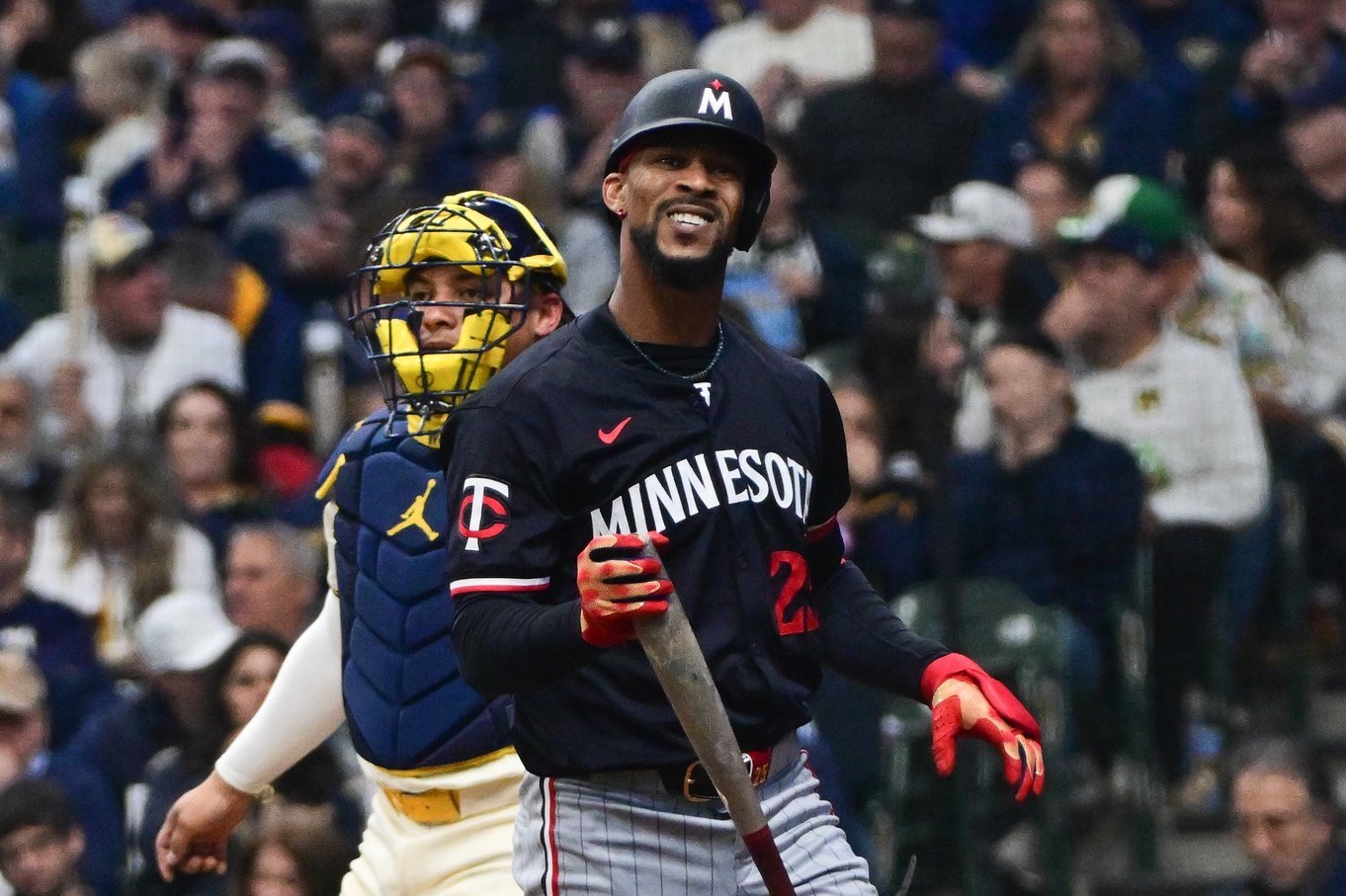 As the Minnesota Twins look to rebound in 2025, their success hinges on several key players replicating their standout performances from a year ago. However, regression is a natural part of baseball, and some players are more likely to take a step back than others. Here are three Twins who could be candidates for regression in the upcoming season and why their performance trends are worth monitoring. Carlos Correa: Can He Stay Dominant? Correa was the Twins' best position player during the first half of the 2024 season, earning All-Star honors and putting up numbers that rivaled the best stretches of his career. In 75 games, he hit .308/.377/.520 (.896) with 13 home runs and 16 doubles. His power surged, his glove remained elite, and he lived up to his status as the team’s highest-paid player. Unfortunately, plantar fasciitis sidelined him for the second half of the year, leaving questions about his ability to sustain such a high production level over a full season. Regression isn’t about Correa falling off a cliff but about him leveling out. His first-half numbers were well above his career averages in several categories, and expecting him to maintain that level over 162 games might be unfair. His SLG had the highest difference on the team compared to his xSLG.The Twins need him to be productive, but they’ll also need to manage his workload to keep him healthy and impactful deep into the season. There have been rumors about the Twins potentially trading Correa, but that would be a lose-lose proposition for the front office. Byron Buxton: Health Remains the X-Factor Buxton proved some of his doubters wrong in 2024 by playing over 100 games for just the second time in his career. He returned to centerfield after being a full-time DH in 2023 and hit .279/.335/.524 (.859) with a 137 OPS+ and 48 extra-base hits. For the first time in six seasons, he is having a healthy offseason where he doesn’t need surgery or rehab. It gives hope that he can repeat that availability in 2025. But Buxton’s history of injuries cannot be ignored, and the Twins need to be realistic about the potential for setbacks. If Buxton misses time, the team’s depth in centerfield will be tested. Minnesota has used players like Willi Castro and Austin Martin in center field, but neither match Buxton’s potential to impact the game on both sides of the ball. The Twins certainly hope Buxton will be able to play in 100 games for a second consecutive season, but that seems unlikely with his track record. Insurance plans will be critical to sustaining success if regression strikes in the form of missed games. Matt Wallner: Feast or Famine? Wallner emerged as one of the Twins’ best hitters in 2024, providing a powerful left-handed bat that could change the game with one swing. In 75 games, he hit .259/.372/.523 (.894) with a 149 OPS+ and 31 extra-base hits. However, his player profile comes with inherent risks. Wallner’s high strikeout rate (36.4 K%) and streaky nature make him prone to slumps, and opposing pitchers may adjust to exploit his weaknesses after parts of three seasons at the big-league level. Wallner’s raw power is undeniable, and his ability to barrel up the ball makes him a valuable asset. Yet, if his plate discipline falters or pitchers learn how to neutralize him, his offensive production could take a significant hit. Among Twins hitters, his SLG was +.055 higher than his xSLG, the second-highest total on the team behind Correa. The Twins will likely live with his streakiness, but they’ll need other players to step up when Wallner hits the inevitable cold spells. The Twins enter 2025 with high expectations, and these three players are vital to the team’s success. While regression is possible for Correa, Buxton, and Wallner, it doesn’t mean they won’t still be key contributors. The challenge for the Twins will be maximizing their strengths while mitigating the risks of natural performance dips. Smart roster management and a deep bench could help the team weather any storms that come their way. Which player should the Twins be most worried about for 2025? Leave a comment and start the discussion.
- 41 comments
-
- 4
-
-
- carlos correa
- matt wallner
- (and 1 more)
-
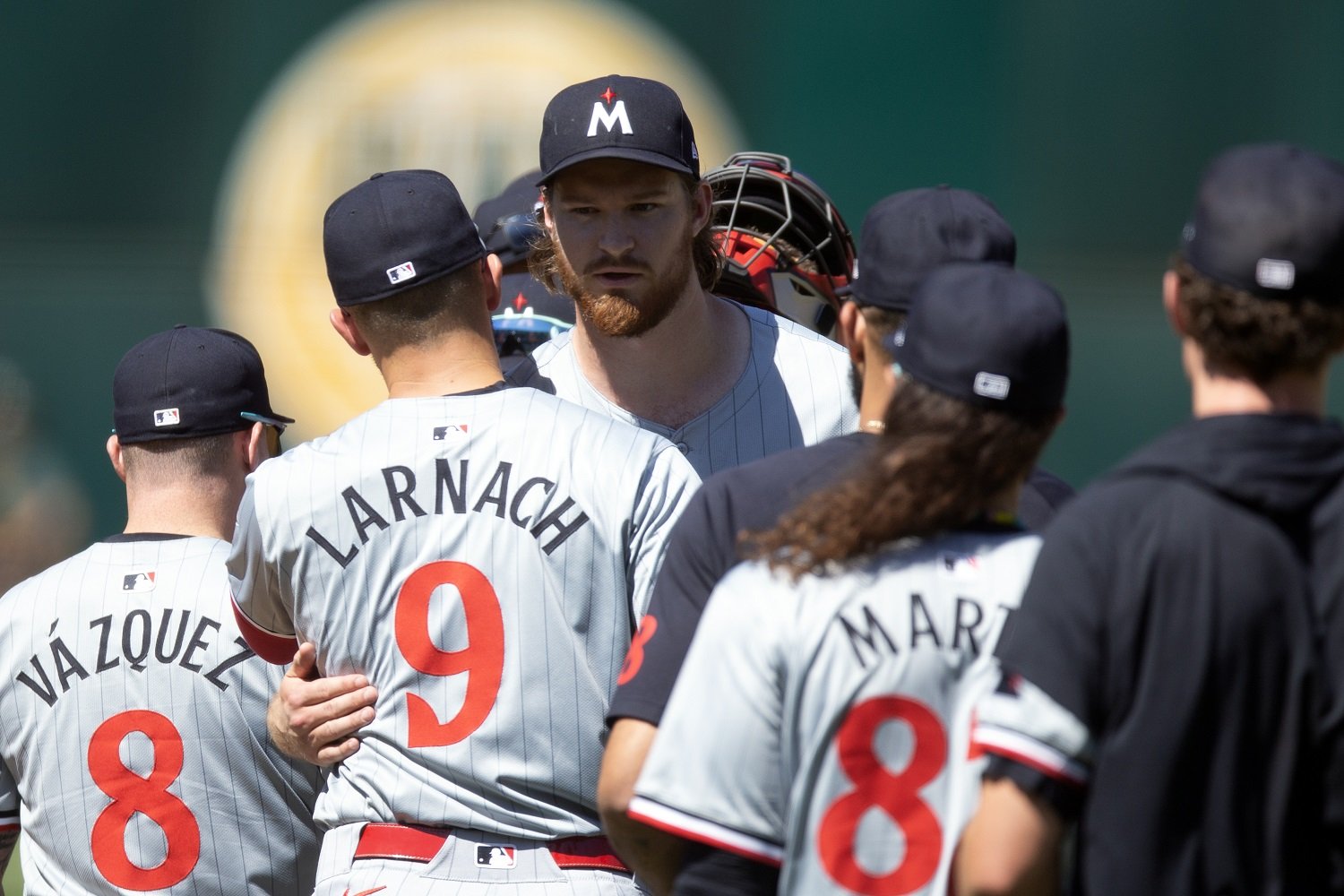 On June 22, the Twins were in the thick of the AL playoff race with the league’s fifth-best record. Cleveland was up over seven games in the division, and the Royals were hot on Minnesota’s heels for second place. The Twins had lost three straight games and entered play needing a strong start that day's starter, Bailey Ober. He ended up turning in a masterful performance that was one for the record books. 1st Inning Ober’s first inning wasn’t indicative of the performance he would have on this day. JJ Bleday, the second batter of the inning, smacked a solo home run to tie the game. He was looking for a fastball and put it into the seats on the first pitch. Ober settled in and retired the next two batters on a groundout and a fly ball. Even with the home run, Ober made it out of the first inning by only throwing 11 pitches, with six of them coming against Brent Rooker for the frame’s last out. 2nd Inning Ober got a long rest in the top of the second inning as the Twins sent 12 batters to the plate and pushed across seven runs. Manuel Margot had the biggest hit of the inning with a three-run shot that would put the Twins in front for good. Ober’s first at-bat of the inning didn’t go as well. He allowed a solo home run to Tyler Soderstrom, another first-pitch fastball. The home run seemed to wake him up. He made it through the inning on 13 pitches and struck out two batters. 3rd Inning Ober found his groove in the third inning and made it out of the frame on eight pitches. Kyle McCann singled to start the inning, but Ober quickly erased the runner by coaxing a double-play from Max Schuemann. Bleday was the inning’s third batter, and Ober avenged the homer by striking him out on four pitches. 4th Inning In the fourth, Ober allowed a one-out double to Rooker, but it ended up being the only damage of the frame. It was the final Oakland batter to reach base during the game. Despite the hit, Ober escaped the inning on 12 pitches with two flyouts and a ground out. The Twins had a commanding 9-2 lead, and Ober knew he could pound the strike zone and get his teammates back in the dugout. 5th Inning Ober had another efficient inning, with him only needing eight pitches. Lawrence Butler flew out on two pitches before Zack Gelof lined out on three pitches. Kyle McCann saw three sliders in his at-bat and missed all three for another Ober strikeout. 6th Inning Ober started the sixth frame with a four-pitch strikeout of Schuemann, including another swinging K on his slider that was down in the zone. Bleday lined out to second base on the first pitch of his at-bat and was followed by a two-pitch infield flyout by Miguel Andujar. It was another inning where Ober threw fewer than ten pitches and was rolling into the late frames. 7th Inning Rooker had some of the best at-bats against Ober all day, but the Twins righty got the best of him in the seventh. Ober used three changeups on the first four pitches of the at-bat to get Rooker off balance. Then he finished him off with a four-seam fastball on the outer part of the plate for a foul tip strikeout. Soderstrom flew out on three pitches, and Tyler Nevin flew out on one pitch to end the inning. It was another single-digit pitch inning. "I knew my pitch count was low just because there were a lot of fast innings,” Ober said. “But after the seventh inning, I walked past [pitching coach Pete Maki] and said, ‘I'm finishing this thing.’" 8th Inning Ober could see the finish line in the eighth, especially since the Twins continued to have a big lead. He was masterful in this frame with three strikeouts. Butler struck out on four pitches, including a fastball at his eyes for a swinging K. Gelof also struck out on four pitches with three swinging strikes on breaking pitches low in the zone. McCann was the final strikeout victim. Ober got him to swing at three different pitches and struck him out on a slider low and away. 9th Inning In the final frame, Ober took the mound with 81 pitches, so the Twins had no reason to have anyone up in the bullpen. Schuemann started the inning with a five-pitch strikeout, including a fastball down the middle that he took for a called strike three. Armando Alvarez got a cutter on his first pitch and grounded out softly to first baseman Carlos Santana. Daz Cameron was the game’s last batter as he grounded out to shortstop on the second pitch he saw. It was the first time in 19 years that a Twins pitcher threw a complete game in fewer than 90 pitches. Ober tied his career high with 10 strikeouts in the game. The only other outing of 90 or fewer pitches and 10 or more strikeouts in a nine-inning complete game since pitch counts started being tracked in 1988 was David Cone’s perfect game on July 18, 1999. Ober retired the final 17 batters of the game, including four consecutive strikeouts in the final two innings. He threw single-digit pitches in five of the nine innings and never threw more than 13 in a frame. "Me and Joe [Ryan] have talked about it -- throwing a Maddux is under 100,” Ober said. “It's something we've talked about. A little personal goal to get a CG under 100 feels pretty good." It should feel pretty good. It was a tremendous performance and one that should be a highlight of the Twins’ 2024 season. What do you remember about Ober’s performance? Leave a comment and start the discussion.
- 5 comments
-
- 2
-
-
- bailey ober
- manuel margot
- (and 3 more)
-
As the calendar turns to 2025, let’s reflect on the Twins’ best performance from 2024. What game stands out from 2024, and who led the way for Minnesota in that contest? Image courtesy of © D. Ross Cameron-Imagn Images As the calendar turns to 2025, let’s reflect on the Twins’ best performance from 2024. What game stands out from 2024, and who led the way for Minnesota in that contest? On June 22, the Twins were in the thick of the AL playoff race with the league’s fifth-best record. Cleveland was up over seven games in the division, and the Royals were hot on Minnesota’s heels for second place. The Twins had lost three straight games and entered play needing a strong start that day's starter, Bailey Ober. He ended up turning in a masterful performance that was one for the record books. 1st Inning Ober’s first inning wasn’t indicative of the performance he would have on this day. JJ Bleday, the second batter of the inning, smacked a solo home run to tie the game. He was looking for a fastball and put it into the seats on the first pitch. Ober settled in and retired the next two batters on a groundout and a fly ball. Even with the home run, Ober made it out of the first inning by only throwing 11 pitches, with six of them coming against Brent Rooker for the frame’s last out. 2nd Inning Ober got a long rest in the top of the second inning as the Twins sent 12 batters to the plate and pushed across seven runs. Manuel Margot had the biggest hit of the inning with a three-run shot that would put the Twins in front for good. Ober’s first at-bat of the inning didn’t go as well. He allowed a solo home run to Tyler Soderstrom, another first-pitch fastball. The home run seemed to wake him up. He made it through the inning on 13 pitches and struck out two batters. 3rd Inning Ober found his groove in the third inning and made it out of the frame on eight pitches. Kyle McCann singled to start the inning, but Ober quickly erased the runner by coaxing a double-play from Max Schuemann. Bleday was the inning’s third batter, and Ober avenged the homer by striking him out on four pitches. 4th Inning In the fourth, Ober allowed a one-out double to Rooker, but it ended up being the only damage of the frame. It was the final Oakland batter to reach base during the game. Despite the hit, Ober escaped the inning on 12 pitches with two flyouts and a ground out. The Twins had a commanding 9-2 lead, and Ober knew he could pound the strike zone and get his teammates back in the dugout. 5th Inning Ober had another efficient inning, with him only needing eight pitches. Lawrence Butler flew out on two pitches before Zack Gelof lined out on three pitches. Kyle McCann saw three sliders in his at-bat and missed all three for another Ober strikeout. 6th Inning Ober started the sixth frame with a four-pitch strikeout of Schuemann, including another swinging K on his slider that was down in the zone. Bleday lined out to second base on the first pitch of his at-bat and was followed by a two-pitch infield flyout by Miguel Andujar. It was another inning where Ober threw fewer than ten pitches and was rolling into the late frames. 7th Inning Rooker had some of the best at-bats against Ober all day, but the Twins righty got the best of him in the seventh. Ober used three changeups on the first four pitches of the at-bat to get Rooker off balance. Then he finished him off with a four-seam fastball on the outer part of the plate for a foul tip strikeout. Soderstrom flew out on three pitches, and Tyler Nevin flew out on one pitch to end the inning. It was another single-digit pitch inning. "I knew my pitch count was low just because there were a lot of fast innings,” Ober said. “But after the seventh inning, I walked past [pitching coach Pete Maki] and said, ‘I'm finishing this thing.’" 8th Inning Ober could see the finish line in the eighth, especially since the Twins continued to have a big lead. He was masterful in this frame with three strikeouts. Butler struck out on four pitches, including a fastball at his eyes for a swinging K. Gelof also struck out on four pitches with three swinging strikes on breaking pitches low in the zone. McCann was the final strikeout victim. Ober got him to swing at three different pitches and struck him out on a slider low and away. 9th Inning In the final frame, Ober took the mound with 81 pitches, so the Twins had no reason to have anyone up in the bullpen. Schuemann started the inning with a five-pitch strikeout, including a fastball down the middle that he took for a called strike three. Armando Alvarez got a cutter on his first pitch and grounded out softly to first baseman Carlos Santana. Daz Cameron was the game’s last batter as he grounded out to shortstop on the second pitch he saw. It was the first time in 19 years that a Twins pitcher threw a complete game in fewer than 90 pitches. Ober tied his career high with 10 strikeouts in the game. The only other outing of 90 or fewer pitches and 10 or more strikeouts in a nine-inning complete game since pitch counts started being tracked in 1988 was David Cone’s perfect game on July 18, 1999. Ober retired the final 17 batters of the game, including four consecutive strikeouts in the final two innings. He threw single-digit pitches in five of the nine innings and never threw more than 13 in a frame. "Me and Joe [Ryan] have talked about it -- throwing a Maddux is under 100,” Ober said. “It's something we've talked about. A little personal goal to get a CG under 100 feels pretty good." It should feel pretty good. It was a tremendous performance and one that should be a highlight of the Twins’ 2024 season. What do you remember about Ober’s performance? Leave a comment and start the discussion. View full article
-
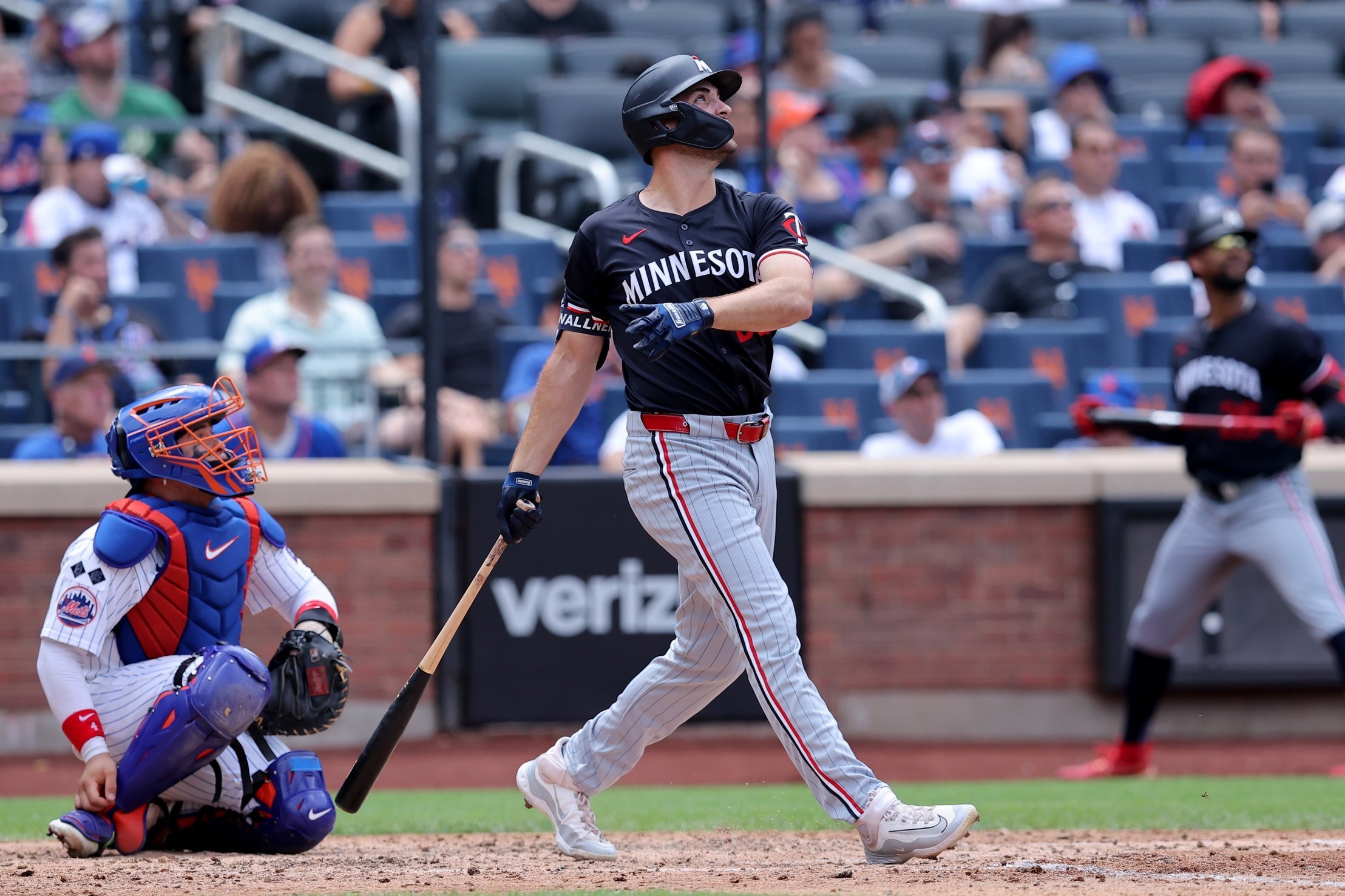 MLB’s Statcast Era has allowed fans a deeper understanding of some of the nuances associated with baseballs hit at incredible speeds. Now, fans can immediately access the hit’s exit velocity, launch angle, distance, bat speed, and expected batting average. Minnesota has a young core and multiple veterans who can hit the ball with authority. So, which sluggers cracked the team’s top five hardest-hit balls in 2024? September 10, 2024 Batter: Matt Wallner Hit Stats: 114.1 Exit Velo, 30 LA, 444 Hit Distance, 77.6 Bat Speed, 1.000 xBA Wallner is already well known in Twins Territory for his mammoth home runs. This rocket from late in the 2024 campaign might have been missed by some fans who tuned out in the middle of the team’s collapse. In the bottom of the third, the Twins were already winning 4-0 before Wallner tattooed this pitch onto the Target Field Plaza. Wallner struggled to start the 2024 campaign, but he refined his swing at Triple A and was one of the team’s best hitters when he returned to the majors. As Justin Morneau said on the broadcast, “That was a bomb.” August 28, 2024 Batter: Matt Wallner Hit Stats: 114.2 Exit Velo, 13 LA, 242 Hit Distance, 82.6 Bat Speed, .830 xBA Not every hard-hit ball ends up in the seats, and Wallner proved that with this double during a second-half game versus the visitors from suburbs somewhere in Georgia. Minnesota trailed 5-1 in the ninth inning before Wallner pounded a double down the right-field line. For some context, Statcast considers a 75 mph bat speed to be a fast swing, so Wallner clearly teed off on this pitch. Because of its location, it was hard for him to get under the ball and drive it over the fence. Instead, he got a hustle double to keep the game interesting for the Twins. August 7, 2024 Batter: Matt Wallner Hit Stats: 114.4 Exit Velo, 16 LA, 354 Hit Distance, 83.3 Bat Speed, .810 xBA Aug. 7 is a game that will be remembered for all the wrong reasons in Twins Territory. Joe Ryan left the game with right triceps tightness, which was eventually diagnosed as a Grade 2 teres major strain behind his right shoulder. His season was done. During the game, though, Wallner destroyed a double to the gap in right-center, one-hopping the wall and driving in Trevor Larnach. It was a solid start to the game for the Twins, but it ended up being known for Ryan’s injury. July 8, 2024 Batter: Matt Wallner Hit Stats: 116.7 Exit Velo, 21 LA, 389 Hit Distance, 79.5 Bat Speed, .980 xBA This home run for Wallner was a two-run shot that helped the Twins to score four runs in the seventh inning and come back in this game. Wallner got a 98-mph fastball right down the middle and pulled it strongly down the line. Earlier, Wallner destroyed a double in the third inning, the second hardest-hit ball in this game. With this hit, Wallner joined an elite list of players to hit multiple balls at 116 mph or harder this season. It’s also fun that it was one of the games where Marney Gellner was on the play-by-play call for the Twins. July 7, 2024 Batter: Matt Wallner Hit Stats: 116.8 Exit Velo, 11 LA, 260 Hit Distance, 79.5 Bat Speed, .830 xBA It might be disappointing for some fans that the team’s highest exit velocity this season came on a single. However, it points to how locked-in Wallner was in the middle of the season. After being demoted in April, this game was his first back in the big leagues. Over the next 24 games, he slashed .351/.455/.743 (1.198), with nine doubles, one triple, and six home runs. There can be some streakiness with sluggers like Wallner, but he might be the team’s most exciting hitter when he's going well. Wallner is clearly at another level regarding the exit velocities he can produce with his elite bat speed. There were disappointing moments during the 2024 season, but Wallner’s development is certainly something to look forward to in 2025 and beyond. Which of these hits do you remember the most? What are your expectations for Wallner in 2025? Leave a COMMENT and start the discussion.
 -
The Twins had a disappointing end to the 2024 season, but there were indeed some exciting moments throughout the season. Here’s a breakdown of the team’s five hardest-hit balls this season. Image courtesy of Brad Penner-USA TODAY Sports The Twins had a disappointing end to the 2024 season, but there were indeed some exciting moments throughout the season. Here’s a breakdown of the team’s five hardest-hit balls this season. MLB’s Statcast Era has allowed fans a deeper understanding of some of the nuances associated with baseballs hit at incredible speeds. Now, fans can immediately access the hit’s exit velocity, launch angle, distance, bat speed, and expected batting average. Minnesota has a young core and multiple veterans who can hit the ball with authority. So, which sluggers cracked the team’s top five hardest-hit balls in 2024? September 10, 2024 Batter: Matt Wallner Hit Stats: 114.1 Exit Velo, 30 LA, 444 Hit Distance, 77.6 Bat Speed, 1.000 xBA Wallner is already well known in Twins Territory for his mammoth home runs. This rocket from late in the 2024 campaign might have been missed by some fans who tuned out in the middle of the team’s collapse. In the bottom of the third, the Twins were already winning 4-0 before Wallner tattooed this pitch onto the Target Field Plaza. Wallner struggled to start the 2024 campaign, but he refined his swing at Triple A and was one of the team’s best hitters when he returned to the majors. As Justin Morneau said on the broadcast, “That was a bomb.” August 28, 2024 Batter: Matt Wallner Hit Stats: 114.2 Exit Velo, 13 LA, 242 Hit Distance, 82.6 Bat Speed, .830 xBA Not every hard-hit ball ends up in the seats, and Wallner proved that with this double during a second-half game versus the visitors from suburbs somewhere in Georgia. Minnesota trailed 5-1 in the ninth inning before Wallner pounded a double down the right-field line. For some context, Statcast considers a 75 mph bat speed to be a fast swing, so Wallner clearly teed off on this pitch. Because of its location, it was hard for him to get under the ball and drive it over the fence. Instead, he got a hustle double to keep the game interesting for the Twins. August 7, 2024 Batter: Matt Wallner Hit Stats: 114.4 Exit Velo, 16 LA, 354 Hit Distance, 83.3 Bat Speed, .810 xBA Aug. 7 is a game that will be remembered for all the wrong reasons in Twins Territory. Joe Ryan left the game with right triceps tightness, which was eventually diagnosed as a Grade 2 teres major strain behind his right shoulder. His season was done. During the game, though, Wallner destroyed a double to the gap in right-center, one-hopping the wall and driving in Trevor Larnach. It was a solid start to the game for the Twins, but it ended up being known for Ryan’s injury. July 8, 2024 Batter: Matt Wallner Hit Stats: 116.7 Exit Velo, 21 LA, 389 Hit Distance, 79.5 Bat Speed, .980 xBA This home run for Wallner was a two-run shot that helped the Twins to score four runs in the seventh inning and come back in this game. Wallner got a 98-mph fastball right down the middle and pulled it strongly down the line. Earlier, Wallner destroyed a double in the third inning, the second hardest-hit ball in this game. With this hit, Wallner joined an elite list of players to hit multiple balls at 116 mph or harder this season. It’s also fun that it was one of the games where Marney Gellner was on the play-by-play call for the Twins. July 7, 2024 Batter: Matt Wallner Hit Stats: 116.8 Exit Velo, 11 LA, 260 Hit Distance, 79.5 Bat Speed, .830 xBA It might be disappointing for some fans that the team’s highest exit velocity this season came on a single. However, it points to how locked-in Wallner was in the middle of the season. After being demoted in April, this game was his first back in the big leagues. Over the next 24 games, he slashed .351/.455/.743 (1.198), with nine doubles, one triple, and six home runs. There can be some streakiness with sluggers like Wallner, but he might be the team’s most exciting hitter when he's going well. Wallner is clearly at another level regarding the exit velocities he can produce with his elite bat speed. There were disappointing moments during the 2024 season, but Wallner’s development is certainly something to look forward to in 2025 and beyond. Which of these hits do you remember the most? What are your expectations for Wallner in 2025? Leave a COMMENT and start the discussion. View full article
-
Rickey Henderson Had a Hall of Fame Career Against the Minnesota Twins
Cody Christie posted an article in History
 The baseball world was shaken to its core on Saturday, by the news of Rickey Henderson's unexpected passing at 65. Known as the “Man of Steal,” Henderson revolutionized the game with his electrifying speed, unmatched swagger, and a relentless ability to impact every facet of the sport. As the baseball world reflects on his greatness, it’s clear his legacy will endure as one of the most iconic players in baseball history. Henderson’s resume reads like a myth: MLB’s all-time leader in stolen bases (1,406), runs scored (2,295), and leadoff home runs (81). A 10-time All-Star, two-time World Series champion, and the 1990 American League MVP, he was a first-ballot Hall of Famer who played the game with a style and grace that was unique. Yet, for fans of the Minnesota Twins, Henderson was more than a legendary opponent because he was a constant thorn in their side. Rickey Henderson vs. the Twins Henderson’s exploits against the Twins throughout his career showcased his five-tool talent. In 198 games, he hit .298/.411/.458 (.869) with 64 extra-base hits and 148 runs scored. His OPS against the Twins was his second-highest among American League teams, trailing only the Cleveland Indians. His 148 runs scored were his fourth-most against any opponent, underscoring his ability to dominate over nearly two decades. But it was Henderson’s baserunning that truly left an indelible mark against the Twins. He swiped 110 bases versus Minnesota, the most he recorded against any team. Whether it was a well-timed steal of second, an audacious dash for third, or a game-changing run home, Henderson’s speed and instincts created chaos for opposing defenses. He destroyed the Twins during his 1990 MVP season. In 12 games, he hit .333/.417/.619, with four doubles, one triple, two home runs and six stolen bases. Henderson’s mastery wasn’t limited to stealing bases. He consistently found ways to disrupt Minnesota’s pitching, combining patience at the plate with an uncanny knack for hitting in big moments. His 64 extra-base hits against the Twins included 36 doubles and five triples that showcased his speed and aggression. His 23 home runs against Twins pitching were the third-most he had against any AL team. Henderson’s player type was perfect for some of the quirks involved with the Metrodome. His .910 OPS in Minnesota’s home park was 90 points higher than his career total. He stole 59 bases in the Dome, the most he had at any ballpark that wasn’t his home park at any point in his career. For many Twins fans, memories of Henderson racing around the bases or scoring on plays others wouldn’t dare attempt remain etched in their minds. A Legacy Beyond the Stats While Henderson’s numbers are staggering, his impact on the game went far beyond the box score. He embodied the joy and unpredictability of baseball, playing with a flair that made every game feel like a must-watch event. Henderson’s iconic headfirst slides, signature crouched batting stance and trademark confidence endeared him to fans and cemented his status as a cultural icon. Henderson’s influence is evident in today’s game, especially with MLB changing rules, making it easier to steal bases. Many current players have embraced the multi-dimensional skill set that Henderson pioneered. His ability to blend power, speed, and plate discipline remains the gold standard for leadoff hitters and baserunners. Henderson’s death is a profound loss for the baseball community. For Twins fans, he was an unforgettable adversary who brought out the best in their team and provided countless memories, even if many of those memories involved watching him wreak havoc on the base paths. As we celebrate his life, we remember a player who changed the game and inspired future generations. Rest in peace, Rickey. The Man of Steal may be gone, but his legend will run forever. What memories do you have of Henderson versus the Twins? Leave a comment and start the discussion.
 -
Rickey Henderson was a generational talent who will be remembered for his long-term impact on the entire game. However, his numbers against the Minnesota Twins were some of the best against any franchise. Image courtesy of © Imagn Images Rickey Henderson was a generational talent who will be remembered for his long-term impact on the entire game. However, his numbers against the Minnesota Twins were some of the best against any franchise. The baseball world was shaken to its core on Saturday, by the news of Rickey Henderson's unexpected passing at 65. Known as the “Man of Steal,” Henderson revolutionized the game with his electrifying speed, unmatched swagger, and a relentless ability to impact every facet of the sport. As the baseball world reflects on his greatness, it’s clear his legacy will endure as one of the most iconic players in baseball history. Henderson’s resume reads like a myth: MLB’s all-time leader in stolen bases (1,406), runs scored (2,295), and leadoff home runs (81). A 10-time All-Star, two-time World Series champion, and the 1990 American League MVP, he was a first-ballot Hall of Famer who played the game with a style and grace that was unique. Yet, for fans of the Minnesota Twins, Henderson was more than a legendary opponent because he was a constant thorn in their side. Rickey Henderson vs. the Twins Henderson’s exploits against the Twins throughout his career showcased his five-tool talent. In 198 games, he hit .298/.411/.458 (.869) with 64 extra-base hits and 148 runs scored. His OPS against the Twins was his second-highest among American League teams, trailing only the Cleveland Indians. His 148 runs scored were his fourth-most against any opponent, underscoring his ability to dominate over nearly two decades. But it was Henderson’s baserunning that truly left an indelible mark against the Twins. He swiped 110 bases versus Minnesota, the most he recorded against any team. Whether it was a well-timed steal of second, an audacious dash for third, or a game-changing run home, Henderson’s speed and instincts created chaos for opposing defenses. He destroyed the Twins during his 1990 MVP season. In 12 games, he hit .333/.417/.619, with four doubles, one triple, two home runs and six stolen bases. Henderson’s mastery wasn’t limited to stealing bases. He consistently found ways to disrupt Minnesota’s pitching, combining patience at the plate with an uncanny knack for hitting in big moments. His 64 extra-base hits against the Twins included 36 doubles and five triples that showcased his speed and aggression. His 23 home runs against Twins pitching were the third-most he had against any AL team. Henderson’s player type was perfect for some of the quirks involved with the Metrodome. His .910 OPS in Minnesota’s home park was 90 points higher than his career total. He stole 59 bases in the Dome, the most he had at any ballpark that wasn’t his home park at any point in his career. For many Twins fans, memories of Henderson racing around the bases or scoring on plays others wouldn’t dare attempt remain etched in their minds. A Legacy Beyond the Stats While Henderson’s numbers are staggering, his impact on the game went far beyond the box score. He embodied the joy and unpredictability of baseball, playing with a flair that made every game feel like a must-watch event. Henderson’s iconic headfirst slides, signature crouched batting stance and trademark confidence endeared him to fans and cemented his status as a cultural icon. Henderson’s influence is evident in today’s game, especially with MLB changing rules, making it easier to steal bases. Many current players have embraced the multi-dimensional skill set that Henderson pioneered. His ability to blend power, speed, and plate discipline remains the gold standard for leadoff hitters and baserunners. Henderson’s death is a profound loss for the baseball community. For Twins fans, he was an unforgettable adversary who brought out the best in their team and provided countless memories, even if many of those memories involved watching him wreak havoc on the base paths. As we celebrate his life, we remember a player who changed the game and inspired future generations. Rest in peace, Rickey. The Man of Steal may be gone, but his legend will run forever. What memories do you have of Henderson versus the Twins? Leave a comment and start the discussion. View full article
-
Why Kaelen Culpepper Deserves More Respect on Twins Prospect Lists
Cody Christie posted an article in Minor Leagues
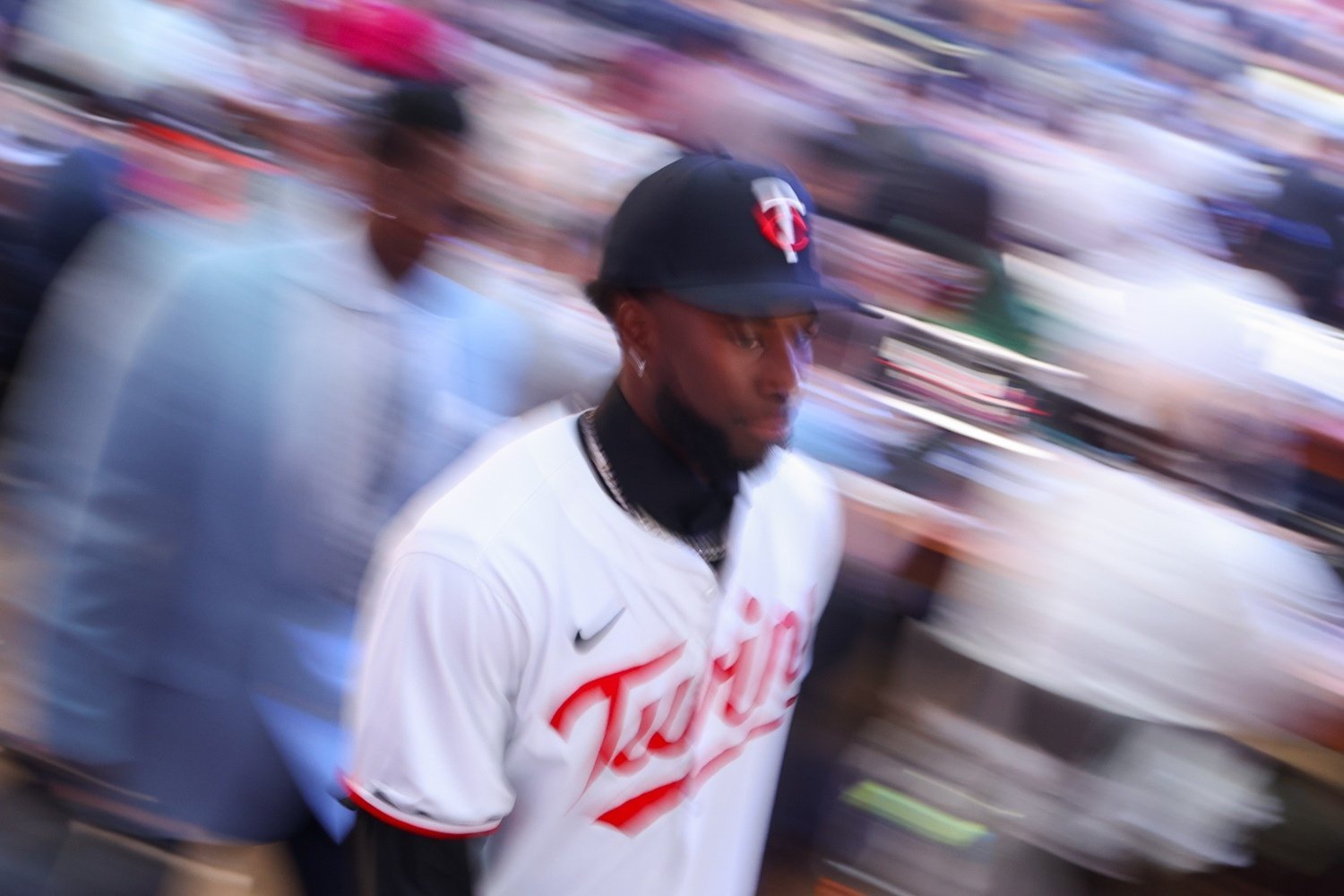 Twins fans examine the team’s minor-league system every offseason for prospects poised for big seasons. Among the rising stars is Kaelen Culpepper, the team’s 2024 first-round draft pick. With his combination of college experience, athleticism, and early professional success, Culpepper is already showing why he deserves to climb higher on prospect rankings, and why he could be a key contributor to the Twins’ future. A Solid Start to His Pro Career Culpepper made an immediate impact in his professional debut. Assigned to Low-A Fort Myers, he wasted no time showcasing his skills, posting an 82% contact rate in just nine games. Even more impressive was his discipline and pitch recognition. As Jamie Cameron wrote, he didn’t swing and miss at a single pitch in the strike zone during that stretch. Such advanced plate skills are rare for a player fresh out of college and speak to his ability to adjust quickly to professional pitching. The quick promotion to High-A Cedar Rapids reflects the Twins’ confidence in Culpepper. Though his numbers dipped in his 17 games at that level, with a .616 OPS, that small-sample struggle shouldn’t overshadow his potential. In his very short time at Fort Myers, his 90th-percentile exit velocity was 102.6 miles per hour. He was also a patient hitter with a mature understanding of the strike zone, with 11 walks in 112 plate appearances. As he physically matures, the Twins can continue to refine his swing to build on his impressive exit velocities from his pro debut. His advanced approach should help him as he climbs the organizational ladder in 2025. Prospect Rankings: Room for Improvement Currently, Twins Daily ranks him as the organization’s eighth-best prospect, behind players like Marco Raya, Andrew Morris, and Charlee Soto. This ranking, though respectable, might still undervalue his potential. His blend of athleticism, defensive versatility, and contact-oriented approach at the plate gives him a high floor as a prospect. An argument can be made for him to be the team’s fourth-best prospect, behind only Walker Jenkins, Emmanuel Rodriguez, and Luke Keaschall. With continued development (particularly in the power department), Culpepper has the tools to become a regular contributor at the major-league level. What Makes Culpepper Stand Out? College Experience: Culpepper’s time in college prepared him well for the challenges of professional baseball. He improved during each college season and hit .328/.419/.574 during his junior season. He arrived in the Twins’ system as a polished hitter with a solid approach at the plate, giving him an edge over younger, less experienced prospects. Athleticism: Culpepper’s athleticism enables him to play multiple positions, though he’s primarily been used as an infielder. Some scouts have been surprised by his ability to handle shortstop, but third base might be his long-term home. His range, arm strength, and overall defensive instincts could make him a valuable asset wherever he’s needed. Usually, you accept a bit less athletic upside when you focus on drafting college players in the latter part of the first round, but Culpepper is an exception. Plate Discipline: His contact skills and ability to recognize pitches are above-average for his age and experience level. The lack of swings and misses in the zone during his pro debut is a testament to his advanced approach; his control of the strike zone is impressive. What’s Next for Culpepper? The 2025 season will be a pivotal one. He’ll likely start the year in High-A Cedar Rapids, where he ended the 2024 season. At that level, he can build on the adjustments he began to make late in his pro debut. If he performs well, a midseason promotion to Double-A Wichita could be on the horizon. Success at that level would firmly establish him as one of the Twins’ top prospects and put him on the radar for a 2026 big-league debut. To take the next step, Culpepper will need to focus on: Consistent Power Production: Developing more pop in his bat will raise his profile as a prospect and make him a more well-rounded offensive threat. That 90th-percentile exit velocity we mentioned in Fort Myers is fine, but not especially impressive, given his age. Handling Advanced Pitching: Adjusting to the quality of pitching at higher levels is critical for any prospect. His early struggles at High-A suggest this will be an area of growth. Culpepper may not yet be a household name among Twins fans, but his performance and tools demand attention. His ability to hit for contact, his defensive versatility, and his athleticism provide a foundation for a promising career. While he has some areas to improve, particularly in developing his power, the early returns on his professional career suggest Culpepper has the makeup to rise through the system quickly. As the 2025 season approaches, Twins fans should watch Culpepper closely. He’s already shown flashes of the player he could become, and with continued growth, he might force his way into the Twins’ long-term plans sooner than expected. What are your initial impressions of Culpepper? Leave a comment and start the discussion.
 -
I believe in Kaelen Culpepper, and you can, too. Here’s why the Twins’ 2024 first-round pick deserves more respect in prospect circles. Image courtesy of © Kevin Jairaj-Imagn Images I believe in Kaelen Culpepper, and you can, too. Here’s why the Twins’ 2024 first-round pick deserves more respect in prospect circles. Twins fans examine the team’s minor-league system every offseason for prospects poised for big seasons. Among the rising stars is Kaelen Culpepper, the team’s 2024 first-round draft pick. With his combination of college experience, athleticism, and early professional success, Culpepper is already showing why he deserves to climb higher on prospect rankings, and why he could be a key contributor to the Twins’ future. A Solid Start to His Pro Career Culpepper made an immediate impact in his professional debut. Assigned to Low-A Fort Myers, he wasted no time showcasing his skills, posting an 82% contact rate in just nine games. Even more impressive was his discipline and pitch recognition. As Jamie Cameron wrote, he didn’t swing and miss at a single pitch in the strike zone during that stretch. Such advanced plate skills are rare for a player fresh out of college and speak to his ability to adjust quickly to professional pitching. The quick promotion to High-A Cedar Rapids reflects the Twins’ confidence in Culpepper. Though his numbers dipped in his 17 games at that level, with a .616 OPS, that small-sample struggle shouldn’t overshadow his potential. In his very short time at Fort Myers, his 90th-percentile exit velocity was 102.6 miles per hour. He was also a patient hitter with a mature understanding of the strike zone, with 11 walks in 112 plate appearances. As he physically matures, the Twins can continue to refine his swing to build on his impressive exit velocities from his pro debut. His advanced approach should help him as he climbs the organizational ladder in 2025. Prospect Rankings: Room for Improvement Currently, Twins Daily ranks him as the organization’s eighth-best prospect, behind players like Marco Raya, Andrew Morris, and Charlee Soto. This ranking, though respectable, might still undervalue his potential. His blend of athleticism, defensive versatility, and contact-oriented approach at the plate gives him a high floor as a prospect. An argument can be made for him to be the team’s fourth-best prospect, behind only Walker Jenkins, Emmanuel Rodriguez, and Luke Keaschall. With continued development (particularly in the power department), Culpepper has the tools to become a regular contributor at the major-league level. What Makes Culpepper Stand Out? College Experience: Culpepper’s time in college prepared him well for the challenges of professional baseball. He improved during each college season and hit .328/.419/.574 during his junior season. He arrived in the Twins’ system as a polished hitter with a solid approach at the plate, giving him an edge over younger, less experienced prospects. Athleticism: Culpepper’s athleticism enables him to play multiple positions, though he’s primarily been used as an infielder. Some scouts have been surprised by his ability to handle shortstop, but third base might be his long-term home. His range, arm strength, and overall defensive instincts could make him a valuable asset wherever he’s needed. Usually, you accept a bit less athletic upside when you focus on drafting college players in the latter part of the first round, but Culpepper is an exception. Plate Discipline: His contact skills and ability to recognize pitches are above-average for his age and experience level. The lack of swings and misses in the zone during his pro debut is a testament to his advanced approach; his control of the strike zone is impressive. What’s Next for Culpepper? The 2025 season will be a pivotal one. He’ll likely start the year in High-A Cedar Rapids, where he ended the 2024 season. At that level, he can build on the adjustments he began to make late in his pro debut. If he performs well, a midseason promotion to Double-A Wichita could be on the horizon. Success at that level would firmly establish him as one of the Twins’ top prospects and put him on the radar for a 2026 big-league debut. To take the next step, Culpepper will need to focus on: Consistent Power Production: Developing more pop in his bat will raise his profile as a prospect and make him a more well-rounded offensive threat. That 90th-percentile exit velocity we mentioned in Fort Myers is fine, but not especially impressive, given his age. Handling Advanced Pitching: Adjusting to the quality of pitching at higher levels is critical for any prospect. His early struggles at High-A suggest this will be an area of growth. Culpepper may not yet be a household name among Twins fans, but his performance and tools demand attention. His ability to hit for contact, his defensive versatility, and his athleticism provide a foundation for a promising career. While he has some areas to improve, particularly in developing his power, the early returns on his professional career suggest Culpepper has the makeup to rise through the system quickly. As the 2025 season approaches, Twins fans should watch Culpepper closely. He’s already shown flashes of the player he could become, and with continued growth, he might force his way into the Twins’ long-term plans sooner than expected. What are your initial impressions of Culpepper? Leave a comment and start the discussion. View full article
-
Speculation has swirled this offseason about the Twins potentially trading Carlos Correa. It’s becoming clear that a trade involving Correa is unlikely, and that might be the smartest move the front office can make this winter. Image courtesy of © Kamil Krzaczynski-USA TODAY Sports Speculation has swirled this offseason about the Twins potentially trading Carlos Correa. It’s becoming clear that a trade involving Correa is unlikely, and that might be the smartest move the front office can make this winter. There has been little to discuss with the Twins this winter for multiple reasons. The team is above their owner-imposed payroll limit, so many expect the front office to shed the salaries of veterans like Chris Paddack, Christian Vázquez, and Willi Castro. However, Derek Falvey and the current front office regime have shown remarkable patience in previous offseasons to let the market play out before making any significant moves. With minimal team updates, it becomes easy to focus on hypotheticals, and that’s why many have focused on a potential Carlos Correa trade. Last week, La Velle E. Neal III reported on the Correa trade rumors and stated that the shortstop is unlikely to leave Minnesota. Neal had spoken to a Twins official who spoke candidly about the situation. “No team has called the Twins about Correa. And the Twins have not reached out to any team about moving Correa. This came after Juan Soto signed his $765 million megadeal with the Mets, forcing the teams who lost the bidding war to explore Plan B. As of this writing, Correa had not been anyone’s plan B.” Obviously, there is a lot of offseason left for the front office to make significant moves. Other high-profile free agents might be the plan B for teams that missed out on Soto. Still, it seems most likely for the Twins to head to spring training with Correa still on the roster. From the front office’s perspective, there is likely no way for the Twins to gain value in a trade involving their best player. So, let’s look at the two paths to a Correa trade and why it becomes a lose-lose situation for the Twins. Path 1: Trading Correa for a Prospect Package Prospects are the currency of the baseball landscape, similar to how the other major sports treat draft picks. The Twins could trade Correa for a significant prospect package that would improve an already strong farm system. Adding prospects theoretically allows the front office to extend the team’s winning window while removing significant salary from the payroll for multiple years. In 2025, the team would be in a worse position unless the front office turned around and made a second trade to add immediate talent. However, Falvey has never made a “rebuilding” trade during the offseason. He sold on players like José Berríos and Nelson Cruz at the trade deadline, but in both instances, the team underachieved in the first half. Many projection systems have the Twins with one of the AL’s best rosters so selling a rebuild will be tough. The AL Central is more competitive than this time last season, but it is still a wide-open race where the Twins might end up having the division’s highest payroll. Path 2: Trading Correa for MLB Talent These types of trades can be complex because of the types of teams and players that would need to be involved. Entering the 2023 season, the Twins traded Luis Arráez to Miami for Pablo López in a deal involving two young but established MLB players. Both teams were trying to trade from areas of depth on their roster while continuing to be competitive in their divisions. The results have worked out well for the Twins, but the Marlins have gone in a different direction. In recent seasons, there were rumors every year that the Twins were considering trading Max Kepler. Minnesota had other young outfielders ready to supplant Kepler in right field, but a deal never came to fruition. The front office thought highly of Kepler’s value and wanted to trade him for other players that could impact the Twins’ current roster. These are complicated deals to find because they have to be done with a competitive team with excess depth at another position. Correa’s Value to the Twins Correa led the Twins in WAR last season despite being on the injured list for most of the second half. If healthy, Correa is projected to be a 6 WAR player, which borders on MVP caliber. Minnesota could attempt to replace him with two 3 WAR players, but that comes with its own share of hurdles. The front office has little money to spend on free agency, even if Correa’s salary was off the books. The Twins would also need a replacement at shortstop, which would likely put pressure on a young player like Brooks Lee to take over the starting role. There is a non-zero chance that a Correa trade will happen this winter, but it seems unlikely and highly unadvisable. His value to the Twins is too high and trading him for prospects or MLB talent won’t make the team better for 2025. For better or worse, the Twins and Correa are tied to each other. Is there any way for the Twins to gain value in a Correa trade? Leave a comment and start the discussion. View full article
-
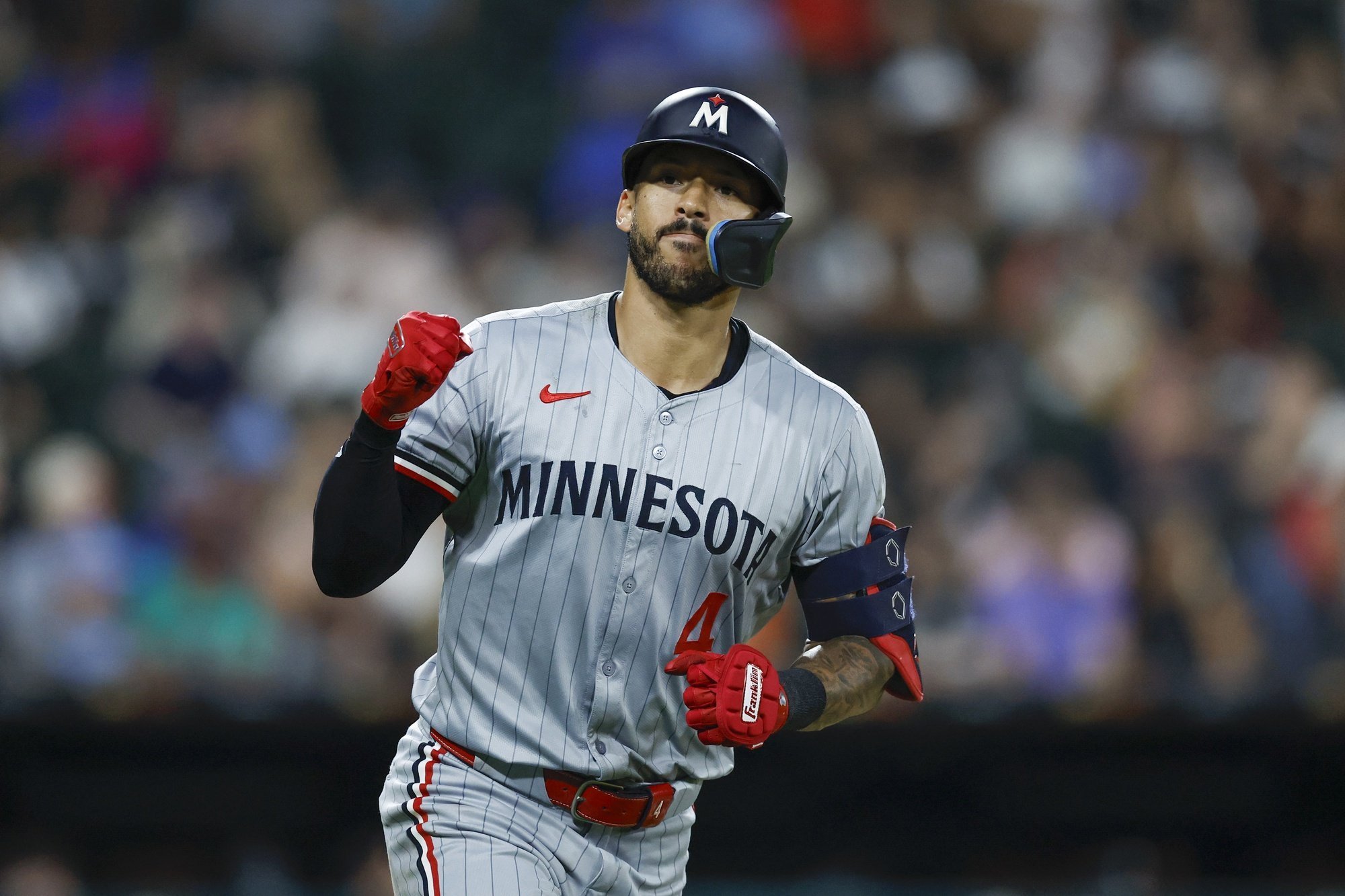 There has been little to discuss with the Twins this winter for multiple reasons. The team is above their owner-imposed payroll limit, so many expect the front office to shed the salaries of veterans like Chris Paddack, Christian Vázquez, and Willi Castro. However, Derek Falvey and the current front office regime have shown remarkable patience in previous offseasons to let the market play out before making any significant moves. With minimal team updates, it becomes easy to focus on hypotheticals, and that’s why many have focused on a potential Carlos Correa trade. Last week, La Velle E. Neal III reported on the Correa trade rumors and stated that the shortstop is unlikely to leave Minnesota. Neal had spoken to a Twins official who spoke candidly about the situation. “No team has called the Twins about Correa. And the Twins have not reached out to any team about moving Correa. This came after Juan Soto signed his $765 million megadeal with the Mets, forcing the teams who lost the bidding war to explore Plan B. As of this writing, Correa had not been anyone’s plan B.” Obviously, there is a lot of offseason left for the front office to make significant moves. Other high-profile free agents might be the plan B for teams that missed out on Soto. Still, it seems most likely for the Twins to head to spring training with Correa still on the roster. From the front office’s perspective, there is likely no way for the Twins to gain value in a trade involving their best player. So, let’s look at the two paths to a Correa trade and why it becomes a lose-lose situation for the Twins. Path 1: Trading Correa for a Prospect Package Prospects are the currency of the baseball landscape, similar to how the other major sports treat draft picks. The Twins could trade Correa for a significant prospect package that would improve an already strong farm system. Adding prospects theoretically allows the front office to extend the team’s winning window while removing significant salary from the payroll for multiple years. In 2025, the team would be in a worse position unless the front office turned around and made a second trade to add immediate talent. However, Falvey has never made a “rebuilding” trade during the offseason. He sold on players like José Berríos and Nelson Cruz at the trade deadline, but in both instances, the team underachieved in the first half. Many projection systems have the Twins with one of the AL’s best rosters so selling a rebuild will be tough. The AL Central is more competitive than this time last season, but it is still a wide-open race where the Twins might end up having the division’s highest payroll. Path 2: Trading Correa for MLB Talent These types of trades can be complex because of the types of teams and players that would need to be involved. Entering the 2023 season, the Twins traded Luis Arráez to Miami for Pablo López in a deal involving two young but established MLB players. Both teams were trying to trade from areas of depth on their roster while continuing to be competitive in their divisions. The results have worked out well for the Twins, but the Marlins have gone in a different direction. In recent seasons, there were rumors every year that the Twins were considering trading Max Kepler. Minnesota had other young outfielders ready to supplant Kepler in right field, but a deal never came to fruition. The front office thought highly of Kepler’s value and wanted to trade him for other players that could impact the Twins’ current roster. These are complicated deals to find because they have to be done with a competitive team with excess depth at another position. Correa’s Value to the Twins Correa led the Twins in WAR last season despite being on the injured list for most of the second half. If healthy, Correa is projected to be a 6 WAR player, which borders on MVP caliber. Minnesota could attempt to replace him with two 3 WAR players, but that comes with its own share of hurdles. The front office has little money to spend on free agency, even if Correa’s salary was off the books. The Twins would also need a replacement at shortstop, which would likely put pressure on a young player like Brooks Lee to take over the starting role. There is a non-zero chance that a Correa trade will happen this winter, but it seems unlikely and highly unadvisable. His value to the Twins is too high and trading him for prospects or MLB talent won’t make the team better for 2025. For better or worse, the Twins and Correa are tied to each other. Is there any way for the Twins to gain value in a Correa trade? Leave a comment and start the discussion.
 -
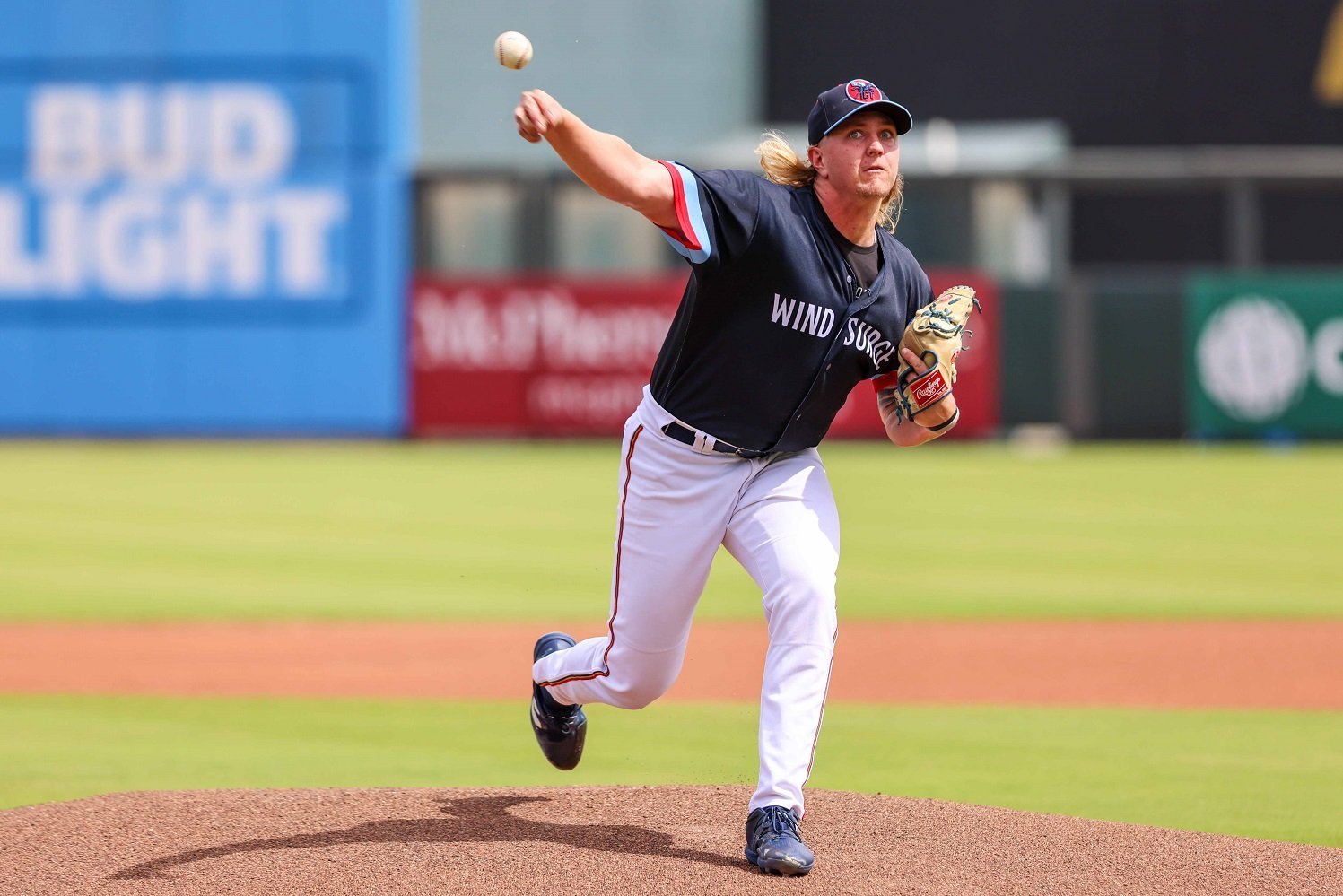 Minnesota’s front office has been tasked with creating a pitching pipeline since Derek Falvey stepped into the team’s top baseball operations role in 2016. The Twins saw that pipeline come to fruition last season, with multiple rookie pitchers impacting the big-league roster, including Simeon Woods Richardson, David Festa, and Zebby Matthews. After their debuts, there were some inconsistent performances, but the team’s future looks bright if the farm system continues producing quality talent. Out of the rookie trio, Matthews was an out-of-nowhere story. The Twins took Matthews in the eighth round of the 2022 MLB Draft out of Western Carolina University. During the 2023 season, he posted a 3.84 ERA with a 1.05 WHIP and 9.6 K/9 while pitching at Low- and High-A. These totals were good, but it didn’t establish him as one of the team’s top pitching prospects. In 2024, he put up video game numbers at High-A and Double-A with a sub 2.00 ERA and sub 0.76 WHIP. He continued to perform as he moved up the organizational ladder, and the Twins needed him in the second half as injuries impacted the big-league roster. So, what pitchers could be set up to follow in Matthews’s footsteps next season? Here are three options to consider. C.J. Culpepper, RHP Culpepper has already put himself on the radar of Twins fans since being drafted in the 13th round of the 2022 MLB Draft. He didn’t start games in college until his junior season but performed well enough to catch the Twins’ attention. In his first full professional season, he posted a 3.56 ERA with a 1.20 WHIP and 9.3 K/9 in 86 innings between Low-A and High-A. It was a strong enough performance for some national prospect lists to include Culpepper in the Twins’ top 20 prospects entering the 2024 season. (Twins Daily had him 13th.) The Twins sent Culpepper to Cedar Rapids to start last season, and he posted a 2.89 ERA with 10.4 K/9 in 37 1/3 innings. However, he dealt with a forearm strain and was sidelined for approximately two months. The Twins promoted him to Double-A in the middle of August, so he only made six appearances with Wichita before the season ended. Minnesota will have him start the 2025 campaign at Double-A, and he will need to build up his workload since he pitched limited innings last season. He’s already ahead of where Matthews was last season, which could put him on a path to the majors. Connor Prielipp, LHP Twins fans have heard a lot about Prielipp since the Twins took him in the second round of the 2022 MLB Draft. Entering the draft cycle, Prielipp was considered one of the best pitching prospects, but he fell to the second round after having Tommy John surgery. In 2023, Prielipp suffered another injury setback as he required surgery last July to address a torn UCL in his left elbow. His injury limited him to 6 2/3 innings during his first professional action. He opened the 2024 campaign on the IL with the Cedar Rapids Kernels. Injuries have defined his baseball playing career, but the Twins continue to be excited about his potential upside. The 2025 season will be critical for Prielipp and his future impact on the big-league roster. First, he needs to prove he can stay healthy, and then he needs to build up his workload to stick as a starter. It’s easy to look at his injury history and suggest he would be better suited to a relief role. However, the Twins will continue to give him opportunities to start with the potential to shift to a bullpen role in the second half. His electric pitch-mix has made him a prospect to watch and could make him a fast riser in 2025. Jeremy Lee, RHP Lee might be an unfamiliar name to Minnesota fans, but Matthews was also an unfamiliar name entering last season. The Twins took Lee in the 13th round of the 2023 MLB Draft, and he split last season between Low-A and High-A. In 79 1/3 innings, he posted a 4.42 ERA with a 1.45 WHIP and 8.8 K/9. He allowed 11 earned runs in his final 8 1/3 innings, which impacted his overall season totals. Left-handed batters did the bulk of the damage against him with an OPS that was nearly 150 points higher than versus righties. Lee had elbow surgery in college, so his stuff might continue to improve as he gets further away from that operation. He has a four-pitch mix including a fastball, slider, curveball, and changeup. He didn’t find much success in Cedar Rapids last season, so there is a good chance the Twins will have him start 2025 at the same level. However, there is a chance he will move quickly based on his college experience and pitch mix. The Twins are hoping they won’t need to move a pitcher quickly through the upper minors in 2025. On paper, the team has starting pitching depth at the big-league level, but few teams have enough pitching depth when it comes to the rigors of the MLB season. Culpepper, Prielipp, and Lee must continue to develop in the minors and could get an opportunity to impact the Twins sooner rather than later. Which pitchers from the low minors will you be watching this year? Leave a comment and start the discussion.
- 30 comments
-
- 9
-
-
- zebby matthews
- cj culpepper
- (and 2 more)
-
Last season, the Twins saw Zebby Matthews rise from High-A to the big-league level. So, which pitching prospects have a chance to follow in his shoes for next season? I’m glad you asked. Image courtesy of Ed Bailey, Wichita Wind Surge (photo of CJ Culpepper) Last season, the Twins saw Zebby Matthews rise from High-A to the big-league level. So, which pitching prospects have a chance to follow in his shoes for next season? I’m glad you asked. Minnesota’s front office has been tasked with creating a pitching pipeline since Derek Falvey stepped into the team’s top baseball operations role in 2016. The Twins saw that pipeline come to fruition last season, with multiple rookie pitchers impacting the big-league roster, including Simeon Woods Richardson, David Festa, and Zebby Matthews. After their debuts, there were some inconsistent performances, but the team’s future looks bright if the farm system continues producing quality talent. Out of the rookie trio, Matthews was an out-of-nowhere story. The Twins took Matthews in the eighth round of the 2022 MLB Draft out of Western Carolina University. During the 2023 season, he posted a 3.84 ERA with a 1.05 WHIP and 9.6 K/9 while pitching at Low- and High-A. These totals were good, but it didn’t establish him as one of the team’s top pitching prospects. In 2024, he put up video game numbers at High-A and Double-A with a sub 2.00 ERA and sub 0.76 WHIP. He continued to perform as he moved up the organizational ladder, and the Twins needed him in the second half as injuries impacted the big-league roster. So, what pitchers could be set up to follow in Matthews’s footsteps next season? Here are three options to consider. C.J. Culpepper, RHP Culpepper has already put himself on the radar of Twins fans since being drafted in the 13th round of the 2022 MLB Draft. He didn’t start games in college until his junior season but performed well enough to catch the Twins’ attention. In his first full professional season, he posted a 3.56 ERA with a 1.20 WHIP and 9.3 K/9 in 86 innings between Low-A and High-A. It was a strong enough performance for some national prospect lists to include Culpepper in the Twins’ top 20 prospects entering the 2024 season. (Twins Daily had him 13th.) The Twins sent Culpepper to Cedar Rapids to start last season, and he posted a 2.89 ERA with 10.4 K/9 in 37 1/3 innings. However, he dealt with a forearm strain and was sidelined for approximately two months. The Twins promoted him to Double-A in the middle of August, so he only made six appearances with Wichita before the season ended. Minnesota will have him start the 2025 campaign at Double-A, and he will need to build up his workload since he pitched limited innings last season. He’s already ahead of where Matthews was last season, which could put him on a path to the majors. Connor Prielipp, LHP Twins fans have heard a lot about Prielipp since the Twins took him in the second round of the 2022 MLB Draft. Entering the draft cycle, Prielipp was considered one of the best pitching prospects, but he fell to the second round after having Tommy John surgery. In 2023, Prielipp suffered another injury setback as he required surgery last July to address a torn UCL in his left elbow. His injury limited him to 6 2/3 innings during his first professional action. He opened the 2024 campaign on the IL with the Cedar Rapids Kernels. Injuries have defined his baseball playing career, but the Twins continue to be excited about his potential upside. The 2025 season will be critical for Prielipp and his future impact on the big-league roster. First, he needs to prove he can stay healthy, and then he needs to build up his workload to stick as a starter. It’s easy to look at his injury history and suggest he would be better suited to a relief role. However, the Twins will continue to give him opportunities to start with the potential to shift to a bullpen role in the second half. His electric pitch-mix has made him a prospect to watch and could make him a fast riser in 2025. Jeremy Lee, RHP Lee might be an unfamiliar name to Minnesota fans, but Matthews was also an unfamiliar name entering last season. The Twins took Lee in the 13th round of the 2023 MLB Draft, and he split last season between Low-A and High-A. In 79 1/3 innings, he posted a 4.42 ERA with a 1.45 WHIP and 8.8 K/9. He allowed 11 earned runs in his final 8 1/3 innings, which impacted his overall season totals. Left-handed batters did the bulk of the damage against him with an OPS that was nearly 150 points higher than versus righties. Lee had elbow surgery in college, so his stuff might continue to improve as he gets further away from that operation. He has a four-pitch mix including a fastball, slider, curveball, and changeup. He didn’t find much success in Cedar Rapids last season, so there is a good chance the Twins will have him start 2025 at the same level. However, there is a chance he will move quickly based on his college experience and pitch mix. The Twins are hoping they won’t need to move a pitcher quickly through the upper minors in 2025. On paper, the team has starting pitching depth at the big-league level, but few teams have enough pitching depth when it comes to the rigors of the MLB season. Culpepper, Prielipp, and Lee must continue to develop in the minors and could get an opportunity to impact the Twins sooner rather than later. Which pitchers from the low minors will you be watching this year? Leave a comment and start the discussion. View full article

