



Cody Christie
-
Posts
7,817 -
Joined
-
Last visited
-
Days Won
5
Content Type
Profiles
News
Minnesota Twins Videos
2026 Minnesota Twins Top Prospects Ranking
2022 Minnesota Twins Draft Picks
Minnesota Twins Free Agent & Trade Rumors, Notes, & Tidbits
Guides & Resources
2023 Minnesota Twins Draft Picks
The Minnesota Twins Players Project
2024 Minnesota Twins Draft Picks
2025 Minnesota Twins Draft Pick Tracker
2026 Minnesota Twins Draft Tracker: Picks & Bonuses
Forums
Blogs
Events
Store
Downloads
Gallery
Everything posted by Cody Christie
-

3 Twins Hitters Expected to Outperform Their 2024 Numbers in 2025
Cody Christie posted an article in Twins
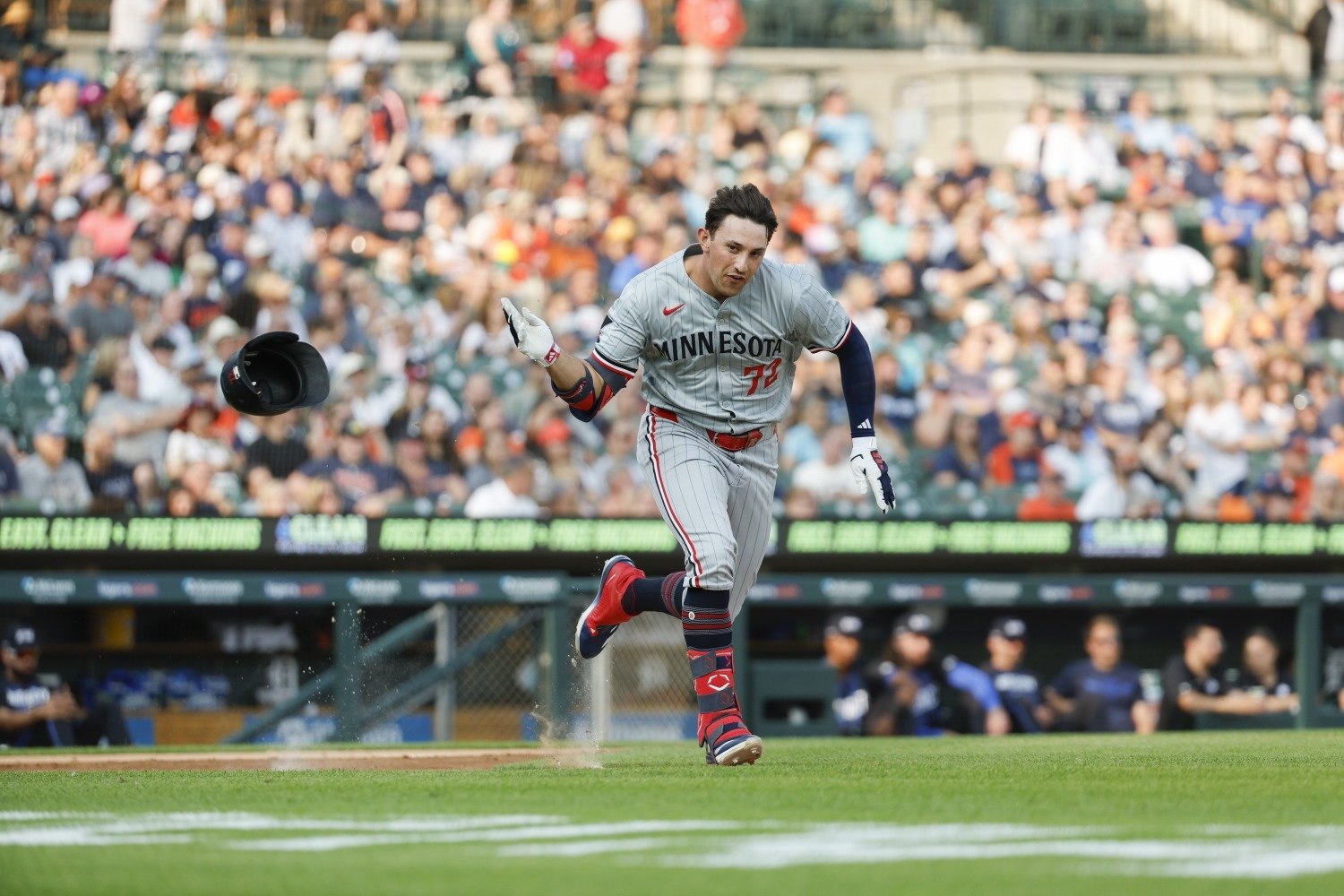 The 2024 season was filled with sky-high expectations for Edouard Julien, Brooks Lee, and Royce Lewis, but each fell short of delivering the production the Minnesota Twins needed. While their individual struggles were disappointing, there are plenty of reasons to believe that all three are primed for a bounce-back season in 2025. Let’s break down what went wrong and why the future looks brighter for this trio. Edouard Julien: Rebounding After the Sophomore Slump 2024 Recap: Julien entered the season following a stellar rookie campaign in 2023 that saw him post a 130 OPS+ while improving significantly with his second base defense. However, 2024 was a tale of regression with a 74 OPS+ that led to a trip back to Triple-A. His strikeout rate jumped from 31.4% to 33.9%, and pitchers adjusted by attacking him with a steady diet of high fastballs and breaking pitches down and away. His OPS dropped by over 200 points, leaving many to wonder if his rookie season was a fluke. Why 2025 Looks Promising: Julien’s struggles were primarily driven by adjustments he will undoubtedly work to counteract. Julien has shown elite plate discipline throughout his career, posting walk rates over 19% at every minor league level. His ability to identify pitches and lay off borderline offerings remains a strength, and he is likely spending the offseason fine-tuning his approach to combat high heat and breaking pitches. Additionally, his underlying metrics suggest some bad luck in 2024. His .351 xSLG was 28 points higher than his actual SLG. Expect regression to the mean and a more balanced offensive approach to pay dividends for Julien in 2025. Brooks Lee: Adjusting to the Big Leagues 2024 Recap: Lee was one of the Twins’ top prospects entering 2024, but he experienced a rocky rookie season. Lee, who had looked polished in the minors, struggled to adjust to major-league pitching. His .221/.265/.320 (.585) slash line was well below expectations. He often looked overmatched against breaking pitches, with eight strikeouts and two extra-base hits in 39 PA. Defensively, he also struggled with a -2 OAA at shortstop and a -1 OAA at third base. His college experience and minor league performance were supposed to help him adjust to the MLB level, but that didn’t happen. Why 2025 Looks Promising: Transitioning to the majors is rarely seamless, even for top prospects. Lee’s track record as a hitter suggests that 2024 was more of a learning curve than an indicator of long-term issues. He excelled at making contact in the minors by slashing .290/.362/.480 (.841), and his compact swing remains a significant asset. In addition, Lee is known for his high baseball IQ and relentless work ethic, qualities that should help him make the necessary adjustments at the plate. With a full offseason to study big-league pitchers and work with the Twins’ coaching staff, Lee is well positioned to tap into his potential and emerge as a cornerstone infielder in 2025. Royce Lewis: Health and Consistency Are Key 2024 Recap: Royce Lewis’s 2024 season was a rollercoaster. Lewis was limited to 23 games in the first half due to multiple injuries, but he posted a 1.039 OPS and 10 home runs in 99 PA. He struggled mightily when he returned for the second half, posting a .620 OPS in his final 58 games. Lewis’s strikeout rate ballooned, and he looked uncharacteristically tentative at the plate. His late-season slump overshadowed what had been an electric beginning to the year. Why 2025 Looks Promising: Lewis’s talent is undeniable, and health has always been the key to unlocking his potential. Entering 2025, fully healthy, Lewis will have the opportunity to regain his confidence and rhythm. Despite his second-half struggles, Lewis still showcased elite performance early in 2024. His ability to rise to big moments suggests that his ceiling remains high. Furthermore, the Twins hired Matt Borgschulte as hitting coach, and he’s worked with Lewis during his previous stint in the organization. With a more stable role and a clean bill of health, expect Lewis to return to the dynamic player fans saw flashes of in 2024. The 2024 season didn’t go as planned for Julien, Lee, or Lewis. However, it’s far too early to write off their potential. Each player faced unique challenges last season, and each has the tools and mindset to overcome them. Julien’s plate discipline, Lee’s prospect pedigree, and Lewis’ athleticism and resilience provide plenty of reasons for optimism. If they can make the necessary adjustments and stay healthy, these three players could form the core of a Twins team poised to contend in 2025 and beyond. Which player is poised for the best season in 2025? Leave a comment and start the discussion.
- 32 comments
-
- 8
-

-
- edouard julien
- brooks lee
- (and 1 more)
-
Some players fail to meet expectations every season, and the Twins had three key hitters who struggled in 2024. Here is why there are plenty of reasons for optimism with this trio. Image courtesy of Brian Bradshaw Sevald-Imagn Sports Some players fail to meet expectations every season, and the Twins had three key hitters who struggled in 2024. Here is why there are plenty of reasons for optimism with this trio. The 2024 season was filled with sky-high expectations for Edouard Julien, Brooks Lee, and Royce Lewis, but each fell short of delivering the production the Minnesota Twins needed. While their individual struggles were disappointing, there are plenty of reasons to believe that all three are primed for a bounce-back season in 2025. Let’s break down what went wrong and why the future looks brighter for this trio. Edouard Julien: Rebounding After the Sophomore Slump 2024 Recap: Julien entered the season following a stellar rookie campaign in 2023 that saw him post a 130 OPS+ while improving significantly with his second base defense. However, 2024 was a tale of regression with a 74 OPS+ that led to a trip back to Triple-A. His strikeout rate jumped from 31.4% to 33.9%, and pitchers adjusted by attacking him with a steady diet of high fastballs and breaking pitches down and away. His OPS dropped by over 200 points, leaving many to wonder if his rookie season was a fluke. Why 2025 Looks Promising: Julien’s struggles were primarily driven by adjustments he will undoubtedly work to counteract. Julien has shown elite plate discipline throughout his career, posting walk rates over 19% at every minor league level. His ability to identify pitches and lay off borderline offerings remains a strength, and he is likely spending the offseason fine-tuning his approach to combat high heat and breaking pitches. Additionally, his underlying metrics suggest some bad luck in 2024. His .351 xSLG was 28 points higher than his actual SLG. Expect regression to the mean and a more balanced offensive approach to pay dividends for Julien in 2025. Brooks Lee: Adjusting to the Big Leagues 2024 Recap: Lee was one of the Twins’ top prospects entering 2024, but he experienced a rocky rookie season. Lee, who had looked polished in the minors, struggled to adjust to major-league pitching. His .221/.265/.320 (.585) slash line was well below expectations. He often looked overmatched against breaking pitches, with eight strikeouts and two extra-base hits in 39 PA. Defensively, he also struggled with a -2 OAA at shortstop and a -1 OAA at third base. His college experience and minor league performance were supposed to help him adjust to the MLB level, but that didn’t happen. Why 2025 Looks Promising: Transitioning to the majors is rarely seamless, even for top prospects. Lee’s track record as a hitter suggests that 2024 was more of a learning curve than an indicator of long-term issues. He excelled at making contact in the minors by slashing .290/.362/.480 (.841), and his compact swing remains a significant asset. In addition, Lee is known for his high baseball IQ and relentless work ethic, qualities that should help him make the necessary adjustments at the plate. With a full offseason to study big-league pitchers and work with the Twins’ coaching staff, Lee is well positioned to tap into his potential and emerge as a cornerstone infielder in 2025. Royce Lewis: Health and Consistency Are Key 2024 Recap: Royce Lewis’s 2024 season was a rollercoaster. Lewis was limited to 23 games in the first half due to multiple injuries, but he posted a 1.039 OPS and 10 home runs in 99 PA. He struggled mightily when he returned for the second half, posting a .620 OPS in his final 58 games. Lewis’s strikeout rate ballooned, and he looked uncharacteristically tentative at the plate. His late-season slump overshadowed what had been an electric beginning to the year. Why 2025 Looks Promising: Lewis’s talent is undeniable, and health has always been the key to unlocking his potential. Entering 2025, fully healthy, Lewis will have the opportunity to regain his confidence and rhythm. Despite his second-half struggles, Lewis still showcased elite performance early in 2024. His ability to rise to big moments suggests that his ceiling remains high. Furthermore, the Twins hired Matt Borgschulte as hitting coach, and he’s worked with Lewis during his previous stint in the organization. With a more stable role and a clean bill of health, expect Lewis to return to the dynamic player fans saw flashes of in 2024. The 2024 season didn’t go as planned for Julien, Lee, or Lewis. However, it’s far too early to write off their potential. Each player faced unique challenges last season, and each has the tools and mindset to overcome them. Julien’s plate discipline, Lee’s prospect pedigree, and Lewis’ athleticism and resilience provide plenty of reasons for optimism. If they can make the necessary adjustments and stay healthy, these three players could form the core of a Twins team poised to contend in 2025 and beyond. Which player is poised for the best season in 2025? Leave a comment and start the discussion. View full article
- 32 replies
-
- 1
-
-
- edouard julien
- brooks lee
- (and 1 more)
-
Many of the Twins’ top young players are inching closer to free agency. This winter might be the best time to sign Joe Ryan to a team-friendly extension, before he breaks out in 2025. Image courtesy of © John E. Sokolowski-USA TODAY Sports Many of the Twins’ top young players are inching closer to free agency. This winter might be the best time to sign Joe Ryan to a team-friendly extension, before he breaks out in 2025. The Minnesota Twins have a solid rotation foundation heading into 2025, but stability can be fleeting. Injuries, inconsistency, and expiring contracts can quickly turn strengths into question marks. Joe Ryan has emerged as one of the club's most reliable arms when healthy. With three years of team control remaining, the Twins face a familiar question: Should they look to extend Ryan beyond the 2027 season? The Twins acquired Ryan from the Tampa Bay Rays for Nelson Cruz’s expiring contract in 2021, and that deal is shaping up to be one of the most lopsided trades in team history. Ryan has emerged as an effective big-league starter with the potential to still develop into an ace. Young, controllable starting pitching can be the lifeblood of a competitive organization, and that’s why it makes sense for the Twins to consider Ryan for an extension. Last season, Ryan posted a 3.60 ERA (115 ERA+) with a 0.96 WHIP and a 27.3% strikeout rate. It was arguably his best season at the big-league level, thanks especially to his emerging ability to fill up the strike zone; he walked a career-low 4.3% of opposing batters. In early August, though, he left a start against the Chicago Cubs with a Grade 2 teres major strain behind his right shoulder. The injury ended his season, which meant the Twins were forced to rely on three rookie starters for the remainder of the second half. Extending Ryan wouldn’t be about locking down an ace, but solidifying a durable piece of the rotation puzzle. Ryan debuted during his age-25 season, so the Twins already have him under team control into his early 30s. With the growing cost of free-agent pitching, the Twins could strike early and save themselves significant financial headaches in future seasons. A few recent deals stand out as comparable to what Ryan might look for in an extension: Logan Webb (San Francisco Giants): Entering 2023, Webb agreed to a five-year, $90-million extension with the Giants. This deal covers his remaining arbitration years and extends into his free-agent eligibility, ensuring his presence in the Giants' rotation through at least the 2028 season. Luis Castillo (Seattle Mariners): After acquiring him at the 2022 trade deadline, the Mariners locked up Castillo on a five-year, $108-million deal with a vesting option for a sixth year. Castillo was a year closer to free agency than Ryan is, but the example is illustrative, especially because Castillo is a fellow low-slot slinger with a riding fastball and a tight slider. Mitch Keller (Pittsburgh Pirates): Keller and the Pirates agreed to a five-year, $77-million extension on Feb. 22, 2024. He was coming off an All-Star season and is only a couple months older than Ryan. This extension covers his arbitration period and secures his role with the team into his early free-agent years. Why Joe Ryan Would Want to Sign an Extension While some players prefer to bet on themselves in arbitration, Ryan has compelling reasons to consider an early deal: Injury Concerns: Ryan has missed time in the last two seasons, including extended IL stints. An extension would provide financial security in case future injuries derail his trajectory. Age: Ryan is older than most players with his level of service time, due to his non-traditional path to the majors. He would hit free agency in his early 30s, a risky age for pitchers seeking long-term deals. Rising Market for Starters: Extensions are increasingly popular among pitchers looking to avoid the uncertainty of arbitration and free agency. A deal now could offer Ryan both stability and a fair value for his contributions. Why the Twins Would Want to Sign Him Long-Term For Minnesota, an extension for Ryan makes sense for several reasons: Cost Certainty: By locking Ryan in now, the Twins can avoid escalating arbitration salaries and secure a predictable payroll figure for years to come. Rotation Stability: Minnesota has helped Ryan develop into a playoff-caliber starter, and the club will need long-term solutions in the rotation. While prospects like David Festa and Simeon Woods Richardson offer promise, Ryan provides proven value. Team-Friendly Upside: If Ryan continues to improve, especially as he refines his fastball usage, the Twins could benefit from significant surplus value on an early extension. He’s already shown a knack for missing bats and generating weak contact, two hallmarks of a reliable starter. Avoiding the Free Agent Market: Finding dependable mid-rotation arms in free agency can be expensive. Ryan’s potential free-agent price tag could exceed what the Twins are willing to pay, making an extension a proactive move. The Twins have no immediate pressure to extend Ryan, but waiting could be costly. If Ryan stays healthy and continues to perform, his arbitration salaries will rise, and his free-agent value will soar. An extension would allow Minnesota to mitigate that risk while rewarding one of their most productive pitchers. For Ryan, an early deal offers financial security and the chance to be a cornerstone of the Twins’ rotation. For Minnesota, it’s an opportunity to lock in a reliable starter at a manageable price, which is a move that has paid dividends for other organizations. The Twins could also approach Bailey Ober with a similar contract extension. If the Twins believe Ryan can anchor their rotation for the next several years, a well-timed extension could be a win-win for both sides. Should the Twins extend Ryan? Leave a comment and start the discussion. View full article
-
Poised for a Breakout: The Twins Should Consider a Joe Ryan Extension
Cody Christie posted an article in Twins
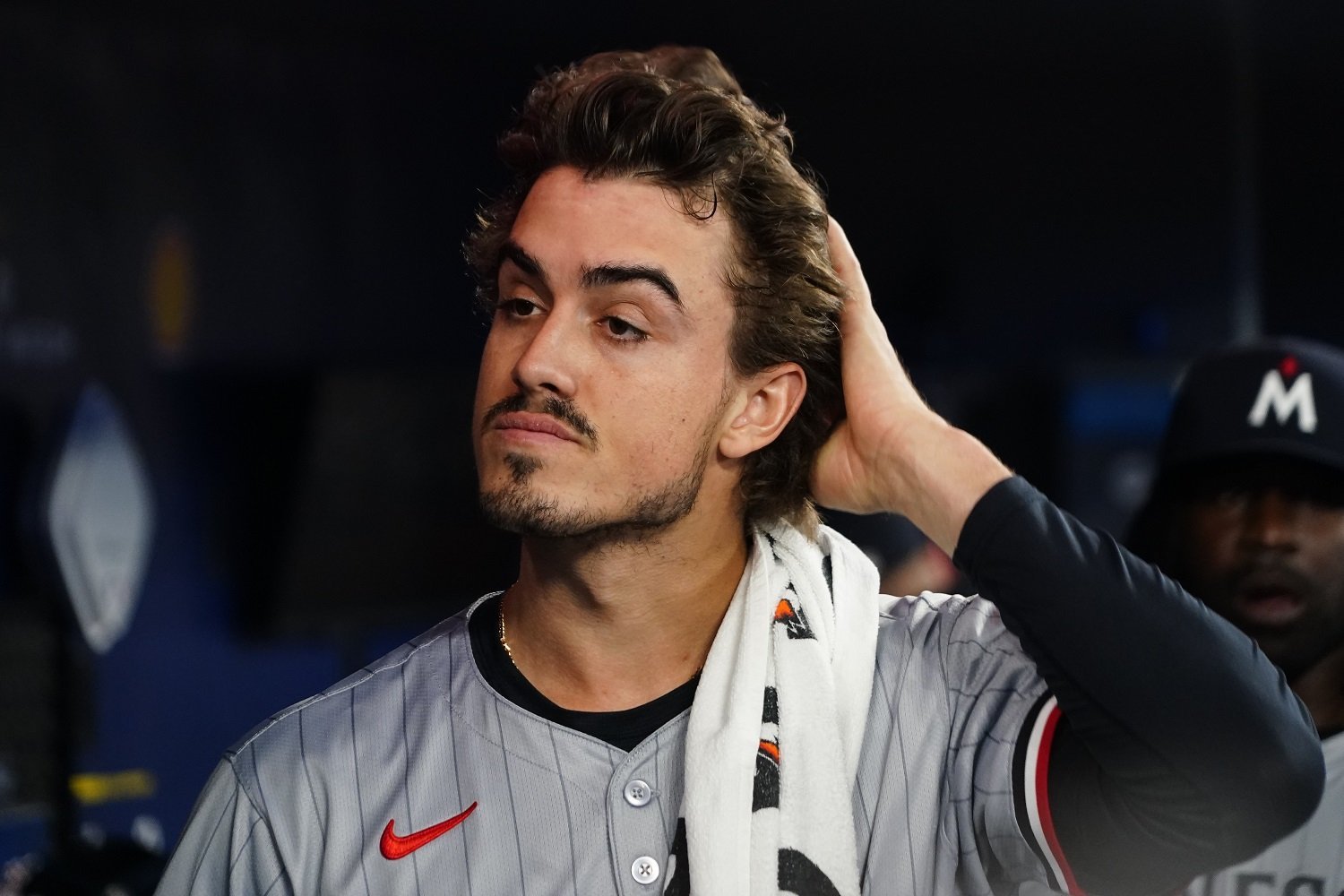 The Minnesota Twins have a solid rotation foundation heading into 2025, but stability can be fleeting. Injuries, inconsistency, and expiring contracts can quickly turn strengths into question marks. Joe Ryan has emerged as one of the club's most reliable arms when healthy. With three years of team control remaining, the Twins face a familiar question: Should they look to extend Ryan beyond the 2027 season? The Twins acquired Ryan from the Tampa Bay Rays for Nelson Cruz’s expiring contract in 2021, and that deal is shaping up to be one of the most lopsided trades in team history. Ryan has emerged as an effective big-league starter with the potential to still develop into an ace. Young, controllable starting pitching can be the lifeblood of a competitive organization, and that’s why it makes sense for the Twins to consider Ryan for an extension. Last season, Ryan posted a 3.60 ERA (115 ERA+) with a 0.96 WHIP and a 27.3% strikeout rate. It was arguably his best season at the big-league level, thanks especially to his emerging ability to fill up the strike zone; he walked a career-low 4.3% of opposing batters. In early August, though, he left a start against the Chicago Cubs with a Grade 2 teres major strain behind his right shoulder. The injury ended his season, which meant the Twins were forced to rely on three rookie starters for the remainder of the second half. Extending Ryan wouldn’t be about locking down an ace, but solidifying a durable piece of the rotation puzzle. Ryan debuted during his age-25 season, so the Twins already have him under team control into his early 30s. With the growing cost of free-agent pitching, the Twins could strike early and save themselves significant financial headaches in future seasons. A few recent deals stand out as comparable to what Ryan might look for in an extension: Logan Webb (San Francisco Giants): Entering 2023, Webb agreed to a five-year, $90-million extension with the Giants. This deal covers his remaining arbitration years and extends into his free-agent eligibility, ensuring his presence in the Giants' rotation through at least the 2028 season. Luis Castillo (Seattle Mariners): After acquiring him at the 2022 trade deadline, the Mariners locked up Castillo on a five-year, $108-million deal with a vesting option for a sixth year. Castillo was a year closer to free agency than Ryan is, but the example is illustrative, especially because Castillo is a fellow low-slot slinger with a riding fastball and a tight slider. Mitch Keller (Pittsburgh Pirates): Keller and the Pirates agreed to a five-year, $77-million extension on Feb. 22, 2024. He was coming off an All-Star season and is only a couple months older than Ryan. This extension covers his arbitration period and secures his role with the team into his early free-agent years. Why Joe Ryan Would Want to Sign an Extension While some players prefer to bet on themselves in arbitration, Ryan has compelling reasons to consider an early deal: Injury Concerns: Ryan has missed time in the last two seasons, including extended IL stints. An extension would provide financial security in case future injuries derail his trajectory. Age: Ryan is older than most players with his level of service time, due to his non-traditional path to the majors. He would hit free agency in his early 30s, a risky age for pitchers seeking long-term deals. Rising Market for Starters: Extensions are increasingly popular among pitchers looking to avoid the uncertainty of arbitration and free agency. A deal now could offer Ryan both stability and a fair value for his contributions. Why the Twins Would Want to Sign Him Long-Term For Minnesota, an extension for Ryan makes sense for several reasons: Cost Certainty: By locking Ryan in now, the Twins can avoid escalating arbitration salaries and secure a predictable payroll figure for years to come. Rotation Stability: Minnesota has helped Ryan develop into a playoff-caliber starter, and the club will need long-term solutions in the rotation. While prospects like David Festa and Simeon Woods Richardson offer promise, Ryan provides proven value. Team-Friendly Upside: If Ryan continues to improve, especially as he refines his fastball usage, the Twins could benefit from significant surplus value on an early extension. He’s already shown a knack for missing bats and generating weak contact, two hallmarks of a reliable starter. Avoiding the Free Agent Market: Finding dependable mid-rotation arms in free agency can be expensive. Ryan’s potential free-agent price tag could exceed what the Twins are willing to pay, making an extension a proactive move. The Twins have no immediate pressure to extend Ryan, but waiting could be costly. If Ryan stays healthy and continues to perform, his arbitration salaries will rise, and his free-agent value will soar. An extension would allow Minnesota to mitigate that risk while rewarding one of their most productive pitchers. For Ryan, an early deal offers financial security and the chance to be a cornerstone of the Twins’ rotation. For Minnesota, it’s an opportunity to lock in a reliable starter at a manageable price, which is a move that has paid dividends for other organizations. The Twins could also approach Bailey Ober with a similar contract extension. If the Twins believe Ryan can anchor their rotation for the next several years, a well-timed extension could be a win-win for both sides. Should the Twins extend Ryan? Leave a comment and start the discussion.
 -
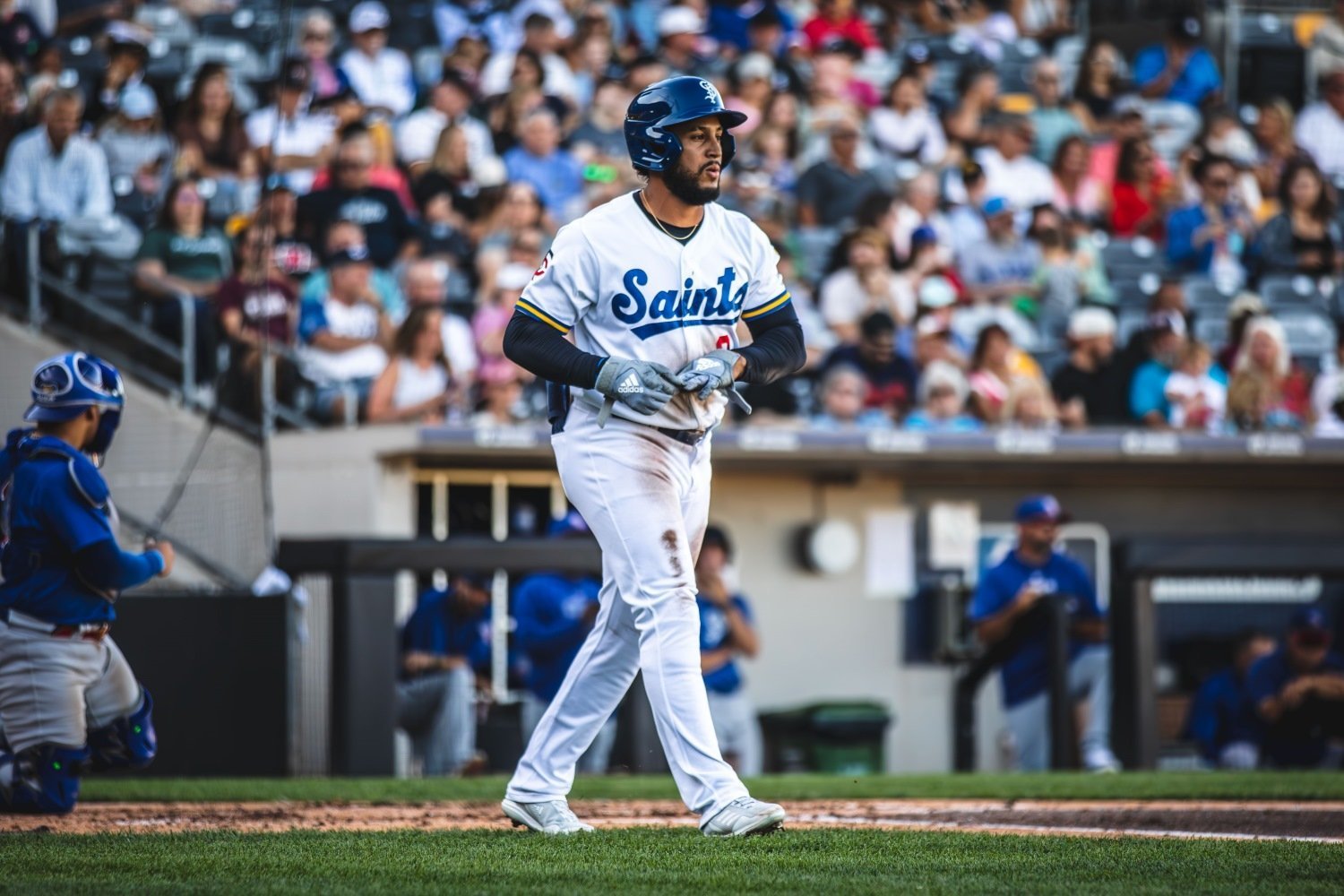 This strategy might make sense for the Minnesota Twins as they evaluate the future of potential cornerstone prospects like Walker Jenkins and Emmanuel Rodriguez. While this approach comes with risk, it also provides an opportunity for long-term cost control and stability for key pieces of a team’s future core. Recent Precedents Around Baseball Locking up players early in their careers is no longer revolutionary. Several teams have handed out lucrative contracts to prospects with little or no major-league experience. Most recently, the Tigers signed Colt Keith to a six-year, $28.6-million deal, securing a highly regarded young infielder before his debut. Last season, he was a global top-30 prospect and posted a 96 OPS+ in 148 games. Keith's contract reflects a growing willingness by teams to bet on their scouting and development systems to avoid escalating arbitration costs down the road. Another high-profile example came from the Milwaukee Brewers, who signed Jackson Chourio, one of baseball's top outfield prospects, to an eight-year, $82 million deal. Chourio was entering his age-20 season and was considered one of baseball’s top prospects. In 2024, he hit .275/.327/.464 with a 117 OPS+, helping him finish in third place for the NL Rookie of the Year. For a small-market team like Milwaukee, his long-term deal provides some stability for a team that wants to stay competitive. These signings follow earlier deals like the White Sox extending Luis Robert Jr. for six years and $50 million before his rookie season and the Astros’ infamous Jon Singleton contract, which netted him $10 million over five years despite limited production. While the Singleton deal remains a cautionary tale, some other contracts provide a model for teams like the Twins to consider extending their most promising talent. The Twins’ Duo of Potential Future Stars For Minnesota, the thought of extending one of their top prospects before a big-league debut starts with two names: Walker Jenkins and Emmanuel Rodriguez. Each player represents a potential building block for a team that must maximize its resources to compete in the AL Central for years. Walker Jenkins: Following the Chourio Model Jenkins, the Twins’ 2023 first-round pick, has perhaps the highest upside in the organization. As a left-handed hitting outfielder, he possesses a rare mix of power, athleticism, and makeup that has scouts dreaming of his five-tool talent. Jenkins finished last season at Double A, and his talent puts him in conversations with Chourio and other generational prospects. MLB Pipeline already ranks Jenkins as baseball’s No. 2 prospect, and that’s the same spot Chourio occupied last season. The Twins could see Jenkins as the perfect candidate for a Chourio-style deal because his talent warrants early investment. In 2024, he missed time with a leg injury at the beginning of the season, but that was the only thing that slowed him down. In 82 games, he hit .282/.394/.439, with 32 extra-base hits and more walks (56) than strikeouts (47). Betting on his ceiling now would involve risk, but it could also solidify Jenkins as the centerpiece of the franchise without having to navigate escalating costs later. Emmanuel Rodriguez: Following the Robert Jr. Model Rodriguez would be the top prospect in a lot of other farm systems, and he might be the Twins’ most intriguing prospect. His raw tools are undeniable, with elite on-base skills, plus power, and solid defensive ability in center field. He’s gotten on base over 42% of the time during his professional career, and last season, he slashed .280/.459/.567 in 47 games. Injuries have slowed his ascent, but when healthy, he’s been one of baseball’s most exciting prospects. Rodriguez’s profile resembles that of Luis Robert Jr. at a similar stage, with the enormous caveat that whereas Robert is one of baseball's most aggressive hitters, Rodriguez is one of its most passive. If the Twins believe in Rodriguez’s ability to remain healthy and develop into a top-tier outfielder, a pre-debut extension could provide tremendous value. Robert’s was a six-year, $50-million deal, with club options for two additional years at $20 million per season. With Rodriguez’s injury history, the Twins might be able to work out a similar deal with the budding outfielder, despite the plate discipline that sets his floor much higher. Risks and Rewards for the Twins For a mid-market team like Minnesota, cost certainty is everything. Signing a player like Rodriguez or Jenkins to a long-term deal before they debut may seem risky, but it allows the team to secure future stars at a fraction of what they might cost after breakout seasons. Early extensions also provide stability for the players, who receive life-changing money while forfeiting some financial upside. Of course, extending players before they’ve proven themselves comes with its share of risks. Injuries, stalled development, or unexpected struggles could leave the team on the hook for millions of dollars. Singleton’s deal with Houston remains a prime example of how this strategy can backfire. Also, Keith’s deal in Detroit didn’t pay off in its first season. However, the Twins have shown confidence in their player development system under Derek Falvey and Jeremy Zoll. If they believe in the futures of Jenkins and Rodriguez, locking them up early might be worth the gamble. The key variable in cases like these is always leverage, and there we find the separator between Jenkins and Rodriguez. Just 17 months ago, Jenkins was the fifth overall pick in the MLB Draft. The Twins shelled out a $7.14 million as a signing bonus, meaning that if has spent $5 every minute since he signed, he still has over $3.4 million in the bank. He is, although not generationally and ostentatiously so quite yet, very rich. Rodriguez, by contrast, got a bonus of $2.75 million from the Twins as a teenager, in 2019. That still makes a person rich, but unless he was very, very smart with that money, he's not anywhere near as comfortable as Jenkins. A long-term deal, with its guarantees and some upfront cash as a signing bonus, is likely to have more appeal to Rodriguez. That works out nicely, too, because he's the one positioned to contribute to the Twins almost right away. Signing Jenkins or Rodriguez to a pre-debut extension would make headlines, while signaling the Twins’ belief in their young core and commitment to building a sustainable winner. While the risks are real, so are the rewards. If Minnesota plays its cards right, these deals could set the foundation for long-term success. Which prospect makes the best extension candidate? Are the risks worth the reward? Leave a comment and start the discussion.
- 56 comments
-
- 3
-
-
- walker jenkins
- emmanuel rodriguez
- (and 3 more)
-
Baseball has seen a trend in recent years, with some teams locking up their top prospects to long-term deals before the players debuted. Would the Twins consider a similar strategy with one of their top prospects? Image courtesy of Rob Thompson / St. Paul Saints (Photo of Emmanuel Rodriguez) Baseball has seen a trend in recent years, with some teams locking up their top prospects to long-term deals before the players debuted. Would the Twins consider a similar strategy with one of their top prospects? This strategy might make sense for the Minnesota Twins as they evaluate the future of potential cornerstone prospects like Walker Jenkins and Emmanuel Rodriguez. While this approach comes with risk, it also provides an opportunity for long-term cost control and stability for key pieces of a team’s future core. Recent Precedents Around Baseball Locking up players early in their careers is no longer revolutionary. Several teams have handed out lucrative contracts to prospects with little or no major-league experience. Most recently, the Tigers signed Colt Keith to a six-year, $28.6-million deal, securing a highly regarded young infielder before his debut. Last season, he was a global top-30 prospect and posted a 96 OPS+ in 148 games. Keith's contract reflects a growing willingness by teams to bet on their scouting and development systems to avoid escalating arbitration costs down the road. Another high-profile example came from the Milwaukee Brewers, who signed Jackson Chourio, one of baseball's top outfield prospects, to an eight-year, $82 million deal. Chourio was entering his age-20 season and was considered one of baseball’s top prospects. In 2024, he hit .275/.327/.464 with a 117 OPS+, helping him finish in third place for the NL Rookie of the Year. For a small-market team like Milwaukee, his long-term deal provides some stability for a team that wants to stay competitive. These signings follow earlier deals like the White Sox extending Luis Robert Jr. for six years and $50 million before his rookie season and the Astros’ infamous Jon Singleton contract, which netted him $10 million over five years despite limited production. While the Singleton deal remains a cautionary tale, some other contracts provide a model for teams like the Twins to consider extending their most promising talent. The Twins’ Duo of Potential Future Stars For Minnesota, the thought of extending one of their top prospects before a big-league debut starts with two names: Walker Jenkins and Emmanuel Rodriguez. Each player represents a potential building block for a team that must maximize its resources to compete in the AL Central for years. Walker Jenkins: Following the Chourio Model Jenkins, the Twins’ 2023 first-round pick, has perhaps the highest upside in the organization. As a left-handed hitting outfielder, he possesses a rare mix of power, athleticism, and makeup that has scouts dreaming of his five-tool talent. Jenkins finished last season at Double A, and his talent puts him in conversations with Chourio and other generational prospects. MLB Pipeline already ranks Jenkins as baseball’s No. 2 prospect, and that’s the same spot Chourio occupied last season. The Twins could see Jenkins as the perfect candidate for a Chourio-style deal because his talent warrants early investment. In 2024, he missed time with a leg injury at the beginning of the season, but that was the only thing that slowed him down. In 82 games, he hit .282/.394/.439, with 32 extra-base hits and more walks (56) than strikeouts (47). Betting on his ceiling now would involve risk, but it could also solidify Jenkins as the centerpiece of the franchise without having to navigate escalating costs later. Emmanuel Rodriguez: Following the Robert Jr. Model Rodriguez would be the top prospect in a lot of other farm systems, and he might be the Twins’ most intriguing prospect. His raw tools are undeniable, with elite on-base skills, plus power, and solid defensive ability in center field. He’s gotten on base over 42% of the time during his professional career, and last season, he slashed .280/.459/.567 in 47 games. Injuries have slowed his ascent, but when healthy, he’s been one of baseball’s most exciting prospects. Rodriguez’s profile resembles that of Luis Robert Jr. at a similar stage, with the enormous caveat that whereas Robert is one of baseball's most aggressive hitters, Rodriguez is one of its most passive. If the Twins believe in Rodriguez’s ability to remain healthy and develop into a top-tier outfielder, a pre-debut extension could provide tremendous value. Robert’s was a six-year, $50-million deal, with club options for two additional years at $20 million per season. With Rodriguez’s injury history, the Twins might be able to work out a similar deal with the budding outfielder, despite the plate discipline that sets his floor much higher. Risks and Rewards for the Twins For a mid-market team like Minnesota, cost certainty is everything. Signing a player like Rodriguez or Jenkins to a long-term deal before they debut may seem risky, but it allows the team to secure future stars at a fraction of what they might cost after breakout seasons. Early extensions also provide stability for the players, who receive life-changing money while forfeiting some financial upside. Of course, extending players before they’ve proven themselves comes with its share of risks. Injuries, stalled development, or unexpected struggles could leave the team on the hook for millions of dollars. Singleton’s deal with Houston remains a prime example of how this strategy can backfire. Also, Keith’s deal in Detroit didn’t pay off in its first season. However, the Twins have shown confidence in their player development system under Derek Falvey and Jeremy Zoll. If they believe in the futures of Jenkins and Rodriguez, locking them up early might be worth the gamble. The key variable in cases like these is always leverage, and there we find the separator between Jenkins and Rodriguez. Just 17 months ago, Jenkins was the fifth overall pick in the MLB Draft. The Twins shelled out a $7.14 million as a signing bonus, meaning that if has spent $5 every minute since he signed, he still has over $3.4 million in the bank. He is, although not generationally and ostentatiously so quite yet, very rich. Rodriguez, by contrast, got a bonus of $2.75 million from the Twins as a teenager, in 2019. That still makes a person rich, but unless he was very, very smart with that money, he's not anywhere near as comfortable as Jenkins. A long-term deal, with its guarantees and some upfront cash as a signing bonus, is likely to have more appeal to Rodriguez. That works out nicely, too, because he's the one positioned to contribute to the Twins almost right away. Signing Jenkins or Rodriguez to a pre-debut extension would make headlines, while signaling the Twins’ belief in their young core and commitment to building a sustainable winner. While the risks are real, so are the rewards. If Minnesota plays its cards right, these deals could set the foundation for long-term success. Which prospect makes the best extension candidate? Are the risks worth the reward? Leave a comment and start the discussion. View full article
-
The Twins have acquired veteran center field options to serve in a backup role over the last two seasons. How has that plan served the team, and is another veteran on the team’s free-agent wish list? Image courtesy of © Jayne Kamin-Oncea-Imagn Images The Twins have acquired veteran center field options to serve in a backup role over the last two seasons. How has that plan served the team, and is another veteran on the team’s free-agent wish list? Byron Buxton’s immense talent has always been paired with an equally imposing injury history. While he has shown flashes of brilliance, playing over 100 games in 2024 and evolving into a power-hitting force, the Twins have had to prioritize a reliable backup plan for center field in recent seasons. In 2023, that role was filled by Michael A. Taylor, who provided Gold Glove-caliber defense and some unexpected pop. In 2024, Manuel Margot was brought in to serve in a similar role but failed to meet expectations. As the Twins prepare for 2025, Buxton remains a critical piece of the lineup, but his track record suggests the team must again find a high-quality insurance policy in center field. Enter Harrison Bader, a free agent who could prove to be an upgrade over Margot. What Harrison Bader Brings to the Table At his best, Bader is one of the premier defensive center fielders in baseball. The 30-year-old has long been lauded for his range, quick first step, and ability to make highlight-reel plays look routine. Statcast metrics consistently rank him among the top outfielders in Outs Above Average (OAA). Last season, he posted an OIAA in the 92nd percentile of the league. His glove could immediately provide value to the Twins' pitching staff, especially in Target Field's spacious outfield and with the pitchers' collective lean toward fly balls. Bader’s offensive contributions are more of a mixed bag. In 2024, he posted a .236/.284/.373 slash line, with 12 home runs, 19 doubles, and 17 stolen bases across 143 games. While those numbers are not overwhelming, his ability to contribute some power and speed makes him a valuable bottom-of-the-order presence. He was clearly in the lineup for his ability to impact the game defensively, and the Mets were fine with his limited offensive value. How Does Bader Compare to Margot? Margot was brought in to serve as Buxton’s backup in 2024, but the team quickly realized that he wasn’t going to be a regular option in center. Margot struggled offensively, slashing .238/.289/.337 with a 76 OPS+ in 129 games. He posted a negative rWAR total for the first time in his career and set the all-time record for hitless at-bats as a pinch-hitter, ending the season with an 0-for-30 record in those situations. Bader’s defensive upside alone makes him a compelling upgrade over Margot. Offensively, Bader’s numbers in 2024 were superior to Margot’s, and his ability to swipe bases adds an element of aggressiveness to the lineup that the Twins sorely missed last season. Margot was also atrocious in the outfield with -5 OAA, so Bader could provide a significant upgrade. If Bader can remain healthy (a concern that mirrors Buxton’s), he offers a higher ceiling than Margot, both at the plate and in the field. Why the Twins Need a Strong Backup Buxton’s role with the Twins is as unique as it is precarious. Despite his relatively good health in 2024, Buxton’s true value lies in his ability to patrol center field. When healthy, few players can impact the game as he does, but the Twins cannot afford to leave their roster exposed if injuries strike again. The Twins are hopeful that a healthy offseason will help Buxton be better prepared for the rigors of a 162-game season. Having a player like Bader allows the Twins to manage Buxton’s workload without sacrificing defensive excellence in center field. Moreover, Bader’s skillset aligns perfectly with Minnesota’s pitching and run-prevention focus. Target Field’s outfield demands elite defenders, and Bader can provide that while giving the Twins flexibility to move Buxton to designated hitter when needed. He can also cover more ground in center when the Twins use corner outfielders with less range like Trevor Larnach and Matt Wallner. Bader represents an ideal insurance policy for Buxton in 2025. His elite defense makes him a clear upgrade over Margot. While the Twins will likely explore other options in free agency or trade, Bader stands out as a player who can address their needs without breaking the bank. However, he was paid $10.5 million last season, and the Twins currently have little to no payroll for free agents. Presumably, his relatively tough season will bring down his price, but will it be by enough? With Buxton, the Twins know they are playing a high-risk, high-reward game. Adding Bader could help tilt the odds in their favor while adding an elite defender. Is Bader a good fit for the Twins roster? Are there any internal options to help in center field? Leave a COMMENT and start the discussion. View full article
-
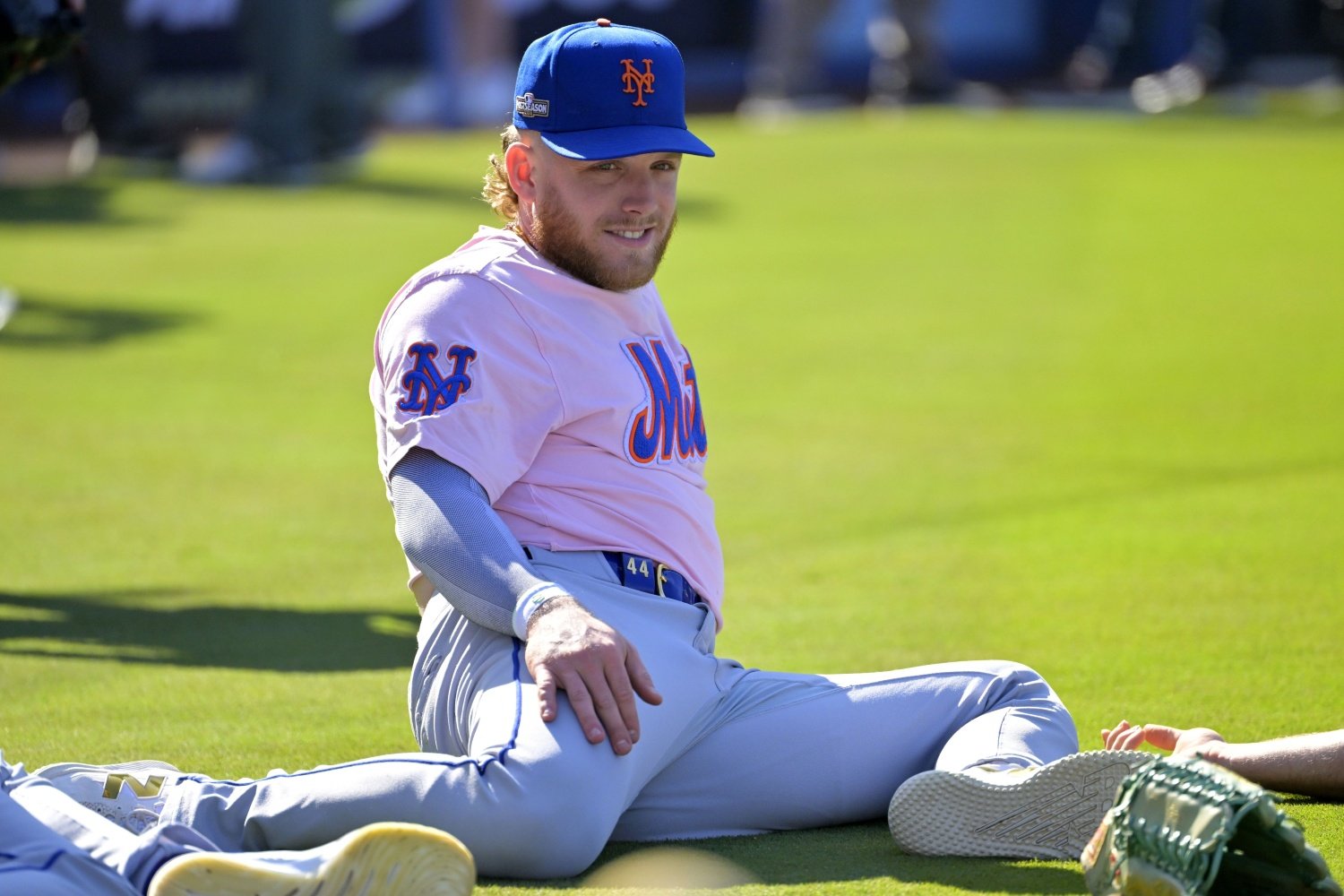 Byron Buxton’s immense talent has always been paired with an equally imposing injury history. While he has shown flashes of brilliance, playing over 100 games in 2024 and evolving into a power-hitting force, the Twins have had to prioritize a reliable backup plan for center field in recent seasons. In 2023, that role was filled by Michael A. Taylor, who provided Gold Glove-caliber defense and some unexpected pop. In 2024, Manuel Margot was brought in to serve in a similar role but failed to meet expectations. As the Twins prepare for 2025, Buxton remains a critical piece of the lineup, but his track record suggests the team must again find a high-quality insurance policy in center field. Enter Harrison Bader, a free agent who could prove to be an upgrade over Margot. What Harrison Bader Brings to the Table At his best, Bader is one of the premier defensive center fielders in baseball. The 30-year-old has long been lauded for his range, quick first step, and ability to make highlight-reel plays look routine. Statcast metrics consistently rank him among the top outfielders in Outs Above Average (OAA). Last season, he posted an OIAA in the 92nd percentile of the league. His glove could immediately provide value to the Twins' pitching staff, especially in Target Field's spacious outfield and with the pitchers' collective lean toward fly balls. Bader’s offensive contributions are more of a mixed bag. In 2024, he posted a .236/.284/.373 slash line, with 12 home runs, 19 doubles, and 17 stolen bases across 143 games. While those numbers are not overwhelming, his ability to contribute some power and speed makes him a valuable bottom-of-the-order presence. He was clearly in the lineup for his ability to impact the game defensively, and the Mets were fine with his limited offensive value. How Does Bader Compare to Margot? Margot was brought in to serve as Buxton’s backup in 2024, but the team quickly realized that he wasn’t going to be a regular option in center. Margot struggled offensively, slashing .238/.289/.337 with a 76 OPS+ in 129 games. He posted a negative rWAR total for the first time in his career and set the all-time record for hitless at-bats as a pinch-hitter, ending the season with an 0-for-30 record in those situations. Bader’s defensive upside alone makes him a compelling upgrade over Margot. Offensively, Bader’s numbers in 2024 were superior to Margot’s, and his ability to swipe bases adds an element of aggressiveness to the lineup that the Twins sorely missed last season. Margot was also atrocious in the outfield with -5 OAA, so Bader could provide a significant upgrade. If Bader can remain healthy (a concern that mirrors Buxton’s), he offers a higher ceiling than Margot, both at the plate and in the field. Why the Twins Need a Strong Backup Buxton’s role with the Twins is as unique as it is precarious. Despite his relatively good health in 2024, Buxton’s true value lies in his ability to patrol center field. When healthy, few players can impact the game as he does, but the Twins cannot afford to leave their roster exposed if injuries strike again. The Twins are hopeful that a healthy offseason will help Buxton be better prepared for the rigors of a 162-game season. Having a player like Bader allows the Twins to manage Buxton’s workload without sacrificing defensive excellence in center field. Moreover, Bader’s skillset aligns perfectly with Minnesota’s pitching and run-prevention focus. Target Field’s outfield demands elite defenders, and Bader can provide that while giving the Twins flexibility to move Buxton to designated hitter when needed. He can also cover more ground in center when the Twins use corner outfielders with less range like Trevor Larnach and Matt Wallner. Bader represents an ideal insurance policy for Buxton in 2025. His elite defense makes him a clear upgrade over Margot. While the Twins will likely explore other options in free agency or trade, Bader stands out as a player who can address their needs without breaking the bank. However, he was paid $10.5 million last season, and the Twins currently have little to no payroll for free agents. Presumably, his relatively tough season will bring down his price, but will it be by enough? With Buxton, the Twins know they are playing a high-risk, high-reward game. Adding Bader could help tilt the odds in their favor while adding an elite defender. Is Bader a good fit for the Twins roster? Are there any internal options to help in center field? Leave a COMMENT and start the discussion.
- 57 comments
-
- 3
-
-
- harrison bader
- byron buxton
- (and 2 more)
-
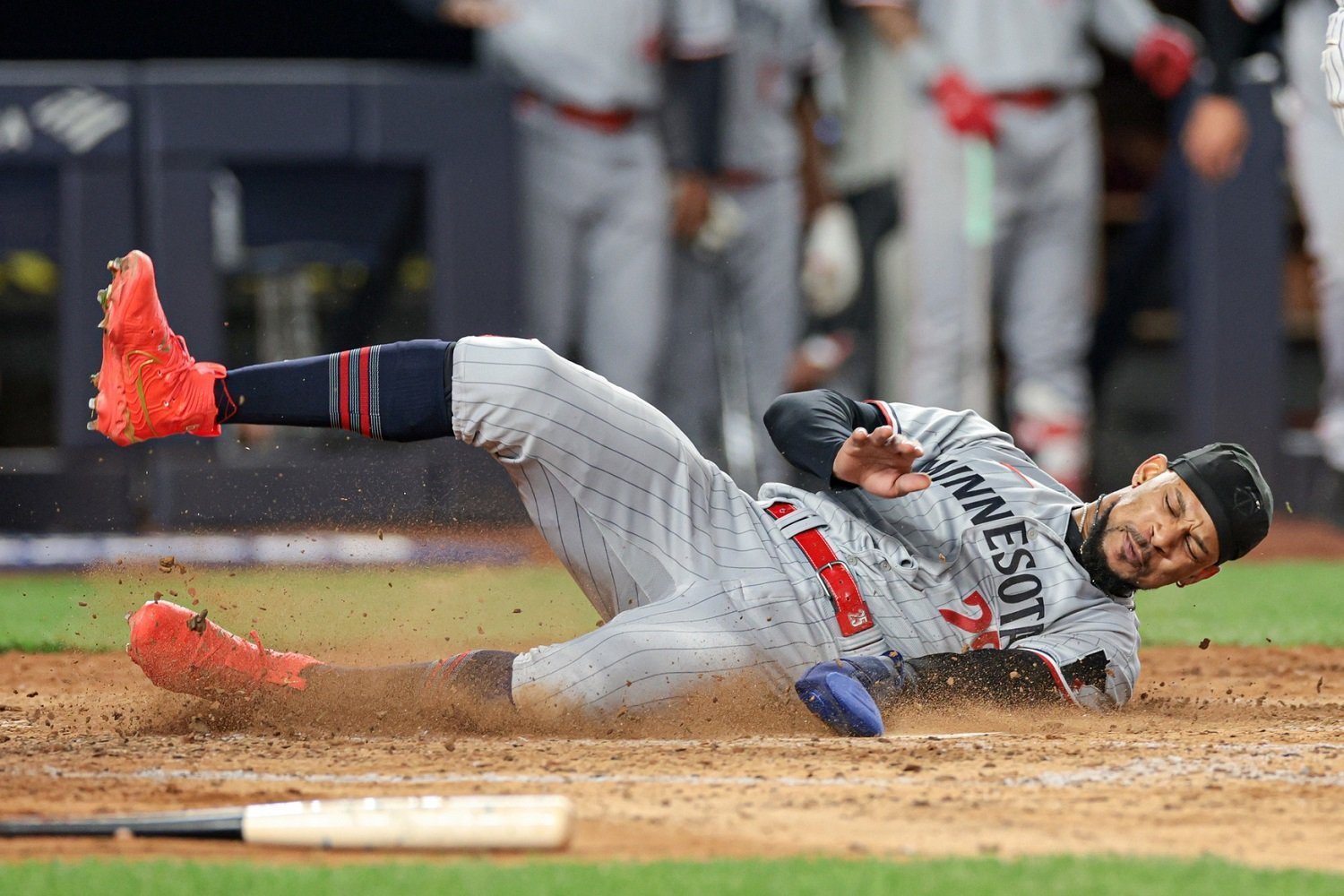 Statcast has provided fans with an inside look at some of the metrics teams have had access to in recent years. Defensive metrics, batted-ball data, and movement profiles on pitches have helped to bring deeper baseball conversations to the forefront for everyone from diehard to casual fans. Obviously, some fans don’t care about the game’s minutiae, but it’s reassuring that more fans have access to the data if they want to find it. Earlier this week, Statcast released a new baserunning metric called Baserunning Run Value. It goes far beyond just stealing bases and taking an extra base on a hit to the outfield. So, how does Statcast describe its new metric? According to Baserunning Run Value (BRV), the Twins had three positive runners in 2024, with Byron Buxton leading the team (3 BRV), followed by Austin Martin (1) and Manuel Margot (1). All three runners earned their value by taking extra bases, as none provided any net value from stolen bases. Buxton isn’t a surprise to anyone as the team’s best baserunner, but Martin and Margot are slightly surprising guys to find near the top of the team’s leaderboard. On the opposite end, there were eight players with negative Baserunning Run Value for the Twins. José Miranda had the lowest total, with -2 runs via extra bases taken and -1 runs via stolen bases. Kyle Farmer and Christian Vázquez finished with -2 Baserunning Run Value, which shouldn’t come as a surprise based on their player type. However, there were some surprises on other parts of the leaderboard. Willi Castro was a revelation on the bases during the 2023 season, his first with the Twins. He stole a career-high 33 bases, and he and Buxton joked about how many bases they would steal during spring training last year. Instead, Castro struggled on the bases in 2024, going 14-for-23 in stolen base attempts. His BRV was -1, with -3 runs tied to his stolen base attempts. During the 2023 season, Castro finished in third place on the Twins with 3 BRV, with only Michael Taylor (4 BRV) and Buxton (4 BRV) ranking ahead of him. Royce Lewis is another surprising player, because of the type of player he was in the minor leagues. When the Twins drafted Lewis, he was one of the organization’s fastest players, and many envisioned him as a top-of-the-order hitter who would be a baserunning threat. After two ACL surgeries, Lewis bulked up, which slowed him down. He provided -1 BRV on taking extra bases and stolen bases in 2024. Some other injuries hampered him, and he’s working to be more loose this winter. MLB’s Statcast Era stretches back to 2015, painting a more extensive picture of the team’s baserunning highs and lows during that time. Buxton is by far the team leader in BRV, with four times as many runs (28 BRV) as the next-closest Twins player. Brian Dozier (7), Jorge Polanco (5), Taylor (4), and Eddie Rosario (3) round out the team’s top five. Miguel Sanó is the team’s worst base runner in the Statcast era, with -10 BRV. Others at the bottom of the leaderboard include Vázquez (-6), Nelson Cruz (-6), Carlos Correa (-6), and Joe Mauer (-5). The majority of these negative runs are tied to players attempting to take extra bases. Minnesota’s front office has clearly focused on a specific player type when building a big-league roster. The Twins have favored players who hit the ball hard, and that often comes by sacrificing speed. Buxton has been the lone exception during his career, but even he is a different player type than Twins fans imagined when he was drafted over a decade ago. Baserunning Run Value points to some of the team’s flaws from last year, and where they can improve in 2025. Which runner’s ranking is most surprising? Who can improve the most in 2025? Leave a comment and start the discussion.
- 29 comments
-
- 1
-
-
- byron buxton
- willi castro
- (and 5 more)
-
The Twins have built a roster where speed and taking extra bases aren’t priorities. So, were there any surprises with Statcast’s release of a new baserunning metric? Image courtesy of Vincent Carchietta-USA TODAY Sports The Twins have built a roster where speed and taking extra bases aren’t priorities. So, were there any surprises with Statcast’s release of a new baserunning metric? Statcast has provided fans with an inside look at some of the metrics teams have had access to in recent years. Defensive metrics, batted-ball data, and movement profiles on pitches have helped to bring deeper baseball conversations to the forefront for everyone from diehard to casual fans. Obviously, some fans don’t care about the game’s minutiae, but it’s reassuring that more fans have access to the data if they want to find it. Earlier this week, Statcast released a new baserunning metric called Baserunning Run Value. It goes far beyond just stealing bases and taking an extra base on a hit to the outfield. So, how does Statcast describe its new metric? According to Baserunning Run Value (BRV), the Twins had three positive runners in 2024, with Byron Buxton leading the team (3 BRV), followed by Austin Martin (1) and Manuel Margot (1). All three runners earned their value by taking extra bases, as none provided any net value from stolen bases. Buxton isn’t a surprise to anyone as the team’s best baserunner, but Martin and Margot are slightly surprising guys to find near the top of the team’s leaderboard. On the opposite end, there were eight players with negative Baserunning Run Value for the Twins. José Miranda had the lowest total, with -2 runs via extra bases taken and -1 runs via stolen bases. Kyle Farmer and Christian Vázquez finished with -2 Baserunning Run Value, which shouldn’t come as a surprise based on their player type. However, there were some surprises on other parts of the leaderboard. Willi Castro was a revelation on the bases during the 2023 season, his first with the Twins. He stole a career-high 33 bases, and he and Buxton joked about how many bases they would steal during spring training last year. Instead, Castro struggled on the bases in 2024, going 14-for-23 in stolen base attempts. His BRV was -1, with -3 runs tied to his stolen base attempts. During the 2023 season, Castro finished in third place on the Twins with 3 BRV, with only Michael Taylor (4 BRV) and Buxton (4 BRV) ranking ahead of him. Royce Lewis is another surprising player, because of the type of player he was in the minor leagues. When the Twins drafted Lewis, he was one of the organization’s fastest players, and many envisioned him as a top-of-the-order hitter who would be a baserunning threat. After two ACL surgeries, Lewis bulked up, which slowed him down. He provided -1 BRV on taking extra bases and stolen bases in 2024. Some other injuries hampered him, and he’s working to be more loose this winter. MLB’s Statcast Era stretches back to 2015, painting a more extensive picture of the team’s baserunning highs and lows during that time. Buxton is by far the team leader in BRV, with four times as many runs (28 BRV) as the next-closest Twins player. Brian Dozier (7), Jorge Polanco (5), Taylor (4), and Eddie Rosario (3) round out the team’s top five. Miguel Sanó is the team’s worst base runner in the Statcast era, with -10 BRV. Others at the bottom of the leaderboard include Vázquez (-6), Nelson Cruz (-6), Carlos Correa (-6), and Joe Mauer (-5). The majority of these negative runs are tied to players attempting to take extra bases. Minnesota’s front office has clearly focused on a specific player type when building a big-league roster. The Twins have favored players who hit the ball hard, and that often comes by sacrificing speed. Buxton has been the lone exception during his career, but even he is a different player type than Twins fans imagined when he was drafted over a decade ago. Baserunning Run Value points to some of the team’s flaws from last year, and where they can improve in 2025. Which runner’s ranking is most surprising? Who can improve the most in 2025? Leave a comment and start the discussion. View full article
- 29 replies
-
- 1
-
-
- byron buxton
- willi castro
- (and 5 more)
-
Few fan bases outwardly praise their ownership group. In some corners, though, Mat and Justin Ishbia have been an exception to that rule. For what have the brothers come in for celebration and blame during their time owning the Phoenix Suns? Image courtesy of © Mark J. Rebilas-Imagn Images Few fan bases outwardly praise their ownership group. In some corners, though, Mat and Justin Ishbia have been an exception to that rule. For what have the brothers come in for celebration and blame during their time owning the Phoenix Suns? Over the last 40 years, the Pohlad family has been synonymous with the Minnesota Twins, overseeing the construction of Target Field and building a reputation for their philanthropic efforts. Whispers in the sports business world suggest that the franchise could be poised for a significant shift. Justin and Mat Ishbia, the owners of the Phoenix Suns, have reportedly expressed interest in purchasing the Twins. If this happens, the Ishbias would bring a mix of innovation, ambition, and controversy to Minnesota. A Visionary Approach to Broadcasting In 2023, Mat Ishbia made waves in the NBA with a groundbreaking TV approach for the Phoenix Suns. As cable subscriptions decline and blackout restrictions frustrate fans, the Suns’ ownership opted for a bold solution. Rather than prioritize the bottom line, they aimed to maximize fan engagement. As Peter Labuza wrote at the time, “The idea is simple: fewer and fewer households have cable, and various fights over retransmission fees have even blacked out those who do. So rather than prioritize profits, the plan is to get as many eyeballs onto games as possible.” According to ESPN, "The shift could cost the Suns tens of millions in guaranteed money per year in the short term, but it will boost the number of households the games are available in from around 800,000 to more than 2.8 million." The Ishbias offered fans free HDMI-connected antennas to ensure games could reach as many households as possible. Explaining their decision, Mat Ishbia called the move “the biggest no-brainer of them all” and emphasized his commitment to the community: “It’s the right thing to do, and that’s our job as stewards of the organization.” This radical approach has been celebrated for its emphasis on accessibility. For years, Twins fans have dealt with a confusing array of blackout rules and limited streaming options, making it difficult for many to watch games. If the Ishbias bring this model to the Twins, it could revolutionize how fans in Minnesota connect with their team. However, bold moves like these come with financial risks. The Suns’ decision to forgo guaranteed revenue from traditional cable contracts isn't guaranteed to generate enough new fans to justify itself. For a small-market team like the Twins, which relies heavily on revenue sharing and local broadcast deals, such a strategy might be more complex to implement without impacting payroll. Would the Ishbias be willing to sacrifice some of their profit margin to prioritize fan engagement? A Mixed Legacy in Business While the Ishbias have earned praise for their innovative sports management, their business dealings haven’t been without controversy. Earlier this year, a class-action lawsuit was filed against United Wholesale Mortgage (UWM) and Mat Ishbia, alleging a scheme to cheat borrowers. The lawsuit claims that UWM violated federal laws, including the RICO Act, by incentivizing mortgage brokers to prioritize UWM’s interests over their clients’ needs. Although the case is ongoing, it raises questions about Ishbia’s ethics and long-term priorities. Twins fans may wonder: will a focus on innovation and community come at the expense of transparency and trust? While Justin, not Mat, is the prospective principal owner in this reported scenario, the brothers are close and their habits of business are both likely to affect any team they purchase together. Hands-On Ownership Group The Ishbias' tenure as owners of the Phoenix Suns has been defined by Mat's high-energy, hands-on approach, which has garnered praise and criticism. The pair's active involvement in the team’s operations has revitalized the franchise’s image, particularly in the wake of the turmoil under previous owner Robert Sarver. Minnesota’s current ownership group has taken a very hands-off approach and trusted the people in the highest positions to make critical decisions. In Phoenix, the brothers have injected new life into the Suns organization, from their visible enthusiasm during games to bold decision-making in reshaping the roster. Their presence has been a breath of fresh air for fans and employees who value an owner deeply invested in the team’s success. However, this same approach has sparked concerns about over-involvement and potential micromanagement, particularly regarding the autonomy of the front office and coaching staff. While their involvement underscores their ambition and willingness to take risks, it also raises questions about the balance of power within the organization. The Suns fired their head coach, Frank Vogel, after a first-round playoff loss to the Minnesota Timberwolves. Minnesota has already announced that Derek Falvey will be stepping into a role where he oversees the baseball and business sides of the Twins. Will new owners want to keep current employees like Falvey and manager Rocco Baldelli? This dynamic may create tension, especially if decisions are perceived as owner-driven rather than team-driven, potentially complicating the collaboration needed for sustained success. Critics of the brothers' style point to the potential pitfalls of micromanagement in professional sports. Owners who blur the line between leadership and operational control risk undermining the expertise of their staff. While Mat’s involvement has been primarily celebrated during his early tenure, there is concern that a continued pattern of heavy-handedness could stifle the creativity and decision-making of the front office. Autonomy is often critical for building a cohesive strategy, particularly in high-pressure situations like the trade deadline or free agency. If staff feel constrained by ownership directives, it could hinder the team’s ability to adapt and make independent decisions that align with long-term goals. On the other hand, supporters of Ishbia’s approach argue that his passion and accessibility set a positive tone for the organization. His hands-on leadership style, while unconventional, can inspire employees and players alike, by demonstrating a deep commitment to excellence. In some ways, his micromanagement tendencies may reflect a desire to right the wrongs of the past, ensuring that the team operates with accountability and transparency. However, striking the right balance between active involvement and allowing professionals to lead remains a critical challenge for Ishbia as he continues to guide the Suns. Whether his hands-on style fosters long-term success or leads to friction will depend on his ability to trust his team while maintaining the enthusiasm that has already made an impact. The Bottom Line for Twins Fans The Ishbias' interest in purchasing the Twins represents an exciting opportunity and a significant gamble. Their tenure with the Suns has demonstrated a commitment to bold ideas, such as prioritizing accessibility over short-term profits. A similar approach in Minnesota could make Twins games more widely available than ever before, reconnecting the team with fans who have felt left out of the fold in recent years. On the flip side, questions about their financial practices, micromanagement, and the risks associated with their TV model leave room for skepticism. Would the Ishbias’ approach lead to a brighter future for the Twins, or could their boldness backfire in a market where financial stability is key? For now, the idea of the Ishbias owning the Twins is purely speculative. But if their bid becomes reality, Twins fans could be in for a fascinating new chapter. It is shaping up to be as promising as it is uncertain. Should their ownership approach worry fans? Leave a comment and start the discussion. View full article
-
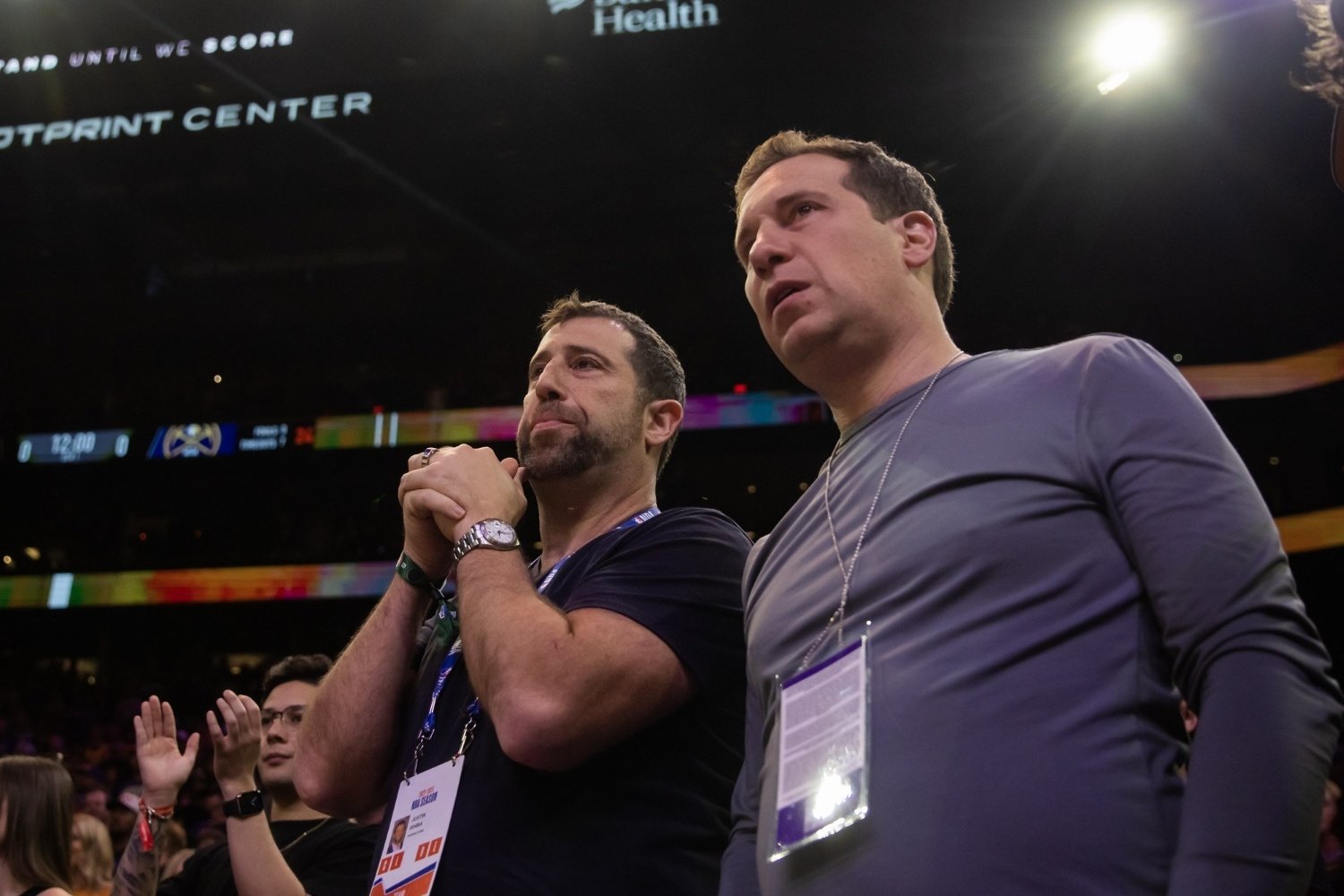 Over the last 40 years, the Pohlad family has been synonymous with the Minnesota Twins, overseeing the construction of Target Field and building a reputation for their philanthropic efforts. Whispers in the sports business world suggest that the franchise could be poised for a significant shift. Justin and Mat Ishbia, the owners of the Phoenix Suns, have reportedly expressed interest in purchasing the Twins. If this happens, the Ishbias would bring a mix of innovation, ambition, and controversy to Minnesota. A Visionary Approach to Broadcasting In 2023, Mat Ishbia made waves in the NBA with a groundbreaking TV approach for the Phoenix Suns. As cable subscriptions decline and blackout restrictions frustrate fans, the Suns’ ownership opted for a bold solution. Rather than prioritize the bottom line, they aimed to maximize fan engagement. As Peter Labuza wrote at the time, “The idea is simple: fewer and fewer households have cable, and various fights over retransmission fees have even blacked out those who do. So rather than prioritize profits, the plan is to get as many eyeballs onto games as possible.” According to ESPN, "The shift could cost the Suns tens of millions in guaranteed money per year in the short term, but it will boost the number of households the games are available in from around 800,000 to more than 2.8 million." The Ishbias offered fans free HDMI-connected antennas to ensure games could reach as many households as possible. Explaining their decision, Mat Ishbia called the move “the biggest no-brainer of them all” and emphasized his commitment to the community: “It’s the right thing to do, and that’s our job as stewards of the organization.” This radical approach has been celebrated for its emphasis on accessibility. For years, Twins fans have dealt with a confusing array of blackout rules and limited streaming options, making it difficult for many to watch games. If the Ishbias bring this model to the Twins, it could revolutionize how fans in Minnesota connect with their team. However, bold moves like these come with financial risks. The Suns’ decision to forgo guaranteed revenue from traditional cable contracts isn't guaranteed to generate enough new fans to justify itself. For a small-market team like the Twins, which relies heavily on revenue sharing and local broadcast deals, such a strategy might be more complex to implement without impacting payroll. Would the Ishbias be willing to sacrifice some of their profit margin to prioritize fan engagement? A Mixed Legacy in Business While the Ishbias have earned praise for their innovative sports management, their business dealings haven’t been without controversy. Earlier this year, a class-action lawsuit was filed against United Wholesale Mortgage (UWM) and Mat Ishbia, alleging a scheme to cheat borrowers. The lawsuit claims that UWM violated federal laws, including the RICO Act, by incentivizing mortgage brokers to prioritize UWM’s interests over their clients’ needs. Although the case is ongoing, it raises questions about Ishbia’s ethics and long-term priorities. Twins fans may wonder: will a focus on innovation and community come at the expense of transparency and trust? While Justin, not Mat, is the prospective principal owner in this reported scenario, the brothers are close and their habits of business are both likely to affect any team they purchase together. Hands-On Ownership Group The Ishbias' tenure as owners of the Phoenix Suns has been defined by Mat's high-energy, hands-on approach, which has garnered praise and criticism. The pair's active involvement in the team’s operations has revitalized the franchise’s image, particularly in the wake of the turmoil under previous owner Robert Sarver. Minnesota’s current ownership group has taken a very hands-off approach and trusted the people in the highest positions to make critical decisions. In Phoenix, the brothers have injected new life into the Suns organization, from their visible enthusiasm during games to bold decision-making in reshaping the roster. Their presence has been a breath of fresh air for fans and employees who value an owner deeply invested in the team’s success. However, this same approach has sparked concerns about over-involvement and potential micromanagement, particularly regarding the autonomy of the front office and coaching staff. While their involvement underscores their ambition and willingness to take risks, it also raises questions about the balance of power within the organization. The Suns fired their head coach, Frank Vogel, after a first-round playoff loss to the Minnesota Timberwolves. Minnesota has already announced that Derek Falvey will be stepping into a role where he oversees the baseball and business sides of the Twins. Will new owners want to keep current employees like Falvey and manager Rocco Baldelli? This dynamic may create tension, especially if decisions are perceived as owner-driven rather than team-driven, potentially complicating the collaboration needed for sustained success. Critics of the brothers' style point to the potential pitfalls of micromanagement in professional sports. Owners who blur the line between leadership and operational control risk undermining the expertise of their staff. While Mat’s involvement has been primarily celebrated during his early tenure, there is concern that a continued pattern of heavy-handedness could stifle the creativity and decision-making of the front office. Autonomy is often critical for building a cohesive strategy, particularly in high-pressure situations like the trade deadline or free agency. If staff feel constrained by ownership directives, it could hinder the team’s ability to adapt and make independent decisions that align with long-term goals. On the other hand, supporters of Ishbia’s approach argue that his passion and accessibility set a positive tone for the organization. His hands-on leadership style, while unconventional, can inspire employees and players alike, by demonstrating a deep commitment to excellence. In some ways, his micromanagement tendencies may reflect a desire to right the wrongs of the past, ensuring that the team operates with accountability and transparency. However, striking the right balance between active involvement and allowing professionals to lead remains a critical challenge for Ishbia as he continues to guide the Suns. Whether his hands-on style fosters long-term success or leads to friction will depend on his ability to trust his team while maintaining the enthusiasm that has already made an impact. The Bottom Line for Twins Fans The Ishbias' interest in purchasing the Twins represents an exciting opportunity and a significant gamble. Their tenure with the Suns has demonstrated a commitment to bold ideas, such as prioritizing accessibility over short-term profits. A similar approach in Minnesota could make Twins games more widely available than ever before, reconnecting the team with fans who have felt left out of the fold in recent years. On the flip side, questions about their financial practices, micromanagement, and the risks associated with their TV model leave room for skepticism. Would the Ishbias’ approach lead to a brighter future for the Twins, or could their boldness backfire in a market where financial stability is key? For now, the idea of the Ishbias owning the Twins is purely speculative. But if their bid becomes reality, Twins fans could be in for a fascinating new chapter. It is shaping up to be as promising as it is uncertain. Should their ownership approach worry fans? Leave a comment and start the discussion.
 -
Carlos Santana vs. Justin Turner: Which Veteran Should the Twins Choose?
Cody Christie posted an article in Twins
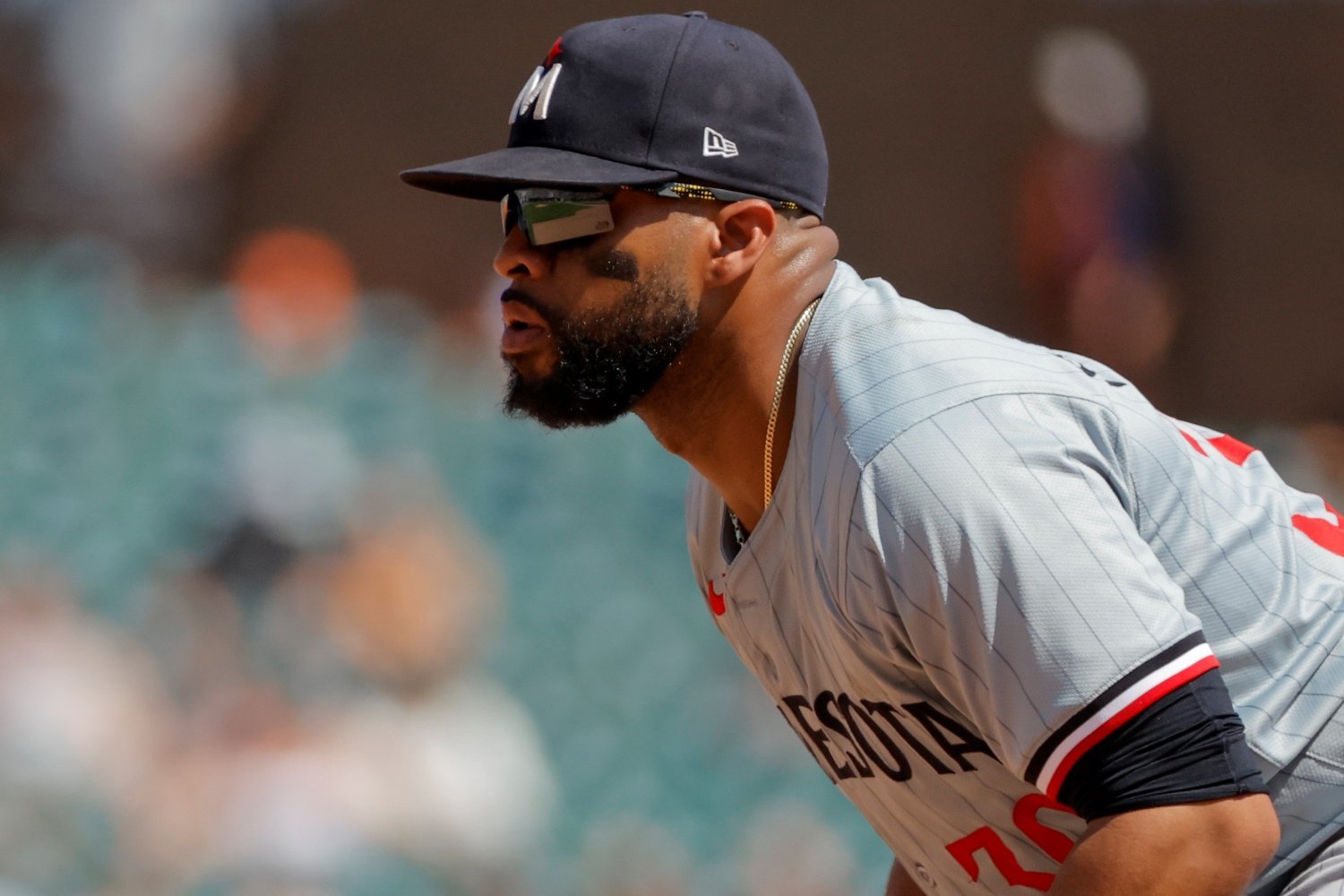 As the Minnesota Twins continue to shape their roster for 2025, they find themselves at a crossroads in deciding which veteran presence could best serve their team. Two names stand out: Carlos Santana and Justin Turner. Each offers unique skills and challenges, forcing the Twins to weigh their options carefully, considering their owner-imposed payroll limitations. The Case for Carlos Santana Santana joined the Twins in 2024 and made his mark with Gold Glove-caliber defense at first base. Reports have the Twins interested in a reunion with Santana, if the price is right. While his offensive output was underwhelming (.238/.328/.420 with a 109 OPS+), his ability to anchor the infield defense helped stabilize the team, especially with Alex Kirilloff battling injuries (which eventually led to his retirement). Santana’s leadership and familiarity with the clubhouse make him a known commodity for Rocco Baldelli and his coaching staff. However, Santana won’t come as cheaply this time around. His defensive value and intangibles might command a deal for more than the $5.25 million he signed for last season. The Twins are already navigating a tight budget. Re-signing Santana would limit their ability to address other roster needs, such as finding a right-handed outfielder or bolstering the bullpen. The Case for Justin Turner Turner brings an entirely different profile to the table. At 40 years old, Turner continues to defy Father Time with his bat, slashing .259/.354/.383, with a 114 OPS+ in 139 games. His season ended on a high note, as his OPS+ rose from 107 in Toronto to 128 in Seattle after a midseason trade. Over the last four seasons, he has averaged a 117 OPS+, which is 20 points higher than Santana's during that same period. His offensive production could help the Twins lineup, but there is also a good chance his age will slow him down. Turner’s defensive skills, however, are limited. While he has experience at third and first base, he’s far from a defensive stalwart with -1 OAA last season. The Twins would likely use him primarily as a designated hitter, but that would prevent Baldelli from rotating other hitters through the DH spot, which the manager prefers to be able to do. Turner signed a one-year, $13 million deal last season, and he will likely make significantly less than that this year because his age and defensive limitations make him a riskier bet. The Payroll Crunch The Twins’ financial situation looms large in this decision. Minnesota’s projected payroll already sits north of $140 million when all arbitration salaries are decided, which is $8-10 million over their owner-imposed limit. The team needs to maximize every dollar spent this offseason, especially in the suddenly competitive AL Central. Santana’s familiarity and defense might justify a higher price, but Turner’s offensive production could provide value, especially if the team is confident in its internal options to cover first base defensively. Who Fits Best? This decision ultimately comes down to roster construction. If the Twins prioritize run prevention and wish to maintain stability at first base, Santana is the logical choice. He provides superior defense and is a known leader within the organization. On the other hand, if the Twins believe their offense needs an upgrade, Turner’s bat could provide a boost. His ability to extend at-bats, hit for power, and get on base would deepen a lineup that often went cold in critical situations during the 2024 season. For what it's worth, he's also widely renowned as one of the game's good guys, both in clubhouses and in the community, so off the field, relatively little would be lost by pivoting from Santana to Turner. The front office must decide if the elder of two superannuated veterans is a good fit, when both players will likely see a slight overall decline in 2025. Santana and Turner bring unique strengths, but their weaknesses reflect the Twins’ broader challenges this offseason. Payroll constraints mean that every decision will have ripple effects across the roster. If the Twins can find affordable defensive depth elsewhere, Turner might provide the offensive spark they need. However, Santana remains the safer choice if they want to maintain defensive consistency and leadership. Ultimately, this decision will reveal the Twins’ priorities for 2025: will they double down on defense and familiarity or gamble on an aging but productive bat? Either way, Minnesota’s front office must thread the needle carefully. Who is a better fit for the 2025 Twins? Santana? Turner? Leave a comment and start the discussion.
 -
The Twins saw what Carlos Santana could bring to the team during the 2024 campaign. Does a reunion with the first baseman make sense, or is another veteran a better option? Image courtesy of © Rick Osentoski-Imagn Images The Twins saw what Carlos Santana could bring to the team during the 2024 campaign. Does a reunion with the first baseman make sense, or is another veteran a better option? As the Minnesota Twins continue to shape their roster for 2025, they find themselves at a crossroads in deciding which veteran presence could best serve their team. Two names stand out: Carlos Santana and Justin Turner. Each offers unique skills and challenges, forcing the Twins to weigh their options carefully, considering their owner-imposed payroll limitations. The Case for Carlos Santana Santana joined the Twins in 2024 and made his mark with Gold Glove-caliber defense at first base. Reports have the Twins interested in a reunion with Santana, if the price is right. While his offensive output was underwhelming (.238/.328/.420 with a 109 OPS+), his ability to anchor the infield defense helped stabilize the team, especially with Alex Kirilloff battling injuries (which eventually led to his retirement). Santana’s leadership and familiarity with the clubhouse make him a known commodity for Rocco Baldelli and his coaching staff. However, Santana won’t come as cheaply this time around. His defensive value and intangibles might command a deal for more than the $5.25 million he signed for last season. The Twins are already navigating a tight budget. Re-signing Santana would limit their ability to address other roster needs, such as finding a right-handed outfielder or bolstering the bullpen. The Case for Justin Turner Turner brings an entirely different profile to the table. At 40 years old, Turner continues to defy Father Time with his bat, slashing .259/.354/.383, with a 114 OPS+ in 139 games. His season ended on a high note, as his OPS+ rose from 107 in Toronto to 128 in Seattle after a midseason trade. Over the last four seasons, he has averaged a 117 OPS+, which is 20 points higher than Santana's during that same period. His offensive production could help the Twins lineup, but there is also a good chance his age will slow him down. Turner’s defensive skills, however, are limited. While he has experience at third and first base, he’s far from a defensive stalwart with -1 OAA last season. The Twins would likely use him primarily as a designated hitter, but that would prevent Baldelli from rotating other hitters through the DH spot, which the manager prefers to be able to do. Turner signed a one-year, $13 million deal last season, and he will likely make significantly less than that this year because his age and defensive limitations make him a riskier bet. The Payroll Crunch The Twins’ financial situation looms large in this decision. Minnesota’s projected payroll already sits north of $140 million when all arbitration salaries are decided, which is $8-10 million over their owner-imposed limit. The team needs to maximize every dollar spent this offseason, especially in the suddenly competitive AL Central. Santana’s familiarity and defense might justify a higher price, but Turner’s offensive production could provide value, especially if the team is confident in its internal options to cover first base defensively. Who Fits Best? This decision ultimately comes down to roster construction. If the Twins prioritize run prevention and wish to maintain stability at first base, Santana is the logical choice. He provides superior defense and is a known leader within the organization. On the other hand, if the Twins believe their offense needs an upgrade, Turner’s bat could provide a boost. His ability to extend at-bats, hit for power, and get on base would deepen a lineup that often went cold in critical situations during the 2024 season. For what it's worth, he's also widely renowned as one of the game's good guys, both in clubhouses and in the community, so off the field, relatively little would be lost by pivoting from Santana to Turner. The front office must decide if the elder of two superannuated veterans is a good fit, when both players will likely see a slight overall decline in 2025. Santana and Turner bring unique strengths, but their weaknesses reflect the Twins’ broader challenges this offseason. Payroll constraints mean that every decision will have ripple effects across the roster. If the Twins can find affordable defensive depth elsewhere, Turner might provide the offensive spark they need. However, Santana remains the safer choice if they want to maintain defensive consistency and leadership. Ultimately, this decision will reveal the Twins’ priorities for 2025: will they double down on defense and familiarity or gamble on an aging but productive bat? Either way, Minnesota’s front office must thread the needle carefully. Who is a better fit for the 2025 Twins? Santana? Turner? Leave a comment and start the discussion. View full article
-
The Twins and Royce Lewis are coming off a disappointing end to the 2024 season. Here are three reasons why now might be the right time for the two sides to work on a contract extension. Image courtesy of Erik Williams-USA TODAY Sports The Twins and Royce Lewis are coming off a disappointing end to the 2024 season. Here are three reasons why now might be the right time for the two sides to work on a contract extension. Royce Lewis is at a critical juncture in his professional career. He has shown flashes of brilliance, but injuries and inconsistent performances have clouded his trajectory. With four years of team control remaining, the Twins should consider offering Lewis a contract extension now, which could benefit both the player and the organization. 1. Injuries Have Limited Lewis’ Early Career Lewis’ path to the big leagues has been anything but smooth. His injury timeline reads like a horror novel, especially with the high expectations surrounding him as the number-one overall pick. He tore his ACL in February 2021 and missed 186 games. Just 12 games after returning to the Twins, Lewis tore his ACL again in May 2022 and missed 189 games. In July 2023, Lewis missed 36 games with an oblique strain and another 11 games in September with a right hamstring strain. Last season, he left Opening Day with a quad injury that cost him 60 games. He had an abductor injury in early July and missed 17 games. His extensive injury history could help the Twins sign him for a more team-friendly deal. 2. Poor Performance in 2024 Despite these setbacks, Lewis returned to the field in 2024 and showcased his resilience, but his campaign ended on a sour note. His offensive numbers slumped in the second half (.620 OPS), and questions about his defensive future persisted. In September, his performance was particularly rough. In his final 22 games, he went 12-for-80 (.150 BA) with 21 strikeouts and a .406 OPS. Baseball-Reference pegs his WPA during this stretch as being worth -1.63 wins. Extending Lewis now allows the Twins to lock in a player who could still develop into a star while accounting for the inconsistencies in his overall performance. 3. The Uncertain Defensive Future Once projected as the Twins' shortstop of the future, Lewis has seen his defensive assignments shift. Carlos Correa’s presence has pushed Lewis to third base, and discussions have been held about moving him to second base for 2025. While he has shown versatility, he hasn’t excelled defensively at any position. He was worth 2 OAA at third base last season and -1 OAA at second in minimal action. There were concerns about his throwing mechanics at third base and a shift to second might be the team’s best long-term option. Minnesota had Lewis start working out at second base, and he was vocal about not wanting to switch positions in the middle of a division race. He started one game at second and combined for eight innings at the new position. These factors create an opportunity for the Twins to approach Lewis with an extension at a time when his market value might be lower than it could be after a healthy and productive season. Why an Extension Makes Sense for Lewis Coming off a subpar finish to 2024 and with an injury history, Lewis might be open to financial security through an extension. While most Scott Boras clients opt to test free agency, there are exceptions. Recent deals for players in similar situations demonstrate the value of an early extension. Ke’Bryan Hayes (Pittsburgh Pirates): In 2022, Hayes signed an eight-year, $70 million deal with the Pirates, securing financial stability despite questions about his offensive upside. Lewis, whose potential offensive ceiling is higher, could sign a comparable or slightly larger deal to reflect his talent. Wander Franco (Tampa Bay Rays): While Franco’s extension (11 years, $182 million) represents a higher tier of talent, the Rays prioritized long-term control early in his career. Franco has faced off-the-field issues that will prevent him from earning this contract. The Twins could offer Lewis a scaled-down version, perhaps seven years, $90 million, to account for his injury history. The Boras Factor Scott Boras’ clients are known for seeking maximum value in free agency. Yet, extensions are not unheard of under his representation. Stephen Strasburg’s $175 million extension with the Nationals before free agency demonstrates that Boras’ stance is negotiable under the right circumstances. It could appeal to both sides if the Twins offer Lewis a deal that secures his financial future while allowing him to hit the market while he's still young enough to get a longer contract offer. Why the Twins Should Act Now The Twins have built their roster around a mix of veterans and young talent. Locking up Lewis could help solidify their core and send a message of commitment to winning. Additionally, early extensions often come at a discount compared to the contracts players receive closer to free agency. Offering Lewis a deal now before he fully breaks out could save the Twins significant money while providing stability for the player. Lewis has the talent to be a cornerstone player for the Twins. By offering him a contract extension now, the team can mitigate the risks associated with his injury history while securing a potential bargain on a high-upside player. The timing is ideal, as Lewis might value financial security more than ever, and the Twins can ensure he remains a key part of their future plans. Whether or not Boras and Lewis entertain the idea, it’s a conversation the Twins should start sooner rather than later. How much should the Twins offer Lewis? Is the time right to offer him an extension? Leave a comment and start the discussion. View full article
-
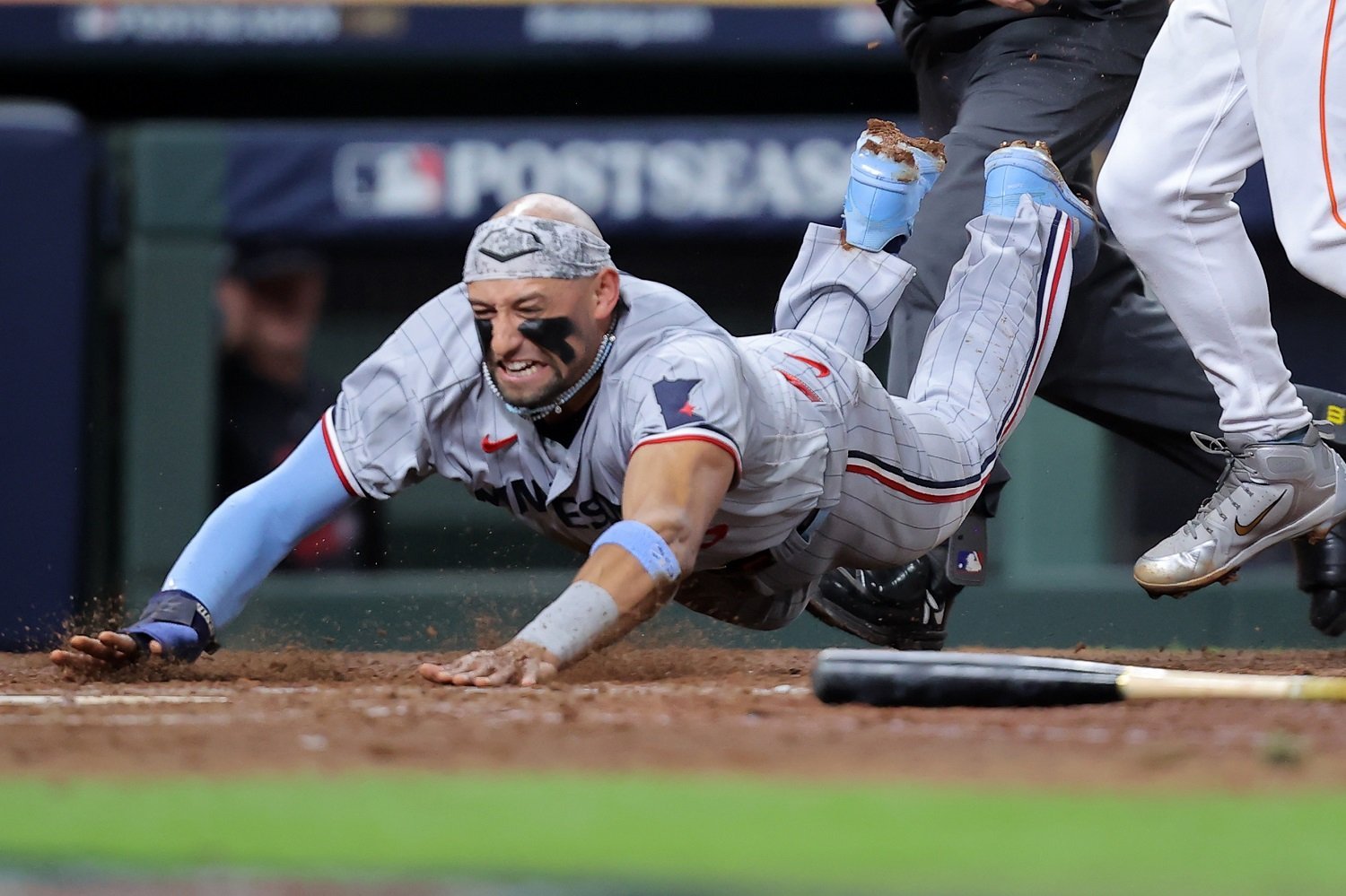 Royce Lewis is at a critical juncture in his professional career. He has shown flashes of brilliance, but injuries and inconsistent performances have clouded his trajectory. With four years of team control remaining, the Twins should consider offering Lewis a contract extension now, which could benefit both the player and the organization. 1. Injuries Have Limited Lewis’ Early Career Lewis’ path to the big leagues has been anything but smooth. His injury timeline reads like a horror novel, especially with the high expectations surrounding him as the number-one overall pick. He tore his ACL in February 2021 and missed 186 games. Just 12 games after returning to the Twins, Lewis tore his ACL again in May 2022 and missed 189 games. In July 2023, Lewis missed 36 games with an oblique strain and another 11 games in September with a right hamstring strain. Last season, he left Opening Day with a quad injury that cost him 60 games. He had an abductor injury in early July and missed 17 games. His extensive injury history could help the Twins sign him for a more team-friendly deal. 2. Poor Performance in 2024 Despite these setbacks, Lewis returned to the field in 2024 and showcased his resilience, but his campaign ended on a sour note. His offensive numbers slumped in the second half (.620 OPS), and questions about his defensive future persisted. In September, his performance was particularly rough. In his final 22 games, he went 12-for-80 (.150 BA) with 21 strikeouts and a .406 OPS. Baseball-Reference pegs his WPA during this stretch as being worth -1.63 wins. Extending Lewis now allows the Twins to lock in a player who could still develop into a star while accounting for the inconsistencies in his overall performance. 3. The Uncertain Defensive Future Once projected as the Twins' shortstop of the future, Lewis has seen his defensive assignments shift. Carlos Correa’s presence has pushed Lewis to third base, and discussions have been held about moving him to second base for 2025. While he has shown versatility, he hasn’t excelled defensively at any position. He was worth 2 OAA at third base last season and -1 OAA at second in minimal action. There were concerns about his throwing mechanics at third base and a shift to second might be the team’s best long-term option. Minnesota had Lewis start working out at second base, and he was vocal about not wanting to switch positions in the middle of a division race. He started one game at second and combined for eight innings at the new position. These factors create an opportunity for the Twins to approach Lewis with an extension at a time when his market value might be lower than it could be after a healthy and productive season. Why an Extension Makes Sense for Lewis Coming off a subpar finish to 2024 and with an injury history, Lewis might be open to financial security through an extension. While most Scott Boras clients opt to test free agency, there are exceptions. Recent deals for players in similar situations demonstrate the value of an early extension. Ke’Bryan Hayes (Pittsburgh Pirates): In 2022, Hayes signed an eight-year, $70 million deal with the Pirates, securing financial stability despite questions about his offensive upside. Lewis, whose potential offensive ceiling is higher, could sign a comparable or slightly larger deal to reflect his talent. Wander Franco (Tampa Bay Rays): While Franco’s extension (11 years, $182 million) represents a higher tier of talent, the Rays prioritized long-term control early in his career. Franco has faced off-the-field issues that will prevent him from earning this contract. The Twins could offer Lewis a scaled-down version, perhaps seven years, $90 million, to account for his injury history. The Boras Factor Scott Boras’ clients are known for seeking maximum value in free agency. Yet, extensions are not unheard of under his representation. Stephen Strasburg’s $175 million extension with the Nationals before free agency demonstrates that Boras’ stance is negotiable under the right circumstances. It could appeal to both sides if the Twins offer Lewis a deal that secures his financial future while allowing him to hit the market while he's still young enough to get a longer contract offer. Why the Twins Should Act Now The Twins have built their roster around a mix of veterans and young talent. Locking up Lewis could help solidify their core and send a message of commitment to winning. Additionally, early extensions often come at a discount compared to the contracts players receive closer to free agency. Offering Lewis a deal now before he fully breaks out could save the Twins significant money while providing stability for the player. Lewis has the talent to be a cornerstone player for the Twins. By offering him a contract extension now, the team can mitigate the risks associated with his injury history while securing a potential bargain on a high-upside player. The timing is ideal, as Lewis might value financial security more than ever, and the Twins can ensure he remains a key part of their future plans. Whether or not Boras and Lewis entertain the idea, it’s a conversation the Twins should start sooner rather than later. How much should the Twins offer Lewis? Is the time right to offer him an extension? Leave a comment and start the discussion.
 -
The Minnesota Twins have a storied history, but MLB’s proposed “Golden Batter” rule could have altered some of their greatest moments. How would this one not-so-simple rule have changed the team’s history? Image courtesy of © Leon Halip-USA TODAY Sports The Minnesota Twins have a storied history, but MLB’s proposed “Golden Batter” rule could have altered some of their greatest moments. How would this one not-so-simple rule have changed the team’s history? MLB Commissioner Rob Manfred has introduced many ideas during his tenure that have changed the game. From the pitch clock to bigger bases, baseball is trying to grow its audience by altering the on-field product. Recently, Matthew Lenz explained the Gold Batter rule and explained that it could be something that breaks traditional baseball fans. In that piece, he said, “In short, the idea is that a team could send their best hitter to the plate regardless of where their spot was in the batting order once a game. So instead of (say) Christian Vázquez being forced to hit in a crucial at-bat, the Twins could use their ‘Golden At-Bat’ and have Royce Lewis get the chance instead.” Here are some of the most significant Twins moments seen through the lens of revisionist history. How could the “Golden Batter” rule alter the team’s biggest games? 1965 World Series, Game 7 Bottom of the 5th, 1 Out Frank Quilici doubled with one out in the inning to bring the tying run to the plate. Rich Rollins was used as a pinch hitter against Sandy Koufax and worked the count full before drawing a walk and putting two runners on. Zoilo Versalles was up next, and there is no way the Twins would use the Golden Batter rule for the man who won the AL MVP that year. He hit a hard liner to third base for the second out of the inning. However, the man batting after him was Joe Nossek, a batter who posted a .556 OPS during the regular season and might have provided the team with the perfect time to get back in the game. The season was on the line, and Harmon Killebrew and his mighty swing could have used the Golden Batter rule to step in and change World Series history for the Twins. He had already hit one home run early in the series and was getting on base over 44% of the time in the seven-game set. Killebrew had ten plate appearances against Koufax in his career and went 4-for-9 (.444 BA) with one walk and one strikeout. It could have provided a Hall of Fame moment for the two players who eventually ended up in Cooperstown. 1987 World Series, Game 7 Bottom of the 5th, 1 Out The Twins ran into multiple outs during the bottom of the fifth inning as the team tried to take the lead in a winner-take-all Game 7. Greg Gagne knocked a one-out single to get the inning started before Kirby Puckett drove him in with a double. Gary Gaetti followed with a walk to put two base runners on with one out. In the game, Don Baylor was batting, and Puckett was thrown out while trying to steal third. Baylor singled later in the at-bat, but Gaetti was thrown out trying to score from second. The scoring opportunity died on the bases, and the Twins had to find other ways to score in the late innings. Since Danny Cox, a right-handed hitter, was on the mound, the Twins could have used the Golden Batter rule to allow Kent Hrbek to bat in place of Baylor. Baylor had a tremendous World Series, going 5-for-13 (.385 BA) with a home run. However, the Twins could have played the platoon advantage with Hrbek, who hit a grand slam in Game 6. Perhaps using the Golden Batter rule would have stopped the Twins from running their batters into the outs during that inning. 1991 World Series, Game 7 Bottom of the 2nd, 2 Outs Game 7 of the 1991 World Series is arguably one of baseball’s greatest games. However, the Golden Batter rule could have changed the outcome in favor of either team. It was only going to take one run to win this game, so both teams would have used the Golden Batter rule at some point. Some of Minnesota’s biggest moments in the game came in the bottom of the 8th or the bottom of the 10th inning. However, one moment earlier in the game might have produced a golden opportunity. In the bottom of the second inning, Brian Harper and Shane Mack had back-to-back singles with two outs in the frame. Third baseman Mike Pagliarulo, the number eight hitter, was due up next and the Twins could have substituted another hitter in his place. Minnesota could have played the platoon advantage or sent up their best hitter. Puckett had his signature moment in Game 6 with the walk-off home run, but this would have given him an opportunity in Game 7. Tom Kelly could use the Golden Batter rule and never look back from the team’s second World Series title. Game 163 (2009) Bottom of the 9th, 2 Outs The Twins were going to send the Metrodome out with a bang, and that happened in one of the most dramatic ways. The Twins and Tigers battled back and forth for twelve innings before Minnesota came out on top. Alexi Casilla drove in Carlos Gómez with a single in extra-innings, and over 50,000 Twins fans exploded as Gómez slid headfirst into home plate. However, the Golden Batter rule could have saved some late-inning heroics. Minnesota had a chance to win the game in the bottom of the ninth with two outs. Nick Punto had walked to start the inning before moving to second on a Denard Span bunt. Joe Mauer was intentionally walked with first base open, so Gómez stepped up with a chance to end the game. It would be interesting to see how this rule could be used in this situation. It would make the most sense for the Twins to have Mauer bat again since he was the eventual AL MVP. Minnesota only needed a single to let Punto score from second. Bring Mauer up to end the game. Many lifelong baseball fans will be trepidatious about any rule change. However, it's fun to look back at Twins history and see how moments could have changed with a different batter at the plate. What other moments from Twins history would have been altered by this rule change? Leave a COMMENT and start the discussion. View full article
-
How Would the Twins' Biggest Moments Change with the Golden At Bat?
Cody Christie posted an article in History
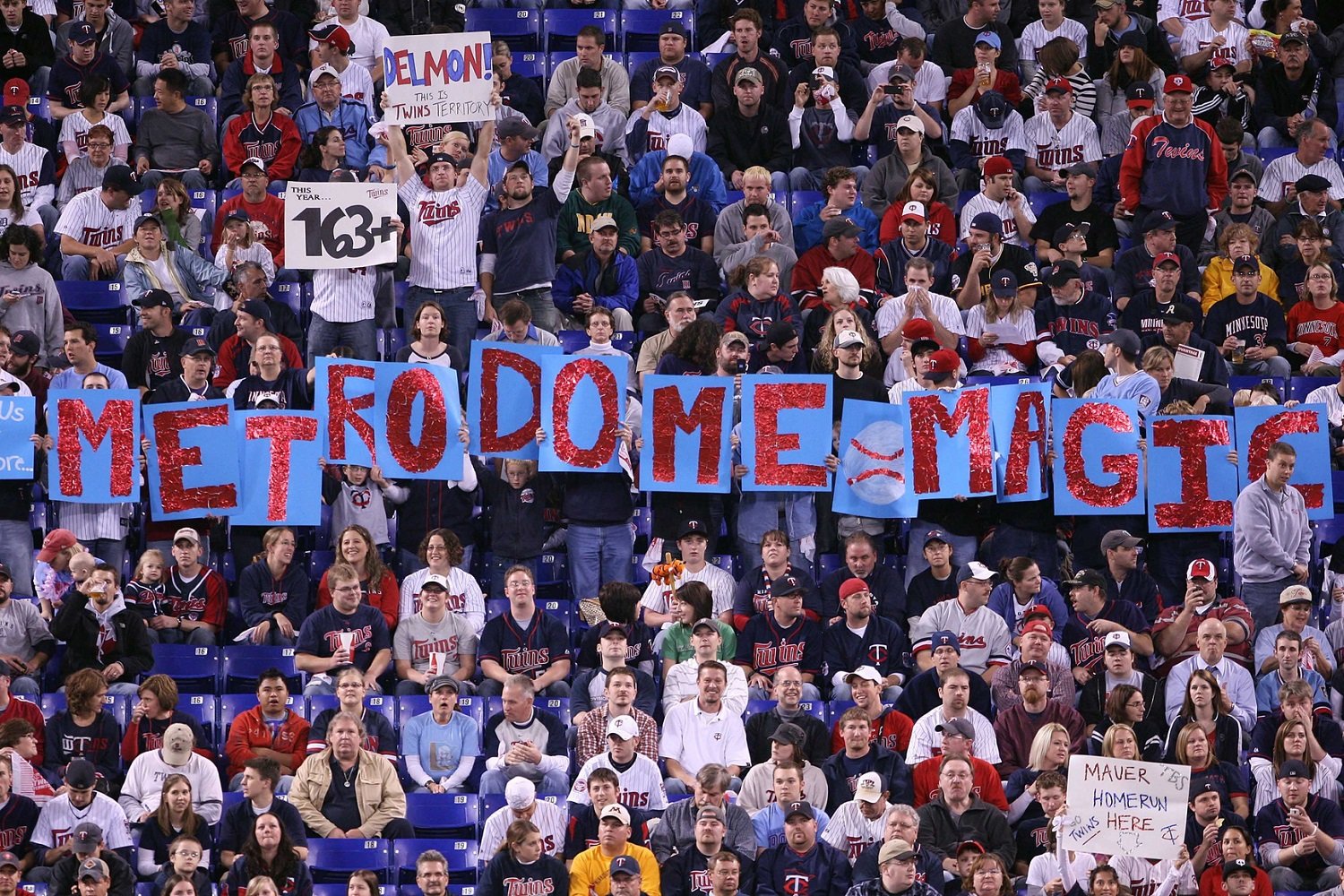 MLB Commissioner Rob Manfred has introduced many ideas during his tenure that have changed the game. From the pitch clock to bigger bases, baseball is trying to grow its audience by altering the on-field product. Recently, Matthew Lenz explained the Gold Batter rule and explained that it could be something that breaks traditional baseball fans. In that piece, he said, “In short, the idea is that a team could send their best hitter to the plate regardless of where their spot was in the batting order once a game. So instead of (say) Christian Vázquez being forced to hit in a crucial at-bat, the Twins could use their ‘Golden At-Bat’ and have Royce Lewis get the chance instead.” Here are some of the most significant Twins moments seen through the lens of revisionist history. How could the “Golden Batter” rule alter the team’s biggest games? 1965 World Series, Game 7 Bottom of the 5th, 1 Out Frank Quilici doubled with one out in the inning to bring the tying run to the plate. Rich Rollins was used as a pinch hitter against Sandy Koufax and worked the count full before drawing a walk and putting two runners on. Zoilo Versalles was up next, and there is no way the Twins would use the Golden Batter rule for the man who won the AL MVP that year. He hit a hard liner to third base for the second out of the inning. However, the man batting after him was Joe Nossek, a batter who posted a .556 OPS during the regular season and might have provided the team with the perfect time to get back in the game. The season was on the line, and Harmon Killebrew and his mighty swing could have used the Golden Batter rule to step in and change World Series history for the Twins. He had already hit one home run early in the series and was getting on base over 44% of the time in the seven-game set. Killebrew had ten plate appearances against Koufax in his career and went 4-for-9 (.444 BA) with one walk and one strikeout. It could have provided a Hall of Fame moment for the two players who eventually ended up in Cooperstown. 1987 World Series, Game 7 Bottom of the 5th, 1 Out The Twins ran into multiple outs during the bottom of the fifth inning as the team tried to take the lead in a winner-take-all Game 7. Greg Gagne knocked a one-out single to get the inning started before Kirby Puckett drove him in with a double. Gary Gaetti followed with a walk to put two base runners on with one out. In the game, Don Baylor was batting, and Puckett was thrown out while trying to steal third. Baylor singled later in the at-bat, but Gaetti was thrown out trying to score from second. The scoring opportunity died on the bases, and the Twins had to find other ways to score in the late innings. Since Danny Cox, a right-handed hitter, was on the mound, the Twins could have used the Golden Batter rule to allow Kent Hrbek to bat in place of Baylor. Baylor had a tremendous World Series, going 5-for-13 (.385 BA) with a home run. However, the Twins could have played the platoon advantage with Hrbek, who hit a grand slam in Game 6. Perhaps using the Golden Batter rule would have stopped the Twins from running their batters into the outs during that inning. 1991 World Series, Game 7 Bottom of the 2nd, 2 Outs Game 7 of the 1991 World Series is arguably one of baseball’s greatest games. However, the Golden Batter rule could have changed the outcome in favor of either team. It was only going to take one run to win this game, so both teams would have used the Golden Batter rule at some point. Some of Minnesota’s biggest moments in the game came in the bottom of the 8th or the bottom of the 10th inning. However, one moment earlier in the game might have produced a golden opportunity. In the bottom of the second inning, Brian Harper and Shane Mack had back-to-back singles with two outs in the frame. Third baseman Mike Pagliarulo, the number eight hitter, was due up next and the Twins could have substituted another hitter in his place. Minnesota could have played the platoon advantage or sent up their best hitter. Puckett had his signature moment in Game 6 with the walk-off home run, but this would have given him an opportunity in Game 7. Tom Kelly could use the Golden Batter rule and never look back from the team’s second World Series title. Game 163 (2009) Bottom of the 9th, 2 Outs The Twins were going to send the Metrodome out with a bang, and that happened in one of the most dramatic ways. The Twins and Tigers battled back and forth for twelve innings before Minnesota came out on top. Alexi Casilla drove in Carlos Gómez with a single in extra-innings, and over 50,000 Twins fans exploded as Gómez slid headfirst into home plate. However, the Golden Batter rule could have saved some late-inning heroics. Minnesota had a chance to win the game in the bottom of the ninth with two outs. Nick Punto had walked to start the inning before moving to second on a Denard Span bunt. Joe Mauer was intentionally walked with first base open, so Gómez stepped up with a chance to end the game. It would be interesting to see how this rule could be used in this situation. It would make the most sense for the Twins to have Mauer bat again since he was the eventual AL MVP. Minnesota only needed a single to let Punto score from second. Bring Mauer up to end the game. Many lifelong baseball fans will be trepidatious about any rule change. However, it's fun to look back at Twins history and see how moments could have changed with a different batter at the plate. What other moments from Twins history would have been altered by this rule change? Leave a COMMENT and start the discussion.
 -
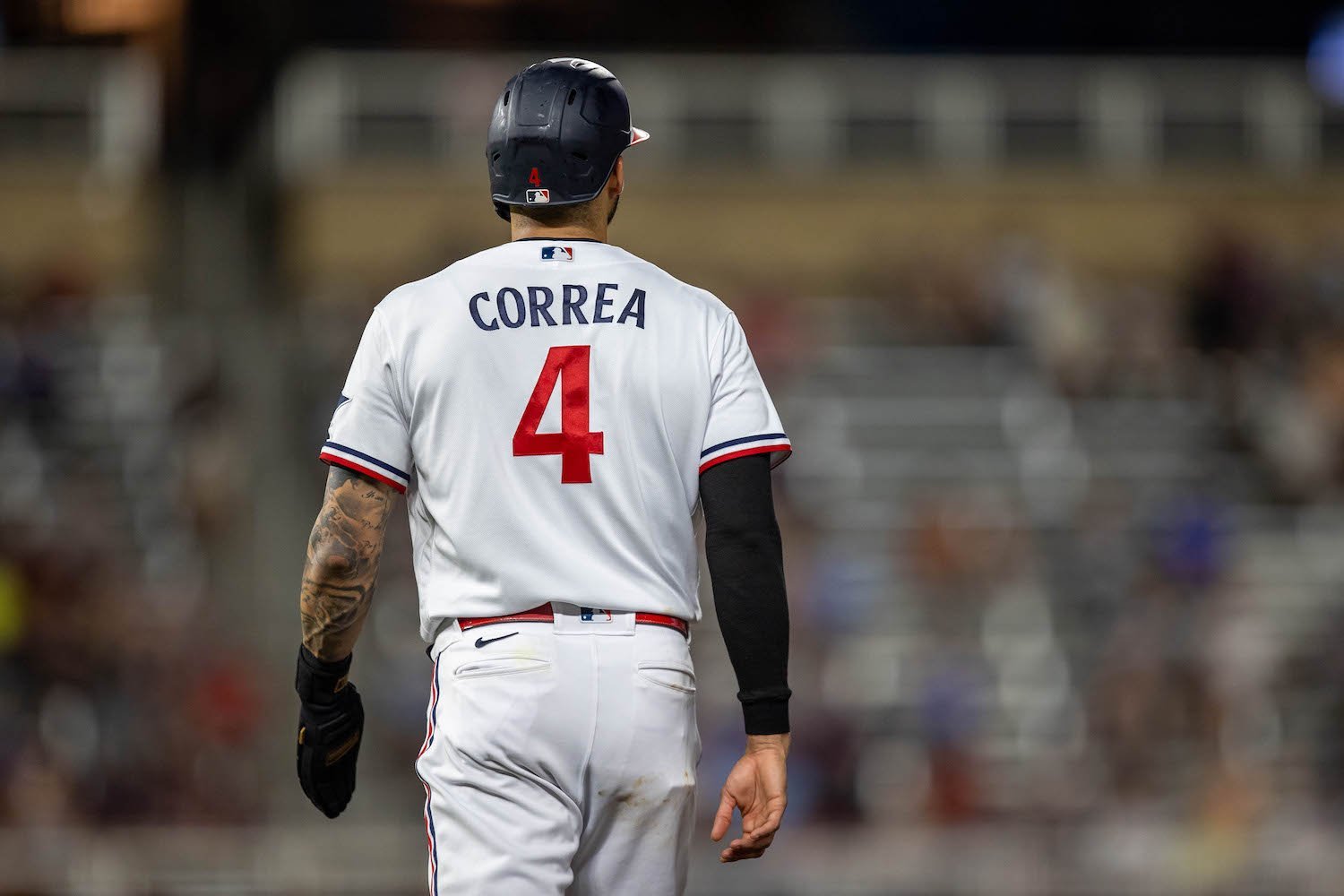 When the Minnesota Twins signed Carlos Correa to a six-year, $200 million contract before the 2023 season, it marked the largest free-agent deal in franchise history. For a team in a mid-market like Minnesota, making such a significant commitment was a bold statement of intent. Now, two years into the deal, it's fair to ask: does the front office have any regrets? The Market for Shortstops To evaluate Correa’s contract, it helps to compare it to recent deals signed by similar players. This winter, Willy Adames agreed to a seven-year, $182 million contract with the San Francisco Giants. Adames is one year younger than Correa, but his offensive and defensive profile fall short of Correa’s overall value. Adames has averaged a 108 OPS+ over the last three seasons, while Correa has a 124 OPS+ during that same period. From this perspective, Correa’s deal looks better than ever. The Twins secured a player with a proven track record of postseason success, leadership qualities, and a balanced skill set at a premium position. Correa has a guaranteed $104.7 million remaining on the final four years of his deal. Even as contracts across MLB continue to escalate, Correa's $33.3 million average annual value (AAV) remains reasonable for a player of his caliber. Trade Rumors and Scott Boras’s Reassurances Despite the contract’s apparent value, trade rumors have swirled around Correa this winter. With Minnesota looking to trim payroll after a disappointing 2024 season, moving Correa’s $33.3 million AAV would create significant financial flexibility. However, such a trade is easier said than done. Correa’s full no-trade clause gives him complete control over his destination, and his agent, Scott Boras, has publicly stated that Correa is happy in Minnesota. “The last time I talked to him, he told me the fishing was good,” Boras told reporters during the Winter Meetings. “So, yeah, he’s happy there.” This loyalty is a double-edged sword. While it reinforces Correa’s dedication to the organization, it also complicates trade negotiations. If Correa were to waive his no-trade clause, it would likely require assurances that he’d land in a situation he views as favorable. That’s also assuming the Twins could find a partner willing to take on the remaining four years of his deal. It still seems more likely than not that Correa will remain in a Twins uniform for Opening Day 2025. The Optics of a Trade Trading Correa so soon after signing him would raise significant questions about the team’s ability to attract future free agents. A move like this could signal to top-tier players that Minnesota isn’t a stable long-term destination, making it harder for the Twins to secure premium talent in upcoming offseasons. Minnesota signed Josh Donaldson to a significant contract and traded him with multiple years remaining on the deal. The franchise already faces challenges competing with larger markets, and dealing Correa could exacerbate those issues. The Twins have also positioned Correa as the face of the franchise. His on and off the field leadership has been praised, and he’s served as a mentor for the team’s younger players. Removing that presence could create a leadership void that would be difficult to fill. The Case for Keeping Correa While Correa’s performance has had its ups and downs, his 2024 season offered a glimpse of why the Twins made such a substantial investment. He was the team’s MVP for the first half of the year, posting one of the best stretches of his career before a late-season injury derailed his momentum. If healthy, Correa remains a player capable of anchoring the lineup and delivering elite defense at shortstop. Furthermore, with Adames’ contract setting a new market baseline, Correa’s deal no longer feels like an overpay. As the Twins navigate a tricky financial situation, keeping Correa may actually represent stability in a volatile landscape. While there are legitimate reasons for the Twins to explore trading Correa, the complications surrounding such a move outweigh the potential benefits. His full no-trade clause, leadership value, and market-relative contract make him a key piece of Minnesota’s roster, and he’d be challenging to replace. Moreover, trading Correa could harm the Twins’ reputation in future free-agent negotiations, which would be a steep price to pay for immediate payroll relief. For now, the Twins appear committed to their decision from two years ago. And while there may be moments of second-guessing, Correa remains a cornerstone of the team’s plans. He is a bet they hope will pay off in the coming years. Do the Twins regret the Correa signing? Leave a comment and start the discussion.
 -
Two years ago, the Twins signed Carlos Correa to the largest contract in franchise history. Does the front office have any regrets about this massive deal? The answer is more complicated than it seems. Image courtesy of Jesse Johnson-USA TODAY Sports Two years ago, the Twins signed Carlos Correa to the largest contract in franchise history. Does the front office have any regrets about this massive deal? The answer is more complicated than it seems. When the Minnesota Twins signed Carlos Correa to a six-year, $200 million contract before the 2023 season, it marked the largest free-agent deal in franchise history. For a team in a mid-market like Minnesota, making such a significant commitment was a bold statement of intent. Now, two years into the deal, it's fair to ask: does the front office have any regrets? The Market for Shortstops To evaluate Correa’s contract, it helps to compare it to recent deals signed by similar players. This winter, Willy Adames agreed to a seven-year, $182 million contract with the San Francisco Giants. Adames is one year younger than Correa, but his offensive and defensive profile fall short of Correa’s overall value. Adames has averaged a 108 OPS+ over the last three seasons, while Correa has a 124 OPS+ during that same period. From this perspective, Correa’s deal looks better than ever. The Twins secured a player with a proven track record of postseason success, leadership qualities, and a balanced skill set at a premium position. Correa has a guaranteed $104.7 million remaining on the final four years of his deal. Even as contracts across MLB continue to escalate, Correa's $33.3 million average annual value (AAV) remains reasonable for a player of his caliber. Trade Rumors and Scott Boras’s Reassurances Despite the contract’s apparent value, trade rumors have swirled around Correa this winter. With Minnesota looking to trim payroll after a disappointing 2024 season, moving Correa’s $33.3 million AAV would create significant financial flexibility. However, such a trade is easier said than done. Correa’s full no-trade clause gives him complete control over his destination, and his agent, Scott Boras, has publicly stated that Correa is happy in Minnesota. “The last time I talked to him, he told me the fishing was good,” Boras told reporters during the Winter Meetings. “So, yeah, he’s happy there.” This loyalty is a double-edged sword. While it reinforces Correa’s dedication to the organization, it also complicates trade negotiations. If Correa were to waive his no-trade clause, it would likely require assurances that he’d land in a situation he views as favorable. That’s also assuming the Twins could find a partner willing to take on the remaining four years of his deal. It still seems more likely than not that Correa will remain in a Twins uniform for Opening Day 2025. The Optics of a Trade Trading Correa so soon after signing him would raise significant questions about the team’s ability to attract future free agents. A move like this could signal to top-tier players that Minnesota isn’t a stable long-term destination, making it harder for the Twins to secure premium talent in upcoming offseasons. Minnesota signed Josh Donaldson to a significant contract and traded him with multiple years remaining on the deal. The franchise already faces challenges competing with larger markets, and dealing Correa could exacerbate those issues. The Twins have also positioned Correa as the face of the franchise. His on and off the field leadership has been praised, and he’s served as a mentor for the team’s younger players. Removing that presence could create a leadership void that would be difficult to fill. The Case for Keeping Correa While Correa’s performance has had its ups and downs, his 2024 season offered a glimpse of why the Twins made such a substantial investment. He was the team’s MVP for the first half of the year, posting one of the best stretches of his career before a late-season injury derailed his momentum. If healthy, Correa remains a player capable of anchoring the lineup and delivering elite defense at shortstop. Furthermore, with Adames’ contract setting a new market baseline, Correa’s deal no longer feels like an overpay. As the Twins navigate a tricky financial situation, keeping Correa may actually represent stability in a volatile landscape. While there are legitimate reasons for the Twins to explore trading Correa, the complications surrounding such a move outweigh the potential benefits. His full no-trade clause, leadership value, and market-relative contract make him a key piece of Minnesota’s roster, and he’d be challenging to replace. Moreover, trading Correa could harm the Twins’ reputation in future free-agent negotiations, which would be a steep price to pay for immediate payroll relief. For now, the Twins appear committed to their decision from two years ago. And while there may be moments of second-guessing, Correa remains a cornerstone of the team’s plans. He is a bet they hope will pay off in the coming years. Do the Twins regret the Correa signing? Leave a comment and start the discussion. View full article
-
Yes, I don't think there is any reason to rush him. Let him get comfortable at each level while continuing to work on his swing.
-
That would be a great long-term comp. Hopefully, Amick continues to develop. I don't think he has the skill set to hit for as high of an average as Molitor.
-
I think the Twins feel like Lee will be the team's current third base plan. I also think there might be a time in the coming years where Correa needs to move off of shortstop and third base is a logical next step. Amick will likely get opportunities at multiple positions as he climbs the organizational ladder.
-
Lots of shuffling happens on baseball’s top prospect lists in the cold winter months. Does one recent Twins draft pick already rank among baseball’s best third-base prospects? Image courtesy of Fort Myers Mighty Mussels (Photo of Billy Amick) Lots of shuffling happens on baseball’s top prospect lists in the cold winter months. Does one recent Twins draft pick already rank among baseball’s best third-base prospects? Minnesota’s current front office regime has focused on certain player types in the MLB Draft. These picks have included using mid-round picks on right-handed college pitchers and focusing on college bats with higher floors. Billy Amick fits this mold. The Twins took him with their second-round pick in 2024 from the University of Tennessee, and he made a strong impression during his professional debut. Amick put himself on the draft board map during his junior season, as he had a power explosion. In 65 games, he hit .306/.387/.639, with 14 doubles and 26 home runs. He had 53 strikeouts in 255 at-bats, but drew 29 walks—10 more than in any other college season. He played the majority of his defensive innings at third base, but he’s also seen time at first base and second base. Plenty of strong signs pointed to teams being interested in him as an early-round draft pick. Potential Hidden Upside Amick’s professional career began in the Florida State League. Over 18 games with Fort Myers, the 21-year-old slashed .222/.351/.413, with three doubles and three home runs. He showcased a well-rounded offensive profile, including nearly as many walks (12) as strikeouts. Even as a right-handed batter, he performed better against righties with a .853 OPS, nearly 350 points higher than against lefties. His sample size was small against southpaws (19 PA), so there is room for him to improve in 2025. Some of those numbers might be underwhelming, but they matter only insofar as they prove his skill set as a general concept. What truly stood out during his debut was his hard-hit rate. According to Statcast data, Amick’s 104 MPH exit velocity ranked in the 90th percentile, a remarkable feat for a player fresh out of college. He also posted a 70.1 Contact%, 18.0 In Zone Whiff%, 25.0 Chase%, and 55.0 Ground%. His bat-to-ball skills will be something to monitor next season, but there is room for optimism. Around 43% of Amick’s batted balls have been hit 95 mph or harder, close to 10% above average for A-ball. Scouts rave about his compact swing, which generates both line-drive power and the potential for 20-plus home runs annually. College Experience: A Fast-Track Asset Amick’s three years of collegiate experience positioned him to become a fast-moving prospect in the Twins' system. Unlike many younger draftees who require extended time in the minors to adjust to professional pitching, Amick has already demonstrated he can handle advanced competition. His maturity at the plate, combined with an excellent defensive foundation, makes it plausible for him to start next season at High-A, despite only 63 at-bats as a professional. Once Amick opens the season with the High-A Cedar Rapids Kernels, there is the potential for a midseason promotion to Double-A Wichita if he continues to hit as expected. While there’s no need to rush his development, the Twins might see Amick as a legitimate option to debut in the majors by early 2026. His college experience makes him a low-risk, high-reward prospect, capable of contributing sooner rather than later. The Road to Third Base Stardom Third base has been a revolving door for the Twins in recent years, with players like José Miranda and Royce Lewis providing mixed results. With no clear long-term solution at the hot corner, Amick has a real opportunity to solidify himself as the future of the position. His strong arm, soft hands, and solid lateral quickness make him a dependable defender, while his offensive tools point to an above-average regular. Amick’s rise mirrors those of other polished college hitters who have ascended prospect rankings in recent years. MLB Pipeline currently lists him outside baseball’s top-100 prospects but listed him as the 10th-best third base prospect near the season’s end. A strong 2025 campaign could move him up that list, with a chance to be a borderline top-100 prospect. Amick is the kind of player every organization covets, one with both a high floor and an enticing ceiling. With a blend of power, plate discipline, and defensive acumen, he has all the tools to be an impact player at the major-league level. Keep an eye on Amick as he progresses through the Twins' system. What are your initial impressions of Amick? Is he one of baseball’s top third-base prospects? Leave a comment and start the discussion. View full article
-
Why Billy Amick is One of Baseball's Best Third Base Prospects
Cody Christie posted an article in Minor Leagues
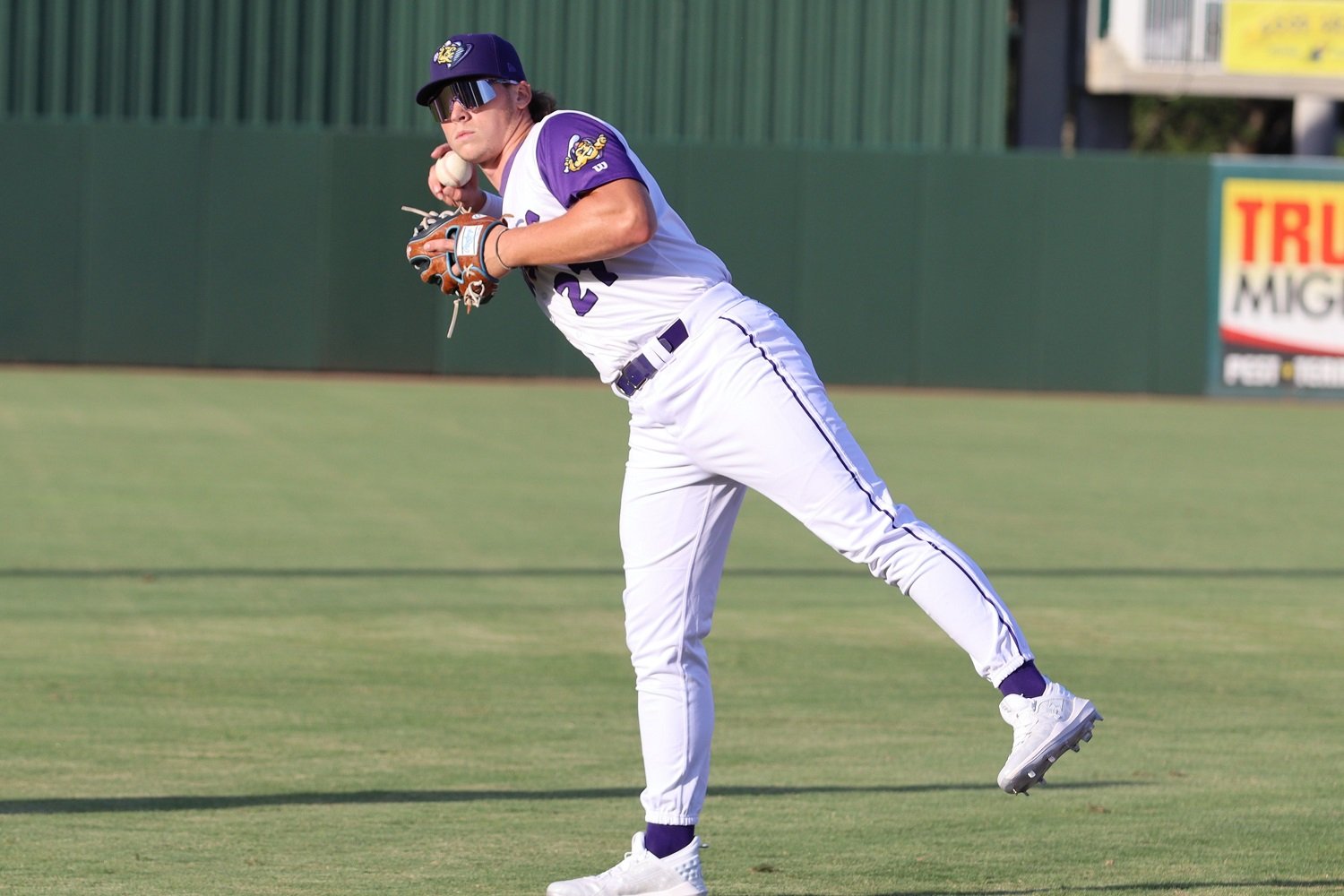 Minnesota’s current front office regime has focused on certain player types in the MLB Draft. These picks have included using mid-round picks on right-handed college pitchers and focusing on college bats with higher floors. Billy Amick fits this mold. The Twins took him with their second-round pick in 2024 from the University of Tennessee, and he made a strong impression during his professional debut. Amick put himself on the draft board map during his junior season, as he had a power explosion. In 65 games, he hit .306/.387/.639, with 14 doubles and 26 home runs. He had 53 strikeouts in 255 at-bats, but drew 29 walks—10 more than in any other college season. He played the majority of his defensive innings at third base, but he’s also seen time at first base and second base. Plenty of strong signs pointed to teams being interested in him as an early-round draft pick. Potential Hidden Upside Amick’s professional career began in the Florida State League. Over 18 games with Fort Myers, the 21-year-old slashed .222/.351/.413, with three doubles and three home runs. He showcased a well-rounded offensive profile, including nearly as many walks (12) as strikeouts. Even as a right-handed batter, he performed better against righties with a .853 OPS, nearly 350 points higher than against lefties. His sample size was small against southpaws (19 PA), so there is room for him to improve in 2025. Some of those numbers might be underwhelming, but they matter only insofar as they prove his skill set as a general concept. What truly stood out during his debut was his hard-hit rate. According to Statcast data, Amick’s 104 MPH exit velocity ranked in the 90th percentile, a remarkable feat for a player fresh out of college. He also posted a 70.1 Contact%, 18.0 In Zone Whiff%, 25.0 Chase%, and 55.0 Ground%. His bat-to-ball skills will be something to monitor next season, but there is room for optimism. Around 43% of Amick’s batted balls have been hit 95 mph or harder, close to 10% above average for A-ball. Scouts rave about his compact swing, which generates both line-drive power and the potential for 20-plus home runs annually. College Experience: A Fast-Track Asset Amick’s three years of collegiate experience positioned him to become a fast-moving prospect in the Twins' system. Unlike many younger draftees who require extended time in the minors to adjust to professional pitching, Amick has already demonstrated he can handle advanced competition. His maturity at the plate, combined with an excellent defensive foundation, makes it plausible for him to start next season at High-A, despite only 63 at-bats as a professional. Once Amick opens the season with the High-A Cedar Rapids Kernels, there is the potential for a midseason promotion to Double-A Wichita if he continues to hit as expected. While there’s no need to rush his development, the Twins might see Amick as a legitimate option to debut in the majors by early 2026. His college experience makes him a low-risk, high-reward prospect, capable of contributing sooner rather than later. The Road to Third Base Stardom Third base has been a revolving door for the Twins in recent years, with players like José Miranda and Royce Lewis providing mixed results. With no clear long-term solution at the hot corner, Amick has a real opportunity to solidify himself as the future of the position. His strong arm, soft hands, and solid lateral quickness make him a dependable defender, while his offensive tools point to an above-average regular. Amick’s rise mirrors those of other polished college hitters who have ascended prospect rankings in recent years. MLB Pipeline currently lists him outside baseball’s top-100 prospects but listed him as the 10th-best third base prospect near the season’s end. A strong 2025 campaign could move him up that list, with a chance to be a borderline top-100 prospect. Amick is the kind of player every organization covets, one with both a high floor and an enticing ceiling. With a blend of power, plate discipline, and defensive acumen, he has all the tools to be an impact player at the major-league level. Keep an eye on Amick as he progresses through the Twins' system. What are your initial impressions of Amick? Is he one of baseball’s top third-base prospects? Leave a comment and start the discussion.

