Cody Christie
-
Posts
7,825 -
Joined
-
Last visited
-
Days Won
5
Content Type
Profiles
Minnesota Twins News, Rumors & Analysis
Minnesota Twins Videos
2026 Minnesota Twins Top Prospect Rankings
2022 Minnesota Twins Draft Picks & Signing Bonuses
Minnesota Twins Trade & Free Agent Rumors
Minnesota Twins Fan Guides & Resources
2023 Minnesota Twins Draft Picks & Signing Bonuses
The Minnesota Twins Players Project
2024 Minnesota Twins Draft Picks & Signing Bonuses
2025 Minnesota Twins Draft Picks & Signing Bonuses
2026 Minnesota Twins Draft Picks & Signing Bonuses
Forums
Blogs
Events
Store
Downloads
Gallery
Everything posted by Cody Christie
-
 The Twins can’t afford another collapse like the one that transpired in 2024. This forces the front office to reevaluate the team’s building block players and decide whether they should be part of the core or pushed out the door. Image courtesy of Nathan Ray Seebeck-USA TODAY Sports The Twins can’t afford another collapse like the one that transpired in 2024. This forces the front office to reevaluate the team’s building block players and decide whether they should be part of the core or pushed out the door. As the Minnesota Twins gear up for the 2025 season, the focus shifts to their core group of players who form the backbone of the roster. Some players have cemented their place as long-term building blocks, while others could be valuable trade assets. In this article, we rank the Twins' most important pieces at the big-league level, considering their impact and the likelihood of them being traded before the 2025 season. 10. Brooks Lee, IF Pros: Lee has shot up the prospect rankings and made his major league debut late in 2024. His bat-to-ball skills and mature approach at the plate make him one of the most promising hitters in the Twins’ system. Lee’s future as a middle infielder or third baseman gives the Twins flexibility, and his potential to develop into an impact hitter at the big-league level is sky-high. Cons: Lee is still unproven at the MLB level, and the team will need to see how he adjusts to major-league pitching. He showed signs of struggling during his rookie season (64 OPS+), but he might have also been playing through an injury. His defensive position is also unclear, as he could end up at third base if Royce Lewis moves to a different position. Trade Likelihood: Low Lee is one of the team’s top young players, and it’s unlikely they will part ways with him before seeing how he develops in 2025. 9. Matt Wallner, OF Pros: Wallner’s power potential makes him a compelling piece for the future. His left-handed bat gives the Twins a middle-of-the-order threat, and his defense in the corner outfield is serviceable, especially with an elite throwing arm. Wallner’s combination of power and athleticism gives him a high ceiling, especially with Max Kepler likely departing in free agency. Cons: Strikeouts are a concern, and his consistency at the plate needs to improve. Minnesota sent him to Triple-A after a brutal start to the 2024 campaign, but he was resilient as he hit his way back to the big-league level. He’s still developing, and the Twins will need to see if he can avoid prolonged slumps in 2025. Trade Likelihood: Medium Wallner is under team control and could be a core outfield player, but his trade value is high enough that the Twins could consider moving him in the right deal. 8. Bailey Ober, SP Pros: Ober was one of the Twins' most consistent starters in 2024 (104 ERA+). His imposing height and ability to locate his pitches make it difficult for hitters to square up. He set a career-high with 9.6 K/9. Ober’s durability improved in 2024 with a career-high 178 2/3 IP, and he’s proven himself as a solid mid-rotation starter with upside. Cons: While Ober has been effective, he has had workload concerns as recently as 2023. The Twins might be cautious about relying on him long-term, especially given the depth of their young pitching prospects. Trade Likelihood: Medium Ober’s breakout makes him an attractive trade piece, especially if the Twins want to add an impact bat. His high value could lead the Twins to explore moving him. 7. Jhoan Durán, RP Pros: Durán is one of the most electric relievers in baseball. His triple-digit fastball, devastating off-speed pitches, and ability to close out games make him an essential part of the bullpen. During his career, he has posted a 2.30 ERA with a 12.3 K/9 in save situations. As a young, cost-controlled closer, Duran is a player the Twins can build their bullpen around for years. Cons: Durán showed some kinks in his armor last season, and his velocity dropped on all his pitches. Relievers can be volatile, and there is always the risk of overuse or injury with such a hard-throwing pitcher. Trade Likelihood: Medium to High Durán seemed untouchable as a trade candidate last winter. However, the Twins may want to capitalize on his remaining trade value before he gets more expensive through the arbitration process. 6. Griffin Jax, RP Pros: Jax was arguably the Twins’ best pitcher during the 2024 season. His ability to handle high-leverage situations and get key outs made him a valuable part of the Twins’ bullpen. In 72 appearances (71 innings), he posted a 2.03 ERA with a 0.873 WHIP and a 34.4 K% (Top 3% of MLB). With his mix of pitches, Jax has the potential to solidify himself among baseball’s top relievers next season. Cons: Like all relievers, long-term success can be fleeting, especially in limited sample sizes. It’s hard to imagine him having a better season than he did in 2024. Like Durán, he will begin to cost more through arbitration and the front office has stayed away from investing in bullpen arms. Trade Likelihood: Medium to High Jax might be one of the most valuable trade assets on the roster. It seems likely for the Twins to try to move either him or Durán this winter before either loses value through injury or ineffectiveness. The Twins have a strong core of building block pieces for 2025, but that doesn’t mean they won’t explore trades to reshape the roster. Lee and Wallner are young, foundational players the team will likely build around, while others like Ober, Duran, and Jax could be moved to fill other needs. The offseason will be critical as the front office balances improving the team without disrupting its future success. Will any of the players above be traded this winter? Which player is the most critical building block? Leave a COMMENT and start the discussion. View full article
-
Minnesota’s new hitting coach, Matt Borgschulte, has a lot to fix with the team’s big-league hitters, but his most important task might be helping the team’s top prospect. Can he use the lessons he learned in Baltimore with Jackson Holliday to help Walker Jenkins? Image courtesy of William Parmeter (Photo of Walker Jenkins) Minnesota’s new hitting coach, Matt Borgschulte, has a lot to fix with the team’s big-league hitters, but his most important task might be helping the team’s top prospect. Can he use the lessons he learned in Baltimore with Jackson Holliday to help Walker Jenkins? As Matt Borgschulte rejoins the Minnesota Twins organization as the MLB hitting coach, his track record speaks to a unique knack for refining and maximizing young talent. His experience with Orioles top prospect Jackson Holliday (and other young players) provides a blueprint that he can now apply to the Twins’ star-in-the-making, Walker Jenkins. For Twins fans, there's excitement in seeing Borgschulte return to familiar faces, like José Miranda, Ryan Jeffers, and Trevor Larnach. He guided these players during their development at the Twins' alternate site in St. Paul during the 2020 pandemic-shortened season. Borgschulte’s Breakthrough with Jackson Holliday While with the Orioles, Borgschulte helped fast-track Holliday’s rise as one of baseball's top prospects. His work with Holliday focused on two key areas: building a foundation of plate discipline and a mental framework to adjust seamlessly across different levels of competition. Borgschulte encouraged Holliday to work counts and select pitches he could drive. All of these qualities translate directly to Jenkins’s game, as he develops his power potential. “You go through phases of swings,” Holliday said. “I was doing the no stride and I was spinning off balls. Now that I think I’m a little bit bigger and stronger and kind of understand my swing a little bit more, it was easier to go back to that. Last year, I did really well with the swing that I had with the leg kick, and I never really had to pull it out. Here we are now making adjustments in the big leagues.” Borgschulte also cultivated Holliday's mental approach, using game scenarios and simulated at-bats to prepare him for the intense competition at higher levels. When Holliday initially struggled at the big-league level, Baltimore’s hitting coaches put together a plan for him and the minor-league coaches to study and implement. They showed images contrasting the poor swings with his ideal cuts at the ball and suggested drill packages to adopt. He returned to the big leagues later in the season with improved results. In the team’s final eight games, he went 7-for-13 with a double and five walks. Jenkins, known for his raw power and athleticism, can learn to embrace this approach, allowing him to leverage his strengths without sacrificing the selectiveness and mental resilience that top hitters exhibit. Borgschulte’s experience instilling these values with Holliday makes him uniquely suited to develop Jenkins into a balanced, dynamic force in the Twins’ lineup. The Twins selected Jenkins with the hopes that he could become a future cornerstone of the franchise, and Borgschulte’s blueprint offers a promising way forward. With Jenkins, Borgschulte will likely prioritize controlled aggression, similar to what he implemented with Holliday. He will guide him toward choosing pitches he can punish, while avoiding the overzealous hacks that can hinder a developing hitter. Jenkins is known for his keen eye at the plate, as he had a .394 OBP last season with more walks (56) than strikeouts (47). While Jenkins has a strong foundation of natural talent, Borgschulte’s teaching style is well-suited to add nuance to his game. Building on Jenkins’s strengths, Borgschulte can introduce advanced concepts around pitch recognition and situational hitting, reinforcing that power isn’t only about swing mechanics but also about discipline, timing, and understanding the pitchers he’ll face. If he faces big-league struggles (like Holliday), he can formulate a plan that can be implemented at Triple-A to help him quickly return to the Twins. Borgschulte's work with young prospects in the Twins organization was also on display shortly after he left for Baltimore. He worked closely with some of the team’s top prospects (Miranda, Jeffers, and Larnach) during the Twins’ 2020 alternate training site in St. Paul. This trio benefited from Borgschulte’s ability to provide individualized feedback and intensive reps in a unique training environment. With Miranda, Borgschulte worked on unlocking the hitter’s natural contact skills by refining his approach to high-velocity pitches and honing his swing path. The work Miranda did at the alternate site laid the groundwork for his 2022 breakout season (141 OPS+ in 125 games). For Jeffers, Borgschulte focused on developing a more balanced stance that helped him adjust to pitches on the outer half, which has been instrumental in Jeffers's offensive improvements at the big-league level. Larnach benefited from an approach that emphasized plate discipline and power to all fields, areas he continues to work on today. The Twins are betting that Borgschulte’s teaching philosophies, proven track record, and dedication to player development will foster a productive culture for young hitters like Jenkins, much as it did for Holliday in Baltimore. His return to Minnesota brings with it a reunion of trust and familiarity that could be pivotal for the next generation of Twins hitters. For Twins fans, there’s excitement in seeing a coach who elevates individual players and creates a foundation that can help Jenkins, Miranda, Jeffers, and Larnach build upon each other's growth. Can Borgschulte follow the same blueprint he used with Holliday with Jenkins? Leave a comment and start the discussion. View full article
-
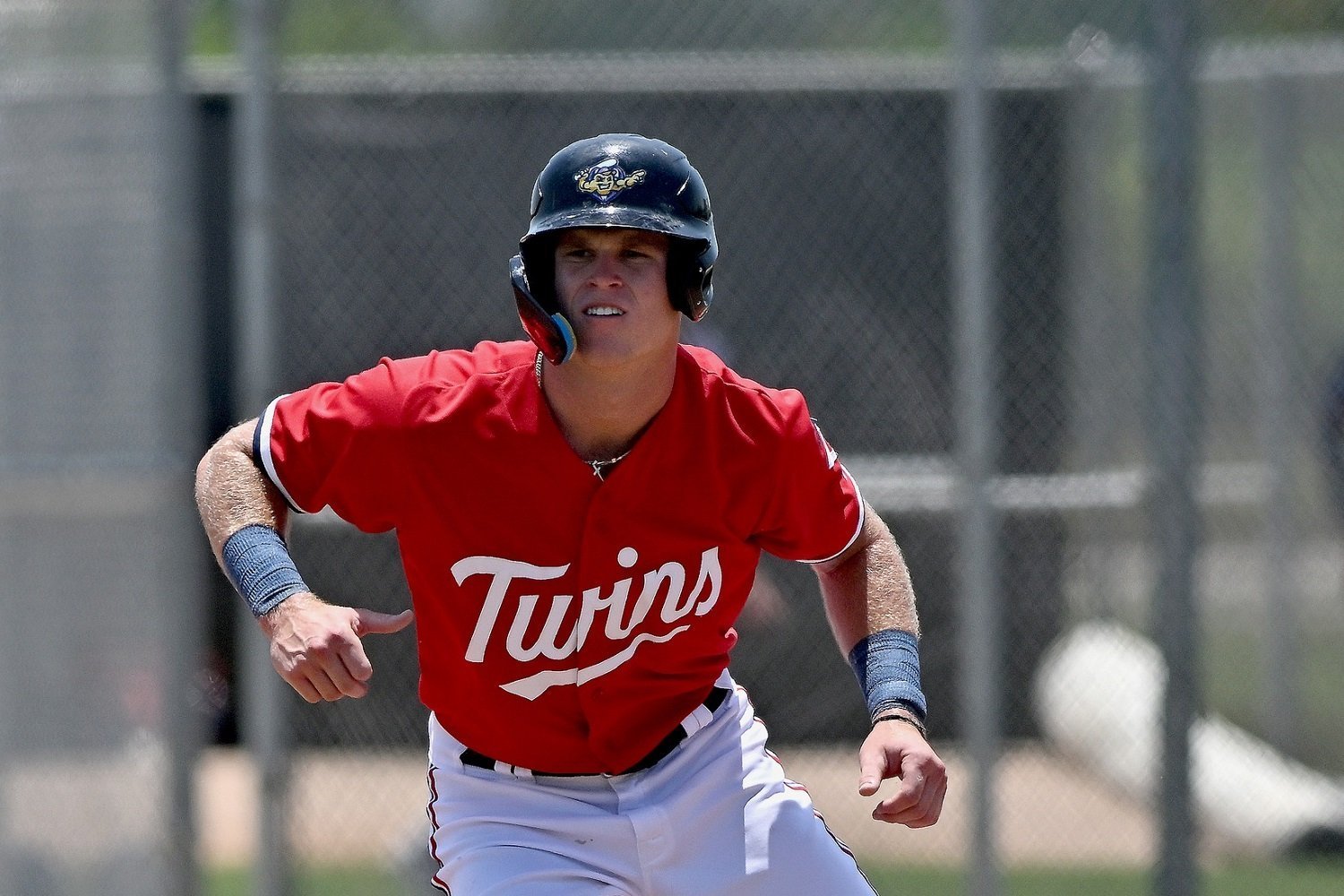 As Matt Borgschulte rejoins the Minnesota Twins organization as the MLB hitting coach, his track record speaks to a unique knack for refining and maximizing young talent. His experience with Orioles top prospect Jackson Holliday (and other young players) provides a blueprint that he can now apply to the Twins’ star-in-the-making, Walker Jenkins. For Twins fans, there's excitement in seeing Borgschulte return to familiar faces, like José Miranda, Ryan Jeffers, and Trevor Larnach. He guided these players during their development at the Twins' alternate site in St. Paul during the 2020 pandemic-shortened season. Borgschulte’s Breakthrough with Jackson Holliday While with the Orioles, Borgschulte helped fast-track Holliday’s rise as one of baseball's top prospects. His work with Holliday focused on two key areas: building a foundation of plate discipline and a mental framework to adjust seamlessly across different levels of competition. Borgschulte encouraged Holliday to work counts and select pitches he could drive. All of these qualities translate directly to Jenkins’s game, as he develops his power potential. “You go through phases of swings,” Holliday said. “I was doing the no stride and I was spinning off balls. Now that I think I’m a little bit bigger and stronger and kind of understand my swing a little bit more, it was easier to go back to that. Last year, I did really well with the swing that I had with the leg kick, and I never really had to pull it out. Here we are now making adjustments in the big leagues.” Borgschulte also cultivated Holliday's mental approach, using game scenarios and simulated at-bats to prepare him for the intense competition at higher levels. When Holliday initially struggled at the big-league level, Baltimore’s hitting coaches put together a plan for him and the minor-league coaches to study and implement. They showed images contrasting the poor swings with his ideal cuts at the ball and suggested drill packages to adopt. He returned to the big leagues later in the season with improved results. In the team’s final eight games, he went 7-for-13 with a double and five walks. Jenkins, known for his raw power and athleticism, can learn to embrace this approach, allowing him to leverage his strengths without sacrificing the selectiveness and mental resilience that top hitters exhibit. Borgschulte’s experience instilling these values with Holliday makes him uniquely suited to develop Jenkins into a balanced, dynamic force in the Twins’ lineup. The Twins selected Jenkins with the hopes that he could become a future cornerstone of the franchise, and Borgschulte’s blueprint offers a promising way forward. With Jenkins, Borgschulte will likely prioritize controlled aggression, similar to what he implemented with Holliday. He will guide him toward choosing pitches he can punish, while avoiding the overzealous hacks that can hinder a developing hitter. Jenkins is known for his keen eye at the plate, as he had a .394 OBP last season with more walks (56) than strikeouts (47). While Jenkins has a strong foundation of natural talent, Borgschulte’s teaching style is well-suited to add nuance to his game. Building on Jenkins’s strengths, Borgschulte can introduce advanced concepts around pitch recognition and situational hitting, reinforcing that power isn’t only about swing mechanics but also about discipline, timing, and understanding the pitchers he’ll face. If he faces big-league struggles (like Holliday), he can formulate a plan that can be implemented at Triple-A to help him quickly return to the Twins. Borgschulte's work with young prospects in the Twins organization was also on display shortly after he left for Baltimore. He worked closely with some of the team’s top prospects (Miranda, Jeffers, and Larnach) during the Twins’ 2020 alternate training site in St. Paul. This trio benefited from Borgschulte’s ability to provide individualized feedback and intensive reps in a unique training environment. With Miranda, Borgschulte worked on unlocking the hitter’s natural contact skills by refining his approach to high-velocity pitches and honing his swing path. The work Miranda did at the alternate site laid the groundwork for his 2022 breakout season (141 OPS+ in 125 games). For Jeffers, Borgschulte focused on developing a more balanced stance that helped him adjust to pitches on the outer half, which has been instrumental in Jeffers's offensive improvements at the big-league level. Larnach benefited from an approach that emphasized plate discipline and power to all fields, areas he continues to work on today. The Twins are betting that Borgschulte’s teaching philosophies, proven track record, and dedication to player development will foster a productive culture for young hitters like Jenkins, much as it did for Holliday in Baltimore. His return to Minnesota brings with it a reunion of trust and familiarity that could be pivotal for the next generation of Twins hitters. For Twins fans, there’s excitement in seeing a coach who elevates individual players and creates a foundation that can help Jenkins, Miranda, Jeffers, and Larnach build upon each other's growth. Can Borgschulte follow the same blueprint he used with Holliday with Jenkins? Leave a comment and start the discussion.
- 8 comments
-
- 5
-

-
- walker jenkins
- matt borgschulte
- (and 4 more)
-
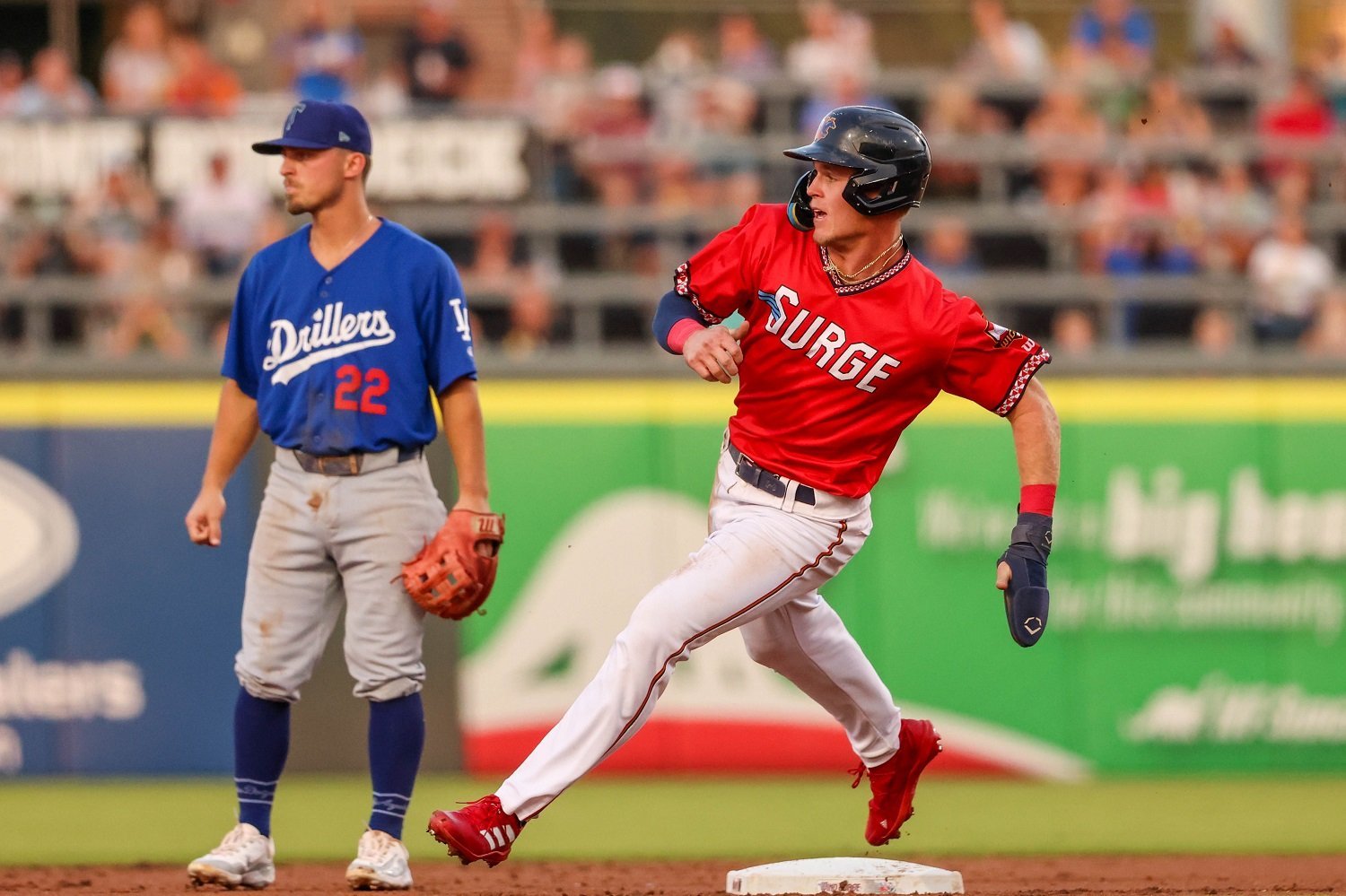 As the Twins aim to rebound in 2025, they may not have to look far for reinforcements. A promising trio of top prospects (Walker Jenkins, Emmanuel Rodriguez, and Luke Keaschall) ended 2024 at Double-A or Triple-A, showing they might be just a step away from impacting the big-league roster. Each player brings a unique skill set and the potential to fill critical gaps for the Twins. Here’s how these talented young players could shape the Twins’ roster as soon as next season. Walker Jenkins: A Potential Star in the Making Since being drafted fifth overall in 2023, Jenkins has lived up to his top-prospect billing, moving swiftly through the system with a mix of raw power and refined hitting ability. Jenkins boasts a powerful left-handed swing and the build of a classic middle-of-the-order slugger. He spent much of 2024 tearing up High-A before finishing in Double-A, where he continued to hit for power and handle advanced pitching. In 82 games, he hit .282/.394/.439 with 32 extra-base hits and more walks (56) than strikeouts (47). He did all of this while facing older pitchers in over 97% of his plate appearances. For 2025, Jenkins could be the answer the Twins need in right field, especially with Max Kepler likely departing in free agency. His bat could bring significant pop, complementing a lineup in need of young, power-driven talent. Jenkins also offers the defensive reliability to fill a corner outfield spot, along with a strong arm that plays well in right. While he may start the season in Double-A, a fast start there could push him to Minneapolis by the season’s second half. If he lives up to his potential, Jenkins could immediately become a middle-of-the-lineup threat for years to come. Emmanuel Rodriguez: Power and Patience Few players in the Twins’ system are as intriguing as Rodriguez. The 21-year-old outfielder possesses a unique blend of power and plate discipline, with a discerning eye that has helped him draw walks at an elite rate throughout his minor-league career. Ending 2024 at Triple-A St. Paul, Rodriguez showed his offensive tools, though his contact rate will need refinement as he faces more advanced pitching. While limited to 47 games, he hit .280/.459/.567 with 25 extra-base hits and a 62-to-51 strikeout-to-walk ratio. Rodriguez’s skill set gives him a high ceiling, particularly as a potential left fielder for the Twins. With Trevor Larnach and Matt Wallner currently slated for the corners, Rodriguez could add depth, especially if one of those players is traded or injured. Rodriguez’s left-handed power and patience would be welcome additions, potentially bringing a fresh, disciplined approach to the lineup. If he proves capable of making consistent contact at Triple-A, he could debut in the majors early next season, providing power and on-base skills that could be a game-changer for the team. Luke Keaschall: Versatile Infielder with Speed Taken in the second round of the 2023 MLB Draft, Keaschall quickly became one of the most dynamic players in the Twins’ farm system. The 22-year-old spent time at multiple positions, primarily second and third base, and showcased impressive speed and a strong arm. Ending 2024 at Double-A, Keaschall turned heads with his versatility and high-energy play, proving he could be a valuable utility option. In 102 games, he hit .303/.420/.493 with 37 extra-base hits. His season ended early due to Tommy John surgery, but he’s expected to be back for spring training. The Twins could use Keaschall’s skill set in 2025, particularly with question marks around depth in the infield. As a right-handed hitter with speed and defensive versatility, Keaschall would give the Twins flexibility off the bench, providing an option to fill in at second or third base or in the outfield. If he continues to hit well and play solid defense, Keaschall could fit as a utility player, with the upside of earning regular playing time in a lineup that values positional flexibility. For what was one of the least athletic, slowest teams in baseball last season, he would be a welcome change. The arrival of Jenkins, Rodriguez, and Keaschall could signal a new era for the Twins. Each brings a skill set that could help fill key roster roles: Jenkins with his power and corner outfield potential, Rodriguez with his power/patience combo, and Keaschall with his versatility and speed. In a season that might need new energy and depth from emerging stars, these three could add both excitement and production to the lineup. Which prospect will impact the Twins roster most significantly in 2025? Leave a COMMENT and start the discussion.
- 38 comments
-
- 3
-
-

-
- walker jenkins
- emmanuel rodriguez
- (and 1 more)
-
Minnesota’s offense fizzled out during their historic collapse. Three top prospects are poised to impact the 2025 roster while infusing new life into the lineup. Image courtesy of Ed Bailey, Wichita Wind Surge (photo of Walker Jenkins) Minnesota’s offense fizzled out during their historic collapse. Three top prospects are poised to impact the 2025 roster while infusing new life into the lineup. As the Twins aim to rebound in 2025, they may not have to look far for reinforcements. A promising trio of top prospects (Walker Jenkins, Emmanuel Rodriguez, and Luke Keaschall) ended 2024 at Double-A or Triple-A, showing they might be just a step away from impacting the big-league roster. Each player brings a unique skill set and the potential to fill critical gaps for the Twins. Here’s how these talented young players could shape the Twins’ roster as soon as next season. Walker Jenkins: A Potential Star in the Making Since being drafted fifth overall in 2023, Jenkins has lived up to his top-prospect billing, moving swiftly through the system with a mix of raw power and refined hitting ability. Jenkins boasts a powerful left-handed swing and the build of a classic middle-of-the-order slugger. He spent much of 2024 tearing up High-A before finishing in Double-A, where he continued to hit for power and handle advanced pitching. In 82 games, he hit .282/.394/.439 with 32 extra-base hits and more walks (56) than strikeouts (47). He did all of this while facing older pitchers in over 97% of his plate appearances. For 2025, Jenkins could be the answer the Twins need in right field, especially with Max Kepler likely departing in free agency. His bat could bring significant pop, complementing a lineup in need of young, power-driven talent. Jenkins also offers the defensive reliability to fill a corner outfield spot, along with a strong arm that plays well in right. While he may start the season in Double-A, a fast start there could push him to Minneapolis by the season’s second half. If he lives up to his potential, Jenkins could immediately become a middle-of-the-lineup threat for years to come. Emmanuel Rodriguez: Power and Patience Few players in the Twins’ system are as intriguing as Rodriguez. The 21-year-old outfielder possesses a unique blend of power and plate discipline, with a discerning eye that has helped him draw walks at an elite rate throughout his minor-league career. Ending 2024 at Triple-A St. Paul, Rodriguez showed his offensive tools, though his contact rate will need refinement as he faces more advanced pitching. While limited to 47 games, he hit .280/.459/.567 with 25 extra-base hits and a 62-to-51 strikeout-to-walk ratio. Rodriguez’s skill set gives him a high ceiling, particularly as a potential left fielder for the Twins. With Trevor Larnach and Matt Wallner currently slated for the corners, Rodriguez could add depth, especially if one of those players is traded or injured. Rodriguez’s left-handed power and patience would be welcome additions, potentially bringing a fresh, disciplined approach to the lineup. If he proves capable of making consistent contact at Triple-A, he could debut in the majors early next season, providing power and on-base skills that could be a game-changer for the team. Luke Keaschall: Versatile Infielder with Speed Taken in the second round of the 2023 MLB Draft, Keaschall quickly became one of the most dynamic players in the Twins’ farm system. The 22-year-old spent time at multiple positions, primarily second and third base, and showcased impressive speed and a strong arm. Ending 2024 at Double-A, Keaschall turned heads with his versatility and high-energy play, proving he could be a valuable utility option. In 102 games, he hit .303/.420/.493 with 37 extra-base hits. His season ended early due to Tommy John surgery, but he’s expected to be back for spring training. The Twins could use Keaschall’s skill set in 2025, particularly with question marks around depth in the infield. As a right-handed hitter with speed and defensive versatility, Keaschall would give the Twins flexibility off the bench, providing an option to fill in at second or third base or in the outfield. If he continues to hit well and play solid defense, Keaschall could fit as a utility player, with the upside of earning regular playing time in a lineup that values positional flexibility. For what was one of the least athletic, slowest teams in baseball last season, he would be a welcome change. The arrival of Jenkins, Rodriguez, and Keaschall could signal a new era for the Twins. Each brings a skill set that could help fill key roster roles: Jenkins with his power and corner outfield potential, Rodriguez with his power/patience combo, and Keaschall with his versatility and speed. In a season that might need new energy and depth from emerging stars, these three could add both excitement and production to the lineup. Which prospect will impact the Twins roster most significantly in 2025? Leave a COMMENT and start the discussion. View full article
-
Grading the Twins’ Most Recent Trades with the 2024 World Series Teams
Cody Christie posted an article in Twins
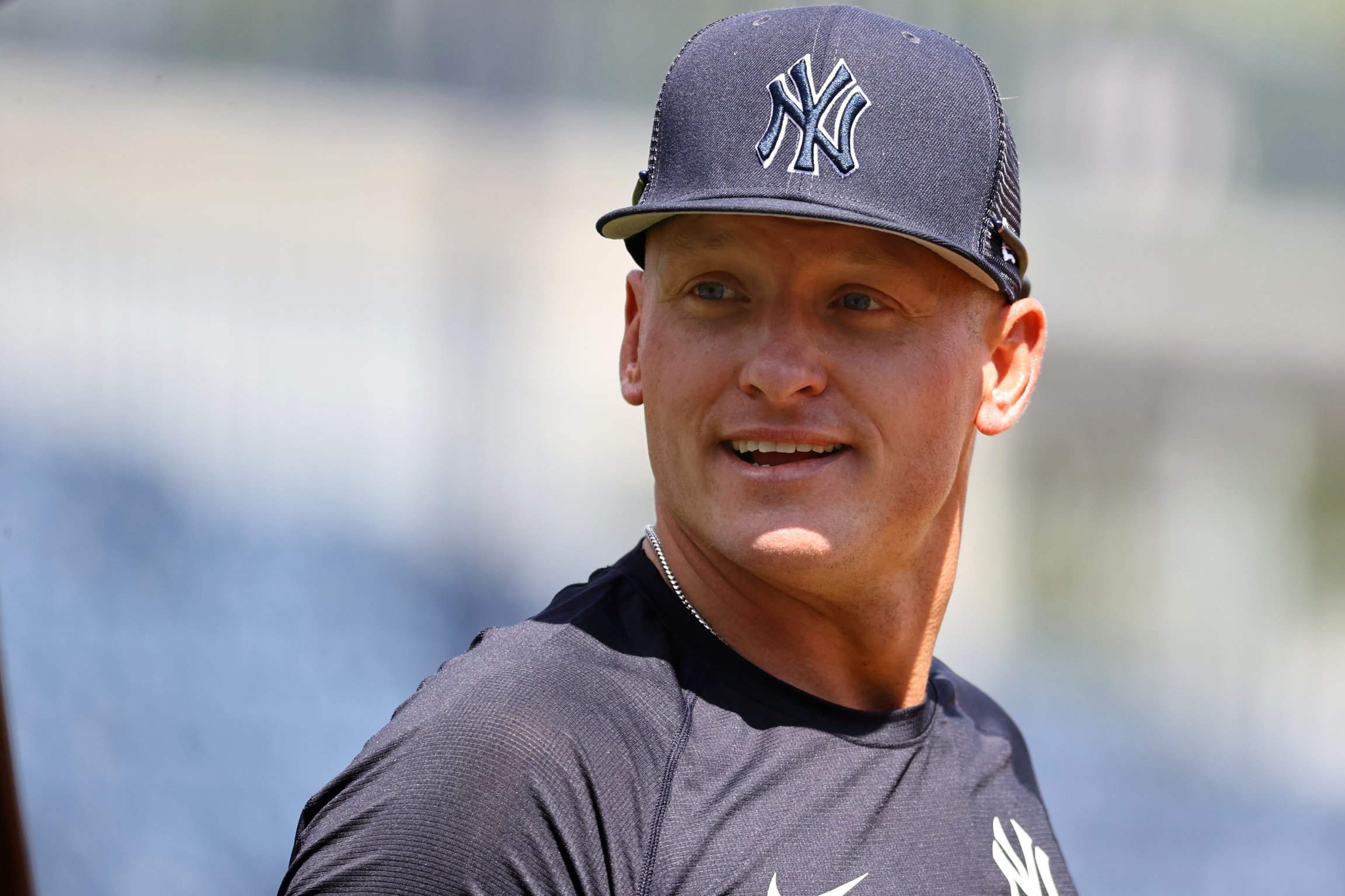 As the Yankees and Dodgers prepare to square off in the 2024 World Series, it’s a perfect time to evaluate how two recent trades with these perennial contenders have played out for the Twins. While the trades differed in size and scope, each sent notable talent in both directions, aiming to address the needs of all teams involved. Let’s look back to see how each team has benefited (or not) from these deals. March 13, 2022: Twins Dump Donaldson on the Yankees In the spring of 2022, the Twins sent Josh Donaldson, Isiah Kiner-Falefa, and Ben Rortvedt to the Yankees. In return, Minnesota received two veteran players, Gary Sánchez and Gio Urshela. The Yankees were making a push for additional depth, hoping Kiner-Falefa could hold down the shortstop position while Donaldson added pop to the middle of their lineup. Minnesota was searching for a way to get out from under the Donaldson contract. Impact on the Yankees For New York, this trade has had mixed results. Donaldson initially provided a power boost and brought leadership to the Yankees' infield. However, injuries and declining performance took a toll, and the Yankees released him by the end of the 2023 season, leaving them without a return on his remaining contract. Kiner-Falefa was a useful addition to their lineup for his defensive versatility, but his limitations at the plate kept him from being a long-term solution for the Yankees at shortstop. Rortvedt, meanwhile, spent most of his time in the minors, providing little impact at the MLB level. The Yankees’ investment in Donaldson didn’t bring the hoped-for championship. Impact on the Twins The Twins also received mixed returns from the players involved, but moving the Donaldson contract allowed the team to add Carlos Correa that winter. Urshela quickly became a fan favorite in Minnesota, posting one of his best offensive seasons in 2022 (119 OPS+). His steady glove and consistent bat helped stabilize the left side of the infield, and his leadership provided stability during a challenging season. Urshela was eventually traded to the Angels before the 2023 season but left a positive mark in Minnesota. Sánchez, a high-risk, high-reward acquisition, didn’t quite fulfill expectations. While he provided flashes of power, he struggled defensively and couldn’t find consistency at the plate, leading to a one-and-done season with Minnesota. He posted an 88 OPS+, and the team was forced to use him as a catcher too often due to other injuries. While the trade may not have yielded long-term stars, the trade leaned slightly in Minnesota’s favor because of the long-term impact on the payroll. February 26, 2024: Twins Add Margot For Outfield Depth Fast forward to 2024, and the Twins struck another deal, this time with the Dodgers. The Twins acquired Manuel Margot, a proven outfielder with a reputation for strong defense and speed, and minor league prospect Rayne Doncon. In exchange, the Dodgers received Twins shortstop prospect Noah Miller, a solid defender with potential as a utility player but still developing his offensive game. This trade was more about adding depth to the Twins’ outfield while giving Los Angeles an intriguing, glove-first infield prospect. Impact on the Dodgers For the Dodgers, Miller split the season between High- and Double-A, showing consistent defensive skills and flashing some hitting potential. In 134 games, he .244/.318/.315 (.633) while being over three years younger than the average age of the Double-A competition. The Dodgers believe his high baseball IQ and versatility could help him emerge as a solid utility infielder. While he’s still a few seasons away from making an MLB impact, Miller’s development path fits with the Dodgers’ knack for cultivating infield talent. His glove-first profile may suit their needs if he continues to progress with his bat. Impact on the Twins The Twins had higher immediate hopes for Margot as a potential roster replacement for Michael A. Taylor. Known for his defensive abilities, the Twins quickly realized that Margot had lost a step and couldn’t handle center field. He posted a -0.6 WAR for the season with a career-low 76 OPS+. Minnesota was forced to continue using him to fill the gap left by injuries and defensive lapses among the Twins’ corner outfielder. Doncon, meanwhile, has shown potential in the lower minors, though he’s still raw. In 94 games, he posted a .773 OPS with 24 doubles and 11 home runs. If Doncon can develop, he may prove to be a valuable future asset for the Twins. Trade Grades: Twins-Yankees Trade Grade - Yankees: C - Twins: B The Yankees added defensive depth and leadership in Donaldson and Kiner-Falefa but saw little lasting return on their significant investment. For Minnesota, the trade provided short-term stability in Urshela and a gamble on Sánchez. Urshela’s success in Minnesota and Donaldson’s eventual release by New York tipped the scales slightly in the Twins’ favor. Twins-Dodgers Trade Grade -Dodgers: C -Twins: C This deal seems like a push with Margot struggling and neither prospect taking the next step. Fans can watch closely as Miller and Doncon move up the organizational ladder, but neither prospect is expected to be a significant contributor at the big-league level. These trades demonstrate Minnesota’s balanced approach in negotiations with baseball’s elite franchises. Each trade had specific goals, and the Twins gained serviceable pieces who contributed to their roster. As the Yankees and Dodgers battle it out on the biggest stage, the Twins’ front office can reflect on a couple of recent deals that, at least in part, worked out in Minnesota’s favor. How would you grade the trades? Leave a COMMENT and start the discussion.
- 16 comments
-
- 2
-
-
- josh donaldson
- manuel margot
- (and 5 more)
-
The Yankees and Dodgers are locked in a World Series grudge match. So, let’s look back at the most recent trades between the Twins and these two powerhouse clubs. Image courtesy of Kim Klement Neitzel-USA TODAY Sports The Yankees and Dodgers are locked in a World Series grudge match. So, let’s look back at the most recent trades between the Twins and these two powerhouse clubs. As the Yankees and Dodgers prepare to square off in the 2024 World Series, it’s a perfect time to evaluate how two recent trades with these perennial contenders have played out for the Twins. While the trades differed in size and scope, each sent notable talent in both directions, aiming to address the needs of all teams involved. Let’s look back to see how each team has benefited (or not) from these deals. March 13, 2022: Twins Dump Donaldson on the Yankees In the spring of 2022, the Twins sent Josh Donaldson, Isiah Kiner-Falefa, and Ben Rortvedt to the Yankees. In return, Minnesota received two veteran players, Gary Sánchez and Gio Urshela. The Yankees were making a push for additional depth, hoping Kiner-Falefa could hold down the shortstop position while Donaldson added pop to the middle of their lineup. Minnesota was searching for a way to get out from under the Donaldson contract. Impact on the Yankees For New York, this trade has had mixed results. Donaldson initially provided a power boost and brought leadership to the Yankees' infield. However, injuries and declining performance took a toll, and the Yankees released him by the end of the 2023 season, leaving them without a return on his remaining contract. Kiner-Falefa was a useful addition to their lineup for his defensive versatility, but his limitations at the plate kept him from being a long-term solution for the Yankees at shortstop. Rortvedt, meanwhile, spent most of his time in the minors, providing little impact at the MLB level. The Yankees’ investment in Donaldson didn’t bring the hoped-for championship. Impact on the Twins The Twins also received mixed returns from the players involved, but moving the Donaldson contract allowed the team to add Carlos Correa that winter. Urshela quickly became a fan favorite in Minnesota, posting one of his best offensive seasons in 2022 (119 OPS+). His steady glove and consistent bat helped stabilize the left side of the infield, and his leadership provided stability during a challenging season. Urshela was eventually traded to the Angels before the 2023 season but left a positive mark in Minnesota. Sánchez, a high-risk, high-reward acquisition, didn’t quite fulfill expectations. While he provided flashes of power, he struggled defensively and couldn’t find consistency at the plate, leading to a one-and-done season with Minnesota. He posted an 88 OPS+, and the team was forced to use him as a catcher too often due to other injuries. While the trade may not have yielded long-term stars, the trade leaned slightly in Minnesota’s favor because of the long-term impact on the payroll. February 26, 2024: Twins Add Margot For Outfield Depth Fast forward to 2024, and the Twins struck another deal, this time with the Dodgers. The Twins acquired Manuel Margot, a proven outfielder with a reputation for strong defense and speed, and minor league prospect Rayne Doncon. In exchange, the Dodgers received Twins shortstop prospect Noah Miller, a solid defender with potential as a utility player but still developing his offensive game. This trade was more about adding depth to the Twins’ outfield while giving Los Angeles an intriguing, glove-first infield prospect. Impact on the Dodgers For the Dodgers, Miller split the season between High- and Double-A, showing consistent defensive skills and flashing some hitting potential. In 134 games, he .244/.318/.315 (.633) while being over three years younger than the average age of the Double-A competition. The Dodgers believe his high baseball IQ and versatility could help him emerge as a solid utility infielder. While he’s still a few seasons away from making an MLB impact, Miller’s development path fits with the Dodgers’ knack for cultivating infield talent. His glove-first profile may suit their needs if he continues to progress with his bat. Impact on the Twins The Twins had higher immediate hopes for Margot as a potential roster replacement for Michael A. Taylor. Known for his defensive abilities, the Twins quickly realized that Margot had lost a step and couldn’t handle center field. He posted a -0.6 WAR for the season with a career-low 76 OPS+. Minnesota was forced to continue using him to fill the gap left by injuries and defensive lapses among the Twins’ corner outfielder. Doncon, meanwhile, has shown potential in the lower minors, though he’s still raw. In 94 games, he posted a .773 OPS with 24 doubles and 11 home runs. If Doncon can develop, he may prove to be a valuable future asset for the Twins. Trade Grades: Twins-Yankees Trade Grade - Yankees: C - Twins: B The Yankees added defensive depth and leadership in Donaldson and Kiner-Falefa but saw little lasting return on their significant investment. For Minnesota, the trade provided short-term stability in Urshela and a gamble on Sánchez. Urshela’s success in Minnesota and Donaldson’s eventual release by New York tipped the scales slightly in the Twins’ favor. Twins-Dodgers Trade Grade -Dodgers: C -Twins: C This deal seems like a push with Margot struggling and neither prospect taking the next step. Fans can watch closely as Miller and Doncon move up the organizational ladder, but neither prospect is expected to be a significant contributor at the big-league level. These trades demonstrate Minnesota’s balanced approach in negotiations with baseball’s elite franchises. Each trade had specific goals, and the Twins gained serviceable pieces who contributed to their roster. As the Yankees and Dodgers battle it out on the biggest stage, the Twins’ front office can reflect on a couple of recent deals that, at least in part, worked out in Minnesota’s favor. How would you grade the trades? Leave a COMMENT and start the discussion. View full article
- 16 replies
-
- 1
-
-
- josh donaldson
- manuel margot
- (and 5 more)
-
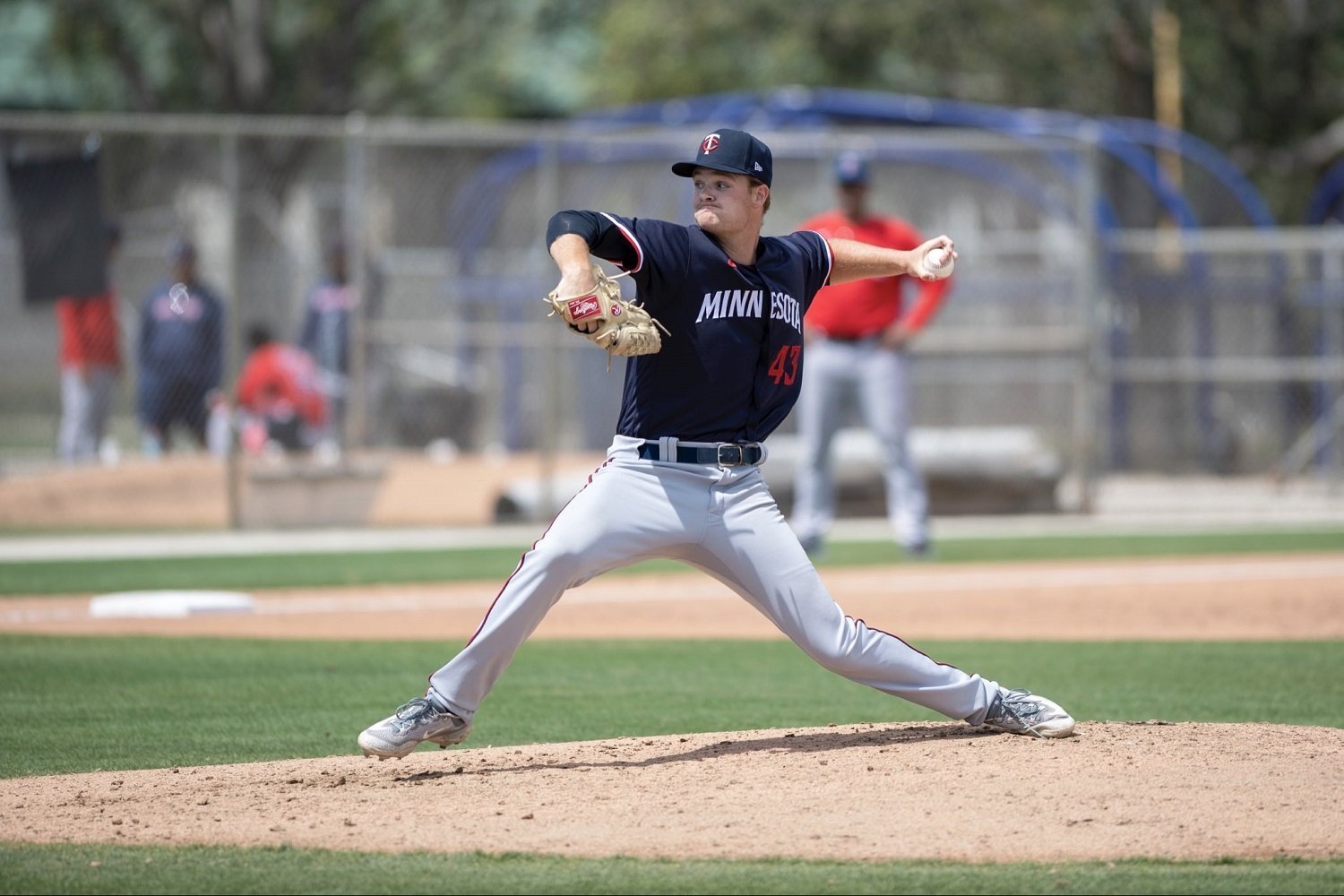 As the Twins prepare for the 2025 season, the spotlight will inevitably turn toward the club's emerging prospects. Three pitchers (Connor Prielipp, Marco Raya, and Andrew Morris) are set to play pivotal roles in shaping the future of the Twins' pitching staff. While each brings a unique set of skills, their impact could range from rotational depth to bullpen dominance, making them must-watch players for the upcoming season. Connor Prielipp: The Bullpen’s Secret Weapon? Prielipp, a left-handed pitcher with electric stuff, could be the Twins’ breakout bullpen arm in 2025. Drafted in the second round of the 2022 MLB Draft, Prielipp was once considered one of the top pitching talents in his draft class before undergoing Tommy John surgery, which slowed his development. He was limited to two outings in 2023 before another elbow shut him down, and this time, he had an internal brace put in to repair the faulty UCL. After spending the last couple of seasons refining his mechanics and regaining his pre-injury form, Prielipp now looks poised to take the next step. While the Twins initially viewed him as a starting pitcher, Prielipp’s dominant fastball-slider combination could make him an elite reliever. His fastball velocity consistently sits in the mid-90s, and when paired with a devastating, sharp-breaking slider, it gives him the type of swing-and-miss stuff teams crave in late-inning situations. The move to the bullpen might also help mitigate any durability concerns that stem from his injury history. Prielipp could become a weapon to neutralize left-handed hitters while also holding his own against righties. Last season, he made nine starts and posted a 2.70 ERA with a 0.90 WHIP and 15.8 K/9. His strikeout potential makes him especially valuable in high-leverage situations, and his ability to go multiple innings could provide much-needed depth for the Twins’ relief corps. Marco Raya: A Rare High School Success Story Drafting high school arms hasn’t been a focus for the current front office, but Raya is one outlier in the team’s farm system. He has slowly been climbing the prospect ranks since being drafted by the Twins in 2020. Though undersized for a prototypical starter at 6’0”, Raya’s command and fastball movement make him a candidate for a spot in the Twins' rotation sooner rather than later. He spent most of 2024 at the Double-A level and finished the year with one Triple-A start. In 97 2/3 innings, he posted a 4.07 ERA with a 1.36 WHIP with 9.5 K/9. He only faced younger batters in 41 plate appearances this year and held them to a .502 OPS. Raya's fastball sits in the mid-90s, but his ability to change speeds and locate his secondary pitches has helped him climb the organizational ladder. His slider has the potential to be a plus offering, giving him a strikeout weapon that can keep hitters off balance. While there are questions about whether Raya will develop into a full-time starter at the big-league level, his progress in 2025 will determine if he can break through as more than just a spot starter or long reliever. The Twins have dealt with injuries in their starting rotation over the past few seasons, so having a pitcher like Raya waiting in the wings could provide crucial depth. He may not break camp with the big league club, but look for Raya to get the call if injuries arise or as a second-half addition once he gains more consistency in Triple-A. Andrew Morris: The Next College Success Story Last season, the Twins saw college draft picks like David Festa and Zebby Matthews impact the big-league level, and Morris looks like the team’s next college success story. He doesn’t have the same prospect pedigree as some of the Twins' other arms, but he’s quietly putting together a resume that could land him in Minnesota’s starting rotation in 2025. Drafted out of Texas Tech in 2022, Morris has steadily worked his way through the system, and 2024 saw him take a significant step forward while moving from High-A to Triple-A. At 6’2”, 200 pounds, Morris has the frame to log innings, and his four-pitch repertoire—featuring a fastball, curveball, slider, and changeup—gives him plenty of options to attack hitters. Last season, he posted a 2.37 ERA with a 1.08 WHIP and 9.0 K/9. What makes Morris stand out is his durability and pitch efficiency. He has a knack for inducing weak contact and limiting walks (2.2 BB/9 in 2024), which will serve him well as he competes for a back-end rotation spot. The Twins may view Morris as an ideal sixth starter or someone who can shuttle between Triple-A and the majors. Given how frequently the Twins have dipped into their pitching depth in recent years, Morris could find himself making several starts during the 2025 season. He has quickly been rising on the team’s top prospect list because of his reliability and solid pitch mix make him a valuable asset. As the Twins enter 2025, they will rely on both established veterans and emerging talents to form a competitive roster. Prielipp could become a dominant force in the bullpen, while Raya and Morris offer intriguing options for rotational depth. With their varying skill sets, these three pitchers could play crucial roles in Minnesota’s pitching staff, helping build a bridge between the present and the future. Keep an eye on their progress because 2025 could be the year they make their mark at Target Field. Which pitching prospect will have the most significant impact on the Twins in 2025? Leave a COMMENT and start the discussion.
- 31 comments
-
- 5
-
-
- marco raya
- connor prielipp
- (and 1 more)
-
Minnesota’s pitching pipeline continues to grow, with potential impact arms closing in on Target Field. Here are three pitching prospects to watch in 2025. Image courtesy of John Vittas- Fort Myers Mighty Mussels (Photo of Connor Prielipp) Minnesota’s pitching pipeline continues to grow, with potential impact arms closing in on Target Field. Here are three pitching prospects to watch in 2025. As the Twins prepare for the 2025 season, the spotlight will inevitably turn toward the club's emerging prospects. Three pitchers (Connor Prielipp, Marco Raya, and Andrew Morris) are set to play pivotal roles in shaping the future of the Twins' pitching staff. While each brings a unique set of skills, their impact could range from rotational depth to bullpen dominance, making them must-watch players for the upcoming season. Connor Prielipp: The Bullpen’s Secret Weapon? Prielipp, a left-handed pitcher with electric stuff, could be the Twins’ breakout bullpen arm in 2025. Drafted in the second round of the 2022 MLB Draft, Prielipp was once considered one of the top pitching talents in his draft class before undergoing Tommy John surgery, which slowed his development. He was limited to two outings in 2023 before another elbow shut him down, and this time, he had an internal brace put in to repair the faulty UCL. After spending the last couple of seasons refining his mechanics and regaining his pre-injury form, Prielipp now looks poised to take the next step. While the Twins initially viewed him as a starting pitcher, Prielipp’s dominant fastball-slider combination could make him an elite reliever. His fastball velocity consistently sits in the mid-90s, and when paired with a devastating, sharp-breaking slider, it gives him the type of swing-and-miss stuff teams crave in late-inning situations. The move to the bullpen might also help mitigate any durability concerns that stem from his injury history. Prielipp could become a weapon to neutralize left-handed hitters while also holding his own against righties. Last season, he made nine starts and posted a 2.70 ERA with a 0.90 WHIP and 15.8 K/9. His strikeout potential makes him especially valuable in high-leverage situations, and his ability to go multiple innings could provide much-needed depth for the Twins’ relief corps. Marco Raya: A Rare High School Success Story Drafting high school arms hasn’t been a focus for the current front office, but Raya is one outlier in the team’s farm system. He has slowly been climbing the prospect ranks since being drafted by the Twins in 2020. Though undersized for a prototypical starter at 6’0”, Raya’s command and fastball movement make him a candidate for a spot in the Twins' rotation sooner rather than later. He spent most of 2024 at the Double-A level and finished the year with one Triple-A start. In 97 2/3 innings, he posted a 4.07 ERA with a 1.36 WHIP with 9.5 K/9. He only faced younger batters in 41 plate appearances this year and held them to a .502 OPS. Raya's fastball sits in the mid-90s, but his ability to change speeds and locate his secondary pitches has helped him climb the organizational ladder. His slider has the potential to be a plus offering, giving him a strikeout weapon that can keep hitters off balance. While there are questions about whether Raya will develop into a full-time starter at the big-league level, his progress in 2025 will determine if he can break through as more than just a spot starter or long reliever. The Twins have dealt with injuries in their starting rotation over the past few seasons, so having a pitcher like Raya waiting in the wings could provide crucial depth. He may not break camp with the big league club, but look for Raya to get the call if injuries arise or as a second-half addition once he gains more consistency in Triple-A. Andrew Morris: The Next College Success Story Last season, the Twins saw college draft picks like David Festa and Zebby Matthews impact the big-league level, and Morris looks like the team’s next college success story. He doesn’t have the same prospect pedigree as some of the Twins' other arms, but he’s quietly putting together a resume that could land him in Minnesota’s starting rotation in 2025. Drafted out of Texas Tech in 2022, Morris has steadily worked his way through the system, and 2024 saw him take a significant step forward while moving from High-A to Triple-A. At 6’2”, 200 pounds, Morris has the frame to log innings, and his four-pitch repertoire—featuring a fastball, curveball, slider, and changeup—gives him plenty of options to attack hitters. Last season, he posted a 2.37 ERA with a 1.08 WHIP and 9.0 K/9. What makes Morris stand out is his durability and pitch efficiency. He has a knack for inducing weak contact and limiting walks (2.2 BB/9 in 2024), which will serve him well as he competes for a back-end rotation spot. The Twins may view Morris as an ideal sixth starter or someone who can shuttle between Triple-A and the majors. Given how frequently the Twins have dipped into their pitching depth in recent years, Morris could find himself making several starts during the 2025 season. He has quickly been rising on the team’s top prospect list because of his reliability and solid pitch mix make him a valuable asset. As the Twins enter 2025, they will rely on both established veterans and emerging talents to form a competitive roster. Prielipp could become a dominant force in the bullpen, while Raya and Morris offer intriguing options for rotational depth. With their varying skill sets, these three pitchers could play crucial roles in Minnesota’s pitching staff, helping build a bridge between the present and the future. Keep an eye on their progress because 2025 could be the year they make their mark at Target Field. Which pitching prospect will have the most significant impact on the Twins in 2025? Leave a COMMENT and start the discussion. View full article
-
Losing Points: What Moments Cost the Twins the 2024 Season?
Cody Christie posted an article in Twins
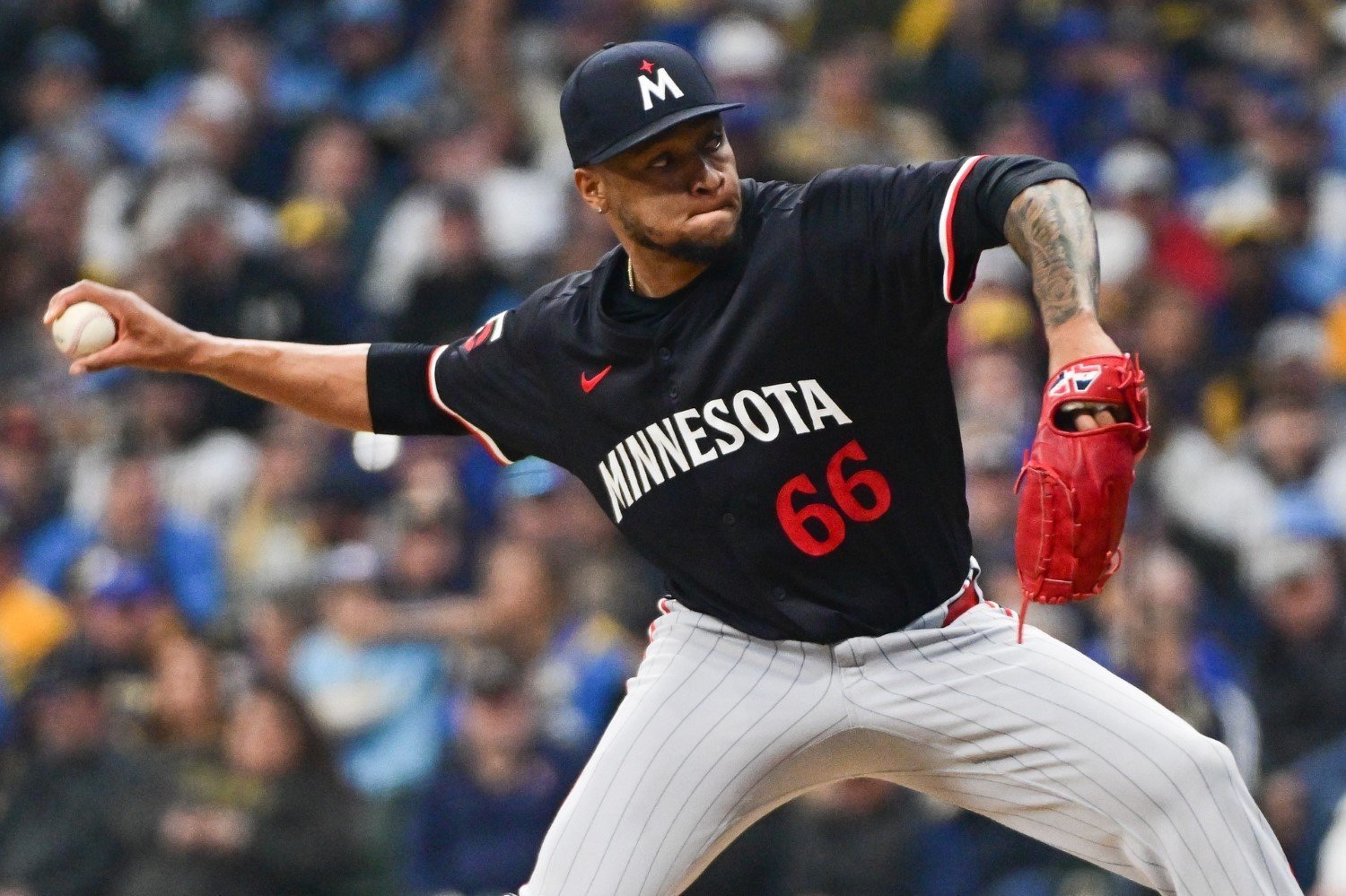 By the end of the 2024 season, the Minnesota Twins found themselves watching the playoffs from home. After a promising start, injuries and critical failures piled up, derailing what could have been a division-winning campaign. These moments, in particular, stand out as the turning points that cost the team a chance to defend their AL Central crown and return to October baseball. Opening Day Omen Every team starts the season with high hopes, but the Twins’ dreams took a gut punch right out of the gate when Royce Lewis suffered a right quad injury on Opening Day. The disappointment was amplified because he had homered in his first at-bat of the season. After an electrifying 2023 season, Lewis was expected to be a centerpiece of the lineup and one of the most dynamic players in the division. Minnesota got off to a terrible start to the 2024 season with a 7-13 record, and one has to wonder if that ghastly stumble cost the team the playoffs. Lewis’s injury left a gaping hole at third base, disrupting the lineup’s balance. The Twins tried to patch things together, but the ripple effect was felt for months. Without Lewis’s bat and energy, Minnesota's offense struggled to find consistency, setting an ominous tone for the year. Losing the Team’s MVP Carlos Correa had been Minnesota’s heart and soul through the first half of 2024. His first-half performance was All-Star-caliber, potentially the best stretch of his career, reminding fans why the Twins made him their highest-paid player. He hit .308/.377/.520 with 16 doubles, three triples, and 13 home runs in 75 games. But just days before the All-Star break, Correa went down with plantar fasciitis, which sidelined him for two months and effectively killed the Twins’ momentum heading into the second half. His initial self-prognosis was positive, and there was some discussion about how quickly he could return to the field. However, the injury lingered, and Correa was forced to undergo painful treatments while also trying to find a cleat that worked with his injury. The Twins lacked a capable replacement and limped into and out of the break without their franchise player, their record slipping in the process. Ryan’s Late-Summer Setback Despite the above injuries, Minnesota played like one of baseball’s best teams after the rough start to the year. The rotation took its biggest hit at the beginning of August, when Joe Ryan was placed on the injured list with right triceps tightness. Ryan had been the team’s best starter for much of the season, with a career-best ERA+ (115) and WHIP (0.99). Other pitcher injuries to Anthony DeSclafani and Chris Paddack forced the team to turn to younger internal options, and that can result in volatility. Without Ryan, the Twins’ rotation depth was exposed. David Festa and Zebby Matthews were called upon, but the team limited their workload. This forced the bullpen to face more strain, and the team couldn’t find the same rhythm. Ryan’s injury came at the worst possible time, right when the Twins were pushing to stay in contention, and the pitching staff’s cracks began to show. Alcalá’s Meltdown in Texas Later in August, the Twins had a chance to finish off a four-game sweep against the Texas Rangers. After taking the first three games, they held a commanding 4-0 lead in the series finale, looking to head on to the next leg of their road trip riding high. But in a disastrous seventh inning, Jorge Alcalá allowed five runs, letting the Rangers storm back to take the lead in under 15 minutes. At the time, it was a bad loss, but it became the tipping point that started their second-half spiral. This blown game symbolized the bullpen’s inconsistency throughout the season. Alcalá, who had been entrusted with high-leverage innings, failed to deliver. That loss deflated the team, as they never fully regained their footing in the following weeks, dropping series to division rivals and losing ground in the standings. Buxton’s Second Half Absence Byron Buxton has long been a player who can change a game on his own, but staying healthy has been his bugaboo. Buxton managed to play over 100 games in 2024, silencing some doubters, but injuries once again marred his second half. A leg injury in late July limited his availability, and he spent much of August and September on the injured list. Minnesota missed Buxton’s offensive punch in the lineup and his tremendous defense in center field. Before the injury, he had posted an .862 OPS, with 42 extra-base hits in 90 games. Buxton and Correa returned to the lineup for the final fortnight, but it was too late. The Twins had fallen apart without their two stars, and the Tigers roared past them into playoff position. A Season Defined by “What Ifs” The 2024 season will be remembered as one filled with "what ifs" for the Twins. What if Lewis hadn’t been injured on Opening Day? What if Correa had stayed healthy all year? What if Alcalá hadn’t imploded in Texas? What if Ryan and Buxton could have made it through the second half unscathed? Each of these injuries compounded the team’s struggles, and despite flashes of brilliance, the Twins couldn’t keep up with the competition. Minnesota entered 2024 with expectations of reclaiming the division title, but these critical moments and injuries proved too much to overcome. Instead of playing in October, the team and its fans are left to wonder what could have been. As the offseason begins, the Twins must address the durability issues that haunted them this season. They have the talent to compete in the AL Central, but 2024 served as a harsh reminder that even the best-laid plans can be undone by the unpredictable nature of the game. Which moment is the biggest reason the Twins didn’t make the playoffs? Leave a comment and start the discussion.
- 30 comments
-
- 3
-
-
- jorge alcala
- byron buxton
- (and 3 more)
-
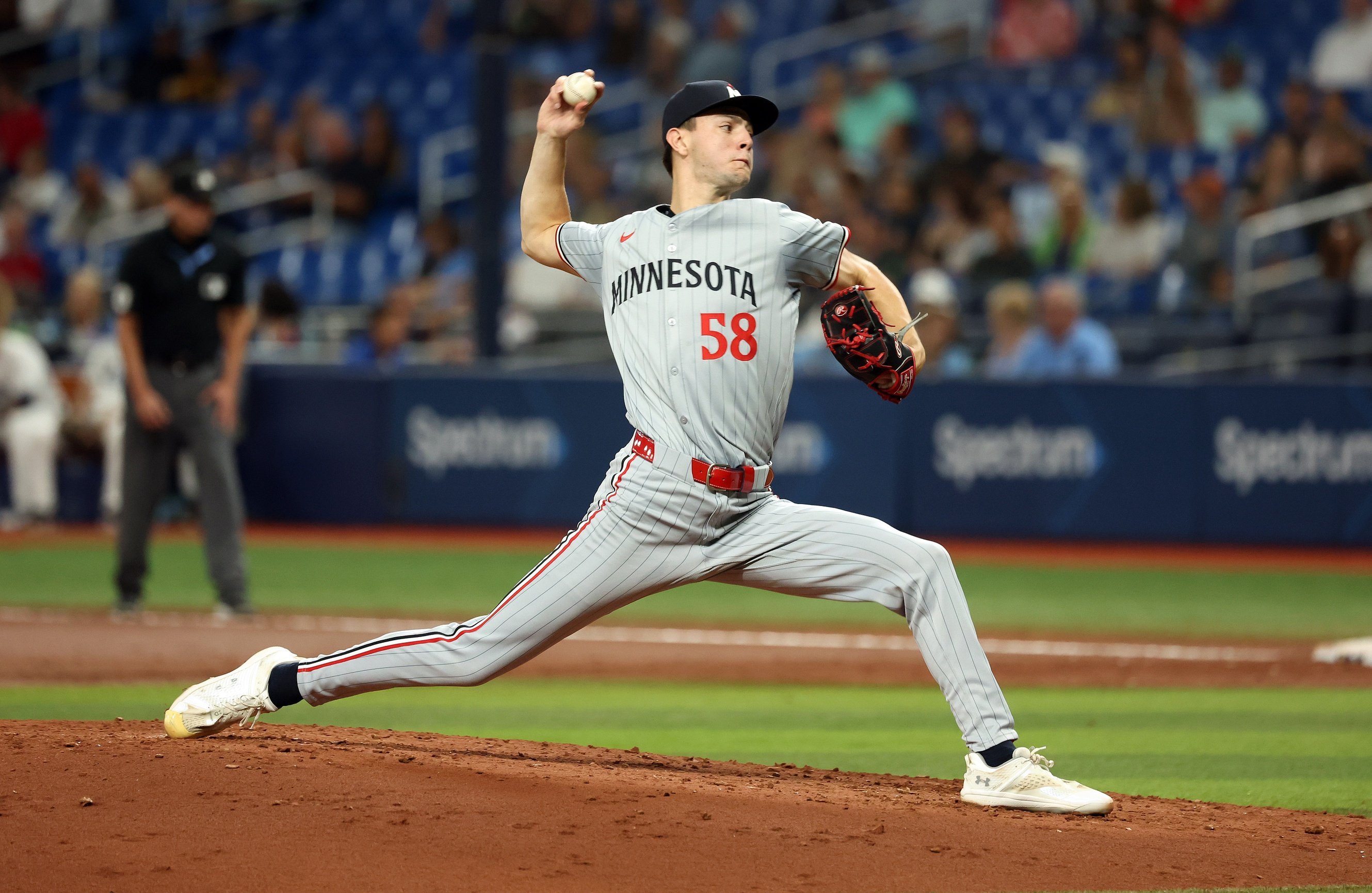 David Festa’s 2024 season positioned the tall righty as a long-term member of the Minnesota Twins' rotation. A promising arm in the minors, Festa leapt the big leagues with high expectations. While he showed flashes of brilliance, clear lessons were learned about his game and areas that need attention if he is to be a consistent presence in 2025. Strikeout Potential on Display One of the most exciting aspects of Festa’s game in his rookie season was his strikeout rate. Festa punched out nearly 35% of the batters he faced during his time at Triple-A in 2024, but there were still questions about whether or not he would be able to get swings and misses from MLB hitters. He put those to bed, though, with a terrific 27.8% strikeout rate in 64 1/3 big-league innings. He brought the type of swing-and-miss stuff that the Twins have been searching for in their rotation. His fastball velocity was a key weapon, sitting in the mid-to-upper 90s, and his slider and changeup flashed as legitimate out pitches. His changeup coaxed a 39.4 Whiff%, while his slider had a 29.1 Whiff%. Opposing hitters often found themselves off-balance, especially when Festa was ahead in the count. However, his overall effectiveness was tempered by an inconsistent ability to locate his breaking pitches, leading to more extended at-bats and missed opportunities for early strikeouts. Refining his command in the strike zone will be critical if Festa hopes to take a step forward in 2025. Struggles with the Long Ball For all of his strikeout prowess, Festa was plagued by an alarming home run rate. He surrendered 1.3 HR/9 at both Triple-A and the MLB level, which kept him from finding sustained success. A significant contributor to this issue was his occasional tendency to leave his fastball over the middle of the plate when working in hitter-friendly counts. When Festa’s command faltered, hitters made him pay. Adjustments in pitch sequencing and sharpening his offspeed pitches could help Festa mitigate his home run struggles. Developing confidence in his changeup could give him another weapon to keep hitters off his fastball. His changeup produced the lowest exit velocity (85.9) and the lowest xSLG (.332) of any of his pitches. The actual slugging percentage allowed on his changeup was over 130 points higher than his xSLG, so improving that pitch might help his overall home run total. Given the shape of his fastball and the way he attacks, though, he will probably always give up some homers. The Five-Inning Wall Perhaps Festa's biggest challenge in 2024 was his inability to pitch deep into games. Of his 14 starts with the Twins, only one saw him pitch into the sixth inning. Consistently getting through five innings was a tall task, and Festa frequently ran into trouble by the time opposing hitters saw him for the third time through the order. His efficiency issues stemmed from working deep into counts, leading to a high pitch count early in games. To become more reliable in 2025, Festa will need to focus on improving his efficiency. Throwing more first-pitch strikes and trusting his defense could help Festa cut down on his pitch count, allowing him to pitch deeper into games and giving the Twins a much-needed innings-eater. Minnesota might also trust him more, since he will be in his sophomore season. As Festa enters 2025, the talent is evident, but there’s a clear blueprint for growth. Lowering his home run rate will be vital, and learning how to mix his pitches more effectively could prevent hitters from sitting on his fastball. If Festa can also make strides in his ability to go deeper into games, there’s no reason he can’t cement his place in the Twins’ rotation for years to come. The Twins should feel encouraged by Festa’s potential, but his development in 2025 will hinge on improving consistency. If he can refine his command, limit the long ball, and pitch deeper into games, David Festa has the tools to be a key figure in the Twins’ future success. What stood out from Festa’s rookie season? What is his ceiling moving forward? Leave a COMMENT and start the discussion.
-
After a thrilling 2023, expectations were high for the Twins entering this season. The team didn't meet them. So, what moment is most responsible for their downfall in 2024? Image courtesy of Benny Sieu-USA TODAY Sports After a thrilling 2023, expectations were high for the Twins entering this season. The team didn't meet them. So, what moment is most responsible for their downfall in 2024? By the end of the 2024 season, the Minnesota Twins found themselves watching the playoffs from home. After a promising start, injuries and critical failures piled up, derailing what could have been a division-winning campaign. These moments, in particular, stand out as the turning points that cost the team a chance to defend their AL Central crown and return to October baseball. Opening Day Omen Every team starts the season with high hopes, but the Twins’ dreams took a gut punch right out of the gate when Royce Lewis suffered a right quad injury on Opening Day. The disappointment was amplified because he had homered in his first at-bat of the season. After an electrifying 2023 season, Lewis was expected to be a centerpiece of the lineup and one of the most dynamic players in the division. Minnesota got off to a terrible start to the 2024 season with a 7-13 record, and one has to wonder if that ghastly stumble cost the team the playoffs. Lewis’s injury left a gaping hole at third base, disrupting the lineup’s balance. The Twins tried to patch things together, but the ripple effect was felt for months. Without Lewis’s bat and energy, Minnesota's offense struggled to find consistency, setting an ominous tone for the year. Losing the Team’s MVP Carlos Correa had been Minnesota’s heart and soul through the first half of 2024. His first-half performance was All-Star-caliber, potentially the best stretch of his career, reminding fans why the Twins made him their highest-paid player. He hit .308/.377/.520 with 16 doubles, three triples, and 13 home runs in 75 games. But just days before the All-Star break, Correa went down with plantar fasciitis, which sidelined him for two months and effectively killed the Twins’ momentum heading into the second half. His initial self-prognosis was positive, and there was some discussion about how quickly he could return to the field. However, the injury lingered, and Correa was forced to undergo painful treatments while also trying to find a cleat that worked with his injury. The Twins lacked a capable replacement and limped into and out of the break without their franchise player, their record slipping in the process. Ryan’s Late-Summer Setback Despite the above injuries, Minnesota played like one of baseball’s best teams after the rough start to the year. The rotation took its biggest hit at the beginning of August, when Joe Ryan was placed on the injured list with right triceps tightness. Ryan had been the team’s best starter for much of the season, with a career-best ERA+ (115) and WHIP (0.99). Other pitcher injuries to Anthony DeSclafani and Chris Paddack forced the team to turn to younger internal options, and that can result in volatility. Without Ryan, the Twins’ rotation depth was exposed. David Festa and Zebby Matthews were called upon, but the team limited their workload. This forced the bullpen to face more strain, and the team couldn’t find the same rhythm. Ryan’s injury came at the worst possible time, right when the Twins were pushing to stay in contention, and the pitching staff’s cracks began to show. Alcalá’s Meltdown in Texas Later in August, the Twins had a chance to finish off a four-game sweep against the Texas Rangers. After taking the first three games, they held a commanding 4-0 lead in the series finale, looking to head on to the next leg of their road trip riding high. But in a disastrous seventh inning, Jorge Alcalá allowed five runs, letting the Rangers storm back to take the lead in under 15 minutes. At the time, it was a bad loss, but it became the tipping point that started their second-half spiral. This blown game symbolized the bullpen’s inconsistency throughout the season. Alcalá, who had been entrusted with high-leverage innings, failed to deliver. That loss deflated the team, as they never fully regained their footing in the following weeks, dropping series to division rivals and losing ground in the standings. Buxton’s Second Half Absence Byron Buxton has long been a player who can change a game on his own, but staying healthy has been his bugaboo. Buxton managed to play over 100 games in 2024, silencing some doubters, but injuries once again marred his second half. A leg injury in late July limited his availability, and he spent much of August and September on the injured list. Minnesota missed Buxton’s offensive punch in the lineup and his tremendous defense in center field. Before the injury, he had posted an .862 OPS, with 42 extra-base hits in 90 games. Buxton and Correa returned to the lineup for the final fortnight, but it was too late. The Twins had fallen apart without their two stars, and the Tigers roared past them into playoff position. A Season Defined by “What Ifs” The 2024 season will be remembered as one filled with "what ifs" for the Twins. What if Lewis hadn’t been injured on Opening Day? What if Correa had stayed healthy all year? What if Alcalá hadn’t imploded in Texas? What if Ryan and Buxton could have made it through the second half unscathed? Each of these injuries compounded the team’s struggles, and despite flashes of brilliance, the Twins couldn’t keep up with the competition. Minnesota entered 2024 with expectations of reclaiming the division title, but these critical moments and injuries proved too much to overcome. Instead of playing in October, the team and its fans are left to wonder what could have been. As the offseason begins, the Twins must address the durability issues that haunted them this season. They have the talent to compete in the AL Central, but 2024 served as a harsh reminder that even the best-laid plans can be undone by the unpredictable nature of the game. Which moment is the biggest reason the Twins didn’t make the playoffs? Leave a comment and start the discussion. View full article
-
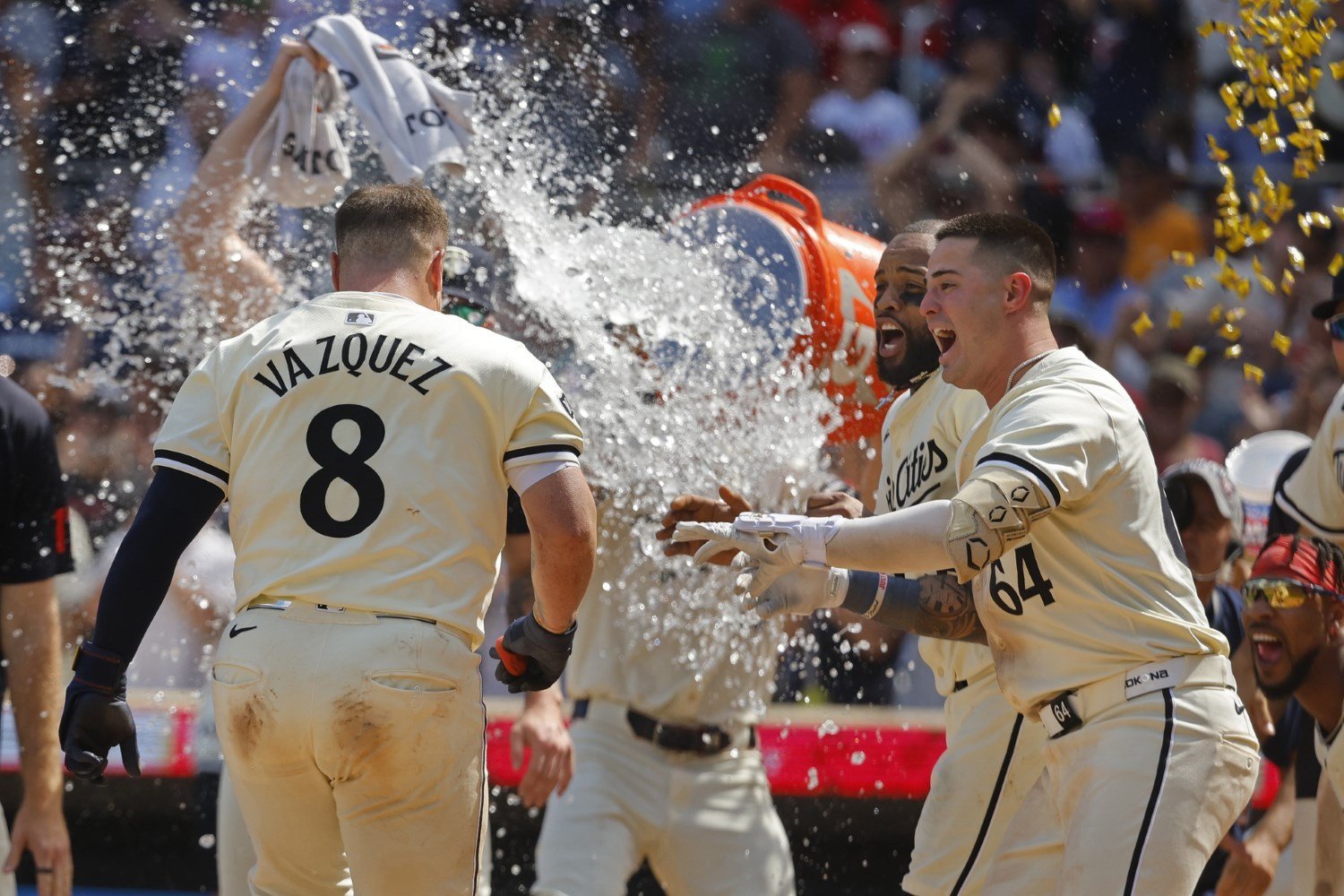 The Twins are entering another offseason where payroll decisions will dominate the discussion. With rising arbitration costs and needs across the roster, the front office will seek ways to free up some cash. One option floating around involves moving veteran catcher Christian Vázquez. However, despite the financial incentives, the Twins should be hesitant to let go of their reliable backstop, especially given his intangible contributions and impact on a young pitching staff. Vázquez came to the Twins with a sterling reputation as a defensive-minded catcher who could handle a pitching staff. His bat might not blow anyone away, as he hit .221/.248/.327 with 17 extra-base hits in 2024. However, the value he provides goes well beyond the box score. As one of Minnesota’s primary catchers in 2024, Vázquez offered stability to a Twins rotation that featured a mix of veterans and up-and-coming arms. He played a crucial role in helping veterans like Pablo López, Bailey Ober, and Joe Ryan solidify themselves among the league’s top starters. Vázquez also mentored young pitchers like Simeon Woods Richardson, David Festa, and Zebby Matthews. These pitchers, who could play pivotal roles for the Twins in 2025, are still learning the nuances of pitching in the big leagues, and having someone like Vázquez behind the plate can make a world of difference. Vázquez’s experience shines in his game-calling and ability to manage high-leverage situations. Defensively, his Fielding Run Value (78th percentile) and Framing (84th percentile) were worth 11 runs for the Twins. In particular, his framing has significantly increased during his time with the Twins, as he posted his highest Framing Run Value (6) since the 2019 season. This is the kind of defensive presence teams can't easily replace. The Twins have invested heavily in their pitching development pipeline, which will pay off in the coming years. Woods Richardson, Festa, and Matthews each showed glimpses of their potential in 2024, but development is rarely linear. Minnesota also has other top pitching prospects, such as Marco Raya and Andrew Morris, who are on the cusp of the big leagues. As these arms take on more prominent roles in 2025, they'll need a steady hand to guide them through the inevitable growing pains. Woods Richardson and Festa, in particular, are expected to occupy key rotation spots next season and each is still refining his command and pitch sequencing—something that Vázquez can help with. Festa’s elite velocity could be harnessed more effectively with the right pitch mix, while Woods Richardson is looking to solidify his secondary offerings. Both players showed positive signs in 2024, and now the Twins need to help them avoid a sophomore slump. A veteran catcher who knows the tendencies of major-league hitters and can communicate those adjustments mid-game is invaluable. The natural follow-up to moving Vázquez is turning the starting catching duties over to Ryan Jeffers, and making Jair Camargo the backup. Jeffers has made significant strides at the plate, becoming a more well-rounded hitter, and Camargo offers exciting pop with his bat. However, defensively, this tandem would represent a major downgrade. Jeffers is coming off arguably his worst defensive season, with a -7 Fielding Run-Value and a -8 Framing Run-Value. Meanwhile, Camargo is still very much a work in progress defensively. Over the long haul of a season, those defensive gaps add up. If the Twins want to be serious about contending, especially with a young rotation on the rise, keeping a catcher with Vázquez’s defensive prowess and veteran savvy is crucial. While payroll concerns are legitimate, and Vázquez is owed $10 million in 2025, the potential cost of losing him goes beyond his salary. A young staff will miss his mentorship, and the team will lose a trusted game planner in tight situations. Besides, the Twins would have to include other talent in a Vázquez deal and get back fairly little in return, since his contract has negative net value in such moves. Jeffers and Camargo may form the catching duo of the future, but 2025 is a pivotal year for the Twins. After missing the playoffs in 2024, the margin for error will be thin, and every little advantage counts. Vázquez provides an edge beyond numbers on a stat sheet. including the leadership and expertise a contending team needs. Trading Vázquez might save the Twins some money in the short term, but it could cost them in ways that are harder to quantify. With a rotation set to feature more young arms in 2025, Vázquez’s ability to handle a pitching staff and guide the team’s young talent will be indispensable. Jeffers and Camargo bring offensive upside, but Vázquez is the glue that can hold the staff together during critical stretches. In a season where winning is a must, moving Vázquez would be a gamble the Twins can’t afford to take. Will the Twins attempt to trade Vázquez? Can Jeffers and Camargo handle the catching duties? Leave a comment and start the discussion.
-
For the Twins, this winter will focus on how the team can free up payroll space to upgrade parts of the roster. Here’s why that ought not to involve trading away their veteran backstop. Image courtesy of © Bruce Kluckhohn-USA TODAY Sports For the Twins, this winter will focus on how the team can free up payroll space to upgrade parts of the roster. Here’s why that ought not to involve trading away their veteran backstop. The Twins are entering another offseason where payroll decisions will dominate the discussion. With rising arbitration costs and needs across the roster, the front office will seek ways to free up some cash. One option floating around involves moving veteran catcher Christian Vázquez. However, despite the financial incentives, the Twins should be hesitant to let go of their reliable backstop, especially given his intangible contributions and impact on a young pitching staff. Vázquez came to the Twins with a sterling reputation as a defensive-minded catcher who could handle a pitching staff. His bat might not blow anyone away, as he hit .221/.248/.327 with 17 extra-base hits in 2024. However, the value he provides goes well beyond the box score. As one of Minnesota’s primary catchers in 2024, Vázquez offered stability to a Twins rotation that featured a mix of veterans and up-and-coming arms. He played a crucial role in helping veterans like Pablo López, Bailey Ober, and Joe Ryan solidify themselves among the league’s top starters. Vázquez also mentored young pitchers like Simeon Woods Richardson, David Festa, and Zebby Matthews. These pitchers, who could play pivotal roles for the Twins in 2025, are still learning the nuances of pitching in the big leagues, and having someone like Vázquez behind the plate can make a world of difference. Vázquez’s experience shines in his game-calling and ability to manage high-leverage situations. Defensively, his Fielding Run Value (78th percentile) and Framing (84th percentile) were worth 11 runs for the Twins. In particular, his framing has significantly increased during his time with the Twins, as he posted his highest Framing Run Value (6) since the 2019 season. This is the kind of defensive presence teams can't easily replace. The Twins have invested heavily in their pitching development pipeline, which will pay off in the coming years. Woods Richardson, Festa, and Matthews each showed glimpses of their potential in 2024, but development is rarely linear. Minnesota also has other top pitching prospects, such as Marco Raya and Andrew Morris, who are on the cusp of the big leagues. As these arms take on more prominent roles in 2025, they'll need a steady hand to guide them through the inevitable growing pains. Woods Richardson and Festa, in particular, are expected to occupy key rotation spots next season and each is still refining his command and pitch sequencing—something that Vázquez can help with. Festa’s elite velocity could be harnessed more effectively with the right pitch mix, while Woods Richardson is looking to solidify his secondary offerings. Both players showed positive signs in 2024, and now the Twins need to help them avoid a sophomore slump. A veteran catcher who knows the tendencies of major-league hitters and can communicate those adjustments mid-game is invaluable. The natural follow-up to moving Vázquez is turning the starting catching duties over to Ryan Jeffers, and making Jair Camargo the backup. Jeffers has made significant strides at the plate, becoming a more well-rounded hitter, and Camargo offers exciting pop with his bat. However, defensively, this tandem would represent a major downgrade. Jeffers is coming off arguably his worst defensive season, with a -7 Fielding Run-Value and a -8 Framing Run-Value. Meanwhile, Camargo is still very much a work in progress defensively. Over the long haul of a season, those defensive gaps add up. If the Twins want to be serious about contending, especially with a young rotation on the rise, keeping a catcher with Vázquez’s defensive prowess and veteran savvy is crucial. While payroll concerns are legitimate, and Vázquez is owed $10 million in 2025, the potential cost of losing him goes beyond his salary. A young staff will miss his mentorship, and the team will lose a trusted game planner in tight situations. Besides, the Twins would have to include other talent in a Vázquez deal and get back fairly little in return, since his contract has negative net value in such moves. Jeffers and Camargo may form the catching duo of the future, but 2025 is a pivotal year for the Twins. After missing the playoffs in 2024, the margin for error will be thin, and every little advantage counts. Vázquez provides an edge beyond numbers on a stat sheet. including the leadership and expertise a contending team needs. Trading Vázquez might save the Twins some money in the short term, but it could cost them in ways that are harder to quantify. With a rotation set to feature more young arms in 2025, Vázquez’s ability to handle a pitching staff and guide the team’s young talent will be indispensable. Jeffers and Camargo bring offensive upside, but Vázquez is the glue that can hold the staff together during critical stretches. In a season where winning is a must, moving Vázquez would be a gamble the Twins can’t afford to take. Will the Twins attempt to trade Vázquez? Can Jeffers and Camargo handle the catching duties? Leave a comment and start the discussion. View full article
-
Rookie pitchers can encounter speed bumps in their first taste of the big leagues, but the ones with a chance to be special also provide glimpses of that potential along the way. What are some of the lessons learned during David Festa’s rookie campaign? Image courtesy of Kim Klement Neitzel-USA TODAY Sports Rookie pitchers can encounter speed bumps in their first taste of the big leagues, but the ones with a chance to be special also provide glimpses of that potential along the way. What are some of the lessons learned during David Festa’s rookie campaign? David Festa’s 2024 season positioned the tall righty as a long-term member of the Minnesota Twins' rotation. A promising arm in the minors, Festa leapt the big leagues with high expectations. While he showed flashes of brilliance, clear lessons were learned about his game and areas that need attention if he is to be a consistent presence in 2025. Strikeout Potential on Display One of the most exciting aspects of Festa’s game in his rookie season was his strikeout rate. Festa punched out nearly 35% of the batters he faced during his time at Triple-A in 2024, but there were still questions about whether or not he would be able to get swings and misses from MLB hitters. He put those to bed, though, with a terrific 27.8% strikeout rate in 64 1/3 big-league innings. He brought the type of swing-and-miss stuff that the Twins have been searching for in their rotation. His fastball velocity was a key weapon, sitting in the mid-to-upper 90s, and his slider and changeup flashed as legitimate out pitches. His changeup coaxed a 39.4 Whiff%, while his slider had a 29.1 Whiff%. Opposing hitters often found themselves off-balance, especially when Festa was ahead in the count. However, his overall effectiveness was tempered by an inconsistent ability to locate his breaking pitches, leading to more extended at-bats and missed opportunities for early strikeouts. Refining his command in the strike zone will be critical if Festa hopes to take a step forward in 2025. Struggles with the Long Ball For all of his strikeout prowess, Festa was plagued by an alarming home run rate. He surrendered 1.3 HR/9 at both Triple-A and the MLB level, which kept him from finding sustained success. A significant contributor to this issue was his occasional tendency to leave his fastball over the middle of the plate when working in hitter-friendly counts. When Festa’s command faltered, hitters made him pay. Adjustments in pitch sequencing and sharpening his offspeed pitches could help Festa mitigate his home run struggles. Developing confidence in his changeup could give him another weapon to keep hitters off his fastball. His changeup produced the lowest exit velocity (85.9) and the lowest xSLG (.332) of any of his pitches. The actual slugging percentage allowed on his changeup was over 130 points higher than his xSLG, so improving that pitch might help his overall home run total. Given the shape of his fastball and the way he attacks, though, he will probably always give up some homers. The Five-Inning Wall Perhaps Festa's biggest challenge in 2024 was his inability to pitch deep into games. Of his 14 starts with the Twins, only one saw him pitch into the sixth inning. Consistently getting through five innings was a tall task, and Festa frequently ran into trouble by the time opposing hitters saw him for the third time through the order. His efficiency issues stemmed from working deep into counts, leading to a high pitch count early in games. To become more reliable in 2025, Festa will need to focus on improving his efficiency. Throwing more first-pitch strikes and trusting his defense could help Festa cut down on his pitch count, allowing him to pitch deeper into games and giving the Twins a much-needed innings-eater. Minnesota might also trust him more, since he will be in his sophomore season. As Festa enters 2025, the talent is evident, but there’s a clear blueprint for growth. Lowering his home run rate will be vital, and learning how to mix his pitches more effectively could prevent hitters from sitting on his fastball. If Festa can also make strides in his ability to go deeper into games, there’s no reason he can’t cement his place in the Twins’ rotation for years to come. The Twins should feel encouraged by Festa’s potential, but his development in 2025 will hinge on improving consistency. If he can refine his command, limit the long ball, and pitch deeper into games, David Festa has the tools to be a key figure in the Twins’ future success. What stood out from Festa’s rookie season? What is his ceiling moving forward? Leave a COMMENT and start the discussion. View full article
-
Offseason Handbook Preview: Should Griffin Jax Get Another Shot to Start?
Cody Christie posted an article in Twins
 Griffin Jax has found a niche in the Twins' bullpen, but could the team consider giving him another shot as a starter? His journey to becoming one of the league’s best relievers has been full of ups and downs. After initially being developed as a starter, Jax transitioned to the bullpen in 2022 and saw immediate success. However, with questions surrounding the pitching depth and Jax’s starting experience, it's fair to wonder if a move back to the rotation might be in the cards. Jax made 14 starts during his rookie season in 2021, but his struggles were evident. His 6.37 ERA and elevated home run rate left much to be desired, and the Twins pivoted him to the bullpen the following year. Since that transition, he’s been one of Minnesota’s most reliable relievers, particularly in high-leverage situations, where his fastball-sweeper combination has played well against opposing hitters. But what would it mean for the Twins if they decided to stretch him back out as a starter? First, we must consider the rotation landscape. Minnesota has several young arms who could factor into next year’s starting rotation, including David Festa, Simeon Woods Richardson, and Zebby Matthews. Joe Ryan, Bailey Ober, and Pablo López are locks for rotation spots, but injury concerns and development needs for the younger arms leave some room for creative thinking. With his starting experience and success as a reliever, Jax could offer the Twins a flexible option as a spot starter or even a multi-inning arm. But this move would come with risks. One of the primary concerns is what losing Jax from the bullpen would mean. The Twins’ relief corps has leaned heavily on Jax, especially in high-leverage situations. His ability to get key outs in the late innings has been critical, particularly when closer Jhoan Durán has needed a break. If Jax moves to the rotation, the bullpen would be left with a significant hole. That’s where comparisons to Reynaldo López and Garrett Crochet become relevant. Both López and Crochet have bounced between the bullpen and rotation, with varying degrees of success. In 2024, the Braves moved López into a starting role after he'd spent three seasons as a reliever with the White Sox. He flourished with a 1.99 ERA and a 1.11 WHIP, including being selected to his first All-Star Game. Crochet was among the few bright spots on a terrible White Sox roster. In 32 starts, he posted a 3.58 ERA with a 1.07 WHIP and an astronomical 35.1% strikeout rate. The key for both pitchers has been finding a balance between the roles without overextending their arms. If Jax were to make the switch back to starting, the Twins would need to ensure they don’t lose his effectiveness. There’s a reason he’s thrived in relief, and pushing him into a more extended role could risk undoing the progress he’s made. However, with a growing trend of utilizing relievers in expanded roles, Jax could offer flexibility and upside by pitching more. Ultimately, while giving Jax another shot at starting is an intriguing idea, the Twins must carefully weigh the impact on both the rotation and bullpen. His contributions in high-leverage spots may be too valuable to sacrifice--unless new needs emerge in the rotation. Will the Twins move Jax back to the rotation? Should they? Leave a comment and start the discussion, and check out the 2024-25 Twins Daily Offseason Handbook, exclusively for Caretakers, for more on this topic. The Handbook will be released on the site after the end of the World Series.
- 34 comments
-
- 1
-
-
- griffin jax
- garrett crochet
- (and 1 more)
-
Bryan Acuña: A Rising Twin Looking to Follow Family Footsteps
Cody Christie posted an article in Minor Leagues
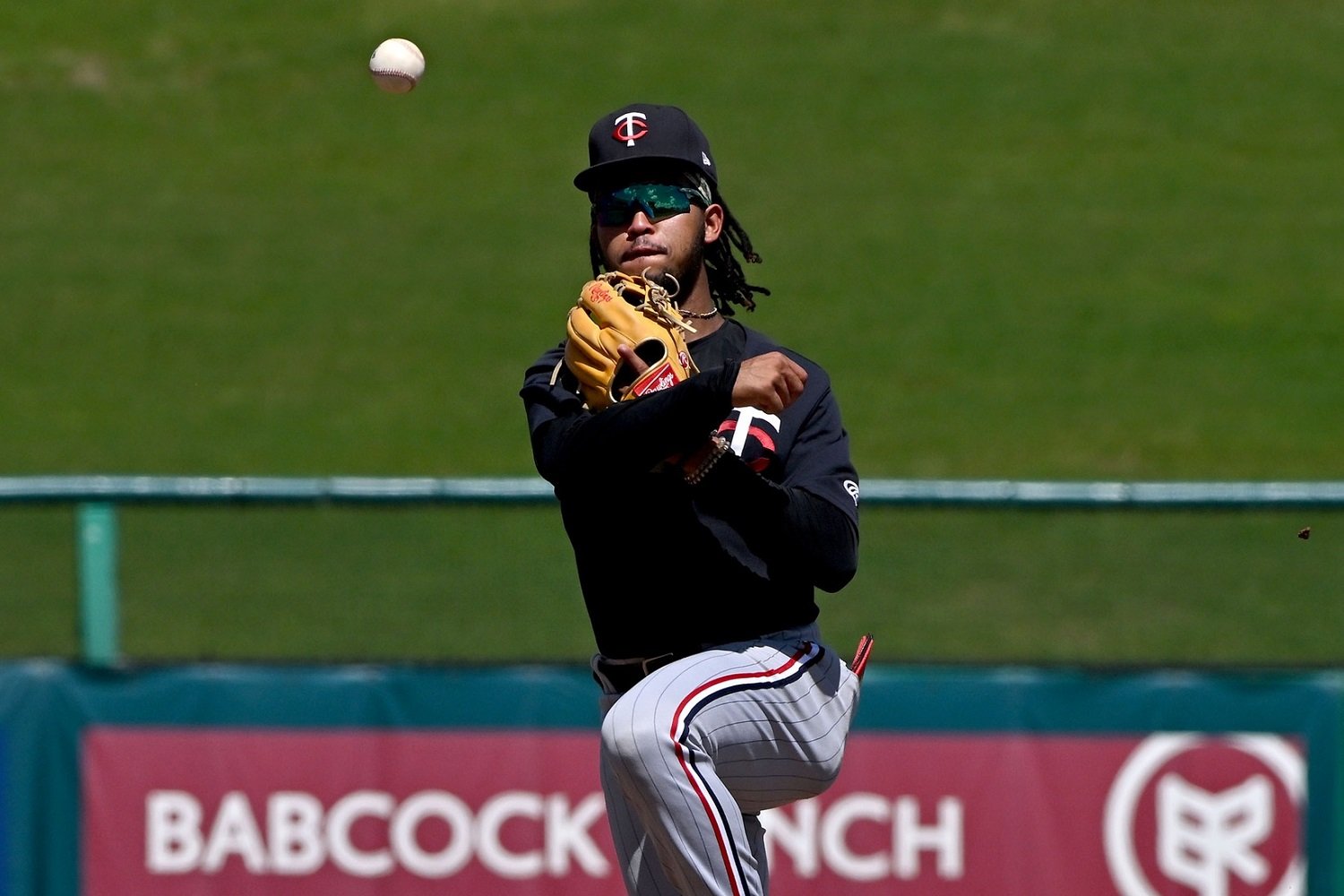 The Acuña family name carries weight in the world of baseball. Ronald Acuña Jr. is already a household name, an MVP winner, and one of the game’s most electrifying players. His younger brother, Luisangel, made his mark as a rookie in 2024, helping the Mets in their playoff push. Now, Bryan Acuña, the youngest of the trio, is on his own path in the Minnesota Twins organization, aiming to carve out his legacy. While the surname opens eyes, it doesn’t guarantee success. Bryan Acuña has shown flashes of the talent that runs in the family, but there are clear steps he needs to take if he’s going to become the next big Acuña in the majors. The younger Acuña brother is just 19 years old, and expectations can be both a blessing and a curse. When your brother is one of the most dynamic players in baseball, and another is quickly rising, comparisons are inevitable. Fortunately, Bryan has embraced the challenge, showing an eagerness to forge his own path while drawing inspiration from his brothers. In his time in the lower minors, Acuña has demonstrated solid plate discipline and an impressive ability to make contact. The Twins had him play in the FCL for the second year, and he raised his OPS from .553 in 2023 to .735 this season. He’s not yet a power threat like Ronald since he only had one professional home run. That’s one of the most significant question marks surrounding his development—can he grow into his power and add more offensive punch? As scouts have noted, his frame and swing mechanics suggest untapped power potential, but it will take time for him to reach that level. Defensively, Acuña has moved around the infield, including playing shortstop, second base, third base, and left field. Defensive flexibility is key for any infielder to crack the big-league roster, but it might be a little concerning that he is already being moved off of shortstop. In 2024, he was charged with eight errors in 69 chances, double his total from 2023 at shortstop. While a defensive home is essential, it’s at the plate where Bryan will need to continue to prove himself. He doesn’t have Ronald's blazing speed or the same explosive swing, but he’s a smart baserunner with a knack for putting the ball in play. He’s shown a patient approach (.423 OBP in 2024), something the Twins have emphasized at every level of their system. As he progresses, Bryan must continue refining that approach, ensuring he doesn’t become overly passive and miss opportunities to drive the ball. Areas to Improve If Bryan Acuña is to follow in his brothers’ footsteps and make an impact at the major league level, there are a few key areas he’ll need to improve: Power Development: The most significant area where Bryan needs to make strides is in adding power to his game. He’s shown good contact skills, but as he continues to mature physically, the Twins hope to see him drive the ball with more authority. During his professional debut, he combined for 12 doubles in 43 games. Over the last two seasons, he has been limited to nine extra-base hits in 77 games. Consistency at the Plate: While he’s shown a disciplined approach, Acuña must show he can handle more advanced pitching as he climbs the ranks. In his first season stateside, he struggled with the transition to the FCL. In 40 games, he hit .185/.327/.227 (.553) with three extra-base hits and a 39-to-25 strikeout-to-walk ratio. His batting average rose by 70 points this season while getting on base over 42% of the time. Making adjustments at each level will be critical in determining whether he can translate his success to the majors. Defensive Versatility: While Bryan has played both shortstop and second base, becoming a versatile defender could increase his value to the Twins. He was error-prone at shortstop and third base this season. The Twins will likely want him to continue to work at up-the-middle defensive positions before relegating him to left field or another less demanding spot. With other middle infield prospects in the system, flexibility will be vital in carving out a spot on the roster. The Twins have been patient with Acuña’s development, recognizing that he doesn’t need to be Ronald or Luisangel. His journey will be different, and he has time on his side to become the player he’s capable of being. The tools are there, and if he can take the next steps, especially in the power department, there’s a chance he could make a name for himself. As Acuña moves up the organizational ladder, he’ll undoubtedly continue to draw comparisons to his brothers. But the real story will be how he can create his own identity. If he can stay on course, Twins fans might one day see the Acuña name lighting up scoreboards at Target Field. What does the younger Acuña brother need to prove in the minors? Leave a COMMENT and start the discussion.
- 11 comments
-
- 2
-
-
- bryan acuna
- ronald acuna jr
- (and 1 more)
-
Ronald Acuña has won an MVP, and Luisangel Acuña is helping the Mets in the 2024 playoffs. The Twins hope Bryan Acuña can follow in his brothers’ footsteps to find big-league success. Image courtesy of William Parmeter (Photo of Bryan Acuña) Ronald Acuña has won an MVP, and Luisangel Acuña is helping the Mets in the 2024 playoffs. The Twins hope Bryan Acuña can follow in his brothers’ footsteps to find big-league success. The Acuña family name carries weight in the world of baseball. Ronald Acuña Jr. is already a household name, an MVP winner, and one of the game’s most electrifying players. His younger brother, Luisangel, made his mark as a rookie in 2024, helping the Mets in their playoff push. Now, Bryan Acuña, the youngest of the trio, is on his own path in the Minnesota Twins organization, aiming to carve out his legacy. While the surname opens eyes, it doesn’t guarantee success. Bryan Acuña has shown flashes of the talent that runs in the family, but there are clear steps he needs to take if he’s going to become the next big Acuña in the majors. The younger Acuña brother is just 19 years old, and expectations can be both a blessing and a curse. When your brother is one of the most dynamic players in baseball, and another is quickly rising, comparisons are inevitable. Fortunately, Bryan has embraced the challenge, showing an eagerness to forge his own path while drawing inspiration from his brothers. In his time in the lower minors, Acuña has demonstrated solid plate discipline and an impressive ability to make contact. The Twins had him play in the FCL for the second year, and he raised his OPS from .553 in 2023 to .735 this season. He’s not yet a power threat like Ronald since he only had one professional home run. That’s one of the most significant question marks surrounding his development—can he grow into his power and add more offensive punch? As scouts have noted, his frame and swing mechanics suggest untapped power potential, but it will take time for him to reach that level. Defensively, Acuña has moved around the infield, including playing shortstop, second base, third base, and left field. Defensive flexibility is key for any infielder to crack the big-league roster, but it might be a little concerning that he is already being moved off of shortstop. In 2024, he was charged with eight errors in 69 chances, double his total from 2023 at shortstop. While a defensive home is essential, it’s at the plate where Bryan will need to continue to prove himself. He doesn’t have Ronald's blazing speed or the same explosive swing, but he’s a smart baserunner with a knack for putting the ball in play. He’s shown a patient approach (.423 OBP in 2024), something the Twins have emphasized at every level of their system. As he progresses, Bryan must continue refining that approach, ensuring he doesn’t become overly passive and miss opportunities to drive the ball. Areas to Improve If Bryan Acuña is to follow in his brothers’ footsteps and make an impact at the major league level, there are a few key areas he’ll need to improve: Power Development: The most significant area where Bryan needs to make strides is in adding power to his game. He’s shown good contact skills, but as he continues to mature physically, the Twins hope to see him drive the ball with more authority. During his professional debut, he combined for 12 doubles in 43 games. Over the last two seasons, he has been limited to nine extra-base hits in 77 games. Consistency at the Plate: While he’s shown a disciplined approach, Acuña must show he can handle more advanced pitching as he climbs the ranks. In his first season stateside, he struggled with the transition to the FCL. In 40 games, he hit .185/.327/.227 (.553) with three extra-base hits and a 39-to-25 strikeout-to-walk ratio. His batting average rose by 70 points this season while getting on base over 42% of the time. Making adjustments at each level will be critical in determining whether he can translate his success to the majors. Defensive Versatility: While Bryan has played both shortstop and second base, becoming a versatile defender could increase his value to the Twins. He was error-prone at shortstop and third base this season. The Twins will likely want him to continue to work at up-the-middle defensive positions before relegating him to left field or another less demanding spot. With other middle infield prospects in the system, flexibility will be vital in carving out a spot on the roster. The Twins have been patient with Acuña’s development, recognizing that he doesn’t need to be Ronald or Luisangel. His journey will be different, and he has time on his side to become the player he’s capable of being. The tools are there, and if he can take the next steps, especially in the power department, there’s a chance he could make a name for himself. As Acuña moves up the organizational ladder, he’ll undoubtedly continue to draw comparisons to his brothers. But the real story will be how he can create his own identity. If he can stay on course, Twins fans might one day see the Acuña name lighting up scoreboards at Target Field. What does the younger Acuña brother need to prove in the minors? Leave a COMMENT and start the discussion. View full article
-
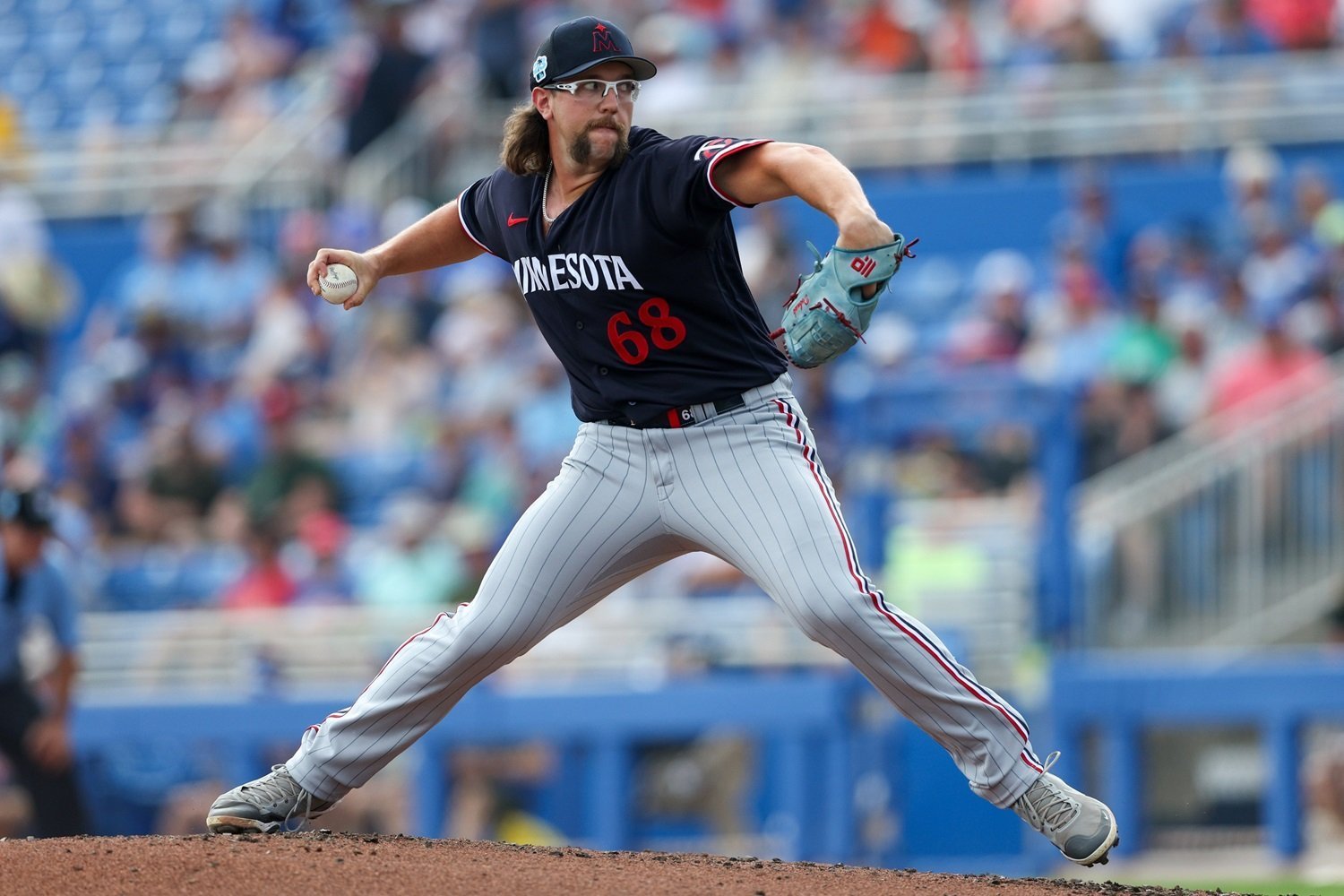 Randy Dobnak's story has been filled with the twists and turns typical of an undrafted free agent, along with his rise to the big leagues that came faster than anyone could have expected. From an Uber-driving minor leaguer to a fan-favorite starting pitcher, his early success with the Twins earned him a surprising five-year, $9.25 million contract extension in 2021. At the time, the Twins saw the deal as a low-risk investment in a pitcher who had carved out a reliable role. Three years later, that contract has become a regret, a reminder of the volatility that comes with early extensions. Dobnak's extension seemed like a safe bet when the ink dried in 2021. After all, he had posted a 3.12 ERA with 1.27 WHIP and a 142 ERA+ over his first two seasons, and his mix of ground-ball-inducing sinkers and a serviceable slider made him a valuable piece at the back end of the rotation. Unfortunately, a mix of injuries and poor performance derailed those plans. The 2021 season saw Dobnak struggle mightily, and his next two years were marred by a stubborn tendon injury in his pitching hand. His ERA ballooned to 7.64 in 2021, and he never fully regained traction with the big-league club. As the contract stretches into its fourth year, the Twins are left holding the bag. Dobnak's deal, which runs through 2025 with a $1 million buyout for 2026, gives the team little financial flexibility. While it's not a bank-breaking figure, it's a frustrating line item for a pitcher who has contributed minimally at the MLB level since early 2021. Still, the structure of the deal has its benefits. The guaranteed money allows the Twins to pass Dobnak through waivers without much concern that another team will claim him because no team is eager to pick up what's left of his contract. Despite his struggles and injury woes, Dobnak has slowly reestablished himself at Triple-A St. Paul. His 2024 season started as a rebuilding effort, focused primarily on regaining command of his offspeed offerings. Dobnak spent time in the Saints’ rotation and bullpen, compiling a 4.25 ERA in 24 appearances with the Saints. In a hitter-friendly league, he limited batters to a .395 SLG and a .739 OPS, 24 points lower than the league average. After years of fighting through injuries and poor performance, it was a step in the right direction. Dobnak made his triumphant return to the big-league level in 2024 after being relegated to the minors since 2021. Since he was stretched out, he pitched multiple innings in three of his five appearances, including being asked to finish three games. One bad appearance against the White Sox (2 ER in 2/3 IP) hurt his overall numbers for the year. However, he ended the year with one earned run allowed, a home run, over his final five innings pitched. For a team needing consistency out of the bullpen, Dobnak’s performance might point to a more significant role in his contract’s final year. What does 2025 hold for Dobnak? It’s still unclear, but his resurgence at Triple-A has opened the door for a potential role with the Twins next season. His days as a full-time starter may be behind him, but there’s always room for a versatile pitcher who can spot-start or provide innings in relief. His ability to eat innings when healthy gives him value on a staff that could use durability, especially with the uncertainties surrounding younger pitchers like Simeon Woods Richardson and David Festa. In a sense, Dobnak has done precisely what the Twins needed him to do by rebuilding value, even if only at a minor-league level. Minnesota might have bigger aspirations in the rotation, with the likes of Pablo López, Bailey Ober, and Joe Ryan headlining the group, but depth is always a concern. The team learned the hard way that pitching injuries can mount quickly. In that context, a healthy Dobnak is a valuable insurance policy, especially since he is already on the payroll. The club can stash him at Triple-A and call him up when needed, without worrying about losing him to another team on waivers. For Dobnak, the road back to the majors has been arduous. His long-term contract, once viewed as a team-friendly steal, now serves as a reminder of the risks tied to early-career extensions. However, the Twins aren’t entirely hamstrung. Dobnak’s recent success at Triple-A suggests he still has something left in the tank, and his contract’s structure provides the team with flexibility. In a best-case scenario, Dobnak can carve out a niche in 2025 as a swingman, a role that perfectly suits his skill set. Worst-case? The Twins are on the hook for what remains of his deal, and they’ll need to look elsewhere for pitching depth. Either way, Dobnak’s journey is far from over, and his ability to adapt could write a new chapter in his unpredictable career. What role will Dobnak fill in 2025? Leave a COMMENT and start the discussion.
-
Randy Dobnak fought his way back to the Twins in 2024. Does he have a role with the club for 2025? Image courtesy of Nathan Ray Seebeck-USA TODAY Sports Randy Dobnak fought his way back to the Twins in 2024. Does he have a role with the club for 2025? Randy Dobnak's story has been filled with the twists and turns typical of an undrafted free agent, along with his rise to the big leagues that came faster than anyone could have expected. From an Uber-driving minor leaguer to a fan-favorite starting pitcher, his early success with the Twins earned him a surprising five-year, $9.25 million contract extension in 2021. At the time, the Twins saw the deal as a low-risk investment in a pitcher who had carved out a reliable role. Three years later, that contract has become a regret, a reminder of the volatility that comes with early extensions. Dobnak's extension seemed like a safe bet when the ink dried in 2021. After all, he had posted a 3.12 ERA with 1.27 WHIP and a 142 ERA+ over his first two seasons, and his mix of ground-ball-inducing sinkers and a serviceable slider made him a valuable piece at the back end of the rotation. Unfortunately, a mix of injuries and poor performance derailed those plans. The 2021 season saw Dobnak struggle mightily, and his next two years were marred by a stubborn tendon injury in his pitching hand. His ERA ballooned to 7.64 in 2021, and he never fully regained traction with the big-league club. As the contract stretches into its fourth year, the Twins are left holding the bag. Dobnak's deal, which runs through 2025 with a $1 million buyout for 2026, gives the team little financial flexibility. While it's not a bank-breaking figure, it's a frustrating line item for a pitcher who has contributed minimally at the MLB level since early 2021. Still, the structure of the deal has its benefits. The guaranteed money allows the Twins to pass Dobnak through waivers without much concern that another team will claim him because no team is eager to pick up what's left of his contract. Despite his struggles and injury woes, Dobnak has slowly reestablished himself at Triple-A St. Paul. His 2024 season started as a rebuilding effort, focused primarily on regaining command of his offspeed offerings. Dobnak spent time in the Saints’ rotation and bullpen, compiling a 4.25 ERA in 24 appearances with the Saints. In a hitter-friendly league, he limited batters to a .395 SLG and a .739 OPS, 24 points lower than the league average. After years of fighting through injuries and poor performance, it was a step in the right direction. Dobnak made his triumphant return to the big-league level in 2024 after being relegated to the minors since 2021. Since he was stretched out, he pitched multiple innings in three of his five appearances, including being asked to finish three games. One bad appearance against the White Sox (2 ER in 2/3 IP) hurt his overall numbers for the year. However, he ended the year with one earned run allowed, a home run, over his final five innings pitched. For a team needing consistency out of the bullpen, Dobnak’s performance might point to a more significant role in his contract’s final year. What does 2025 hold for Dobnak? It’s still unclear, but his resurgence at Triple-A has opened the door for a potential role with the Twins next season. His days as a full-time starter may be behind him, but there’s always room for a versatile pitcher who can spot-start or provide innings in relief. His ability to eat innings when healthy gives him value on a staff that could use durability, especially with the uncertainties surrounding younger pitchers like Simeon Woods Richardson and David Festa. In a sense, Dobnak has done precisely what the Twins needed him to do by rebuilding value, even if only at a minor-league level. Minnesota might have bigger aspirations in the rotation, with the likes of Pablo López, Bailey Ober, and Joe Ryan headlining the group, but depth is always a concern. The team learned the hard way that pitching injuries can mount quickly. In that context, a healthy Dobnak is a valuable insurance policy, especially since he is already on the payroll. The club can stash him at Triple-A and call him up when needed, without worrying about losing him to another team on waivers. For Dobnak, the road back to the majors has been arduous. His long-term contract, once viewed as a team-friendly steal, now serves as a reminder of the risks tied to early-career extensions. However, the Twins aren’t entirely hamstrung. Dobnak’s recent success at Triple-A suggests he still has something left in the tank, and his contract’s structure provides the team with flexibility. In a best-case scenario, Dobnak can carve out a niche in 2025 as a swingman, a role that perfectly suits his skill set. Worst-case? The Twins are on the hook for what remains of his deal, and they’ll need to look elsewhere for pitching depth. Either way, Dobnak’s journey is far from over, and his ability to adapt could write a new chapter in his unpredictable career. What role will Dobnak fill in 2025? Leave a COMMENT and start the discussion. View full article
-
3 Reasons Why the Twins Are a More Attractive Buy Than the White Sox
Cody Christie posted an article in Twins
 With the 2024 MLB season in the rearview mirror, two iconic AL Central franchises find themselves at a crossroads. Both the Minnesota Twins and Chicago White Sox are at least exploring the possibility of a sale, which would be the first such change in at least 40 years for each club. For potential buyers, these teams offer the allure of owning a big-league team with a storied history. However, if the question is which team is more attractive or valuable, the Twins clearly have the upper hand over their division rivals. From a better big-league roster to a top-tier farm system and a world-class ballpark, the Twins are positioned to offer a significantly more promising investment. 1. A Superior Major League Roster The Twins finished the 2024 season on a disappointing note, but even in a down year, their roster is much closer to contention than the White Sox's. The Twins boast a strong core of established veterans and emerging stars. Players like Carlos Correa and Byron Buxton have proven they can be elite, when healthy. Meanwhile, Pablo López, Bailey Ober, and Joe Ryan are three of the AL’s top starting pitchers. Jhoan Durán and Griffin Jax are two of the best late-inning relievers in the league, giving the Twins top-end talent at critical positions. Contrast this with the White Sox, a team in a tailspin since their ill-fated rebuild began to unravel, including a record-breaking 121 losses last season. While Chicago still features big names like Luis Robert Jr., the roster lacks depth, cohesion, and a sense of direction. There's also no clear core, with key players like Yoán Moncada struggling to meet expectations. Chicago's front office has consistently failed to develop talent or make shrewd acquisitions to bolster their lineup, which means a potential buyer is looking at a longer and more expensive rebuild. 2. Farm System: A Clear Edge for Minnesota The Twins have one of baseball’s best farm systems and are far ahead of the White Sox. Minnesota's minor-league pipeline offers a range of exciting prospects, led by names like Walker Jenkins, Emmanuel Rodriguez, and David Festa. The Twins have consistently churned out solid contributors from their farm system, as evidenced by the recent success of players like Royce Lewis and Matt Wallner. Even with the likely departure of some veterans, these young players provide optimism that the team can quickly reload. The White Sox, on the other hand, are in a much more precarious position. Their farm system ranks near the middle of the league, a byproduct of poor drafting and development and failed trades. While prospects like Colson Montgomery and Noah Schultz provide some glimmers of hope, the depth isn’t there. A buyer taking over the White Sox would have to invest heavily in rebuilding the player development pipeline, something the Twins have already done successfully. Minnesota's scouting and development systems have proven adaptable, even as MLB trends evolve. The ability to identify international talent (think Emmanuel Rodriguez) and develop high-upside draft picks has made their farm system more reliable, setting them up for sustained success. In contrast, Chicago’s system remains the poster child of inconsistent player development. 3. Target Field vs. Guaranteed Rate Field Perhaps the most visible reason the Twins are a more attractive buy than the White Sox is the ballpark experience. Target Field, nestled in downtown Minneapolis, is regarded as one of the finest stadiums in Major League Baseball. Since its opening in 2010, it has received accolades for its fan-friendly design, sightlines, and incorporation of local culture and aesthetics. It's a ballpark that continues to be updated, even when the team isn’t contending, offering a lively atmosphere with excellent amenities. On the South Side of Chicago, Guaranteed Rate Field has undergone several renovations, but feels somewhat outdated. In an era that has seen new parks push toward extremes of either suburban comfort and sprawl or urban integration, the park has the uneasy in-between feeling of being in the city, but not downtown, and the team hasn't invested in real estate or infrastructure around it to maximize the welcoming atmosphere or profitability of the place. When prospective buyers look at these two franchises, they’ll recognize that Target Field provides a superior fan experience, which can help bring fans to the ballpark when the team is in contention. The Twins’ ownership has invested in making the ballpark an essential part of the team's identity, while the White Sox have begun a concerted effort to replace their park--which will come at phenomenal expense, to both the team and its community. Teams rarely come onto the market, so both of these will garner interest. But the Twins clearly offer a better immediate return on investment. They have a stronger major-league roster that can compete in 2025 and beyond; a deeper farm system that provides a sustainable future; and one of the most beloved ballparks in the game. While the White Sox may be a bigger market team, the challenges facing their roster and organization mean a much longer path back to relevance and a much bigger secondary spend after purchasing the team. In contrast, a well-managed Twins team could quickly return to playoff contention, and staying there would not be as costly as getting there would be for Chicago. For buyers who want both a profitable investment and a team with a clear road to success, Minnesota is the better option, hands down. The only reason a buyer might prefer the White Sox is the potential to uproot and move the franchise elsewhere. Do you think the Twins are more attractive to potential buyers? Leave a comment and start the discussion.
-
Max Kepler is headed to free agency, taking with him strong defense in right field. With his imminent departure, are the Twins headed for a defensive decline? Image courtesy of © Wendell Cruz-USA TODAY Sports Max Kepler is headed to free agency, taking with him strong defense in right field. With his imminent departure, are the Twins headed for a defensive decline? As the Minnesota Twins enter the 2025 season, one of the team's most significant offseason questions centers on replacing Max Kepler. His departure in free agency will create an undeniable void, especially on the defensive side. The Twins' outfield has been a defensive stronghold for several seasons, with Kepler patrolling right field as one of the league's premier defenders. His absence will likely lead to a noticeable drop-off in defensive performance, as the team looks to shift its corner outfield strategy. Trevor Larnach and Matt Wallner are poised to step into everyday roles in the corners, likely making up for Kepler's departure with their powerful bats. However, defensively, neither player can match the consistency or range that Kepler provided. Wallner has one of baseball’s best outfield arms. However, his Outs Above Average of -3 indicates below-average overall glove work, and that was without playing a full season at the big-league level. Larnach has below-average arm strength (36th percentile), but posted a positive OAA in his 429 defensive innings. He and Wallner each have decent athleticism, but they lack some of the lateral quickness and instincts that made Kepler such a fixture in right field. These flaws were evident in limited 2024 action, where both showed potential but failed to lock down consistent defensive metrics. Kepler's blend of quick reads, range, and excellent positioning allowed him to erase hits. His 2024 defensive metrics were slightly down from his peak, but remained well above average, with 4 OAA. They might make up for it with their bats, but it's hard to imagine Larnach or Wallner matching even the declining Kepler in defensive acumen. While Larnach and Wallner will likely handle the corners most often, the Twins have some versatile options in Austin Martin and Willi Castro. Castro had an All-Star year in 2024, demonstrating his ability to fill multiple roles, including outfield stints. He was worth -3 OAA in center field, but posted average numbers when shifting to left. He brings speed and athleticism, which should help mitigate some defensive shortcomings. Castro’s value comes in his versatility, and he’s better suited to spot duty rather than everyday responsibilities in a corner. Martin’s athleticism also suggests he could provide help, but his 2024 outfield defense was surprisingly subpar. Despite his speed, Martin's routes and reads were inconsistent, leaving him with one of baseball’s worst OAA ratings (-5). In the minor leagues, he was being used regularly as an infielder, so some of his issues might be with the transition to a less familiar position. While there’s potential for him to improve, the Twins will need him to develop quickly if he’s to be counted on as a regular defensive option. Two youngsters who could add more athleticism and defensive value are Emmanuel Rodriguez and DaShawn Keirsey Jr. Rodriguez, one of the organization’s top prospects, possesses the natural instincts and athleticism to be a plus defender. He’s played center field in the minors, so switching to a corner spot would probably turn him into a highly valuable fielder. Keirsey, meanwhile, offers elite speed and defensive prowess that has been on display in the minors, where he's impressed with his range and ability to track down difficult balls. However, both players are more likely to spend the early part of the 2025 season in the minors, leaving the Twins with a gap in defensive talent. Keirsey, in particular, could be an early-season addition if the defensive struggles of Larnach or Wallner become too glaring to ignore, but he would represent an offensive liability the team might not be willing to stomach. Rodriguez will likely spend most of the season at Triple A, before he proves he’s ready for a call-up. Larnach and Wallner provided ample reason for hope with their bats this year, but without Kepler, the defensive outlook is a concern. As the Twins shift to more offensively focused options, the team will likely need to mix and match throughout the season, relying on players like Castro and Martin to fill in defensively. Improving upon their defensive fallback options might be a worthwhile priority this winter. Unless one of the younger prospects like Rodriguez or Keirsey emerges faster than expected, the Twins will enter 2025 with a clear drop in defensive efficiency in the corners. It’s a risk the front office is willing to take to prioritize offense, but the potential for late-game defensive substitutions or midseason call-ups could limit the team's ability to close out games. In a season where the margin for error will be thin, the Twins’ outfield defense may ultimately dictate how far they can go. How much will Kepler’s departure impact the team’s defense? Leave a comment and start the discussion. View full article
- 32 replies
-
- 1
-
-
- max kepler
- trevor larnach
- (and 5 more)
-
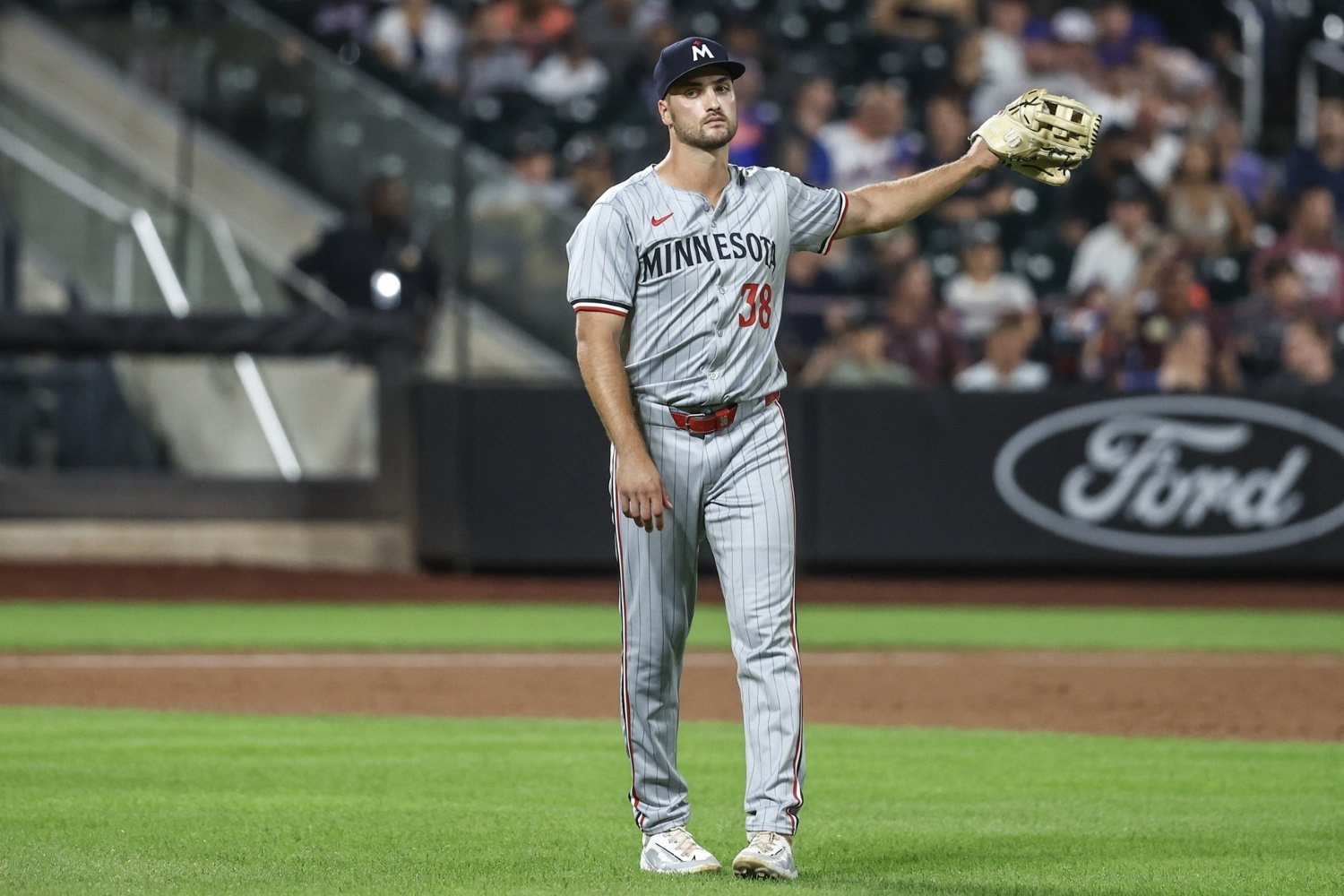 As the Minnesota Twins enter the 2025 season, one of the team's most significant offseason questions centers on replacing Max Kepler. His departure in free agency will create an undeniable void, especially on the defensive side. The Twins' outfield has been a defensive stronghold for several seasons, with Kepler patrolling right field as one of the league's premier defenders. His absence will likely lead to a noticeable drop-off in defensive performance, as the team looks to shift its corner outfield strategy. Trevor Larnach and Matt Wallner are poised to step into everyday roles in the corners, likely making up for Kepler's departure with their powerful bats. However, defensively, neither player can match the consistency or range that Kepler provided. Wallner has one of baseball’s best outfield arms. However, his Outs Above Average of -3 indicates below-average overall glove work, and that was without playing a full season at the big-league level. Larnach has below-average arm strength (36th percentile), but posted a positive OAA in his 429 defensive innings. He and Wallner each have decent athleticism, but they lack some of the lateral quickness and instincts that made Kepler such a fixture in right field. These flaws were evident in limited 2024 action, where both showed potential but failed to lock down consistent defensive metrics. Kepler's blend of quick reads, range, and excellent positioning allowed him to erase hits. His 2024 defensive metrics were slightly down from his peak, but remained well above average, with 4 OAA. They might make up for it with their bats, but it's hard to imagine Larnach or Wallner matching even the declining Kepler in defensive acumen. While Larnach and Wallner will likely handle the corners most often, the Twins have some versatile options in Austin Martin and Willi Castro. Castro had an All-Star year in 2024, demonstrating his ability to fill multiple roles, including outfield stints. He was worth -3 OAA in center field, but posted average numbers when shifting to left. He brings speed and athleticism, which should help mitigate some defensive shortcomings. Castro’s value comes in his versatility, and he’s better suited to spot duty rather than everyday responsibilities in a corner. Martin’s athleticism also suggests he could provide help, but his 2024 outfield defense was surprisingly subpar. Despite his speed, Martin's routes and reads were inconsistent, leaving him with one of baseball’s worst OAA ratings (-5). In the minor leagues, he was being used regularly as an infielder, so some of his issues might be with the transition to a less familiar position. While there’s potential for him to improve, the Twins will need him to develop quickly if he’s to be counted on as a regular defensive option. Two youngsters who could add more athleticism and defensive value are Emmanuel Rodriguez and DaShawn Keirsey Jr. Rodriguez, one of the organization’s top prospects, possesses the natural instincts and athleticism to be a plus defender. He’s played center field in the minors, so switching to a corner spot would probably turn him into a highly valuable fielder. Keirsey, meanwhile, offers elite speed and defensive prowess that has been on display in the minors, where he's impressed with his range and ability to track down difficult balls. However, both players are more likely to spend the early part of the 2025 season in the minors, leaving the Twins with a gap in defensive talent. Keirsey, in particular, could be an early-season addition if the defensive struggles of Larnach or Wallner become too glaring to ignore, but he would represent an offensive liability the team might not be willing to stomach. Rodriguez will likely spend most of the season at Triple A, before he proves he’s ready for a call-up. Larnach and Wallner provided ample reason for hope with their bats this year, but without Kepler, the defensive outlook is a concern. As the Twins shift to more offensively focused options, the team will likely need to mix and match throughout the season, relying on players like Castro and Martin to fill in defensively. Improving upon their defensive fallback options might be a worthwhile priority this winter. Unless one of the younger prospects like Rodriguez or Keirsey emerges faster than expected, the Twins will enter 2025 with a clear drop in defensive efficiency in the corners. It’s a risk the front office is willing to take to prioritize offense, but the potential for late-game defensive substitutions or midseason call-ups could limit the team's ability to close out games. In a season where the margin for error will be thin, the Twins’ outfield defense may ultimately dictate how far they can go. How much will Kepler’s departure impact the team’s defense? Leave a comment and start the discussion.
- 32 comments
-
- 3
-
-
- max kepler
- trevor larnach
- (and 5 more)
-
Two AL Central rivals, the Twins and White Sox, are exploring changes in ownership. Here’s why the Twins are a more attractive buy than their counterparts from the South Side of Chicago. Image courtesy of Flickr/Jen Gallardo Two AL Central rivals, the Twins and White Sox, are exploring changes in ownership. Here’s why the Twins are a more attractive buy than their counterparts from the South Side of Chicago. With the 2024 MLB season in the rearview mirror, two iconic AL Central franchises find themselves at a crossroads. Both the Minnesota Twins and Chicago White Sox are at least exploring the possibility of a sale, which would be the first such change in at least 40 years for each club. For potential buyers, these teams offer the allure of owning a big-league team with a storied history. However, if the question is which team is more attractive or valuable, the Twins clearly have the upper hand over their division rivals. From a better big-league roster to a top-tier farm system and a world-class ballpark, the Twins are positioned to offer a significantly more promising investment. 1. A Superior Major League Roster The Twins finished the 2024 season on a disappointing note, but even in a down year, their roster is much closer to contention than the White Sox's. The Twins boast a strong core of established veterans and emerging stars. Players like Carlos Correa and Byron Buxton have proven they can be elite, when healthy. Meanwhile, Pablo López, Bailey Ober, and Joe Ryan are three of the AL’s top starting pitchers. Jhoan Durán and Griffin Jax are two of the best late-inning relievers in the league, giving the Twins top-end talent at critical positions. Contrast this with the White Sox, a team in a tailspin since their ill-fated rebuild began to unravel, including a record-breaking 121 losses last season. While Chicago still features big names like Luis Robert Jr., the roster lacks depth, cohesion, and a sense of direction. There's also no clear core, with key players like Yoán Moncada struggling to meet expectations. Chicago's front office has consistently failed to develop talent or make shrewd acquisitions to bolster their lineup, which means a potential buyer is looking at a longer and more expensive rebuild. 2. Farm System: A Clear Edge for Minnesota The Twins have one of baseball’s best farm systems and are far ahead of the White Sox. Minnesota's minor-league pipeline offers a range of exciting prospects, led by names like Walker Jenkins, Emmanuel Rodriguez, and David Festa. The Twins have consistently churned out solid contributors from their farm system, as evidenced by the recent success of players like Royce Lewis and Matt Wallner. Even with the likely departure of some veterans, these young players provide optimism that the team can quickly reload. The White Sox, on the other hand, are in a much more precarious position. Their farm system ranks near the middle of the league, a byproduct of poor drafting and development and failed trades. While prospects like Colson Montgomery and Noah Schultz provide some glimmers of hope, the depth isn’t there. A buyer taking over the White Sox would have to invest heavily in rebuilding the player development pipeline, something the Twins have already done successfully. Minnesota's scouting and development systems have proven adaptable, even as MLB trends evolve. The ability to identify international talent (think Emmanuel Rodriguez) and develop high-upside draft picks has made their farm system more reliable, setting them up for sustained success. In contrast, Chicago’s system remains the poster child of inconsistent player development. 3. Target Field vs. Guaranteed Rate Field Perhaps the most visible reason the Twins are a more attractive buy than the White Sox is the ballpark experience. Target Field, nestled in downtown Minneapolis, is regarded as one of the finest stadiums in Major League Baseball. Since its opening in 2010, it has received accolades for its fan-friendly design, sightlines, and incorporation of local culture and aesthetics. It's a ballpark that continues to be updated, even when the team isn’t contending, offering a lively atmosphere with excellent amenities. On the South Side of Chicago, Guaranteed Rate Field has undergone several renovations, but feels somewhat outdated. In an era that has seen new parks push toward extremes of either suburban comfort and sprawl or urban integration, the park has the uneasy in-between feeling of being in the city, but not downtown, and the team hasn't invested in real estate or infrastructure around it to maximize the welcoming atmosphere or profitability of the place. When prospective buyers look at these two franchises, they’ll recognize that Target Field provides a superior fan experience, which can help bring fans to the ballpark when the team is in contention. The Twins’ ownership has invested in making the ballpark an essential part of the team's identity, while the White Sox have begun a concerted effort to replace their park--which will come at phenomenal expense, to both the team and its community. Teams rarely come onto the market, so both of these will garner interest. But the Twins clearly offer a better immediate return on investment. They have a stronger major-league roster that can compete in 2025 and beyond; a deeper farm system that provides a sustainable future; and one of the most beloved ballparks in the game. While the White Sox may be a bigger market team, the challenges facing their roster and organization mean a much longer path back to relevance and a much bigger secondary spend after purchasing the team. In contrast, a well-managed Twins team could quickly return to playoff contention, and staying there would not be as costly as getting there would be for Chicago. For buyers who want both a profitable investment and a team with a clear road to success, Minnesota is the better option, hands down. The only reason a buyer might prefer the White Sox is the potential to uproot and move the franchise elsewhere. Do you think the Twins are more attractive to potential buyers? Leave a comment and start the discussion. View full article
-
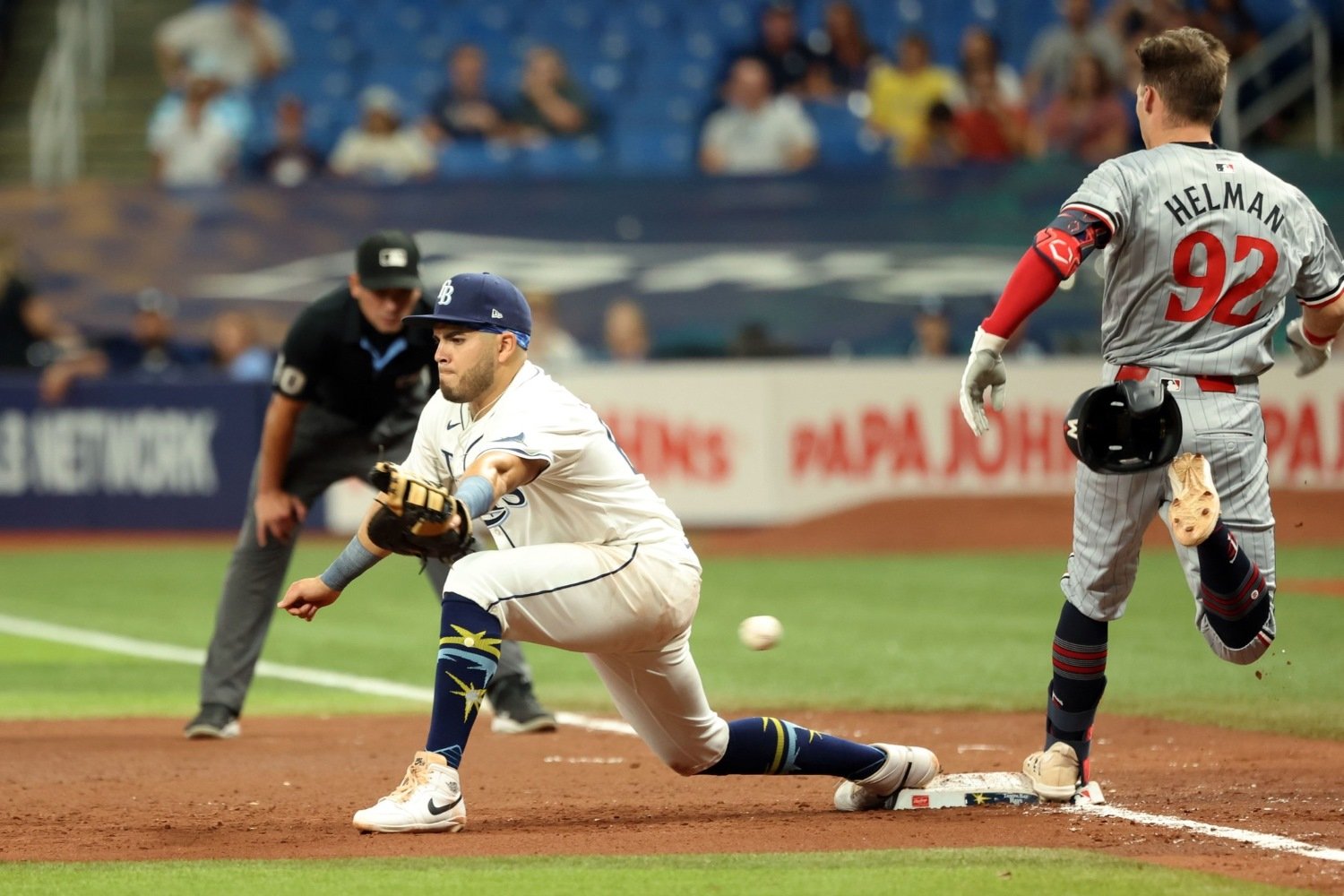 Kyle Farmer entered the 2024 season as a valuable utility infielder for the Minnesota Twins, coming off a solid 2023 campaign. The veteran's versatility made him an essential piece of the roster, capable of filling in at shortstop, second base, and third. However, this past season was far from smooth for Farmer, leaving the door open for Michael Helman to take on the role in 2025. It’s a move that could improve the team on the field and provide relief from a payroll perspective. Farmer’s struggles in 2024 were hard to ignore. A career utility player who had previously been consistent, his production declined sharply at the plate and in the field this season. In 107 games, he hit .214/.293/.353 with 19 extra-base hits and an 82 OPS+, his lowest total since 2020. In 2023, Farmer logged over 275 innings at shortstop, but the Twins shrunk that total to 52 1/3 innings this season. Most of his defensive time came at second base (363 2/3 innings), a position where the Twins can find a replacement. It became clear that Farmer wasn’t giving the team the offensive spark or defensive reliability that made him a valuable asset in 2023. Additionally, the defensive metrics weren’t kind to Farmer in 2024. His range and reaction time at shortstop and third base noticeably regressed, costing the team crucial outs. In 2023, he posted -5 Defensive Runs Saved at shortstop, and he was worth -2 DRS in one-fifth as many innings last season. He was also worth -2 DRS at second base, the first time he had posted a negative total at that position. While his veteran presence and leadership in the clubhouse have never been questioned, his on-field performance led to reduced playing time, and he no longer seemed like the ideal fit for the utility role. Michael Helman, a 28-year-old utility player, could be exactly what the Twins need as they look to shake up their roster in 2025. Helman has quietly been building a case for more playing time, and his performance in Triple-A St. Paul in 2024 didn’t go unnoticed. He slashed .271/.350/.487, showing an ability to make consistent contact with occasional pop. Though not a flashy power hitter, Helman’s value comes from his versatility, a trait that the Twins have always valued in their bench players. Helman’s defensive abilities are also intriguing. He has experience playing all over the diamond, including second base, third base, shortstop, and even the outfield. His range and glove work have earned him praise from scouts, and he would likely represent an upgrade over Farmer’s declining defensive skills. He has solid speed and stole 40 bases during the 2022 season. Helman brings an element of athleticism missing from the backup infield role. The Twins are entering the 2025 season under a cloud of payroll constraints, with the current ownership staying close to last year’s budget. That likely means that the Twins will have to make cuts around the margins and veteran depth will be pushed to the side. This makes Helman even more appealing to the organization. Farmer made around $6 million last season, on a deal signed to cover his final year of arbitration eligibility. Based on his 2024 performance, he could likely be signed for a cheaper deal this winter, but the Twins lack wiggle room in the payroll. In contrast, Helman is still under a rookie-level contract, meaning he would earn the league minimum, allowing the team to allocate funds elsewhere. There’s no denying that Farmer has been a valuable player during his tenure with the Twins, but his 2024 performance suggests it may be time for a change. Helman offers a fresh, younger option with versatility, better defense, and offensive upside at a much lower cost. With the Twins facing tough financial decisions, Helman’s emergence as a capable utility player could be the perfect fit. Expect to see him get a shot at a prominent role next season, as the Twins navigate their payroll crunch and build a roster ready to contend in 2025. Will Helman fill a utility role for the Twins next season? Leave a comment and start the discussion.