Cody Christie
-
Posts
7,820 -
Joined
-
Last visited
-
Days Won
5
Content Type
Profiles
News
Minnesota Twins Videos
2026 Minnesota Twins Top Prospects Ranking
2022 Minnesota Twins Draft Picks
Minnesota Twins Free Agent & Trade Rumors, Notes, & Tidbits
Guides & Resources
2023 Minnesota Twins Draft Picks
The Minnesota Twins Players Project
2024 Minnesota Twins Draft Picks
2025 Minnesota Twins Draft Pick Tracker
2026 Minnesota Twins Draft Tracker: Picks & Bonuses
Forums
Blogs
Events
Store
Downloads
Gallery
Everything posted by Cody Christie
-
 Griffin Jax was arguably the team’s most valuable pitcher during the 2024 season, even though he pitched fewer than 75 innings. Could the Twins consider moving him and his starter’s pitch mix back to the rotation? Image courtesy of Jerome Miron-USA TODAY Sports Griffin Jax was arguably the team’s most valuable pitcher during the 2024 season, even though he pitched fewer than 75 innings. Could the Twins consider moving him and his starter’s pitch mix back to the rotation? Griffin Jax has found a niche in the Twins' bullpen, but could the team consider giving him another shot as a starter? His journey to becoming one of the league’s best relievers has been full of ups and downs. After initially being developed as a starter, Jax transitioned to the bullpen in 2022 and saw immediate success. However, with questions surrounding the pitching depth and Jax’s starting experience, it's fair to wonder if a move back to the rotation might be in the cards. Jax made 14 starts during his rookie season in 2021, but his struggles were evident. His 6.37 ERA and elevated home run rate left much to be desired, and the Twins pivoted him to the bullpen the following year. Since that transition, he’s been one of Minnesota’s most reliable relievers, particularly in high-leverage situations, where his fastball-sweeper combination has played well against opposing hitters. But what would it mean for the Twins if they decided to stretch him back out as a starter? First, we must consider the rotation landscape. Minnesota has several young arms who could factor into next year’s starting rotation, including David Festa, Simeon Woods Richardson, and Zebby Matthews. Joe Ryan, Bailey Ober, and Pablo López are locks for rotation spots, but injury concerns and development needs for the younger arms leave some room for creative thinking. With his starting experience and success as a reliever, Jax could offer the Twins a flexible option as a spot starter or even a multi-inning arm. But this move would come with risks. One of the primary concerns is what losing Jax from the bullpen would mean. The Twins’ relief corps has leaned heavily on Jax, especially in high-leverage situations. His ability to get key outs in the late innings has been critical, particularly when closer Jhoan Durán has needed a break. If Jax moves to the rotation, the bullpen would be left with a significant hole. That’s where comparisons to Reynaldo López and Garrett Crochet become relevant. Both López and Crochet have bounced between the bullpen and rotation, with varying degrees of success. In 2024, the Braves moved López into a starting role after he'd spent three seasons as a reliever with the White Sox. He flourished with a 1.99 ERA and a 1.11 WHIP, including being selected to his first All-Star Game. Crochet was among the few bright spots on a terrible White Sox roster. In 32 starts, he posted a 3.58 ERA with a 1.07 WHIP and an astronomical 35.1% strikeout rate. The key for both pitchers has been finding a balance between the roles without overextending their arms. If Jax were to make the switch back to starting, the Twins would need to ensure they don’t lose his effectiveness. There’s a reason he’s thrived in relief, and pushing him into a more extended role could risk undoing the progress he’s made. However, with a growing trend of utilizing relievers in expanded roles, Jax could offer flexibility and upside by pitching more. Ultimately, while giving Jax another shot at starting is an intriguing idea, the Twins must carefully weigh the impact on both the rotation and bullpen. His contributions in high-leverage spots may be too valuable to sacrifice--unless new needs emerge in the rotation. Will the Twins move Jax back to the rotation? Should they? Leave a comment and start the discussion, and check out the 2024-25 Twins Daily Offseason Handbook, exclusively for Caretakers, for more on this topic. The Handbook will be released on the site after the end of the World Series. View full article
 -
Carlos Santana was the Twins’ biggest free agent signing leading into last season. First base might provide the front office with an opportunity to go in a new direction for 2025. Image courtesy of Jeff Curry-USA TODAY Sports Carlos Santana was the Twins’ biggest free agent signing leading into last season. First base might provide the front office with an opportunity to go in a new direction for 2025. As the dust settles on a lackluster 2024 season, the Minnesota Twins face a critical decision at first base. For a team aiming to contend in 2025, first base was a glaring weak spot in the lineup, and while Carlos Santana brought some stability defensively, his bat didn’t keep pace with the team’s offensive needs. Enter Paul Goldschmidt — a potential free agent target who could be a game-changer for the Twins as they seek to bounce back. When the Twins signed Santana ahead of the 2024 season, they were betting on a veteran presence to anchor the defense and bring some consistency to the lineup. Defensively, Santana more than lived up to his billing. At 38 years old, Santana was solid as a rock at first base. His ability to scoop up errant throws, command the infield, and provide Gold Glove-level defense gave the Twins much-needed confidence in their infield alignment. Santana’s experience was particularly valuable given the youth movement elsewhere, with players like Royce Lewis and Brooks Lee still developing their defensive chops. However, Santana’s struggles at the plate quickly became impossible to ignore. The Twins knew they weren’t getting the same player who hit 30+ home runs in his prime, but Santana’s .238/.328/.420 (.748) slash line fell far below what the team needed from a run-producing position. He managed 23 home runs, and though his walk rate remained solid, he often found himself unable to square up pitches he would have punished earlier in his career. A team built on power and patience at the plate couldn’t afford to have such a steep drop-off in production from its first baseman. Paul Goldschmidt is a name that should be at the top of the Twins’ offseason wish list. The 2022 National League MVP is likely to test free agency, and the Twins could be one of the teams looking to make a serious push for his services. Offensively, although Goldschmidt is coming off a down year (which might help put him in Minnesota's realistic price range), his track record puts Santana's to shame. Goldy has a 139 career OPS+ and was at 120 or higher in four straight seasons prior to 2024. Santana, conversely, has a 114 OPS+ in his career and hasn't finished above 109 since 2019. While Goldschmidt's production this past year was disappointing, and concerning in light of his age, he posted solid contact metrics per Statcast and ended the year on a high note. Goldschmidt is more than just a bat. He has elite defensive skills, which would continue the defensive excellence the Twins had with Santana while giving the offense the boost it so desperately needs. During his career, he has five seasons with 3 OAA or more at first base. During his illustrious career, he’s also won four Gold Gloves and five Silver Sluggers. Adding Goldschmidt to the middle of the Twins’ lineup could provide a veteran presence that the team missed in 2024, especially during their historic collapse. Of course, landing a player with Goldschmidt’s resume will be challenging. He’s coming off a down year with the Cardinals, so that might limit his interest. But if the Twins want to move past their disappointing 2024 campaign and return to the postseason, first base is one of the first places to start. Goldschmidt represents the type of upgrade that could help the Twins turn a corner and provide a veteran leader to guide their younger stars. As the offseason begins, the Twins’ front office must carefully evaluate their options at first base. While Santana’s defense was a welcome addition in 2024, his offensive decline made it clear that the team can’t afford to run it back with the same plan. First base is a position built for power, and the Twins need to upgrade if they hope to compete in 2025. Minnesota has rotated through subpar options at first base for multiple seasons, and it’s time for that trend to end. Alex Kirilloff and Donovan Solano filled the role in recent seasons, but they have been more role players than providing a roster-changing presence. Goldschmidt can potentially elevate the Twins’ lineup and stabilize the team offensively and defensively. Should the Twins target Goldschmidt? Are there other first-base options on the team’s free-agent list? Leave a COMMENT and start the discussion. View full article
-
Does This Future Hall of Famer Fit Into Minnesota’s First Base Plans?
Cody Christie posted an article in Twins
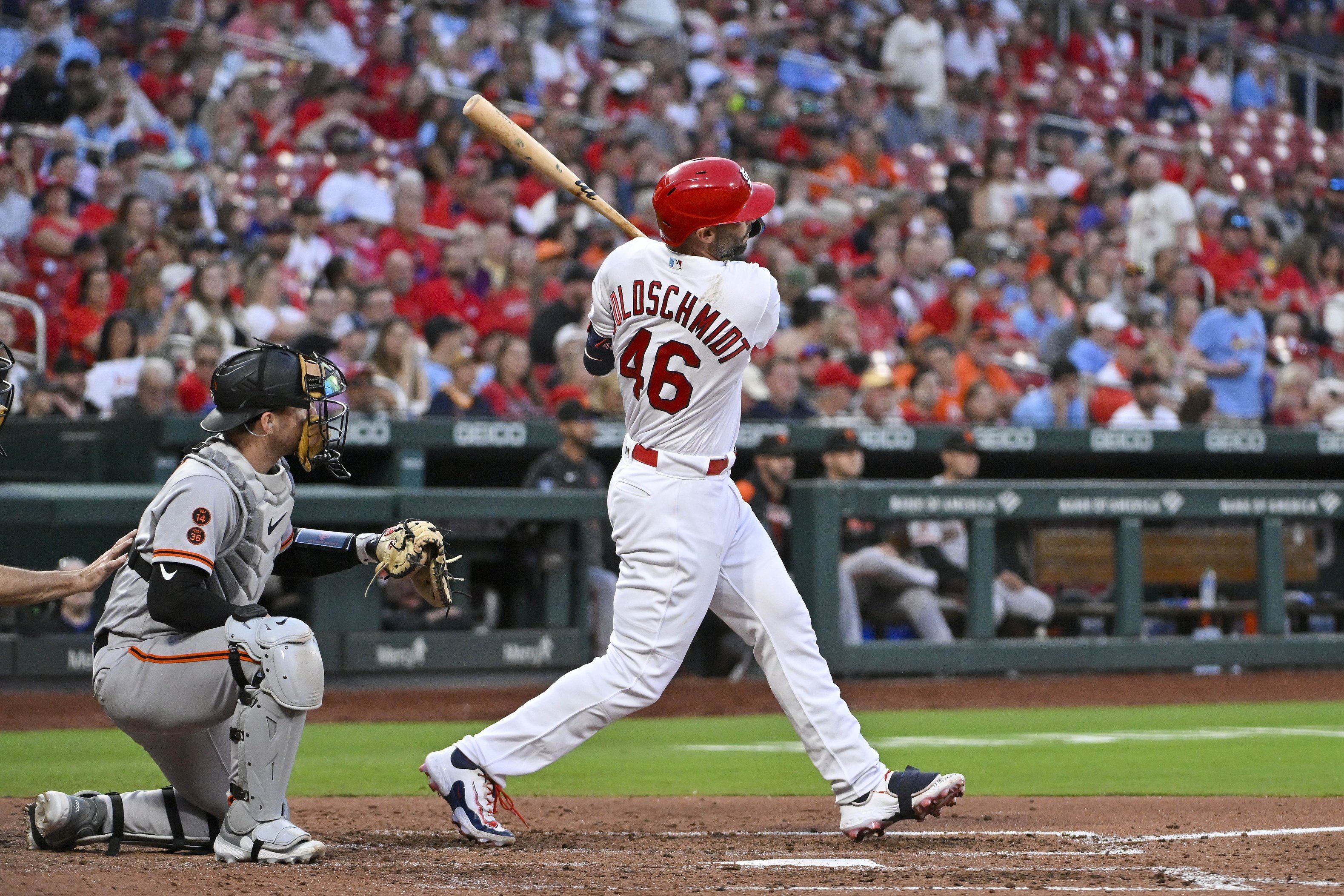 As the dust settles on a lackluster 2024 season, the Minnesota Twins face a critical decision at first base. For a team aiming to contend in 2025, first base was a glaring weak spot in the lineup, and while Carlos Santana brought some stability defensively, his bat didn’t keep pace with the team’s offensive needs. Enter Paul Goldschmidt — a potential free agent target who could be a game-changer for the Twins as they seek to bounce back. When the Twins signed Santana ahead of the 2024 season, they were betting on a veteran presence to anchor the defense and bring some consistency to the lineup. Defensively, Santana more than lived up to his billing. At 38 years old, Santana was solid as a rock at first base. His ability to scoop up errant throws, command the infield, and provide Gold Glove-level defense gave the Twins much-needed confidence in their infield alignment. Santana’s experience was particularly valuable given the youth movement elsewhere, with players like Royce Lewis and Brooks Lee still developing their defensive chops. However, Santana’s struggles at the plate quickly became impossible to ignore. The Twins knew they weren’t getting the same player who hit 30+ home runs in his prime, but Santana’s .238/.328/.420 (.748) slash line fell far below what the team needed from a run-producing position. He managed 23 home runs, and though his walk rate remained solid, he often found himself unable to square up pitches he would have punished earlier in his career. A team built on power and patience at the plate couldn’t afford to have such a steep drop-off in production from its first baseman. Paul Goldschmidt is a name that should be at the top of the Twins’ offseason wish list. The 2022 National League MVP is likely to test free agency, and the Twins could be one of the teams looking to make a serious push for his services. Offensively, although Goldschmidt is coming off a down year (which might help put him in Minnesota's realistic price range), his track record puts Santana's to shame. Goldy has a 139 career OPS+ and was at 120 or higher in four straight seasons prior to 2024. Santana, conversely, has a 114 OPS+ in his career and hasn't finished above 109 since 2019. While Goldschmidt's production this past year was disappointing, and concerning in light of his age, he posted solid contact metrics per Statcast and ended the year on a high note. Goldschmidt is more than just a bat. He has elite defensive skills, which would continue the defensive excellence the Twins had with Santana while giving the offense the boost it so desperately needs. During his career, he has five seasons with 3 OAA or more at first base. During his illustrious career, he’s also won four Gold Gloves and five Silver Sluggers. Adding Goldschmidt to the middle of the Twins’ lineup could provide a veteran presence that the team missed in 2024, especially during their historic collapse. Of course, landing a player with Goldschmidt’s resume will be challenging. He’s coming off a down year with the Cardinals, so that might limit his interest. But if the Twins want to move past their disappointing 2024 campaign and return to the postseason, first base is one of the first places to start. Goldschmidt represents the type of upgrade that could help the Twins turn a corner and provide a veteran leader to guide their younger stars. As the offseason begins, the Twins’ front office must carefully evaluate their options at first base. While Santana’s defense was a welcome addition in 2024, his offensive decline made it clear that the team can’t afford to run it back with the same plan. First base is a position built for power, and the Twins need to upgrade if they hope to compete in 2025. Minnesota has rotated through subpar options at first base for multiple seasons, and it’s time for that trend to end. Alex Kirilloff and Donovan Solano filled the role in recent seasons, but they have been more role players than providing a roster-changing presence. Goldschmidt can potentially elevate the Twins’ lineup and stabilize the team offensively and defensively. Should the Twins target Goldschmidt? Are there other first-base options on the team’s free-agent list? Leave a COMMENT and start the discussion.
 -
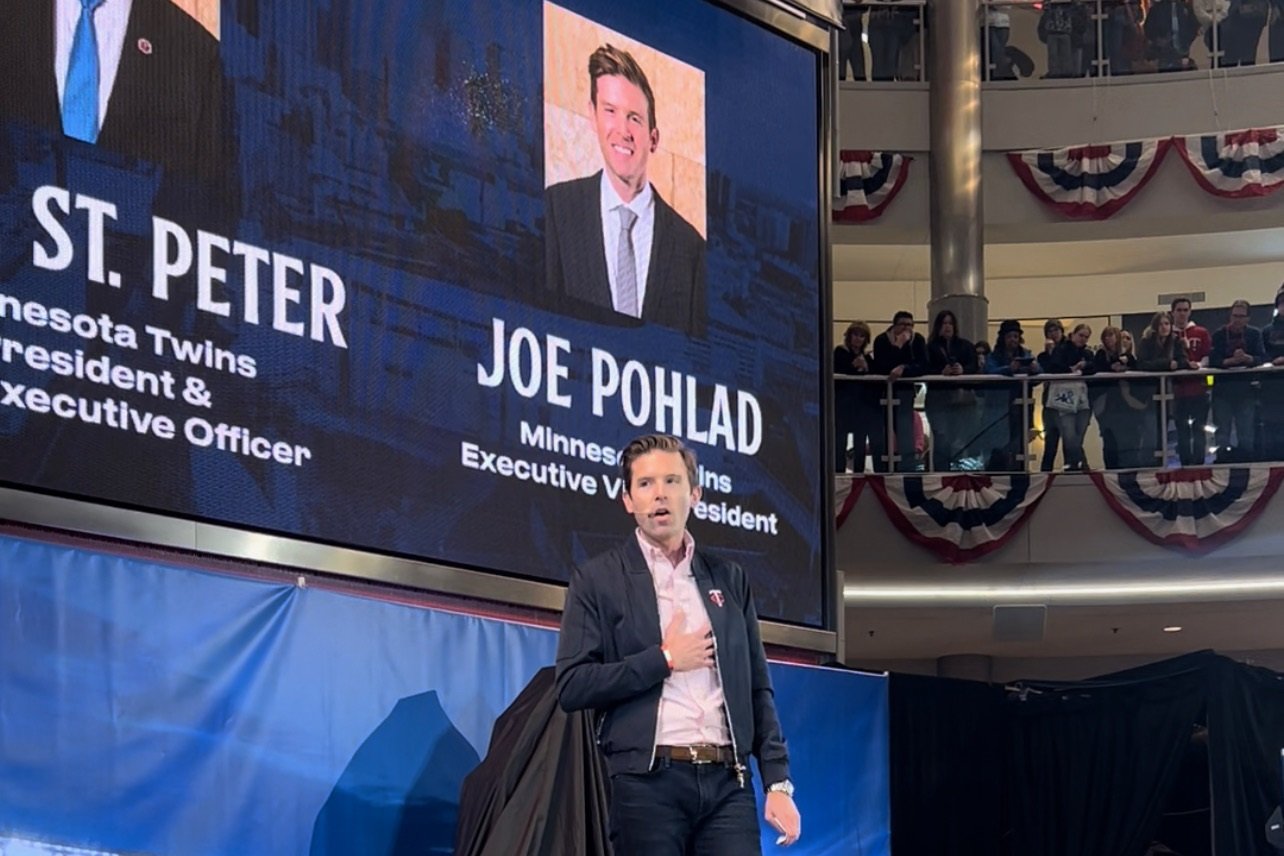 The Pohlad family’s tenure as the owners of the Minnesota Twins has spanned four decades, during which the team has experienced both very high highs and very low lows. Earlier this week, the Twins and the Pohlads announced that the team is exploring selling the team. While criticism is often levied against ownership for a lack of competitive spending, significant positives exist under the Pohlads' stewardship. Let’s examine five key contributions, highlighting how the family has shaped the franchise and the community. 1. Building Target Field Perhaps the most enduring legacy of the Pohlad family is the construction of Target Field. Opening in 2010, the state-of-the-art ballpark was a game-changer for the Twins. Before its development, the Twins had spent nearly three decades in the Metrodome, a multi-purpose stadium that lacked the charm and intimacy of a hillside cave true baseball venue. Target Field, which the Pohlads put up over one-third of the construction costs for ($195 million of the final $555 million price tag) stands as one of MLB’s most beautiful ballparks. It was designed to give fans a classic baseball experience, with stunning views of downtown Minneapolis, modern amenities, and a commitment to sustainability, including LEED certification. The Pohlad family has also invested money to continually improve the fan experience at the ballpark. Target Field has become not just a home for the Twins, but a centerpiece of the Minneapolis sports landscape, hosting events from MLB All-Star Game, college football, and outdoor hockey. 2. Community Impact and Philanthropy Beyond the baseball diamond, the Pohlads have made substantial contributions to the Twin Cities community. The Pohlad Family Foundation, established by Carl Pohlad in 1993, has donated millions to initiatives to reduce poverty, support youth education, and provide housing stability. These efforts have had a lasting impact on thousands of local families. In addition, the Twins have been involved in numerous charitable ventures under Pohlad ownership. The "Twins Community Fund" supports local youth baseball and softball programs, ensuring the sport is accessible to kids throughout the region. Earlier this week, the Twins were named one of five finalists for MLB’s 2024 Allan H. Selig Award for Philanthropic Excellence. The team has also been quick to respond in times of crisis, like their 2020 donation to local COVID-19 relief efforts. The Twins are very much a regional team, with fans scattered across the upper Midwest, so some of these efforts might have flown under the radar of those outside the Twin Cities. 3. Investing in Player Development and Scouting While the Twins have rarely been at the top of MLB in terms of payroll, the Pohlad family has invested heavily in player development. The franchise is known for developing homegrown talent, an essential aspect of small- to mid-market success. Names like Joe Mauer, Justin Morneau, and Byron Buxton became household figures thanks to the Twins' well-established farm system. The current front office has rebuilt the farm system to the point where it ranks as one of the best in baseball. There is no guarantee of future success with prospects, but the Pohlads have helped to put the right people in place to make important decisions about the farm system. In recent years, ownership has expanded its investment in scouting and analytics, helping the team remain competitive in an era where data is crucial to success. The establishment of the Twins’ Dominican Academy, which opened in 2015, further underscores the Pohlads’ commitment to scouting and developing international talent, which is critical for sustaining success. 4. Bringing Championship Success The early years of the Pohlad family’s ownership saw two of the greatest moments in Minnesota Twins history, marking the franchise's golden era. Minnesota captured two World Series titles in just five years, a feat that continues to define the franchise. The 1987 championship was a landmark moment, as it brought the franchise its first-ever World Series win, solidifying a sense of hope and pride among fans in Minnesota. The team's resilience during that postseason, particularly with home-field advantage in the Metrodome, became part of their legacy. However, the 1991 World Series is often regarded as one of the greatest Fall Classics in MLB history. The series went the full seven games, culminating in a dramatic 1-0 extra-innings win in Game 7 over the Atlanta Braves. Kirby Puckett’s iconic walk-off home run in Game 6 and Jack Morris’ legendary 10-inning shutout in Game 7 cemented their places in baseball lore. These moments, along with the contributions of other stars like Kent Hrbek, created a narrative of underdog triumph that still resonates strongly with fans. Though playoff victories have been scarce in recent years, these two championship runs serve as a proud cornerstone of the Twins’ identity. Fans continue to draw on the legacy of those teams, with memories of the '87 and '91 squads frequently revived in celebrations and tributes. The Pohlad family, through Carl Pohlad's initial stewardship, helped position the Twins as a team that could rise to the top, and that legacy lives on decades later. 5. Stability Owning a professional sports team for nearly 40 years is a testament to stability. The turmoil of the 1990s and early 2000s is not to be ignored, but overall, the Pohlads kept the team familiar and accessible to the fans for most of their years of stewardship. The construction of Target Field cemented that commitment. It wasn’t just a new home for the team, but a declaration that the Minnesota Twins were here to stay. The Pohlads have built a foundation that a new ownership group can build off of in future years. The Pohlad family has also shown a propensity to keep people in high-ranking positions for an extended time. Since 1987, the Twins have employed only four managers (Tom Kelly, Ron Gardenhire, Paul Molitor, and Rocco Baldelli), and each has won the AL Manager of the Year award. Other members at the top of the front office have stayed in their positions for a significant amount of time to provide more stability. Some other examples include Terry Ryan in the general manager role, Mike Radcliff atop their scouting department, and Dave St. Peter in the president role. While there are always areas for critique, the Pohlad family’s impact on the Twins and the community has seen multiple positives that will live on after they sell the team. From building one of MLB’s best ballparks to investing in player development and philanthropy, their ownership has left an enduring legacy that stretches beyond wins and losses. As the franchise looks toward the future, the Twins are set up for success beyond the current ownership group. What other positives should be added to the list? Leave a COMMENT and start the discussion.
 -
Fans are often justifiably critical of their local team’s ownership group. However, the Pohlad family has provided multiple positives during their time as the owners of the Minnesota Twins. Image courtesy of TwinsCentric, LLC Fans are often justifiably critical of their local team’s ownership group. However, the Pohlad family has provided multiple positives during their time as the owners of the Minnesota Twins. The Pohlad family’s tenure as the owners of the Minnesota Twins has spanned four decades, during which the team has experienced both very high highs and very low lows. Earlier this week, the Twins and the Pohlads announced that the team is exploring selling the team. While criticism is often levied against ownership for a lack of competitive spending, significant positives exist under the Pohlads' stewardship. Let’s examine five key contributions, highlighting how the family has shaped the franchise and the community. 1. Building Target Field Perhaps the most enduring legacy of the Pohlad family is the construction of Target Field. Opening in 2010, the state-of-the-art ballpark was a game-changer for the Twins. Before its development, the Twins had spent nearly three decades in the Metrodome, a multi-purpose stadium that lacked the charm and intimacy of a hillside cave true baseball venue. Target Field, which the Pohlads put up over one-third of the construction costs for ($195 million of the final $555 million price tag) stands as one of MLB’s most beautiful ballparks. It was designed to give fans a classic baseball experience, with stunning views of downtown Minneapolis, modern amenities, and a commitment to sustainability, including LEED certification. The Pohlad family has also invested money to continually improve the fan experience at the ballpark. Target Field has become not just a home for the Twins, but a centerpiece of the Minneapolis sports landscape, hosting events from MLB All-Star Game, college football, and outdoor hockey. 2. Community Impact and Philanthropy Beyond the baseball diamond, the Pohlads have made substantial contributions to the Twin Cities community. The Pohlad Family Foundation, established by Carl Pohlad in 1993, has donated millions to initiatives to reduce poverty, support youth education, and provide housing stability. These efforts have had a lasting impact on thousands of local families. In addition, the Twins have been involved in numerous charitable ventures under Pohlad ownership. The "Twins Community Fund" supports local youth baseball and softball programs, ensuring the sport is accessible to kids throughout the region. Earlier this week, the Twins were named one of five finalists for MLB’s 2024 Allan H. Selig Award for Philanthropic Excellence. The team has also been quick to respond in times of crisis, like their 2020 donation to local COVID-19 relief efforts. The Twins are very much a regional team, with fans scattered across the upper Midwest, so some of these efforts might have flown under the radar of those outside the Twin Cities. 3. Investing in Player Development and Scouting While the Twins have rarely been at the top of MLB in terms of payroll, the Pohlad family has invested heavily in player development. The franchise is known for developing homegrown talent, an essential aspect of small- to mid-market success. Names like Joe Mauer, Justin Morneau, and Byron Buxton became household figures thanks to the Twins' well-established farm system. The current front office has rebuilt the farm system to the point where it ranks as one of the best in baseball. There is no guarantee of future success with prospects, but the Pohlads have helped to put the right people in place to make important decisions about the farm system. In recent years, ownership has expanded its investment in scouting and analytics, helping the team remain competitive in an era where data is crucial to success. The establishment of the Twins’ Dominican Academy, which opened in 2015, further underscores the Pohlads’ commitment to scouting and developing international talent, which is critical for sustaining success. 4. Bringing Championship Success The early years of the Pohlad family’s ownership saw two of the greatest moments in Minnesota Twins history, marking the franchise's golden era. Minnesota captured two World Series titles in just five years, a feat that continues to define the franchise. The 1987 championship was a landmark moment, as it brought the franchise its first-ever World Series win, solidifying a sense of hope and pride among fans in Minnesota. The team's resilience during that postseason, particularly with home-field advantage in the Metrodome, became part of their legacy. However, the 1991 World Series is often regarded as one of the greatest Fall Classics in MLB history. The series went the full seven games, culminating in a dramatic 1-0 extra-innings win in Game 7 over the Atlanta Braves. Kirby Puckett’s iconic walk-off home run in Game 6 and Jack Morris’ legendary 10-inning shutout in Game 7 cemented their places in baseball lore. These moments, along with the contributions of other stars like Kent Hrbek, created a narrative of underdog triumph that still resonates strongly with fans. Though playoff victories have been scarce in recent years, these two championship runs serve as a proud cornerstone of the Twins’ identity. Fans continue to draw on the legacy of those teams, with memories of the '87 and '91 squads frequently revived in celebrations and tributes. The Pohlad family, through Carl Pohlad's initial stewardship, helped position the Twins as a team that could rise to the top, and that legacy lives on decades later. 5. Stability Owning a professional sports team for nearly 40 years is a testament to stability. The turmoil of the 1990s and early 2000s is not to be ignored, but overall, the Pohlads kept the team familiar and accessible to the fans for most of their years of stewardship. The construction of Target Field cemented that commitment. It wasn’t just a new home for the team, but a declaration that the Minnesota Twins were here to stay. The Pohlads have built a foundation that a new ownership group can build off of in future years. The Pohlad family has also shown a propensity to keep people in high-ranking positions for an extended time. Since 1987, the Twins have employed only four managers (Tom Kelly, Ron Gardenhire, Paul Molitor, and Rocco Baldelli), and each has won the AL Manager of the Year award. Other members at the top of the front office have stayed in their positions for a significant amount of time to provide more stability. Some other examples include Terry Ryan in the general manager role, Mike Radcliff atop their scouting department, and Dave St. Peter in the president role. While there are always areas for critique, the Pohlad family’s impact on the Twins and the community has seen multiple positives that will live on after they sell the team. From building one of MLB’s best ballparks to investing in player development and philanthropy, their ownership has left an enduring legacy that stretches beyond wins and losses. As the franchise looks toward the future, the Twins are set up for success beyond the current ownership group. What other positives should be added to the list? Leave a COMMENT and start the discussion. View full article
-
The Twins saw an influx of young pitchers during the 2024 season, while veterans looked to establish their long-term value. So, who was voted as the team’s top pitcher? The Twins saw an influx of young pitchers during the 2024 season, while veterans looked to establish their long-term value. So, who was voted as the team’s top pitcher? Twins fans have been clamoring for a pitching pipeline since Derek Falvey took over the team’s top baseball operations role. The 2024 season saw that pitching pipeline put into action, with multiple rookies occupying starting spots by the season’s end. Other veteran pitchers made strides in the rotation and bullpen on their way to helping the Twins to one of baseball’s best records in the middle months of the season. There is hope for the future with a young pitching core and other prospects on their way to Target Field. Below are the results of the voting from 14 writers at Twins Daily. Each writer ranked their top five pitchers, and the results are below. Some writers likely debated who should be the team's top pitcher, and a slim margin separated the top three. Others Receiving Votes RHP Simeon Woods Richardson: RHP Jhoan Duran 5. Cole Sands Minnesota’s front office struggled to find reliable relievers on the open market last winter, but they continue to find ways to develop homegrown bullpen arms. Sands entered the season in a long-relief or multi-inning role but quickly showed he was one of the team’s best high-leverage options. He appeared in 62 games and posted a 3.28 ERA with a 0.99 WHIP, but that fails to tell the complete story of his season. After May 29th, he posted a 2.34 ERA with a 58-to-8 strikeout-to-walk ratio while holding batters to a .216/.250/.297 (.547) slashline. He had a 20-to-2 strikeout-to-walk ratio in high-leverage situations, with one home run in 62 plate appearances. He saw a massive jump in his cutter usage this season as it developed into his most used pitch (29.6%) compared to 7.3% last season. Sands also saw a velocity increase on four of his five pitches while continuing to control the strike zone with a 4.1 BB%, ranking in MLB’s top 3%. Minnesota needs more pitchers to follow in Sands’ footsteps next season. 4. Joe Ryan (1 First Place Vote) Ryan was on the fast track to win this award at one point this season before a shoulder strain sidelined him in early August. In his 23 starts, he posted a 3.60 ERA with a 0.99 WHIP, 147 strikeouts, and 23 walks across 135 innings. Ryan compiled his best numbers in May as the Twins began recovering from their horrendous start. In 32 1/3 innings, he allowed nine earned runs (2.51 ERA) with a 0.84 WHIP and a 32-to-4 strikeout-to-walk ratio. He posted career-best marks in Barrel%, LA Sweet-Spot%, xwOBA (top 10%), BB% (top 4%), and xERA (top 10%). The 2024 season also marked the first time in his career that he used his four-seamer less than 55% of the time while increasing its velocity from 92.3 mph in 2023 to 94.0 mph. His average velocity increased on all his pitches, and he added a sinker that helped him keep the ball on the ground because it produced a launch angle under seven. Ryan provided the team with plenty of signs that he can continue to develop into a frontline starting pitcher. 3. Pablo López (1 First Place Vote) López entered the 2024 campaign as one of the favorites to win the AL Cy Young based on his strong finish the previous season. His season got off to a terrible start as he posted a 5.11 ERA in the first half due to opponents compiling a .723 OPS against him with 18 home runs. In the season’s second half, he more closely resembled the López from 2023 by performing as one of the league’s best pitchers. In 81 1/3 innings, he allowed 25 earned runs (2.77 ERA), with his OPS allowed dropping by 40 points compared to the first half. His poor start to the season was accompanied by peripheral numbers that pointed to an eventual improvement. He posted a career-best 5.3 BB%, ranking in MLB’s top 10%. His batting average allowed (.252 BA) was ten points higher than his xBA, and his average exit velocity was only 0.8 mph higher than last season. López followed a similar pattern in both seasons with the Twins, with some struggles in the first half before an improved performance in the second half. Next season, the Twins must find a way for López to be an ace for the whole season. 2. Bailey Ober (2 First Place Votes) Ober was the Twins’ most consistent starting pitcher throughout the 2024 campaign, and that’s one of the reasons he ranks highly. His first start in Kansas City was an unmitigated disaster as he allowed eight earned runs, including three home runs, in 1 1/3 innings. He settled in nicely from there with a stretch of 23 starts (138 2/3 innings) where he posted a 3.05 ERA with opponents being held to a .192/.246/.345 (.591) slashline. As the Twins faltered, Ober struggled by allowing 24 earned runs in his final 38 2/3 innings. If his final month had gone better, Ober might have been the team’s top pitcher, and the Twins might have made the playoffs. This year, Ober improved in many areas to solidify his place in the team’s long-term plans. He posted career-best totals with an 8.3 Barrel %, 87.5 Exit Velocity, .212 xBA, .380 xSLG, and 26.9 K%. He introduced a cutter that resulted in a 20.2 Put Away%, the second highest total of any pitches he threw more than 5% of the time. Ober’s changeup made the most significant strides as he increased his Whiff% from 29.8% in 2023 to 39.5% this season. Ober and Ryan made huge strides this season, and there’s room for them to find even more consistency in 2025. 1. Griffin Jax (9 First Place Votes) It’s hard to imagine where the Twins would have been in 2024 without Jax. He established himself as the Twins’ best reliever and one of baseball’s best high-leverage arms. In 72 appearances (71 innings), he posted a 2.03 ERA with a 0.873 WHIP and a 34.4 K% (Top 3% of MLB). When other relievers faltered, Twins manager Rocco Baldelli could turn to Jax in any late-inning situation when the game was on the line. Right-handed hitters stood no chance against him by hitting .169/.214/.257 (.471) with 55 strikeouts in 136 at-bats. He finished the regular season ranked second in the AL in fWAR, trailing only Cleveland’s Cade Smith by 0.1 points. His Baseball Savant page has more red in it than a kid’s candy bucket on Valentine’s Day. He ranked among the league’s best in xBA (Top 3%), xSLG (Top 7%), wOBA (Top 2%), xwOBA (Top 1%), and xERA (Top 1%). His most significant change this season was dropping his sweeper usage from 52.8 % in 2023 to under 38% this past season. Jax’s sweeper also increased from 28.6 Whiff% to 45.3 Whiff% <insert fire emoji>. He’s an unbelievable weapon for a manager to use, and the Twins must help him replicate his tremendous 2024 campaign. Do you agree with the way the results of the writer's voting? Leave a COMMENT and start the discussion. Final Voting Points Tally Griffin Jax: 59 points Bailey Ober: 50 points Pablo Lopez: 48 points Joe Ryan: 33 points Cole Sands: 10 points Recent TD Best Pitcher Winners 2023: Sonny Gray 2022: Jhoan Duran 2021: Jose Berrios 2020: Kenta Maeda 2019: Taylor Rogers View full article
-
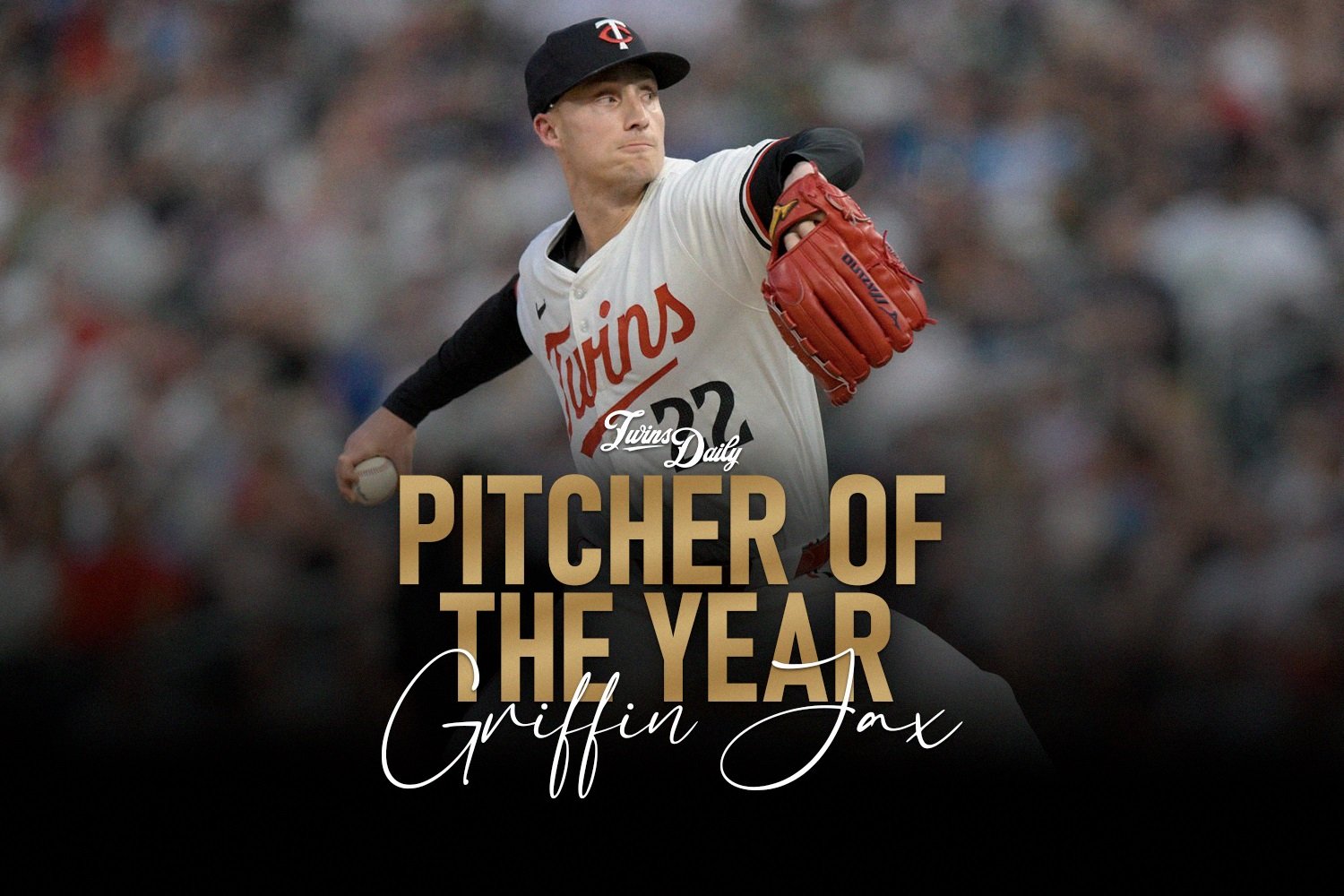 Twins fans have been clamoring for a pitching pipeline since Derek Falvey took over the team’s top baseball operations role. The 2024 season saw that pitching pipeline put into action, with multiple rookies occupying starting spots by the season’s end. Other veteran pitchers made strides in the rotation and bullpen on their way to helping the Twins to one of baseball’s best records in the middle months of the season. There is hope for the future with a young pitching core and other prospects on their way to Target Field. Below are the results of the voting from 14 writers at Twins Daily. Each writer ranked their top five pitchers, and the results are below. Some writers likely debated who should be the team's top pitcher, and a slim margin separated the top three. Others Receiving Votes RHP Simeon Woods Richardson: RHP Jhoan Duran 5. Cole Sands Minnesota’s front office struggled to find reliable relievers on the open market last winter, but they continue to find ways to develop homegrown bullpen arms. Sands entered the season in a long-relief or multi-inning role but quickly showed he was one of the team’s best high-leverage options. He appeared in 62 games and posted a 3.28 ERA with a 0.99 WHIP, but that fails to tell the complete story of his season. After May 29th, he posted a 2.34 ERA with a 58-to-8 strikeout-to-walk ratio while holding batters to a .216/.250/.297 (.547) slashline. He had a 20-to-2 strikeout-to-walk ratio in high-leverage situations, with one home run in 62 plate appearances. He saw a massive jump in his cutter usage this season as it developed into his most used pitch (29.6%) compared to 7.3% last season. Sands also saw a velocity increase on four of his five pitches while continuing to control the strike zone with a 4.1 BB%, ranking in MLB’s top 3%. Minnesota needs more pitchers to follow in Sands’ footsteps next season. 4. Joe Ryan (1 First Place Vote) Ryan was on the fast track to win this award at one point this season before a shoulder strain sidelined him in early August. In his 23 starts, he posted a 3.60 ERA with a 0.99 WHIP, 147 strikeouts, and 23 walks across 135 innings. Ryan compiled his best numbers in May as the Twins began recovering from their horrendous start. In 32 1/3 innings, he allowed nine earned runs (2.51 ERA) with a 0.84 WHIP and a 32-to-4 strikeout-to-walk ratio. He posted career-best marks in Barrel%, LA Sweet-Spot%, xwOBA (top 10%), BB% (top 4%), and xERA (top 10%). The 2024 season also marked the first time in his career that he used his four-seamer less than 55% of the time while increasing its velocity from 92.3 mph in 2023 to 94.0 mph. His average velocity increased on all his pitches, and he added a sinker that helped him keep the ball on the ground because it produced a launch angle under seven. Ryan provided the team with plenty of signs that he can continue to develop into a frontline starting pitcher. 3. Pablo López (1 First Place Vote) López entered the 2024 campaign as one of the favorites to win the AL Cy Young based on his strong finish the previous season. His season got off to a terrible start as he posted a 5.11 ERA in the first half due to opponents compiling a .723 OPS against him with 18 home runs. In the season’s second half, he more closely resembled the López from 2023 by performing as one of the league’s best pitchers. In 81 1/3 innings, he allowed 25 earned runs (2.77 ERA), with his OPS allowed dropping by 40 points compared to the first half. His poor start to the season was accompanied by peripheral numbers that pointed to an eventual improvement. He posted a career-best 5.3 BB%, ranking in MLB’s top 10%. His batting average allowed (.252 BA) was ten points higher than his xBA, and his average exit velocity was only 0.8 mph higher than last season. López followed a similar pattern in both seasons with the Twins, with some struggles in the first half before an improved performance in the second half. Next season, the Twins must find a way for López to be an ace for the whole season. 2. Bailey Ober (2 First Place Votes) Ober was the Twins’ most consistent starting pitcher throughout the 2024 campaign, and that’s one of the reasons he ranks highly. His first start in Kansas City was an unmitigated disaster as he allowed eight earned runs, including three home runs, in 1 1/3 innings. He settled in nicely from there with a stretch of 23 starts (138 2/3 innings) where he posted a 3.05 ERA with opponents being held to a .192/.246/.345 (.591) slashline. As the Twins faltered, Ober struggled by allowing 24 earned runs in his final 38 2/3 innings. If his final month had gone better, Ober might have been the team’s top pitcher, and the Twins might have made the playoffs. This year, Ober improved in many areas to solidify his place in the team’s long-term plans. He posted career-best totals with an 8.3 Barrel %, 87.5 Exit Velocity, .212 xBA, .380 xSLG, and 26.9 K%. He introduced a cutter that resulted in a 20.2 Put Away%, the second highest total of any pitches he threw more than 5% of the time. Ober’s changeup made the most significant strides as he increased his Whiff% from 29.8% in 2023 to 39.5% this season. Ober and Ryan made huge strides this season, and there’s room for them to find even more consistency in 2025. 1. Griffin Jax (9 First Place Votes) It’s hard to imagine where the Twins would have been in 2024 without Jax. He established himself as the Twins’ best reliever and one of baseball’s best high-leverage arms. In 72 appearances (71 innings), he posted a 2.03 ERA with a 0.873 WHIP and a 34.4 K% (Top 3% of MLB). When other relievers faltered, Twins manager Rocco Baldelli could turn to Jax in any late-inning situation when the game was on the line. Right-handed hitters stood no chance against him by hitting .169/.214/.257 (.471) with 55 strikeouts in 136 at-bats. He finished the regular season ranked second in the AL in fWAR, trailing only Cleveland’s Cade Smith by 0.1 points. His Baseball Savant page has more red in it than a kid’s candy bucket on Valentine’s Day. He ranked among the league’s best in xBA (Top 3%), xSLG (Top 7%), wOBA (Top 2%), xwOBA (Top 1%), and xERA (Top 1%). His most significant change this season was dropping his sweeper usage from 52.8 % in 2023 to under 38% this past season. Jax’s sweeper also increased from 28.6 Whiff% to 45.3 Whiff% <insert fire emoji>. He’s an unbelievable weapon for a manager to use, and the Twins must help him replicate his tremendous 2024 campaign. Do you agree with the way the results of the writer's voting? Leave a COMMENT and start the discussion. Final Voting Points Tally Griffin Jax: 59 points Bailey Ober: 50 points Pablo Lopez: 48 points Joe Ryan: 33 points Cole Sands: 10 points Recent TD Best Pitcher Winners 2023: Sonny Gray 2022: Jhoan Duran 2021: Jose Berrios 2020: Kenta Maeda 2019: Taylor Rogers
- 13 comments
-
- 4
-

-
- griffin jax
- bailey ober
- (and 3 more)
-
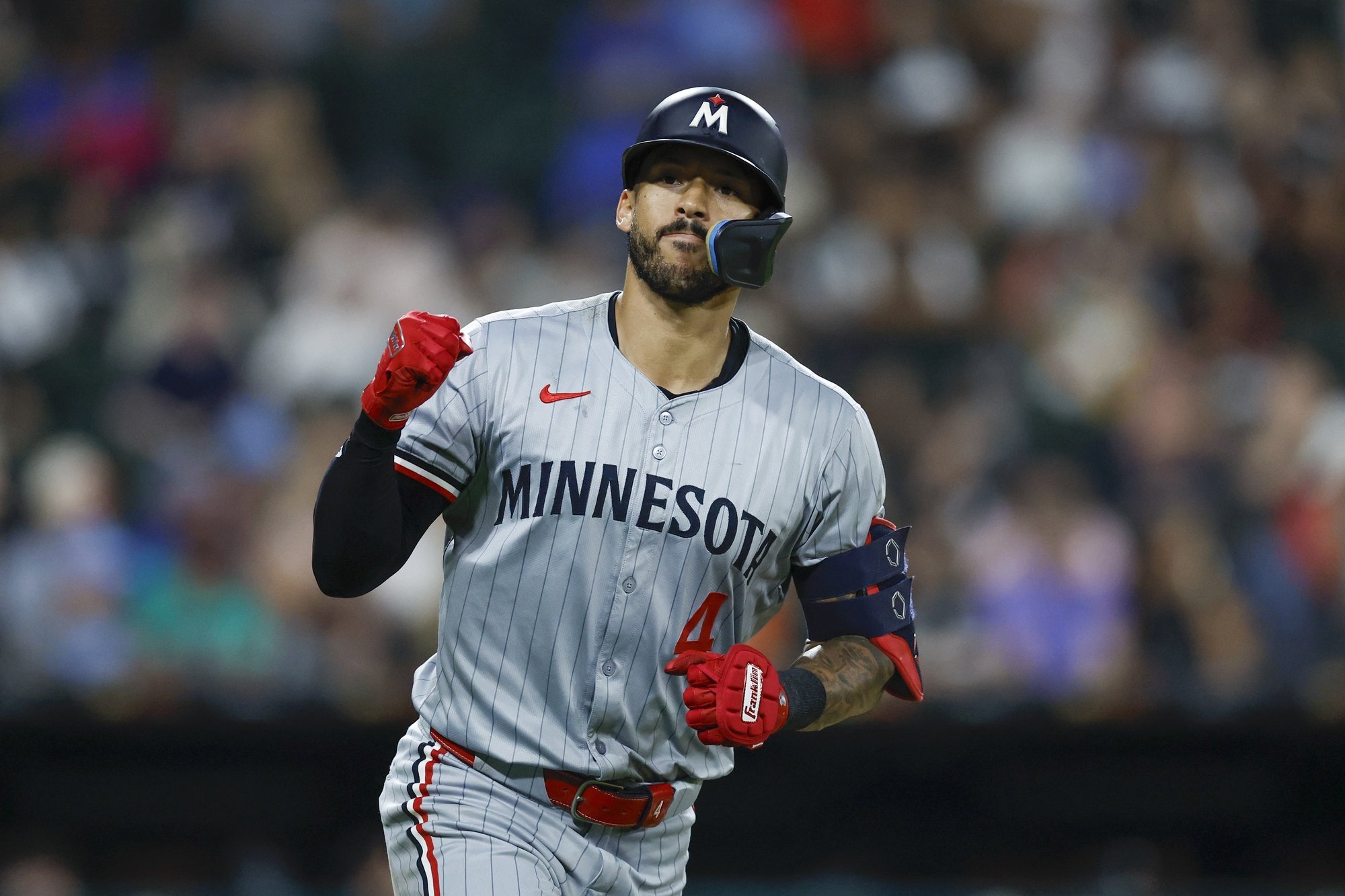 Major decisions are looming over the franchise as the Twins head into the offseason. After a year that ended in bitter disappointment, ownership and the front office face the dilemma of maintaining a competitive roster while dealing with budgetary constraints. One option that could shift the team’s trajectory is trading their star shortstop, Carlos Correa. It’s not an easy decision, but given the organization’s current financial outlook and Correa’s recent injury history, it could be forced upon them. This past winter, Twins ownership boldly (Is bold the right word? Well, let's see if it pays off for them.) decided to lower the team’s payroll by $30 million. The writing on the wall seems even more ominous after a formal move to league-produced and -disseminated broadcasts that will bring in less revenue than their old TV deals, and after a drop in attendance in 2024. Heading into 2025, reports indicate that the payroll will remain around the same level as last year, well into the bottom half of the league’s spending rankings. For a mid-market team like Minnesota, a stagnant payroll poses significant challenges. The Twins don’t have the luxury of stockpiling marquee free agents every offseason, meaning the front office must get creative with how they allocate resources. With Correa slated to earn $36 million next season, he represents a sizable portion of that budget. The question the Twins must ask themselves is whether that investment makes sense for a team that might be considering a soft rebuild--or, even framing their situation as focused on winning in the short term, whether a player who is unlikely to take more than about 500 plate appearances next year can justifiably take up so much of the payroll. Ignoring Correa’s importance is impossible when he’s on the field. After an impressive All-Star season in 2024, he showed why he remains one of the elite shortstops in the game. His glove is still one of the league’s best up-the-middle options, when he has his feet under him, and his bat flashed the form that made him a key cog in Houston’s World Series runs. He cobbled together a 152 OPS+, his highest mark since 2017. Defensively, his OAA ranked in the 87th percentile. Yet, it’s also hard to overlook the fact that injuries have impacted Correa in each of his two years since re-signing with the Twins on a long-term basis. He even missed a couple of weeks back in 2022. In 2023, he played through painful, nagging plantar fasciitis, which hampered his production down the stretch. In 2024, he missed significant time again, with plantar fasciitis impacting his other foot, and it caused him to miss most of the season's final two months. Though his early-season numbers were All-Star caliber, the durability concerns are hard to ignore when projecting his future value. The Twins could be looking at a scenario where they’re paying top dollar for a player who might not be available often enough to return value commensurate with the share of their resources allocated to him. For a team aiming to contend every year, that’s a risk you take. But for a team looking to make a major transition? That’s a luxury they might not be able to afford. Correa’s contract includes a full no-trade clause, a significant hurdle for any potential deal. However, there are a few scenarios in which Correa might be willing to waive it. The most obvious one involves the Twins being honest with him about the state of the franchise. If the front office communicates that the club is unlikely to be able to build a winner around him due to their new financial reality, Correa could recognize that his remaining prime years would be better spent elsewhere. He may also be frustrated about how the team has collapsed in two of his three seasons with the club. If the Twins are going in a new direction, Correa may be willing to go to a team with a better chance of winning in the short term. Correa signed with the Twins, in part, because he believed the team was on the verge of sustained success. If that vision no longer aligns with reality, he could opt for a chance to win another championship. Teams like the Dodgers or Yankees, with their financial flexibility and championship aspirations, would undoubtedly be interested in adding him, on what ended up being a fairly team-friendly contract--assuming a Dodgers- or Yankees-like payroll. Given the size of his contract and injury concerns, the Twins might not get a king’s ransom for him, but they could net some valuable prospects to jumpstart a rebuild or help extend their winning window. Most importantly, they'd get at least a majority of the money tied up in Correa back, to spend broadly on their current core or in free agency. The decision to trade Correa won’t be easy, but it may be necessary. Perhaps this is the move that could get the organization moving affirmatively in the right direction again, even if it means saying goodbye to their franchise player. If the Twins truly intend to reset, parting ways with their star shortstop may be the cost of doing business in a league that rewards flexibility and future planning over sentimentality. Is Correa untradeable? Are the Twins forced to be creative this winter? Leave a comment and start the discussion.
 -
The Twins need to find a way to make payroll space for 2025 and beyond. Is trading the team’s best player a way to extend the team’s winning window? Image courtesy of © Kamil Krzaczynski-USA TODAY Sports The Twins need to find a way to make payroll space for 2025 and beyond. Is trading the team’s best player a way to extend the team’s winning window? Major decisions are looming over the franchise as the Twins head into the offseason. After a year that ended in bitter disappointment, ownership and the front office face the dilemma of maintaining a competitive roster while dealing with budgetary constraints. One option that could shift the team’s trajectory is trading their star shortstop, Carlos Correa. It’s not an easy decision, but given the organization’s current financial outlook and Correa’s recent injury history, it could be forced upon them. This past winter, Twins ownership boldly (Is bold the right word? Well, let's see if it pays off for them.) decided to lower the team’s payroll by $30 million. The writing on the wall seems even more ominous after a formal move to league-produced and -disseminated broadcasts that will bring in less revenue than their old TV deals, and after a drop in attendance in 2024. Heading into 2025, reports indicate that the payroll will remain around the same level as last year, well into the bottom half of the league’s spending rankings. For a mid-market team like Minnesota, a stagnant payroll poses significant challenges. The Twins don’t have the luxury of stockpiling marquee free agents every offseason, meaning the front office must get creative with how they allocate resources. With Correa slated to earn $36 million next season, he represents a sizable portion of that budget. The question the Twins must ask themselves is whether that investment makes sense for a team that might be considering a soft rebuild--or, even framing their situation as focused on winning in the short term, whether a player who is unlikely to take more than about 500 plate appearances next year can justifiably take up so much of the payroll. Ignoring Correa’s importance is impossible when he’s on the field. After an impressive All-Star season in 2024, he showed why he remains one of the elite shortstops in the game. His glove is still one of the league’s best up-the-middle options, when he has his feet under him, and his bat flashed the form that made him a key cog in Houston’s World Series runs. He cobbled together a 152 OPS+, his highest mark since 2017. Defensively, his OAA ranked in the 87th percentile. Yet, it’s also hard to overlook the fact that injuries have impacted Correa in each of his two years since re-signing with the Twins on a long-term basis. He even missed a couple of weeks back in 2022. In 2023, he played through painful, nagging plantar fasciitis, which hampered his production down the stretch. In 2024, he missed significant time again, with plantar fasciitis impacting his other foot, and it caused him to miss most of the season's final two months. Though his early-season numbers were All-Star caliber, the durability concerns are hard to ignore when projecting his future value. The Twins could be looking at a scenario where they’re paying top dollar for a player who might not be available often enough to return value commensurate with the share of their resources allocated to him. For a team aiming to contend every year, that’s a risk you take. But for a team looking to make a major transition? That’s a luxury they might not be able to afford. Correa’s contract includes a full no-trade clause, a significant hurdle for any potential deal. However, there are a few scenarios in which Correa might be willing to waive it. The most obvious one involves the Twins being honest with him about the state of the franchise. If the front office communicates that the club is unlikely to be able to build a winner around him due to their new financial reality, Correa could recognize that his remaining prime years would be better spent elsewhere. He may also be frustrated about how the team has collapsed in two of his three seasons with the club. If the Twins are going in a new direction, Correa may be willing to go to a team with a better chance of winning in the short term. Correa signed with the Twins, in part, because he believed the team was on the verge of sustained success. If that vision no longer aligns with reality, he could opt for a chance to win another championship. Teams like the Dodgers or Yankees, with their financial flexibility and championship aspirations, would undoubtedly be interested in adding him, on what ended up being a fairly team-friendly contract--assuming a Dodgers- or Yankees-like payroll. Given the size of his contract and injury concerns, the Twins might not get a king’s ransom for him, but they could net some valuable prospects to jumpstart a rebuild or help extend their winning window. Most importantly, they'd get at least a majority of the money tied up in Correa back, to spend broadly on their current core or in free agency. The decision to trade Correa won’t be easy, but it may be necessary. Perhaps this is the move that could get the organization moving affirmatively in the right direction again, even if it means saying goodbye to their franchise player. If the Twins truly intend to reset, parting ways with their star shortstop may be the cost of doing business in a league that rewards flexibility and future planning over sentimentality. Is Correa untradeable? Are the Twins forced to be creative this winter? Leave a comment and start the discussion. View full article
-
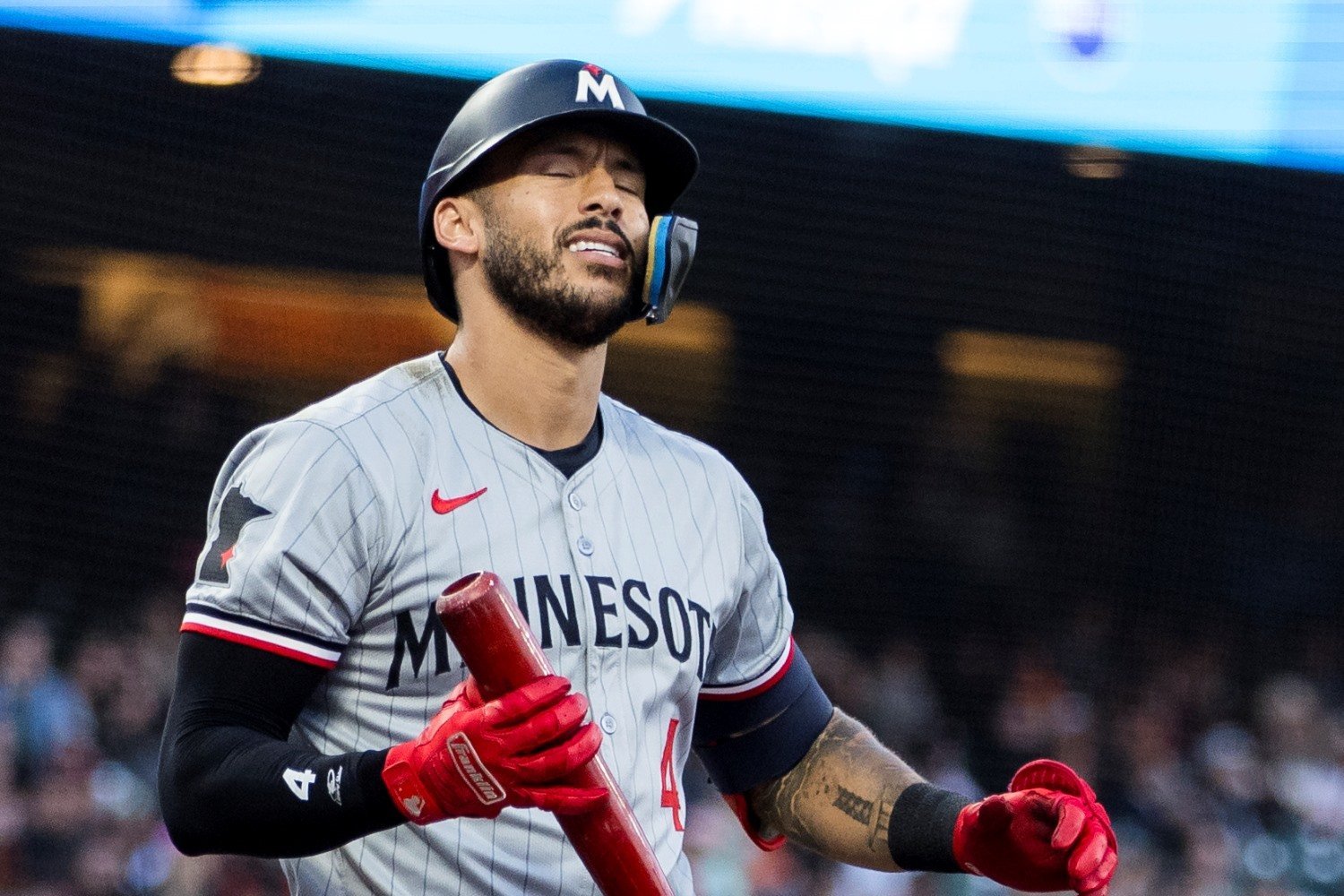 After winning its first playoff series in two decades, Minnesota entered the 2024 season with high expectations. Carlos Correa was at the center of those expectations, because he was healthy after battling plantar fasciitis in 2023. When the Twins re-signed Correa, he brought high expectations with him. Correa’s pedigree as a two-time All-Star, World Series champion, and a strong defender made him the highest-paid player on the team. He more than lived up to that billing in the first half of the season. Unfortunately, an untimely injury derailed his season and the team’s postseason dreams. Correa’s 2024 season started as a redemption tour. He came into the year with a chip on his shoulder to prove the 2023 season was a fluke. Last year, he played 135 games but struggled with a 94 OPS+ while setting the team record with 30 GDP. By the time the All-Star break rolled around, there was no question that Correa had not only shaken off the rust but was thriving at a level fans had rarely seen from him in a Twins uniform. He slashed an impressive .308/.377/.520, with 16 doubles, three triples, and 13 home runs through the first 75 games of the season, combining his power and plate discipline in ways that brought comparisons to his best years in Houston. Correa’s defense also returned to elite form, with an OAA in the 87th percentile, providing critical value on both sides of the ball. It was arguably his best first half in his illustrious career. The result? Correa earned a well-deserved All-Star nod, reminding everyone why Minnesota committed to the largest contract in franchise history to keep him. His leadership, poise, and production had the Twins comfortably holding a playoff spot heading into the break. Then disaster struck. Shortly before the Midsummer Classic, Correa suffered another bout with plantar fasciitis, this time in his right foot. It was initially unclear how much time he would miss, but as days turned to weeks, his absence loomed larger. As the calendar turned to September, it was evident that if Correa returned, it would be with less than 100% healthy. The Twins floundered without Correa anchoring the lineup and stabilizing the infield defense. His presence on both sides of the ball was sorely missed. The once-surging team found itself stumbling, struggling to generate offense, and unable to win vital divisional matchups. The slide was painful and, for many fans, frustratingly familiar. Minnesota went 29-38 (.432 W-L%) from his last game in July to the end of the season. The playoffs, once a near certainty, were slipping out of reach. What made Correa’s injury all the more frustrating for the team was the pressure surrounding him. As the team’s highest-paid player, the expectations were immense. The front office, the fans, and even Correa knew he needed to be the central figure in any Twins' success. And for the first half of 2024, he embraced that role with open arms. His absence became glaring in his two-month absence, and the Twins failed to fill the void. With so much invested in Correa, this felt like a season that could’ve been saved had he been healthy. It was a stark reminder of Minnesota's reliance on their superstar, especially in light of ownership cutting $30 million from the payroll this winter. Correa takes up such a large percentage of the team’s financial commitment that he is essential for the team to succeed. The Twins' playoff hopes evaporated as the regular season came to a close. September’s stretch of games turned into a nightmare, with Minnesota’s offense flatlining without its MVP in the middle of the lineup. Correa returned in the middle of September, but by that point, the team was beyond saving. He went 13-for-40 (.325 BA) with four doubles and a home run in 11 games, but the Twins ultimately fell short. Minnesota missed the postseason for the second time in Correa’s three seasons with the club, and many will point to his injury as the defining moment of the collapse. While baseball is a team sport, the Twins' late-season struggles underscored how much Correa had meant to their success. The 2024 season is one of missed opportunities for Minnesota. Correa’s All-Star first half showed what could be possible when he’s healthy and at his best, but his absence down the stretch was a sobering reminder that one player can’t win or save a season on their own. He finished the season as the team's leader in fWAR and rWAR, showcasing his great first half and how poorly the team performed without him. The Twins, already facing questions about their future roster construction, now must hope that Correa’s health returns to form in 2025 and beyond. For Correa, his MVP-caliber start in 2024 should serve as motivation to return stronger, hungrier, and with unfinished business. Minnesota will need him more than ever. And for Twins fans, there’s hope that this star can guide them back to where they want to be—a playoff team with championship aspirations. Is Correa still the team’s 2024 MVP? Who would make your top-five ballot? Leave a COMMENT and start the discussion.
 -
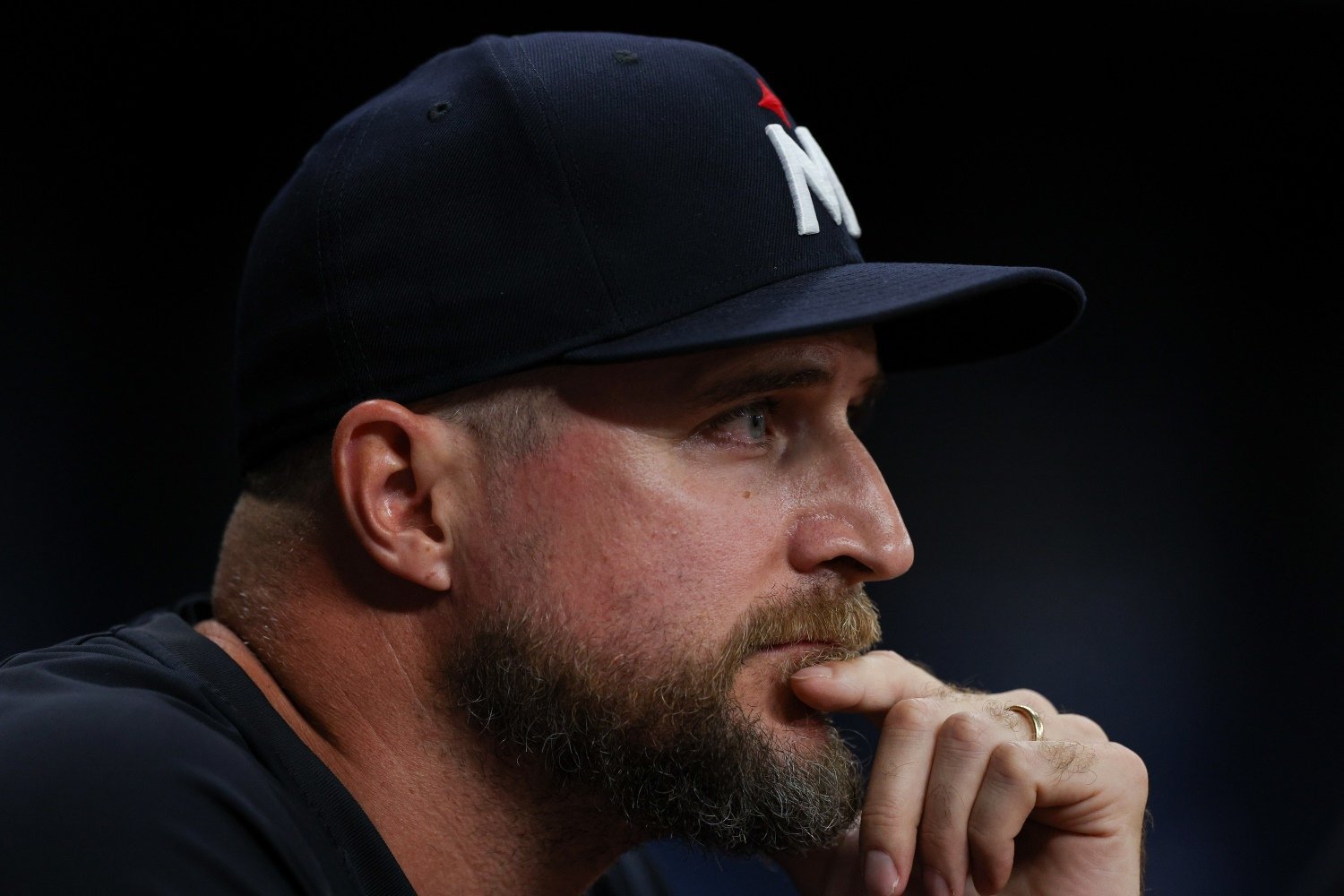 Rocco Baldelli has experienced a rollercoaster ride as the Minnesota Twins manager. From record-breaking highs to late-season collapses, his tenure is filled with moments of promise and disappointment. As fans turn their focus to the 2025 season, it’s clear that Baldelli needs to deliver results to secure his future. 2019: A Dream Debut Baldelli couldn’t have asked for a better start to his managerial career. In 2019, the Twins won an impressive 101 games, clinching the AL Central title. Known as the "Bomba Squad," the team set a major league record for home runs in a season, with five players hitting 30 or more. Baldelli’s modern approach (emphasizing player rest and matchups) seemed to work wonders. However, the postseason was a different story. The Yankees swept the Twins in the ALDS, extending their postseason losing streak, but optimism for the future was high. 2020: Success in a Shortened Season The COVID-19 pandemic shortened the 2020 season, but the Twins still managed to win the division for the second consecutive year with a 36-24 record. Baldelli’s handling of the pitching staff and his ability to keep players fresh paid off. Yet, the Twins' playoff demons struck again. Minnesota was swept in the Wild Card round by the Houston Astros, setting the record for most consecutive postseason losses in major North American sports history. The disappointment was palpable, but it was hard to ignore Baldelli’s regular-season success in back-to-back years. 2021: The Collapse Begins After two successful seasons, 2021 was the first significant test of Baldelli’s leadership and it was a disaster. Injuries, underperformance, and questionable decisions saw the Twins fall to a dismal 73-89 record, finishing last in the AL Central. A once-promising core, led by Jorge Polanco and Byron Buxton, couldn't stay healthy or productive. The pitching staff was in shambles, and Baldelli’s tactical management came under fire. Many wondered if his reliance on analytics was leading to more harm than good, especially as players struggled to find consistency. 2022: A False Start Heading into 2022, the Twins made bold moves, including signing Carlos Correa, and optimism was high. The team started well, leading the division for much of the season. Baldelli seemed to have regained control, but a collapse in the second half led to a disappointing 78-84 finish. Injuries, bullpen struggles, and late-game management questions resurfaced. The Twins missed the postseason for the second year in a row, and Baldelli’s seat began to warm. 2023: A Return to Form In 2023, Baldelli and the Twins bounced back. With critical contributions from young players (Edouard Julien, Royce Lewis, and Matt Wallner), the Twins once again captured the AL Central title. The pitching staff, led by Pablo López and Sonny Gray, was dominant, and Baldelli’s management of a deeper bullpen showed improvement. The Twins ended their playoff losing streak and won a postseason series for the first time since 2002. Baldelli’s position was more than secure heading into 2024. 2024: High Hopes, Bitter End Expectations were sky-high for the Twins in 2024. With a roster built to contend, many believed this would be the year Baldelli could guide the team deep into the playoffs. However, the season was marred by injuries to key players like Correa, Buxton, and Joe Ryan, leading to inconsistency on the field. While Baldelli managed to keep the Twins competitive, they faltered late in the season and missed the playoffs, finishing in fourth place in the AL Central. Once again, questions about Baldelli’s ability to manage high-pressure situations came to the forefront. 2025 Outlook: A Must-Win Year? With three underwhelming seasons in the last four years, 2025 feels like a make-or-break year for Baldelli. While he’s shown an ability to lead the team to successful stretches, the inability to overcome late-season collapses has defined his tenure. The Twins are clearly in a winning window, and the front office may not be as patient if another disappointing year unfolds. For Baldelli, 2025 will likely determine his fate as the Twins’ manager. The pressure is on, and anything short of a deep postseason run may signal the end of his time in Minnesota. Is 2025 a make-or-break year for Baldelli? Leave a COMMENT and start the discussion.
 -
The Twins have 14 players eligible for arbitration this winter. Some decisions are much easier to make than others. Here are the team’s most challenging decisions among arbitration-eligible players. Image courtesy of © John Leyba-USA TODAY Sports The Twins have 14 players eligible for arbitration this winter. Some decisions are much easier to make than others. Here are the team’s most challenging decisions among arbitration-eligible players. Baseball’s arbitration process has some aspects that can make the process confusing for the casual fan. Players become eligible for arbitration after completing almost least three years of service time but before the six years necessary to qualify for free agency. Players accumulate service time by spending time on their organization’s 26-man roster or big-league injured list. The player must reach 172 days to reach one full year of service. Earlier this week, MLB Trade Rumors released its annual list of projected salaries for arbitration-eligible players. The site uses a formula (developed by Matt Swartz) to compare and analyze players based on similar player types in previous arbitration cases. The totals below might be off compared to what the player actually receives in the arbitration process, but they should give a general overview of the decisions facing the Twins. The Twins have some easy decisions when it comes to arbitration. Some of the easy decisions include Bailey Ober ($4.3 million), Griffin Jax ($2.6 million), Joe Ryan ($3.8 million), Royce Lewis ($2.3 million), Trevor Larnach ($2.1 million), and Ryan Jeffers ($4.7 million). Those millions start to add up quickly, and the ownership group seems unlikely to alter the team’s payroll limitations for 2025. It’s expected that the Twins will have a payroll of around $130 million for the second consecutive season after cutting that amount by $30 million last winter. So, what arbitration decisions will be the toughest for the Twins? Willi Castro, UTL Projected Salary: $6.2 million Castro was a first-time All-Star in 2024, and versatility became his calling card. He made 27 or more appearances in center field, left field, second base, third base, and shortstop. An argument could be made that he was the team’s MVP through the season’s midway point. According to FanGraphs, he has been worth $44.6 million to the Twins during his two seasons with the club. That might make it an easy decision to offer him arbitration. However, a team searching for more payroll flexibility, like the Twins, might decide to allow a cheaper player to fill Castro’s role next year. Jhoan Durán, RP Projected Salary: $3.7 million Duran’s decrease in velocity was a storyline throughout the 2024 season, including stretches where he was less effective. Minnesota’s current front office regime has avoided spending money on bullpen arms. This season, Caleb Thielbar was the team’s highest-paid reliever at $3.225 million. The Twins struggled to find reliable bullpen arms for the 2024 season, so it seems ludicrous to not bring Duran back for under $4 million. There’s a chance that the Twins might believe his struggles are signs of more significant issues that aren’t worth a gamble. Relievers tend to burn out quickly, especially those throwing triple digits regularly. Alex Kirilloff, 1B/OF Projected Salary: $1.8 million Kirilloff struggled mightily during the 2024 campaign by hitting .201/.270/.384 (.653) with a 81 OPS+ in 57 games. The Twins have demoted Kirilloff in four consecutive seasons as he has tried to gain traction as a big-league regular. He’s battled through multiple wrist surgeries along with shoulder and back issues that have greatly impacted his performance. Kirilloff is entering his age-27 season and has played below a replacement-level player. The Twins have other options at first base and corner outfield that can produce at a higher level. It might make sense for the Twins to part ways with their former first-round pick. Justin Topa, RP Projected Salary: $1.7 million The Twins acquired Topa as part of the Jorge Polanco trade, and they hoped he’d provide the team with another late-inning bullpen option. Unfortunately, he suffered a knee injury during spring training that kept him off the field until late September. He made three scoreless appearances for the Twins, but the team had already fallen out of the playoff race. His long-term health will be the most significant factor in whether or not the Twins offer him arbitration. Minnesota’s bullpen struggled to find high-leverage options, so Topa could be a steal at under $2 million for 2025. Twins management is fortunate to have developed so many players who are performing at a high level during their arbitration-eligible seasons. But those performances can get increasingly expensive as players move towards free agency. With last year's budget cut expected to stay in place for 2025, some difficult decisions may need to be made. Should the Twins offer arbitration to the above players? Is there anyone else who should be added to the list? Leave a comment and start the discussion. View full article
- 56 replies
-
- 1
-
-
- willi castro
- jhoan duran
- (and 2 more)
-
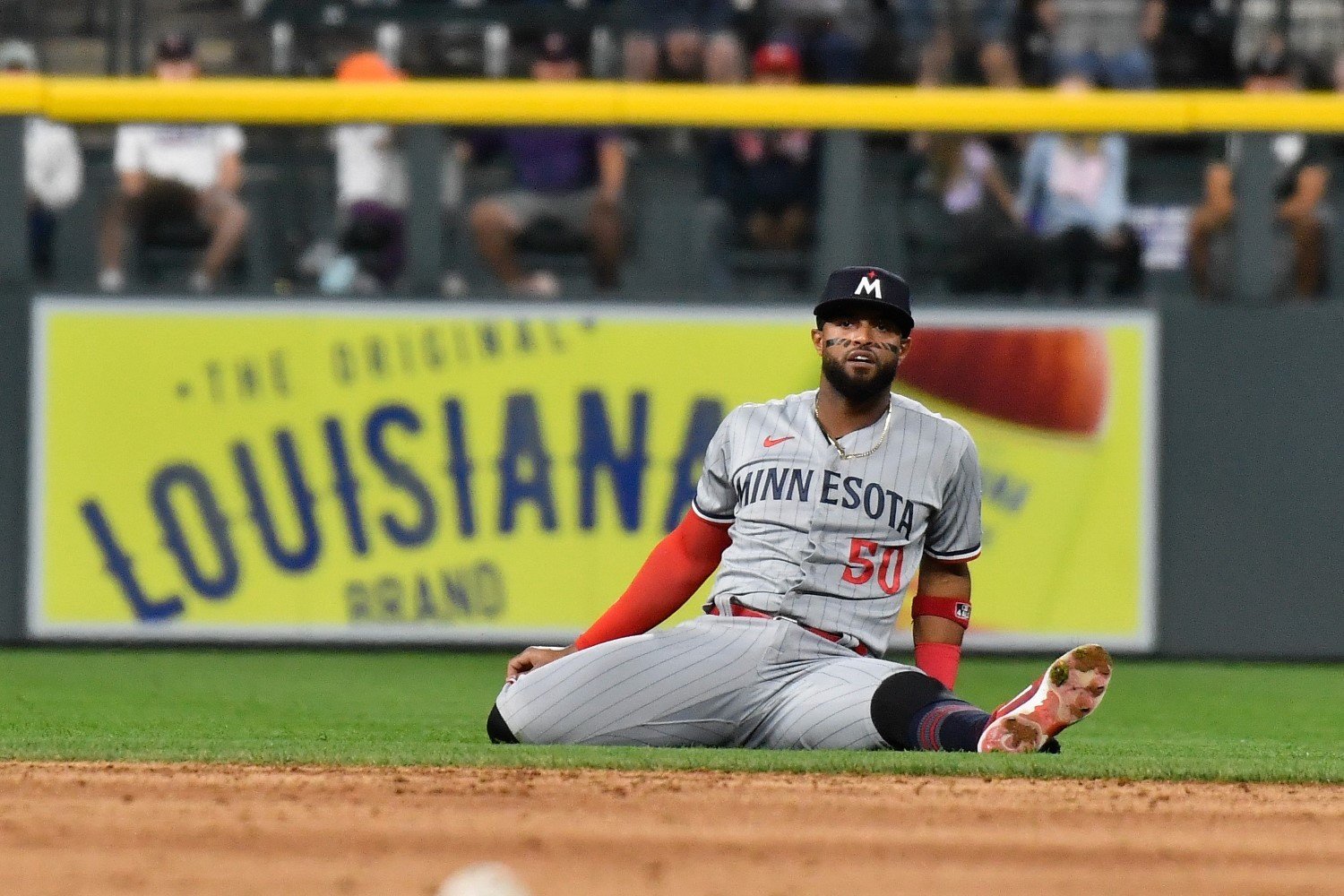 Baseball’s arbitration process has some aspects that can make the process confusing for the casual fan. Players become eligible for arbitration after completing almost least three years of service time but before the six years necessary to qualify for free agency. Players accumulate service time by spending time on their organization’s 26-man roster or big-league injured list. The player must reach 172 days to reach one full year of service. Earlier this week, MLB Trade Rumors released its annual list of projected salaries for arbitration-eligible players. The site uses a formula (developed by Matt Swartz) to compare and analyze players based on similar player types in previous arbitration cases. The totals below might be off compared to what the player actually receives in the arbitration process, but they should give a general overview of the decisions facing the Twins. The Twins have some easy decisions when it comes to arbitration. Some of the easy decisions include Bailey Ober ($4.3 million), Griffin Jax ($2.6 million), Joe Ryan ($3.8 million), Royce Lewis ($2.3 million), Trevor Larnach ($2.1 million), and Ryan Jeffers ($4.7 million). Those millions start to add up quickly, and the ownership group seems unlikely to alter the team’s payroll limitations for 2025. It’s expected that the Twins will have a payroll of around $130 million for the second consecutive season after cutting that amount by $30 million last winter. So, what arbitration decisions will be the toughest for the Twins? Willi Castro, UTL Projected Salary: $6.2 million Castro was a first-time All-Star in 2024, and versatility became his calling card. He made 27 or more appearances in center field, left field, second base, third base, and shortstop. An argument could be made that he was the team’s MVP through the season’s midway point. According to FanGraphs, he has been worth $44.6 million to the Twins during his two seasons with the club. That might make it an easy decision to offer him arbitration. However, a team searching for more payroll flexibility, like the Twins, might decide to allow a cheaper player to fill Castro’s role next year. Jhoan Durán, RP Projected Salary: $3.7 million Duran’s decrease in velocity was a storyline throughout the 2024 season, including stretches where he was less effective. Minnesota’s current front office regime has avoided spending money on bullpen arms. This season, Caleb Thielbar was the team’s highest-paid reliever at $3.225 million. The Twins struggled to find reliable bullpen arms for the 2024 season, so it seems ludicrous to not bring Duran back for under $4 million. There’s a chance that the Twins might believe his struggles are signs of more significant issues that aren’t worth a gamble. Relievers tend to burn out quickly, especially those throwing triple digits regularly. Alex Kirilloff, 1B/OF Projected Salary: $1.8 million Kirilloff struggled mightily during the 2024 campaign by hitting .201/.270/.384 (.653) with a 81 OPS+ in 57 games. The Twins have demoted Kirilloff in four consecutive seasons as he has tried to gain traction as a big-league regular. He’s battled through multiple wrist surgeries along with shoulder and back issues that have greatly impacted his performance. Kirilloff is entering his age-27 season and has played below a replacement-level player. The Twins have other options at first base and corner outfield that can produce at a higher level. It might make sense for the Twins to part ways with their former first-round pick. Justin Topa, RP Projected Salary: $1.7 million The Twins acquired Topa as part of the Jorge Polanco trade, and they hoped he’d provide the team with another late-inning bullpen option. Unfortunately, he suffered a knee injury during spring training that kept him off the field until late September. He made three scoreless appearances for the Twins, but the team had already fallen out of the playoff race. His long-term health will be the most significant factor in whether or not the Twins offer him arbitration. Minnesota’s bullpen struggled to find high-leverage options, so Topa could be a steal at under $2 million for 2025. Twins management is fortunate to have developed so many players who are performing at a high level during their arbitration-eligible seasons. But those performances can get increasingly expensive as players move towards free agency. With last year's budget cut expected to stay in place for 2025, some difficult decisions may need to be made. Should the Twins offer arbitration to the above players? Is there anyone else who should be added to the list? Leave a comment and start the discussion.
- 56 comments
-
- 9
-
-
- willi castro
- jhoan duran
- (and 2 more)
-
Managers become an easy target when a season ends poorly. Is Rocco Baldelli on the hot seat moving into the 2025 campaign? Image courtesy of © Nathan Ray Seebeck-Imagn Images Managers become an easy target when a season ends poorly. Is Rocco Baldelli on the hot seat moving into the 2025 campaign? Rocco Baldelli has experienced a rollercoaster ride as the Minnesota Twins manager. From record-breaking highs to late-season collapses, his tenure is filled with moments of promise and disappointment. As fans turn their focus to the 2025 season, it’s clear that Baldelli needs to deliver results to secure his future. 2019: A Dream Debut Baldelli couldn’t have asked for a better start to his managerial career. In 2019, the Twins won an impressive 101 games, clinching the AL Central title. Known as the "Bomba Squad," the team set a major league record for home runs in a season, with five players hitting 30 or more. Baldelli’s modern approach (emphasizing player rest and matchups) seemed to work wonders. However, the postseason was a different story. The Yankees swept the Twins in the ALDS, extending their postseason losing streak, but optimism for the future was high. 2020: Success in a Shortened Season The COVID-19 pandemic shortened the 2020 season, but the Twins still managed to win the division for the second consecutive year with a 36-24 record. Baldelli’s handling of the pitching staff and his ability to keep players fresh paid off. Yet, the Twins' playoff demons struck again. Minnesota was swept in the Wild Card round by the Houston Astros, setting the record for most consecutive postseason losses in major North American sports history. The disappointment was palpable, but it was hard to ignore Baldelli’s regular-season success in back-to-back years. 2021: The Collapse Begins After two successful seasons, 2021 was the first significant test of Baldelli’s leadership and it was a disaster. Injuries, underperformance, and questionable decisions saw the Twins fall to a dismal 73-89 record, finishing last in the AL Central. A once-promising core, led by Jorge Polanco and Byron Buxton, couldn't stay healthy or productive. The pitching staff was in shambles, and Baldelli’s tactical management came under fire. Many wondered if his reliance on analytics was leading to more harm than good, especially as players struggled to find consistency. 2022: A False Start Heading into 2022, the Twins made bold moves, including signing Carlos Correa, and optimism was high. The team started well, leading the division for much of the season. Baldelli seemed to have regained control, but a collapse in the second half led to a disappointing 78-84 finish. Injuries, bullpen struggles, and late-game management questions resurfaced. The Twins missed the postseason for the second year in a row, and Baldelli’s seat began to warm. 2023: A Return to Form In 2023, Baldelli and the Twins bounced back. With critical contributions from young players (Edouard Julien, Royce Lewis, and Matt Wallner), the Twins once again captured the AL Central title. The pitching staff, led by Pablo López and Sonny Gray, was dominant, and Baldelli’s management of a deeper bullpen showed improvement. The Twins ended their playoff losing streak and won a postseason series for the first time since 2002. Baldelli’s position was more than secure heading into 2024. 2024: High Hopes, Bitter End Expectations were sky-high for the Twins in 2024. With a roster built to contend, many believed this would be the year Baldelli could guide the team deep into the playoffs. However, the season was marred by injuries to key players like Correa, Buxton, and Joe Ryan, leading to inconsistency on the field. While Baldelli managed to keep the Twins competitive, they faltered late in the season and missed the playoffs, finishing in fourth place in the AL Central. Once again, questions about Baldelli’s ability to manage high-pressure situations came to the forefront. 2025 Outlook: A Must-Win Year? With three underwhelming seasons in the last four years, 2025 feels like a make-or-break year for Baldelli. While he’s shown an ability to lead the team to successful stretches, the inability to overcome late-season collapses has defined his tenure. The Twins are clearly in a winning window, and the front office may not be as patient if another disappointing year unfolds. For Baldelli, 2025 will likely determine his fate as the Twins’ manager. The pressure is on, and anything short of a deep postseason run may signal the end of his time in Minnesota. Is 2025 a make-or-break year for Baldelli? Leave a COMMENT and start the discussion. View full article
-
Has General Manager Thad Levine’s Time with the Twins Run Its Course?
Cody Christie posted an article in Twins
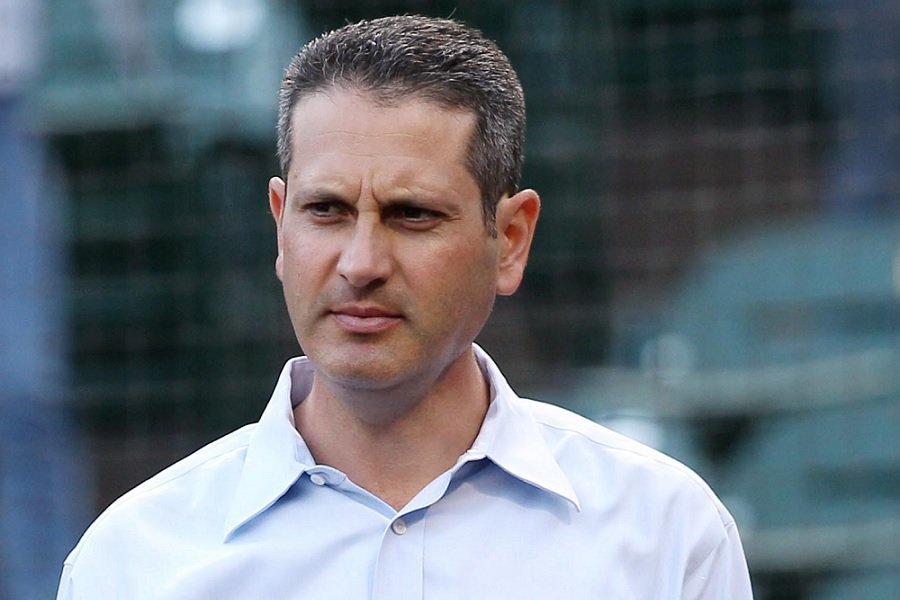 A little over a year ago, Thad Levine's name was buzzing around the baseball world. The Minnesota Twins general manager was reportedly a finalist for the Boston Red Sox's coveted president of baseball operations role. For Levine, this seemed like the next step in a career that had seen him rise from assistant GM in Texas to one of the most respected front-office executives in the league. Under his and Derek Falvey’s leadership, the Twins built a contender, producing division titles and fostering a culture that promoted great player development. However, the Red Sox ultimately chose Craig Breslow, a younger and less experienced candidate. That decision may have foreshadowed a troubling turn for Levine’s trajectory. As the Twins wrap up a season that fell short of expectations in excruciating fashion, questions surrounding Levine's future have grown louder. Minnesota’s ownership has already said that Falvey will return in 2025, and in turn, Falvey stated that Rocco Baldelli will be back as the manager. However, it’s become increasingly clear that someone will need to take the fall for the disappointing results in 2024, and Levine, once a hot commodity, appears to be the likely candidate. When Levine joined the Twins in 2016 alongside Falvey, the pair were touted as the dynamic duo who would finally bring Minnesota back into the fraternity of perennial contenders. The pair quickly showed their savvy, with the Twins reaching the postseason in 2017 and winning AL Central titles in 2019, 2020, and 2023. Under Levine’s guidance, Minnesota seemed primed for a sustained run of success. Scouting and player development had been his purview with the Rangers, and he continued to excel as a builder and shaper of the farm system. But beyond regular-season victories, the team has collapsed in two of the last three seasons. Minnesota made waves in 2022 by signing Carlos Correa, hoping the team could recover after a disastrous 2021 season. Instead, the club fell apart in the second half and finished 14 games out of first place. The 2024 season will be remembered as one of the worst collapses in team history, with Minnesota having over 90% playoff odds in mid-August. In a results-driven league, those collapses (combined with some lackluster offseasons) tarnished his reputation. Minneapolis hosted the SABR Convention back in August, and Levine was one of the speakers. He answered one panel question by noting that Falvey is very value-focused, very disciplined, and very far-sighted. Those traits are all a necessity for someone manning a president of baseball operations role. He went on to say that he saw himself as a bit more of the risk-taker--the one who could help make sure they weren't being too conservative. Losing that voice in the Twins’ front office could significantly alter the franchise’s direction, depending upon who stepped in to replace Levine. One of the most significant risks taken during Levine’s tenure was the 2022 trade deadline deals. The biggest swing (and miss) was a trade with Cincinnati, acquiring Tyler Mahle in exchange for top prospects Spencer Steer, Christian Encarnacion-Strand, and Steve Hajjar. Mahle, brought in to solidify the rotation, succumbed to injuries, providing little return on investment before leaving the Twins with a depleted farm system and no ace to show for it. At the same deadline, the Twins traded with the Orioles for All-Star reliever Jorge López. Minnesota sent four pitchers to Baltimore in the deal, including Yennier Canó, Cade Povich, Juan Nunez, and Juan Rojas. López struggled, with a 4.81 ERA and a 1.41 WHIP in 58 innings with the Twins before he was traded to Miami for Dylan Floro. Canó has developed into a solid late-inning option for the Orioles, while Povich has started to establish himself at the big-league level and pitched in the game that eliminated the Twins from playoff contention last week. It’s a trade that undoubtedly hurt the Twins farm system. Levine can’t be blamed entirely for the failure of these trades, because Falvey remains the chief decision-maker. However, they were seen as aggressive at the time, which fits Levine’s self-identified traits. Other aggressive moves during the current regime have had varying levels of success. Signing Josh Donaldson was a failure, but the team found a way to dump the end of his contract. Trading Luis Arraez for López was a very aggressive move that has worked in the Twins’ favor. Levine’s missed opportunity in Boston was a significant blow. Not only did it highlight that a storied franchise like the Red Sox, one of the game's most prestigious jobs, had passed on him, but they chose a less experienced alternative. The decision may have signaled a shift in how baseball front offices are viewed, with an emphasis on fresh ideas from someone with less front office experience. The Giants took a similar direction earlier this week by hiring former All-Star Buster Posey, who has no front office experience. The Twins' front office has operated under a collaborative model, meaning both Levine and Falvey have had their fingerprints on significant decisions. However, it's hard to ignore the whispers that someone is on the hot seat after another underwhelming campaign. Levine, in particular, might be the easier target. The optics seem poor with his missed promotion to Boston and the Twins' recent stumbles. Perhaps Levine will get another shot elsewhere—his track record, while not without blemishes, is still strong enough to draw interest from other teams. But as for Minnesota, a fresh voice might be what the organization needs as it looks to navigate the next phase of this competitive window. In the world of baseball, timing is everything, and unfortunately for Thad Levine, the clock may have run out in Minnesota. Should the Twins move on from Levine? Leave a comment and start the discussion.
 -
The Twins have already announced that Derek Falvey and Rocco Baldelli will return for the 2025 season. Will another front office member take the fall for the team’s disappointing finish? Image courtesy of Jim Cowsert-USA TODAY Sports The Twins have already announced that Derek Falvey and Rocco Baldelli will return for the 2025 season. Will another front office member take the fall for the team’s disappointing finish? A little over a year ago, Thad Levine's name was buzzing around the baseball world. The Minnesota Twins general manager was reportedly a finalist for the Boston Red Sox's coveted president of baseball operations role. For Levine, this seemed like the next step in a career that had seen him rise from assistant GM in Texas to one of the most respected front-office executives in the league. Under his and Derek Falvey’s leadership, the Twins built a contender, producing division titles and fostering a culture that promoted great player development. However, the Red Sox ultimately chose Craig Breslow, a younger and less experienced candidate. That decision may have foreshadowed a troubling turn for Levine’s trajectory. As the Twins wrap up a season that fell short of expectations in excruciating fashion, questions surrounding Levine's future have grown louder. Minnesota’s ownership has already said that Falvey will return in 2025, and in turn, Falvey stated that Rocco Baldelli will be back as the manager. However, it’s become increasingly clear that someone will need to take the fall for the disappointing results in 2024, and Levine, once a hot commodity, appears to be the likely candidate. When Levine joined the Twins in 2016 alongside Falvey, the pair were touted as the dynamic duo who would finally bring Minnesota back into the fraternity of perennial contenders. The pair quickly showed their savvy, with the Twins reaching the postseason in 2017 and winning AL Central titles in 2019, 2020, and 2023. Under Levine’s guidance, Minnesota seemed primed for a sustained run of success. Scouting and player development had been his purview with the Rangers, and he continued to excel as a builder and shaper of the farm system. But beyond regular-season victories, the team has collapsed in two of the last three seasons. Minnesota made waves in 2022 by signing Carlos Correa, hoping the team could recover after a disastrous 2021 season. Instead, the club fell apart in the second half and finished 14 games out of first place. The 2024 season will be remembered as one of the worst collapses in team history, with Minnesota having over 90% playoff odds in mid-August. In a results-driven league, those collapses (combined with some lackluster offseasons) tarnished his reputation. Minneapolis hosted the SABR Convention back in August, and Levine was one of the speakers. He answered one panel question by noting that Falvey is very value-focused, very disciplined, and very far-sighted. Those traits are all a necessity for someone manning a president of baseball operations role. He went on to say that he saw himself as a bit more of the risk-taker--the one who could help make sure they weren't being too conservative. Losing that voice in the Twins’ front office could significantly alter the franchise’s direction, depending upon who stepped in to replace Levine. One of the most significant risks taken during Levine’s tenure was the 2022 trade deadline deals. The biggest swing (and miss) was a trade with Cincinnati, acquiring Tyler Mahle in exchange for top prospects Spencer Steer, Christian Encarnacion-Strand, and Steve Hajjar. Mahle, brought in to solidify the rotation, succumbed to injuries, providing little return on investment before leaving the Twins with a depleted farm system and no ace to show for it. At the same deadline, the Twins traded with the Orioles for All-Star reliever Jorge López. Minnesota sent four pitchers to Baltimore in the deal, including Yennier Canó, Cade Povich, Juan Nunez, and Juan Rojas. López struggled, with a 4.81 ERA and a 1.41 WHIP in 58 innings with the Twins before he was traded to Miami for Dylan Floro. Canó has developed into a solid late-inning option for the Orioles, while Povich has started to establish himself at the big-league level and pitched in the game that eliminated the Twins from playoff contention last week. It’s a trade that undoubtedly hurt the Twins farm system. Levine can’t be blamed entirely for the failure of these trades, because Falvey remains the chief decision-maker. However, they were seen as aggressive at the time, which fits Levine’s self-identified traits. Other aggressive moves during the current regime have had varying levels of success. Signing Josh Donaldson was a failure, but the team found a way to dump the end of his contract. Trading Luis Arraez for López was a very aggressive move that has worked in the Twins’ favor. Levine’s missed opportunity in Boston was a significant blow. Not only did it highlight that a storied franchise like the Red Sox, one of the game's most prestigious jobs, had passed on him, but they chose a less experienced alternative. The decision may have signaled a shift in how baseball front offices are viewed, with an emphasis on fresh ideas from someone with less front office experience. The Giants took a similar direction earlier this week by hiring former All-Star Buster Posey, who has no front office experience. The Twins' front office has operated under a collaborative model, meaning both Levine and Falvey have had their fingerprints on significant decisions. However, it's hard to ignore the whispers that someone is on the hot seat after another underwhelming campaign. Levine, in particular, might be the easier target. The optics seem poor with his missed promotion to Boston and the Twins' recent stumbles. Perhaps Levine will get another shot elsewhere—his track record, while not without blemishes, is still strong enough to draw interest from other teams. But as for Minnesota, a fresh voice might be what the organization needs as it looks to navigate the next phase of this competitive window. In the world of baseball, timing is everything, and unfortunately for Thad Levine, the clock may have run out in Minnesota. Should the Twins move on from Levine? Leave a comment and start the discussion. View full article
-
Over the last two weeks, we have been handing out the Twins Daily Minor League Awards. So, who were the top hitters in the Minnesota Twins organization during the 2024 season? Over the last two weeks, we have been handing out the Twins Daily Minor League Awards. So, who were the top hitters in the Minnesota Twins organization during the 2024 season? One of the best aspects of award voting in a minor league system is the stories about the players who appear on the ballot. Minnesota’s top-five hitters this season include some players who were high draft picks and others who had to go to the independent leagues to prove their worth. Each story is unique, and the path to becoming a big-league player takes on many forms. Entering next season, the Twins are expected to have one of the highest ranking farm systems on national prospect rankings. There is a chance the Twins have baseball’s number one overall prospect and multiple players in the top 10. Minnesota’s deep farm system has been built under the current regime through strong drafting and development. The seasons by the players discussed below are part of the fabric of an organization's growing depth through multiple avenues to keep the big league club’s winning window open as long as possible. Who have been the previous winners of this award? PREVIOUS WINNERS 2012 - Oswaldo Arcia 2013 - Miguel Sano 2014 - Mitch Garver 2015 - Max Kepler 2016 - Daniel Palka 2017 - Mitch Garver 2018 - Alex Kirilloff 2019 - Trevor Larnach 2021 - Jose Miranda 2022 - Matt Wallner 2023 - Yunior Severino Here are some of the hitters who received votes on writer’s ballots: Honorable Mentions C/OF Ricardo Olivar, 23, Cedar Rapids/Wichita, 100 G, 101-367, .275/.381/.441 (.823), 19 2B, 3 3B, 12 HR, 51 RBI, 62 BB, 88 K, 6 SB. IF Rubel Cespedes, 24, Cedar Rapids, 110 G, 118-418, .282/.346/.431 (.777), 22 2B, 2 3B, 12 HR, 72 RBI, 39 BB, 93 K 5 SB. UTL Michael Helman, 28, St. Paul/Minnesota, 72 G, 75-277, .271/.350/.487 (.838), 18 2B, 14 HR, 47 RBI, 29 BB, 76 K, 12 SB. OF Emmanuel Rodriguez, 21, Wichita/St. Paul, 47 G, 44-157, .280/.459/.567 (1.026), 14 2B, 2 3B, 9 HR, 27 RBI, 51 BB, 62 K, 9 SB. SS/CF Brandon Winokur, 19, Fort Myers, 94 G, 90-362, .249/.327/.434 (.761), 19 2B, 3 3B, 14 HR, 54 RBI, 34 BB< 115 K, 23 SB. Others Receiving Votes: Yunior Severino, Jeferson Morales , Matt Wallner, Anthony Prato, Eduardo Beltre Twins Minor League Hitter of the Year Here are the top five players for the Twins Daily Hitter of the Year, leading up to the choice for the Twins Minor League Hitter of the Year. 5. OF DaShawn Keirsey Jr, 27, St. Paul/Minnesota 111 G, 133-443, .300/.368/.476 (.845), 22 2B, 7 3B, 14 HR, 81 RBI, 48 BB, 116 K, 36 SB. Keirsey was left unprotected from the Rule 5 Draft last winter, and no teams selected him. He went on to have a record-breaking season in St. Paul while also making his big-league debut. In his first 46 games, he posted a .928 OPS while hitting over .300. Injuries have impacted him throughout his professional career, and he missed nearly a month during the middle of the 2024 season. He posted a .572 OPS in his first 28 games coming off the IL, but he found another gear in the season’s final months. In his final 41 games, he hit .346/.403/.506 (.910) with 14 extra-base hits and 15 steals. He recorded 133 hits and 81 RBI with the Saints, both are single-season franchise records. 4. OF Carson McCusker, 26, Wichita/St. Paul 122 G, 130-461, .282/.353/.488 (.841), 30 2B, 4 3B, 19 HR, 75 RBI, 45 BB, 150 K, 7 SB. McCusker played multiple seasons in the independent leagues before signing with the Twins last season. He made his mark during his first full season of affiliated action. His season started at Double-A, where he was nearly two years older than the average age of the competition. After a cold start in April (.678 OPS), he hit .285/.364/.518 (.882) with 40 extra-base hits in his next 82 games before being promoted to Triple-A. He posted a .820 OPS in St. Paul with nine extra-base hits in 24 games. He destroyed left-handed pitching this season to the tune of a .959 OPS in 128 PA. His strikeout rate was high, but he was hitting with enough power, which made it easier to ignore the swing and miss in his game. 3. OF Walker Jenkins, 19, Fort Myers/Cedar Rapids/Wichita 82 G, 86-305, .282/.394/.439 (.833), 22 2B, 4 3B, 6 HR, 58 RBI, 56 BB, 47 K, 17 SB. Jenkins is Minnesota’s top-ranked prospect, and an early season injury is likely the only thing that stopped him from topping this list. He slammed into the wall during Fort Myers’ first game of the season and missed two months. Jenkins quickly made his presence felt when he returned from the IL, as he posted a .823 OPS in his final 32 games at Low-A. It was a solid start to his first full professional season, but it was only the beginning. Minnesota continued to be aggressive with him by promoting him to High-A, where he was over three years younger than the average age of the competition. In 34 games, he hit .290/.382/.481 (.863) with 17 extra-base hits and a 24-to-17 strikeout-to-walk ratio. When Cedar Rapids’ season ended, the Twins sent Jenkins to Double-A for the season’s final six games. He went 4-for-25 with a double and three runs scored. For the season, he only had 11 plate appearances versus younger pitchers. Jenkins will be in the conversation as baseball’s number-one-ranked prospect this winter. 2. IF Payton Eeles, 24, Fort Myers/Cedar Rapids/St. Paul 111 G, 114-372, .307/.435/.497 (.932), 19 2B, 8 3B, 12 HR, 60 RBI, 67 BB, 68 K, 41 SB. Eeles might be one of the best stories in all of baseball over the last year. He went from an undrafted collegiate player in 2023 to Triple-A with the Twins organization to end the 2024 campaign. Minnesota signed Eeles on May 7th and assigned him to Fort Myers. In 34 games, he hit .331/.448/.517 (.965) with 13 extra-base hits, 13 steals, and a 27-to-23 strikeout-to-walk ratio. He was over three years older than the average age of the competition in the FSL, so the Twins promoted him to High-A in the middle of June. Eeles’ stay in Cedar Rapids was short-lived (13 G) as he went 11-for-40 (.275 BA) with more walks (11) than strikeouts. He continued to be a threat on the bases, going 8-for-11 in stolen base opportunities. On July 4th, Minnesota promoted Eeles to Triple-A and had him completely skip the Double-A level. He didn’t slow down in St. Paul, which is hard to believe for a player with fewer than 160 at-bats in the low minors. Eeles played 64 games with the Saints, hitting .299/.419/.500 (.919) with 23 extra-base hits and 20 steals. An argument can be made for him as the top hitter in the Twins minor league system this year, and he has a place in the organization’s long-term plans. 1. IF Luke Keaschall, 21, Cedar Rapids/Wichita 102 G, 115-379, .303/.420/.483 (.903), 21 2B, 1 3B, 15 HR, 48 RBI, 62 BB, 80 K, 23 SB. It’s truly remarkable to see Keaschall’s name top this list during a season where he played through an elbow injury. He posted terrific offensive numbers before undergoing Tommy John surgery late in the season, so he can be back in action next spring. His season began in Cedar Rapids, where he posted a .881 OPS during the season’s first month. He exploded May by hitting .375/.468/.596 (1.065) with eight doubles and five home runs in 27 games. The Twins promoted him to Double-A at the end of May, and he continued to thrive. Keaschall was over three years younger than the average age of the competition in the Texas League. He played 58 games for Wichita and had at least one hit in 45 of those contests. June marked his first full month at Double-A, and it turned out to be his worst month of the season. In 27 games, he posted a .817 OPS with nine extra-base hits and 28 strikeouts. It was the only month where he struck out more than 17 times. During July, he went 22-for-76 with five homers and two doubles while getting on base nearly 43% of the time. The writing was on the wall at the beginning of August. He needed to go under the knife so he could be ready for spring training. Out of his 464 plate appearances, only 28 came against younger pitchers. When facing older pitchers, he hit .302/.424/.483 (.907) in 354 at-bats. As a right-handed batter, he posted reverse splits this season, with his OPS being 109 points higher when facing righties. However, he was limited to 89 at-bats against southpaws. Keaschall will enter this winter as the Twins’ top infield prospect while also being in consideration as a top-100 prospect. The Twins will be cautious with him as he returns from injury next season, but there is a strong chance he will make his big-league debut during the 2025 campaign. Realistically, the top five hitters finished the year in the high minors and have a chance to impact the Twins’ roster in 2025. Jenkins and Keaschall are considered among the organization’s top position player prospects, while the other three can provide depth to a franchise always looking to optimize the big-league roster. Each player has their own story, and it’s only a matter of time before these prospects find a long-term role in Minnesota. Congratulations to this year’s top minor-league hitters! How would your ballot have looked? Leave a COMMENT and start the discussion. View full article
- 14 replies
-
- 1
-
-
- dashawn keirsey jr
- carson mccusker
- (and 3 more)
-
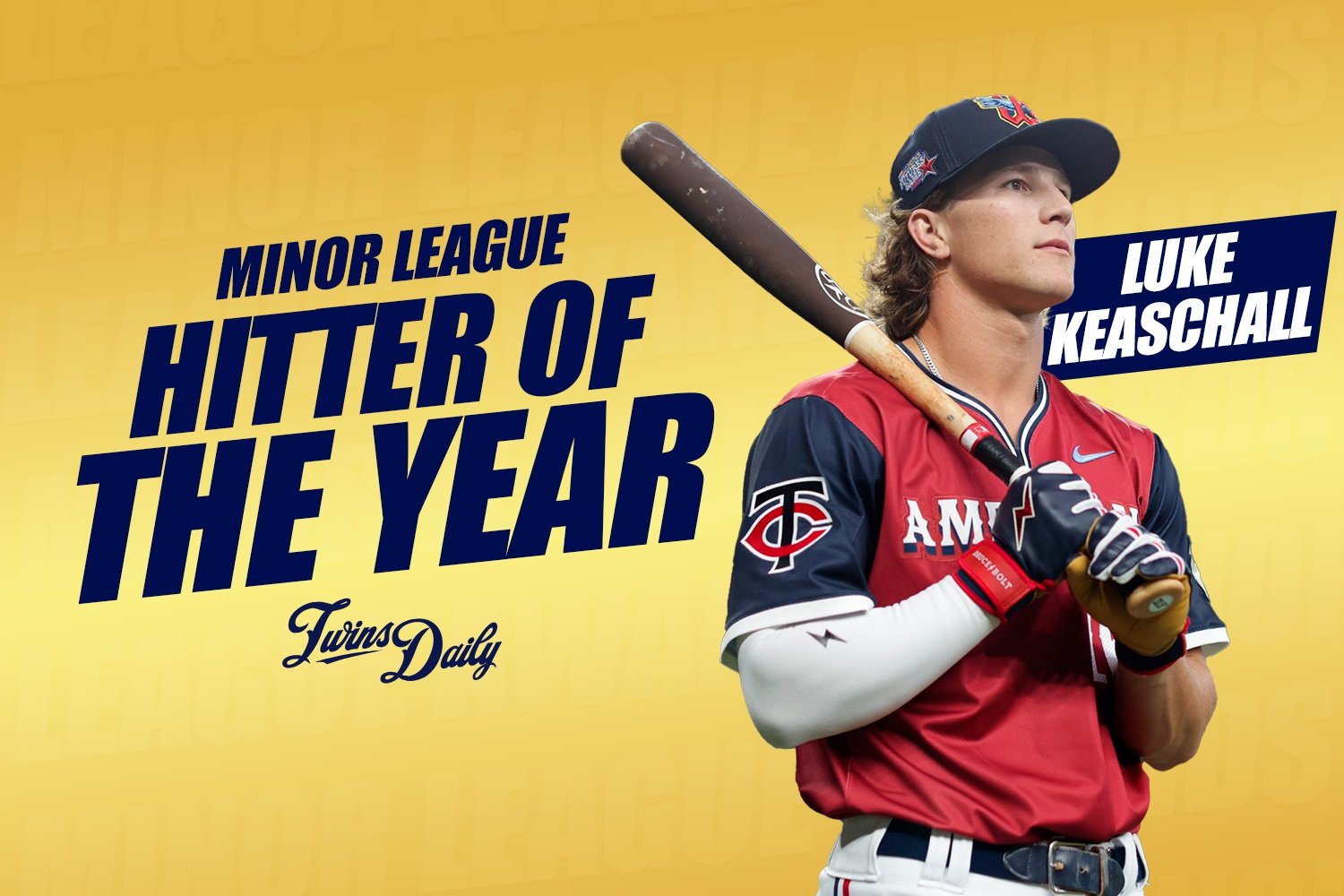 One of the best aspects of award voting in a minor league system is the stories about the players who appear on the ballot. Minnesota’s top-five hitters this season include some players who were high draft picks and others who had to go to the independent leagues to prove their worth. Each story is unique, and the path to becoming a big-league player takes on many forms. Entering next season, the Twins are expected to have one of the highest ranking farm systems on national prospect rankings. There is a chance the Twins have baseball’s number one overall prospect and multiple players in the top 10. Minnesota’s deep farm system has been built under the current regime through strong drafting and development. The seasons by the players discussed below are part of the fabric of an organization's growing depth through multiple avenues to keep the big league club’s winning window open as long as possible. Who have been the previous winners of this award? PREVIOUS WINNERS 2012 - Oswaldo Arcia 2013 - Miguel Sano 2014 - Mitch Garver 2015 - Max Kepler 2016 - Daniel Palka 2017 - Mitch Garver 2018 - Alex Kirilloff 2019 - Trevor Larnach 2021 - Jose Miranda 2022 - Matt Wallner 2023 - Yunior Severino Here are some of the hitters who received votes on writer’s ballots: Honorable Mentions C/OF Ricardo Olivar, 23, Cedar Rapids/Wichita, 100 G, 101-367, .275/.381/.441 (.823), 19 2B, 3 3B, 12 HR, 51 RBI, 62 BB, 88 K, 6 SB. IF Rubel Cespedes, 24, Cedar Rapids, 110 G, 118-418, .282/.346/.431 (.777), 22 2B, 2 3B, 12 HR, 72 RBI, 39 BB, 93 K 5 SB. UTL Michael Helman, 28, St. Paul/Minnesota, 72 G, 75-277, .271/.350/.487 (.838), 18 2B, 14 HR, 47 RBI, 29 BB, 76 K, 12 SB. OF Emmanuel Rodriguez, 21, Wichita/St. Paul, 47 G, 44-157, .280/.459/.567 (1.026), 14 2B, 2 3B, 9 HR, 27 RBI, 51 BB, 62 K, 9 SB. SS/CF Brandon Winokur, 19, Fort Myers, 94 G, 90-362, .249/.327/.434 (.761), 19 2B, 3 3B, 14 HR, 54 RBI, 34 BB< 115 K, 23 SB. Others Receiving Votes: Yunior Severino, Jeferson Morales , Matt Wallner, Anthony Prato, Eduardo Beltre Twins Minor League Hitter of the Year Here are the top five players for the Twins Daily Hitter of the Year, leading up to the choice for the Twins Minor League Hitter of the Year. 5. OF DaShawn Keirsey Jr, 27, St. Paul/Minnesota 111 G, 133-443, .300/.368/.476 (.845), 22 2B, 7 3B, 14 HR, 81 RBI, 48 BB, 116 K, 36 SB. Keirsey was left unprotected from the Rule 5 Draft last winter, and no teams selected him. He went on to have a record-breaking season in St. Paul while also making his big-league debut. In his first 46 games, he posted a .928 OPS while hitting over .300. Injuries have impacted him throughout his professional career, and he missed nearly a month during the middle of the 2024 season. He posted a .572 OPS in his first 28 games coming off the IL, but he found another gear in the season’s final months. In his final 41 games, he hit .346/.403/.506 (.910) with 14 extra-base hits and 15 steals. He recorded 133 hits and 81 RBI with the Saints, both are single-season franchise records. 4. OF Carson McCusker, 26, Wichita/St. Paul 122 G, 130-461, .282/.353/.488 (.841), 30 2B, 4 3B, 19 HR, 75 RBI, 45 BB, 150 K, 7 SB. McCusker played multiple seasons in the independent leagues before signing with the Twins last season. He made his mark during his first full season of affiliated action. His season started at Double-A, where he was nearly two years older than the average age of the competition. After a cold start in April (.678 OPS), he hit .285/.364/.518 (.882) with 40 extra-base hits in his next 82 games before being promoted to Triple-A. He posted a .820 OPS in St. Paul with nine extra-base hits in 24 games. He destroyed left-handed pitching this season to the tune of a .959 OPS in 128 PA. His strikeout rate was high, but he was hitting with enough power, which made it easier to ignore the swing and miss in his game. 3. OF Walker Jenkins, 19, Fort Myers/Cedar Rapids/Wichita 82 G, 86-305, .282/.394/.439 (.833), 22 2B, 4 3B, 6 HR, 58 RBI, 56 BB, 47 K, 17 SB. Jenkins is Minnesota’s top-ranked prospect, and an early season injury is likely the only thing that stopped him from topping this list. He slammed into the wall during Fort Myers’ first game of the season and missed two months. Jenkins quickly made his presence felt when he returned from the IL, as he posted a .823 OPS in his final 32 games at Low-A. It was a solid start to his first full professional season, but it was only the beginning. Minnesota continued to be aggressive with him by promoting him to High-A, where he was over three years younger than the average age of the competition. In 34 games, he hit .290/.382/.481 (.863) with 17 extra-base hits and a 24-to-17 strikeout-to-walk ratio. When Cedar Rapids’ season ended, the Twins sent Jenkins to Double-A for the season’s final six games. He went 4-for-25 with a double and three runs scored. For the season, he only had 11 plate appearances versus younger pitchers. Jenkins will be in the conversation as baseball’s number-one-ranked prospect this winter. 2. IF Payton Eeles, 24, Fort Myers/Cedar Rapids/St. Paul 111 G, 114-372, .307/.435/.497 (.932), 19 2B, 8 3B, 12 HR, 60 RBI, 67 BB, 68 K, 41 SB. Eeles might be one of the best stories in all of baseball over the last year. He went from an undrafted collegiate player in 2023 to Triple-A with the Twins organization to end the 2024 campaign. Minnesota signed Eeles on May 7th and assigned him to Fort Myers. In 34 games, he hit .331/.448/.517 (.965) with 13 extra-base hits, 13 steals, and a 27-to-23 strikeout-to-walk ratio. He was over three years older than the average age of the competition in the FSL, so the Twins promoted him to High-A in the middle of June. Eeles’ stay in Cedar Rapids was short-lived (13 G) as he went 11-for-40 (.275 BA) with more walks (11) than strikeouts. He continued to be a threat on the bases, going 8-for-11 in stolen base opportunities. On July 4th, Minnesota promoted Eeles to Triple-A and had him completely skip the Double-A level. He didn’t slow down in St. Paul, which is hard to believe for a player with fewer than 160 at-bats in the low minors. Eeles played 64 games with the Saints, hitting .299/.419/.500 (.919) with 23 extra-base hits and 20 steals. An argument can be made for him as the top hitter in the Twins minor league system this year, and he has a place in the organization’s long-term plans. 1. IF Luke Keaschall, 21, Cedar Rapids/Wichita 102 G, 115-379, .303/.420/.483 (.903), 21 2B, 1 3B, 15 HR, 48 RBI, 62 BB, 80 K, 23 SB. It’s truly remarkable to see Keaschall’s name top this list during a season where he played through an elbow injury. He posted terrific offensive numbers before undergoing Tommy John surgery late in the season, so he can be back in action next spring. His season began in Cedar Rapids, where he posted a .881 OPS during the season’s first month. He exploded May by hitting .375/.468/.596 (1.065) with eight doubles and five home runs in 27 games. The Twins promoted him to Double-A at the end of May, and he continued to thrive. Keaschall was over three years younger than the average age of the competition in the Texas League. He played 58 games for Wichita and had at least one hit in 45 of those contests. June marked his first full month at Double-A, and it turned out to be his worst month of the season. In 27 games, he posted a .817 OPS with nine extra-base hits and 28 strikeouts. It was the only month where he struck out more than 17 times. During July, he went 22-for-76 with five homers and two doubles while getting on base nearly 43% of the time. The writing was on the wall at the beginning of August. He needed to go under the knife so he could be ready for spring training. Out of his 464 plate appearances, only 28 came against younger pitchers. When facing older pitchers, he hit .302/.424/.483 (.907) in 354 at-bats. As a right-handed batter, he posted reverse splits this season, with his OPS being 109 points higher when facing righties. However, he was limited to 89 at-bats against southpaws. Keaschall will enter this winter as the Twins’ top infield prospect while also being in consideration as a top-100 prospect. The Twins will be cautious with him as he returns from injury next season, but there is a strong chance he will make his big-league debut during the 2025 campaign. Realistically, the top five hitters finished the year in the high minors and have a chance to impact the Twins’ roster in 2025. Jenkins and Keaschall are considered among the organization’s top position player prospects, while the other three can provide depth to a franchise always looking to optimize the big-league roster. Each player has their own story, and it’s only a matter of time before these prospects find a long-term role in Minnesota. Congratulations to this year’s top minor-league hitters! How would your ballot have looked? Leave a COMMENT and start the discussion.
- 14 comments
-
- 7
-
-
- dashawn keirsey jr
- carson mccusker
- (and 3 more)
-
The Twins don’t have a clear frontrunner for the team’s 2024 MVP. However, Carlos Correa was a lock for the award until everything changed for the team’s star shortstop. Image courtesy of John Hefti-USA TODAY Sports The Twins don’t have a clear frontrunner for the team’s 2024 MVP. However, Carlos Correa was a lock for the award until everything changed for the team’s star shortstop. After winning its first playoff series in two decades, Minnesota entered the 2024 season with high expectations. Carlos Correa was at the center of those expectations, because he was healthy after battling plantar fasciitis in 2023. When the Twins re-signed Correa, he brought high expectations with him. Correa’s pedigree as a two-time All-Star, World Series champion, and a strong defender made him the highest-paid player on the team. He more than lived up to that billing in the first half of the season. Unfortunately, an untimely injury derailed his season and the team’s postseason dreams. Correa’s 2024 season started as a redemption tour. He came into the year with a chip on his shoulder to prove the 2023 season was a fluke. Last year, he played 135 games but struggled with a 94 OPS+ while setting the team record with 30 GDP. By the time the All-Star break rolled around, there was no question that Correa had not only shaken off the rust but was thriving at a level fans had rarely seen from him in a Twins uniform. He slashed an impressive .308/.377/.520, with 16 doubles, three triples, and 13 home runs through the first 75 games of the season, combining his power and plate discipline in ways that brought comparisons to his best years in Houston. Correa’s defense also returned to elite form, with an OAA in the 87th percentile, providing critical value on both sides of the ball. It was arguably his best first half in his illustrious career. The result? Correa earned a well-deserved All-Star nod, reminding everyone why Minnesota committed to the largest contract in franchise history to keep him. His leadership, poise, and production had the Twins comfortably holding a playoff spot heading into the break. Then disaster struck. Shortly before the Midsummer Classic, Correa suffered another bout with plantar fasciitis, this time in his right foot. It was initially unclear how much time he would miss, but as days turned to weeks, his absence loomed larger. As the calendar turned to September, it was evident that if Correa returned, it would be with less than 100% healthy. The Twins floundered without Correa anchoring the lineup and stabilizing the infield defense. His presence on both sides of the ball was sorely missed. The once-surging team found itself stumbling, struggling to generate offense, and unable to win vital divisional matchups. The slide was painful and, for many fans, frustratingly familiar. Minnesota went 29-38 (.432 W-L%) from his last game in July to the end of the season. The playoffs, once a near certainty, were slipping out of reach. What made Correa’s injury all the more frustrating for the team was the pressure surrounding him. As the team’s highest-paid player, the expectations were immense. The front office, the fans, and even Correa knew he needed to be the central figure in any Twins' success. And for the first half of 2024, he embraced that role with open arms. His absence became glaring in his two-month absence, and the Twins failed to fill the void. With so much invested in Correa, this felt like a season that could’ve been saved had he been healthy. It was a stark reminder of Minnesota's reliance on their superstar, especially in light of ownership cutting $30 million from the payroll this winter. Correa takes up such a large percentage of the team’s financial commitment that he is essential for the team to succeed. The Twins' playoff hopes evaporated as the regular season came to a close. September’s stretch of games turned into a nightmare, with Minnesota’s offense flatlining without its MVP in the middle of the lineup. Correa returned in the middle of September, but by that point, the team was beyond saving. He went 13-for-40 (.325 BA) with four doubles and a home run in 11 games, but the Twins ultimately fell short. Minnesota missed the postseason for the second time in Correa’s three seasons with the club, and many will point to his injury as the defining moment of the collapse. While baseball is a team sport, the Twins' late-season struggles underscored how much Correa had meant to their success. The 2024 season is one of missed opportunities for Minnesota. Correa’s All-Star first half showed what could be possible when he’s healthy and at his best, but his absence down the stretch was a sobering reminder that one player can’t win or save a season on their own. He finished the season as the team's leader in fWAR and rWAR, showcasing his great first half and how poorly the team performed without him. The Twins, already facing questions about their future roster construction, now must hope that Correa’s health returns to form in 2025 and beyond. For Correa, his MVP-caliber start in 2024 should serve as motivation to return stronger, hungrier, and with unfinished business. Minnesota will need him more than ever. And for Twins fans, there’s hope that this star can guide them back to where they want to be—a playoff team with championship aspirations. Is Correa still the team’s 2024 MVP? Who would make your top-five ballot? Leave a COMMENT and start the discussion. View full article
-
The 2024 Twins season will be remembered for all the wrong reasons. How does it stack up with other disappointing seasons in team history? Image courtesy of Matt Blewett, Jerry Lai, Richard Mackson-USA TODAY Sports The 2024 Twins season will be remembered for all the wrong reasons. How does it stack up with other disappointing seasons in team history? After a Twins season that failed to live up to expectations, many fans have a sour taste in their mouths. Minnesota sports fans have become accustomed to watching their favorite teams fall short in critical moments. The Twins have had several seasons that did so, leaving fans disappointed. Here are a few of the most notable, starting with the most recent: 2024 Season Expectation: The Twins entered the season as the clear favorites in the AL Central. Minnesota’s expectations were high, following the team’s first playoff series win in two decades. Other AL Central teams seemed to be in various stages of disrepair or transition, so it looked like it was the Twins’ division to lose. Disappointment: Cleveland got off to a tremendous start and ran away with the division title. Kansas City added pieces over the winter and at the trade deadline to bolster their roster. Detroit sat below .500 at the trade deadline and became sellers, but went on an unbelievable run to end the year and win a Wild Card spot. Minnesota had playoff odds over 90% entering August and collapsed down the stretch. Three AL Central teams made the playoffs, and the Twins were left on the outside looking in. 2022 Season Expectation: The Twins surprised the baseball world by signing Carlos Correa to a massive free-agent deal coming out of the lockout. Earlier in the winter, Minnesota had traded for veteran starter Sonny Gray. It was a clear message to the AL Central that the Twins were going to contend, and put the horrible 2021 season in the rearview mirror. Disappointment: On Aug. 6, the Twins were in first place by two games and stood seven games above .500. There was a 62.3% chance for the team to make the playoffs. Injuries plagued the team in the second half, and their playoff odds evaporated. Minnesota finished in third place (14 games back), with a record below .500. Adding to the disappointment, Correa was headed back to free agency and seemed likely to sign elsewhere. 2011 Season Expectation: Coming off division titles in 2009 and 2010, the Twins were expected to dominate again. They had a strong core of Joe Mauer, Justin Morneau, and Michael Cuddyer. Jim Thome re-signed with the club, after a renaissance season during his first year in a Twins uniform. Minnesota also signed Tsuyoshi Nishioka, whom they hoped would be the next great Japanese player. Also, Target Field was still buzzing with excitement in its second year. Disappointment: Instead, the team fell apart, finishing 63-99, their worst record since 1982. Injuries to key players like Mauer and Morneau and a collapse from the pitching staff made this season particularly frustrating. The ageless Thome suddenly aged very rapidly, and Nishioka struggled to transition to the MLB level (40 OPS+). Warning signs became evident during the team’s midsummer cave-in: Minnesota was heading into a dark decade, with the team struggling to be relevant. Eventually, the baseball operations department needed to be overhauled, and the team moved on from two different managers. 2001 Season Expectation: Minnesota entered the 2001 season with the eyes of the baseball world on it. During the offseason, MLB discussed plans to contract the Twins, but the plan was blocked by a court injunction that forced the team to honor their lease at the Metrodome, and by challenges from the Major League Baseball Players Association (MLBPA). This large cloud looming over the team put pressure on young players to perform. With players like Torii Hunter, Doug Mientkiewicz, and Brad Radke leading the way, the Twins burst out of the gates, holding first place for much of the year and looking like a playoff contender. Disappointment: A midseason collapse saw the Twins fall out of contention. They finished with an 85-77 record, missing the postseason. This season stung, because it seemed like the team was finally ready to compete again after a decade of rebuilding. It was the first step in what would become a decade dominated by the Twins in the AL Central. Minnesota won the division five times from 2002 to 2009, including making the ALCS in 2002. One must wonder what could have happened if the team had more playoff experience during the 2001 campaign. 1992 Season Expectation: The Twins were coming off a World Series win in 1991, and expectations were that the club would be in contention for another title. They had a strong core of Kirby Puckett, Kent Hrbek, Shane Mack, and Scott Erickson. Minnesota entered play on Aug. 4 in a three-way tie atop the American League with Oakland and Toronto. The Twins were in position to become the first back-to-back World Series winner since the Yankees in the late 1970s. Disappointment: Instead of building on their success, the Twins faltered down the stretch, finishing 27-29 after that day in early August. Minnesota finished six games behind Oakland in the West division and missed the playoffs. To add insult to injury, 1991 World Series hero Jack Morris signed with Toronto and helped them win the pennant. Despite having personnel similar to their 1991 championship team, they ran out of gas in the second half, leading to one of the most disappointing post-title letdowns in franchise history. It was just the start of a downward slide, too. These seasons were painful for fans, as they all followed periods of high expectations or early success. How would you rank the seasons described above? Should other seasons make the list? Leave a comment and start the discussion. View full article
-
Was 2024 the Most Disappointing Season in Minnesota Twins History?
Cody Christie posted an article in Twins
 After a Twins season that failed to live up to expectations, many fans have a sour taste in their mouths. Minnesota sports fans have become accustomed to watching their favorite teams fall short in critical moments. The Twins have had several seasons that did so, leaving fans disappointed. Here are a few of the most notable, starting with the most recent: 2024 Season Expectation: The Twins entered the season as the clear favorites in the AL Central. Minnesota’s expectations were high, following the team’s first playoff series win in two decades. Other AL Central teams seemed to be in various stages of disrepair or transition, so it looked like it was the Twins’ division to lose. Disappointment: Cleveland got off to a tremendous start and ran away with the division title. Kansas City added pieces over the winter and at the trade deadline to bolster their roster. Detroit sat below .500 at the trade deadline and became sellers, but went on an unbelievable run to end the year and win a Wild Card spot. Minnesota had playoff odds over 90% entering August and collapsed down the stretch. Three AL Central teams made the playoffs, and the Twins were left on the outside looking in. 2022 Season Expectation: The Twins surprised the baseball world by signing Carlos Correa to a massive free-agent deal coming out of the lockout. Earlier in the winter, Minnesota had traded for veteran starter Sonny Gray. It was a clear message to the AL Central that the Twins were going to contend, and put the horrible 2021 season in the rearview mirror. Disappointment: On Aug. 6, the Twins were in first place by two games and stood seven games above .500. There was a 62.3% chance for the team to make the playoffs. Injuries plagued the team in the second half, and their playoff odds evaporated. Minnesota finished in third place (14 games back), with a record below .500. Adding to the disappointment, Correa was headed back to free agency and seemed likely to sign elsewhere. 2011 Season Expectation: Coming off division titles in 2009 and 2010, the Twins were expected to dominate again. They had a strong core of Joe Mauer, Justin Morneau, and Michael Cuddyer. Jim Thome re-signed with the club, after a renaissance season during his first year in a Twins uniform. Minnesota also signed Tsuyoshi Nishioka, whom they hoped would be the next great Japanese player. Also, Target Field was still buzzing with excitement in its second year. Disappointment: Instead, the team fell apart, finishing 63-99, their worst record since 1982. Injuries to key players like Mauer and Morneau and a collapse from the pitching staff made this season particularly frustrating. The ageless Thome suddenly aged very rapidly, and Nishioka struggled to transition to the MLB level (40 OPS+). Warning signs became evident during the team’s midsummer cave-in: Minnesota was heading into a dark decade, with the team struggling to be relevant. Eventually, the baseball operations department needed to be overhauled, and the team moved on from two different managers. 2001 Season Expectation: Minnesota entered the 2001 season with the eyes of the baseball world on it. During the offseason, MLB discussed plans to contract the Twins, but the plan was blocked by a court injunction that forced the team to honor their lease at the Metrodome, and by challenges from the Major League Baseball Players Association (MLBPA). This large cloud looming over the team put pressure on young players to perform. With players like Torii Hunter, Doug Mientkiewicz, and Brad Radke leading the way, the Twins burst out of the gates, holding first place for much of the year and looking like a playoff contender. Disappointment: A midseason collapse saw the Twins fall out of contention. They finished with an 85-77 record, missing the postseason. This season stung, because it seemed like the team was finally ready to compete again after a decade of rebuilding. It was the first step in what would become a decade dominated by the Twins in the AL Central. Minnesota won the division five times from 2002 to 2009, including making the ALCS in 2002. One must wonder what could have happened if the team had more playoff experience during the 2001 campaign. 1992 Season Expectation: The Twins were coming off a World Series win in 1991, and expectations were that the club would be in contention for another title. They had a strong core of Kirby Puckett, Kent Hrbek, Shane Mack, and Scott Erickson. Minnesota entered play on Aug. 4 in a three-way tie atop the American League with Oakland and Toronto. The Twins were in position to become the first back-to-back World Series winner since the Yankees in the late 1970s. Disappointment: Instead of building on their success, the Twins faltered down the stretch, finishing 27-29 after that day in early August. Minnesota finished six games behind Oakland in the West division and missed the playoffs. To add insult to injury, 1991 World Series hero Jack Morris signed with Toronto and helped them win the pennant. Despite having personnel similar to their 1991 championship team, they ran out of gas in the second half, leading to one of the most disappointing post-title letdowns in franchise history. It was just the start of a downward slide, too. These seasons were painful for fans, as they all followed periods of high expectations or early success. How would you rank the seasons described above? Should other seasons make the list? Leave a comment and start the discussion.
- 49 comments
-
- 2
-

-
-
- carlos correa
- sonny gray
- (and 5 more)
-
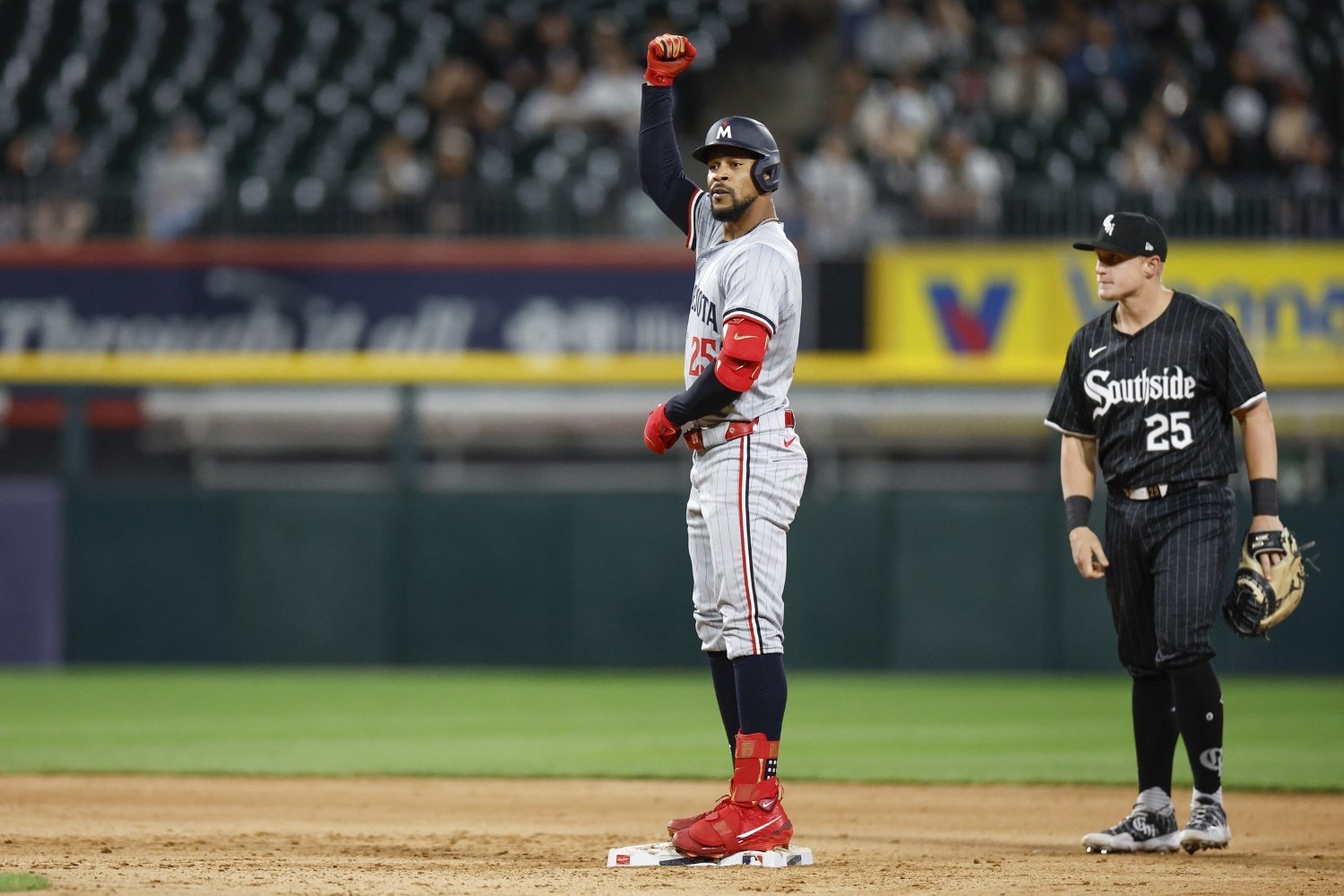 Byron Buxton has heard it all during his big-league career: “He will never hit for power,” “He gets injured too much,” “The Twins shouldn't have given him that big contract.” The list of doubters and naysayers is lengthy for the former number two overall pick, who has become an All-Star outfielder during his decade-long big-league career. So, what has he proven in 2024, and what does that mean for 2025 and beyond? Doubt 1: He will never hit for power. Buxton was seen as the prototype of a traditional leadoff hitter for much of his early career. His blazing speed and game-changing defense made him a natural fit at the top of the lineup. Yet, as time wore on, Buxton’s approach began to shift. Rather than focusing on simply getting on base, he embraced his raw power, developing into a middle-of-the-order force. Buxton has showcased his power potential in previous seasons, but the 2024 campaign proved that his previous power surge was no fluke. His 138 OPS+ is his second-highest total, with only his 2021 season ranking higher. In that season, he combined for 23 doubles and 19 home runs but was limited to 61 games because of injury. His xSLG, wOBA, and xwOBACON rank in the top 7% among MLB hitters. He also dropped his K% from 31.4% last season (bottom 8% of MLB) to 26.0 in 2024. The leadoff Buxton was exciting, but the slugging Buxton? He’s elite. Doubt 2: He gets injured too much. Injuries have permanently shadowed Buxton’s career. For all his electrifying talent, he couldn’t seem to stay on the field long enough to reach his full potential. That’s why it felt like a breakthrough when Buxton played over 100 games for the second time in his career in 2024. Sure, he spent time on the injured list, but this year was different—he returned stronger and continued to play centerfield on a regular basis. Last season, Buxton was never healthy enough to play in center field, so the team had him serve as the DH. In 2024, he logged over 740 innings in center, a total he hasn’t achieved since 2017. His defense has also been near the top of the scale compared to other defenders. His OAA and Arm Strength rank in the 82nd percentile or higher. He fought through nagging injuries, making it clear that he was determined to prove the narrative wrong. Doubt 3: The Twins shouldn't have given him that big contract. When Buxton signed his seven-year, $100 million extension, some felt the contract was a bargain, given his ceiling. Others worried it was an overpay for a player who couldn’t stay healthy. In 2024, Buxton demonstrated his worth to the Twins, and fans have seen this in previous seasons. FanGraphs converts WAR to a dollar scale based on what a player would make in free agency. In 2024, the Twins are paying Buxton $15.1 million, but according to FanGraphs, his value has been worth $27.4 million to Minnesota. Prior to this season, Buxton had been worth $24.8 million or more in four of his seven full seasons. Buxton is an elite player who provides tremendous value when he finds a way to stay on the field. There will be fans who constantly criticize a player who misses time due to injury. Unfortunately, the days have long passed when a player could regularly play 162 games in a season. In Buxton’s case, he can provide tremendous value even if he is limited to 100 games or fewer. It’s a tricky concept to grasp, especially for fans who grew up watching baseball in a different era. In a season filled with doubt, questions, and speculation, Buxton proved that he’s not only the player the Twins hoped for but the one they need. He transformed himself from a speedy leadoff man to a power-hitting slugger, played over 100 games for just the second time in his career, and demonstrated why his contract extension was a wise move by the front office. 2024 may very well go down as the year Buxton silenced some of his doubters, but there will always be naysayers in any fanbase. And for Twins fans, this could be just the beginning of a new era—an era defined by Buxton’s excellence. What stands out about Buxton's 2024 season? What are your expectations for him next season? Leave a COMMENT and start the discussion.
 -
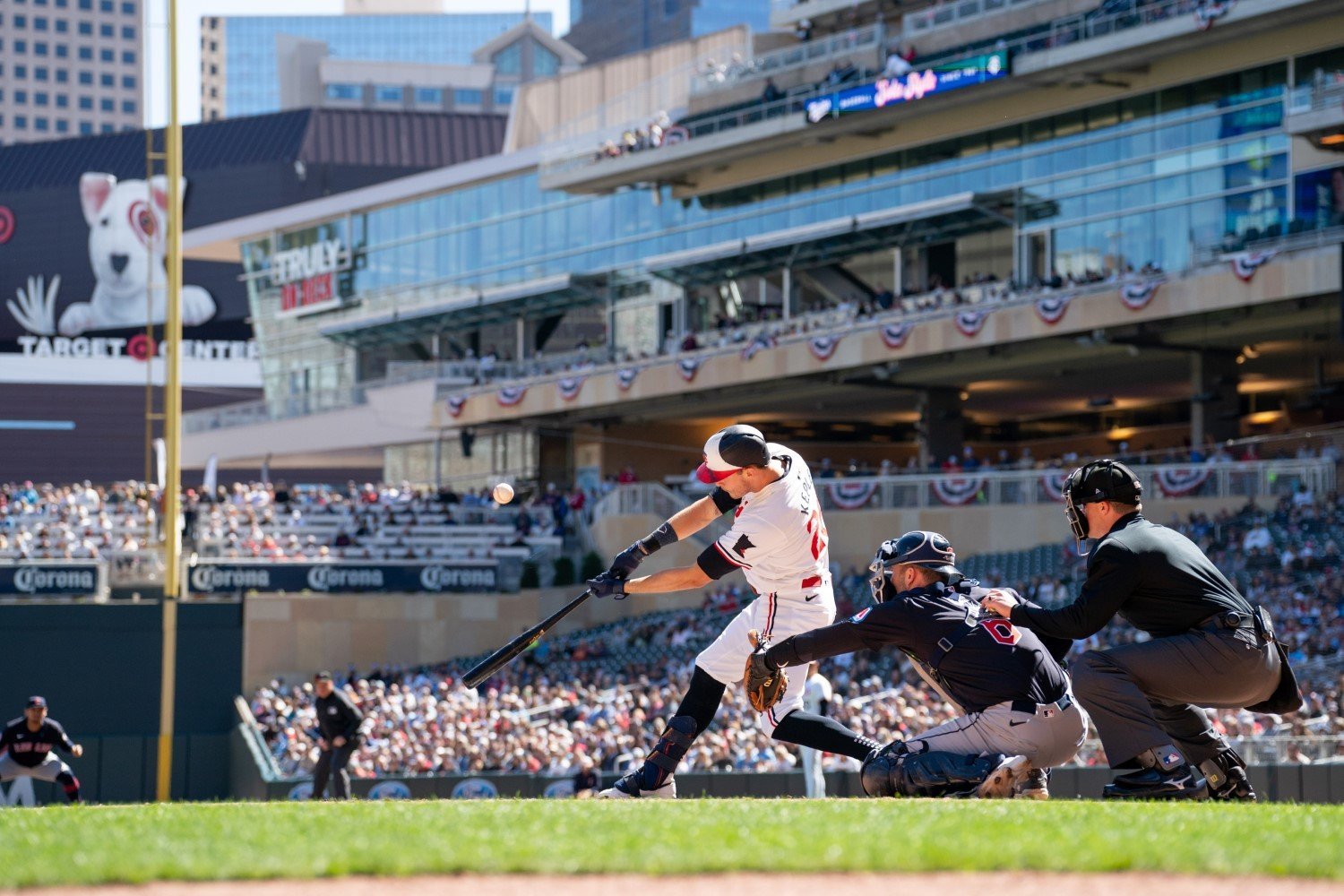 Earlier this week, the Twins announced that Max Kepler’s regular season is likely done. Kepler received a cortisone shot in his hip last week for an injury that has kept him out since the beginning of the month. He faced live pitching on Monday, but the decision was made that he isn’t healthy enough to help the Twins in their potential playoff push. “I could’ve shut it down completely and said, ‘Let’s do what’s necessary here for moving forward and my health,’ but I thought cortisone shots would help just to see if I can push out some more of my ability,” Kepler said. “At this moment, in all honesty, I think the guys on the roster have a better shot than me.” Kepler is the longest-tenured member of the organization, having signed with the Twins in 2009 as a 16-year-old from Germany. Minnesota signed him to a six-year, $44 million extension before the 2019 season. He is headed to free agency this winter for the first time in his career. His longevity in a Twins uniform has him among the team’s top 20 hitters in multiple categories, including home runs (12th) and games (16th). “I haven’t really decompressed and looked back on every moment as a Twin but I’m truly grateful and this is not really bothering [me] too much on my way out,” Kepler said. “Obviously, I want to go out on a higher note, but I mean add the minor league years into it, 15 years of my life – half my life as a Twin– I don’t think I could have done much more as a kid from Berlin.” The Twins find themselves in a challenging situation heading into this weekend’s series with Baltimore. Minnesota has a slim chance of earning the final AL Wild Card spot, but it will take a strong performance in the team’s final games. Sunday’s contest at Target Field might decide whether or not the club qualifies for the playoffs for the fourth time in the last six seasons. There is also a chance that the season finale will be inconsequential for either team. If the Twins are eliminated, giving Kepler a Target Field send-off is only fitting. He could be activated before Sunday’s game to occupy a spot on the bench or begin the game as the DH. Minnesota could give him one final at-bat in front of the hometown fans so they can show their appreciation for everything he has accomplished in a Twins uniform. “This game comes with a lot of unexpected adversity and challenges,” Kepler said. “I’m proud of myself for what I’ve done as an individual, as a teammate, as a friend to everyone in this clubhouse.” Kepler will finish his Twins tenure with a career 102 OPS+ while also being one of baseball’s best defensive right-fielders. He’s likely headed to the Twins Hall of Fame when he finishes his career because of what he’s meant to the organization on and off the field. Minnesota likely won’t have payroll space to bring him back next season, so fans deserve the chance to honor Kepler. What’s your favorite Kepler memory? Will he get one more at-bat for the Twins? Leave a COMMENT and start the discussion. Max Kepler has been tagged in more than 700 articles at Twins Daily. Spend some time perusing the history.
 -
There’s a slim chance the Twins will be fighting for their playoff lives on Sunday. If the team is eliminated, Minnesota deserves the chance to say goodbye to Max Kepler? Image courtesy of © Matt Blewett-USA TODAY Sports There’s a slim chance the Twins will be fighting for their playoff lives on Sunday. If the team is eliminated, Minnesota deserves the chance to say goodbye to Max Kepler? Earlier this week, the Twins announced that Max Kepler’s regular season is likely done. Kepler received a cortisone shot in his hip last week for an injury that has kept him out since the beginning of the month. He faced live pitching on Monday, but the decision was made that he isn’t healthy enough to help the Twins in their potential playoff push. “I could’ve shut it down completely and said, ‘Let’s do what’s necessary here for moving forward and my health,’ but I thought cortisone shots would help just to see if I can push out some more of my ability,” Kepler said. “At this moment, in all honesty, I think the guys on the roster have a better shot than me.” Kepler is the longest-tenured member of the organization, having signed with the Twins in 2009 as a 16-year-old from Germany. Minnesota signed him to a six-year, $44 million extension before the 2019 season. He is headed to free agency this winter for the first time in his career. His longevity in a Twins uniform has him among the team’s top 20 hitters in multiple categories, including home runs (12th) and games (16th). “I haven’t really decompressed and looked back on every moment as a Twin but I’m truly grateful and this is not really bothering [me] too much on my way out,” Kepler said. “Obviously, I want to go out on a higher note, but I mean add the minor league years into it, 15 years of my life – half my life as a Twin– I don’t think I could have done much more as a kid from Berlin.” The Twins find themselves in a challenging situation heading into this weekend’s series with Baltimore. Minnesota has a slim chance of earning the final AL Wild Card spot, but it will take a strong performance in the team’s final games. Sunday’s contest at Target Field might decide whether or not the club qualifies for the playoffs for the fourth time in the last six seasons. There is also a chance that the season finale will be inconsequential for either team. If the Twins are eliminated, giving Kepler a Target Field send-off is only fitting. He could be activated before Sunday’s game to occupy a spot on the bench or begin the game as the DH. Minnesota could give him one final at-bat in front of the hometown fans so they can show their appreciation for everything he has accomplished in a Twins uniform. “This game comes with a lot of unexpected adversity and challenges,” Kepler said. “I’m proud of myself for what I’ve done as an individual, as a teammate, as a friend to everyone in this clubhouse.” Kepler will finish his Twins tenure with a career 102 OPS+ while also being one of baseball’s best defensive right-fielders. He’s likely headed to the Twins Hall of Fame when he finishes his career because of what he’s meant to the organization on and off the field. Minnesota likely won’t have payroll space to bring him back next season, so fans deserve the chance to honor Kepler. What’s your favorite Kepler memory? Will he get one more at-bat for the Twins? Leave a COMMENT and start the discussion. Max Kepler has been tagged in more than 700 articles at Twins Daily. Spend some time perusing the history. View full article
-
A particular segment of a team's fan base will always doubt star players unless they perform at an MVP level. Byron Buxton proved his naysayers wrong on multiple fronts in 2024. Image courtesy of © Kamil Krzaczynski-USA TODAY Sports A particular segment of a team's fan base will always doubt star players unless they perform at an MVP level. Byron Buxton proved his naysayers wrong on multiple fronts in 2024. Byron Buxton has heard it all during his big-league career: “He will never hit for power,” “He gets injured too much,” “The Twins shouldn't have given him that big contract.” The list of doubters and naysayers is lengthy for the former number two overall pick, who has become an All-Star outfielder during his decade-long big-league career. So, what has he proven in 2024, and what does that mean for 2025 and beyond? Doubt 1: He will never hit for power. Buxton was seen as the prototype of a traditional leadoff hitter for much of his early career. His blazing speed and game-changing defense made him a natural fit at the top of the lineup. Yet, as time wore on, Buxton’s approach began to shift. Rather than focusing on simply getting on base, he embraced his raw power, developing into a middle-of-the-order force. Buxton has showcased his power potential in previous seasons, but the 2024 campaign proved that his previous power surge was no fluke. His 138 OPS+ is his second-highest total, with only his 2021 season ranking higher. In that season, he combined for 23 doubles and 19 home runs but was limited to 61 games because of injury. His xSLG, wOBA, and xwOBACON rank in the top 7% among MLB hitters. He also dropped his K% from 31.4% last season (bottom 8% of MLB) to 26.0 in 2024. The leadoff Buxton was exciting, but the slugging Buxton? He’s elite. Doubt 2: He gets injured too much. Injuries have permanently shadowed Buxton’s career. For all his electrifying talent, he couldn’t seem to stay on the field long enough to reach his full potential. That’s why it felt like a breakthrough when Buxton played over 100 games for the second time in his career in 2024. Sure, he spent time on the injured list, but this year was different—he returned stronger and continued to play centerfield on a regular basis. Last season, Buxton was never healthy enough to play in center field, so the team had him serve as the DH. In 2024, he logged over 740 innings in center, a total he hasn’t achieved since 2017. His defense has also been near the top of the scale compared to other defenders. His OAA and Arm Strength rank in the 82nd percentile or higher. He fought through nagging injuries, making it clear that he was determined to prove the narrative wrong. Doubt 3: The Twins shouldn't have given him that big contract. When Buxton signed his seven-year, $100 million extension, some felt the contract was a bargain, given his ceiling. Others worried it was an overpay for a player who couldn’t stay healthy. In 2024, Buxton demonstrated his worth to the Twins, and fans have seen this in previous seasons. FanGraphs converts WAR to a dollar scale based on what a player would make in free agency. In 2024, the Twins are paying Buxton $15.1 million, but according to FanGraphs, his value has been worth $27.4 million to Minnesota. Prior to this season, Buxton had been worth $24.8 million or more in four of his seven full seasons. Buxton is an elite player who provides tremendous value when he finds a way to stay on the field. There will be fans who constantly criticize a player who misses time due to injury. Unfortunately, the days have long passed when a player could regularly play 162 games in a season. In Buxton’s case, he can provide tremendous value even if he is limited to 100 games or fewer. It’s a tricky concept to grasp, especially for fans who grew up watching baseball in a different era. In a season filled with doubt, questions, and speculation, Buxton proved that he’s not only the player the Twins hoped for but the one they need. He transformed himself from a speedy leadoff man to a power-hitting slugger, played over 100 games for just the second time in his career, and demonstrated why his contract extension was a wise move by the front office. 2024 may very well go down as the year Buxton silenced some of his doubters, but there will always be naysayers in any fanbase. And for Twins fans, this could be just the beginning of a new era—an era defined by Buxton’s excellence. What stands out about Buxton's 2024 season? What are your expectations for him next season? Leave a COMMENT and start the discussion. View full article