



Cody Christie
-
Posts
7,810 -
Joined
-
Last visited
-
Days Won
5
Content Type
Profiles
News
Minnesota Twins Videos
2026 Minnesota Twins Top Prospects Ranking
2022 Minnesota Twins Draft Picks
Minnesota Twins Free Agent & Trade Rumors, Notes, & Tidbits
Guides & Resources
2023 Minnesota Twins Draft Picks
The Minnesota Twins Players Project
2024 Minnesota Twins Draft Picks
2025 Minnesota Twins Draft Pick Tracker
2026 Minnesota Twins Draft Tracker: Picks & Bonuses
Forums
Blogs
Events
Store
Downloads
Gallery
Everything posted by Cody Christie
-

Could Byron Buxton Follow a Career Path Similar to Torii Hunter?
Cody Christie posted an article in Twins
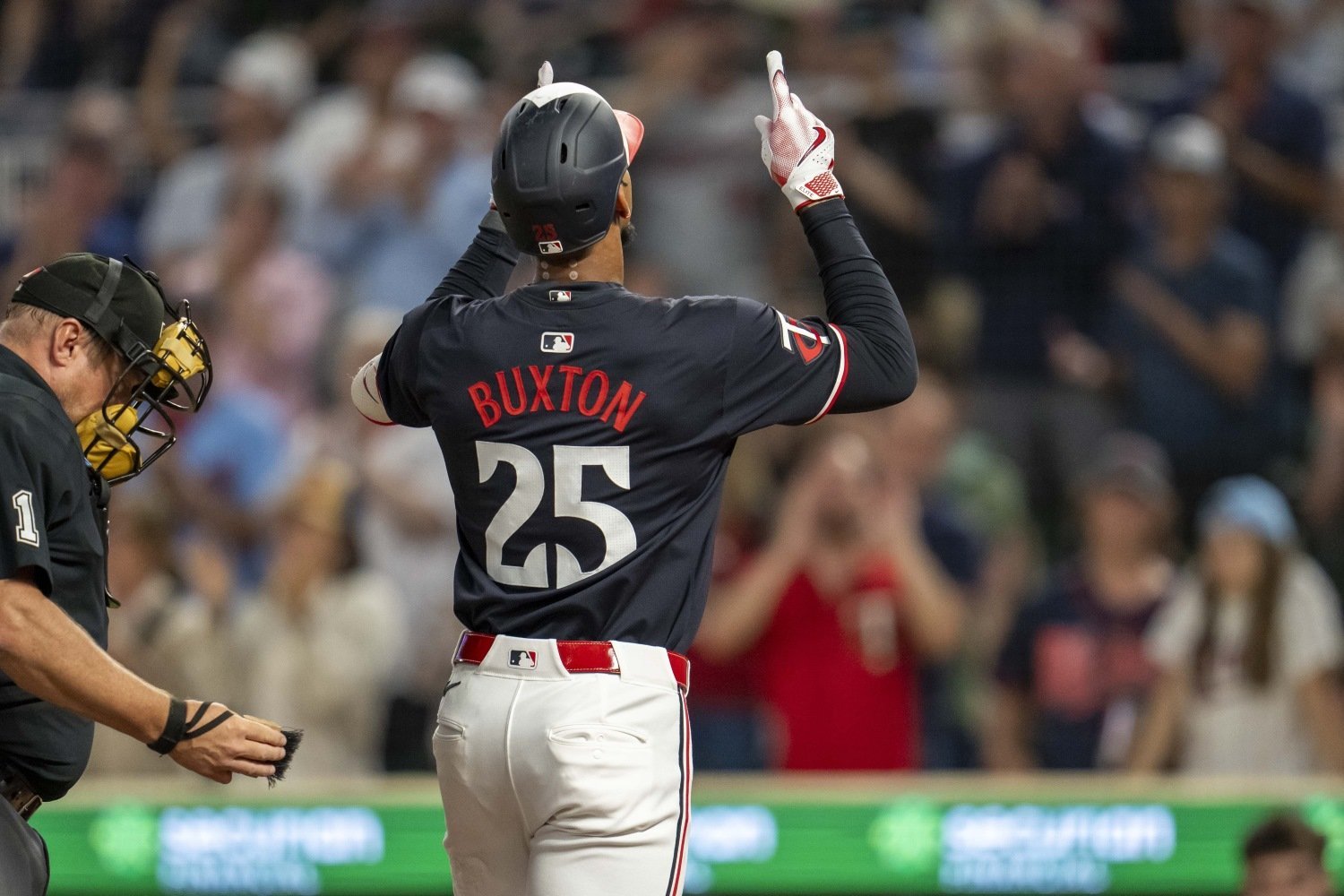 Byron Buxton has become one of the most electrifying players in recent Twins memory, captivating fans with his speed, power, and defensive prowess. But as he ages, Buxton will need to modify his game to stay effective, and he wouldn’t be the first Twins center fielder to make these adjustments. Torii Hunter, one of Minnesota’s iconic players, redefined his own game over time, shifting his role to keep contributing well into his 30s. If Buxton follows a similar path, it could extend his career and secure his place as a cornerstone in the lineup. Maybe it would even lend him a newfound ability to stay in the lineup on more than a semi-regular basis. Moving from Center Field to the Corners Hunter, like Buxton, was known for his acrobatic catches and range in center field. But by his early 30s, Hunter saw his defensive capabilities deteriorate, and he eventually moved to right field to preserve his legs and better serve his team. Buxton’s elite defense in center field has been one of his most significant contributions. Still, injuries have impacted his ability to stay on the field, prompting the team to use him exclusively as a designated hitter during the 2023 season. In 2024, he primarily played in center again, but his defense was noticeably worse than in the past. If Buxton can transition to a corner outfield spot, could he reduce the risk of injury while still providing defensive value? Like Hunter, Buxton has the arm strength to handle either right or left field. A corner spot could allow him to play more regularly, while offering the Twins an experienced glove and a potent bat in that position. With younger prospects like Walker Jenkins and Emmanuel Rodriguez potentially ready to contribute in center, Buxton’s transition to a corner role could come sooner rather than later, especially if it means he can continue to impact the lineup over a full season. Evolving as a Hitter Hunter entered the big leagues as a free swinger, known for his pop and aggressiveness at the plate. However, as his career progressed, he learned to adjust, improve his plate discipline, and focus more on being selective. The result was a hitter who could still deliver power, but with improved on-base skills. As Hunter entered his 30s, he put up some of his best offensive seasons by prioritizing quality at-bats over sheer slugging. After walking in 6.4% of his plate appearances in his 20s, that number surged to 8.3% from ages 30-35. From his age 33-37 seasons, he hit .291/.350/.462, a 123 OPS+. In that five-year span, he posted three seasons with a .299 or higher batting average. For Buxton, a similar approach could be transformative. He’s evolved into more of a power hitter, but that approach has downsides, particularly regarding contact rate and chasing pitches. Buxton’s swing has become more pull-oriented, and while he can still turn on inside pitches with authority, pitchers have exploited his willingness to chase outside of the zone. He’s had a career 28.9 K%, but he posted a career-best 10.1 BB% last season. He could add another dimension to his game by focusing on discipline and working counts, as Hunter did at the same age. The Twins’ coaching staff could be instrumental here, with Matt Borgschulte at the helm as the hitting coach. Buxton has the tools to be a patient power hitter, and a shift in approach could keep him productive even as his speed (and bat speed) naturally decline. Following Hunter’s example in this area would help Buxton remain a middle-of-the-order threat, regardless of how his power numbers fluctuate. Managing Loss of Speed Hunter, known for his stolen bases and agility in his early years, eventually slowed down. Rather than letting that diminish his value, he refined his baserunning instincts, picking his spots and utilizing his experience. From 2010-11, Hunter combined for over -11 BsR, but he improved in the next two seasons to a 5.8 BsR in his late 30s. Buxton’s speed on the basepaths has always been a weapon, whether he’s stealing bases or stretching singles into doubles. But age and injuries have gradually slowed him down, making it harder for him to rely solely on speed as he has in the past. Instead, Buxton could adjust by focusing on high-probability stolen base opportunities and using his baserunning intelligence to stay valuable on the bases. Speed will likely remain an asset for Buxton for several more seasons. Still, as Hunter eventually modified his game to be more efficient rather than explosive, Buxton may benefit from preserving his legs by being selective with his opportunities. A Prolonged Career in Minnesota Hunter extended his career by adapting his game, which helped him play through his late 30s as a productive outfielder. Buxton has shown glimpses of being a franchise-defining player, and with his recent contract extension, Minnesota is committed to him for the long haul. For Buxton, the move from center to a corner spot, an increased focus on plate discipline, and refining his baserunning are all avenues that could help him carve out a path to longevity. Fans have come to expect highlight-reel catches and electrifying plays from Buxton, but as Hunter showed, there are other ways to make an impact. If Buxton can adjust, he could blaze a new trail for the next generation of Twins outfielders looking to define themselves as complete, well-rounded players. In what ways should Buxton modify his game to match Hunter? Leave a comment and start the discussion.
 -
Byron Buxton is coming off a resurgent season, but it’s never too early to look ahead. Father Time is undefeated, and Buxton must adjust his style in the coming years. Image courtesy of © Jesse Johnson-Imagn Images Byron Buxton is coming off a resurgent season, but it’s never too early to look ahead. Father Time is undefeated, and Buxton must adjust his style in the coming years. Byron Buxton has become one of the most electrifying players in recent Twins memory, captivating fans with his speed, power, and defensive prowess. But as he ages, Buxton will need to modify his game to stay effective, and he wouldn’t be the first Twins center fielder to make these adjustments. Torii Hunter, one of Minnesota’s iconic players, redefined his own game over time, shifting his role to keep contributing well into his 30s. If Buxton follows a similar path, it could extend his career and secure his place as a cornerstone in the lineup. Maybe it would even lend him a newfound ability to stay in the lineup on more than a semi-regular basis. Moving from Center Field to the Corners Hunter, like Buxton, was known for his acrobatic catches and range in center field. But by his early 30s, Hunter saw his defensive capabilities deteriorate, and he eventually moved to right field to preserve his legs and better serve his team. Buxton’s elite defense in center field has been one of his most significant contributions. Still, injuries have impacted his ability to stay on the field, prompting the team to use him exclusively as a designated hitter during the 2023 season. In 2024, he primarily played in center again, but his defense was noticeably worse than in the past. If Buxton can transition to a corner outfield spot, could he reduce the risk of injury while still providing defensive value? Like Hunter, Buxton has the arm strength to handle either right or left field. A corner spot could allow him to play more regularly, while offering the Twins an experienced glove and a potent bat in that position. With younger prospects like Walker Jenkins and Emmanuel Rodriguez potentially ready to contribute in center, Buxton’s transition to a corner role could come sooner rather than later, especially if it means he can continue to impact the lineup over a full season. Evolving as a Hitter Hunter entered the big leagues as a free swinger, known for his pop and aggressiveness at the plate. However, as his career progressed, he learned to adjust, improve his plate discipline, and focus more on being selective. The result was a hitter who could still deliver power, but with improved on-base skills. As Hunter entered his 30s, he put up some of his best offensive seasons by prioritizing quality at-bats over sheer slugging. After walking in 6.4% of his plate appearances in his 20s, that number surged to 8.3% from ages 30-35. From his age 33-37 seasons, he hit .291/.350/.462, a 123 OPS+. In that five-year span, he posted three seasons with a .299 or higher batting average. For Buxton, a similar approach could be transformative. He’s evolved into more of a power hitter, but that approach has downsides, particularly regarding contact rate and chasing pitches. Buxton’s swing has become more pull-oriented, and while he can still turn on inside pitches with authority, pitchers have exploited his willingness to chase outside of the zone. He’s had a career 28.9 K%, but he posted a career-best 10.1 BB% last season. He could add another dimension to his game by focusing on discipline and working counts, as Hunter did at the same age. The Twins’ coaching staff could be instrumental here, with Matt Borgschulte at the helm as the hitting coach. Buxton has the tools to be a patient power hitter, and a shift in approach could keep him productive even as his speed (and bat speed) naturally decline. Following Hunter’s example in this area would help Buxton remain a middle-of-the-order threat, regardless of how his power numbers fluctuate. Managing Loss of Speed Hunter, known for his stolen bases and agility in his early years, eventually slowed down. Rather than letting that diminish his value, he refined his baserunning instincts, picking his spots and utilizing his experience. From 2010-11, Hunter combined for over -11 BsR, but he improved in the next two seasons to a 5.8 BsR in his late 30s. Buxton’s speed on the basepaths has always been a weapon, whether he’s stealing bases or stretching singles into doubles. But age and injuries have gradually slowed him down, making it harder for him to rely solely on speed as he has in the past. Instead, Buxton could adjust by focusing on high-probability stolen base opportunities and using his baserunning intelligence to stay valuable on the bases. Speed will likely remain an asset for Buxton for several more seasons. Still, as Hunter eventually modified his game to be more efficient rather than explosive, Buxton may benefit from preserving his legs by being selective with his opportunities. A Prolonged Career in Minnesota Hunter extended his career by adapting his game, which helped him play through his late 30s as a productive outfielder. Buxton has shown glimpses of being a franchise-defining player, and with his recent contract extension, Minnesota is committed to him for the long haul. For Buxton, the move from center to a corner spot, an increased focus on plate discipline, and refining his baserunning are all avenues that could help him carve out a path to longevity. Fans have come to expect highlight-reel catches and electrifying plays from Buxton, but as Hunter showed, there are other ways to make an impact. If Buxton can adjust, he could blaze a new trail for the next generation of Twins outfielders looking to define themselves as complete, well-rounded players. In what ways should Buxton modify his game to match Hunter? Leave a comment and start the discussion. View full article
-
Who is Jeremy Zoll, the New General Manager for the Minnesota Twins?
Cody Christie posted an article in Twins
 Jeremy Zoll has been named the new general manager, signaling the Minnesota Twins' renewed focus on player development and sustainable success. Zoll has been with the organization since 2018 and has worked his way through the ranks, showcasing a deep commitment to player development. His journey to the GM position highlights his extensive experience in scouting, analytics, and creating a culture focused on growth, a style that has earned respect throughout MLB. A Background in Player Development Zoll joined the Twins from the Los Angeles Dodgers, where he held a player development role and gained valuable experience working within one of baseball's most highly-regarded farm systems. While in LA, he worked on a variety of organizational initiatives ranging from developmental player plans to experimental programs with the Research and Development department. Before his Dodgers tenure, Zoll started his career in scouting and development roles with the Los Angeles Angels, giving him a well-rounded background across various MLB organizations. Zoll, promoted to Vice President in November 2021, just finished his fifth season as an Assistant General Manager and his seventh with the Twins overall. He previously held the position of Director of Minor League Operations from 2018 to 2019. In his previous roles, Zoll collaborated with Dr. Chris Camp to lead the organization’s performance team and spearheaded developmental efforts across the minor leagues. When the Twins brought Zoll on board, he was tasked with reshaping the farm system. The Twins’ minor-league system was in need of a vision and strategy that could help identify, nurture, and develop talent for sustained success. Zoll played a crucial role in modernizing the player development framework by integrating advanced analytics and enhancing the coaching structure within the minors. These efforts led to a pipeline that has produced a strong wave of MLB-ready players, including names like Royce Lewis, Brooks Lee, and Matt Wallner, but also a pipeline of respected coaches and coordinators, several of whom have been promoted to the big-league staff or poached for promotion by other organizations. This success laid the foundation for him to be seen as a natural fit to take over as GM. What Zoll Brings to the GM Role As a leader with a player development background, Zoll is well-positioned to continue fostering a “homegrown” focus within the Twins’ organization. Under his leadership, the Twins have become very effective at identifying and developing mid-round draft picks into viable big-league starters, including Bailey Ober, David Festa, and Zebby Matthews. These are essential qualities for a team like the Twins, especially when ownership elects to tighten the purse strings. “There are many decisions made, more than [people] realize on a daily basis, that I don’t make, that the likes of Jeremy and other directors and assistant GMs and VPs and others make,” said Derek Falvey. “Key roster decisions, trades, those are still going to involve Joe Pohlad, me, Jeremy, Dave [St. Peter].” One of Zoll’s standout attributes is his collaborative approach. During his tenure with the Twins, he implemented a more synergistic relationship between player development and the analytics team. He also prioritized the hiring of forward-thinking coaches who could adapt to players’ needs, embracing newer methodologies like biomechanics and advanced video analysis. His experience has instilled in him a belief that players can be molded for sustainable success by refining their skills at every level of development. This is a philosophy he’s likely to carry into his new role. Additionally, Zoll’s focus on building a robust farm system positions him to reshape the roster with an eye on both present and future needs. With Max Kepler, Kyle Farmer, and others hitting free agency, Zoll’s ability to create internal options for depth and flexibility could prove crucial. A New Era for the Twins Zoll’s rise to the GM role signals a strategic continuation for the Twins, one that emphasizes growth from within; data-driven decision-making; and a commitment to player health and performance optimization. Fans should be excited about the Twins’ vision under Zoll’s guidance. His development-focused perspective and strong foundation in analytics are precisely what a modern franchise needs to remain competitive. What are your initial thoughts on Zoll promotion to general manager? Leave a COMMENT and start the discussion.
 -
The Minnesota Twins announced multiple front office moves on Tuesday morning. Though it will garner the smallest typeface in newspaper coverage, the most important among them might have been the elevation of a longtime front-office functionary. Image courtesy of Jordan Johnson-Imagn Images The Minnesota Twins announced multiple front office moves on Tuesday morning. Though it will garner the smallest typeface in newspaper coverage, the most important among them might have been the elevation of a longtime front-office functionary. Jeremy Zoll has been named the new general manager, signaling the Minnesota Twins' renewed focus on player development and sustainable success. Zoll has been with the organization since 2018 and has worked his way through the ranks, showcasing a deep commitment to player development. His journey to the GM position highlights his extensive experience in scouting, analytics, and creating a culture focused on growth, a style that has earned respect throughout MLB. A Background in Player Development Zoll joined the Twins from the Los Angeles Dodgers, where he held a player development role and gained valuable experience working within one of baseball's most highly-regarded farm systems. While in LA, he worked on a variety of organizational initiatives ranging from developmental player plans to experimental programs with the Research and Development department. Before his Dodgers tenure, Zoll started his career in scouting and development roles with the Los Angeles Angels, giving him a well-rounded background across various MLB organizations. Zoll, promoted to Vice President in November 2021, just finished his fifth season as an Assistant General Manager and his seventh with the Twins overall. He previously held the position of Director of Minor League Operations from 2018 to 2019. In his previous roles, Zoll collaborated with Dr. Chris Camp to lead the organization’s performance team and spearheaded developmental efforts across the minor leagues. When the Twins brought Zoll on board, he was tasked with reshaping the farm system. The Twins’ minor-league system was in need of a vision and strategy that could help identify, nurture, and develop talent for sustained success. Zoll played a crucial role in modernizing the player development framework by integrating advanced analytics and enhancing the coaching structure within the minors. These efforts led to a pipeline that has produced a strong wave of MLB-ready players, including names like Royce Lewis, Brooks Lee, and Matt Wallner, but also a pipeline of respected coaches and coordinators, several of whom have been promoted to the big-league staff or poached for promotion by other organizations. This success laid the foundation for him to be seen as a natural fit to take over as GM. What Zoll Brings to the GM Role As a leader with a player development background, Zoll is well-positioned to continue fostering a “homegrown” focus within the Twins’ organization. Under his leadership, the Twins have become very effective at identifying and developing mid-round draft picks into viable big-league starters, including Bailey Ober, David Festa, and Zebby Matthews. These are essential qualities for a team like the Twins, especially when ownership elects to tighten the purse strings. “There are many decisions made, more than [people] realize on a daily basis, that I don’t make, that the likes of Jeremy and other directors and assistant GMs and VPs and others make,” said Derek Falvey. “Key roster decisions, trades, those are still going to involve Joe Pohlad, me, Jeremy, Dave [St. Peter].” One of Zoll’s standout attributes is his collaborative approach. During his tenure with the Twins, he implemented a more synergistic relationship between player development and the analytics team. He also prioritized the hiring of forward-thinking coaches who could adapt to players’ needs, embracing newer methodologies like biomechanics and advanced video analysis. His experience has instilled in him a belief that players can be molded for sustainable success by refining their skills at every level of development. This is a philosophy he’s likely to carry into his new role. Additionally, Zoll’s focus on building a robust farm system positions him to reshape the roster with an eye on both present and future needs. With Max Kepler, Kyle Farmer, and others hitting free agency, Zoll’s ability to create internal options for depth and flexibility could prove crucial. A New Era for the Twins Zoll’s rise to the GM role signals a strategic continuation for the Twins, one that emphasizes growth from within; data-driven decision-making; and a commitment to player health and performance optimization. Fans should be excited about the Twins’ vision under Zoll’s guidance. His development-focused perspective and strong foundation in analytics are precisely what a modern franchise needs to remain competitive. What are your initial thoughts on Zoll promotion to general manager? Leave a COMMENT and start the discussion. View full article
-
The young infielder might have the highest value of any trade piece the Twins can move this offseason. So, should the Twins move on from their former first-overall draft pick? The young infielder might have the highest value of any trade piece the Twins can move this offseason. So, should the Twins move on from their former first-overall draft pick? Royce Lewis is a name that hasn’t left the minds of Minnesota Twins fans since he was drafted first overall in 2017. His electric play and flair for clutch performances have made him a fan favorite, but with the Twins looking to retool their roster and manage payroll this offseason, there’s a chance that Lewis could be on the trading block. Could Minnesota part ways with their slugger? Let’s dive into what such a trade might look like and which teams would be interested. What’s Up with Him? After an injury-riddled start to his career, Lewis has shown flashes of being a dominant hitter. In 2023, he hit .309/.372/.548, with 15 homers and seven doubles. He proved that he could be the impact player the Twins always envisioned. However, he struggled through the second half of 2024 and finished the season with a .747 OPS (107 OPS+). It was a step back for Lewis, but his long-term potential remains sky-high. His breakout performance coincides with the Twins’ budget concerns. With Lewis entering arbitration and his rising value on the trade market, Minnesota’s front office might be tempted to cash in on their prized young star. If the Twins believe they can address multiple needs by trading him, it could be the time to explore this bold move. The Case for Trading Royce Lewis Trading Lewis is not an easy decision. However, the idea holds some merit for a team aiming to get younger and potentially free up space for other rising stars. The Twins have top prospects like Brooks Lee and Luke Keaschall waiting to take over infield roles. A trade involving Lewis could fetch a major return and allow the team to add more pitching depth or bring in other top prospects to add to a farm system that is among baseball’s best. The appeal of trading Lewis also lies in his value. Unlike many players on the trade block, he’s young, has multiple years of control left, and has already shown significant upside. Lewis could be the missing piece for a team looking to compete immediately, allowing Minnesota to get an elite package in return. Comparable Trades of the Past It isn’t easy to find exact comparables for Lewis due to his combination of age, contract status, and potential. However, there have been some past trades involving young infielders. If the Minnesota Twins were to trade Lewis, they’d be dealing a young, versatile player with high upside and recent MLB success, which is rare. Here are a few recent trades for comparison: Jazz Chisholm for Zac Gallen (2019) The Marlins traded Zac Gallen, a young, controllable starter, to the Diamondbacks for Jazz Chisholm, a top prospect at the time. This swap involved two young, high-upside players with future All-Star potential, similar to what a Lewis trade might look like. The Twins could deal Lewis for a starting pitcher with experience at the big-league level. Francisco Mejia in the Brad Hand Trade (2018) The Padres traded Francisco Mejia, a top catching prospect, to Cleveland for Brad Hand, a high-leverage reliever. Lewis’s trade could involve a similarly high-value MLB asset (like an elite reliever or a frontline starter), though Lewis’s potential should draw even more interest. Eugenio Suárez for Alfredo Simón (2014) It's easy to forget how good Simón was at the moment when the Tigers traded for him in Dec. 2014. He'd just had two stellar seasons in relief, then a breakout campaign as a starter (3.44 ERA, 196 innings), and was a sought-after trade candidate, despite having just one year of team control remaining. Suárez had only played one season in Detroit, so he had more team control left and cost nothing, financially, but he was also less highly-regarded than Lewis is, too, so this might reflect Lewis's value pretty faithfully. A player with a stronger, more stable track record than Lewis's but just a year of team control could be in play, and since Lewis is a Super Two player set to start making real money this winter via arbitration, dealing him for such a player might not add anything significant to the payroll. In a trade involving Lewis, the Twins would likely seek multiple players who could make an immediate impact, ideally including both major-league-ready talent and prospects. Potential Trade Partners Several teams would be interested in acquiring Lewis. Here are a few potential landing spots: 1. San Francisco Giants The Giants have been looking to add youth and athleticism to their roster, and Lewis would fit perfectly. With aging veterans in key positions, they need a young cornerstone to pair with their up-and-coming talent. In return, Minnesota could target MLB-ready pitching, like left-hander Kyle Harrison; or Bryce Eldridge, a young first baseman ranked as their top prospect. 2. New York Yankees The Yankees always look for young, controllable stars, especially in the infield. Lewis would add much-needed athleticism and flexibility to their lineup. A package could include a mix of top prospects and MLB-ready arms, such as pitchers Will Warren and Chase Hampton or infielder George Lombard Jr. 3. Los Angeles Dodgers The Dodgers are known for targeting young, versatile players, and Lewis would slot in well with their aggressive approach. With several infielders entering free agency, he would provide a long-term solution at third base or shortstop. The Twins could look to acquire right-handed pitcher Gavin Stone and slugging catcher Diego Cartaya, building depth on both sides of the ball. 4. Miami Marlins Miami has a surplus of young pitching, and they’re always in search of quality infielders to build around. Lewis could become a foundational piece for their lineup. The Twins might target pitchers like Eury Pérez (who is returning from Tommy John surgery) or Edward Cabrera, allowing them to bolster their rotation with high-upside young talent. Conclusions Trading Royce Lewis would be a difficult pill for Twins fans to swallow, but the potential return could be game-changing for the organization. In the current market, young, controllable infielders like Lewis are rare and valuable, meaning a deal could land Minnesota an impactful package of players. Of course, the key question remains for the Twins: Is this the right time to move on from Lewis, or should they instead build around him? If the front office decides to make a trade, expect it to be complicated and involve multiple players and possibly multiple teams. While it’s a tough call, dealing Lewis might be the bold move Minnesota needs to reshape their future. Should the Twins trade Lewis? What trade package would be enough for the young superstar? Leave a comment and start the discussion. View full article
-
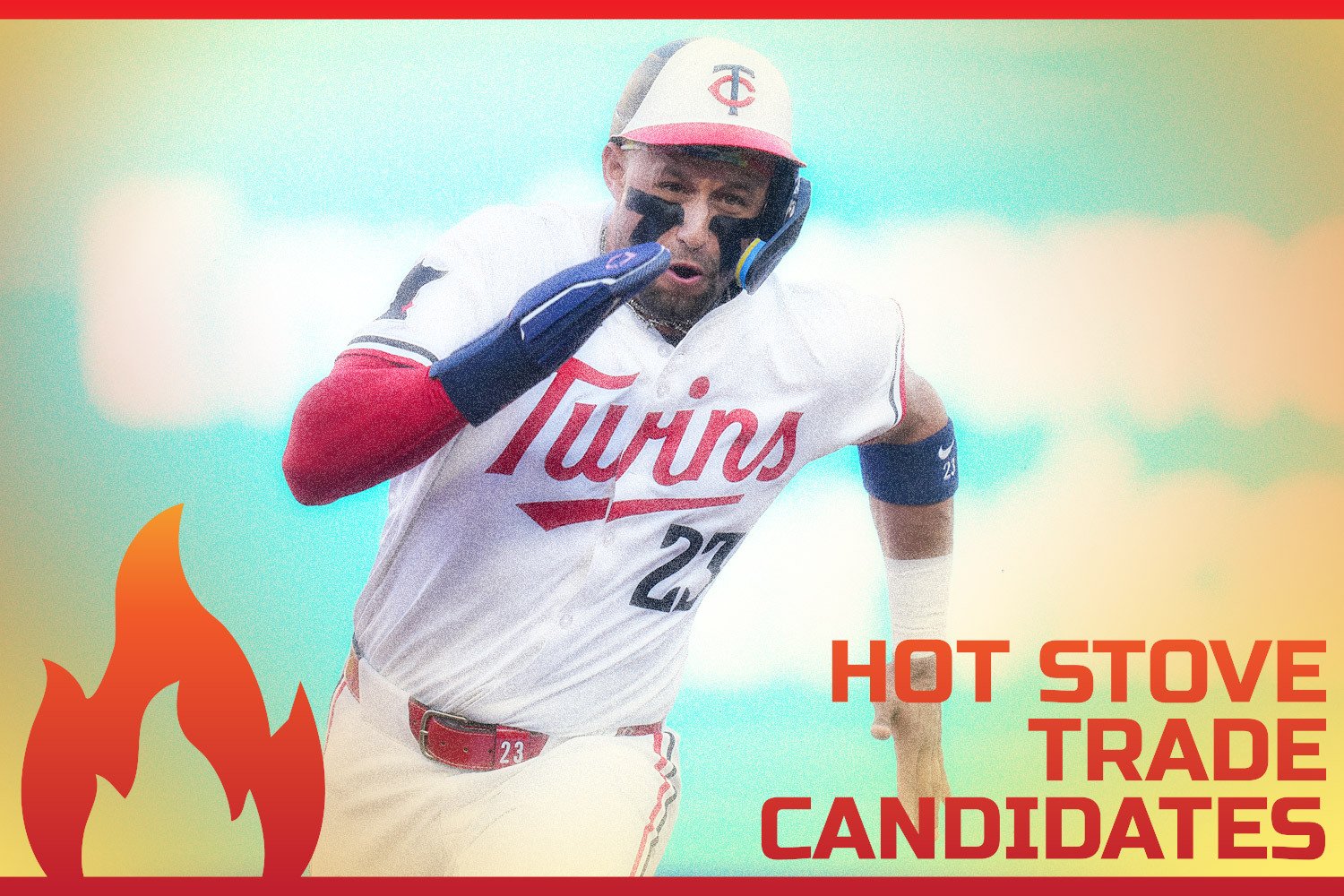 Royce Lewis is a name that hasn’t left the minds of Minnesota Twins fans since he was drafted first overall in 2017. His electric play and flair for clutch performances have made him a fan favorite, but with the Twins looking to retool their roster and manage payroll this offseason, there’s a chance that Lewis could be on the trading block. Could Minnesota part ways with their slugger? Let’s dive into what such a trade might look like and which teams would be interested. What’s Up with Him? After an injury-riddled start to his career, Lewis has shown flashes of being a dominant hitter. In 2023, he hit .309/.372/.548, with 15 homers and seven doubles. He proved that he could be the impact player the Twins always envisioned. However, he struggled through the second half of 2024 and finished the season with a .747 OPS (107 OPS+). It was a step back for Lewis, but his long-term potential remains sky-high. His breakout performance coincides with the Twins’ budget concerns. With Lewis entering arbitration and his rising value on the trade market, Minnesota’s front office might be tempted to cash in on their prized young star. If the Twins believe they can address multiple needs by trading him, it could be the time to explore this bold move. The Case for Trading Royce Lewis Trading Lewis is not an easy decision. However, the idea holds some merit for a team aiming to get younger and potentially free up space for other rising stars. The Twins have top prospects like Brooks Lee and Luke Keaschall waiting to take over infield roles. A trade involving Lewis could fetch a major return and allow the team to add more pitching depth or bring in other top prospects to add to a farm system that is among baseball’s best. The appeal of trading Lewis also lies in his value. Unlike many players on the trade block, he’s young, has multiple years of control left, and has already shown significant upside. Lewis could be the missing piece for a team looking to compete immediately, allowing Minnesota to get an elite package in return. Comparable Trades of the Past It isn’t easy to find exact comparables for Lewis due to his combination of age, contract status, and potential. However, there have been some past trades involving young infielders. If the Minnesota Twins were to trade Lewis, they’d be dealing a young, versatile player with high upside and recent MLB success, which is rare. Here are a few recent trades for comparison: Jazz Chisholm for Zac Gallen (2019) The Marlins traded Zac Gallen, a young, controllable starter, to the Diamondbacks for Jazz Chisholm, a top prospect at the time. This swap involved two young, high-upside players with future All-Star potential, similar to what a Lewis trade might look like. The Twins could deal Lewis for a starting pitcher with experience at the big-league level. Francisco Mejia in the Brad Hand Trade (2018) The Padres traded Francisco Mejia, a top catching prospect, to Cleveland for Brad Hand, a high-leverage reliever. Lewis’s trade could involve a similarly high-value MLB asset (like an elite reliever or a frontline starter), though Lewis’s potential should draw even more interest. Eugenio Suárez for Alfredo Simón (2014) It's easy to forget how good Simón was at the moment when the Tigers traded for him in Dec. 2014. He'd just had two stellar seasons in relief, then a breakout campaign as a starter (3.44 ERA, 196 innings), and was a sought-after trade candidate, despite having just one year of team control remaining. Suárez had only played one season in Detroit, so he had more team control left and cost nothing, financially, but he was also less highly-regarded than Lewis is, too, so this might reflect Lewis's value pretty faithfully. A player with a stronger, more stable track record than Lewis's but just a year of team control could be in play, and since Lewis is a Super Two player set to start making real money this winter via arbitration, dealing him for such a player might not add anything significant to the payroll. In a trade involving Lewis, the Twins would likely seek multiple players who could make an immediate impact, ideally including both major-league-ready talent and prospects. Potential Trade Partners Several teams would be interested in acquiring Lewis. Here are a few potential landing spots: 1. San Francisco Giants The Giants have been looking to add youth and athleticism to their roster, and Lewis would fit perfectly. With aging veterans in key positions, they need a young cornerstone to pair with their up-and-coming talent. In return, Minnesota could target MLB-ready pitching, like left-hander Kyle Harrison; or Bryce Eldridge, a young first baseman ranked as their top prospect. 2. New York Yankees The Yankees always look for young, controllable stars, especially in the infield. Lewis would add much-needed athleticism and flexibility to their lineup. A package could include a mix of top prospects and MLB-ready arms, such as pitchers Will Warren and Chase Hampton or infielder George Lombard Jr. 3. Los Angeles Dodgers The Dodgers are known for targeting young, versatile players, and Lewis would slot in well with their aggressive approach. With several infielders entering free agency, he would provide a long-term solution at third base or shortstop. The Twins could look to acquire right-handed pitcher Gavin Stone and slugging catcher Diego Cartaya, building depth on both sides of the ball. 4. Miami Marlins Miami has a surplus of young pitching, and they’re always in search of quality infielders to build around. Lewis could become a foundational piece for their lineup. The Twins might target pitchers like Eury Pérez (who is returning from Tommy John surgery) or Edward Cabrera, allowing them to bolster their rotation with high-upside young talent. Conclusions Trading Royce Lewis would be a difficult pill for Twins fans to swallow, but the potential return could be game-changing for the organization. In the current market, young, controllable infielders like Lewis are rare and valuable, meaning a deal could land Minnesota an impactful package of players. Of course, the key question remains for the Twins: Is this the right time to move on from Lewis, or should they instead build around him? If the front office decides to make a trade, expect it to be complicated and involve multiple players and possibly multiple teams. While it’s a tough call, dealing Lewis might be the bold move Minnesota needs to reshape their future. Should the Twins trade Lewis? What trade package would be enough for the young superstar? Leave a comment and start the discussion.
 -
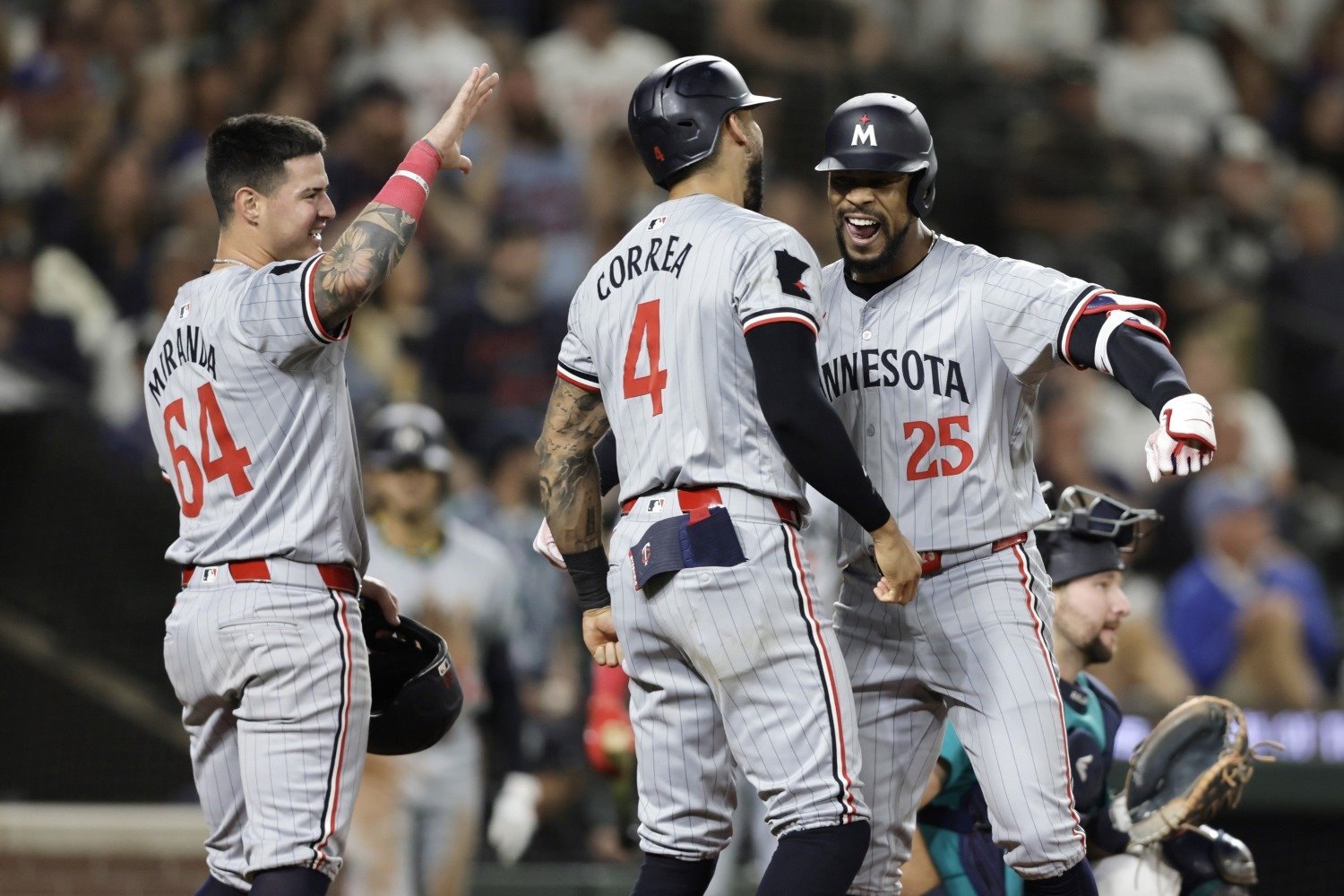 Every front office must evaluate its roster and organizational depth as the season begins. The Dodgers and Yankees, are coming off the high of a World Series run while also boasting strong farm systems. Other teams, like the White Sox and Rockies, are trying to recover after disastrous campaigns. Every roster is at a different place, and it’s important to note where each team stands entering baseball’s hot stove. Over the weekend, MLB.com’s Mike Petriello used FanGraphs’s 2025 roster projections to rank all 30 MLB rosters as they stand entering the offseason. There are many moving parts when it comes to offseason roster construction, with unsigned free agents, potential trades, and age impacting players' future performance. No team’s roster is finalized in early November, but a team can have a high floor to build off of as the offseason begins. Examining the Rankings There are few surprises at the top of the rankings. The Dodgers sit at number one with 48.6 projected WAR, despite free agents like Jack Flaherty, Teoscar Hernández, and Walker Buehler not counting toward their total. Los Angeles gets a bump because Shohei Ohtani is expected to pitch again, and they continue to have some of the league’s best players in multiple positions. Atlanta trails the Dodgers by a negligible 0.1 WAR, as they try to recover from a season where a lot went wrong. Long-term deals for all their key pieces have ensured that they maintain one of the highest floors in the league. The Houston Astros rank as the top AL team (45.9 WAR), even with the possible losses of Alex Bregman, Yusei Kikuchi, and Justin Verlander. Houston has been near the top of the AL over the last decade, but they have found a way to keep their winning window open. Baltimore ranks 0.1 WAR behind Houston, although they're currently without Corbin Burnes, Anthony Santander, and Danny Coulombe. They have one of baseball’s best young cores and should be near the top of the AL East again next year. The Yankees have some big-name free agents coming off their roster, with Juan Soto, Gleyber Torres, and Clay Holmes testing the open market. Even without these players, New York is projected to have a 45 WAR before adding any players. Soto will sign with a big-market team, and the Yankees are one of the favorites to sign the young slugger. Why Do the Twins Rank Highly? The Twins finished in fourth place in the AL Central and out of the playoffs, but they have the AL’s fourth-best projected roster heading into the offseason. Minnesota is also losing very little value in free agency (Max Kepler, Carlos Santana, and Kyle Farmer), and the Twins have younger players who can step into the roles vacated by those players. As the article said, “Unlike other teams with a truly massive hole to fill at the moment, the Twins could field a reasonable 2025 lineup at every position and most of a pitching staff right now.” Minnesota’s big three, Carlos Correa, Byron Buxton, and Royce Lewis, have shown the ability to play at an All-Star level when healthy. At the top of the rotation, the Twins have Pablo López, Bailey Ober, and Joe Ryan, a trio good enough to inspire envy in many other teams across baseball. The Twins clearly have needs entering the winter, but they are starting from a strong point. What Are the Twins’ Needs? Looking at the Twins’ roster, there are plenty of places the team could add to increase their projected WAR total for 2025. Minnesota continues to be left-handed heavy at multiple positions, so adding a right-handed bat to the corner outfield could help for platooning with Trevor Larnach or Matt Wallner. There is also a hole at first base, with Santana expected to leave in free agency. José Miranda and Edouard Julien are internal options, but the team likely doesn’t trust them in a full-time role. The Twins could also use more depth in the bullpen, but this front office has failed to invest in relievers and has done poorly in identifying low-cost relief options. Many fans aren’t going to believe the Twins have one of baseball’s best rosters after their collapse last season. However, there are reasons the team is ranked so high. There are no glaring holes in the lineup and there's depth in the starting rotation. That doesn’t mean the front office should be quiet this winter, and Derek Falvey has shown a propensity to take some big swings. Minnesota is expected to shake up this roster in multiple ways before Opening Day, and it remains to be seen whether that will be for good or bad. Do the Twins have the AL’s fourth-best roster entering the offseason? Where do they need to add? Leave a COMMENT and start the discussion.
- 29 comments
-
- 2
-

-
- byron buxton
- derek falvey
- (and 5 more)
-
Minnesota enters the offseason with no clear holes, but they hardly have a perfect roster. Does the team that collapsed down the stretch have one of the AL’s best rosters at the offseason’s onset? Image courtesy of © John Froschauer-USA TODAY Sports Minnesota enters the offseason with no clear holes, but they hardly have a perfect roster. Does the team that collapsed down the stretch have one of the AL’s best rosters at the offseason’s onset? Every front office must evaluate its roster and organizational depth as the season begins. The Dodgers and Yankees, are coming off the high of a World Series run while also boasting strong farm systems. Other teams, like the White Sox and Rockies, are trying to recover after disastrous campaigns. Every roster is at a different place, and it’s important to note where each team stands entering baseball’s hot stove. Over the weekend, MLB.com’s Mike Petriello used FanGraphs’s 2025 roster projections to rank all 30 MLB rosters as they stand entering the offseason. There are many moving parts when it comes to offseason roster construction, with unsigned free agents, potential trades, and age impacting players' future performance. No team’s roster is finalized in early November, but a team can have a high floor to build off of as the offseason begins. Examining the Rankings There are few surprises at the top of the rankings. The Dodgers sit at number one with 48.6 projected WAR, despite free agents like Jack Flaherty, Teoscar Hernández, and Walker Buehler not counting toward their total. Los Angeles gets a bump because Shohei Ohtani is expected to pitch again, and they continue to have some of the league’s best players in multiple positions. Atlanta trails the Dodgers by a negligible 0.1 WAR, as they try to recover from a season where a lot went wrong. Long-term deals for all their key pieces have ensured that they maintain one of the highest floors in the league. The Houston Astros rank as the top AL team (45.9 WAR), even with the possible losses of Alex Bregman, Yusei Kikuchi, and Justin Verlander. Houston has been near the top of the AL over the last decade, but they have found a way to keep their winning window open. Baltimore ranks 0.1 WAR behind Houston, although they're currently without Corbin Burnes, Anthony Santander, and Danny Coulombe. They have one of baseball’s best young cores and should be near the top of the AL East again next year. The Yankees have some big-name free agents coming off their roster, with Juan Soto, Gleyber Torres, and Clay Holmes testing the open market. Even without these players, New York is projected to have a 45 WAR before adding any players. Soto will sign with a big-market team, and the Yankees are one of the favorites to sign the young slugger. Why Do the Twins Rank Highly? The Twins finished in fourth place in the AL Central and out of the playoffs, but they have the AL’s fourth-best projected roster heading into the offseason. Minnesota is also losing very little value in free agency (Max Kepler, Carlos Santana, and Kyle Farmer), and the Twins have younger players who can step into the roles vacated by those players. As the article said, “Unlike other teams with a truly massive hole to fill at the moment, the Twins could field a reasonable 2025 lineup at every position and most of a pitching staff right now.” Minnesota’s big three, Carlos Correa, Byron Buxton, and Royce Lewis, have shown the ability to play at an All-Star level when healthy. At the top of the rotation, the Twins have Pablo López, Bailey Ober, and Joe Ryan, a trio good enough to inspire envy in many other teams across baseball. The Twins clearly have needs entering the winter, but they are starting from a strong point. What Are the Twins’ Needs? Looking at the Twins’ roster, there are plenty of places the team could add to increase their projected WAR total for 2025. Minnesota continues to be left-handed heavy at multiple positions, so adding a right-handed bat to the corner outfield could help for platooning with Trevor Larnach or Matt Wallner. There is also a hole at first base, with Santana expected to leave in free agency. José Miranda and Edouard Julien are internal options, but the team likely doesn’t trust them in a full-time role. The Twins could also use more depth in the bullpen, but this front office has failed to invest in relievers and has done poorly in identifying low-cost relief options. Many fans aren’t going to believe the Twins have one of baseball’s best rosters after their collapse last season. However, there are reasons the team is ranked so high. There are no glaring holes in the lineup and there's depth in the starting rotation. That doesn’t mean the front office should be quiet this winter, and Derek Falvey has shown a propensity to take some big swings. Minnesota is expected to shake up this roster in multiple ways before Opening Day, and it remains to be seen whether that will be for good or bad. Do the Twins have the AL’s fourth-best roster entering the offseason? Where do they need to add? Leave a COMMENT and start the discussion. View full article
- 29 replies
-
- 1
-
-
- byron buxton
- derek falvey
- (and 5 more)
-
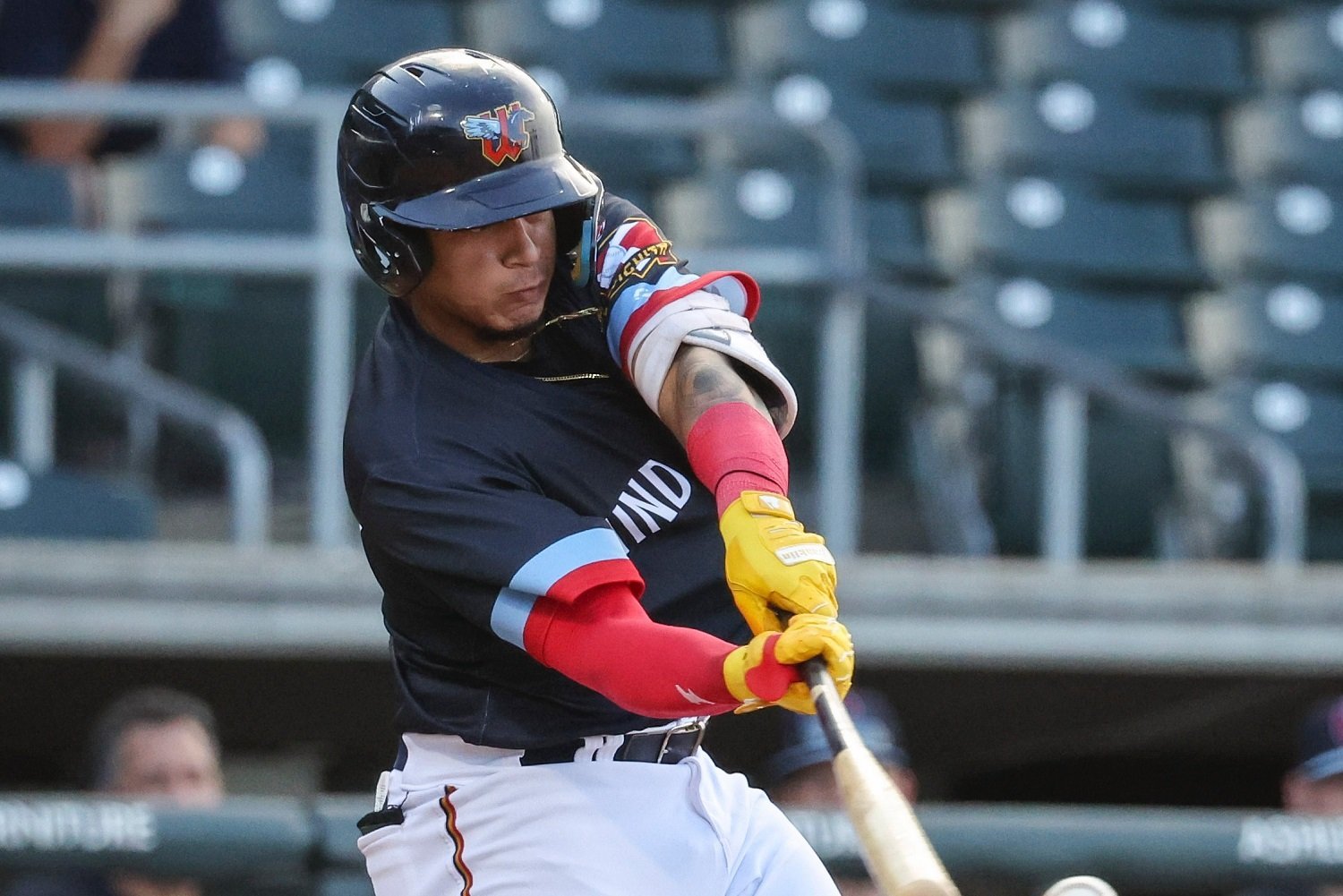 As the Minnesota Twins prepare for the annual roster shuffles of the offseason, a name is flying under the radar but could be a big part of the organization’s future: Ricardo Olivar. This versatile catcher-outfielder is poised to be one of the most intriguing roster decisions, as the team must add him to the 40-man roster to shield him from potential poaching in the Rule 5 Draft. For Twins fans, Olivar may not have the instant recognition of prospects like Walker Jenkins or Emmanuel Rodriguez, but he’s been quietly putting together seasons that demand attention. Why Olivar is One of the Twins’ Most Underrated Prospects Olivar’s journey in the Twins’ system has been an exercise in resilience and consistency. He was signed as an international free agent in 2019, but that meant his first professional season didn’t come until 2021 because of the pandemic. He’s spent three years working through the ranks, gradually adding polish to his game. His blend of athleticism, raw power, and defensive versatility make him a rare asset, and in any other farm system, he might already be a household name. At first glance, Olivar’s numbers don’t scream “superstar,” and that’s part of what makes him underrated. Over the past three seasons, he’s quietly posted impressive on-base percentages and shown an ability to make adjustments at every level. Olivar won FCL MVP honors when he repeated the level in 2022. He spent the 2023 season at Low-A and hit .285/.403/.452 (.855) with 28 doubles and ten home runs in 100 games. His OBP was the second-highest in the Florida State League, despite being slightly younger than the average age of the competition. Olivar spent most of 2024 at High-A, posting a .867 OPS in 81 games. Minnesota let him get a taste of Double-A at the end of the season, and he continued to get on base over 32% of the time. He’s started to stand out in the Twins' system as one of their more mature young hitters. His overall approach has improved as he has climbed the organizational ladder, and the Twins hope this trend can continue as he gets closer to the big leagues. Catcher with Outfield Flexibility: A Rare Combo Olivar’s flexibility makes him especially valuable for the Twins' future roster. He can slot in as a catcher, a position the Twins value highly, but he’s also spent time in the corner outfield, where he displays solid instincts and adequate range. Last season, he started 59 games as a catcher, 18 games in left field, and 23 games as a DH. His receiving and game-calling skills have improved during his professional career. This skill set is crucial for a team looking to maximize lineup versatility and create depth across multiple positions. Olivar’s ability to handle duties both behind the plate and in the outfield gives the Twins significant roster flexibility, and with the Rule 5 Draft approaching, losing a player with this unique skill set would be tough to swallow. While it’s rare to see such a hybrid player succeed at the major league level, Olivar has shown the kind of defensive tools and instincts that make his multi-positional capability a realistic future asset. So, what can Olivar realistically bring to the Twins? In the short term, Olivar’s inclusion on the 40-man roster would offer him a chance to develop with increased attention and possibly make him a call-up option in 2025 or 2026. His bat may not yet match the power of some of the Twins' other top prospects, but his knack for reaching base could make him a future asset at the bottom or middle of the lineup. If Olivar can maintain his current trajectory, his presence would allow the Twins to experiment with a utility-style player who can rotate between catching and outfield duties. This allows manager Rocco Baldelli to play matchups and ease the burden on catchers, especially during long stretches of games where days off become critical. For a Twins team that’s embraced versatility, Olivar is the kind of prospect they can’t afford to lose. Adding him to the 40-man roster might not make headlines, but it could be one of the organization's best insurance policies this offseason. Will the Twins protect Olivar before the Rule 5 Draft? What is his ceiling at the big-league level? Leave a COMMENT and start the discussion.
 -
The Twins have multiple roster decisions to make before the Rule 5 Draft. Here’s why adding Ricardo Olivar should be a no-brainer. Image courtesy of Ed Bailey, Wichita Wind Surge (photo of Ricardo Olivar) The Twins have multiple roster decisions to make before the Rule 5 Draft. Here’s why adding Ricardo Olivar should be a no-brainer. As the Minnesota Twins prepare for the annual roster shuffles of the offseason, a name is flying under the radar but could be a big part of the organization’s future: Ricardo Olivar. This versatile catcher-outfielder is poised to be one of the most intriguing roster decisions, as the team must add him to the 40-man roster to shield him from potential poaching in the Rule 5 Draft. For Twins fans, Olivar may not have the instant recognition of prospects like Walker Jenkins or Emmanuel Rodriguez, but he’s been quietly putting together seasons that demand attention. Why Olivar is One of the Twins’ Most Underrated Prospects Olivar’s journey in the Twins’ system has been an exercise in resilience and consistency. He was signed as an international free agent in 2019, but that meant his first professional season didn’t come until 2021 because of the pandemic. He’s spent three years working through the ranks, gradually adding polish to his game. His blend of athleticism, raw power, and defensive versatility make him a rare asset, and in any other farm system, he might already be a household name. At first glance, Olivar’s numbers don’t scream “superstar,” and that’s part of what makes him underrated. Over the past three seasons, he’s quietly posted impressive on-base percentages and shown an ability to make adjustments at every level. Olivar won FCL MVP honors when he repeated the level in 2022. He spent the 2023 season at Low-A and hit .285/.403/.452 (.855) with 28 doubles and ten home runs in 100 games. His OBP was the second-highest in the Florida State League, despite being slightly younger than the average age of the competition. Olivar spent most of 2024 at High-A, posting a .867 OPS in 81 games. Minnesota let him get a taste of Double-A at the end of the season, and he continued to get on base over 32% of the time. He’s started to stand out in the Twins' system as one of their more mature young hitters. His overall approach has improved as he has climbed the organizational ladder, and the Twins hope this trend can continue as he gets closer to the big leagues. Catcher with Outfield Flexibility: A Rare Combo Olivar’s flexibility makes him especially valuable for the Twins' future roster. He can slot in as a catcher, a position the Twins value highly, but he’s also spent time in the corner outfield, where he displays solid instincts and adequate range. Last season, he started 59 games as a catcher, 18 games in left field, and 23 games as a DH. His receiving and game-calling skills have improved during his professional career. This skill set is crucial for a team looking to maximize lineup versatility and create depth across multiple positions. Olivar’s ability to handle duties both behind the plate and in the outfield gives the Twins significant roster flexibility, and with the Rule 5 Draft approaching, losing a player with this unique skill set would be tough to swallow. While it’s rare to see such a hybrid player succeed at the major league level, Olivar has shown the kind of defensive tools and instincts that make his multi-positional capability a realistic future asset. So, what can Olivar realistically bring to the Twins? In the short term, Olivar’s inclusion on the 40-man roster would offer him a chance to develop with increased attention and possibly make him a call-up option in 2025 or 2026. His bat may not yet match the power of some of the Twins' other top prospects, but his knack for reaching base could make him a future asset at the bottom or middle of the lineup. If Olivar can maintain his current trajectory, his presence would allow the Twins to experiment with a utility-style player who can rotate between catching and outfield duties. This allows manager Rocco Baldelli to play matchups and ease the burden on catchers, especially during long stretches of games where days off become critical. For a Twins team that’s embraced versatility, Olivar is the kind of prospect they can’t afford to lose. Adding him to the 40-man roster might not make headlines, but it could be one of the organization's best insurance policies this offseason. Will the Twins protect Olivar before the Rule 5 Draft? What is his ceiling at the big-league level? Leave a COMMENT and start the discussion. View full article
-
Second base has become an offensive production dead zone. Can the Twins find a strategic advantage at this position in 2025? Image courtesy of Matt Blewett-Imagn Images Second base has become an offensive production dead zone. Can the Twins find a strategic advantage at this position in 2025? A subtle but noticeable shift has occurred across baseball in recent years. With the implementation of limitations on defensive shifts, many teams have begun prioritizing defense at second base. This position was known more for a blend of speed and occasional power. So what has been the on-field result? Offensive production at second has dipped as teams put glove-first players on the field to shore up their infield defense. For the Minnesota Twins, finding the right balance at second base could significantly boost offensive production while keeping the defense sound. Last season, the Twins ranked 12th in the AL for WAR from second basemen, making it a clear area for improvement. When MLB limited shifts, it fundamentally altered how teams could align their defenders. In the past, teams often stationed their worst defensive infielder at second base, compensating by shifting their best glove to cover the hole on the right side of the infield. Now, with fewer shifts to bail them out, second basemen need range, quickness, and precision. Teams have responded by moving better defenders to second, sacrificing some offensive production. This change has left a position that once boasted All-Star-level offensive threats with a new, defense-first identity. As the Twins look to assemble their 2025 infield, they have an exciting mix of players who bring both offensive upside and the potential for solid defense. Here’s a look at what each candidate offers and how they might fit into this shifting trend. Brooks Lee: Avoiding the Sophomore Slump Lee has a legitimate shot to be the face of the Twins’ infield for years to come. Drafted with high expectations, he has displayed offensive prowess and impressive plate discipline in the minors, quickly earning him top-prospect status. During his rookie season, he struggled with a 64 OPS+ in 50 games, but that lack of production could have been from him dealing with back issues. While he’s primarily developed as a shortstop, Lee’s bat may be the Twins’ ticket to bolstering their lineup at second base. Defensively, Lee’s hands and instincts could transition smoothly to second base, giving the Twins a solid defensive presence without sacrificing offense. Though he has less range than a prototypical middle infielder, his strong arm and quick reactions might prove valuable, mainly if his bat develops as hoped. Adding Lee to second base allows the Twins to maximize his offensive potential while still getting decent defense, a combination that could keep second base from being a dead spot in the lineup. Royce Lewis: The Reluctant Second Baseman Lewis has dazzled Twins fans with flashes of superstar potential, showing an explosive bat and clutch performances. However, his injury history and the versatility he’s displayed make him an exciting option at second base. He struggled through the second half last season by posting a .620 OPS. Although he’s primarily seen as a third baseman or shortstop, Lewis’s athleticism could translate well to second, giving the Twins both a defensive upgrade and the potential for a true power threat in the infield. Minnesota attempted to move Lewis to second base during the 2024 campaign, but he was reluctant to make the move. It seems likely that the team will give him more reps at the position during spring training so he is more comfortable in the position. Offensively, Lewis has the tools to bring the kind of production that’s increasingly rare at second. His power, speed, and offensive versatility make him a strong candidate for the position. While it’s tempting to slot him into other spots on the diamond, moving him to second could unlock the kind of offensive profile that teams increasingly sacrifice at this position. If Lewis stays healthy, he could bring an impact bat and athletic defense to a spot that’s usually seen as a defensive safety net. Willi Castro: The Defensive Utility Solution Castro has quietly become one of the Twins’ most reliable and versatile defenders. He was a Gold Glove finalist at the utility spot, but second base might be his best defensive spot. While he doesn’t bring the offensive fireworks that other options offer, Castro’s range, speed, and glove work make him an invaluable utility player. Castro has shown he can handle multiple positions, including second base, with competence and consistency. Offensively, Castro’s numbers are more modest (102 OPS+), but his speed and occasional pop make him a valuable depth option. Like many Twins hitters, he struggled in the second half and posted a .627 OPS, 147 points lower than his first-half total. For a team looking to cover various defensive positions, Castro could be a defensive upgrade at second base, especially if injuries or matchups call for a glove-first player. Castro may not be the everyday answer, but as a bench piece or a matchup-driven starter, he’s an ideal option for adding flexibility and defense across the field. The Verdict: Balancing Offense and Defense Ultimately, the Twins face a difficult choice. The league-wide trend toward defense-first second basemen doesn’t mean the position has to be an offensive black hole. Lee and Lewis bring offensive potential with solid, albeit unproven, defense, making them strong candidates for an everyday role. Castro offers reliable versatility as a defensive utility option but likely won’t be the team’s everyday option at second base. It’s clear that second base no longer fits the traditional offensive profile, but with the right combination of players, the Twins can buck the trend by building an infield that maintains its offensive production without sacrificing defense. This mix of options could allow Minnesota to adapt to changing roster needs throughout the season, and as we enter 2025, it will be interesting to see how they balance both sides of the ball at second base. For Twins fans, the choices at second base offer more than just roster depth—they offer a glimpse into the future of infield strategy in the post-shift era. Will the Twins prioritize defense like many teams, or will they buck the trend and bring power back to second base? As we await those answers, one thing’s for sure: the options at second base are anything but boring. What option is the best for the Twins at second base? Leave a COMMENT and start the discussion. View full article
-
 A subtle but noticeable shift has occurred across baseball in recent years. With the implementation of limitations on defensive shifts, many teams have begun prioritizing defense at second base. This position was known more for a blend of speed and occasional power. So what has been the on-field result? Offensive production at second has dipped as teams put glove-first players on the field to shore up their infield defense. For the Minnesota Twins, finding the right balance at second base could significantly boost offensive production while keeping the defense sound. Last season, the Twins ranked 12th in the AL for WAR from second basemen, making it a clear area for improvement. When MLB limited shifts, it fundamentally altered how teams could align their defenders. In the past, teams often stationed their worst defensive infielder at second base, compensating by shifting their best glove to cover the hole on the right side of the infield. Now, with fewer shifts to bail them out, second basemen need range, quickness, and precision. Teams have responded by moving better defenders to second, sacrificing some offensive production. This change has left a position that once boasted All-Star-level offensive threats with a new, defense-first identity. As the Twins look to assemble their 2025 infield, they have an exciting mix of players who bring both offensive upside and the potential for solid defense. Here’s a look at what each candidate offers and how they might fit into this shifting trend. Brooks Lee: Avoiding the Sophomore Slump Lee has a legitimate shot to be the face of the Twins’ infield for years to come. Drafted with high expectations, he has displayed offensive prowess and impressive plate discipline in the minors, quickly earning him top-prospect status. During his rookie season, he struggled with a 64 OPS+ in 50 games, but that lack of production could have been from him dealing with back issues. While he’s primarily developed as a shortstop, Lee’s bat may be the Twins’ ticket to bolstering their lineup at second base. Defensively, Lee’s hands and instincts could transition smoothly to second base, giving the Twins a solid defensive presence without sacrificing offense. Though he has less range than a prototypical middle infielder, his strong arm and quick reactions might prove valuable, mainly if his bat develops as hoped. Adding Lee to second base allows the Twins to maximize his offensive potential while still getting decent defense, a combination that could keep second base from being a dead spot in the lineup. Royce Lewis: The Reluctant Second Baseman Lewis has dazzled Twins fans with flashes of superstar potential, showing an explosive bat and clutch performances. However, his injury history and the versatility he’s displayed make him an exciting option at second base. He struggled through the second half last season by posting a .620 OPS. Although he’s primarily seen as a third baseman or shortstop, Lewis’s athleticism could translate well to second, giving the Twins both a defensive upgrade and the potential for a true power threat in the infield. Minnesota attempted to move Lewis to second base during the 2024 campaign, but he was reluctant to make the move. It seems likely that the team will give him more reps at the position during spring training so he is more comfortable in the position. Offensively, Lewis has the tools to bring the kind of production that’s increasingly rare at second. His power, speed, and offensive versatility make him a strong candidate for the position. While it’s tempting to slot him into other spots on the diamond, moving him to second could unlock the kind of offensive profile that teams increasingly sacrifice at this position. If Lewis stays healthy, he could bring an impact bat and athletic defense to a spot that’s usually seen as a defensive safety net. Willi Castro: The Defensive Utility Solution Castro has quietly become one of the Twins’ most reliable and versatile defenders. He was a Gold Glove finalist at the utility spot, but second base might be his best defensive spot. While he doesn’t bring the offensive fireworks that other options offer, Castro’s range, speed, and glove work make him an invaluable utility player. Castro has shown he can handle multiple positions, including second base, with competence and consistency. Offensively, Castro’s numbers are more modest (102 OPS+), but his speed and occasional pop make him a valuable depth option. Like many Twins hitters, he struggled in the second half and posted a .627 OPS, 147 points lower than his first-half total. For a team looking to cover various defensive positions, Castro could be a defensive upgrade at second base, especially if injuries or matchups call for a glove-first player. Castro may not be the everyday answer, but as a bench piece or a matchup-driven starter, he’s an ideal option for adding flexibility and defense across the field. The Verdict: Balancing Offense and Defense Ultimately, the Twins face a difficult choice. The league-wide trend toward defense-first second basemen doesn’t mean the position has to be an offensive black hole. Lee and Lewis bring offensive potential with solid, albeit unproven, defense, making them strong candidates for an everyday role. Castro offers reliable versatility as a defensive utility option but likely won’t be the team’s everyday option at second base. It’s clear that second base no longer fits the traditional offensive profile, but with the right combination of players, the Twins can buck the trend by building an infield that maintains its offensive production without sacrificing defense. This mix of options could allow Minnesota to adapt to changing roster needs throughout the season, and as we enter 2025, it will be interesting to see how they balance both sides of the ball at second base. For Twins fans, the choices at second base offer more than just roster depth—they offer a glimpse into the future of infield strategy in the post-shift era. Will the Twins prioritize defense like many teams, or will they buck the trend and bring power back to second base? As we await those answers, one thing’s for sure: the options at second base are anything but boring. What option is the best for the Twins at second base? Leave a COMMENT and start the discussion.
- 51 comments
-
- 3
-
-
- brooks lee
- royce lewis
- (and 1 more)
-
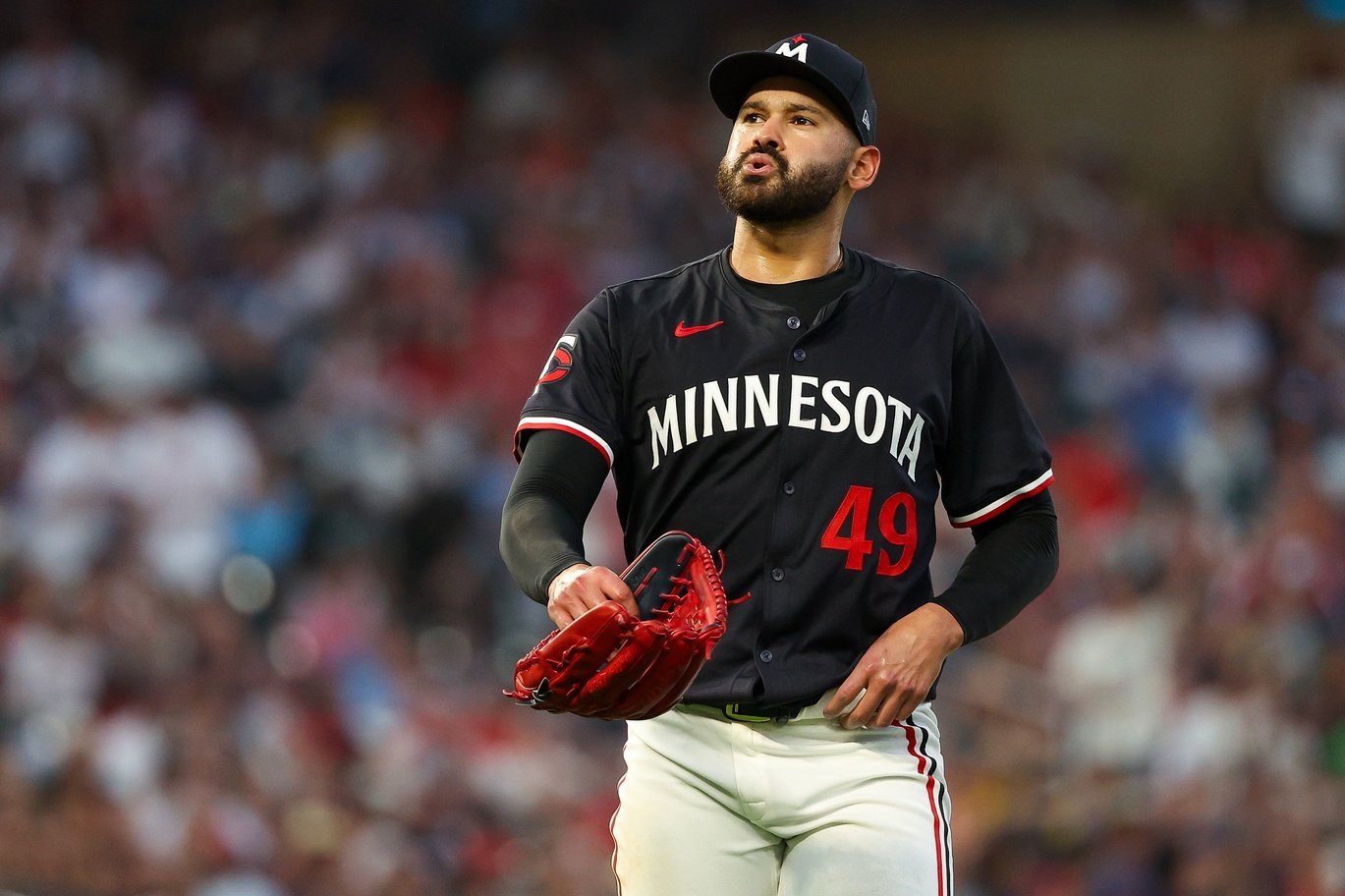 The Minnesota Twins’ front office hasn’t shied away from big moves in recent offseasons. Under Derek Falvey's guidance, the team has taken calculated risks in an attempt to push the Twins toward contention, even as they've maintained a broadly conservative approach to team-building. But as we look back at these big swings, there are lessons to be learned. As the Twins prepare for the 2025 season, these moves provide a blueprint for what worked, what didn’t, and what could shape the team moving forward. The Bringer of Rain: Josh Donaldson’s Lasting Impact In Jan. 2020, the Twins signed Josh Donaldson to a four-year, $92 million contract, making him the highest-paid free agent in team history. The move represented a significant shift in strategy. The Twins weren’t content to stay in the shadows of free-agent spending; they wanted an established star who could bring both power and fire to a roster coming off a 101-win season. Donaldson brought energy and experience, but his tenure with the Twins was rocky. Injuries limited his playing time, and while he posted solid offensive numbers (128 OPS+), he never quite became the game-changer the front office envisioned. In hindsight, the Donaldson signing taught the Twins a vital lesson: stars on the back end of their prime carry risk. By 2022, the Twins decided to move on, trading Donaldson to the Yankees to free up payroll. The signing did bring legitimacy to the team’s ambitions, but it also showed that the front office was willing to pivot when things didn’t go as planned. Donaldson’s impact wasn’t all negative, but it underscored the need for calculated risk, particularly when looking at the player’s age and health profile. Two Winters, Two Contracts: The Carlos Correa Saga Few free agency pursuits in Twins history have matched the twists and turns of Carlos Correa’s journey to Minnesota. First arriving in 2022 on a short-term deal that allowed him to opt-out after one season, Correa was a splash signing intended to bring a new level of defensive prowess and leadership to the Twins. Correa played well with a 138 OPS+ and entered free agency again. Then came the whirlwind offseason of 2022-23. After two megadeals with the Giants and Mets fell through due to concerns over Correa’s lower leg, the Twins swooped in to sign him to a long-term deal worth at least $200 million. The move was a testament to the front office’s persistence and ability to capitalize on unexpected market conditions, yet Correa’s health remains a talking point. He showed flashes of his All-Star potential, particularly in the first half of 2024, but an injury sidelined him during the final months, a blow to a team clinging to playoff hopes. This saga with Correa highlighted the importance of adaptability and timing. In both signings, the Twins gambled on elite talent with some baggage. Moving forward, the Twins might exercise caution regarding injury history while continuing to look for value in unique market circumstances. And while Correa’s deal remains in its early years, it has the potential to anchor the lineup if he can stay on the field. The Cost of Arms: Trading Luis Arraez for Pablo López Trading Arraez to the Miami Marlins was one of the front office’s most scrutinized decisions in recent years. Arraez was beloved by Twins fans, known for his infectious energy and elite hit tool. But the front office saw an opportunity to address a glaring need for frontline starting pitching. López was coming off a solid season in Miami and looked like a pitcher capable of adding stability to Minnesota’s rotation. López’s impact was immediate. He gave the Twins quality innings at the top of the rotation, earning an All-Star nod and, in many respects, justifying the trade. Arraez, meanwhile, won the NL batting title, and his departure left a hole in the Twins’ lineup that hasn’t been easy to fill. Trading offense for pitching is always a delicate balance, but López’s strong performance over the last two seasons (110 ERA+) served as a reminder that high-quality arms are worth the investment. This trade underscored the Twins’ willingness to make tough calls, prioritizing balance across the roster even if it meant losing a fan-favorite player. What the Big Swings Mean for 2025 The Twins’ front office has shown a willingness to take chances, and these moves reveal a few key insights. First, while the Twins are now cautious with free-agent deals for aging players, they’re not afraid to target top-tier talent if the opportunity arises. The lessons from Donaldson, Correa, and the Arraez trade point to a blueprint where calculated risk-taking is essential. But there’s also a shift in focus. The team has begun emphasizing sustainability over immediate impact, recognizing that injury-prone stars and short-term fixes can disrupt long-term planning. Looking ahead to 2025, the front office will likely apply these lessons as it assesses the roster. With Alex Kirilloff retiring, they may look for a steady bat at first base. One option is to re-sign Carlos Santana for his defensive prowess. Another could be to pursue a more established option like Paul Goldschmidt, although he might be out of their price range. They’ll also need to carefully weigh the bullpen composition and back-end rotation, two areas where they’ve already taken significant risks. And, importantly, with payroll constraints in mind, they’ll continue to seek value in unexpected places, as they did with Correa’s second deal. The big swings have brought mixed results, but they’ve allowed the Twins to remain competitive in a challenging division. Whether the front office can take these lessons to heart will determine how effectively the Twins build a team ready for another postseason push. And fans can only hope the next gamble brings the Twins closer to October glory. Which big swing has been the most successful? Will the front office take a big swing this winter? Leave a COMMENT and start the discussion.
- 50 comments
-
- 7
-
-
- josh donaldson
- carlos correa
- (and 2 more)
-
The Twins front office has taken some big swings under the current front office regime. Is there room to take another risk leading into the 2025 campaign? Image courtesy of Matt Krohn-Imagn Images The Twins front office has taken some big swings under the current front office regime. Is there room to take another risk leading into the 2025 campaign? The Minnesota Twins’ front office hasn’t shied away from big moves in recent offseasons. Under Derek Falvey's guidance, the team has taken calculated risks in an attempt to push the Twins toward contention, even as they've maintained a broadly conservative approach to team-building. But as we look back at these big swings, there are lessons to be learned. As the Twins prepare for the 2025 season, these moves provide a blueprint for what worked, what didn’t, and what could shape the team moving forward. The Bringer of Rain: Josh Donaldson’s Lasting Impact In Jan. 2020, the Twins signed Josh Donaldson to a four-year, $92 million contract, making him the highest-paid free agent in team history. The move represented a significant shift in strategy. The Twins weren’t content to stay in the shadows of free-agent spending; they wanted an established star who could bring both power and fire to a roster coming off a 101-win season. Donaldson brought energy and experience, but his tenure with the Twins was rocky. Injuries limited his playing time, and while he posted solid offensive numbers (128 OPS+), he never quite became the game-changer the front office envisioned. In hindsight, the Donaldson signing taught the Twins a vital lesson: stars on the back end of their prime carry risk. By 2022, the Twins decided to move on, trading Donaldson to the Yankees to free up payroll. The signing did bring legitimacy to the team’s ambitions, but it also showed that the front office was willing to pivot when things didn’t go as planned. Donaldson’s impact wasn’t all negative, but it underscored the need for calculated risk, particularly when looking at the player’s age and health profile. Two Winters, Two Contracts: The Carlos Correa Saga Few free agency pursuits in Twins history have matched the twists and turns of Carlos Correa’s journey to Minnesota. First arriving in 2022 on a short-term deal that allowed him to opt-out after one season, Correa was a splash signing intended to bring a new level of defensive prowess and leadership to the Twins. Correa played well with a 138 OPS+ and entered free agency again. Then came the whirlwind offseason of 2022-23. After two megadeals with the Giants and Mets fell through due to concerns over Correa’s lower leg, the Twins swooped in to sign him to a long-term deal worth at least $200 million. The move was a testament to the front office’s persistence and ability to capitalize on unexpected market conditions, yet Correa’s health remains a talking point. He showed flashes of his All-Star potential, particularly in the first half of 2024, but an injury sidelined him during the final months, a blow to a team clinging to playoff hopes. This saga with Correa highlighted the importance of adaptability and timing. In both signings, the Twins gambled on elite talent with some baggage. Moving forward, the Twins might exercise caution regarding injury history while continuing to look for value in unique market circumstances. And while Correa’s deal remains in its early years, it has the potential to anchor the lineup if he can stay on the field. The Cost of Arms: Trading Luis Arraez for Pablo López Trading Arraez to the Miami Marlins was one of the front office’s most scrutinized decisions in recent years. Arraez was beloved by Twins fans, known for his infectious energy and elite hit tool. But the front office saw an opportunity to address a glaring need for frontline starting pitching. López was coming off a solid season in Miami and looked like a pitcher capable of adding stability to Minnesota’s rotation. López’s impact was immediate. He gave the Twins quality innings at the top of the rotation, earning an All-Star nod and, in many respects, justifying the trade. Arraez, meanwhile, won the NL batting title, and his departure left a hole in the Twins’ lineup that hasn’t been easy to fill. Trading offense for pitching is always a delicate balance, but López’s strong performance over the last two seasons (110 ERA+) served as a reminder that high-quality arms are worth the investment. This trade underscored the Twins’ willingness to make tough calls, prioritizing balance across the roster even if it meant losing a fan-favorite player. What the Big Swings Mean for 2025 The Twins’ front office has shown a willingness to take chances, and these moves reveal a few key insights. First, while the Twins are now cautious with free-agent deals for aging players, they’re not afraid to target top-tier talent if the opportunity arises. The lessons from Donaldson, Correa, and the Arraez trade point to a blueprint where calculated risk-taking is essential. But there’s also a shift in focus. The team has begun emphasizing sustainability over immediate impact, recognizing that injury-prone stars and short-term fixes can disrupt long-term planning. Looking ahead to 2025, the front office will likely apply these lessons as it assesses the roster. With Alex Kirilloff retiring, they may look for a steady bat at first base. One option is to re-sign Carlos Santana for his defensive prowess. Another could be to pursue a more established option like Paul Goldschmidt, although he might be out of their price range. They’ll also need to carefully weigh the bullpen composition and back-end rotation, two areas where they’ve already taken significant risks. And, importantly, with payroll constraints in mind, they’ll continue to seek value in unexpected places, as they did with Correa’s second deal. The big swings have brought mixed results, but they’ve allowed the Twins to remain competitive in a challenging division. Whether the front office can take these lessons to heart will determine how effectively the Twins build a team ready for another postseason push. And fans can only hope the next gamble brings the Twins closer to October glory. Which big swing has been the most successful? Will the front office take a big swing this winter? Leave a COMMENT and start the discussion. View full article
-
Final SDI Rankings Point to Improvement Areas for 2025 Twins
Cody Christie posted an article in Twins
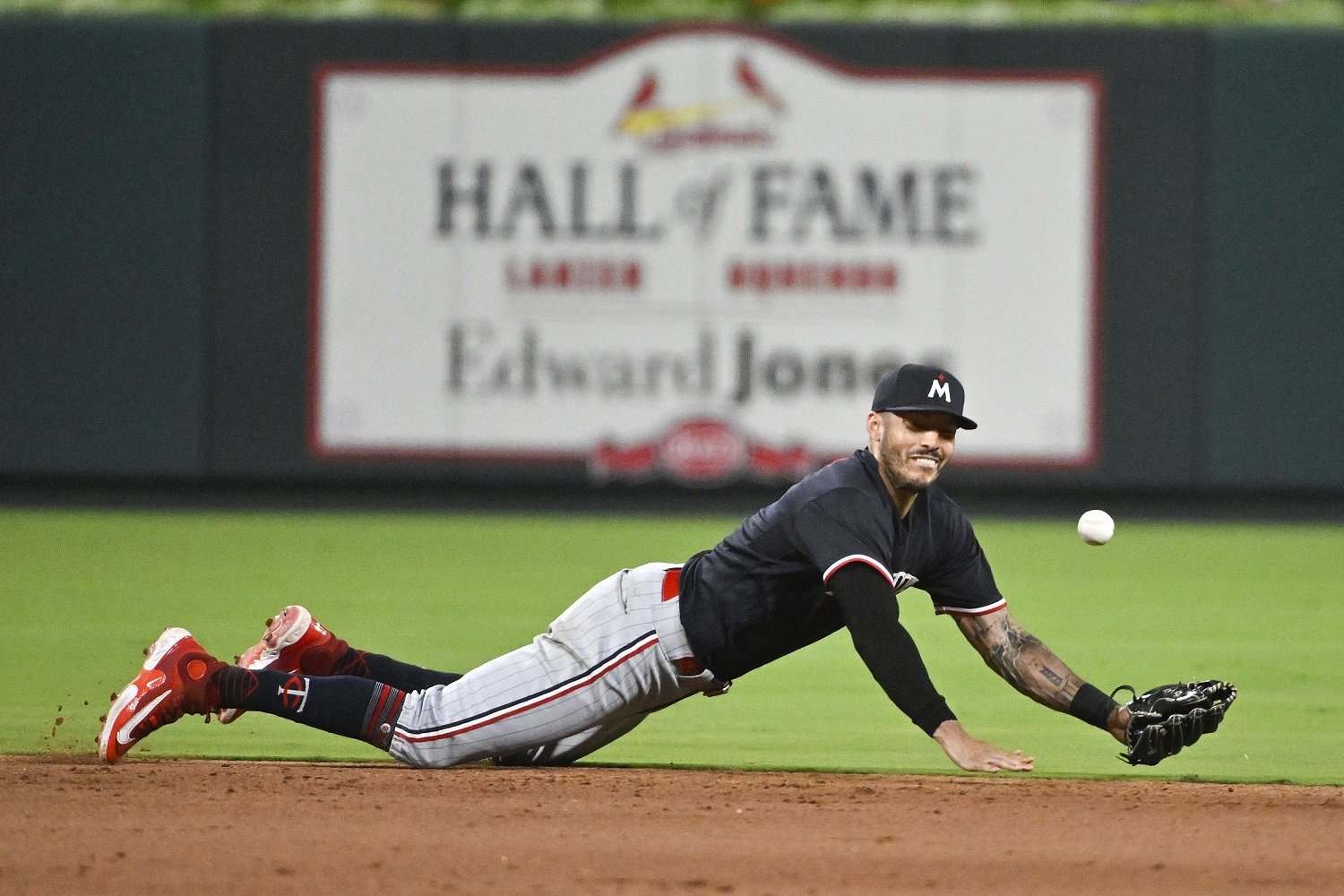 Defensive metrics have improved greatly over the last decade. With Statcast tracking every batted ball, the amount of information available to fans is at an all-time high. One metric the Society for American Baseball Research (SABR) developed is the SABR Defensive Index (SDI). According to SABR's website, the SDI "draws on and aggregates two types of existing defensive metrics: those derived from batted ball location-based data and those collected from play-by-play accounts." Since 2013, SDI has been used as part of the process for selecting Gold Glove winners. The rankings below are the final rankings for the 2024 season. Pitcher (AL Ranking): Bailey Ober 2.2 SDI (t-8th), Pablo López -1.4 SDI (27th) Minnesota had two Gold Glove finalists last season, López and Sonny Gray, but both players lost to former Twins pitcher José Berríos. López took a step back defensively this year, as only seven AL pitchers finished with a lower SDI total. Ober moved into the top 10 among AL pitchers and was close to moving into the top five. He is a large man on the mound, and he made solid improvements regarding his fielding, partially by understanding better how to use his length in covering the area around and in front of the mound. Joe Ryan ranked well according to SDI earlier in the year, but fell off the rankings due to his injury. Catcher (AL Ranking): Christian Vázquez 4.0 SDI (7th), Ryan Jeffers -4.7 SDI (15th) Vázquez had been in the top four at the last SDI update in August. but fell off in the season’s final weeks. He still finished in the top seven due to good framing (84th percentile) and Fielding Run Value (78th percentile). Jeffers continues to struggle defensively with his pitch framing, which is only part of the problem. Four AL catchers finished with a lower SDI total than Jeffers. Both catchers are projected to be back next season, so the Twins will need to get more value from Jeffers. First Base (AL Ranking): Carlos Santana 9.5 SDI (1st) Santana earned the Gold Glove at first base and was one of the top defenders in the entire AL. His 9.5 SDI ranked eighth among all AL defenders, and only two infielders had a higher SDI. Santana earned a chance to earn the Platinum Glove, but will likely finish behind Cleveland’s Andrés Giménez, who had the league’s highest SDI total. Still, Santana had an elite season at first base. Minnesota will likely get less value from first base, even if the team re-signs him, because of his age. Second Base (AL Ranking): No Twins Qualified There were two dominant second basemen in the AL this season and a lot of mediocrity. Giménez and Marcus Semien compiled two of the AL’s top SDI totals. Minnesota had three players play 40 games or more at second, including Edouard Julien, Kyle Farmer, and Willi Castro. Julien had a -4 OAA, Farmer posted a 3 OAA, and Castro finished with a 0 OAA. With Farmer departing, second base is a clear spot for the Twins to improve for 2025. Brooks Lee might be the one to step into the void. Third Base (AL Ranking): No Twins Qualified Minnesota had five players log over 140 innings at third base this season. José Miranda led the way with 73 games started, but he produced -7 OAA. Royce Lewis was the team’s Opening Day starter at the hot corner but got injured in the team’s first game. He missed a chunk of the season and ended up 2 OAA despite some throwing issues in the middle of the season. It will be interesting to see where Minnesota goes with third base next season. Minnesota’s best infield alignment might be Lee at third, Carlos Correa at shortstop, and Lewis at second base, but Lewis didn't like playing the keystone when asked to slide there in the summer. Shortstop (AL Ranking): Willi Castro -5.2 SDI (13th) Correa ranked in the top 10 among AL shortstops earlier in the season, but his second-half injury kept him off the final leaderboard. Castro is slightly overmatched at shortstop but was asked to fill in when Correa hit the IL. Somewhat strangely, he produced 3 OAA at short, his highest total at any position. Paul DeJong (-8.8 SDI) is the lone AL shortstop with a lower SDI total than Castro. An entire season of a healthy Correa at shortstop can alter the team’s entire defensive outlook for 2025. Left Field (AL Ranking): No Twins Players Qualified The Twins used eight players in left field this season, and six players accumulated over 150 innings. Minnesota will likely continue to rotate players through the position in 2025. Trevor Larnach is projected to be the team’s starter, but he was limited at that position this season due to an injury relegating him to DH duties in the second half. Minnesota also has an opportunity to bring in a right-handed corner outfielder to pair with the team’s left-handed sluggers. Center Field (AL Ranking): No Twins Players Qualified Byron Buxton logged over 760 innings in center field for the first time since 2017, when he was the AL’s Platinum Glove winner. In 2024, he was credited with 3 OAA and a 4 Fielding Run Value, ranking in the 74th percentile or higher. Buxton is also entering the offseason healthy for the first time in six seasons, which could help him build the positives from last year. Minnesota will still likely need a backup plan if/when Buxton is unavailable. DaShawn Keirsey Jr. might be in the running for a fourth outfielder role, unless the Twins want to look outside the organization. Right Field (AL Ranking): Max Kepler 0.9 SDI (4th) Kepler has been known for his defense throughout his Twins tenure, and the team will suffer a drop-off with his replacement next season. Matt Wallner is expected to be the team’s Opening Day starter, and posted a -1 OAA in right field. His arm should be a huge asset, and he's more athletic than his size implies, but there remain rough edges to sand off. As with left field, the team may use internal right-handed hitters to replace Wallner in the lineup when there is a strong lefty on the mound. There will be some defensive changes for next season, with two of the team’s best defenders expected to leave in free agency. Minnesota has some internal options to fill those spots on the roster, but they would likely come with worse defensive totals. This is a critical area for the front office to address this winter. Are you surprised by any of these defensive rankings? Leave a COMMENT and start the discussion.
- 12 comments
-
- 1
-
-
- carlos correa
- carlos santana
- (and 5 more)
-
Carlos Santana earned a Gold Glove earlier this week, but is headed to free agency. So, where can the Twins make defensive improvements for the 2025 campaign? Image courtesy of Jeff Curry-USA TODAY Sports Carlos Santana earned a Gold Glove earlier this week, but is headed to free agency. So, where can the Twins make defensive improvements for the 2025 campaign? Defensive metrics have improved greatly over the last decade. With Statcast tracking every batted ball, the amount of information available to fans is at an all-time high. One metric the Society for American Baseball Research (SABR) developed is the SABR Defensive Index (SDI). According to SABR's website, the SDI "draws on and aggregates two types of existing defensive metrics: those derived from batted ball location-based data and those collected from play-by-play accounts." Since 2013, SDI has been used as part of the process for selecting Gold Glove winners. The rankings below are the final rankings for the 2024 season. Pitcher (AL Ranking): Bailey Ober 2.2 SDI (t-8th), Pablo López -1.4 SDI (27th) Minnesota had two Gold Glove finalists last season, López and Sonny Gray, but both players lost to former Twins pitcher José Berríos. López took a step back defensively this year, as only seven AL pitchers finished with a lower SDI total. Ober moved into the top 10 among AL pitchers and was close to moving into the top five. He is a large man on the mound, and he made solid improvements regarding his fielding, partially by understanding better how to use his length in covering the area around and in front of the mound. Joe Ryan ranked well according to SDI earlier in the year, but fell off the rankings due to his injury. Catcher (AL Ranking): Christian Vázquez 4.0 SDI (7th), Ryan Jeffers -4.7 SDI (15th) Vázquez had been in the top four at the last SDI update in August. but fell off in the season’s final weeks. He still finished in the top seven due to good framing (84th percentile) and Fielding Run Value (78th percentile). Jeffers continues to struggle defensively with his pitch framing, which is only part of the problem. Four AL catchers finished with a lower SDI total than Jeffers. Both catchers are projected to be back next season, so the Twins will need to get more value from Jeffers. First Base (AL Ranking): Carlos Santana 9.5 SDI (1st) Santana earned the Gold Glove at first base and was one of the top defenders in the entire AL. His 9.5 SDI ranked eighth among all AL defenders, and only two infielders had a higher SDI. Santana earned a chance to earn the Platinum Glove, but will likely finish behind Cleveland’s Andrés Giménez, who had the league’s highest SDI total. Still, Santana had an elite season at first base. Minnesota will likely get less value from first base, even if the team re-signs him, because of his age. Second Base (AL Ranking): No Twins Qualified There were two dominant second basemen in the AL this season and a lot of mediocrity. Giménez and Marcus Semien compiled two of the AL’s top SDI totals. Minnesota had three players play 40 games or more at second, including Edouard Julien, Kyle Farmer, and Willi Castro. Julien had a -4 OAA, Farmer posted a 3 OAA, and Castro finished with a 0 OAA. With Farmer departing, second base is a clear spot for the Twins to improve for 2025. Brooks Lee might be the one to step into the void. Third Base (AL Ranking): No Twins Qualified Minnesota had five players log over 140 innings at third base this season. José Miranda led the way with 73 games started, but he produced -7 OAA. Royce Lewis was the team’s Opening Day starter at the hot corner but got injured in the team’s first game. He missed a chunk of the season and ended up 2 OAA despite some throwing issues in the middle of the season. It will be interesting to see where Minnesota goes with third base next season. Minnesota’s best infield alignment might be Lee at third, Carlos Correa at shortstop, and Lewis at second base, but Lewis didn't like playing the keystone when asked to slide there in the summer. Shortstop (AL Ranking): Willi Castro -5.2 SDI (13th) Correa ranked in the top 10 among AL shortstops earlier in the season, but his second-half injury kept him off the final leaderboard. Castro is slightly overmatched at shortstop but was asked to fill in when Correa hit the IL. Somewhat strangely, he produced 3 OAA at short, his highest total at any position. Paul DeJong (-8.8 SDI) is the lone AL shortstop with a lower SDI total than Castro. An entire season of a healthy Correa at shortstop can alter the team’s entire defensive outlook for 2025. Left Field (AL Ranking): No Twins Players Qualified The Twins used eight players in left field this season, and six players accumulated over 150 innings. Minnesota will likely continue to rotate players through the position in 2025. Trevor Larnach is projected to be the team’s starter, but he was limited at that position this season due to an injury relegating him to DH duties in the second half. Minnesota also has an opportunity to bring in a right-handed corner outfielder to pair with the team’s left-handed sluggers. Center Field (AL Ranking): No Twins Players Qualified Byron Buxton logged over 760 innings in center field for the first time since 2017, when he was the AL’s Platinum Glove winner. In 2024, he was credited with 3 OAA and a 4 Fielding Run Value, ranking in the 74th percentile or higher. Buxton is also entering the offseason healthy for the first time in six seasons, which could help him build the positives from last year. Minnesota will still likely need a backup plan if/when Buxton is unavailable. DaShawn Keirsey Jr. might be in the running for a fourth outfielder role, unless the Twins want to look outside the organization. Right Field (AL Ranking): Max Kepler 0.9 SDI (4th) Kepler has been known for his defense throughout his Twins tenure, and the team will suffer a drop-off with his replacement next season. Matt Wallner is expected to be the team’s Opening Day starter, and posted a -1 OAA in right field. His arm should be a huge asset, and he's more athletic than his size implies, but there remain rough edges to sand off. As with left field, the team may use internal right-handed hitters to replace Wallner in the lineup when there is a strong lefty on the mound. There will be some defensive changes for next season, with two of the team’s best defenders expected to leave in free agency. Minnesota has some internal options to fill those spots on the roster, but they would likely come with worse defensive totals. This is a critical area for the front office to address this winter. Are you surprised by any of these defensive rankings? Leave a COMMENT and start the discussion. View full article
-
Where Does Willi Castro Rank Among the Worst Team MVPs in Twins History?
Cody Christie posted an article in Twins
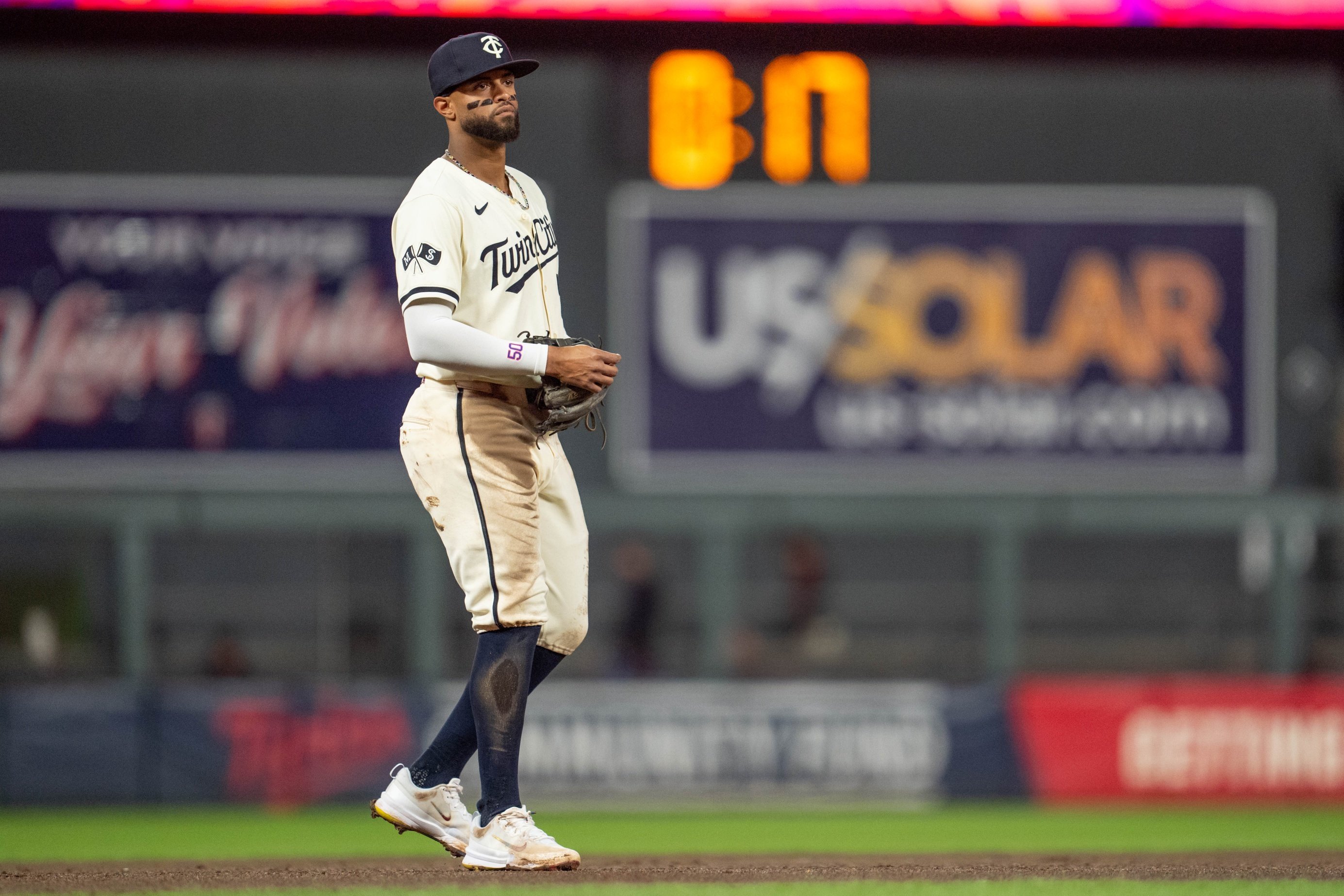 There have been some bad Twins teams throughout the team’s history, with some particularly dark stretches in the 1990s and 2010s. However, the local chapter of the BBWAA has voted for a team MVP every year since the franchise moved to Minnesota. Rod Carew and Kirby Puckett won the award six times each, and Harmon Killebrew won it five times in the team’s first decade. There have also been some surprising players who have won the award in multiple years. Baseball writers have taken a different view on voting in recent years, and that has played out in the voting process. Sometimes, injuries and poor performance hurt the club to the point where there is no clear MVP. In other years, multiple contenders make narrowing down one name at the top of the ballot challenging. Here is a look at the top five worst team MVPs in franchise history. Honorable Mentions: Matt Lawton (2000): 2.4 WAR, Miguel Sano (2015): 2.4 WAR 5. Brian Harper (1993): 2.4 WAR The 1993 Twins finished 20 games below .500 and in fifth place in the AL West. The Oakland A’s were the lone team in the division with a worse record. Harper won team MVP, despite ranking sixth on the team in WAR. In 147 games, he hit .304/.347/.425, with a 107 OPS+ and as many walks (29) as strikeouts (29). Voters were likely drawn to his high batting average, especially for a catcher. To be fair, there were no standout performances on the Twins that season. Chuck Knoblauch led the team with 3.6 WAR, and Kevin Tapani finished second with 3.2 WAR. Puckett was the team’s top offensive player with a 120 OPS+, but his defensive totals in center field brought down his overall WAR. Harper had also won the team MVP in 1990, making him one of this award's most unlikely two-time winners. 4. Michael Cuddyer (2011): 2.3 WAR There were high expectations for the Twins entering 2011 after a tremendous 2010 season. However, things quickly fell apart, and the team was never able to recover. Minnesota narrowly missed the 100-loss mark by winning three of their final four games to end the season. The team still finished with a miserable 63-99 record, 32 games out of first place in the AL Central. Scott Baker was the clear WAR leader on the team, as he had two more WAR than Cuddyer. Denard Span finished slightly ahead of Cuddyer in the WAR department too. Cuddyer, though, was selected to the All-Star Game and finished the year hitting .284/.346/.459, with a 120 OPS+. It was a disappointing year, and that often means there are few individual performances on the team to be excited about. 3. Willi Castro (2024): 1.6 WAR Minnesota entered the season as the clear favorite in the AL Central and had playoff odds of over 90% in the season’s second half. However, the team went 9-18 (.333 W-L%) in September and finished in fourth place in the AL Central. Despite the collapse, plenty of players could have been named the team MVP. Carlos Correa performed at an MVP level in the first half and led the team in WAR. Byron Buxton played over 100 games for only the second time in his career while being arguably the AL’s second-best center fielder. Bailey Ober was terrific in the rotation, and Griffin Jax was dominant in the bullpen. Castro finished 12th on the team in WAR, behind players like José Miranda, Simeon Woods Richardson, and Ryan Jeffers. His defensive flexibility was valuable to the team, but someone else should have won team MVP. 2. Vic Power (1962): 1.5 WAR The Twins’ second season in Minnesota saw the team finish with 91 wins and in second place in the American League. Minnesota won over 60% of their games in the season's second half, but it wasn’t enough to catch the Yankees atop the AL standings. Power was the team’s regular first baseman, and he hit .290/.316/.421 with a 94 OPS+ in 144 games. Harmon Killebrew led the AL in home runs (48) and RBI (126), so it seems strange that the writers didn’t vote for him. He had the most strikeouts (142) in all of baseball, so perhaps the writers were penalizing him. Camilo Pascual led the team with 6.1 WAR, with Jim Kaat ranking second (5.7 WAR). Killebrew won the award in 1961, and he’d win it five times in his career. Power wasn’t even among the team’s best hitters, so it’s strange that he ended up as team MVP. 1. Jeff Reardon (1987): 0.7 WAR The 1987 Twins are known as a group of unexpecting players who somehow fought their way to a World Series title. It may be fitting that the team MVP is a player who was a complementary piece for that club. Reardon pitched 80 1/3 innings and posted a 4.48 ERA (103 ERA+) with a 1.22 WHIP. He racked up 31 saves out of the team’s 85 victories, and that might have helped his cause. Frank Viola, the eventual World Series MVP, should have been the easy choice for team MVP. He posted 8.1 WAR as he had a 2.90 ERA (159 ERA+) with a 1.18 WHIP in over 250 innings. Bert Blyleven, Kirby Puckett, and Kent Hrbek all finished with 4.0 WAR or more, which would have put them in the MVP conversation, too. Reardon looks like a silly pick, but there are far better memories from the 1987 campaign. Team MVP can be tough to decipher especially on team’s with no clear dominant player. It's also tough to name a team MVP when there have been teams fielding an uncompetitive roster. However, some of the names mentioned above look like unconventional picks when compared to other players on the same team. What stands out about the team MVP picks mentioned above? Leave a COMMENT and start the discussion.
- 27 comments
-
- 2
-

-
-
- willi castro
- vic power
- (and 3 more)
-
Willi Castro was an All-Star this season, but his performance collapsed in the second half, like the team's. So, where does he rank among the worst team MVPs in Twins history? Image courtesy of Matt Blewett-Imagn Images Willi Castro was an All-Star this season, but his performance collapsed in the second half, like the team's. So, where does he rank among the worst team MVPs in Twins history? There have been some bad Twins teams throughout the team’s history, with some particularly dark stretches in the 1990s and 2010s. However, the local chapter of the BBWAA has voted for a team MVP every year since the franchise moved to Minnesota. Rod Carew and Kirby Puckett won the award six times each, and Harmon Killebrew won it five times in the team’s first decade. There have also been some surprising players who have won the award in multiple years. Baseball writers have taken a different view on voting in recent years, and that has played out in the voting process. Sometimes, injuries and poor performance hurt the club to the point where there is no clear MVP. In other years, multiple contenders make narrowing down one name at the top of the ballot challenging. Here is a look at the top five worst team MVPs in franchise history. Honorable Mentions: Matt Lawton (2000): 2.4 WAR, Miguel Sano (2015): 2.4 WAR 5. Brian Harper (1993): 2.4 WAR The 1993 Twins finished 20 games below .500 and in fifth place in the AL West. The Oakland A’s were the lone team in the division with a worse record. Harper won team MVP, despite ranking sixth on the team in WAR. In 147 games, he hit .304/.347/.425, with a 107 OPS+ and as many walks (29) as strikeouts (29). Voters were likely drawn to his high batting average, especially for a catcher. To be fair, there were no standout performances on the Twins that season. Chuck Knoblauch led the team with 3.6 WAR, and Kevin Tapani finished second with 3.2 WAR. Puckett was the team’s top offensive player with a 120 OPS+, but his defensive totals in center field brought down his overall WAR. Harper had also won the team MVP in 1990, making him one of this award's most unlikely two-time winners. 4. Michael Cuddyer (2011): 2.3 WAR There were high expectations for the Twins entering 2011 after a tremendous 2010 season. However, things quickly fell apart, and the team was never able to recover. Minnesota narrowly missed the 100-loss mark by winning three of their final four games to end the season. The team still finished with a miserable 63-99 record, 32 games out of first place in the AL Central. Scott Baker was the clear WAR leader on the team, as he had two more WAR than Cuddyer. Denard Span finished slightly ahead of Cuddyer in the WAR department too. Cuddyer, though, was selected to the All-Star Game and finished the year hitting .284/.346/.459, with a 120 OPS+. It was a disappointing year, and that often means there are few individual performances on the team to be excited about. 3. Willi Castro (2024): 1.6 WAR Minnesota entered the season as the clear favorite in the AL Central and had playoff odds of over 90% in the season’s second half. However, the team went 9-18 (.333 W-L%) in September and finished in fourth place in the AL Central. Despite the collapse, plenty of players could have been named the team MVP. Carlos Correa performed at an MVP level in the first half and led the team in WAR. Byron Buxton played over 100 games for only the second time in his career while being arguably the AL’s second-best center fielder. Bailey Ober was terrific in the rotation, and Griffin Jax was dominant in the bullpen. Castro finished 12th on the team in WAR, behind players like José Miranda, Simeon Woods Richardson, and Ryan Jeffers. His defensive flexibility was valuable to the team, but someone else should have won team MVP. 2. Vic Power (1962): 1.5 WAR The Twins’ second season in Minnesota saw the team finish with 91 wins and in second place in the American League. Minnesota won over 60% of their games in the season's second half, but it wasn’t enough to catch the Yankees atop the AL standings. Power was the team’s regular first baseman, and he hit .290/.316/.421 with a 94 OPS+ in 144 games. Harmon Killebrew led the AL in home runs (48) and RBI (126), so it seems strange that the writers didn’t vote for him. He had the most strikeouts (142) in all of baseball, so perhaps the writers were penalizing him. Camilo Pascual led the team with 6.1 WAR, with Jim Kaat ranking second (5.7 WAR). Killebrew won the award in 1961, and he’d win it five times in his career. Power wasn’t even among the team’s best hitters, so it’s strange that he ended up as team MVP. 1. Jeff Reardon (1987): 0.7 WAR The 1987 Twins are known as a group of unexpecting players who somehow fought their way to a World Series title. It may be fitting that the team MVP is a player who was a complementary piece for that club. Reardon pitched 80 1/3 innings and posted a 4.48 ERA (103 ERA+) with a 1.22 WHIP. He racked up 31 saves out of the team’s 85 victories, and that might have helped his cause. Frank Viola, the eventual World Series MVP, should have been the easy choice for team MVP. He posted 8.1 WAR as he had a 2.90 ERA (159 ERA+) with a 1.18 WHIP in over 250 innings. Bert Blyleven, Kirby Puckett, and Kent Hrbek all finished with 4.0 WAR or more, which would have put them in the MVP conversation, too. Reardon looks like a silly pick, but there are far better memories from the 1987 campaign. Team MVP can be tough to decipher especially on team’s with no clear dominant player. It's also tough to name a team MVP when there have been teams fielding an uncompetitive roster. However, some of the names mentioned above look like unconventional picks when compared to other players on the same team. What stands out about the team MVP picks mentioned above? Leave a COMMENT and start the discussion. View full article
-
Can a Healthy Offseason Help Byron Buxton’s 2025 Performance?
Cody Christie posted an article in Twins
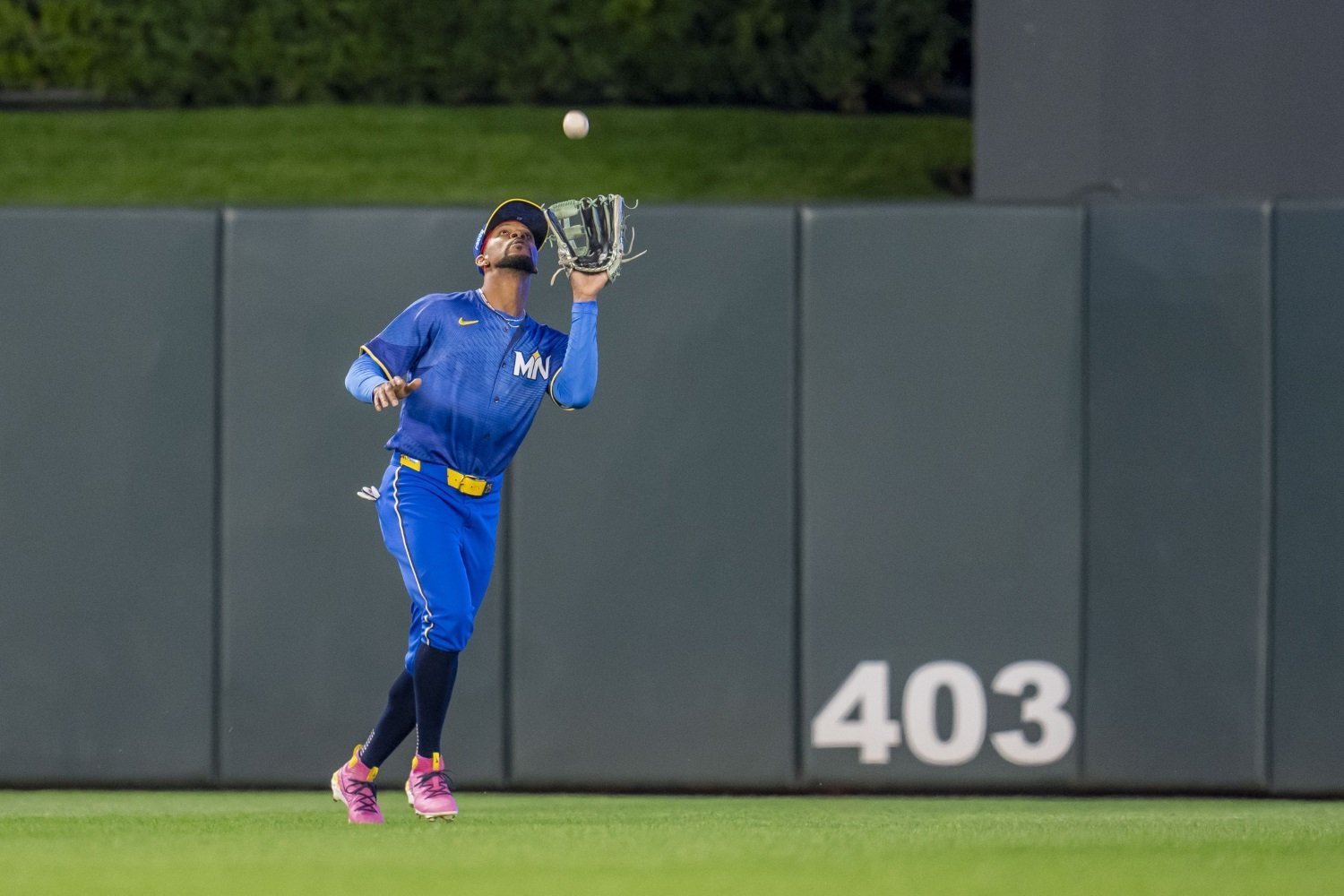 Byron Buxton and the word 'healthy' are rarely used in the same sentence. Injuries have impacted him throughout his professional career, to the point where it has become the main talking point for his detractors. However, he set new milestones in 2024 while also proving that he can still handle the rigors of center field. Now, he is heading into one of the most critical offseasons of his career and might be healthy enough to build on his positive momentum from last season. He played in over 100 games for only the second time in his career. His 138 OPS+ was his second-highest mark, with only his 2021 season ranking higher. His xSLG, wOBA, and xwOBACON ranked in the top 7% among MLB hitters. He also dropped his strikeout rate from 31.4% last season to 26.0% in 2024. Among AL center fielders, only Aaron Judge ranked higher than Buxton in wRC+, SLG, and xwOBA. He was a borderline All-Star and provided the Twins with more value than the team likely expected entering the season. Many fans still complain about his lack of availability, but Buxton continues to provide significant value. Minnesota is paying him $15 million per season as part of the 7-year, $100-million contract he signed leading into the 2022 campaign. Last season, FanGraphs estimated his value at $29.4 million. He’s been worth over $24 million in every full season since 2019, except 2023, when he was a full-time DH. The Twins have paid Buxton $39 million over the last three seasons, and he has provided the team with $62 million in value. Buxton was in a reflective mood with the media as the season ended. He and Carlos Correa had to rush back to try and help the team in the final weeks, but it was too late for the team’s best players to make an impact. It was a disappointing end to the year, but there were personal goals that he reached despite the team’s collapse. “It’s not where we want to be, but I don’t look at it as a negative,” Buxton said. “There’s a lot of positives for me this year. I had goals set for myself, and I achieved them. So it’s all about taking those little small wins and building off of those and just going from there.” So, how can Buxton build off his successes in 2024? This will be the first time in the last six seasons that he enters the offseason without a lingering injury or surgery on the horizon. Some obvious benefits to being relatively healthy entering the winter include better preparation for next season. Based on his 2024 campaign, Buxton can take the necessary steps to reach bigger benchmarks in future seasons. He played 102 games in 2024, so reaching the 115-120 range for games played is a reasonable next step. Defensively, he played nearly 770 innings in center field, the second-highest total of his career, so a goal of 850 innings in center should be attainable. Overall, he likely would have preferred to be on the field more in the second half when the team was collapsing. So, the Twins and Buxton will need to continue to monitor his workload to avoid nagging injuries compiling during the year and keeping him off the field in September. Some of these goals would have seemed outlandish during last offseason, but Buxton is in a different place this winter that can better prepare him for 2025. There are no guarantees when it comes to Buxton’s health, but this season was the first step toward a healthy and more productive center fielder. Buxton is unlikely ever to play 150-plus games in a season, but fewer than 30 AL players reached that total last season. Even in 100 games, Buxton provided enough value to the Twins to put him in the conversation for the second-best center fielder in the league. The 2025 season was an excellent first step, but Buxton has bigger goals moving forward. What should the expectations be for Buxton in 2025? Leave a COMMENT and start the discussion.
 -
It’s been nearly six years since Byron Buxton entered the offseason with a clean bill of health. Does doing so now position him for an even better 2025 season? Image courtesy of © Jesse Johnson-Imagn Images It’s been nearly six years since Byron Buxton entered the offseason with a clean bill of health. Does doing so now position him for an even better 2025 season? Byron Buxton and the word 'healthy' are rarely used in the same sentence. Injuries have impacted him throughout his professional career, to the point where it has become the main talking point for his detractors. However, he set new milestones in 2024 while also proving that he can still handle the rigors of center field. Now, he is heading into one of the most critical offseasons of his career and might be healthy enough to build on his positive momentum from last season. He played in over 100 games for only the second time in his career. His 138 OPS+ was his second-highest mark, with only his 2021 season ranking higher. His xSLG, wOBA, and xwOBACON ranked in the top 7% among MLB hitters. He also dropped his strikeout rate from 31.4% last season to 26.0% in 2024. Among AL center fielders, only Aaron Judge ranked higher than Buxton in wRC+, SLG, and xwOBA. He was a borderline All-Star and provided the Twins with more value than the team likely expected entering the season. Many fans still complain about his lack of availability, but Buxton continues to provide significant value. Minnesota is paying him $15 million per season as part of the 7-year, $100-million contract he signed leading into the 2022 campaign. Last season, FanGraphs estimated his value at $29.4 million. He’s been worth over $24 million in every full season since 2019, except 2023, when he was a full-time DH. The Twins have paid Buxton $39 million over the last three seasons, and he has provided the team with $62 million in value. Buxton was in a reflective mood with the media as the season ended. He and Carlos Correa had to rush back to try and help the team in the final weeks, but it was too late for the team’s best players to make an impact. It was a disappointing end to the year, but there were personal goals that he reached despite the team’s collapse. “It’s not where we want to be, but I don’t look at it as a negative,” Buxton said. “There’s a lot of positives for me this year. I had goals set for myself, and I achieved them. So it’s all about taking those little small wins and building off of those and just going from there.” So, how can Buxton build off his successes in 2024? This will be the first time in the last six seasons that he enters the offseason without a lingering injury or surgery on the horizon. Some obvious benefits to being relatively healthy entering the winter include better preparation for next season. Based on his 2024 campaign, Buxton can take the necessary steps to reach bigger benchmarks in future seasons. He played 102 games in 2024, so reaching the 115-120 range for games played is a reasonable next step. Defensively, he played nearly 770 innings in center field, the second-highest total of his career, so a goal of 850 innings in center should be attainable. Overall, he likely would have preferred to be on the field more in the second half when the team was collapsing. So, the Twins and Buxton will need to continue to monitor his workload to avoid nagging injuries compiling during the year and keeping him off the field in September. Some of these goals would have seemed outlandish during last offseason, but Buxton is in a different place this winter that can better prepare him for 2025. There are no guarantees when it comes to Buxton’s health, but this season was the first step toward a healthy and more productive center fielder. Buxton is unlikely ever to play 150-plus games in a season, but fewer than 30 AL players reached that total last season. Even in 100 games, Buxton provided enough value to the Twins to put him in the conversation for the second-best center fielder in the league. The 2025 season was an excellent first step, but Buxton has bigger goals moving forward. What should the expectations be for Buxton in 2025? Leave a COMMENT and start the discussion. View full article
-
Carlos Santana, Willi Castro Named Silver Slugger Award Finalists
Cody Christie posted an article in Twins
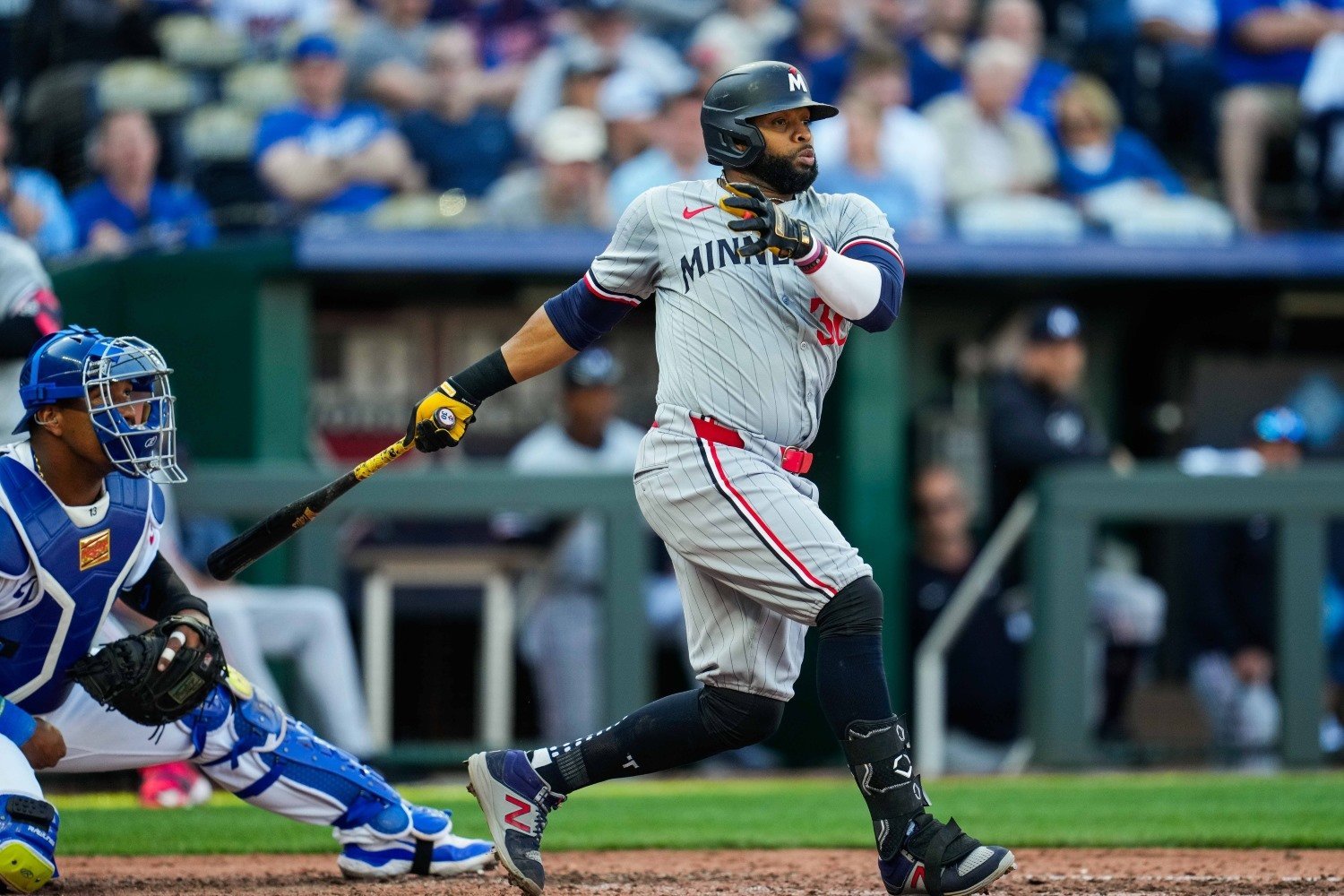 On Monday, MLB and Rawlings announced the finalists for Silver Sluggers in both leagues. The Twins have two finalists, Carlos Santana (first base) and Willi Castro (utility), who are among the top three vote-getters at their designated positions. So, how do the two hitters stack up to the competition, and will either have an opportunity to walk away with the hardware? AL Silver Slugger Finalists First Base Finalists: Santana, Josh Naylor, and Vladimir Guerrero Jr. Santana: .238/.328/.420, 109 OPS+, 23 HR, 26 2B, 71 RBI Santana started the year on a sour note with a .621 OPS through the season’s first month. He turned it around, though, with a .777 OPS the rest of the way. At 38 years old, he would be the oldest Silver Slugger winner since 2020, when Nelson Cruz won the award during his second season with the Twins. Of the three candidates, Santana seems the least likely to win the award. Guerrero's season was intimidatingly great. Naylor: .243/.320/.456, 118 OPS+, 31 HR, 27 2B, 108 RBI Twins fans got an up-close view of Naylor this season as he terrorized the AL Central. He led AL first basemen in home runs and RBIs, despite his OPS dropping 66 points compared to the 2023 season. He was a first-time All-Star and helped power the offense of the second-best team in the AL. Will voters give him the advantage because he was on a contending team? Guerrero Jr.: .323/.396/.544, 166 OPS+, 30 HR, 44 2B, 103 RBI Guerrero got off to a slow start, himself, with a .678 OPS in the season’s first month. Over the season’s final five months, he combined for a 1.002 OPS, so he should easily be the choice over Naylor and Santana. Toronto was one of baseball’s most disappointing teams this year, but despite these struggles, Guerrero posted an OPS above 1.100 in July and August. He was one of the league’s best hitters and deserves his second Silver Slugger. Who Should Win? Guerrero Utility Finalists: Castro, Josh Smith, Jordan Westburg Castro: .247/.331/.385, 102 OPS+, 31 2B, 5 3B, 12 HR, 60 RBI, 14 SB Castro was elected to his first All-Star Game this season, after hitting .266/.352/.422 with 34 extra-base hits in the first half. He struggled offensively in the second half, with his OPS dropping to .627. Much of the attention thrown on him this season seems tied to his ability to play a variety of defensive positions. He was the first player in MLB history to appear in at least 25 games at second, third, shortstop, center field, and left field. Smith: .258/.337/.394, 110 OPS+, 30 2B, 1 3B, 13 HR, 62 RBI, 11 SB Smith played half the season at third base, after Josh Jung fractured his wrist early in the season. He’d go on to play nearly 50 games at shortstop, too. His first half was dominant, as he posted a .293/.392/.469 line with 30 extra-base hits in 90 games. His OPS dropped to .565 in the second half, and his strikeout totals jumped (56 Ks in 233 ABs) as the league started to catch up to him. His offensive totals are slightly better than Castro's, but he had less defensive flexibility. Westburg: .264/.312/.481, 129 OPS+, 26 2B, 5 3B, 18 HR, 6 SB Like Castro, Westburg was a first-time All-Star in 2024 after posting an .814 OPS in the first half. His offensive totals look better than the other two players, but he was also limited to 107 games. He only played 18 games in the second half and went 17-for-73 (.233 BA) with seven extra-base hits. Castro and Smith both played over 130 games in 2024. Without factoring in games played, Westburg should win, but the voters will honor someone who played more regularly. Who Should Win? Smith Santana and Castro both played critical roles for the Twins this season. However, neither seems likely to win the Silver Slugger compared to the competition at their position. Fans will have to wait to find out the winners when they are announced on Tues., Nov. 12, at 5 p.m. CT on MLB Network. Do you agree with the above predictions? Leave a comment and start the discussion.
- 4 comments
-
- 1
-
-
- carlos santana
- willi castro
- (and 4 more)
-
Carlos Santana and Willi Castro were two of the Twins’ best offensive players throughout the season. Does either of them have the résumé to win a Silver Slugger Award? Image courtesy of Jay Biggerstaff-USA TODAY Sports Carlos Santana and Willi Castro were two of the Twins’ best offensive players throughout the season. Does either of them have the résumé to win a Silver Slugger Award? On Monday, MLB and Rawlings announced the finalists for Silver Sluggers in both leagues. The Twins have two finalists, Carlos Santana (first base) and Willi Castro (utility), who are among the top three vote-getters at their designated positions. So, how do the two hitters stack up to the competition, and will either have an opportunity to walk away with the hardware? AL Silver Slugger Finalists First Base Finalists: Santana, Josh Naylor, and Vladimir Guerrero Jr. Santana: .238/.328/.420, 109 OPS+, 23 HR, 26 2B, 71 RBI Santana started the year on a sour note with a .621 OPS through the season’s first month. He turned it around, though, with a .777 OPS the rest of the way. At 38 years old, he would be the oldest Silver Slugger winner since 2020, when Nelson Cruz won the award during his second season with the Twins. Of the three candidates, Santana seems the least likely to win the award. Guerrero's season was intimidatingly great. Naylor: .243/.320/.456, 118 OPS+, 31 HR, 27 2B, 108 RBI Twins fans got an up-close view of Naylor this season as he terrorized the AL Central. He led AL first basemen in home runs and RBIs, despite his OPS dropping 66 points compared to the 2023 season. He was a first-time All-Star and helped power the offense of the second-best team in the AL. Will voters give him the advantage because he was on a contending team? Guerrero Jr.: .323/.396/.544, 166 OPS+, 30 HR, 44 2B, 103 RBI Guerrero got off to a slow start, himself, with a .678 OPS in the season’s first month. Over the season’s final five months, he combined for a 1.002 OPS, so he should easily be the choice over Naylor and Santana. Toronto was one of baseball’s most disappointing teams this year, but despite these struggles, Guerrero posted an OPS above 1.100 in July and August. He was one of the league’s best hitters and deserves his second Silver Slugger. Who Should Win? Guerrero Utility Finalists: Castro, Josh Smith, Jordan Westburg Castro: .247/.331/.385, 102 OPS+, 31 2B, 5 3B, 12 HR, 60 RBI, 14 SB Castro was elected to his first All-Star Game this season, after hitting .266/.352/.422 with 34 extra-base hits in the first half. He struggled offensively in the second half, with his OPS dropping to .627. Much of the attention thrown on him this season seems tied to his ability to play a variety of defensive positions. He was the first player in MLB history to appear in at least 25 games at second, third, shortstop, center field, and left field. Smith: .258/.337/.394, 110 OPS+, 30 2B, 1 3B, 13 HR, 62 RBI, 11 SB Smith played half the season at third base, after Josh Jung fractured his wrist early in the season. He’d go on to play nearly 50 games at shortstop, too. His first half was dominant, as he posted a .293/.392/.469 line with 30 extra-base hits in 90 games. His OPS dropped to .565 in the second half, and his strikeout totals jumped (56 Ks in 233 ABs) as the league started to catch up to him. His offensive totals are slightly better than Castro's, but he had less defensive flexibility. Westburg: .264/.312/.481, 129 OPS+, 26 2B, 5 3B, 18 HR, 6 SB Like Castro, Westburg was a first-time All-Star in 2024 after posting an .814 OPS in the first half. His offensive totals look better than the other two players, but he was also limited to 107 games. He only played 18 games in the second half and went 17-for-73 (.233 BA) with seven extra-base hits. Castro and Smith both played over 130 games in 2024. Without factoring in games played, Westburg should win, but the voters will honor someone who played more regularly. Who Should Win? Smith Santana and Castro both played critical roles for the Twins this season. However, neither seems likely to win the Silver Slugger compared to the competition at their position. Fans will have to wait to find out the winners when they are announced on Tues., Nov. 12, at 5 p.m. CT on MLB Network. Do you agree with the above predictions? Leave a comment and start the discussion. View full article
-
 Over the weekend, ESPN reported that an MLB investigation found that a top prospect in the Dominican Republic had falsified his age. The San Diego Padres verbally agreed to sign the player for $4 million, but discovered he was 19 years old instead of 14. This isn’t the first time this type of issue has impacted baseball, and it will hardly be the last. Here’s a look back at the controversy surrounding Miguel Sanó’s age and how baseball can make changes with the international player signing process. When Sanó signed with the Twins, many questions about his age were swirling. In 2009, MLB completed an investigation into this issue, but the results were inconclusive. Because of the age issues, Sanó lowered his asking price to sign, and some teams were still scared away by his high price tag. The Twins were the team to pull the trigger, and they gave him $3.15 million, which was then the second-highest signing bonus in team history, behind Joe Mauer’s $5.15 million in 2001. Sanó ranked as one of baseball’s top prospects during his time in the minor leagues and played eight years for the Twins. He accumulated 7.6 WAR and posted a 116 OPS+ while being selected to one All-Star team. Inconsistent offensive performance limited Sanó, and he could not reach the superstar status that some had predicted for him at the time of his signing. Perhaps he was older than people thought at the time of his signing, but he still had plenty of opportunities to prove himself at the big-league level. So, why is age fraud an issue in baseball? For players in (especially) the Dominican Republic, there is plenty of pressure to get a slice of teams' international free-agency pies, and age is a key factor in teams' evaluations of prospects. There is a big difference between a 16-year-old signing for millions and an 18-year-old getting tens of thousands of dollars. A player who shows any promise will try and "adjust" their age, to put their family in a better place for the future. Here are some potential solutions that could address this complex issue: 1. Enhanced Verification and Documentation: MLB could partner with government agencies, healthcare institutions, and independent investigators to improve birth certificate verification. A central database of prospect information, created with help from local governments, could track athletes from a young age, making documentation more transparent and difficult to forge. 2. Expanding League-Run Academy System: MLB has already established academies in multiple countries, so expanding these academies could give teams more oversight. It could allow MLB to directly oversee players’ development and documentation. Players enter these academies early in their teens, making verifying ages easier and tracking individual growth while providing consistent training and education. This would have to involve some shift toward a league-sponsored set of academies, though. Right now, teams operate academies individually and try to gain advantages over opponents, and the league has had to maintain rules limiting how much time young people can spend at a team's academy based on age. 3. Uniform International Draft: Transitioning to an international draft would bring more structure to the international signing process, with set eligibility requirements that could include age checks and verified documentation. Teams could allocate resources for thorough background checks as part of the draft process, similar to scouting for domestic players. 4. Incentivizing Age Transparency: MLB could introduce policies that reward players and teams for transparency. For instance, teams could receive international signing pool bonuses for properly verified age documents or for signing players who pass age verification steps. Penalties for violations, such as banning players from signing for multiple years, could also deter fraud. 5. Third-Party Oversight: Hiring independent organizations to verify the identities and ages of international signees would bring an unbiased layer to the process. This could be done through partnerships with companies specializing in forensic document analysis, background checks, and biometrics to build more reliable records. 6. Increased Investment in Education and Awareness: Often, young players and their families are pressured into age fraud by agents who promise financial rewards. MLB and teams could invest in educational initiatives in the Dominican and beyond, explaining the risks and long-term consequences of age fraud and helping families and players make informed decisions. 7. Stricter Penalties for Teams and Agents: MLB could impose stricter penalties on teams and agents caught participating in age fraud schemes, such as restricting signing rights or imposing fines. This would create a more accountable system and pressure teams to conduct thorough background checks and uphold ethical standards. Each of these solutions has its own challenges, but combined, they could help create a more transparent and fair system that protects both teams and international players from exploitation and fraud. The international signing process has improved since Sanó signed with the Twins, but the news over the weekend points to the flaws that still exist in the system. What path should MLB take to reduce age fraud? Leave a COMMENT and start the discussion.
 -
International age fraud in baseball has occurred for decades, and even more issues were in the spotlight over the weekend. Let’s look back at the Miguel Sanó saga and try to decipher a plan for baseball to avoid these issues in the future. Image courtesy of Elizabethton Twins International age fraud in baseball has occurred for decades, and even more issues were in the spotlight over the weekend. Let’s look back at the Miguel Sanó saga and try to decipher a plan for baseball to avoid these issues in the future. Over the weekend, ESPN reported that an MLB investigation found that a top prospect in the Dominican Republic had falsified his age. The San Diego Padres verbally agreed to sign the player for $4 million, but discovered he was 19 years old instead of 14. This isn’t the first time this type of issue has impacted baseball, and it will hardly be the last. Here’s a look back at the controversy surrounding Miguel Sanó’s age and how baseball can make changes with the international player signing process. When Sanó signed with the Twins, many questions about his age were swirling. In 2009, MLB completed an investigation into this issue, but the results were inconclusive. Because of the age issues, Sanó lowered his asking price to sign, and some teams were still scared away by his high price tag. The Twins were the team to pull the trigger, and they gave him $3.15 million, which was then the second-highest signing bonus in team history, behind Joe Mauer’s $5.15 million in 2001. Sanó ranked as one of baseball’s top prospects during his time in the minor leagues and played eight years for the Twins. He accumulated 7.6 WAR and posted a 116 OPS+ while being selected to one All-Star team. Inconsistent offensive performance limited Sanó, and he could not reach the superstar status that some had predicted for him at the time of his signing. Perhaps he was older than people thought at the time of his signing, but he still had plenty of opportunities to prove himself at the big-league level. So, why is age fraud an issue in baseball? For players in (especially) the Dominican Republic, there is plenty of pressure to get a slice of teams' international free-agency pies, and age is a key factor in teams' evaluations of prospects. There is a big difference between a 16-year-old signing for millions and an 18-year-old getting tens of thousands of dollars. A player who shows any promise will try and "adjust" their age, to put their family in a better place for the future. Here are some potential solutions that could address this complex issue: 1. Enhanced Verification and Documentation: MLB could partner with government agencies, healthcare institutions, and independent investigators to improve birth certificate verification. A central database of prospect information, created with help from local governments, could track athletes from a young age, making documentation more transparent and difficult to forge. 2. Expanding League-Run Academy System: MLB has already established academies in multiple countries, so expanding these academies could give teams more oversight. It could allow MLB to directly oversee players’ development and documentation. Players enter these academies early in their teens, making verifying ages easier and tracking individual growth while providing consistent training and education. This would have to involve some shift toward a league-sponsored set of academies, though. Right now, teams operate academies individually and try to gain advantages over opponents, and the league has had to maintain rules limiting how much time young people can spend at a team's academy based on age. 3. Uniform International Draft: Transitioning to an international draft would bring more structure to the international signing process, with set eligibility requirements that could include age checks and verified documentation. Teams could allocate resources for thorough background checks as part of the draft process, similar to scouting for domestic players. 4. Incentivizing Age Transparency: MLB could introduce policies that reward players and teams for transparency. For instance, teams could receive international signing pool bonuses for properly verified age documents or for signing players who pass age verification steps. Penalties for violations, such as banning players from signing for multiple years, could also deter fraud. 5. Third-Party Oversight: Hiring independent organizations to verify the identities and ages of international signees would bring an unbiased layer to the process. This could be done through partnerships with companies specializing in forensic document analysis, background checks, and biometrics to build more reliable records. 6. Increased Investment in Education and Awareness: Often, young players and their families are pressured into age fraud by agents who promise financial rewards. MLB and teams could invest in educational initiatives in the Dominican and beyond, explaining the risks and long-term consequences of age fraud and helping families and players make informed decisions. 7. Stricter Penalties for Teams and Agents: MLB could impose stricter penalties on teams and agents caught participating in age fraud schemes, such as restricting signing rights or imposing fines. This would create a more accountable system and pressure teams to conduct thorough background checks and uphold ethical standards. Each of these solutions has its own challenges, but combined, they could help create a more transparent and fair system that protects both teams and international players from exploitation and fraud. The international signing process has improved since Sanó signed with the Twins, but the news over the weekend points to the flaws that still exist in the system. What path should MLB take to reduce age fraud? Leave a COMMENT and start the discussion. View full article
-
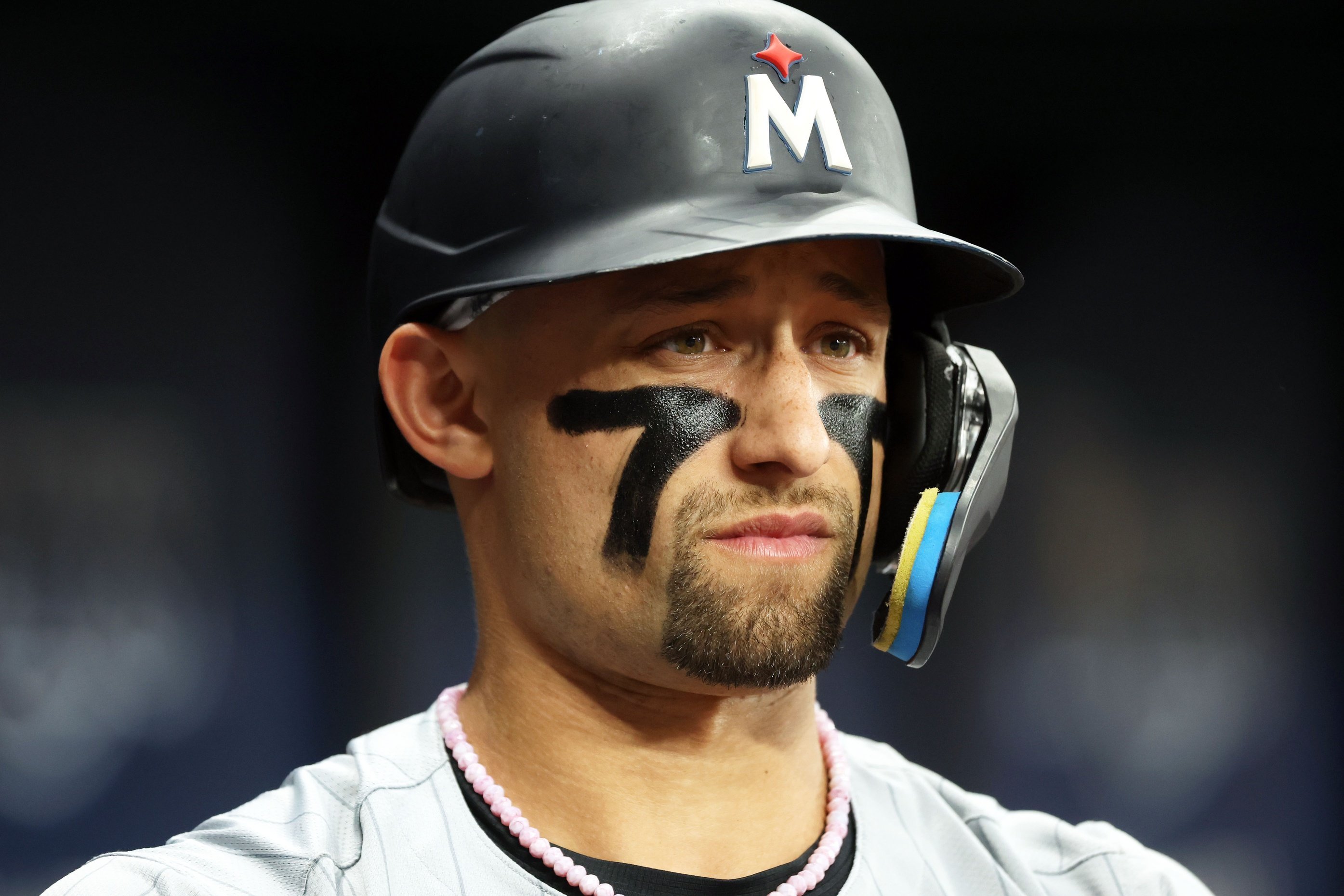 As the Minnesota Twins gear up for the 2025 season, the focus shifts to their core group of players who form the backbone of the roster. Some of these players have cemented their place as long-term building blocks, while others could find themselves as valuable trade assets. In this article, we rank the Twins' most important pieces at the big-league level, considering both their impact and the likelihood of them being traded before the 2025 season. 5. Joe Ryan, SP Pros: Ryan has established himself as a reliable mid-rotation starter with flashes of being a top-of-the-rotation option. His fastball-heavy approach works when he's locating well, and he's shown an ability to pitch deep into games. In 2024, he set career-best totals in ERA+ (115), WHIP (0.98), and BB/9 (1.5). Ryan's youth and team control make him a valuable piece for the Twins, both now and in the future. Cons: He ended the season on the injured list and has fought through injuries throughout his big-league career. He’s averaged less than 150 innings pitched during his first three full MLB seasons. He can be prone to giving up home runs (30-degree launch angle on his fastball), which might limit his long-term upside. Trade Likelihood: Low-Medium Ryan is a valuable trade asset with a deep pitching prospect pool behind him. However, his trade value might be lower this winter because of his injury to end the 2024 campaign. 4. Byron Buxton, OF Pros: Buxton had a redemption year in 2024, playing over 100 games and returning to center field for the first time since 2022. He still possesses elite speed and defense when healthy, and his leadership remains invaluable. After years of skepticism around his durability, Buxton proved he can still impact games as he combined for a 137 OPS+, his highest total since 2022. Cons: His growing injury history will follow him throughout his big-league career, limiting his overall impact. Minnesota needed him on the field as the team collapsed, but he was among a group of players impacted by injury. Trade Likelihood: Low Buxton might have the lowest trade likelihood on the team. He signed his extension because it has a no-trade clause and he wanted his family to be comfortable growing up in Minnesota. Buxton’s contract and injury history complicate any trade possibilities. He isn’t going anywhere. 3. Carlos Correa, SS Pros: Despite a disappointing finish to his 2024 season due to a foot injury, Correa remained a critical piece for the Twins. Twins Daily voted him the team MVP, even though he was limited to playing in less than 55% of the team’s games. His leadership, defense at shortstop, and ability to perform in high-pressure moments solidify his value. Signed through 2028 (or beyond), Correa is arguably the face of the franchise. Cons: His contract is a significant portion of the team’s total payroll, and his health issues are becoming more of a concern as he enters his 30s. Correa needs to avoid the plantar fasciitis injuries that have plagued him over the last two seasons. Trade Likelihood: Low Correa has a full no-trade clause, so the only way to move him is for him to agree to a trade. Minnesota could convince him that the team is entering a soft rebuild, making him more open to the idea of a trade to a contender. 2. Pablo López, SP Pros: After arriving in the Luis Arraez trade, López proved to be the ace Minnesota needed, posting career-best numbers in 2023. He struggled through parts of the 2024 season but improved significantly in the second half. In his final 81 1/3 innings, he allowed 25 earned runs (2.77 ERA), with his OPS allowed dropping by 40 points compared to the first half. With López under contract through 2027, he offers long-term security at the top of the rotation. Cons: His value likely dipped slightly due to his inconsistent 2024 campaign. It’s also difficult to envision the Twins trading their ace. A blockbuster deal involving López could be on the table if they want to reshape the roster. Trade Likelihood: Medium The Twins are unlikely to shop López, but with young arms on the rise, they could explore moving him for other upgrades if the right deal comes along. He has the second most expensive contract on the team, but his deal doesn’t include a no-trade clause. 1. Royce Lewis, IF Pros: Lewis became one of the Twins’ most exciting players over the last two seasons. He showed signs of breaking out after years of injury setbacks. His mix of power and charisma across multiple infield positions makes him the centerpiece of the team's future. When healthy, Lewis has shown he can hit in the clutch and change the momentum of games. Cons: Injuries are one concern, including multiple ACL surgeries during his professional career. During the 2024 season, he was also vocal about his dislike of moving him to second base during the middle of the season. Lewis also ended the season amidst the worst slump of his career with a .620 OPS in the second half. Trade Likelihood: Medium Lewis looked like a franchise cornerstone, but the Twins might want to trade from their core to alter the team’s future. Trading Lewis might be unpopular, but it could be a necessity to keep the team’s winning window open as long as possible. The Twins have a strong core of building block pieces for 2025, but that doesn’t mean they won’t explore trades to reshape the roster. Players like Correa and Buxton are likely staying put because of their no-trade clauses. However, López, Lewis, or Ryan might be able to bring a strong trade return if the front office wants to make some changes to the core. The offseason will be critical as the front office balances improving the team without disrupting its future success. Will any of the players above be traded this winter? Which player is the most critical building block? Leave a COMMENT and start the discussion.
- 71 comments
-
- 1
-
-
- royce lewis
- joe ryan
- (and 3 more)

