



Cody Christie
-
Posts
7,817 -
Joined
-
Last visited
-
Days Won
5
Content Type
Profiles
News
Minnesota Twins Videos
2026 Minnesota Twins Top Prospects Ranking
2022 Minnesota Twins Draft Picks
Minnesota Twins Free Agent & Trade Rumors, Notes, & Tidbits
Guides & Resources
2023 Minnesota Twins Draft Picks
The Minnesota Twins Players Project
2024 Minnesota Twins Draft Picks
2025 Minnesota Twins Draft Pick Tracker
2026 Minnesota Twins Draft Tracker: Picks & Bonuses
Forums
Blogs
Events
Store
Downloads
Gallery
Everything posted by Cody Christie
-
In recent history, the righty has been one of the Twins' most electric pitching prospects. However, injuries have plagued his professional career, and it seems increasingly unlikely that there's a happy ending at the end of this prolonged trial. Image courtesy of William Parmeter In recent history, the righty has been one of the Twins' most electric pitching prospects. However, injuries have plagued his professional career, and it seems increasingly unlikely that there's a happy ending at the end of this prolonged trial. When the Minnesota Twins selected Matt Canterino in the second round of the 2019 MLB Draft, they envisioned a pitcher who could ascend rapidly through their system. However, Canterino's professional journey has been riddled with injuries, casting a shadow over his once-promising career. Canterino's tenure at Rice University showcased his immense talent. He earned Conference USA Pitcher of the Year honors as a junior, boasting a 6-5 record with a 2.81 ERA and 121 strikeouts over 99 1/3 innings. However, Rice has garnered a reputation for heavy pitcher workloads, raising concerns about potential overuse. This pattern isn't new to the Twins, with former Rice standout Tyler Duffey, who faced similar risks tied to the program's approach. Canterino averaged 25 batters faced per start, even with a high strikeout rate and occasional bouts with shaky control. He pitched one complete game, twice more went eight innings, and often topped seven innings in starts in highly competitive environments, working past 100 pitches multiple times in single appearances at tender ages. Flashes of Brilliance The Twins quickly got Canterino acclimated to professional action after he signed by sending him to the Gulf Coast League Twins for two appearances before being moved to Cedar Rapids. In 25 innings, he combined for a 1.44 ERA with a 0.64 WHIP and 33.3 K%. After the pandemic canceled the 2020 minor-league season, Minnesota sent him back to Cedar Rapids, where he continued to put up video game numbers. In 23 innings, he posted a 0.78 ERA with a 0.61 WHIP and a 53.6 K%. Unfortunately, a right elbow strain ended his season. In 2022, the Twins tried to manage Canterino’s workload, while also pushing him to Double-A. In 37 innings, he posted a 1.95 ERA with a 1.16 WHIP and 34.8 K%. A nagging forearm injury sent him to the IL, and he was eventually forced to undergo Tommy John surgery in August. He would miss the entire 2023 season while recovering. The Twins were hoping for a healthy Canterino entering last spring, especially since the team added him to the 40-man roster. Instead, a rotator cuff strain suffered in spring training cost him the entire season. There were positive reports on Canterino’s stuff this spring, with the Twins believing he could “reclaim himself on the field.” The plan was for him to move to the bullpen so the club could better manage his workload. Unfortunately, the injury bug hit him again. “Last year, he had a fairly moderate right [subscapular] strain,” Twins trainer Nick Paparesta said. “This year it is a little bit of a milder subscap, with a more moderate strain of his teres major and latissimus dorsi, which seems to be the soup du jour if you read any MLB news on injuries lately with pitchers.” Canterino is due to consult with surgeon Dr. Keith Meister this week. There's a very real chance that he'll require another season-ending operation. The Road Ahead The Twins had planned to transition Canterino to the bullpen to manage his workload and mitigate injury risks. This transition could make it easier for him to return to the mound this season, if the three-piece injury to his shoulder doesn't result in an operation. However, this latest setback casts further doubt on his future in the game, of which there was already plenty. While his talent is undeniable, the accumulation of injuries raises could eventually make it impossible to return to a professional-caliber level. Even in the most optimistic scenario, Canterino is likely looking at another extended absence. Despite logging only 85 professional innings, his outstanding stats (1.48 ERA, 39.2% strikeout rate) showcase his potential—if he can remain healthy. As Canterino faces even more uncertainty, the Twins and their fans can only hope for a positive outcome, allowing this talented pitcher to finally break through. What should the Twins expect from Canterino at this point in his career? Leave a comment and start the discussion. View full article
-
 Fans have been waiting for the Twins to announce where they can watch games on cable and satellite. Now, the club has developed an innovative way to engage with fans (while frustrating others). Image courtesy of Ron Chenoy-USA TODAY Sports Fans have been waiting for the Twins to announce where they can watch games on cable and satellite. Now, the club has developed an innovative way to engage with fans (while frustrating others). In a bold and innovative move, the Minnesota Twins announced that they will make Twins.TV (their new MLB broadcast network) deliberately difficult to find. By ensuring that the channel is not conveniently located on major cable and satellite providers, the organization hopes to introduce an exciting new challenge for fans: a season-long scavenger hunt to locate where their games are actually being aired. The Twins front office insists that this is not a cost-cutting measure or an elaborate ploy to get out of a television deal gone wrong. Instead, it’s a groundbreaking way to increase fan engagement, while eliminating the dreaded regional blackouts that have plagued baseball fans for years. The club is touting this as a “win-win” for both the team and its loyal followers, who are now tasked with finding Twins games as though they were a hidden Easter egg inside an overly complex streaming bundle. “We’re always looking for new ways to connect with our fans, and what better way than making watching the Twins an interactive experience?” said Derek Falvey, the newly appointed president of baseball operations and business. “Instead of mindlessly flipping to FanDuel Sports Network and settling in, we want fans to earn their baseball. It builds character, just like standing outside at Target Field in April.” Twins play-by-play announcer Cory Provus, who will still be calling games despite no one being quite sure where they’re airing, was enthusiastic about the change. “I’ve always said baseball is about the journey, not just the destination,” Provus remarked. “Now, that journey includes navigating obscure cable packages, questionable streaming apps, and possibly even shortwave radio frequencies. I think it’s great!” The shift will be an adjustment for some fans, but others are embracing the challenge. The Carlson family of Grand Rapids, Minnesota, is already preparing for what they’re calling their ‘Summer of Discovery.’ “Honestly, it makes the experience more immersive,” said Mark Carlson, a longtime Twins fan and UPS driver. “We used to just turn on the TV and watch, but now we’ll have family bonding time as we search the internet, rummage through Roku settings, and send exploratory text messages to distant relatives in other states. The kids love it!” Outgoing Twins president Dave St. Peter, a longtime advocate of fan engagement, views this as a positive evolution for the game. “Look, baseball is about tradition, but it’s also about adaptation,” St. Peter said. “Fans don’t just want convenience anymore. They want a challenge. They want intrigue. They want the adrenaline rush of finally locating Twins.TV, just in time for the seventh inning.” While the precise locations of Twins broadcasts remain unknown, the organization has hinted at some possible viewing options. Suggestions have included tuning into a home shopping channel at precisely the right moment, subscribing to an obscure Latvian sports package, or accessing a “secret” portion of the Twins’ website that requires answering trivia questions about Jacque Jones. Despite some initial skepticism, the Twins are standing firm in their belief that this strategy will be a net positive. “Sure, people might complain at first,” Falvey admitted. “But then they’ll remember that there are no blackouts for the first time in years. And that’s worth a little adventure, isn’t it?” For those unwilling to undertake the scavenger hunt, the Twins have also offered a fail-safe backup option: simply attending games in person. “Target Field is always open,” St. Peter noted. “And best of all, there’s no hunting required to find it.” Whether this strategy ultimately leads to increased viewership or just higher levels of frustration remains to be seen. But one thing is clear: In 2025, watching the Minnesota Twins will be about more than just baseball. It’ll be about perseverance, ingenuity, and, most importantly, patience. View full article
 -
The longtime minor-leaguer has caught the attention of Twins coaches this spring. His “throwback” style might put him in position for the team’s final bench spot. Image courtesy of William Parmeter The longtime minor-leaguer has caught the attention of Twins coaches this spring. His “throwback” style might put him in position for the team’s final bench spot. Mickey Gasper has been making waves in spring training, showcasing a blend of versatility and determination that has caught the attention of both fans and coaches. Acquired from the Boston Red Sox in December for left-handed pitcher Jovani Morán, Gasper has already shown resilience and adaptability during his professional career. A Versatile Asset Gasper's ability to play multiple positions is a significant asset for the Twins. Primarily a catcher and first baseman for most of his tenure in the minors, he has also logged innings at second base, providing the team with valuable flexibility. This spring, the Twins have been testing his capabilities at the keystone, where he had limited experience before this camp. Manager Rocco Baldelli has been impressed with Gasper's work ethic and adaptability. "He's a guy that you have to watch play and watch produce to see what he is," the skipper said. That support has been echoed by other members of the field staff. “He’s made all the plays that he’s supposed to. He seems like a good decision-maker,” said Twins bench coach Jayce Tingler. “After he catches it, he knows what to do with the ball. Kind of a throwback, just a good, solid baseball player.” Gasper has been making a compelling case for a roster spot at the plate. He's played eight games, going 8-for-23 with one home run and a stolen base. Spring numbers can be taken with a grain of salt, but he’s been known for his contact skills throughout his professional career. His consistent performance in these exhibition games highlights his potential to contribute offensively at the major-league level. “He has definitely had a good start to camp. We were excited when we acquired him,” Tingler said. “He’s been everything as advertised. It’s been very good at-bats. He certainly has a knack for getting on base. He’s hit from both sides of the plate.” Roster Implications Twins coaches have referred to Gasper as a "throwback" player style, a nod to his old-school approach and versatility on the field. This characterization reflects his ability to adapt and excel in various roles, much like utility players from earlier eras of baseball. “The main thing is, he’s kind of an old-time baseball player,” Tingler told reporters. “Whatever you feel like you’re going to get, it’s always his best effort. Running down the line, great at-bats, he’s been solid defensively. He’s gotten off to a nice start in camp.” Gasper's emergence presents the Twins with some intriguing roster decisions. That could mean that younger players like Austin Martin, Brooks Lee, or Edouard Julien might begin the season at Triple A, as the team balances player development with immediate needs. Gasper wasn't on the team in Twins Daily's most recent roster projection, but there is still an opportunity for him to take a spot from another player. In recent games, Gasper and Julien have regularly been in the lineup together at some combination of first and second base. This is likely a sign that the Twins believe both players can fill a similar role with the Twins, but they offer contrasting styles. Gasper is a contact hitter, while Julien has the potential to hit for more power. Julien’s struggles in the second half of 2024 have him in a position where he needs to prove himself this spring—although, since Gasper is much older (29) and has never had success in the majors, he must prove even more. As spring training progresses, Gasper's performance will be closely monitored. If he continues to impress both defensively and offensively, he could secure a spot on the Twins' Opening Day roster, embodying the "throwback" spirit that has endeared him to coaches and fans alike. Will Gasper make the Opening Day roster? What role can he fill for the Twins? Leave a comment and start the discussion. View full article
-
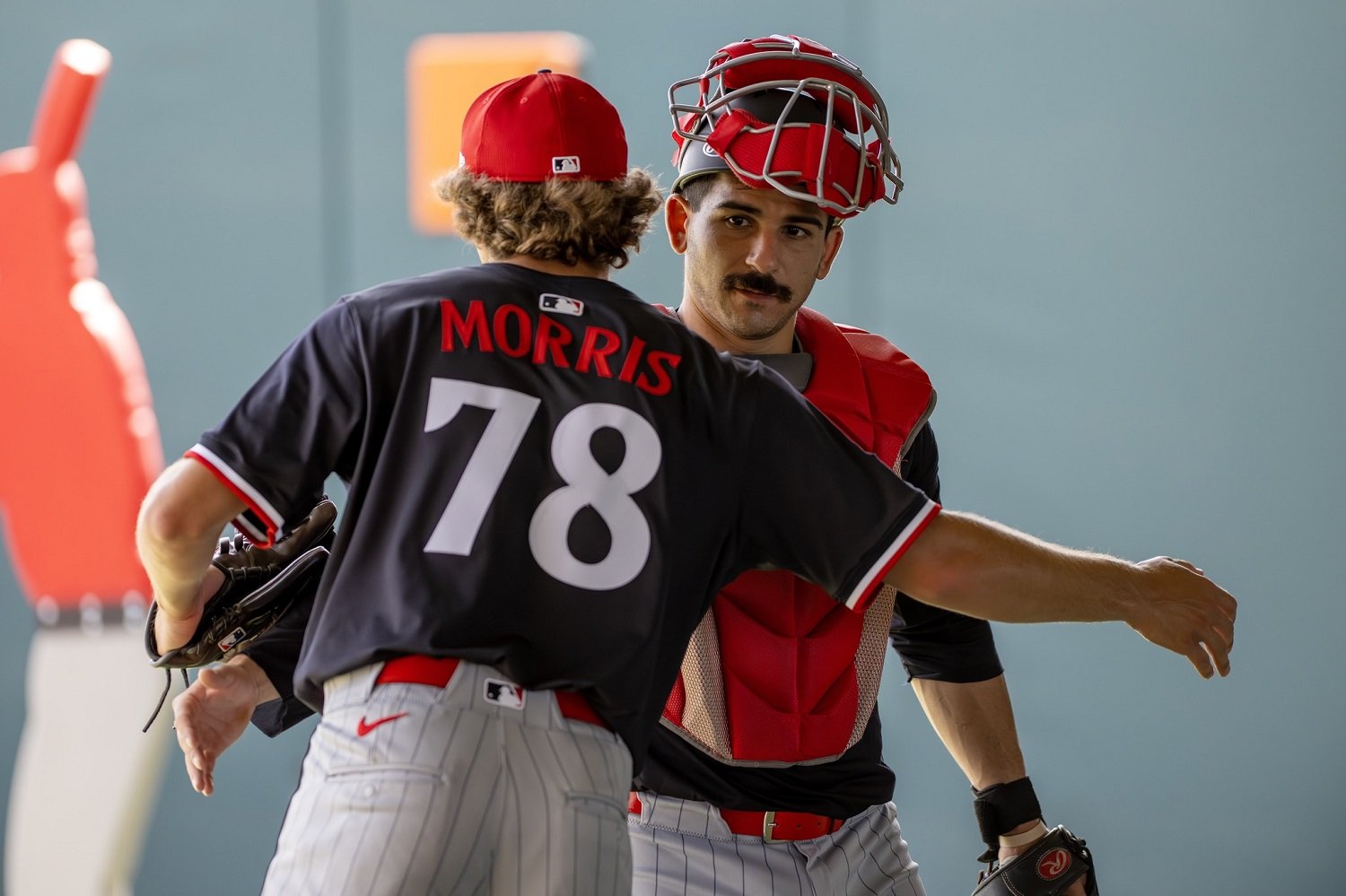 Mickey Gasper has been making waves in spring training, showcasing a blend of versatility and determination that has caught the attention of both fans and coaches. Acquired from the Boston Red Sox in December for left-handed pitcher Jovani Morán, Gasper has already shown resilience and adaptability during his professional career. A Versatile Asset Gasper's ability to play multiple positions is a significant asset for the Twins. Primarily a catcher and first baseman for most of his tenure in the minors, he has also logged innings at second base, providing the team with valuable flexibility. This spring, the Twins have been testing his capabilities at the keystone, where he had limited experience before this camp. Manager Rocco Baldelli has been impressed with Gasper's work ethic and adaptability. "He's a guy that you have to watch play and watch produce to see what he is," the skipper said. That support has been echoed by other members of the field staff. “He’s made all the plays that he’s supposed to. He seems like a good decision-maker,” said Twins bench coach Jayce Tingler. “After he catches it, he knows what to do with the ball. Kind of a throwback, just a good, solid baseball player.” Gasper has been making a compelling case for a roster spot at the plate. He's played eight games, going 8-for-23 with one home run and a stolen base. Spring numbers can be taken with a grain of salt, but he’s been known for his contact skills throughout his professional career. His consistent performance in these exhibition games highlights his potential to contribute offensively at the major-league level. “He has definitely had a good start to camp. We were excited when we acquired him,” Tingler said. “He’s been everything as advertised. It’s been very good at-bats. He certainly has a knack for getting on base. He’s hit from both sides of the plate.” Roster Implications Twins coaches have referred to Gasper as a "throwback" player style, a nod to his old-school approach and versatility on the field. This characterization reflects his ability to adapt and excel in various roles, much like utility players from earlier eras of baseball. “The main thing is, he’s kind of an old-time baseball player,” Tingler told reporters. “Whatever you feel like you’re going to get, it’s always his best effort. Running down the line, great at-bats, he’s been solid defensively. He’s gotten off to a nice start in camp.” Gasper's emergence presents the Twins with some intriguing roster decisions. That could mean that younger players like Austin Martin, Brooks Lee, or Edouard Julien might begin the season at Triple A, as the team balances player development with immediate needs. Gasper wasn't on the team in Twins Daily's most recent roster projection, but there is still an opportunity for him to take a spot from another player. In recent games, Gasper and Julien have regularly been in the lineup together at some combination of first and second base. This is likely a sign that the Twins believe both players can fill a similar role with the Twins, but they offer contrasting styles. Gasper is a contact hitter, while Julien has the potential to hit for more power. Julien’s struggles in the second half of 2024 have him in a position where he needs to prove himself this spring—although, since Gasper is much older (29) and has never had success in the majors, he must prove even more. As spring training progresses, Gasper's performance will be closely monitored. If he continues to impress both defensively and offensively, he could secure a spot on the Twins' Opening Day roster, embodying the "throwback" spirit that has endeared him to coaches and fans alike. Will Gasper make the Opening Day roster? What role can he fill for the Twins? Leave a comment and start the discussion.
- 26 comments
-
- 7
-

-
- mickey gasper
- edouard julien
- (and 2 more)
-
The Twins have some of baseball’s top prospects with many of their top players closing in on the big leagues. So, who has the best tools among their top position player prospects? Image courtesy of William Parmeter (Debarge, Jenkins), Seth Stohs (Gonzalez) The Twins have some of baseball’s top prospects with many of their top players closing in on the big leagues. So, who has the best tools among their top position player prospects? Many national prospect rankings have updated their top-100 prospect lists leading into the 2025 season. MLB Pipeline updated their rankings by using updated scouting reports to gauge players' potential tools. Some of Minnesota’s top prospects have dealt with minor injuries this spring, but that doesn’t detract from their long-term value. The tools below are rated on the standard 20-80 scouting scale, where 50 represents the big-league average. Players on the list must be included in MLB Pipeline’s Top-30 Twins prospects. Hit Tool: Walker Jenkins, OF Scouting Grade: 60 Scouts have touted Walker Jenkins ’ bat-to-ball skills since he was an amateur, and the Twins have seen his hit tool shine during his professional career. Last season, he hit .282/.394/.439 (.833) with a 139 wRC+ despite being limited to 82 games with a hamstring injury. He suffered a minor ankle sprain early in spring training, but the Twins hope he will miss limited action. For 2025, the goal should be for Jenkins to show off more of his five-tool talent with the potential for him to make his big-league debut. There is a chance that Jenkins will enter next season as baseball’s number-one ranked prospect, especially if he can improve in three key areas. Luke Keaschall and Kaelen Culpepper received similar scouting grades from MLB Pipeline. Honorable Mentions: Luke Keaschall, Kaelen Culpepper Power Tool: Emmanuel Rodriguez, OF Scouting Grade: 60 Looking at Emmanuel Rodriguez ’s small stature, many wouldn’t believe he is a power threat. However, his keen eye for the zone allows him to capitalize on mistake pitches, including posting an 184 wRC+ last season. Injuries have limited him throughout his professional career (something that is common with Twins top prospects) to the point where he has yet to play 100 games in a season. Last season, Rodriguez finished the year at Triple-A, so there will be an opportunity for him to make his big-league debut in 2025. Jenkins was touted as an amateur power threat, but his big-time power hasn’t regularly translated to game action. Winokur has a good chance to top this ranking next season, especially if he can build off a 116 wRC+ in 2024. The Twins hope Jenkins and Winokur can form a middle-of-the-order that matches the heyday of Joe Mauer and Justin Morneau. Honorable Mentions: Walker Jenkins, Brandon Winokur Run Tool: Kyle Debarge, INF Scouting Grade: 60 The Twins focused on polished college players early in the 2024 MLB Draft and took Kyle Debarge with their supplemental first-round pick. During his junior season at Louisiana Lafayette, he posted a 1.117 OPS with 43 extra-base hits and ten steals. Minnesota let him run wild during his professional debut. In 26 games, he went 15-for-18 in stolen base attempts while also collecting six extra-base hits. His speed and athleticism should allow him to stick at shortstop, so it will be interesting to see how the organization balances playing time between him and Culpepper as they move through the system. Winokur went 23-for-29 in stolen base attempts last season but could lose a step as he matures and adds muscle to his frame. Honorable Mention: Brandon Winokur Arm Tool: Gabriel Gonzalez, INF Scouting Grade: 65 Gabriel Gonzalez has seen his prospect stock drop since joining the Twins in the Jorge Polanco trade. Last season, he played most of his games in right field (55 starts) but also over 130 innings in left field. Gonzalez collected five outfield assists. He posted a .707 OPS in 81 games last season for Cedar Rapids, so he will need to hit for more power to stick in a corner outfield spot. Yasser Mercedes dealt with a shoulder injury at the beginning of last season, but the Twins continued to use him in center field, and he has one of the best arms in the system. Culpepper was drafted as a shortstop, and the Twins will start moving him around to other defensive positions, including third base, second base, and outfield. Honorable Mentions: Yasser Mercedes, Kaelen Culpepper Field Tool: Kyle Debarge, INF Scouting Grade: 55 The Twins have targeted up-the-middle defenders with their early draft picks, including Jenkins, Culpepper, and Debarge. Culpeper and Jenkins will get every opportunity to stick in center field or shortstop, but many believe they will eventually end up at third base or corner outfield. Debarge has all the skills an organization wants from a shortstop, including a solid arm and good instincts. The Twins like players to have defensive flexibility, so Debarge could start seeing time in center field or other infield spots. Jenkins is an elite athlete who should stick in center field early in his career. Honorable Mention: Walker Jenkins The Twins’ farm system continues to showcase a wealth of talent, with top prospects flashing elite tools that could shape the franchise’s future. As these players develop, refining their skills and adapting to higher levels of competition, their ceilings become even more intriguing. Some will inevitably rise faster than others, but the raw ability within the system is undeniable. For Twins fans, the excitement lies in watching these prospects turn potential into production and eventually develop into impact players at Target Field. What tools stand out? Were any players a surprise on the list? Leave a comment and start the discussion. View full article
-
Who Has the Best Tools Among the 2025 Twins’ Top 30 Prospects?
Cody Christie posted an article in Minor Leagues
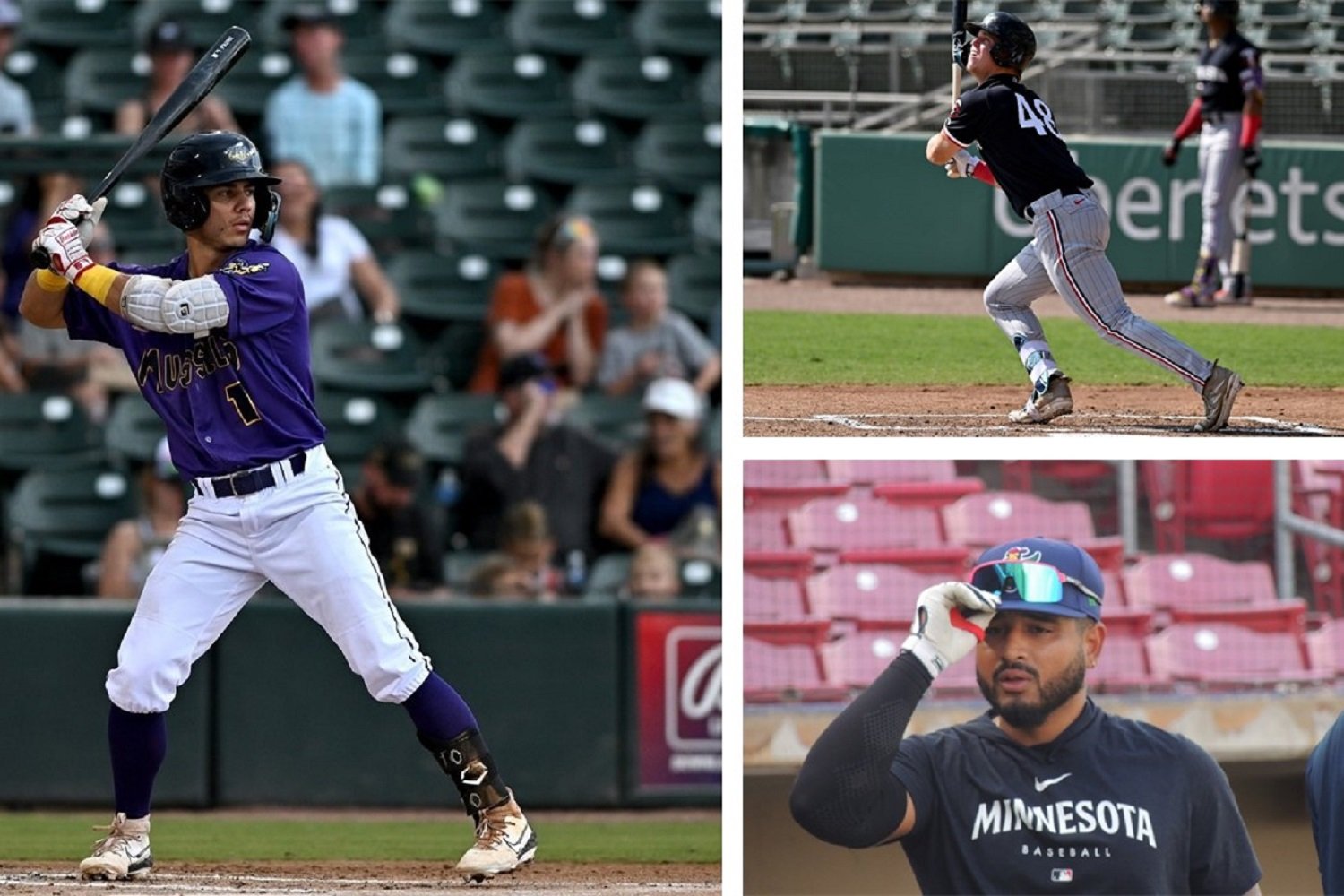 Many national prospect rankings have updated their top-100 prospect lists leading into the 2025 season. MLB Pipeline updated their rankings by using updated scouting reports to gauge players' potential tools. Some of Minnesota’s top prospects have dealt with minor injuries this spring, but that doesn’t detract from their long-term value. The tools below are rated on the standard 20-80 scouting scale, where 50 represents the big-league average. Players on the list must be included in MLB Pipeline’s Top-30 Twins prospects. Hit Tool: Walker Jenkins, OF Scouting Grade: 60 Scouts have touted Walker Jenkins ’ bat-to-ball skills since he was an amateur, and the Twins have seen his hit tool shine during his professional career. Last season, he hit .282/.394/.439 (.833) with a 139 wRC+ despite being limited to 82 games with a hamstring injury. He suffered a minor ankle sprain early in spring training, but the Twins hope he will miss limited action. For 2025, the goal should be for Jenkins to show off more of his five-tool talent with the potential for him to make his big-league debut. There is a chance that Jenkins will enter next season as baseball’s number-one ranked prospect, especially if he can improve in three key areas. Luke Keaschall and Kaelen Culpepper received similar scouting grades from MLB Pipeline. Honorable Mentions: Luke Keaschall, Kaelen Culpepper Power Tool: Emmanuel Rodriguez, OF Scouting Grade: 60 Looking at Emmanuel Rodriguez ’s small stature, many wouldn’t believe he is a power threat. However, his keen eye for the zone allows him to capitalize on mistake pitches, including posting an 184 wRC+ last season. Injuries have limited him throughout his professional career (something that is common with Twins top prospects) to the point where he has yet to play 100 games in a season. Last season, Rodriguez finished the year at Triple-A, so there will be an opportunity for him to make his big-league debut in 2025. Jenkins was touted as an amateur power threat, but his big-time power hasn’t regularly translated to game action. Winokur has a good chance to top this ranking next season, especially if he can build off a 116 wRC+ in 2024. The Twins hope Jenkins and Winokur can form a middle-of-the-order that matches the heyday of Joe Mauer and Justin Morneau. Honorable Mentions: Walker Jenkins, Brandon Winokur Run Tool: Kyle Debarge, INF Scouting Grade: 60 The Twins focused on polished college players early in the 2024 MLB Draft and took Kyle Debarge with their supplemental first-round pick. During his junior season at Louisiana Lafayette, he posted a 1.117 OPS with 43 extra-base hits and ten steals. Minnesota let him run wild during his professional debut. In 26 games, he went 15-for-18 in stolen base attempts while also collecting six extra-base hits. His speed and athleticism should allow him to stick at shortstop, so it will be interesting to see how the organization balances playing time between him and Culpepper as they move through the system. Winokur went 23-for-29 in stolen base attempts last season but could lose a step as he matures and adds muscle to his frame. Honorable Mention: Brandon Winokur Arm Tool: Gabriel Gonzalez, INF Scouting Grade: 65 Gabriel Gonzalez has seen his prospect stock drop since joining the Twins in the Jorge Polanco trade. Last season, he played most of his games in right field (55 starts) but also over 130 innings in left field. Gonzalez collected five outfield assists. He posted a .707 OPS in 81 games last season for Cedar Rapids, so he will need to hit for more power to stick in a corner outfield spot. Yasser Mercedes dealt with a shoulder injury at the beginning of last season, but the Twins continued to use him in center field, and he has one of the best arms in the system. Culpepper was drafted as a shortstop, and the Twins will start moving him around to other defensive positions, including third base, second base, and outfield. Honorable Mentions: Yasser Mercedes, Kaelen Culpepper Field Tool: Kyle Debarge, INF Scouting Grade: 55 The Twins have targeted up-the-middle defenders with their early draft picks, including Jenkins, Culpepper, and Debarge. Culpeper and Jenkins will get every opportunity to stick in center field or shortstop, but many believe they will eventually end up at third base or corner outfield. Debarge has all the skills an organization wants from a shortstop, including a solid arm and good instincts. The Twins like players to have defensive flexibility, so Debarge could start seeing time in center field or other infield spots. Jenkins is an elite athlete who should stick in center field early in his career. Honorable Mention: Walker Jenkins The Twins’ farm system continues to showcase a wealth of talent, with top prospects flashing elite tools that could shape the franchise’s future. As these players develop, refining their skills and adapting to higher levels of competition, their ceilings become even more intriguing. Some will inevitably rise faster than others, but the raw ability within the system is undeniable. For Twins fans, the excitement lies in watching these prospects turn potential into production and eventually develop into impact players at Target Field. What tools stand out? Were any players a surprise on the list? Leave a comment and start the discussion.
- 12 comments
-
- 7
-
-
- walker jenkins
- gabriel gonzalez
- (and 3 more)
-
Small and mid-market teams must be creative in their roster-building approach. For the Twins, three players highlight their infatuation with collecting pitchers with oddities. Image courtesy of William Parmeter Small and mid-market teams must be creative in their roster-building approach. For the Twins, three players highlight their infatuation with collecting pitchers with oddities. Many franchises search for unconventional ways to gain a strategic advantage. The Minnesota Twins have continued that trend in their recent approach to building a pitching staff. Instead of relying solely on high-octane velocity or wipeout-breaking stuff, the Twins have accumulated a stable of pitchers who bring unique attributes to the mound. Whether it's an unusual background, extreme physical traits, or an offbeat pitch, Minnesota has built pitching depth that is anything but ordinary. Joe Ryan: The Water Polo Warrior Joe Ryan ’s journey to becoming a staple of the Twins’ rotation didn’t follow the usual path of a top draft pick or blue-chip prospect. Tampa Bay drafted him in the seventh round of the 2018 MLB Draft, and he joined the Twins in the trade for Nelson Cruz. The former water polo player has translated his unique athletic background into one of the most deceptive fastballs in baseball. Water polo requires players to generate power from unconventional angles while keeping their arms above the water, and those skills have transferred seamlessly to Ryan’s delivery. “Joe’s treated himself really well this offseason. He looks good and strong and mobile like he always is,” said Twins manager Rocco Baldelli. “I think he’s looking to come back this year and put together a full slate of — a full season’s worth of innings and produce the way he did or even better than last year. He had an awesome year going last year before he suffered the issue but he’s come in fully healed and looked great.” Ryan’s fastball averaged in the low 90s earlier in his career, but he bumped up his velocity last season to 94 mph. His fastball also plays like an elite pitch due to its riding action and high release point. His ability to command it up in the zone has made it more effective, and his increased velocity has helped him achieve a Fastball Run Value in the 90th percentile. After an up-and-down 2024 season, Ryan enters 2025 as a key piece of the Twins' rotation. If he can further refine his secondary offerings, there’s no reason he can’t take another step forward and solidify himself as a frontline starter. Bailey Ober: The Towering Enigma Bailey Ober is a pitcher who defies traditional scouting expectations. Standing at a towering 6-foot-9, Ober isn’t the flamethrower one might expect from someone his size. Instead, he thrives on deception and precision. His elite extension (97th percentile) means he is releasing the ball closer to home plate than almost any other pitcher, making his 91-93 mph fastball play much harder than the raw velocity suggests. Baldelli recently spoke about Ober. “He has been as reliable of a pitcher as we have had in the last few seasons. He makes excellent small adjustments. He is a tremendous strike-thrower. You just know you are going to have a really good chance to win a game almost every time he touches the ball.” Ober’s ability to command the strike zone and induce weak contact has allowed him to succeed in a league where velocity often dominates. He took significant strides in 2024, proving he can be a reliable innings-eater. As he heads into 2025, the expectation is that he’ll continue to be a mid-rotation stabilizer. If he can stay healthy and maintain consistency, there’s no reason he can’t push toward being a top-of-the-rotation presence for a Twins team with playoff aspirations. Cory Lewis: The Knuckleballer in Waiting Perhaps the most intriguing of Minnesota’s unique arms is Cory Lewis, a rare prospect in today’s game due to his ability to throw a legitimate knuckleball. While the pitch isn’t his primary weapon, it’s a fascinating wrinkle in an arsenal that already features solid secondary pitches. The Twins took a gamble by drafting Lewis in 2022, but his development has been promising so far. Lewis talked about his famous pitch earlier this spring. “I use it like any of my other secondary pitches. It slowly became like a two-strike pitch. But, I mean, I'll throw it whenever. I throw it about 20% I think. So, not anything crazy, like 50 or 60%, like a traditional knuckleballer.” Knuckleballers are notoriously difficult to project, but Lewis has shown enough ability to remain on the starting pitcher track. While it remains to be seen how much he’ll rely on the knuckleball at the big-league level, its mere existence gives him an added layer of unpredictability. If he makes his MLB debut in 2025, he could offer a completely different look to opposing hitters. Plus, every fan likes a good knuckleball. The Twins enter 2025 with a rotation that continues to evolve, and these three pitchers will play pivotal roles in its success. Ryan has the tools to ascend to true ace status if his secondary pitches take another step forward. Ober remains a steadying force, and if he continues to miss barrels, he could put together his best season yet. Lewis is the wild card, and his path to the majors is uncertain. When he debuts, he could be one of the most unusual pitchers the Twins have had in years. Minnesota is building a pitching staff with rare and fascinating attributes. In a league where teams are always searching for an edge, the Twins are leaning into uniqueness, and 2025 could be the year it all pays off. Should the Twins continue to collect pitchers with oddities? Leave a comment and start the discussion. View full article
-
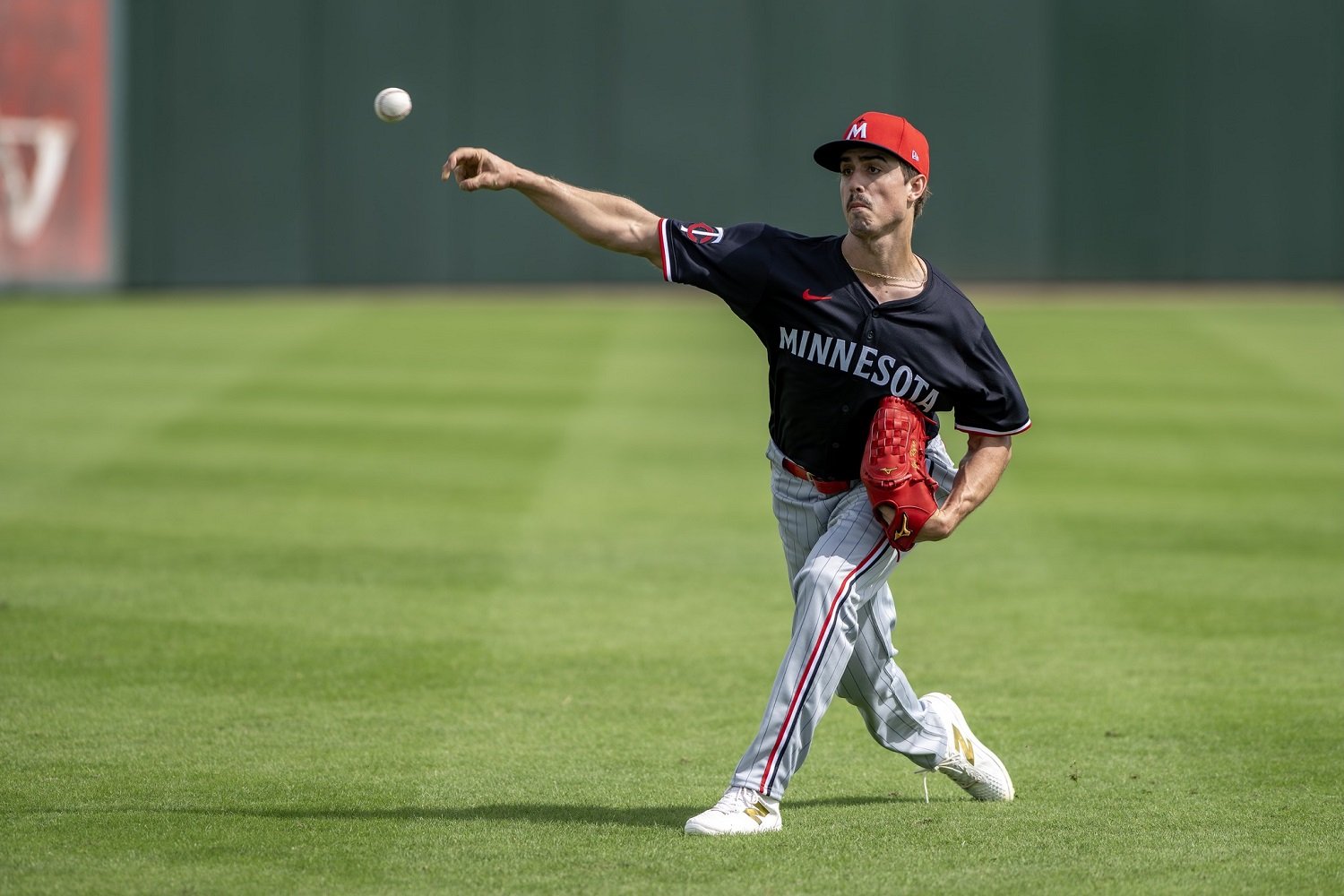 Many franchises search for unconventional ways to gain a strategic advantage. The Minnesota Twins have continued that trend in their recent approach to building a pitching staff. Instead of relying solely on high-octane velocity or wipeout-breaking stuff, the Twins have accumulated a stable of pitchers who bring unique attributes to the mound. Whether it's an unusual background, extreme physical traits, or an offbeat pitch, Minnesota has built pitching depth that is anything but ordinary. Joe Ryan: The Water Polo Warrior Joe Ryan ’s journey to becoming a staple of the Twins’ rotation didn’t follow the usual path of a top draft pick or blue-chip prospect. Tampa Bay drafted him in the seventh round of the 2018 MLB Draft, and he joined the Twins in the trade for Nelson Cruz. The former water polo player has translated his unique athletic background into one of the most deceptive fastballs in baseball. Water polo requires players to generate power from unconventional angles while keeping their arms above the water, and those skills have transferred seamlessly to Ryan’s delivery. “Joe’s treated himself really well this offseason. He looks good and strong and mobile like he always is,” said Twins manager Rocco Baldelli. “I think he’s looking to come back this year and put together a full slate of — a full season’s worth of innings and produce the way he did or even better than last year. He had an awesome year going last year before he suffered the issue but he’s come in fully healed and looked great.” Ryan’s fastball averaged in the low 90s earlier in his career, but he bumped up his velocity last season to 94 mph. His fastball also plays like an elite pitch due to its riding action and high release point. His ability to command it up in the zone has made it more effective, and his increased velocity has helped him achieve a Fastball Run Value in the 90th percentile. After an up-and-down 2024 season, Ryan enters 2025 as a key piece of the Twins' rotation. If he can further refine his secondary offerings, there’s no reason he can’t take another step forward and solidify himself as a frontline starter. Bailey Ober: The Towering Enigma Bailey Ober is a pitcher who defies traditional scouting expectations. Standing at a towering 6-foot-9, Ober isn’t the flamethrower one might expect from someone his size. Instead, he thrives on deception and precision. His elite extension (97th percentile) means he is releasing the ball closer to home plate than almost any other pitcher, making his 91-93 mph fastball play much harder than the raw velocity suggests. Baldelli recently spoke about Ober. “He has been as reliable of a pitcher as we have had in the last few seasons. He makes excellent small adjustments. He is a tremendous strike-thrower. You just know you are going to have a really good chance to win a game almost every time he touches the ball.” Ober’s ability to command the strike zone and induce weak contact has allowed him to succeed in a league where velocity often dominates. He took significant strides in 2024, proving he can be a reliable innings-eater. As he heads into 2025, the expectation is that he’ll continue to be a mid-rotation stabilizer. If he can stay healthy and maintain consistency, there’s no reason he can’t push toward being a top-of-the-rotation presence for a Twins team with playoff aspirations. Cory Lewis: The Knuckleballer in Waiting Perhaps the most intriguing of Minnesota’s unique arms is Cory Lewis, a rare prospect in today’s game due to his ability to throw a legitimate knuckleball. While the pitch isn’t his primary weapon, it’s a fascinating wrinkle in an arsenal that already features solid secondary pitches. The Twins took a gamble by drafting Lewis in 2022, but his development has been promising so far. Lewis talked about his famous pitch earlier this spring. “I use it like any of my other secondary pitches. It slowly became like a two-strike pitch. But, I mean, I'll throw it whenever. I throw it about 20% I think. So, not anything crazy, like 50 or 60%, like a traditional knuckleballer.” Knuckleballers are notoriously difficult to project, but Lewis has shown enough ability to remain on the starting pitcher track. While it remains to be seen how much he’ll rely on the knuckleball at the big-league level, its mere existence gives him an added layer of unpredictability. If he makes his MLB debut in 2025, he could offer a completely different look to opposing hitters. Plus, every fan likes a good knuckleball. The Twins enter 2025 with a rotation that continues to evolve, and these three pitchers will play pivotal roles in its success. Ryan has the tools to ascend to true ace status if his secondary pitches take another step forward. Ober remains a steadying force, and if he continues to miss barrels, he could put together his best season yet. Lewis is the wild card, and his path to the majors is uncertain. When he debuts, he could be one of the most unusual pitchers the Twins have had in years. Minnesota is building a pitching staff with rare and fascinating attributes. In a league where teams are always searching for an edge, the Twins are leaning into uniqueness, and 2025 could be the year it all pays off. Should the Twins continue to collect pitchers with oddities? Leave a comment and start the discussion.
- 26 comments
-
- 7
-
-

-

-
- cory lewis
- joe ryan
- (and 1 more)
-
There are fewer than three weeks until the Twins head to St. Louis for the season’s first game. So, who is projected to make the team’s Opening Day roster? Image courtesy of William Parmeter There are fewer than three weeks until the Twins head to St. Louis for the season’s first game. So, who is projected to make the team’s Opening Day roster? The Minnesota Twins have some roster battles left to be decided with under three weeks until Opening Day. A handful of injuries, including Justin Topa and Zebby Matthews, popped up last week. At the beginning of February, I attempted to narrow in on the team’s 26-man roster, but there have been some minor changes since that point. Let’s examine the projected Opening Day roster and how the lineup might shake out based on matchups. Starting Rotation (5): RHP Pablo López, RHP Bailey Ober, RHP Joe Ryan, RHP Simeon Woods Richardson, RHP Chris Paddack Little has changed with the team’s projected five-man rotation for the season’s start. Many assume that Woods Richardson will get the first crack at the fifth spot in the rotation. However, he is going to feel pressure from other young pitchers at Triple-A, including David Festa, Marco Raya, and Travis Adams. Matthews left his last spring start with an injury, so the Twins will likely be careful with him to start the year, especially with the pitching depth at St. Paul. Others on the 40-man roster: RHP David Festa, RHP Zebby Matthews, RHP Travis Adams, LHP Brent Headrick, and RHP Marco Raya. Bullpen (8): RHP Jhoan Durán, RHP Griffin Jax, RHP Cole Sands, LHP Danny Coulombe, RHP Jorge Alcalá, RHP Brock Stewart, RHP Michael Tonkin, RHP Louis Varland, RHP Justin Topa (IL) There have been a few significant changes in the bullpen since the beginning of February. Brock Stewart entered camp with reports that he was a little behind in ramping up for the season. He’s on track to make the Opening Day roster, which helps the team’s late-inning depth. Justin Topa left his most recent appearance and was diagnosed with shoulder tightness. He missed nearly all of last season with a knee injury, so he’s been limited to three appearances with the Twins. Rule 5 pick Eiberson Castellano has to stay on the 40-man roster or be offered back to the Phillies organization. There is also a chance the Twins could work on a trade to keep him in the organization. Louis Varland has been making one-inning appearances this spring and seems destined for a bullpen role. Others on the 40-man roster: LHP Kody Funderburk, RHP Matt Canterino Catchers (2): Ryan Jeffers, Christian Vázquez Minnesota loves to use a two-man catching rotation at the big-league level, so Ryan Jeffers and Christian Vázquez should see the bulk of the playing time. The Twins have also added multiple catching options to the 40-man roster this winter, including former top prospect Diego Cartaya and utility man Mickey Gasper. Cartaya could be the heir apparent to Vázquez, especially since the Twins lack catching depth. Minnesota could start using a three-man catching rotation if any other catchers start producing at Triple-A. Others on 40-man roster: Jair Camargo, Diego Cartaya Infielders (7): Jose Miranda, Brooks Lee, Royce Lewis, Carlos Correa, Edouard Julien, Willi Castro, Ty France One of the last remaining position battles is what the Twins will do with second base. The Twins have split time between a group of players, and the team is still undecided on the plan to start the year. Brooks Lee could begin the year at Triple-A after struggling during his rookie campaign (64 OPS+) while playing through multiple injuries. Lee is healthy and hitting the ball hard this spring, so the Twins will find a way to keep him on the roster. If he makes the roster, that likely means that Austin Martin starts the year at Triple-A. Mickey Gasper has also been playing regularly this spring, so he could make the roster and push Lee or Julien to St. Paul. Others on 40-man roster: Mickey Gasper Outfielders (4): Trevor Larnach, Byron Buxton, Matt Wallner, Harrison Bader The Twins decided to go with the defensive upside of Bader versus bringing in a different right-handed bat with more power. He will likely see some time in a corner outfield spot when facing left-handed starters. Larnach and Wallner were two of the team’s best hitters in the second half, and there is hope for each to build off that performance. Castro and Martin will also get time in the outfield during the season, especially when injuries arise. Emmanuel Rodriguez is a high-upside prospect to watch later in the season, but he’s dealing with an ankle injury this spring. Others on 40-man roster: Austin Martin, Emmanuel Rodriguez, DaShawn Keirsey Jr. While this roster seems likely to break camp with the team, there are still questions to answer in spring training. Will the Twins try to hang on to Castellano? Will other injuries impact the roster? With plenty of competition and depth waiting in the wings, the Twins will have decisions to make before Opening Day. Are these the 26 players who will come north with the Twins? What would your ideal lineup look like? Leave a comment and join the discussion. View full article
-
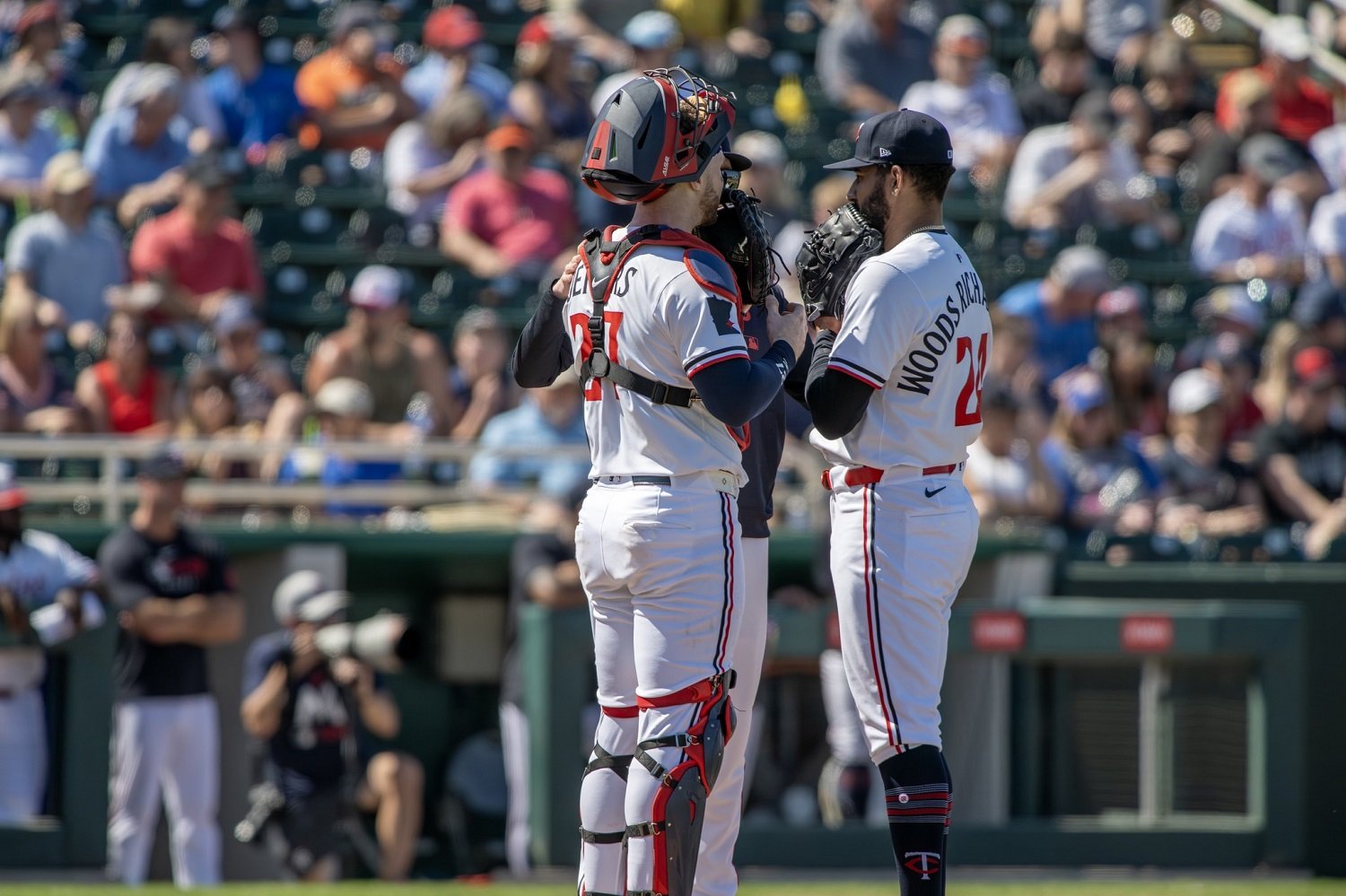 The Minnesota Twins have some roster battles left to be decided with under three weeks until Opening Day. A handful of injuries, including Justin Topa and Zebby Matthews, popped up last week. At the beginning of February, I attempted to narrow in on the team’s 26-man roster, but there have been some minor changes since that point. Let’s examine the projected Opening Day roster and how the lineup might shake out based on matchups. Starting Rotation (5): RHP Pablo López, RHP Bailey Ober, RHP Joe Ryan, RHP Simeon Woods Richardson, RHP Chris Paddack Little has changed with the team’s projected five-man rotation for the season’s start. Many assume that Woods Richardson will get the first crack at the fifth spot in the rotation. However, he is going to feel pressure from other young pitchers at Triple-A, including David Festa, Marco Raya, and Travis Adams. Matthews left his last spring start with an injury, so the Twins will likely be careful with him to start the year, especially with the pitching depth at St. Paul. Others on the 40-man roster: RHP David Festa, RHP Zebby Matthews, RHP Travis Adams, LHP Brent Headrick, and RHP Marco Raya. Bullpen (8): RHP Jhoan Durán, RHP Griffin Jax, RHP Cole Sands, LHP Danny Coulombe, RHP Jorge Alcalá, RHP Brock Stewart, RHP Michael Tonkin, RHP Louis Varland, RHP Justin Topa (IL) There have been a few significant changes in the bullpen since the beginning of February. Brock Stewart entered camp with reports that he was a little behind in ramping up for the season. He’s on track to make the Opening Day roster, which helps the team’s late-inning depth. Justin Topa left his most recent appearance and was diagnosed with shoulder tightness. He missed nearly all of last season with a knee injury, so he’s been limited to three appearances with the Twins. Rule 5 pick Eiberson Castellano has to stay on the 40-man roster or be offered back to the Phillies organization. There is also a chance the Twins could work on a trade to keep him in the organization. Louis Varland has been making one-inning appearances this spring and seems destined for a bullpen role. Others on the 40-man roster: LHP Kody Funderburk, RHP Matt Canterino Catchers (2): Ryan Jeffers, Christian Vázquez Minnesota loves to use a two-man catching rotation at the big-league level, so Ryan Jeffers and Christian Vázquez should see the bulk of the playing time. The Twins have also added multiple catching options to the 40-man roster this winter, including former top prospect Diego Cartaya and utility man Mickey Gasper. Cartaya could be the heir apparent to Vázquez, especially since the Twins lack catching depth. Minnesota could start using a three-man catching rotation if any other catchers start producing at Triple-A. Others on 40-man roster: Jair Camargo, Diego Cartaya Infielders (7): Jose Miranda, Brooks Lee, Royce Lewis, Carlos Correa, Edouard Julien, Willi Castro, Ty France One of the last remaining position battles is what the Twins will do with second base. The Twins have split time between a group of players, and the team is still undecided on the plan to start the year. Brooks Lee could begin the year at Triple-A after struggling during his rookie campaign (64 OPS+) while playing through multiple injuries. Lee is healthy and hitting the ball hard this spring, so the Twins will find a way to keep him on the roster. If he makes the roster, that likely means that Austin Martin starts the year at Triple-A. Mickey Gasper has also been playing regularly this spring, so he could make the roster and push Lee or Julien to St. Paul. Others on 40-man roster: Mickey Gasper Outfielders (4): Trevor Larnach, Byron Buxton, Matt Wallner, Harrison Bader The Twins decided to go with the defensive upside of Bader versus bringing in a different right-handed bat with more power. He will likely see some time in a corner outfield spot when facing left-handed starters. Larnach and Wallner were two of the team’s best hitters in the second half, and there is hope for each to build off that performance. Castro and Martin will also get time in the outfield during the season, especially when injuries arise. Emmanuel Rodriguez is a high-upside prospect to watch later in the season, but he’s dealing with an ankle injury this spring. Others on 40-man roster: Austin Martin, Emmanuel Rodriguez, DaShawn Keirsey Jr. While this roster seems likely to break camp with the team, there are still questions to answer in spring training. Will the Twins try to hang on to Castellano? Will other injuries impact the roster? With plenty of competition and depth waiting in the wings, the Twins will have decisions to make before Opening Day. Are these the 26 players who will come north with the Twins? What would your ideal lineup look like? Leave a comment and join the discussion.
- 58 comments
-
- 9
-
-
- brooks lee
- austin martin
- (and 5 more)
-
It would be interesting to get some of the behind the scenes details on how these rosters are created, especially since the Twins didn't include many of their top pitching prospects. I wonder how much pressure there is to get the team's top prospects into the game.
-
Last season, MLB created a new way for fans to get an up-close view of the game’s top prospects, by initiating Spring Breakout games. Here are the prospects Twins fans can get excited to see next week. Image courtesy of © Chris Tilley-Imagn Images Last season, MLB created a new way for fans to get an up-close view of the game’s top prospects, by initiating Spring Breakout games. Here are the prospects Twins fans can get excited to see next week. Baseball's top prospects get an opportunity to take center stage for four days in March. From Mar. 13-16, sixteen exhibition games will be played between teams made up entirely of each club's top prospects. Fans can follow prospect lists and recognize the names of top players, but they often don’t get to see these players in action until they actually reach the majors. The Spring Breakout games allow organizations to showcase the prospects they hope to develop into future stars. The Twins Spring Breakout roster will face off against the Blue Jays' top prospects on Sat., Mar. 15 at 12:07 PM CT, at the Blue Jays’ spring training complex in Dunedin, FL. The game will be broadcast on MLB.TV or MLB.com. So, who are the players fans can look forward to watching? Hitters Luke Keaschall, UTIL Keaschall is a consensus top-100 prospect who is returning from Tommy John surgery last August. He was the team’s Minor League Player of the Year, and ranks as the organization’s third-best prospect. It’s a good sign that the Twins are willing to let him participate in this game, after he ended last season with a serious injury. Kaelen Culpepper, SS Culpepper was Minnesota’s first-round pick in 2024. Many believe he can stick at shortstop, and he showcased elite contact rate and plate discipline in his pro debut. The 2025 season will be his first full campaign as a pro, and he has a chance to be a top-100 prospect by season’s end. Brandon Winokur, OF Winokur’s impressive athleticism and raw power have drawn attention since his selection in the third round of the 2023 draft. In 2024, as a 19-year-old, he spent the full season at Low A, posting a .249/.327/.434 slash line across 94 games, including 36 extra-base hits. The Twins will likely have him spend most of the season at High-A in 2025. Billy Amick, 3B Minnesota drafted Amick with their second-round pick in 2024, and his professional career began in the Florida State League. Over 18 games with Fort Myers, the 21-year-old slashed .222/.351/.413, with three doubles and three home runs. He showcased a well-rounded offensive profile, including nearly as many walks (12) as strikeouts. MLB Pipeline considered him among the game’s best third base prospects at the season's end. Diego Cartaya, C Cartaya was a former top prospect with the Dodgers, before joining the Twins in a trade this winter. There is a chance he could be the heir apparent to Christian Vázquez in Minnesota’s big-league catching duo. The Twins don’t have any standout catching prospects, so he has a chance to establish himself as the team’s catcher of the future. Others Hitters on the Roster: Ricardo Olivar, Rayne Doncon, Khadim Diaw, Jaime Ferrer, Dameury Pena, Danny De Andrade, Rubel Cespedes, Gabriel Gonzalez, Eduardo Beltre, Yasser Mercedes, Kala’i Rosario Pitchers Travis Adams, RHP Adams was a surprise addition to the Twins’ 40-man roster this winter. He also showed a lot of improvement this year, after struggling mightily in 2023 as a 23-year-old at Double A. He reduced his ERA from 5.66 to 3.67, earning a late-season promotion to Triple A, where he made four appearances. He throws strikes and gets ground balls, which can be a recipe for success at the big-league level. Kyle Bischoff, RHP In 2025, he moved from High A to Triple A and posted a 29.9% strikeout rate and a 10.0% walk rate in 61 1/3 innings. He was strictly used as a reliever, which could put him on the fast track to making his debut. The Twins like to rotate through different relief options at the big-league level, and his strikeout numbers are hard to ignore. Michael Martinez, RHP The Twins signed Martinez as a minor-league free agent this winter, coming from the Dodger organization. Last season, he made 38 relief appearances between High A and Double A. In 42 1/3 innings, he posted a 1.91 ERA with a 1.21 WHIP and a 26.7% strikeout rate. Like Bischoff, he has a quick path to the big-league level if he can continue to overpower hitters in the upper minors. Jason Doktorczyk, RHP Minnesota drafted Doktorczyk in the 9th round of the 2024 MLB Draft, and he has yet to make his professional debut. In his final collegiate season, he posted a 3.95 ERA with a 1.20 WHIP in 84 1/3 innings. The Twins have had luck developing mid-to-late-round college arms into top pitching prospects, and this will be the first chance for fans to get eyes on Doktorczyk. Other Pitchers on the Roster: Tanner Hall, Jeremy Lee, Juan Mendez, Jaylen Nowlin, Wilker Reyes, Jacob Wosinski Some big names are obviously absent from this roster. Walker Jenkins and Emmanuel Rodriguez are both dealing with ankle injuries. Marco Raya has a quad injury, and the Twins are slowly preparing him to get back into games. All three prospects could appear in games for the Twins this season, so that’s another reason for the Twins to be careful with their top players. The team is also electing to hold their next wave of young pitchers (Andrew Morris, Cory Lewis, and C.J. Culpepper, to name a few) out of the event, perhaps to let them each stay focused on ramping up and stretching out for big seasons ahead. What players stand out from the roster? Who are you most excited to see? Leave a comment and start the discussion. View full article
-
 Baseball's top prospects get an opportunity to take center stage for four days in March. From Mar. 13-16, sixteen exhibition games will be played between teams made up entirely of each club's top prospects. Fans can follow prospect lists and recognize the names of top players, but they often don’t get to see these players in action until they actually reach the majors. The Spring Breakout games allow organizations to showcase the prospects they hope to develop into future stars. The Twins Spring Breakout roster will face off against the Blue Jays' top prospects on Sat., Mar. 15 at 12:07 PM CT, at the Blue Jays’ spring training complex in Dunedin, FL. The game will be broadcast on MLB.TV or MLB.com. So, who are the players fans can look forward to watching? Hitters Luke Keaschall, UTIL Keaschall is a consensus top-100 prospect who is returning from Tommy John surgery last August. He was the team’s Minor League Player of the Year, and ranks as the organization’s third-best prospect. It’s a good sign that the Twins are willing to let him participate in this game, after he ended last season with a serious injury. Kaelen Culpepper, SS Culpepper was Minnesota’s first-round pick in 2024. Many believe he can stick at shortstop, and he showcased elite contact rate and plate discipline in his pro debut. The 2025 season will be his first full campaign as a pro, and he has a chance to be a top-100 prospect by season’s end. Brandon Winokur, OF Winokur’s impressive athleticism and raw power have drawn attention since his selection in the third round of the 2023 draft. In 2024, as a 19-year-old, he spent the full season at Low A, posting a .249/.327/.434 slash line across 94 games, including 36 extra-base hits. The Twins will likely have him spend most of the season at High-A in 2025. Billy Amick, 3B Minnesota drafted Amick with their second-round pick in 2024, and his professional career began in the Florida State League. Over 18 games with Fort Myers, the 21-year-old slashed .222/.351/.413, with three doubles and three home runs. He showcased a well-rounded offensive profile, including nearly as many walks (12) as strikeouts. MLB Pipeline considered him among the game’s best third base prospects at the season's end. Diego Cartaya, C Cartaya was a former top prospect with the Dodgers, before joining the Twins in a trade this winter. There is a chance he could be the heir apparent to Christian Vázquez in Minnesota’s big-league catching duo. The Twins don’t have any standout catching prospects, so he has a chance to establish himself as the team’s catcher of the future. Others Hitters on the Roster: Ricardo Olivar, Rayne Doncon, Khadim Diaw, Jaime Ferrer, Dameury Pena, Danny De Andrade, Rubel Cespedes, Gabriel Gonzalez, Eduardo Beltre, Yasser Mercedes, Kala’i Rosario Pitchers Travis Adams, RHP Adams was a surprise addition to the Twins’ 40-man roster this winter. He also showed a lot of improvement this year, after struggling mightily in 2023 as a 23-year-old at Double A. He reduced his ERA from 5.66 to 3.67, earning a late-season promotion to Triple A, where he made four appearances. He throws strikes and gets ground balls, which can be a recipe for success at the big-league level. Kyle Bischoff, RHP In 2025, he moved from High A to Triple A and posted a 29.9% strikeout rate and a 10.0% walk rate in 61 1/3 innings. He was strictly used as a reliever, which could put him on the fast track to making his debut. The Twins like to rotate through different relief options at the big-league level, and his strikeout numbers are hard to ignore. Michael Martinez, RHP The Twins signed Martinez as a minor-league free agent this winter, coming from the Dodger organization. Last season, he made 38 relief appearances between High A and Double A. In 42 1/3 innings, he posted a 1.91 ERA with a 1.21 WHIP and a 26.7% strikeout rate. Like Bischoff, he has a quick path to the big-league level if he can continue to overpower hitters in the upper minors. Jason Doktorczyk, RHP Minnesota drafted Doktorczyk in the 9th round of the 2024 MLB Draft, and he has yet to make his professional debut. In his final collegiate season, he posted a 3.95 ERA with a 1.20 WHIP in 84 1/3 innings. The Twins have had luck developing mid-to-late-round college arms into top pitching prospects, and this will be the first chance for fans to get eyes on Doktorczyk. Other Pitchers on the Roster: Tanner Hall, Jeremy Lee, Juan Mendez, Jaylen Nowlin, Wilker Reyes, Jacob Wosinski Some big names are obviously absent from this roster. Walker Jenkins and Emmanuel Rodriguez are both dealing with ankle injuries. Marco Raya has a quad injury, and the Twins are slowly preparing him to get back into games. All three prospects could appear in games for the Twins this season, so that’s another reason for the Twins to be careful with their top players. The team is also electing to hold their next wave of young pitchers (Andrew Morris, Cory Lewis, and C.J. Culpepper, to name a few) out of the event, perhaps to let them each stay focused on ramping up and stretching out for big seasons ahead. What players stand out from the roster? Who are you most excited to see? Leave a comment and start the discussion.
- 8 comments
-
- 6
-
-
- luke keaschall
- kaelen culpepper
- (and 5 more)
-
Minnesota is trusting that Carlos Correa will be healthier in 2025. If not, the shortstop depth behind him could be one of the team’s most significant flaws. Image courtesy of William Parmeter Minnesota is trusting that Carlos Correa will be healthier in 2025. If not, the shortstop depth behind him could be one of the team’s most significant flaws. What is the Minnesota Twins’ shortstop depth behind Carlos Correa? The Minnesota Twins made a calculated decision this offseason when they prioritized adding a first baseman in Ty France rather than securing a veteran shortstop behind Carlos Correa. That move came with some risk, considering Correa’s recent injury history, and now the team’s shortstop depth remains one of the most significant question marks heading into the 2025 season. Correa played at an All-Star level last season, hitting .308/.377/.520 (.896) with 16 doubles and 13 home runs in 75 games. However, he was limited to 11 second-half games due to lingering plantar fasciitis issues, which also hampered his performance in 2023. He remains a difference-maker offensively and defensively when on the field, but the Twins have to prepare for the possibility that his lower-body problems could flare up again. Thankfully, the Twins seem optimistic about how Correa has looked this spring. “He looks great all the way around,” said Twins manager Rocco Baldelli. “I think he's one of those guys that just loves baseball, loves being at the ballpark, loves the work associated with baseball, it's not just bouncing around the field and having fun during infield, when he can show all the great things that he does.” Correa reiterated those comments to reporters. “I've been feeling really good. You know me. When you have those type of injuries, you spend the whole offseason, you have to focus every single day of the offseason on getting it right and talk to doctors. I saw a lot of people. We did a lot of PT. We found the right ingredients to get it right. I’m in a really good spot right now.” If Correa misses time, the first man up is Willi Castro. However, the Twins likely prefer to keep him in a super-utility role rather than locking him in at shortstop for an extended stretch. Last season, he played 56 games at shortstop, the most of any position. He was graded as having a 3 OAA but SABR’s SDI had him as the league’s second-worst shortstop (-5.2 SDI). Castro is a capable defender, but his defensive metrics at shortstop lag behind his play at other positions, and relying on him too heavily at the position could weaken the infield as a whole. Beyond Castro, the picture becomes murkier. Brooks Lee, the organization’s top infield prospect entering last season, had a rough rookie campaign, battling injuries and inconsistent performance. In 50 games, he hit .221/.265/.320 (.585) with 10 extra-base hits. He is viewed as a stronger shortstop defender than Castro but posted a -2 OAA that could be tied to his injury issues. The Twins remain high on his potential, and he will get every opportunity to prove himself this season. Some evaluators believe his long-term future is at third or second base, making his viability as a Correa backup uncertain. Complicating matters further, the Twins don’t have any other shortstops on their 40-man roster. In the upper minors, players like Ben Ross, Will Holland, Rayne Doncon, and Danny De Andrade could be options at some point in 2025, but none are MLB-ready at this stage. Kaelen Culpepper, a 2024 first-round pick, is the team’s top shortstop prospect, but he hasn’t played above High-A. The minor league rosters won’t be finalized until later in spring training, so it remains to be seen which players will be positioned as the next in line should depth issues arise. Given these uncertainties, it’s unsurprising that reports suggested the Twins had interest in adding a veteran shortstop earlier this offseason. Ultimately, the front office determined that shoring up first base with Ty France was a greater priority, leaving them to roll the dice with their in-house shortstop options. That gamble could pay off if Correa stays healthy, but if injuries resurface, the Twins could find themselves scrambling to patch one of the most critical positions on the field. Minnesota will bank on Correa’s ability to stay on the field and Castro’s flexibility to fill in when needed. But if 2025 unfolds like the past two seasons, don’t be surprised if the Twins are once again in the market for shortstop help before the trade deadline. Did the Twins need more shortstop depth behind Correa? Leave a comment and start the discussion. View full article
-
Burning Questions For 2025 Twins Spring Training: Shortstop Depth
Cody Christie posted an article in Twins
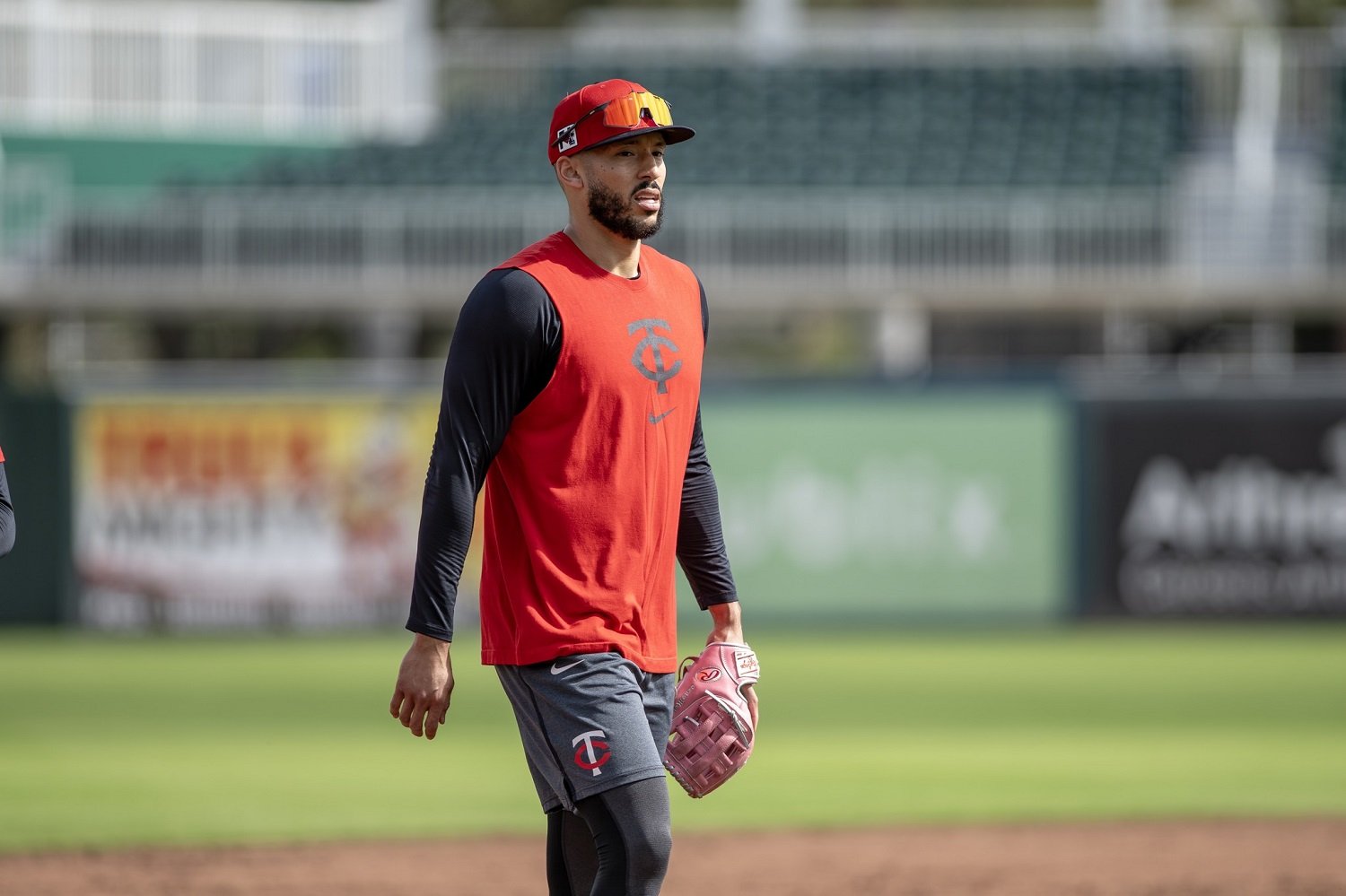 What is the Minnesota Twins’ shortstop depth behind Carlos Correa? The Minnesota Twins made a calculated decision this offseason when they prioritized adding a first baseman in Ty France rather than securing a veteran shortstop behind Carlos Correa. That move came with some risk, considering Correa’s recent injury history, and now the team’s shortstop depth remains one of the most significant question marks heading into the 2025 season. Correa played at an All-Star level last season, hitting .308/.377/.520 (.896) with 16 doubles and 13 home runs in 75 games. However, he was limited to 11 second-half games due to lingering plantar fasciitis issues, which also hampered his performance in 2023. He remains a difference-maker offensively and defensively when on the field, but the Twins have to prepare for the possibility that his lower-body problems could flare up again. Thankfully, the Twins seem optimistic about how Correa has looked this spring. “He looks great all the way around,” said Twins manager Rocco Baldelli. “I think he's one of those guys that just loves baseball, loves being at the ballpark, loves the work associated with baseball, it's not just bouncing around the field and having fun during infield, when he can show all the great things that he does.” Correa reiterated those comments to reporters. “I've been feeling really good. You know me. When you have those type of injuries, you spend the whole offseason, you have to focus every single day of the offseason on getting it right and talk to doctors. I saw a lot of people. We did a lot of PT. We found the right ingredients to get it right. I’m in a really good spot right now.” If Correa misses time, the first man up is Willi Castro. However, the Twins likely prefer to keep him in a super-utility role rather than locking him in at shortstop for an extended stretch. Last season, he played 56 games at shortstop, the most of any position. He was graded as having a 3 OAA but SABR’s SDI had him as the league’s second-worst shortstop (-5.2 SDI). Castro is a capable defender, but his defensive metrics at shortstop lag behind his play at other positions, and relying on him too heavily at the position could weaken the infield as a whole. Beyond Castro, the picture becomes murkier. Brooks Lee, the organization’s top infield prospect entering last season, had a rough rookie campaign, battling injuries and inconsistent performance. In 50 games, he hit .221/.265/.320 (.585) with 10 extra-base hits. He is viewed as a stronger shortstop defender than Castro but posted a -2 OAA that could be tied to his injury issues. The Twins remain high on his potential, and he will get every opportunity to prove himself this season. Some evaluators believe his long-term future is at third or second base, making his viability as a Correa backup uncertain. Complicating matters further, the Twins don’t have any other shortstops on their 40-man roster. In the upper minors, players like Ben Ross, Will Holland, Rayne Doncon, and Danny De Andrade could be options at some point in 2025, but none are MLB-ready at this stage. Kaelen Culpepper, a 2024 first-round pick, is the team’s top shortstop prospect, but he hasn’t played above High-A. The minor league rosters won’t be finalized until later in spring training, so it remains to be seen which players will be positioned as the next in line should depth issues arise. Given these uncertainties, it’s unsurprising that reports suggested the Twins had interest in adding a veteran shortstop earlier this offseason. Ultimately, the front office determined that shoring up first base with Ty France was a greater priority, leaving them to roll the dice with their in-house shortstop options. That gamble could pay off if Correa stays healthy, but if injuries resurface, the Twins could find themselves scrambling to patch one of the most critical positions on the field. Minnesota will bank on Correa’s ability to stay on the field and Castro’s flexibility to fill in when needed. But if 2025 unfolds like the past two seasons, don’t be surprised if the Twins are once again in the market for shortstop help before the trade deadline. Did the Twins need more shortstop depth behind Correa? Leave a comment and start the discussion.
- 13 comments
-
- 1
-
-
- carlos correa
- willi castro
- (and 2 more)
-
Despite some lackluster defense in 2024, the Minnesota Twins have doubled down on keeping their young slugger at third base. So, is this his last chance to stay at the hot corner long-term? Image courtesy of William Parmeter Despite some lackluster defense in 2024, the Minnesota Twins have doubled down on keeping their young slugger at third base. So, is this his last chance to stay at the hot corner long-term? Royce Lewis was drafted as a shortstop, which seemed like the natural defensive home for the start of his career. However, a combination of factors have made third base his primary spot—including Carlos Correa’s presence at short; Lewis’s multiple knee injuries; and inconsistent reps at one position. The transition, though, has been anything but smooth. Last season, Lewis’s defensive struggles at third base were evident, particularly with his throwing. He often looked uncomfortable making strong, accurate throws across the diamond. He was worth 2 Outs Above Average (OAA) at third base last season, in 158 attempts. Among MLB third basemen, Lewis’s Statcast Arm Strength ranked 28th, at 84 mph. For some perspective, the top two third basemen (Christopher Morel and Trey Lipscomb) both averaged 90.3 mph or higher with their throws. According to FanGraphs, Lewis made six throwing errors in 411 2/3 innings at third base in 2024. Only five third basemen had more throwing errors, but those players all had significantly more innings at third. Some of his issues stem from footwork inconsistencies, which impact his ability to make repeatable and fluid throws. Despite these concerns, the Twins remain committed to helping him improve. Twins manager Rocco Baldelli recently spoke about Lewis’s defensive work this offseason. “Ramon [Borrego] is doing a nice job with those guys getting them a lot of reps, a lot of focused reps," Baldelli told reporters at spring training this week. "They are working hard. They’re working in the mornings on top of the work that they get in team defensive drills.” The team is hoping that additional reps and a focus on fundamentals will help smooth out Lewis's game at third. One of the primary areas of focus is his footwork, which directly impacts his throwing mechanics and accuracy. “Royce wants to keep getting better in all aspects of his game. He’s working hard in the field,” said Baldelli. “He’s working hard on his footwork, which leads to a repeatable arm stroke and accuracy. That’s the way infield goes. Playing infield well starts with your feet, in many respects.” The natural athleticism that once made Lewis a highly touted shortstop prospect has been somewhat hampered by his injuries. While he still possesses decent speed and reaction time, the multiple knee surgeries have likely diminished some of his explosiveness. That, coupled with the challenge of learning a new position at the highest level, makes this a crucial season for Lewis defensively. If Lewis struggles again at third, the Twins might be forced to reevaluate his long-term defensive future. In recent years, the Twins have seen a development issue, with three of their top shortstop prospects moving closer to utility roles. Lewis, Brooks Lee, and Austin Martin were all first-round draft picks who ranked highly on national top-100 lists. Lewis and Martin likely won’t get any more time at shortstop in their careers. Lee still has a chance to fill in at shortstop, but he seems destined for a different long-term defensive home. The Twins still view Lewis and his bat as a critical part of the lineup. However, his time at the hot corner might end if he cannot remedy some of his flaws from last season. There is the potential to move him to second base, or even to see more time at designated hitter—a position the Twins like to rotate players through. In the long run, the team would undoubtedly prefer to see him settle in as an everyday third baseman and make some of their other defensive decisions more challenging. Outside of Lewis, the Twins have multiple other options for third base. José Miranda played significant time at third last season, while Lewis was injured. His defense is considered worse than Lewis's, so he will likely get reps at first base and DH. Willi Castro and Brooks Lee are also in the hot corner conversation, if Lewis shows some of the same flaws as last season. Top prospect Luke Keaschall is returning from Tommy John surgery last August, but many believe he can be a long-term third base option. The Twins will be careful with him in the season’s early months, but he could be an option for the big-league squad in the second half. Lewis’s talent is undeniable, and his work ethic suggests he’s determined to make it work at third base. But as the Twins continue their push for contention, they need consistency at the hot corner. This season might be Lewis’s final chance to prove he can provide that stability. What does Lewis need to do this season to stick at third base? Who will be the team’s third baseman in five years? Leave a comment and start the discussion. View full article
-
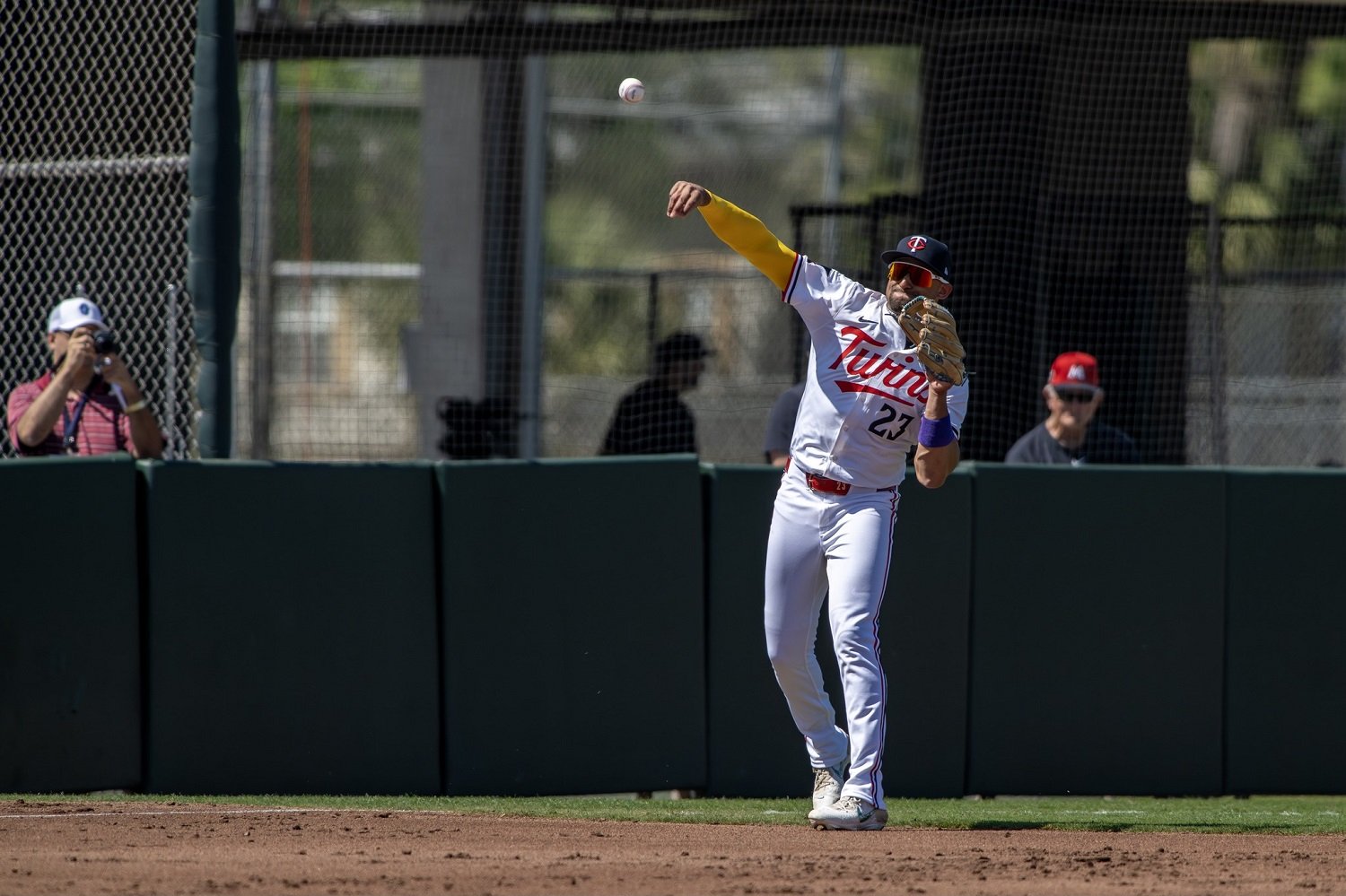 Royce Lewis was drafted as a shortstop, which seemed like the natural defensive home for the start of his career. However, a combination of factors have made third base his primary spot—including Carlos Correa’s presence at short; Lewis’s multiple knee injuries; and inconsistent reps at one position. The transition, though, has been anything but smooth. Last season, Lewis’s defensive struggles at third base were evident, particularly with his throwing. He often looked uncomfortable making strong, accurate throws across the diamond. He was worth 2 Outs Above Average (OAA) at third base last season, in 158 attempts. Among MLB third basemen, Lewis’s Statcast Arm Strength ranked 28th, at 84 mph. For some perspective, the top two third basemen (Christopher Morel and Trey Lipscomb) both averaged 90.3 mph or higher with their throws. According to FanGraphs, Lewis made six throwing errors in 411 2/3 innings at third base in 2024. Only five third basemen had more throwing errors, but those players all had significantly more innings at third. Some of his issues stem from footwork inconsistencies, which impact his ability to make repeatable and fluid throws. Despite these concerns, the Twins remain committed to helping him improve. Twins manager Rocco Baldelli recently spoke about Lewis’s defensive work this offseason. “Ramon [Borrego] is doing a nice job with those guys getting them a lot of reps, a lot of focused reps," Baldelli told reporters at spring training this week. "They are working hard. They’re working in the mornings on top of the work that they get in team defensive drills.” The team is hoping that additional reps and a focus on fundamentals will help smooth out Lewis's game at third. One of the primary areas of focus is his footwork, which directly impacts his throwing mechanics and accuracy. “Royce wants to keep getting better in all aspects of his game. He’s working hard in the field,” said Baldelli. “He’s working hard on his footwork, which leads to a repeatable arm stroke and accuracy. That’s the way infield goes. Playing infield well starts with your feet, in many respects.” The natural athleticism that once made Lewis a highly touted shortstop prospect has been somewhat hampered by his injuries. While he still possesses decent speed and reaction time, the multiple knee surgeries have likely diminished some of his explosiveness. That, coupled with the challenge of learning a new position at the highest level, makes this a crucial season for Lewis defensively. If Lewis struggles again at third, the Twins might be forced to reevaluate his long-term defensive future. In recent years, the Twins have seen a development issue, with three of their top shortstop prospects moving closer to utility roles. Lewis, Brooks Lee, and Austin Martin were all first-round draft picks who ranked highly on national top-100 lists. Lewis and Martin likely won’t get any more time at shortstop in their careers. Lee still has a chance to fill in at shortstop, but he seems destined for a different long-term defensive home. The Twins still view Lewis and his bat as a critical part of the lineup. However, his time at the hot corner might end if he cannot remedy some of his flaws from last season. There is the potential to move him to second base, or even to see more time at designated hitter—a position the Twins like to rotate players through. In the long run, the team would undoubtedly prefer to see him settle in as an everyday third baseman and make some of their other defensive decisions more challenging. Outside of Lewis, the Twins have multiple other options for third base. José Miranda played significant time at third last season, while Lewis was injured. His defense is considered worse than Lewis's, so he will likely get reps at first base and DH. Willi Castro and Brooks Lee are also in the hot corner conversation, if Lewis shows some of the same flaws as last season. Top prospect Luke Keaschall is returning from Tommy John surgery last August, but many believe he can be a long-term third base option. The Twins will be careful with him in the season’s early months, but he could be an option for the big-league squad in the second half. Lewis’s talent is undeniable, and his work ethic suggests he’s determined to make it work at third base. But as the Twins continue their push for contention, they need consistency at the hot corner. This season might be Lewis’s final chance to prove he can provide that stability. What does Lewis need to do this season to stick at third base? Who will be the team’s third baseman in five years? Leave a comment and start the discussion.
 -
Three of Minnesota’s top five prospects have suffered injuries during spring training. What are their prognoses, and when can we expect to see them back on the field? Image courtesy of William Parmeter (Jenkins, Raya), Rob Thompson (Rodriguez) Three of Minnesota’s top five prospects have suffered injuries during spring training. What are their prognoses, and when can we expect to see them back on the field? Recently, I wrote about the Twins having a disturbing trend of top prospects being injured during critical development years. Royce Lewis, Byron Buxton, and Alex Kirilloff are just a few of the team’s top-ranked prospects whose injuries significantly impacted their big-league careers. Minor injuries can slow development timelines, but the cumulative effect of multiple injuries can take a much greater toll. Hopefully, this group will escape that fate, but for now, we need to stay abreast of the issues with which they're already dealing. Walker Jenkins, OF TD Top Prospect Rank: 1 Injury: Left ankle sprain Jenkins was diagnosed with a mild ankle sprain, sustained when jumping for a ball during spring training. The Athletic's Dan Hayes reported that Jenkins will be barred from baseball activities while the injury heals. It's considered a minor injury, but it's still disappointing after his 2024 season was also disrupted by injuries. Last year, he suffered a hamstring injury in the season opener and was sidelined until May 20. Even with a delayed start, he was able to move from Low–A Ft. Myers to Double-A Wichita by the season’s end. “He’s just working his way back, but we don’t think it’s going to impact him in terms of being ready for the season,” Twins general manager Jeremy Zoll said. “We’re getting close. … I don’t know if it’ll literally be for the first minor-league game, but he’ll be in a good spot, as games are getting close, to get built up.” Return Timeline: The club reports that he is one to two weeks behind. He may be able to play in games on the minor-league side before the end of March. Emmanuel Rodriguez, OF TD Top Prospect Rank: 2 Injury: Sprained left ankle Rodriguez has been sidelined since the middle of February with a sprained ankle that the Twins are calling a Grade 2 sprain. That means it’s a worse sprain than the one suffered by Jenkins. He’s also spent the offseason recovering from thumb surgery, due to a ligament tear. In 2024, he was limited to 47 games because of the recurring thumb issue. Minnesota continued to be aggressive with his promotion and moved him to Triple-A St. Paul to end the year. Rodriguez is a global top-40 prospect, but he’s been limited to fewer than 100 games in every professional season. He might have the highest ceiling in the Twins organization, but injuries have limited his ability to showcase his five-tool talent. Return Timeline: He is beginning a running progression and is further behind the other two. His return from a thumb injury is also slowing him down. He might not be ready for the season’s start, especially if the club wants to prevent him from playing in colder weather. Marco Raya, RHP TD Top Prospect Rank: 5 Injury: Strained left quadriceps Raya was scheduled to pitch in Friday’s Grapefruit League game, but he suffered a left quad strain during his bullpen session, leading into the game. During his professional career, the Twins have aggressively promoted Raya, even while limiting his pitch count and innings. In his first 55 career appearances, there was only one time when he threw more than 75 pitches. The Twins let him cross the 75-pitch mark in multiple appearances at the end of last season, so it becomes a balancing act of keeping pitchers healthy while also building a starter’s workload. It will be a critical season for Raya to prove he can increase his innings and pitch count. Return Timeline: The club reports that he should throw to hitters this week and pitch in a game next week. He should return to play before Jenkins and Rodriguez. All three of these prospects have the potential to impact the Twins roster this season, especially since Rodriguez and Raya finished last season at Triple-A. Health and performance are key for any player trying to break into the big leagues. Unfortunately, this trio is already behind to start the year, even if they are minor injuries. Which prospect’s injury history should the club be most worried about? What are your expectations for this trio? Leave a comment and start the discussion. View full article
-
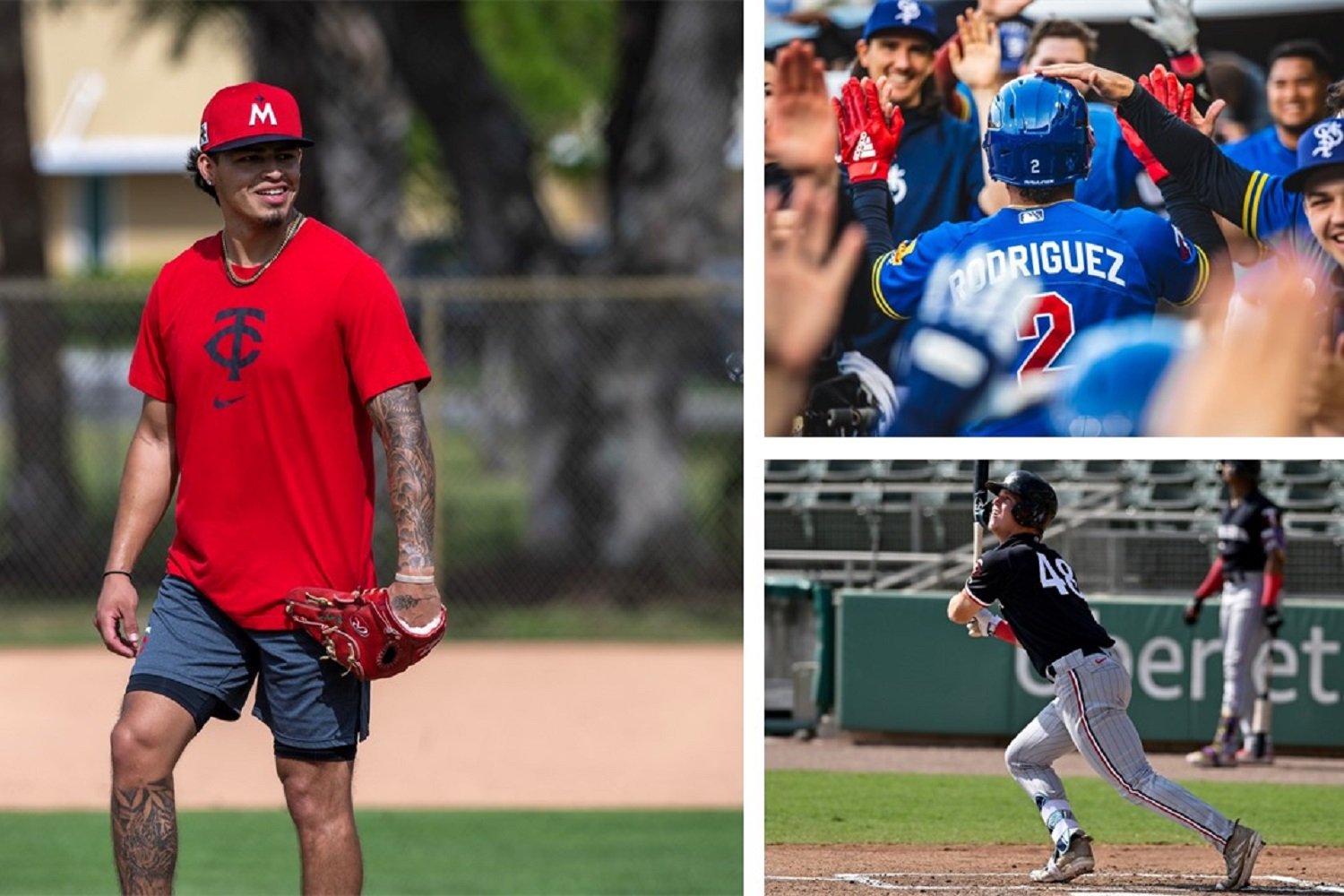 Recently, I wrote about the Twins having a disturbing trend of top prospects being injured during critical development years. Royce Lewis, Byron Buxton, and Alex Kirilloff are just a few of the team’s top-ranked prospects whose injuries significantly impacted their big-league careers. Minor injuries can slow development timelines, but the cumulative effect of multiple injuries can take a much greater toll. Hopefully, this group will escape that fate, but for now, we need to stay abreast of the issues with which they're already dealing. Walker Jenkins, OF TD Top Prospect Rank: 1 Injury: Left ankle sprain Jenkins was diagnosed with a mild ankle sprain, sustained when jumping for a ball during spring training. The Athletic's Dan Hayes reported that Jenkins will be barred from baseball activities while the injury heals. It's considered a minor injury, but it's still disappointing after his 2024 season was also disrupted by injuries. Last year, he suffered a hamstring injury in the season opener and was sidelined until May 20. Even with a delayed start, he was able to move from Low–A Ft. Myers to Double-A Wichita by the season’s end. “He’s just working his way back, but we don’t think it’s going to impact him in terms of being ready for the season,” Twins general manager Jeremy Zoll said. “We’re getting close. … I don’t know if it’ll literally be for the first minor-league game, but he’ll be in a good spot, as games are getting close, to get built up.” Return Timeline: The club reports that he is one to two weeks behind. He may be able to play in games on the minor-league side before the end of March. Emmanuel Rodriguez, OF TD Top Prospect Rank: 2 Injury: Sprained left ankle Rodriguez has been sidelined since the middle of February with a sprained ankle that the Twins are calling a Grade 2 sprain. That means it’s a worse sprain than the one suffered by Jenkins. He’s also spent the offseason recovering from thumb surgery, due to a ligament tear. In 2024, he was limited to 47 games because of the recurring thumb issue. Minnesota continued to be aggressive with his promotion and moved him to Triple-A St. Paul to end the year. Rodriguez is a global top-40 prospect, but he’s been limited to fewer than 100 games in every professional season. He might have the highest ceiling in the Twins organization, but injuries have limited his ability to showcase his five-tool talent. Return Timeline: He is beginning a running progression and is further behind the other two. His return from a thumb injury is also slowing him down. He might not be ready for the season’s start, especially if the club wants to prevent him from playing in colder weather. Marco Raya, RHP TD Top Prospect Rank: 5 Injury: Strained left quadriceps Raya was scheduled to pitch in Friday’s Grapefruit League game, but he suffered a left quad strain during his bullpen session, leading into the game. During his professional career, the Twins have aggressively promoted Raya, even while limiting his pitch count and innings. In his first 55 career appearances, there was only one time when he threw more than 75 pitches. The Twins let him cross the 75-pitch mark in multiple appearances at the end of last season, so it becomes a balancing act of keeping pitchers healthy while also building a starter’s workload. It will be a critical season for Raya to prove he can increase his innings and pitch count. Return Timeline: The club reports that he should throw to hitters this week and pitch in a game next week. He should return to play before Jenkins and Rodriguez. All three of these prospects have the potential to impact the Twins roster this season, especially since Rodriguez and Raya finished last season at Triple-A. Health and performance are key for any player trying to break into the big leagues. Unfortunately, this trio is already behind to start the year, even if they are minor injuries. Which prospect’s injury history should the club be most worried about? What are your expectations for this trio? Leave a comment and start the discussion.
- 17 comments
-
- 8
-
-
- walker jenkins
- emmanuel rodriguez
- (and 1 more)
-
Every franchise experiences transitions, where one generation of players gives way to the next. For the Minnesota Twins, Byron Buxton represents the final piece of a group that once promised sustained success. Image courtesy of William Parmeter Every franchise experiences transitions, where one generation of players gives way to the next. For the Minnesota Twins, Byron Buxton represents the final piece of a group that once promised sustained success. When the Twins drafted Byron Buxton, many expected him to develop into the face of the franchise. He quickly vaulted to the top of national prospect lists and showcased his five-tool talent. However, he came through the minors with a group of prospects who were supposed to join him in defining a generation. As with any group, there are highs and lows on the way to sustained success at the big-league level. Now, Buxton is the last piece of the 2010s core. “I mean, in a lot of ways it makes sense that he's the last, last guy here. You know, he's what? He's roughly the same age as those guys, maybe a year younger than those guys.” manager Rocco Baldelli said. “They were all … very important members of the organization. But no, it's with Buck's ability and his age and what he's still doing on the field. It's not surprising to me that he's still a Twin, and hopefully still a Twin for a long time.” As Buxton leads the new Twins core, let’s look back at the generation that developed around him. It’s worth asking: Was 2019 the high point for that group? Or did the 2023 playoff breakthrough serve as their defining moment? The answer might reveal something about the staying power of the new generation of which Buxton is now also a part. The Last of the 2010s Core The group that Buxton represents came together in the mid-2010s, a blend of highly-touted draft picks and international signings. The likes of Miguel Sanó, Max Kepler, Jorge Polanco, José Berríos, and Eddie Rosario formed the backbone of a Twins team that, at its peak, looked like a perennial playoff contender. While Berríos and Rosario played key roles in the early success, Buxton always had the talent to separate himself from the others. Buxton was ranked first or second on the top three national lists from 2014 through 2016. Sanó peaked at sixth overall entering the 2014 season, while Kepler, Polanco, and Berríos were top-100 prospects in 2016. Rosario was considered a top-100 prospect in 2012 and 2014. With high expectations for this group, there are two clear seasons for when this group may have peaked as a team. 2019 vs. 2023: Which Was the High Point? In some ways, 2019 was the culmination of their potential. That season, Minnesota’s “Bomba Squad” shattered MLB home run records on the way to 101 wins and an AL Central title. Sanó, Kepler, and Rosario all hit 30 or more home runs that season. Berríos led the pitching staff with over 200 innings pitched and a 123 ERA+. But as exhilarating as that season was, the abrupt three-game sweep at the hands of the Yankees reinforced an all-too-familiar narrative: The Twins simply couldn’t get it done in October. If 2019 represented the peak of that group’s offensive firepower, 2023 was something different. While the likes of Sanó and Rosario were gone, holdovers like Buxton, Polanco, and Kepler remained. But the key difference? A new generation had begun to take over. Minnesota rode a trio of star rookies (Royce Lewis, Edouard Julien, and Matt Wallner) to late-season success. Other homegrown talent (like Ryan Jeffers, Bailey Ober, and Jhoan Durán) were also key pieces in Minnesota’s first playoff series victory in over two decades. In many ways, the 2023 season was more similar to 2006 than 2019. That 2006 Twins squad still had remnants of the Tom Kelly era, with players like Torii Hunter, Brad Radke, and Johan Santana, but had fully embraced a new core of Joe Mauer, Justin Morneau, and Francisco Liriano. Likewise, the 2023 Twins featured the last pieces of the 2019 Bomba Squad, but were clearly shifting toward a future built around younger talent. Buxton’s Place in History Buxton’s career has been a rollercoaster of breathtaking highlights and frustrating injuries. In many ways, he is the ultimate symbol of what could have been for his generation. Due to his health, his MVP-caliber talent has never fully materialized over a sustained stretch. And now, entering 2025, the Twins hope he can build off his first healthy offseason in over half a decade. Regardless of how the next few seasons unfold, Buxton remains the bridge between two Twins eras. When his time with the franchise eventually ends, it will officially close the book on the group that delivered the Bomba Squad’s record-breaking power but fell short of true postseason glory. The new generation, led by Lewis and a deep pitching core, is poised to write its own chapter—one that Twins fans hope includes more than just regular-season dominance. So, was 2019 the high point of the last generation? Or was it 2023, with the long-awaited playoff breakthrough? The answer depends on how you define success. But one thing is certain: Byron Buxton, the last of his generation, is now playing for a team that belongs to the next. Which season was the high point of the previous generation? Leave a comment and start the discussion. View full article
-
The Last of His Generation: Byron Buxton and the End of an Era
Cody Christie posted an article in Twins
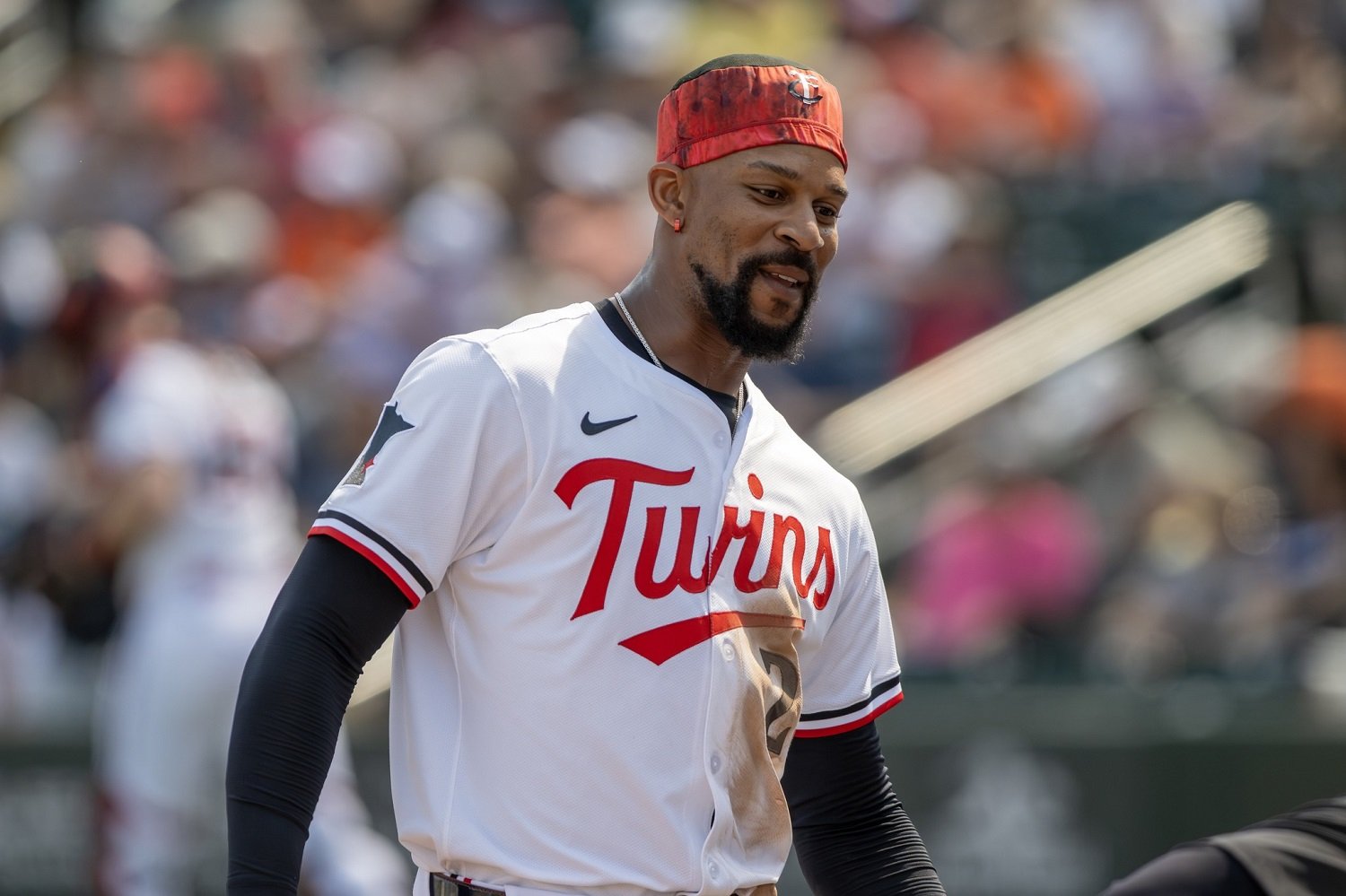 When the Twins drafted Byron Buxton, many expected him to develop into the face of the franchise. He quickly vaulted to the top of national prospect lists and showcased his five-tool talent. However, he came through the minors with a group of prospects who were supposed to join him in defining a generation. As with any group, there are highs and lows on the way to sustained success at the big-league level. Now, Buxton is the last piece of the 2010s core. “I mean, in a lot of ways it makes sense that he's the last, last guy here. You know, he's what? He's roughly the same age as those guys, maybe a year younger than those guys.” manager Rocco Baldelli said. “They were all … very important members of the organization. But no, it's with Buck's ability and his age and what he's still doing on the field. It's not surprising to me that he's still a Twin, and hopefully still a Twin for a long time.” As Buxton leads the new Twins core, let’s look back at the generation that developed around him. It’s worth asking: Was 2019 the high point for that group? Or did the 2023 playoff breakthrough serve as their defining moment? The answer might reveal something about the staying power of the new generation of which Buxton is now also a part. The Last of the 2010s Core The group that Buxton represents came together in the mid-2010s, a blend of highly-touted draft picks and international signings. The likes of Miguel Sanó, Max Kepler, Jorge Polanco, José Berríos, and Eddie Rosario formed the backbone of a Twins team that, at its peak, looked like a perennial playoff contender. While Berríos and Rosario played key roles in the early success, Buxton always had the talent to separate himself from the others. Buxton was ranked first or second on the top three national lists from 2014 through 2016. Sanó peaked at sixth overall entering the 2014 season, while Kepler, Polanco, and Berríos were top-100 prospects in 2016. Rosario was considered a top-100 prospect in 2012 and 2014. With high expectations for this group, there are two clear seasons for when this group may have peaked as a team. 2019 vs. 2023: Which Was the High Point? In some ways, 2019 was the culmination of their potential. That season, Minnesota’s “Bomba Squad” shattered MLB home run records on the way to 101 wins and an AL Central title. Sanó, Kepler, and Rosario all hit 30 or more home runs that season. Berríos led the pitching staff with over 200 innings pitched and a 123 ERA+. But as exhilarating as that season was, the abrupt three-game sweep at the hands of the Yankees reinforced an all-too-familiar narrative: The Twins simply couldn’t get it done in October. If 2019 represented the peak of that group’s offensive firepower, 2023 was something different. While the likes of Sanó and Rosario were gone, holdovers like Buxton, Polanco, and Kepler remained. But the key difference? A new generation had begun to take over. Minnesota rode a trio of star rookies (Royce Lewis, Edouard Julien, and Matt Wallner) to late-season success. Other homegrown talent (like Ryan Jeffers, Bailey Ober, and Jhoan Durán) were also key pieces in Minnesota’s first playoff series victory in over two decades. In many ways, the 2023 season was more similar to 2006 than 2019. That 2006 Twins squad still had remnants of the Tom Kelly era, with players like Torii Hunter, Brad Radke, and Johan Santana, but had fully embraced a new core of Joe Mauer, Justin Morneau, and Francisco Liriano. Likewise, the 2023 Twins featured the last pieces of the 2019 Bomba Squad, but were clearly shifting toward a future built around younger talent. Buxton’s Place in History Buxton’s career has been a rollercoaster of breathtaking highlights and frustrating injuries. In many ways, he is the ultimate symbol of what could have been for his generation. Due to his health, his MVP-caliber talent has never fully materialized over a sustained stretch. And now, entering 2025, the Twins hope he can build off his first healthy offseason in over half a decade. Regardless of how the next few seasons unfold, Buxton remains the bridge between two Twins eras. When his time with the franchise eventually ends, it will officially close the book on the group that delivered the Bomba Squad’s record-breaking power but fell short of true postseason glory. The new generation, led by Lewis and a deep pitching core, is poised to write its own chapter—one that Twins fans hope includes more than just regular-season dominance. So, was 2019 the high point of the last generation? Or was it 2023, with the long-awaited playoff breakthrough? The answer depends on how you define success. But one thing is certain: Byron Buxton, the last of his generation, is now playing for a team that belongs to the next. Which season was the high point of the previous generation? Leave a comment and start the discussion.
- 23 comments
-
- 8
-
-
- byron buxton
- miguel sano
- (and 5 more)
-
 The Minnesota Twins made a flurry of moves before the 2022 season, and one of the most intriguing was sending Mitch Garver to the Texas Rangers in exchange for pitcher Ronny Henriquez and infielder Isiah Kiner-Falefa. The deal was part of a more extensive roster reshaping, as the Twins quickly flipped Kiner-Falefa to the Yankees in a move that offloaded Josh Donaldson’s contract. Three years later, with Henriquez departing via waivers and Garver having completed his tenure in Texas, it’s time to assess how this trade played out. The Rangers’ Return: Mitch Garver’s Impact in Texas For Texas, Garver provided solid offensive production despite health concerns limiting his time behind the plate. Over two seasons, he accumulated 2.5 WAR while slashing .246/.342/.463 (.805). His best stretch came in 2023 when he hit 19 home runs and posted a .500 SLG while helping Texas win the World Series. However, lingering injury issues meant he appeared in just 157 games combined over those two years. Garver played a significant role in Texas' championship-winning 2023 season, stepping up as a key designated hitter down the stretch. In the ALDS, he went 4-for-10 with a home run, a double, and seven RBI in the team’s three-game sweep over Baltimore. The ALCS against Houston went seven games, and Garver posted a .357 OBP while driving in four runs and scoring four. He may not have been a full-time catcher, but his offensive upside was a valuable addition to the Rangers’ lineup, especially when healthy. Ultimately, Texas got two years of inconsistent production before Garver left in free agency following the 2023 campaign. The Twins’ Return: Henriquez’s Limited Role and the Donaldson Dump For the Twins, the key piece in the trade ended up being Kiner-Falefa, but only for a matter of hours. Before he could suit up in a Twins uniform, he was packaged with Donaldson and Ben Rortvedt in a deal with the Yankees that brought back Gary Sánchez and Gio Urshela. That trade allowed the Twins to clear Donaldson’s $51.5 million commitment, giving them payroll flexibility to eventually sign Carlos Correa. That left Henriquez as the only long-term piece from the original trade. The young right-hander showed promise in the minors but struggled to carve out a consistent role at the big-league level. Across three seasons, he bounced between Triple-A and the majors, logging just 31 big-league innings with a 2.90 ERA. This week, the Twins placed him on waivers, and he was claimed by the Miami Marlins, officially ending his time in Minnesota. Final Verdict: Did Anyone Win the Trade? Looking back, the Rangers undoubtedly got more direct value from the trade. Garver wasn’t an everyday catcher, but he provided a potent bat, helped them win a World Series, and ultimately outperformed what the Twins got in return. From Minnesota’s perspective, the trade can’t be evaluated in isolation. The Kiner-Falefa flip allowed the Twins to shed Donaldson’s contract, indirectly contributing to later moves, such as the team signing Correa in two consecutive winters and inking Pablo López to an extension. However, regarding on-field returns, Henriquez’s limited impact makes it difficult to argue that the Twins won this deal. If the goal was pure production, Texas got the better end. If the goal was financial flexibility, Minnesota accomplished what it set out to do. Neither team received extensive value from the trade, but the Rangers have a World Series title thanks to Garver’s contributions. There was a lot of value in the Twins getting rid of Donaldson, which likely extended the team’s current winning window. Did the Twins indirectly win the Garver trade? Leave a comment and start the discussion.
- 15 comments
-
- 5
-
-
- mitch garver
- isiah kiner falefa
- (and 3 more)
-
Minnesota’s core right-handed bats are clear when it comes to lineup construction. The supplemental right-handed bats might prove to be problematic. Did the Twins make the correct right-handed hitting choices? Image courtesy of William Parmeter Minnesota’s core right-handed bats are clear when it comes to lineup construction. The supplemental right-handed bats might prove to be problematic. Did the Twins make the correct right-handed hitting choices? The Minnesota Twins made a calculated decision this offseason. Instead of chasing a right-handed power bat, they prioritized upgrading their defense and filling other needs. It’s an approach that makes sense on paper, especially given the team’s struggles with strikeouts and inconsistent defense in 2024. However, as the dust settles on their offseason moves, there’s a lingering question: Did the Twins bet on the correct right-handed bats to carry their offense? The top right-handed hitters in the Twins’ lineup don’t need much introduction. Carlos Correa, Byron Buxton, and Royce Lewis are expected to be major contributors. If healthy, Correa and Buxton have MVP potential, and Lewis has shown flashes of being a superstar. Minnesota’s season will depend on the health and performance of this group. Other right-handed regulars project to include José Miranda and the team's catching duo of Ryan Jeffers and Christian Vázquez. Jeffers and Miranda offer some potential upside, but the depth behind them is where concerns arise. Evaluating the Right-Handed Bench Bats Minnesota’s other right-handed options are Harrison Bader, Ty France, Willi Castro, and Austin Martin, who will all play significant roles in 2025. The issue? None of them project to bring much right-handed power to the table, and their offensive ceilings are limited. Harrison Bader: Bader was brought in for his elite defense, particularly in center field. Undoubtedly, he will be valuable on that side of the ball, but his offensive track record is spotty. Last season, he hit .236/.284/.373 (.675) with an 86 OPS+ in 143 games. He’s posted a sub-.700 OPS in three consecutive seasons, and the 2021 season was his last with an OPS+ above 100. Expecting Bader to be anything more than a bottom-of-the-order hitter is optimistic. Ty France: The Twins’ most significant offensive addition was France, who struggled in Seattle and Cincinnati last season. It was the first time since 2019, his rookie season, that he had posted a below 100 OPS+. He put up a career-low .703 OPS with just 13 home runs. While he has a solid hit tool and on-base ability, he lacks the raw power typically expected from a corner infielder. If he can return to his 2020-22 form (127 OPS+), he might save the right-handed bats, but that’s far from a guarantee. Willi Castro: The switch-hitter was one of the Twins’ most versatile players last season, playing at least 20 games at five different defensive positions. He was named team MVP and was a first-time All-Star. Against left-handed pitchers, he struggled with an OPS that was nearly 60 points lower than when batting against righties. He’s a great piece to have, but the Twins might benefit from using him more sparingly against southpaws. Austin Martin: Martin is not guaranteed to make the Opening Day roster, but the Twins will likely need to rely on him at different points throughout the 2025 campaign. During his rookie season, he posted an OPS 17 points lower against lefties despite being a right-handed hitter. One of his most significant question marks as a prospect was his ability to hit for power. His speed and on-base skills make him a useful player, but the Twins can’t bank on him to provide a right-handed thump. Did the Twins Make the “Right” Bet? By prioritizing defense and versatility, the Twins built a roster with fewer holes, but they may have sacrificed too much offensive upside from their right-handed bats. There’s a clear path where this decision pays off if France rebounds, Martin exceeds expectations, and the big three stay healthy. But that’s a lot of ‘ifs’ for a team looking to contend in the AL Central. Minnesota still has time to adjust. The trade deadline could offer an opportunity to add a genuine right-handed power threat if it becomes clear that their current options aren’t cutting it. Right-handed power has been a glaring hole in recent years, and the front office has not prioritized it. For now, the Twins are betting on contact and athleticism rather than raw power from the right side. Whether that gamble pays off will go a long way in determining their success in 2025. Should the Twins have focused more on adding right-handed power? Leave a comment and start the discussion. View full article
-
Are the Twins Betting on the Wrong Right-Handed Bench Bats?
Cody Christie posted an article in Twins
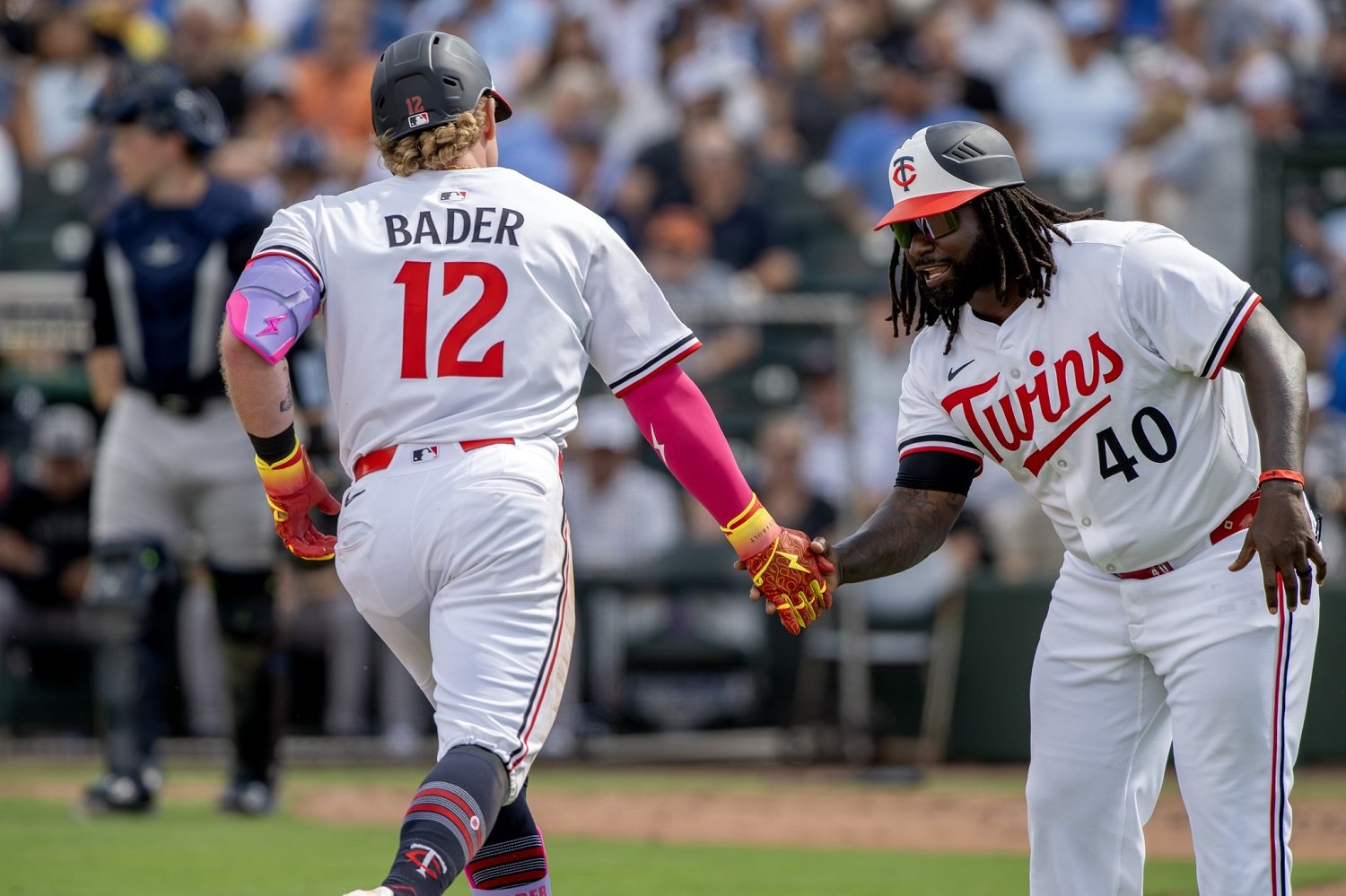 The Minnesota Twins made a calculated decision this offseason. Instead of chasing a right-handed power bat, they prioritized upgrading their defense and filling other needs. It’s an approach that makes sense on paper, especially given the team’s struggles with strikeouts and inconsistent defense in 2024. However, as the dust settles on their offseason moves, there’s a lingering question: Did the Twins bet on the correct right-handed bats to carry their offense? The top right-handed hitters in the Twins’ lineup don’t need much introduction. Carlos Correa, Byron Buxton, and Royce Lewis are expected to be major contributors. If healthy, Correa and Buxton have MVP potential, and Lewis has shown flashes of being a superstar. Minnesota’s season will depend on the health and performance of this group. Other right-handed regulars project to include José Miranda and the team's catching duo of Ryan Jeffers and Christian Vázquez. Jeffers and Miranda offer some potential upside, but the depth behind them is where concerns arise. Evaluating the Right-Handed Bench Bats Minnesota’s other right-handed options are Harrison Bader, Ty France, Willi Castro, and Austin Martin, who will all play significant roles in 2025. The issue? None of them project to bring much right-handed power to the table, and their offensive ceilings are limited. Harrison Bader: Bader was brought in for his elite defense, particularly in center field. Undoubtedly, he will be valuable on that side of the ball, but his offensive track record is spotty. Last season, he hit .236/.284/.373 (.675) with an 86 OPS+ in 143 games. He’s posted a sub-.700 OPS in three consecutive seasons, and the 2021 season was his last with an OPS+ above 100. Expecting Bader to be anything more than a bottom-of-the-order hitter is optimistic. Ty France: The Twins’ most significant offensive addition was France, who struggled in Seattle and Cincinnati last season. It was the first time since 2019, his rookie season, that he had posted a below 100 OPS+. He put up a career-low .703 OPS with just 13 home runs. While he has a solid hit tool and on-base ability, he lacks the raw power typically expected from a corner infielder. If he can return to his 2020-22 form (127 OPS+), he might save the right-handed bats, but that’s far from a guarantee. Willi Castro: The switch-hitter was one of the Twins’ most versatile players last season, playing at least 20 games at five different defensive positions. He was named team MVP and was a first-time All-Star. Against left-handed pitchers, he struggled with an OPS that was nearly 60 points lower than when batting against righties. He’s a great piece to have, but the Twins might benefit from using him more sparingly against southpaws. Austin Martin: Martin is not guaranteed to make the Opening Day roster, but the Twins will likely need to rely on him at different points throughout the 2025 campaign. During his rookie season, he posted an OPS 17 points lower against lefties despite being a right-handed hitter. One of his most significant question marks as a prospect was his ability to hit for power. His speed and on-base skills make him a useful player, but the Twins can’t bank on him to provide a right-handed thump. Did the Twins Make the “Right” Bet? By prioritizing defense and versatility, the Twins built a roster with fewer holes, but they may have sacrificed too much offensive upside from their right-handed bats. There’s a clear path where this decision pays off if France rebounds, Martin exceeds expectations, and the big three stay healthy. But that’s a lot of ‘ifs’ for a team looking to contend in the AL Central. Minnesota still has time to adjust. The trade deadline could offer an opportunity to add a genuine right-handed power threat if it becomes clear that their current options aren’t cutting it. Right-handed power has been a glaring hole in recent years, and the front office has not prioritized it. For now, the Twins are betting on contact and athleticism rather than raw power from the right side. Whether that gamble pays off will go a long way in determining their success in 2025. Should the Twins have focused more on adding right-handed power? Leave a comment and start the discussion.
- 28 comments
-
- 8
-
-
-
- austin martin
- harrison bader
- (and 2 more)
-
Edouard Julien’s Development Dilemma: Chasing Improvement Or a Mirage?
Cody Christie posted an article in Twins
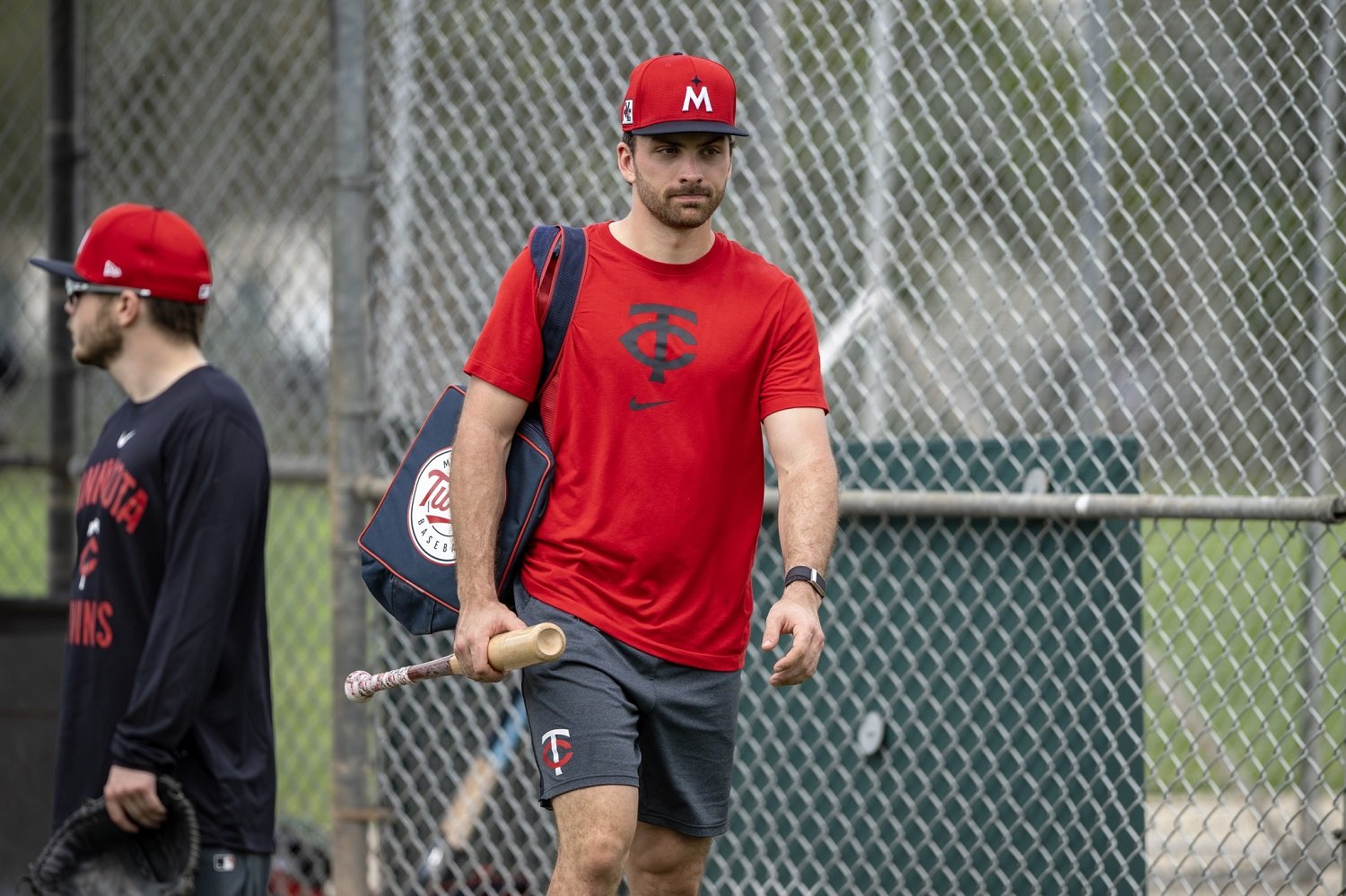 For Edouard Julien, the path to becoming a more complete hitter has taken some unexpected turns. After an impressive rookie campaign in 2023, the Twins' infielder recognized a prominent area for improvement: his struggles against left-handed pitching. But when a player invests time and energy into an area that the organization may not even allow him to utilize, is that effort truly productive, or is it ultimately a misallocation of resources? Julien’s situation presents an interesting philosophical dilemma that many young hitters face. He wants to be an everyday player, and that means proving he can hit lefties. Players who are platoon-proof typically make more money and have longer careers. But the Twins' plans for him don't necessarily align with his personal aspirations. Minnesota’s front office is committed to maximizing team production. They could see him as a strict platoon bat, limiting his chances against southpaws despite any offseason progress. If the team isn’t going to let him prove himself in those situations, does his focus on left-handed pitching go to waste? Last offseason, Julien dedicated himself to improving against lefties, but the results weren’t what he’d hoped for. His bread and butter had been his numbers against right-handed pitching, but they took a hit. In 268 plate appearances, he posted a .620 OPS with a 32.8 K%. That was a 278-point drop in his OPS compared to his rookie season. His adjustments disrupted his natural approach, leading to a regression in areas where he was already elite. Instead of becoming a more well-rounded hitter, he became an unbalanced one. “Two offseasons ago, after my first year in the big leagues, I was really focused on getting better against lefties, but obviously here, lefties don't get a chance to face lefties, so I kind of messed my swing up,” Julien said. “I was more rotated just to be able to hit lefties, and I didn't get a chance to hit them. So I was better against lefties last year. I was worse against righties, where I only faced righties, so it wasn't a good combo.” Recognizing this, Julien and the Twins took a different approach heading into 2024. Rather than forcing a direct fix against lefties, he zeroed in on handling right-handed breaking balls more effectively. Sharpening his skills against breaking stuff should improve his ability to adjust against lefties, who often attack him with similar pitches. Suppose he can improve his plate coverage and maintain his elite ability to control the zone. In that case, he’ll naturally give himself a better chance to be more than just a platoon piece without actively derailing what already makes him unique. Reflecting on the offseason, Julien said, “I just focused on the righty angle, left or righty curveball, righty slider, so I feel good, and I'm sure it's going to help me against lefties too. So I'm positive about it.” Communication between the player and the organization is critical in areas like this. Teams have to be honest with players about their projected role, but they also need to guide development in a way that benefits both the individual and the club. Over the last two seasons, he has averaged around 40 plate appearances per year against lefties. If the Twins never planned on giving Julien significant at-bats against lefties, was it fair to let him believe that improving in that area would change his playing time? Instead, the focus should be on refining the aspects of his game that will earn him more plate appearances and maximize his value within the team’s framework. Julien’s offseason adjustments reflect a more efficient development path. By prioritizing his ability to handle breaking pitches (especially against righties), he’s working on something that the Twins will ask him to do on a nightly basis. At the same time, the residual benefits may still allow him to perform better when he does get those limited opportunities against lefties. For young players like Julien, the dream is to be a star, a lineup fixture against all types of pitching. But baseball is a game of roles, and part of reaching your full potential is understanding what the team needs from you, not just what you want for yourself. If the two can align, that’s when a player truly flourishes. Did Julien have the wrong approach last season? How can he improve in 2025? Leave a comment and start the discussion.

