Cody Christie
-
Posts
7,819 -
Joined
-
Last visited
-
Days Won
5
Content Type
Profiles
News
Minnesota Twins Videos
2026 Minnesota Twins Top Prospects Ranking
2022 Minnesota Twins Draft Picks
Minnesota Twins Free Agent & Trade Rumors, Notes, & Tidbits
Guides & Resources
2023 Minnesota Twins Draft Picks
The Minnesota Twins Players Project
2024 Minnesota Twins Draft Picks
2025 Minnesota Twins Draft Pick Tracker
2026 Minnesota Twins Draft Tracker: Picks & Bonuses
Forums
Blogs
Events
Store
Downloads
Gallery
Everything posted by Cody Christie
-
Carlos Correa has worked for two seasons to put his plantar fasciitis issues behind him. Now, he has entered the year in relatively good health, but something is wrong with his swing. Image courtesy of © Jesse Johnson-Imagn Images Carlos Correa has worked for two seasons to put his plantar fasciitis issues behind him. Now, he has entered the year in relatively good health, but something is wrong with his swing. Carlos Correa is a tinkerer. He's sustained a focus on improving his swing throughout his career. As players age, their style at the plate can change, with decreases in bat speed and strength. Father Time is undefeated when it comes to aging baseball stars. However, some positives come from aging, with players tending to have a more selective eye at the plate. If a batter is dedicated, smart and talented enough, better pitch recognition and more consistent contact can emerge later in a career. Last season, Correa’s swing might have been at an all-time best. During the first half, he hit .308/.377/.520, with 31 extra-base hits in 75 games. For some perspective, Correa is a career .273 hitter, and he’s only had one season (2017) where he finished with a batting average over .300. On June 12th, Correa had his first five-hit game and credited some of his success to conversations he had with former Twins infielder Luis Arraez. Arraez had a clear message for Correa at that time. “I just said, ‘Hey, you just need to hit the ball to the middle, right field. That’s it,’” Arraez said. “Hit it to the middle, bro. Don’t try to think too much.” That simple philosophy has evaded Correa during the 2025 season. Entering play Tuesday, he was hitting .153/.219/.237, with five extra-base hits and a 7.8 BB% against a 15.6 K%. When he does hit the ball, it’s weak contact, with a 34.7 Hard Hit%. That would mean less frequent contact than he's posted since 2018. Correa’s .210 wOBA is in the bottom 10% among big-league batters, and his average exit velocity is under 88 mph for the first time in his career. What’s even more disturbing is that pitchers are starting to take note of Correa’s struggles. He has seen fastballs more regularly this season (over 60% of the time) than in any previous year of his career. Against fastballs, he is hitting .122 with a .195 SLG. Last season, he posted a .313 BA against fastballs and a .479 SLG. Pitchers don't need to rely on their secondary pitches versus Correa, because he isn’t doing damage against heaters. So, what has changed with Correa’s swing this season? The underlying numbers point to him being on top of the ball, which doesn’t allow him to drive it. His 42.9 Topped% this year is nearly 10% higher than his career mark and over 5% higher than 2024. Because of this, his highest-value contact rates are significantly reduced. His Solid% dropped from a career 6.8% to 2.0% and his Barrel% has decreased from 9.2% to 6.1%. Bat tracking data shows that Correa’s swing might not be completely broken. His average bat speed over the last two seasons has been around 74.5 mph. This season, he is at 74.0, with the MLB average being 71.5 mph. His batting stance data is also nearly identical to last season. His depth in the box and distance off the plate are within tenths of an inch compared to last season. He is intercepting the baseball further in front of the plate by nearly an inch (2.1” last season, compared to 3.0” this year). This slight change could mean he is not letting the ball get far enough into the zone to make more powerful contact, catching the ball on the end of the bat, but it's probably not a telling figure. Correa has been a slow starter throughout his career, and perhaps the 2025 season is part of a career trend. Historically, April has been Correa’s lowest-OPS month, with more strikeouts in the season’s first month than any other. Correa hits the fewest home runs, has his second-lowest slugging percentage (just ahead of August), and grounds into the most double plays to start the year. Hopefully, he's just shaking off the rust and finding his timing, as seems to be his wont. Perhaps Correa may need to get on the phone again with Arraez and ask for some tips from the three-time batting champion. Correa’s swing has some positive signs, with his expected numbers pointing to him as unlucky. His K% and Whiff% rank in the 80th percentile or higher, so he is not swinging and missing as much as in previous years. However, he seems to be on top of the ball and meeting the ball a little too early in front of the plate. Some minor adjustments now could help him get back to the All-Star form he showcased in 2024. Will Correa round into form? What stands out about his swing so far this season? Leave a comment and start the discussion. View full article
-
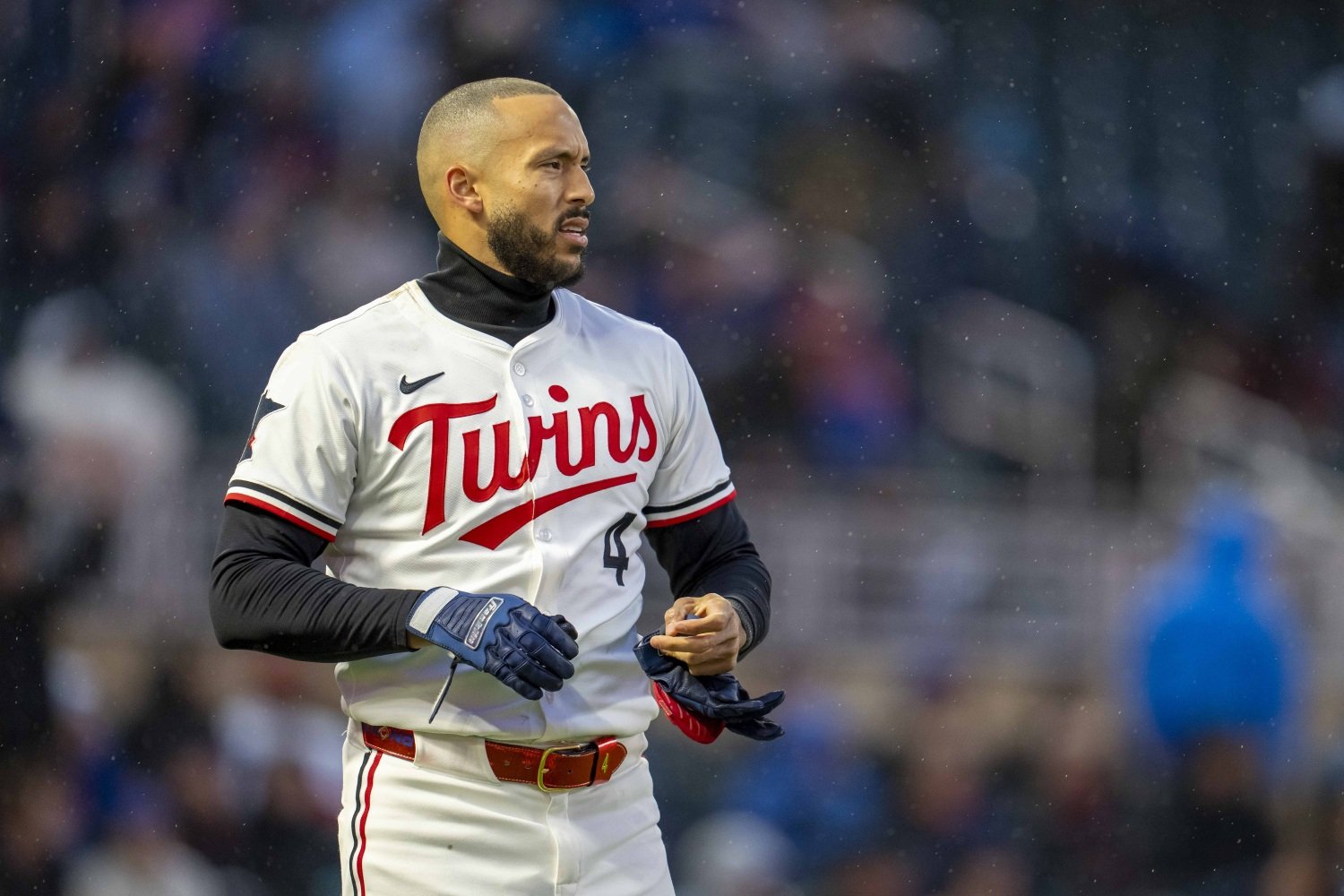 Carlos Correa is a tinkerer. He's sustained a focus on improving his swing throughout his career. As players age, their style at the plate can change, with decreases in bat speed and strength. Father Time is undefeated when it comes to aging baseball stars. However, some positives come from aging, with players tending to have a more selective eye at the plate. If a batter is dedicated, smart and talented enough, better pitch recognition and more consistent contact can emerge later in a career. Last season, Correa’s swing might have been at an all-time best. During the first half, he hit .308/.377/.520, with 31 extra-base hits in 75 games. For some perspective, Correa is a career .273 hitter, and he’s only had one season (2017) where he finished with a batting average over .300. On June 12th, Correa had his first five-hit game and credited some of his success to conversations he had with former Twins infielder Luis Arraez. Arraez had a clear message for Correa at that time. “I just said, ‘Hey, you just need to hit the ball to the middle, right field. That’s it,’” Arraez said. “Hit it to the middle, bro. Don’t try to think too much.” That simple philosophy has evaded Correa during the 2025 season. Entering play Tuesday, he was hitting .153/.219/.237, with five extra-base hits and a 7.8 BB% against a 15.6 K%. When he does hit the ball, it’s weak contact, with a 34.7 Hard Hit%. That would mean less frequent contact than he's posted since 2018. Correa’s .210 wOBA is in the bottom 10% among big-league batters, and his average exit velocity is under 88 mph for the first time in his career. What’s even more disturbing is that pitchers are starting to take note of Correa’s struggles. He has seen fastballs more regularly this season (over 60% of the time) than in any previous year of his career. Against fastballs, he is hitting .122 with a .195 SLG. Last season, he posted a .313 BA against fastballs and a .479 SLG. Pitchers don't need to rely on their secondary pitches versus Correa, because he isn’t doing damage against heaters. So, what has changed with Correa’s swing this season? The underlying numbers point to him being on top of the ball, which doesn’t allow him to drive it. His 42.9 Topped% this year is nearly 10% higher than his career mark and over 5% higher than 2024. Because of this, his highest-value contact rates are significantly reduced. His Solid% dropped from a career 6.8% to 2.0% and his Barrel% has decreased from 9.2% to 6.1%. Bat tracking data shows that Correa’s swing might not be completely broken. His average bat speed over the last two seasons has been around 74.5 mph. This season, he is at 74.0, with the MLB average being 71.5 mph. His batting stance data is also nearly identical to last season. His depth in the box and distance off the plate are within tenths of an inch compared to last season. He is intercepting the baseball further in front of the plate by nearly an inch (2.1” last season, compared to 3.0” this year). This slight change could mean he is not letting the ball get far enough into the zone to make more powerful contact, catching the ball on the end of the bat, but it's probably not a telling figure. Correa has been a slow starter throughout his career, and perhaps the 2025 season is part of a career trend. Historically, April has been Correa’s lowest-OPS month, with more strikeouts in the season’s first month than any other. Correa hits the fewest home runs, has his second-lowest slugging percentage (just ahead of August), and grounds into the most double plays to start the year. Hopefully, he's just shaking off the rust and finding his timing, as seems to be his wont. Perhaps Correa may need to get on the phone again with Arraez and ask for some tips from the three-time batting champion. Correa’s swing has some positive signs, with his expected numbers pointing to him as unlucky. His K% and Whiff% rank in the 80th percentile or higher, so he is not swinging and missing as much as in previous years. However, he seems to be on top of the ball and meeting the ball a little too early in front of the plate. Some minor adjustments now could help him get back to the All-Star form he showcased in 2024. Will Correa round into form? What stands out about his swing so far this season? Leave a comment and start the discussion.
 -
 The Twins minor-league affiliates are off and running with some strong performance’s up and down the system. Let’s see how the last week played out down on the farm. Image courtesy of Left: Rob Thompson (photo of Zebby Matthews), Top-Right: David Malamut (photo of Charlee Soto), William Parmeter (photo of Connor Prielipp) The Twins minor-league affiliates are off and running with some strong performance’s up and down the system. Let’s see how the last week played out down on the farm. MONDAY TRANSACTIONS RHP Xavier Kolhosser transferred to FCL Twins (Fort Myers) INF Isaac Pena transferred to FCL Twins (Fort Myers) RH RP Scott Blewett claimed by the Baltimore Orioles. NOTABLE TRANSACTIONS THIS WEEK OF Walker Jenkins placed on 7-day IL with ankle injury (Wichita) INF Kaelen Culpepper placed on 7-day IL with right wrist sprain (Cedar Rapids) INF Rayne Doncon placed on 7-day IL with right oblique strain (Cedar Rapids) LHP Ross Dunn placed on 7-day IL with left forearm strain (Cedar Rapids) RHP Jack Noble placed on 7-day IL with right bicep strain (Cedar Rapids) RHP Michael Ross placed on 7-day IL with neck strain (Fort Myers) 1B Aaron Sabato on rehab assignment in Fort Myers (Wichita) LHP Richard Lovelady signed and assigned to St. Paul INF Jose Miranda optioned to St. Paul LHP Kody Funderburk recalled by the Twins RHP David Festa recalled by Minnesota Twins TWINS DAILY MINOR LEAGUE CONTENT Do the Twins Have Offensive Upgrades in the Minors? Has Luke Keaschall Surpassed Emmanuel Rodriguez as Minnesota Twins' Second-Best Prospect? Twins Minor League Report (4/13): The Mussels Flex Their New Starter and the Kernels Hang Ten...on Beloit Twins Minor League Report (4/12): Dasan Hill, Connor Prielipp Make Second Starts, but Aaron Rozek is Top Lefty on This Day Twins Minor League Report (4/11): Charlee Soto and the Chalk-Up-A-Lotta-Dubs Factory Twins Minor League Report (4/10): Kyler Fedko, John Klein Lead Wichita to Comeback Win, Saints Offensive Juggernaut Returns Minor League Report (4/9): Will Anyone Score on Andrew Morris? Twins Minor League Report (4/8): Good Night for The DBo Show, Strong Starts from Zebby Matthews and Dylan Questad Squandered WEEK IN REVIEW Triple-A: St. Paul Saints Overall: 5-7 (5.5 games out of first) Last Week: 3-3 vs Omaha Zebby Matthews tied a career-high with nine strikeouts. He struck out at least one batter in each inning. He gave up just one hit through the first four innings and retired 12 of the 14 batters he faced. The only runs charged to him were on a misplayed ball by Yunior Severino. Andrew Morris tossed five shutout innings including retiring eight of the final nine men he faced. He allowed four hits and walked two while striking out three. He has yet to allow a run in 10.0 innings to start the year. Jair Camargo hit a two-run homer on Wednesday, his 34th home run in a Saints uniform. He is tied for fourth all-time in franchise history. Carson McCusker hit his first home run of the year on Wednesday, and it turned out to be the difference in a one-run game. On Friday, he hit another homer, a two-run shot, that was the difference in that game. On Thursday, the Saints exploded for 13 runs. Eight different Saints collected a hit, 10 different players scored a run, and seven guys knocked in a run as the Saints pounded out 16 hits, six of them doubles one shy of tying the franchise record. Luke Keaschall hit his first Triple-A home run on Friday. He finished the game 2-for-2 with a home run, two RBI, and two runs scored. In a bullpen game, Alex Speas was dominant. Outside of the single in the fourth, he retired six batters in a row, five on strikeouts, tying a career-high. He went 2 1/3 shutout innings allowing one hit and striking out five. In the same game, Kyle Bischoff went two hitless, scoreless innings while walking two and striking out five. He threw a career-high 43 pitches. Diego Cartaya ended an 0-for-13 slump to start the year with a solo home run on Saturday. What’s Next: The Saints head on the road for a six-game series against the Iowa Cubs in Des Moines. The following week, they have eight home games in six days to make up for postponed games from earlier in the season. Double-A: Wichita Wind Surge Overall: 6-3 (1.0 game out of first) Last Week: 5-1 vs Midland This series marked the first time Wichita had won five games in a series since August 22-28, 2023. Walker Jenkins experienced “renewed stiffness” in his left ankle, according to Twins general manager Jeremy Zoll. It’s the same ankle that Jenkins sprained early in spring training, causing him to miss much of camp. Tanner Schobel had a six-game hitting streak snapped on Sunday. During that stretch, he had two multi-hit games. He’s only been held hitless in two games so far this season. Kyler Fedko had a three-hit game on Thursday and hit his first home run of the season on Friday. John Klein picked up his first win of the season. He pitched three hitless relief innings while striking out five. Trent Baker allowed one run on four hits with three strikeouts and two walks. He pitched four innings and lowered his season ERA to 1.29. Mike Paredes has yet to allow a run this season in relief. On Wednesday, he pitched 3 1/3 shutout innings with one hit, one walk, and three strikeouts. Darren Bowen was dominant in his Double-A debut. In five innings, he allowed one run on three hits with five strikeouts and no walks. On Sunday, he returned and allowed one earned run on four hits in four innings. Aaron Rozek tossed 5 1/3 innings by allowing one earned run on four hits with five strikeouts. Rubel Cespedes had one game with two-hits including a home run, a double, and three RBI. Earlier in the week, he had six total bases with a home run, a double, and four RBI. He has a 1.137 OPS in 24 AB. What’s Next: The Wind Surge face the Tulsa Drillers in a six-game road series that begins on Tuesday. High-A: Cedar Rapids Kernels Overall: 6-3 (Tied for 1st in the Midwest League West) Last Week: 4-2 vs Beloit Jose Olivares, in his Cedar Rapids debut, did not give up a run in 4 2/3 innings of work, allowing just one hit while posting six strikeouts. Wilker Reyes pitched 2 2/3 scoreless innings on Wednesday. He allowed one hit with one walk and four strikeouts. Billy Amick and Gabriel Gonzalez each had three hit games in Thursday night’s loss. Charlee Soto allowed just one hit across five scoreless innings with six strikeouts and no walks. He retired 15 of the 16 batters he faced in his home debut. On Monday, Soto was named the Midwest League's Pitcher of the Week. Caden Kendle hit his first professional home run, a solo shot in Friday’s game. Later in that game, he doubled and came around to score the go-ahead run. Spencer Bengard allowed just one run across four innings of relief on Saturday. He struck out five. Kyle DeBarge had a three-hit game on Saturday including a triple, three runs scored, and two stolen bases. He followed it up with another multi-hit effort on Sunday. He’s hitting over .350 for the season. What’s Next: Cedar Rapids heads on the road for a six-game series against the Peoria Chiefs. Low-A: Fort Myers Mighty Mussels Overall: 4-5 (2.0 games out of first) Last Week: 3-3 Dylan Questad dazzled in his Florida State League debut, spinning five scoreless innings, allowing just two base runners on one hit and one walk with eight strikeouts. Dameury Pena drove in three runs with a sacrifice fly and a single on Wednesday. Jacob Kisting struck out six batters in a row in relief to help Fort Myers escape a tough spot. On a rehab assignment from Double-A, Christian MacLeod made a start on Thursday and finished with four strikeouts across two scoreless frames. Pierson Ohl, also rehabbing from Wichita, followed MacLeod. He picked up a pair of strikeouts, scattering one hit across two shutout innings. Byron Chourio has been a threat at the top of the lineup with five leadoff walks and two steals. Yasser Mercedes drove in a pair of runs as part of a multi-hit effort on Friday. Cole Peschl made his Florida State League debut and earned a four-inning save. He struck out four and only saw an unearned run score against him. Dasan Hill made his home debut and allowed one run on three hits with six strikeouts in 3 1/3 innings. Jason Doktorczyk went 3 2/3 scoreless innings, allowing two hits and striking out four in relief of Hill. On Sunday, Devin Kirby, Zander Sechrist and Hunter Hoopes combined for six scoreless innings out of the bullpen, allowing just five hits while striking out eight. The Mussels’ bullpen did not allow a run for the second consecutive game. What’s Next: The Mighty Mussels continue their home schedule with a six-game series against the Bradenton Marauders. PROSPECT SUMMARY Check out the Prospect Tracker for much more on our Twins Top 20 prospects. And, be sure to note the new, updated Top 20 rankings. Roster assignments below are subject to change as some players have yet to be assigned or are in Extended Spring Training. Walker Jenkins (Wichita): On injured list Emmanuel Rodriguez (St. Paul): 5-21, 2 2B, 3 RBI, 3 R, 2 BB, 8 K Luke Keaschall (St. Paul): 3-17, 1 HR, 3 RBI, 4 R, 6 BB, 6 K Charlee Soto (Cedar Rapids): 5 IP, 0 ER, 0 BB, 6 K Andrew Morris (St. Paul): 5 IP, 4 H, 0 ER, 2 BB, 3 K Marco Raya (St. Paul): 2 IP, 3 H, 1 ER, 2 BB, 4 K Kaelen Culpepper (Cedar Rapids): 3-9, 2 2B, 0 BB, 1 K (placed on IL) Brandon Winokur (Cedar Rapids): 5-24, 1 2B, 4 RBI, 5 BB, 6 K, 2 SB Cory Lewis (St. Paul): 3 IP, 2 H, 2 ER, 1 BB, 3 K Connor Prielipp (Wichita): 2.2 IP, 5 H, 2 ER, 0 BB, 5 K Dasan Hill (Fort Myers): 3.1 IP, 1 ER, 3 H, 2 BB, 6 K C.J. Culpepper (Wichita): On IL Kyle DeBarge (Cedar Rapids): 8-23, 1 2B, 1 3B, 2 RBI, 7 R, 7 BB, 4 K, 5 SB Eduardo Beltre (DSL Twins): In Extended Spring Training Yasser Mercedes (Fort Myers): 5-19, 2 2B, 2 RBI, 2 BB, 5 K, 3 SB Rayne Doncon (Cedar Rapids): 0-9, 0 BB, 6 K (placed on IL) Billy Amick (Cedar Rapids): 8-19, 2 2B, 6 RBI, 2 R, 7 BB, 5 K Kala’i Rosario (Wichita): 2-19, 1 RBI, 12 K, 0 BB, 1 SB Gabriel Gonzalez (Cedar Rapids): 6-22, 2 2B, 4 RBI, 3 R, 3 BB, 2 K Ricardo Olivar (Wichita): 4-20, 2 R, 1 BB, 3 K PLAYERS OF THE WEEK Hitter of the Week: Kyle DeBarge, Cedar Rapids 8-23 (.348), 1 2B, 1 3B, 2 RBI, 7 R, 7 BB, 4 K, 5 SB Pitcher of the Week: Dylan Questad, Fort Myers 5.0 IP, 0 ER, 1 H, 1 BB, 8 K View full article
 -
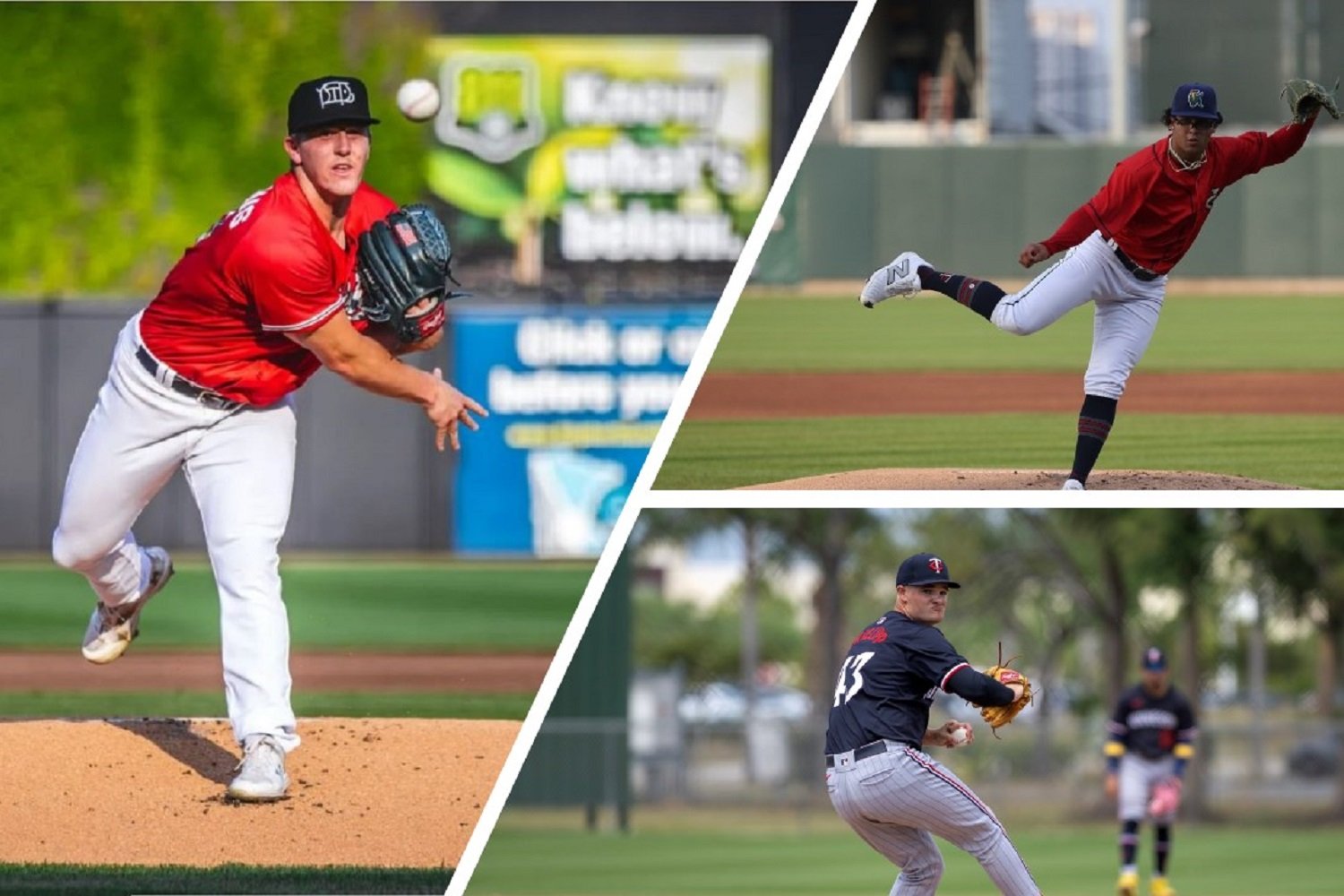 MONDAY TRANSACTIONS RHP Xavier Kolhosser transferred to FCL Twins (Fort Myers) INF Isaac Pena transferred to FCL Twins (Fort Myers) RH RP Scott Blewett claimed by the Baltimore Orioles. NOTABLE TRANSACTIONS THIS WEEK OF Walker Jenkins placed on 7-day IL with ankle injury (Wichita) INF Kaelen Culpepper placed on 7-day IL with right wrist sprain (Cedar Rapids) INF Rayne Doncon placed on 7-day IL with right oblique strain (Cedar Rapids) LHP Ross Dunn placed on 7-day IL with left forearm strain (Cedar Rapids) RHP Jack Noble placed on 7-day IL with right bicep strain (Cedar Rapids) RHP Michael Ross placed on 7-day IL with neck strain (Fort Myers) 1B Aaron Sabato on rehab assignment in Fort Myers (Wichita) LHP Richard Lovelady signed and assigned to St. Paul INF Jose Miranda optioned to St. Paul LHP Kody Funderburk recalled by the Twins RHP David Festa recalled by Minnesota Twins TWINS DAILY MINOR LEAGUE CONTENT Do the Twins Have Offensive Upgrades in the Minors? Has Luke Keaschall Surpassed Emmanuel Rodriguez as Minnesota Twins' Second-Best Prospect? Twins Minor League Report (4/13): The Mussels Flex Their New Starter and the Kernels Hang Ten...on Beloit Twins Minor League Report (4/12): Dasan Hill, Connor Prielipp Make Second Starts, but Aaron Rozek is Top Lefty on This Day Twins Minor League Report (4/11): Charlee Soto and the Chalk-Up-A-Lotta-Dubs Factory Twins Minor League Report (4/10): Kyler Fedko, John Klein Lead Wichita to Comeback Win, Saints Offensive Juggernaut Returns Minor League Report (4/9): Will Anyone Score on Andrew Morris? Twins Minor League Report (4/8): Good Night for The DBo Show, Strong Starts from Zebby Matthews and Dylan Questad Squandered WEEK IN REVIEW Triple-A: St. Paul Saints Overall: 5-7 (5.5 games out of first) Last Week: 3-3 vs Omaha Zebby Matthews tied a career-high with nine strikeouts. He struck out at least one batter in each inning. He gave up just one hit through the first four innings and retired 12 of the 14 batters he faced. The only runs charged to him were on a misplayed ball by Yunior Severino. Andrew Morris tossed five shutout innings including retiring eight of the final nine men he faced. He allowed four hits and walked two while striking out three. He has yet to allow a run in 10.0 innings to start the year. Jair Camargo hit a two-run homer on Wednesday, his 34th home run in a Saints uniform. He is tied for fourth all-time in franchise history. Carson McCusker hit his first home run of the year on Wednesday, and it turned out to be the difference in a one-run game. On Friday, he hit another homer, a two-run shot, that was the difference in that game. On Thursday, the Saints exploded for 13 runs. Eight different Saints collected a hit, 10 different players scored a run, and seven guys knocked in a run as the Saints pounded out 16 hits, six of them doubles one shy of tying the franchise record. Luke Keaschall hit his first Triple-A home run on Friday. He finished the game 2-for-2 with a home run, two RBI, and two runs scored. In a bullpen game, Alex Speas was dominant. Outside of the single in the fourth, he retired six batters in a row, five on strikeouts, tying a career-high. He went 2 1/3 shutout innings allowing one hit and striking out five. In the same game, Kyle Bischoff went two hitless, scoreless innings while walking two and striking out five. He threw a career-high 43 pitches. Diego Cartaya ended an 0-for-13 slump to start the year with a solo home run on Saturday. What’s Next: The Saints head on the road for a six-game series against the Iowa Cubs in Des Moines. The following week, they have eight home games in six days to make up for postponed games from earlier in the season. Double-A: Wichita Wind Surge Overall: 6-3 (1.0 game out of first) Last Week: 5-1 vs Midland This series marked the first time Wichita had won five games in a series since August 22-28, 2023. Walker Jenkins experienced “renewed stiffness” in his left ankle, according to Twins general manager Jeremy Zoll. It’s the same ankle that Jenkins sprained early in spring training, causing him to miss much of camp. Tanner Schobel had a six-game hitting streak snapped on Sunday. During that stretch, he had two multi-hit games. He’s only been held hitless in two games so far this season. Kyler Fedko had a three-hit game on Thursday and hit his first home run of the season on Friday. John Klein picked up his first win of the season. He pitched three hitless relief innings while striking out five. Trent Baker allowed one run on four hits with three strikeouts and two walks. He pitched four innings and lowered his season ERA to 1.29. Mike Paredes has yet to allow a run this season in relief. On Wednesday, he pitched 3 1/3 shutout innings with one hit, one walk, and three strikeouts. Darren Bowen was dominant in his Double-A debut. In five innings, he allowed one run on three hits with five strikeouts and no walks. On Sunday, he returned and allowed one earned run on four hits in four innings. Aaron Rozek tossed 5 1/3 innings by allowing one earned run on four hits with five strikeouts. Rubel Cespedes had one game with two-hits including a home run, a double, and three RBI. Earlier in the week, he had six total bases with a home run, a double, and four RBI. He has a 1.137 OPS in 24 AB. What’s Next: The Wind Surge face the Tulsa Drillers in a six-game road series that begins on Tuesday. High-A: Cedar Rapids Kernels Overall: 6-3 (Tied for 1st in the Midwest League West) Last Week: 4-2 vs Beloit Jose Olivares, in his Cedar Rapids debut, did not give up a run in 4 2/3 innings of work, allowing just one hit while posting six strikeouts. Wilker Reyes pitched 2 2/3 scoreless innings on Wednesday. He allowed one hit with one walk and four strikeouts. Billy Amick and Gabriel Gonzalez each had three hit games in Thursday night’s loss. Charlee Soto allowed just one hit across five scoreless innings with six strikeouts and no walks. He retired 15 of the 16 batters he faced in his home debut. On Monday, Soto was named the Midwest League's Pitcher of the Week. Caden Kendle hit his first professional home run, a solo shot in Friday’s game. Later in that game, he doubled and came around to score the go-ahead run. Spencer Bengard allowed just one run across four innings of relief on Saturday. He struck out five. Kyle DeBarge had a three-hit game on Saturday including a triple, three runs scored, and two stolen bases. He followed it up with another multi-hit effort on Sunday. He’s hitting over .350 for the season. What’s Next: Cedar Rapids heads on the road for a six-game series against the Peoria Chiefs. Low-A: Fort Myers Mighty Mussels Overall: 4-5 (2.0 games out of first) Last Week: 3-3 Dylan Questad dazzled in his Florida State League debut, spinning five scoreless innings, allowing just two base runners on one hit and one walk with eight strikeouts. Dameury Pena drove in three runs with a sacrifice fly and a single on Wednesday. Jacob Kisting struck out six batters in a row in relief to help Fort Myers escape a tough spot. On a rehab assignment from Double-A, Christian MacLeod made a start on Thursday and finished with four strikeouts across two scoreless frames. Pierson Ohl, also rehabbing from Wichita, followed MacLeod. He picked up a pair of strikeouts, scattering one hit across two shutout innings. Byron Chourio has been a threat at the top of the lineup with five leadoff walks and two steals. Yasser Mercedes drove in a pair of runs as part of a multi-hit effort on Friday. Cole Peschl made his Florida State League debut and earned a four-inning save. He struck out four and only saw an unearned run score against him. Dasan Hill made his home debut and allowed one run on three hits with six strikeouts in 3 1/3 innings. Jason Doktorczyk went 3 2/3 scoreless innings, allowing two hits and striking out four in relief of Hill. On Sunday, Devin Kirby, Zander Sechrist and Hunter Hoopes combined for six scoreless innings out of the bullpen, allowing just five hits while striking out eight. The Mussels’ bullpen did not allow a run for the second consecutive game. What’s Next: The Mighty Mussels continue their home schedule with a six-game series against the Bradenton Marauders. PROSPECT SUMMARY Check out the Prospect Tracker for much more on our Twins Top 20 prospects. And, be sure to note the new, updated Top 20 rankings. Roster assignments below are subject to change as some players have yet to be assigned or are in Extended Spring Training. Walker Jenkins (Wichita): On injured list Emmanuel Rodriguez (St. Paul): 5-21, 2 2B, 3 RBI, 3 R, 2 BB, 8 K Luke Keaschall (St. Paul): 3-17, 1 HR, 3 RBI, 4 R, 6 BB, 6 K Charlee Soto (Cedar Rapids): 5 IP, 0 ER, 0 BB, 6 K Andrew Morris (St. Paul): 5 IP, 4 H, 0 ER, 2 BB, 3 K Marco Raya (St. Paul): 2 IP, 3 H, 1 ER, 2 BB, 4 K Kaelen Culpepper (Cedar Rapids): 3-9, 2 2B, 0 BB, 1 K (placed on IL) Brandon Winokur (Cedar Rapids): 5-24, 1 2B, 4 RBI, 5 BB, 6 K, 2 SB Cory Lewis (St. Paul): 3 IP, 2 H, 2 ER, 1 BB, 3 K Connor Prielipp (Wichita): 2.2 IP, 5 H, 2 ER, 0 BB, 5 K Dasan Hill (Fort Myers): 3.1 IP, 1 ER, 3 H, 2 BB, 6 K C.J. Culpepper (Wichita): On IL Kyle DeBarge (Cedar Rapids): 8-23, 1 2B, 1 3B, 2 RBI, 7 R, 7 BB, 4 K, 5 SB Eduardo Beltre (DSL Twins): In Extended Spring Training Yasser Mercedes (Fort Myers): 5-19, 2 2B, 2 RBI, 2 BB, 5 K, 3 SB Rayne Doncon (Cedar Rapids): 0-9, 0 BB, 6 K (placed on IL) Billy Amick (Cedar Rapids): 8-19, 2 2B, 6 RBI, 2 R, 7 BB, 5 K Kala’i Rosario (Wichita): 2-19, 1 RBI, 12 K, 0 BB, 1 SB Gabriel Gonzalez (Cedar Rapids): 6-22, 2 2B, 4 RBI, 3 R, 3 BB, 2 K Ricardo Olivar (Wichita): 4-20, 2 R, 1 BB, 3 K PLAYERS OF THE WEEK Hitter of the Week: Kyle DeBarge, Cedar Rapids 8-23 (.348), 1 2B, 1 3B, 2 RBI, 7 R, 7 BB, 4 K, 5 SB Pitcher of the Week: Dylan Questad, Fort Myers 5.0 IP, 0 ER, 1 H, 1 BB, 8 K
- 10 comments
-
- 2
-

-
- kyle debarge
- charlee soto
- (and 5 more)
-
Do the Twins Have Offensive Upgrades in the Minors?
Cody Christie posted an article in Minor Leagues
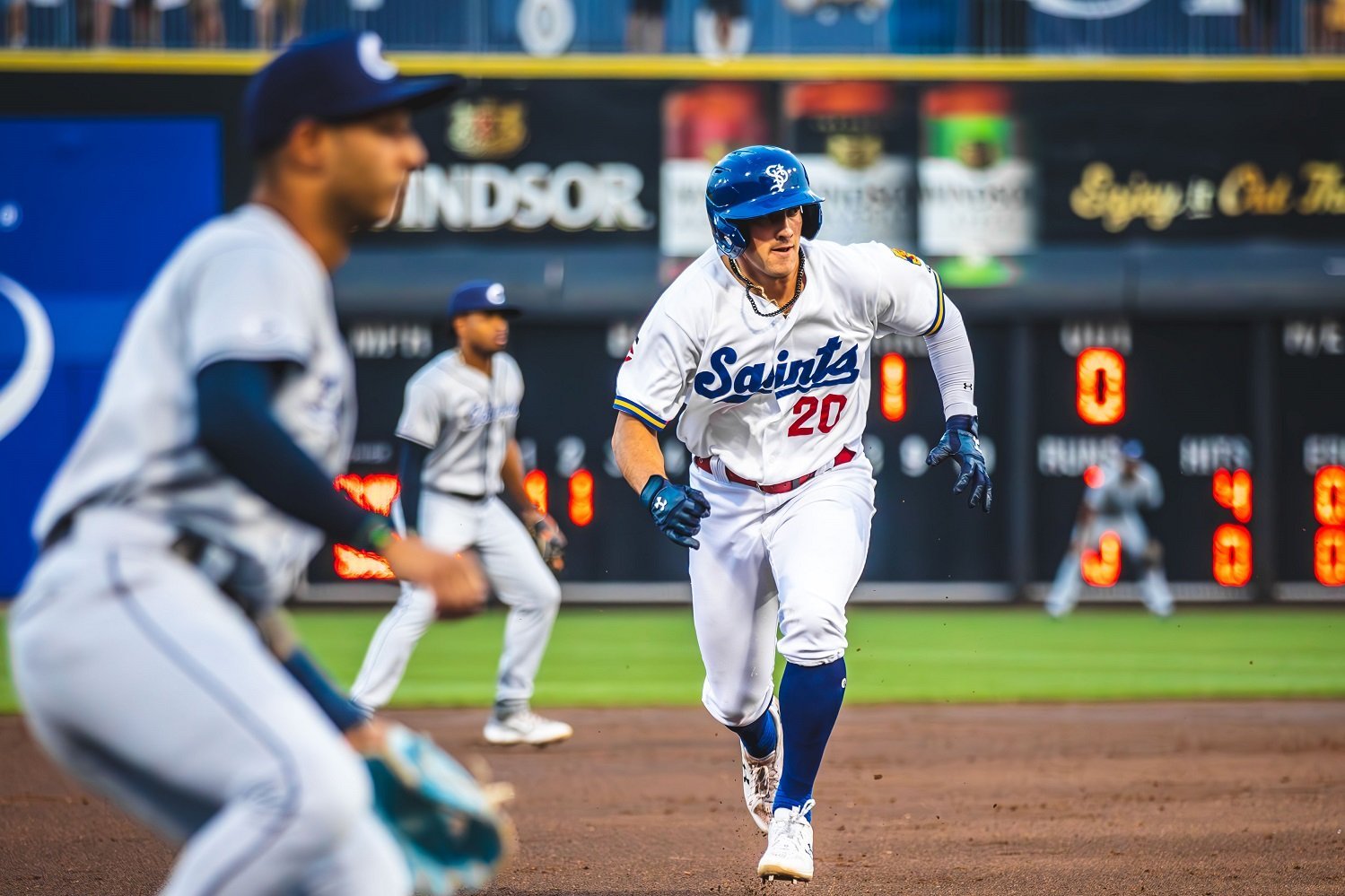 The Twins have seen inconsistent performance from the lineup this season, which can be expected from many clubs trying to find their regular-season rhythm. Last weekend, I reviewed the trend of Minnesota starting slowly over the last three seasons, with plenty of culprits to blame—including cold weather, key injuries, and players being thrust into unfamiliar roles. Thankfully, the team’s offense has shown signs of life in recent games, but they are far from out of the woods. Down on the farm, multiple bats are expected to join the roster in the weeks ahead, but fitting them into the lineup might pose a challenge. Brooks Lee, INF Lee was borderline to make the team’s Opening Day roster before a back injury sidelined him to start the year. Over the last week, he began a rehab assignment with the Saints with the plan for the team to reevaluate his progress at the week’s end. On Sunday, the team officially activated him, and inserted him into the starting lineup, optioning Jose Miranda to the minors in the process. Lee is no guarantee to be an offensive upgrade, as he struggled during his rookie season with a 64 OPS+ while battling through multiple injuries. His hit tool was touted throughout his amateur career, though, so many expect his bat to come around at the big-league level. It seems likely that the Twins will take things slow with his return to the field, but their dire state has already pressed him into duty. He did come up with a big hit in his first at-bat of the season en route to Sunday's win. "Just be myself," Lee said before that season debut, when asked how he would avoid putting too much pressure on himself to act as a savior. "I’m the best when I’m just myself. I play good baseball. Play like a college player; that’s my brand. I think the game should come to me—not force it. I had a lot of success last year, early on, [but] I think I forced it, and it kind of caught up to me." Lee is far from the only player whom the team might turn to, however, and they'll all need ways to avoid that pitfall of trying to do too much. Emmanuel Rodriguez, OF Many Twins fans are eagerly anticipating Rodriguez’s debut. He is a consensus top-40 prospect, with Baseball America and Baseball Prospectus ranking him in their top 20 heading into the season. He had three hits in the team’s first game, including a double, but suffered a thumb injury that has slowed him down. He went 1-for-17 in his next 22 trips to the plate, with five walks and eight strikeouts. Rodriguez has rediscovered his stroke over the last two games, going 4-for-8 with a double and two walks. The Twins will turn to Rodriguez at some point this season, but he will need to find more consistency at Triple-A before he gets the call. Luke Keaschall, INF Outside of Rodriguez, Keaschall is the highest-ranking prospect at Triple-A St. Paul. He's returning from Tommy John surgery that he had last August. In the team’s first nine games, he has gone 7-for-29 (.241 BA) with a double, six walks, and a steal. The Saints have limited him to second base duties to start the year as he works to ensure his surgically repaired elbow is ready for more rigorous defensive positions, but that's also the position where he's most likely to help the team, anyway. Even with his strong offensive profile, the club seems more likely to keep him in the minors until he has more defensive flexibility. The Twins currently have other options at second base and DH, and the club would only want to call him up if he had a path to regular playing time. He seems likely to be a call-up candidate in the second half, especially since he isn’t on the 40-man roster yet. Austin Martin, UTIL Martin was one of the surprise names left off the Opening Day roster. The 26-year-old is a former top prospect who played 93 games for the Twins last season, with an 89 OPS+. He’s showcased some contact skills in the minors this season, with 13 hits in his first 31 at-bats, but he’s been limited to one extra-base hit. On the plus side, he has collected seven walks, meaning he's getting on base over 50% of the time. Defensively, he has played in center and left field, along with second base. However, he's not a short-term option, after he hit the Triple-A injured list with a hamstring strain this weekend. Jair Camargo, C Camargo has been an intriguing prospect in recent seasons, because of his strong bat and experience as a catcher. Last season, he got a cup of coffee at the big-league level, but the Twins seemed hesitant to use him as a backstop. He’s been an offensive force for St. Paul, starting the year with a team-leading three doubles and seven RBIs. The Saints have used him as a catcher in five of his first six games, so there is hope he will continue improving. He seems unlikely to get called up unless one of the regular catchers is shelved with an injury. The Twins need an offensive spark, and Lee's contact skills might help the team to get back on track. Rodriguez and Keaschall are exciting players, but they probably won’t be called upon until closer to the middle of the season. Martin and Camargo can add major-league depth, but aren’t considered offensive upgrades at this point. Miranda's campaign to get back to Minneapolis can start right away, but he'll have to prove he's made the adjustments the team has asked of him before he can provide reinforcement. Which player will be the next called up? Who can help the offense the most? Leave a comment and start the discussion.
- 23 comments
-
- 4
-
-
- brooks lee
- emmanuel rodriguez
- (and 3 more)
-
Each manager utilizes their bullpen in specific patterns, with some being more successful than others. The Twins use a fairly unique approach tied to the team’s two dominant (or not so dominant) late-inning arms. Image courtesy of David Richard and Jerome Miron-Imagn Images Each manager utilizes their bullpen in specific patterns, with some being more successful than others. The Twins use a fairly unique approach tied to the team’s two dominant (or not so dominant) late-inning arms. Bullpen strategy and usage can be the difference between a team being competitive and one falling short of postseason expectations. While most teams are content with the traditional closer role locked up for one reliever, the Twins have embraced an approach known in certain circles as Primary Save Share (PSS). According to The Athletic, the concept behind PSS is straightforward: “The team prefers one reliever as the primary option for saves. However, the player may also be used in match-up-based situations, whether dictated by batter-handedness or batting order pockets in the late innings. This provides multiple relievers with save chances each series or week throughout the season.” Only three American League teams (Red Sox, Royals, and, of course, the Twins) along with a pair of NL teams, the Reds and Rockies, have subscribed to this modern twist. That puts Minnesota in rare company and adds a fresh dynamic to a bullpen that needs every edge it can get. At first glance, PSS might appear tailor-made for a staff already stacked with high-caliber arms like Jhoan Duran and Griffin Jax, both of whom entered the season with the lofty expectations of being among the league’s best. Yet, their early season results have been subpar. Jax ranks in the fifth percentile or lower in Barrel%, Hard-Hit%, GB%, and xERA. Simply put, Jax has been far from elite, but relievers work in small sample sizes when it takes time to recover from a couple of bad outings. Duran’s start this season has also been underwhelming. While he’s managed to avoid the catastrophic contact levels seen by Jax, his struggles aren’t easily dismissed. His strikeout percentage has taken a hit, and his expected slugging (xSLG) numbers suggest he’s not maintaining the kind of dominance he’s shown in the past. Perhaps most concerning is his BB%, up from a respectable 6.6% last season to an alarming 13.3% this year. Duran's recent numbers could spell trouble in a bullpen that relies on high-leverage arms. When you consider the broader picture, it’s clear that the Twins’ PSS strategy is both a blessing and a curse. On the one hand, it allows the team to allocate save opportunities in a way that adapts to opponents’ lineups. This flexibility means that even if one arm falters, another might pick up the slack within the same series. On the other hand, this diffusion of responsibility places immense pressure on the staff’s top performers to deliver every single time they step on the mound. The downfall of stars like Jax and Duran early in the season has forced the coaching staff and front office to reassess the rotation of responsibilities. The pressure is only amplified given Minnesota’s ongoing offensive struggles. Yet, there is hope on the horizon. Brock Stewart is slated to return from injury and could represent a much-needed upgrade to the back end of the bullpen. Stewart has been electric during his Twins tenure, but his availability has been severely limited. He recently threw a bullpen session, and the team estimates he will return in May. His return will not only boost the bullpen’s overall depth but also potentially stabilize a role that, until now, has been marred by inconsistency. For Minnesota, this could be a huge bonus with the struggles of the other high-leverage arms. The modern bullpen is a complex puzzle, and the Twins’ version is a case study of innovation meeting necessity. With specialized roles evolving and traditional save roles being reinterpreted, few teams manage to stay afloat when their best relievers underperform in the spotlight. Meanwhile, other bullpen arms like Cole Sands, Jorge Alcala, Danny Coulombe, and Louis Varland find themselves in a precarious position. For these arms, the possibility of regular closing opportunities seems more theoretical than practical, as the leadership roles are increasingly consolidated into the hands of those expected to be versatile enough to handle both traditional save situations and match-up-specific scenarios. As the Twins work to stay relevant in the AL Central this season, every bullpen blowup has implications. The PSS system hinges on the ability of its chosen messengers to rise to the occasion when the game hangs in the balance. The pressure is immense for a franchise struggling to put runs on the board consistently. Each reliever must shut down an opponent and adapt in real-time to a shifting landscape of matchups, hitters, and in-game dynamics. The formula is deceptively simple, yet its execution (especially in the high-stakes innings) has not worked in 2025. In essence, the Twins’ bullpen is emblematic of modern baseball's broader challenges. Strategic innovation like the Primary Save Share system represents an effort to distill every drop of potential from a roster. However, with performance gaps in key roles and offensive support lacking, Minnesota’s roadmap to success is anything but straightforward. The Twins bullpen was expected to be among the league’s best and their strategic use of late inning arms won’t matter if their pitchers continue to struggle. Are the Twins using the wrong bullpen strategy? Leave a comment and start the discussion. View full article
-
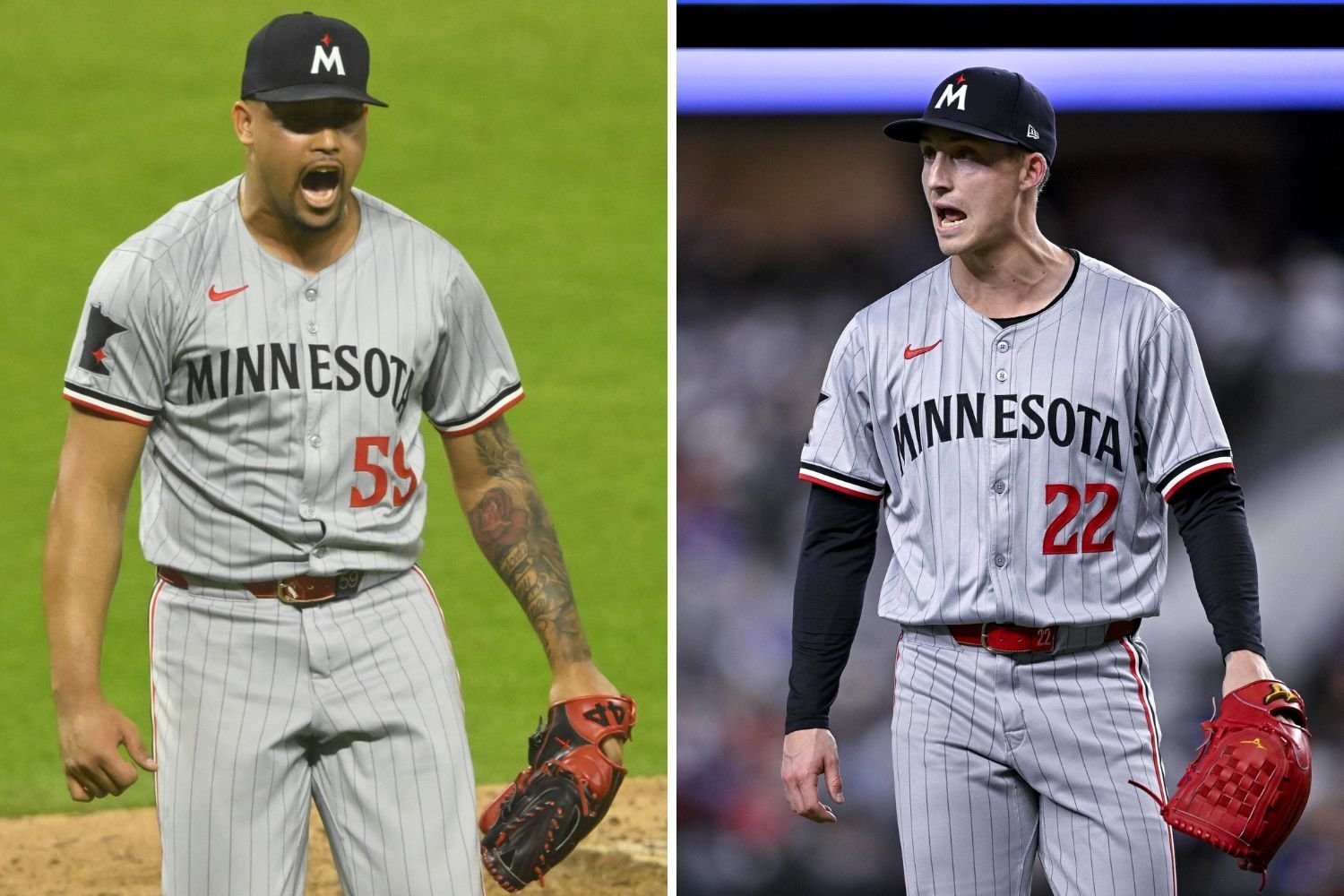 Bullpen strategy and usage can be the difference between a team being competitive and one falling short of postseason expectations. While most teams are content with the traditional closer role locked up for one reliever, the Twins have embraced an approach known in certain circles as Primary Save Share (PSS). According to The Athletic, the concept behind PSS is straightforward: “The team prefers one reliever as the primary option for saves. However, the player may also be used in match-up-based situations, whether dictated by batter-handedness or batting order pockets in the late innings. This provides multiple relievers with save chances each series or week throughout the season.” Only three American League teams (Red Sox, Royals, and, of course, the Twins) along with a pair of NL teams, the Reds and Rockies, have subscribed to this modern twist. That puts Minnesota in rare company and adds a fresh dynamic to a bullpen that needs every edge it can get. At first glance, PSS might appear tailor-made for a staff already stacked with high-caliber arms like Jhoan Duran and Griffin Jax, both of whom entered the season with the lofty expectations of being among the league’s best. Yet, their early season results have been subpar. Jax ranks in the fifth percentile or lower in Barrel%, Hard-Hit%, GB%, and xERA. Simply put, Jax has been far from elite, but relievers work in small sample sizes when it takes time to recover from a couple of bad outings. Duran’s start this season has also been underwhelming. While he’s managed to avoid the catastrophic contact levels seen by Jax, his struggles aren’t easily dismissed. His strikeout percentage has taken a hit, and his expected slugging (xSLG) numbers suggest he’s not maintaining the kind of dominance he’s shown in the past. Perhaps most concerning is his BB%, up from a respectable 6.6% last season to an alarming 13.3% this year. Duran's recent numbers could spell trouble in a bullpen that relies on high-leverage arms. When you consider the broader picture, it’s clear that the Twins’ PSS strategy is both a blessing and a curse. On the one hand, it allows the team to allocate save opportunities in a way that adapts to opponents’ lineups. This flexibility means that even if one arm falters, another might pick up the slack within the same series. On the other hand, this diffusion of responsibility places immense pressure on the staff’s top performers to deliver every single time they step on the mound. The downfall of stars like Jax and Duran early in the season has forced the coaching staff and front office to reassess the rotation of responsibilities. The pressure is only amplified given Minnesota’s ongoing offensive struggles. Yet, there is hope on the horizon. Brock Stewart is slated to return from injury and could represent a much-needed upgrade to the back end of the bullpen. Stewart has been electric during his Twins tenure, but his availability has been severely limited. He recently threw a bullpen session, and the team estimates he will return in May. His return will not only boost the bullpen’s overall depth but also potentially stabilize a role that, until now, has been marred by inconsistency. For Minnesota, this could be a huge bonus with the struggles of the other high-leverage arms. The modern bullpen is a complex puzzle, and the Twins’ version is a case study of innovation meeting necessity. With specialized roles evolving and traditional save roles being reinterpreted, few teams manage to stay afloat when their best relievers underperform in the spotlight. Meanwhile, other bullpen arms like Cole Sands, Jorge Alcala, Danny Coulombe, and Louis Varland find themselves in a precarious position. For these arms, the possibility of regular closing opportunities seems more theoretical than practical, as the leadership roles are increasingly consolidated into the hands of those expected to be versatile enough to handle both traditional save situations and match-up-specific scenarios. As the Twins work to stay relevant in the AL Central this season, every bullpen blowup has implications. The PSS system hinges on the ability of its chosen messengers to rise to the occasion when the game hangs in the balance. The pressure is immense for a franchise struggling to put runs on the board consistently. Each reliever must shut down an opponent and adapt in real-time to a shifting landscape of matchups, hitters, and in-game dynamics. The formula is deceptively simple, yet its execution (especially in the high-stakes innings) has not worked in 2025. In essence, the Twins’ bullpen is emblematic of modern baseball's broader challenges. Strategic innovation like the Primary Save Share system represents an effort to distill every drop of potential from a roster. However, with performance gaps in key roles and offensive support lacking, Minnesota’s roadmap to success is anything but straightforward. The Twins bullpen was expected to be among the league’s best and their strategic use of late inning arms won’t matter if their pitchers continue to struggle. Are the Twins using the wrong bullpen strategy? Leave a comment and start the discussion.
 -
Minnesota’s offense has struggled during the season’s early games. Let’s look into the minors, to see if there are any offensive upgrades and explore how they could get onto the roster. Image courtesy of Rob Thompson, St. Paul Saints Minnesota’s offense has struggled during the season’s early games. Let’s look into the minors, to see if there are any offensive upgrades and explore how they could get onto the roster. The Twins have seen inconsistent performance from the lineup this season, which can be expected from many clubs trying to find their regular-season rhythm. Last weekend, I reviewed the trend of Minnesota starting slowly over the last three seasons, with plenty of culprits to blame—including cold weather, key injuries, and players being thrust into unfamiliar roles. Thankfully, the team’s offense has shown signs of life in recent games, but they are far from out of the woods. Down on the farm, multiple bats are expected to join the roster in the weeks ahead, but fitting them into the lineup might pose a challenge. Brooks Lee, INF Lee was borderline to make the team’s Opening Day roster before a back injury sidelined him to start the year. Over the last week, he began a rehab assignment with the Saints with the plan for the team to reevaluate his progress at the week’s end. On Sunday, the team officially activated him, and inserted him into the starting lineup, optioning Jose Miranda to the minors in the process. Lee is no guarantee to be an offensive upgrade, as he struggled during his rookie season with a 64 OPS+ while battling through multiple injuries. His hit tool was touted throughout his amateur career, though, so many expect his bat to come around at the big-league level. It seems likely that the Twins will take things slow with his return to the field, but their dire state has already pressed him into duty. He did come up with a big hit in his first at-bat of the season en route to Sunday's win. "Just be myself," Lee said before that season debut, when asked how he would avoid putting too much pressure on himself to act as a savior. "I’m the best when I’m just myself. I play good baseball. Play like a college player; that’s my brand. I think the game should come to me—not force it. I had a lot of success last year, early on, [but] I think I forced it, and it kind of caught up to me." Lee is far from the only player whom the team might turn to, however, and they'll all need ways to avoid that pitfall of trying to do too much. Emmanuel Rodriguez, OF Many Twins fans are eagerly anticipating Rodriguez’s debut. He is a consensus top-40 prospect, with Baseball America and Baseball Prospectus ranking him in their top 20 heading into the season. He had three hits in the team’s first game, including a double, but suffered a thumb injury that has slowed him down. He went 1-for-17 in his next 22 trips to the plate, with five walks and eight strikeouts. Rodriguez has rediscovered his stroke over the last two games, going 4-for-8 with a double and two walks. The Twins will turn to Rodriguez at some point this season, but he will need to find more consistency at Triple-A before he gets the call. Luke Keaschall, INF Outside of Rodriguez, Keaschall is the highest-ranking prospect at Triple-A St. Paul. He's returning from Tommy John surgery that he had last August. In the team’s first nine games, he has gone 7-for-29 (.241 BA) with a double, six walks, and a steal. The Saints have limited him to second base duties to start the year as he works to ensure his surgically repaired elbow is ready for more rigorous defensive positions, but that's also the position where he's most likely to help the team, anyway. Even with his strong offensive profile, the club seems more likely to keep him in the minors until he has more defensive flexibility. The Twins currently have other options at second base and DH, and the club would only want to call him up if he had a path to regular playing time. He seems likely to be a call-up candidate in the second half, especially since he isn’t on the 40-man roster yet. Austin Martin, UTIL Martin was one of the surprise names left off the Opening Day roster. The 26-year-old is a former top prospect who played 93 games for the Twins last season, with an 89 OPS+. He’s showcased some contact skills in the minors this season, with 13 hits in his first 31 at-bats, but he’s been limited to one extra-base hit. On the plus side, he has collected seven walks, meaning he's getting on base over 50% of the time. Defensively, he has played in center and left field, along with second base. However, he's not a short-term option, after he hit the Triple-A injured list with a hamstring strain this weekend. Jair Camargo, C Camargo has been an intriguing prospect in recent seasons, because of his strong bat and experience as a catcher. Last season, he got a cup of coffee at the big-league level, but the Twins seemed hesitant to use him as a backstop. He’s been an offensive force for St. Paul, starting the year with a team-leading three doubles and seven RBIs. The Saints have used him as a catcher in five of his first six games, so there is hope he will continue improving. He seems unlikely to get called up unless one of the regular catchers is shelved with an injury. The Twins need an offensive spark, and Lee's contact skills might help the team to get back on track. Rodriguez and Keaschall are exciting players, but they probably won’t be called upon until closer to the middle of the season. Martin and Camargo can add major-league depth, but aren’t considered offensive upgrades at this point. Miranda's campaign to get back to Minneapolis can start right away, but he'll have to prove he's made the adjustments the team has asked of him before he can provide reinforcement. Which player will be the next called up? Who can help the offense the most? Leave a comment and start the discussion. View full article
-
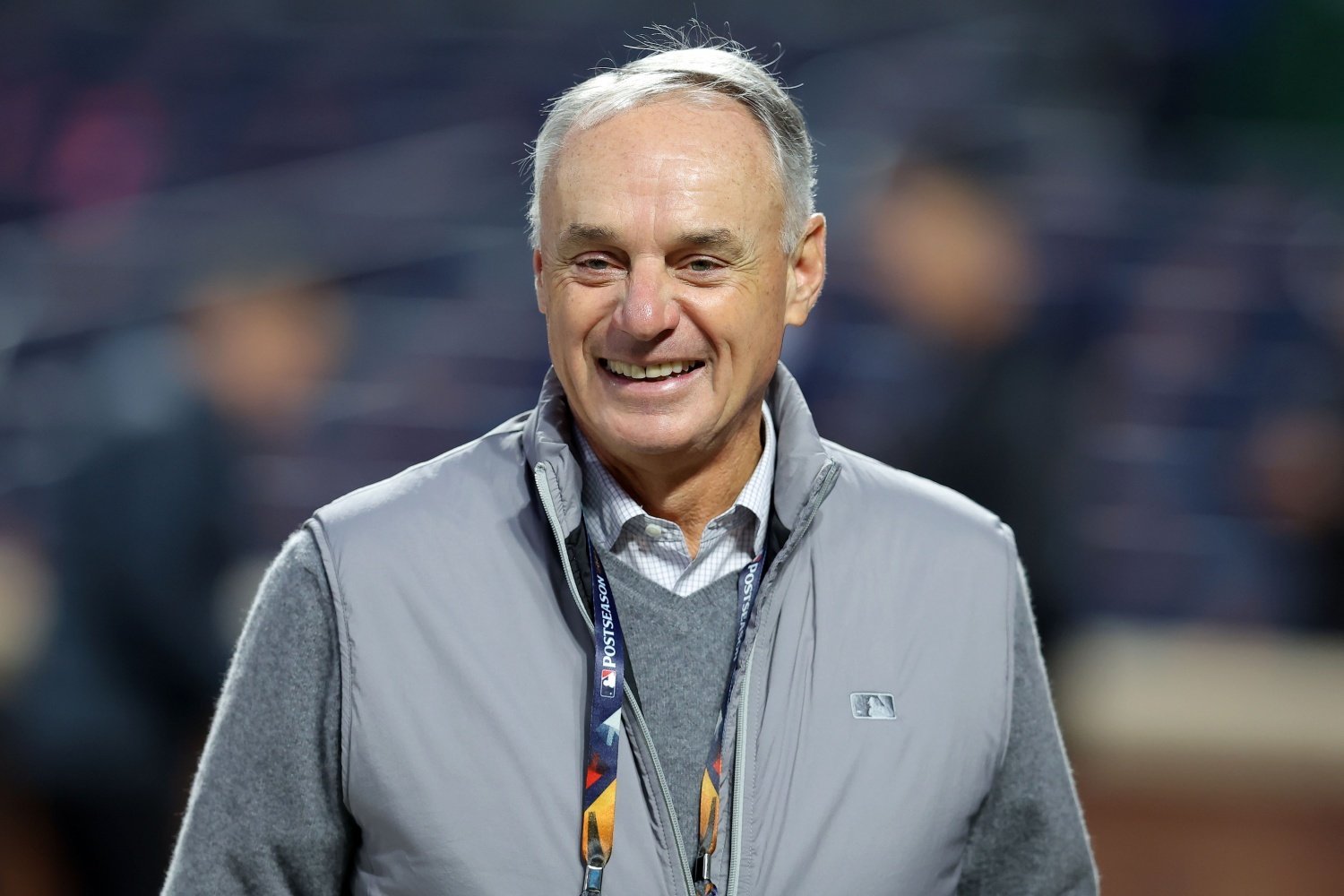 Major League Baseball announced today that the AL Central will undergo an emergency expansion, in a stunning move designed to shake up baseball’s competitive landscape (or at least, the portion of it that includes the Minnesota Twins). The decision comes after the Twins’ rough start to the season, as the league scrambles to ensure Minnesota continues to stay relevant in the division. The realignment effort, dubbed the "Competitive Balance Through Strategic Opponents Initiative" (or CBTSOI, because baseball loves a good acronym), will add several struggling teams to the division. Among those in consideration are the Colorado Rockies, Pittsburgh Pirates (but only after Paul Skenes is safely traded), and Miami Marlins. “We took a long, hard look at the state of the AL Central and realized that we could make it even more Twins-friendly,” said an anonymous league executive. “Historically, this division has been a safe haven for teams looking to be slightly above .500 and still host a playoff series. We felt we could reinforce that by bringing in some like-minded clubs.” One Twins front office member was quick to express enthusiasm for the move. “Listen, I won’t pretend that we weren’t worried. Cleveland looked kinda competent for a second there, and the Tigers have, like, three decent pitchers," said the official. "That’s not the AL Central we know and love. Adding the Rockies to the mix? Now that’s more like it.” Twins players have also welcomed the news. One player, who wished to remain anonymous but was later spotted rewatching highlights of Joe Ryan striking out the Royals on repeat, voiced relief. “Look, I love the challenge of the game, but I’d also love to see more 7-1 wins in early September. Imagine closing the season with six straight games against the ugly stepchildren the league adopted in 1993. That’s what baseball should be about.” Not everyone is thrilled with the realignment. One Rockies executive, who seemed unaware his team was even under consideration, was confused by the decision. “Wait, we’re moving divisions? Huh. I mean, sure, I guess. Will it change anything? We still have to play baseball, right?” A Marlins player, speaking under condition of anonymity, voiced frustration with the move. “So let me get this straight: We went from having to deal with the Braves and Phillies to suddenly facing the Twins and Royals? I mean, it sounds easier, but knowing our luck, this probably just means Minnesota is about to turn into the Yankees of the Midwest. Fantastic.” While the move is not yet finalized, insiders believe it’s only a matter of time before Rob Manfred rubber-stamps the new alignment. “We’re always looking for ways to keep the sport fresh,” said a source inside MLB. “And what’s fresher than guaranteeing the AL Central winner gets an inflated regular season record and an early postseason exit?” For now, Twins fans can sit back, relax, and enjoy the league’s continued commitment to ensuring the road to October is as smooth as possible. And if this move doesn’t quite do the trick, rumors persist that MLB is considering automatic postseason berths for any team that finishes the year with a positive run differential against the White Sox.
 -
The Twins have seen some ups and downs to start the year. Perhaps a new MLB initiative can turn the tide in their favor. Image courtesy of © Brad Penner-Imagn Images The Twins have seen some ups and downs to start the year. Perhaps a new MLB initiative can turn the tide in their favor. Major League Baseball announced today that the AL Central will undergo an emergency expansion, in a stunning move designed to shake up baseball’s competitive landscape (or at least, the portion of it that includes the Minnesota Twins). The decision comes after the Twins’ rough start to the season, as the league scrambles to ensure Minnesota continues to stay relevant in the division. The realignment effort, dubbed the "Competitive Balance Through Strategic Opponents Initiative" (or CBTSOI, because baseball loves a good acronym), will add several struggling teams to the division. Among those in consideration are the Colorado Rockies, Pittsburgh Pirates (but only after Paul Skenes is safely traded), and Miami Marlins. “We took a long, hard look at the state of the AL Central and realized that we could make it even more Twins-friendly,” said an anonymous league executive. “Historically, this division has been a safe haven for teams looking to be slightly above .500 and still host a playoff series. We felt we could reinforce that by bringing in some like-minded clubs.” One Twins front office member was quick to express enthusiasm for the move. “Listen, I won’t pretend that we weren’t worried. Cleveland looked kinda competent for a second there, and the Tigers have, like, three decent pitchers," said the official. "That’s not the AL Central we know and love. Adding the Rockies to the mix? Now that’s more like it.” Twins players have also welcomed the news. One player, who wished to remain anonymous but was later spotted rewatching highlights of Joe Ryan striking out the Royals on repeat, voiced relief. “Look, I love the challenge of the game, but I’d also love to see more 7-1 wins in early September. Imagine closing the season with six straight games against the ugly stepchildren the league adopted in 1993. That’s what baseball should be about.” Not everyone is thrilled with the realignment. One Rockies executive, who seemed unaware his team was even under consideration, was confused by the decision. “Wait, we’re moving divisions? Huh. I mean, sure, I guess. Will it change anything? We still have to play baseball, right?” A Marlins player, speaking under condition of anonymity, voiced frustration with the move. “So let me get this straight: We went from having to deal with the Braves and Phillies to suddenly facing the Twins and Royals? I mean, it sounds easier, but knowing our luck, this probably just means Minnesota is about to turn into the Yankees of the Midwest. Fantastic.” While the move is not yet finalized, insiders believe it’s only a matter of time before Rob Manfred rubber-stamps the new alignment. “We’re always looking for ways to keep the sport fresh,” said a source inside MLB. “And what’s fresher than guaranteeing the AL Central winner gets an inflated regular season record and an early postseason exit?” For now, Twins fans can sit back, relax, and enjoy the league’s continued commitment to ensuring the road to October is as smooth as possible. And if this move doesn’t quite do the trick, rumors persist that MLB is considering automatic postseason berths for any team that finishes the year with a positive run differential against the White Sox. View full article
-
What Minnesota Twins' Lackluster Attendance Means, Short- and Long-Term
Cody Christie posted an article in Twins
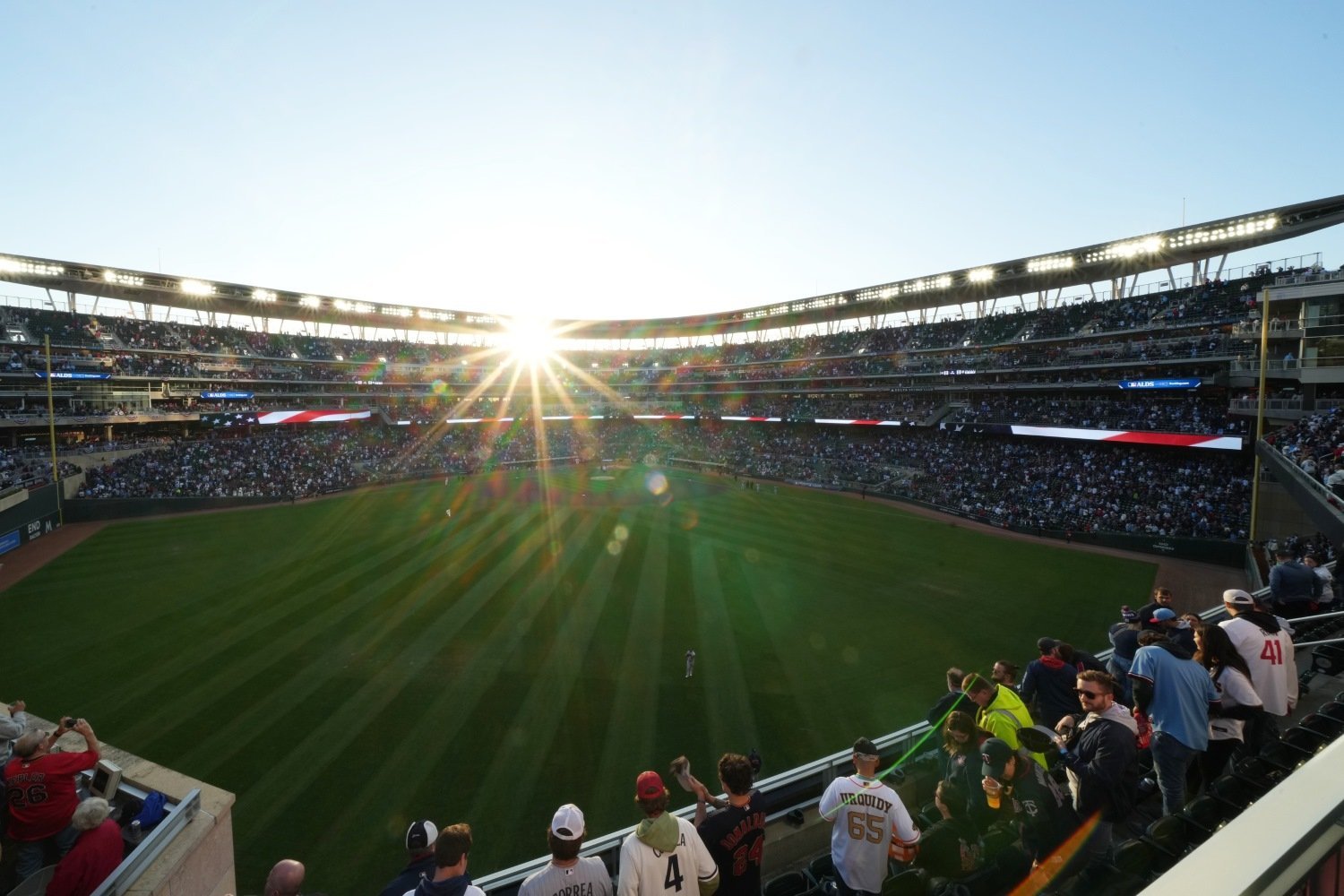 Ideally, the opening series against the Astros should have been a breath of fresh air for Minnesota Twins fans eager to see their team back in action at Target Field. Instead, even accounting for the cold of early April, attendance was anemic. Despite the series falling on a weekend against a marquee opponent, the series failed to produce a sell-out. At both Saturday and Sunday's games, the stadium was well below 50% of its capacity. It’s a stark reminder of the downward spiral in fan morale since the euphoria surrounding the team during their 2023 postseason. Even though the team heavily discounted tickets to lure even the most casual fans, game attendance numbers told a grim story. Game 1 attracted 36,873 fans, which looks high, but teams should sell out their opener, and the Twins fell short. However, the optimism dissipated rapidly after that initial game. Game 2’s crowd fell precipitously to just 16,082, and by Game 3, only 14,638 fans were present for what was branded as Kids Opening Day. In total, the Twins managed to sell just 67,503 tickets over the three-game series. It’s a total that raises uncomfortable questions about the state of the franchise’s fan base and overall market appeal. These figures are even more troubling when compared to previous seasons. Last year, the Twins sold 61,401 tickets for the first two games against the Cleveland Guardians, even though the third game was washed out by rain. Two years ago, in a similarly structured three-game series against Houston, the Twins sold a robust 79,111 tickets. The current numbers are not only a regression from that more optimistic period, but an alarming sign that something deeper is at play. What’s driving this decline? The answer lies in a perfect storm of factors, starting with a pervasive sense of disillusionment among the fan base. After the 2023 season, fan morale was high, but then ownership cut the payroll heading into the 2024 season. Besides the payroll limitations, the team’s television situation was a nightmare last year. Then the team went from a near-playoff lock to collapsing and missing the postseason. Minnesota’s fan optimism is near an all-time low, even with the team projected to be in contention for the AL Central title. Yet, the issues extend beyond the ballpark. Off the field, the looming uncertainty surrounding the Twins' future only adds to the overall sense of unease. Recent reports have thrown a harsh spotlight on the state of the franchise’s ownership. USA Today’s Bobby Nightengale noted, “The Minnesota Twins, who were asking interested parties to submit their bids by April 1, now are telling prospective owners they have another 45 days as they continue to seek $1.7 billion.” La Velle E. Neal painted a similar picture recently in the Star Tribune. He emphasized that the Pohlads' offers are below their expectations. Neal even predicted that a sale might only materialize in August or September, a timeline that hardly offers any reassurance to a fan base already bracing for further instability. The implications of these ownership issues cannot be overstated. Not getting fans to the games can make it challenging for the Pohlads to demand $1.7 billion, when they have reported offers for $1.5 billion. Recently, I laid out the three possible outcomes of a Twins sale, and two of the three possible scenarios are likely to leave fans feeling bewildered. The prospect of the Pohlads sticking around (even in a diminished capacity) would spell disaster, not just for ticket sales, but for the overall identity of the Twins. It’s a classic case of short-term fixes failing to mask deeper systemic issues. Even with strategic price cuts and marquee opponents on the team’s early schedule, the team is finding it increasingly difficult to fill the seats. The disheartening trend of plummeting attendance is symptomatic of a franchise at a crossroads. Fans want more than just a good deal or an interesting opponent. They want to believe in the future of their team. When the excitement fizzles out before the first pitch is even thrown, it speaks volumes about the state of the organization. At this juncture, Twins officials would be well-advised to take a long, hard look at the broader picture. The immediate drop in attendance post-Opening Day should serve as a wake-up call. The ownership situation, fan morale, and overall strategic direction of the franchise are all interwoven, and a failure to address these challenges head-on may have long-lasting repercussions on the Twins’ ability to compete both on and off the field. The lackluster attendance in the season's early going is more than a numbers game. It’s a mirror, reflecting the discontent of a fan base that feels let down by both the team’s on-field performance and off-field management. For the Twins, the road ahead will require more than temporary measures. It will require a concerted effort to rebuild trust, reenergize fans, and secure a future that is as bright as the April sun that once shone over a nearly empty Target Field. Will attendance improve at Target Field this year? Does lackluster attendance impact the team’s potential sale? Leave a comment and start the discussion.
 -
Minnesota’s poor play in their first home series was front and center, but fans might not have noticed another problem just off the field: The Twins are struggling to sell tickets, which might impact the team’s potential sale. Image courtesy of © Matt Blewett-USA TODAY Sports Minnesota’s poor play in their first home series was front and center, but fans might not have noticed another problem just off the field: The Twins are struggling to sell tickets, which might impact the team’s potential sale. Ideally, the opening series against the Astros should have been a breath of fresh air for Minnesota Twins fans eager to see their team back in action at Target Field. Instead, even accounting for the cold of early April, attendance was anemic. Despite the series falling on a weekend against a marquee opponent, the series failed to produce a sell-out. At both Saturday and Sunday's games, the stadium was well below 50% of its capacity. It’s a stark reminder of the downward spiral in fan morale since the euphoria surrounding the team during their 2023 postseason. Even though the team heavily discounted tickets to lure even the most casual fans, game attendance numbers told a grim story. Game 1 attracted 36,873 fans, which looks high, but teams should sell out their opener, and the Twins fell short. However, the optimism dissipated rapidly after that initial game. Game 2’s crowd fell precipitously to just 16,082, and by Game 3, only 14,638 fans were present for what was branded as Kids Opening Day. In total, the Twins managed to sell just 67,503 tickets over the three-game series. It’s a total that raises uncomfortable questions about the state of the franchise’s fan base and overall market appeal. These figures are even more troubling when compared to previous seasons. Last year, the Twins sold 61,401 tickets for the first two games against the Cleveland Guardians, even though the third game was washed out by rain. Two years ago, in a similarly structured three-game series against Houston, the Twins sold a robust 79,111 tickets. The current numbers are not only a regression from that more optimistic period, but an alarming sign that something deeper is at play. What’s driving this decline? The answer lies in a perfect storm of factors, starting with a pervasive sense of disillusionment among the fan base. After the 2023 season, fan morale was high, but then ownership cut the payroll heading into the 2024 season. Besides the payroll limitations, the team’s television situation was a nightmare last year. Then the team went from a near-playoff lock to collapsing and missing the postseason. Minnesota’s fan optimism is near an all-time low, even with the team projected to be in contention for the AL Central title. Yet, the issues extend beyond the ballpark. Off the field, the looming uncertainty surrounding the Twins' future only adds to the overall sense of unease. Recent reports have thrown a harsh spotlight on the state of the franchise’s ownership. USA Today’s Bobby Nightengale noted, “The Minnesota Twins, who were asking interested parties to submit their bids by April 1, now are telling prospective owners they have another 45 days as they continue to seek $1.7 billion.” La Velle E. Neal painted a similar picture recently in the Star Tribune. He emphasized that the Pohlads' offers are below their expectations. Neal even predicted that a sale might only materialize in August or September, a timeline that hardly offers any reassurance to a fan base already bracing for further instability. The implications of these ownership issues cannot be overstated. Not getting fans to the games can make it challenging for the Pohlads to demand $1.7 billion, when they have reported offers for $1.5 billion. Recently, I laid out the three possible outcomes of a Twins sale, and two of the three possible scenarios are likely to leave fans feeling bewildered. The prospect of the Pohlads sticking around (even in a diminished capacity) would spell disaster, not just for ticket sales, but for the overall identity of the Twins. It’s a classic case of short-term fixes failing to mask deeper systemic issues. Even with strategic price cuts and marquee opponents on the team’s early schedule, the team is finding it increasingly difficult to fill the seats. The disheartening trend of plummeting attendance is symptomatic of a franchise at a crossroads. Fans want more than just a good deal or an interesting opponent. They want to believe in the future of their team. When the excitement fizzles out before the first pitch is even thrown, it speaks volumes about the state of the organization. At this juncture, Twins officials would be well-advised to take a long, hard look at the broader picture. The immediate drop in attendance post-Opening Day should serve as a wake-up call. The ownership situation, fan morale, and overall strategic direction of the franchise are all interwoven, and a failure to address these challenges head-on may have long-lasting repercussions on the Twins’ ability to compete both on and off the field. The lackluster attendance in the season's early going is more than a numbers game. It’s a mirror, reflecting the discontent of a fan base that feels let down by both the team’s on-field performance and off-field management. For the Twins, the road ahead will require more than temporary measures. It will require a concerted effort to rebuild trust, reenergize fans, and secure a future that is as bright as the April sun that once shone over a nearly empty Target Field. Will attendance improve at Target Field this year? Does lackluster attendance impact the team’s potential sale? Leave a comment and start the discussion. View full article
-
 Coming off an offseason of further de facto cost-cutting, the Minnesota Twins entered the 2025 season with a payroll that sits in the middle of the pack by most measures. While they still boast the highest payroll in the American League Central (according to one metric), it’s clear that ownership’s financial strategy is evolving, especially in light of ongoing speculation about the club’s potential sale. The payroll data offers insight into how the Twins stack up with the rest of the league and what lies ahead for the franchise. A Tale of Two Payroll Rankings Let’s start with the basics: MLB's Labor Relations Department estimates the Twins’ payroll for the 2025 season at $146.7 million. That figure ranks 18th across Major League Baseball, but tops the AL Central, a division known more for frugality than financial muscle. In a vacuum, that would suggest the Twins are the division’s biggest spenders, maintaining at least a modest competitive edge within their neighborhood. However, not all payroll numbers are created equal. FanGraphs’s estimate, which includes a more comprehensive look at costs like player benefits and minor-league salaries that count toward the luxury tax threshold (Competitive Balance Tax), paints a slightly different picture. By that count, the Twins’ CBT payroll for 2025 comes in at $156.9 million, ranking them 20th in MLB and third in the AL Central, behind the Detroit Tigers and the Kansas City Royals. That’s a less flattering position for a club that has playoff goals in 2025. A Balanced But Unique Payroll Structure One of the more interesting aspects of Minnesota’s current roster is how the payroll is allocated. Unlike teams that lean heavily on expensive free agents or long-term veteran deals, the Twins have a more balanced distribution of dollars. Minnesota ranks 18th in MLB in the percentage of payroll tied to guaranteed contracts, with 71.9% of their salary spending falling into this category. That’s a signal that while they have core pieces locked up (like Carlos Correa, Pablo López, and Byron Buxton), the team is not bogged down by an excess of long-term commitments. This flexibility can be valuable, especially for a mid-market team that needs to adapt quickly to performance trends and health situations. Compared to other teams, a bigger slice of Minnesota’s payroll pie is devoted to players eligible for arbitration—20.6%, to be exact. That’s the ninth-highest mark in the majors, and it reflects the reality that the Twins are leaning on a strong group of players in or approaching their prime. Names like Bailey Ober, Joe Ryan, Griffin Jax, and Ryan Jeffers fall into this group. One benefit of arbitration is that these players often provide meaningful on-field contributions at below-market rates. The remainder of the payroll (7.5%) is made up of pre-arbitration players, putting the Twins squarely in the middle of the league at 15th overall. These are typically younger players making the league minimum or slightly above it, like Edouard Julien, Louis Varland, and Matt Wallner. These players provide crucial surplus value, and are a key reason the team can afford to invest in a few bigger-ticket players at the top of the roster. Future Commitments: Flexibility or Uncertainty? Looking ahead, the Twins’ long-term commitments are relatively modest. For the 2026 season, they have $72.5 million on the books, again ranking 18th in baseball. That number drops to $68.7 million for 2027 (13th overall) and $46.5 million in 2028 (13th), with the bulk of those dollars tied up in Correa, López, and Buxton. There are two ways to interpret this. Optimistically, it’s a sign that Minnesota has plenty of flexibility to retool or extend key players in the coming years. There’s room to maneuver, especially if top prospects like Brooks Lee, Walker Jenkins, or Emmanuel Rodriguez emerge as impact players with highly affordable salaries. But on the flip side, the relatively light future commitments may reflect the organization’s hesitancy to commit amid ownership uncertainty. With the Pohlad family reportedly exploring a sale of the team, it's fair to wonder whether long-term financial decisions are being put on pause. After all, it’s easier to sell a team with minimal financial encumbrances. That could explain the leaner offseason and the club’s overall wait-and-see approach with extensions and free-agent investments. What Does It All Mean? In the short term, the Twins' payroll structure suggests a team trying to remain competitive while maintaining flexibility. They're leaning on a healthy arbitration class and cost-controlled young talent, with a few big-name veterans anchoring the roster. For a team in a weak division, that could be enough to stay in the race. But the longer-term picture is murkier. Without a significant increase in spending or a new ownership group willing to invest more aggressively, the Twins may find it hard to keep up with the league’s middle tier. While their current financial state is relatively healthy, the team’s next few offseasons will be telling. Will the front office be afforded the payroll flexibility to push chips in when prospects arrive? Will they extend key players or let them walk? For now, the Twins are walking the payroll tightrope by balancing competitiveness, flexibility, and an uncertain ownership future. How do you feel about Minnesota’s payroll? What about the team’s future commitments? Leave a comment and start the discussion.
 -
The Twins’ payroll has been scrutinized since ownership dropped spending by $30 million entering the 2024 season. That was disappointing, but fans must understand how the Twins compare to spending in the rest of the league for 2025 and beyond. Image courtesy of © Kim Klement Neitzel-USA TODAY Sports The Twins’ payroll has been scrutinized since ownership dropped spending by $30 million entering the 2024 season. That was disappointing, but fans must understand how the Twins compare to spending in the rest of the league for 2025 and beyond. Coming off an offseason of further de facto cost-cutting, the Minnesota Twins entered the 2025 season with a payroll that sits in the middle of the pack by most measures. While they still boast the highest payroll in the American League Central (according to one metric), it’s clear that ownership’s financial strategy is evolving, especially in light of ongoing speculation about the club’s potential sale. The payroll data offers insight into how the Twins stack up with the rest of the league and what lies ahead for the franchise. A Tale of Two Payroll Rankings Let’s start with the basics: MLB's Labor Relations Department estimates the Twins’ payroll for the 2025 season at $146.7 million. That figure ranks 18th across Major League Baseball, but tops the AL Central, a division known more for frugality than financial muscle. In a vacuum, that would suggest the Twins are the division’s biggest spenders, maintaining at least a modest competitive edge within their neighborhood. However, not all payroll numbers are created equal. FanGraphs’s estimate, which includes a more comprehensive look at costs like player benefits and minor-league salaries that count toward the luxury tax threshold (Competitive Balance Tax), paints a slightly different picture. By that count, the Twins’ CBT payroll for 2025 comes in at $156.9 million, ranking them 20th in MLB and third in the AL Central, behind the Detroit Tigers and the Kansas City Royals. That’s a less flattering position for a club that has playoff goals in 2025. A Balanced But Unique Payroll Structure One of the more interesting aspects of Minnesota’s current roster is how the payroll is allocated. Unlike teams that lean heavily on expensive free agents or long-term veteran deals, the Twins have a more balanced distribution of dollars. Minnesota ranks 18th in MLB in the percentage of payroll tied to guaranteed contracts, with 71.9% of their salary spending falling into this category. That’s a signal that while they have core pieces locked up (like Carlos Correa, Pablo López, and Byron Buxton), the team is not bogged down by an excess of long-term commitments. This flexibility can be valuable, especially for a mid-market team that needs to adapt quickly to performance trends and health situations. Compared to other teams, a bigger slice of Minnesota’s payroll pie is devoted to players eligible for arbitration—20.6%, to be exact. That’s the ninth-highest mark in the majors, and it reflects the reality that the Twins are leaning on a strong group of players in or approaching their prime. Names like Bailey Ober, Joe Ryan, Griffin Jax, and Ryan Jeffers fall into this group. One benefit of arbitration is that these players often provide meaningful on-field contributions at below-market rates. The remainder of the payroll (7.5%) is made up of pre-arbitration players, putting the Twins squarely in the middle of the league at 15th overall. These are typically younger players making the league minimum or slightly above it, like Edouard Julien, Louis Varland, and Matt Wallner. These players provide crucial surplus value, and are a key reason the team can afford to invest in a few bigger-ticket players at the top of the roster. Future Commitments: Flexibility or Uncertainty? Looking ahead, the Twins’ long-term commitments are relatively modest. For the 2026 season, they have $72.5 million on the books, again ranking 18th in baseball. That number drops to $68.7 million for 2027 (13th overall) and $46.5 million in 2028 (13th), with the bulk of those dollars tied up in Correa, López, and Buxton. There are two ways to interpret this. Optimistically, it’s a sign that Minnesota has plenty of flexibility to retool or extend key players in the coming years. There’s room to maneuver, especially if top prospects like Brooks Lee, Walker Jenkins, or Emmanuel Rodriguez emerge as impact players with highly affordable salaries. But on the flip side, the relatively light future commitments may reflect the organization’s hesitancy to commit amid ownership uncertainty. With the Pohlad family reportedly exploring a sale of the team, it's fair to wonder whether long-term financial decisions are being put on pause. After all, it’s easier to sell a team with minimal financial encumbrances. That could explain the leaner offseason and the club’s overall wait-and-see approach with extensions and free-agent investments. What Does It All Mean? In the short term, the Twins' payroll structure suggests a team trying to remain competitive while maintaining flexibility. They're leaning on a healthy arbitration class and cost-controlled young talent, with a few big-name veterans anchoring the roster. For a team in a weak division, that could be enough to stay in the race. But the longer-term picture is murkier. Without a significant increase in spending or a new ownership group willing to invest more aggressively, the Twins may find it hard to keep up with the league’s middle tier. While their current financial state is relatively healthy, the team’s next few offseasons will be telling. Will the front office be afforded the payroll flexibility to push chips in when prospects arrive? Will they extend key players or let them walk? For now, the Twins are walking the payroll tightrope by balancing competitiveness, flexibility, and an uncertain ownership future. How do you feel about Minnesota’s payroll? What about the team’s future commitments? Leave a comment and start the discussion. View full article
-
3 Signs Byron Buxton Is Finally Healthy and Ready to Lead Twins Lineup
Cody Christie posted an article in Twins
 Byron Buxton is showing all the signs of a player who’s finally back to his best, and the Twins faithful have every reason to get excited. He has showcased many of his tools in the season’s early games, and here are three key indicators that his health is on the rebound. Sprint Speed and Baserunning Buxton's elite speed has been his most potent tool throughout his professional career. Clocking in at an impressive 29.5 mph, he’s fourth in the majors in Sprint Speed this season. While 30 mph is considered elite speed, Buxton’s mark is close, even after battling cold weather conditions at the start of the season. His explosive speed is valuable in the outfield and translates directly into tangible value on the base paths. Currently, his Baserunning Run Value is in the 96th percentile, meaning he’s not just fast; he’s smart about how he uses that speed. Take Saturday’s game, for example. Buxton’s blistering speed directly resulted in a run that energized the Twins in a big offensive inning. On Thursday, in the home opener, he beat out multiple infield hits and stole a base. “He’s looked great,” said Twins manager Rocco Baldelli. “He’s recovered really well. The physical abilities are obviously all still there. He looks fantastic, explosive. Running really well right now, and wakes up the next morning ready to play. What else can you ask for?” Bat Speed While some of Buxton’s early-season offensive numbers are below his usual levels, his bat speed tells a different story. Ranking in the 89th percentile, his bat speed has been among the league’s best. It’s the fastest bat speed he’s recorded in a season since Statcast began tracking the metric. Buxton showcased his raw power in a recent series against the White Sox, launching a mammoth home run that left fans in awe. His bat speed suggests that the tools for a breakout at the plate are firmly in place. While it’s early in the season, the hope is that Buxton can start to make more consistent contact. Last April, he posted a .678 OPS, his lowest total of any month. Sometimes, it takes his bat a little bit to warm up, but his bat speed will help him make hard contact in the weeks ahead. “That’s the way he hits them,” Baldelli said of Buxton’s first home run. “Some guys hit homers and they kind of loft the ball up, or some guys hit homers and they stay low. When he hits many of his homers, there’s kind of a moment where everyone in the park pauses at the same time to appreciate it.” Availability Perhaps the most reassuring sign for Twins fans is Buxton’s availability. The Twins have clearly placed their trust in him, using him in every game so far this season, even if that means an early exit from a blowout loss. The fact that he’s consistently in the lineup is more than just a testament to his physical readiness. It speaks volumes about the coaching staff's faith in his overall health. “Just go play,” Baldelli said. “I’ll continue to do my part, but I’ll have the conversations with Buck that need to be had, whenever that may come. But I prefer to just let him go be Byron Buxton. That’s what I would prefer.” Even when a pitch nicked his hand on Saturday, the incident didn’t overshadow his consistent contributions. On the contrary, that's when he stole a base and sparked a rally. It will be interesting to see how the Twins manage his workload in the coming weeks, but the bottom line remains: a healthy Buxton in the lineup every day is a game-changer. While it’s well understood that no player is expected to play all 162 games, seeing him on a near-daily basis is a promising sign. Buxton’s effort is never questioned, especially from his manager’s perspective. “The right message is almost always to go play," Baldelli said of Buxton's aggressive style. "And they can regulate themselves better than a manager can ever tell a guy to do.” Buxton is showing his manager that he is ready for the 2025 campaign. His combination of blistering speed, power, and early availability shows that this might be the best version of him yet. There are no guarantees that Buxton will stay healthy, especially with his extensive injury history. However, every game that Buxton is available and performing at this level for the Twins is a reminder of why he’s such a prized asset. As the season unfolds, the hope is that this healthy version of Buxton is the reason the Twins were willing to invest in their superstar outfielder. What stands out so far about Buxton’s season? Leave a comment and start the discussion.
 -
Twins Minor League Week in Review (3/31-4/7): Starters Shine
Cody Christie posted an article in Minor Leagues
 TRANSACTIONS Twins selected RHP Scott Blewett from St. Paul SS Brooks Lee on rehab assignment with Fort Myers Twins sent RHP Randy Dobnak outright to St. Paul Many other players were placed on the 7-day injured list to begin the season (Click here for the full transaction report. TWINS DAILY MINOR LEAGUE CONTENT Battle of the Arms: Has Zebby Matthews Overtaken David Festa? Brandon Winokur: The Twins’ Five-Tool Prospect Set to Shine in 2025 Twins Minor League Report (4/1): Zebby Matthews Wrecks the Clippers, Saints Dominate Again 2025 Fort Myers Mighty Mussels Roster Preview: Pro Debuts and the Next Breakout Pitchers 2025 Wichita Wind Surge Roster Preview: Walker Jenkins and Impact Pitching 2025 Twins Prospect Previews: Rounds 3-10 Minor League Report (4/2): Columbus UNO Reverses Saints with a Shutout Minor League Report (4/4): Charlee Soto, Spencer Bengard Impress on Opening Night Twins Minor League Report (4/5): Connor Prielipp Pitches, Dasan Hill Dazzles in Pro Debut Twins Minor League Report (4/6): Randy Dobnak Shines and the Wind Surge Get Their First Win 3 Triple-A Veterans Whose Contracts Minnesota Twins Could Purchase in a Pinch WEEK IN REVIEW Triple-A: St. Paul Saints Overall: 2-4 Last Week: 1-4 Zebby Matthews’ first start sent waves through the fanbase. He had multiple pitches hit 99 mph in five shutout frames. Andrew Morris and David Festa matched Matthews’ five shutout innings in their first starts of the season. Both pitchers had four strikeouts. Travis Adams has been put into a piggy-back role because of the Saints depth at starting pitching. In two appearances (5 2/3 innings), he has allowed one earned run on six hits with a 4.5 BB% and a 22.7 K%. On the relief side, Kody Funderburk has two scoreless appearances (3 2/3 innings) with five strikeouts. Ryan Fitzgerald leads the team with a 1.099 OPS thanks to two doubles and seven walks. Jair Camargo’s three doubles are the most extra-base hits on the team. Luke Keaschall hasn’t lost a beat in his return from Tommy John surgery. He has hit .350/.458/.400 (.858) with a 12.5 K% and 12.5 BB%. Austin Martin has gotten on base 50% of the time but is still waiting for his first extra-base hit. What’s Next: The Saints return home to play a six-game series against the Omaha Storm Chasers. The weather looks to be amazing by the end of the week, so it would be a great time to head to St. Paul to see the team’s top prospects. Double-A: Wichita Wind Surge Overall: 1-2 Last Week: 1-2 Tanner Schobel has been the bright spot in the Double-A lineup. He has started the year 4-for-10 (.400 BA) with two doubles and two walks. Kala’i Rosario and Ben Ross lead the team with one home run. Ricardo Olivar is second on the team in hits having gone 3-for-9 (.333 BA) in his first two games. Trent Baker has the best totals on the pitching staff. He’s pitched three no-hit innings with three strikeouts and three walks. Connor Prielipp struck out three batters in two innings during his season debut. What’s Next: After opening on the road, the team’s home opener is Tuesday, April 8th versus the Midland Rockhounds. The six-game series runs Sunday. High-A: Cedar Rapids Kernels Overall: 2-1 Last Week: 2-1 Charlee Soto pitched well in his High-A debut. Across four shutout innings, he allowed two hits and struck out five. Spencer Bengard shined with four no-hit innings including six strikeouts. On Monday, he was named the Midwest League Pitcher of the Week. Alejandro Hidalgo is tied for the team lead with six strikeouts. Gabriel Gonzalez has been one of the organization’s best hitters to start the year. He went 6-for-13 (.426 BA) with a home run, three doubles, and a walk. On Monday, he was named the Midwest League Player of the Week. Billy Amick has showcased his speed with three doubles, a triple and four runs scored. What’s Next: Cedar Rapids begins their home schedule on Tuesday versus the Beloit (Don’t Call Us Snappers) Sky Carp with a six-game series. Low-A: Fort Myers Mighty Mussels Overall: 1-2 Last Week: 1-2 Dasan Hill, the 19 year-old lefty, allowed one run (a home run) in four innings while striking out seven. Jason Doktorczyk struck out six in three innings. Michael Ross tossed five innings and allowed one run on four hits with five strikeouts. Daniel Pena, Jose Rodriguez, and Dameury Pena have a home run each. Other Fort Myers hitters have yet to have an extra-base hit. Byron Chourio started the year 3-for-8 (.375 BA) with seven walks and a run scored. Poncho Ruiz leads the team with three runs scored even though he has only nine plate appearances in two games. What’s Next: Like many of the other affiliates, Fort Myers started their season on the road. The team opens their home schedule on Tuesday, April 8th with a six-game series versus the Tampa Tarpons. PROSPECT SUMMARY Check out the Prospect Tracker for much more on our Twins Top 20 prospects. And, be sure to note the new, updated Top 20 rankings. Roster assignments below are subject to change as some players have yet to be assigned or are in Extended Spring Training. Walker Jenkins (Wichita): 1-8, 2 K, 0 BB Emmanuel Rodriguez (St. Paul): 4-17, 1 2B, 3 RBI, 2 R, 6 BB, 9 K Luke Keaschall (St. Paul): 7-20, 1 2B, 2 RBI, 4 R, 3 BB, 3 K, 1 SB Charlee Soto (Ft. Myers): 4 IP, 2 H, 0 ER, 3 BB, 5 K Andrew Morris (St. Paul): 5 IP, 5 H, 0 ER, 1 BB, 4 K Marco Raya (St. Paul): 2 1/3 IP, 5 H, 0 ER, 1 BB, 5 K Kaelen Culpepper (Cedar Rapids): 2-6, 1 3B, 2 BB, 3 K Brandon Winokur (Cedar Rapids): 1-12, 1 2B, 2 RBI, 2 BB, 4 K Cory Lewis (St. Paul): 1 2/3 IP, 0 H, 0 ER, 2 BB, 4 K Connor Prielipp (Wichita): 2 IP, 2 H, 2 ER, 1 BB, 3 K Dasan Hill (Fort Myers): 4.0 IP, 1 ER, 1 H, 0 BB, 7 K C.J. Culpepper (Wichita): On IL Kyle DeBarge (Cedar Rapids): 4-14, 1 RBI, 1 BB, 2 K, 2 SB Eduardo Beltre (DSL Twins): In Extended Spring Training Yasser Mercedes (Fort Myers): 0-11, 1 RBI, 2 R, 2 BB, 4 K, 1 SB Rayne Doncon (Cedar Rapids): 1-7, 1 HR, 3 RBI, 2 R, 2 BB, 2 K Billy Amick (Fort Myers): 5-13, 3 2B, 1 3B, 1 RBI, 4 R, 2 BB, 6 K Kala’i Rosario (Wichita): 1-9, 1 HR, 2 RBI, 1 R, 2 BB, 5 K Gabriel Gonzalez (Cedar Rapids): 6-13, 3 2B, 1 HR, 2 R, 3 RBI, 1 BB, 2 K Ricardo Olivar (Wichita): 3-9, 2 RBI, 1 R, 0 BB, 2 K PLAYERS OF THE WEEK Hitter of the Week: Gabriel Gonzalez, Cedar Rapids 6-for-13 (.462 BA), 3 2B, 1 HR, 2 R, 3 RBI, 2 K, 1 BB Pitcher of the Week: Dasan Hill, Fort Myers 4.0 IP, 1 ER, 1 H, 0 BB, 7 K
- 9 comments
-
- 5
-
-
- dasan hill
- gabriel gonzalez
- (and 5 more)
-
All four Twins’ full season affiliates got underway over the last week. Which players had standout performances down on the farm? Image courtesy of St. Paul Saints All four Twins’ full season affiliates got underway over the last week. Which players had standout performances down on the farm? TRANSACTIONS Twins selected RHP Scott Blewett from St. Paul SS Brooks Lee on rehab assignment with Fort Myers Twins sent RHP Randy Dobnak outright to St. Paul Many other players were placed on the 7-day injured list to begin the season (Click here for the full transaction report. TWINS DAILY MINOR LEAGUE CONTENT Battle of the Arms: Has Zebby Matthews Overtaken David Festa? Brandon Winokur: The Twins’ Five-Tool Prospect Set to Shine in 2025 Twins Minor League Report (4/1): Zebby Matthews Wrecks the Clippers, Saints Dominate Again 2025 Fort Myers Mighty Mussels Roster Preview: Pro Debuts and the Next Breakout Pitchers 2025 Wichita Wind Surge Roster Preview: Walker Jenkins and Impact Pitching 2025 Twins Prospect Previews: Rounds 3-10 Minor League Report (4/2): Columbus UNO Reverses Saints with a Shutout Minor League Report (4/4): Charlee Soto, Spencer Bengard Impress on Opening Night Twins Minor League Report (4/5): Connor Prielipp Pitches, Dasan Hill Dazzles in Pro Debut Twins Minor League Report (4/6): Randy Dobnak Shines and the Wind Surge Get Their First Win 3 Triple-A Veterans Whose Contracts Minnesota Twins Could Purchase in a Pinch WEEK IN REVIEW Triple-A: St. Paul Saints Overall: 2-4 Last Week: 1-4 Zebby Matthews’ first start sent waves through the fanbase. He had multiple pitches hit 99 mph in five shutout frames. Andrew Morris and David Festa matched Matthews’ five shutout innings in their first starts of the season. Both pitchers had four strikeouts. Travis Adams has been put into a piggy-back role because of the Saints depth at starting pitching. In two appearances (5 2/3 innings), he has allowed one earned run on six hits with a 4.5 BB% and a 22.7 K%. On the relief side, Kody Funderburk has two scoreless appearances (3 2/3 innings) with five strikeouts. Ryan Fitzgerald leads the team with a 1.099 OPS thanks to two doubles and seven walks. Jair Camargo’s three doubles are the most extra-base hits on the team. Luke Keaschall hasn’t lost a beat in his return from Tommy John surgery. He has hit .350/.458/.400 (.858) with a 12.5 K% and 12.5 BB%. Austin Martin has gotten on base 50% of the time but is still waiting for his first extra-base hit. What’s Next: The Saints return home to play a six-game series against the Omaha Storm Chasers. The weather looks to be amazing by the end of the week, so it would be a great time to head to St. Paul to see the team’s top prospects. Double-A: Wichita Wind Surge Overall: 1-2 Last Week: 1-2 Tanner Schobel has been the bright spot in the Double-A lineup. He has started the year 4-for-10 (.400 BA) with two doubles and two walks. Kala’i Rosario and Ben Ross lead the team with one home run. Ricardo Olivar is second on the team in hits having gone 3-for-9 (.333 BA) in his first two games. Trent Baker has the best totals on the pitching staff. He’s pitched three no-hit innings with three strikeouts and three walks. Connor Prielipp struck out three batters in two innings during his season debut. What’s Next: After opening on the road, the team’s home opener is Tuesday, April 8th versus the Midland Rockhounds. The six-game series runs Sunday. High-A: Cedar Rapids Kernels Overall: 2-1 Last Week: 2-1 Charlee Soto pitched well in his High-A debut. Across four shutout innings, he allowed two hits and struck out five. Spencer Bengard shined with four no-hit innings including six strikeouts. On Monday, he was named the Midwest League Pitcher of the Week. Alejandro Hidalgo is tied for the team lead with six strikeouts. Gabriel Gonzalez has been one of the organization’s best hitters to start the year. He went 6-for-13 (.426 BA) with a home run, three doubles, and a walk. On Monday, he was named the Midwest League Player of the Week. Billy Amick has showcased his speed with three doubles, a triple and four runs scored. What’s Next: Cedar Rapids begins their home schedule on Tuesday versus the Beloit (Don’t Call Us Snappers) Sky Carp with a six-game series. Low-A: Fort Myers Mighty Mussels Overall: 1-2 Last Week: 1-2 Dasan Hill, the 19 year-old lefty, allowed one run (a home run) in four innings while striking out seven. Jason Doktorczyk struck out six in three innings. Michael Ross tossed five innings and allowed one run on four hits with five strikeouts. Daniel Pena, Jose Rodriguez, and Dameury Pena have a home run each. Other Fort Myers hitters have yet to have an extra-base hit. Byron Chourio started the year 3-for-8 (.375 BA) with seven walks and a run scored. Poncho Ruiz leads the team with three runs scored even though he has only nine plate appearances in two games. What’s Next: Like many of the other affiliates, Fort Myers started their season on the road. The team opens their home schedule on Tuesday, April 8th with a six-game series versus the Tampa Tarpons. PROSPECT SUMMARY Check out the Prospect Tracker for much more on our Twins Top 20 prospects. And, be sure to note the new, updated Top 20 rankings. Roster assignments below are subject to change as some players have yet to be assigned or are in Extended Spring Training. Walker Jenkins (Wichita): 1-8, 2 K, 0 BB Emmanuel Rodriguez (St. Paul): 4-17, 1 2B, 3 RBI, 2 R, 6 BB, 9 K Luke Keaschall (St. Paul): 7-20, 1 2B, 2 RBI, 4 R, 3 BB, 3 K, 1 SB Charlee Soto (Ft. Myers): 4 IP, 2 H, 0 ER, 3 BB, 5 K Andrew Morris (St. Paul): 5 IP, 5 H, 0 ER, 1 BB, 4 K Marco Raya (St. Paul): 2 1/3 IP, 5 H, 0 ER, 1 BB, 5 K Kaelen Culpepper (Cedar Rapids): 2-6, 1 3B, 2 BB, 3 K Brandon Winokur (Cedar Rapids): 1-12, 1 2B, 2 RBI, 2 BB, 4 K Cory Lewis (St. Paul): 1 2/3 IP, 0 H, 0 ER, 2 BB, 4 K Connor Prielipp (Wichita): 2 IP, 2 H, 2 ER, 1 BB, 3 K Dasan Hill (Fort Myers): 4.0 IP, 1 ER, 1 H, 0 BB, 7 K C.J. Culpepper (Wichita): On IL Kyle DeBarge (Cedar Rapids): 4-14, 1 RBI, 1 BB, 2 K, 2 SB Eduardo Beltre (DSL Twins): In Extended Spring Training Yasser Mercedes (Fort Myers): 0-11, 1 RBI, 2 R, 2 BB, 4 K, 1 SB Rayne Doncon (Cedar Rapids): 1-7, 1 HR, 3 RBI, 2 R, 2 BB, 2 K Billy Amick (Fort Myers): 5-13, 3 2B, 1 3B, 1 RBI, 4 R, 2 BB, 6 K Kala’i Rosario (Wichita): 1-9, 1 HR, 2 RBI, 1 R, 2 BB, 5 K Gabriel Gonzalez (Cedar Rapids): 6-13, 3 2B, 1 HR, 2 R, 3 RBI, 1 BB, 2 K Ricardo Olivar (Wichita): 3-9, 2 RBI, 1 R, 0 BB, 2 K PLAYERS OF THE WEEK Hitter of the Week: Gabriel Gonzalez, Cedar Rapids 6-for-13 (.462 BA), 3 2B, 1 HR, 2 R, 3 RBI, 2 K, 1 BB Pitcher of the Week: Dasan Hill, Fort Myers 4.0 IP, 1 ER, 1 H, 0 BB, 7 K View full article
-
Twins Players Search for Their Own Personal "Rally Sausage" in 2025
Cody Christie posted an article in Just For Fun
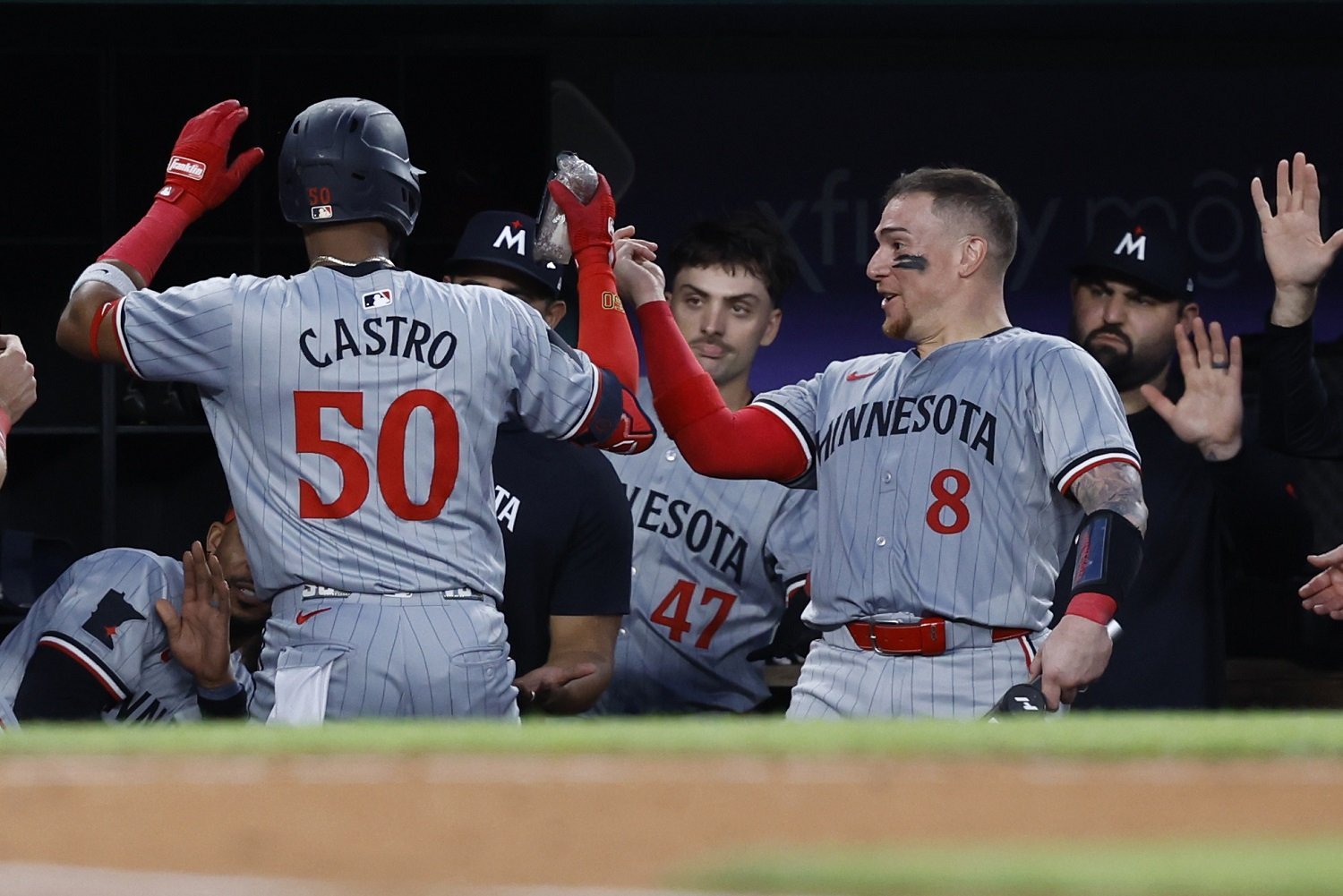 Last season, the Minnesota Twins relied on the power of the now-infamous Rally Sausage, an unassuming summer sausage that somehow became the team’s lucky charm. It started as a joke in the clubhouse, then found its way into the dugout, and by season’s end, it had morphed into something resembling a crime against gastronomy. Eventually, it achieved an almost mythical status while some players swore it whispered to them, and others claimed it had developed its own aura. But with a new season comes new superstitions, and players are now on a quest to find their own individual good-luck charms. Twins manager Rocco Baldelli recently requested that each player find their own personal “rally sausage” for the 2025 campaign. After all, you can only ride one piece of meat so far before the USDA gets involved. Here’s what some of the Twins' stars have chosen to fill the void left by their beloved (and questionably safe-to-consume) sausage. Carlos Correa: The "Rally Rolex" Carlos Correa, always one for style, has chosen a different kind of rally charm with his sparkling new "Rally Rolex." The Twins' shortstop has decided that his custom, diamond-encrusted timepiece (which may or may not be worth more than Target Field itself) will serve as his personal talisman. "Every time I check the time, I remind myself that it's winning time," Correa explained. "Also, the weight of it on my wrist keeps my swing level, so it’s really a win-win." Of course, some skeptics have questioned whether wearing a luxury watch during games is practical, but Correa insists it’s part of his routine. Plus, he’s confident that if the Twins ever need a new team plane, he can pawn it. Byron Buxton: The "Rally Bubble Wrap" After years of battling injuries, Byron Buxton is taking no chances with his good luck charm by selecting an entire roll of bubble wrap that he keeps within reach at all times. "Look, if the Rally Sausage could bring us good fortune, why not a protective layer of air pockets?" Buxton said while carefully wrapping his knees before batting practice. The coaching staff has expressed concern about him attempting to steal bases while encased in a full-body bubble suit, but Buxton remains optimistic. "If it helps me stay on the field for 162 games, I don’t care if I look like a human-sized packing peanut," he said. Pablo López: The "Rally Peccary Teeth" Pablo López has decided to embrace an ancient tradition with his personal good luck charm, "Rally Peccary Teeth." These teeth, taken from a pig-like mammal native to South America, have long been used in indigenous cultures for protection, good luck in hunting, and even initiation rites. López carries a small pouch of them in his locker and insists they hold mystical powers. "Baseball is a battle, just like hunting," López explained. "If peccary teeth can bring success to warriors and hunters, why not to a starting pitcher? I keep them close before every start and trust in their energy to help me carve through lineups." Teammates have been fascinated and slightly unsettled by López’s new superstition, but nobody is asking too many questions as long as he keeps racking up strikeouts. Jhoan Durán: The "Rally Flamethrower" Jhoan Durán, known for his triple-digit fastball, has chosen an appropriately aggressive good luck charm: a literal flamethrower. “The Rally Sausage was fine, but it didn’t throw 104 mph,” Durán said while adjusting his heat-resistant goggles. Before each game, he ceremonially ignites a pile of opposing team memorabilia, ensuring his arm is properly "heated up" before taking the mound. Twins officials have assured the media that Durán will not be allowed to use his flamethrower in the bullpen, but fans remain skeptical after reports surfaced that he is close to signing a sponsorship deal with Menards. He’d like to remind fans that you can score an 11% rebate on everything including flamethrowers. While the Rally Sausage will forever have a place in Twins lore (and possibly in a biohazard facility somewhere), the team is ready to embrace new superstitions for the 2025 season. Whether it’s luxury watches, protective packaging, sacred beverages, or controlled pyrotechnics, one thing is clear—this team will stop at nothing to find an edge. And who knows? Maybe by October, we’ll all be talking about the power of the Rally Bubble Wrap. One thing's for sure: whatever charms they choose, they’ll smell a lot better than last year’s sausage. Can you help other members of the Twins roster select their personal good luck charms for 2025? Leave a comment and start the discussion.
 -
Byron Buxton can change a game with his speed, powerful bat, or defensive skills. His early season performance points to his being fully healthy, which might be a scary proposition for the rest of the American League. Image courtesy of William Parmeter Byron Buxton can change a game with his speed, powerful bat, or defensive skills. His early season performance points to his being fully healthy, which might be a scary proposition for the rest of the American League. Byron Buxton is showing all the signs of a player who’s finally back to his best, and the Twins faithful have every reason to get excited. He has showcased many of his tools in the season’s early games, and here are three key indicators that his health is on the rebound. Sprint Speed and Baserunning Buxton's elite speed has been his most potent tool throughout his professional career. Clocking in at an impressive 29.5 mph, he’s fourth in the majors in Sprint Speed this season. While 30 mph is considered elite speed, Buxton’s mark is close, even after battling cold weather conditions at the start of the season. His explosive speed is valuable in the outfield and translates directly into tangible value on the base paths. Currently, his Baserunning Run Value is in the 96th percentile, meaning he’s not just fast; he’s smart about how he uses that speed. Take Saturday’s game, for example. Buxton’s blistering speed directly resulted in a run that energized the Twins in a big offensive inning. On Thursday, in the home opener, he beat out multiple infield hits and stole a base. “He’s looked great,” said Twins manager Rocco Baldelli. “He’s recovered really well. The physical abilities are obviously all still there. He looks fantastic, explosive. Running really well right now, and wakes up the next morning ready to play. What else can you ask for?” Bat Speed While some of Buxton’s early-season offensive numbers are below his usual levels, his bat speed tells a different story. Ranking in the 89th percentile, his bat speed has been among the league’s best. It’s the fastest bat speed he’s recorded in a season since Statcast began tracking the metric. Buxton showcased his raw power in a recent series against the White Sox, launching a mammoth home run that left fans in awe. His bat speed suggests that the tools for a breakout at the plate are firmly in place. While it’s early in the season, the hope is that Buxton can start to make more consistent contact. Last April, he posted a .678 OPS, his lowest total of any month. Sometimes, it takes his bat a little bit to warm up, but his bat speed will help him make hard contact in the weeks ahead. “That’s the way he hits them,” Baldelli said of Buxton’s first home run. “Some guys hit homers and they kind of loft the ball up, or some guys hit homers and they stay low. When he hits many of his homers, there’s kind of a moment where everyone in the park pauses at the same time to appreciate it.” Availability Perhaps the most reassuring sign for Twins fans is Buxton’s availability. The Twins have clearly placed their trust in him, using him in every game so far this season, even if that means an early exit from a blowout loss. The fact that he’s consistently in the lineup is more than just a testament to his physical readiness. It speaks volumes about the coaching staff's faith in his overall health. “Just go play,” Baldelli said. “I’ll continue to do my part, but I’ll have the conversations with Buck that need to be had, whenever that may come. But I prefer to just let him go be Byron Buxton. That’s what I would prefer.” Even when a pitch nicked his hand on Saturday, the incident didn’t overshadow his consistent contributions. On the contrary, that's when he stole a base and sparked a rally. It will be interesting to see how the Twins manage his workload in the coming weeks, but the bottom line remains: a healthy Buxton in the lineup every day is a game-changer. While it’s well understood that no player is expected to play all 162 games, seeing him on a near-daily basis is a promising sign. Buxton’s effort is never questioned, especially from his manager’s perspective. “The right message is almost always to go play," Baldelli said of Buxton's aggressive style. "And they can regulate themselves better than a manager can ever tell a guy to do.” Buxton is showing his manager that he is ready for the 2025 campaign. His combination of blistering speed, power, and early availability shows that this might be the best version of him yet. There are no guarantees that Buxton will stay healthy, especially with his extensive injury history. However, every game that Buxton is available and performing at this level for the Twins is a reminder of why he’s such a prized asset. As the season unfolds, the hope is that this healthy version of Buxton is the reason the Twins were willing to invest in their superstar outfielder. What stands out so far about Buxton’s season? Leave a comment and start the discussion. View full article
-
April Showers: Why Do the Twins Continue to Struggle Early in the Season?
Cody Christie posted an article in Twins
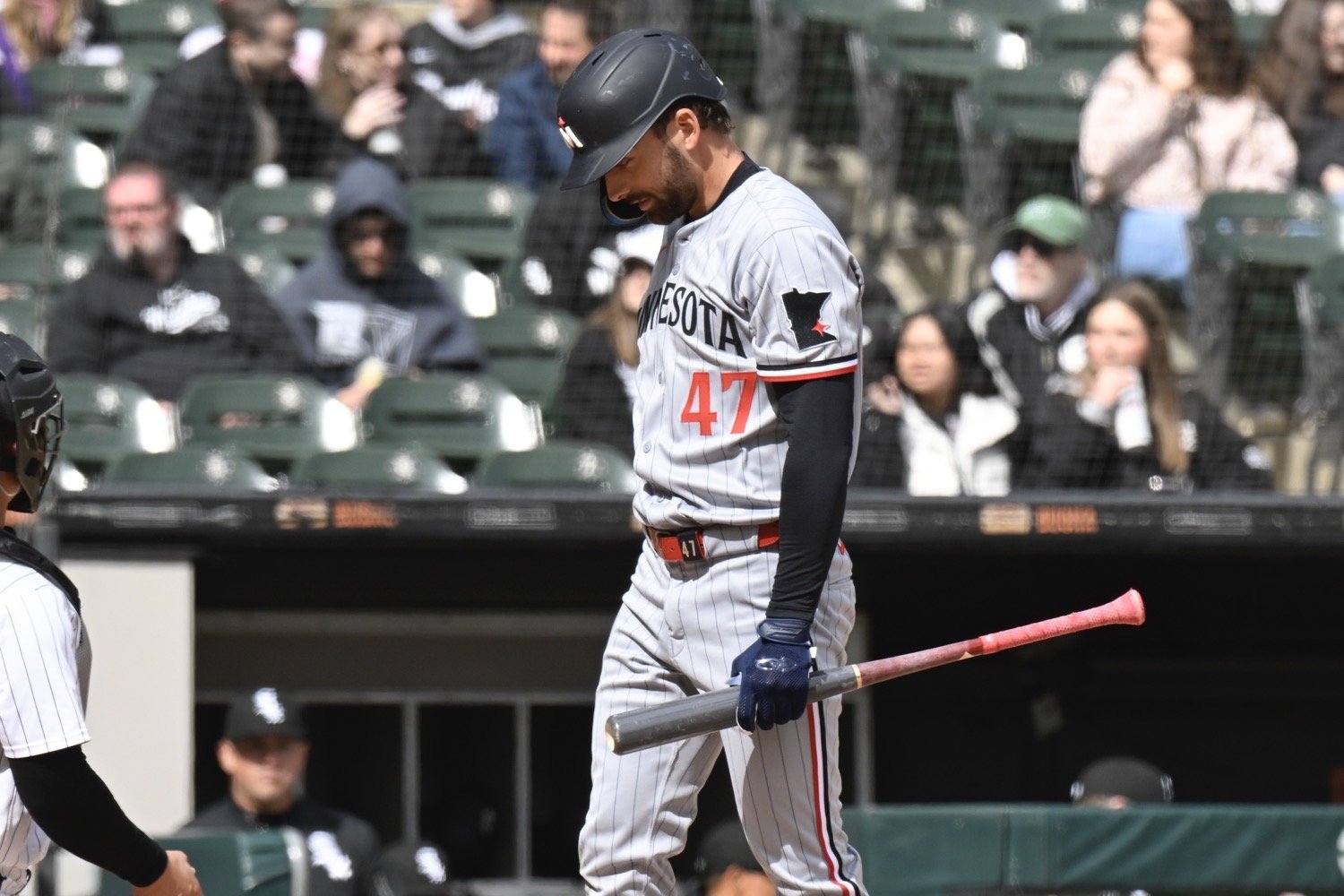 Minnesota’s early-season struggles have become a recurring theme that’s as frustrating as it is familiar. Whether it’s the chilly winds biting at the ballpark or the lingering rustiness of a lineup still finding its groove, the Twins’ sluggish starts have become a concern. Over the past three seasons, the early portions of the Twins’ campaigns have unfolded in markedly different ways, yet they all share that same cold, unwelcome welcome. In 2024, the Twins had a dismal 7-13 record in the first 20 games. A combination of underwhelming offensive output left the team struggling to string together wins. Minnesota set eight games out of first place after Cleveland’s hot start, and the team could never track them down. While cold weather certainly isn’t a secret enemy for any team battling early-season jitters, it’s become evident that there are more deep-seated issues at work. Looking back, the 2023 campaign offered a different narrative. With an 11-10 start, the Twins managed to hover around the .500 mark until July. It was a start that, while better than 2024’s rocky beginning, still fell short of igniting early confidence. That season, there was an underlying sense of cautious optimism. Yet, even with moderate success, the early struggles pointed to recurring problems that needed addressing. The 2022 season, however, was the most dramatic early storyline. The Twins opened the season with a 4-8 record but sat in first place through early August. This meteoric turnaround was a testament to the team's potential when everything clicked. However, the team struggled over the final two months, leaving the club in third place in the division by the season’s end. Minnesota’s management tried to counteract the perennial early hurdles by giving regular players more playing time in spring training this year. The coaching staff hoped that the more time the team’s core spent on the field, the more prepared they would be for early season action. Twins manager Rocco Baldelli told "Inside Twins" that he felt like it was similar to spring training in the early 2000s with how much players like Byron Buxton and Carlos Correa were playing. However, the execution hasn’t entirely translated into the desired offensive spark. The lineup entered the season as the team’s most significant question mark and has underperformed the season’s frigid early conditions. A significant factor has been the injuries to key players. For example, Royce Lewis has missed the season's start for the past two years. His absence is a shadow that looms large over any analysis of the Twins’ early struggles. Brooks Lee was also supposed to take on a more significant role in 2025, but his injury has taken away some bat-to-ball skills that can be critical in colder weather. With these talents sidelined, the team has been forced to rely on players further down the depth chart who might have more flaws. Of course, cold weather plays its part. Pitchers tend to be ahead of hitters in the season’s early months, but that’s an issue that all teams must overcome. The opposition, battling similar conditions, seems to be able to adapt more swiftly than the Twins. The Twins’ hitters have struggled to get into the proper rhythm when it comes to adjusting to the cold and maintaining consistent timing. Fans have been forced to watch as the team’s hitters have made some below-average pitchers look very good in the season’s early games. Beyond these well-documented factors, several other elements might contribute to the Twins’ sluggish starts. One such reason is the psychological hurdle of early expectations and trying to overcome the previous season’s collapse. Two of the last three seasons have ended with the team outside the playoff picture. The pressure of overturning the off-season narrative can sometimes be too much for a team still finding its identity. Early losses can snowball into a collective uncertainty, which may lead to a cautious approach at the plate. In a game where momentum matters, that initial hesitancy can ripple through the lineup, making it difficult to break out of a rut once it’s set in. Additionally, the Twins have many players with heightened expectations for the 2025 season. Matt Wallner, Trevor Larnach, José Miranda, and Edouard Julien are no longer young, but each wants to establish a more consistent role at the big-league level. The Twins are placing Wallner and Larnach in critical positions in the lineup after both produced solid numbers in the second half of last season. Miranda and Julien have been pushed into more prominent roles due to injuries, which comes with added pressure. There are limited sample sizes in the season’s early games, and some players can feel pressure to alter their approach in search of more success. Lastly, scheduling quirks could also be a silent culprit. The early portion of the season sometimes coincides with more day games and odd days off to allow for flexibility with home opening games. The weather has also impacted the Twins to start the year with multiple weather delays. This can lead to players being unable to set a regular pre-game routine, which is particularly challenging for a team still finding its rhythm. While the Twins’ management might argue that these scheduling challenges are part of the game, they remain a tangible obstacle in pursuing a strong start. While cold weather and injuries have undeniably contributed to the Twins’ early struggles, a multifaceted mix of factors is at play. From the issues outlined above, the slow start appears to be a systemic rather than a single-point failure. Luckily, the entire AL Central has struggled out of the gate, so every team has a chance to gain separation in the coming weeks. As the Twins battle through the early season, the club hopes to find the consistency needed for sustained success later in the year. What other factors play into the team's slow start? Leave a comment and start the discussion.
- 4 comments
-
- 2
-
-
- matt wallner
- trevor larnach
- (and 4 more)
-
The Twins are off to a slow start, which has become a theme in recent seasons. Is there a reason for this poor early-season performance? Image courtesy of © Matt Marton-Imagn Images The Twins are off to a slow start, which has become a theme in recent seasons. Is there a reason for this poor early-season performance? Minnesota’s early-season struggles have become a recurring theme that’s as frustrating as it is familiar. Whether it’s the chilly winds biting at the ballpark or the lingering rustiness of a lineup still finding its groove, the Twins’ sluggish starts have become a concern. Over the past three seasons, the early portions of the Twins’ campaigns have unfolded in markedly different ways, yet they all share that same cold, unwelcome welcome. In 2024, the Twins had a dismal 7-13 record in the first 20 games. A combination of underwhelming offensive output left the team struggling to string together wins. Minnesota set eight games out of first place after Cleveland’s hot start, and the team could never track them down. While cold weather certainly isn’t a secret enemy for any team battling early-season jitters, it’s become evident that there are more deep-seated issues at work. Looking back, the 2023 campaign offered a different narrative. With an 11-10 start, the Twins managed to hover around the .500 mark until July. It was a start that, while better than 2024’s rocky beginning, still fell short of igniting early confidence. That season, there was an underlying sense of cautious optimism. Yet, even with moderate success, the early struggles pointed to recurring problems that needed addressing. The 2022 season, however, was the most dramatic early storyline. The Twins opened the season with a 4-8 record but sat in first place through early August. This meteoric turnaround was a testament to the team's potential when everything clicked. However, the team struggled over the final two months, leaving the club in third place in the division by the season’s end. Minnesota’s management tried to counteract the perennial early hurdles by giving regular players more playing time in spring training this year. The coaching staff hoped that the more time the team’s core spent on the field, the more prepared they would be for early season action. Twins manager Rocco Baldelli told "Inside Twins" that he felt like it was similar to spring training in the early 2000s with how much players like Byron Buxton and Carlos Correa were playing. However, the execution hasn’t entirely translated into the desired offensive spark. The lineup entered the season as the team’s most significant question mark and has underperformed the season’s frigid early conditions. A significant factor has been the injuries to key players. For example, Royce Lewis has missed the season's start for the past two years. His absence is a shadow that looms large over any analysis of the Twins’ early struggles. Brooks Lee was also supposed to take on a more significant role in 2025, but his injury has taken away some bat-to-ball skills that can be critical in colder weather. With these talents sidelined, the team has been forced to rely on players further down the depth chart who might have more flaws. Of course, cold weather plays its part. Pitchers tend to be ahead of hitters in the season’s early months, but that’s an issue that all teams must overcome. The opposition, battling similar conditions, seems to be able to adapt more swiftly than the Twins. The Twins’ hitters have struggled to get into the proper rhythm when it comes to adjusting to the cold and maintaining consistent timing. Fans have been forced to watch as the team’s hitters have made some below-average pitchers look very good in the season’s early games. Beyond these well-documented factors, several other elements might contribute to the Twins’ sluggish starts. One such reason is the psychological hurdle of early expectations and trying to overcome the previous season’s collapse. Two of the last three seasons have ended with the team outside the playoff picture. The pressure of overturning the off-season narrative can sometimes be too much for a team still finding its identity. Early losses can snowball into a collective uncertainty, which may lead to a cautious approach at the plate. In a game where momentum matters, that initial hesitancy can ripple through the lineup, making it difficult to break out of a rut once it’s set in. Additionally, the Twins have many players with heightened expectations for the 2025 season. Matt Wallner, Trevor Larnach, José Miranda, and Edouard Julien are no longer young, but each wants to establish a more consistent role at the big-league level. The Twins are placing Wallner and Larnach in critical positions in the lineup after both produced solid numbers in the second half of last season. Miranda and Julien have been pushed into more prominent roles due to injuries, which comes with added pressure. There are limited sample sizes in the season’s early games, and some players can feel pressure to alter their approach in search of more success. Lastly, scheduling quirks could also be a silent culprit. The early portion of the season sometimes coincides with more day games and odd days off to allow for flexibility with home opening games. The weather has also impacted the Twins to start the year with multiple weather delays. This can lead to players being unable to set a regular pre-game routine, which is particularly challenging for a team still finding its rhythm. While the Twins’ management might argue that these scheduling challenges are part of the game, they remain a tangible obstacle in pursuing a strong start. While cold weather and injuries have undeniably contributed to the Twins’ early struggles, a multifaceted mix of factors is at play. From the issues outlined above, the slow start appears to be a systemic rather than a single-point failure. Luckily, the entire AL Central has struggled out of the gate, so every team has a chance to gain separation in the coming weeks. As the Twins battle through the early season, the club hopes to find the consistency needed for sustained success later in the year. What other factors play into the team's slow start? Leave a comment and start the discussion. View full article
-
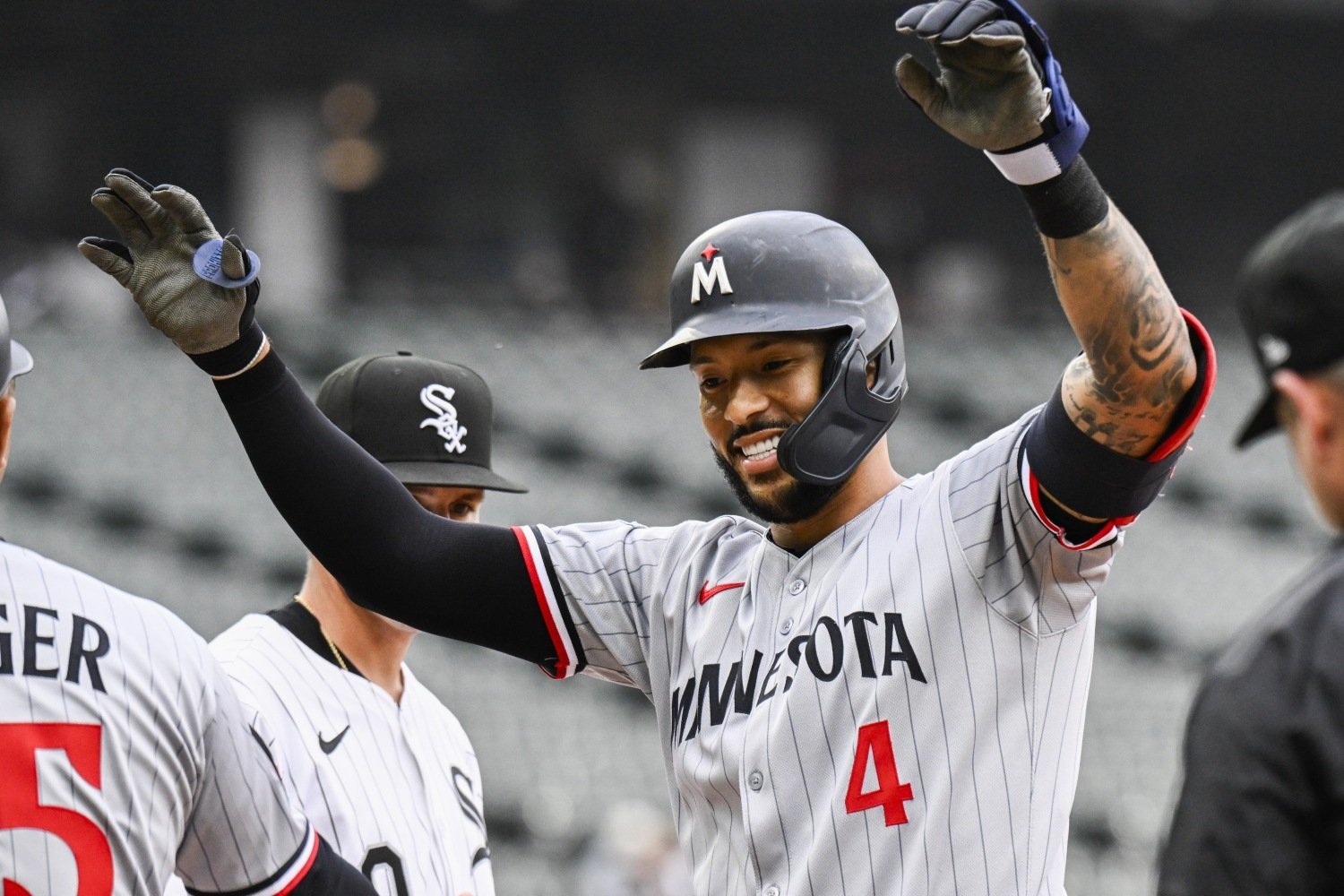 Minnesota’s early season performance has been a mixed bag, leaving fans scratching their heads and analysts mulling over what to expect as the season unfolds. At the same time, there are some reasons for concern, such as that much of the early turbulence can be chalked up to small sample sizes, timing, and baseball's natural ebbs and flows. Let’s break down a few of the key storylines that are fueling conversation. Worry 1: Joe Ryan’s Velocity Dip Ryan’s second outing of the season saw a noticeable decrease in velocity. He started the game with his fastball in the mid-90s and it dropped four-five mph by the time he left the game. Now, while a dip in velocity can raise alarm bells for many pitchers, it’s essential to consider the full context. Ryan has experienced similar fluctuations before, and there’s a good chance this is just a byproduct of his unique mechanics. It’s also worth noting that Ryan is coming off an injured list stint from last season. His ramp-up to the season isn’t following the usual script, and minor adjustments during early outings can be expected when a pitcher is easing back into full form. At this point, though, there’s no compelling evidence that Ryan’s recent performance is more than a temporary blip. His track record suggests he has the tools to rebound, and a single outing isn’t enough to write him off for the season. Fans should keep an eye on him, but his early velocity issue is more a conversation starter than a cause for deep concern. Worry 2: Carlos Correa’s Slow Start Correa’s early season numbers are disappointing, especially coming on the heels of a poor performance this spring. With only two hits in his first 26 plate appearances, it’s easy to jump to conclusions. However, the small sample size tells a very different story when you dig deeper. One of the more telling metrics is Correa’s expected batting average (xBA), which sits about 150 points higher than his current .080 BA. This gap suggests that Correa is experiencing a streak of bad luck at the plate rather than a fundamental decline in his swing or approach. There’s also a familiar pattern here. Correa has a history of slow starts with the Twins. Last season, he ramped up to a .755 OPS by the end of April, while in 2023, his OPS in April was only .634. These numbers indicate that while the start might be frustrating, it’s not necessarily indicative of what the rest of the season holds. One factor that does deserve a watchful eye is his plantar fasciitis. Should that issue flare up again, it could complicate his progress. But barring that, fans should remain patient. Baseball is a game of adjustments, and if Correa is anything like his past self, he’ll eventually find his rhythm. Worry 3: Louis Varland’s Bullpen Transition Varland was initially eyed as a potential late-inning weapon out of the bullpen. Unfortunately, his early outings have not provided the expected stability. In his first four appearances, Varland has given up runs in two, surrendering five hits and a walk across four innings. The numbers might seem alarming at first glance, especially his 63.6% hard-hit rate, the highest on the team. For a reliever, those are not sustainable figures. However, it’s important to remember that relievers operate within incredibly small sample sizes. One or two tough outings can skew the numbers, and the team is known for giving its relievers ample opportunities to prove themselves. As healthy options start returning from injury, the coaching staff may need to rethink Varland’s role or adjust his usage. For now, though, the team appears content to let him continue gaining experience in the bullpen. The key will be whether Varland can tweak his approach to reduce the frequency of hard-hit balls. Worry 4: Struggling to Find an Offensive Spark Minnesota’s offense has also been a topic of intense scrutiny. The team currently finds itself in the bottom 7% of the league in several key metrics, including exit velocity, wOBA, and wOBAcon. These numbers paint a picture of an offense struggling to make solid contact and generate power consistently. The low exit velocity suggests that even when the ball is hit, it’s not coming off the bat with the expected force, while the wOBA and wOBACON metrics indicate that overall production is lagging behind league standards. Yet, there is a silver lining. The team’s expected slugging percentage (xSLG) stands at .400, more than 100 points higher than the current slugging of .294. This discrepancy suggests the underlying tools are in place for a significant offensive boost. In other words, the hitters are making decent contact, and the numbers point to a potential rebound once the early-season jitters wear off. It’s a reminder that while the start to the season hasn’t been kind to the Twins’ batters, the data hints at improvements on the horizon. As the season continues to unfold, it’s clear that Minnesota is facing its fair share of challenges, from pitching adjustments and bullpen transitions to offensive struggles. However, each of these issues comes with its own context. Ryan’s velocity hiccup is likely a temporary adjustment period after an injury-shortened season. Correa’s slow start appears to be more about bad luck and small sample sizes than a decline in talent, provided his plantar fasciitis stays at bay. Meanwhile, Varland’s initial struggles in the bullpen are a learning curve many relievers experience early in the season. And finally, while the offense is underperforming, the promising xSLG numbers offer hope that a turnaround is on the horizon. For now, patience and perspective will be key. Baseball is a marathon, not a sprint, and early-season fluctuations are par for the course. Fans would do well to keep an eye on these storylines but avoid overreacting to what are, at this stage, isolated incidents rather than definitive trends. What other worries do you have about the team’s early performance? Leave a comment and start the discussion.
- 13 comments
-
- 4
-
-
- carlos correa
- joe ryan
- (and 1 more)
-
It’s hard for fans not to overreact to the Twins’ early season performance on the heels of last year’s collapse. That said, there may be some simple explanations for the team’s biggest concerns. Image courtesy of © Matt Marton-Imagn Images It’s hard for fans not to overreact to the Twins’ early season performance on the heels of last year’s collapse. That said, there may be some simple explanations for the team’s biggest concerns. Minnesota’s early season performance has been a mixed bag, leaving fans scratching their heads and analysts mulling over what to expect as the season unfolds. At the same time, there are some reasons for concern, such as that much of the early turbulence can be chalked up to small sample sizes, timing, and baseball's natural ebbs and flows. Let’s break down a few of the key storylines that are fueling conversation. Worry 1: Joe Ryan’s Velocity Dip Ryan’s second outing of the season saw a noticeable decrease in velocity. He started the game with his fastball in the mid-90s and it dropped four-five mph by the time he left the game. Now, while a dip in velocity can raise alarm bells for many pitchers, it’s essential to consider the full context. Ryan has experienced similar fluctuations before, and there’s a good chance this is just a byproduct of his unique mechanics. It’s also worth noting that Ryan is coming off an injured list stint from last season. His ramp-up to the season isn’t following the usual script, and minor adjustments during early outings can be expected when a pitcher is easing back into full form. At this point, though, there’s no compelling evidence that Ryan’s recent performance is more than a temporary blip. His track record suggests he has the tools to rebound, and a single outing isn’t enough to write him off for the season. Fans should keep an eye on him, but his early velocity issue is more a conversation starter than a cause for deep concern. Worry 2: Carlos Correa’s Slow Start Correa’s early season numbers are disappointing, especially coming on the heels of a poor performance this spring. With only two hits in his first 26 plate appearances, it’s easy to jump to conclusions. However, the small sample size tells a very different story when you dig deeper. One of the more telling metrics is Correa’s expected batting average (xBA), which sits about 150 points higher than his current .080 BA. This gap suggests that Correa is experiencing a streak of bad luck at the plate rather than a fundamental decline in his swing or approach. There’s also a familiar pattern here. Correa has a history of slow starts with the Twins. Last season, he ramped up to a .755 OPS by the end of April, while in 2023, his OPS in April was only .634. These numbers indicate that while the start might be frustrating, it’s not necessarily indicative of what the rest of the season holds. One factor that does deserve a watchful eye is his plantar fasciitis. Should that issue flare up again, it could complicate his progress. But barring that, fans should remain patient. Baseball is a game of adjustments, and if Correa is anything like his past self, he’ll eventually find his rhythm. Worry 3: Louis Varland’s Bullpen Transition Varland was initially eyed as a potential late-inning weapon out of the bullpen. Unfortunately, his early outings have not provided the expected stability. In his first four appearances, Varland has given up runs in two, surrendering five hits and a walk across four innings. The numbers might seem alarming at first glance, especially his 63.6% hard-hit rate, the highest on the team. For a reliever, those are not sustainable figures. However, it’s important to remember that relievers operate within incredibly small sample sizes. One or two tough outings can skew the numbers, and the team is known for giving its relievers ample opportunities to prove themselves. As healthy options start returning from injury, the coaching staff may need to rethink Varland’s role or adjust his usage. For now, though, the team appears content to let him continue gaining experience in the bullpen. The key will be whether Varland can tweak his approach to reduce the frequency of hard-hit balls. Worry 4: Struggling to Find an Offensive Spark Minnesota’s offense has also been a topic of intense scrutiny. The team currently finds itself in the bottom 7% of the league in several key metrics, including exit velocity, wOBA, and wOBAcon. These numbers paint a picture of an offense struggling to make solid contact and generate power consistently. The low exit velocity suggests that even when the ball is hit, it’s not coming off the bat with the expected force, while the wOBA and wOBACON metrics indicate that overall production is lagging behind league standards. Yet, there is a silver lining. The team’s expected slugging percentage (xSLG) stands at .400, more than 100 points higher than the current slugging of .294. This discrepancy suggests the underlying tools are in place for a significant offensive boost. In other words, the hitters are making decent contact, and the numbers point to a potential rebound once the early-season jitters wear off. It’s a reminder that while the start to the season hasn’t been kind to the Twins’ batters, the data hints at improvements on the horizon. As the season continues to unfold, it’s clear that Minnesota is facing its fair share of challenges, from pitching adjustments and bullpen transitions to offensive struggles. However, each of these issues comes with its own context. Ryan’s velocity hiccup is likely a temporary adjustment period after an injury-shortened season. Correa’s slow start appears to be more about bad luck and small sample sizes than a decline in talent, provided his plantar fasciitis stays at bay. Meanwhile, Varland’s initial struggles in the bullpen are a learning curve many relievers experience early in the season. And finally, while the offense is underperforming, the promising xSLG numbers offer hope that a turnaround is on the horizon. For now, patience and perspective will be key. Baseball is a marathon, not a sprint, and early-season fluctuations are par for the course. Fans would do well to keep an eye on these storylines but avoid overreacting to what are, at this stage, isolated incidents rather than definitive trends. What other worries do you have about the team’s early performance? Leave a comment and start the discussion. View full article
-
The Twins just posted this video with some background on Walker Jenkins
- 19 replies
-
- 1
-

-
- walker jenkins
- connor prielipp
- (and 5 more)
-
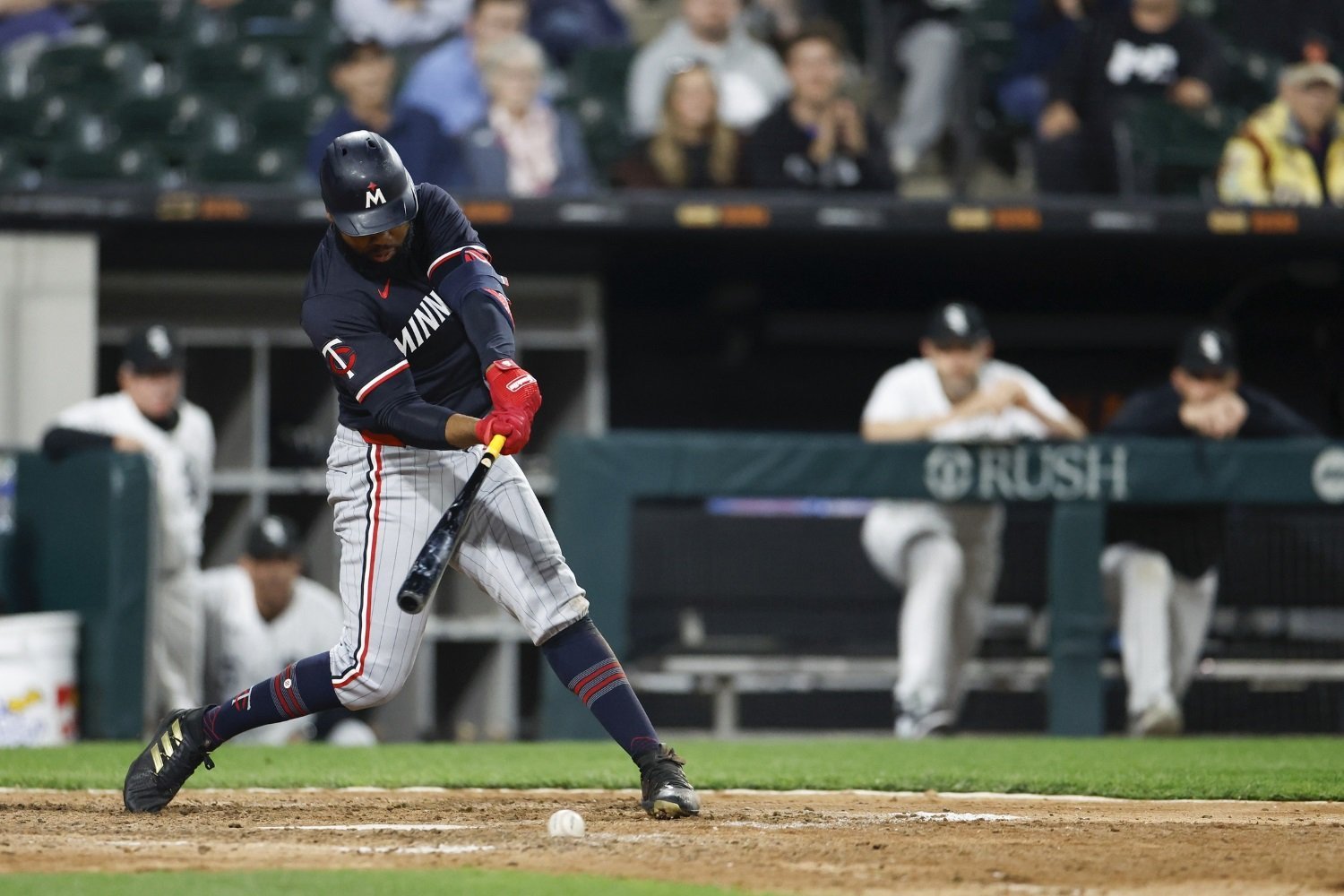 The Twins' trade for Manuel Margot was supposed to be a timely upgrade for the center-field picture. It was an insurance policy, in case Byron Buxton was injured, much like Michael A. Taylor had been in 2023. In hindsight, though, the deal was a classic case of “all that glitters isn’t gold” for Minnesota. The hope was that Margot, a player with potential in the eyes of the front office, would step in and provide coverage for the outfield, in terms of both offensive matchup play and defensive competence. Instead, it quickly became apparent that Margot was not the viable option that the team had envisioned. In 2023, Taylor surprised many with his performance, as he popped 21 home runs and provided excellent defense in center. Entering 2024, the Twins front office attempted to find a similar player. Unfortunately, Margot’s performance was nowhere near that level of help. He managed a dismal -0.9 WAR and posted an OPS+ of just 76, both of which were career lows. Perhaps most damning of all was his performance as a pinch-hitter, as he set an MLB record by going 0-for-30 in those appearances. It was clear to Twins brass that Margot wasn’t the player they had hoped he’d be. Thankfully for Minnesota, Buxton defied the odds by playing over 100 games for only the second time in his big-league career. Buxton’s durability meant that the insurance policy on center field, which many had counted on Margot to provide, ultimately became less critical. The Twins were spared the headache of scrambling for a replacement, as Buxton proved that he could be relied on to lead the charge in the outfield for (at least) one more season. But the trade wasn’t all bad news for Minnesota. In the grand chess match of player acquisitions and prospect swaps, the deal for Margot was just a swap of low-minors infield prospects: Noah Miller for Rayne Doncon. And while Margot’s struggles are now etched in Twins lore, the performances of these two prospects have offered at least a glimmer of hope for the future. Doncon has emerged as a promising prospect. Last season, before turning 21, Doncon showcased a level of maturity and production. Over 94 games at both Class A levels, he posted a respectable slash line of .254/.342/.431, while facing older pitchers in over 90% of his plate appearances. His ability was further highlighted by his 38 extra-base hits, a sign that he could provide real power potential as he continues to develop. Currently, Doncon slots in as the 16th-best prospect in the Twins organization on Twins Daily’s updated top-20 list. His performance justified the Twins’ decision to take a chance on him, and hinted that the trade might eventually yield dividends for Minnesota in the long run. Miller’s journey, while not as immediately eye-catching as Doncon’s, still warrants cautious optimism. The Twins selected him with the 36th overall pick in the 2021 MLB Draft. He’s been known for his strong defense at shortstop, but his offense has taken longer to develop. Last season, he played at High A and Double A, hitting .244/.318/.315 with 19 doubles and six homers. While his 2024 season might not have matched Doncon’s, his strong defense might be enough to make him a backup infielder at the big-league level. What’s interesting about this trade is how it embodies the unpredictable nature of prospect acquisitions in today’s MLB. In many ways, the deal was a package that looked like it was designed to fill an immediate need that (thanks to Buxton’s availability) ultimately didn’t materialize. Yet, there's a silver lining to all the criticism tied to Margot's historically bad performance. Doncon has provided the kind of upside that helps add talent to a Twins system attempting to keep the franchise's winning window open. Bigger-market teams can pay free agents to supplement the big-league roster, but that isn’t a luxury available to the Twins. Even when a deal doesn’t pan out as expected, there’s always the potential that the underlying assets will eventually pay dividends. The contrasting outcomes of Margot’s underwhelming stint and the promising signs from Doncon underscore the fine line that teams walk when trading for immediate help while also trying to invest in long-term talent. In the end, while Margot’s tenure with the Twins will likely be remembered as one of the more regrettable moves in recent memory, the prospect involved in the deal might be the saving grace that tips the scales in favor of Minnesota. Did the Twins win the Margot trade? Leave a comment and start the discussion.
- 22 comments
-
- 1
-
-
- manuel margot
- noah miller
- (and 1 more)