Cody Christie
-
Posts
7,810 -
Joined
-
Last visited
-
Days Won
5
Content Type
Profiles
News
Minnesota Twins Videos
2026 Minnesota Twins Top Prospects Ranking
2022 Minnesota Twins Draft Picks
Minnesota Twins Free Agent & Trade Rumors, Notes, & Tidbits
Guides & Resources
2023 Minnesota Twins Draft Picks
The Minnesota Twins Players Project
2024 Minnesota Twins Draft Picks
2025 Minnesota Twins Draft Pick Tracker
2026 Minnesota Twins Draft Tracker: Picks & Bonuses
Forums
Blogs
Events
Store
Downloads
Gallery
Everything posted by Cody Christie
-
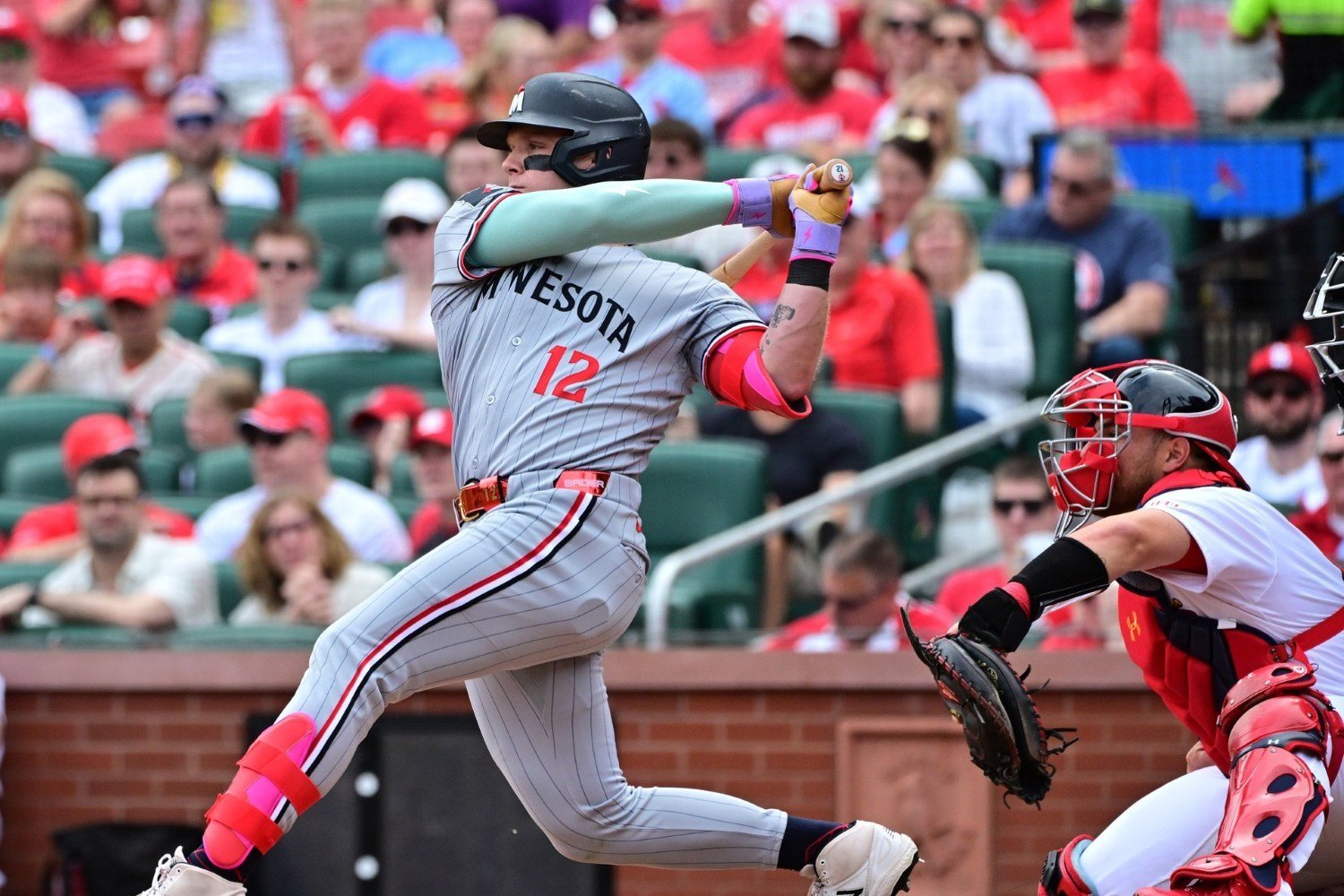 The Minnesota Twins have had a tumultuous start to the 2025 campaign, with an up-and-down performance that has made it difficult to gauge whether this team is a contender or a pretender. There have been positives, with the team’s starting pitching, Byron Buxton’s health, and various other parts of the roster. Yet, every team has some warning signs that will start to show. Five red flags are hiding in the team’s peripheral stats—figures that, if left unaddressed, could turn a competitive window into a rough slog. 1. Harrison Bader’s worrisome xBA Bader’s impact in left field has been twofold: dazzling defense and timely hits, especially in the season's early games. At first glance, his .280 batting average over the first few weeks suggests a renaissance. However, the underlying data raises a caution flag: Bader’s expected batting average (xBA) is in the bottom 9% of qualified hitters. In other words, based on exit velocity and launch angle, pitchers have been getting more favorable contact than his raw average would imply. His .210 expected batting average (xBA) quantifies that regression risk. Bader’s defensive skillset will keep him in the lineup, but if those barrels dry up, the Twins will need to plug the offensive hole or risk watching their left fielder’s batting average drift back toward reality. 2. Willi Castro’s paltry exit velocity Castro recently returned from a strained right oblique that may impact his overall numbers. More telling than his .232/.303/.362 slash line is an average exit velocity of just 84.9 mph, ranking dead last on the Twins and in the bottom 3% of hitters. Castro’s career average is 86.0 mph, itself below MLB’s 88.5-mph benchmark, but this season’s dip compounds worries about lingering discomfort or a mechanical hitch. While Castro’s profile has never hinged on pure power, dropping further behind the league average in exit velocity shrinks his margin for error. If that velo doesn’t tick back up, Minnesota will have to weigh patience against performance, especially from a pending free agent. 3. Twins pitchers’ alarming Hard Hit % Allowed Pitching was supposed to be Minnesota’s bedrock in 2025, but the staff’s Hard Hit % allowed ranks dead last in baseball. Many of the team’s starters struggled their first time through the order, but that has turned into improved performance since that point. Overall, many of the troubling totals are from some of the essential bullpen pieces: Griffin Jax (62.3% Hard Hit %), Louie Varland (60.9% Hard Hit %), and Brock Stewart (59.7% Hard Hit %). Such a high frequency of well-hit balls makes success unsustainable for relievers, who work in small samples with no safety nets. Minnesota’s rotation and bullpen depth will keep games competitive, but allowing that kind of premium contact makes for a razor-thin margin. Unless the Twins can refine pitch shapes or usage patterns, especially in high-leverage relief situations, that bottom-of-the-league slugging profile will impact the team’s ability to get back into the playoff race. 4. Louis Varland’s exit velocity conundrum Many in and around the Twins organization were excited about Varland’s transition to a full-time reliever this season. However, the early returns have been mixed. His 93.3 mph average exit velocity against ranks as the highest among Twins pitchers, placing him in the worst 2% of MLB. Varland has always been guilty of “meatballs,” or pitches hung over the plate that hitters feast upon. His poor exit velocity numbers are similar to his time as a starter, signaling it’s a mechanical or execution issue, not just a bout of bad luck. Manager Rocco Baldelli’s decision to deploy him heavily from the bullpen underscores how badly the Twins need his strikeout prowess. Yet, Varland must expand his arsenal around the zone to avoid turning his high-leverage offerings into easy run production for opponents. 5. Simeon Woods Richardson’s inflated xSLG Woods Richardson was the story of 2024’s first half, as he was the team’s best rookie (and arguably a rotation savior). But he has shown some cracks in his armor as big-league teams get an extended look at him. Through early May 2025, SWR’s expected slugging percentage (xSLG) clocks in at .533, nearly 90 points above his actual .445 mark. That gap suggests that when hitters do square him up, they’re hitting the ball with authority—and often in the air. This season's elevated projection is startling, compared to his 2024 xSLG of .373. The Twins have rewarded his 2024 performance by keeping him in the rotation, but other prospects are closing in on the big leagues. His spot isn’t in danger yet, but he’ll need to continue to refine his approach. Early-season anomalies rarely play out to their fullest possible extent, because luck and quick adjustments can blunt the greatest effects. However, Minnesota’s front office and coaching staff must acknowledge these hidden warning lights. This could include adjustments for Bader’s approach, re-evaluating Castro’s role, bullpen retooling for those being hit hardest, or pitch changes for Woods Richardson. And right now, some of Minnesota’s most critical contributors are posting underlying numbers that could point toward regression. Which statistic is most alarming? Leave a comment and start the discussion.
- 31 comments
-
- 5
-

-
- harrison bader
- louis varland
- (and 4 more)
-

 MINNEAPOLIS—After a particularly “character-building” start to the 2025 season, the Minnesota Twins are taking a bold new step in fan engagement by unveiling Therapy Kiosks throughout Target Field. (Well, really only on the first level, because no one is sitting in the upper deck.) These kiosks are designed to help fans process the emotional trauma that comes with watching a team that can beat up on the White Sox and Angels, but also get walked off multiple times in the same series immediately thereafter. “Twins fans are resilient,” said Twins President Derek Falvey at a press conference unveiling the kiosks. “But we also recognize that watching this team over 162 games can feel like emotional CrossFit. Sometimes you need more than rally sausages and rally squirrels. You need a licensed professional—or at least a screen that nods sympathetically while you scream into it.” The kiosks, positioned just outside the concourse restrooms and directly across from the “We’ll Get ‘Em Tomorrow Night” merch stand, will offer five-minute guided meditations, emotional check-ins, and a feature called “Relive the 1991 Season” that loops Game 7 highlights to remind fans that once upon a time things were good. But this isn’t just about mental health: the team is attempting to get more butts in the seats. With attendance down nearly 20% in April (which Falvey diplomatically referred to as “an atmospheric and competitive alignment challenge”), the team hopes these kiosks will offer just the right mix of catharsis and consumerism. “After each session,” Falvey added, “fans will receive a buy-one-get-one-free helmet sundae coupon. We’ve found that nothing dulls the sting of a blown 7th-inning lead quite like shared ice cream in a plastic batting helmet.” The idea was reportedly conceived during a marketing brainstorm where someone suggested “emotional damage control” and another replied, “We’re halfway there with Twins Twitter anyway.” To test the kiosks, the team ran a simulation last week during a road trip to Cleveland, wherein the Guardians walked off the Twins twice, with the kind of soul-crushing precision usually reserved for tax audits. A group of longtime season ticket holders (who are mostly still around out of habit and inherited guilt) were invited to test the kiosks in real time. Paul Hesterman, 54, who has had seats since the Metrodome days, described the experience: “I screamed into the virtual therapist's face for 90 seconds, and when I was done, it just said, ‘It’s okay to feel this way.’ Then it played a flute version of ‘We’re Gonna Win Twins.’ Honestly? Cathartic.” Marge Kranz, 76, used her session to vent about the bullpen. “I told the kiosk I’m not mad, just disappointed. It nodded. Then it printed me a coupon and told me to hydrate. This is more validation than I’ve had in 60 years of Twins fandom.” The Twins aren’t ruling out expanding the concept. “We’re looking into an off-season grief processing kiosk, too,” Falvey hinted. “Maybe something fans can use when we trade someone they like for a reliever with ‘upside.’” While no one knows whether the kiosks will actually increase attendance, one thing is certain: in a season full of uncertainty, Twins fans now have a place where they can scream, cry, and leave with ice cream. Because in Minnesota, hope springs eternal—until about mid-June.
 -
Image courtesy of Brad Rempel-Imagn Images MINNEAPOLIS—After a particularly “character-building” start to the 2025 season, the Minnesota Twins are taking a bold new step in fan engagement by unveiling Therapy Kiosks throughout Target Field. (Well, really only on the first level, because no one is sitting in the upper deck.) These kiosks are designed to help fans process the emotional trauma that comes with watching a team that can beat up on the White Sox and Angels, but also get walked off multiple times in the same series immediately thereafter. “Twins fans are resilient,” said Twins President Derek Falvey at a press conference unveiling the kiosks. “But we also recognize that watching this team over 162 games can feel like emotional CrossFit. Sometimes you need more than rally sausages and rally squirrels. You need a licensed professional—or at least a screen that nods sympathetically while you scream into it.” The kiosks, positioned just outside the concourse restrooms and directly across from the “We’ll Get ‘Em Tomorrow Night” merch stand, will offer five-minute guided meditations, emotional check-ins, and a feature called “Relive the 1991 Season” that loops Game 7 highlights to remind fans that once upon a time things were good. But this isn’t just about mental health: the team is attempting to get more butts in the seats. With attendance down nearly 20% in April (which Falvey diplomatically referred to as “an atmospheric and competitive alignment challenge”), the team hopes these kiosks will offer just the right mix of catharsis and consumerism. “After each session,” Falvey added, “fans will receive a buy-one-get-one-free helmet sundae coupon. We’ve found that nothing dulls the sting of a blown 7th-inning lead quite like shared ice cream in a plastic batting helmet.” The idea was reportedly conceived during a marketing brainstorm where someone suggested “emotional damage control” and another replied, “We’re halfway there with Twins Twitter anyway.” To test the kiosks, the team ran a simulation last week during a road trip to Cleveland, wherein the Guardians walked off the Twins twice, with the kind of soul-crushing precision usually reserved for tax audits. A group of longtime season ticket holders (who are mostly still around out of habit and inherited guilt) were invited to test the kiosks in real time. Paul Hesterman, 54, who has had seats since the Metrodome days, described the experience: “I screamed into the virtual therapist's face for 90 seconds, and when I was done, it just said, ‘It’s okay to feel this way.’ Then it played a flute version of ‘We’re Gonna Win Twins.’ Honestly? Cathartic.” Marge Kranz, 76, used her session to vent about the bullpen. “I told the kiosk I’m not mad, just disappointed. It nodded. Then it printed me a coupon and told me to hydrate. This is more validation than I’ve had in 60 years of Twins fandom.” The Twins aren’t ruling out expanding the concept. “We’re looking into an off-season grief processing kiosk, too,” Falvey hinted. “Maybe something fans can use when we trade someone they like for a reliever with ‘upside.’” While no one knows whether the kiosks will actually increase attendance, one thing is certain: in a season full of uncertainty, Twins fans now have a place where they can scream, cry, and leave with ice cream. Because in Minnesota, hope springs eternal—until about mid-June. View full article
-
Image courtesy of David Malamut (Kyle DeBarge) MONDAY’S TRANSACTIONS INF Edouard Julien optioned to St. Paul Saints INF Mickey Gasper optioned to St. Paul Saints Dalton Shuffield retired. Matt Canterino placed on full-season injured list. TWINS DAILY MINOR LEAGUE CONTENT -Walker Jenkins and Other Twins Top Prospects' Injury Return Timelines -Twins Minor League Report (5/4): With The Twins Affiliates on Sunday the Force Was -Twins Daily Minor League Starting Pitcher of the Month: March/April 2025 -Twins Daily Minor League Report (5/3): Eduardo Beltre's Grand Slam Leads FCL Twins to Opening Day Win! -Twins Minor League Reliever of the Month: March/April 2025 -Twins Minor League Report (5/2): Sire Jeferson Morales Powers Saints -Twins Daily Minor League Report (5/1): Tanner Schobel Celebrates Return to Top 20 Prospect Status with Huge Game for Wichita -Twins Minor League Hitter of the Month: March/April 2025 -Twins Minor League Report (4/30): A Clean Sweep -One Twins Prospect May Be Following in Luke Keaschall’s Footsteps -Twins Minor League Report (4/29): David Festa Sinks the Clippers -Minnesota Twins April Minor League Standouts: A New Pitching Prospect Emerges at Cedar Rapids -Twins Minor League Week in Review (4/23-4/28): Winning Baseball is Fun WEEK IN REVIEW Triple-A: St. Paul Saints Overall: 15-14 (6.0 Games Out of First) Last Week: 4-1 The Saints secured their first series win in nine tries on the road against the Columbus Clippers. The week started with the Saints winning back-to-back games at Huntington Park for the first time in franchise history. The team entered play this week with the lowest winning percentage by any minor league team in any ballpark over the last five years. They had won fewer than 30% of their games in Columbus. Rain continued to impact the team. Saturday was scheduled to be a doubleheader but both games were cancelled. St. Paul will now play 148 games this season. Zebby Matthews went four innings on Sunday by allowing two runs on seven hits while walking two and striking out five. Will Holland returned to the Saints this week as he had fractured his left hand this spring. On Sunday, he cracked a two-out solo homer, his first of the season. Royce Lewis went 1-for-5 on Sunday with a single. On Friday, he finished 0-for-4. Overall, he went 4-for-23 on his rehab with one double. Also on Sunday, Michael Tonkin (on MLB rehab) tossed his best outing with the Saints going two shutout innings allowing one hit and striking out three. On Friday, Jeferson Morales hit two home runs in a game for the first time in his career. David Festa set the tone early in the week for the Saints. He allowed a two-out, two-run homer in the first and settled in. He allowed just one other baserunner and retired the final 11 men he faced. He went six innings allowing two runs on three hits and struck out seven. The Saints backed up Festa with a three-homer night from Carson McCusker, Anthony Prato, and Mike Ford. What’s Next: The Saints return home to begin a six-game series against the Buffalo Bisons starting on Tuesday night at 6:37 PM CST. Double-A: Wichita Wind Surge Overall: 15-12 (1.0 Games Out of First) Last Week: 3-3 Wichita finished April with a 14-9 record, marking the best-ever record in April in team franchise history. Mike Paredes begins his year by not giving up an earned run over 23 innings pitched out of the bullpen before an RBI single on Sunday. Also on Sunday, Kyler Fedko’s on-base streak ended at 21 games, standing as the current high across all of Double-A. In Saturday’s loss, Michael Martinez, Jarret Whorff, and Joel Cesar combined to allow just an earned run on four hits throughout the final four and one-third innings of the night. Ben Ross had a three-hit game on Friday and followed it up with his second homer of the season on Saturday. Aaron Rozek gave up just one run on four hits with five strikeouts over four and one-third innings of relief on Friday. Ricardo Olivar is up to a team-leading nine multi-hit games after a three-hit Friday night. On Thursday, Wind Surge batters connected on four home runs over the first two innings led by Tanner Schobel’s multi-homer night. The four long balls are the most hit in a game so far this season. Pierson Ohl made his first start of the season with Wichita. In four innings, he allowed three hits with five strikeouts. John Klein, Jaylen Nowlin, and John Stankiewicz combined to retire seven of the final eight batters in Thursday’s game. Trent Baker, Paredes, and Cesar combined for the third shutout of the 2025 season for the Wind Surge on Wednesday. Paredes and Cesar retired the final 11 batters while Baker earned his first win of the season after pitching five innings with two hits, a walk, and four punch outs. To start the week, Christian MacLeod made his second Double-A start of the season and allowed just two baserunners across the opening three innings. He was hit on the side of the head by a first-inning line drive but still completed three innings. What’s Next: Wichita continues their road trip with a six-game series against the Northwest Arkansas Naturals on Tuesday at 11:05 AM CST. High-A: Cedar Rapids Kernels Overall: 17-9 (1.0 Game Out of First) Last Week: 5-1 Jeremy Lee picked up his second win of the season on Sunday. He allowed one run over five innings while striking out four. Spencer Bengard followed Lee and pitched four shutout innings with two strikeouts. On Thursday, Nate Baez homered and Kevin Maitan had two extra base hits to lead the offense as the Kernels completed a four-run comeback. Jacob Wosinski picked up a six-out save while striking out three to preserve the comeback victory. In a tied game in the bottom of the eighth inning, Kyle DeBarge blasted a go-ahead solo home run to put the Kernels on top for good in Wednesday night’s game. Chase Chaney pitched six complete innings, allowing two runs on four hits with two strikeouts en route to the first quality start for a Kernels pitcher this year. Cedar Rapids got their week off to an explosive start. The Kernels’ offense scored ten runs on 13 hits, including home runs from Danny De Andrade and Gabriel Gonzalez. The Cedar Rapids bullpen was dominant in the win. Gabriel Yanez, Logan Whitaker and Paulshawn Pasqualotto combined to not allow a run in 5 1/3 innings in relief, striking out four while allowing just three hits. What’s Next: Cedar Rapids heads on the road for the first time in two weeks. They start a six-game series against the Beloit (Don’t call us Snappers) Sky Carp at 6:05 PM CST on Tuesday. Low-A: Fort Myers Mighty Mussels Overall: 14-13 (Tied for First) Last Week: 2-4 Jay Thomason cracked two doubles as part of a multi-hit effort on Sunday. His OPS is .989 for the season. Miguel Briceno and Jefferson Valladares both hit their first home run of the season on Sunday. Dasan Hill left his start on Saturday after 1 1/3 innings without allowing a run. The team has yet to update as to why he left his start. On Friday, Fort Myers’ offense exploded for nine runs on 12 hits. Six players had multiple hits with Daniel Pena leading the way going 3-for-5 with a run scored. Every starter reached base at least once in the game. Jakob Hall made his second start and allowed one run on four hits in 4 2/3 innings with three strikeouts. Cole Peschl came on in relief on Thursday, striking out eight batters across 3 1/3 scoreless innings. On Wednesday afternoon, Mighty Mussels catcher Poncho Ruiz hammered a walk-off, two-run double to lift Fort Myers to a one-run victory. Ruiz reached base in all five of his plate appearances on the day, going 3-3 with two doubles and two walks. Zander Sechrist kept Fort Myers in that game. He had a scoreless outing over the final 2 2/3 innings by scattering three hits and a walk while picking up a pair of strikeouts. Jay Thomason launched his sixth home run of the season at 110.1 mph on Tuesday. His six homers were tied for the most in the Florida State League this season. What’s Next: Fort Myers returns home for a six-game series against the Dunedin Blue Jays starting on Tuesday at 6:05 PM CST. Rookie: FCL Twins Overall: 1-1 Last Week: 1-1 The FCL Twins suffered their first loss of the season by a final score of 5-3 on Monday against the FCL Pirates. Leonardo Rondon started and allowed one unearned run on three hits over three innings. He struck out five and walked one. Anderson Ramos took the loss after allowing four runs in the bottom of the fifth inning. Ramiro Dominguez and Ariel Castro both had their first double of the season. On Saturday, the FCL Twins won their first game of the season 4-3. Eduardo Beltre’s grand slam provided all the offense for the Twins in the win. Joel Garcia pitched two shutout innings to start the game. He struck out four of the six batters he faced and only allowed one hit. Mitch Mueller earned the win as the allowed one earned run on five hits over four innings. What’s Next: The Twins have two games each against the FCL Pirates, Orioles, and Red Sox during the coming week. PROSPECT SUMMARY Check out the Prospect Tracker for much more on our Twins Top 20 prospects. And, be sure to note the new, updated Top 20 rankings. Walker Jenkins (Wichita): On injured list Luke Keaschall (Minnesota): On injured list Emmanuel Rodriguez (St. Paul): 1-5,1 R, 4 BB, 2 K Charlee Soto (Cedar Rapids): On injured list Connor Prielipp (Wichita): 2.2 IP, 5 H, 1 ER, 1 BB, 0 K Marco Raya (St. Paul): 3 IP, 3 H, 4 ER, 5 BB, 2 K Brandon Winokur (Cedar Rapids): 5-23, 1 2B, 1 HR, 5 RBI, 4 R, 4 BB, 8 K, 1 SB Kaelen Culpepper (Cedar Rapids): 9-26, 1 HR, 1 RBI, 7 R, 2 BB, 3 K Andrew Morris (St. Paul): 4 IP, 6 H, 4 ER, 1 BB, 5 K Gabriel Gonzalez (Cedar Rapids): 8-21, 1 2B, 1 HR, 7 RBI, 4 R, 1 BB, 5 K Dasan Hill (Fort Myers): 1.1 IP, 0 H, 0 ER, 1 BB, 0 K Cory Lewis (St. Paul): 4 IP, 7 H, 4 ER, 3 BB, 5 K Tanner Schobel (Wichita): 6-28, 1 2B, 2 HR, 4 RBI, 3 R, 1 BB, 8 K Kyle DeBarge (Cedar Rapids): 8-19, 1 2B, 2 HR, 8 RBI, 8 R, 8 BB, 3 K, 3 SB Billy Amick (Cedar Rapids): 3-8, 1 2B, 2 RBI, 2 R, 1 BB, 2 K Yasser Mercedes (Fort Myers): 1-20, 1 RBI, 2 R, 4 BB, 8 K, 1 SB C.J. Culpepper (Wichita): On injured list Carson McCusker (St. Paul): 6-18, 1 HR, 4 RBI, 4 R, 1 BB, 7 K Kala’i Rosario (Wichita): 3-19, 1 2B, 1 RBI, 2 R, 1 BB, 7 K Yunior Severino (St. Paul): On injured list PLAYERS OF THE WEEK Hitter of the Week: Kyle DeBarge (Cedar Rapids) 8-for-19 (.421/.593/.790), 1 2B, 2 HR, 8 RBI, 8 R, 8 BB, 3 K, 3 SB Pitcher of the Week: Cole Peschl (Fort Myers) 3 1/3 IP, 5 H, 0 ER, 2 BB, 8 K, 73 pitches (43 strikes, 58.9 strike%) Add you thoughts or questions about this week's games in the comments. View full article
-
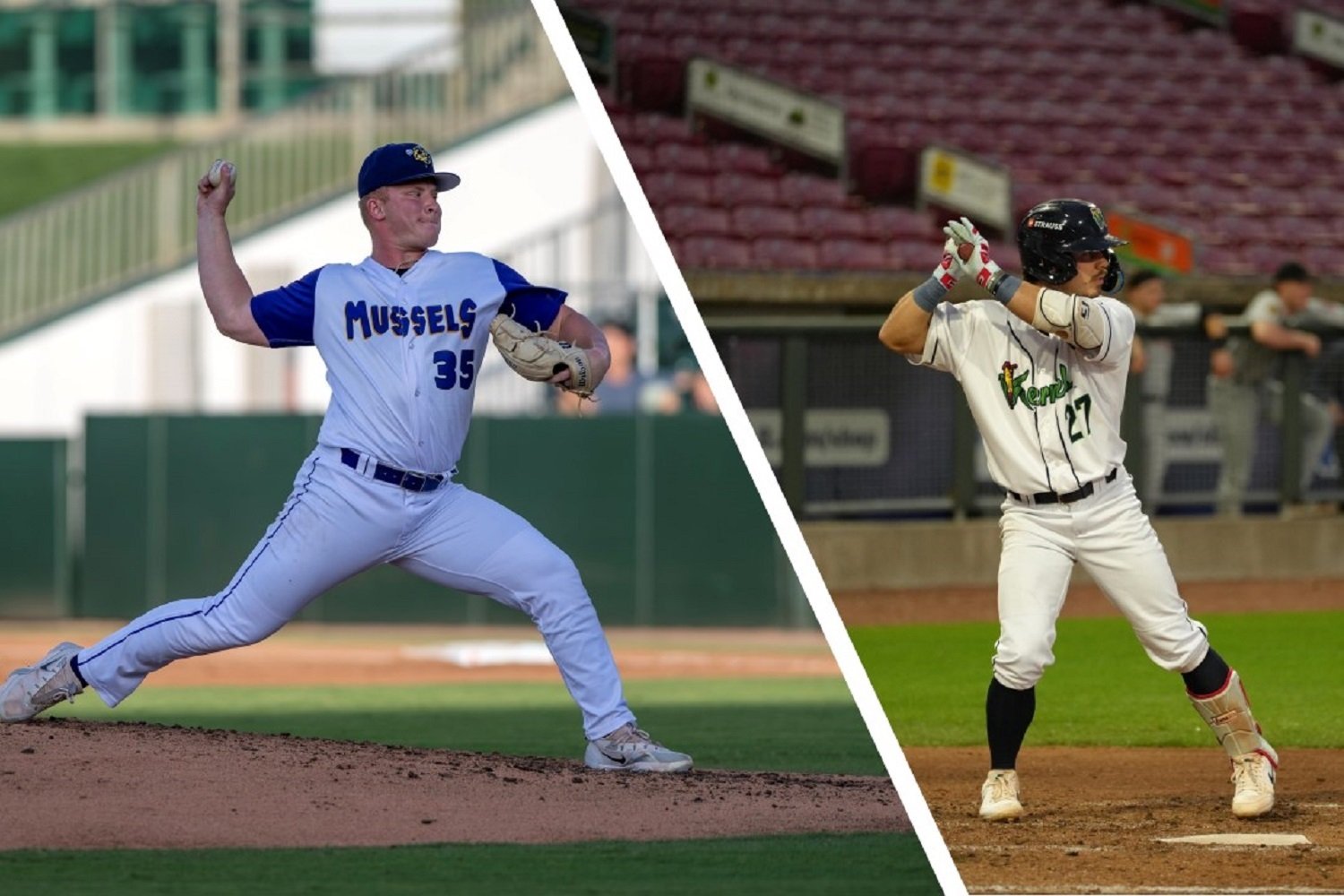 MONDAY’S TRANSACTIONS INF Edouard Julien optioned to St. Paul Saints INF Mickey Gasper optioned to St. Paul Saints Dalton Shuffield retired. Matt Canterino placed on full-season injured list. TWINS DAILY MINOR LEAGUE CONTENT -Walker Jenkins and Other Twins Top Prospects' Injury Return Timelines -Twins Minor League Report (5/4): With The Twins Affiliates on Sunday the Force Was -Twins Daily Minor League Starting Pitcher of the Month: March/April 2025 -Twins Daily Minor League Report (5/3): Eduardo Beltre's Grand Slam Leads FCL Twins to Opening Day Win! -Twins Minor League Reliever of the Month: March/April 2025 -Twins Minor League Report (5/2): Sire Jeferson Morales Powers Saints -Twins Daily Minor League Report (5/1): Tanner Schobel Celebrates Return to Top 20 Prospect Status with Huge Game for Wichita -Twins Minor League Hitter of the Month: March/April 2025 -Twins Minor League Report (4/30): A Clean Sweep -One Twins Prospect May Be Following in Luke Keaschall’s Footsteps -Twins Minor League Report (4/29): David Festa Sinks the Clippers -Minnesota Twins April Minor League Standouts: A New Pitching Prospect Emerges at Cedar Rapids -Twins Minor League Week in Review (4/23-4/28): Winning Baseball is Fun WEEK IN REVIEW Triple-A: St. Paul Saints Overall: 15-14 (6.0 Games Out of First) Last Week: 4-1 The Saints secured their first series win in nine tries on the road against the Columbus Clippers. The week started with the Saints winning back-to-back games at Huntington Park for the first time in franchise history. The team entered play this week with the lowest winning percentage by any minor league team in any ballpark over the last five years. They had won fewer than 30% of their games in Columbus. Rain continued to impact the team. Saturday was scheduled to be a doubleheader but both games were cancelled. St. Paul will now play 148 games this season. Zebby Matthews went four innings on Sunday by allowing two runs on seven hits while walking two and striking out five. Will Holland returned to the Saints this week as he had fractured his left hand this spring. On Sunday, he cracked a two-out solo homer, his first of the season. Royce Lewis went 1-for-5 on Sunday with a single. On Friday, he finished 0-for-4. Overall, he went 4-for-23 on his rehab with one double. Also on Sunday, Michael Tonkin (on MLB rehab) tossed his best outing with the Saints going two shutout innings allowing one hit and striking out three. On Friday, Jeferson Morales hit two home runs in a game for the first time in his career. David Festa set the tone early in the week for the Saints. He allowed a two-out, two-run homer in the first and settled in. He allowed just one other baserunner and retired the final 11 men he faced. He went six innings allowing two runs on three hits and struck out seven. The Saints backed up Festa with a three-homer night from Carson McCusker, Anthony Prato, and Mike Ford. What’s Next: The Saints return home to begin a six-game series against the Buffalo Bisons starting on Tuesday night at 6:37 PM CST. Double-A: Wichita Wind Surge Overall: 15-12 (1.0 Games Out of First) Last Week: 3-3 Wichita finished April with a 14-9 record, marking the best-ever record in April in team franchise history. Mike Paredes begins his year by not giving up an earned run over 23 innings pitched out of the bullpen before an RBI single on Sunday. Also on Sunday, Kyler Fedko’s on-base streak ended at 21 games, standing as the current high across all of Double-A. In Saturday’s loss, Michael Martinez, Jarret Whorff, and Joel Cesar combined to allow just an earned run on four hits throughout the final four and one-third innings of the night. Ben Ross had a three-hit game on Friday and followed it up with his second homer of the season on Saturday. Aaron Rozek gave up just one run on four hits with five strikeouts over four and one-third innings of relief on Friday. Ricardo Olivar is up to a team-leading nine multi-hit games after a three-hit Friday night. On Thursday, Wind Surge batters connected on four home runs over the first two innings led by Tanner Schobel’s multi-homer night. The four long balls are the most hit in a game so far this season. Pierson Ohl made his first start of the season with Wichita. In four innings, he allowed three hits with five strikeouts. John Klein, Jaylen Nowlin, and John Stankiewicz combined to retire seven of the final eight batters in Thursday’s game. Trent Baker, Paredes, and Cesar combined for the third shutout of the 2025 season for the Wind Surge on Wednesday. Paredes and Cesar retired the final 11 batters while Baker earned his first win of the season after pitching five innings with two hits, a walk, and four punch outs. To start the week, Christian MacLeod made his second Double-A start of the season and allowed just two baserunners across the opening three innings. He was hit on the side of the head by a first-inning line drive but still completed three innings. What’s Next: Wichita continues their road trip with a six-game series against the Northwest Arkansas Naturals on Tuesday at 11:05 AM CST. High-A: Cedar Rapids Kernels Overall: 17-9 (1.0 Game Out of First) Last Week: 5-1 Jeremy Lee picked up his second win of the season on Sunday. He allowed one run over five innings while striking out four. Spencer Bengard followed Lee and pitched four shutout innings with two strikeouts. On Thursday, Nate Baez homered and Kevin Maitan had two extra base hits to lead the offense as the Kernels completed a four-run comeback. Jacob Wosinski picked up a six-out save while striking out three to preserve the comeback victory. In a tied game in the bottom of the eighth inning, Kyle DeBarge blasted a go-ahead solo home run to put the Kernels on top for good in Wednesday night’s game. Chase Chaney pitched six complete innings, allowing two runs on four hits with two strikeouts en route to the first quality start for a Kernels pitcher this year. Cedar Rapids got their week off to an explosive start. The Kernels’ offense scored ten runs on 13 hits, including home runs from Danny De Andrade and Gabriel Gonzalez. The Cedar Rapids bullpen was dominant in the win. Gabriel Yanez, Logan Whitaker and Paulshawn Pasqualotto combined to not allow a run in 5 1/3 innings in relief, striking out four while allowing just three hits. What’s Next: Cedar Rapids heads on the road for the first time in two weeks. They start a six-game series against the Beloit (Don’t call us Snappers) Sky Carp at 6:05 PM CST on Tuesday. Low-A: Fort Myers Mighty Mussels Overall: 14-13 (Tied for First) Last Week: 2-4 Jay Thomason cracked two doubles as part of a multi-hit effort on Sunday. His OPS is .989 for the season. Miguel Briceno and Jefferson Valladares both hit their first home run of the season on Sunday. Dasan Hill left his start on Saturday after 1 1/3 innings without allowing a run. The team has yet to update as to why he left his start. On Friday, Fort Myers’ offense exploded for nine runs on 12 hits. Six players had multiple hits with Daniel Pena leading the way going 3-for-5 with a run scored. Every starter reached base at least once in the game. Jakob Hall made his second start and allowed one run on four hits in 4 2/3 innings with three strikeouts. Cole Peschl came on in relief on Thursday, striking out eight batters across 3 1/3 scoreless innings. On Wednesday afternoon, Mighty Mussels catcher Poncho Ruiz hammered a walk-off, two-run double to lift Fort Myers to a one-run victory. Ruiz reached base in all five of his plate appearances on the day, going 3-3 with two doubles and two walks. Zander Sechrist kept Fort Myers in that game. He had a scoreless outing over the final 2 2/3 innings by scattering three hits and a walk while picking up a pair of strikeouts. Jay Thomason launched his sixth home run of the season at 110.1 mph on Tuesday. His six homers were tied for the most in the Florida State League this season. What’s Next: Fort Myers returns home for a six-game series against the Dunedin Blue Jays starting on Tuesday at 6:05 PM CST. Rookie: FCL Twins Overall: 1-1 Last Week: 1-1 The FCL Twins suffered their first loss of the season by a final score of 5-3 on Monday against the FCL Pirates. Leonardo Rondon started and allowed one unearned run on three hits over three innings. He struck out five and walked one. Anderson Ramos took the loss after allowing four runs in the bottom of the fifth inning. Ramiro Dominguez and Ariel Castro both had their first double of the season. On Saturday, the FCL Twins won their first game of the season 4-3. Eduardo Beltre’s grand slam provided all the offense for the Twins in the win. Joel Garcia pitched two shutout innings to start the game. He struck out four of the six batters he faced and only allowed one hit. Mitch Mueller earned the win as the allowed one earned run on five hits over four innings. What’s Next: The Twins have two games each against the FCL Pirates, Orioles, and Red Sox during the coming week. PROSPECT SUMMARY Check out the Prospect Tracker for much more on our Twins Top 20 prospects. And, be sure to note the new, updated Top 20 rankings. Walker Jenkins (Wichita): On injured list Luke Keaschall (Minnesota): On injured list Emmanuel Rodriguez (St. Paul): 1-5,1 R, 4 BB, 2 K Charlee Soto (Cedar Rapids): On injured list Connor Prielipp (Wichita): 2.2 IP, 5 H, 1 ER, 1 BB, 0 K Marco Raya (St. Paul): 3 IP, 3 H, 4 ER, 5 BB, 2 K Brandon Winokur (Cedar Rapids): 5-23, 1 2B, 1 HR, 5 RBI, 4 R, 4 BB, 8 K, 1 SB Kaelen Culpepper (Cedar Rapids): 9-26, 1 HR, 1 RBI, 7 R, 2 BB, 3 K Andrew Morris (St. Paul): 4 IP, 6 H, 4 ER, 1 BB, 5 K Gabriel Gonzalez (Cedar Rapids): 8-21, 1 2B, 1 HR, 7 RBI, 4 R, 1 BB, 5 K Dasan Hill (Fort Myers): 1.1 IP, 0 H, 0 ER, 1 BB, 0 K Cory Lewis (St. Paul): 4 IP, 7 H, 4 ER, 3 BB, 5 K Tanner Schobel (Wichita): 6-28, 1 2B, 2 HR, 4 RBI, 3 R, 1 BB, 8 K Kyle DeBarge (Cedar Rapids): 8-19, 1 2B, 2 HR, 8 RBI, 8 R, 8 BB, 3 K, 3 SB Billy Amick (Cedar Rapids): 3-8, 1 2B, 2 RBI, 2 R, 1 BB, 2 K Yasser Mercedes (Fort Myers): 1-20, 1 RBI, 2 R, 4 BB, 8 K, 1 SB C.J. Culpepper (Wichita): On injured list Carson McCusker (St. Paul): 6-18, 1 HR, 4 RBI, 4 R, 1 BB, 7 K Kala’i Rosario (Wichita): 3-19, 1 2B, 1 RBI, 2 R, 1 BB, 7 K Yunior Severino (St. Paul): On injured list PLAYERS OF THE WEEK Hitter of the Week: Kyle DeBarge (Cedar Rapids) 8-for-19 (.421/.593/.790), 1 2B, 2 HR, 8 RBI, 8 R, 8 BB, 3 K, 3 SB Pitcher of the Week: Cole Peschl (Fort Myers) 3 1/3 IP, 5 H, 0 ER, 2 BB, 8 K, 73 pitches (43 strikes, 58.9 strike%) Add you thoughts or questions about this week's games in the comments.
- 9 comments
-
- 2
-
-
- kyle debarge
- cole peschl
- (and 3 more)
-
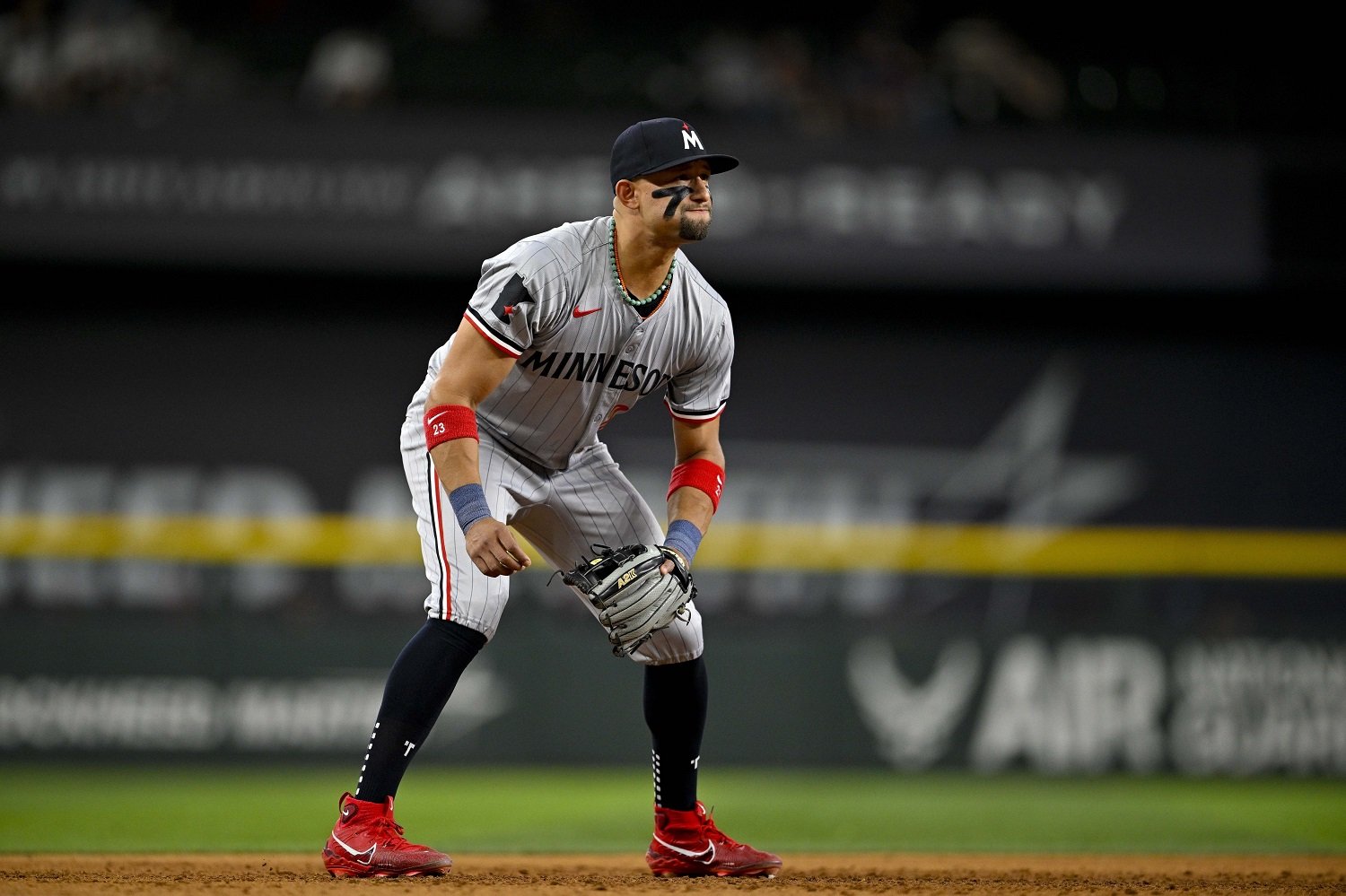 Royce Lewis has been sidelined since suffering a left hamstring strain while running out a ground ball in a spring training game March 16, delaying his 2025 debut by several weeks. The Twins' lineup picture has changed since this spring, which could signal a shifting role for Lewis as he returns. Defensive Concerns at Third Base Lewis was drafted and developed as a shortstop. Throughout his professional career, scouts questioned his long-term defensive home, with many believing he’d need to move to a less demanding defensive position. That became inevitable when Lewis bulked up during his rehab from multiple knee surgeries. His added muscle mass helped his power blossom, but has hindered his speed. Third base seemed like a natural next step for Lewis, but the transition has come with some bumps. In 2024, Lewis committed six throwing errors in a little over 400 innings at the hot corner, tying for the fifth-highest total in the majors relative to his innings played. Statcast ranked his arm strength 28th among third basemen at an average of 84 mph, below the average for the position. These defensive struggles, compounded by his recent hamstring injury, have cast doubt on his ability to handle the rigors of third base on a full-time basis. Potential Shift to Designated Hitter Minnesota could consider moving Lewis to DH, at least part-time, for a variety of reasons. The team’s desire to preserve his offensive contributions is paramount. The Twins have other options at third base, including some players who are considered better defenders (like fellow former first-round pick Brooks Lee). There is also a chance that keeping some mileage off his legs could decrease the chance of some injuries, despite the fact that he's suffered most of his actual injuries while running the bases. By logging more games at DH, Lewis can avoid the lateral stresses and high-impact plays at third base, theoretically reducing the risk of injuries to ligaments, hip flexors, groin muscles and adductors, all of which do most of their work when working side to side or changing direction. Even as a DH, he’ll still be susceptible to those risks on the bases, and running the bases means constant risks to the muscles that handle acceleration and deceleration in straight-line running, like hamstrings, quadriceps and calves. Minnesota’s willingness to give Lewis a breather in the field could be the team’s best chance to keep his bat in the lineup daily, but it comes with no guarantees. So, who are the team’s third base alternatives if Lewis is at DH? Brooks Lee In Lewis's absence, Lee has provided stability and strong defense at third base. Although he has fewer than 230 career innings under his belt at the hot corner, he's been worth 2 Defensive Runs Saved (DRS), according to Sports Info Solution. His reliable glovework and developing bat give Minnesota confidence to continue handing him the hot corner as Lewis gets up to speed, if only on a part-time basis. Willi Castro Utilityman Willi Castro will come off the injured list alongside Lewis on Tuesday. He offers multi-positional flexibility, having logged time at second base, shortstop, corner infield spots, and DH this season. Castro’s ability to move around a patchwork infield makes him an ideal bench piece and spot starter at third base. Jonah Bride Acquired from the Marlins on April 16, Jonah Bride is a low-cost infielder whose bat the Twins hope to keep active low in the lineup. Bride had gone 4-for-40 with two RBIs in Miami before the trade, and projects as a backup infielder who can play both infield corners. In almost 500 career innings, he's an average defender at third, with 0 DRS. He survived the return of Lewis and Castro, with Edouard Julien and Mickey Gasper optioned to the minors to make way, so he remains in the mix for playing time at the hot corner. Balancing Workload and Health Minnesota’s infield depth allows them to rest Lewis defensively without sacrificing quality. By rotating Lee, Castro, and Bride across third base and DH, the Twins can manage Lewis’s innings on the dirt, giving him days off in the field and reducing the accumulation of high-impact plays. This could be crucial, ensuring that when Lewis does take the field, he’s fresh and focused on making clean plays. Lewis’s return is a significant boost for Minnesota’s lineup, but protecting his health is paramount. A hybrid role (where he splits time between third base and DH) leverages his elite bat while preserving his legs and arm. Ultimately, this strategy could unlock Lewis’s full potential, allowing him to consistently stay on the field and contribute to Minnesota returning to contention. Should Lewis see more time at DH when he returns? Leave a comment and start the discussion.
- 64 comments
-
- 7
-
-
- royce lewis
- brooks lee
- (and 2 more)
-
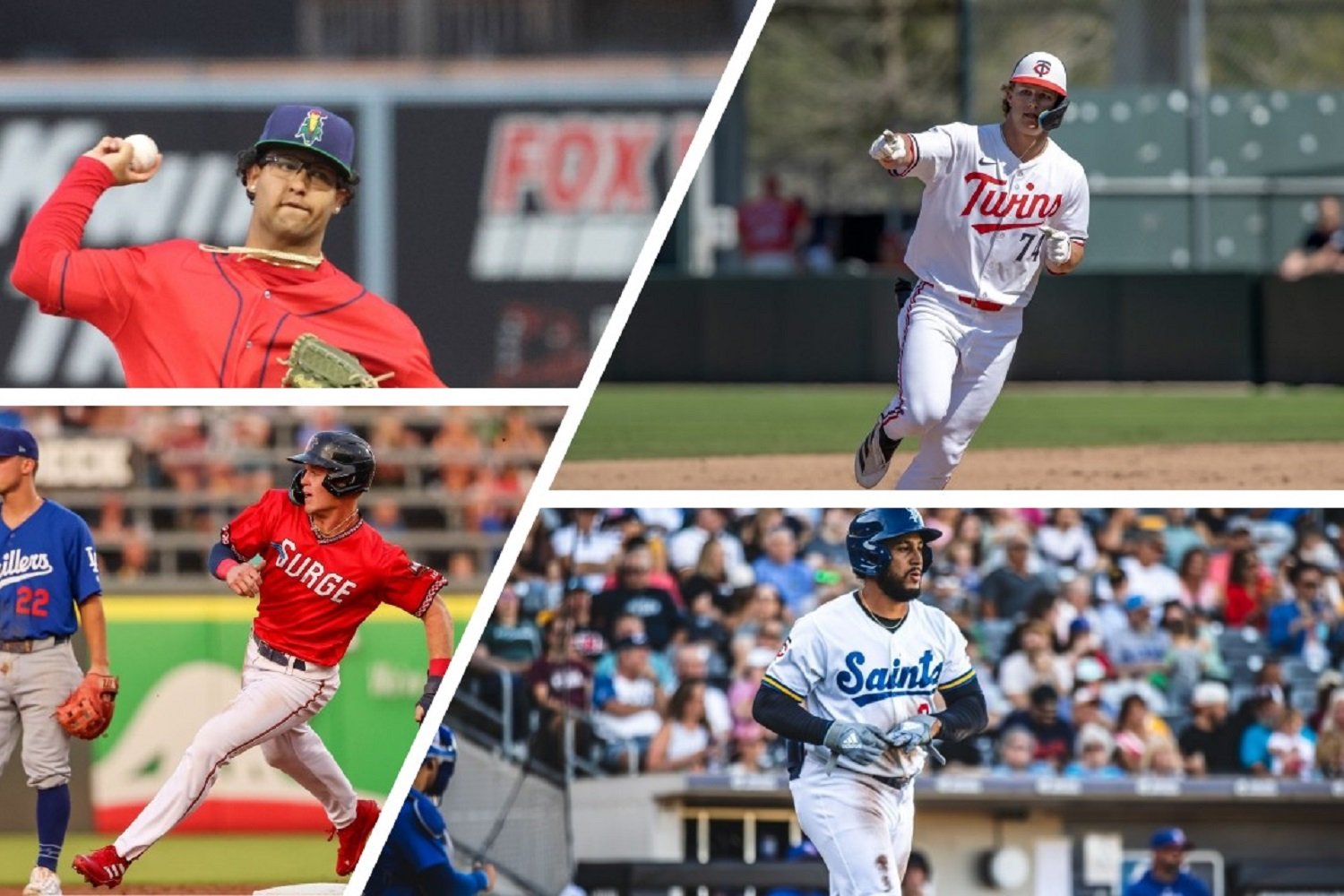 In a season that began with high hopes for Minnesota’s top prospects, injuries have tempered the excitement. It has become an unfortunate rite of passage for the Twins' top prospects to have their professional careers impacted by injury, including Royce Lewis, Byron Buxton, and Alex Kirilloff. The list is seemingly endless. In 2025, Twins Daily’s four highest-ranked prospects have all been injured this spring. While each injury carries its own measure of uncertainty, the Twins remain optimistic about the impact these players can bring once healthy. Walker Jenkins, OF Injury: Left ankle sprain Jenkins opened camp and quickly suffered a sprained left ankle that slowed his preparation, causing him to miss a significant chunk of Grapefruit League action. Despite the early setback, Jenkins returned in time for the season opener at Double-A Wichita and was activated, only to feel renewed stiffness after two games and eight plate appearances. The discomfort forced the 20-year-old outfielder back onto the injured list on April 9. He received a cortisone injection to accelerate healing and reduce inflammation. A Twins spokesperson has since indicated that Jenkins will likely remain out through May, a frustrating twist for a player who entered 2025 as one of baseball’s top 10 overall prospects. With his blend of power, speed, and advanced feel at the plate, the Twins are in no hurry to push Jenkins back prematurely, preferring a fully healthy return that preserves his long-term development. Expected Return: Early-to-mid June Emmanuel Rodriguez, OF Injury: Left thumb strain Rodríguez has been a bright spot on the farm system charts, becoming the team’s second-highest-ranked prospect and ranking No. 34 overall in MLB Pipeline entering this season. However, durability has been a rising concern. Rodríguez tore a ligament in his right thumb in 2023, leading to surgery, and then saw his 2024 campaign limited to just 47 games due to lingering soreness. Although his spring ankle tweak proved minor and did not affect his Triple-A workload initially, Rodríguez suffered a left thumb strain on April 23 sliding into second base. Luckily, it was not the same thumb on which he had surgery last year. The Twins have listed him as day-to-day, with an optimistic timeline pointing toward an early- to mid-May return. Yet, given his history, the organization is monitoring his rehab cautiously to avoid a repeat of last year’s setbacks. Expected return: Rodriguez returned to play over the weekend Luke Keaschall, IF Injury: Right forearm fracture The 22-year-old infielder lit up the majors with an electrifying debut, slashing .368/.538/.526 over his first seven games, including three doubles and five stolen bases. Drafted in the second round of 2023, Keaschall emerged this spring as a catalyst for what many hoped would be a revival of the Twins’ offense. That momentum came to an abrupt halt on April 25, when a Kyle Hendricks fastball struck Keaschall’s right forearm, resulting in a non-displaced fracture. The injury is particularly concerning in that it affects the same arm that underwent Tommy John surgery last August, extending the expected recovery period to at least two months. Minnesota placed Keaschall on the 10-day injured list, but he’s a candidate to move to the 60-day IL if the team needs a roster spot soon. Minnesota hopes Keaschall can get healthy and return to the lineup in the second half to provide a renewed spark. Expected return: Early July Charlee Soto, RHP Injury: Right triceps soreness Soto, the 19-year-old right-handed pitcher, began the season with a series of dominant starts for High-A Cedar Rapids. Through his first 13 innings, he allowed just two earned runs, while improving his strikeout rate by nearly two percentage points over his 2024 finish, slashing his walk rate by 2.5 percentage points. Triceps soreness in his right arm prompted the organization to shut him down and place him on the 7-day injured list for rest and recovery. His timeline remains the most fluid of this quartet, because the Twins need to see how his body reacts from time off. When he does return, the Twins’ development staff will manage his innings carefully throughout the remainder of 2025. Expected Return: TBD Injuries are an unwelcome but inevitable challenge. As Minnesota navigates the ebb and flow of its top prospects' development, keeping Jenkins, Rodríguez, Keaschall, and Soto on track will be critical to ensuring the farm system’s potential translates into major-league success. Once these key pieces are back on the field, the Twins’ future outlook will brighten considerably. Which player will return to the field first? Why do the team’s top prospects continue to get injured? Leave a comment and start the discussion.
- 20 comments
-
- 4
-
-
- walker jenkins
- emmanuel rodriguez
- (and 2 more)
-
Image courtesy of Abby Haling/Wisconsin Timber Rattlers (Soto), Rob Thompson / St. Paul Saints (Rodriguez), William Parmeter (Keaschall), Ed Bailey/ Wichita Wind Surge (Jenkins) In a season that began with high hopes for Minnesota’s top prospects, injuries have unfortunately tempered the excitement. It has become an unfortunate rite of passage for the Twins' top prospects to have their professional careers impacted by injury, including Royce Lewis, Byron Buxton, and Alex Kirilloff. The list is seemingly endless. In 2025, Twins Daily’s four highest-ranked prospects have all been injured. While each injury carries its own timeline and uncertainty, the Twins remain optimistic in the long term about the impact these players can bring once healthy. Walker Jenkins, OF Injury: Left ankle sprain Jenkins opened camp and quickly suffered a sprained left ankle that slowed his preparation, causing him to miss a significant chunk of Grapefruit League action. Despite the early setback, Jenkins returned in time for the season opener at Double-A Wichita and was activated onto the roster, only to feel renewed stiffness after two games and eight plate appearances. The discomfort forced the 20-year-old outfielder back onto the injured list on April 9, where he received a cortisone injection to accelerate healing and reduce inflammation. A Twins spokesperson has since indicated that Jenkins will likely remain out through May, a frustrating twist for a player who entered 2025 as one of baseball’s top 10 overall prospects. With his blend of power, speed, and advanced feel at the plate, the Twins are in no hurry to push Jenkins back prematurely, preferring a fully healthy return that preserves his long-term development. Expected Return: Early-to-mid June Emmanuel Rodríguez, OF Injury: Left thumb strain Rodríguez has been a bright spot on the farm system charts since his 2023 debut, boasting the team’s second-highest ranked prospect and ranking No. 34 overall in MLB Pipeline. However, durability has raised concerns: Rodríguez tore a ligament in his right thumb, leading to surgery, and then saw his 2024 campaign limited to just 47 games due to lingering soreness. Although his spring ankle tweak proved minor and did not affect his Triple-A workload initially, Rodríguez suffered a left thumb strain on April 23 sliding into second base. Luckily, it was not the same thumb on which he had surgery last year. The Twins have listed him as day-to-day, with an optimistic timeline pointing toward an early-to-mid May return. Yet, given his thumb history, the organization is monitoring his rehab cautiously to avoid a repeat of last year’s setbacks. Expected return: Rodriguez returned to play over the weekend Luke Keaschall, IF Injury: Right forearm fracture The 22-year-old infielder Luke Keaschall lit up the majors with an electrifying debut, slashing .368/.538/.526 (1.065) over his first seven games, including three doubles and five stolen bases. Drafted in the second round of 2023, Keaschall entered April as a catalyst for what many hoped would be a revival of the Twins’ offense. That momentum came to an abrupt halt on April 25, when a Kyle Hendricks fastball struck Keaschall’s right forearm, resulting in a non-displaced fracture. The injury is particularly concerning as it affects the same arm that underwent Tommy John surgery last August, extending the expected recovery period to at least two months. Minnesota placed Keaschall on the 10-day injured list, but he’s a candidate to move to the 60-day IL if the Twins need a roster spot. Minnesota hopes Keaschall can get healthy and return to the lineup in the second half to provide a renewed spark for the team. Expected return: Early July Charlee Soto, RHP Injury: Right triceps soreness Soto, the 19-year-old right-handed pitcher, began the season with a series of dominant starts for Cedar Rapids. Through his first 13 innings, he allowed just two earned runs while improving his strikeout rate by nearly two percentage points over his 2024 finish, slashing his walk rate by 2.5%. Triceps soreness in his right arm prompted the organization to shut him down and place him on the seven-day injured list for rest and recovery. His timeline remains the most fluid of this quartet because the Twins need to see how his body reacts from time off. When he does return, the Twins’ development staff will manage his innings carefully throughout the remainder of 2025. Expected Return: TBD Injuries are an unwelcome challenge. As Minnesota navigates the ebb and flow of its prospect development, keeping Jenkins, Rodríguez, Keaschall, and Soto on track (albeit on individualized timelines) will be critical to ensuring the farm system’s potential translates into major league success. Once these key pieces are back on the field, the Twins’ future outlook will brighten considerably. Which player will return to the field first? Why do the team’s top prospects continue to get injured? Leave a comment and start the discussion. View full article
-
Image courtesy of Jerome Miron-Imagn Images Royce Lewis has been sidelined since suffering a left hamstring strain while running out a ground ball in spring training, delaying his 2025 debut by several weeks. This marks the second straight season Lewis has opened the year on the injured list due to a muscular issue running the bases, after missing two months with a right quadriceps strain on Opening Day in 2024. The Twins lineup picture has changed since this spring, which could signal a shifting role for Lewis as he returns. Defensive Concerns at Third Base Lewis was drafted and developed as a shortstop in the Twins system. Throughout his professional career, scouts questioned his long-term defensive home, with many believing he’d need to move off shortstop. That became a self-fulfilling prophecy when Lewis bulked up during his rehab from multiple knee surgeries. His added muscle mass helped his power development but has hindered his speed. Third base seemed like a natural next step for Lewis, but the transition has come with some bumps. In 2024, Lewis committed six throwing errors in over 400 innings at the hot corner, tying for the fifth-highest total in Major League Baseball relative to his innings played. Statcast ranked his arm strength 28th among third basemen at an average of 84 mph, below the league average for the position. These defensive struggles, compounded by his recent hamstring injury, have cast doubt on his ability to handle the rigors of third base on a full-time basis. Potential Shift to Designated Hitter Minnesota could consider moving Lewis to DH for a variety of reasons. The team’s desire to preserve his offensive contributions is key, which could involve more DH time. The Twins have other options at third base, including some players who are considered better defenders. There is also a chance that keeping him off his legs could deter some injuries. By logging more games at DH, Lewis can avoid the lateral stresses and high-impact plays at third base, theoretically reducing the risk of hamstring and quadriceps strains. However, it’s important to note that many of Lewis’s soft-tissue injuries have occurred while running. Even as a DH, he’ll still be susceptible to those risks on the bases. Minnesota’s willingness to give Lewis a breather in the field could be the team’s best chance to keep his bat in the lineup daily. So, who are the team’s third base alternatives if Lewis is at DH? Brooks Lee In Lewis's absence, Brooks Lee has provided stability and strong defense at third base. His OAA ranks in the 84th percentile to start the season, even with him missing time on the IL. His reliable glovework and developing bat give Minnesota confidence to continue handing him the hot corner, even as Lewis gets up to speed. Willi Castro Utilityman Willi Castro is currently on the 10-day injured list with a strained right oblique but is expected to return around the same time as Lewis. He offers multi-positional flexibility, having logged time at second base, shortstop, corner infield spots, and DH this season. Castro’s ability to move around a patchwork infield makes him an ideal bench piece and spot starter at third base upon his return. Jonah Bride Acquired from the Marlins on April 16, Jonah Bride is a low-cost infielder whose bat the Twins hope to keep active low in the lineup. Bride had gone 4-for-40 with two RBIs in Miami before the trade and projects as a backup infielder who can play third and first base. He has already been worth 1 OAA at third base with the Twins. He won’t play every day, but the Twins might need to use him at third when he is in the lineup. Balancing Workload and Health Minnesota’s infield depth allows them to rest Lewis defensively without sacrificing quality at the hot corner. By rotating Lee, Castro, and Bride across third base and DH, the Twins can manage Lewis’s innings on the dirt, giving him days off in the field and reducing the accumulation of high-impact plays. This could be crucial for a player whose most recent injuries have come on the bases, ensuring that when Lewis does take the field, he’s fresh and focused on making clean plays. Lewis’s impending return is a significant boost for Minnesota’s lineup, but it comes at a time when protecting his health is paramount. A hybrid role (where he splits time between third base and DH) leverages his elite bat while preserving his legs and arm. Ultimately, this strategy could unlock Lewis’s full potential, allowing him to consistently stay on the field and contribute to Minnesota returning to contending. Should Lewis see more time at DH when he returns? Leave a comment and start the discussion. View full article
-
 Last weekend, Joe Ryan unleashed what might be the single most electrifying pitch in Minnesota Twins lore. Clips of the pitch have gone viral on MLB’s platforms and Pitching Ninja’s social feeds, igniting debate over whether hyperbole can actually outpace reality in describing such a masterpiece. Underneath the highlight-reel spin and social-media frenzy, the pitch’s underlying metrics this season demonstrate why the sweeper has become Ryan’s secret weapon in 2025. Relive the Pitch In the sixth inning of Minnesota’s contest against the Los Angeles Angels, Ryan fell behind 2–2 to Kyren Paris before unleashing the now-famous sweeper that started over the heart of the plate and darted well into the opposite batter’s box. Paris bit hard, flailing at a pitch that moved more than a typical slider, resulting in a swinging strikeout. In the game, Ryan logged 26 swings and misses and contributed to his season-high 11 strikeouts over seven shutout innings. Social media accounts immediately seized upon the pitch’s absurd break. MLB’s official highlight package and Rob Friedman (Pitching Ninja) both posted the clip, highlighting the sweeper’s 30 inches of horizontal movement, nearly double the big-league average for breaking balls. Mechanics and Movement At 79.9 mph, Ryan’s sweeper sits comfortably between a traditional slider and a cutter, but it distinguishes itself with its combination of late, sweeping action and deceptive release point. According to Baseball Savant, Ryan’s 2025 sweeper averages 17.7 inches of horizontal movement, an increase of over two inches compared to last season. Further complicating matters for hitters is Ryan’s low three-quarters arm slot, a legacy of his early athletic background. His atypical delivery helps hide the ball until it’s too late for the batter to adjust. His 24-degree arm angle is lower this season than his career average, which adds some deception. Combined with a fastball that averages 93 mph and peaks in the upper 90s, Ryan’s arm action makes for a devastating runway: the heater elevates, then the batters’ eyes must rapidly account for a sweeping breaker at the very bottom of the zone. From Water Polo to the Mound Before he was drafted, Ryan was a standout water polo athlete whose shoulder strength and unconventional arm path translated naturally to baseball. He leveraged that background in high school and the minors to throw his fastball high in the zone with a unique spin, routinely generating whiffs on four-seamers alone. However, the majors demanded a more varied arsenal, prompting Ryan to develop and refine secondary offerings like the splitter and, most notably, the sweeper. Introduced in 2022, Ryan’s sweeper usage has steadily climbed from a novelty to an actual go-to pitch. In 2024, he threw it sparingly, but his Whiff Rate on the pitch hovered around 30 percent; this season, that figure has surged to above 41%, a full 10% jump year-over-year. Opponents now hold a .182 xBA and a .300 xSLG when facing his sweeper, underscoring its increasing effectiveness in generating weak contact or outright misses. Such data-driven optimization speaks volumes about Twins' pitching development. Coaches have helped Ryan extract maximal movement from the pitch without sacrificing control. His ability to elevate the fastball high and then follow with a sweeping breaking ball keeps hitters off balance, driving up his overall put-away percentage. Impact on the Twins While Ryan remains fundamentally a fastball-first starter, his newfound command of the sweeper has transformed him into a bona fide frontrunner for Minnesota’s rotation ace. Through April, he led Twins starters in innings pitched, strikeout rate, and WAR, earning Twins Daily’s Pitcher of the Month nod for April 2025 Ryan was once viewed as a back-end rotation piece but has become a true playoff-caliber starter. If last weekend’s “best pitch in Twins history” is any indication, opposing lineups have never faced a more daunting task than handling Ryan’s arsenal, especially when that signature sweeper is on the menu. Hyperbole may have fueled the claim that Ryan threw the greatest single pitch in Minnesota Twins history, but the combination of Statcast metrics, social-media buzz, and on-field context lends the assertion surprising credibility. As the season unfolds, Twins fans can savor moments like the 30-inch-break beauty, confident that Ryan’s best (or at least his most spectacular) stuff is still yet to come. Was Ryan’s sweeper the best pitch in Twins history? Can his slider continue to develop? Leave a comment and start the discussion.
 -
Funderburk will help the Twins this season. The others likely need to show a little more strikeout potential to move up the organizational ladder.
- 4 replies
-
- 2
-
-
- paulshawn pasqualotto
- kody funderburk
- (and 2 more)
-
Twins Minor League Reliever of the Month: March/April 2025
Cody Christie posted an article in Minor Leagues
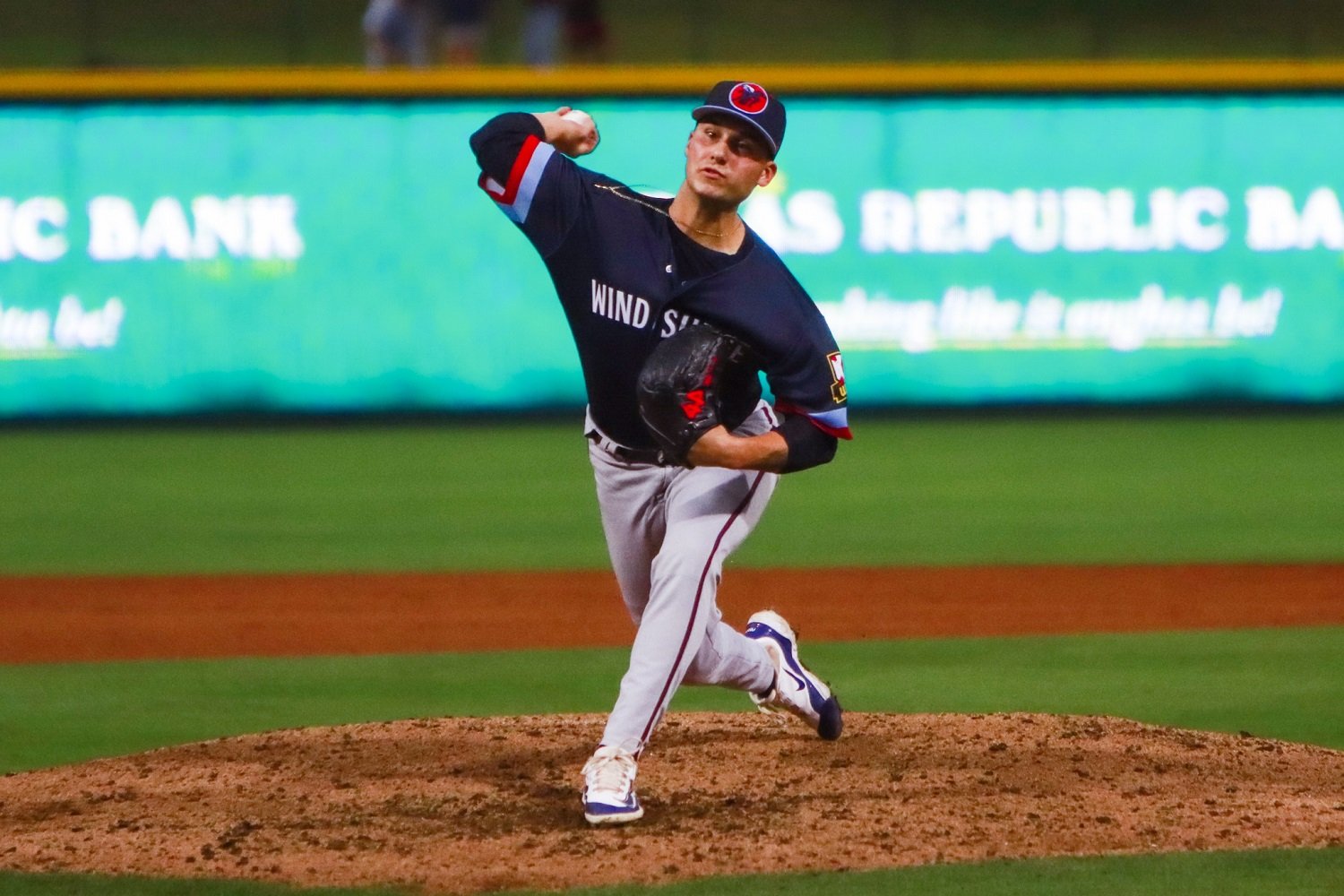 Developing relief pitching in an organization can be a challenging endeavor. For various reasons, some players are shifted to a bullpen role early in their professional careers. Other players are used in a multi-inning piggyback relief role to help other starters manage their workload. One of the biggest challenges for relievers is the small sample size associated with their performance. One bad outing can haunt a player’s numbers for the entire season. Here are the top four relievers from the season’s first month. Twins March/April Minor League Reliever of the Month #4 - Paulshawn Pasqualotto (Cedar Rapids) - 7 G, 0.00 ERA, 0.83 WHIP, 12 IP, 7 H, 3 BB, 9 K The Twins selected Pasqualotto in the 12th round of the 2023 MLB Draft from the University of California, Berkeley. Last season, he split time between starter and reliever with mixed results, including a 6.66 ERA and a 1.65 WHIP. The Twins moved him to a full-time bullpen role for 2025, and the results have improved significantly. Cedar Rapids has used him for two innings or more in four of his seven appearances. All his appearances have come in the eighth inning or later. On April 16, he pitched the final three innings of a Kernels’ extra-inning win while limiting batters to two hits and striking out four. He’s improved his K% by 1.4% and reduced his BB% by 0.6%. To be a viable long-term reliever, he must continue to see an increase in his strikeout totals. #3 - Jarret Whorff (Wichita/St. Paul) - 7 G, 1.98 ERA, 0.81 WHIP, 13 2/3 IP, 7 H, 4 BB, 18 K Whorff went undrafted in the 2022 MLB Draft, but the Twins signed him to a minor league deal early in the 2023 season. He’s made some spot starts during his professional career, and the Twins haven’t been afraid to move him up and down minor league levels on a needs basis. He began the 2025 campaign at Double-A, allowing one earned run on five hits in 10 2/3 innings. Minnesota promoted him briefly to St. Paul for one appearance in the middle of the month, where he allowed two earned runs in three frames with five strikeouts. He’s held batters to a .149/.216/.319 (.535) slash line with three extra-base hits. His K% jumped from 24.5% last season to 35.3% so far in 2025 while also lowering his BB% by 1.3%. Whorff is performing well in the upper minors and could be a relief option for the Twins in the coming years. #2 - Kody Funderburk (St. Paul) - 8 G, 0.00 ERA, 0.56 WHIP, 10 2/3 IP, 4 H, 2 BB, 12 K Twins fans are familiar with Funderburk since the southpaw has made 40 appearances with the big-league club over the last three seasons. Minnesota took him in the 15th round of the 2018 MLB Draft, and he moved slowly through the organization in a left-handed starting role. Once moved to the bullpen, he moved up quickly. Now, in his age-28 season, he’s in a group of relievers who will move up and down between Triple-A and the big leagues. With St. Paul, he’s posted strong numbers in what many considered a hitter-friendly league. Funderburk has a 32.4 K% and a 5.4 BB% while being especially dominant against lefties by holding them to a .592 OPS in 27 PA. The Twins will need Funderburk again at some point this season, so it’s critical for him to perform well at Triple-A. Twins Minor League Reliever of the Month - Mike Paredes (Wichita) - 7 G, 0.00 ERA, 0.77 WHIP, 20 2/3 IP, 10 H, 6 BB, 15 K The Twins selected Paredes in the 18th round of the 2021 MLB Draft from San Diego State University. He split time as a starter and reliever early in his pro career before shifting to a full-time reliever role in 2023. In his relief appearances last season, he posted a 3.11 ERA with a 1.13 WHIP and a 23.2 K% while the Twins were comfortable moving him back and forth across three different levels. Paredes’ usage has been unique this season, as he has significantly more innings pitched than the other names on this list. He’s one of just two qualified minor league pitchers who have yet to allow an earned run in 2025. He has pitched three innings or more in six of his seven appearances, and he’s limited damage by stranding runners( 94.1 LOB%). Batters have been unable to make solid contact against him with a .143/.221/.143 (.364) slash line. Paredes has also done a tremendous job at limiting home runs, with no home runs allowed this season and single-digit homers allowed over the last two years (2.6 HR/FB%). He won’t have a zero ERA for the whole season, but he’s provided significant value out of the Wind Surge bullpen. Flaws will be exposed with any reliever throughout the season as sample sizes start to grow. Paredes, Funderburk, and Pasqualotto will allow runs sometime in the coming weeks. However, their strong starts have helped put their team in the first-half playoff hunt. For relievers, it's about limiting damage and keeping your team positioned to win. All four of these arms have lived up to that expectation in April. How would your ballot look for the month? Should any other relievers make the list? Leave a comment and start the discussion.
- 4 comments
-
- 5
-
-
- paulshawn pasqualotto
- kody funderburk
- (and 2 more)
-
Image courtesy of © Jeffrey Becker-Imagn Images Last weekend, Joe Ryan unleashed what might be the single most electrifying pitch in Minnesota Twins lore. Clips of the pitch have gone viral on MLB’s platforms and Pitching Ninja’s social feeds, igniting debate over whether hyperbole can actually outpace reality in describing such a masterpiece. Underneath the highlight-reel spin and social-media frenzy, the pitch’s underlying metrics this season demonstrate why the sweeper has become Ryan’s secret weapon in 2025. Relive the Pitch In the sixth inning of Minnesota’s contest against the Los Angeles Angels, Ryan fell behind 2–2 to Kyren Paris before unleashing the now-famous sweeper that started over the heart of the plate and darted well into the opposite batter’s box. Paris bit hard, flailing at a pitch that moved more than a typical slider, resulting in a swinging strikeout. In the game, Ryan logged 26 swings and misses and contributed to his season-high 11 strikeouts over seven shutout innings. Social media accounts immediately seized upon the pitch’s absurd break. MLB’s official highlight package and Rob Friedman (Pitching Ninja) both posted the clip, highlighting the sweeper’s 30 inches of horizontal movement, nearly double the big-league average for breaking balls. Mechanics and Movement At 79.5 mph, Ryan’s sweeper sits comfortably between a traditional slider and a cutter, but it distinguishes itself with its combination of late, sweeping action and deceptive release point. According to Baseball Savant, Ryan’s 2025 sweeper averages 17.6 inches of horizontal movement, an increase of over two inches compared to last season. Further complicating matters for hitters is Ryan’s low three-quarters arm slot, a legacy of his early athletic background. His atypical delivery helps hide the ball until it’s too late for the batter to adjust. His 24-degree arm angle is lower this season than his career average, which adds some deception. Combined with a fastball that averages 93 mph and peaks in the upper 90s, Ryan’s arm action makes for a devastating runway: the heater elevates, then the batters’ eyes must rapidly account for a sweeping breaker at the very bottom of the zone. From Water Polo to the Mound Before he was drafted, Ryan was a standout water polo athlete whose shoulder strength and unconventional arm path translated naturally to baseball. He leveraged that background in high school and the minors to throw his fastball high in the zone with a unique spin, routinely generating whiffs on four-seamers alone. However, the majors demanded a more varied arsenal, prompting Ryan to develop and refine secondary offerings like the splitter and, most notably, the sweeper. Introduced in 2022, Ryan’s sweeper usage has steadily climbed from a novelty to an actual go-to pitch. In 2024, he threw it sparingly, but his Whiff Rate on the pitch hovered around 30 percent; this season, that figure has surged to above 40%, a full 10% jump year-over-year. Opponents now hold a .183 xBA and a .314 xSLG when facing his sweeper, underscoring its increasing effectiveness in generating weak contact or outright misses. Such data-driven optimization speaks volumes about Twins' pitching development. Coaches have helped Ryan extract maximal movement from the pitch without sacrificing control. His ability to elevate the fastball high and then follow with a sweeping breaking ball keeps hitters off balance, driving up his overall put-away percentage. Impact on the Twins While Ryan remains fundamentally a fastball-first starter, his newfound command of the sweeper has transformed him into a bona fide frontrunner for Minnesota’s rotation ace. Through April, he led Twins starters in innings pitched, strikeout rate, and WAR, earning Twins Daily’s Pitcher of the Month nod for April 2025 Ryan was once viewed as a back-end rotation piece but has become a true playoff-caliber starter. If last weekend’s “best pitch in Twins history” is any indication, opposing lineups have never faced a more daunting task than handling Ryan’s arsenal, especially when that signature sweeper is on the menu. Hyperbole may have fueled the claim that Ryan threw the greatest single pitch in Minnesota Twins history, but the combination of Statcast metrics, social-media buzz, and on-field context lends the assertion surprising credibility. As the season unfolds, Twins fans can savor moments like the 30-inch-break beauty, confident that Ryan’s best (or at least his most spectacular) stuff is still yet to come. Was Ryan’s sweeper the best pitch in Twins history? Can his slider continue to develop? Leave a comment and start the discussion. View full article
-
Image courtesy of Wichita Wind Surge Developing relief pitching in an organization can be a challenging endeavor. For various reasons, some players are shifted to a bullpen role early in their professional careers. Other players are used in a multi-inning piggyback relief role to help other starters manage their workload. One of the biggest challenges for relievers is the small sample size associated with their performance. One bad outing can haunt a player’s numbers for the entire season. Here are the top four relievers from the season’s first month. Twins March/April Minor League Reliever of the Month #4 - Paulshawn Pasqualotto (Cedar Rapids) - 7 G, 0.00 ERA, 0.83 WHIP, 12 IP, 7 H, 3 BB, 9 K The Twins selected Pasqualotto in the 12th round of the 2023 MLB Draft from the University of California, Berkeley. Last season, he split time between starter and reliever with mixed results, including a 6.66 ERA and a 1.65 WHIP. The Twins moved him to a full-time bullpen role for 2025, and the results have improved significantly. Cedar Rapids has used him for two innings or more in four of his seven appearances. All his appearances have come in the eighth inning or later. On April 16, he pitched the final three innings of a Kernels’ extra-inning win while limiting batters to two hits and striking out four. He’s improved his K% by 1.4% and reduced his BB% by 0.6%. To be a viable long-term reliever, he must continue to see an increase in his strikeout totals. #3 - Jarret Whorff (Wichita/St. Paul) - 7 G, 1.98 ERA, 0.81 WHIP, 13 2/3 IP, 7 H, 4 BB, 18 K Whorff went undrafted in the 2022 MLB Draft, but the Twins signed him to a minor league deal early in the 2023 season. He’s made some spot starts during his professional career, and the Twins haven’t been afraid to move him up and down minor league levels on a needs basis. He began the 2025 campaign at Double-A, allowing one earned run on five hits in 10 2/3 innings. Minnesota promoted him briefly to St. Paul for one appearance in the middle of the month, where he allowed two earned runs in three frames with five strikeouts. He’s held batters to a .149/.216/.319 (.535) slash line with three extra-base hits. His K% jumped from 24.5% last season to 35.3% so far in 2025 while also lowering his BB% by 1.3%. Whorff is performing well in the upper minors and could be a relief option for the Twins in the coming years. #2 - Kody Funderburk (St. Paul) - 8 G, 0.00 ERA, 0.56 WHIP, 10 2/3 IP, 4 H, 2 BB, 12 K Twins fans are familiar with Funderburk since the southpaw has made 40 appearances with the big-league club over the last three seasons. Minnesota took him in the 15th round of the 2018 MLB Draft, and he moved quickly through the organization in a left-handed relief role. Now, in his age-28 season, he’s in a group of relievers who will move up and down between Triple-A and the big leagues. With St. Paul, he’s posted strong numbers in what many considered a hitter-friendly league. Funderburk has a 32.4 K% and a 5.4 BB% while being especially dominant against lefties by holding them to a .592 OPS in 27 PA. The Twins will need Funderburk again at some point this season, so it’s critical for him to perform well at Triple-A. Twins Minor League Reliever of the Month - Mike Paredes (Wichita) - 7 G, 0.00 ERA, 0.77 WHIP, 20 2/3 IP, 10 H, 6 BB, 15 K The Twins selected Paredes in the 18th round of the 2021 MLB Draft from San Diego State University. He split time as a starter and reliever early in his pro career before shifting to a full-time reliever role in 2023. In his relief appearances last season, he posted a 3.11 ERA with a 1.13 WHIP and a 23.2 K% while the Twins were comfortable moving him back and forth across three different levels. Paredes’ usage has been unique this season, as he has significantly more innings pitched than the other names on this list. He’s one of just two qualified minor league pitchers who have yet to allow an earned run in 2025. He has pitched three innings or more in six of his seven appearances, and he’s limited damage by stranding runners( 94.1 LOB%). Batters have been unable to make solid contact against him with a .143/.221/.143 (.364) slash line. Paredes has also done a tremendous job at limiting home runs, with no home runs allowed this season and single-digit homers allowed over the last two years (2.6 HR/FB%). He won’t have a zero ERA for the whole season, but he’s provided significant value out of the Wind Surge bullpen. Flaws will be exposed with any reliever throughout the season as sample sizes start to grow. Paredes, Funderburk, and Pasqualotto will allow runs sometime in the coming weeks. However, their strong starts have helped put their team in the first-half playoff hunt. For relievers, it's about limiting damage and keeping your team positioned to win. All four of these arms have lived up to that expectation in April. How would your ballot look for the month? Should any other relievers make the list? Leave a comment and start the discussion. View full article
-
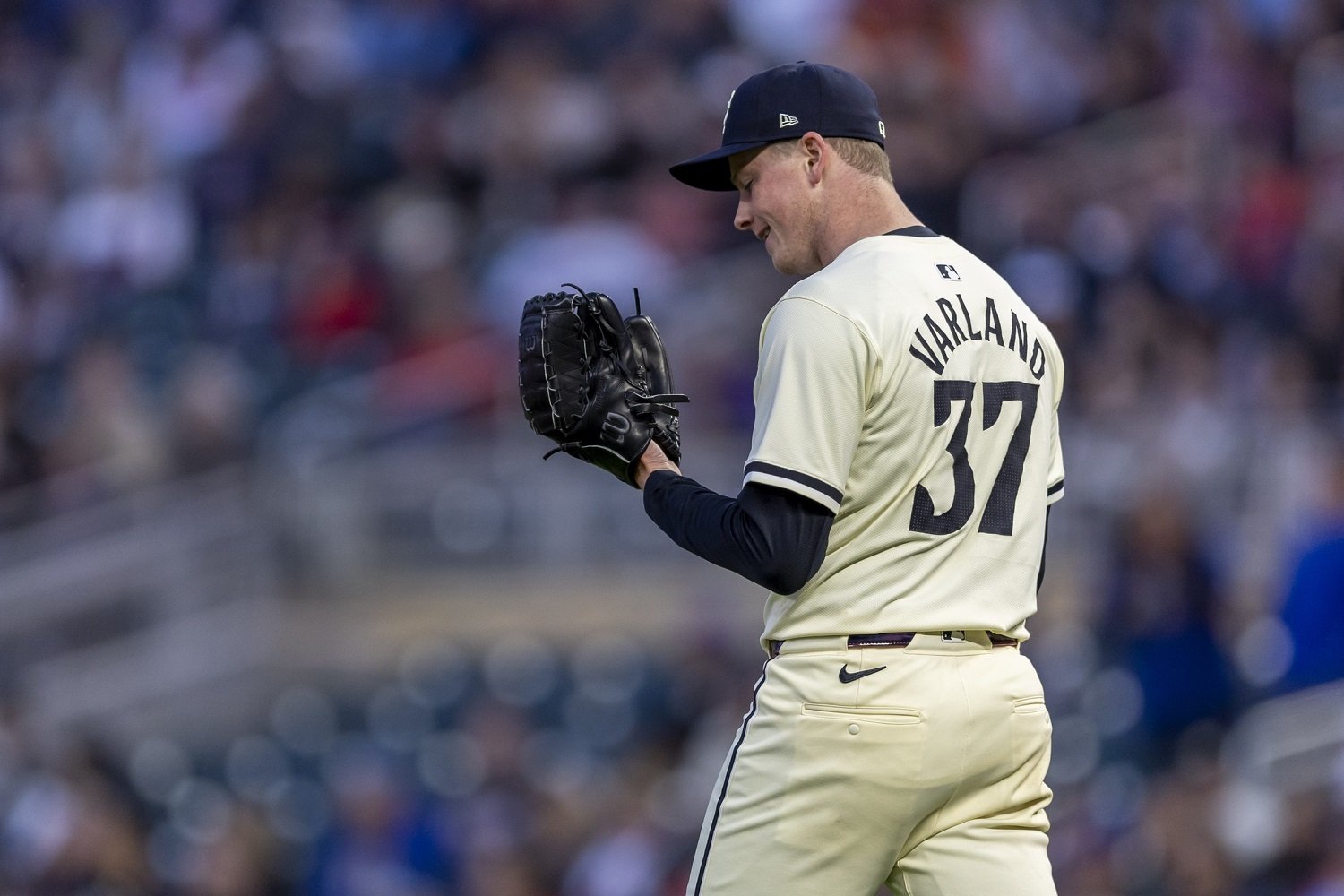 In his first season as a full-time reliever, Louis Varland has flashed good swing-and-miss stuff. It's convinced Rocco Baldelli to deploy him more often out of the bullpen than any other Twin this year. But even as his strikeout rate soars, an old weakness has carried over from his days as a starter. Varland is leaving too many pitches in the middle of the plate, and opponents aren’t missing their invitations to tee off. From Starter to High-Leverage Reliever After splitting time between the rotation and bullpen the last two seasons, Varland has settled into a true reliever’s role in 2025. Through 15 appearances, Baldelli has leaned on him in more games than any other pitcher on the staff, using Varland in a variety of situations. The move makes sense: Varland’s four-seamer is up near 98 mph on short stints, and his secondary pitches play with added life when he doesn’t have to pace himself over multiple innings. Perhaps the most encouraging sign has been his strikeout rate. Varland is punching out 32.8 percent of batters faced, ranking in the top 8 percent of the league's hurlers. That surge in whiffs has come largely on the changeup and knuckle-curve, both of which gain intensity when thrown in shorter bursts. The Meatball Problem All of that swing-and-miss prowess can go for naught, though, when Varland loses the edges of the zone. Baseball Savant classifies pitches down the heart of the plate as “meatballs,” and for his career, Varland has served up 9.8% of his offerings right over the middle. That total is significantly above the MLB average of roughly 7.3%. Those mistakes have been punished: meatballs are prime targets for high-exit velocity contact and home runs. So, how has Varland been impacted by meatballs this season? Hard Contact Metrics Pull AIR % (Pulled Airborne Batted Balls): Hitters are pulling the ball in the air 25.7 percent of the time against Varland, up from roughly 18 percent in his starter years. Average Exit Velocity: His opponents’ average exit velocity is 93.1 mph, well above the league average, and in the worst 2 percent of pitchers. Hard Hit %: A whopping 62.9 percent of balls in play against him qualify as “hard-hit” (95 mph+), placing him in the bottom 1 percent of MLB arms. These figures underline the danger of meatballs: when he leaves a pitch waist-high, hitters punish it. Spotlight on the Changeup Varland’s changeup has been especially problematic. In 21 pitches thrown this season, he’s yielded a 1.667 slugging percentage, including two home runs and a double. He is only throwing this pitch against left-handed batters, and it comes with the caveat of being a small sample size. However, a changeup hung over the heart of the plate plays like a batting practice fastball, and opposing hitters have taken full advantage. A glance at his Statcast zone map shows a cluster of mislocated changeups right down the middle. Path Forward: Execution at the Edges If Varland is to take the next step as a late-inning weapon, his command must improve. Specifically: Fastball Location: While his heater can touch 100 mph, too many end up middle-middle. Working more around the edges and elevating more within the zone will keep hitters honest and reduce the risk of giving up power. Changeup Refinement: Better tunneling and late fade on the changeup could turn meatballs into chase-inducing off-speed pitches. Emphasizing release consistency and disguising arm speed will be key. So, too, though, will be generating more depth on the offering than he's managed so far in 2025. In this image, the red line connects the movement coordinates for his 2025 fastball and changeup, while the blue one connects his 2024 offerings. This year, the changeup has more run, but less depth, leading to more pitches left up. Even with the meatball issue, Varland’s 3.21 ERA and 19 strikeouts in 14 innings suggest that the raw stuff is plus-plus. His two seasons of relief work have shown he can handle high-leverage innings, and the strikeout upside is tantalizing. If Twins pitching coaches can help him tighten up the zone and avoid center-cut mistakes, Varland could become one of the most valuable relief options in the back end of the bullpen. Will Varland be able to solve his meatball problem? Leave a comment and start the discussion.
 -
Image courtesy of © Jesse Johnson-Imagn Images In his first season as a full-time reliever, Louis Varland has flashed good swing-and-miss stuff. It's convinced Rocco Baldelli to deploy him more often out of the bullpen than any other Twin this year. But even as his strikeout rate soars, an old weakness has carried over from his days as a starter. Varland is leaving too many pitches in the middle of the plate, and opponents aren’t missing their invitations to tee off. From Starter to High-Leverage Reliever After splitting time between the rotation and bullpen the last two seasons, Varland has settled into a true reliever’s role in 2025. Through 15 appearances, Baldelli has leaned on him in more games than any other pitcher on the staff, using Varland in a variety of situations. The move makes sense: Varland’s four-seamer is up near 98 mph on short stints, and his secondary pitches play with added life when he doesn’t have to pace himself over multiple innings. Perhaps the most encouraging sign has been his strikeout rate. Varland is punching out 32.8 percent of batters faced, ranking in the top 8 percent of the league's hurlers. That surge in whiffs has come largely on the changeup and knuckle-curve, both of which gain intensity when thrown in shorter bursts. The Meatball Problem All of that swing-and-miss prowess can go for naught, though, when Varland loses the edges of the zone. Baseball Savant classifies pitches down the heart of the plate as “meatballs,” and for his career, Varland has served up 9.8% of his offerings right over the middle. That total is significantly above the MLB average of roughly 7.3%. Those mistakes have been punished: meatballs are prime targets for high-exit velocity contact and home runs. So, how has Varland been impacted by meatballs this season? Hard Contact Metrics Pull AIR % (Pulled Airborne Batted Balls): Hitters are pulling the ball in the air 25.7 percent of the time against Varland, up from roughly 18 percent in his starter years. Average Exit Velocity: His opponents’ average exit velocity is 93.1 mph, well above the league average, and in the worst 2 percent of pitchers. Hard Hit %: A whopping 62.9 percent of balls in play against him qualify as “hard-hit” (95 mph+), placing him in the bottom 1 percent of MLB arms. These figures underline the danger of meatballs: when he leaves a pitch waist-high, hitters punish it. Spotlight on the Changeup Varland’s changeup has been especially problematic. In 21 pitches thrown this season, he’s yielded a 1.667 slugging percentage, including two home runs and a double. He is only throwing this pitch against left-handed batters, and it comes with the caveat of being a small sample size. However, a changeup hung over the heart of the plate plays like a batting practice fastball, and opposing hitters have taken full advantage. A glance at his Statcast zone map shows a cluster of mislocated changeups right down the middle. Path Forward: Execution at the Edges If Varland is to take the next step as a late-inning weapon, his command must improve. Specifically: Fastball Location: While his heater can touch 100 mph, too many end up middle-middle. Working more around the edges and elevating more within the zone will keep hitters honest and reduce the risk of giving up power. Changeup Refinement: Better tunneling and late fade on the changeup could turn meatballs into chase-inducing off-speed pitches. Emphasizing release consistency and disguising arm speed will be key. So, too, though, will be generating more depth on the offering than he's managed so far in 2025. In this image, the red line connects the movement coordinates for his 2025 fastball and changeup, while the blue one connects his 2024 offerings. This year, the changeup has more run, but less depth, leading to more pitches left up. Even with the meatball issue, Varland’s 3.21 ERA and 19 strikeouts in 14 innings suggest that the raw stuff is plus-plus. His two seasons of relief work have shown he can handle high-leverage innings, and the strikeout upside is tantalizing. If Twins pitching coaches can help him tighten up the zone and avoid center-cut mistakes, Varland could become one of the most valuable relief options in the back end of the bullpen. Will Varland be able to solve his meatball problem? Leave a comment and start the discussion. View full article
-
The first month of the baseball season can often be a time when pitcher performance is slightly ahead of hitters'. That was certainly true for the Twins. Minnesota’s pitching staff ended the month ranked in baseball’s top 10 for fWAR, FIP, and ERA. They were the best group in baseball at limiting walks. The four pitchers below were critical to the team’s start to the season, and many have overcome early-season hiccups. (Stats below include the team's games that were played at the end of March.) April Pitchers of the Month #4 - Danny Coulombe - 12 G, 0.00 ERA, 0.47 WHIP, 10 2/3 IP, 4 H, 1 BB, 7 K This season, Coulombe has followed a simple recipe: don’t let anyone get on base. The Twins brought in the lefty to fill the role vacated by Caleb Thielbar’s exit. He’s been nearly perfect during the season’s first month. His velocity has dipped slightly, but he’s adjusted his pitch mix to continue to be effective. His opponents' average exit velocity dropped from over 90.3 mph last season to 86 mph in 2025; guys just aren't hitting it hard against him. He’s not going to have a 0.00 ERA for the entire season, but he’s been one of the biggest bright spots in a bullpen that needed a standout performance. #3 - Bailey Ober - 6 G, 4.13 ERA, 1.35 WHIP, 32 2/3 IP, 37 H, 7 BB, 25 K For the second consecutive season, Ober got walloped in his first start of the season before settling in and being one of the team’s best pitchers. In the team’s third game, Ober allowed eight earned runs on eight hits and failed to make it out of the second inning. Since then, though, he has posted a 2.10 ERA, while holding batters to a .649 OPS. Also, he’s pitched six innings or more in four straight appearances. His best performance came Monday against Cleveland, where he went 7 2/3 innings while holding the Guardians to one run on eight hits. He’s back to being Bailey Ober, which means he's one of the AL’s most consistent starters. #2 - Pablo López - 5 G, 2.25 ERA, 1.00 WHIP, 28 IP, 24 H, 4 BB, 26 K López likely would have walked away with this honor if he hadn’t missed 15 days on the injured list in the middle of the month. He allowed two earned runs or fewer in every appearance and struck out six batters in each of his final three starts in the month. Last season, López struggled out of the gate with an ERA north of 4.80 in April and May. He seems to be in a better place to start 2025. He’s the staff's ace, and the Twins need him to continue pitching that way to get back into the AL Central race. Twins Pitcher of the Month - Joe Ryan - 6 G, 3.18 ERA, 0.91 WHIP, 34 IP, 27 H, 4 BB, 39 K The Joe Ryan Experience has been in full effect during the season’s first month. He leads the team’s starters in many pitching categories including innings, strikeout rate, and WAR. He's using his fastball more often, and it's been as good as ever. Batters have seen a 45-point drop in slugging percentage when facing his four-seamer. With his fastball improvements, his sweeper has developed into a dominant weapon with a 43.6% whiff rate. Ryan had two starts during the month wherein he pitched seven shutout innings. The first came on April 9 in Kansas City, when he limited the Royals to two hits and struck out five. Ryan’s best start of the month came over the weekend against the Angels. He sliced up the lineup with 11 strikeouts. He pitched five innings or more in every start and never allowed more than two walks. Ryan has a chance for a special season—if he can remain healthy, something he hasn't done in either of the last two years. Minnesota’s top three starters being on the ballot should be a good sign for the club, but the offense hasn’t been consistent enough to put the team in position to win. Other pitchers (like David Festa and Jhoan Duran) provided solid value for the club during the season’s opening month, but failed to crack the top four. It’s early, but the team’s pitching has been a bright spot to this point <knock on wood>. How would your ballot look? Leave a comment and start the discussion. View full article
-
 The first month of the baseball season can often be a time when pitcher performance is slightly ahead of hitters'. That was certainly true for the Twins. Minnesota’s pitching staff ended the month ranked in baseball’s top 10 for fWAR, FIP, and ERA. They were the best group in baseball at limiting walks. The four pitchers below were critical to the team’s start to the season, and many have overcome early-season hiccups. (Stats below include the team's games that were played at the end of March.) April Pitchers of the Month #4 - Danny Coulombe - 12 G, 0.00 ERA, 0.47 WHIP, 10 2/3 IP, 4 H, 1 BB, 7 K This season, Coulombe has followed a simple recipe: don’t let anyone get on base. The Twins brought in the lefty to fill the role vacated by Caleb Thielbar’s exit. He’s been nearly perfect during the season’s first month. His velocity has dipped slightly, but he’s adjusted his pitch mix to continue to be effective. His opponents' average exit velocity dropped from over 90.3 mph last season to 86 mph in 2025; guys just aren't hitting it hard against him. He’s not going to have a 0.00 ERA for the entire season, but he’s been one of the biggest bright spots in a bullpen that needed a standout performance. #3 - Bailey Ober - 6 G, 4.13 ERA, 1.35 WHIP, 32 2/3 IP, 37 H, 7 BB, 25 K For the second consecutive season, Ober got walloped in his first start of the season before settling in and being one of the team’s best pitchers. In the team’s third game, Ober allowed eight earned runs on eight hits and failed to make it out of the second inning. Since then, though, he has posted a 2.10 ERA, while holding batters to a .649 OPS. Also, he’s pitched six innings or more in four straight appearances. His best performance came Monday against Cleveland, where he went 7 2/3 innings while holding the Guardians to one run on eight hits. He’s back to being Bailey Ober, which means he's one of the AL’s most consistent starters. #2 - Pablo López - 5 G, 2.25 ERA, 1.00 WHIP, 28 IP, 24 H, 4 BB, 26 K López likely would have walked away with this honor if he hadn’t missed 15 days on the injured list in the middle of the month. He allowed two earned runs or fewer in every appearance and struck out six batters in each of his final three starts in the month. Last season, López struggled out of the gate with an ERA north of 4.80 in April and May. He seems to be in a better place to start 2025. He’s the staff's ace, and the Twins need him to continue pitching that way to get back into the AL Central race. Twins Pitcher of the Month - Joe Ryan - 6 G, 3.18 ERA, 0.91 WHIP, 34 IP, 27 H, 4 BB, 39 K The Joe Ryan Experience has been in full effect during the season’s first month. He leads the team’s starters in many pitching categories including innings, strikeout rate, and WAR. He's using his fastball more often, and it's been as good as ever. Batters have seen a 45-point drop in slugging percentage when facing his four-seamer. With his fastball improvements, his sweeper has developed into a dominant weapon with a 43.6% whiff rate. Ryan had two starts during the month wherein he pitched seven shutout innings. The first came on April 9 in Kansas City, when he limited the Royals to two hits and struck out five. Ryan’s best start of the month came over the weekend against the Angels. He sliced up the lineup with 11 strikeouts. He pitched five innings or more in every start and never allowed more than two walks. Ryan has a chance for a special season—if he can remain healthy, something he hasn't done in either of the last two years. Minnesota’s top three starters being on the ballot should be a good sign for the club, but the offense hasn’t been consistent enough to put the team in position to win. Other pitchers (like David Festa and Jhoan Duran) provided solid value for the club during the season’s opening month, but failed to crack the top four. It’s early, but the team’s pitching has been a bright spot to this point <knock on wood>. How would your ballot look? Leave a comment and start the discussion.
- 4 comments
-
- 5
-
-
- pablo lopez
- joe ryan
- (and 2 more)
-
 MINNEAPOLIS—In a development that can only be described as vintage Twins, sources within the coaching staff admitted Wednesday that an “unfortunate oversight” led to the complete omission of pitcher’s fielding practice (PFP) during spring training. The reason? A printing error. Yes, you read that correctly. Apparently, a kink at Kinko's derailed months of player development. The mishap came to light after yet another baffling defensive play by a Twins pitcher—this time, a harmless comebacker that somehow resulted in a run scored, a balk, and two fielders being charged with errors while not even touching the ball. It was then that bullpen coach Colby Suggs, while reviewing spring training notebooks, noticed a curious absence. “I kept flipping the pages, and I was like, ‘Wait… where’s the PFP section?’” Suggs recounted. “Turns out, the original practice schedule had it, but the final printed version cut off everything after ‘Pop-ups and Pickoffs: A Modern Philosophical Debate.’ So yeah, PFP got yeeted into the Gulf of Mexico—or America, whatever we call it these days.” Manager Rocco Baldelli addressed the issue candidly before Wednesday’s game, stepping into the media room with what could only be described as the “I left the oven on in Minneapolis” look. “I take full responsibility for this,” Baldelli said. “When we talk about preparation, we always emphasize holistic development—mental skills, breathing exercises, swing planes, beard maintenance. But somehow, we missed the part where pitchers learn how to field baseballs. Honestly, that’s on me.” Pitching coach Pete Maki admitted that, in hindsight, perhaps the balance between data and doing had gotten skewed. “I was deep into refining our pitch tunneling models and optimizing spin mirroring ratios,” said Maki, while holding a clipboard with enough graphs to launch a SpaceX rocket. “So when someone asked if we’d covered PFPs, I assumed they meant 'Pitch Framing Projections.' By the time I realized they meant 'fielding,' I was already waist-deep in release point variance charts. My bad.” Sources confirm the PFP omission may explain a rash of early-season defensive calamities involving Twins pitchers, including: A pickoff throw from Pablo López that sailed into the hot dog stand and somehow injured a fan who had already left the stadium. Louie Varland running directly past a bunt, apparently assuming someone else would materialize to handle it. Jhoan Duran doing a full wind-up before underhanding a ball to first and still throwing it into right field. “It’s like we took Gold Glove-caliber athletes and handed them hot potatoes,” said Josh Kalk, the team’s Vice President, Baseball Operations Strategy & Innovation. “Although according to our models, statistically speaking, hot potatoes might’ve produced better outcomes.” Front office head Derek Falvey also weighed in, defending the team's usual attention to detail. “This is not indicative of our overall process,” said Falvey. “We pride ourselves on thoroughness. This was a rare, print-related glitch. We’ve already taken steps to ensure future practice plans are printed using the entire ream of paper.” The pitchers themselves responded with a mix of confusion and mild relief. “I was wondering why we never did PFP,” said López. “But then I figured, maybe we’re just evolving past the whole ‘fielding’ thing. Like a shift in baseball’s collective consciousness.” Said Chris Paddack, “Look, I can throw a 95 mph fastball on the black. But ask me to throw underhand to first? That’s a bridge too far, man.” As for Joe Ryan, he offered the most pragmatic take: “I just assumed it was a Scandinavian baseball tradition—no fielding, just vibes.” Moving forward, Baldelli promised that PFPs will be “front and center” in all future practice schedules, including an emergency in-season minicamp cleverly titled "Fielding: It’s Kinda Important." Meanwhile, a new sign has been posted above the entrance to the Twins’ clubhouse: “PFP: If You Can’t Field, You Can’t Win. Unless the Other Team Also Forgot PFP.” Spring training, folks. It's where the fundamentals are learned—unless they’re not printed.
- 5 comments
-
- 3
-
-
- jhoan duran
- joe ryan
- (and 4 more)
-
One Twins Prospect May Be Following in Luke Keaschall’s Footsteps
Cody Christie posted an article in Minor Leagues
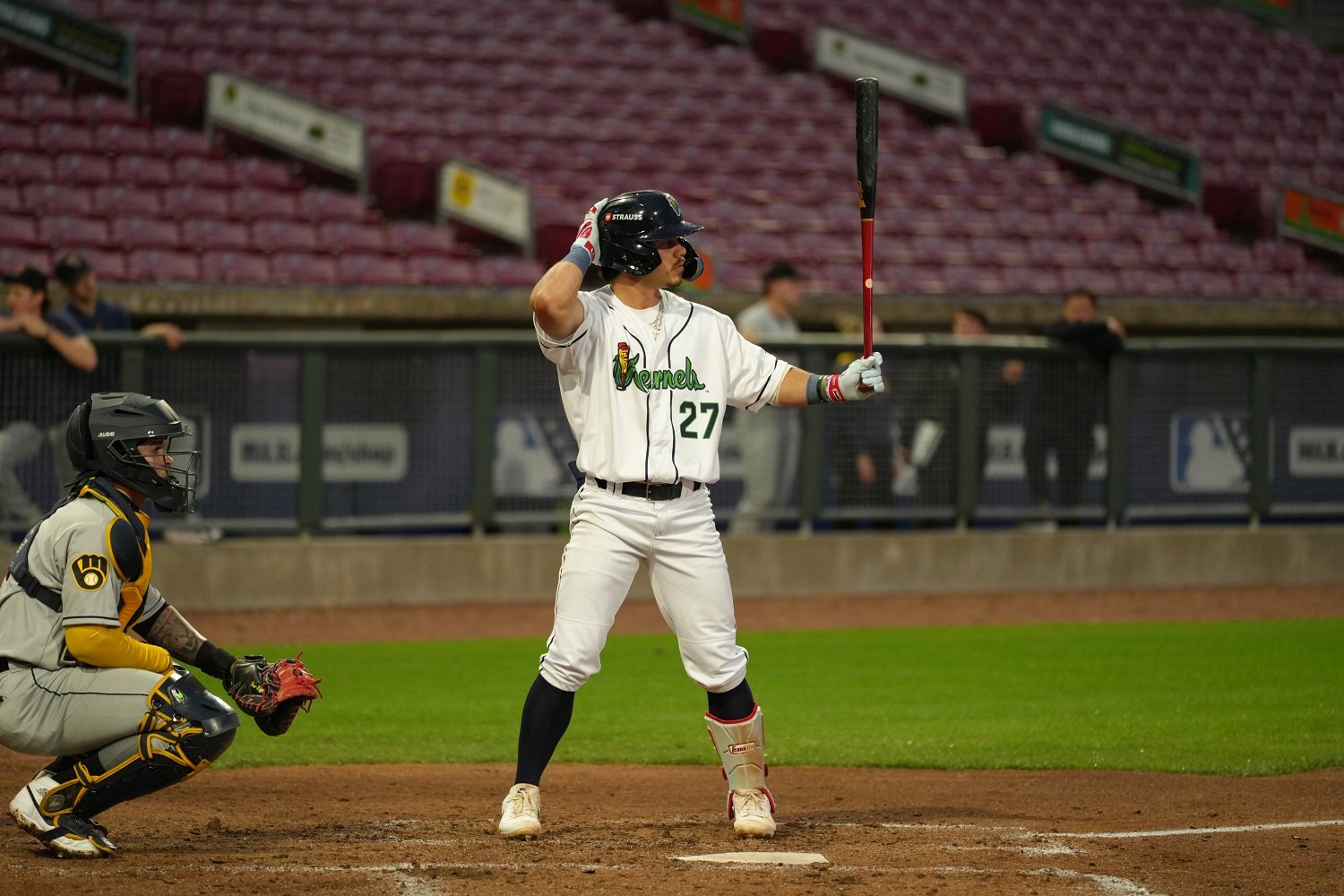 Kyle DeBarge has quietly emerged as one of the Minnesota Twins’ most intriguing young bats, following a familiar developmental path walked most recently by breakout infielder Luke Keaschall. The Twins selected DeBarge out of Louisiana-Lafayette in the supplemental first round (33rd overall) of the 2024 MLB Draft. He signed for just under $2.4 million and was immediately tested in Low‑A Fort Myers, where he showed flashes of the same contact prowess and speed that defined his collegiate career. In 26 games with the Mighty Mussels, he posted a .235/.322/.343 slash line with six extra‑base hits, and swiped 15 bases. Rewarded with a promotion to High‑A Cedar Rapids to begin 2025, he's taken to Iowa like a fish to water. He's batting .273/.367/.455, with eight extra‑base hits, 10 stolen bases, and a solid walk‑to‑strikeout ratio (12 walks vs. 15 punchouts) in 18 games. This performance is even more impressive, given that 80% of his plate appearances have come against pitchers older than him. The Twins selected DeBarge, in large part, based on his advanced feel for the strike zone and ability to make consistent contact against more polished competition. He's translated those skills to the professional ranks nicely. Like Keaschall, DeBarge’s defensive flexibility (capable of playing both infield and outfield spots) and strong baserunning add layers to his profile, making him a candidate to be Minnesota’s next breakout bat. Tools and Approach Changes DeBarge’s offensive profile centers on an advanced, contact-oriented approach. He rarely chases pitches out of the zone. He also maintains one of the lowest swing‑and‑miss rates among his prospect peers. Last season, he had a 24.1% strikeout rate in his professional debut, but he's dropped that to 16.7% in 2025. He’s done this while also increasing his walk rate by more than three percentage points. His twitchy hands and flat swing generate gap power, and there have been signs of a makeover in his mechanics. DeBarge is pulling the ball significantly more this season, with a 13.4 Pull% increase compared to last year. He’s also hitting the ball more regularly in the air, with his fly-ball rate increasing from 24.6% to 39.3%. This has helped him post a .386 wOBA and a 131 wRC+ to start the year. It’s been a small sample, but these are positive signs of his long-term prospect development. “I feel like I’m making adjustments at the plate and some stuff has definitely helped,” DeBarge said. “Tightening up my approach, just swinging at the pitches I can hit. Defensively, just been working hard on that, too. Clean up the kind of like dumb errors, make the plays that you really should make all the time. It’s just making sure I’m making those. I feel really good right now." What sets him apart is a blend of plus speed and defensive adaptability. He’s capable of manning both middle‑infield and outfield spots, allowing the Twins to maximize his skill set the same way they did with Keaschall. This versatility, combined with his threat on the bases, creates a balanced contributor who can use his college experience to move up the organizational ladder. Following in Keaschall’s Footsteps Keaschall’s meteoric rise provides a clear blueprint for DeBarge. He had a swift ascent through the Twins’ system and a willingness to embrace multiple positions. Keaschall’s blend of on‑base savvy, athleticism, and defensive flexibility allowed him to carve out a role in Minnesota’s lineup sooner than most. DeBarge mirrors that trajectory, showcasing an elite hit tool in college (1.112 OPS in 2024) and already passing key developmental milestones in his first full professional season. If his early promise in Cedar Rapids holds and he continues to perform well against older competition, the Twins may soon have a young, high‑floor contributor in the mold of their other breakout bats. Outlook and Next Steps With his ceiling initially defined by hit‑for‑average potential and plus speed, DeBarge’s focus moving forward will be on generating consistent extra‑base power and honing the mechanics needed to drive the ball in the air more frequently. Minnesota’s development staff has encouraged him to maintain his strike‑zone discipline while adding loft to his swing, a refinement that could transform gap doubles into occasional home runs. Defensively, continued reps across multiple spots will both raise his floor and accelerate his timeline. He has seen less time at shortstop this season, but continues to play second base and outfield. Should he maintain his current trajectory, DeBarge could find himself at Double A in the season’s second half, which could put him on a path to debut in 2026. “He’s a gritty, gritty baseball player,” said Kernels Manager Brian Meyer. “Just all-around talented: defense, hitting, can run the bases really well. He’s a gamer, an absolute gamer. One of those kids who you are glad he’s on your team. If he was on the other team, he’s just a pain in the butt to deal with." What stands out about DeBarge so far this season? Can he continue to follow in Keaschall’s footsteps? Leave a comment and start the discussion.
 -
Royce Lewis is batting second for the Saints tonight and playing DH.
-
Never mind. Soto is injured. The Kernels announced: RHP Charlee Soto has been placed on the 7-day IL with a right triceps strain.
- 17 replies
-
- 1
-
-
- ryan fitzgerald
- cole peschl
- (and 5 more)
-
The Twins have been very quiet on this. Not sure what is happening.