



Cody Christie
-
Posts
7,808 -
Joined
-
Last visited
-
Days Won
5
Content Type
Profiles
News
Minnesota Twins Videos
2026 Minnesota Twins Top Prospects Ranking
2022 Minnesota Twins Draft Picks
Minnesota Twins Free Agent & Trade Rumors, Notes, & Tidbits
Guides & Resources
2023 Minnesota Twins Draft Picks
The Minnesota Twins Players Project
2024 Minnesota Twins Draft Picks
2025 Minnesota Twins Draft Pick Tracker
2026 Minnesota Twins Draft Tracker: Picks & Bonuses
Forums
Blogs
Events
Store
Downloads
Gallery
Everything posted by Cody Christie
-
 Image courtesy of David Malamut (photo of Kaelen Culpepper) TRANSACTIONS St. Paul Saints placed LHP Brady Feigl on the 7-day injured list with left rotator cuff tendinitis. Feigl has posted a 5.93 ERA with a 1.46 WHIP and a 16-to-5 strikeout-to-walk ratio in 13 2/3 innings. SAINTS SENTINEL St. Paul 8, Toledo 2 Box Score Former first-round pick Aaron Sabato is quickly making his presence known in the Saints' lineup. On Thursday, the Mudhens jumped out to an early 2-0 lead. However, St. Paul put up crooked numbers in the fourth and fifth innings to jump ahead. Sabato smashed a no-doubt grand slam that traveled 426 feet and left the bat at 111.7 mph. It was his first Triple-A home run and he finished the night 2-for-4 with five RBI. Earlier in the game, Jose Miranda started the scoring with a solo home run. On the mound, Andrew Morris started and had an up-and-down performance. The good: he limited Toledo to two runs on three hits with eight strikeouts. The bad: he walked four and was removed after four innings. Morris threw 90 pitches and only 53 were strikes. Trent Baker followed Morris and tossed four scoreless innings by limiting Toledo to three hits. He struck out five and walked two. The win ended a seven-game losing streak for the Saints. WIND SURGE WISDOM Wichita 5, Arkansas 1 Box Score Wichita used a huge first inning to ambush Arkansas. Walker Jenkins was hit by a pitch and moved to third on a Kyler Fedko single. Kala’i Rosario drove in both runners with his 13th double. Rubel Cespedes singled to make the game 3-0. After two walks to load the bases, Tyler Dearden drove in a run on a ground out and Jose Salas extended the lead with a sacrifice fly to cap the five-run frame. Rosario reached base three times with a pair of doubles and a walk. John Klein got the start on the bump and breezed through five shutout innings after the early run support. He allowed one hit while striking out six. Ricky Castro pitched the final four innings for an unconventional save, his first of the season. He allowed one run on three hits with a pair of strikeouts. KERNELS NUGGETS Cedar Rapids 2, Beloit 0 (Game 1- 7 Innings) Box Score Three Kernels pitchers combined for a four-hit shutout in Game 1 of the doubleheader. Alejandro Hidalgo started and pitched three innings while scattering two hits. He struck out one and walked one. Over his last two appearances, he has combined for seven shutout innings. Kade Bragg took over for Hidalgo in the fourth and pitched two hitless innings. He ran into a little bit of trouble by walking a season-high three batters, but managed to escape. Paulshawn Pasqualotto pitched the final two innings and earned his sixth save. Offensively, one first-inning swing from Brandon Winokur made all the difference. With one out, Kyle DeBarge was hit by a pitch and quickly stole second base, his 37th steal of the season. Then Winokur cracked his ninth home run. He finished the game 2-for-4 with a home run, two RBI, and a stolen base. No other Kernels had a hit, but DeBarge reached base with two walks. Cedar Rapids 5, Beloit 4 (Game 2- 7 Innings) Box Score In a back-and-forth game, Kaelen Culpepper played the hero with a go-ahead two-run homer in the fifth inning. Andy Lugo and Misael Urbina both reached base ahead of a Poncho Ruiz double that brought the score within one. Culpepper’s homer followed and secured the team’s second win of the day. Urbina led the team in hits as he finished 2-for-3. Chase Chaney pitched into the sixth inning and earned his fifth victory. In 5 2/3 innings, he allowed three earned runs on eight hits. Samuel Perez allowed two runners to reach in the seventh inning, so the Kernels called on Hunter Hoopes for the final out. He coaxed a groundout to end the game. With the win, the Kernels are going to the Midwest League Playoffs for the 11th time in 12 years. MUSSEL MATTERS Fort Myers –, Lakeland – (Canceled) Thursday’s contest between Fort Myers and Lakeland has been canceled due to inclement weather. The game was supposed to be the finale for the first half of the FSL season, and will not be made up. Lakeland clinched a playoff berth on Wednesday, so the contest had no postseason implications. The series will now be five games. This is the second game of the season to be cancelled for the Mussels. COMPLEX CHRONICLES FCL Twins 3, FCL Rays 2 (7 Innings) Box Score In a make-up game from June 3rd, the FCL Twins jumped out to a 3-0 lead before holding on for a one-run win. Eduardo Beltre started the game with a walk, stole second base, and came around on a Ramiro Dominguez double, his 10th of the year. Dominguez would later score in the inning on a sacrifice fly from Luis Fragoza to put the Twins up 2-0. In the top of the fourth, Javier Roman connected for a solo home run to extend the lead to 3-0. It turned out to be the game-winning run. Sam Rochard and Andrew Huffman combined for five shutout innings to start the game. Rochard pitched three innings and collected five strikeouts. Will Armbruester took over in the sixth and allowed three hits but was only charged with one earned run after a throwing error by Daiber De Los Santos. Brent Francisco closed out the final inning for his second save. He allowed one hit and struck out two. FCL Twins 2, FCL Rays 1 (7 Innings) Box Score The FCL Twins trailed for most of this game but their pitching staff kept it close and the club squeaked out a win. Starter Melvin Rodriguez tossed five innings and limited the Rays to one run on two hits with three walks and three strikeouts. It was his second straight appearance where he made it through five innings. Xavier Kolhosser and Anderson Ramos combined to allow two base runners over the last two innings to preserve the win. In the fifth inning, Ricardo Paez singled to start the frame. Ariel Castro followed with an RBI triple to tie the game at one. Yandro Hernandez quickly drove in Castro with what turned out to be a game-winning single. DOMINICAN DAILIES DSL Miami 1, DSL Twins 0 (7 Innings) Box Score The DSL Twins struggled to find any offense in this contest, being held to one hit. Teilon Serrano started the game with a four-pitch walk and proceeded to steal second, his fourth steal. With two outs, he moved to third on a ground out, but was left stranded in scoring position. The Twins got their lone hit in the second on a one-out single from Darwin Almanzar, which was quickly erased on a line drive double play. In the third, Serrano walked again and stole second base, but was left stranded again. Defensively, things got a little ugly in the bottom of the second. Eli Urena allowed a leadoff single to Moises Morales and the runner advanced to second on a wild pitch. He moved to third on a steal, and Twins catcher Gerardo Cardona threw the ball into the outfield, so the runner scored. Urena pitched two innings by allowing one unearned run. He walked four and struck out three. Marlon Mirabal and Aaron Carranza combined for four shutout innings to end the game. It was the first scoreless appearance for Carranza this season. TWINS DAILY MINOR LEAGUE PLAYERS OF THE DAY Pitcher of the Day – John Klein, Wichita Wind Surge (5 IP, 1 H, 0 ER, 0 BB, 6 K) Hitter of the Day – Aaron Sabato, St. Paul Saints (2-for-4, R, HR, 5 RBI, K) PROSPECT SUMMARY Check out the Prospect Tracker for much more on our Twins Top 20 prospects after seeing how they performed on Tuesday. #1 – Walker Jenkins (Wichita): 1-for-4, R, K #4 – Kaelen Culpepper (Cedar Rapids): 1-for-6, HR (9), 2 RBI, R, 3 K #9 – Brandon Winokur (Cedar Rapids): 2-for-7, HR (9), 2 RBI, R , SB (17) #10 – Kyle DeBarge (Cedar Rapids): 0-for-4, 2 BB, R, SB (37) #15 – Eduardo Beltre (FCL Twins): 1-for-6, BB, R, 2 K, SB (11) #19 – Danny De Andrade (Cedar Rapids): 1-for-4, 2B, R, K #20 – Payton Eeles (St. Paul): 2-for-4, 2B (1), R, K FRIDAY’S PROBABLE STARTERS Toledo @ St. Paul (7:07 PM CDT) - RHP Darren McCaughan (4-2, 4.43 ERA) Wichita @ Arkansas (7:05 PM CDT) - RHP C.J. Culpepper (0-0, 0.00 ERA) Cedar Rapids @ Beloit (6:05 PM CDT) - RHP Tanner Hall (3-3, 4.29 ERA) Lakeland @ Fort Myers (6:05 AM CDT) - RHP Adrian Bohorquez (1-3, 8.55 ERA) DSL Twins @ DSL Rangers Blue (10:00 AM CDT) - TBD FCL Twins @ FCL Red Sox (11:00 AM CDT) - TBD Please feel free to ask questions and discuss Thursday’s games! View full article
- 21 replies
-
- 1
-

-
- kaelen culpepper
- andrew morris
- (and 5 more)
-
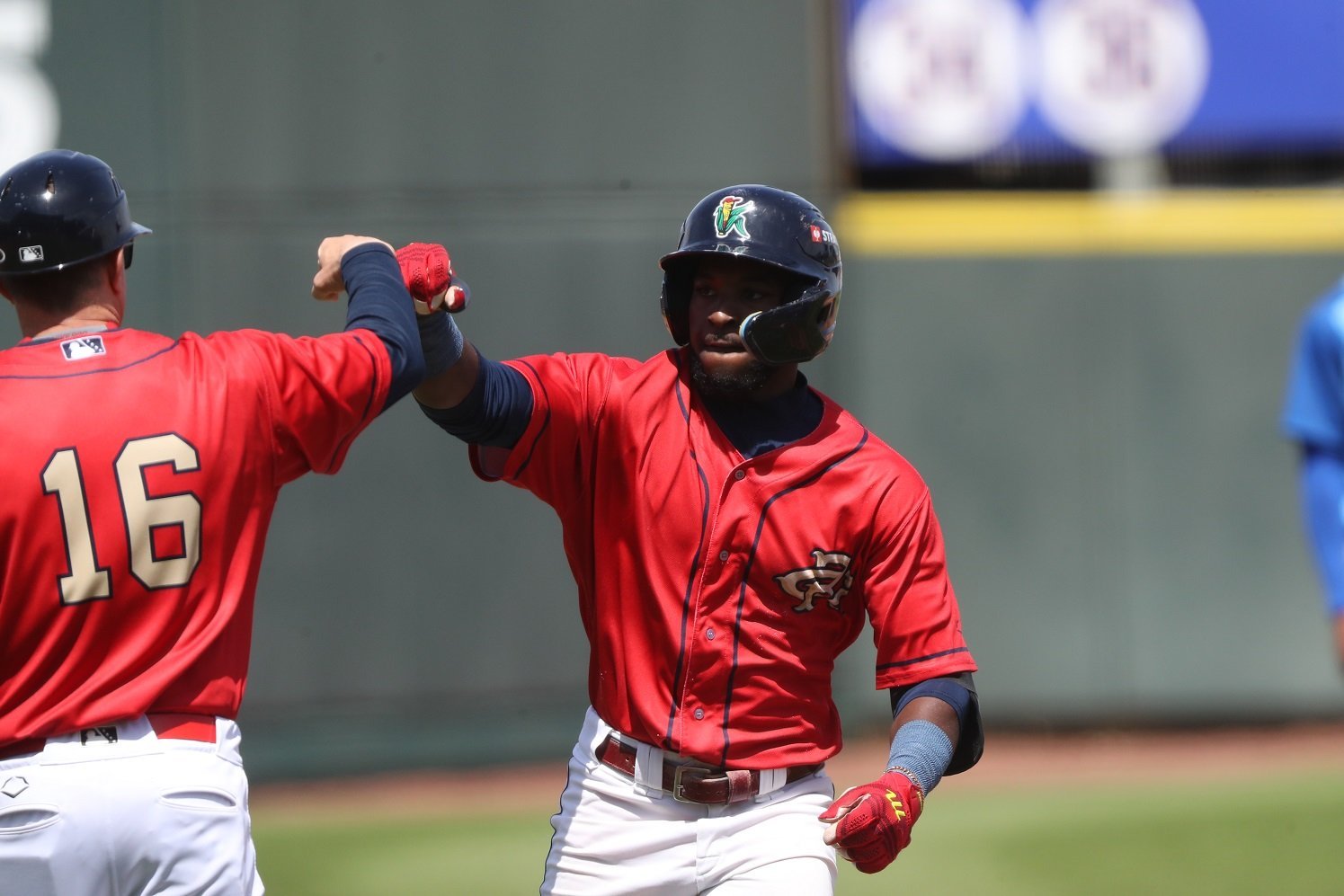 TRANSACTIONS St. Paul Saints placed LHP Brady Feigl on the 7-day injured list with left rotator cuff tendinitis. Feigl has posted a 5.93 ERA with a 1.46 WHIP and a 16-to-5 strikeout-to-walk ratio in 13 2/3 innings. SAINTS SENTINEL St. Paul 8, Toledo 2 Box Score Former first-round pick Aaron Sabato is quickly making his presence known in the Saints' lineup. On Thursday, the Mudhens jumped out to an early 2-0 lead. However, St. Paul put up crooked numbers in the fourth and fifth innings to jump ahead. Sabato smashed a no-doubt grand slam that traveled 426 feet and left the bat at 111.7 mph. It was his first Triple-A home run and he finished the night 2-for-4 with five RBI. Earlier in the game, Jose Miranda started the scoring with a solo home run. On the mound, Andrew Morris started and had an up-and-down performance. The good: he limited Toledo to two runs on three hits with eight strikeouts. The bad: he walked four and was removed after four innings. Morris threw 90 pitches and only 53 were strikes. Trent Baker followed Morris and tossed four scoreless innings by limiting Toledo to three hits. He struck out five and walked two. The win ended a seven-game losing streak for the Saints. WIND SURGE WISDOM Wichita 5, Arkansas 1 Box Score Wichita used a huge first inning to ambush Arkansas. Walker Jenkins was hit by a pitch and moved to third on a Kyler Fedko single. Kala’i Rosario drove in both runners with his 13th double. Rubel Cespedes singled to make the game 3-0. After two walks to load the bases, Tyler Dearden drove in a run on a ground out and Jose Salas extended the lead with a sacrifice fly to cap the five-run frame. Rosario reached base three times with a pair of doubles and a walk. John Klein got the start on the bump and breezed through five shutout innings after the early run support. He allowed one hit while striking out six. Ricky Castro pitched the final four innings for an unconventional save, his first of the season. He allowed one run on three hits with a pair of strikeouts. KERNELS NUGGETS Cedar Rapids 2, Beloit 0 (Game 1- 7 Innings) Box Score Three Kernels pitchers combined for a four-hit shutout in Game 1 of the doubleheader. Alejandro Hidalgo started and pitched three innings while scattering two hits. He struck out one and walked one. Over his last two appearances, he has combined for seven shutout innings. Kade Bragg took over for Hidalgo in the fourth and pitched two hitless innings. He ran into a little bit of trouble by walking a season-high three batters, but managed to escape. Paulshawn Pasqualotto pitched the final two innings and earned his sixth save. Offensively, one first-inning swing from Brandon Winokur made all the difference. With one out, Kyle DeBarge was hit by a pitch and quickly stole second base, his 37th steal of the season. Then Winokur cracked his ninth home run. He finished the game 2-for-4 with a home run, two RBI, and a stolen base. No other Kernels had a hit, but DeBarge reached base with two walks. Cedar Rapids 5, Beloit 4 (Game 2- 7 Innings) Box Score In a back-and-forth game, Kaelen Culpepper played the hero with a go-ahead two-run homer in the fifth inning. Andy Lugo and Misael Urbina both reached base ahead of a Poncho Ruiz double that brought the score within one. Culpepper’s homer followed and secured the team’s second win of the day. Urbina led the team in hits as he finished 2-for-3. Chase Chaney pitched into the sixth inning and earned his fifth victory. In 5 2/3 innings, he allowed three earned runs on eight hits. Samuel Perez allowed two runners to reach in the seventh inning, so the Kernels called on Hunter Hoopes for the final out. He coaxed a groundout to end the game. With the win, the Kernels are going to the Midwest League Playoffs for the 11th time in 12 years. MUSSEL MATTERS Fort Myers –, Lakeland – (Canceled) Thursday’s contest between Fort Myers and Lakeland has been canceled due to inclement weather. The game was supposed to be the finale for the first half of the FSL season, and will not be made up. Lakeland clinched a playoff berth on Wednesday, so the contest had no postseason implications. The series will now be five games. This is the second game of the season to be cancelled for the Mussels. COMPLEX CHRONICLES FCL Twins 3, FCL Rays 2 (7 Innings) Box Score In a make-up game from June 3rd, the FCL Twins jumped out to a 3-0 lead before holding on for a one-run win. Eduardo Beltre started the game with a walk, stole second base, and came around on a Ramiro Dominguez double, his 10th of the year. Dominguez would later score in the inning on a sacrifice fly from Luis Fragoza to put the Twins up 2-0. In the top of the fourth, Javier Roman connected for a solo home run to extend the lead to 3-0. It turned out to be the game-winning run. Sam Rochard and Andrew Huffman combined for five shutout innings to start the game. Rochard pitched three innings and collected five strikeouts. Will Armbruester took over in the sixth and allowed three hits but was only charged with one earned run after a throwing error by Daiber De Los Santos. Brent Francisco closed out the final inning for his second save. He allowed one hit and struck out two. FCL Twins 2, FCL Rays 1 (7 Innings) Box Score The FCL Twins trailed for most of this game but their pitching staff kept it close and the club squeaked out a win. Starter Melvin Rodriguez tossed five innings and limited the Rays to one run on two hits with three walks and three strikeouts. It was his second straight appearance where he made it through five innings. Xavier Kolhosser and Anderson Ramos combined to allow two base runners over the last two innings to preserve the win. In the fifth inning, Ricardo Paez singled to start the frame. Ariel Castro followed with an RBI triple to tie the game at one. Yandro Hernandez quickly drove in Castro with what turned out to be a game-winning single. DOMINICAN DAILIES DSL Miami 1, DSL Twins 0 (7 Innings) Box Score The DSL Twins struggled to find any offense in this contest, being held to one hit. Teilon Serrano started the game with a four-pitch walk and proceeded to steal second, his fourth steal. With two outs, he moved to third on a ground out, but was left stranded in scoring position. The Twins got their lone hit in the second on a one-out single from Darwin Almanzar, which was quickly erased on a line drive double play. In the third, Serrano walked again and stole second base, but was left stranded again. Defensively, things got a little ugly in the bottom of the second. Eli Urena allowed a leadoff single to Moises Morales and the runner advanced to second on a wild pitch. He moved to third on a steal, and Twins catcher Gerardo Cardona threw the ball into the outfield, so the runner scored. Urena pitched two innings by allowing one unearned run. He walked four and struck out three. Marlon Mirabal and Aaron Carranza combined for four shutout innings to end the game. It was the first scoreless appearance for Carranza this season. TWINS DAILY MINOR LEAGUE PLAYERS OF THE DAY Pitcher of the Day – John Klein, Wichita Wind Surge (5 IP, 1 H, 0 ER, 0 BB, 6 K) Hitter of the Day – Aaron Sabato, St. Paul Saints (2-for-4, R, HR, 5 RBI, K) PROSPECT SUMMARY Check out the Prospect Tracker for much more on our Twins Top 20 prospects after seeing how they performed on Tuesday. #1 – Walker Jenkins (Wichita): 1-for-4, R, K #4 – Kaelen Culpepper (Cedar Rapids): 1-for-6, HR (9), 2 RBI, R, 3 K #9 – Brandon Winokur (Cedar Rapids): 2-for-7, HR (9), 2 RBI, R , SB (17) #10 – Kyle DeBarge (Cedar Rapids): 0-for-4, 2 BB, R, SB (37) #15 – Eduardo Beltre (FCL Twins): 1-for-6, BB, R, 2 K, SB (11) #19 – Danny De Andrade (Cedar Rapids): 1-for-4, 2B, R, K #20 – Payton Eeles (St. Paul): 2-for-4, 2B (1), R, K FRIDAY’S PROBABLE STARTERS Toledo @ St. Paul (7:07 PM CDT) - RHP Darren McCaughan (4-2, 4.43 ERA) Wichita @ Arkansas (7:05 PM CDT) - RHP C.J. Culpepper (0-0, 0.00 ERA) Cedar Rapids @ Beloit (6:05 PM CDT) - RHP Tanner Hall (3-3, 4.29 ERA) Lakeland @ Fort Myers (6:05 AM CDT) - RHP Adrian Bohorquez (1-3, 8.55 ERA) DSL Twins @ DSL Rangers Blue (10:00 AM CDT) - TBD FCL Twins @ FCL Red Sox (11:00 AM CDT) - TBD Please feel free to ask questions and discuss Thursday’s games!
- 21 comments
-
- 4
-
-

-
- kaelen culpepper
- andrew morris
- (and 5 more)
-
Image courtesy of © Sam Greene/The Enquirer / USA TODAY NETWORK via Imagn Images Following the blockbuster Rafael Devers trade, a trio of writers from The Athletic created the first MLB Trade Deadline Big Board of potential players who could be traded in the next month and a half. The top five players on the list are Boston’s Jarren Duran, Milwaukee’s Freddy Peralta, Baltimore’s Cedric Mullins, Miami’s Sandy Alcántara, and Arizona’s Eugenio Suárez. In MLB’s expanded playoff format, there are more buyers than sellers at this point in the season. However, there will likely be more separation in the standings as the deadline looms closer. Minnesota has walked a fine line between contender and pretender this season, with a 13-game winning streak sandwiched between two terrible stretches of baseball. The team’s upcoming schedule will dictate whether they are buyers or sellers before the deadline. If things go south, here is where the team’s players on expiring contracts would rank on the Big Board. UTL Willi Castro Big Board Rank: 9 Castro has quietly become one of Minnesota’s most valuable and versatile players over the past two seasons. A switch-hitter with experience all over the diamond, Castro brings positional flexibility that is hard to find in today’s game. His bat has also started to warm up lately. Over the last 28 games, he is hitting .342/.416/.595, with five home runs, three doubles, and 14 runs scored. For a player in a contract year, he seems to be putting it all together at the right time. Why would other teams call? Contenders love Swiss Army knife types for playoff runs, and Castro’s ability to seamlessly bounce between infield and outfield spots makes him an ideal bench upgrade or injury insurance piece for clubs in the postseason hunt. His cost won’t be as high as some other players at the trade deadline, but his versatility will be hard for contenders to ignore. RP Danny Coulombe Big Board Rank: 20 Coulombe was brought in to be the Twins’ only left-handed reliever, and he has provided a steady presence in the bullpen mix since joining the club. He pounds the zone with cutters and sinkers, keeping hitters off-balance while rarely issuing free passes. His ability to get both lefties and righties out in leverage spots gives him value beyond the traditional "LOOGY" role, which has mostly disappeared under the three-batter minimum rule. Why would other teams call? Left-handed relief is always a hot commodity in July, and Coulombe’s track record, strike-throwing ability, and affordable contract make him a low-risk, high-reward option for teams trying to shore up their bullpen depth for a stretch run. He might be the second-best left-handed reliever who is traded before the deadline, behind Aroldis Chapman. SP Chris Paddack Big Board Rank: 27 Paddack has been a roller coaster in his Twins tenure, but the stuff remains intriguing. After recovering from his second Tommy John surgery, Paddack has shown flashes of his old form. He has two blow-up starts this season where he allowed 8+ ER, but between those appearances, he posted a 2.51 ERA across 12 starts. His control can waver, but teams could add him in hopes that he can take the ball every fifth day and eat innings for a rotation that has needed stability. Why would other teams call? Rotation depth is always in demand, and Paddack offers potential value as a back-end starter with upside—or even as a bullpen weapon down the stretch. Some contending teams will run into injury issues, and Paddack can be a buy-low opportunity for the season’s final two months. OF Harrison Bader Big Board Rank: 30 Signed as a free-agent gamble this past offseason, Bader has delivered more than what was expected: excellent outfield defense and more than enough offensive punch to stay in the lineup. He ranks third on the team in rWAR, behind Joe Ryan and Byron Buxton. His glove remains elite, saving runs in the outfield and offering playoff-caliber defense up the middle, a skill set that becomes even more valuable in October when every run matters. Why would other teams call? For contenders looking for a late-inning defensive replacement or fourth outfielder with speed and playoff experience, Bader is an ideal target. He can pinch-run, provide elite defense, and give a starting center fielder a breather, all tools that championship-minded clubs covet when building out postseason rosters. 1B Ty France Big Board Rank: N/A The Twins brought in France to serve as a veteran presence and a capable bat in Minnesota’s right-handed DH/1B mix. He has provided some clutch hits, but his overall power numbers have dipped from past seasons with a 95 OPS+. He doesn’t make the Big Board, because few clubs are looking for a below-average first baseman. Why would other teams call? France could appeal to clubs seeking right-handed bench depth, especially those that require a steady hand against left-handed pitching or want insurance at first base. His contact-oriented profile could also fit clubs tired of strikeout-heavy lineups as they make a push for October. How would you rank these players on the Big Board? Who is too high? Who is too low? Leave a comment and start the discussion. View full article
-
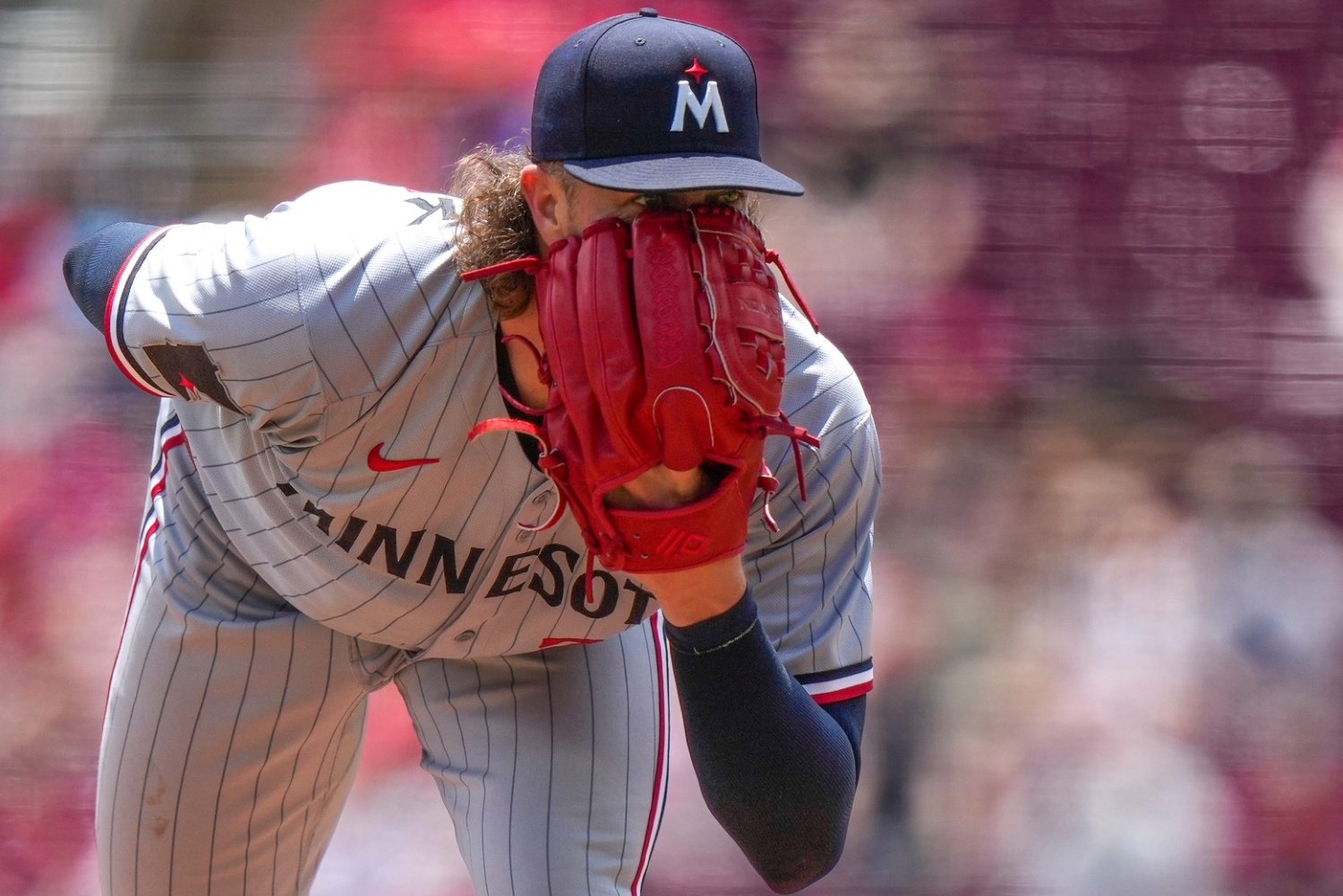 Following the blockbuster Rafael Devers trade, a trio of writers from The Athletic created the first MLB Trade Deadline Big Board of potential players who could be traded in the next month and a half. The top five players on the list are Boston’s Jarren Duran, Milwaukee’s Freddy Peralta, Baltimore’s Cedric Mullins, Miami’s Sandy Alcántara, and Arizona’s Eugenio Suárez. In MLB’s expanded playoff format, there are more buyers than sellers at this point in the season. However, there will likely be more separation in the standings as the deadline looms closer. Minnesota has walked a fine line between contender and pretender this season, with a 13-game winning streak sandwiched between two terrible stretches of baseball. The team’s upcoming schedule will dictate whether they are buyers or sellers before the deadline. If things go south, here is where the team’s players on expiring contracts would rank on the Big Board. UTL Willi Castro Big Board Rank: 9 Castro has quietly become one of Minnesota’s most valuable and versatile players over the past two seasons. A switch-hitter with experience all over the diamond, Castro brings positional flexibility that is hard to find in today’s game. His bat has also started to warm up lately. Over the last 28 games, he is hitting .342/.416/.595, with five home runs, three doubles, and 14 runs scored. For a player in a contract year, he seems to be putting it all together at the right time. Why would other teams call? Contenders love Swiss Army knife types for playoff runs, and Castro’s ability to seamlessly bounce between infield and outfield spots makes him an ideal bench upgrade or injury insurance piece for clubs in the postseason hunt. His cost won’t be as high as some other players at the trade deadline, but his versatility will be hard for contenders to ignore. RP Danny Coulombe Big Board Rank: 20 Coulombe was brought in to be the Twins’ only left-handed reliever, and he has provided a steady presence in the bullpen mix since joining the club. He pounds the zone with cutters and sinkers, keeping hitters off-balance while rarely issuing free passes. His ability to get both lefties and righties out in leverage spots gives him value beyond the traditional "LOOGY" role, which has mostly disappeared under the three-batter minimum rule. Why would other teams call? Left-handed relief is always a hot commodity in July, and Coulombe’s track record, strike-throwing ability, and affordable contract make him a low-risk, high-reward option for teams trying to shore up their bullpen depth for a stretch run. He might be the second-best left-handed reliever who is traded before the deadline, behind Aroldis Chapman. SP Chris Paddack Big Board Rank: 27 Paddack has been a roller coaster in his Twins tenure, but the stuff remains intriguing. After recovering from his second Tommy John surgery, Paddack has shown flashes of his old form. He has two blow-up starts this season where he allowed 8+ ER, but between those appearances, he posted a 2.51 ERA across 12 starts. His control can waver, but teams could add him in hopes that he can take the ball every fifth day and eat innings for a rotation that has needed stability. Why would other teams call? Rotation depth is always in demand, and Paddack offers potential value as a back-end starter with upside—or even as a bullpen weapon down the stretch. Some contending teams will run into injury issues, and Paddack can be a buy-low opportunity for the season’s final two months. OF Harrison Bader Big Board Rank: 30 Signed as a free-agent gamble this past offseason, Bader has delivered more than what was expected: excellent outfield defense and more than enough offensive punch to stay in the lineup. He ranks third on the team in rWAR, behind Joe Ryan and Byron Buxton. His glove remains elite, saving runs in the outfield and offering playoff-caliber defense up the middle, a skill set that becomes even more valuable in October when every run matters. Why would other teams call? For contenders looking for a late-inning defensive replacement or fourth outfielder with speed and playoff experience, Bader is an ideal target. He can pinch-run, provide elite defense, and give a starting center fielder a breather, all tools that championship-minded clubs covet when building out postseason rosters. 1B Ty France Big Board Rank: N/A The Twins brought in France to serve as a veteran presence and a capable bat in Minnesota’s right-handed DH/1B mix. He has provided some clutch hits, but his overall power numbers have dipped from past seasons with a 95 OPS+. He doesn’t make the Big Board, because few clubs are looking for a below-average first baseman. Why would other teams call? France could appeal to clubs seeking right-handed bench depth, especially those that require a steady hand against left-handed pitching or want insurance at first base. His contact-oriented profile could also fit clubs tired of strikeout-heavy lineups as they make a push for October. How would you rank these players on the Big Board? Who is too high? Who is too low? Leave a comment and start the discussion.
- 24 comments
-
- 3
-
-
- willi castro
- harrison bader
- (and 3 more)
-
Image courtesy of © Dennis Lee-Imagn Images When Royce Lewis met with reporters over the weekend, following his second trip to the injured list this season, his frustration was impossible to miss. After re-injuring the same left hamstring that sidelined him for the first six weeks of the 2025 campaign, Lewis sounded emotional and exhausted. He voiced what many fans and teammates likely thought. “I’m tired of being the one who’s being bullied and picked on by this game," Lewis said. "Whether it wants me to suffer on the offensive side or when I’m going hot, it just wants to kick me out with an injury. Seems like it’s picking on me at this moment, so I’m waiting for one of my friends to pick me up and stop this bully.” It is rare for a player to be this open and vulnerable about the toll the game takes on both their mental and physical well-being. For Lewis, who has now been derailed just as he was swinging the hottest bat on the team, the frustration is understandable. In June, Lewis was hitting an incredible .367, after enduring a brutal slump in May while shaking off the rust from his previous hamstring injury. Just when the swing returned (and his confidence followed), baseball’s cruel side showed up once again. A Frustrating, Familiar Pattern Unfortunately, this is not the first time Lewis has lost a battle with baseball’s darker side. His entire professional career has been marked by breathtaking potential, interrupted by poorly timed injuries. In 2021, Lewis tore his ACL just before reporting for spring training (it wasn't diagnosed until he got to camp, in fact), which resulted in him missing the entire minor-league season. This came after a 2020 campaign wiped away by the COVID-19 shutdown. After nearly two full years without competitive baseball, Lewis exploded back onto the scene in 2022 with the Twins, slashing .300/.317/.550 over 12 games and making a clear case for an everyday job. However, just as excitement around him was building, another setback arrived. Lewis tore the same ACL again while making a catch in center field, ending his 2022 season and setting him back once more. When Lewis finally returned to the big leagues, he delivered a thrilling stretch of play that helped push the Twins toward the 2023 postseason. His grand slams, his energy, his poise, everything fans had dreamed of since Minnesota made him the first overall pick in 2017, came to life. Still, he was barely fending off the injury demons. He suffered an oblique strain that cost him most of July and the first half of August that year, and a hamstring strain in September that had him half-hobbled even during the playoffs. In 2024, it was a quad strain on Opening Day and an adductor strain suffered in early July. Then, he slumped badly (while ostensibly healthy) to finish the season, and came back this spring ready to avenge himself on the game—only to suffer that first hamstring strain less than two weeks before the season began, sidelining him for nearly two months. Timing Couldn’t Be Worse What makes this latest injury even more challenging to swallow is its timing. After returning from the IL in May, Lewis struggled through one of the roughest stretches of his young career, going 9-for-69 (.130 BA) and looking out of sync at the plate. But in June, everything clicked. He was hitting balls to all fields, driving key line drives, and lifting his OPS over 1.000. For the first time all season, Lewis looked like the middle-of-the-order threat the Twins needed. Then came Friday night. While running out a could-be double to left field, Lewis felt the hamstring tighten again, the same one that robbed him of April and most of May. And what made this sting more was that he was actually holding back. “I was trying to be a little bit smarter running the bases,” Lewis said. “These ground balls, 99 percent of the time you’re out, and if someone bobbles it, you’ve just got to run fast enough to be safe on those. So that’s what I’ve been doing." That's well and good on the routine grounders, but Lewis smelled an infield hit on the ball that he got hurt on in March. He was accelerating to try to take an extra base on a slow-developing play when he hurt his quad last year. This time, he seemed to be trying to accelerate more smoothly, but it was still clear he was thinking about whether he could speed up enough to take second on a ball hit to the shallow left-field corner in Houston. Even while consciously protecting himself, the injury crept in anyway. That is the cruelest part. The Long Memory of Fans Unfortunately for Lewis, a segment of the Twins fan base will not forget these injuries, no matter how well he performs when healthy. This is the same shadow that has followed Byron Buxton for years. Even during stretches when Buxton has been one of the best players in baseball, some fans have dismissed his value due to the time he has missed due to injuries. Lewis may already be heading down a similar path. For some, the perception of him being “injury-prone” will outweigh his production on the field. Even if he comes back later this season and rips off an MVP-level performance in August or September, there will still be those who see him as unreliable until he proves he can stay healthy for an entire season (or multiple seasons). This is an unfair weight for a young player to carry, especially given how many of Lewis’s injuries have been freak occurrences rather than signs of chronic fragility. However, the modern baseball conversation, especially among certain parts of the fan base and media, can be harsh. Patience wears thin. Labels stick. And Lewis will have to battle not only his own body, but also that lingering doubt from the crowd. Buxton’s story is a clear warning of how difficult this can be. Even after a Platinum Glove, an All-Star start, and highlight-reel plays for nearly a decade, there are still fans who write him off every time he hits the IL. Lewis is charismatic and talented, but unless his health finally improves, he could become the next target of this relentless skepticism. What Comes Next The Twins placed Lewis on the 10-day injured list, but no one following this team believes this will be a simple rest and return. Given his history and the recurrence of this injury, Minnesota will handle this situation as cautiously as possible. Another misstep could turn this into a long absence and potentially threaten the second half of the season. For Lewis, the battle ahead is as much mental as physical. Few players in recent memory have had to restart their careers this many times before turning 27. ACL tears, oblique strains, and hamstrings, it is a brutal résumé of setbacks, always appearing just as things start to go right. The Twins are aware of the vital role Lewis plays in their plans. When he is healthy, he changes the lineup, the clubhouse, and the team’s energy. He is a franchise cornerstone with a skill set few can match. But until the injuries stop, health remains the only thing missing from his superstar profile. Minnesota’s best path forward is to think long-term. Even if the Twins stay close in the AL Central race, risking Lewis for short-term wins would be a mistake. His value comes (hopefully, eventually) from full, healthy seasons, not rushing back for early July games that might compromise his performance in August and September. Beyond the numbers, Lewis’s comments reveal the human toll of all these injuries. His frustration extends beyond this past weekend. It is years of surgeries, rehabs, delayed dreams, and constant doubt packed into one exhausted quote. Maybe the baseball gods are bullying Lewis right now. But his honesty, his joy for the game, and his fight are exactly why Twins fans remain firmly in his corner. They, like Lewis himself, are just waiting for the day when this game finally lets him run free. View full article
-
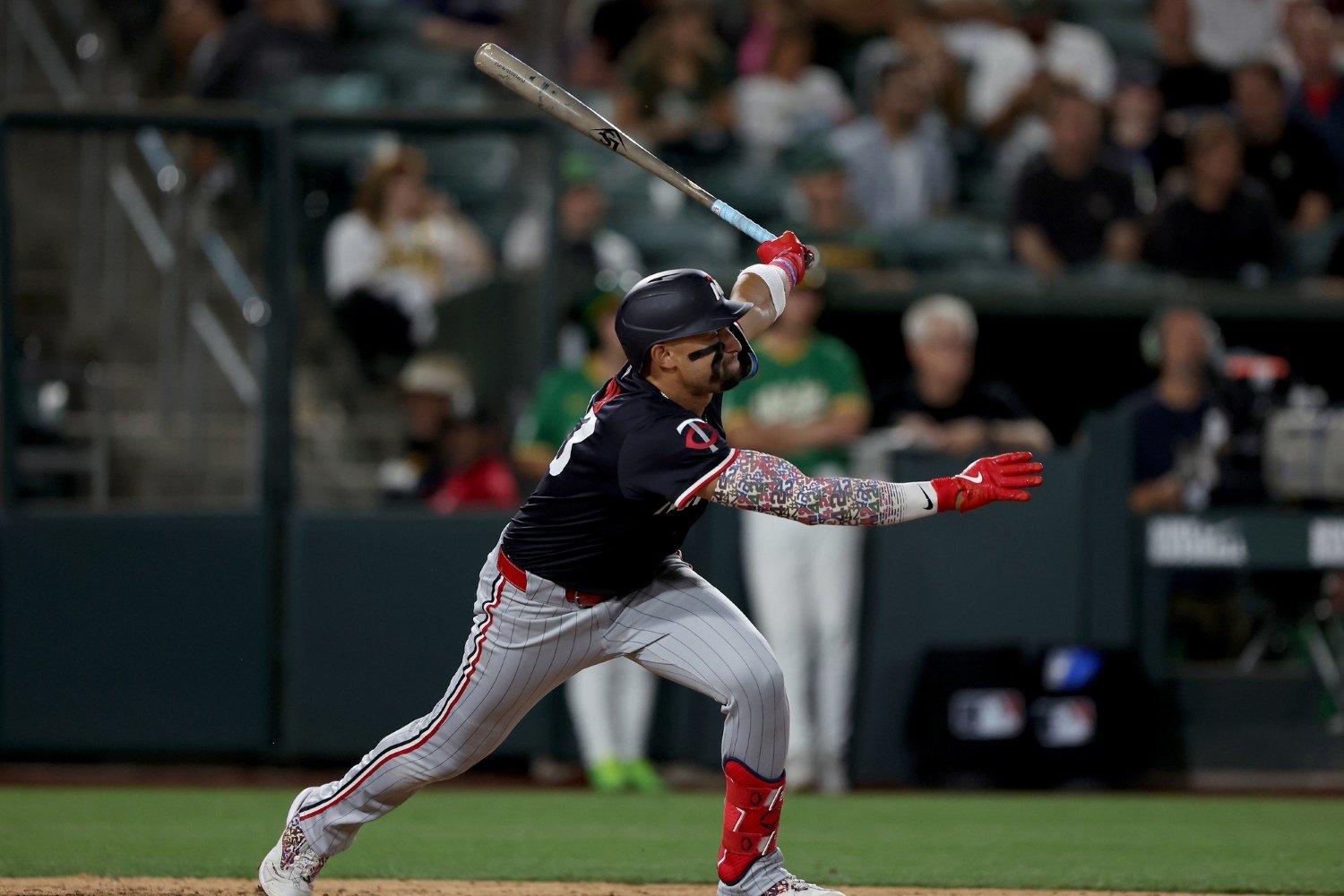 When Royce Lewis met with reporters over the weekend, following his second trip to the injured list this season, his frustration was impossible to miss. After re-injuring the same left hamstring that sidelined him for the first six weeks of the 2025 campaign, Lewis sounded emotional and exhausted. He voiced what many fans and teammates likely thought. “I’m tired of being the one who’s being bullied and picked on by this game," Lewis said. "Whether it wants me to suffer on the offensive side or when I’m going hot, it just wants to kick me out with an injury. Seems like it’s picking on me at this moment, so I’m waiting for one of my friends to pick me up and stop this bully.” It is rare for a player to be this open and vulnerable about the toll the game takes on both their mental and physical well-being. For Lewis, who has now been derailed just as he was swinging the hottest bat on the team, the frustration is understandable. In June, Lewis was hitting an incredible .367, after enduring a brutal slump in May while shaking off the rust from his previous hamstring injury. Just when the swing returned (and his confidence followed), baseball’s cruel side showed up once again. A Frustrating, Familiar Pattern Unfortunately, this is not the first time Lewis has lost a battle with baseball’s darker side. His entire professional career has been marked by breathtaking potential, interrupted by poorly timed injuries. In 2021, Lewis tore his ACL just before reporting for spring training (it wasn't diagnosed until he got to camp, in fact), which resulted in him missing the entire minor-league season. This came after a 2020 campaign wiped away by the COVID-19 shutdown. After nearly two full years without competitive baseball, Lewis exploded back onto the scene in 2022 with the Twins, slashing .300/.317/.550 over 12 games and making a clear case for an everyday job. However, just as excitement around him was building, another setback arrived. Lewis tore the same ACL again while making a catch in center field, ending his 2022 season and setting him back once more. When Lewis finally returned to the big leagues, he delivered a thrilling stretch of play that helped push the Twins toward the 2023 postseason. His grand slams, his energy, his poise, everything fans had dreamed of since Minnesota made him the first overall pick in 2017, came to life. Still, he was barely fending off the injury demons. He suffered an oblique strain that cost him most of July and the first half of August that year, and a hamstring strain in September that had him half-hobbled even during the playoffs. In 2024, it was a quad strain on Opening Day and an adductor strain suffered in early July. Then, he slumped badly (while ostensibly healthy) to finish the season, and came back this spring ready to avenge himself on the game—only to suffer that first hamstring strain less than two weeks before the season began, sidelining him for nearly two months. Timing Couldn’t Be Worse What makes this latest injury even more challenging to swallow is its timing. After returning from the IL in May, Lewis struggled through one of the roughest stretches of his young career, going 9-for-69 (.130 BA) and looking out of sync at the plate. But in June, everything clicked. He was hitting balls to all fields, driving key line drives, and lifting his OPS over 1.000. For the first time all season, Lewis looked like the middle-of-the-order threat the Twins needed. Then came Friday night. While running out a could-be double to left field, Lewis felt the hamstring tighten again, the same one that robbed him of April and most of May. And what made this sting more was that he was actually holding back. “I was trying to be a little bit smarter running the bases,” Lewis said. “These ground balls, 99 percent of the time you’re out, and if someone bobbles it, you’ve just got to run fast enough to be safe on those. So that’s what I’ve been doing." That's well and good on the routine grounders, but Lewis smelled an infield hit on the ball that he got hurt on in March. He was accelerating to try to take an extra base on a slow-developing play when he hurt his quad last year. This time, he seemed to be trying to accelerate more smoothly, but it was still clear he was thinking about whether he could speed up enough to take second on a ball hit to the shallow left-field corner in Houston. Even while consciously protecting himself, the injury crept in anyway. That is the cruelest part. The Long Memory of Fans Unfortunately for Lewis, a segment of the Twins fan base will not forget these injuries, no matter how well he performs when healthy. This is the same shadow that has followed Byron Buxton for years. Even during stretches when Buxton has been one of the best players in baseball, some fans have dismissed his value due to the time he has missed due to injuries. Lewis may already be heading down a similar path. For some, the perception of him being “injury-prone” will outweigh his production on the field. Even if he comes back later this season and rips off an MVP-level performance in August or September, there will still be those who see him as unreliable until he proves he can stay healthy for an entire season (or multiple seasons). This is an unfair weight for a young player to carry, especially given how many of Lewis’s injuries have been freak occurrences rather than signs of chronic fragility. However, the modern baseball conversation, especially among certain parts of the fan base and media, can be harsh. Patience wears thin. Labels stick. And Lewis will have to battle not only his own body, but also that lingering doubt from the crowd. Buxton’s story is a clear warning of how difficult this can be. Even after a Platinum Glove, an All-Star start, and highlight-reel plays for nearly a decade, there are still fans who write him off every time he hits the IL. Lewis is charismatic and talented, but unless his health finally improves, he could become the next target of this relentless skepticism. What Comes Next The Twins placed Lewis on the 10-day injured list, but no one following this team believes this will be a simple rest and return. Given his history and the recurrence of this injury, Minnesota will handle this situation as cautiously as possible. Another misstep could turn this into a long absence and potentially threaten the second half of the season. For Lewis, the battle ahead is as much mental as physical. Few players in recent memory have had to restart their careers this many times before turning 27. ACL tears, oblique strains, and hamstrings, it is a brutal résumé of setbacks, always appearing just as things start to go right. The Twins are aware of the vital role Lewis plays in their plans. When he is healthy, he changes the lineup, the clubhouse, and the team’s energy. He is a franchise cornerstone with a skill set few can match. But until the injuries stop, health remains the only thing missing from his superstar profile. Minnesota’s best path forward is to think long-term. Even if the Twins stay close in the AL Central race, risking Lewis for short-term wins would be a mistake. His value comes (hopefully, eventually) from full, healthy seasons, not rushing back for early July games that might compromise his performance in August and September. Beyond the numbers, Lewis’s comments reveal the human toll of all these injuries. His frustration extends beyond this past weekend. It is years of surgeries, rehabs, delayed dreams, and constant doubt packed into one exhausted quote. Maybe the baseball gods are bullying Lewis right now. But his honesty, his joy for the game, and his fight are exactly why Twins fans remain firmly in his corner. They, like Lewis himself, are just waiting for the day when this game finally lets him run free.
 -
Thank you for voting for your top prospects!
Cody Christie posted a topic in Twins Minor League Talk
Walker JenkinsEmmanuel RodriguezLuke KeaschallKaelen CulpepperConnor PrielippCharlee SotoBrandon WinokurDasan HillAndrew MorrisKyle DeBargeCole PeschlGabriel GonzalezBilly AmickKhadim DiawDanny De AndradeCory LewisCJ CulpepperRicardo OlivarRayne DonconEduardo Beltre -
Thank you for voting for your top prospects!
Cody Christie posted a topic in Twins Minor League Talk
Walker JenkinsEmmanuel RodriguezLuke KeaschallKaelen CulpepperConnor PrielippCharlee SotoBrandon WinokurDasan HillAndrew MorrisKyle DeBargeCole PeschlGabriel GonzalezBilly AmickKhadim DiawDanny De AndradeCory LewisCJ CulpepperRicardo OlivarRayne DonconEduardo Beltre -
Image courtesy of © Nathan Ray Seebeck-Imagn Images Major League Baseball’s ownership landscape has seen plenty of activity in recent years, but one of the most intriguing developments surfaced this past week. The Tampa Bay Rays, long considered one of the league’s trickiest franchises to assess when it comes to value, are on the verge of being sold for around $1.7 billion. For Minnesota Twins fans watching the Pohlad family’s quiet but ongoing effort to shop their franchise, this latest development adds another wrinkle to the story of a potential Twins sale. Rays Sale Sets the Bar Reports out of Florida indicate that Rays owner Stuart Sternberg is in “advanced talks” to sell the team to Jacksonville real estate developer Patrick Zalupski for a price in the $1.7 billion range. According to multiple sources, including Sportico and The New York Post, Zalupski has already signed a letter of intent to buy the club. While that isn’t a guarantee the sale will close, the serious nature of these discussions sends a clear message to the market: small-market teams can command high prices in the current professional sports climate. The Rays’ situation has been messy for years. Their ownership’s long battle to secure public funding for a new stadium in the Tampa/St. Petersburg area dragged on (with little success) until a natural disaster intervened. Last year, Hurricane Milton severely damaged Tropicana Field, forcing the team into temporary residence at George M. Steinbrenner Field, the Yankees’ spring training home in Tampa. Despite this disruption and their long history of bottom-five attendance, the Rays are set to fetch a valuation that some thought would be out of reach for such a franchise. What This Means for Minnesota So what does a likely $1.7-billion price tag on the Rays mean for the Twins? Quite a bit, actually. The Twins have been sticking firmly to their own internal valuation, reportedly seeking around $1.7 billion in sale talks. The organization has turned away offers in the $1.5 billion range, believing the market and team valuations in general will continue to rise. On paper, Minnesota should be a more attractive purchase than Tampa Bay. CNBC’s latest 2025 MLB team valuations list the Twins (22nd, $1.65 billion) above the Rays (29th, $1.4 billion), and the club benefits from something the Rays can only dream of: stadium stability. Target Field, which opened in 2010, remains one of MLB’s premier ballparks. It’s centrally located and well-maintained, with no lingering drama of relocation threats. Compare that to the Rays, who face uncertain long-term plans in the wake of the hurricane and are without a permanent home. Minnesota’s stability in this area gives prospective buyers confidence in revenue streams and long-term planning. However, the Twins do have a complication that could muddy the waters: debt. The franchise carries an estimated $425 million in debt, a figure that may have contributed to the rejection of offers below their asking price. This liability could act as a deterrent for some ownership groups, particularly when interest rates and financing costs remain high across the country. Raising the Price Floor? If the Rays, with all their baggage, manage to close this deal for $1.7 billion, the Twins are likely to view it as confirmation that their own asking price is realistic—or even a little low. After all, Minnesota has more stability, greater regional market control, and a more consistent ticket-buying fanbase (even if that is a low bar to clear). Tampa has long been lauded for its player development, but the Twins have made strides in recent years to produce consistent pitching, and other young hitters are on the way, like Walker Jenkins and Emmanuel Rodriguez. The Rays' sale could raise the overall price floor for small- to mid-market MLB teams. If Tampa Bay is worth $1.7 billion with a shaky stadium and disaster recovery on its plate, what’s a debt-burdened but otherwise stable franchise like the Twins worth? This is the math that the Pohlads and potential buyers are undoubtedly running through right now. Debt: The Cloud on Minnesota’s Horizon Still, the $425 million in debt is no small matter. Any buyer would need to assume, restructure, or pay off that liability as part of the transaction, making the actual cost of the purchase higher than just the $1.7 billion sticker price. For comparison, the Rays’ own debt situation has not been publicized as aggressively, but their lack of stadium resolution and post-hurricane costs likely carry risks of their own. For the Twins, this means two things: First, their asking price may remain out of reach for less capitalized buyer groups. Second, the franchise may need to sweeten the deal by lowering its asking price slightly or restructuring its debt to attract a strong new ownership group willing to invest heavily in both the team and its future. What’s Next for a Potential Sale? The Pohlad family has made no secret of its openness to selling the Twins, but they also don’t appear to be in a hurry. By waiting out the market, they may have played things perfectly. The Rays' sale, if finalized at its rumored price, sets a precedent that will encourage the Pohlads to hold firm on their valuation. That said, the debt issue remains the big difference. While the Rays have location issues, the Twins have financial obligations that may deter some cautious suitors. A team’s valuation and sale price aren’t always the same thing once the finer points of liabilities, cash flow, and future obligations are considered. For Twins fans hoping for fresh ownership and potentially deeper pockets, the Rays’ pending sale is both encouraging and frustrating. On one hand, it shows that $1.7 billion is a fair price for a mid-market team, making a Twins sale at that price more likely than ever. On the other hand, the Pohlads’ significant debt load complicates the picture, possibly slowing the process unless new financial arrangements are made. As the Rays sale nears the finish line, all eyes in Minnesota and across Major League Baseball will be on what happens next in Minneapolis. The table is set. Now, it’s a matter of who’s willing to pay the bill. How do you think the Rays’ sale will impact the Twins? Leave a comment and join the discussion. View full article
-
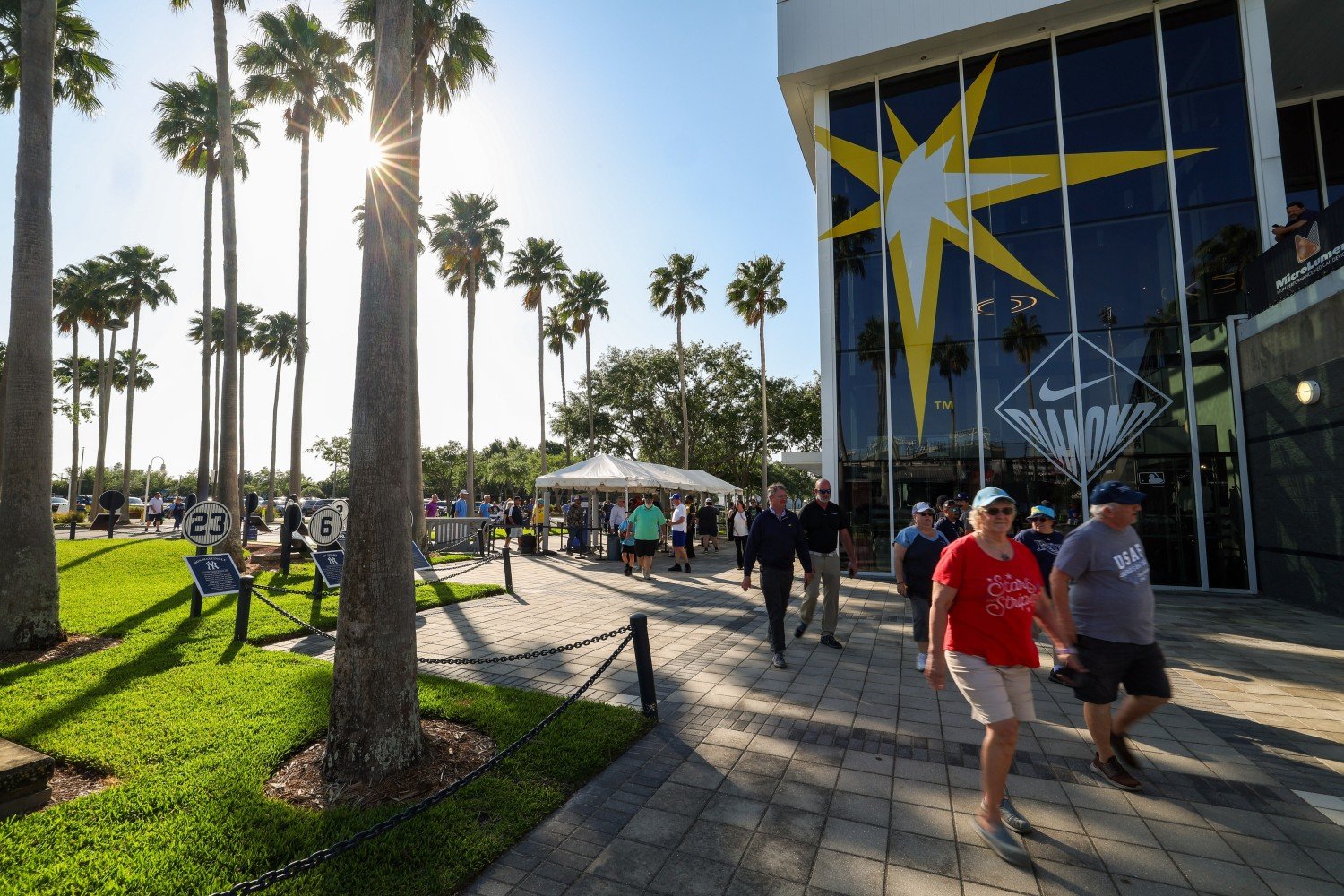 Major League Baseball’s ownership landscape has seen plenty of activity in recent years, but one of the most intriguing developments surfaced this past week. The Tampa Bay Rays, long considered one of the league’s trickiest franchises to assess when it comes to value, are on the verge of being sold for around $1.7 billion. For Minnesota Twins fans watching the Pohlad family’s quiet but ongoing effort to shop their franchise, this latest development adds another wrinkle to the story of a potential Twins sale. Rays Sale Sets the Bar Reports out of Florida indicate that Rays owner Stuart Sternberg is in “advanced talks” to sell the team to Jacksonville real estate developer Patrick Zalupski for a price in the $1.7 billion range. According to multiple sources, including Sportico and The New York Post, Zalupski has already signed a letter of intent to buy the club. While that isn’t a guarantee the sale will close, the serious nature of these discussions sends a clear message to the market: small-market teams can command high prices in the current professional sports climate. The Rays’ situation has been messy for years. Their ownership’s long battle to secure public funding for a new stadium in the Tampa/St. Petersburg area dragged on (with little success) until a natural disaster intervened. Last year, Hurricane Milton severely damaged Tropicana Field, forcing the team into temporary residence at George M. Steinbrenner Field, the Yankees’ spring training home in Tampa. Despite this disruption and their long history of bottom-five attendance, the Rays are set to fetch a valuation that some thought would be out of reach for such a franchise. What This Means for Minnesota So what does a likely $1.7-billion price tag on the Rays mean for the Twins? Quite a bit, actually. The Twins have been sticking firmly to their own internal valuation, reportedly seeking around $1.7 billion in sale talks. The organization has turned away offers in the $1.5 billion range, believing the market and team valuations in general will continue to rise. On paper, Minnesota should be a more attractive purchase than Tampa Bay. CNBC’s latest 2025 MLB team valuations list the Twins (22nd, $1.65 billion) above the Rays (29th, $1.4 billion), and the club benefits from something the Rays can only dream of: stadium stability. Target Field, which opened in 2010, remains one of MLB’s premier ballparks. It’s centrally located and well-maintained, with no lingering drama of relocation threats. Compare that to the Rays, who face uncertain long-term plans in the wake of the hurricane and are without a permanent home. Minnesota’s stability in this area gives prospective buyers confidence in revenue streams and long-term planning. However, the Twins do have a complication that could muddy the waters: debt. The franchise carries an estimated $425 million in debt, a figure that may have contributed to the rejection of offers below their asking price. This liability could act as a deterrent for some ownership groups, particularly when interest rates and financing costs remain high across the country. Raising the Price Floor? If the Rays, with all their baggage, manage to close this deal for $1.7 billion, the Twins are likely to view it as confirmation that their own asking price is realistic—or even a little low. After all, Minnesota has more stability, greater regional market control, and a more consistent ticket-buying fanbase (even if that is a low bar to clear). Tampa has long been lauded for its player development, but the Twins have made strides in recent years to produce consistent pitching, and other young hitters are on the way, like Walker Jenkins and Emmanuel Rodriguez. The Rays' sale could raise the overall price floor for small- to mid-market MLB teams. If Tampa Bay is worth $1.7 billion with a shaky stadium and disaster recovery on its plate, what’s a debt-burdened but otherwise stable franchise like the Twins worth? This is the math that the Pohlads and potential buyers are undoubtedly running through right now. Debt: The Cloud on Minnesota’s Horizon Still, the $425 million in debt is no small matter. Any buyer would need to assume, restructure, or pay off that liability as part of the transaction, making the actual cost of the purchase higher than just the $1.7 billion sticker price. For comparison, the Rays’ own debt situation has not been publicized as aggressively, but their lack of stadium resolution and post-hurricane costs likely carry risks of their own. For the Twins, this means two things: First, their asking price may remain out of reach for less capitalized buyer groups. Second, the franchise may need to sweeten the deal by lowering its asking price slightly or restructuring its debt to attract a strong new ownership group willing to invest heavily in both the team and its future. What’s Next for a Potential Sale? The Pohlad family has made no secret of its openness to selling the Twins, but they also don’t appear to be in a hurry. By waiting out the market, they may have played things perfectly. The Rays' sale, if finalized at its rumored price, sets a precedent that will encourage the Pohlads to hold firm on their valuation. That said, the debt issue remains the big difference. While the Rays have location issues, the Twins have financial obligations that may deter some cautious suitors. A team’s valuation and sale price aren’t always the same thing once the finer points of liabilities, cash flow, and future obligations are considered. For Twins fans hoping for fresh ownership and potentially deeper pockets, the Rays’ pending sale is both encouraging and frustrating. On one hand, it shows that $1.7 billion is a fair price for a mid-market team, making a Twins sale at that price more likely than ever. On the other hand, the Pohlads’ significant debt load complicates the picture, possibly slowing the process unless new financial arrangements are made. As the Rays sale nears the finish line, all eyes in Minnesota and across Major League Baseball will be on what happens next in Minneapolis. The table is set. Now, it’s a matter of who’s willing to pay the bill. How do you think the Rays’ sale will impact the Twins? Leave a comment and join the discussion.
 -
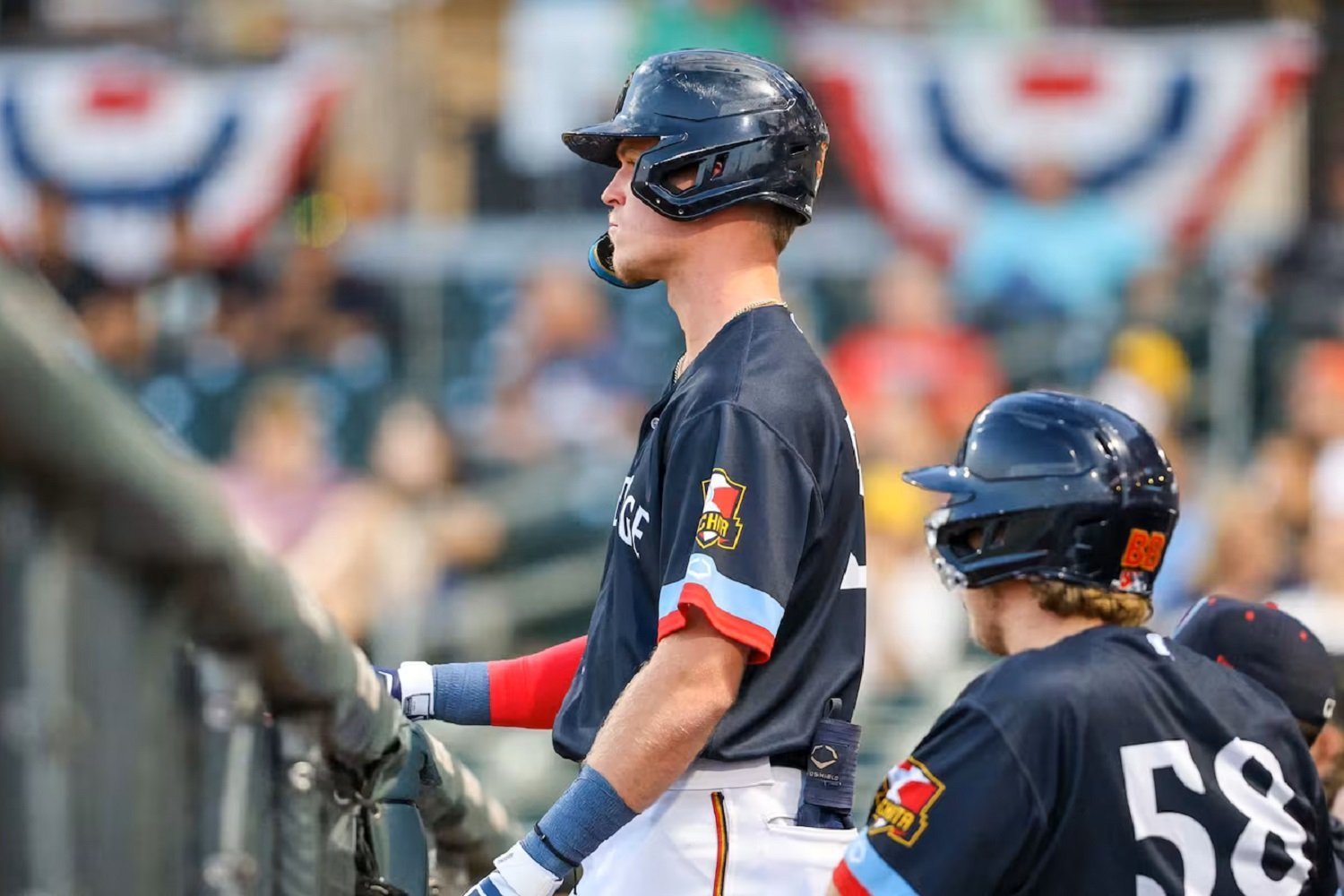 For top prospects, development rarely follows a straight and predictable path. In the case of Walker Jenkins, the journey to big-league stardom hit a significant speed bump this spring. Now that the 20-year-old outfielder has returned to Double-A Wichita (following an extended rehab stint), it's fair to ask what exactly he needs to prove during the remainder of the 2025 season. The answers begin with health, and culminate in unlocking more of his long-anticipated offensive potential. A Rocky Start to 2025 Jenkins entered this season as one of the crown jewels of the Twins’ minor-league system. As a former first-round pick (fifth overall in 2023), he was set for a full season at Double-A during his age-20 campaign. Unfortunately, those plans quickly unraveled. He suffered a left high ankle sprain during spring training, though he was cleared in time for Opening Day. After just two games with Wichita, however, renewed stiffness in the same ankle forced him back onto the injured list on Apr. 9. What was initially viewed as a minor setback turned into a lengthy absence. A cortisone injection was required in late April to calm the persistent inflammation, and Jenkins didn’t return to game action until early June, with a rehab assignment at Low-A Fort Myers. In eight games for the Mighty Mussels, Jenkins produced a .280 batting average (7-for-25), with a .419 on-base percentage, one home run, and two stolen bases. The results were respectable, but more importantly, he moved well and logged consistent at-bats. Now that he is back at Double-A, the real test begins. Staying on the Field is Priority Number One More than anything else, Jenkins must stay healthy for the remainder of the 2025 season. There is no sugarcoating the reality that durability is now a concern in Jenkins’s prospect profile. High ankle sprains can be problematic for outfielders, who depend on quick first steps, sudden cuts, and explosive bursts both in the field and at the plate. The lingering nature of this injury is something to monitor moving forward. What Jenkins needs more than any highlight-reel performances is a steady stretch of daily games. There is no need for a rushed promotion to Triple-A St. Paul or talk of a late-season call-up. The goal should be straightforward and clear: maintaining health, playing games, and having steady plate appearances against upper-level pitching. If Jenkins can log 80 or more games at Double-A this summer, that alone would be a significant step forward. It would help restore confidence in the front office that he can handle a full workload when the Twins call on him in 2026 and beyond. Finding the Power Stroke Another essential part of Jenkins’ checklist this season is showing growth in the power department. Some national outlets have ranked him lower on their Top 100 prospect lists, with concerns about his game power playing a significant role. Last season at Low-A Fort Myers, Jenkins posted solid overall numbers, but his underlying contact quality metrics left room for improvement. His Barrel rate, 90th percentile exit velocity, and Hard Hit percentage all ranked below the 62nd percentile. These numbers suggest that his raw power has not yet translated into consistent in-game pop. A closer look shows part of the problem. Jenkins is not pulling the baseball with enough authority. His pull percentage last season ranked in the 21st percentile, and his rate of pulled fastballs sat at an even lower 13th percentile. This means that far too many of his batted balls are being hit softly to the opposite field or up the middle, rather than turned on with intent. For Jenkins to unlock the extra-base potential that made him such a highly regarded draft pick, this must change. Whether it requires a slight timing adjustment, a tweak to his swing path, or a more aggressive approach on fastballs he can drive, Jenkins needs to start punishing mistakes. Scouts and analysts want to see him pull fastballs into the gap with force. Keeping Patience at the Plate Even as Jenkins works to tap into more power, he cannot abandon his natural strength as a patient hitter. His Fort Myers rehab stint provided a reminder of this skill, as he posted a .400 on-base percentage and displayed his usual calm, disciplined approach. Jenkins has always had an excellent feel for the strike zone, rarely chasing pitches out of the zone or swinging wildly at them. Maintaining that patience is essential as he attempts to add more aggression and pull-side damage to his game. The challenge for many young hitters at Double-A is learning when to sit back and when to attack. Jenkins has the instinct to find that balance, and Double-A offers the perfect environment for him to develop this critical skill. What Does Success Look Like in 2025? So, what would make this season a success for Jenkins? It is not about Triple-A St. Paul or gaudy statistics. The mission for 2025 is proving to himself, to the Twins, and to baseball evaluators that he can stay healthy and take the next steps toward unlocking his offensive ceiling. Suppose Jenkins can play 80 or more games without further incident, improve his hard contact rates, pull more fastballs with authority, and continue to show his signature plate discipline. In that case, this season will be considered a success. The prospect rankings will follow in time. The power will come. His enormous potential remains, but 2025 must be the year when the foundation for a healthy and productive career is finally established. For now, there is no reason to talk about Triple-A or major-league debuts. The goal is far simpler, but just as important: health, production, and progress at Double-A Wichita. And for Jenkins and the Twins, that is enough reason to consider this season a vital step forward. What will you look for from Jenkins this season? Leave a comment and start the discussion.
 -
Image courtesy of Ed Bailey, Wichita Wind Surge For top prospects, development rarely follows a straight and predictable path. In the case of Walker Jenkins, the journey to big-league stardom hit a significant speed bump this spring. Now that the 20-year-old outfielder has returned to Double-A Wichita following an extended rehab stint, it is fair to ask what exactly he needs to prove during the remainder of the 2025 season. The answers begin with health and culminate in unlocking more of his long-anticipated offensive potential. A Rocky Start to 2025 Jenkins entered this season as one of the crown jewels of the Twins’ minor league system. As a former first-round pick, fifth overall in 2023, he was set for a full season at Double-A during his age-20 campaign. Unfortunately, those plans quickly unraveled. He suffered a left high ankle sprain during spring training, though he was cleared in time for Opening Day. After just two games with Wichita, however, renewed stiffness in the same ankle forced him back onto the injured list on April 9. What was initially viewed as a minor setback turned into a lengthy absence. A cortisone injection was required in late April to calm the persistent inflammation, and Jenkins didn’t return to game action until early June with a rehab assignment at Low-A Fort Myers. In eight games for the Mighty Mussels, Jenkins produced a .280 batting average, going 7-for-25, with a .419 on-base percentage, one home run, and two stolen bases. The results were respectable, but, more importantly, he moved well and logged consistent at-bats. Now that he is back at Double-A, the real test begins. Staying on the Field is Priority Number One More than anything else, Jenkins must stay healthy for the remainder of the 2025 season. There is no sugarcoating the reality that durability is now a concern in Jenkins’ prospect profile. High ankle sprains can be problematic for outfielders who depend on quick first steps, sudden cuts, and explosive bursts both in the field and at the plate. The lingering nature of this injury is something to monitor moving forward. What Jenkins needs more than any highlight-reel performances is a steady stretch of daily games. There is no need for a rushed promotion to Triple-A St. Paul or talk of a late-season call-up. The goal should be straightforward and clear: maintaining health, playing games, and achieving steady plate appearances against upper-level pitching. If Jenkins can log 80 or more games at Double-A this summer, that alone would be a significant step forward. It would help restore confidence in the front office that he can handle a full workload when the Twins call on him in 2026 and beyond. Finding the Power Stroke Another essential part of Jenkins’ checklist this season is showing growth in the power department. Some national outlets have ranked him lower on their Top 100 prospect lists, with concerns about his game power playing a significant role. Last season at Low-A Fort Myers, Jenkins posted solid overall numbers, but his underlying contact quality metrics left room for improvement. His Barrel rate, 90th percentile exit velocity, and Hard Hit percentage all ranked below the 62nd percentile. These numbers suggest that his raw power has not yet translated into consistent in-game pop. A closer look shows part of the problem. Jenkins is not pulling the baseball with enough authority. His pull percentage last season ranked in the 21st percentile, and his rate of pulled fastballs sat at an even lower 13th percentile. This means that far too many of his batted balls are being hit softly to the opposite field or up the middle rather than turned on with intent. For Jenkins to unlock the extra-base potential that made him such a highly regarded draft pick, this must change. Whether it requires a slight timing adjustment, a tweak to his swing path, or a more aggressive approach on fastballs he can drive, Jenkins needs to start punishing mistakes. Scouts and analysts want to see him pull fastballs into the gap with force. Keeping Patience at the Plate Even as Jenkins works to tap into more power, he cannot abandon his natural strength as a patient hitter. His Fort Myers rehab stint provided a reminder of this skill, as he posted a .400 on-base percentage and displayed his usual calm, disciplined approach. Jenkins has always had an excellent feel for the strike zone, rarely chasing pitches out of the zone or swinging wildly at them. Maintaining that patience is essential as he attempts to add more aggression and pull-side damage to his game. The challenge for many young hitters at Double-A is learning when to sit back and when to attack. Jenkins has the instinct to find that balance, and Double-A offers the perfect environment for him to develop this critical skill. What Does Success Look Like in 2025? So, what would make this season a success for Jenkins? It is not about Triple-A St. Paul or gaudy statistics. The mission for 2025 is proving to himself, to the Twins, and to baseball evaluators that he can stay healthy and take the next steps toward unlocking his offensive ceiling. Suppose Jenkins can play 80+ games without further incident, improve his hard contact rates, pull more fastballs with authority, and continue to show his signature plate discipline. In that case, this season will be considered a success. The prospect rankings will follow in time. The power will come. His enormous potential remains, but 2025 must be the year when the foundation for a healthy and productive career is finally established. For now, there is no reason to talk about Triple-A or major league debuts. The goal is far simpler but just as important: health, production, and progress at Double-A Wichita. And for Jenkins and the Twins, that is enough reason to consider this season a vital step forward. What will you look for from Jenkins this season? Leave a comment and start the discussion. View full article
-
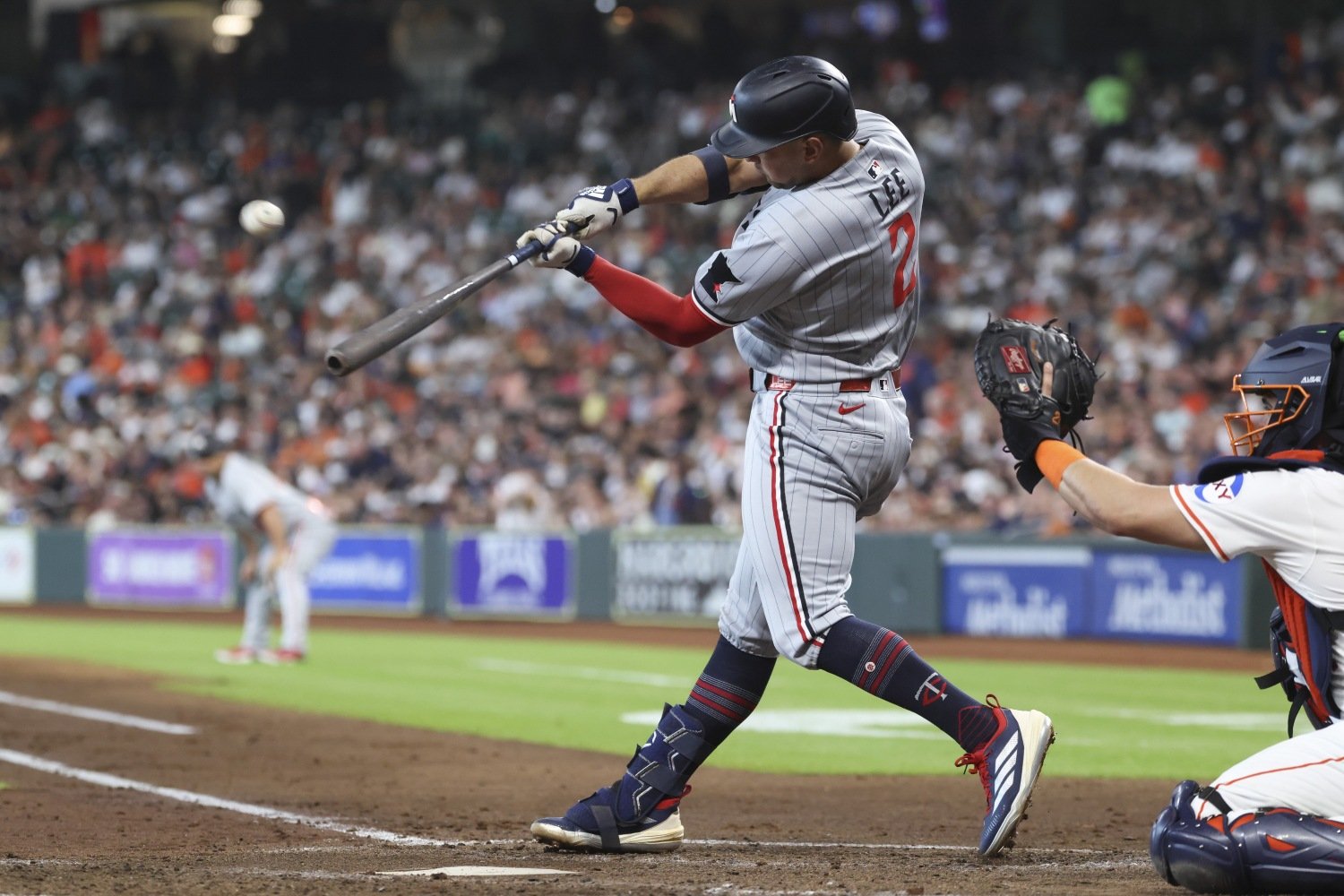 The Minnesota Twins have spent most of the 2025 season searching for any kind of spark for their sputtering offense. With Carlos Correa struggling to find his form, Royce Lewis sidelined again, and other lineup pieces stuck in cold spells, the team has been desperate for someone—anyone—to step up. In early June, the help they needed came from an unexpected source: Brooks Lee. For a team starved for good offensive stories, Lee’s emergence has been a welcome headline. But is this sudden hot streak the sign of a sustainable breakout, or could this be a classic case of small-sample magic that fades as quickly as it appeared? The Good: Contact Skills and Line-to-Line Ability Lee was never projected as a slugger destined for 30-plus home runs, but that doesn’t mean he can’t provide real value at the plate. What he offers is a balanced, contact-driven approach, with the ability to use the whole field. He was advertised as a polished college bat when the Twins took him with the eighth overall pick in the 2022 MLB Draft, and this recent stretch has shown why. Lee has been on an absolute tear over his last 15 games, going 21-for-60 with three home runs and two doubles. He’s riding an impressive 15-game hitting streak, during which he’s slashed .350/.371/.533 with a .904 OPS. It's exactly the kind of production this lineup needed from a fresh face. Lee, a switch-hitter, has also made a quiet but notable improvement from the left side of the plate, where most of his plate appearances will come. Even before his promotion to the big leagues, evaluators praised Lee for having a professional approach at the plate. He’s shown that ability in this streak, rarely chasing pitches out of the zone and squaring up fastballs, particularly from right-handed pitching. His three home runs during the stretch have reminded fans that while he may not be a masher, he has just enough pop to punish mistakes. “I saw the ball really well that first at-bat,” Lee said after Sunday’s game. “Took a pitch 1-0 that was in, and then my next pitch, I felt comfortable swinging. Was way ahead in the count, and I got a pitch over the heart of the plate that I could do damage on, and I did.” The Red Flags: Is the Batted-Ball Luck Sustainable? While Lee’s numbers over the past two weeks have been fantastic on the surface, a deeper dive into the metrics raises some red flags. His batting average on balls in play (BABIP) in June sits at a staggering .500, nearly double the number he posted over the season’s first two months. No qualified hitter in the big leagues maintains anything close to a .500 BABIP over a large sample, so this number demands regression. Essentially, a lot of Lee’s contact lately has been falling into holes, landing just out of the reach of defenders, or squeaking through the infield. Those hits count the same in the box score, but things usually even out over time. Pitchers and defenses will adjust, and those seeing-eye grounders may turn into outs in the weeks ahead. Another concern is Lee’s near-total lack of walks since the calendar turned to June. Over this hot stretch, he’s drawn just one walk. While it’s understandable that a young hitter feeling confident might be swinging more often, the lack of free passes is a warning sign. Opposing pitchers could start exploiting his eagerness, tempting him with pitches just off the plate and watching the free outs pile up. Then there’s the issue of bat speed. Lee’s average bat speed this season is 70.1 mph from both sides of the plate, below the league average of 71.6 mph. While he can make up for some of that with timing, pitch recognition, and a clean swing path (as indicated by his improved attack angle), this gap suggests that elite velocity or high-spin pitches could give him trouble down the line. Without standout raw power or bat speed, Lee will have to continue thriving on skill and approach rather than physical tools—a risky formula for long-term offensive success in today’s game. Realistic Expectations for Lee Going Forward It’s important not to dismiss what Lee has done. The Twins needed an offensive boost, and he delivered in a big way when the team was desperate. His hit streak has kept rallies alive, provided timely offense, and likely earned him a long look in the big leagues even when other players return from injury. But it’s equally important to set realistic expectations. Lee is unlikely to be the kind of player who carries a lineup or racks up extra-base hits at a star-level clip. He profiles best as a solid, everyday contributor who can hit for average, put the ball in play, and give the Twins a flexible defensive piece. If he becomes a switch-hitting version of Luis Arraez with a bit more pop but far less extreme contact ability, that would be a tremendous outcome. “Every week you kind of see him doing different things out there on the field,” said Twins manager Rocco Baldelli. “He’s not just going up there looking for the ball—see it, hit it and attacking everything. He’s actually going up there with a good plan. Again, an improving player and a guy with good ability, and it’s exciting to watch a young guy make those improvements.” For now, fans should enjoy the ride, but keep one eye on the warning lights. The BABIP won’t stay this high forever. The walks need to return. Eventually, the league will adjust to him. How Lee responds to those adjustments will determine if this hot streak is a true breakout or just a fun blip during a summer when the Twins badly needed a reason to cheer. Regardless of how the next month plays out, Brooks Lee has shown that he belongs on a big-league diamond. Whether he can become a key piece of Minnesota’s future lineup remains a storyline worth watching. What stands out about his hot streak so far? Can he sustain his current pace? Leave a comment and start the discussion.
 -
The Minnesota Twins have spent most of the 2025 season searching for any kind of spark in their sputtering offense. With Carlos Correa struggling to find his form, Royce Lewis sidelined again by the injured list, and other lineup pieces stuck in cold spells, the team has been desperate for someone (anyone) to step up. In early June, that spark came from an unexpected source: Brooks Lee. For a team starved for good offensive stories, Lee’s emergence has been a welcome headline. But is this sudden hot streak the sign of a sustainable breakout? Or could this be a classic case of small-sample magic that fades as quickly as it appeared? The Good: Contact Skills and Line-to-Line Ability Lee was never projected as a slugger destined for 30+ home runs, but that doesn’t mean he can’t provide real value at the plate. What he offers is a balanced, contact-driven approach with the ability to use the whole field. He was advertised as a polished college bat when the Twins took him with the eighth overall pick in the 2022 MLB Draft, and this recent stretch has shown why. Lee has been on an absolute tear over his last 15 games, going 21-for-60 with three home runs and two doubles. He’s riding an impressive 15-game hitting streak during which he’s slashed .350/.371/.533 with a .904 OPS. It's exactly the kind of production this lineup needed from a fresh face. Lee, a switch-hitter, has also made a quiet but notable improvement from the left side of the plate, where most of his MLB plate appearances will come. His Ideal Attack Angle Percentage, an indicator of how often his swings match the optimal path for good contact, has ticked up from 55.6% last season to 56.4% this year. Even before his promotion to the big leagues, evaluators praised Lee for having a professional approach at the plate. He’s shown that ability in this streak, rarely chasing pitches out of the zone and squaring up fastballs, particularly from right-handed pitching. His three home runs during the hot stretch have reminded fans that while he may not be a masher, he has just enough pop to punish mistakes. “I saw the ball really well that first at-bat,” Lee said after Sunday’s game. “Took a pitch 1-0 that was in, and then my next pitch, I felt comfortable swinging. Was way ahead in the count, and I got a pitch over the heart of the plate that I could do damage on, and I did.” The Red Flags: Is the Batted Ball Luck Sustainable? While Lee’s numbers over the past two weeks have been fantastic on the surface, a deeper dive into the metrics raises some red flags. His batting average on balls in play (BAbip) in June sits at a staggering .500, a mark that is nearly double the BAbip he posted over the season’s first two months. No qualified hitter in MLB maintains anything close to a .500 BAbip over a large sample, so this number screams regression. Essentially, a lot of Lee’s contact lately has been falling into holes, landing just out of reach of defenders, or squeaking through the infield. Those hits count the same in the box score, but they usually even out over time. Pitchers and defenses will adjust, and those seeing-eye grounders may turn into outs in the weeks ahead. Another concern is Lee’s near-total lack of walks since the calendar turned to June. Over this hot stretch, he’s drawn just one walk. While it’s understandable that a young hitter feeling confident might be swinging more often, the lack of free passes is a warning sign. Opposing pitchers could start exploiting his eagerness, tempting him with pitches just off the plate and watching the free outs pile up. Then there’s the issue of bat speed. Lee’s average bat speed this season is 70.1 mph from both sides of the plate, below the MLB average of 71.6 mph. While he can make up for some of that with timing, pitch recognition, and a clean swing path (as indicated by his improved attack angle), this gap suggests that elite velocity or high-spin pitches could give him trouble down the line. Without standout raw power or bat speed, Lee will have to continue thriving on skill and approach rather than physical tools, a risky formula for long-term offensive success in today’s game. Realistic Expectations for Lee Going Forward It’s important not to dismiss what Lee has done. The Twins needed an offensive boost and he delivered in a big way when the team was desperate. His hit streak has kept rallies alive, provided timely offense, and likely earned him a long look in the big leagues even when other players return from injury. But it’s equally important to set realistic expectations. Lee is unlikely to be the kind of bat that carries a lineup or racks up extra-base hits at a star-level clip. He profiles best as a solid, everyday contributor who can hit for average, put the ball in play, and give the Twins a flexible defensive piece. If he becomes a switch-hitting version of Luis Arraez with a bit more pop but far less extreme contact ability, that would be a tremendous outcome. “Every week you kind of see him doing different things out there on the field,” said Twins manager Rocco Baldelli. “He’s not just going up there looking for the ball -- see it, hit it and attacking everything. He’s actually going up there with a good plan. Again, an improving player and a guy with good ability, and it’s exciting to watch a young guy make those improvements.” For now, though, fans should enjoy the ride but keep one eye on the warning lights. The BAbip won’t stay this high forever. The walks need to return. And eventually, the league will adjust to him. How Lee responds to those adjustments will determine if this hot streak is a true breakout or just a fun blip during a summer when the Twins badly needed a reason to cheer. Regardless of how the next month plays out, Brooks Lee has shown that he belongs on a big-league diamond. Whether he can become a key piece of Minnesota’s future lineup remains a storyline worth watching. What stands out about his hot streak so far? Can he sustain his current pace? Leave a comment and start the discussion. View full article
-
Ronald made it to Triple-A as a 19-year-old and his MLB debut at age 20. Bryan is a much different type of prospect but he’s showing some positive signs this year.
- 12 replies
-
- 1
-
-
- bryan acuna
- teilon serrano
- (and 1 more)
-
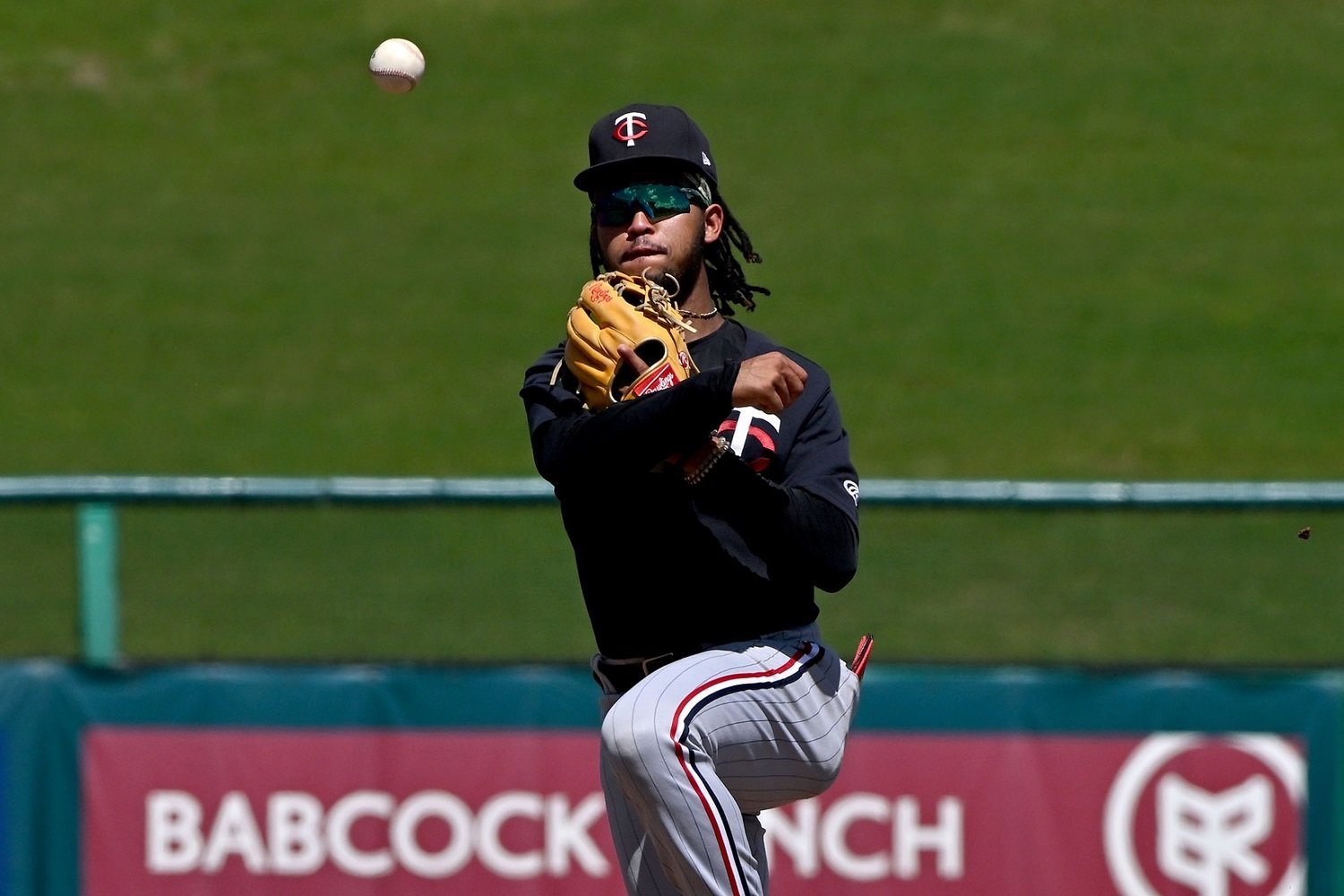 Welcome to the Twins Prospect Hot Sheet! Each week, we take a closer look at multiple players who are climbing the organization’s prospect ladder, thanks to standout performances. This isn't limited to top-10 prospects, as you’ll find some lesser-known names putting themselves on the radar as well. With recent promotions and breakout performances, several young names are quickly pushing their way up prospect rankings and (potentially) toward Target Field. Here’s a look at three such risers in recent weeks. IF, Bryan Acuña, Fort Myers Mighty Mussels The Twins signed Bryan Acuña as part of their 2022 international free agent class, luring him with a $650,000 bonus. Of course, the Acuña name immediately caught attention because Bryan is the younger brother of Atlanta Braves superstar Ronald Acuña Jr., but the Twins made clear that they valued Bryan for his own skillset. A versatile infielder who bats right-handed, Acuña spent his first three seasons honing his game in the rookie leagues, where the focus was less about numbers and more about development. Even so, he showed promise, posting a .384 OBP with 14 extra-base hits in 98 games. Hitting the Hot Button Acuña’s promotion to Fort Myers last week signals that the Twins believe he’s ready for the next challenge. At just 19 years old, he’s moved beyond the FCL and will see better competition in full-season ball, an important test for his development path. What’s fueling his rise on prospect lists isn’t eye-popping power (yet), but his maturity at the plate. He controls the strike zone far better than most hitters his age, a trait that evaluators love because it provides a foundation for growth in other offensive areas. Perhaps most impressive for a teenager adjusting to professional pitching: he drew more walks (15) than strikeouts (14), a sign of advanced plate discipline that bodes well for his long-term potential. While the Acuña name opens doors, Bryan is starting to carve out his own identity with his performance. If he continues to show strong on-base skills and defensive versatility across the infield, he could leap into Minnesota’s top-20 prospect conversation by year’s end. OF Teilon Serrano, DSL Twins Sometimes opportunity arrives in surprising ways. Serrano was a late addition to the Twins' international signing class after the Los Angeles Dodgers paused their entire international operations in January to clear resources for a potential run at Japanese ace Roki Sasaki. The delay opened a window for Minnesota to swoop in and sign Serrano, a 17-year-old outfielder from Venezuela, who was reportedly on the Dodgers’ radar for months. Serrano is making his professional debut in the Dominican Summer League this season. Hitting the Hot Button Serrano’s loud debut has scouts and evaluators rethinking his ceiling. Through his first eight games, he notched 11 hits in 29 at-bats (.379 average) with two home runs, a double, a triple, and nine runs scored. Power is already showing up in games, a rare thing for players his age, while his ability to square up velocity and drive the ball to all fields is notable for a teenager adjusting to professional pitching. His age and tools immediately vault him into the discussion of the organization’s most intriguing teenage prospects, with some projecting that he could end the season as one of Minnesota’s fastest-rising names. If he maintains even a fraction of this offensive production over the summer, he’ll be a name to watch on offseason lists. OF Kala’i Rosario, Wichita Wind Surge A fifth-round pick in 2020, Rosario came into the season as something of a question mark. The 22-year-old outfielder flashed raw power in past seasons, but struggled to translate that pop into consistent production, leading Minnesota to leave him unprotected in last winter’s Rule 5 Draft. Last season, he hit .238/.329/.428 with 19 doubles and 10 home runs in 70 games at Double-A Wichita. Minnesota sent him to the AFL for the second consecutive season, where he posted an .813 OPS with four extra-base hits in 21 games. Ultimately, the Twins didn’t add him to the 40-man, but kept him in the system, and that patience is starting to pay off. Hitting the Hot Button Rosario opened 2025 in a rough slump, but since those difficult first two weeks, he’s caught fire: over his last 44 games, Rosario is hitting .273 with four homers, 11 doubles, two triples and a remarkable .392 on-base percentage. His improved plate discipline (he’s drawing more walks and cutting down strikeouts) is a huge development for a player long viewed as a boom-or-bust power hitter. At 22 years old, he is over two years younger than the average age of the competition in the Texas League, with nearly 85% of his plate appearances coming versus older pitchers. If he keeps this up, especially maintaining his on-base skills while tapping into occasional power, he could force his way into Triple-A ball later this year and into Minnesota’s plans for 2026. Development isn’t always linear, and these three players are perfect examples of different prospect paths. Acuña represents patient, steady growth as he adjusts to Stateside ball. Serrano has burst onto the scene with impact tools that could make him one of the organization's top breakout stars by season’s end. Rosario, once a player on the verge of fading from prospect relevance, is rebuilding his stock with a revamped offensive approach. Which player's performance stands out the most? Who has the biggest upside? Leave a comment and start the discussion.
- 12 comments
-
- 9
-
-
-
- bryan acuna
- teilon serrano
- (and 1 more)
-
Image courtesy of William Parmeter (Photo of Bryan Acuña) Welcome to the Twins Prospect Hot Sheet! Each week, we take a closer look at multiple players who are climbing the organization’s prospect ladder, thanks to standout performances. This isn't limited to top-10 prospects, as you’ll find some lesser-known names putting themselves on the radar as well. With recent promotions and breakout performances, several young names are quickly pushing their way up prospect rankings and (potentially) toward Target Field. Here’s a look at three such risers in recent weeks. IF, Bryan Acuña, Fort Myers Mighty Mussels The Twins signed Bryan Acuña as part of their 2022 international free agent class, luring him with a $650,000 bonus. Of course, the Acuña name immediately caught attention because Bryan is the younger brother of Atlanta Braves superstar Ronald Acuña Jr., but the Twins made clear that they valued Bryan for his own skillset. A versatile infielder who bats right-handed, Acuña spent his first three seasons honing his game in the rookie leagues, where the focus was less about numbers and more about development. Even so, he showed promise, posting a .384 OBP with 14 extra-base hits in 98 games. Hitting the Hot Button Acuña’s promotion to Fort Myers last week signals that the Twins believe he’s ready for the next challenge. At just 19 years old, he’s moved beyond the FCL and will see better competition in full-season ball, an important test for his development path. What’s fueling his rise on prospect lists isn’t eye-popping power (yet), but his maturity at the plate. He controls the strike zone far better than most hitters his age, a trait that evaluators love because it provides a foundation for growth in other offensive areas. Perhaps most impressive for a teenager adjusting to professional pitching: he drew more walks (15) than strikeouts (14), a sign of advanced plate discipline that bodes well for his long-term potential. While the Acuña name opens doors, Bryan is starting to carve out his own identity with his performance. If he continues to show strong on-base skills and defensive versatility across the infield, he could leap into Minnesota’s top-20 prospect conversation by year’s end. OF Teilon Serrano, DSL Twins Sometimes opportunity arrives in surprising ways. Serrano was a late addition to the Twins' international signing class after the Los Angeles Dodgers paused their entire international operations in January to clear resources for a potential run at Japanese ace Roki Sasaki. The delay opened a window for Minnesota to swoop in and sign Serrano, a 17-year-old outfielder from Venezuela, who was reportedly on the Dodgers’ radar for months. Serrano is making his professional debut in the Dominican Summer League this season. Hitting the Hot Button Serrano’s loud debut has scouts and evaluators rethinking his ceiling. Through his first eight games, he notched 11 hits in 29 at-bats (.379 average) with two home runs, a double, a triple, and nine runs scored. Power is already showing up in games, a rare thing for players his age, while his ability to square up velocity and drive the ball to all fields is notable for a teenager adjusting to professional pitching. His age and tools immediately vault him into the discussion of the organization’s most intriguing teenage prospects, with some projecting that he could end the season as one of Minnesota’s fastest-rising names. If he maintains even a fraction of this offensive production over the summer, he’ll be a name to watch on offseason lists. OF Kala’i Rosario, Wichita Wind Surge A fifth-round pick in 2020, Rosario came into the season as something of a question mark. The 22-year-old outfielder flashed raw power in past seasons, but struggled to translate that pop into consistent production, leading Minnesota to leave him unprotected in last winter’s Rule 5 Draft. Last season, he hit .238/.329/.428 with 19 doubles and 10 home runs in 70 games at Double-A Wichita. Minnesota sent him to the AFL for the second consecutive season, where he posted an .813 OPS with four extra-base hits in 21 games. Ultimately, the Twins didn’t add him to the 40-man, but kept him in the system, and that patience is starting to pay off. Hitting the Hot Button Rosario opened 2025 in a rough slump, but since those difficult first two weeks, he’s caught fire: over his last 44 games, Rosario is hitting .273 with four homers, 11 doubles, two triples and a remarkable .392 on-base percentage. His improved plate discipline (he’s drawing more walks and cutting down strikeouts) is a huge development for a player long viewed as a boom-or-bust power hitter. At 22 years old, he is over two years younger than the average age of the competition in the Texas League, with nearly 85% of his plate appearances coming versus older pitchers. If he keeps this up, especially maintaining his on-base skills while tapping into occasional power, he could force his way into Triple-A ball later this year and into Minnesota’s plans for 2026. Development isn’t always linear, and these three players are perfect examples of different prospect paths. Acuña represents patient, steady growth as he adjusts to Stateside ball. Serrano has burst onto the scene with impact tools that could make him one of the organization's top breakout stars by season’s end. Rosario, once a player on the verge of fading from prospect relevance, is rebuilding his stock with a revamped offensive approach. Which player's performance stands out the most? Who has the biggest upside? Leave a comment and start the discussion. View full article
- 12 replies
-
- 2
-
-
- bryan acuna
- teilon serrano
- (and 1 more)
-
Image courtesy of © Kim Klement-Imagn Images As “the Buffalo” stepped back onto the field this weekend donning a ceremonial Nationals uniform, Wilson Ramos closed the curtain on an 18‑year professional journey that began in the Twins’ farm system and ended with an emotional retirement in Washington. Let’s take one last trek through his storied career: his Twins origins, a headline-grabbing kidnapping in Venezuela, his ascent to All‑Star stardom, and the legacy he leaves behind. Rise Through the Twins System Ramos was signed by the Minnesota Twins as a 16‑year‑old international free agent in 2004. Over the following years, fans in the farm system witnessed a slugging catcher grow into his frame, refine his defensive instincts, and show flashes of offensive potential. He reached Triple-A during his age-22 season and was on the cusp of the big leagues. By the time his debut came on May 2, 2010 (He had four hits in the game), Ramos had already shown enough promise to be considered one of the organization’s top prospects. However, his stay on Minnesota’s big‑league roster was brief. The Twins traded him to the Washington Nationals at the 2010 trade deadline in exchange for All‑Star closer Matt Capps. Minnesota had Joe Mauer behind the plate and wanted to make a playoff run during Target Field’s inaugural year. Capps added depth to the bullpen, but in hindsight, it has become an exchange Minnesota would long regret. Washington: From Backup to Star Ramos arrived in D.C. as a backup catching option, but made a swift climb into the full-time starter role. In 2011, he finished a strong fourth in NL Rookie of the Year voting after showing consistency offensively and improving behind the plate. His tenure with the Nationals from 2010–2016 became the defining stretch of his career. Ramos caught three no‑hitters, including two by Max Scherzer, and was praised for his game‑calling in Scherzer’s 20‑strikeout performance and Jordan Zimmermann’s gem. His bat stood out, too: a .307/.354/.496 slash in 2016 earned him his first All‑Star nod and a Silver Slugger Award. “For me, it was the more important part of my job, be a catcher,” Ramos said during his retirement press conference. “If my pitcher’s doing well, it made me feel good all my career. When I was behind the plate, everything I did, it created more special things for me.” Yet, his stay wasn’t without adversity. In 2012, Ramos suffered a torn ACL just 25 games into what looked to be another breakout year. He battled back from that injury and would face two more serious knee injuries later in his career. Kidnapped in Venezuela Off the field, Ramos endured a terrifying chapter in November 2011. While visiting Venezuela in the offseason, he was abducted and held for approximately 50 hours before being rescued by local authorities. The incident shook the baseball world, but Ramos emerged determined to return to the field. That resilience became a signature trait that defined both him and his career. All‑Star & Silver Slugger Success After walking away from the Nationals post‑2016, Ramos signed a two‑year, $12.5-million deal with the Rays. The following season brought a second All‑Star appearance in 2018 with Tampa Bay, and he was traded to the Phillies mid-year when they needed more catching depth for the stretch run. Signed by the Mets in 2019 on a two‑year, $19-million contract, Ramos delivered immediately. He posted a .288/.351/.416 slash line, knocked 14 homers, drove in 73 RBIs, and famously strung together a 26‑game hitting streak, second‑longest in Mets history, surpassing Mike Piazza’s mark for catchers. Late‑Career Rollercoaster & Farewell Ramos’s offensive output dipped after 2019, as his once-reliable bat losing some of its edge. A torn ACL in August 2021 sidelined him once again, bringing his MLB journey to a close following stints with Detroit and Cleveland. After brief spells in Triple‑A with the Rangers, the Mexican League, independent teams, and winter ball in Venezuela, Ramos remained active until signing a ceremonial one‑day contract this weekend to announce his retirement as a National, a move steeped in sentiment and full-circle meaning. On Father’s Day, with his family in attendance, Ramos spoke of returning home to focus on his children, reclaim lost time, and impart life lessons learned on the field. Former teammates Adam LaRoche and Daniel Murphy paid tribute to his clubhouse presence and the power in his bat. Manager Dave Martinez summed it up best: Ramos “played the game the right way,” and the Nationals couldn’t be happier to celebrate his career over the weekend. Legacy of “The Buffalo” 12 MLB seasons, 990 games, a .271/.318/.432 slash line, 136 home runs, 534 RBIs, 15.3 bWAR. Two‑time All‑Star (2016, 2018) and a Silver Slugger (2016). Played through three ACL tears and a high‑profile kidnapping. A key piece in the Nationals' most successful pitching moments over a dramatic decade. For Ramos, the timing is right to hang up his catcher’s gear and spend more time with his family. “I made this decision because I think it's time to spend time with them,” Ramos said. “My kids [are] growing up, and for me, it's time to teach them about life, about baseball, about what I did. So it's time to spend time with them. I lost a lot of time with them, so now it's time to be part of their life.” Ramos’s journey mirrors a ballpark pop-up that clears the infield: unexpected, gutsy, and ultimately thrilling. From a Twins prospect traded away to a resilient All-Star, his story is one of talent, heart, and triumph over adversity. What will you remember about Ramos’s career? Would his career have played out differently if he stayed with the Twins? Leave a comment and start the discussion. View full article
-
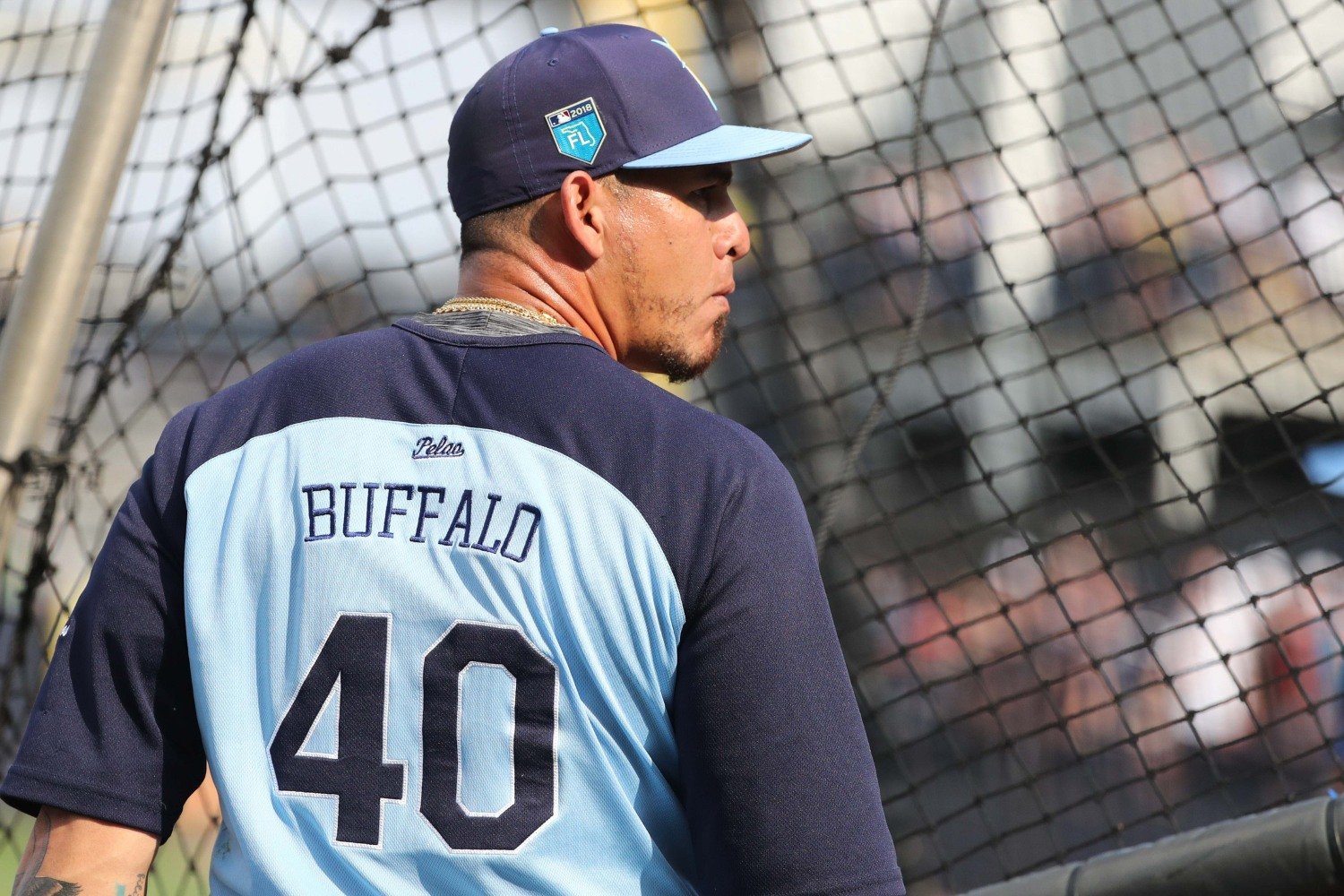 As “the Buffalo” stepped back onto the field this weekend donning a ceremonial Nationals uniform, Wilson Ramos closed the curtain on an 18‑year professional journey that began in the Twins’ farm system and ended with an emotional retirement in Washington. Let’s take one last trek through his storied career: his Twins origins, a headline-grabbing kidnapping in Venezuela, his ascent to All‑Star stardom, and the legacy he leaves behind. Rise Through the Twins System Ramos was signed by the Minnesota Twins as a 16‑year‑old international free agent in 2004. Over the following years, fans in the farm system witnessed a slugging catcher grow into his frame, refine his defensive instincts, and show flashes of offensive potential. He reached Triple-A during his age-22 season and was on the cusp of the big leagues. By the time his debut came on May 2, 2010 (He had four hits in the game), Ramos had already shown enough promise to be considered one of the organization’s top prospects. However, his stay on Minnesota’s big‑league roster was brief. The Twins traded him to the Washington Nationals at the 2010 trade deadline in exchange for All‑Star closer Matt Capps. Minnesota had Joe Mauer behind the plate and wanted to make a playoff run during Target Field’s inaugural year. Capps added depth to the bullpen, but in hindsight, it has become an exchange Minnesota would long regret. Washington: From Backup to Star Ramos arrived in D.C. as a backup catching option, but made a swift climb into the full-time starter role. In 2011, he finished a strong fourth in NL Rookie of the Year voting after showing consistency offensively and improving behind the plate. His tenure with the Nationals from 2010–2016 became the defining stretch of his career. Ramos caught three no‑hitters, including two by Max Scherzer, and was praised for his game‑calling in Scherzer’s 20‑strikeout performance and Jordan Zimmermann’s gem. His bat stood out, too: a .307/.354/.496 slash in 2016 earned him his first All‑Star nod and a Silver Slugger Award. “For me, it was the more important part of my job, be a catcher,” Ramos said during his retirement press conference. “If my pitcher’s doing well, it made me feel good all my career. When I was behind the plate, everything I did, it created more special things for me.” Yet, his stay wasn’t without adversity. In 2012, Ramos suffered a torn ACL just 25 games into what looked to be another breakout year. He battled back from that injury and would face two more serious knee injuries later in his career. Kidnapped in Venezuela Off the field, Ramos endured a terrifying chapter in November 2011. While visiting Venezuela in the offseason, he was abducted and held for approximately 50 hours before being rescued by local authorities. The incident shook the baseball world, but Ramos emerged determined to return to the field. That resilience became a signature trait that defined both him and his career. All‑Star & Silver Slugger Success After walking away from the Nationals post‑2016, Ramos signed a two‑year, $12.5-million deal with the Rays. The following season brought a second All‑Star appearance in 2018 with Tampa Bay, and he was traded to the Phillies mid-year when they needed more catching depth for the stretch run. Signed by the Mets in 2019 on a two‑year, $19-million contract, Ramos delivered immediately. He posted a .288/.351/.416 slash line, knocked 14 homers, drove in 73 RBIs, and famously strung together a 26‑game hitting streak, second‑longest in Mets history, surpassing Mike Piazza’s mark for catchers. Late‑Career Rollercoaster & Farewell Ramos’s offensive output dipped after 2019, as his once-reliable bat losing some of its edge. A torn ACL in August 2021 sidelined him once again, bringing his MLB journey to a close following stints with Detroit and Cleveland. After brief spells in Triple‑A with the Rangers, the Mexican League, independent teams, and winter ball in Venezuela, Ramos remained active until signing a ceremonial one‑day contract this weekend to announce his retirement as a National, a move steeped in sentiment and full-circle meaning. On Father’s Day, with his family in attendance, Ramos spoke of returning home to focus on his children, reclaim lost time, and impart life lessons learned on the field. Former teammates Adam LaRoche and Daniel Murphy paid tribute to his clubhouse presence and the power in his bat. Manager Dave Martinez summed it up best: Ramos “played the game the right way,” and the Nationals couldn’t be happier to celebrate his career over the weekend. Legacy of “The Buffalo” 12 MLB seasons, 990 games, a .271/.318/.432 slash line, 136 home runs, 534 RBIs, 15.3 bWAR. Two‑time All‑Star (2016, 2018) and a Silver Slugger (2016). Played through three ACL tears and a high‑profile kidnapping. A key piece in the Nationals' most successful pitching moments over a dramatic decade. For Ramos, the timing is right to hang up his catcher’s gear and spend more time with his family. “I made this decision because I think it's time to spend time with them,” Ramos said. “My kids [are] growing up, and for me, it's time to teach them about life, about baseball, about what I did. So it's time to spend time with them. I lost a lot of time with them, so now it's time to be part of their life.” Ramos’s journey mirrors a ballpark pop-up that clears the infield: unexpected, gutsy, and ultimately thrilling. From a Twins prospect traded away to a resilient All-Star, his story is one of talent, heart, and triumph over adversity. What will you remember about Ramos’s career? Would his career have played out differently if he stayed with the Twins? Leave a comment and start the discussion.
- 7 comments
-
- 3
-
-
- wilson ramos
- max scherzer
- (and 1 more)
-
Could the Twins Buy Low on Former Top Pick Heston Kjerstad?
Cody Christie posted an article in Twins
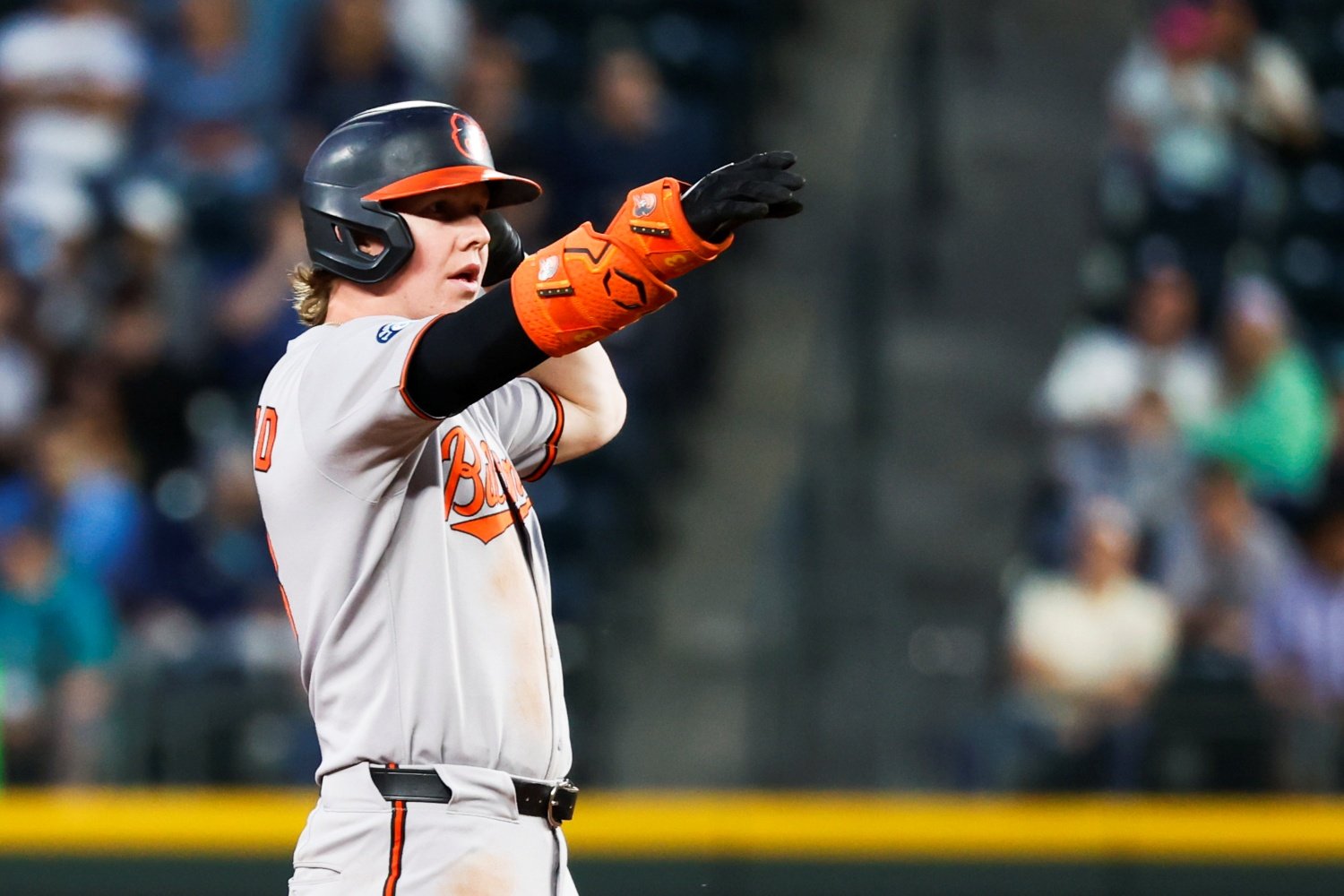 As the MLB trade deadline creeps closer, the Minnesota Twins front office will likely be working the phones to see if they can find a left-handed bat to boost their lineup. It might not be a splashy move like fans crave, but the best value might come from a struggling young hitter in need of a change of scenery: Heston Kjerstad, a former No. 2 overall pick who could be the perfect buy-low target for a team like the Twins. The 26-year-old outfielder was once viewed as one of the Orioles' cornerstone bats of the future. Back in the abbreviated 2020 draft, Baltimore surprised many by selecting him with the second overall pick. Most draft experts projected Kjerstad in the middle of the first round, but the Orioles cut a deal with him, whereby he received an underslot signing bonus. That allowed the organization to spend extra money later in the draft on names like Jordan Westburg and Coby Mayo, both of whom are now considered core pieces for Baltimore. In hindsight, that strategy appears to have been a win for the Orioles, but not necessarily for Kjerstad. Health problems delayed Kjerstad’s pro debut until 2022, and while he’s had some big moments in the minors (including MVP honors in the Arizona Fall League), his transition to big-league pitching hasn’t gone as planned. The 2025 season has been the first time Baltimore gave him a real shot at consistent playing time, but the results have been disappointing: a .192/.240/.327 slash line, four home runs, and a rough 3.6% walk rate over 167 plate appearances. He has produced a -1.4 rWAR, one of baseball's lowest totals this season. Digging deeper into the numbers reveals why Kjerstad has struggled. The left-handed hitter has been protected from facing lefty pitchers, but still hasn’t produced against righties, with a .613 OPS. His strikeout rate has ballooned to 26.9%, and he’s chasing pitches out of the zone at an alarming 38.4% clip. His swing decisions haven’t been sound enough to allow his raw power to shine through. To his credit, his overall contact rate has improved compared to his 2023 and 2024 cups of coffee, but not enough to offset the poor zone judgment. Meanwhile, Baltimore’s outfield depth chart has multiple names ahead of Kjerstad. Cedric Mullins, Colton Cowser, and Tyler O’Neill are all ahead of Kjerstad in the pecking order. Even top prospects like Mayo, who can play both third base and corner outfield sports, and Heston’s former Arkansas teammate, Westburg, look like safer bets to contribute regularly. That glut of talent could make Kjerstad expendable. That’s where the Twins come in. Minnesota’s need for a left-handed bat isn’t a secret. Trevor Larnach continues to ride the rollercoaster of inconsistency, and Kody Clemens (despite flashes of solid play) has largely settled into a bench role. The Twins lineup is built on balance, but the team remains overly reliant on right-handed production. They could use a lottery ticket-type player who, with the proper adjustments, could provide impactful left-handed pop. There’s also an intriguing connection here: Twins hitting coach Matt Borgschulte was the Orioles' hitting coach from 2022 through 2024, so he was around for Kjerstad's first two looks at the majors. If anyone has a sense of what makes Kjerstad tick and what might fix him, it’s Borgschulte. That familiarity could give the Twins confidence to pursue the former top pick, with the belief that a fresh environment (and a patient-hitting program) could unlock his potential. Of course, the Twins shouldn’t (and almost certainly wouldn’t) pay a premium price to roll the dice on Kjerstad. His stock is as low as it’s ever been. His limited big-league success, troubling plate discipline metrics, and crowded organizational situation mean that Baltimore would likely entertain offers that don’t involve top prospects or major league-ready pieces. At the very least, truly premium pieces would be off the table, so Derek Falvey and company could pursue Kjerstad without fear of being fleeced. It’s also worth noting that Kjerstad’s underlying tools remain enticing. He posted enormous exit velocities in the minors and mashed his way through the Arizona Fall League. His raw power remains among the best in Baltimore’s system. The problem has been getting to that power in games. The Twins could hope that something changes with improved swing decisions and mechanical adjustments. For a Twins team always looking for cost-controlled options, Kjerstad represents a rare chance to buy low on a former top prospect without mortgaging the future. If it works, they’d add an affordable, controllable left-handed bat with upside—precisely what the roster needs, now and in the future. If not, the cost would likely be low enough that the mistake wouldn’t be detrimental. If I’m the Twins, I make the call. The risk is minimal. The upside is too good to ignore. After all, sometimes the best moves at the deadline aren’t the biggest. They’re the smartest. Should the Twins target Kjerstad? Can the team fix his approach? Leave a comment and start the discussion.
 -
Image courtesy of Kim Klement Neitzel-Imagn Images The calendar has turned to mid-June, and as the summer months heat up, so does speculation about what the Minnesota Twins will do at this year’s trade deadline. With the All-Star break just a month away and the deadline looming not far behind, the next five weeks could very well determine whether the front office decides to buy, sell, or simply stand pat. At the moment, the Twins sit in one of the more precarious positions in baseball. Entering play on Friday, Minnesota is tied for the final AL Wild Card spot and holds a razor-thin half-game lead over the Cleveland Guardians in the AL Central. The Wild Card race is brutally crowded, thanks to MLB’s expanded postseason format with three Wild Card teams per league. As many as five teams trail the Twins by fewer than four games in the standings. That logjam is a testament to the current landscape of the American League, a league lacking dominant teams and filled with deeply flawed contenders hovering around the .500 mark. This leaves the Twins at a critical crossroads. Are they legitimate buyers who can justify parting with young talent to improve a roster with clear holes? Or are they better suited to capitalize on the market’s demand by selling some expiring or underperforming assets? Maybe the best course of action is to thread the needle and do little more than some small retooling? What happens over the next five weeks will answer those questions. A Schedule That Will Shape the Future Minnesota’s performance in the next 30 games will likely swing the decision. The upcoming schedule is anything but forgiving. The Twins will play the Astros (away), Reds (away), Brewers (home), Mariners (home), Tigers (away), and Marlins (away) before the All-Star break. They’ll then close the first half with a critical nine-game homestand against the Rays, Cubs, and Pirates. This is a stretch where the club must prove its legitimacy. The Astros, Brewers, and Mariners remain postseason contenders despite their flaws. The Reds and Marlins are all talented but inconsistent dangerous teams if the Twins overlook them. Detroit looms as a monster in the AL Central and the Twins can’t avoid dropping games in the division. If Minnesota can post a winning record over this run, especially in AL contests, they could solidify themselves as buyers. But if they stumble? The argument to sell grows louder, especially as the rotation's injuries mount. Pitching Depth Stretched Thin The state of the pitching staff might be the ultimate determinant of the club’s trade deadline plans. With Pablo López and Zebby Matthews both sidelined, likely until after this critical stretch, the Twins are relying heavily on young arms. David Festa and Simeon Woods Richardson are filling important rotation spots, but expecting them to shoulder the load of a postseason push is risky. Meanwhile, Bailey Ober has been battling a hip issue that’s impacted his mechanics, and the rotation’s reliability from top to bottom is in question. Even if Ober returns to form, is this group ready to hold down playoff-caliber lineups for another 100 games and a possible October run? The Twins may need to add a starter if they remain in contention, but with so many teams still in the race, pitching prices figure to be steep. Is this roster worth that kind of investment? “It’s still June and there is a long way to go,” Twins general manager Jeremy Zoll said. “We spent a lot of the year talking about how we feel really good about our pitching depth. The whole point of pitching depth is at some point you’ll actually end up needing it. Obviously, that’s now going to get tested over this next stretch.” A Flawed Team Beyond the Streak Minnesota’s May winning streak saved its season, pushing the club back into playoff position after a rocky start. But outside that hot run, the Twins have looked every bit like a sub-.500 team. They have struggled to string together consistent offense, seeing defensive lapses at times, and having bullpen hiccups that could cost them games against better opponents. This inconsistency makes their path murky. Are they truly contenders hiding behind early-season injuries and bad luck? Or are they a middle-tier team that benefited from a hot streak and will settle back into mediocrity? Buy, Sell, or Stand Pat? If the Twins surge during this stretch and remain atop the Wild Card hunt or even climb above Detroit in the Central (insert laugh-track here), expect Derek Falvey to explore the market for affordable pitching or a bat to complement the offense. But if Minnesota stumbles and slips back in the standings, the front office could pivot to sell mode. The Twins aren’t loaded with expiring contracts, but players like Harrison Bader and Willi Castro could have market value. Moving such pieces would be a soft sell by keeping the core intact while looking to 2026 and beyond. The most likely scenario might be standing pat or minor tinkering by trying to ride out the season with internal improvements. Last season, the Twins were in contention and only made a minor move to add reliever Trevor Richards. He didn’t even stick on the roster until the end of the season. The AL’s parity means an 85-win team could easily claim a playoff spot. Does it make sense to mortgage the future for a marginal upgrade in such a landscape? Right now, the Twins are neither buyers nor sellers. But the next five weeks serve as one of the most important stretches of the season and it will force them to pick a lane. A hot run could justify a smart, aggressive push for October. A slide could make selling the obvious call. And if they hover near .500? Twins fans may see a quiet deadline and another gamble that the existing roster is enough. Whatever path they choose, it will be shaped by the wins and losses to come between now and the All-Star break. Stay tuned because this story is far from over. View full article
-
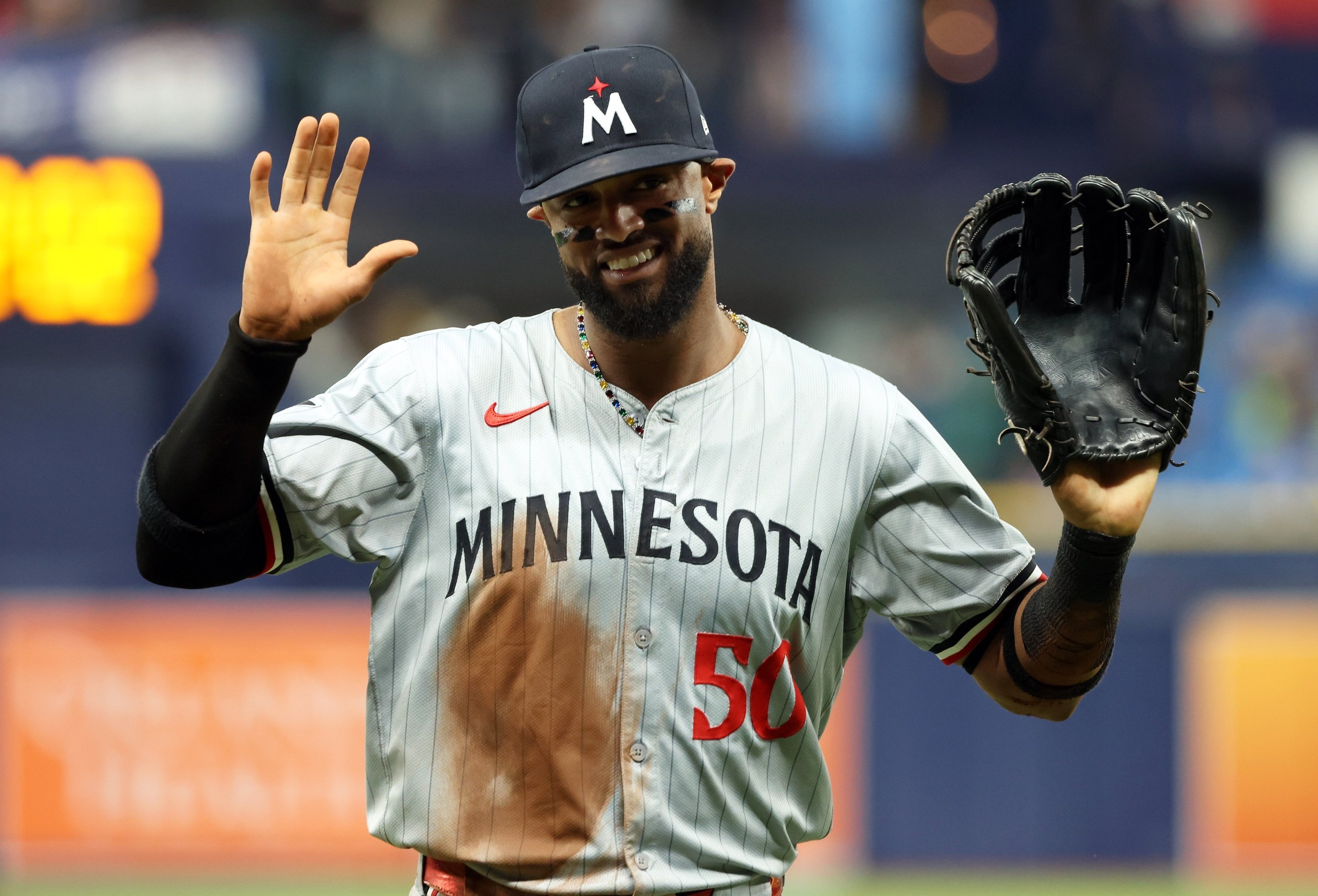 The calendar has turned to mid-June, and as the summer months heat up, so does speculation about what the Minnesota Twins will do at this year’s trade deadline. With the All-Star break just a month away and the deadline looming not far behind, the next five weeks could very well determine whether the front office decides to buy, sell, or simply stand pat. At the moment, the Twins sit in one of the more precarious positions in baseball. Entering play on Friday, Minnesota is tied for the final AL Wild Card spot and holds a razor-thin half-game lead over the Cleveland Guardians in the AL Central. The Wild Card race is brutally crowded, thanks to MLB’s expanded postseason format with three Wild Card teams per league. As many as five teams trail the Twins by fewer than four games in the standings. That logjam is a testament to the current landscape of the American League, a league lacking dominant teams and filled with deeply flawed contenders hovering around the .500 mark. This leaves the Twins at a critical crossroads. Are they legitimate buyers who can justify parting with young talent to improve a roster with clear holes? Or are they better suited to capitalize on the market’s demand by selling some expiring or underperforming assets? Maybe the best course of action is to thread the needle and do little more than some small retooling? What happens over the next five weeks will answer those questions. A Schedule That Will Shape the Future Minnesota’s performance in the next 30 games will likely swing the decision. The upcoming schedule is anything but forgiving. The Twins will play the Astros (away), Reds (away), Brewers (home), Mariners (home), Tigers (away), and Marlins (away) before the All-Star break. They’ll then close the first half with a critical nine-game homestand against the Rays, Cubs, and Pirates. This is a stretch where the club must prove its legitimacy. The Astros, Brewers, and Mariners remain postseason contenders despite their flaws. The Reds and Marlins are all talented but inconsistent dangerous teams if the Twins overlook them. Detroit looms as a monster in the AL Central and the Twins can’t avoid dropping games in the division. If Minnesota can post a winning record over this run, especially in AL contests, they could solidify themselves as buyers. But if they stumble? The argument to sell grows louder, especially as the rotation's injuries mount. Pitching Depth Stretched Thin The state of the pitching staff might be the ultimate determinant of the club’s trade deadline plans. With Pablo López and Zebby Matthews both sidelined, likely until after this critical stretch, the Twins are relying heavily on young arms. David Festa and Simeon Woods Richardson are filling important rotation spots, but expecting them to shoulder the load of a postseason push is risky. Meanwhile, Bailey Ober has been battling a hip issue that’s impacted his mechanics, and the rotation’s reliability from top to bottom is in question. Even if Ober returns to form, is this group ready to hold down playoff-caliber lineups for another 100 games and a possible October run? The Twins may need to add a starter if they remain in contention, but with so many teams still in the race, pitching prices figure to be steep. Is this roster worth that kind of investment? “It’s still June and there is a long way to go,” Twins general manager Jeremy Zoll said. “We spent a lot of the year talking about how we feel really good about our pitching depth. The whole point of pitching depth is at some point you’ll actually end up needing it. Obviously, that’s now going to get tested over this next stretch.” A Flawed Team Beyond the Streak Minnesota’s May winning streak saved its season, pushing the club back into playoff position after a rocky start. But outside that hot run, the Twins have looked every bit like a sub-.500 team. They have struggled to string together consistent offense, seeing defensive lapses at times, and having bullpen hiccups that could cost them games against better opponents. This inconsistency makes their path murky. Are they truly contenders hiding behind early-season injuries and bad luck? Or are they a middle-tier team that benefited from a hot streak and will settle back into mediocrity? Buy, Sell, or Stand Pat? If the Twins surge during this stretch and remain atop the Wild Card hunt or even climb above Detroit in the Central (insert laugh-track here), expect Derek Falvey to explore the market for affordable pitching or a bat to complement the offense. But if Minnesota stumbles and slips back in the standings, the front office could pivot to sell mode. The Twins aren’t loaded with expiring contracts, but players like Harrison Bader and Willi Castro could have market value. Moving such pieces would be a soft sell by keeping the core intact while looking to 2026 and beyond. The most likely scenario might be standing pat or minor tinkering by trying to ride out the season with internal improvements. Last season, the Twins were in contention and only made a minor move to add reliever Trevor Richards. He didn’t even stick on the roster until the end of the season. The AL’s parity means an 85-win team could easily claim a playoff spot. Does it make sense to mortgage the future for a marginal upgrade in such a landscape? Right now, the Twins are neither buyers nor sellers. But the next five weeks serve as one of the most important stretches of the season and it will force them to pick a lane. A hot run could justify a smart, aggressive push for October. A slide could make selling the obvious call. And if they hover near .500? Twins fans may see a quiet deadline and another gamble that the existing roster is enough. Whatever path they choose, it will be shaped by the wins and losses to come between now and the All-Star break. Stay tuned because this story is far from over.
 -
As the 2025 trade deadline creeps closer, the Minnesota Twins front office will likely be working the phones to see if they can find a left-handed bat to boost their lineup. It might not be a splashy move like fans crave, but the best value might come from a struggling young hitter in need of a change of scenery. Enter Heston Kjerstad, a former No. 2 overall pick who could be the perfect buy-low target for a team like the Twins. The 26-year-old outfielder was once viewed as one of the Orioles' cornerstone bats of the future. Back in the abbreviated 2020 draft, Baltimore surprised many by selecting him with the second overall pick. Most draft experts projected Kjerstad in the middle of the first round, but the Orioles cut a deal with him to sign an underslot signing bonus. That allowed the organization to spend extra money later in the draft on names like Jordan Westburg and Coby Mayo, both of whom are now considered core pieces for Baltimore. In hindsight, that strategy appears to have been a win for the Orioles but not necessarily for Kjerstad. Health problems delayed Kjerstad’s pro debut until 2022, and while he’s had some big moments in the minors, including MVP honors in the Arizona Fall League, his transition to big league pitching hasn’t gone as planned. The 2025 season has been the first time Baltimore gave him a real shot at consistent playing time, but the results have been disappointing: a .192/.240/.327 (.566) slash line, four home runs, and a rough 3.6% walk rate over 167 plate appearances. He has produced a -1.4 rWAR, one of baseball's lowest totals this season. Digging deeper into the numbers reveals why Kjerstad has struggled. The left-handed hitter has been protected from facing lefty pitchers but still hasn’t produced against righties with a .613 OPS. His strikeout rate has ballooned to 26.9%, and he’s chasing pitches out of the zone at an alarming 38.4% clip. His swing decisions haven’t been competitive enough to allow his raw power to shine through. To his credit, his overall contact rate has improved compared to his 2023 and 2024 cups of coffee, but not enough to offset the poor zone judgment. Meanwhile, Baltimore’s outfield depth chart has multiple names ahead of Kjerstad. Cedric Mullins, Colton Cowser, and Tyler O’Neill are all ahead of Kjerstad in the pecking order. Even top prospects like Coby Mayo, who can play both third base and corner outfield and Heston’s former Arkansas teammate, Jordan Westburg, look like safer bets to contribute regularly. That glut of talent could make Kjerstad expendable, especially if Baltimore is ready to move on. And that’s where the Twins come in. Minnesota’s need for a left-handed bat isn’t a secret. Trevor Larnach continues to ride the rollercoaster of inconsistency, and Kody Clemens, despite flashes of solid play, has largely settled into a bench role. The Twins lineup is built on balance, but the team remains overly reliant on right-handed production. They could use a lottery ticket-type player who, with the proper adjustments, could provide impact left-handed pop. There’s also an intriguing connection here: Twins hitting coach Matt Borgschulte worked in the Orioles system for several years, overlapping with Kjerstad’s early professional development. If anyone on the Twins staff has a sense of what makes Kjerstad tick and what might fix him, it’s Borgschulte. That familiarity could give the Twins confidence to pursue the former top pick with the belief that a fresh environment (and a patient-hitting program) could unlock his potential. Of course, the Twins shouldn’t and almost certainly wouldn’t pay a premium price to roll the dice on Kjerstad. His stock is as low as it’s ever been. His limited MLB success, troubling plate discipline metrics, and crowded organizational situation mean that Baltimore would likely entertain offers that don’t involve top prospects or major league-ready pieces. A swap for a depth reliever or mid-level minor leaguer could be enough to pry him loose. It’s also worth noting that Kjerstad’s underlying tools remain enticing. He posted enormous exit velocities in the minors and mashed his way through the Arizona Fall League. His raw power remains among the best in Baltimore’s system. The problem has been getting to that power in games. The Twins could hope that something could change with improved swing decisions and mechanical adjustments. For a Twins team always looking for cost-controlled options, Kjerstad represents a rare chance to buy low on a former top prospect without mortgaging the future. If it works, they’d add an affordable, controllable left-handed bat with upside, precisely what the roster needs now and in the future. If not, the cost would likely be low enough that the mistake wouldn’t be detrimental. If I’m the Twins, I make the call. The risk is minimal. The upside is too good to ignore. After all, sometimes the best moves at the deadline aren’t the biggest. They’re the smartest. Should the Twins target Kjerstad? Can the team fix his approach? Leave a comment and start the discussion. View full article
-
The MLB Draft is one of the most unpredictable events on baseball’s annual calendar. With hundreds of players selected each summer and many never making it to the big leagues, the process of evaluating talent and finding hidden gems can define a franchise’s future. For the Minnesota Twins, the last eight drafts have yielded a mixed bag, with some picks blossoming into stars, others becoming role players, and still others fading from prospect lists altogether. Let’s take a closer look at the best draft pick from each of the last eight classes and how these players have made their mark on the organization. 2024: Khadim Diaw, C — 3rd Round, 96th Overall It’s early, but this class could end up being a turning point in the Twins’ draft history. While the top five picks from 2024 are all off to promising starts in the minor leagues (several already ranking among Minnesota’s top-20 prospects), it’s Diaw who stands out right now. Diaw, a toolsy catcher, has impressed scouts with his advanced approach at the plate and quick, athletic movements behind it. Defensively, he has areas to improve as a backstop, but his bat is what could make him special. Diaw has flashed gap power and a mature understanding of the strike zone, a rare quality in catchers this young. While there’s a long way to go, he looks like a player who could be knocking on the major league door within a few years, a rare find in the third Round. 2023: Luke Keaschall, IF — 2nd Round, 49th Overall Keaschall made an unforgettable splash with the Twins in 2025, delivering an explosive seven-game debut that quickly made fans take notice. Unfortunately, his rookie campaign was derailed when a hit-by-pitch broke his arm, shelving him until the second half of the season. Still, Keaschall’s impact in those few games gave a glimpse of what he can become: a versatile, high-contact infielder with surprising pop. His ability to play multiple infield spots while providing a spark at the plate makes him one of the most exciting picks from recent years. If he rebounds from injury as expected, Keaschall has the skills to become a borderline All-Star. 2022: Zebby Matthews, RHP — 8th Round, 234th Overall The 2022 draft is shaping up to be one of the best in recent franchise history. Brooks Lee has already reached the majors, and others like Connor Prielipp, Andrew Morris, Cory Lewis, and Tanner Schobel are legitimate prospects. But the biggest surprise has been Zebby Matthews. Selected in the eighth Round, Matthews wasn’t a headline-grabbing pick, but his development has been nothing short of outstanding. His combination of command, pitchability, and an improving fastball has made him a big-league contributor far sooner than anyone expected. Matthews’ progression through the system is a testament to the Twins' development staff and his own work ethic. For value and impact, he earns the nod from this class. 2021: David Festa, RHP — 13th Round, 399th Overall Minnesota’s 2021 draft haul looked a little thin after the team traded away several top selections like Chase Petty, Noah Miller, Steve Hajjar, and Cade Povich in subsequent deals. Enter David Festa. Festa, a late-round steal, has already cracked the major league rotation and looks like a foundational piece for the future. With a mid-90s fastball and solid secondary offerings, Festa’s raw stuff has translated well against big-league hitters. He may end up as one of the best value picks the Twins have made in the past decade. He’s proof that talent can be found well after the early rounds. 2020: Marco Raya, RHP — 4th Round, 128th Overall The 2020 draft was one of the strangest in MLB history, limited to just five rounds because of the COVID-19 pandemic. Many high school and college seasons were canceled, making scouting especially challenging. Raya has emerged as the lone bright spot from that class for Minnesota. After a cautious buildup in the lower minors, Raya reached Triple-A in 2025, a testament to his potential despite inconsistent results this season. He’s still young for the level and flashing the stuff that made him a fourth-round pick: a lively fastball and sharp secondary offerings. While the rest of this draft may fade into obscurity, Raya gives the Twins hope that they squeezed a future big-league arm from a challenging class. 2019: Matt Wallner, OF — 1st Round, 39th Overall For all the criticism Minnesota rightfully received for taking Keoni Cavaco at No. 13 overall, they struck gold with Wallner later in the first round. Wallner has already produced 4.7 rWAR, delivering power and patience at the plate that plays in today’s game. He’s shaping into a reliable, above-average big-league outfielder, precisely the type of player every contending team needs. Louis Varland, a 15th-round pick from this class, looks like a remarkable steal in his own right, but Wallner’s consistency, durability, and ceiling give him the edge as the best pick from 2019. 2018: Ryan Jeffers, C — 2nd Round, 59th Overall Jeffers has quietly become one of the most valuable second-round picks in recent MLB history. Among 2018 second-round selections, his 8.0 rWAR more than doubles the next-best player (Parker Meadows, 3.2 rWAR). Only five players taken in the first Round have accumulated more value. For the Twins, Jeffers has been instrumental in stabilizing the catching position, a historically difficult spot to fill. He’s provided a rare blend of good game calling, on-base skills, and power from behind the plate. When healthy, he’s been one of the team’s steadiest contributors, and at age 27, there’s plenty more to come. 2017: Bailey Ober, RHP — 12th Round, 346th Overall Much of the spotlight from the 2017 draft shines on Royce Lewis, the No. 1 overall pick and current face of the franchise. But Ober deserves his moment in the sun. Ober, plucked in the 12th Round, has posted a 9.3 rWAR, better than every first-rounder from that draft except Hunter Greene (who the Twins passed over to draft Lewis). The towering right-hander has evolved into one of Minnesota’s most dependable starters, showing elite command, deception, and the ability to miss bats without overpowering velocity. For a pick outside the top ten rounds to deliver this kind of production is exceedingly rare. Ober’s success highlights the importance of scouting beyond the early rounds and finding value in overlooked arms. The Verdict: A Promising Eight-Year Run Looking back over the last eight drafts, it’s clear the Twins have quietly built a pipeline of impact talent at various stages of development. From early-round successes like Jeffers and Wallner to late-round gems like Festa and Ober, Minnesota’s scouting and development apparatus has delivered quality big-league pieces that other organizations envy. Not every class hit the mark. The 2020 draft (pandemic chaos and all) produced limited impact outside of Raya. The 2021 class saw most of its top picks flipped for immediate help in trades. But overall, these drafts helped shape the team that currently competes in the AL Central race and stocked the farm system with promising reinforcements. The future looks bright, especially with players like Khadim Diaw, Luke Keaschall, and Zebby Matthews ready to make waves in the coming seasons. If even a few more from these recent classes reach their potential, the Twins could maintain their window of competitiveness well into the next decade. For Minnesota, the next few seasons will reveal just how impactful these picks become. Still, early returns suggest this eight-year stretch could be remembered as one of the franchise’s strongest talent acquisition periods in recent memory. Which picks stand out to you? How would you rank these picks? Leave a comment and start the discussion. View full article
-
The Minnesota Twins’ Best Draft Picks from the Last Eight Years
Cody Christie posted an article in Twins
 The MLB Draft is one of the most unpredictable events on baseball’s annual calendar. With hundreds of players selected each summer and many never making it to the big leagues, the process of evaluating talent and finding hidden gems can define a franchise’s future. For the Minnesota Twins, the last eight drafts have yielded a mixed bag, with some picks blossoming into stars, others becoming role players, and still others fading from prospect lists altogether. Let’s take a closer look at the best draft pick from each of the last eight classes and how these players have made their mark on the organization. 2024: Khadim Diaw, C — 3rd Round, 96th Overall It’s early, but this class could end up being a turning point in the Twins’ draft history. While the top five picks from 2024 are all off to promising starts in the minor leagues (several already ranking among Minnesota’s top-20 prospects), it’s Diaw who stands out right now. Diaw, a toolsy catcher, has impressed scouts with his advanced approach at the plate and quick, athletic movements behind it. Defensively, he has areas to improve as a backstop, but his bat is what could make him special. Diaw has flashed gap power and a mature understanding of the strike zone, a rare quality in catchers this young. While there’s a long way to go, he looks like a player who could be knocking on the major league door within a few years, a rare find in the third Round. 2023: Luke Keaschall, IF — 2nd Round, 49th Overall Keaschall made an unforgettable splash with the Twins in 2025, delivering an explosive seven-game debut that quickly made fans take notice. Unfortunately, his rookie campaign was derailed when a hit-by-pitch broke his arm, shelving him until the second half of the season. Still, Keaschall’s impact in those few games gave a glimpse of what he can become: a versatile, high-contact infielder with surprising pop. His ability to play multiple infield spots while providing a spark at the plate makes him one of the most exciting picks from recent years. If he rebounds from injury as expected, Keaschall has the skills to become a borderline All-Star. 2022: Zebby Matthews, RHP — 8th Round, 234th Overall The 2022 draft is shaping up to be one of the best in recent franchise history. Brooks Lee has already reached the majors, and others like Connor Prielipp, Andrew Morris, Cory Lewis, and Tanner Schobel are legitimate prospects. But the biggest surprise has been Zebby Matthews. Selected in the eighth Round, Matthews wasn’t a headline-grabbing pick, but his development has been nothing short of outstanding. His combination of command, pitchability, and an improving fastball has made him a big-league contributor far sooner than anyone expected. Matthews’ progression through the system is a testament to the Twins' development staff and his own work ethic. For value and impact, he earns the nod from this class. 2021: David Festa, RHP — 13th Round, 399th Overall Minnesota’s 2021 draft haul looked a little thin after the team traded away several top selections like Chase Petty, Noah Miller, Steve Hajjar, and Cade Povich in subsequent deals. Enter David Festa. Festa, a late-round steal, has already cracked the major league rotation and looks like a foundational piece for the future. With a mid-90s fastball and solid secondary offerings, Festa’s raw stuff has translated well against big-league hitters. He may end up as one of the best value picks the Twins have made in the past decade. He’s proof that talent can be found well after the early rounds. 2020: Marco Raya, RHP — 4th Round, 128th Overall The 2020 draft was one of the strangest in MLB history, limited to just five rounds because of the COVID-19 pandemic. Many high school and college seasons were canceled, making scouting especially challenging. Raya has emerged as the lone bright spot from that class for Minnesota. After a cautious buildup in the lower minors, Raya reached Triple-A in 2025, a testament to his potential despite inconsistent results this season. He’s still young for the level and flashing the stuff that made him a fourth-round pick: a lively fastball and sharp secondary offerings. While the rest of this draft may fade into obscurity, Raya gives the Twins hope that they squeezed a future big-league arm from a challenging class. 2019: Matt Wallner, OF — 1st Round, 39th Overall For all the criticism Minnesota rightfully received for taking Keoni Cavaco at No. 13 overall, they struck gold with Wallner later in the first round. Wallner has already produced 4.7 rWAR, delivering power and patience at the plate that plays in today’s game. He’s shaping into a reliable, above-average big-league outfielder, precisely the type of player every contending team needs. Louis Varland, a 15th-round pick from this class, looks like a remarkable steal in his own right, but Wallner’s consistency, durability, and ceiling give him the edge as the best pick from 2019. 2018: Ryan Jeffers, C — 2nd Round, 59th Overall Jeffers has quietly become one of the most valuable second-round picks in recent MLB history. Among 2018 second-round selections, his 8.0 rWAR more than doubles the next-best player (Parker Meadows, 3.2 rWAR). Only five players taken in the first Round have accumulated more value. For the Twins, Jeffers has been instrumental in stabilizing the catching position, a historically difficult spot to fill. He’s provided a rare blend of good game calling, on-base skills, and power from behind the plate. When healthy, he’s been one of the team’s steadiest contributors, and at age 27, there’s plenty more to come. 2017: Bailey Ober, RHP — 12th Round, 346th Overall Much of the spotlight from the 2017 draft shines on Royce Lewis, the No. 1 overall pick and current face of the franchise. But Ober deserves his moment in the sun. Ober, plucked in the 12th Round, has posted a 9.3 rWAR, better than every first-rounder from that draft except Hunter Greene (who the Twins passed over to draft Lewis). The towering right-hander has evolved into one of Minnesota’s most dependable starters, showing elite command, deception, and the ability to miss bats without overpowering velocity. For a pick outside the top ten rounds to deliver this kind of production is exceedingly rare. Ober’s success highlights the importance of scouting beyond the early rounds and finding value in overlooked arms. The Verdict: A Promising Eight-Year Run Looking back over the last eight drafts, it’s clear the Twins have quietly built a pipeline of impact talent at various stages of development. From early-round successes like Jeffers and Wallner to late-round gems like Festa and Ober, Minnesota’s scouting and development apparatus has delivered quality big-league pieces that other organizations envy. Not every class hit the mark. The 2020 draft (pandemic chaos and all) produced limited impact outside of Raya. The 2021 class saw most of its top picks flipped for immediate help in trades. But overall, these drafts helped shape the team that currently competes in the AL Central race and stocked the farm system with promising reinforcements. The future looks bright, especially with players like Khadim Diaw, Luke Keaschall, and Zebby Matthews ready to make waves in the coming seasons. If even a few more from these recent classes reach their potential, the Twins could maintain their window of competitiveness well into the next decade. For Minnesota, the next few seasons will reveal just how impactful these picks become. Still, early returns suggest this eight-year stretch could be remembered as one of the franchise’s strongest talent acquisition periods in recent memory. Which picks stand out to you? How would you rank these picks? Leave a comment and start the discussion.
- 6 comments
-
- 2
-
-
- luke keaschall
- marco raya
- (and 6 more)
