



Cody Christie
-
Posts
7,810 -
Joined
-
Last visited
-
Days Won
5
Content Type
Profiles
News
Minnesota Twins Videos
2026 Minnesota Twins Top Prospects Ranking
2022 Minnesota Twins Draft Picks
Minnesota Twins Free Agent & Trade Rumors, Notes, & Tidbits
Guides & Resources
2023 Minnesota Twins Draft Picks
The Minnesota Twins Players Project
2024 Minnesota Twins Draft Picks
2025 Minnesota Twins Draft Pick Tracker
2026 Minnesota Twins Draft Tracker: Picks & Bonuses
Forums
Blogs
Events
Store
Downloads
Gallery
Everything posted by Cody Christie
-

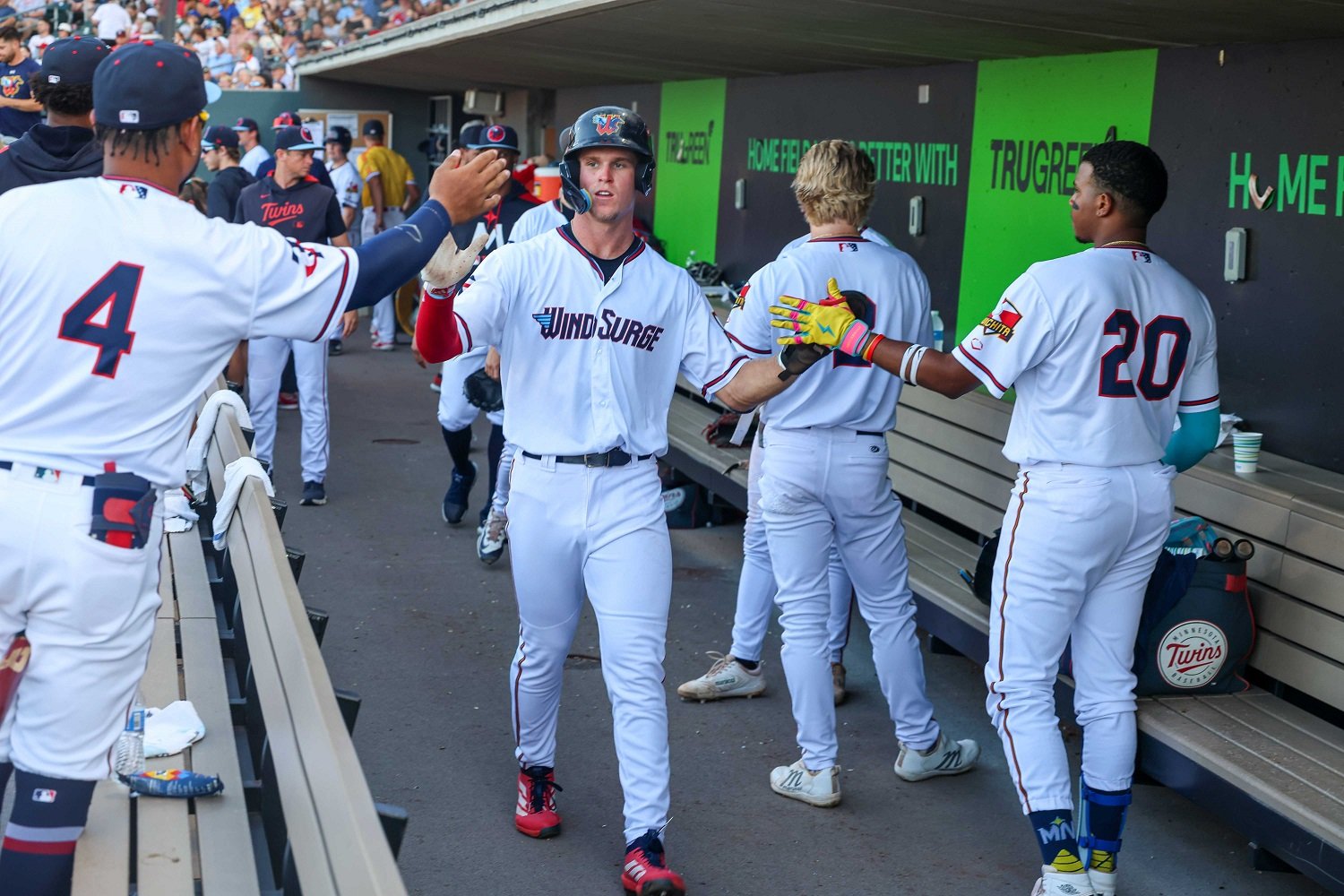 Welcome to this week’s Twins Prospect Hot Sheet. As the Minnesota Twins navigate the heart of the 2025 season, their farm system continues to provide encouraging developments from a wide range of talented players. From hard-throwing arms in the Florida heat to versatile infielders in Triple A and top prospects climbing toward the majors, the organization is seeing growth at every level. Adrian Bohorquez, Payton Eeles, and Walker Jenkins each offer a unique path to the big leagues, and all three are trending upward as the summer heats up. RHP Adrian Bohorquez – Fort Myers Mighty Mussels The Twins signed Bohorquez out of Venezuela in 2023, and while he didn’t arrive with the same hype as some of the top international names in his class, he quickly earned attention for his electric arm. Last season, he came Stateside and split time between the FCL Twins and Fort Myers. In 53 innings, he posted a 3.23 ERA, a 1.09 WHIP, a 12.3% walk rate, and a 28.3% strikeout rate. His control was still developing, but the raw stuff stood out as some of the best on the Mighty Mussels' staff. Hitting the Hot Button On Monday, Bohorquez was named Florida State League Pitcher of the Week, following a dominant long-relief outing on July 2 against Bradenton. Coming out of the bullpen, Bohorquez retired the first 13 batters he faced and finished with five shutout innings, allowing just one baserunner via hit-by-pitch. He struck out five and topped out at 97.7 mph, while throwing 39 of his 54 pitches for strikes. The performance set a new season high in innings and underscored his growing stamina and confidence on the mound. Ranked by MLB Pipeline as the No. 27 prospect in the Twins system, Bohorquez is now firmly on the radar as a fast-rising prospect. With continued improvements in his secondary offerings and command, he could earn a mid-season promotion and become a key arm in the system’s long-term pitching pipeline. UTL Payton Eeles – St. Paul Saints Eeles was signed by the Twins in 2024 out of the independent leagues and quickly made his mark on the organization. In 2024, Eeles moved from Low-A Fort Myers to Triple-A St. Paul. He batted .306 (with a .932 OPS), while playing all over the diamond. His profile as a scrappy, left-handed hitter with elite bat-to-ball skills and strong plate discipline made him a favorite among coaches and evaluators. Twins Daily recently updated its top-20 prospects, and Eeles snuck in at No. 20 as he worked his way up with consistent production and defensive flexibility. Hitting the Hot Button Back in St. Paul, Eeles started the year on the IL, but has continued to be a do-it-all spark plug. Over his last 15 games, he is slashing .333/.383/.389 with three doubles and seven runs scored. Additionally, he has already played at four different positions for the Saints, including second base, center field, left field, and shortstop. While Eeles may not have a clear defensive home, his left-handed bat, high contact rate, and defensive utility give him a strong chance to debut in Minnesota before the year is out—particularly if injuries or roster shuffling create an opening. He's the kind of player every organization needs stashed in the upper minors to add depth and experience. OF Walker Jenkins – Wichita Wind Surge When the Twins selected Jenkins with the fifth overall pick in the 2023 MLB Draft, they knew they were getting a potential franchise player. A prep outfielder from North Carolina, Jenkins arrived with a highly advanced offensive skill set for a high-school bat. He impressed in his professional debut and followed it up with a strong 2024 campaign, as he progressed from Low A to Double A before turning 20. He hit .282/.394/.439 with 32 extra-base hits and 17 stolen bases in 82 games. His combination of power, plate discipline, and athleticism quickly vaulted him near the top of league-wide prospect rankings, and he entered 2025 as the undisputed No. 1 prospect in the Twins' system. Hitting the Hot Button For the second consecutive season, Jenkins missed time in the season’s first half with an injury. He returned to Wichita on June 18, and his bat has started to warm up. In a league where many top prospects hit speed bumps, Jenkins has thrived, batting .305 with five extra-base hits and a .918 OPS over his first 16 games. His approach at the plate remains beyond his years, with more walks (16) than strikeouts (14). He’s also been a threat on the bases, going a perfect 7-for-7 in stolen base attempts. The Twins have been patient with his development, but Jenkins’s performance may force the issue. If he keeps up this pace, a late-season look in St. Paul is very possible, and he could be ready to impact the Twins outfield as soon as 2026. He continues to look every bit the future All-Star Minnesota envisioned on draft day. The Twins’ farm system continues to demonstrate strength from top to bottom. Bohorquez is showcasing electric stuff in Fort Myers, putting himself on the map as a big-league pitching option. Eeles is proving that versatility, patience, and contact still have a place in modern baseball, and his Triple-A performance has him knocking on the big-league door. Meanwhile, Jenkins continues to show why he’s one of the best prospects in baseball, handling every challenge thrown his way and looking like he could be in the conversation as baseball’s top prospect entering next season. Keep watching, because these aren’t just names on a depth chart. They’re building blocks for Minnesota’s future. Which performance stands out the most in recent weeks? Will Jenkins make it to St. Paul before the season ends? Leave a comment and start the discussion.
- 36 comments
-
- 11
-

-
- walker jenkins
- payton eeles
- (and 1 more)
-
Image courtesy of Ed Bailey, Wichita Wind Surge (photo of Walker Jenkins) Welcome to this week’s Twins Prospect Hot Sheet. As the Minnesota Twins navigate the heart of the 2025 season, their farm system continues to provide encouraging developments from a wide range of talented players. From hard-throwing arms in the Florida heat to versatile infielders in Triple A and top prospects climbing toward the majors, the organization is seeing growth at every level. Adrian Bohorquez, Payton Eeles, and Walker Jenkins each offer a unique path to the big leagues, and all three are trending upward as the summer heats up. RHP Adrian Bohorquez – Fort Myers Mighty Mussels The Twins signed Bohorquez out of Venezuela in 2023, and while he didn’t arrive with the same hype as some of the top international names in his class, he quickly earned attention for his electric arm. Last season, he came Stateside and split time between the FCL Twins and Fort Myers. In 53 innings, he posted a 3.23 ERA, a 1.09 WHIP, a 12.3% walk rate, and a 28.3% strikeout rate. His control was still developing, but the raw stuff stood out as some of the best on the Mighty Mussels' staff. Hitting the Hot Button On Monday, Bohorquez was named Florida State League Pitcher of the Week, following a dominant long-relief outing on July 2 against Bradenton. Coming out of the bullpen, Bohorquez retired the first 13 batters he faced and finished with five shutout innings, allowing just one baserunner via hit-by-pitch. He struck out five and topped out at 97.7 mph, while throwing 39 of his 54 pitches for strikes. The performance set a new season high in innings and underscored his growing stamina and confidence on the mound. Ranked by MLB Pipeline as the No. 27 prospect in the Twins system, Bohorquez is now firmly on the radar as a fast-rising prospect. With continued improvements in his secondary offerings and command, he could earn a mid-season promotion and become a key arm in the system’s long-term pitching pipeline. UTL Payton Eeles – St. Paul Saints Eeles was signed by the Twins in 2024 out of the independent leagues and quickly made his mark on the organization. In 2024, Eeles moved from Low-A Fort Myers to Triple-A St. Paul. He batted .306 (with a .932 OPS), while playing all over the diamond. His profile as a scrappy, left-handed hitter with elite bat-to-ball skills and strong plate discipline made him a favorite among coaches and evaluators. Twins Daily recently updated its top-20 prospects, and Eeles snuck in at No. 20 as he worked his way up with consistent production and defensive flexibility. Hitting the Hot Button Back in St. Paul, Eeles started the year on the IL, but has continued to be a do-it-all spark plug. Over his last 15 games, he is slashing .333/.383/.389 with three doubles and seven runs scored. Additionally, he has already played at four different positions for the Saints, including second base, center field, left field, and shortstop. While Eeles may not have a clear defensive home, his left-handed bat, high contact rate, and defensive utility give him a strong chance to debut in Minnesota before the year is out—particularly if injuries or roster shuffling create an opening. He's the kind of player every organization needs stashed in the upper minors to add depth and experience. OF Walker Jenkins – Wichita Wind Surge When the Twins selected Jenkins with the fifth overall pick in the 2023 MLB Draft, they knew they were getting a potential franchise player. A prep outfielder from North Carolina, Jenkins arrived with a highly advanced offensive skill set for a high-school bat. He impressed in his professional debut and followed it up with a strong 2024 campaign, as he progressed from Low A to Double A before turning 20. He hit .282/.394/.439 with 32 extra-base hits and 17 stolen bases in 82 games. His combination of power, plate discipline, and athleticism quickly vaulted him near the top of league-wide prospect rankings, and he entered 2025 as the undisputed No. 1 prospect in the Twins' system. Hitting the Hot Button For the second consecutive season, Jenkins missed time in the season’s first half with an injury. He returned to Wichita on June 18, and his bat has started to warm up. In a league where many top prospects hit speed bumps, Jenkins has thrived, batting .305 with five extra-base hits and a .918 OPS over his first 16 games. His approach at the plate remains beyond his years, with more walks (16) than strikeouts (14). He’s also been a threat on the bases, going a perfect 7-for-7 in stolen base attempts. The Twins have been patient with his development, but Jenkins’s performance may force the issue. If he keeps up this pace, a late-season look in St. Paul is very possible, and he could be ready to impact the Twins outfield as soon as 2026. He continues to look every bit the future All-Star Minnesota envisioned on draft day. The Twins’ farm system continues to demonstrate strength from top to bottom. Bohorquez is showcasing electric stuff in Fort Myers, putting himself on the map as a big-league pitching option. Eeles is proving that versatility, patience, and contact still have a place in modern baseball, and his Triple-A performance has him knocking on the big-league door. Meanwhile, Jenkins continues to show why he’s one of the best prospects in baseball, handling every challenge thrown his way and looking like he could be in the conversation as baseball’s top prospect entering next season. Keep watching, because these aren’t just names on a depth chart. They’re building blocks for Minnesota’s future. Which performance stands out the most in recent weeks? Will Jenkins make it to St. Paul before the season ends? Leave a comment and start the discussion. View full article
- 36 replies
-
- 1
-
-
- walker jenkins
- payton eeles
- (and 1 more)
-
Aaron Judge was the only outfielder, in either league, with more player votes than Buxton. Judge earned 898 votes from players. Buxton was second with 700. Buxton finished with the fourth-most votes from the players. Only Judge (898), Seattle catcher Cal Raleigh (823), and Guardians third baseman Jose Ramirez (746) had more.
-
Image courtesy of © John Hefti-Imagn Images As the 2025 trade deadline creeps closer, contending teams are scrambling to shore up weaknesses. According to Ken Rosenthal of The Athletic, the San Diego Padres have their sights set on upgrading one of the least productive catcher situations in baseball. With a barren market and Minnesota’s Ryan Jeffers standing out as a rare difference-maker, could the Twins be tempted to make a bold move? Padres in Catching Crisis Mode The Padres entered the season with a veteran platoon of Elias Díaz and Martín Maldonado, but the results have been dismal. Through nearly 300 combined plate appearances, the pair has managed a meager .205/.268/.328 line and a 70 wRC+, ranking 27th among MLB teams in offensive production from their catchers. That kind of performance won’t cut it for a club that hopes to stay in the thick of the NL Wild Card race. It's no surprise the Padres are shopping, but the options are scarce. Catchers who can contribute meaningfully with the bat are rare commodities, especially those with team control beyond this season. That’s where Jeffers comes in. Jeffers's Emergence Minnesota’s 28-year-old backstop has become one of the most consistent hitters at his position. In 69 games, he is slashing .231/.331/.376 with a 97 OPS+. Perhaps most importantly for interested teams, he's under team control through the 2026 season. His combination of offense, defense, and affordability would make Jeffers one of the most valuable catchers on the trade market, if the Twins are even willing to listen. A High Price—and High Risk—for Minnesota The idea of dealing Jeffers is far from straightforward. While they do have Christian Vázquez on the roster, he’s an impending free agent, and his offensive struggles have continued into 2025 (39 OPS+). The Twins’ Triple-A depth chart isn’t exactly stacked with MLB-ready options, either. Five different players (Mickey Gasper, Jair Camargo, Patrick Winkel, Diego Cartaya, and Noah Cardenas) have started at least 13 games behind the plate for St. Paul this year. Of those, Gasper is the most intriguing bat, posting a second consecutive monster season in Triple-A (1.027 OPS). Still, the Twins have been reluctant to give him a look in the majors, reportedly due to questions about his defensive reliability. No one within the game thinks he can be more than a once-a-week option behind the plate in MLB. One name to watch in the upper minors is Ricardo Olivar, who has quietly emerged as the Twins’ most intriguing long-term option behind the plate. The 23-year-old has spent the 2025 campaign at Double-A Wichita, showcasing a well-rounded offensive profile with solid contact skills and emerging power (114 wRC+). Defensively, Olivar has made steady strides as a receiver, and his athleticism gives him an edge over many of his catching peers. While he’s not yet viewed as a sure-fire everyday backstop, Olivar’s development trajectory puts him ahead of the pack in a system still sorting through a mix of glove-first veterans and bat-first question marks. If the Twins were to deal Jeffers, Olivar could factor into the future sooner than expected. What Would It Take? For the Padres to pry Jeffers away, they’d need to pay a premium: a combination of near-ready pitching and long-term upside. Many of San Diego's top prospects are in the lower minors, and the Twins might not want to wait out their development. However, San Diego’s system still boasts arms like Braden Nett or Henry Baez, and they could dangle someone like Tirso Ornelas as a big-league-ready outfielder. But the Twins aren’t likely to entertain the idea unless blown away by a multi-player package deal. Minnesota remains on the edges of the playoff picture themselves, and subtracting a key player mid-season runs counter to their recent approach (which has typically been to do nothing). It's worth noting, at least, that the Padres have been willing to pay a hefty price for controllable catching help in a similar position in the past. Five years ago, A.J. Preller traded four intriguing players (Ty France, Andrés Muñoz, Luis Torrens and Taylor Trammell) for late-blooming backstop Austin Nola and two relievers. It's the type of move that has made Preller famous and infamous, and as the 2022 trade involving Taylor Rogers, Emilio Pagán and Chris Paddack proves, Derek Falvey is among those who can match Preller's boldness when the mood strikes. Jeffers may be precisely what the Padres need, but he's also a crucial part of Minnesota’s present and their lone catching option for 2026. If San Diego is serious about acquiring a catcher who can make an impact beyond this year, they’ll have to come to the table with a deal the Twins can’t refuse. Until then, Falvey and company are likely to keep their asking price sky-high. In a thin market, leverage is everything. And right now, the Twins have it. Should the Twins trade Jeffers? What kind of package would it take from the Padres? Leave a comment and start the discussion. View full article
-
Could Ryan Jeffers Be Balm for San Diego Padres' Catching Woes?
Cody Christie posted an article in Twins
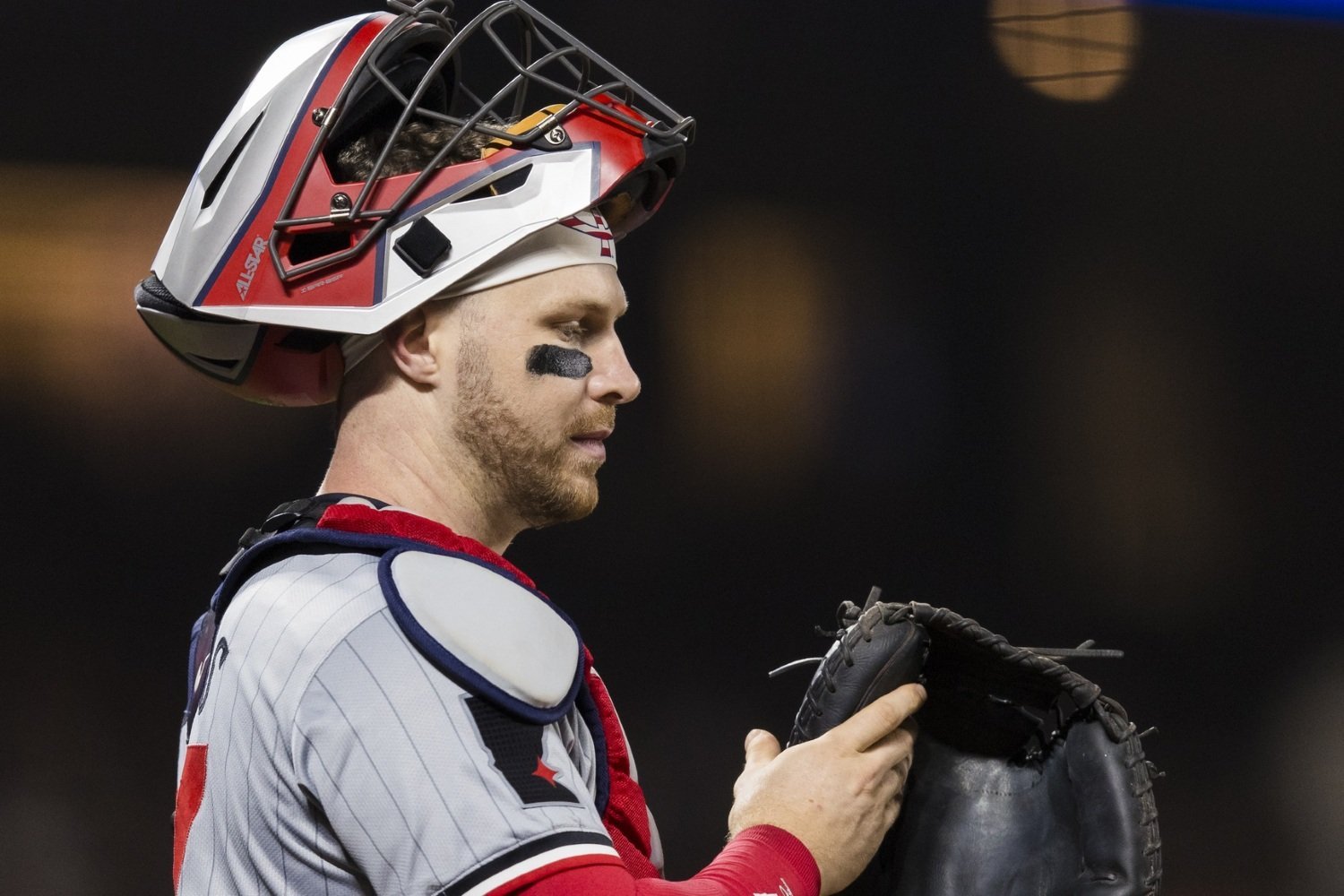 As the 2025 trade deadline creeps closer, contending teams are scrambling to shore up weaknesses. According to Ken Rosenthal of The Athletic, the San Diego Padres have their sights set on upgrading one of the least productive catcher situations in baseball. With a barren market and Minnesota’s Ryan Jeffers standing out as a rare difference-maker, could the Twins be tempted to make a bold move? Padres in Catching Crisis Mode The Padres entered the season with a veteran platoon of Elias Díaz and Martín Maldonado, but the results have been dismal. Through nearly 300 combined plate appearances, the pair has managed a meager .205/.268/.328 line and a 70 wRC+, ranking 27th among MLB teams in offensive production from their catchers. That kind of performance won’t cut it for a club that hopes to stay in the thick of the NL Wild Card race. It's no surprise the Padres are shopping, but the options are scarce. Catchers who can contribute meaningfully with the bat are rare commodities, especially those with team control beyond this season. That’s where Jeffers comes in. Jeffers's Emergence Minnesota’s 28-year-old backstop has become one of the most consistent hitters at his position. In 69 games, he is slashing .231/.331/.376 with a 97 OPS+. Perhaps most importantly for interested teams, he's under team control through the 2026 season. His combination of offense, defense, and affordability would make Jeffers one of the most valuable catchers on the trade market, if the Twins are even willing to listen. A High Price—and High Risk—for Minnesota The idea of dealing Jeffers is far from straightforward. While they do have Christian Vázquez on the roster, he’s an impending free agent, and his offensive struggles have continued into 2025 (39 OPS+). The Twins’ Triple-A depth chart isn’t exactly stacked with MLB-ready options, either. Five different players (Mickey Gasper, Jair Camargo, Patrick Winkel, Diego Cartaya, and Noah Cardenas) have started at least 13 games behind the plate for St. Paul this year. Of those, Gasper is the most intriguing bat, posting a second consecutive monster season in Triple-A (1.027 OPS). Still, the Twins have been reluctant to give him a look in the majors, reportedly due to questions about his defensive reliability. No one within the game thinks he can be more than a once-a-week option behind the plate in MLB. One name to watch in the upper minors is Ricardo Olivar, who has quietly emerged as the Twins’ most intriguing long-term option behind the plate. The 23-year-old has spent the 2025 campaign at Double-A Wichita, showcasing a well-rounded offensive profile with solid contact skills and emerging power (114 wRC+). Defensively, Olivar has made steady strides as a receiver, and his athleticism gives him an edge over many of his catching peers. While he’s not yet viewed as a sure-fire everyday backstop, Olivar’s development trajectory puts him ahead of the pack in a system still sorting through a mix of glove-first veterans and bat-first question marks. If the Twins were to deal Jeffers, Olivar could factor into the future sooner than expected. What Would It Take? For the Padres to pry Jeffers away, they’d need to pay a premium: a combination of near-ready pitching and long-term upside. Many of San Diego's top prospects are in the lower minors, and the Twins might not want to wait out their development. However, San Diego’s system still boasts arms like Braden Nett or Henry Baez, and they could dangle someone like Tirso Ornelas as a big-league-ready outfielder. But the Twins aren’t likely to entertain the idea unless blown away by a multi-player package deal. Minnesota remains on the edges of the playoff picture themselves, and subtracting a key player mid-season runs counter to their recent approach (which has typically been to do nothing). It's worth noting, at least, that the Padres have been willing to pay a hefty price for controllable catching help in a similar position in the past. Five years ago, A.J. Preller traded four intriguing players (Ty France, Andrés Muñoz, Luis Torrens and Taylor Trammell) for late-blooming backstop Austin Nola and two relievers. It's the type of move that has made Preller famous and infamous, and as the 2022 trade involving Taylor Rogers, Emilio Pagán and Chris Paddack proves, Derek Falvey is among those who can match Preller's boldness when the mood strikes. Jeffers may be precisely what the Padres need, but he's also a crucial part of Minnesota’s present and their lone catching option for 2026. If San Diego is serious about acquiring a catcher who can make an impact beyond this year, they’ll have to come to the table with a deal the Twins can’t refuse. Until then, Falvey and company are likely to keep their asking price sky-high. In a thin market, leverage is everything. And right now, the Twins have it. Should the Twins trade Jeffers? What kind of package would it take from the Padres? Leave a comment and start the discussion.
 -
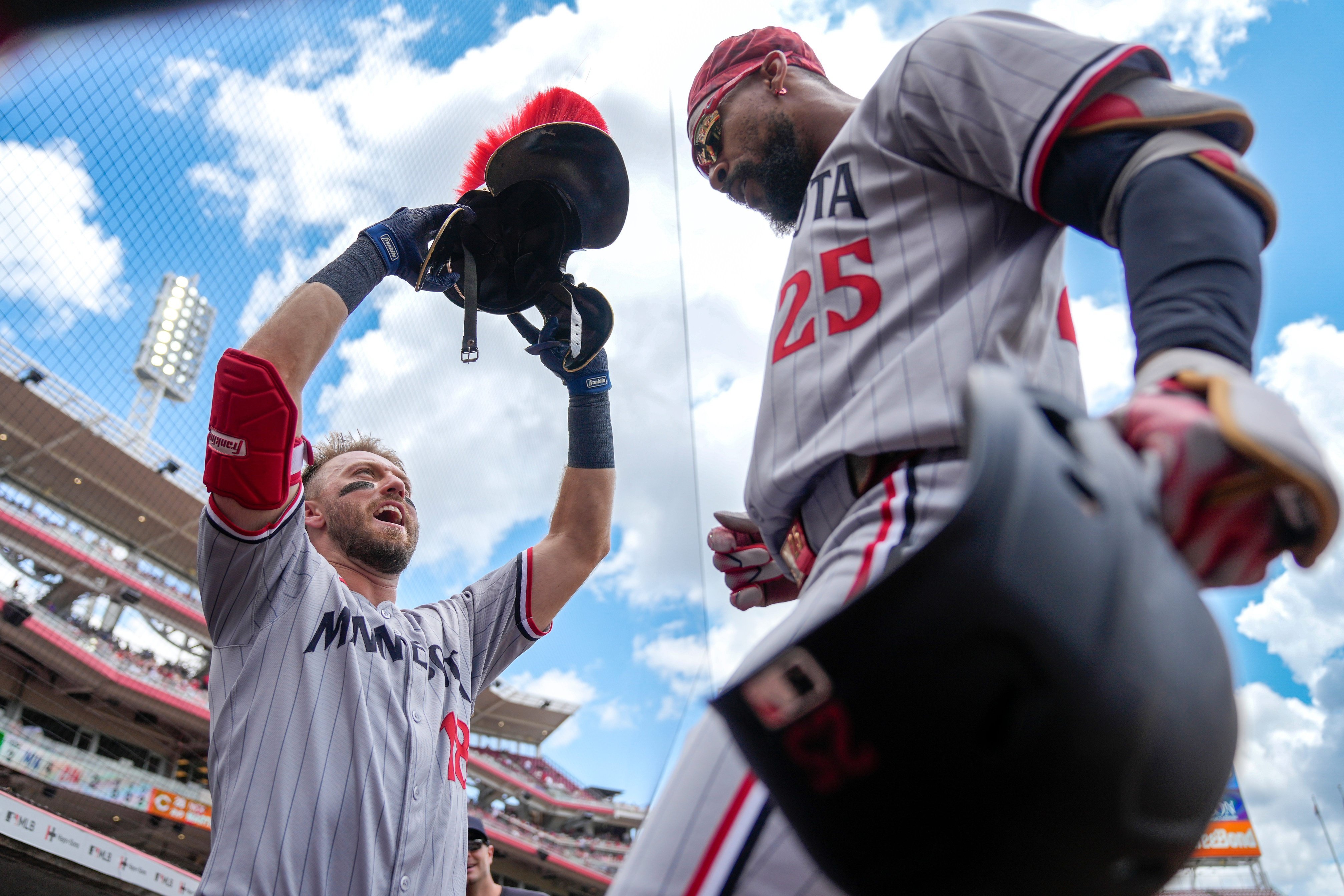 The Twins may not be sending a flock of players to the Midsummer Classic, but the one they will send is the heartbeat of the team. Byron Buxton is officially a 2025 American League All-Star, named as Minnesota’s lone representative for the game in Atlanta. It is his second All-Star selection, with his other coming in 2022. For Buxton, the honor is more than just another line on the résumé. It’s a recognition of a player fully realizing his star potential, in a season wherein he's been healthy, impactful, and downright electric. Buxton entered the season with a point to prove. After years of injury-plagued campaigns, he’s stayed on the field and reminded everyone why the Twins have been so steadfast in their belief in his talent. His defensive wizardry in center field has returned to Gold Glove form, where highlight-reel catches are back to being a near-nightly occurrence. He has tried to carry the Twins with his offensive performance in recent weeks. Entering play on Sunday, he was slashing .268/.333/.536, with 19 home runs, 11 doubles, and 15 stolen bases. Combine that with elite defense in center, and there’s a legitimate case that Buxton has been the best all-around center fielder in the American League. As if to burnish that case at the last moment, he hit a leadoff home run and stole a base after a third-inning single, pushing the totals for round-trippers and thefts to 20 and 16, respectively. The Georgia connection only adds to the significance of the moment. Buxton, born in Baxley, Ga., emerged on the amateur stage as a high-school star and one of the top draft prospects in 2012. He will play in front of family and friends during the All-Star festivities, a fitting backdrop to his most complete season as a professional. His 3.1 rWAR is already his fifth-highest total in any season, and his 136 OPS+ is his third-best mark. It’s been a long, winding road to this point, with setbacks that might have derailed a lesser player. Instead, Buxton has shown resilience and leadership during a season when the Twins desperately needed both. Minnesota has hovered near the fringes of contention this year, struggling with inconsistency and injuries across the roster. Amid the turbulence, Buxton has stood out as the club’s anchor. His .536 slugging average, 138 wRC+, 5 Outs Above Average and 5.0 Baserunning Runs are the best among AL center fielders. He ranks in the AL's top 10 in offensive WAR (5th), slugging (3rd), OPS (7th), runs (3rd), homers (5th), steals (7th), and Win Probability Added (5th). The Twins’ offense has seen its ups and downs, but Buxton has delivered key hits in big spots, pushed the tempo with his legs, and provided highlight-reel defense that saves runs and lifts morale. It’s also worth noting that Buxton’s All-Star nod could have financial implications. His contract includes incentives tied to MVP voting. While the field is crowded, the visibility and narrative surrounding his strong season could put him in the conversation for votes, especially if he continues to carry the Twins through the second half. If he makes it into the top 10 in MVP voting, he'll receive a bonus of at least $3 million. Even as the team sends only one player to the All-Star Game, there were a few close calls. Jhoan Duran’s bullpen dominance made him a plausible addition, and Joe Ryan has arguably been one of the AL’s best starting pitchers. There is a chance that both pitchers could be added to the rosters as they expand later this week due to injuries and the unavailability of other pitchers. But with Ryan staying on schedule to pitch Saturday and Duran just missing the cut, the spotlight shines squarely on Buxton. It’s simply a well-deserved honor for a player whose value to the Twins goes far beyond the stat sheet. He’s the face of the franchise, a leader in the clubhouse, and the guy who gives Minnesota fans hope every time he steps on the field. Buxton is getting his All-Star flowers again, and it’s coming in his home state, amid a season in which he is a fuller version of himself. Maybe—just maybe—the rest of the baseball world will realize how special he is. If not, he'll certainly make Twins Territory proud, anyway.
 -
Image courtesy of © Sam Greene/The Enquirer / USA TODAY NETWORK via Imagn Images The Twins may not be sending a flock of players to the Midsummer Classic, but the one they will send is the heartbeat of the team. Byron Buxton is officially a 2025 American League All-Star, named as Minnesota’s lone representative for the game in Atlanta. It is his second All-Star selection, with his other coming in 2022. For Buxton, the honor is more than just another line on the résumé. It’s a recognition of a player fully realizing his star potential, in a season wherein he's been healthy, impactful, and downright electric. Buxton entered the season with a point to prove. After years of injury-plagued campaigns, he’s stayed on the field and reminded everyone why the Twins have been so steadfast in their belief in his talent. His defensive wizardry in center field has returned to Gold Glove form, where highlight-reel catches are back to being a near-nightly occurrence. He has tried to carry the Twins with his offensive performance in recent weeks. Entering play on Sunday, he was slashing .268/.333/.536, with 19 home runs, 11 doubles, and 15 stolen bases. Combine that with elite defense in center, and there’s a legitimate case that Buxton has been the best all-around center fielder in the American League. As if to burnish that case at the last moment, he hit a leadoff home run and stole a base after a third-inning single, pushing the totals for round-trippers and thefts to 20 and 16, respectively. The Georgia connection only adds to the significance of the moment. Buxton, born in Baxley, Ga., emerged on the amateur stage as a high-school star and one of the top draft prospects in 2012. He will play in front of family and friends during the All-Star festivities, a fitting backdrop to his most complete season as a professional. His 3.1 rWAR is already his fifth-highest total in any season, and his 136 OPS+ is his third-best mark. It’s been a long, winding road to this point, with setbacks that might have derailed a lesser player. Instead, Buxton has shown resilience and leadership during a season when the Twins desperately needed both. Minnesota has hovered near the fringes of contention this year, struggling with inconsistency and injuries across the roster. Amid the turbulence, Buxton has stood out as the club’s anchor. His .536 slugging average, 138 wRC+, 5 Outs Above Average and 5.0 Baserunning Runs are the best among AL center fielders. He ranks in the AL's top 10 in offensive WAR (5th), slugging (3rd), OPS (7th), runs (3rd), homers (5th), steals (7th), and Win Probability Added (5th). The Twins’ offense has seen its ups and downs, but Buxton has delivered key hits in big spots, pushed the tempo with his legs, and provided highlight-reel defense that saves runs and lifts morale. It’s also worth noting that Buxton’s All-Star nod could have financial implications. His contract includes incentives tied to MVP voting. While the field is crowded, the visibility and narrative surrounding his strong season could put him in the conversation for votes, especially if he continues to carry the Twins through the second half. If he makes it into the top 10 in MVP voting, he'll receive a bonus of at least $3 million. Even as the team sends only one player to the All-Star Game, there were a few close calls. Jhoan Duran’s bullpen dominance made him a plausible addition, and Joe Ryan has arguably been one of the AL’s best starting pitchers. There is a chance that both pitchers could be added to the rosters as they expand later this week due to injuries and the unavailability of other pitchers. But with Ryan staying on schedule to pitch Saturday and Duran just missing the cut, the spotlight shines squarely on Buxton. It’s simply a well-deserved honor for a player whose value to the Twins goes far beyond the stat sheet. He’s the face of the franchise, a leader in the clubhouse, and the guy who gives Minnesota fans hope every time he steps on the field. Buxton is getting his All-Star flowers again, and it’s coming in his home state, amid a season in which he is a fuller version of himself. Maybe—just maybe—the rest of the baseball world will realize how special he is. If not, he'll certainly make Twins Territory proud, anyway. View full article
-
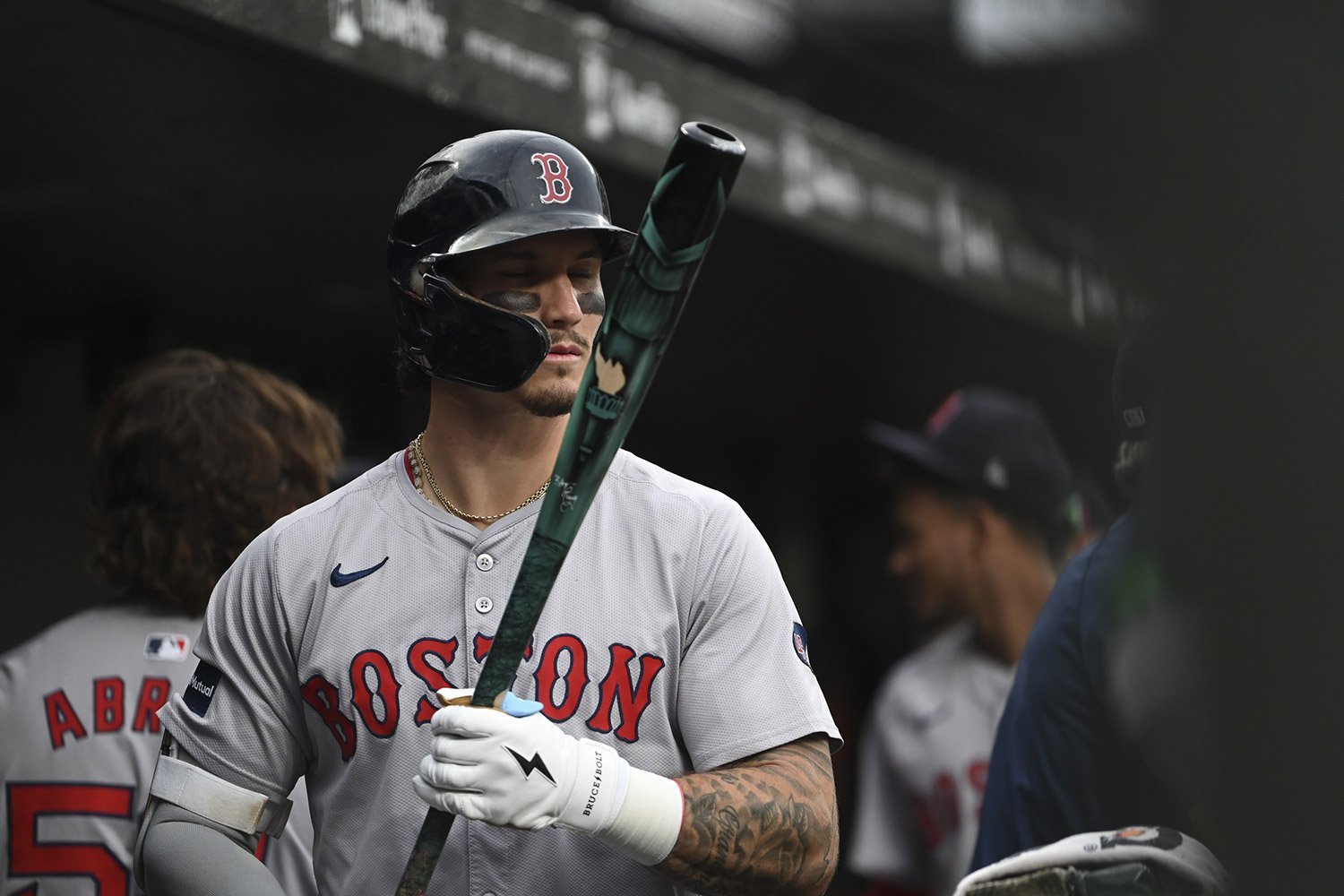 This isn’t a rumor, report, or insider leak—just a thought experiment. But if the Twins decided to pivot toward 2026, here’s a trade idea that could make sense for two "bubble" teams. It’s rare for two teams sitting near the Wild Card bubble to make waves on the trade market with a rare contender-to-contender deal. However, this potential trade offers help for two teams moving in opposite directions. The Minnesota Twins, currently treading water in the middle of the American League standings, send starting pitcher Joe Ryan and veteran catcher Christian Vázquez to the Boston Red Sox in a move that signals Minnesota’s focus has shifted beyond 2025. In return, the Twins acquired speedy outfielder Jarren Duran and three intriguing prospects. Let’s break down the deal and what it could mean for both clubs. Red Sox Bolster 2025 Push Boston entered play this weekend just two games back of the final AL Wild Card spot, and this trade is clearly meant to be a boost for the short term. Joe Ryan Adds Rotation Stability Ryan has been a playoff-caliber starter since arriving in the Nelson Cruz trade and gives Boston another weapon in the rotation. He’s posted a 2.75 ERA and 0.88 WHIP in 17 starts this season, and while a few rough outings inflate his ERA, his underlying metrics and strikeout rate (28.2 K%) remain strong. He’s allowed four earned runs or more in only three starts this season, and he’s yet to be removed before completing five frames. He’ll slot into a rotation with Garrett Crochet , Walker Buehler, and Brayan Bello in a suddenly formidable top four. Christian Vázquez Returns to Familiar Territory The veteran catcher heads back to Boston, where he spent the first eight seasons of his career and won a World Series in 2018. He is a pending free agent, and the Twins are unlikely to attempt to re-sign him. While Vázquez struggled with the bat in Minnesota (58 OPS+), he remains a strong defensive presence and knows how to manage a pitching staff. The Red Sox are betting that a return to Fenway will spark a late-season bounceback. Twins Signal a Shift Toward 2026 Minnesota’s front office has seen the team fall out of contention in 2025, especially with injuries, inconsistency, and a crowded Wild Card race. This trade is about adding long-term talent while offloading a time-share catcher and selling high on a cost-controlled starter. So, who are the four players who could shape Minnesota's future? OF Jarren Duran – Part of the New Core Duran, 28, could bring elite speed, athleticism, and a versatile bat to the Twins’ outfield. Last season, he led the AL in doubles and triples while posting a 131 OPS+. His 2025 campaign has hit a few more speed bumps. In 87 games, he has posted a 100 OPS+. However, he’s still leading the AL in triples while adding 15 stolen bases. His defensive versatility allows him to play all three outfield spots, and he instantly becomes a regular outfield starter for the Twins. He is under team control through the 2028 season, which gives the Twins control of him through the prime of his career. If Minnesota is looking to shake up its core, Duran can be a piece to make that happen. OF/1B James Tibbs III – Advanced Bat, Big-League Trajectory Ranked as Boston’s No. 6 prospect by MLB Pipeline, Tibbs is a polished college bat from Florida State who’s playing well at High- and Double-A this season. He’s hitting .256/.378/.454 (.832) with 26 extra-base hits in 71 games this season and shows strong plate discipline (15.3 BB%) and power (129 wRC+) from the left side. The 22-year-old profiles as a corner outfielder or first baseman, and he could move quickly through Minnesota’s system. RHP David Sandlin – High-Octane Arm with Upside Sandlin, Boston’s No. 9 prospect, has shown promise since being drafted out of Oklahoma in 2022. The 24-year-old right-hander has a mid-90s fastball, a swing-and-miss slider, and solid strikeout numbers (26.4 K%) and walk rate (8.0 BB%) at Double-A this season. He’s likely a future mid-rotation starter or high-leverage bullpen piece, depending on how his command develops. 1B Blaze Jordan – Power Bat Looking for Consistency Jordan was a social media sensation in high school for his light-tower power, and while the hype has cooled, the pop remains. Ranked No. 29 in the Red Sox system, the 22-year-old is hitting .303/.378/.492 (.870) with nine home runs and 19 doubles at Double- and Triple-A. The Twins would be betting on the developmental step forward that Jordan has shown this year. If he puts it together, he could become a right-handed DH/1B with 25-homer potential. A Bold but Calculated Move for Both Teams On the surface, this may look like a strange trade between two playoff hopefuls. But Minnesota's willingness to step back now could lead to a stronger window starting in 2026. Boston, meanwhile, gets two proven veterans to help make a legitimate Wild Card push in a wide-open AL. Twins fans may not love seeing a fan favorite like Ryan dealt, but the return, especially Tibbs and Duran, offers real upside. And if this deal helps usher in a new wave of young Twins stars, it might be the gamble that pays off down the road. If you were the Twins' GM, would you pull the trigger on this trade? Which club is paying too much in the trade outlined above? Leave a comment and start the discussion.
 -
Image courtesy of © Tommy Gilligan-Imagn Images This isn’t a rumor, report, or insider leak—just a thought experiment. But if the Twins decided to pivot toward 2026, here’s a trade idea that could make sense for two "bubble" teams. It’s rare for two teams sitting near the Wild Card bubble to make waves on the trade market with a rare contender-to-contender deal. However, this potential trade offers help for two teams moving in opposite directions. The Minnesota Twins, currently treading water in the middle of the American League standings, send starting pitcher Joe Ryan and veteran catcher Christian Vázquez to the Boston Red Sox in a move that signals Minnesota’s focus has shifted beyond 2025. In return, the Twins acquired speedy outfielder Jarren Duran and three intriguing prospects. Let’s break down the deal and what it could mean for both clubs. Red Sox Bolster 2025 Push Boston entered play this weekend just two games back of the final AL Wild Card spot, and this trade is clearly meant to be a boost for the short term. Joe Ryan Adds Rotation Stability Ryan has been a playoff-caliber starter since arriving in the Nelson Cruz trade and gives Boston another weapon in the rotation. He’s posted a 2.75 ERA and 0.88 WHIP in 17 starts this season, and while a few rough outings inflate his ERA, his underlying metrics and strikeout rate (28.2 K%) remain strong. He’s allowed four earned runs or more in only three starts this season, and he’s yet to be removed before completing five frames. He’ll slot into a rotation with Garrett Crochet , Walker Buehler, and Brayan Bello in a suddenly formidable top four. Christian Vázquez Returns to Familiar Territory The veteran catcher heads back to Boston, where he spent the first eight seasons of his career and won a World Series in 2018. He is a pending free agent, and the Twins are unlikely to attempt to re-sign him. While Vázquez struggled with the bat in Minnesota (58 OPS+), he remains a strong defensive presence and knows how to manage a pitching staff. The Red Sox are betting that a return to Fenway will spark a late-season bounceback. Twins Signal a Shift Toward 2026 Minnesota’s front office has seen the team fall out of contention in 2025, especially with injuries, inconsistency, and a crowded Wild Card race. This trade is about adding long-term talent while offloading a time-share catcher and selling high on a cost-controlled starter. So, who are the four players who could shape Minnesota's future? OF Jarren Duran – Part of the New Core Duran, 28, could bring elite speed, athleticism, and a versatile bat to the Twins’ outfield. Last season, he led the AL in doubles and triples while posting a 131 OPS+. His 2025 campaign has hit a few more speed bumps. In 87 games, he has posted a 100 OPS+. However, he’s still leading the AL in triples while adding 15 stolen bases. His defensive versatility allows him to play all three outfield spots, and he instantly becomes a regular outfield starter for the Twins. He is under team control through the 2028 season, which gives the Twins control of him through the prime of his career. If Minnesota is looking to shake up its core, Duran can be a piece to make that happen. OF/1B James Tibbs III – Advanced Bat, Big-League Trajectory Ranked as Boston’s No. 6 prospect by MLB Pipeline, Tibbs is a polished college bat from Florida State who’s playing well at High- and Double-A this season. He’s hitting .256/.378/.454 (.832) with 26 extra-base hits in 71 games this season and shows strong plate discipline (15.3 BB%) and power (129 wRC+) from the left side. The 22-year-old profiles as a corner outfielder or first baseman, and he could move quickly through Minnesota’s system. RHP David Sandlin – High-Octane Arm with Upside Sandlin, Boston’s No. 9 prospect, has shown promise since being drafted out of Oklahoma in 2022. The 24-year-old right-hander has a mid-90s fastball, a swing-and-miss slider, and solid strikeout numbers (26.4 K%) and walk rate (8.0 BB%) at Double-A this season. He’s likely a future mid-rotation starter or high-leverage bullpen piece, depending on how his command develops. 1B Blaze Jordan – Power Bat Looking for Consistency Jordan was a social media sensation in high school for his light-tower power, and while the hype has cooled, the pop remains. Ranked No. 29 in the Red Sox system, the 22-year-old is hitting .303/.378/.492 (.870) with nine home runs and 19 doubles at Double- and Triple-A. The Twins would be betting on the developmental step forward that Jordan has shown this year. If he puts it together, he could become a right-handed DH/1B with 25-homer potential. A Bold but Calculated Move for Both Teams On the surface, this may look like a strange trade between two playoff hopefuls. But Minnesota's willingness to step back now could lead to a stronger window starting in 2026. Boston, meanwhile, gets two proven veterans to help make a legitimate Wild Card push in a wide-open AL. Twins fans may not love seeing a fan favorite like Ryan dealt, but the return, especially Tibbs and Duran, offers real upside. And if this deal helps usher in a new wave of young Twins stars, it might be the gamble that pays off down the road. If you were the Twins' GM, would you pull the trigger on this trade? Which club is paying too much in the trade outlined above? Leave a comment and start the discussion. View full article
-
 While free agency and trades dominate the headlines, the MLB Draft remains a crucial pillar for sustained success. The Minnesota Twins have built their best rosters by hitting on players in every round from first overall to deep Day 2 gems. Here's a look at the best Twins draft pick from each of the first twenty rounds and a few honorable mentions who left their own mark on the franchise. 1st Round: C Joe Mauer (1st Overall, 2001) When the Twins took Mauer first overall out of St. Paul’s Cretin-Derham Hall, they made a bold choice to pass on Mark Prior. That pick couldn’t have gone much better. Mauer became the face of the franchise for over a decade, winning the 2009 AL MVP and earning three batting titles, still the only catcher in AL history to accomplish that feat. The six-time All-Star and three-time Gold Glove winner spent his entire 15-year career in Minnesota, a rare feat in today’s game. He topped off his career by being a first-ballot Hall of Famer Honorable Mentions: Torii Hunter, Chuck Knoblauch Hunter’s highlight-reel defense and Knoblauch’s Rookie of the Year season make them first-round hits as well. 2nd Round: RHP Frank Viola (37th Overall, 1981) Viola went from a second-rounder out of St. John’s University to a World Series MVP just seven years later. “Sweet Music” was instrumental in the 1987 championship run, then captured the 1988 AL Cy Young Award after a 24-win season. His smooth delivery and big-game poise made him one of the most impactful pitchers in team history. Honorable Mentions: Butch Wynegar, Scott Baker Wynegar became an All-Star at age 20, while Baker quietly posted several solid seasons during the 2000s. 3rd Round: RHP Bert Blyleven (55th Overall, 1969) Drafted at just 18, Blyleven broke into the majors a year later and quickly showed off his signature curveball. Across two stints with the Twins, he tallied 149 of his 287 career wins and 2,035 of his 3,701 strikeouts. A two-time World Series champion and Hall of Famer, Blyleven’s impact spanned generations, both on the mound and later in the broadcast booth. Honorable Mentions: Justin Morneau, A.J. Pierzynski Morneau won an MVP and mashed 221 homers with Minnesota. Pierzynski brought consistency behind the plate and netted the Twins a franchise-altering trade return. 4th Round: 3B Graig Nettles (74th Overall, 1965) Though he made his biggest mark with the Yankees, Greg Nettles started his career in Minnesota. He debuted in 1967 and showed off the power and glove that would define a long, successful career. Ultimately, he finished with 390 home runs, six All-Star appearances, and two Gold Gloves. Honorable Mentions: Scott Erickson, Eddie Rosario Erickson led the AL in wins during the 1991 title season. Rosario brought firepower and flair during the Bomba Squad era. 5th Round: RHP Dave Goltz (97th Overall, 1967) Goltz was a workhorse during the 1970s, leading the AL in starts and wins once in 1977. He spent parts of eight seasons with the Twins and finished his career with over 113 victories, including six straight double-digit win seasons in Minnesota. Honorable Mention: Doug Mientkiewicz A defensive wizard at first base, Mientkiewicz helped anchor the early-2000s resurgence and won a Gold Glove in 2001. 6th Round: RHP Pat Neshek (182nd Overall, 2002) With a funky delivery and elite command, Neshek carved out a 13-year MLB career. He made his debut in 2006, striking out 53 batters in just 37 innings with the Twins. Though injuries shortened his time in Minnesota, he made two All-Star teams later in his career and became a fan favorite for multiple organizations. Honorable Mention: N/A This round belongs to Neshek. 7th Round: RHP LaTroy Hawkins (180th Overall, 1991) Hawkins pitched in the big leagues for 21 seasons, including his first nine with the Twins. After early struggles as a starter, Hawkins found success in the bullpen. He posted a 1.86 ERA in 2002 and later became a respected veteran presence across multiple teams, finishing with over 1,000 appearances. Honorable Mention: Mark Guthrie A key lefty in the early ‘90s bullpen and a contributor to the 1991 World Series team. 8th Round: RHP Brad Radke (206th Overall, 1991) Radke defined reliability. He spent his entire 12-year career with the Twins, winning 148 games and walking fewer than two batters per nine innings. His 1997 All-Star season (20 wins) highlighted his consistency, and he became the steadying force during the franchise’s transition from the dark 1990s to playoff contenders in the 2000s. Honorable Mention: Brian Dozier Dozier blossomed into a home run-hitting second baseman, peaking with 42 bombs in 2016. 9th Round: C Mitch Garver (260th Overall, 2013) Garver powered his way into a key role on the 2019 Bomba Squad, belting 31 home runs in just 93 games en route to winning a Silver Slugger. Injuries hampered his consistency, but his offensive upside at a premium position made him one of the best ninth-round finds in club history. Honorable Mentions: LaMonte Wade Jr., Steve Lombardozzi Wade found success in San Francisco, while Lombardozzi was a key part of the Twins’ 1987 title run. 10th Round: SS Steve Braun (200th Overall, 1966) Steve Braun was a versatile hitter with a career .271 average and a sharp eye at the plate. He spent five seasons in Minnesota and later won a World Series with the Cardinals in 1982. His bat and plate discipline kept him in the majors for 15 seasons, proving the value of a solid 10th-rounder. Honorable Mentions: Jeff Reboulet, Marty Cordova Cordova won AL Rookie of the Year in 1995, while Reboulet provided valuable depth during the mid-'90s. Here are the other standout draft picks from rounds 11-20. 11th Round: RHP Taylor Rogers 12th Round: RHP Bailey Ober 13th Round: OF Matt Lawton 14th Round: RHP Mike Trombley 15th Round: C Rick Dempsey 16th Round: OF Jim Eisenreich 17th Round: 1B Kent Hrbek 18th Round: 2B Edouard Julien 19th Round: 3B Danny Valencia 20th Round: C Damian Miller Drafting is as much art as it is science, and while not every pick pans out, the Twins have found elite talent in every corner of the draft board. These selections, with some stars and other steady contributors, represent the foundation of Twins history. As the organization looks to the future, their past draft success provides a reminder of just how impactful one good pick can be. Which round stands out the most? What was the best pick in the late rounds? Leave a comment and start the discussion.
- 5 comments
-
- 1
-
-
- joe mauer
- frank viola
- (and 7 more)
-
Image courtesy of © Gregory Fisher-Imagn Images While free agency and trades dominate the headlines, the MLB Draft remains a crucial pillar for sustained success. The Minnesota Twins have built their best rosters by hitting on players in every round from first overall to deep Day 2 gems. Here's a look at the best Twins draft pick from each of the first twenty rounds and a few honorable mentions who left their own mark on the franchise. 1st Round: C Joe Mauer (1st Overall, 2001) When the Twins took Mauer first overall out of St. Paul’s Cretin-Derham Hall, they made a bold choice to pass on Mark Prior. That pick couldn’t have gone much better. Mauer became the face of the franchise for over a decade, winning the 2009 AL MVP and earning three batting titles, still the only catcher in AL history to accomplish that feat. The six-time All-Star and three-time Gold Glove winner spent his entire 15-year career in Minnesota, a rare feat in today’s game. He topped off his career by being a first-ballot Hall of Famer Honorable Mentions: Torii Hunter, Chuck Knoblauch Hunter’s highlight-reel defense and Knoblauch’s Rookie of the Year season make them first-round hits as well. 2nd Round: RHP Frank Viola (37th Overall, 1981) Viola went from a second-rounder out of St. John’s University to a World Series MVP just seven years later. “Sweet Music” was instrumental in the 1987 championship run, then captured the 1988 AL Cy Young Award after a 24-win season. His smooth delivery and big-game poise made him one of the most impactful pitchers in team history. Honorable Mentions: Butch Wynegar, Scott Baker Wynegar became an All-Star at age 20, while Baker quietly posted several solid seasons during the 2000s. 3rd Round: RHP Bert Blyleven (55th Overall, 1969) Drafted at just 18, Blyleven broke into the majors a year later and quickly showed off his signature curveball. Across two stints with the Twins, he tallied 149 of his 287 career wins and 2,035 of his 3,701 strikeouts. A two-time World Series champion and Hall of Famer, Blyleven’s impact spanned generations, both on the mound and later in the broadcast booth. Honorable Mentions: Justin Morneau, A.J. Pierzynski Morneau won an MVP and mashed 221 homers with Minnesota. Pierzynski brought consistency behind the plate and netted the Twins a franchise-altering trade return. 4th Round: 3B Graig Nettles (74th Overall, 1965) Though he made his biggest mark with the Yankees, Greg Nettles started his career in Minnesota. He debuted in 1967 and showed off the power and glove that would define a long, successful career. Ultimately, he finished with 390 home runs, six All-Star appearances, and two Gold Gloves. Honorable Mentions: Scott Erickson, Eddie Rosario Erickson led the AL in wins during the 1991 title season. Rosario brought firepower and flair during the Bomba Squad era. 5th Round: RHP Dave Goltz (97th Overall, 1967) Goltz was a workhorse during the 1970s, leading the AL in starts and wins once in 1977. He spent parts of eight seasons with the Twins and finished his career with over 113 victories, including six straight double-digit win seasons in Minnesota. Honorable Mention: Doug Mientkiewicz A defensive wizard at first base, Mientkiewicz helped anchor the early-2000s resurgence and won a Gold Glove in 2001. 6th Round: RHP Pat Neshek (182nd Overall, 2002) With a funky delivery and elite command, Neshek carved out a 13-year MLB career. He made his debut in 2006, striking out 53 batters in just 37 innings with the Twins. Though injuries shortened his time in Minnesota, he made two All-Star teams later in his career and became a fan favorite for multiple organizations. Honorable Mention: N/A This round belongs to Neshek. 7th Round: RHP LaTroy Hawkins (180th Overall, 1991) Hawkins pitched in the big leagues for 21 seasons, including his first nine with the Twins. After early struggles as a starter, Hawkins found success in the bullpen. He posted a 1.86 ERA in 2002 and later became a respected veteran presence across multiple teams, finishing with over 1,000 appearances. Honorable Mention: Mark Guthrie A key lefty in the early ‘90s bullpen and a contributor to the 1991 World Series team. 8th Round: RHP Brad Radke (206th Overall, 1991) Radke defined reliability. He spent his entire 12-year career with the Twins, winning 148 games and walking fewer than two batters per nine innings. His 1997 All-Star season (20 wins) highlighted his consistency, and he became the steadying force during the franchise’s transition from the dark 1990s to playoff contenders in the 2000s. Honorable Mention: Brian Dozier Dozier blossomed into a home run-hitting second baseman, peaking with 42 bombs in 2016. 9th Round: C Mitch Garver (260th Overall, 2013) Garver powered his way into a key role on the 2019 Bomba Squad, belting 31 home runs in just 93 games en route to winning a Silver Slugger. Injuries hampered his consistency, but his offensive upside at a premium position made him one of the best ninth-round finds in club history. Honorable Mentions: LaMonte Wade Jr., Steve Lombardozzi Wade found success in San Francisco, while Lombardozzi was a key part of the Twins’ 1987 title run. 10th Round: SS Steve Braun (200th Overall, 1966) Steve Braun was a versatile hitter with a career .271 average and a sharp eye at the plate. He spent five seasons in Minnesota and later won a World Series with the Cardinals in 1982. His bat and plate discipline kept him in the majors for 15 seasons, proving the value of a solid 10th-rounder. Honorable Mentions: Jeff Reboulet, Marty Cordova Cordova won AL Rookie of the Year in 1995, while Reboulet provided valuable depth during the mid-'90s. Here are the other standout draft picks from rounds 11-20. 11th Round: RHP Taylor Rogers 12th Round: RHP Bailey Ober 13th Round: OF Matt Lawton 14th Round: RHP Mike Trombley 15th Round: C Rick Dempsey 16th Round: OF Jim Eisenreich 17th Round: 1B Kent Hrbek 18th Round: 2B Edouard Julien 19th Round: 3B Danny Valencia 20th Round: C Damian Miller Drafting is as much art as it is science, and while not every pick pans out, the Twins have found elite talent in every corner of the draft board. These selections, with some stars and other steady contributors, represent the foundation of Twins history. As the organization looks to the future, their past draft success provides a reminder of just how impactful one good pick can be. Which round stands out the most? What was the best pick in the late rounds? Leave a comment and start the discussion. View full article
-
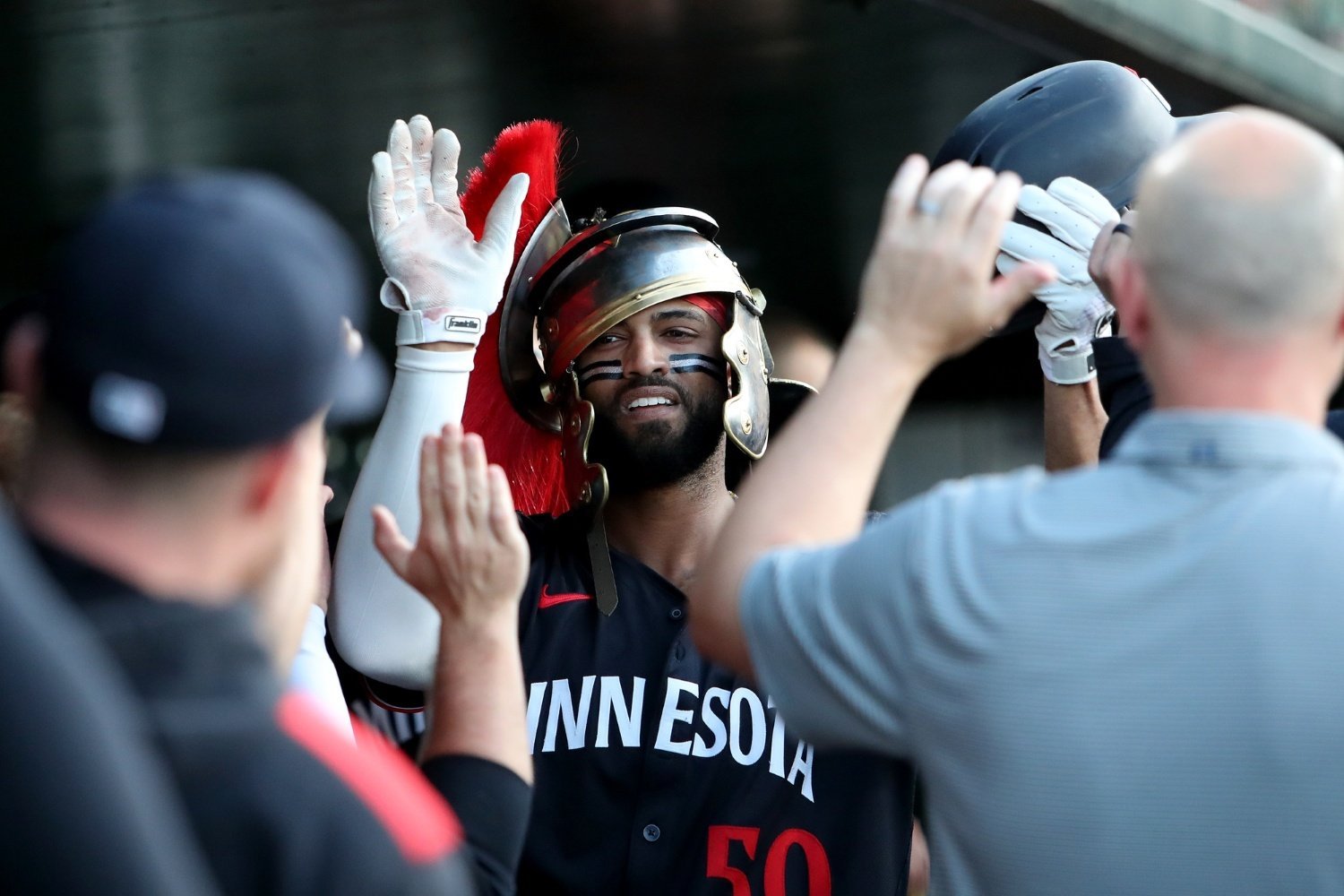 As the trade deadline inches closer, the Minnesota Twins find themselves at a crossroads. A disastrous June (wherein the team went 9-18 and owned the worst ERA in baseball) has cast serious doubt on their playoff aspirations. If the front office leans toward selling, Willi Castro could emerge as one of the most valuable and underrated players available and the team in the Bronx might come calling. The Swiss Army Knife Every Contender Needs Yankees executive Brian Cashman could be in the market for a plug-and-play contributor, and Castro checks nearly every box. He’s a switch-hitter, a versatile defender, and he’s earning a modest $6.4 million in his final year before free agency. New York was interested in Castro over the winter, so it makes sense that the Twins and Yankees could have already discussed a potential deal. His versatility makes him attractive to any contender, especially one as top-heavy as the Yankees. New York Post columnist Joel Sherman recently identified Castro as a fit, noting that “he is adaptable to nearly any team’s needs as a switch-hitter (who has particularly crushed lefty pitching) while playing every position this year except catcher and first base.” And that’s not hyperbole. Castro has started games all over the diamond, including third base, second, shortstop, both corner outfield spots, and even a brief appearance on the mound. He’s also got postseason experience, appearing in six playoff games over the last two years for Minnesota. While his glove isn’t elite at any one spot, his ability to give a team options makes him especially valuable in the grind of a 162-game season and into October. Quiet Production, Consistent Results Castro doesn’t bring the thunder of a blockbuster bat, but his profile is built for winning baseball. After earning his first All-Star nod in 2024, he’s kept his OPS+ north of 100 for three straight seasons. His 121 OPS+ this season is a career-high, nearly 20 points higher than last year. For a Yankees team whose offense has been trending downward each month (.829 OPS in April, .792 in May, and .719 in June), a player like Castro could help stabilize the lineup. He wouldn’t necessarily replace a key cog, but he would give manager Aaron Boone more freedom to move pieces around. That’s especially relevant, as Jazz Chisholm Jr. has been forced into third base duties. Acquiring Castro could allow Chisholm to slide back to his more natural spot at second. A Match in the Making? The Yankees are likely to explore bigger names (like Eugenio Suárez), but Castro could be a more practical fit. He doesn’t come with a massive price tag, and he offers lineup insurance in case Trent Grisham or Paul Goldschmidt continues to slide. For a team that’s already aiming for another deep postseason run, adding someone who can play anywhere and bring speed, contact, and experience might be more valuable than another middle-of-the-order bat. For Minnesota, this is all about timing. They’ll need a strong July to convince leadership to hold the line, but if the slide continues, Castro becomes one of their most logical trade chips. He isn’t a long-term piece, and the Twins have younger, cost-controlled depth in the infield and outfield who need opportunities. What Could the Return Look Like? The Yankees won’t part with top-tier prospects for a utility player on an expiring deal, but a solid arm with upside could make sense. There will be multiple contending teams interested in Castro, so the Twins can take the highest offer. Minnesota’s farm system can always use depth, but the Yankees farm system is ranked in baseball’s bottom half. A deal involving a mid-tier prospect (possibly a 40-man fringe type) would reflect Castro’s short-term value while giving the Twins a lottery ticket or two in return. Some names to consider in the Yankees system are: Chase Hampton (RHP) – A former sixth-round pick out of Texas Tech, Hampton has impressed with a mid-90s fastball and sharp slider. He struck out over 12 batters per nine innings in his first full pro season and projects as a potential mid-rotation starter if his command continues to improve. Brock Selvidge (LHP) – Selvidge, a 6-foot-3 lefty, has quickly climbed the Yankees’ system thanks to a solid four-pitch mix and excellent mound presence. He doesn’t light up radar guns, but he’s polished, durable, and throws strikes—traits the Twins tend to value in pitching prospects. Cam Schlittler (RHP) – A deeper name, Schlittler brings projectability and strike-throwing ability. Drafted out of Northeastern, he’s shown flashes of a quality three-pitch mix and profiles as a backend starter or long reliever if he can take the next step in Double-A. If the Twins decide to sell, Castro might be their most versatile asset, and he may be exactly the kind of player the Yankees need. It wouldn’t be a headline-stealing blockbuster, but it would be a smart, winning move for a team looking to stay ahead in the AL East arms race. And for Minnesota, it could be the first of several subtle steps in reshaping the roster for 2026 and beyond. What do you think: Should the Twins entertain offers for Castro? Leave a comment and start the discussion.
- 26 comments
-
- 6
-
-
- willi castro
- jazz chisholm
- (and 1 more)
-
Image courtesy of © Dennis Lee-Imagn Images As the trade deadline inches closer, the Minnesota Twins find themselves at a crossroads. A disastrous June (wherein the team went 9-18 and owned the worst ERA in baseball) has cast serious doubt on their playoff aspirations. If the front office leans toward selling, Willi Castro could emerge as one of the most valuable and underrated players available and the team in the Bronx might come calling. The Swiss Army Knife Every Contender Needs Yankees executive Brian Cashman could be in the market for a plug-and-play contributor, and Castro checks nearly every box. He’s a switch-hitter, a versatile defender, and he’s earning a modest $6.4 million in his final year before free agency. New York was interested in Castro over the winter, so it makes sense that the Twins and Yankees could have already discussed a potential deal. His versatility makes him attractive to any contender, especially one as top-heavy as the Yankees. New York Post columnist Joel Sherman recently identified Castro as a fit, noting that “he is adaptable to nearly any team’s needs as a switch-hitter (who has particularly crushed lefty pitching) while playing every position this year except catcher and first base.” And that’s not hyperbole. Castro has started games all over the diamond, including third base, second, shortstop, both corner outfield spots, and even a brief appearance on the mound. He’s also got postseason experience, appearing in six playoff games over the last two years for Minnesota. While his glove isn’t elite at any one spot, his ability to give a team options makes him especially valuable in the grind of a 162-game season and into October. Quiet Production, Consistent Results Castro doesn’t bring the thunder of a blockbuster bat, but his profile is built for winning baseball. After earning his first All-Star nod in 2024, he’s kept his OPS+ north of 100 for three straight seasons. His 121 OPS+ this season is a career-high, nearly 20 points higher than last year. For a Yankees team whose offense has been trending downward each month (.829 OPS in April, .792 in May, and .719 in June), a player like Castro could help stabilize the lineup. He wouldn’t necessarily replace a key cog, but he would give manager Aaron Boone more freedom to move pieces around. That’s especially relevant, as Jazz Chisholm Jr. has been forced into third base duties. Acquiring Castro could allow Chisholm to slide back to his more natural spot at second. A Match in the Making? The Yankees are likely to explore bigger names (like Eugenio Suárez), but Castro could be a more practical fit. He doesn’t come with a massive price tag, and he offers lineup insurance in case Trent Grisham or Paul Goldschmidt continues to slide. For a team that’s already aiming for another deep postseason run, adding someone who can play anywhere and bring speed, contact, and experience might be more valuable than another middle-of-the-order bat. For Minnesota, this is all about timing. They’ll need a strong July to convince leadership to hold the line, but if the slide continues, Castro becomes one of their most logical trade chips. He isn’t a long-term piece, and the Twins have younger, cost-controlled depth in the infield and outfield who need opportunities. What Could the Return Look Like? The Yankees won’t part with top-tier prospects for a utility player on an expiring deal, but a solid arm with upside could make sense. There will be multiple contending teams interested in Castro, so the Twins can take the highest offer. Minnesota’s farm system can always use depth, but the Yankees farm system is ranked in baseball’s bottom half. A deal involving a mid-tier prospect (possibly a 40-man fringe type) would reflect Castro’s short-term value while giving the Twins a lottery ticket or two in return. Some names to consider in the Yankees system are: Chase Hampton (RHP) – A former sixth-round pick out of Texas Tech, Hampton has impressed with a mid-90s fastball and sharp slider. He struck out over 12 batters per nine innings in his first full pro season and projects as a potential mid-rotation starter if his command continues to improve. Brock Selvidge (LHP) – Selvidge, a 6-foot-3 lefty, has quickly climbed the Yankees’ system thanks to a solid four-pitch mix and excellent mound presence. He doesn’t light up radar guns, but he’s polished, durable, and throws strikes—traits the Twins tend to value in pitching prospects. Cam Schlittler (RHP) – A deeper name, Schlittler brings projectability and strike-throwing ability. Drafted out of Northeastern, he’s shown flashes of a quality three-pitch mix and profiles as a backend starter or long reliever if he can take the next step in Double-A. If the Twins decide to sell, Castro might be their most versatile asset, and he may be exactly the kind of player the Yankees need. It wouldn’t be a headline-stealing blockbuster, but it would be a smart, winning move for a team looking to stay ahead in the AL East arms race. And for Minnesota, it could be the first of several subtle steps in reshaping the roster for 2026 and beyond. What do you think: Should the Twins entertain offers for Castro? Leave a comment and start the discussion. View full article
- 26 replies
-
- 1
-
-
- willi castro
- jazz chisholm
- (and 1 more)
-
Could the Phillies Swing Big for Byron Buxton? Don’t Count On It
Cody Christie posted an article in Twins
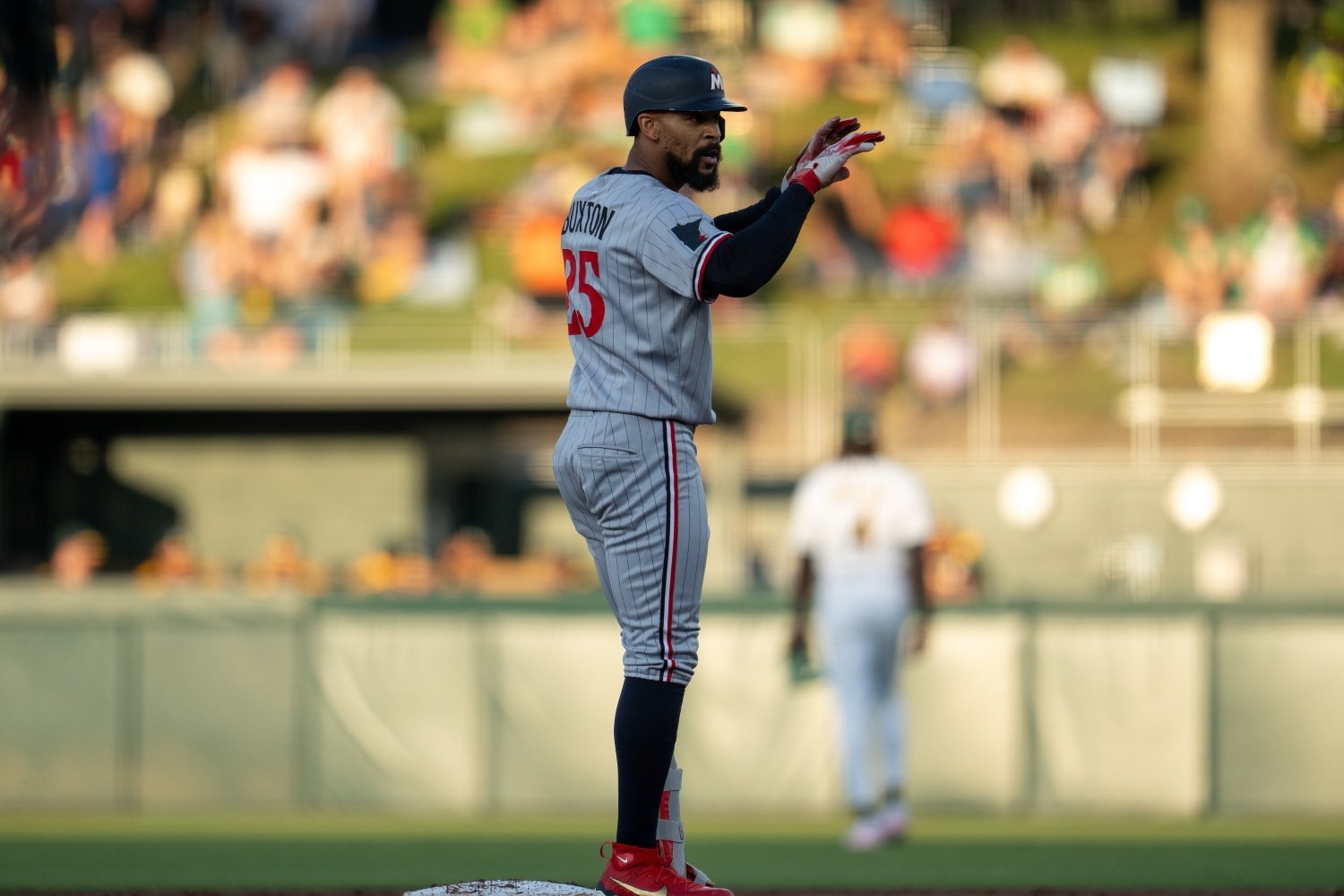 Trade speculation season is in full swing, and the latest proposal making waves involves the Minnesota Twins shipping off one of their best players in recent history. A potential deal between the Twins and Phillies would send center fielder Byron Buxton to Philadelphia in exchange for right-handed pitcher Mick Abel and catching prospect Alirio Ferrebus. It’s a headline-worthy idea. Buxton has been a cornerstone of the Twins’ organization for over a decade, since he was taken with the No. 2 overall pick in the 2012 MLB Draft. When healthy, he’s a game-changing talent who can impact both sides of the runs ledger. This year, he’s shown flashes of his best form again. Through 67 games, he’s already posted 3.3 bWAR ,with 19 home runs and a 149 OPS+, plus elite defense in center field. But as intriguing as the hypothetical may be, the reality is far more complicated. Why the Phillies Would Pick Up the Phone Philadelphia’s outfield production has been among the worst in the league. Their revolving door of Brandon Marsh, Max Kepler, and Johan Rojas has combined for -0.7 bWAR. Even more staggering: Phillies center fielders have just two home runs all season, the fewest in baseball. With postseason ambitions and a pressing need to upgrade their outfield, the Phillies could be in the market for an impact bat. Buxton, when healthy, checks every box. He brings elite speed, power, and defense. Philadelphia’s president of baseball operations, Dave Dombrowski, has made it clear that the Phillies will be buyers, with his primary focus being upgrading their bullpen. However, he has been known to take big swings when his team is in contention. The cost to acquire Buxton? Likely steep. A proposed deal includes 2020 first-rounder Abel, a 23-year-old pitcher with frontline potential, and Ferrebus, a 19-year-old catcher with tools and upside currently ranked in the organization’s top 30. But with Aaron Nola expected back from the IL and top prospect Andrew Painter nearing MLB readiness, the Phillies may feel they can afford to part with pitching depth in the name of a championship run. Why the Twins Might Listen… in Theory If the Twins decide to pivot toward the future, Buxton’s contract of roughly $50 million through the 2028 season could be viewed as a long-term hurdle. Trading him would open payroll space, add a top arm in Abel to a pitching pipeline that needs more depth, and potentially clear a path in center field for top prospects Walker Jenkins or Emmanuel Rodriguez down the line. Ferrebus would also help replenish the system’s depth behind the plate, a position with no clear long-term solutions. The Twins could look at this as an opportunity to retool on the fly, while maximizing Buxton’s current value. But even if that logic holds, there’s one critical detail that makes this deal highly unlikely. The No-Trade Clause Matters—A Lot Buxton has full no-trade protection through the 2026 season, and there’s little indication he’s eager to leave. In fact, one of the primary reasons Buxton signed a long-term extension with the Twins (well below his projected market value) was to keep his family rooted in Minnesota. He and his wife have spoken publicly about how much they enjoy raising their kids in the state and building a life in the community. Even after 2026, he'll have the right to reject a trade as he'll have surpassed 10 years of service time by then. Players with at least 10 total seasons of service and five continuous years with one team have de facto no-trade rights, regardless of contract terms. That loyalty helped the Twins land a potential franchise player at a discounted rate. It also gives Buxton complete control over where he plays, and there’s no indication he’s asked to move on even as the team has struggled to stay in postseason contention this summer. Buxton has endured multiple injuries, roster shakeups, and managerial changes during his tenure in Minnesota. He’s still here. That doesn’t sound like someone looking for a change of scenery. A Tempting Offer, But a Long Shot From the Phillies’ perspective, the deal makes a lot of sense. They need outfield help, they’re in a win-now window, and Buxton could be the kind of October weapon that pushes them over the top. For the Twins, it would be a tough emotional pill to swallow, but potentially a logical baseball decision if the franchise shifts its focus toward the future. But Buxton holds the final say. And based on everything we know, this is a player who isn’t looking to jump ship anytime soon. Nor is it clear that the team is willing to give him up, given everything he means to both the clubhouse and the fan base, in addition to his raw on-field value. Thus, while the idea of Buxton roaming center field at Citizens Bank Park might make for good content in trade season articles, don’t expect it to become a reality. If Buxton leaves Minnesota, it won’t be because the front office pushed him out. It’ll be because he decided it was time to go. And that time doesn’t appear to be now. Does the deal make sense for the Twins? Is there a scenario where Buxton would waive his no-trade clause? Leave a comment and start the discussion.
 -
Image courtesy of © Neville E. Guard-Imagn Images Trade speculation season is in full swing, and the latest proposal making waves involves the Minnesota Twins shipping off one of their best players in recent history. A potential deal between the Twins and Phillies would send center fielder Byron Buxton to Philadelphia in exchange for right-handed pitcher Mick Abel and catching prospect Alirio Ferrebus. It’s a headline-worthy idea. Buxton has been a cornerstone of the Twins’ organization for over a decade, since he was taken with the No. 2 overall pick in the 2012 MLB Draft. When healthy, he’s a game-changing talent who can impact both sides of the runs ledger. This year, he’s shown flashes of his best form again. Through 67 games, he’s already posted 3.3 bWAR ,with 19 home runs and a 149 OPS+, plus elite defense in center field. But as intriguing as the hypothetical may be, the reality is far more complicated. Why the Phillies Would Pick Up the Phone Philadelphia’s outfield production has been among the worst in the league. Their revolving door of Brandon Marsh, Max Kepler, and Johan Rojas has combined for -0.7 bWAR. Even more staggering: Phillies center fielders have just two home runs all season, the fewest in baseball. With postseason ambitions and a pressing need to upgrade their outfield, the Phillies could be in the market for an impact bat. Buxton, when healthy, checks every box. He brings elite speed, power, and defense. Philadelphia’s president of baseball operations, Dave Dombrowski, has made it clear that the Phillies will be buyers, with his primary focus being upgrading their bullpen. However, he has been known to take big swings when his team is in contention. The cost to acquire Buxton? Likely steep. A proposed deal includes 2020 first-rounder Abel, a 23-year-old pitcher with frontline potential, and Ferrebus, a 19-year-old catcher with tools and upside currently ranked in the organization’s top 30. But with Aaron Nola expected back from the IL and top prospect Andrew Painter nearing MLB readiness, the Phillies may feel they can afford to part with pitching depth in the name of a championship run. Why the Twins Might Listen… in Theory If the Twins decide to pivot toward the future, Buxton’s contract of roughly $50 million through the 2028 season could be viewed as a long-term hurdle. Trading him would open payroll space, add a top arm in Abel to a pitching pipeline that needs more depth, and potentially clear a path in center field for top prospects Walker Jenkins or Emmanuel Rodriguez down the line. Ferrebus would also help replenish the system’s depth behind the plate, a position with no clear long-term solutions. The Twins could look at this as an opportunity to retool on the fly, while maximizing Buxton’s current value. But even if that logic holds, there’s one critical detail that makes this deal highly unlikely. The No-Trade Clause Matters—A Lot Buxton has full no-trade protection through the 2026 season, and there’s little indication he’s eager to leave. In fact, one of the primary reasons Buxton signed a long-term extension with the Twins (well below his projected market value) was to keep his family rooted in Minnesota. He and his wife have spoken publicly about how much they enjoy raising their kids in the state and building a life in the community. Even after 2026, he'll have the right to reject a trade as he'll have surpassed 10 years of service time by then. Players with at least 10 total seasons of service and five continuous years with one team have de facto no-trade rights, regardless of contract terms. That loyalty helped the Twins land a potential franchise player at a discounted rate. It also gives Buxton complete control over where he plays, and there’s no indication he’s asked to move on even as the team has struggled to stay in postseason contention this summer. Buxton has endured multiple injuries, roster shakeups, and managerial changes during his tenure in Minnesota. He’s still here. That doesn’t sound like someone looking for a change of scenery. A Tempting Offer, But a Long Shot From the Phillies’ perspective, the deal makes a lot of sense. They need outfield help, they’re in a win-now window, and Buxton could be the kind of October weapon that pushes them over the top. For the Twins, it would be a tough emotional pill to swallow, but potentially a logical baseball decision if the franchise shifts its focus toward the future. But Buxton holds the final say. And based on everything we know, this is a player who isn’t looking to jump ship anytime soon. Nor is it clear that the team is willing to give him up, given everything he means to both the clubhouse and the fan base, in addition to his raw on-field value. Thus, while the idea of Buxton roaming center field at Citizens Bank Park might make for good content in trade season articles, don’t expect it to become a reality. If Buxton leaves Minnesota, it won’t be because the front office pushed him out. It’ll be because he decided it was time to go. And that time doesn’t appear to be now. Does the deal make sense for the Twins? Is there a scenario where Buxton would waive his no-trade clause? Leave a comment and start the discussion. View full article
-
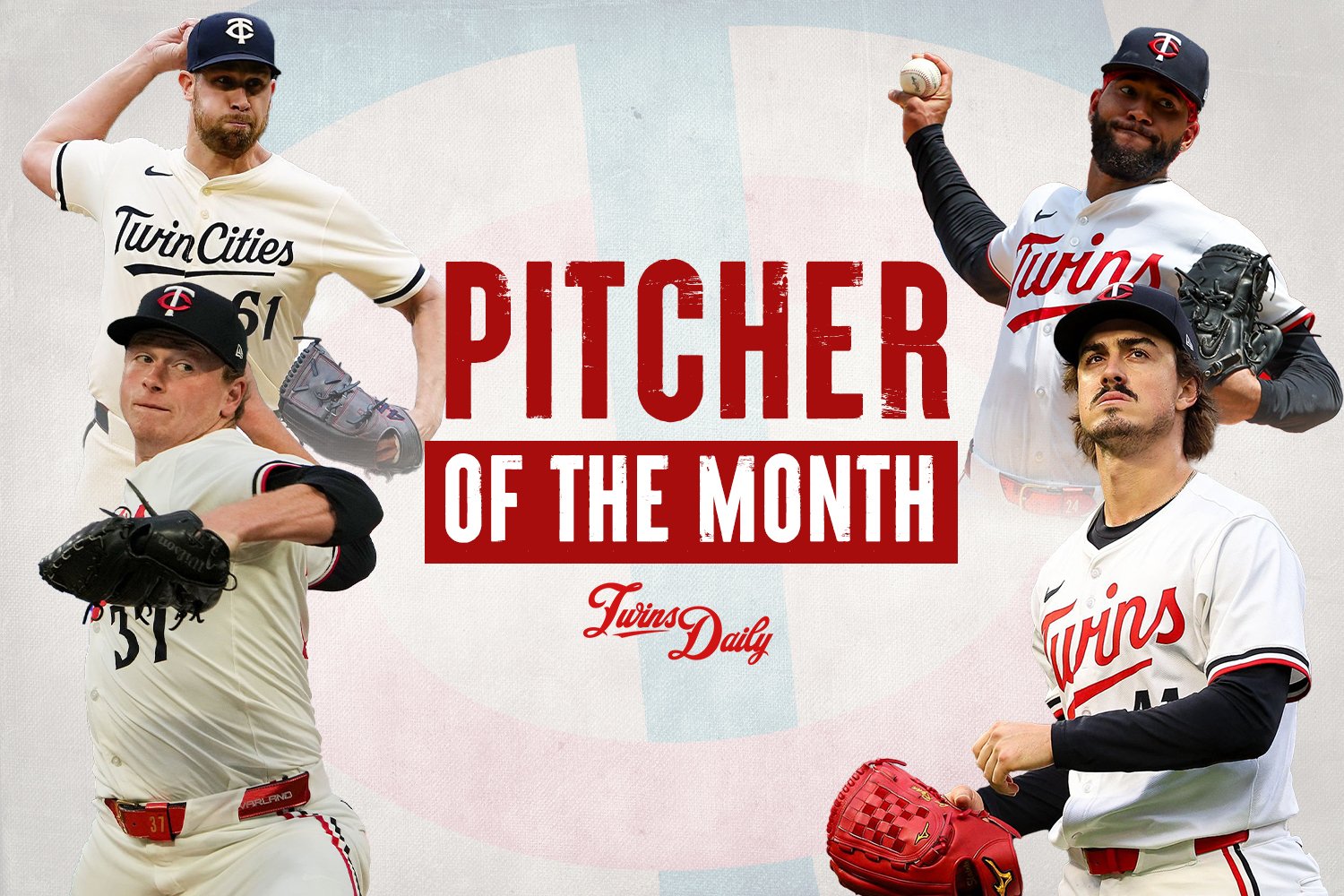 Entering June, Minnesota boasted one of the best pitching staffs in baseball, backed by a dominant rotation and a reliable bullpen. But the month quickly unraveled, both on the field and in the trainer’s room. Pablo López and Zebby Matthews landed on the injured list, forcing the team to dig deeper into its pitching depth. Bailey Ober, a steady force over the past few seasons, endured the worst month of his (or most hurlers') career by giving up 14 home runs, tying the franchise record for the most allowed in a single month. And Ober wasn’t alone. The numbers paint a bleak picture of a staff plagued by multiple issues As a whole, the Twins posted a league-worst 6.07 ERA in June, the highest ERA for that month in franchise history. They managed only single-digit wins and finished with a -45 run differential. Perhaps most glaring, they gave up 10 or more runs in seven of 22 games during June, after not allowing 10+ runs once in their first 61 contests. That’s the backdrop. Now let’s shift the focus. Despite all the chaos, a few pitchers did what they could to steady the ship and they deserve some recognition #4 Simeon Woods Richardson 4 G, 3.92 ERA, 1.11 WHIP, 20 2/3 IP, 15 H, 8 BB, 17 K With injuries reshuffling the rotation, Woods Richardson was asked to take on a bigger role, and he delivered. While his first start of the month in Texas was forgettable (six earned runs in under five innings), he quickly turned things around. Over his next three outings, he allowed just three earned runs combined. That stretch included a stellar five-inning scoreless outing in Houston where he held the Astros to one hit and struck out four. Woods Richardson closed out the month with another five shutout innings against Seattle, fanning six and continuing to show poise beyond his years. He led the staff in fWAR for the month and could be a steady presence in the rotation moving forward. #3 Brock Stewart 11 G, 1.69 ERA, 1.22 WHIP, 10 2/3 IP, 9 H, 4 BB, 15 K Stewart was nearly flawless in June, tossing scoreless outings in 10 of his 11 appearances. The lone blemish came in Cincinnati, when he gave up two earned runs after the Twins had just rallied to take the lead. But aside from that, Stewart was rock solid for a bullpen that has carried a heavy workload all season. Five of his 11 outings featured multiple strikeouts without allowing a hit, and he finished the month with the fourth-highest Win Probability Added (WPA) on the team (second among relievers). Stewart has carved out a key role bridging the middle innings to Minnesota’s back-end trio. #2 Joe Ryan 5 G, 3.49 ERA, 1.02 WHIP, 28 1/3 IP, 18 H, 11 BB, 32 K After winning Twins Daily’s Pitcher of the Month honors in May, Ryan continued to shine in June. He finished second on the team in both fWAR and WPA, and remained remarkably consistent: five innings or more in every start, and no more than three earned runs allowed in any of them. Over his final three starts (18 1/3 IP), he posted a 2.45 ERA with 22 strikeouts and a 2.38 FIP, holding opposing hitters to a .184 batting average on balls in play. While Byron Buxton looks like a lock for the All-Star team, Ryan has built a strong case of his own. He ranks among the AL’s top-eight pitchers in fWAR and strikeouts per nine innings, and only Jacob deGrom and Tarik Skubal boast better WHIPs. #1 Louis Varland – Twins Daily Pitcher of the Month 10 G, 0.00 ERA, 1.07 WHIP, 10 1/3 IP, 8 H, 3 BB, 11 K Varland’s transition to the bullpen has transformed him into one of the most dominant arms in the American League. He appeared in 10 games in June without surrendering a single run, and his 0.00 ERA is no fluke as he’s now allowed just one earned run since May 4. The added velocity has been a major weapon. As a reliever, his fastball is averaging 1.7 mph faster, while his knuckle curve has gained 3.6 mph. The increased power has helped him rack up four holds in June, bringing his season total to 13, second only to Griffin Jax on the team. On June 15, he was called upon for a rare two-inning appearance and responded by retiring seven Houston batters while inducing five groundouts and allowing just one hit. That ground-ball success has defined his emergence; his 60.0% ground-ball rate ranks in the 97th percentile. Hitters are managing just a .255 slugging percentage against his four-seamer and an absurd .193 against his knuckle curve. Manager Rocco Baldelli summed it up best: The Twins’ staff was dealt a tough hand in June, but strong efforts from both the rotation and bullpen kept them afloat. Ryan has been as reliable as ever. Stewart has stabilized the middle innings. Woods Richardson proved he belongs. But it was Varland who shined brightest, stepping up as a dominant weapon in high-leverage situations. Should Varland get the nod over Ryan? Leave a comment and start the discussion.
- 7 comments
-
- 3
-
-
- joe ryan
- louis varland
- (and 3 more)
-
Image courtesy of Thieres Rabelo Entering June, Minnesota boasted one of the best pitching staffs in baseball, backed by a dominant rotation and a reliable bullpen. But the month quickly unraveled, both on the field and in the trainer’s room. Pablo López and Zebby Matthews landed on the injured list, forcing the team to dig deeper into its pitching depth. Bailey Ober, a steady force over the past few seasons, endured the worst month of his (or most hurlers') career by giving up 14 home runs, tying the franchise record for the most allowed in a single month. And Ober wasn’t alone. The numbers paint a bleak picture of a staff plagued by multiple issues As a whole, the Twins posted a league-worst 6.07 ERA in June, the highest ERA for that month in franchise history. They managed only single-digit wins and finished with a -45 run differential. Perhaps most glaring, they gave up 10 or more runs in seven of 22 games during June, after not allowing 10+ runs once in their first 61 contests. That’s the backdrop. Now let’s shift the focus. Despite all the chaos, a few pitchers did what they could to steady the ship and they deserve some recognition #4 Simeon Woods Richardson 4 G, 3.92 ERA, 1.11 WHIP, 20 2/3 IP, 15 H, 8 BB, 17 K With injuries reshuffling the rotation, Woods Richardson was asked to take on a bigger role, and he delivered. While his first start of the month in Texas was forgettable (six earned runs in under five innings), he quickly turned things around. Over his next three outings, he allowed just three earned runs combined. That stretch included a stellar five-inning scoreless outing in Houston where he held the Astros to one hit and struck out four. Woods Richardson closed out the month with another five shutout innings against Seattle, fanning six and continuing to show poise beyond his years. He led the staff in fWAR for the month and could be a steady presence in the rotation moving forward. #3 Brock Stewart 11 G, 1.69 ERA, 1.22 WHIP, 10 2/3 IP, 9 H, 4 BB, 15 K Stewart was nearly flawless in June, tossing scoreless outings in 10 of his 11 appearances. The lone blemish came in Cincinnati, when he gave up two earned runs after the Twins had just rallied to take the lead. But aside from that, Stewart was rock solid for a bullpen that has carried a heavy workload all season. Five of his 11 outings featured multiple strikeouts without allowing a hit, and he finished the month with the fourth-highest Win Probability Added (WPA) on the team (second among relievers). Stewart has carved out a key role bridging the middle innings to Minnesota’s back-end trio. #2 Joe Ryan 5 G, 3.49 ERA, 1.02 WHIP, 28 1/3 IP, 18 H, 11 BB, 32 K After winning Twins Daily’s Pitcher of the Month honors in May, Ryan continued to shine in June. He finished second on the team in both fWAR and WPA, and remained remarkably consistent: five innings or more in every start, and no more than three earned runs allowed in any of them. Over his final three starts (18 1/3 IP), he posted a 2.45 ERA with 22 strikeouts and a 2.38 FIP, holding opposing hitters to a .184 batting average on balls in play. While Byron Buxton looks like a lock for the All-Star team, Ryan has built a strong case of his own. He ranks among the AL’s top-eight pitchers in fWAR and strikeouts per nine innings, and only Jacob deGrom and Tarik Skubal boast better WHIPs. #1 Louis Varland – Twins Daily Pitcher of the Month 10 G, 0.00 ERA, 1.07 WHIP, 10 1/3 IP, 8 H, 3 BB, 11 K Varland’s transition to the bullpen has transformed him into one of the most dominant arms in the American League. He appeared in 10 games in June without surrendering a single run, and his 0.00 ERA is no fluke as he’s now allowed just one earned run since May 4. The added velocity has been a major weapon. As a reliever, his fastball is averaging 1.7 mph faster, while his knuckle curve has gained 3.6 mph. The increased power has helped him rack up four holds in June, bringing his season total to 13, second only to Griffin Jax on the team. On June 15, he was called upon for a rare two-inning appearance and responded by retiring seven Houston batters while inducing five groundouts and allowing just one hit. That ground-ball success has defined his emergence; his 60.0% ground-ball rate ranks in the 97th percentile. Hitters are managing just a .255 slugging percentage against his four-seamer and an absurd .193 against his knuckle curve. Manager Rocco Baldelli summed it up best: The Twins’ staff was dealt a tough hand in June, but strong efforts from both the rotation and bullpen kept them afloat. Ryan has been as reliable as ever. Stewart has stabilized the middle innings. Woods Richardson proved he belongs. But it was Varland who shined brightest, stepping up as a dominant weapon in high-leverage situations. Should Varland get the nod over Ryan? Leave a comment and start the discussion. View full article
-
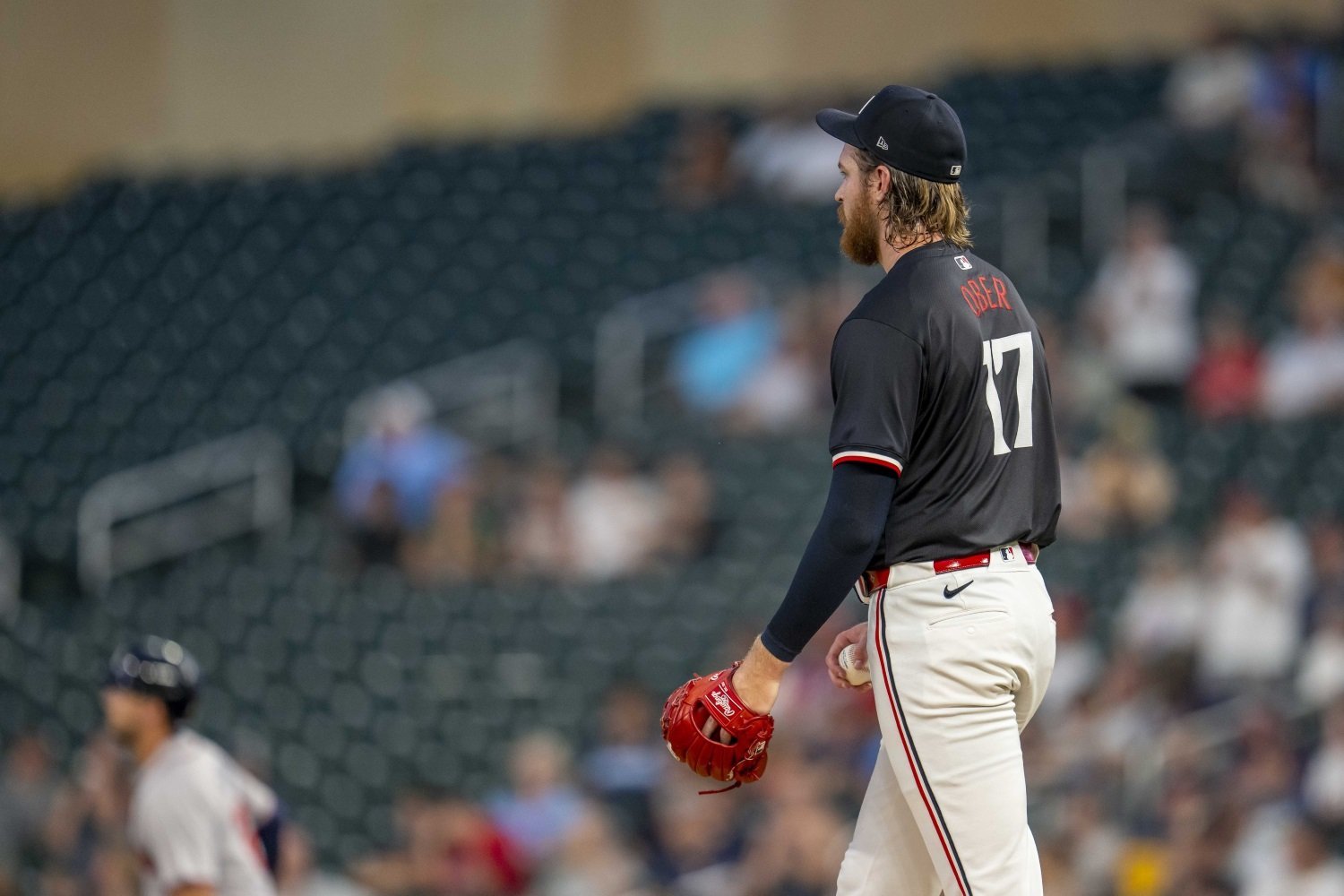 Dear Baseball Fans, We need to talk. The game we love is in trouble, not because of pitch clocks or robot umpires, but because of us. The behavior of a growing portion of Major League Baseball’s fanbase has crossed a line. You may have seen the story: after one of Bailey Ober’s recent rough outings, his wife was threatened on social media. Not criticized; not heckled. Threatened. She received death threats from strangers hiding behind burner accounts and gambling slips, lashing out as if her husband’s ERA gave them license to be inhumane. Think about that. A woman was sent death threats because her husband had a bad day at work. That’s not fandom. Unfortunately, Ober’s situation is not isolated. Over the last week, Diamondbacks star Ketel Marte was brought to tears on the field in Chicago. A fan shouted a disgusting comment about Marte’s late mother, who died in a tragic car accident. Perhaps the aim was just to get a reaction, or maybe attention. Either way, it worked, and not in the way any of us should be proud of. Yes, that fan was banned from every major-league stadium. And yes, he was reportedly remorseful. But that doesn’t erase the damage. And it doesn’t change the trend. Lance McCullers Jr. and Liam Hendriks have also reported receiving threats after poor performances, this year alone. Some on social media openly questioned the right of Byron Buxton to maintain a semblance of privacy about a death in his family, when he was away from the team for a few days this spring. Let’s be clear: these players are people. They have spouses, children, and parents. They deal with slumps, pressure, mental health, and family tragedy, just like the rest of us. What they shouldn’t have to deal with is being dehumanized by fans who think buying a ticket or placing a bet makes them part-owner of someone's dignity. The increase in legalized sports gambling has made the situation worse. It's removed a layer of empathy and replaced it with entitlement. Too many fans are treating athletes like avatars in a fantasy league, instead of the human beings they are. If their parlay busts because someone grounded into a double play, they take to Instagram or Twitter and unload on that player like they’re an NPC. It’s sick, and it’s dangerous. Of course, this kind of behavior isn’t representative of every baseball fan. Not even close. But those who are guilty are getting louder, more brazen, and far too comfortable. And the silence from others, those who see it and say nothing, is just as harmful. I know writing this letter might not do much. The ones who most need to hear this probably never will. Or they’ll roll their eyes and scroll past it from behind the same anonymous account where they spew their hatred. That screen gives them a false sense of power and protection. But that doesn’t mean the rest of us should stop speaking up. Baseball is supposed to bring people together. That’s the magic of this game. It bridges generations, connects strangers, and creates communities. What we’re seeing now does the opposite. It drives players away. It drives good fans into silence. It builds walls between us, when the game is supposed to tear them down. We need to step up and protect the culture of this game. When we see people online crossing the line, we should report them. When we’re at a ballpark and hear someone yelling vile things, we should speak up or alert security. We can’t keep shrugging and saying, “Well, that’s just how fans are these days.” No. That’s how bad fans are. That’s how cowards behave. Let’s be better. Let’s remember that our passion for baseball doesn’t entitle us to abuse anyone. Let’s remind each other that players don’t owe us perfection. And let’s stop pretending that “tough love” means threatening someone's family or mocking their grief. There’s still a lot to love about this game. But if we don’t draw a line now, we’re going to lose more than just our favorite players’ respect. We’re going to lose what made baseball great in the first place. Sincerely, A fan who still believes we can do better.
 -
Image courtesy of © Jesse Johnson-Imagn Images Dear Baseball Fans, We need to talk. The game we love is in trouble, not because of pitch clocks or robot umpires, but because of us. The behavior of a growing portion of Major League Baseball’s fanbase has crossed a line. You may have seen the story: after one of Bailey Ober’s recent rough outings, his wife was threatened on social media. Not criticized; not heckled. Threatened. She received death threats from strangers hiding behind burner accounts and gambling slips, lashing out as if her husband’s ERA gave them license to be inhumane. Think about that. A woman was sent death threats because her husband had a bad day at work. That’s not fandom. Unfortunately, Ober’s situation is not isolated. Over the last week, Diamondbacks star Ketel Marte was brought to tears on the field in Chicago. A fan shouted a disgusting comment about Marte’s late mother, who died in a tragic car accident. Perhaps the aim was just to get a reaction, or maybe attention. Either way, it worked, and not in the way any of us should be proud of. Yes, that fan was banned from every major-league stadium. And yes, he was reportedly remorseful. But that doesn’t erase the damage. And it doesn’t change the trend. Lance McCullers Jr. and Liam Hendriks have also reported receiving threats after poor performances, this year alone. Some on social media openly questioned the right of Byron Buxton to maintain a semblance of privacy about a death in his family, when he was away from the team for a few days this spring. Let’s be clear: these players are people. They have spouses, children, and parents. They deal with slumps, pressure, mental health, and family tragedy, just like the rest of us. What they shouldn’t have to deal with is being dehumanized by fans who think buying a ticket or placing a bet makes them part-owner of someone's dignity. The increase in legalized sports gambling has made the situation worse. It's removed a layer of empathy and replaced it with entitlement. Too many fans are treating athletes like avatars in a fantasy league, instead of the human beings they are. If their parlay busts because someone grounded into a double play, they take to Instagram or Twitter and unload on that player like they’re an NPC. It’s sick, and it’s dangerous. Of course, this kind of behavior isn’t representative of every baseball fan. Not even close. But those who are guilty are getting louder, more brazen, and far too comfortable. And the silence from others, those who see it and say nothing, is just as harmful. I know writing this letter might not do much. The ones who most need to hear this probably never will. Or they’ll roll their eyes and scroll past it from behind the same anonymous account where they spew their hatred. That screen gives them a false sense of power and protection. But that doesn’t mean the rest of us should stop speaking up. Baseball is supposed to bring people together. That’s the magic of this game. It bridges generations, connects strangers, and creates communities. What we’re seeing now does the opposite. It drives players away. It drives good fans into silence. It builds walls between us, when the game is supposed to tear them down. We need to step up and protect the culture of this game. When we see people online crossing the line, we should report them. When we’re at a ballpark and hear someone yelling vile things, we should speak up or alert security. We can’t keep shrugging and saying, “Well, that’s just how fans are these days.” No. That’s how bad fans are. That’s how cowards behave. Let’s be better. Let’s remember that our passion for baseball doesn’t entitle us to abuse anyone. Let’s remind each other that players don’t owe us perfection. And let’s stop pretending that “tough love” means threatening someone's family or mocking their grief. There’s still a lot to love about this game. But if we don’t draw a line now, we’re going to lose more than just our favorite players’ respect. We’re going to lose what made baseball great in the first place. Sincerely, A fan who still believes we can do better. View full article
-
Image courtesy of Ed Bailey, Wichita Wind Surge (Photo of Kyler Fedko) Welcome to another edition of the Minnesota Twins Prospect Hot Sheet. This week’s trio of prospects features some players who have flown under the radar. While top prospects often garner headlines, depth players often become the backbone of an organization. In 2025, several previously unheralded names are forcing their way into the conversation. These three names are making the most of their opportunities this summer and are quickly rising in a system that thrives on internal development. OF, Kyler Fedko – Wichita Wind Surge The Twins selected Fedko in the 12th round of the 2021 MLB Draft out of the University of Connecticut, where he was known for his bat-to-ball skills and polished offensive approach. A native of Pennsylvania, Fedko entered pro ball with a solid offensive foundation, but lacked the traditional power profile for a corner outfield role. During his first few years in the minors, he bounced between levels as he attempted to add strength and adjust to professional pitching. Last season, he played 77 games at Double-A, hitting .227/.327/.319 with three home runs and 14 doubles. Though he showed flashes of potential, consistency remained elusive. That changed in a big way during a recent stretch with the Double-A Wichita Wind Surge. Hitting the Hot Button: Fedko turned heads with a blistering week in Wichita, hitting .391 across six games with five home runs, 10 RBIs, and a jaw-dropping 1.527 OPS. For the season, he has a .910 OPS, a 265-point jump compared to last season. At 25 years old, he’s no longer considered a young prospect, but his recent surge has reignited interest in what his bat can bring to the table. He’s always had a patient approach and solid contact skills, but now the added power could push him into a more serious depth conversation. The Twins need right-handed bats with some pop in the upper minors, and if Fedko keeps swinging like this, he could play his way into the St. Paul roster by late summer and potentially put himself in position for a big-league look down the line. RHP Chase Chaney – Cedar Rapids Kernels The Twins added Chaney as a minor-league free agent during the offseason, from the Angels organization. He topped out at Double-A last season with a 4.30 ERA and a 1.40 WHIP in 138 innings. At 25 years old, he wasn’t a flashy pickup, but the Twins believed there was untapped potential in his mix of movement, command, and competitiveness. Chaney has pitched at High- and Double-A this season, showing the versatility to slide between levels while continuing to miss bats. Hitting the Hot Button: Chaney’s most recent start for Cedar Rapids on June 25 reminded everyone why the Twins took a shot on him. He threw 6 1/3 innings, scattering four hits and allowing just two earned runs while striking out six. Between High- and Double-A this season, Chaney has posted a 3.52 ERA with a 1.27 WHIP and a 5.4% walk rate. While he may not have the pedigree of a top-10 system arm, his performance is demanding attention. If he continues to string together quality outings, Chaney could rise into a depth role similar to other pitchers who weren’t hyped but made the leap with steady progress and strong results. RHP John Klein – Wichita Wind Surge Klein’s path to the Twins organization is a hometown story worth watching. The Brooklyn Park, Minn. native was signed by the Twins as a minor-league free agent in August of 2022. After finishing his college career at Iowa Central Community College, he joined the organization with little fanfare. Last season, he posted a 4.57 ERA with a 1.40 WHIP in 100 1/3 innings at High-A. Early results were solid but unspectacular, with Klein primarily working as a depth option. Now 23 years old, he’s making a push to move up the ladder after a dominant start for Wichita this week. Hitting the Hot Button: In a recent outing against Springfield, Klein delivered five innings of one-run ball, while allowing just two hits, striking out nine and walking only one. The performance marked a new high for the right-hander, whose strikeout totals have steadily increased this season. He registered 17 whiffs, including 13 on his fastball. His fastball velocity is up slightly (97 mph), and he’s shown more confidence in his secondary pitches, especially a sharp-breaking slider that generated several swings and misses in that start. Klein’s rise is about his improved totals and about showing that he can handle a starter’s workload and maintain his effectiveness deep into outings. If the trend continues, a promotion to Triple-A seems well within reach, and he’s quickly gone from organizational depth to someone who could be knocking on the door before long. Fedko, Chaney, and Klein weren’t expected to be headliners in the Twins’ system entering the year. Still, their performances in recent weeks are proving just how deep and opportunistic the organization can be. Whether it’s a college bat finally tapping into power, a minor-league signee finding new life on the mound, or a hometown arm turning potential into results, these three are redefining their futures in real time. As injuries and trades test the Twins' depth throughout a long season, don’t be surprised if one or more of these players earns a bigger role. Development doesn’t always follow a linear path, and these under-the-radar risers are reminding everyone why it pays to look a little deeper into the system. Keep an eye out. This trio might not be flying under the radar for much longer. Which performance stands out the most? Leave a comment and start the discussion. View full article
- 18 replies
-
- 2
-
-
- john klein
- kyler fedko
- (and 1 more)
-
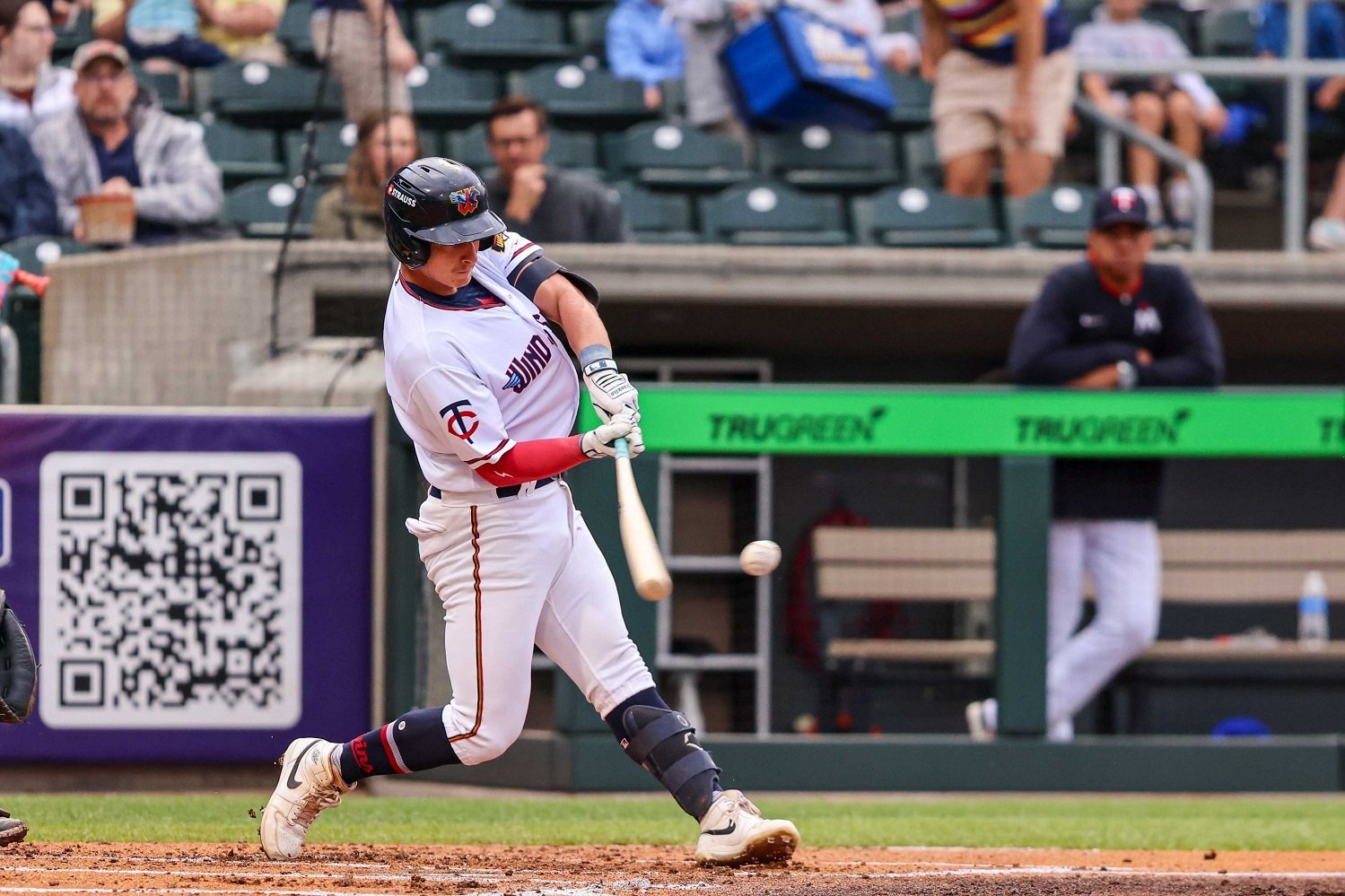 Welcome to another edition of the Minnesota Twins Prospect Hot Sheet. This week’s trio of prospects features some players who have flown under the radar. While top prospects often garner headlines, depth players often become the backbone of an organization. In 2025, several previously unheralded names are forcing their way into the conversation. These three names are making the most of their opportunities this summer and are quickly rising in a system that thrives on internal development. OF, Kyler Fedko – Wichita Wind Surge The Twins selected Fedko in the 12th round of the 2021 MLB Draft out of the University of Connecticut, where he was known for his bat-to-ball skills and polished offensive approach. A native of Pennsylvania, Fedko entered pro ball with a solid offensive foundation, but lacked the traditional power profile for a corner outfield role. During his first few years in the minors, he bounced between levels as he attempted to add strength and adjust to professional pitching. Last season, he played 77 games at Double-A, hitting .227/.327/.319 with three home runs and 14 doubles. Though he showed flashes of potential, consistency remained elusive. That changed in a big way during a recent stretch with the Double-A Wichita Wind Surge. Hitting the Hot Button: Fedko turned heads with a blistering week in Wichita, hitting .391 across six games with five home runs, 10 RBIs, and a jaw-dropping 1.527 OPS. For the season, he has a .910 OPS, a 265-point jump compared to last season. At 25 years old, he’s no longer considered a young prospect, but his recent surge has reignited interest in what his bat can bring to the table. He’s always had a patient approach and solid contact skills, but now the added power could push him into a more serious depth conversation. The Twins need right-handed bats with some pop in the upper minors, and if Fedko keeps swinging like this, he could play his way into the St. Paul roster by late summer and potentially put himself in position for a big-league look down the line. RHP Chase Chaney – Cedar Rapids Kernels The Twins added Chaney as a minor-league free agent during the offseason, from the Angels organization. He topped out at Double-A last season with a 4.30 ERA and a 1.40 WHIP in 138 innings. At 25 years old, he wasn’t a flashy pickup, but the Twins believed there was untapped potential in his mix of movement, command, and competitiveness. Chaney has pitched at High- and Double-A this season, showing the versatility to slide between levels while continuing to miss bats. Hitting the Hot Button: Chaney’s most recent start for Cedar Rapids on June 25 reminded everyone why the Twins took a shot on him. He threw 6 1/3 innings, scattering four hits and allowing just two earned runs while striking out six. Between High- and Double-A this season, Chaney has posted a 3.52 ERA with a 1.27 WHIP and a 5.4% walk rate. While he may not have the pedigree of a top-10 system arm, his performance is demanding attention. If he continues to string together quality outings, Chaney could rise into a depth role similar to other pitchers who weren’t hyped but made the leap with steady progress and strong results. RHP John Klein – Wichita Wind Surge Klein’s path to the Twins organization is a hometown story worth watching. The Brooklyn Park, Minn. native was signed by the Twins as a minor-league free agent in August of 2022. After finishing his college career at Iowa Central Community College, he joined the organization with little fanfare. Last season, he posted a 4.57 ERA with a 1.40 WHIP in 100 1/3 innings at High-A. Early results were solid but unspectacular, with Klein primarily working as a depth option. Now 23 years old, he’s making a push to move up the ladder after a dominant start for Wichita this week. Hitting the Hot Button: In a recent outing against Springfield, Klein delivered five innings of one-run ball, while allowing just two hits, striking out nine and walking only one. The performance marked a new high for the right-hander, whose strikeout totals have steadily increased this season. He registered 17 whiffs, including 13 on his fastball. His fastball velocity is up slightly (97 mph), and he’s shown more confidence in his secondary pitches, especially a sharp-breaking slider that generated several swings and misses in that start. Klein’s rise is about his improved totals and about showing that he can handle a starter’s workload and maintain his effectiveness deep into outings. If the trend continues, a promotion to Triple-A seems well within reach, and he’s quickly gone from organizational depth to someone who could be knocking on the door before long. Fedko, Chaney, and Klein weren’t expected to be headliners in the Twins’ system entering the year. Still, their performances in recent weeks are proving just how deep and opportunistic the organization can be. Whether it’s a college bat finally tapping into power, a minor-league signee finding new life on the mound, or a hometown arm turning potential into results, these three are redefining their futures in real time. As injuries and trades test the Twins' depth throughout a long season, don’t be surprised if one or more of these players earns a bigger role. Development doesn’t always follow a linear path, and these under-the-radar risers are reminding everyone why it pays to look a little deeper into the system. Keep an eye out. This trio might not be flying under the radar for much longer. Which performance stands out the most? Leave a comment and start the discussion.
- 18 comments
-
- 9
-
-

-
- john klein
- kyler fedko
- (and 1 more)
-
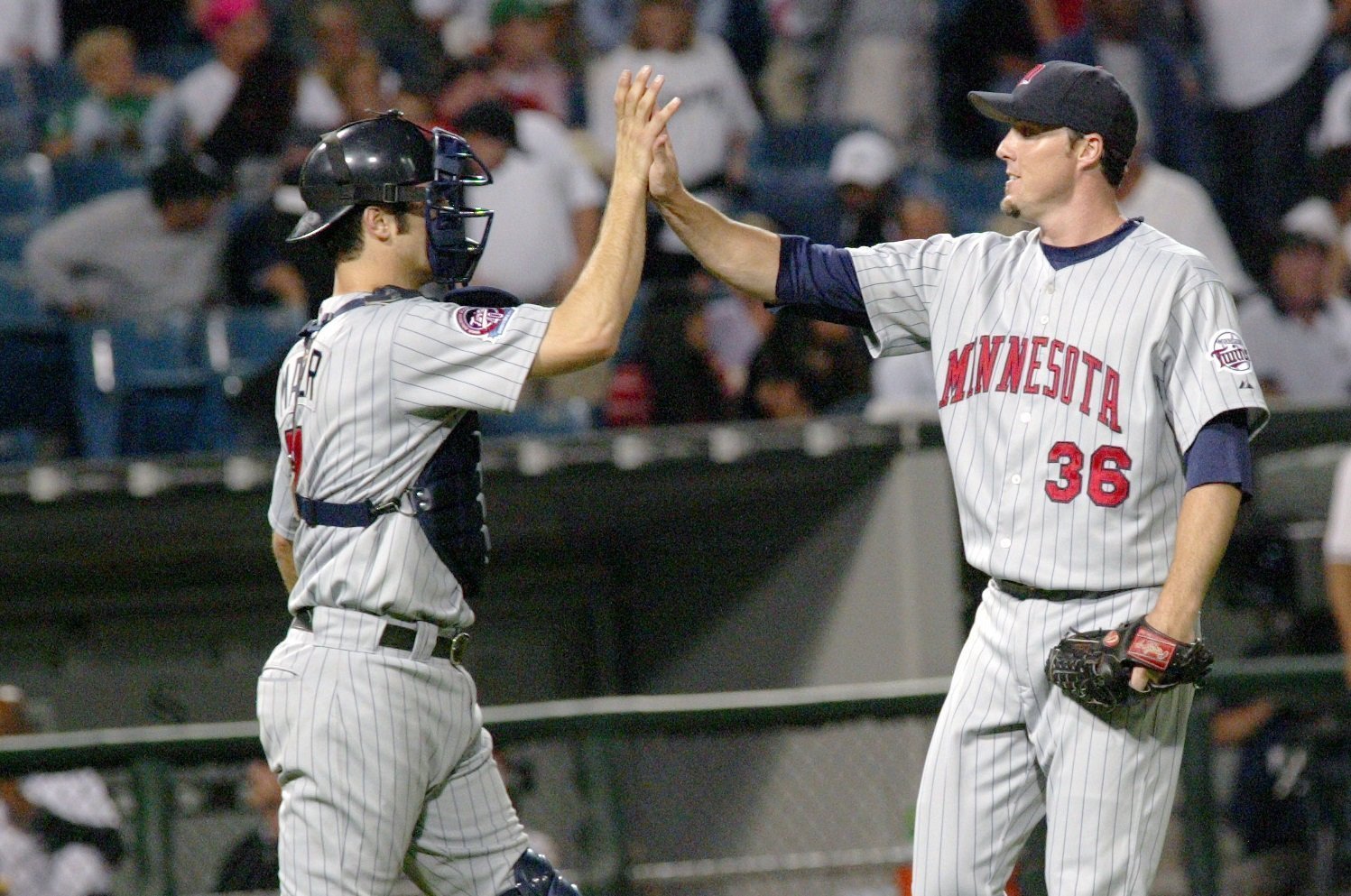 The Athletic recently unveiled its MLB All-Quarter Century Team, highlighting the most significant players from the past 25 years. The list featured the expected big names, including future Hall of Famers and inner-circle legends alike. But if you’re a Minnesota Twins fan flipping through the lineup, you might have noticed something familiar: neglect. Once again, the national baseball media has minimized the accomplishments of some of the best players ever to wear a Twins uniform. We’ve been here before. It’s a tradition as old as the Hubert H. Humphrey Metrodome’s roof collapsing under a heavy snowfall. Let’s break this down. The Mauer Problem: A Democracy Malfunction? At catcher, The Athletic chose Buster Posey and Yadier Molina over Joe Mauer. This should set off every Twins fan’s injustice alarm. Yes, both Posey and Molina were phenomenal catchers in their era. Posey won MVP honors and served as the quiet engine behind the San Francisco Giants dynasty in the early 2010s. Molina, one of the most respected defensive catchers of all time, helped guide the Cardinals to multiple postseason runs. But Mauer? All he did was hit .306 for his career while playing Gold Glove caliber defense behind the plate. He won three batting titles, a feat no other catcher in modern baseball can claim, and it seems unlikely that it will ever happen again. He took home an MVP award in 2009 by putting up one of the best offensive seasons for a catcher in history. Oh, and he was a first-ballot Hall of Famer this year. Did we all forget that already? The Athletic tried to hedge, writing, "We don't hate your team, Minnesota. It's just American democracy at work," because the Posey-Molina decision came down to fan voting. In fact, Posey and Molina were separated by a mere 22 votes. That defense might make sense in a vacuum. But in the real world, especially in our current political climate, there are times when democracy gets it wrong. Inexplicably, Mauer got left off the list, and that is something the writers could have remedied. Imagine replacing Mauer’s Midwest humility with a spotlight on the East Coast or West Coast market. Would this even be a debate? The only thing Mauer lacked was flash. But three batting titles from behind the plate and an MVP award should be enough flash for any voter, casual or professional. Johan Santana: Forgotten Ace You’ll have to scroll further to find another Twins slight. When it comes to starting pitchers, The Athletic named a murderer’s row: Justin Verlander, Max Scherzer, Clayton Kershaw, Randy Johnson, Pedro Martinez, Roy Halladay, and CC Sabathia. Objectively? That’s an excellent group. It's hard to argue with those names. But Johan Santana belongs in this conversation, at least as an honorable mention. From 2004 to 2008, there was no better pitcher on the planet. Santana won two Cy Young Awards and finished in the top five two other times. He led the league in strikeouts three straight years, won the pitching Triple Crown in 2006, and carried some middling Twins teams into October on sheer will and a devastating changeup. The knock against Santana, both for the Hall of Fame and apparently here, has always been longevity. His career simply didn’t last as long as some of the other greats. But in terms of peak value? He was as good as any of them and better than most. If Sandy Koufax can make the inner circle of baseball immortality based on a short but dominant prime, why can’t Santana get at least a whisper in these all-time lists? Again: small-market blindness. If Santana spent his prime doing this for the Yankees or Red Sox, he’d be canonized. Joe Nathan: The Forgotten Closer And then we come to the closers. The Athletic’s list includes Mariano Rivera, Trevor Hoffman, Billy Wagner, Kenley Jansen, Craig Kimbrel, and Aroldis Chapman. Not exactly bums. Rivera is the greatest closer of all time, and others on this list are not far behind. Kimbrel and Jansen have been strikeout machines for more than a decade. Chapman’s inclusion comes with off-field baggage, but his peak dominance can’t be denied. I've written before that Nathan’s case stacks up remarkably well with Wagner’s, and that remains true. Nathan finished his career with a 2.87 ERA, 377 saves, and a WHIP below 1.00. During his prime with the Twins (2004–2009), he was arguably the most reliable closer in the American League by posting sub-2.00 ERAs multiple times. Wagner may have flashier strikeout rates, but Nathan’s consistency and performance in a tougher league (remember, the AL didn’t get to pitch to the opposing pitcher every ninth hitter) made him every bit as valuable. Nathan’s Hall of Fame support has been thin (just like Santana’s), and here again, national writers appear to have undervalued him. Small market, small notice becomes the theme again. If you’re a Twins fan, none of this is shocking. National lists like this have always been unkind to Minnesota baseball heroes. Mauer doesn’t get his due as one of the greatest-hitting catchers ever. Santana’s electric peak is forgotten in favor of longevity. Nathan is buried behind flashier names. The Athletic swears they don’t hate the Twins. However, the pattern here suggests otherwise. Perhaps it is democracy itself that is failing in another area of American life. Or maybe it’s the same old truth: if you play in Minneapolis instead of Manhattan, you better be twice as good to get half the recognition. At least the rest of us know the truth. And maybe that’s enough... for now. Which player most deserved to be on the team? Leave a comment and start the discussion.
- 47 comments
-
- 6
-
-
-
- joe mauer
- johan santana
- (and 1 more)
-
A Decade Later: The Twins Had One of MLB’s Biggest Draft Misses
Cody Christie posted an article in Twins
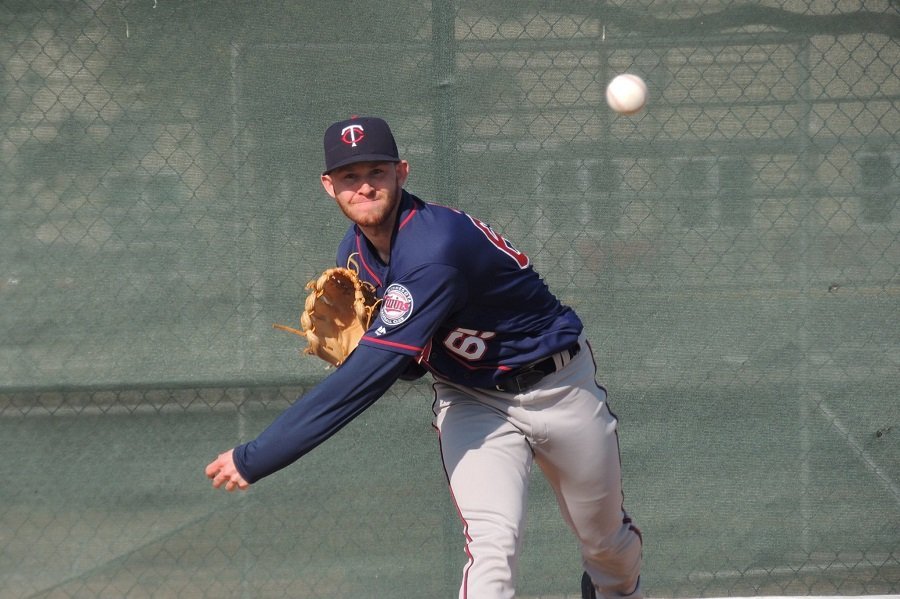 The MLB Draft is always filled with promise, potential, and projection. For the Minnesota Twins, the 2015 draft offered the rare luxury of a top-10 selection. It was the kind of pick that could shape the franchise’s future for years to come. Unfortunately, it became a selection that fans and front-office members would rather forget. Minnesota used that prized pick on Tyler Jay, a hard-throwing left-handed pitcher from the University of Illinois. The decision and Jay’s subsequent arduous journey have come to represent one of the franchise’s biggest draft misses in recent memory. At the time of the draft, there were reasons to be excited. Jay was dominant as a reliever for the Illini, emerging as one of the best college bullpen arms in the country. During his final season in Champaign, he posted a 1.08 ERA with 76 strikeouts in just over 66 innings. His mid-90s fastball and devastating slider made him an untouchable force in late innings, and his athletic delivery and build gave scouts hope he could transition to a starter in the professional ranks. But there were red flags that now seem hard to ignore. Illinois leaned heavily on Jay during his junior season, often using him for multi-inning saves and high-leverage situations multiple times a weekend. That kind of workload for a college reliever carries risk, and in Jay’s case, the effects showed up not long after he turned pro. The Twins believed Jay had the stuff to start in pro ball, a gamble that has burned many organizations trying to stretch dominant college relievers into rotation work. The transition never clicked. He struggled to adjust to the routine, saw his velocity dip, and by 2017, injuries became the story. A shoulder impingement cost him most of the season, and his 2018 campaign was equally forgettable. When healthy enough to pitch, he was ineffective, and any thought of him rising quickly through the system faded fast. By 2019, Minnesota was ready to move on. The Cincinnati Reds outright bought his contract from the Twins in a rare transaction that showed how far Jay’s stock had fallen. The change of scenery didn’t lead to a revival. He was released in 2020 during the pandemic shutdown, and at that point, his career appeared over. But Jay soon discovered that part of his struggles came from something no coach or trainer could have foreseen. He had eosinophilic esophagitis, a rare autoimmune disorder that affects the esophagus, making it difficult to eat, maintain weight, and build stamina. The correct diagnosis and treatment arrived far too late to save his early professional career. Jay spent three years out of baseball, unsure if he’d ever return. But in 2022, he signed with the Joliet Slammers of the independent Frontier League. It was a humbling stop for a former first-round pick, but Jay showed enough to catch the eye of the Mets, who offered him a minor league deal the following year. The journey finally came full circle in April 2024 when Jay made his long-delayed major league debut with the Mets, nearly nine years after the Twins called his name on draft night. It was a feel-good moment, even if it came in a different uniform and long after Minnesota’s plans for him had expired. As of this season, he’s still toiling in Triple-A for the Milwaukee Brewers, chasing the big-league dream that seemed to vanish years ago. The sting of that 2015 miss becomes even sharper when considering who the Twins could have selected instead. Austin Riley, who went 41st overall to Atlanta, is now one of the best power-hitting third basemen in baseball and a two-time All-Star. Ian Happ, selected ninth by the Cubs, has three Gold Gloves and 20 rWAR for his career. Walker Buehler, taken 24th by the Dodgers, developed into a solid starter before Tommy John surgery sidelined him in 2022 and 2023. Brandon Lowe, drafted in the third round by Tampa Bay, blossomed into an All-Star second baseman and could certainly add something to the Twins lineup. Any one of those names would have changed the trajectory of the Twins’ rebuild. Instead, the sixth overall pick turned into a lost asset, a player who battled injury, role confusion, and a rare medical condition before finally scraping his way to the majors in a different organization. To be fair, the Twins weren’t alone in missing on pitching that year. Top arms like Dillon Tate (4th overall) and Carson Fulmer (8th overall) also failed to meet expectations. But that provides little consolation when so much offensive talent sat on the board. Minnesota believed Jay could buck the trend of college relievers struggling to become pro starters. It was a gamble that ultimately failed to pay off. In hindsight, the Jay pick represents a hard lesson about risk assessment and player development. The choice to force a reliever into a starter’s path and the failure to foresee the physical wear Illinois had already placed on his arm helped turn a top-six pick into one of the great "what-ifs" in franchise history. For Jay, the story is at least one of perseverance. He could have walked away from baseball after being cut loose in 2020. Instead, he continued working, identified the source of his health struggles, and clawed his way to the big leagues. His story may yet have more chapters to write. For the Twins, however, the chapter closed long ago, and it remains a painful reminder that in baseball’s most important draft moments, one wrong decision can echo for years. What other draft mistakes have the Twins made over the last decade? Leave a comment and start the discussion.
 -
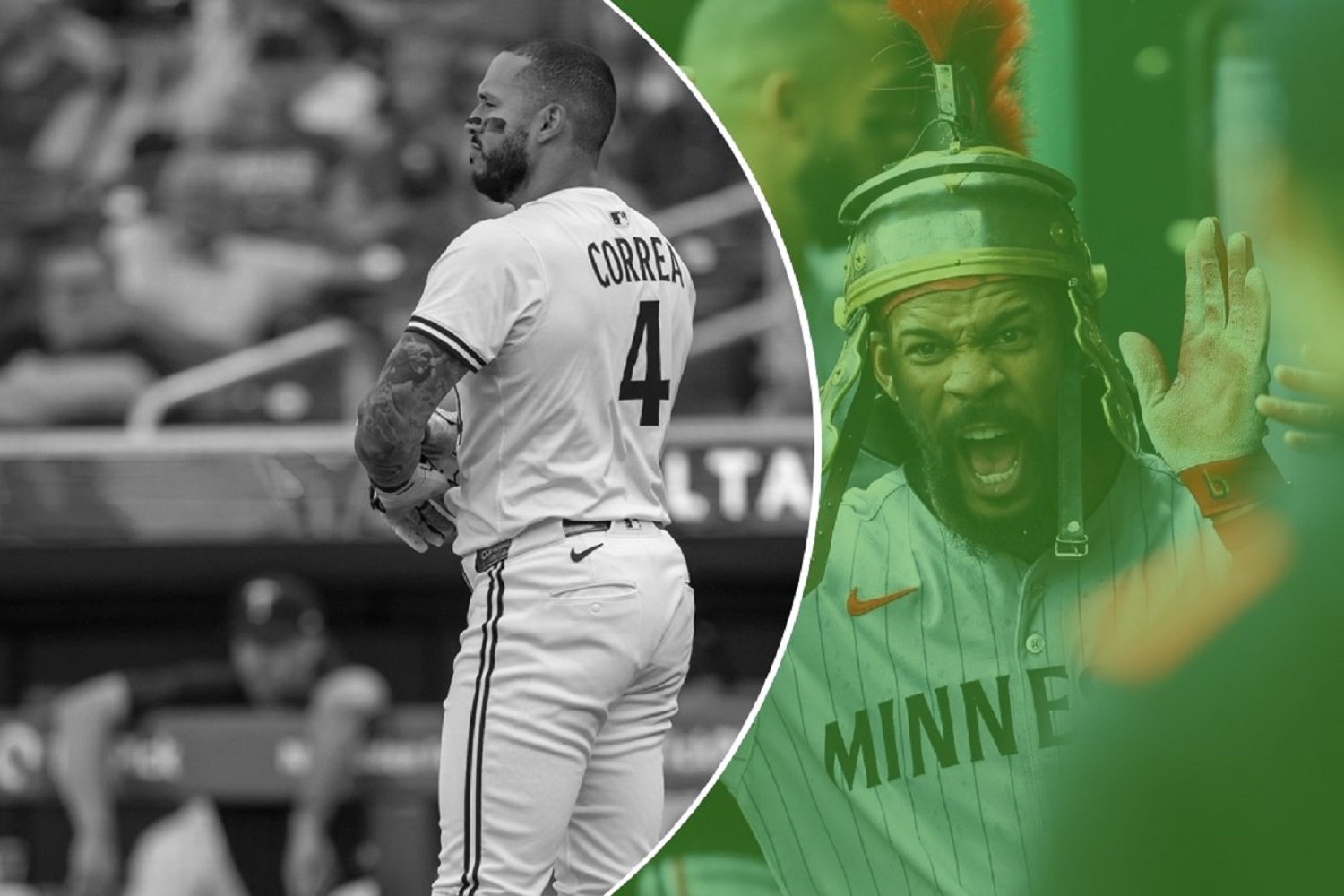 As the Minnesota Twins hit the halfway point of the 2025 season, fans are left scratching their heads for good and bad reasons. There have been moments of brilliance and stretches of frustration. But one thing is for sure: this team hasn’t lacked surprises. Let’s look back at some of the most unexpected storylines from the first half of the season. Byron Buxton, MVP Form, and Finally Healthy This entire article could be written about Buxton. And honestly, it nearly was. Not only has Buxton managed to stay healthy, but he's thriving in a way we’ve never seen before. His 146 OPS+ is the highest mark of his career, and he's doing it while playing regularly in center field. That alone felt like a long shot entering the season. Fans have grown used to the "if he can stay healthy" caveat, but in 2025, Buxton is finally delivering the elite performance everyone has been dreaming about since he was the game's top-ranked prospect. He's made jaw-dropping plays on defense, mashed extra-base hits, and become the team’s most valuable player in the first half. He’s a lock for the All-Star Game and has a chance to get MVP votes. That Magical 13-Game Winning Streak Blink, and you might’ve missed it, but for 13 games in May, the Minnesota Twins were unstoppable. Everything clicked. The starting rotation was mowing down opposing lineups, and the offense found a rhythm. The bullpen was lockdown. The vibes? Immaculate. It was the kind of run that makes you believe in October magic, even if the reality around it was a lot less enchanting. Before and after the streak, the Twins were flat, but those two weeks were special. It was a reminder of what this roster can do when everything aligns. Kody Clemens? Really? When the Twins traded for Kody Clemens from the Phillies, it was out of necessity more than anything. They needed infield help. He needed a job. It wasn’t a headline-grabbing move. But then Clemens caught fire. During the team’s 13-game winning streak, he delivered clutch hit after clutch hit. He’s cooled down since, but his improved bat speed and timely power have kept him relevant. He’s not an everyday answer, but Clemens has turned into a surprisingly valuable bench piece, and that’s more than anyone expected. Luke Keaschall’s Record-Tying Debut Keaschall was already viewed as one of the Twins’ top prospects, but few expected him to make such an immediate impact. In his first seven games, Keaschall went 7-for-19 with three doubles, five walks, and five stolen bases. That last number tied a modern record (five steals in his first five games), something no Twin had ever done. Keaschall brought energy, speed, and a patient approach at the plate. His call-up was interrupted by a broken arm, but it electrified the lineup at a time when it desperately needed a spark. Surprises of the Wrong Kind Not every surprise was pleasant. Here are a few developments the Twins surely didn’t plan for. Miranda and Julien’s Unexpected Demotions Coming into the year, it looked like Jose Miranda and Edouard Julien were part of the team’s foundation. Fast forward to June, and both are spending time in St. Paul. Julien has shown some life in Triple-A with strong on-base numbers and signs of his usual pop, but Miranda’s struggles continue. It’s been a frustrating regression, especially considering both players have shown flashes of being everyday contributors. There’s still time for them to rebound, but 2025 has not gone according to plan. Bailey Ober’s Regression Ober had been a model of consistency. That changed this season. He’s been fighting through a left hip issue that’s been nagging him since spring training, and the injury has affected both his velocity and command. While he’s avoided the injured list, he’s had to make mechanical adjustments to compensate, and the results haven’t been pretty (85 ERA+). The hope is that a bit of rest over the All-Star break can help get Ober back to the version Twins fans have come to rely on. Carlos Correa’s Disappearing Bat Correa’s defense is still elite. But his offense? Not so much. With a 92 OPS+, Correa is having the worst offensive season of his career. His bat has been a black hole in the middle of a lineup that’s already struggled to find consistency. If the Twins hope to make a legitimate push in the second half, they need Correa to return to form (and soon). The first half of the season has been a rollercoaster of unexpected highs and frustrating lows. Buxton's resurgence has been everything Twins fans have waited for, and the emergence of players like Keaschall and Clemens provided unlikely boosts. At the same time, disappointing performances and health concerns have derailed some key players. The Twins have shown flashes of brilliance, but it will take a more consistent second half to stay in the playoff picture. What surprised you the most about the Twins’ first half? Drop a comment below and join the conversation.
- 21 comments
-
- 4
-
-
- byron buxton
- kody clemens
- (and 4 more)
-
Image courtesy of © Katie Stratman (Buxton), Jesse Johnson (Correa)-Imagn Images As the Minnesota Twins hit the halfway point of the 2025 season, fans are left scratching their heads for good and bad reasons. There have been moments of brilliance and stretches of frustration. But one thing is for sure: this team hasn’t lacked surprises. Let’s look back at some of the most unexpected storylines from the first half of the season. Byron Buxton, MVP Form, and Finally Healthy This entire article could be written about Buxton. And honestly, it nearly was. Not only has Buxton managed to stay healthy, but he's thriving in a way we’ve never seen before. His 146 OPS+ is the highest mark of his career, and he's doing it while playing regularly in center field. That alone felt like a long shot entering the season. Fans have grown used to the "if he can stay healthy" caveat, but in 2025, Buxton is finally delivering the elite performance everyone has been dreaming about since he was the game's top-ranked prospect. He's made jaw-dropping plays on defense, mashed extra-base hits, and become the team’s most valuable player in the first half. He’s a lock for the All-Star Game and has a chance to get MVP votes. That Magical 13-Game Winning Streak Blink, and you might’ve missed it, but for 13 games in May, the Minnesota Twins were unstoppable. Everything clicked. The starting rotation was mowing down opposing lineups, and the offense found a rhythm. The bullpen was lockdown. The vibes? Immaculate. It was the kind of run that makes you believe in October magic, even if the reality around it was a lot less enchanting. Before and after the streak, the Twins were flat, but those two weeks were special. It was a reminder of what this roster can do when everything aligns. Kody Clemens? Really? When the Twins traded for Kody Clemens from the Phillies, it was out of necessity more than anything. They needed infield help. He needed a job. It wasn’t a headline-grabbing move. But then Clemens caught fire. During the team’s 13-game winning streak, he delivered clutch hit after clutch hit. He’s cooled down since, but his improved bat speed and timely power have kept him relevant. He’s not an everyday answer, but Clemens has turned into a surprisingly valuable bench piece, and that’s more than anyone expected. Luke Keaschall’s Record-Tying Debut Keaschall was already viewed as one of the Twins’ top prospects, but few expected him to make such an immediate impact. In his first seven games, Keaschall went 7-for-19 with three doubles, five walks, and five stolen bases. That last number tied a modern record (five steals in his first five games), something no Twin had ever done. Keaschall brought energy, speed, and a patient approach at the plate. His call-up was interrupted by a broken arm, but it electrified the lineup at a time when it desperately needed a spark. Surprises of the Wrong Kind Not every surprise was pleasant. Here are a few developments the Twins surely didn’t plan for. Miranda and Julien’s Unexpected Demotions Coming into the year, it looked like Jose Miranda and Edouard Julien were part of the team’s foundation. Fast forward to June, and both are spending time in St. Paul. Julien has shown some life in Triple-A with strong on-base numbers and signs of his usual pop, but Miranda’s struggles continue. It’s been a frustrating regression, especially considering both players have shown flashes of being everyday contributors. There’s still time for them to rebound, but 2025 has not gone according to plan. Bailey Ober’s Regression Ober had been a model of consistency. That changed this season. He’s been fighting through a left hip issue that’s been nagging him since spring training, and the injury has affected both his velocity and command. While he’s avoided the injured list, he’s had to make mechanical adjustments to compensate, and the results haven’t been pretty (85 ERA+). The hope is that a bit of rest over the All-Star break can help get Ober back to the version Twins fans have come to rely on. Carlos Correa’s Disappearing Bat Correa’s defense is still elite. But his offense? Not so much. With a 92 OPS+, Correa is having the worst offensive season of his career. His bat has been a black hole in the middle of a lineup that’s already struggled to find consistency. If the Twins hope to make a legitimate push in the second half, they need Correa to return to form (and soon). The first half of the season has been a rollercoaster of unexpected highs and frustrating lows. Buxton's resurgence has been everything Twins fans have waited for, and the emergence of players like Keaschall and Clemens provided unlikely boosts. At the same time, disappointing performances and health concerns have derailed some key players. The Twins have shown flashes of brilliance, but it will take a more consistent second half to stay in the playoff picture. What surprised you the most about the Twins’ first half? Drop a comment below and join the conversation. View full article


